Category: Cat Diet

  • Can Cat Eat Beef Liver Safely and in Moderation

    Can Cat Eat Beef Liver Safely and in Moderation

    Isn't it tempting to give your cat a taste of everything you enjoy? Before sharing beef liver with your furry friend, let's consider if it's truly safe. While beef liver is loaded with nutrients that can boost your cat's well-being, too much of it can spell trouble.

    It's a fine line between health boost and health risk. In this blog, I'll guide you through what makes beef liver a potential treat and the right way to include it in your cat's diet. This ensures your pet can enjoy the benefits without any worries.

    Can Cats Safely Eat Beef Liver?
    Can Cats Safely Eat Beef Liver-1.jpg

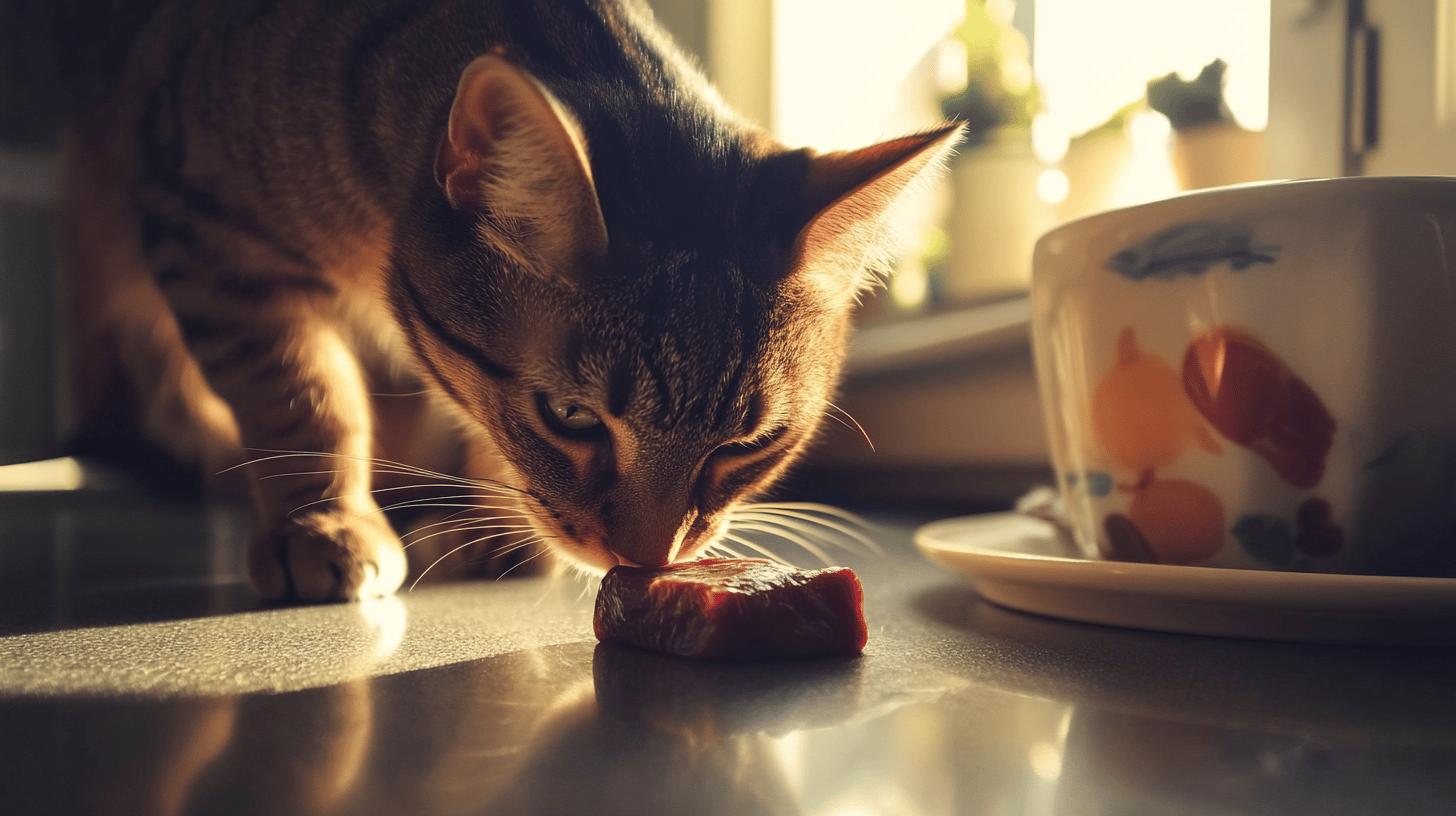
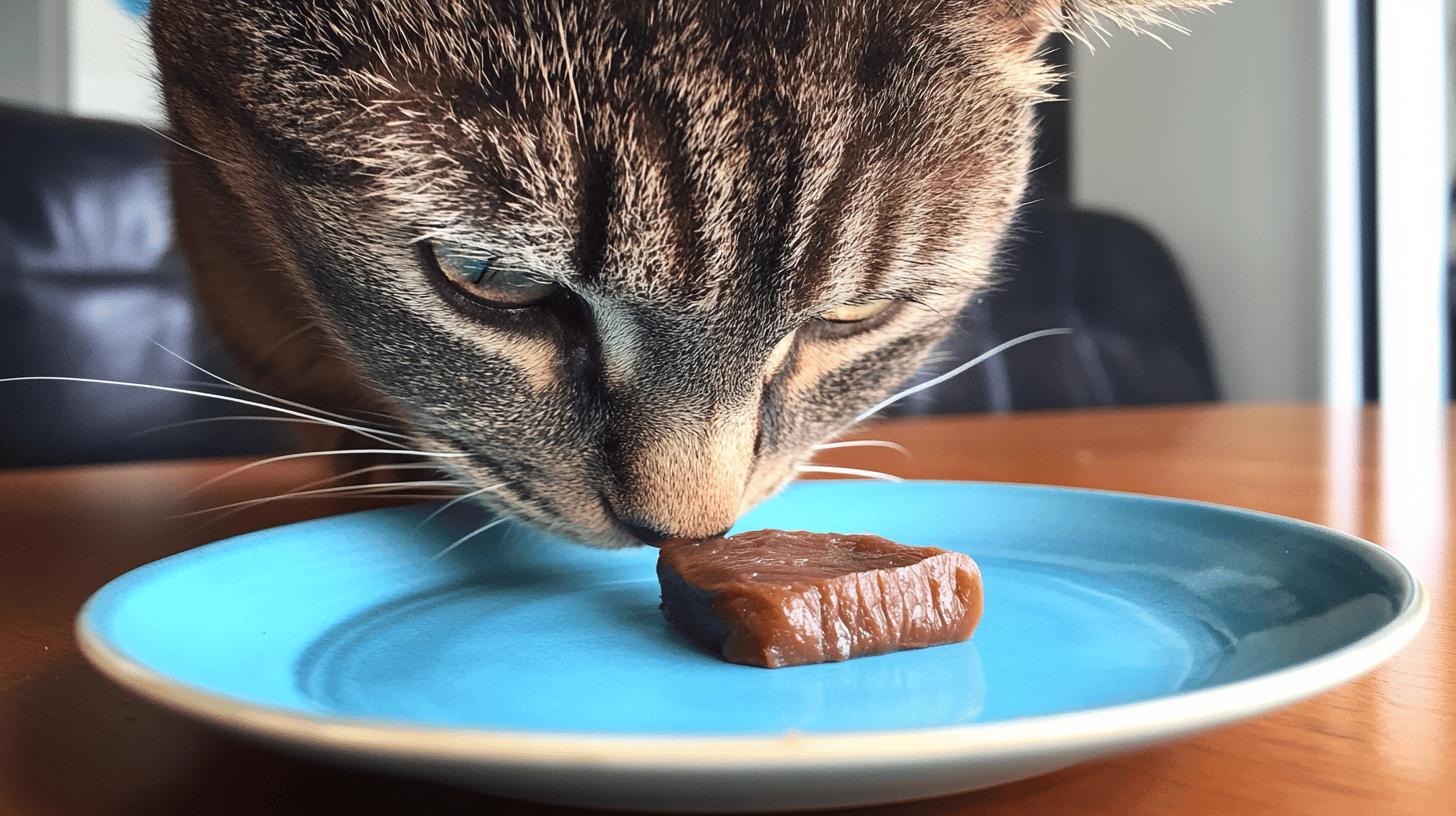
    Cats can indeed eat beef liver, but it's crucial to do so with caution. Beef liver is packed with beneficial nutrients like vitamins A and B, iron, and copper, which can support a cat's health.

    However, feeding too much can lead to health issues. To keep things safe, the liver should only make up about 5%–7% of their regular meals. This helps prevent nutrient overdose and keeps their diet balanced.

    • Vitamin A Toxicity: Too much vitamin A can cause serious health issues like lethargy and bone malformations.

    • Nutrient Overdose: Overconsumption of liver can lead to excess levels of certain nutrients, impacting overall health.

    • Weight Gain: Liver is rich and fatty, so excessive feeding can contribute to obesity.

    • Digestive Upset: Sudden introduction or overfeeding might cause vomiting or diarrhea.

    • Bone Health Risks: Long-term excessive intake may affect bone development and strength.

    In summary, beef liver is safe for cats when fed in moderation. Prioritize safety by sticking to recommended portion sizes and ensuring it remains an occasional treat rather than a dietary staple.

    Nutritional Benefits and Risks of Beef Liver for Cats
    Nutritional Benefits and Risks of Beef Liver for Cats-1.jpg

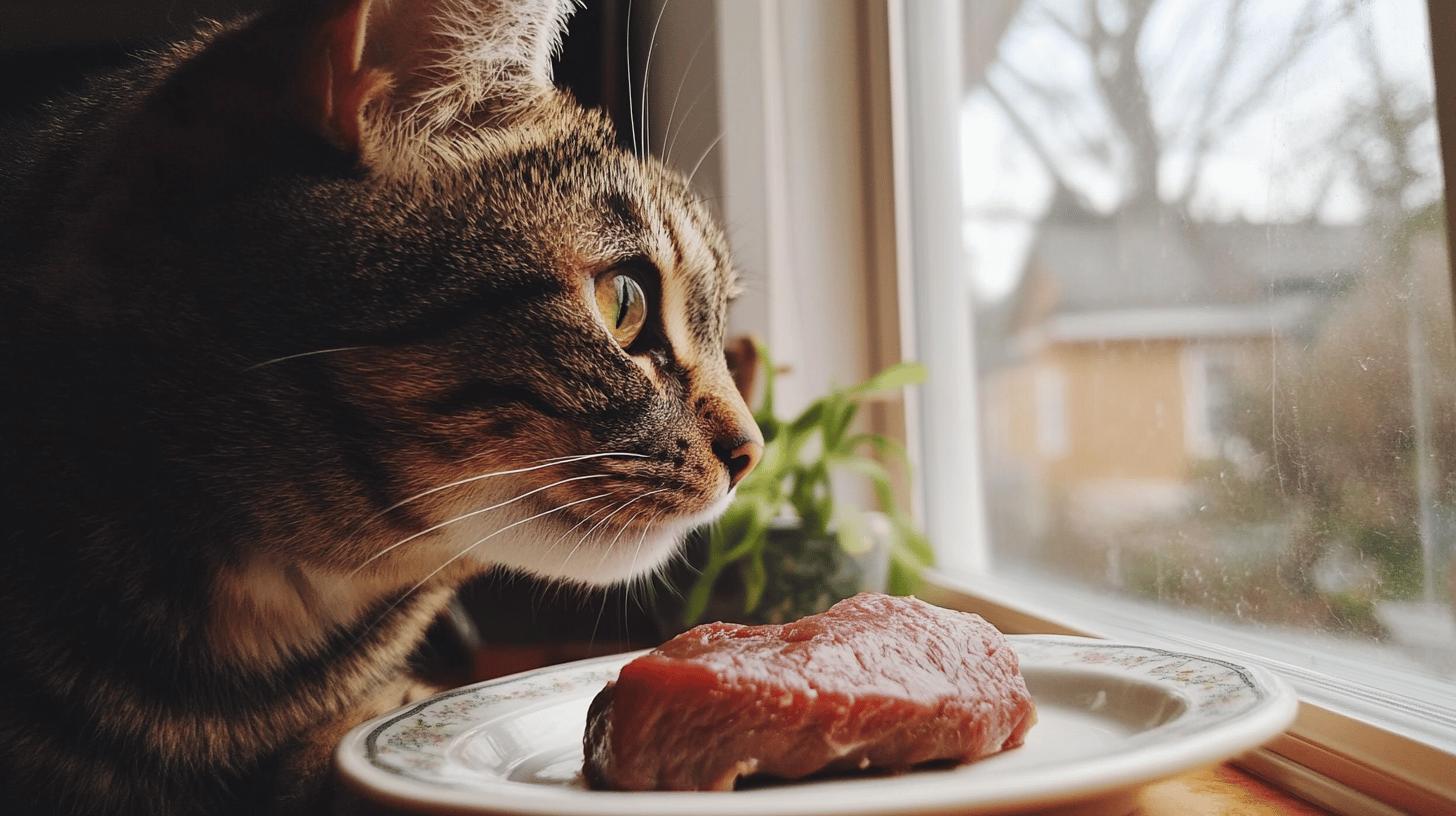
    Feeding beef liver to cats offers nutritional perks, mainly due to its rich nutrient profile. It provides essential vitamins and minerals like omega-3 fatty acids and taurine, which haven't been emphasized previously.

    • Omega-3 Fatty Acids: Promote a shiny coat and healthy skin.

    • Taurine: Supports heart health, crucial for overall vitality.

    The main risk with beef liver is vitamin A toxicity, which is covered well in the article already. To recap briefly, overconsumption can lead to symptoms like lethargy, weight loss, and skin issues.

    Moderation is key. Small, infrequent servings help your cat gain benefits without the risks.

    How to Prepare Beef Liver for Cats
    How to Prepare Beef Liver for Cats-1.jpg

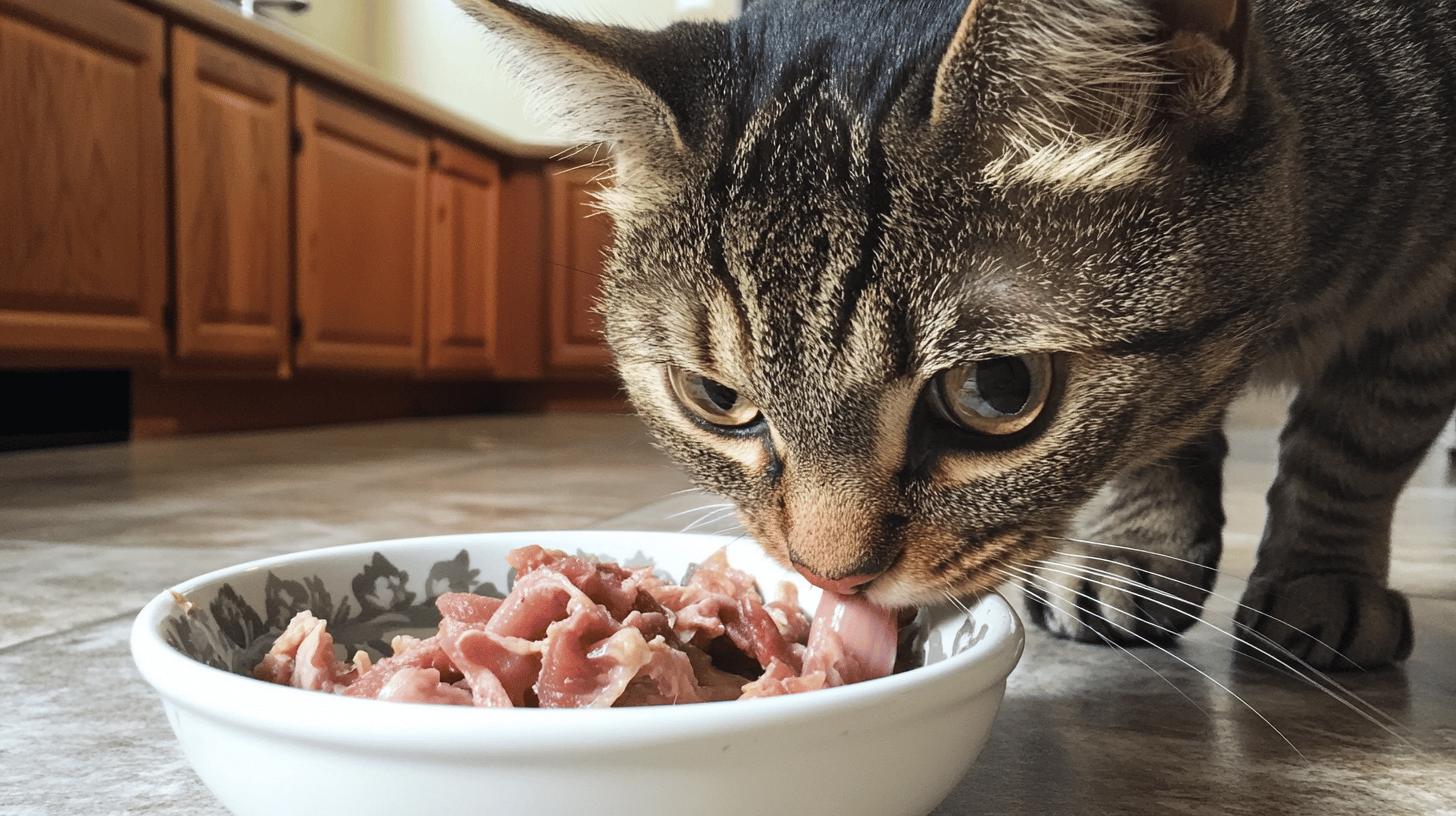
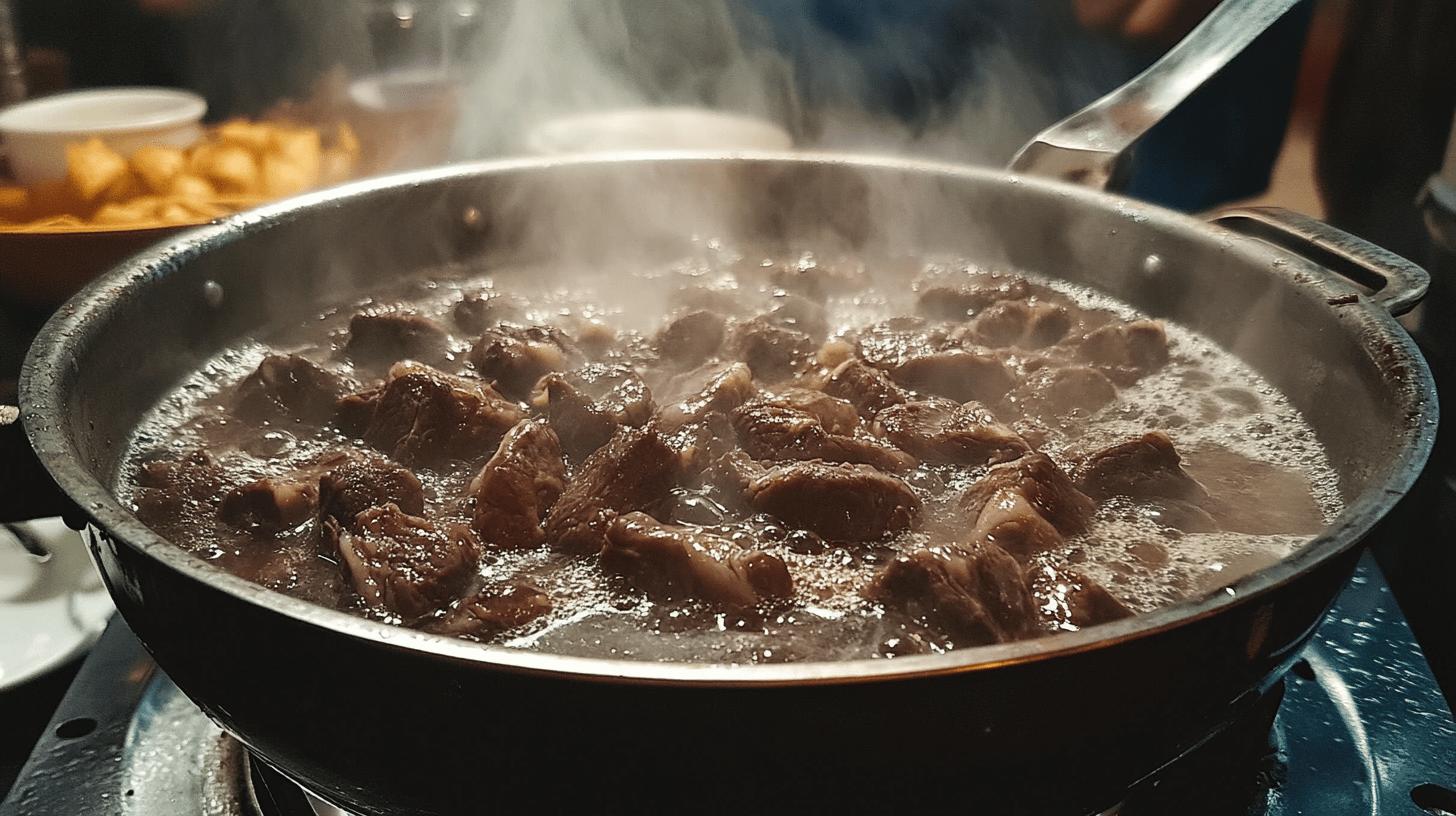
    When preparing beef liver for your feline friend, proper preparation is key to minimizing health risks. Cooking the liver not only makes it more digestible for cats but also reduces the risk of contamination from harmful parasites or bacteria. Boiling is a simple and effective cooking method that keeps the liver safe for your pet.

    • Remove Fat: Trim off excess fat from the liver to prevent unnecessary calorie intake.

    • Boil the Liver: Cook the liver in boiling water without any seasoning or additives.

    • Cut into Small Pieces: Once cooked, chop the liver into small, manageable pieces for easier consumption.

    • Grind if Necessary: For cats with difficulty chewing, consider grinding the liver.

    • Cool Before Serving: Ensure the liver is at room temperature before serving to avoid burns.

    Cooking beef liver is generally preferred over serving it raw, as it significantly decreases the risk of foodborne illnesses. Raw meat can carry pathogens like Salmonella, which pose a risk to both cats and humans. By cooking the liver, you ensure a safer and more nutritious treat for your cat.

    Feeding Guidelines and Portion Sizes for Beef Liver
    Feeding Guidelines and Portion Sizes for Beef Liver-1.jpg

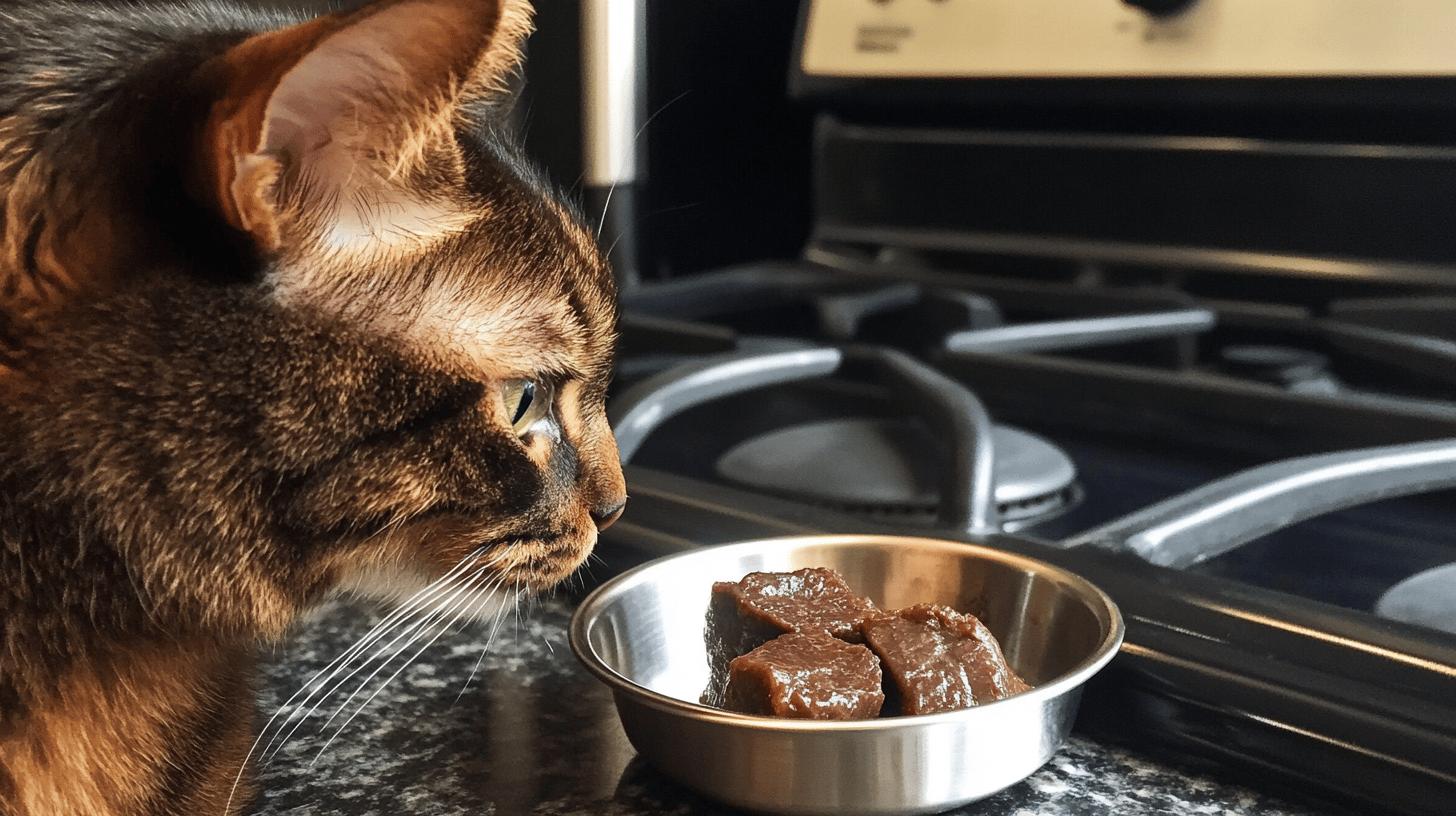
    Controlling portion sizes of beef liver is essential to prevent health risks like vitamin A toxicity. It should make up only about 5% of a cat's diet.

    Liver Type Suggested Portion Size
    Beef Liver 10–20 grams
    Chicken Liver 10–20 grams

    Introduce liver gradually and watch for any adverse reactions. Keep it as an occasional treat to maintain a balanced diet.

    Monitoring for Adverse Reactions and Signs of Allergies
    Feeding Guidelines and Portion Sizes for Beef Liver-3.jpg

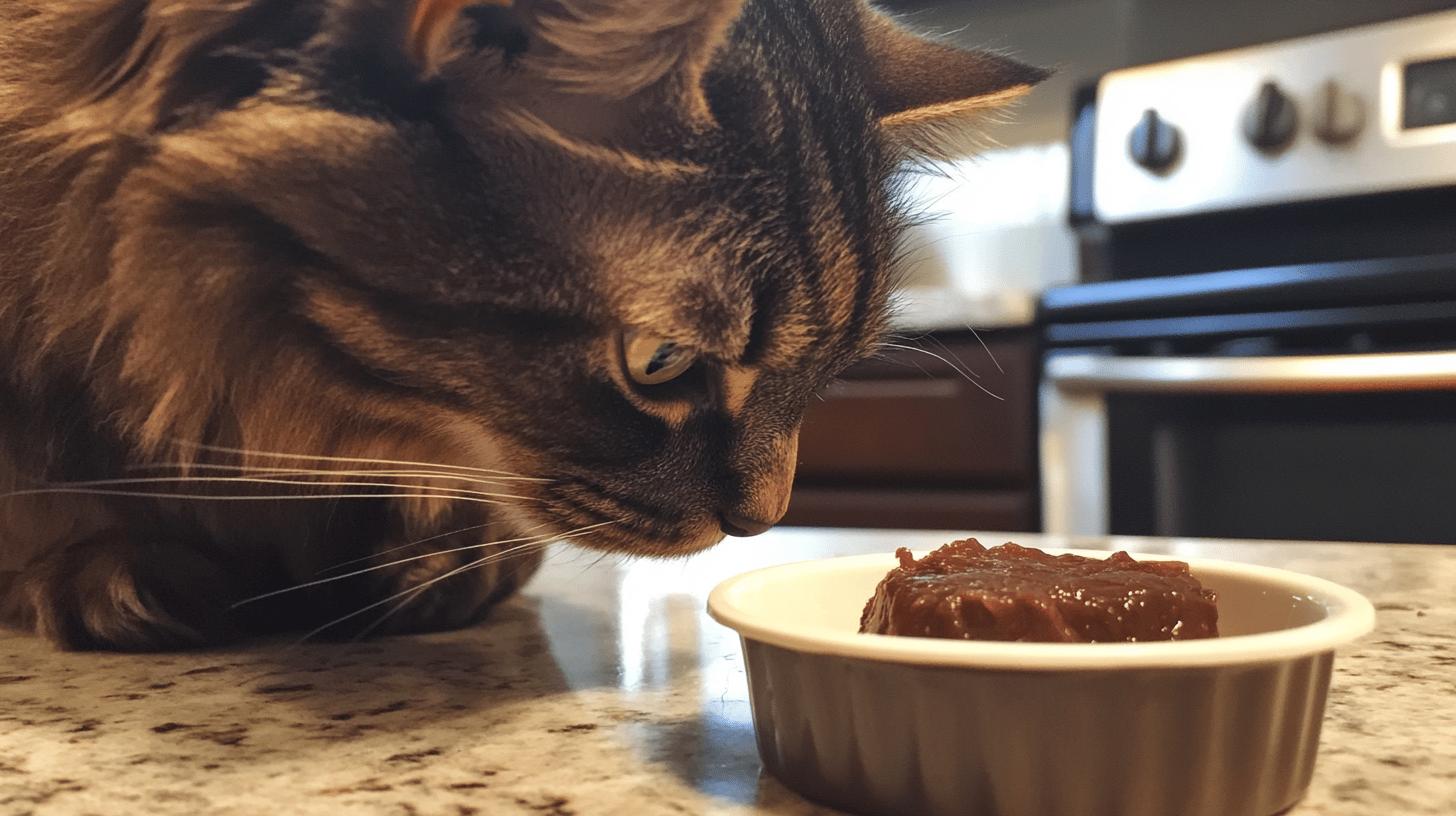
    When introducing beef liver into your cat's diet, it's crucial to monitor for any adverse reactions or signs of allergies. Some cats might react negatively to new foods, and beef liver is no exception. Common signs to watch for include vomiting, diarrhea, and skin issues.

    • Vomiting after eating liver

    • Diarrhea or changes in stool consistency

    • Excessive scratching or skin irritations

    • Changes in appetite or refusal to eat

    • Lethargy or unusual tiredness

    If you observe any of these symptoms, it's important to stop feeding liver and consult your vet. Early detection and professional advice can prevent more serious health issues, ensuring your cat remains healthy and happy.

    Comparing Beef Liver to Other Liver Sources for Cats
    Comparing Beef Liver to Other Liver Sources for Cats-3.jpg

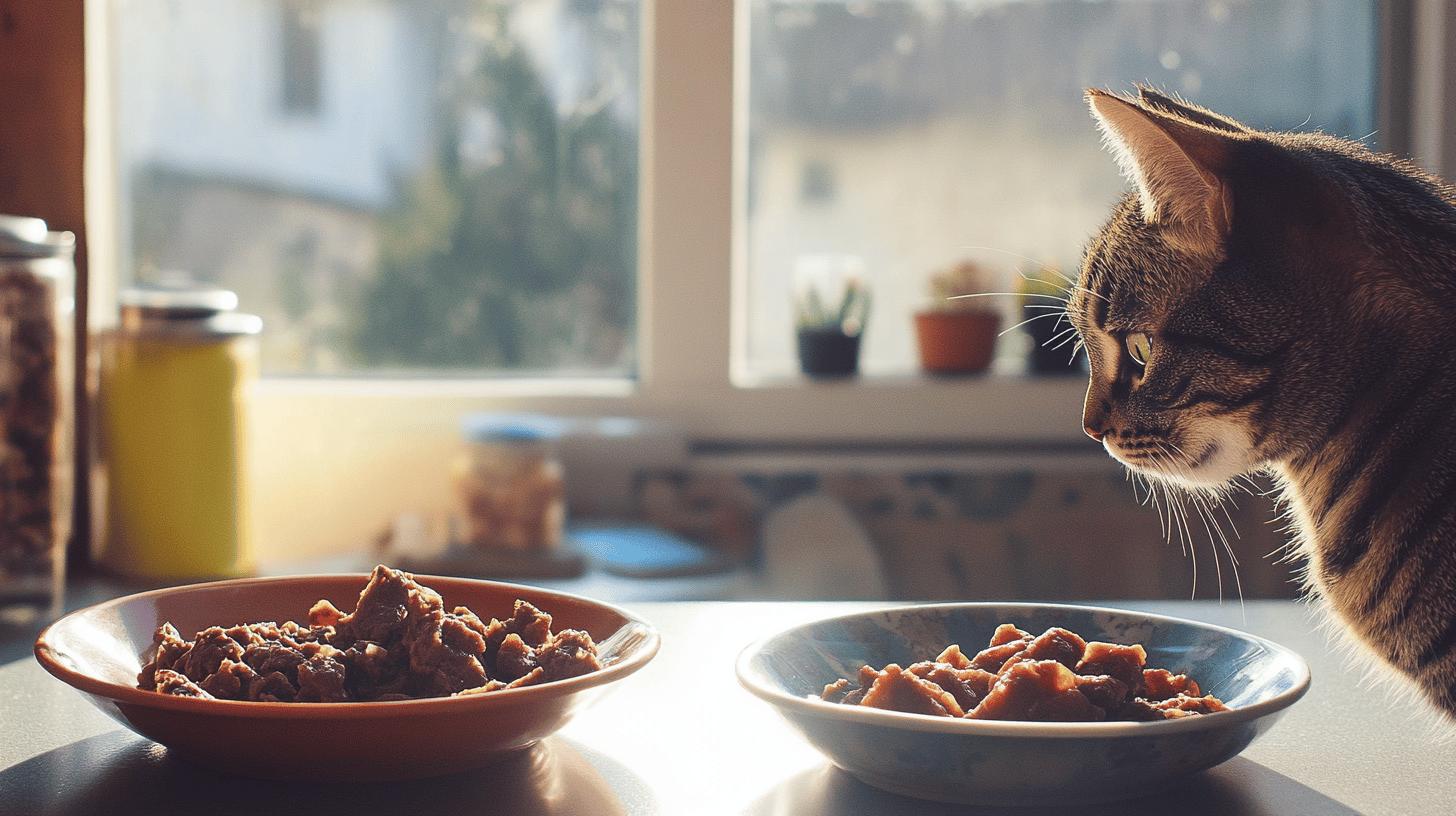
    When considering liver as a protein supplement for cats, it's important to compare different types of liver to determine which is best. Beef liver is nutritious but carries a risk of vitamin A toxicity if consumed in excess.

    Chicken liver, on the other hand, is often preferred due to its lower risk of causing this issue. Both types offer essential nutrients, but their risks differ.

    Liver Type Nutritional Benefits Risks
    Beef Liver Rich in vitamins A and B, iron, and copper Higher risk of vitamin A toxicity
    Chicken Liver Contains taurine and omega-3 fatty acids Lower risk of vitamin A toxicity

    For regular feeding, chicken liver is typically a safer option due to its nutritional profile and reduced risk of vitamin A toxicity. This makes it a better choice for maintaining your cat's health while still providing the benefits of organ meats.

    Final Words

    Feeding cats beef liver can be beneficial due to its rich vitamins and minerals. But too much can lead to health issues, especially vitamin A toxicity. Cook the liver properly and keep portions small to keep cats safe. Watch for any adverse reactions while introducing liver to their diet. While chicken liver can be a safer alternative, beef liver provides unique nutrients that enhance a cat's health. When asking, "can cat eat beef liver?" remember, moderation is key for a balanced, enjoyable treat for your feline.

    FAQ

    Can cats eat beef liver raw or cooked?

    A: Cats can eat beef liver both raw and cooked. Cooking the liver, like boiling it, reduces contamination risk. Raw liver demands careful handling to avoid parasites.

    Can cats eat liver every day?

    A: Cats shouldn't eat liver every day. Liver should only make up 5–7% of their meals. Overconsumption risks vitamin A toxicity.

    What is the healthiest organ meat for cats?

    A: Many consider chicken liver one of the healthiest because it carries lower vitamin A toxicity risk. It provides nutrients like taurine and omega-3s.

    Why can't cats eat liver every day?

    A: Daily liver consumption might lead to vitamin A toxicity. Symptoms include lethargy, weight loss, and bone malformations.

    How do I cook beef liver for cats?

    A: Boiling is a safe way to cook beef liver for cats. Remove fat, cut into small pieces, and cook thoroughly to kill bacteria.

    What are the nutritional benefits of beef liver for cats?

    A: Beef liver is rich in vitamins A and B, iron, and copper. Benefits include improved skin, regeneration, and night vision.

    What are the risks of feeding beef liver to cats?

    A: Risks include vitamin A toxicity and nutrient overdose. Symptoms can be severe, including skin issues and bone malformations.

    Can cats eat cooked liver?

    A: Cats can eat cooked liver. Cooking is safer as it minimizes bacteria and contamination risks.

    Can cats eat chicken liver every day?

    A: While healthier than beef liver for regular feeding, chicken liver still shouldn't be daily. Moderation prevents nutrient imbalance.

    How should I monitor my cat for adverse reactions to liver?

    A: Watch for vomiting, diarrhea, and skin issues. Consult a vet if symptoms persist or are severe.
    Related Articles

  • Can Cat Eat Duck Nutritional Benefits and Safety Considerations

    Can Cat Eat Duck Nutritional Benefits and Safety Considerations

    Can cats enjoy a duck meal without any worries? Well, as obligate carnivores, cats thrive on a diet rich in meat, and duck can be a tasty and nutritious option. Packed with vital nutrients like vitamins B6 and B12, duck meat supports a cat's energy levels and overall health.

    But just like any new food, serving duck to your cat requires some caution. In this post, I'll explore the nutritional benefits of duck and what you must know to keep your feline friend safe while they savor this delightful dish.

    Can Cats Eat Duck Safely?

    Can Cats Eat Duck Safely-1.jpg

    Cats are obligate carnivores, which means their diet needs to be primarily meat-based to meet their nutritional requirements. Duck meat is a suitable protein source for cats as it provides essential amino acids and vital nutrients like vitamins B6 and B12.

    These nutrients are crucial for maintaining energy levels and supporting overall health. So, yes, cats can eat duck, and it is indeed good for them when included as part of a balanced diet.

    However, feeding duck to your cat involves some important considerations. Duck should always be cooked thoroughly, as raw meat can contain harmful bacteria. It is crucial to avoid spices and seasonings, especially ingredients like garlic and onions, which are toxic to cats.

    Feeding duck in moderation is also key to preventing dietary imbalances. As with any protein source, it should complement the rest of their diet to ensure they receive a full spectrum of nutrients. By preparing duck properly and serving it in controlled portions, you can safely include it in your cat's meal plan.

    Nutritional Value of Duck for Cats

    Nutritional Value of Duck for Cats-1.jpg

    Duck meat is a powerhouse of nutrients that can greatly benefit your feline friend. It offers a rich source of high-quality protein, which is essential for building and maintaining muscle mass in cats. Furthermore, duck is packed with iron and zinc, both vital for supporting a healthy immune system and maintaining blood health.

    The B vitamins present in duck, particularly B6 and B12, play a crucial role in energy metabolism, ensuring your cat stays active and lively. The fatty acids found in duck help maintain a shiny coat and healthy skin, making it a valuable addition to a cat's diet.

    Nutrient Role in Cat Health
    Protein Supports muscle health
    Iron Maintains healthy blood
    Zinc Boosts immune function
    Vitamin B6 and B12 Enhances energy metabolism
    Fatty Acids Promotes healthy skin and coat

    Duck is often regarded as a novel protein, which can be particularly beneficial for cats with food allergies or sensitivities to more common proteins like chicken or beef. This unique protein source can help manage food allergies by reducing the likelihood of triggering an allergic response.

    For cats that have shown signs of food sensitivities, introducing duck into their diet could provide them with a nutritious alternative, ensuring they still receive the benefits of essential amino acids without the risk of allergic reactions.

    Potential Risks and Preparation of Feeding Duck to Cats

    Potential Risks and Preparation of Feeding Duck to Cats-1.jpg

    Feeding duck to your cat can be safe if prepared correctly. Focus on cooking techniques that avoid health risks. Duck must be cooked thoroughly to eliminate harmful bacteria like salmonella. This bacteria can pose serious health issues for cats. It's also crucial to serve duck plain, without seasonings or toxic ingredients like onions and garlic. Plain preparation is vital for making duck a safe option in your cat's diet.

    Here's a rundown of potential risks when feeding duck to cats:

    1. Choking Hazards: Avoid cooked bones, as they can splinter and cause choking or internal injuries.
    2. Bacterial Contamination: Raw duck can harbor harmful bacteria; always cook it thoroughly.
    3. Excessive Fat Intake: Duck is high in fat, which can lead to obesity if not fed in moderation.
    4. Toxic Ingredients: Do not season duck with onions, garlic, or other toxic substances.

    When preparing duck for your cat, focus on safe cooking practices. Cook the duck plain, without spices or sauces. After cooking, cut the duck into small, manageable pieces to make it safer for your cat to eat. Portion control is key. Duck should complement a balanced diet, not dominate it. This approach allows your cat to enjoy duck's benefits without unnecessary risks.

    Monitoring portion sizes is crucial to avoid weight gain. Duck's high-fat content can lead to obesity if overfed. Make duck an occasional treat, not a regular part of the diet. By watching how much duck you serve, you help maintain your cat's healthy weight and overall well-being.

    Is Duck Suitable for Cats with Allergies?

    Is Duck Suitable for Cats with Allergies-1.jpg

    Introducing a new protein like duck can be essential for cats with allergies to common meats like chicken or beef. As a novel protein, duck offers a different amino acid profile that might help manage food sensitivities. It's a practical alternative that could provide necessary nutrients while minimizing the risk of allergic reactions.

    Gradually introduce duck into your cat's diet to monitor for any allergic responses. Begin with small portions mixed with their usual food. Keep an eye out for symptoms like itching, vomiting, or diarrhea. If such signs appear, stop feeding duck right away to prevent further discomfort.

    Before introducing any new protein, it's important to consult a veterinarian. They can offer advice tailored to your cat's specific health needs, ensuring that duck is a safe addition to their diet. With their guidance, you can confidently manage your cat's allergies while maintaining a balanced nutritional intake.

    Comparing Duck with Other Meats for Cats

    Is Duck Suitable for Cats with Allergies-2.jpg

    When it comes to choosing between duck and chicken for your cat, there are notable differences in their nutritional profiles. Duck is known for its higher fat content compared to chicken, which can be a double-edged sword. While the fat in duck can contribute to a glossy coat and supple skin, it may also lead to weight gain if not fed in moderation.

    On the other hand, chicken is a leaner option, making it an excellent choice for cats that need to manage their weight or have a lower tolerance for fatty foods. Both meats provide high-quality protein, which is essential for maintaining muscle mass and overall health in cats.

    Here's a quick comparison of duck, chicken, and rabbit for cats, focusing on protein and fat content:

    Meat Type Protein Content Fat Content
    Duck High Higher
    Chicken High Lower
    Rabbit Moderate Low

    Deciding whether duck, chicken, or rabbit is best for your cat depends on their individual health needs. Duck might be a good choice for cats needing more fat in their diet or those who have shown preferences for richer flavors.

    Chicken, being leaner, is often recommended for cats prone to obesity or those with dietary restrictions that require less fat. Rabbit is an alternative protein that might suit cats with allergies to more common meats. Tailoring your cat's diet to their specific health requirements ensures they receive the best nutritional benefits each meat offers.

    Final Words

    When feeding cats duck, it turns out it's a safe and nutritious option. It provides essential protein and vitamins like B6 and B12. Duck is particularly great as it can ease allergies some cats face with more common meats.

    Remember, it's crucial to cook duck properly. Avoid spices and focus on portion control to maintain a balanced diet. Duck offers diverse benefits, but excessive fat can be an issue.

    Whether addressing allergies or just diversifying meals, knowing that cat can eat duck expands your options for cat care. Keep their diet varied and healthy!
    FAQ

    Can cats eat duck meat?

    Cats can eat duck meat. It's a safe protein source and provides essential nutrients. Always cook duck properly and serve it plain without spices.

    Can cats eat duck bones?

    Cats shouldn't eat duck bones. Cooked bones can splinter and cause choking hazards or digestive issues.

    Can cats eat duck skin?

    Duck skin is high in fat. While not toxic, it can contribute to obesity if given in large amounts.

    Can cats eat duck eggs?

    Cats can eat cooked duck eggs in moderation. They offer protein but should not replace a balanced cat diet.

    Can cats eat raw duck?

    Cats shouldn't eat raw duck because it may contain harmful bacteria. Always cook the duck fully before serving.

    Can cats eat duck liver?

    Cats can eat duck liver, which is rich in nutrients. However, it should be given in moderation to prevent vitamin toxicity.

    How to cook duck for cats?

    Cook duck without spices, onions, or garlic. Keep it plain and cut into small pieces to avoid choking hazards.

    Is duck good for cats with allergies?

    Duck is a novel protein and can be good for cats with allergies to common proteins like chicken or beef.

    Are ducks safe from cats?

    Ducks are generally safe from cats if kept in a well-secured environment. Cats may pose a threat to small, unattended ducks.

    What meat can cats not eat?

    Cats shouldn't eat heavily seasoned meats or those containing bones, garlic, and onions.

    Can I give my ducks cat food?

    It's not recommended to feed ducks cat food. Ducks need a diet tailored to their nutritional needs, which differs from cats.

    Related Articles

  • Can Cat Eat Okra Safe Dietary Tips For Feline Owners

    Can Cat Eat Okra Safe Dietary Tips For Feline Owners

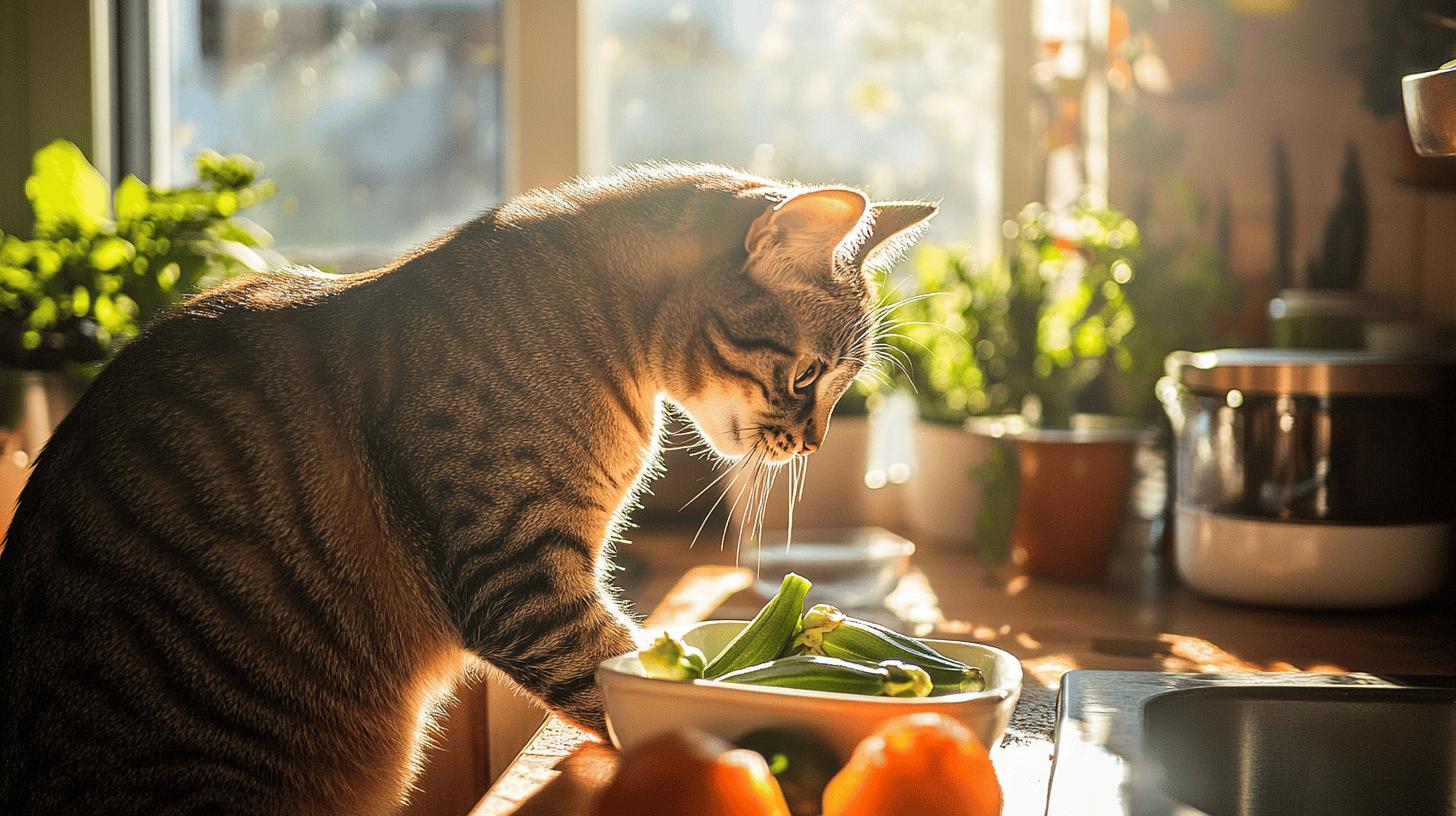
    Have you ever caught your cat nibbling on something green and wondered, "Is okra safe for my feline friend?" It's a question that stirs up debate among cat owners. Cats are obligate carnivores, so their diet should mostly include meat.

    But what about adding a vegetable like okra as an occasional treat? Let's explore whether this green pod can be a safe addition or if it poses any risks. Stick around to get practical tips on how to incorporate okra safely into your cat's menu while keeping their diet balanced and health-focused.

    Can Cats Eat Okra? Understanding the Basics

    Can Cats Eat Okra Understanding the Basics-3.jpg

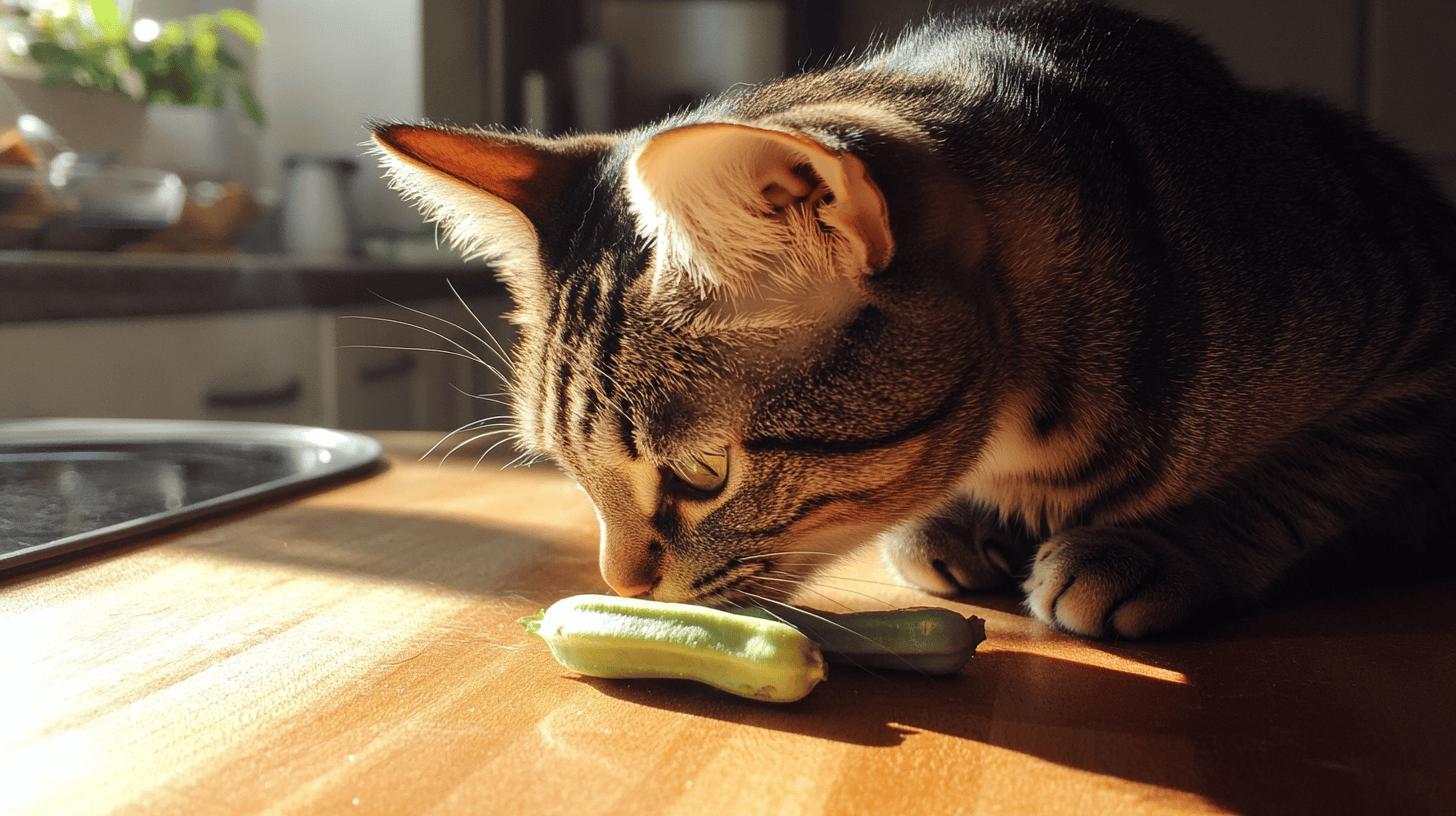
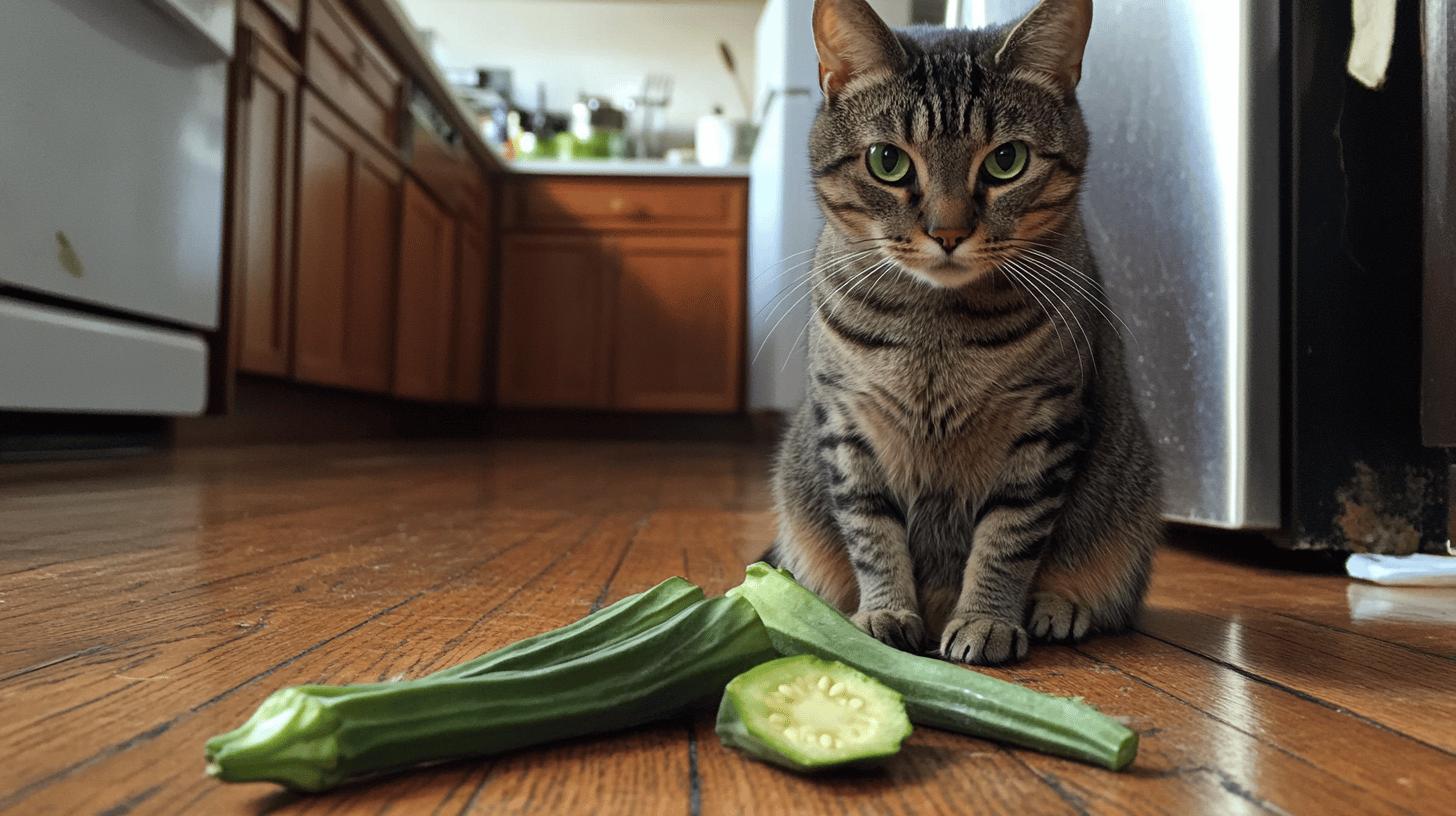
    Cats can eat okra, but it's essential to remember that their diet should primarily consist of animal products, as they are obligate carnivores. Okra contains solanine, a toxin also found in eggplants and potatoes.

    The good news is that the solanine levels in okra are too low to harm cats if consumed in moderation. Feeding okra as a treat can be safe, but it's crucial to control the portion sizes to prevent any potential digestive issues or nutrient imbalances.

    Moderation is key when including okra in your cat's diet. Here are some dietary considerations to keep in mind:

    • Nutritional considerations
    • Digestive effects
    • Solanine levels
    • Portion control
    • Meat-based diet emphasis

    While okra is safe in small amounts, it should only supplement a diet rich in meat-based nutrients. Cats need specific proteins and amino acids found in animal foods to thrive. Ensuring your cat's primary diet is meat-focused will provide the essential nutrients it needs for optimal health. Okra can be an occasional treat, but always prioritize a balanced diet that caters to your cat's carnivorous nature.
    Health Implications of Feeding Okra to Cats

    Health Implications of Feeding Okra to Cats-1.jpg

    Okra offers a variety of vitamins and minerals, including vitamins A, B, C, and K, as well as calcium, iron, and potassium. These nutrients can support vision, strengthen bones, and aid in oxygen transport, offering a small nutritional boost when included in a cat's diet.

    Despite these benefits, okra does not provide the essential nutrients that cats need. Cats are obligate carnivores and require animal proteins and specific amino acids for their health. While okra can be an occasional treat, it doesn't fulfill the dietary requirements that are critical for their growth and energy, which are best met through meat-based foods.

    Nutrient Benefit
    Vitamin A Supports vision and immune system
    Calcium Strengthens bones and teeth
    Iron Aids in oxygen transport in the blood

    Feeding too much okra can lead to gastrointestinal issues, such as an upset stomach or diarrhea, due to its fibrous nature. Moderation is key to preventing discomfort and ensuring that okra complements a primarily meat-based diet. Always monitor your cat's reaction to new foods and consult your vet if you notice any issues.

    Safe Ways to Prepare Okra for Cats

    Health Implications of Feeding Okra to Cats-2.jpg

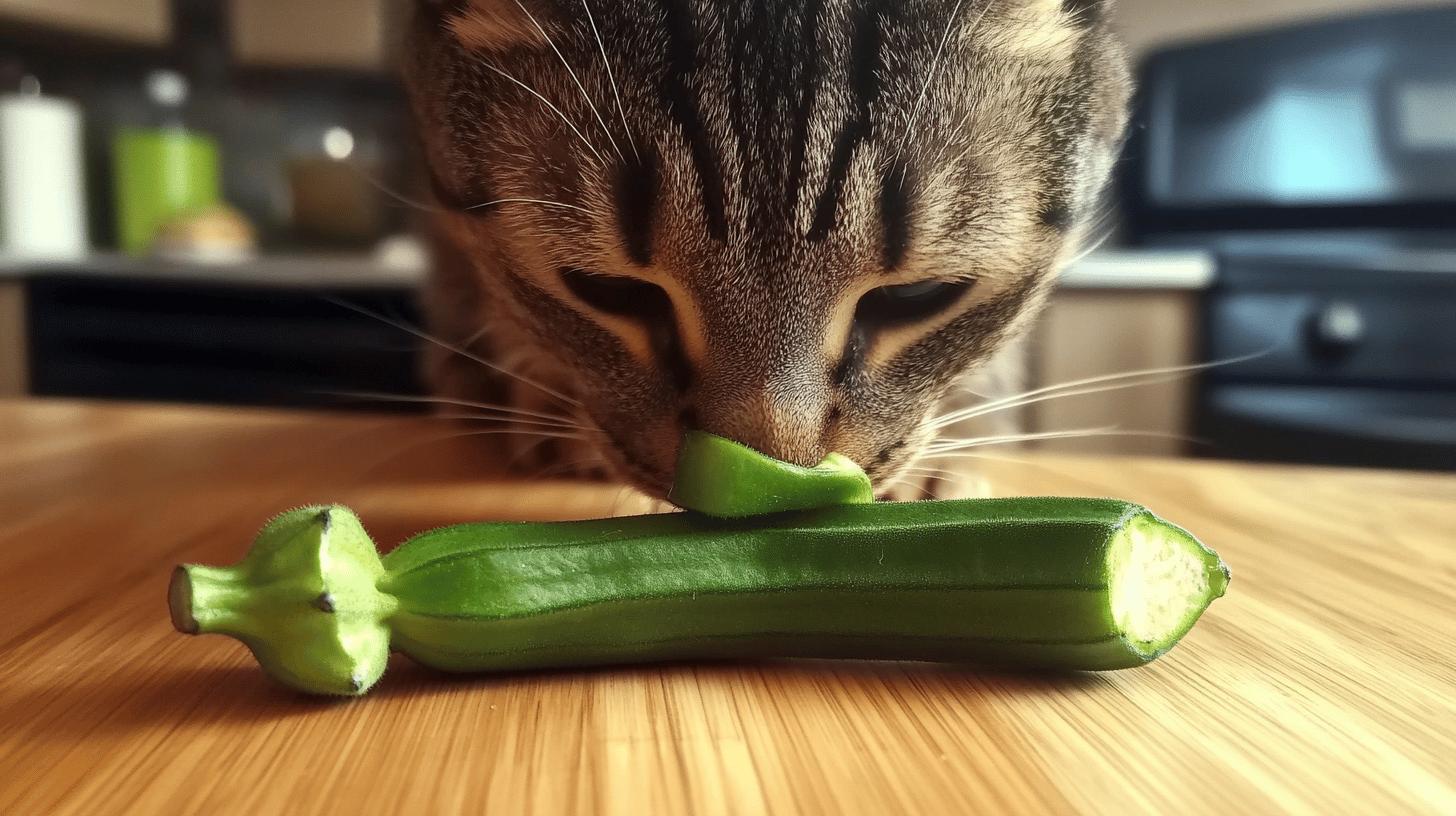
    When preparing okra for cats, it's best to cook it either by boiling or steaming. Cooked vegetables are generally easier for cats to digest, minimizing the risk of any gastrointestinal discomfort. By cooking okra, you not only soften its texture but also reduce any potential choking hazards. Cooking without any added ingredients ensures that the okra remains safe for your feline friend. Remember, the simpler, the better.

    When preparing okra, keep these points in mind:

    • Avoid pickling
    • No spices
    • Cook thoroughly
    • Serve in small portions

    For serving suggestions, offer a small amount of cooked okra as an occasional treat alongside their regular meal. Ensure it's cooled to room temperature to avoid any burns. By maintaining small portion sizes, you can monitor your cat's reaction to the new food and make sure it complements their meat-based diet without causing any digestive upset.

    Alternatives and Supplements to Okra in a Cat's Diet

    Alternatives and Supplements to Okra in a Cats Diet-1.jpg

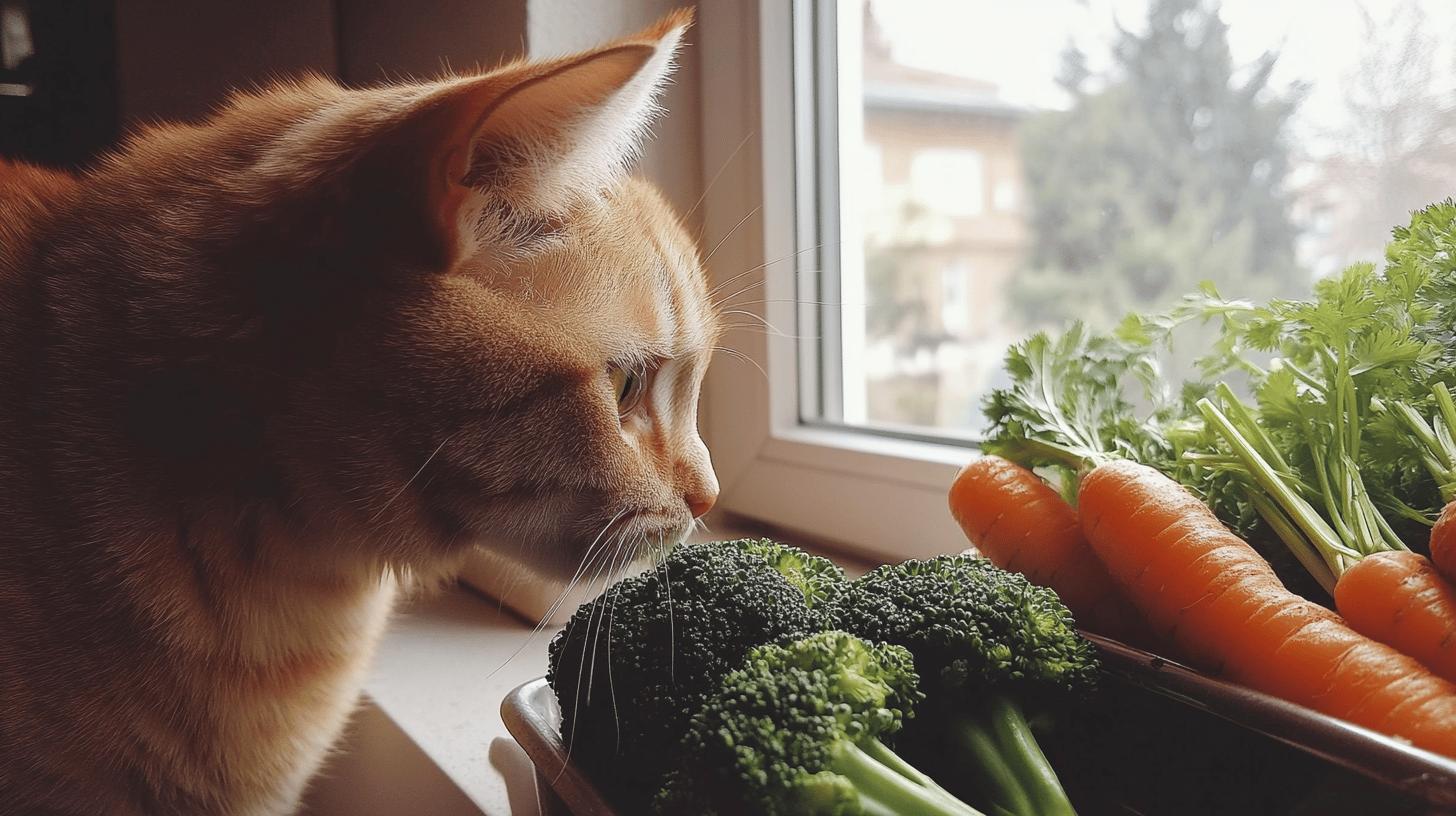
    When considering alternatives to okra, there are several cat-friendly vegetables that can add variety to their diet. Safe options include asparagus, broccoli, and carrots, which are not only easy to prepare but also provide some nutritional benefits.

    Green beans, pumpkin, and spinach are other great choices, offering fiber and vitamins that can support your cat’s health. Sweet potatoes and zucchini can also be served in small amounts, providing an occasional treat without compromising their dietary needs.

    However, not all vegetables are safe for cats. It's crucial to avoid feeding them onions, garlic, and chives, which can cause gastrointestinal distress and other health issues. Grapes and raisins are also on the no-go list, as they are toxic to cats and can lead to kidney failure. Always be cautious and research any new food you introduce to your feline friend to ensure their safety.

    • Asparagus
    • Broccoli
    • Carrots
    • Green beans
    • Pumpkin
    • Spinach
    • Sweet potatoes
    • Zucchini

    Despite the inclusion of these vegetables, a proper feline diet should be primarily meat-based, ensuring high protein and moderate fat intake. Cats require specific nutrients, vitamins, and amino acids found in animal products to thrive.

    Vegetables can occasionally supplement their diet, but they should not replace the essential nutrients that come from meat. By maintaining a balanced diet, you can support your cat's overall health and wellbeing.

    Monitoring Your Cat After Trying Okra

    Monitoring Your Cat After Trying Okra-1.jpg

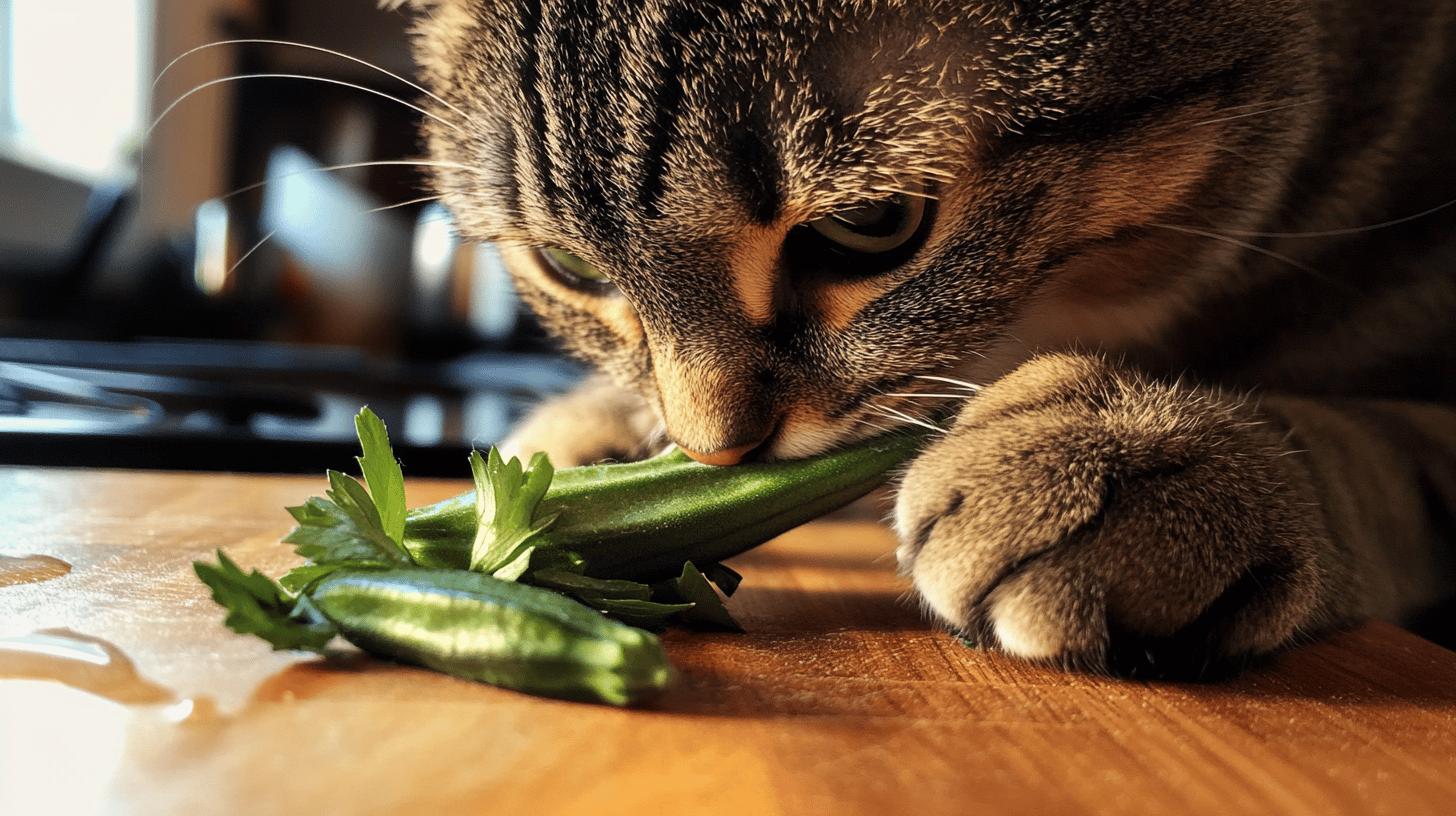
    After introducing okra into your cat's diet, it's crucial to keep a close eye on them. Cats are more sensitive to toxins than humans because they lack certain liver enzymes that help break down various substances.

    This sensitivity means that even though okra is generally safe in small amounts, any new food can potentially cause digestive upset or other issues. Observing your cat’s behavior and physical reactions will help you determine if okra agrees with them or if you need to adjust their diet.

    Be watchful for the following symptoms that could indicate digestive upset:

    • Vomiting
    • Diarrhea
    • Lethargy
    • Refusal to eat
    • Behavioral changes

    If you notice any of these signs or if your cat seems unwell after eating okra, it's essential to contact your veterinarian right away. Provide your vet with specific details about what and how much your cat ate, as well as any symptoms you've observed.

    Early consultation can prevent potential health issues from escalating and ensure your furry friend remains in good health. Remember, it's always better to err on the side of caution when it comes to your pet's diet and wellbeing.

    Final Words

    Understanding the safety and dietary role of okra for cats is essential. While cats can eat okra, it should only be a small part of their diet. Cats are obligate carnivores, so meat needs to be their main food. Even though okra has vitamins, making it part of their regular meals is not necessary. Cooking methods are vital, and okra should never be pickled or spicy.

    As always, watch your cat for any reactions when trying new foods. Keep a balanced diet in focus, ensuring your furry friend's health and happiness.

    FAQ

    Can cats eat okra seeds?

    Cats can eat okra seeds, but they should be given only in moderation. Seeds are not toxic, but ensure they're part of a balanced diet with animal products.

    Can cats eat raw okra?

    Cats shouldn't eat raw okra. It's best to serve okra cooked, like boiled or steamed, since cooked vegetables are easier for cats to digest.

    Can cats eat okra leaves?

    Okra leaves are not recommended for cats. It's best to focus on the fruit itself and serve it cooked to avoid any digestive issues.

    Can cats eat okra every day?

    Cats shouldn't eat okra every day. Okra should be an occasional treat, as cats require a diet rich in animal-based proteins.

    Are okra and eggplant safe for cats?

    Both okra and eggplant contain solanine, a compound that can be harmful in large quantities. Cats should consume them in moderation, ensuring a meat-based diet is maintained.

    Can cats and dogs eat okra?

    Yes, cats and dogs can eat okra if it's cooked and served in moderation. Avoid spices and harmful ingredients like garlic when preparing.

    Can cats eat rice?

    Yes, cats can eat rice as an occasional treat. It should be cooked and free from spices or sauces that can upset a cat's stomach.

    Can cats eat cabbage raw?

    Cats should not eat raw cabbage. If you wish to give cabbage, it should be cooked to make it easier to digest.

    Is okra toxic for cats?

    Okra is not toxic for cats, but it should only be given in small amounts. Cats prioritize a meat-based diet and should have limited vegetable intake.

    What vegetables are toxic for cats?

    Toxic vegetables for cats include onions, garlic, and chives. Always focus on safe, cat-friendly options and consult a vet if unsure.

    Is okra good for dogs and cats?

    Okra provides some nutritional benefits but isn't necessary for cats or dogs. Feed in moderation alongside a protein-rich diet.

    What animals can eat okra?

    Many animals, including cats and dogs, can eat cooked okra. Avoid spicy or pickled preparations to prevent digestive problems.

    Related Articles

  • Can Cat Eat Nutella Risks and Alternatives Explained

    Can Cat Eat Nutella Risks and Alternatives Explained

    Is your cat eyeing that scrumptious jar of Nutella, and you're wondering if they can have a taste? Spoiler alert: it's not a good idea. Nutella is packed with harmful ingredients that can seriously affect your cat's health.

    In this post, I'll break down why Nutella is a no-go for your feline friend and suggest some safe and tasty alternatives. Understanding what treats are safe can make all the difference in your cat's well-being. Let's explore how to keep your furry friend satisfied without compromising their health.

    Can Cats Eat Nutella? Understanding the Risks

    Can Cats Eat Nutella Understanding the Risks-1.jpg

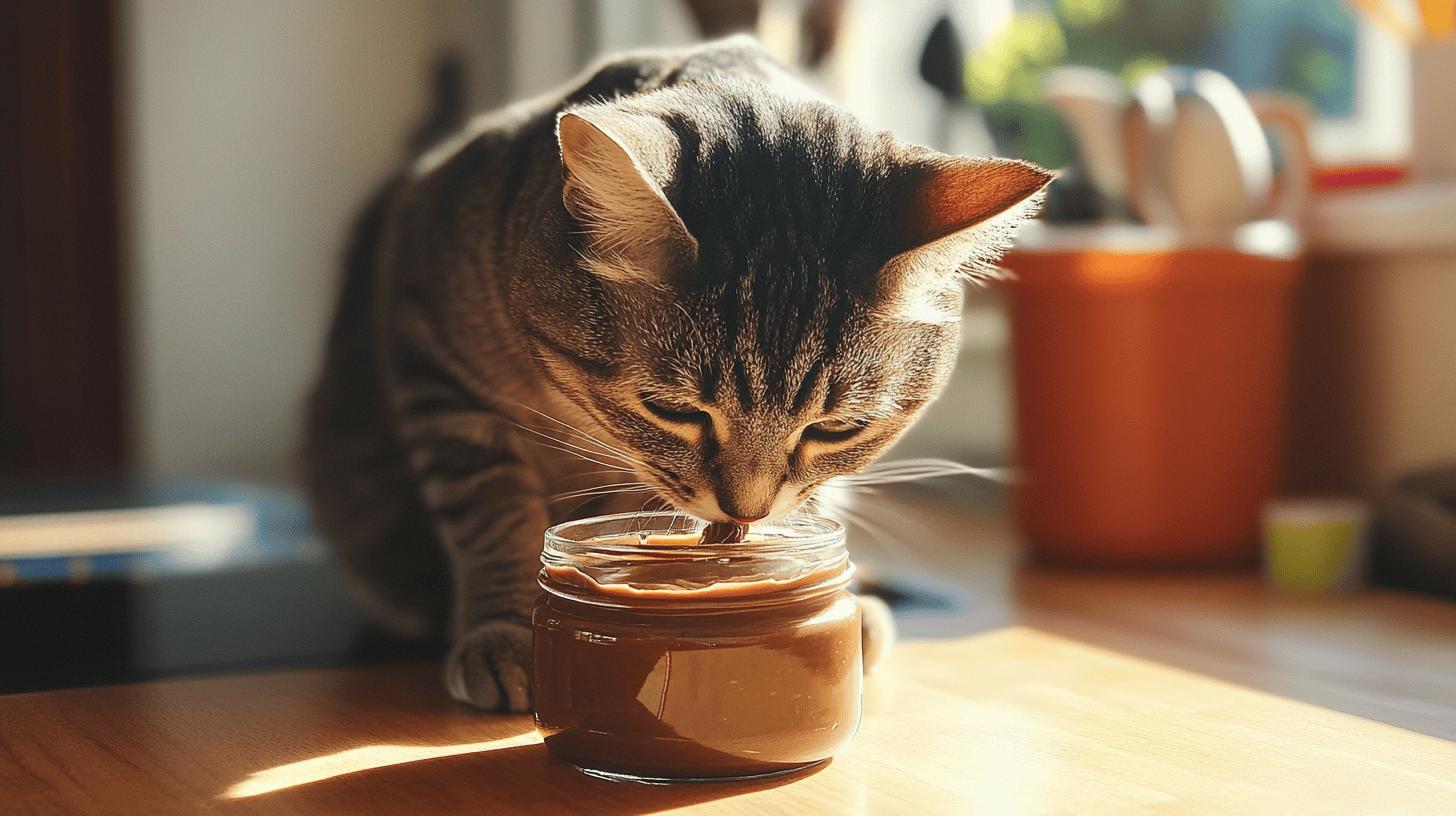
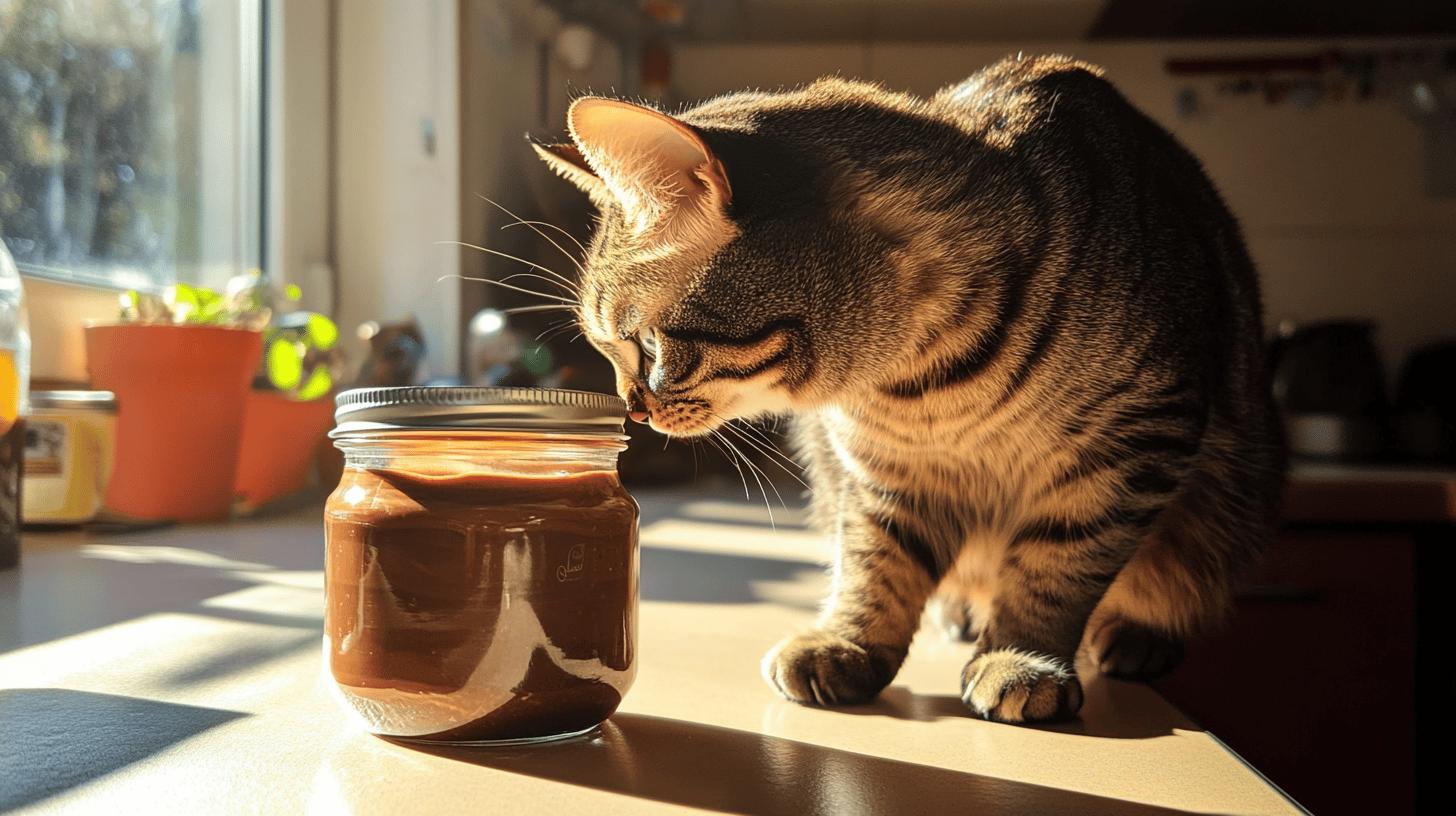
    Nutella is a delicious treat for many humans, but it poses a significant risk to our feline friends. The main culprit in Nutella is cocoa, which contains theobromine and caffeine. These substances are toxic to cats. Unlike humans, cats cannot efficiently metabolize theobromine and caffeine.

    This can lead to toxic buildup, resulting in serious health issues. Even a small amount can cause symptoms like vomiting, diarrhea, and an increased heart rate. If a cat consumes Nutella, it's crucial to seek veterinary care immediately to prevent severe complications.

    Beyond the danger posed by cocoa, Nutella contains sugar and hazelnuts, which are also problematic for cats. Cats are obligate carnivores, meaning their bodies are not designed to process sugar effectively. Consuming sugar can lead to obesity and diabetes in cats, conditions that can severely impact their quality of life.

    Hazelnuts, while not toxic, are high in fat and can cause digestive upset. This can manifest as stomach issues or even pancreatitis if consumed in large amounts. Therefore, it's best to keep Nutella far away from curious paws to ensure your cat's health and safety.

    If you suspect your cat has ingested Nutella, watch for these symptoms:

    • Vomiting
    • Diarrhea
    • Increased heart rate
    • Seizures
    • Lethargy

    Recognizing these signs early can make a significant difference in the outcome. Always err on the side of caution and consult a veterinarian if you believe your cat has been exposed to toxic foods.

    Safe Treat Alternatives for Cats

    Safe Treat Alternatives for Cats-1.jpg

    Choosing the right treats for your cat is crucial for their health and happiness. While it might be tempting to share your sweet treats like Nutella, it's essential to remember that cats have different dietary needs. Unlike humans, cats are obligate carnivores, meaning their diet should primarily consist of meat.

    They can't taste sweet flavors, so they don't miss out on sugary treats. Instead, focus on providing nutritious options that cater to their natural dietary requirements. This not only keeps them healthy but also satisfied with their snacks.

    Commercial cat treats are a convenient and safe option. These treats are specifically designed with feline nutrition in mind, offering a balanced mix of flavors that cats adore. Many brands offer treats made from high-quality ingredients, ensuring your cat gets the protein and nutrients they need.

    When selecting commercial treats, look for those that list meat as the primary ingredient, avoiding anything with excessive fillers or artificial additives. This ensures your cat is not only enjoying their treat but also benefiting from it nutritionally.

    Here are some recommended treats for your feline friend:

    • Chicken
    • Fish
    • Commercial cat treats
    • Catnip
    • Seafood snacks
    • Homemade meat-based treats

    These options are not only safe but also align with a cat's natural diet. Chicken and fish provide lean protein, while catnip can offer a fun and engaging experience. Seafood snacks cater to their taste for fish, and homemade treats allow you to control ingredients, ensuring they are healthy. By selecting these alternatives, you provide your cat with satisfying treats that support their well-being.

    Veterinary Advice on Chocolate Ingestion

    Veterinary Advice on Chocolate Ingestion-2.jpg

    If your cat has ingested chocolate or Nutella, act swiftly. Symptoms of chocolate poisoning can appear within 6 to 12 hours. Monitor for signs like vomiting, diarrhea, increased heart rate, and seizures. Immediate veterinary contact is essential, as any delay can worsen the health issues.

    Veterinary intervention might include inducing vomiting or using activated charcoal to limit toxin absorption. Additional treatments such as intravenous fluids or medications could be necessary, depending on the severity. Adhering closely to veterinary advice ensures the best health outcome for your cat.

    • Contact a veterinarian immediately
    • Monitor for symptoms like vomiting and seizures
    • Avoid inducing vomiting without professional advice
    • Follow vet's instructions for treatment

    Understanding and Avoiding Harmful Foods for Cats

    Understanding and Avoiding Harmful Foods for Cats-1.jpg

    Cats are curious creatures, often tempted to sample whatever their humans are eating. However, many common household foods can be dangerous for them. Chocolate, as we've discussed, is toxic due to theobromine and caffeine.

    Other harmful foods include grapes and raisins, which can cause kidney failure, and onions and garlic, which can lead to anemia. Even small amounts of these foods can be harmful, so it's crucial to be vigilant about what your cat has access to. Always ensure that these foods are kept well out of your cat's reach to prevent accidental ingestion.

    Preventing your cat from consuming harmful foods involves a few simple practices. First, never feed your cat table scraps, as these can contain ingredients that are unsafe for them. Educate any family members or guests about which foods are safe for cats and which are not.

    When purchasing pet food, always read labels carefully to avoid harmful additives. Finally, regularly consult with a veterinarian to ensure your cat's diet meets their nutritional needs and to get advice on safe feeding practices.

    • Keep toxic foods out of reach
    • Avoid feeding cats table scraps
    • Educate family members about cat-safe foods
    • Read pet food labels carefully
    • Consult a veterinarian for dietary advice

    Final Words

    After exploring the dangers of Nutella for cats, it's clear that keeping this treat away from them is important. With theobromine, sugar, and hazelnuts posing serious risks, even a small amount can be harmful. Safe alternatives like chicken, fish, and commercial cat treats ensure a tasty yet secure snack time.

    If your cat eats Nutella or chocolate, reaching out to a vet is a must. Acting fast can save them from severe health problems. By staying informed, we can keep our furry friends healthy and happy. Remember, prevention is the best approach when it comes to food safety for cats.

    FAQ

    Can cats eat Nutella?

    Nutella is not safe for cats. It contains cocoa, which has theobromine and caffeine. These are toxic because cats can't metabolize them effectively, causing possible toxic buildup.

    What happens if my cat eats Nutella or chocolate?

    If a cat eats Nutella or chocolate, symptoms like vomiting and diarrhea can start in a few hours. The presence of cocoa can also lead to increased heart rate and seizures. Immediate vet care is crucial.

    Can a small amount of chocolate affect my cat?

    Yes, even a tiny bit of chocolate can harm a cat. Chocolate contains theobromine, which cats can't process, making them vulnerable to its toxic effects.

    Can cats eat peanut butter?

    Peanut butter is not ideal for cats. While not inherently toxic, it can contain high sugar and additives. These can lead to obesity and digestive issues in cats.

    Is Nutella safe for pets like dogs?

    Nutella isn't safe for pets, including dogs. Cocoa and sugar in Nutella can cause severe health issues in dogs, so it's best avoided.

    Can cats eat garlic spread?

    No, cats should not eat garlic spread. Garlic is toxic to cats and can cause symptoms like vomiting, diarrhea, and even damage to red blood cells.

    Related Articles

  • Can Cat Eat Cricket Safely and Nutritionally?

    Can Cat Eat Cricket Safely and Nutritionally?

    Have you ever wondered if the random cricket your cat chases could actually be dinner? Surprisingly, crickets aren't just wild playthings; they can be a safe and healthy snack.

    Packed with protein, calcium, and iron, crickets might even rival beef in some nutritional areas! But are there any hidden drawbacks to feeding them to your feline friend? In this blog post, we'll explore whether crickets are a cat's next superfood or a snack to skip, keeping your cat's safety and health in mind.

    Can Cats Safely Eat Crickets?

    Can Cats Safely Eat Crickets-1.jpg

    Yes, cats can safely eat crickets, and these insects can provide some nutritional benefits as well. Crickets are high in protein, and they offer essential nutrients like calcium and iron, surpassing even beef in some nutritional aspects. Despite their small size, crickets can be a valuable protein source for cats. However, cats would need to consume a significant amount to gain substantial nutritional benefits.

    While crickets are non-toxic and non-venomous, there are some risks associated with feeding them to cats. Their hard exoskeleton can cause gastrointestinal upset, especially in cats with sensitive stomachs.

    Additionally, crickets can carry internal parasites, posing a low risk to healthy cats but potentially more concerning for those with compromised immune systems. There's also a chance of chemical toxicity if crickets have been exposed to insecticides.

    It's important to monitor your cat's health when introducing crickets or any new food to their diet. Watch for any signs of allergic reactions or digestive issues, such as vomiting or diarrhea. If any concerning symptoms arise, consult with your veterinarian to ensure your cat's well-being.

    Nutritional Benefits of Crickets for Cats

    Nutritional Benefits of Crickets for Cats-1.jpg

    Crickets offer a sustainable protein source with a lower environmental impact compared to traditional meats. They require less land, water, and energy, making them an eco-friendly option. Crickets can be easily incorporated into a cat's diet as a nutritious supplement to their regular food.

    Nutrient Benefit
    Protein Essential for muscle growth and repair
    Calcium Supports strong bones and teeth
    Iron Vital for oxygen transport in the blood
    Taurine Crucial for heart and eye health

    Taurine is specifically vital for cats, as they cannot produce enough of it on their own. It supports heart health and vision, making it a crucial addition to their diet. When you compare crickets to other protein sources like chicken or fish, crickets offer a compact nutritional profile that includes these essential nutrients. Integrating crickets into your cat's diet can provide variety and enhance their overall nutrient intake without replacing their main protein sources.

    Understanding Cats' Instinctual Behavior Towards Crickets

    Understanding Cats Instinctual Behavior Towards Crickets-3.jpg

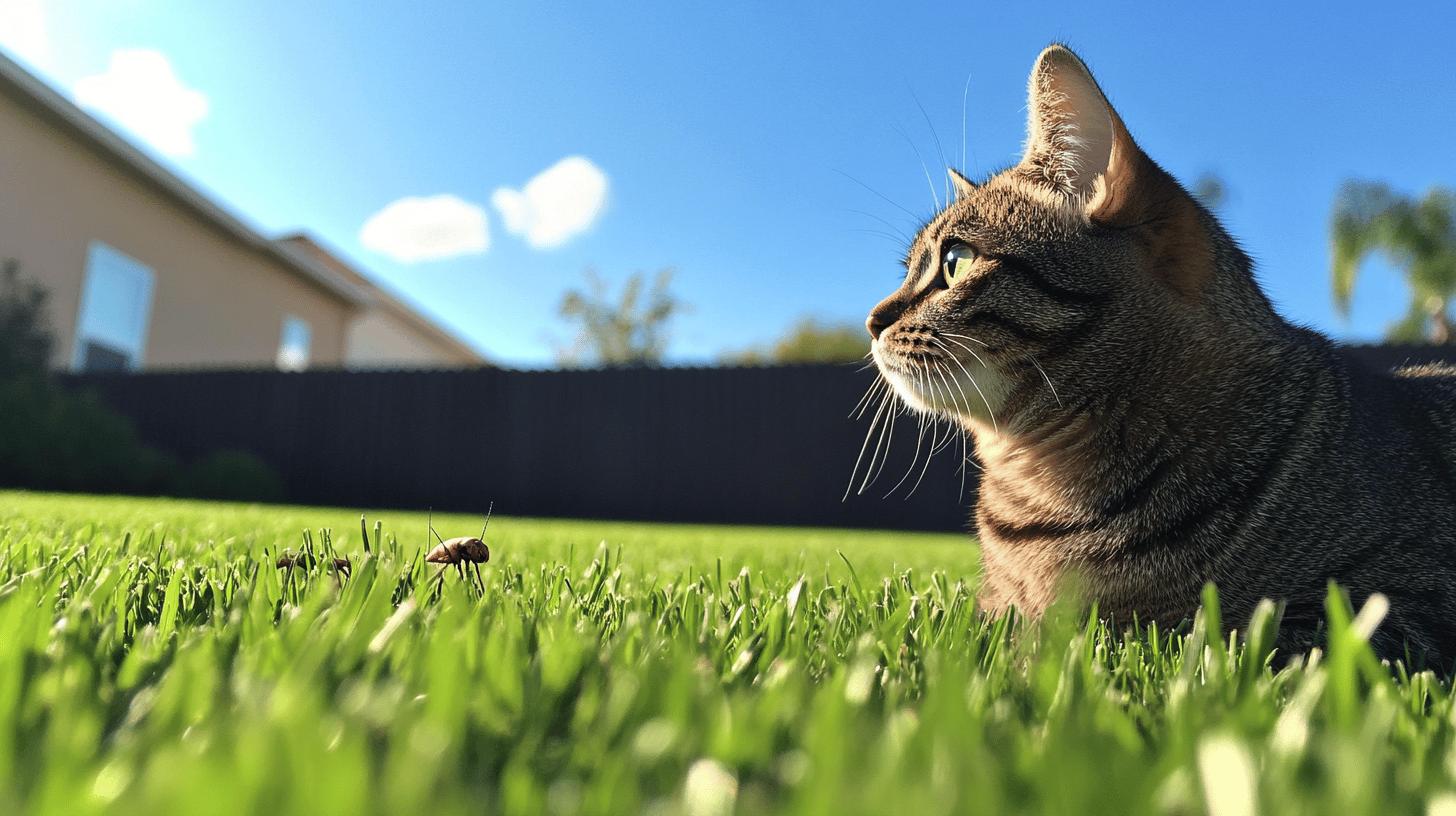
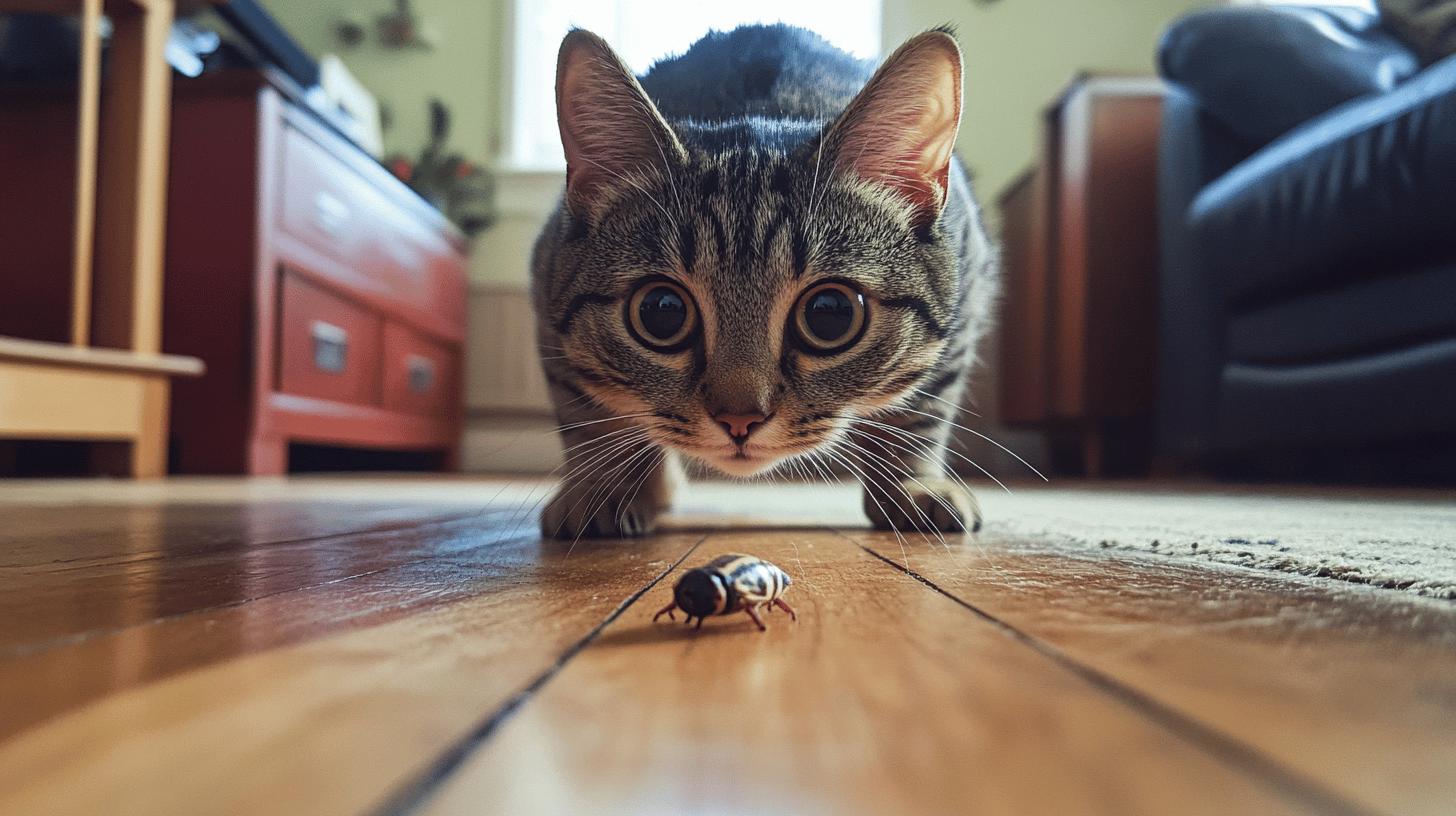
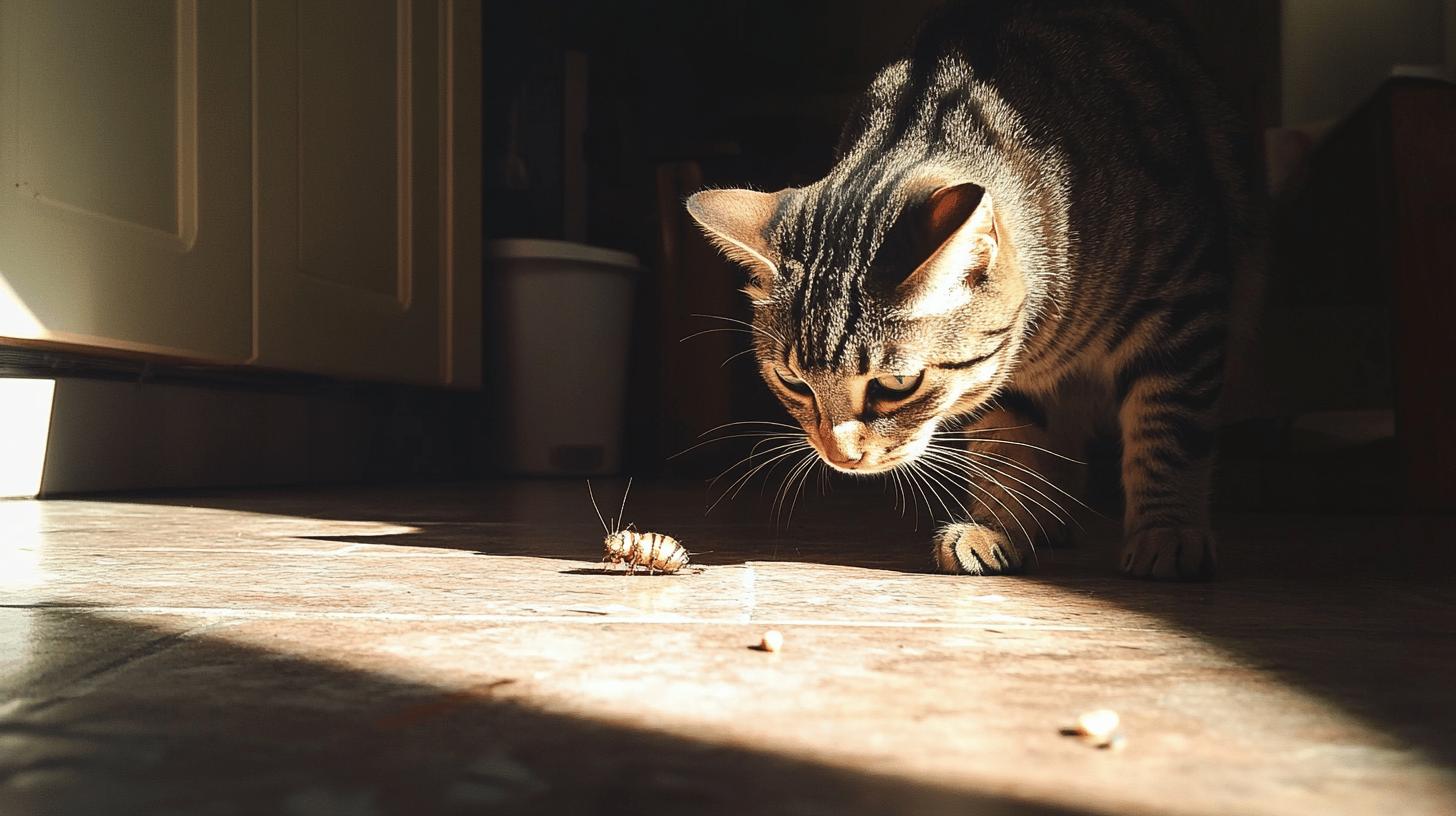
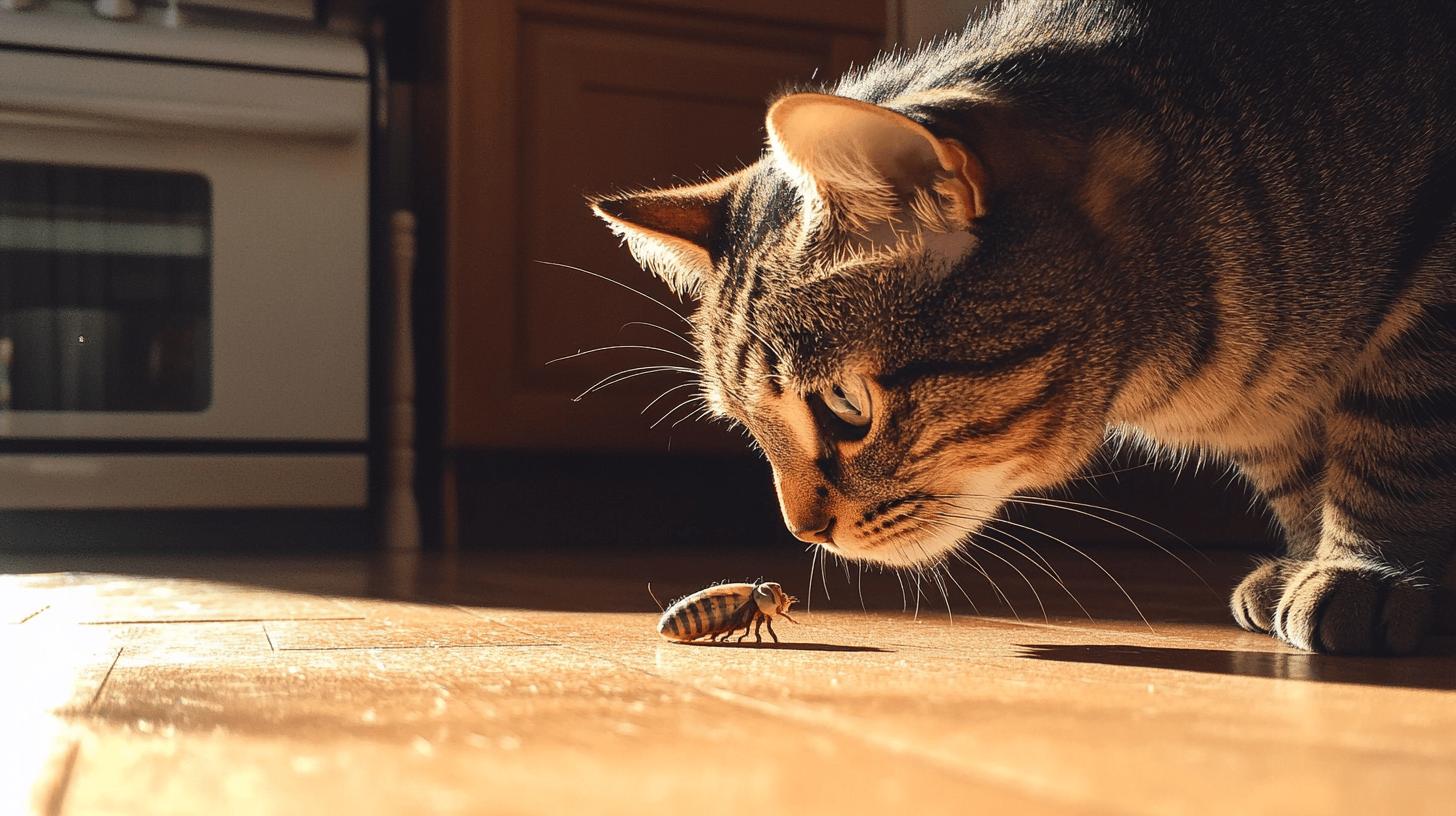
    Cats are natural hunters, and their instinctual behavior often drives them to chase and eat bugs, including crickets. This behavior is not necessarily due to a nutritional need, but rather a response to the quick and unpredictable movements of crickets that trigger a cat's hunting instincts. Watching a cricket hop and dart around can be an irresistible invitation for a cat to pounce, swat, and even munch on the insect.

    Here are some other insects that cats commonly hunt:

    • Moths: Their fluttery movements are enticing to cats.
    • Flies: Quick and erratic, these are often targets for playful cats.
    • Beetles: Their slow crawl makes them an easy catch for curious cats.

    Engaging in these hunting behaviors can be quite beneficial for a cat's mental stimulation. The thrill of the chase helps satisfy their natural predatory instincts, which is essential for their mental well-being.

    It also provides a physical outlet, keeping them active and entertained. While it's essential to monitor what they catch, allowing cats to explore these instincts can contribute positively to their overall health and happiness.

    Monitoring Health and Potential Allergic Reactions

    Incorporating Crickets into a Balanced Cat Diet-3.jpg

    When introducing crickets into your cat's diet, it's important to be vigilant about their health. While the article already highlights the risks such as gastrointestinal upset and internal parasites, it's helpful to watch for specific symptoms.

    Symptoms to watch for include:

    • Vomiting or regurgitation
    • Diarrhea or changes in stool consistency
    • Excessive scratching or skin irritation
    • Lethargy or changes in energy levels
    • Loss of appetite or refusal to eat

    Consult your veterinarian if your cat shows persistent or severe symptoms. They can help decide whether crickets should stay in your cat's diet or if another protein source is needed.

    Incorporating Crickets into a Balanced Cat Diet

    Incorporating Crickets into a Balanced Cat Diet-2.jpg

    Choosing the right cricket-based cat food can make all the difference for your pet. Some brands offer complete meals, while others provide cricket treats as a supplement to traditional cat food. Explore brands like "Jiminy's" and "EntoBento," which have received positive feedback for their quality and palatability.

    Preparation methods also matter. You can serve whole roasted crickets or choose cricket powder to mix with other foods. Each method gives your cat a new texture and flavor experience.

    Case Studies and Testimonials

    Several cat owners have shared their success stories. One cat owner, Sarah, noticed her cat's coat became shinier after introducing cricket-based food. Another owner, Mike, reported that his cat had more energy and appeared more playful.

    Sustainable and Eco-Friendly Options

    Cricket-based cat foods are gaining traction as an eco-friendly choice. They require fewer resources, like land and water, compared to traditional meats. This smaller environmental footprint makes cricket-based foods a compelling option for those who care about sustainability.

    Ensuring the overall nutritional needs of your cat is crucial. Cats are obligate carnivores and need specific nutrients found only in animal products. Continue to include traditional proteins like chicken or fish, and use crickets as a supplementary treat. This approach keeps your cat's diet varied and complete, promoting health and happiness.

    Final Words

    Exploring the question "can cat eat cricket" reveals both benefits and risks. Crickets offer a high-protein snack packed with essential nutrients like calcium and taurine. Despite their nutritional value, their hard exoskeletons and potential for carrying parasites mean we have to watch our cats closely after they eat crickets.

    Understanding a cat's natural instincts can help improve their playtime experience, and introducing crickets into their diet can add stimulation. Always monitor your cat's health and consult a vet if you notice any signs of distress. Balancing their diet with crickets can be both fun and nutritious!

    FAQ

    What happens if a cat eats a cricket?

    A cat eating a cricket is generally safe. Crickets are non-toxic and high in protein. However, their hard exoskeleton might cause mild gastrointestinal upset. Watch for signs of discomfort in your cat.

    Can cats eat certain types of crickets, like black crickets or cricket eggs?

    Cats can eat different types of crickets, including black crickets. Eggs are also safe, but they should be free of pesticides. Always ensure any insects are clean before offering them to your pet.

    Are crickets a good nutrient source for cats?

    Crickets are nutritious for cats. They contain high protein, calcium, and iron. These nutrients are beneficial and can supplement a cat's diet, provided that crickets come from a safe source.

    Can eating crickets cause health issues in cats?

    Crickets might carry parasites, posing minimal risk to healthy cats. Verify the source of crickets to reduce parasite exposure. Always monitor your cat for any unusual symptoms after eating crickets.

    Are there insects that are poisonous or harmful to cats?

    Some insects can be harmful or toxic to cats. Spiders, bees, and certain beetles might cause allergic reactions or other health issues. Stick with non-toxic insects like crickets or grasshoppers to ensure safety.

    Can cats get worms from eating crickets?

    Cats might get worms if crickets carry internal parasites. The risk is low but possible. Regular veterinary check-ups can help detect and address parasites in your cat.

    What common insects can cats safely eat?

    Cats can safely eat crickets, grasshoppers, and flies. These insects are non-toxic. While they provide some play and stimulation, monitoring your cat's health and reactions is important.

    Related Articles

  • Can Cat Eat Before Spay Surgery Guidelines and Risks Explained

    Can Cat Eat Before Spay Surgery Guidelines and Risks Explained

    Is it safe for a cat to eat before spay surgery? This is a hot topic for cat owners who want to ensure their pet's safety and comfort. Understanding the pre-surgery rules can be quite puzzling, yet they’re vital to your cat's health.

    Eating before surgery can lead to serious risks, like aspiration pneumonia, which can be life-threatening. This article will explain the guidelines and potential dangers of eating before spay surgery, helping cat lovers make informed decisions. Let’s dive into why fasting matters and how to do it right.

    Comprehensive Guide to Pre-Spay Fasting: Necessity, Guidelines, and Risks

    Comprehensive Guide to Pre-Spay Fasting Necessity, Guidelines, and Risks-4.jpg

    Fasting before spay surgery is crucial to prevent complications during anesthesia. When a cat eats before surgery, the risk of vomiting and regurgitation increases, which can be dangerous. Aspiration pneumonia, a serious lung infection, may occur if food or liquid is inhaled into the lungs.

    Additionally, anesthesia can induce nausea and temporarily impair the swallowing reflex, exacerbating these risks.

    Fasting Guidelines

    Veterinary guidelines often suggest withholding food after midnight the night before surgery. However, there are variations based on the cat's age and health. Here's a breakdown of general fasting guidelines based on different age groups:

    Fasting Guideline Age Group
    Withhold food after midnight Adult Cats
    Feed 4–6 hours before surgery Kittens
    Withhold food after midnight, but consult vet Senior Cats

    Key Reasons and Risks for Fasting

    • Prevent Aspiration Pneumonia: Minimizes the risk of inhaling food into the lungs during anesthesia.
    • Reduce Nausea and Vomiting: Anesthesia can induce nausea, making fasting important.
    • Avoid Esophagitis: Regurgitation can lead to inflammation of the esophagus.
    • Ensure Anesthesia Safety: A full stomach can interfere with anesthesia effectiveness.
    • Prevent Hypoglycemia in Kittens: Shorter fasting times for kittens help maintain blood sugar levels.
    • Manage Stress Levels: Cats may search for food when fasting, increasing stress.

    Fasting protocols can differ among veterinarians, so it's important to discuss specific guidelines with your vet. This ensures that recommendations are tailored to your cat's breed, size, age, and overall health. Always follow your veterinarian's instructions for the safest and most effective preparation for your cat's surgery.

    Water Intake and Medication Considerations Before Spaying

    Water Intake and Medication Considerations Before Spaying-1.jpg

    Water is generally allowed up to the morning of the spay surgery. This helps keep your cat hydrated and comfortable. However, some cats may need to have their water restricted before surgery depending on specific health considerations.

    • Cats with a high risk of regurgitation might need water withheld 6–12 hours prior to surgery.
    • Always confirm with your vet whether water should be restricted for your cat.
    • If your cat has any pre-existing health conditions, discuss water intake specifics with your vet.
    • Healthy adult cats and kittens usually do not require water restriction, but individual guidelines may vary.

    Managing routine medications is another important consideration. Some medications might need to be paused or adjusted before surgery. It's crucial to consult your vet about any current medications your cat is taking. They will provide tailored advice to ensure your cat's safety and comfort during the procedure.

    Preparing Your Cat for Surgery: Tips and Best Practices

    Preparing Your Cat for Surgery Tips and Best Practices-1.jpg

    Getting your cat ready for spay surgery is all about reducing stress and ensuring comfort. Start by creating a calm environment at home. Cats are sensitive to changes, so keeping their routine as normal as possible can help alleviate anxiety. Before the surgery, provide a quiet, warm space for your cat to relax. This helps minimize stress, which can be heightened if they sense something unusual is happening.

    Here are some practical tips for pre-surgery preparation:

    1. Consult Your Vet: Always check in with your vet for specific instructions regarding fasting and care.
    2. Create a Safe Space: Set up a cozy, quiet area with your cat’s favorite blanket or bed.
    3. Keep Routine Consistent: Stick to regular feeding and play schedules leading up to the day of surgery.
    4. Reduce Stressors: Avoid loud noises and ensure minimal disruptions in their environment.
    5. Monitor Health: Observe any changes in behavior or health and report them to your vet beforehand.

    Following your vet's guidance is crucial, especially for nervous or high-risk cats. They can provide tailored advice, ensuring your cat is in the best possible condition for the procedure. Being attentive to your cat’s needs and maintaining open communication with your vet can make the process smoother and more comfortable for both you and your feline friend.

    Final Words

    Ensuring a smooth spay surgery for your cat begins with understanding the need for pre-surgery fasting. It helps prevent serious complications like aspiration pneumonia. General guidelines recommend stopping food intake after midnight, but always check with your vet for advice tailored to your cat's age and health. Water intake usually continues until the morning of the surgery, with some exceptions. Proper preparation involves managing diet, comfort, and stress. Skipping meals may feel tough, but it is vital. Remember, consulting your vet will provide you with reassurance and the best care approach.

    FAQ

    Can cats eat before a spay surgery?

    A: It’s advised not to feed cats before spay surgery. Fasting prevents complications like vomiting and aspiration pneumonia during anesthesia. Consult your vet for specific guidelines tailored to your cat's needs.

    How long should a cat fast before neutering or spaying?

    A: Cats usually need to fast from midnight before surgery. Fasting prevents complications under anesthesia. Follow the vet’s instructions, as younger cats and those with health issues may need adjusted times.

    What happens if a cat eats before a spay surgery?

    A: Eating before surgery can lead to severe complications. Anesthesia may cause nausea, increasing the risk of aspiration pneumonia. Always follow your vet’s pre-surgery fasting instructions.

    Can cats drink water before neutering or spaying?

    A: Generally, cats can drink water up to the morning of the surgery. Some cases may require water restriction 6–12 hours prior. Always follow your vet’s specific instructions on water intake.

    What are the pre-spay instructions for cats?

    A: Ensure your cat fasts correctly, maintain hydration as advised, consult on medication adjustments, and prepare a stress-free environment. Follow all veterinary guidelines to ensure a safe procedure.

    Can cats eat the day they get neutered or spayed?

    A: No, cats should not eat the day of surgery to avoid risks associated with anesthesia. Follow the fasting protocol set by your veterinarian for the safest outcome.

    Related Articles

  • Can Cat Eat Coffee Understanding the Dangers for Feline Health

    Can Cat Eat Coffee Understanding the Dangers for Feline Health

    Did you know that just a sip of coffee could spell disaster for your cat’s health? It might sound surprising, but coffee isn’t just a morning pick-me-up for humans—it’s a dangerous poison for cats. A small amount can result in elevated blood pressure, tremors, or even serious cardiac issues for your feline friend. In this blog post, we’ll explore the hidden dangers lurking in your coffee cup and uncover why keeping your brew away from your cat is vital. Understanding these risks can ensure a safe and healthy environment for your beloved pet.

    Can Cats Eat Coffee? Understanding the Dangers

    Can Cats Eat Coffee Understanding the Dangers-1.jpg

    Coffee is extremely dangerous for cats. The primary culprits are caffeine and theobromine, two toxic substances found in coffee. These compounds can wreak havoc on a cat’s body, leading to severe health problems. Cats are particularly sensitive to caffeine, which can lead to elevated blood pressure, cardiac arrhythmias, and tremors. Theobromine, another harmful component, adds to the toxicity, potentially causing serious harm or even death if ingested by our feline friends.

    Here are some specific health issues that can arise from caffeine ingestion in cats:

    • Elevated blood pressure
    • Cardiac arrhythmias
    • Muscle tremors
    • Vomiting and diarrhea
    • Seizures

    If your cat consumes coffee, it’s crucial to act swiftly. Contact a veterinarian immediately for guidance. Do not attempt home remedies or wait to see if symptoms worsen. Quick professional intervention could mean the difference between life and death.

    Coffee grounds are particularly dangerous for cats, as they contain concentrated amounts of caffeine. Even a small amount can be incredibly toxic. Cats may be drawn to the smell or texture, so it’s vital to keep coffee grounds, beans, and brewed coffee out of reach. Proper storage and vigilance can prevent accidental ingestion and protect your cat from these significant health risks.

    Symptoms of Caffeine Poisoning in Cats

    Symptoms of Caffeine Poisoning in Cats-1.jpg

    Caffeine poisoning in cats can manifest quickly, so it’s crucial to recognize the signs. Common symptoms include restlessness, where your cat may seem unusually agitated or unable to settle down. Rapid breathing and increased heart rate can also occur as their body reacts to the stimulant. Excessive drooling or vomiting might be present alongside these symptoms.

    Severe symptoms that require immediate attention include:

    • Seizures
    • Severe muscle tremors
    • Collapse or fainting
    • Extreme hyperactivity

    Recognizing symptoms early is vital. Monitor your cat closely if you suspect caffeine ingestion. Even mild symptoms can escalate quickly, leading to life-threatening conditions. Quick intervention by a veterinarian can mitigate the risks and provide necessary treatment to stabilize your cat. Always consult a professional if you suspect caffeine ingestion.

    What to Do If Your Cat Ingests Coffee

    What to Do If Your Cat Ingests Coffee-1.jpg

    When your cat ingests coffee, acting swiftly is critical. Coffee’s toxic substances can quickly lead to severe health problems, making immediate action essential. Here’s a step-by-step guide to ensure your cat receives the care it needs.

    Recognize the Symptoms

    The first step is to identify any signs of caffeine poisoning in your cat. Watch for symptoms like restlessness, rapid breathing, increased heart rate, and excessive drooling. These initial signs indicate your cat’s body is reacting to the caffeine, and it’s crucial to monitor these symptoms closely. Knowing what to look for helps you determine the severity of the situation and informs your next steps.

    Contact a Veterinarian

    As soon as you suspect your cat has ingested coffee, reach out to a veterinarian immediately. Professional advice is indispensable in these situations. Vets can provide guidance tailored to your cat’s condition and the amount of coffee consumed. Avoid attempting home remedies, as they can be ineffective or even harmful. Prompt professional intervention can significantly improve your cat’s chances of recovery.

    Follow Veterinary Instructions

    Once you’ve contacted a veterinarian, follow their instructions precisely. This may involve taking your cat to the clinic for examination or administering specific treatments at home under their guidance. The vet might instruct you to monitor your cat’s symptoms closely or bring them in for more intensive treatment. Adhering to these instructions is vital for your cat’s recovery and well-being.

    Veterinary treatment options vary based on the cat’s condition. In mild cases, monitoring might suffice, whereas severe cases may require medical intervention, such as intravenous fluids or medications to stabilize heart rate and other vital signs. Remember, the sooner you act and get professional help, the better the outcome for your feline friend.

    Preventing Accidental Coffee Ingestion by Cats

    Cats are naturally curious creatures with an acute sense of smell, which can lead them to explore intriguing scents like coffee. The aroma of freshly brewed coffee or even the smell of coffee grounds can pique a cat’s interest. This curiosity can become a hazard, as coffee contains caffeine, which is toxic to cats. Their exploratory behavior might lead them to knock over a cup or chew on coffee grounds, posing a risk of accidental ingestion.

    To keep your feline friend safe, here are some practical preventive measures:

    • Store coffee and related products: Keep coffee beans, grounds, and brewed coffee in secure, elevated cabinets.
    • Use covered trash bins: Ensure coffee grounds disposed of in trash bins are inaccessible by using lids or keeping bins in closed cabinets.
    • Clean spills immediately: Wipe up any coffee spills promptly to prevent your cat from licking the area.
    • Avoid leaving coffee unattended: Do not leave cups of coffee unattended on tables or countertops.
    • Educate family members: Ensure everyone in the household understands the dangers of coffee to cats and the importance of keeping it out of reach.

    Creating a hazard-free environment is crucial for your cat’s safety. This means being vigilant about where coffee and other household hazards are stored and ensuring they are beyond your cat’s reach. With these preventive strategies, you can significantly reduce the risk of accidental coffee ingestion, helping to keep your cat healthy and safe.

    Understanding Safe and Unsafe Foods for Cats

    Understanding Safe and Unsafe Foods for Cats-1.jpg

    When it comes to feeding our feline companions, understanding what constitutes a safe diet is crucial. Cats thrive on high-quality proteins, and plain cooked meat like chicken, turkey, and fish are excellent choices. These provide essential nutrients without any harmful additives. Some vegetables, such as carrots and peas, can be offered in small quantities, offering fiber and vitamins. However, it’s important to be cautious with human foods, as even seemingly harmless items can endanger your cat. Caffeine, found in coffee and chocolate, is toxic and should always be avoided.

    Safe Foods Unsafe Foods
    Plain cooked chicken Chocolate
    Cooked turkey Onions
    Cooked fish Garlic
    Carrots Grapes
    Peas Coffee

    Dietary awareness is key to maintaining your cat’s health. While it might be tempting to share your meals, remember that cats have unique nutritional needs. Providing a balanced diet that avoids harmful substances like caffeine ensures your cat remains healthy and energetic. Regularly reviewing and adjusting their diet based on age, breed, and health conditions can contribute significantly to their overall well-being. By staying informed about what foods are safe and those to avoid, you can help your feline friend lead a long, healthy life.

    Final Words

    Caffeine in coffee is highly toxic and can be dangerous for cats. We’ve explored the harmful substances in coffee, listed health issues from caffeine, and provided immediate steps if ingested. Understanding these dangers helps keep cats safe.

    Knowing the symptoms of caffeine poisoning is crucial. Quick action and recognizing severe signs can make a big difference. If ingestion happens, consult a vet immediately for the best care.

    Keep your cat away from coffee. Store it securely and be aware of other household hazards. A safe environment is essential for their well-being. Remember, a healthy diet is vital. Always check what’s safe and unsafe in their meals. A supportive community can also help you share experiences and learn more about cat care.

    FAQ

    What happens if my cat eats coffee?

    A: Coffee is extremely dangerous for cats. Even small amounts can cause serious health issues like elevated blood pressure and cardiac problems. Contact a vet immediately if your cat ingests coffee.

    Can cats have a little coffee?

    A: Cats should not have any coffee. The caffeine in it is toxic and can lead to poisoning with symptoms like restlessness and heart palpitations.

    How much coffee is safe for cats?

    A: No amount of coffee is safe for cats. Caffeine is toxic at even low doses and can cause serious health issues.

    Are cats attracted to coffee?

    A: Yes, cats may be curious about coffee due to its strong aroma. This curiosity can lead to accidental ingestion, which can be dangerous.

    What are symptoms of caffeine poisoning in cats?

    A: Symptoms include restlessness, rapid breathing, and heart palpitations. Severe signs are muscle tremors and seizures. Seek veterinary care immediately if these occur.

    Can cats drink coffee with milk?

    A: Cats should not drink coffee with or without milk. Both caffeine and milk can be harmful to them.

    My cat licked coffee, what should I do?

    A: If your cat licks coffee, watch for symptoms like restlessness or rapid breathing and contact a veterinarian to assess risk and next steps.

    Can cat eat coffee beans or coffee grounds?

    A: Coffee beans and grounds are particularly dangerous due to concentrated caffeine content. They are not safe for cats to consume.

    What to do if my cat drank coffee?

    A: Contact a veterinarian immediately for advice and potential treatment. It’s crucial to act fast in these situations to prevent serious health issues.

    Related Articles

  • Can Cat Eat Human Probiotics Safely and Effectively

    Can Cat Eat Human Probiotics Safely and Effectively

    Ever thought about sharing your probiotics with your cat? It might seem like a quick fix, but hold on! Not all probiotics are created equal, and what’s beneficial for you isn’t always great for your furry friend. Imagine your cat’s gut as a garden—it needs the right plants to thrive. In this article, we’ll dig into whether human probiotics can help or harm your kitty’s digestive garden. Before you drop a capsule into their bowl, let’s explore the differences and see if they should stick to cat-specific options.

    Can Cats Safely Consume Human Probiotics?

    Can Cats Safely Consume Human Probiotics-1.jpg

    Human probiotics are generally considered safe for cats, meaning they aren’t likely to cause harm if consumed accidentally. However, they may not be as effective as probiotics specifically designed for feline digestive systems. This is because human probiotics are formulated to target the gut flora of humans, which differs from that of cats. While the idea of sharing your probiotics with your kitty might seem convenient, it’s important to remember that what’s beneficial for humans may not always translate to our feline friends.

    Before introducing any form of probiotics to your cat, consulting with a veterinarian is crucial. Vets can offer personalized advice on whether your cat could benefit from probiotics, and if so, which type would be most effective. They can also help rule out any underlying health issues that probiotics alone may not address. This step is important to ensure that your cat’s health needs are met safely and effectively, avoiding any potential delay in necessary treatments.

    Differences Between Human and Cat Probiotics

    Probiotics are essential for maintaining a balanced gut flora, but not all probiotics are created equal. Human probiotics are specifically designed to cater to human digestive systems. They typically include strains like Lactobacillus acidophilus and Bifidobacterium bifidum, which are beneficial for human digestion and gut health. On the other hand, cat probiotics are formulated with the feline digestive system in mind. These often include strains like Enterococcus faecium and Bifidobacterium animalis, which are more effective in supporting a cat’s unique gut health needs. This distinction is crucial because the microbial balance that benefits humans may not be suitable for cats, whose dietary needs and digestive processes differ significantly.

    Veterinarians often recommend cat-specific probiotics because they are tailored to the unique physiological needs of cats. Cat probiotics are designed to address common feline digestive issues, such as hairball management, diarrhea, and stress-related gut imbalances, more effectively than human probiotics. By using probiotics specifically crafted for cats, pet owners can ensure that their feline friends receive the best possible support for their digestive health. This specialized approach not only aids in digestion but also helps to boost the overall immune system, making it a preferred choice for maintaining your cat’s well-being.

    Probiotic Type Designed For
    Human Human digestive systems
    Cat Feline digestive systems

    Benefits and Risks of Probiotics for Cats

    Benefits and Risks of Probiotics for Cats-1.jpg

    Probiotics can be a great addition to your cat’s diet, especially if they are struggling with digestive issues. These beneficial microorganisms work by balancing the gut bacteria, which can lead to improved digestion and overall wellness. Cats that regularly consume probiotics often experience enhanced stool quality, making their litter box habits more predictable and manageable. Moreover, probiotics can support a stronger immune system, helping your kitty to fend off infections more effectively. By maintaining a healthy gut flora, probiotics aid in better nutrient absorption, which is crucial for your cat’s overall health.

    Despite the benefits, there are risks associated with using probiotics improperly. If not administered correctly, probiotics can lead to side effects such as flatulence. This is why it’s crucial to follow veterinary guidance when introducing probiotics into your cat’s routine. Overuse or incorrect strains could potentially upset the balance of bacteria in the gut, leading to more harm than good. Always start with a small dose and monitor your cat for any adverse reactions. Adjustments should be made as per the veterinarian’s recommendations to ensure your cat reaps the benefits without the downsides.

    Be on the lookout for signs that may indicate a negative reaction to probiotics. If your cat shows any of the following symptoms, it’s important to stop the probiotics and consult your vet:

    • Diarrhea
    • Constipation
    • Vomiting
    • Reduced appetite
    • Lethargy

    These signs might suggest that the probiotics are not agreeing with your cat or an underlying health issue may need attention. Always prioritize your cat’s comfort and health by keeping an eye on their reaction to any dietary changes.

    Veterinary Recommendations and Dosage Guidelines

    Veterinary Recommendations and Dosage Guidelines-1.jpg

    Understanding how your cat responds to probiotics is key. Start by observing changes in their behavior, appetite, and digestion. If your cat shows any discomfort, consult your vet immediately. Record any improvements or side effects, as this helps in adjusting the dosage for optimal benefits.

    Case studies highlight the success of probiotics in managing feline digestive issues. For example, cats with a history of diarrhea often show improvement with the right probiotics. Adjust dosages based on your cat’s response, and always keep your vet informed for any necessary adjustments.

    1. Consult a veterinarian for recommendations.
    2. Choose cat-specific probiotics.
    3. Follow dosage instructions carefully.
    4. Monitor your cat’s response.
    5. Adjust the regimen as advised by the vet.

    Tracking your cat’s progress with probiotics can guide future decisions. Your vet’s expertise, combined with your observations, ensures the best outcomes for your cat’s health.

    Alternatives and Natural Probiotic Options for Cats

    Alternatives and Natural Probiotic Options for Cats-1.jpg

    If you’re looking to support your cat’s gut health naturally, there are several options to consider. High meat cat foods are a great starting point, as they inherently contain beneficial probiotics. These foods not only deliver essential nutrients but also offer over a billion probiotics per kilogram, providing a balanced approach to dietary health. Chicken and Salmon recipes, in particular, are known for their natural probiotic benefits. Additionally, you can explore fermented cat food options, which are becoming increasingly popular for their gut-supporting properties. These foods leverage the power of fermentation to enhance the microbiome of your feline friend, providing a holistic boost to their digestive system.

    For those who enjoy a hands-on approach, DIY cat probiotics can be a rewarding project. Home-made yogurt, specifically lactose-free, can be a simple and effective way to introduce probiotics into your cat’s diet. Probiotic-rich cat treats are another way to deliver these beneficial bacteria, making it easy to incorporate them into your cat’s routine without any fuss. As you experiment with these natural options, it’s crucial to monitor your cat’s health closely. Keep an eye on their stool consistency and overall vitality. This vigilance will help you assess the effectiveness of the new diet and ensure that it meets your cat’s health needs without causing adverse effects.

    • High meat cat foods
    • Probiotic-rich cat treats
    • Fermented cat food options
    • Home-made yogurt (lactose-free) for cats

    Signs of Digestive Issues and When to Consult a Vet

    Signs of Digestive Issues and When to Consult a Vet-1.jpg

    Digestive issues in cats can manifest through various symptoms, signaling that something might be off with your feline friend’s health. Persistent diarrhea or constipation are key indicators that your cat may be experiencing gut trouble. Frequent vomiting, especially if it occurs without an obvious cause like hairballs, is another red flag. A noticeable change in appetite—whether eating significantly more or less—can point to digestive discomfort. Lethargy, or a lack of energy, might also suggest that your cat’s digestive system isn’t functioning optimally. Abnormal stool consistency or color can further confirm digestive issues, indicating a possible imbalance in your cat’s gut microbiome.

    It’s crucial to seek veterinary guidance if your cat exhibits these symptoms. While probiotics can support gut health, they should not replace professional veterinary advice, especially if the symptoms persist. A healthy gut microbiome is essential for preventing infections and ensuring overall well-being. Consulting with a veterinarian can help determine the underlying cause of your cat’s symptoms and the best course of action. This ensures that any serious health concerns are addressed promptly, keeping your cat healthy and comfortable.

    • Persistent diarrhea or constipation
    • Frequent vomiting
    • Noticeable change in appetite
    • Lethargy
    • Abnormal stool consistency or color

    Final Words

    Probiotics can aid in balancing your cat’s gut health, but human options might not provide the best results. Consulting a vet ensures you’re giving your cat the right type and dose. While human probiotics are generally safe, they aren’t necessarily the most effective choice for our feline friends.

    The differences in probiotics highlight why cat-specific products are recommended. They cater to the unique needs of your pet. A vet’s advice can guide you on the benefits and risks, ensuring a safe introduction.

    Probiotic-rich foods and natural alternatives offer additional options. Always monitor your cat’s health and consult a professional if issues arise. Giving your cat what they need keeps their digestion healthy and playtimes fun!

    FAQ

    Can I give my cat human probiotics?

    A: Human probiotics are generally safe for cats but may not be effective. They are designed for human systems, so cat-specific probiotics are better. Always consult a veterinarian first.

    Can a cat eat human probiotics every day?

    A: It’s possible for cats to consume human probiotics daily, but it may not offer the benefits of feline-specific products. Regular vet consultations are crucial to ensure health.

    How often should I give my cat probiotics?

    A: Daily administration is usually safe, but dosage frequency should be based on a veterinarian’s advice tailored to your cat’s health needs.

    What are the best probiotics for cats?

    A: The best probiotics for cats are those designed for feline digestive systems. Brands with specific strains for gut health support tend to be most effective.

    Can female cats eat probiotics for diarrhea every day?

    A: Probiotics can help with diarrhea in female cats. Daily use may be appropriate, but always follow a veterinarian’s guidance to address underlying issues.

    How much probiotic can I give my cat?

    A: Proper dosage of probiotics varies. Consult a veterinarian to determine the right amount for your cat’s specific health needs and size.

    Can cats safely consume homemade probiotics?

    A: Homemade probiotics can be an option, focusing on natural, safe ingredients. Consult a veterinarian to ensure the probiotics provide the intended benefits.

    Related Articles

  • Can Cat Eat Nugget Understanding the Risks and Safe Alternatives

    Can Cat Eat Nugget Understanding the Risks and Safe Alternatives

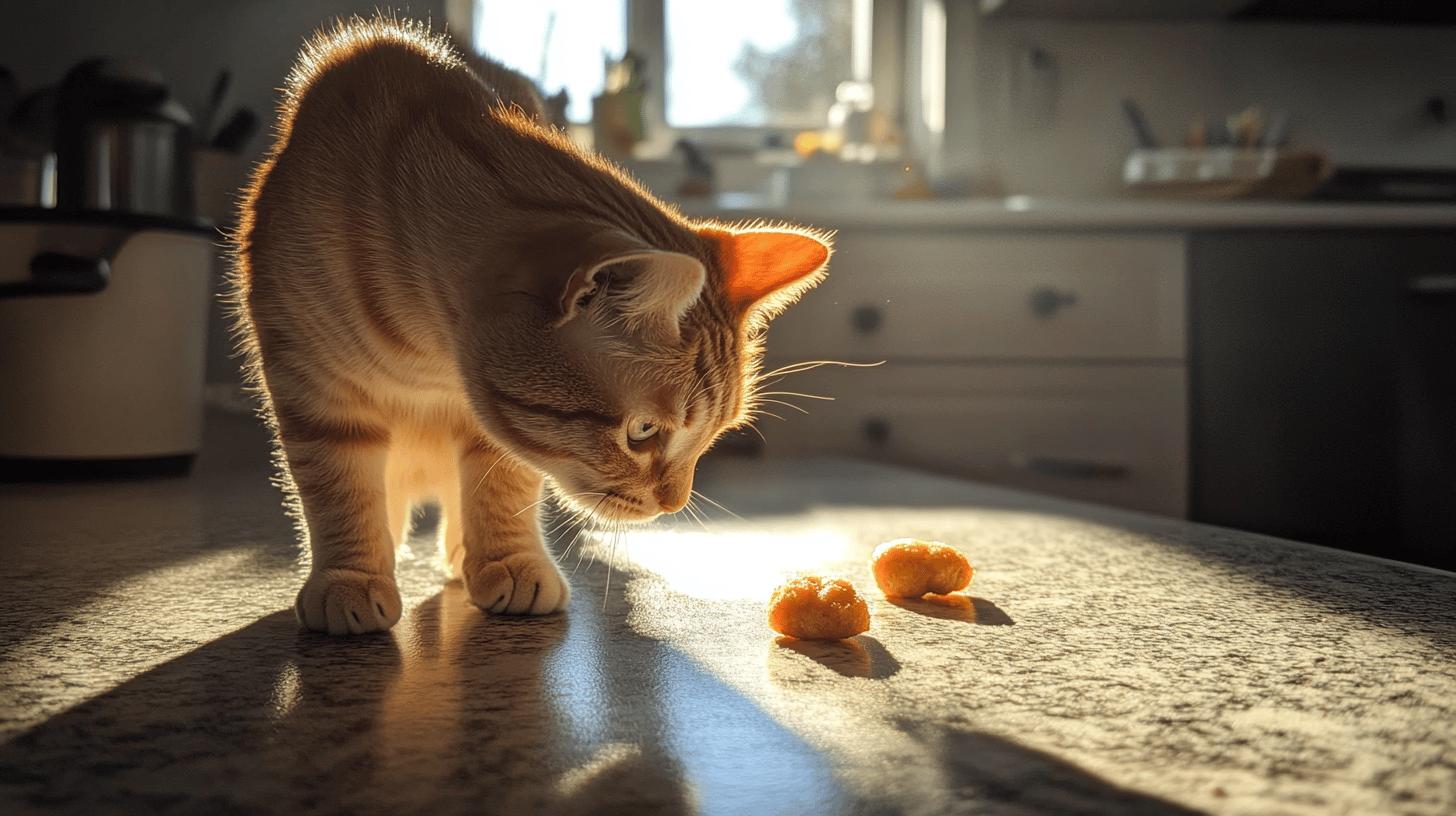
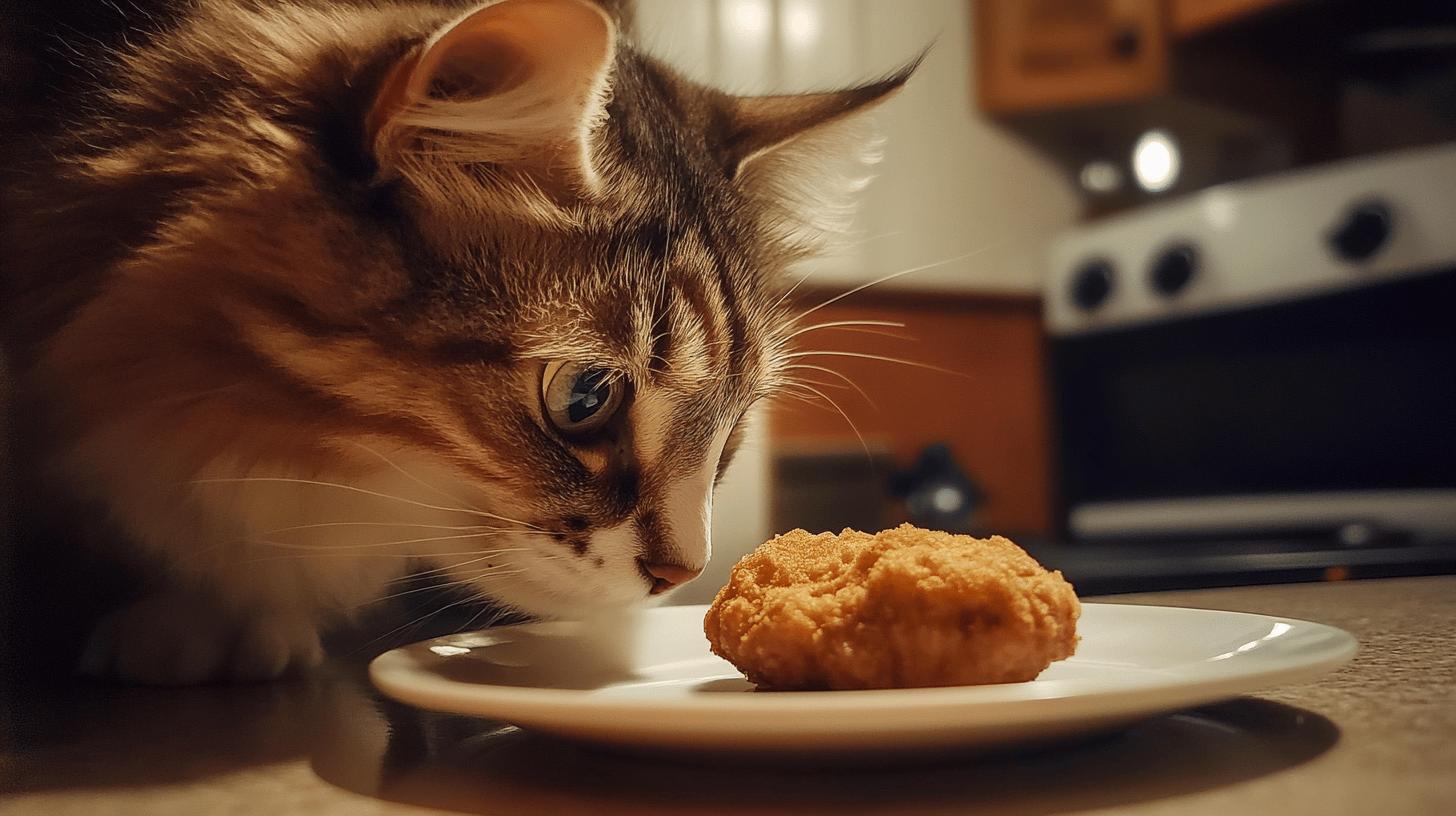
    Are you wondering if cats can munch on chicken nuggets? It might be tempting to share your favorite snack with your furry friend, but it’s not the best idea. Chicken nuggets are loaded with things that aren’t safe for cats. These tasty treats for humans come with a side of health risks for felines. But don’t worry! There are safer, more suitable alternatives to keep your cat's belly happy and healthy. Let's explore the risks of feeding nuggets to cats and discover better snack options for your kitty.

    Can Cats Eat Nuggets? Understanding the Risks

    Can Cats Eat Nuggets Understanding the Risks-1.jpg

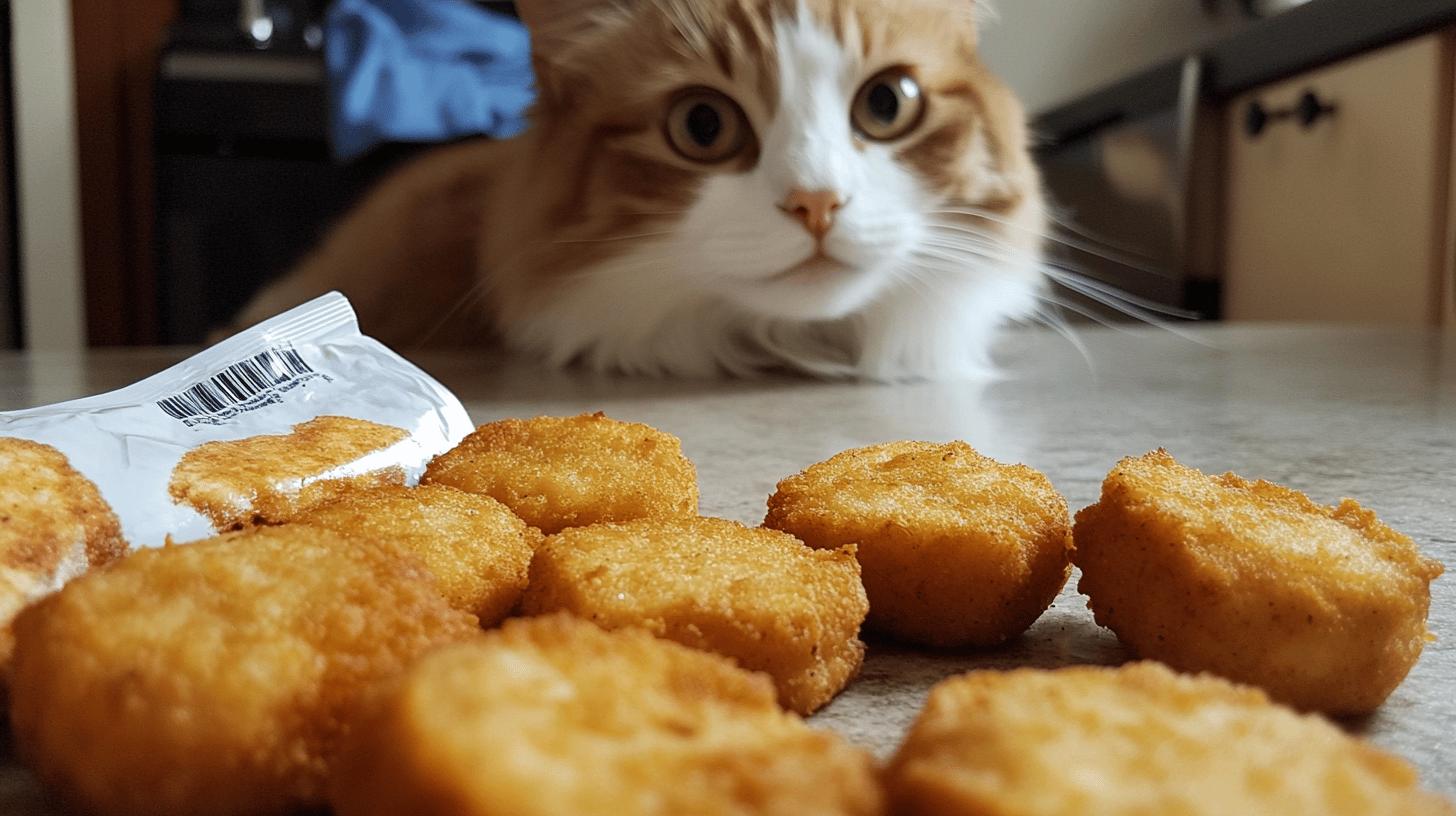
    Chicken nuggets are not a suitable food choice for cats. While cats might be curious about human food, chicken nuggets are packed with ingredients that don't align with a cat's dietary needs. These processed treats contain additives, high levels of carbohydrates, and seasonings that aren't appropriate for feline consumption. Cats are obligate carnivores, meaning their diet should be primarily meat-based, without the additional fillers and spices found in chicken nuggets.

    Feeding chicken nuggets to cats can pose several health risks. Ingredients like garlic and onion, commonly found in the seasonings, are toxic to cats. Over time, consuming chicken nuggets can contribute to obesity due to their high carbohydrate and calorie content. This can lead to further health complications, putting undue stress on a cat's body. Prioritizing a diet that supports a cat's natural nutritional needs is crucial for maintaining their overall health and well-being.

    Ingredients in Chicken Nuggets and Their Impact on Cats

    Ingredients in Chicken Nuggets and Their Impact on Cats-1.jpg

    Cats are particularly sensitive to certain ingredients found in chicken nuggets. While nuggets are tasty treats for humans, they aren't suitable for our feline friends. Garlic and onion are top offenders; these seasonings can cause gastrointestinal upset and damage red blood cells, leading to anemia. Cats are obligate carnivores, which means their bodies are not built to handle high-carbohydrate foods, such as the breading on chicken nuggets, leading to potential weight gain and nutritional imbalance.

    Veterinary insights reveal that cats have a unique metabolism and are sensitive to many of the chemicals and additives in processed foods. The high-fat content from oils used in frying can lead to digestive issues and obesity. Preservatives and additives might introduce unnecessary chemicals into their system, posing unknown long-term health effects. It's crucial to avoid these ingredients to maintain a cat's health and well-being. Instead, offer safe, cat-friendly treats, like plain cooked chicken or commercially available cat treats formulated with a feline's nutritional needs in mind.

    Ingredient Potential Harm to Cats
    Garlic Toxicity, causing anemia
    Onion Toxicity, damaging red blood cells
    Cooking Oils Digestive issues, obesity
    Preservatives Chemical exposure, unknown long-term effects
    High Carbohydrates Weight gain, imbalance in diet

    Alternatives to Chicken Nuggets for Cats

    Alternatives to Chicken Nuggets for Cats-1.jpg

    Choosing safe treats for your cat is crucial for maintaining their health and happiness. While it might be tempting to share human snacks like chicken nuggets with your feline friend, these are not ideal due to their unhealthy ingredients. Cats thrive on a diet that aligns with their natural carnivorous instincts. By offering them nutritious alternatives, you ensure they get the essential nutrients they need without the risks associated with processed human foods. Let's explore some tasty and safe options that your cat will love.

    • Cooked chicken: Serve plain and thoroughly cooked without any oils, spices, or seasonings.
    • Commercial cat food: Opt for high-quality brands that provide balanced nutrition tailored for cats.
    • Beef: Ensure it is well-cooked and free from any seasoning or added fats.
    • Pork: Offer plain, cooked pork in moderation, avoiding any processed or flavored varieties.
    • Turkey: A lean protein option that should be cooked fully and served plain.

    These alternatives not only satisfy your cat's taste buds but also support their overall health, making them a perfect substitution for unhealthy treats like chicken nuggets.

    Veterinarian Advice on Feeding Cats Human Food

    Veterinarian Advice on Feeding Cats Human Food-1.jpg

    When it comes to feeding your cat human food, veterinarians often advise caution. Cats have unique dietary needs as obligate carnivores, and their bodies might not handle human foods well. Introducing new foods should be done gradually to ensure your cat doesn't experience any adverse reactions. Veterinarians stress that any human food should complement a balanced feline diet rather than replace it. This approach helps prevent nutritional imbalances and ensures your cat receives all the necessary nutrients.

    To safely introduce human food to your cat, consider these tips:

    • Introduce new foods slowly
    • Serve in small, controlled portions
    • Watch for signs of digestive issues

    Moderation is key when offering human food to your cat. Pay attention to how your cat reacts to new foods and be ready to stop if any digestive upset occurs. Maintaining a balanced diet is crucial, so human food should never replace the high-quality commercial cat food designed to meet all of your cat's nutritional needs. Monitoring your cat's health and behavior will help ensure they stay happy and healthy while occasionally enjoying safe human foods.

    The Nutritional Needs of a Cat's Diet

    The Nutritional Needs of a Cats Diet-1.jpg

    Cats thrive on a diet rich in protein, primarily sourced from meat. Unlike humans or dogs, cats are obligate carnivores, which means their bodies are specifically adapted to digest and utilize animal proteins efficiently. This makes meat an indispensable part of their diet. Proteins are not only vital for maintaining muscle mass but also for supporting the overall function of their organs. Offering your cat high-protein foods, such as chicken or turkey, ensures they get the essential amino acids needed for a healthy life.

    Among these essential nutrients, taurine stands out as crucial for cats. Taurine is an amino acid found abundantly in animal tissues, and it plays a significant role in maintaining your cat’s heart health, vision, and reproductive system. Unlike some other animals, cats cannot synthesize adequate taurine on their own, making it necessary for them to obtain this nutrient from their diet. A deficiency in taurine can lead to serious health issues, including vision loss and heart diseases. Therefore, ensuring your cat's diet is rich in taurine is key to their well-being.

    Failing to provide a nutritionally balanced diet can lead to a host of health problems for your feline friend. Nutritional deficiencies can result in weakened immune systems, making cats more susceptible to illnesses. It can also impact their growth, energy levels, and overall quality of life. Diets lacking in essential nutrients may cause irreversible damage, highlighting the importance of feeding your cat a diet that meets all their nutritional needs.

    Importance of a Balanced Diet

    A balanced diet is essential for maintaining the health and vitality of your cat. It involves a variety of proteins and nutrients, avoiding the pitfalls of processed foods like chicken nuggets, which lack nutritional value and can introduce harmful additives. By providing a diverse range of high-quality meats and commercial cat foods designed to meet feline nutritional requirements, you can support your cat’s long-term health. A balanced diet not only prevents deficiencies but also promotes a robust immune system, a healthy weight, and an active lifestyle.

    Final Words

    Deciding whether cats can eat nuggets brings important health issues to light. Chicken nuggets, with their spices and additives, don't suit a cat’s delicate system. Health risks like toxicity and obesity stress the need to rethink usual pet treats.

    Healthier bites like plain cooked chicken or other safe options offer better solutions. Keeping a cat's diet balanced and nutritious ensures their well-being. Engaging with trusted vet advice adds an extra layer of care.

    Creating a healthy, happy environment is easy when you know what’s best for your feline friend. Let's keep their health a priority!

    FAQ

    Can cats eat chicken nuggets?

    Cats should not eat chicken nuggets. Nuggets have additives, high carbs, and seasonings like garlic and onion. These can be harmful and lead to health issues like obesity in cats.

    What happens if a cat eats chicken nuggets?

    If a cat eats chicken nuggets, it may face health risks like toxicity from harmful ingredients and possible obesity over time. You should monitor for any digestive issues.

    Can chicken nuggets kill cats?

    Chicken nuggets have ingredients that can be toxic to cats. While not immediately lethal, frequent consumption could lead to severe health problems.

    Can cats eat raw or cooked chicken nuggets?

    Cats should not eat chicken nuggets, raw or cooked. The seasonings and additives in nuggets aren't suitable for cats and can be dangerous.

    Can cats eat fries or other human foods?

    Cats should not eat fries. Some human foods are okay, like plain cooked chicken or turkey, but are best given without oils or spices.

    Can I give a cat a chicken nugget?

    Avoid giving cats chicken nuggets. Instead, offer healthy treats like cooked chicken, beef, or commercial cat food.

    Can cats eat McDonald's food?

    Cats should not eat McDonald's food, including fries and nuggets. These foods contain harmful additives and lack proper nutrients for cats.

    Can cats eat chunks of chicken?

    Cats can eat chunks of plain cooked chicken. As long as it's without any spices or oils, plain chicken is a safe treat.

    What are safe alternatives to chicken nuggets for cats?

    Safe alternatives for cats include:

    • Cooked chicken
    • Beef
    • Pork
    • Turkey
      These should be prepared plain, without any spices or oils.

    What human food is safe for cats?

    Cats can safely consume small amounts of plain meats like chicken, turkey, beef, or commercially-prepared cat food as long as they're free from spices or additives.

    Related Articles

  • Can Cat Eat Veggies Safely Learn About Cats and Vegetables

    Can Cat Eat Veggies Safely Learn About Cats and Vegetables

    Is it really safe for cats to munch on veggies, or is it risky business? This question might seem odd because cats are known meat lovers, but veggies can offer a surprising twist to their diet. While your feline friend doesn't need vegetables to stay healthy, a few safe options can provide a little fun and variety.

    Curious about which veggies to toss your cat's way? Let’s dive into the world of cats and vegetables to uncover the dos and don'ts, ensuring safe and tasty treats for your whiskered companion.

    Can Cats Safely Eat Vegetables?

    Can Cats Safely Eat Vegetables-1.jpg

    Cats are obligate carnivores, which means they thrive on a diet primarily made up of meat. Vegetables are not necessary for their nutritional needs, but they can enjoy some as occasional snacks. Offering vegetables in moderation won't harm your cat and can even add a bit of variety to their meals.

    Here's a list of vegetables that are safe for cats to eat, along with preparation tips:

    • Broccoli: Cook it and let it cool before serving. It can help with bowel movements.
    • Pumpkin: Cooked pumpkin is beneficial for cats with sensitive stomachs and can help alleviate constipation.
    • Peas: Often found in commercial cat foods as fillers, these should be served sparingly.
    • Cucumber: Peel and wash the cucumber thoroughly before serving it raw to provide extra moisture.
    • Carrots: Safe when cooked; raw carrots can be a choking hazard.
    • Asparagus: Cook this vegetable to prevent choking. It can help with stomach issues, but too much can cause gastrointestinal problems.
    • Zucchini: Low in calories and high in water, zucchini should be cooked and given as an occasional treat.
    • Potatoes: Must be well-cooked and unseasoned. Fried potatoes should be avoided due to health risks.
    • Corn: Safe but offers no nutritional benefits. It's often used as a filler in cat food.
    • Lettuce: May aid in digestion in small amounts due to its fiber content.

    Offering these safe vegetables in small amounts can add a bit of variety without compromising your cat's health. Always ensure the veggies are prepared correctly to prevent any choking hazards or digestive issues.

    Nutritional Benefits and Risks of Vegetables for Cats

    Nutritional Benefits and Risks of Vegetables for Cats-1.jpg

    Vegetables aren't essential in a cat's diet, but they can offer benefits when given occasionally. Certain veggies aid digestion and add moisture to meals, which helps with hydration and bowel movements. Cats are obligate carnivores, so these benefits are supplementary.

    Vegetable Benefit Risk
    Broccoli Supports bowel movements Excess can lead to stomach upset
    Pumpkin Helps with constipation Too much may cause diarrhea
    Carrots Provides vitamins A and K Choking hazard if raw
    Zucchini Low-calorie treat Could upset stomach if overfed
    Cucumber Hydration Pesticide residue if not washed

    Feeding large quantities of vegetables can cause gastrointestinal issues like diarrhea or vomiting. Cats' digestive systems aren't built for large amounts of plant matter. Always start with small amounts and watch for behavior or digestion changes. If there are adverse reactions, stop feeding the vegetable and check with a vet.

    Can Cats Safely Eat Vegetables?

    Introducing Vegetables into Your Cats Diet-1.jpg

    Cats can safely enjoy certain vegetables, adding some variety to their diet. Here's a quick guide to introducing veggies:

    1. Select Safe Vegetables: Choose options like cooked broccoli or pumpkin for their digestive benefits.

    2. Proper Preparation: Cook or mash vegetables to make them easy to eat and avoid choking.

    3. Begin with Small Portions: Mix a small spoonful into your cat's regular food.

    1. Watch for Reactions: Monitor any changes in appetite, vomiting, or diarrhea.

    2. Consult a Vet: Speak with a veterinarian before making dietary changes to ensure safety and health benefits.

    Cats need a meat-based diet primarily. Always check with your vet to tailor dietary changes to your cat's specific needs.

    Vegetables Cats Should Avoid

    Vegetables Cats Should Avoid-1.jpg

    While some vegetables can be occasional treats for cats, others can be extremely harmful. Garlic, tomatoes, and onions are toxic and should never be included in your cat's diet. These vegetables can cause severe health issues and potentially lead to life-threatening situations.

    • Garlic: Can cause anemia by damaging red blood cells, leading to weakness and lethargy.

    • Tomatoes: Unripe tomatoes and tomato plants contain solanine, which is toxic and can cause gastrointestinal distress.

    • Onions: Like garlic, onions can lead to anemia, causing fatigue and digestive problems.

    Feeding any of these vegetables to your cat can result in serious poisoning. Always ensure that your cat's diet is free from these toxic foods to maintain their health and well-being.

    Optimal Dietary Practices for Cats

    Optimal Dietary Practices for Cats-2.jpg

    Cats thrive on a diet that closely mimics what they'd hunt in the wild. Their nutritional needs are best met with a meat-based diet. This ensures they receive the essential nutrients like taurine, necessary for their heart and eye health. While a variety of foods might seem appealing, sticking to a primarily meat-based diet is crucial for maintaining your cat's optimal health.

    Here are some recommended cat food options:

    • High-Quality Wet Food: Prioritize wet foods made with real meat to ensure your cat gets adequate hydration and protein.

    • Organ Treats: These can be given occasionally for added nutrients, but keep them limited due to high sodium levels.

    • Untamed Cat Food: Consider this brand for its human-grade meat options, free from unnecessary fillers like grains and sugar.

    • Freeze-Dried Meat Treats: These can be a healthy, occasional snack that mimics natural prey.

    • Home-Cooked Meals: If you prefer homemade options, ensure they're balanced and meat-focused, following guidance from a vet.

    Avoid cat foods with fillers such as grains and sugars. These ingredients don't provide nutritional benefits and can lead to obesity and other health issues. Brands like Untamed offer a more natural diet, aligning closely with cats' evolutionary needs. By choosing high-quality, meat-based foods, you help maintain your cat's health and vitality.

    Final Words

    Taking care of our cats means ensuring they get the best diet possible. We've explored whether can cat eat veggies and found the answer lies in balance. Cats are obligate carnivores, so meat should be their main diet. Safe vegetables like broccoli and pumpkin can be given but in moderation to avoid tummy troubles. When introducing veggies, it's smart to start small and watch for reactions. Let's keep our feline friends healthy with the right foods and a loving approach to their diet choices.

    FAQ

    Can cats eat vegetables raw or cooked?

    Cats can eat certain vegetables either raw or cooked, but cooking can make them easier to digest and reduce choking risks.

    What human food can cats eat every day?

    Cats should primarily eat cat food, but small amounts of plain cooked meat or specific veggies can be safe occasional treats.

    Can cats eat vegetables every day?

    Cats can nibble on veggies occasionally, but they shouldn't form a daily part of their diet, as cats need meat for nutrition.

    What vegetables can cats eat raw?

    Cats can safely eat small amounts of raw cucumber, carrot, and zucchini, sliced thin to avoid choking hazards.

    Can cats eat veggies and carrots?

    Cats can eat small portions of veggies like carrots, cooked or raw, as an occasional treat.

    Can cats eat rice?

    Cats can eat small amounts of cooked rice mixed with their regular food, which might aid digestion.

    What vegetables can cats eat every day?

    While not necessary daily, cats can enjoy small, infrequent snacks of broccoli, pumpkin, and peas.

    Do cats eat vegetables in the wild?

    Wild cats rarely eat vegetables, as they primarily hunt for meat.

    What vegetables can a cat eat?

    Cats can safely nibble on cooked or raw broccoli, pumpkin, peas, cucumber, carrots, asparagus, zucchini, potatoes, corn, lettuce, and spinach.

    Why can't cats eat vegetables?

    Cats aren't built to extract nutrients from vegetables; they're obligate carnivores and need meat-centered diets.

    What veggies can cats not have?

    Cats should avoid garlic, onions, and tomatoes, which are toxic and can cause poisoning.

    Can you put vegetables in cat food?

    You can add small amounts of safe cooked veggies like peas and carrots to cat food, but it's not essential.

    Related Articles