Category: Cat Diet

  • Can Cat Eat Paneer Safely and In Moderation

    Can Cat Eat Paneer Safely and In Moderation

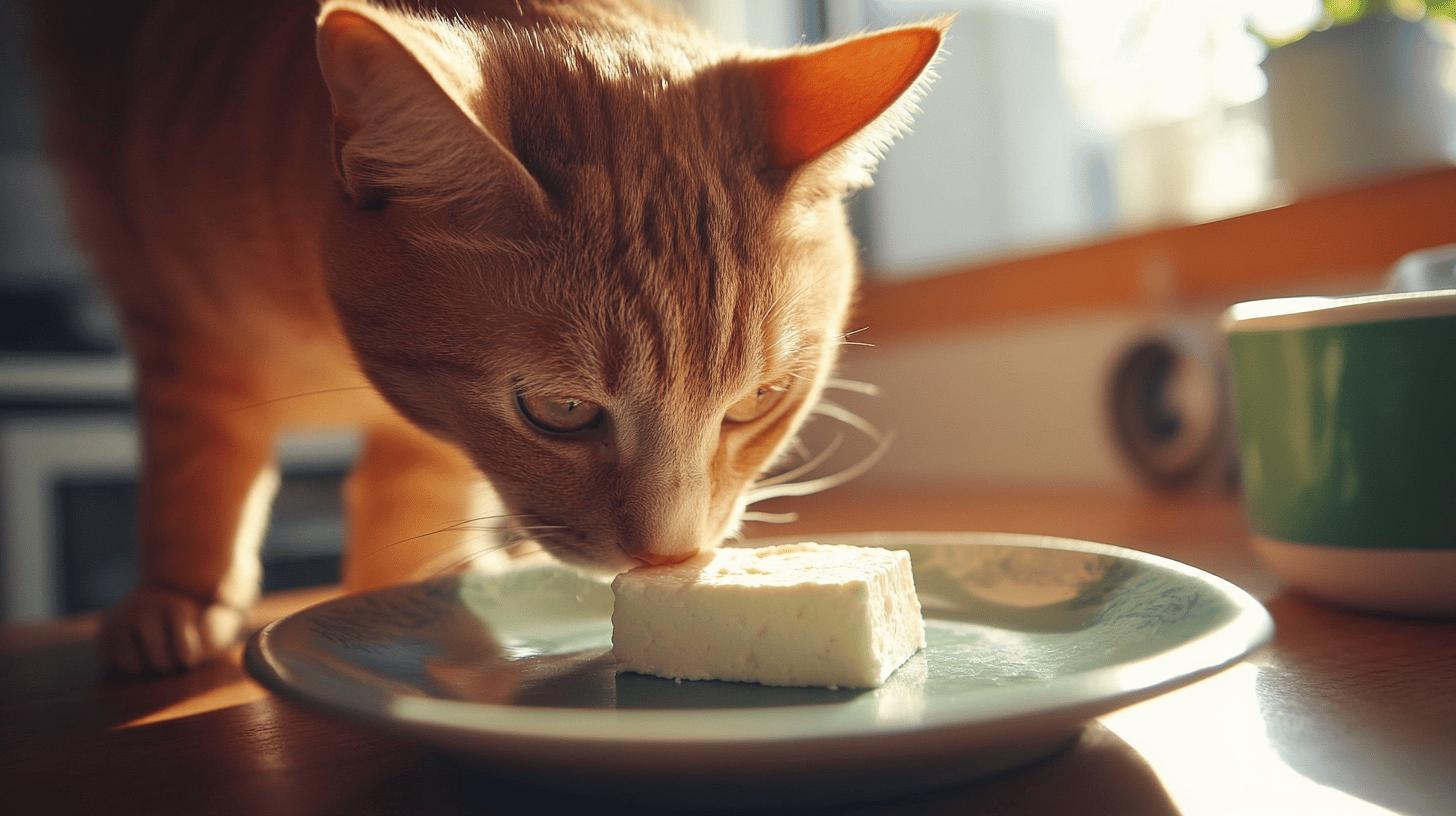
    Can cats enjoy a slice of paneer, or does it spell trouble for their tiny tummies? It's a question many cat lovers ponder. Paneer, a tasty cheese loaded with protein, might seem like a good snack. But for our furry friends, it’s not that simple. Cats are obligate carnivores, meaning meat is their main squeeze. While a little nibble of paneer might be okay, it's important to know the facts and risks. In this blog, we'll explore if paneer can fit safely and moderately into your feline's diet.

    Can Cats Safely Eat Paneer?
    Can Cats Safely Eat Paneer-1.jpg

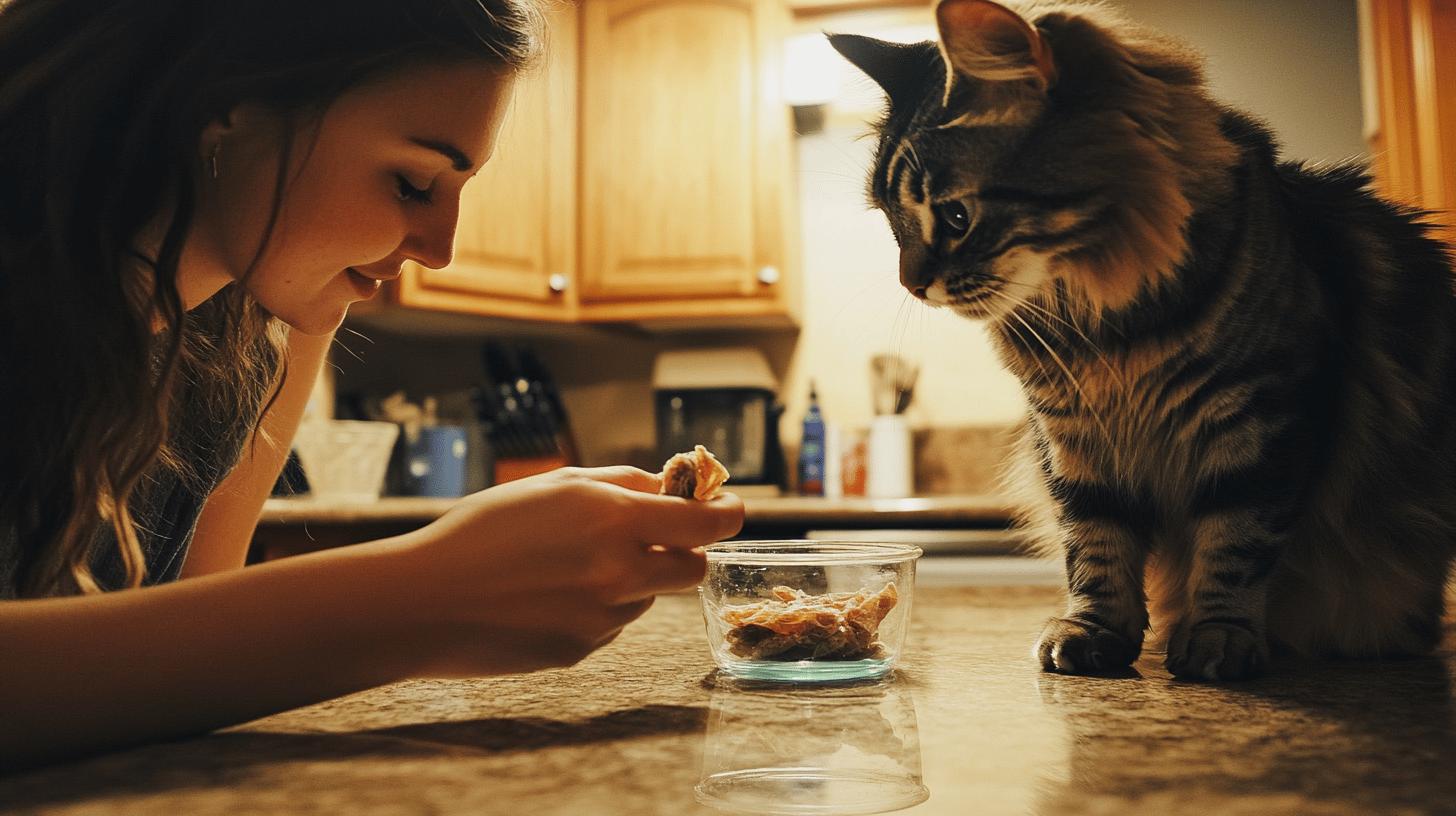
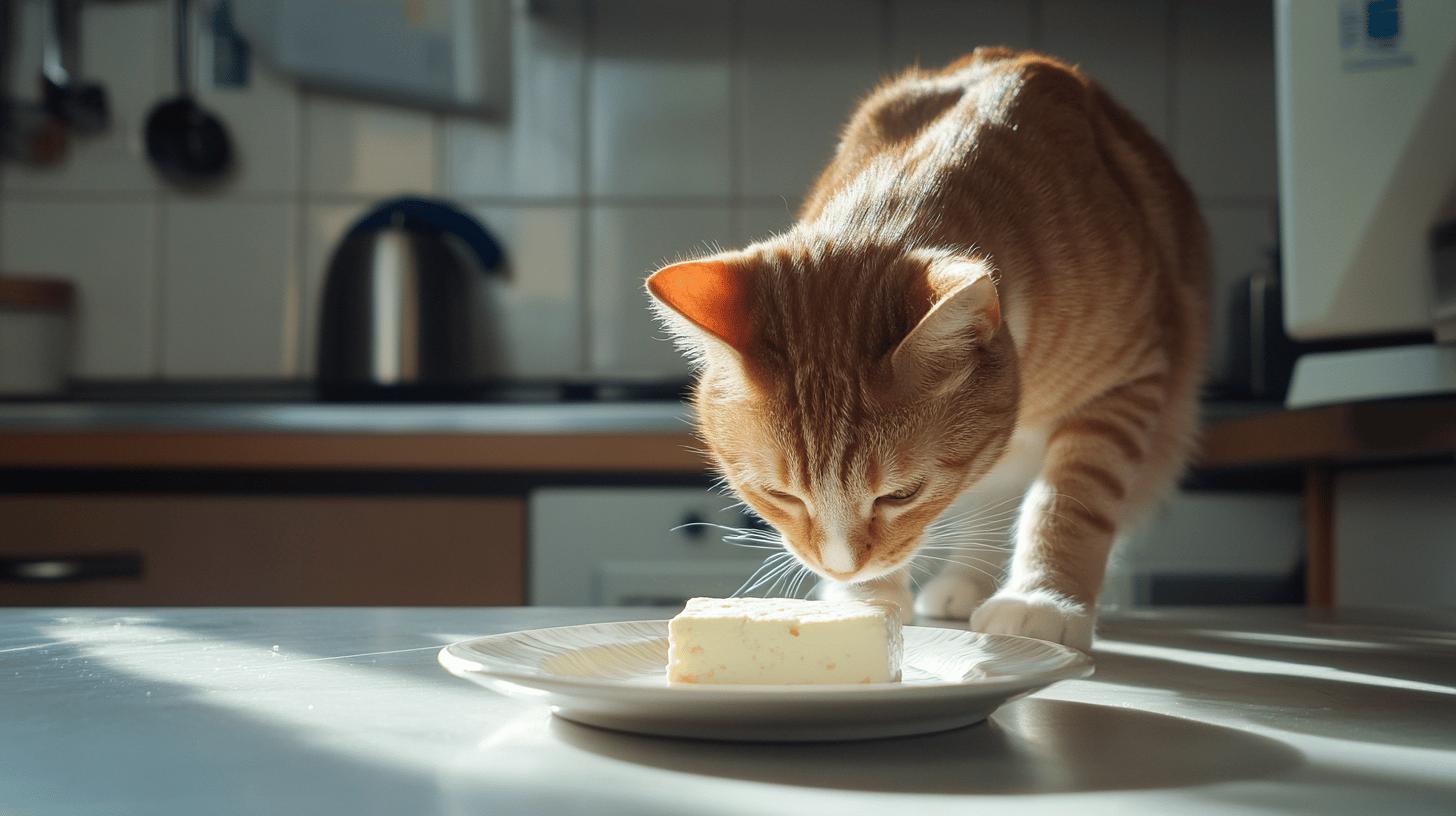
    When it comes to feeding cats paneer, it's crucial to proceed with caution. Paneer, while appealing due to its protein content, does not provide the full range of nutrients cats require. Cats are obligate carnivores, meaning their diet should primarily consist of meat. Paneer, a dairy product, can be offered occasionally but should not become a staple in their diet.

    Paneer is rich in protein and fat, which might seem beneficial at first glance. However, it lacks essential nutrients like taurine, which are vital for a cat's health. Taurine is an amino acid necessary for maintaining vision, heart function, and overall well-being in cats. Without it, they can suffer from severe health issues. While paneer can supply some protein, it shouldn't replace the comprehensive nutrition found in a balanced, meat-based diet.

    Cats can be lactose intolerant, leading to potential digestive problems if they consume dairy products like paneer. Symptoms of lactose intolerance include diarrhea, stomach upset, and gas. Given these risks, paneer should only be an occasional treat. Always consult a veterinarian before adding paneer or any new food to your cat's diet. This will help ensure it aligns with their dietary needs and doesn't cause any health issues.

    Understanding Lactose Intolerance in Cats and Monitoring Tips
    Understanding Lactose Intolerance in Cats and Monitoring Tips-1.jpg

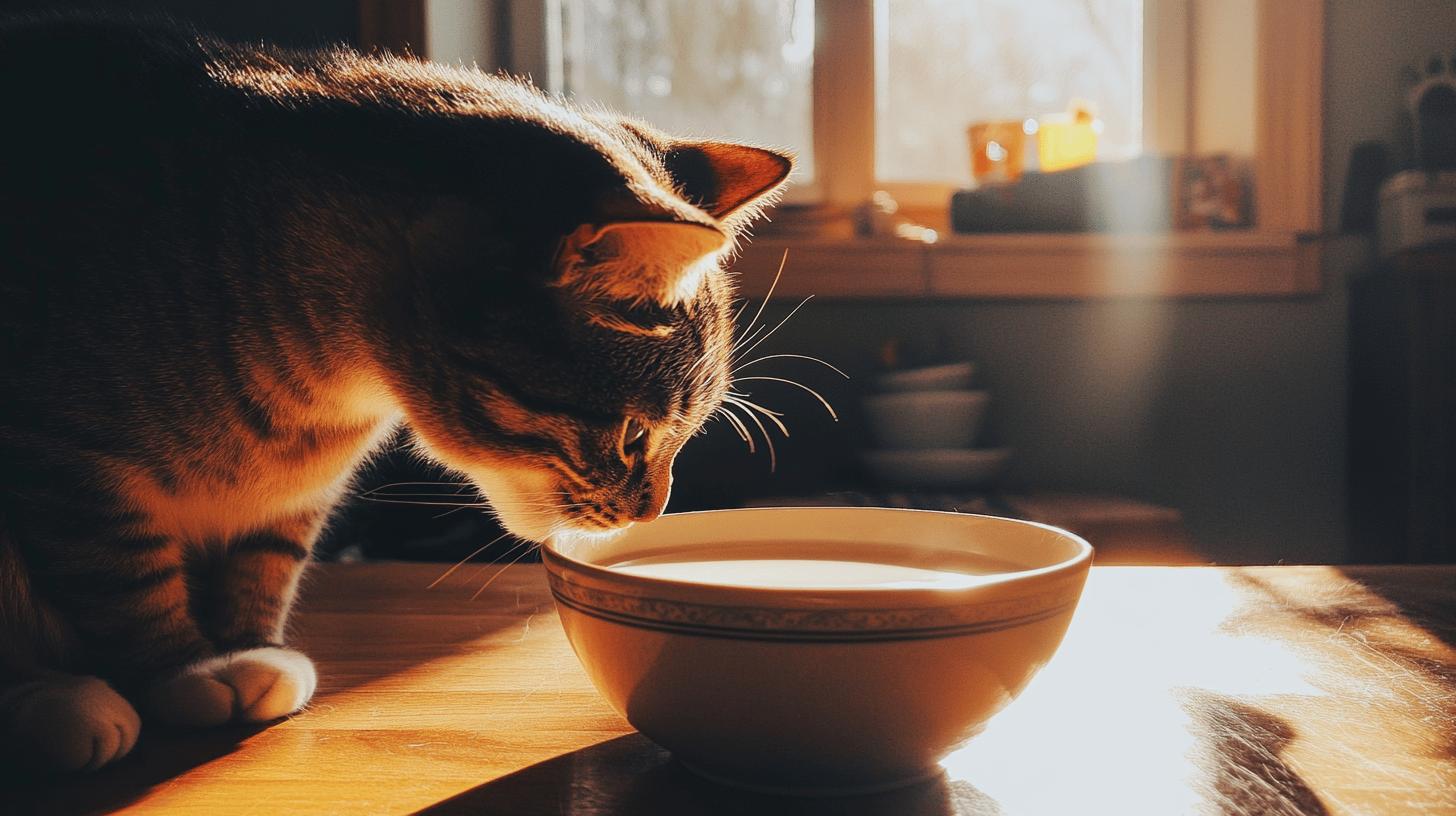
    Many cats are lactose intolerant, producing lower levels of lactase, the enzyme needed to digest lactose found in milk and dairy like paneer. As obligate carnivores, cats naturally thrive on meat-focused diets. Introducing lactose-containing foods can cause digestive issues. When cats consume dairy, undigested lactose ferments in their digestive tract, leading to discomfort or more severe gastrointestinal problems.

    The effects of dairy on cats manifest through symptoms like diarrhea, gas, vomiting, and loose stools. These signs indicate that the cat's digestive system is struggling with lactose. Monitoring these symptoms is crucial. Keeping a detailed food diary can help track what your cat eats and its reactions. This record will be invaluable for consultations with a veterinarian.

    Signs of Lactose Intolerance in Cats

    • Diarrhea
    • Gas
    • Vomiting
    • Loose stools

    Observing changes in your cat's behavior or energy levels after consuming dairy is essential. Adjusting your cat’s diet based on these observations ensures their well-being. While some cats might tolerate a small piece of paneer, understanding individual tolerance levels is crucial. Always consult a veterinarian before introducing new foods into your cat's diet.

    Differentiating Paneer in Cat Diets from General Dietary Practices
    Differentiating Paneer in Cat Diets from General Dietary Practices-1.jpg

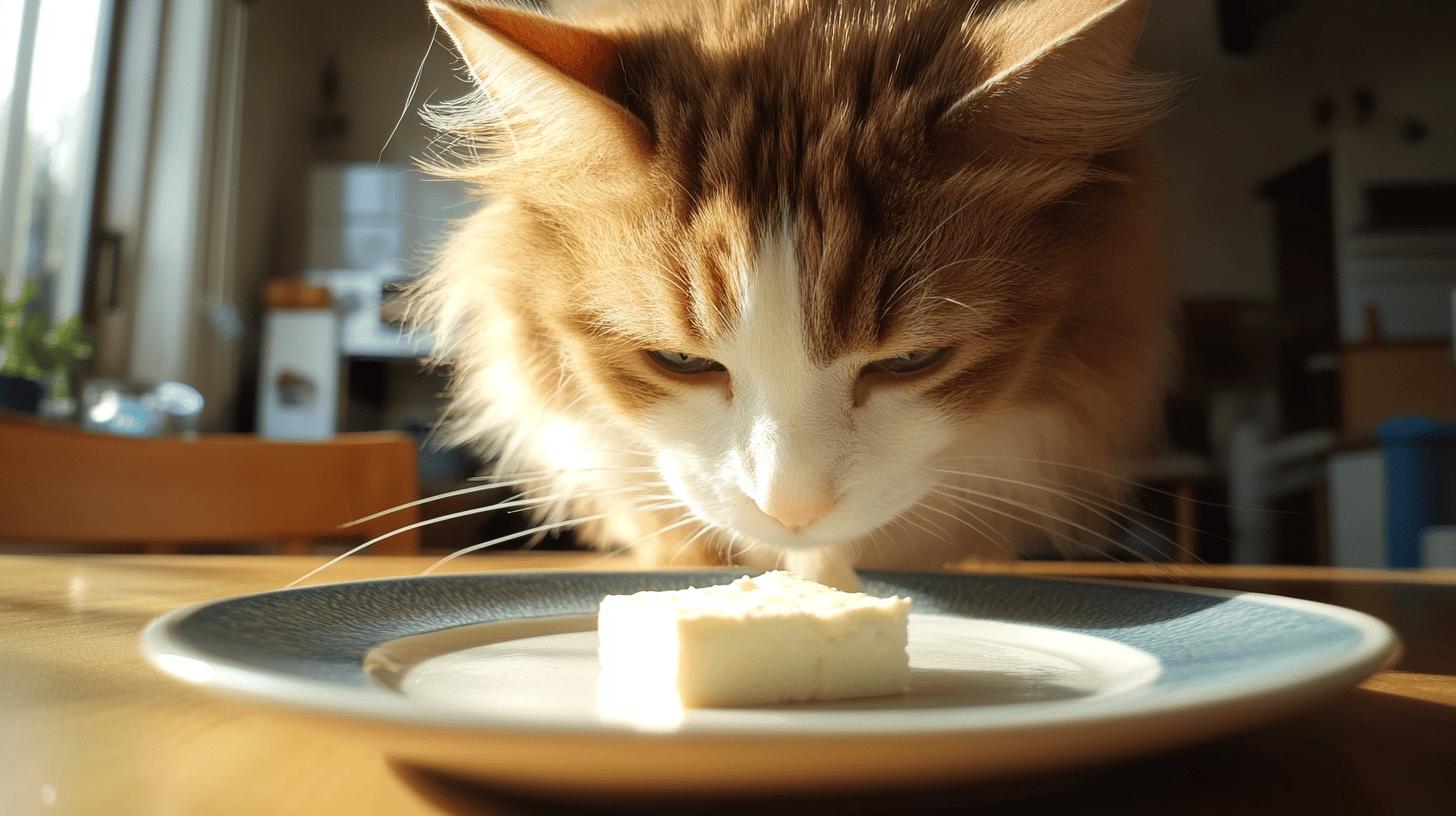
    Paneer offers protein, making it an occasional treat option for cats. While cats benefit from protein, paneer shouldn't replace the essential components of a feline diet. Its protein content can be appealing, but it lacks the full nutrient profile needed by cats.

    A primary concern is the lack of taurine, which is vital for cat health. Paneer's lactose might lead to digestive issues, such as diarrhea and gas. Compared to other cheeses, paneer may be less digestible. Cottage cheese might be a better alternative due to potentially higher digestibility.

    Veterinarians emphasize that cat diets should be rich in meat-based proteins. Cats require nutrients found in meat, not in dairy or plant sources. While paneer can add variety, it should never replace meat. Always consult a vet to ensure dietary additions suit your cat's needs.

    When used sparingly, paneer can be part of a balanced diet. Alternatives like cottage cheese might be more suitable for occasional treats. This respects the cat's natural diet while allowing for safe experimentation.

    Component Suggested Frequency
    Meat Daily
    Occasional Treats (like Paneer) Once or Twice a Week
    Essential Vitamins/Minerals Daily

    Final Words

    Exploring if can cat eat paneer brings to light important facts about cats and dairy. While paneer is high in protein, it's not ideal for cats because of potential lactose intolerance and missing nutrients like taurine. Cats thrive on meat-based diets. Feed paneer sparingly and always check with a vet first. Monitoring your cat's reaction to new foods helps ensure their health. Prioritizing a balanced diet will keep your cat healthy and playful. Engaging with cat communities for shared experiences enhances the joy of cat care.

    FAQ

    Can cats eat paneer?

    Cats can eat paneer, but moderation is key. Paneer is high in protein and fat, but it lacks essential nutrients for cats, such as taurine. It can also cause digestive issues due to lactose.

    Can cats eat paneer and chicken?

    Cats can eat paneer and chicken in small amounts as a treat. Chicken is a good protein source for cats. Always ensure that paneer is given occasionally due to possible digestive problems.

    Can cats eat curd?

    Cats can eat curd, but it's not ideal due to lactose. Many cats are lactose intolerant, which can lead to stomach upset. It's best to limit dairy in their diet.

    Can cats eat rice?

    Cats can eat rice in small portions. It should only be a minor part of their diet, as cats primarily need protein from meat.

    Can cats eat bread?

    Cats can eat bread occasionally as a treat. Bread offers little nutritional value for cats and should not replace their main diet.

    Can paneer be given to cats?

    Paneer can be given to cats in moderation. It lacks vital nutrients and may cause lactose-related digestive issues, so it's not recommended as a staple food.

    Can cats eat dairy cheese?

    Cats can eat dairy cheese in small amounts, but many are lactose intolerant. Cheese lacks essential nutrients and can cause digestive upset, so limit it in their diet.

    Can dogs eat paneer?

    Dogs can eat paneer, but much like cats, it should only be in moderation. Paneer lacks essential nutrients for dogs and might cause digestive issues.

    Can cats eat vegetarian food?

    Cats can't thrive on a vegetarian diet. They're obligate carnivores requiring meat-based diets to meet their nutritional needs. Always focus on meat-based food for optimal health.
    Related Articles

  • Can Cat Eat Bitter Gourd Safety and Nutritional Insights

    Can Cat Eat Bitter Gourd Safety and Nutritional Insights

    Ever wondered if you could share your bitter gourd with your cat? While it might seem harmless, bitter gourd isn't an ideal snack for our feline friends. Though it's not toxic, cats may struggle with its unpleasant taste and potential digestive upset. Cats are true carnivores, depending on a meat-rich diet for health. So, while humans might benefit from this veggie's nutrients, cats don't need them. Understanding why bitter gourd doesn't belong in their diet can help keep your cat safe and nourished.

    Can Cats Eat Bitter Gourd? Understanding Safety and Nutritional Impact

    Can Cats Eat Bitter Gourd Understanding Safety and Nutritional Impact-1.jpg

    Bitter gourd, also known as bitter melon, is a unique vegetable recognized for its distinct bitter flavor. Though not toxic to cats, it's not recommended as part of their diet. The bitterness can be off-putting, and its consumption might lead to digestive discomfort in felines. While the vegetable is safe in terms of toxicity, its unpalatable taste and potential for causing mild digestive issues make it unsuitable for our furry friends.

    Cats are obligate carnivores, which means their diet should be primarily meat-based. This dietary requirement ensures they receive vital nutrients such as taurine, which is essential for their health. While bitter gourd does contain some nutritional benefits for humans, like vitamins and minerals, these are unnecessary for cats. A balanced diet of quality cat food already provides everything they need. Including non-meat items like bitter gourd may disrupt their digestive system and nutritional balance.

    If a cat happens to nibble on bitter gourd, it might face mild symptoms such as:

    • Vomiting
    • Diarrhea
    • Lethargy

    Let's take a closer look at the nutritional makeup of bitter gourd compared to typical cat food:

    Nutrient Bitter Gourd Cat Food
    Protein Low High
    Fiber Moderate Low
    Vitamin C Present Not Required
    Taurine Absent Essential

    Monitoring your cat for any adverse reactions is crucial if it consumes bitter gourd. Symptoms like vomiting or diarrhea should be addressed promptly. If these occur, consulting a veterinarian is advised to ensure your pet's health and well-being. Ensuring a balanced diet tailored to your cat's carnivorous nature will keep them happy and healthy.

    Safe Vegetables and Alternatives for Cats

    Safe Vegetables and Alternatives for Cats-1.jpg

    When it comes to treating our feline friends with a taste of human food, it's crucial to choose options that align with their dietary needs. Cats are obligate carnivores, so their primary nutrition must come from meat. However, there are safe alternatives and snacks that can be offered occasionally. These human foods can add variety to their diet without compromising their health.

    Safe options for cats:

    • Cooked chicken
    • Cooked turkey
    • Cooked fish
    • Melon (in moderation)
    • Small amounts of specific vegetables

    Feeding cats these alternatives can provide them with extra nutrients and fiber. For example, cooked chicken, turkey, and fish are high in protein, which is vital for a cat's muscle development and energy. Melon, though lacking sweet taste buds, can be appealing to cats due to its scent and offers hydration and vitamins like A and C. Certain vegetables, when cooked and given in small amounts, can supplement fiber in their diet, aiding digestion.

    When introducing any new food to your cat, it's important to do so gradually. Start with small portions to see how your cat reacts. Moderation is key; too much of even a safe food can lead to digestive upset. Always observe your cat for any adverse reactions and consult with a veterinarian if you have concerns about their diet. By carefully selecting and moderating these snacks, you can enrich your pet's diet while keeping them safe and satisfied.

    Expert Recommendations on Cat Diet and Non-Meat Foods

    Expert Recommendations on Cat Diet and Bitter Gourd-3.jpg

    Veterinarians stress that cats need a meat-based diet for optimal health. As obligate carnivores, they depend on animal proteins for vital nutrients like taurine. A diet rich in high-quality cat food delivers the essential proteins, fats, and vitamins needed. For any changes in their diet, it's crucial to talk with a veterinarian. Their expert advice can be tailored to your cat's specific dietary needs.

    While bitter gourd isn't toxic to cats, it can cause digestive upset and offers no nutritional benefits. Some cat owners mistakenly believe certain non-meat foods are safe, but these can disrupt a cat's nutritional balance. Always seek a vet's guidance before adding any new foods to your cat's diet. This ensures your furry friend maintains a diet that supports their natural carnivorous habits.

    Nutritional Profile and Digestive Analysis

    Bitter gourd, also known as bitter melon, contains several alkaloid compounds including momordine and polypeptide-P that challenge feline digestive systems. Unlike humans who can metabolize these compounds gradually, cats possess limited enzymatic capacity for alkaloid processing, leading to accumulation with repeated exposure.

    From a macronutrient perspective, bitter gourd is predominantly water (93-95%) with minimal protein, making it nutritionally insignificant for carnivorous cats. However, the trace nutrients present–vitamin C, potassium, and manganese–exist in amounts too small to meaningfully supplement feline diets.

    The primary concern centers on digestive processing. Raw bitter gourd contains more active alkaloids than cooked varieties. Cooking reduces alkaloid concentration by approximately 30-40%, but even cooked bitter gourd remains challenging for cats to digest. The remaining alkaloids interact with feline intestinal cells, potentially triggering inflammation in susceptible individuals.

    Cats consuming bitter gourd may experience changes in their intestinal microbiome balance. The disruption of beneficial bacteria can impair nutrient absorption from their regular diet, creating a cascading nutritional deficit over time with repeated exposure.

    Preparation and Serving Guidelines

    If circumstances lead to bitter gourd consumption (often accidental via human food sharing), specific preparation methods minimize risk. Never offer raw bitter gourd; thoroughly cooking it for 15-20 minutes significantly reduces alkaloid content and promotes partial breakdown of complex carbohydrates.

    Even with optimal preparation, portion sizes must remain minimal. The absolute maximum safe single serving is one-quarter teaspoon of well-cooked, pureed bitter gourd, offered no more than once monthly at most. This extremely limited quantity reduces accumulation risk while allowing occasional accidental exposure recovery.

    Avoid serving methods that increase palatability and consumption likelihood. Never blend bitter gourd into foods your cat enjoys, as this increases accidental consumption risk. If considering intentional offering (not recommended), always consult your veterinarian beforehand to assess your individual cat’s health status.

    Store bitter gourd separately from regular cat food areas. If your household includes both cats and human bitter gourd consumption, establish clear boundaries to prevent feline access to preparation areas or discarded portions.

    Individual Sensitivities and Response Monitoring

    Individual cats display remarkable variation in tolerance to bitter gourd and similar compounds. Factors influencing sensitivity include age (kittens and senior cats tolerate poorly), underlying digestive conditions like IBD or pancreatitis, and genetic variations in metabolic enzyme expression.

    Cats with prior food sensitivities show significantly elevated risk for adverse reactions. If your cat has experienced digestive upset from novel foods previously, avoid bitter gourd entirely given the risk-benefit equation.

    Monitoring should extend beyond acute signs. Track your cat’s appetite, stool consistency, and energy level for 7 days following any bitter gourd exposure. Subtle changes–slightly softer stools, reduced playfulness, or eating with less enthusiasm–may indicate ongoing digestive stress even without obvious illness signs.

    Maintain veterinary records of any bitter gourd exposure, as cumulative effects over months could contribute to chronic digestive issues. If your cat develops chronic diarrhea, vomiting, or poor coat condition following periods of bitter gourd exposure, inform your veterinarian of the exposure history.

    Final Words

    Thinking about whether a cat can eat bitter gourd reveals its safety and lack of need in a cat's diet. Although not toxic, its bitter taste and potential to upset cat digestion make it less than ideal. Cats thrive on a meat-based diet, and bitter gourd's nutrients can be found in balanced cat food. Safer, more cat-friendly options, like cooked chicken, are better choices. Always consult a vet for diet changes. Choosing wisely ensures a happy and healthy cat, proving that feline well-being always comes first.

    FAQ

    Can I give bitter gourd to my cat?

    A: Bitter gourd is not toxic to cats, but it's not recommended. It can cause digestive upset due to its bitter taste. Cats do best with a meat-based diet.

    Can cats eat bitter gourd raw or its seeds?

    A: Cats should not eat bitter gourd raw or its seeds. These may cause mild digestive issues like vomiting or diarrhea.

    Is gourd safe for cats?

    A: While not toxic, gourds like bitter gourd can cause mild symptoms and are not nutritionally necessary for cats.

    What vegetable is toxic to cats?

    A: Onions, garlic, and chives are toxic to cats and should be avoided in their diet.

    What vegetables can cats eat?

    A: Cats can have small amounts of cooked carrots, peas, and squash. Always introduce new foods carefully and in moderation.

    Can cats eat bitter tastes?

    A: Cats generally dislike bitter tastes, and these can lead to digestive discomfort, so it's better to avoid them.

    Can dogs eat bitter gourd?

    A: Dogs can eat small amounts of bitter gourd occasionally, but it might not be palatable for them, and excessive consumption can cause stomach upset.

    Related Articles

  • Can Cat Eat Jelly Understanding Risks and Safe Alternatives

    Can Cat Eat Jelly Understanding Risks and Safe Alternatives

    Ever find yourself tempted to share your jelly with your curious kitty? While it might seem harmless, feeding jelly to cats can pose serious risks. Cats don’t process sugar like we do, and certain jellies carry added dangers with ingredients like xylitol.

    hese sweeteners are not only unhealthy but can be toxic, leading to severe complications. Let’s dive into why it’s best to keep jelly far from your feline’s food bowl and explore safer alternatives to keep your cat purring with delight.

    Can Cats Eat Jelly? Understanding Safety and Risks

    Can Cats Eat Jelly Understanding Safety and Risks-2.jpg

    Cats should generally avoid eating jelly. This sweet treat is not recommended for feline friends due to its high sugar content, which can contribute to obesity and diabetes. Although jelly might not be directly toxic, it does not align with a cat’s dietary needs. Some jellies contain artificial sweeteners like xylitol, which are toxic to cats and can cause serious health complications.

    • Toxicity Concerns: Xylitol, a common sweetener in sugar-free jellies, is extremely harmful to cats.
    • Health Issues: High sugar levels in jelly can lead to obesity, diabetes, and other health problems.
    • Digestive Problems: Cats may experience vomiting or diarrhea after consuming jelly.

    Jelly lacks essential nutrients that cats need, as they require a meat-based diet to thrive. By sticking to foods specifically made for cats, you ensure they receive the nutrition necessary for their health and well-being.

    Can Cats Eat Jelly? Understanding Safety and Risks

    Jelly Ingredients and Their Impact on Cats-1.jpg

    Jelly might be a delightful treat for us, but for cats, it’s a different story. The high sugar content in jelly can lead to weight gain and potential diabetes. Furthermore, artificial sweeteners, especially xylitol, are toxic to cats and can cause severe health problems.

    Harmful Ingredients in Jelly:

    1. Sugar: Increases the risk of obesity and diabetes.
    2. Artificial Sweeteners: Xylitol is toxic, leading to severe health issues.
    3. Preservatives: Can cause digestive upset or allergic reactions.
    4. Citrus Flavors: May result in vomiting and diarrhea.
    5. Grape Flavors: Can be toxic, potentially causing kidney failure.

    Cats are obligate carnivores; they need meat for their nutritional needs. Their bodies aren’t built to process sugars effectively, so when they consume jelly, it can lead to digestive issues like vomiting or diarrhea. These ingredients can linger in their system, causing bigger health concerns over time.

    Cats also can’t taste sweetness, so sugary foods offer no benefit. They need a diet rich in proteins and fats from meat sources. Jelly doesn’t fit into this dietary profile, as it lacks essential nutrients. To keep cats healthy, focus on high-quality protein-rich foods specifically designed for them.

    Safe Alternatives to Jelly for Cats

    Safe Alternatives to Jelly for Cats-4.jpg

    Choosing the right treats for your cat is crucial for their overall health and well-being. Cats have specific dietary needs that are best met with high-protein, meat-based foods. Instead of sugary treats like jelly, consider offering your cat snacks that provide nutritional benefits. High-protein treats such as freeze-dried meat or fish are excellent choices. These alternatives are not only safe but align more closely with a cat’s natural diet.

    Here are some recommended alternatives to jelly for your cat:

    • Freeze-dried chicken or fish
    • Cooked carrots
    • Blueberries
    • Small pieces of cooked turkey
    • Freeze-dried liver
    • Cucumber slices
    Alternative Treat Benefits
    Freeze-dried Chicken High in protein, low in fat
    Cooked Carrots Rich in fiber and beta-carotene
    Blueberries Source of antioxidants and vitamins
    Small pieces of Cooked Turkey Lean protein source for muscle health
    Cucumber Slices Hydrating with low calories

    These treats not only satisfy your cat’s taste buds but also contribute to a balanced diet rich in essential nutrients. Remember, cats thrive on protein and fats from meat sources, making these alternatives both safe and beneficial for your furry friend.

    Expert Opinions on Feeding Jelly to Cats

    Veterinary experts strongly advise against feeding jelly to cats because it doesn’t meet their nutritional needs and poses potential health risks. Cats thrive on diets rich in protein and essential nutrients, which jelly lacks. Experts like Dr. Sarah Thompson highlight that jelly consumption could lead to obesity and diabetes, emphasizing the critical need for protein to maintain a cat’s health.

    • Lacks essential nutrients for a cat’s well-being
    • High sugar content increasing the risk of obesity and diabetes
    • Toxicity from artificial sweeteners such as xylitol
    • Potential for digestive issues like vomiting and diarrhea

    By prioritizing a balanced diet that focuses on quality, protein-rich foods, cat owners can effectively support their pets’ health and reduce the risk of serious health issues. Avoiding sugary treats like jelly and opting for nutritious, meat-based meals ensures that cats receive the nutrients they need for optimal health.
    Final Words

    Exploring whether cats can eat jelly, we discovered it’s not safe. High sugar and harmful ingredients pose significant risks, including obesity and diabetes. Jelly lacks essential nutrients for cats, making it unsuitable. Understanding jelly’s impact on a cat’s health is crucial. A meat-based diet remains vital for their well-being.

    Alternatives like freeze-dried meats or certain fruits offer safe options. Veterinary experts agree: jelly isn’t suitable for cats. Providing nutritious treats ensures your cat’s health and happiness. Always prioritize safety, ensuring playtime and treat time are equally fulfilling. Let’s keep our feline friends in optimal health.
    FAQ

    Can cats eat strawberry jelly?

    A: Cats should not eat strawberry jelly. It’s high in sugar, which can lead to obesity and diabetes. Some jellies contain harmful sweeteners like xylitol, which is toxic to cats.

    Can cats eat jelly bread?

    A: Cats should avoid jelly bread. Bread and jelly offer no nutritional benefits and can cause weight gain or digestive issues. Cats thrive best on a meat-based diet.

    What is the jelly in cat food made of?

    A: The jelly in cat food is mainly made from animal by-products or gelatin, which is safe for cats. It’s designed to be a flavor enhancer and moisture source in their diet.

    Can cats eat grape jelly?

    A: Cats should not eat grape jelly. Grapes are toxic to some pets, and high sugar levels can lead to serious health issues. Stick to cat-safe treats instead.

    Why do cats love jelly?

    A: Cats may be attracted to jelly because of its texture and smell. However, it lacks the essential nutrients they need, making it an unhealthy choice.

    Is jelly food good for cats?

    A: Jelly food without added sugars and harmful sweeteners could be harmless, but it doesn’t offer necessary nutrients. A meat-based diet provides the best nutrition for cats.

    Can cats have a little jello?

    A: Cats should avoid jello. It often contains sugar and artificial flavors, which can upset their stomachs and lead to metabolic issues with regular consumption.

    Will grape jelly hurt a cat?

    A: Yes, grape jelly can hurt a cat. Grapes and excessive sugar are dangerous and may cause digestive upset or long-term health problems. Stick to cat-friendly treats.

    Related Articles

  • Can Cat Eat Yolk Safely and Its Nutritional Benefits

    Can Cat Eat Yolk Safely and Its Nutritional Benefits

    Is it safe for cats to snack on egg yolk, or is it a risky treat? It's a question that sparks curiosity among many cat owners. Egg yolks are packed with nutrients that can benefit your furry friend's health, but how can you serve them safely? In this article, we will dive into the pros and cons of adding egg yolks to your cat's diet. You'll learn tips on how to navigate potential risks, provide a nutritious treat, and boost your cat's wellbeing. Let's explore the yolk debate and unlock its nutritional potential for your kitty.

    Can Cats Safely Eat Egg Yolk and Its Nutritional Benefits?

    Can Cats Safely Eat Egg Yolk and Its Nutritional Benefits-1.jpg

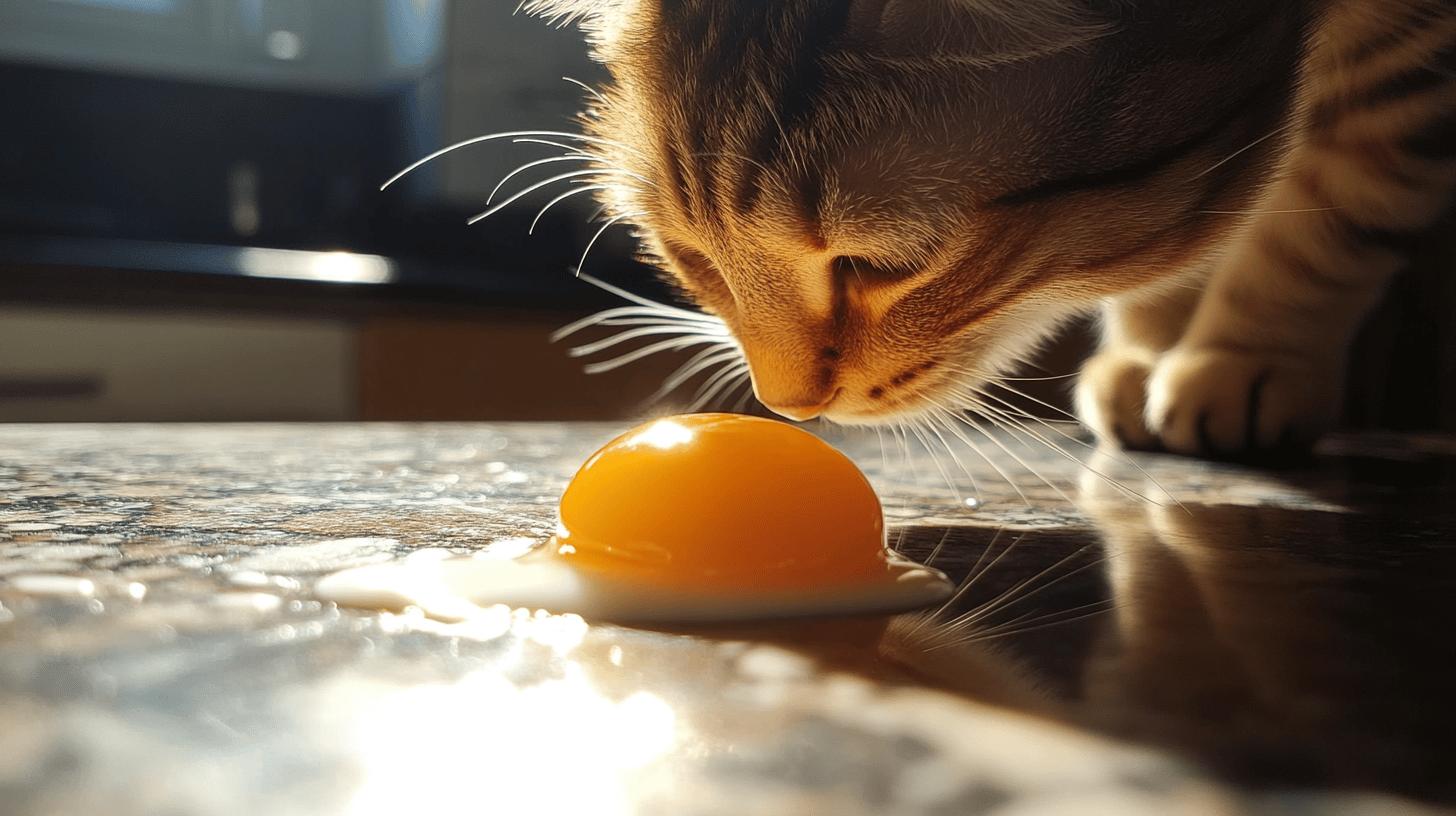
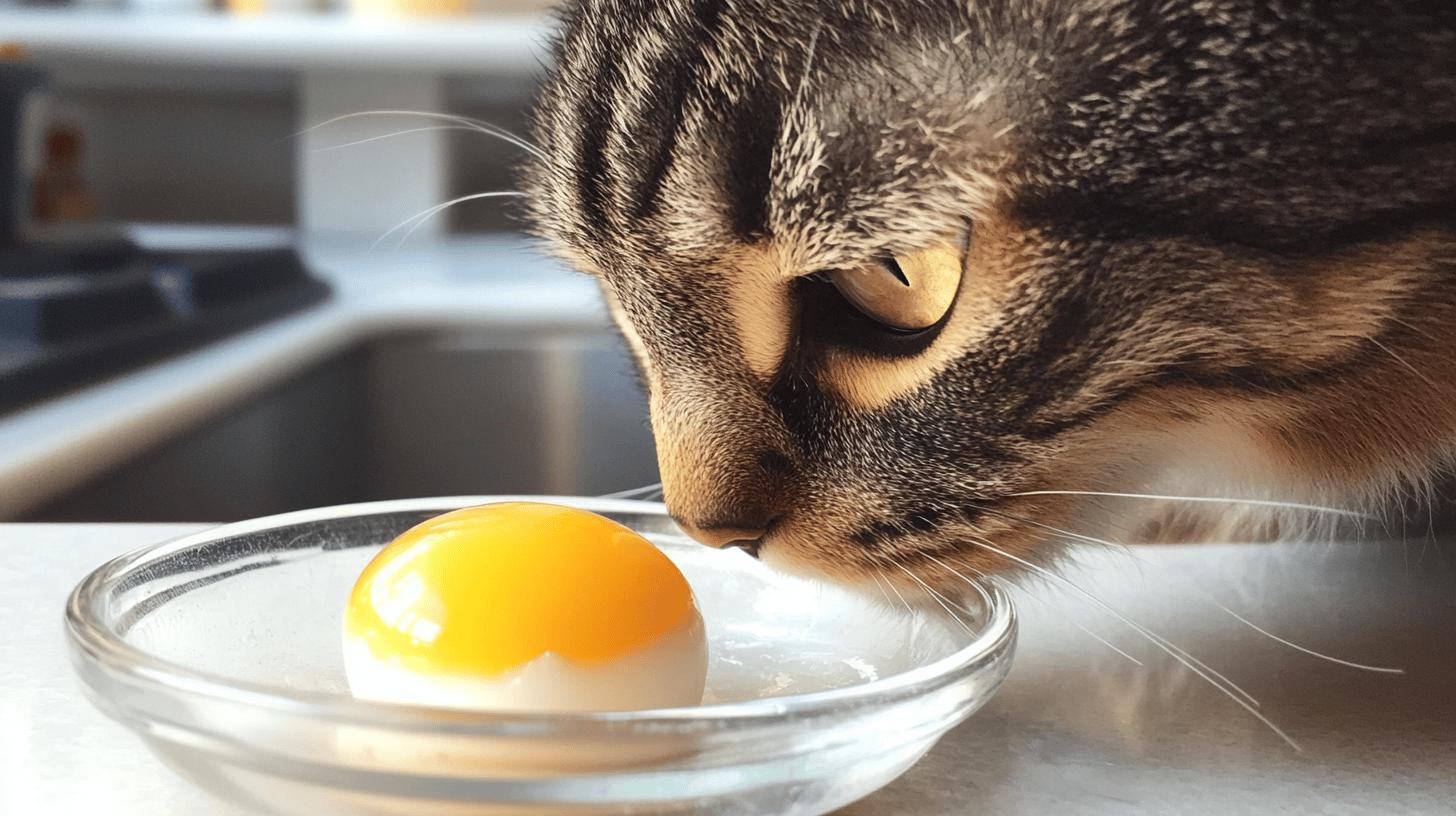
    Cats can enjoy egg yolks as part of their diet, but it's crucial to handle them properly to ensure safety. Both cooked and raw egg yolks can pose health risks if not managed correctly. Raw egg yolks might carry bacteria like Salmonella and E. coli, which could harm cats. Cooking the yolks not only makes them safer by killing these bacteria but also neutralizes enzymes such as avidin that can interfere with nutrient absorption. Ensure that the yolks are fresh and cooked thoroughly to an internal temperature of 160°F to keep your feline friend safe.

    Egg yolks are a powerhouse of nutrition, providing essential nutrients that are beneficial for a cat's health. They are rich in proteins and fats, which are key components of a cat's diet. Proteins support muscle maintenance, while fats offer a concentrated source of energy. These nutrients are vital for sustaining a cat's active lifestyle and promoting overall well-being. Incorporating egg yolks occasionally into a cat's meals can enhance their nutritional intake when balanced properly with other dietary components.

    Some key nutrients found in egg yolks include:

    • High-quality proteins
    • Healthy fats
    • Vitamins A, D, and E
    • B-complex vitamins
    • Minerals such as iron and selenium

    These nutrients each play a role in supporting a cat's health. For instance, the vitamins found in egg yolks contribute to a cat's vision, skin health, and immune system. Meanwhile, the minerals like iron and selenium help in blood formation and antioxidant defense. While egg yolks are nutritious, they should complement a balanced diet rather than serve as a primary food source. Feeding them in moderation ensures your cat receives a wide range of nutrients necessary for a healthy and happy life.

    Feeding Egg Yolk to Cats: Guidelines and Potential Risks

    Feeding Egg Yolk to Cats Guidelines and Potential Risks-1.jpg

    When it comes to feeding your cat egg yolks, moderation is key. Treats, including egg yolks, should not exceed 10% of your cat's daily calorie intake. Overfeeding can lead to weight gain and disrupt their balanced diet. By keeping portion sizes small and infrequent, you can avoid potential nutritional imbalances. This approach ensures that your cat enjoys the benefits of egg yolks without compromising their overall health.
    Introducing egg yolk into your cat's diet gradually is essential, especially if they haven't tried it before. Start by offering a tiny amount mixed into their regular food. Observe their reaction closely over a few days to ensure they tolerate it well. If your cat shows no signs of digestive upset or allergies, you can occasionally increase the portion size. This gradual approach helps your cat adjust to new foods and reduces the risk of adverse reactions.

    Portion Size Frequency
    Adult Cats: 1 tsp Once a week
    Kittens: 1/2 tsp Once a week

    Egg yolks can pose risks, including allergies. Some cats may react to eggs with symptoms such as digestive upset, itching, or vomiting. Keep an eye out for these signs, especially when introducing egg yolks for the first time. Allergic reactions can vary in severity, so it's crucial to address them promptly to prevent further issues.

    1. Vomiting
    2. Diarrhea
    3. Itching or skin irritation

    Monitoring your cat for any adverse reactions is crucial. If you notice any signs of allergy or digestive issues, stop feeding them egg yolks and consult your veterinarian. They can provide personalized advice and determine whether egg yolks can be safely included in your cat's diet. Prioritizing your cat's health ensures they enjoy the benefits of egg yolks without unnecessary risks.

    How to Safely Prepare Egg Yolk for Cats

    How to Safely Prepare Egg Yolk for Cats-1.jpg

    Cooking egg yolks is crucial for your cat's safety. Harmful bacteria like Salmonella can lurk in raw eggs. Cooking eliminates these risks, making eggs a safer treat. Ensure the yolks reach an internal temperature of 160°F. This kills bacteria while preserving the yolk's nutritional value.

    Safe preparation methods for egg yolks include:

    • Boiling
    • Scrambling
    • Poaching
    • Baking

    Using fresh eggs is vital for reducing contamination risks and providing the best nutrition. Discard any uneaten portions after cooking, as leftovers can spoil quickly and pose a health risk. By using these methods, you can safely introduce egg yolks into your cat's diet as an occasional treat.

    Final Words

    Feeding egg yolks to cats can offer nutritional benefits, such as high protein and fat content, which support muscle maintenance and energy. Cooking egg yolks eliminates bacteria, making them safe and healthy for your feline friends. Remember moderation is key to avoid weight gain and nutritional imbalances. Gradually introduce yolks, keeping an eye out for allergies like digestive upset or itching.

    Always use fresh eggs and discard leftovers. Keeping these tips in mind can give you peace of mind as you consider can cat eat yolk in their diet. Enjoy watching your cat thrive with safe and tasty treats!

    FAQ

    Can cats eat raw egg yolk?

    A: Raw egg yolk is not safe for cats. It can carry harmful bacteria like Salmonella. Cooking the yolk removes these risks, making it a safer option for your cat.

    Can cats eat cooked eggs?

    A: Cats can safely eat cooked eggs. Cooking eggs thoroughly destroys harmful bacteria and enzymes, making them a nutritious and safe treat for cats.

    How should I cook eggs for cats?

    A: Use safe methods like boiling or scrambling. Ensure eggs reach 160°F internally. Always discard uneaten portions and use fresh eggs only.

    What happens if my cat eats egg yolk?

    A: Eating cooked egg yolk can boost a cat's health with protein and fat. Too much raw yolk may lead to bacterial infections or imbalances.

    How much egg yolk should I give my cat?

    A: Egg yolk should be a small treat. It can make up no more than 10% of their daily calorie intake. Portion control is key to avoid weight gain.

    Can cats eat egg white?

    A: Cats can eat cooked egg whites. Cooking neutralizes harmful enzymes. Ensure no raw whites are fed to your cat to avoid health risks.

    Is raw egg yolk digestible for cats?

    A: While cats can digest raw yolk, it's risky. Raw yolk may contain bacteria posing health risks. Cooked yolk is a safer option for cats.

    Can cats have a little egg yolk?

    A: Cats can enjoy a little cooked egg yolk as a treat. It provides nutrients, but ensure it's only a small part of their diet for health balance.

    Related Articles

  • Can Cat Eat Silverfish Safety and Health Considerations

    Can Cat Eat Silverfish Safety and Health Considerations

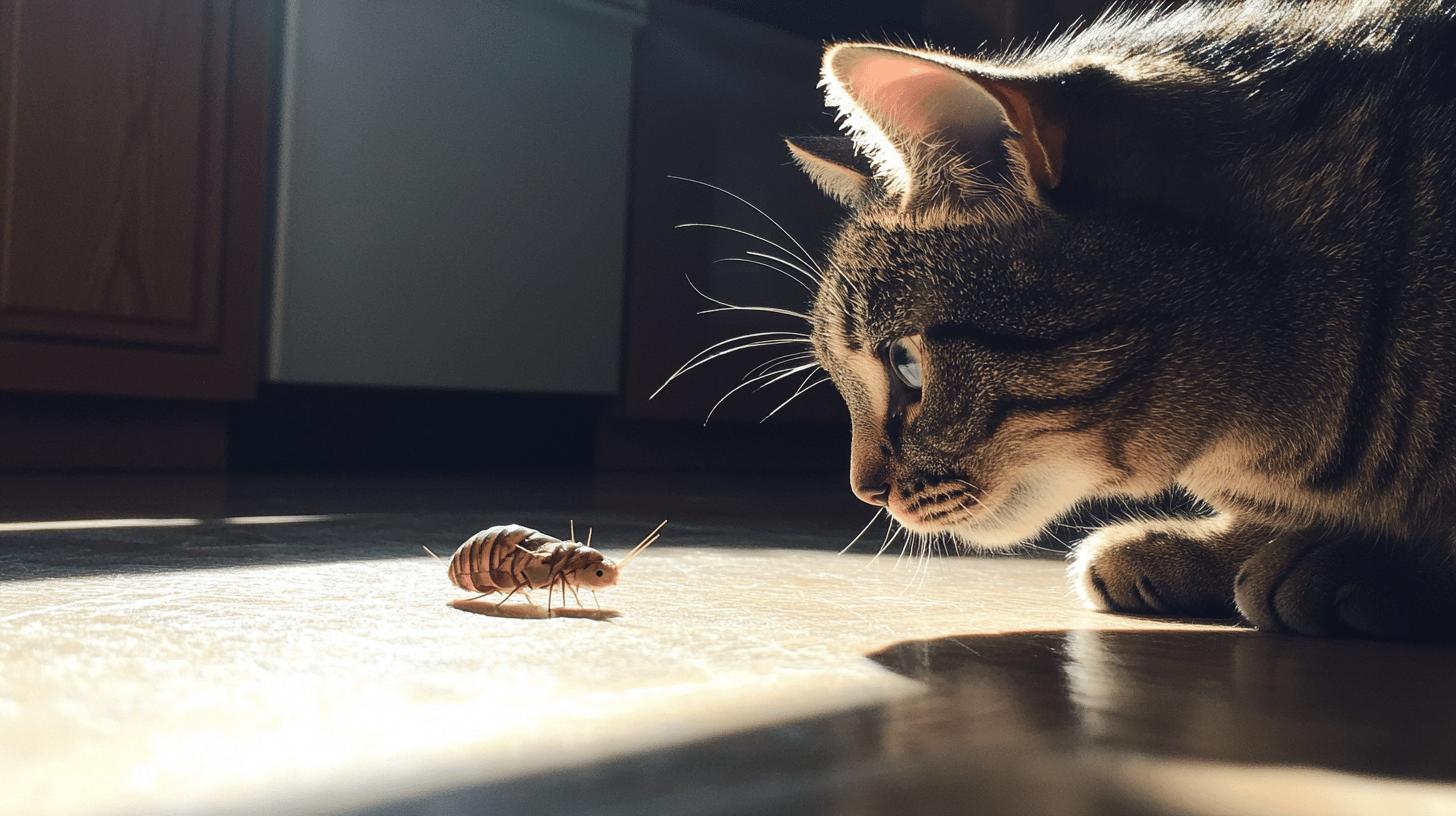
    Have you ever caught your cat chasing after a silverfish and wondered if it's safe for them to eat? This tiny insect might not seem like a problem, but should it be on your cat's menu? While silverfish aren't toxic to cats, they do come with their own set of concerns. This blog post delves into the safety and health considerations of cats nibbling on these household critters. We'll explore why silverfish might not be the healthiest snack and what to watch out for if your adventurous feline decides to make one a meal.

    Can Cats Safely Eat Silverfish?

    Can Cats Safely Eat Silverfish-1.jpg

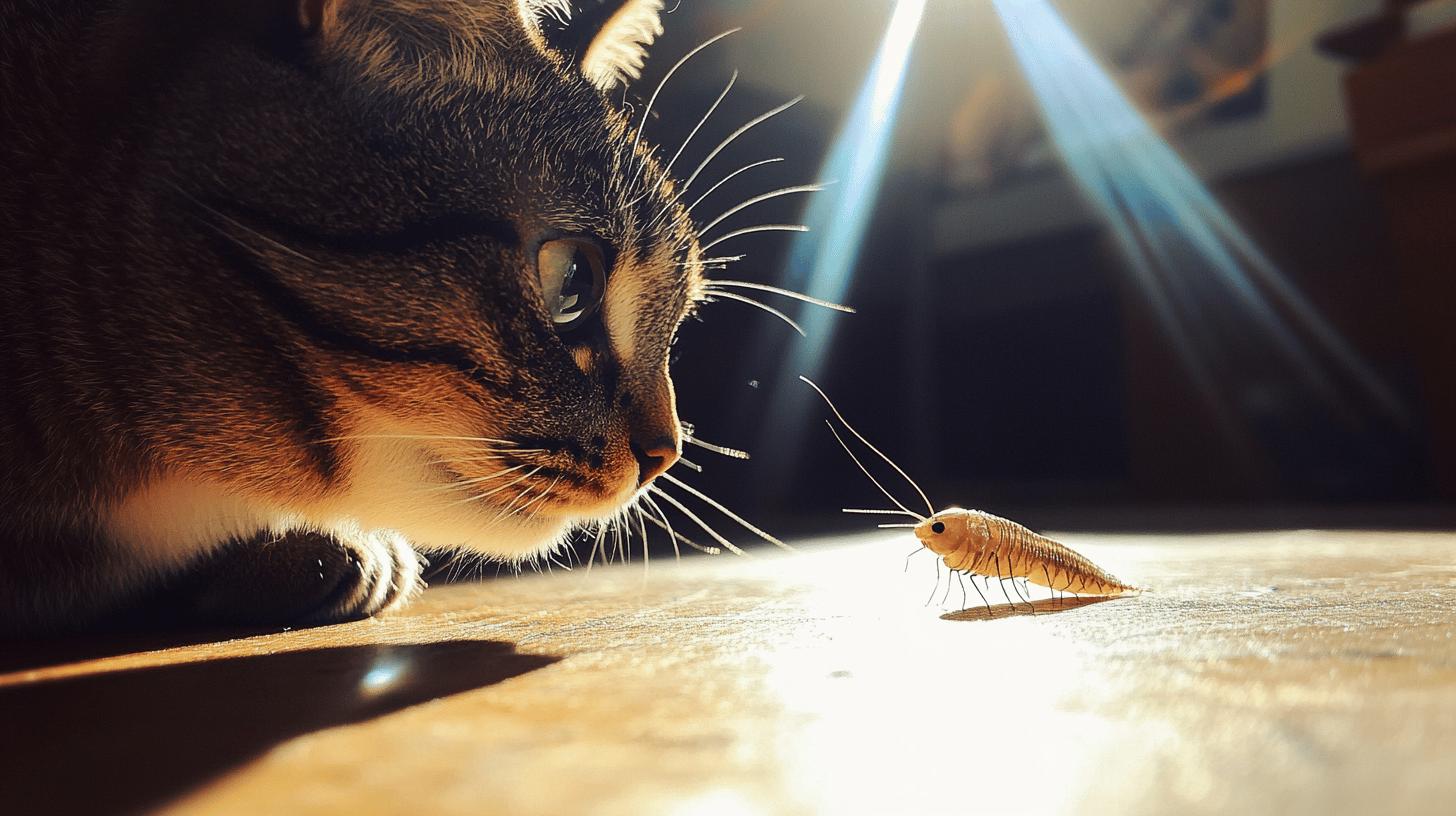
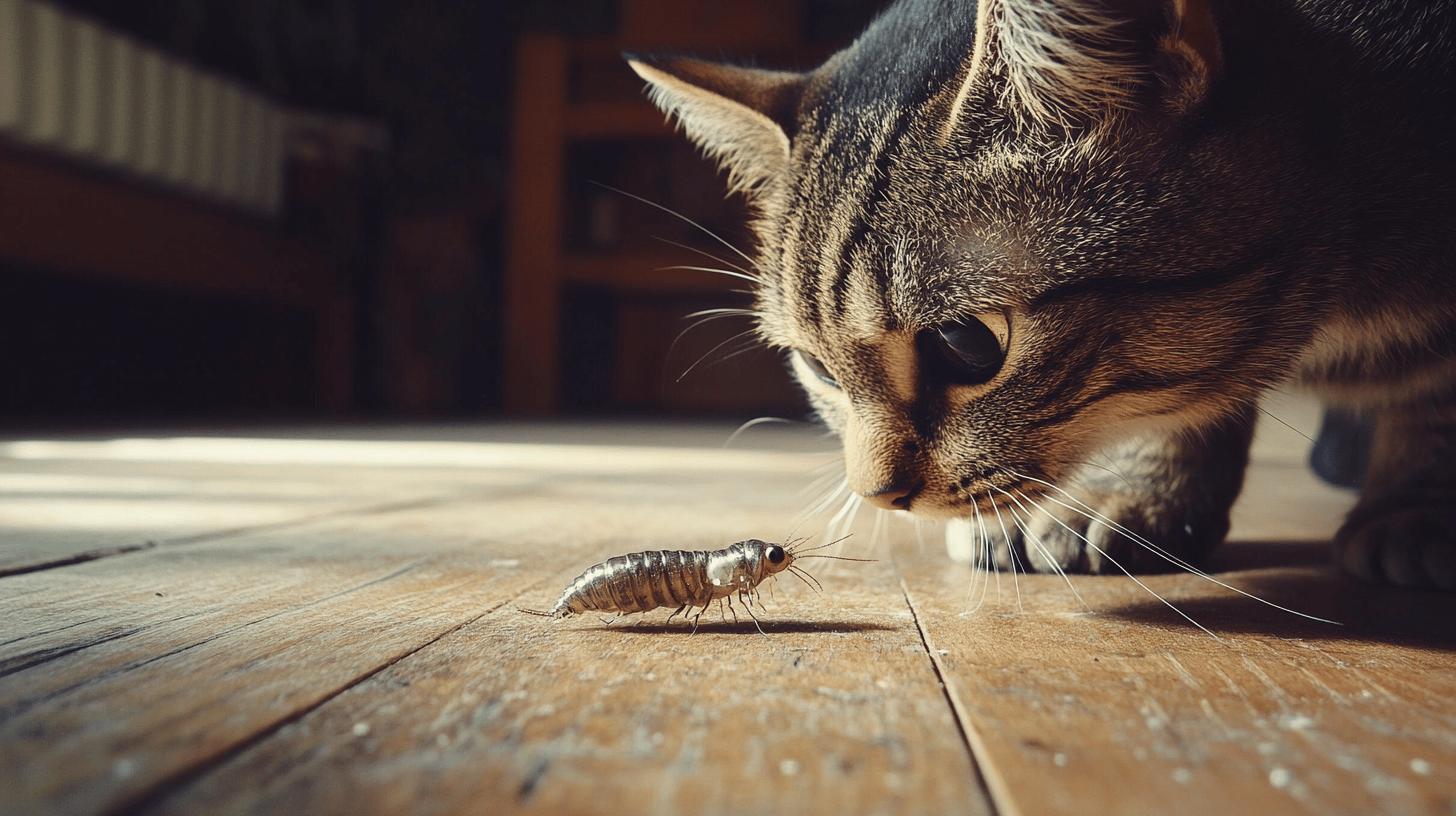
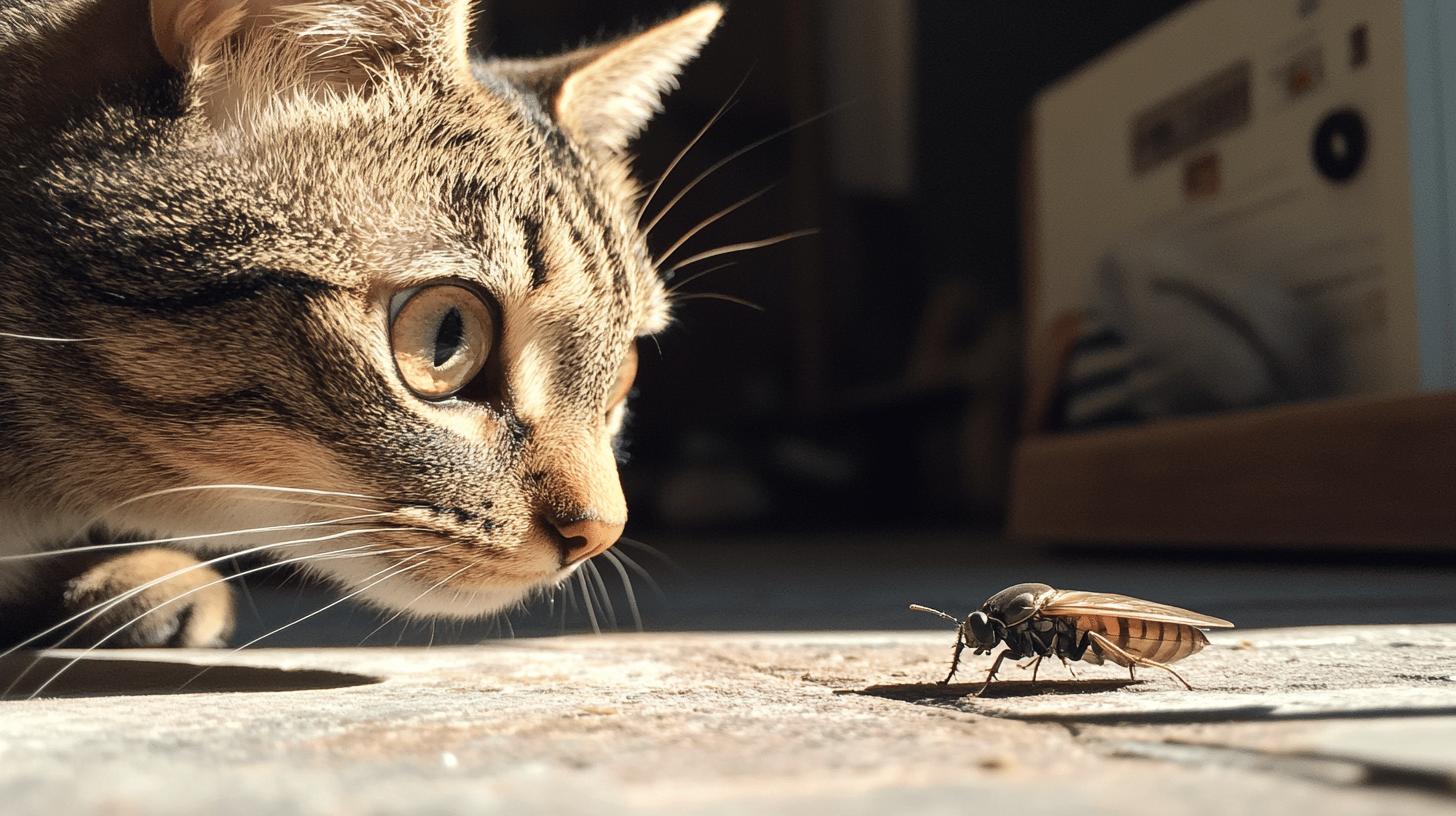
    Silverfish are generally not toxic to cats, so if your feline friend happens to munch on one, there's no immediate danger. However, these insects don't offer any nutritional benefits. They lack the essential nutrients cats need for a healthy diet. While a curious cat might enjoy chasing and catching silverfish, they should not be considered a food source.

    Despite their non-toxic nature, consuming silverfish can come with certain health risks. Cats might experience gastrointestinal upset such as vomiting or diarrhea after eating them. There's also a slim chance that silverfish could introduce parasites to your cat’s system, which could lead to other health concerns. Although these risks are not common, they are worth keeping in mind.

    When a cat eats silverfish, it's a good idea to watch for any symptoms of discomfort or illness. Pay attention to the following signs:

    • Vomiting
    • Diarrhea
    • Lethargy
    • Loss of appetite
    • Unusual behavior

    Veterinary advice suggests that cat owners should monitor their pets closely after they've consumed silverfish. If any of the symptoms listed above occur or persist, contacting a veterinarian is a wise move. A professional can provide guidance on whether further action is necessary to ensure your cat's health stays intact.

    In summary, while silverfish are not harmful to cats, they aren't beneficial either. They do not provide the balanced diet that cats require, which should be rich in proteins and essential nutrients. Ensuring a healthy diet for your cat, free from insects like silverfish, is key to keeping them happy and healthy.

    Nutritional Needs and Hunting Instincts in Cats

    Nutritional Needs and Hunting Instincts in Cats-1.jpg

    Cats are obligate carnivores, meaning their nutritional needs are quite specific. They require a diet rich in proteins and essential nutrients like taurine, arachidonic acid, and vitamin A, which are mostly found in animal tissues. These components are crucial for their vision, heart function, and overall health. A balanced diet is important to meet these needs, and it usually comes from high-quality commercial cat foods or carefully prepared homemade diets that veterinarians approve.
    Insects, including silverfish, do not provide the necessary nutrients that cats need. Although these critters may seem like a crunchy treat to your feline, they lack the proteins and nutrients required for a cat's well-being. Despite this, the act of hunting can offer significant mental and physical stimulation. Cats are naturally curious and have a strong instinct to hunt, which can be satisfied through the chase rather than the consumption of these insects. This instinctive behavior is an essential part of their nature and provides them with a form of enrichment that keeps them engaged and active.

    • Provides exercise through physical activity
    • Offers mental stimulation
    • Satisfies feline curiosity
    • Engages natural hunting instincts
    • Helps manage weight by burning calories
    • Reduces boredom and stress

    While it's crucial to provide a balanced diet, it's equally important to cater to a cat's natural hunting instincts with safe and enriching activities. Interactive toys, puzzle feeders, and regular playtime can fulfill their need to hunt without relying on insects for entertainment. These activities not only ensure that cats stay healthy and fit but also help to maintain their mental well-being. Always ensure that your cat's environment is enriched with opportunities to explore and play, alongside a diet that supports their nutritional needs.

    Managing Silverfish and Other Household Pests

    Can Cat Eat Silverfish Safety and Health Considerations-2.jpg

    Silverfish might be harmless to cats, but they can be a real nuisance to our homes. These little critters love to feast on paper, glue, and even your favorite books. If left unchecked, a silverfish infestation can cause significant damage to household items. This makes effective pest management crucial in preventing these silent invaders from wreaking havoc. The first step in managing these pests is recognizing the signs of infestation and taking action promptly.

    • Seal cracks and crevices to prevent entry
    • Use diatomaceous earth as a natural deterrent
    • Set up sticky traps in affected areas
    • Reduce humidity in your home with dehumidifiers
    • Apply chemical baits cautiously, ensuring they are out of pets' reach

    It's crucial to choose pet-safe methods when dealing with silverfish to keep your furry friends safe. Opt for natural solutions whenever possible, as chemical treatments can pose risks to cats and other pets. If the infestation is severe, considering professional pest control services might be the best option. Experts can tailor solutions to effectively handle the situation while keeping the safety of your pets in mind. Keeping a clean and dry environment can also help in preventing future pest problems, ensuring a safe and pleasant home for both you and your pets.

    Final Words

    Learning about the safety of silverfish for cats has been eye-opening. Though not toxic, silverfish fail to offer nutritional benefits and might cause health issues like stomach upset. Keeping an eye on your cat for distress signals is wise after they munch on these critters. While cats are natural hunters, their diet needs more than just bugs for complete nourishment.

    Managing pests like silverfish requires careful choices, especially around pets. Always aim for solutions that keep your cat's well-being in mind. Providing a diet rich in nutrients ensures your cat stays happy and healthy.

    FAQ

    Can cats eat silverfish?

    In limited amounts, silverfish are not toxic to cats. They don't pose direct health risks. However, silverfish do not provide nutritional benefits and are not an ideal part of a cat's diet.

    How can I get rid of silverfish?

    Using natural pest control methods, chemical baits, or professional services can manage silverfish. Always choose pet-safe options and consult professionals if infestations persist.

    Are silverfish dangerous or harmful to pets?

    Silverfish are generally not dangerous to pets. They can cause minor digestive issues if eaten. Keep an eye out for any signs of distress in pets after they consume them.

    How poisonous are silverfish?

    Silverfish are not poisonous. While they're safe if accidentally ingested, they shouldn't be a dietary staple. Their lack of nutrients makes them unsuitable for regular consumption.

    Do silverfish bite or are they harmful to clothes?

    Silverfish do not bite humans or pets. However, they can damage clothes and other household items by feeding on starchy materials.

    Is silverfish spray toxic to cats?

    Chemical sprays used to control silverfish can be toxic to cats. Always use pet-safe treatments, and consult a veterinarian if your cat shows signs of chemical exposure.

    Related Articles

  • Can Cat Eat Matcha Understanding the Risks and Safety Concerns

    Can Cat Eat Matcha Understanding the Risks and Safety Concerns

    Can my cat sip matcha like me? While this might sound harmless, the reality could be quite dangerous. Cats' bodies don't handle matcha like ours do. The caffeine in matcha is a big no-no for our furry friends. Even a tiny bit can lead to increased heart rate, restlessness, or tremors. And that's not all – potential contaminants in matcha, like pesticides, add to the risk. It's crucial to understand these dangers and protect your cat. Let's dive deeper into why matcha isn’t safe for your feline companion and how you can keep them healthy.

    Can Cats Eat Matcha? Understanding the Basics

    Can Cats Eat Matcha Understanding the Basics-1.jpg

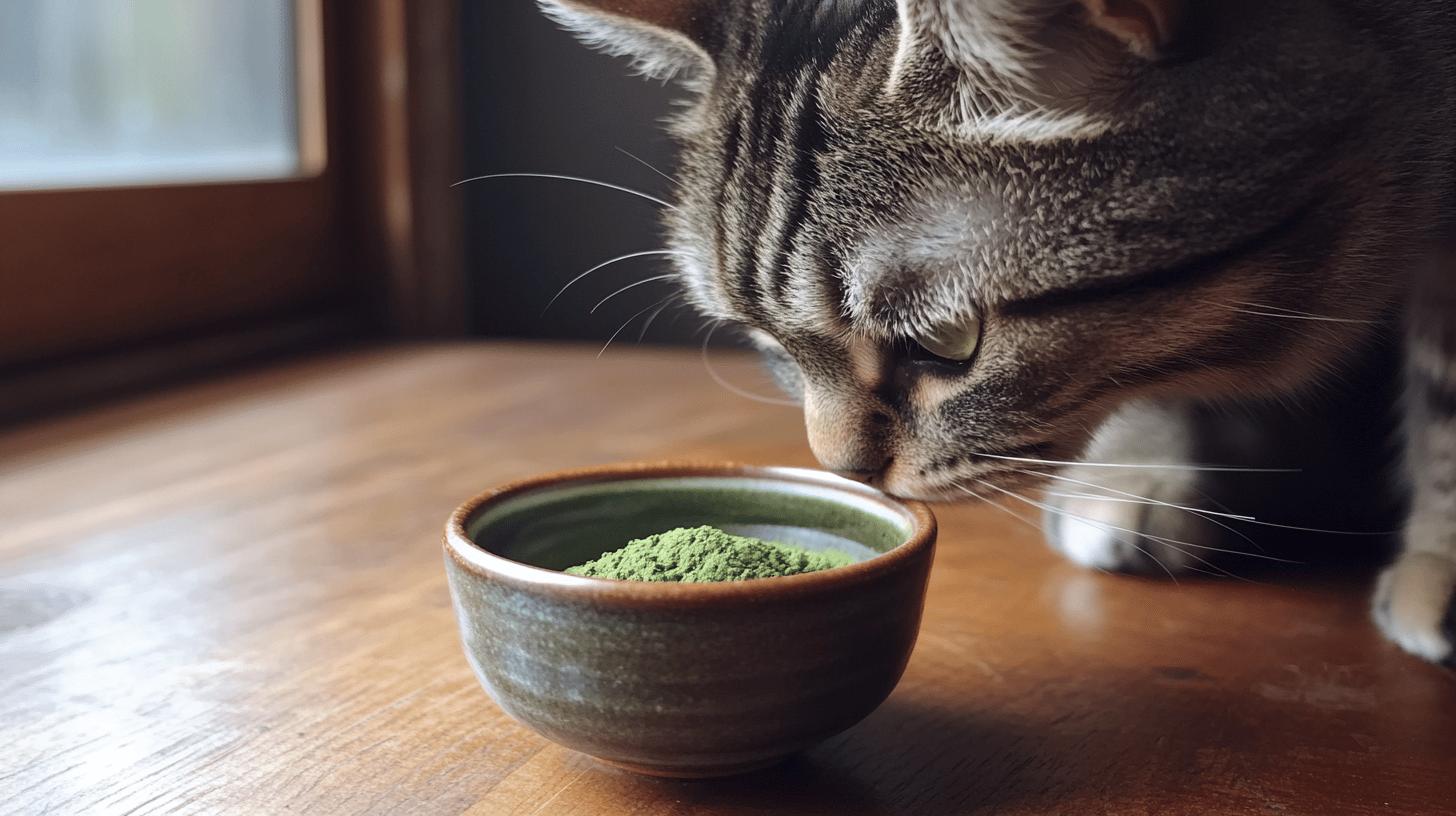
    Matcha is a finely ground powder made from specially grown green tea leaves. It's popular for its vibrant green color and is commonly used in beverages, desserts, and various culinary dishes. People enjoy matcha for its rich flavor and health benefits, but when it comes to our feline friends, the story is different.

    Matcha contains caffeine, which is harmful to cats. Cats are sensitive to caffeine and can experience adverse effects even from small amounts. Symptoms of caffeine poisoning in cats include increased heart rate, restlessness, and tremors. Due to these potential risks, it is generally not recommended to give matcha to cats. Always prioritize your pet’s health and consult a veterinarian if you have concerns about what is safe for your cat to consume.

    Potential Health Risks of Matcha for Cats

    Potential Health Risks of Matcha for Cats-1.jpg

    Beyond caffeine, potential contaminants in matcha present significant risks to cats. Matcha can contain harmful substances such as pesticides and heavy metals. These contaminants are particularly troubling if the matcha is sourced from areas with lax safety standards. Such impurities can worsen the health risks beyond those posed by caffeine alone, making it even more hazardous for cats.

    If a cat ingests matcha, it's essential to watch for specific signs. Immediate steps include:

    • Monitor for vomiting and diarrhea: These are initial reactions that indicate distress.
    • Check for increased heart rate and tremors: These symptoms require urgent attention.
    • Observe for restlessness: This can indicate that the caffeine is affecting the cat's nervous system.

    Taking immediate action is crucial. If you suspect your cat has consumed matcha, contact a veterinarian right away. Quick intervention can prevent serious complications and help your cat recover more effectively. A vet can assess the situation and recommend the best treatment options, ensuring your furry friend receives the necessary care.

    Safer Alternatives to Matcha for Cats

    Safer Alternatives to Matcha for Cats-1.jpg

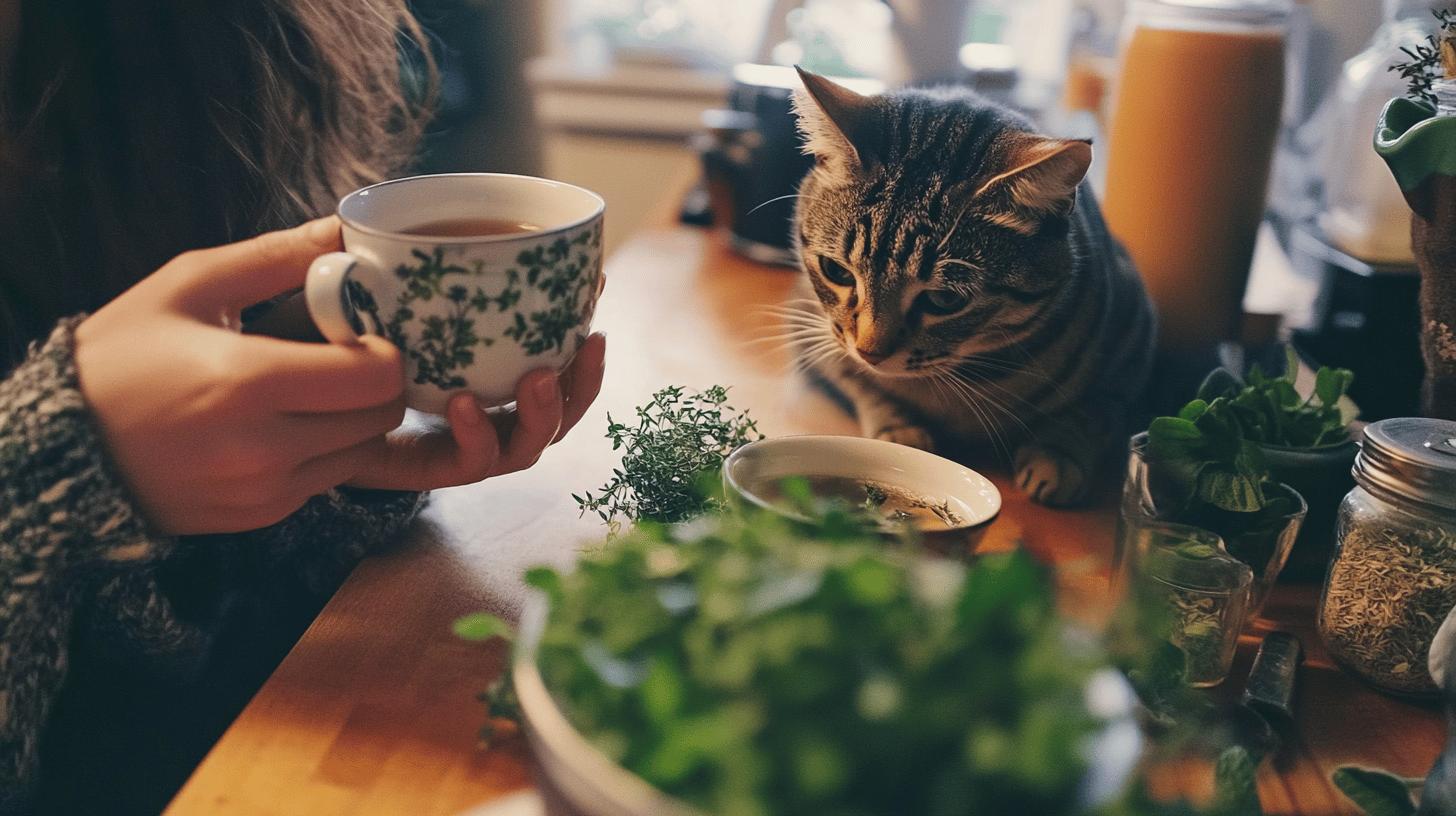
    When considering beverages for your cat, it's important to note that both green tea and matcha contain caffeine, which can be harmful to our feline companions. While some people might think about offering these teas to their pets for health reasons, the risks associated with caffeine make them unsuitable options. Instead, exploring non-caffeinated options like herbal teas or specially formulated cat beverages can provide a safer alternative.

    Herbal Teas for Cats

    Herbal teas can offer a caffeine-free option with potential benefits for cats. Here's a look at three herbal teas that might be safe for your furry friend:

    1. Chamomile Tea: Known for its calming effects, chamomile can help soothe anxious cats. It's gentle on the stomach and can also aid in digestion. Always ensure the tea is free from additives and serve it in small quantities.

    2. Catnip Tea: Most cats love catnip, and turning it into a tea can be a delightful treat. It can have a mild sedative effect, helping to relax your cat. Be sure to use pure catnip and serve it cool to avoid any burns.

    3. Dandelion Root Tea: This tea can support liver health and digestion. It's mild and generally safe for cats, but always check that it's pure and free from any added ingredients that might be harmful.

    When choosing herbal teas for your cat, safety is paramount. Ensure that any tea you offer is free from harmful additives or artificial flavors. Even herbal teas should be given in moderation, as excessive amounts can lead to unwanted side effects.

    Before introducing any new beverage into your cat's diet, it's wise to consult with a veterinarian. They can provide personalized advice based on your cat's specific health needs and dietary requirements. This step ensures that you are making the best choice for your pet's health and well-being.

    Understanding Cat Nutrition and Diet Safety

    Understanding Cat Nutrition and Diet Safety-1.jpg

    Cats need a diet that's quite different from ours. They're obligate carnivores, which means they require nutrients found primarily in animal flesh. Essential nutrients like taurine, arachidonic acid, and vitamin A must come from meat sources, as cats can't synthesize them. A balanced diet is critical to maintaining their health and ensuring they get the right mix of proteins, fats, and minimal carbohydrates. This balance supports their energy needs, immune function, and overall well-being.

    While cats might show interest in our food, many human foods are unsafe for them and should be avoided. Here are some common culprits:

    • Chocolate: Contains theobromine and caffeine, which are toxic to cats.
    • Onions and Garlic: Can cause gastrointestinal upset and damage red blood cells.
    • Grapes and Raisins: Can lead to kidney failure, even in small amounts.
    • Alcohol: Very toxic and can lead to severe health issues.
    • Caffeinated Products: Such as coffee and tea, including matcha, can cause restlessness and tremors.

    Following dietary guidelines for cats is vital to prevent health issues. Stick to pet-safe foods and always consult with a veterinarian when in doubt about a new food or treat. Adhering to these guidelines helps in avoiding unnecessary health risks and ensures your cat remains healthy and happy. Keeping their diet simple and focused on their specific nutritional needs is the best way to support their long-term health.
    Final Words

    Caring for a cat means knowing what's safe and healthy. Matcha, while popular, isn't safe for felines due to caffeine. This can lead to serious health issues. Considering safer alternatives like herbal teas might be a better choice. Always ensure these options are non-toxic and cat-friendly. Furthermore, understanding feline nutrition is key. Avoid foods like chocolate and onions to keep your cat safe. Remember, consulting a vet is essential for personalized advice. Keeping informed can ensure your cat’s happiness and well-being.

    FAQ

    Can my cat eat matcha?

    Matcha is not recommended for cats. It contains caffeine, which can be harmful. Even small amounts may lead to health issues like increased heart rate, restlessness, and tremors in cats.

    What happens if cats ingest caffeine?

    Caffeine can cause symptoms such as increased heart rate, restlessness, vomiting, diarrhea, and tremors in cats. If your cat shows these signs after ingesting matcha, consult a vet immediately.

    Is matcha toxic to cats?

    Matcha can be toxic to cats due to its caffeine content. Ingesting matcha could lead to caffeine poisoning, which poses significant health risks for cats.

    Can pets, like cats and dogs, consume matcha?

    Pets, including cats and dogs, should avoid matcha. Caffeine present in matcha can lead to health issues. For the safety of your pets, matcha is best avoided.

    Why is my cat attracted to matcha?

    Cats might be curious about matcha due to its smell or taste. However, this doesn’t mean it’s safe. It’s best to keep matcha away from your cat.

    Are green tea plants toxic to cats?

    Yes, green tea plants, including matcha, contain caffeine, making them toxic to cats. It's best to avoid letting cats consume any part of these plants.

    What are some safer alternatives to matcha for cats?

    Safer alternatives include non-caffeinated herbal teas. Options like chamomile, catnip tea, and valerian tea may offer calming effects. Always ensure they are free from additives and consult a vet before introducing new items.

    Is it safe for cats to consume green tea or matcha beverages?

    Both green tea and matcha contain caffeine, which isn't safe for cats. It's better to opt for herbal teas specially formulated for feline safety.

    What should I do if my cat accidentally consumes matcha?

    If your cat consumes matcha, watch for signs of caffeine poisoning like vomiting or tremors. Seek immediate veterinary advice to ensure your cat's safety.

    Related Articles

  • Can Cat Eat Rat Examining Safety and Health Risks

    Can Cat Eat Rat Examining Safety and Health Risks

    Are you curious if your furry feline should eat that rat they just caught? It’s a question that seems straightforward but carries weighty implications for your cat’s safety and health. Cats are natural hunters and catching a rat can feel like a triumph. Yet, the moment your cat delivers its prize, you might wonder—are rats safe for your cat to eat? This blog will delve into the potential hazards, from disease transmission and parasites to the threat of secondary poisoning, and help you understand why their typical kibble is a far healthier choice.
    Can Cats Eat Rats Safely and Health Risks

    Can Cats Eat Rats Safely and Health Risks-1.jpg

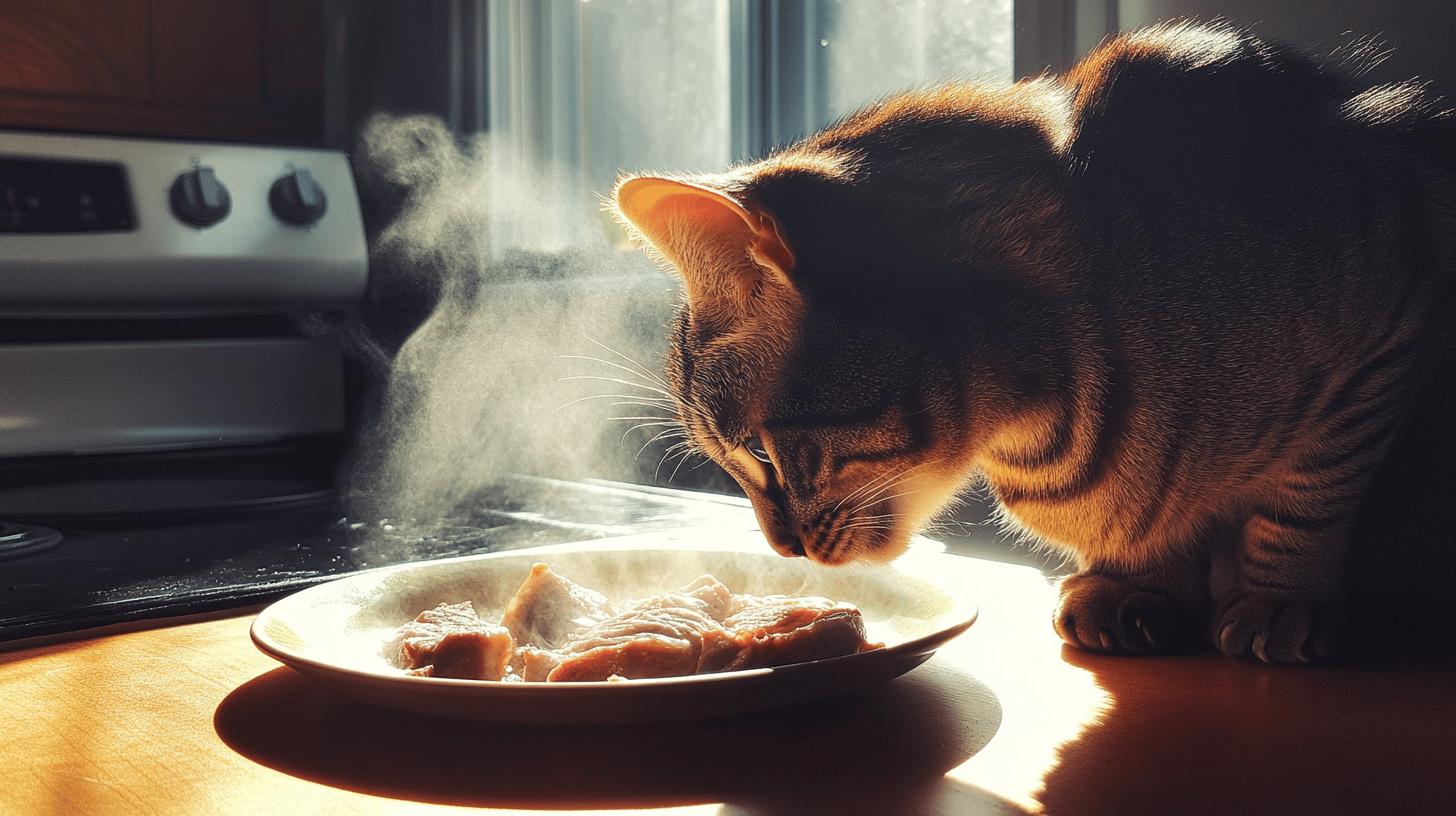
    Cats are natural hunters, drawn to the chase and capture of prey like rats. It’s in their DNA to stalk and pounce on these small creatures. Feral cats, relying on their instincts for survival, often hunt and eat rats. However, domestic cats, spoiled with commercial food, may hunt rats but rarely eat them. The thrill of the hunt might be enough for them, leaving the rat untouched after a successful catch. This behavior reflects a blend of instinct and the comfort of knowing that dinner is already served in their bowl at home.

    Eating rats can pose significant health risks to cats. Rats are known carriers of diseases like toxoplasmosis, which can be particularly dangerous for cats with weakened immune systems, such as kittens or senior cats. Toxoplasmosis can lead to symptoms such as lethargy, fever, and respiratory issues. Additionally, rats can harbor intestinal parasites like roundworms and tapeworms, which can infect cats upon consumption. These parasites can cause a range of health problems, including weight loss, vomiting, and diarrhea, impacting the cat’s overall well-being.

    Another serious concern is secondary poisoning. Rats often ingest poison bait intended to control their population. If a cat eats a rat that has consumed poison, the toxins can transfer to the cat, leading to symptoms like vomiting, lethargy, bleeding disorders, and even death. This makes the consumption of rats particularly risky, as identifying a poisoned rat is nearly impossible after a cat has caught it.

    • Disease transmission, such as toxoplasmosis
    • Intestinal parasites like roundworms and tapeworms
    • Secondary poisoning from rodenticide
    • Nutritional deficiencies if relying on rats as a food source
    • Potential for internal injuries from consuming whole rats

    Considering these factors, it’s clear that the risks associated with cats eating rats outweigh any potential benefits. While hunting is a natural behavior, it’s essential for cat owners to monitor their pets and discourage them from consuming rats. Maintaining a safe environment and providing a balanced diet can help minimize these risks, ensuring cats remain healthy and happy.

    Understanding Cat and Rat Interactions

    Understanding Cat and Rat Interactions-1.jpg

    Feral cats often eat rats out of necessity as they rely on hunting for survival. In areas with scarce food, they hone their skills, making rats a key part of their diet. Domestic cats, with regular meals provided, tend to hunt rats more for entertainment than sustenance. They rarely consume their prey due to the availability of commercial cat food, which satisfies their instincts without the need to eat what they catch.

    Environmental factors significantly affect how cats interact with rats. Urban settings, where food is abundant, lead domestic cats to hunt for fun rather than need. In rural areas, where food is less available, cats might eat rats as a source of nutrition. The presence or absence of alternative prey and competition for food also shape these interactions.

    • Competition for food
    • Availability of alternative prey
    • Access to commercial cat food

    Preventing Health Risks from Rodent Consumption

    Preventing Health Risks from Rodent Consumption-1.jpg

    Providing your cat with a balanced and high-quality diet is essential to reducing their hunting instincts. Cats are obligate carnivores, so they need nutrients found only in animal products. Feeding them a diet rich in meat helps satisfy their dietary needs, decreasing their urge to hunt for food. Use of high-quality commercial cat food ensures they receive essential nutrients, keeping them healthy and less likely to interact with potentially harmful rodents.

    Aside from dietary considerations, employing cat-safe deterrents can effectively keep rats away while ensuring your cat stays safe. Explore options such as ultrasonic pest repellents, which are inaudible to humans and cats but deter rodents. Additionally, consider using natural deterrents like peppermint oil, which is safe for cats but disliked by rodents. These methods, combined with securing entry points and maintaining cleanliness, offer a comprehensive approach to minimizing health risks from rodent consumption.

    Safe Dietary Practices

    A balanced diet rich in meat is essential for your cat’s overall health and well-being. Cats are obligate carnivores, which means they require nutrients found only in animal products. Offering them a high-quality diet that meets these needs will keep them satisfied, reducing the temptation to hunt.

    Prevention Strategy Description
    Ultrasonic Pest Repellents Inaudible to cats but deters rodents.
    Peppermint Oil Natural deterrent safe for cats.
    Secure Entry Points Block holes to prevent rodent entry.
    Maintain Cleanliness Regular cleaning to deter rodents.
    Provide Nutritious Diet Feed high-quality food to reduce hunting impulse.

    Recognizing and Responding to Poisoning in Cats

    Recognizing and Responding to Poisoning in Cats-1.jpg

    Spotting the symptoms of rat poisoning in cats is crucial for their well-being. Common signs include vomiting, which may be frequent and severe, and lethargy, where a cat might seem unusually tired or disinterested in activities they typically enjoy. Gastrointestinal issues are also prevalent, manifesting as diarrhea or a sudden loss of appetite. Other signs can be more severe, such as difficulty breathing, excessive drooling, or even seizures. Recognizing these symptoms early can make a significant difference in the treatment outcomes.

    Immediate action is vital if poisoning is suspected. Quick response can prevent worsening of symptoms and potentially save the cat’s life. The first step is to contact a veterinarian who can provide guidance on what to do next. Veterinary care is essential, as professionals can administer treatments that aren’t available at home. They can perform tests to confirm poisoning and determine the best course of action. Delaying medical attention can lead to serious complications, so it’s important to act promptly.

    Treatment options vary depending on the type and severity of the poisoning. A veterinarian might induce vomiting to remove any remaining toxins in the stomach, or administer activated charcoal to bind the poison. Intravenous fluids are often used to maintain hydration and support kidney function. In some cases, specific antidotes may be available to counteract the poison’s effects. Monitoring and supportive care, such as providing warmth and comfort, are also critical components of the treatment process.

    1. Observe your cat for symptoms like vomiting, lethargy, or diarrhea.
    2. Contact your veterinarian immediately for advice.
    3. Avoid attempting home remedies without professional guidance.
    4. Follow the veterinarian’s instructions for treatment and care.

    Final Words

    Cats naturally hunt, but eating rats can pose serious health hazards. Rats may carry diseases like toxoplasmosis or parasites, which can harm our feline friends. There’s also the danger of secondary poisoning if rats have ingested poison themselves.

    Feral cats might hunt rats out of necessity, while domestic ones typically don’t, due to their diet. Preventing these risks involves keeping cats away from rats and ensuring they have a rich, meat-based diet.

    Choosing the right diet and staying alert to symptoms of poisoning help keep cats safe. Remember, a cat’s well-being depends on informed choices.

    FAQ

    Do cats eat rats or just kill them?

    Cats may hunt and kill rats due to their instincts, but domestic cats rarely eat them if they have access to food.

    Do cats eat mice after they kill them?

    Cats might eat mice after killing them, although domestic cats often do not if they’re well-fed with commercial food.

    Do cats eat rats whole?

    Cats usually don’t eat rats whole. They might eat parts but often leave remains, especially when they have other food options.

    My cat ate a rat, what do I do?

    If your cat ate a rat, monitor it for signs of illness or poisoning, and consult a vet if you notice anything unusual.

    What parts of a mouse does a cat not eat?

    Cats might not eat certain parts like the stomach and tail. They often eat the meaty sections instead.

    Can a cat die from eating a poisoned rat?

    Yes, eating a poisoned rat can lead to secondary poisoning in cats. Immediate veterinary care is essential if this occurs.

    Is rat poisonous to cats?

    Rats themselves aren’t poisonous, but if they have ingested poison, they can harm cats that consume them.

    Should I be worried if my cat ate a rat?

    Yes, it’s wise to be cautious. Eating rats poses risks like diseases and potential poisoning from ingested rat poison.

    Can I feed my cat a live rat?

    Feeding a live rat is not recommended. It may lead to injuries or disease transmission to your cat.

    Why do some cats eat rats?

    Some cats eat rats due to natural hunting instincts, or if they lack access to other food sources, such as feral cats.

    Related Articles

  • Can Cat Eat Pandan Leaves Understanding Safety and Risks

    Can Cat Eat Pandan Leaves Understanding Safety and Risks

    Did you know that while pandan leaves aren't toxic to cats, they might not be the best snack for your furry friend? Cats are known to chew on plants out of curiosity, but as obligate carnivores, their diets are best rich in meat. So, if you're wondering whether your cat should munch on pandan leaves, it's not about the immediate risk, but rather about keeping their diet balanced and nutritious. Let's explore the safety and risks of pandan leaves for cats and learn how to keep them safe during their curious plant adventures.

    Can Cats Safely Eat Pandan Leaves?

    Can Cats Safely Eat Pandan Leaves-1.jpg

    Pandan leaves are generally considered safe for cats, as they are not known to be toxic. This means that if your cat happens to nibble on a pandan leaf, it is unlikely to cause any immediate harm. However, it's important to keep in mind that just because pandan leaves are non-toxic doesn't mean they should become a part of your cat's regular diet. Cats are obligate carnivores, and their nutritional needs are best met through a diet primarily composed of meat.

    There are no specific health benefits for cats consuming pandan leaves. While the leaves might be alluring due to their texture, they do not contribute to a cat's nutritional requirements. It's best to offer your feline friend safe, commercially available cat treats or toys designed for their dietary needs and playtime activities. Regular consumption of pandan leaves or any non-dietary plant can lead to nutritional imbalances and other health issues over time.

    If your cat ingests pandan leaves, it's wise to monitor them for any signs of discomfort or illness. Symptoms to watch for include:

    • Vomiting
    • Diarrhea
    • Lethargy
    • Loss of appetite

    These symptoms could indicate a gastrointestinal upset or an adverse reaction, even though pandan leaves are not toxic. If you notice any of these symptoms, it's crucial to consult a veterinarian promptly. Early intervention can prevent potential complications and ensure your cat remains healthy and happy.

    Understanding Cat Behavior Towards Plants

    Understanding Cat Behavior Towards Plants-1.jpg

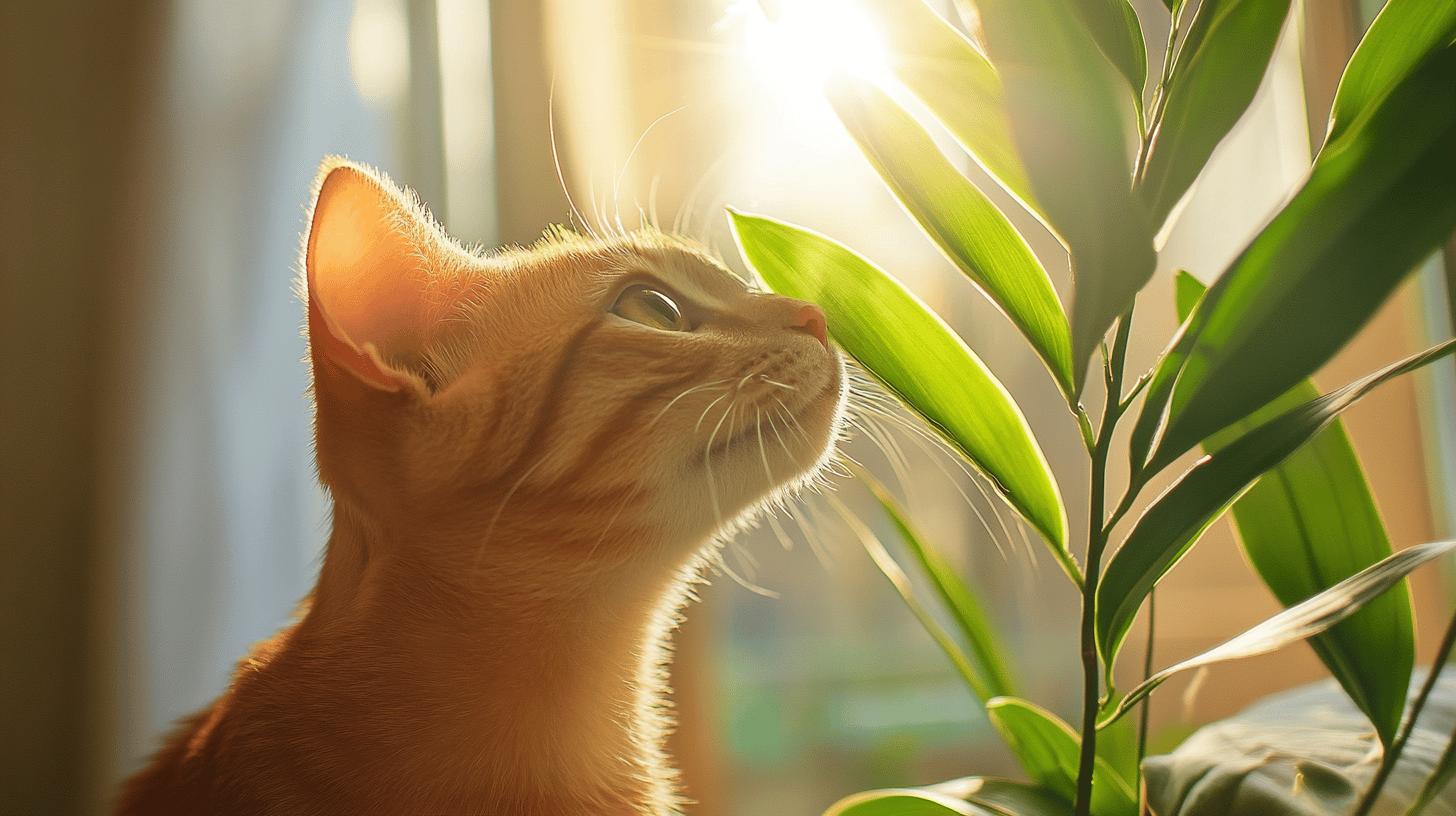
    Cats are naturally curious creatures, often driven by an instinctual need to explore their surroundings. This curiosity can lead them to plants, including pandan leaves. The tender texture of pandan leaves might capture a cat's interest, making them a desirable object to chew on. As they explore, cats may nibble or play with the leaves, satisfying their playful and investigative nature. While this behavior is common, it's essential to ensure that the plants they interact with are safe and non-toxic.

    Pandan leaves can be particularly appealing to cats as a chew toy due to their unique texture. This interest, combined with a cat's regular chewing habits, might lead them to interact with these leaves more frequently. However, it's crucial to remember that not all plants are safe for feline consumption, making it important to monitor which plants your cat has access to.

    • Curiosity-driven exploration
    • Texture interest
    • Chewing habit

    Observing any changes in your cat's behavior after they interact with plants is vital. Pay close attention to signs of discomfort or unusual behavior, as these can indicate that the plant ingestion might not be agreeing with them. Monitoring your cat ensures that you can catch any potential issues early and take appropriate action if necessary, prioritizing their health and well-being.

    Safe Alternatives to Pandan Leaves for Cats

    Safe Alternatives to Pandan Leaves for Cats-1.jpg

    When considering plants for your feline friend to nibble on, it's important to choose options that are both safe and beneficial. Cats often show interest in chewing on plants, so providing them with safe alternatives is crucial. These plants not only satisfy your cat's curiosity but also offer a safe outlet for their chewing habits. Selecting non-toxic plants can enhance your cat's environment, giving them something to interact with without the risk of ingesting harmful substances.

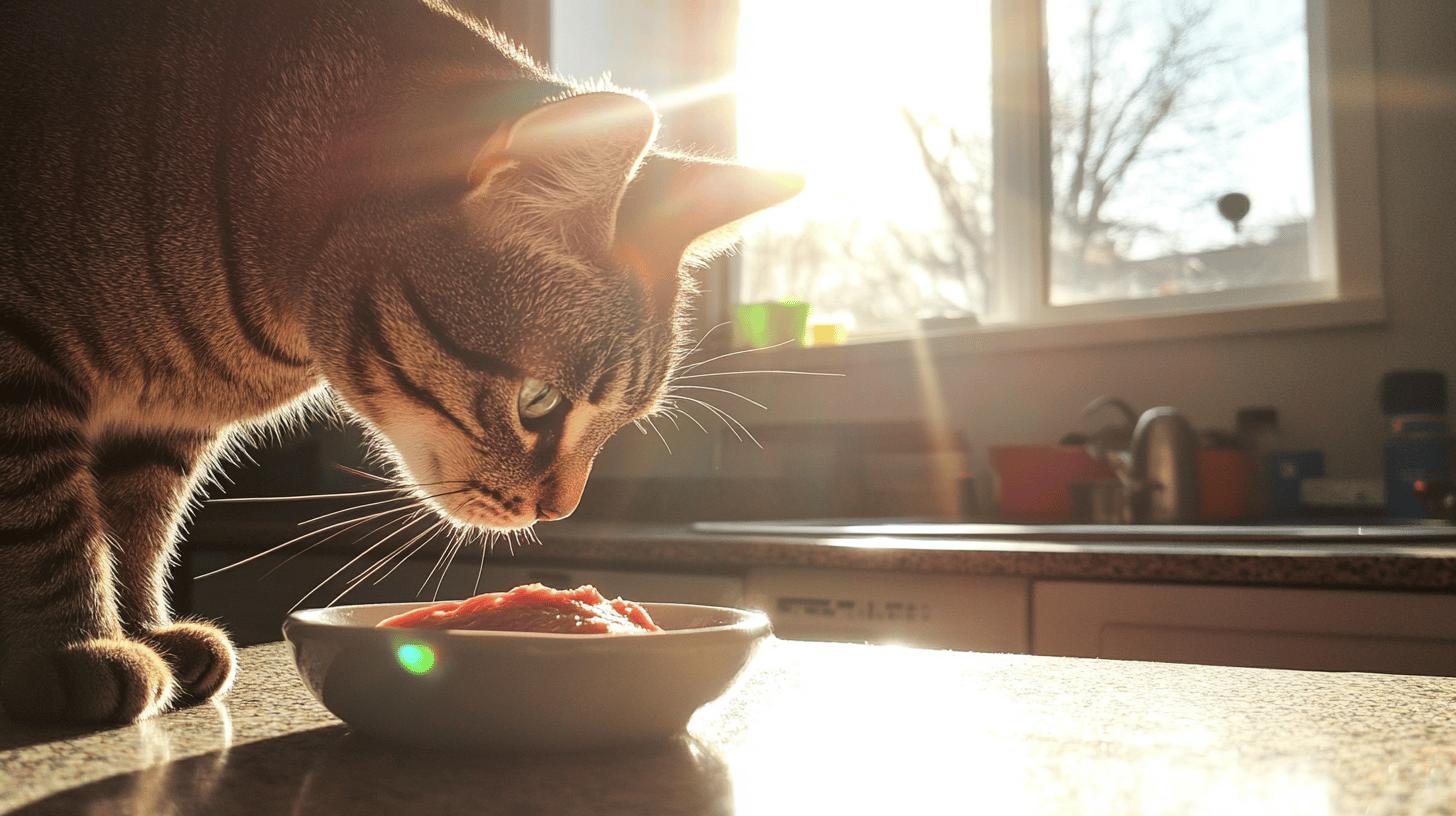
    Some specific safe plants and herbs are especially recommended for cats. Catnip is a favorite among felines, providing both entertainment and a safe chewing option. Cat grass is another excellent choice, as it is specifically grown for cat consumption and can aid in digestion. Other non-toxic plants like hibiscus and fittonia also make great options, offering a variety of textures and scents that could engage your cat's senses. Bamboo and orchids are additional safe picks that can add beauty to your home while keeping your cat healthy.

    Ensuring that all household plants are non-toxic is vital for maintaining a safe environment for your pets. Cats are naturally curious, and any plant within reach could become a target for exploration. Always check the toxicity of plants before bringing them into your home, and consider creating designated areas with cat-friendly plants. By doing so, you provide a safe space for your cat to satisfy their natural behaviors without compromising their health.
    • Catnip
    • Cat grass
    • Hibiscus
    • Fittonia
    • Bamboo
    • Orchids

    Recognizing and Preventing Plant Ingestion Symptoms in Cats

    Recognizing and Preventing Plant Ingestion Symptoms in Cats-1.jpg

    Cats' curiosity can lead them into trouble with plants. If your cat ingests plants, watch for symptoms like vomiting, diarrhea, lethargy, and loss of appetite. These signs mean your cat's body is trying to get rid of something harmful. Even non-toxic plants can cause issues, so it's essential to be aware.

    Preventing plant ingestion requires some proactive steps. Create plant-free zones in your home to keep curious cats away. Use pet-safe deterrents around plants to make them less appealing. By doing this, you minimize the risk of plant exposure and protect your cat's health.
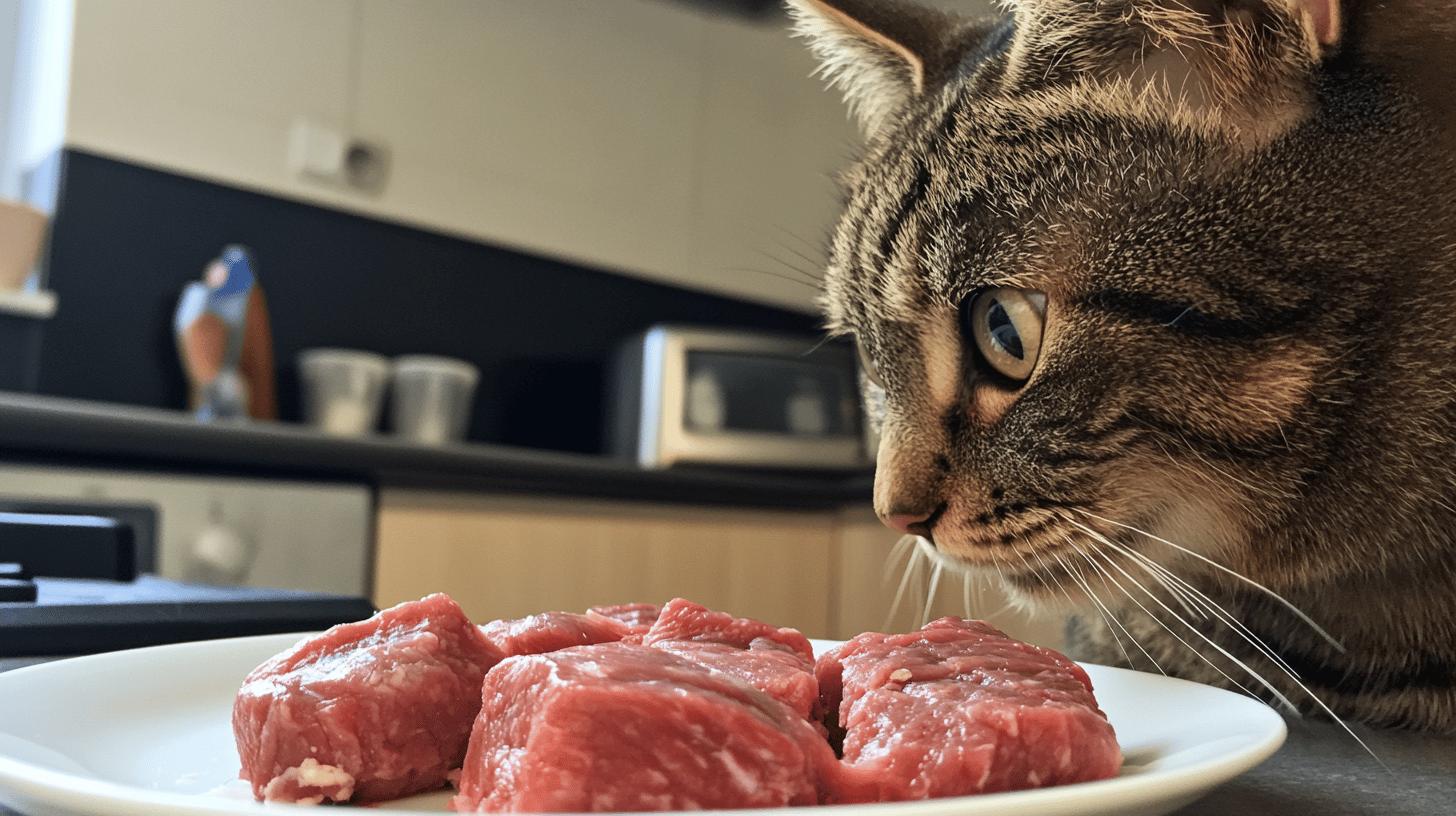
    If you notice symptoms of plant ingestion, consult a veterinarian right away. Early intervention is crucial for recovery and well-being. A vet can assess your cat and provide necessary treatment, ensuring safety and preventing complications.

    Ensuring a Cat-Safe Environment at Home

    Ensuring a Cat-Safe Environment at Home-1.jpg

    Creating a pet-friendly home is all about making spaces where your cat can roam without worry. The key is to choose plants that are safe for pets. Plants like catnip and cat grass are excellent choices. They not only look great but also let your cat chew and explore safely.

    It's important to create areas where your cat can't reach potentially harmful plants. Using deterrents can help keep your curious cat away from risky spots. This way, your cat can have the freedom to explore safely.

    Checking plant labels for toxicity and setting up plant-free zones are simple steps. These actions make sure your cat has a safe environment. Regular checks and thoughtful planning will keep your cat healthy and happy.

    • Check plant labels for toxicity
    • Create designated plant-free zones
    • Use deterrents to keep cats away from certain areas

    Final Words

    Pandan leaves may not be toxic to cats, but they shouldn't be part of their regular diet. Keep an eye out for symptoms like vomiting, diarrhea, lethargy, or loss of appetite if your cat does munch on them. Cats' curiosity often leads them to chew on plants, so offering safe alternatives like catnip or cat grass can be beneficial. Always make sure your home and garden are cat-friendly by choosing non-toxic plants. Prioritize their health by consulting a vet if any concerns arise. Here's to safe and happy playtime with your cat!

    FAQ

    Can cats eat pandan leaves?

    A: Pandan leaves are not toxic to cats but shouldn’t be a regular part of their diet. Cats may have varying reactions to pandan leaves, so monitoring is necessary.

    Are pandan leaves toxic to cats?

    A: Pandan leaves are not toxic to cats. If a cat eats pandan leaves, watch for symptoms like vomiting or diarrhea and consult a vet if needed.

    Are pandan leaves safe to eat?

    A: In general, pandan leaves are safe for animals, including cats, to encounter. It's crucial to watch for any adverse reactions if ingested.

    What are symptoms of plant ingestion in cats?

    A: Watch for vomiting, diarrhea, lethargy, and loss of appetite. If these symptoms occur after plant ingestion, seek veterinary advice.

    Why do cats like to eat plants like pandan leaves?

    A: Cats are curious and may be attracted to the tender texture of pandan leaves, chewing on them as part of exploration.

    Are there safe plant alternatives for cats?

    A: Safe options include catnip, cat grass, hibiscus, fittonia, bamboo, and orchids. These provide safe chewing choices for cats.

    How can I prevent symptoms of plant ingestion in cats?

    A: Prevent symptoms by ensuring household plants are non-toxic and checking for symptoms like vomiting or lethargy.

    How can I create a safe environment for my cat at home?

    A: To create a safe home for your cat, check plant labels for toxicity, provide plant-free zones, and use deterrents to keep cats away from certain areas.

    Related Articles

  • Can Cat Eat Cow Meat Safety and Nutrition Explained

    Can Cat Eat Cow Meat Safety and Nutrition Explained

    Ever wondered if your cat can enjoy a slice of your steak dinner? Feeding cats cow meat may sound unconventional, but it isn't an entirely outlandish idea. As natural meat-eaters, cats can thrive on a diet that includes beef, offering them a rich source of nutrients. However, it's crucial to understand how to serve it safely while keeping their health in mind. Dive into the facts about safe meat handling and nutrition to ensure your cat can savor beef without any risks.

    Safety and Nutritional Considerations of Feeding Cats Cow Meat

    Safety and Nutritional Considerations of Feeding Cats Cow Meat-1.jpg

    Cats can safely consume cow meat if it's handled correctly. As obligate carnivores, cats thrive on a meat-based diet, and beef can be an excellent addition. However, care must be taken to prevent health risks. The meat should be fresh, high-quality, and ideally free of additives or preservatives. Feeding raw beef can be beneficial, but it also carries the risk of bacteria and parasites, making handling and sourcing crucial. Always consult with a vet before making significant changes to your cat's diet.

    Here are some potential benefits of incorporating cow meat into your cat's diet:

    • Nutritional Content: Beef is rich in essential vitamins and minerals.
    • Taste: Many cats find beef flavorful and enjoyable.
    • Muscle Health: Provides proteins necessary for muscle and tissue maintenance.
    • Coat Health: Fatty acids in beef can improve the sheen of a cat's coat.
    • Dental Benefits: Chewing beef may help maintain healthy teeth.
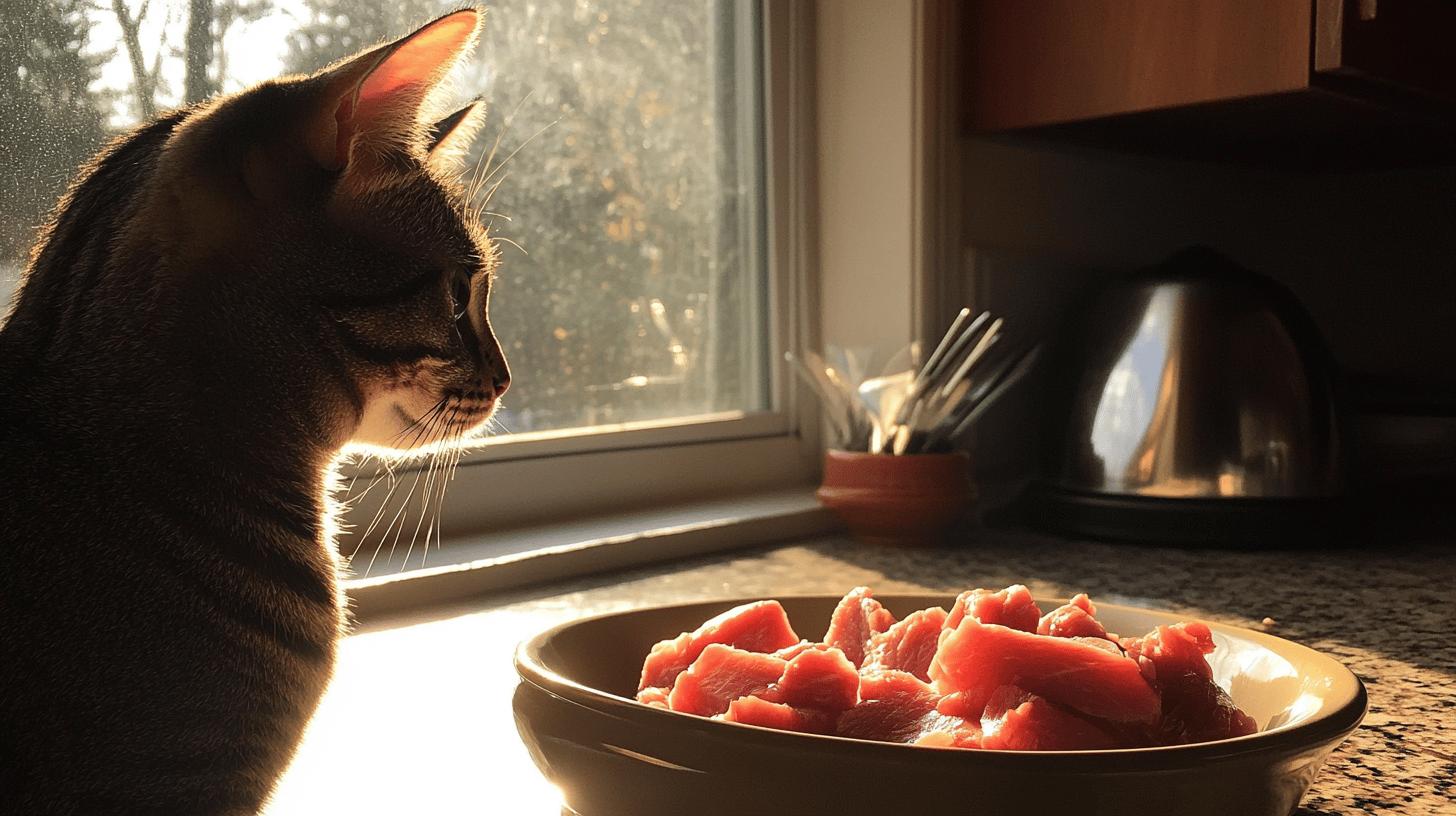
    Beef is packed with nutrients that are beneficial for cats. It provides essential vitamins such as vitamin A and B complex vitamins, which are crucial for maintaining overall health. Minerals like iron, zinc, manganese, and selenium are also present, supporting various bodily functions. These nutrients help in muscle repair, energy production, and immune function. Additionally, the fatty acids found in beef contribute to a healthy skin and coat.
    Nutrient Benefit for Cats
    Iron Supports red blood cell production
    Zinc Boosts immune system
    Selenium Protects cells from damage
    Vitamin A Maintains vision and skin health
    B Vitamins Enhances energy metabolism

    Despite the benefits, there are potential risks if beef is consumed excessively. Overconsumption can lead to health issues such as heart disease and cancer. A diet too rich in beef might lack balance, missing other vital nutrients. It's crucial to offer beef as part of a varied diet to ensure your cat gets a comprehensive range of nutrients. Monitoring portion sizes and frequency is key to maintaining health.

    To safely integrate cow meat into your cat's diet, ensure the meat is fresh and free from contaminants. Avoid feeding raw beef if you're concerned about bacteria and parasites. Cooking the meat without salt, seasonings, or oil is a safer option. Always start with small portions to monitor your cat for any adverse reactions or allergies. Regularly consult with a veterinarian to keep your cat's diet balanced and nutritious.

    Safety and Nutritional Considerations of Feeding Cats Cow Meat

    Raw vs Cooked Cow Meat for Cats-1.jpg

    Feeding raw beef to cats can provide benefits like additional moisture, which is beneficial for those prone to dehydration. Raw beef retains more natural nutrients, enhancing a cat's diet. However, it carries risks of bacteria and parasites that can result in serious health problems. Proper handling and sourcing from reputable suppliers are crucial. Always consult a veterinarian before introducing raw meat to your cat's diet.

    Cooked beef is a safer alternative as cooking eliminates most harmful bacteria and parasites. When preparing cooked beef, avoid adding salt, seasonings, or oil, as these can harm cats. Simply cooked beef can still offer valuable nutrition and serve as a tasty treat. Ensuring the beef is fully cooked is essential to avoid any residual pathogens.

    Both raw and cooked beef have pros and cons. Raw beef provides more moisture and unaltered nutrients but presents a higher risk of contamination. Cooked beef may lose some moisture and nutrients through cooking but generally offers a safer eating experience with fewer health risks. Moderation is key, and beef should be part of a balanced diet that meets all of your cat's nutritional needs.

    How to Integrate Cow Meat into Your Cat's Diet Safely

    How to Integrate Cow Meat into Your Cats Diet Safely-1.jpg

    Portion control is crucial when adding cow meat to your cat's meals. A general guideline is to feed beef in amounts that are 2-3% of your cat's body weight per meal. For instance, a 10-pound cat should get around 1.5 to 2.5 ounces of beef each meal. Start with small portions and gradually increase them, watching for any allergic reactions or digestive issues.

    Follow these steps to prepare beef for your cat:

    1. Choose fresh, high-quality beef from a reliable source.
    2. Trim any excess fat to limit calorie intake.
    3. Cook by boiling or baking, avoiding salt, seasonings, or oil.
    4. Cut the meat into small, manageable pieces.
    5. Allow the beef to cool before serving.

    A varied protein diet is beneficial for your cat's health. Rotating different proteins ensures a balanced nutrient intake. While beef is a good protein source, it shouldn't be the only meat in your cat's diet. This mix helps prevent nutritional gaps and reduces allergy risks from overexposure to one protein.

    Alternative proteins like chicken, turkey, fish, and rabbit offer different nutrients. Chicken and turkey are lean, providing essential amino acids. Fish is rich in omega-3 fatty acids, supporting skin and coat health. Rabbit is a great option for cats with sensitive digestion. Offering a variety of proteins not only ensures comprehensive nutrition but also keeps meals interesting for your cat.

    Final Words

    Understanding if a cat can eat cow meat involves balancing safety and nutrition. Cow meat offers essential vitamins like iron and zinc, supporting overall health. But, too much can pose risks, including heart disease and cancer. When choosing between raw and cooked, both have their pros and cons. Raw provides moisture, yet carries the risk of parasites. Cooked meat must be plain to be safe.

    Introducing cow meat should be gradual, ensuring it's a safe addition to a cat's diet. Be mindful of portion sizes and consider other protein sources for a balanced diet. With care, cow meat can be a beneficial option. Taking steps to maintain variety and moderation ensures your cat enjoys a nutritious, delightful diet.

    FAQ

    Can cats eat cow meat safely?

    Cats can eat cow meat if it is fresh and prepared correctly. Ensure it’s free from seasonings and additives to avoid any health risks.

    Can I feed beef to my cat every day?

    Feeding beef daily is not recommended due to the risk of overconsumption, which can lead to heart disease or cancer. Offer beef in moderation.

    Is raw or cooked beef better for cats?

    Both raw and cooked beef have benefits. Raw beef offers moisture but has parasite risks. Cooked beef is safer when prepared without seasonings.

    How should I cook beef for cats?

    Cook beef plain without salt, oil, or seasoning. Ensure it’s well-cooked to kill any bacteria or parasites.

    What meats are unsafe for cats?

    Meats like pork and raw fish can be unsafe due to the risk of parasites and harmful bacteria. Always choose fresh, safe meats and cook them properly.

    Why can't cats eat beef?

    Cats can eat beef, but some may have allergies or sensitivities. Monitor your cat for any adverse reactions when introducing beef.

    How to introduce beef into my cat’s diet?

    Introduce beef gradually while observing your cat for any allergies. Keep portions at 2-3% of your cat’s body weight per meal.

    What are benefits of feeding beef to cats?

    Beef is nutritious, offering proteins and essential vitamins like iron and vitamin B, supporting muscle and tissue health.

    Can cats eat pork?

    Pork is not ideal for cats due to the risk of parasites like trichinosis and potential digestive issues.

    How can beef benefit my cat?

    Beef provides essential nutrients, aiding in muscle and coat health due to proteins and fatty acids.

    What precautions should I take when feeding cow meat to cats?

    Ensure the meat is fresh, unseasoned, and free from contaminants. Always consult a vet if unsure about any dietary changes.

    Related Articles

  • When Can Cat Eat After Neuter Surgery and Recovery

    When Can Cat Eat After Neuter Surgery and Recovery

    Did you know that feeding your cat after neutering surgery requires careful timing and some dietary tweaks? Many cat owners wonder when it's safe for their furry friends to eat post-surgery without causing discomfort.

    Right after surgery, the anesthesia can make your cat feel queasy and uninterested in food. Patience is key—waiting a few hours before offering food is a must. In this article, I'll guide you through when your cat can safely eat again and what to offer to ensure a smooth and healthy recovery.

    Feeding Your Cat After Neuter Surgery: Timing and Dietary Adjustments

    Feeding Your Cat After Neuter Surgery Timing and Dietary Adjustments-2.jpg

    After neutering surgery, it's not uncommon for cats to experience nausea and a reduced appetite. This is largely due to the effects of anesthesia and the surgery itself. Your furry friend might not feel like eating right away, and that's okay. The key is to reintroduce food gently and monitor their response closely.

    • Wait a few hours post-surgery: Allow your cat some time to shake off the effects of anesthesia before offering food.

    • Start with small, light meals: Offer easily digestible foods like a small portion of chicken or fish.

    • Observe for discomfort: Keep an eye on your cat for signs of nausea or reluctance to eat.

    • Adjust based on response: If your cat seems unwell or uninterested, wait a little longer before trying again.

    It's important to control portions and gradually reintroduce their regular diet. Begin by offering about a quarter of their usual meal size.

    Over the next few days, slowly increase the portion until they're back to their normal feeding routine. This gradual approach helps to avoid overwhelming their digestive system and can prevent any potential adverse reactions.

    Feeding Schedule and Monitoring

    1. Initial Feeding: Offer a small amount of food, like a tablespoon, a few hours after surgery.

    2. Observation: Monitor for any signs of vomiting or discomfort. If these occur, pause feeding and try again later.

    3. Gradual Increase: Over the next 48 hours, slowly increase the food amount, aiming to reach half of their normal portion by the second day.

    1. Full Portion: By the fourth day, your cat should be able to handle their regular meal size, assuming no adverse reactions have been noted.

    Ensuring your cat receives proper nutrition during recovery is crucial. Offer fresh water at all times and encourage them to drink, as hydration aids in the healing process.

    If your cat continues to refuse food beyond 24 hours or shows any severe symptoms, contact your vet for advice. Keep their environment calm and stress-free to promote a smoother recovery.

    Feeding Schedule and Monitoring

    Monitoring Your Cats Recovery and Appetite Changes-4.jpg

    Right after neuter surgery, your cat might not seem interested in eating. This is a normal response to anesthesia and surgical stress. As they recover, watch for a gradual return to normal eating and energy levels. Keep a close eye on their food and water intake, especially in the first 24 to 48 hours.

    If your cat shows signs of nausea, lethargy, or vomiting beyond this period, contact your vet. These symptoms may signal complications needing medical attention. Always prioritize your cat's health and consult a professional if in doubt.

    Symptom Action
    Prolonged Lack of Appetite Contact your vet if it continues beyond 48 hours
    Vomiting Pause feeding and consult your vet if it persists
    Lethargy Monitor and seek veterinary advice if no improvement

    Keep an eye on the surgical incision site for any signs of redness or swelling. Prevent your cat from licking or scratching the area to avoid complications. A calm, quiet environment is key to supporting recovery, helping your cat feel safe and stress-free. This stable setting will aid in a smoother, faster recovery back to their usual, lively self.

    Post-Surgery Care and Pain Management for Cats

    Monitoring Your Cats Recovery and Appetite Changes-3.jpg

    Managing your cat's pain after neuter surgery is crucial to their comfort and recovery. Your vet will likely prescribe pain relievers, and it's important to follow their instructions carefully.

    These medications help minimize discomfort, allowing your cat to rest and heal more effectively. Monitor your pet for any signs of pain or distress, such as excessive meowing or reluctance to move, and contact your vet if you're concerned.

    Creating a calm and comfortable environment can significantly aid in your cat's recovery. Set up a quiet resting area away from the hustle and bustle of daily household activities.

    This will give your cat a safe space to relax and recuperate without stress. Make sure the area is warm and has easy access to a litter box, food, and water. This setup will encourage your cat to rest, which is vital for the healing process.

    • Keep your cat indoors to prevent exposure to outdoor hazards.

    • Avoid letting your cat jump on furniture to prevent incision strain.

    • Discourage climbing by temporarily removing or covering cat trees.

    • Limit interactions with other pets to minimize excitement or agitation.

    • Use a crate for short periods if your cat is particularly restless.

    Follow-up appointments with your vet are a key part of ensuring a smooth recovery. These visits allow the vet to check the healing progress, remove sutures if necessary, and address any complications.

    Regular check-ups also provide an opportunity to discuss any concerns about your cat's behavior or health post-surgery, ensuring your furry friend returns to their playful self as quickly as possible.

    Behavioral Changes and Vet Follow-Up After Neuter Surgery

    Behavioral Changes and Vet Follow-Up After Neuter Surgery-1.jpg

    After neutering, you might notice some behavioral changes in your male cat. These changes are often linked to the drop in testosterone levels. Some cats may show immediate improvements in behavior, such as reduced aggression or roaming tendencies.

    Others might take several weeks to settle into their new behavioral patterns. It's normal for cats to be a bit disoriented or lethargic right after surgery, but this should improve as they recover. Be patient and give your cat time to adjust to the changes.

    • Normal Behaviors: Mild lethargy, reduced aggression, decreased marking

    • Abnormal Behaviors: Excessive lethargy, lack of appetite beyond a few days, signs of pain like constant meowing

    • Healthy Signs: Gradual return to normal eating and activity levels

    • Concerning Signs: Persistent vomiting, swelling, or redness at the incision site

    Vet follow-up appointments are crucial in ensuring your cat's smooth recovery. These visits allow the vet to assess the healing of the surgical site and catch any potential complications early, such as infections.

    Regular check-ups help ensure your cat is on the right track to recovery. During these appointments, you can discuss any concerns about your cat's behavior or health, ensuring your feline friend gets back to their playful and loving self as quickly as possible.

    Final Words

    After neutering, feeding your cat requires careful timing and dietary adjustments. Small, light meals help ease the transition as anesthesia effects wear off. Keep an eye on their appetite and monitor for any discomfort.

    Watching for appetite changes and knowing when to contact a vet ensures a smooth recovery. Pain management and a peaceful environment are key in helping your cat heal. Limiting their activity prevents any disruption to the healing process.

    Behavioral shifts may occur after neutering, so it's vital to attend follow-up vet visits. Understanding when can cat eat after neuter and ensuring a safe recovery enhances their health and happiness.

    FAQ

    Male cat behavior after neutering

    After neutering, male cats may gradually become less aggressive and territorial. These changes can start immediately or take a few weeks. Monitor for any unusual behavior and consult a vet if necessary.

    How long after neutering cat is testosterone gone?

    Testosterone levels decrease significantly within a few weeks post-neuter. Behavior changes tied to testosterone, like aggression, may also fade over this period.

    When to remove cone after neuter cat?

    The cone can typically be removed 10-14 days after surgery or once the incision site has healed and there's no risk of the cat licking the area.

    How to pick up a cat after spaying?

    Gently support your cat's whole body, avoiding pressure on the surgical area. Use calm movements to minimize discomfort.

    When can cat eat after neuter dog?

    Cats can usually eat a light meal a few hours post-neuter. Start with small portions of soft food like chicken or fish.

    Signs of infection after neutering cat

    Watch for swelling, redness, or discharge at the incision site. If accompanied by fever or lethargy, see a vet promptly.

    Female cat behavior after neutering

    Female cats might become less territorial and more relaxed post-neuter. Behavioral shifts can take some time to develop.

    Bad signs after cat spay

    Look out for persistent vomiting, swelling, or unusual lethargy. These may indicate complications needing vet attention.

    How long after a male cat is neutered can he eat?

    Usually, male cats can eat light meals within a few hours after neutering. Observe them closely for any adverse reactions.

    How long should I wait to feed my cat after surgery?

    Offer a small, soft meal about 6-8 hours post-surgery, depending on recovery signs and vet advice.

    How many days does it take for a cat to recover from neutering?

    Cats typically need 7-10 days to recover. Minimize activity and monitor the surgical site for any issues.

    Why can't I feed my cat after neutering?

    Right after surgery, cats may feel nauseous from anesthesia. Gradually reintroduce small, soft meals to avoid upsetting their stomach.

    Related Articles