Category: Cat Diet

  • Can Cat Eat Hamster Understanding Risks and Safety Measures

    Can Cat Eat Hamster Understanding Risks and Safety Measures

    Can cats really eat hamsters? This question might seem straightforward, but it’s more complicated than you think. While cats are naturally driven to hunt small creatures, allowing them to prey on hamsters can lead to risky situations for both animals.

    A cat might view a hamster as a plaything, but consuming one poses serious health risks, like digestive blockages. Focusing on preventing these dangerous encounters is key. By creating a secure space and providing exciting cat toys, we can protect our tiny pets and keep the peace at home.

    Can Cats Eat Hamsters? Understanding the Risks
    Can Cats Eat Hamsters Understanding the Risks-1.jpg

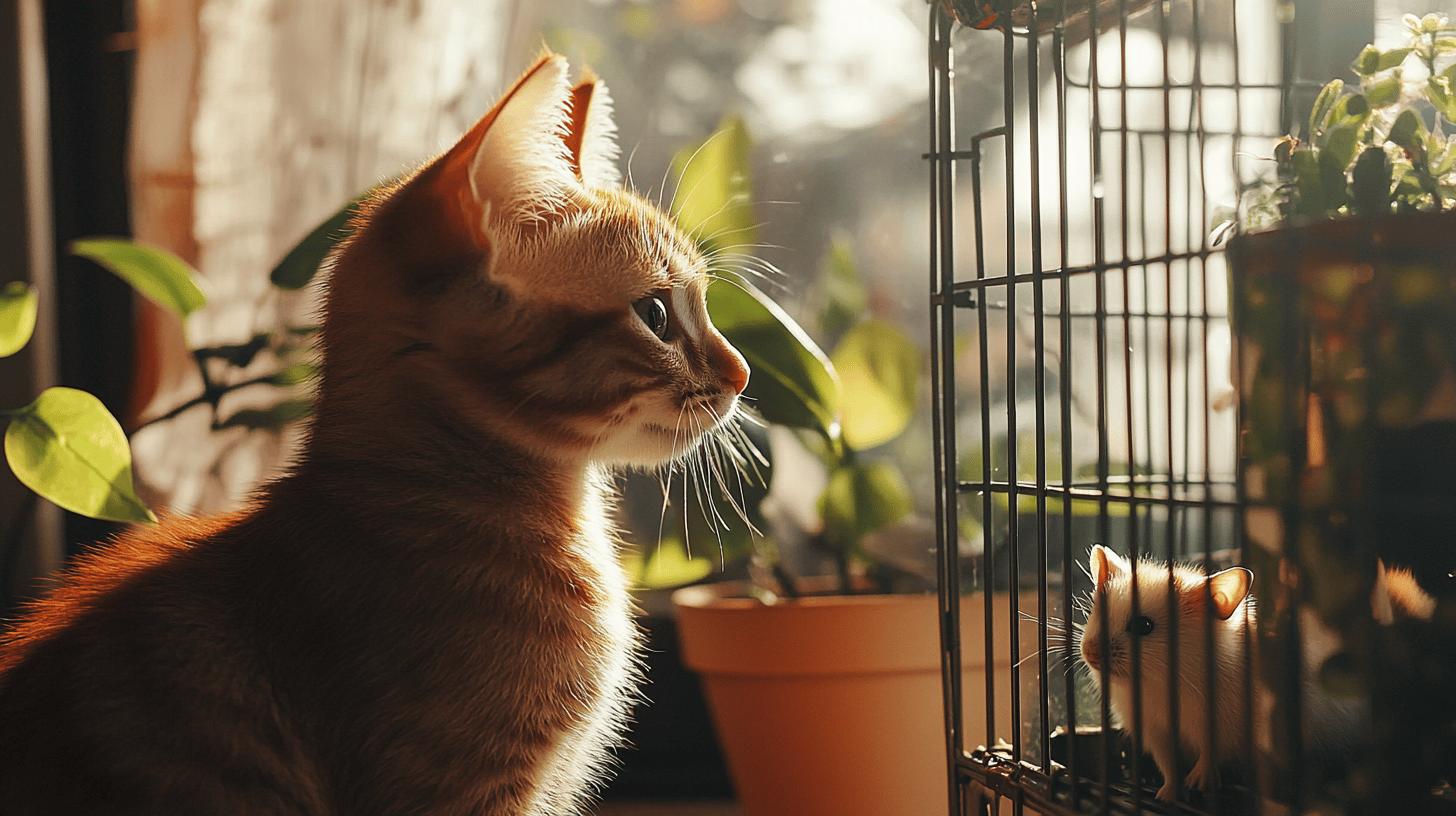
    Cats are natural predators, and their instincts drive them to hunt small animals. So, the question arises: can cats eat hamsters? While it might seem like a straightforward yes or no, the reality is more complex. It is not safe or advisable for a cat to eat a hamster.

    Doing so not only poses a threat to the hamster but also to the cat itself. Cats may see hamsters as prey, but allowing such behavior can lead to dangerous situations and is not recommended for the welfare of either animal.

    If a cat does manage to eat a hamster, it could face several health risks. The hamster’s fur and bones can cause digestive problems, potentially leading to blockages or other gastrointestinal issues for the cat. Additionally, the hamster’s diet and physiology are different from what cats are naturally equipped to handle, which could cause further complications. While cats are obligate carnivores, their diet should consist of food specifically designed for their nutritional needs.

    To prevent such incidents, it is crucial to establish a secure environment. Keep hamsters in durable cages with small slats that prevent cats from reaching inside. Always ensure that the room where the hamster is kept is closed off to prevent any unobserved interactions.

    By providing cats with engaging toys and activities, you can help distract them from their predatory instincts. Supervising both pets when they are out of their enclosures is key to maintaining a safe environment for all.

    Understanding Cat and Hamster Interactions and Cohabitation
    Understanding Cat and Hamster Interactions and Cohabitation-1.jpg

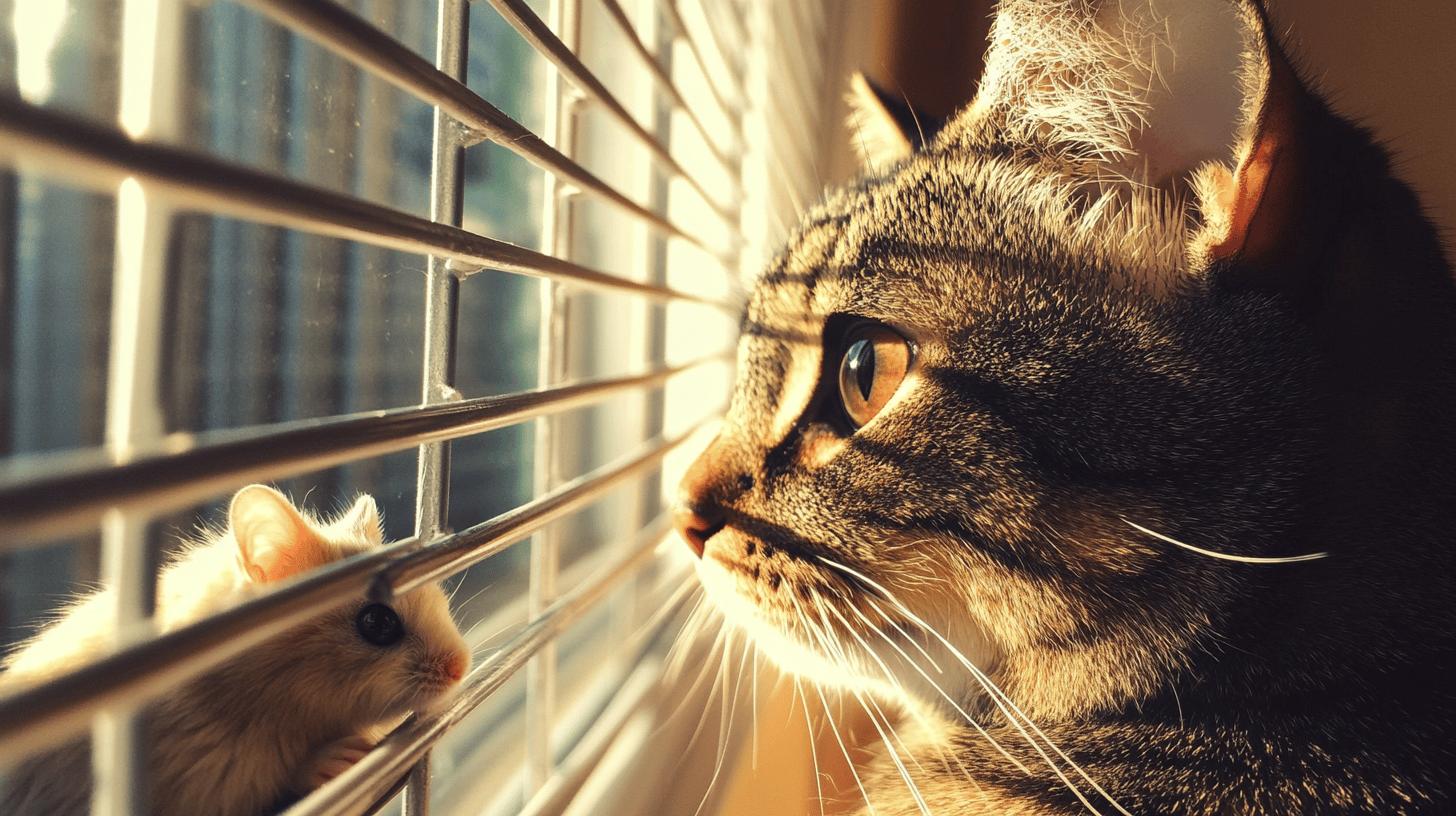
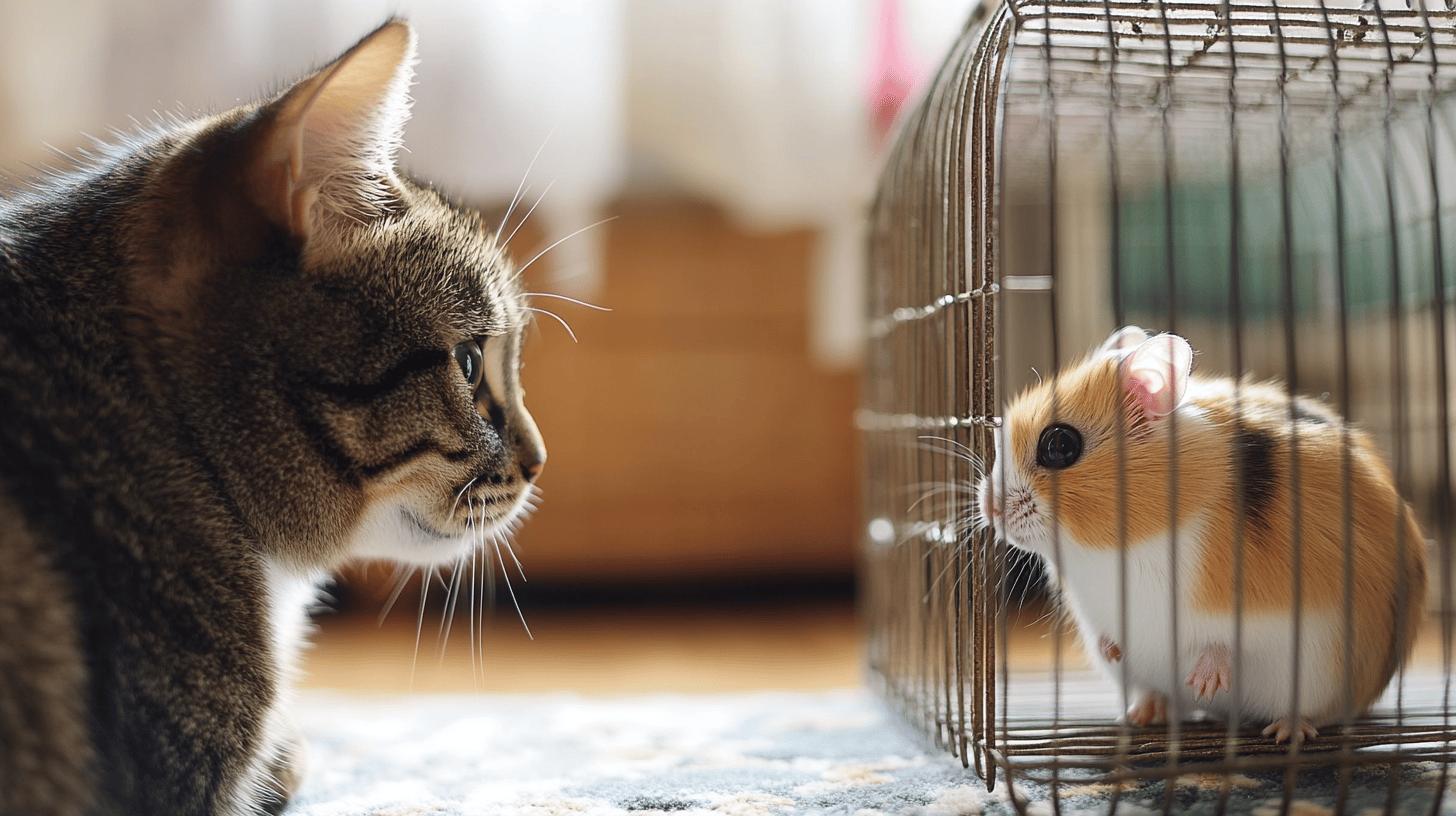
    Cats and hamsters can have a complex relationship due to the natural predator-prey instincts of cats. Even when well-fed, cats might stalk or pounce on small animals like hamsters. Recognizing these behaviors is essential to prevent dangerous encounters.

    Hamsters, being prey animals, may show stress by hiding, refusing food, or running frantically. Identifying these stress signals is crucial. Owners should observe their pet’s behavior and limit direct encounters with cats to help the hamster feel secure.

    To enhance cohabitation, it’s beneficial to enrich the cat’s environment with specific activities. Interactive toys or puzzle feeders can effectively divert a cat’s attention from the hamster. Incorporate gradual acclimation techniques, such as allowing the cat to sniff items with the hamster’s scent, to foster a sense of familiarity without direct contact.

    Vigilance in monitoring interactions is key. Always supervise when both pets are in the same space and use barriers like baby gates to create a safe distance. Ensure the hamster’s cage is secure from tampering. By understanding each pet’s behavioral cues and maintaining clear boundaries, a safer living situation for both pets can be achieved.

    Creating a Safe Environment for Hamsters

    Ensuring your hamster’s safety around cats starts with a secure and durable cage. It’s crucial to choose a heavy-duty cage with small slats, preventing cats from poking their paws inside. Make the hamster’s room a cat-free zone by securely closing doors to keep curious felines out. This setup not only protects hamsters from cats’ natural hunting instincts but also creates a stress-free environment for your little buddy.

    • Cage Placement: Put the cage on a high table or shelf to keep it out of the cat’s reach.
    • Secure Lids: Use lids that are difficult for cats to tamper with.
    • Use Baby Locks: Enhance security by adding baby locks to the cage doors.
    • Room Security: Keep the room door closed to stop cats from entering.
    • Visual Barriers: Drape a blanket over part of the cage to minimize visual stimulation for the cat.
    • Avoid Cat Access: Block climbing routes that might allow the cat to get near the cage.

    Supervision is essential when ensuring a safe environment. Always keep an eye on interactions between cats and hamsters, especially when hamsters are out of their enclosures. By understanding a cat’s hunting instincts and a hamster’s stress signals, you can prevent accidents. Stay vigilant and maintain boundaries to ensure both pets live together safely and peacefully.

    Managing Cat’s Predatory Instincts
    Managing Cats Predatory Instincts-1.jpg

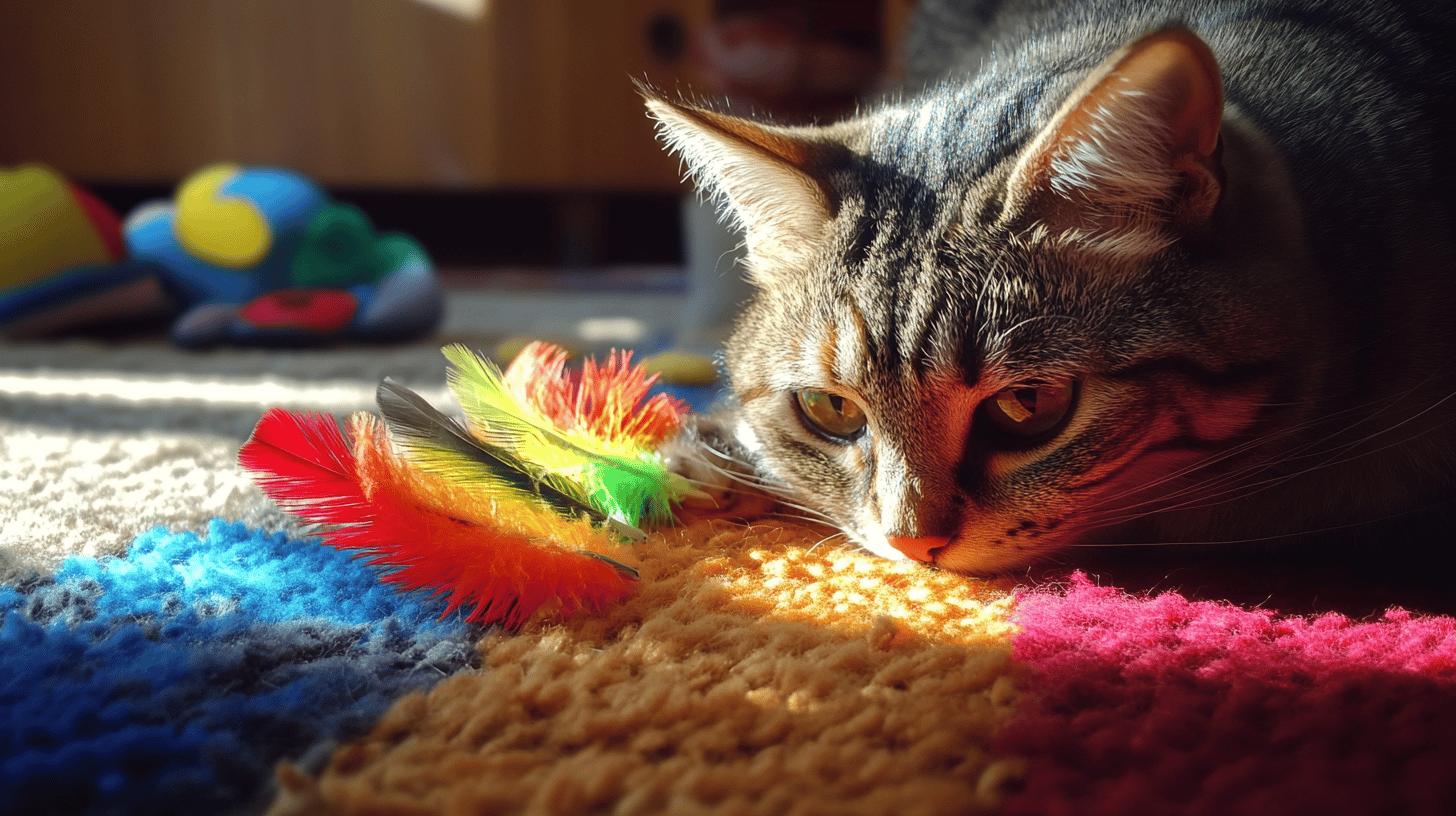
    Understanding a cat’s hunting instincts is vital for any household with both cats and hamsters. Cats have an innate drive to stalk and capture prey, which can make small animals like hamsters vulnerable.

    To help manage these instincts, it’s crucial to engage cats in activities that channel their energy elsewhere. Behavioral management is not about eliminating this natural instinct but about redirecting it. By incorporating specific techniques, you can help ensure a safer environment for both pets.

    • Interactive Toys: Use toys that mimic prey movements to satisfy hunting instincts.
    • Puzzle Feeders: Engage your cat’s mind and body by making them work for their food.
    • Scheduled Playtime: Dedicate time each day to play with your cat using various toys.
    • Training Sessions: Teach basic commands that can help distract your cat when it gets too interested in the hamster.

    Despite these strategies, it’s essential to recognize their limitations. No amount of training can fully eradicate a cat’s predatory instincts. Continued supervision is necessary, especially when both pets are in the same room.

    Always monitor interactions and be ready to intervene if your cat shows too much interest in the hamster. Keeping a close eye on both pets helps maintain a peaceful coexistence and prevents unwanted incidents.

    Final Words

    Knowing if a cat can eat a hamster is key to ensuring safety for both pets. We explored the risks involved and confirmed that it’s not safe for cats to consume hamsters. Cats may suffer digestive problems, while hamsters face obvious dangers. The natural predator-prey instinct makes careful supervision and strategic separation crucial.

    Creating a secure environment for hamsters and understanding cat behavior is vital. While managing a cat’s instincts can help, it’s never foolproof. With the right measures, it’s possible to maintain a peaceful household, ensuring both your cat and hamster are happy and healthy.

    FAQ

    Can I feed my cat a hamster?

    It is not safe to feed a cat a hamster. Cats may suffer digestive issues from eating hamsters, and it poses significant risk to the hamster.

    How do I know if my cat ate my hamster?

    Check for signs like hamster remains, physical harm to the cat, or unusual cat behavior. It’s crucial to monitor both pets closely to prevent such incidents.

    Can cats eat hamster bones?

    Hamster bones might splinter and harm a cat’s digestive tract. It’s unsafe for cats to consume hamster bones.

    Do cats eat hamsters whole?

    Cats are capable of eating small animals whole due to their instincts, but it’s harmful. Such behavior should be prevented to protect both pets.

    Do cats eat guinea pigs?

    Similar to hamsters, cats have instincts to hunt small animals like guinea pigs. Keep them separate to ensure safety for both pets.

    Do dogs eat hamsters?

    Dogs, like cats, may have predatory instincts toward hamsters. Always supervise interactions to keep hamsters safe.

    Can I have a pet hamster if I have a cat?

    Yes, but you must maintain safety by keeping the hamster in a secure cage and preventing unsupervised interactions with the cat.

    How do I stop my cat from eating my hamster?

    Create a safe environment by using a secure cage and supervising their interactions. Train your cat to be less focused on the hamster.
    Related Articles

  • Can Cat Eat Ranch Dressing Safety Risks and Alternatives

    Can Cat Eat Ranch Dressing Safety Risks and Alternatives

    Ever wondered if your cat could share your love for ranch dressing? Before you pass that bowl, it's key to know this creamy treat isn't feline-friendly. The hidden dangers in ranch, like garlic and onions, can seriously harm your furry friend. Even a tiny taste might lead to major health issues for your cat. Stick around, and I'll explain the risks and share safer alternatives you can offer instead. Spoiler: it could save your kitty from an unexpected vet visit!

    Can Cats Safely Eat Ranch Dressing?

    Can Cats Safely Eat Ranch Dressing-1.jpg

    Ranch dressing might be a staple in human diets, but it's a no-go for our feline friends. This creamy dressing contains ingredients like garlic and onions, which are toxic to cats. Even a small amount can pose serious health risks. These ingredients belong to the allium family and can cause significant harm to a cat's system. While ranch dressing may seem harmless, it's important to keep it out of your cat's reach.

    The harmful nature of ingredients in ranch dressing, such as garlic and onions, lies in their potential to cause circulatory problems and low blood pressure in cats. These ingredients provide no nutritional value to our furry companions. Instead, they can lead to severe health complications. Cats have unique dietary needs, and foods that are safe for humans can often be dangerous for them. The lack of nutritional benefits combined with the potential for harm makes ranch dressing a poor choice for any cat's diet.

    If a cat accidentally consumes ranch dressing, watch for symptoms like vomiting, lethargy, diarrhea, and a rapid heart rate. These signs indicate that your cat may be experiencing allium toxicity. A 10-pound cat can be seriously affected by ingesting as little as 0.75 ounces of allium vegetables. If you suspect your cat has consumed ranch dressing, it's crucial to monitor their condition closely and consult a veterinarian if any concerning symptoms arise.

    • Garlic
    • Onions
    • Chives
    • Buttermilk
    • Sour cream

    Understanding Cats' Lactose Intolerance and Ranch Ingredients

    Understanding Cats Lactose Intolerance and Ranch Ingredients-1.jpg

    Cats are lactose intolerant, lacking the enzyme needed to digest lactose in dairy products. This intolerance can cause stomach upset and other digestive issues, making dairy-based foods like ranch dressing unsuitable for our feline companions.

    Ranch dressing includes buttermilk and sour cream, both of which can contribute to these digestive problems. While the article already covers the toxic effects of garlic and onions, lactose intolerance remains another reason to keep ranch away from cats.

    Safe and Healthy Alternatives to Ranch Dressing for Cats

    Safe and Healthy Alternatives to Ranch Dressing for Cats-1.jpg

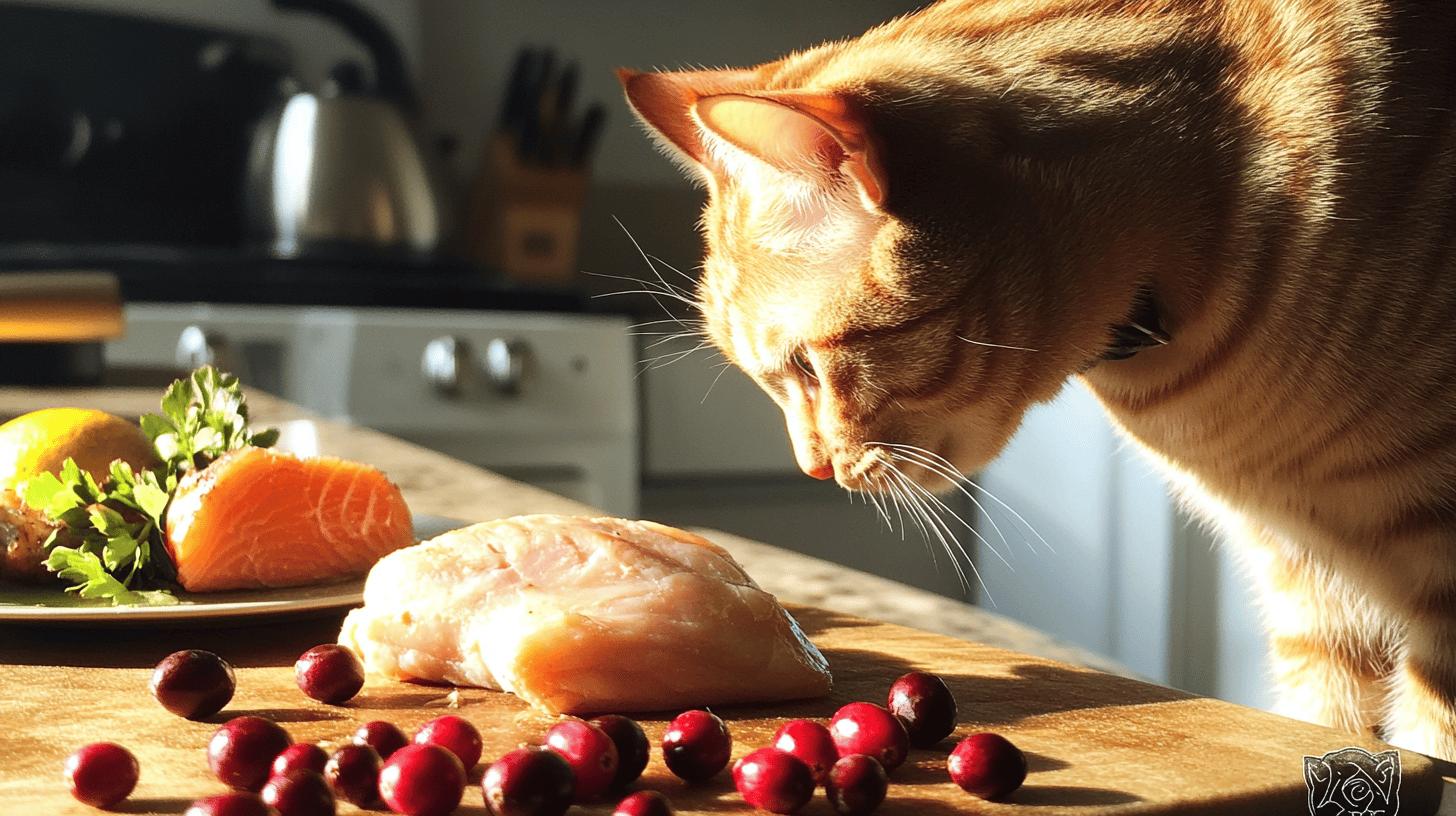
    Unseasoned meats and seafood are excellent alternatives to ranch dressing for cats. These foods not only satisfy your cat's taste buds but also provide essential nutrients that support their overall health. Offering unseasoned chicken or turkey can be a great way to give your cat a protein-rich treat without the risks associated with ranch dressing. Seafood options like fish and shrimp are also beneficial, as they offer omega fatty acids that are vital for maintaining healthy skin and a shiny coat.

    Specific foods like minnows, tuna, and salmon can be included in your cat's diet in moderation. These options are high in protein and essential nutrients that contribute to your cat's well-being. Cranberries, while not a typical cat food, can be given sparingly as they contain vitamins and antioxidants. However, it's important to remember that cranberries should only be an occasional treat due to their high sugar content. By choosing these nutritious alternatives, you can ensure your cat stays healthy and happy.

    • Chicken
    • Turkey
    • Tuna
    • Salmon
    • Shrimp
    • Cranberries (sparingly)

    Keeping Ranch Dressing and Other Harmful Foods Away from Cats

    Keeping Ranch Dressing and Other Harmful Foods Away from Cats-1.jpg

    To keep our cats safe, it's important to prevent accidental ingestion of harmful foods. Cats are naturally curious and may explore kitchen counters and dining tables. Securely store ranch dressing and similar foods in cabinets or the refrigerator. After meals, promptly clean dishes with ranch remnants. Regularly check dining areas for spills or dropped food to maintain a clean environment and protect your cat from harmful substances.

    • Store ranch dressing securely
    • Clean dishes thoroughly
    • Monitor dining areas for spills

    Final Words

    Throughout the blog, we explored how ranch dressing poses risks to cats. Ingredients like garlic and onions can cause serious health issues. We also covered why the dairy in ranch isn't suitable due to cats' lactose intolerance.

    Choosing healthier alternatives like unseasoned meats ensures your cat gets the nutrients it needs. Keeping ranch and similar harmful foods away from them is crucial.

    Understanding "can cat eat ranch" highlights the importance of informed pet care. Let's always prioritize our cats' well-being with safe choices and a healthy diet.

    FAQ

    Can cats eat ranch dressing?

    A: Ranch dressing is not safe for cats. It contains garlic and onions, which can cause circulatory problems and low blood pressure. It offers no nutritional benefits to cats.

    What should I do if my cat ate ranch?

    A: If your cat ate ranch dressing, monitor for symptoms like vomiting, diarrhea, or lethargy. Contact a vet if symptoms appear, as they might indicate allium toxicity.

    Why do cats like ranch?

    A: Cats might be attracted to ranch due to its strong scent and creamy texture. Yet, it is dangerous for them because of harmful ingredients like garlic and onions.

    Can cats eat ranch-flavored tuna?

    A: Ranch-flavored tuna is not advisable for cats. The ranch ingredients can be toxic, posing health risks. Stick to plain tuna for your feline friend.

    Can cats eat salad dressing?

    A: Cats should not eat salad dressing. Many contain harmful ingredients like onions and garlic, which are toxic and can cause serious health issues.

    What happens if my cat eats garlic sauce?

    A: Garlic sauce can be toxic to cats. Garlic causes circulatory issues and low blood pressure. Seek veterinary attention if your cat ingests any.

    Can cats eat ketchup?

    A: Ketchup is not recommended for cats. It often contains sugar, vinegar, and sometimes garlic or onion, all of which can be harmful.

    Can dogs eat ranch?

    A: Dogs should avoid ranch dressing. Like cats, they can be harmed by garlic and onions. Consider pet-safe treats instead.

    Can I give my cat a Cool Ranch Dorito?

    A: Cool Ranch Doritos are not safe for cats due to seasoning ingredients like garlic powder. Stick to plain, simple cat treats instead.

    How do I keep ranch dressing away from my cat?

    A: Store ranch securely, clean dishes well, and monitor eating areas to prevent cats from accessing harmful foods.

    Related Articles

  • Can Cat Eat Burger Understanding the Risks and Ingredients

    Can Cat Eat Burger Understanding the Risks and Ingredients

    Can cats and burgers mix? For many cat lovers, the sight of their pet eyeing a delicious burger raises this question. While sharing a piece might seem harmless, it’s vital to examine the burger’s ingredients first. Cats are meat lovers by nature, so plain, cooked meat can be healthy. But the other parts of burgers aren’t safe for cats. Ingredients like onions, garlic, and condiments can be harmful. Understanding these risks can help you protect your cat’s health and ensure their diet is both tasty and safe.

    Can Cats Eat Burgers? Understanding the Risks and Safety

    Can Cats Eat Burgers Understanding the Risks and Safety-1.jpg

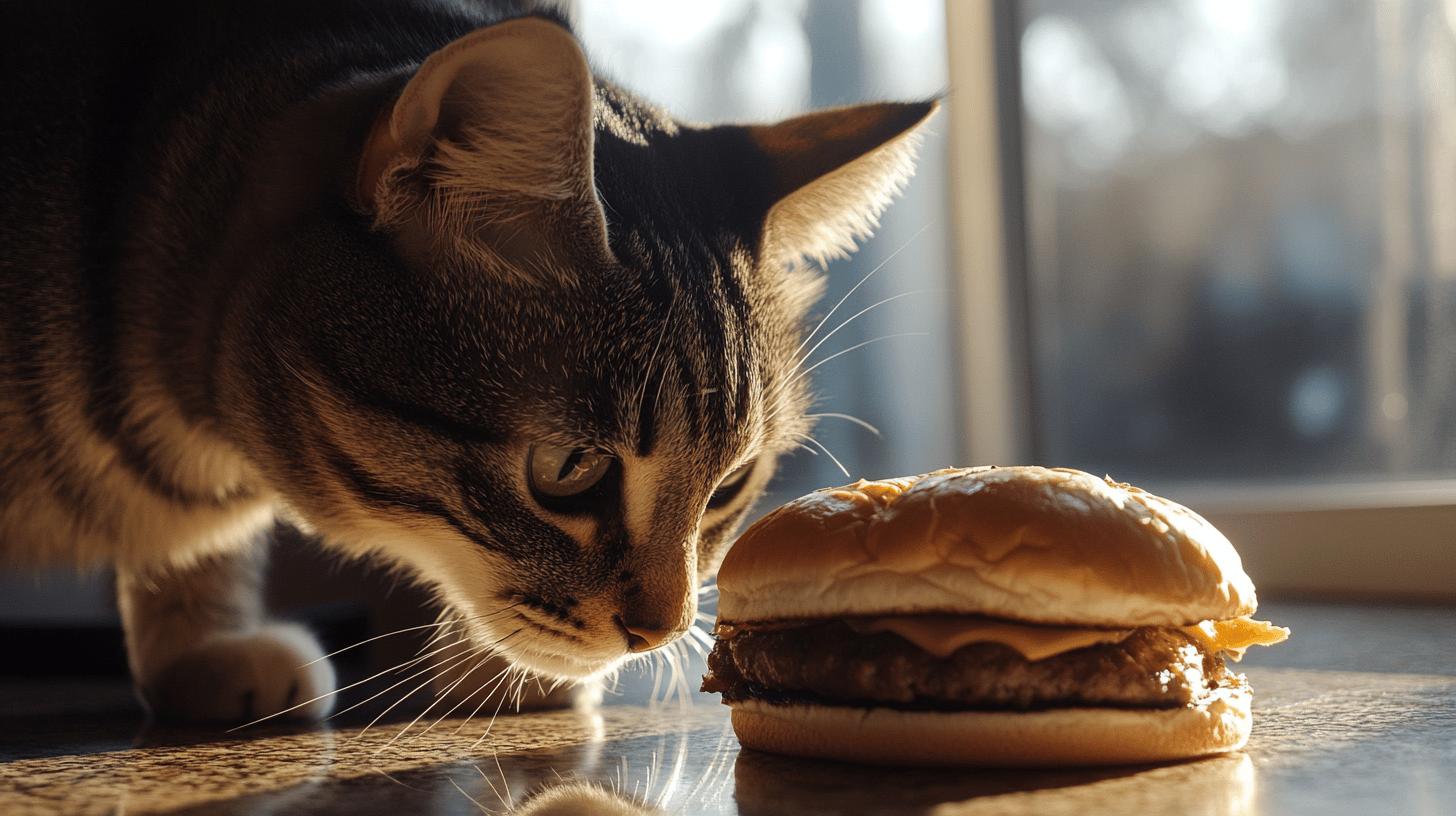
    Pet owners often wonder if they can share a bite of their juicy burger with their feline companions. After all, cats are obligate carnivores, and the idea of giving them a meaty treat may seem appealing. However, it’s crucial to consider what goes into a burger and whether it’s truly safe for your cat. Plain cooked meat, like ground beef from a hamburger, can provide essential nutrients such as protein, iron, zinc, and B vitamins. Yet, the rest of the burger ingredients can pose significant health risks to cats.

    When considering feeding your cat a burger, it’s important to steer clear of these harmful ingredients often found in burgers:

    • Onions
    • Garlic
    • Condiments
    • Buns
    • Processed additives

    Processed and packaged burgers are particularly risky due to the potential presence of toxic additives and preservatives. These can cause various health issues in cats, from digestive upset to more severe reactions. While the meat itself might be safe, if cooked plainly, it’s best to avoid sharing a typical burger with your cat. Always prioritize your pet’s health by sticking to foods specifically formulated for feline dietary needs.

    Nutritional Implications of Feeding Burgers to Cats

    Nutritional Implications of Feeding Burgers to Cats-1.jpg

    Cats, being obligate carnivores, rely heavily on protein-rich diets to thrive. Beef can be a significant source of protein, providing essential nutrients like iron, zinc, and B vitamins. But it’s crucial to manage portion sizes carefully and select lean beef to minimize fat intake. High-fat content in burgers can lead to obesity, diabetes, and heart disease in cats. Harmful additives in burgers like condiments or onions must be avoided.

    Nutrient Potential Benefit Risk
    Protein Essential for health Overconsumption leads to obesity
    Iron Supports blood health Excess can cause toxicity
    Zinc Aids in metabolism Imbalance affects immunity
    B vitamins Crucial for energy High levels can be harmful

    When considering burgers in a cat’s diet, focus on the plain beef patty while being cautious of its fat content and size. A small piece of lean beef is better than a whole burger. Exploring alternative protein sources like chicken or fish can diversify their diet while meeting nutritional needs. Balancing these human foods with feline-specific foods helps ensure overall health and fulfillment of dietary requirements.

    Expert Opinions on Feeding Cats Human Foods

    Veterinary professionals stress the significance of feeding cats specially formulated diets tailored to their unique nutritional needs. Cats are obligate carnivores, requiring a high-protein diet primarily from meat sources. While sharing human foods with cats might seem harmless, experts warn that even safe-seeming human foods can disrupt a cat’s nutritional balance, potentially leading to health issues.

    Consulting with a veterinarian before introducing any human foods into a cat’s diet is essential. They offer guidance on safe options, ensuring that you don’t inadvertently compromise your cat’s health. Prioritizing a diet designed for your cat’s specific needs is crucial for their well-being.

    Veterinarians’ Perspective on Burgers for Cats

    Experts advise caution with burgers due to harmful ingredients like onions, garlic, and condiments. Even plain, cooked beef should be given sparingly and under professional guidance. These additives can cause digestive issues and other health concerns. Prioritize a balanced diet to maintain your cat’s health.

    Safe Alternatives to Burgers for Your Cat

    Safe Alternatives to Burgers for Your Cat-1.jpg

    When considering treats for your cat, it’s important to focus on options that align with their nutritional needs. Cats are obligate carnivores, which means their diet should be rich in protein and low in carbohydrates. Offering safe alternatives to typical burgers can help maintain their health and avoid potential risks. By choosing foods that are naturally suited to their dietary requirements, you can provide your cat with treats that are both enjoyable and beneficial.

    Here are some human foods that are safe for cats, and can be offered as treats:

    • Plain cooked chicken
    • Cooked turkey
    • Lean beef
    • Small portions of fish
    • Cooked eggs

    Incorporating these treats into your cat’s diet should be done with care. Moderation is key, as even healthy treats can contribute to weight gain if overfed. Balance these treats with their regular cat food to ensure they receive all necessary nutrients. It’s best to introduce new foods gradually, monitoring your cat for any adverse reactions. By keeping treats simple and healthy, you’ll promote your cat’s well-being while satisfying their craving for something special.

    Understanding Cats’ Dietary Needs Compared to Human Foods

    Understanding Cats Dietary Needs Compared to Human Foods-1.jpg

    Cats are obligate carnivores, meaning their bodies are biologically adapted to thrive on a diet rich in animal-based proteins. These proteins are essential for maintaining their muscle mass, energy levels, and overall health. Unlike humans, cats do not need carbohydrates for energy, as they primarily derive energy from protein and fat. This instinctual preference for meat aligns with their natural hunting behaviors, emphasizing the importance of a protein-rich diet.

    Need for high protein
    Limited carbohydrate digestion
    Sensitivity to certain human foods
    Vulnerability to toxins in human food

    The specific biological adaptations of cats highlight why many human foods are unsuitable for them. With limited ability to digest carbohydrates, cats can experience digestive issues when consuming foods high in starch or sugar. Their sensitivity to certain ingredients like onions and garlic, which are common in human meals, poses additional risks. These dietary distinctions underscore the need for cat owners to provide meals that meet their feline companions’ unique nutritional requirements, promoting their health and longevity.

    Final Words

    Navigating what cats can safely eat, especially regarding human foods like burgers, is crucial. Cats might be intrigued by burgers, but it’s important to avoid ingredients like onions and garlic. While plain cooked beef can offer nutrition, the risks from processed foods are serious.

    Cats thrive on high-protein diets. The high fat in burgers can cause problems over time. It’s always wise to consult with vets before adding human food to their diet.

    Choose safer treats like chicken. Your cat’s health comes first, ensuring happy playtimes for both of you!

    FAQ

    Can cat eat burger and cheese?

    A: Cats can eat plain cooked beef, which has protein and nutrients. Cheese is okay in small amounts, but too much might upset their stomach. Avoid spices or additives.

    Can cats eat burger buns and bread?

    A: Cats should avoid burger buns or bread. These are hard for them to digest and have no health benefits. Bread can have sugars or ingredients like garlic powder, which are harmful to cats.

    Can cats eat McDonald’s burgers?

    A: McDonald’s burgers are not safe for cats. They contain additives, salt, and sauces that can be toxic. It’s best to stick to plain cooked meat.

    Can cats eat cheeseburgers?

    A: Cheeseburgers aren’t ideal for cats. While they might like them, cheese and burger toppings can cause digestive issues and don’t match cats’ dietary needs.

    Is it okay for cats to eat hamburgers?

    A: Plain, cooked beef from a hamburger is okay in small amounts. However, ingredients like onions, garlic, buns, and sauces are harmful. Always serve plain meat without additives.

    Can cats eat fries?

    A: Fries aren’t safe for cats. They’re high in fat and salt and offer no nutritional value. They could also lead to obesity and other health problems.

    Can cats eat beef stomach?

    A: Cats can eat beef stomach if it’s plain, cooked, and given occasionally. It’s rich in protein, but always avoid seasoning and ensure it’s part of a balanced diet.

    Related Articles

  • Can Cat Eat Rose Petals Safely for Feline Health

    Can Cat Eat Rose Petals Safely for Feline Health

    Can a nibble on rose petals harm your feline friend? If you've ever caught your cat eyeing or even munching on a rose petal, you're not alone. Cats are naturally curious, and roses often catch their interest. While rose petals themselves are generally harmless, there are a few things pet owners should watch out for. Overindulgence could stir up tummy troubles for your pet. Plus, there are hidden dangers to consider, like chemical treatments on store-bought roses. Let's dive into the details and understand how rose petals fit into your cat's world.

    Can Cats Eat Rose Petals Safely?

    Can Cats Eat Rose Petals Safely-1.jpg

    Rose petals are generally safe for cats as they are non-toxic. So if your curious kitty decides to have a nibble, there's usually no cause for alarm. While rose petals won't poison your cat, eating large amounts could lead to some mild digestive upset. Cats are curious by nature and may find the texture or scent of rose petals intriguing, but their digestive systems are not designed to handle plant materials in bulk.

    If your cat does consume rose petals, it's wise to keep an eye out for any symptoms that may indicate discomfort. Here are some signs to watch for:

    • Vomiting
    • Diarrhea
    • Decrease in appetite

    Should any of these symptoms occur, monitoring your cat is crucial. Observe your feline friend for several hours to ensure they don’t develop further issues. If symptoms persist or worsen, consulting a veterinarian is a good idea. They can offer guidance and help prevent any potential complications. Remember, while rose petals aren't toxic, it's always best to err on the side of caution when it comes to your pet's health.

    Risks Associated with Cats and Rose Petals

    Risks Associated with Cats and Rose Petals-1.jpg

    While roses themselves are non-toxic, chemical treatments on them can be a hidden danger for our feline friends. Many store-bought roses are treated with pesticides or fertilizers, which can be harmful if ingested by cats. These chemicals may linger on the petals or leaves, posing a risk of toxicity even if the plant itself is safe. It's crucial to know whether roses in your home have been treated, as ingestion of these substances could lead to serious health issues for your cat.

    Apart from chemical risks, rose thorns present another hazard. Cats are playful and may paw at or chew on rose stems, risking scratches and injuries. These sharp thorns can easily hurt a cat's mouth or paws, leading to discomfort or infection if not treated promptly. Keeping rose stems out of reach or trimming the thorns can help prevent these physical injuries.

    In terms of plant toxicity, while roses aren't harmful, it's important to recognize symptoms of poisoning from other plants. If a cat ingests a toxic plant, you might notice:

    • Vomiting
    • Diarrhea
    • Difficulty breathing
    • Seizures or tremors
    Symptom Potential Cause
    Vomiting Gastrointestinal irritation
    Diarrhea Digestive upset
    Difficulty breathing Respiratory distress
    Seizures or tremors Neurological issues

    Recognizing these symptoms early and consulting a veterinarian can make a difference in your cat's health. Always ensure the safety of your home environment, especially when it involves plants and curious kitties.

    Alternatives and Safe Plants for Cats

    Alternatives and Safe Plants for Cats-1.jpg

    If your cat is intrigued by plants, offering safe and non-toxic options is a great way to enrich their environment. Cats are naturally curious and providing them with cat-friendly plants can satisfy their instinct to chew and explore without posing any health risks. While rose petals are safe, they don't offer nutritional or behavioral benefits. Instead, consider plants specifically known to be safe and beneficial for felines.

    Here are some safe plants that are perfect for cats:

    • Catnip
    • Cat grass
    • Spider plants

    These alternatives not only keep your cat safe but also contribute positively to their well-being. Catnip, for instance, can stimulate playfulness and activity, enhancing your cat's mental and physical health. Cat grass aids in digestion and can help prevent hairballs by providing roughage. Spider plants are also known to be fun for cats to bat at, providing entertainment and reducing boredom. By selecting these safe plants, you can create a stimulating and secure environment for your feline friend, promoting both health and happiness.

    Risks Associated with Cats and Rose Petals

    Preventing Cats from Eating Rose Petals-1.jpg

    While rose petals are non-toxic, there are still risks associated with them. Roses treated with pesticides or other chemicals can be harmful. The thorns can also cause injuries. To keep your cat safe, it's important to minimize their interaction with roses and maintain a secure environment.

    Here are some practical prevention tips:

    • Place plants out of reach
    • Use deterrents
    • Monitor for signs of ingestion

    By integrating these strategies, you can reduce the risk of your cat encountering potentially harmful plants. Observing your cat's behavior around these plants is crucial. Cats are naturally curious, and watching their interactions can help prevent incidents, ensuring a safer environment for them to explore.

    What to Do if Your Cat Eats Rose Petals

    What to Do if Your Cat Eats Rose Petals-1.jpg

    If your cat munches on rose petals, remove any remaining petals from their reach immediately. Offering water is a good first step to help flush the petals through their system. Keeping an eye on your cat for several hours is essential to ensure they don't develop any adverse reactions.

    1. Monitor the cat for several hours
    2. Watch for signs of discomfort or distress
    3. Contact a veterinarian if symptoms appear

    Veterinary consultation is important if symptoms like vomiting, diarrhea, or decreased appetite occur. Identifying the specific type of plant your cat ingested can help a vet provide the best advice for your cat's health.

    Final Words

    Cats can safely nibble on rose petals as these flowers are non-toxic to them. Remember, large amounts might upset a cat's digestive system. While roses themselves are safe, be cautious about chemical treatments and thorns that can harm cats. If you're looking for safe plant alternatives, consider catnip or spider plants. Prevent issues by placing plants out of reach and using deterrents when needed. Always keep an eye on your cat's behavior around plants and consult a vet if needed. This way, you ensure both a happy and safe playtime for your feline friend.

    FAQ

    What happens if a cat eats rose petals?

    A: Rose petals are non-toxic to cats. However, eating too many can lead to mild digestive issues like vomiting or diarrhea. Monitor your cat and consult a veterinarian if symptoms appear.

    Can I have roses in the house with cats?

    A: Yes, you can have roses in the house with cats. It's safe as long as the roses aren't treated with harmful chemicals, which can pose risks.

    Can my cat chew on a rose stem?

    A: It's best to discourage cats from chewing on rose stems, as thorns can cause scratches or injuries. Keep stems out of reach to prevent harm.

    Are rose petals poisonous to eat?

    A: Rose petals are not poisonous to cats, dogs, or humans, but treated roses with chemicals can be harmful. It's important to ensure roses are untreated before consumption.

    What flowers are toxic to cats?

    A: Toxic flowers for cats include lilies, daffodils, and tulips. Keep these out of reach to ensure cat safety.

    What flowers are safe for cats?

    A: Safe flowers for cats include catnip, spider plants, and cat grass. These are non-toxic and can enrich your cat’s environment.

    Related Articles

  • How Soon Can Cat Eat After Tooth Extraction

    How Soon Can Cat Eat After Tooth Extraction

    When your feline friend undergoes tooth extraction, when should they resume eating? Post-surgery feeding schedules can puzzle many, but getting it right is key for a smooth recovery. Typically, waiting 12 to 24 hours before offering food helps your cat recover from anesthesia and regain full alertness.

    This crucial waiting period ensures their safety and comfort. By considering these guidelines, you'll support your cat’s health and set them on the path to normal eating habits. Dive into our full guide to learn more about post-extraction care and suitable food options.

    When Can Your Cat Eat After Tooth Extraction?

    How Soon Can Cat Eat After Tooth Extraction-2.jpg

    After your cat undergoes a tooth extraction, it's crucial to manage their post-surgery feeding carefully to support a smooth recovery. Typically, vets recommend waiting 12 to 24 hours before offering food. This waiting period allows your cat to fully recover from the effects of anesthesia, which can leave them disoriented and less coordinated.

    Feeding should be delayed until your cat is fully awake and shows signs of alertness and comfort. Generally, a few hours post-surgery, your feline friend should be more stable and ready for their first small meal.

    Before you decide to feed your cat, monitor them for several key signs to ensure they are ready:

    • Alertness: Your cat should be awake and responsive to your voice or touch.

    • Lack of disorientation: Ensure your cat can move around without stumbling.

    • No vomiting or excessive drooling: These can be signs of lingering anesthesia effects.

    • Normal breathing and heart rate: Observe for any unusual signs of distress.

    Waiting to feed your cat after a tooth extraction is essential for their recovery. Providing food too early can lead to complications, such as choking or aspiration, if your cat is not fully alert.

    The waiting period supports the healing process, ensuring that your cat's digestive system is ready to handle food without causing additional stress or discomfort. By adhering to these guidelines, you help set the stage for a successful recovery and a return to normal eating habits.

    Suitable Foods for Cats Post-Extraction

    Suitable Foods for Cats Post-Extraction-3.jpg

    Soft foods are crucial during a cat's recovery period after a tooth extraction. They help minimize discomfort and prevent any damage to the healing gums. Wet cat food or specially formulated dental diets are ideal choices.

    These options are gentle on the mouth and provide the necessary nutrients without the risk of irritating the surgical site. By sticking to a soft diet, we can ensure our furry companions experience less pain and are more inclined to eat, aiding their recovery.

    Food Type Benefits
    Wet Cat Food Easy to chew and digest, provides hydration
    Moistened Dry Kibble Softened texture to ease chewing
    Canned Tuna (in water) High in protein, appealing aroma
    Special Dental Diet Formulated to support oral health

    Room temperature food is recommended as it prevents the discomfort that can come from serving meals that are too hot or too cold. This approach also ensures the flavors and smells are more appealing, encouraging your cat to eat. Paying attention to these details helps make mealtime more comfortable and supports the healing process effectively.

    Monitoring Recovery and Signs of Complications

    Monitoring Recovery and Signs of Complications-1.jpg

    Keeping a close eye on your cat's recovery after tooth extraction is vital for ensuring they bounce back to their playful selves. This period is crucial because it allows us to catch any issues early, preventing them from developing into severe complications.

    Monitoring helps us understand how our feline companions are feeling and ensures that they are healing as expected. By paying attention to their behavior and physical signs, we can make informed decisions about their care and take action when necessary.

    Here are some signs of complications to watch for during your cat's recovery:

    • Pawing at the mouth: This could indicate pain or irritation.

    • Excessive drooling: A sign that something might not be right with the healing process.

    • Refusal to eat: A serious concern if it continues beyond 24 hours.

    • Swelling around the mouth: Could be a sign of infection or inflammation.

    • Bleeding from the extraction site: Needs immediate attention if it's more than slight spotting.

    If you notice any of these signs, it's essential to act quickly. Start by offering your cat a quiet and comfortable space where they can rest undisturbed.

    Ensure they have access to soft food and fresh water. Gently check the mouth area for any visible signs of distress, and avoid handling it too much to prevent further irritation.
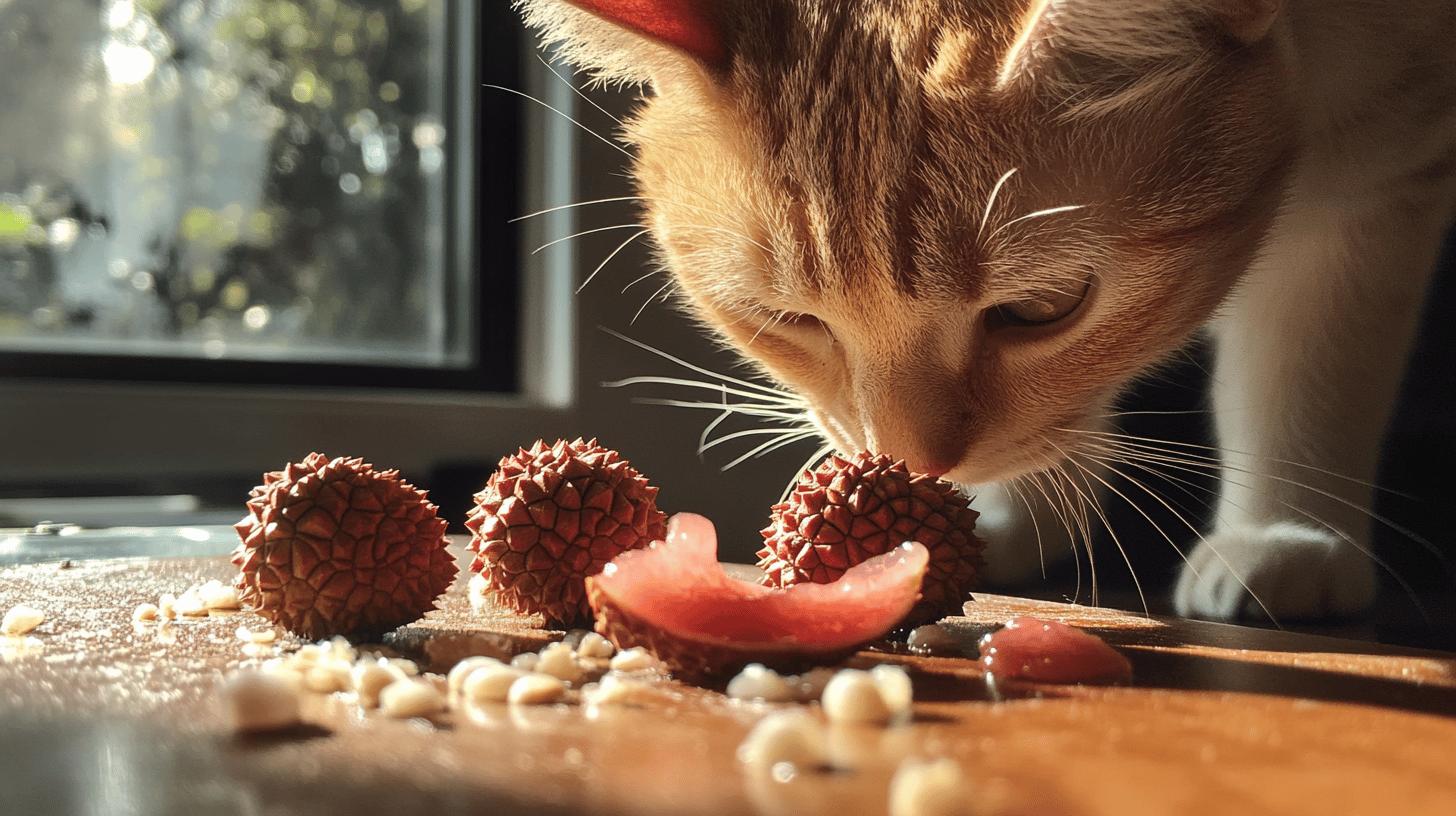
    If symptoms persist or worsen, contacting your veterinarian should be your next step. They can provide professional advice and, if necessary, an examination to address any underlying issues.

    Prompt veterinary intervention can make a significant difference in your cat's recovery, helping them heal faster and preventing further complications. Remember, it's always better to be cautious and seek help when in doubt.

    Pain Management and Comfort Measures

    Pain Management and Comfort Measures-1.jpg

    Pain management is essential after your cat undergoes a tooth extraction. Your vet might prescribe pain relief medication to ensure your cat is comfortable during the initial recovery period.

    These medications are crucial, especially after extensive tooth removal, as they help reduce inflammation and alleviate discomfort. Make sure to follow the vet's instructions on dosage and administration to effectively manage your cat's pain.

    Here are some comfort measures you can implement at home:

    • Soft bedding: Provide a cushy surface for your cat to rest on.

    • Warmth: Keep the room at a comfortable temperature.

    • Quiet space: Avoid loud noises and disturbances.

    • Gentle affection: Offer soft petting if your cat seems receptive.

    Creating a calm environment plays a significant role in your cat's recovery. A peaceful setting helps reduce stress and allows your feline friend to relax, which is vital for healing. By ensuring a tranquil atmosphere, you're providing the best possible conditions for your cat to regain their strength and return to their normal, happy self.

    Long-term Dental Care and Hygiene for Cats

    Long-term Dental Care and Hygiene for Cats-1.jpg

    Maintaining good dental hygiene for your cat is vital for preventing painful tooth extractions and ensuring overall health. Just like in humans, dental disease in cats can lead to severe health issues if not managed properly.

    Regular check-ups and a consistent cleaning routine are key to preventing tartar buildup and gum disease, both of which can lead to tooth loss. By prioritizing your cat's oral care, you're not only protecting their teeth but also their quality of life.

    Routine Dental Care Tips

    Implementing a home dental care regimen can make a huge difference in your cat's oral health. Here are some practical tips to get you started:

    • Brushing Techniques: Use a pet-specific toothbrush and toothpaste. Finger brushes can be easier if your cat is new to brushing. Start slowly, allowing your cat to get used to the sensation. Aim for short sessions, gradually increasing as your cat becomes more comfortable.

    • Dental Treats and Toys: These can help reduce plaque buildup. Choose treats that are specifically designed to improve dental health, and provide toys that encourage chewing, which can naturally clean the teeth.

    • Dietary Considerations: Certain diets are formulated to promote oral health. These foods are designed to reduce plaque and tartar as your cat chews.

    Routine professional dental check-ups provide a more thorough cleaning than what can be achieved at home. Veterinarians have the tools and expertise to spot early signs of dental disease that we might miss.

    Regular visits allow for early intervention, preventing minor issues from becoming major problems. By combining professional care with diligent home routines, you're setting your cat up for a lifetime of healthy smiles.

    Final Words

    Managing your cat's recovery from tooth extraction takes careful attention. Cats usually eat again in 12 to 24 hours after the procedure. It's crucial they show signs of alertness first. Offering soft foods prevents irritation and aids healing.

    Keeping an eye on your cat's recovery helps catch any issues early. Providing a calm environment and pain relief supports their comfort. Long-term dental care is your best ally in avoiding future extractions. Regular check-ups and at-home routines ensure healthy teeth. Good care means happier, healthier cats enjoying their meals and play.

    FAQ

    How soon can a cat eat after tooth extraction?

    A: Cats can typically eat after 12 to 24 hours post-extraction. Make sure your cat is fully awake and alert from the anesthesia.

    What signs of infection should I look out for after my cat's tooth extraction?

    A: Watch for swelling, bleeding, excessive drooling, refusal to eat, or pawing at the mouth. These signs may indicate infection.

    What should I feed my cat after tooth extraction?

    A: Offer soft foods like wet cat food or specially formulated dental diets to avoid irritation. Avoid hard foods until fully healed.

    How long do cats need pain medication after tooth extraction?

    A: Pain medication may be necessary for a few days after extensive tooth removal. Follow your vet's guidance for dosage and duration.

    What complications can occur after tooth extraction in cats?

    A: Potential complications include infection, difficulty eating, or pain. Monitor your cat and contact your vet if any concerns arise.

    Can I groom my cat after tooth extraction?

    A: Keep grooming gentle post-surgery. Avoid touching the mouth area to prevent discomfort while healing.

    What are the stages of healing after cat tooth extraction?

    A: Healing progresses through initial discomfort and swelling, followed by reduced pain and tissue healing over weeks. Complete recovery may take a few weeks.

    Is it okay to leave my cat alone after tooth extraction?

    A: Avoid leaving your cat alone immediately after surgery. Monitor their recovery for at least the first 24 hours or as advised by your vet.

    How long does it take for a tooth extraction to heal properly?

    A: Healing can take a few weeks, though swelling and discomfort typically decrease after a few days. Full recovery varies per cat.

    Related Articles

  • Can Cat Eat Jackfruit Understanding Risks and Health Concerns

    Can Cat Eat Jackfruit Understanding Risks and Health Concerns

    Ever wonder if cats can munch on jackfruit? It seems harmless enough, but feeding this tropical fruit to your feline friend can be risky. Jackfruit isn’t just a treat; it’s a cocktail of health concerns for cats. Loaded with sugar and psoralen, a toxic compound, this fruit poses dangers that cat owners should not ignore.

    Digestive issues, obesity, and even diabetes could be lurking in every juicy bite. Understanding these risks is crucial for keeping your cat safe and healthy. Let’s explore why jackfruit should stay off your cat’s menu.

    Can Cats Eat Jackfruit? Understanding the Basics and Potential Risks

    Can Cats Eat Jackfruit Understanding the Basics and Potential Risks-3.jpg

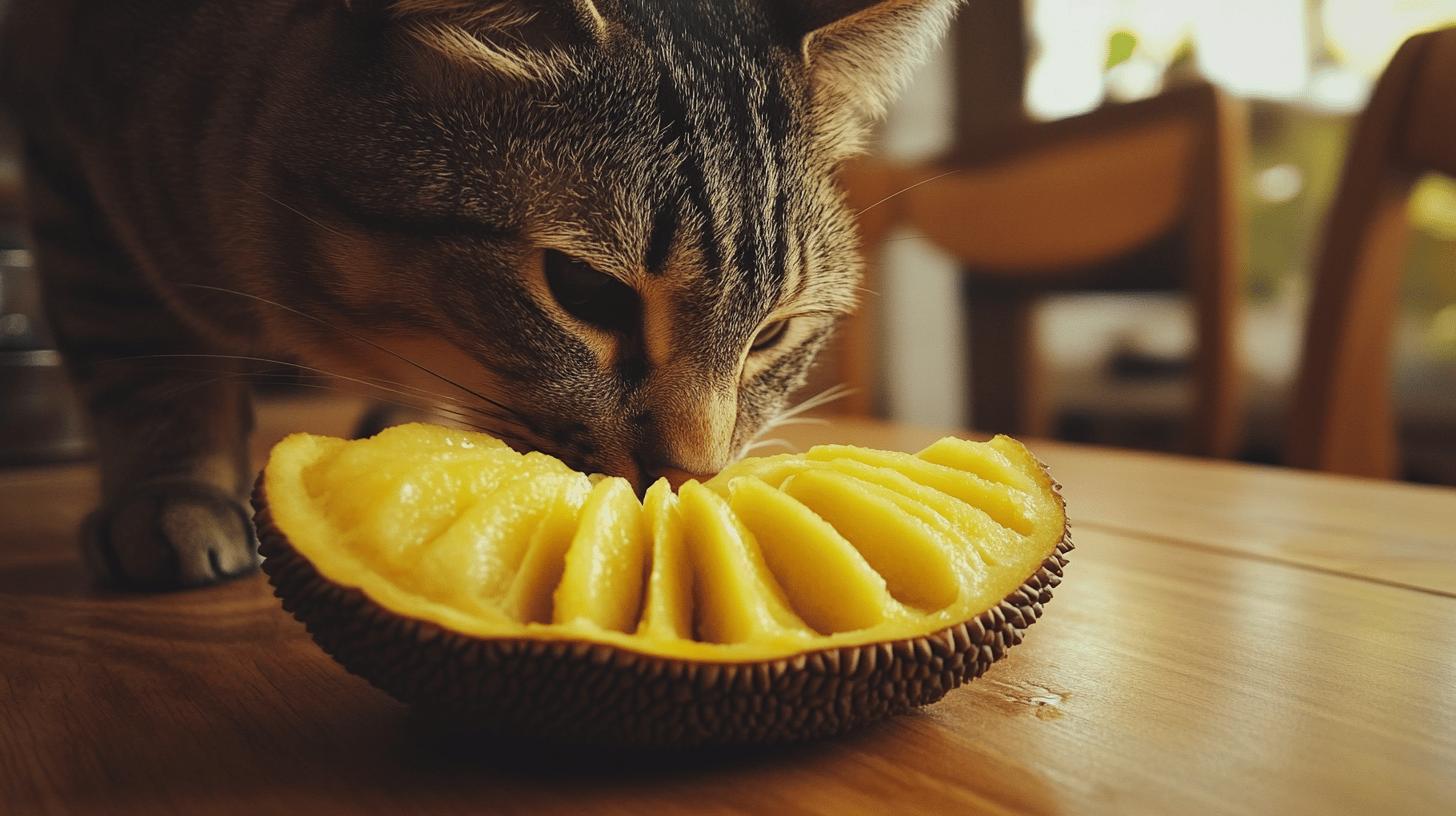
    When it comes to jackfruit and cats, the short answer is no, jackfruit is not safe for cats. While the fruit might be a popular treat for humans, it poses several health risks to our feline friends. It’s important to be aware of these risks before considering offering jackfruit to your cat.

    Jackfruit contains psoralen, a compound that can be toxic to cats. Psoralen is also found in fig plants, which are known to be harmful to felines. This toxin can cause adverse health effects by damaging DNA.

    Additionally, jackfruit is packed with sugar, which cats are unable to metabolize effectively. High sugar consumption can lead to serious health issues over time. The seeds of jackfruit also present a choking hazard due to their size and hardness, which can cause blockages if ingested.

    Digestive issues are a common concern if a cat consumes jackfruit. Symptoms such as diarrhea and vomiting may manifest, which can lead to dehydration if not addressed promptly.

    Cats’ digestive systems are not designed to process the high sugar content found in jackfruit, making these symptoms more likely and potentially severe. Even small amounts can upset their delicate digestive balance.

    Potential long-term health issues from jackfruit consumption include:

    • Obesity: Due to high sugar content, which can contribute to weight gain.
    • Diabetes: Increased sugar intake can elevate the risk of developing diabetes.
    • Choking hazards: Seeds can obstruct the airways or digestive tract.
    • Nutritional imbalances: Interferes with the balanced diet cats need for optimal health.
    • Dental problems: High sugar can lead to tooth decay and oral health issues.

    In summary, jackfruit is not recommended for cats due to its toxic psoralen content and high sugar levels. These factors contribute to a range of potential health issues, from digestive upset to long-term conditions like obesity and diabetes. Cats have specific dietary needs that do not align with the inclusion of jackfruit. For their safety and well-being, it’s best to keep jackfruit out of your cat’s diet.

    Safe Fruit Alternatives for Cats

    Safe Fruit Alternatives for Cats-1.jpg

    When considering treats for our feline friends, it’s crucial to know which fruits are safe and healthy for them. While cats are obligate carnivores, some fruits can be given as occasional treats to add variety to their diet. These cat-safe fruits should always be offered in moderation to prevent digestive issues and maintain a balanced diet.

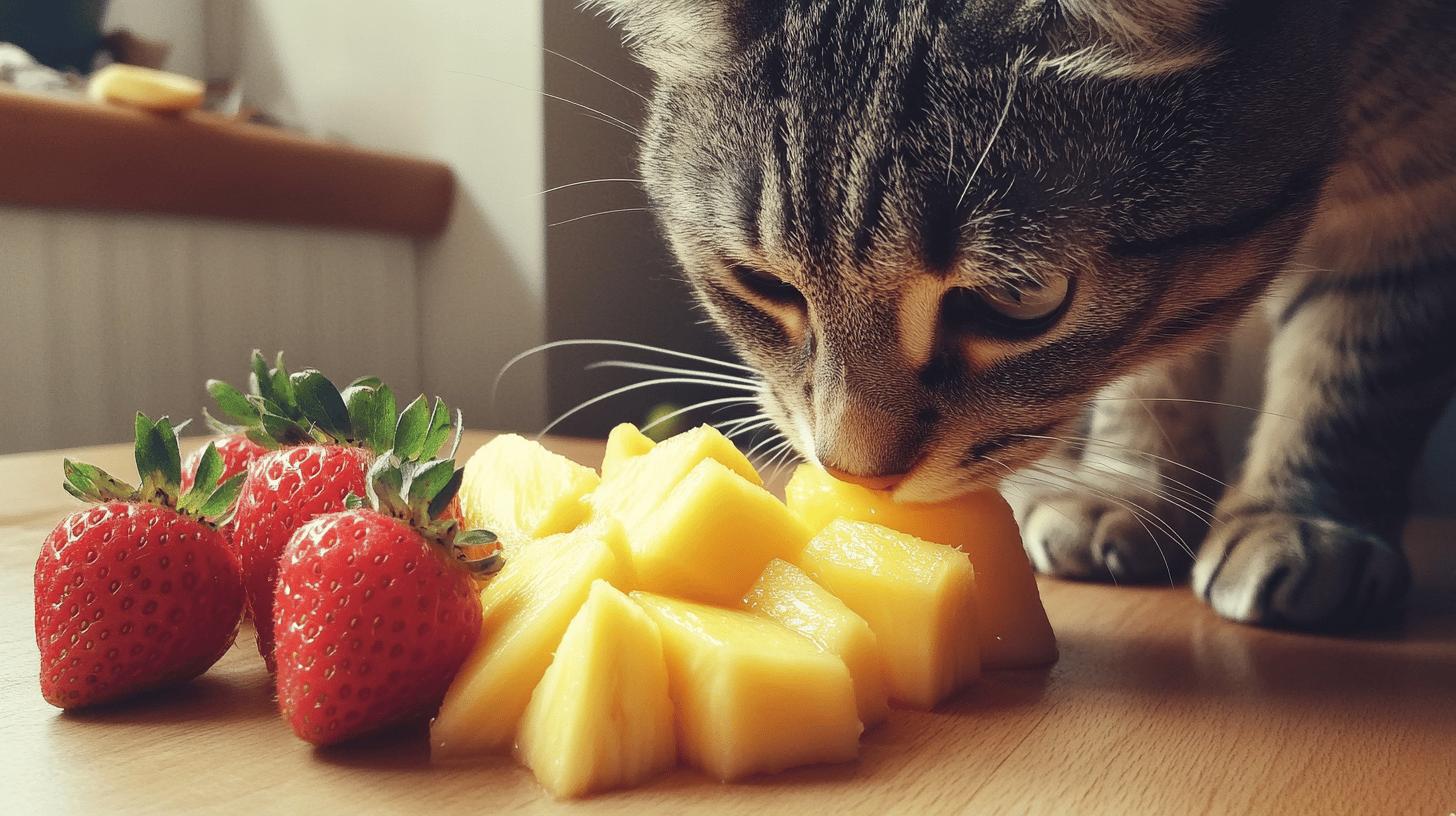
    • Mangos: A sweet treat, mangos offer vitamins A and C. Remove the skin and pit before serving small, bite-sized pieces.
    • Pineapples: Packed with vitamin C and fiber, pineapples can be given in small chunks. Ensure the tough core and outer skin are removed.
    • Strawberries: These berries are low in calories and rich in vitamin C. Slice them into small pieces to make them easy for your cat to eat.

    While these fruits are safe, remember that cats have unique dietary needs, and fruits should not make up a significant portion of their diet. Introduce fruits gradually and observe for any adverse reactions. Always prioritize your cat’s health by keeping fruit servings small and infrequent.

    Veterinary Advice on Feeding Cats Fruits

    Before introducing any new food, like fruits, into a cat’s diet, it’s always wise to consult with a veterinarian. Cats have specific dietary needs, primarily requiring animal-based proteins and fats. While some fruits can be safe in small amounts, others may pose health risks.

    A vet can provide personalized advice based on your cat’s health and dietary requirements, ensuring that any added treats do not disrupt their nutritional balance. By seeking professional guidance, you can prevent potential issues and ensure your cat’s diet remains both safe and healthy.

    If your cat accidentally consumes jackfruit, contacting a veterinarian immediately is crucial. Jackfruit contains compounds that can be harmful, and a vet can assess the situation to determine the necessary steps. They may recommend inducing vomiting to prevent further digestion of the fruit.

    Activated charcoal could be used to absorb any toxins present in the system. In some cases, IV fluids might be administered to counteract dehydration from symptoms like vomiting or diarrhea. Quick intervention is key to minimizing health risks and ensuring a speedy recovery for your furry friend.

    Tips for Introducing Fruits to a Cat’s Diet

    Tips for Introducing Fruits to a Cats Diet-1.jpg

    Moderation is key when introducing fruits to a cat’s diet. Cats are obligate carnivores, meaning their primary nutrition comes from meat. While certain fruits can be safe, they should not replace a balanced diet. Small, infrequent amounts ensure that your cat enjoys a treat without compromising their nutritional requirements.

    Once you decide to give your cat fruit, watch for any reactions. Observe their behavior and check for any signs of discomfort, such as vomiting or diarrhea. Each cat reacts differently, and what suits one might not suit another. Close monitoring helps identify any adverse effects early.
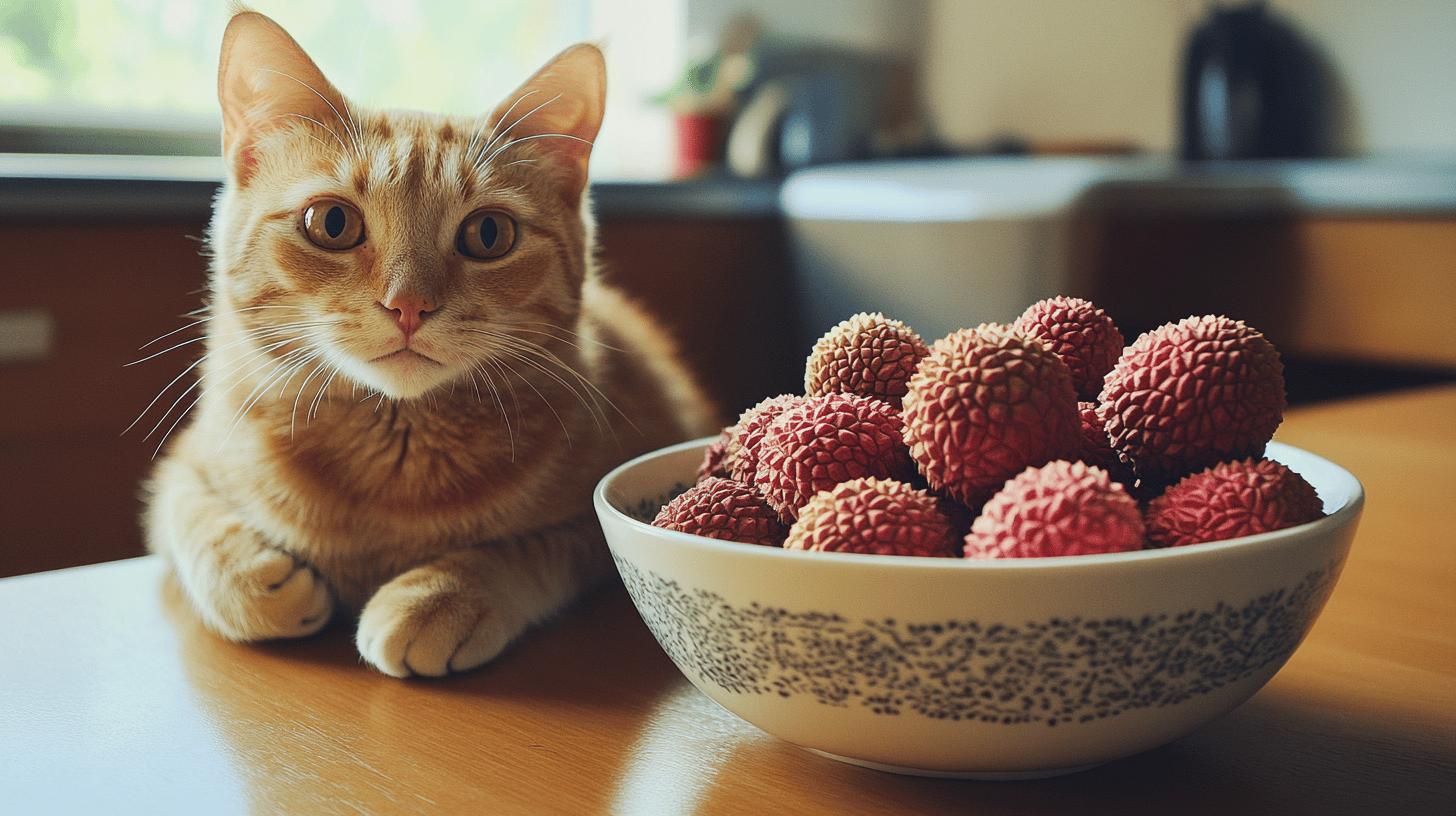
    Introduce new fruits slowly and one at a time. This gradual approach allows their digestive system to adjust and makes it easier to pinpoint the cause of any issues. Start with tiny portions and gradually increase only if there are no negative reactions. Keep your vet informed about any dietary changes to ensure your cat’s health and well-being.

    Final Words

    Delving into whether cats can eat jackfruit reveals essential health considerations. Jackfruit, with its psoralen and sugar content, poses various health risks for cats, including digestive issues and potential long-term effects like obesity and diabetes. While some fruits are safe in moderation, always consult a vet before switching up your cat’s diet. If a cat accidentally eats jackfruit, getting immediate veterinary advice is crucial. Remember, ensuring the safety and well-being of your furry friend is what’s most important. Enjoying the right treats will lead to a healthier, happier cat.

    FAQ

    Can I give my cat jackfruit?

    A: Cats should not consume jackfruit. Jackfruit contains psoralen, which is potentially toxic, and high sugar levels that cats can’t metabolize well. It can cause diarrhea and vomiting in cats.

    Can cats eat jackfruit seeds, chips, or leaves?

    A: Cats shouldn’t eat jackfruit seeds, chips, or leaves. Seeds pose a choking risk, and the high sugar and potential toxins in chips and leaves can harm their health.

    Is jackfruit safe for animals?

    A: Jackfruit is generally not safe for animals, including cats and dogs. It contains substances that can lead to digestive issues and other health problems.

    Are any fruits toxic to cats?

    A: Yes, some fruits are toxic to cats. Always consult a vet before introducing new fruits to ensure they’re safe for your pet.

    Is jackfruit OK to eat?

    A: For humans, jackfruit is generally safe to eat. For cats, the potential health risks make it an unwise choice for their diet.

    Can cats eat other fruits like mango or watermelon?

    A: Cats can eat mango and watermelon in moderation. These fruits are safer alternatives but should be given sparingly to avoid digestive issues.

    Related Articles

  • Can Cat Eat Dry Fish Safely and in Moderation

    Can Cat Eat Dry Fish Safely and in Moderation

    Ever wondered if your cat can safely munch on dry fish? It’s a tempting treat that brings benefits like maintaining healthy skin and a shiny coat. Dry fish is packed with protein and omega-3 acids, which are great for their joints too.

    But hold up! Before you treat your furry friend, be wary of hidden dangers like high sodium and preservatives lurking in some dried fish products. Let’s explore how you can serve this snack safely and in moderation to keep your cat happy and healthy.

    Can Cats Eat Dry Fish Safely?

    Can Cats Eat Dry Fish Safely-1.jpg

    Cats can eat dry fish, but caution is key. Dry fish offers nutritional benefits like protein and omega-3 fatty acids, which contribute to healthy skin and shiny coats. These nutrients can support joint health, making dry fish an appealing treat for your feline friend.

    However, it’s crucial to be aware of potential harmful substances that might be present in some dry fish products:

    • High sodium content
    • Preservatives
    • Artificial flavors
    • Additives
    • Contaminants like heavy metals

    Moderation is essential when feeding dry fish to cats. Too much can lead to nutritional imbalances, particularly because dry fish lacks some essential nutrients needed in a complete cat diet.

    Overfeeding could also increase the risk of health issues such as hypertension due to high sodium levels. Always ensure that the dry fish you provide is free from harmful substances.

    When considering portion sizes, it’s important to remember that treats like dried fish should not exceed 10% of your cat’s total diet. This helps maintain a balanced nutritional intake.

    You can incorporate dried fish as an occasional treat by sprinkling small amounts over their regular food or offering it as a reward. Always monitor your cat’s response to the new treat and consult with a veterinarian to ensure it aligns with their dietary needs and health conditions.

    Nutritional Benefits of Dried Fish for Cats

    Nutritional Benefits of Dried Fish for Cats-1.jpg

    Sardines and anchovies are particularly beneficial for cats due to their high protein and omega-3 content. To safely incorporate dried fish into a cat’s diet, start by introducing small amounts to prevent any digestive upset. Gradually increase the portion size, ensuring it complements the cat’s existing diet.

    Choosing High-Quality Dried Fish

    When selecting dried fish, opt for products that are free from additives and preservatives. Check for sourcing information to ensure the fish is caught sustainably and is low in contaminants. Look for packaging that indicates minimal processing to preserve the fish’s nutritional value.

    Preparation Methods

    Air-drying is a preferred method as it retains most nutrients. Avoid dried fish that has been heavily smoked or salted, as excessive sodium can be harmful. If possible, prepare the dried fish at home using a dehydrator to control the ingredients and maintain quality.

    Potential Risks

    While dried fish is nutritious, be aware of potential risks such as contaminants like mercury. Choose smaller fish like sardines and anchovies, which have lower mercury levels. Always supervise your cat when introducing new foods to monitor any adverse reactions.

    By focusing on quality and safe preparation, you can enhance your cat’s diet with dried fish while minimizing risks.

    Health Concerns and Risks with Dried Fish

    Health Concerns and Risks with Dried Fish-1.jpg

    Feeding your cat dried fish can come with health concerns. While the high sodium content is already discussed, it’s vital to highlight other risks such as allergies and choking hazards specific to dried fish.

    Here are some specific risks to consider:

    • High salt content: Can cause excessive thirst and urination.
    • Allergies: May lead to symptoms like itching, vomiting, or diarrhea.
    • Contaminants: Such as heavy metals or toxins that might be present.
    • Choking hazards: Bones or small parts can pose a risk.

    When introducing dried fish, it’s crucial to monitor your cat for allergic reactions. Look for signs like itching, vomiting, or diarrhea. If any symptoms appear, stop feeding the dried fish and consult a vet. Regular vet check-ups are essential to ensure new foods align with your cat’s health needs, helping to manage risks while offering new treats.

    Alternatives to Dried Fish for Cats

    Alternatives to Dried Fish for Cats-1.jpg

    Cats thrive on dietary variety, which supports their nutritional needs and keeps them engaged during meal times. While dried fish can be a tempting treat, it’s important to explore other safe and nutritionally balanced options. These alternatives not only provide essential nutrients but also reduce the risk of potential health issues associated with dried fish, such as high sodium content or allergies.

    Here are some alternative protein sources and treats that are safer and nutritionally beneficial for cats:

    • Specially formulated cat treats: Designed to meet feline dietary requirements, these treats often include balanced nutrients.
    • Cooked chicken: A great source of lean protein, ensuring a healthy addition to your cat’s diet.
    • Cooked turkey: Similar to chicken, turkey offers a lean protein option that can be easily prepared.
    • Boiled eggs: Packed with protein and essential amino acids, eggs can be a nutritious snack.
    • Cooked fish fillets: Such as salmon or cod, which provide omega-3 fatty acids without the risk of harmful additives.

    By offering these alternatives, you can ensure your cat enjoys a balanced diet while minimizing potential health risks associated with dried fish. Always introduce new treats gradually and observe your cat’s reaction to ensure they suit its dietary needs.

    Consulting Veterinarians About Dried Fish in Cat Diets

    Integrating dried fish into a cat’s diet requires careful consideration of health risks and nutritional balance. It’s important for cat owners to consult a veterinarian to tailor dietary choices to their cat’s specific health needs. This consultation helps in understanding potential risks like high sodium content and ensuring nutritional adequacy.

    Questions to discuss with your vet might include: “How frequently can I add dried fish to my cat’s diet?” and “What are the safest types of dried fish?” These questions can help address concerns and guide safe dietary adjustments. Incorporating these insights within the existing discussion on health risks and nutritional balance reinforces the importance of veterinary guidance.

    Final Words

    Deciding on whether can cats eat dry fish is about balance and awareness. Dried fish offers protein and omega-3 benefits, vital for healthy coats and skin. But, be cautious of harmful additives and rely on moderation, limiting treats to 10% of the diet. Alternatives like commercial cat treats or cooked meats can offer safe variety. Always consult with a vet before changes. A careful approach to dietary choices enhances your cat’s play and well-being, ensuring a happy and healthy life.

    FAQ

    Can I feed my cat dried fish?

    A: Yes, you can feed your cat dried fish. Stick to moderation to prevent nutritional imbalances. Dry fish should not exceed 10% of their total diet.

    What kind of fish can cats eat?

    A: Cats can eat small fish like sardines and anchovies. These are rich in protein and omega-3 fatty acids, benefiting skin, coat, and joint health.

    Is salted fish OK for cats?

    A: No, salted fish isn’t OK for cats. High salt content can lead to health issues like hypertension and should be avoided.

    Can my cat eat dried anchovies?

    A: Yes, your cat can eat dried anchovies in moderation. They are high in protein and omega-3 fatty acids, but avoid excess to maintain nutritional balance.

    Can cats eat dried squid?

    A: Yes, cats can eat dried squid, but only occasionally. Ensure it’s free from additives or preservatives and serve in small portions.

    What is the best dried fish for cats?

    A: The best dried fish options are sardines and anchovies. They offer high protein and omega-3 content, promoting better health for your cat.

    Is fish good for cats?

    A: Yes, fish can be good for cats. It’s rich in protein and omega-3 fatty acids, supporting healthy skin, coat, and joints.

    Can cats eat monkfish?

    A: Cats can eat monkfish if it’s cooked and served in moderation. Ensure it’s fresh and free from bones or harmful substances.

    Can cats eat cooked blood?

    A: It’s not recommended. Cooked blood could lead to health concerns. Stick with safer protein options such as chicken or specially formulated cat treats.

    Related Articles

  • Can Cat Eat Lychee Safely Expert Advice and Precautions

    Can Cat Eat Lychee Safely Expert Advice and Precautions

    Ever wondered if your cat can enjoy the tropical delight of lychee? While this juicy fruit might be a tasty snack for humans, cat owners often question its safety for their feline friends. You might be surprised to learn that lychee can be eaten by cats, but it’s not as straightforward as it seems.

    There are crucial precautions you need to consider to make sure your cat stays safe. Let's explore expert advice and necessary steps to protect their health while allowing them to savor this exotic treat.

    Can Cats Safely Eat Lychee?

    Can Cats Safely Eat Lychee-2.jpg

    Cats can indeed eat lychee, but there are important precautions to take. This exotic fruit is non-toxic to cats, but it should only be consumed in small amounts. Before sharing lychee with your feline friend, make sure to remove the skin and seed.

    The skin is tough and not easy for cats to chew, while the seed poses a choking hazard. Despite its safety, lychee should only be an occasional treat due to its high sugar content, which can contribute to obesity if overfed.

    Let's look at some potential risks associated with feeding lychee to cats:

    1. Choking Hazards: The seed inside lychee is a choking risk and should always be removed.
    2. Digestive Issues: The skin is difficult to digest and can cause gastrointestinal discomfort.
    3. High Sugar Content: Excessive sugar can lead to weight gain and other health issues.
    4. Signs of Illness: Watch out for symptoms like vomiting or diarrhea after lychee consumption.
    5. Diabetes Concerns: Cats with diabetes need special consideration due to lychee's sugar levels.

    Consulting a veterinarian is crucial before introducing lychee or any new food into a cat's diet. Vets can offer advice tailored to your cat's specific health needs, especially for those with conditions like diabetes. They can guide you on safe portion sizes and frequency to ensure your cat's health isn't compromised.

    Moderation is key when it comes to feeding lychee to cats. Limit this treat to small amounts and infrequent occasions. Always keep an eye on your cat for any adverse reactions after eating lychee. If any symptoms like diarrhea or vomiting occur, discontinue feeding immediately and consult your vet.

    Nutritional Content and Potential Benefits of Lychee for Cats

    Nutritional Content and Potential Benefits of Lychee for Cats-1.jpg

    Lychee, with its juicy and flavorful profile, houses several nutrients that can be beneficial to cats, albeit not necessary for their diet. The fruit is rich in vitamin C and potassium, both of which play a role in overall health maintenance.

    Vitamin C is known for its antioxidant properties, which can help with immune support, while potassium is essential for maintaining proper cellular functions. Additionally, lychee's water content is quite high, which can aid in keeping your cat hydrated.

    Nutrient Potential Benefit
    Vitamin C Immune support and antioxidant properties
    Potassium Supports cellular functions and heart health
    Water Helps with hydration

    Despite these benefits, it's important to remember that cats are obligate carnivores. Their primary nutritional needs are met through meat, which provides the necessary proteins and amino acids.

    While lychee can provide extra hydration and some fiber, these are not crucial for a cat's dietary requirements. If you choose to feed lychee to your cat, do so sparingly and as an occasional treat to prevent any digestive issues or health problems related to the fruit's sugar content.

    Safe and Alternative Fruits for Cats

    Safe and Alternative Fruits for Cats-1.jpg

    Cats are obligate carnivores, meaning their diet should primarily consist of animal protein. However, some fruits can be a healthy treat when given in moderation. While cats don't require fruits for nutrition, small amounts can add variety and offer some hydration and fiber benefits.

    It's crucial to limit fruit intake to avoid digestive upset and health issues related to high sugar content. Moderation is key, so any fruit offered should be an occasional snack rather than a regular part of their diet.

    Here are some safe fruits for cats:

    • Watermelon
    • Blueberries
    • Apples
    • Strawberries
    • Pineapple

    On the other hand, certain fruits pose risks and should be avoided entirely. Cherries, citrus fruits, grapes, and raisins are toxic to cats and can lead to serious health problems if ingested. These fruits can cause symptoms ranging from mild gastrointestinal distress to severe reactions like kidney failure.

    Always ensure any fruit you offer is safe and free of seeds or pits that could pose a choking hazard. If you're unsure about a particular fruit, it's best to consult your veterinarian before offering it to your cat.

    Final Words

    With the right precautions, lychee can be part of a cat's diet but in small amounts. It's crucial to remove the skin and seed to avoid any safety hazards. Though lychee isn't toxic, its high sugar content can cause problems like obesity. Consulting with a vet is always a wise choice to tailor advice specific to your cat's health.

    While lychee does have some nutritional benefits, they're not essential for cats. Safe fruit options are plentiful, so there's no shortage of healthier treats out there. With proper care, can cat eat lychee? Yes, but remember to keep it as an occasional treat, ensuring both safety and fun.

    FAQ

    Can cats eat lychee jelly?

    Cats should not eat lychee jelly. It often contains added sugars and other ingredients that are not suitable for cats and may cause digestive issues.

    Can cats eat lychee fruit?

    Cats can eat lychee fruit, but only in small amounts. Always remove the skin and seed to prevent choking and digestive problems.

    Is lychee toxic for cats?

    Lychee is not toxic to cats, but it should be consumed in moderation due to its high sugar content.

    Can cats eat lychee seeds or leaves?

    Cats should not eat lychee seeds or leaves. Seeds pose a choking hazard, and leaves can be hard to digest.

    Can cats eat lychee juice?

    Lychee juice is not recommended for cats due to its high sugar content. It can lead to weight gain and other health issues.

    Can cats and dogs eat lychee?

    Cats and dogs can eat lychee in small amounts, but always ensure seeds and skin are removed to avoid health risks.

    Are any fruits toxic to cats?

    Yes, toxic fruits for cats include cherries, citrus fruits, grapes, and raisins. Always check before giving fruit to cats.

    Can I give my cat lychee?

    You can give lychee to your cat in moderation. Remove skin and seeds first. Monitor for any digestion issues, like diarrhea or vomiting.

    Related Articles

  • Can Cat Eat Expired Food Health Risks and Safety Concerns

    Can Cat Eat Expired Food Health Risks and Safety Concerns

    Would you eat food that’s past its expiration date? When it comes to your cat, feeding them expired food can be more risky than you’d think. Many cat owners have found themselves in this predicament, unsure whether it’s safe to scrape the last bits from that can of cat food lost at the back of the pantry.

    The health risks are real, from potential food poisoning to severe nutrient loss. Let’s explore why it’s essential to steer clear of expired cat food to ensure your feline friend stays safe and healthy.

    Can Cats Safely Eat Expired Food and Health Risks Involved

    Can Cats Safely Eat Expired Food and Health Risks Involved-2.jpg

    Feeding your cat expired food is a dangerous gamble. Expired cat food can introduce a host of health risks to your furry friend. The packaging may no longer provide an effective barrier against harmful bacteria and toxins, leading to food poisoning.

    These pathogens can cause serious gastrointestinal issues. Even if the food looks or smells fine, the nutritional quality decreases over time, depriving your cat of essential nutrients and potentially leading to health problems.

    Here are some potential health risks associated with expired food consumption in cats:

    • Vomiting and diarrhea
    • Lethargy and weakness
    • Lack of appetite
    • Dehydration
    • Severe gastrointestinal distress

    When expired food is consumed, harmful bacteria like Salmonella or E. coli can flourish, posing significant health threats. These bacteria and other toxins can cause symptoms of food poisoning, such as vomiting, diarrhea, and dehydration.

    Cats may also display signs of illness like a noticeable drop in energy levels or a lack of appetite. Since cats are sensitive eaters, even minor changes in their diet can result in adverse reactions.

    The long-term health implications of consuming expired food are concerning. Over time, nutrient deficiencies can develop due to the degradation of essential vitamins and minerals in the pet food.

    This can lead to weakened immune systems, making cats more susceptible to infections and diseases. Constant exposure to harmful bacteria can also cause chronic digestive issues, impacting their overall well-being.

    Veterinarians strongly advise against feeding expired food to cats due to these potential health risks. Monitoring your cat’s food intake and health is crucial. If you notice any signs of illness, it’s important to seek veterinary care immediately. Regularly checking expiration dates and storing food properly can protect your cat from these dangers and keep them healthy and happy.

    Identifying Spoiled Cat Food: Key Signs to Watch

    Identifying Spoiled Cat Food Key Signs to Watch-2.jpg

    Recognizing spoiled cat food is crucial for maintaining your cat’s health. When cat food expires, it can lose its nutritional value and become a breeding ground for bacteria, posing potential health risks.

    Spoiled food not only lacks essential nutrients but can also lead to food poisoning and other health issues. Cats rely on their diet to support their immune system, energy levels, and overall well-being, so feeding them expired or spoiled food can have serious consequences.

    Here are some common signs of spoiled cat food to watch for:

    • Unusual smells
    • Visible mold
    • Changes in appearance, such as discoloration
    • A slimy or sticky texture
    • Swollen or damaged packaging
    • Cats refusing to eat the food

    Cats have a keen sense of smell and are often quite perceptive about their food. If your cat suddenly refuses to eat or shows reluctance towards their usual meal, it might be an indicator that the food has gone bad.

    Pay attention to these behavioral cues as they can help you identify spoiled food early. Observing your cat’s reaction to their food and regularly checking for signs of spoilage can prevent potential health problems and ensure their diet remains safe and nutritious.

    Best Practices for Storing Cat Food to Prevent Expiry

    Best Practices for Storing Cat Food to Prevent Expiry-2.jpg

    Proper storage of cat food is crucial for maintaining its quality and nutritional value. When cat food is stored incorrectly, it can lead to spoilage, which not only affects the taste and texture but also diminishes essential nutrients.

    This can pose health risks to your cat, as they rely on balanced nutrition for their well-being. Keeping food fresh and safe involves understanding how to store both dry and wet cat food properly, ensuring that your feline friend gets the best out of their meals.

    Here are some best practices for storing both dry and wet cat food:

    • Store dry cat food in an air-tight, moisture-proof container.
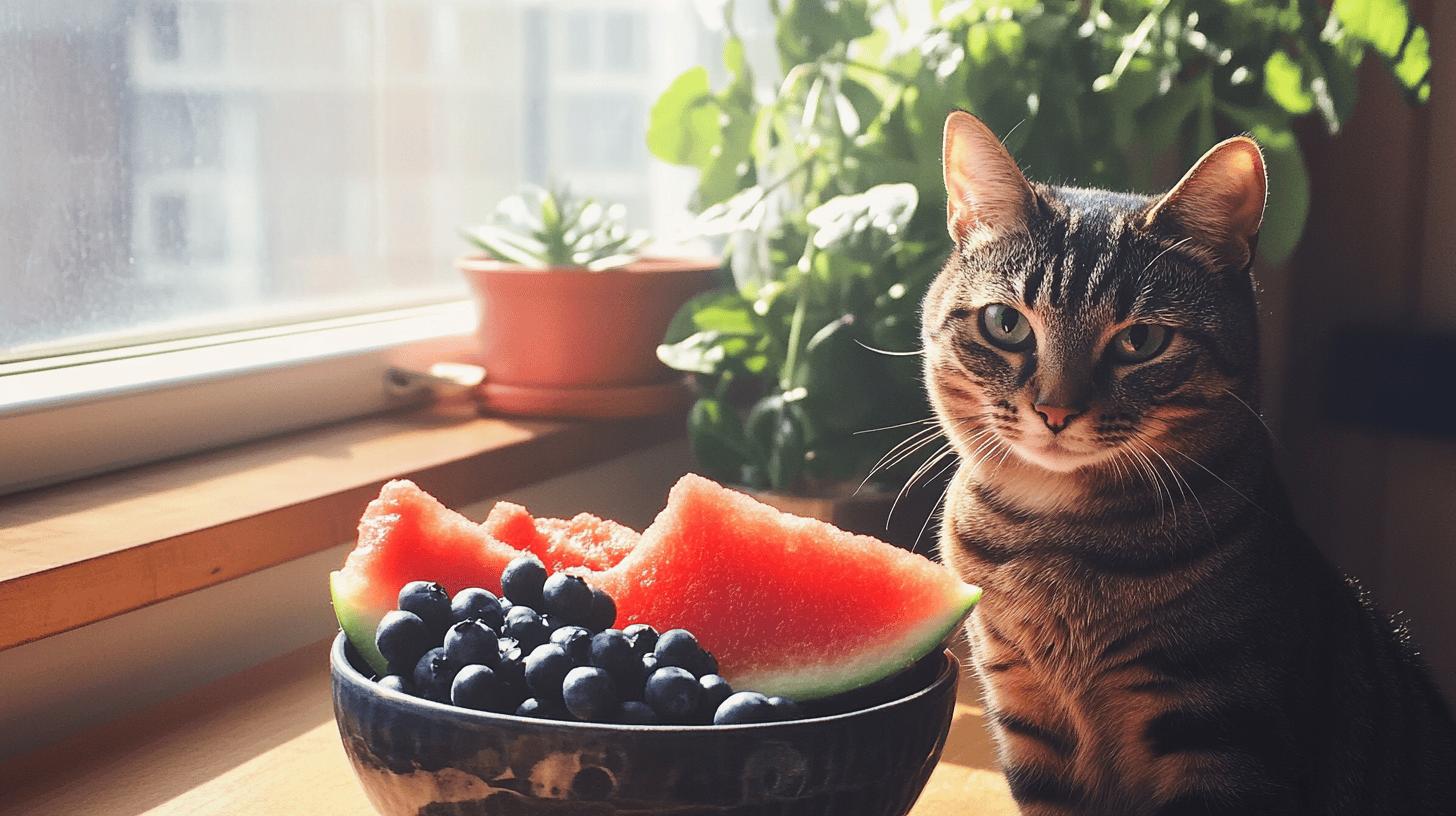
    • Keep food in a cool, dry place away from direct sunlight.

    • Refrigerate wet food after opening and consume within a few days.
    • Always check expiration dates before serving.
    • Clean storage bins between batches to prevent contamination.

    Storing cat food correctly plays a significant role in preventing spoilage and ensuring food safety. By keeping food sealed and free from moisture and temperature fluctuations, you protect it from harmful bacteria and toxins.

    This helps in maintaining the food’s nutritional integrity and prevents exposure to elements that could lead to spoilage. Regularly monitoring expiration dates and maintaining clean storage conditions will assist in avoiding potential health risks, ultimately promoting a healthy diet for your cat.

    Best Practices for Storing Cat Food

    To keep your cat’s food fresh and safe, always check expiration dates as part of your storage routine. These dates ensure the food’s nutritional integrity and safety. Dry cat food can last 12 to 18 months when unopened and stored correctly, while wet food stays fresh longer if sealed.

    Once opened, consume both types quickly to maintain quality. If a package lacks an expiration date, avoid serving it due to potential safety concerns. Prioritize your cat’s well-being by following these storage guidelines.

    Final Words

    Feeding expired cat food can seriously endanger your pet’s health. Cats can suffer from food poisoning, leading to symptoms like vomiting and diarrhea. Harmful bacteria and toxins in expired food pose great risks, impacting their well-being.

    Recognizing spoiled food early helps maintain a cat’s health. Watching for signs like unusual smells or changes in appearance is key. Storing food properly assures safety, keeping it fresh and nutritious.

    Overall, always check expiration dates and seek vet advice if you’re ever uncertain. Prioritize your cat’s health by avoiding expired food and keeping their diet safe and wholesome.

    FAQ

    Can cats eat expired food?

    A: Cats should not eat expired food as it poses health risks. Expired food can harbor bacteria and toxins leading to vomiting, diarrhea, or other health issues. Always choose fresh food for your pet’s safety.

    What happens if a cat eats expired cat food?

    A: If a cat eats expired cat food, it may experience vomiting, diarrhea, dehydration, or lack of appetite. Watch for these symptoms and consult a vet for any health concerns.

    Is it okay to use expired cat food?

    A: Using expired cat food is not advised. It can contain harmful bacteria or toxins that may affect a cat’s health. Always check expiration dates to avoid these risks.

    Can cats get sick from expired food?

    A: Yes, cats can get sick from expired food. It can lead to food poisoning with symptoms like vomiting, diarrhea, and lethargy. Protect your cat by offering only unexpired, nutritious food.

    What should I do if my cat ate expired wet food?

    A: If your cat ate expired wet food, observe it for any signs of illness like vomiting or diarrhea. If symptoms appear, contact your veterinarian for guidance.

    How long is canned cat food good for after opening?

    A: After opening, canned cat food should be refrigerated and used within a few days to ensure freshness and prevent spoilage. Follow storage guidelines for your cat’s health.

    Can pets eat expired food?

    A: Pets should not eat expired food. It can contain harmful substances leading to illness. Always provide fresh food to maintain your pet’s health and nutrition.

    Related Articles

  • Can Cat Eat Fish and Milk Together Safely

    Can Cat Eat Fish and Milk Together Safely

    Ever wondered if treating your cat to a classic fish and milk combo is a good idea? While it may seem like a tasty treat, this pairing could spell trouble for your feline friend. Fish packs a nutritional punch, with benefits like omega-3s for a shiny coat and healthy joints. But milk? Not so much – adult cats struggle with the lactose in milk, often leading to tummy troubles. Before serving up this duo, think again. It's safer to keep them separate for a purr-fectly happy and healthy cat!

    Understanding if Cats Can Eat Fish and Milk Together

    Understanding if Cats Can Eat Fish and Milk Together-1.jpg

    Fish is a great source of nutrition for cats, offering essential nutrients like omega-3 fatty acids and protein. Omega-3s are particularly beneficial for cats' neurological health and have anti-inflammatory properties that can support joint health. These fatty acids also promote a shiny coat and healthy skin. Including fish in your cat's diet can be a smart choice, but it’s important to ensure the fish is cooked properly to eliminate parasites and to remove any bones to prevent choking hazards.

    Milk, on the other hand, poses significant risks for adult cats due to lactose intolerance. Most adult cats are unable to digest lactose effectively because they lack the enzyme lactase. This can lead to various digestive issues when too much lactose is consumed. A typical 4 kg cat can only tolerate about 8 grams of lactose, which is found in approximately 40-50 ml of milk. Consuming more than this amount can upset their stomach and cause discomfort.

    Potential digestive issues from milk include:

    • Diarrhea
    • Flatulence
    • Stomach ache
    • Vomiting
    • Bloating

    Combining fish and milk in a cat's diet can lead to digestive problems without providing any additional nutritional benefits. While fish is nutritious, the addition of milk can result in a negative reaction due to the lactose content, potentially causing the issues listed above. There's no compelling reason to feed these together, as the milk could overshadow the benefits of the fish.

    For the health and well-being of your feline friend, it's best to avoid combining fish and milk. Instead, focus on feeding fish in moderation and ensure it is prepared safely. If you’re looking for a liquid supplement, consider adding a small amount of fish broth without salt or seasoning, which can be both tasty and safe for cats. Always prioritize fresh water as the primary liquid in their diet, and consult with a veterinarian if you have any questions about your cat's nutrition or dietary needs.

    Nutritional Insights: Fish for Cats

    Nutritional Insights Fish for Cats-1.jpg

    Fish can be a great addition to your cat's diet, thanks to its nutritional benefits. Omega-3 fatty acids found in fish support your cat's brain function and reduce inflammation, which helps with joint health. They also promote a healthy, shiny coat.

    Fish Type Nutritional Benefit
    Salmon Rich in omega-3s for brain and heart health
    Tuna High protein content for muscle maintenance
    Sardines High in calcium and vitamin D for bone health

    Prepare fish safely to include it in your cat's diet. Cooking fish kills parasites and makes it safe for your cat. Steaming or boiling helps keep the nutritional value intact. Remove all bones to prevent choking hazards. These steps ensure your cat enjoys the health benefits of fish while staying safe.

    The Risks of Feeding Milk to Cats

    The Risks of Feeding Milk to Cats-1.jpg

    Adult cats are often lactose intolerant. They lack the enzyme lactase needed to digest lactose, leading to digestive issues such as diarrhea, flatulence, stomach aches, and vomiting. These symptoms can cause significant discomfort, so it's wise to be cautious about offering milk to your furry friend.

    For a 4 kg cat, consuming more than 8 grams of lactose, found in roughly 40-50 ml of milk, can overwhelm their digestive system. This makes milk a risky choice, particularly for cats with sensitive stomachs. Instead of repeating the risks, let's explore safe alternatives.

    Consider these safe dairy alternatives:

    • Lactose-free milk
    • Cheese in small quantities (low-lactose varieties)
    • Yogurt with active cultures
    • Commercial cat milk products

    It's best to avoid milk altogether. Fresh water should always be the primary liquid in your cat's diet. Keeping your cat hydrated with fresh water prevents digestive issues and ensures they're healthy. If you have any doubts about your cat's diet or hydration needs, consult with a veterinarian.

    Alternatives to Fish and Milk: Balanced Cat Nutrition

    Alternatives to Fish and Milk Balanced Cat Nutrition-1.jpg

    A balanced diet is crucial for maintaining your cat's health and well-being. Cats require a combination of proteins, fats, vitamins, and minerals to thrive. While fish and milk are often considered traditional treats, they might not be the best choices due to potential health risks like lactose intolerance and overconsumption of fish oils. Providing a diet that meets all nutritional needs without these ingredients can help prevent dietary imbalances and associated health issues.

    Specially formulated cat foods are designed to provide balanced nutrition without the risks associated with fish and milk. These foods are crafted to meet the specific dietary needs of cats, ensuring they receive all essential nutrients. Consulting with a veterinarian can be invaluable when selecting the right cat food, as they can recommend options tailored to your cat's age, health status, and specific dietary requirements.

    Here are five vet-recommended cat foods for optimal health:

    • Hill's Science Diet
    • Royal Canin Feline Health Nutrition
    • Purina Pro Plan Focus
    • Blue Buffalo Indoor Health
    • Nutro Wholesome Essentials

    Regularly monitoring your cat's health is vital. Look for signs like changes in coat quality, energy levels, or digestive issues, which might indicate nutritional deficiencies or other health concerns. If you notice any of these signs, or if you have questions about your cat's diet, it's wise to consult a veterinarian. They can provide guidance on dietary adjustments and help ensure your cat remains healthy and happy.

    Final Words

    Exploring the world of cat nutrition, we discovered that while fish is packed with valuable omega-3 fatty acids, milk isn't a friendly option for adult cats. The combination of fish and milk doesn't offer any benefits and likely leads to digestive upsets. It's clear that while fish is nutritious, milk can cause more harm than good.

    Making informed feeding decisions enhances your cat's health and happiness. Sticking to safe and balanced diets ensures they get the best nutrition. Remember, when wondering if can cat eat fish and milk together, providing separate and suitable meals is always the best path. Here's to happy, healthy, and well-fed cats!

    FAQ

    Can cats eat fish and milk together?

    Cats eating fish and milk together is not recommended. Milk can cause digestive problems because adult cats are often lactose intolerant, leading to issues like diarrhea and stomach upset. Fish is nutritious with omega-3 but is best given separately.

    Can I give a little bit of milk to my cat?

    A little milk might not harm your cat, but many adult cats are lactose intolerant. Too much can cause digestive issues like diarrhea or an upset stomach, so it's safer to avoid regular milk.

    Is it safe for cats to drink milk?

    Cats drinking milk is generally unsafe, especially for adults, since they are often lactose intolerant. This can cause symptoms like diarrhea and vomiting, so offer water instead.

    Why do cats like fish and milk?

    Cats seem to like fish because it's rich in protein and omega-3 fatty acids, while the taste of milk may appeal to them due to its fat content. However, milk can cause digestive issues for many cats.

    Why do cats drink milk in cartoons?

    In cartoons, cats drink milk because it's a simplifying trope that doesn't reflect reality. Real-life cats often face digestive issues from milk due to lactose intolerance.

    How long should you wait to drink milk after eating fish?

    You can safely drink milk at any time after eating fish. There's no scientific evidence suggesting a need to wait before consuming milk after fish.

    Can we give cat food and milk together?

    It's not advisable to give cat food and milk together. Milk can cause digestive issues in adult cats, and it's best to provide food with water to avoid potential problems.

    Cat eating fish drawing

    A drawing of a cat eating fish captures a common scene, as cats enjoy fish for its taste and nutrients like omega-3s. This does not imply milk should be part of their diet.

    Can we drink milk after 1 hour of eating fish?

    Drinking milk one hour after eating fish is safe. No scientific claim supports avoiding milk after eating fish, so it comes down to personal preference and digestion tolerance.

    Related Articles