Category: Cat Diet

  • Can Cat Eat Turmeric Safely Understanding Benefits and Risks

    Can Cat Eat Turmeric Safely Understanding Benefits and Risks

    Can cats safely eat turmeric? As cat owners, we often search for ways to enhance our feline friends' health. Turmeric, a bright yellow spice packed with potential benefits, might just be the answer. Known for its anti-inflammatory and antioxidant properties, turmeric can offer health advantages when used properly.

    But here's the catch: while it can be beneficial, understanding the right dosage and possible risks is crucial. In this article, we'll explore if turmeric can be a safe and effective addition to your cat's diet.

    Can Cats Eat Turmeric? Safety and Risks
    Can Cats Eat Turmeric Safety and Risks-4.jpg

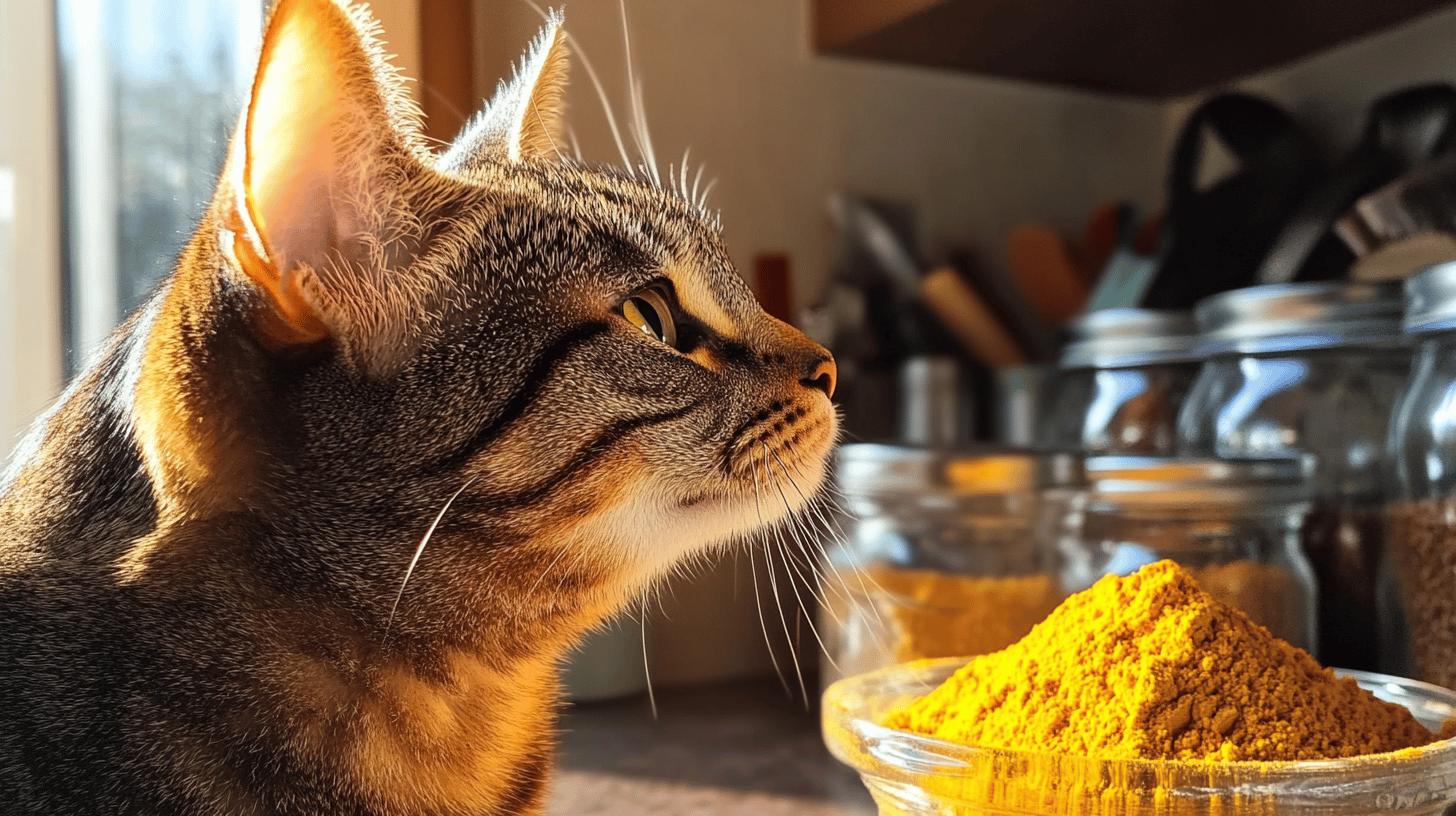
    Turmeric can be a safe addition to a cat's diet when given in the right amounts. This golden spice, known for its anti-inflammatory and antioxidant properties, is generally safe for cats. It's crucial, though, to start with small doses and consult with a veterinarian to ensure it's suitable for your feline friend.

    Cats have unique metabolic systems, and what works for one might not work for another. A veterinarian can help tailor the amount to your cat's specific needs and health conditions. Moderation is key; while turmeric can offer health benefits, overuse can lead to unwanted side effects.

    Potential side effects of turmeric in cats include:

    • Stomach upset or diarrhea
    • Allergic reactions, such as itching or swelling
    • Changes in appetite or lethargy
    • Increased bleeding risk due to turmeric's blood-thinning effects

    Once you've introduced turmeric into your cat's diet, it's important to observe any changes in their behavior or health. This will help you determine if the spice is having a positive effect or if adjustments are needed. If your cat shows signs of discomfort or adverse reactions, adjusting the dosage or discontinuing use might be necessary.

    Keep in mind that turmeric should complement, not replace, standard veterinary care. Regular check-ins with your vet can ensure your cat continues to benefit from turmeric without any negative impacts.

    Health Benefits of Turmeric for Cats
    Health Benefits of Turmeric for Cats-1.jpg

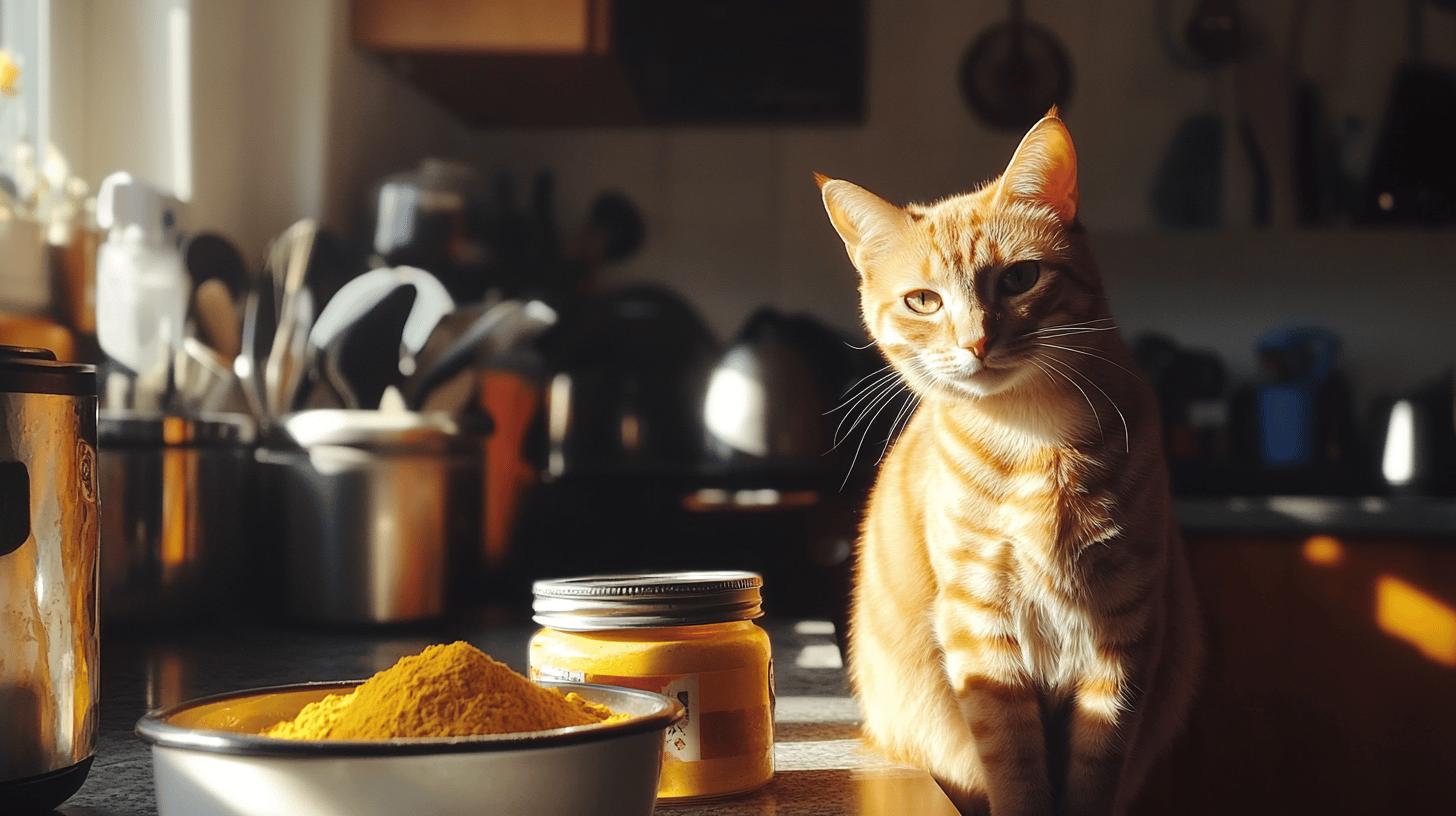
    Turmeric is packed with anti-inflammatory and antioxidant properties that can be a boon for your cat's health. The active compound, curcumin, helps reduce inflammation, making it particularly useful for cats suffering from arthritis or inflammatory bowel disease.

    These conditions can significantly affect a cat's quality of life, and turmeric's ability to alleviate inflammation can provide relief and enhance mobility. Its antioxidant properties also help neutralize harmful free radicals, protecting your cat’s cells from damage and supporting overall immune health.

    Beyond its anti-inflammatory prowess, turmeric plays a vital role in supporting liver and digestive health. It aids in detoxifying the liver, which is crucial for cats exposed to various toxins. A healthy liver is essential for processing nutrients and keeping your cat’s metabolism in check.

    Additionally, turmeric can promote better digestion by soothing the gastrointestinal tract, which might benefit cats with sensitive stomachs or those experiencing digestive issues.

    Turmeric also offers cardiovascular benefits by boosting blood flow and reducing inflammation in blood vessels. This can help maintain healthy circulation and potentially regulate cholesterol levels, supporting your cat’s heart health. With these cardiovascular benefits, turmeric acts as a natural remedy to improve your cat's overall well-being, making it a valuable addition to their health regimen.

    Dosage and Forms of Turmeric for Cats
    Dosage and Forms of Turmeric for Cats-4.jpg

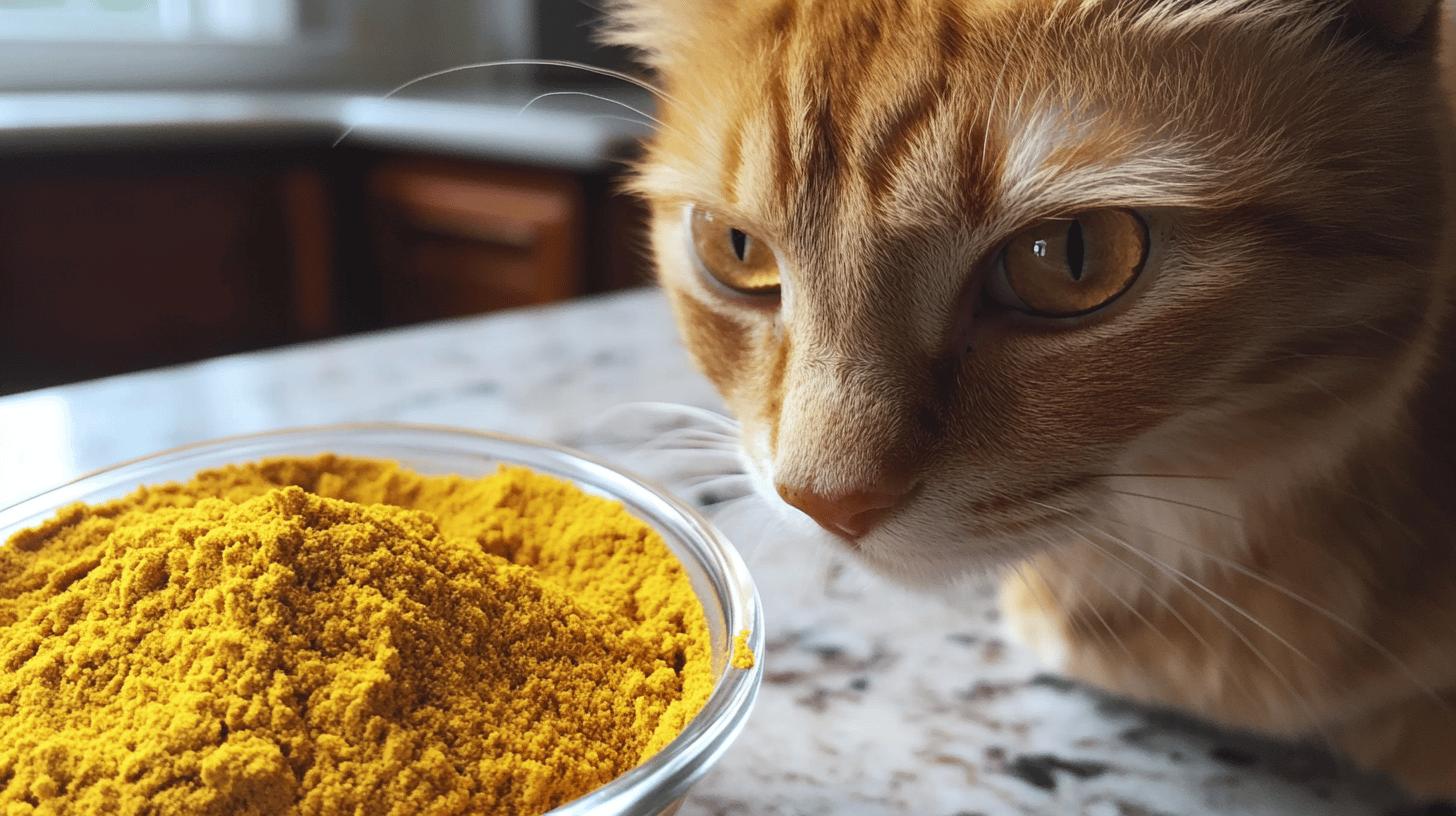
    Getting the right dosage of turmeric for your cat is crucial to ensure they reap the health benefits without any adverse effects. Typically, the recommended amount is between ⅛ to ¼ teaspoon of turmeric powder, but this can vary based on your cat's weight, age, and specific health needs.

    It's always a good idea to start on the lower end and gradually increase, monitoring your cat's response. Small doses can help avoid stomach upset, a common side effect when introducing new supplements. Consulting with your vet can help tailor the dosage to your cat's individual requirements and keep their health on track.

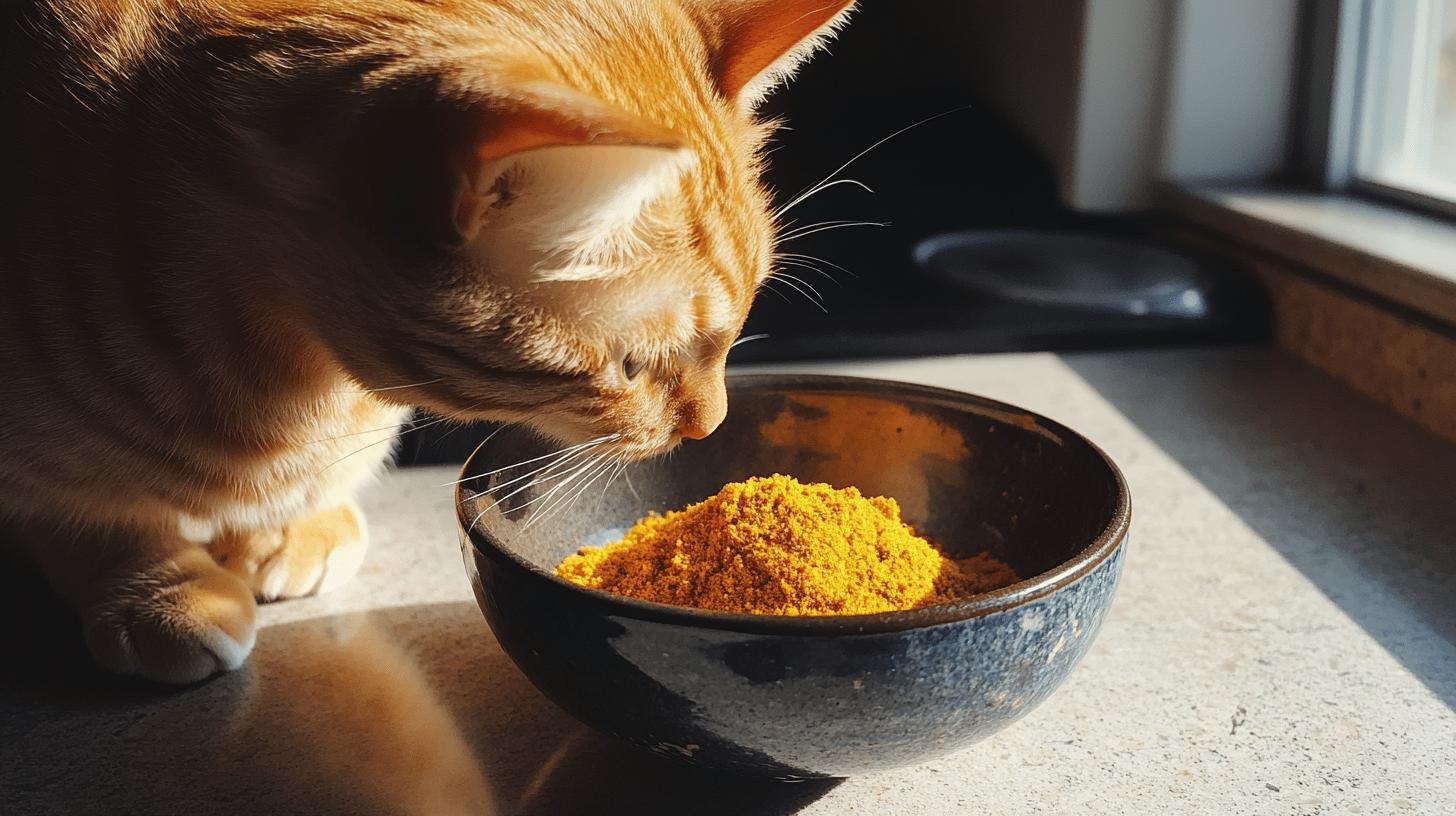
    There are several forms of turmeric you can introduce into your cat's diet. Turmeric powder is the most straightforward option and can be easily mixed with your cat's food. If you're looking for something a bit more potent, turmeric paste might be more suitable.

    It's often made by combining turmeric powder with coconut oil or water, which can enhance absorption. Turmeric supplements designed for pets are another option, offering a more convenient way to ensure your cat receives the right dosage. Each form has its own benefits, and choosing the right one depends on your cat's preferences and health goals.

    Form Recommended Dosage
    Turmeric Powder ⅛ to ¼ teaspoon per meal
    Turmeric Paste ¼ teaspoon mixed with food
    Turmeric Supplements Follow product instructions

    Incorporating Turmeric into Your Cat's Diet
    Comparing Turmeric with Other Safe Spices for Cats-2.jpg

    Explore unique recipes for incorporating turmeric into your cat's meals. Try mixing ⅛ teaspoon of turmeric powder into a homemade cat food recipe, such as a chicken and rice dish. This ensures the spice is evenly distributed and palatable for your cat. You can also create turmeric-infused treats by blending the powder into tuna or salmon-based snacks. This method provides a tasty and healthful treat option.

    • Use ⅛ teaspoon of turmeric in homemade recipes and adjust based on your cat's preference.
    • Combine turmeric with fish oil for added health benefits and improved flavor.
    • Experiment with different recipes to find what your cat enjoys most.
    • Consult with a veterinarian to tailor turmeric use to your cat's specific needs.

    Turmeric should complement your cat's existing diet and veterinary care. It's not a substitute for prescribed medications. Regular vet visits remain essential. By creatively incorporating turmeric, you can support your cat's health in a natural way.

    Comparing Turmeric with Other Safe Spices for Cats
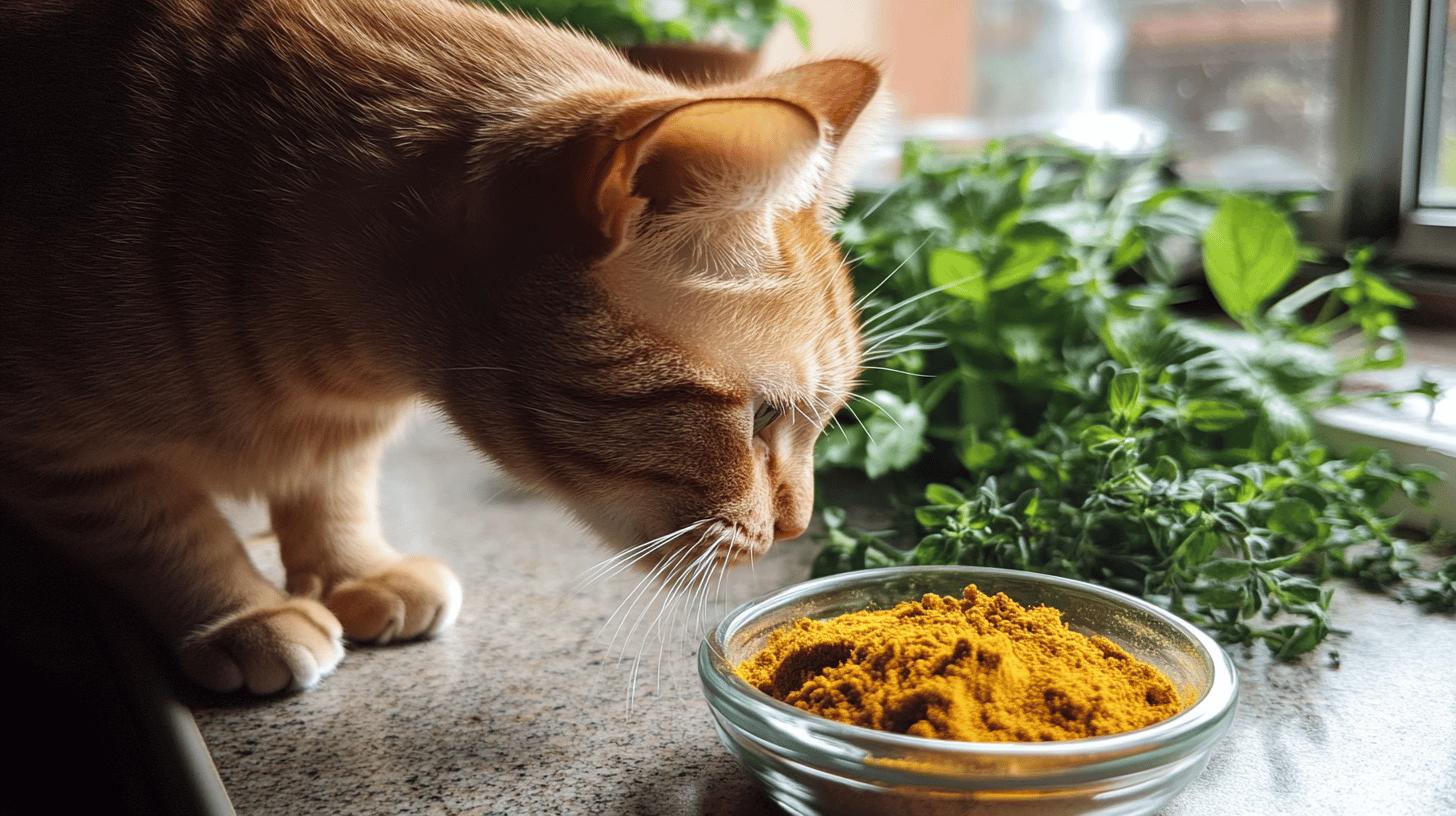
    Comparing Turmeric with Other Safe Spices for Cats-3.jpg

    Turmeric stands out among spices for its unique health benefits for cats. Its anti-inflammatory and antioxidant properties are particularly valuable for supporting feline health. Turmeric can help manage conditions like arthritis by reducing inflammation and promoting immune support. This makes it a powerful addition to a cat's diet when used correctly. While other spices might offer some benefits, turmeric's ability to address both inflammation and immune function gives it a special edge.

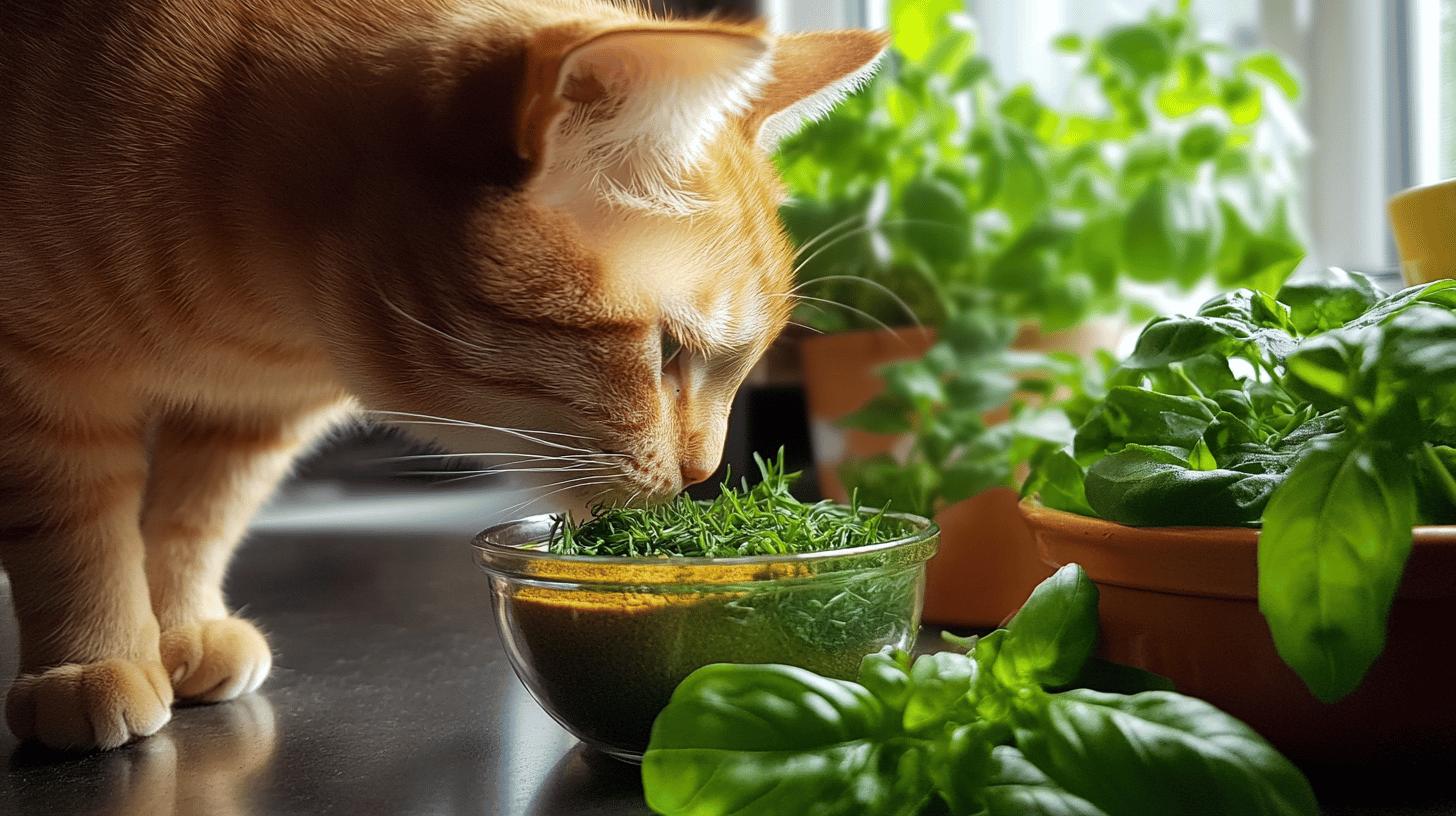
    Here are some other spices and herbs that are generally considered safe for cats:

    • Catnip: Known for its playful effects, catnip can also aid digestion.
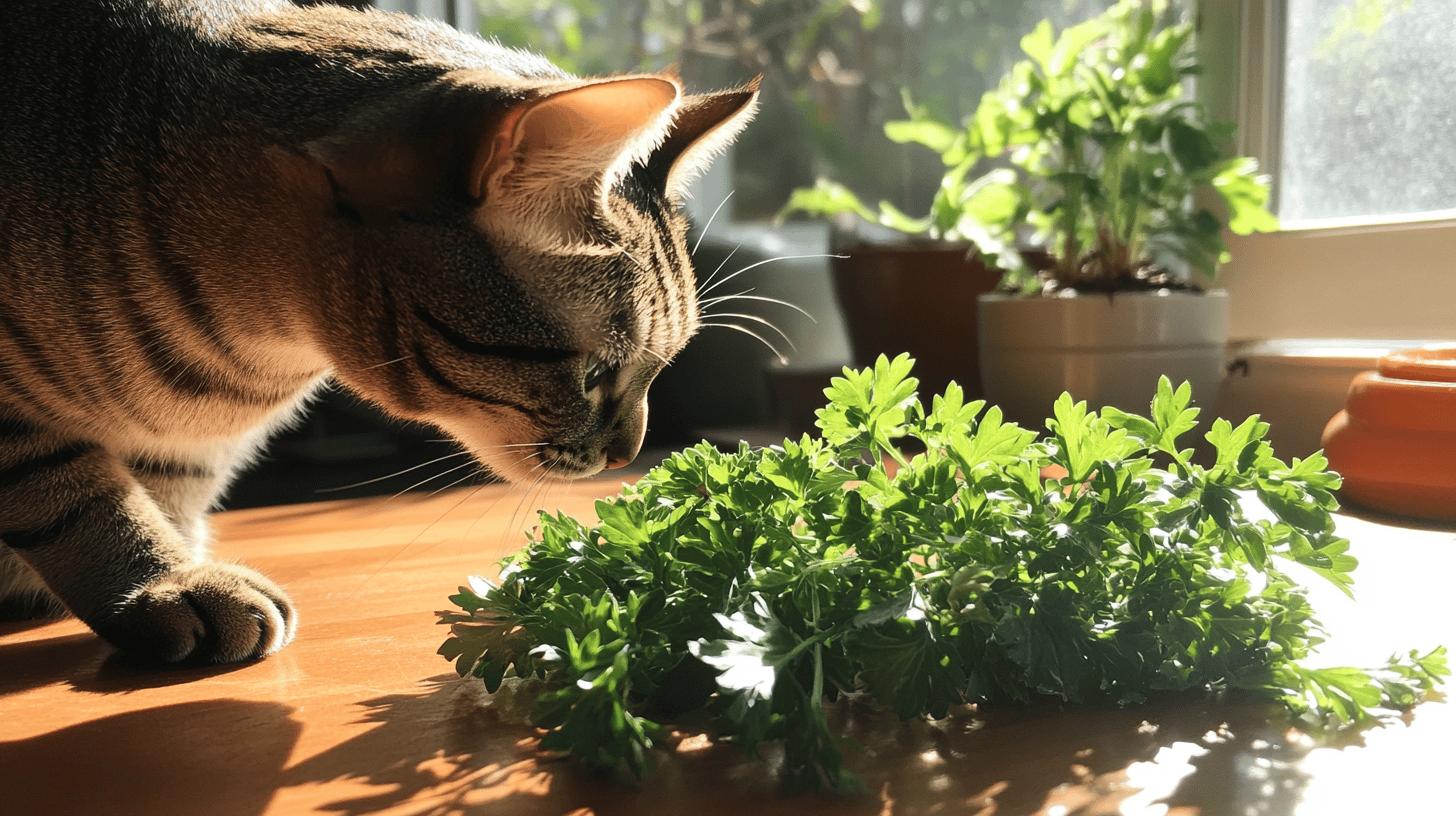
    • Parsley: High in vitamins, parsley supports kidney function and freshens breath.
    • Ginger: Helps with nausea and gastrointestinal issues.
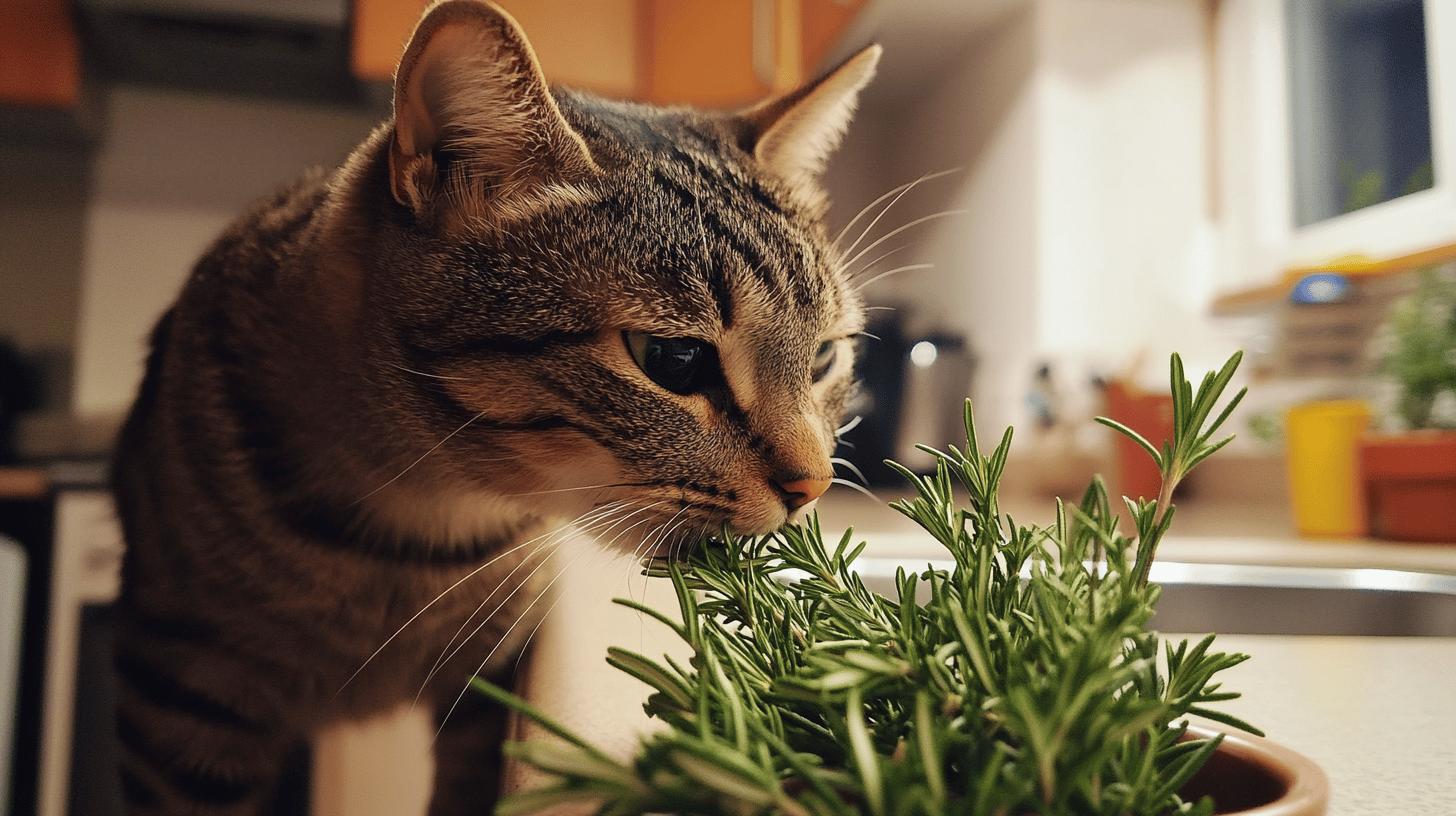
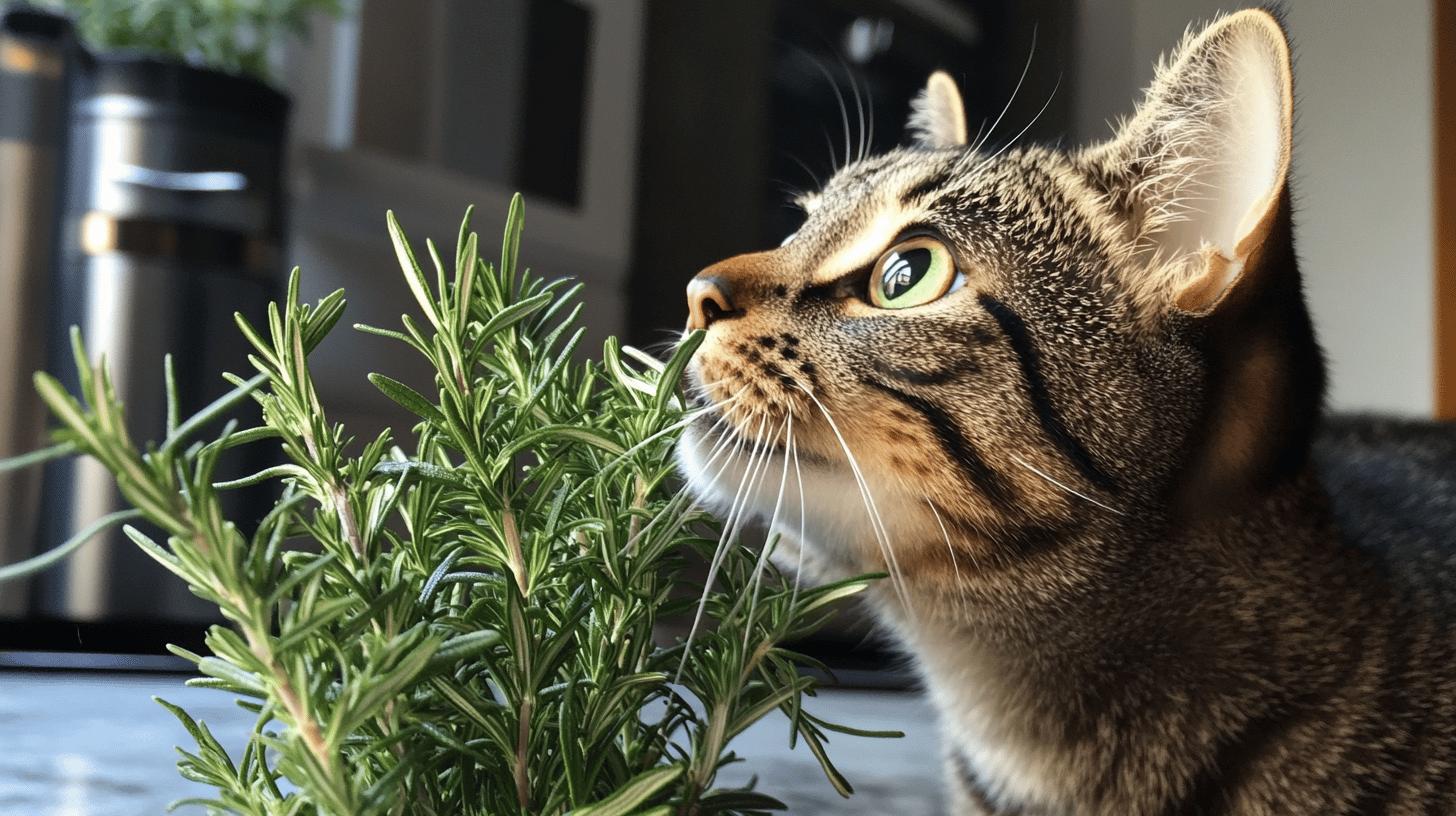
    • Rosemary: Contains antioxidants and can support digestion.
    • Basil: Offers anti-inflammatory benefits similar to turmeric.

    Before introducing any new spice or herb into your cat's diet, it's wise to consult with a veterinarian. Cats have unique dietary needs and sensitivities, and a vet can provide guidance on the safe use and appropriate amounts. This ensures that your cat receives the benefits without any unwanted side effects.

    Final Words

    Turmeric can offer benefits for cats, like reducing inflammation and supporting overall health. Starting with small amounts and talking to your vet helps keep it safe. Some side effects, like stomach upset, are possible if dosages are off.

    Incorporating small turmeric doses into your cat's diet might enhance their health, but always with professional advice. Turmeric is a great addition, but not a replacement for veterinary care. Ensuring "can cat eat turmeric" safely involves careful monitoring and proper guidance, leading to a healthier and happier cat.

    FAQ

    Is turmeric toxic for cats?

    Turmeric is generally not toxic for cats. It's safe in small amounts but always consult a veterinarian first. Overdose or incorrect usage can cause stomach upset.

    How much turmeric can you give a cat?

    You can give ⅛ to ¼ teaspoon of turmeric powder to a cat. Adjust dosage based on age and consultation with a vet.

    Does turmeric deworm cats?

    Turmeric is not scientifically proven to deworm cats. It may support digestive health, but use proper deworming medications advised by a vet.

    Is turmeric safe for pets?

    Turmeric is generally safe for pets including cats, when used in moderation. Always consult a vet before adding it to their diet.

    Can cats eat turmeric and ginger?

    Cats can have turmeric and possibly small amounts of ginger in moderation. Consult a vet to ensure safety and proper dosage.

    How to make turmeric paste for cats?

    To make turmeric paste, mix turmeric powder with water until it forms a thick paste. Start with small amounts and check with a vet first.

    Is turmeric good for cats' skin?

    Turmeric can be good for cats' skin due to its anti-inflammatory properties. Use cautiously and consult a vet for topical applications.

    Turmeric for cats' pain: How does it help?

    Turmeric's anti-inflammatory benefits can help reduce pain in cats, especially related to arthritis. Begin with small doses and monitor reactions.
    Related Articles

  • Can Cat Eat Lamb Safely and Healthily

    Can Cat Eat Lamb Safely and Healthily

    Is feeding lamb to your cat a delicious treat or a potential hazard? Many cat owners wonder about adding lamb to their pet's diet, trying to balance variety with safety. In this blog post, I'll dive into whether cats can enjoy lamb safely and healthily. I'll explore the risks like high saturated fat, possible bacterial infections, and the need for cooking lamb properly. Additionally, I'll highlight the nutritional perks it offers, like protein and essential vitamins. Join me as I unravel the mystery of feeding lamb to your feline friend!

    Can Cats Eat Lamb Safely?

    Can Cats Eat Lamb Safely-4.jpg

    Cats can enjoy lamb as part of their diet, but there are safety considerations to keep in mind. One of the main risks of feeding lamb to cats is its high saturated fat content. This can potentially lead to issues like high cholesterol and heart disease if lamb is consumed in large quantities. Another concern is the risk of bacterial infections, such as salmonella, which can occur if cats eat raw lamb. It's safest to serve lamb cooked to minimize this risk.

    For safe serving, it's crucial to prepare lamb properly by ensuring it is both boneless and unseasoned. Bones can splinter and pose a choking hazard or cause internal injuries. Seasonings, particularly onions and garlic, can be toxic to cats. Therefore, when serving lamb, it should be plain and cut into small, manageable pieces. By following these practices, you can reduce health risks and provide a safe treat for your feline friend.

    Despite these risks, lamb does offer nutritional benefits. It's a good source of protein, which is vital for cats as obligate carnivores. Protein contributes to their overall health and supports functions such as muscle maintenance and energy production. Lamb also contains essential vitamins and minerals that can enhance a cat's diet when given in moderation.

    • Risk of high saturated fats
    • Potential bacterial infections
    • Importance of serving lamb unseasoned and boneless
    • Brief mention of protein content
    • Brief mention of essential vitamins and minerals

    Nutritional Benefits of Lamb for Cats

    Nutritional Benefits of Lamb for Cats-4.jpg

    Lamb is a fantastic source of animal protein, essential for a cat's health. Protein supports muscle and tissue building, enzymes, and energy levels. Among the nutrients found in lamb, taurine stands out as crucial for cats, aiding vision, digestion, and heart muscle function. Since cats cannot produce enough taurine on their own, it's important they receive it through their diet.

    Besides protein and taurine, lamb provides essential vitamins and minerals vital for a cat's well-being. Vitamin B6 enhances immunity and overall health, niacin aids digestion and skin health, and zinc promotes a strong immune system. These nutrients make lamb an excellent choice for cats needing to gain weight or seeking a varied diet.

    Nutrient Benefit
    Taurine Supports vision, digestion, and heart muscle function
    Vitamin B6 Enhances immunity and overall health
    Niacin Aids in digestion and skin health
    Zinc Promotes a healthy immune system

    How to Introduce Lamb into Your Cat's Diet

    How to Introduce Lamb into Your Cats Diet-3.jpg

    Introducing lamb into your cat's diet can be a delightful way to diversify their meals, but it's important to do it gradually. Start by offering a small piece of cooked lamb to see if your cat enjoys the taste and tolerates it well. Observe your cat for any signs of digestive upset or allergies. If your cat seems to enjoy the lamb and shows no adverse reactions, you can slowly increase the portion size over time.

    When considering portion sizes, remember that moderation is key. Cooked lamb should be given as an occasional treat, not a staple of your cat's daily diet. A small piece, about the size of a dice, is usually enough for a treat. This ensures your cat gets the nutritional benefits without overloading on lamb's higher fat content. Keep an eye on your cat’s weight and adjust the portions accordingly if necessary.

    Lamb can be a tasty addition to your cat's diet, but it should only be included as a treat once or twice a week. Cats can regularly enjoy lamb-based commercial foods that are complete and balanced. These products are formulated to meet a cat's daily nutritional needs, whereas cooked lamb is a supplement to their main diet.

    Preparation Tips for Lamb

    To safely prepare lamb for your cat, start by cooking it thoroughly to eliminate any harmful bacteria. It's best to avoid raw lamb due to the risk of bacterial infections. Once cooked, remove any bones from the lamb as they can splinter and pose a choking hazard. Cut the lamb into small, bite-sized pieces to make it easier for your cat to eat. Remember to serve the lamb plain, without any seasoning, as ingredients like garlic or onion can be toxic to cats. By following these steps, you can safely introduce lamb into your cat's diet and give them a tasty new treat.

    Comparing Lamb to Other Protein Sources for Cats

    Comparing Lamb to Other Protein Sources for Cats-2.jpg

    When considering the best protein sources for cats, lamb, chicken, and beef each offer unique advantages. Lamb is known for its rich flavor, which many cats find appealing. However, it also has a higher fat content than some other meats, which can be a concern for cats with weight issues or those prone to obesity. Despite this, lamb's substantial protein content makes it a suitable option for cats that need to gain weight or require a diet rich in protein.

    Chicken, on the other hand, is a leaner meat with lower fat content, making it a popular choice for cat owners. But it is also one of the most common allergens for cats. For felines with poultry allergies, lamb serves as an excellent alternative. Beef is another protein-rich option, offering moderate fat levels, which can make it a balanced choice for many cats. Yet, like chicken, it might not suit all cats, particularly those with specific dietary needs.

    • Lamb: Rich flavor, high fat
    • Chicken: Lower fat, common allergen
    • Beef: High protein, moderate fat
    • Lamb as an alternative for poultry allergies

    Signs of Lamb Intolerance and Monitoring Health

    Signs of Lamb Intolerance and Monitoring Health-1.jpg

    When introducing lamb into your cat's diet, it's crucial to watch for signs of intolerance. Common indicators that your cat may not be reacting well to lamb include digestive upset, such as vomiting or diarrhea. Skin reactions are also possible, with symptoms like itchiness and rashes signaling that lamb might not be a suitable addition. Cats can have food sensitivities, so these signs should be taken seriously.

    To effectively monitor and assess your cat's response to lamb, pay attention to their overall health indicators. A shiny coat and consistent energy levels are positive signs. However, if you notice any changes, it may be a signal to reevaluate their diet. Introducing lamb gradually and observing your cat closely can help ensure that it is a healthy dietary addition.

    • Digestive upset (vomiting, diarrhea)
    • Skin reactions (itchiness, rashes)
    • Changes in energy levels

    Final Words

    Exploring the safety and benefits of lamb for cats, we discovered it serves as a protein-rich option packed with essential nutrients like taurine and vitamin B6. However, the risks associated with high fat content and bacteria must not be overlooked. Serving lamb unseasoned and boneless is crucial for ensuring your cat's safety.

    When introducing lamb into their diet, cats benefit from gradual changes and small portions. Despite some risks, cooked lamb can be an occasional treat providing nutritional gains. Observing your cat for any signs of intolerance can keep their mealtime both safe and enjoyable.

    FAQ

    Can cats eat lamb leg?

    A: Cats can eat lamb leg if it's cooked, boneless, and unseasoned. Raw lamb poses a risk of bacterial infections.

    Can cats eat lamb bones?

    A: Cats should not eat lamb bones. They can splinter and cause choking or internal injuries.

    Can cats eat lamb fat?

    A: Lamb fat isn't recommended for cats. It can lead to obesity and pancreatitis due to high saturated fat content.

    Can kittens eat lamb?

    A: Kittens can eat lamb if it's cooked, soft, and cut into small, manageable pieces for easy digestion.

    Can cats eat raw lamb?

    A: Raw lamb isn't safe for cats due to the possibility of bacterial infections. Always cook lamb thoroughly.

    Can cats eat lamb liver?

    A: Cats can eat lamb liver in moderation. It's rich in vitamins but should not make up the bulk of their diet.

    How to cook lamb for cats?

    A: Cook lamb for cats by boiling or baking it until well-done. Ensure it's unseasoned and boneless before serving.

    Can cats eat freeze-dried lamb?

    A: Cats can eat freeze-dried lamb as a treat. It's safe, but always check for added seasonings or harmful ingredients.

    Can I feed my cat cooked lamb?

    A: Yes, you can feed your cat cooked lamb. Make sure it's unseasoned and boneless to minimize health risks.

    Is lamb a good food for cats?

    A: Lamb is a good source of protein and essential nutrients but should be fed in moderation due to its fat content.

    What meat should cats not eat?

    A: Cats should avoid raw meats due to bacteria, as well as bones that can splinter, and high-fat meats like bacon.

    How to cook lamb for a cat?

    A: The safest way to cook lamb for a cat is by baking or boiling. Keep it unseasoned and remove any bones.

    Related Articles

  • Can Cat Eat Beets Safely and Healthily

    Can Cat Eat Beets Safely and Healthily

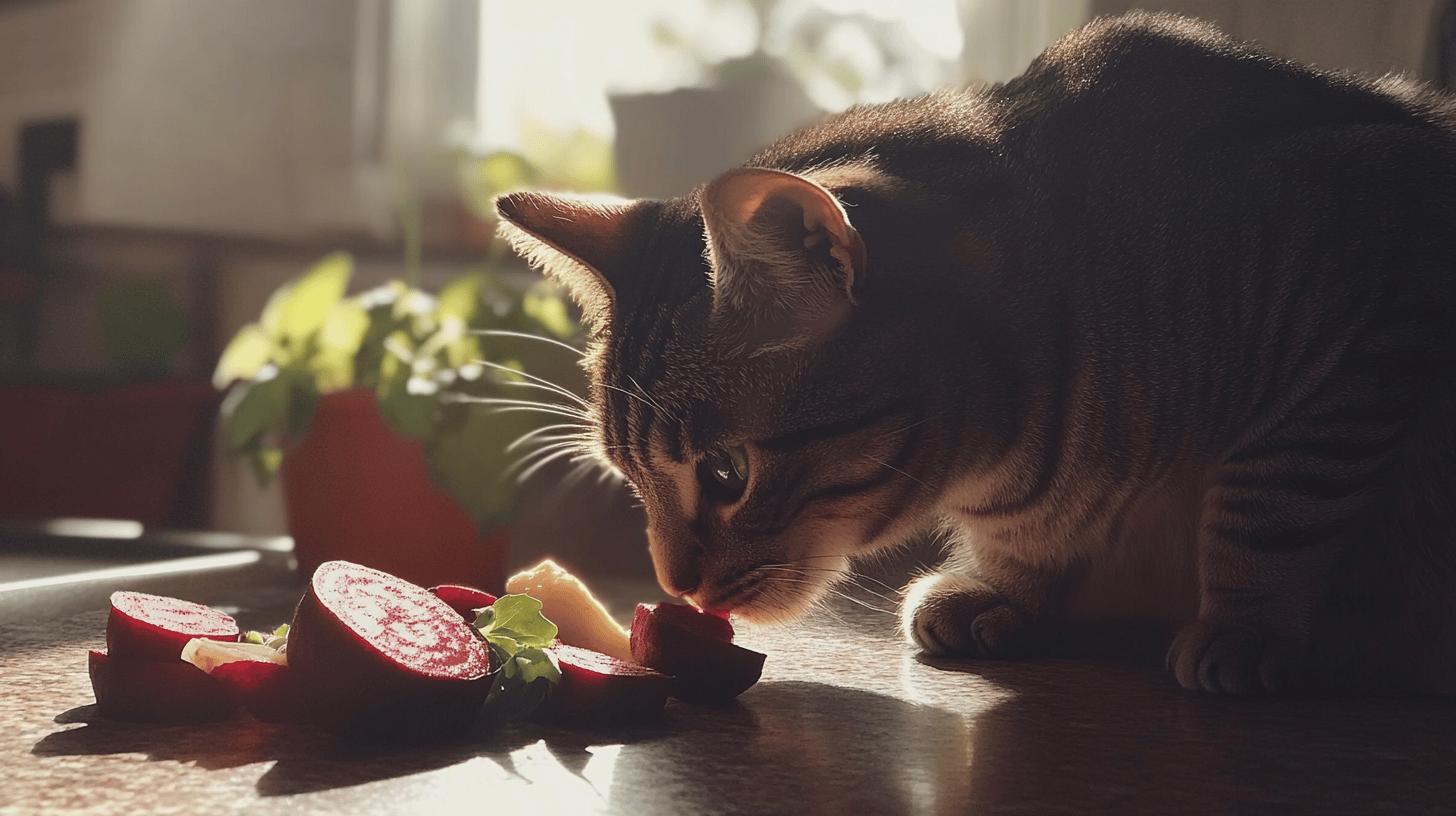
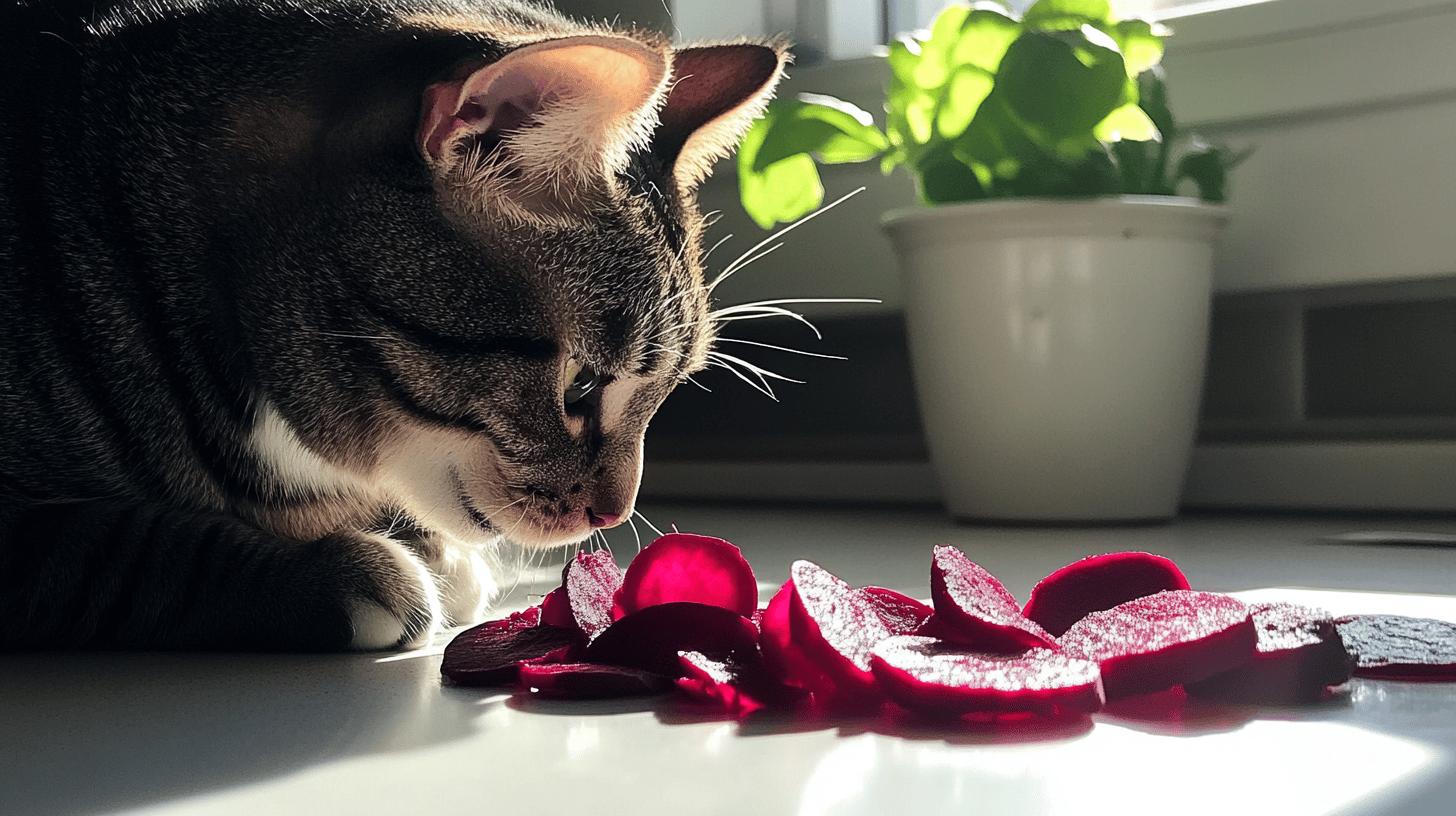
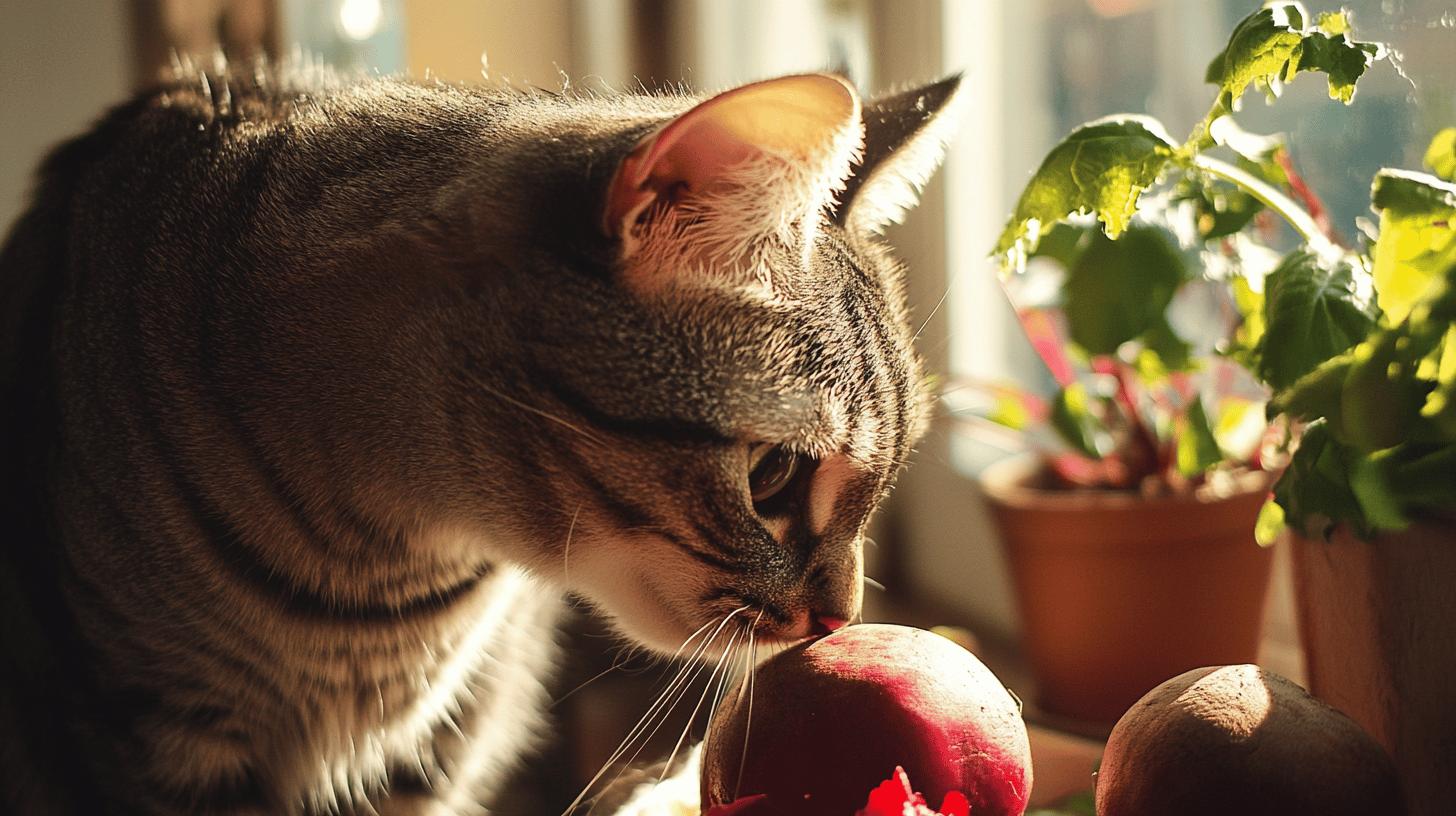
    Can cats munch on beets safely? This question might stir curiosity, especially for those keen on expanding their feline's menu. Just like humans, cats can benefit from the rich nutrients beets offer—such as manganese, vitamin C, and fiber.

    Imagine these vibrant veggies as occasional treats that can boost a cat's immune system and aid digestion. But it's crucial to tread carefully, as too much beet can cause health issues like kidney stones and nitrate poisoning. Let's dive deeper into how to balance beets in your furry friend's diet.

    Can Cats Safely Eat Beets?

    Can Cats Safely Eat Beets-3.jpg

    Cats can eat beets, but only in small, occasional amounts. Beets contain beneficial nutrients like manganese, vitamin C, fiber, and antioxidants, which can support your cat's health. These nutrients may aid in boosting immune health, improving digestion, and providing overall wellness. However, beets should not be a regular part of your cat's diet but rather an occasional treat.

    Moderation is key when it comes to feeding beets to cats. Consuming too many beets can lead to health issues due to the presence of oxalic acid and nitrates. Oxalic acid can contribute to the formation of kidney stones, while nitrates might lead to nitrate poisoning, which can be harmful.

    To avoid these risks, ensure that your cat's beet intake is limited and balanced with their primary meat-based nutrition. Always consider consulting your veterinarian if you plan to introduce beets into your cat's diet.

    Nutritional Benefits and Risks of Beets for Cats

    Nutritional Benefits and Risks of Beets for Cats-1.jpg

    Beets are a source of essential nutrients and can offer various health benefits to cats. These include vitamins, minerals, and antioxidants. While they can be advantageous, it's crucial to understand the potential risks as well.

    Benefits of Beets for Cats

    • Specific Nutrient Advantages: Beets deliver manganese and vitamin C, which are beneficial for a cat's immune system. These nutrients can enhance a cat's overall vitality.

    • In-Depth Digestive Support: With their fiber content, beets can help in regulating bowel movements and maintaining digestive health. This fiber aids in nutrient absorption and supports the balance of gut bacteria.

    • Detailed Antioxidant Benefits: The antioxidants in beets, including betalains, help in reducing cellular damage and inflammation. This can lower the risk of chronic ailments over time.

    Risks of Feeding Beets to Cats

    • Kidney Stone Risk from Oxalates: The oxalic acid in beets can cause kidney stones if cats consume them excessively. It's vital to monitor the quantity to prevent such health problems.

    • Nitrate Poisoning Details: Beets contain nitrates that can convert to nitrites in a cat's body, posing toxic risks. Awareness of this conversion is essential to prevent poisoning.

    • Sugar-Related Health Issues: While not high, the natural sugar in beets can lead to weight gain and diabetes if overfed. Keeping an eye on sugar intake is important for a balanced diet.

    Balancing the nutritional benefits of beets with their potential risks is key. They should be treated as occasional treats and not a staple in a cat’s diet. Always prioritize a meat-based diet for your cat, and consult a veterinarian for personalized advice on including beets safely.

    How to Introduce Beets into Your Cat's Diet

    How to Introduce Beets into Your Cats Diet-2.jpg

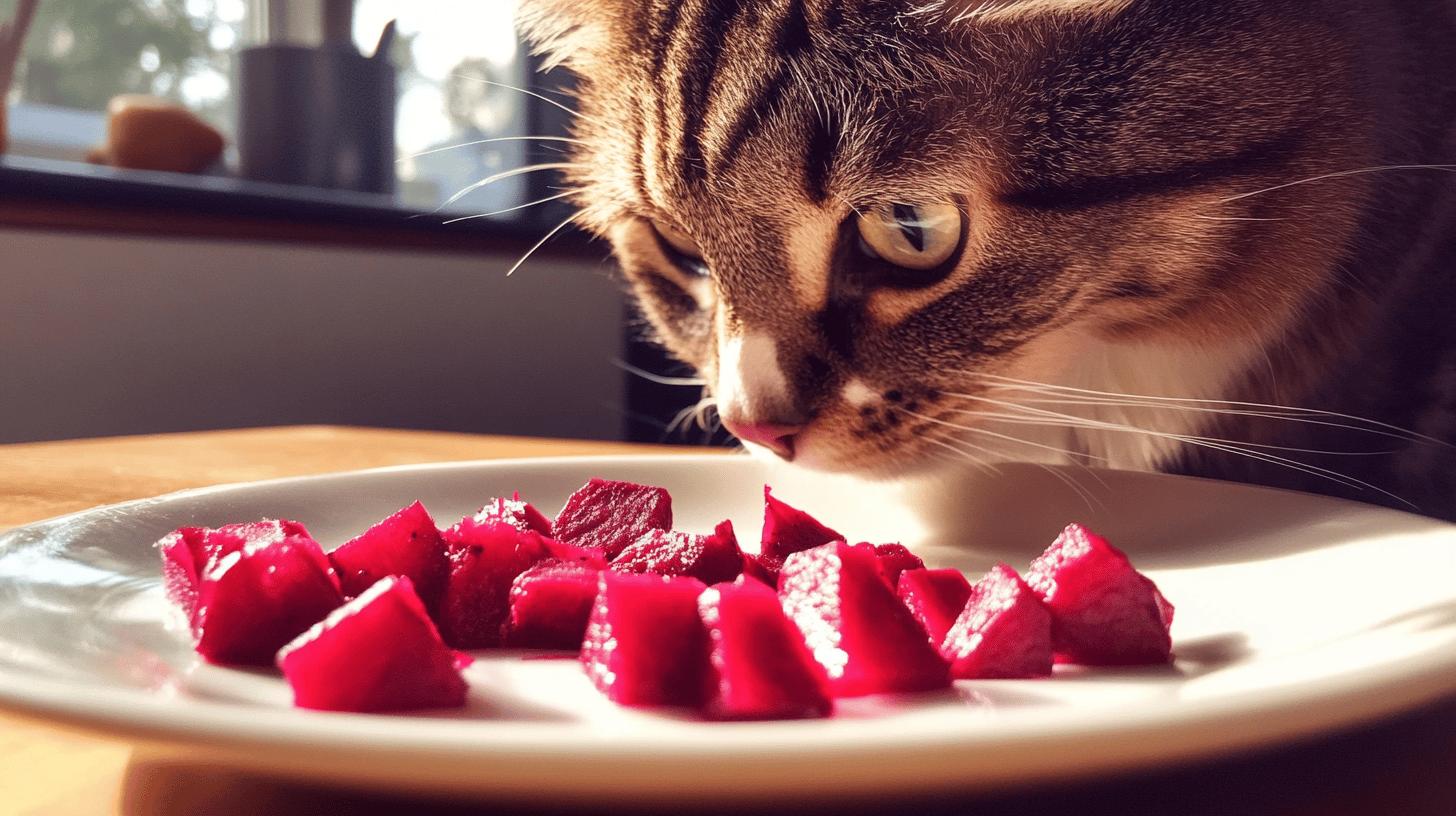
    When introducing beets to your cat's diet, it's essential to prepare them in a way that's easy for your cat to digest. Start by cooking the beets thoroughly; steaming is an excellent method because it retains most nutrients and makes the beets soft enough for your cat to eat. Avoid seasoning or adding any ingredients that could be harmful to your cat. Cut the cooked beets into small, manageable pieces that your cat can easily chew and swallow.

    Here are some steps to follow when serving beets to your cat:

    1. Cook the Beets: Steam the beets until they are soft to aid digestion and preserve nutrients.
    2. Cut into Small Pieces: Slice the beets into bite-sized pieces to prevent choking hazards.
    3. Serve Plain: Offer the cooked beets without any additives like salt or butter.
    4. Start Small: Begin with a tiny portion to see how your cat reacts before increasing the amount.

    After serving the beets, closely observe your cat's reaction. Keep an eye out for any signs of discomfort or allergies, such as vomiting or diarrhea. It's always a good idea to discuss dietary changes with your veterinarian to ensure they're suitable for your cat's specific health needs. If your cat shows any adverse reactions, adjust the portion or frequency accordingly to keep their diet balanced and healthy.

    Suitable Vegetables for Cats Beyond Beets

    Suitable Vegetables for Cats Beyond Beets-3.jpg

    Cats, being obligate carnivores, primarily require meat-based nutrition for their diet. However, certain vegetables can complement their meals and provide additional nutrients. Incorporating vegetables can offer fiber, vitamins, and minerals that may support your cat's overall well-being. While vegetables should never replace meat, they can serve as occasional treats or supplements to enrich your feline friend's diet.

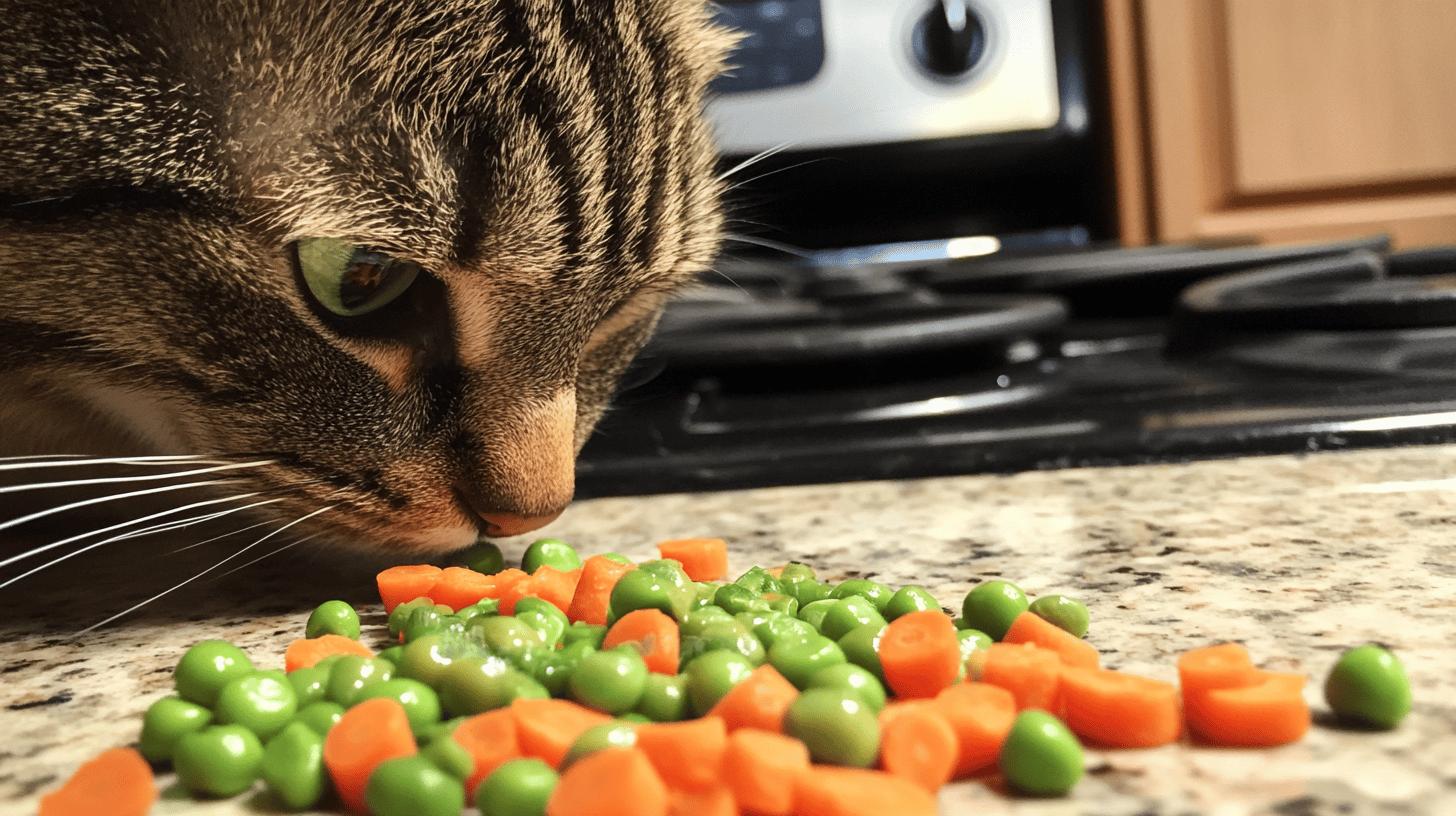
    Several vegetables are generally safe for cats, including carrots, peas, and green beans. These vegetables can add variety to your cat's meals and offer specific health benefits. For example, carrots are rich in beta-carotene, which supports eye health, while peas provide protein and fiber.

    Green beans are low in calories and can be a healthy snack, especially for cats needing weight management. It's important to introduce these vegetables gradually and in moderation to avoid digestive issues.

    Vegetable Nutritional Benefit
    Carrots Rich in beta-carotene for eye health
    Peas High in protein and fiber
    Green Beans Low-calorie snack for weight management

    Maintaining a balanced diet is crucial for your cat's health. Vegetables should only complement their primary meat-based meals and be served in small amounts. Offering a variety of safe vegetables can help meet your cat's nutritional needs while keeping their palate interested. Always monitor your cat's response to new foods and consult with a veterinarian to ensure their dietary requirements are being met.

    Final Words

    Exploring if beets are safe for cats, we found that cats can eat them, but only in small, occasional amounts. Beets bring nutrients like fiber and antioxidants, yet come with risks of oxalates and nitrates. It’s essential to find the right balance, offering these vegetables in moderation to avoid health issues.

    Introducing beets into a cat's diet should be done gradually while monitoring reactions and consulting with a vet. Remember, other vegetables like carrots and peas also provide nutritional benefits for a cat's diet when combined with meat.

    Cats benefit from a varied diet, so considering these points can enhance their health and happiness.

    FAQ

    Can cat eat beets juice?

    Cats should not drink beet juice. It contains sugar and nitrates, which can harm their health. Always prioritize water for hydration.

    Can cats eat beet leaves?

    Cats should avoid beet leaves. They contain oxalates that can harm cat health. Stick with safe vegetables.

    Can dogs eat beets?

    Dogs can eat small amounts of cooked beets. They offer vitamins and fiber but should be given in moderation due to sugar content.

    Can cats eat carrots?

    Cats can eat carrots in moderation. Cooked carrots are best to ensure easy digestion and nutrient absorption.

    Can cats eat parsnips?

    Parsnips are safe for cats in small amounts. Ensure they are cooked and cut into small pieces to prevent choking.

    Can cats eat butternut squash?

    Cats can eat butternut squash occasionally. It's a good source of vitamins and fiber when cooked and mashed.

    Can cats eat ginger?

    Ginger is safe for cats in very small amounts. It can aid digestion, but always consult a vet before introducing it.

    Can cats eat corn?

    Cats can eat corn occasionally as a treat. Ensure it's cooked and plain, without butter or salt.

    Are cats allowed to eat beets?

    Cats can eat beets in moderation. Small, cooked pieces are key to providing nutrients without health risks.

    What vegetables can't cats eat?

    Cats should avoid onions, garlic, and leeks. These can be toxic and lead to health issues, including anemia.

    Are beets safe for pets?

    Beets are safe for pets in small, cooked portions. They provide nutrients but should be limited due to sugar and nitrates.

    Is beet pulp safe for cats?

    Beet pulp is generally safe in pet food. It aids digestion, yet excessive amounts may not be advisable. Balance is essential.

    Related Articles

  • Can Cat Eat Wheatgrass Safely and What Are the Side Effects

    Can Cat Eat Wheatgrass Safely and What Are the Side Effects

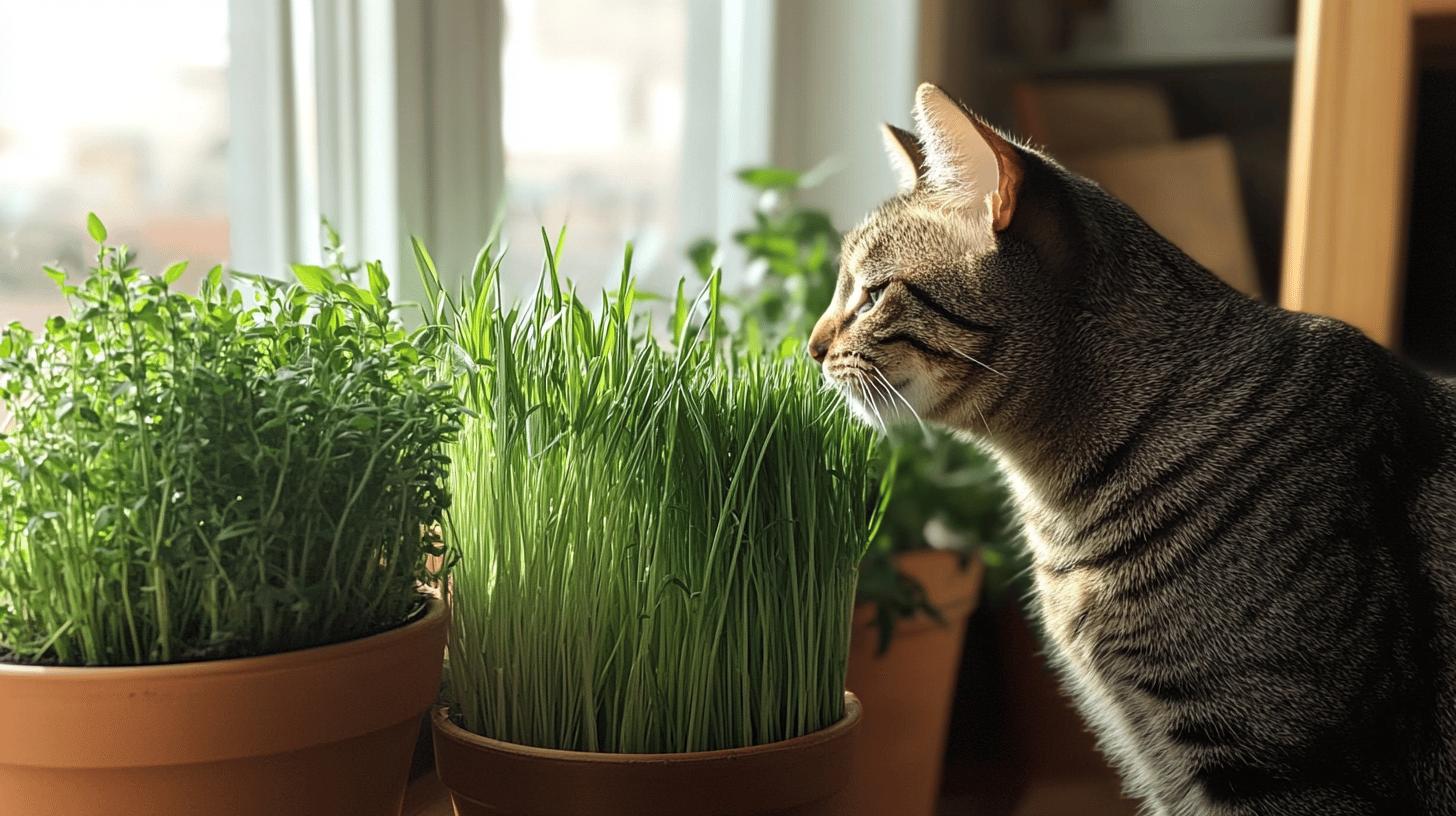
    Can wheatgrass be a harmless snack or a hidden danger for your cat? While many cat owners swear by this green plant as a healthy treat, it's important to understand its effects. Wheatgrass is packed with nutrients and can be a delightful addition to a cat's diet.

    Yet, it can also bring some risks. Cats may develop side effects like vomiting or diarrhea if they eat too much. In this article, we'll explore the benefits and potential concerns of feeding your feline friend wheatgrass, ensuring a safe and happy playtime.

    Safety and Potential Side Effects of Wheatgrass for Cats

    Safety and Potential Side Effects of Wheatgrass for Cats-1.jpg

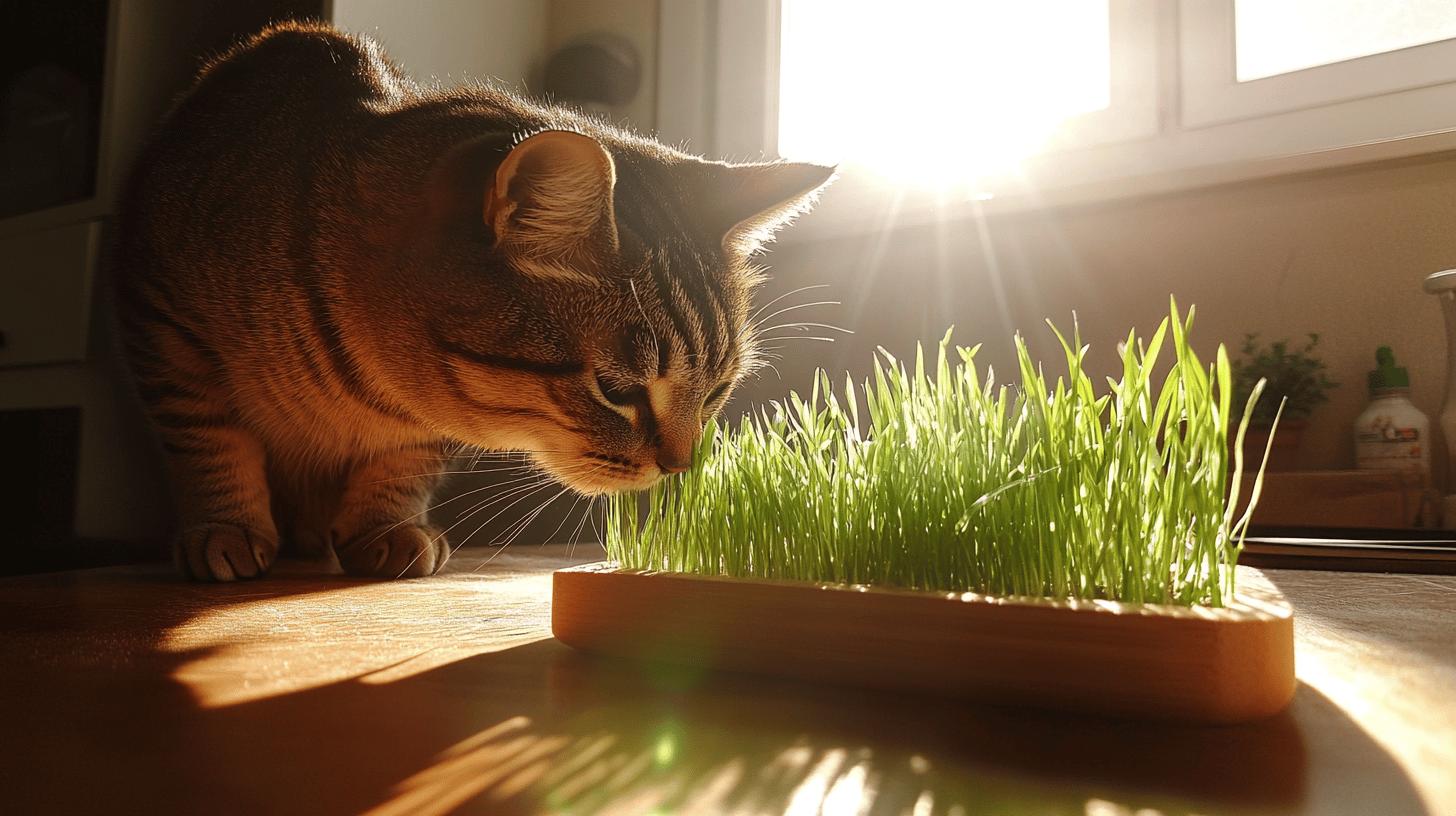
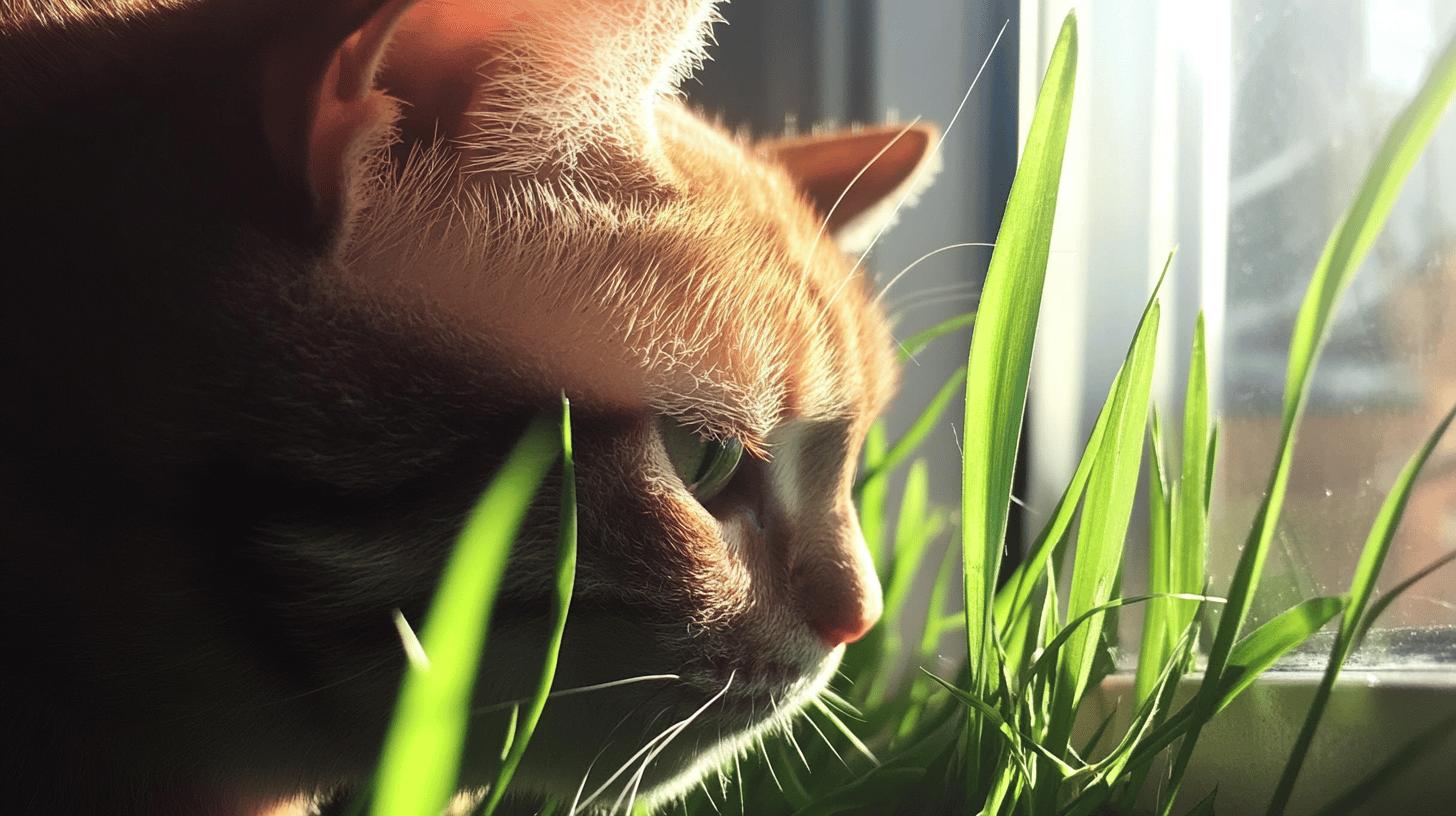
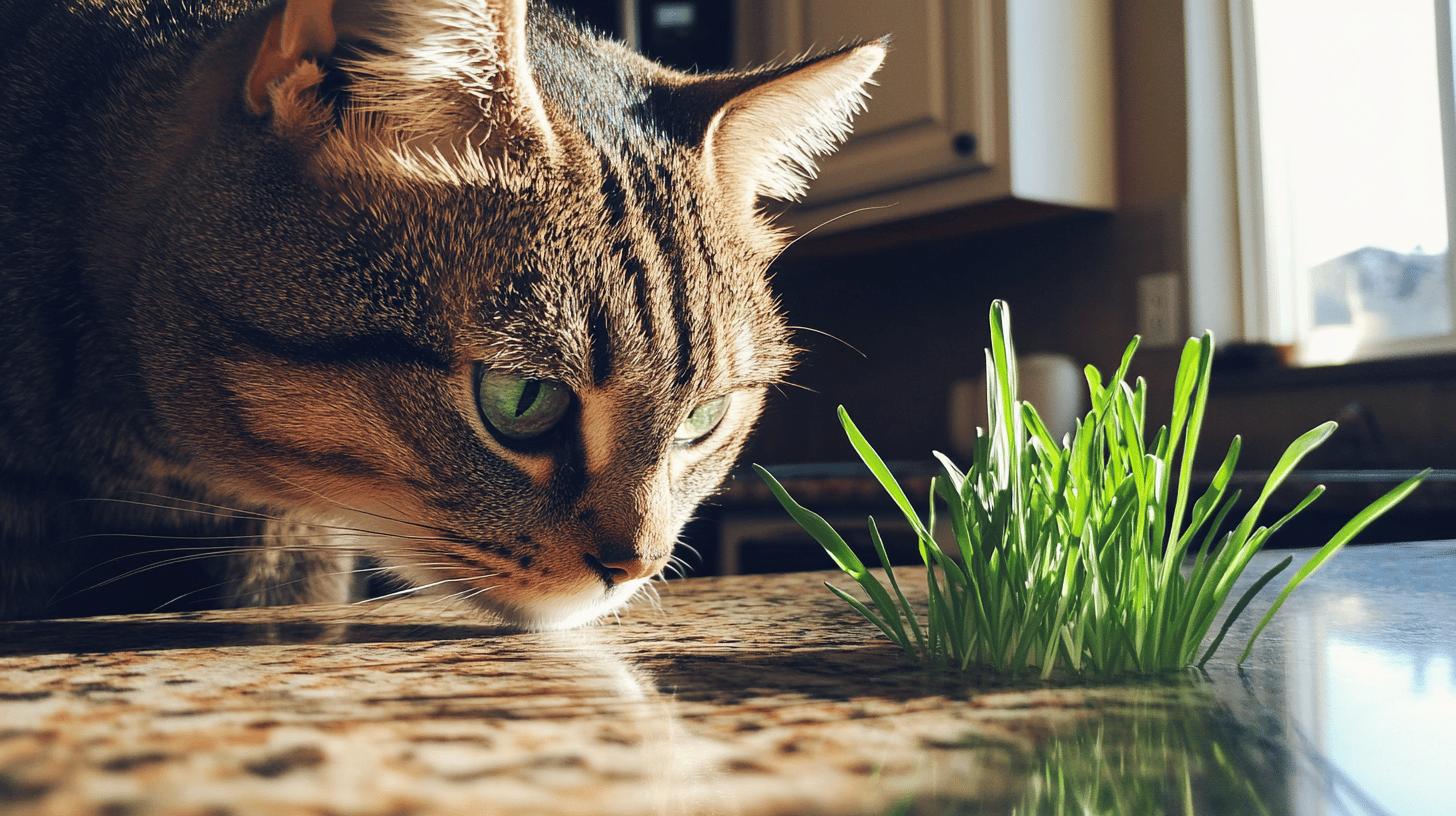
    Cats can safely munch on wheatgrass, also known as "cat grass." This green treat is generally safe for our feline friends, providing them with a bit of nutritional variety. However, it's important to be mindful of some safety concerns.

    While wheatgrass itself is not harmful, cats can sometimes be gluten intolerant. It is important not to confuse wheatgrass with wheat gluten. Overconsumption of wheatgrass can lead to some unpleasant side effects due to its high fiber content.

    Potential side effects of wheatgrass consumption in cats include:

    • Vomiting
    • Diarrhea
    • Gluten intolerance
    • Allergic reactions
    • Gastric disorders
    • Dehydration

    Moderation is key when it comes to feeding wheatgrass to your cat. Just like with any new food, introducing it slowly and in small quantities can help minimize the risk of adverse reactions. Symptoms of overconsumption might include excessive vomiting or diarrhea, leading to dehydration and a noticeable loss of appetite. Keeping an eye on your cat's behavior and digestive health can help you gauge if you're feeding the right amount.
    If you notice any troubling reactions after your cat consumes wheatgrass, it's best to consult with a veterinarian. This is particularly important if symptoms persist or worsen, such as persistent vomiting or prolonged diarrhea.

    Monitoring your cat's response to dietary changes is crucial to ensuring their health and well-being. Being proactive and cautious can help you keep wheatgrass a safe and enjoyable part of your cat's diet.

    Benefits of Wheatgrass for Cats

    Benefits of Wheatgrass for Cats-1.jpg

    Wheatgrass is a green powerhouse packed with nutrients that can be beneficial for cats. It contains essential vitamins, minerals, and antioxidants that are often lacking in traditional cat diets. Notably, it includes chlorophyll, which aids in hemoglobin production.

    The fiber content in wheatgrass is another plus, promoting healthy digestion. These nutritional components make wheatgrass a valuable addition to your cat's diet, offering a natural boost to their overall health.

    Here are some benefits of wheatgrass for cats:

    • Hairball Removal: Helps cats expel hairballs due to its fibrous nature.
    • Improved Immune System: The antioxidants in wheatgrass can enhance immune function.
    • Mental Stimulation: Grazing on wheatgrass provides cats with a new and stimulating activity.
    • Potential Weight Loss: Adding wheatgrass can help manage weight by offering a low-calorie snack option.
    • Dental Health: Chewing on wheatgrass can help in cleaning teeth and massaging gums.

    Incorporating wheatgrass into your cat's diet can be part of a holistic approach to their care. It offers a natural and delightful way to enhance their well-being, adding variety and excitement to their daily routine. While wheatgrass provides numerous health benefits, it should complement a balanced diet and not replace other nutritional needs. By observing your cat's response, you can adjust the amount to ensure it contributes positively to their lifestyle.

    How Much Wheatgrass Can Cats Eat?

    How Much Wheatgrass Can Cats Eat-1.jpg

    Cats can enjoy wheatgrass as a healthy addition to their diet, but moderation is key. I recommend offering just a few blades per day. This small amount helps prevent stomach upset, which can occur if your cat consumes too much. It's important to avoid wheatgrass powder, as its high concentration can upset your cat's digestive system. Keeping portions small ensures that your cat gets the benefits without the risk of overconsumption.

    Here are some steps for safely introducing wheatgrass to your cat's diet:

    • Start Slowly: Begin with one or two blades to see how your cat reacts.
    • Monitor Reactions: Watch for any signs of discomfort or digestive upset.
    • Gradually Increase: If your cat tolerates it well, you can slowly increase to a few blades a day.

    Every cat is unique, so it's essential to adjust the amount of wheatgrass based on your cat's individual health and behavior. If your cat has any pre-existing health conditions, consult your vet before adding wheatgrass to its diet.

    Pay attention to your cat's response, and if you notice any adverse effects like vomiting or diarrhea, reduce the amount or stop providing it altogether. By tailoring the wheatgrass intake to your cat's needs, you can safely incorporate this green treat into their routine.

    Comparing Wheatgrass to Other Cat Grasses

    Comparing Wheatgrass to Other Cat Grasses-1.jpg

    Cat grass and wheatgrass are essentially the same, offering a safe and nutritious option for our feline friends. They differ from catnip, which is primarily used for its stimulating effects. Cat grass, or wheatgrass, provides a dietary variety that can be particularly beneficial for indoor cats.

    While it's not essential for their survival, it offers an enriching experience and adds some excitement to their daily routine. When choosing any type of grass for your cat, it's crucial to source it from reputable suppliers to avoid exposure to harmful chemicals.

    Grass Type Benefits Considerations
    Wheatgrass Rich in nutrients, helps with hairball removal Moderation is key to avoid digestive issues
    Cat Grass Provides dietary variety and mental stimulation Ensure it’s free from pesticides
    Catnip Stimulates play and reduces stress Not all cats respond to catnip

    When selecting the right type of grass for your cat, consider their individual needs and preferences. If your cat enjoys chewing on greens, wheatgrass or cat grass can be a delightful addition to their diet. If your goal is to stimulate and entertain your cat, catnip might be more appropriate. Always prioritize your cat's safety by ensuring that the grass is chemical-free and observe their reaction to any new addition to their diet.

    Tips for Growing Wheatgrass for Cats at Home

    Tips for Growing Wheatgrass for Cats at Home-2.jpg

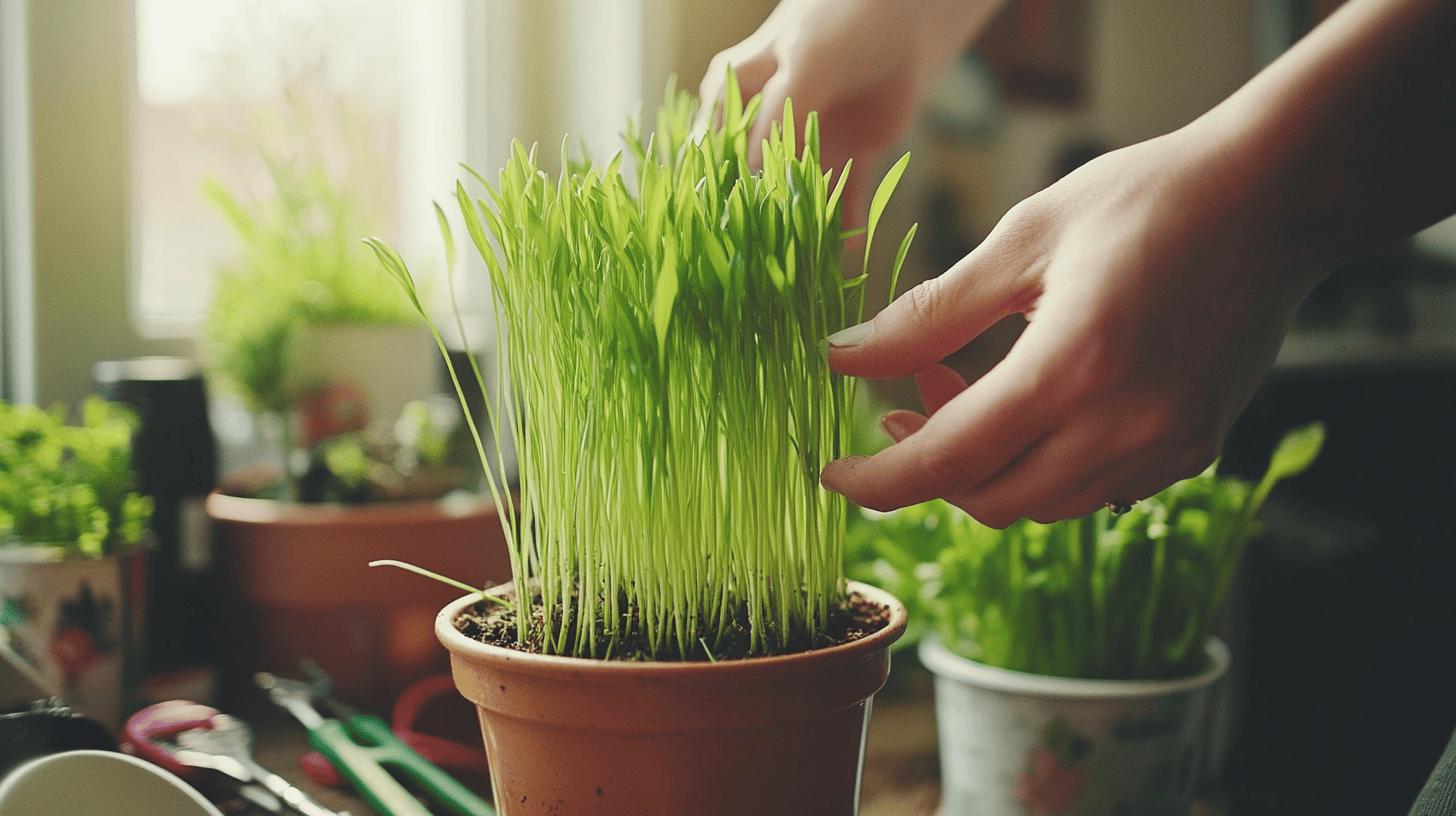
    Growing wheatgrass at home is a rewarding project that can provide your cat with a fresh, nutritious snack. Wheatgrass offers dietary variety, which can be especially beneficial for indoor cats looking for something different. Home-growing allows you to control the quality and ensure that it’s free from harmful chemicals. By cultivating it yourself, you can provide a continuous supply of this green delight, reducing trips to the store and giving your cat the freshest possible option.

    Step-by-Step Guide to Growing Wheatgrass

    1. Gather Supplies: You'll need wheatgrass seeds, a shallow pot or tray, and potting soil. Brands like Window Garden and Powergrow offer convenient kits to get you started.

    2. Prepare the Soil: Fill your pot or tray with potting soil, leaving about an inch at the top. Moisten the soil evenly without overwatering.

    3. Sow the Seeds: Sprinkle the wheatgrass seeds evenly across the soil surface. Gently press them into the soil with your fingers to ensure they make good contact.

    1. Cover and Germinate: Lightly cover the seeds with a thin layer of soil. Place the pot in a warm, dark spot for two to three days to encourage germination.

    2. Water and Grow: Once the seeds have sprouted, move the pot to a sunny location. Water the wheatgrass regularly to keep the soil moist but not soggy.

    3. Harvest and Serve: When the wheatgrass reaches about 4 to 6 inches in height, it's ready for your cat. Cut a few blades at a time to keep it fresh.

    Maintaining wheatgrass is straightforward. Regular watering and good light are key to keeping it healthy and vibrant. Harvesting it regularly not only provides your cat with a fresh treat but also encourages new growth. If the wheatgrass becomes too tall or starts to yellow, it's time for a new crop. By following these steps, you can ensure a continuous supply of nutritious wheatgrass for your feline friend.

    Final Words

    Throughout this article, I've explored whether cats can eat wheatgrass. It turns out, wheatgrass offers benefits like digestion aid and potential hairball reduction. Yet, moderation is key to avoiding any digestive upset, such as vomiting or diarrhea. I've also covered how much wheatgrass to provide your furry friend and how it stacks up against other cat grasses.

    Overall, wheatgrass can be a fun and healthy addition to a cat's diet when introduced properly. Keep an eye on your cat for any discomfort, and consult a vet if needed. Here's to happy and healthy playtimes for your cat!

    FAQ

    Is wheatgrass safe for cats?

    Wheatgrass is safe for cats in moderation. It is often referred to as "cat grass." It provides fiber and nutrients but can cause vomiting or diarrhea if consumed in large amounts.

    What are the side effects of wheatgrass for cats?

    Side effects of wheatgrass in cats include vomiting, diarrhea, gluten intolerance, allergic reactions, gastric disorders, and dehydration. Always monitor your cat's reaction when introducing wheatgrass.

    Can wheatgrass make cats sick?

    In large amounts, wheatgrass can upset a cat's stomach. Symptoms include vomiting, gastric discomfort, and loss of appetite. Moderation is key to preventing these issues.

    Why does my cat throw up after eating wheatgrass?

    Your cat might throw up after eating wheatgrass due to its high fiber content, which can irritate the stomach lining. Watch how much they consume to minimize this reaction.

    How much wheatgrass can cats eat?

    Cats can eat a few blades of wheatgrass per day. This prevents overconsumption and potential stomach upset. Wheatgrass powder is not recommended due to its high concentration.

    Can cats eat wheatgrass seeds or powder?

    Cats should not eat wheatgrass seeds or powder. Seeds can pose a choking hazard, and powder is too concentrated. Stick to fresh wheatgrass blades for safety.

    Is wheatgrass good for cats with kidney disease?

    Wheatgrass may offer nutritional benefits, but consult a veterinarian before giving it to cats with kidney disease. It's important to consider individual health needs.

    What are the benefits of wheatgrass for cats?

    Wheatgrass offers fiber, vitamins, antioxidants, aids in hemoglobin production, and contributes to overall well-being. It can help reduce hairballs and support the immune system.

    How to grow wheatgrass for cats?

    Growing wheatgrass at home is easy. Use a dish or growing kit, water regularly, and ensure good drainage. Maintain it fresh to provide a healthy dietary option for your cat.

    Is wheatgrass the same as other cat grasses?

    Wheatgrass is a type of cat grass. While similar in benefits, unlike catnip, it doesn't have a psychoactive effect. It's great for adding dietary variety for indoor cats.

    Related Articles

  • Can Cat Eat Fish Bones Facts Risks and Safety Tips

    Can Cat Eat Fish Bones Facts Risks and Safety Tips

    Did you know feeding fish bones to your cat could actually be dangerous? Many cat owners think it's natural, but fish bones, raw or cooked, pose major risks. They can get stuck in a cat's mouth or throat or even cause digestive trouble. In this post, we'll dive into why fish bones are unsafe for your furry friend.

    We'll cover the potential dangers and provide safety tips to help you make the best choices for your cat's diet. Your cat's health and safety should always come first. Let's explore safer alternatives together.

    Can Cats Safely Eat Fish Bones?

    Can Cats Safely Eat Fish Bones-2.jpg

    No, cats should not eat fish bones. Both raw and cooked fish bones present significant risks. They can easily become lodged in a cat's mouth, throat, or digestive tract, leading to serious health issues. It's crucial to avoid feeding fish bones to your feline friend to prevent these potential dangers.

    Here are some specific dangers fish bones pose to cats:

    • Choking hazards
    • Digestive tract blockages
    • Internal injuries
    • Splintering and perforation risks
    • Potential need for surgical intervention

    Veterinarians strongly advise against feeding cats fish bones due to these risks. The small and brittle nature of fish bones can lead to emergencies that may require immediate medical attention. Instead, consider offering deboned fish or fish-flavored cat food that is formulated for their safety and nutritional needs. Always prioritize your cat's health by choosing safer food options.

    Nutritional Benefits and Alternatives to Fish Bones in Cat Diets

    Nutritional Benefits and Alternatives to Fish Bones in Cat Diets-1.jpg

    Fish can be a fantastic addition to a cat's diet when prepared properly. It's packed with omega-3 fatty acids, vitamin B12, and protein, which are all beneficial for cats. These nutrients support a healthy coat, boost the immune system, and aid in muscle development.

    But it's crucial to avoid raw fish due to the risks of parasites and bacteria. Opt for cooked fish, ensuring it's free of bones to prevent any choking hazards. Fish-flavored cat food is also a safe option, as it's specifically made without bones and balanced for feline nutrition.

    Nutritional Benefit Fish Type
    Omega-3 fatty acids Sardines
    Vitamin B12 Salmon
    Protein Tuna
    Iron Octopus
    Zinc Trout

    Here are some safe fish types to consider for your cat:

    • Salmon
    • Trout
    • Sardines

    While fish provides essential nutrients, it's important to maintain a balanced diet for your cat. Fish should be a treat rather than a mainstay, with other meats like chicken or lamb forming the basis of their meals. Always moderate the amount of fish to avoid an imbalance in their diet. Boneless and cooked fish are the safest options, ensuring your cat enjoys the benefits without the risks associated with fish bones.

    How to Safely Prepare Fish for Your Cat

    How to Safely Prepare Fish for Your Cat-4.jpg

    Cooking techniques can make a big difference in how safe and healthy fish is for your cat. Baking, grilling, or boiling are excellent methods to ensure all harmful bacteria and parasites are eliminated. These methods allow you to prepare fish without adding any seasonings that might be harmful to your cat. When it comes to choosing the type of fish, opt for safer options like sardines, salmon, or mackerel. These fish are not only tasty but also packed with beneficial nutrients for your cat.

    Here are the steps to properly prepare fish for your cat:

    • Choose sardines, salmon, or mackerel, which are rich in omega-3 fatty acids.
    • Thoroughly debone any fish you select to prevent choking.
    • Bake, grill, or boil fish without adding seasonings or oils.
    • Drain any canned fish to remove excess liquid.
    • Serve fish in small portions and only occasionally.

    Feeding fish in moderation is key. Too much fish can lead to nutritional imbalances, so it's best to serve it as a special treat rather than a regular meal. Pay attention to portion sizes—small portions are sufficient for your feline friend. Monitor your cat when introducing fish to their diet to watch for any adverse reactions. By focusing on safe preparation and portion control, you can ensure your cat enjoys their fishy treat without any health risks.
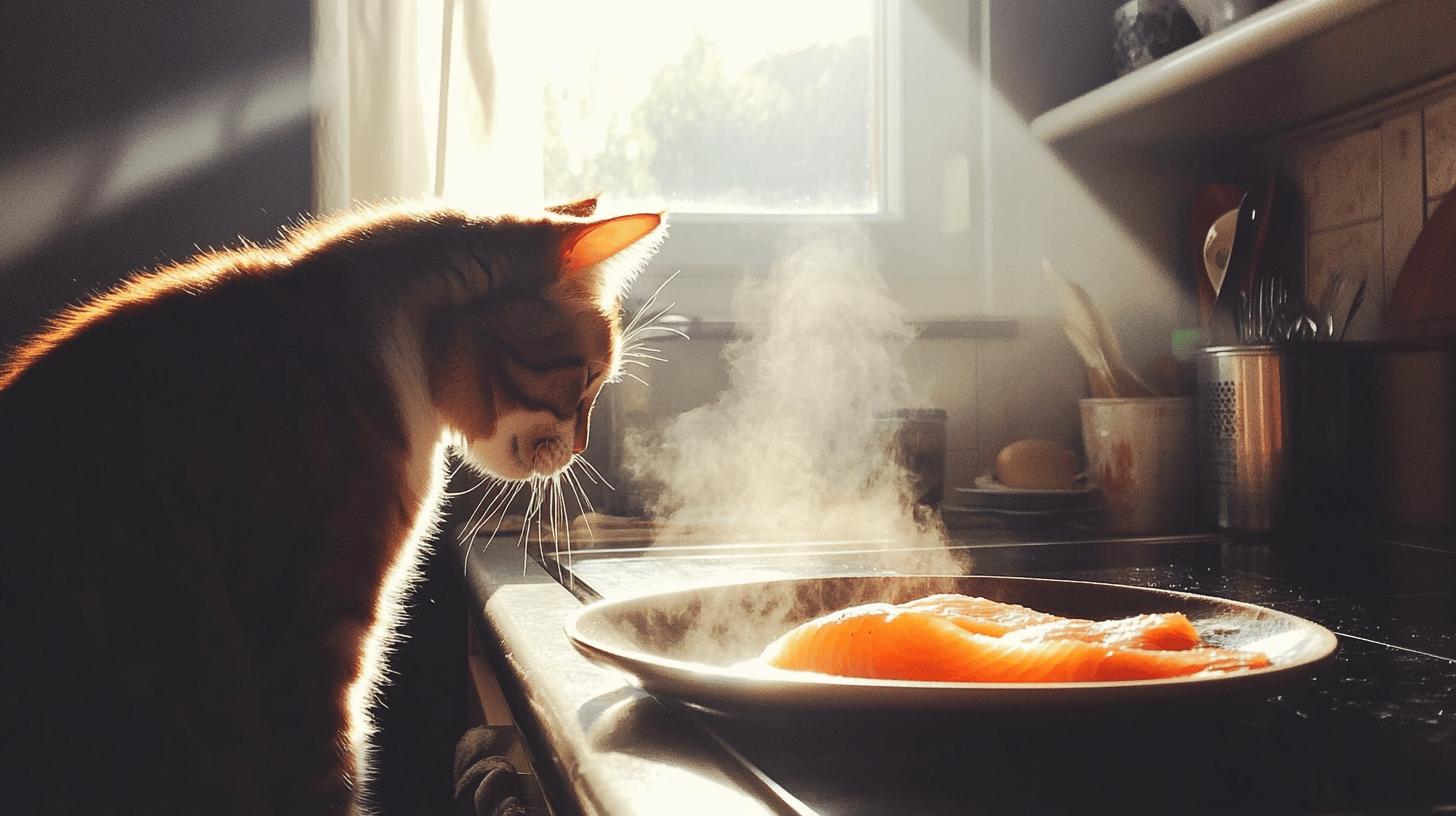
    What to Do if Your Cat Eats Fish Bones

    What to Do if Your Cat Eats Fish Bones-3.jpg

    If your cat has swallowed fish bones, it’s crucial to address the situation promptly. Fish bones can be sharp and pose serious risks, such as choking or internal injuries. Acting quickly can help prevent complications. Keep calm and be observant of your cat's behavior to determine the severity of the situation.

    1. Calmly assess the situation and the cat's condition.
    2. Carefully inspect the mouth for visible bones.
    3. Avoid pushing any lodged bone further down.
    4. Monitor for signs like coughing, gagging, or drooling.
    5. Contact a veterinarian if symptoms persist or worsen.

    If your cat shows signs of distress after eating fish bones, seeking professional help is important. Symptoms like persistent coughing, drooling, or signs of pain can indicate a serious issue. In such cases, a veterinarian can provide the necessary care to prevent further harm. Always prioritize your cat's health by erring on the side of caution and consulting a professional when in doubt.

    Final Words

    Understanding the risks of fish bones for cats is essential. We explored the dangers fish bones pose, like choking and internal injuries. We also discussed the nutritional benefits of fish and safe alternatives to feed your cat. Preparing fish properly is crucial to avoid health issues. If a cat swallows fish bones, knowing the steps to take can prevent harm.

    Can cats eat fish bones? It's clear they shouldn't. Careful feeding choices ensure your cat's safety and enjoyment. Keeping your cat happy while ensuring its safety can create better play and dining experiences.

    FAQ

    My cat ate cooked fish bones. What should I do?

    If your cat ate cooked fish bones, monitor for choking signs like coughing or drooling. Safely check the mouth for visible bones. Contact a vet if symptoms don't improve.

    Can cats eat fish bones?

    Fish bones pose risks for cats, including choking and digestive blockages. It's unsafe for cats to eat fish bones, whether cooked or raw.

    Can fish bones kill a cat?

    Fish bones can cause severe injuries, potentially leading to life-threatening situations. They can block or damage the digestive tract, requiring emergency care.

    What parts of a fish can cats eat safely?

    Cats can safely eat boneless fish parts like salmon or trout. Ensure the fish is properly cooked without seasonings.

    Are fish bones OK for cats?

    Fish bones are not safe for cats. They pose risks of choking, digestive tract blockages, and internal injuries.

    What should I do if my cat ate a fish bone?

    Evaluate the cat for distress and look for visible bones. Avoid pushing any lodged bone further. Seek veterinary help if symptoms persist.

    Is it OK for cats to eat bones?

    Bones, especially fish bones, are generally unsafe for cats. They can cause choking and other health issues.

    Can cats eat fish heads or whole fish?

    Avoid feeding cats fish heads or whole fish due to the risk of bones causing injuries or blockages.

    Can kittens or stray cats eat fish bones?

    Kittens and stray cats should not eat fish bones due to similar risks of choking and digestive issues as adult cats.

    Related Articles

  • Can Cat Eat Flies Understanding Safety and Health Risks

    Can Cat Eat Flies Understanding Safety and Health Risks

    Is your cat a fly-chasing enthusiast? Many cat owners wonder if eating these pesky little insects could be harmful to their furry friends. As strange as it may seem, this behavior taps into a cat's natural hunting instincts and provides both mental and physical rewards.

    But is it safe for your cat to indulge in a fly-catching spree? In this post, we'll dig into the reality of cats eating flies, the risks involved, and what you should know to ensure both safety and fun during your cat's fly-chasing adventures.

    Is It Safe for Cats to Eat Flies?

    Is It Safe for Cats to Eat Flies-1.jpg

    Cats often chase and eat flies, and this behavior is quite common. It generally doesn't pose a significant health risk. While flies are not a typical part of a cat's diet, their consumption occasionally happens and usually doesn't lead to serious health issues.

    This is largely because eating flies taps into a cat's natural predatory behavior. The erratic movement of flies can trigger a cat's hunting instincts, making it an engaging activity. This instinctual drive is deeply rooted in their nature, transforming the pursuit into a satisfying game rather than a dietary necessity.

    Chasing flies provides both mental and physical benefits for cats. The activity keeps them mentally engaged as they focus on catching the swift and unpredictable insects. It also offers a form of physical exercise, keeping them active and healthy.

    This kind of stimulation is crucial, especially for indoor cats who might lack opportunities for other forms of natural play and exercise. The combination of mental and physical engagement through fly hunting can contribute to a cat's overall well-being.

    Despite these benefits, there are some health risks associated with cats eating flies. Flies can carry microorganisms such as bacteria, viruses, and parasites. While these can potentially cause minor health issues, such as mild stomach upset or diarrhea, serious problems are not common. The likelihood of a cat contracting a significant illness from eating a fly is relatively low, owing to their robust digestive systems.

    Cats' strong stomach acids play a crucial role in minimizing health risks from consuming flies. These acids are effective at neutralizing most harmful microorganisms, significantly reducing the chances of more serious complications. While it's wise to monitor your cat for any unusual symptoms after consuming a fly, the robust nature of their digestive systems usually handles the occasional fly without issue.

    • Stimulation of hunting instincts
    • Mental exercise
    • Physical exercise
    • Natural prey drive
    • Entertainment
    • Instinctual behavior

    Potential Health Concerns: Parasites and Maggots

    Potential Health Concerns Parasites and Maggots-2.jpg

    When cats eat flies, they might ingest maggots. The risk is low due to cats' strong digestive systems. Their potent stomach acids break down maggots effectively, neutralizing potential threats. Monitoring for symptoms like vomiting or diarrhea is wise, and consulting a vet if symptoms occur ensures your cat's health.

    • Vomiting
    • Diarrhea
    • Parasite transmission
    • Maggot ingestion
    • Signs of illness requiring vet consultation

    Preventing Flies from Becoming a Problem

    Preventing Flies from Becoming a Problem-2.jpg

    Keeping flies away from your cat's food is essential to avoid issues like maggot development. Flies can lay eggs on food left out for more than 24 hours, which can lead to maggots. To prevent this, ensure any uneaten wet food is promptly removed, and dry food is covered. Regular cleaning of the feeding area is crucial to eliminate any leftover food particles that might attract flies. This proactive approach helps maintain a hygienic space for your cat's meals.

    In addition to cleaning the feeding area, using natural fly deterrents can effectively reduce fly presence. Keeping environments clean, especially around garbage and organic waste, eliminates breeding grounds for flies. This practice not only keeps flies away from pet food but also contributes to a healthier overall environment for your cat.

    Prevention Tip Description
    Remove Uneaten Wet Food Promptly take away any wet food that hasn’t been eaten to prevent fly egg laying.
    Cover Dry Food Use a cover or lid to protect dry food from flies.
    Maintain Clean Surroundings Keep areas around garbage and organic waste clean to deter flies.

    When to Consult a Veterinarian

    When to Consult a Veterinarian-1.jpg

    If your cat eats a fly and starts showing signs of illness, it's important to keep an eye on them. Symptoms like persistent vomiting or ongoing stomach trouble should prompt a visit to the veterinarian within 24-48 hours. This ensures any potential health issues are addressed quickly. Although eating a fly or two usually isn't dangerous, these signs can indicate your cat needs professional care.

    After your cat eats a fly, watch for any changes in their health or behavior. Pay attention to any unusual symptoms and monitor them closely. Keeping an eye on their overall well-being can help catch any problems early. If your cat seems fine, there's generally no need to worry, but staying vigilant is always a good idea.

    • Persistent vomiting
    • Diarrhea lasting more than 24 hours
    • Lethargy
    • Loss of appetite

    Final Words

    Cats eating flies is common and usually harmless. Their natural instincts drive them to catch these flying insects, which can provide some mental and physical benefits. It's like a fun and instinctual game for them.

    While there are health risks due to bacteria or parasites, those risks remain low. Cats' strong stomach acids offer protection against serious complications. If your cat does show signs of illness after eating flies, it's crucial to consult a vet.

    Keep an eye on your cat's health and maintain a clean feeding area. This ensures a safe and enjoyable playtime experience. Can cat eat flies without worry? Mostly, yes, but always stay observant.

    FAQ

    Can my cat get maggots from eating flies?

    A cat eating flies with maggots isn't a major health risk. Their strong stomach acids usually neutralize maggots. Watching for any illness is important, but concerns are generally minimal.

    Can cats eat flies in the house?

    Cats can eat flies at home safely. This behavior is natural and often fun for them, engaging their hunting instincts. It's part mental, part physical exercise.

    Can cats get worms from eating flies?

    Eating flies doesn't usually give cats worms. Flies can carry parasites, but cats have strong stomach acids that lower the risk of infection.

    My cat ate a fly, should I be worried?

    Typically, eating a fly isn't worrying. If your cat seems unwell or shows signs of illness, like vomiting or diarrhea, then consult a vet.

    Are house flies harmful to cats?

    House flies aren't typically harmful to cats. They can carry bacteria and viruses that might cause minor health issues, but these are rare and usually not serious.

    My cat ate a fly and threw up, what should I do?

    If your cat vomits after eating a fly, monitor them. Persistent vomiting or other illness signs warrant a vet visit.

    Can kittens eat flies?

    Kittens can eat flies without major issues. Their natural instincts lead them to chase and eat flies, providing both exercise and engagement.

    Is it okay for a cat to eat a fly?

    Yes, cats eating flies is generally okay. This behavior is instinctual and gives them physical and mental benefits, keeping them entertained and active.

    Can cats get disease from flies?

    Though flies can carry disease, the risk to cats is low due to their strong digestive systems. Monitoring your cat for any unusual symptoms is still a good idea.

    Related Articles

  • Can Cat Eat Smoked Salmon Learn the Safety and Risks

    Can Cat Eat Smoked Salmon Learn the Safety and Risks

    Is smoked salmon a tasty treat you can safely share with your cat, or is it a hidden danger lurking on your plate? Many cat owners are tempted to let their feline friends savor a bite, but the risks involved might change your mind.

    In our latest post, we dive into the potential hazards and nutritional concerns associated with feeding smoked salmon to cats. Before you open that package, discover why this fishy snack might be more trouble than it's worth and learn how to keep your cat both happy and healthy.

    Safety and Nutritional Impact of Smoked Salmon on Cats

    Safety and Nutritional Impact of Smoked Salmon on Cats-3.jpg

    Feeding smoked salmon to cats is fraught with risks, making it an ill-advised choice for their diet. The high sodium content and preservatives used in smoked salmon pose significant health hazards that can outweigh any nutritional benefits it might offer.

    Cats have a very low tolerance for salt, and the excessive sodium found in smoked salmon can lead to serious health issues, such as dehydration and kidney problems. The added preservatives, often necessary to prolong the shelf life of smoked salmon, can also trigger digestive disturbances or allergic reactions in cats, further complicating their health.

    Nutritionally, while smoked salmon does contain proteins beneficial to humans, the potential for toxicity in cats makes it a dangerous option. The primary concern lies in the sodium levels, which can be alarmingly high and detrimental to a cat's health.

    In addition to sodium, preservatives such as nitrates and nitrites are common in smoked fish and may contribute to a range of health issues if consumed by cats. These substances can interfere with a cat's delicate digestive system, potentially causing harm over time.

    Veterinarians generally advise against including smoked salmon in a cat's diet. The consensus is to avoid smoked salmon entirely and choose cat-specific treats or foods that provide balanced nutrition without the risks associated with processed fish.

    Many cat owners find joy in sharing their favorite foods with their pets, but it's crucial to prioritize foods that align with a cat's dietary needs. Opting for foods specifically designed for cats ensures they receive all the necessary nutrients without the dangers lurking in human foods like smoked salmon.

    The health risks associated with smoked salmon are considerable. Dehydration can occur as a result of high sodium intake, leading to further complications such as kidney issues. Kidney problems are particularly concerning for cats, as their kidneys are vital to filtering toxins from their bodies efficiently.

    Allergic reactions are another possibility, with symptoms ranging from mild digestive upset to more severe responses that may require veterinary attention. These potential health risks underscore the importance of making informed choices about what you feed your cat.

    In summary, while smoked salmon may seem like a tempting treat to share with your feline friend, the safety concerns and health implications make it unsuitable for their consumption. By steering clear of smoked salmon and other processed fish products, you can better safeguard your cat's health and well-being. Instead, consider cooked salmon without additives as a safer alternative, or explore the variety of cat-specific foods available that cater to their unique dietary requirements.

    Alternative Fish Options for Cats: Safe Choices

    Alternative Fish Options for Cats Safe Choices-3.jpg

    Cooked salmon is one of the safest and most enjoyable fish treats for cats. Unlike smoked salmon, cooked salmon doesn’t contain high sodium or harmful preservatives, making it a more suitable choice. When preparing salmon for your cat, ensure it's fully cooked and free from any added seasonings or oils. This allows your feline friend to enjoy the rich protein content without the risks associated with processed fish.

    Salmon skin is another beneficial option for cats, offering a boost of omega fatty acids. These fatty acids, particularly omega-3 and omega-6, are essential for maintaining a healthy coat and supporting overall well-being. Feeding your cat small amounts of cooked salmon skin can be a practical way to incorporate these nutrients into their diet while providing a delicious treat they'll love.

    Fish Type Safety Level Benefits
    Cooked Salmon Safe Protein-rich, no preservatives
    Salmon Skin Safe Omega-3 and Omega-6 fatty acids
    Canned Salmon (in water) Moderate Convenient protein source
    White Fish Safe Low fat, easy to digest

    When it comes to canned salmon, selecting options packed in water without added salt is crucial. This reduces sodium intake, which can be harmful in large quantities. Always check the label for flavorings or added ingredients and opt for plain varieties. By preparing fish safely and offering it in moderation, you can ensure your kitty enjoys the taste and benefits of fish without compromising their health.

    Understanding the Risks of Raw and Processed Fish for Cats

    Understanding the Risks of Raw and Processed Fish for Cats-1.jpg

    Raw fish, like salmon, may seem tempting to give to your cat, but it comes with serious health risks. The biggest concern is bacterial infections from harmful bacteria such as E. coli and salmonella, which can cause food poisoning. Symptoms in cats may include vomiting, diarrhea, and dehydration. Another danger is the choking hazard or internal injuries from raw fish bones.

    When considering processed fish, be aware of these specific risks:

    • High sodium content can lead to dehydration and kidney issues.
    • Preservatives, such as nitrates and nitrites, can upset a cat's digestive system.
    • Flavorings and added spices might be toxic to cats.
    • Certain preservatives or additives could cause allergic reactions.
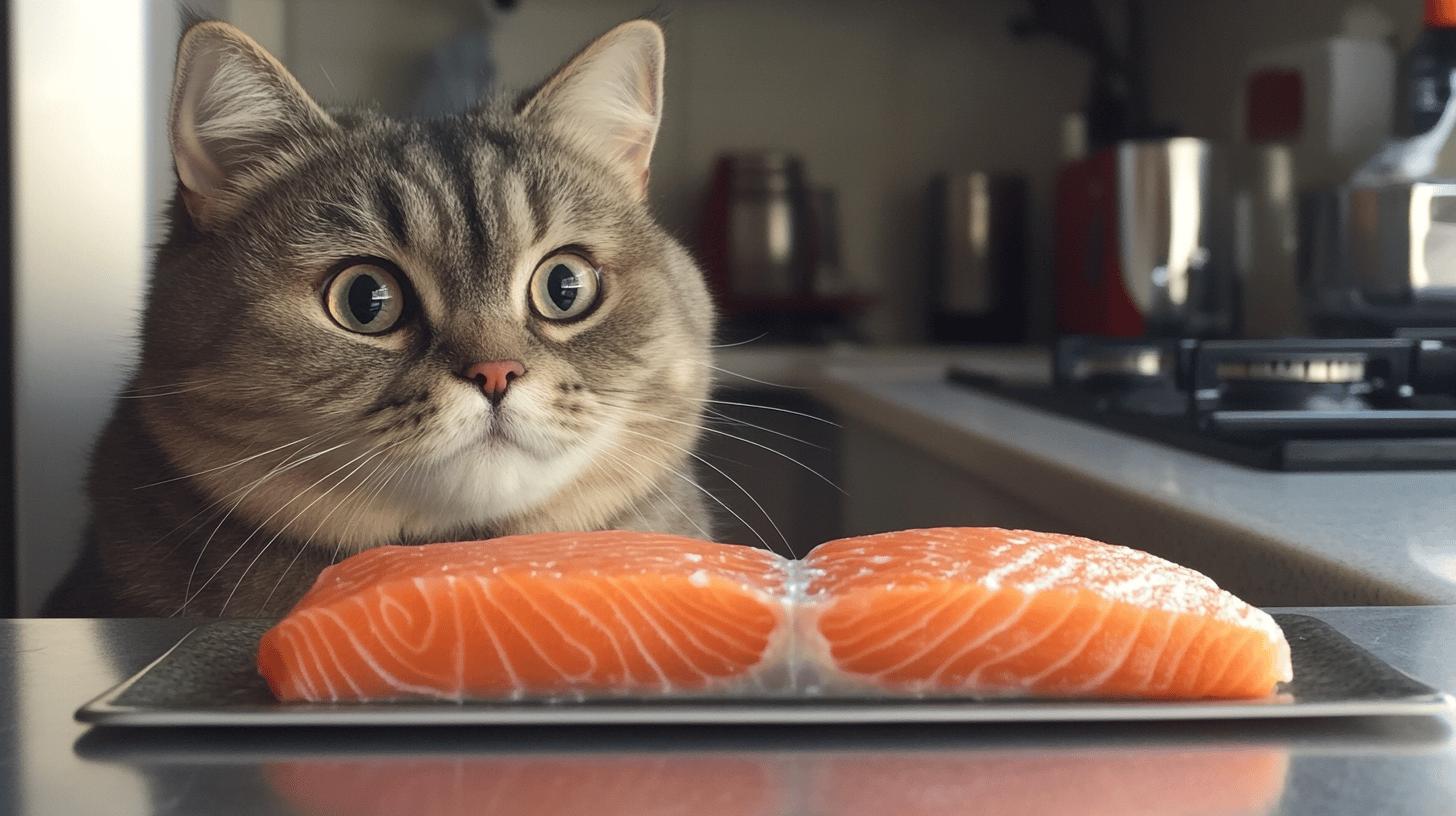
    Proper preparation and moderation are essential when offering fish to your cat. Opt for cooked fish without seasonings to minimize bacterial infection risks and avoid harmful substances. This way, you can treat your cat without jeopardizing their health, always prioritizing safe dietary choices.

    Final Words

    Smoked salmon may not be the best choice for cats. Its high sodium and preservatives pose health risks like kidney issues and allergic reactions. While it has protein, the potential dangers outweigh any benefits. Veterinarians suggest sticking with cat-specific treats for a balanced diet.
    Safe fish options like cooked salmon offer a healthier alternative. Always choose low-sodium options and ensure proper preparation.

    Can a cat eat smoked salmon? It's safer to opt for cooked fish. Let's keep our feline friends healthy with safe and nutritious choices.

    FAQ

    Can cats eat smoked salmon?

    Smoked salmon is not safe for cats. The high sodium and preservatives can cause dehydration, kidney issues, and allergic reactions. It's best to avoid feeding them smoked salmon.
    Is it safe for cats to eat salmon?

    Salmon can be safe for cats if it's cooked and unseasoned. Avoid smoked or raw salmon to prevent health risks like dehydration, kidney issues, or bacterial infections.
    Can cats eat smoked salmon skin?

    Cats should avoid smoked salmon skin due to harmful additives and high sodium content. It's safer to provide cooked salmon skin, which is rich in omega fatty acids.

    Can kittens eat smoked salmon?

    Kittens should not eat smoked salmon. The risk from high sodium and preservatives is even greater for kittens. It's important to offer specially-formulated kitten food.

    What should I do if my cat ate smoked salmon?

    If your cat ate smoked salmon, watch for symptoms like vomiting or lethargy. Offer fresh water and contact a vet if symptoms appear.

    Can cats eat smoked mackerel?

    Smoked mackerel is not recommended for cats. Like smoked salmon, it contains high sodium and preservatives, which can be harmful.

    Is it safe for pets to have smoked salmon?

    Neither cats nor dogs should eat smoked salmon. It poses health risks due to the high sodium and preservatives.

    Can cats eat smoked food?

    Cats should not eat smoked food. The additives and preservatives can harm their health, potentially causing dehydration or kidney problems.

    Related Articles

  • Can Cat Eat Goldfish Safely Understanding Risks and Precautions

    Can Cat Eat Goldfish Safely Understanding Risks and Precautions

    Can a cat safely eat a goldfish, or is this a risky snack? While it might seem like a natural treat for your feline friend, the reality is quite different. Goldfish are not part of a cat's usual diet and eating them can lead to serious health issues.

    Invisible threats like parasites, harmful bacteria, and tiny bones can pose significant dangers to cats. Understanding these risks helps protect your pet's well-being. Let's dive into why allowing your cat to eat goldfish is not advisable and how to ensure its safety during playtime.

    Can Cats Safely Eat Goldfish?

    Can Cats Safely Eat Goldfish-1.jpg

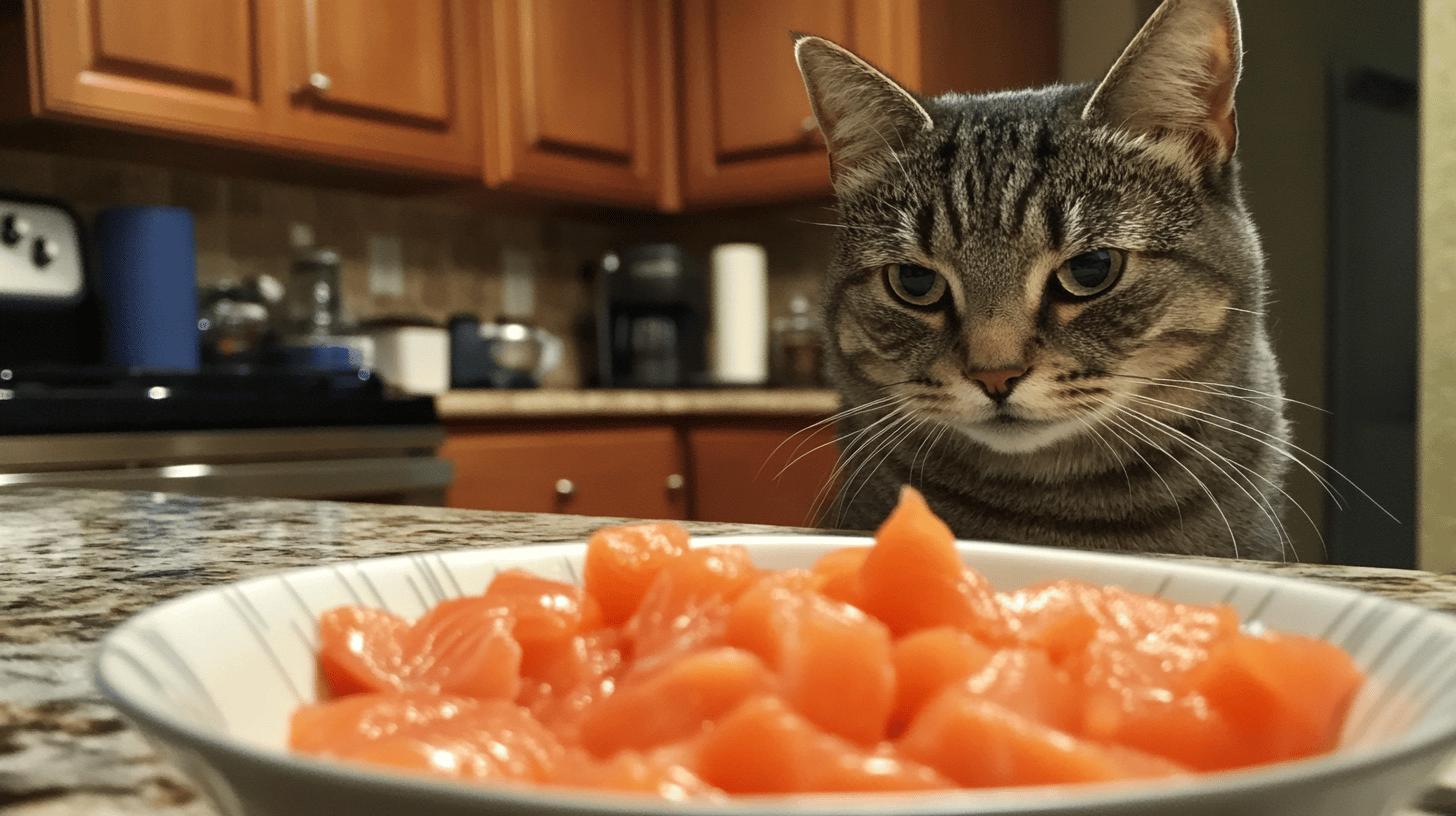
    Cats can technically consume goldfish, but it's not recommended due to several health risks. Goldfish are not part of a cat's natural diet and can pose significant threats. These threats come primarily from the possibility of bones causing choking or digestive blockages. In addition, goldfish can harbor parasites and bacteria that are harmful to cats. These pathogens are invisible to the naked eye and can lead to severe health issues.

    Here are the specific risks associated with cats eating goldfish:

    • Parasites: Goldfish can carry parasites that may infect cats.
    • Bacteria: Harmful bacteria like Salmonella and E. coli can be present in goldfish.
    • Bones: Small bones can cause choking hazards or intestinal blockages.
    • Chemical Residues: Water treatments used in tanks can be toxic if ingested.
    • Nutritional Imbalance: Goldfish do not provide a balanced diet necessary for cats.

    Experts strongly advise against allowing cats to eat goldfish, both for the safety of the pet fish and the health of the cat. The potential consequences for cats eating goldfish, such as digestive issues or infections, highlight the importance of avoiding this scenario.

    Veterinarians recommend keeping goldfish tanks out of reach from cats and ensuring that any fish offered as a treat is cooked and free from bones and harmful substances. Always consult a veterinarian if your cat has consumed a goldfish and shows any signs of illness.

    The Impact of Goldfish Crackers on Cats

    The Impact of Goldfish Crackers on Cats-1.jpg

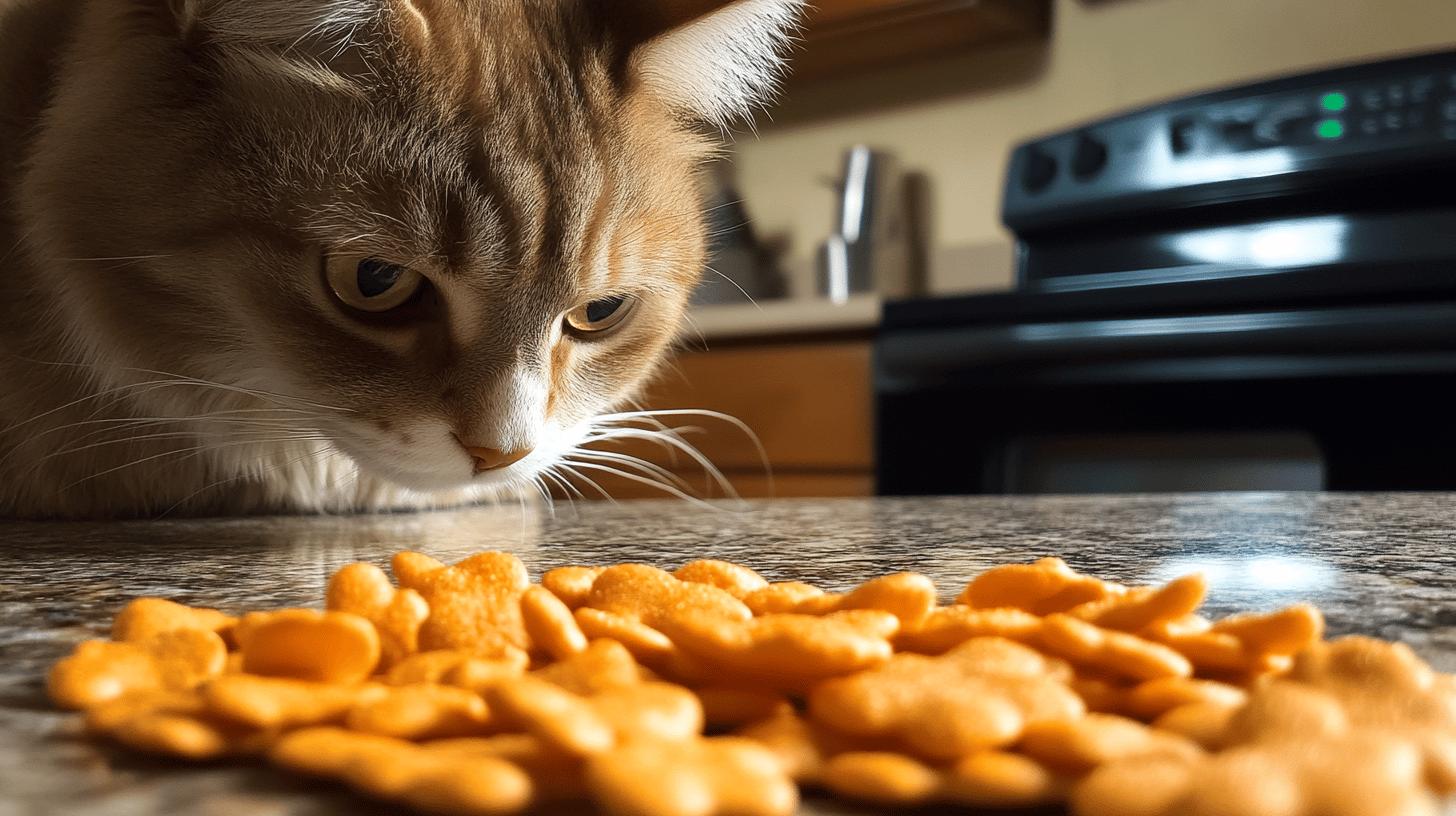
    Goldfish crackers are not toxic to cats, but they do pose some health concerns. While cats can eat these crackers in small, infrequent amounts without significant risk, it's important to consider what they contain. Cats are obligate carnivores, which means they require a diet rich in animal protein.

    Goldfish crackers do not meet these nutritional needs and could lead to dietary imbalances if consumed regularly. Some ingredients in Goldfish crackers can be harmful to cats and may include:

    • High levels of salt
    • Artificial flavors
    • Preservatives
    • Wheat and other grains

    Regular consumption of Goldfish crackers is discouraged because they lack essential nutrients necessary for a cat's health. These snacks are designed for human taste preferences and nutritional needs, not for feline ones. Feeding your cat Goldfish crackers regularly could result in nutritional deficiencies or other health issues over time.

    It's crucial to choose foods and treats that align with a cat's dietary requirements, ensuring they receive the animal protein and nutrients they need to thrive.

    Understanding Cat Dietary Needs and Safe Alternatives

    Understanding Cat Dietary Needs and Safe Alternatives-1.jpg

    Cats are obligate carnivores, which means their bodies are designed to get nutrients primarily from animal proteins. This need stems from their ancestry as desert dwellers, where fish were not a natural part of their diet. Unlike some wildcats that might hunt fish, domestic cats rely on balanced nutrition provided by meat-based diets.

    These diets ensure they receive essential nutrients like taurine, arachidonic acid, and Vitamin A, which are not adequately found in fish like goldfish. Feeding cats goldfish is not recommended because it doesn't align with their dietary needs and can pose health risks.

    Instead of goldfish, there are plenty of safe snacks and treats available for cats that meet their nutritional requirements. Look for specially formulated cat treats that offer balanced nutrition. Some excellent options include:

    • Cooked chicken or turkey
    • Freeze-dried meat treats
    • Cooked salmon or sardines in moderation
    • Commercially available cat treats designed with feline nutrition in mind
    Safe Snack Nutritional Benefit
    Cooked Chicken High in protein and easy to digest
    Freeze-dried Meat Retains natural nutrients and flavor
    Cooked Salmon Rich in Omega-3 fatty acids
    Commercial Cat Treats Formulated for balanced feline nutrition

    Choosing treats that align with a cat’s nutritional needs is crucial for their overall health. While it might be tempting to share human snacks with your feline friend, these often lack the necessary nutrients and can lead to imbalances. Opting for safe, cat-specific snacks ensures your pet stays healthy and happy without the risks associated with feeding them unsuitable foods like goldfish.

    What to Do If Your Cat Eats Goldfish

    What to Do If Your Cat Eats Goldfish-2.jpg

    If your cat manages to eat a goldfish, there are certain behaviors and symptoms you should watch for. While a single goldfish might not pose a severe risk, the potential for digestive issues is present. Cats may experience vomiting, diarrhea, or a lack of appetite after eating a live goldfish, largely due to the presence of harmful bacteria or parasites. Keep an eye out for any signs of discomfort or distress, such as excessive drooling or lethargy, which could indicate that your cat is having a difficult time digesting the fish.

    Here are some steps to take if your cat consumes a goldfish:

    1. Observe Your Cat: Monitor their behavior and look for any immediate changes in demeanor, appetite, or bathroom habits.
    2. Prevent Further Access: Secure the fish tank to prevent future incidents, ensuring the safety of both your cat and the goldfish.
    3. Contact Your Veterinarian: If your cat shows any concerning symptoms, such as persistent vomiting or diarrhea, reach out to your veterinarian for advice.

    Consulting with a veterinarian is important if you have any ongoing concerns about your cat's health after eating a goldfish. They can provide guidance on whether further medical attention is necessary. Keeping a close watch on your pet and acting promptly can help ensure their well-being and prevent potential complications.
    Final Words

    Feeding goldfish to your cat might seem harmless, but it's not recommended. Goldfish contain risks like bacteria and parasites that could harm your furry friend. Even though Goldfish crackers aren't toxic, they don't offer the nutrients cats need. Cats thrive on a meat-based diet, so consider healthier treats like specially made cat snacks. If your cat eats a goldfish, keep an eye on them for any unusual behavior and check with a vet if worried. Making informed choices can keep your cat healthy and happy!

    FAQ

    Can cats eat goldfish crackers?

    Cats can eat Goldfish crackers in small amounts without significant risk. While not toxic, they lack nutritional benefits for cats. Cats require a meat-based diet, and these snacks can lead to dietary imbalances.

    Can goldfish crackers kill cats?

    Goldfish crackers are unlikely to kill cats unless they have a specific allergy. Regular consumption isn't recommended due to potential dietary imbalances and lack of nutritional value. High salt and artificial flavors can pose risks.

    Can kittens eat goldfish crackers?

    Kittens should avoid Goldfish crackers. They need nutritionally rich, meat-based diets for growth. Crackers offer no nutritional benefits and could contribute to imbalances during critical development stages.

    Why does my cat like goldfish crackers?

    Cats may be attracted to the smell or texture of Goldfish crackers. However, they don't address a cat's nutritional needs and provide no health benefits.

    Do cats eat goldfish from ponds?

    Cats might instinctively hunt goldfish from ponds. However, eating live goldfish poses health risks due to bones, bacteria, and parasites.

    Are goldfish okay for cats?

    Goldfish are not recommended for cats due to potential health risks like bones and parasites. They aren't part of a typical cat diet and could cause digestive issues.

    Can I let my cat eat live fish?

    Feeding live fish to cats is not advisable. It can lead to health problems due to bones and exposure to bacteria and parasites.

    Can animals eat goldfish crackers?

    Animals, including cats, can eat Goldfish crackers in small amounts. However, they should not be a regular part of any animal's diet due to lack of nutritional value.

    Can cats eat sesame crackers?

    Sesame crackers should be given cautiously to cats. Like Goldfish crackers, they offer little nutritional value and may contribute to dietary imbalances.

    Related Articles

  • Can Cat Eat Chips Understanding the Risks and Safe Alternatives

    Can Cat Eat Chips Understanding the Risks and Safe Alternatives

    Have you ever caught your cat eyeing your bowl of chips and wondered if it's safe for them to have a taste? Before you toss them a crunchy treat, take a step back. While chips might seem like a harmless snack, they can be risky for your furry friend. My goal today is to dive into why these popular salty snacks are not a good choice for cats and explore some delicious and safe alternatives that will satisfy their curiosity and taste without compromising their health. Let's ensure every snack they enjoy is both tasty and safe!

    Can Cats Eat Chips? Understanding the Risks

    Can Cats Eat Chips Understanding the Risks-1.jpg

    Cats are often drawn to chips and other salty snacks because of their high salt and fat content. These flavors can be particularly enticing due to the nutritional elements that cats may instinctively seek. While the texture and smell of a crunchy chip might catch your cat's attention, it's important to remember that their interest doesn't mean these snacks are safe or healthy for them.

    Eating chips can pose several health risks for cats. One major concern is salt poisoning. Chips are loaded with salt, which can lead to salt toxicity in cats. Symptoms of this condition include vomiting, diarrhea, lethargy, and even more severe issues if consumed in large quantities. Additionally, the high fat content in chips can contribute to pancreatitis—a painful inflammation of the pancreas—and obesity, which is a common problem among pets indulging in human snacks. Obesity in cats can lead to further complications such as diabetes, arthritis, and heart disease.

    Besides the immediate health risks, chips provide no nutritional benefit to cats. The nutrients found in potatoes are lost during the processing and frying stages, so chips offer zero nutritional value. The excessive salt and saturated fats can exacerbate any existing health conditions your cat might have, such as heart or kidney disease. Cats with these conditions require a diet low in salt, making chips a particularly poor choice.

    Here are some symptoms of salt poisoning to watch for if your cat consumes chips:

    • Vomiting
    • Diarrhea
    • Lethargy
    • Excessive thirst and urination
    • In severe cases, tremors or seizures

    Keeping these risks in mind, it's clear that chips and other salty snacks are best left off the menu for our feline friends.

    Safe Snack Alternatives for Cats

    Safe Snack Alternatives for Cats-1.jpg

    Providing safe snack alternatives for cats is crucial, especially when trying to avoid unhealthy options like chips. Cats have specific dietary needs that should be met with nutritious and safe snacks. Instead of reaching for human foods that can harm their health, there are plenty of delicious and appropriate treats that cater to their nutritional requirements.

    • Small pieces of cooked, unseasoned chicken
    • Small pieces of cooked, unseasoned fish
    • Cooked pumpkin
    • Cooked carrot

    These alternatives not only satisfy a cat's taste buds but also contribute positively to their health. Chicken and fish provide high-quality protein, essential for a cat's diet. Pumpkins and carrots offer fiber and essential nutrients without the risks associated with human snacks. Specially formulated cat treats are also available in pet stores, designed to meet the dietary needs of felines while keeping them happy and healthy. By choosing these snacks, cat owners can ensure their feline friends enjoy treats that align with their dietary needs.

    What to Do If Your Cat Eats Chips

    What to Do If Your Cat Eats Chips-1.jpg

    If your cat happens to munch on a chip, don't panic. Eating a small amount of chips is unlikely to cause immediate harm. The first step is to remove any remaining chips from their reach to prevent further consumption. Then, offer your cat fresh water to help flush out any excess salt they may have ingested. It's crucial to keep an eye on your cat for any signs of distress or discomfort following chip ingestion.

    Pay attention to these symptoms that may indicate your cat is experiencing issues:

    • Vomiting
    • Diarrhea
    • Lethargy

    If your cat shows any of these symptoms, or if they have consumed a large quantity of chips, it's wise to consult a veterinarian. They can provide guidance and perform any necessary tests to ensure your cat's health isn't compromised. In cases where your cat has pre-existing health conditions, such as kidney or heart disease, it's particularly important to seek professional advice promptly. Being proactive can help prevent potential health problems related to chip ingestion.

    Final Words

    Understanding the risks, we see that chips aren't ideal for our feline friends. The high salt and fat content pose health dangers, including salt poisoning and obesity. Chips provide little nutritional value and can worsen conditions like heart and kidney disease.

    Thankfully, healthier snack options, such as cooked chicken or pumpkin, offer safe alternatives that keep your cat happy and healthy. If your cat eats chips, watch for symptoms and consult a vet if needed.

    Remember, choosing the right snacks ensures your cat's well-being, offering a happier playtime experience.

    FAQ

    Can cats eat chips without salt?

    Cats should avoid chips, even without salt. Chips have unhealthy fats and offer no nutrition for cats. Opt for cat-safe snacks instead.

    Can cats eat fries?

    No, cats shouldn't eat fries. Potatoes and heavy oils in fries aren't good for cats and can cause digestive issues and obesity.

    Can cats eat Ruffles chips or Pringles?

    Like other chips, Ruffles and Pringles aren't safe for cats. They contain high salt and unhealthy fats that are harmful to feline health.

    What human food can cats eat?

    Cats can enjoy small pieces of cooked, unseasoned chicken or fish. Some cooked vegetables, like carrots or pumpkin, are also okay. Always avoid seasoning.

    What happens if my cat eats chips?

    If a cat eats chips, it might suffer from salt poisoning or digestive upset. Monitor for vomiting, diarrhea, or lethargy and visit a vet if needed.

    Can cats have Doritos or other junk food?

    Cats should not eat Doritos or any junk food. These snacks can lead to health issues like salt poisoning, pancreatitis, or obesity.

    Is it okay to give my cat tortilla chips?

    Tortilla chips are not okay for cats. They pose similar risks as other salty snacks and could worsen existing health issues.

    Can cats eat cheese chips?

    Cheese chips are not safe for cats. They combine harmful fat and high salt, posing a risk to a cat’s health.

    Can cats eat corn chips?

    Cats should avoid corn chips. They contain high sodium and fats, which aren't suitable for a cat's diet. Look for healthier options.
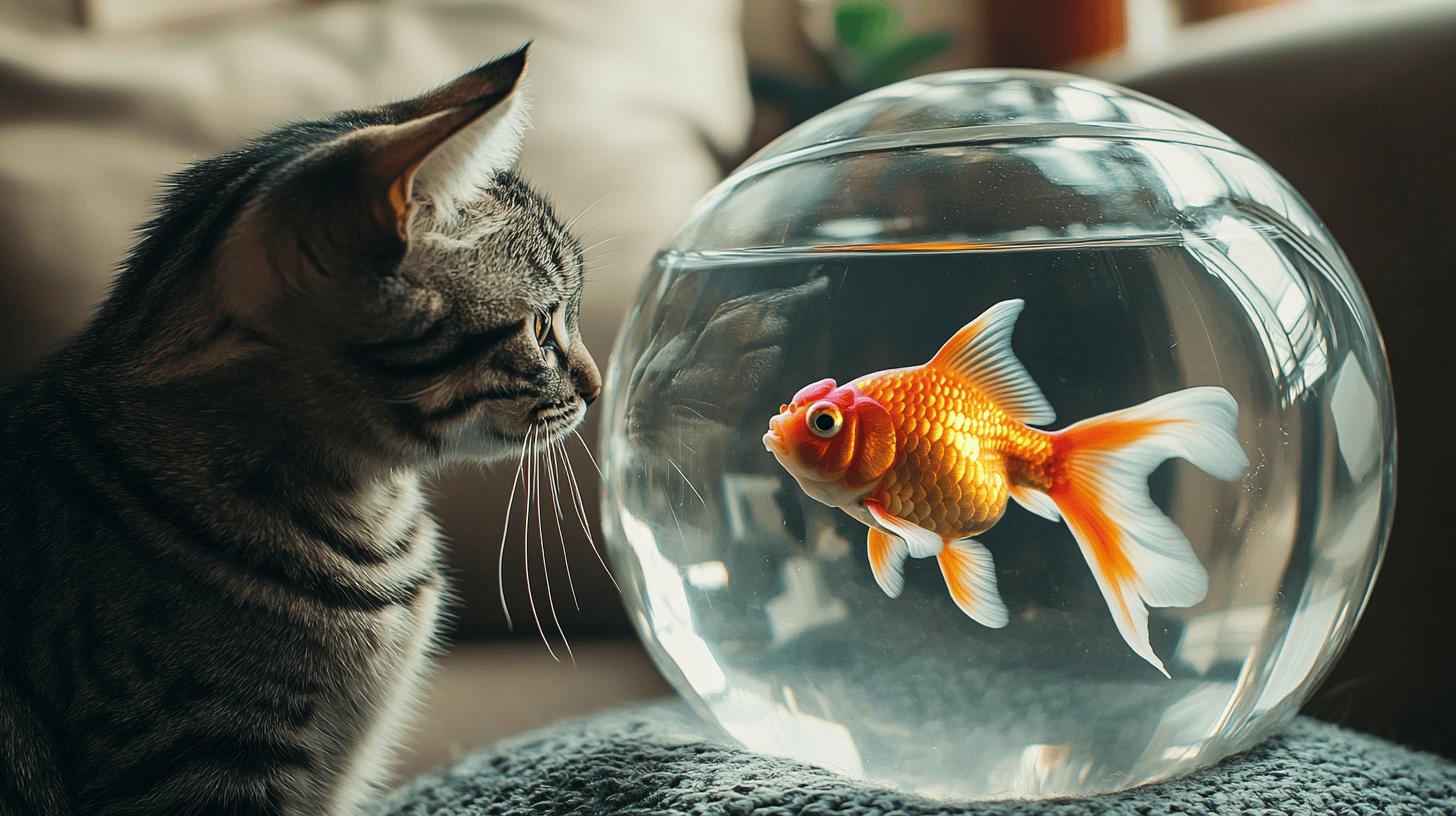
    What should I do if my cat eats chips?

    If your cat eats chips, monitor for symptoms like vomiting and diarrhea. Consult a vet if symptoms persist or worsen. Cats are small, so even a little can hurt them.

    Related Articles

  • Can Cat Eat Rosemary Safely and Without Risk

    Can Cat Eat Rosemary Safely and Without Risk

    Is your curious kitty eyeing your rosemary plant lately? You’re not alone in wondering if cats can safely enjoy this fragrant herb. While rosemary is generally non-toxic to cats, the reality is more nuanced than a simple yes or no. Your cat’s safety depends on quantity, form, and how carefully you introduce it. Let’s explore exactly how rosemary affects cats, what symptoms to watch for, when to call the vet, and how to make the right call for your feline friend.

    Can Cats Safely Eat Rosemary?

    Can Cats Safely Eat Rosemary

    Yes, cats can safely consume small amounts of fresh or dried rosemary. The American Society for the Prevention of Cruelty to Animals (ASPCA) confirms that rosemary is non-toxic to felines. This means occasional, controlled exposure won’t poison your cat.

    However, “safe” doesn’t mean unlimited. Cats have smaller digestive systems than humans and process plant matter differently. Their stomachs lack certain enzymes to break down complex plant compounds efficiently. When a cat eats rosemary, their body must work harder to digest it, especially in larger amounts.

    The key distinction is this: small doses of plain rosemary leaves (fresh or lightly dried) are fine. But rosemary oil, extract, or heavily concentrated dried rosemary poses a real toxic risk. Essential oils contain highly concentrated compounds that can overwhelm a cat’s system, potentially causing serious health issues within hours.

    Safe rosemary forms for cats:

    • Fresh rosemary leaves (1-2 leaves maximum, rare occasions only)
    • Lightly dried rosemary (tiny pinch amount)

    Never give to cats:

    • Rosemary essential oil or diffuser products
    • Rosemary extract or concentrate
    • Cooking sprays with rosemary
    • Any heavily processed rosemary product
    • Foods seasoned with rosemary intended for human consumption

    Rosemary’s Impact on Cat Digestion and Health

    Rosemary's health impact on cats

    Rosemary does contain antioxidants and mild anti-inflammatory compounds. In very small amounts, these might provide minimal immune support. However, cats don’t require rosemary to stay healthy. Protein-rich meat, not herbs, fuels their immune system and cellular repair. Rosemary should be viewed as an occasional curiosity, not a health supplement or dietary necessity.

    When a cat ingests moderate amounts of rosemary, their digestive system becomes irritated. The aromatic oils in rosemary can inflame the stomach lining and intestines. This leads to the gastrointestinal upset mentioned in safety guides: vomiting, diarrhea, and abdominal discomfort.

    Larger doses of rosemary, especially oil or extract, can cause more serious problems. Some cats experience lethargy (unusual tiredness), loss of appetite, excessive drooling, or refusal to drink water. In rare cases, cats show neurological symptoms like tremors, muscle twitching, or depression. These signs indicate your cat needs immediate veterinary attention.

    The severity of reaction depends on several factors: your cat’s age and size, overall health status, and the form of rosemary consumed. A small kitten exposed to rosemary oil will react more severely than a large adult cat eating one fresh leaf. Cats with pre-existing digestive issues, kidney problems, or immune conditions face higher risk.

    Recognizing Rosemary Toxicity Symptoms

    If your cat nibbled rosemary leaves from your garden, consumed rosemary oil, or accidentally got into a rosemary-based product, watch closely for these warning signs. Timing matters: mild toxicity appears quickly, while oil toxicity builds over hours.
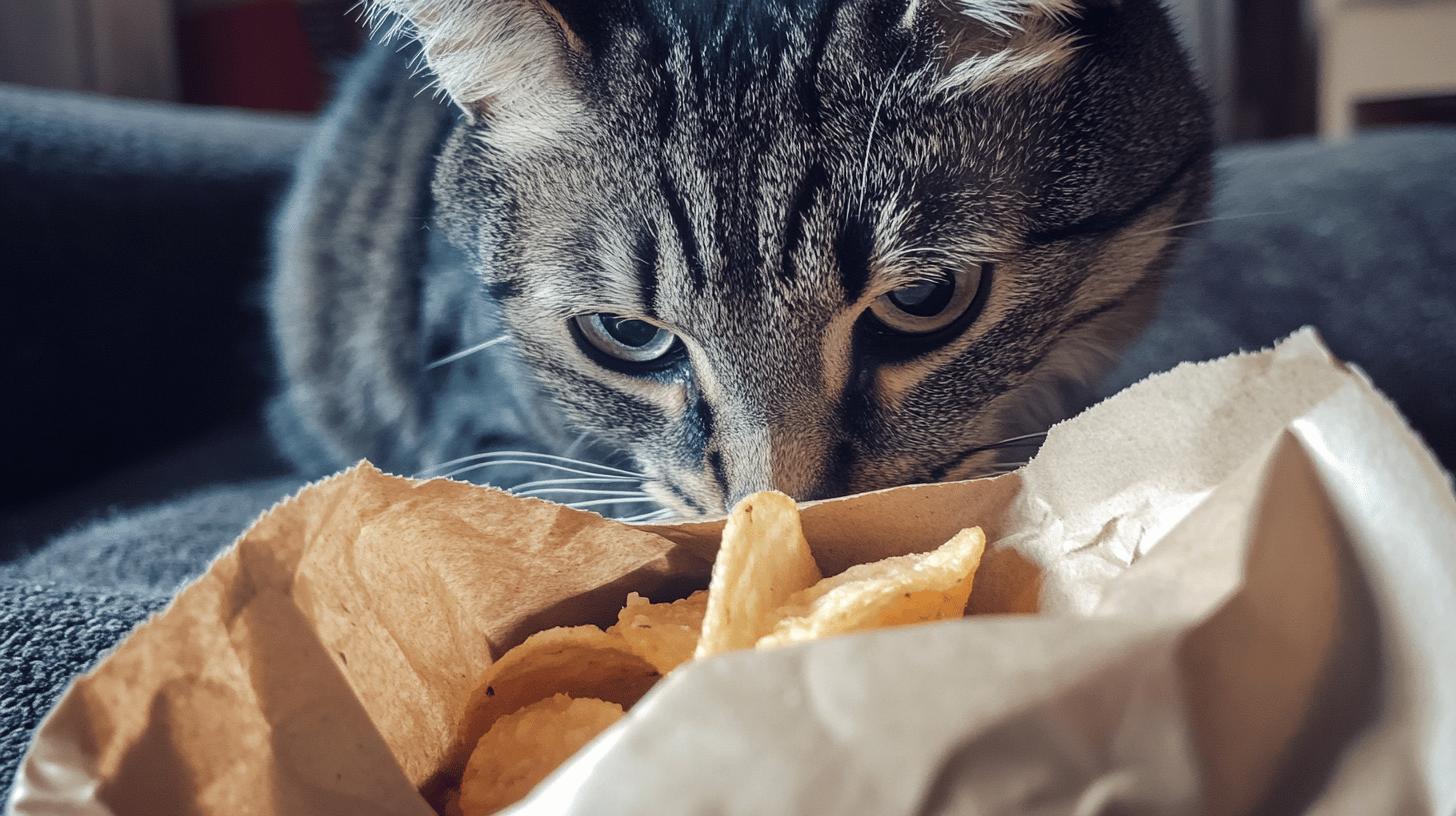
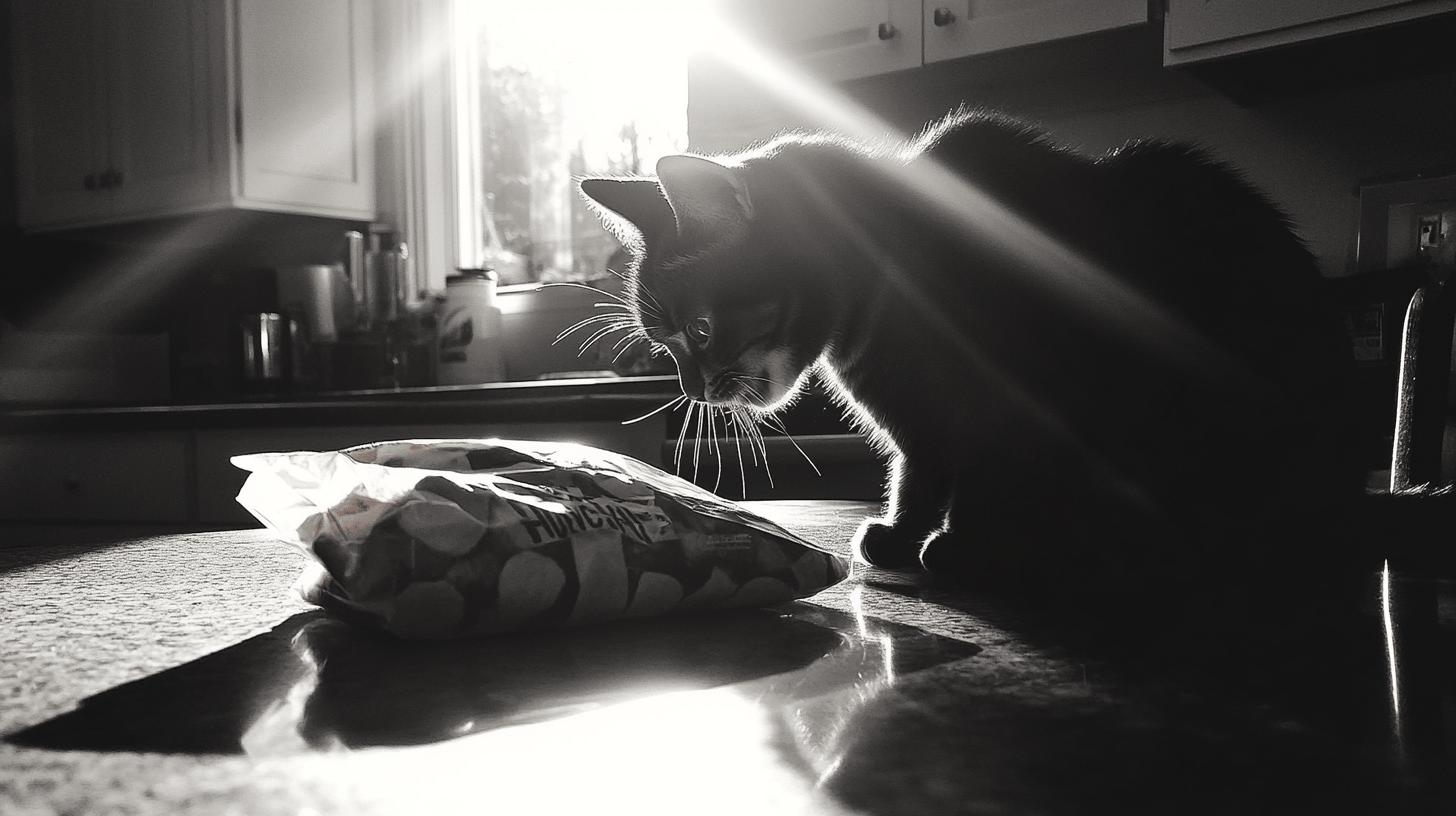
    Mild symptoms (usually appear within 2-6 hours of exposure):

    • Vomiting or retching (once or twice)
    • Diarrhea or soft, loose stools
    • Reduced appetite or refusal to eat
    • Mild lethargy or unusual quietness
    • Excessive drooling or wet mouth area
    • Slightly elevated heart rate

    Moderate symptoms (develop within 4-12 hours, require vet consultation):

    • Repeated vomiting (more than 2-3 episodes)
    • Persistent diarrhea with mucus or blood
    • Abdominal pain (hunched posture, crying when touched, reluctance to move)
    • Significant lethargy or unresponsiveness
    • Loss of appetite lasting more than a few hours
    • Trembling or muscle twitching

    Severe symptoms (require emergency vet care immediately, do not wait):

    • Violent or repeated vomiting with blood
    • Bloody or black tarry stools
    • Severe abdominal distension or visible pain
    • Tremors that don’t stop
    • Seizure activity or loss of consciousness
    • Difficulty breathing or gasping
    • Collapse or inability to stand
    • Uncontrolled drooling

    The severity depends on how much rosemary your cat ate and in what form. Fresh leaves cause mild to moderate upset. Rosemary oil causes severe reactions. Extraction products and concentrated dried rosemary fall in between. Time is critical, don’t wait to see if symptoms pass on their own. Contact your vet the moment you notice vomiting, diarrhea, or any unusual behavior after rosemary exposure.
    What to Do If Your Cat Eats Rosemary

    If you catch your cat eating rosemary, stay calm and act immediately. Remove the plant or product right away and prevent further access. Don’t induce vomiting unless a vet specifically instructs you to do so, in some cases, vomiting can make toxicity worse.

    Immediate steps (do these first):

    1. Remove any remaining rosemary from your cat’s mouth and surrounding area
    2. Wash your cat’s mouth with water if oil exposure is likely
    3. Note the exact time exposure occurred
    4. Estimate the amount consumed: how many leaves, drops of oil, or how much plant material?
    5. Call your vet or poison control center immediately (ASPCA Poison Control: 888-426-4435)
    6. Have the product container or plant available to describe what your cat contacted

    What information to provide to your vet:

    • Your cat’s age, weight, and overall health status
    • Time of exposure and estimated amount
    • Type of rosemary: fresh leaves, dried, oil, extract, or prepared food?
    • Any symptoms you’ve already noticed
    • Current medications your cat takes
    • Any previous poisoning incidents

    Your vet may recommend supportive care: IV fluids for dehydration, anti-nausea medication, gastrointestinal protectants, or overnight monitoring. For severe essential oil poisoning, your vet might recommend activated charcoal (given early) to bind toxins in the stomach and prevent absorption. Most cats recover fully with prompt treatment, but prevention is always better than emergency care and costly vet bills.

    Safer Herb Alternatives for Cats

    Cat-safe herbs and plants

    If you want to offer your cat something new to explore or provide natural enrichment, there are genuinely cat-safe options that don’t carry toxicity risk. These plants are designed with feline biology in mind.

    Catnip: The gold standard for cat enrichment. Catnip (Nepeta cataria) triggers playful, sometimes euphoric behavior in approximately 70-80% of cats (not all cats respond to it genetically). It’s completely safe and actually beneficial for exercise and mental stimulation. Offer dried catnip in moderation, a pinch or two per week, or a small catnip toy that your cat can interact with daily. It can help redirect destructive energy and combat boredom in indoor cats.

    Cat grass (wheatgrass or oat grass): Many indoor cats have an instinctive urge to chew on grass. Cat grass is specifically grown for safe feline consumption. It poses zero toxicity risk and actually helps with digestion. It can reduce hairballs, provide natural plant fiber, and satisfy chewing instincts. You can grow cat grass indoors in a small pot for year-round access.

    Silvervine: An alternative to catnip that works for cats who don’t respond to catnip (the minority). It produces similar effects: playfulness, rolling, excitement, and relaxation. If your cat ignores catnip, silvervine is worth trying.

    Spider plants: Non-toxic and many cats enjoy the leafy texture. These hardy plants withstand nibbling and don’t cause harm.

    Before offering any new plant or herb, even ones listed as safe, consult your vet. Individual cats have unique sensitivities, and what’s safe for most might bother yours specifically, especially if they have existing digestive issues.

    Preventing Accidental Rosemary Exposure

    The best strategy is prevention. If you grow rosemary or have it in your home, keep it completely out of reach. Many accidental poisonings happen not from cats deliberately eating rosemary, but from proximity to cooking, grooming oil off their fur after contact, or curious young kittens investigating new scents.

    • Store potted rosemary on high shelves, windowsills, or in closed rooms cats can’t access
    • Trim any low-hanging branches your cat could reach or jump to
    • Never leave fresh or cooked rosemary on countertops, tables, or ground level
    • Be cautious when cooking with rosemary, don’t let oil splatter onto cat-accessible surfaces
    • Avoid giving your cat any food seasoned with rosemary or herb blends containing it
    • Don’t use rosemary essential oil diffusers, sprays, or aromatherapy products around cats
    • Check labels on pet-marketed products, treats, or supplements, some contain rosemary

    Final Thoughts on Rosemary and Cats

    Rosemary is non-toxic in extremely small amounts, but it’s not a plant your cat needs. The reality is straightforward: keep rosemary away from your cat entirely. Fresh leaves might cause mild stomach upset. Rosemary oil causes serious toxicity. Your cat gets zero nutritional benefit from rosemary, so there’s no reason to risk it.

    Your feline’s digestive system evolved to process meat, not herbs. Their health depends on quality protein, taurine, essential fatty acids, and proper hydration, not on sampling your kitchen garden. Stick with cat-safe enrichment like catnip, cat grass, quality toys, and interactive play instead.

    If your curious cat does get into rosemary, remember the response plan: remove access immediately, call your vet right away, and monitor closely for the next 24 hours. Most cats recover fine from accidental small exposures to fresh rosemary leaves, but immediate action is critical for oil-related poisoning or large exposures. Being prepared means your cat gets the fastest possible care.

    FAQ

    Can cats eat rosemary plants or leaves?

    Cats can eat tiny amounts (1-2 fresh leaves) of rosemary without toxic effects. However, larger quantities or dried rosemary can cause vomiting, diarrhea, and stomach upset. It’s best avoided entirely rather than risk digestive problems.

    Is rosemary oil safe for cats?

    Absolutely not. Rosemary oil is toxic to cats. Essential oils are highly concentrated forms of plant compounds and can cause serious poisoning: tremors, lethargy, neurological problems, severe gastrointestinal distress, and in extreme cases, seizures. Never allow your cat near rosemary oil, diffusers, or aromatherapy products containing it.

    What are the signs my cat ate too much rosemary?

    Watch for vomiting, diarrhea, reduced appetite, drooling, lethargy, abdominal pain (hunched posture, sensitivity when touched), or tremors. Severe exposure like oil ingestion can cause seizures, collapse, or loss of consciousness. Call your vet immediately if any of these appear.

    What should I do if my cat eats rosemary?

    Remove the plant or product, note what your cat ate and the exact time, then contact your vet or poison control (ASPCA: 888-426-4435). Monitor for symptoms over the next 24 hours. If vomiting, diarrhea, or unusual behavior develops, seek emergency care immediately. Don’t wait for symptoms to worsen.

    Are there safe herbs for cats?

    Yes. Catnip, cat grass (wheatgrass or oat grass), silvervine, and spider plants are cat-safe and beneficial. Always check with your vet before offering any new plant material to ensure it’s appropriate for your cat’s individual health status.

    Can cats eat other seasonings like oregano or thyme?

    Most culinary herbs are not necessary for cats and pose unnecessary risk. While some are non-toxic in tiny amounts, they offer no nutritional value to felines. Stick with cat-specific enrichment plants and foods instead. When in doubt, ask your vet before offering anything new.

    Related Articles