Category: Cat Diet

  • Can Cat Eat Imitation Crab Safely or Is It Risky

    Can Cat Eat Imitation Crab Safely or Is It Risky

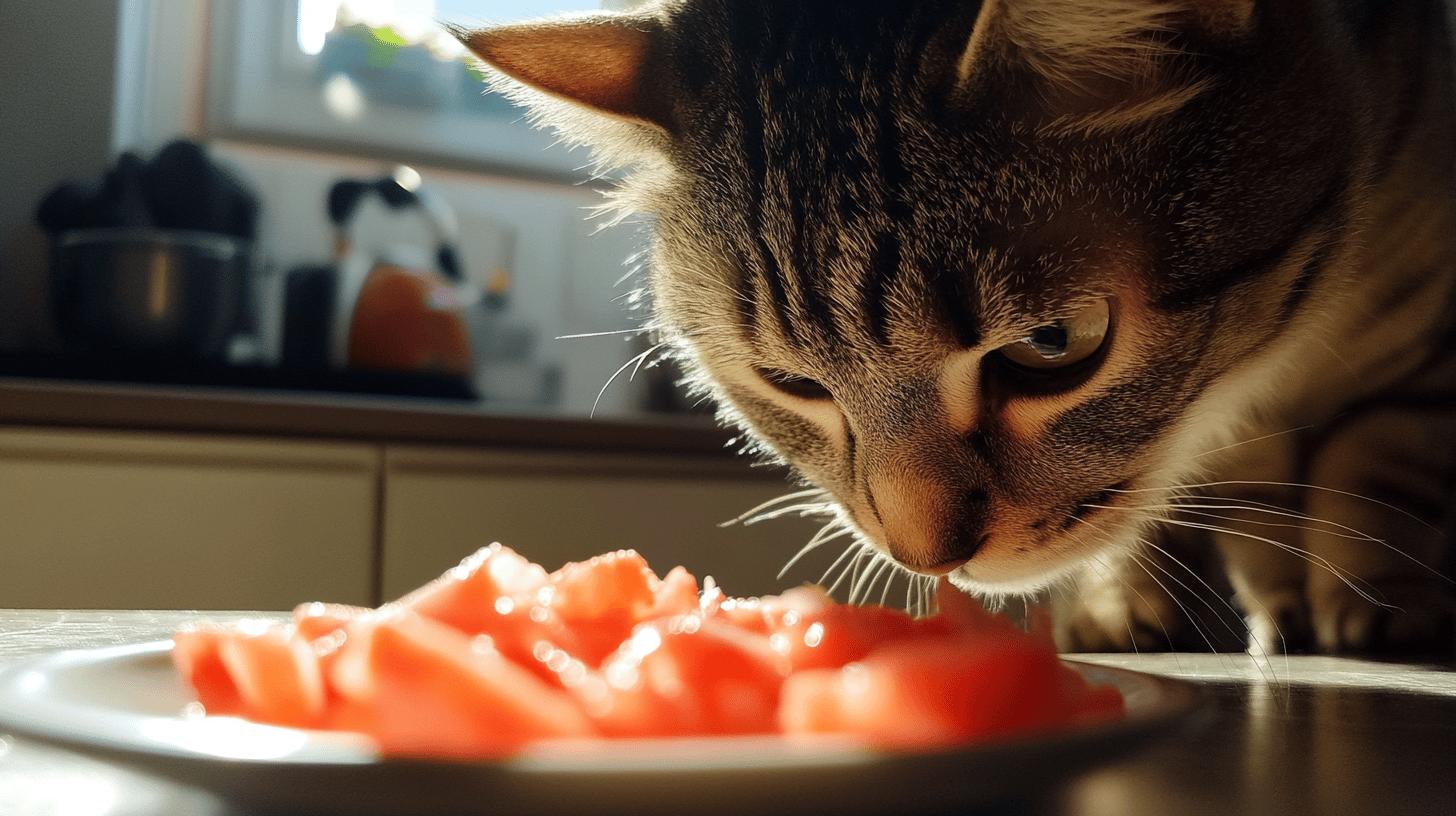
    Can cats savor imitation crab as a treat, or is it a perilous snack you should steer clear of? Many cat lovers wonder if this seafood substitute could be a harmless delight. While imitation crab might look and taste like the real thing, its ingredient list tells a different story. High sodium, artificial additives, and processed starches could spell trouble for your feline friend. Dive into this article to uncover the truth about feeding imitation crab to your cat and whether it poses a risk to their health.

    Can Cats Safely Consume Imitation Crab?
    Can Cats Safely Consume Imitation Crab-1.jpg

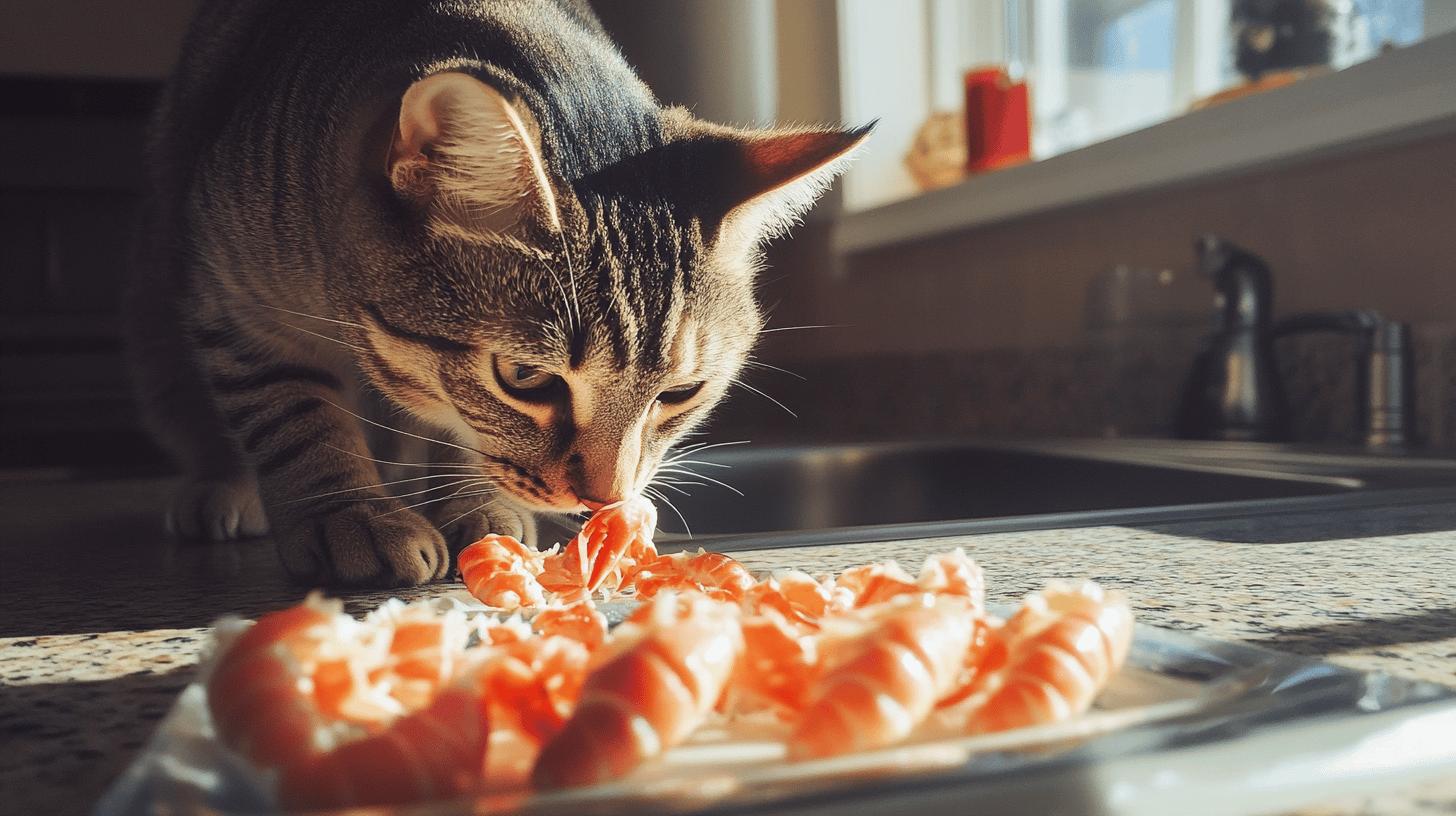
    Imitation crab is a seafood product designed to mimic the taste and texture of real crab meat. It's primarily made from surimi, which is processed fish paste often derived from Alaskan pollock. To create the familiar taste, manufacturers add starch, flavorings, and artificial colors. The process also involves preservatives to extend shelf life, resulting in a product that looks like crab but is quite different nutritionally. This creation is notably high in sodium, which can be problematic for cats.

    When considering imitation crab safety for cats, the health risks primarily stem from its ingredient profile. High sodium content can lead to dehydration and strain a cat’s kidneys, raising the risk of kidney disease over time. The starch in imitation crab can elevate blood sugar levels, potentially contributing to obesity and diabetes in cats. Carbohydrates are not a natural part of a feline diet, making these ingredients unsuitable for regular consumption.

    Key Additives and Their Effects:

    • Artificial Colors: May cause allergic reactions, including skin irritations.
    • Preservatives: Linked to digestive issues and potential long-term health concerns.
    • Flavor Enhancers: Can lead to dependency or dietary preferences that exclude healthier foods.
    • High Sodium Levels: Risk of hypertension and kidney damage.
    • Thiaminase: Can break down essential nutrients like thiamine, leading to deficiencies.

    Cats consuming imitation crab might experience seafood allergies, which manifest as vomiting, diarrhea, or skin issues. Long-term intake of additives and high sodium can lead to more severe health implications, such as chronic kidney disease or heart problems. Allergic reactions might not be immediate but could develop over time with continued exposure to the triggers in imitation crab.

    From a nutritional standpoint, imitation crab lacks the essential nutrients cats need, such as omega-3 fatty acids and taurine. These are vital for maintaining a healthy heart, vision, and immune system in felines. Given these deficiencies, imitation crab should not be a regular part of a cat's diet. While a small nibble might not be harmful, it’s crucial to prioritize a diet that meets all the nutritional needs of a cat over indulging them in imitation crab treats.

    Safe and Healthy Alternatives to Imitation Crab for Cats
    Safe and Healthy Alternatives to Imitation Crab for Cats-1.jpg

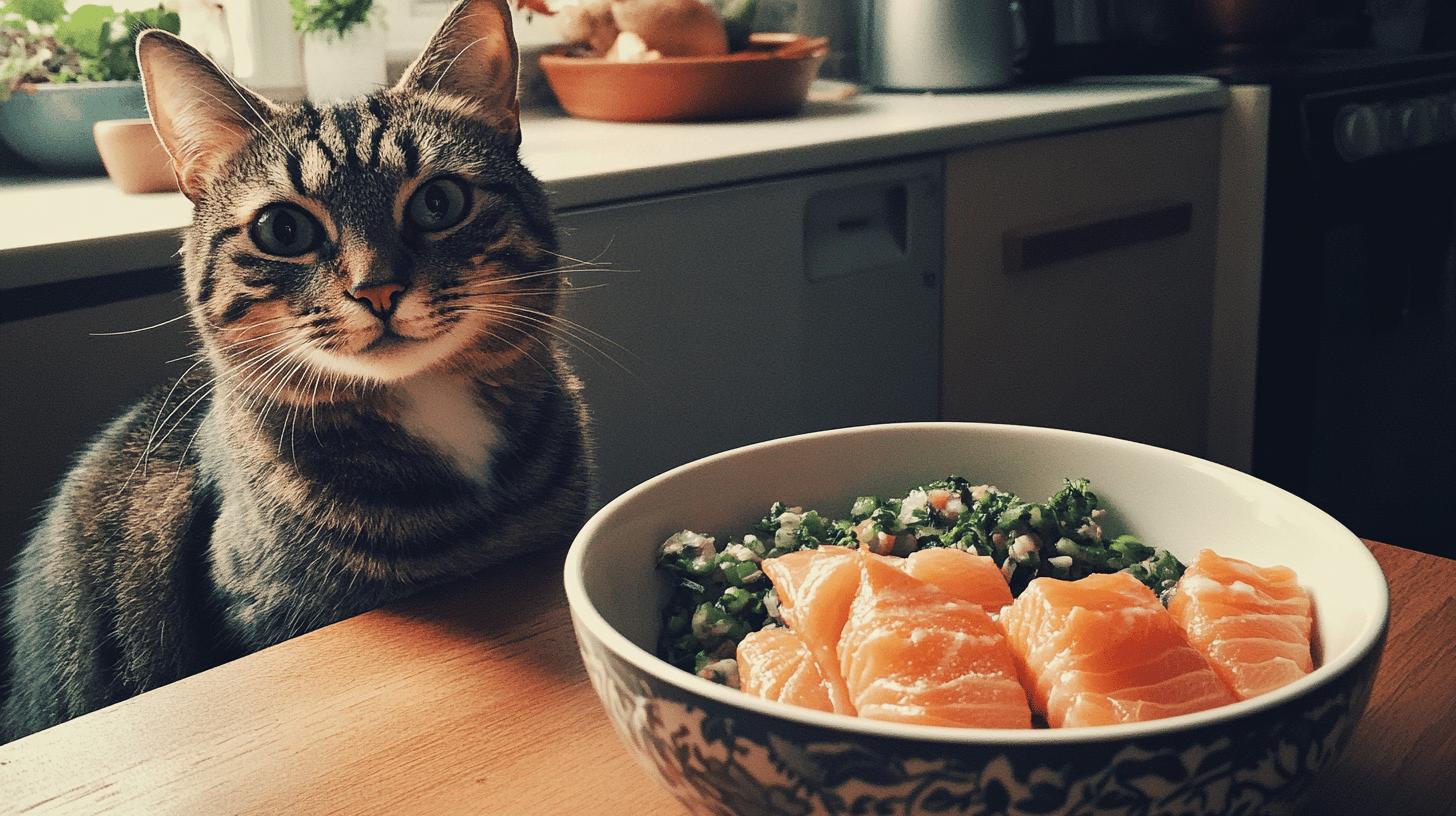
    Cats thrive on high-protein diets, as their bodies are designed to process animal protein efficiently. Unlike imitation crab, which lacks essential nutrients, real protein sources provide the necessary building blocks for a cat's health. Proteins like chicken, turkey, and fish offer amino acids such as taurine, which are critical for heart and eye health. These foods also supply omega-3 fatty acids, promoting a shiny coat and supporting brain function. By focusing on high-quality protein, we can maintain our cats' overall well-being and vitality.

    Recommended Alternative Foods:

    • Cooked Chicken: A lean and easily digestible protein source.
    • Cooked Turkey: Similar to chicken, offering a variety of nutrients.
    • Cooked Salmon: Rich in omega-3 fatty acids, great for skin and coat health.
    • Cooked Shrimp: A tasty treat that provides protein without additives.
    • Tuna: Occasionally, in moderation, for its high protein content.
    • Freeze-Dried Chicken Treats: Convenient and nutritious snacks.

    Introducing these alternatives into a cat's diet should be done gradually. Begin by mixing small amounts of the new food with their regular diet to monitor any reactions. This gradual approach helps prevent digestive issues and allows cats to adjust to the new tastes and textures. Always ensure that any seafood is cooked and free of seasoning to avoid any harmful effects. Consulting with a veterinarian before making significant changes to a cat's diet is advisable to ensure that all nutritional needs are met safely.

    Veterinary Advice on Feeding Cats Human Foods
    Veterinary Advice on Feeding Cats Human Foods-1.jpg

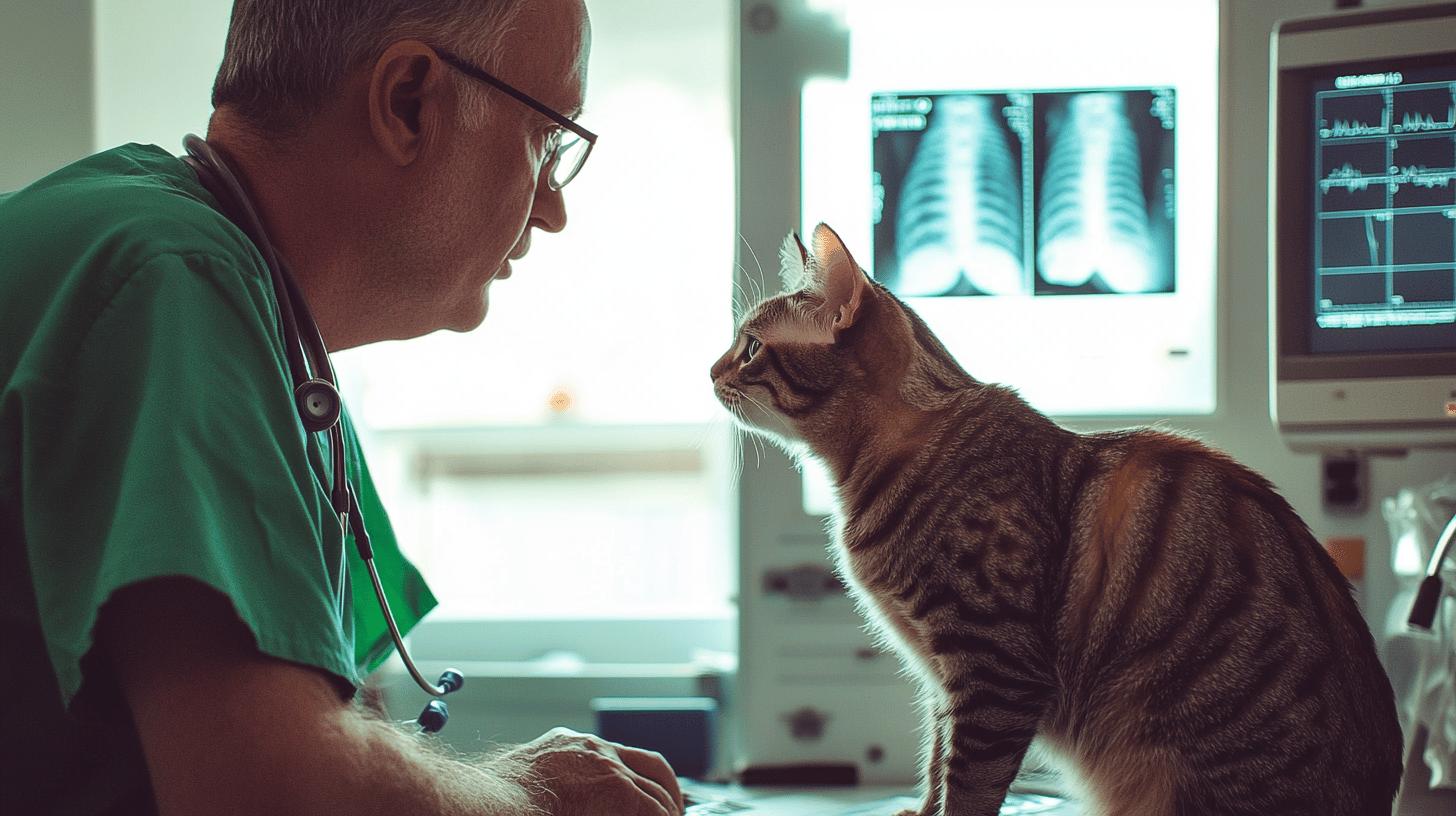
    Before making any changes to a cat's diet, consulting a veterinarian is essential. They offer tailored advice based on a cat's unique health needs and dietary requirements. When it comes to human foods, such as imitation crab, vets can assess the potential risks and advise on safe portion sizes. Since imitation crab contains additives and lacks essential nutrients like taurine and omega-3 fatty acids, a vet's guidance ensures that a cat's health is not compromised by these dietary choices.

    Experts recommend introducing new foods gradually into a cat's diet. Start with small quantities mixed with their regular food, observing for any adverse reactions like vomiting or diarrhea. This approach allows you to monitor how your cat reacts to the new food and adjust accordingly. A veterinarian can help identify any signs of allergies or intolerances, ensuring modifications do not negatively impact a cat's overall well-being. By following professional guidance, you can safely explore dietary options while maintaining your cat's health and happiness.

    Final Words

    Exploring the question, "Can cat eat imitation crab?" reveals many concerns. Imitation crab, made from processed fish and additives, poses health risks. High sodium and carbohydrates might harm your cat's kidneys and increase blood sugar levels. Plus, it's missing key nutrients like omega-3 and taurine.

    Allergic reactions and long-term health issues are possible. Safe human foods are better choices. Chicken, shrimp, or salmon offer healthy protein without harmful additives.

    Consulting a vet remains vital when feeding cats human foods. With the right alternatives and careful monitoring, you can keep your cat healthy and happy.

    FAQ

    Can cats eat imitation crab?

    Imitation crab can cause health issues in cats. It contains high sodium and questionable additives that can harm kidney function and digestive health. It's best to avoid it in your cat's diet.

    Can cats eat imitation crab meat?

    Cats should not consume imitation crab meat. It's made from surimi (processed fish) with additives that might not suit their dietary needs. It lacks essential nutrients like omega-3 fatty acids and taurine.

    Is imitation crab meat okay for cats?

    Imitation crab meat is not okay for cats. The additives and high sodium content can cause potential health problems, including dehydration, elevated blood sugar, and kidney damage.

    Can cats eat crab meat?

    Cats can eat real crab meat in moderation. Ensure it is cooked and unseasoned to avoid any digestive issues. Always introduce new foods gradually.

    Can animals have imitation crab?

    Most animals, including cats and dogs, should not eat imitation crab. Its additives and high sodium are not suited for animal diets and might lead to health complications.

    Can cats eat shrimp?

    Cats can eat shrimp if it is cooked plain without any added seasonings. Shrimp is a better alternative to imitation crab, providing more nutrients and less risk.

    Can cats eat canned crab meat?

    Cats can eat canned crab meat but make sure it's low on sodium and free of harmful additives. Offer only in small amounts to prevent any digestive upset.

    Is it okay for cats to eat crab?

    Crab meat, if cooked, is okay for cats as an occasional treat. Make sure it is unseasoned and given in moderation to avoid any health problems.

    Can cats eat imitation meat?

    Imitation meat generally doesn't offer the nutrients cats need and can contain harmful additives. Stick to real, simple, and cooked proteins like chicken or fish.

    Can dogs eat imitation crab?

    Imitation crab is not recommended for dogs due to high sodium and artificial additives. Like cats, dogs benefit more from real, plain, and cooked meats.
    Related Articles

  • Can Cat Eat Tortilla Safely Understanding Risks and Benefits

    Can Cat Eat Tortilla Safely Understanding Risks and Benefits

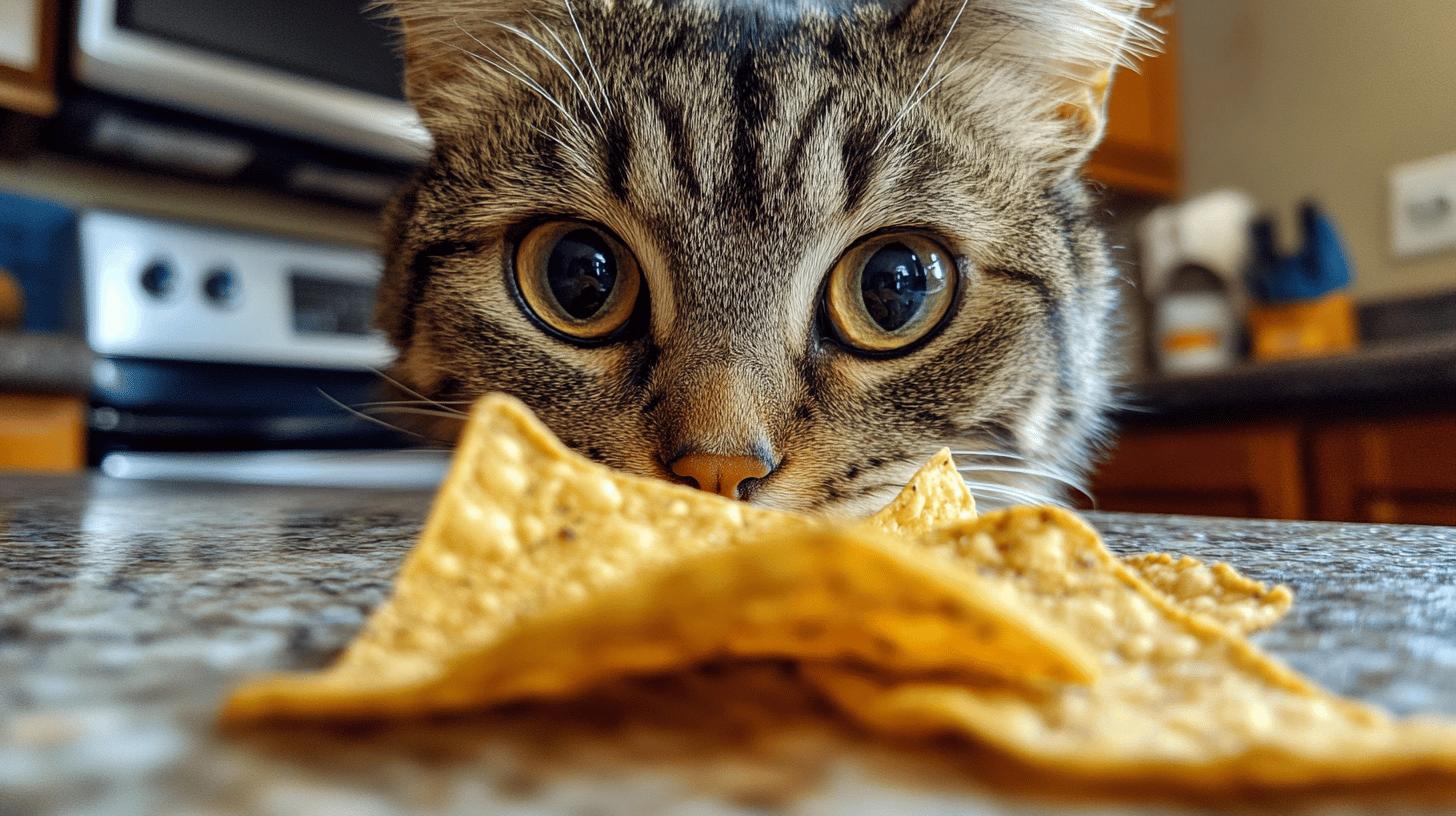
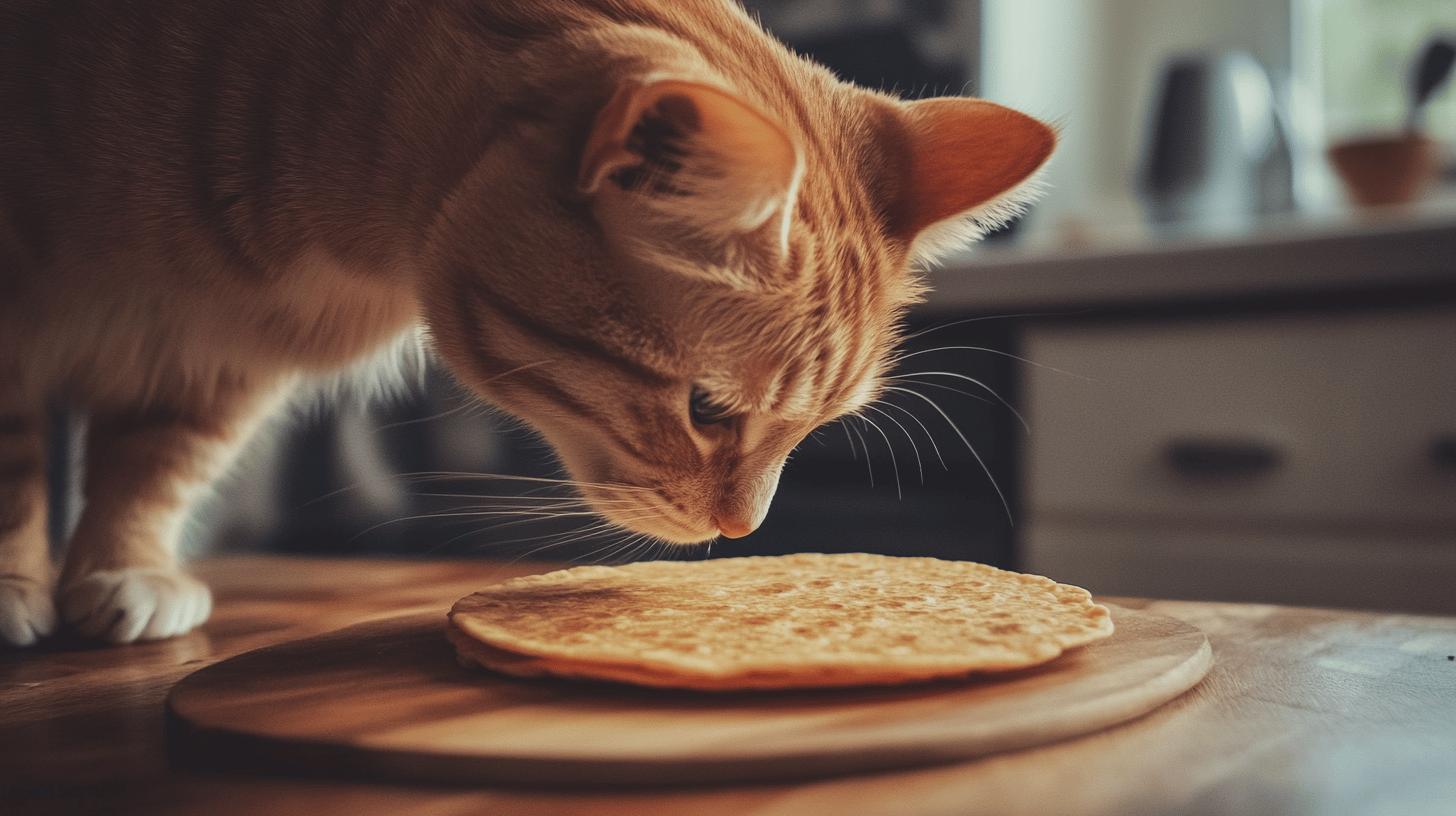
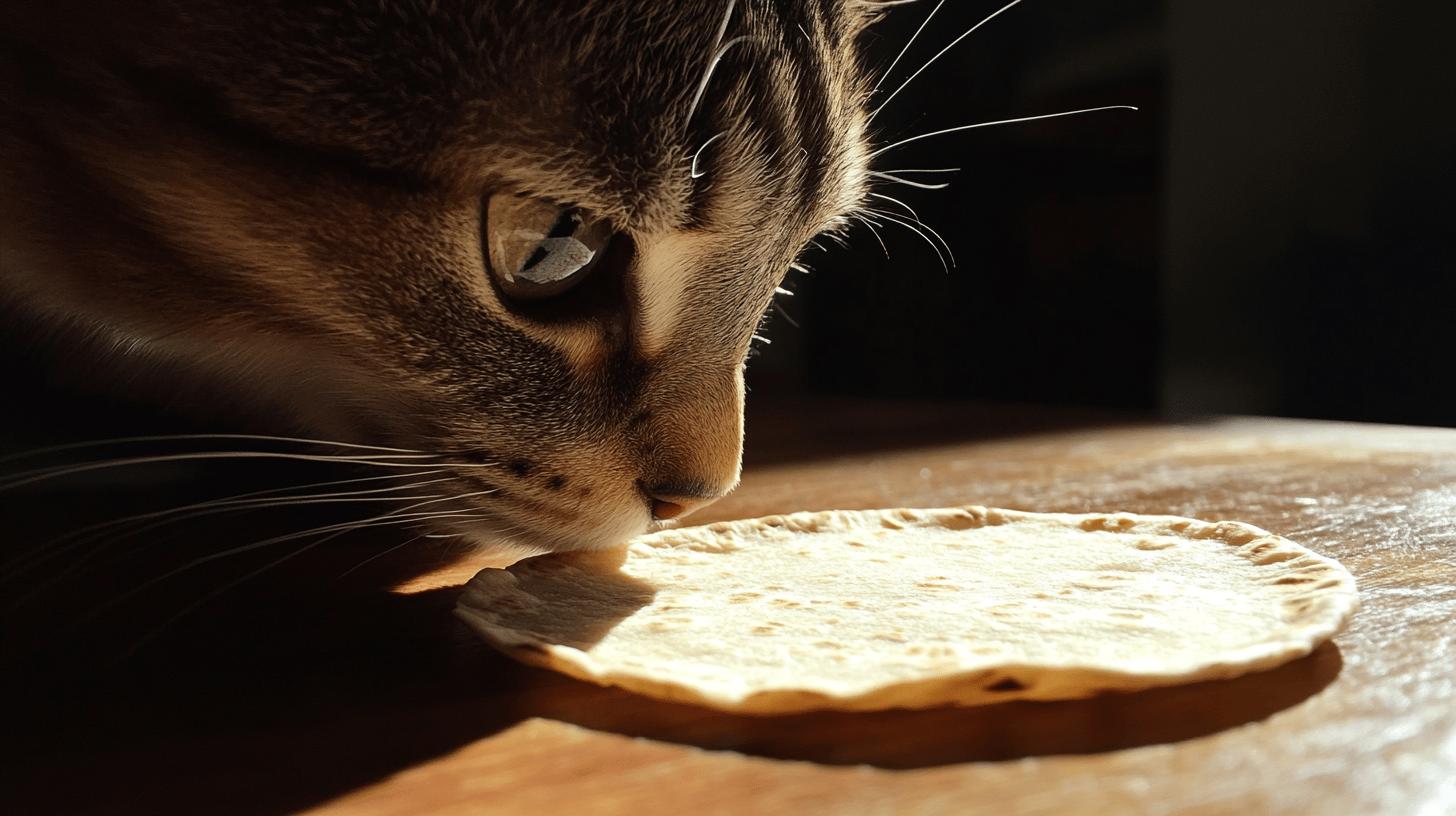
    Can your beloved cat munch on a tortilla safely, or is it a dietary detour down a dangerous path? As a cat enthusiast, you've probably faced those pleading eyes whenever you indulge in a meal. While sharing a bite with your furry friend might seem innocent, tortillas pose specific risks and limited benefits. In this blog post, we'll explore whether tortillas belong in your cat's diet. From understanding potential health hazards to making informed decisions, we'll break down everything you need to know to keep your feline friend both satisfied and safe.

    Can Cats Safely Eat Tortillas?

    Can Cats Safely Eat Tortillas-1.jpg

    Cats are curious creatures and might show interest in your food, including tortillas. When it comes to tortilla consumption by cats, there are some safety concerns to keep in mind. While small amounts of corn tortillas can offer a quick energy boost due to their carbohydrate content, they don't provide any significant nutritional benefits for our feline friends. Cats are obligate carnivores and need a diet rich in proteins and specific nutrients found in meats, which tortillas simply don't have. Flour tortillas, in particular, are not recommended for cats. They lack nutritional value and could pose potential health risks due to additives and ingredients that aren't suitable for a cat's digestive system.

    In terms of safe consumption, tortillas can be given occasionally in small quantities, but moderation is key. Be aware of the ingredients and avoid those that could be harmful, such as excessive salt or spices. It's important to remember that while a small bite of tortilla might not harm your cat, making it a habit could lead to health issues over time. Potential risks include digestive upset or more serious problems related to excess salt and saturated fats. Always prioritize a diet specifically designed for cats to ensure they receive the proper nutrition they need to stay healthy and active.

    Potential Health Risks of Feeding Tortillas to Cats

    Potential Health Risks of Feeding Tortillas to Cats-1.jpg

    Feeding tortillas to cats can lead to health risks that every cat owner needs to know about. While tortillas might seem harmless, they contain ingredients that don't fit with a cat's dietary needs. Cats are obligate carnivores, designed to process meat, not the carbohydrates and additives in foods like tortillas. These can cause nutritional imbalances and other health issues, which you should understand before offering your feline friend a tortilla snack.

    The high salt content in tortillas is a major concern. Cats have much lower sodium needs than humans, and too much salt can cause serious health problems. High salt levels can lead to electrolyte imbalances, presenting symptoms like confusion and lethargy, or more severe outcomes like seizures. Sodium toxicity is a real risk, so keeping your cat's salt intake low is crucial to avoid these dangerous situations.

    Saturated fat, found in tortillas and especially tortilla chips, can harm your cat’s health. A diet high in saturated fats can lead to obesity, raising the risk of heart problems and other related health issues. This type of fat can also affect a cat's cholesterol levels and artery health. It's important to limit their consumption of fatty human foods to keep their weight and health in check.

    Cats' digestive systems struggle with large amounts of starch present in both corn and flour tortillas. This can cause digestive issues, such as bloating or an upset stomach. Cats lack the necessary enzymes to efficiently break down carbohydrates, making it important to avoid feeding them foods high in starch. Prioritizing a diet that meets their natural nutritional needs ensures your cat stays healthy and happy.

    Safe Alternatives and Snack Options for Cats

    Safe Alternatives and Snack Options for Cats-1.jpg

    Feeding our furry friends a balanced, nutrient-rich diet is crucial for their health and well-being. Cats are obligate carnivores, which means their primary nutritional needs come from meat. A diet high in protein and essential nutrients like omega-3 fatty acids and taurine helps maintain their muscle mass, energy levels, and overall health. Providing the right balance of nutrients ensures that your cat stays active and healthy, and reduces the risk of common feline health issues such as obesity and diabetes.

    Here are some safe human foods you can offer your cat as occasional treats:

    • Unseasoned cooked meats like chicken, turkey, or beef provide essential proteins and amino acids.
    • Cooked whole grains such as oats, corn, or polenta can be given in moderation; oats are particularly high in protein.
    • Cooked fish is a great source of omega-3 fatty acids, which help prevent arthritis and heart disorders.
    • Cooked eggs are another excellent source of protein, but avoid raw eggs to prevent potential health issues.
    • Vegetables like cucumber, steamed broccoli, or asparagus offer vitamins, fiber, and hydration.
    • Cheese can be given in small amounts; it's rich in protein, but be mindful of lactose intolerance.

    When offering these snacks, it's important to keep portion sizes small and infrequent to avoid disrupting your cat's regular diet. Treats should not exceed more than 10% of their daily caloric intake. This helps maintain a balanced diet, preventing weight issues and ensuring that your cat remains healthy. Always observe your cat’s reaction to new foods and consult with a veterinarian if you notice any adverse effects.

    Veterinarian Advice and Guidelines on Feeding Tortillas to Cats

    Veterinarian Advice and Guidelines on Feeding Tortillas to Cats-1.jpg

    Veterinarians generally advise against regularly feeding cats human foods like tortillas. Cats have unique dietary needs that are best met with foods specifically formulated for them. Tortillas, whether corn or flour, don't provide the necessary nutrients that cats require. Moderation is key to preventing potential health issues. Always prioritize a diet that's rich in proteins and essential nutrients tailored for feline health.

    Practical Feeding Guidelines

    1. Offer only small pieces: Break off tiny, plain pieces of tortilla without any added salt or seasoning.
    2. Limit frequency: Make tortilla treats a rare occurrence, not a regular part of their diet.
    3. Watch for reactions: Observe your cat for any signs of digestive upset after eating tortillas.
    4. Ensure a balanced diet: Keep their main meals focused on high-quality cat food.
    5. Avoid harmful ingredients: Stay away from tortillas that contain spices, garlic, or onions.

    Consulting with a veterinarian before introducing any new or unusual foods into your cat’s diet is crucial. Vets can provide personalized advice based on your cat's health and nutritional needs, ensuring that any dietary changes are safe and beneficial for your furry friend.

    Final Words

    Deciding whether tortillas are safe for cats involves understanding both their lack of nutritional benefit and potential health risks. While a small nibble of corn tortilla might not harm, it offers little sustenance and could introduce unnecessary risks. Flour tortillas, with added fats and salts, pose greater concerns for a cat's health.

    It is crucial to prioritize a cat-specific diet full of essential nutrients for their wellbeing. If you’re considering treating your cat, opt for safe alternatives like unseasoned meats or certain vegetables. Always check with a vet before making dietary changes. By being informed, you can make better choices about whether your can cat eat tortilla safely.

    FAQ

    Can cat eat tortilla chips?

    A: Cats should not eat tortilla chips. They contain excess salt and fat, which can cause health problems like obesity and heart issues in cats.

    Can cats eat flour tortillas?

    A: Cats should avoid flour tortillas. They lack nutritional value and may cause digestive problems or other health risks due to unnecessary ingredients.

    Can cats eat corn tortillas?

    A: Small amounts of corn tortillas may be okay for cats, but they provide no nutritional benefits and should only be an occasional treat, if at all.

    Can cats eat cheese?

    A: Cats can eat cheese in small amounts. Be cautious of lactose intolerance, which can cause digestive discomfort for your feline friend.

    What human food can cats eat?

    A: Cats can safely eat some human foods like plain cooked meats, grains, certain vegetables, and small amounts of cheese. Always ensure ingredients are safe and unseasoned.

    Can cats eat bread?

    A: Cats can eat a small nibble of bread. However, it has little nutritional value for them and should not be a regular part of their diet.

    Are tortillas okay for cats?

    A: Tortillas are not recommended for cats. They offer no nutritional benefits and pose potential health risks like obesity and digestive issues.

    Are flour tortillas safe to eat for animals?

    A: Flour tortillas aren't safe for most animals, including cats, due to potential health risks and lack of nutritional benefits. Stick to animal-specific diets.

    Can cats eat flour?

    A: Cats should not eat raw flour. It's hard to digest and can lead to stomach upset. Opt for cat-friendly treats instead.

    Related Articles

  • Can Cat Eat Jello Risks and Safe Alternatives

    Can Cat Eat Jello Risks and Safe Alternatives

    Can cats enjoy a bowl of jello with you? It might sound fun, but let's talk risks before sharing. Cats are carnivores and need meat-based diets, not sugar-filled treats. Offering jello isn’t just about spoiling their taste buds; it can pose serious health risks. From upset stomachs to dangerous ingredients like xylitol, the dangers are real. But don’t worry—there are safe alternatives your furry friend will love. So, let's explore why jello should stay off your cat’s menu and what treats will keep them happy and healthy.

    Can Cats Eat Jello? Risks and Ingredients to Avoid

    Can Cats Eat Jello Risks and Ingredients to Avoid-1.jpg

    Jello is not suitable for cats. While an occasional lick or bite might not cause harm, making Jello a regular part of their diet is inadvisable. Cats are obligate carnivores, meaning their diet should primarily consist of meat. Jello doesn't align with their nutritional needs and could lead to health issues.

    Cats require a diet rich in proteins and fats derived from animal sources. Their digestive systems are not equipped to handle the sugars and artificial ingredients commonly found in Jello. Feeding Jello to cats can introduce unnecessary risks to their health and well-being.

    Here are some potential risks and health effects of feeding Jello to cats:

    • Upset stomach
    • Digestive issues
    • Potential for harmful ingredient consumption
    • Lack of nutritional value
    • Risk of developing unhealthy eating habits

    Jello often contains sugar and, in some cases, artificial sweeteners. Sugar can lead to obesity and diabetes in cats, while artificial sweeteners like xylitol are highly toxic. Even small amounts can cause severe health problems. Preservatives and coloring agents in Jello might also induce allergic reactions or digestive upset.

    Ingredient Potential Harm
    Sugar Can lead to obesity and diabetes
    Artificial Sweeteners Toxicity risk, especially xylitol
    Preservatives Potential for allergic reactions
    Coloring Agents Possible digestive upset

    Understanding these risks helps in making informed decisions about what treats are safe for your feline friend. Always prioritize feeding your cat foods that align with their natural dietary needs.

    Safer Alternatives to Jello for Cats

    Safer Alternatives to Jello for Cats-1.jpg

    Offering cats the right treats is key to supporting their health and happiness. Instead of Jello, which doesn't align with a cat's dietary needs, consider treats that provide nutritional benefits. Cats thrive on foods that supply them with essential nutrients found in animal proteins and fats. Many commercial cat treats are formulated to meet these needs, providing both nutrition and enjoyment without the risks associated with human foods like Jello.

    Benefits of Plain Meat-Based Gelatin

    Plain meat-based gelatin is a great alternative for cats. It's packed with amino acids that can benefit your cat's joints, skin, fur, and teeth. Gelatin is derived from animal collagen, making it a safe option when it's free from additives, sugars, or artificial sweeteners. Including plain meat-based gelatin in your cat's diet can be a tasty way to enhance their overall health and well-being.

    Here are some safe and nutritious cat treats that you can offer:

    • Freeze-dried meat treats
    • Cooked chicken or turkey bits
    • Catnip-infused toys
    • Salmon-flavored snacks
    • Homemade tuna treats

    Creating homemade treats is another fun and rewarding way to provide your cat with safe, nutritious snacks. Homemade options allow you to control the ingredients, ensuring that your feline friend receives only the best. This way, you can avoid harmful additives and tailor the flavors to what your cat loves most. Keep in mind that moderation is key, even with healthy treats, to maintain a balanced diet.

    Expert Advice on Feeding Cats: What to Avoid

    Expert Advice on Feeding Cats What to Avoid-1.jpg

    Consulting with a veterinarian about your cat's diet is crucial for their overall health. Veterinarians provide expert advice on what foods are safe and which ones should be avoided. They understand the unique dietary needs of cats, who are obligate carnivores, and can offer guidance to ensure your cat receives the proper nutrients without exposure to harmful ingredients. Regular check-ins with your vet can help catch potential dietary issues early and offer solutions tailored to your cat's specific needs.

    Certain human foods are toxic to cats and should be kept out of their reach. These foods can cause severe health problems ranging from digestive issues to life-threatening conditions. Cats have different metabolic pathways compared to humans, which makes them more sensitive to certain substances. Understanding which foods are off-limits is essential for cat owners, as even small amounts can lead to serious consequences.

    Here's a list of common human foods to avoid feeding your cat:

    • Chocolate
    • Onions and garlic
    • Grapes and raisins
    • Caffeinated beverages

    Reading ingredient labels is vital for your cat's safety. Many pet foods and treats contain additives, artificial sweeteners, and other components that may not be immediately recognizable as harmful. By carefully reviewing these labels, you can avoid inadvertently feeding your cat something that could be dangerous. Staying informed about the latest research and recommendations from trusted pet food brands can also help in making safe and healthy choices for your feline friend.

    Final Words

    Navigating the question, "can cat eat jello," we've identified the risks and unsuitable ingredients for cats. Jello, with its sugar and artificial sweeteners, isn't a safe choice. Cats need meat-based diets, and regular Jello consumption can lead to unhealthy habits and digestive issues.

    Exploring safer, nutritious alternatives, like plain meat-based gelatin and other healthy snacks, offers viable options for treating your feline friend. Remember, expert advice stresses caution. Avoid human foods that can be toxic to cats.

    Prioritizing safe, nourishing treats creates a joyful and healthy playtime environment for your cat.

    FAQ

    Is it okay for cats to eat jello?

    Cats should not eat jello. Their diet needs to be mainly meat. Jello can upset their stomachs and has no nutritional value. Sugar and artificial sweeteners can be harmful, especially xylitol.

    Is gelatin safe for cats to eat?

    Plain meat-based gelatin is safe for cats. It has amino acids that support joint, skin, fur, and teeth health. Avoid sweetened or flavored gelatins.

    Can cats eat sugar-free jello?

    Sugar-free jello is dangerous for cats. It may contain xylitol, a toxic substance for cats. Always avoid giving sugar-free jello to your pet.

    Can cats have gelatin capsules?

    Gelatin capsules are usually safe. Ensure they are plain and not filled with ingredients harmful to cats. Always consult your vet first.

    Can cats eat gummy bears?

    Cats should not eat gummy bears. They contain sugar, gelatin, and other additives that can harm your cat's health. Stick to treats made for cats.

    Can cats have ginger?

    Ginger is not toxic for cats, but moderation is crucial. Some cats may have an upset stomach. It's best to consult a vet before adding it to their diet.

    Why does my cat like jello?

    Cats may be curious about jello due to its texture and smell. However, it's not suitable for them, and other more cat-friendly treats should be provided.

    Related Articles

  • Can Cat Eat Before Thyroid Test Important Information

    Can Cat Eat Before Thyroid Test Important Information

    Ever wondered if your cat should eat before a thyroid test? While it may seem like a small detail, it can make all the difference in getting accurate results. Most cats don’t need to fast, but it’s crucial to get instructions from your vet. Their guidance is tailored to your cat's specific health needs. This ensures precise test outcomes, which are essential for proper treatment. So, should your furry friend dine before testing? Let’s explore the details for a smooth and successful vet visit.

    Can Cats Eat Before a Thyroid Test?

    Can Cats Eat Before a Thyroid Test-1.jpg

    Cats generally do not need to fast before a thyroid test. Eating beforehand typically doesn't affect the test results. It’s always best to follow your veterinarian's guidance to ensure everything is done correctly. They might have specific instructions based on your cat's health needs, so check with them to confirm if fasting is required and for how long.

    Following your vet's instructions is crucial for obtaining accurate diagnostic results. Even though fasting might not be necessary, adhering to any other preparation guidelines they provide is important. This helps in achieving a precise diagnosis, which is essential for effective treatment. Always communicate with your vet to clear up any doubts and ensure your cat’s health is well-managed.

    Understanding Feline Thyroid Test Preparation

    Understanding Feline Thyroid Test Preparation-1.jpg

    Proper preparation for a cat's thyroid function test is critical for ensuring accurate results. When it comes to understanding feline thyroid bloodwork, paying attention to preparation details can significantly impact the effectiveness of the diagnosis. Cats' thyroid levels, particularly thyroxine (T4), are assessed to diagnose conditions like hyperthyroidism.

    Preparing for a cat thyroid diagnostic begins with a veterinary consultation to receive specific instructions. While fasting is not typically necessary, other preparations are crucial. These steps help in minimizing stress and ensuring the cat's body is in an optimal state for testing. A calm and relaxed cat can lead to more reliable results, while stress or dehydration might alter the outcomes.

    Key Preparation Steps:

    1. Hydration: Make sure your cat drinks plenty of water before the test. Dehydration can skew results and impact overall health.
    2. Calm Environment: Keep your cat relaxed and comfortable in the hours leading up to the test. Avoid activities that might increase stress or anxiety.
    3. Rest: Ensure your cat is well-rested. Avoid physical exertion or playtime before the appointment.
    4. Routine: Maintain your cat's usual routine as closely as possible to prevent stress from abrupt changes.

    Hydration is particularly important because it helps maintain normal physiological conditions. Keeping your furry friend calm before the test is equally crucial. Stress can elevate certain blood parameters, possibly leading to inaccurate readings. By following these preparation steps, you're setting the stage for an accurate diagnosis, which is essential for developing an effective treatment plan for any thyroid-related issues.

    Common Thyroid Disorders in Cats and Their Symptoms

    Common Thyroid Disorders in Cats and Their Symptoms-1.jpg

    Thyroid disorders in cats can significantly impact their health, particularly as they age. These conditions primarily involve the thyroid gland and can manifest through various behavioral and physical changes. Understanding these disorders and recognizing their symptoms are key to ensuring a cat receives the appropriate care and treatment.

    Hyperthyroidism in Cats

    Hyperthyroidism is the most common thyroid disorder in cats, affecting primarily older cats aged 12 to 13 years. This condition usually results from a non-cancerous tumor on the thyroid gland, although in rare cases, it may develop into thyroid cancer. The symptoms of hyperthyroidism are quite pronounced and include increased appetite, noticeable weight loss, and excessive meowing. Cats may also show signs of hyperactivity, increased thirst, and frequent urination. Left untreated, hyperthyroidism can lead to serious health issues, including heart problems. Early diagnosis and intervention are crucial for managing the condition effectively and preventing further complications.

    Hypothyroidism in Cats

    While hypothyroidism is less common than hyperthyroidism, it still can affect cats, particularly after surgical or medical treatment for hyperthyroidism. This condition involves a reduced production of thyroid hormones. Symptoms of hypothyroidism include lethargy, weight gain, and a dull coat. Cats with hypothyroidism might also show decreased appetite and intolerance to cold. Due to its rarity, hypothyroidism may be overlooked, but recognizing these symptoms can aid in timely diagnosis and management.

    Early recognition of thyroid disorder symptoms in cats is vital for effective treatment. The symptoms can often mimic other health issues, which is why regular veterinary check-ups are important for older cats. A proper diagnosis ensures that the right treatment plan is implemented, helping to maintain the cat's quality of life. Detecting these disorders early allows for more successful management and can prevent the progression to more severe health problems.

    The Impact of Diet on Hyperthyroid Cats

    The Impact of Diet on Hyperthyroid Cats-1.jpg

    Diet plays a crucial role in managing hyperthyroidism in cats. By adjusting their food intake, we can help maintain their weight and improve nutrient absorption. A high-calorie diet rich in fats and high-quality animal-based proteins is often recommended to address the increased metabolic rate seen in hyperthyroid cats.

    Dietary Recommendations for Hyperthyroid Cats:

    1. High-Quality Protein: Include animal-based proteins like chicken or fish to support muscle maintenance.
    2. Increased Fats: Add healthy fats to their diet to provide additional calories needed for energy.
    3. Controlled Iodine Levels: Opt for foods with balanced iodine to avoid exacerbating thyroid function.
    4. Frequent Small Meals: Feed smaller portions multiple times a day to stabilize metabolism.
    5. Hydration: Ensure fresh water is always available to support kidney function.

    It's equally important to avoid certain foods that might worsen hyperthyroid symptoms. Foods high in iodine or soy could potentially interfere with thyroid hormone production. Avoiding these can help in stabilizing your cat's condition. Providing a balanced diet tailored to their specific needs not only aids in managing symptoms but also enhances their overall well-being. Proper dietary management is a vital part of treatment for hyperthyroid cats, ensuring they lead a healthier and more comfortable life.

    Diagnostic and Treatment Options for Feline Hyperthyroidism

    Diagnostic and Treatment Options for Feline Hyperthyroidism-1.jpg

    Diagnosing hyperthyroidism in cats typically starts with a thorough physical examination by a veterinarian. Given that hyperthyroidism primarily affects older cats, vets might suggest advanced diagnostic tests such as blood work to measure thyroxine (T4) levels, which are crucial in confirming the condition. These tests help in assessing whether the thyroid gland is overactive, contributing to the symptoms you're observing in your furry friend. Early diagnosis is critical as it allows for prompt treatment, reducing the risk of complications like heart issues and organ damage.

    Radioactive Iodine Treatment

    Radioactive iodine treatment is often touted as one of the most effective options for treating hyperthyroidism in cats. It involves administering a dose of radioactive iodine, which specifically targets and destroys the overactive thyroid tissue. One of the main benefits of this treatment is that it usually corrects the thyroid hormone levels permanently, often eliminating the need for ongoing medication. However, it's important to note the potential side effects, which might include temporary changes in appetite or activity level, and the need for isolation post-treatment due to radioactivity concerns.

    The cost of treating hyperthyroidism in cats can vary significantly, depending on the chosen treatment method. While options like radioactive iodine treatment can be more expensive upfront, they might offer a more permanent solution compared to daily medications, which can add up over time. Early intervention not only improves the prognosis but can also be more cost-effective in the long run. Addressing the issue promptly helps in preventing the disease from progressing to more severe health complications, ensuring your cat remains healthy and happy.

    Final Words

    Proper preparation for your cat's thyroid test ensures reliable results. While cats usually don't need to fast before these tests, it's crucial to check with your vet. Following all pre-test guidelines can make a real difference in diagnosis and treatment. Common thyroid disorders like hyperthyroidism and hypothyroidism have specific symptoms that need attention. Managing these with diet and early intervention can lead to a positive outcome. Whether you're considering diet changes or treatment options, informed decisions benefit your cat’s health. Remember, your vet remains your best guide in keeping your cat healthy.

    FAQ

    Do cats need to fast before a thyroid blood test?

    Cats undergoing a thyroid test typically do not need to fast. Eating before the test generally does not affect results. Always check with your vet for specific instructions to ensure accuracy.

    Is it okay to eat before a thyroid test?

    For a cat's thyroid test, it is usually fine for them to eat beforehand. It’s best to confirm with your veterinarian to follow any necessary preparations.

    What is the normal range for T4 in cats?

    Normal T4 levels in cats range from 0.8 to 4.7 µg/dL. Always consult your vet to interpret test results accurately.

    How long should a cat fast before a glucose test?

    Cats may need to fast for about 6 to 12 hours before a glucose test. Make sure to follow your vet's instructions exactly.

    Can I feed my cat before bloodwork?

    Feeding your cat before routine bloodwork might be okay unless the vet instructs fasting. Always adhere to your vet's advice to ensure accurate results.

    What is the cost for a thyroid test for cats?

    The cost for a cat’s thyroid test can vary, typically ranging from $50 to $150. Prices depend on location and veterinary clinic.

    Can you check a cat's thyroid levels at home?

    Standard practice is to have a vet conduct the thyroid test due to the required equipment and expertise. Speak with your vet about any in-clinic or at-home solutions.

    Related Articles

  • Can Cat Eat Yam Safely and Benefits Explained

    Can Cat Eat Yam Safely and Benefits Explained

    Ever caught your cat giving a curious sniff to the yam on your plate? You might wonder if this veggie is safe for your feline friend. Well, cooked yams can indeed be a safe and occasional treat for cats, when prepared correctly.

    Understanding the do's and don'ts of serving yams can improve your cat's diet and playtime. In this blog post, we'll dive into the benefits of yams and safety tips you should consider. Your furry pal's health is a priority, so let's explore this together.

    Can Cats Eat Yams?

    Can Cats Eat Yams-3.jpg

    Cats can safely eat yams when they are cooked and prepared properly. Cooked yams are non-toxic to cats and can be a safe treat if fed in moderation. It's important to ensure that the yams are plain, without any added seasonings or spices, which could upset a cat's stomach. The key is moderation and proper preparation.

    Raw yams should be avoided because they contain phytic acid, which can bind to minerals and prevent their absorption. This can pose potential health risks if ingested by cats. Cooking yams significantly reduces the levels of phytic acid, making them safer for feline consumption. Always ensure that yams are thoroughly cooked before offering them to your furry friend.

    Cats, as obligate carnivores, require a diet primarily composed of animal proteins and fats. They do not need carbohydrates like those found in yams for their nutritional needs. Therefore, yams should not be a regular part of a cat's diet. While a small amount of cooked yam is unlikely to harm most cats, it's not necessary for their well-being.

    Occasionally, cooked yams can help with digestive issues such as constipation or diarrhea. The fiber content in yams can promote smoother digestion. However, it's crucial to consult with a veterinarian before introducing yams for this purpose, as they can provide guidance tailored to your cat's specific health needs.

    Veterinary advice suggests serving yams in small portions, typically around a teaspoon at a time, to monitor how your cat reacts. Always watch for any adverse reactions such as vomiting or diarrhea. If any negative symptoms arise, discontinue feeding yams immediately and consult your vet.

    Can Cats Eat Yams?

    Nutritional Facts and Potential Risks of Yams for Cats-1.jpg

    Cats are obligate carnivores, meaning they don't need carbohydrates like those found in yams. While the fiber in yams can help with digestion, it's not something cats should eat regularly. A lesser-known risk of yams is the presence of oxalates. These compounds might raise the chance of urinary stones, which can be painful for cats. Boiling yams can lower their oxalate levels, but other cooking methods don't.

    If your cat is on a urinary diet or has a history of urinary problems, it's best to skip the yams. These cats are particularly at risk for issues related to oxalates. Always talk to a veterinarian before letting your cat try new foods, especially if your pet has any health concerns.

    • Carbohydrates
    • Fiber
    • Oxalates
    • Starch

    Comparing Yams to Sweet Potatoes for Cats

    Comparing Yams to Sweet Potatoes for Cats-1.jpg

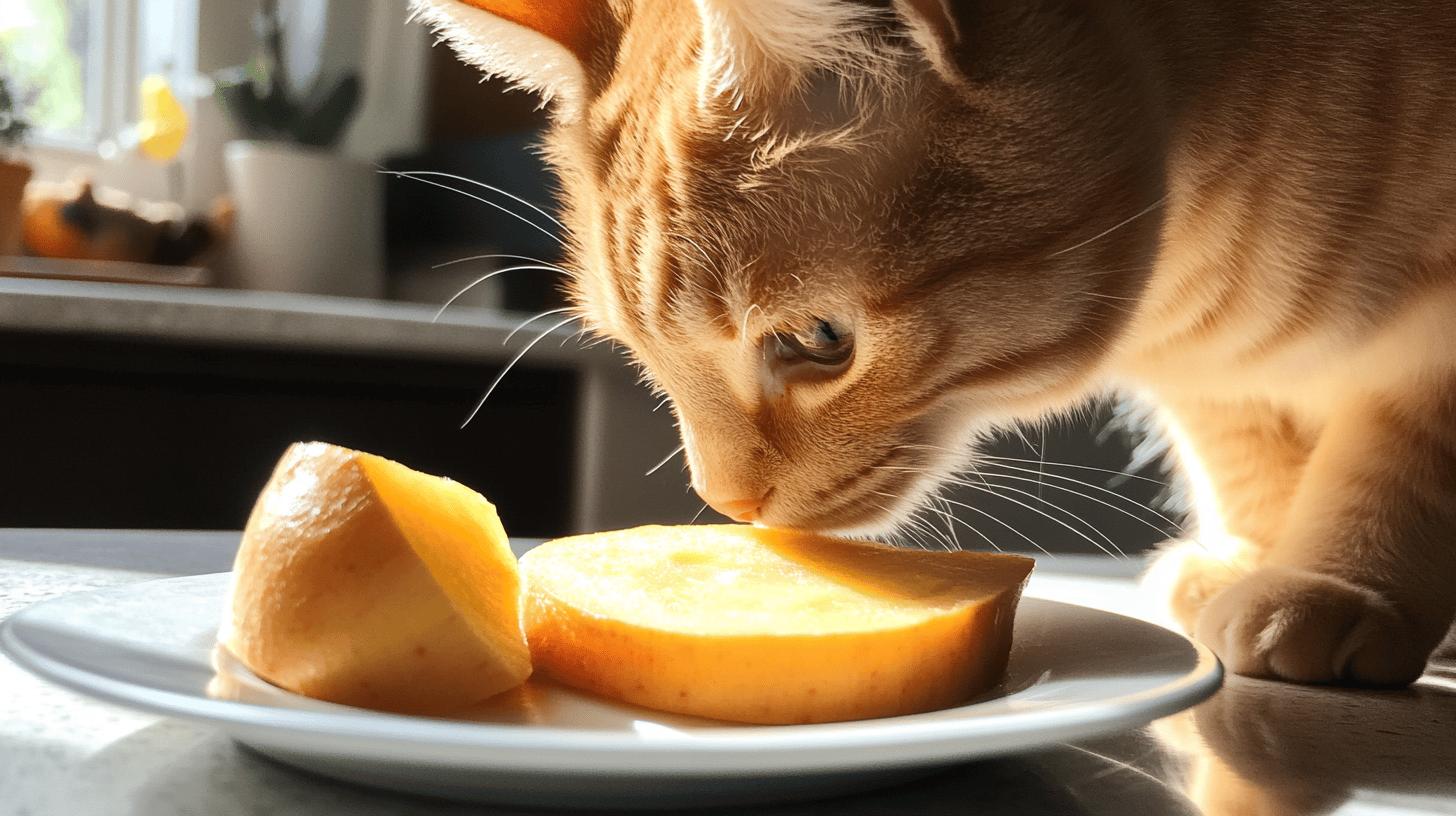
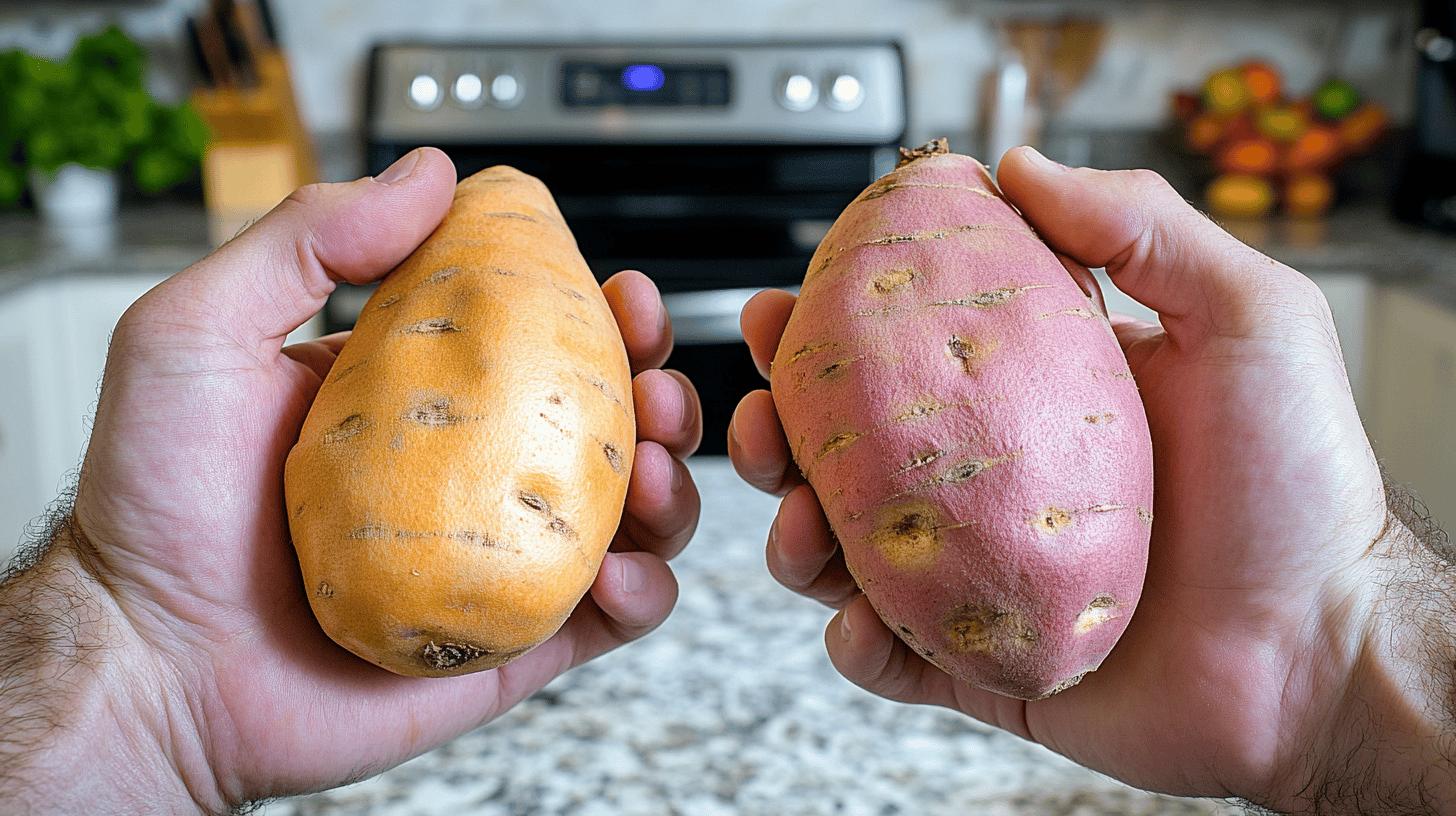
    True yams and sweet potatoes differ in more than just looks. Yams, with their rough skin, originate from Africa and Asia, whereas sweet potatoes, known for their thin skin and sweet flavor, are native to the Americas. This mix-up is common in the U.S., where many call sweet potatoes "yams."

    When considering nutritional content, yams are starchier, providing a different texture and flavor profile than sweet potatoes, which are naturally sweeter. For cats, both can offer a source of fiber and vitamins like vitamin A, but sweet potatoes have a higher concentration of beta-carotene.

    Despite these benefits, they should not replace meat in a cat's diet. Understanding these nutritional differences helps in making informed choices about occasional treats.

    Characteristic Yam Sweet Potato
    Skin Texture Rough Thin
    Origin Africa, Asia Americas
    Flavor Starchy Sweet

    How to Safely Prepare Yams for Cats

    How to Safely Prepare Yams for Cats-4.jpg

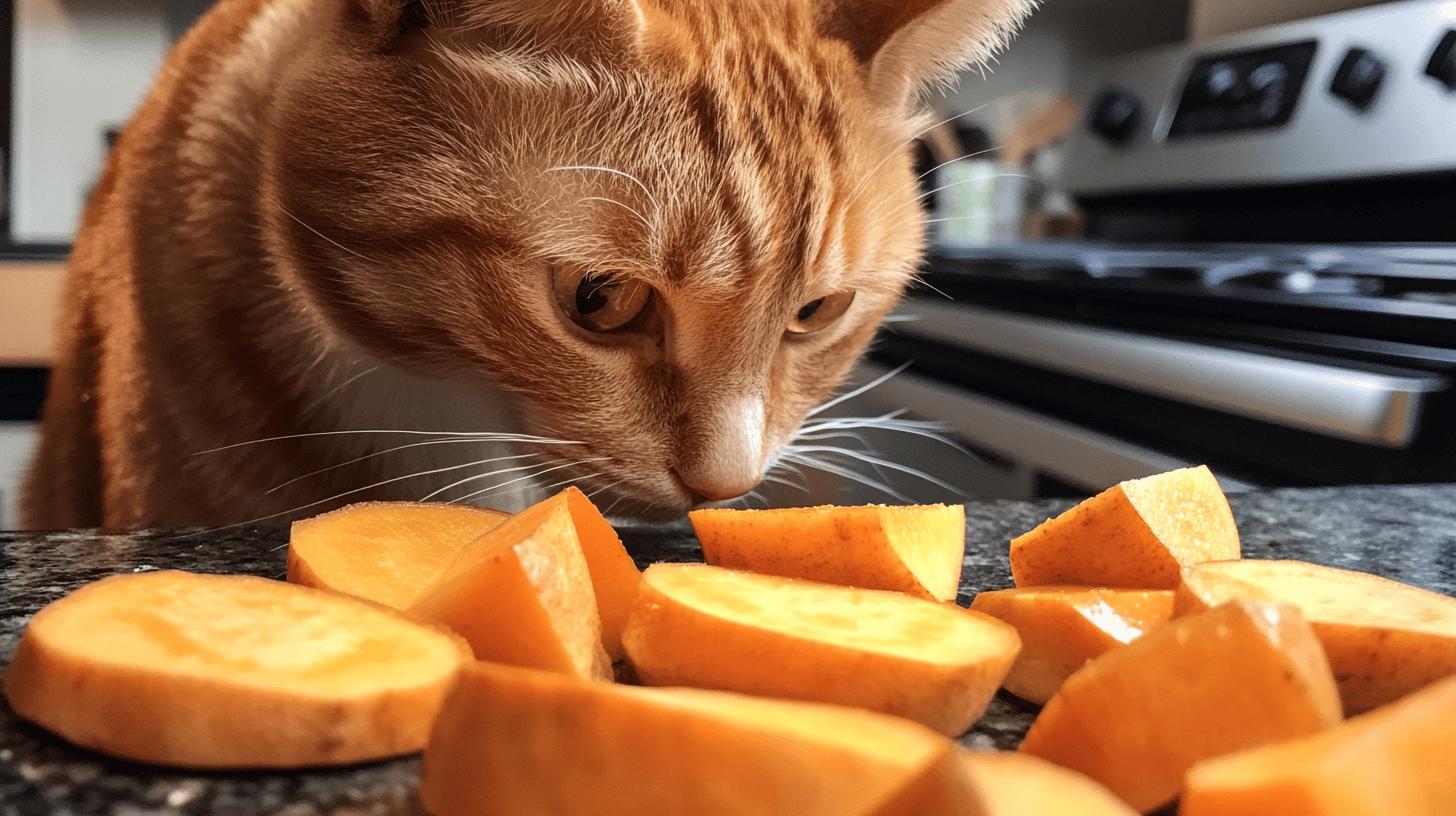
    Cooking yams for your cat requires attention to detail and a focus on safety. The best methods include boiling, baking, or microwaving the yams until they are soft enough to mash. These methods ensure the yams are cooked thoroughly, which is essential to reduce harmful substances like phytic acid.

    Using plain yams without any added seasonings or spices is crucial, as these can upset a cat's digestive system. Once cooked, the yams should be mashed or chopped into small pieces to make them easier for your cat to eat.

    When it comes to portion size, moderation is key. A teaspoon of cooked yam per day is generally sufficient, especially if you're using it to address a digestive issue like constipation or diarrhea.

    This small amount provides the benefits of fiber without overwhelming your cat's system. Monitoring your cat's reaction to the yam is important, as any unusual symptoms might indicate that even this small portion is too much for your pet.

    Before serving, always remove the skin from the yams. The skin can harbor pesticides and other chemicals that are harmful if ingested. By peeling the yams, you ensure that your cat is only consuming the soft, cooked flesh. This extra step in preparation helps keep your pet safe and allows them to enjoy the occasional yam treat without risk.

    • Peel the yam to remove any harmful chemicals.
    • Boil, bake, or microwave the yam until thoroughly cooked.
    • Mash or chop the cooked yam into small, manageable pieces.
    • Serve a teaspoon-sized portion to your cat.
    • Monitor your cat for any adverse reactions.

    Final Words

    Understanding whether cats can eat yams allows us to make informed decisions about our pets' diets. Cooked yams, in small amounts, can aid digestion but shouldn't replace meat-based nutrition. Avoid raw yams due to phytic acid, which is harmful. While yams can offer occasional benefits, they aren't needed for a cat's health. Remember, our cats rely on us to ensure their safety and well-being. By choosing safe and appropriate foods, like carefully prepared yams, we contribute to their overall happiness and health.

    FAQ

    Can cats eat sweet potatoes?

    Cats can eat cooked sweet potatoes in small amounts. They should be plain, peeled, and fully cooked to avoid any digestive issues.

    Is sweet potato good for cats with diarrhea?

    Sweet potatoes can help with diarrhea by adding fiber to a cat's diet. Always consult a vet for persistent issues.

    Can cats eat sweet potato skin?

    Cats should not eat sweet potato skin. It might contain harmful pesticides and is hard to digest.

    Can cats eat sweet potato fries?

    Cats should avoid sweet potato fries. They are often seasoned and fried, which isn't suitable for a cat's diet.

    Can cats eat rice?

    Yes, cats can eat small amounts of plain, cooked rice. It's often used to help settle an upset stomach.

    Is sweet potato good for cats with constipation?

    Sweet potatoes can help relieve constipation due to their fiber content. Serve them cooked and in moderation.

    Can cats eat pumpkin?

    Cats can eat pumpkin. It's good for digestion and can help with both diarrhea and constipation.

    Can cats eat sweet yams?

    Sweet yams are safe for cats if cooked and served without added sugar or spices.

    Can cats eat Chinese yams?

    Chinese yams can be eaten by cats if cooked well. Ensure they are plain with no added seasonings.

    Can animals eat yams?

    Yes, certain animals can eat yams if they are cooked and plain.

    Can cats have purple yams?

    Cats can eat purple yams when they are cooked and served without skin.

    How to make sweet potatoes for cats?

    Cook sweet potatoes by boiling, baking, or microwaving them. Serve them plain, peeled, and mashed or chopped into small pieces.

    Related Articles

  • Can Cat Eat Corn on the Cob Safely

    Can Cat Eat Corn on the Cob Safely

    Have you ever wondered if your curious cat can safely munch on corn on the cob? It might seem like a harmless nibble, but there are hidden dangers that could make this common table food a feline foe.

    The cob could become a choking hazard or even cause a serious blockage in your cat’s tiny digestive tract. In this article, I’ll dive into the risks and clarify whether corn should ever be part of your cat’s snack repertoire. Understanding these risks can keep your furry friend safe and healthy.

    Can Cats Safely Eat Corn on the Cob?

    Can Cats Safely Eat Corn on the Cob-1.jpg

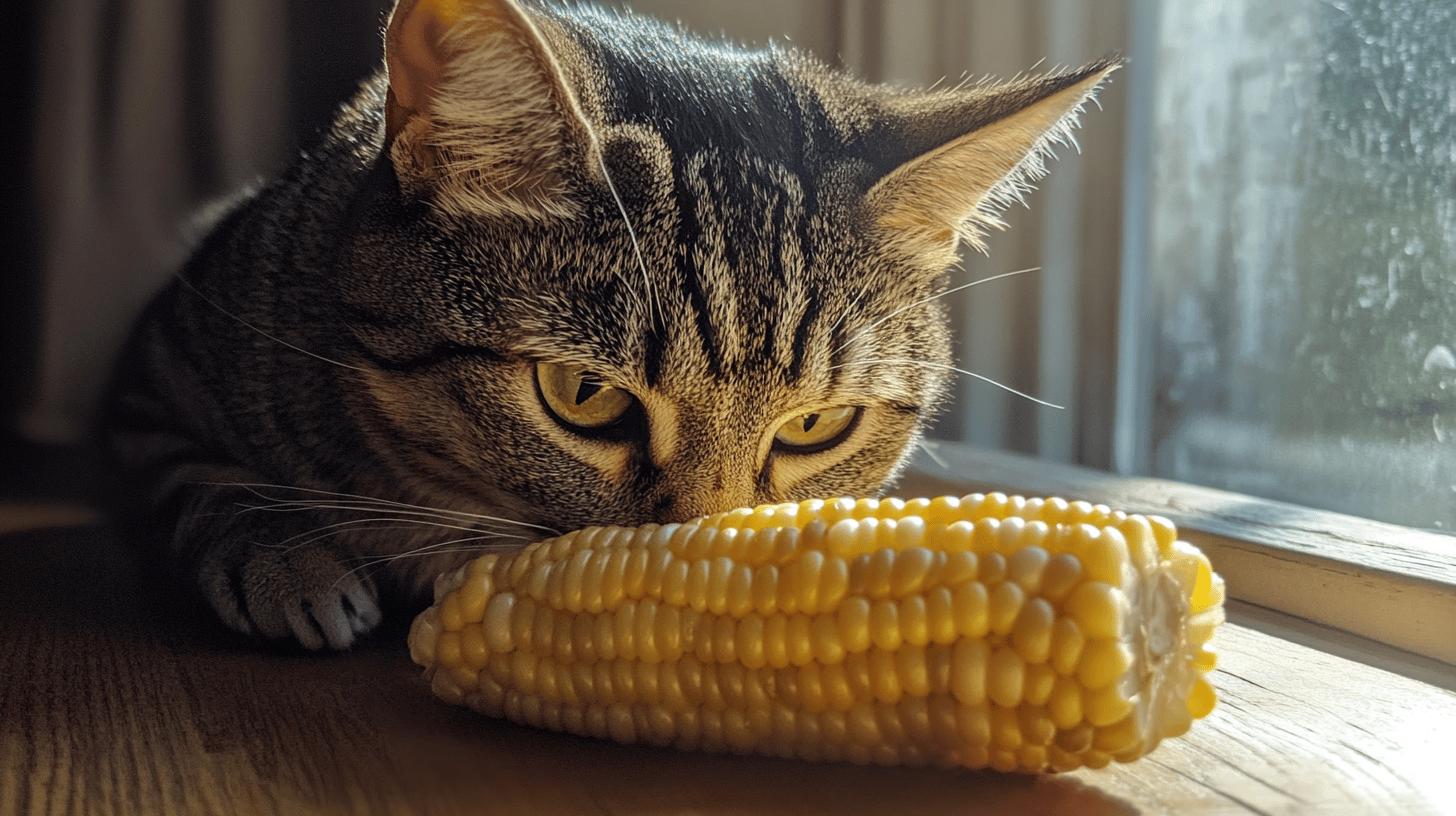
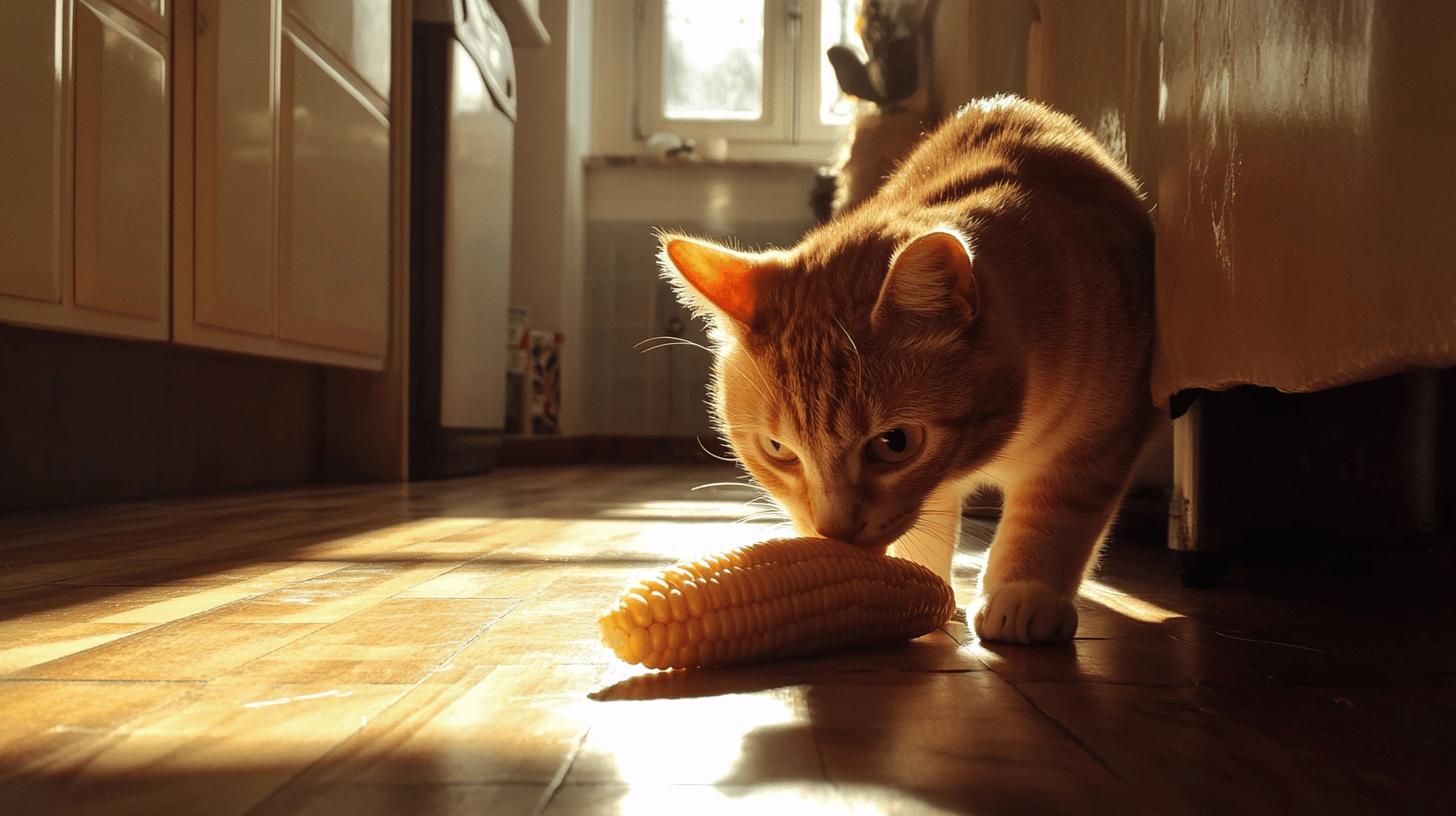
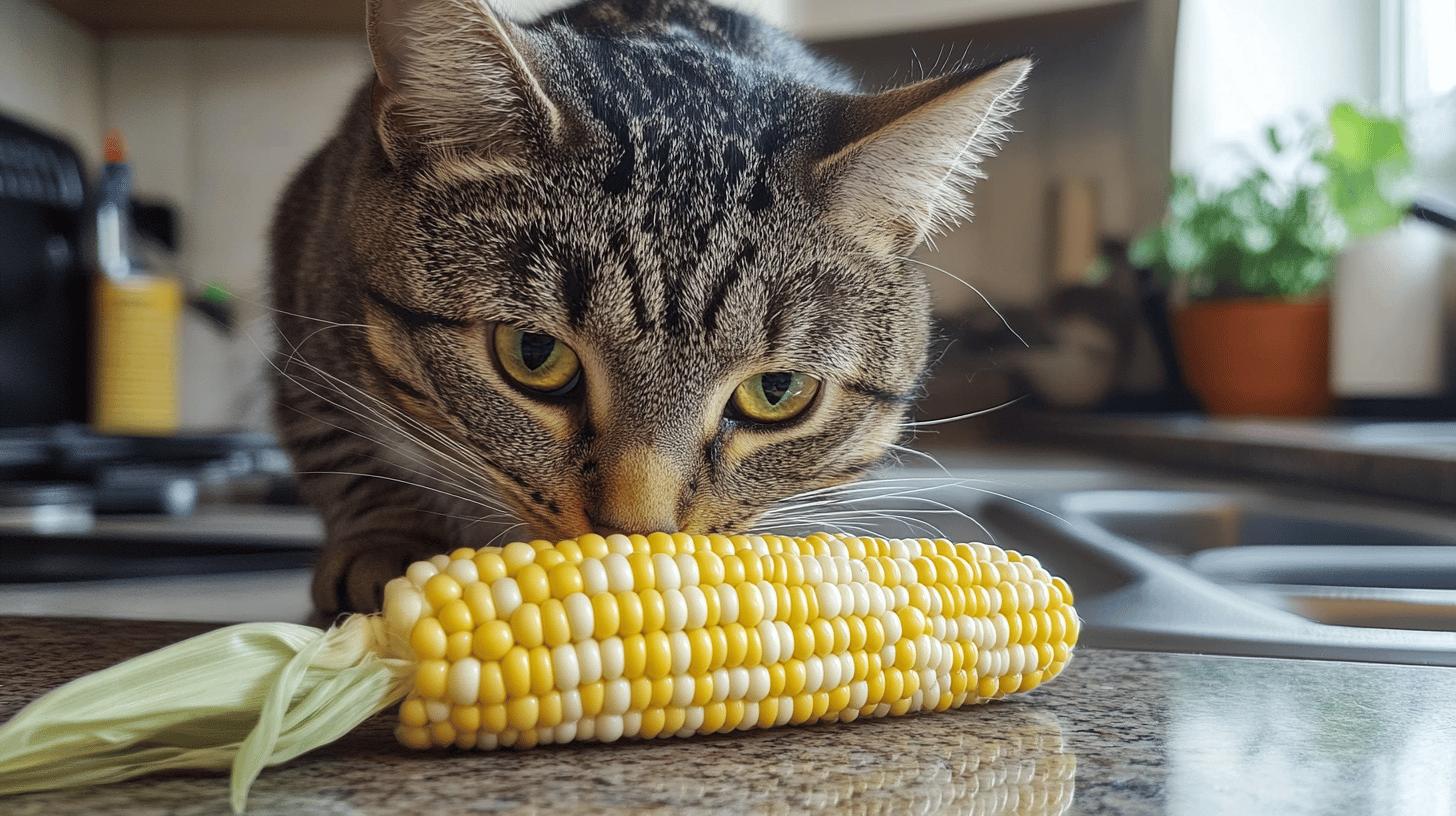
    Corn is generally not toxic to cats, but corn on the cob poses several potential dangers. The cob itself can become a serious choking hazard. Cats have small throats, and the cob can easily get lodged, leading to emergency situations. Moreover, if a cat swallows chunks of the cob, it could cause gastrointestinal blockages.

    Such blockages can lead to severe health issues requiring immediate veterinary attention. Indigestion is another concern, as the cob is not digestible by cats, potentially leading to discomfort and other digestive troubles.

    • Choking hazard due to the cob's size
    • Risk of gastrointestinal blockages from swallowing cob pieces
    • Indigestion issues from undigestible cob material
    • Potential emergency situations requiring veterinary intervention
    • Lack of nutritional benefit from corn for cats

    Veterinarian Eddie Lo advises that while small amounts of corn might not harm cats, it should not be a regular part of their diet. Cats are obligate carnivores, which means their dietary needs are predominantly met through meat.

    Corn lacks the necessary nutrients that cats require, so it does not contribute to their nutritional well-being. Dr. Lo emphasizes the importance of avoiding the cob itself due to its potential to cause serious health issues.

    In summary, while corn itself may not be harmful in very small amounts, corn on the cob presents significant risks to cats. The risk of choking, indigestion, and intestinal obstruction makes it advisable to keep corn on the cob out of reach.

    Instead, ensuring your feline friend has a diet primarily composed of meat-based foods is crucial for their health and happiness. Always consult with a veterinarian before introducing any new foods into your cat's diet to ensure their safety.

    Understanding the Nutritional Value of Corn for Cats

    Understanding the Nutritional Value of Corn for Cats-1.jpg

    Cats are obligate carnivores, meaning their diet needs to be primarily meat-based. Corn, while not toxic, doesn't provide the essential nutrients that cats need to thrive. Cats require proteins and specific amino acids found predominantly in meat.

    Corn lacks these critical components, making it an inadequate primary food source for our feline friends. While corn can be included in small amounts in some cat foods, it's not beneficial as it doesn't fulfill their dietary needs.

    Nutrient Benefit for Cats
    Carbohydrates Limited energy source; not essential for cats
    Fiber Minor digestive aid but not crucial
    Vitamins (e.g., B vitamins) Minimal benefit; better obtained from animal sources
    Protein Insufficient quality compared to meat sources

    Despite its limited nutritional value, corn is often found in commercial cat foods. This is primarily because it's an inexpensive filler that helps bulk up the product. While it doesn't harm cats in small quantities, it should not be a staple in their diet.

    Manufacturers use it to keep costs down, but it doesn't contribute significantly to a cat's nutritional health. Cats thrive on diets rich in high-quality animal proteins, so focus on those to meet their dietary needs.

    Potential Risks of Feeding Corn to Cats

    Potential Risks of Feeding Corn to Cats-2.jpg

    Feeding corn to cats can result in a variety of digestive issues. Cats' digestive systems are not designed to process large amounts of plant material, which can lead to problems. When cats consume corn, they might experience gastrointestinal disturbances.

    Symptoms such as diarrhea, vomiting, and a decrease in appetite are common indicators that corn isn't agreeing with their stomachs. Additionally, corn husks pose a specific hazard as they can cause blockages in a cat's digestive tract. These blockages can result in severe discomfort and may require veterinary intervention.

    • Diarrhea
    • Vomiting
    • Reduced appetite
    • Bloating or gas
    • Constipation
    • Lethargy

    Corn allergies, while less common, are another concern. Allergic reactions in cats can manifest in various ways, including skin irritations and respiratory issues. If a cat is allergic to corn, you might notice symptoms such as excessive itching, redness, or swelling on the skin. Respiratory signs like sneezing or coughing could also be present.

    It’s crucial to observe your cat closely when introducing any corn products into their diet for the first time. Immediate veterinary attention may be necessary if any of these symptoms appear, to prevent the allergy from worsening and to ensure your cat's health and comfort.

    Safe Alternatives to Corn for Cats

    Safe Alternatives to Corn for Cats-3.jpg

    Specially formulated cat treats are a popular choice among pet owners because they are designed to meet the specific dietary needs of felines. Unlike corn, these treats are crafted with the right nutrients that cats require for optimal health.

    They often contain high-quality proteins and essential vitamins that are crucial for a cat's diet. By choosing these specialized snacks, you can ensure your cat is getting the nutrients they need without the risks associated with feeding them corn on the cob or other inappropriate foods.

    • Cooked carrots
    • Steamed broccoli
    • Cucumber slices
    • Cooked pumpkin
    • Commercially available cat treats

    A meat-based diet is vital for cats since they are obligate carnivores. This means their nutritional requirements are heavily reliant on animal proteins. Cooked meat and fish are excellent sources of the nutrients that cats need.

    If you're looking for homemade snack ideas, consider offering small pieces of cooked chicken or fish as treats. These options not only satisfy their protein needs but also provide a delicious and safe alternative to corn-based snacks. Always ensure any meat is boneless and cooked thoroughly to avoid any health issues.

    Final Words

    Corn on the cob might not be harmful at a glance, but it can pose risks, like choking and digestive issues, for cats. Understanding these dangers is crucial. Corn lacks the essential nutrients cats derive from meat, making it an unfit diet staple. There's also the possibility of allergies and gastrointestinal problems when feeding corn to cats.

    Opt instead for safer, more nutritious alternatives like specially formulated treats or cooked meats. Always consider your cat's needs before introducing new foods. Can cat eat corn on the cob? With this knowledge, you can make informed and safe dietary choices for your feline friend.
    FAQ

    Can cats eat corn on the cob?

    Cats should not eat corn on the cob as it can be a choking hazard. The cob can cause intestinal blockages, making it unsafe for cats to consume.

    Is corn digestible for cats?

    Cats have difficulty digesting corn. It may cause gastrointestinal issues like indigestion and should be given in very small amounts if at all.

    How much corn can a cat have?

    Corn should only be a rare treat for cats, given in very small quantities. Too much corn can lead to digestive problems.

    Can cats eat raw corn?

    Raw corn is not recommended for cats due to potential digestive issues. It's best to avoid raw corn entirely.

    Can cats eat corn with butter?

    Cats should not eat corn with butter as the butter can be unhealthy and may upset their stomachs.

    Are cats sensitive to corn?

    Some cats may be sensitive or allergic to corn, showing signs like vomiting or diarrhea. Monitor your cat's reaction closely if corn is consumed.

    Why do cats like corn husks?

    Cats might be attracted to corn husks due to their texture, but husks are not safe and can lead to digestive blockages.

    Can cats eat corn chips?

    Corn chips are not suitable for cats. They often contain salt and fat, which are unhealthy for feline diets.

    Can cats eat cooked corn on the cob?

    Cooked corn kernels (without the cob) might be safe in small quantities, but avoid giving the cob itself to reduce risk of blockage.

    Related Articles

  • Can Cat Eat String Cheese and Health Risks Explained

    Can Cat Eat String Cheese and Health Risks Explained

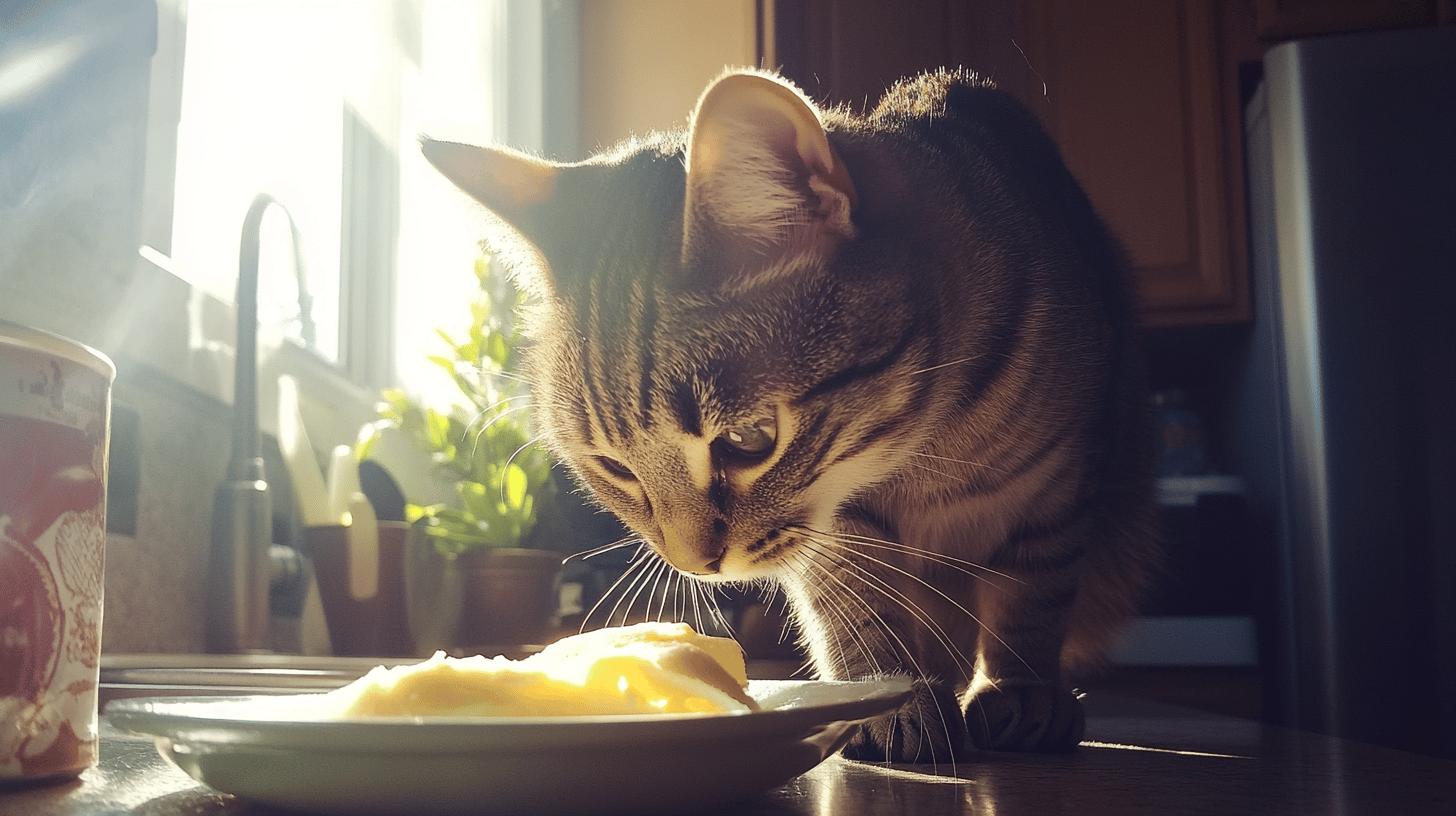
    Is your feline friend eyeing your string cheese snack? It might seem harmless to share a bite, but there's more to consider. Many cats enjoy the tasty appeal of cheese, yet this dairy delight might lead to digestive troubles.

    While string cheese might seem like a safe treat, its high lactose content can be a problem for lactose-intolerant cats. In this article, I'll explain the health risks of cheese and why it might not be the best snack for your cat. Let's dive into the details.

    Can Cats Safely Eat Cheese and Understanding Health Risks

    Can Cats Safely Eat Cheese and Understanding Health Risks-1.jpg

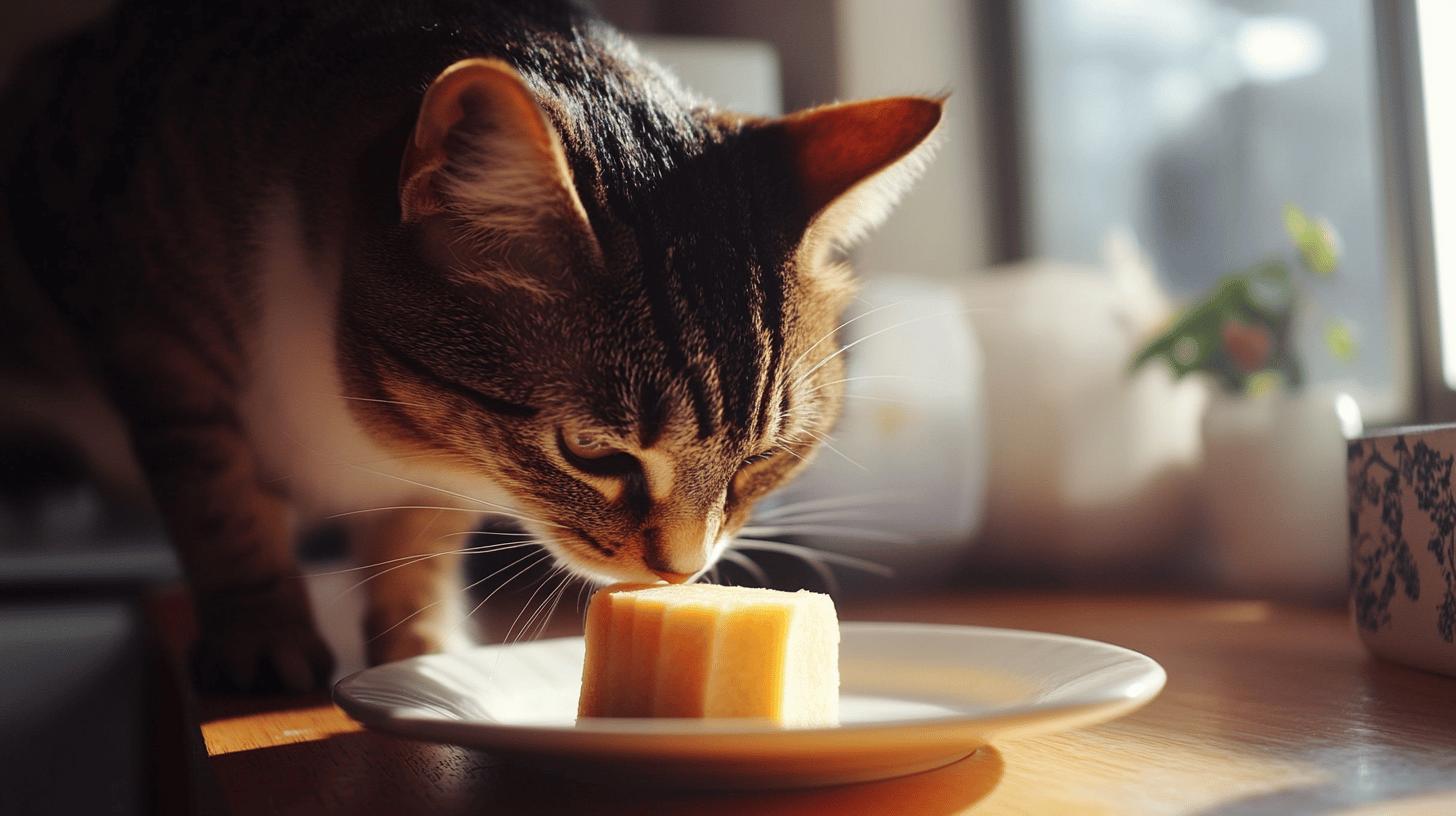
    Cats are naturally drawn to cheese because of its rich fat and protein content, which appeals to their carnivorous instincts. The creamy texture and savory flavor might tempt them, making it an easy snack for curious felines.

    Yet, despite its allure, cheese, including string cheese, doesn't offer significant nutritional benefits for cats. String cheese, often made from mozzarella, is high in lactose, which can pose digestive challenges for our furry friends.

    Most cats are lactose intolerant, which means they lack the enzyme lactase needed to digest lactose found in dairy products. This intolerance stems from a natural decrease in lactase production as cats age, especially after weaning.

    When lactose isn't properly digested, it can ferment in the intestines, leading to uncomfortable symptoms and digestive upset. Thus, cheese ingestion by cats can result in gastrointestinal discomfort.

    Here are some potential risks and symptoms associated with feeding cheese to cats:

    • High lactose content leading to digestive upset: Cats may experience stomach pain and bloating.
    • Potential allergic reactions such as skin rashes: Some cats may be sensitive to dairy proteins.
    • Risk of obesity if consumed frequently: Cheese is calorie-dense and can contribute to weight gain.
    • Symptoms like diarrhea, vomiting, and bloating: These indicate digestive distress and should be monitored closely.

    Due to these risks, veterinarians generally advise against offering cheese as a treat. While not toxic, cheese does not cater to the dietary needs of obligate carnivores like cats. It's crucial to monitor for any adverse reactions if cheese is consumed and consult a vet if symptoms arise.

    The lack of substantial nutritional benefits further reinforces why cheese is not recommended. Cats thrive on animal-based proteins and nutrients, which cheese cannot adequately provide. Veterinarians suggest opting for more appropriate snacks that align better with a cat's nutritional requirements, ensuring their health and well-being.

    Alternatives to Cheese for Cats

    Alternatives to Cheese for Cats-1.jpg

    Offering cats non-dairy treats can be a smarter choice for their health. Cheese, especially string cheese, can be hard for cats to digest due to high lactose levels, potentially leading to digestive issues. Non-dairy treats, on the other hand, are easier on a cat's stomach and align better with their natural dietary needs.

    Cats are obligate carnivores, which means their bodies thrive on meat-based proteins. By choosing alternatives to cheese, you can avoid the risks of lactose intolerance and offer snacks that are more suitable for your feline's nutritional requirements.

    Here are some recommended treats that are safer and healthier for cats:

    • Plain cooked poultry or beef
    • Commercial cheese-flavored cat treats
    • Grain-free cheese-infused options like Inaba Chicken Stew

    These alternatives provide the protein and nutrients cats crave without the digestive upset cheese might cause. Meat-based treats like plain cooked poultry or beef are closer to what cats would naturally eat, offering essential nutrients without unnecessary additives.

    Cheese-flavored cat treats deliver the taste cats love while being formulated to avoid the lactose problem. By opting for these alternatives, you ensure your cat gets the best nutrition and enjoyment from their snacks.

    Expert Advice on Feeding Cats Cheese

    Expert Advice on Feeding Cats Cheese-2.jpg

    Veterinarians often caution against feeding cheese to cats because of lactose intolerance and lack of nutritional benefits. Cats are obligate carnivores, and cheese doesn't align with their dietary needs. Cheese can cause digestive issues like diarrhea and vomiting. If you decide to offer cheese, choose low-lactose varieties and keep portions small and infrequent.

    • Limit cheese to occasional, small portions.
    • Prefer low-lactose, hard cheeses if offered.
    • Monitor for any adverse reactions.

    Consulting a vet about your cat's diet is crucial. Each cat has unique nutritional needs, and a vet can offer personalized advice. Regular veterinary check-ups ensure your cat's diet supports their health and prevents potential issues.

    Final Words

    Cats might find cheese tempting, but it's not the best treat. As we saw, they often struggle with cheese due to lactose intolerance. This can lead to uncomfortable symptoms like diarrhea and vomiting. It's clear that cheese doesn't offer real benefits for our feline friends. Instead, safer snack options like poultry or specially-made cat treats make better choices. If in doubt, consulting with a vet can help you avoid health problems. By prioritizing your cat's health, you create a fulfilling and joyful playtime. Always keep their well-being in mind when asking, "can cat eat string cheese".

    FAQ

    Can cats eat string cheese?

    A: Cats can eat string cheese, but it's not ideal. It's high in lactose, which can upset their stomach. Cats are often lactose intolerant, so eating string cheese can cause digestive issues.

    My cat ate cheese, what should I do?

    A: If your cat ate cheese, monitor for symptoms like diarrhea or vomiting. Most cheese isn't toxic, but if symptoms appear, contact your vet for advice.

    Can cheese kill cats?

    A: Cheese itself won't kill cats, but it can cause digestive problems due to lactose intolerance. It's best to limit cheese consumption to avoid potential health issues.

    Can cats eat mozzarella cheese?

    A: Cats can eat mozzarella, but it should only be a small portion. Mozzarella contains lactose, which is hard for cats to digest, potentially leading to an upset stomach.

    Can cats eat cheddar cheese?

    A: Cats can eat cheddar cheese in moderation. Cheddar has less lactose than some cheeses, but still, overconsumption can cause digestive upset.

    What happens if my cat eats string cheese?

    A: If your cat eats string cheese, they may experience stomach upset due to high lactose levels. Watch for symptoms like diarrhea or vomiting.

    Why does my cat love string cheese?

    A: Cats may love string cheese due to its fat and protein content, which is appealing to their taste and natural dietary interests.

    Is it OK to give my cat a little bit of cheese?

    A: Giving a little cheese occasionally is generally okay, but keep portions small and infrequent. Most cats have trouble digesting it due to lactose intolerance.

    What human food can cats eat?

    A: Cats can safely eat plain cooked turkey, chicken, or beef. Avoid seasonings and ensure the meat is fully cooked before serving as a treat.

    Can cats have mozzarella sticks?

    A: Cats should avoid mozzarella sticks due to high lactose and possible additives. They aren't suitable for a cat's digestive system, even in small quantities.

    Can cats eat bread?

    A: Cats can eat small amounts of plain bread, but it offers no nutritional benefit. It's not harmful in moderation, but it's not recommended as a regular snack.

    Related Articles

  • Can Cats Eat Vienna Sausage Health Risks and Nutritional Concerns

    Can Cats Eat Vienna Sausage Health Risks and Nutritional Concerns

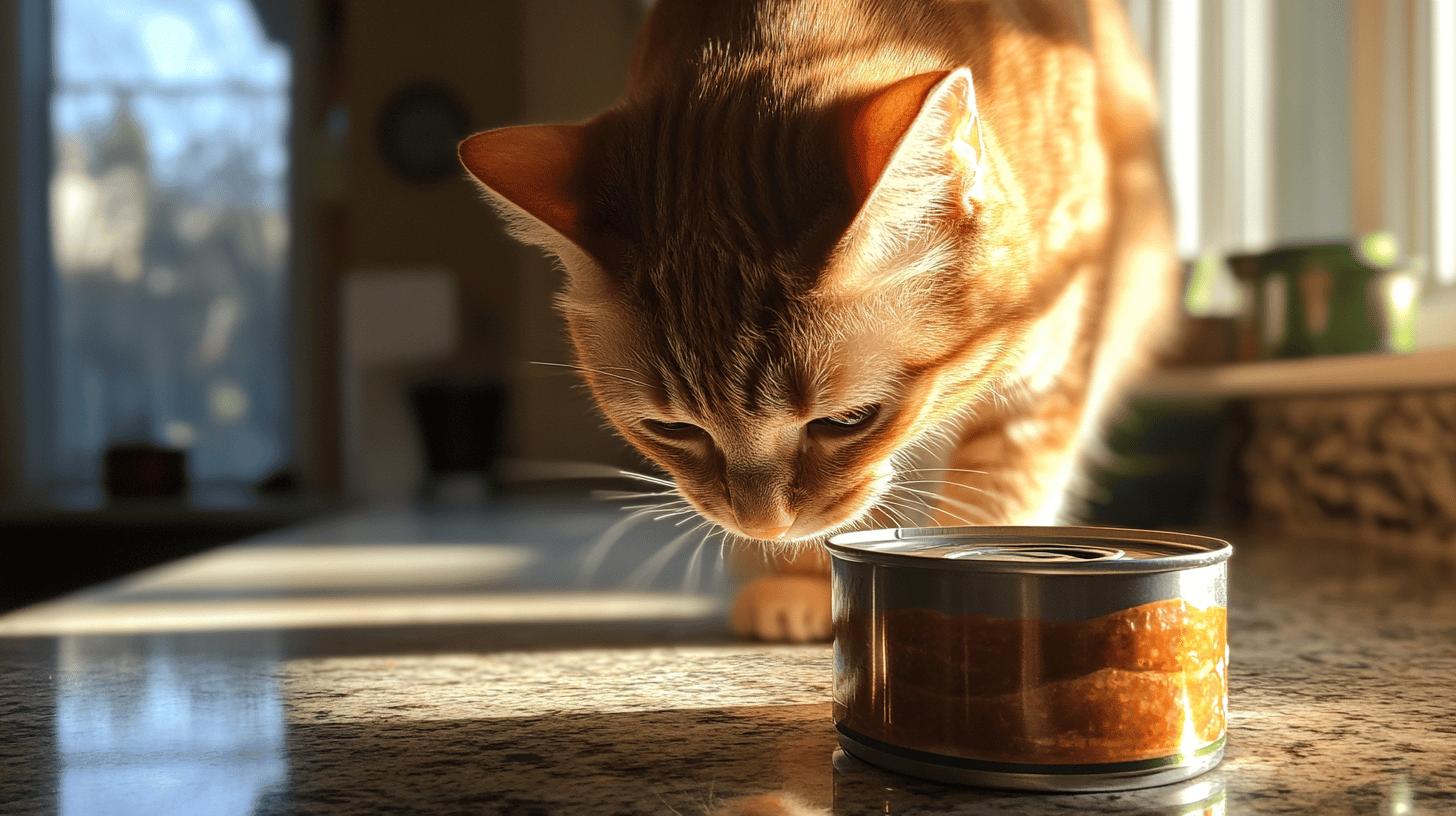
    Ever wondered if Vienna sausages are a safe snack for your curious cat? The short answer is no. Despite their tempting aroma and taste, these processed meats are loaded with fats, salt, and additives that aren't cat-friendly.

    While they might not poison your pet, the risks far outweigh the benefits. High salt can stress kidneys, and artificial flavors aren't purr-fectly healthy. Join me as we dive into why sticking with cat-approved treats is a better choice for your feline friend’s playtime and health.

    Can Cats Safely Eat Vienna Sausage? Health Risks and Nutritional Concerns

    Can Cats Safely Eat Vienna Sausage Health Risks and Nutritional Concerns-3.jpg

    When pondering whether cats can eat Vienna sausage, it's crucial to acknowledge that these processed meats are generally unsuitable for feline consumption. Vienna sausages, often made from pork, beef, or chicken, are packed with high levels of fat, sodium, sugar, and a variety of additives and preservatives.

    While they aren't toxic to cats in small quantities, their consumption can lead to significant health issues. The high sodium content, in particular, poses a risk, and the presence of certain additives can lead to more severe health problems.

    Examining the nutritional profile of Vienna sausages reveals several concerns. These sausages are often seasoned with harmful ingredients like garlic and onion powder. While they do provide some protein, they lack the essential nutrients that cats need, such as healthy fats, vitamins, and minerals.

    The additives used to enhance flavor and prolong shelf life, such as sodium nitrite and monosodium glutamate (MSG), can be detrimental to a cat’s health. The balance of nutrients in Vienna sausages does not align with a cat's dietary needs, making them an inappropriate choice for regular feeding.

    Here are some specific health issues that may arise from consuming Vienna sausages:

    • Gastrointestinal distress: vomiting and diarrhea due to high sodium and fat content.
    • Excessive thirst: dehydration from elevated sodium levels.
    • Lethargy: lack of essential nutrients leading to energy depletion.
    • Renal damage: potential harm from garlic and onion additives.
    • High blood pressure: due to excessive salt intake.

    Cats have sensitive digestive systems that aren't equipped to handle the high levels of processing and seasoning found in Vienna sausages. Their systems are designed for meat that is closer to its natural state.

    Introducing highly processed foods can lead to stomach upset and disrupt their digestive balance. Cats are obligate carnivores, meaning their diet should mainly consist of fresh, high-quality protein sources without the unnecessary additives and high sodium levels found in these sausages.

    The long-term health risks of feeding your cat Vienna sausages can be significant. Consistent intake of such processed foods can lead to chronic conditions like hypertension and renal issues. These health problems are not only distressing for your cat but can also lead to costly medical treatments.

    Avoiding Vienna sausages and similar foods in your cat's diet is important for maintaining their health and well-being. Opt for balanced, nutrient-rich foods that align with their natural dietary requirements. Prioritizing their nutritional needs will ensure they lead a happy, healthy life.

    Alternative Cat-Friendly Treats

    Alternative Cat-Friendly Treats-1.jpg

    Vienna sausages might seem like a convenient snack, but they're not the best choice for our feline friends. Cats need treats that complement their dietary needs, providing them with essential nutrients without harmful additives.

    The high sodium and preservatives in Vienna sausages can lead to health issues, making it necessary to seek out safer, healthier alternatives. By choosing alternatives, we can ensure our cats get the nutrition they need while still enjoying a tasty treat.

    Consider these alternative treats that are safe and beneficial for cats:

    1. Cooked chicken or turkey: A lean source of protein without added salt or seasoning.
    2. Duck or chicken liver: Rich in vitamins and minerals, perfect in moderation.
    3. Lamb liver: Another great organ meat option, offering essential nutrients.
    4. Salmon or mackerel: Provides omega-3 fatty acids, supporting skin and coat health.
    5. Sweet potato: A fiber-rich snack that is easy on the stomach.
    6. Butternut squash: A tasty treat with vitamins and antioxidants.

    Choosing these alternatives comes with numerous benefits. They are closer to a cat's natural diet, providing the protein and nutrients they need without the negative effects of processed foods. These treats can support your cat's overall health, improving muscle strength, skin condition, and energy levels. By opting for fresher options, you're investing in your cat's long-term well-being.

    When preparing homemade cat treats, ensure that all meats are thoroughly cooked without added salt or seasoning. Remove any bones and skin to prevent choking hazards or digestive issues.

    For vegetables like sweet potato or butternut squash, steam or boil them until soft, making them easier for your cat to digest. By taking these simple steps, you can provide your cat with delicious, nutritious treats that are safe and satisfying.

    Expert Opinions and Veterinary Advice on Cat Diet

    Expert Opinions and Veterinary Advice on Cat Diet-2.jpg

    Veterinary experts emphasize the significance of a balanced diet for cats, aligning with the guidelines set by the Association of American Feed Control Officials (AAFCO). Cats, being obligate carnivores, thrive on diets rich in animal proteins with minimal carbohydrates.

    Veterinarians recommend that treats should constitute no more than 10% of a cat's daily caloric intake to prevent nutritional imbalances. Highly processed foods, like Vienna sausages, are discouraged as they can lead to health issues due to their high sodium content and lack of essential nutrients.

    Adult Cat Dietary Needs

    Adult cats have specific dietary requirements to maintain their health and vitality. They require a diet rich in high-quality protein sources such as chicken, beef, or fish, which support muscle maintenance and energy levels.

    Adequate hydration is crucial, as cats often don't drink enough water; incorporating wet food can help meet their fluid needs. A balanced intake of vitamins, minerals, and essential fatty acids is vital for their skin, coat, and overall well-being.

    Consulting with a veterinarian is crucial for tailoring a diet that suits your cat's individual needs. Vets can provide guidance on portion sizes, suitable food options, and any necessary supplements.

    They can also monitor your cat's health and adjust dietary recommendations as needed, ensuring your feline companion receives the best nutrition possible.

    Final Words

    Considering what we've learned, Vienna sausages are not the best choice for our feline friends. Even though they're not toxic, they carry health risks due to high fat, sodium, and harmful additives. Cats need a diet that aligns with their specific nutritional requirements, and these sausages fall short.

    Instead of asking "can cats eat vienna sausage," it might be better to focus on healthier, cat-friendly treats. Options like fresh meat or commercial treats made for cats are safer and more nutritious. By sticking to vet-recommended guidelines and choosing safe alternatives, we can ensure our cats enjoy both their snacks and good health!

    FAQ

    Are Vienna sausages good for cats?

    Vienna sausages are not good for cats. They have high fat, salt, and harmful additives. While they aren't toxic, they can cause stomach issues like vomiting and diarrhea in cats.

    Is Vienna sausage safe for pets?

    Vienna sausage is not safe for pets, including cats and dogs. Ingredients like garlic powder can cause severe health problems like dehydration and high blood pressure.

    Can cat eat vienna sausage Reddit says?

    Most Reddit users advise against feeding cats Vienna sausages. They are high in sodium and contain additives that can harm a cat's health.

    What human food can cats eat?

    Cats can safely consume certain human foods like cooked chicken, turkey, or fish without added spices or bones. Always ensure the food is plain and cooked well.

    Can cats eat potted meat?

    Potted meat is not recommended for cats. It often contains high sodium levels and preservatives that can cause digestive problems.

    Can cats eat Spam?

    Spam is not suitable for cats. It contains high levels of salt and fat, leading to health issues over time.

    Can cats eat canned tuna?

    Cats can eat canned tuna occasionally. However, it should be given in moderation and without added salt. Tuna lacks some essential nutrients cats need.

    Can cats eat sardines?

    Sardines are safer for cats compared to other processed meats. Offer them occasionally, removing any added salt or flavoring.
    Is it OK to give cats sausage?

    It's not advisable to give cats sausage. Sausages often contain spices and preservatives that can upset a cat's digestive system.

    Can my cat eat a weenie?

    Cats shouldn't eat weenies. They are typically high in fat and salt and contain preservatives that may lead to health issues.

    Related Articles

  • Can Cat Eat Olives Safely and What Are the Risks

    Can Cat Eat Olives Safely and What Are the Risks

    Can cats munch on olives safely, or are there hidden dangers lurking in that tiny snack? While olives seem harmless, they offer little nutritional value to our feline friends. Cats might be drawn to their unique taste, but should we cater to their curiosity? In this blog post, I will break down why olives aren't toxic yet still pose risks if over-consumed. From high sodium to choking hazards, this deep dive aims to guide you toward making informed and safe snack choices for your cat's health and happiness.

    Can Cats Eat Olives Safely and Potential Risks

    Can Cats Eat Olives Safely and Potential Risks-1.jpg

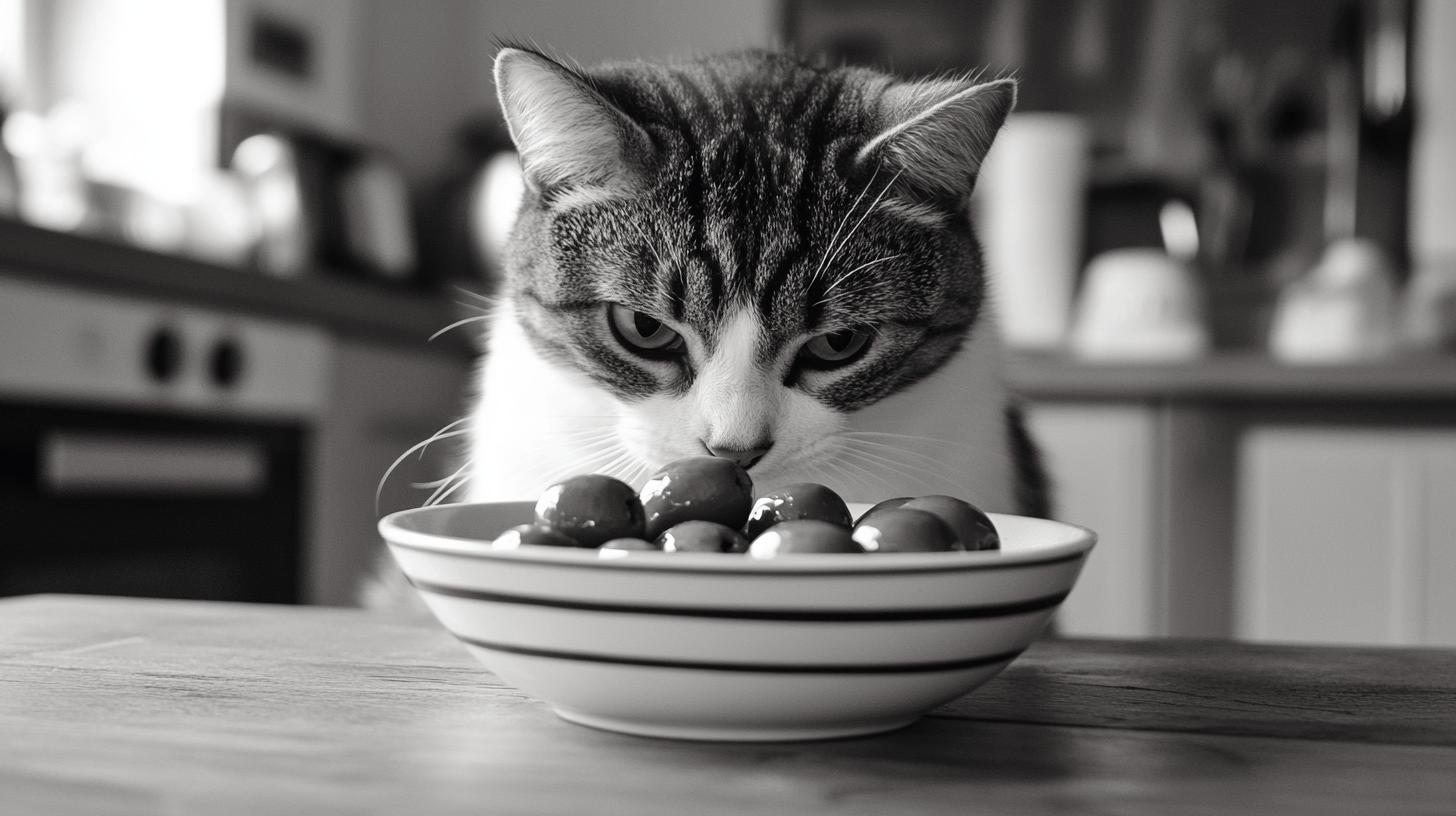
    Cats can eat olives, but it's crucial to offer them sparingly. While olives aren't toxic, they don't provide any significant nutritional benefits for cats. The primary reason to limit olives is the lack of nutrients that cats need. They don't get much beyond a tasty, unique flavor that might intrigue them. Offering olives as an occasional treat is generally safe, but they should never become a regular part of a cat's diet.
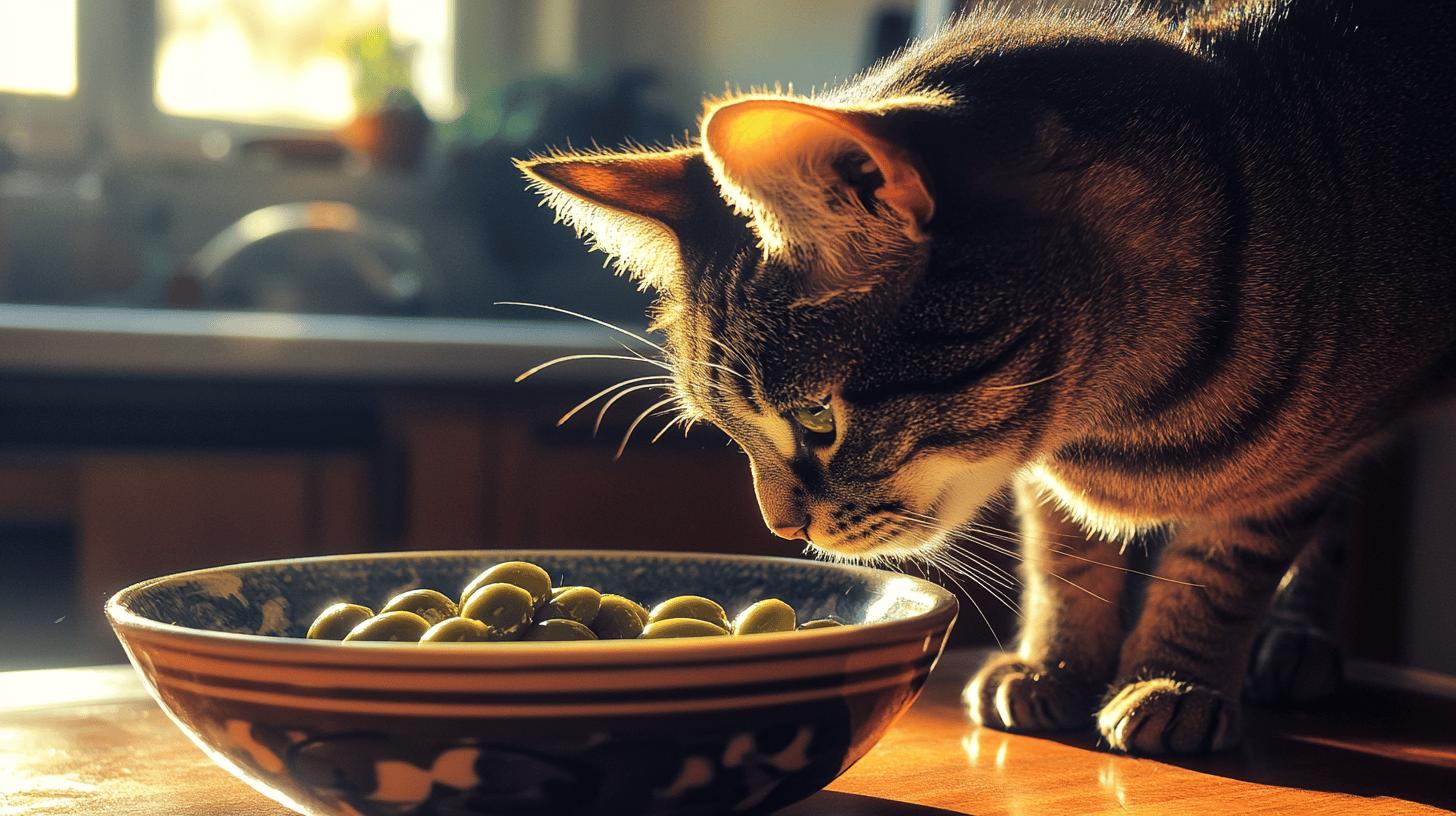
    One of the main concerns with olives is their high sodium content. Consuming too much sodium can lead to serious health issues in cats, such as electrolyte imbalances and dehydration. In severe cases, it can even cause sodium poisoning. Symptoms of sodium poisoning include excessive thirst, vomiting, diarrhea, and in worst-case scenarios, seizures. It's essential to keep olives as a rare treat to avoid these potential health risks.

    Potential risks of feeding olives to cats include:

    1. Choking Hazards: Olive pits can pose a choking risk or cause intestinal blockages.
    2. Digestive Issues: High-fat content can lead to vomiting or diarrhea.
    3. Sodium Content: High levels of sodium can lead to dehydration and sodium poisoning.
    4. Empty Calories: Olives don't offer beneficial nutrients for cats.
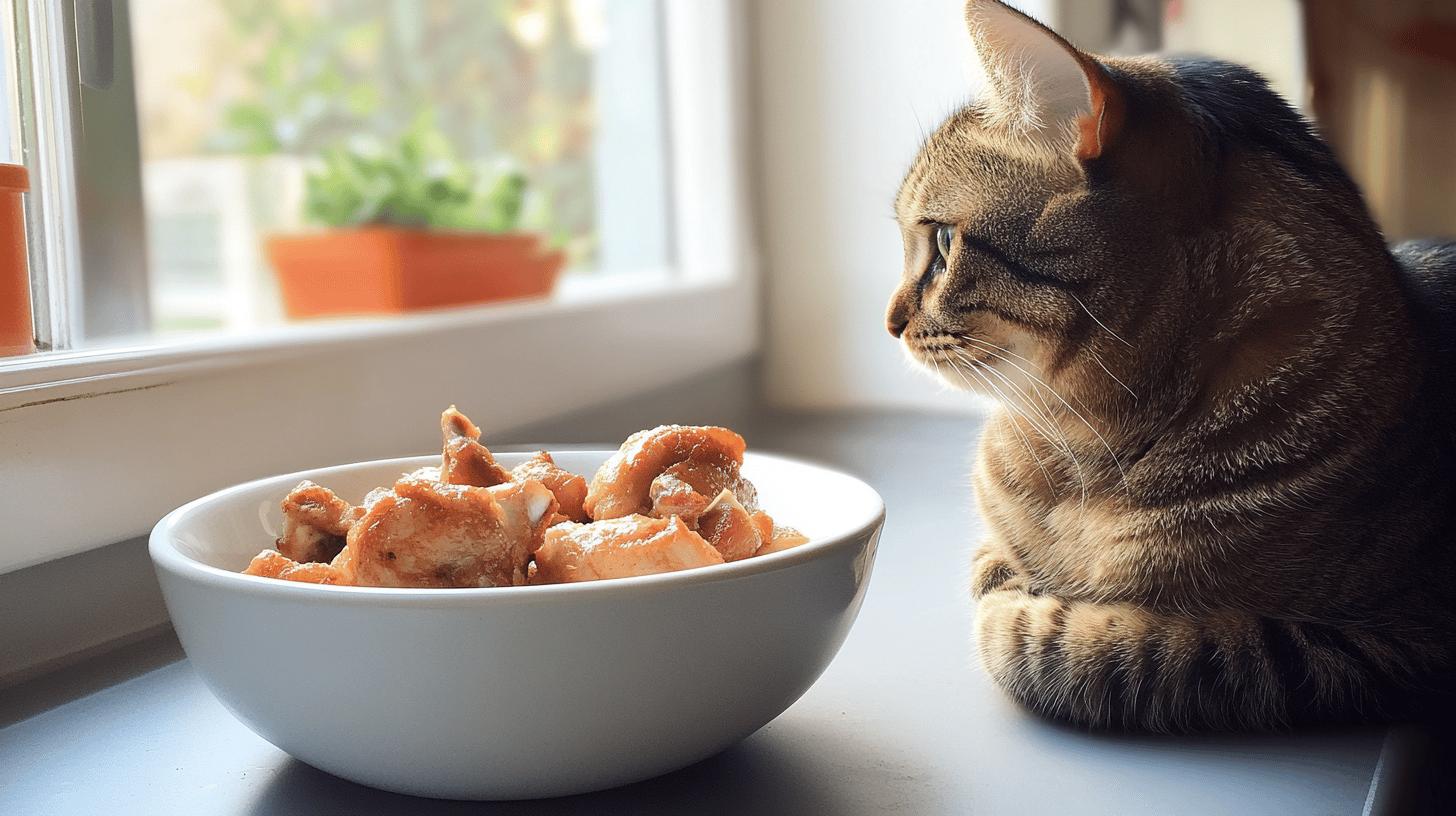
    When it comes to different types of olives, there are several considerations. Green and black olives are non-toxic, but the pits should be removed to avoid choking hazards. Kalamata and other marinated olives are particularly risky due to their elevated sodium levels, which can be harmful to cats. While it might be tempting to share a tasty olive with your feline friend, it's always best to prioritize their health by steering clear of any potential dangers these snacks might present.
    Why Do Cats Like Olives?

    Why Do Cats Like Olives-1.jpg

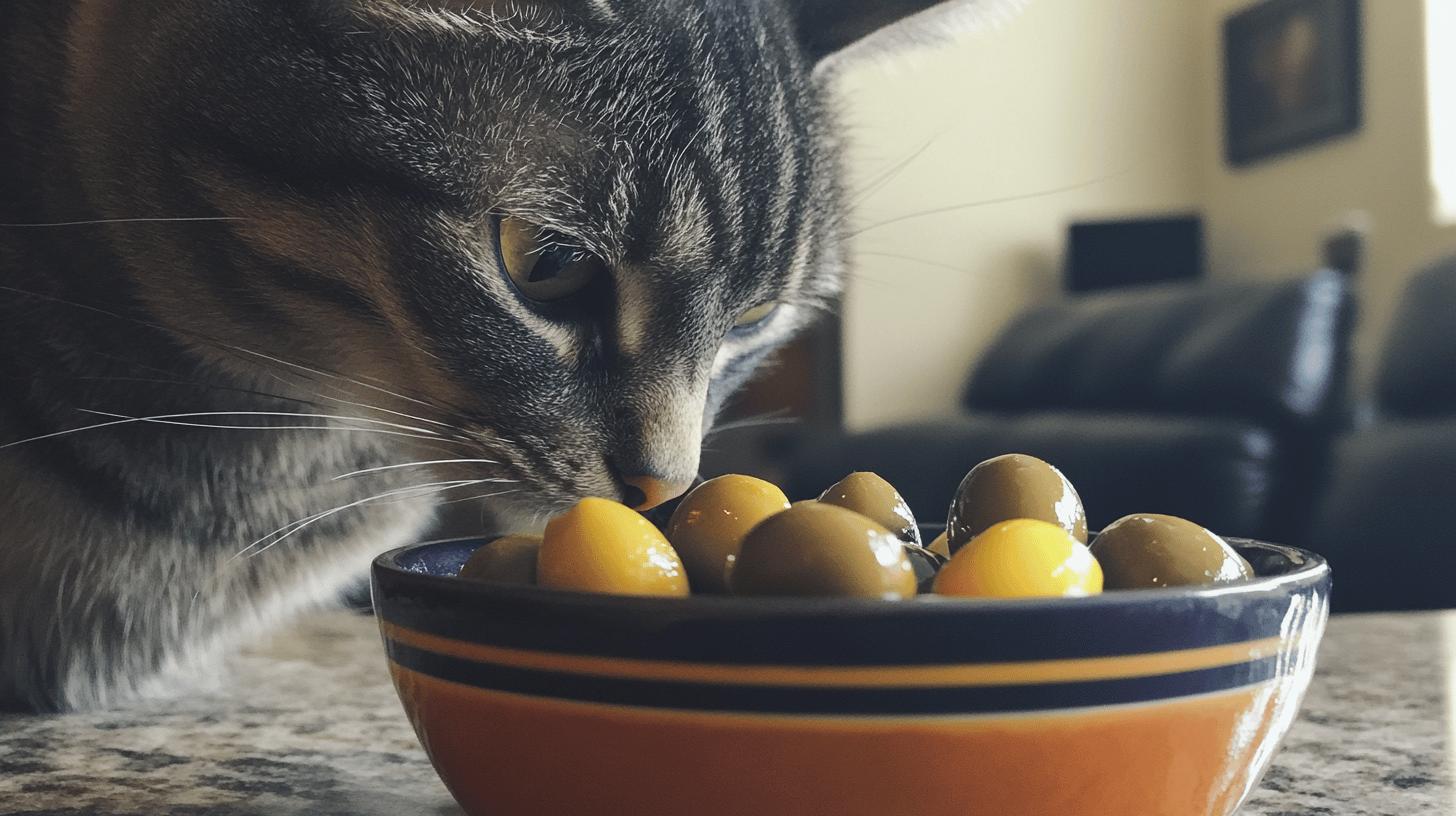
    Cats have a curious attraction to olives, primarily due to the presence of isoprenoids. These compounds are similar to nepetalactone, the active ingredient in catnip that incites playful and euphoric reactions in cats. When a cat encounters an olive, it might experience a sudden burst of energy or silliness, much like when it comes into contact with catnip. Green olives, in particular, contain these isoprenoids, making them especially intriguing to our feline friends.

    • Cats may roll around, purr, or rub against olives like they do with catnip.
    • Some cats might show increased playfulness and heightened energy levels.
    • Olives can make cats act goofy or unusually affectionate.
    • Cats may become more curious or focused when presented with olives.
    • The reaction to olives can vary, with some cats showing no interest at all.

    While olives can spark these amusing behaviors, it doesn't mean they're beneficial to cats. The reaction is merely due to the chemical attraction, not because olives provide any nutritional or health benefits. So while it's fun to watch your cat interact with an olive, moderation and caution are key to ensuring your pet's safety and well-being.

    Alternatives to Olives for Cat Treats

    Alternatives to Olives for Cat Treats-1.jpg

    While olives can be an occasional treat for cats, they aren’t the best option due to their high sodium content and lack of nutritional value. They might intrigue your kitty with their unique taste and texture, but there are safer alternatives that can provide better health benefits without the risks associated with olives.

    Consider these five safer treats for your feline friend:

    1. Cooked Chicken: A lean source of protein that cats love.
    2. Fish: Rich in omega-3 fatty acids, which are great for a cat’s coat.
    3. Freeze-Dried Meat Treats: Nutrient-dense and often preferred by picky eaters.
    4. Catnip-Infused Treats: Safe and entertaining for cats who enjoy the effects of catnip.
    5. Pumpkin Puree: A fiber-rich option that aids in digestion.

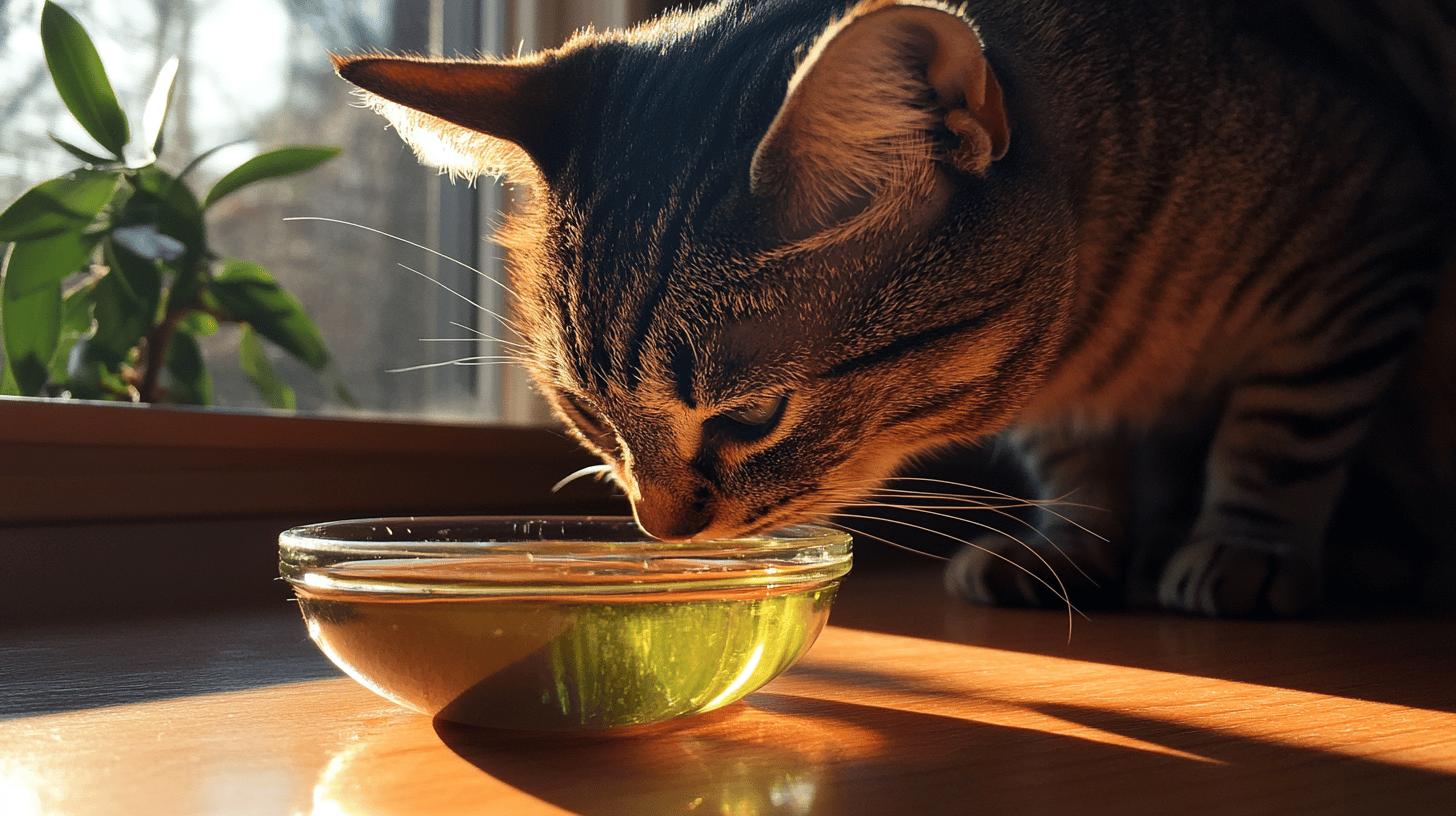
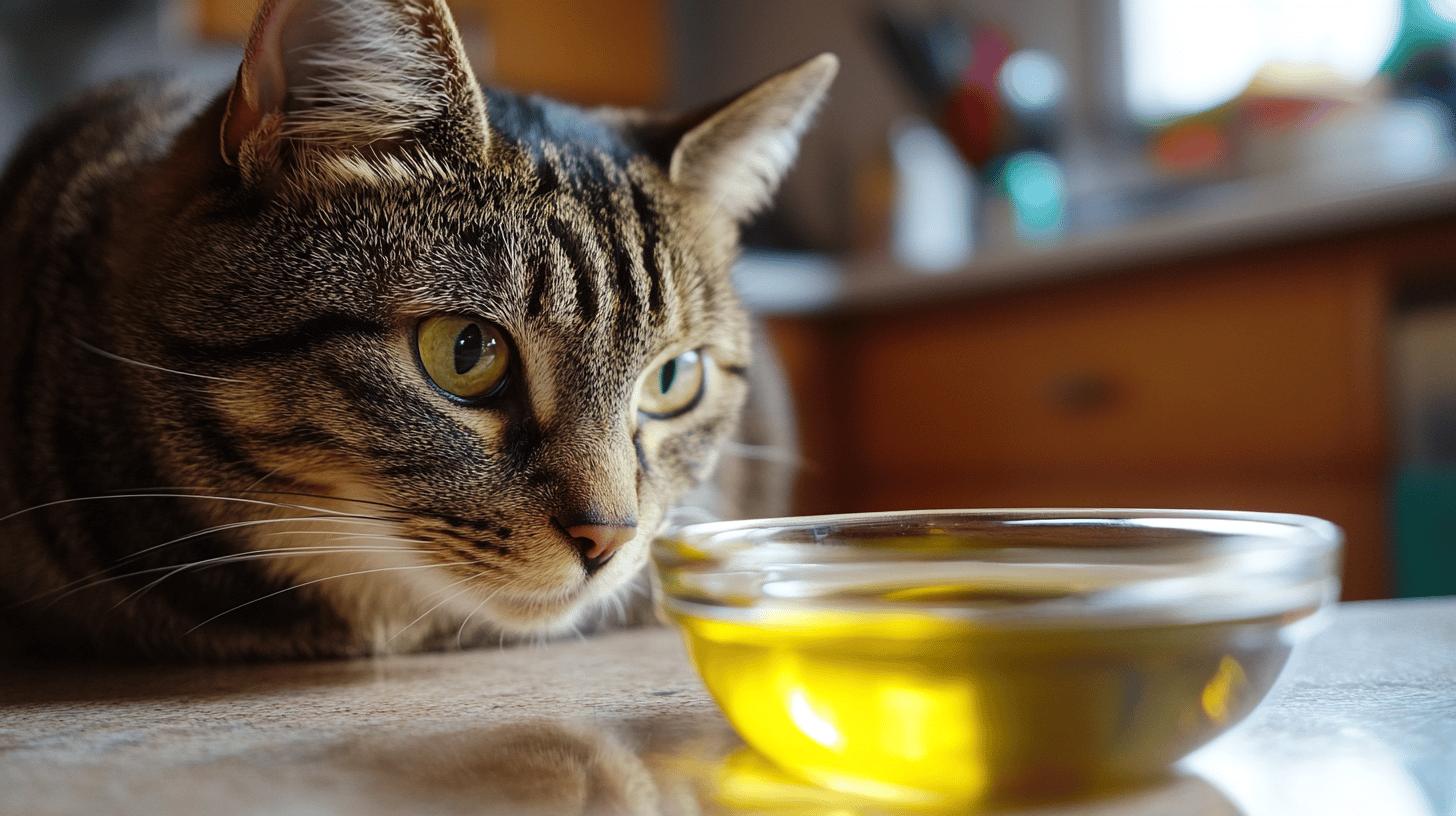
    Olive oil can be a healthier alternative to olives for cats. It offers potential health benefits such as improving the immune system, aiding with constipation, and helping with hairballs. A small amount mixed into your cat’s food can provide these benefits without the risks associated with eating whole olives. Just be sure to use it sparingly to avoid any digestive upset.

    Olive Oil: Beneficial Uses for Cats

    Olive Oil Beneficial Uses for Cats-1.jpg

    Olive oil is a versatile addition to a cat's diet and offers several health benefits when used appropriately. It's non-toxic and can be a natural remedy for various feline health concerns. One of the main dietary benefits of olive oil is its ability to support a cat's immune system. The healthy fats present in olive oil help strengthen the body's defenses, making it a useful supplement for overall health. Olive oil can also assist with digestive issues, such as constipation, by acting as a gentle laxative. Additionally, it can help with the management of hairballs, making it easier for cats to pass them naturally. A small amount mixed into your cat's food can be a simple way to incorporate these benefits.

    Despite its advantages, olive oil should be used sparingly to avoid potential side effects. Excessive intake can lead to digestive upset, such as diarrhea and vomiting. It's essential to monitor the amount given and adjust accordingly if any adverse reactions occur. Starting with a small quantity allows you to gauge how your cat reacts and ensure they are comfortable with the addition to their diet.

    Beyond internal uses, olive oil can be applied externally to tackle common cat ailments. It can be used as a natural moisturizer to soothe dry, flaky skin or as an ointment for minor wounds and irritations. Applying a small amount to affected areas can provide relief and promote healing without the use of harsh chemicals.

    Olive Oil Uses Benefits
    Dietary Supplement Boosts immune system and aids digestion
    Hairball Management Helps cats pass hairballs naturally
    External Application Soothes skin and promotes healing

    How to Safely Introduce Olives and Olive Oil to Your Cat's Diet

    How to Safely Introduce Olives and Olive Oil to Your Cats Diet-2.jpg

    When introducing olives or olive oil to your cat's diet, it's important to do so gradually. Cats can be sensitive to changes in their diet, so start by offering tiny portions. This way, you can observe how your cat reacts and ensure that there are no adverse effects. Begin with less than a whole olive, and if your cat shows interest and no negative reactions, you can continue to offer this treat in moderation.

    To safely incorporate olives and olive oil into your cat's diet, follow these steps:

    1. Start Small: Introduce a tiny portion of olive or a drop of olive oil.
    2. Mix with Food: Add a small amount of olive oil to your cat's regular food.
    3. Monitor Carefully: Watch for any changes in behavior or digestive issues.
    4. Limit Frequency: Offer olives or olive oil treats no more than twice a week.

    It's crucial to monitor your cat for any signs of adverse reactions when introducing these new foods. Look out for symptoms like vomiting, diarrhea, or changes in appetite. If you notice any of these, stop giving olives or olive oil immediately and consult with your veterinarian. By carefully observing your cat's response, you can make sure that these treats are a safe and enjoyable addition to their diet.

    Final Words

    Exploring whether a cat can eat olives reveals they're safe in moderation, but they aren't nutritious. The high sodium content poses risks like dehydration and sodium poisoning. Remember, olive pits can be dangerous choking hazards. Types like kalamata olives are especially risky due to their sodium levels.

    Alternatives such as cooked chicken or freeze-dried treats offer safer options for your cat's enjoyment. Olive oil can benefit cats when used correctly, aiding skin, digestion, and immune health.

    Always introduce new foods slowly. Monitor your feline friend for any reactions to ensure a safe and enjoyable treat experience.

    FAQ

    Can cats eat olives?

    Cats can eat olives in moderation. While they aren't toxic, they add little nutritional value. High sodium content can lead to health issues, so it's best not to make them a regular treat.

    Do olives get cats high?

    Olives can stimulate cats because they contain isoprenoids, compounds like those in catnip. This may cause excited or euphoric behavior, similar to the reaction to catnip.

    Are olives toxic for cats and pets?

    Olives are not toxic to cats or pets. They should be fed sparingly due to risks like high sodium content and choking hazards from pits.

    Why do cats love olives?

    Cats love olives due to isoprenoids similar to catnip components, leading to similar euphoric reactions. This doesn't mean they are beneficial, just attractive.

    Can cats eat green and kalamata olives?

    Cats can eat green and kalamata olives in very small amounts. These olives are very salty, and kalamata olives often have marinated flavors that can be harmful.

    Can cats eat olive oil, and what are the benefits?

    Cats can eat olive oil. It boosts the immune system, aids with constipation, and helps with hairballs. Use in moderation to avoid diarrhea and vomiting.

    Can I give my cat olive oil for hairballs and constipation?

    Yes, a small amount of olive oil can help manage hairballs and relieve constipation. Mix it with food for easier consumption.

    Why is my cat licking olives?

    Your cat might lick olives because of the attractive smell and taste. Olives contain compounds similar to those in catnip, which might be enticing to your cat.

    How to safely introduce olives and olive oil to your cat's diet?

    Introduce olives and olive oil slowly, starting with small portions and monitoring for reactions. Limit olive intake to tiny portions, and mix olive oil with the cat's regular food.

    Related Articles

  • Can Cat Eat Chia Seeds Safely for Health Benefits

    Can Cat Eat Chia Seeds Safely for Health Benefits

    Can cats eat chia seeds safely for health benefits? It might seem surprising, but chia seeds could be a tiny powerhouse for your cat's health. Just like how chia seeds boost human diets, they can offer omega-3, fiber, and antioxidants to our furry companions.

    These nutrients can lead to shinier coats, better digestion, and improved overall well-being. Before you sprinkle some over your pet's meal, there's more to know about how to introduce them safely. Let's dive into the surprising world of chia seeds and your feline friend's health.

    Can Cats Safely Eat Chia Seeds?

    Can Cats Safely Eat Chia Seeds-1.jpg

    Chia seeds are generally safe for cats when eaten in moderation. These tiny seeds are packed with omega-3 fatty acids, fiber, and antioxidants, which can be beneficial for your feline friend. Omega-3s are known to support coat and skin health, while fiber aids in digestion.

    Antioxidants provide overall health support. Mixing about half a teaspoon of chia seeds into your cat's regular food can be a healthy addition to their diet.

    However, it's important to consider potential risks. Introducing chia seeds too quickly can lead to digestive issues such as diarrhea or constipation. It's best to start with a small amount and gradually increase it, all the while monitoring your cat's reaction.

    If you notice any adverse effects, discontinuing use and consulting with a veterinarian is wise. While chia seeds are safe, they should not replace a meat-based diet that provides the essential nutrients cats need.

    Chia seeds do not contain substances like persin, which are harmful to pets and found in some other seeds and nuts. This makes them safer compared to seeds that could be toxic. While chia seeds are a good supplementary option, remember that they are not a primary food source. Ensuring your cat's diet consists mainly of animal proteins is crucial for their well-being.

    Health Benefits of Chia Seeds for Cats

    Health Benefits of Chia Seeds for Cats-1.jpg

    Chia seeds can be a great supplement to your cat's diet. They provide omega-3 fatty acids, which help keep your cat's coat shiny and skin healthy. The fiber in chia seeds supports digestion and helps with regular bowel movements. Antioxidants in these seeds fight free radicals, boosting overall health.

    Nutrient Benefit
    Omega-3 Promotes healthy coat and skin
    Fiber Aids in digestion
    Antioxidants Supports overall health

    To add chia seeds to your cat's meals, sprinkle a small amount over their food. This can enhance their diet without disrupting their primary nutrition from meat. Remember, cats need meat-based foods as they are obligate carnivores, and chia seeds should only act as a nutritional supplement, not a substitute.

    Potential Risks and Side Effects of Chia Seeds in Cats

    Potential Risks and Side Effects of Chia Seeds in Cats-1.jpg

    While chia seeds can be a healthy addition to many diets, there's not much scientific evidence showing they help with specific medical issues in cats. It's vital to focus on providing a balanced diet, prioritizing meat-based proteins to meet your cat's nutritional needs.

    Introduce chia seeds gradually into your cat's diet. Begin with a small amount and increase slowly to monitor your cat's reaction. This careful approach helps minimize the risk of digestive issues like diarrhea or constipation, ensuring your cat's comfort.

    Always consult your veterinarian before adding chia seeds or making any dietary adjustments. Your vet can offer tailored advice based on your cat's individual health needs.

    Comparing Chia Seeds with Other Seeds and Foods for Cats

    Comparing Chia Seeds with Other Seeds and Foods for Cats-1.jpg

    When looking at chia seeds and flaxseeds for your cat, both are good sources of fiber and essential nutrients. Chia seeds offer omega-3 fatty acids that can help maintain a glossy coat, while flaxseeds also contribute to skin health with their omega-3 content. Both seeds can aid digestion due to their fiber content. Pumpkin seeds are another excellent alternative.

    They not only provide fiber but also nutrients like zinc, which can support urinary health. While these seeds offer benefits, it's important to remember they shouldn't replace the animal protein in your cat's diet. Cats are obligate carnivores and require nutrients that only meat can provide.

    Here are some alternative foods that can provide similar benefits to chia seeds:

    • Pumpkin: Helps with digestion and is a source of fiber.
    • Fish oil: Provides omega-3 fatty acids for skin and coat health.
    • Cooked eggs: Offer protein and essential fatty acids.
    • Chicken liver: Rich in vitamins A and B, and provides protein.
    • Cooked carrots: Contain fiber and are a source of vitamins.

    Feeding your cat a varied diet with different protein sources is crucial. While seeds like chia, flax, and pumpkin can supplement their meals, they should never be the main component. Animal proteins are essential for their health.

    Including a mix of proteins and occasional seeds can ensure your cat gets a balanced intake of nutrients. Always introduce any new foods slowly and consult with your vet to tailor the diet to your cat's specific needs.

    Potential Risks and Side Effects of Chia Seeds in Cats

    How to Incorporate Chia Seeds into a Cats Diet Safely-2.jpg

    Chia seeds should be soaked in water before use to prevent them from absorbing moisture from your cat's stomach, which could lead to bloating or discomfort. Start by introducing chia seeds in small amounts, mixing them with your cat's regular food.

    This gradual introduction allows you to monitor your cat's reaction and adjust accordingly. Remember, chia seeds are not a replacement for essential nutrients found in meat, but they can complement a balanced diet.

    1. Soak the Seeds: Place a small amount of chia seeds in water and let them soak for at least 15 minutes.
    2. Start Small: Mix about half a teaspoon of soaked chia seeds into your cat's food.
    3. Monitor Reactions: Watch for any signs of digestive issues, like diarrhea or constipation, and adjust the amount if needed.
    4. Gradually Increase: If your cat shows no adverse reactions, you can slowly increase the amount over time.

    Consulting your veterinarian is crucial when introducing new foods into your cat's diet. They can provide personalized advice based on your cat's specific health needs and ensure that the dietary changes are appropriate. While chia seeds can offer health benefits, your vet will help you determine the right balance to maintain your cat's overall well-being.

    Final Words

    Exploring whether cats can eat chia seeds shows they're mostly safe and beneficial in moderation. These seeds provide nutrition like omega-3 fatty acids, fiber, and antioxidants, which are good for a cat's health. But remember, chia seeds should not replace meat-based diets. There are also potential risks, such as digestive issues, so gradual introduction is key. Always consult with a vet to ensure the best dietary choices for your cat. Offering chia seeds appropriately can enhance your cat's playtime and overall well-being, making healthy choices rewarding.

    FAQ

    Can cats eat chia seeds raw?

    A: Cats can safely eat raw chia seeds in moderation. These seeds offer health benefits like omega-3 fatty acids, fiber, and antioxidants. However, they shouldn't replace meat-based nutrition.

    Can cats eat chia seeds every day?

    A: It's best not to give chia seeds to cats daily. Offer them as a supplement, not a main food source. Limit to about half a teaspoon mixed in their food, and watch for any reactions.

    Can cats eat chia sprouts?

    A: Chia sprouts can be offered to cats in small amounts. They provide similar nutrients as seeds but monitor your cat for any digestive issues when introducing them.

    How should I give chia seeds to my cat?

    A: Introduce chia seeds gradually. Soak them first, then mix a small amount with regular cat food. Increase slowly while monitoring your cat's response.

    Can cats eat flax seeds?

    A: Cats can eat flax seeds, which provide fiber and nutrients like chia seeds. Offer in moderation as part of a balanced diet.

    Are chia seeds good for cats?

    A: Chia seeds are beneficial for cats in small quantities. They provide omega-3 fatty acids for coat health, fiber for digestion, and antioxidants for overall health.

    What are the potential risks of giving cats chia seeds?

    A: Chia seeds may cause digestive issues like diarrhea or constipation. Introduce them gradually and consult a vet, especially if your cat has health concerns.

    What seeds are safe for cats?

    A: In moderation, chia, flax, and pumpkin seeds are safe for cats. Always ensure seeds are introduced gradually and monitor for any adverse reactions.

    Related Articles