Category: Cat Diet

  • Can Cat Eat Spinach Safely Nutritional Benefits and Risks

    Can Cat Eat Spinach Safely Nutritional Benefits and Risks

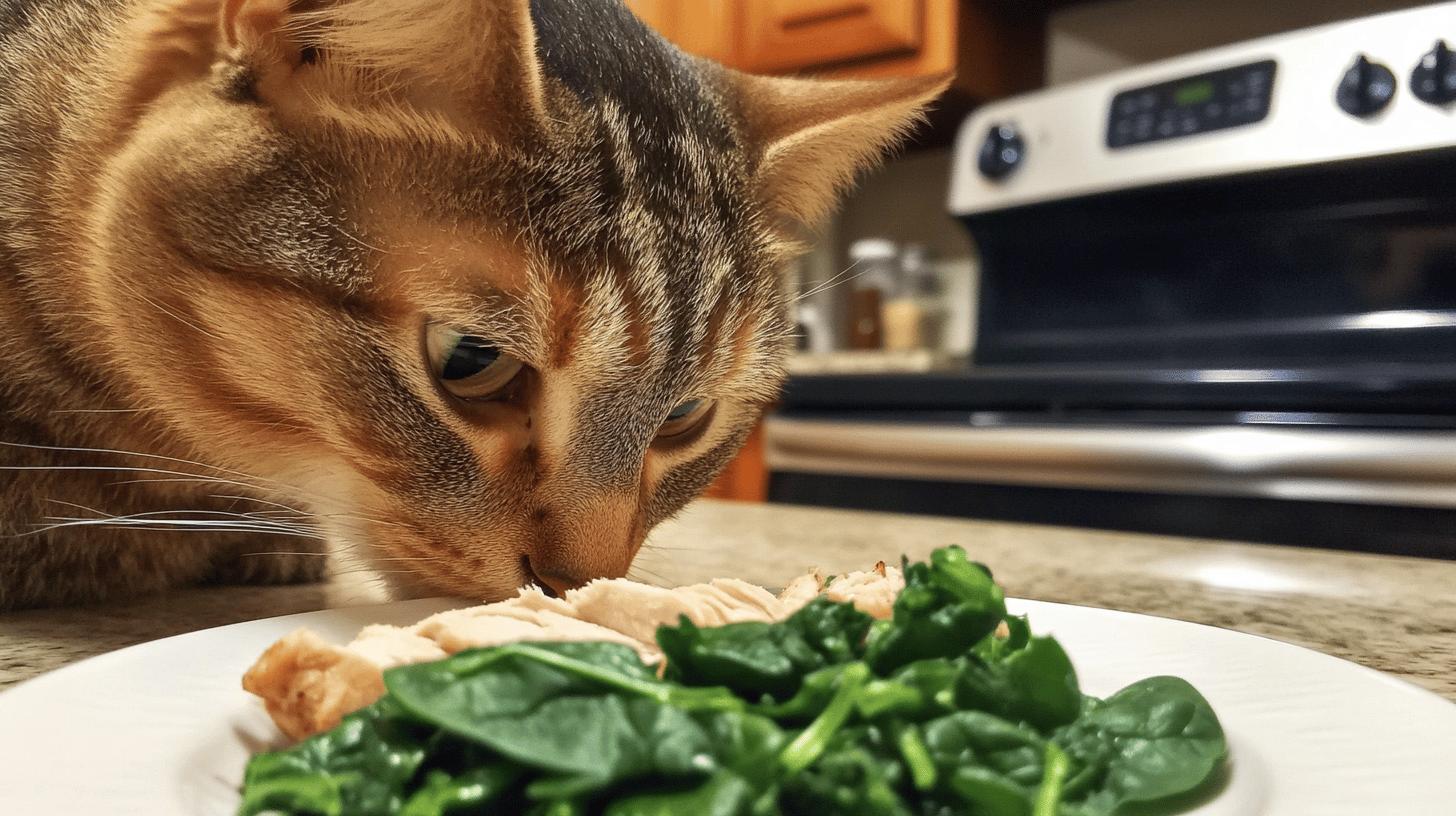
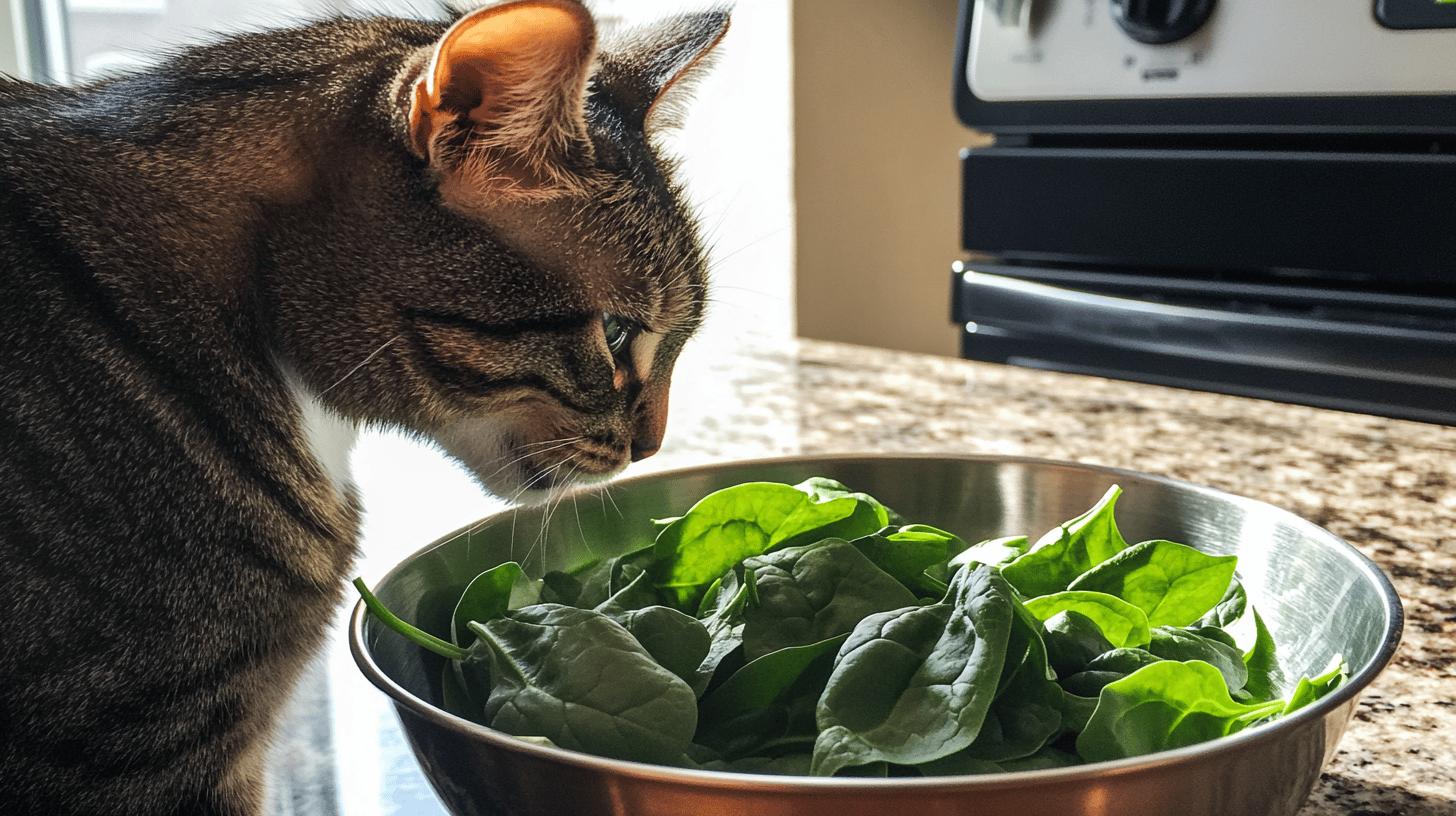
    Can cats safely include spinach in their diet? It's a leafy green that many pet owners wonder about. While spinach isn't inherently harmful to cats, it does contain oxalates, which can pose risks for those with kidney or bladder issues.

    So, is spinach a safe treat or a risky choice? In this article, I'll dive into the nutritional benefits and potential dangers of feeding your cat spinach. Before you decide to add spinach to your cat's menu, let's explore how it can fit into their diet safely.

    Can Cats Eat Spinach Safely and Nutritional Benefits and Risks
    Can Cats Eat Spinach Safely and Nutritional Benefits and Risks-1.jpg

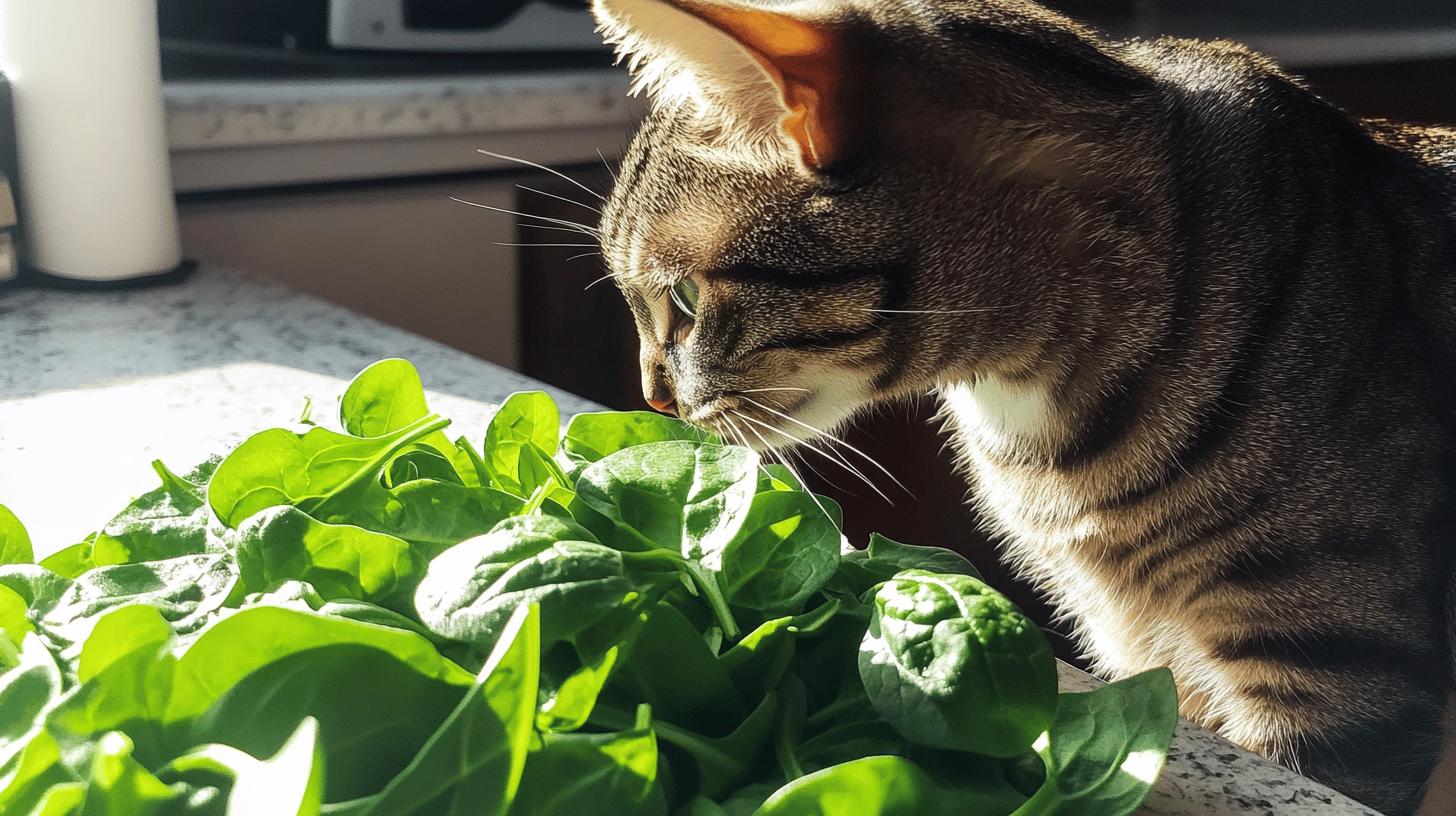
    Spinach can be a safe addition to a cat's diet, but only in small amounts. This leafy green is not toxic to cats, but it does contain oxalates, which can cause kidney or bladder stones in felines with pre-existing conditions.

    This makes it crucial to be cautious when introducing spinach to your cat's meals. For healthy cats, small quantities may be beneficial, but always consult a veterinarian before making any dietary changes.

    Spinach is packed with nutrients that can offer several benefits to cats. It is rich in vitamins A, C, and K, which are essential for supporting vision, immune function, and blood clotting.

    Additionally, spinach is a good source of iron and magnesium, which help maintain healthy blood cells and nerve function. These nutrients can be a valuable supplement to a cat's primarily meat-based diet.

    Despite its nutritional benefits, spinach carries some risks due to its oxalate content. Oxalates can bind with calcium, forming crystals that may lead to kidney disease or bladder stones in cats with predispositions.

    This makes spinach particularly risky for cats with urinary or kidney issues. Monitoring your cat's health and behavior is vital when introducing spinach, and consulting with a veterinarian can help determine whether it's a suitable addition to their diet.

    If your cat consumes too much spinach, watch for the following symptoms:

    • Digestive upset
    • Changes in urination
    • Lethargy
    • Vomiting
    • Loss of appetite

    These signs may indicate that your cat is having difficulty processing the spinach, and immediate veterinary advice is recommended.

    Nutrient Benefit
    Vitamin A Supports vision
    Vitamin C Boosts immune function
    Vitamin K Aids in blood clotting
    Iron Maintains healthy blood cells
    Magnesium Supports nerve function

    By keeping these considerations in mind, you can make informed decisions about whether spinach is a suitable treat for your feline friend.

    How to Safely Incorporate Spinach into Your Cat's Diet
    How to Safely Incorporate Spinach into Your Cats Diet-1.jpg

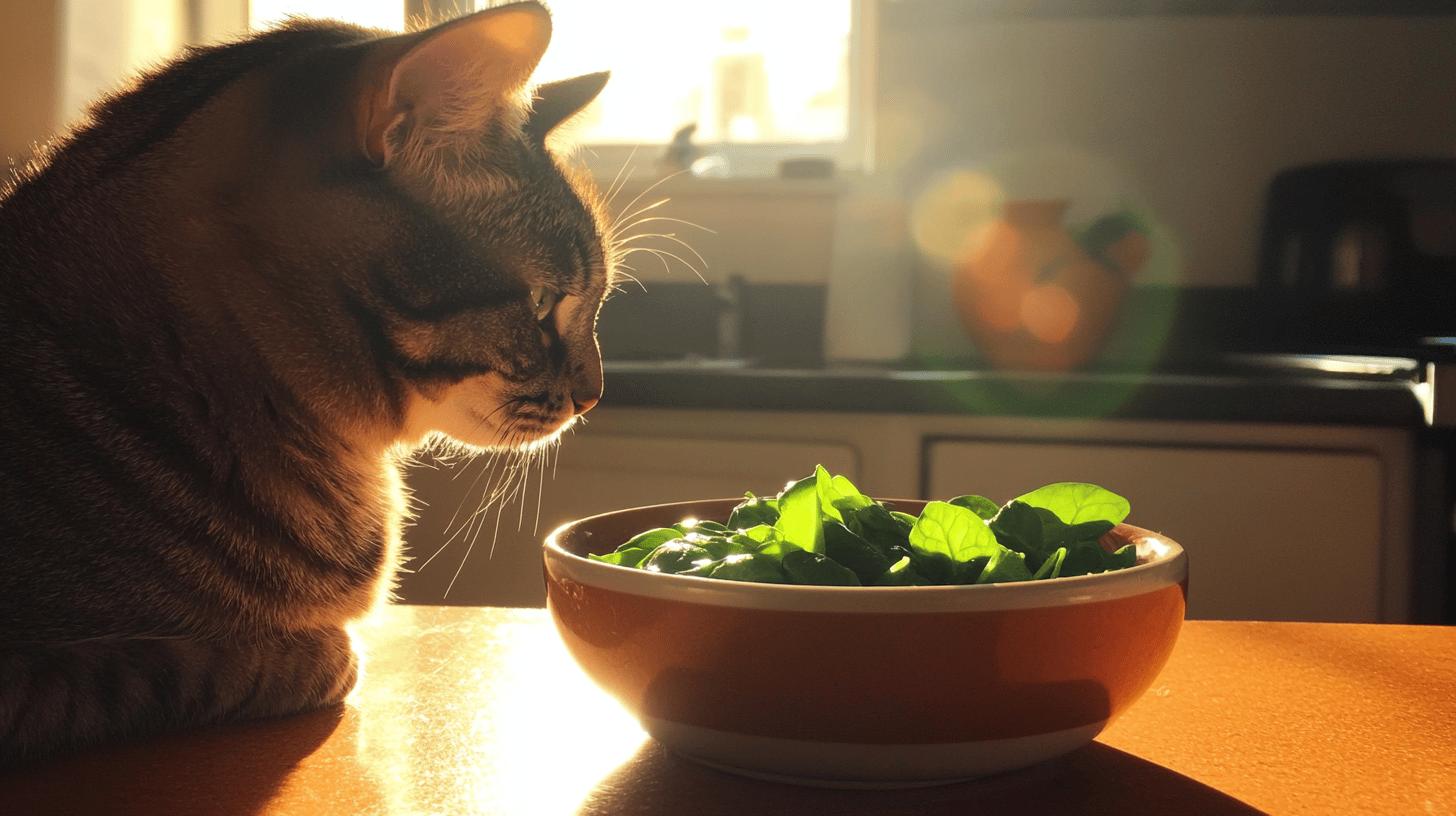
    When feeding spinach to cats, it's crucial to manage portion sizes and frequency. Spinach should not exceed 10% of a cat's daily calorie intake to prevent dietary imbalances.

    Start with a very small amount as an occasional treat. This ensures your cat receives any potential nutritional benefits without the risk of consuming too many oxalates, which can cause health issues. Introducing spinach gradually allows you to monitor how well your cat tolerates it.

    Cooked vs. Raw Spinach for Cats

    Cooked spinach is generally safer for cats because cooking reduces the oxalate content, lowering the risk of kidney or bladder stones. Cooking spinach also makes it easier for cats to digest.

    On the other hand, raw spinach retains more vitamins, such as vitamins A and C, which can be beneficial. However, the raw form poses a higher risk for cats with urinary problems due to the higher oxalate content. If you opt for raw spinach, offer it in very small amounts and monitor your cat closely.

    When introducing spinach into your cat’s diet, observe their health and behavior carefully. Watch for any changes in appetite, digestion, or urination.

    If you notice any adverse reactions, discontinue feeding spinach immediately and consult a veterinarian. By being mindful of these factors, you can safely incorporate spinach into your cat's diet while minimizing potential risks.

    Alternatives to Spinach for a Cat's Diet
    Alternatives to Spinach for a Cats Diet-2.jpg

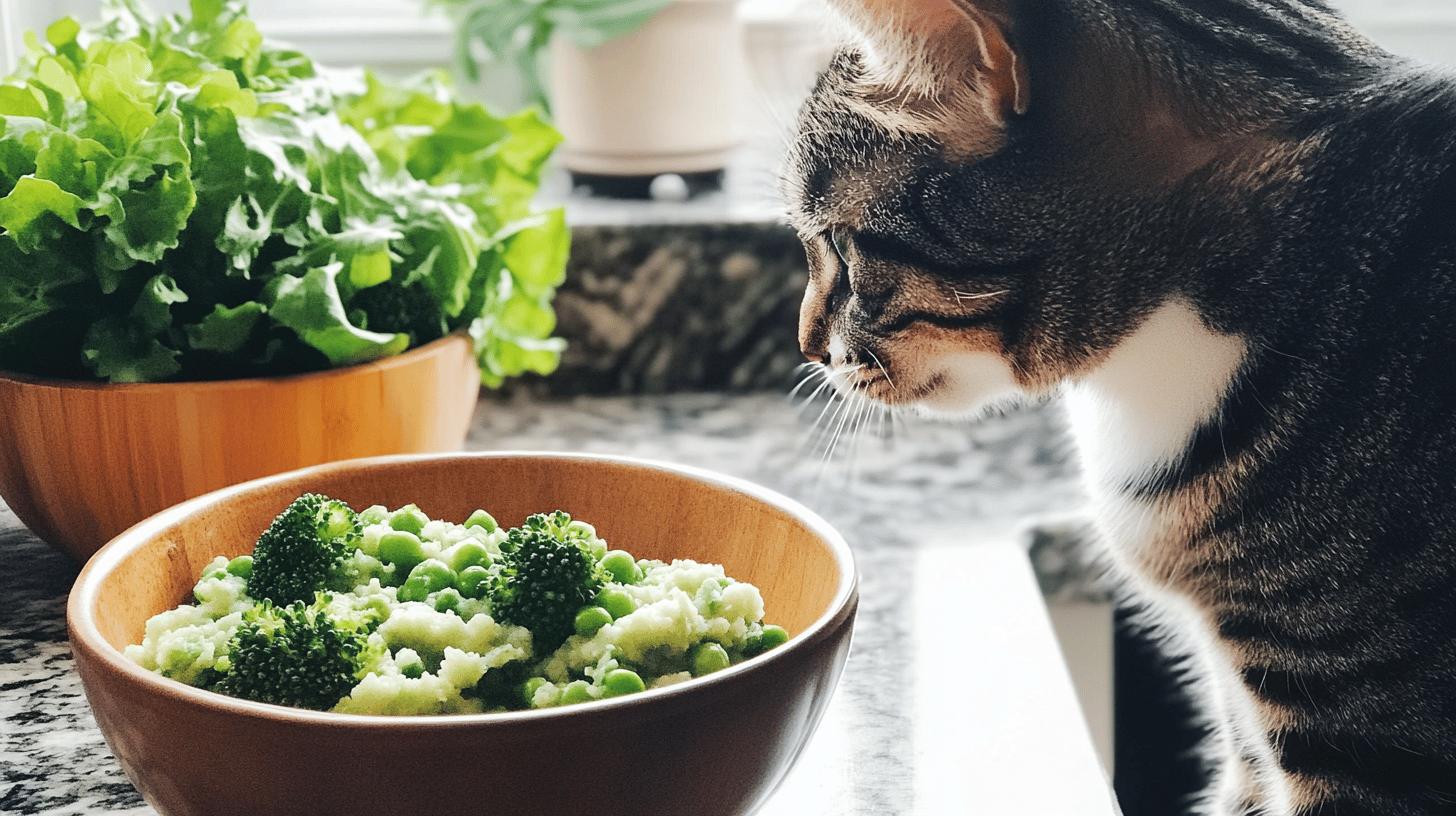
    When considering leafy greens for your feline friend, it's essential to choose options that are low in oxalates to reduce the risk of kidney or bladder stones. While spinach can be safe in moderation, there are other vegetables that present fewer health risks and still offer nutritional benefits. Opting for these alternatives can help you provide a nutritious variety without compromising your cat's health.

    • Steamed broccoli: Rich in fiber and vitamins, this vegetable supports digestive health.

    • Mashed peas: Provides a good source of protein and fiber, useful for maintaining energy levels.

    • Carrots: High in beta-carotene, which can promote good vision.

    • Green beans: Low in calories and high in fiber, aiding in weight management.

    When introducing any new food, especially vegetables, into your cat's diet, it's important to do so gradually. Start with small amounts and observe your cat's reaction.

    By slowly incorporating these vegetables, you'll be able to monitor any changes in digestion or behavior, ensuring that your cat remains healthy and happy. Always consider consulting with a veterinarian if you're unsure about adding new foods to your cat's diet.

    Final Words

    In this post, you learned all about whether a cat can eat spinach safely. Spinach offers some great vitamins and minerals for cats, aiding vision and immune health. But, it also has oxalates which can be risky for cats with certain conditions. It’s crucial to consult with a vet before changing your cat's diet. Alternatives like broccoli and peas are worth consideration. With this information, you can make informed decisions, keeping your cat’s meals enjoyable and safe.

    FAQ

    Can cats eat spinach raw or cooked?

    Cats can eat both raw and cooked spinach. Cooked spinach is generally safer due to reduced oxalate content, which helps avoid risks for cats with urinary issues.

    Is it okay for cats to eat spinach?

    It's okay for cats to eat spinach in small amounts. Spinach contains vitamins A, C, and K, but oxalates may harm cats with kidney issues, so consult a vet first.

    Can cats eat spinach every day?

    Cats should not eat spinach every day. Spinach should be a small part of their diet to avoid oxalate buildup, which can cause kidney or bladder stones.

    Are leafy greens toxic to cats?

    Most leafy greens are not toxic to cats, but some may cause digestive issues. Spinach contains oxalates that can be harmful to cats with specific health conditions.

    What is the healthiest vegetable for cats?

    Carrots are a healthy vegetable for cats. They are high in beta-carotene, which supports vision, and are generally safe in small, cooked portions.

    Can cats eat lettuce and spinach?

    Cats can eat lettuce and spinach in moderation. Lettuce is low in nutrients but safe, while spinach offers vitamins but should be limited due to oxalates.

    Can kittens eat spinach?

    Kittens can eat spinach in very small amounts. It's essential to consult a vet since their dietary needs and tolerances differ from adult cats.

    Why does my cat love spinach?

    Cats might love spinach due to its texture or taste. Each cat's preference varies, but always ensure the spinach is served safely and in small amounts.

    Can cats eat carrots?

    Cats can eat carrots in small amounts. Carrots are a good source of vitamins and can be beneficial when cooked to soften.

    Can cats eat spinach leaves and stems?

    Cats can eat spinach leaves and stems, but moderation is key due to the presence of oxalates which can affect certain health conditions in cats.
    Related Articles

  • Can Cat Eat Rice Safely Tips for Including Rice in Cat Diet

    Can Cat Eat Rice Safely Tips for Including Rice in Cat Diet

    Ever watched your kitty eyeing that grain of rice on your plate and wondered if it’s safe for them? Cats can safely eat rice, but it doesn’t pack the nutrients their little bodies crave. Being obligate carnivores, their diet should mostly be meat.

    Rice lacks vital proteins necessary for their health, so it shouldn’t replace their meat meals. But with the right preparation, rice can be an occasional treat or digestive aid. Stick around to learn the best tips for introducing rice safely into your cat’s diet.

    Can Cats Eat Rice Safely and Guidelines for Feeding

    Can Cat Eat Rice Safely Tips for Including Rice in Cat Diet-2.jpg

    Cats can eat rice, but it should be given in moderation. Rice is non-toxic to cats, which means it’s safe for them to consume in small amounts. However, rice is not particularly nutritious for our feline friends.

    Cats are obligate carnivores, meaning their natural diet consists mainly of meat. Rice lacks the essential protein and nutrients that cats need to thrive. Therefore, rice should never replace a meat-based diet in a cat’s meal plan. It can be used as an occasional treat or to help with digestive issues like mild diarrhea, but only in minimal portions.

    Here’s a list of safety and preparation tips to keep in mind when feeding rice to your cat:

    • Avoid using rice as a meal replacement.
    • Ensure rice is fully cooked and plain.
    • Monitor for any allergic reactions.
    • Consult a vet for dietary advice.
    • Introduce rice in small quantities and gradually.

    When preparing rice for your cat, it’s important to cook it thoroughly until it’s soft. This makes it easier for them to digest. Always serve the rice plain, without any added seasonings, butter, or salt. The goal is to provide a simple, bland food item that won’t upset their stomach. A small amount, around 10 grams, is sufficient to see how your cat handles it.

    A balanced diet is crucial for a cat’s health. Cats require specific nutrients found in meat to support their overall well-being, such as a strong heart, good vision, and a healthy reproductive system.

    If you choose to give rice, observe your cat’s reaction. While rice can be a safe, occasional snack, it should always be secondary to a diet rich in animal proteins. Consulting with a veterinarian can provide further guidance tailored to your individual cat’s needs.

    Nutritional Value of Rice for Cats

    Nutritional Value of Rice for Cats-2.jpg

    Rice isn’t a significant nutrient source for cats. As obligate carnivores, cats thrive on diets rich in animal proteins and fats. Rice lacks the essential amino acids and nutrients that cats derive from meat. While it’s not toxic, rice doesn’t contribute much to their nutritional needs. Instead, it can act as a filler without offering the benefits that a meat-based diet provides.

    White rice is easier for cats to digest due to its low fiber content. It’s processed with the bran and germ removed, making it softer and less complex for their digestive system. Brown rice, on the other hand, retains more nutrients like B vitamins, but these are difficult for cats to absorb. The extra fiber in brown rice can also be harder on their stomachs.

    Rice Type Digestibility Nutrients
    White Rice High Low
    Brown Rice Low Moderate

    Feeding rice to cats can lead to digestive issues if not given appropriately. Too much rice can cause bloating due to its carbohydrate content. This can interfere with their regular digestion, leading to discomfort. Rice should only be an occasional treat, not a regular part of their diet. It’s vital to ensure rice is plain and thoroughly cooked to avoid potential stomach upset.

    Alternative Foods to Rice for Cats

    Nutritional Value of Rice for Cats-3.jpg

    Finding alternatives to rice is crucial for maintaining a balanced diet for our feline companions. Since rice doesn’t provide the essential nutrients cats need, it’s beneficial to incorporate other foods that can contribute to their health.

    Cats are obligate carnivores, meaning they thrive on meat-based diets. Including protein-rich foods and certain vegetables can ensure they receive the necessary nutrients. These alternatives can serve as healthy snacks or additions to their regular meals.

    Here’s a list of recommended alternatives to rice:

    • Cooked chicken or turkey
    • Plain pumpkin or zucchini
    • Small portions of lean fish
    • Commercial cat treats

    When considering what to feed your cat, it’s important to avoid foods with potentially harmful ingredients. Ingredients such as sugar, salt, spices, onions, or garlic can be toxic to cats and should be strictly avoided.

    Always consult with a veterinarian to ensure that the foods you choose are safe and suitable for your cat’s dietary needs. A vet can provide personalized advice to help you maintain a nutritious and balanced diet for your beloved pet.

    Veterinarian Opinions and Myths About Rice in Cat Diets

    Veterinarians generally caution against including rice as a staple in a cat’s diet. Cats thrive on a diet rich in animal proteins and fats, as they are obligate carnivores. Rice, though not toxic, doesn’t provide the essential nutrients cats need.

    In specific cases, rice might be used to help with mild digestive issues, but only in minimal amounts and under professional guidance. It’s vital to observe your cat’s reaction and seek a vet’s advice for any dietary adjustments.

    Some myths about rice in cat diets include:

    • Myth: Rice is essential for cat diets.
    • Myth: Rice helps with all digestive issues.
    • Myth: Rice can be a meal substitute.

    Maintaining a meat-based diet is crucial for feline health, ensuring they obtain necessary amino acids and nutrients. Professional veterinary consultation is essential for any dietary changes to keep your cat healthy and content.

    Final Words

    Cats can eat rice, but only in small amounts. Rice is safe but doesn’t have the nutrients cats need. It’s important not to use rice as a meal replacement. Always cook rice thoroughly and serve it plain.

    While rice isn’t a nutrient powerhouse for cats, small amounts occasionally might be okay. Be sure to observe your cat for any reactions after introducing rice.

    Consider other food options like plain meats or certain veggies. Avoid foods with harmful ingredients, like onions or garlic.

    Consulting a vet ensures your cat enjoys a healthy and balanced diet.

    FAQ

    Can cats eat rice every day?

    A: Cats should not eat rice every day. Rice lacks essential nutrients and should only be an occasional small treat. A meat-based diet is best for cat health.

    Can cats eat rice and milk?

    A: Cats can eat a small amount of plain rice, but milk is not recommended as many cats are lactose intolerant. Avoid mixing them.

    Can cats eat rice and chicken?

    A: Cats can eat rice and chicken, but make sure both are plain and cooked. This combination should occasionally supplement their meat-based diet.

    Is rice good for cats with diarrhea?

    A: Plain, cooked rice can help firm up stools in cats with diarrhea but should not be the only treatment. Consult a vet for proper advice.

    Can kittens eat rice?

    A: Kittens can eat rice in small amounts, but it lacks necessary nutrients for growth. Focus on a balanced diet with high-quality kitten food.

    Can cats eat rice and beans?

    A: Rice is fine in small amounts, but beans can cause digestive issues in cats. Avoid feeding them rice and beans together.
    How should I cook rice for cats?

    A: Cook rice thoroughly until soft. Serve it plain without seasonings or additives to ensure it’s safe for your cat.

    Can cats eat brown rice?

    A: Cats can eat small amounts of brown rice, but it is harder to digest than white rice. White rice is the better choice for cats.

    Is cooked rice OK for cats?

    A: Cooked rice is safe for cats in small, occasional amounts. It should be plain and not a replacement for their main diet.

    Can I feed my cat chicken and rice?

    A: Yes, feeding chicken and rice is acceptable as long as both are plain and cooked. Use as a treat or supplement, not as a main meal.

    Can I mix cat wet food with rice?

    A: You can mix a small amount of plain, cooked rice with wet cat food. Ensure the mixture is occasional and not a mainstay.

    Can cats eat scrambled eggs?

    A: Cats can eat scrambled eggs if they are plain and fully cooked. Eggs can be a good protein source. Keep servings small and infrequent.

    Related Articles

  • Can Cat Eat Oat Pros and Cons Explained

    Can Cat Eat Oat Pros and Cons Explained

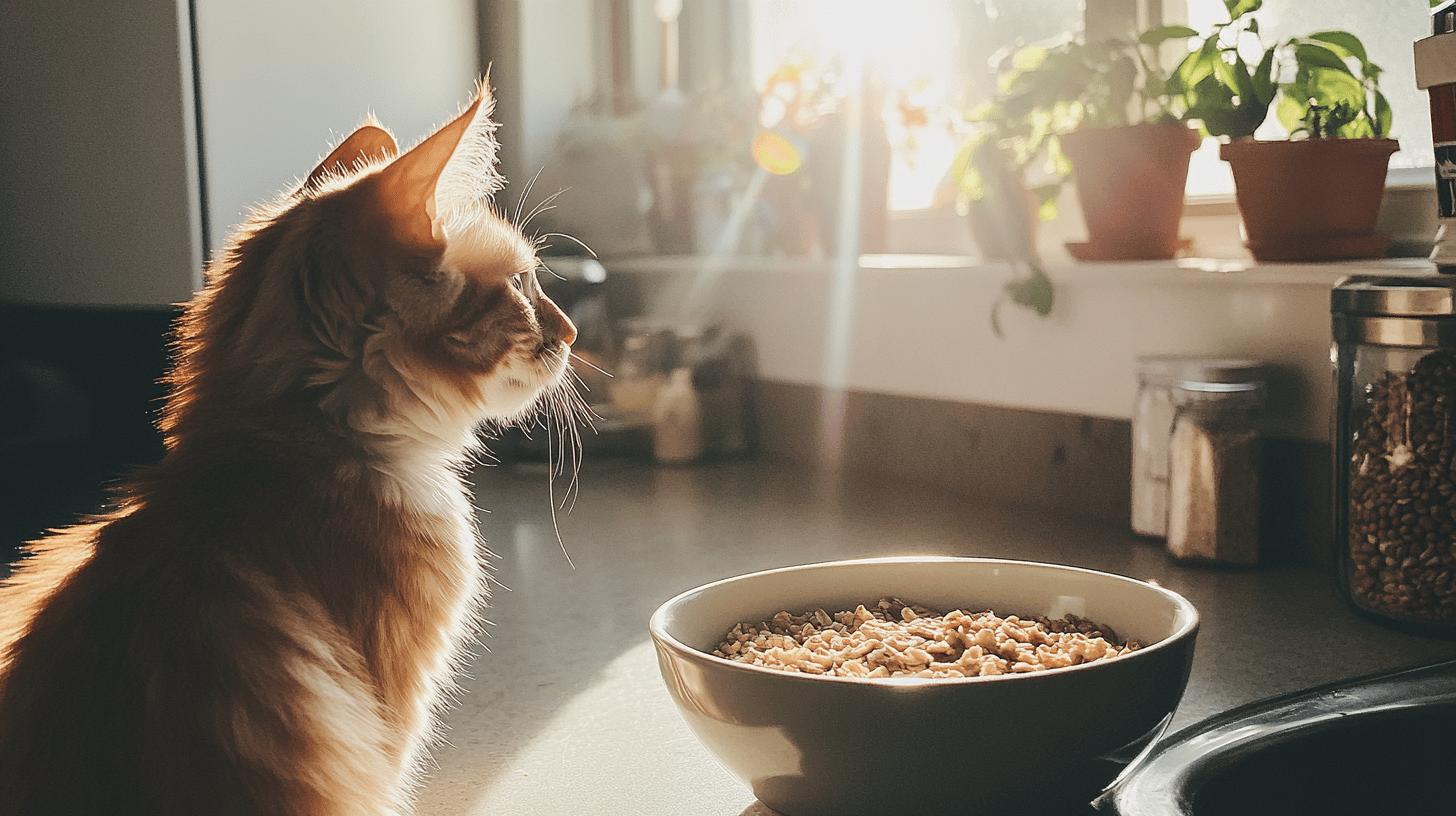
    Ever wondered if your fluffy feline can munch on oats? Oatmeal seems harmless enough, but as cat lovers, we need to dive deeper. Knowing what’s safe for our cats is crucial, especially when considering their unique dietary needs.

    Cats are true carnivores, thriving on diets rich in proteins and fats, not carbs like oats. In this post, I'll break down the pros and cons of oats for cats, so you can make informed choices. Let’s uncover how to balance occasional treats with your cat’s essential nutrition.

    Can Cats Safely Consume Oats?

    Can Cats Safely Consume Oats-1.jpg

    Cats, as obligate carnivores, have dietary needs focused on high protein and fat intake, with minimal carbohydrates. Their bodies are designed to thrive on meat-based nutrition, which provides the essential amino acids and nutrients they require.

    Oatmeal, while not toxic to cats, doesn't align well with these nutritional needs. It's primarily a carbohydrate source, offering little in the way of the proteins and fats cats need for optimal health. Therefore, while it is technically safe to offer oatmeal to your feline friend, it should be given only occasionally and not as a dietary staple.

    When considering oatmeal for cats, it's important to keep it plain and free from any additives. Cooking oats in water rather than milk is crucial, as many cats are lactose intolerant, and milk can upset their digestive systems.

    Avoid adding any sweeteners, spices, or toppings like raisins, which are toxic to cats. While oatmeal won’t harm cats in small amounts, it doesn't provide significant nutritional benefits, making its role in a cat's diet quite limited. Oatmeal might be suitable as an occasional treat if your cat enjoys it, but there are more nutritious options available that align better with their carnivorous requirements.

    Potential risks of feeding oats to cats include:

    • Digestive discomfort
    • Vomiting
    • Diarrhea
    • Lack of essential nutrients
    • Risk of imbalanced diet

    Ensuring that cats receive a diet rich in animal proteins and fats will better support their health and well-being.

    Nutritional Considerations of Oats for Cats

    Nutritional Considerations of Oats for Cats-1.jpg

    Oatmeal offers some nutritional benefits for cats, including antioxidants, linoleic acid, and amino acids. These nutrients can support a cat's skin, coat, and digestion. Although beneficial, these nutrients alone don't meet a cat's comprehensive dietary requirements.

    Cats, being obligate carnivores, need diets high in protein and fat. Their systems are optimized for energy from animal proteins and fats. While oats contain some protein and fatty acids, they lack the necessary quantities cats need for optimal health.

    Carbohydrates have a minimal role in a cat's diet. Cats don't biologically require them and aren't efficient at processing them. Given the high carbohydrate content in oats, they aren't ideally suited to cat nutrition.

    Nutritional Element Oats Typical Cat Diet
    Proteins Moderate High
    Fats Low High
    Carbohydrates High Low
    Essential Nutrients Limited Comprehensive

    How to Prepare Oats for Cats

    How to Prepare Oats for Cats-1.jpg

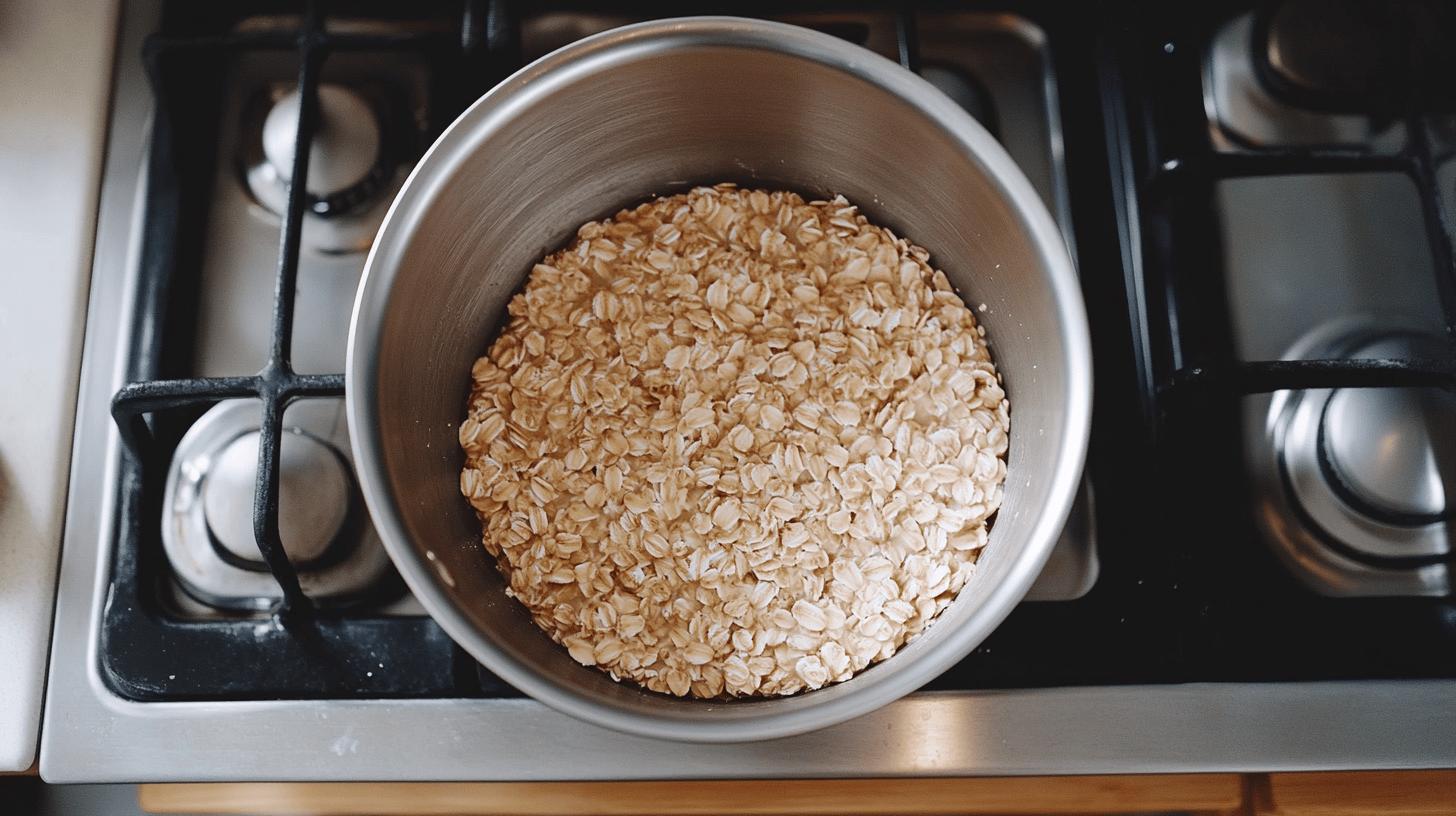
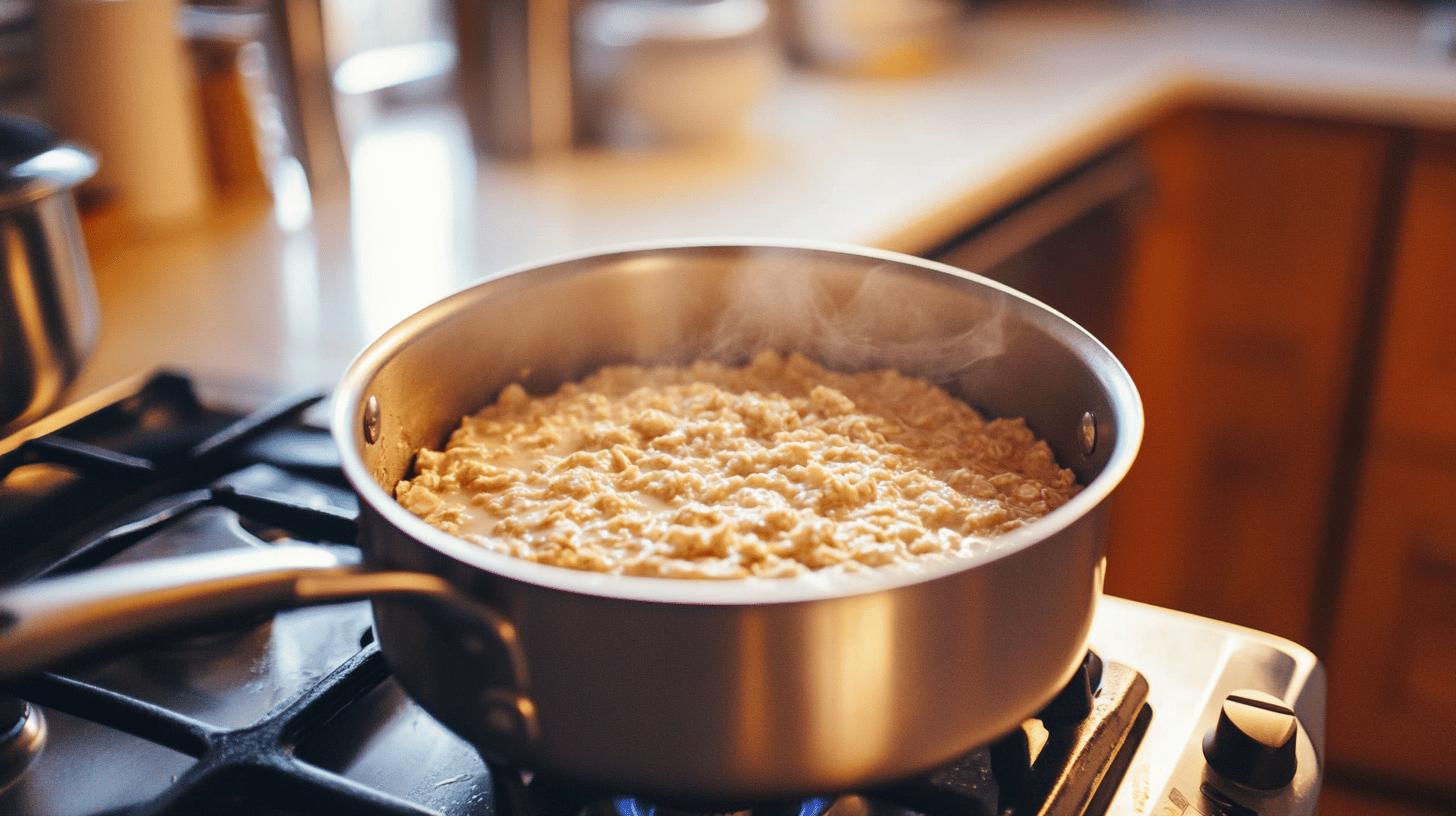
    When preparing oats for cats, it’s essential to cook them in water instead of milk. Many cats are lactose intolerant, and milk can lead to digestive issues. Water-cooked oats are safer and allow you to keep the preparation plain, avoiding unnecessary additives that could harm your cat. This simplicity is crucial because any added spices, sweeteners, or toppings like honey or sugar can upset your cat's stomach or even be toxic.

    Enhancing the oats' taste by mixing them with a small amount of wet cat food can make them more appealing to your feline friend. Cats are generally more attracted to meaty and savory flavors, so incorporating wet food can help balance the oats' texture and taste, making it a treat your cat might actually enjoy.

    Here’s how you can safely prepare oats for your cat:

    1. Measure a small portion of oats.
    2. Cook oats in water until soft.
    3. Cool oats to room temperature.
    4. Mix with a small amount of wet cat food.
    5. Serve in moderation.
    6. Store leftovers in a fridge for up to 2 days.

    By following these steps, you can offer oats as an occasional treat without compromising your cat's health.

    Potential Risks of Feeding Oats to Cats

    How to Prepare Oats for Cats-2.jpg

    Feeding oats excessively to cats can lead to digestive issues and nutritional imbalances. Cats' digestive systems aren't built for high carbohydrate intake, which might cause discomfort, vomiting, or diarrhea. Over time, these issues could become more serious health concerns if the diet lacks necessary proteins and fats. Monitor your cat's health closely if oats are introduced.

    Nutritional Considerations of Oats for Cats

    Cats are obligate carnivores and thrive on diets rich in animal proteins. Oats, being primarily a carbohydrate source, don't provide essential proteins and fats needed for overall health. While oats can be a harmless, occasional treat, they shouldn't replace vital nutrients found in protein-rich foods.

    Alternatives to Oats in a Cat's Diet

    Alternatives to Oats in a Cats Diet-1.jpg

    Cats have specific dietary needs that are best met by foods rich in protein and fat. Human foods such as cooked meats and fish cater to these needs more effectively than oats. These foods are not only safe but also beneficial, providing essential amino acids and nutrients that support a cat's health. Unlike oats, these options align with the natural carnivorous diet that cats require for optimal wellness.

    Incorporating foods that reflect a cat's carnivorous preferences is crucial for their overall health. Cats naturally crave meat-based flavors and textures, making cooked meats and fish excellent choices. Vegetables like pumpkin and spinach can also be safe and nutritious treats when given in moderation. These options provide the necessary nutrients while satisfying a cat's instinctual dietary habits.

    Here are some oat alternatives that are safe and nutritious for cats:

    • Cooked chicken or turkey
    • Cooked fish like salmon
    • Pumpkin
    • Spinach

    Offering these alternatives ensures that your cat receives a balanced diet tailored to their unique nutritional requirements.

    Final Words

    While oats are safe for cats, they aren't a nutritional powerhouse for our carnivorous friends. Cats thrive on protein and fats, making oats more of a treat than a staple. If you're wondering "can cat eat oat," remember moderation is key. Keep the oats plain, cooked, and free of additives. It's wise to explore other options like cooked meats or veggies that are better suited to their needs. Always consult a vet if introducing something new. With care, you can offer tasty treats while ensuring your cat stays healthy and happy.

    FAQ

    Can cats eat oatmeal with milk?

    A: Cats should avoid oatmeal with milk. Many cats are lactose intolerant, and milk can cause digestive issues. It's best to serve plain, water-cooked oats.

    How to prepare oats for cats?

    A: To prepare oats for cats, cook them in water until soft, let them cool, and mix with wet cat food. Keep the oats plain—free of sweeteners or additives.

    Can cats eat oat raw or cooked?

    A: Cats can eat cooked oats but not raw. Cooked oats are easier for cats to digest. Always serve them plain and in moderation.

    Can cats eat oat every day?

    A: Cats shouldn't eat oats every day. Oats lack the essential nutrients cats need from protein-rich diets. Serve as an occasional treat only.

    Can cats eat oat in water?

    A: Cats can eat oats cooked in water. Water-cooked oats are gentler on their digestive system compared to oats cooked in milk.

    Can cats eat oatmeal with sugar?

    A: Cats should not eat oatmeal with sugar. Sugar and other additives can be harmful. Stick to plain oats to avoid digestive issues.

    Benefits of oatmeal for cats?

    A: Oatmeal provides some antioxidants, amino acids, and fatty acids. However, its benefits are minimal compared to protein-rich foods cats need.

    Can cats eat oats and honey?

    A: Cats should not eat oats with honey. Honey can cause digestive upset, and sugar offers no nutritional benefits to cats.

    Are oats safe for cats?

    A: Oats are generally safe for cats if cooked and served plain. While non-toxic, they lack the necessary nutrients found in protein-rich animal diets.

    Is oatmeal or rice better for cats?

    A: Neither oatmeal nor rice provides significant benefits for cats. Cats need diets high in protein and fat, which neither oats nor rice supplies adequately.

    Why do cats love oats?

    A: Cats might be curious about oats due to texture or smell, but it's crucial to prioritize foods aligned with their protein-based dietary needs.

    Is oatmeal safe for pets?

    A: Oatmeal is safe for pets if served plain and in moderation. Avoid additives like milk or sugar to prevent digestive issues.

    Related Articles

  • Can Cat Eat Bacon Safety and Health Concerns for Your Feline

    Can Cat Eat Bacon Safety and Health Concerns for Your Feline

    Is bacon a tasty treat or a ticking time bomb for cats? It's a question many cat owners ponder, hoping to spoil their feline friend with a bite of breakfast.

    But bacon isn't just a harmless snack. Loaded with fat and sodium, this human delight can quickly turn dangerous for cats, leading to health issues like obesity and heart problems.

    In this article, we’ll unravel the safety and health concerns of feeding bacon to your cat and explore the best ways to keep your pet both healthy and happy.

    Is Bacon Safe or Healthy for Cats?

    Is Bacon Safe or Healthy for Cats-1.jpg

    Bacon is not a safe or healthy staple for your cat's diet. While cats can technically eat bacon, it should only be given in very small amounts and on rare occasions.

    Bacon lacks nutritional benefits for cats and poses several immediate health risks. It's high in fat and sodium, which can be harmful to your feline friend. Salt is toxic to cats, and even a small amount can lead to poisoning. Moreover, bacon is heavily processed and contains nitrates and nitrites, which are known carcinogens.

    Here are the specific health risks associated with feeding bacon to cats:

    • Toxicity: High sodium content can quickly become toxic.
    • Obesity: The high fat content can contribute to weight gain.
    • Digestive Issues: May cause vomiting or diarrhea in sensitive cats.
    • Dehydration: Excess salt can lead to dehydration.
    • Heart Problems: Increased risk due to high sodium and fat.
    • Pancreatitis: The fat content can trigger inflammation of the pancreas.
    • Carcinogenic Risks: Processed meats can increase cancer risk over time.

    Regarding raw and cooked bacon, raw bacon should be strictly avoided. It poses the risk of bacterial contamination, which can lead to severe health issues. Cooked bacon is slightly safer but still should be given sparingly.

    Long-term health implications of feeding bacon to cats include potential dehydration, obesity, and the risks posed by regularly consuming processed meats. These processed meats contain hazardous compounds that could lead to various health problems. Prioritizing your cat's health by offering more suitable and nutritious treats is essential for their well-being.

    How Much Bacon Can Cats Eat Safely?

    How Much Bacon Can Cats Eat Safely-1.jpg

    When it comes to feeding cats bacon, portion control is key. Bacon should only serve as an occasional treat, making up no more than 4% of your cat's daily caloric intake. For the average-sized cat, this translates to about a thin slice per day. Larger or more active breeds might handle up to half a slice more, but it's crucial to keep these treats infrequent.

    Feeding bacon too regularly can lead to a host of health issues. The high fat and sodium content can contribute to obesity, dehydration, and even heart problems over time. Cats may also develop digestive issues or become prone to pancreatitis with frequent bacon consumption. Keeping bacon as a rare indulgence is vital to maintaining your feline friend's health.

    Cat Size/Activity Recommended Bacon Portion
    Average-sized Cat 1 thin slice
    Larger/Active Breeds 1.5 thin slices
    Small or Sedentary Cats Less than 1 thin slice

    Healthier Alternatives to Bacon for Cats

    Healthier Alternatives to Bacon for Cats-1.jpg

    Choosing nutritious treats for your cat is important to support their health and well-being. While bacon might seem like a tasty option, there are healthier alternatives that deliver essential proteins and nutrients without the risks associated with high fat and sodium content.

    Poultry, for example, is a better meat option due to its lower sodium and fat levels. Opting for treats that align with your cat’s dietary needs helps ensure they're getting the best nutrition possible.

    Here’s a list of healthier treats to consider for your feline friend:

    • Cooked Chicken: A lean source of protein with minimal seasoning.
    • Turkey Slices: Low in calories and fat, making it a safer choice.
    • Salmon Bits: Rich in Omega-3 fatty acids, beneficial for skin and coat health.
    • Tuna Water: A flavorful and hydrating treat when given in moderation.
    • Carrot Sticks: Crunchy texture that some cats enjoy nibbling on.
    • Commercial Cat Treats: Specifically formulated to meet feline nutritional needs.

    Providing a balanced diet tailored to your cat's age, breed, and health conditions is crucial. While occasional treats are fine, they should complement a well-rounded diet rather than replace it. Keeping your cat's dietary preferences and health concerns in mind when selecting treats will help maintain their overall health and happiness.

    Final Words

    Exploring if bacon is safe for cats, we've seen it can be tempting to share this treat.
    Cats can eat bacon, but it's not without risks.
    Its high fat and sodium content makes it a rare indulgence, not a regular part of their diet.
    Too much bacon can harm their health over time.

    Healthier alternatives like poultry offer better nutrition without the risks.
    Prioritizing balanced diets ensures our feline friends thrive.
    With mindful choices, we can keep our cats happy and healthy while satisfying their occasional craving.

    FAQ

    Can cats eat raw or cooked bacon?

    A: Cats can eat cooked bacon occasionally, but raw bacon should be avoided due to bacterial contamination risks.

    Can cats eat bacon grease?

    A: Bacon grease is unhealthy for cats due to high fat and sodium content. It can cause digestive issues and pancreatitis.

    What happens if my cat eats bacon?

    A: If your cat eats bacon, they might be fine, but keep an eye on them for signs of digestive upset or salt poisoning.

    Can I give my cat a slice of bacon?

    A: Giving a whole slice isn't recommended. Bacon should be a rare treat due to its high fat and sodium levels.

    How much bacon can you give a cat?

    A: Cats should have bacon as an occasional treat, contributing no more than 4% of their daily caloric intake.

    Can cats eat ham or bacon?

    A: Both ham and bacon contain high sodium and fat, posing similar health risks. Offer them in moderation, if at all.

    Can cats eat sausage?

    A: Sausage is not recommended for cats due to additives, high fat, and salt. It can upset their stomach.

    Can cats eat bacon bits?

    A: Bacon bits are heavily processed and high in salt. They're not safe for cats and should be avoided.

    What human food can cats eat?

    A: Cats can eat small amounts of cooked poultry, plain rice, cooked eggs, and certain vegetables like peas and carrots.

    Related Articles

  • Can Cat Eat Spam Understanding The Risks and Health Concerns

    Can Cat Eat Spam Understanding The Risks and Health Concerns

    Is that tin of Spam tempting to share with your curious feline? Before you do, there’s a lot you should know. Spam might seem like a tasty treat for your cat, but it’s not without risks. Its high sodium and fat content can be more harmful than you might guess. Think of it like giving a toddler junk food—it’s not what they need. This article dives into why Spam isn’t fit for your furry friend and what healthier, safer treats you should consider instead. Let’s ensure our pets stay happy and healthy!

    Can Cats Eat Spam? Understanding the Risks

    Can Cats Eat Spam Understanding the Risks-1.jpg

    Spam is a processed meat product that has been around for decades, known for its convenience and long shelf life. It is made primarily from pork shoulder, ham, and a mixture of additives including salt, sugar, modified potato starch, and sodium nitrate. While the meat components might seem appealing to cats, the additional ingredients make Spam unsuitable for our feline friends.

    Feeding Spam to cats can pose significant health risks due to its high sodium and fat content. Cats have delicate systems that are not equipped to handle excessive amounts of these substances. The high sodium levels in Spam can lead to severe issues like hypertension and kidney strain, while the high fat content can contribute to obesity and pancreatitis. Even small amounts of Spam can have detrimental effects on a cat’s health since it offers no nutritional benefit to them.

    • Obesity from excessive fat intake
    • Pancreatitis due to high fat content
    • Sodium ion poisoning from high salt levels
    • Strain on kidneys from excessive sodium
    • Dehydration from sodium imbalance

    Veterinary experts generally advise against feeding Spam to cats. Instead, they recommend sticking to a diet that meets the nutritional needs of cats, rich in animal proteins and essential amino acids without harmful additives. Healthier alternatives include plain cooked meats such as chicken or beef, or treats specifically formulated for cats. These options provide necessary nutrients without the health risks associated with processed meats like Spam.

    The Nutritional Suitability of Spam for Cats

    The Nutritional Suitability of Spam for Cats-1.jpg

    Cats thrive on diets rich in animal proteins and essential amino acids like taurine and arginine. These nutrients are vital for heart health, vision, and overall bodily function. A balanced diet also includes vitamins and minerals needed for their active lifestyle.

    Spam doesn’t meet these nutritional needs. It contains some pork protein but lacks essential amino acids. Its high sodium and unhealthy fats can lead to health issues, such as kidney strain and obesity, without offering necessary nutrients.

    Nutrient Ideal for Cats Spam
    Protein High with essential amino acids Moderate without key amino acids
    Sodium Low High
    Fat Moderate, healthy fats High, unhealthy fats
    Taurine Essential Absent

    For a healthy and happy cat, it’s crucial to provide them with a diet that aligns with their nutritional requirements, steering clear of processed options like Spam.

    Healthier Alternatives to Spam for Cats

    Healthier Alternatives to Spam for Cats-1.jpg

    Maintaining a balanced diet is crucial for your cat’s overall health and well-being. Cats need a diet rich in proteins and essential nutrients to support their active and curious nature. High-quality cat foods crafted with natural ingredients help ensure that your feline friend is getting all the necessary amino acids, vitamins, and minerals. Avoiding processed meats like Spam is key because they often contain unhealthy additives that can lead to long-term health issues.

    When it comes to providing suitable meat options, plain cooked chicken or beef are excellent choices. These meats deliver essential nutrients without the harmful additives found in processed foods. Chicken and beef are not only delicious for cats but also packed with necessary proteins that support muscle health and energy levels. Preparing these meats plainly, without seasoning or sauces, ensures that they remain safe and beneficial for your cat.

    • Vet-approved treats that cater to cats’ specific dietary needs
    • Homemade snacks using safe ingredients like chicken or fish
    • Safe canned meats formulated specifically for cats
    • High-quality commercial cat foods that meet nutritional standards
    • Fresh, plain-cooked meats such as chicken or turkey

    Consulting with a veterinarian can provide valuable insights into your cat’s specific dietary needs. Vets can recommend a variety of suitable options that align with your cat’s health status and lifestyle, ensuring a balanced and nutritious diet. This advice can help you make informed choices when selecting treats and meals, promoting a happy and healthy life for your furry companion.

    Can Cats Eat Spam? Understanding the Risks

    If your cat gets a hold of some Spam, it’s time to take action. First, remove any leftover Spam. This prevents your cat from eating more and causing further harm. Watch your cat closely for signs of distress. These can include:

    • Vomiting
    • Diarrhea
    • Lethargy
    • Appetite loss
    • Dehydration

    If symptoms worsen, don’t wait. Contact your vet immediately. Quick action is key to keeping your cat safe and healthy. Emergency care might be needed for severe cases to avoid complications. Acting fast can make all the difference for your cat’s well-being.

    Final Words

    Feeding Spam to cats poses significant health dangers due to its high sodium and fat content. These can lead to obesity, pancreatitis, and serious conditions like sodium ion poisoning. Cats need a diet rich in essential animal proteins and amino acids, which Spam fails to provide.

    Instead of risking cat health, consider alternatives like plain cooked chicken or beef. Vet-approved treats and snacks ensure your cat enjoys a safe and balanced diet. Let’s keep our cats healthy and happy by steering clear of processed meats like Spam.

    FAQ

    Can cats eat Spam?

    A: Spam is not safe for cats. It is high in sodium and fat, which can be harmful. Small amounts may lead to health issues like obesity and liver problems.

    Can cats eat Spam raw?

    A: Eating raw Spam can pose even greater health risks for cats due to bacteria. It’s best to avoid giving raw or cooked Spam to your feline friends.

    What happens if cats eat Spam?

    A: If cats eat Spam, they may face obesity, pancreatitis, or sodium ion poisoning. Signs of distress include vomiting, diarrhea, or lethargy.

    Can pets eat Spam?

    A: Pets, including cats and dogs, should not eat Spam. The high sodium and fat content are unsafe and can cause health issues in animals.

    Why does my cat like Spam?

    A: Cats may be attracted to Spam due to its meaty smell and taste. However, this doesn’t make it safe or healthy for them.

    What meat should cats not eat?

    A: Cats should avoid processed meats containing high sodium or unhealthy fats, like Spam and bacon. These can lead to health problems.

    Is it okay for cats to eat bacon?

    A: While bacon is tasty for cats, it’s high in fat and sodium. It is not recommended for regular consumption due to potential health risks.

    What can cats eat?

    A: Cats can eat meats like plain cooked chicken or beef. These options provide necessary nutrients without the harmful effects of processed meats.

    Can cats eat eggs?

    A: Cats can eat eggs occasionally. Cooked eggs are a good source of proteins and amino acids, but should be given as a treat, not a regular meal.

    Can cats eat luncheon meat?

    A: Luncheon meat, like Spam, is not suitable for cats due to its high sodium and fat content. Stick to healthier options like plain meats.

    What human food can cats eat?

    A: Cats can have plain meats like chicken, beef, or turkey. Always remove bones and seasonings. Consult a vet before introducing new foods.

    Related Articles

  • Can Cat Eat Marshmallow Understanding Risks and Safety

    Can Cat Eat Marshmallow Understanding Risks and Safety

    Ever wondered if marshmallows could double as a cat treat? It might sound tempting as you snack on them beside your furry friend. But stop right there. While that soft, sugary puff is a joy to us, it can spell trouble for your feline companion. Cats thrive on a diet rich in animal protein, and treats like marshmallows can turn harmful quickly. Let's dive into the risks and safety concerns of marshmallows for cats, ensuring we keep them safe and healthy.

    Can Cats Eat Marshmallows and Potential Risks

    Can Cats Eat Marshmallows and Potential Risks-1.jpg

    Marshmallows are primarily composed of sugar, corn syrup, water, and gelatin. These sweet treats come in various shapes, sizes, and colors and are known for their soft and sticky texture. While they might be a delightful snack for humans, they pose several risks for our feline friends.

    Cats are obligate carnivores, which means their diet should be predominantly animal protein. Unfortunately, marshmallows are packed with sugar and carbohydrates, which don't suit a cat's dietary needs. Consuming sugary snacks like this can lead to a host of health problems. Since cats don't have a sweet tooth like us, they gain no taste benefit from marshmallows. Instead, the sugar content in these treats can upset their stomachs and may lead to more severe health issues if consumed regularly.

    The sticky texture of marshmallows also poses a choking hazard for cats. If a marshmallow gets stuck in their throat, it could potentially block their airway. This risk is exacerbated by the way cats eat, often swallowing chunks of food without much chewing. It's crucial to keep marshmallows out of reach to prevent accidental ingestion and the associated risks.

    When it comes to digestive issues, marshmallows can be particularly problematic. Cats who consume marshmallows might experience vomiting or diarrhea due to their bodies being unable to properly process the high sugar content and other non-nutritive elements. This can lead to dehydration and discomfort, especially if symptoms persist.

    Long-term health risks include obesity, which can be a serious issue for cats consuming high-sugar and high-calorie treats like marshmallows. Weight gain can lead to diabetes, joint problems, and a decreased quality of life. Cats fed inappropriate foods regularly are at risk for these chronic conditions, which can be managed but not easily reversed.

    Symptoms to Watch For

    If your cat eats a marshmallow, it's important to monitor them for any adverse reactions. Look out for the following symptoms:

    • Vomiting
    • Diarrhea
    • Lethargy
    • Changes in appetite or behavior
    • Difficulty breathing

    Monitoring a cat's health after they've eaten a marshmallow is crucial. If they display any concerning symptoms, contact a veterinarian immediately. The sooner you address potential health issues, the better the outcome for your cat. Understanding the risks associated with marshmallow consumption can help you make informed decisions about your cat's diet and keep them safe from harm.

    Understanding Cats' Dietary Needs

    Cats have specific nutritional needs as obligate carnivores. Their diet should be rich in animal protein and low in carbohydrates. Diets high in sugar and carbohydrates, like those found in marshmallows, do not align with their natural dietary requirements. Providing a balanced and appropriate diet is key to maintaining your cat's health and well-being.

    What to Do If Your Cat Eats a Marshmallow

    What to Do If Your Cat Eats a Marshmallow-1.jpg

    If your cat eats a marshmallow, start by staying calm and taking immediate action. Begin by ensuring your cat is comfortable and has access to fresh water to aid digestion.

    1. Observe the cat: Monitor any changes in behavior or activity levels.
    2. Check for symptoms: Be alert for signs like vomiting, diarrhea, or lethargy.
    3. Offer water: Provide fresh water to help with digestion and hydration.
    4. Contact a veterinarian: Seek advice if concerning symptoms appear.

    If symptoms persist or worsen, consulting a veterinarian is vital. Professional guidance can address potential health issues and ensure your cat’s safety after ingesting unsuitable food.

    Alternatives to Marshmallows for Cats

    Alternatives to Marshmallows for Cats-1.jpg

    Finding the right treats for your cat is all about meeting their nutritional needs. Since cats are obligate carnivores, their bodies thrive on animal proteins rather than sugars or carbohydrates. Offering treats like marshmallows can disrupt their diet and lead to health issues. Instead, focus on treats that align with their dietary requirements. Not only will this keep your cat happy, but it will also promote their overall well-being.

    Here are some safe and nutritious treats for cats:

    • Cooked lean meats like chicken or turkey
    • Small pieces of cooked fish
    • Catnip toys for play and stimulation
    • High-protein canned cat foods
    • Freeze-dried meat treats
    • Homemade cat treats crafted with safe ingredients

    Making homemade cat treats is a wonderful way to ensure your feline friend gets the nutrition they need. You can tailor these treats to suit their specific tastes and dietary requirements. Using ingredients like lean meats, fish, or even small amounts of vegetables that cats can safely consume, you can create delicious snacks that contribute to their health. This hands-on approach not only guarantees the quality of what's in the treat but also strengthens the bond between you and your pet.

    Final Words

    Understanding that cats can't eat marshmallows safely is crucial. These sugar-filled treats offer none of the protein cats need, carrying risks like digestive troubles and choking hazards. Marshmallows may cause obesity due to their high sugar content and don't fit with a cat's natural diet.

    It's important to watch your cat for any signs of sickness if they munch on a marshmallow. Instead, provide them with safe treats like cooked chicken, fish, or catnip toys. Prioritizing your cat's health with suitable treats will give them a happier, healthier life.

    FAQ

    Can marshmallows kill cats?

    Marshmallows can be harmful to cats due to their high sugar content and choking hazards. While they are not typically deadly, ingestion can cause digestive upset. Always avoid giving marshmallows to cats.

    Can cats eat marshmallow fluff?

    Like regular marshmallows, marshmallow fluff is not suitable for cats. The sugar and lack of nutritional value can lead to health issues such as obesity and digestive problems.

    What happens if cats eat marshmallows?

    If cats eat marshmallows, they might experience vomiting, diarrhea, or lethargy. The sticky texture can also pose a choking risk, making it crucial to prevent access to marshmallows.

    Can cats eat mini marshmallows?

    Mini marshmallows are not safe for cats. They still contain high levels of sugar and can be a choking hazard. Stick to cat-friendly treats for your pet's health.

    Can dogs eat marshmallows?

    Dogs, like cats, should avoid marshmallows. While not toxic, the sugar and sticky texture can cause digestive issues and choking. Opt for pet-approved treats instead.

    Can cats eat chocolate?

    Chocolate is toxic to cats. It contains theobromine and caffeine, which are both harmful to felines. Even small amounts can cause serious health problems.

    What human food can cats eat?

    Cats can safely eat small amounts of cooked meat, like chicken or turkey. Ensure the meat is plain and free from spices or additives. Always consult with a vet for dietary advice.

    What happens if my cat eats a marshmallow?

    If your cat eats a marshmallow, watch for signs of distress like vomiting or lethargy. Monitor them closely and consult a vet if symptoms worsen or persist.

    Do cats like the taste of marshmallows?

    Cats typically do not like marshmallows. They lack the sweet receptors that humans have and are more attracted to protein-rich flavors, aligning with their carnivorous diet.

    Can animals eat marshmallows?

    Most animals should avoid marshmallows due to high sugar content and potential choking risks. Always offer pet-safe treats designed for their specific dietary needs.

    What candy is toxic to cats?

    Candy containing chocolate, xylitol, or caffeine is toxic to cats. These ingredients can cause serious health issues. Always keep candies out of reach and offer only pet-safe alternatives.

    Related Articles

  • Can Cat Eat Mint Understanding Safety and Risks for Your Feline

    Can Cat Eat Mint Understanding Safety and Risks for Your Feline

    Think mint is safe for cats? Think again! While cat mint—similar to catnip—is often a favorite feline treat, not all mints are created equal. Regular mint, like Mentha, can actually be harmful to our feline pals. Just like how we wouldn't eat everything green in the garden, it's crucial to know which plants are safe for our cats. In this article, we'll explore the safety and risks of mint, so you can make informed choices and keep your cat's playtime both fun and safe. Let's dive into what you need to know to protect your furry friend.

    Can Cats Eat Mint? Understanding the Risks

    Can Cats Eat Mint Understanding the Risks-1.jpg

    Not all mint varieties are safe for your feline friend. While cat mint is often a safe and enjoyable treat for cats, common mint (Mentha) can be harmful. Cat mint, a close cousin of catnip, is often enjoyed by cats due to its mild, calming effects. However, other types of mint, especially in large quantities, can be toxic to cats. It's crucial to differentiate between the two, as the wrong type of mint could lead to health issues.

    If your cat consumes mint, it’s important to watch for any immediate reactions. Symptoms of mint toxicity can include vomiting, weakness, and a lack of coordination. Here’s what to do if your cat shows these signs:

    1. Monitor your cat closely for any changes in behavior or health.
    2. Contact your veterinarian immediately if symptoms appear severe.
    3. Avoid offering any more mint or related products to your cat.
    4. Keep a close eye on your cat’s hydration and overall comfort.
    5. Remove any mint plants or products from your cat’s environment to prevent future incidents.

    Always keep in mind that each cat is different, and while some might not show any adverse effects after ingesting mint, others could react negatively. It's wise to consult with a veterinarian if you're uncertain about the safety of mint or any other plants around your home. Regular monitoring and professional advice will help ensure your feline stays healthy and safe.

    Symptoms and Treatment of Mint Poisoning in Cats

    Symptoms and Treatment of Mint Poisoning in Cats-1.jpg

    Watch for signs like vomiting, weakness, drooling, and difficulty breathing if your cat nibbles on mint. These symptoms suggest possible mint poisoning and need immediate attention.

    Here are some specific veterinary treatments for mint toxicity:

    • Inducing vomiting to expel remaining mint.
    • Administering activated charcoal to block further toxin absorption.
    • Providing I.V. fluids for hydration and kidney support.
    • Using gastric protectants to soothe the stomach.
    • Monitoring vital signs and offering supportive care.

    Prompt action is crucial. Contact your vet immediately if you notice symptoms. Quick response can mitigate the effects of toxicity and safeguard your cat's health.

    Understanding the difference between cat mint (safe for cats) and common mint (toxic) is essential. Common mint contains compounds that can harm cats. Treatments like activated charcoal help prevent toxin absorption, while I.V. fluids maintain hydration and kidney health.

    Check your home and garden for harmful plants. Here's a list of other common plants toxic to cats:

    Plant Name Toxicity
    Lilies Highly toxic, can cause kidney failure
    Aloe Vera Causes vomiting and diarrhea
    Ivy Leads to vomiting and abdominal pain
    Poinsettia Causes mild stomach upset
    Philodendron Leads to oral irritation and swelling

    Regularly ensure these plants are out of reach from your curious feline.

    Safe Herbs and Alternatives to Mint for Cats

    Safe Herbs and Alternatives to Mint for Cats-1.jpg

    When it comes to finding safe alternatives to mint for your feline friend, there are several herbs that can offer both enjoyment and potential health benefits. It's important to choose herbs that are safe for cats and to introduce them gradually into their diet.

    Basil

    Basil is one of the safe herbs that you can consider for your cat. It's generally non-toxic and can be a delightful addition to their sensory experiences. While it doesn’t offer specific health benefits, its aroma might pique your cat's curiosity. Always offer it in small amounts to avoid any digestive upset.

    Rosemary

    Rosemary is another herb that is safe for cats and can be a part of their environment. This herb is not only non-toxic but can also act as a natural flea repellent. While rosemary is safe, it's best used in moderation, as too much can cause stomach issues.

    Thyme

    Thyme is a safe herb for cats and can serve as a great alternative to mint. It's often used for its aromatic qualities and is generally well-tolerated by cats. Thyme can also contribute to a calming environment, making it a good choice for stress relief.

    Herb Safety Level Potential Benefits
    Basil Safe Aromatic interest
    Rosemary Safe Natural flea repellent
    Thyme Safe Calming effect

    Before introducing any new herbs to your cat's diet, it's always wise to consult with a veterinarian. This ensures that the herbs you choose are suitable for your cat's specific health needs and helps prevent any adverse effects. Moderation is key, as even safe herbs can cause issues if consumed in large quantities.

    Understanding Essential Oils and Their Impact on Cats

    Understanding Essential Oils and Their Impact on Cats-1.jpg

    Essential oils, while popular for their aromatic properties, pose serious risks to our feline friends. The concentrated nature of these oils, especially those derived from peppermint or Mentha piperita, can be highly toxic to cats. Cats lack certain enzymes in their liver to metabolize these compounds, making them vulnerable to poisoning. Even a small amount can lead to severe health issues.

    When considering essential oils, it's crucial to avoid these specific types:

    • Peppermint oil: Known for its refreshing scent, but dangerous for cats due to menthol content.
    • Tea tree oil: Often used for its antimicrobial properties, yet highly toxic to cats.
    • Citrus oils: Including lemon and orange oils, which can cause irritation and toxicity in cats.
    For pet owners who enjoy using essential oils, consider these safety tips:

    Keep essential oils out of reach and stored securely. Ensure that the oils you use are not accessible to your cat, preventing accidental ingestion or exposure.

    Avoid diffusing oils in enclosed spaces. If you diffuse oils, ensure the area is well-ventilated and that your cat has a way to leave the room if needed.

    Consult with a veterinarian. Before using any new oils in your home, check with a vet to confirm their safety around pets.

    By understanding these risks and taking precautions, you can create a safe environment for your cat while enjoying the benefits of essential oils responsibly.

    Final Words

    Knowing whether a cat can eat mint is crucial for keeping them safe. While cat mint is harmless and often enjoyed, common mint varieties pose risks. Mint poisoning symptoms, like vomiting and weakness, require swift veterinary attention for the cat's health. For safer options, consider herbs like basil, rosemary, and thyme. Always check with a vet when introducing new herbs. Essential oils, including peppermint, are highly toxic due to their concentration. Avoid using them around cats. Keeping informed enables cat lovers to keep their pets happy and healthy.

    FAQ

    Can cats eat mint leaves?

    A: Not all mint varieties are safe for cats. Cat mint is generally safe, but common mint, including mint leaves, can be harmful and cause toxicity.

    Is mint safe for cats to smell?

    A: Mint can be safe for cats to smell, but it depends on the variety. Common mint is not as safe as cat mint and should be approached with caution.

    Can cats eat mint seeds?

    A: Mint seeds are not recommended for cats, as they can be harmful and may cause digestive issues if ingested.

    Can cats eat parsley?

    A: Cats can eat parsley in small amounts, but large quantities may cause health issues. Always monitor how your cat reacts to parsley.

    Is lemon mint safe for cats?

    A: Lemon mint is not considered safe for cats. It's best to prevent cats from consuming it due to potential toxicity.

    Can cats eat basil?

    A: Basil is safe for cats in moderation. It can be used as a treat but should not make up a significant part of their diet.

    Why do cats love mint?

    A: Cats may be attracted to some mint varieties because they resemble catnip. However, not all mint is safe, so it's important to monitor your cat's interaction with it.

    Is mint toxic to pets?

    A: Mint can be toxic, especially to cats, if consumed in large quantities. Common mint, in particular, can cause symptoms like vomiting and weakness. Always keep an eye on your pet's exposure to mint.

    Is mint safe with cats?

    A: Some mint types are unsafe for cats. Cat mint is typically fine, but common mint can pose risks and should be handled carefully.

    Is fresh peppermint safe for cats?

    A: Fresh peppermint is not safe for cats due to its toxicity. Avoid letting your cat consume or come into contact with peppermint.

    Why is my cat obsessed with mint?

    A: Cats may be drawn to certain mint varieties because of their similarity to catnip. If your cat shows interest, ensure the mint type is safe before allowing any contact.

    Related Articles

  • Can Cat Eat Mayo Understanding Safety and Health Concerns

    Can Cat Eat Mayo Understanding Safety and Health Concerns

    Can cats lap up your leftover mayo without worry? This question might make you rethink your sandwich spread. While mayonnaise isn't outright poisonous for cats, it's not the healthiest snack either. Sure, they might sneak a taste, but mayo doesn't do much for their health. Packed with fats, oils, and seasonings, it can create more trouble than it's worth. Let’s look closer at why this creamy condiment doesn't make the cut for a cat's diet and what safer alternatives exist for your furry friend.

    Can Cats Eat Mayo? Understanding Safety and Health Implications

    Can Cats Eat Mayo Understanding Safety and Health Implications-1.jpg

    Mayonnaise is a high-fat condiment that many of us enjoy, but when it comes to our feline friends, it's not as beneficial. While mayo is not toxic to cats, it doesn't offer much in terms of nutritional value. Made from egg yolks, vinegar or lemon juice, and various flavorings, the high-fat content of mayonnaise makes it an unsuitable choice for a regular cat treat. Cats require a balanced diet rich in proteins and specific nutrients, which mayo simply doesn't provide.

    The potential ingredient concerns in mayonnaise often go beyond just the basic elements. Some recipes include seasonings like garlic or onion, which can be harmful to cats in larger amounts. These ingredients are known to cause digestive upset and even more serious health issues if consumed frequently. It's always best to check ingredient labels if your cat happens to get into any mayo.

    • Egg yolks: Contain fats that can contribute to weight gain.
    • Vinegar/Lemon juice: May cause stomach upset in sensitive cats.
    • Oils: High in calories, which can lead to obesity.
    • Salt: Excessive salt intake can lead to dehydration.
    • Sugar: Unnecessary in a cat's diet and can contribute to obesity.

    Mayo's high-fat content is another reason to be cautious. Consuming fatty foods can lead to gastrointestinal issues in cats, such as diarrhea or vomiting. Cats with existing digestive problems might be especially sensitive to the rich, oily nature of mayonnaise. Beyond immediate digestive concerns, the high calorie and fat content can contribute to obesity over time—a growing concern for indoor cats who might not get enough exercise. It's best to avoid feeding mayo to cats and instead focus on more nutritious options that support their health and well-being.

    Potential Health Risks of Mayonnaise for Cats

    Potential Health Risks of Mayonnaise for Cats-1.jpg

    Feeding mayonnaise to cats can lead to various health issues. While a small lick is generally harmless, larger amounts may cause gastrointestinal upset. Cats may show signs like nausea, vomiting, diarrhea, and lethargy after ingesting mayo. The high-fat content is especially troublesome for cats with sensitive stomachs, worsening any existing digestive problems.

    • Nausea
    • Vomiting
    • Diarrhea
    • Lethargy

    Over time, regular mayo consumption poses long-term risks. Its high fat and calorie content can contribute to obesity, leading to serious health issues such as diabetes, arthritis, and heart disease. This is particularly concerning for indoor cats with limited activity. Avoiding high-fat foods like mayonnaise is important for maintaining your cat's health.

    Alternatives to Mayonnaise for Cat Treats

    Alternatives to Mayonnaise for Cat Treats-2.jpg

    Feeding your cat healthier treats instead of mayonnaise can make a big difference in their overall well-being. While mayo might not be toxic, it's not nutritious either. Opting for safe meal options ensures your cat gets the nutrients they need without unnecessary fats and calories. Cats thrive on a diet that supports their health, so choosing occasional cat treats wisely is key.

    • Cooked chicken: High in protein and a favorite among many cats.
    • Salmon: Offers omega-3 fatty acids, great for skin and coat health.
    • Pumpkin puree: Aids digestion and is low in calories.
    • Catnip: Provides a fun, stimulating treat without calories.
    • High-quality wet food: Often nutritionally balanced and appealing to cats.

    These alternatives not only satisfy your cat's cravings but also contribute to a balanced diet. High-protein options like chicken and salmon help maintain muscle health, while pumpkin supports digestion. Incorporating these treats ensures your cat enjoys tasty rewards without the health risks associated with fatty, high-calorie foods like mayonnaise.

    Understanding Cat Nutrition and Human Food Consumption

    Understanding Cat Nutrition and Human Food Consumption-1.jpg

    Understanding cat nutrition is crucial for keeping our feline friends healthy and happy. Cats are obligate carnivores, meaning they require a diet primarily made up of protein. While they can occasionally enjoy certain human foods, their nutritional needs are specific and must be met through a well-rounded diet. It's important to know which foods are beneficial and which could pose risks to your cat's health.

    There are several human foods that cats can eat safely in moderation. Cooked meat like chicken or turkey is a great source of protein and is generally safe for cats. Small amounts of fish such as salmon can also be beneficial, providing omega-3 fatty acids that support skin and coat health. Plain, cooked eggs are another safe choice, offering a boost of protein. Some fruits like blueberries and vegetables like carrots can be given as a treat, but these should only be offered occasionally.

    Conversely, many human foods are harmful to cats. Ingredients like onion and garlic, often found in sauces and processed meats, are toxic to cats. Chocolate and caffeine can lead to serious health issues, including heart problems. Dairy products, despite the stereotype of cats loving milk, can cause digestive upset since many cats are lactose intolerant. Foods high in sugar and salt should also be avoided, as they offer no nutritional value and can contribute to obesity and other health problems.

    Food Type Safe for Cats?
    Cooked Chicken Yes
    Onion No
    Salmon Yes
    Chocolate No
    Blueberries Yes

    When it comes to feeding frequency, human foods should only be an occasional treat and not a staple in a cat's diet. It's essential to prioritize a diet specifically formulated for cats, ensuring they receive all the necessary nutrients. Treats can be given in moderation, but always focus on maintaining a balanced diet that supports your cat's overall health needs.

    Expert Opinions on Mayo and Cat Diets

    Expert Opinions on Mayo and Cat Diets-1.jpg

    Veterinarians caution against mayonnaise in cat diets due to potential health risks. While its oily texture might seem like a solution for hairballs, studies show it can aggravate digestive problems. Dr. Jane Smith, a feline nutritionist, states, "Mayonnaise is high in fats and additives that are not suitable for cats." Veterinary advice is essential for managing hairball issues and ensuring a balanced diet.

    • Prioritize high-quality proteins from recognized brands.
    • Incorporate fiber-rich foods to aid digestion.
    • Rotate a variety of vet-approved cat-safe treats for nutrition and interest.

    Regular veterinary consultations are key for personalized dietary plans. A veterinarian, Dr. John Doe, emphasizes the role of tailored diets, "Every cat is unique. Consulting a vet ensures they get what they need." Case studies reveal that personalized diets help prevent issues linked to poor food choices, like mayo, supporting overall feline health.

    Final Words

    Exploring whether cats can eat mayo uncovered key insights into the safety and health implications. While mayo isn't poisonous and occasionally isn't harmful, it's not ideal due to its lack of nutritional value and high-fat content.

    Feeding mayo can cause stomach upset or contribute to obesity with regular intake. Instead, nutritious treats are better options. Human foods can be tricky; knowing safe choices for cats matters.

    Expert opinions stress regular vet consultations for any concerns. Prioritizing balanced and nutritious diets leads to healthier, happier cats.

    FAQ

    Can cats eat mayonnaise with tuna?

    Cats can eat mayonnaise with tuna, but it's not recommended due to high fat content and low nutritional benefits. A small taste shouldn't cause harm, but it's not an ideal treat.

    Can cats eat mayonnaise and eggs?

    Mayonnaise and eggs are not toxic to cats. However, they offer little nutritional value and can lead to digestive issues if consumed in large quantities.

    Is mayo harmful to cats?

    Mayo is not toxic, but it can cause gastrointestinal upset like nausea and diarrhea if eaten in larger amounts. It's best to avoid it as a regular diet item for cats.

    Can cats eat mustard or ketchup?

    Cats shouldn't eat mustard or ketchup. These condiments often contain spices and ingredients like garlic and onion that can be harmful to cats.

    Is mayonnaise safe for pets?

    Mayonnaise is generally safe if given sparingly, but it's not advisable due to high fat content and potential for obesity with regular consumption.

    Can my cat eat tuna with mayo?

    Mayo with tuna is not ideal for cats due to high fat and lack of nutrition. Offering plain, water-packed tuna is a healthier choice occasionally.

    What are the potential health risks of mayonnaise for cats?

    Ingesting large quantities of mayo can cause gastrointestinal upset in cats, including nausea and diarrhea. Over time, regular consumption may lead to obesity and associated health issues.

    What are some mayo alternatives for cat treats?

    Consider offering high-quality wet food, cooked chicken, small pieces of plain fish, or commercial cat treats. These options support better health for your cat.

    What human foods are safe for cats?

    Cooked chicken, fish, and small amounts of plain rice are generally safe. Avoid foods with garlic, onion, chocolate, and alcohol as they can be harmful.

    What do experts say about mayonnaise in a cat's diet?

    Veterinarians often advise against mayo as a hairball remedy due to possible digestive problems. Instead, consult a vet for effective hairball solutions suitable for your pet's diet.

    Related Articles

  • Can Cat Eat Blackberries Safely and Nutritionally

    Can Cat Eat Blackberries Safely and Nutritionally

    Can cats snack on blackberries without a hitch? Here's a sweet surprise—blackberries are not only safe for cats in moderation, but they also pack a punch of nutritional goodness. Think of it as adding a vibrant splash of color to your kitty's meal palette. While blackberries aren’t a cat's natural prey, these juicy treats can provide antioxidants and essential vitamins. In this article, let's explore how adding blackberries can safely enhance your cat's diet and what to look out for during snack time.

    Can Cats Safely Eat Blackberries?

    Can Cats Safely Eat Blackberries-1.jpg

    Blackberries are non-toxic and generally safe for cats when eaten in moderation. These juicy berries offer a variety of beneficial nutrients, including antioxidants and essential vitamins that can contribute to a cat's health. While cats are obligate carnivores, a small treat like a blackberry can be a safe and nutritious option.

    Here are a few key safety considerations to keep in mind:

    • Moderation is Key: Offer blackberries as an occasional treat rather than a staple in their diet.
    • Monitor Reactions: Watch for any signs of an upset stomach or allergic reactions after introducing blackberries.
    • Preparation Matters: Wash thoroughly and cut into small, manageable pieces to avoid choking hazards.

    Nutritional Benefits of Blackberries for Cats

    Nutritional Benefits of Blackberries for Cats-2.jpg

    Blackberries are a powerhouse of nutrients that can offer several health benefits for our feline friends. Packed with antioxidants and essential vitamins, these berries can be a nutritious addition to a cat's diet when given in moderation. Blackberries contain vitamins A, C, E, and K, which can support various aspects of your cat's health. Antioxidants help combat free radicals, potentially reducing the risk of chronic diseases.

    Here's how blackberries can contribute to your cat's well-being:

    • Improved Gut Health: The dietary fiber in blackberries aids digestion and supports regular bowel movements.
    • Immune Support: Vitamin C boosts the immune system, helping your cat fend off illnesses.
    • Healthy Skin and Coat: Vitamin E contributes to a shiny coat and healthy skin.
    • Bone Health: Vitamin K plays a crucial role in maintaining healthy bones and proper blood clotting.
    • Vision and Eye Health: Vitamin A is vital for maintaining good vision and overall eye health.

    These nutrients can positively impact a cat's overall health by supporting critical bodily functions. A diet supplemented with blackberries may contribute to a healthier digestive system, stronger immunity, and better skin and coat condition. The antioxidants in blackberries also work to fight oxidative stress, promoting long-term health benefits. Keep in mind that while blackberries are nutritious, they should only be given as an occasional treat, ensuring your cat's primary diet remains rich in animal protein.

    Can Cats Safely Eat Blackberries?

    Potential Risks of Feeding Blackberries to Cats-1.jpg

    Blackberries can be a delightful treat for cats, but moderation is key. While these berries are generally safe, overconsumption might upset a cat's sensitive digestive system.

    Here are some symptoms to watch for that might indicate your cat is having an adverse reaction to blackberries:

    • Vomiting
    • Diarrhea
    • Lethargy
    • Loss of Appetite

    Blackberries can also pose a choking hazard due to their size and shape. It's important to cut the berries into smaller, manageable pieces before offering them to your cat. Start with small amounts to see how your cat reacts and limit treats to a couple of times a week. This cautious approach helps prevent negative effects while allowing your feline friend to enjoy a tasty treat safely.

    How to Introduce Blackberries to Your Cat's Diet

    How to Introduce Blackberries to Your Cats Diet-1.jpg

    When it comes to introducing new foods like blackberries to your cat's diet, it's crucial to start slow. Cats have sensitive digestive systems, and a sudden change can cause issues. Begin by offering a tiny portion, about the size of a little fingernail, to see how your cat responds. This cautious approach helps to ensure they don’t experience any adverse reactions such as upset stomach or diarrhea.

    Here's a simple guide to preparing and serving blackberries to your feline friend:

    1. Select Fresh Blackberries: Choose ripe, fresh blackberries free from bruises or mold.
    2. Wash Thoroughly: Rinse the blackberries under running water to remove any dirt or pesticides.
    3. Cut into Small Pieces: Slice the blackberries into smaller, bite-sized pieces to prevent choking hazards.
    4. Start Small: Offer just a tiny piece initially and observe your cat's reaction.
    5. Increase Gradually: If tolerated well, you can increase the serving size to 2-3 small pieces, once or twice a week.

    As you introduce blackberries, keep a close eye on your cat's behavior and health. Watch for any signs of discomfort or allergic reactions, such as vomiting or lethargy. If your cat shows any negative symptoms, discontinue feeding blackberries and consult your vet for advice.

    Adjust the portions based on your cat's response. Some may take to the fruit with no issue, while others might need a more gradual introduction. Always remember, blackberries should be an occasional treat, not a dietary staple, to maintain the nutritional balance your cat needs.

    Alternatives to Blackberries for Cats

    Alternatives to Blackberries for Cats-2.jpg

    Adding variety to a cat's diet can offer some nutritional benefits, but it’s important to choose safe fruits. While blackberries are generally safe, cats can enjoy other fruits in moderation as part of a balanced diet. Not only does this introduce different flavors, but it also provides a range of nutrients that can complement their primary diet of animal protein.

    Here are some safe fruits you can offer your cat:

    • Blueberries: Packed with antioxidants, they are a great choice for boosting your cat's health.
    • Apples: Provide vitamins A and C, but always remove seeds and core.
    • Cantaloupe: A hydrating fruit rich in vitamins A and C.
    • Bananas: High in potassium, they can be a sweet treat in small amounts.
    • Watermelon: Make sure it’s seedless, and it’s a refreshing option rich in hydration.

    Before introducing any new fruit, always verify its safety and ensure it’s free from seeds, pits, or rinds that can be harmful. Each cat is different, so observe your feline friend for any adverse reactions when trying new foods. This careful approach will help keep your cat healthy and happy.

    Final Words

    Exploring the question "can cat eat blackberries?" leads us to the conclusion that blackberries are non-toxic and safe in moderation. They offer valuable nutrients like antioxidants and vitamins. Yet, caution is necessary due to potential risks like upset stomachs and choking hazards.

    Introducing blackberries gradually can help gauge a cat's reaction. Taking small steps ensures a positive experience for both you and your feline friend. Exploring safe fruit alternatives can also benefit your cat's diet.

    Remember, a balanced approach keeps your cat healthy and happy!

    FAQ

    Can a cat eat a blackberry?

    A cat can eat a blackberry, as blackberries are non-toxic. It's safe for cats to consume in moderation.

    Can cats eat blackberries raw?

    Yes, cats can eat blackberries raw. Make sure to wash them thoroughly before giving them to your cat.

    What fruits can cats eat?

    Cats can safely eat certain fruits such as blueberries, apples, and strawberries. Always serve in moderation and as part of a balanced diet.

    Can cats eat raspberries or blueberries?

    Yes, cats can eat both raspberries and blueberries. They are safe in small amounts and offer some nutritional benefits.

    What fruits can cats not eat?

    Cats should avoid grapes, raisins, cherries, and berries like holly and mistletoe, as these can be toxic to them.

    Is it OK if my cat ate a blueberry?

    It is OK if your cat ate a blueberry. Blueberries are safe and can be part of a healthy diet in small amounts.

    What berries are toxic to cats?

    Berries like holly and mistletoe are toxic to cats. Always ensure that any fruit given is safe for feline consumption.

    Can cats eat blackberry leaves?

    Cats should not eat blackberry leaves as they may cause digestive upset. Focus on the fruit itself if you choose to include blackberries in their diet.

    Related Articles

  • Can Cat Eat Coconut Oil Safely?

    Can Cat Eat Coconut Oil Safely?

    Is coconut oil the cat-friendly superfood you’ve been missing out on? Many cat owners are exploring coconut oil as a dietary boost for their furry pals. But is it safe, and how does it affect your feline friend’s health? In small amounts, coconut oil is generally safe and even beneficial for cats. Think of it as a new way to enhance your pet’s wellness without major risks. Before adding it to your cat's diet, understanding the correct usage and potential considerations is key. Let's explore the benefits and precautions of coconut oil for cats.

    Can Cats Eat Coconut Oil Safely?

    Can Cats Eat Coconut Oil Safely-1.jpg

    Coconut oil is generally safe for cats when consumed in small amounts. It is non-toxic, and many cat owners have found it to be a beneficial addition to their feline's diet. According to the RSPCA, small quantities of coconut oil should not pose serious harm to pets. This makes it a viable option for those looking to promote their cat's overall health.

    Coconut oil is processed differently in a cat's body compared to other fats. This unique processing reduces concerns about it potentially causing pancreatitis or fatty liver disease. The body's ability to handle coconut oil effectively means that it can be a safe supplement, provided it's given in modest amounts.

    When introducing coconut oil into your cat's diet, it's important to monitor for any adverse reactions. Watch out for:

    • Diarrhea
    • Vomiting
    • Changes in appetite

    These reactions, though rare, can occur as the cat's system adjusts to the new addition.

    Consulting with a veterinarian is crucial before making any changes to your cat's diet. A vet can provide guidance on how much coconut oil is appropriate and ensure it won't interfere with any existing health conditions. This step helps maintain your cat's health and ensures any potential risks are minimized.

    Benefits of Coconut Oil for Cats

    Benefits of Coconut Oil for Cats-2.jpg

    Coconut oil offers a variety of benefits for our feline friends, starting with their skin and coat health. By preventing dryness and irritation, it helps keep a cat's fur shiny and smooth. Its soothing properties can address skin issues related to allergies, making it a versatile addition to a cat's care routine.

    Benefit Description
    Skin and Coat Health Prevents dryness, reduces irritation, and adds luster to the coat.
    Immune System Support Strengthens defenses against viral and bacterial infections.
    Allergy Reduction Soothes allergic reactions, improving skin condition.
    Digestive Health Enhances digestion and nutrient absorption.
    Hairball Prevention Reduces shedding and aids in the smooth passage of hairballs.

    Coconut oil's immune-boosting properties are notable, as it helps protect cats from various infections by fortifying their immune system. This can lead to a reduction in allergic reactions, providing relief from discomfort. The benefits extend beyond just skin and coat, as it also supports digestive health and can help prevent hairball formation, making it a comprehensive wellness aid for cats.

    How to Safely Administer Coconut Oil to Cats

    How to Safely Administer Coconut Oil to Cats-1.jpg

    Introducing coconut oil into your cat's diet should be done with care and attention to dosage. Start by offering a small amount, about 1/4 teaspoon per 10 pounds of body weight, and observe your cat's reaction. Moderation is key, as too much coconut oil can lead to digestive issues. By gradually increasing the amount, you allow your cat's system to adjust and can keep an eye out for any adverse effects.

    Here are some steps to safely introduce coconut oil to your cat:

    1. Start Small: Begin with a tiny amount mixed into your cat's food.
    2. Observe: Watch for any changes in behavior, appetite, or digestion.
    3. Increase Gradually: If no adverse reactions occur, slowly increase the dosage over a week or two.
    4. Monitor Regularly: Keep an eye on your cat's overall health and any potential changes in their coat or skin.
    5. Adjust as Needed: If any negative reactions occur, reduce the dosage or stop using coconut oil.

    Choosing a high-quality, food-grade coconut oil is vital for ensuring your cat reaps the maximum health benefits. Look for organic, virgin coconut oil to avoid any harmful additives or processing chemicals, as these can diminish the oil's effectiveness and safety.

    Consulting with a veterinarian before introducing coconut oil is always a wise step. They can provide tailored advice based on your cat's specific health needs and conditions, ensuring that this supplement enhances their diet without causing any harm. This approach not only safeguards your cat's health but also gives you peace of mind.

    Can Cats Eat Coconut Oil Safely?

    Potential Risks of Coconut Oil for Cats-1.jpg

    When introducing coconut oil into a cat's diet, it's important to start with small amounts. Some cats might experience adverse reactions such as diarrhea, vomiting, or changes in appetite. Monitoring your cat's response is crucial to identify any ingredient sensitivities.

    Potential side effects include:

    • Diarrhea
    • Vomiting
    • Changes in appetite
    • Lethargy

    Watch for allergic reactions or sensitivities like itching, redness, or swelling. If these symptoms occur, consider reducing the dosage or stopping the use of coconut oil. Always consult with a veterinarian if you have concerns about your cat's reaction to coconut oil.

    Coconut Oil for Skin and Coat Health

    Coconut Oil for Skin and Coat Health-1.jpg

    Applying coconut oil topically to your cat's skin can enhance their coat health. It prevents dryness and irritation, creating a sleek, shiny appearance. This soothing oil is especially beneficial for skin affected by allergies, offering relief and improving the coat's overall condition. Coconut oil not only revitalizes your cat's fur but also helps reduce shedding, which is a key factor in hairball prevention.

    Application Benefit
    Direct Application Moisturizes dry patches and soothes irritated skin.
    Added to Grooming Routine Enhances luster and shine, making fur more manageable.
    Spot Treatment Targets specific areas of dermatitis or allergic reactions.
    Mixed with Conditioner Provides an all-over conditioning treatment that strengthens fur.

    By integrating coconut oil into your cat's grooming routine, you can significantly lower hairball occurrences. Healthier fur leads to reduced shedding, thus decreasing the amount of hair ingested during grooming. This makes it easier for hair to pass through the digestive system, resulting in a healthier, more comfortable cat.

    Final Words

    Eating coconut oil can be generally safe for cats when used in moderation. I've talked about how it can boost a cat's coat health and support their immune system. By starting with small amounts, you can watch for possible reactions. Picking high-quality coconut oil is key, along with getting a vet's advice. Overall, using coconut oil with care might add some benefits to your cat's life. Ending on a good note, a safe intro of coconut oil might improve your cat's health and happiness.

    FAQ

    How to apply coconut oil to a cat's skin?

    Applying coconut oil to a cat's skin can help soothe dryness and irritation. Use a small amount and gently massage it into the affected area. Monitor your cat's skin for any adverse reactions.

    Can cats eat coconut oil every day?

    While cats can have coconut oil, it's best to limit it to occasional use. It should be introduced in small amounts to watch for any reactions.

    What kind of coconut oil is best for cats?

    For cats, choose a high-quality, food-grade coconut oil. This ensures safety and maximizes health benefits.

    Can coconut oil help with constipation in cats?

    Coconut oil might help some cats with constipation due to its mild laxative effect. Always introduce it gradually and consult your vet.

    Is coconut oil safe for a cat's paws?

    Coconut oil is safe for use on a cat’s paws. It can moisturize and protect paws from dryness. Use sparingly and ensure your cat doesn't ingest too much.

    Does coconut oil help with fleas on cats?

    Coconut oil may act as a natural flea repellent due to its fatty acids. Apply a small amount on the coat and brush it in to help deter fleas.

    Is coconut oil good for a cat's teeth?

    Coconut oil can be used to help maintain dental health. Apply a tiny amount on your cat’s gums or add it to their toothpaste to reduce bacteria.

    What oils are safe for cats to eat?

    Safe oils for cats include coconut oil and fish oil in moderation. Always monitor your cat for any adverse reactions and consult a veterinarian.

    Will coconut oil help my cat poop?

    Coconut oil might help with constipation in some cats. Introduce it in small quantities and observe your cat's reactions.

    Is coconut oil safe for pets?

    Coconut oil is generally safe for pets when used in moderation. Begin with small amounts and consult a vet to address any health concerns.

    Is coconut oil safe for cats' teeth?

    Coconut oil can support dental health in cats. It may help reduce bacteria in the mouth when used sparingly.
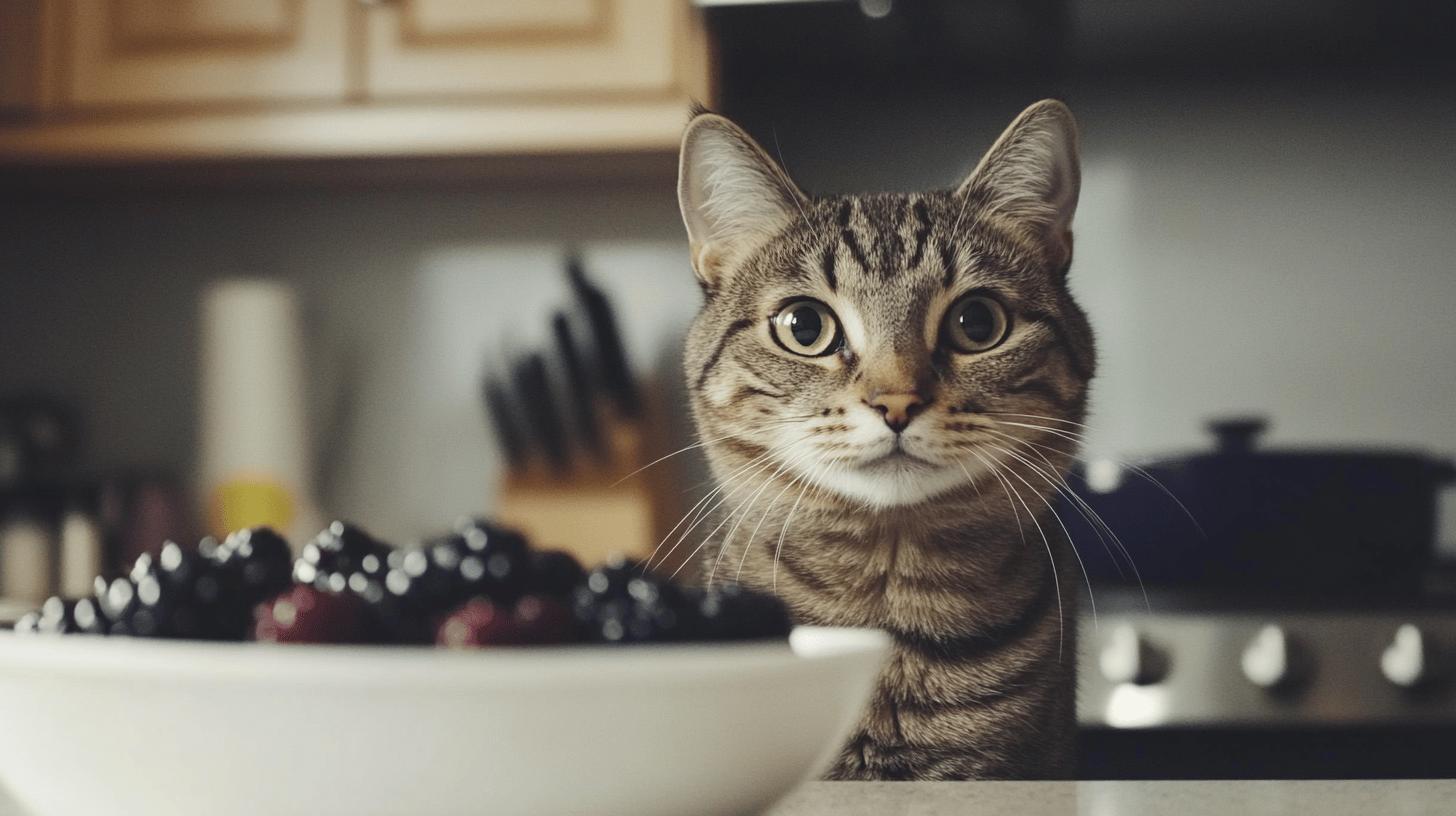
    Related Articles