Category: Cat Diet

  • Can Cat Eat Beef Jerky Understanding Safety and Risks

    Can Cat Eat Beef Jerky Understanding Safety and Risks

    Can cats safely munch on beef jerky, or are we putting our beloved pets at risk? This popular human snack may seem tempting to share with our feline friends, but it hides some potential dangers. From high sodium levels to toxic spices like garlic and onion powder, beef jerky isn't a natural or safe treat for cats. This blog post dives into the safety concerns and health risks associated with feeding beef jerky to cats, helping you make informed choices to keep your furry companion safe and healthy during snack time.

    Can Cats Eat Beef Jerky: Safety and Risks
    Can Cats Eat Beef Jerky Safety and Risks-2.jpg

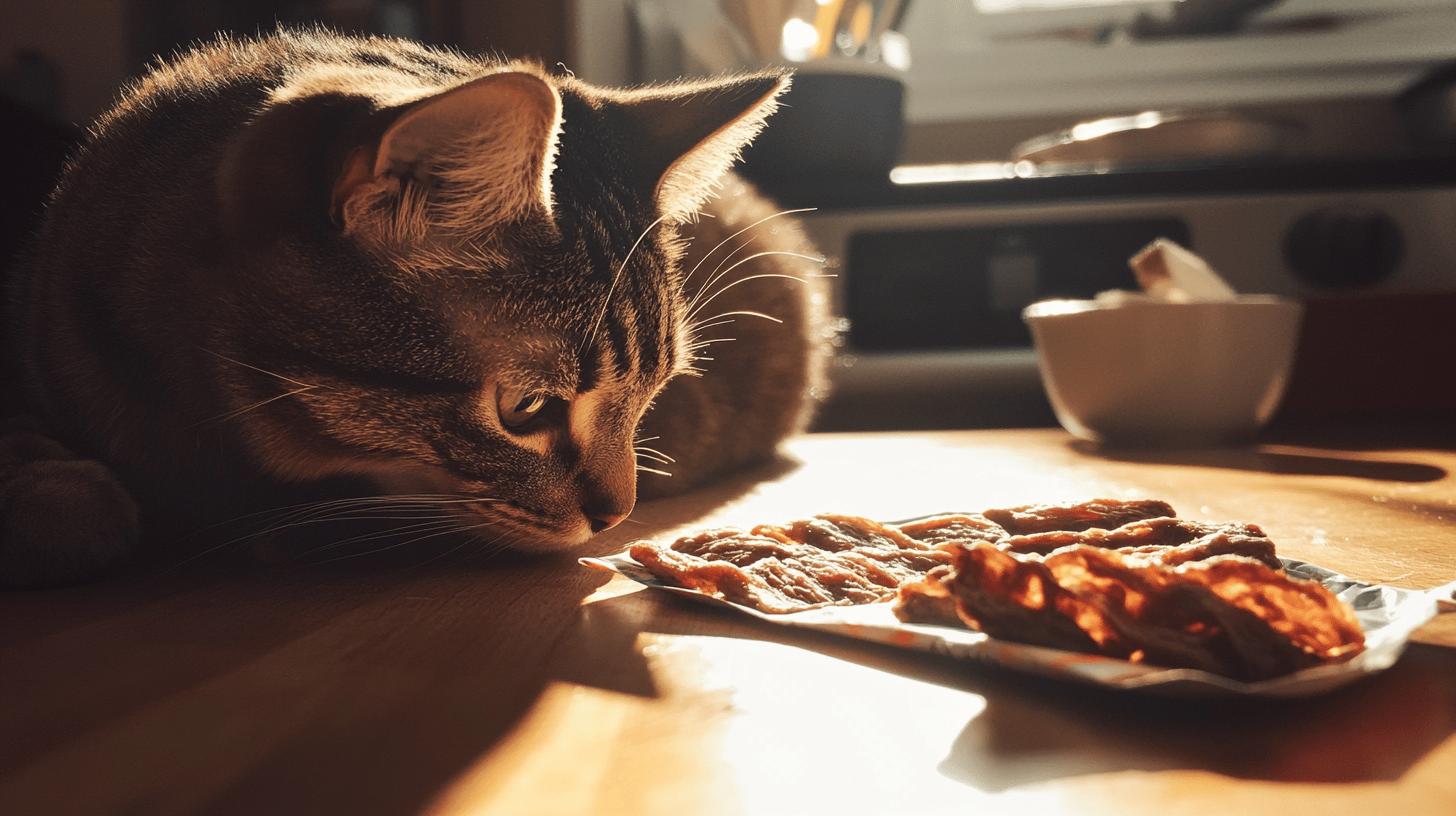
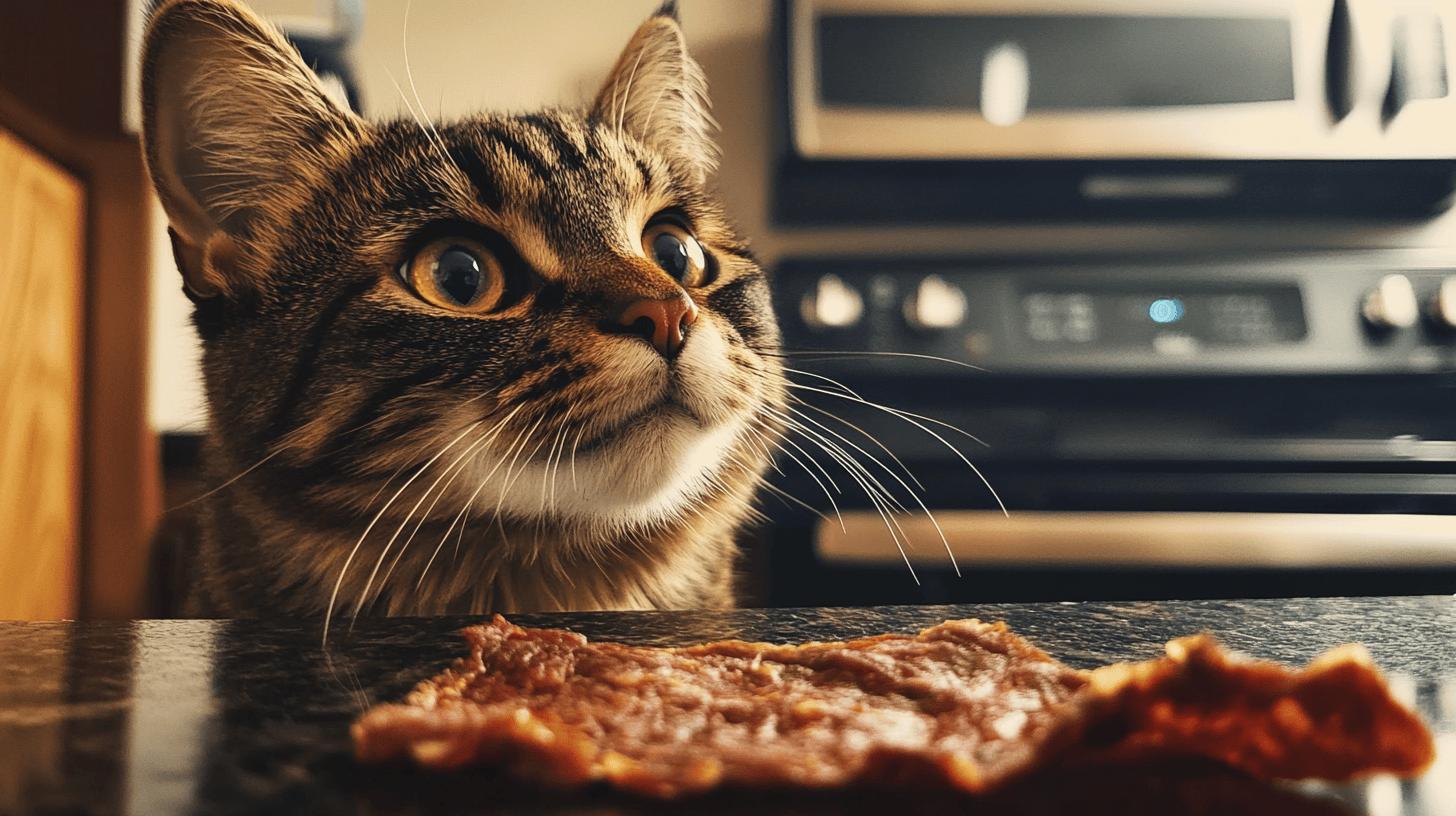
    Beef jerky is a popular snack for humans, but when it comes to our feline friends, it raises several concerns. The preparation of beef jerky involves curing meat in a salt solution, which makes it high in sodium. This alone can be problematic for cats. In addition, beef jerky often contains spices such as garlic and onion powder, both of which are toxic to cats. These ingredients are not part of a cat's natural diet and can pose serious health risks if ingested. The tough, chewy texture of beef jerky can also be difficult for cats to handle, making it a potential choking hazard.

    Health risks associated with beef jerky consumption in cats are significant. High sodium intake can lead to sodium poisoning, which may cause severe symptoms such as lethargy, vomiting, and even kidney damage. Cats' digestive systems are not equipped to process large amounts of salt, making it potentially dangerous. The toughness of beef jerky can also cause choking or lead to digestive blockages, posing further health risks. Cats that attempt to chew beef jerky might struggle and could end up swallowing large, unchewed pieces that could block their airways or intestines.

    • Dehydration from excess sodium
    • Vomiting and diarrhea
    • Lethargy or weakness
    • Choking or digestive blockages
    • Allergic reactions

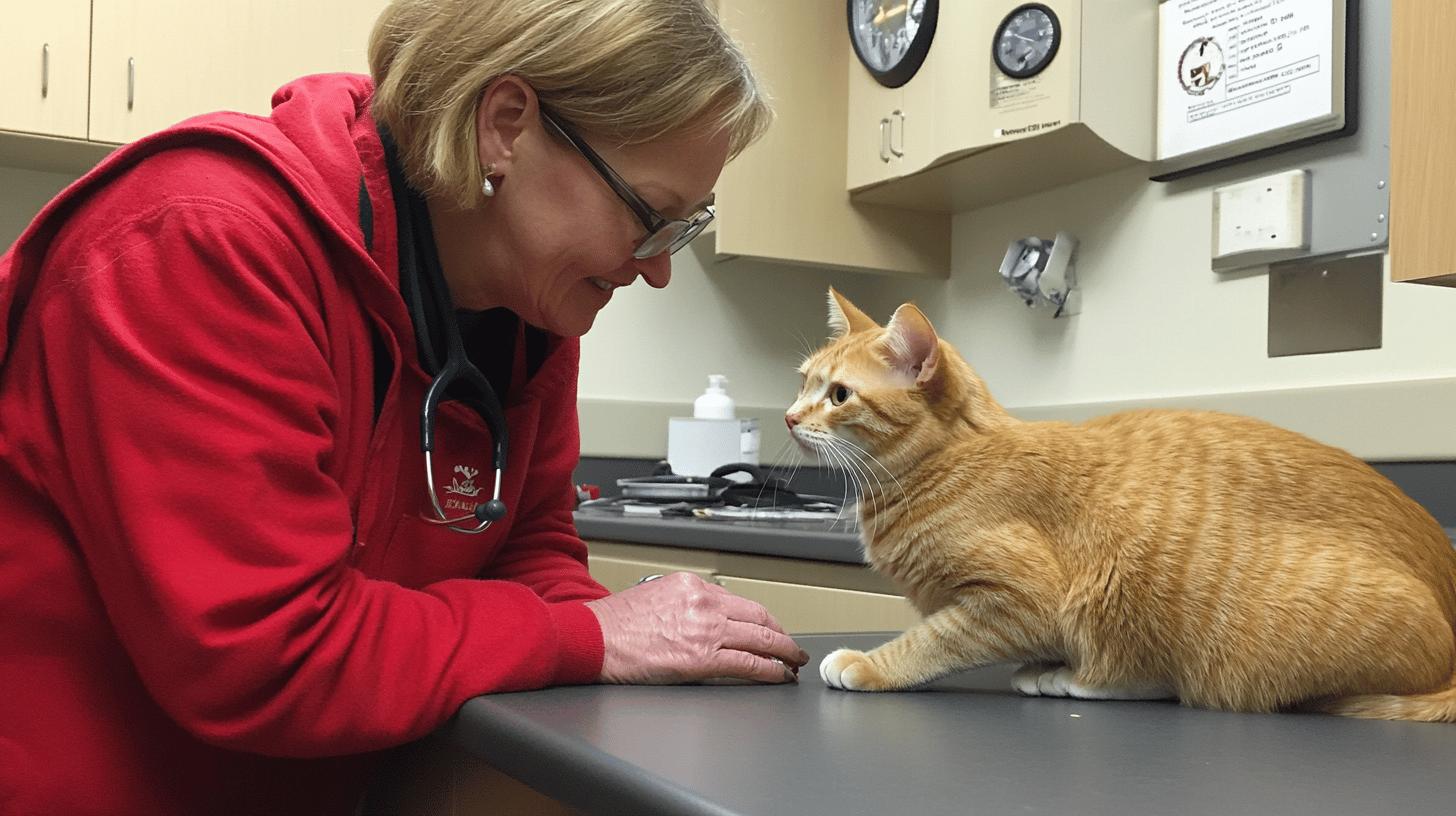
    Given these risks, it's clear that beef jerky is not a safe treat for cats. Veterinarians often advise against feeding human snacks like beef jerky to cats due to the potential for harmful reactions. It's best to consult a veterinarian if your cat accidentally consumes beef jerky or if you're considering introducing any new treats into their diet. Professional advice can help ensure your feline friend stays healthy and happy, steering clear of treats that could do more harm than good.

    What Happens If a Cat Eats Beef Jerky?
    What Happens If a Cat Eats Beef Jerky-2.jpg

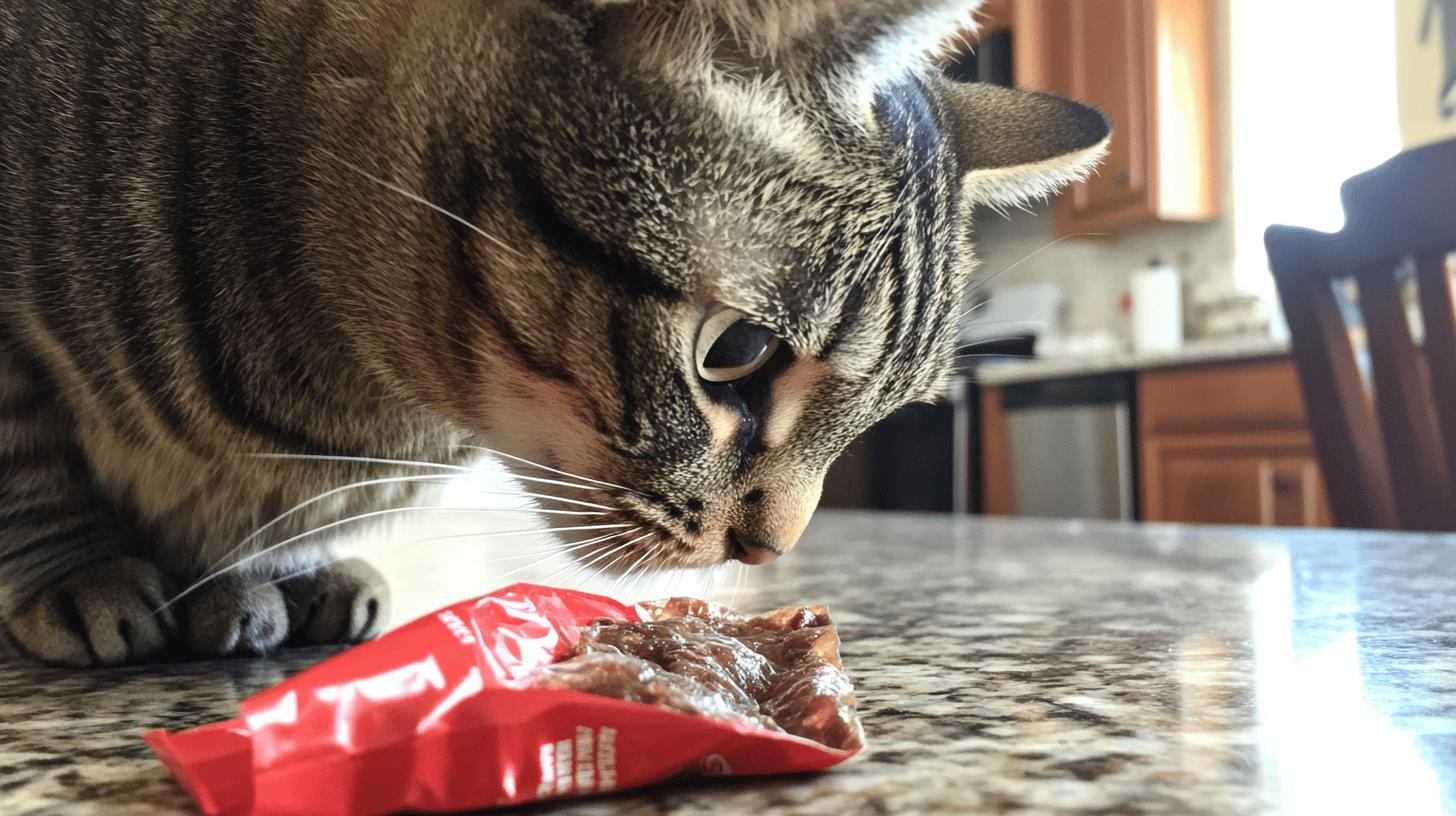
    If your cat nibbles on beef jerky, watch for potential reactions. While a small bite might seem harmless, it's best not to offer it as a treat. Symptoms like vomiting or diarrhea can arise from the high sodium and spices. Some cats may also experience allergic reactions, which could be more severe.

    • Monitor your cat for unusual symptoms.
    • Remove any leftover beef jerky.
    • Provide fresh water to combat dehydration.
    • Consult a veterinarian for further advice.

    Repeated exposure to beef jerky's harmful ingredients could lead to chronic issues like kidney damage or digestive problems. Always seek veterinary advice if your cat consumes beef jerky. Watch for changes in behavior or health, and contact your vet if you're worried. They can give specific instructions to maintain your cat's health, especially if symptoms develop.

    Alternative Treats to Beef Jerky for Cats
    Alternative Treats to Beef Jerky for Cats-1.jpg

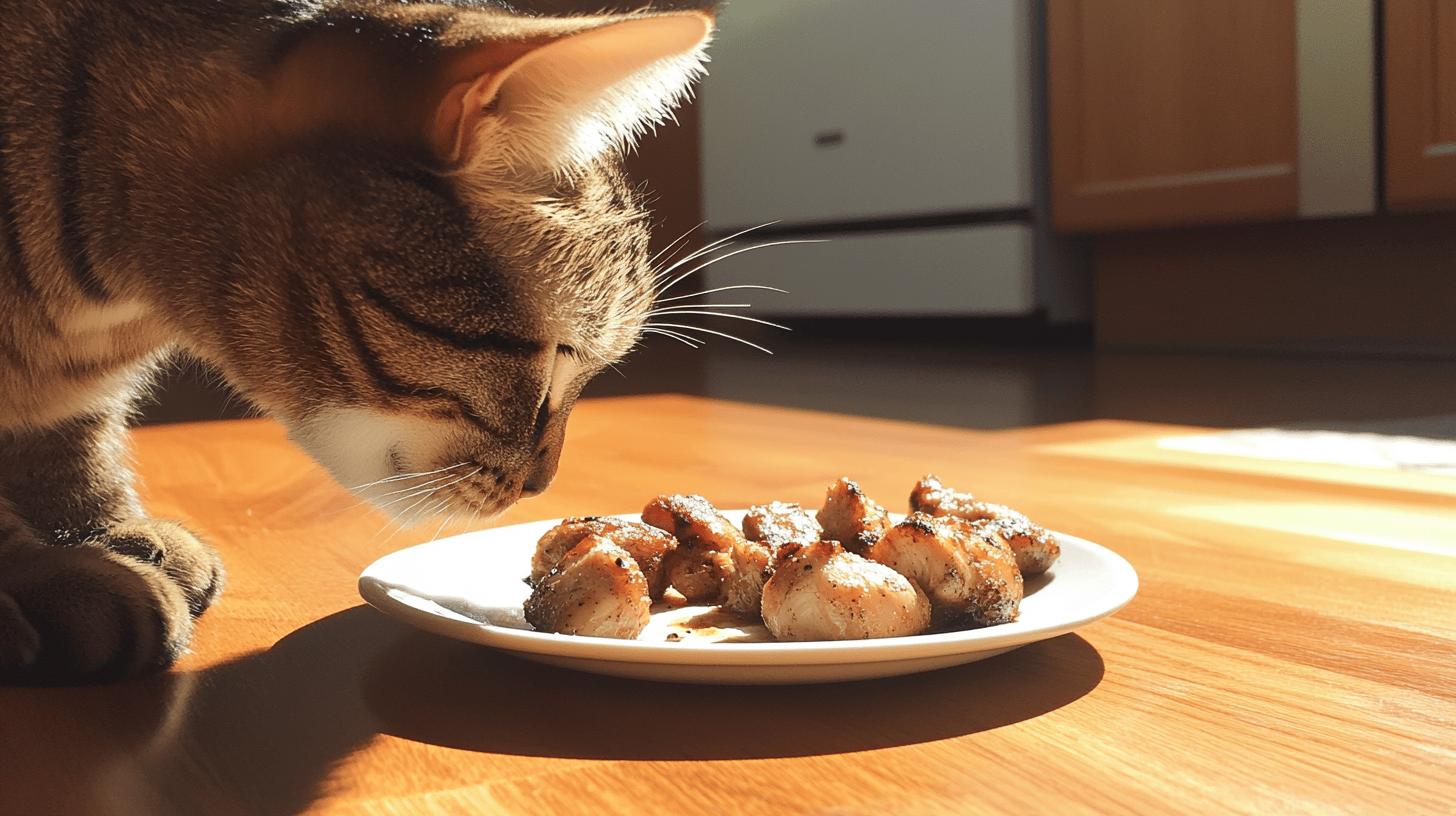
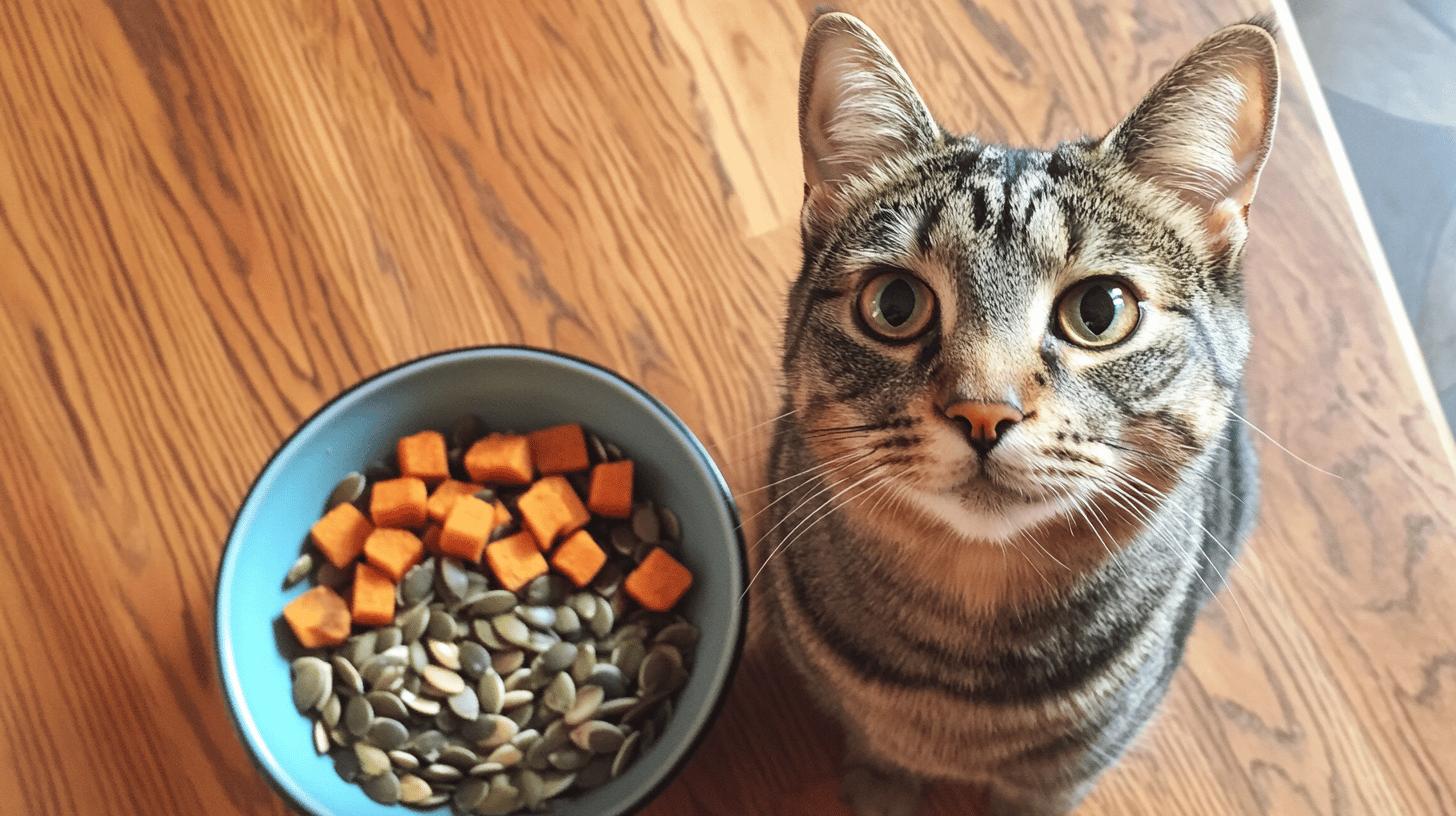
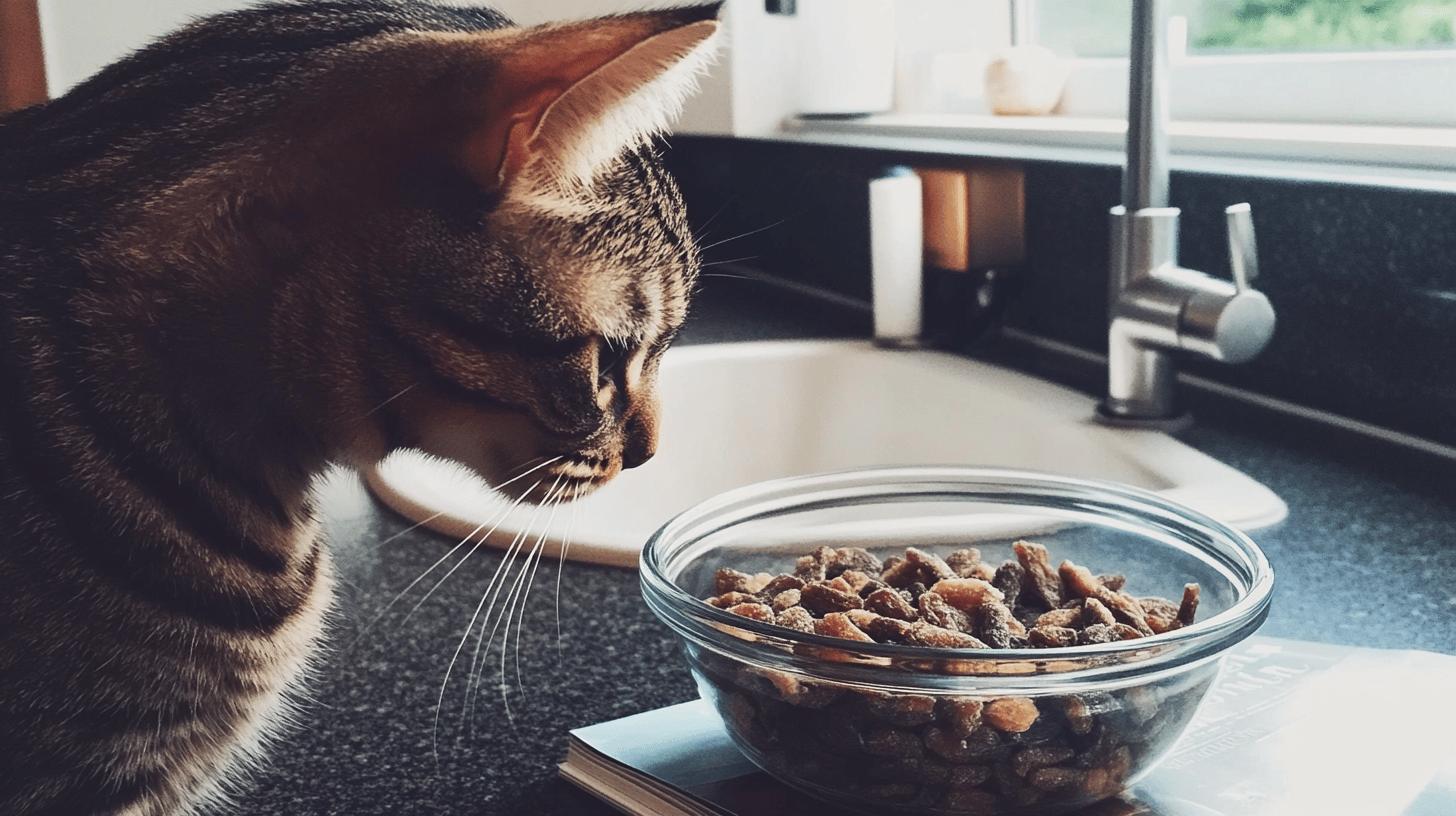
    When it comes to treating our feline companions, it's essential to choose options that align with their dietary needs. Specially formulated cat treats stand out as a safer alternative to beef jerky. These treats are crafted without harmful seasonings or high sodium levels, ensuring they cater to a cat's health requirements. Dried fish is an excellent example, offering Omega-3 and Omega-6 fatty acids that benefit a cat's coat and overall health. Unlike beef jerky, these treats are designed with cats in mind, providing a satisfying and safe snack.

    • Dehydrated chicken
    • Commercial cat snacks
    • Freeze-dried fish
    • Homemade chicken or turkey treats
    • Catnip-infused biscuits
    • Freeze-dried liver treats

    Opting for these alternative treats is not just about avoiding the risks associated with beef jerky; it's about promoting a balanced diet. These options help maintain your cat's health without introducing unnecessary hazards. By providing treats specifically made for cats, you reduce the risk of digestive issues, dehydration, and potential allergic reactions. Always consider your cat's dietary needs and consult with a veterinarian to ensure these treats support their health and well-being.

    Understanding Why Cats Might Like Beef Jerky
    Understanding Why Cats Might Like Beef Jerky-2.jpg

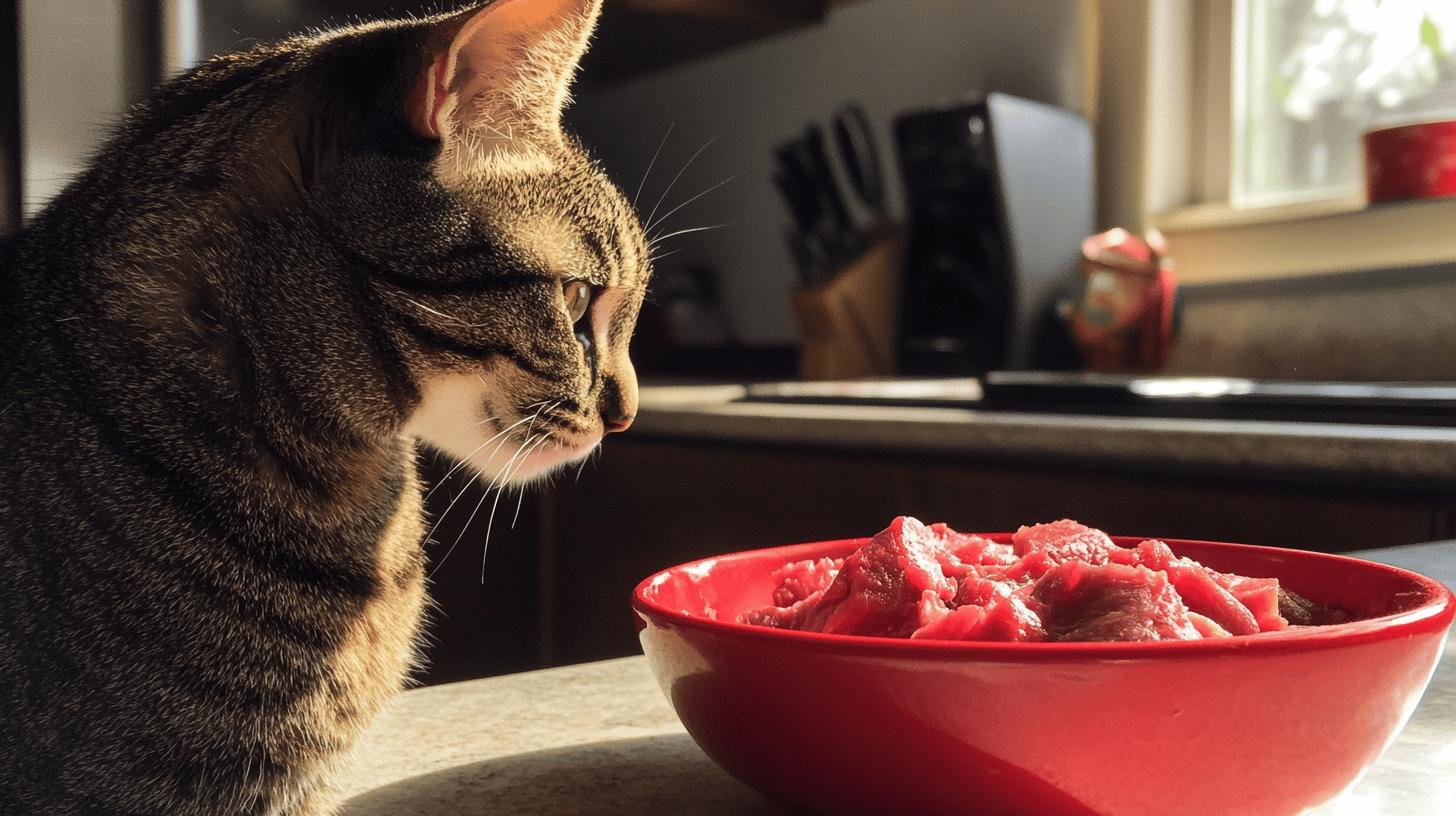
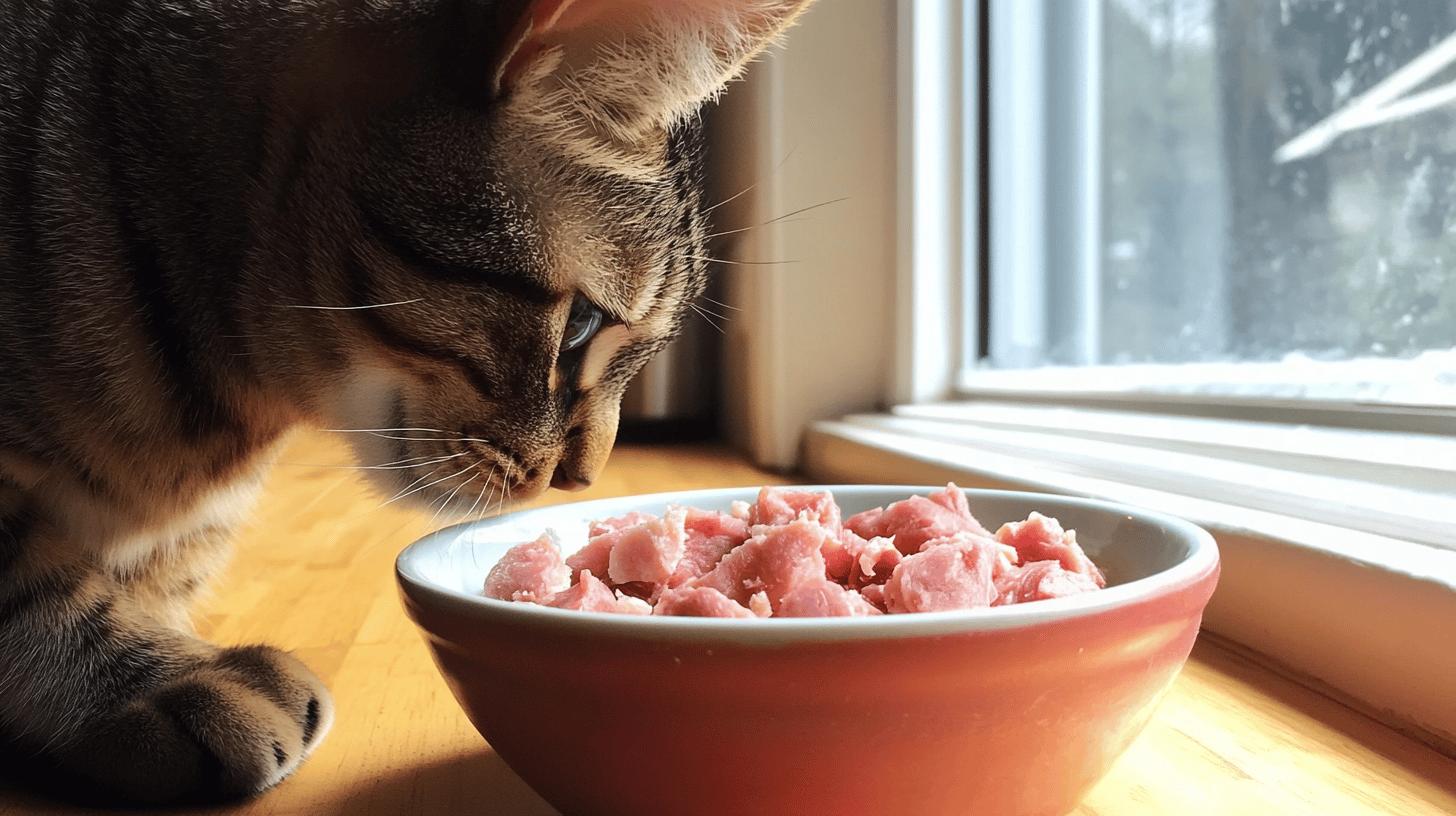
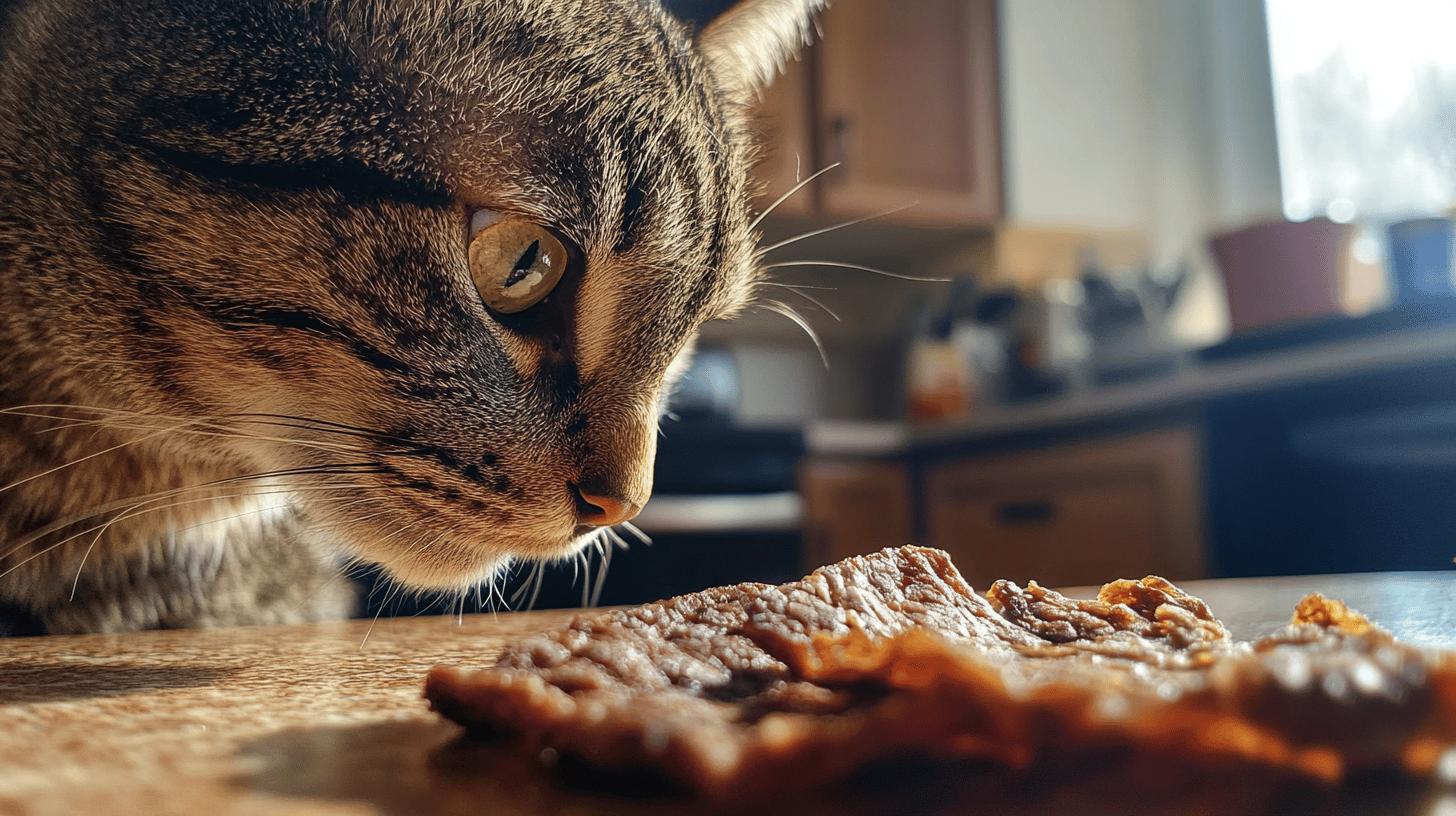
    Cats have a natural instinct to be drawn to meat, which makes foods like beef jerky appealing. Their senses are finely tuned to detect meat scents, making beef jerky quite intriguing. This innate interest stems from their need for protein from meat for optimum health. But not all meat products are safe for them.

    The scent and texture of beef jerky mimic prey, which can be irresistible. The chewy feel can remind cats of real muscle meat, boosting their curiosity. Even with this attraction, beef jerky isn't safe for cats due to its sodium and spices. Recognizing these instincts helps us choose safe treats for our cats.

    Homemade Cat Treats: A Safer Option
    Can Cat Eat Beef Jerky Understanding Safety and Risks-4.jpg

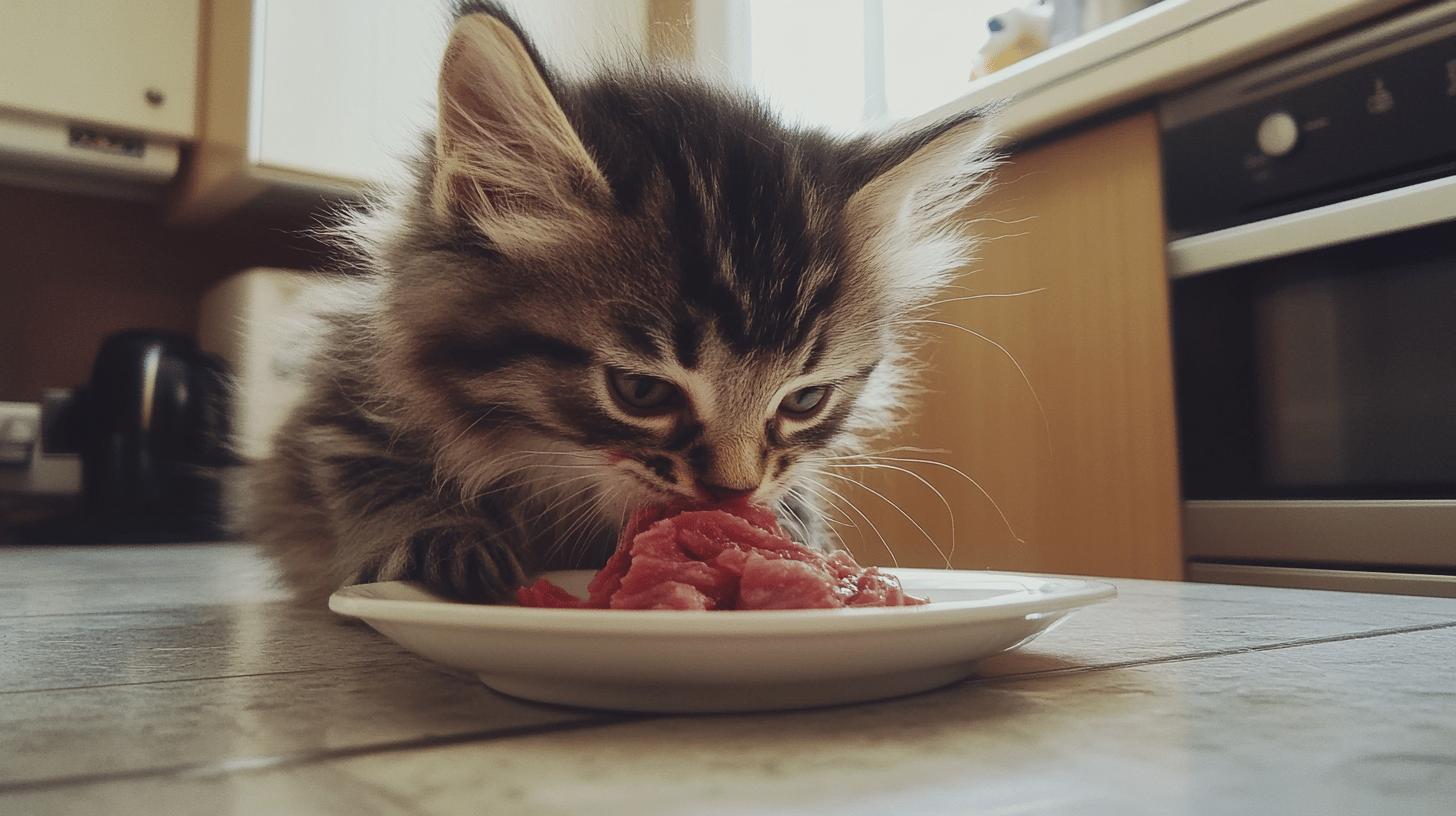
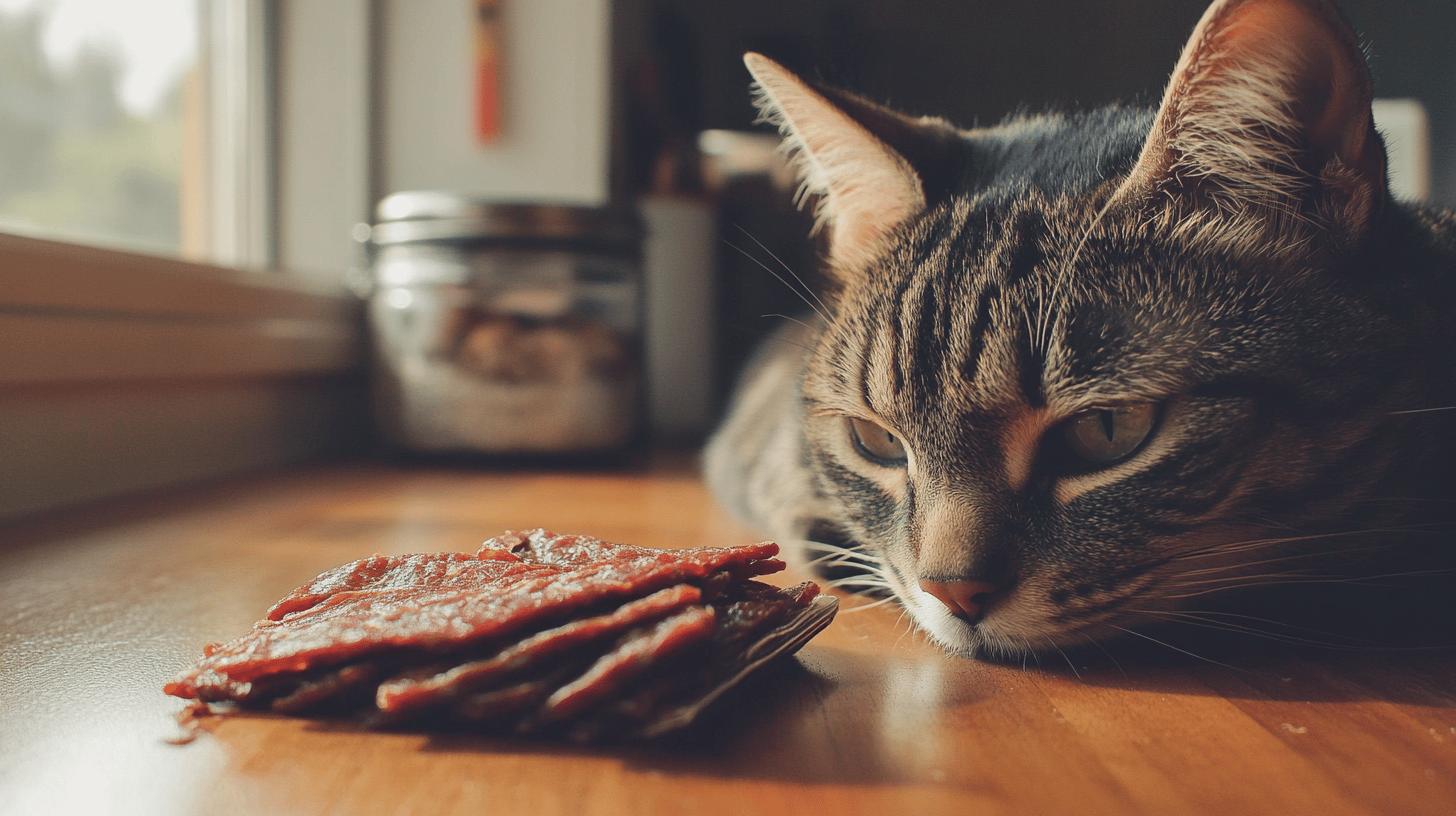
    Creating homemade cat treats is a rewarding way to ensure your feline friend enjoys snacks that are both tasty and safe. By making treats at home, you have full control over the ingredients, which means no harmful additives or excessive sodium that you might find in commercial products like beef jerky. Opting for plain, unseasoned meat allows you to provide your cat with the protein they crave without the risk of toxic seasonings. This approach not only caters to your cat's dietary needs but also helps maintain their overall health.

    To prepare a simple meat-based treat, start by choosing high-quality cuts of meat such as chicken or beef. Dehydrating these meats without adding spices or salt is key. Begin by cutting the meat into small, manageable strips suitable for your cat's size. Use a dehydrator or an oven set to a low temperature to remove moisture slowly, ensuring the meat is thoroughly dried. The end result is a chewy, flavorful treat that mimics the texture cats love without the associated risks of processed snacks.

    1. Select plain chicken or beef without seasoning.
    2. Cut the meat into small strips.
    3. Place the strips in a dehydrator or oven at low heat.
    4. Dehydrate until the meat is completely dry.
    5. Cool the treats before offering them to your cat.

    While homemade treats are a healthier alternative, it's crucial to offer them in moderation. Cats can be sensitive to dietary changes, so it's wise to introduce new treats gradually. Consulting a veterinarian before adding homemade snacks to your cat's diet ensures they're appropriate and won't disrupt their nutritional balance. By taking these precautions, you can offer your cat delicious treats that support their health and well-being.

    Final Words

    Exploring whether cats can eat beef jerky shows it's best avoided. The high sodium and harmful spices in beef jerky can pose health risks, including kidney damage and choking hazards. While cats might be drawn to the taste and smell of beef jerky, safer alternatives exist. Opting for vet-approved cat treats or homemade options helps keep your pet healthy. Always consult with a veterinarian about dietary changes. By understanding these risks and providing healthier snacks, we ensure safer and more enjoyable playtime for our feline friends.

    FAQ

    Can cats eat beef jerky?

    A: Cats should not eat beef jerky. High sodium and harmful spices in beef jerky can harm them. It leads to risks like kidney damage and dehydration. Avoid giving it as a treat.

    Can beef jerky kill cats?

    A: Beef jerky may lead to severe health issues like sodium poisoning or choking. While not directly fatal, repeated or large consumption is dangerous. Always consult a vet if worried.

    What happens if a cat eats beef jerky?

    A: If a cat eats beef jerky, watch for symptoms like vomiting or diarrhea. The high sodium and spices can cause health problems. Consult a vet for advice if symptoms appear.

    Can cats eat beef jerky for dogs?

    A: Cats should not eat beef jerky made for dogs. It usually has high sodium and spices that can harm cats. Stick to cat-formulated treats to ensure safety.

    Can dogs eat beef jerky?

    A: Dogs can eat some beef jerky, but it must be plain and without added spices or high sodium content. It's best to give dog-specific jerky treats to ensure safety.

    Can cats eat chicken jerky?

    A: Cats should avoid chicken jerky unless it's specifically made for them without harmful additives. Check ingredients to ensure there's no excessive salt or spices.

    Can cats eat dried beef?

    A: Dried beef often contains high sodium and spices dangerous for cats. It's best to avoid giving it as a snack unless it's specially formulated for cats.

    Is beef jerky okay to give to cats?

    A: Beef jerky is not okay for cats due to high sodium, harmful spices, and choking hazards. Choose safer treats to avoid health risks. Consult a vet for alternatives.

    Can pets eat beef jerky?

    A: Pets should avoid regular beef jerky due to sodium and spices. Use pet-safe jerky options for treats or consult a vet for safer choices.
    Related Articles

  • Can Cat Eat Raspberries Safely and in Moderation

    Can Cat Eat Raspberries Safely and in Moderation

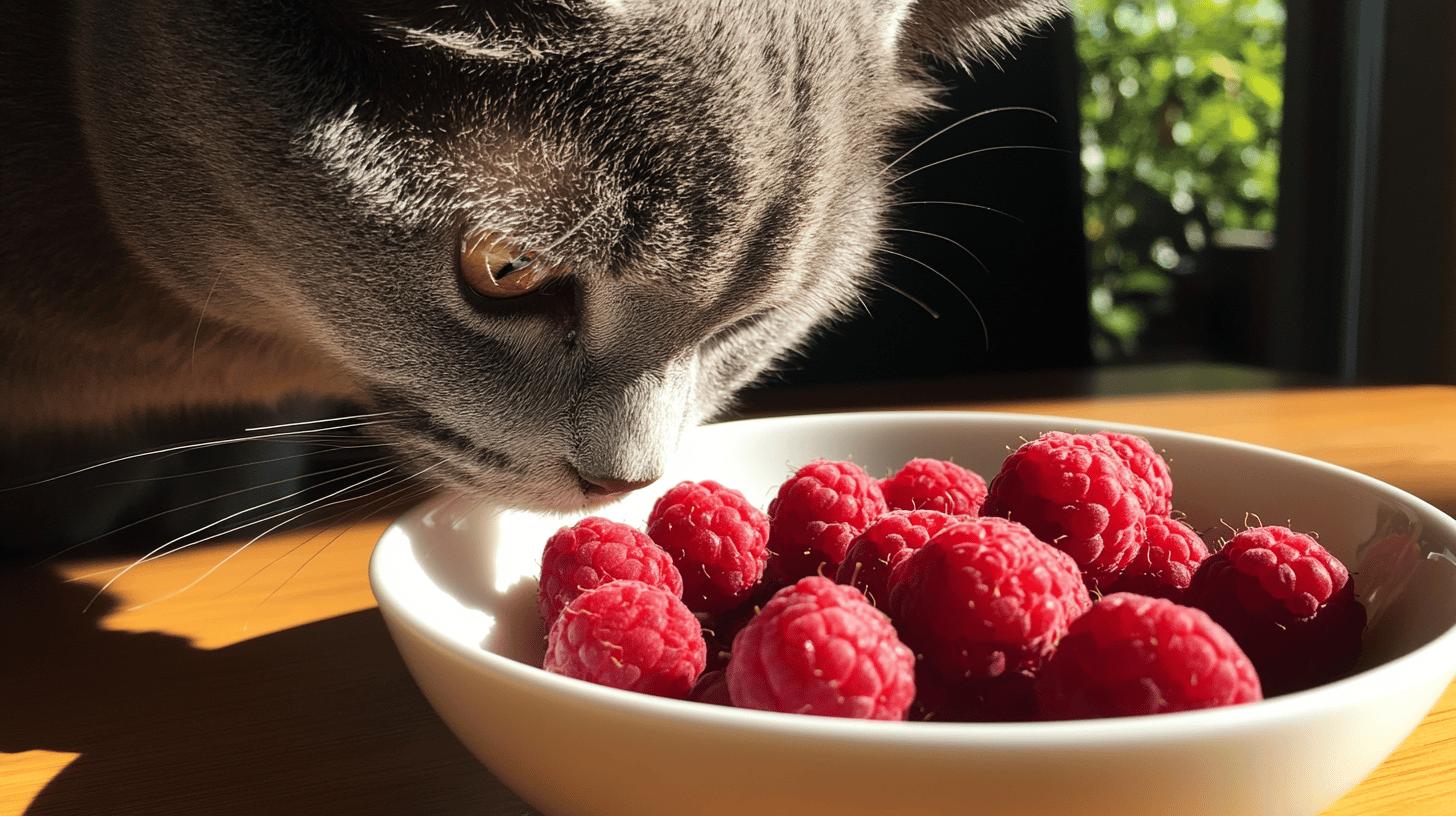
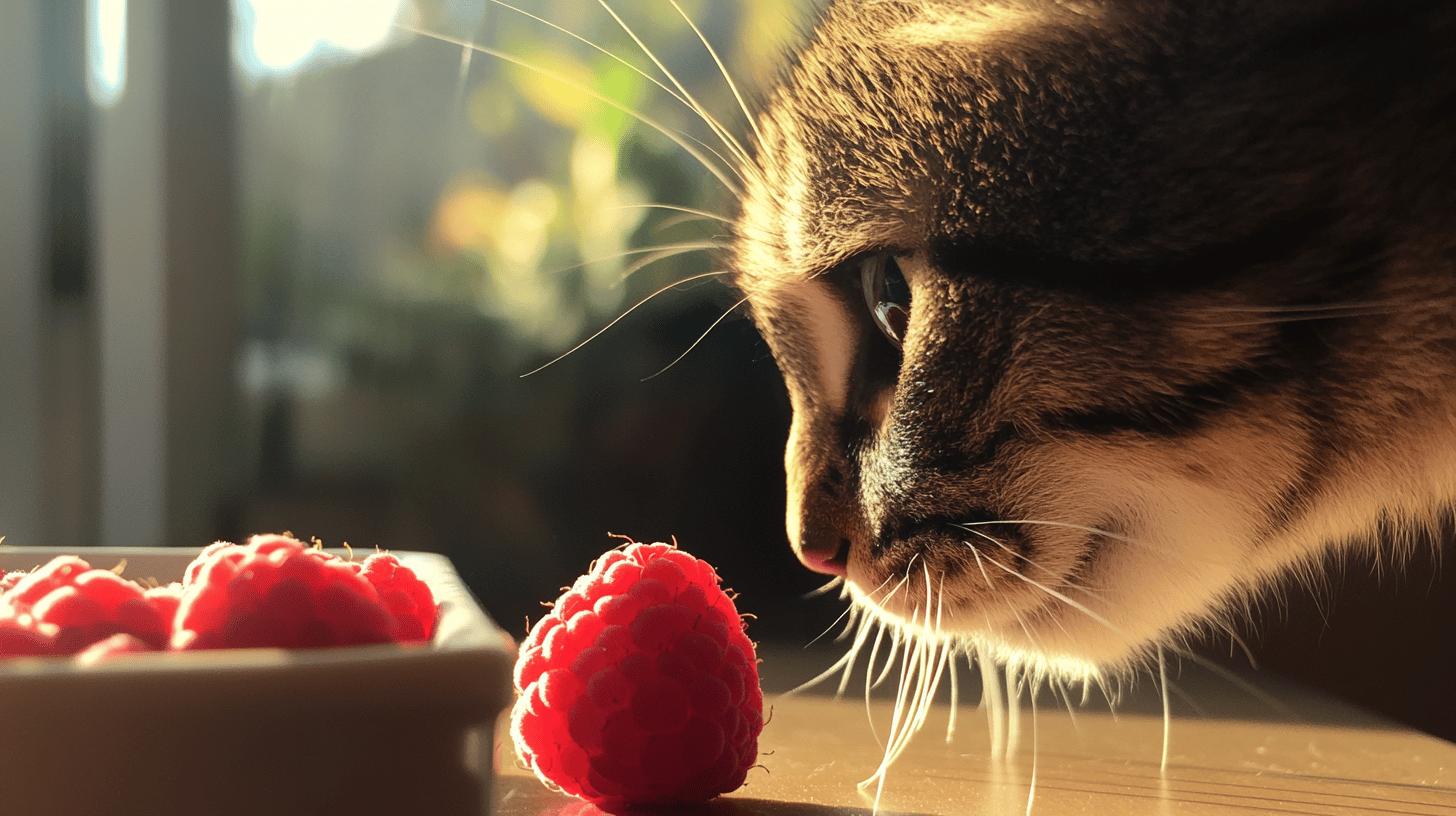
    Ever found yourself curious about what your cat can nibble on? Can they savor the sweet taste of raspberries like we do? While cats are designed to thrive on a meat-based diet, you might wonder if a few berries can add a bit of excitement to their snack time. Turns out, raspberries are safe for your cat in moderation. But they're not essential or particularly beneficial. So, let's dive in and see if these tiny treats can add a dash of fun to your feline's life without any worries.

    Can Cats Safely Eat Raspberries?

    Can Cats Safely Eat Raspberries-1.jpg

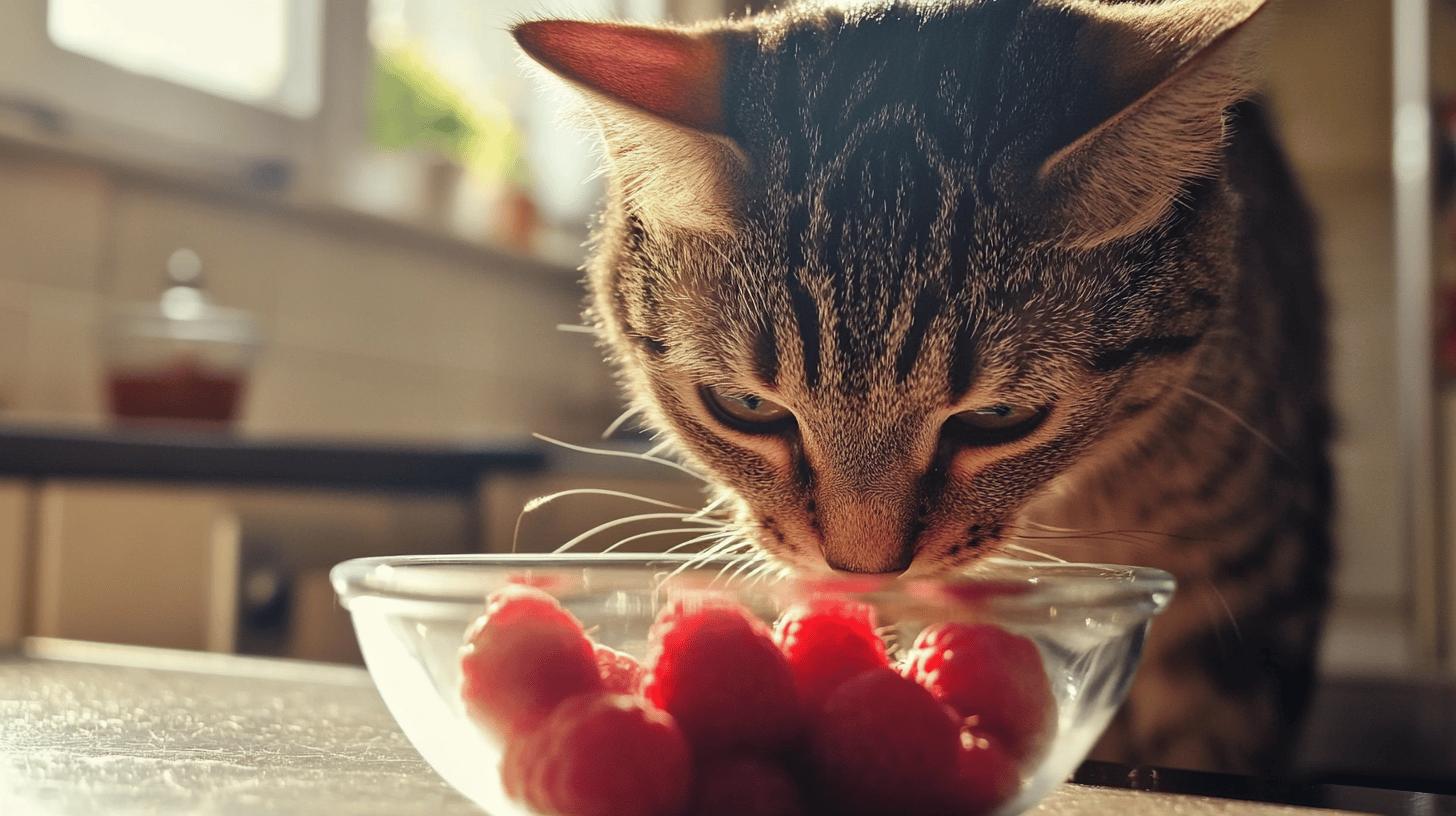
    Raspberries are non-toxic to cats, which means they can be safely consumed in small amounts. As obligate carnivores, cats don't gain the same nutritional benefits from fruits as humans do. Their bodies are designed to thrive on meat, so while raspberries won't harm them in moderation, they're not a necessary part of a cat's diet. Nevertheless, offering a raspberry now and then can be a fun treat, provided it's done with caution.

    • Offer raspberries sparingly to avoid overconsumption.
    • Limit to one or two raspberries per serving to prevent digestive issues.
    • Use as an occasional treat, not a dietary staple.

    When feeding raspberries to your cat, supervision is crucial. Cats can sometimes overindulge, leading to gastrointestinal upset. By keeping a close eye on your feline friend during snack time, you can ensure that they enjoy their treat without any adverse effects. If your cat shows any signs of discomfort or illness after consuming raspberries, it's best to discontinue and consult your veterinarian.

    Nutritional Aspects of Raspberries for Cats

    Nutritional Aspects of Raspberries for Cats-3.jpg

    Raspberries contain nutrients like dietary fiber, antioxidants, and vitamins such as A, C, E, and K. They also provide minerals like calcium and potassium. These nutrients are beneficial to humans but not as advantageous for cats. Since cats are obligate carnivores, their bodies are designed to thrive on a meat-based diet, making it difficult for them to process or absorb plant nutrients effectively.

    Nutrient Effect on Cats
    Vitamin A Limited absorption, essential from animal sources
    Vitamin C Cats produce it naturally, extra is unnecessary
    Calcium Better sourced from animal bones
    Antioxidants Minimal benefit due to small intake

    The nutrients in raspberries don't offer significant benefits to cats. Unlike humans, cats don't absorb or utilize these plant-based nutrients well. Essential nutrients like taurine and arachidonic acid are found in animal products, which are crucial for feline health. While raspberries can be a safe treat in moderation, they should never replace the necessary animal-based nutrients in a cat's diet.

    Risks and Allergies: What to Watch Out For

    Risks and Allergies What to Watch Out For-1.jpg

    Feeding your cat raspberries may seem harmless, but it's essential to understand the potential risks. Raspberries contain natural sugars and xylitol, which can be problematic for cats in large quantities. Cats are sensitive to sugar, and excessive consumption can lead to gastrointestinal distress or even more severe health issues. Xylitol, although found in small amounts, can still pose a risk if ingested in large quantities over time. It's crucial to keep raspberry servings minimal to prevent any adverse effects.

    Here are four signs of allergic reactions you should watch for:

    • Vomiting or nausea
    • Diarrhea or loose stools
    • Excessive scratching or skin irritation
    • Lethargy or unusual behavior

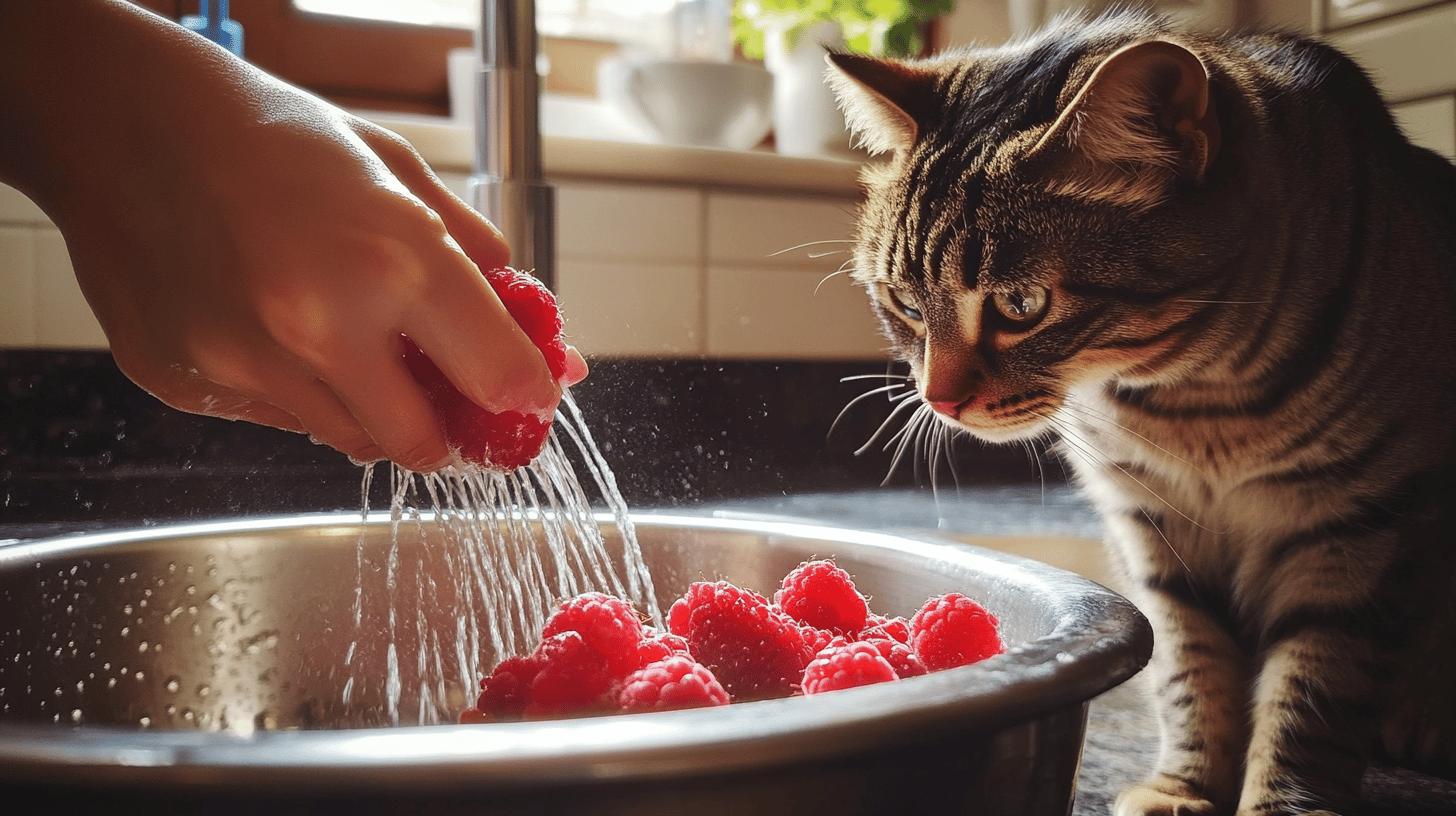
    To safely introduce raspberries to your cat's diet, start with a small piece and observe any reaction. This gradual introduction helps you monitor for any signs of allergies or digestive upset. If your cat tolerates the treat without any issues, you can occasionally offer raspberries in moderation. Always ensure that the raspberries are fresh and thoroughly washed to remove any potential contaminants. Keeping an eye on your cat's response is key to making sure that these fruity treats remain a safe, enjoyable experience.

    How to Serve Raspberries to Your Cat

    How to Serve Raspberries to Your Cat-1.jpg

    Cats should enjoy raspberries in moderation to avoid digestive issues. Limit consumption to one or two raspberries per serving and only offer them once a week. Raspberries are an occasional treat and not a dietary staple, so maintaining this frequency keeps them a safe and fun addition to your cat's diet.

    1. Wash the raspberries thoroughly: Ensure all raspberries are rinsed well to remove any pesticides or chemicals. Organic raspberries are a good choice to minimize chemical exposure.

    2. Portion the raspberries: Cut them into small, manageable pieces to prevent choking and make it easier for your cat to eat.

    3. Observe your cat: Watch your cat after serving raspberries to monitor any adverse reactions like vomiting or diarrhea.

    Portion control is essential for your cat's health. Stick to the recommended portion size and frequency to keep raspberries a delightful and safe treat. Always prioritize your cat's well-being by ensuring their diet remains primarily high-quality, meat-based cat food.

    Comparing Berries: Which Are Safe for Cats?

    Comparing Berries Which Are Safe for Cats-1.jpg

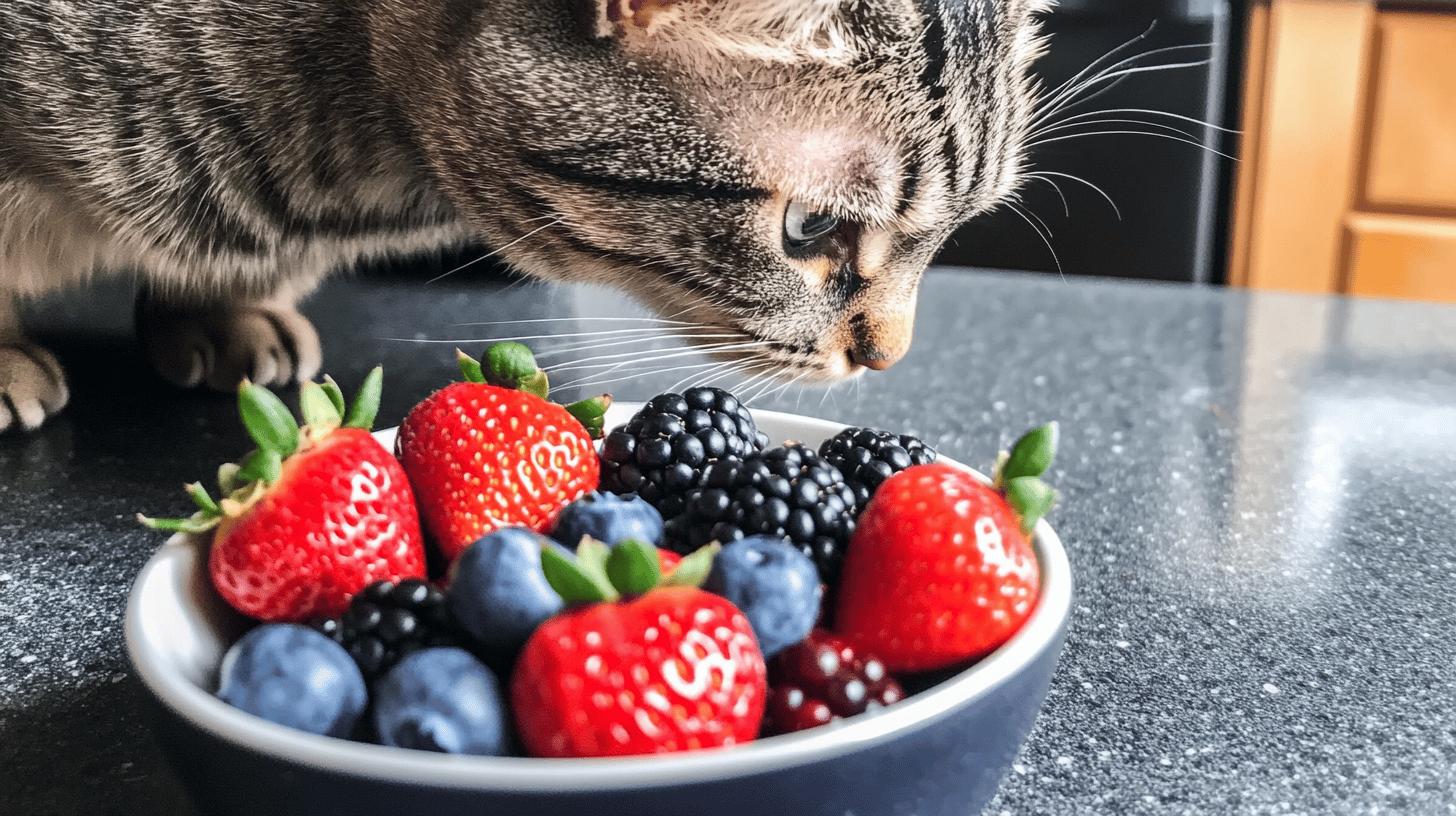
    Cats can enjoy a few types of berries as an occasional treat. Among the safest options are blueberries, strawberries, and blackberries. These berries are non-toxic and can be given sparingly to your feline friend. While berries do contain some vitamins and antioxidants, they should only make up a small part of your cat’s diet. Cats are obligate carnivores, meaning their nutritional needs are primarily met through animal-based foods. So, while these berries can be a fun addition, they shouldn’t replace meat in your cat’s daily meals.

    Berry Safety Level Benefits
    Blueberries Safe Rich in antioxidants
    Strawberries Safe High in vitamin C
    Blackberries Safe Contains fiber

    Despite the potential health benefits of berries, cats derive most of their essential nutrients from meat. Proteins, taurine, and specific fatty acids found in animal products are crucial for their health. A meat-based diet supports their bodily functions, energy levels, and overall well-being. While berries can be an occasional treat, it's important to ensure your cat's diet remains largely composed of high-quality, meat-based cat food. This balance will help meet their dietary requirements and keep them thriving.

    Risks and Allergies: What to Watch Out For

    Veterinary Insights Expert Advice on Feeding Cats Fruit-1.jpg

    Feeding fruits like raspberries to cats requires caution. While raspberries are non-toxic, moderation is key, as fruits can disrupt a cat's dietary balance. Cats are obligate carnivores, thriving on meat-based diets. Before trying new foods, always consult a veterinarian to ensure safety for your cat's health and dietary needs.

    • Avoid potential dietary imbalances.
    • Identify any food allergies or intolerances.
    • Tailor dietary recommendations to your cat's health conditions.

    Maintaining a balanced diet is crucial for your cat's well-being. Essential nutrients like taurine and arachidonic acid, found only in animal products, support vital functions. While raspberries can be a fun treat, they shouldn't replace a nutrient-rich, meat-based diet. Prioritize a balanced diet to keep your cat healthy.

    Final Words

    Knowing whether cats can eat raspberries safely is key for responsible pet care. It's clear that while raspberries are not toxic, moderation is crucial. Cats don't gain much nutritional benefit from them, given their carnivorous nature, but they can enjoy raspberries as a rare treat. Always serve them in small amounts and wash thoroughly.

    Keep an eye out for any allergic reactions and introduce them gradually. Remember, a meat-based diet remains essential for your cat's health. Offering fruits like raspberries occasionally can add variety, but always prioritize your cat's overall well-being.

    FAQ

    Can cats eat blackberries?

    Cats can eat blackberries in small amounts. They are non-toxic but should only be given as an occasional treat due to their sugar content and lack of nutritional benefit to cats.

    Can cats eat raspberries raw?

    Cats can eat raw raspberries safely, but only in moderation. Raspberries do not add significant nutrition for cats and too many can cause digestive issues.

    Can cats eat raspberries seeds?

    Eating raspberry seeds is generally safe for cats. However, some cats may find them hard to digest, so monitor your cat for any discomfort after eating.

    Can cats eat strawberries?

    Cats can eat strawberries in small quantities. They are non-toxic but do not provide significant health benefits for cats. Too many may lead to upset stomach due to sugar.

    Can cats eat blueberries?

    Cats can safely consume blueberries. They are non-toxic and can be fed occasionally, but they do not provide notable nutritional value for cats.

    What fruits can cats not eat?

    Cats should avoid grapes, raisins, and citrus fruits, as they can be toxic or cause digestive issues. Always check with a vet before introducing new fruits.

    Can cats eat raspberry yogurt?

    Cats can eat raspberry yogurt in moderation. Ensure it doesn't contain any artificial sweeteners like xylitol, which can be toxic to cats.

    What fruits can cats eat?

    Cats can eat fruits like blueberries, strawberries, and blackberries in small amounts. These fruits are generally safe but should only be occasional treats.

    How many raspberries can a cat eat?

    It's safe to give a cat one or two raspberries occasionally as a treat. Watch for any signs of discomfort or allergic reactions after feeding.

    Which berries are toxic for cats?

    No common berries like blueberries, strawberries, or raspberries are toxic to cats. However, always feed berries in moderation to prevent gastrointestinal issues.

    Are raspberry plants toxic to cats?

    Raspberry plants are not toxic to cats. However, eating large quantities of any plant material may cause stomach upset in some cats.

    Related Articles

  • Can Cat Eat Raw Beef Understanding Safety and Risks

    Can Cat Eat Raw Beef Understanding Safety and Risks

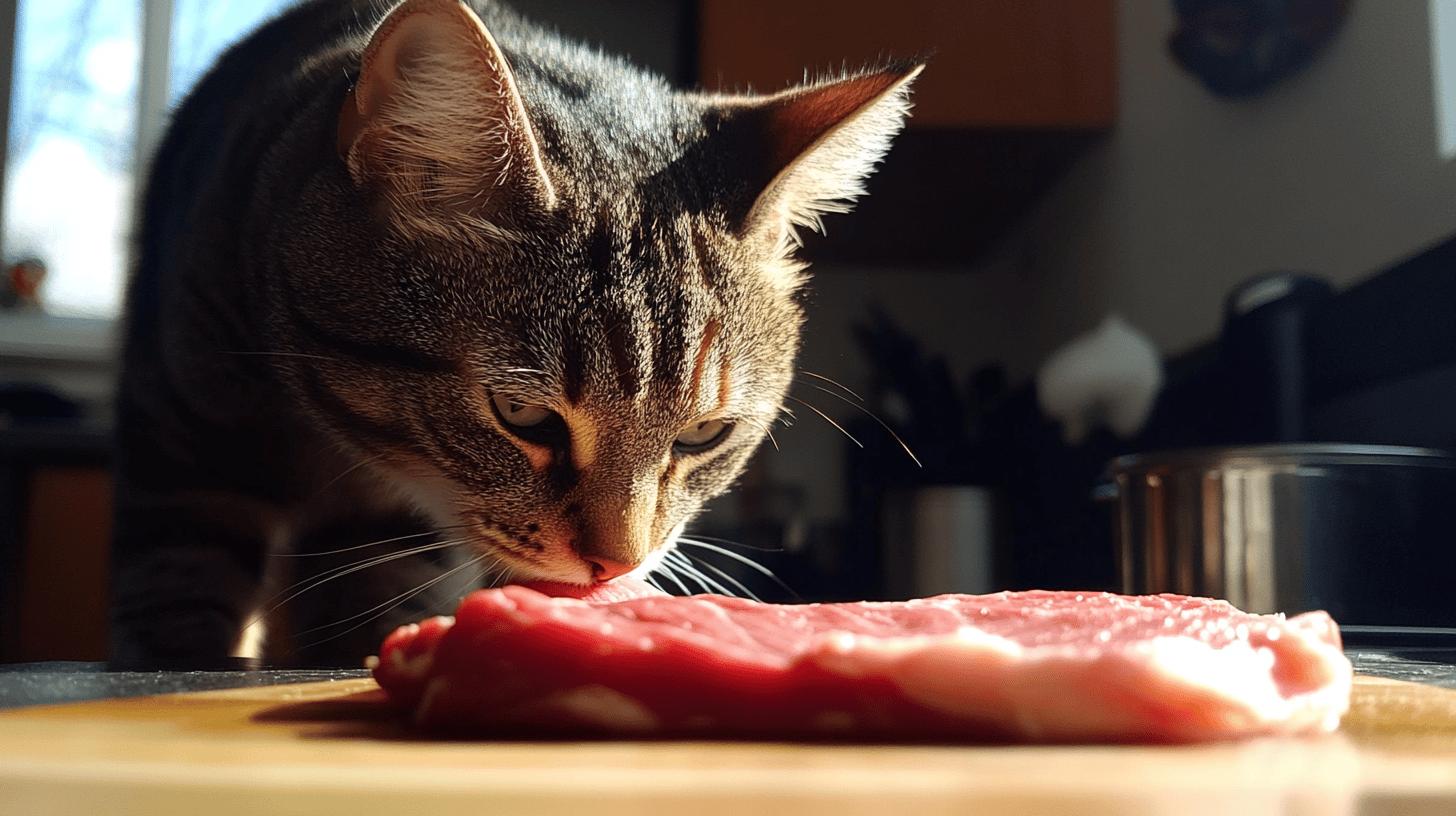
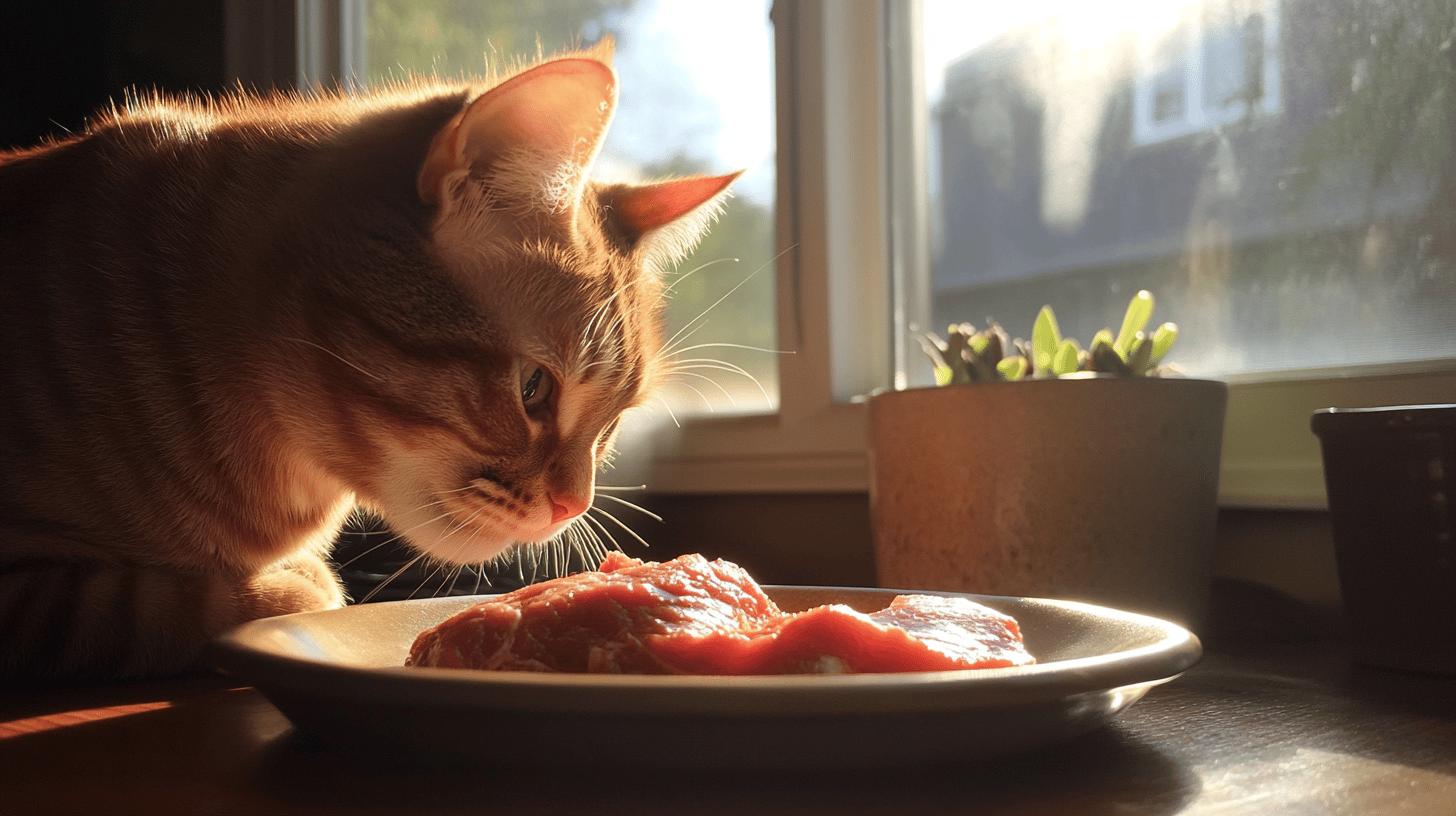
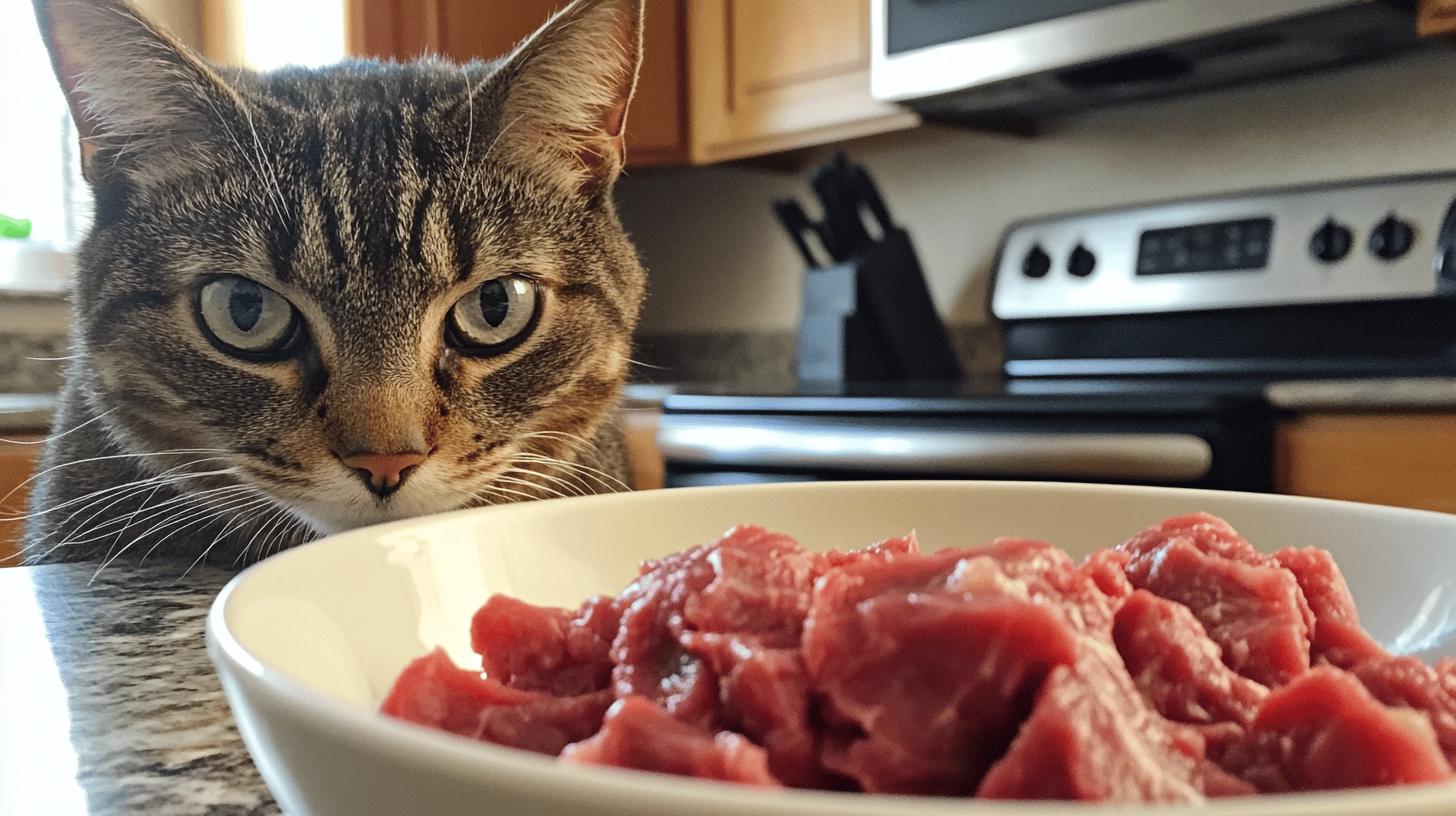
    Is feeding your cat raw beef just a wild idea, or could it actually be healthy? Cat lovers often stumble upon this question while trying to give their furry friends the best diet possible. Raw beef can seem like a natural choice, given that cats are true carnivores. However, the decision isn't as simple as it might appear. Before you add raw beef to your cat's menu, there are crucial safety risks and health benefits you must explore. Let's dig into the facts so you can make an informed choice about your cat's next meal.

    Safety and Health Risks of Feeding Raw Beef to Cats

    Safety and Health Risks of Feeding Raw Beef to Cats-1.jpg

    Feeding raw beef to cats can be a safe practice if the meat is prepared under hygienic conditions. Cats are natural carnivores with short, acidic stomachs that allow them to digest raw meat efficiently. This digestive advantage helps them handle the raw beef without suffering from bacterial issues that might affect other animals or humans. However, even with these natural defenses, there are significant risks that need careful consideration.

    One of the main concerns of feeding raw beef is the potential for bacterial infections. Raw beef can harbor harmful bacteria that pose serious health risks to cats. These bacteria can lead to severe infections and health complications.

    • Salmonella
    • Listeria
    • E. coli

    These bacteria are not only dangerous to cats but can also be transmitted to humans, posing a health risk to the entire household. This is particularly concerning in homes with children or individuals with weakened immune systems.

    Beyond bacteria, parasites such as Toxoplasma gondii present another risk associated with feeding raw beef to cats. This parasite can cause toxoplasmosis, a disease that can be especially harmful to kittens, elderly cats, and cats with compromised immune systems. Toxoplasmosis can lead to various health issues, including neurological problems, and is more severe in vulnerable cat populations.

    Cat Demographic Risk Level
    Kittens High
    Adult Cats Medium
    Elderly Cats High

    Understanding these risks is crucial for any cat owner considering a raw beef diet for their feline companion. While cats have evolved to consume raw meat, the potential hazards need to be carefully managed to ensure their health and well-being.

    Nutritional Benefits of Raw Beef for Cats

    Nutritional Benefits of Raw Beef for Cats-1.jpg

    Raw beef is packed with proteins, making it a potentially beneficial addition to a cat's diet. Protein is a cornerstone of feline nutrition, crucial for maintaining their muscular structure and providing the energy that keeps them active and playful. Cats, being obligate carnivores, thrive on animal proteins, and raw beef offers a rich source of these essential nutrients.

    Along with protein, raw beef provides amino acids necessary for various bodily functions. These building blocks of protein aid in repairing tissues and supporting the immune system, keeping your feline friend healthy and robust. Iron is another key nutrient found in raw beef, vital for oxygen transport in the blood and energy production.

    • Protein
    • Amino acids
    • Iron

    Despite these benefits, it's important to remember that raw beef alone may not fulfill all of a cat’s nutritional needs. In the wild, cats consume the entire prey, including bones and organs, which supply additional nutrients like calcium and taurine. To ensure a balanced diet, supplements or other food sources should accompany raw beef to provide a complete range of necessary nutrients.

    Preparing Raw Beef for Cats: Best Practices

    Nutritional Benefits of Raw Beef for Cats-2.jpg

    When it comes to preparing raw beef for your cat, sourcing quality meat is the first step to ensure their safety and health. Always choose high-quality, fresh meat from reputable sources. This reduces the risk of contamination and ensures your cat is getting meat that meets food safety standards. Look for suppliers that guarantee their meat is free from added hormones and antibiotics, as these can affect your cat’s health over time.

    Handling raw beef responsibly is crucial to minimize the risk of bacterial contamination. Follow these best practices to keep your feline friend safe:

    • Purchase meat from reputable sources to ensure quality and safety.
    • Store meat at appropriate temperatures to prevent spoilage and bacterial growth.
    • Use separate utensils for raw meat preparation to avoid cross-contamination with other foods.
    • Wash hands and surfaces thoroughly after handling raw meat to maintain a clean environment.

    While raw beef can be a nutritious addition to your cat's diet, it should not be the only component. Raw beef lacks some essential nutrients that cats would naturally obtain from consuming the entire prey, such as bones and organs. To ensure your cat receives a balanced diet, consider integrating other raw meats, supplements, or high-quality commercial cat foods alongside raw beef. This approach provides a comprehensive range of nutrients necessary for maintaining optimal feline health.

    Alternatives and Supplements for a Raw Beef Diet

    Alternatives and Supplements for a Raw Beef Diet-1.jpg

    Feeding your cat raw beef can be part of a healthy diet, but it's important to consider other raw meats to ensure your feline friend gets a full spectrum of nutrients. Incorporating a variety of proteins like rabbit or rodents can provide different nutritional benefits and prevent dietary boredom. These meats offer unique amino acid profiles and minerals that raw beef alone might not supply. Additionally, grain-free or freeze-dried cat food can complement the raw diet, offering a convenient and balanced meal option when raw meats aren't available.

    Supplements for Raw Beef Diet

    To make a raw beef diet nutritionally complete, supplements are vital. One of the key additions is eggshell powder. This supplement provides the calcium that cats would naturally obtain from consuming bones, supporting strong bones and teeth. Taurine is another crucial supplement. It's an essential amino acid that cats cannot produce on their own and is vital for heart health, vision, and reproduction. Without it, cats can suffer from serious health issues. Including a taurine supplement ensures that your cat's diet meets all their physiological needs.

    Creating a balanced diet for your cat involves more than just offering raw beef. It's about ensuring a varied intake of proteins and essential nutrients to support overall health. By mixing raw beef with other meats and incorporating supplements like eggshell powder and taurine, you can craft a diet that mirrors what cats would naturally consume in the wild. This approach not only enhances their nutrition but also enriches their eating experience, promoting longevity and vitality.

    Expert Opinions and Veterinary Guidance on Feeding Raw Beef

    Expert Opinions and Veterinary Guidance on Feeding Raw Beef-4.jpg

    Veterinarians generally recommend caution when considering a raw beef diet for cats. Consulting with a vet is crucial to ensure the diet meets your cat's specific health needs and to mitigate the risks associated with raw feeding. Vets often emphasize the importance of a balanced diet that includes all necessary nutrients, as raw beef alone may fall short in providing a complete nutritional profile. According to Dr. Jane Doe, a leading veterinarian, "While raw beef can be part of a cat's diet, it should be done under professional guidance to avoid nutritional deficiencies and health risks."

    Monitoring your cat's health is vital when introducing a raw diet. Pay close attention to several key factors to ensure your feline friend remains healthy and happy:

    • Weight changes
    • Coat condition
    • Energy levels

    By keeping an eye on these indicators, you can catch any potential issues early and adjust the diet as needed. Regular veterinary check-ups are also recommended to assess your cat's overall health and make informed dietary choices.

    How to Transition Cats to a Raw Beef Diet

    How to Transition Cats to a Raw Beef Diet-1.jpg

    Introducing raw food to cats at an early age can have significant benefits. Cats often develop eating habits and preferences early in life, a phenomenon known as imprinting. Starting them on a raw diet when they are kittens, ideally after reaching 20 weeks of age, can take advantage of these habits. At this stage, their immune systems are more developed, and they are better equipped to handle dietary changes. This early introduction can lead to improved health and vitality as they grow.

    Transitioning from kibble to raw beef requires a gradual approach to ensure your cat adapts comfortably and safely to the new diet. Here’s a step-by-step guide to help with the process:

    • Gradually mix raw beef with your cat's current food to introduce the new taste and texture.
    • Slowly increase the portion of raw beef over time while reducing the kibble amount.
    • Monitor your cat's response closely and adjust the diet as needed based on their reaction.

    During the transition phase, it's crucial to keep a close eye on your cat’s overall health and behavior. Look for signs such as changes in appetite, stool consistency, energy levels, and coat condition. Any adverse reactions should be addressed promptly by consulting with a veterinarian. By carefully observing your cat's response, you can ensure a smooth and successful transition to a raw beef diet.

    Final Words

    Understanding the balance between risks and benefits is crucial when deciding if a cat can eat raw beef. It's safe if prepared hygienically, though risks like bacteria and parasites exist. Raw beef provides proteins and amino acids vital for a cat's health but needs supplements for complete nutrition.

    Figuring out best practices for preparation and sourcing quality meat can make a big difference. Consulting veterinarians ensures your cat's diet fits its needs.

    By cautiously exploring raw beef diets, you can enrich your cat's mealtime while keeping health a priority.

    FAQ

    Can cats eat raw egg, and is it safe?

    Cats can eat raw egg, but it may carry risks like Salmonella. It's safer to feed cooked egg to avoid these bacteria.

    Can cats eat raw chicken?

    Cats can eat raw chicken if it's properly prepared and hygienic. However, risk of bacterial infection remains.

    Can I feed my cat raw meat from the grocery store?

    Grocery store meat can be fed to cats if it's fresh and handled safely to minimize bacterial risks.

    Can cats eat raw beef mince?

    Cats can eat raw beef mince. Ensure it's fresh and properly stored to avoid contamination.

    Can cats eat raw meat every day?

    While cats can eat raw meat daily, it should be part of a balanced diet with all essential nutrients.

    Can cats eat raw fish?

    Cats can eat raw fish occasionally, but it may lead to vitamin B deficiency if consumed too often.

    Can kittens eat raw meat?

    Kittens can eat raw meat once their immune systems develop. Introduce it gradually after they are 20 weeks old.

    What is the best raw meat for cats?

    High-quality meats like beef, chicken, or rabbit are good options. Always ensure they're fresh and from reputable sources.

    Is raw beef good for cats to eat?

    Raw beef can be beneficial, providing proteins and amino acids. It should be part of a varied diet to meet all nutritional needs.

    What happens if my cat eats raw beef?

    If your cat eats raw beef, it might gain proteins, but there are risks of bacterial infections like Salmonella.

    How much raw beef can a cat eat?

    A cat can eat small portions of raw beef as part of a balanced diet. Monitor its reaction and consult a vet for guidance.

    Can I give my cat a piece of beef?

    You can give your cat a piece of beef if it's raw and fresh. Ensure it's just a part of a diverse diet.

    Related Articles

  • Can Cats Eat Mayonnaise Safely

    Can Cats Eat Mayonnaise Safely

    Is a dollop of mayonnaise actually safe for your cat to lick up, or does it spell trouble? It's a common curiosity among cat owners. After all, our feline friends have a knack for exploring everything—including our food. While mayonnaise isn't toxic for cats, it's worth considering if this creamy condiment should be part of their treat repertoire. In this article, we'll break down the ingredients found in mayonnaise and explore their effects on cats. By the end, you'll know whether to keep that mayo dish out of reach or not.

    Can Cats Eat Mayonnaise Safely?

    Can Cats Eat Mayonnaise Safely-1.jpg

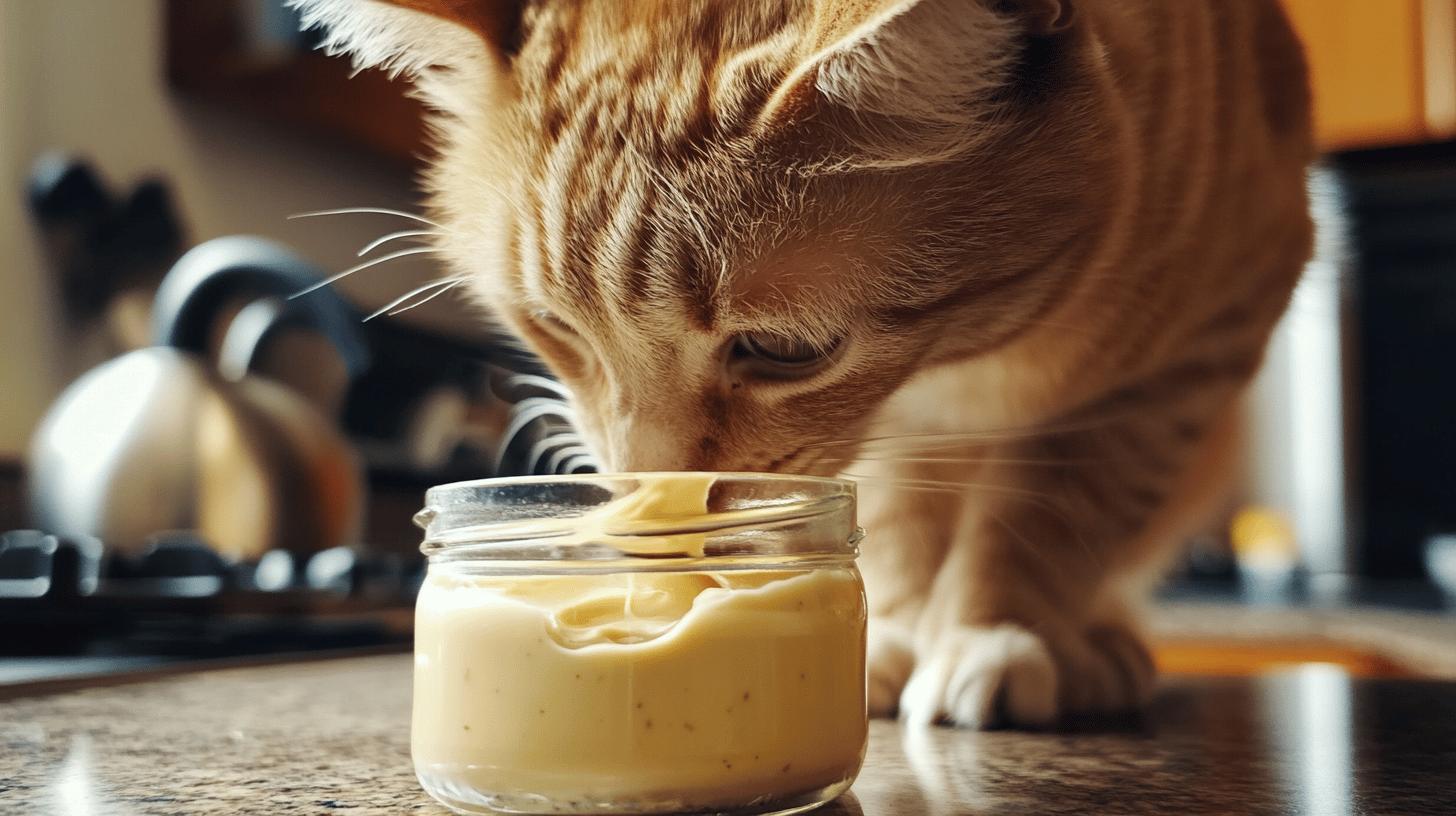
    Cats can indulge in a small taste of mayonnaise without any major health concerns. The main ingredients in mayonnaise—such as eggs, oil, and vinegar—are not toxic to cats. However, mayonnaise is not recommended as a regular part of their diet because it is high in fat and lacks nutritional benefits.

    Mayonnaise typically consists of soybean oil, eggs, vinegar, salt, and sugar. These ingredients are generally safe for cats in tiny amounts. Soybean oil contributes to the high-fat content, which can lead to obesity if consumed frequently. Eggs provide some nutritional benefits, but the presence of salt and sugar adds unnecessary elements to a cat's diet without offering much value.

    While cats can tolerate small quantities of these ingredients, moderation is key. Regular consumption can lead to digestive issues and weight gain. It's best to keep mayonnaise as an occasional treat, if at all. By focusing on moderation, you ensure that your feline friend stays healthy while enjoying a balanced diet. Remember, there are plenty of healthier treats available that provide better nutritional support for your cat's well-being.

    Ingredients in Mayonnaise and Their Impact on Cats

    Ingredients in Mayonnaise and Their Impact on Cats-1.jpg

    Mayonnaise contains soybean oil, eggs, salt, sugar, vinegar, lemon juice, and sometimes mustard. These ingredients, while not harmful in small amounts, can affect a cat's health if consumed too often. Here's a concise look at each ingredient's impact.

    Soybean Oil

    Soybean oil is rich in fats, contributing significantly to the high-fat content of mayonnaise. While cats need some fat in their diet, too much can cause obesity and related health issues. Keeping an eye on your cat's fat intake is crucial to prevent weight gain and digestive issues.

    Eggs

    Eggs provide protein and nutrients that are beneficial for cats. However, excessive consumption can lead to dietary imbalances and add to the fat content, increasing the risk of obesity.

    Salt and Sugar

    Cats can handle small amounts of salt, but it doesn't offer any nutritional value. Sugar is unnecessary and should be minimized in a cat's diet. Both ingredients contribute little to a cat's health and should be limited.

    Vinegar and Lemon Juice

    Vinegar and lemon juice are not toxic to cats in small doses. However, vinegar is often used as a natural cat repellent, which might make mayonnaise less attractive to them. These acidic components don't provide nutritional benefits.

    Mustard

    Mayonnaise with mustard might include preservatives and additives that could trigger allergic reactions in cats. It's safer to avoid mayonnaise containing mustard to prevent adverse effects.

    The cumulative effects of these ingredients, especially the high-fat content, can lead to obesity and digestive problems. It's best to offer mayonnaise sparingly, if at all, and focus on healthier alternatives for your cat.

    Health Risks of Feeding Mayonnaise to Cats

    Health Risks of Feeding Mayonnaise to Cats-1.jpg

    If a cat consumes too much mayonnaise, it can lead to several concerning symptoms. Overeating this fatty condiment can cause nausea and vomiting, as the cat's system struggles to process the excess fat. Diarrhea may occur, potentially leading to dehydration if not addressed. Lethargy might follow, with a noticeable drop in the cat's energy levels due to digestive distress. Monitoring your cat for these signs can help prevent serious health complications.

    • Nausea
    • Vomiting
    • Diarrhea
    • Lethargy

    Watching out for these warning signs is crucial. If your cat exhibits these symptoms after eating mayonnaise, consulting a veterinarian is advisable. Always opt for healthier treats for your feline friend.

    Alternatives to Feeding Mayonnaise to Cats

    Alternatives to Feeding Mayonnaise to Cats-1.jpg

    Choosing nutritious snacks for your feline friend is crucial for their overall health and well-being. While mayonnaise might tempt you to share a spoonful with your cat, there are far better alternatives that provide essential nutrients without the unnecessary fats and sugars.

    Here are some safe human foods that cats can enjoy:

    • Cooked chicken
    • Cooked fish
    • Small amounts of cheese
    • Catnip-infused treats
    • Commercially available cat treats

    Homemade Cat Treats

    Making homemade cat treats can be a rewarding experience for both you and your cat. Not only do you control the ingredients, ensuring they're healthy and safe, but you can also cater to your cat's specific tastes. A simple recipe involves mixing canned tuna with whole wheat flour and an egg to form a dough. Roll it out, cut into small pieces, and bake at 350°F for about 10 minutes. These tuna treats are sure to be a hit!

    Encouraging moderation and variety in your cat's diet is key. While it's tempting to stick to one type of treat, offering a range of snacks ensures your cat gets a balanced diet. By choosing healthier alternatives to mayonnaise, you help maintain your cat's health, making snack time both enjoyable and beneficial.

    Veterinary Advice on Mayonnaise for Cats

    Veterinary Advice on Mayonnaise for Cats-1.jpg

    Veterinarians might occasionally suggest using a small amount of mayonnaise to help cats with specific issues like constipation or hairballs. The oiliness of mayonnaise can sometimes aid in passing hairballs through the digestive tract, providing a temporary solution. Despite this, mayonnaise should not become a regular part of a cat's diet due to its lack of nutritional benefits and high-fat content.

    Here are some alternative remedies that veterinarians often recommend for common feline issues:

    • Hairball gels: These are specially formulated to help cats pass hairballs safely.
    • High-fiber diets: Increasing fiber can improve digestion and help prevent hairballs and constipation.
    • Regular grooming: Keeping your cat well-groomed reduces the amount of loose hair they might ingest.

    It's crucial to consult with a veterinarian before introducing any new food or remedy into your cat's diet. They can provide tailored advice based on your cat's specific health needs, ensuring their dietary regimen supports overall well-being.

    Final Words

    Cats can eat mayonnaise in tiny amounts without major issues, but it's not ideal for regular feeding. We looked into mayonnaise's ingredients like soybean oil and eggs, finding they aren't toxic but not great in large amounts. The high-fat content can cause obesity or digestive problems.

    Instead of mayonnaise, healthier treats like cooked chicken or fish are better options. Vets sometimes suggest it for issues like hairballs, but it's wise to consult them for better solutions. Sticking to nutritious snacks keeps your cat happy and healthy.

    FAQ

    Can cats eat mayonnaise?

    Cats can eat a small amount of mayonnaise without harm. It's not toxic but isn't healthy due to high fat and few nutrients.

    Is mayonnaise harmful to cats?

    Mayonnaise isn't harmful in small amounts, but high fat content can lead to obesity and digestive issues if eaten often.

    Can cats eat mayonnaise with tuna or chicken?

    Yes, cats can eat mayonnaise with tuna or chicken. Keep portions small to avoid high fat intake.

    Can cats eat mayonnaise and eggs?

    Cats can have mayonnaise and eggs, but portions should be limited to prevent weight gain and digestive problems.

    Can cats eat mayonnaise and mustard?

    It's best to avoid mayonnaise with mustard. Mustard may cause allergic reactions due to preservatives.

    Can cats eat mayonnaise and garlic?

    Cats shouldn't have mayonnaise with garlic. Garlic is toxic to cats and should be avoided.

    Is mayonnaise safe for pets?

    Mayonnaise is safe for cats in small amounts. It lacks nutritional value, so it's not ideal for regular feeding.

    Why does my cat want mayonnaise?

    Cats might like mayonnaise for its taste and texture, but it doesn't provide good nutrition.

    Can cats eat tuna salad with mayonnaise?

    Cats can eat tuna salad with mayonnaise in small portions. Avoid making it a regular part of their diet.

    Can cats eat mustard?

    Cats should avoid mustard. It may cause allergic reactions in some due to its preservatives and additives.

    Can cats eat tuna?

    Cats can eat tuna safely. It's more beneficial to serve plain tuna without additives like mayonnaise.

    Related Articles

  • Can Cat Eat Celery Safety and Nutritional Insights

    Can Cat Eat Celery Safety and Nutritional Insights

    Ever wondered if your cat could munch on crunchies like celery? It's not as strange as it sounds! While cats are mainly meat-eaters, some munch on veggies, too. So, can they eat celery? The short answer: yes, but with a few conditions. In this guide, I’ll dive into the safety and nutritional insights of feeding celery to cats. You'll discover why it might be an interesting snack, what to watch out for, and how to make it work while ensuring your cat's health stays in check.

    Safety and Potential Risks of Feeding Celery to Cats

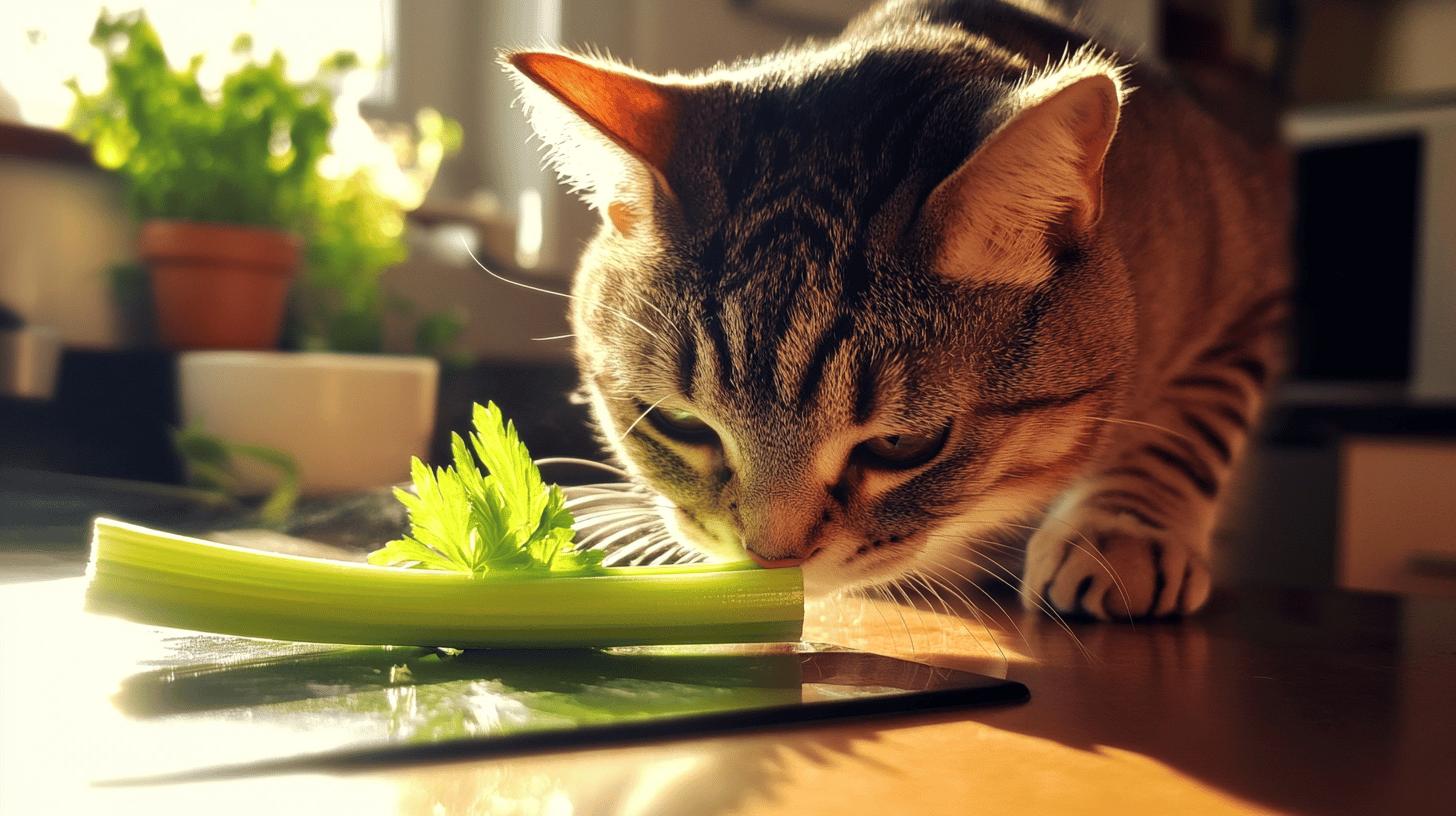
    Safety and Potential Risks of Feeding Celery to Cats-1.jpg

    Cats can eat celery, and it is generally safe for them in moderation. Celery is non-toxic to cats, making it an acceptable treat option when prepared correctly. The key is to serve it as an occasional snack, not a regular part of their diet. By doing so, you can ensure that your feline friend enjoys the variety without any adverse effects.

    Despite the fact that celery is safe, it's important to remember that cats are obligate carnivores. Their primary dietary requirement is meat, which provides essential nutrients that plant-based foods can't fully supply. While celery can offer a nice change of pace, it should never replace the meat-based meals that are crucial for their health and well-being.

    Celery has a high water content, which can be beneficial for cats, especially those that don’t drink enough water on their own. The hydration boost from munching on celery can aid in keeping your cat's kidneys and urinary tract in good health. This makes it an interesting supplement for providing extra moisture in their diet without adding additional calories or fat.

    There are potential risks when feeding celery to cats. The fibrous strings in celery stalks can pose a choking hazard, so it's important to cut it into small, manageable pieces. In rare cases, cats might have allergic reactions to celery, so it's wise to introduce it slowly and watch for any unusual symptoms.

    If your cat consumes too much celery, they may experience an upset stomach. Signs of overconsumption include vomiting or diarrhea. If these occur, contacting your veterinarian for advice is a smart move.

    Nutritional Value and Benefits of Celery for Cats

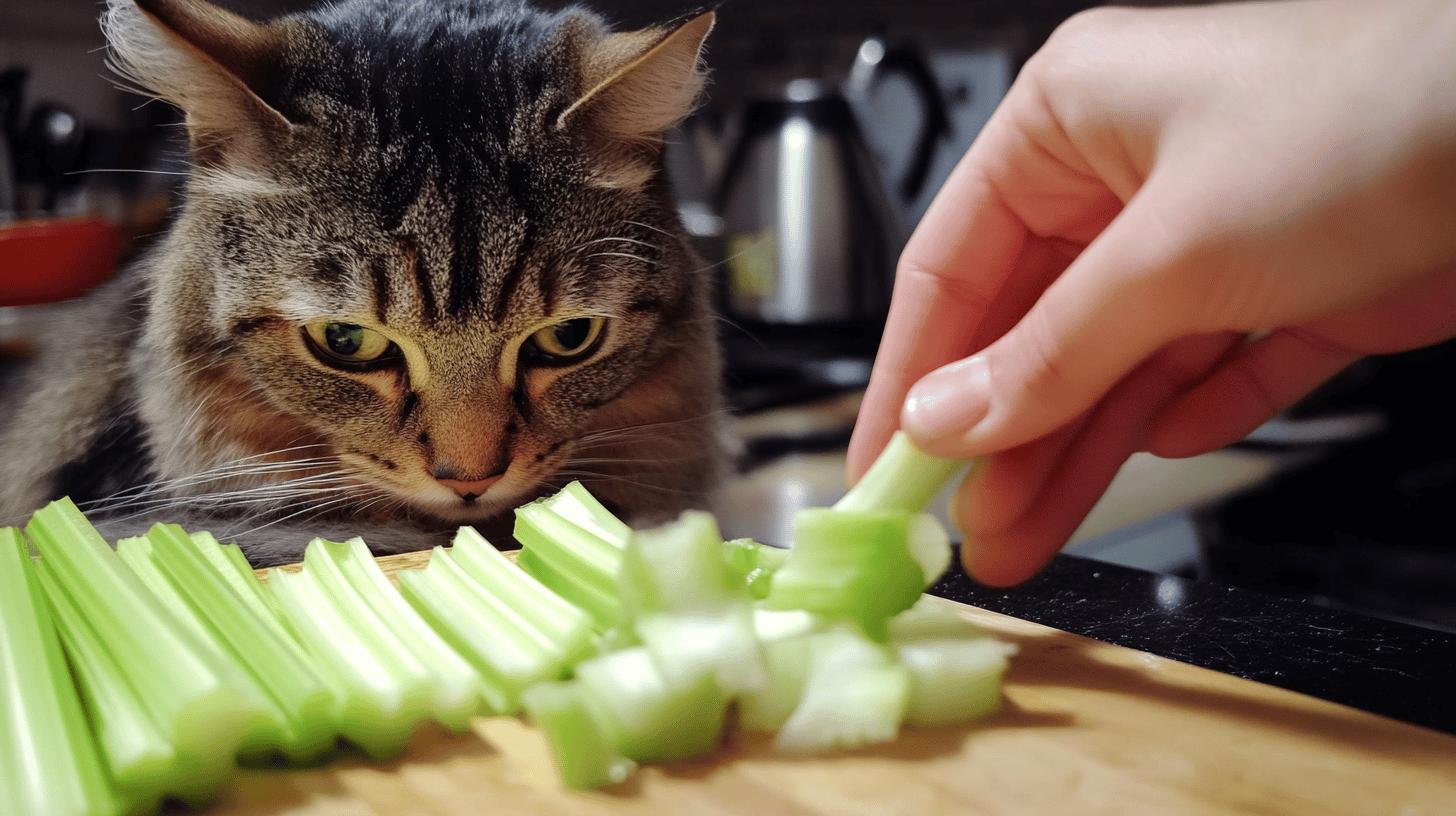
    Safety and Potential Risks of Feeding Celery to Cats-4.jpg

    Celery isn't just a crunchy snack for humans; it offers some nutritional perks that can benefit our feline friends as well. This veggie is packed with vitamins A, C, and K, which play a role in maintaining various bodily functions. Vitamin A supports vision and skin health, vitamin C acts as an antioxidant, and vitamin K is important for blood clotting.

    Celery also contains minerals like potassium and calcium, contributing to muscle function and bone health, respectively. Given its low-calorie nature, celery can be a guilt-free treat for cats when served in moderation.

    Fiber in celery can be a digestive aid for cats, helping to keep their digestive systems running smoothly. It can support regular bowel movements and prevent constipation. However, too much fiber isn't ideal for cats, whose digestive systems are primarily adapted for processing meat.

    Excessive consumption of celery might lead to gastrointestinal upset, such as diarrhea or stomach discomfort. Thus, it's crucial to offer celery in small quantities to strike a balance between enjoying its benefits and preventing any potential digestive issues.

    Nutrient Benefit
    Vitamin A Supports vision and skin health
    Vitamin C Acts as an antioxidant
    Vitamin K Important for blood clotting
    Fiber Supports digestive health

    How to Serve Celery to Cats

    How to Serve Celery to Cats-1.jpg

    When it comes to preparing celery for your cat, the first step is to wash it thoroughly. This removes any dirt or pesticide residue that might be lingering on the stalks. Once cleaned, cut the celery into small, manageable pieces. This is crucial to prevent any choking hazards, given the fibrous nature of celery. Removing any tough strings is also a wise precaution to ensure your cat can safely chew and swallow the pieces.

    Serving celery to your cat should always be done with moderation and under supervision. Start with a very small quantity, roughly the size of a fingernail, to see how your cat reacts. If there are no adverse reactions, you can gradually increase the amount, but it should never exceed 10% of their daily calorie intake. Remember, celery is meant to be an occasional treat, not a dietary staple.

    • Always supervise your cat when offering celery to ensure they eat it safely.
    • Begin with a small portion to monitor for any allergic reactions or digestive issues.
    • Gradually increase the serving size if your cat enjoys and tolerates celery well.
    • Avoid making celery a regular part of your cat's diet, sticking to occasional treats only.

    Final Words

    Exploring if a cat can eat celery highlights that it's safe in moderation. Cats, as obligate carnivores, primarily need meat. Celery can hydrate but could pose choking risks or rare allergies. Always watch for symptoms of stomach upset and seek a vet if issues arise.

    Celery offers vitamins and minerals that can be beneficial in small amounts. But don't rely on it as a dietary staple; too much can disrupt digestion.

    When serving, wash and cut celery into tiny pieces. Offer it as an occasional treat while keeping an eye on your cat. Enjoy the positive moments of sharing new experiences with your feline friend!

    FAQ

    Can cats eat celery leaves?

    Cats can eat celery leaves, but it's best in moderation. Make sure they are clean and free from pesticides. Always watch for any sign of an allergic reaction.

    Does celery make cats high?

    Celery does not make cats high. It's non-toxic and harmless when given in small amounts, but it doesn't affect a cat's mental state.

    Can cats eat carrots?

    Cats can eat carrots in moderation. They're safe but should be cooked and cut into small pieces to prevent choking.

    Can cats eat celery juice?

    Celery juice is not harmful to cats, but it doesn’t provide significant benefits either. It should be given sparingly to avoid upsetting their stomach.

    Can cats eat celery seeds?

    Celery seeds are best avoided for cats. They may pose a choking hazard and offer minimal nutritional value.

    Can cats eat celery and carrots?

    Cats can eat celery and carrots if prepared properly. Both should be washed, cooked, and cut into small pieces to avoid choking and ensure easy digestion.

    Can kittens eat celery?

    Kittens can eat celery in tiny amounts. It's crucial to monitor them closely and ensure it’s cut into small, manageable pieces.

    Can dogs eat celery?

    Dogs can safely eat celery. It's nutritious and can be a low-calorie treat when cut into bite-sized pieces.

    Can cats eat celery raw?

    Cats can eat raw celery, but it should be cut into small pieces. Always wash it thoroughly to remove any pesticides or chemicals.

    Why is my cat obsessed with celery?

    Cats might be attracted to celery for its crunchy texture or smell. It's fine to let them have a small amount, but always watch their reaction.

    What vegetables are toxic for cats?

    Onions, garlic, and leeks are toxic to cats. Always keep these out of their diet and consult a vet if your cat shows signs of poisoning.

    Are celery plants toxic to cats?

    Celery plants are not toxic to cats. They can safely nibble on the leaves and stalks but should be given in moderation.

    Related Articles

  • Can Cat Eat Pear Safely and What Are the Risks

    Can Cat Eat Pear Safely and What Are the Risks

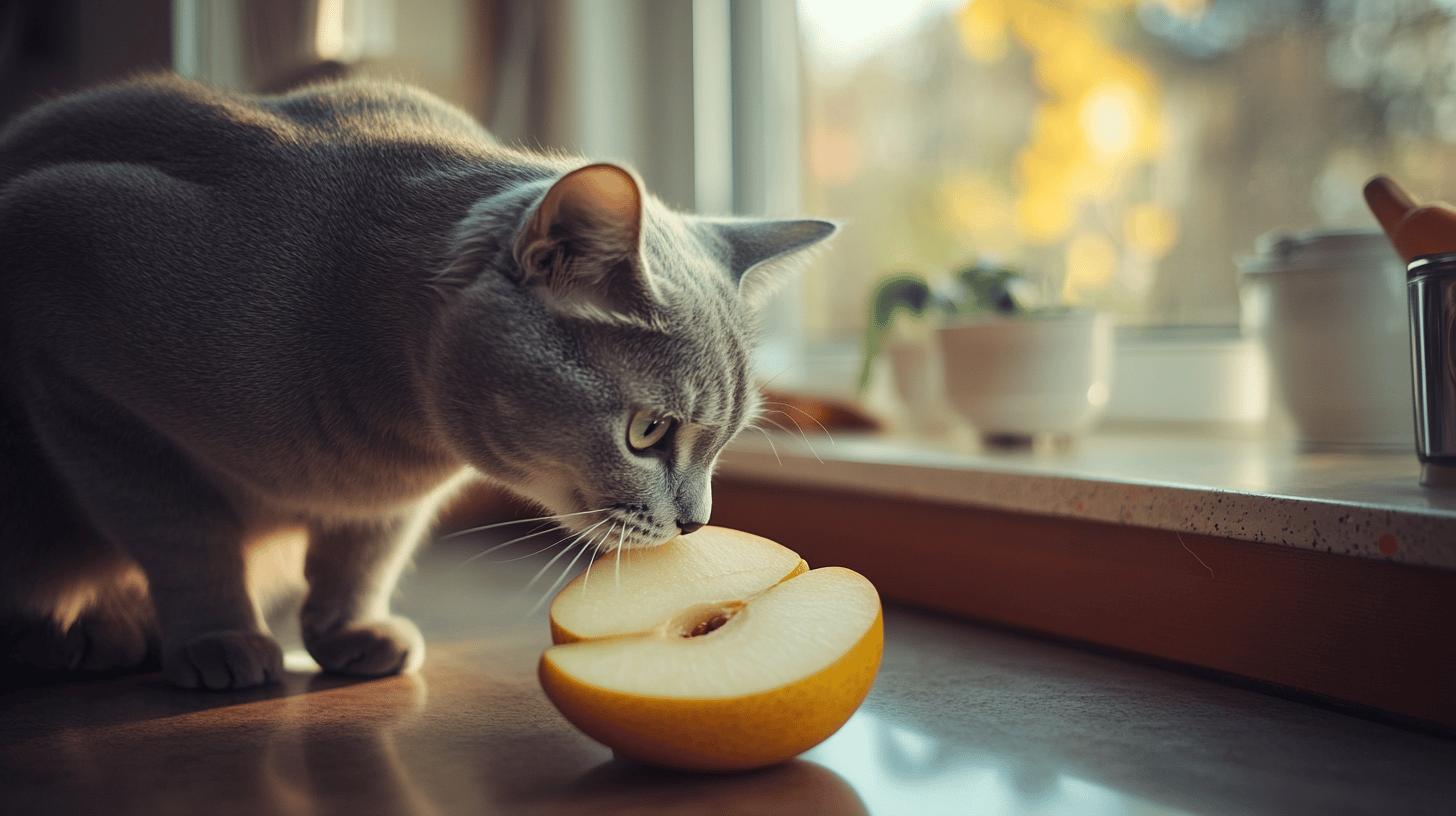
    Can your cat munch on a pear slice safely, or is it a risky move? While pears can be a tasty snack for humans, giving them to cats isn't as straightforward. As natural carnivores, cats have specific dietary needs that fruits don't satisfy. But, if given cautiously and in small amounts, pears might offer some benefits, like extra fiber. Before you share this juicy treat with your feline friend, it's crucial to understand both the potential benefits and the risks involved. Let's dive into what's safe and what's not in the world of pears and cats.

    Can Cats Eat Pears Safely?

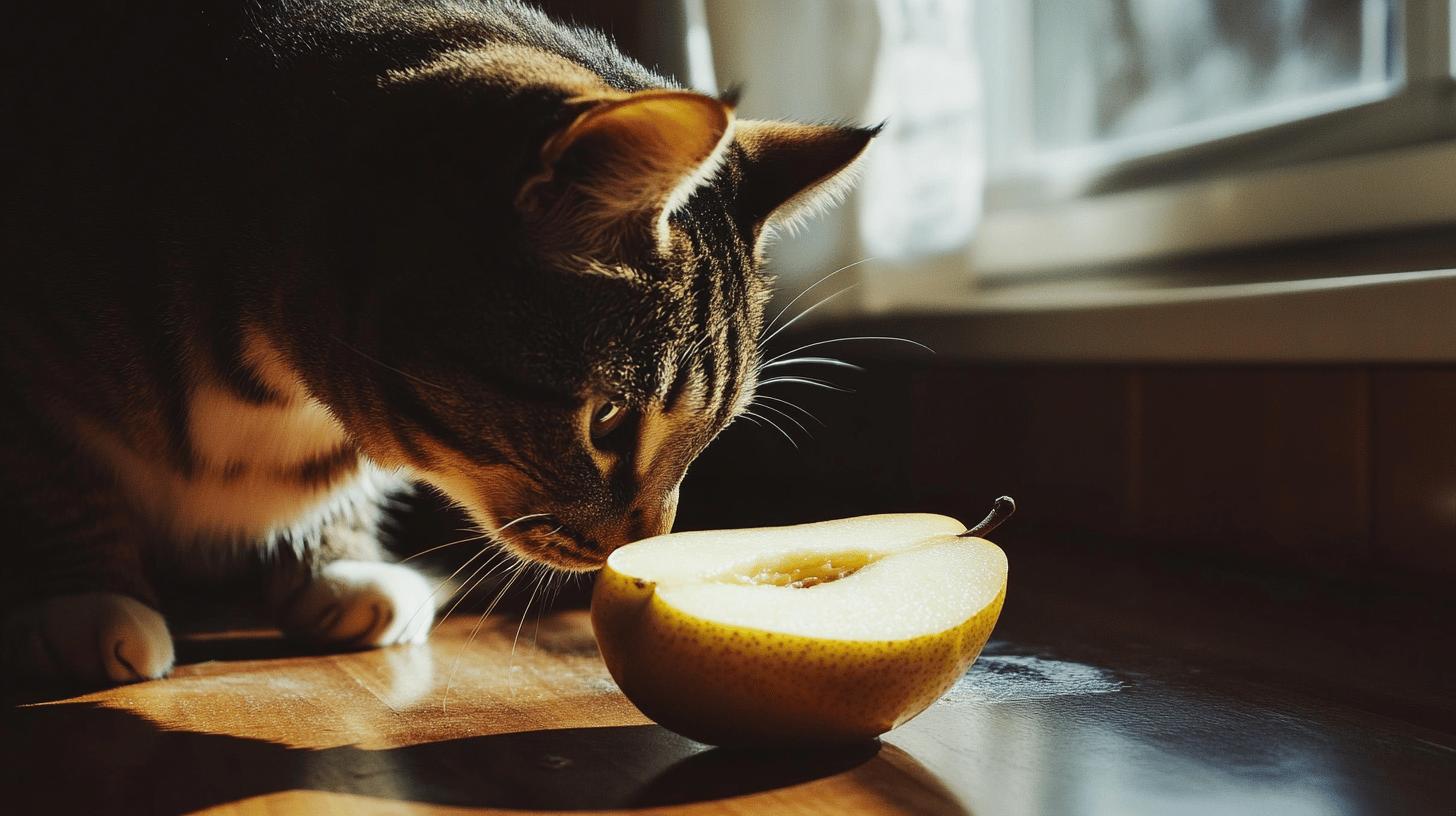
    Can Cats Eat Pears Safely-1.jpg

    Cats can indeed eat pears safely, but with certain limitations. Pears should only be given to cats in moderation. The flesh of the pear provides some beneficial vitamins and minerals, including dietary fiber, which can aid in digestion. Fresh pears are a better choice than dried or canned ones, as these often contain added sugars that aren't good for your feline friend. Remember, cats are obligate carnivores, so their primary diet should be meat-based, and fruits like pears should be seen as an occasional treat rather than a regular dietary staple.

    While the flesh of pears is safe for cats, there are important risks to consider. The seeds of pears contain cyanogenic glycosides, which can release cyanide—a substance highly toxic to cats. Therefore, it is crucial to completely remove seeds before offering a pear to your cat. Additionally, pears are relatively high in natural sugars. While this isn't inherently toxic, it can lead to health issues like obesity or diabetes if consumed in excessive amounts. Keeping pear consumption minimal helps mitigate these risks.

    Watching for signs of overconsumption or intolerance is essential when introducing pears to your cat's diet. Symptoms like vomiting, diarrhea, or a lack of interest in regular meals can indicate that your cat is not tolerating pears well. If you observe these or any other adverse reactions, stop feeding pears immediately and consult your veterinarian for advice. Regular monitoring helps ensure your cat enjoys this treat without negative effects.

    Precautions When Offering Pears to Cats:

    • Remove all seeds and the core before serving.
    • Offer pears only as a rare treat, not a regular diet component.
    • Start with small amounts to test your cat's tolerance.
    • Observe for any signs of digestive upset.
    • Consult with a veterinarian if unsure about dietary changes.

    Nutritional Benefits and Role of Pears in a Cat's Diet

    Nutritional Benefits and Role of Pears in a Cats Diet-1.jpg

    Pears are packed with nutrients like vitamin C, vitamin A, and dietary fiber. These elements can be beneficial for cats when given in moderation. The fiber content helps with digestion, which is great for cats that might experience occasional tummy troubles. Additionally, the moisture found in pears aids in keeping cats hydrated, especially if they don't drink much water. While these nutrients offer some health benefits, pears should not be a primary food source for cats.

    Cats are obligate carnivores, so their diet must focus on meat to fulfill their nutritional requirements. An occasional slice of pear can be a fun and tasty treat, but it should only supplement their meat-based diet. Too much fruit like pears can cause dietary imbalances, making it essential to keep treats infrequent and in small portions. To ensure your cat stays healthy and happy, consult a veterinarian regularly when introducing any new food, including pears, into their diet.

    • Serve pears sparingly to avoid dietary imbalances.
    • Prioritize a meat-based diet for your cat's primary nutrition.
    • Consult with a veterinarian before adding new foods to your cat's diet.

    How to Serve Pears to Cats

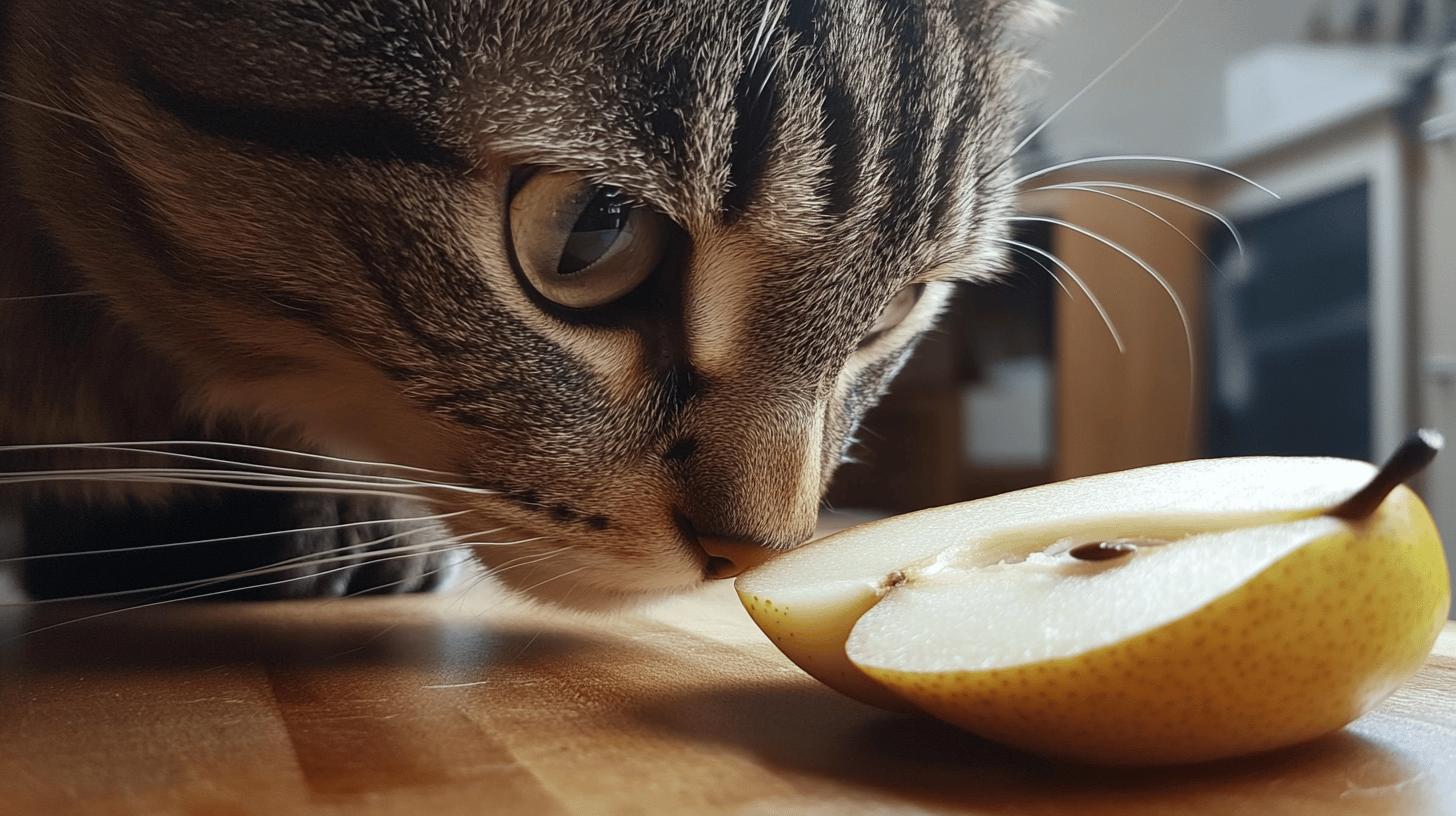
    How to Serve Pears to Cats-1.jpg

    Integrate the preparation steps into the existing advice on serving pears to cats. Always wash the pears thoroughly to remove any dirt or pesticides. Cut away seeds, core, and skin, since these parts can be harmful to cats. Slice the flesh into small, manageable pieces.

    Veterinarians advise giving pears to cats no more than once or twice a week. Small portions are best to keep your cat's diet balanced and prevent too much sugar or fiber. Monitor your cat’s reaction to ensure it suits their dietary needs.

    Preparation Step Description
    Wash Pears Thoroughly Remove all dirt and potential pesticides.
    Remove Seeds, Core, and Skin These parts can be toxic; only the flesh is safe.
    Cut Into Small Pieces Prevents choking and eases consumption.

    Alternatives to Pears for Cat Treats

    Alternatives to Pears for Cat Treats-1.jpg

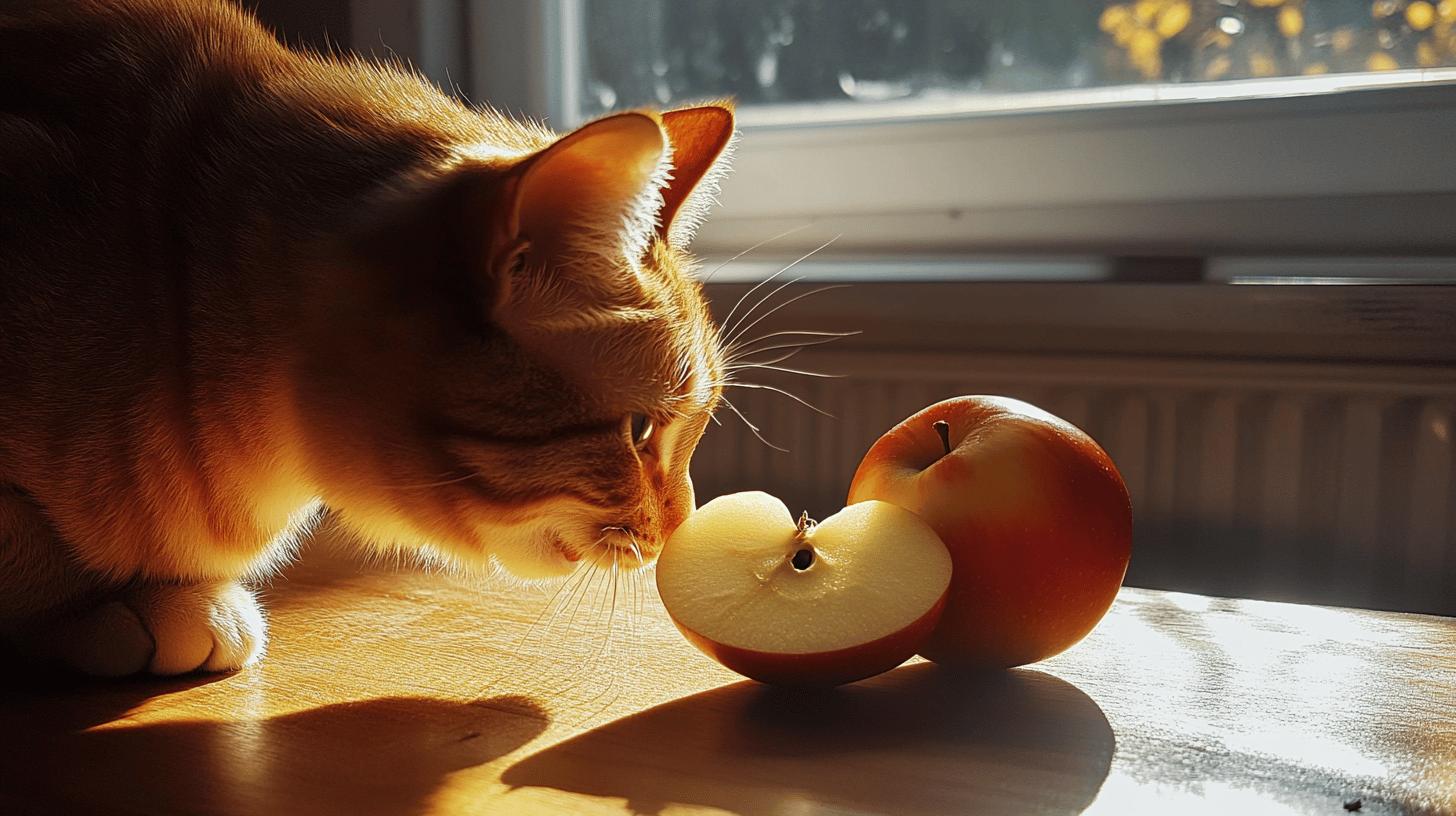
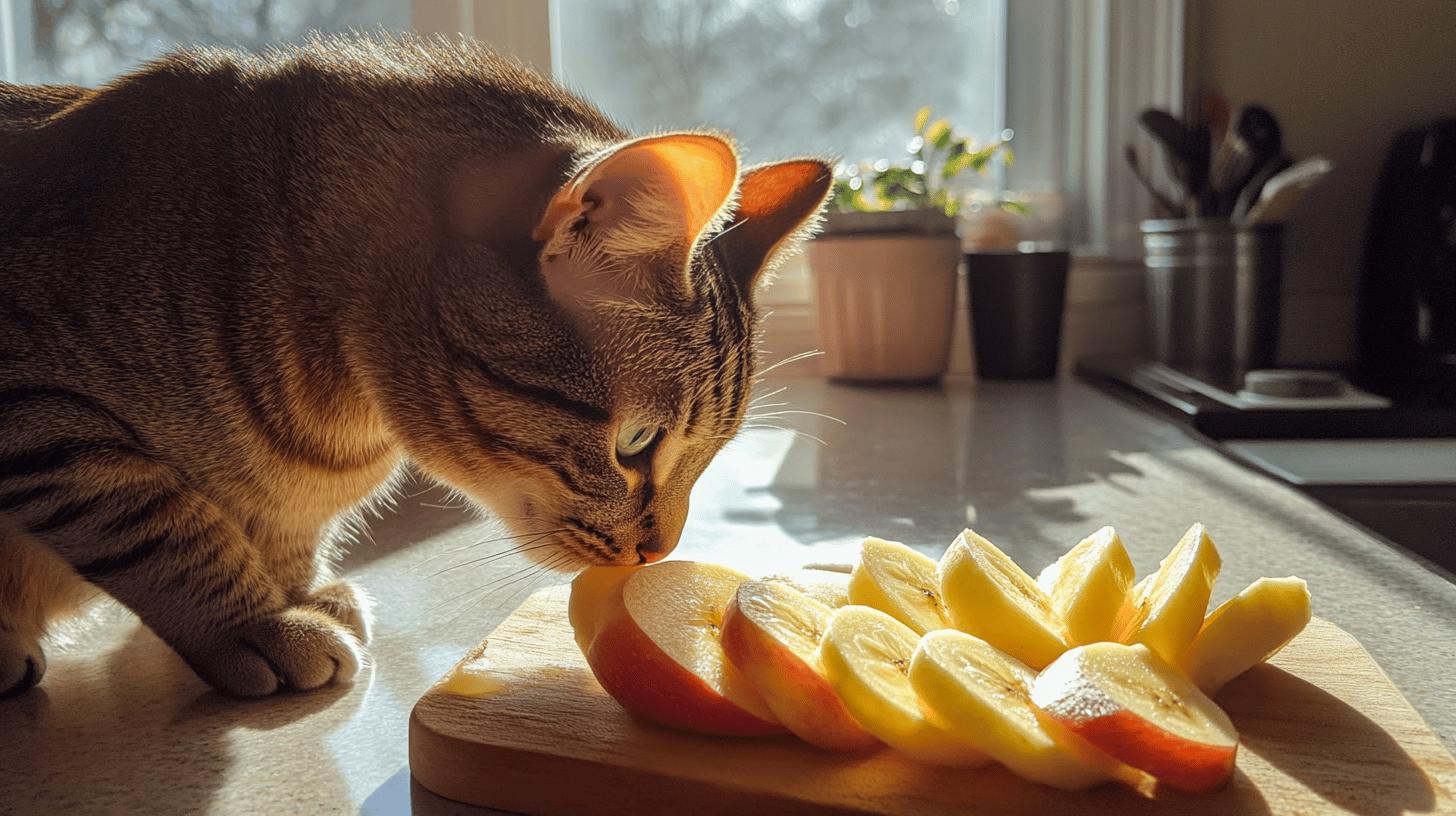
    Cats can enjoy a variety of treats beyond pears, but it's essential to choose options that align with their dietary needs. While fruits like apples and bananas are safe for cats in moderation, they should be offered sparingly due to their sugar content. Cats are obligate carnivores, so high-protein treats like small pieces of cooked chicken or turkey are often preferred. These options provide essential nutrients that support their health. When offering fruits, always monitor your cat's reaction and avoid any that could be harmful.

    • Safe Treats:

      • Small pieces of cooked chicken
      • Small slices of apples (without seeds)
      • Small pieces of bananas
      • Cooked turkey bits
      • Cucumber slices
    • Treats to Avoid:

      • Grapes and raisins
      • Onions and garlic
      • Chocolate
      • Avocado
      • Citrus fruits

    Final Words

    Evaluating if a cat can eat pear, we saw that pears, in moderation, offer some benefits like vitamins and fiber. Yet, it's crucial to keep the seeds away due to their toxicity. The prep steps and portion control provide a way to enjoy pears safely. Alternatives like apples or protein treats are often better choices.
    While pears have their place, balancing them with a mainly meat-based diet is key for cats. Keep being curious about your cat's diet, and don't hesitate to consult a vet. Your kitty’s health and joy make experimenting with new treats worthwhile.

    FAQ

    Are pears okay for cats to eat?

    Pears are safe for cats to eat in moderation. They provide vitamins and fiber, but the seeds are toxic. Always remove seeds before giving pears to cats.

    What fruits can cats not eat?

    Cats should not eat grapes, raisins, or cherries. These fruits are toxic and can cause severe health issues. Always check with a vet before introducing new fruits.

    Can cats eat pear seeds?

    Cats should not eat pear seeds. They contain cyanide, which is toxic. Always remove seeds to ensure your cat's safety.

    Can cats eat pear skin?

    The skin of pears should be removed before feeding them to cats. It can be tough to digest and may cause discomfort.

    Can cats eat pear juice?

    Pear juice is not ideal for cats. It often contains added sugars that are not healthy for them. Fresh water is the best hydration source.

    Can cats eat apples?

    Yes, cats can eat apples in small amounts. Just remove the seeds and core which can be harmful.

    What fruits can cats eat?

    Cats can eat small amounts of apples, bananas, and blueberries. Always remove any harmful parts like seeds and core.

    Can cats eat Asian pears?

    Asian pears are similar to regular pears and can be given to cats in moderation. Always remove harmful parts.

    Can cats eat watermelon?

    Yes, watermelon can be given to cats in small pieces. Ensure the seeds and rind are removed to avoid any risk.

    What fruit is toxic to cats?

    Fruits like grapes, raisins, and cherries are toxic to cats. They can lead to severe health problems and should be avoided.

    Why do cats like pears?

    Cats might enjoy the flavor and texture of pears. It's the natural sugar and moisture content that could be appealing.

    What berries are poisonous to cats?

    Berries like holly and mistletoe are poisonous to cats. Always verify the safety of any berry before offering it to your cat.

    Related Articles

  • Can Cats Eat Fries Understanding the Risks and Health Effects

    Can Cats Eat Fries Understanding the Risks and Health Effects

    Imagine you've just dropped a fry, and before you can grab it, your curious cat swoops in. Can cats eat fries, or does this snack pose hidden dangers? While fries might be a tasty treat for us, they're not as straightforward for our feline friends. In this blog, I’ll delve into the truth behind this popular junk food's risks and health effects on cats. Let’s uncover the facts behind this crunchy temptation, and ensure our companions stay safe and healthy by avoiding such sneaky snacks in their diet.

    Can Cats Eat Fries? Understanding the Risks and Health Effects

    Can Cats Eat Fries Understanding the Risks and Health Effects-1.jpg

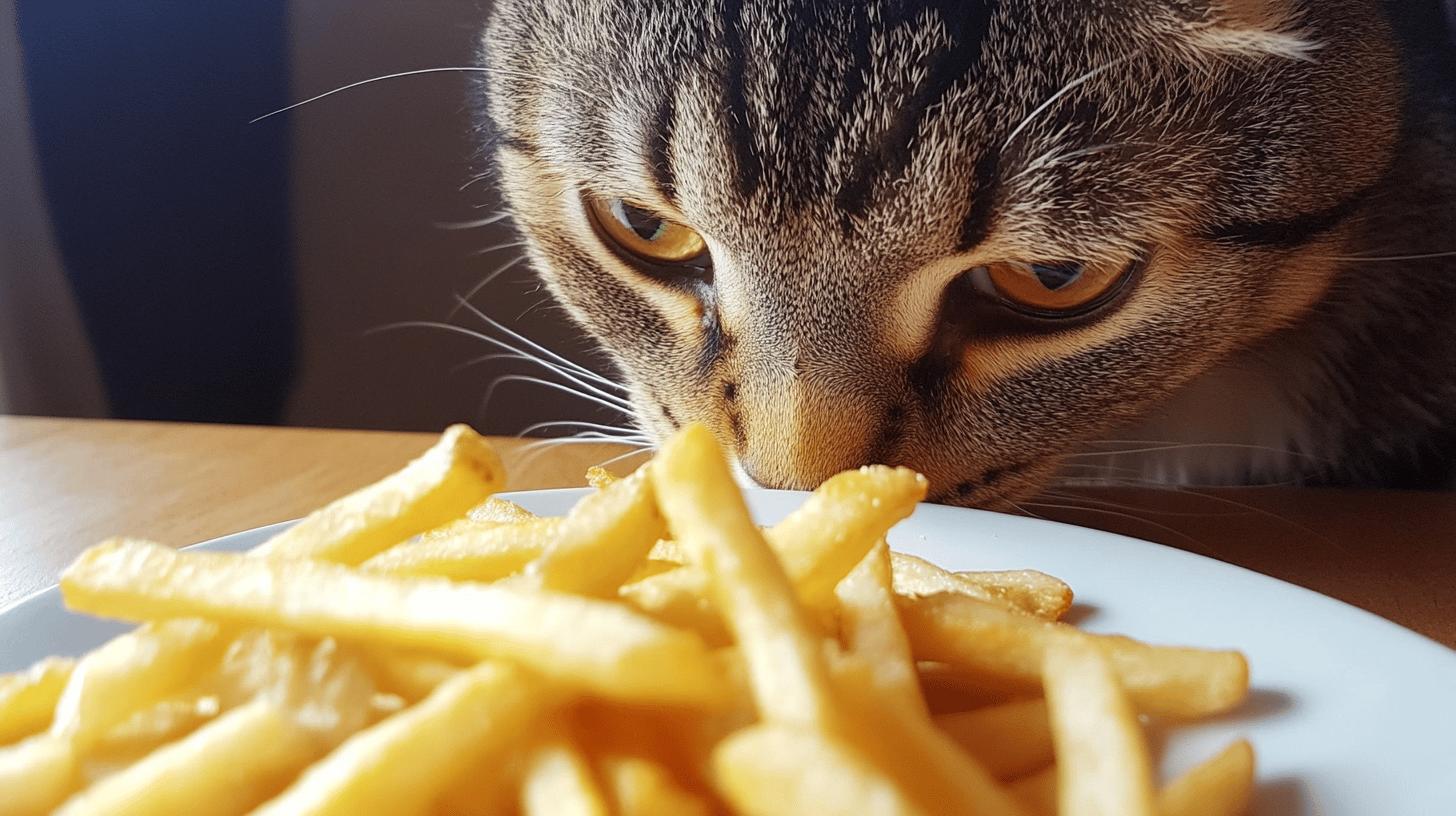
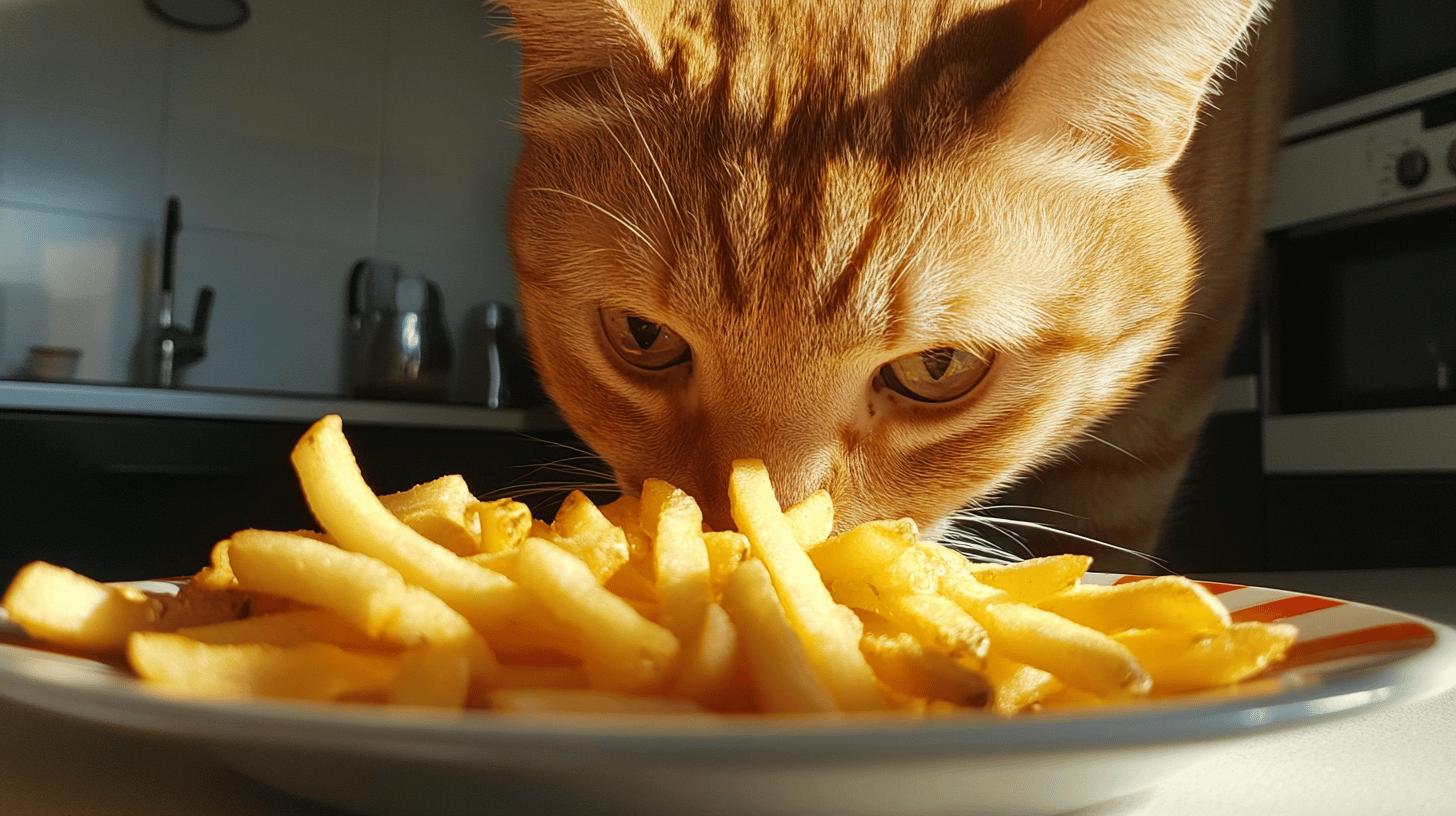
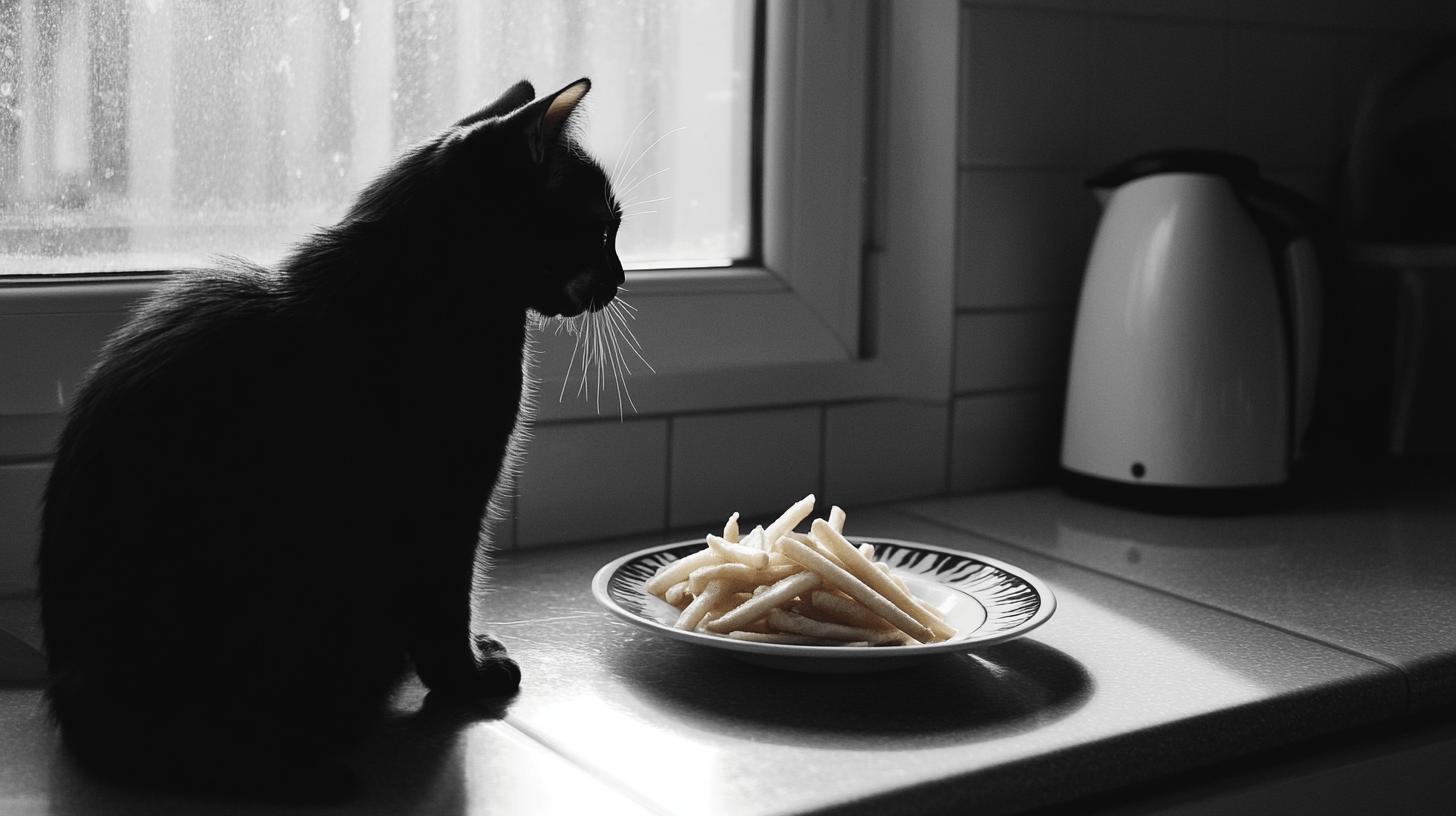
    Fries aren't safe for cats. They contain high amounts of salt, fat, and carbohydrates, which can cause various health issues. Cats eating fries might experience gastrointestinal upset, obesity, and even salt poisoning. The high-fat content in fries can also lead to pancreatitis. Uncooked potatoes have solanine, a toxin for cats, and cooking doesn't make fries safe.

    Symptoms of Salt Poisoning in Cats

    • Vomiting
    • Diarrhea
    • Lethargy
    • Excessive thirst or urination
    • Seizures

    Long-term Effects of Consuming Fries

    • Pancreatitis
    • Obesity
    • Heart disease
    • Dehydration

    Eating fries can be dangerous for cats. The combination of salt and fat can lead to serious health problems, such as pancreatitis, which can cause symptoms like a reduced appetite, belly pain, and vomiting. Obesity is another concern, as the high-calorie content in fries can pack on pounds quickly. Over time, this added weight can strain your cat's heart and lead to chronic issues. Fries might seem harmless, but they pose significant risks, making it crucial to keep them away from your cat's diet.

    Alternatives to Fries for Cats: Safe Treats and Snacks

    Alternatives to Fries for Cats Safe Treats and Snacks-1.jpg

    Feeding our feline friends healthy treats is essential for their well-being. Unlike humans, cats have specific dietary needs that revolve around animal protein. Junk foods like French fries, with their high fat and salt content, should be avoided to keep our cats healthy. Instead, let's explore some safe and nutritious alternatives that can be a delightful treat for our cats.

    Safe Human Foods for Cats

    • Cooked Chicken: A great source of protein, skinless and boneless chicken is a hit with many cats.
    • Cooked Turkey: Like chicken, turkey is a lean protein that's safe for cats when prepared plain.
    • White Fish: Grilled or baked without seasoning, white fish can be a tasty treat.
    • Eggs: Cooked eggs provide protein and vitamins; ensure they're fully cooked.
    • Pumpkin: Plain canned pumpkin is good for digestion and can be offered in small amounts.
    • Carrots: Cooked carrots are safe and can add a bit of crunch to your cat’s treat menu.

    Homemade Cat Treats

    Crafting homemade treats is a rewarding way to indulge your cat while ensuring they get the nutrition they need. One simple recipe involves mixing canned tuna with an egg, forming small balls, and baking until firm. You can also try blending cooked chicken with a bit of catnip for a savory and aromatic treat. Always ensure treats are cooled before offering them to your cat.

    Human Food Suitability for Cats
    Cooked Chicken Safe
    White Fish Safe
    French Fries Unsafe
    Chocolate Unsafe
    Pumpkin Safe

    Taking the time to understand our cat's nutritional needs ensures they receive treats that contribute positively to their health. By avoiding harmful snacks like fries and opting for safe, protein-rich alternatives, we can help keep our cats happy and healthy.

    What to Do If Your Cat Eats Fries

    What to Do If Your Cat Eats Fries-1.jpg

    If your cat ate a french fry, it's key to monitor them for any signs of distress. Fries are not safe for cats, and even a single fry can cause issues. Watch your cat's behavior closely for any unusual symptoms.

    Symptoms to Watch For

    • Vomiting
    • Lethargy
    • Diarrhea

    If you notice any of these symptoms or your cat seems unwell, consult a veterinarian immediately for guidance. Even if the cat appears fine, getting professional advice can help prevent potential health problems.

    Final Words

    Understanding the risks of feeding fries to cats is crucial in maintaining their health. Fries are not safe for cats due to their high salt and fat content, which can lead to health issues like salt poisoning and pancreatitis. While alternatives like grilled chicken make for safer snacks, it’s important to monitor what your cat eats. If your cat accidentally eats fries, watch for symptoms and consult a vet. Keeping treats safe and healthy not only ensures a happy cat but also brings peace of mind to their owner.

    Long-Term Health Effects of Regular High-Fat Treats

    While a single fry rarely causes acute illness, the cumulative effect of regular high-fat treats adds up significantly over time. Most obesity in cats develops gradually from treats added to regular diet. Each high-calorie treat creates small caloric surplus; repeated over months and years, these compound significantly. An obese cat will cost more in veterinary bills and medications than treats are worth.

    Overweight cats have dramatically higher risk of developing diabetes, heart disease, joint problems, and reduced lifespan. Long-term exposure to high-salt, high-fat foods stresses feline metabolism and increases risk of pancreatitis, inflammatory bowel disease, and liver disease.

    Fries vs. Other Salty Foods: Comparative Risk Profile

    Fries aren’t the only salty, fatty food cats encounter. Potato chips are even higher fat than fries. Fried chicken contains comparable salt and much higher fat. Pizza, processed meats like bacon, and popcorn all pose similar risks. The common thread: all processed, salty, fried foods should be kept away from cats. Plain cooked chicken is exponentially safer than any fried food.

    FAQ

    Can cats eat fries with salt?

    Cats should not eat fries with salt. High salt content can cause salt poisoning, leading to vomiting, lethargy, and more serious health issues in cats.

    Can cats eat fries without salt?

    Cats should avoid fries, even without salt. The fat and carbohydrate content is harmful, risking obesity and gastrointestinal upset.

    Can French fries kill cats?

    Yes, excessive consumption of fries can kill cats due to potential salt poisoning and health complications like pancreatitis.

    Can cats eat fried chicken?

    Cats can occasionally eat small amounts of plain, fried chicken without seasoning. Avoid giving them fried chicken with added spices or batter.

    Can cats eat chicken nuggets?

    Chicken nuggets are not safe for cats. They're high in fat, salt, and additives that can harm a cat's health.

    Can cats eat French fries from McDonald's?

    Cats should not eat McDonald's fries due to high salt and fat. These additives can lead to serious health issues over time.

    Can cats eat bread?

    Cats can eat a small amount of plain bread. However, bread is not nutritious for them and should not be a regular part of their diet.

    What human food can cats eat?

    Cats can eat small amounts of cooked chicken, turkey, or fish. These proteins align well with their dietary needs.

    Are fried potatoes toxic to cats?

    Yes, fried potatoes are toxic to cats. Uncooked potatoes contain solanine, and frying adds fat and salts that are harmful.

    What to do if your cat eats fries?

    If your cat eats fries, monitor them for symptoms like vomiting or discomfort. Consult a veterinarian if symptoms persist.

    Related Articles

    Understanding Your Cat’s Nutritional Needs vs. Human Treats

    One of the biggest mistakes cat owners make is sharing human foods with their cats, thinking a small amount won’t hurt. The reality is that cats have fundamentally different nutritional needs than humans, and foods we consider safe or healthy can pose serious risks to our feline companions.

    Cats are obligate carnivores with specialized digestive systems adapted for high-protein, high-fat (from meat) diets. Their taste receptors don’t appreciate sweetness—cats literally cannot taste sugar like we do, so sweet foods provide zero satisfaction while introducing unnecessary risks. Their kidneys are efficient but sensitive to excess salt. Their livers are designed to process meat, not processed human foods.

    When you offer fries or similar salty, fatty human foods, you’re essentially asking your cat’s specialized digestive system to process foods it was never designed to handle. The result: unnecessary stress on organs, risk of obesity and disease, and genuine health compromise.

    Building Healthy Treat Habits With Your Cat

    If you want to give your cat treats and rewards, establish habits that support their health rather than compromise it. Use treats that align with feline nutrition: freeze-dried meat, small pieces of cooked lean meat, or vet-approved supplements if needed.

    Train your cat using behavioral rewards instead of food: interactive play sessions, affection, and access to favorite toys. These provide genuine reinforcement while building your bond. If you do use food treats, keep them to less than 10% of daily calories and choose species-appropriate options.

    Rotate treat types to prevent boredom and over-preference. Most importantly, never share human foods from your plate. A cat that sees you eating will beg, but giving in teaches destructive begging behavior and risks their health.

    Long-Term Health Consequences of Casual Treat Sharing

    The damage from occasional high-fat, high-salt treats compounds over years. What seems like harmless treat-sharing at age 2 becomes obesity, diabetes, and organ disease by age 8-10. The cost in veterinary bills, medication, and quality of life far exceeds any momentary enjoyment your cat gets from a fry.

    Pet obesity is one of the fastest-growing health problems in cats, affecting up to 60% of cats in some regions. This obesity is directly linked to treat-sharing and casual feeding of human foods. Prevention through proper nutrition is infinitely easier and cheaper than treating obesity-related diseases.

    Your job as a cat owner is to make decisions that support your cat’s long-term health, even when those decisions are unpopular or require saying “no” to your cat’s begging. A cat that lives 15-18 healthy years is worth far more than a cat that gets table scraps and lives only 8-10 years with constant health problems.

  • What Fruit Can Cat Eat Safely and in Moderation

    What Fruit Can Cat Eat Safely and in Moderation

    Did you know that not all fruits are safe for cats, and some can even be harmful? It’s surprising, given how beneficial fruits can be for humans. But if your cat shows interest in your fruit bowl, what’s safe to share?

    This article will guide you on which fruits are safe for cats and how to offer them in moderation. You’ll learn about the benefits, preparation tips, and what precautions to take. Understanding this can enrich your cat’s diet while keeping them happy and healthy.

    Safe Fruits for Cats to Eat and Moderation Guidelines

    Safe Fruits for Cats to Eat and Moderation Guidelines-1.jpg

    Cats are obligate carnivores, primarily relying on meat for their nutritional needs. Yet, they can occasionally enjoy some fruits as treats. Offering fruit can provide vitamins, antioxidants, and fiber that may benefit your cat’s health.

    It’s crucial to serve these treats in moderation due to the high sugar content found in fruits. Too much sugar can lead to obesity and other health issues. By giving fruits in small amounts, you ensure that they remain a healthy supplement to your cat’s diet rather than a staple.

    • Apples: Provide vitamins A and C. Remove the seeds and core, as they can be toxic. Serve in tiny slices.
    • Bananas: Rich in potassium and fiber. Offer small chunks occasionally due to their high sugar content.
    • Pears: Offer copper, vitamin K, and vitamin C. Remove the stem, core, and seeds. Serve in small pieces.
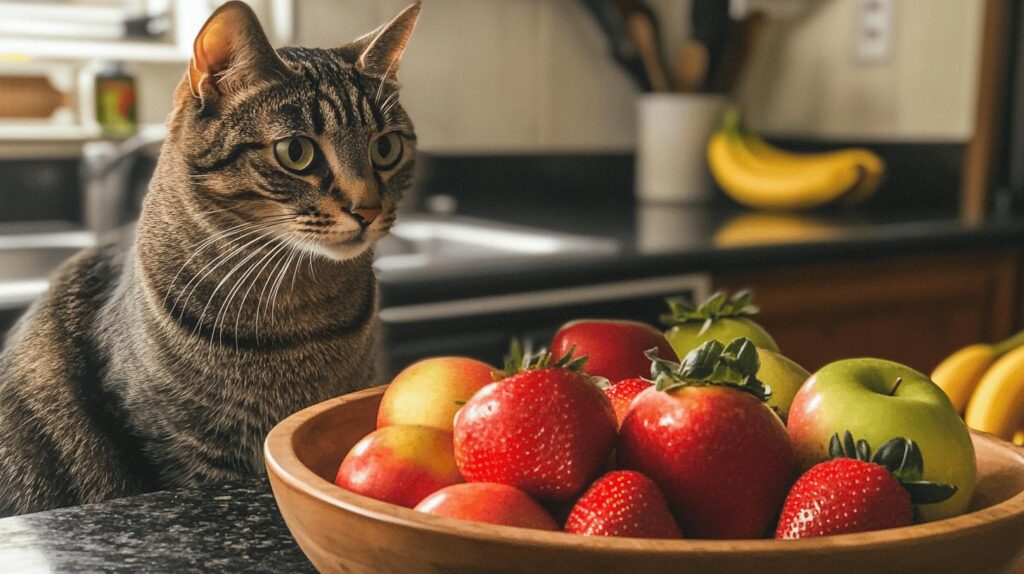
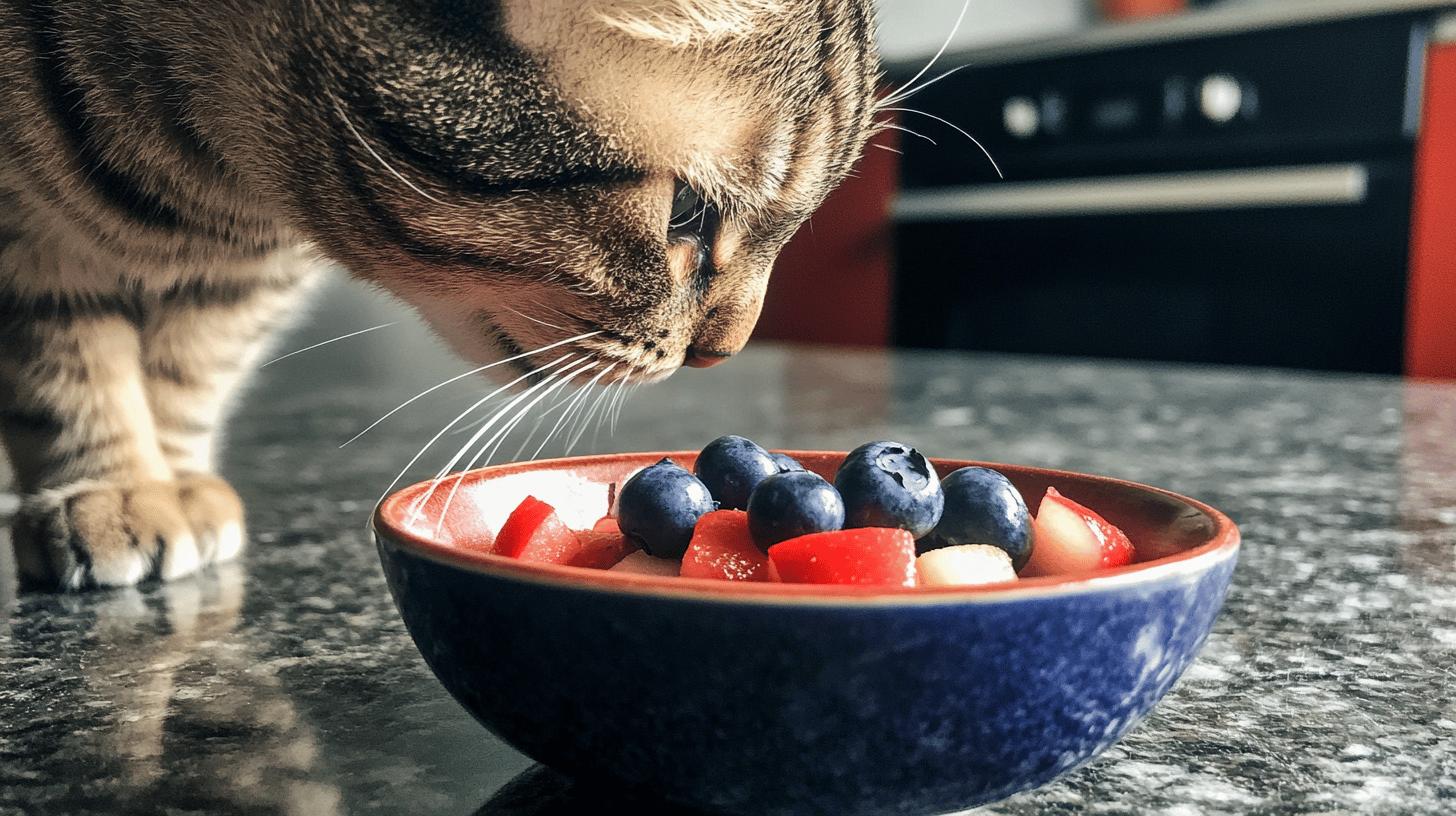
    • Blueberries: High in antioxidants and low in calories. Give a few pieces at a time.
    • Strawberries: Contain antioxidants and vitamins. Serve in moderation, cut into small bits.
    • Raspberries: Provide vitamins A, B, C, and E. Limit to a few berries due to natural sugars.
    • Cranberries: Safe and may promote urinary health. Avoid dried versions mixed with raisins.
    • Watermelon: Hydrating and safe. Remove seeds and rind, offering small cubes.

    Proper preparation of fruits is essential to ensure your cat’s safety. Always remove seeds, peels, and cores, as these parts can pose choking hazards or be toxic. Monitor how your cat reacts to these new treats. Each cat is different, and some may have sensitivities or adverse reactions. Start with small amounts and observe your cat for any signs of digestive upset. If any issues arise, consult with your veterinarian to determine the best course of action.

    How to Introduce Fruit to Your Cat’s Diet

    Consult your veterinarian before bringing new foods to your cat’s menu. Their advice is key to ensuring your cat’s health and safety. Introduce fruits gradually, starting with a tiny piece to see how your cat reacts. Use a step-by-step guide to help with this process. Begin by offering a small piece once a week, slowly increasing the frequency if your cat shows no adverse reactions.

    • Remove seeds, cores, and peels to avoid any toxicity or choking hazards.
    • Cut fruit into small, manageable pieces for easy consumption.
    • Keep portion sizes small to manage sugar intake.
    • Wash fruits thoroughly to remove pesticides or residues.

    Watch your cat closely for any signs of digestive issues like vomiting or diarrhea. Each cat is different, so what works for one might not work for another. Keep your veterinarian informed of any dietary changes you make. Sharing your experiences and any concerns ensures your cat stays healthy while exploring new tastes.

    Fruits to Avoid in a Cat’s Diet

    Fruits to Avoid in a Cats Diet-1.jpg

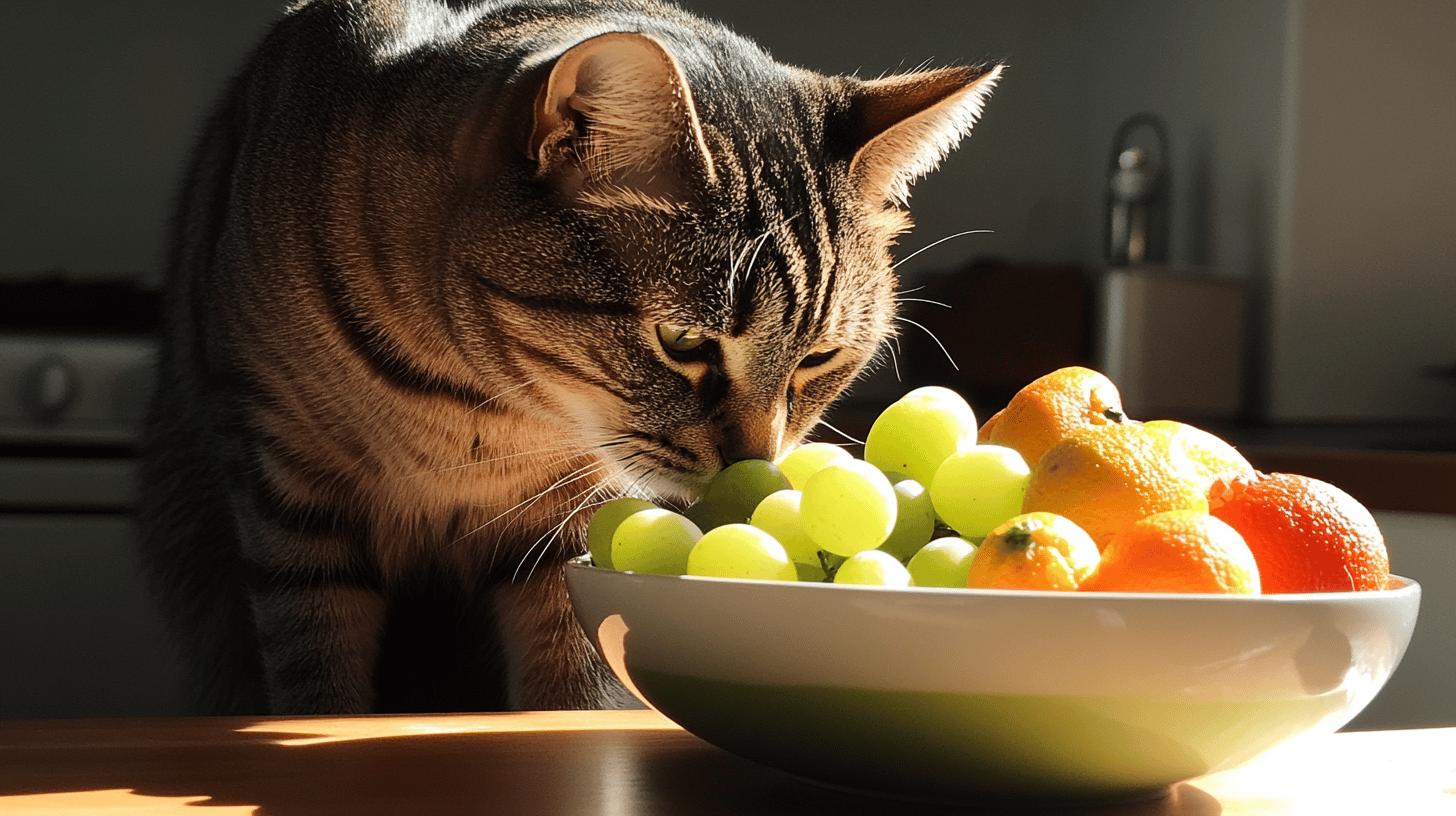
    Certain fruits can pose significant health risks to cats due to their toxic properties. It’s crucial to be aware of these dangers to prevent any accidental ingestion. Grapes and raisins are particularly harmful and can lead to kidney failure, even in small amounts. Citrus fruits like oranges, lemons, and limes are also problematic.

    They contain compounds in their skins and seeds that can irritate a cat’s stomach and potentially lead to more severe health issues. The acidity and essential oils in these fruits can cause vomiting and diarrhea, which makes them a poor choice for your feline friend.

    • Grapes: Can cause kidney failure; avoid completely.
    • Grapefruit: Contains compounds that can irritate the stomach and be toxic.
    • Oranges: The essential oils and acids can cause digestive upset.
    • Lemons: Toxic compounds can lead to vomiting and diarrhea.
    • Limes: Similar to lemons, they are harmful due to essential oils and acidity.

    Avoiding these fruits is essential in maintaining your cat’s health. Even a small bite can result in significant health issues. Always keep these fruits out of reach and be mindful of what your cat may encounter in the household. By staying informed and cautious, you can ensure your cat remains safe from these potentially toxic foods.

    Final Words

    Sharing fruit with your cat can be a fun and healthy treat if done right. Remember, moderation is key because of the high sugar content. We’ve explored safe fruits like apples, bananas, and more, but always remove seeds and peels. When adding fruit to your cat’s diet, start with small pieces and watch for any adverse reactions.

    Avoid fruits like grapes and citrus, as they pose risks to your cat’s health. With care, you can introduce what fruit can cat eat safely, giving them a tasty and nutritious experience. Enjoy these moments of discovery with your feline friend!

    FAQ

    What fruits can cats not eat?

    Cats should avoid grapes, grapefruit, oranges, lemons, and limes. These can cause health issues like kidney failure or stomach irritation.

    What fruit can cats eat every day?

    Cats can eat small portions of cat-safe fruits like apples or blueberries occasionally, but they shouldn’t have fruit daily due to sugar content.

    What fruits can kittens eat?

    Kittens can nibble on apples, blueberries, or bananas in small, occasional amounts. Always check for allergies or adverse reactions.

    What vegetables can cats eat?

    Cats can eat carrots, peas, or zucchini. Offer these in moderation and as occasional treats because cats are primarily carnivores.

    Do cats eat fruit in the wild?

    Wild cats rarely eat fruits. They mostly stick to meat, their primary food source.

    Can cats eat strawberries?

    Cats can eat strawberries in small amounts. They offer vitamins and antioxidants, but should be given as treats, not meal replacements.

    Can cats eat grapes?

    No, grapes are toxic to cats and can lead to serious health problems like kidney failure.

    What fruits are safe for cats to eat?

    Safe fruits include apples, bananas, pears, blueberries, strawberries, raspberries, cranberries, watermelon, and pineapple. Offer these in tiny pieces occasionally.

    Can cats eat bananas?

    Cats can eat bananas in small slices. They provide potassium and vitamins, but moderation is key.

    Can cats eat watermelon?

    Yes, cats can enjoy watermelon without seeds or rind. It’s hydrating and should be given in small, infrequent servings.

    Can cats eat fruity?

    Yes, cats can eat certain fruits, but only specific kinds and in moderation. Stick to safe options and consult with a vet.

    Related Articles

  • Can Cat Eat Raw Fish Safety Risks and Nutritional Benefits

    Can Cat Eat Raw Fish Safety Risks and Nutritional Benefits

    Can cats safely enjoy raw fish, or are you flirting with danger by serving it to your feline friend? Fish is packed with omega-3s that keep their coat shiny and skin healthy, making it tempting to add to your cat’s diet. But along with these nutritional perks come some risks, like thiamine deficiency and potential bacterial infections. In this blog, we’ll explore both sides of the argument, giving you the knowledge you need to make an informed decision about feeding your cat raw fish. Let's dive into the tasty but tricky waters of raw fish for felines.

    Can Cats Eat Raw Fish: Safety, Risks, and Nutritional Benefits

    Can Cats Eat Raw Fish Safety, Risks, and Nutritional Benefits-1.jpg

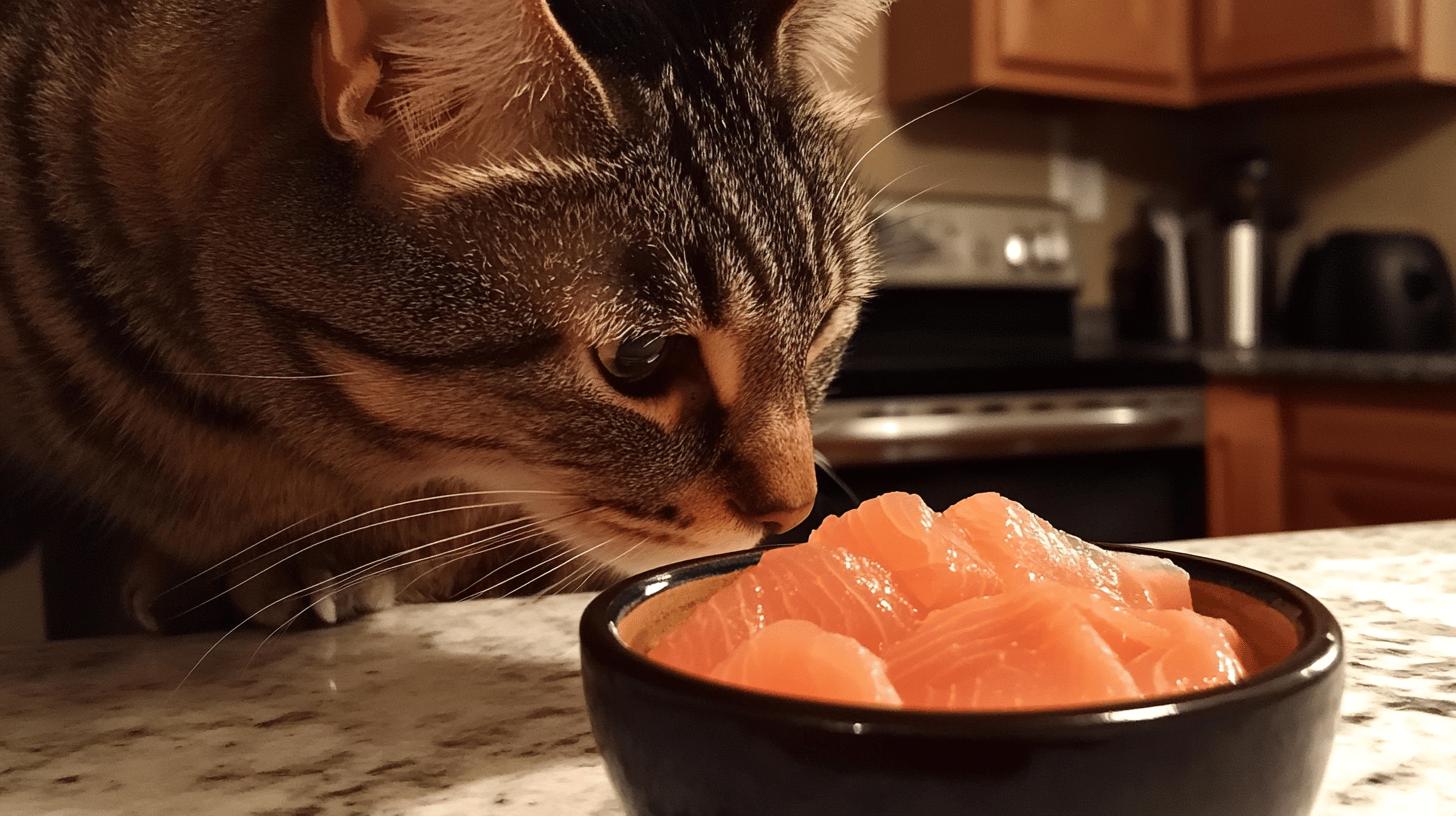
    Feeding raw fish to cats brings both potential benefits and risks. Fish is high in protein and rich in omega-3 fatty acids, which support healthy skin, shiny coats, and joint health. These nutrients are also beneficial for cats' neurological health, making fish an attractive option for occasional inclusion in their diet.

    Despite these benefits, feeding raw fish to cats can pose significant health risks. One of the primary concerns is thiamine deficiency. The enzyme thiaminase found in some raw fish can break down thiamine, an essential vitamin for cats. A deficiency in thiamine can lead to severe health issues if not addressed. Additionally, raw fish can be contaminated with harmful bacteria like Salmonella and E. coli, which could pose serious health threats to your feline friend.

    Here are some common symptoms of thiamine deficiency in cats:

    • Loss of appetite
    • Weight loss
    • Vomiting
    • Seizures
    • Neurological problems

    On the nutritional side, fish is a powerful source of omega-3 fatty acids. These fatty acids have anti-inflammatory properties and contribute significantly to a cat's overall well-being. They promote cardiovascular health, enhance brain function, and maintain a lustrous coat. Including fish in a cat's diet, when prepared safely, can offer these benefits, supplementing their nutritional needs.

    Balancing the benefits and risks of feeding raw fish is crucial for any cat owner. While the nutritional advantages are clear, the potential health risks require careful consideration. It's best to consult with a veterinarian to determine if raw fish can be safely included in your cat's diet and to explore alternative ways to provide essential nutrients without compromising their health.

    Comparing Raw vs Cooked Fish for Cats

    Comparing Raw vs Cooked Fish for Cats-1.jpg

    Raw Fish for Cats

    Raw fish is packed with omega-3 fatty acids and proteins, promoting healthy skin and a shiny coat. But it carries risks like Salmonella and E. coli, which can be harmful to cats. The enzyme thiaminase in some raw fish leads to thiamine deficiency, a serious concern for feline health.

    Cooked Fish for Cats

    Cooked fish is safer, as cooking kills bacteria and enzymes, reducing health risks. While some nutrients may decrease during cooking, the safety benefits are significant. Cooked fish still offers omega-3 fatty acids, making it a beneficial part of a cat's diet when prepared correctly.

    Aspect Raw Fish Cooked Fish
    Safety Higher risk of bacteria and enzymes Reduced risk of contamination
    Nutritional Content More nutrients preserved Some nutrient loss
    Ease of Preparation Requires careful handling Simple with proper cooking

    Safe Fish Options, Preparation, and Feeding Guidelines for Cats

    Safe Fish Options, Preparation, and Feeding Guidelines for Cats-1.jpg

    Choosing the right fish and preparing it properly are key to safely incorporating fish into your cat's diet. Not all fish are equal when it comes to safety and nutritional benefits for cats. The types of fish you select should be low in contaminants and high in beneficial nutrients like omega-3 fatty acids and protein. Proper preparation techniques, such as removing bones and ensuring the fish is free of harmful bacteria, are crucial to prevent any health risks. With the right approach, fish can be a nutritious addition to your cat's diet, but it's important to keep it as an occasional treat rather than a staple.

    Here's a list of safe fish types for cats:

    • Salmon: Rich in omega-3 fatty acids, salmon supports your cat's heart health and a shiny coat.
    • Sardines: These small fish are packed with nutrients like vitamin B12 and omega-3s and are usually lower in contaminants.
    • Anchovies: High in healthy fats and lower in mercury, anchovies are a nutritious option for cats.
    • Mackerel: Known for easing constipation, mackerel is another fish rich in omega-3 fatty acids.
    • Herring: A good source of protein and omega-3s, herring is both nutritious and lower in toxins.
    • Trout: Offers beneficial nutrients while typically containing fewer contaminants compared to other fish.

    When preparing fish for your cat, consider several important steps to ensure safety. First, remove all bones, as they can pose a choking hazard or cause internal injuries. Cooking fish is recommended because it kills bacteria and parasites, making it safer for your cat to consume. Steaming or baking are gentle cooking methods that preserve most nutrients while ensuring the fish is safe. Avoid adding any seasonings, oils, or spices that could be harmful to your cat's health.

    In terms of feeding guidelines, fish should only be a small part of your cat's diet. Serve it in moderation — perhaps as an occasional treat or supplement to their regular meals. A small portion, about the size of your cat's paw, once or twice a week is sufficient. Always consult with a veterinarian before introducing fish or any new food into your cat's diet. They can provide specific recommendations based on your cat's individual health needs and dietary requirements. By following these guidelines, you can safely treat your feline friend to the tasty benefits of fish while keeping their health a top priority.

    Final Words

    Exploring the question "can cat eat raw fish?" led us to weigh its risks and benefits. Raw fish can provide protein and omega-3 fatty acids, but the dangers include thiamine deficiency and bacterial infections. We also compared raw and cooked fish. Cooked fish is safer due to reduced bacteria but may lose some nutrients.

    Ultimately, feeding fish should be approached with care. Safe choices and proper preparation are crucial. Always seek veterinary advice before adding raw fish to your cat's diet to keep them happy and healthy.

    FAQ

    Can cats eat raw fish in the wild?

    Cats can eat raw fish in the wild, as they are natural hunters. However, domesticated cats face risks like thiamine deficiency and bacterial infections when eating raw fish.

    Can cats eat cooked fish?

    Yes, cats can eat cooked fish. Cooking eliminates harmful bacteria and enzymes, making it a safer option for cats.

    Can cat eat raw fish raw or cooked?

    Both options are possible, but cooked fish is safer due to reduced bacterial risks. Raw fish may offer more nutrients but comes with health risks.

    Can cat eat raw fish bones?

    Cats should not eat raw fish bones. Bones can be choking hazards or cause internal injuries.

    Can cat eat raw fish in water?

    While cats can eat fish in water, raw varieties pose health risks. Cooking fish in water is safer for a cat's diet.

    Can cats eat fish?

    Cats can eat fish, which is high in protein and omega-3 fatty acids. Cooked fish is safer for domestic cats.

    Can cats eat cooked salmon?

    Yes, cats can eat cooked salmon. It provides protein and omega-3 fatty acids while minimizing bacteria.

    Can cats eat raw chicken?

    Cats can eat raw chicken, but it poses similar risks to raw fish, such as bacterial contamination.

    Can I feed raw fish to my cat?

    Feeding raw fish to your cat can risk bacteria and thiamine deficiency. Consider cooked fish for safer feeding.

    What fish can I give to my cat raw?

    If choosing to feed raw, salmon, sardines, and anchovies are lower in contaminants but still carry health risks.

    Why do cats love raw fish?

    Cats love raw fish due to its high protein and delicious taste. However, safety concerns outweigh benefits for domestic cats.

    Do cats prefer cooked or raw fish?

    Cats might prefer raw fish for flavor, but cooked fish is safer and recommended for healthy feeding.

    Related Articles

  • Can Cat Eat Nuts Safety and Risks Explained

    Can Cat Eat Nuts Safety and Risks Explained

    Ever caught your cat eyeing your snack bowl, filled with tasty nuts? Many cat owners wonder if these crunchy treats are okay to share. The short answer is: proceed with caution. While some nuts aren't toxic, they aren't natural for cats and could cause health issues. Macadamia nuts are especially harmful, causing symptoms like lethargy and vomiting. Understanding which nuts pose risks can guide you in making the safest choices for your kitty's nutrition. Let's dive into the details of nut safety for our feline friends.

    Can Cats Eat Nuts? Understanding the Basics

    Can Cats Eat Nuts Understanding the Basics-2.jpg

    Cats are curious creatures, and if you've ever wondered if nuts can be a safe snack for your feline friend, it's important to know that nuts are generally not recommended for cats. While some nuts aren't directly toxic, they aren't a natural part of a cat's diet and can lead to potential health issues. Macadamia nuts, in particular, are known to be toxic to cats, causing symptoms such as lethargy and vomiting. Nuts in general pose a risk because they can be a choking hazard and lead to gastrointestinal blockages.

    Nuts are packed with nutrients beneficial to humans, like protein and essential fatty acids, but for cats, their high-fat content is a concern. Cats have different dietary needs, and their bodies are not designed to handle the rich, fatty nature of most nuts. Consuming nuts can lead to weight gain, digestive issues, and even pancreatitis in cats. Nut allergies, though rare, can occur and manifest as vomiting or diarrhea. Therefore, it's best to avoid giving nuts to your cat and instead focus on feline-specific nutrition that meets their unique dietary requirements.

    Evaluating Specific Nuts for Cats: Safe or Unsafe?

    Evaluating Specific Nuts for Cats Safe or Unsafe-1.jpg

    Understanding which nuts are safe for cats is crucial for pet owners who might think about sharing snacks with their feline companions. While some nuts may not be immediately toxic, they aren't necessarily beneficial for cats either. Let's take a closer look at specific types of nuts and their safety for cats.

    Cashews

    • Safe in small amounts
    • High-fat content may lead to diarrhea
    • Not a necessary part of a cat's diet

    Almonds

    • Safe but with little nutritional value
    • Risk of choking
    • Not ideal as a regular treat

    Walnuts

    • Not toxic but not beneficial
    • Can cause digestive issues
    • Better avoided in a cat's diet

    Each nut type presents different considerations for cat owners. While almonds and cashews may be safe in tiny amounts, they offer little to no nutritional value and can cause discomfort. Walnuts, though not toxic, can also be problematic, making them less suitable as a treat. Always prioritize your cat's health by selecting food that aligns with their dietary needs.

    Potential Dangers and Health Risks of Feeding Nuts to Cats

    Potential Dangers and Health Risks of Feeding Nuts to Cats-1.jpg

    Feeding nuts to cats poses several health risks. High-fat content in nuts can lead to obesity and pancreatitis. Cats don’t require the amount of fat found in nuts, making them unsuitable for their diet. Digestive issues can arise as cats aren't naturally equipped to process nuts efficiently, and the risk of choking or gastrointestinal blockages is significant.

    Allergic reactions to nuts, though rare, can still occur in cats and present as vomiting, diarrhea, or severe gastrointestinal distress. It's crucial to monitor for these symptoms, as they indicate an allergic response. Reactions can vary in severity and might need veterinary care if they persist.

    Awareness of nut toxicity symptoms is key in keeping your cat healthy. If your cat consumes nuts, watch for:

    • Vomiting and diarrhea
    • Lethargy or unusual behavior
    • Loss of appetite
    • Digestive distress

    Avoid giving your cat nuts to prevent these health issues and focus on a diet suitable for their needs.

    Alternatives to Nuts: Safe Treats for Cats

    Alternatives to Nuts Safe Treats for Cats-1.jpg

    When it comes to treating our feline friends, it's crucial to choose options that align with their dietary needs, steering clear of nuts due to their potential health risks. Instead, focus on safe human foods for cats that offer nutritional benefits without the dangers associated with nuts. Cats thrive on a diet rich in meat, bones, and organs, so any treats should complement this foundation. Introducing a variety of safe alternatives can provide your cat with the nutrients they need without compromising their health.

    • Cooked chicken for protein
    • Pumpkin seeds for digestion
    • Small portions of quinoa for minerals
    • Flaxseed for Omega-3
    • Sunflower seeds for fiber

    These nut alternatives can serve as optimal treats for your cat, ensuring they remain healthy and happy while enjoying a snack.

    Expert Opinions and Nutritional Guidelines for Cats and Nuts

    Expert Opinions and Nutritional Guidelines for Cats and Nuts-3.jpg

    Dr. Susan Harper, a veterinary nutritionist, highlights that nuts are not suitable for cats due to their high-fat content and potential for causing health issues like pancreatitis and obesity. She emphasizes that cats have unique nutritional needs that are not met by nut consumption. Instead, they should have a diet rich in animal-based proteins and essential nutrients, which align with their natural dietary habits.

    Recent studies in feline nutrition suggest that cats require specific amino acids, vitamins, and minerals found in meat, bones, and organs. These components support muscle strength, a healthy coat, and overall vitality. Dr. James Connor notes that adhering to a diet primarily composed of these elements ensures that cats remain healthy and active.

    If you're still considering offering nuts as a rare treat, practice extreme moderation and careful observation. Introduce nuts slowly and monitor your cat for any adverse reactions, such as vomiting or lethargy. Veterinary experts advise keeping portions minimal and consulting with your vet to ensure your cat's diet is safe and meets their health requirements. This approach helps maintain your cat's well-being while minimizing dietary risks.

    Final Words

    Understanding the risks and safety of nuts for cats is crucial for their well-being. While nuts like almonds and cashews may not be toxic, they offer little nutritional value and can cause health issues. High-fat content from nuts could lead to problems like obesity and digestive distress. Feeding nuts isn't part of a cat's natural diet. Instead, focus on safe and nutritious options, such as cooked chicken or pumpkin seeds. By prioritizing your cat's health and sticking to safe treats, you ensure a happy and playful furry friend.

    FAQ

    Can cats eat nuts?

    Cats generally shouldn't eat nuts. While not toxic, nuts can lead to digestive issues and don't provide any nutritional benefits for cats. Stick to a diet rich in protein tailored for feline needs.

    Are any nuts safe for cats?

    Some nuts like cashews and almonds are safe in small amounts but aren't necessary. They have little nutritional value and can cause stomach upset or choking. Regular nut consumption should be avoided.

    What nuts are toxic to cats?

    Macadamia nuts are toxic to cats, causing symptoms like lethargy and vomiting. Walnuts might cause digestive issues. Always keep these nuts away from your cat to prevent health risks.

    Can cats eat cashews?

    Cats can eat cashews in small amounts. Cashews might cause diarrhea due to high-fat content. They aren't essential for a cat's diet, so it's best to avoid them as treats.

    What symptoms indicate nut toxicity in cats?

    Nut toxicity in cats can cause symptoms like vomiting, diarrhea, lethargy, and loss of appetite. Watch your cat closely if it accidentally consumes nuts and seek veterinary help if symptoms appear.

    What should I do if my cat eats nuts?

    Contact your vet immediately if your cat eats a significant amount of nuts. They can guide you through steps to relieve any health concerns your cat might experience.

    What are safe alternatives to nuts for cats?

    Safe treats include cooked chicken, pumpkin seeds, and small portions of quinoa. Flaxseed provides Omega-3, and sunflower seeds add fiber. These options are healthier and more suitable for cats.

    Related Articles