Category: Cat Diet

  • Can Cat Eat Cat Understanding the Rare Phenomena of Feline Cannibalism

    Can Cat Eat Cat Understanding the Rare Phenomena of Feline Cannibalism

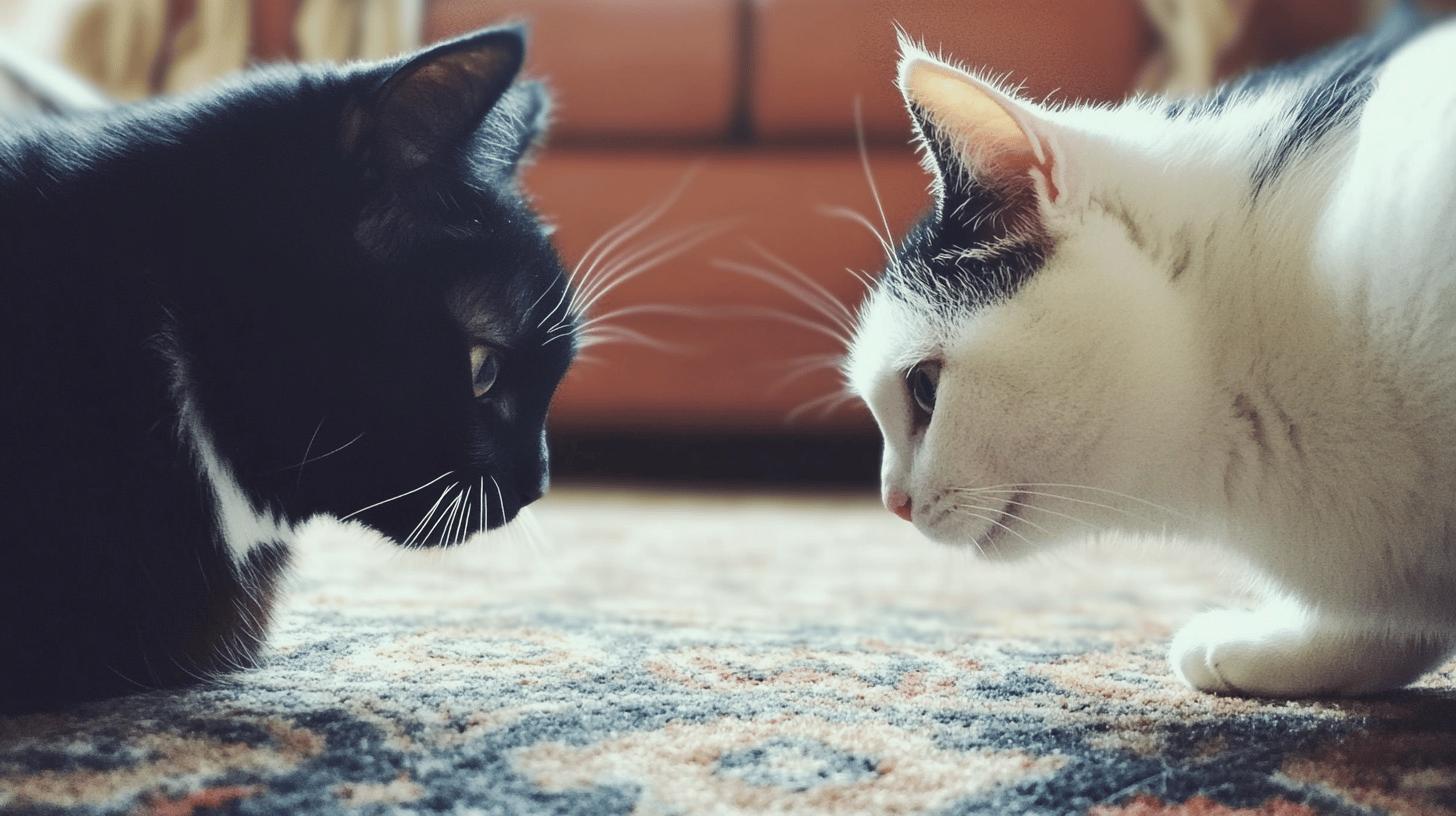
    Could a cat truly eat another cat, or is this just one of those bizarre myths floating around? It's a question that might shock cat lovers but understanding it can help us gain insights into feline behavior.

    In this article, we're diving into the phenomenon of cat cannibalism—an occurrence so rare that it often only surfaces in extreme conditions. By exploring this topic, we'll debunk myths, discuss the factors leading to such behavior, and provide tips on how to ensure the safety and well-being of your beloved feline companion.

    Can Cats Eat Other Cats? Understanding Feline Behavior and Myths

    Can Cats Eat Other Cats Understanding Feline Behavior and Myths-1.jpg

    Cat cannibalism is an exceptionally rare phenomenon, generally associated with dire situations like extreme starvation. Domestic cats, in normal circumstances, do not exhibit this behavior.

    The occurrence of such acts often roots in survival instincts that kick in when resources are severely limited. Misinterpretations of feline behavior have contributed to myths about cats eating each other, but these instances are not reflective of typical cat behavior.

    Several factors can lead to the rare occurrence of cat cannibalism. In most cases, these are driven by necessity rather than nature. When food scarcity hits an extreme, cats might resort to drastic measures for survival.

    Similarly, territorial aggression can prompt such behavior in situations where cats feel their space or resources are threatened. Stress from overcrowding or disruptions in the social hierarchy can also lead to unexpected aggressive behaviors.

    • Scarcity of food
    • Territorial aggression
    • Stress from overcrowding
    • Hierarchical disruptions
    • Survival instincts

    A significant part of understanding cat cannibalism involves debunking common myths that surround it. Many misconceptions paint cats as naturally prone to cannibalism, but this is far from the truth. These myths often arise from misunderstandings or isolated incidents that are not representative of the general feline population.

    • Cats frequently eat each other
    • Domestic cats are naturally cannibalistic
    • All feral cats resort to cannibalism
    • Cats eat their kittens regularly

    Understanding cat behavior is crucial to preventing such rare incidents. Proper care and management of their environment can significantly reduce the risk of aggressive behaviors. Ensuring that cats have ample resources, space, and a stable social environment helps maintain harmony.

    By recognizing stressors and addressing them promptly, cat owners can foster a peaceful and safe living space for all feline family members, reducing the likelihood of any extreme behaviors.

    What Cats Should Eat: Proper Cat Nutrition
    What Cats Should Eat Proper Cat Nutrition-1.jpg

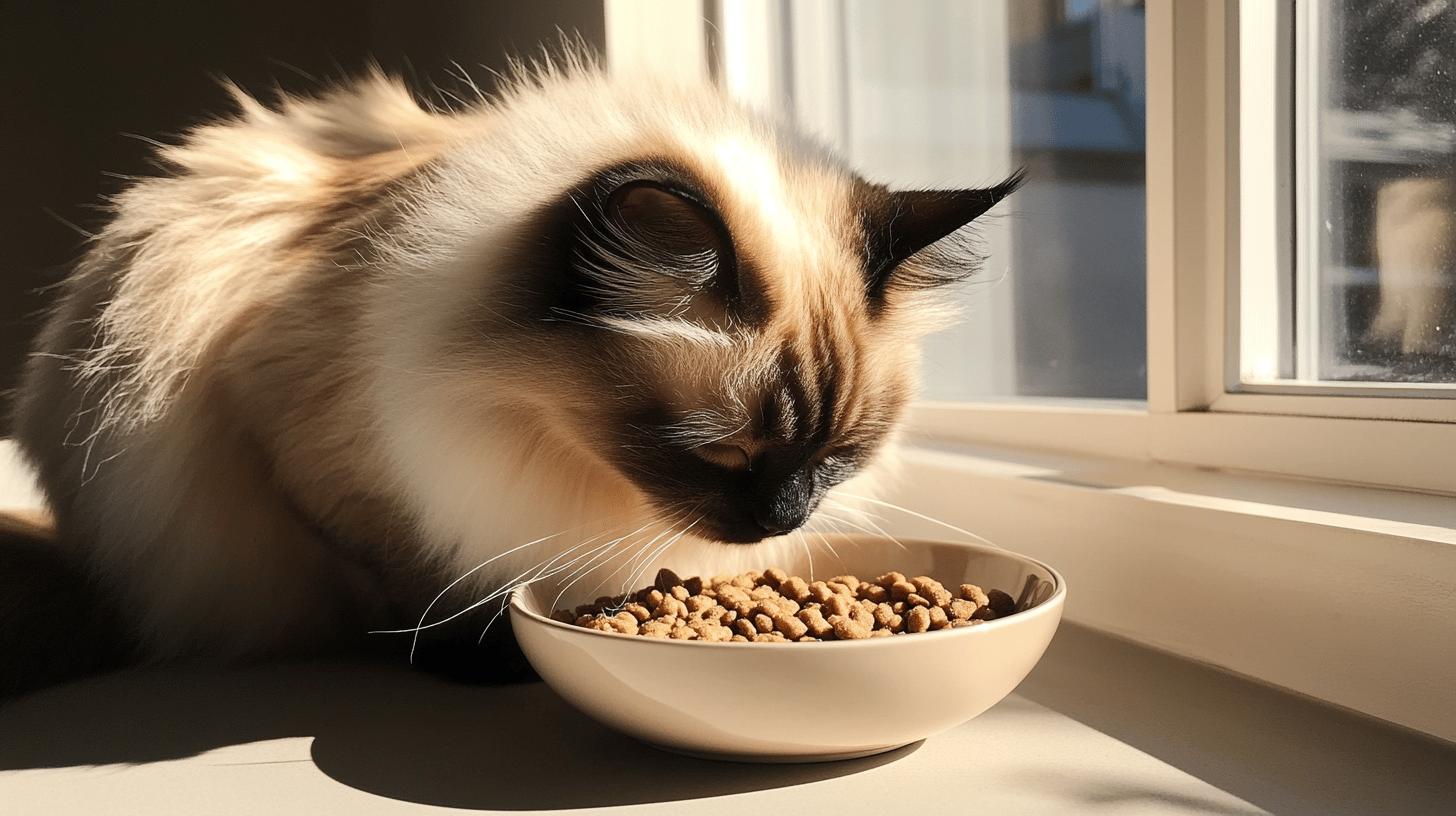
    Cats are obligate carnivores, which means they require a diet that is heavily based on animal proteins. Their bodies are designed to digest and utilize nutrients from meat efficiently, and protein is a critical component for their muscle development and energy needs.

    Unlike humans or dogs, cats have a limited ability to process carbohydrates, making a high-protein diet essential for their overall health and well-being.

    Commercial cat food is typically the best dietary choice for cats. These products are specifically formulated to meet the nutritional needs of felines, providing a balance of proteins, fats, and essential nutrients like taurine and vitamins A and D. Commercial options ensure cats get all the necessary nutrients they need without the risk of deficiency or imbalance, which can occur with homemade diets.

    Food Type Suitability for Cats
    Commercial cat food Highly suitable
    Cooked meat Safe in moderation
    Fish Safe, but should be cooked
    Vegetables Limited suitability
    Dairy products Not recommended

    Certain human foods can be safe for cats when provided sparingly. Cooked meats, like chicken or turkey, can be a tasty treat, as long as they are free from seasoning and bones. Some vegetables, such as carrots or peas, can be given in small amounts, but they should not be a primary food source due to cats' limited ability to digest vegetable matter.

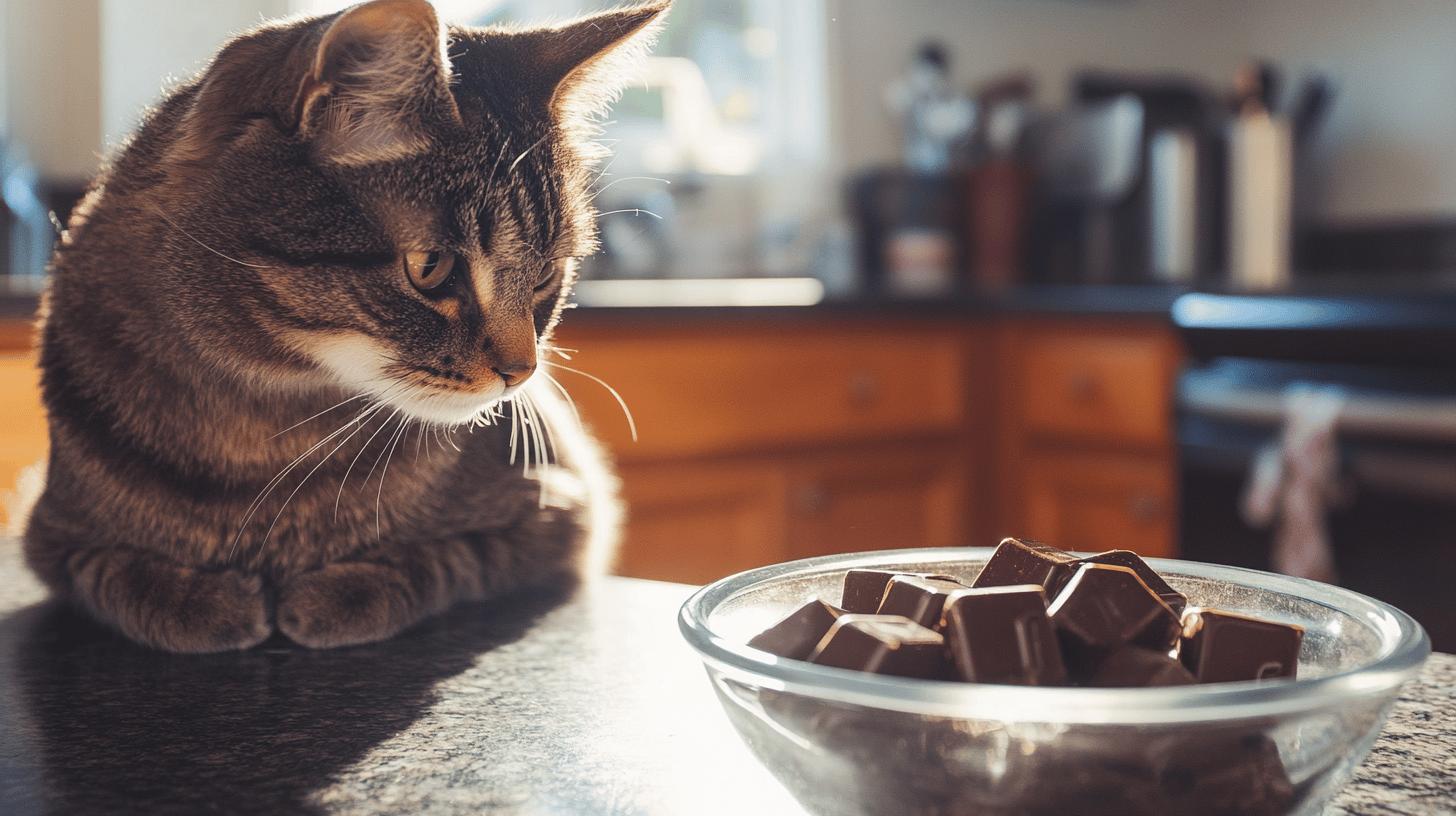
    There are also foods that cats should avoid entirely. Chocolate, onions, and grapes are toxic to cats and can lead to serious health issues. Chocolate contains theobromine, which is harmful to cats, while onions and garlic can cause anemia by damaging red blood cells.

    Grapes and raisins have been linked to kidney failure in cats, making them dangerous even in small quantities. Always prioritizing a diet of commercial cat food minimizes these risks and supports your cat's health.

    Protective Measures for Kittens: Ensuring Safety from Adult Cats
    Protective Measures for Kittens Ensuring Safety from Adult Cats-2.jpg

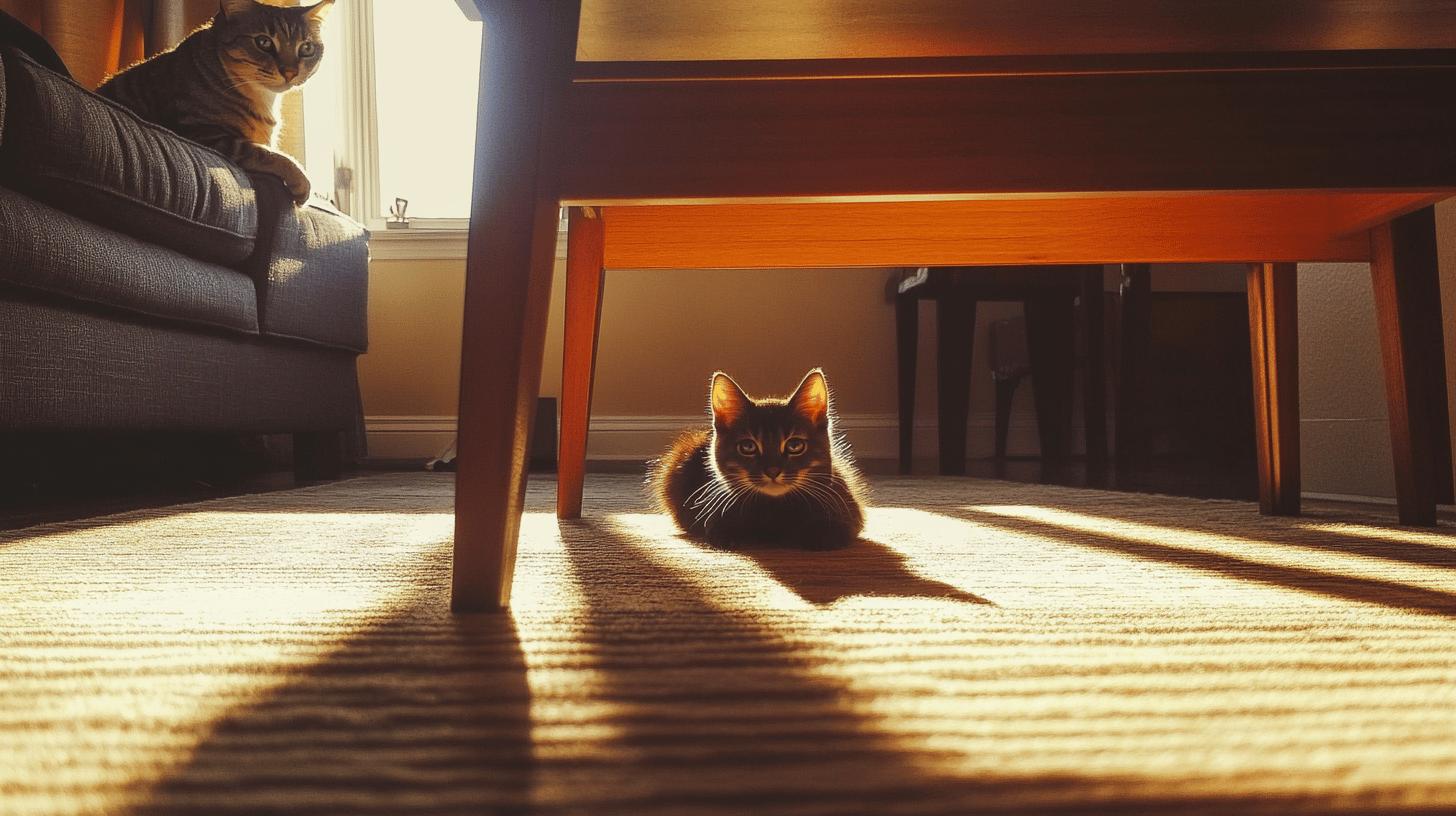
    Understanding the behavior of adult cats around kittens is crucial for ensuring a safe environment for these playful newcomers. Adult cats can be territorial and may exhibit aggression if they feel their space is threatened.

    Observing their behavior and interactions with kittens helps in predicting and preventing potential conflicts. Recognizing that each cat has its personality and comfort level with newcomers is the first step in fostering a peaceful multi-cat household.

    1. Supervise initial interactions
    2. Provide separate, safe spaces for kittens
    3. Monitor for signs of aggression
    4. Ensure sufficient resources to reduce competition
    5. Create a stress-free environment

    Recognizing signs of aggression and stress in adult cats is vital for the protection of kittens. Aggressive behaviors may include hissing, swatting, or growling, indicating that the adult cat feels threatened or uncomfortable.

    Stress can also manifest in more subtle ways, such as excessive grooming or hiding. Being able to identify these signs early allows for timely intervention to prevent any potential harm to the kittens.

    Gradual introductions and patience are key when integrating kittens into a household with adult cats. Allowing the adult cats to become familiar with the new kittens at their own pace can ease tensions and promote acceptance.

    It's important to maintain a calm environment and to reward positive interactions between the cats. Patience and understanding go a long way in establishing a harmonious relationship between adult cats and kittens, ensuring a safer and friendlier home for all.

    Final Words

    Cat cannibalism is rare and usually tied to extreme scenarios. Understanding cat behavior helps debunk myths, like domestic cats being naturally cannibalistic. Knowing what cats should eat ensures they get the right nutrition. Cats thrive on high-protein diets, making commercial cat food a reliable choice.

    Finally, keeping kittens safe from adult cats involves practical measures like monitoring interactions and providing safe spaces. By understanding feline behavior and dietary needs, we ensure our cats' health and well-being without worrying about "can cat eat cat" situations. Showing care leads to happier, healthier pets.

    FAQ

    Do cats eat other cats' kittens?

    Cats may eat kittens if stressed or in extreme conditions like starvation. Such behaviors are rare and often linked to survival instincts.

    Will a cat eat a dead cat?

    Eating a dead cat is highly unusual and typically happens only if the cat is under severe stress or extreme starvation.

    Why do male cats eat kittens?

    Male cats may eat kittens to eliminate future competition or if they are not the offspring of the male, but this is uncommon.

    Do wild cats eat other cats?

    Wild cats may attack other cats over territory, but eating another cat is rare and usually due to severe food scarcity.

    Is cat cannibalism a myth?

    Instances of cat cannibalism are often misunderstood. It's rare and happens under extreme conditions. Myths about frequent cannibalism are misleading.

    Do bigger cats eat small cats?

    Bigger cats might show aggression to establish dominance in territories, but eating smaller cats is rare and primarily related to survival needs.

    Is it normal for cats to eat animals?

    Cats are natural hunters and may eat small animals like birds or mice. This behavior is typical for fulfilling their dietary needs as carnivores.

    Why did my cat eat her kittens?

    A cat may eat her kittens if stressed, feeling threatened, or if the kittens are sick. It's connected to survival instincts.

    Why does my cat hunt other cats?

    A cat may hunt other cats over territory or dominance issues. It’s not typical prey behavior but rather territorial aggression.
    Related Articles

  • Can Cat Eat Pork Safely and Nutritionally

    Can Cat Eat Pork Safely and Nutritionally

    Is pork a safe and nutritional option for your cat's diet? With cats being obligate carnivores, protein is crucial for their well-being. Pork can indeed provide that essential nourishment, but it must be thoroughly cooked to prevent health risks like parasites.

    When safely cooked and served plain, pork can be a nutritious treat for your feline friend. In this blog post, I will explore the safety and nutritional benefits of pork for cats, guiding you on how to integrate it into their diet wisely.

    Can Cats Safely Eat Pork?

    Can Cats Safely Eat Pork-1.jpg

    Cats are obligate carnivores, which means they rely heavily on a diet rich in protein to thrive. Their natural diet in the wild consists primarily of meat, and they need a high-protein intake to maintain their health. Pork can be a part of this protein-rich diet, but it must be prepared correctly.

    When considering pork for your cat, it is important to ensure it is cooked thoroughly. Raw pork poses significant health risks due to the potential presence of parasites. Cooking pork properly eliminates these risks, making it a safer option for cats.

    Once cooked, the pork should be plain and free from any seasonings or sauces that could be harmful to your feline friend. Small pieces of cooked pork can serve as an occasional treat, offering variety in their diet.

    Moderation is key when feeding pork to your cat. While it can be a delicious treat, it should not become a regular part of their diet. Always consult with your veterinarian before introducing new foods to your cat's diet. They can provide personalized advice, ensuring your pet's nutritional needs are met while maintaining their overall health.

    Nutritional Value of Pork for Cats

    Nutritional Value of Pork for Cats-1.jpg

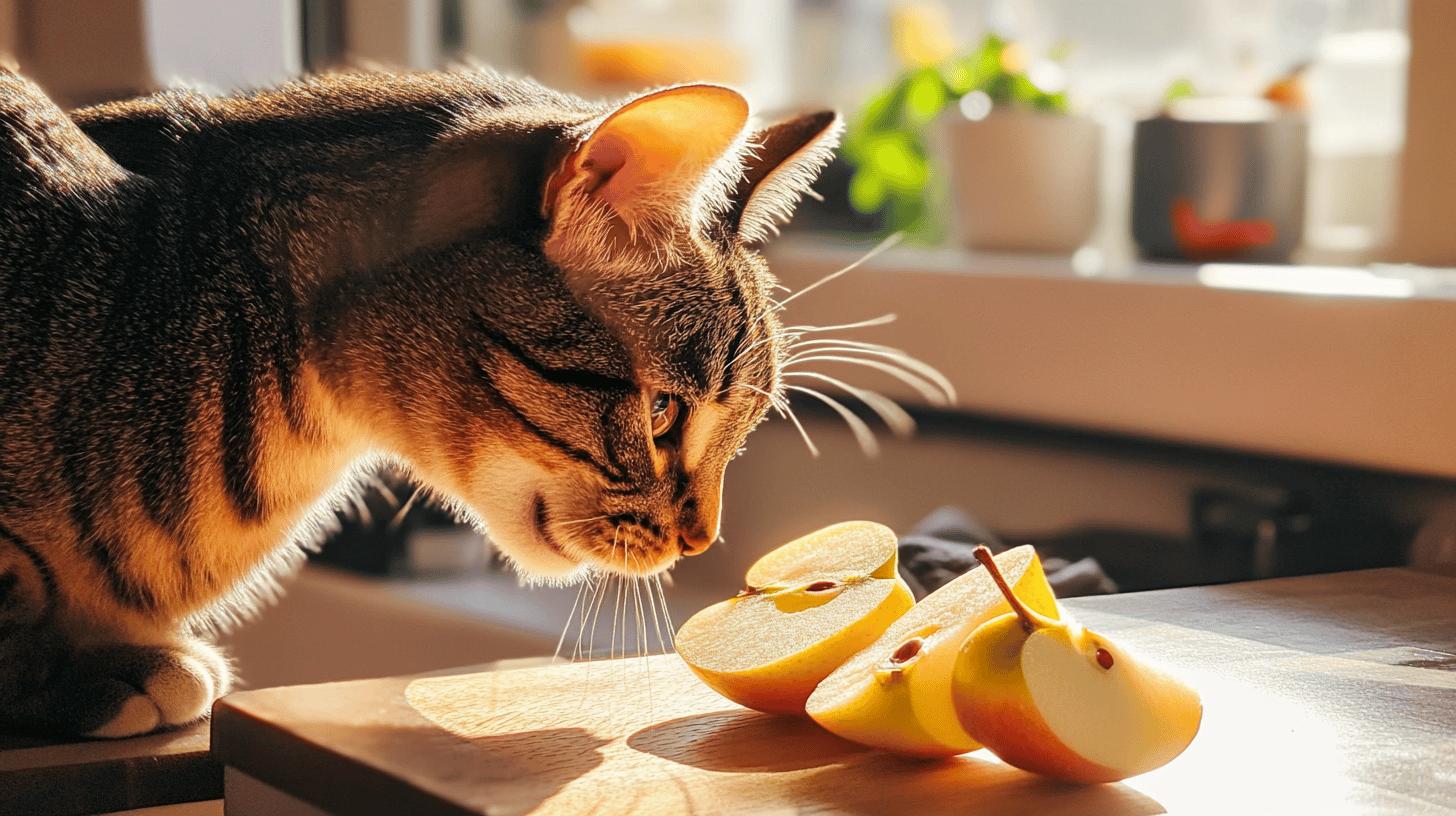
    Pork can be a source of protein and essential nutrients for cats, making it a potentially beneficial addition to their diet when given in moderation. This meat provides a good amount of protein, which is crucial for maintaining a cat's muscle mass and overall health. Additionally, pork contains several vitamins and minerals that support various aspects of feline health.
    Nutrient Benefit
    Protein Supports muscle development and repair
    Vitamin B1 (Thiamine) Boosts energy metabolism and nervous system health
    Iron Essential for oxygen transport in the blood

    Despite these benefits, pork is also high in fat and sodium. Excessive consumption can lead to health issues like obesity and high blood pressure in cats. It's important to balance pork with other lean protein sources, such as chicken or fish, to ensure a well-rounded diet. Incorporating a variety of proteins helps provide a broader range of nutrients while avoiding the pitfalls of over-relying on any single type of meat.

    Risks and Health Concerns of Feeding Pork to Cats

    Risks and Health Concerns of Feeding Pork to Cats-1.jpg

    Feeding pork to our feline friends can be risky. While it does offer protein, the high fat and sodium content can pose significant health concerns. Pork can also trigger allergies and harbor parasites if not cooked properly.

    High Fat and Sodium Content

    Pork's high fat and sodium levels can lead to obesity and related issues like joint problems, diabetes, and heart disease. Sodium can cause high blood pressure and kidney issues. Keeping an eye on pork portions in your cat's diet helps prevent these health issues.

    Allergies in Cats

    Cats might develop allergies to pork, showing symptoms like vomiting, diarrhea, and excessive itching. These reactions can vary and might not show up right away. Watching for any allergic signs when introducing pork is crucial.

    Parasites in Raw Pork

    Raw pork can contain parasites like roundworms and tapeworms, leading to gastrointestinal problems. Cooking pork thoroughly eliminates these parasites, making it safe for cats. Avoid feeding raw pork due to these serious health risks.

    Risks and Health Concerns of Feeding Pork to Cats-3.jpg

    • Remove all bones: Bones can splinter and pose serious choking or injury risks.

    • Trim excess fat: Too much fat can lead to obesity and other health problems.

    • Cut into small pieces: Smaller portions are easier for your cat to digest and reduce choking hazards.

    Monitor your cat for any adverse reactions when trying new foods like pork. This careful approach helps your cat enjoy pork while staying safe and healthy.

    Alternatives to Pork in a Cat's Diet

    Alternatives to Pork in a Cats Diet-1.jpg

    Pork might not always be the best choice for your cat's diet due to its high fat and sodium content. These can lead to health issues if consumed too often. As obligate carnivores, cats need a protein-rich diet, but there are other meats that offer similar benefits without the drawbacks of pork. Choosing alternative proteins can ensure your cat maintains optimal health.

    Here are some recommended alternatives to pork for cats:

    • Chicken: A lean source of protein, low in fat, and easy to digest.
    • Fish: Rich in omega-3 fatty acids, which support skin and coat health.
    • Turkey: Another lean meat option with a similar nutritional profile to chicken.
    • Commercial cat food: Provides a balanced diet with all necessary nutrients and is convenient for pet owners.

    Balancing your cat's diet with a variety of protein sources is crucial. A diverse diet helps ensure they receive a wide range of essential nutrients. Consulting your veterinarian can help you tailor a diet plan that meets your cat's specific nutritional needs, prioritizing their health and well-being.

    Final Words

    Exploring if cats can eat pork safely reveals that it can be an occasional treat, but only when cooked properly. Pork's nutritional benefits come with some risks, like high fat and potential allergies. Avoiding raw pork is crucial due to parasite concerns. Balancing pork with other proteins ensures nutritional variety.

    Additionally, preparing pork plain and bone-free adds safety. Lean meats like chicken and fish are better alternatives. In the end, moderation is key to any pork offering. Always chat with your vet to keep your cat safe while enjoying these treats.

    FAQ

    Can I feed my cat cooked pork?

    A: Yes, you can feed your cat small pieces of plain, cooked pork as an occasional treat. Ensure it is cooked properly without any seasonings or bones.

    Why can't cats have pork?

    A: Cats can have pork if it is cooked properly. However, raw pork is risky due to parasites, and high-fat content can be unhealthy.

    Can cats eat pork tenderloin, pork chops, or pork loin?

    A: Cats can eat small amounts of cooked pork tenderloin, chops, or loin. It should be plain and cooked without seasonings or bones.

    Is pork fat ok for cats?

    A: Pork fat is not recommended for cats as it can lead to obesity or health issues. Limit fat intake to keep your cat healthy.

    Can cats eat pork raw or pork rinds?

    A: Cats should not eat raw pork or pork rinds. Raw pork can contain parasites, and pork rinds are often fried and unhealthy.

    Can cat eat pork bones?

    A: Pork bones are not safe for cats. They can splinter and cause choking or digestive tract injuries.

    What meat can cats not eat?

    A: Cats should avoid raw meats and processed meats high in sodium and fat. Always ensure that any meat is cooked and plain.

    Related Articles

  • Can Cat Eat Seaweed Safely and What Are the Benefits

    Can Cat Eat Seaweed Safely and What Are the Benefits

    Is seaweed the secret health booster your cat needs? While many of us enjoy it in our own meals, the idea of seaweed for cats might raise a few eyebrows. Yet, this ocean plant could be more beneficial for your feline friend than you think.

    Packed with essential nutrients like taurine and omega-3s, seaweed can be a beneficial addition to your cat's diet. But is it safe? Yes, as long as you use it in moderation and choose the right kind. Let's dive in and explore how seaweed can enhance your cat's health.

    Can Cats Safely Consume Seaweed?

    Can Cats Safely Consume Seaweed-2.jpg

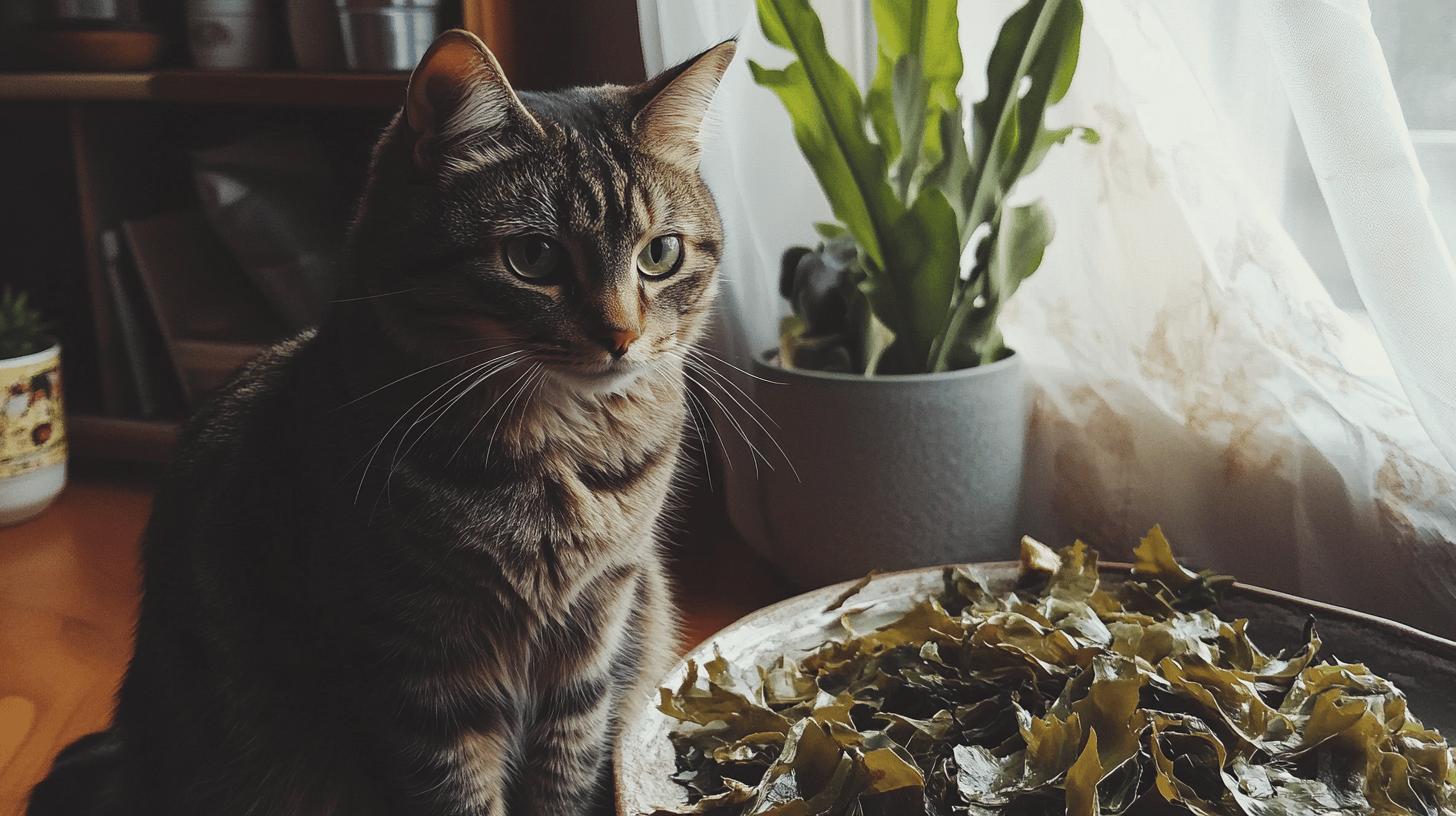
    Cats can indeed safely eat seaweed, but it's important to use it as a supplement or treat, rather than a main meal. Seaweed is packed with essential nutrients that can enhance your cat's diet. It can provide a boost of vitamins and minerals that contribute to their overall health.

    However, moderation is key to ensuring that your cat enjoys the benefits without any adverse effects. Make sure to choose plain seaweed without additional flavorings or seasonings, as these can sometimes contain harmful additives.

    Before introducing seaweed to your cat's diet, consulting with a veterinarian is highly recommended. Every cat is unique, and factors such as age, health conditions, and dietary needs can influence how well they tolerate new foods.

    A vet can provide personalized advice and help you determine the appropriate portion size for your furry friend. This professional guidance ensures that your cat reaps the nutritional benefits of seaweed safely and effectively.

    Nutritional Benefits of Seaweed for Cats

    Nutritional Benefits of Seaweed for Cats-3.jpg

    Seaweed is a powerhouse of nutrients, offering unique benefits that can complement your cat's diet. These advantages go beyond basic safety and supplement use, focusing on nutrients that might not be covered elsewhere.

    Seaweed contains taurine, a critical amino acid for cats. Taurine supports heart health, vision, and reproduction. Another standout is omega-3 fatty acids, known for reducing inflammation and supporting joint health. Seaweed also offers prebiotics, which promote gut health by fostering beneficial bacteria.
    Here are some key nutrients found in seaweed that can enhance your cat's diet:

    Key Nutrients
    Taurine
    Omega-3 Fatty Acids
    Prebiotics
    Vitamin B
    Iodine

    Adding seaweed to your cat's diet can be done easily. Sprinkle a small amount over their food or mix it into treats. Make sure to start with a small dose to monitor for any adverse reactions. By incorporating these nutrients, you can support your cat's heart, joint, and digestive health, enhancing their overall wellbeing.

    Types of Seaweed Suitable for Cats

    When considering adding seaweed to your cat's diet, it's important to know which types are safe and beneficial. Not all seaweed is created equal, so it's crucial to select those that are cat-friendly.

    Two popular options are nori and kelp, both offering unique benefits while being safe for feline consumption. Always opt for unseasoned varieties to avoid any harmful additives.
    Nori is a type of dried seaweed that many cat owners find suitable for their furry friends. It's packed with flavor and nutritional benefits that can enhance your cat's diet.

    Nori is rich in vitamins and minerals, providing a tasty way to supplement your cat's nutrition. Its palatable taste makes it a favorite among many cats, and it's easy to incorporate into their meals as a sprinkle or mix-in.

    Kelp is another excellent choice for cats, known for its rich iodine content and other essential nutrients. This seaweed supports thyroid health and offers a boost of minerals that can contribute to your cat's overall well-being. Kelp can be added in small quantities to your cat's diet, helping to ensure they receive the nutritional benefits without any adverse reactions.

    Seaweed Type Benefits
    Nori Rich in flavor and nutrients, enhances diet
    Kelp Supports thyroid health, mineral-rich

    Serving Seaweed to Cats: Guidelines and Precautions

    Serving Seaweed to Cats Guidelines and Precautions-3.jpg

    When serving seaweed to your cat, it's crucial to get the portion size right. Seaweed should be treated as a supplement, not a main dish. A small amount goes a long way in providing nutritional benefits without overwhelming their system.

    Too much seaweed can lead to an imbalance in their diet, so it's important to keep servings modest. Typically, a pinch or two of finely chopped seaweed is sufficient for most cats, depending on their size and dietary needs.

    Mixing seaweed with your cat's regular food can make it more appealing and easier to digest. Cats are creatures of habit, and introducing new flavors can sometimes be met with resistance.

    By combining seaweed with their usual meals, you can help them adjust to the taste gradually. This method also ensures that your cat gets a balanced diet with a variety of nutrients. Make sure the seaweed is cut into small pieces to prevent any choking hazards.

    Here's a simple guide to introducing seaweed to your cat's diet:

    1. Start with a Small Amount: Begin by adding a tiny pinch of seaweed to their food. Observe their response and ensure they enjoy it.

    2. Gradually Increase: If your cat shows a positive reaction, you can slowly increase the amount over several days.

    3. Mix Well with Food: Ensure the seaweed is thoroughly mixed with their regular meals to mask the new taste.

    1. Monitor Their Reaction: Keep an eye on your cat for any signs of digestive discomfort or allergies.

    Taking precautions is key to preventing digestive issues when adding seaweed to your cat's diet. Introduce it slowly to avoid overwhelming their digestive system.

    Watch for any signs of discomfort, such as vomiting or diarrhea, which may indicate that seaweed isn't agreeing with them. If such symptoms occur, stop feeding seaweed immediately and consult your veterinarian. With careful monitoring, you can safely enhance your cat's diet with the nutritious benefits of seaweed.

    Potential Risks and Side Effects of Seaweed for Cats

    <<>>

    Feeding seaweed to cats can be beneficial, but it's important to be aware of the risks associated with certain types. One of the primary concerns is the excessive salt content found in some seaweed varieties.

    High salt levels can lead to dehydration and, in severe cases, salt poisoning. This can manifest as increased thirst, lethargy, or even vomiting. Always opt for plain, unsalted seaweed to minimize these risks.

    Potential allergies and digestive irritations are additional concerns when introducing seaweed to a cat's diet. While not all cats will experience adverse reactions, some may be sensitive to new foods.

    Allergic reactions could present as skin irritations, while digestive issues might include diarrhea or an upset stomach. These reactions can vary in severity, so it's crucial to start with a small amount and observe your cat's response.

    Monitoring your cat's reaction when first introducing seaweed is essential. Begin with a tiny portion and gradually increase it while keeping a close watch for any signs of discomfort or allergic reactions.

    If your cat exhibits any unusual symptoms, discontinue feeding seaweed and consult your veterinarian. By being vigilant, you can safely incorporate seaweed into your cat's diet, ensuring they receive its nutritional benefits without the drawbacks.

    Final Words

    Exploring whether cats can cat eat seaweed, it's clear that seaweed can be a safe and healthy supplement in a cat’s diet. With valuable nutrients like vitamins A, B, C, and minerals like iodine and iron, seaweed supports overall cat wellbeing.

    Selecting cat-friendly seaweeds such as nori and kelp ensures both safety and nutrition. Introduce seaweed carefully, paying close attention to portion sizes and your cat's reaction.

    Remember, consulting a vet before adding any new food is a smart choice. With these guidelines, you can confidently enhance your cat’s diet and provide safe treats.

    FAQ

    Can cats eat seaweed with salt?

    Cats can eat seaweed, but it's best without salt. High salt can cause dehydration or salt poisoning. Always opt for unsalted seaweed and consult with a vet before making it a regular treat.

    Can cats eat dried seaweed sheets?

    Yes, cats can eat dried seaweed sheets, but ensure they are plain and unsalted. These sheets can be a healthy treat when given in moderation.

    Is seaweed safe for pets?

    Seaweed is generally safe for pets like cats, but it should be used as a treat or supplement, not a main food source. Always consult a veterinarian first.

    Can cats eat sesame seeds?

    Cats can eat sesame seeds in small amounts. They should be unsalted and unseasoned to prevent any adverse reactions. Always monitor your cat for any digestive issues.

    Can cats eat teriyaki seaweed?

    It's not advised for cats to eat teriyaki seaweed due to sugar, salt, and spices. Stick to plain, unseasoned varieties for safety.

    Is dried kelp ok for cats?

    Dried kelp is safe and beneficial for cats as a supplement. Ensure it's plain without added salt or seasoning, and consult your vet for proper usage.

    Can dogs eat seaweed?

    Dogs can eat seaweed, but like cats, it should be plain and unsalted. Check with a veterinarian before adding it regularly to their diet.

    Related Articles

  • Can Cat Eat Chocolate Understand the Risks and Necessary Actions

    Can Cat Eat Chocolate Understand the Risks and Necessary Actions

    Did you ever wonder if cats can safely snack on chocolate like we do? Spoiler alert: chocolate is not a treat for them but a toxic danger. Cats and chocolate are a risky mix because it contains substances like theobromine and caffeine that cats can’t handle. Even a smidge can wreak havoc on their health, leading to serious issues. In this article, we’ll dive into why chocolate is harmful to cats and what you should do if your feline friend gets curious. Keep reading to learn the crucial steps to protect your cat.

    Why Cats Can’t Eat Chocolate

    Can Cat Eat Chocolate Understand the Risks and Necessary Actions-3.jpg

    Cats cannot eat chocolate because it contains theobromine and caffeine, both of which are highly toxic to them. Even small amounts can lead to serious health problems. These compounds affect the central nervous system and heart, causing symptoms that range from mild to severe. When a cat ingests chocolate, it can experience symptoms like vomiting, diarrhea, and even seizures. It’s crucial to understand that cats metabolize these substances much slower than humans, so even minimal exposure can be dangerous.

    The danger escalates with dark and unsweetened baking chocolates. These types contain higher concentrations of theobromine and caffeine compared to milk chocolate. As a result, they pose a much higher risk of toxicity. Dark chocolates, with their rich cocoa content, can lead to more acute symptoms and faster onset of poisoning. Baking chocolate, often used in cooking and baking, is particularly harmful due to its high purity and lack of dilution with other ingredients.

    • Chocolate contains theobromine and caffeine, which are poisonous to cats.
    • Dark and baking chocolates have higher levels of these harmful substances.
    • Even small amounts of chocolate can cause severe health issues in cats.

    Symptoms of Chocolate Poisoning in Cats

    Recognizing the progression of chocolate poisoning in cats is critical. Initial signs usually include vomiting and diarrhea, as the cat’s system tries to expel the toxins. Quick intervention can prevent these early symptoms from escalating into more dangerous conditions.

    The severity and progression of symptoms depend on several factors. The type and amount of chocolate consumed are crucial, with dark chocolate being more dangerous due to its higher theobromine and caffeine content. A cat’s size also matters, as smaller cats are more susceptible to severe symptoms from even a small amount of chocolate.

    Immediate actions are vital if chocolate poisoning is suspected. Contact a veterinarian right away for guidance. While waiting for professional help, you can try to induce vomiting if advised by a vet, but do not attempt this without professional instruction. Quick action can make a difference in outcomes.

    • Vomiting
    • Diarrhea
    • Rapid breathing
    • Increased heart rate
    • High temperature
    • Seizures
    • Collapse

    Immediate Veterinary Care and Recovery Steps if Your Cat Eats Chocolate

    Immediate Veterinary Care and Recovery Steps if Your Cat Eats Chocolate-1.jpg

    If you suspect your cat has eaten chocolate, it’s crucial to act fast. The first step is to contact your veterinarian immediately. Time is of the essence, as the sooner treatment begins, the better the chances of preventing severe complications. Veterinarians have the expertise to handle chocolate toxicity and can provide guidance on necessary immediate actions.

    Before reaching the vet, you can take these steps:

    1. Remove the Chocolate Source: Make sure no more chocolate is accessible to your cat to prevent further ingestion.
    2. Gather Information: Be ready to inform the vet about the type of chocolate, the amount ingested, and the time of ingestion.
    3. Monitor Symptoms: Keep an eye on your cat for any symptoms like vomiting, diarrhea, or unusual behavior, and relay this information to the vet.
    4. Induce Vomiting: Only induce vomiting if your vet advises you to do so. This can help expel the chocolate before it fully absorbs into the system.
    5. Keep Your Cat Calm: Stress can exacerbate symptoms, so maintain a calm environment for your cat.

    Once at the veterinary clinic, your cat may undergo several treatments. Veterinarians might induce vomiting if it hasn’t already occurred. They could also administer activated charcoal to prevent further absorption of toxins. Treatment may involve IV fluids to maintain hydration and medications to manage symptoms like seizures or abnormal heart rhythms. Continuous monitoring is crucial to ensure the cat’s condition stabilizes.

    Professional veterinary care is essential for cats showing signs of chocolate poisoning. Veterinarians can accurately assess the severity of the situation and tailor treatment to the cat’s specific needs. Self-treatment at home is not advisable due to the risks of complications without proper expertise.

    Recovery practices at home are important once your cat is released from veterinary care. Ensure your cat has a quiet, comfortable space to rest. Follow all post-treatment instructions provided by your vet, including medication schedules and dietary adjustments. Monitor your cat for any lingering symptoms and maintain regular check-ins with the vet to track recovery progress.

    • Induce Vomiting: If advised, helps expel chocolate.
    • Administer Activated Charcoal: Prevents toxin absorption.
    • Provide IV Fluids: Supports hydration and health.
    • Prescribe Medications: Manages symptoms like seizures.
    • Continuous Monitoring: Ensures condition stabilizes and improves.

    Taking swift action and following these guidelines can make a significant difference in your cat’s recovery from chocolate ingestion. Always prioritize professional veterinary advice and care to ensure the best outcome for your furry friend.

    Safe Chocolate Alternatives for Cats

    Safe Chocolate Alternatives for Cats-1.jpg

    Cats might be drawn to the sweet smell of chocolate, but we know it’s far from a safe treat for them. Chocolate contains theobromine and caffeine, which are toxic to our feline friends. Offering them chocolate can lead to severe health issues, making it crucial to find suitable alternatives. While it’s tempting to treat your cat during special occasions, choosing safe foods ensures their well-being. Overindulgence in any treat, even safe ones, can lead to other health concerns, so moderation is key.

    Let’s explore some healthy alternatives that can satisfy your cat’s curiosity without compromising their health. Opt for treats specifically made for cats, which are formulated to meet their dietary needs. You can also consider small portions of cooked chicken or fish, which are not only safe but also nutritious. Another option is catnip, a favorite among many cats, offering a fun and harmless way to treat them. Remember, any new treat should be introduced gradually and in moderation to avoid upsetting your cat’s stomach.

    • Catnip
    • Cooked chicken
    • Cooked fish
    • Commercial cat treats
    • Freeze-dried meat treats

    These alternatives provide a safe way to indulge your cat and ensure they stay healthy and happy.

    Preventing Chocolate Poisoning in Cats

    Preventing Chocolate Poisoning in Cats-1.jpg

    Prevention is key when it comes to keeping our feline friends safe from chocolate poisoning. Cats are naturally curious creatures and may explore and nibble on unattended chocolate treats, especially during festive occasions. Since chocolate contains theobromine and caffeine, which are toxic to cats, it’s important to make sure they never have access to it. Even small amounts can lead to serious health issues, so being proactive about prevention can save your cat from potential harm.

    Practical steps can significantly reduce the risk of chocolate poisoning. Store chocolate and chocolate-flavored items in secure, out-of-reach places, such as high cupboards or locked pantries. Always clean up any chocolate spills immediately and dispose of wrappers properly. Be mindful during holidays or parties when chocolate might be more accessible. It’s also helpful to educate family members and guests about the dangers chocolate poses to cats, ensuring everyone is vigilant about keeping chocolate away from them.

    • Store chocolate securely out of reach.
    • Keep chocolate-flavored items locked away.
    • Clean up chocolate spills immediately.
    • Educate others about chocolate’s dangers to cats.

    Final Words

    Understanding that cats cannot eat chocolate is vital for every cat owner. Chocolate contains harmful substances like theobromine and caffeine, which can make cats very sick.

    We talked about the symptoms to look for if your cat eats chocolate, like vomiting and seizures. Quick veterinary care is crucial, and I shared steps to handle it if your cat gets in trouble.

    There are also safe treats you can give instead of chocolate. Keeping chocolate out of reach helps prevent accidents.

    Taking care of your cat and knowing what to do keeps them safe, healthy, and happy.

    FAQ

    Can a tiny bit of chocolate hurt my cat?

    Even a small amount of chocolate can be harmful to a cat. Chocolate contains theobromine and caffeine which are toxic to cats.

    What symptoms appear if a cat eats chocolate?

    Symptoms of chocolate poisoning in cats include vomiting, diarrhea, rapid breathing, elevated heart rate, fever, seizures, and even collapse.

    How long after a cat eats chocolate will symptoms show?

    Symptoms typically appear within a few hours after ingestion but can vary depending on the amount and type of chocolate.

    Is it okay if my cat ate a little bit of chocolate?

    No, it’s not okay. Even a little chocolate can be toxic, leading to serious health issues.

    What happens if cats drink chocolate or eat chocolate chips, cake, or powder?

    Consuming any form of chocolate can result in toxicity. Chocolates like dark chocolate, chips, cake, or powder are all dangerous.

    Will one M&M hurt a cat?

    One M&M can still pose a risk to your cat’s health, depending on its size and health condition.

    My cat ate chocolate and is fine. Does this mean chocolate is safe?

    Your cat may appear fine, but that doesn’t make chocolate safe. Chocolate is toxic, and symptoms might develop later. Always consult a vet.

    What are home remedies if my cat eats chocolate?

    No home remedies should replace professional help. Immediate veterinary care is essential for any chocolate ingestion incident.

    How much chocolate is toxic to a cat?

    Even small amounts can be toxic. The level of danger depends on the type of chocolate and the cat’s size and health. Always keep chocolate away from cats.

    Related Articles

  • Can Cat Eat Orange Understanding Safety and Health Risks

    Can Cat Eat Orange Understanding Safety and Health Risks

    Is your cat curious about everything you eat, even your oranges? Cats and oranges might not seem like a dangerous match, but surprises lurk beneath the peel. While not outright toxic, even a tiny taste could spell trouble for your feline friend.

    Imagine turning a sweet, juicy fruit into an orange explosion of tummy troubles! While tempting to share, let's navigate through why it's a no-go zone for your cat. We'll delve into understanding the safety and health implications, so you can keep your kitty safe and healthy.

    Can Cats Eat Oranges: Safety and Health Risks

    Can Cats Eat Oranges Safety and Health Risks-1.jpg

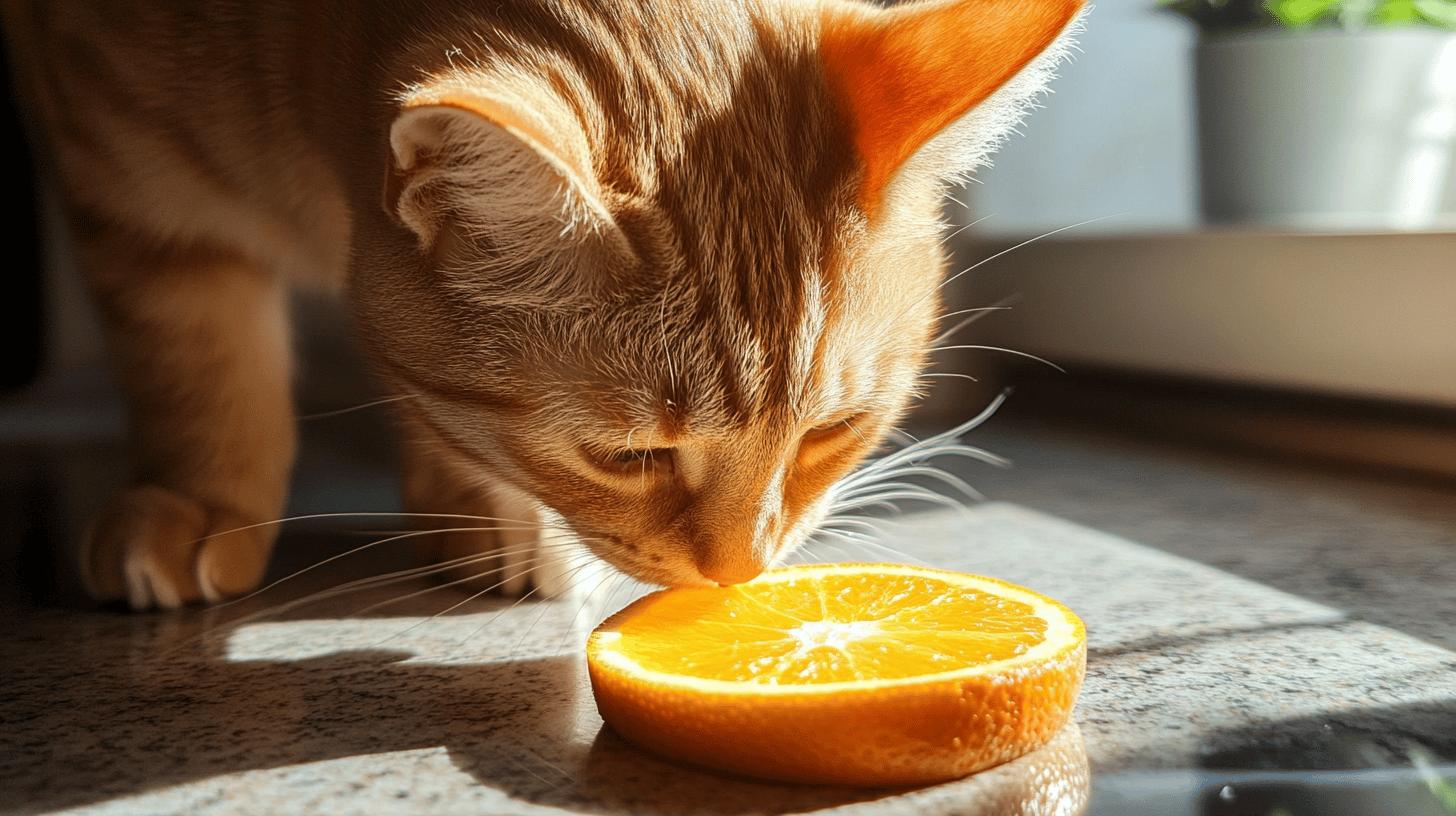
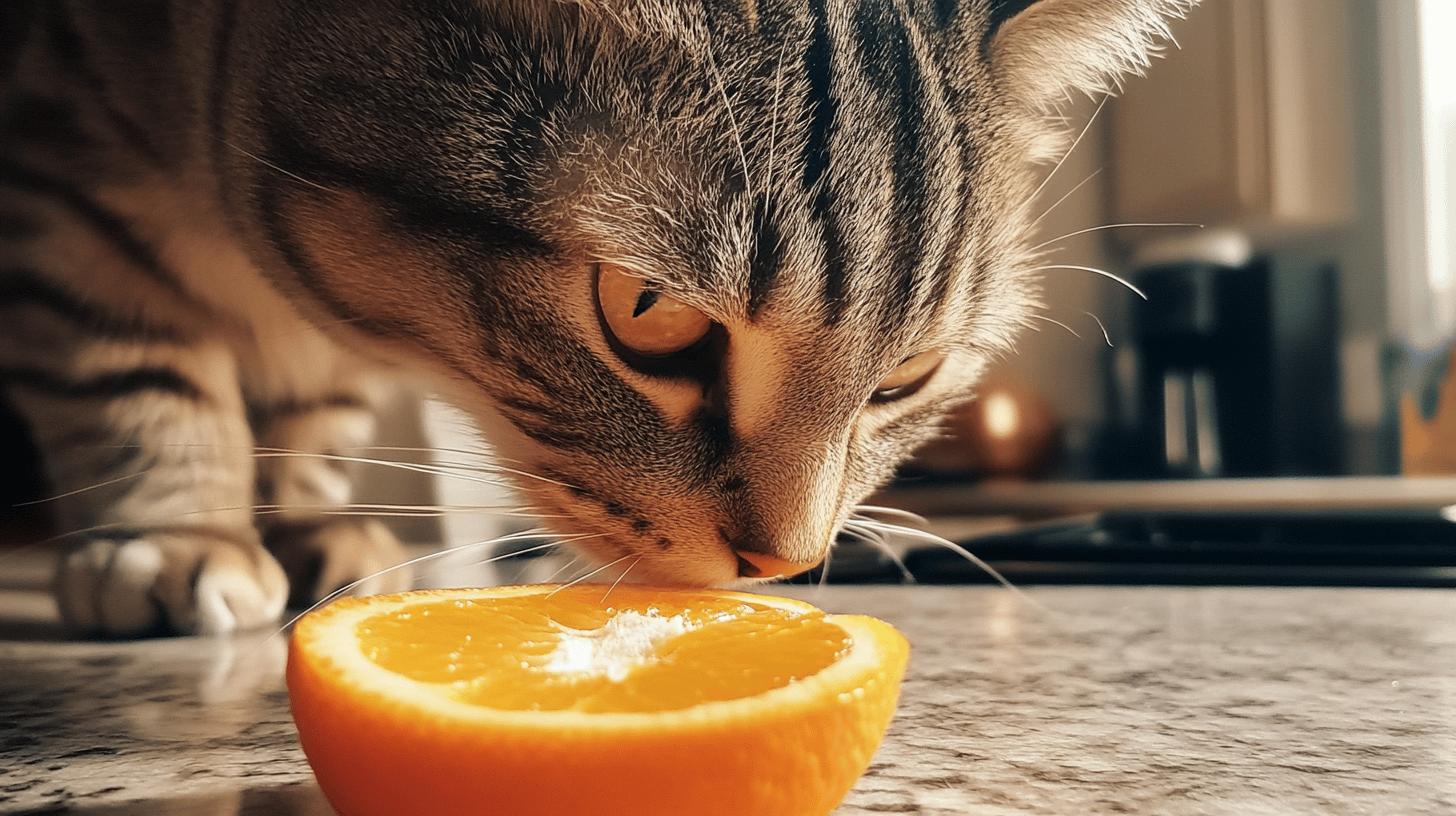
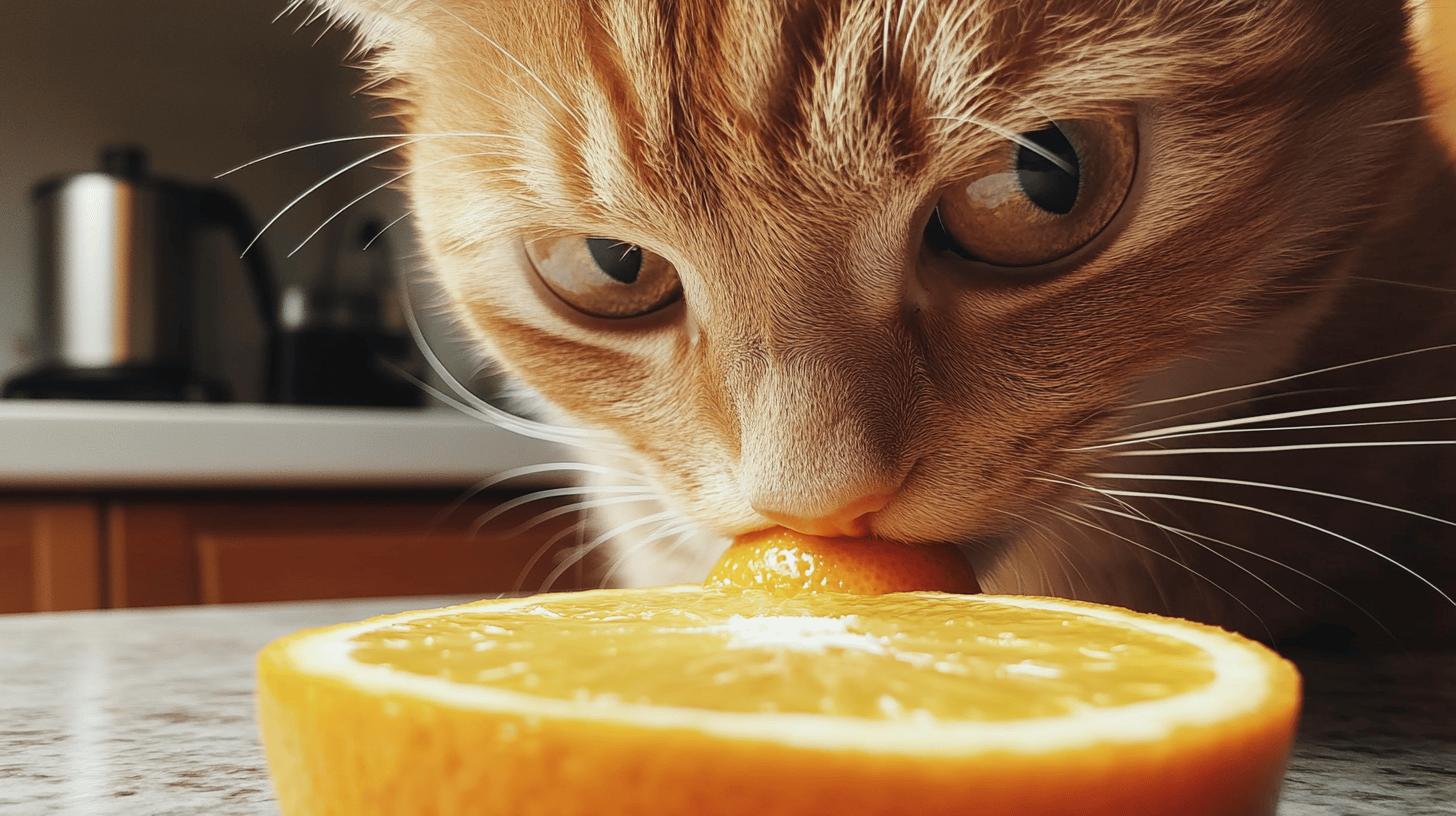
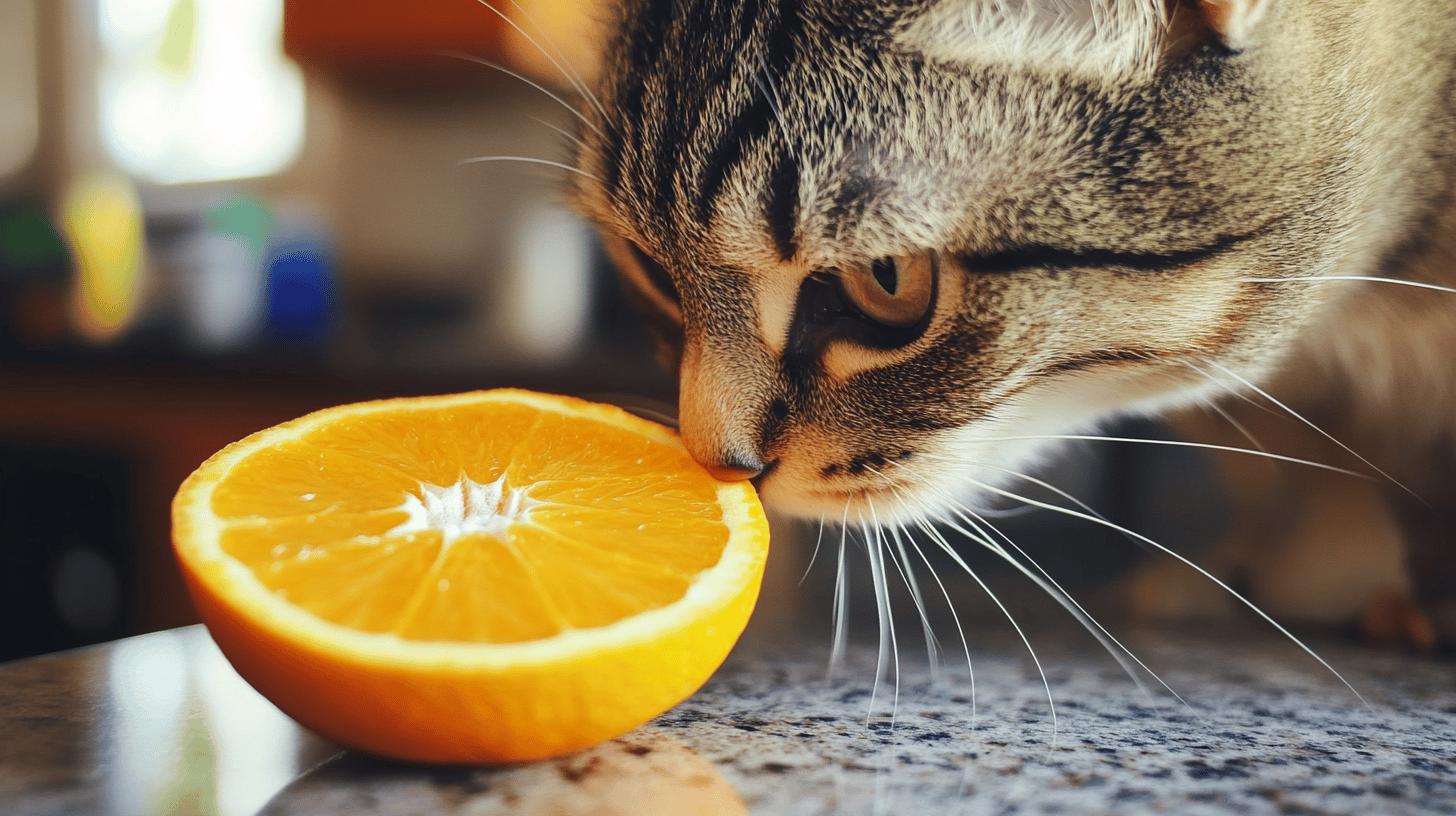
    Cats and oranges aren't the best mix. While oranges aren't toxic to cats, they're not recommended as a treat. The reason? Potential digestive issues. Even a small bite can lead to vomiting, diarrhea, weakness, and lethargy. When it comes to citrus ingestion in cats, it’s better to err on the side of caution and keep these fruits out of reach.

    Cats don't gain any nutritional benefits from eating oranges. As obligate carnivores, their diet should be rich in animal protein and low in carbohydrates. Oranges, like other citrus fruits, offer little nutritional value for cats. They can't digest fruits well, and the lack of essential nutrients makes it unnecessary to include them in their diet.

    Experts advise against feeding cats oranges. They highlight that the oils found in citrus peels can be harmful. The overwhelming smell alone is a deterrent for most cats, which is a natural protective measure. If a cat does happen to nibble on an orange, it's important to monitor them for any signs of distress and consult a vet if any symptoms appear.

    Understanding the Effects of Citrus on Cats

    Understanding the Effects of Citrus on Cats-1.jpg

    Cats have a remarkable sense of smell, about 14 times more sensitive than ours. This sensitivity makes the aroma of citrus fruits like oranges, mandarins, and tangerines overwhelming for them. Their natural aversion serves as a protective instinct, as the citrus oils can irritate a cat's nose.

    Ingesting citrus can cause health issues in cats. Oranges and their derivatives, such as orange juice, are unsafe for them. Consumption can lead to digestive problems, including symptoms like vomiting and diarrhea, especially if larger amounts are eaten. Citrus oils can worsen these symptoms and cause discomfort.

    Though rare, some cats might develop allergies to citrus, leading to skin irritation or more severe reactions upon contact or ingestion. The strong citrus smell acts as a behavioral defense and health safeguard. Keep citrus products away from cats. If any allergic reactions, like excessive scratching or redness, occur, consult a vet to ensure their well-being.

    What to Do if Your Cat Ingests an Orange

    What to Do if Your Cat Ingests an Orange-1.jpg

    If your cat has licked or eaten an orange, it's crucial to be aware of the signs of citrus poisoning. Symptoms can range from mild to severe and may include drooling, vomiting, diarrhea, or skin irritation. Observing your cat closely for these symptoms is important, as early detection can make the treatment process smoother and more effective.

    Here are immediate steps to take if your cat ingests citrus:

    1. Remove any remaining citrus from your cat’s reach to prevent further ingestion.
    2. Observe your cat for any immediate signs of distress or discomfort.
    3. Gently clean your cat’s mouth with a damp cloth to remove any citrus residue.
    4. Monitor your cat’s behavior and symptoms, noting any changes in appetite or energy level.
    5. Contact your veterinarian to discuss symptoms and next steps for care.

    Citrus poisoning in cats is rarely fatal and can often be treated successfully. Treatment might involve bathing your cat to remove any lingering citrus oils from their fur. If skin irritation occurs, applying topical corticosteroids can help alleviate discomfort. If symptoms persist or worsen, seeking veterinary care is essential to ensure your cat's safety and well-being.

    Safe Fruits and Alternatives for Cats

    Safe Fruits and Alternatives for Cats-1.jpg

    Cats are obligate carnivores, which means their diet should primarily consist of animal-based proteins. They don't naturally require fruits or vegetables for nutrition. Their digestive systems are adapted to process meats rather than plant-based foods. While curious cats might show interest in your fruit bowl, their nutritional needs are best met through a protein-rich, meat-based diet.

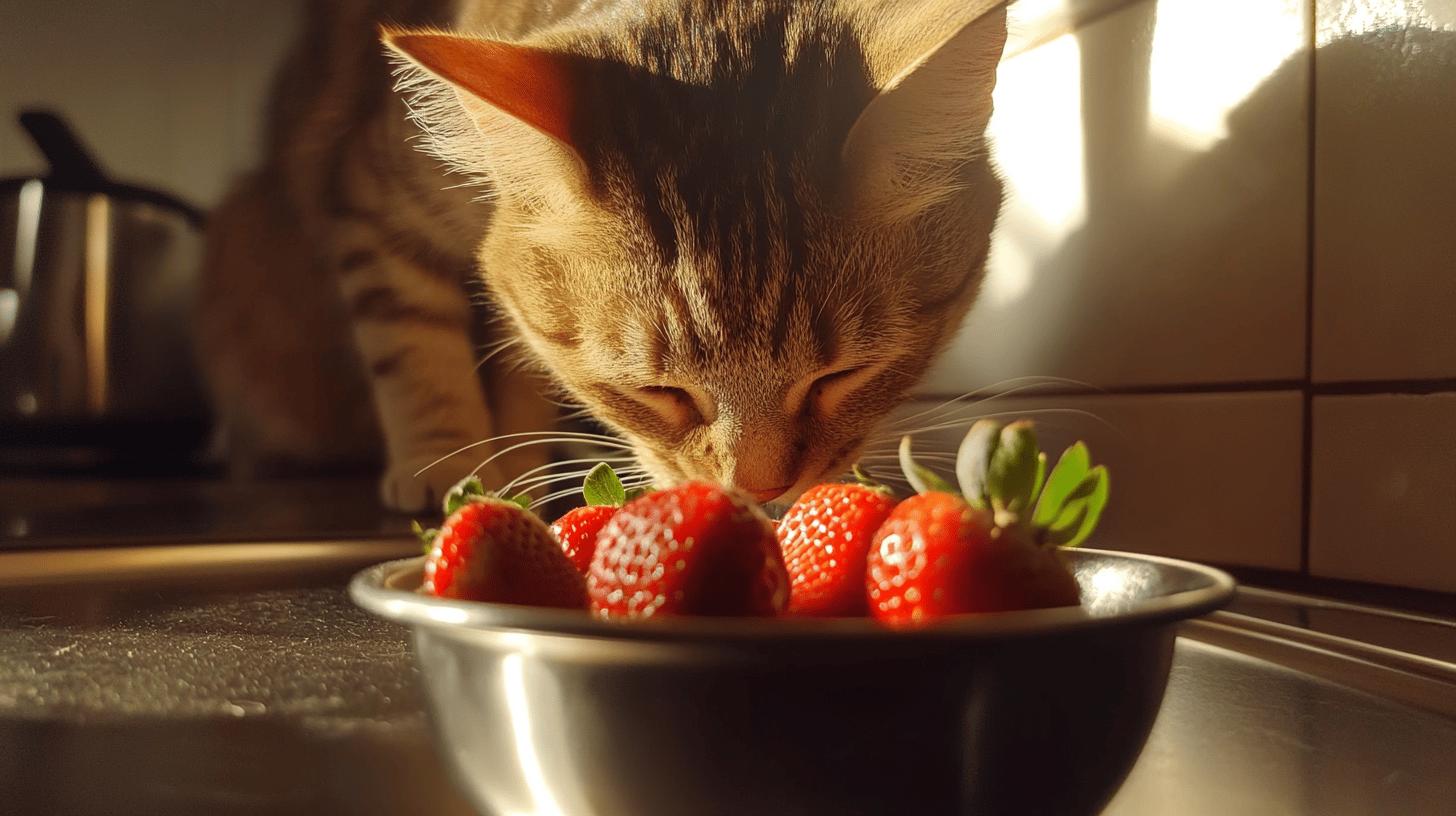
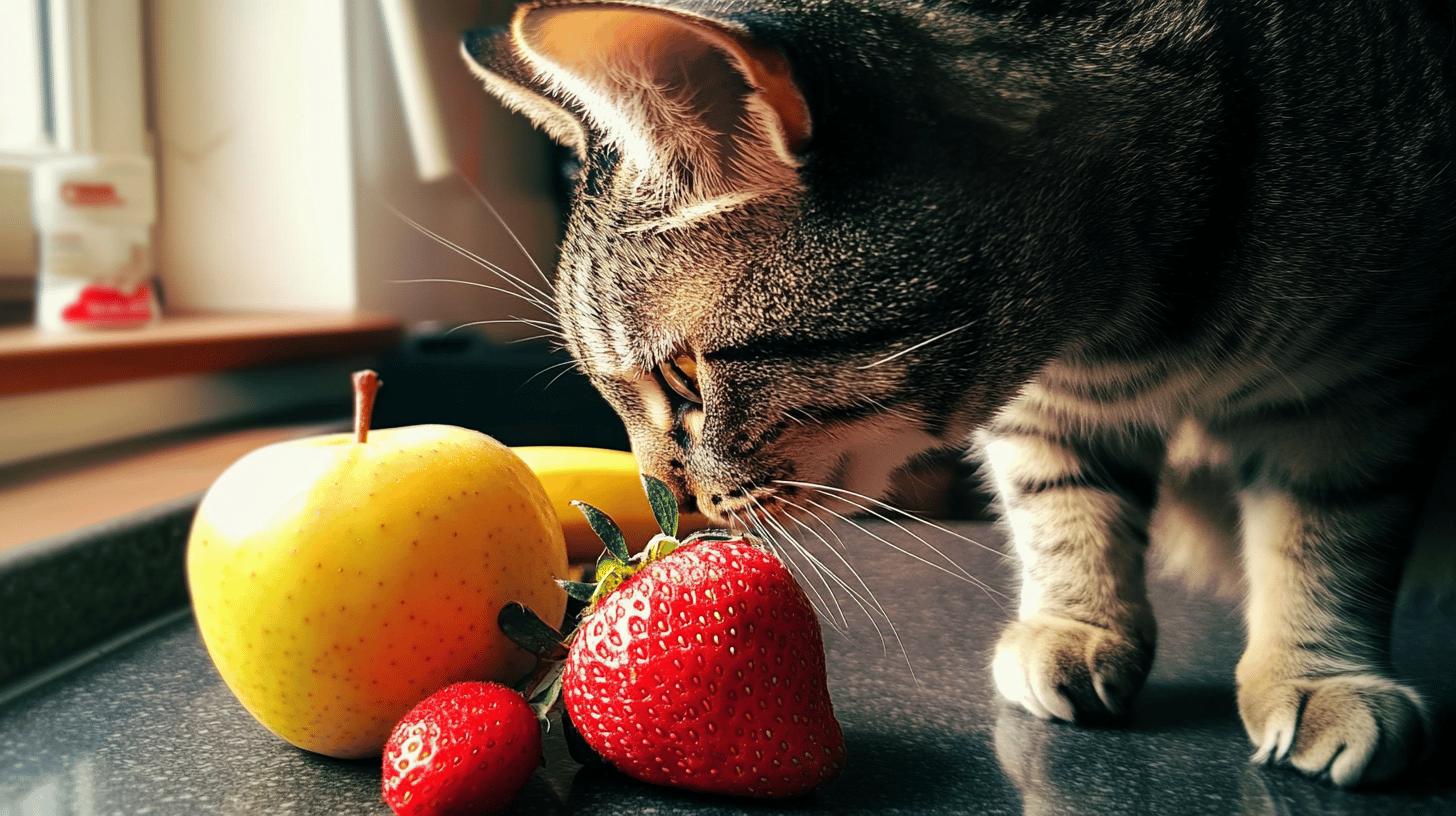
    If you're thinking of giving your cat a fruit as an occasional treat, there are a few safe options to consider. Small amounts of peeled apple, banana, or strawberry can be offered as a rare treat.

    Remember, these should not form a significant part of their diet but can be an enjoyable and safe snack. Avoid giving them grapes and all citrus fruits, as these can lead to digestive upset or more severe health issues.

    Fruit Safe or Avoid
    Apple (peeled) Safe
    Banana Safe
    Strawberry Safe
    Grapes Avoid
    Oranges Avoid
    Lemon Avoid

    Before introducing any new food into your cat's diet, it's wise to consult with a vet. They can provide guidance based on individual health needs and ensure that any new treats won't cause harm. Each cat is unique, and what might be a harmless occasional treat for one could be unsuitable for another. Monitoring your cat's reaction to new foods helps ensure their safety and well-being.

    Final Words

    When it comes to cats and oranges, I discovered it's best to keep them apart. While oranges aren't toxic, they can cause digestive issues and offer no nutritional value for our feline friends. Understanding a cat's natural aversion to citrus, along with potential health risks, reinforces this caution.

    If your cat comes across an orange, stay vigilant for any signs of citrus poisoning and act quickly. In essence, sticking to known safe treats and seeking vet advice ensures your pet's well-being. Keeping play and treats safe makes for a happier and healthier cat.

    FAQ

    Can cats eat orange peels?

    A: Orange peels are not recommended for cats. They can cause digestive problems like vomiting and diarrhea.

    Can cats eat orange juice?

    A: Orange juice is not safe for cats. It can lead to digestive upset and should be avoided.

    Can cats eat orange fruit?

    A: Cats should not eat orange fruit. Oranges can cause vomiting, diarrhea, and other issues.

    Is the smell of oranges bad for cats?

    A: Yes, cats dislike the smell of oranges. Their heightened sense of smell finds citrus smells overwhelming.

    Can cats eat apple?

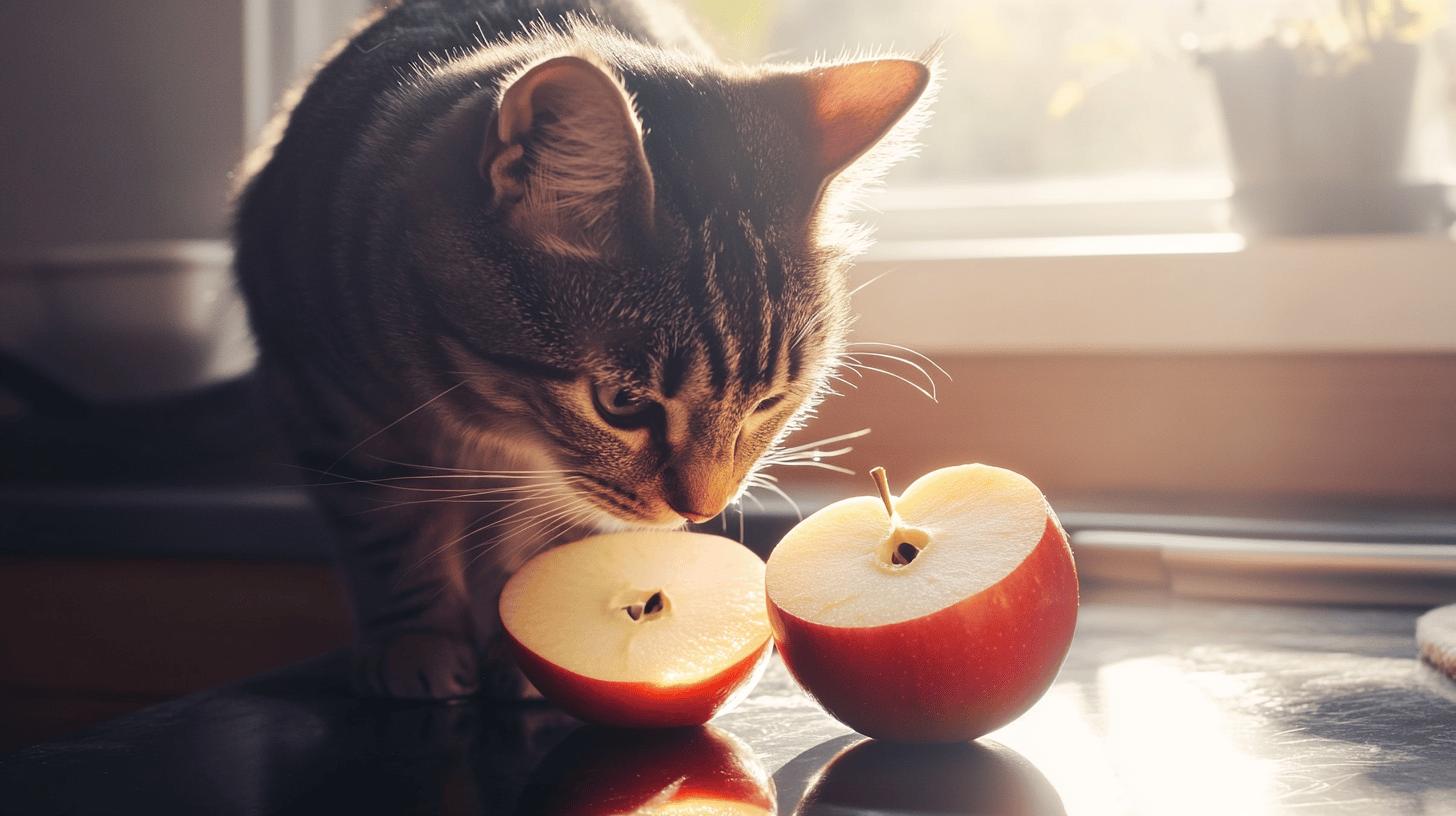
    A: Cats can eat small amounts of peeled apple. It's a safe treat but should be given in moderation.

    What happens if my cat eats an orange?

    A: Cats may experience vomiting, diarrhea, or weakness. Watch for these signs and consult a vet if needed.

    Can my cat have an orange slice?

    A: Cats should not have orange slices. Oranges pose potential health risks to them.

    Do cats like the taste of orange?

    A: Most cats do not like the taste or smell of oranges and are naturally repelled by them.

    What fruit is cat safe?

    A: Safe fruits include peeled apples, bananas, and strawberries. Avoid grapes and citrus fruits.

    Related Articles

  • Can Cat Eat Sweet Potato Safely and Nutritionally

    Can Cat Eat Sweet Potato Safely and Nutritionally

    Can a cat enjoy sweet potato as an occasional treat? Yes, but with important caveats. While sweet potatoes are non-toxic to cats, they’re high in carbohydrates and should never replace the meat-based diet cats require to thrive. In this guide, you’ll learn how to safely prepare sweet potatoes for cats, when they actually help (particularly for digestive issues), how they compare to pumpkin, and what risks to watch for.

    Can Cats Eat Sweet Potatoes Safely?

    Can Cats Eat Sweet Potatoes Safely-1.jpg

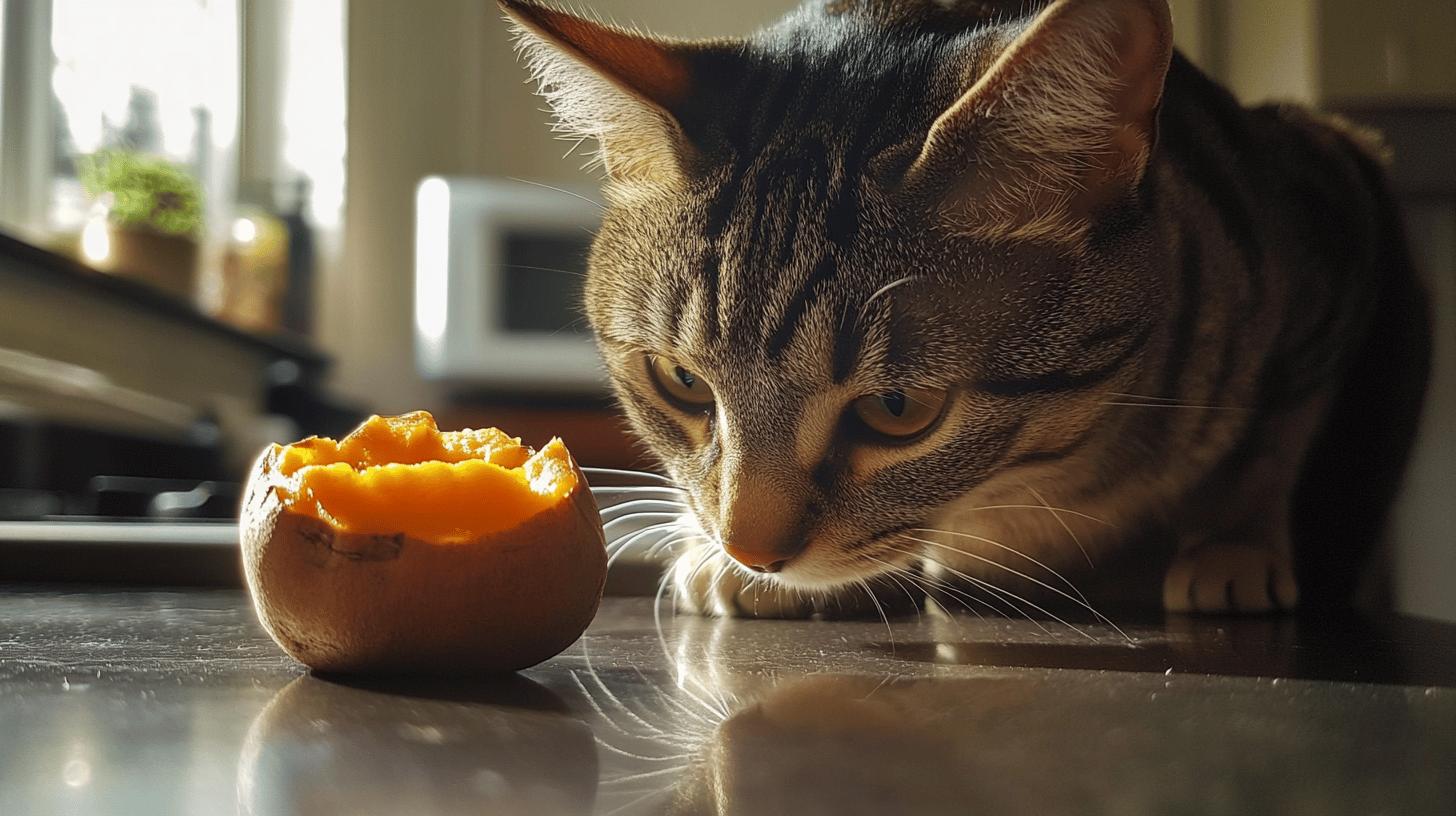
    Cats can eat cooked sweet potatoes in small amounts. Sweet potatoes aren’t toxic to cats like onions or garlic, but they shouldn’t make up a significant part of their diet. Cats are obligate carnivores, meaning they require primarily meat-based protein to maintain muscle, immune function, and overall health.

    The key requirement: sweet potatoes must be cooked. Boiling or baking softens the tuber and makes it digestible. Never add butter, sugar, spices, or seasonings. these can upset a cat’s stomach or be outright toxic (garlic and onion powders, for example).

    Nutritionally, cooked sweet potatoes do offer some benefits. They contain vitamin A (supports vision and immune health), vitamin C (promotes skin health), potassium (helps muscle function and fluid balance), and manganese (supports bone health). However, these nutrients aren’t essential for cats. they derive what they need from properly formulated cat food.

    The real value of sweet potato for cats lies in one specific area: fiber for digestive support. More on that below.

    Raw Sweet Potato: Why Cooking Matters

    Raw sweet potatoes are problematic for cats for three reasons:

    1. Oxalate Content: Raw sweet potatoes contain oxalates, compounds that can interfere with calcium absorption. While one small piece of raw sweet potato won’t cause harm, regular feeding creates a mineral imbalance.

    2. Digestibility: Raw sweet potatoes are starch-dense and difficult for cats to break down. Cats lack sufficient amylase (an enzyme for breaking down starches) in their saliva, making digestion harder and potentially causing stomach upset, diarrhea, or vomiting.

    3. Choking Hazard: The firm texture of raw sweet potato can pose a choking risk, especially if a cat tries to swallow a piece whole.

    Cooking breaks down the cell walls of the sweet potato, reducing oxalate availability, gelatinizing the starch to make it digestible, and softening the texture. This is non-negotiable: if you’re offering sweet potato to your cat, it must be cooked.

    Note: Unlike regular white potatoes, sweet potatoes do NOT contain solanine (the toxic compound found in raw/green regular potatoes). This distinction is important when discussing potato safety for cats. sweet potato is safer, though still high in carbs.

    How to Prepare Sweet Potato for Cats

    Safe Preparation Method:

    1. Select a fresh sweet potato with no soft spots or mold.
    2. Wash thoroughly under running water to remove dirt and pesticides.
    3. Peel the skin (the skin is harder to digest and should be removed).
    4. Cut into small cubes (~1/4 inch) to prevent choking.
    5. Boil or bake until soft (typically 10-15 minutes boiling, or 20-30 minutes baking at 400°F).
    6. Cool completely before serving. never offer warm or hot food to cats.
    7. Serve plain. no butter, salt, sugar, cinnamon, nutmeg, or marshmallow topping (these are common human preparations but harmful to cats).

    Portion Sizes and Frequency:

    One teaspoon to one tablespoon per serving is appropriate for most cats. Serve no more than once or twice per week. For a 10-pound cat, this represents roughly 1-2% of daily calorie intake, well within the “treat” category.

    Watch for Signs of Digestive Upset: When first introducing sweet potato, monitor your cat for vomiting, diarrhea, constipation, or lack of appetite. Cats with sensitive digestive systems may struggle even with cooked sweet potato. If any issues arise, discontinue and consult your vet.

    Sweet Potato vs. Pumpkin for Cats

    The pumpkin-for-cat-digestion trend is well-established, and for good reason. Pumpkin is the more recommended fiber source for cats with constipation or mild digestive issues. Here’s how they compare:

    Pumpkin: Lower carbohydrate density (~12% carbs), higher water content, milder flavor that most cats tolerate, standardized preparation (canned pumpkin is widely available), and a proven track record with vets recommending it for constipation relief.

    Sweet Potato: Higher carbohydrate density (~20% carbs), requires more preparation (peeling, cooking, cooling), and while it contains fiber, it’s not the first choice for digestive support because the higher carb content can upset some cats’ metabolisms.

    Practical Guidance: If your cat has constipation, pumpkin is the better choice. it’s easier to source, standardize, and cats often tolerate it better. Sweet potato can work as a supplementary fiber source if pumpkin isn’t available or if your cat has shown good tolerance. Never use both simultaneously without veterinary guidance.

    Health Benefits: When Sweet Potato Actually Helps

    Constipation and Digestive Regularity: The fiber in cooked sweet potato (approximately 3g per 100g) can help cats with mild constipation or irregular bowel movements. If your cat struggles with occasional constipation, a small amount of sweet potato (served plain, cooked) may help. However, pumpkin is the standard recommendation first.

    What Sweet Potato Does NOT Help With: Diarrhea, inflammatory bowel disease (IBD), food allergies, or other chronic digestive conditions. The high carbohydrate content can actually worsen these conditions. Do not feed sweet potato to cats with ongoing digestive issues without veterinary approval.

    Vitamins A, C, and Minerals: While sweet potato does contain these nutrients, cats synthesize vitamin C and obtain vitamin A from meat-based cat food. There’s no nutritional deficiency that sweet potato uniquely solves for an indoor cat on a quality commercial diet.

    Training Treats: Because sweet potato is soft, cooks easily, and has a mild flavor, small cooked pieces can work as low-calorie training treats. If you’re using sweet potato this way, count it toward the weekly treat allowance.

    Final Words

    Sweet potatoes are safe for cats when properly prepared. cooked, plain, and served in moderation as an occasional treat. The key is understanding that cats are obligate carnivores and don’t need the carbohydrates sweet potatoes provide. Their nutritional needs are met by high-quality meat-based cat food.

    Use sweet potato strategically: for fiber support in constipation (though pumpkin is preferred), as a low-calorie training treat, or simply as dietary variety if your cat enjoys it. Never let sweet potato exceed 5-10% of daily calorie intake, and watch closely for digestive upset when first introducing it.

    If your cat has chronic health issues (constipation, IBD, kidney disease, obesity), consult your vet before introducing any new foods. even vegetables.

    FAQ

    Can cats eat sweet potatoes safely?

    Yes, when cooked plain and served in moderation. Raw sweet potatoes should be avoided due to oxalate content and choking risk.

    Can cats eat sweet potatoes every day?

    No. Sweet potatoes should be an occasional treat only. once or twice per week maximum, and should comprise no more than 5-10% of daily food intake.

    Can cats eat sweet potato skin or raw sweet potatoes?

    No. The skin is difficult to digest. Raw sweet potatoes contain oxalates, are harder to digest, and pose a choking hazard.

    How do you cook sweet potatoes for cats?

    Boil or bake (without skin) until soft, then cool completely. Serve plain. no butter, sugar, salt, or spices.

    Is sweet potato good for cats with diarrhea or constipation?

    Sweet potato can help with constipation due to fiber content, but it’s not the first choice. pumpkin is better tolerated. Sweet potato may worsen diarrhea in some cats; do not use for diarrhea without vet approval.

    Is sweet potato or pumpkin better for cats?

    Pumpkin is the standard recommendation for digestive support. It’s lower in carbs, easier to prepare, and cats tolerate it better. Use sweet potato as an alternative only if pumpkin doesn’t work for your cat.

    How much sweet potato can I give my cat?

    One teaspoon to one tablespoon per serving, no more than once or twice per week.

    Can a cat eat potato?

    Cooked regular potatoes are safe in moderation, but sweet potatoes are preferable due to lack of solanine. Both should be plain and occasional only.

    What happens if my cat eats sweet potato?

    If accidentally ingested: cooked plain sweet potato causes no toxicity. Monitor for digestive upset (vomiting, diarrhea). If your cat ate sweetened preparation (cinnamon, sugar, marshmallow), contact your vet.

    Related Articles

    When Sweet Potato Might Help Your Cat

    While sweet potatoes offer minimal nutritional benefit for most cats, they can occasionally serve a specific purpose: supporting digestive health. Some cats with mild constipation may benefit from the fiber in small quantities of cooked sweet potato, similar to how pumpkin is used. However, this should be discussed with your veterinarian first, and any supplement should represent less than 5% of daily caloric intake. Many vets recommend pumpkin over sweet potato due to its lower sugar content and better track record in feline digestive support.

  • Can Cat Eat Cheese Safely Understanding the Risks and Guidelines

    Can Cat Eat Cheese Safely Understanding the Risks and Guidelines

    Can cats safely eat cheese, or is it a recipe for trouble? As a cat lover, you might be tempted to share a cheesy snack with your feline friend, but it’s important to know the facts. Most adult cats are lactose intolerant, lacking the enzyme to digest lactose in cheese, which could lead to an upset stomach. Even if your cat shows interest, cheese isn't packed with the nutrients they need. Let's dive into the risks and guidelines for feeding cheese to cats, to ensure their playtime remains safe and fun.

    Can Cats Safely Eat Cheese?

    Can Cats Safely Eat Cheese-1.jpg

    Many cats seem to enjoy cheese, but the question is, can cats safely eat cheese? Most adult cats are lactose intolerant, which means they lack the enzyme lactase needed to digest lactose found in dairy products. Feeding cheese to lactose-intolerant cats can lead to digestive issues like diarrhea or foul-smelling stools. Even for cats that tolerate dairy, cheese should not be a regular part of their diet because it doesn't provide essential nutrients. Instead, it can contribute to obesity and other health problems if consumed frequently due to its high fat and calorie content.

    Cats might be drawn to cheese because of its rich fat content and savory flavor, which align with their natural dietary preferences. Cats are obligate carnivores and are naturally attracted to foods that are high in protein and fat. The aroma and creamy texture of cheese can be particularly enticing, making it a tempting treat. However, just because a cat is interested in cheese doesn't mean it's a safe or healthy choice. It's crucial to remember that cheese isn't an ideal food for cats, despite their possible curiosity.

    When considering adding cheese to your cat's diet, moderation is key. Small amounts, like a tiny piece of plain cheese, can be given as an occasional treat. Always monitor your cat for any signs of digestive upset or allergic reactions after consuming cheese. If you're unsure about how much cheese your cat can handle, consult with a veterinarian to ensure it won't harm your feline friend. Regular cat treats or small pieces of cooked meat are often safer alternatives that won't compromise your cat's health.

    Types of Cheese and Their Impact on Cats

    Types of Cheese and Their Impact on Cats-1.jpg

    When it comes to feeding cheese to cats, some types are more commonly chosen by pet owners. Cheddar, mozzarella, and cream cheese are among the favorites because of their milder flavors and textures. These cheeses are sometimes given to cats as an occasional treat. However, they should only be offered sparingly due to their potential to cause digestive upset, especially in lactose-intolerant cats. Even if your cat seems to enjoy these cheeses, it's important to remember that they can contribute to weight gain and other health issues if consumed regularly.

    Certain cheeses contain additives that can be harmful to cats. Mold-ripened varieties like blue cheese, as well as those with added herbs, seasonings, or garlic, should be strictly avoided. These ingredients can be toxic to cats and may lead to severe health problems. Additionally, processed cheeses often contain high levels of salt and other artificial ingredients, which can also pose risks to your feline friend.

    Cheeses to Avoid for Cats
    Blue cheese
    Cheese with garlic
    Herbed cheeses
    Processed cheese products
    Spicy cheeses

    Feeding cheese to cats carries several health risks. High fat content can lead to obesity, and the sodium levels can be harmful, particularly for cats with kidney or heart problems. Moreover, many cats are lactose intolerant, meaning they lack the enzyme needed to digest lactose, leading to gastrointestinal issues like diarrhea or vomiting. Dairy allergies in some cats may also cause skin irritations and digestive disturbances.

    If you're considering offering cheese to your cat, it's crucial to choose safer options and monitor their reaction. Opt for cheeses with minimal ingredients, like plain cheddar or mozzarella, and always give them in small amounts. Consulting with your vet can provide guidance on whether cheese can be a part of your cat's treat repertoire without compromising their health.

    Lactose Intolerance and Cheese-Related Health Risks in Cats-1.jpg

    Most adult cats are naturally lactose intolerant due to a lack of the enzyme lactase, essential for digesting lactose in dairy products like cheese. Without lactase, their digestive systems can't process dairy, leading to health issues. While kittens can digest their mother's milk, they usually lose this ability as they grow, making cheese consumption problematic for adult cats.

    Symptoms of lactose intolerance in cats can vary but often include digestive disturbances like diarrhea and vomiting. Some cats may also experience increased gas, discomfort, or bloating after consuming cheese. These symptoms can appear quickly, so it's important to monitor your cat if they eat cheese to catch any signs of intolerance early.

    Cheese and other dairy products can significantly impact lactose-intolerant cats. Beyond immediate discomfort, regular dairy exposure can lead to severe digestive issues. Diarrhea can cause dehydration, and ongoing gastrointestinal problems may harm overall health and well-being. Even small cheese amounts can trigger these issues in sensitive cats.

    Cheese-related health risks for cats include high salt content, which can be dangerous. Excessive salt intake can result in salt poisoning, causing excessive thirst, urination, and, in severe cases, kidney damage. Calorie-dense and high in fat, regular cheese consumption can contribute to obesity, leading to diabetes and joint issues.

    Dairy allergies in cats, while less common than lactose intolerance, pose another risk. Allergic reactions to dairy proteins can cause itching, skin irritation, and digestive upset. Managing these allergies means avoiding dairy and finding alternatives. Consulting a veterinarian is crucial if a dairy allergy is suspected, as they can suggest dietary adjustments to keep your cat’s diet balanced and safe.

    Guidelines for Safe Cheese Consumption and Alternatives for Cats

    Guidelines for Safe Cheese Consumption and Alternatives for Cats-1.jpg

    Moderation is key when offering cheese to cats. They can enjoy small amounts like a pinch of grated cheese or a tiny dab of cream cheese. These should only be given occasionally and not replace a balanced diet.

    Keep an eye on your cat for any digestive issues after eating cheese. If you notice symptoms like diarrhea or vomiting, stop the cheese treats and talk to a veterinarian. They can advise on safe inclusion and proper portion sizes.

    Here are some alternative treats that are safer for cats:

    1. Cooked chicken, prepared without salt or spices
    2. Cooked beef, served plain and lean
    3. Cooked fish, such as salmon or tuna, free of added fats
    4. Commercially available cat treats designed for dietary safety

    Cheese-flavored treats can be tempting but should be selected carefully. Check ingredient lists for products that mimic cheese flavor without real cheese, reducing the risk of upsetting sensitive stomachs.

    Final Words

    Exploring if cats can eat cheese has shown the need for caution. Many cats are lactose intolerant and can face digestive issues if they eat too much cheese. It's important to give cheese only in small amounts.

    Various types of cheese, especially those with harmful additives, should be avoided. Instead, look for safer cheese options or consider cheese alternatives like cooked chicken or fish.

    While some cats may enjoy cheese, it's best used as an occasional treat. Always pay attention to your cat's health and consult a vet if unsure. Making smart choices can keep your cat healthy and happy.

    FAQ

    My cat ate cheese, what should I do?

    If your cat ate cheese, watch for signs of discomfort, such as vomiting or diarrhea. Most cats are lactose intolerant, so contact your vet if symptoms occur.

    Can cats eat bread?

    Cats can eat small amounts of bread without harm, but it should not replace their regular diet. Bread offers little nutritional value to cats.

    Can cheese kill cats?

    Cheese itself won't kill cats, but excessive consumption can lead to digestive issues. It's not safe as a regular diet staple due to lactose intolerance.

    Can cats eat cheddar cheese or mozzarella cheese?

    Cats can eat small amounts of cheddar or mozzarella, but only as an occasional treat due to potential lactose issues.

    Can cats eat eggs?

    Cats can eat cooked eggs in moderation. Eggs are rich in protein, but must be cooked to avoid health risks like salmonella.

    Can cats eat cheese puffs?

    Cheese puffs should be avoided as they contain artificial ingredients and high salt content, which can be harmful to cats.

    Can cats eat chocolate?

    Chocolate is toxic to cats and should never be given. It can cause serious health issues and requires immediate vet attention if ingested.

    What happens if my cat eats cheese?

    Most cats will experience digestive discomfort from cheese due to lactose intolerance. Monitor your cat and consult a vet if symptoms develop.

    Is it okay to give a cat a little bit of cheese?

    Giving a little bit of cheese occasionally is okay, but watch for any digestive issues due to lactose intolerance.

    What kind of cheese is good for cats?

    No cheese is ideal for cats, but low-lactose options like cheddar or mozzarella in small amounts might be tolerated better.

    Is easy cheese safe for cats?

    Easy cheese is not safe due to additives and high salt content, which can harm cats. Use sparingly, if at all.

    Related Articles

  • Can Cat Eat Biscuit Exploring Safety and Risks

    Can Cat Eat Biscuit Exploring Safety and Risks

    Can cats eat biscuits? The straightforward answer is no. While most plain biscuits won’t poison your cat, they present significant health risks that make them inappropriate treats. Biscuits designed for humans contain ingredients toxic or hazardous to cats, lack nutritional value for obligate carnivores, and can trigger obesity, dental disease, and metabolic issues. This guide explores what’s dangerous about biscuits, why cats are attracted to them, and what treats actually support feline health.

    Why Biscuits Are Problematic for Cats

    High Carbohydrate Content

    Biscuits are typically 60-75% carbohydrates. Cats are obligate carnivores-their digestive systems evolved to metabolize meat, not plants. A cat’s pancreas isn’t designed to regulate high carb loads:

    • Insulin spikes: Carbs trigger rapid blood sugar rise → insulin surge → energy crash → hunger 30 minutes later
    • Diabetes risk: Repeated insulin surges over months/years increase type 2 diabetes risk 10-fold
    • Obesity: Excess carbs convert to fat. A single biscuit contains 10-20 calories; meaningless to humans but 4-8% of a cat’s daily calories
    • Digestive fermentation: Undigested carbs ferment in the colon, causing gas, bloating, and diarrhea

    Sugar & Sweeteners

    Many biscuits contain added sugars or artificial sweeteners:

    • Sugar: Accelerates obesity, dental disease, and diabetes. Cats don’t taste sweetness (they lack sweet taste receptors), so sugar offers zero appeal to them-humans are eating it, not your cat.
    • Xylitol: Artificial sweetener toxic to cats. Just 0.5g can cause hypoglycemia and liver failure. Check ingredient lists religiously.
    • Sorbitol: Sugar alcohol that causes gas, bloating, and diarrhea in cats

    Salt Content

    Savory biscuits contain salt. Cats require only ~40mg sodium daily. One salted biscuit may contain 100-200mg sodium-5x daily requirement:

    • Excess sodium causes thirst and urination changes
    • Chronic excess contributes to hypertension
    • Can trigger salt toxicosis symptoms (tremors, disorientation) in susceptible cats

    Fat & Digestive Stress

    Biscuits are typically 15-30% fat (butter, oil, shortening). Cats cannot efficiently metabolize high fat loads:

    • Pancreatitis risk: High fat triggers pancreatic inflammation (extremely painful, requires hospitalization)
    • GI upset: Vomiting, diarrhea, cramping within 2-12 hours
    • Malabsorption: Excess fat overwhelms digestive capacity; cats absorb fewer nutrients from meals

    Biscuit Types: Ranked by Danger

    Biscuit Type Hazard Level Why It’s Risky
    Plain unsweetened biscuit MODERATE Carbs + fat; minimal immediate harm but nutritionally empty
    Salted biscuit HIGH Sodium toxicity risk; salt sensitivity varies by cat
    Buttery/oily biscuit HIGH Pancreatitis risk; high fat can cause acute GI upset
    Sweet biscuit (sugar) HIGH Obesity + diabetes risk; empty calories; dental disease
    Chocolate biscuit EXTREME Theobromine (chocolate toxin) causes heart arrhythmias, tremors, toxicity
    Biscuit w/xylitol EXTREME Causes hypoglycemia + liver failure within hours; potentially fatal
    Garlic/onion biscuit EXTREME Thiosulfates damage red blood cells (hemolytic anemia)
    Macadamia biscuit EXTREME Macadamia nut toxin causes paralysis, tremors, hyperthermia

    Ingredient Breakdown: What Makes Biscuits Unsafe

    Flour & Grains

    The flour base provides carbs cats don’t need. While wheat flour itself isn’t toxic, it contributes to carb overload. Some biscuits contain corn flour (inexpensive filler) which is even less digestible for cats.

    Leavening Agents (Baking Soda & Baking Powder)

    Used to make biscuits fluffy. In tiny amounts (used in biscuits), they’re not acutely dangerous. However, if your cat consumes a raw biscuit dough containing baking soda in bulk, the alkaline chemical reaction can cause serious issues.

    Spices & Flavorings

    Common biscuit additions that harm cats:

    • Cinnamon: Can irritate mouth and GI tract; potentially toxic in large amounts
    • Nutmeg: Contains myristicin (a compound that causes hallucinations and tremors)
    • Garlic & onion powder: Contain thiosulfates that damage red blood cells
    • Vanilla extract: Often alcohol-based; toxic to cats

    Hidden Dangers

    • Raisins or dried fruit: Some biscuits (like scones) contain grapes/raisins, which are toxic to cats
    • Nuts (especially macadamia): Found in some sweet biscuits
    • Artificial sweeteners: Xylitol especially; check labels carefully

    Behavioral & Health Effects of Regular Biscuit Consumption

    Short-Term (1-2 Hours)

    • Elevated blood sugar → energy spike, then crash
    • Digestive fermentation → gas, bloating, possible loose stool
    • Increased thirst (from carbs and salt)

    Medium-Term (Weeks)

    • Increased overall calorie intake → gradual weight gain
    • Behavioral changes: increased hunger, food-seeking
    • Reduced appetite for nutritious meals (empty calories fill fast)
    • Dental disease begins (sugar feeds bacteria)

    Long-Term (Months to Years)

    • Obesity (overweight cats have 2-3x more health issues)
    • Type 2 diabetes (high carb diet primary risk factor)
    • Dental disease → tooth loss → oral infections
    • Joint stress from excess weight → arthritis
    • Fatty liver disease (hepatic lipidosis)
    • Shortened lifespan (overweight cats live 1-3 years less)

    Emergency Response: If Your Cat Ate a Biscuit

    Immediate Assessment (Next 2-4 Hours)

    1. Identify the biscuit type. Check packaging or the trash for ingredients.
    2. Assess quantity: One biscuit? A handful? A box?
    3. Watch for immediate symptoms:
      • Vomiting or retching
      • Abdominal distension or pain
      • Tremors or disorientation (possible toxin ingestion)
      • Difficulty breathing (choking hazard)
    4. For toxic ingredients (chocolate, xylitol, garlic, macadamia), call poison control immediately: ASPCA Animal Poison Control Center (888) 426-4435

    Plain Biscuit Ingestion (No Toxic Ingredients)

    • Monitor for vomiting/diarrhea over 12-24 hours
    • No intervention needed if no symptoms appear
    • Offer water to aid digestion

    When to Call Your Vet

    • Any vomiting, even once
    • Abdominal pain/distension
    • Diarrhea lasting >4 hours
    • Tremors, seizures, or disorientation
    • Difficulty breathing or swallowing
    • Ingestion of biscuits containing chocolate, xylitol, garlic, onion, or macadamia

    Safe Treat Alternatives: What Cats Actually Need

    Whole Food Proteins

    • Cooked chicken: 31g protein, 0g carbs per 3.5oz. Zero risk.
    • Cooked turkey: Similar to chicken; slightly leaner.
    • Cooked salmon: High omega-3; use 1-2x weekly max due to fat content.
    • Cooked beef: 26g protein; use moderately (iron overload risk).
    • Cooked egg: 6g protein, rich in choline. 1-2x weekly safe.

    Feline-Formulated Treats

    Look for:

    • Named meat (chicken, turkey) as first ingredient
    • No grains, corn, or soy
    • No artificial colors or flavors
    • <10 calories per treat (prevents obesity)
    • AAFCO certified (meets nutritional standards)

    Feeding Guidelines

    Treats should be <10% of daily calories. For a 10lb cat eating 250 calories daily:

    • Maximum treat calories: 25 per day
    • Cooked chicken piece (1oz): ~30 calories → split into 2-3 servings
    • Commercial treat (3-5 cal each): 5 treats maximum daily

    Why Cats Want Biscuits (And How to Redirect)

    The Crunch Appeal

    Biscuits’ crunchy texture mimics gnawing on bones-a behavior wired into cats’ hunting instinct. The sound of crunching provides sensory satisfaction.

    Redirect with: Crunchy treats formulated for cats, dental chews, freeze-dried meat treats

    Attention-Seeking Behavior

    If your cat begs when you’re eating biscuits, they want your attention, not the food.

    Address with: Interactive play during snack time, scheduled attention sessions, reward non-begging behavior

    Aroma & Behavioral Conditioning

    Your cat has learned: “Humans eat biscuits + I beg = sometimes I get some.” The novelty and your response reward the behavior.

    Prevent with: Never share biscuits, store in sealed containers, educate family members

    Frequently Asked Questions

    Are biscuits toxic to cats?

    Most plain biscuits aren’t acutely toxic, but many ingredients (chocolate, xylitol, garlic, onion, macadamia) are genuinely toxic. Even “safe” biscuits cause harm through high carbs, salt, and fat. Avoid all human biscuits.

    Can cats eat one biscuit?

    A single plain biscuit with no toxic ingredients won’t poison your cat, but it offers zero benefit and contributes to calorie overload. Why risk it when safe treats exist?

    What about kitten formula biscuits?

    Kitten-specific biscuits are formulated for feline nutrition. They’re far superior to human biscuits. That said, even premium kitten biscuits should comprise <10% of daily calories. Fresh meat is better.

    Can cats eat crackers?

    Similar hazards to biscuits: high carbs, salt, and potentially toxic ingredients (garlic, onion, cheese ingredients). Avoid.

    Is it okay to give my cat a biscuit as a special treat?

    There are better special treats: cooked chicken, salmon, or freeze-dried meat. These provide nutrition without health risks. Reserve special treats for truly special occasions-and make them meat-based.

    The Bottom Line

    Biscuits are designed for human nutrition-high carbs, fat, and often salt. Cats are obligate carnivores with zero evolutionary adaptation to digest these ingredients. Even “harmless” plain biscuits contribute to obesity, diabetes, and dental disease.

    Skip the biscuits. Offer cooked chicken, premium cat treats, or interactive play instead. Your cat’s health is worth the effort.

    Related Nutritional Guides

    Why Patience and Positive Reinforcement Matter

    Medication administration is one of those cat care tasks that tests your patience and problem-solving abilities. Success often depends less on technique alone and more on how you approach the situation mentally. Rushing through the process will stress both you and your cat, which makes cooperation harder next time.

    Some cats remember past medication experiences and grow more resistant with each attempt. This is why establishing positive associations early matters so much. If your first few attempts go smoothly, your cat is more likely to accept medication willingly in future situations. Conversely, if those early experiences are traumatic, you may face months of resistance.

    Building trust around medication administration is a long-term investment in your cat’s health. It means taking extra time on less-urgent pills to establish good habits. It means using treats, praise, and rewards after successful administration. It means choosing the most stress-free method possible, even if it takes a bit longer.

    Your veterinarian can also help. If your cat absolutely refuses oral medication, ask about alternative forms: transdermal patches, liquid formulations, or even compounded medications in flavors your cat prefers. Vets understand that giving a cat medication can be challenging, and they often have creative solutions.

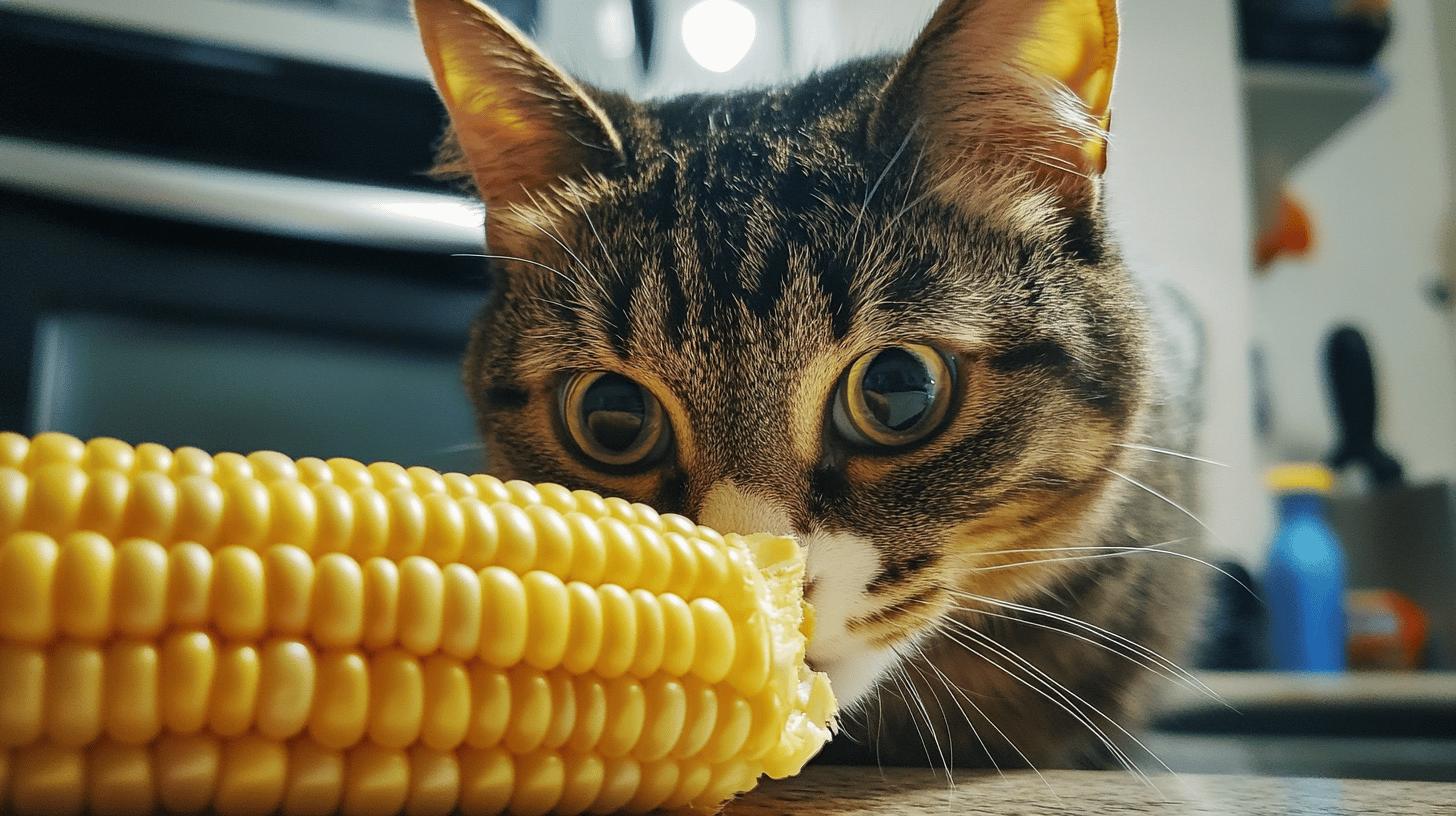
  • Can Cat Eat Corn Safely and What to Know

    Can Cat Eat Corn Safely and What to Know

    Can cats safely munch on corn, or are we risking their health by sharing this popular human snack? While corn often pops up in many cat foods, it might not be the best choice for your furry friend. As a filler, it's more about keeping cat food costs low than boosting your cat's nutrition.

    Corn is not harmful in small amounts, but it doesn't provide the vital nutrients that meat-loving cats need. Before you toss your cat a corn kernel, it's crucial to understand the balance and potential side effects.

    Can Cats Eat Corn Safely?

    Can Cats Eat Corn Safely-1.jpg

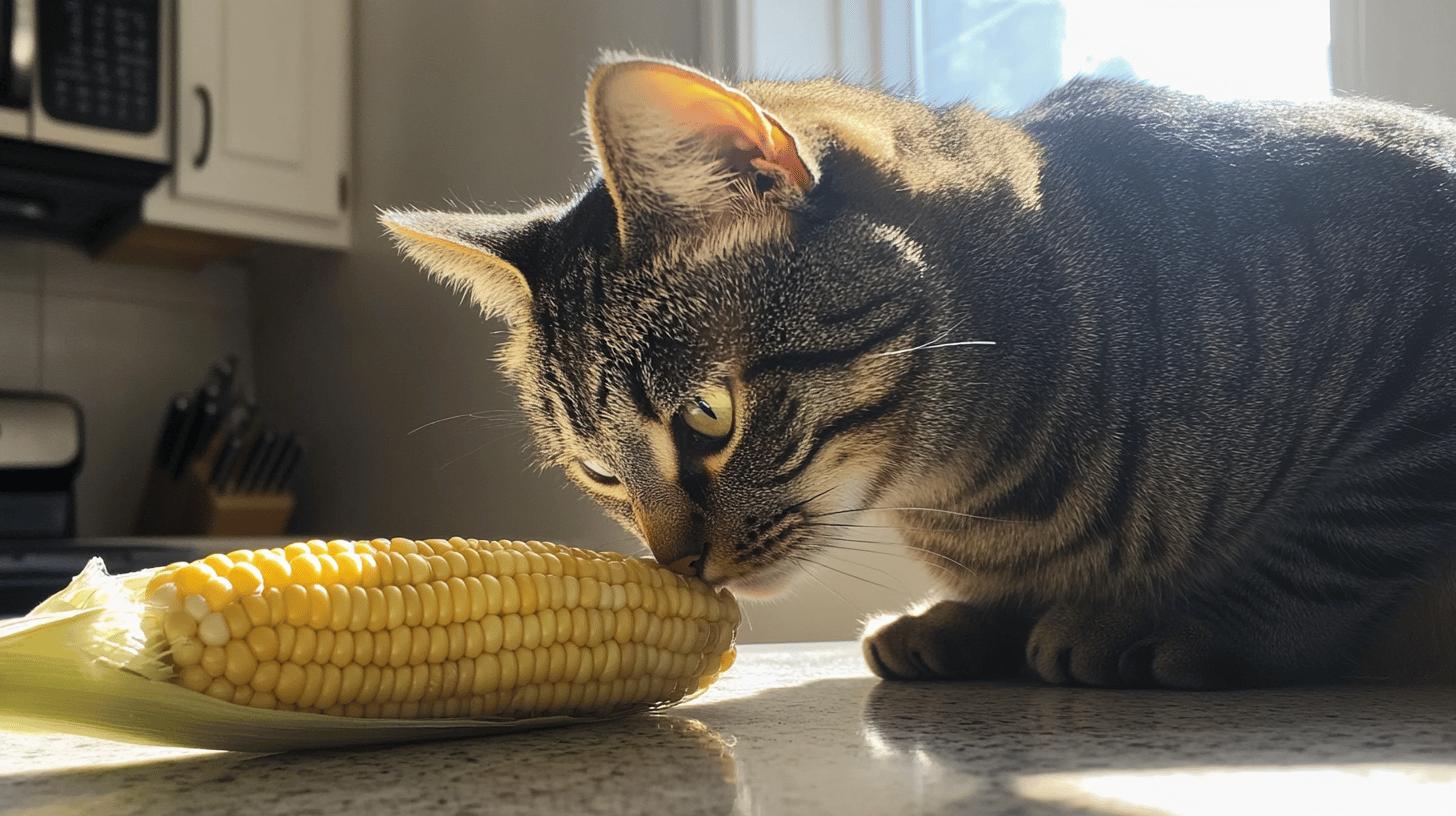
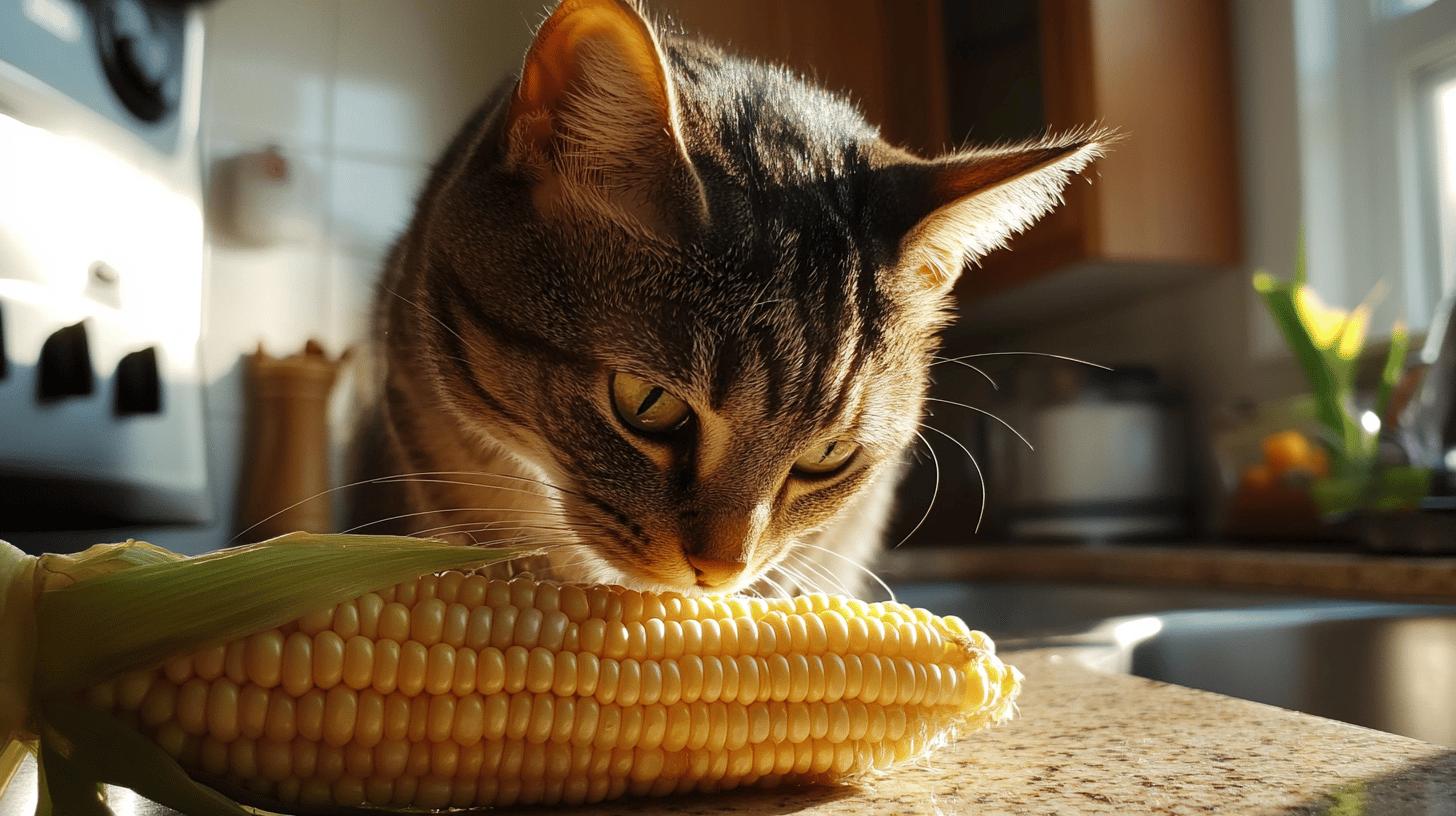
    Cats can indeed eat corn safely. Corn is frequently used as a filler in many commercial cat foods. This is because it is non-toxic and readily available. However, while it might be a common ingredient, it doesn’t mean it's crucial for your cat’s diet. Corn acts more as a filler than a necessary nutrient source in these foods, which focus on affordability and bulk rather than nutritional value.

    Corn doesn't offer any significant nutritional benefits for cats. Cats are carnivores, meaning they require nutrients from meat to thrive. Corn doesn’t provide the essential proteins and amino acids that cats need. While it can be consumed, it doesn't contribute to a balanced diet for our feline friends. Cats eating corn won’t harm them in small quantities, but it doesn’t help them either.

    Potential health risks associated with excessive corn consumption include:

    • Allergic reactions, such as vomiting or sneezing
    • Gastrointestinal issues, including indigestion
    • Increased risk of obesity due to high carbohydrate content
    • Potential for diabetes if consumed in large quantities
    • Nutrient absorption interference due to phytic acid
    • Digestive blockage if corn cobs are consumed

    Moderation is key when it comes to feeding cats corn. Offering it occasionally as a treat is fine, but it shouldn’t become a staple in their diet. Always monitor your cat for any signs of adverse reactions, such as allergies or digestive discomfort.

    If your cat has specific health conditions, consult with a veterinarian before introducing corn into their diet. This ensures that their nutritional needs are being met without compromising their health.

    Nutritional Impact of Corn on Cats

    Can Cat Eat Corn Safely and What to Know-4.jpg

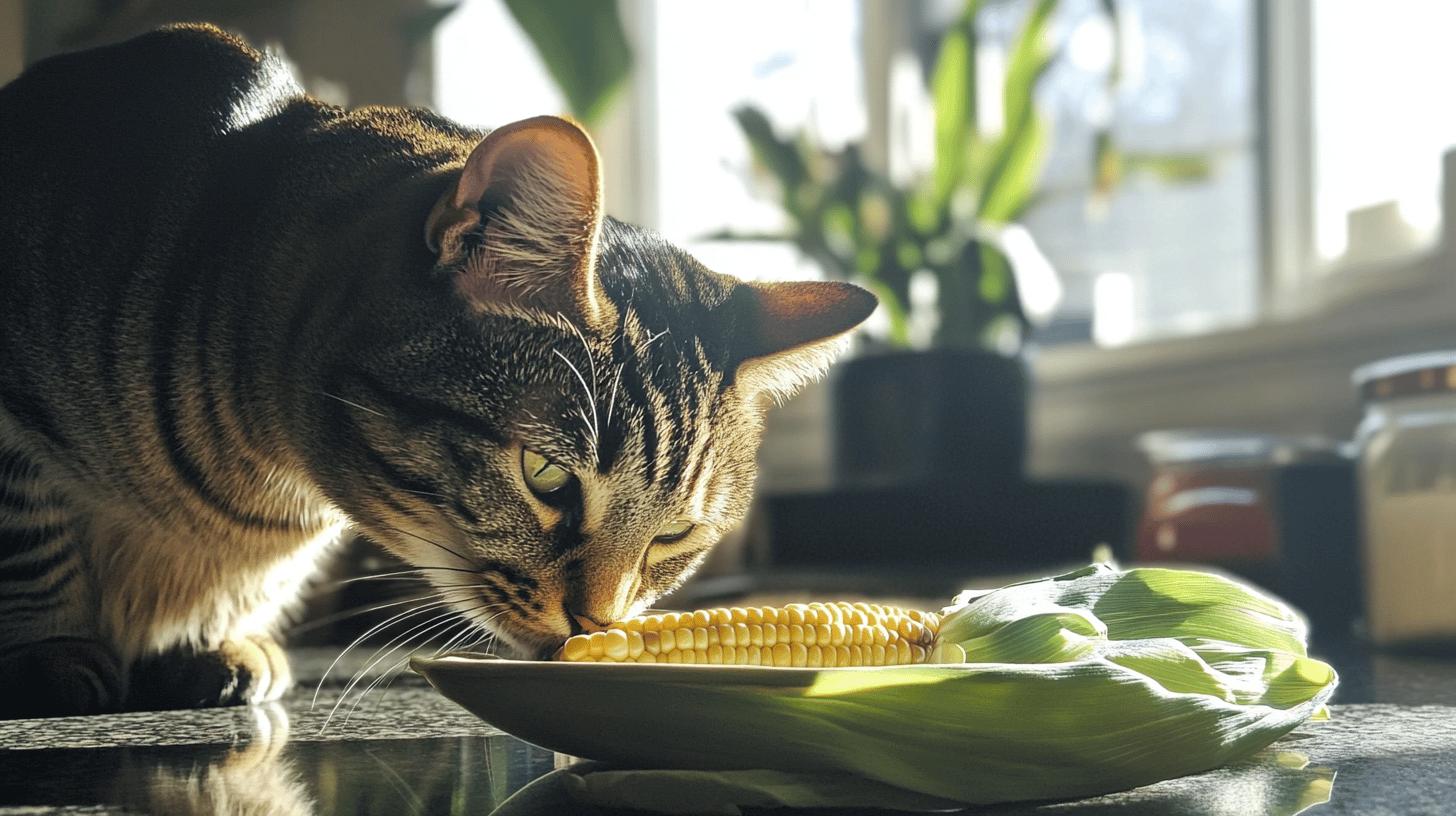
    Corn is rich in carbohydrates, which cats don't need in large amounts. As obligate carnivores, their diet should focus on proteins and fats from meat. Carbs from corn can cause unnecessary weight gain and may contribute to obesity and diabetes. Corn also contains phytic acid, which can interfere with nutrient absorption, especially minerals, making it less beneficial for cats.

    Nutrient Impact on Cats
    Carbohydrates Can lead to weight gain; not essential for cats
    Phytic Acid Hinders vitamin and mineral absorption
    Fiber Minimal benefit; can aid digestion in small amounts

    Corn lacks the essential nutrients that cats require for a balanced diet, like proteins and amino acids. While its fiber might slightly aid digestion, it's not enough to warrant its inclusion in their main diet. Corn should be an occasional treat, ensuring it doesn't replace the critical nutrients found in meat-based diets, allowing cats to thrive on food suited to their carnivorous nature.

    How to Safely Feed Corn to Your Cat

    Can Cats Eat Corn Safely-3.jpg

    When it comes to feeding cats corn, portion size and frequency are crucial. Corn should only be given in small, occasional servings to avoid any potential health issues. Cats don't need a lot of carbohydrates in their diet, so corn should never become a staple.

    Think of it more as a treat that you might offer once in a while. Keeping the servings small helps prevent digestive disturbances and ensures that your cat's diet remains primarily protein-rich, which is essential for their health.

    Here are some safe serving practices for feeding corn to cats:

    • Serve corn plain, without any added butter, salt, or seasonings.
    • Boil or grill sweetcorn, and blend it to make it easier for cats to digest.
    • Offer only a few kernels at a time.
    • Remove any husks or cobs to prevent choking or digestive blockages.
    • Avoid giving corn in processed forms like cornbread or tortillas.

    When considering what forms of corn to feed your cat, sweetcorn and plain popcorn are generally safe choices. Sweetcorn should be served without any enhancements, and popcorn can be a fun treat if it's completely plain.

    Remember, the shells of popcorn can be a choking hazard, so always supervise your cat while they're enjoying this snack. The goal is to provide variety without compromising their health.

    Moderation is key when incorporating corn into your cat's diet. Always keep an eye out for any adverse reactions, such as stomach upset or allergic symptoms. If you have any concerns, or if your cat has existing health conditions, it's best to consult a veterinarian before adding corn or any human food to their diet. This ensures that your cat maintains a balanced and appropriate nutritional intake.

    Alternatives to Corn in a Cat's Diet

    Can Cat Eat Corn Safely and What to Know-3.jpg

    Cats thrive on diets rich in cooked meat and fish. As obligate carnivores, these food sources provide the essential proteins and fats they need. Meat and fish are packed with nutrients like taurine, which is vital for a cat's heart and vision health. Ensuring that these are the main components of your cat's diet supports their overall well-being.

    Here are some recommended foods that can be included in small amounts:

    • Cooked chicken or turkey: Rich in protein and easy for cats to digest.
    • Salmon or tuna: Provides healthy omega-3 fatty acids.
    • Pumpkin: Aids in digestion with its fiber content.
    • Carrots: Can be offered cooked for a crunchy treat.
    • Blueberries: High in antioxidants and safe in moderation.
    • Rice: A simple grain that can help with digestive issues.

    While meat and fish should be the cornerstone of their diet, some fruits, vegetables, and grains can be offered in small quantities. Protein remains the most critical component to focus on because it supports muscle development and energy levels.

    Always consult your veterinarian before making any significant changes to your cat's diet. This ensures that all dietary needs are met, preventing any potential health issues and keeping your furry friend happy and healthy.

    Final Words

    Exploring whether cats can safely eat corn opens up a world of considerations.

    While corn is non-toxic and common in cat food, it offers little nutritional value for our carnivorous friends.

    Keeping corn consumption in moderation is wise to avoid potential allergies or stomach issues.

    High in carbohydrates, corn lacks the key nutrients cats need from protein-rich sources like meat and fish.

    If you decide to let your cat try corn, keep portions small and plain.

    Remember, a varied and balanced diet ensures the best health.

    Consulting a vet can always guide you in cat dietary choices.

    FAQ

    Can cats eat corn husk?

    Cats should not eat corn husk. It can be difficult for them to digest and may cause stomach issues or obstructions.

    Can cats eat cooked corn?

    Cats can eat cooked corn in small amounts. It's non-toxic but doesn't provide necessary nutrients for their diet.

    Can cats eat corn with butter?

    Cats can eat corn with butter sparingly. However, butter increases fat intake, which isn't ideal for cats.

    Can cat eat corn bread?

    Cornbread can be given to cats occasionally in small pieces. It lacks essential nutrients needed for a cat's diet.

    Can cats eat canned corn?

    Cats can eat canned corn in limited quantities. Ensure it's plain, without added salt or seasoning.

    Can cats eat raw corn?

    Cats shouldn't eat raw corn. It's harder to digest and offers little nutritional benefit.

    Can cats eat corn chips?

    Cats shouldn't eat corn chips due to added salt and potential for high fat content.

    Is rice or corn better for cats?

    Neither rice nor corn is essential for cats. Both can be used occasionally as fillers but aren't nutritionally beneficial.

    Is corn meal ok for cats?

    Cornmeal is alright in small amounts as a filler, but it doesn't meet cats' dietary needs.

    Why is corn used in cat food?

    Corn is used in cat food mainly as a filler. It's inexpensive and non-toxic but nutritionally irrelevant for cats.

    Related Articles

  • Can Cat Eat Apple Safely and Benefit from It

    Can Cat Eat Apple Safely and Benefit from It

    Can cats really enjoy an apple as a snack, or is it a risky treat? You might picture them eyeing an apple slice with curiosity, but are they getting something nutritious, or is it a potential hazard? The short answer is that cats can eat apples, but there's a catch.

    Knowing how to prepare apples can make them a safe and healthy option. Let's explore how a simple apple can offer benefits and the steps to ensure your feline friend stays safe and happy.

    Are Apples Safe and Beneficial for Cats?

    Are Apples Safe and Beneficial for Cats-1.jpg

    Cats can eat apples, but it's essential to prepare them correctly to ensure safety. The seeds and core of apples contain cyanide, which is toxic to cats. Before offering apples to your feline friend, always remove these parts.

    The flesh of the apple itself is non-toxic and can be safe for cats to consume in moderation. By taking these precautions, you help prevent any potential health risks that might come from improper preparation.

    Apples offer some nutritional benefits that could be advantageous for cats in small quantities. They contain dietary fiber and vitamin C, which contribute to a cat's overall health. Fiber can aid in digestion, while vitamin C is an antioxidant that helps support immune function.

    However, these benefits are only significant when apples are given sparingly and should never be considered a replacement for the essential nutrients cats derive from their meat-based diet.

    Despite their benefits, overconsumption of apples can pose health risks. Cats are obligate carnivores, and their digestive systems are not designed to handle large amounts of fruit. Eating too many apples can lead to digestive issues, such as diarrhea or vomiting.

    In the long term, excessive consumption may contribute to obesity and diabetes due to the natural sugars found in apples. It's crucial to monitor the amount of apple your cat consumes to avoid these potential problems.

    When serving apples to cats, follow safe serving guidelines. Cut the apple into small, manageable pieces to prevent choking. Removing the skin may also be a good idea to make digestion easier. Serve apples in moderation, ensuring that they are only a minor part of your cat's diet. These steps will help make apple consumption a safe experience for your cat.

    Ultimately, apples should be an occasional treat in your cat's diet. While they can offer some nutritional perks, their role should remain minimal. A cat's primary diet should focus on high-quality meat-based foods that provide the necessary proteins and nutrients they need. By treating apples as a rare snack, you can give your cat a taste of variety without compromising their dietary needs.

    • Remove seeds and core
    • Cut into small, manageable pieces
    • Serve without skin
    • Offer as an occasional treat

    Alternatives to Apples: Other Cat-Friendly Fruits

    Alternatives to Apples Other Cat-Friendly Fruits-1.jpg

    Cats can enjoy a variety of fruits as occasional treats. Safe options include blueberries, which are rich in antioxidants, and seedless watermelon, offering hydration on hot days. Peeled cucumbers are another good choice, providing a crisp texture that some cats enjoy. These fruits, while not necessary for a cat's diet, can add some flavor and variety without posing significant risks.

    Moderation is key when feeding fruits to cats. While these treats can be a fun addition, they should not replace a cat's regular carnivorous diet. Cats rely on meat for essential nutrients, and too many fruits can lead to digestive issues or unnecessary weight gain. Always introduce new fruits slowly and in small amounts to monitor your cat's reaction.

    Certain fruits should be avoided altogether. Lemons and other citrus fruits can cause metabolic problems in cats, and grapes or raisins are toxic and should never be offered. Always research or consult a vet before introducing new foods to your feline friend.

    Fruit Safe for Cats?
    Blueberries Yes
    Watermelon (seedless) Yes
    Peeled Cucumbers Yes
    Lemons No
    Grapes No

    Understanding the Nutritional Needs of Cats and the Role of Fruits

    Alternatives to Apples Other Cat-Friendly Fruits-2.jpg

    Cats are obligate carnivores, relying heavily on nutrients found in animal-based sources. One of these critical nutrients is taurine, an amino acid found almost exclusively in meat. Taurine is essential for maintaining a cat's heart health, vision, and reproductive functions.

    Unlike other animals, cats cannot synthesize sufficient taurine on their own, so it's vital they consume it through a meat-based diet. Plant-based foods simply can't provide the necessary levels of these nutrients.

    While fruits can be a fun and healthy treat, they should be given with caution. Cats can enjoy fruits like blueberries or watermelon in small amounts, but these should never replace meat in their diet. Fruits can offer fiber and vitamins, but they lack essential proteins and amino acids. It's essential to monitor the portion size to prevent digestive upset and always remove any seeds or pits, which can be harmful.

    A balanced cat diet consists of high-quality wet food that supplies both moisture and essential nutrients, mimicking the natural diet of prey animals. Wet food helps maintain hydration and supports overall health.

    Including occasional dry food can assist with dental care and offer convenience. This mix ensures your cat receives a full spectrum of necessary nutrients, supporting their health and vitality.

    Final Words

    Knowing that a can cat eat apple is not just about saying yes or no.
    It's important to prepare apples safely, removing seeds and the core.
    Apples give fiber and vitamin C, but too much can upset a cat's tummy.
    Remember, moderation is key. An apple should only be an occasional treat.
    Safe fruits like blueberries offer variety too.

    Cats need meat for health, with fruits just as snacks.
    By following these tips, you can safely offer your cat a tasty treat.
    Here's to happy, healthy, and safe snacking for your feline friend!

    FAQ

    Can cats eat apple skin?

    Cats can eat apple skin, but it's best to avoid it. Apple skin may be difficult for them to digest and can cause stomach upset.

    Can cats eat apple seeds?

    Apple seeds are harmful to cats. They contain cyanide, which is toxic. Always remove seeds before giving apples to your cat.

    Can cats eat apple juice?

    Cats should not drink apple juice. It often contains sugar and carbohydrates that are unhealthy for cats.

    Can cats eat apples and cinnamon?

    Cats should not eat apples with cinnamon. While apples in small amounts are safe, cinnamon can irritate their digestive systems.

    Can cats eat apple pie?

    It's not recommended for cats to eat apple pie. Pies contain sugar and other ingredients that aren't good for cats.

    Can cats eat bananas?

    Cats can eat bananas in moderation. Bananas provide potassium but should be given sparingly to avoid digestive issues.

    Can cats have apple sauce?

    Cats can eat unsweetened apple sauce in small amounts. Avoid sauces with added sugar or flavorings.

    What fruits can cats eat?

    Cats can safely eat fruits like blueberries, watermelon (seedless), and peeled cucumber. These should be occasional treats.

    Why do cats love apples?

    Some cats may be curious about apples due to their scent and texture, but not all cats are interested.

    How much apple can I give my cat?

    A small piece of apple is enough. Cut it into bite-sized pieces and remove seeds and core to prevent health risks.

    Can cats taste apples?

    Cats can taste apples, but their taste is different from ours. They don't have a sweet taste receptor, so it's more about the texture.

    Related Articles