Category: Cat Diet

  • Can Cat Eat Salami Understanding the Risks and Ingredients

    Can Cat Eat Salami Understanding the Risks and Ingredients

    Ever wonder if your cat can join in on your salami snack? It’s a tricky question with some definite risks. While cats might love the strong smell and taste, salami isn’t the best choice. High sodium levels, harmful preservatives, and toxic spices like garlic make it a dangerous treat for your feline friend. In this article, I’ll break down the reasons why salami should stay off the menu for cats, and explore safer, healthier options for your pet to enjoy. Let’s keep those whiskers happy and healthy!

    Can Cats Eat Salami? Understanding the Risks and Ingredients
    Can Cats Eat Salami Understanding the Risks and Ingredients-1.jpg

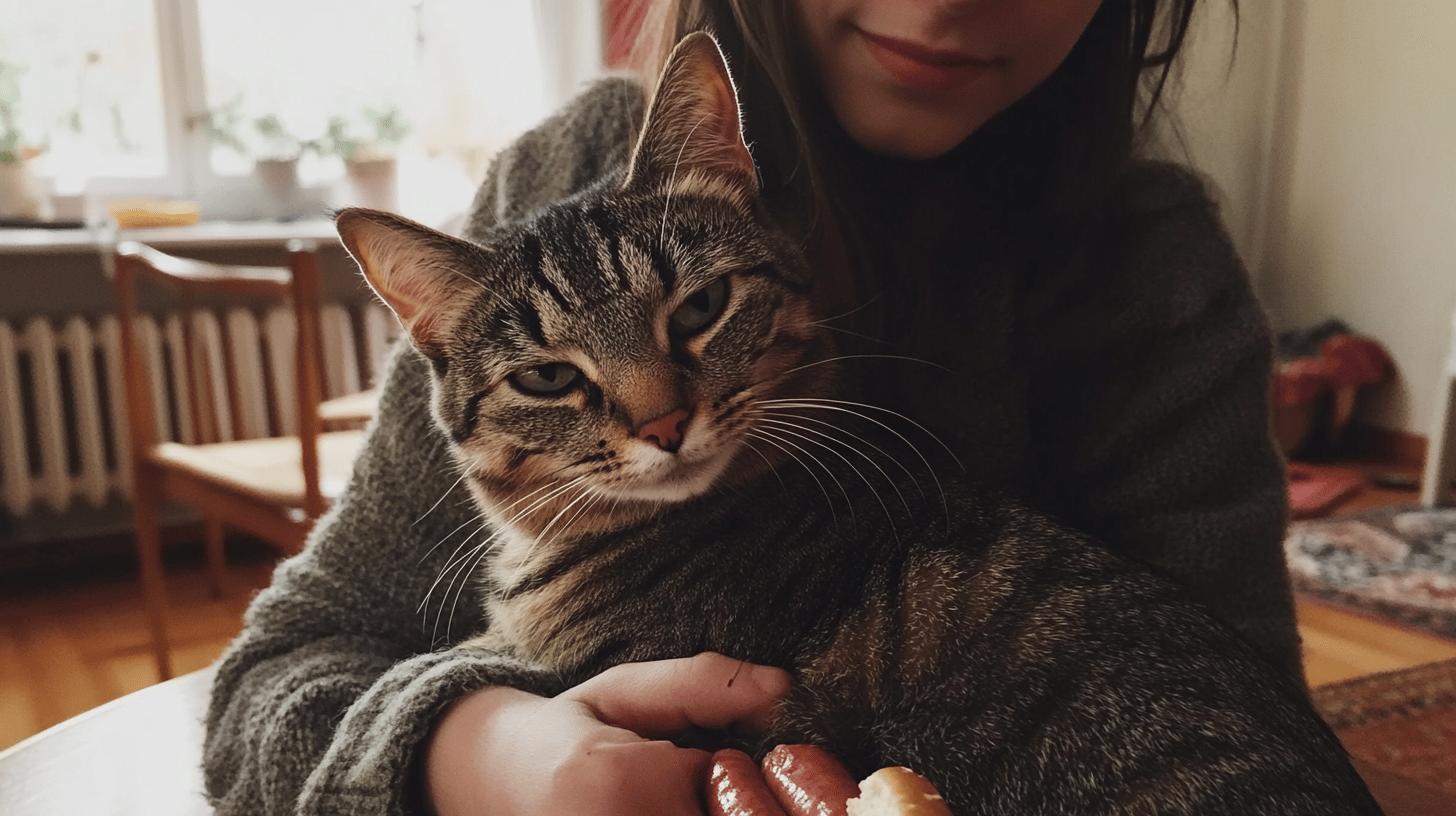
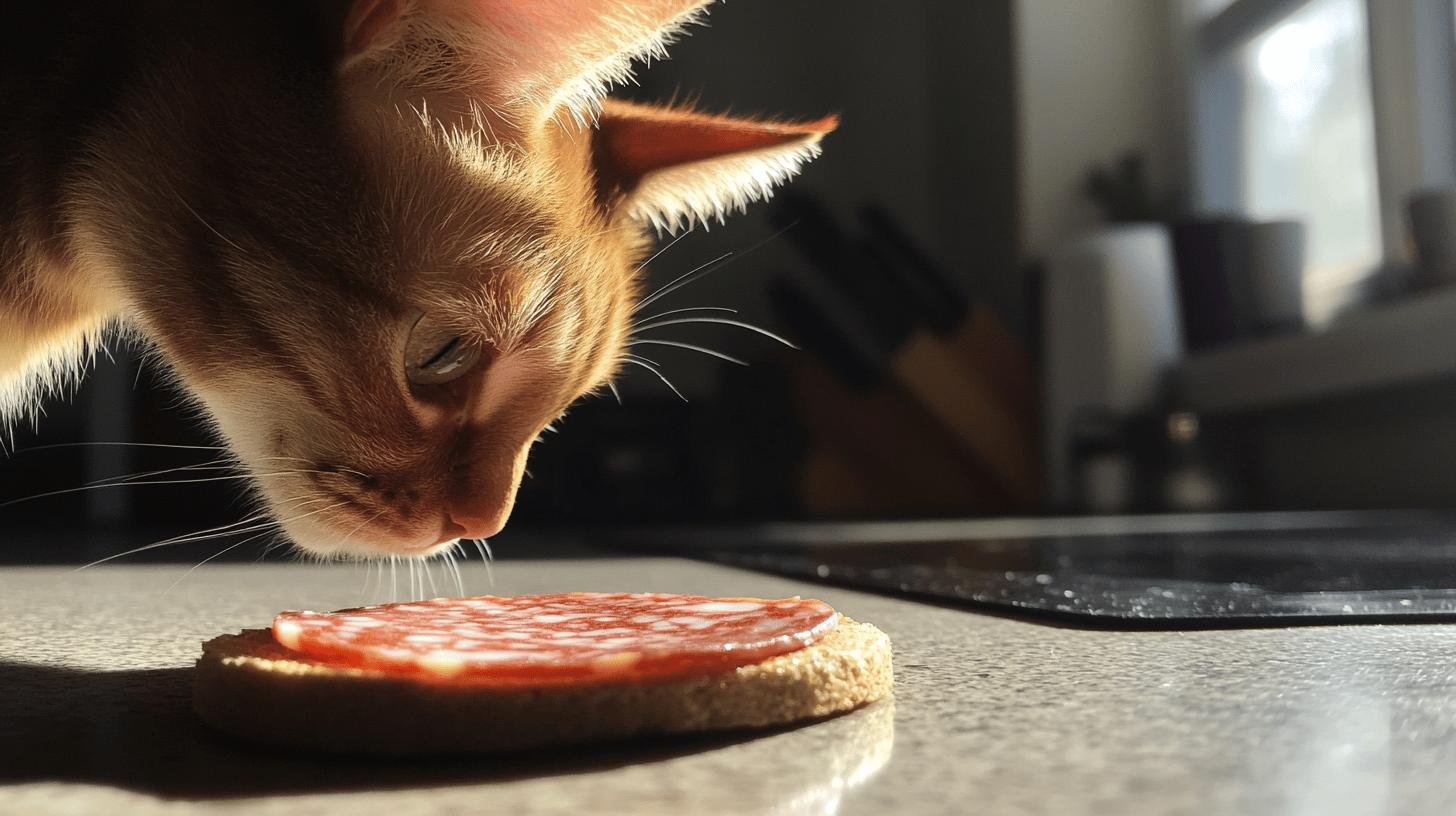
    Cats often get curious about the foods we eat, and it’s tempting to share a bite of our snack with them. Salami, with its rich aroma and flavor, might seem appealing to your feline friend. But is salami safe for cats? The answer is no, and here’s why.

    • High Sodium Content: An average slice of salami contains about 200 milligrams of sodium. For a cat weighing around 4 kg, the recommended daily sodium intake is only about 40 milligrams. Consuming too much sodium can lead to salt poisoning in cats, causing symptoms like vomiting, diarrhea, and even seizures.
    • Preservatives: Salami contains nitrates or nitrites as preservatives. In large amounts, these can be harmful to cats, although poisoning from these preservatives through salami is unlikely.
    • Spices: Salami is often prepared with salt, garlic powder, and other spices. Garlic, in particular, is toxic to cats and can cause gastrointestinal upset and damage to red blood cells.
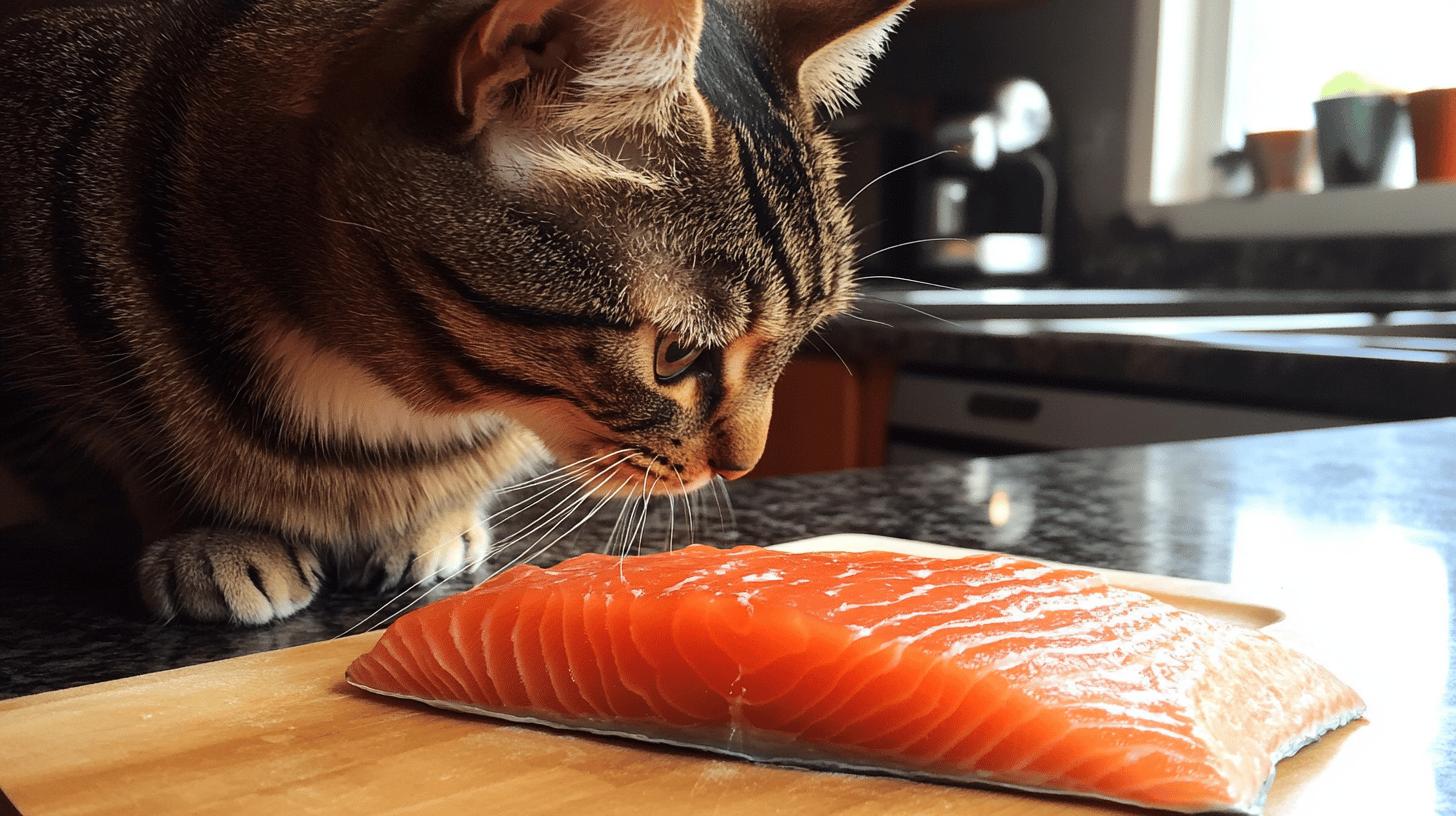
    • High Fat Content: The fat content in salami can easily exceed a cat’s recommended daily intake. Cats require fats from healthier sources like salmon, which provides essential omega-3 fatty acids beneficial for their health.

    Feeding salami to cats poses significant health risks. The high sodium content alone is a major concern, potentially leading to salt poisoning. Additionally, preservatives and spices add to the risk, with garlic posing a toxic threat. The high-fat content can also contribute to obesity and other health issues. Cats are obligate carnivores, meaning they need a diet rich in protein and healthy fats from animal sources. Prioritizing healthier fat sources like salmon over processed meats like salami is crucial for their well-being.

    Safe Alternatives and Treats for Cats
    Safe Alternatives and Treats for Cats-1.jpg

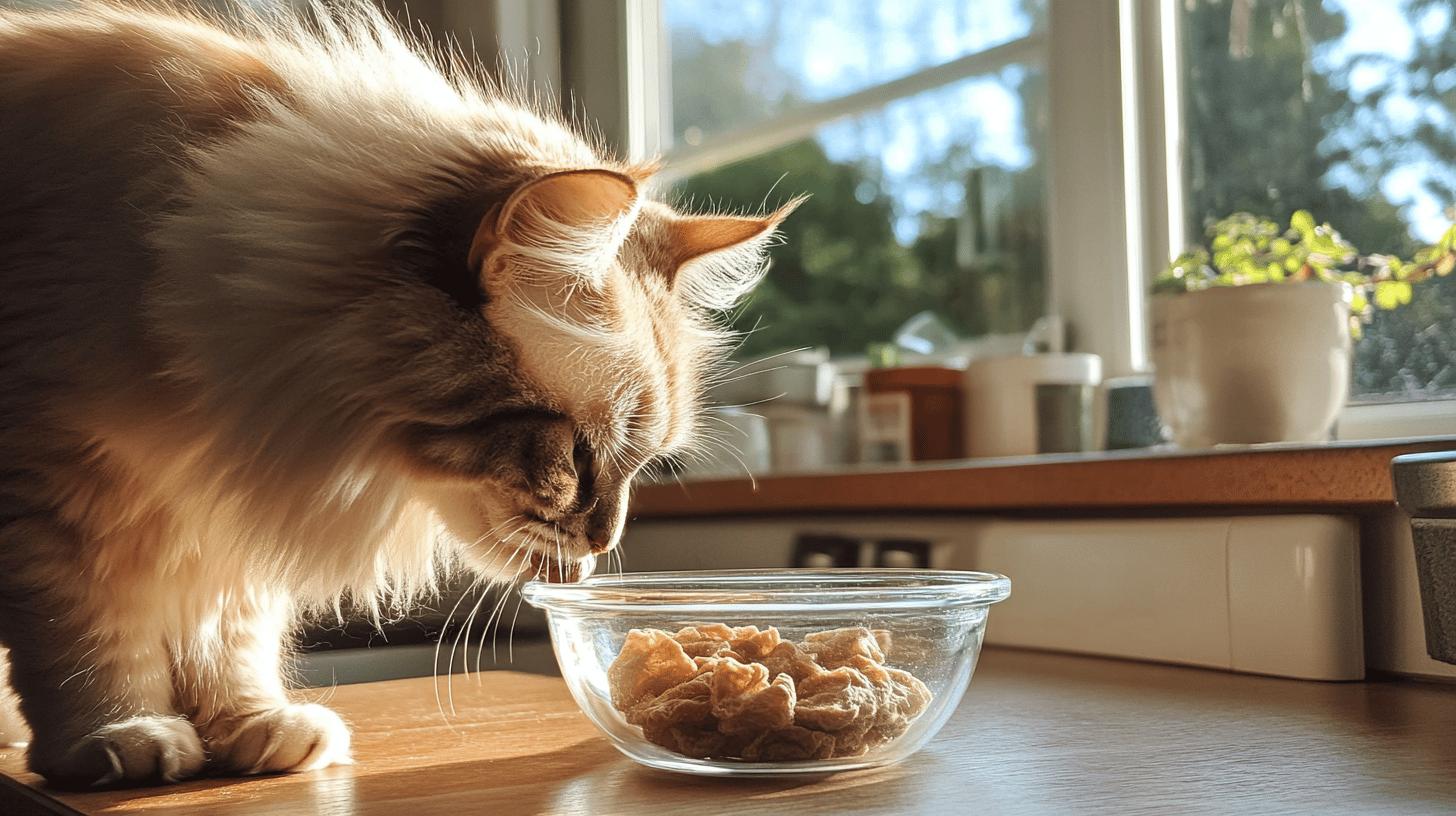
    Choosing healthy treats for your cat is crucial for their overall well-being. While salami might seem tempting, there are far better options that cater to a cat’s nutritional needs without the risks associated with processed meats. Let’s explore some safe and tasty alternatives to salami.

    • Commercial Cat Treats: These are specifically formulated to meet your cat’s dietary requirements, offering balanced nutrition without harmful additives.
    • Homemade Treats: Boiling chicken or fish without spices or additives can be a simple and healthy way to treat your cat.
    • Freeze-Dried Treats: Available in pet stores, these treats offer a meat-based option without additives, preserving the natural flavors and nutrients.
    • Catnip Toys: Infused with catnip, these toys can be a playful and calorie-free treat for your cat.
    • Cooked Eggs: A small amount of cooked egg can be a protein-rich snack, as long as it’s given in moderation.

    Freeze-dried treats are gaining popularity among cat owners for good reason. They provide the benefits of raw meat while eliminating the risks of spoilage and harmful bacteria. These treats undergo a dehydration process that retains the original nutrients and flavors, making them an excellent choice for cats who enjoy the taste of meat.

    Prioritizing your cat’s health means selecting treats that support their dietary needs. By opting for healthier alternatives, you ensure your feline friend enjoys snacks without the unnecessary risks posed by foods like salami. Always keep your cat’s nutritional requirements in mind when offering treats, and choose options that contribute positively to their health.

    What to Do if Your Cat Eats Salami

    If your cat has managed to sneak a bite of salami, you might be wondering what comes next. While cats are obligate carnivores and enjoy meat, salami is not ideal due to its high sodium content and spices. Common reactions in cats include vomiting, diarrhea, and lethargy if they consume foods high in salt and preservatives. Although the risk of Salmonella from salami is low, it’s crucial to remain vigilant.

    Here are four steps to take if your cat eats salami:

    1. Monitor Your Cat: Keep an eye on your cat for any signs of distress or unusual behavior. Symptoms like vomiting or diarrhea need attention.
    2. Provide Fresh Water: Ensure your cat has access to plenty of fresh water to help flush out any excess sodium.
    3. Limit Further Access: Remove any remaining salami or similar foods from your cat’s reach to prevent further consumption.
    1. Consult a Veterinarian: If your cat shows any severe symptoms or if you’re unsure about the amount consumed, contact your vet for guidance.

    Consulting a veterinarian is essential for professional advice tailored to your cat’s health. Regular monitoring of your cat’s condition post-consumption ensures any potential issues are caught early. While a small amount of salami might not cause immediate harm, it’s always better to err on the side of caution and keep processed meats out of your cat’s diet.

    Final Words

    Understanding whether can cat eat salami revealed that it’s a risky choice. Salami’s high sodium, preservatives, and spices aren’t suitable for feline friends. It poses health risks due to unhealthy ingredients. Instead, there are healthier treat options. Freeze-dried treats and plain boiled chicken offer safe alternatives. If your cat sneaks a bit of salami, stay calm but vigilant. Monitor for symptoms and consult a vet if needed. By keeping health first, we ensure safer and happier playtime experiences for our furry companions.

    FAQ

    Can cats eat salami?

    A: Cats should not eat salami. Salami’s high sodium, preservatives, and spices can harm cats. It contains about 200 mg of sodium per slice, far more than a cat’s daily limit.

    Can cats eat cheese?

    A: Cats can eat cheese in small amounts. But many are lactose intolerant, which can cause digestive issues. Use cheese as an occasional treat, not a regular part of their diet.

    Can cats eat pepperoni?

    A: Pepperoni is not safe for cats. It’s spicy, fatty, and high in sodium, which can be harmful. Consider safer treats like boiled chicken or commercial cat treats.

    Can cats eat salmon?

    A: Yes, cats can eat salmon. It’s a healthy source of protein and omega-3 fatty acids. Ensure the salmon is cooked and free from bones and seasonings.

    What happens if my cat eats salami?

    A: If a cat eats salami, watch for signs like vomiting or diarrhea. Take steps like removing salami access and providing fresh water. Consult a vet if symptoms arise.

    Can cats eat ham?

    A: Ham is not ideal for cats due to its high salt content and preservatives. If given, only offer small, unseasoned pieces as an occasional treat.

    Can cats eat prosciutto?

    A: Prosciutto, like other processed meats, is not good for cats. It’s high in sodium and may contain harmful preservatives. Stick to safer options.

    Can dogs eat salami?

    A: Similar to cats, dogs should avoid salami. It’s high in salt and fat, which can lead to health problems. Opt for dog-specific treats instead.

    Why does my cat want salami?

    A: Cats might want salami due to its strong smell and taste. This doesn’t mean it’s safe for them, so avoid feeding it to your cat.
    Related Articles

  • Can Cat Eat Watermelon Safely and What Are the Risks

    Can Cat Eat Watermelon Safely and What Are the Risks

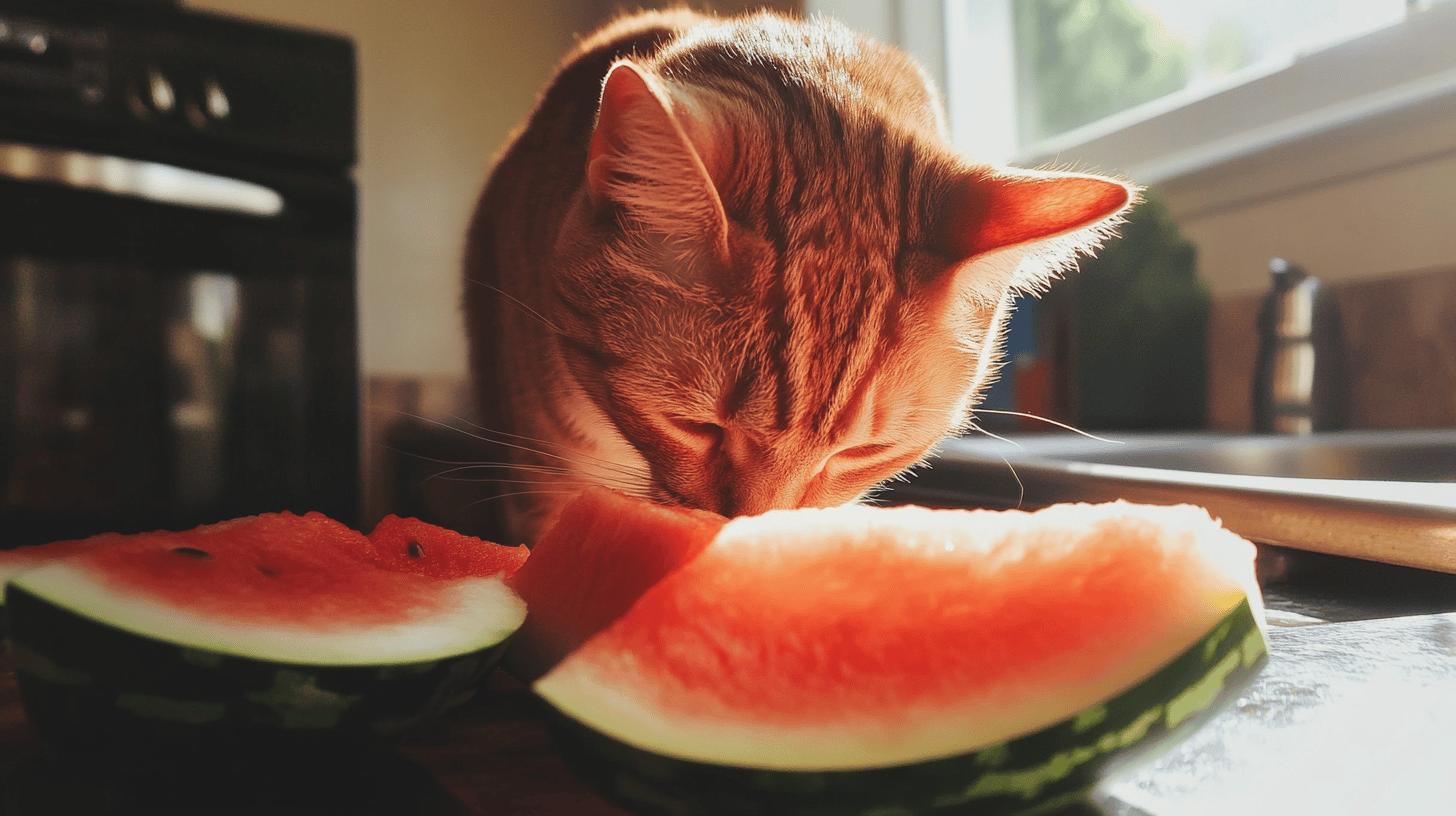
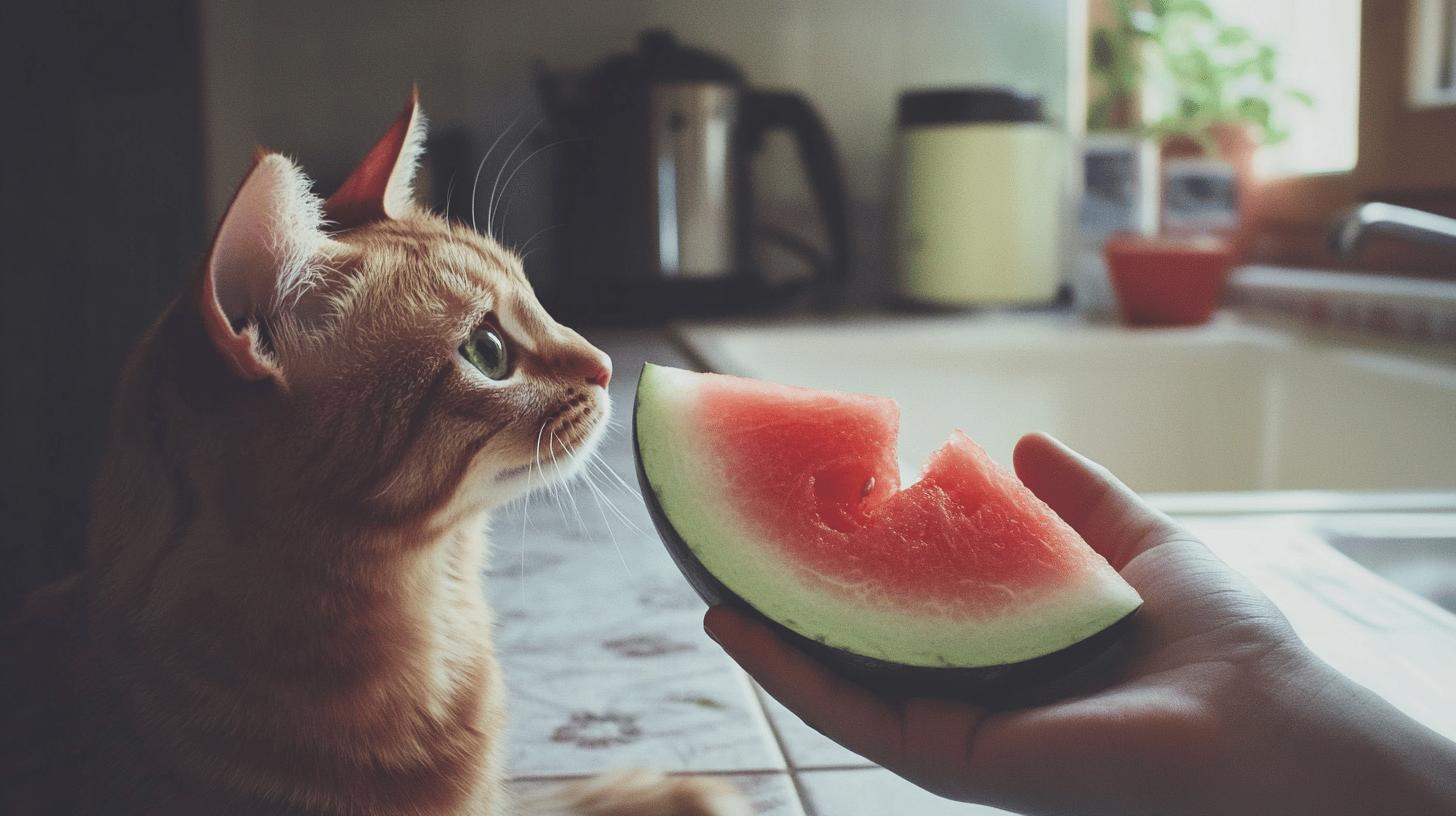
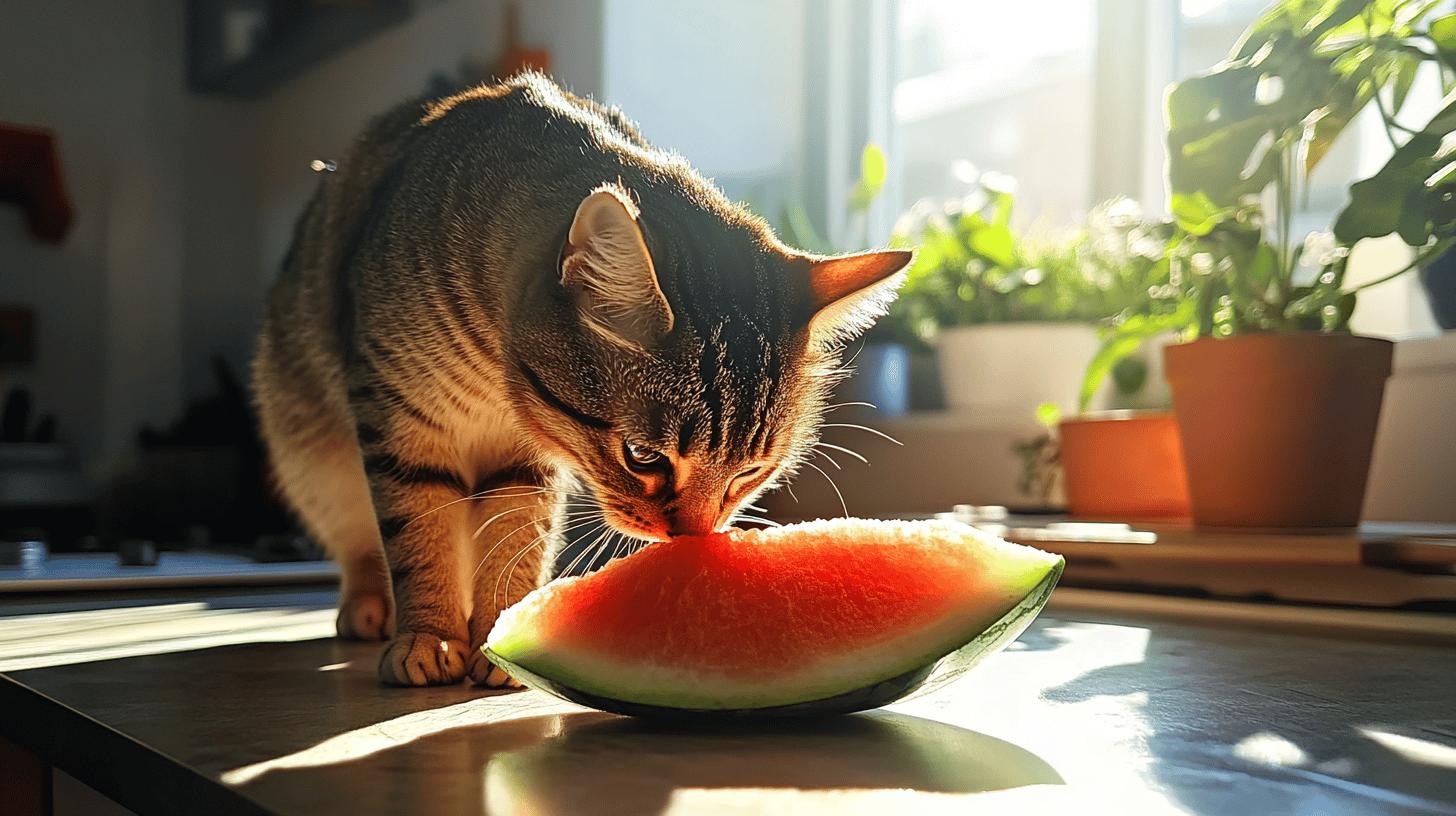
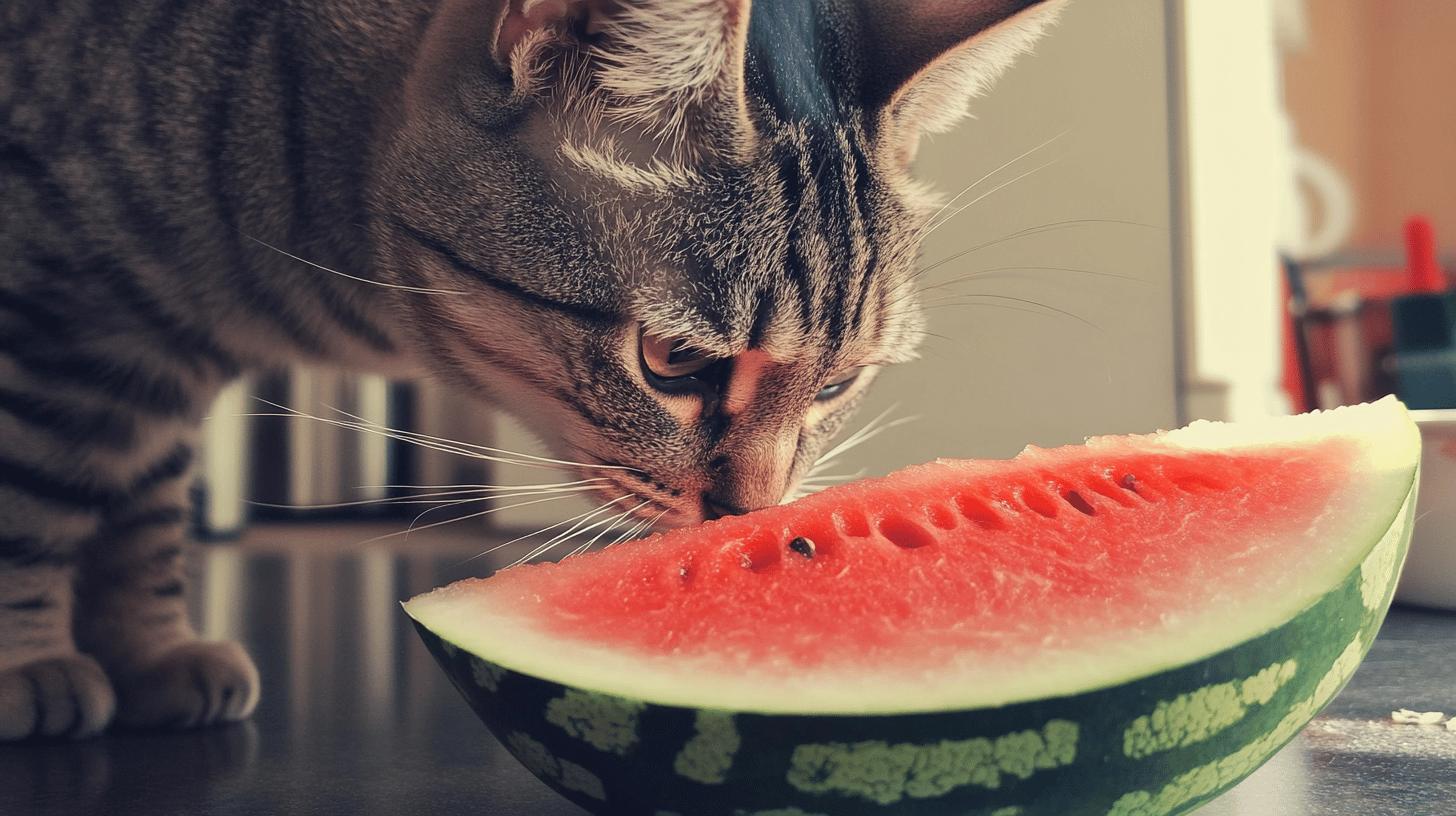
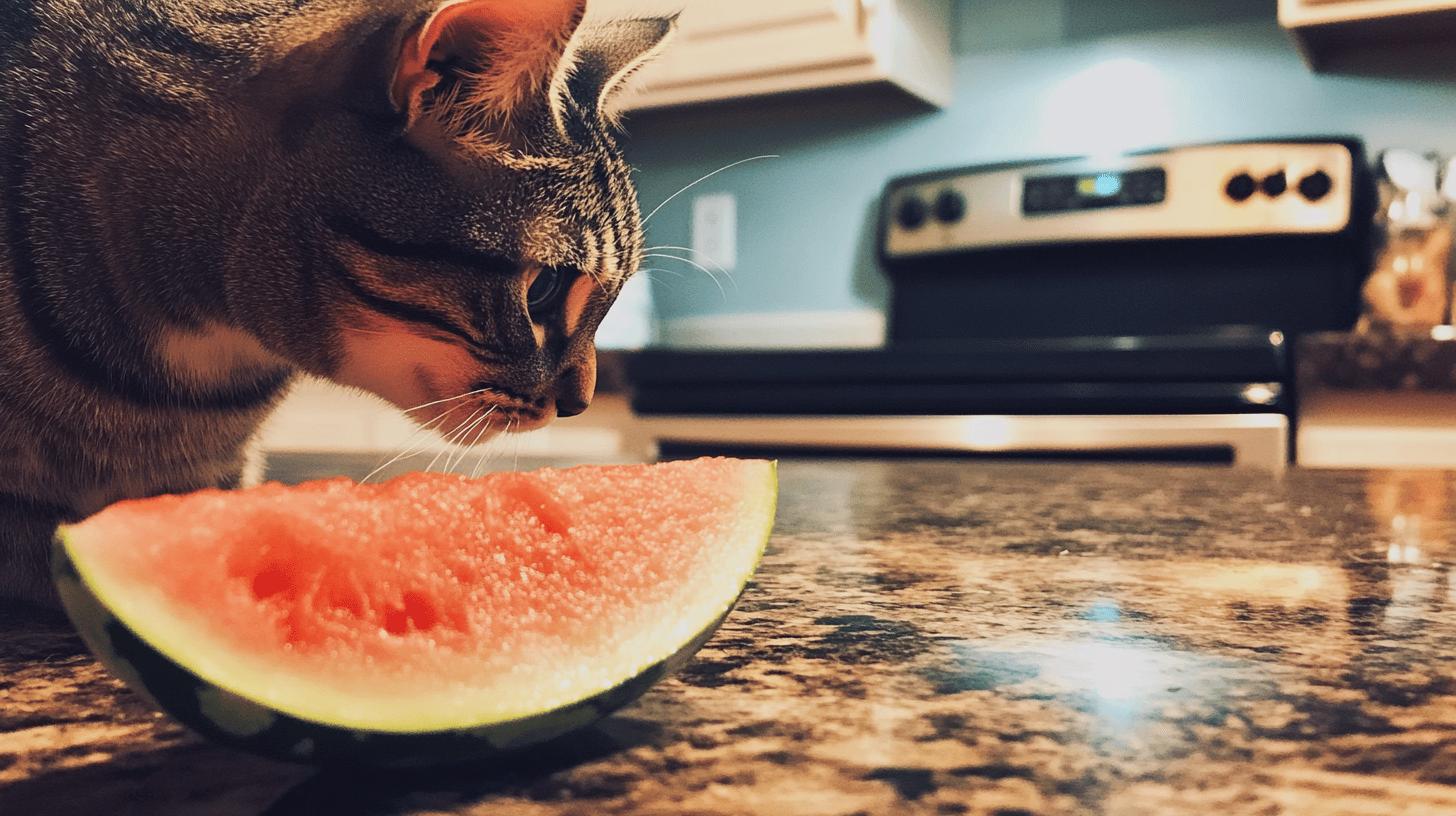
    Ever watched your cat eyeing your watermelon slice with that curious look? It might spark the question: Can cats safely eat watermelon, or are there hidden dangers lurking behind this seemingly harmless treat? While watermelon could be a refreshing treat in small bites, there are several risks if not served correctly. The seeds and rind can pose hazards, and too much sugar isn't ideal for our feline friends. In this article, we'll explore whether watermelon can have a place in your cat's diet and what to watch out for.

    Can Cats Safely Eat Watermelon and Potential Risks

    Can Cats Safely Eat Watermelon and Potential Risks-1.jpg

    Cats can eat watermelon, and the flesh of the fruit is safe for them in small quantities. Watermelon doesn't provide any significant nutritional benefits to cats, which rely primarily on proteins and fats for their dietary needs.

    While the juicy fruit might be a refreshing treat, it's crucial to avoid feeding them the seeds and rind. Seeds contain cyanide, which poses a choking hazard and other health risks. The rind is tough and can lead to choking or intestinal blockages if ingested.

    Despite being non-toxic, watermelon should only be offered in moderation due to its high sugar content. Cats, being obligate carnivores, don't have a dietary need for carbohydrates. Consuming too much sugar can lead to digestive issues such as diarrhea or upset stomach. It's also worth noting that diabetic cats should stay away from watermelon altogether, as the natural sugars can exacerbate their condition.

    When feeding watermelon to your feline friend, follow these guidelines:

    • Ensure watermelon is seedless.
    • Remove rind before serving.
    • Serve in small, bite-sized pieces.
    • Monitor for any adverse reactions.
    • Consult a vet if issues arise.
    • Avoid seeds that contain cyanide.
    • Keep rind away to prevent choking or blockages.

    By keeping these considerations in mind, you can allow your cat to enjoy a small taste of watermelon safely. Always observe your cat's reaction and consult a veterinarian if you notice any unusual symptoms.

    Nutritional Insight: What Does Watermelon Offer Cats?

    Nutritional Insight What Does Watermelon Offer Cats-1.jpg

    Watermelon contains antioxidants that can help maintain a healthy immune system in cats. The fruit provides potassium for muscle function and magnesium for bone health. While these nutrients can be beneficial, they are not unique to watermelon and can be obtained from a cat's diet in other forms.

    The high sugar content in watermelon poses a risk, especially for diabetic cats. This natural sugar can elevate blood sugar levels, making it unsuitable for these cats. Given its low-calorie count but sugary nature, watermelon should be offered sparingly.

    Nutrient Benefit for Cats
    Vitamins A and C Antioxidants
    Potassium Supports muscle function
    Magnesium Bone health
    Dietary Fiber Aids digestion

    How to Properly Serve Watermelon to Cats

    How to Properly Serve Watermelon to Cats-1.jpg

    Wash the watermelon thoroughly to remove any contaminants. Remove the seeds and rind, as these can be hazardous to your cat's health. Cut the fruit into small, cat-friendly pieces.

    Limit the serving size to a small portion. Watermelon should only be an occasional treat to avoid excess sugar intake, which can upset your cat's stomach.

    Observe your cat for any signs of discomfort or adverse reactions after eating watermelon. If you notice any unusual symptoms, consult a veterinarian promptly.

    1. Wash the watermelon thoroughly.
    2. Remove all seeds and rind.
    3. Cut into small, bite-sized pieces.
    4. Serve a small portion as a treat.
    5. Monitor your cat's reaction closely.

    Alternative Fruits and Safe Treats for Cats

    Alternative Fruits and Safe Treats for Cats-1.jpg

    Fruits can be a delightful change for your cat's taste buds when offered occasionally. While cats are obligate carnivores and don't require fruits in their diet, some cats may enjoy the taste and texture of certain fruits. These can provide a bit of enrichment and variety. It's important to remember that fruits should never replace a cat's main diet, which should consist predominantly of high-quality protein sources. Offering fruits as a treat can be a fun way to bond with your cat, but moderation is key to avoiding any potential digestive upset.

    Safe Fruits and Vegetables for Cats

    When considering fruits and vegetables for your cat, you'll want to focus on those that are safe and offer some nutritional value. Always ensure that any fruit or vegetable is prepared properly to avoid any health risks.

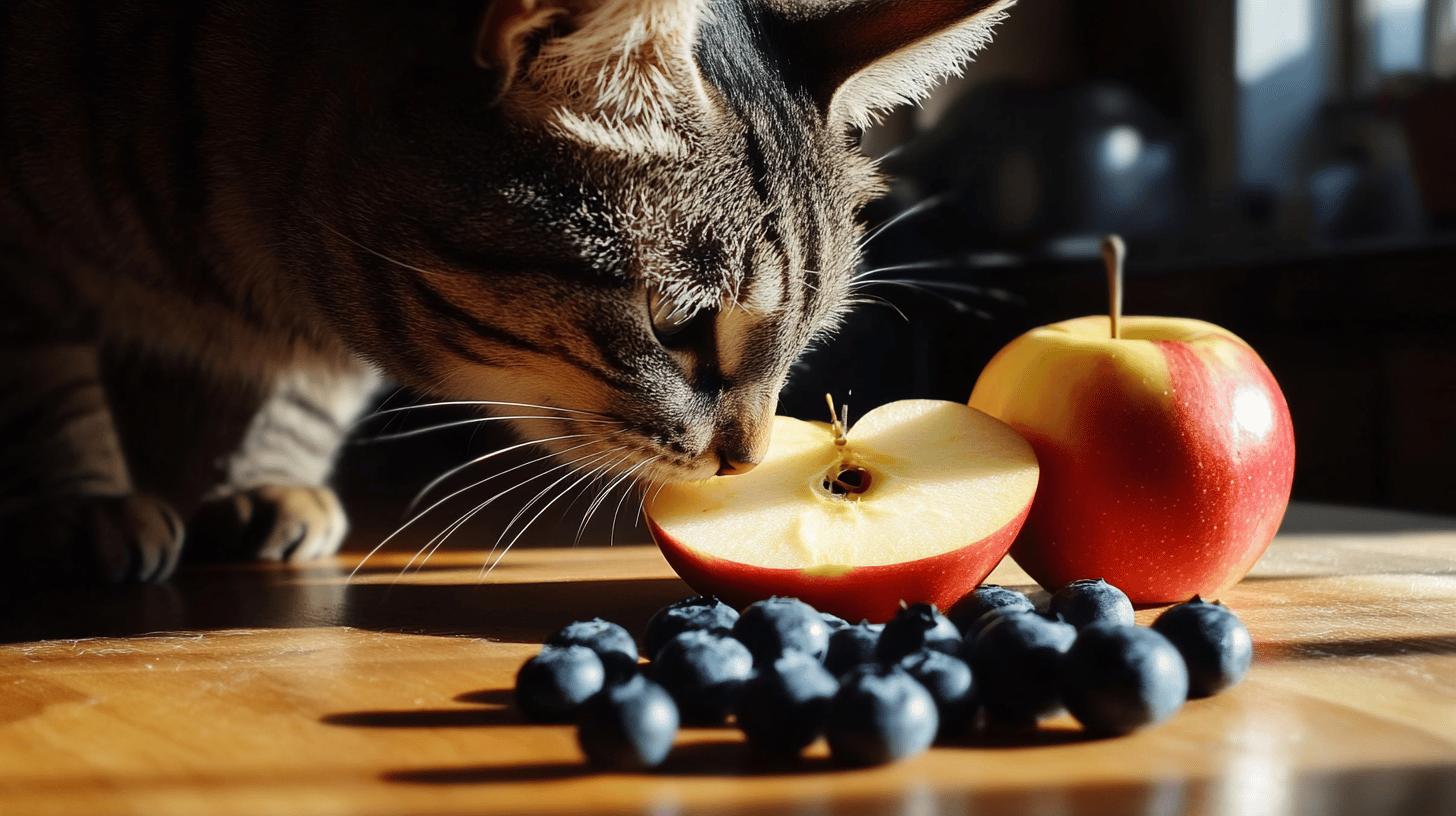
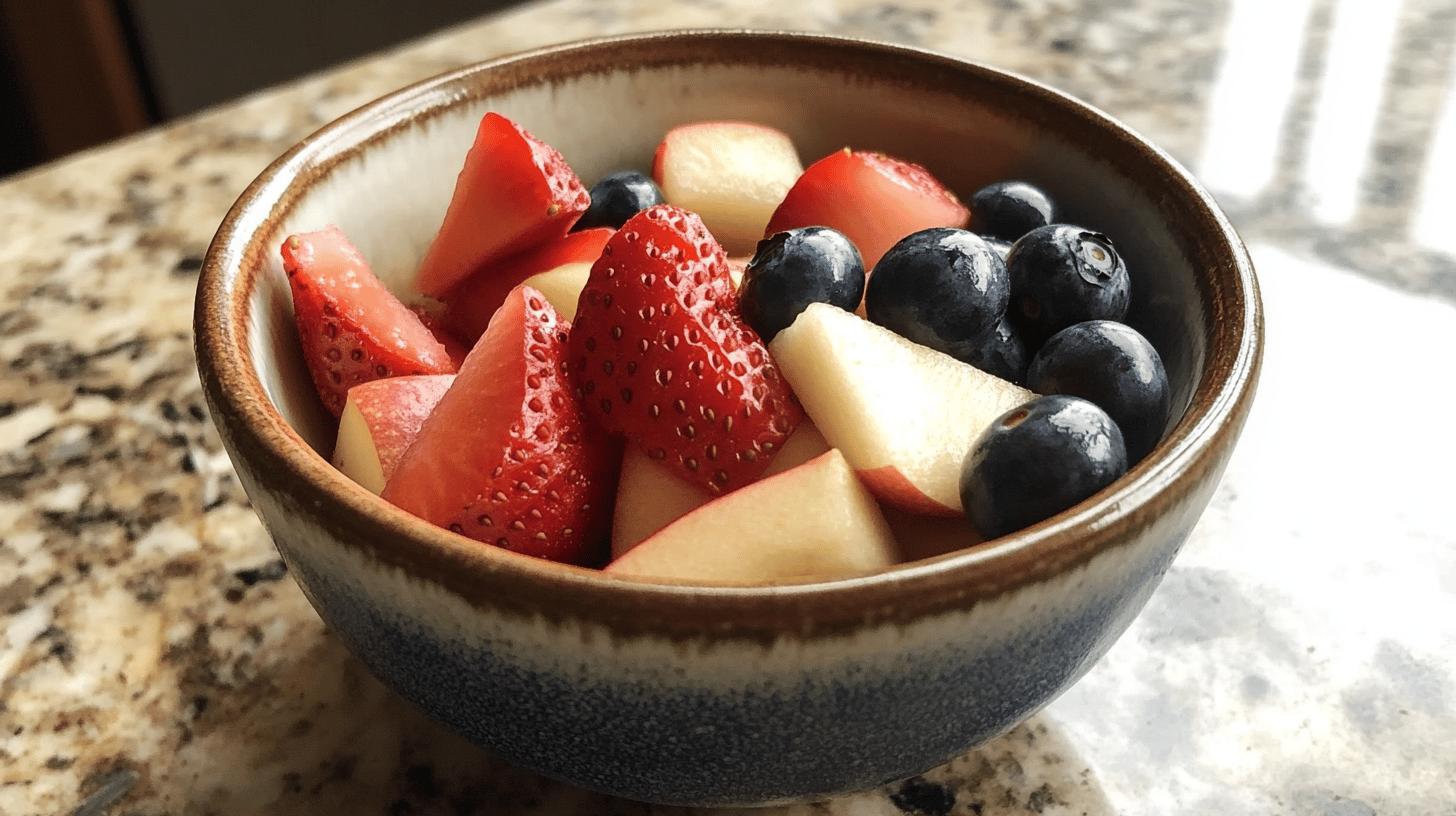
    • Blueberries: Rich in antioxidants, these can be offered fresh or frozen.
    • Apples (seedless): Provide fiber, but remember to remove the seeds and core.
    • Bananas: Contain potassium and can be served in small slices.
    • Cooked carrots: Offer Vitamin A and should be soft to prevent choking.
    • Peas: Provide protein and fiber; can be served cooked or raw.

    While these options are generally safe, it's crucial to start with small amounts to see how your cat reacts. Monitor your feline friend for any signs of allergies or digestive issues, such as vomiting or diarrhea. Not every cat will take to fruits and veggies, so if your cat doesn't seem interested, there's no need to force it. Always prioritize your cat's health and comfort, and consult with a veterinarian if you're unsure about introducing new treats.

    Understanding Cats' Reactions to Watermelon

    Understanding Cats Reactions to Watermelon-1.jpg

    When introducing watermelon to your cat, it's important to observe any behavioral changes. Cats may not be naturally inclined to sweet foods, so they might not show much interest. If your cat does decide to give watermelon a taste, watch for signs like increased enthusiasm or, conversely, disinterest.

    Cats are individuals, and their reactions can vary widely. While some may enjoy the new texture and flavor, others might turn away. It's all about figuring out what your cat prefers and ensuring that their experience is enjoyable and safe.

    Potential allergies or adverse reactions are another area to be mindful of. Watermelon can sometimes cause gastrointestinal distress in cats, especially if they consume too much. Symptoms such as vomiting or diarrhea should be monitored closely. If these symptoms occur, it's best to contact your veterinarian for advice. Being aware of how your cat reacts to new foods helps ensure their ongoing health and happiness.

    • Look for signs of gastrointestinal distress.
    • Note any lack of interest in the fruit.
    • Contact a vet if unusual symptoms appear.

    Final Words

    Cats can eat watermelon, but only the flesh in moderation.
    There are no major nutritional gains for them, but it's a safe treat if you keep it properly prepared.
    Keeping away from seeds and rind is key. Both pose risks like choking or digestive problems.
    Consider the high sugar content, which might affect their stomach.

    Providing watermelon lets you bond with your cat during snack time.
    It's a step toward understanding what treats suit them.
    Always keep their safety first when introducing new foods.
    With care, even simple treats can create happy moments.

    FAQ

    Can cats eat watermelon seeds?

    Cats should not eat watermelon seeds. Seeds contain cyanide and pose a choking hazard. Always remove seeds before serving.

    Can cats eat watermelon raw?

    Cats can eat raw watermelon. Ensure it's seedless and rind-free. Serve in small, bite-sized pieces for safety.

    Can cats eat watermelon rind?

    Cats should not eat watermelon rind. The rind can cause choking or intestinal blockages. Remove it completely before serving.

    Can cats eat watermelon juice?

    Cats can lick watermelon juice safely in small amounts. Avoid overconsumption due to high sugar content.

    Can cats eat watermelon every day?

    Cats should not eat watermelon daily. High sugar content can lead to digestive issues. Offer occasionally as a treat.

    Can kittens eat watermelon?

    Kittens can have small amounts of watermelon. Remove seeds and rind. Monitor them for any digestive issues.

    Can dogs eat watermelon?

    Dogs can safely eat watermelon flesh. Remove seeds and rind to prevent choking and digestive issues.

    What fruits can cats eat?

    Cats can eat fruits like blueberries, seedless apples, and bananas in moderation. Always remove seeds and offer in small pieces.

    Is watermelon toxic for cats?

    Watermelon is not toxic for cats. Ensure it's seedless and rind-free to prevent choking hazards.

    Why do cats love watermelon?

    Cats may enjoy watermelon for its water content. Not all cats will like it, as they don't prefer sweet tastes.

    What fruit is toxic to cats?

    Grapes and raisins are toxic to cats. Avoid feeding these and always research fruits before offering them to cats.

    Can cats lick watermelon juice?

    Cats can lick watermelon juice. Offer only small amounts due to its high sugar content.

    Related Articles

  • Can Cat Eat Banana Safely and in Moderation

    Can Cat Eat Banana Safely and in Moderation

    Ever watched your cat eyeing your snack, and wondered if it’s safe to share? Many pet owners ask, “Can cats eat banana safely?” The short answer is yes, but only in moderation. Bananas aren’t toxic to cats, making them an occasional treat option. Yet, because cats are carnivores, relying on animal protein is vital for their diet. Bananas, while rich in vitamins, don’t offer much nutritional value for cats. So, if you’re considering adding a banana to your cat’s food list, remember that balance is crucial for their health and wellbeing.

    Can Cats Safely Eat Bananas?

    Can Cat Eat Banana Safely and in Moderation-2.jpg

    Cats can safely eat bananas, but only in small amounts. Bananas are not toxic to cats and can be offered as an occasional treat. It’s crucial to keep portions small—about a one-square-inch slice every few weeks is enough. While bananas contain vitamins and minerals, they don’t provide significant nutritional benefits for cats, who are obligate carnivores.

    The carbohydrate content in bananas can lead to weight gain if given too often. Therefore, moderation is key when sharing bananas with your feline friend. Always prioritize a balanced diet primarily based on animal protein to meet their nutritional needs.

    Overfeeding bananas to cats can result in several side effects. Digestive issues are the most common concern, as cats may experience discomfort when consuming foods outside their regular diet. If you notice any signs of digestive upset, it’s best to discontinue feeding bananas and consult a veterinarian.

    Potential adverse reactions to overfeeding bananas include:

    • Vomiting
    • Diarrhea
    • Stomach upset

    Cats’ digestive systems are sensitive, so it’s important to monitor their reaction to any new food, including bananas.

    Guidelines for Feeding Bananas to Cats

    Feeding bananas to cats requires moderation and care. Offer a small slice, about one square inch, every few weeks as an occasional treat. This portion size maintains variety without compromising health. While bananas are non-toxic, they lack essential nutrients found in a cat’s meat-based diet. Always prioritize your cat’s regular food to meet dietary needs, using bananas sparingly to prevent digestive issues.

    Cats might not show interest in bananas due to their fewer taste buds and lack of sensitivity to sweetness. This can lead to some cats ignoring bananas altogether.

    To safely introduce bananas to your cat:

    • Cut the banana into small, manageable pieces.
    • Observe your cat’s reaction to eating bananas.
    • Limit the frequency to once every few weeks.

    Nutritional Benefits and Risks of Bananas for Cats

    Bananas contain antioxidants that might help reduce oxidative stress in cats. These antioxidants, along with small amounts of vitamins like vitamin C and potassium, offer minor health benefits. Yet, these nutrients are not crucial for a cat’s diet, as the amounts in bananas are too minimal to make a significant impact.

    The high carbohydrate content in bananas presents a risk. Cats are not designed to process large amounts of carbs, making them prone to weight gain if bananas are consumed frequently. This weight gain could increase the risk of diabetes, emphasizing the importance of offering bananas only as an occasional treat.

    As obligate carnivores, cats thrive on animal protein diets rich in taurine and amino acids, which are not present in bananas. Non-animal sources like bananas do not meet their nutritional needs. Focusing on a diet centered around high-quality animal protein is key to keeping your cat healthy.

    Expert Opinions and Veterinary Recommendations on Bananas for Cats

    Expert Opinions and Veterinary Recommendations on Bananas for Cats-1.jpg

    Consulting veterinarians is crucial when introducing new foods to your cat’s diet. Although bananas are not toxic, they should be given with caution. Veterinarians can offer guidance on how to keep your cat’s diet balanced and healthy.

    Feeding cats human foods like bananas can lead to costly dietary indiscretions. Pet insurance claims for these incidents average $642. To avoid unnecessary expenses and health issues, it’s best to follow vet-recommended diets and consult a veterinarian before adding new treats.

    Alternatives to Bananas and Safe Fruits for Cats

    Alternatives to Bananas and Safe Fruits for Cats-1.jpg

    Cats can enjoy a variety of fruits as safe alternatives to bananas. While cats are obligate carnivores and their main nutritional needs come from animal proteins, small amounts of certain fruits can be an occasional treat. Blueberries, strawberries, and apples are among the fruits that cats can eat in moderation. These fruits offer a refreshing change and can be a novel experience for your feline friend. Remember, fruits should never replace a balanced diet based on high-quality animal protein.

    It’s important to give these fruits in moderation due to their high sugar content. Too much sugar can lead to weight gain and other health issues. Always ensure to remove any harmful parts such as stems, pits, seeds, and rinds before offering fruits to your cat. These parts can be toxic or pose choking hazards. By keeping portions small and removing unsafe components, you can safely offer these fruity treats to your cat.

    Fruit Safe Amount
    Blueberries 2-3 berries
    Strawberries 1 small strawberry
    Apples 1-2 small slices

    Final Words

    Exploring the question, “Can cat eat banana?” revealed that, while not toxic, bananas are best as an occasional treat.

    A small slice every few weeks is enough to keep your cat safe from digestive issues.

    Even though bananas have some vitamins, they’re not a staple for carnivore cats.

    It’s always a good idea to check with your vet when introducing new treats.

    Considering alternatives like blueberries and strawberries can provide more variety in your cat’s diet.

    Remember, moderation is key to keeping your furry friend healthy and happy.

    FAQ

    Can cats eat banana peels?

    Cats should not eat banana peels. They can be hard to digest and might cause stomach upset or blockage.

    Can cats eat banana bread?

    Cats should avoid banana bread. Bread can contain ingredients harmful to cats, like sugar and spices.

    Can cats eat bananas for diarrhea?

    Feeding bananas to cats for diarrhea is not recommended. It’s best to consult a vet for appropriate treatment.

    What fruits can cats eat?

    Cats can eat certain fruits like blueberries, strawberries, and apples in moderation. These should be served without seeds or skins.

    Can cats eat apples?

    Cats can eat apples, but only in small, seedless pieces. Seeds are harmful due to cyanide content.

    Can cats eat strawberries?

    Yes, cats can eat strawberries. Offer small pieces and watch for any signs of allergy or upset stomach.

    Can cats eat peanut butter?

    Peanut butter is not ideal for cats. It contains sugar and salt, which can cause health issues.

    Can kittens eat bananas?

    Kittens can have bananas, but only in tiny amounts. Always check with a vet before introducing new foods.

    Is it safe for cats to eat bananas?

    Cats can safely eat bananas in small amounts. Too much might lead to digestive issues like diarrhea.

    Can cats have a slice of banana?

    Yes, cats can have a small slice as an occasional treat. Limit to once every few weeks.

    Why does my cat like bananas?

    Some cats like bananas due to their curious nature or texture. Not all cats are attracted to them.

    Related Articles

  • Can Cat Eat Fish Benefits and Risks Explained

    Can Cat Eat Fish Benefits and Risks Explained

    Is feeding your cat fish a healthy treat or a recipe for disaster? While many cat foods boast fish ingredients, not all fish are created equal for our feline friends. In this article, we'll dive into the benefits of fish like Omega-3s that can boost your cat's health, and the risks, like harmful bacteria and choking hazards. Understanding the balance of these factors will help you make informed decisions, ensuring your cat remains healthy and happy without sacrificing safety or nutrition. Let's explore how to incorporate fish into your cat's diet safely.

    Can Cats Safely Eat Fish?

    Can Cats Safely Eat Fish-1.jpg

    Cats are obligate carnivores, meaning their diet must be rich in meat and fish, making up about 70% of their nutritional intake. Fish is a common ingredient in many commercial cat foods due to its appealing taste and nutritional value. While cats can eat fish, it's vital to ensure it complements the other essential proteins and nutrients in their diet. Fish can be a delightful treat for cats, but it should not replace their primary protein sources like chicken or lamb.

    Fish offers several health benefits for cats, primarily due to its high Omega-3 fatty acid content. These fatty acids are crucial for neurological health and possess anti-inflammatory properties that can improve joint health and skin condition. Types of fish like wild salmon and sardines are particularly rich in Omega-3s, making them beneficial additions to a cat's diet. These nutrients help maintain a shiny coat and support overall well-being.

    Despite the benefits, there are potential risks associated with feeding fish to cats. Raw fish is a no-go because it can carry harmful bacteria and enzymes that break down crucial vitamins. Furthermore, fish bones pose a choking hazard and can cause digestive issues. Tinned fish should be thoroughly drained to remove excess salt or oil. Moderation is key, especially with fish like tuna, which contains mercury. When carefully managed, fish can be a safe and nutritious part of a cat's diet.

    Nutritional Benefits of Fish for Cats

    Nutritional Benefits of Fish for Cats-1.jpg

    Fish is full of important Omega-3 and Omega-6 fatty acids, which are vital for a cat's well-being. These fatty acids support neurological health, aid in reducing inflammation, and improve skin and coat condition. Additionally, they benefit joint health. While fish should not be the only protein source, it can complement a cat's diet effectively.

    • Wild Salmon: Rich in Omega-3 and Omega-6 content.
    • Sardines: Packed with Omega-3s for a nutrient boost.
    • Herring: Offers Omega-3s along with essential vitamins.

    Incorporating these fish into a cat's diet promotes overall health. Omega-3 and Omega-6 fatty acids help maintain a shiny coat, support cardiovascular health, and enhance cognitive function. By balancing fish with other proteins, you ensure your cat receives a complete and nutritious diet.

    Types of Fish Safe for Cats

    Types of Fish Safe for Cats-1.jpg

    When choosing fish for our feline companions, selecting safe and nutritious options is key. Let's explore a few types that offer nutritional benefits without the risk of harm.

    Wild Salmon

    Wild salmon stands out for its Omega-3 content. These fatty acids are essential for a cat's coat, joints, and brain. It's safe when cooked, providing health benefits without bacterial risks.

    Wild Cod and Wild Haddock

    These fish offer lean protein, ideal for maintaining a healthy weight in cats. They deliver necessary nutrients without excessive fat, making them safe and beneficial.

    Acadian Redfish

    Known as ocean perch, Acadian redfish provides vitamins and minerals. Its low-fat profile is a healthful addition to a cat's diet, supporting well-being with a tasty twist.

    Sardines

    Packed with Omega-3 and vitamin D, sardines support bone health and immunity. Safe for cats, they make a nutritious snack for healthy skin and coat.

    Fish Type Safe for Cats
    Wild Salmon Yes
    Wild Cod and Wild Haddock Yes
    Acadian Redfish Yes
    Sardines Yes

    Fish Preparation and Serving Guidelines for Cats

    Fish Preparation and Serving Guidelines for Cats-1.jpg

    Feeding raw fish to cats is never a good idea. It can harbor harmful bacteria and enzymes that lead to vitamin deficiencies or digestive upset. Proper preparation is essential to ensure the fish is safe and nutritious for our feline friends. Begin by selecting high-quality fish and making sure it's fresh. Always prioritize cooking the fish to eliminate potential pathogens and make it a safe treat for your cat.

    When it comes to cooking fish for cats, simple methods like baking, grilling, or boiling are best. Opt for white fish varieties, which are gentle on the cat's digestive system. Avoid adding salt, seasoning, or any kind of flavoring that could harm your cat. The goal is to keep the fish plain and natural, preserving its nutrients without introducing any unnecessary additives. Ensure the fish is thoroughly cooked to eliminate any bacteria.

    Serving fish to cats requires a few careful steps. Always remove all bones before cooking, as these can be a choking hazard or cause internal injury. Once cooked, allow the fish to cool before offering it to your cat. Portion control is key—serve fish as an occasional treat rather than a primary food source. If using tinned fish, drain it well to remove excess oil or salt. By following these guidelines, you can provide a safe and enjoyable fish experience for your cat.

    Potential Risks and Considerations When Feeding Fish to Cats

    Potential Risks and Considerations When Feeding Fish to Cats-1.jpg

    Feeding fish to cats can have some unique challenges. While bones and raw fish have been discussed, another concern is potential allergies. Some cats may react negatively to fish, showing symptoms like itching or stomach upset. Cats with kidney issues might also be vulnerable to the high phosphorus content in fish. It's important to be aware of these conditions before adding fish to their diet.

    Potential health risks from improper fish feeding include:

    • Allergic reactions such as itching or digestive upset
    • Exacerbation of kidney issues due to high phosphorus levels
    • Mercury poisoning from excessive consumption of high-mercury fish like tuna
    • Thiamine deficiency from enzyme activity in raw fish

    Safe incorporation of fish into a cat's diet means moderation and careful selection. Avoid high-mercury fish, and choose low-phosphorus options if your cat has kidney concerns. Always watch for any allergic reactions and adjust the diet accordingly. This ensures your cat enjoys the benefits of fish without unnecessary health risks.

    Fish Allergies and Alternatives for Cats

    Fish Allergies and Alternatives for Cats-1.jpg

    Some cats can be allergic to fish, and it can manifest in a few noticeable ways. Watch out for symptoms like itching, excessive scratching, or skin irritation, which are common signs of an allergic reaction. Digestive issues such as vomiting or diarrhea might also occur, indicating that your feline friend isn't tolerating fish well. If you notice any of these symptoms after feeding fish, it’s important to discontinue it immediately and consult a vet for proper diagnosis and treatment.

    For cats that can't tolerate fish, there are plenty of alternative protein sources. Chicken or lamb-based cat foods are excellent options, providing the necessary protein without triggering fish allergies. To ensure your cat still gets the benefits of Omega-3 fatty acids, consider adding supplements specifically designed for cats. It's crucial to monitor your cat for any allergic reactions when introducing new foods or supplements, to ensure they have a comfortable and healthy diet.

    Final Words

    Knowing if cats can eat fish safely and understanding its benefits and risks is important for any cat owner. Fish offers vital nutrients like Omega-3s, boosting your cat's health.

    Choosing the right fish and preparing it correctly helps ensure a safe treat. Remember, moderation is key to avoid any health concerns.

    Watch for allergies and consider alternatives if needed. By being informed and cautious, you can offer your cat a tasty and healthy fish-based meal. Enjoy better playtime and a happy, healthy cat!

    FAQ

    Can cats eat fish every day?

    Cats should not eat fish every day. Fish can be part of their diet, but variety is key. Too much fish can lead to nutritional imbalances and mercury accumulation.

    Can cats eat cooked fish?

    Cats can eat cooked fish safely. It should be baked, grilled, or boiled without salt or seasoning, and bones should be removed.

    Can cats eat fish bones?

    Fish bones are dangerous for cats. They can cause choking and internal damage. Always remove bones before giving fish to your cat.

    Can cats eat fish in the wild?

    In the wild, cats generally do not eat fish. They prefer small mammals and birds but may eat fish if available.

    Is fish-based cat food bad for cats?

    Fish-based cat food is not bad when served in moderation and part of a balanced diet. Over-reliance can lead to health issues.

    Can cats eat only fish wet food?

    Cats should not eat only fish wet food. They need a varied diet that includes other proteins and nutrients for balanced nutrition.

    What type of fish can cats eat?

    Cats can safely eat fish like wild salmon, sardines, wild cod, and haddock. These are rich in nutrients beneficial for cats.

    What fish is toxic to cats?

    Certain fish high in mercury, like tuna, can be toxic if consumed in large quantities. Monitor mercury levels when feeding fish to cats.

    Is it OK for cats to eat fish food?

    It's not ideal for cats to eat fish food meant for other pets. Cat-specific food provides balanced nutrition tailored to feline needs.

    Related Articles

  • Can Cat Eat Vegetables Understanding Nutrition and Safety

    Can Cat Eat Vegetables Understanding Nutrition and Safety

    Do you think giving your cat vegetables is a good idea? It's a question that sparks debate among cat owners, as felines are strict meat-eaters. Yet, some vegetables can add a dash of fiber and vitamins to their diet. In this blog, we'll explore which veggies are safe for your feline friend and how they can play a role in keeping your kitty healthy. Whether you're skeptical or curious, join me as we dive into the world of cat nutrition and uncover the truth about greens in a cat's diet.

    Can Cats Eat Vegetables? Understanding Safety and Nutrition

    Can Cats Eat Vegetables Understanding Safety and Nutrition-1.jpg

    Cats are obligate carnivores, which means their bodies are designed to thrive on a diet primarily made up of meat. This carnivorous nature dictates that the essential nutrients they rely on, such as taurine and certain fatty acids, are most readily available in animal products. However, while cats don't require vegetables as a staple in their diet, some can be safely introduced in small amounts.

    In moderation, certain vegetables can offer nutritional benefits, such as fiber and vitamins, which may aid in digestion. Vegetables like peas, carrots, and pumpkin, when cooked properly, can be included as occasional treats. It's crucial to remember that vegetables should never replace protein as the primary component of a cat's diet, as a protein-rich diet is essential for maintaining their energy levels and muscle mass.

    Safe Vegetables for Cats: What to Include in Their Diet

    Safe Vegetables for Cats What to Include in Their Diet-1.jpg

    When introducing vegetables into a cat's diet, preparation is key. Cooking and cooling vegetables can help prevent choking hazards and make them easier to digest. Portion control is crucial—vegetables should only be given in small quantities as an occasional treat to complement a primarily meat-based diet.

    Broccoli

    Cooked broccoli is safe for cats and can support digestion. Its fiber content can help regulate bowel movements, making it a beneficial snack.

    Pumpkin

    Pumpkin is excellent for aiding with constipation and indigestion. A small amount can promote a healthy digestive system.

    Peas

    Peas are a low-calorie treat that many cats enjoy. They're often found in commercial cat foods, offering a touch of variety.

    Cucumber

    Cucumbers provide moisture and can be served raw. Peel them to make them more palatable and easier for your cat to munch on.

    Carrots

    Carrots should be cooked and cooled before serving. While raw carrots can be a choking hazard, cooked carrots are a safe and nutritious option.

    Asparagus

    Cooked asparagus can deter your cat from nibbling on household plants and help with minor stomach issues.

    Zucchini

    Zucchini is a low-calorie, high-moisture vegetable that should be cooked before serving. It can be a refreshing treat.

    Green Beans

    Green beans are nutrient-rich and should be cooked to ensure they're safe for your cat to eat. They can be a healthy addition to your cat's occasional snack list.

    Vegetables to Avoid: What Can Harm Your Cat

    Vegetables to Avoid What Can Harm Your Cat-1.jpg

    When it comes to your cat's diet, not all vegetables are safe. Some can be downright harmful, potentially causing severe health issues. Cats have a unique metabolism and physiology that makes them sensitive to certain plant compounds. The toxins found in some vegetables can lead to issues such as red blood cell damage, which is why it's crucial to be aware of what to keep out of their reach.

    Here’s a list of vegetables that are harmful to cats:

    • Garlic: Destroys red blood cells, which can lead to anemia and other serious health problems.
    • Tomatoes: Contain toxic solanine, particularly in the stems and leaves, which can be harmful if ingested.
    • Onions: Poisonous in any form and can break down red blood cells, leading to potentially dangerous conditions.

    To keep your feline friend safe, it’s best to avoid these vegetables entirely. Ensure that they are not included in any homemade or commercial cat foods and keep them out of reach in your kitchen. Always be vigilant about the ingredients in your cat's diet to prevent accidental exposure to these toxic vegetables.

    Introducing Vegetables to Your Cat’s Diet: Tips and Tricks

    Introducing Vegetables to Your Cats Diet Tips and Tricks-1.jpg

    When it comes to incorporating vegetables into your cat’s diet, slow and steady wins the race. Cats are creatures of habit and their digestive systems aren’t used to processing vegetables. By introducing new foods gradually, you can monitor for any adverse reactions, such as upset stomach or changes in behavior. Start with tiny portions mixed with their regular food and observe your cat’s response over a few days.

    Here are some tips for successfully introducing vegetables to your cat’s diet:

    • Start with small amounts: Begin with tiny portions to see how your cat reacts.
    • Monitor for allergic reactions: Keep an eye out for any signs of allergies or digestive issues.
    • Mix with regular food: Combine vegetables with your cat's usual meals to make them more appealing.
    • Use as occasional treats: Offer vegetables as a special treat rather than a regular part of their diet.
    • Ensure proper preparation: Cook and cool vegetables to make them safe and easier to digest.

    Pairing vegetables with protein-rich foods can make them more enticing for your feline friend. Cats are obligate carnivores, so they naturally prefer meaty flavors. By combining vegetables with their favorite meats, you can maintain a balanced diet while introducing new nutrients. This approach not only keeps your cat interested but also ensures they continue to receive the essential proteins they need to thrive.

    Fruits and Vegetables: Exploring Additional Safe Options for Cats

    Fruits and Vegetables Exploring Additional Safe Options for Cats-1.jpg

    While cats are obligate carnivores, meaning their diet should primarily consist of meat, they can occasionally enjoy certain fruits and vegetables. Offering these in moderation can provide additional nutrients and hydration. However, not all cats are fond of fruits due to their naturally carnivorous taste preferences. It's important to introduce fruits gradually and observe how your cat reacts to these new flavors and textures.

    Here's a list of fruits that cats can safely consume in small amounts, along with preparation tips:

    • Strawberries: Remove leaves and stems before serving. These can be a refreshing treat.
    • Bananas: Serve in small slices. Bananas are soft and easy for cats to chew.
    • Apples: Make sure to remove seeds and core. Cut into small, manageable pieces.
    • Seedless Watermelon: Offer in small cubes. This fruit is hydrating and can be a cool snack.
    • Blueberries: Washed and offered whole, blueberries are a small and convenient treat.
    • Mango: Remove the pit and skin. Slice into cat-friendly portions.
    • Pineapple: Ensure the core and skin are removed. Offer in small chunks.

    Fruits and vegetables should be considered treats rather than regular components of a cat's diet. Their primary nutrition should still come from meat-based foods that provide essential proteins and fats. By offering these plant-based treats occasionally, you can give your cat a bit of variety without compromising their nutritional needs. Always ensure these treats are given in moderation to maintain balance and prevent any digestive issues.

    Final Words

    Exploring if a cat can eat vegetables reveals that while cats are obligate carnivores, they may still benefit from certain safe vegetables. Including veggies like broccoli or pumpkin in small amounts can aid digestion and offer extra nutrients. However, always prioritize protein. Stay cautious about harmful vegetables like garlic or onions, as they pose serious risks.

    When adding vegetables, introduce them gradually and pair them with meaty flavors to maintain balance. Overall, by selecting safe options, we can enhance play and diet experiences, ensuring our cats' enjoyment and well-being.

    FAQ

    What human food can cats eat every day?

    Cats can eat small amounts of cooked meat like chicken or turkey daily. Some cooked vegetables like peas and green beans are safe. Always provide a balanced diet primarily based on cat food.

    Can cats eat vegetables every day?

    Cats can have certain vegetables like peas and carrots in moderate amounts. Vegetables should complement a diet rich in protein, not replace it as cats are carnivores.

    Can cats eat vegetables and fruits?

    Cats can eat some vegetables and fruits in moderation, such as carrots and apples. The primary diet should still consist of meat-based proteins.

    Can cats eat vegetables and carrots?

    Cats can eat carrots if they are cooked and cooled. Avoid raw carrots, as they pose a choking hazard.

    What vegetables can cats eat raw?

    Cucumber is safe raw for cats if peeled. Most other vegetables should be cooked to avoid choking and aid digestion.

    What can cats eat and not eat?

    Cats can eat small amounts of cooked meat, peas, and carrots. Avoid garlic, onions, grapes, and caffeine, as they are toxic.

    Can cats eat rice?

    Cats can eat small amounts of cooked rice, but it should not be a regular part of their diet. Focus on protein-rich foods.

    What fruits can cats eat?

    Cats can eat fruits like strawberries, blueberries, and seedless watermelon in moderation. Always remove seeds and cut into small pieces.

    What vegetables can I give my cat?

    You can give your cat cooked vegetables like broccoli, pumpkin, peas, carrots, and green beans in small amounts.

    What vegetables can cats not eat?

    Cats should avoid vegetables like garlic, onions, and tomatoes, as they are toxic and can cause health problems.

    Why can't cats eat vegetables?

    Cats are obligate carnivores, meaning their primary diet should be meat-based. Some vegetables can offer nutrients, but they should not replace essential proteins.

    Can you put vegetables in cat food?

    You can add small amounts of safe vegetables like peas or pumpkin to cat food. This should be done to complement a meat-rich diet.

    Related Articles

  • Can Cat Eat Cashew Nuts What You Need to Know

    Can Cat Eat Cashew Nuts What You Need to Know

    Ever watched your cat eyeing that snack bowl with curiosity? You might wonder if handing over a cashew would be a treat or a troublemaker. Although cashews aren’t toxic to cats, they’re not exactly the ideal snack either.

    Cats thrive on animal protein, and their bodies aren’t built to handle snacks packed with plant-based fats. In this guide, we’ll explore why those seemingly harmless cashews aren’t the best choice for your feline friend and what better alternatives exist to keep playtime safe and healthy.

    Can Cats Eat Cashew Nuts? Understanding the Basics

    Can Cats Eat Cashew Nuts Understanding the Basics-1.jpg

    When it comes to cashews and cats, the primary concern isn’t toxicity. Cashews are not toxic to cats, but they aren’t recommended either. Cats are obligate carnivores, meaning their diet needs to be rich in animal proteins to support their health. Their bodies are not designed to process plant-based foods like nuts effectively. While an occasional cashew won’t poison your cat, it doesn’t provide any nutritional benefits.

    The nutritional profile of cashews, including high calories and fats, makes them unsuitable for feline consumption. Cashews are packed with fats that can lead to weight gain and other health issues if ingested regularly. Cats’ dietary needs are best met with high-protein, low-fat foods specifically formulated for them. So, while cashews are not inherently bad, they are not a suitable snack for our feline friends.

    Health Risks of Feeding Cashews to Cats

    Feeding cashews to cats presents notable physical risks. The size and texture of these nuts can lead to choking hazards, especially since cats have narrow throats. If a cashew isn’t chewed properly, it might cause digestive blockages, which are particularly concerning for smaller cats or kittens. Such blockages can be serious, potentially needing veterinary intervention.

    The sodium content in cashews poses another problem. Cats can’t process high sodium levels well, which can lead to dehydration. Dehydration affects overall health, impacting everything from organ function to skin health. Keeping your cat’s diet free from added salt is crucial for maintaining proper hydration.

    If your cat eats cashews, watch for these symptoms:

    • Vomiting
    • Diarrhea
    • Lethargy
    • Loss of appetite

    These could indicate the cashews aren’t agreeing with your cat, and a vet’s attention might be needed.

    Can Cats Eat Cashew Nuts? Understanding the Basics

    Are Cashews Safe for Kittens or Cats-1.jpg

    Cashews are not poisonous to cats, yet they don’t provide any nutritional benefits. Feeding cashews to cats should be done sparingly. Since cats thrive on a carnivorous diet, treats like cashews don’t contribute to their health and can pose risks.

    Kittens, with their sensitive digestive systems, should completely avoid cashews. Their diet should focus on proteins and fats from animal sources to support growth. Cashews can disrupt their nutritional balance and cause digestive issues.

    Allergic reactions, though rare, can occur. Symptoms might include itching, swelling, or gastrointestinal distress. It’s crucial to monitor your cat if they eat cashews, even by accident.

    If a cat consumes cashews, watch for vomiting, diarrhea, or lethargy. These could signal a problem. In such instances, consulting a veterinarian is essential for proper care. Prioritizing a diet that aligns with their natural needs helps maintain their health.

    Veterinary Advice on Cats Eating Cashews

    Veterinary Advice on Cats Eating Cashews-1.jpg

    When considering introducing cashews into your cat’s diet, it’s crucial to discuss this with your vet. Veterinarians can offer personalized advice, considering your cat’s specific health history, such as age, weight, and any health conditions. Cashews might not be toxic, but they’re not a natural part of a cat’s diet, and a vet can guide you on the potential risks and benefits for your cat.

    Instead of reiterating the general need for professional guidance, focus on asking your vet specific questions. Inquire about symptoms to watch for after your cat eats cashews and whether there are safer treat alternatives. This approach ensures you get tailored advice and expands your understanding of your cat’s dietary needs.

    Feeding your cat inappropriate foods can result in unexpected vet visits and health issues. These visits can be costly and stressful for both you and your cat. By having a vet guide you on dietary changes, you help safeguard your cat’s health and potentially avoid unnecessary expenses.

    • Ask specific questions about safe treats
    • Monitor health and behavior after consumption
    • Adjust diet as needed based on vet advice

    Exploring Safe Alternatives to Cashews for Cats

    Human foods, such as nuts, often don’t align with a cat’s dietary needs. Cats are obligate carnivores, which means their bodies are designed to process animal proteins, not plant-based foods like cashews. Although cashews aren’t toxic, their high fat and calorie content make them unsuitable for regular consumption. This can lead to health issues like obesity and nutritional imbalances. Instead of sharing your snacks, focus on providing your cat with treats that support their health and satisfy their natural dietary requirements.

    Commercially prepared cat treats offer a safe and nutritious alternative to cashews. These treats are formulated to meet the specific dietary needs of cats, ensuring they receive the right balance of proteins, fats, and other nutrients. When selecting treats, prioritize options that are high in animal protein and low in fillers or artificial additives. This not only supports your cat’s overall health but also keeps them engaged and satisfied.

    Here are some cat-friendly alternatives to cashews:

    • Freeze-dried meat treats
    • Catnip-infused toys
    • Dental chews
    • Cooked lean meat
    • Fish-based snacks

    By choosing these alternatives, you can ensure that your feline friend enjoys delicious treats that contribute positively to their diet and well-being.

    Final Words

    Feeding cashew nuts to cats is not the best choice. They aren’t toxic, but they’re not suitable due to their high fat and calorie content. Cats need animal proteins to stay healthy. Eating nuts like cashews can lead to health issues such as obesity and dehydration.

    Talking to a vet before changing a cat’s diet is smart. They can provide advice tailored to your cat’s needs. There are many safe alternatives, like freeze-dried meat treats, that meet the dietary requirements for our feline friends. Keeping them healthy and happy is the goal!

    FAQ

    Can cats eat cashew nuts raw?

    Cats can eat raw cashew nuts, but it’s not recommended. While cashews are not toxic, they don’t align with a cat’s dietary needs due to their obligate carnivore nature.

    Can cats eat salted cashews?

    Cats should not eat salted cashews. The high sodium content can lead to dehydration and other health issues in cats, making them unsuitable for feline consumption.

    What happens if my cat eats cashews?

    If a cat eats cashews, watch for symptoms like vomiting, diarrhea, lethargy, or loss of appetite. It’s crucial to monitor their health and consult a vet if symptoms persist.

    Can cats eat different types of nuts like almonds or roasted cashews?

    Cats should avoid all nuts, including almonds and roasted cashews. Nuts can pose choking hazards and offer little nutritional benefit, plus they can cause digestive issues.

    Can cats eat cashew yogurt or nuts in general?

    Cats shouldn’t eat cashew yogurt or any type of nuts. While not poisonous, these foods don’t meet a cat’s dietary needs and can cause health issues.

    Can dogs eat cashews, and can cats and dogs share cashew treats?

    Dogs can eat cashews in moderation, but it’s better if cats avoid them altogether. Cats and dogs have different dietary needs, so sharing isn’t advisable.

    What nuts can cats eat safely?

    Cats should generally avoid all nuts, as they are not suited to a cat’s nutritional requirements and can lead to health complications.

    Related Articles

  • Can Cats Eat Ice Cream Safety Risks and Alternatives

    Can Cats Eat Ice Cream Safety Risks and Alternatives

    Ever caught your cat eyeing your delicious ice cream and wondered, "Could just one lick be that bad?" It's tempting to share, but let's dig into what this creamy treat really means for our feline friends. Cats typically struggle with lactose, making ice cream a risky choice.

    So, what happens when your cat indulges in this dairy delight? And more importantly, what are the safer alternatives for treating them? Understanding these risks and exploring better options is key to keeping your cat healthy and satisfied without the sweet dangers.

    Can Cats Eat Ice Cream: Safety and Risks

    Can Cats Eat Ice Cream Safety and Risks-3.jpg

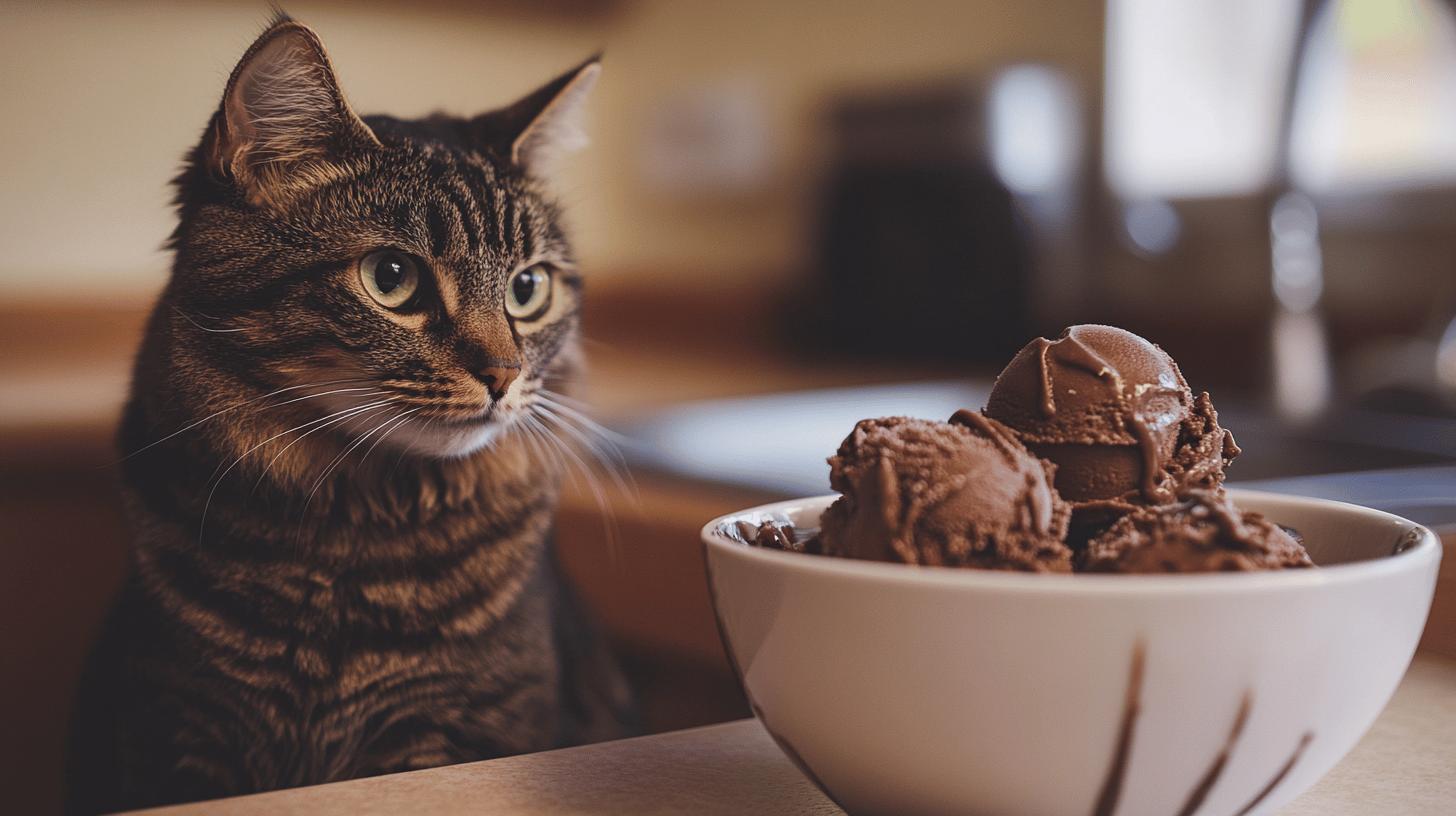
    Many people think giving ice cream to cats is harmless. But it's not a good idea. Cats are often lactose intolerant, which makes ice cream a poor choice for them.

    They can't digest dairy well, leading to upset stomachs or diarrhea. Ice cream is also filled with sugar, which isn't good for any pet, including cats. It might seem like a fun treat, but it can cause more harm than good.

    Beyond lactose intolerance, ice cream poses other risks. Its high sugar content can lead to weight gain and potential obesity.

    Cats' bodies aren't designed to handle sugary foods. Eating ice cream can also upset their digestive systems. This can lead to stomach aches and other health problems. It's important to remember that cats have different dietary needs than humans.

    Here are some potential health risks linked to ice cream consumption for cats:

    • Digestive issues: Upset stomach and diarrhea.

    • Obesity: High sugar content contributes to weight gain.

    • Toxicity: Certain ingredients like chocolate are dangerous.

    • Nutritional imbalance: Disrupts a balanced diet.

    Feeding ice cream to cats is generally unsafe, especially if it contains harmful ingredients like chocolate. It's best to stick with treats specifically made for cats. They ensure your furry friend stays healthy and happy without the risks associated with human food treats like ice cream.

    Ice Cream and Cats: The Lactose Intolerance Factor

    Lactose Intolerance and Cats-3.jpg

    Most adult cats are lactose intolerant, meaning they can't digest lactose, the sugar in dairy products like ice cream. This happens because they lack enough lactase, the enzyme needed to break down lactose. While kittens can digest their mother's milk thanks to higher lactase levels, adult cats often experience digestive issues when consuming dairy.

    Here are three common symptoms of lactose intolerance in cats:

    • Upset stomach

    • Diarrhea

    • Gas

    Cats are obligate carnivores, so their diet is primarily meat-based. Dairy products, including ice cream, don't fit their nutritional needs and can cause discomfort. It's better to avoid giving cats dairy-based treats to keep them healthy and happy.

    Ice Cream Ingredients to Avoid for Cats

    Ice Cream Ingredients to Avoid for Cats-3.jpg

    When it comes to ice cream, artificial sweeteners are a hidden danger for cats. Xylitol, commonly found in sugar-free products, is particularly hazardous.

    It can cause a rapid insulin release, leading to hypoglycemia, which can be life-threatening. Always check labels carefully and keep xylitol-containing products out of reach.

    Exploring alternative treats is essential for cat lovers who want to pamper their pets safely. Consider cat-friendly frozen snacks or specially formulated cat ice creams without harmful ingredients. These alternatives are designed to be safe and enjoyable for our feline friends.

    Ingredient Effect on Cats
    Chocolate Toxicity, potential for severe symptoms
    Xylitol Hypoglycemia, potentially life-threatening
    High Sugar Obesity, digestive issues
    Milk (Lactose) Digestive upset, diarrhea

    Expert opinions highlight that early intervention is key if a cat ingests harmful ice cream ingredients. Consulting with a veterinarian right away can make a signific
    ant difference in outcomes. Always prioritize your cat's health by avoiding risky foods and opting for safer alternatives.

    Are There Safe Ice Cream Alternatives for Cats?

    Are There Safe Ice Cream Alternatives for Cats-4.jpg

    Finding the perfect treat for your feline friend doesn't mean you have to resort to giving them traditional ice cream. There's a range of specially formulated cat-friendly ice creams that cater to their dietary needs.

    These products are designed to avoid common allergens and harmful ingredients, ensuring a safe indulgence for your cat. They often come with added nutrients beneficial for cats, making them a smart choice for a rewarding snack.

    If you're a fan of DIY, making homemade cat treats is a fantastic way to control what your cat consumes. Consider using safe ingredients like pumpkin or tuna, which cats generally enjoy.

    These ingredients can be blended and frozen into small cubes for a refreshing treat without the risks associated with dairy and sugar. Homemade options allow you to experiment with different flavors while keeping your cat's health in mind.

    Here are some safe dessert ideas for your cat:

    • Cat-friendly frozen yogurt

    • Tuna-flavored ice cubes

    • Pumpkin puree popsicles

    • Chicken broth ice treats

    • Gelatin-based cat snacks

    Pet stores and online retailers offer an array of cat-safe frozen treats, making it convenient for you to find something that suits your cat's taste.

    These products are typically crafted with feline dietary requirements in mind, so you can feel confident about their safety. Whether you choose a store-bought option or a homemade creation, providing a safe alternative to ice cream can keep your cat satisfied and healthy.

    Feeding Guidelines: How Much Ice Cream is Safe for Cats?

    Feeding Guidelines How Much Ice Cream is Safe for Cats-3.jpg

    Cats can have ice cream in very small portions. For breeds like Siamese or Persians, limit them to one teaspoon at a time. Larger breeds, such as Ragdolls or Maine Coons, can handle up to two teaspoons. Offer ice cream sparingly, ideally no more than once a month, to reduce health risks.

    Overfeeding ice cream may cause nutritional imbalances. Cats might prefer ice cream over regular meals, missing out on essential nutrients. The high sugar and fat content can also lead to unhealthy eating habits.

    Prioritize balanced nutrition to maintain health. Cats are obligate carnivores, requiring a diet mainly of meat-based foods. Frequent human treats can disrupt this balance and cause weight gain. Stick to cat-specific treats to ensure they get the nutrients they need.

    Understanding Cat Behavior: Why Do Cats Like Ice Cream?

    Understanding Cat Behavior Why Do Cats Like Ice Cream-1.jpg

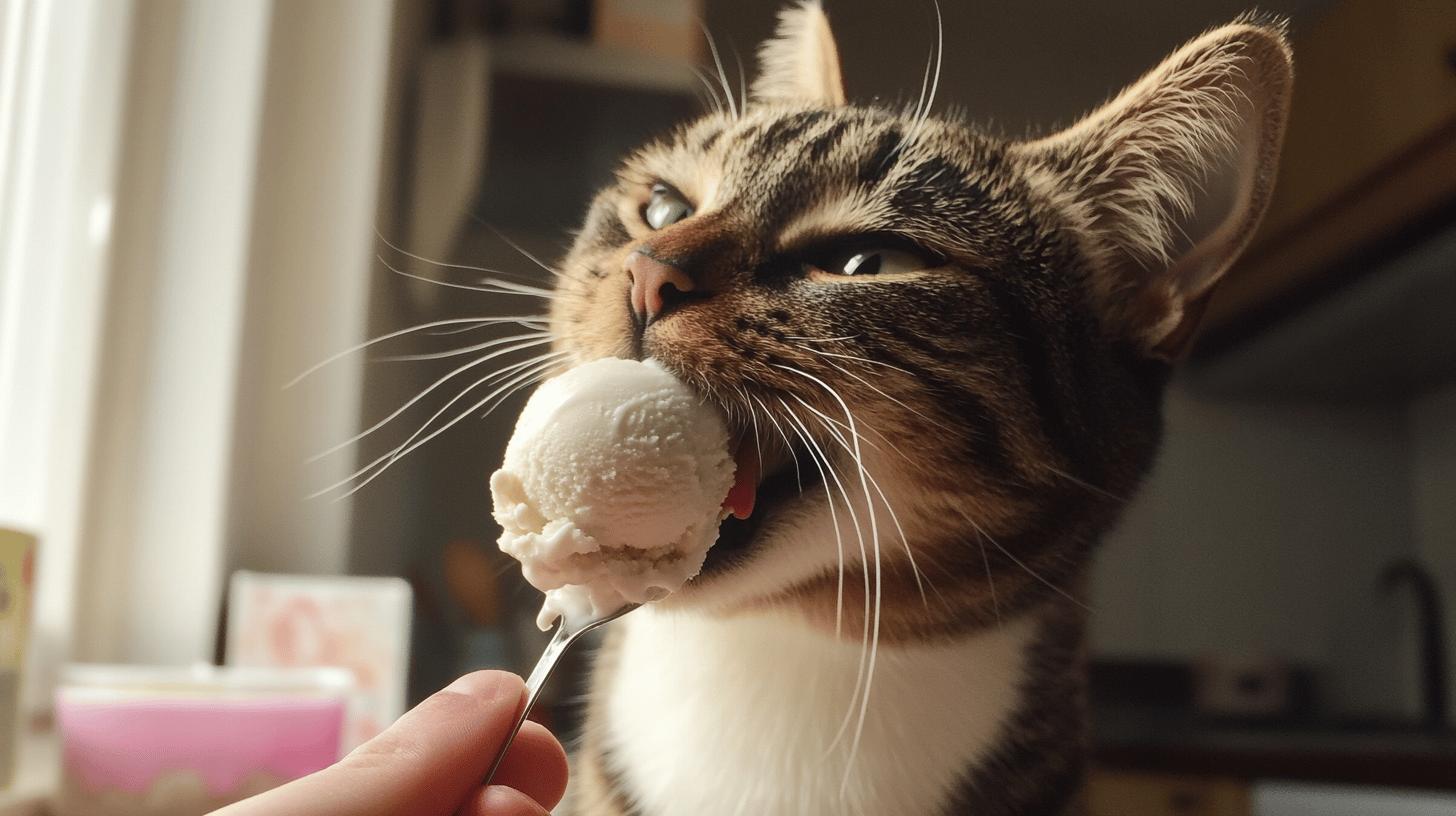
    Cats generally aren't drawn to sweets like humans because they lack a sweet tooth. Instead, their attraction to ice cream stems from its fat content and creamy texture.

    As obligate carnivores, cats are naturally inclined to seek out high-fat foods, which aligns with their dietary needs. The richness of ice cream is what piques their interest, offering a sensory experience that resembles the fatty meat they would typically consume.

    Here are some sensory aspects of ice cream that appeal to cats:

    • High-fat content: Aligns with their natural dietary preferences.

    • Creamy texture: Offers a smooth and enjoyable mouthfeel.

    • Rich aroma: Stimulates their keen sense of smell.

    The cold temperature of ice cream can also be intriguing for cats. While it might be a novel experience, it's crucial to be cautious.

    Cats can suffer from brain freeze, which is both painful and uncomfortable. This risk, combined with potential tooth sensitivity, means it's best to avoid giving them ice cream altogether.

    Final Words

    Understanding "can cats eat ice cream" reveals the risks tied to sharing our favorite treat with cats. Ice cream may seem like a fun snack, but its lactose and high sugar make it unsafe for cats, leading to digestive problems and obesity. Ingredients like chocolate can be very harmful, so be cautious.

    Opt for safe alternatives tailored to cats, ensuring they enjoy treats without health risks. Keep portion sizes tiny and infrequent if you do offer ice cream. Prioritize your cat's dietary needs to ensure they stay happy and healthy.

    FAQ

    Can cats eat vanilla ice cream?

    Cats should not eat vanilla ice cream. They are lactose intolerant, and ice cream can cause digestive issues like upset stomach, diarrhea, and gas.

    Can ice cream kill cats?

    Ice cream can be harmful to cats, especially if it contains toxic ingredients like chocolate. Contact a vet if your cat consumes chocolate ice cream.

    Can cats eat ice cream cones?

    Cats should not eat ice cream cones. They are not nutritious and contain ingredients that can be harmful to cats.

    Why do cats like ice cream?

    Cats are attracted to ice cream for its fat content and creamy texture, not the sweetness. They are naturally drawn to high-fat foods.

    Can cats eat ice lollies?

    Cats should avoid ice lollies. These are often high in sugar and can have harmful ingredients for cats.

    Can cats eat chocolate?

    Cats cannot eat chocolate. Chocolate is toxic to them and can cause severe, even life-threatening symptoms.

    What happens if cats eat ice cream?

    If cats eat ice cream, they may experience digestive issues due to lactose intolerance and potential exposure to harmful ingredients.

    Can I let my cat lick my ice cream?

    It's best not to let your cat lick your ice cream. It contains lactose and sugar, both of which are harmful to cats.

    Is there cat-friendly ice cream?

    Yes, cat-friendly ice creams are available. They are made without lactose and with cat-safe ingredients.

    Are there safe ice cream alternatives for cats?

    Yes, try cat-friendly ice cream or homemade treats using safe ingredients like pumpkin or tuna. Pet stores and online shops offer options too.

    Related Articles

  • Can Cat Eat Hot Dog Understanding Safety and Risks

    Can Cat Eat Hot Dog Understanding Safety and Risks

    Can a cat chow down on a hot dog at a backyard barbecue? The idea might seem fun, but it’s a potential health hazard. Hot dogs, while a meaty treat for us, are packed with ingredients that aren't great for our feline friends.

    The high sodium, preservatives, and spices can be harmful to their health. In this article, we'll explore why hot dogs are best kept off your cat's menu. You'll learn about the risks involved and how to keep your cat's diet both safe and satisfying.

    Can Cats Eat Hot Dogs? Understanding the Risks and Ingredients

    Can Cat Eat Hot Dog Understanding Safety and Risks-2.jpg

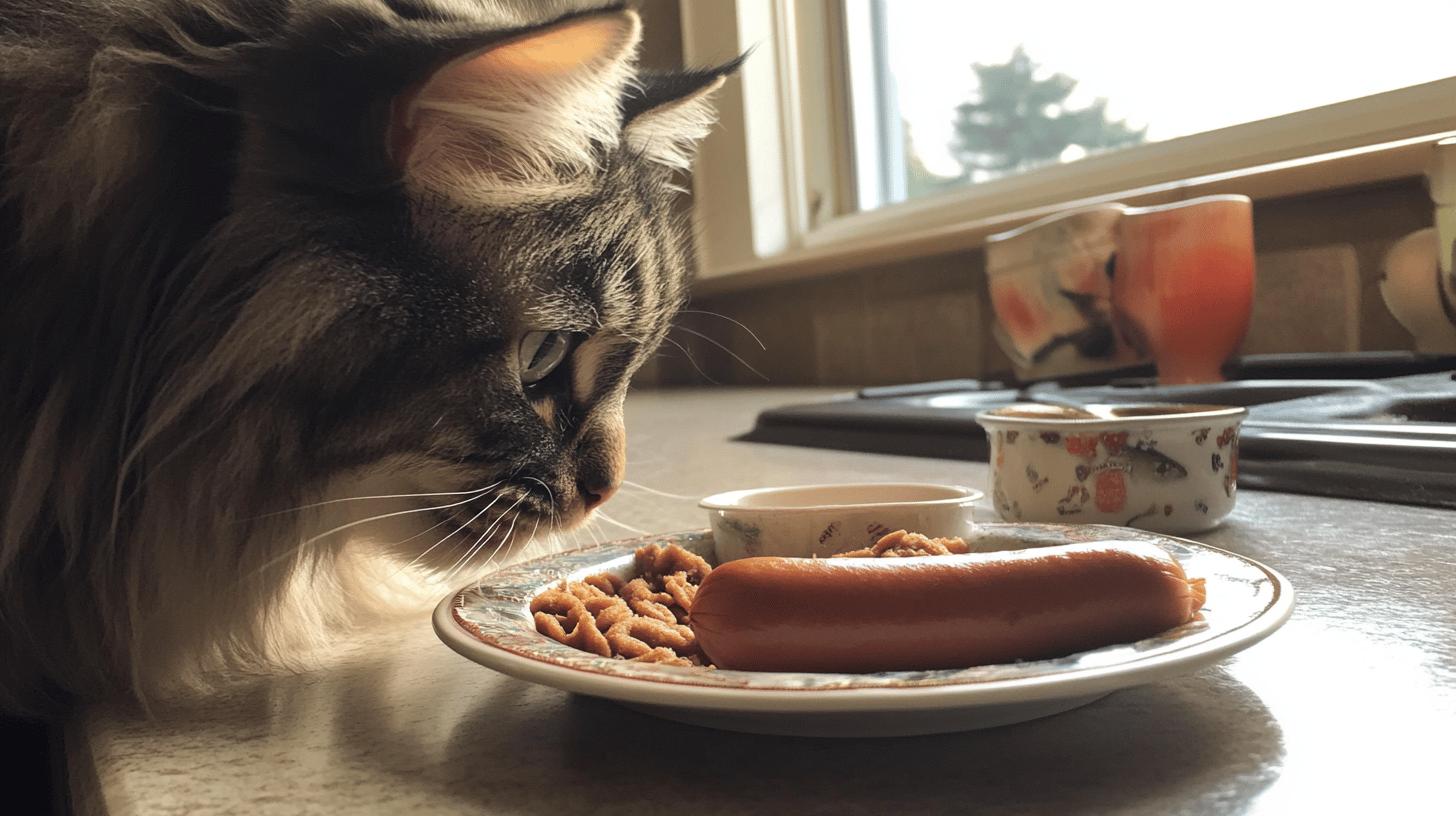
    Cats should not eat hot dogs. While they might seem like a tempting treat, hot dogs are not safe for cats due to various harmful ingredients. The high sodium content, preservatives, and potential toxins present significant risks to a cat's health. Feeding hot dogs to cats can lead to serious health issues, making it important for cat owners to avoid giving them as treats.

    Cats are obligate carnivores, which means they require a diet primarily composed of meat to thrive. Their bodies are designed to extract nutrients from animal sources, and they need specific amino acids, vitamins, and minerals found in meat. Unlike hot dogs, which are processed and contain fillers and additives, a cat's diet should focus on natural, high-quality proteins to meet their nutritional needs.

    Feeding hot dogs to cats presents several hazards. Hot dogs contain high levels of sodium, which can lead to dehydration and increase the risk of hypertension and kidney disease in cats. The excessive fat content can also cause digestive upset and long-term issues like weight gain.

    Moreover, preservatives such as nitrates and nitrites, commonly found in hot dogs, can be harmful to cats, potentially leading to adverse health effects.

    Symptoms to watch for if a cat eats hot dogs:

    • Vomiting
    • Diarrhea
    • Decreased appetite
    • Lethargy
    • Increased thirst

    Hot dogs often contain harmful ingredients that can be toxic to cats. Ingredients like onion and garlic, even in small amounts, can cause severe toxicity in cats, leading to conditions such as anemia. Additionally, artificial additives and spices found in hot dogs do not align with a cat's dietary requirements and can result in serious health problems.

    Harmful hot dog ingredients for cats:

    • Onion
    • Garlic
    • Nitrates and nitrites
    • Artificial preservatives

    It's crucial for cat owners to understand that while hot dogs may be made of meat, their content and preparation make them unsuitable for feline consumption. Instead, focus on providing a balanced diet that meets your cat's specific nutritional needs.

    Comparing Hot Dogs and Cat Food: Nutritional Value

    Comparing Hot Dogs and Cat Food Nutritional Value-1.jpg

    Hot dogs are not nutritionally suited for cats. They lack the essential nutrients that cats need for a balanced diet. The high sodium and fat content in hot dogs can lead to dehydration and obesity, while preservatives and artificial additives pose additional health risks.

    High-quality cat food is specifically formulated to meet the dietary needs of cats. It contains essential nutrients like taurine, which is crucial for heart and eye health. These foods are often rich in animal proteins and low in carbohydrates, aligning with a cat's natural dietary preferences.

    Processed meats, such as hot dogs, can negatively impact a cat's health. They often contain fillers, artificial ingredients, and unhealthy fats that can lead to digestive and long-term health issues. It's better to avoid feeding cats processed meats and instead focus on their dietary requirements with appropriate food options.

    Food Type Nutritional Value for Cats
    Hot Dogs High sodium, fats, lacks essential nutrients
    High-Quality Cat Food Balanced nutrients, essential amino acids
    Plain Meat (Chicken or Turkey) High in protein, suitable for cats

    Alternatives to Hot Dogs for Cat Treats

    Alternatives to Hot Dogs for Cat Treats-1.jpg

    When considering alternatives to hot dogs for your feline friend, it's best to stick with safe and nutritious options. Plain, cooked meats like chicken, turkey, and beef are excellent choices for cats. These meats provide high-quality protein without the harmful additives found in processed foods.

    Making homemade treats from these meats can offer a fun way to ensure your cat gets a healthy snack. Simply bake or boil the meat without any seasonings or oils, then cut it into bite-sized pieces. These homemade treats are not only healthier but also allow you to control exactly what your cat is eating.

    If you're looking for convenience, there are many commercially available cat treats made with quality ingredients. These treats are formulated to provide the nutrients your cat needs without the risks associated with human foods.

    Look for treats that list meat as the primary ingredient and avoid those with artificial flavors or preservatives. Many brands offer freeze-dried meat treats, which can be a great option for pet owners seeking a healthy and easy snack for their cats.

    Recommended cat treats and meats:

    • Plain cooked chicken
    • Plain cooked turkey
    • Plain cooked beef
    • Freeze-dried chicken treats
    • Commercially available cat treats with meat as the main ingredient

    What to Do If Your Cat Eats a Hot Dog

    What to Do If Your Cat Eats a Hot Dog-1.jpg

    If your cat happens to snack on a hot dog, it's important to keep a close eye on them for any signs of illness. Common symptoms to watch for include vomiting, diarrhea, decreased appetite, and lethargy.

    These can indicate that the high sodium and fat content, or harmful additives in the hot dog, are affecting your cat's digestive system. Monitoring your cat over the next 48 hours is crucial to ensure they don't develop more severe health issues.

    Consulting a veterinarian should be a priority if any adverse symptoms appear. A vet can offer specific advice and may perform tests to ensure there are no lasting effects from the hot dog consumption. Quick action can make a significant difference in your cat's recovery and overall well-being.

    Immediate steps after a cat eats a hot dog:

    • Observe your cat for unusual behavior or symptoms.
    • Provide fresh water to help with potential dehydration.
    • Avoid offering any more food until symptoms subside.
    • Contact your veterinarian for advice and possible examination.

    Final Words

    Understanding the risks of feeding hot dogs to cats is crucial. Cats, as obligate carnivores, need a diet rich in specific nutrients, not processed meats filled with sodium and harmful additives. The dangers hot dogs pose can lead to serious health issues, so monitoring symptoms is important if your cat accidentally eats one. While cats may seem curious about human foods, safe alternatives exist. Consider healthy treats like cooked chicken or quality commercial cat treats. This ensures your furry friend remains healthy, happy, and safe. Can cats eat hot dogs? It's best to steer clear.

    FAQ

    Can hot dogs kill cats?

    A: While hot dogs are not immediately fatal to cats, they can harm them. Ingredients like onion and garlic can be toxic. The high sodium and preservatives can cause serious health issues.

    Can cats eat hot dogs raw?

    A: Cats should not eat raw hot dogs. Raw hot dogs can contain bacteria that may lead to foodborne illness in cats. It's best to avoid giving cats any kind of hot dog.

    What happens if cats eat hot dogs?

    A: If cats eat hot dogs, they may experience symptoms like vomiting, diarrhea, or decreased appetite. Long-term, high sodium and preservatives can cause hypertension or kidney disease.

    Can kittens eat hot dogs?

    A: Kittens should not eat hot dogs. Their small bodies are even more susceptible to the harmful effects of high sodium and toxic ingredients like garlic and onion found in hot dogs.

    Can pets eat hot dogs?

    A: Pets, including cats and dogs, should generally avoid eating hot dogs. The high sodium and preservatives used in hot dogs can pose health risks.

    Is it okay to feed a cat hot food?

    A: Feeding cats hot food is generally not recommended. Cats prefer food at room temperature. Hot foods can cause burns and discomfort.

    What meat is okay for cats?

    A: Cats can safely eat plain, cooked meats like chicken, turkey, and beef. Avoid seasoned or processed meats, which can contain harmful ingredients.

    Related Articles

  • Can Cat Eat Salmon Safety and Preparation Guide

    Can Cat Eat Salmon Safety and Preparation Guide

    Ever wondered if that delicious salmon you love is safe for your feline friend? While cats can enjoy salmon, there's more to it than just tossing them a piece of fish. Salmon, rich in omega-3 fatty acids, offers amazing benefits like healthy skin and a glossy coat, but its inclusion in a cat's diet needs careful consideration.

    The key lies in moderation and preparation. Dive into our guide to understand how to safely include salmon in your cat's menu and ensure their playtime remains both safe and tasty.

    Can Cats Safely Eat Salmon?

    Can Cats Safely Eat Salmon-1.jpg

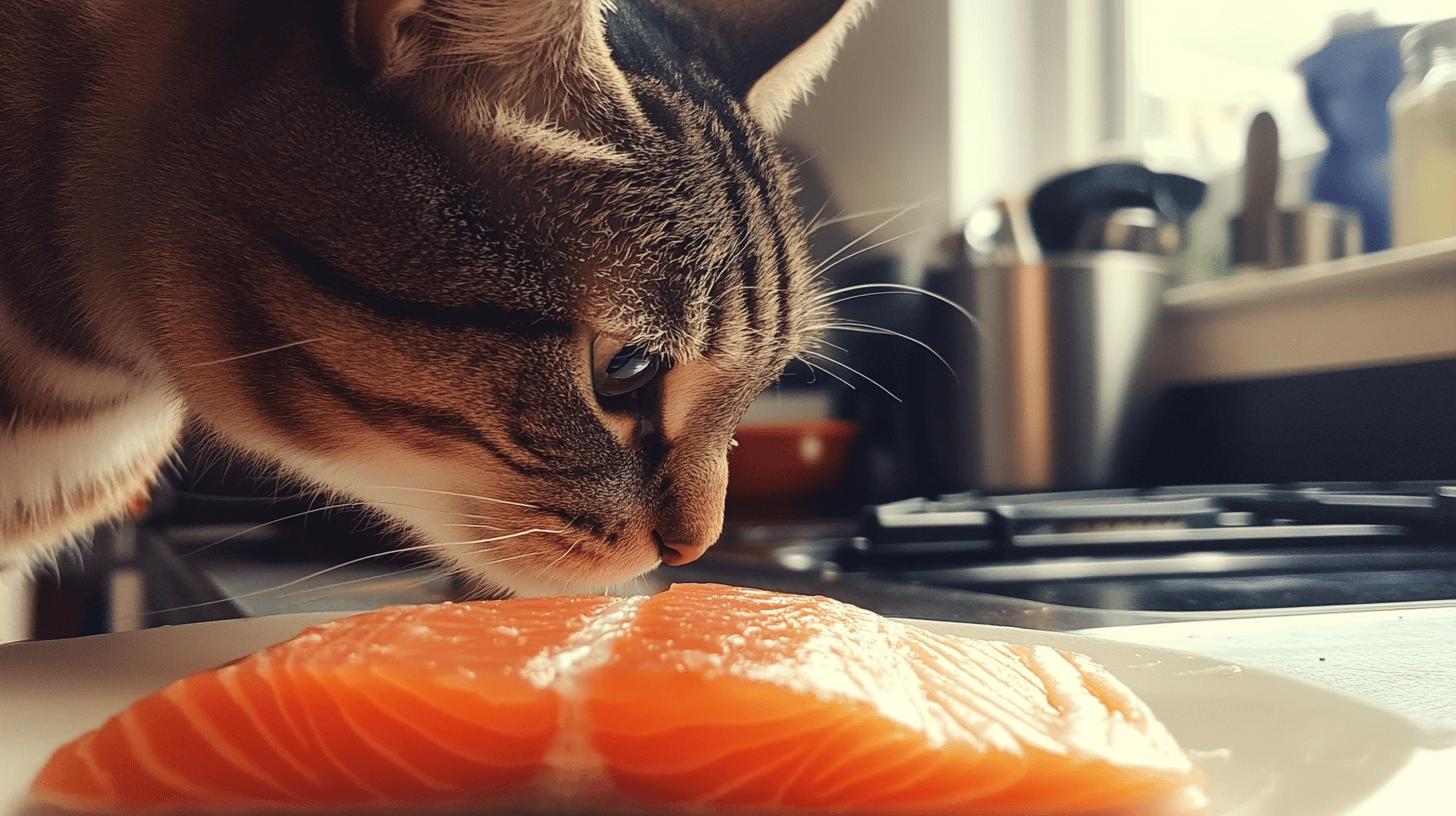
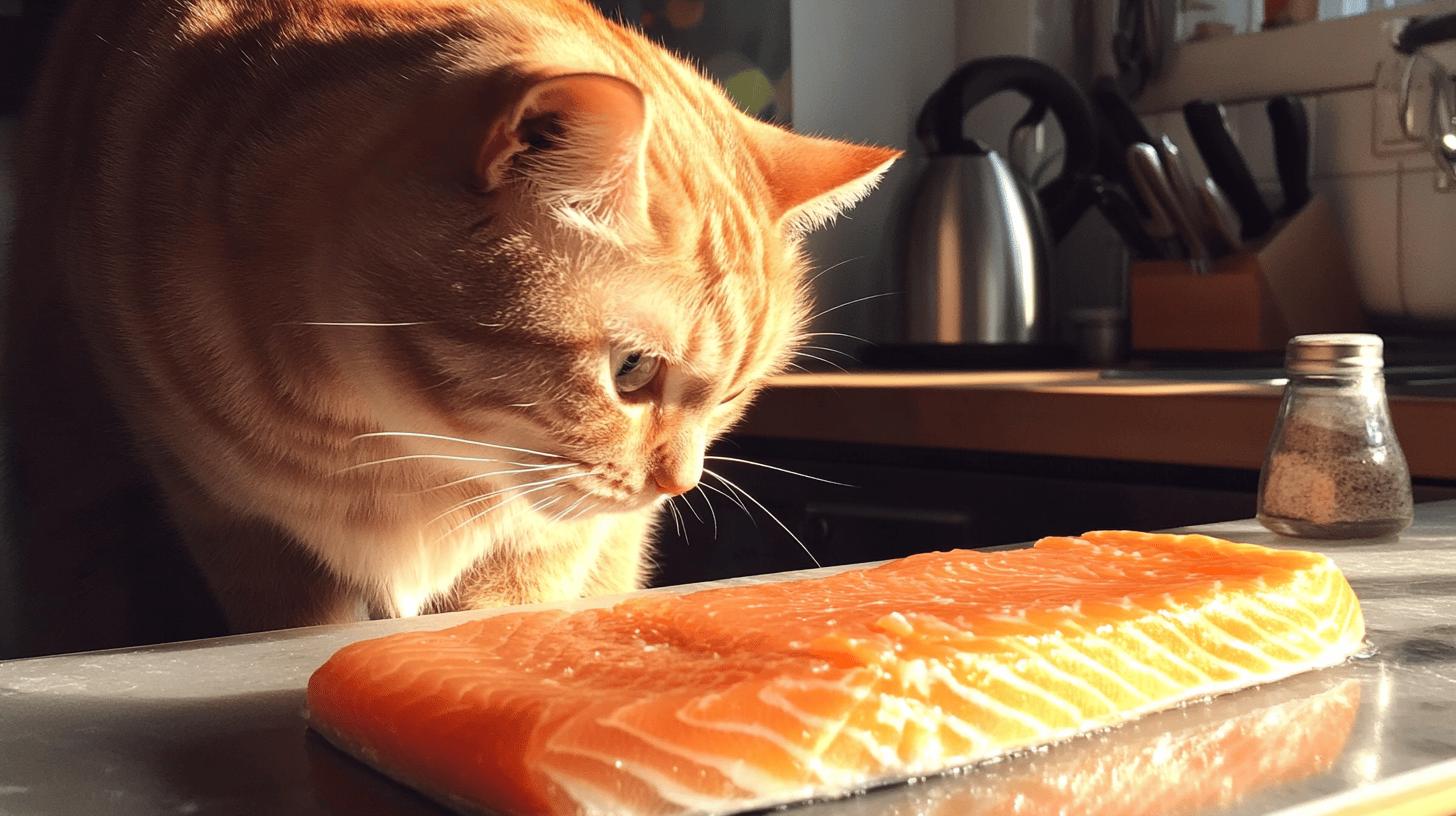
    Cats can indeed eat salmon, but it should be fed in moderation. While salmon is packed with beneficial nutrients, including omega-3 fatty acids that promote healthy skin and a shiny coat, it's not a food that should make up the majority of a cat's diet.

    The key is to offer salmon as an occasional treat, ensuring that it complements a well-balanced diet primarily made up of cat food. It's essential to remember that not every type of salmon is suitable for our feline companions.

    When introducing salmon to a cat's diet, it's crucial to be aware of potential allergic reactions. Fish allergies are relatively common among cats, and symptoms can range from mild to severe. When feeding salmon for the first time, start with a small amount and observe your cat closely over the next 24 hours.

    Look for signs of an allergic reaction such as itching, swelling, vomiting, or diarrhea. If any of these symptoms occur, it's best to consult with a veterinarian and discontinue feeding salmon.

    Different types of salmon have varying levels of safety for cats. Raw salmon poses a risk due to potential parasites and bacteria, which can lead to serious health issues. Smoked salmon is another variety to avoid, as its high sodium content can be harmful to cats.

    It's always safer to stick to cooked salmon, prepared without any added seasonings or oils. This ensures that the salmon remains a healthy and safe treat for your feline friend.

    Risks of Feeding Cats Salmon

    • Potential for allergic reactions
    • Risk of parasites and bacteria in raw salmon
    • High sodium content in smoked salmon
    • Overfeeding can lead to an unbalanced diet
    • Possible presence of bones, which can be a choking hazard

    How to Prepare Salmon for Cats

    Can Cats Safely Eat Salmon-2.jpg

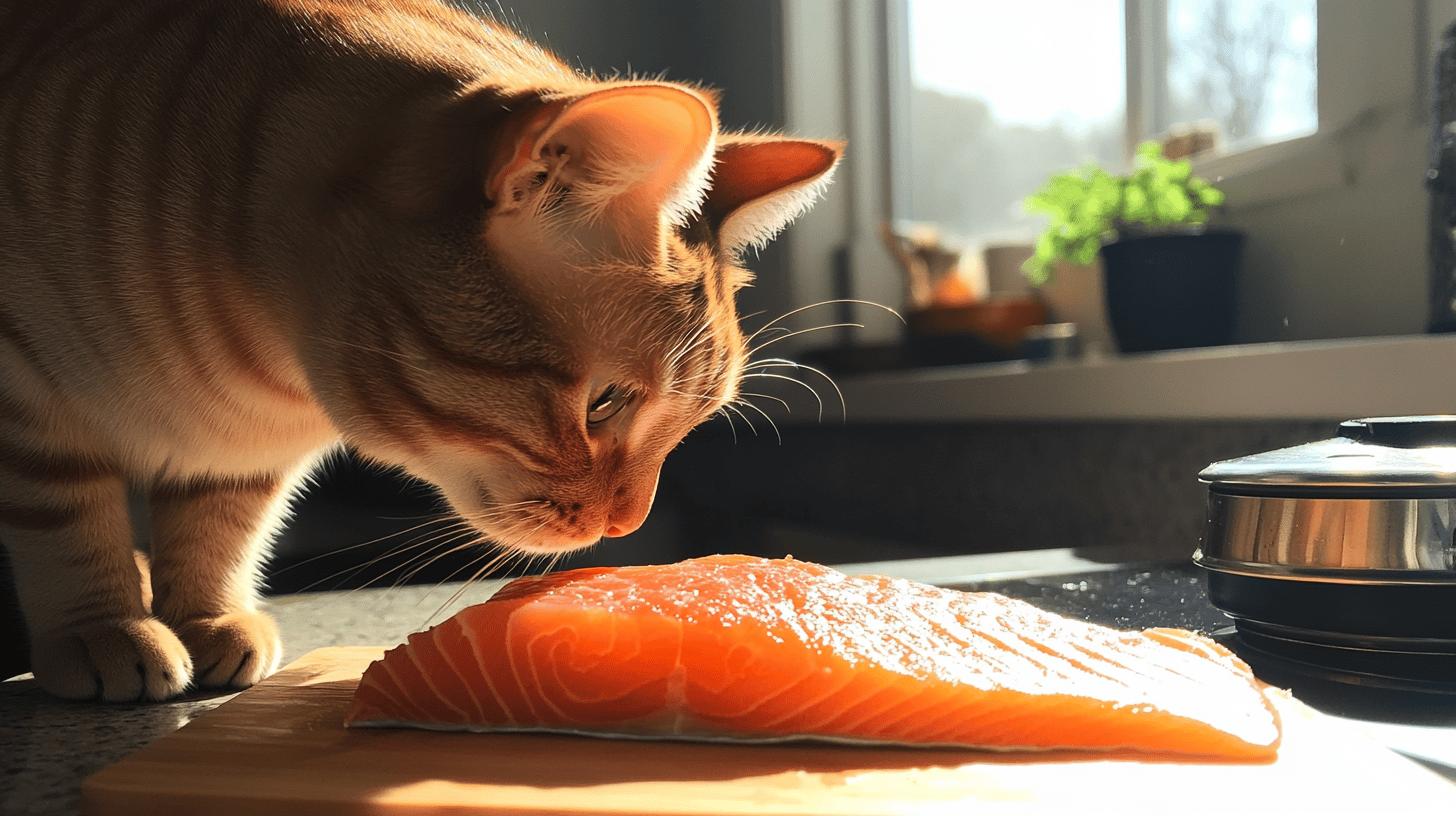
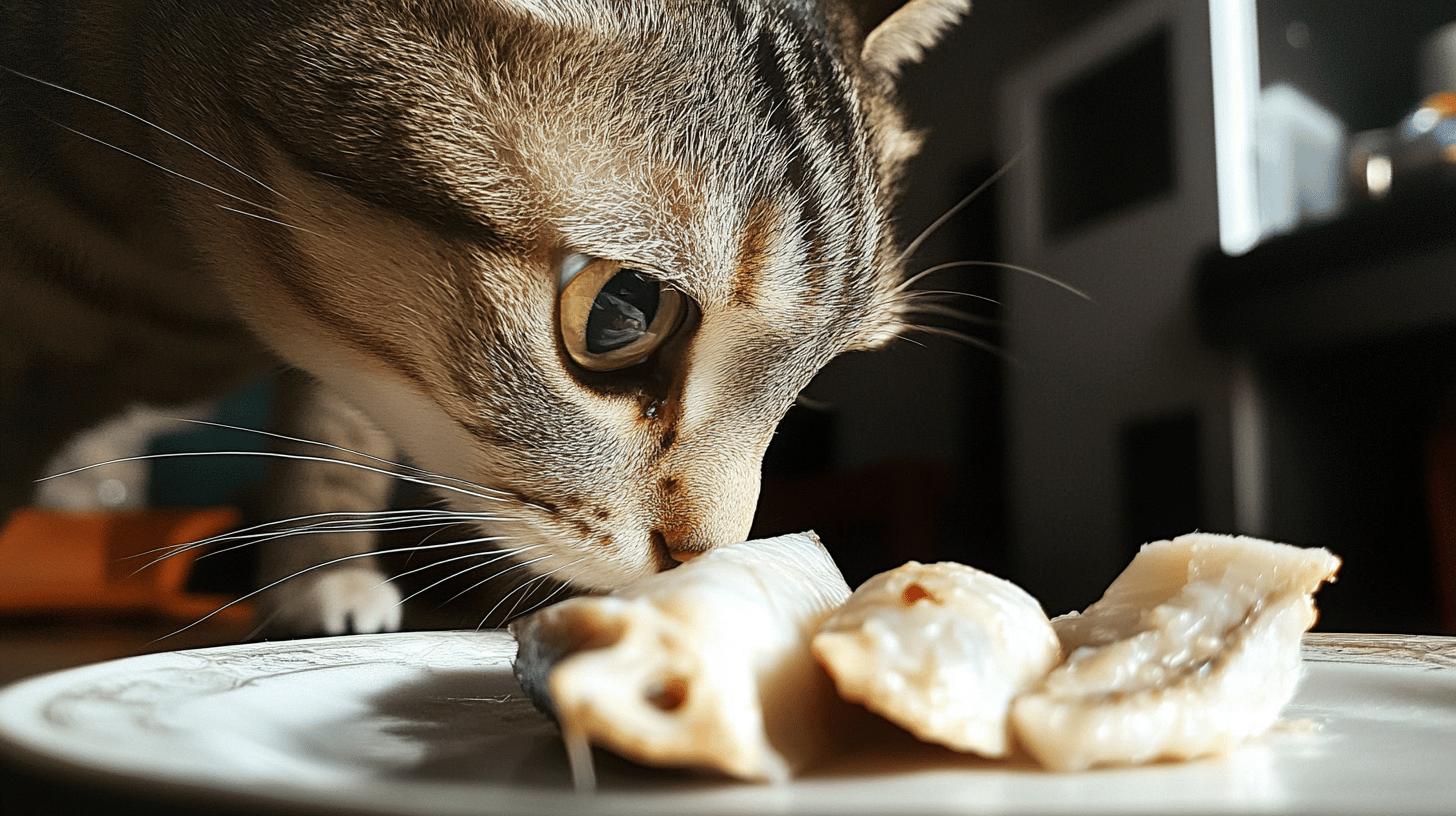
    Cooking salmon is vital before feeding it to your cat. Raw salmon may contain harmful parasites and bacteria that can cause serious health issues. Cooked salmon, on the other hand, is a nutritious treat that can be safely enjoyed by your feline friend. Properly preparing salmon ensures your cat receives the benefits without the risks.
    Cooking Methods

    When preparing salmon for your cat, focus on simple cooking methods that preserve the fish's natural nutrients:

    1. Baking: Place the salmon on a baking sheet and bake it in the oven until fully cooked. Avoid adding any oils, spices, or seasonings.

    2. Grilling: Grill the salmon over medium heat, maintaining a natural taste without oils or marinades.

    3. Boiling: Boil the salmon in water until it is thoroughly cooked. Make sure the water is plain with no added salt or flavors.

    Bone Removal

    Salmon bones can pose a choking hazard or cause internal injuries if ingested by cats. It's crucial to remove all bones, including the spine, before serving salmon to your cat. Carefully inspect the cooked salmon and use your fingers or tweezers to remove any small bones. Removing the skin is optional, but if you choose to leave it on, ensure it is fully cooked and free of seasoning.
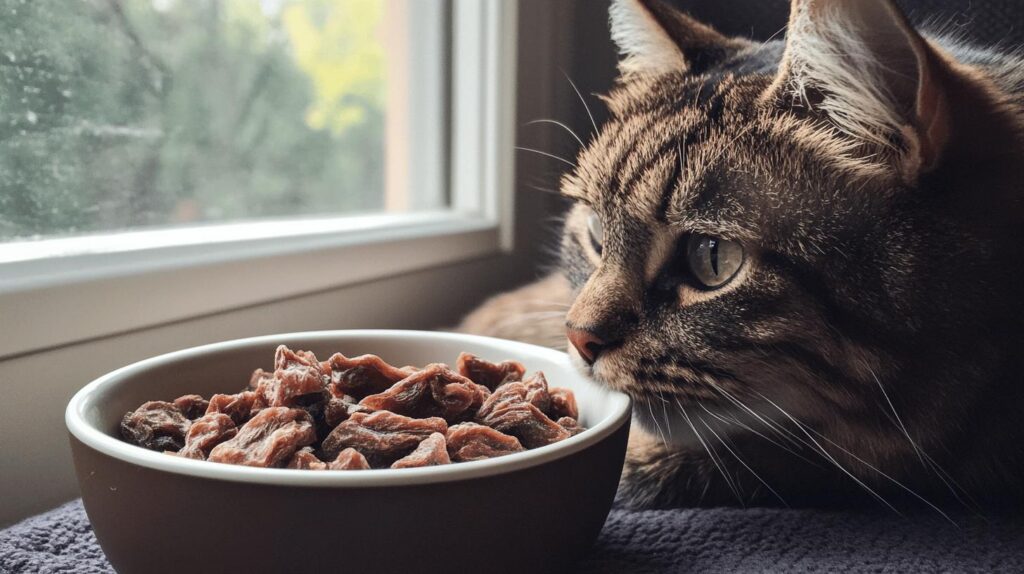
    By following these simple preparation steps, you can safely include salmon in your cat's diet as a delicious, occasional treat.

    Nutritional Benefits of Salmon for Cats

    Can Cats Safely Eat Salmon-3.jpg

    Salmon is packed with nutrients beyond omega-3 fatty acids. It contains vitamin B12, which is vital for maintaining a healthy immune and nervous system in cats. This nutrient helps keep your feline friend alert and supports nerve health, ensuring their cognitive functions are sharp.

    Vitamin B6 is another critical nutrient found in salmon, supporting protein metabolism. Given cats' high-protein dietary requirements, vitamin B6 plays a significant role in their nutrition.

    These vitamins complement other dietary components, making salmon a well-rounded addition to your cat's meals. Incorporating salmon into their diet can enhance their overall health, boosting their vitality and wellness.

    Nutrient Benefit
    Omega-3 Fatty Acids Improves skin and coat health, supports brain and eye function
    Vitamin B12 Supports immune and nervous systems
    Vitamin B6 Aids in protein metabolism

    Can Cats Safely Eat Salmon?

    Frequency and Portion Size for Feeding Cats Salmon-1.jpg

    Salmon should be fed to cats as an occasional treat, about once or twice a week, to ensure they get its benefits without disrupting their balanced diet. Keep portion sizes small to complement their regular meals without overwhelming them.

    Always think of salmon as a treat, not a meal substitute. Overfeeding can lead to nutritional imbalances. Canned salmon is convenient, but choose low-sodium options without added flavors or oils. Prioritize your cat's health by sticking to high-quality cat food for their main nutrition.

    • Feed salmon as an occasional treat, no more than twice a week.
    • Provide small portions to avoid overwhelming their diet.
    • Don't replace regular meals with salmon.
    • Avoid smoked or heavily seasoned salmon.

    Selecting Salmon Products for Cat Diets

    Alternatives to Salmon in Cat Diets-1.jpg

    When incorporating salmon into your cat's diet, sustainability is key. Choose products that prioritize responsibly sourced salmon. This not only supports ecological balance but ensures a purer, higher-quality meal for your feline friend.

    • Fish-First Cat Foods: These prioritize salmon sourced sustainably, offering a balanced meal packed with essential nutrients without harming the environment.
    • Salmon Toppers: Add flavor and hydration to regular meals with toppers that use responsibly sourced salmon as a primary ingredient.
    • Salmon-Based Treats: Opt for treats made with real salmon, providing Omega-3 oils while emphasizing sustainability over artificial flavoring.

    By focusing on sustainability when selecting salmon products, you contribute to environmental protection and provide a healthier diet for your cat.
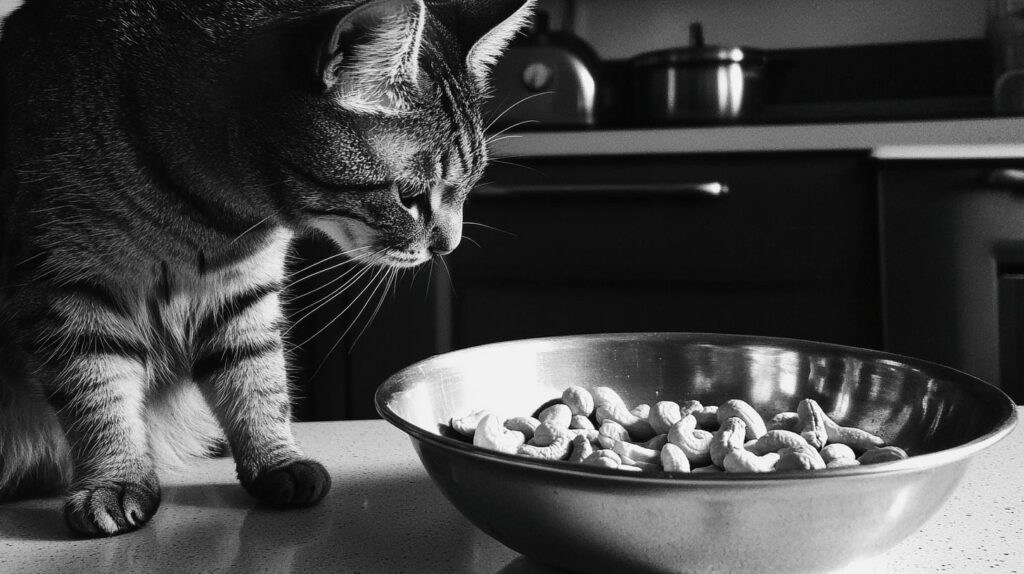
    Veterinary Recommendations on Feeding Salmon to Cats

    Alternatives to Salmon in Cat Diets-2.jpg

    Before introducing salmon or any new food to your cat's diet, it's wise to consult with a veterinarian. Vets can help you understand if salmon is appropriate for your cat's individual health needs. They can identify potential allergies or sensitivities your cat might have, ensuring that any dietary changes are safe. Since each cat is unique, a vet's guidance can prevent adverse reactions and promote overall well-being.

    Salmon oil supplements are often recommended as an alternative to whole salmon, providing the same benefits of omega-3 fatty acids. These supplements can be an easy way to enhance your cat's diet without the hassle of preparing fresh salmon.

    The typical dosage is about half a teaspoon per day, but it's essential to confirm the exact amount with your vet based on your cat's weight and health status. This ensures the supplements support your cat's health without causing any imbalance.

    Final Words

    Cat salmon consumption is safe when done correctly. Cats can eat salmon, but it's important to balance safety and nutrition. Cooking salmon is key to avoiding parasites, and always remove bones. Omega-3 and vitamins in salmon can boost your cat’s health.

    Feed salmon in moderation, only as a treat once or twice a week. Don’t make it a staple. Explore alternatives and prioritize sustainably sourced options. Consult with a vet to ensure your cat's diet is balanced and healthy.

    With the right approach, salmon can be a tasty and enriching treat for your feline friend.

    FAQ

    Can cats eat salmon raw or cooked?

    Cats can eat cooked salmon. Cooking removes parasites. Feed cooked salmon in moderation to avoid health issues. Raw salmon carries parasites and is unsafe. Always ensure salmon is boneless before serving.

    How to cook salmon for cats?

    To cook salmon for cats, bake, grill, or boil without oils or seasoning. This keeps it healthy and safe. Always check for and remove all bones before feeding.

    Can cats eat salmon in a can or in olive oil?

    Cats can eat salmon in a can if it's low in sodium and unsalted. Avoid salmon in olive oil, as extra fats aren't healthy for cats.

    Can cats eat salmon skin or bones?

    While cats can sometimes eat salmon skin, it's best to avoid due to possible additives. Always remove bones to prevent choking hazards and digestive issues.

    What fish is safe for cats to eat?

    Cats can safely eat cooked fish like salmon, tuna, and whitefish in moderation. These fish are nutritious but should not replace a balanced diet.

    Is salmon better for cats than tuna?

    Salmon is often better than tuna for cats due to lower mercury levels. Offer salmon as an occasional treat for variety and nutrients. Always consult your vet for dietary changes.

    Related Articles

  • Can Cat Eat Beans What You Need to Know

    Can Cat Eat Beans What You Need to Know

    Can cats munch on beans, or is this legume naturally off-limits for our whiskered companions? We know that cats are meat-eaters at heart, thriving best on animal protein. Beans, while not poisonous, don't pack the same punch as meat does.

    In this article, you'll uncover the do's and don'ts of feline dining when it comes to beans, helping you ensure that kitty's mealtime is safe and purr-fectly healthy. Whether you're looking for a new treat or just safeguarding your pet's diet, understanding beans and cats starts here.

    Can Cats Eat Beans? Understanding the Basics

    Can Cat Eat Beans What You Need to Know-2.jpg

    Cats are obligate carnivores, which means their bodies are specifically designed to thrive on a diet rich in animal protein. This dietary requirement stems from their evolutionary history as hunters, where their nutritional needs were met by consuming prey.

    While beans are not toxic to cats, they do not provide the essential nutrients found in animal proteins, such as taurine, which is critical for a cat's health. Therefore, beans should not be a regular part of a cat's diet.

    If a cat shows interest in beans, it's important to ensure they are plain and cooked. This preparation helps to avoid any potential digestive issues and keeps the focus on the cat's primary dietary needs.

    Safe bean types for cats include:

    • Black beans
    • Kidney beans
    • Pinto beans
    • Green beans

    These beans should always be served plain and cooked to avoid any complications. While beans can occasionally be an interesting treat, they should not replace the high-quality animal proteins that are vital for maintaining a cat's health and well-being.

    Nutritional Benefits and Risks of Beans for Cats

    Nutritional Benefits and Risks of Beans for Cats-1.jpg

    Beans offer some nutritional components but aren't ideal for cats. They contain protein, carbohydrates, and fiber, yet fall short of meeting feline nutritional needs. The protein in beans lacks essential amino acids that cats can only obtain from animal sources.

    Key nutritional components of beans:

    • Protein: Lacks the complete amino acid profile cats require.
    • Carbohydrates: Not necessary in large amounts for cats.
    • Fiber: May help with weight management by making cats feel fuller.

    Feeding beans to cats also presents several risks:

    • Digestive Issues: Can cause gas, vomiting, or diarrhea.
    • Raw Bean Toxicity: Raw beans have lectin, which is toxic to cats.
    • Seasoning Hazards: Ingredients like garlic and onion are toxic.

    Fiber in beans could help overweight cats manage weight, but caution is necessary. Cats' digestive systems are designed for meat, not plants. Beans should be plain, cooked, and given as an occasional treat, not a meal replacement.

    Consult a vet before adding beans to your cat's diet to ensure it suits your cat's health needs.

    How to Safely Include Beans in Your Cat's Diet

    Nutritional Benefits and Risks of Beans for Cats-4.jpg

    To safely include beans in your cat's diet, focus on preparation. Start by soaking beans overnight to reduce cooking time and improve digestibility. Boil the beans until they're soft, ensuring they're free from any seasonings like salt, garlic, or onion, which are harmful to cats. Let them cool before serving.

    Bean Type Preparation Method Safe Portion
    Black Beans Soaked, boiled, plain 1-3 beans
    Kidney Beans Soaked, boiled, plain 1-3 beans
    Pinto Beans Soaked, boiled, plain 1-3 beans
    Green Beans Steamed, plain 1-3 beans

    While beans are a permissible treat, they should only complement your cat's diet. Animal protein remains the cornerstone of their nutrition. Keep beans as an occasional addition to their meals, while prioritizing their need for high-quality animal proteins to ensure they receive essential nutrients.

    Alternatives to Beans for a Cat's Diet

    Nutritional Benefits and Risks of Beans for Cats-2.jpg

    Providing your cat with a variety of treats and foods is crucial for their overall health and happiness. While beans can be an occasional treat, a cat's diet should primarily consist of complete nutrition from animal-based sources.

    Cats are obligate carnivores, and their bodies are designed to thrive on meat. Incorporating a mix of safe treats ensures they receive the necessary nutrients without compromising their health. High-fiber cat foods can also be beneficial, especially for cats needing weight management, as they help maintain fullness and support digestive health.

    Consider these alternatives to beans for your cat's diet:

    • Safe Vegetables: Options like steamed carrots or peas can offer a crunchy treat with nutritional benefits.
    • High-Fiber Cat Foods: Specialized cat foods that include fiber can aid in digestion and weight control.
    • Animal-Based Treats: Freeze-dried chicken or fish treats provide complete nutrition that cats need.

    When introducing any new food or treat to your cat's diet, it's wise to consult with a veterinarian. They can provide guidance tailored to your cat's specific health needs, ensuring any new addition is safe and healthy. Always verify the safety of any treat and make dietary changes gradually to monitor your cat's reaction.

    Final Words

    Understanding if can a cat eat beans is key to ensuring their diet remains balanced and safe. While beans aren't essential for carnivores like cats, they're not toxic either. Safe types include black beans and green beans, but they should be cooked and plain.

    Beans offer some nutritional benefits, but they also come with risks. They lack essential amino acids found in animal protein and can cause digestive issues. So, always consult a vet.

    Remember, maintaining dietary balance with high-quality animal protein is crucial. Stick to safe alternatives and always check with a vet when introducing new treats.

    FAQ

    Can cats eat beans in tomato sauce?

    Cats should not eat beans in tomato sauce. Tomato sauce may contain ingredients harmful to cats, such as garlic and onion, which can lead to digestive issues.

    Can cats eat beans raw?

    Cats shouldn't eat raw beans. Raw beans contain lectin, which is toxic to cats and can cause digestive problems like gas, vomiting, and diarrhea.

    Can cats eat beans and rice?

    While neither beans nor rice are harmful, they should not be part of a cat's regular diet. Cats are obligate carnivores and require animal protein for essential nutrients.

    Can cats eat beans and cheese?

    Cats can eat small amounts of cooked beans and cheese occasionally. However, these should not replace animal protein in their diet, which is vital for their health.

    Can cats eat baked beans?

    Baked beans are not recommended for cats. They often contain seasonings and sugar, which can upset the feline digestive system.

    Can cats eat rice?

    While rice isn't toxic to cats, it doesn't provide essential nutrients. It's okay as an occasional treat, but animal protein should be the main part of their diet.

    Can cats eat beans and tomatoes?

    Cats should avoid beans with tomatoes. Tomatoes contain solanine, harmful to cats, and sauces often contain toxic seasonings like garlic and onion.

    Can cats eat black beans?

    Yes, cats can eat black beans in moderation if they are plain and cooked. Ensure there are no seasonings or additives that could harm the cat.
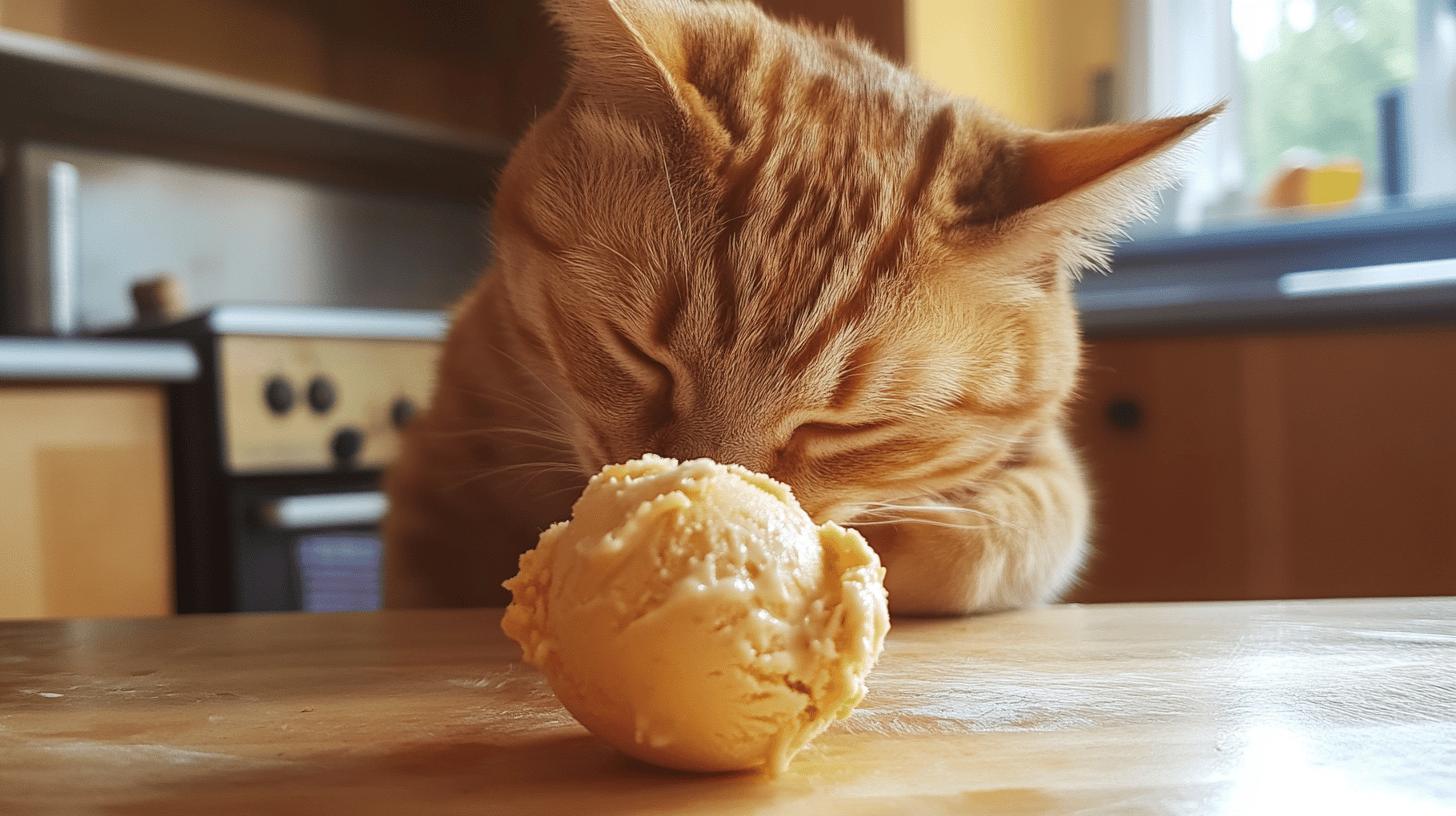
    What kind of beans can cats eat?

    Cats can eat plain, cooked black beans, kidney beans, pinto beans, and green beans. These should only be offered in small, occasional amounts as a treat.
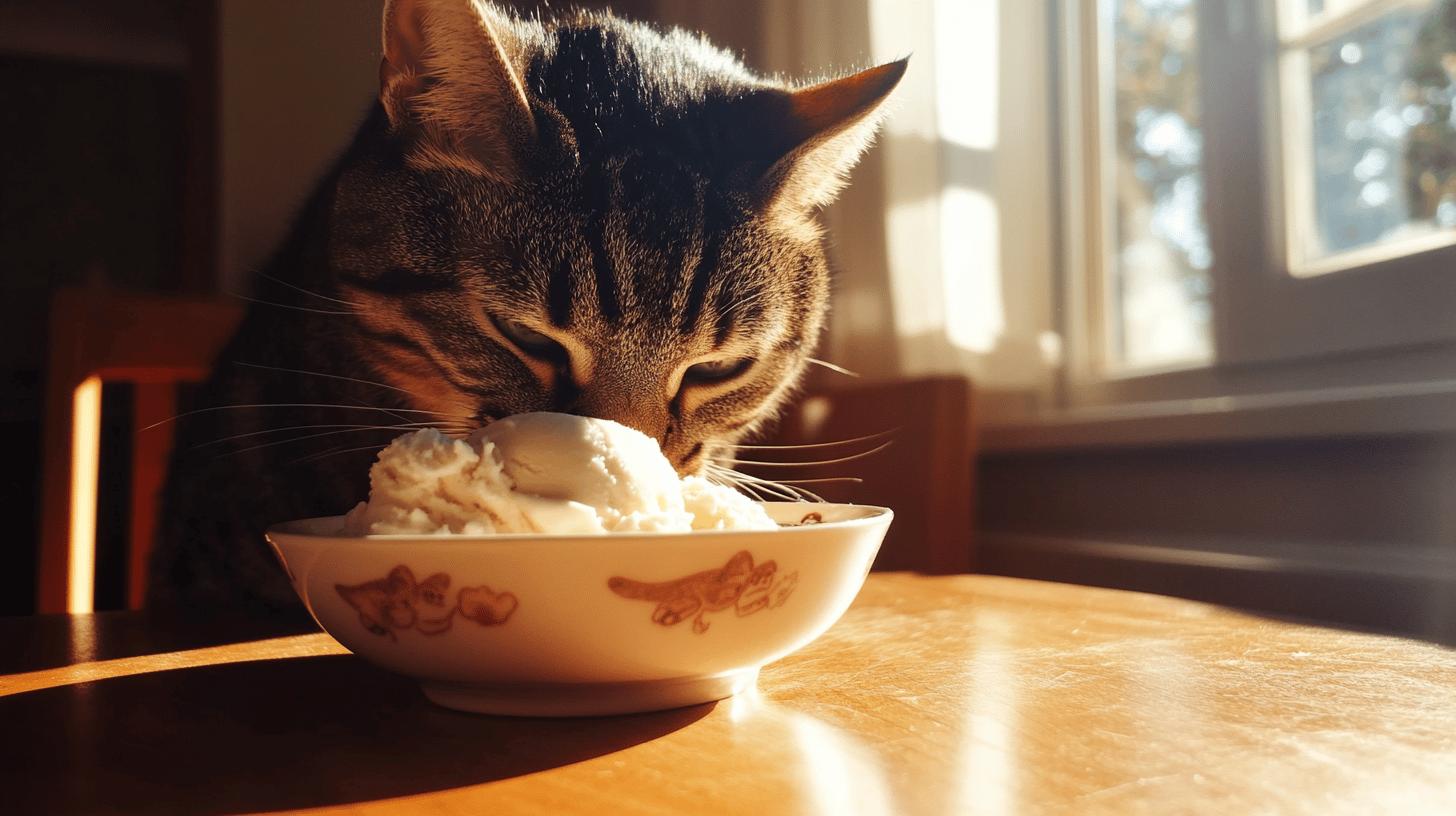
    Can cats eat rice or beans?

    Cats can have small amounts of plain, cooked rice or beans occasionally. These should not replace animal protein, which is essential for their health.

    Can my cat have a bean?

    Yes, your cat can have a bean as a treat. Make sure it's plain, cooked, and given in moderation. Avoid spices and seasonings.
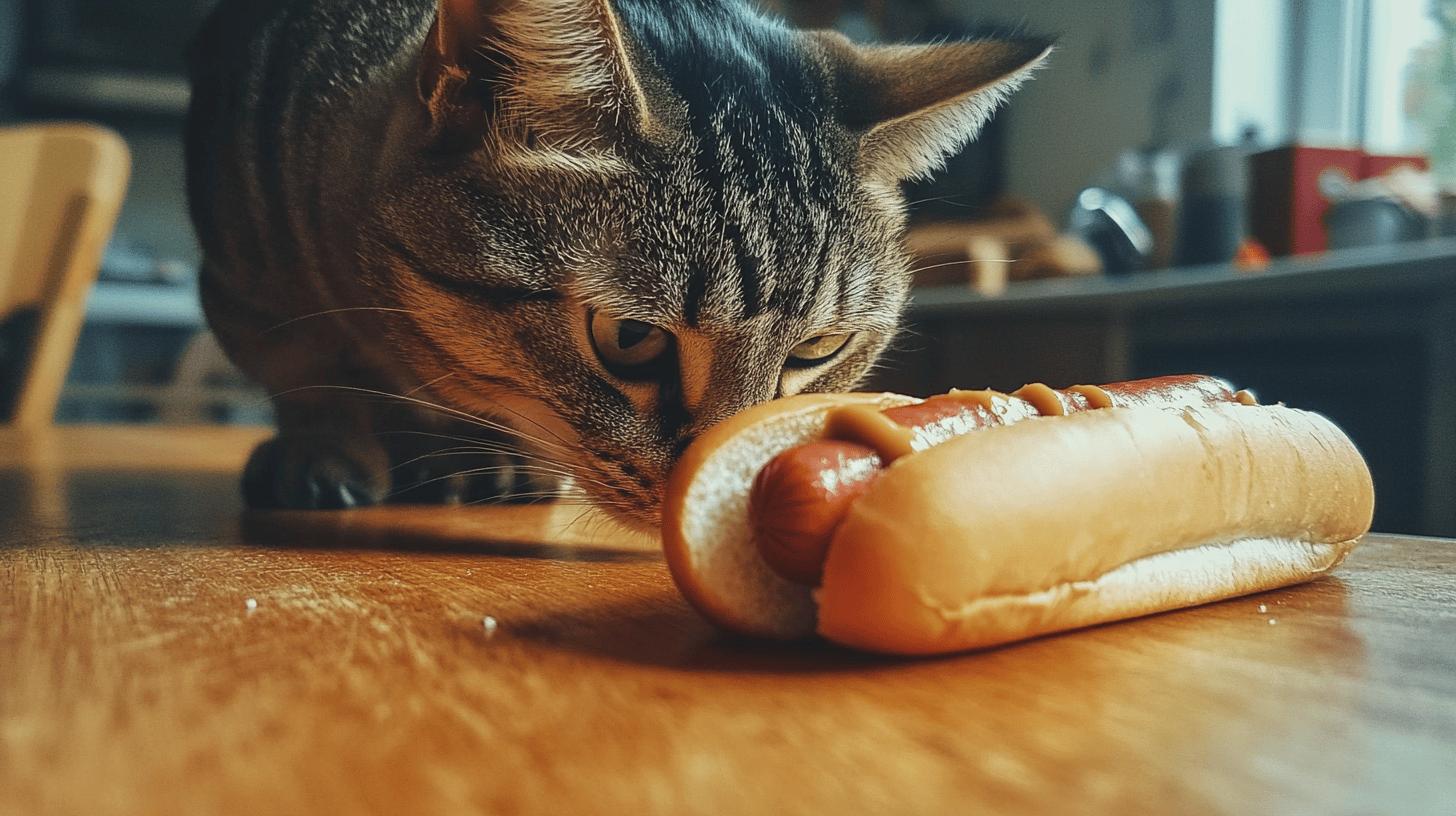
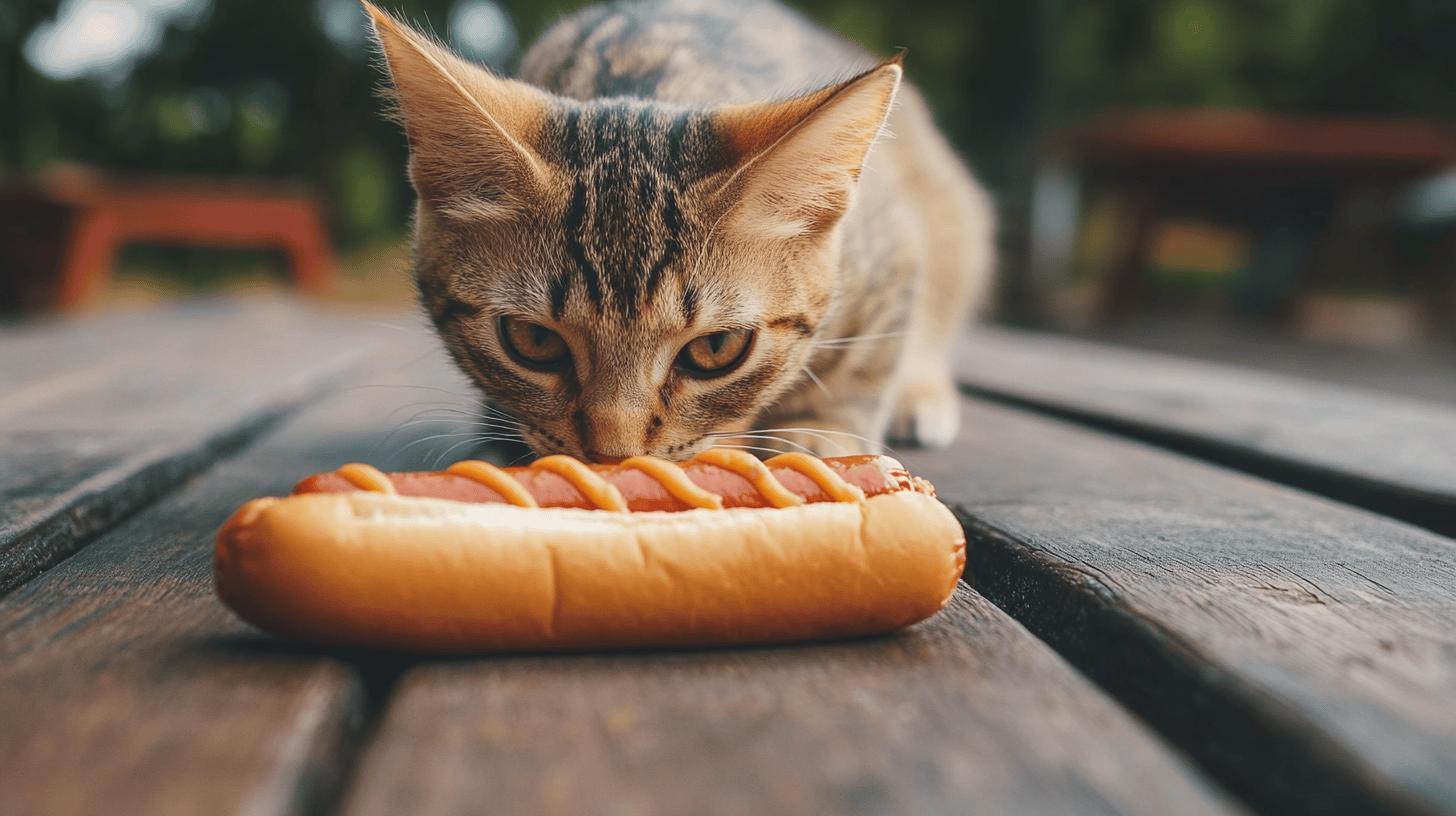
    Why does my cat want to eat beans?

    Cats might show interest in beans out of curiosity or food affinity. However, their diet should focus on animal protein to meet their nutritional needs.

    Related Articles