Category: Cat Diet

  • Can Cat Eat Pumpkin Safely and Healthily

    Can Cat Eat Pumpkin Safely and Healthily

    Is pumpkin just a Halloween treat, or could it secretly be a health booster for your feline friend? Many cat owners wonder if it's safe to share this autumn favorite with their pets. The good news is that pumpkin, when prepared right, can be a wholesome addition to a cat's diet.

    Packed with fiber and essential nutrients, it aids digestion and even helps manage hairballs. But before adding it to the menu, it's crucial to know the safe way to prepare and serve pumpkin to keep your cat healthy and happy.

    Can Cats Safely Eat Pumpkin?
    Alternatives to Coconut for Cats-2.jpg

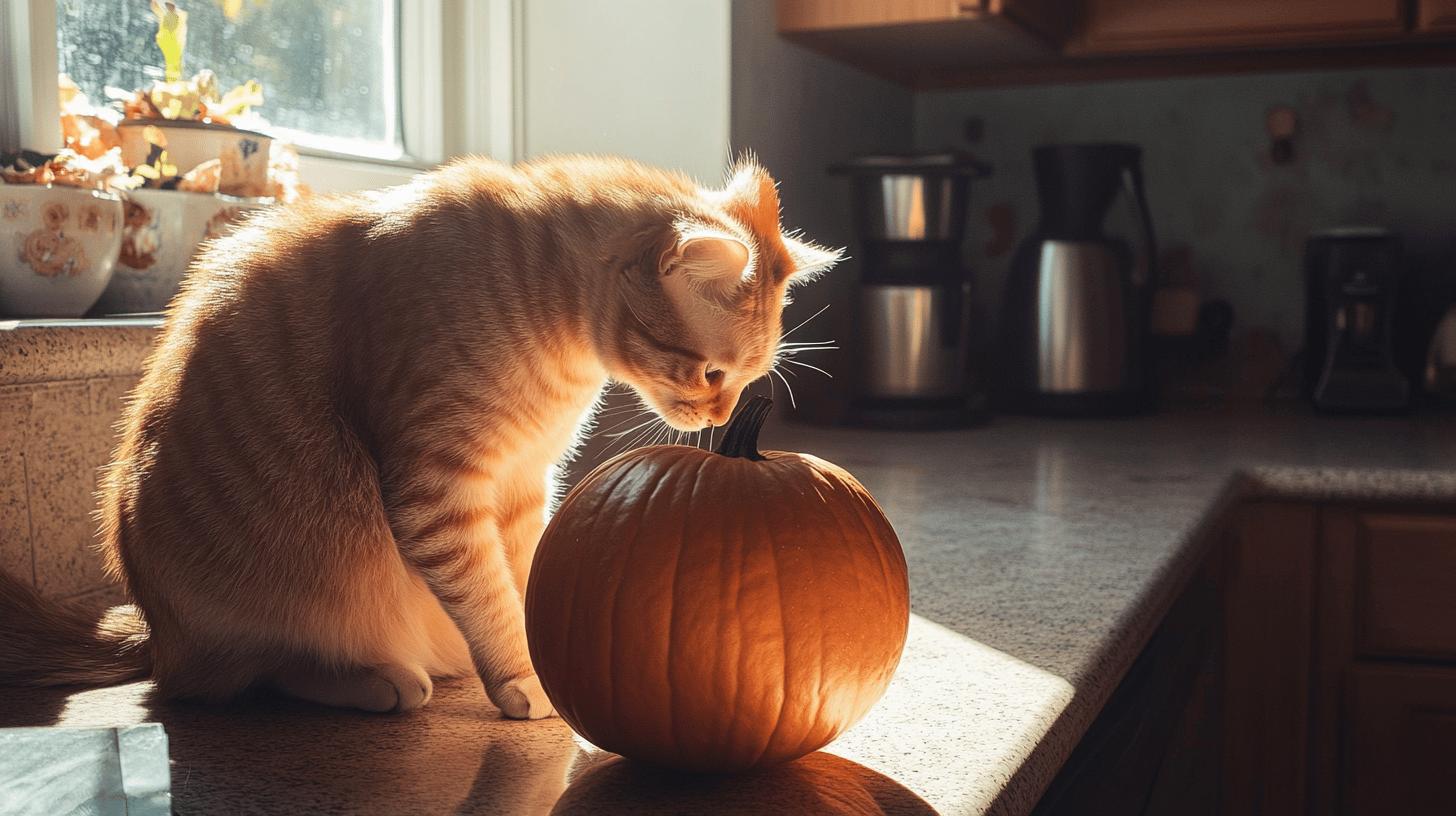
    Fresh pumpkin and pure 100% pumpkin purée are generally safe for cats to consume. Both offer a natural, nutrient-rich addition to a cat's diet when prepared correctly. Plain pumpkin, whether fresh or canned, provides dietary fiber and should be given in moderation.

    It's crucial to ensure that the canned pumpkin is pure and unsweetened, not pumpkin pie filling, which often contains sugars and spices harmful to cats. When preparing fresh pumpkin, remove the seeds, skin, and stem, and serve it in small, manageable pieces or as a purée. This preparation ensures that your feline friend receives the benefits without any digestive issues.

    Incorporating pumpkin into a cat's diet can offer several health benefits. Here are two key advantages:

    1. Aids Digestion: The fiber content in pumpkin can help regulate a cat's digestive system, reducing issues such as constipation or diarrhea.
    2. Manages Hairballs: By adding bulk to the diet, pumpkin can assist in the passage of hair through the digestive tract, minimizing hairball formation.

    These benefits make pumpkin a valuable dietary addition, but it's essential to introduce it gradually and observe your cat's reaction to ensure it suits their specific needs.

    Health Benefits of Pumpkin for Cats
    Health Benefits of Pumpkin for Cats-1.jpg

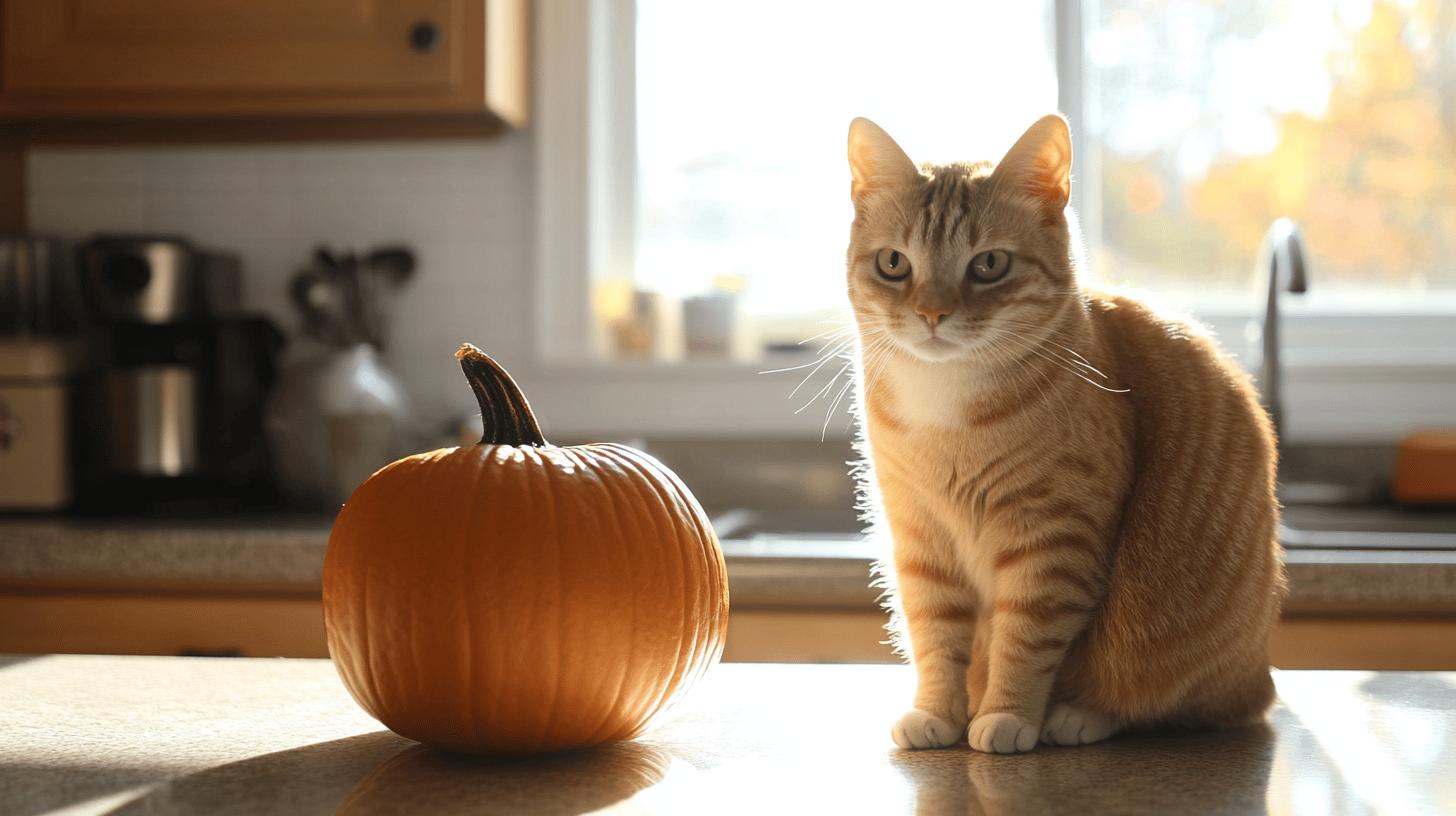
    Pumpkin can play a vital role in managing your cat's weight. The fiber in pumpkin helps cats feel fuller, which can control their appetite and prevent overeating. This is particularly useful for cats prone to weight gain or those on specific weight management diets. Adding a small amount of pumpkin to their meals provides extra bulk without adding excessive calories.

    Pumpkin is also rich in essential vitamins that offer various health benefits:

    • Vitamin A: Supports vision and immune function.
    • Vitamin C: Acts as an antioxidant, promoting overall health.
    • Vitamin E: Helps maintain skin and coat health.

    Incorporating pumpkin into a cat's diet offers unique nutritional benefits, supporting both weight management and overall health.

    How to Feed Pumpkin to Your Cat
    How to Feed Pumpkin to Your Cat-1.jpg

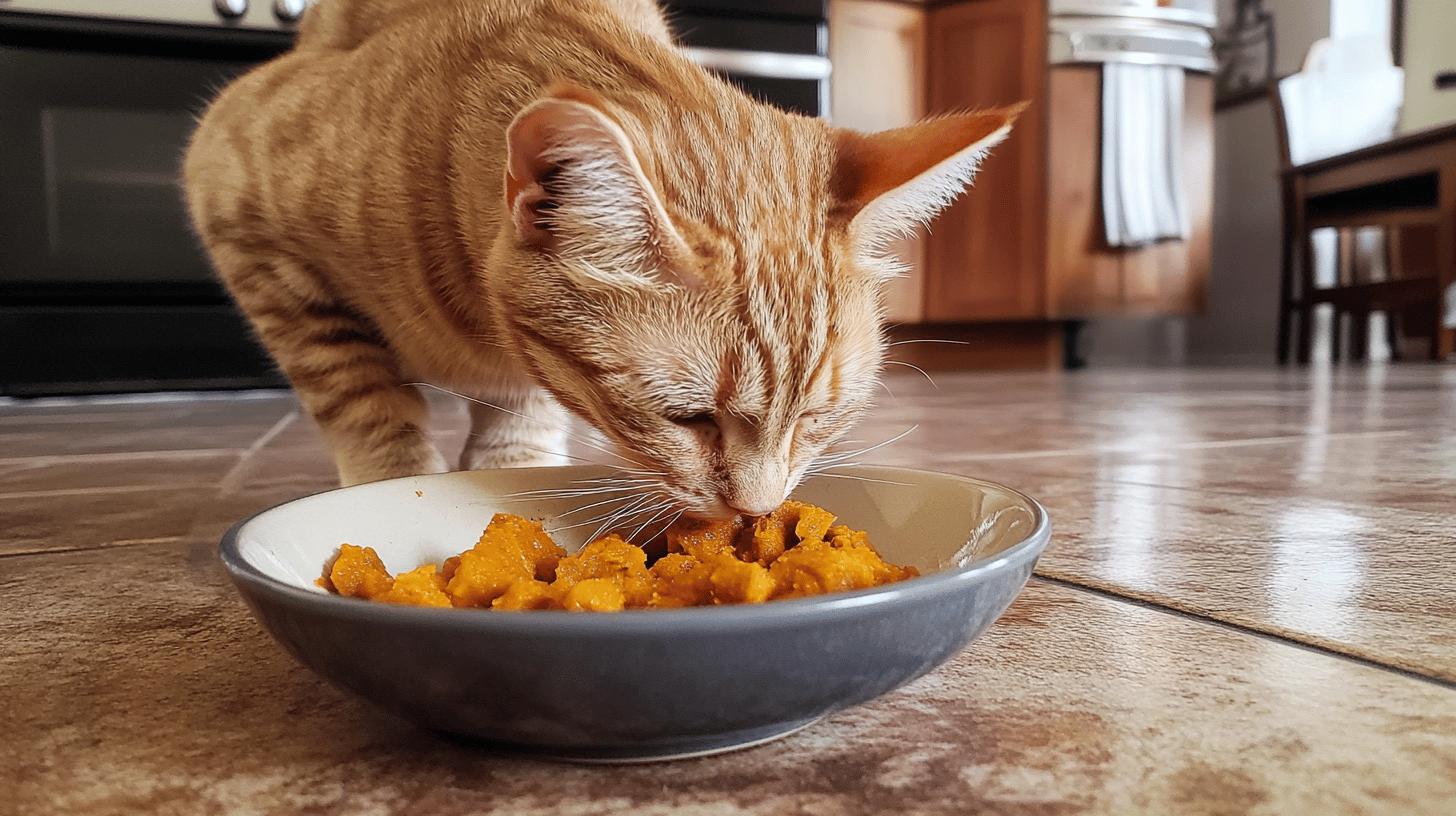
    Introducing pumpkin to your cat's diet can be a healthy choice, but it's important to do it the right way. One effective method is mixing pumpkin into wet cat food. This approach ensures that your cat gets the benefits of pumpkin while maintaining the taste and texture they're used to.

    Using wet cat food with pumpkin already formulated in it can also be a convenient option, as these products meet a cat's nutritional needs.

    Mixing Pumpkin with Cat Food

    To mix pumpkin with your cat's food, start by adding a small amount of pure, unsweetened pumpkin purée to their regular meal. Whether you use wet or dry food, stir the pumpkin in thoroughly to evenly distribute it.

    If you're using dry food, you might need to add a little water to help the pumpkin blend better. Begin with a teaspoon of pumpkin and gradually increase the amount as your cat becomes accustomed to the new taste. Always monitor your cat's reaction to the change, ensuring they enjoy and tolerate the addition well.

    Serving Sizes and Frequency

    When it comes to serving sizes, moderation is key. For most cats, a teaspoon of pumpkin per day is sufficient. Larger cats may handle up to a tablespoon, but it's essential to adjust based on your cat's size and specific dietary needs.

    You don't need to feed pumpkin every day. Instead, offer it a few times a week to maintain interest and avoid any digestive upset. Observing your cat's response will help you determine the optimal frequency and amount to keep them healthy and satisfied.

    Potential Risks and Side Effects of Pumpkin for Cats
    How to Feed Pumpkin to Your Cat-2.jpg

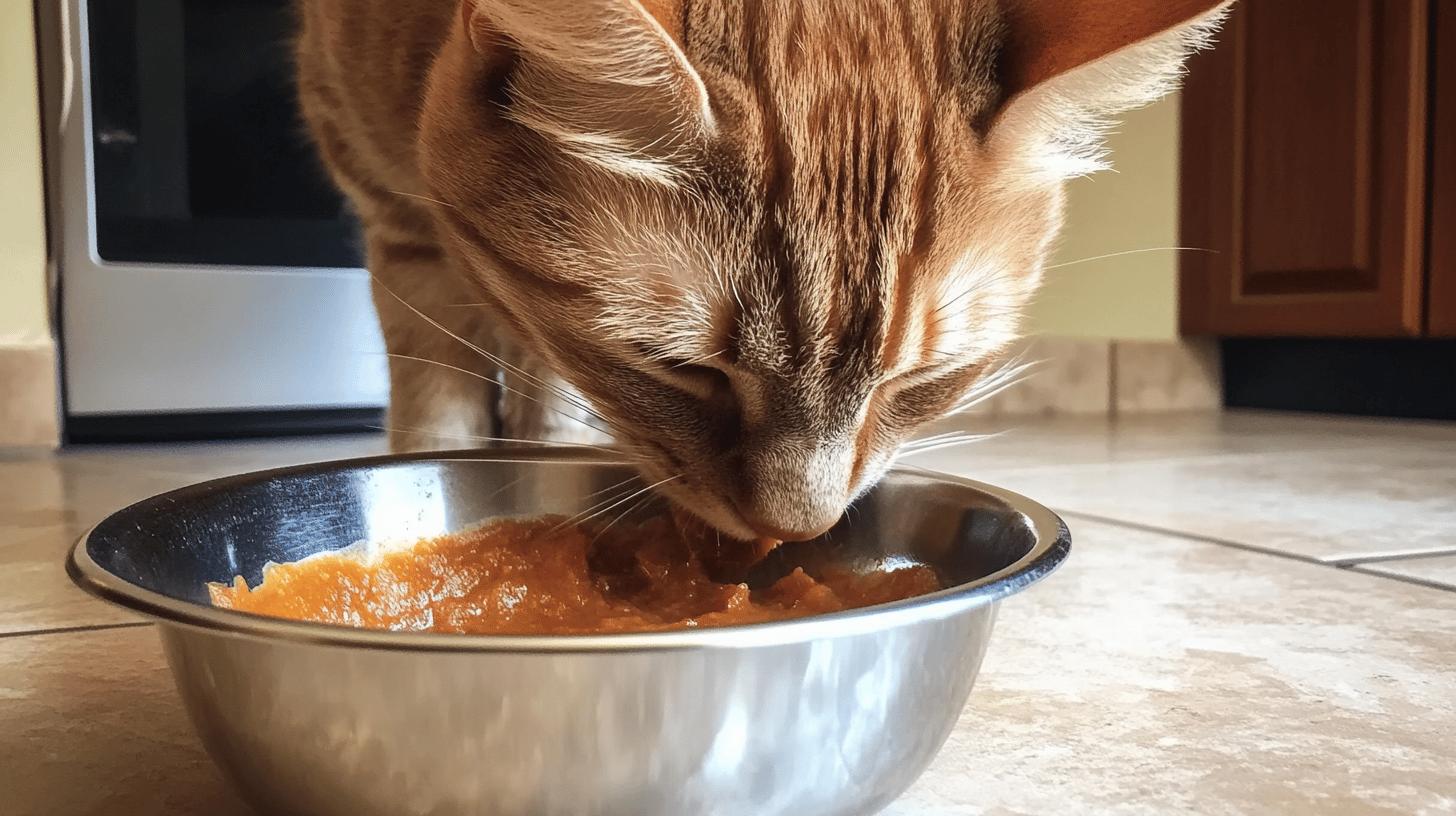
    Feeding pumpkin to cats can provide several benefits, but it's important to be aware of the potential risks and side effects. One of the main concerns is digestive upset. If cats consume pumpkin in excessive amounts, they may experience diarrhea or vomiting.

    These symptoms indicate that the pumpkin is too much for their stomachs to handle. Moderation is key when introducing any new food, including pumpkin, into your cat's diet.

    Another consideration is the possibility of allergies or food intolerances. While pumpkin is generally safe for cats, some may have adverse reactions. Here are some symptoms to watch for that could indicate an allergy or intolerance:

    • Vomiting
    • Diarrhea
    • Excessive itching or scratching
    • Swelling around the face or paws
    • Respiratory issues

    If you notice any of these symptoms after feeding your cat pumpkin, it's crucial to stop immediately and consult with a veterinarian. They can provide guidance and ensure that your cat remains healthy and happy. Always introduce new foods slowly and monitor your pet's response to prevent any health issues.

    Pumpkin Seeds and Cats: A Nutritional Treat or a Risk?
    Pumpkin Seeds and Cats A Nutritional Treat or a Risk-1.jpg

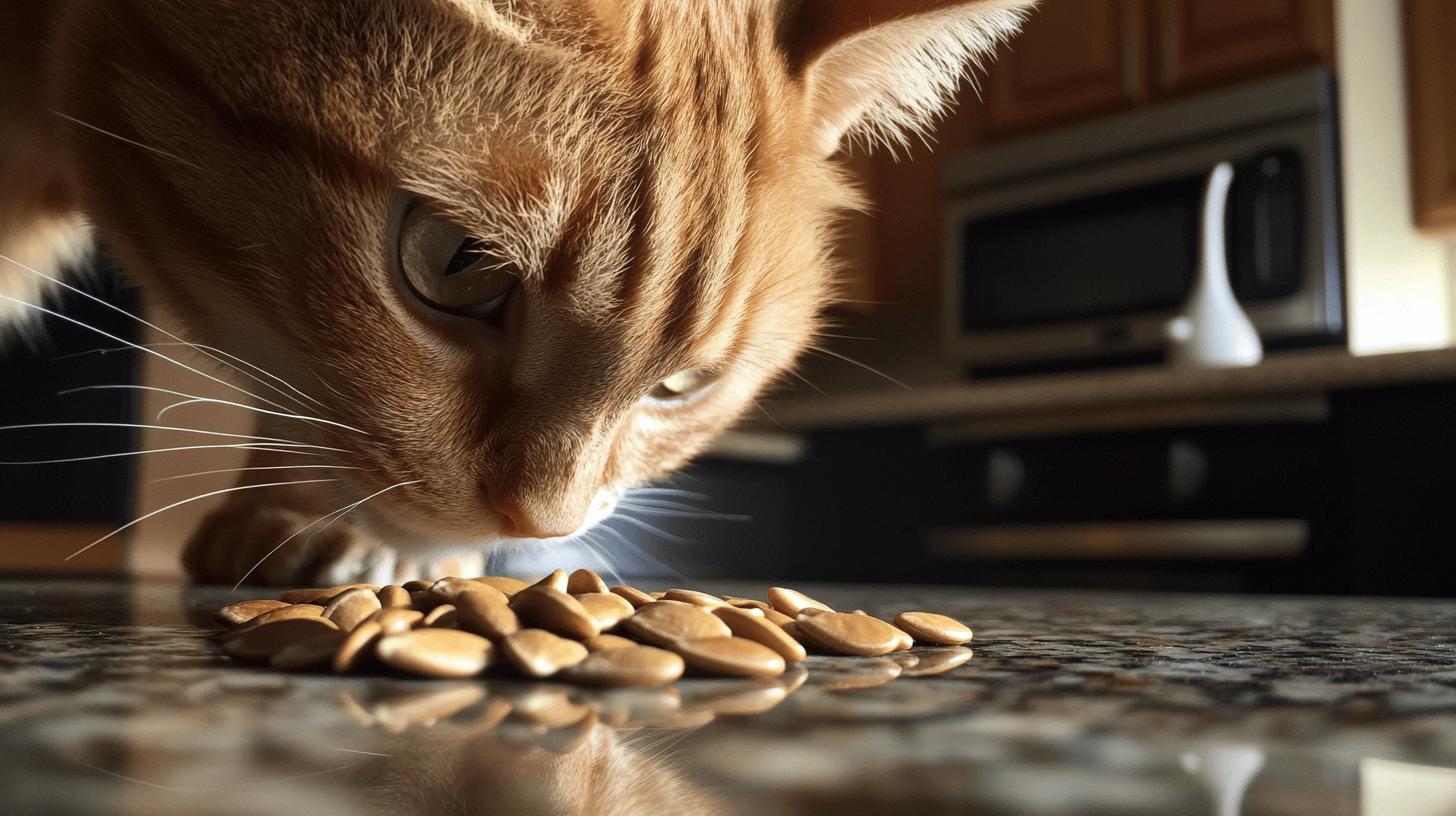
    Pumpkin seeds can be a nutritious treat for cats when given in moderation. These tiny seeds are packed with nutrients like antioxidants, which can enhance your cat's overall health. They're safe to offer either raw or toasted, making for a versatile snack option.

    When serving pumpkin seeds to your cat, it's best to do so in small quantities, such as one or two seeds per day. This amount is enough to provide the nutritional benefits without overwhelming your feline's digestive system. Make sure to remove any shells, as these can be hard to digest and may pose a choking hazard.

    While pumpkin seeds can be beneficial, there are potential risks if they're overconsumed or improperly prepared. Here are some concerns to keep in mind:

    • Digestive upset, such as diarrhea, can occur if too many seeds are consumed.
    • Potential choking hazard if seeds are not properly shelled or are too large.
    • Allergic reactions may occur in some cats, though they are rare.

    Monitoring your cat's reaction to pumpkin seeds is crucial. If you notice any adverse effects, it's best to discontinue feeding them and consult your veterinarian for advice.

    Final Words

    Understanding can cat eat pumpkin safely opens up new possibilities for your pet's diet. Both fresh pumpkin and canned purée are safe when prepared correctly, enhancing a cat's meal with essential nutrients.

    Pumpkin aids in digestion, weight management, and hairball control, making it a beneficial choice for many cats. Mixing pumpkin with wet food is simple and effective, but keep an eye on portion sizes to avoid any side effects.

    Always stay alert for allergies or reaction signs. For a nutritious treat, try the occasional pumpkin seed, but remember moderation. Embrace pumpkin in your cat’s diet for a healthy, happy friend!

    FAQ

    Can cats eat pumpkin seeds?

    Cats can eat pumpkin seeds in moderation. Serve them raw or toasted, but limit to one or two seeds per day to avoid digestive issues.

    Can cats have pumpkin every day?

    Yes, cats can have pumpkin daily, but limit portions to avoid digestive upset. Mixing small amounts with regular food ensures balanced nutrition.

    Can cats eat raw pumpkin?

    Cats can eat raw pumpkin, but it's safer when cooked or pureed. Cooking softens the texture, making it easier to digest.

    How does pumpkin help cats with diarrhea?

    Pumpkin can help cats with diarrhea by adding fiber, which firms up stool. Introduce gradually and monitor your cat's response.

    What are the benefits of pumpkin for cats?

    Pumpkin provides fiber for digestion, helps control weight, and reduces hairballs. It's also rich in vitamins A, C, and E.

    Can pumpkin help cats with vomiting?

    Pumpkin can help cats with vomiting if it's related to hairballs or dietary issues. The fiber content aids digestion and reduces nausea.

    How does pumpkin help cats with constipation?

    Pumpkin's fiber helps cats with constipation by softening stool and promoting regular bowel movements, making it a natural remedy.

    Can cats drink pumpkin juice?

    Cats can try pumpkin juice in small amounts, but it lacks fiber. It's better to provide pureed pumpkin for its digestive benefits.

    How much pumpkin can I give my cat?

    Give cats a teaspoon of pumpkin mixed with their food. Adjust the amount based on your cat's weight and dietary needs.

    Is it safe for cats to eat raw pumpkin?

    Raw pumpkin is safe for cats but less digestible. Cooked or pureed pumpkin is preferable for better nutrition and digestion.

    Why do cats like pumpkin so much?

    Cats may like pumpkin's texture and mild taste, but it's the fiber and nutrients that add health benefits.

    Is pumpkin toxic to dogs or cats?

    Pumpkin is not toxic to cats or dogs. It can be a nutritious addition when served responsibly in moderation.
    Related Articles

  • Can Cat Eat Onion? Understanding the Risks for Your Feline

    Can Cat Eat Onion? Understanding the Risks for Your Feline

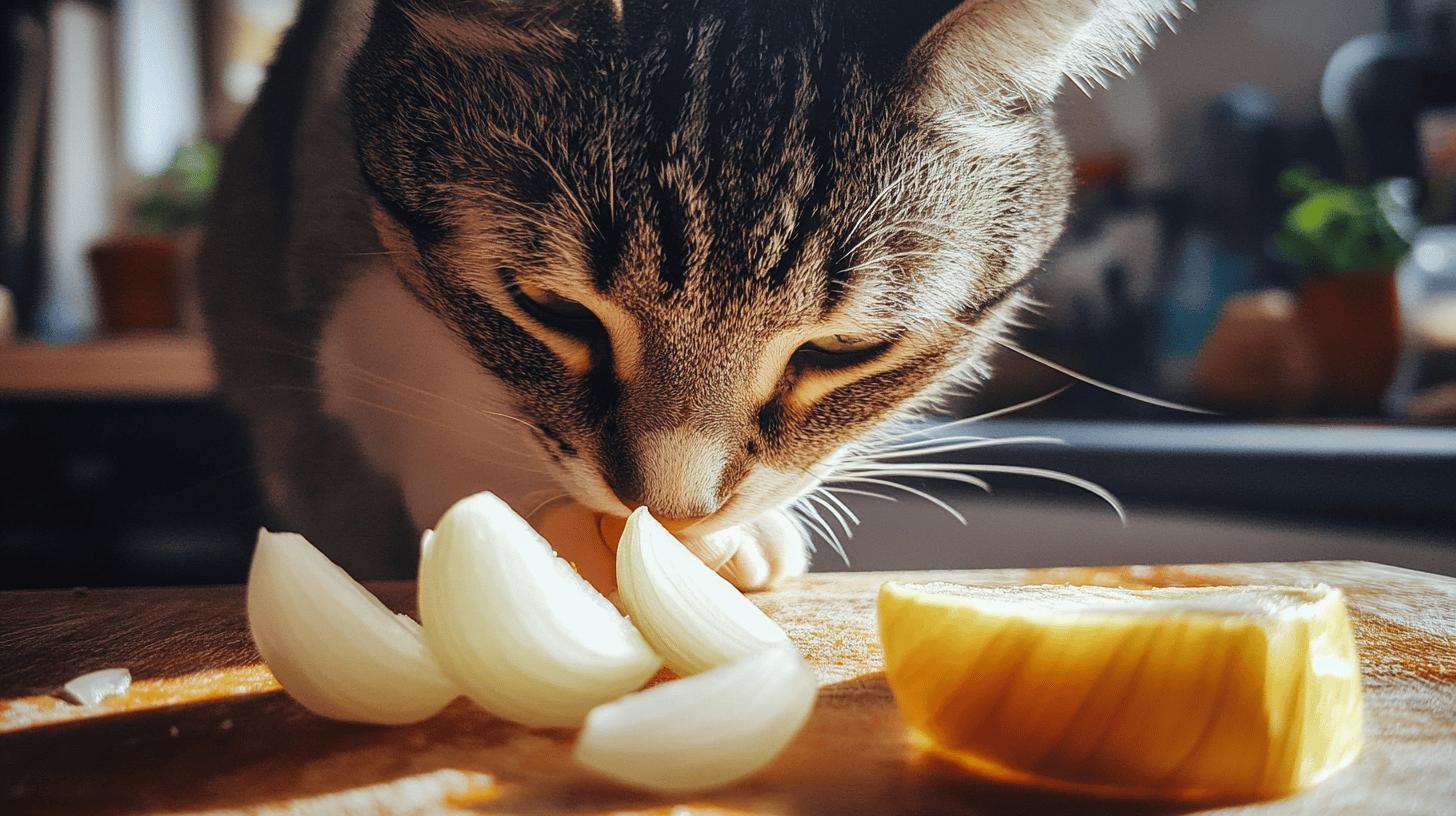
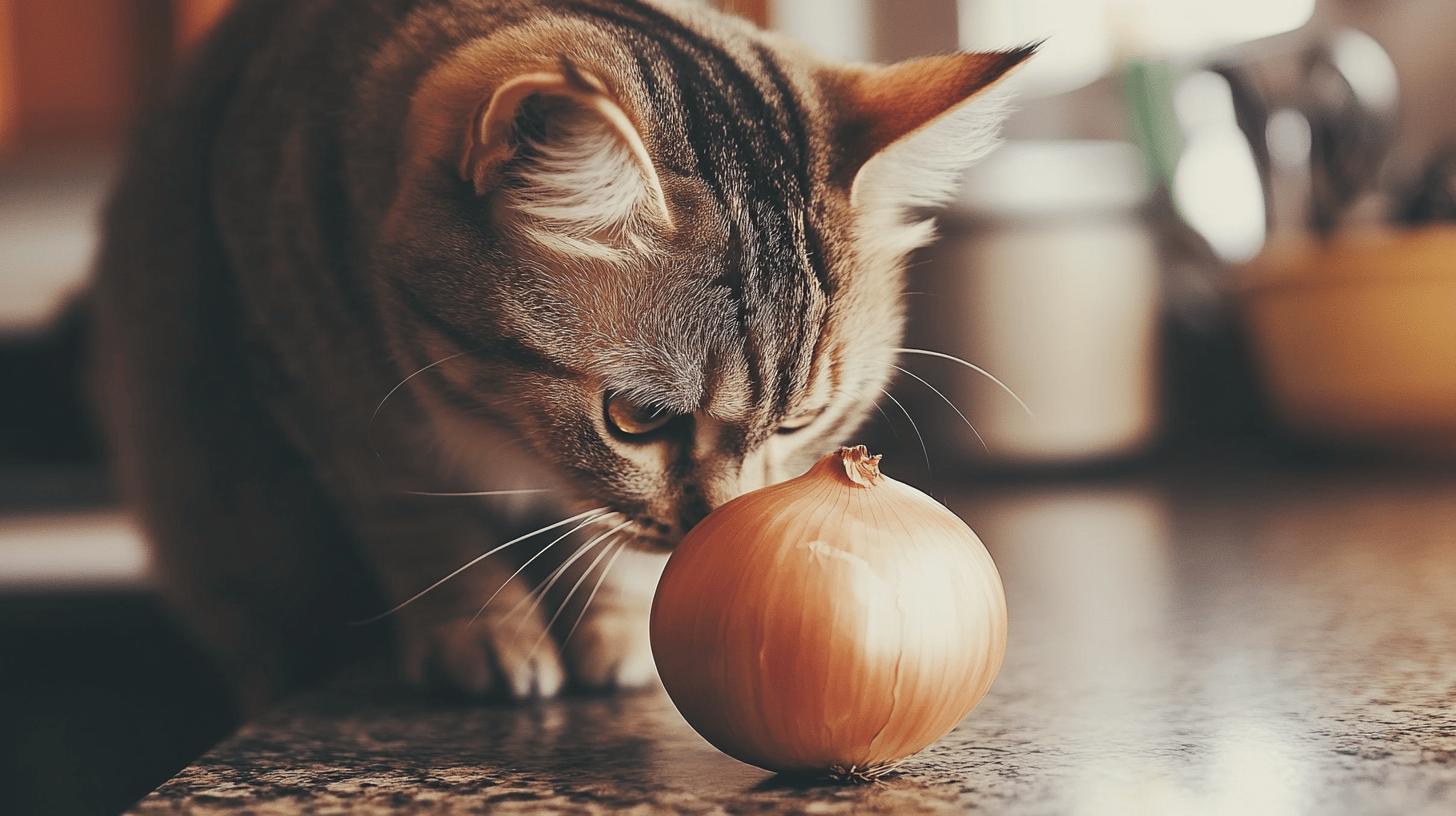
    Did you know that something as common as an onion can pose a serious threat to your cat? While many cat owners might think it's harmless to share table scraps, even a small amount of onion can lead to severe health issues for your furry friend. The hidden danger in onions lurks in a compound that attacks cat's red blood cells, leading to anemia. In this article, we'll explore why onions are so dangerous for cats and what symptoms to watch for. Understanding these risks can help you protect your cat from accidental harm.

    Can Cats Eat Onions? Understanding the Risks

    Can Cats Eat Onions Understanding the Risks-4.jpg

    Onions are harmful to cats and should be avoided completely. Whether raw, cooked, or in powder form, onions pose a significant threat to feline health. Even the smallest amount of onion can lead to severe health complications.

    The risk is not only present in fresh onions but extends to any dishes or foods containing onion as an ingredient. It's essential to recognize that onion toxicity in cats is a serious concern and demands vigilance from pet owners.

    The primary danger in onions is a compound called n-propyl disulfide. This compound targets a cat's red blood cells, leading to their destruction. When red blood cells are compromised, cats can suffer from hemolytic anemia, which severely limits the blood's ability to carry oxygen.

    This condition can have dire consequences for your cat's health, and symptoms may not manifest until the damage is done. Cats lack the necessary enzymes to effectively metabolize n-propyl disulfide, making them especially vulnerable.

    Here's a list of onion forms and their dangers for cats:

    • Raw Onions: Directly toxic, even in small quantities.

    • Cooked Onions: Still harmful; cooking does not eliminate toxicity.

    • Onion Powder: Highly concentrated, posing an increased risk.

    • Green Onions: Equally dangerous, despite their different appearance.

    • Dehydrated Onions: Potent and easily hidden in foods.

    It's crucial to keep onions and any food containing onions out of reach of cats. Preventing accidental ingestion is the best way to protect your feline friend. Always be cautious with food preparation and storage to ensure your cat remains safe from onion toxicity.

    Symptoms of Onion Poisoning in Cats

    Symptoms of Onion Poisoning in Cats-3.jpg

    When a cat ingests onions, the signs of poisoning can be alarming. Common symptoms include vomiting and diarrhea, which may be the first noticeable indications that something is wrong. Cats might also display lethargy and nausea, showing a lack of interest in their usual activities or food.

    Drooling and oral irritation can occur, signaling discomfort in the mouth or throat. As the condition progresses, you might notice pale gums, a clear sign of anemia due to the destruction of red blood cells. An increased heart rate is another symptom, often accompanying the body's effort to circulate more oxygen.

    The timeline for symptom development can vary, making it challenging to detect the issue immediately. Symptoms might not appear for 12 hours and can take up to 5 days to manifest fully, depending on the quantity ingested and the cat's overall health.

    In severe cases, the symptoms can escalate to anemia, leading to more critical conditions such as collapse and seizures. These severe symptoms highlight the importance of monitoring your cat closely if you suspect onion ingestion.

    Here are some symptoms to watch for:

    • Vomiting

    • Diarrhea

    • Lethargy

    • Nausea

    • Drooling

    • Pale gums

    • Increased heart rate

    Early detection of these symptoms is crucial. Recognizing the signs promptly and contacting a veterinarian can make a significant difference in your cat's recovery.

    Delaying veterinary care can result in severe health issues, including life-threatening anemia. By acting quickly, you can ensure your cat receives the necessary treatment to recover from onion poisoning. Always err on the side of caution and consult a vet if you suspect your cat has ingested onions.

    What to Do if Your Cat Eats Onion

    What to Do if Your Cat Eats Onion-2.jpg

    If your cat accidentally eats onions, reaching out to a veterinarian immediately is crucial. Onion ingestion can lead to serious health issues, so time is of the essence. Even if your cat seems fine, symptoms can develop and worsen without warning.

    Prompt veterinary consultation can make all the difference in preventing severe health complications. Never attempt to treat onion ingestion at home on your own, as improper actions could exacerbate the situation.

    When you contact the vet, be prepared to provide specific information about the incident. Let them know the amount of onion your cat may have ingested and the form it was in—raw, cooked, or powdered.

    Sharing these details can help the vet determine the severity of the situation and the most appropriate course of action. Avoid inducing vomiting unless explicitly instructed by a professional, as this can sometimes do more harm than good.

    Action Reason Steps
    Contact a Veterinarian Immediate guidance is crucial Call the vet and provide details
    Secure the Source Prevent further ingestion Remove onions and related foods
    Observe Your Cat Identify any symptoms Note changes in behavior and health
    Follow Vet Instructions Ensure proper treatment Adhere to recommended actions

    At the vet's office, treatment may involve various methods depending on the severity of the ingestion. Symptomatic care is common and can include administering fluids and medications to support your cat's recovery.

    In more severe cases, a blood transfusion might be necessary to address significant red blood cell damage. Your vet will provide the best course of action to ensure your feline friend receives the care they need.

    Safe Foods and Onion Alternatives for Cats

    Safe Foods and Onion Alternatives for Cats-1.jpg

    Providing a safe diet for your cat is crucial to their health and happiness. Cats have specific dietary needs that must be met to ensure they receive all necessary nutrients. High-quality commercial cat food is typically formulated to meet these needs and is generally the safest choice.

    This specialized food helps maintain their health, providing essential vitamins and minerals. While it's tempting to share your meals with your feline friend, it's essential to be aware of foods like onions that can be harmful and to avoid them entirely.

    Here are some safe food options and alternatives to onions for cats:

    • Commercial Cat Food: Specially formulated to meet nutritional requirements.

    • Cooked Chicken: A safe source of protein when prepared without seasoning.

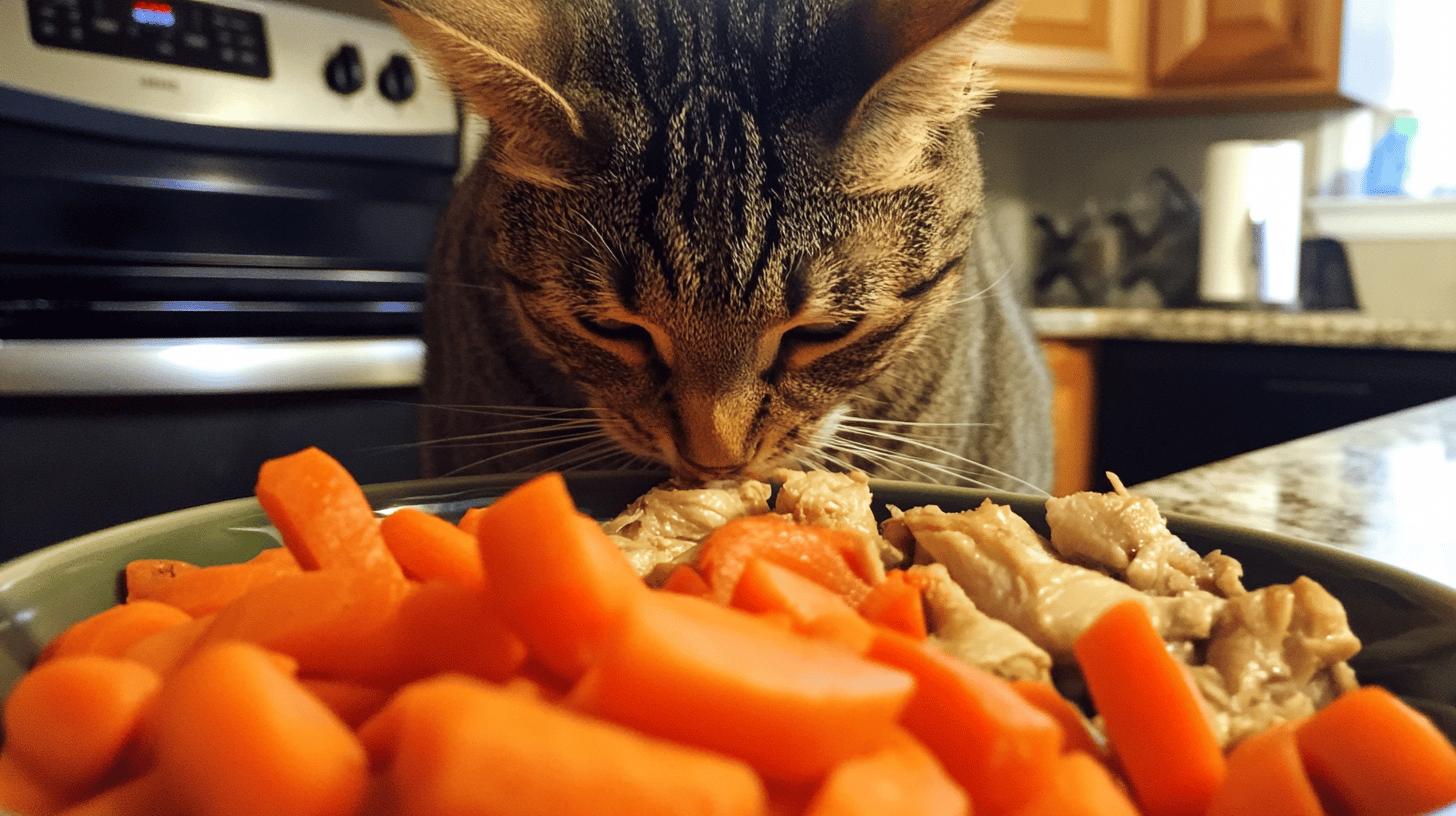
    • Cooked Carrots: Offer a small amount as a treat, as they are low in calories and safe.

    • Cooked Peas: Provide fiber and nutrients if served in moderation.

    • Pumpkin Puree: Helps with digestion and is safe if given in small amounts.

    Before introducing any new foods to your cat's diet, consult with a veterinarian. They can provide guidance on what is safe and beneficial for your pet.

    Feeding human foods without proper verification can pose risks, as some ingredients may be toxic. By sticking to a vet-approved diet, you can ensure your cat remains healthy and free from the dangers of inappropriate foods.

    Final Words

    Understanding that onions are toxic to cats is crucial for their health and safety.

    Onion exposure can lead to severe symptoms like hemolytic anemia, making it vital to keep onions out of reach.

    Recognizing symptoms early and seeking vet assistance is key to tackling onion poisoning.

    In cases of ingestion, contacting a vet immediately and providing details helps in proper treatment.

    For a safe diet, stick with vet-approved cat foods and avoid onion content.

    Keeping our feline friends safe ensures they continue to be happy and healthy family members.

    FAQ

    Symptoms of Onion Poisoning in Cats

    Q: What symptoms indicate onion poisoning in cats?

    A: Symptoms of onion poisoning in cats include vomiting, diarrhea, lethargy, nausea, drooling, oral irritation, and pale gums. Severe cases might lead to anemia, collapse, and seizures.

    How Much Onion is Toxic to Cats

    Q: How much onion is toxic to cats?

    A: Even small amounts can be toxic. The toxic compound, n-propyl disulfide, damages red blood cells, leading to hemolytic anemia. Cats should avoid onions in any form.

    What Happens if Cats Eat Onions

    Q: What happens if a cat eats onions?

    A: When a cat eats onions, it may develop symptoms such as vomiting, diarrhea, and lethargy. If untreated, it can lead to severe health issues like anemia or even collapse.

    Can Cats Eat Onions Cooked or Raw

    Q: Can cats eat onions if they are cooked?

    A: No, cats should not eat onions, whether cooked or raw. Both forms contain the toxic compound harmful to cats.

    How Long It Takes for Onion Toxicity in Cats

    Q: How long does it take for onion toxicity to affect cats?

    A: Symptoms may appear 12 hours to 5 days after ingestion. Early detection is crucial for treatment.

    What to Do if Your Cat Eats Garlic or Onion

    Q: What should I do if my cat eats garlic or onion?

    A: Contact a veterinarian immediately if your cat ingests onions or garlic. Do not induce vomiting unless directed by a vet.

    Can Cats Eat Onion Juice or Onion and Garlic

    Q: Can cats eat onion juice or foods with onion and garlic?

    A: No, cats should not consume onion juice or any food containing onions or garlic, as these are toxic to them.

    Is Onion Powder Bad for Cats

    Q: Is onion powder harmful to cats?

    A: Yes, onion powder is harmful to cats. It contains the same toxic compound that affects red blood cells.

    Will a Little Bit of Garlic Hurt My Cat

    Q: Is a small amount of garlic dangerous for my cat?

    A: Yes, even a small amount of garlic can be harmful to cats and should be avoided. It shares similar toxic effects as onions.

    Related Articles

  • Can Cat Eat Lettuce Understanding Benefits and Risks for Your Feline

    Can Cat Eat Lettuce Understanding Benefits and Risks for Your Feline

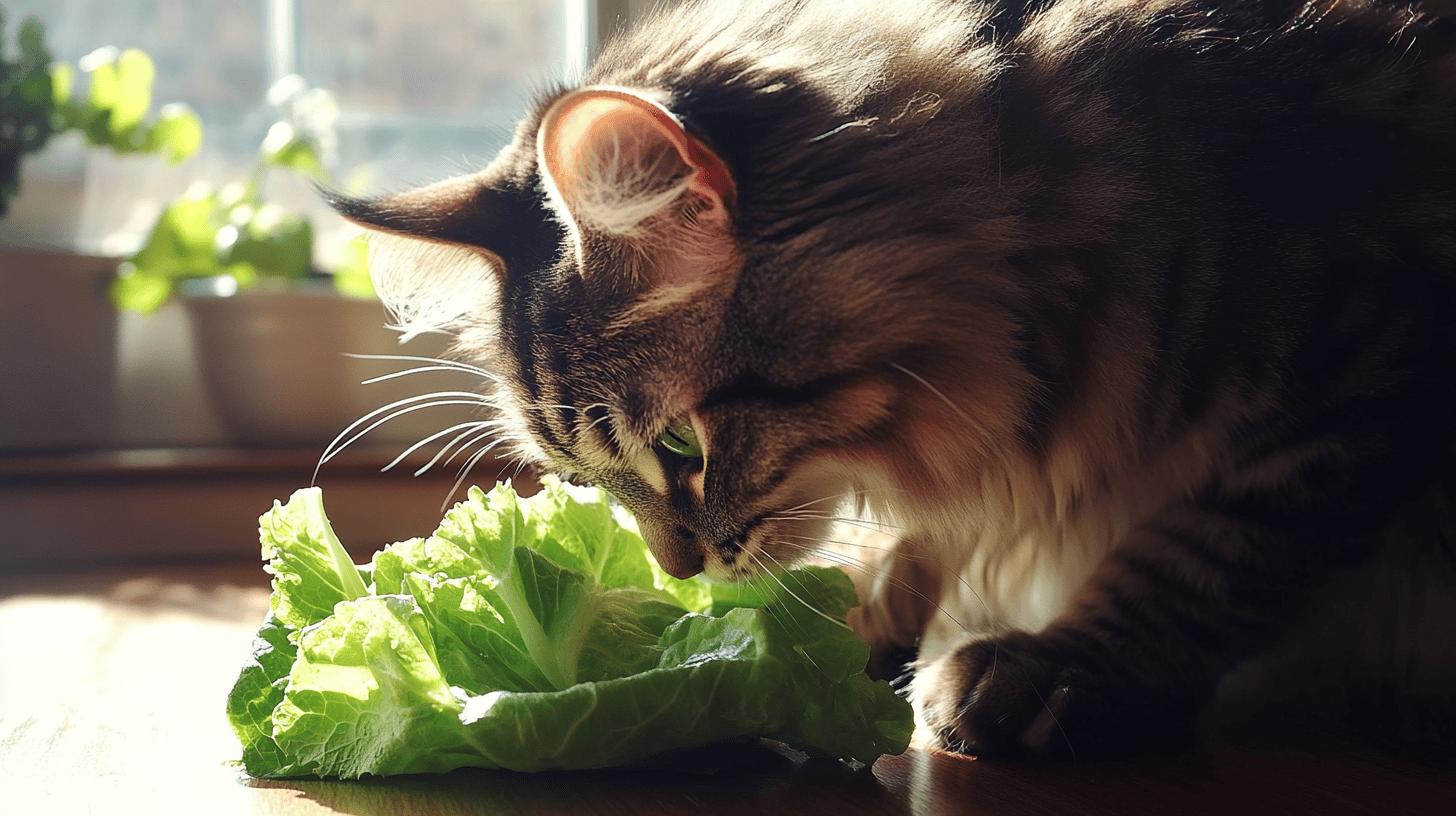
    Could your curious cat crunch on lettuce like a rabbit? It's an intriguing thought, and for many cat lovers, the answer isn't immediately clear. Lettuce might seem like a harmless snack, but as obligate carnivores, cats have strict dietary needs that lettuce just can't fulfill.

    Join me as we explore the ins and outs of serving lettuce to our feline friends. Understanding what's safe, the potential benefits, and hidden risks will arm you with the knowledge to make the best choice for your cat's health and happiness.

    Lettuce for Cats: Safety, Benefits, and Risks

    Lettuce for Cats Safety, Benefits, and Risks-1.jpg

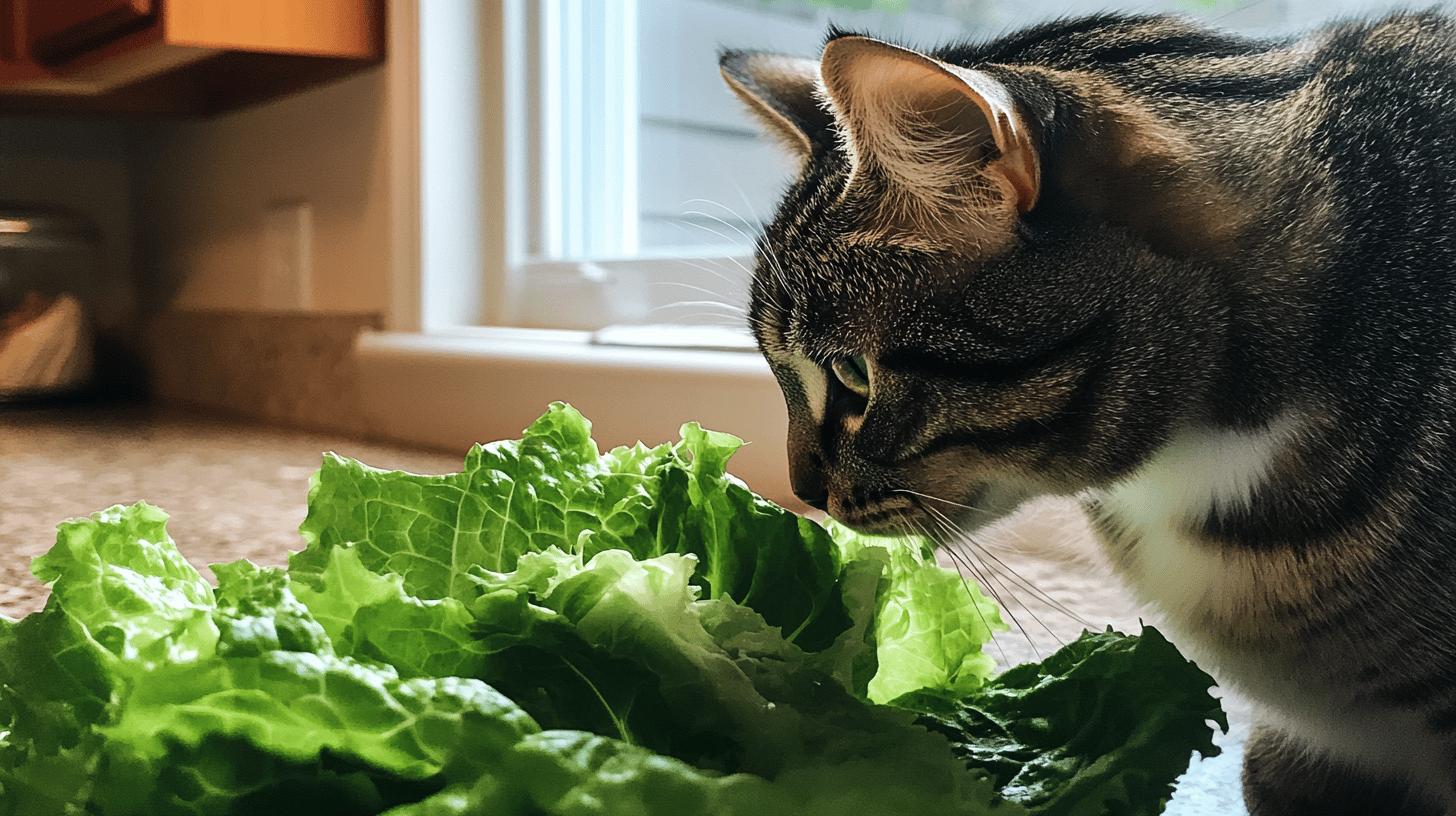
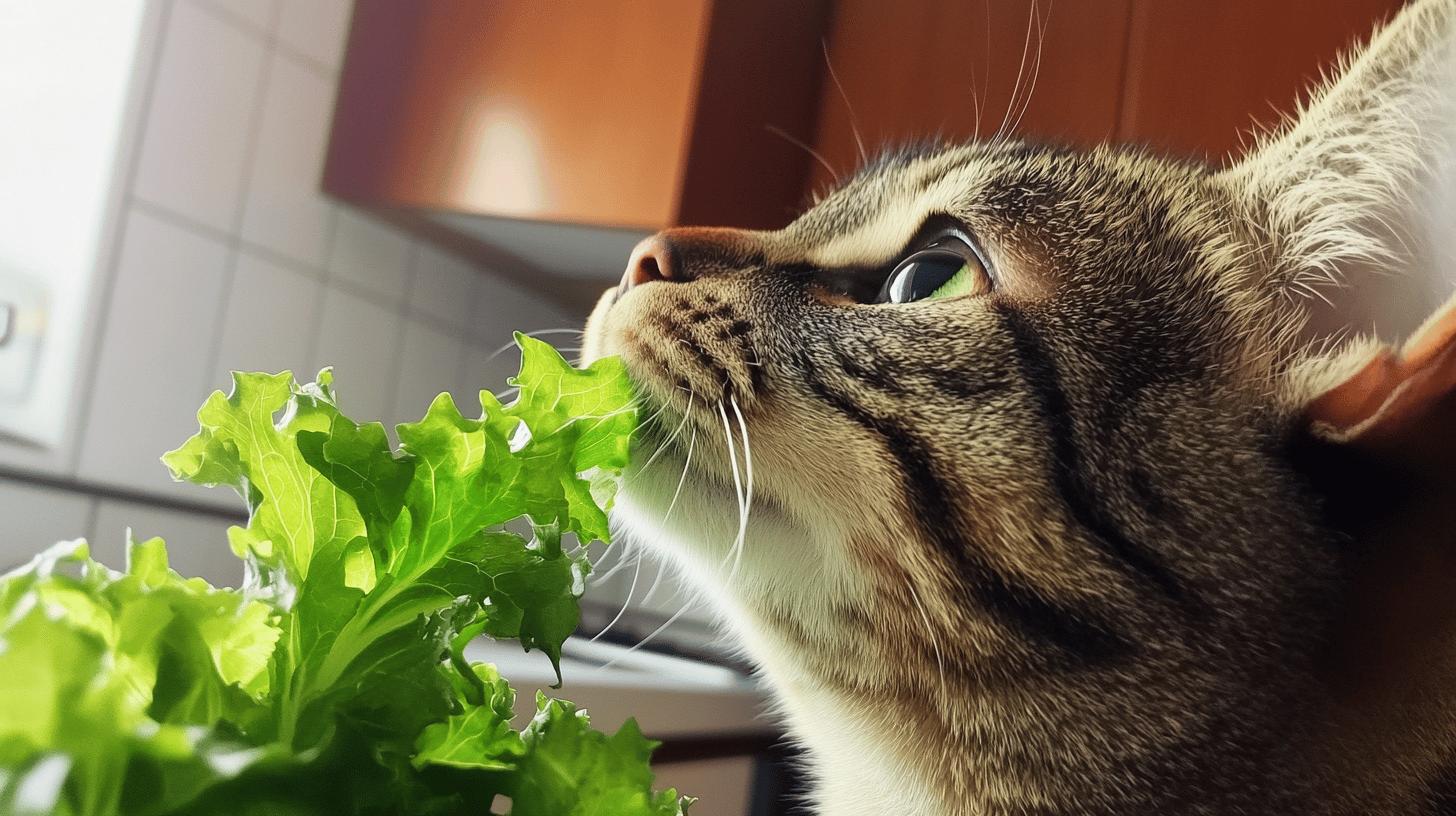
    Cats might nibble on lettuce out of curiosity, and the good news is that it's generally safe for them to do so. While lettuce isn't toxic, it should only be given in moderation. The main component of lettuce is water, which doesn't provide the essential nutrients that cats, as obligate carnivores, truly need. It's important to remember that lettuce should never replace the meat-based diet that is crucial for a cat's health.

    Lettuce can offer some hydration benefits due to its high water content, which might be especially appealing for cats who don't drink enough water. Yet, the nutritional benefits are quite minimal.

    Lettuce doesn't contain the necessary proteins and amino acids required by cats, making it a poor substitute for their regular diet. Too much lettuce can lead to digestive issues, such as diarrhea or vomiting, especially if the cat's system isn't used to it.

    Introducing lettuce to a cat's diet requires careful preparation. Always wash the lettuce thoroughly to remove any pesticides or chemicals that might be harmful. Chop it into small, manageable pieces and offer it in small amounts to see how your cat reacts.

    Keep an eye on your cat for any signs of discomfort or digestive upset. If you notice adverse effects, it's best to consult a veterinarian to ensure your cat’s well-being.

    Here's a list of potential health risks and safe practices:

    • Diarrhea from overconsumption
    • Vomiting if the cat's system is sensitive
    • Upset stomach due to lactucarium in lettuce
    • Risk of vitamin A toxicity if consumed excessively
    • Always wash lettuce thoroughly
    • Chop into small pieces for easy consumption
    • Monitor your cat’s reaction and consult a vet if needed

    Remember, while lettuce is safe in small amounts, it should never take the place of a balanced, meat-based diet that provides all the essential nutrients your feline friend needs.

    Types of Lettuce and Their Suitability for Cats

    Types of Lettuce and Their Suitability for Cats-1.jpg

    When we think about iceberg lettuce, it’s mostly about hydration rather than nutrition. This type of lettuce is made up of a lot of water and offers very little in terms of essential nutrients. While it's not harmful for cats to nibble on, it doesn't contribute much to their dietary needs. It's suitable for an occasional snack, but remember that it shouldn’t make up more than 10% of your cat's diet to prevent any nutritional imbalances.

    Romaine lettuce, on the other hand, provides a bit more in the nutrition department. It contains folate and various vitamins, which are beneficial in small quantities. Although these nutrients can be good for your cat, romaine should still be given in moderation. Emphasizing a meat-based diet is crucial, as it fulfills the protein and amino acid requirements that cats need to thrive.

    Butter lettuce stands out due to its rich content of minerals and vitamins. It’s packed with iron, calcium, and vitamins A, C, and K. These nutrients can offer some health benefits for cats, but again, it's vital to keep their intake minimal. Too much can lead to potential health issues, so it's best to treat butter lettuce as an occasional supplement to their primary diet.

    Lettuce Type Nutritional Content
    Iceberg High water content, low nutritional value
    Romaine Folate, vitamins
    Butter Iron, calcium, vitamins A, C, and K

    Exploring Alternative Leafy Greens for Cats

    Exploring Alternative Leafy Greens for Cats-1.jpg

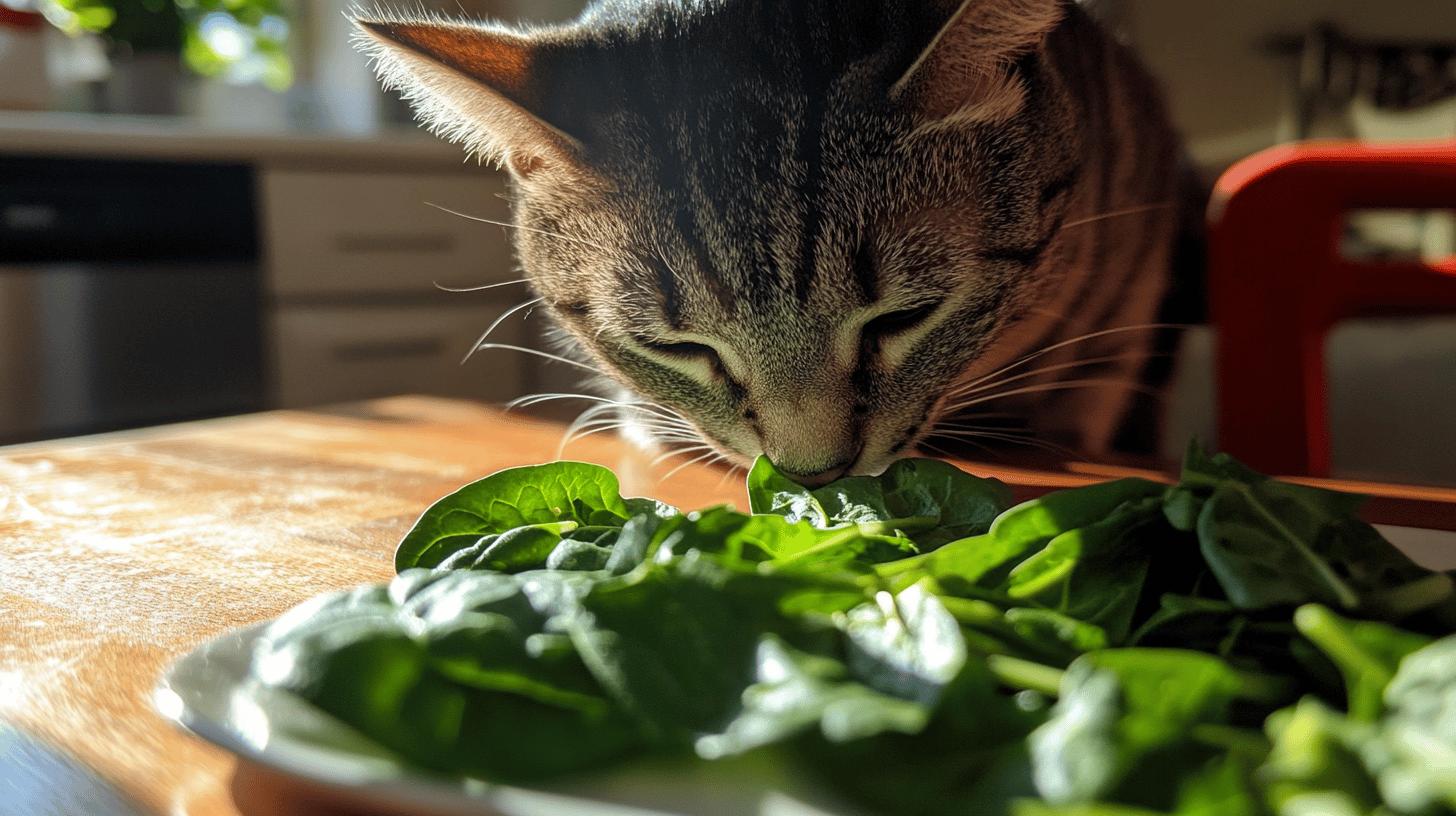
    Spinach and kale are two leafy greens that can be beneficial additions to a cat's diet when given in moderation. Spinach is a powerhouse of vitamins, offering A, C, and K. These nutrients support various bodily functions, including vision health, immune system support, and blood clotting.

    Kale is another excellent option, packed with antioxidants and minerals that can help in reducing inflammation and promoting overall health. However, due to the natural oxalates found in spinach, it’s important to feed it sparingly to avoid any potential issues with calcium absorption.

    Cooking spinach and kale is crucial before introducing them to your cat's meals. The cooking process helps break down the fibers and makes these greens easier for cats to digest. Raw greens can be tough on a cat’s digestive system and may lead to stomach upset.

    By lightly steaming or boiling these vegetables, you can enhance their digestibility and ensure that your feline friend can enjoy the benefits without any adverse effects.

    Here are some alternative greens that are safe for cats:

    • Spinach: Provides vitamins A, C, and K.
    • Kale: Offers antioxidants and minerals.
    • Other greens: Considered safe in moderation.

    Final Words

    Exploring the question, "can cat eat lettuce," we learned that while lettuce isn't toxic, it offers limited benefits. It can hydrate cats but shouldn't replace their meat-centric diets due to minimal nutrition. Overindulgence could lead to digestive issues like diarrhea or vomiting. If introducing lettuce, wash it well, serve in small amounts, and monitor for any adverse reactions.

    Romaine and butter lettuces add more nutrients compared to iceberg. While spinach and kale are viable alternatives, they need to be cooked. With careful moderation, leafy greens can be a refreshing treat for cats.

    FAQ

    Can cats eat lettuce leaves?

    A: Cats can eat lettuce in small amounts. While it provides hydration, it offers minimal nutrition and should not replace their meat-based diet. Always wash it well before offering to your cat.

    Is lettuce toxic for cats?

    A: Lettuce is not toxic to cats. However, overconsumption can lead to digestive issues like diarrhea and vomiting due to lactucarium.

    Can cats eat iceberg lettuce or romaine lettuce?

    A: Cats can eat both iceberg and romaine lettuce. Iceberg provides hydration but little nutrition. Romaine has more nutrients like folate and vitamins.

    Can cats eat lettuce every day?

    A: Cats should not eat lettuce daily. It's best given in moderation, making sure it doesn't exceed 10% of their diet to avoid digestive troubles.

    Can cats eat lettuce and spinach?

    A: Cats can eat lettuce and spinach. Spinach offers vitamins A, C, and K. Both should be given in moderation to prevent digestive issues.

    Can cats eat tomatoes?

    A: It's not safe for cats to eat tomatoes. Tomatoes can be toxic to cats, especially the stems and leaves.

    Can cats eat salad dressing?

    A: Cats should not eat salad dressing. Dressings often contain ingredients that are not safe for cats, like onions or garlic, and high-fat content.

    What kind of salad can cats eat?

    A: Cats can have salad made of plain, washed lettuce or other safe leafy greens. Avoid any add-ons or dressings.

    Why does my cat like to eat lettuce?

    A: Cats may like lettuce due to its crunchy texture and hydration content. It's usually curiosity rather than necessity that drives their interest.

    What vegetable is toxic to cats?

    A: Onions, garlic, and tomatoes are toxic vegetables for cats and should be avoided altogether.

    Related Articles

  • Can Cats Eat Ham Safely Health Risks and Feeding Guidelines

    Can Cats Eat Ham Safely Health Risks and Feeding Guidelines

    Can cats indulge in a bite of ham without worry? It's a common curiosity among cat lovers, but it's not a straightforward answer. Ham is tasty and might seem like a fun treat, yet it holds hidden risks. Sodium and fat content in ham pose serious health threats to our feline companions.

    Before slipping that ham slice under the table, it's essential to weigh the benefits against potential harm. In this guide, I'll explain these risks and offer feeding guidelines to keep your cat safe and healthy.

    Is Ham Safe for Cats? Health Implications and Guidelines

    Is Ham Safe for Cats Health Implications and Guidelines-1.jpg

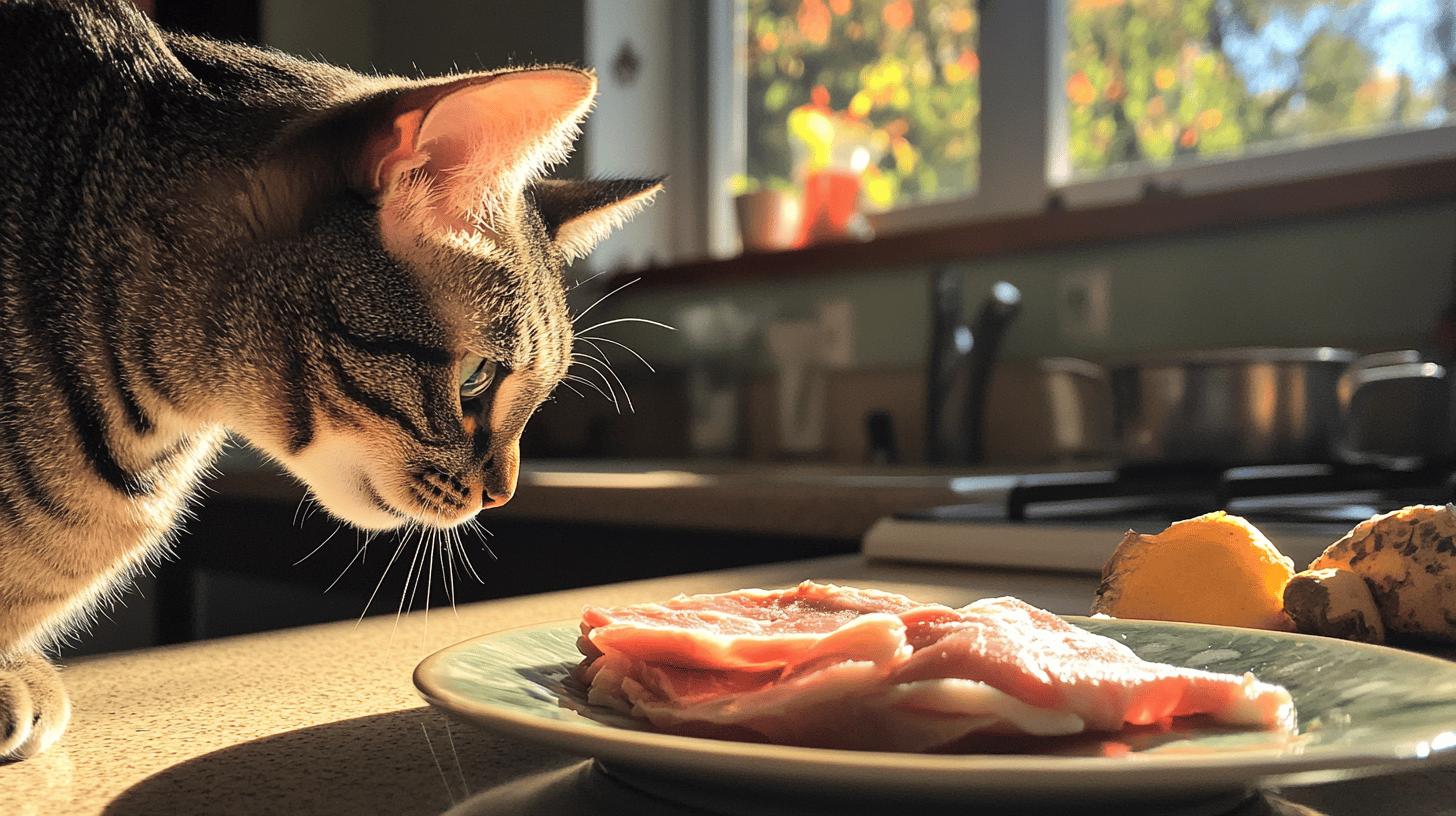
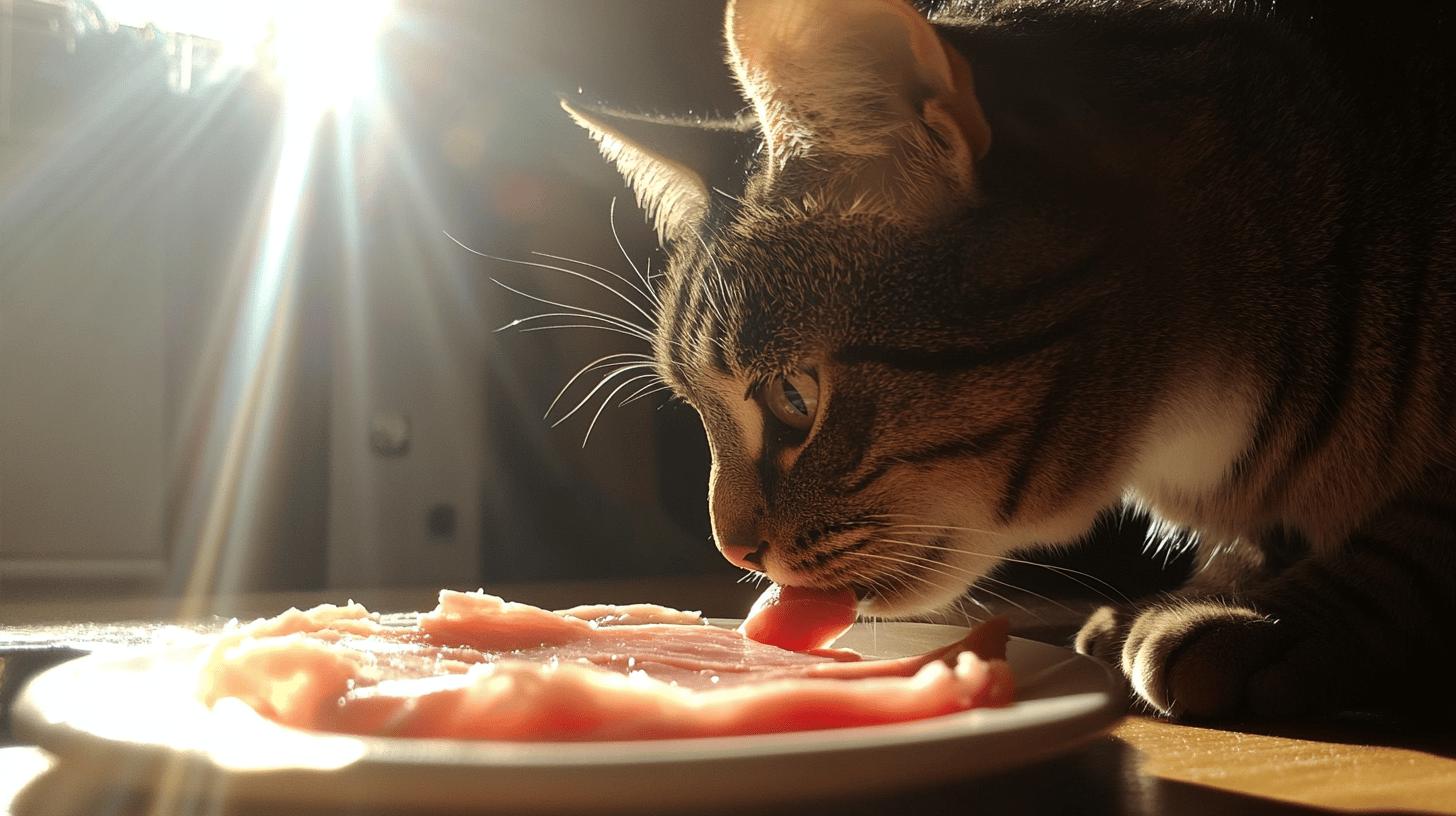
    Cats can eat ham, but it should be approached with caution. While it might be tempting to share a slice with your feline friend, it's crucial to understand the potential health risks and nutritional value before making ham a part of their diet.

    Ham does offer some nutritional benefits, such as protein, which is essential for cats. It also contains vitamins and minerals that contribute to their overall health. However, the high sodium and fat content in ham can be detrimental. Excessive sodium can lead to dehydration or even sodium poisoning, while excessive fat may contribute to obesity.

    Processed hams, like those found in deli meats, often contain additives like sodium nitrate, artificial flavorings, and sugar. These can be harmful if consumed in large quantities. The preservatives and high sodium levels in processed hams are particularly concerning, as they can negatively affect a cat's health over time.

    The high fat and calorie content in ham can lead to obesity and other health issues in cats. Cats are obligate carnivores, meaning their primary diet should consist of lean animal protein. Feeding them fatty meats, like ham, in large quantities can result in weight gain and related problems such as heart disease and joint issues.

    When feeding ham to cats, moderation is key. It's best to offer it as an occasional treat rather than a regular part of their diet. Avoid raw ham, as it may contain harmful bacteria like Salmonella and E. coli, which can cause serious illnesses. A small, cooked piece of ham without any additives is preferable. Always ensure that the ham is plain and free from seasonings or sauces before sharing it with your cat.

    Potential Health Issues:

    • Obesity
    • Heart disease
    • Digestive upset
    • Sodium poisoning
    • Kidney problems
    Ham Type Recommended Portion Frequency
    Cooked Ham (Plain) 1 small piece Occasional treat
    Deli Ham 1/2 slice Rarely
    Honey Roast Ham 1 small piece Rarely
    Processed Ham 1 small piece Rarely
    Raw Ham None Never

    Recognizing Symptoms of Ham Intolerance in Cats

    Recognizing Symptoms of Ham Intolerance in Cats-1.jpg

    Cats can develop intolerance to ham, especially when consumed in excess. It's crucial to recognize the signs of overconsumption to prevent serious health issues. Common symptoms include vomiting and diarrhea, which indicate digestive upset.

    Lethargy and increased thirst can also signal a problem, as they might point to dehydration or sodium poisoning. If your cat exhibits any of these symptoms after eating ham, it's important to consult a veterinarian promptly to address potential health risks and ensure your cat’s well-being.

    • Vomiting
    • Diarrhea
    • Lethargy
    • Increased thirst

    Better Alternatives to Ham for Cat Treats

    Better Alternatives to Ham for Cat Treats-1.jpg

    Choosing healthier alternatives to ham for cat treats is a wise decision for maintaining your pet's health. While ham might be a tempting option due to its protein content, it's high in sodium and fat, which can pose health risks.

    Cats are obligate carnivores and thrive on diets rich in animal proteins without the added harmful ingredients found in many processed meats. By opting for healthier treats, you not only provide essential nutrients but also reduce the risk of obesity, digestive issues, and other health problems associated with high-fat and high-sodium foods.

    Instead of ham, consider offering your cat a range of more suitable treats. Cooked chicken and turkey are excellent choices, providing lean protein that supports muscle health. Fish, such as salmon or tuna, can be given in moderation as they offer beneficial omega-3 fatty acids.

    Additionally, there are numerous commercial cat treats specifically formulated to meet the nutritional needs of felines without the harmful additives. These options ensure that your cat enjoys a tasty snack while maintaining a balanced diet.

    • Cooked chicken
    • Cooked turkey
    • Salmon
    • Tuna
    • Commercial cat treats
    • Catnip toys

    Expert Opinions on Feeding Ham to Cats

    Expert Opinions on Feeding Ham to Cats-1.jpg

    Veterinarians advise against feeding ham to cats due to its high sodium and fat content, which can cause obesity, heart disease, and digestive issues. They stress the importance of consulting a veterinarian to understand your cat's specific dietary needs.

    This personalized advice ensures a balanced diet rich in high-quality animal proteins and low in additives or harmful chemicals, keeping cats healthy without the risks linked to processed meats.

    Improper feeding habits can result in costly vet bills, with pet insurance data indicating an average cost of $572 for dietary mishaps. This highlights the necessity of monitoring your cat's diet and avoiding risky foods like ham. By following veterinary guidance and choosing healthier treats, cat owners can prevent unnecessary expenses and support the long-term health of their pets.

    Final Words

    Feeding ham to cats can pose several health risks. It's crucial to understand the high sodium and fat content in ham, along with potential harmful additives in processed versions. Moderation and awareness are key when offering ham as a treat.

    Monitor your cat for symptoms of intolerance, like vomiting or diarrhea, and consult a vet if needed. Exploring healthier alternatives like chicken or commercial cat treats is a smart choice.

    In short, while cats can eat ham, it should be done with care. Ensuring their well-being through informed choices leads to a happy and healthy furry friend.

    FAQ

    Can cats eat ham slices?

    Cats can eat ham slices occasionally, but they should be given in moderation. Ham contains high sodium and fat levels, which can harm cats if consumed often.

    Can ham kill cats?

    Ham itself won't typically kill cats, but high sodium and fat content can lead to severe health issues, like sodium poisoning or obesity, if fed excessively.

    What happens if a cat eats ham?

    If a cat eats ham, they might experience digestive upset, especially if the ham is high in sodium or fat. Always watch for any adverse reactions.

    Can cats eat honey ham?

    Cats should not eat honey ham regularly as it often contains added sugars and preservatives that may harm them.

    Can cats eat ham bones?

    Cats should avoid ham bones. They can splinter and cause choking or internal injuries. Ham bones are not safe for cats.

    Can kittens eat ham?

    Kittens should avoid ham due to their sensitive digestive systems. They are more prone to the salt and fat in ham, which can disrupt their nutrition balance.

    Can cats eat cheese?

    Cats can eat small amounts of cheese, but some may be lactose intolerant. Always monitor your cat's reaction when introducing new foods like cheese.

    Can cats eat turkey?

    Cats can eat turkey if it's plain and cooked. Turkey offers a good source of protein, but avoid seasonings and fatty parts.

    Is it okay to give cats ham?

    It's okay to give cats small amounts of ham as an occasional treat. Ensure it's unsalted and free from harmful additives.

    How many slices of ham can I give my cat?

    You can give a cat a small slice of ham as a treat once in a while. Moderation is crucial to avoid health risks.

    Can cats have a little ham as a treat?

    Cats can have a tiny amount of ham as a treat occasionally. Choose unsalted ham to reduce the risk of sodium-related issues.

    Can cats have cooked honey ham?

    Cats should avoid cooked honey ham due to the high sugar and additive content that may not suit them.

    Related Articles

  • Can Cat Eat Broccoli Safety and Nutritional Insights

    Can Cat Eat Broccoli Safety and Nutritional Insights

    Can cats munch on broccoli safely, or should you keep it off their plates? As a cat owner, you might have wondered if this green veggie is safe for your furry friend. This intriguing question often sparks curiosity and a bit of concern.

    While cats are obligate carnivores with a diet centered around meat, broccoli can offer occasional nutritional perks when served right. In this post, we'll dive into the safety, potential risks, and surprising benefits of introducing broccoli into your cat's meals.

    Safety and Risks of Feeding Broccoli to Cats

    Safety and Risks of Feeding Broccoli to Cats-1.jpg

    Broccoli is generally safe for cats to consume in moderation. It's not toxic, so offering small amounts as a treat is okay. While cats are obligate carnivores and have specific dietary needs centered around proteins, they can occasionally enjoy vegetables like broccoli. Keeping portions small is key to avoiding any digestive issues, as their systems aren't designed to handle large amounts of plant matter.

    Preparation is crucial when feeding broccoli to your feline friend. It's essential to wash broccoli thoroughly to remove any pesticide residue. Even small traces of these chemicals can pose a risk to your cat. After cleaning, steam or boil the broccoli until it's soft enough for your cat to chew easily. Avoid adding any seasonings or oils, as these can upset a cat's stomach.

    It's important to monitor your cat after introducing broccoli to their diet. Some cats might experience an upset stomach, with symptoms like vomiting or diarrhea. If your cat shows any adverse reactions, it's best to discontinue feeding them broccoli and consult your veterinarian. The goal is to ensure that this treat doesn't disrupt their overall well-being.

    Certain cats should steer clear of broccoli altogether. If your cat has known allergies or thyroid issues, it's wise to avoid introducing broccoli into their diet. These conditions can make them more susceptible to adverse reactions. Always consult with your vet if you're unsure whether broccoli is suitable for your cat's specific health needs.

    Nutritional Benefits of Broccoli for Cats

    Nutritional Benefits of Broccoli for Cats-1.jpg

    Broccoli can be a surprising yet beneficial addition to a cat's diet. Though cats are obligate carnivores, meaning their nutritional needs are primarily met with animal proteins, small amounts of broccoli can provide valuable nutrients. Broccoli is rich in antioxidants and dietary fiber, which can aid digestion.

    Its vitamin profile includes vitamin K, essential for blood clotting, and folic acid, which supports cell function. Potassium in broccoli is crucial for nerve function and muscle health, making it a worthwhile treat when given in moderation.

    • Antioxidants: Help to combat oxidative stress and promote overall health.
    • Fiber: Supports healthy digestion and can prevent constipation.
    • Vitamin K: Important for proper blood clotting and maintaining bone health.
    • Folic Acid: Supports cellular growth and development.
    • Potassium: Essential for maintaining healthy nerve and muscle function.

    Some cat owners report anecdotal evidence of improved coat quality and vitality after introducing broccoli into their cat's diet. While cats have limited ability to process carbohydrates, the nutrients found in broccoli might contribute to a shinier coat and increased energy levels.

    It's crucial to remember that these benefits are best achieved by offering broccoli as an occasional treat, not a dietary staple. Always monitor your cat's response to new foods and consult your vet if you notice any adverse reactions.

    How to Introduce Broccoli to Your Cat's Diet

    How to Introduce Broccoli to Your Cats Diet-1.jpg

    When introducing broccoli to your cat's diet, start with a piece no larger than a fingernail. This allows you to monitor how your cat reacts to the new food. Cats have sensitive digestive systems, so it's important to watch for any adverse reactions, such as vomiting or diarrhea. If your cat tolerates the broccoli well, you can consider it an occasional treat.

    Limit the serving size to one teaspoon per serving and offer it no more than once or twice a week. This approach ensures your cat enjoys the potential health benefits of broccoli without overwhelming their primarily carnivorous diet. Always observe your cat's behavior and digestion after introducing any new food to ensure their comfort and health.

    Step Description
    1. Introduce Small Piece Start with a piece as small as a fingernail. Monitor for any adverse reactions.
    2. Monitor Reaction Watch for symptoms like vomiting or diarrhea. If none appear, broccoli can be a treat.
    3. Serve in Moderation Limit to one teaspoon per serving, once or twice a week.

    Adjust the servings of broccoli based on your cat's response. If they enjoy the taste and show no signs of discomfort, you can continue offering it as an occasional snack. If your cat is uninterested or experiences digestive issues, consider other treats more suitable for their dietary needs. Always prioritize your cat's health and consult your veterinarian if you have concerns about introducing new foods.

    Comparing Broccoli with Other Vegetables for Cats

    Comparing Broccoli with Other Vegetables for Cats-1.jpg

    Vegetables can play a small but beneficial role in a cat's diet, even though cats are obligate carnivores. This means their primary nutritional needs come from animal-based proteins. However, certain vegetables can provide additional nutrients and fiber that may support a cat's overall health.

    While vegetables should not be a primary food source, they can be offered as occasional treats to supplement a cat's diet. It's important to ensure these plant-based additions are safe and do not disrupt the cat's digestive system.

    Here are some other vegetables that are safe for cats:

    • Cooked Sweet Potatoes: These offer dietary fiber and vitamin A, supporting digestion and vision.
    • Pumpkin: Rich in fiber and moisture, pumpkin can aid in digestive health and help with issues like constipation.
    • Peas: Packed with vitamins A, C, and K, as well as fiber, peas can complement a cat's diet with essential nutrients.

    While these vegetables, including broccoli, can provide extra nutrition, it's crucial to maintain a diet that prioritizes high-quality animal proteins. A balanced diet ensures that cats receive all the essential amino acids and nutrients required for their health.

    Vegetables should be given in moderation and should never replace the core components of a cat's diet, which are meat and specially formulated cat foods. Always monitor your cat's reaction to new foods and consult with a veterinarian if unsure about dietary changes. Balancing these elements will help keep your furry friend healthy and happy.

    Final Words

    Exploring the topic of "can cat eat broccoli" showed us it's safe in small amounts. We learned about washing broccoli to remove pesticides and watching for any digestive issues. Some cats, especially those with allergies or thyroid problems, should avoid it.

    Broccoli can offer cats nutritional benefits, like antioxidants and fiber, boosting their coats and vitality. Introducing broccoli starts with tiny portions and careful observation. Keeping portions small and watching your cat's reaction helps maintain balanced nutrition.

    Adding broccoli to a cat's diet can be beneficial, but remember to prioritize their primary nutritional needs.

    FAQ

    Can cat eat broccoli raw or cooked?

    A: Cats can eat both raw and cooked broccoli. However, serving cooked broccoli is easier on their digestive system. Always introduce new foods in small amounts.

    Is broccoli okay for cats to eat?

    A: Yes, broccoli is okay for cats to eat in moderation. It's non-toxic and can be a safe treat when prepared properly.

    Can kittens eat broccoli?

    A: Kittens can eat broccoli, but it should be introduced gradually and in tiny amounts. Watch for any reactions like stomach upset.

    Can cats eat broccoli stems and leaves?

    A: Cats can eat broccoli stems and leaves. They should be given in small amounts to avoid digestive discomfort.

    Can cats eat cauliflower and carrots?

    A: Yes, cats can eat cauliflower and carrots. These should be cooked and served in moderation to avoid digestive issues.

    Can cats eat rice?

    A: Cats can eat small amounts of cooked rice. It's not a substitute for animal-based proteins but can be mixed with their regular food.

    What vegetables can't cats eat?

    A: Cats should avoid onions, garlic, and chives. These are toxic and can cause serious health issues.

    Which vegetables do cats eat?

    A: Cats can eat vegetables like broccoli, carrots, and peas. These should be small portions and not replace their main diet.

    Can cats be allergic to broccoli?

    A: It's possible for cats to be allergic to broccoli. Look for signs like itching or stomach upset. Consult a vet if you suspect an allergy.

    Related Articles

  • Can Cat Eat Cherry and Is It Safe for Them

    Can Cat Eat Cherry and Is It Safe for Them

    Ever wonder if your cat can share a sweet cherry snack with you? Let's take a closer look before you toss them one. While cherries might sound harmless, they come with serious risks for our feline friends.

    This curious fruit holds hidden dangers in its pits, stems, and leaves—which can transform into toxins inside a cat’s digestive system. Even though the juicy part seems safe, it’s not worth the gamble. Read on to uncover the truth about cherries and why they should be kept far from your cat's reach.

    Can Cats Safely Eat Cherries?

    Can Cats Safely Eat Cherries-3.jpg

    Cherries are not safe for cats. The primary concern lies in the toxic components found in cherries, such as cyanogenic glycosides present in the stems, leaves, and pits. When ingested, these substances can convert into cyanide in a cat's digestive tract, posing severe health risks. Even though the flesh of the cherry itself is not toxic, the risk of contamination with these hazardous parts makes cherries unsafe for cats.

    Here are key reasons to avoid feeding cherries to your cat:

    • Cyanide Risk: Stems, leaves, and pits contain cyanogenic glycosides, leading to potential cyanide poisoning.

    • Contamination Concerns: Even the flesh can be contaminated with toxic parts.

    • No Nutritional Benefits: Cherries offer no essential nutrients needed by cats.

    • Risk of Choking: Pits can cause choking or intestinal blockage.

    • High Sugar Content: The natural sugars in cherries are not suitable for a cat's diet.

    Cherries should be kept away from cats to prevent any accidental ingestion. When considering any new food for your feline friend, always prioritize their health and safety.

    Potential Health Risks of Cherries for Cats

    Potential Health Risks of Cherries for Cats-4.jpg

    Cherries might be a tasty treat for humans, but they're not safe for our feline friends. The main issue lies in the cherry pits, stems, and leaves which contain cyanogenic glycosides. When these substances are consumed, they can transform into cyanide in a cat's digestive system, posing serious threats to their health.

    Chewing on cherry pits is particularly dangerous because it releases these glycosides, significantly increasing the risk of cyanide poisoning. Besides the chemical dangers, there's also a risk of intestinal obstruction when cats ingest these parts of the cherry.

    Here are some symptoms that could indicate cherry poisoning in cats:

    • Vomiting

    • Difficulty Breathing

    • Reddened Gums

    • Dilated Pupils

    • Weakness or Lethargy

    • Seizures

    Immediate veterinary attention is crucial if you suspect your cat has eaten cherries or any part of the plant. Intestinal obstruction is another concern, especially if your cat has swallowed a pit whole. This might necessitate emergency surgery.

    Keep a close eye on your cat for any unusual symptoms and consult your vet right away. It's also wise to prevent further ingestion by keeping cherries and cherry products out of your cat's reach at all times.

    Consider offering safe alternatives like catnip, cooked carrots, or small pieces of cooked chicken as treats instead of cherries. Prioritizing their health means steering clear of cherries altogether.

    Alternatives to Cherries: Safe Fruit Treats for Cats

    Potential Health Risks of Cherries for Cats-1.jpg

    When it comes to feeding fruits to your cat, moderation is key. Cats are obligate carnivores, meaning their primary nutritional needs are met through animal proteins.

    Fruits should only be offered as occasional treats, considering their high sugar content and lack of essential nutrients. It's important to choose fruits that are safe and beneficial for your feline friend.

    Here are some fruits that are safe for cats:

    • Blueberries: Packed with antioxidants, these tiny fruits can be a fun and safe treat.

    • Apples (without seeds): A small piece of peeled apple can be a crunchy delight, but avoid seeds as they contain cyanide.

    • Bananas: A slice of banana is a tasty option, but its sugar content means it should be given sparingly.

    • Watermelon (seedless): Hydrating and refreshing, watermelon can be a safe treat in small amounts.

    • Cantaloupe: This melon offers a sweet and juicy snack that many cats enjoy.

    Before introducing any new foods or treats into your cat's diet, it's essential to consult with a veterinarian. They can provide guidance tailored to your cat's specific health needs and ensure that any dietary changes are safe and appropriate. Always prioritize your cat's health and well-being when offering new treats.

    The Role of Cherries in Commercial Cat Food

    The Role of Cherries in Commercial Cat Food-1.jpg

    Cherries are notably absent in commercial cat food formulations due to the potential toxicity of their pits, stems, and leaves, which contain cyanogenic glycosides. These compounds can become cyanide when ingested by cats, posing significant health risks.

    Manufacturers focus on creating nutritionally complete cat foods that meet all dietary needs, primarily using animal-based proteins. This ensures balanced nutrition, supporting cats' health without the need for cherries or similar fruits.

    Commercial cat food undergoes a specific formulation process, ensuring safety and nutritional completeness. This process avoids using potentially harmful ingredients like cherries, prioritizing ingredients that promote feline well-being.

    Final Words

    Throughout this guide, we learned that cherries are unsafe for cats. Parts of the cherry plant like stems, leaves, and pits contain cyanide, making them toxic. The risks of poisoning and intestinal problems are too high. While the flesh isn't toxic, it's not worth the gamble.

    Can a cat eat cherry? It's best to keep cherries out of their diet. Safer fruit options like blueberries exist, but moderation is key. Always consult with your vet before introducing new foods. Keep your cat safe and their tummies happy with the right choices!

    FAQ

    Can cats eat cherry fruit?

    Cats should not eat cherries. Cherries contain cyanogenic glycosides in their stems, leaves, and pits, which can lead to cyanide poisoning. The flesh is not toxic, but contamination risks exist.

    What happens if my cat eats cherries?

    If your cat eats cherries, watch for symptoms of poisoning such as vomiting, difficulty breathing, and tremors. Seek veterinary help immediately to prevent serious health issues.

    Can cats have cherries without the pit?

    Even without the pit, cherries can pose risks due to possible contamination with toxic parts. It's safer to avoid giving cherries to cats entirely.

    Can cats eat cherry seeds or pits?

    Cats should not eat cherry seeds or pits. They contain cyanogenic glycosides, which can release cyanide and cause poisoning. They may also cause intestinal blockages.

    Can cats eat cherry yogurt or ice cream?

    Cats shouldn't consume cherry-flavored yogurt or ice cream. These products could contain harmful cherry components and also have high sugar and dairy levels unsuitable for cats.

    What fruit is toxic for cats?

    Fruits like cherries, grapes, and raisins are toxic to cats. Always consult a vet before feeding any new food to your cat to ensure safety.

    My cat licked a cherry; what should I do?

    If your cat licked a cherry, monitor them closely for any signs of distress. Contact your veterinarian for guidance on the next steps and ensure your cat's safety.

    Related Articles

  • Can Cat Eat Pepperoni Risks and Health Implications Explained

    Can Cat Eat Pepperoni Risks and Health Implications Explained

    Isn't it surprising how cats always seem to be interested in our food, no matter what it is? If your cat has ever eyed that slice of pepperoni pizza you're enjoying, you may have wondered if it's safe to share.

    While pepperoni might look appetizing to our feline companions, it's not the treat it seems. In this blog, we'll explore why letting your cat nibble on pepperoni could be risky. From high sodium levels to harmful spices, we'll dive into the potential health implications and help you make informed choices for your pet's well-being.

    Can Cats Eat Pepperoni? Understanding the Risks and Health Implications

    Can Cats Eat Pepperoni Understanding the Risks and Health Implications-1.jpg

    Cats are naturally curious creatures, often drawn to the smells and sights of human food. Pepperoni, with its rich aroma and meaty texture, might seem tempting to our feline friends.

    They might be intrigued by the sight of us enjoying this spicy sausage on our pizzas. Despite this attraction, offering pepperoni to cats is not a wise choice. While they can technically eat small amounts of it, pepperoni is not a suitable treat due to significant health risks.

    The main concerns with pepperoni arise from its ingredients, which are not compatible with a cat's dietary needs. Here are the harmful ingredients typically found in pepperoni:

    • High sodium content: Can lead to dehydration and kidney problems.

    • Excessive fat: Contributes to obesity and pancreatitis.

    • Spices and seasonings: Irritate a cat's digestive system.

    • Preservatives like nitrates and nitrites: Known to cause health issues.

    • Artificial flavors: May trigger allergic reactions.

    When a cat consumes pepperoni, it can experience several immediate health concerns. Symptoms of distress may include vomiting, diarrhea, and a noticeable change in behavior. These are signs that the cat is struggling to process the unfamiliar and inappropriate ingredients found in pepperoni.

    Symptom Health Concern
    Vomiting Gastrointestinal upset
    Diarrhea Dehydration risk
    Lethargy Digestive distress
    Loss of appetite Potential pancreatitis

    The risks associated with pepperoni don't just end with immediate symptoms. Over time, regular consumption can lead to more severe health conditions like obesity and pancreatitis.

    These issues arise because pepperoni fails to meet the essential dietary needs of cats, which require a diet high in animal-based proteins and low in fats and sodium. The spicy and processed nature of pepperoni simply does not align with these nutritional requirements, making it an unsuitable regular snack for our feline companions.

    Safer Alternatives to Pepperoni for Cats

    Safer Alternatives to Pepperoni for Cats-1.jpg

    When it comes to treating our feline friends, it's crucial to focus on snacks specifically designed for their dietary needs rather than human foods. While cats might show interest in our meals, like pepperoni, these options aren't always safe or healthy for them.

    Cat-specific treats ensure that their nutritional needs are met without introducing harmful ingredients found in many human snacks. These treats are formulated to provide the right balance of nutrients, keeping your cat healthy and happy.

    Here are some safe alternative treats you can offer your cat:

    • Cooked chicken, free from seasoning

    • Cooked fish, like salmon or tuna, without bones

    • Freeze-dried meats, such as chicken or turkey

    • Small amounts of cooked eggs

    • Cat-safe fruits, like blueberries or melon

    • Vegetables like steamed broccoli or carrots

    • Commercially available cat treats with natural ingredients

    These alternatives offer a range of flavors and textures that cats love, while maintaining their health and nutrition. By choosing these safer options over pepperoni, you help prevent potential health issues related to high sodium and fat content.

    Not only do these treats align with a cat's dietary requirements, but they also provide necessary proteins and nutrients. This approach ensures your cat enjoys tasty snacks without compromising their well-being.

    What to Do if Your Cat Eats Pepperoni

    Safer Alternatives to Pepperoni for Cats-3.jpg

    If your cat has managed to sneak a bite of pepperoni, it's important to watch for signs of dietary distress. Cats may exhibit symptoms like vomiting, diarrhea, lethargy, or a sudden change in appetite.

    These signs indicate that your cat is struggling to cope with the high sodium, fat, and spices found in pepperoni. Ignoring these symptoms can lead to more severe health issues, so it's crucial to act promptly.

    Here are some steps to take if your cat eats pepperoni:

    • Monitor your cat closely for any changes in behavior or health.

    • Offer plenty of fresh water to help flush out excess sodium and toxins.

    • Consult your veterinarian if symptoms persist or worsen, as they can provide specific advice tailored to your cat's needs.

    • Avoid giving your cat any more human food, focusing instead on a balanced feline diet.

    Regular veterinary check-ups are essential for maintaining your cat's health and preventing future dietary mishaps. Your vet can offer guidance on proper nutrition and recommend suitable dietary plans.

    By keeping up with these consultations, you can ensure that your cat's diet aligns with their nutritional requirements, reducing the risk of health issues associated with eating foods like pepperoni.

    Final Words

    Feeding pepperoni to cats brings more harm than any potential joy from the treat.

    The high sodium, fat, and seasonings in pepperoni can lead to health issues.

    These range from stomach upset to severe problems like pancreatitis.

    Alternatives like cooked chicken or freeze-dried fish are safer and better for their diet.

    If a cat eats pepperoni, watch for signs of distress and consult a vet.

    Regular vet visits ensure a balanced diet.

    Keeping cats healthy with suitable treats is key.

    Let's avoid pepperoni and keep our feline friends happy!

    FAQ

    Can cats eat pepperoni?

    Cats can eat pepperoni, but it's risky. Pepperoni is high in sodium, fat, and spices, which are not suitable for cats and can lead to health issues like gastrointestinal upset and pancreatitis.

    What happens if my cat eats pepperoni?

    If your cat eats pepperoni, watch for symptoms like vomiting, diarrhea, or lethargy. These may signal dietary distress and require quick action to prevent severe health problems.

    Can cats eat salami or pepperoni?

    Cats should avoid salami and pepperoni. Both are high in sodium and fat, presenting similar risks, such as digestive upset and potential long-term health concerns.

    Is pepperoni safe for pets?

    Pepperoni is unsafe for pets due to high sodium, fat, and seasoning content. These can lead to digestive issues and more severe health conditions over time.

    What to do if my cat ate pepperoni?

    If your cat ate pepperoni, monitor them for any signs of illness such as vomiting or lethargy. Consult a vet if symptoms occur, and provide plenty of fresh water.

    Can cats eat cheese?

    Cats can eat cheese in small amounts occasionally. Cheese is high in fat and lactose, which some cats can't tolerate, but it isn't toxic if offered sparingly.

    What meat can cats not eat?

    Cats should not eat processed meats like pepperoni, salami, and bacon due to high fat and sodium. Raw meats, especially those with bones, should also be avoided to prevent health risks.

    Related Articles

  • Can Cat Eat Peanuts Safety Risks and Feeding Tips Explained

    Can Cat Eat Peanuts Safety Risks and Feeding Tips Explained

    Did you know that a simple snack like peanuts could pose hidden dangers for your feline friend? While peanuts aren't toxic to cats, they're far from the ideal treat. Cats are obligate carnivores, meaning their bodies are built for meat, not nuts.

    In this article, we dig deep into the potential risks of letting your cat nibble on peanuts, from choking hazards to health issues like obesity and salt poisoning. We'll also share tips on how to safely treat your cat, balancing curiosity with care. Let's explore if peanuts have a place in your cat's bowl.

    Can Cats Eat Peanuts? Understanding Safety and Risks

    Can Cats Eat Peanuts Understanding Safety and Risks-1.jpg

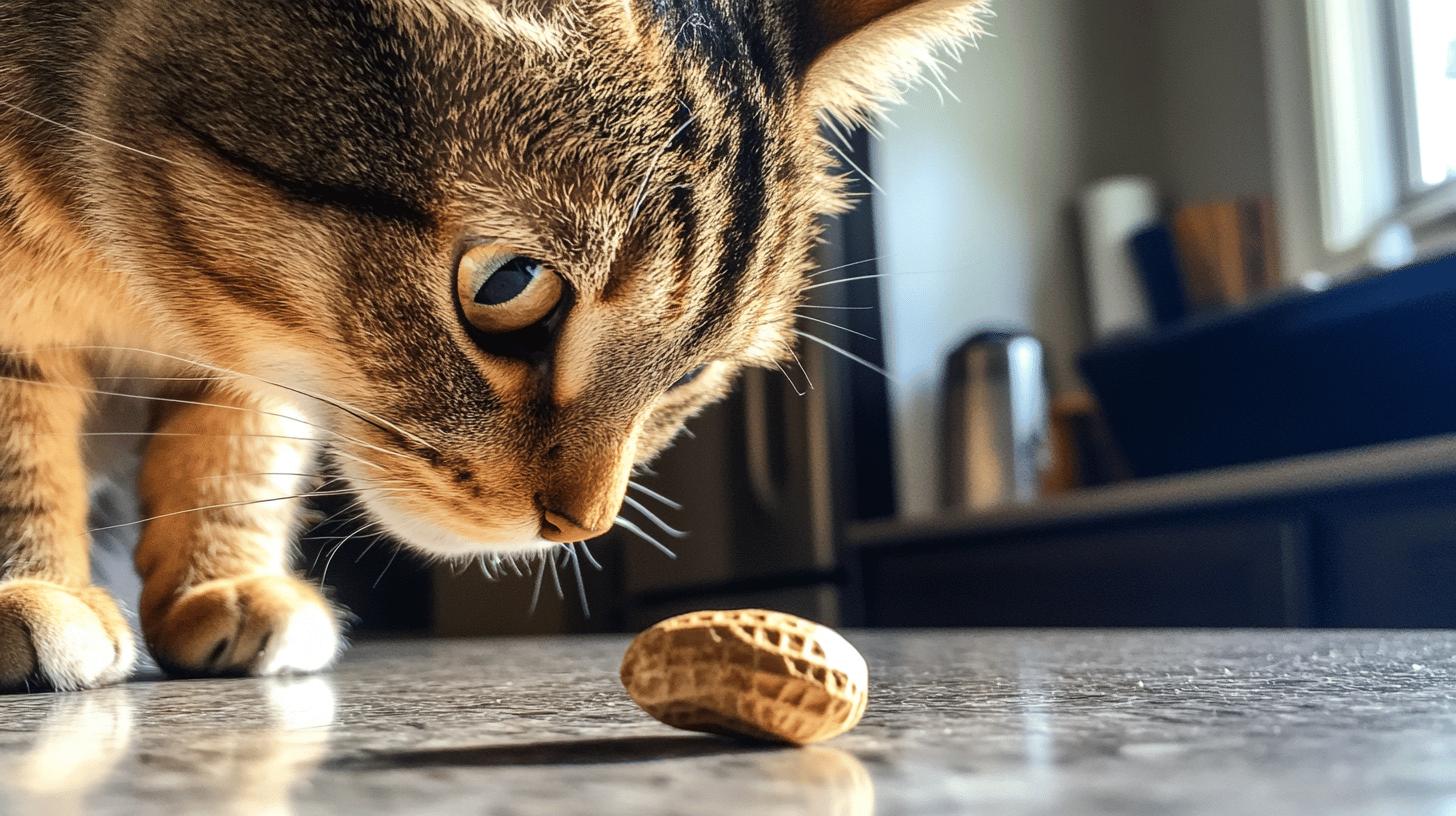
    Peanuts are not toxic to cats. They can nibble on a few without immediate harm. However, peanuts are not a necessary part of a feline diet. Cats are obligate carnivores, meaning their bodies are designed to thrive on animal-based proteins. Peanuts don't meet their nutritional needs and can pose health risks if not managed carefully.

    Feeding peanuts to cats can lead to several health issues. The high-fat content in peanuts makes them a questionable choice for treats. Regularly consuming peanuts may lead to obesity, which can increase the risk of diabetes and other health problems in cats.

    Additionally, peanuts, particularly in their shells, can be a choking hazard. Cats might accidentally swallow them whole, leading to possible intestinal obstruction or choking. It's best to keep them as an occasional treat, if at all.

    Salt poisoning is another concern when it comes to feeding peanuts to cats. Excessive salt can lead to serious health issues, such as an electrolyte imbalance. When considering peanuts, it's crucial to avoid salted varieties to prevent these problems. Here are some symptoms of salt poisoning to watch out for:

    • Vomiting
    • Diarrhea
    • Lethargy
    • Excessive thirst or urination

    Lastly, some cats can be allergic to peanuts. It's important to introduce them in very small amounts to gauge any allergic reactions. Signs of an allergic reaction can include vomiting, diarrhea, or skin irritations. Always be attentive and consult with a veterinarian if you notice any adverse effects. Monitoring your cat's response to peanuts can help ensure their safety and well-being.

    Can Cats Safely Eat Peanut Butter?

    Can Cats Safely Eat Peanut Butter-1.jpg

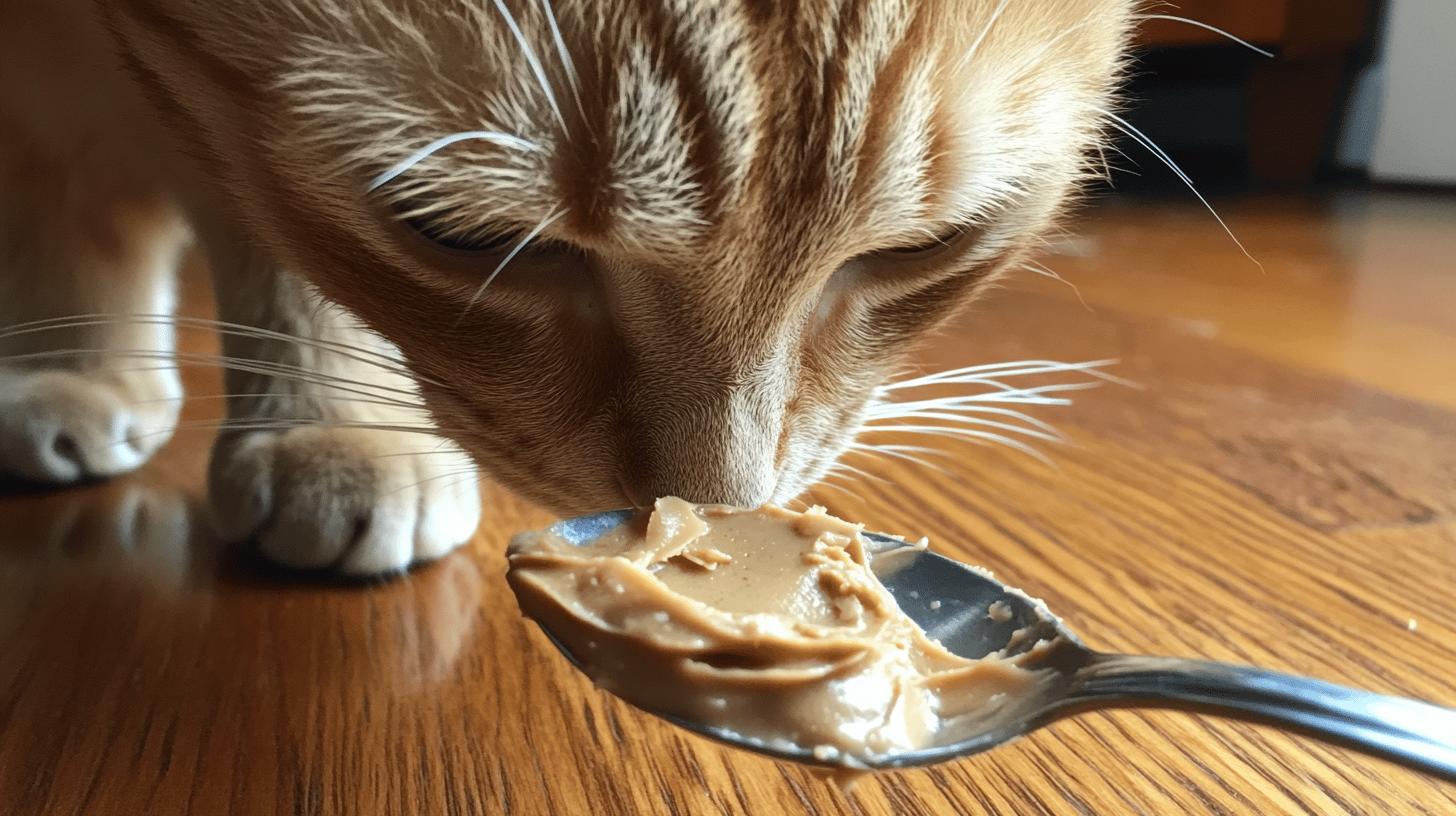
    Peanut butter is not toxic to cats. They can consume it without immediate harm, but that doesn't mean it's suitable for regular inclusion in their diet. Though many cats might find peanut butter appealing due to its rich and savory flavor, it's important to approach it with caution.

    Excessive consumption of peanut butter can lead to several gastrointestinal issues in cats. The creamy texture and high-fat content can upset a cat's digestive system, resulting in vomiting, diarrhea, gas, and stomach pains. These symptoms can be distressing for both the cat and the owner. Given these potential issues, it's clear that peanut butter should not be a staple in a cat's diet.

    Feeding Recommendations for Peanut Butter

    Moderation is key when it comes to feeding peanut butter to cats. Veterinary experts suggest that peanut butter should only be fed occasionally and in small amounts. An appropriate guideline is to offer no more than half a teaspoon twice a week.

    Always opt for plain, unsweetened peanut butter to avoid any added sugars or artificial sweeteners that could be harmful. By sticking to these recommendations, you can minimize the risks and allow your cat to enjoy peanut butter as an occasional treat.

    Are There Any Nutritional Benefits of Peanuts for Cats?

    Are There Any Nutritional Benefits of Peanuts for Cats-1.jpg

    Peanuts don't offer significant nutritional benefits for cats. They're high in fat, which can lead to digestive issues and potentially contribute to obesity. While peanuts are a common snack for humans, they lack the essential nutrients that cats require to remain healthy. Feeding your cat peanuts occasionally might not cause immediate harm, but the advantages are minimal.

    Cats are obligate carnivores, relying on a diet rich in animal-based proteins to meet their nutritional needs. Key nutrients like taurine and arginine, vital for their health, are abundant in meat but absent in peanuts.

    It's crucial to focus on a balanced, meat-centric diet tailored to their carnivorous nature. This approach ensures they receive all necessary nutrients, avoiding foods like peanuts that don't match their dietary requirements.

    Safe Alternatives to Peanuts for Cat Treats

    Safe Alternatives to Peanuts for Cat Treats-1.jpg

    Choosing the right treats for your cat is crucial for their health and well-being. While peanuts and peanut butter might seem appealing, there are healthier options that align better with a cat's dietary needs. Treats should complement a cat's natural diet, providing enjoyment without compromising their health.

    Opting for alternatives like certain vegetables can offer variety and nutrition. These options can provide enrichment without the added risks associated with peanuts or peanut butter. Keeping your cat's health in mind, it's best to avoid treats that could lead to obesity or digestive issues.

    A diet rich in animal protein is essential for cats. As obligate carnivores, they thrive on proteins found in lean meats and fish. While these should be the primary focus, incorporating safe vegetables occasionally can offer additional benefits.

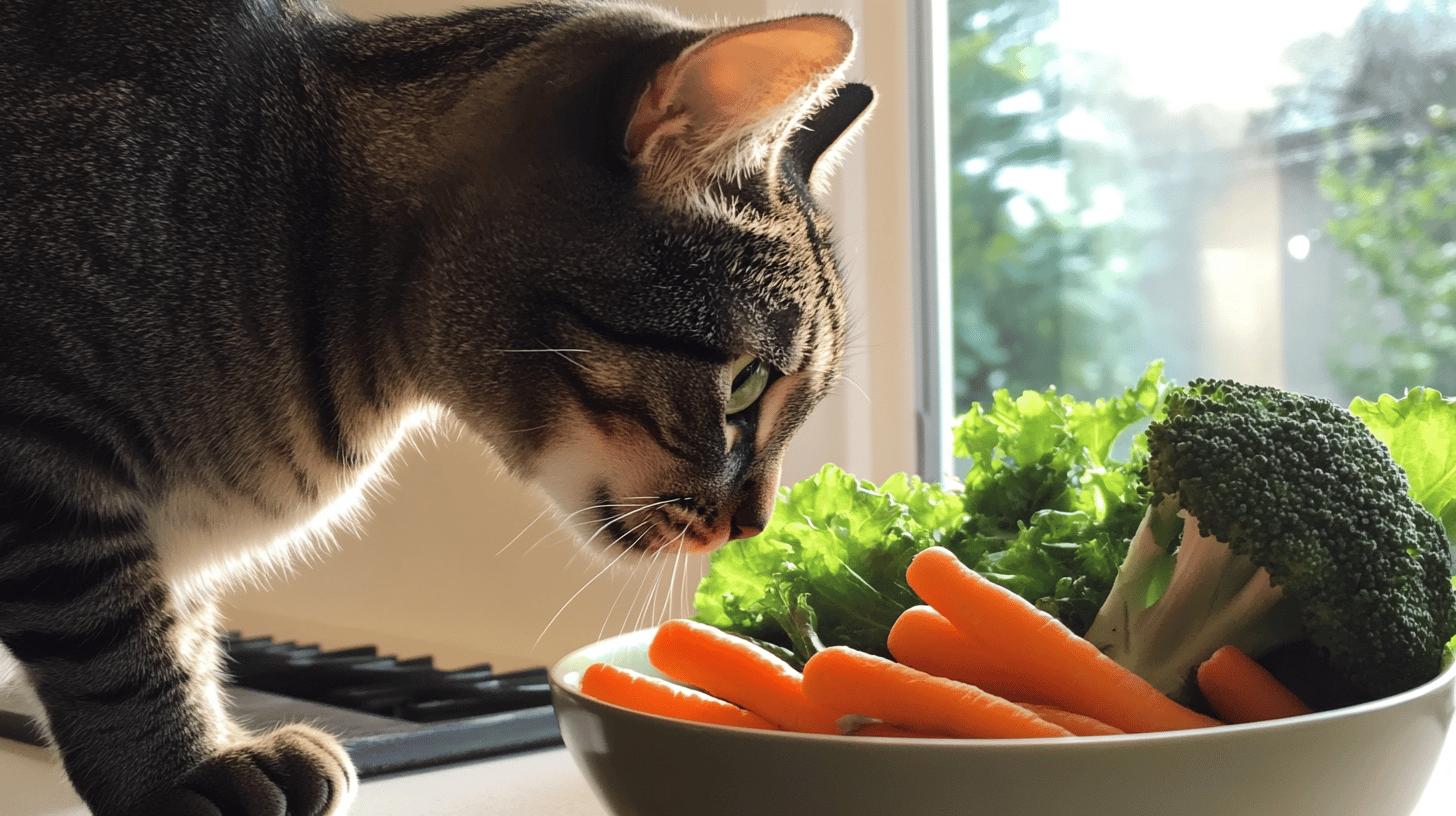
    These veggies can provide hydration and fiber, which can aid digestion. When selecting vegetables, ensure they are safe and prepared correctly for your feline friend. Here are some safe vegetable options to consider offering as treats:

    • Celery
    • Zucchini
    • Carrots
    • Spinach
    • Pumpkin
    • Broccoli

    By focusing on a protein-rich diet with safe vegetable treats, you can keep your cat happy and healthy, avoiding the unnecessary risks associated with peanuts.

    Final Words

    Exploring whether cats can eat peanuts reveals they aren't toxic but aren't ideal either.

    Their high-fat content and risk of allergies and gastrointestinal problems make peanuts iffy treats.

    While peanut butter shares some risks, small amounts with care might be okay.

    Peanuts provide little nutritional benefit, highlighting the need for meat-based diets for cats.

    Consider healthier alternatives like lean meats and certain vegetables for treats.

    Cats have unique dietary needs; understanding them ensures their well-being, keeping them happy and healthy.

    FAQ

    Can cats eat peanut butter?

    Cats can eat peanut butter, but it's not ideal. Peanut butter is not toxic, yet can cause stomach issues if eaten too much. Small, plain amounts are best.

    Can cats eat salted peanuts?

    Cats should avoid salted peanuts. High salt content can lead to salt poisoning, causing health issues like electrolyte imbalance.

    Can a cat eat peanuts raw?

    Raw peanuts are not toxic, but they aren't healthy. They pose a choking risk and an allergy risk. They should be given only in small amounts.

    Can cats eat dry roasted peanuts?

    Dry roasted peanuts can be a choking hazard and may cause digestive issues. They lack nutritional benefits for cats.

    Can cats eat peanut shells?

    Peanut shells are a choking threat and can cause digestive blockages. Avoid giving them to cats.

    Can cats eat almonds?

    Almonds aren't recommended for cats. They can cause digestive upset and possible allergies.

    Can cats eat peanut oil?

    Peanut oil is not toxic, but it's high in fat. Too much can lead to weight gain and digestive issues.

    Can cats eat boiled peanuts?

    Boiled peanuts may cause digestion problems due to their high salt and fat content. It's better to avoid giving them.

    What happens if my cat eats peanuts?

    If your cat eats peanuts, watch for allergies and digestive issues like diarrhea or vomiting. Contact a vet if symptoms appear.

    Is it OK to give my cat peanut butter?

    Giving peanut butter in small amounts is typically safe, but it's not nutritious. Keep it as an occasional treat only.

    Are nuts ok for cats?

    Most nuts, including peanuts, aren't beneficial for cats. They can lead to allergies, choking, obesity, and digestive issues.

    Are cats allergic to peanut shells?

    Cats can be allergic to peanut shells. Allergic reactions can include itching, swelling, or digestive upset. Avoid feeding them.

    Related Articles

  • Can Cat Eat Cooked Egg Safely and Healthily

    Can Cat Eat Cooked Egg Safely and Healthily

    Can cats enjoy a tasty plate of cooked eggs without worry? The answer is yes, but with a few important guidelines. Cooked eggs can be a wholesome treat to spice up your cat’s meal plan, offering nutritious proteins and essential vitamins. However, like a double-edged sword, it’s crucial to prepare them safely. Thorough cooking means boiling or scrambling them to a solid state, hitting that magic temperature of 160°F. In this article, I’ll unveil how cooked eggs can fit safely and healthily into your feline’s diet, without fear of hidden risks.

    Can Cats Eat Cooked Eggs Safely?

    Can Cats Eat Cooked Eggs Safely-3.jpg

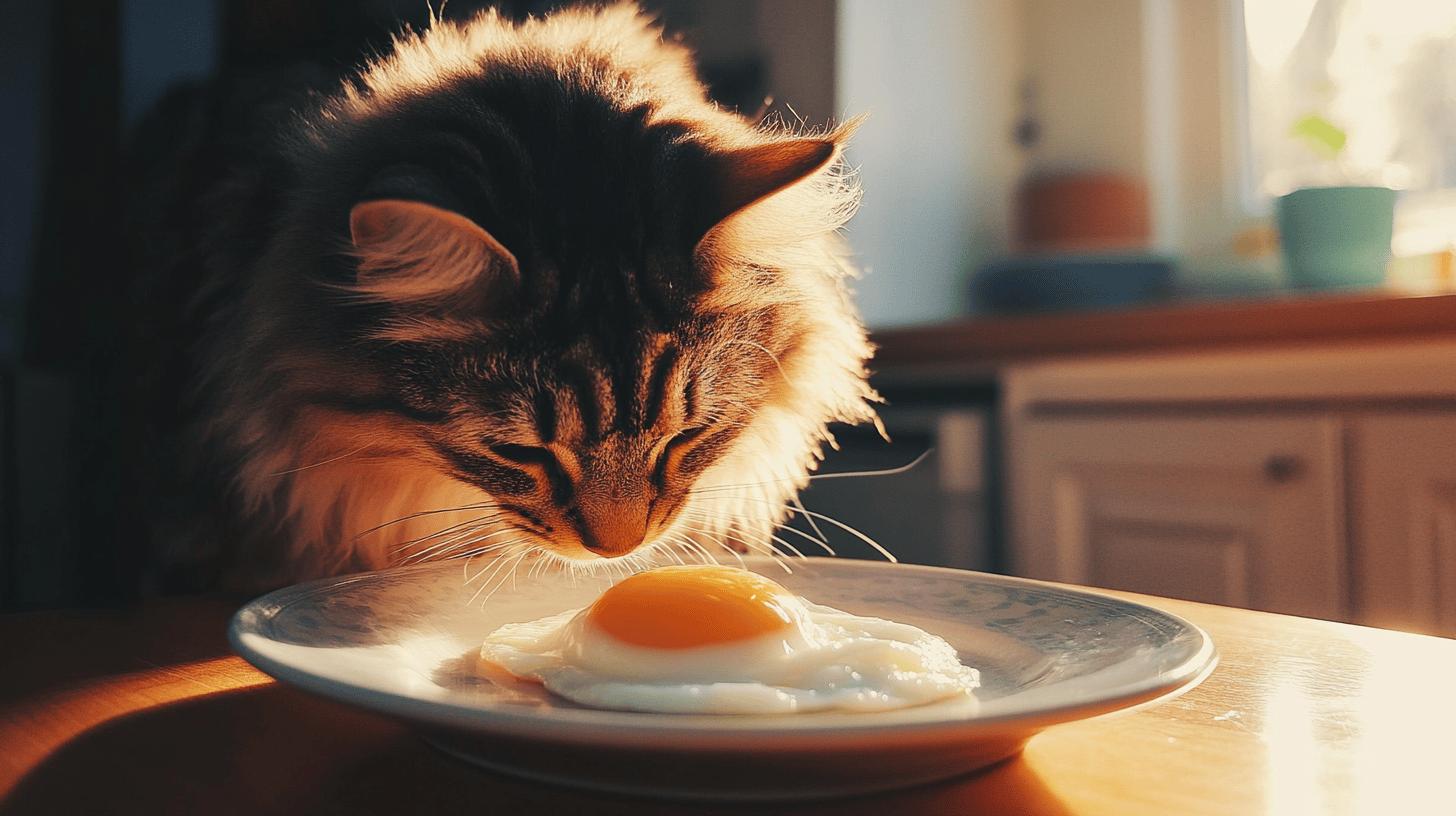
    Cooked eggs can be a safe and nutritious treat for cats if prepared correctly. The key is thorough cooking, which eliminates any potential pathogens like E. coli or salmonella that could cause illness. Eggs are a good source of protein, fatty acids, and vitamins, which can contribute positively to a cat’s diet.

    However, it’s crucial to ensure that the eggs are fully cooked before offering them to your feline friend. This means boiling, scrambling, or frying them until they reach an internal temperature of at least 160°F, ensuring all parts are firm.

    While cooked eggs are generally safe, there are some potential risks to keep in mind. Cats, like humans, can have food allergies, and eggs are no exception. Signs of an allergic reaction might include vomiting, diarrhea, or skin irritations. If any of these symptoms occur, it’s wise to consult a veterinarian immediately. Additionally, eggs should only be a small part of a cat’s diet. Overfeeding can lead to weight gain and other health issues. Veterinarian advice can help determine the right amount and frequency of egg treats, especially if your cat has existing health conditions.

    • Risk of contamination from raw eggs
    • Monitoring for allergic reactions
    • Importance of fully cooking eggs
    • Consultation with a vet for allergies
    • Serve in moderation to avoid health issues

    Safe preparation and moderation are key when incorporating eggs into your cat’s diet. By ensuring the eggs are thoroughly cooked and serving them in measured portions, you can provide your cat with a healthy treat that complements their regular diet. Always start with small quantities to gauge your cat’s reaction and adjust based on their dietary needs and overall health.

    Nutritional Benefits of Eggs for Cats

    Recommended Portions and Feeding Frequency-3.jpg

    Egg whites are particularly beneficial for cats as they provide a substantial amount of protein without the added fat and cholesterol. This makes them a great option for cats needing to manage their weight while still ensuring they get enough protein.

    When incorporating eggs into a cat’s diet, it’s crucial to do so in moderation to prevent dietary imbalances. Mixing cooked eggs with their usual food can offer nutritional benefits without leading to overconsumption. Always consult with a veterinarian to tailor dietary changes to your cat’s specific needs.

    Can Cats Eat Cooked Eggs Safely?

    Cooked eggs can be a nutritious addition to your cat’s diet. When properly prepared, they offer a rich source of protein and essential nutrients like vitamins B12 and D. These vitamins support your cat’s energy levels and bone health. To ensure safety, cook the eggs to an internal temperature of 160°F. This eliminates bacteria such as E. coli and salmonella. Consider serving scrambled or boiled eggs as a treat. Mixing them with your cat’s regular food can be an exciting way to introduce variety into their meals.

    It’s crucial to be aware of potential food allergies. Eggs can trigger reactions in some cats, leading to vomiting, diarrhea, or skin irritations. If you notice any of these symptoms, reach out to your veterinarian. They can offer guidance on how to safely incorporate eggs into your cat’s diet. Moderation is key to preventing health issues like weight gain. A balanced diet is vital for maintaining your cat’s well-being.

    • Mix eggs with regular cat food
    • Use cooked eggs as training treats
    • Introduce eggs slowly into the diet
    • Monitor for signs of allergies
    • Consult your vet for personalized advice

    By incorporating eggs in a balanced manner, you enhance your cat’s diet while minimizing risks. Start with small portions to gauge your cat’s reaction. If they enjoy it and show no adverse effects, you can gradually include eggs as an occasional treat. Always prioritize your cat’s health needs and preferences.

    Nutritional Benefits of Eggs for Cats

    Eggs provide an excellent protein source, essential for muscle development and maintaining a cat’s vitality. This high protein content supports their active lifestyle.

    Vitamins like B12 and D in eggs promote energy metabolism and bone health. Fatty acids contribute to a shiny coat and strong claws. These nutrients make eggs beneficial beyond basic nourishment. Recent studies suggest that vitamin D from eggs may enhance a cat’s immune system, offering added health benefits.

    Egg whites are a low-fat, high-protein option for cats. They are cholesterol-free, making them a healthier treat compared to other protein sources.

    Incorporating eggs into a cat’s diet can enhance overall health when done thoughtfully. Eggs provide nutrients that complement their regular food, making them a valuable dietary addition.

    How to Prepare Eggs for Cats

    How to Prepare Eggs for Cats-4.jpg

    Proper preparation of eggs is crucial to ensure they are safe and healthy for your cat. Eggs should always be thoroughly cooked to eliminate the risk of harmful bacteria, such as E. coli or salmonella. Serving eggs in bite-sized pieces ensures they are easy for your cat to eat and digest. Let’s explore some safe cooking methods.

    Boiling and Poaching Eggs

    Boiling and poaching are excellent methods for preparing eggs for cats. To boil eggs, place them in a pot of water and bring to a rolling boil for about 9-12 minutes. This ensures the yolk and white are fully cooked. For poaching, crack an egg into simmering water and cook it until the whites are firm and the yolk is not runny, approximately 5 minutes. Both methods provide a clean, fat-free way to cook eggs, making them suitable for cats.

    Scrambling Eggs

    Scrambled eggs can be a delightful treat for your cat if prepared correctly. Start by cracking the eggs into a bowl and whisking them thoroughly. Cook the eggs in a non-stick pan over medium heat without adding any butter, oil, or seasoning. Stir them gently until fully cooked. This method results in a fluffy texture that cats might enjoy.

    Frying Eggs

    When frying eggs for cats, use a non-stick pan to avoid the need for butter or oil. Crack the egg into the pan and cook over medium heat until both sides are fully cooked and firm. Ensure there’s no runny yolk left. Frying provides a different texture, which might be appealing to some cats, but it’s essential to keep it healthy by avoiding added fats.

    Cooking Method Benefits
    Boiling & Poaching Fat-free, fully cooked, easy to prepare
    Scrambling Fluffy texture, no added fats or seasonings
    Frying Different texture, no added fats when using non-stick pans

    Potential Risks and Allergies with Eggs

    Potential Risks and Allergies with Eggs-2.jpg

    Feeding eggs to cats can pose risks, especially due to potential allergies. Some cats could develop an allergy to eggs, which warrants careful observation.

    Watch for symptoms such as sneezing, scratching, skin irritations, vomiting, diarrhea, or ear infections. These indicate an allergic reaction. Introduce eggs gradually and observe your cat. If symptoms occur, stop feeding eggs and consult a veterinarian.

    Overfeeding eggs might cause nutritional imbalances and weight gain. Eggs should not replace a cat’s regular diet, as excessive intake can disrupt nutrient balance. Cats with weight or digestive issues should be cautious.

    Moderation is crucial. Start with small amounts and monitor your cat’s reaction. If tolerated, offer eggs occasionally as a treat, ensuring they remain a small part of their diet. Consult a veterinarian for guidance tailored to your cat’s health needs.

    Recommended Portions and Feeding Frequency-1.jpg

    When it comes to feeding eggs to cats, portion size is vital to maintain a balanced diet. Eggs should be treated as a special snack rather than a staple in their daily meals. A few slices of hard-boiled egg are typically sufficient.

    This keeps the treat within the recommended limit of making up only 10% of a cat’s daily caloric intake. By sticking to this guideline, you ensure that your cat enjoys the nutritional benefits of eggs without compromising their overall dietary needs.

    • Limit to 10% of daily calories
    • Offer as a treat once or twice a week
    • Monitor weight and health
    • Adjust portions based on overall diet

    Overfeeding eggs can lead to potential health risks, such as weight gain and nutritional imbalances. Cats that consume too many eggs might miss out on other essential nutrients found in their regular food.

    Monitoring your cat’s weight and health is crucial, and adjustments to portion sizes should be made based on their unique dietary requirements. Remember, moderation is key to maintaining your cat’s well-being while allowing them to enjoy the occasional egg treat.

    Eggs as Part of a Balanced Diet for Cats

    Eggs as Part of a Balanced Diet for Cats-3.jpg

    Eggs can be a beneficial supplement to a cat’s diet, offering specific advantages for coat and claw health. While known for their protein content, eggs also provide fatty acids and vitamins that contribute to a shiny coat and strong claws.

    But these benefits are best realized when eggs are part of a varied diet. Cats, being obligate carnivores, need their primary nutrition from meat-based sources. Therefore, eggs should only complement, not replace, their complete cat food diet.

    Balancing egg treats with other nutritional needs is key. Eggs should be an occasional treat, making up no more than 10% of a cat’s daily caloric intake. This approach helps maintain a balanced diet and prevents nutritional imbalances.

    It’s also essential to consider individual health needs, as some cats may have allergies or digestive issues with eggs. A varied diet featuring different proteins, fats, and carbohydrates optimizes overall health.

    • Ensure eggs are fully cooked
    • Use eggs as occasional treats
    • Monitor cat’s health and weight
    • Incorporate with regular cat food
    • Consult with a vet for diet planning

    Adopting a holistic approach to feeding involves considering each cat’s unique health needs and preferences. Eggs can be a nutritious part of their diet, but moderation and careful observation are paramount. Consulting with a veterinarian ensures that eggs are integrated safely and effectively, allowing your cat to enjoy the benefits without compromising their health.

    Final Words

    Exploring the question “can cat eat cooked egg,” we stressed the importance of safe preparation. Cooked eggs, when properly handled, can be a healthy treat for cats due to their high protein and nutrient content.

    By ensuring full cooking and serving in moderation, eggs can complement a balanced feline diet. Pay attention to potential allergies and consult your vet for personalized advice.

    Eggs can be a tasty treat, bringing variety to your cat’s diet. Remember, cautious preparation and portion control are key. Let’s add some joy to playtime with a safe and delicious egg snack!

    FAQ

    Can cats eat raw eggs?

    Cats should not eat raw eggs. Raw eggs may contain pathogens like E. coli or salmonella, which can make cats sick.

    Are cooked eggs good for cats?

    Cooked eggs are safe for cats if fully cooked. They’re high in protein and contain fatty acids and vitamins that are good for cats’ health.

    Can my cat eat scrambled eggs?

    Yes, cats can eat scrambled eggs if they’re cooked without butter or seasoning. Scrambling preserves the nutrients while making them easy to digest.

    Can cats eat egg yolk raw?

    No, cats should not eat raw egg yolks due to the risk of contamination with pathogens.

    Can my cat eat boiled eggs?

    Yes, cats can eat boiled eggs. Ensure the eggs are fully cooked and cooled before feeding them to avoid health risks.

    How to cook eggs for cats?

    For cats, boil, scramble, or poach eggs without butter or seasoning. Ensure they reach an internal temperature of 160°F and cut into bite-sized pieces.

    Can cats eat a little bit of egg?

    Yes, cats can eat a bit of egg as a treat. Eggs should not exceed 10% of a cat’s daily calorie intake and be offered sparingly.

    What are potential risks and allergies with eggs for cats?

    Cats might have egg allergies, shown by skin irritation or ear infections. Overfeeding eggs can lead to imbalances or weight gain. Moderation and vet consultation are key.

    Related Articles

  • Can Cat Eat Strawberry Safely and in Moderation

    Can Cat Eat Strawberry Safely and in Moderation

    Can cats enjoy the juicy goodness of strawberries safely? While it might seem harmless to share a small taste with your furry friend, there are things you need to know first. Strawberries are non-toxic for cats, but they’re not exactly packed with benefits for our meat-loving companions.

    your cat shows interest, a tiny bite won’t hurt. But remember, moderation is key. Before you offer this sweet treat, discover the necessary precautions to keep your cat safe and happy. Let’s explore the world of strawberry snacking for kitties!

    Can Cats Eat Strawberries Safely?

    Can Cats Eat Strawberries Safely-1.jpg

    Strawberries are non-toxic and generally safe for cats to consume, making them a non-threatening treat when given in moderation. Cats, being obligate carnivores, don’t typically get nutritional benefits from strawberries, but the fruit isn’t harmful.

    Most cats may not even show interest in eating them, given their lack of sweet taste receptors. If your feline friend does show curiosity, offering a small piece is fine, but it shouldn’t become a regular part of their diet.

    When deciding to feed strawberries to your cat, consider these necessary precautions:

    • Wash thoroughly: Ensure strawberries are washed to remove any pesticides or chemicals.
    • Remove the leaves: Leafy tops can be a choking hazard and should be removed.
    • Cut into small pieces: Prevent choking by cutting the fruit into manageable, small pieces.
    • Monitor for reactions: Watch for any signs of discomfort or allergic reactions.
    • Limit the portion: Offer strawberries only as an occasional treat, not a dietary staple.

    Before adding strawberries to your cat’s diet, it’s crucial to consult with a veterinarian. Professional advice helps ensure that any new food introduction aligns with your cat’s health needs.

    Potential risks include gastrointestinal issues or adverse reactions, so careful monitoring is essential. For more detailed guidance on risks and allergies, refer to the ‘Potential Risks and Allergies’ section of this article.

    The new section can be removed without losing any critical information because it repeats details already covered.

    Nutritional Implications of Feeding Strawberries to Cats

    Nutritional Implications of Feeding Strawberries to Cats-2.jpg

    Cats thrive on a diet rich in meat, as they are obligate carnivores. Their biology is finely tuned to extract vital nutrients from animal proteins and fats. This essential dietary requirement means that carbohydrates and plant-based foods like strawberries aren’t a natural fit for their nutritional needs.

    Strawberries, though rich in vitamins and minerals for humans, offer little to cats. The vitamins A, B6, and C in strawberries don’t benefit cats significantly.

    Cats naturally synthesize vitamin C, making external sources unnecessary. Strawberries lack the essential nutrients that meat provides, so they don’t contribute meaningfully to a cat’s diet.

    Nutrient in Strawberries Nutritional Relevance for Cats
    Vitamin A Not needed, as cats get this from meat
    Vitamin B6 Available in higher amounts in animal tissues
    Vitamin C Cats synthesize this naturally
    Potassium Can be obtained from meat sources

    Meat-based foods are essential for cats, providing complete amino acids like taurine, which cats can’t produce themselves. While a strawberry might be a harmless treat, it should never replace the nutrient-dense meat that supports a cat’s health and well-being.

    Can Cats Eat Strawberries Safely?

    Potential Risks and Allergies from Strawberries for Cats-4.jpg

    Strawberries are not toxic to cats, but they can lead to gastrointestinal discomfort if eaten in excess. Symptoms might include vomiting or diarrhea.

    Removing leaves and stems is crucial as they pose a choking hazard and can cause blockages. Cats have unique digestive systems, and even small amounts of fruit can upset their stomachs.

    Signs of allergic reactions in cats can include:

    • Itching or scratching
    • Swelling, especially around the face or paws
    • Difficulty breathing
    • Vomiting or diarrhea
    • Lethargy

    Introduce strawberries cautiously. Start with a tiny piece and watch your cat for any adverse reactions over the next 24 hours. If you notice any symptoms, stop feeding strawberries immediately and consult a veterinarian. Always monitor new food additions to ensure your cat’s safety and well-being.

    Comparing Strawberries with Other Fruits Safe for Cats

    Comparing Strawberries with Other Fruits Safe for Cats-4.jpg

    While cats are primarily carnivores, introducing a small variety of fruits can be a delightful treat on occasion. Fruits can serve as a source of hydration and fiber, adding a touch of variety to a cat’s diet.

    Strawberries, being non-toxic, are one such fruit that can be offered safely in moderation. However, it’s crucial to remember that fruits should only be a minor part of their diet due to their specific nutritional needs.
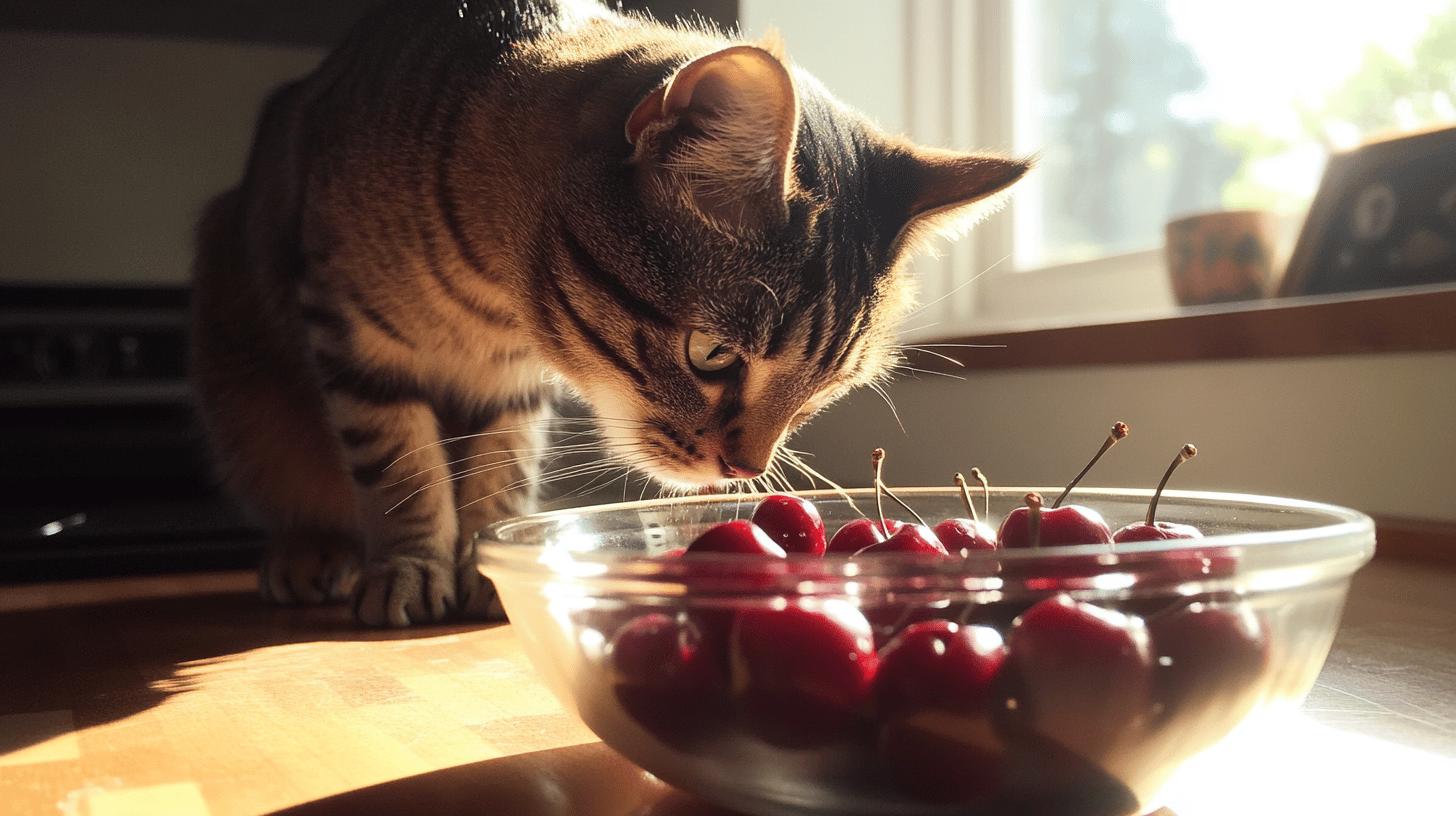
    Here are some fruits that are safe for cats and their potential benefits:

    • Blueberries: Rich in antioxidants and vitamins.
    • Watermelon: Hydrating and refreshing, minus the seeds.
    • Apples: Provide fiber and vitamins, but remove the seeds and core.
    • Cantaloupe: Offers hydration and a sweet treat without the seeds.
    • Bananas: High in potassium and easy to digest.
    • Pineapple: Contains vitamins and enzymes, but should be given in small amounts.
    • Cranberries: Known for urinary tract benefits, best served fresh and not dried.

    However, not all fruits are safe for cats. Some can be toxic and should be strictly avoided. Grapes and raisins, for instance, can cause severe kidney damage, while citrus fruits like oranges and lemons can lead to upset stomach and skin irritation. It’s essential to be aware of these dangerous fruits and keep them out of reach to ensure the safety of your feline friend.

    Balancing fruit treats with a cat’s primary dietary needs is important. While fruits can offer occasional enjoyment and a bit of nutritional variety, the main focus should remain on a protein-rich diet.

    his ensures that your cat receives all the essential nutrients needed for optimal health. Always consult with your veterinarian before introducing new foods into your cat’s diet to ensure it aligns with their specific health needs.

    Veterinary Insight on Cats and Strawberries

    Veterinary Insight on Cats and Strawberries-2.jpg

    Veterinarians provide valuable tips that enhance the dietary plans for our feline friends. While previous sections already highlight the importance of consulting a vet, let’s delve into a few unique angles.

    For example, ask a vet about the best fruits that could complement your cat’s diet, keeping in mind the focus on protein-rich foods. This can open up new avenues for safe and tasty options, ensuring your cat gets the variety it deserves without compromising its health.

    When discussing fruit consumption, veterinarians might suggest a few indicators of a good or bad reaction to fruits like strawberries. Ask them about specific signs of discomfort or unusual behavior after fruit consumption. This guidance can help you quickly identify if strawberries or other fruits are unsuitable for your cat.

    Moderation remains a cornerstone of safe dietary practices. While strawberries are non-toxic, always start with small amounts.

    ngage with your vet for insights on proper portion sizes that won’t interfere with your cat’s nutritional balance. This way, you can add the occasional strawberry treat without shifting the focus away from a protein-rich diet.

    Final Words

    Navigating the topic of “can cat eat strawberry” starts by recognizing strawberries as non-toxic yet not particularly necessary for cats. With potential risks like gastrointestinal issues or allergies, consulting a vet first is key.

    Nutritional benefits of strawberries don’t align well with a cat’s needs, but knowing safe fruits can add variety. Seeking veterinary advice ensures safe dietary choices.

    Engaging with your cat’s diet thoughtfully keeps them healthy and content. Understanding balanced playtime and treats can lead to an improved experience together.

    FAQ

    Can cats eat strawberry leaves?

    Strawberry leaves are not safe for cats. They can cause choking or gastrointestinal issues if ingested. Always remove leaves before offering strawberries to a cat.

    Can cats eat strawberry yogurt?

    Cats should generally avoid strawberry yogurt. Dairy may upset their stomachs since many cats are lactose intolerant. Consult your vet before giving any dairy products to your cat.

    Can cats eat blueberries?

    Blueberries are safe for cats when given in moderation. They provide antioxidants but should not replace a complete meat-based diet. Monitor health and behavior if introducing blueberries.
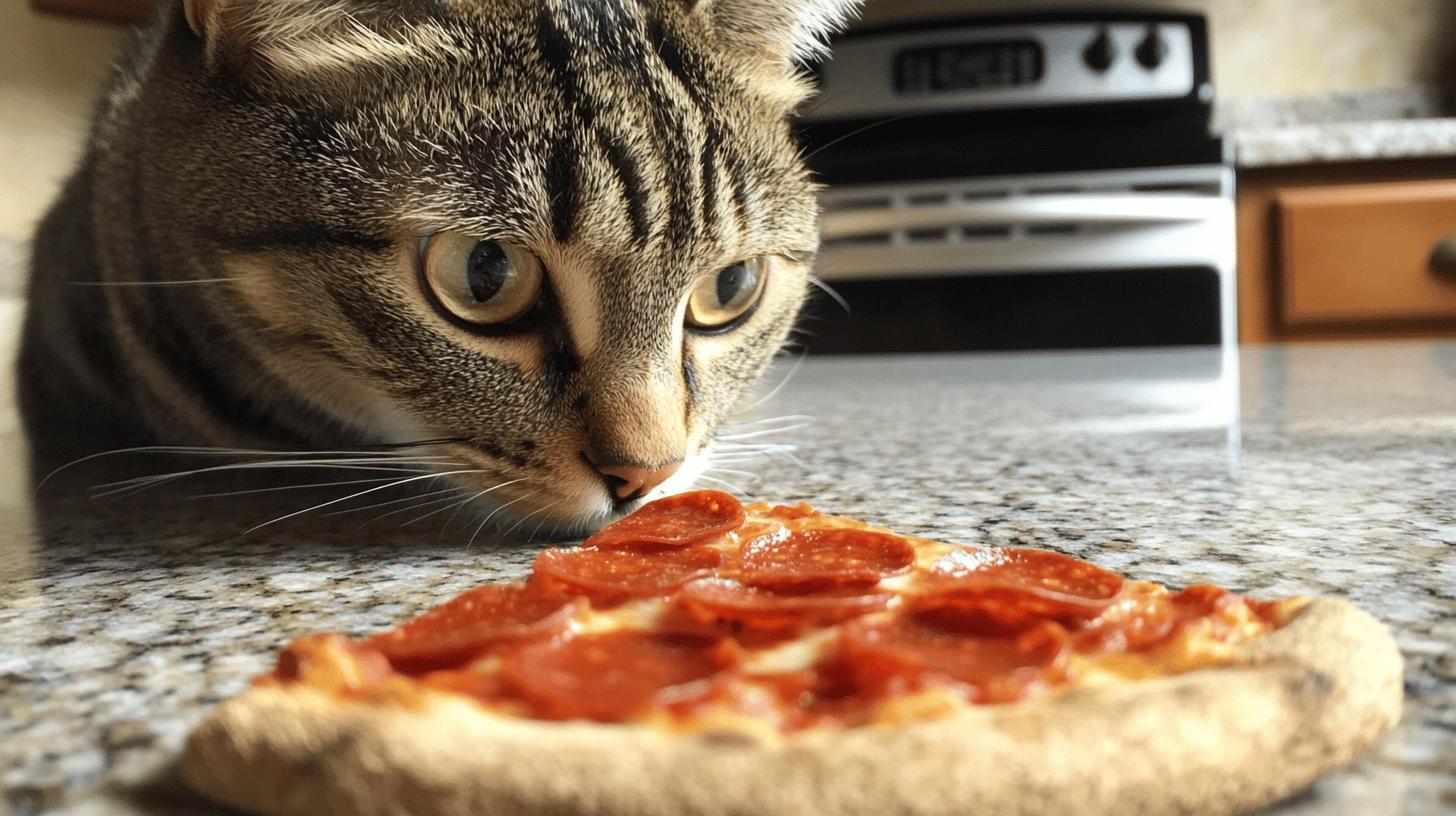
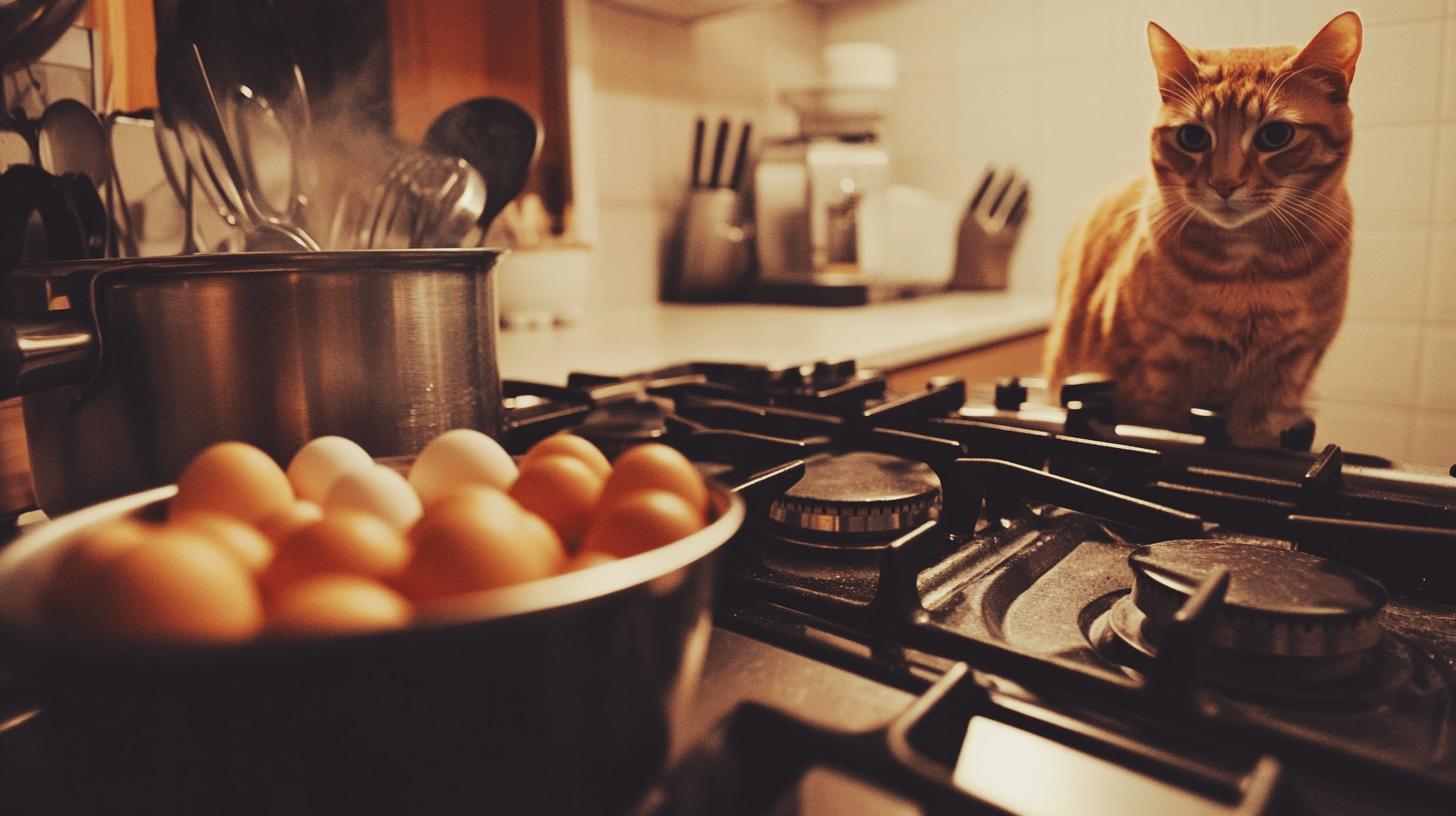
    Can cats eat strawberry seeds?

    Strawberry seeds are not toxic to cats and are generally safe. However, always give strawberries in small quantities and watch for any adverse reactions.

    Can cats eat strawberry fruit?

    Strawberry fruit is safe in small amounts. They are non-toxic but should be given sparingly as a treat, not a meal staple.

    Can cats eat strawberry jam?

    Avoid giving cats strawberry jam. It contains high sugar levels and possibly artificial additives that are unhealthy for cats.

    Can cats eat strawberry ice cream?

    Strawberry ice cream can lead to digestive issues due to its sugar and dairy content. It’s best to avoid offering it to cats.

    Can cats eat strawberry juice?

    Strawberry juice is not recommended for cats. High sugar content and lack of nutrients make it unsuitable for their diet.

    Are strawberries safe for cats?

    Strawberries are safe in small amounts. They are non-toxic, but cats benefit more from a meat-based diet, so moderation is crucial.

    Why do cats love strawberries?

    Some cats may be intrigued by the taste or texture of strawberries. However, many cats show little interest due to their carnivorous nature.

    What fruit is cat safe?

    Safe fruits for cats include blueberries, apples (without seeds), and bananas in small amounts. Always monitor for allergic reactions.

    What berries are toxic to cats?

    Some toxic berries include grapes and raisins. Always check with a vet before introducing new foods to your cat’s diet.

    Related Articles