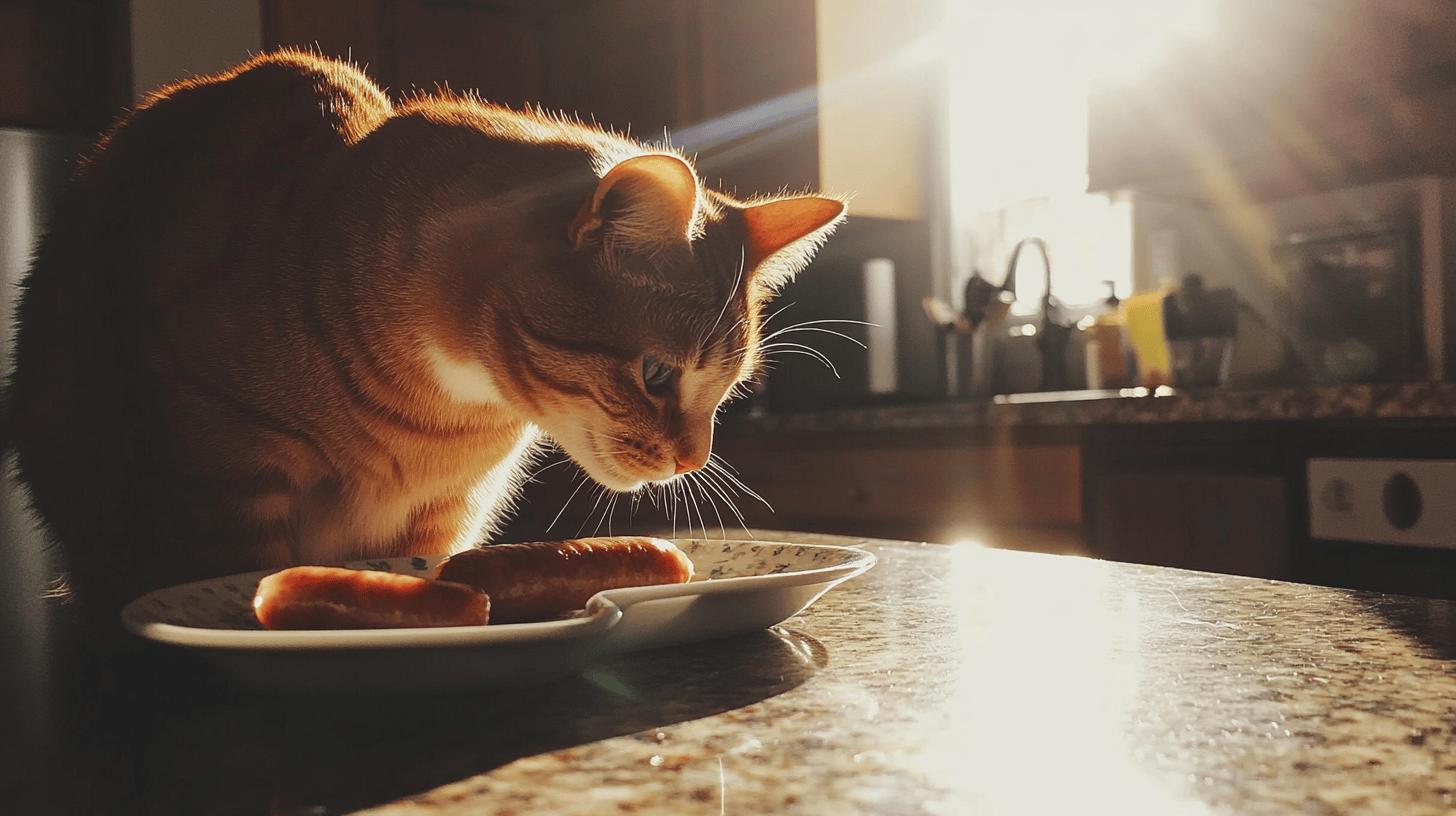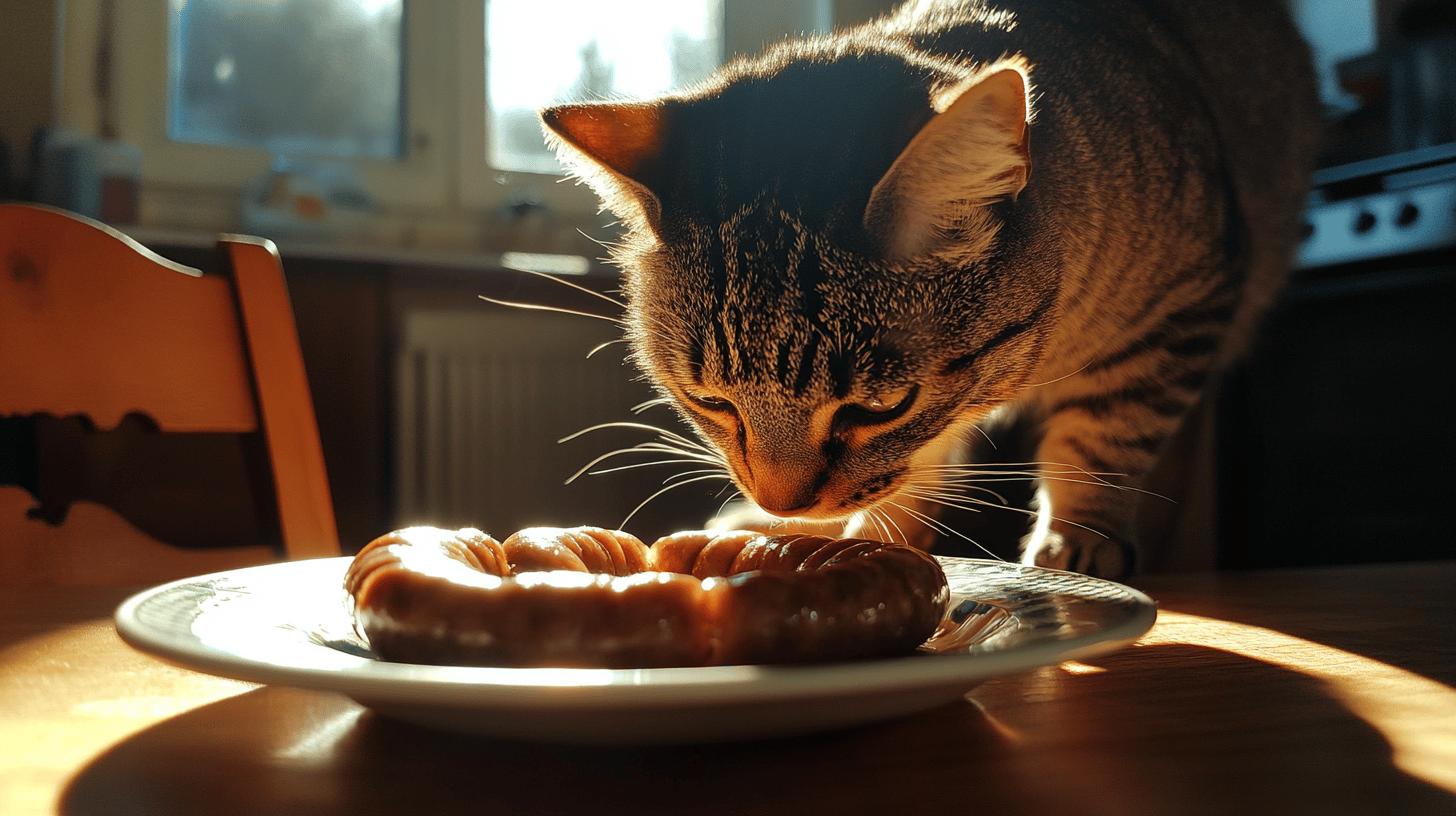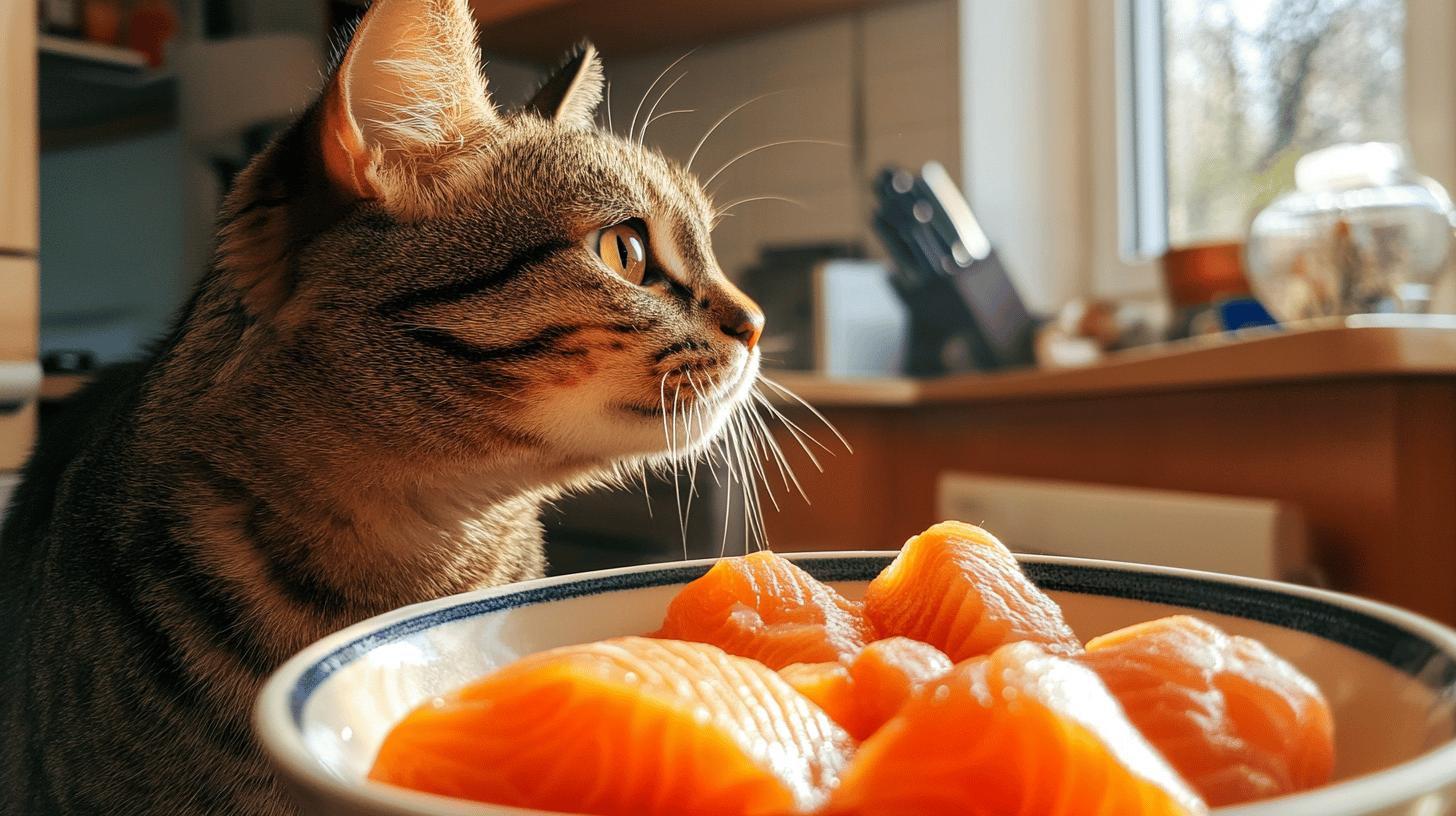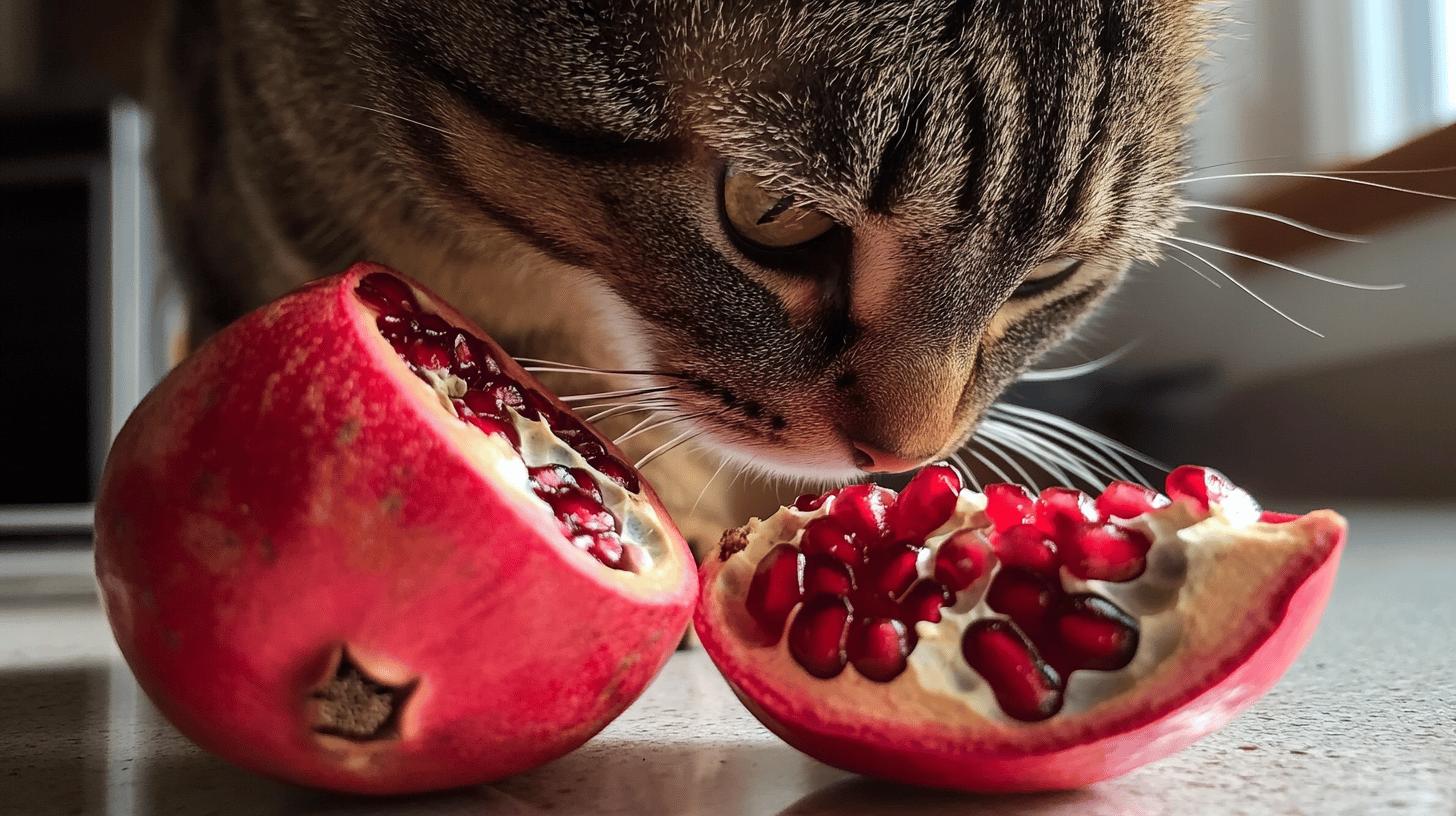
Category: Cat Diet

  • Can Cat Eat Fruit Safe and Toxic Fruits Explained

    Can Cat Eat Fruit Safe and Toxic Fruits Explained

    Are you treating your cat to fruits thinking it's a healthy choice? You might be in for a surprise. Not all fruits are safe for our feline friends. While a slice of apple or a chunk of watermelon might seem harmless, other fruits can spell trouble. In this article, we'll break down which fruits are safe for cats and which ones to avoid like the plague. Let's learn how to keep our cats safe while satisfying their curiosity for new flavors.

    Can Cats Safely Eat Fruit and What Fruits Are Safe?
    How to Introduce Fruit to Your Cat-2.jpg

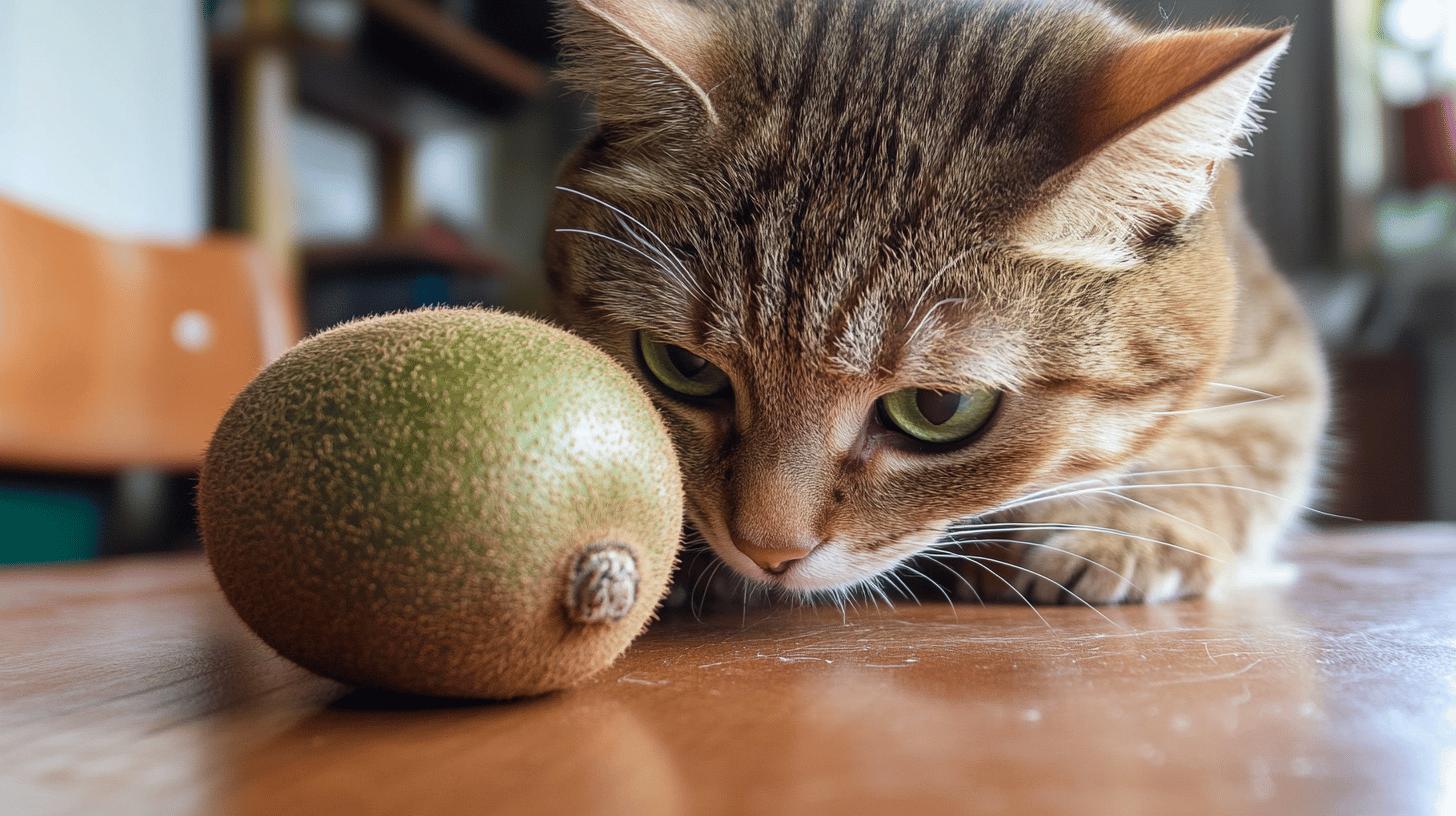
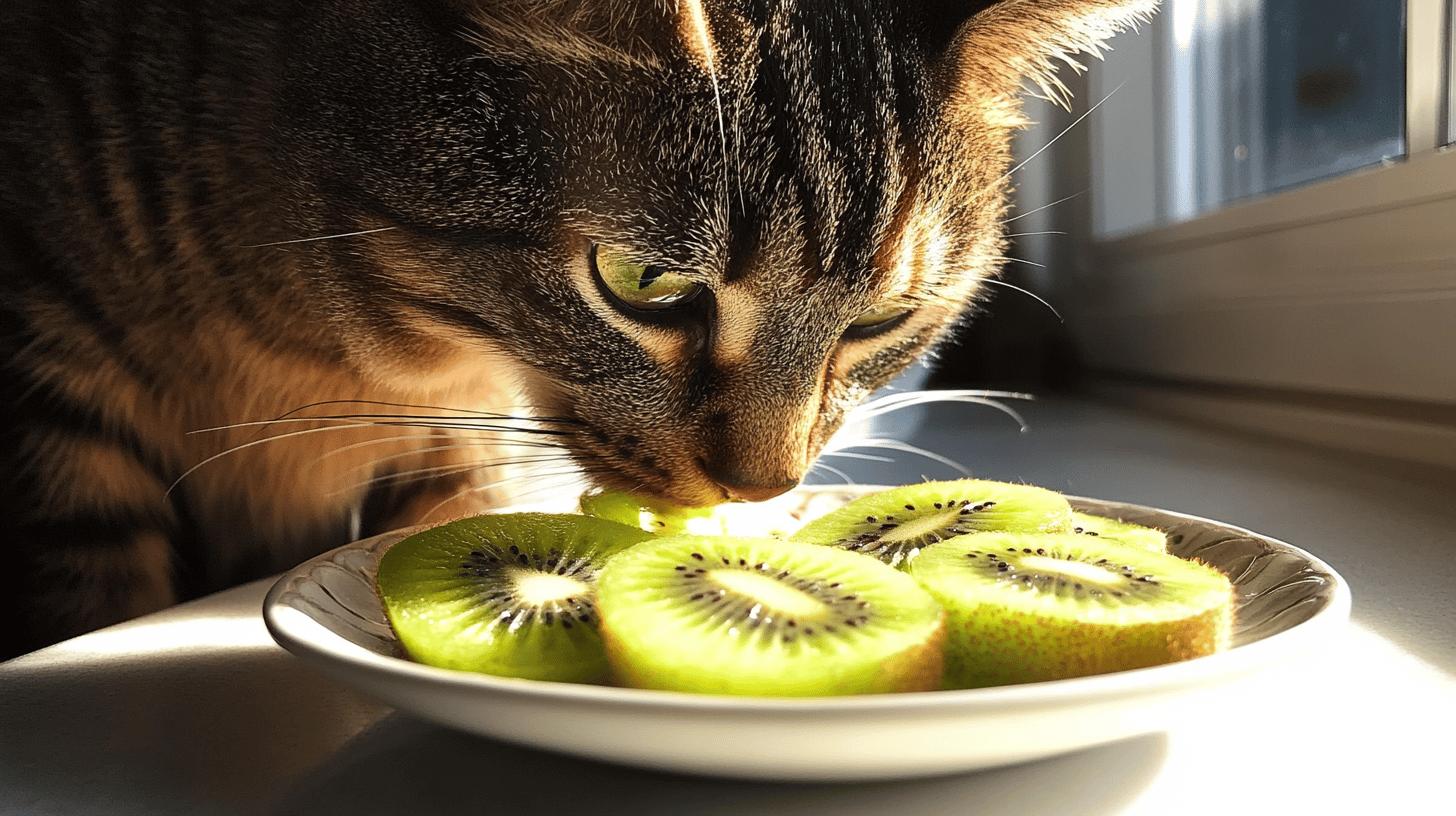
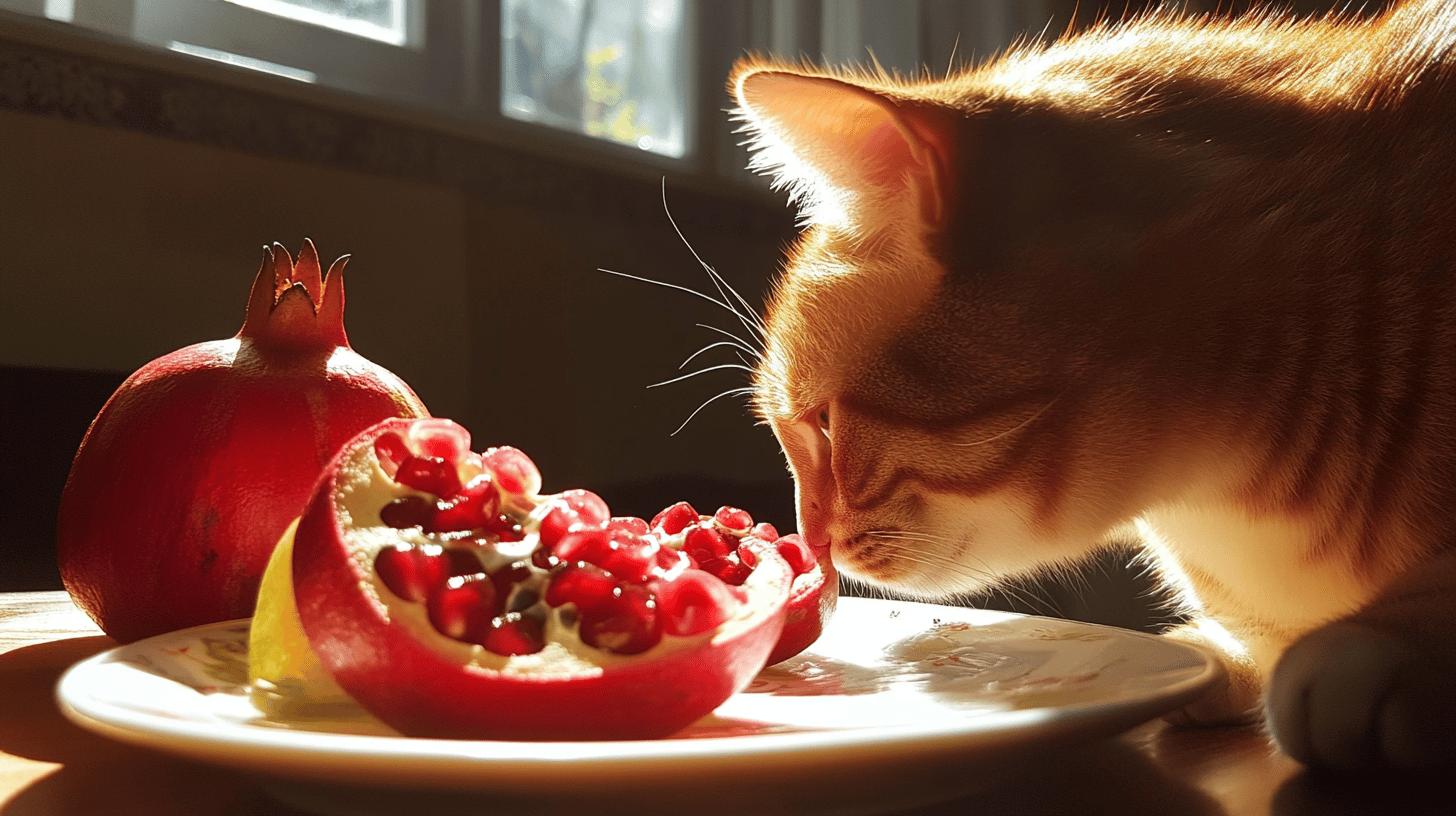
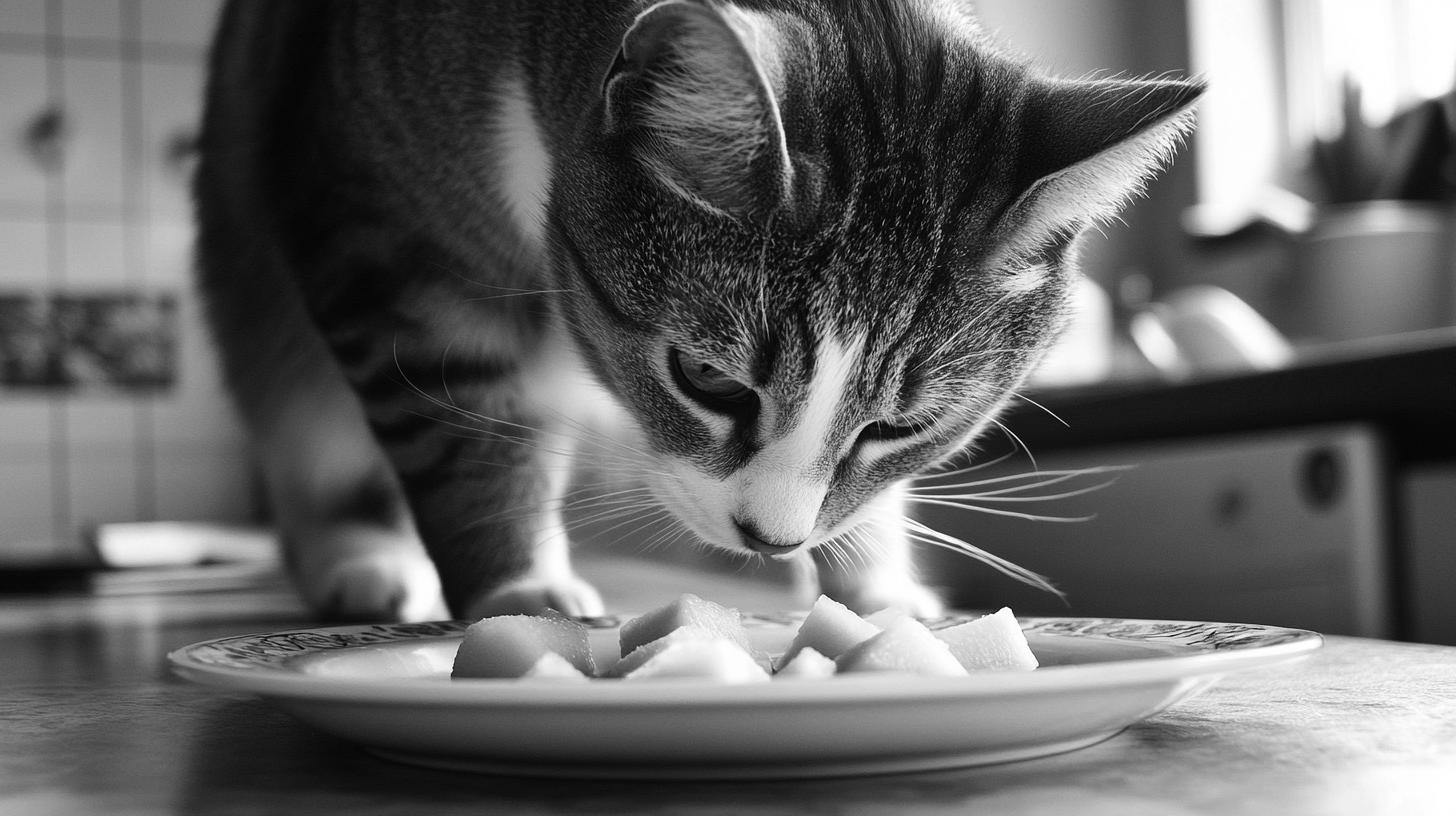
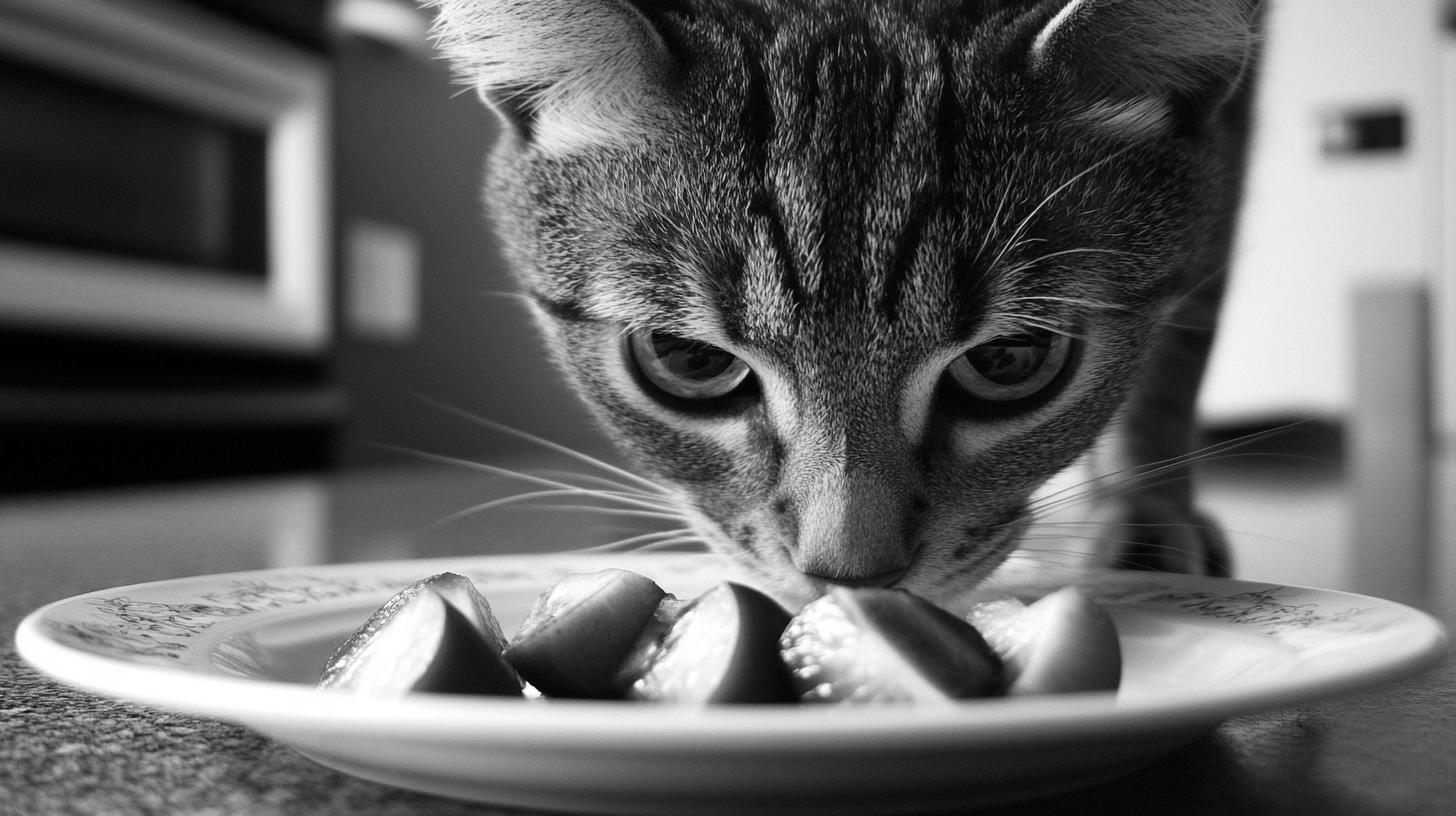
    Cats are obligate carnivores, which means their diet should primarily consist of meat. Their bodies are designed to thrive on a protein-rich, meat-based diet. However, they can occasionally enjoy fruits as treats. While cats don't need fruits for nutritional purposes, certain fruits can provide hydration and vitamins in small amounts.

    Safe Fruits for Cats

    Here are some fruits that cats can safely enjoy:

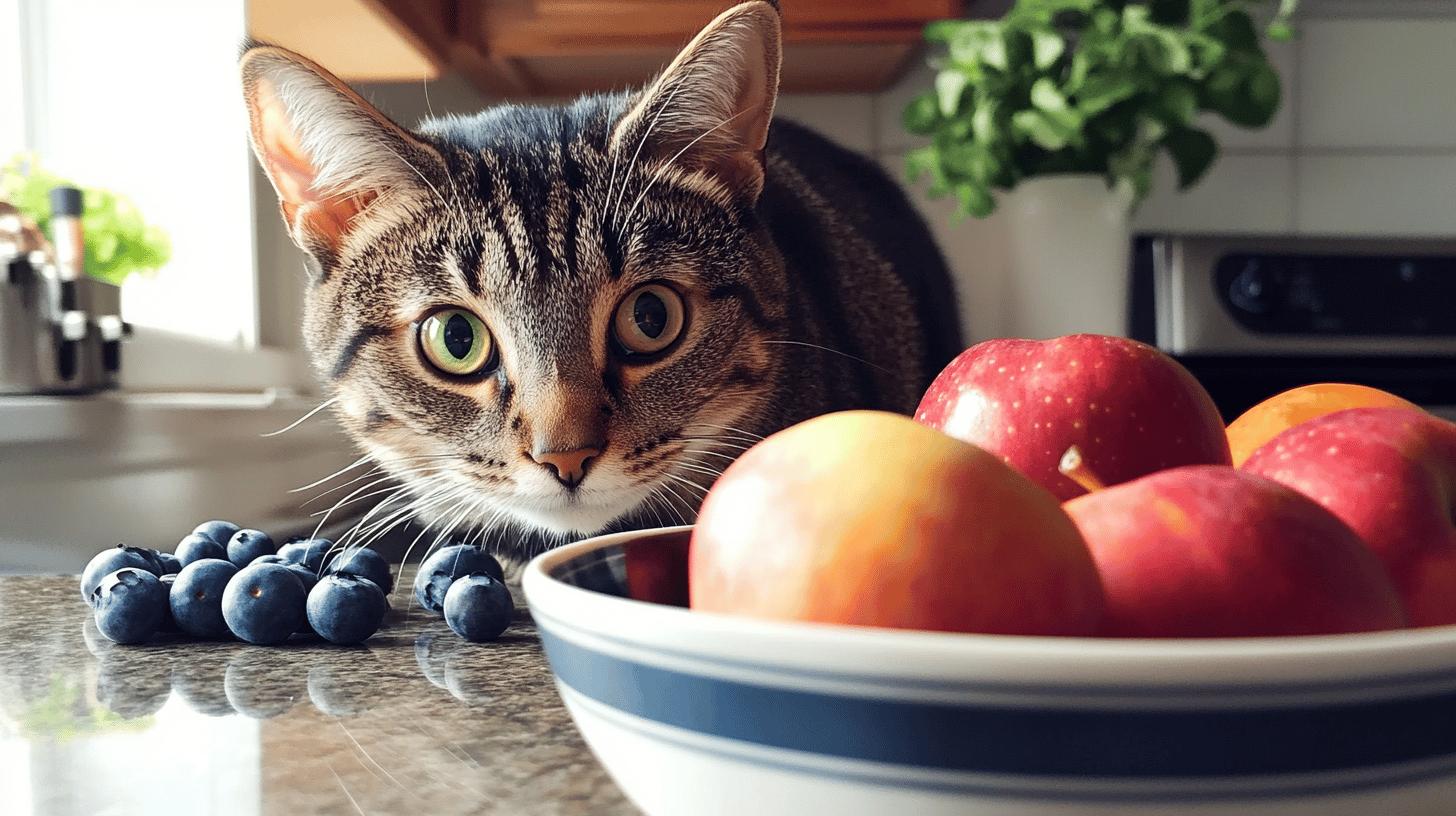
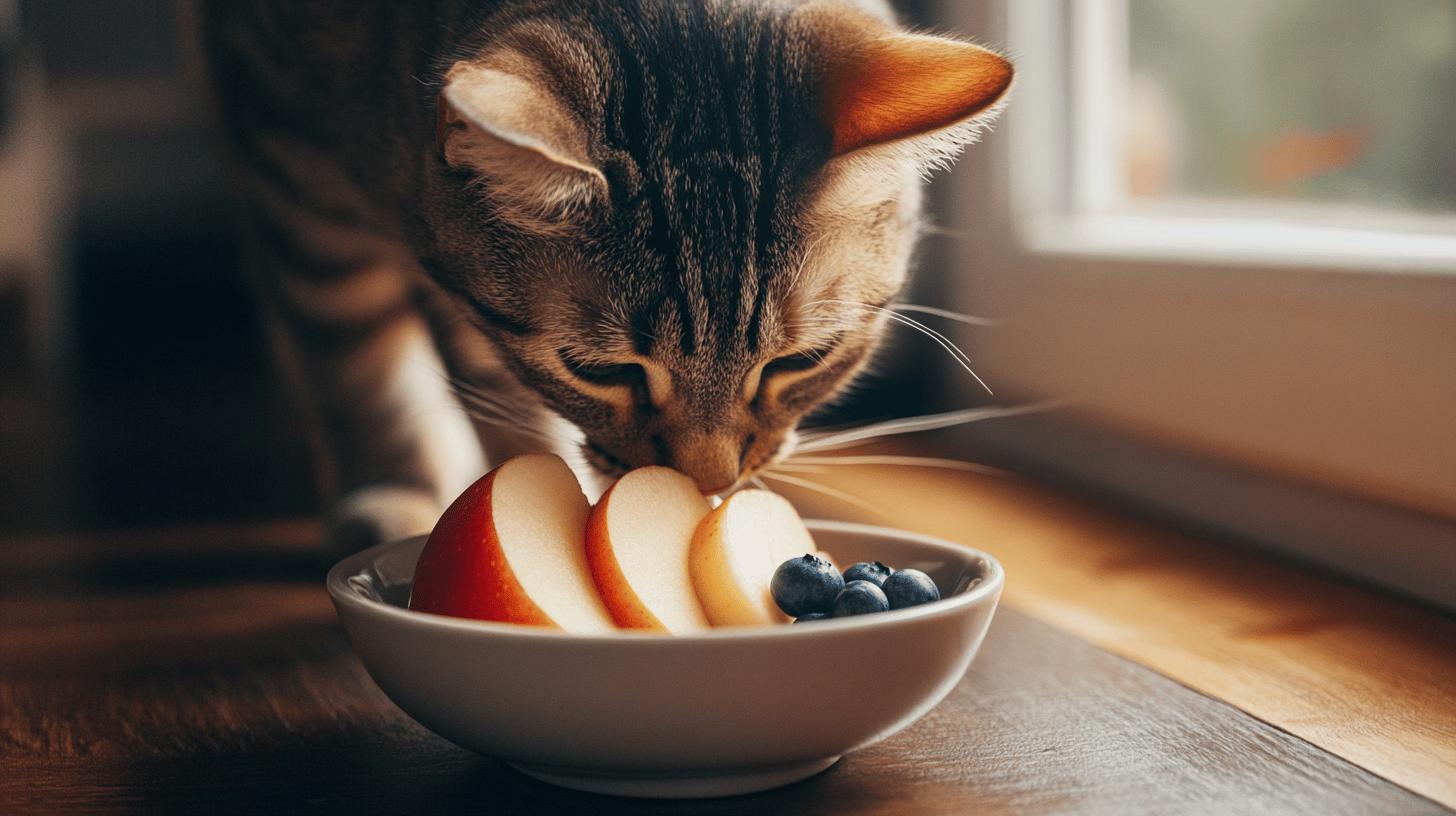
    • Apples: Apples are a good source of vitamin A and C. Always remove the seeds as they contain cyanide, which is toxic.
    • Bananas: These are rich in potassium and vitamin B6. They should be given sparingly due to their high sugar content.
    • Blueberries: Known for their high antioxidant content, blueberries are low in calories and can be a healthy treat.
    • Cantaloupe: This fruit is hydrating and low in calories, making it a good choice in moderation.
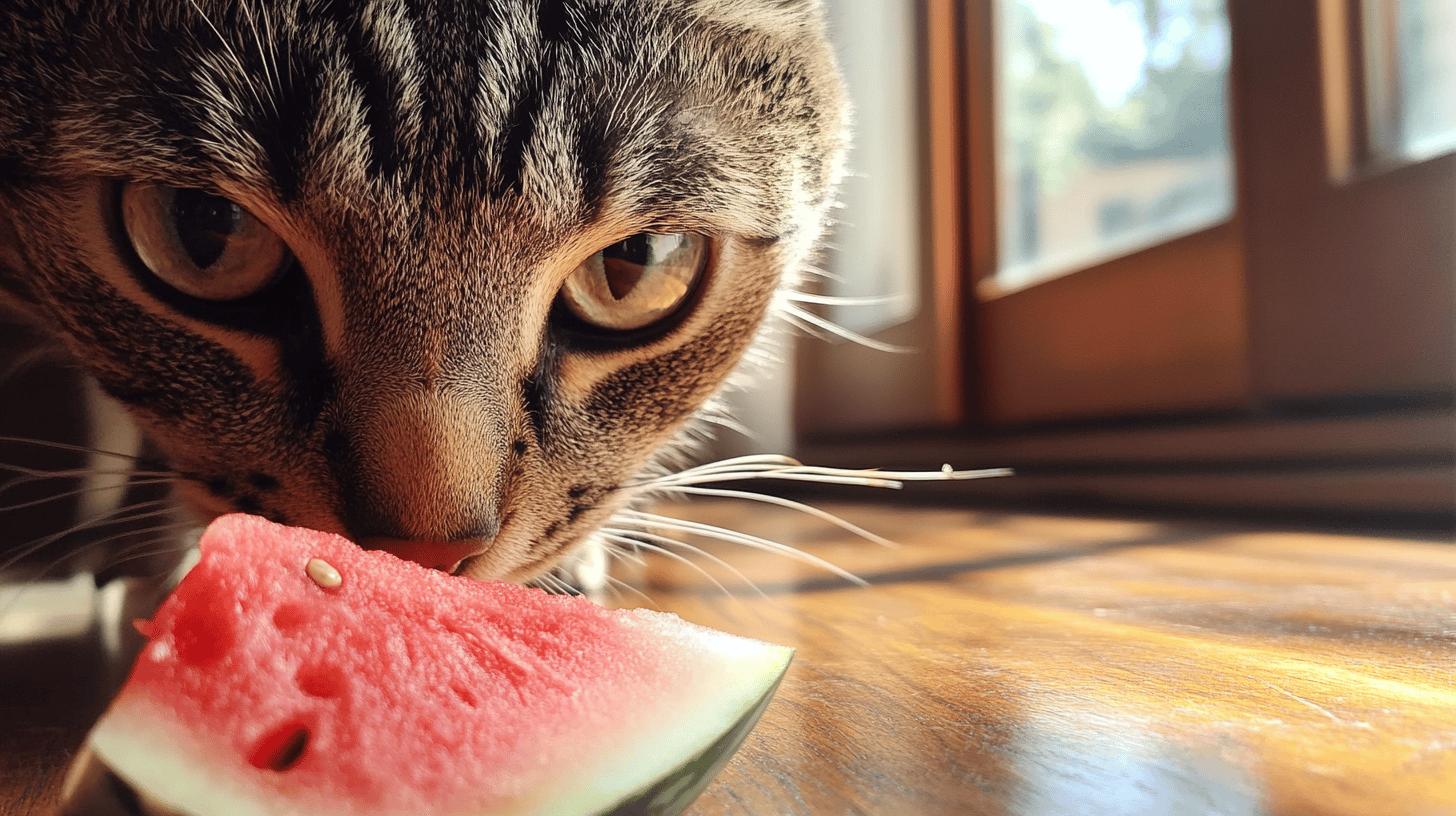
    • Watermelon: Also hydrating, watermelon should be served seedless to prevent any digestive issues.
    • Mangoes: Safe for cats in small amounts, but make sure to remove the pit as it can be a choking hazard.
    • Strawberries: They are rich in vitamins and can be fed in small quantities.

    Toxic Fruits for Cats

    Certain fruits are harmful to cats and should be avoided:

    • Grapes: Even a small amount can be toxic, leading to potential kidney failure.
    • Raisins: Similar to grapes, raisins can cause severe kidney damage.
    • Citrus fruits: These can lead to stomach irritation and contain compounds that are toxic to cats.

    Moderation and Cautions

    When introducing fruits to your cat's diet, moderation is key. Fruits should not exceed 10% of their diet. Always remove seeds, pits, and peels to prevent choking hazards and potential ingestion of toxins. Cats naturally lack the receptor for sweetness, so they may not appreciate the sugary taste of fruits as much as we do. Their instinct drives them to prefer meat, so fruits should be seen as an occasional supplement rather than a dietary staple.

    Toxic Fruits for Cats
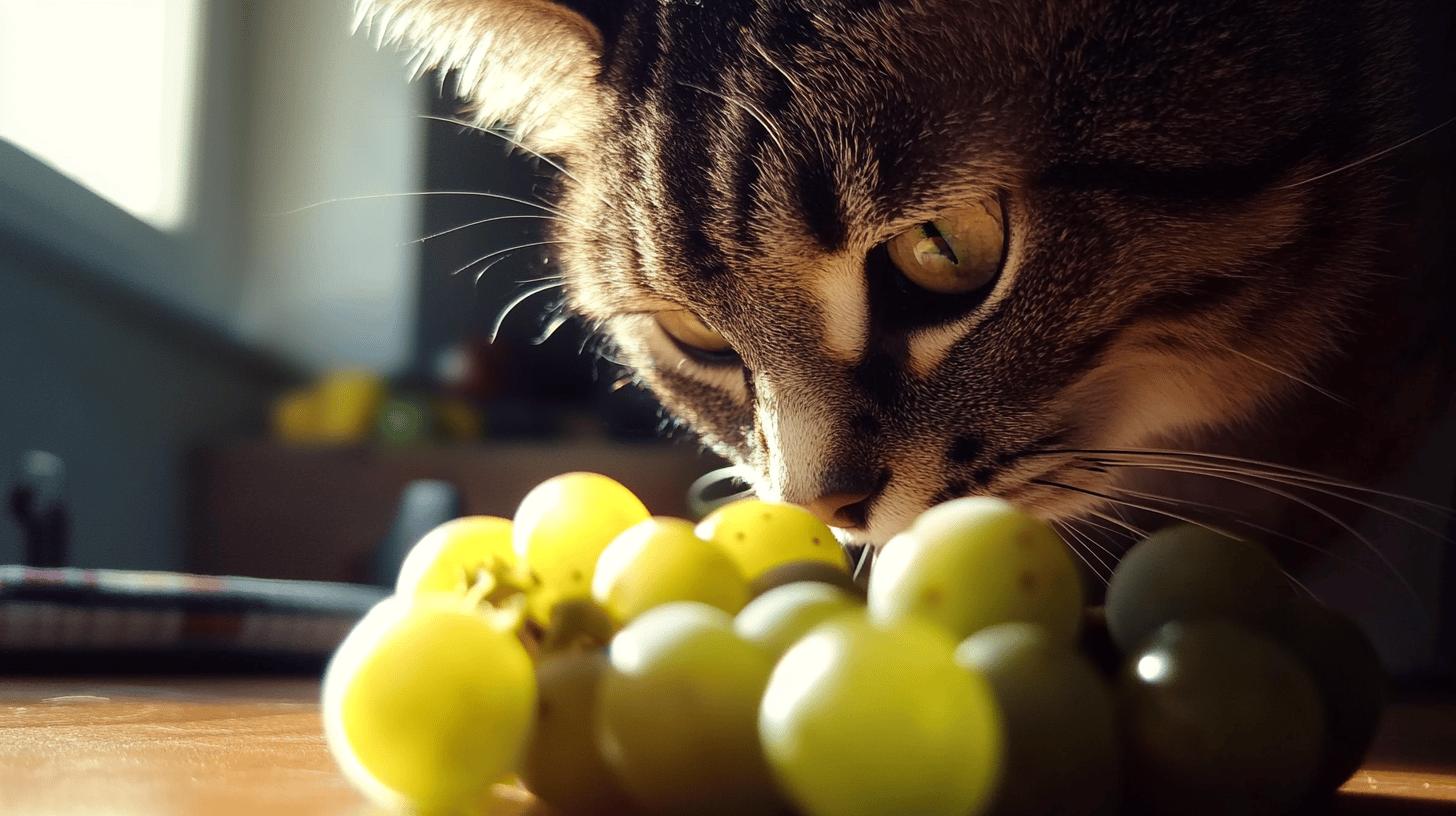
    Fruits That Are Toxic to Cats-1.jpg

    Understanding which fruits are toxic to cats is crucial for any pet owner. While some fruits can be harmless, others pose serious health risks. It's essential to be aware of these dangers to keep your feline friend safe.

    • Grapes: These are highly toxic to cats and can lead to kidney failure. Even small amounts can cause severe reactions.
    • Raisins: Similar to grapes, raisins are hazardous and can result in severe kidney damage. Consumption should be entirely avoided.
    • Citrus fruits: Oranges, lemons, and limes can cause stomach irritation. Their skins and seeds contain compounds that are particularly harmful to cats.

    Keeping these fruits out of reach is vital to your cat’s health. Even minor exposure can have significant health implications. Always ensure that these items are stored securely and disposed of properly. Your cat’s safety depends on vigilant prevention.

    How to Introduce Fruit to Your Cat
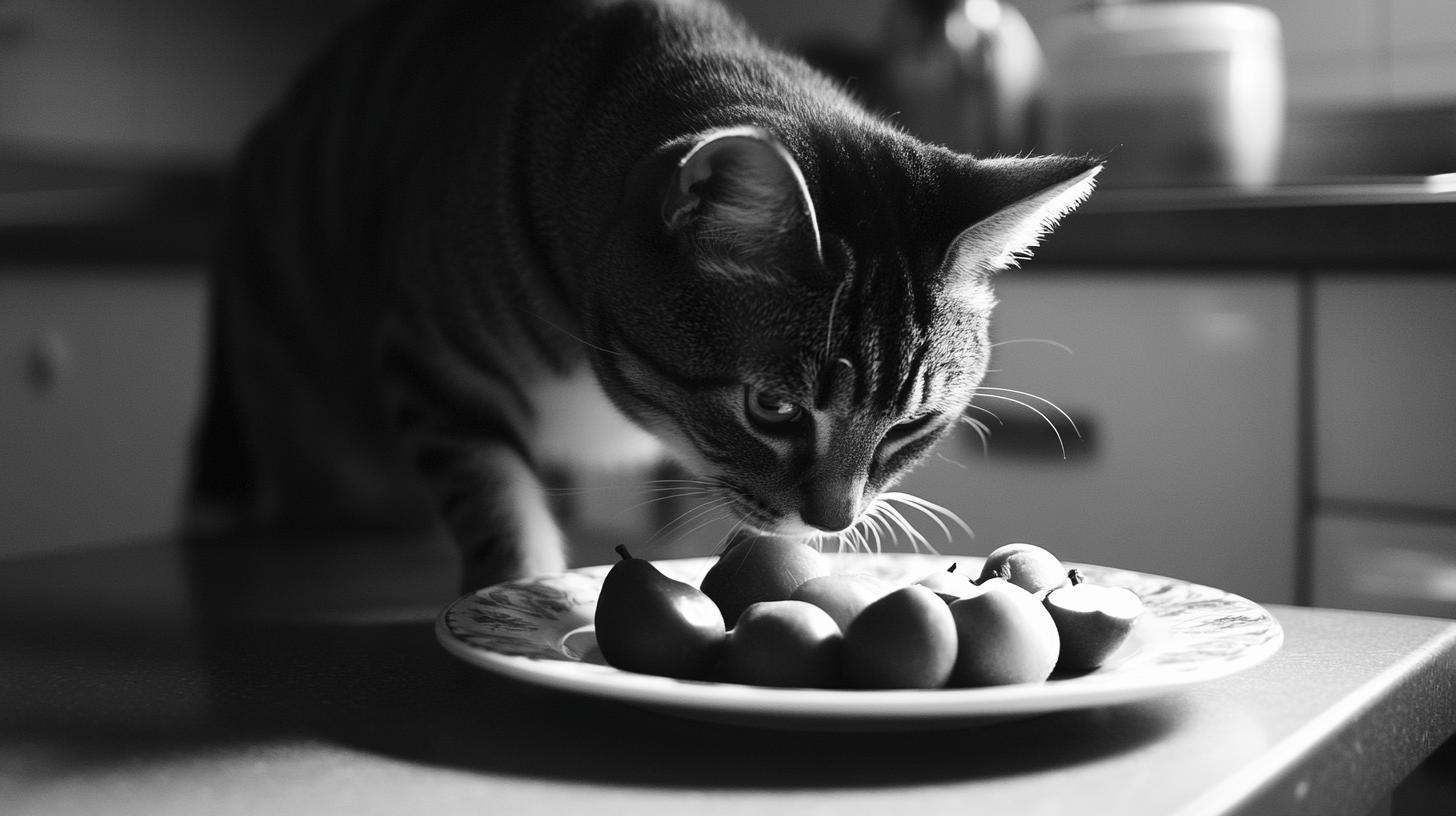
    How to Introduce Fruit to Your Cat-1.jpg

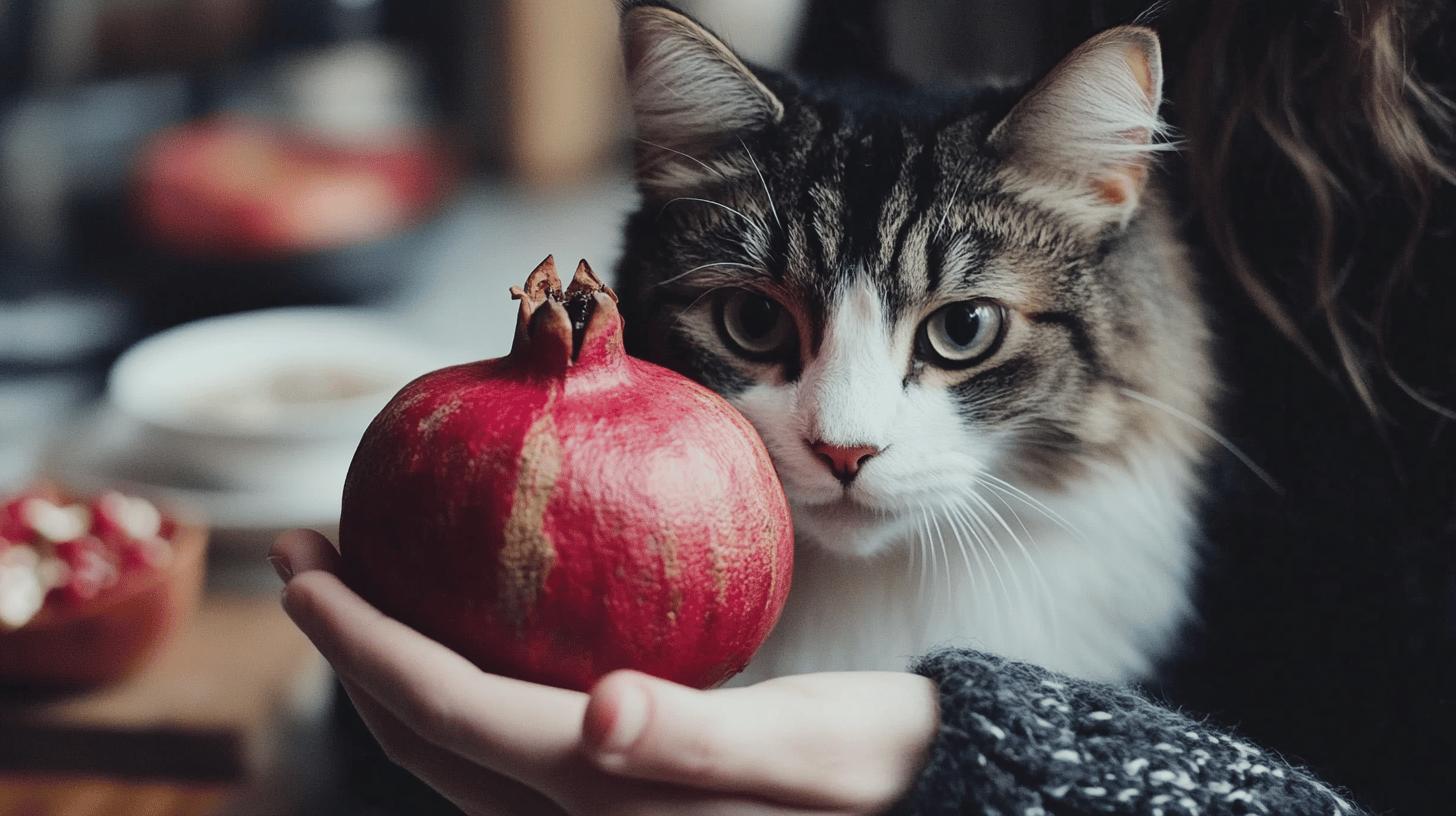
    Introducing fruit to your cat's diet requires careful planning to avoid digestive issues and ensure their well-being. Since cats are obligate carnivores, their diet should primarily consist of meat, but they can still enjoy small amounts of fruit occasionally. Here's how to safely introduce fruit to your feline friend:

    1. Start with small amounts. Begin by offering a tiny portion to see how your cat reacts. A gradual introduction helps prevent any digestive upset.

    2. Cut fruit into bite-sized pieces. Ensure that the fruit is easy for your cat to eat and reduces the risk of choking. Cats prefer smaller pieces that are manageable for their tiny mouths.

    3. Remove all seeds and peels. Seeds and peels can be harmful or pose a choking hazard, so it's important to eliminate them before feeding the fruit to your cat.

    1. Offer fruit as an occasional treat. Fruit should never replace your cat's regular meals. It should account for no more than 10% of their diet, serving as a supplement rather than a staple.

    2. Monitor for any adverse reactions. Keep an eye on your cat after introducing a new fruit. Watch for signs of allergies or digestive discomfort, such as vomiting or diarrhea.

    Monitoring is crucial when introducing any new food to your cat’s diet. Always remember that moderation is key, and not all cats may enjoy or tolerate fruits. Adjust the diet based on your cat’s preferences and health responses to maintain their overall well-being.

    Understanding the Benefits and Risks of Fruit for Cats
    How to Introduce Fruit to Your Cat-4.jpg

    Cats are obligate carnivores, which means their diet should be meat-based. Fruits can supplement this diet with vitamins and hydration but should be fed in moderation. Some fruits, like watermelon, offer hydration due to their high water content. However, the sugars in fruits must be limited to prevent health issues.

    Fruit Benefit Risk
    Apples Rich in vitamins A and C Seeds contain cyanide, toxic if ingested
    Bananas Source of potassium and vitamin B6 High sugar content, should be given sparingly
    Blueberries High in antioxidants May cause digestive upset in large amounts
    Watermelon Hydrating Seeds can cause digestive issues, should be removed
    Mangoes Contains small amounts of vitamins Pit can be a choking hazard, should be removed

    Keep fruit intake minimal to ensure cats benefit without risks. Always remove seeds and pits to avoid choking hazards and toxicity. Introduce fruits gradually, monitoring for any adverse reactions.

    Final Words

    Adding fruit to your cat's diet can be safe, as some fruits provide vitamins and hydration. We've talked about the safe options, like apples, bananas, and blueberries, and also the dangerous ones, such as grapes and citrus fruits. Remember, cats are carnivores, and fruits are just occasional treats. It's important to remove seeds and peels and introduce new foods gradually to avoid digestive issues.

    Though cats might not taste sweetness, they can still enjoy nibbling on fruit now and then. With careful handling, you can answer the question, "can cat eat fruit" with confidence, ensuring a balanced treat experience.

    FAQ

    What fruits are safe for cats to eat?

    Cats can safely eat apples, bananas, blueberries, cantaloupe, watermelon, mangoes, and strawberries. These fruits can provide vitamins and hydration but should be given in moderation.

    Can cats eat apples?

    Yes, cats can eat apples in small amounts. Remove the seeds and core before serving. Apples are rich in vitamins A and C.

    Can cats eat bananas?

    Cats can eat bananas as a treat. They are a good source of potassium and vitamin B6. Always serve in small slices to avoid sugar overload.

    Can cats eat strawberries and blueberries?

    Cats can eat both strawberries and blueberries. Blueberries are high in antioxidants, and strawberries are rich in vitamins, making them occasional healthy treats.

    What fruits can cats not eat?

    Grapes, raisins, and citrus fruits are toxic to cats. Grapes and raisins can cause kidney failure, while citrus fruits may cause stomach irritation and contain toxic compounds.

    Do cats eat fruit in the wild?

    In the wild, cats are obligate carnivores and do not typically eat fruit. They mainly consume meat, relying on it for their nutritional needs.

    Can cat eat fruit seeds?

    Fruit seeds, like those from apples and watermelon, should be removed. They can be harmful to cats when ingested.

    Can cat eat fruit juice?

    Fruit juice is not recommended for cats. It often contains high sugar content and lacks the nutrients found in whole fruits.

    Can cat eat fruit every day?

    Fruits should not be a daily part of a cat's diet. They should not exceed 10% of a cat's daily diet and are best as occasional treats.

    What human food can cats eat every day?

    Cats can eat small amounts of cooked meat, like chicken or turkey, and some plain, cooked fish. Avoid giving them foods high in fat, salt, or seasoning.
    Related Articles

  • Can Cat Eat Green Beans Safely and Nutritionally

    Can Cat Eat Green Beans Safely and Nutritionally

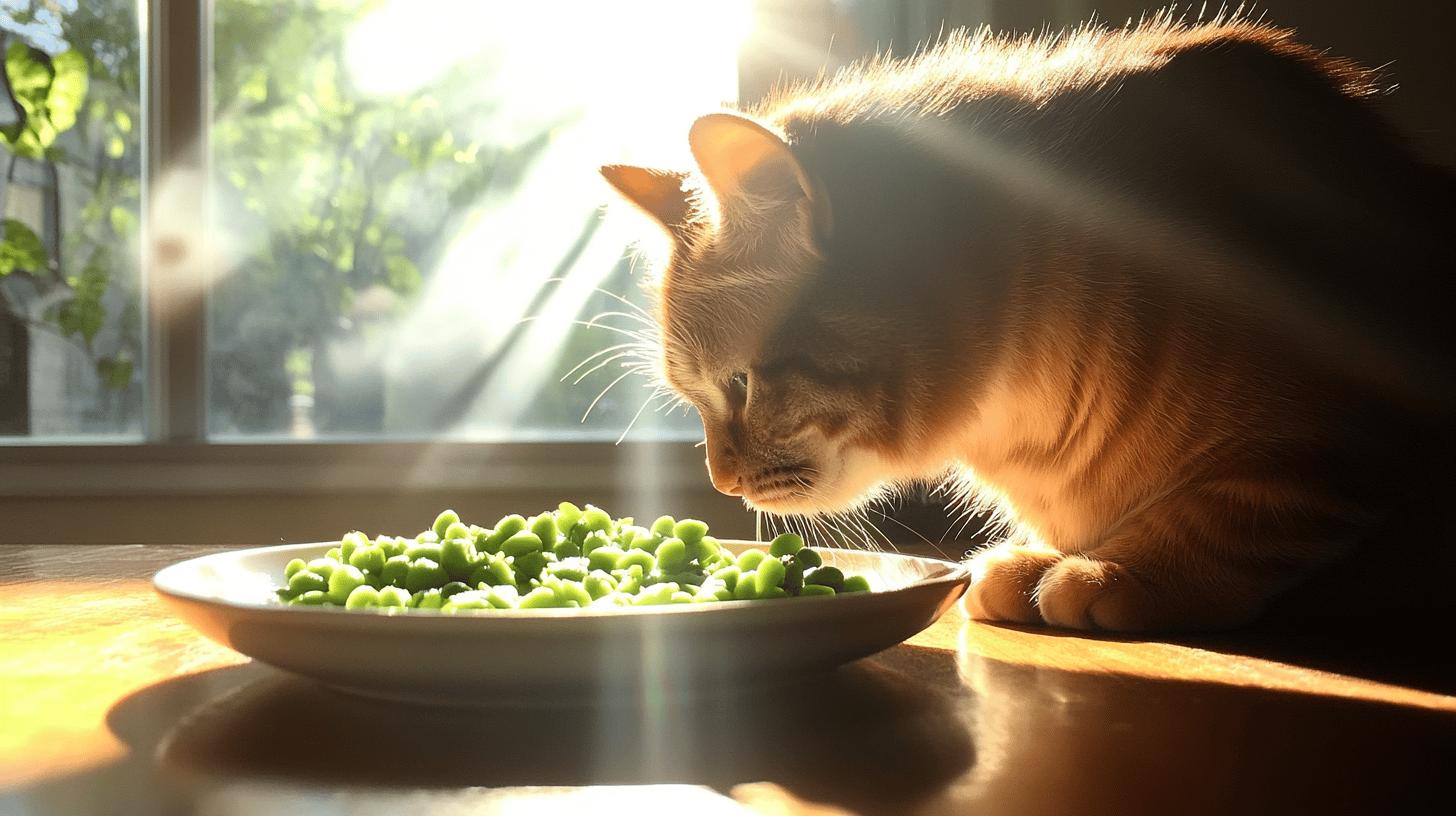
    Ever wonder if your cat can safely munch on green beans? Some believe they are only for us humans, but these crunchy veggies could actually be a great treat for your feline friend. Loaded with vitamins, green beans can offer nutritional value while keeping playtime exciting. But there's more to consider when adding them to your cat's diet. Let's explore the benefits and potential risks of green beans in a cat's meal plan, so you can decide if this veggie is the right fit for your furry companion.

    Can Cats Eat Green Beans Safely?

    Can Cats Eat Green Beans Safely-1.jpg

    Cats can safely enjoy green beans as part of their diet. These vegetables are non-toxic to our feline friends and can add variety along with nutritional benefits. Green beans are packed with essential vitamins and minerals that support a cat's overall health. They contain fiber, which aids digestion, and are low in calories, making them an excellent choice for a healthy treat. When given in moderation, green beans can be a delightful addition to a cat's diet, appealing to their sense of taste and texture.

    Despite their benefits, feeding green beans to cats does come with potential risks. Introducing any new food can lead to digestive upset, such as vomiting or diarrhea. Cats, like humans, can have sensitivities or intolerances that may not be immediately apparent. It's crucial to introduce green beans gradually and in small amounts to observe how your cat reacts. An upset stomach or changes in stool can indicate that green beans aren't agreeing with your feline companion.

    • Discontinue feeding green beans immediately
    • Monitor for persistent symptoms
    • Consult a veterinarian for guidance
    • Check for any changes in behavior or appetite
    • Gradually reintroduce only if advised by a vet

    Moderation and gradual introduction are key when it comes to adding green beans to your cat's diet. Start by offering a small piece and observe how your cat responds. If there are no adverse reactions, you can slowly increase the portion size while ensuring it doesn't surpass 10% of their daily caloric intake. This cautious approach will help prevent any digestive issues and allow you to enjoy sharing a healthy snack with your pet.

    Continuous monitoring of your cat's health is vital when introducing any new food. If you notice any unusual symptoms or behaviors, it's important to consult a veterinarian promptly. Your vet can provide personalized advice and determine if green beans are a suitable treat for your cat. Keeping an eye on your cat's overall well-being ensures that you provide the best care possible, supporting their health and happiness.

    Nutritional Benefits of Green Beans for Cats

    Nutritional Benefits of Green Beans for Cats-1.jpg

    Green beans provide an array of vitamins and minerals crucial for your cat's health. Vitamin A is essential for maintaining good vision and a strong immune system. Vitamin C supports cellular repair and boosts immunity, while Vitamin K is vital for blood clotting and bone health. The calcium in green beans strengthens bones and teeth, and potassium plays a key role in maintaining healthy nerve and muscle function.

    Soluble fiber in green beans is a boon for digestive health. It helps regulate bowel movements, easing constipation and diarrhea. This fiber also promotes weight management by making your cat feel full without adding extra calories, which is beneficial for cats needing to lose or maintain weight.

    Nutrient Benefit for Cats
    Vitamin A Supports vision and immune function
    Fiber Aids in digestion and weight management
    Calcium Strengthens bones and teeth

    Green beans also enhance urinary health in cats. The vegetable-based protein helps balance urinary system acidity, preventing or dissolving urinary tract calcifications. Including green beans in your cat's diet can support their urinary health, helping them stay comfortable and free from urinary issues.

    Preparation and Serving Guidelines for Green Beans for Cats

    Nutritional Benefits of Green Beans for Cats-2.jpg

    Cooked green beans are a superior choice for our feline companions when compared to raw or canned options. Raw green beans can be tough for cats to chew and digest, especially for those with dental issues. On the other hand, canned green beans often contain added salts and preservatives that aren't suitable for cats. By cooking the green beans, you make them easier to digest and more palatable. The key is to keep them plain and unseasoned, as spices and other additives can be harmful to cats.

    • Wash the green beans thoroughly
    • Trim ends and remove any strings
    • Cut into small, bite-sized pieces
    • Steam or boil until soft
    • Ensure they are plain without seasonings

    Moderation is crucial when incorporating green beans into your cat's diet. These veggies should be an occasional treat, not a staple. When determining the portion size, consider your cat's size and dietary needs. For a small cat, a few small pieces are sufficient, while a larger cat might enjoy a slightly bigger portion. Regardless of size, green beans should never make up more than 10% of your cat's daily caloric intake. This ensures your cat receives the majority of their nutrition from balanced commercial cat food.

    Remember, green beans are meant to be a treat, not a meal replacement. Cats have specific dietary requirements that commercial cat foods are designed to meet. By keeping green beans as an occasional treat, you maintain their primary diet and ensure they receive all necessary nutrients. This balance helps keep your cat healthy and happy, giving them the best of both worlds: a nutritious diet and a delightful snack.

    Final Words

    Feeding cats green beans can be a safe way to add variety to their diet. Green beans offer nutritional benefits like vitamins, fiber, and protein. They support bones, digestion, and overall health. But, moderation is key to prevent any digestive upset.

    If considering green beans for your cat, gradual introduction and observation are essential. Keep an eye on any signs of food intolerance. Always consult a veterinarian if unsure or if symptoms persist. Using can cat eat green beans as an occasional treat can be a healthy choice for your furry friend.

    FAQ

    Can cats eat green beans raw or cooked?

    Cats can eat green beans cooked. Cooked green beans are easier to digest than raw and are better for their dental health. Always serve them plain and without seasonings.

    Can cats eat green beans every day?

    It's not recommended for cats to eat green beans every day. They should be an occasional treat, comprising no more than 10% of your cat’s daily calorie intake.

    Can cats eat other vegetables like peas, rice, carrots, or corn?

    Cats can eat peas, carrots, and corn in moderation. Rice is also safe but should be fed sparingly. Vegetables should never replace a balanced cat diet.

    Are green beans good for cats?

    Green beans are good for cats in moderation. They offer vitamins, fiber, and minerals that support digestion and health. Introduce them slowly to avoid digestive issues.

    What are the potential risks of feeding green beans to cats?

    Feeding green beans can lead to digestive upset if not introduced slowly. Observe for vomiting or diarrhea and discontinue if symptoms persist. Consult a veterinarian as necessary.

    Are green bean plants toxic to cats?

    Green bean plants are not toxic to cats, but keep an eye on your cat to prevent overeating that might cause digestive problems.

    Why do cats love green beans?

    Cats may enjoy the texture and novelty of green beans. They also provide a slight crunch that some cats find appealing.

    What vegetables can't cats eat?

    Onions, garlic, and chives are toxic to cats and should never be fed. Limit other vegetables to occasional treats to avoid unbalancing their diet.

    Are cooked or canned green beans better for cats?

    Cooked green beans are better than canned ones. Canned beans often contain added salts and preservatives that aren't healthy for cats. Serve them fresh and plain.

    Related Articles

  • Can Cat Eat Kiwi Safely Nutritional Insights and Precautions

    Can Cat Eat Kiwi Safely Nutritional Insights and Precautions

    Can cats enjoy kiwi like we do, or is it a risky treat? As a cat lover, you want to provide safe and enjoyable snacks for your furry friend. While kiwi is non-toxic and can offer a slight nutritional boost, cats are obligate carnivores and require a meat-based diet. This fruit should be an occasional treat, not a regular snack. Eating too much can upset their stomachs due to its sugar content. Let’s dive into the benefits and precautions of feeding kiwi to cats, ensuring they stay happy and healthy.

    Can Cats Safely Eat Kiwi?

    Can Cats Safely Eat Kiwi-1.jpg

    Cats can safely eat kiwi, but only in moderation. Kiwi is non-toxic to our feline friends, making it safe for them to consume in small amounts. While kiwi can be a source of vitamins and fiber, it's important to remember that cats are obligate carnivores, which means they primarily require meat-based nutrients. As such, kiwi should be considered an occasional treat rather than a staple in their diet.

    Moderation is key when feeding kiwi to cats, as excessive amounts can lead to gastrointestinal upset such as vomiting or diarrhea. The high sugar content in kiwi is another concern, as cats do not tolerate sugar well. Consuming too much sugar can lead to weight gain and other health issues over time. It's crucial to introduce kiwi in small quantities and observe your cat's reaction to ensure it doesn't upset their stomach.

    Here's a quick rundown of the key nutrients found in kiwi:

    • Fiber: Helps with digestion and can act as a natural laxative.
    • Potassium: Supports heart and muscle function.
    • Vitamin C: Boosts the immune system and aids in collagen production.
    • Antioxidants: Protect against cell damage from free radicals.

    Despite not needing fruits in their diet, cats can still benefit from the occasional slice of kiwi. The fiber in kiwi aids digestion, and the vitamins can offer a slight boost to their overall health. Still, these benefits are minor compared to the nutritional needs met by their regular diet. Always keep portions small and infrequent to avoid any potential health issues.

    Potential Risks of Feeding Kiwi to Cats

    Potential Risks of Feeding Kiwi to Cats-1.jpg

    Feeding kiwi to cats can upset their stomachs, leading to vomiting or diarrhea if they eat too much. Cats have sensitive digestive systems, so it's best to introduce kiwi in small amounts to prevent any issues.

    The high sugar content in kiwi is another concern. Cats don't metabolize sugar well, and too much can cause weight gain and other health problems. Offering kiwi in moderation can help avoid these negative effects.

    Removing the skin and seeds is advisable when feeding kiwi to your cat. The skin is tough to digest, and seeds could pose choking hazards or cause digestive issues. Peeling the kiwi and ensuring it's seed-free can help avoid these problems.

    How to Introduce Kiwi to Your Cat's Diet

    How to Introduce Kiwi to Your Cats Diet-1.jpg

    Before introducing kiwi to your cat's diet, it's crucial to consult with a veterinarian. Cats have unique dietary requirements, and a professional can provide personalized advice based on your cat's health and nutritional needs. A vet can help you determine if kiwi is suitable for your cat and offer guidance on the appropriate portion sizes and frequency.

    To safely introduce kiwi to your cat's diet, follow these steps:

    1. Start Small: Begin with just a few slices of kiwi or a spoonful of kiwi puree. This allows you to gauge your cat's reaction.
    2. Observe for Reactions: After feeding, watch for any adverse signs like vomiting or diarrhea. If any occur, stop feeding kiwi immediately.
    3. Gradual Increase: If your cat enjoys kiwi and shows no negative reactions, you can gradually increase the portion size.
    4. Limit Frequency: Offer kiwi only once or twice a week. This keeps it as a treat rather than a regular part of their diet.
    5. Remove Skin and Seeds: Always peel the kiwi and remove seeds to prevent choking hazards and digestive issues.

    It's essential to monitor your cat's reaction to kiwi carefully. If your cat tolerates the fruit well, you can maintain the small portions as an occasional treat. Pay attention to their overall health and adjust the amount as needed. Keeping an eye on their weight and digestive health ensures that the kiwi remains a safe and enjoyable treat.

    Other Safe and Unsafe Fruits for Cats

    Other Safe and Unsafe Fruits for Cats-1.jpg

    Fruits can be an interesting addition to a cat's diet, but it's important to know which ones are safe. Cats are obligate carnivores, so they don't need fruits, but some can be given as occasional treats. Apples and blueberries, for instance, are generally considered safe for cats. Apples should be peeled and cored, offering only the flesh in small pieces. Blueberries are packed with antioxidants and can be offered in moderation. Watermelon, minus the seeds and rind, is another safe option that can help with hydration. These fruits provide some vitamins and fiber, but they should be given sparingly to avoid upsetting your cat's dietary balance.

    On the flip side, some fruits should be strictly avoided due to their toxic properties. Grapes and raisins are particularly dangerous and can lead to kidney failure in cats. Citrus fruits like oranges and lemons can cause stomach upset, and cherries pose risks due to their pits and cyanide content. It's crucial to keep these fruits out of reach and be aware of any accidental ingestion. Understanding these risks helps keep your feline friend safe and healthy, avoiding any unnecessary trips to the vet.

    Fruit Safe or Unsafe
    Apples Safe
    Blueberries Safe
    Watermelon Safe
    Grapes Unsafe
    Cherries Unsafe

    Final Words

    Knowing whether cats can eat kiwi is crucial for any cat owner. Kiwi is non-toxic and safe in small amounts, but moderation is key due to its sugar content. We've discussed the basic nutritional benefits, such as fiber and vitamin C, yet noted the potential risks like digestive upset if overfed.

    Introducing kiwi requires care and consultation with a vet. Observe how your cat reacts and change portions if needed. There are other fruits that are safer or should be avoided, so be cautious.

    Provide your cat with varied and safe treats to enrich their life. After all, a happy cat means a happy home!

    FAQ

    Can cats eat kiwi fruit?

    Cats can eat kiwi fruit in moderation. It's non-toxic and safe for them, but should only be given occasionally due to its high sugar content.

    Can cats eat kiwi seeds?

    While cats can eat kiwi, it's best to avoid seeds. Seeds may cause digestive issues, so remove them before serving.

    Can cats eat kiwi skin?

    Cats should not eat kiwi skin. It can be tough to digest and may lead to gastrointestinal upset.

    What fruits can cats not eat?

    Cats should avoid grapes, raisins, and citrus fruits. These can be harmful and cause health issues.

    Can cats eat kiwi juice?

    Cats should not drink kiwi juice. It's high in sugar which isn't ideal for their diet.

    Are kiwis like catnip to cats?

    Kiwis do not have the same effect as catnip on cats. They are not a stimulant for cats.

    Can pets eat kiwi?

    Yes, pets like cats and dogs can have kiwi in moderation. Always serve it without skin and seeds.

    Can cats eat golden kiwi?

    Cats can eat golden kiwi in moderation. Like regular kiwi, serve it without skin and seeds.

    Can cats eat strawberries?

    Cats can eat strawberries in small amounts. Strawberries are non-toxic but provide minimal nutritional benefits.

    What fruits are safe for cats to eat?

    Safe fruits for cats include apples (without seeds), bananas, and blueberries. Always serve in moderation.

    Can cat rats have kiwi?

    Rats can also eat small amounts of kiwi. Like cats, they should not have the skin or seeds.

    Related Articles

  • Can Cat Eat Mushroom Safety Tips for Your Feline Friend

    Can Cat Eat Mushroom Safety Tips for Your Feline Friend

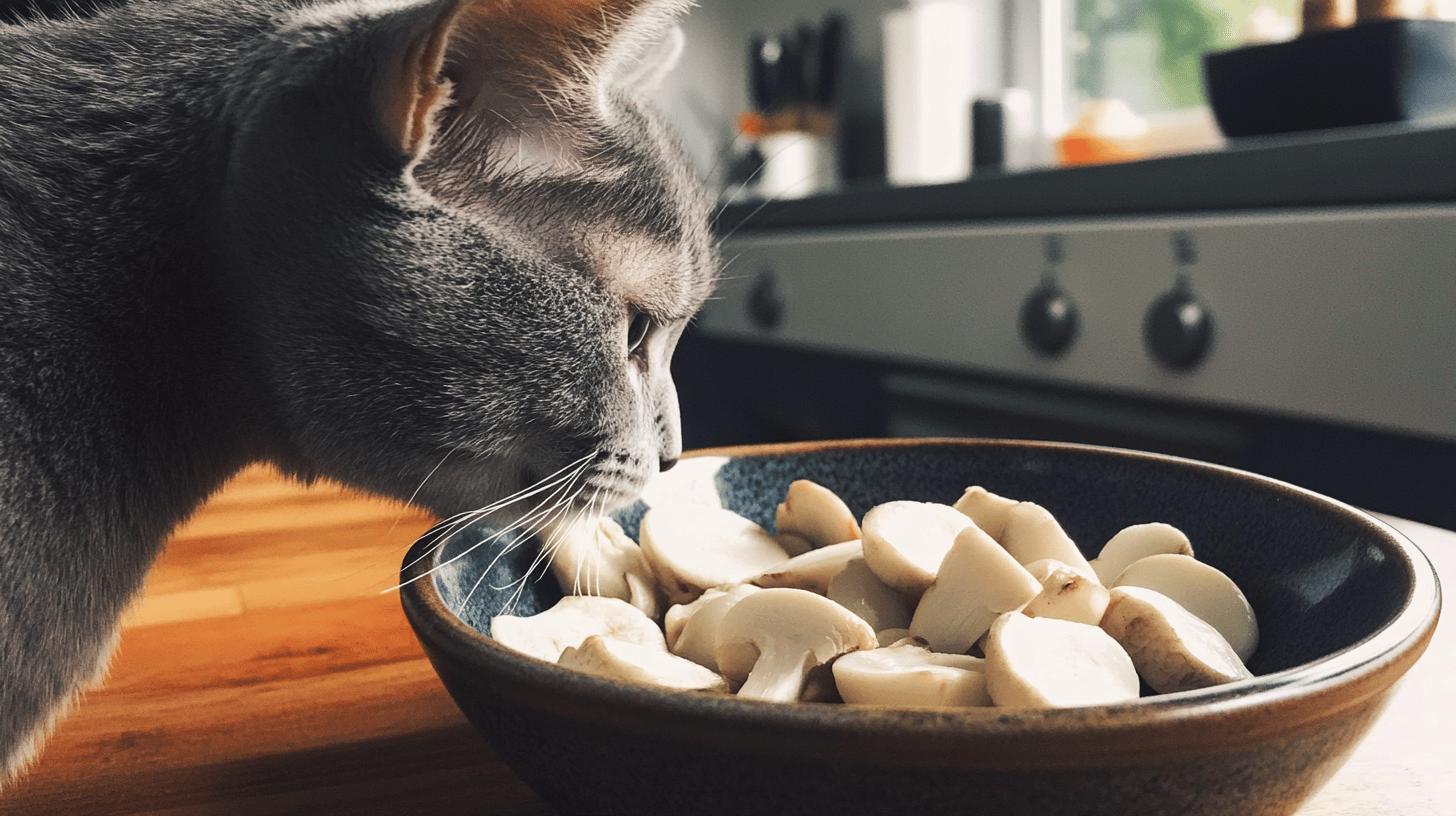
    Are mushrooms a safe snack for your cat, or should you be worried about what grows in your yard? While store-bought mushrooms like white button and portobello can be a nutritious treat, wild mushrooms pose a significant threat to your feline friend. In this article, we’ll dive into how to safely introduce mushrooms into your cat's diet, identify which mushrooms to avoid, and ensure a fun and safe playtime with store-bought options. Let's make certain your curious kitty can explore without any risk of a mushroom mishap.

    Can Cats Eat Mushrooms Safely?

    Can Cats Eat Mushrooms Safely-1.jpg

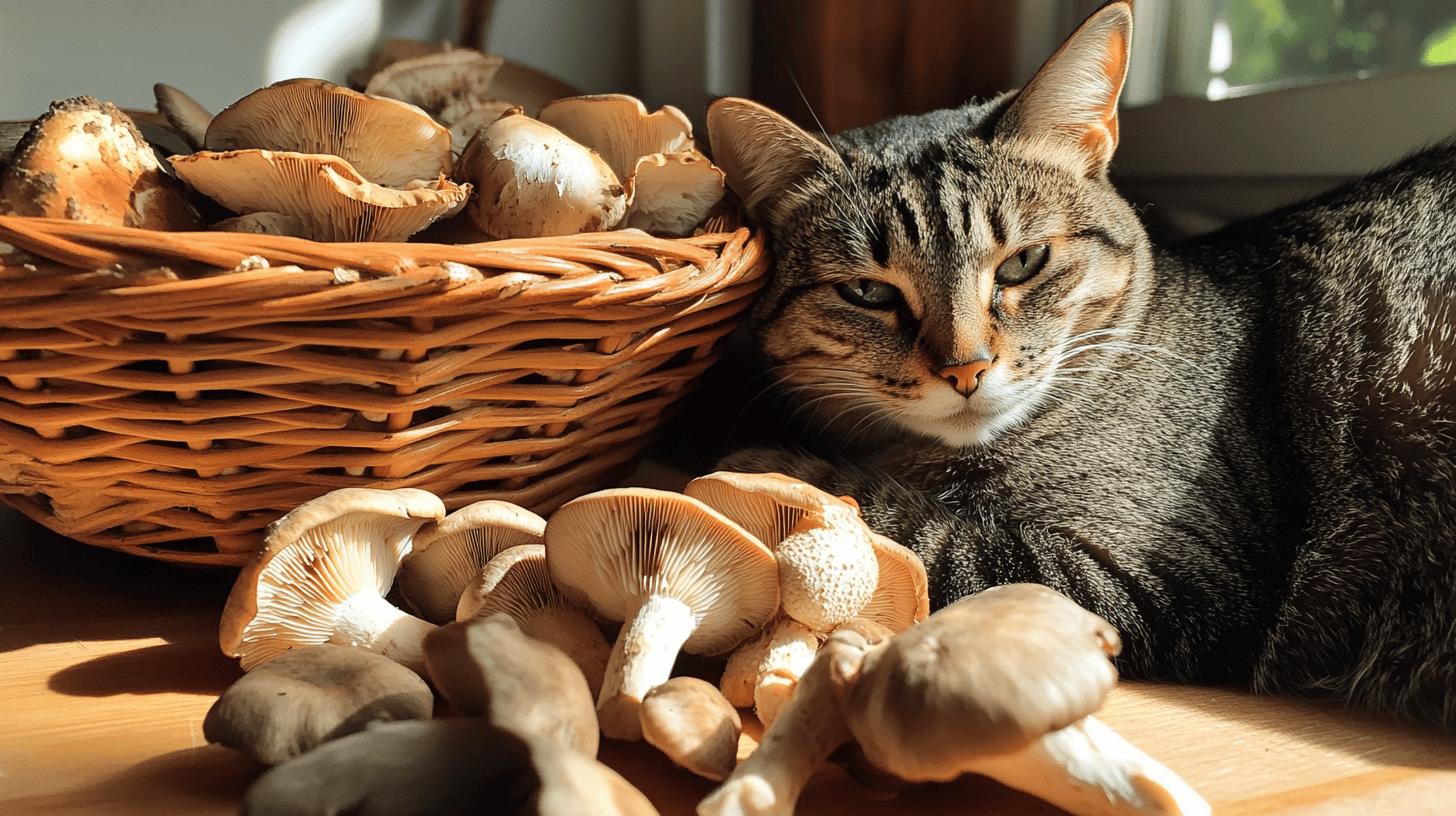
    Store-bought mushrooms like white button, portobello, and shiitake are generally safe for cats. These mushrooms provide some nutritional benefits, including B vitamins and minerals, which can support your cat's overall health. However, they should only be given in moderation and should never replace the meat that cats need for their diet. Cats are obligate carnivores, meaning their primary nutritional requirement is meat, so mushrooms should only be an occasional treat.

    Cooked mushrooms are preferable over raw ones when it comes to feeding your feline friend. Cooking mushrooms makes them easier for cats to digest and reduces the risk of any potential digestive issues. Simply boiling or steaming the mushrooms without adding any seasoning ensures they're safe for your cat to nibble on. Under no circumstances should mushrooms be cooked with garlic, onion, or other spices, as these can be harmful to cats.

    Here's a quick list of safe store-bought mushrooms for your cat to enjoy:

    • White Button
    • Portobello
    • Shiitake

    Remember to introduce any new food slowly and watch for any adverse reactions. While mushrooms can be a fun and safe treat, they should be given sparingly and as part of a balanced diet.

    Identifying Toxic Mushrooms for Cats

    Identifying Toxic Mushrooms for Cats-1.jpg

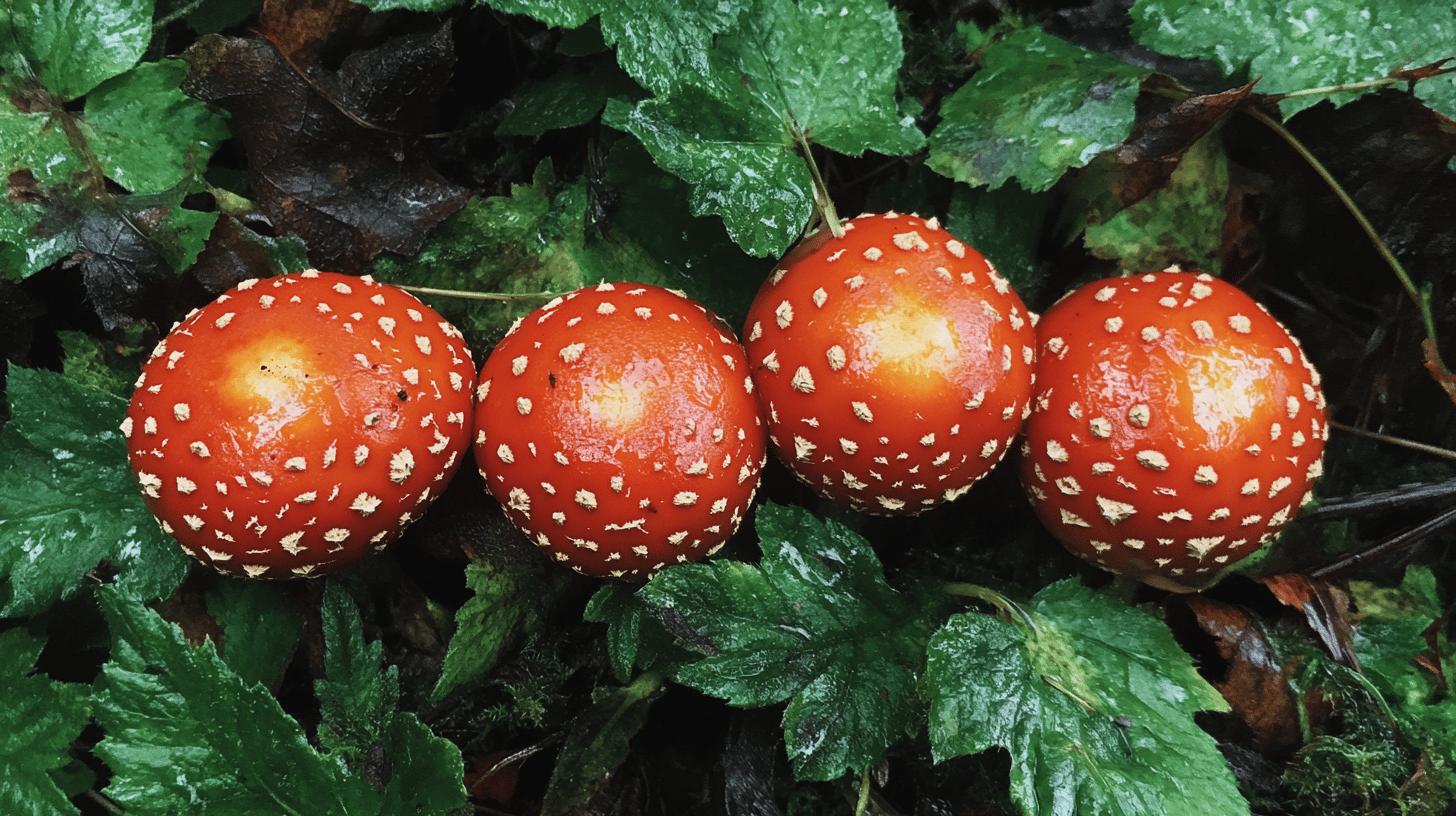
    Wild mushrooms are a significant threat to cats because of their potent toxins. Mushrooms like Fly Agaric, known for its red cap with white spots, can be particularly harmful. The tricky part is that only those who are experienced in mushroom identification can safely determine which mushrooms are non-toxic. This underscores the importance of keeping your cat away from any wild mushrooms. The toxins in these mushrooms can lead to severe symptoms such as tremors, seizures, and even hallucinations in cats. Immediate veterinary care is essential if you suspect your cat has ingested a toxic mushroom.

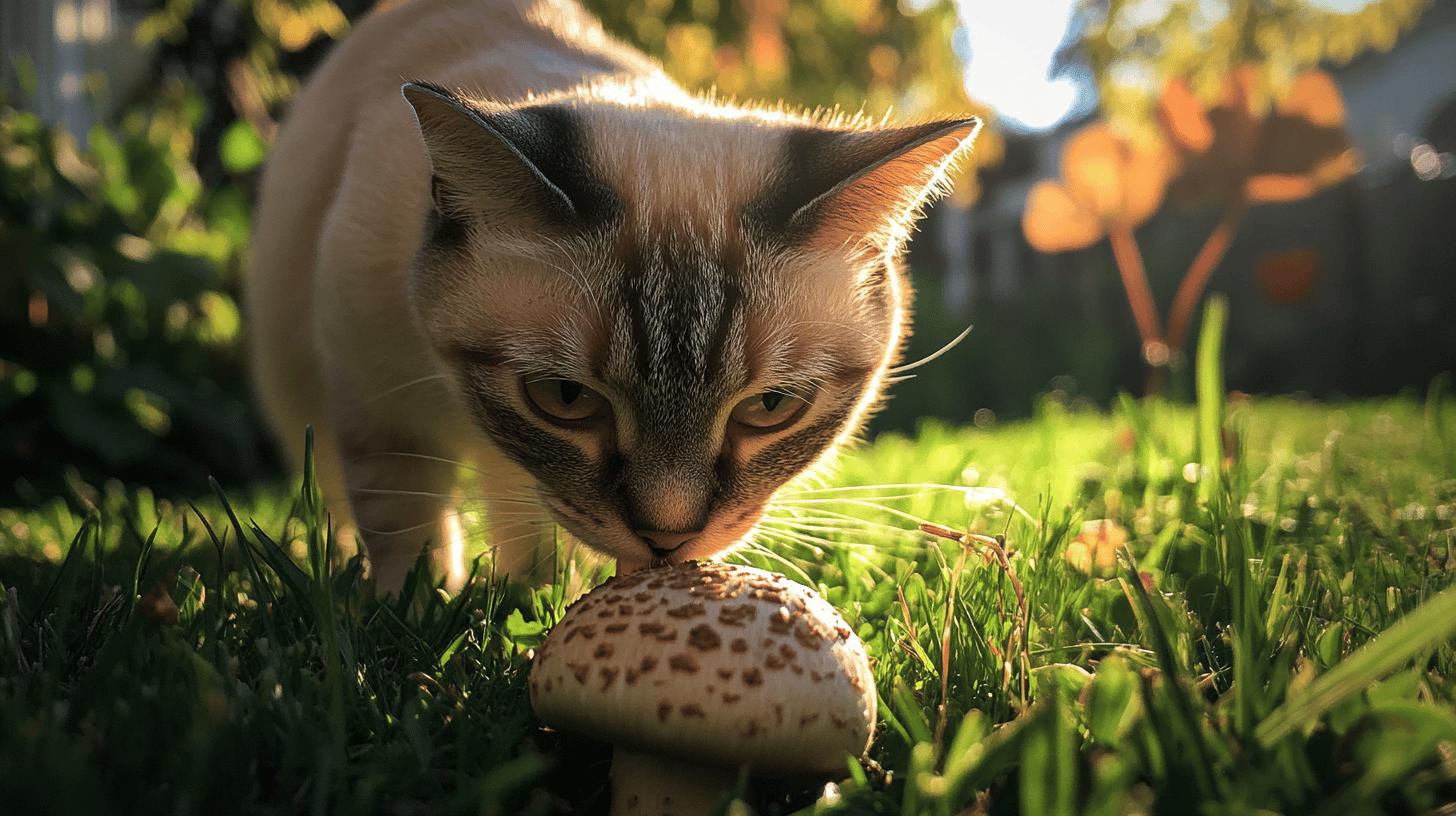
    Cats are naturally curious creatures, and their exploration might lead them to nibble on mushrooms in the garden or during walks. The symptoms of mushroom toxicity can appear quickly, so it's crucial to recognize them early and act fast. If your cat shows any unusual symptoms, contact a vet right away. Always err on the side of caution and remove any mushrooms from areas where your cat might wander. Here’s a quick guide to some common toxic mushrooms and their identifying features:

    Mushroom Name Identifying Features
    Fly Agaric Red cap with white spots
    Deadly Galerina Brown cap, found on decaying wood
    Autumn Skullcap Brown cap with sticky surface
    Destroying Angel White cap with a large, bulbous base

    Symptoms and Treatment of Mushroom Poisoning in Cats

    Symptoms and Treatment of Mushroom Poisoning in Cats-1.jpg

    Mushroom poisoning in cats can manifest with alarming symptoms that pet owners need to recognize quickly. Within just a few hours of ingesting a toxic mushroom, a cat can exhibit signs such as hallucinations, tremors, and seizures. These symptoms indicate a serious reaction that requires prompt attention. Other signs to watch for include vomiting, diarrhea, lethargy, and unsteady gait. Cats may also show changes in behavior or consciousness. Recognizing these symptoms early is crucial for the cat's health and can make a significant difference in the outcome.

    Immediate veterinary care is essential when dealing with mushroom poisoning. The toxins present in some mushrooms can lead to rapid deterioration of a cat's condition. A veterinarian will be able to provide the necessary treatments, which might include inducing vomiting, administering activated charcoal to absorb the toxins, or providing intravenous fluids to support the cat's recovery. Quick action is vital, as delays could lead to more severe complications or even be life-threatening. Do not attempt to treat mushroom poisoning at home beyond basic first aid.

    Emergency First Aid

    In the event of mushroom poisoning, having a well-stocked first aid kit and knowing basic first aid can help stabilize your cat before reaching the vet. First, ensure your cat is in a calm and quiet environment to prevent further stress. Keep the cat hydrated by offering small amounts of water, if possible. Avoid giving any food or medications unless directed by a veterinarian. Note down any symptoms and gather any mushroom remnants to help the vet identify the toxin. Always prioritize reaching a veterinary clinic as soon as possible to give your feline friend the best chance of recovery.

    Health Benefits of Medicinal Mushrooms for Cats

    Health Benefits of Medicinal Mushrooms for Cats-1.jpg

    Medicinal mushrooms such as maitake and reishi can be a powerful addition to your cat's diet. These mushrooms are packed with nutrients that provide a host of benefits for your furry friend. Maitake mushrooms are known for their ability to support healthy cellular function and maintain normal blood sugar levels. Reishi mushrooms, on the other hand, are celebrated for their role in supporting a healthy inflammatory response and boosting the immune system. These mushrooms also promote good circulation and enhance energy levels, making them particularly beneficial for older cats or those with specific health concerns.

    Before you start adding these mushrooms to your cat's meals, it's crucial to consult with a veterinarian. Not all mushrooms are safe, and proper guidance ensures that you're choosing the right ones for your cat's health needs. A vet can help determine the appropriate dosage and address any potential risks, ensuring your cat reaps the benefits without complications. Here are some of the key benefits that medicinal mushrooms can offer your feline friend:

    • Cancer-prevention
    • Liver protection
    • Immune support
    • Enhanced energy and stamina

    With the right approach, medicinal mushrooms can be a valuable component of your cat's wellness routine, helping them live a healthier, more vibrant life.

    Best Practices for Mushroom Safety in Cat Households

    Best Practices for Mushroom Safety in Cat Households-1.jpg

    Creating a mushroom-safe environment for your feline friend is crucial in preventing accidental poisoning. Cats are curious animals, and their exploration can lead them to potentially toxic mushrooms, especially if you have a garden or yard. Regularly inspecting and removing any mushrooms from these areas can significantly reduce the risk of exposure. Additionally, monitoring your cat's outdoor excursions ensures they don't encounter harmful mushrooms when roaming. By setting up mushroom-free zones, you create a safer environment for your pet.

    Preventive measures not only protect your cat's health but can also save you from hefty veterinary bills. Pet insurance claims for dietary indiscretions can be costly, averaging around $642. This highlights the importance of proactive steps in keeping your cat safe. Educating family members and visitors about the risks mushrooms pose to cats can further reinforce these efforts. Awareness is a key factor in ensuring everyone helps maintain a mushroom-free environment for your furry friend.

    • Regularly inspect and remove mushrooms from gardens and yards.
    • Keep an eye on cats during outdoor excursions.
    • Educate family members and visitors about the dangers of mushrooms.

    Final Words

    Store-bought mushrooms like white button and portobello are generally safe for cats, especially when cooked. On the flip side, wild mushrooms like Fly Agaric can be quite dangerous, potentially causing serious symptoms that need quick veterinary care. Symptoms like hallucinations might appear fast and need expert help. Medicinal mushrooms could boost health, but always check with a vet first. Keep your cat's surroundings mushroom-free to prevent any accidents. By knowing all this, cat owners can ensure their furry friends stay safe and have fun without any risks.

    FAQ

    Can cats eat mushroom soup?

    Cats should avoid mushroom soup as it often contains onions and garlic. These ingredients are toxic to cats and can lead to illness. Keep soup away from your cat.

    My cat ate a cooked mushroom. What should I do?

    Cooked store-bought mushrooms like white button, portobello, or shiitake are generally safe for cats. Still, monitor for any signs of distress or allergies and consult your vet if concerned.

    Can cats eat onions or garlic?

    No, cats should never eat onions or garlic. Both are toxic and can cause serious health issues. Keep these ingredients far away from your cat's diet.

    Can cats eat tomatoes?

    Cats should avoid tomatoes as they might cause stomach upset. Unripe tomatoes and tomato plants are particularly toxic due to solanine and should be kept out of reach.

    Is mushroom toxic to cats?

    Wild mushrooms can be toxic and dangerous to cats. Symptoms of toxicity include hallucinations, tremors, and seizures. Always consult your vet if you suspect mushroom poisoning.

    Is mushroom soup ok for cats?

    Mushroom soup is not safe for cats, primarily due to ingredients like onions and garlic. These are toxic to cats and pose a health risk. Avoid feeding to cats.

    Related Articles

  • Can Cat Eat Cakes Understanding the Risks and Safe Alternatives

    Can Cat Eat Cakes Understanding the Risks and Safe Alternatives

    Can cats eat cakes? This might seem like an innocent question, especially when your furry friend eyes your dessert with interest. But there’s more to it than you might think. Cats are not little humans, and their dietary needs are quite different. As much as we love treating ourselves, treating our cats to cake could lead to serious health issues. In this post, we’ll uncover the risks hidden in every slice and share safer, feline-friendly options. Understanding these risks can keep your cat happy, healthy, and entertained without any sugary side effects.

    Can Cats Safely Eat Cakes?

    Can Cats Safely Eat Cakes-1.jpg

    Cats should not eat cakes. As obligate carnivores, their diet is designed to be primarily meat-based, and cakes generally contain ingredients that are harmful to them. While it might seem tempting to let your feline friend enjoy a sweet treat, cakes are not safe for cats. Their digestive systems aren’t equipped to handle the sugars and fats found in these human desserts.

    Here are some of the harmful ingredients commonly found in cakes:

    • Chocolate: Contains theobromine, which is toxic to cats.
    • Sugar: Can lead to obesity and diabetes, as cats do not naturally process sugars well.
    • Nuts (especially macadamia): Known to cause toxicity and digestive upset in cats.
    • Milk: Many cats are lactose intolerant, which can result in stomach issues.
    • High-fat content: Excessive fats can lead to pancreatitis and other health problems.

    The general risks of these ingredients include severe health issues like obesity, diabetes, and digestive problems. Cats need a diet rich in animal protein and low in carbohydrates to thrive. Feeding them cake or any other human food can disrupt their nutritional balance and lead to long-term health complications. To keep your cat healthy, it’s best to stick to a meat-based diet specifically formulated for their dietary needs.

    Health Risks of Cakes for Cats

    Health Risks of Cakes for Cats-1.jpg

    Chocolate is a notorious ingredient in many cakes and poses a significant risk to cats. Containing theobromine and caffeine, chocolate is toxic to our feline friends. Cats are particularly sensitive to these compounds, which can disrupt their nervous system and heart function.

    Here are four symptoms of chocolate poisoning in cats:

    • Vomiting
    • Diarrhea
    • Increased heart rate
    • Seizures

    Cakes also pose other health risks due to their high sugar and fat content. Excessive sugar can lead to obesity, a condition that predisposes cats to diabetes and joint problems. The fatty ingredients in cakes can cause pancreatitis and contribute to weight gain.

    Dental issues are another concern, as sugary foods can lead to tooth decay and gum disease. These long-term health risks highlight the importance of providing a diet that aligns with a cat’s natural nutritional needs.

    Are There Any Safe Cake Alternatives for Cats?

    Are There Any Safe Cake Alternatives for Cats-2.jpg

    Cats can enjoy special treats that mimic the idea of a cake without the risks associated with traditional human cakes. Pet-safe cakes for cats are crafted using ingredients that cater to their dietary needs and avoid harmful substances like sugar, milk, and chocolate. These special “cat cakes” can be a delightful way to celebrate occasions with your feline friend without compromising their health.

    Here are some safe ingredients you can use to make cat cakes:

    • Fish
    • Chicken
    • Eggs
    • Catnip

    Simple Homemade Cat Cake Recipe

    Creating a cat-friendly cake at home is easier than you might think. Start by selecting a protein source like fish or chicken; these are not only safe but also highly appealing to cats. Here’s a simple recipe to try:

    1. Ingredients:
      • 1 small can of tuna or salmon (in water, drained)
      • 1 egg
      • A pinch of catnip
    2. Instructions:
      1. Preheat your oven to 350°F (175°C).
      2. In a bowl, mix the tuna or salmon with the egg and catnip until well combined.
      3. Spoon the mixture into small, greased muffin tins or form into small patties on a baking sheet.
      4. Bake for about 10-12 minutes or until firm.
      5. Let cool completely before serving to your cat.

    Using these alternatives for special occasions allows your cat to partake in celebrations without the health risks associated with human cakes. These homemade treats provide a safe and enjoyable experience tailored to their nutritional needs.

    Why Cakes Are Harmful to Cats

    Cats are obligate carnivores. Their diet must be rich in animal proteins and fats while keeping carbohydrates to a minimum. Feeding cats human food, like cakes, can disrupt this delicate nutritional balance and lead to deficiencies.

    Nutrient Importance for Cats
    Protein Building muscle and energy
    Taurine Heart and vision health
    Vitamins & Minerals Overall health and immune function

    Human foods often lack the necessary levels of protein and taurine, which are essential for cats. These foods can be high in sugars and carbohydrates, which cats are not equipped to digest efficiently. This imbalance can result in serious health issues, such as obesity, diabetes, and other nutritional deficiencies. Sticking to a balanced feline diet tailored to meet their specific needs ensures optimal health for your furry friend.

    Veterinary Advice on Feeding Cats Human Food

    Veterinary Advice on Feeding Cats Human Food-1.jpg

    Veterinarians emphasize the importance of consulting with them before introducing any human food into a cat’s diet. Cats are obligate carnivores and require a diet rich in meat-based nutrients. Many human foods, like cakes, contain ingredients that can lead to nutritional imbalances and health issues for cats. A vet can provide tailored advice to ensure your cat’s diet meets its specific needs.

    Here are three best practices for feeding cats:

    • Consult with a vet before making dietary changes.
    • Stick to a cat-specific diet plan.
    • Regularly monitor your cat’s health and adjust diet as needed.

    Regular veterinary check-ups help maintain your cat’s health by allowing for ongoing dietary assessments and early detection of potential issues. Consulting with your vet ensures you provide the best nutrition and care for your feline friend.

    Final Words

    Exploring the question of “can cat eat cakes,” we found that cakes pose significant health risks for cats. Ingredients like chocolate, sugar, and nuts can be dangerous, leading to conditions like diabetes and obesity. Cats should not indulge in human sweets; instead, they thrive on meat-based diets. Understanding feline dietary needs is crucial to their well-being.

    While cakes might be harmful, there are safe alternatives like homemade cat cakes with safe ingredients such as fish and chicken. Always consult a vet and prioritize a balanced, cat-specific diet to keep your furry friend happy and healthy.

    FAQ

    Can cats eat cakes and chocolate?

    Cats should not eat cakes or chocolate. These contain harmful ingredients like chocolate, sugar, and nuts that can be toxic, especially chocolate which can cause serious health issues.

    What cakes are safe for cats?

    No traditional cakes are safe for cats. Instead, offer cakes made from safe ingredients like fish, chicken, and eggs, which suit their dietary needs.

    Can cats eat cake cream or icing?

    Cats should avoid cake cream and icing due to high sugar and fat content, which can lead to obesity, diabetes, and digestive issues.

    Is it safe for kittens to eat cake?

    Kittens should not eat cake. Their developing systems are even more sensitive to harmful ingredients found in human desserts.

    Can cats eat cupcakes or bread?

    Cats should not eat cupcakes or bread as they often contain sugar, which can lead to health issues. They require a meat-based diet instead.

    What happens if my cat eats cake?

    If a cat eats cake, watch for symptoms like vomiting, diarrhea, and increased heart rate. These can signal poisoning, especially if the cake contains chocolate.

    Will a tiny bit of chocolate cake hurt my cat?

    Even a small amount of chocolate cake can be harmful. Chocolate contains toxic substances for cats, causing serious symptoms or even requiring medical attention.

    Is it normal for cats to like cake?

    Cats are unlikely to want cake naturally, as they don’t crave sweets. Their interest might be curiosity rather than a real taste preference.

    Related Articles

  • Can Cat Eat Pistachios Understanding Risks and Allergies

    Can Cat Eat Pistachios Understanding Risks and Allergies

    Are pistachios a feline-friendly treat, or could they hide some serious risks for your cat? While pistachios may seem harmless compared to obvious dangers like chocolate, they bring their own set of worries. Despite not being toxic, pistachios lack the nutrients cats need and might even spell trouble. In this article, we’ll unravel the potential health issues pistachios pose to cats, from high-fat content leading to obesity to the dangers of sodium poisoning and choking hazards. Dive into understanding whether pistachios have any place in your cat’s diet.

    Can Cats Eat Pistachios? Understanding Risks and Allergies

    Can Cats Eat Pistachios Understanding Risks and Allergies-1.jpg

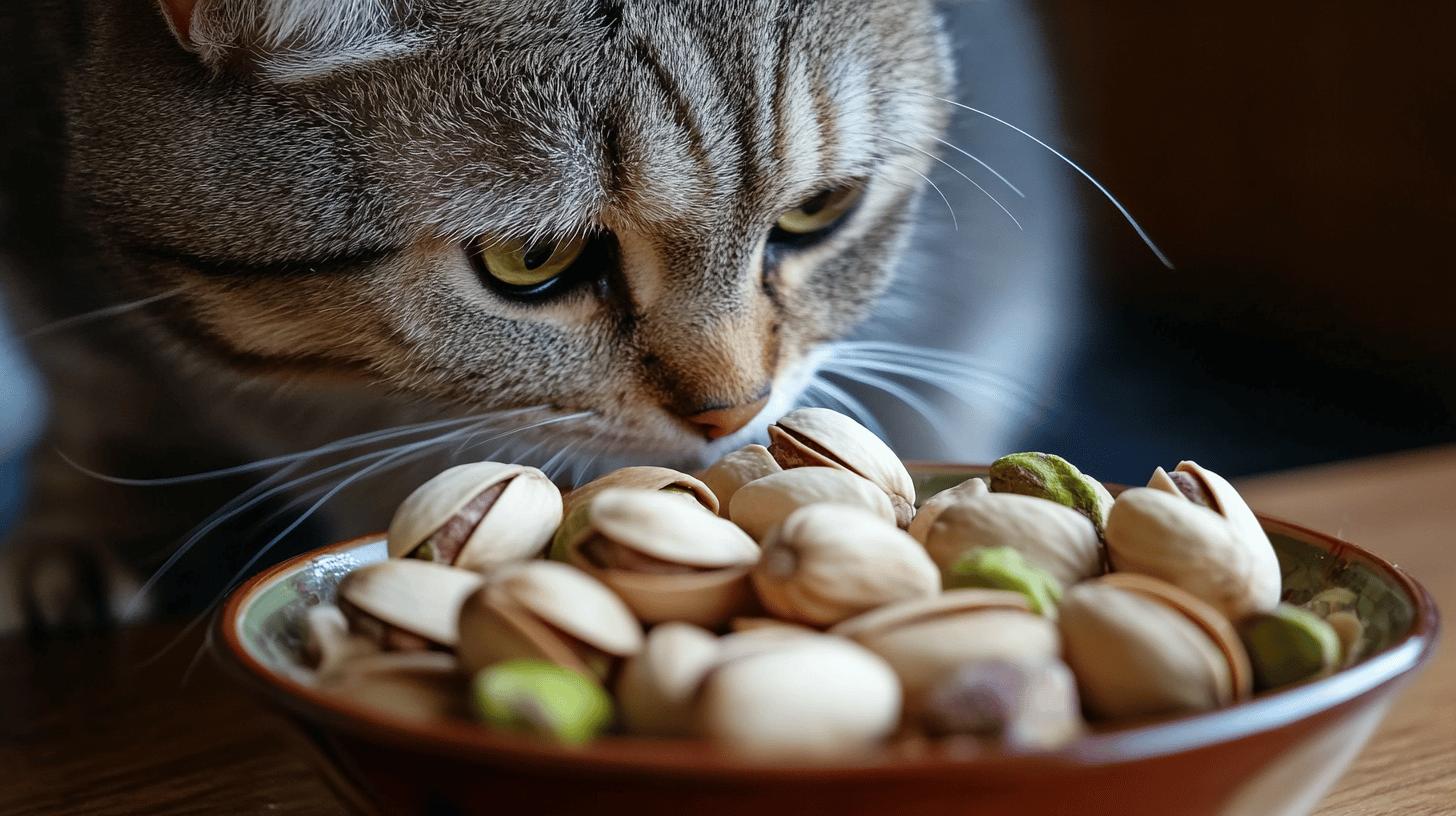
    Pistachios are not toxic to cats, but they are far from a safe snack option. While they don’t possess the immediate danger of chocolate or onions, the health risks associated with pistachios are significant. Cats are obligate carnivores, requiring a diet primarily composed of meat. Pistachios don’t provide any nutritional benefits and can lead to various health issues.

    Potential Health Risks

    1. High-Fat Content: Pistachios are high in fat, which can lead to obesity, diabetes, and pancreatitis in cats. Pancreatitis is a potentially life-threatening condition where the pancreas becomes inflamed. Consuming high-fat foods regularly can stress a cat’s digestive system, leading to serious health problems.
    2. Sodium Poisoning: Many pistachios are salted or flavored, which can be harmful to cats. Sodium poisoning can occur, leading to symptoms such as vomiting, diarrhea, tremors, and in severe cases, kidney damage. Cats do not require salt in their diet, so even small amounts can cause issues.
    3. Choking Hazard: The hard shells of pistachios can pose a choking risk. If ingested, these shells might block a cat’s airway or digestive tract, leading to potentially life-threatening situations.
    1. Gastrointestinal Injury: Even without the shells, pistachios can cause gastrointestinal issues. Cats may experience stomach pain, diarrhea, or other digestive disturbances after consuming these nuts.
    2. Pancreatitis: The high-fat content in pistachios can trigger pancreatitis, an inflammation of the pancreas. This condition can be quite serious, leading to abdominal pain, vomiting, and lethargy.

    Allergies and Symptoms

    Cats can develop allergies to pistachios, though it might not be as common as other food allergies. Symptoms of a pistachio allergy may include itching, swelling, digestive upset, or difficulty breathing. These allergic reactions can vary in severity, from mild discomfort to severe, life-threatening responses. Recognizing these symptoms quickly is crucial for the health of your feline friend.

    Avoiding Pistachios in a Cat’s Diet

    It’s best to keep pistachios out of your cat’s reach. If your cat accidentally ingests pistachios, especially with shells or seasonings, it’s important to monitor them for any symptoms of distress or allergic reactions. Immediate consultation with a veterinarian can prevent potential complications. Keeping pistachio consumption at bay ensures your cat remains healthy and safe from unnecessary risks.

    Safe Alternatives to Pistachios for Cats

    Safe Alternatives to Pistachios for Cats-1.jpg

    Offering cat-friendly snacks is a great way to treat your furry friend without exposing them to potential health risks. Cats are obligate carnivores, and their dietary needs differ from ours. Safe and healthy snacks can provide enjoyment and variety without compromising their health.

    Here are five safe alternatives to pistachios for cats:

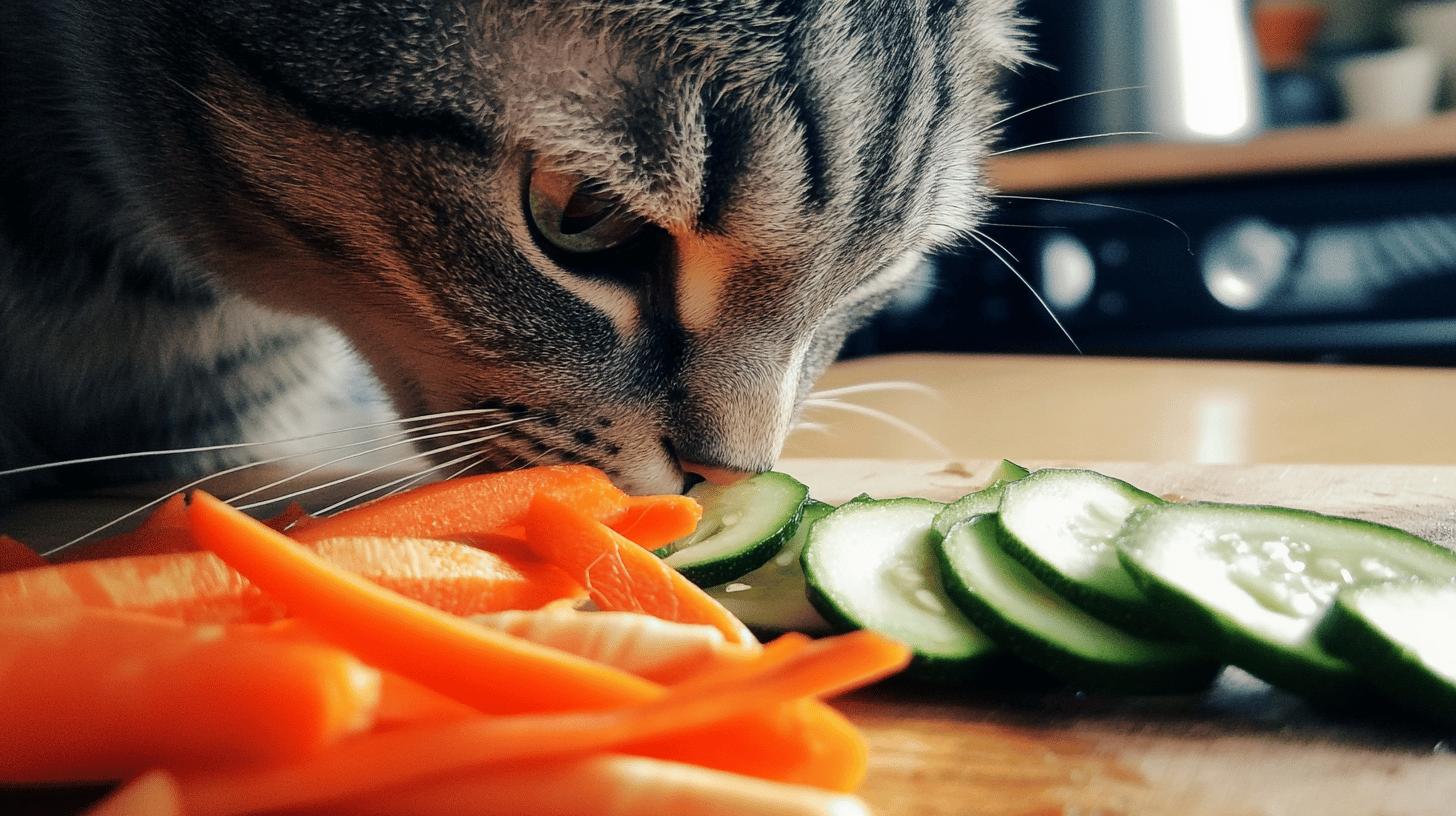
    • Carrots: Cooked carrots are a crunchy and safe treat for cats. Make sure they are soft to avoid choking.
    • Zucchini: Another veggie option, zucchini can be cooked and sliced into small, manageable pieces for your cat.
    • Catnip Croutons: These can be homemade and are often irresistible to cats. They provide a fun and safe treat.
    • Tuna Treats: You can make simple tuna treats at home, ensuring they are free from any added salt or seasonings.
    • Commercial Cat Treats: These are specifically formulated to meet feline dietary needs and are a convenient option.

    Moderation is key when offering treats to your cat. Snacks should not exceed 10% of their daily caloric intake. Ensuring a balanced diet with the majority of calories coming from nutritionally complete cat food helps maintain overall health. By choosing safe alternatives, you can indulge your cat’s curiosity and taste buds without worry.

    Avoiding Pistachios in a Cat’s Diet

    Cats nibbling on pistachios can lead to health issues. Symptoms such as vomiting, diarrhea, and allergic reactions are signs to watch for. Recognizing these early can make a big difference.

    Steps to take if your cat eats pistachios:

    1. Remove Access to Pistachios: Ensure no more pistachios are within your cat’s reach.
    2. Monitor for Symptoms: Look out for vomiting, diarrhea, or any behavior changes.
    3. Contact a Veterinarian: If symptoms appear or if pistachios with shells or seasonings were consumed, call a vet immediately.

    Veterinary consultation is essential to ensure your cat’s health after ingestion of potentially harmful foods. Always stay informed about the foods your cat encounters.

    Final Words

    Exploring the topic of “can cat eat pistachios” exposed the risks, even though pistachios themselves aren’t toxic. The hidden dangers, like high fat, sodium risk, and choking hazards, make them unsuitable for feline friends. Considering allergies, symptoms could range from itching to difficulty breathing. Safer choices, like catnip croutons or carrots, keep playtime healthy. If your cat snacks on pistachios accidentally, act fast and contact a vet. The best approach is keeping unwanted food away, ensuring a happy and safe kitty.

    FAQ

    Are pistachios toxic to cats?

    Pistachios are not toxic to cats, but they pose health risks. The high-fat content can lead to obesity, diabetes, and pancreatitis. Salt and flavorings can cause sodium poisoning.

    Can cats eat pistachio shells?

    Pistachio shells are dangerous for cats. They can cause choking and gastrointestinal injury due to their hard and sharp nature.

    Why does my cat like pistachios?

    Cats may be drawn to pistachios out of curiosity or due to the smell and texture. However, they should not eat them.

    What should I do if my cat ate a pistachio?

    If your cat eats pistachios, especially with shells or seasonings, remove them immediately. Watch for signs like vomiting or diarrhea and contact a vet.

    What are symptoms of pistachio allergies in cats?

    Cats with pistachio allergies may show symptoms like itching, swelling, digestive upset, or difficulty breathing. Seek veterinary help if you notice these signs.

    Can cats eat almonds?

    Like pistachios, almonds are not recommended for cats. They can cause digestive issues and potential choking hazards.

    Which nuts are toxic to cats?

    Macadamia nuts are notably toxic to cats. Pistachios and almonds should also be avoided due to potential health risks.

    Can cats eat pistachio pudding or muffins?

    Cats should not eat pistachio pudding or muffins. These foods contain ingredients that are harmful or unhealthy for cats.

    Related Articles

  • Can Cat Eat Sausage Safety Concerns and Nutritional Insights

    Can Cat Eat Sausage Safety Concerns and Nutritional Insights

    Ever wondered if sharing your breakfast sausages with your feline friend is wise? It might sound tempting, but giving sausage to cats could lead to more harm than you think. This juicy, savory delight is often packed with high fat, salt, and spices that could spell trouble for your furry buddy's health. In this article, we'll explore the safety concerns and nutritional downsides of feeding your cat sausage. Understanding what's inside this common processed meat can help you make better choices for your cat's overall well-being.

    Can Cats Eat Sausage Safely and Nutritional Concerns

    Can Cats Eat Sausage Safely and Nutritional Concerns-1.jpg

    Cats and sausages—a pairing that seems tempting but can be quite troublesome. The main issue with feeding cats sausage lies in the high fat, salt, and spice content. Sausages are processed meats, often loaded with preservatives and artificial additives, which can be harmful to a cat's health. The general composition of sausages includes a mix of meats, cereals, and fillers, primarily carbohydrates, which are not suitable for feline consumption.

    Salt, spices, and preservatives are particularly concerning. Salt in large amounts can cause dehydration, high blood pressure, and renal damage in cats. Spices like onion and garlic powder, commonly found in sausages, can lead to digestive issues and damage red blood cells.

    Potential Negative Effects of Sausage Consumption on Cats:

    • Dehydration from high sodium content
    • Digestive issues from spices like onion and garlic powder
    • Renal damage due to salt overconsumption
    • Nutritional imbalances leading to health problems
    • Risk of obesity from high-fat content

    Sausages also fall short in providing the required nutrition that cats need. Essential nutrients like taurine, vitamins, and minerals are not sufficiently present in sausages. Cats rely heavily on these nutrients for their overall health and well-being.

    Essential Nutrients Lacking in Sausages:

    • Taurine, an amino acid crucial for heart and eye health
    • Vitamins such as A and B complex for immune support
    • Minerals like calcium and phosphorus for bone and tooth health

    Animal protein plays a vital role in a cat's diet, providing the necessary amino acids like taurine that are critical for their survival. A balanced diet that includes appropriate amounts of animal fat, vitamins, and minerals is essential. Processed foods like sausages, with their lack of beneficial nutrients and potential health risks, should not be part of a cat's diet. Instead, focusing on a diet rich in high-quality animal protein will support their health and energy levels.

    Alternatives to Sausages for Cats

    Alternatives to Sausages for Cats-1.jpg

    Finding the right treats for our cats is crucial. We need to ensure they are both safe and nutritious. While sausages might be tempting, there are better choices that provide essential nutrients without the risks associated with processed meats. Offering healthy treats can support their well-being and keep them happy.

    Recommended Alternative Foods:

    • Duck
    • Chicken
    • Lamb liver
    • Tuna
    • Salmon
    • Mackerel

    Unprocessed meats and fish, when well-cooked and free from salt, bones, and skin, make excellent treats. By offering these alternatives, we cater to their natural dietary needs. A balanced diet is vital for maintaining a cat's health. It supports their energy levels and overall happiness. Prioritizing nutritious options ensures our cats thrive.

    What to Do If Your Cat Eats Sausage

    What to Do If Your Cat Eats Sausage-1.jpg

    If your cat has eaten sausage, it's important to monitor them closely for any signs of digestive upset. Sausages can contain ingredients like high sodium and spices that might not sit well with your feline friend. Watch for symptoms of food poisoning, as these can indicate a negative reaction to the sausage.

    Signs to Watch For:

    • Vomiting or diarrhea
    • Lethargy or reluctance to move
    • Loss of appetite

    If you notice any of these symptoms or if your cat has consumed a large amount of sausage, it's crucial to seek veterinary advice. While small amounts might not immediately harm your cat, regular intake should be avoided to prevent potential health issues. A vet can provide guidance and ensure your cat's safety and well-being.

    Final Words

    After exploring the question "can cat eat sausage," we've uncovered the many risks sausages pose to feline health. With high fat, salt, and spices, sausages can be harmful to cats, leading to potential dehydration, high blood pressure, and more. They lack the essential nutrients like taurine, crucial for your cat's well-being. Instead, consider safer alternatives such as chicken or fish to keep your cat healthy and happy. Always prioritize a balanced diet that meets their nutritional needs. Your kitty deserves the best, and a little care goes a long way!

    FAQ

    Are sausages okay for cats?

    Sausages are not safe for cats. They contain high fat, salt, and spices, which can harm cats' health, causing dehydration, blood pressure issues, and potentially renal damage.

    Can cats have bacon or sausage?

    Cats should not have bacon or sausage. These processed meats contain preservatives and additives unsuitable for cats and can cause health problems.

    What meat should cats not eat?

    Cats should avoid processed meats like sausages due to high sodium and spicy content. Ingredients like onion and garlic powder can harm cats' digestive system and red blood cells.

    Why can't cats eat pork?

    Cats can eat plain, cooked pork without spices, but processed pork like sausage with additives and high salt may cause health issues.

    Can cats eat sausage rolls or patties?

    Sausage rolls and patties usually contain unhealthy fats, salts, and fillers. They're not advisable for cats due to potential digestive and health issues.

    Can cats eat cheese?

    While cheese isn't toxic, it's not ideal. Many cats are lactose intolerant, and cheese can cause digestive upset. Feed sparingly, if at all.

    Can cats eat bacon?

    Like sausages, bacon is high in salt and fat. Regular feeding can lead to health issues like obesity and heart disease.

    Can cats eat eggs?

    Yes, in moderation. Eggs are a good protein source if cooked without seasoning. Always avoid raw eggs due to the risk of foodborne illness.

    What can cats eat?

    Cats thrive on animal proteins. Safe human foods include plain cooked chicken, tuna, or turkey without added spices or salt.

    Can cats eat bread?

    Bread isn't toxic but offers little nutritional benefit. Should be fed rarely and in small amounts to avoid gastrointestinal upset.

    What are some safer food alternatives to sausages for cats?

    • Cooked chicken
    • Cooked turkey
    • Lamb liver
    • Tuna
    • Salmon
    • Sardines

    Choosing safe and nutritious treats ensures a balanced and healthy diet for your cat. Always prioritize unprocessed, well-cooked options.

    What should I do if my cat eats sausage?

    Monitor for digestive issues like vomiting or diarrhea. If symptoms persist or a large amount was eaten, contact a vet. Small occasional amounts may not be harmful but avoid regular feeding.

    Related Articles

  • Can Cat Eat Pomegranate Safely Expert Tips and Insights

    Can Cat Eat Pomegranate Safely Expert Tips and Insights

    Are pomegranates a hidden treasure for your cat, or just a colorful risk? As cat lovers, we often wonder what human foods can safely add a twist to our feline's diet. Before you start sharing this juicy fruit with your furry friend, it's crucial to know what's safe. Let's delve into expert tips on feeding pomegranate to cats. We'll explore the possible benefits and risks to ensure your cat enjoys a healthy, balanced diet. Grab your curiosity catnip and join us to uncover the truth about pomegranates for cats!

    Can Cats Safely Eat Pomegranate?

    Can Cats Safely Eat Pomegranate-1.jpg

    Cats can eat pomegranate in moderation, as it is not toxic to them. However, it's crucial to remember that cats are obligate carnivores, meaning their diet should primarily consist of animal-based proteins. While pomegranate might seem like a fun treat due to its vibrant color and juicy texture, it does not provide the essential nutrients that cats need. Veterinary experts suggest that any introduction of pomegranate into a cat's diet should be done cautiously and sparingly. The seeds of the fruit can pose a choking hazard, and excessive consumption might lead to digestive issues. Therefore, moderation is key when considering pomegranate as an occasional snack for your feline friend.

    When offering pomegranate to cats, consider these safety tips:

    • Always remove seeds or mash them.
    • Offer in small, occasional amounts.
    • Monitor for any adverse reactions.
    • Avoid feeding to kittens.
    • Do not use as a primary food source.

    Moderation is paramount when it comes to feeding pomegranate to cats. It's essential to prioritize a balanced diet formulated specifically for their carnivorous needs. While pomegranate can be an occasional treat, it should never replace the regular food that provides the vital nutrients necessary for a cat's health and well-being.

    Potential Health Benefits of Pomegranate for Cats

    Potential Health Benefits of Pomegranate for Cats-1.jpg

    Pomegranates contain nutrients like Vitamin C, fiber, potassium, and folic acid. These components are known to support functions such as digestion and immune health. Despite these nutrients, cats, being obligate carnivores, do not need these from pomegranates.

    Nutrient Potential Benefit
    Vitamin C Supports immune function
    Fiber Aids digestion
    Potassium Maintains electrolyte balance
    Folic Acid Supports red blood cell health

    While these nutrients suggest some benefits, their relevance to a cat's diet is minimal. Cats naturally produce Vitamin C, and they primarily need animal protein. The tannins and acids in pomegranates can also cause digestive issues, underscoring the importance of moderation and focusing on a diet suited to their carnivorous nature.

    Can Cats Safely Eat Pomegranate?

    Risks of Feeding Pomegranate to Cats-1.jpg

    Feeding pomegranate to cats can lead to digestive problems. The fruit contains tannins and acids that aren't easy for cats to digest. These compounds can cause gastrointestinal issues like vomiting and diarrhea when ingested. Cats have a digestive system designed for animal proteins, not plant-based foods. This makes pomegranate a potential irritant that can upset their stomachs. Watching for any adverse reactions after your cat consumes pomegranate is crucial.

    The seeds and arils of pomegranate pose a choking hazard. They can easily get lodged in a cat's throat, risking choking. If swallowed, the seeds might cause digestive blockages. Ensure seeds are mashed or removed before offering pomegranate to cats.

    Symptoms to watch for if your cat consumes pomegranate include:

    • Vomiting
    • Diarrhea
    • Stomach upset
    • Lethargy
    • Loss of appetite
    • Allergic reactions

    Given these risks, avoid feeding pomegranate to cats regularly. Though a small amount might not harm every cat, the risks often outweigh any benefits. Cats thrive on a diet suited to their carnivorous needs, so sticking to foods made for their dietary requirements is best.

    Safe Alternatives to Pomegranate for Cats

    Safe Alternatives to Pomegranate for Cats-1.jpg

    While pomegranate isn't the best choice for our feline friends, there are other fruits that can serve as safe and tasty treats. Cats are obligate carnivores, but they may enjoy the occasional fruit snack. Introducing safe fruits can add a bit of variety to their diet without compromising their health. It's important to choose fruits that won't upset their digestive system or present choking hazards. Offering these alternatives can satisfy your cat's curiosity about human food while ensuring they remain healthy and happy.

    Here are some safe fruits for cats:

    • Apple (without seeds): High in fiber, aids digestion.
    • Blueberry: Rich in antioxidants, supports immune health.
    • Cantaloupe: Hydrating, provides vitamins A and C.
    • Watermelon (seedless): Refreshing treat, aids hydration.
    • Pumpkin: Supports digestive health, high in fiber.

    Incorporating these fruits into a cat's diet should be done sparingly and thoughtfully. Fruits should never replace the primary animal-based diet cats require. Instead, they can be given as occasional treats or rewards. Always introduce new foods slowly and observe your cat for any adverse reactions. By sticking to fruits known to be safe, you can add a delightful twist to your cat's diet without any unnecessary risks.

    Understanding Fruit Consumption in Feline Diets

    Understanding Fruit Consumption in Feline Diets-1.jpg

    Cats thrive on a diet rich in animal-based proteins. As obligate carnivores, their digestive systems are tailored to extract crucial nutrients from meat, supporting their muscle development and energy needs. Fruits or vegetables aren't necessary for fulfilling their dietary requirements. Instead, their meals should focus on providing the essential animal proteins and fats they need to stay healthy.

    Fruits can serve as occasional treats, adding a bit of variety without compromising their main dietary focus. Choosing safe, non-toxic fruits like apples or blueberries is important. Offer these in small amounts and observe for any adverse reactions. By keeping fruits as an occasional addition rather than a staple, we ensure that cats maintain the nutritional balance they need.

    Final Words

    Exploring the safety of pomegranates for cats, we found they're non-toxic but risky if not given with care. While they have some nutrients, their benefits don't justify regular inclusion in a cat's diet. The seeds pose choking hazards, and overindulgence can upset digestion. For safe and healthy treats, cats should primarily consume meat, while small portions of certain fruits can be offered occasionally. Always remember moderation is key. Choosing the right treats can provide enrichment without compromising your cat's health. Enjoy watching your cat play and snack safely!

    FAQ

    Are pomegranates safe for cats to eat?

    Cats can eat pomegranate in moderation. Pomegranates are not toxic but should be given sparingly because they should not replace the regular diet of obligate carnivores.

    Is pomegranate toxic to pets?

    Pomegranates are not toxic to cats or dogs, but caution is advised when offering them due to potential digestive issues and choking hazards from seeds.

    What fruits can cats eat?

    Safe fruits for cats include small apple pieces (without seeds), blueberries, cantaloupe, seedless watermelon, and pumpkin. These should be offered occasionally as treats within a balanced diet.

    What fruit is toxic to cats?

    Some fruits like grapes and raisins are toxic to cats. Always check with a vet before introducing any new fruit into a cat's diet.

    Can cats eat mango?

    Cats can eat small amounts of mango. Like other fruits, remove the skin and pit and offer it as an occasional treat, not as a primary food.

    What animals cannot eat pomegranates?

    Animals like dogs and cats should only have pomegranates in small amounts due to digestive concerns. Always monitor for any adverse reactions.

    Related Articles

  • Can Cat Eat Salt Understanding Safe and Toxic Levels

    Can Cat Eat Salt Understanding Safe and Toxic Levels

    Can a sprinkle of salt be harmful to your cat, or could it be a necessary part of a healthy diet? As cat owners, it's crucial to understand how much salt is too much for our feline friends. While sodium supports vital functions like nerve communication and muscle movement, too much can pose severe health risks. To keep your cat safe, we'll explore safe sodium levels and explain how to detect salt toxicity signs. Understanding these factors could be the difference between a healthy kitty and a health scare.

    Can Cats Safely Consume Salt? Understanding Safe and Toxic Levels

    Can Cats Safely Consume Salt Understanding Safe and Toxic Levels-1.jpg

    Cats can safely consume salt, but only in controlled amounts. Sodium is essential for cats, contributing to nerve function, muscle movement, and fluid balance. However, excessive salt can lead to serious health issues.

    Sodium is necessary in a cat's diet primarily for:

    • Nerve Function: Ensures proper communication between the brain and body.
    • Muscle Movement: Supports contraction and relaxation of muscles.
    • Fluid Balance: Regulates hydration levels within cells.
    • Blood Pressure Regulation: Maintains healthy blood pressure.
    • Acid-Base Balance: Keeps the body’s pH levels in check.

    Though sodium is vital, more than 41 mg of salt per day is considered poisonous for cats. Cats should not consume over one gram of salt per two pounds of body weight. Understanding these toxic levels is crucial to prevent health risks.

    Weight (lbs) Toxic Salt Amount (g)
    5 2.3
    10 4.5
    15 6.8

    Monitoring your cat's salt intake is essential to avoid accidental ingestion of toxic levels. This involves checking commercial cat food labels and keeping salty human foods out of reach. Regular dietary monitoring helps ensure a cat's well-being and prevents harmful overconsumption.

    Symptoms and Treatment of Salt Toxicity in Cats

    Symptoms and Treatment of Salt Toxicity in Cats-1.jpg

    Salt toxicity in cats can be a serious condition that requires prompt attention. Early signs of salt poisoning can be subtle but are crucial to identify. If your cat has been exposed to excessive salt, you may notice some changes in their behavior or physical state. Early detection is key to preventing more severe symptoms.

    Here are some symptoms of salt toxicity to watch for:

    • Vomiting: One of the first signs that your cat might have ingested too much salt.
    • Increased Water Consumption: Cats may drink more water in an attempt to flush out excess sodium.
    • Diarrhea: Accompanies vomiting as the body tries to rid itself of the excess salt.
    • Muscle Weakness: Cats may appear lethargic or unable to move as easily.
    • Twitching or Tremors: Uncontrolled movements can indicate muscle issues due to salt.
    • Rapid Heartbeat: An increased pulse is a sign of stress on the system.
    • Seizures: Severe salt toxicity can result in seizure activity.
    • Disorientation: Confusion or staggering is a late-stage symptom indicating severe sodium imbalance.

    Recognizing these symptoms can help you act quickly. If you suspect salt poisoning, immediate intervention is crucial. Begin by assessing the situation and acting swiftly to aid your cat.

    Here are treatment measures to consider:

    • Offer Fresh Water: Encourage your cat to drink water, which can help dilute the salt.
    • Limit Food Intake: Temporarily stop offering food to prevent further salt ingestion.
    • Observe Closely: Keep a close eye on your cat’s behavior and physical condition.
    • Contact a Veterinarian: Professional advice is necessary for handling salt toxicity.
    • IV Fluids: At the vet, your cat might receive IV fluids to rehydrate and balance electrolytes.
    • Electrolyte Monitoring: Regular checks to ensure your cat’s levels return to normal.

    Prompt veterinary care can make a significant difference in your cat's recovery from salt toxicity. The prognosis is usually excellent with early treatment, and most cats recover fully with proper medical intervention. Always keep an eye on your cat's environment and diet to prevent accidental salt ingestion.

    Preventing Salt Overconsumption in Cats

    Preventing Salt Overconsumption in Cats-1.jpg

    Excessive salt intake in cats often comes from unexpected sources. Human foods like salted meats and canned tuna are common culprits. These foods can easily lead to an overdose of sodium, which is not safe for our feline friends. It's essential to be aware of what your cat might consume, especially if they tend to be curious about human snacks.

    Here are some preventive measures to help manage your cat's salt intake:

    • Avoid giving your cat salty human foods, including snacks and table scraps.
    • Ensure your cat always has access to fresh, clean water.
    • Stick to feeding your cat commercial cat food, which has balanced sodium levels.
    • Provide cat-specific treats instead of sharing your own.
    • Regularly check your cat’s environment for potential salty hazards, like spilled food.

    Monitoring your cat's diet is crucial in preventing salt overconsumption. Keep an eye on what they eat and make adjustments as necessary. Regular dietary monitoring helps prevent accidental ingestion of harmful salt levels, keeping your cat healthy and safe.

    Final Words

    Understanding the safe and toxic levels of salt for cats is essential for their health. Cats can technically eat salt, but only in tiny amounts. Balancing sodium intake is vital, as cats require it for basic functions. However, too much salt can lead to salt toxicity. Recognizing and treating symptoms quickly ensures a good recovery. Prevention is key, so avoid feeding salty human foods and provide fresh water consistently. By keeping these tips in mind, you can help ensure your cat's safety and well-being, leading to happy, healthy playtimes.

    FAQ

    What happens if a cat eats salt?

    A: If a cat eats salt, it might show symptoms like vomiting or increased thirst. Severe cases can lead to serious health issues like seizures. Quick vet care improves recovery chances.

    Can salt kill cats?

    A: Yes, excessive salt can be fatal to cats. More than one gram per two pounds of body weight is dangerous. Immediate attention is critical if you suspect salt poisoning.

    How much salt is safe for cats?

    A: Safe salt levels for cats are typically met by commercial cat food. Consuming more than 41 mg of salt daily can be harmful, so monitor their intake closely.

    What to do if a cat eats salt?

    A: If your cat eats too much salt, watch for symptoms like vomiting or disorientation. Consult a vet immediately if symptoms arise, as quick treatment is crucial.

    Can cats eat salted meat or fish?

    A: Cats should not eat salted meat or fish as they contain high salt levels, which can affect their health. Stick to cat-approved foods to avoid complications.

    How to treat salt poisoning in cats at home?

    A: Treating salt poisoning requires professional care. At home, ensure your cat has access to fresh water and get veterinary help quickly for the best outcome.

    Is salt bad for cat paws?

    A: Salt isn't specifically harmful to cat paws, but ingesting salt can cause health issues. Be cautious with floor cleaners or de-icers that might contain salt.

    Can cats have pepper?

    A: Cats should avoid pepper. It can irritate their digestive system and isn't part of a healthy diet for them. Stick to cat-friendly foods and treats.

    Why do cats love salt?

    A: Cats might be drawn to salt due to its taste or because they instinctively seek out sodium. Yet, their sodium needs are typically met through cat food.

    Related Articles

  • Can Cats Eat Peas Safely and Healthily

    Can Cats Eat Peas Safely and Healthily

    Can cats eat peas safely, or are we putting our furry friends at risk? It’s a question that tickles the curiosity of many cat owners seeking to enrich their pet’s diet with nutritious options. The good news is that peas can be a safe and healthy treat for cats. Packed with vitamins and fiber, peas offer a surprising punch of health benefits. But moderation is key in keeping our cats happy and safe. In this post, we’ll dive into the dos and don’ts of feeding peas to your feline friend, ensuring a delightful and safe snacking experience.

    Can Cats Safely Eat Peas?

    Can Cats Safely Eat Peas-1.jpg

    Cats can indeed enjoy peas as a safe and healthy treat. Peas are not only non-toxic but also offer nutritional benefits, providing vitamins and fiber. However, it’s crucial to keep their consumption moderate to prevent any potential gastrointestinal issues.

    Safe Types of Peas for Cats

    • Garden Peas: Also known as English peas, these can be served fresh or cooked.
    • Snap Peas: These are safe and can be a crunchy treat, provided they are not too hard for your cat to chew.
    • Snow Peas: These can be offered, but ensure they are adequately prepared to prevent choking.

    When serving peas to your furry friend, always make sure they are plain. This means no added salt, butter, or seasonings that could upset their stomach or lead to other health problems. Cooking peas softens them, making them easier for cats to chew and digest, especially for kittens or older cats with dental issues.

    Moderation is the golden rule—just a few peas can be a delightful snack without overshadowing their main diet. Always observe your cat after introducing any new food, including peas, to ensure they don’t have any adverse reactions.

    Nutritional Benefits of Peas for Cats

    Nutritional Benefits of Peas for Cats-1.jpg

    Peas are a small yet mighty addition to a cat’s diet, packed with essential nutrients that support various aspects of feline health. Among the key vitamins found in peas are vitamins A, B1, B6, C, and K. These vitamins play crucial roles in maintaining a cat’s well-being. Vitamin A is vital for eye health, helping maintain sharp vision. B vitamins are instrumental in muscle function and nerve health, ensuring your kitty stays agile and alert. Vitamin C boosts the immune system, while vitamin K is essential for healthy bones.

    Nutrient Benefit for Cats
    Vitamin A Supports eye health
    Vitamin B1 & B6 Aids muscle function and nerve health
    Vitamin C Boosts immune system
    Vitamin K Essential for strong bones
    Protein Contributes to muscle development

    But that’s not all. Peas are also rich in important minerals like manganese, copper, potassium, and iron, which are essential for overall health. Manganese and copper support metabolic functions, while potassium helps with heart and muscle function. Iron is crucial for carrying oxygen in the blood, ensuring your cat remains energetic and healthy.

    Additionally, peas contain lutein and linoleic acid. Lutein is known for supporting eye health, while linoleic acid contributes to maintaining healthy skin and a shiny coat. By incorporating peas into your cat’s diet, you can provide them with a natural source of these beneficial nutrients without any complex preparation.

    How to Serve Peas to Your Cat

    Peas can be a delightful treat for your cat, but how you serve them matters a lot. You can offer peas fresh, cooked, or even frozen, but it’s key to ensure they are prepared in a way that suits your cat’s needs. When cooking peas, it’s best to avoid any seasonings like salt, pepper, or oil which can upset your cat’s stomach. If you decide to serve them frozen, make sure they are soft enough for your cat to chew comfortably.

    Here’s a simple guide to serving peas to your cat:

    1. Select Fresh Peas: Start with fresh garden or snap peas. Ensure they are washed thoroughly to remove any pesticides or dirt.
    2. Cook Gently: If you opt for cooked peas, steam them until they are tender. This makes them easy to chew and digest.
    3. Mash for Easier Eating: For cats with dental issues or very young kittens, mash the cooked peas into a softer consistency.
    1. Serve Plain: Always present the peas without any seasoning. Cats prefer their food plain, and it’s healthier for them.
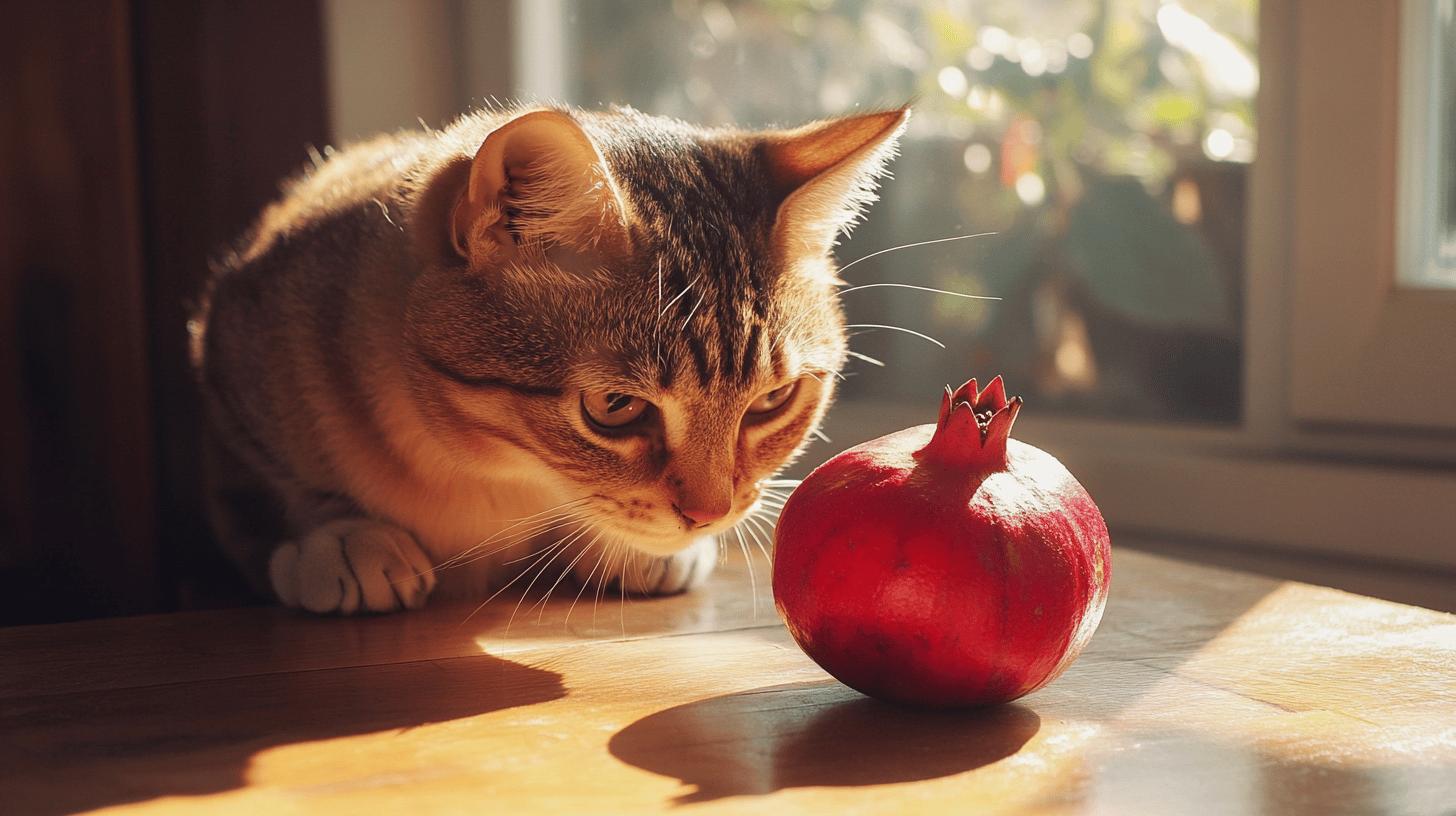
    2. Monitor Portion Size: Limit the number of peas to a small handful to ensure they don’t interfere with your cat’s regular diet.

    For cats with dental issues or those who struggle with chewing, mashed or thoroughly cooked peas are ideal. This softer texture prevents any choking hazard and makes it easier for them to enjoy the treat. Always keep an eye on your cat when introducing new foods to ensure they’re comfortable and don’t exhibit any adverse reactions.

    Can Cats Safely Eat Peas?

    Health Considerations and Risks of Feeding Peas to Cats-2.jpg

    Feeding peas to your cat can be safe, but moderation is crucial. Cats have sensitive digestive systems, and too many peas might cause gastrointestinal issues.

    Specific Adverse Reactions

    • Allergies: Watch for hair loss or skin irritation.
    • Digestive Issues: Upset stomach, diarrhea, or vomiting.
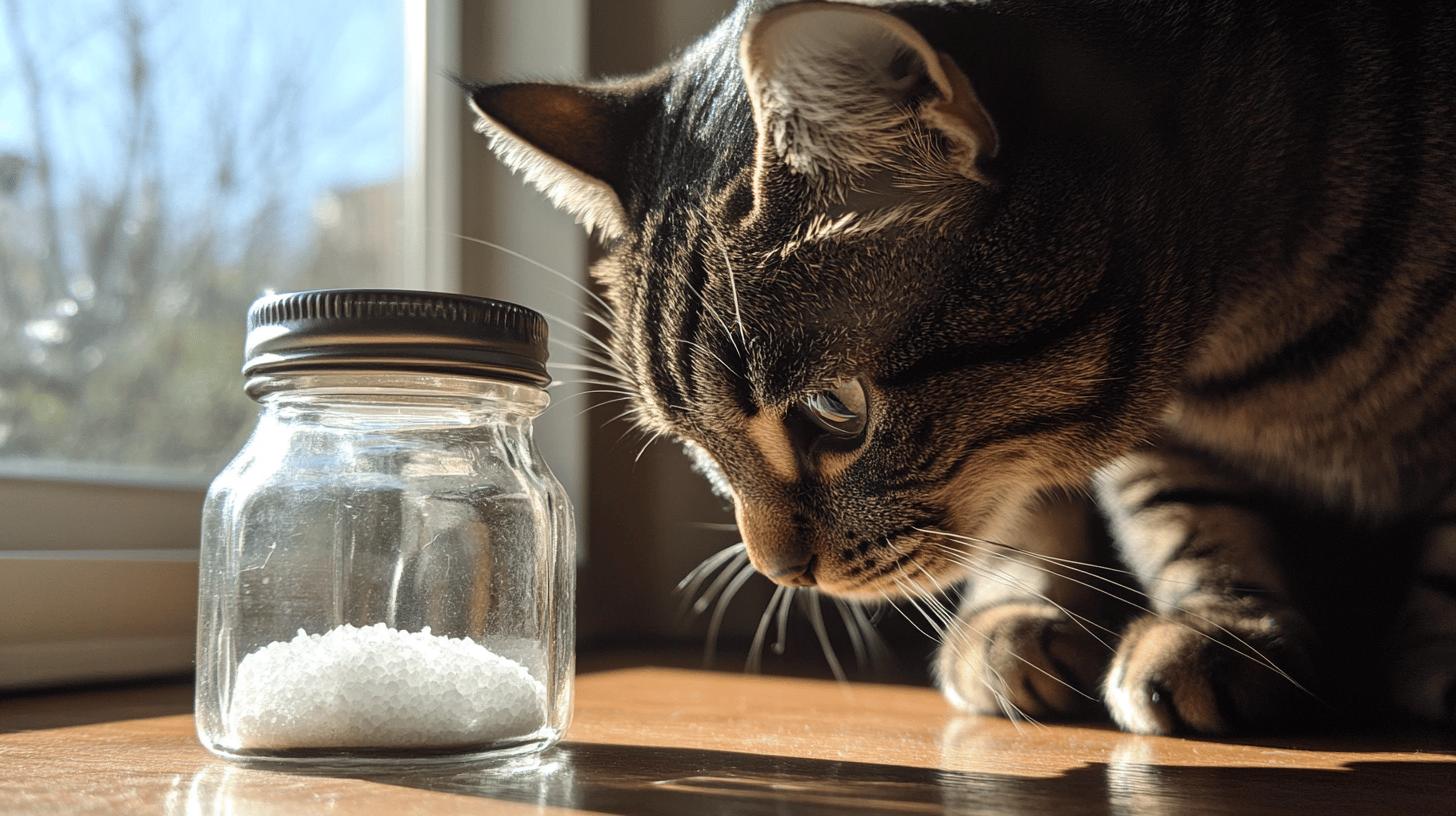
    Consulting a veterinarian is essential, especially if your cat has existing health conditions or allergies. A vet can offer guidance on how to safely include peas in your cat’s diet. Always observe your cat’s response to new foods to maintain their health.

    Comparing Peas with Other Vegetables for Cats

    Comparing Peas with Other Vegetables for Cats-1.jpg

    Cats can enjoy a variety of vegetables in their diet, but not all are safe. Alongside peas, some other safe vegetables include carrots, cucumber, and broccoli. These vegetables can provide essential nutrients and a bit of variety to your cat’s regular diet. Carrots are known for their high vitamin A content, which supports eye health. Cucumber offers hydration due to its high water content, while broccoli is rich in fiber and antioxidants, contributing to overall well-being.
    Vegetable Benefits Risks
    Peas Rich in vitamins and fiber Overconsumption can cause digestive issues
    Carrots High in vitamin A, good for eyesight Raw carrots can be hard to digest
    Cucumber Hydrating, low in calories Excess amounts may lead to diarrhea
    Broccoli Contains fiber and antioxidants Can cause gas if eaten in large quantities

    It’s crucial to avoid vegetables that can harm your cat. Canned vegetables with high sodium content should be off-limits, as excessive sodium can lead to health issues like hypertension. Additionally, certain vegetables like onions, garlic, and chives are toxic to cats and must be avoided entirely. Vegetables, when given in moderation, can act as healthy treats and offer nutritional benefits, but they should not replace the primary protein-based diet that cats need. Always introduce new foods slowly and monitor your cat’s health, consulting with a veterinarian as necessary to ensure the safety of your feline friend.
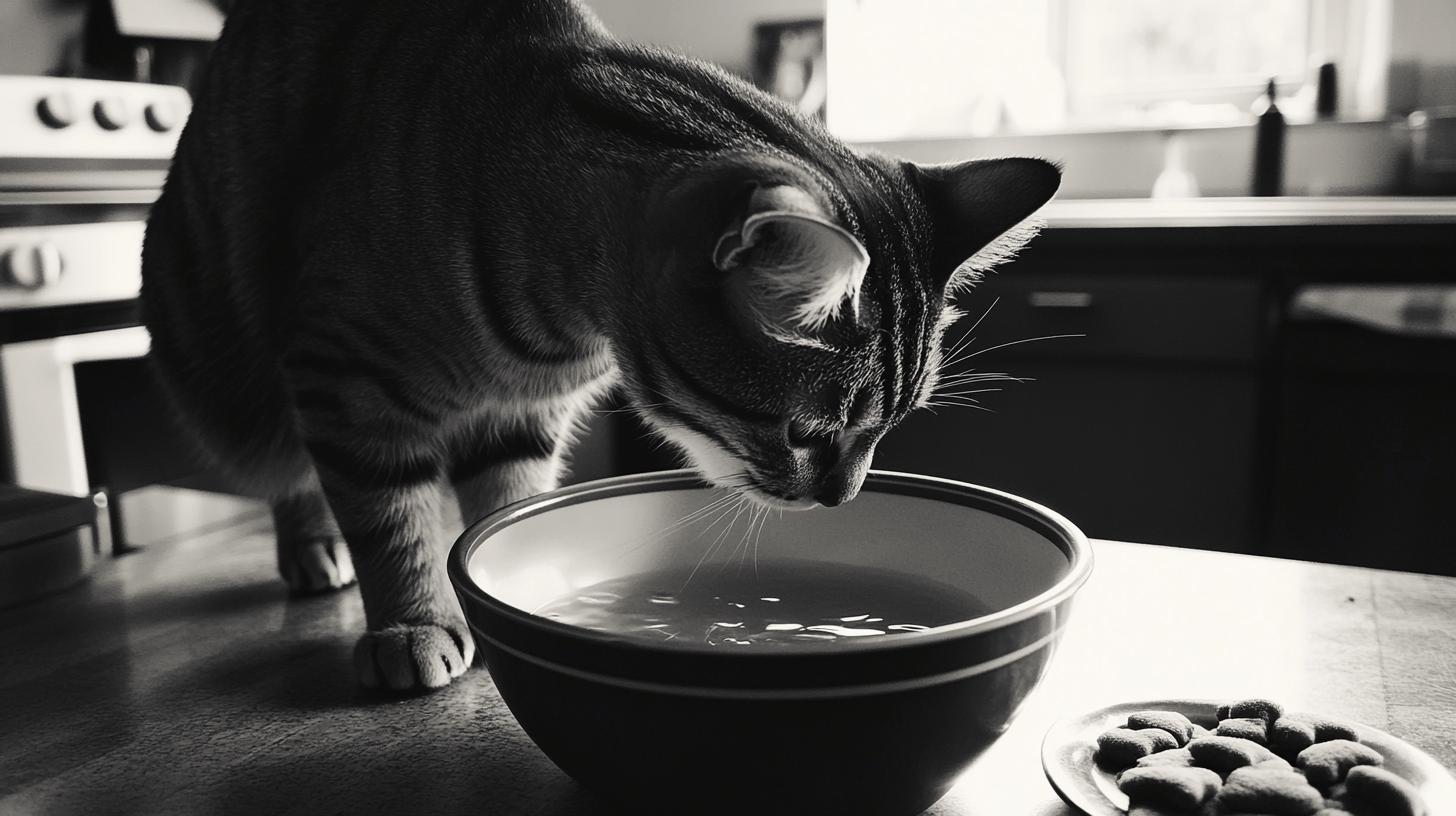
    Final Words

    Exploring the question of “can cats eat peas” reveals that these veggies are a safe and healthy treat. Peas offer nutritional benefits like vitamins and minerals essential for cat health. Serving them fresh, frozen, or cooked without seasoning makes them even safer. Moderation is important to prevent any digestive issues.

    Peas provide a unique nutritional boost compared to other vegetables without posing significant risks. Always keep in mind your cat’s dietary needs and consult a veterinarian for any concerns. Overall, peas can enrich your cat’s diet while keeping playtime enjoyable and safe.

    FAQ

    Can cats eat peas every day?

    Cats can eat peas, but not every day. Peas should be an occasional treat to avoid digestive issues.

    Can cats eat peas and carrots?

    Cats can eat peas and carrots, but both should be plain and in moderation to prevent health issues.

    Can cats eat carrots?

    Yes, cats can eat carrots. Ensure they’re cooked and unseasoned for safe consumption.

    Can cats eat green beans?

    Cats can safely consume green beans. Offer them cooked or plain without seasonings.

    Can cats eat corn?

    Cats can eat corn in small amounts. It should be plain and unseasoned.

    Can cats eat peas and corn?

    Cats can enjoy peas and corn in moderation. Serve them plain and without additives.

    Can cats eat frozen peas?

    Frozen peas are safe for cats if served soft and plain. Ensure they chew them well.

    Can cats eat cooked peas?

    Cooked peas are safe for cats. Avoid adding salt, pepper, or other seasonings.

    Are peas safe for cats?

    Peas are safe for cats in limited amounts. They should be served plain and without any additives.

    What vegetables can cats not eat?

    Cats should avoid onions, garlic, and leeks as these are toxic and can cause severe health problems.

    Are pea shoots toxic to cats?

    Pea shoots are generally safe for cats, but monitor for any adverse reactions when introducing them.

    Can cats eat peas and green beans?

    Yes, cats can eat both peas and green beans. Serve them plain and in moderation.

    Related Articles