Category: Cat Diseases

  • Symptoms of Mold Ingestion in Cats: Signs, Timeline

    Symptoms of Mold Ingestion in Cats: Signs, Timeline

    \n

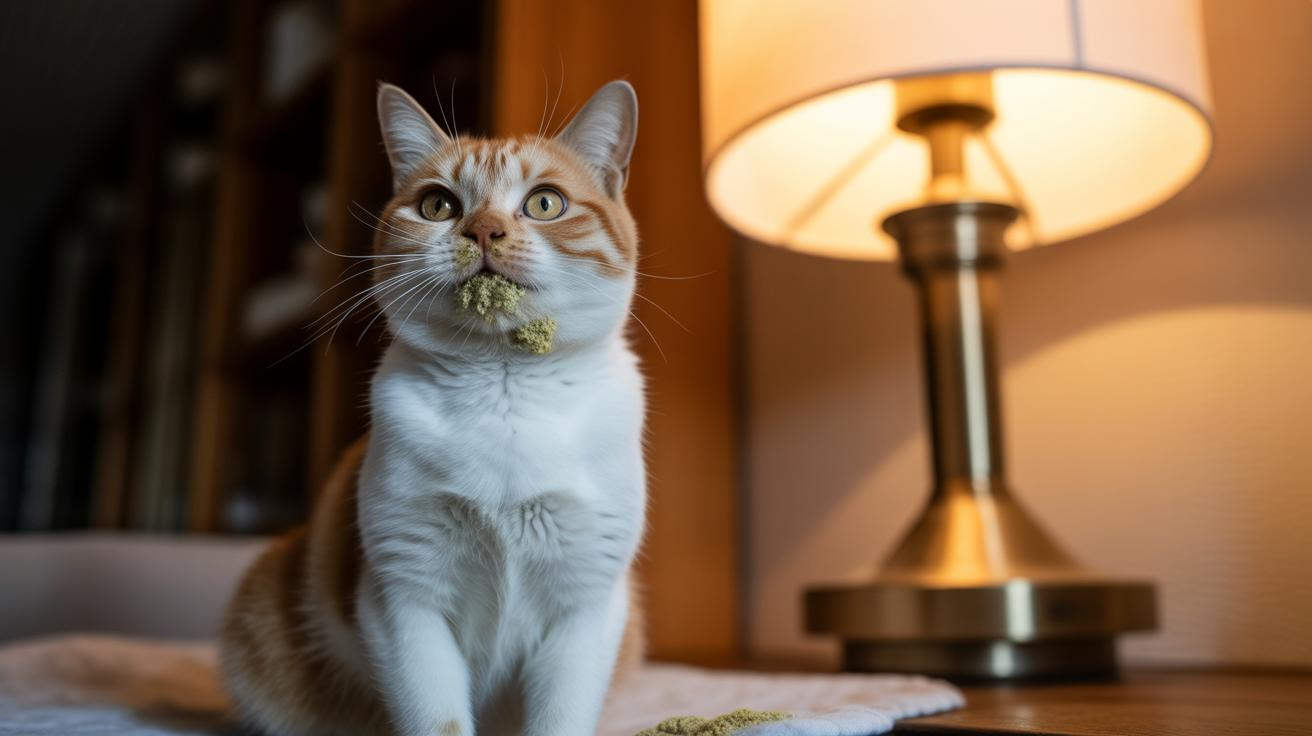
    Ever left a sandwich on the counter and forgot about it? That fuzzy bite could actually send your cat to the ER. Check out our guide on Unbreakable Cat Toys.

    \n

    \\n

    \n

    Mold is a kind of fungus that hides on food and in damp spots. Some molds make mycotoxins (poisonous chemicals made by mold that can damage organs). Those toxins can cause things that range from a soft cough to violent seizures.

    \n

    \\n

    \n

    You might spot a tiny change first – whiskers twitching, a weird cough, or your cat acting a bit off. Or you could see an emergency: severe tremors, bloody vomiting, or collapse. Ever notice your kitty suddenly seem unsteady? That’s a red flag.

    \n

    \\n

    \n

    This quick guide shows the common signs, the likely timeline (minutes to days), and the clear steps to take so you can act fast and keep your cat’s environment safe. If you suspect mold exposure, call your vet or an emergency clinic right away and, if possible, save the food or sample for them to check.

    \n

    \\n

    \n

    Immediate symptoms and red flags of mold ingestion in cats

    \n

    \\n

    \n

    \\\"-

    \n

    \\n

    \n

    If your cat ate moldy food or chewed something that might be moldy, watch them closely. The bad signs can show up in minutes to a few hours, though some mold-made poisons, mycotoxins (toxins from mold that can damage organs), may cause problems days later. Ever watched your kitty chase a shadow and thought, hmm, that cough seems odd? Respiratory signs from inhaled spores (tiny mold particles you can breathe in) can start quietly.

    \n

    \\n

    \n

    These are emergency signs that need immediate action because they can be life-threatening:

    \n

    \\n

    \n

      \\n

      \n

    • uncontrolled seizures
    • \n

      \\n

      \n

    • severe tremors or convulsions
    • \n

      \\n

      \n

    • open-mouth or very labored breathing
    • \n

      \\n

      \n

    • collapse or unresponsiveness
    • \n

      \\n

      \n

    • profuse bloody vomiting or bloody diarrhea
    • \n

      \\n

      \n

    • ongoing heavy vomiting with signs of dehydration
    • \n

      \\n

      \n

    • severe bleeding or nasal hemorrhage
    • \n

      \\n

      \n

    • sudden, severe lethargy or inability to stand
    • \n

      \\n

    \n

    \\n

    \n

    If you see any of those, get help now. Isolate your cat from the suspected source, and if you can, seal a piece of the food or item in a plastic bag as a sample for the vet (a zip-top bag works). Take photos of the item and of any vomit or stool, and note the exact time the cat likely ate it and when symptoms started. Those little details help a lot.

    \n

    \\n

    \n

    Not sure what a dangerous cough sounds like? Check what do cat coughs sound like (https://titanclaws.com/what-do-cats-coughs-sound-like/) to compare. Then call your veterinarian or a poison-control hotline and follow their instructions. For 24/7 help contact the Pet Poison Helpline (https://www.petpoisonhelpline.com/, phone: 855-764-7661) or the ASPCA Animal Poison Control (https://www.aspca.org/pet-care/animal-poison-control, phone: 888-426-4435; they may charge a fee).

    \n

    \\n

    \n

    When to go straight to emergency care: uncontrolled seizures, severe breathing collapse, or repeated collapse. Transport immediately in those cases, you know, like drop-everything kind of urgent, because quick action can change the outcome.

    \n

    \\n

    \n

    Quick checklist:

    \n

    \\n

    \n

      \\n

      \n

    1. Remove access to the suspected source and seal a sample in a bag for the vet.
    2. \n

      \\n

      \n

    3. Note the exact time of exposure, take photos of the item and any vomit or stool, and record when symptoms began.
    4. \n

      \\n

      \n

    5. Call your veterinarian or the listed poison-control hotlines (Pet Poison Helpline, ASPCA Animal Poison Control) and follow their instructions.
    6. \n

      \\n

    \n

    \\n

    \n

    Gastrointestinal signs after mold ingestion in cats

    \n

    \\n

    \n

    \\\"-

    \n

    \\n

    \n

    If you haven’t already, check the immediate red flags above for general emergency signs.

    \n

    \\n

    \n

    The stomach and gut are usually the first places you’ll see trouble after a cat eats something moldy. Vomiting, watery or bloody diarrhea, drooling and extra saliva, sore or irritated mouths with visible lesions, a sudden drop in appetite, and signs of belly pain like a hunched posture or refusing to be picked up are the common clues. These are the things most owners notice first, so trust your gut if something looks off.

    \n

    \\n

    \n

    Vomiting can be a little heave now and then or full-on projectile vomiting. Watch what comes up , clear bile, plain stomach fluid, bright red blood, or dark “coffee-ground” material (that means older, partially digested blood) can all show up and change how urgent it is. Symptoms usually start minutes to hours after eating mold, but some mycotoxins (toxins made by mold) can damage organs and show up days later.

    \n

    \\n

    \n

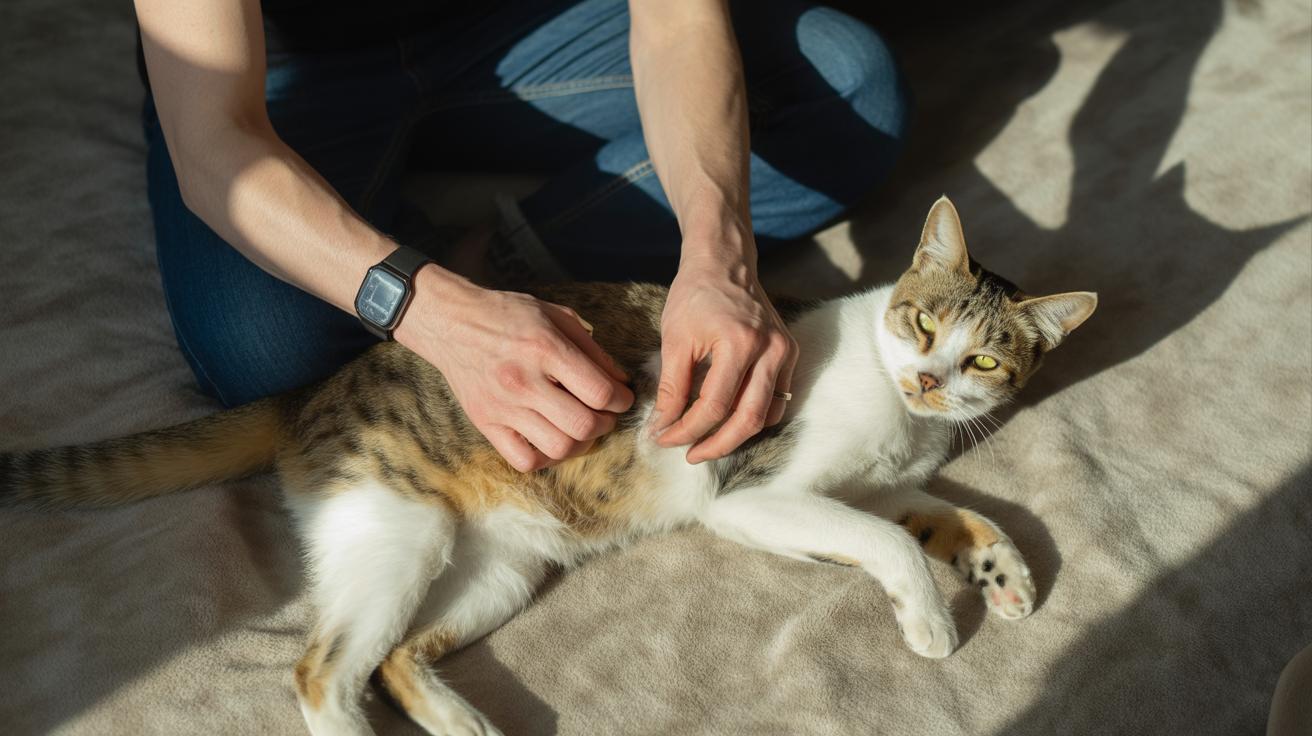
    Heavy vomiting and diarrhea can quickly lead to dehydration. Check your cat’s mucous membranes (the gums and inside of the mouth); tacky or sticky gums usually mean mild dehydration. Try a skin-tent test (gently pinch a fold of skin between the shoulder blades); if the skin is slow to fall back it suggests moderate fluid loss, about 8 percent. Very sunken eyes and fast breathing usually point to severe dehydration, around 10 percent or more, and that needs prompt veterinary care.

    \n

    \\n

    \n

    Look around the house for likely sources: bad pet food, bulging wet-food pouches or cans, moldy treats, soggy or old toys, spilled human food, damp bedding, or open kibble left in a humid spot. If you spot drooling, mouth soreness, or loose stool after your cat touched any of these, save the item for your vet to inspect. Ever watched your kitty tuxedo their way around the kitchen and disappear with a crumb? Yeah, keep an eye on that stuff.

    \n

    \\n

    \n

    If you’re unsure, call your vet or an emergency clinic. It’s better to ask and be sure than to wait while the clock ticks.

    \n

    \\n

    \n

    Symptoms of Mold Ingestion in Cats: Signs, Timeline

    \n

    \\n

    \n

    \\\"-

    \n

    \\n

    \n

    See the immediate red flags above for general emergency signs.

    \n

    \\n

    \n

    Neurologic signs can look dramatic. A real seizure often starts with stiffening then jerking (tonic-clonic movements), loss of awareness, paddling legs, and sometimes drooling or losing control of the bladder. If a seizure lasts more than 2 minutes or seizures keep happening without the cat waking up in between, that is critical and needs emergency care. After a seizure your cat may seem confused, act restless, or be quiet and a little blind for a while. That post-ictal phase can last minutes to hours.

    \n

    \\n

    \n

    Tremors are rhythmic muscle shakes and feel different from shivering, which is a cold response. Tremors may get worse and turn into stumbling or ataxia (loss of coordination and clumsiness). Ever watched your kitty try to walk like a tipsy pirate? That wobble is ataxia.

    \n

    \\n

    \n

    Systemic signs mean the mold toxins – mycotoxins (mold-made poisons) – are hurting organs. Look for jaundice, which shows as yellow gums, yellow inner eyelids, or yellowing of the whites of the eyes. Jaundice usually points to liver injury, like from aflatoxin. Very pale, white gums can mean anemia or internal bleeding. Kidney trouble may show up as less urine, urine that is too concentrated or too dilute, and a cat that is tired and not eating. These clues help your vet pick tests like liver enzymes (ALT and AST, which show liver damage), kidney values (BUN and creatinine, which show kidney function), and clotting profiles (checks if the blood can clot).

    \n

    \\n

    \n

    Keep in mind that some neurologic or organ signs can lag behind the first stomach problems. Vomiting or diarrhea might be the first thing you see. Then liver or kidney failure can develop over days depending on which toxin and how much was eaten. Prognosis changes a lot based on how fast you get care and which organs are affected. So sooner is definitely better.

    \n

    \\n

    \n

    Mycotoxins most likely to cause systemic effects

    \n

    \\n

    \n

      \\n

      \n

    • Aflatoxin (mainly causes liver toxicity; you may see high ALT and AST and jaundice)
    • \n

      \\n

      \n

    • Ochratoxin (tends to damage kidneys; can cause azotemia, which is high waste products in the blood)
    • \n

      \\n

      \n

    • Aspergillus-related toxins (can cause respiratory and wider systemic illness)
    • \n

      \\n

      \n

    • Stachybotrys-associated syndromes (linked to severe vomiting, tremors, and bleeding)
    • \n

      \\n

    \n

    \\n

    \n

    Neurologic red flags that need urgent care:

    \n

    \\n

    \n

      \\n

      \n

    • Continuous seizure activity lasting more than 2 minutes or repeated seizures without recovery
    • \n

      \\n

      \n

    • Loss of consciousness or sudden collapse
    • \n

      \\n

      \n

    • Severe ataxia with inability to stand or walk
    • \n

      \\n

      \n

    • Sudden blindness or severe disorientation
    • \n

      \\n

      \n

    • Progressive weakness or inability to rise
    • \n

      \\n

    \n

    \\n

    \n

    Respiratory and dermatologic signs when cats inhale or contact mold

    \n

    \\n

    \n

    \\\"-

    \n

    \\n

    \n

    If you already saw the immediate emergency signs above, get veterinary help right away.

    \n

    \\n

    \n

    When cats breathe in mold spores (tiny fungal particles), they often start with sneezing and a cough that just won't quit. You might watch their whiskers twitch as they sneeze, or hear a persistent, raspy cough. They can also wheeze, have a stuffed-up nose, or a runny nose. Sometimes nosebleeds happen. Fast or hard breathing , breathing faster or with effort , is a serious sign. In rare, severe cases mold can cause pulmonary hemorrhage (bleeding into the lungs), which shows as coughing up blood or sudden, severe trouble breathing. Those signs need immediate care. Ever heard a cough that sounds like a whistle or a stuck kazoo? Mention that to your vet.

    \n

    \\n

    \n

    Touching moldy bedding, vents, or damp corners can bother a cat's skin and eyes. HVAC (heating, ventilation, and air conditioning) vents are a common source. Cats may lick themselves nonstop until they make sore spots, or they might get new itchy patches, hair loss, and red, inflamed bumps. Watery, red eyes or sticky eye discharge usually mean the mucous membranes (the wet lining of the eyes and nose) are reacting to spores or bits of fungus. These skin and eye signs often follow direct contact or heavy exposure.

    \n

    \\n

    \n

    Observable respiratory and skin cues to note:

    \n

    \\n

    \n

      \\n

      \n

    • persistent cough
    • \n

      \\n

      \n

    • open-mouth breathing or wheeze
    • \n

      \\n

      \n

    • nasal discharge (clear, cloudy, or bloody)
    • \n

      \\n

      \n

    • new itchy patches or areas of hair loss
    • \n

      \\n

      \n

    • red or inflamed skin lesions
    • \n

      \\n

      \n

    • watery, red, or irritated eyes
    • \n

      \\n

    \n

    \\n

    \n

    Longer exposure can lead to ongoing breathing problems or to secondary infections. Hidden mold in basements, attics, HVAC systems, or even stored food can keep your cat exposed. If you think your home is the problem, tell your vet where you suspect the mold came from so they can link the symptoms to the environment. It’s not something to paws at.

    \n

    \\n

    \n

    Veterinary diagnosis: tests, what vets will ask, and differential diagnoses

    \n

    \\n

    \n

    \\\"-

    \n

    \\n

    \n

    Your vet will start with focused questions about timing and exposure – think of it as the checklist of details they need about possible mold or toxic food. Tell them when your cat likely ate the item, the brand and how much, whether other pets ate any, and any home first-aid you tried. If you can, bring photos, the packaging, and a sealed sample of the suspect food – those things really speed up decisions and testing. Ever watched your cat sniff a muffin and wonder what could go wrong? Yeah, vets ask questions like that.

    \n

    \\n

    \n

    Bloodwork is a big part of the initial workup. Expect a CBC (complete blood count – basic measure of red and white blood cells and platelets) and a chemistry panel that looks at liver values like ALT and AST and bilirubin (these show liver stress), plus kidney markers such as BUN and creatinine (BUN – blood urea nitrogen; creatinine – a waste product that tells us how well kidneys filter). If you noticed pale gums, unusual bleeding, or weakness, point that out – it can change the plan right away. Oops, let me rephrase that – those signs may prompt urgent treatment.

    \n

    \\n

    \n

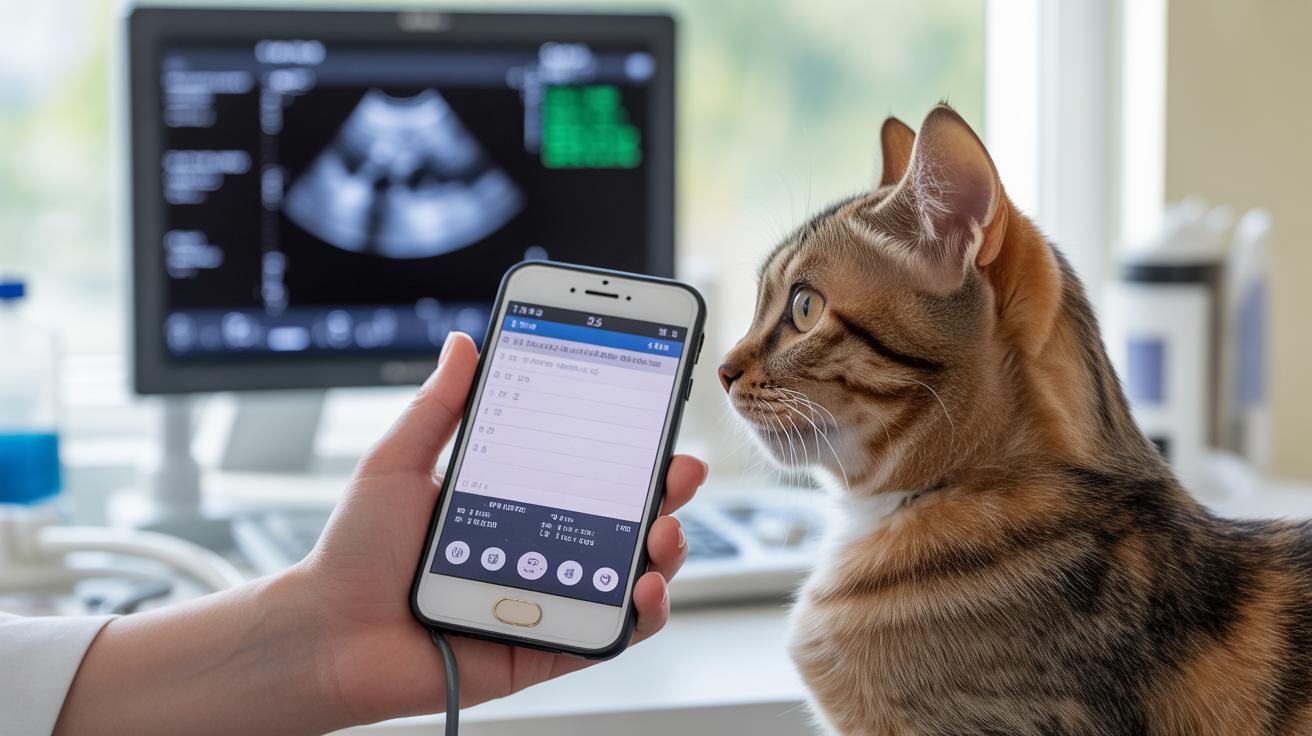
    If there’s bleeding or nosebleeds, vets may run coagulation tests (blood-clotting checks) to see if clotting is slow or risky. When the belly, vomiting, or trouble swallowing are involved, imaging like X-rays or ultrasound (sound-based imaging to view organs and possible blockages) helps find obstructions, fluid, or organ changes. If the mouth or skin looks infected or fungal, skin scrapings or cultures (samples grown to find fungus or bacteria) are common.

    \n

    \\n

    \n

    Stool checks can find food bits, parasites, or infectious causes. There’s also special mycotoxin testing of food – mycotoxins are mold-produced poisons – but that’s usually saved for cases where a wider contamination is suspected. Your vet will pick tests based on the story you tell and the timing of signs – so those details matter.

    \n

    \\n

    \n

    See the table below for a quick snapshot of common diagnostics, then be ready for follow-up questions. See "Owner emergency checklist to bring to the vet" for the full list of items and details to bring to your appointment.

    \n

    \\n

    \n

    \\n

    \n

    \\n

    \n

    \n

    \\n

    \n

    \n

    \\n

    \n

    \n

    \\n

    \n

    \\n

    \n

    \\n

    \n

    \n

    \\n

    \n

    \n

    \\n

    \n

    \n

    \\n

    \n

    \\n

    \n

    \\n

    \n

    \n

    \\n

    \n

    \n

    \\n

    \n

    \n

    \\n

    \n

    \\n

    \n

    \\n

    \n

    \n

    \\n

    \n

    \n

    \\n

    \n

    \n

    \\n

    \n

    \\n

    \n

    \\n

    \n

    \n

    \\n

    \n

    \n

    \\n

    \n

    \n

    \\n

    \n

    \\n

    \n

    \\n

    \n

    \n

    \\n

    \n

    \n

    \\n

    \n

    \n

    \\n

    \n

    \\n

    \n

    \\n

    \n

    \n

    \\n

    \n

    \n

    \\n

    \n

    \n

    \\n

    \n

    \\n

    Test Why it’s done What abnormal results mean
    CBC (complete blood count) Checks red cells, white cells, and platelets to find anemia, infection, or low clotting cells Low red cells = anemia; high white cells = infection or inflammation; low platelets = higher bleeding risk
    Chemistry panel – liver values Measures liver enzymes (ALT/AST) and bilirubin to spot liver injury or stress High ALT/AST or bilirubin suggests liver damage or impaired bile flow
    Kidney tests (BUN / creatinine) Assesses kidney filtering and hydration status Elevated BUN or creatinine = reduced kidney function or severe dehydration
    Coagulation profile Evaluates clotting when bleeding or hemorrhage is suspected Prolonged clotting times point to bleeding risk and may lead to transfusion or other treatment
    Abdominal imaging (X-ray / ultrasound) Looks for obstructions, ingestion of foreign material, fluid buildup,, or organ changes Findings like a blockage, fluid pockets, or enlarged organs can mean surgery or targeted therapy is needed
    Fecal analysis / culture Finds food particles, parasites, or infectious agents Identifies parasites, bacteria, or ingested contaminated material that could explain signs

    \n

    \\n

    \n

    Immediate home first aid and when to avoid home treatments

    \n

    \\n

    \n

    \\\"-

    \n

    \\n

    \n

    The lede above lists immediate red flags. Use that to decide how urgently you need to get your cat to the clinic.

    \n

    \\n

    \n

    First, safety. Move your cat away from the suspected food or toy and keep everyone calm. If you can, seal a piece of the item in a zip-top bag (like a sandwich bag) or take clear photos, those little clues help the vet fast. Keep your cat warm and quiet. Watch breathing and any odd movements, and don’t try home remedies that might make things worse.

    \n

    \\n

    \n

      \\n

      \n

    1. Remove the cat from the source and put a sample in a sealed bag (or snap photos).
    2. \n

      \\n

      \n

    3. Note the exact time of exposure, take pictures of the item and any vomit or stool, and write down when symptoms started.
    4. \n

      \\n

      \n

    5. Keep your cat calm; watch breathing rate and effort, and look for neurologic signs (stumbling, tremors, odd twitching).
    6. \n

      \\n

      \n

    7. Don’t induce vomiting unless your vet or a poison-control expert tells you to.
    8. \n

      \\n

      \n

    9. Offer very small sips of fresh water only if the cat is alert and can swallow safely.
    10. \n

      \\n

      \n

    11. Call your veterinarian or a poison-control hotline and follow their directions.
    12. \n

      \\n

    \n

    \\n

    \n

    Do not:

    \n

    \\n

    \n

      \\n

      \n

    • induce vomiting without professional direction
    • \n

      \\n

      \n

    • give human meds unless a vet specifically tells you to
    • \n

      \\n

      \n

    • use home “antidotes” or folk remedies
    • \n

      \\n

      \n

    • force-feed or force-water a cat that won’t cooperate
    • \n

      \\n

      \n

    • wait to contact a vet if you see collapse, seizures, trouble breathing, or other severe signs
    • \n

      \\n

      \n

    • give the suspected food again before a vet checks your cat
    • \n

      \\n

    \n

    \\n

    \n

    Call for veterinary help right away if breathing worsens, seizures start, or the cat collapses. Clinics may give activated charcoal (a clinic treatment that can bind some toxins) if ingestion was recent and it’s appropriate. For emergency signs that need transport, see Immediate symptoms and red flags above.

    \n

    \\n

    \n

    Veterinary treatments, prognosis, and follow-up after mold ingestion in cats

    \n

    \\n

    \n

    \\\"-

    \n

    \\n

    \n

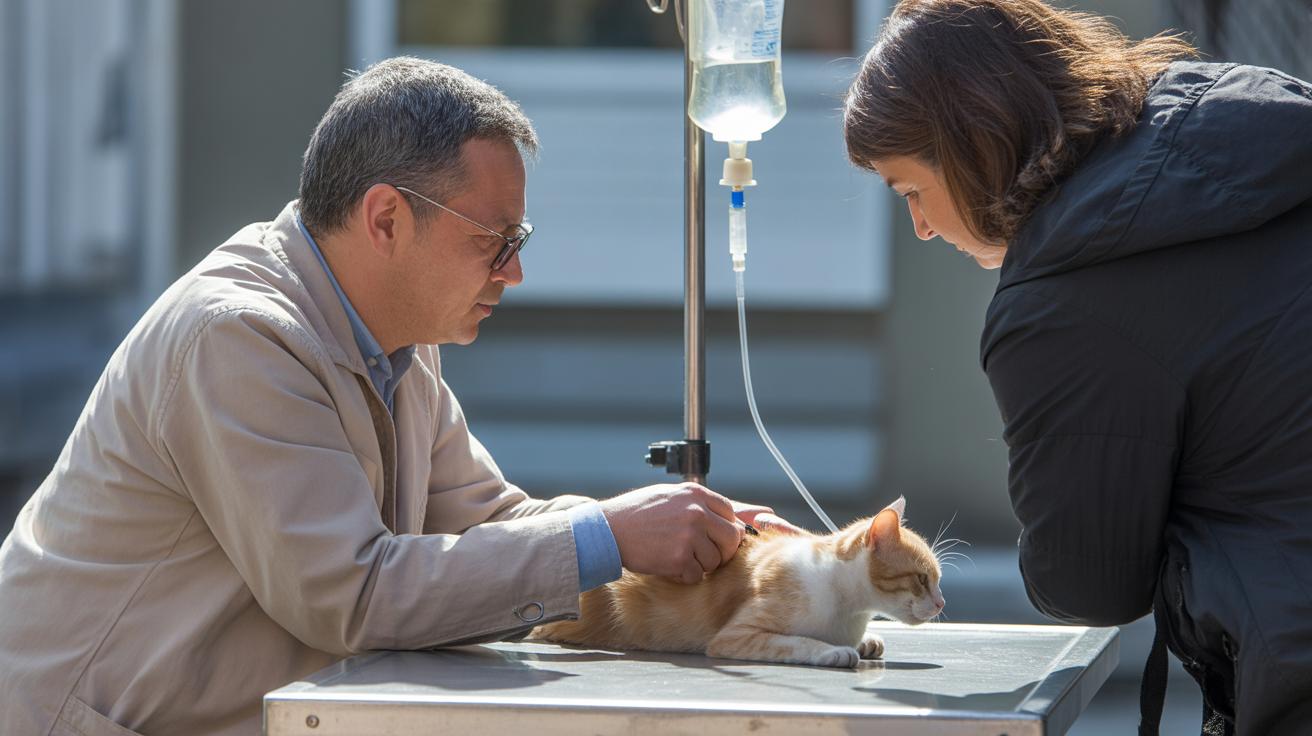
    Initial clinic care aims to stop more toxin getting into the body and to steady your cat. If the cat ate recently, vets may give activated charcoal (a powder that soaks up some toxins in the gut). They’ll also start IV fluids (fluids given into a vein to rehydrate and help organs) to correct dehydration and support the kidneys. Antiemetics like maropitant (drugs that stop nausea and vomiting) calm repeated vomiting and protect the throat, and gastroprotectants plus pain meds help soothe an upset stomach. Yep, it’s a lot, but small steps now can prevent bigger trouble later.

    \n

    \\n

    \n

    If signs are bad, vets add stronger support. Anticonvulsants (drugs that stop seizure activity, for example diazepam or levetiracetam) are used for tremors or seizures. Oxygen therapy (extra oxygen to help breathing) or assisted ventilation may be needed if breathing’s weak. If there’s a secondary infection or a confirmed fungal illness, antibiotics or antifungals (drugs that fight bacteria or fungi) get added. Throughout, antiemetics and IV fluids keep your cat more comfortable while tests guide the right targeted treatment.

    \n

    \\n

    \n

    Prognosis depends on which toxin, how much your cat was exposed to, and how quickly treatment started. Some mycotoxins (toxins made by molds) go after the liver or kidneys, so those organs need watching. Expect follow-up bloodwork to track liver enzymes (measures of liver health) and kidney values (tests that show how well kidneys filter). For bad exposures, vets may want longer-term checks to catch delayed problems. Worth every paw-print.

    \n

    \\n

    \n

    \\n

    \n

    \\n

    \n

    \n

    \\n

    \n

    \n

    \\n

    \n

    \n

    \\n

    \n

    \\n

    \n

    \\n

    \n

    \n

    \\n

    \n

    \n

    \\n

    \n

    \n

    \\n

    \n

    \\n

    \n

    \\n

    \n

    \n

    \\n

    \n

    \n

    \\n

    \n

    \n

    \\n

    \n

    \\n

    \n

    \\n

    \n

    \n

    \\n

    \n

    \n

    \\n

    \n

    \n

    \\n

    \n

    \\n

    \n

    \\n

    \n

    \n

    \\n

    \n

    \n

    \\n

    \n

    \n

    \\n

    \n

    \\n

    \n

    \\n

    \n

    \n

    \\n

    \n

    \n

    \\n

    \n

    \n

    \\n

    \n

    \\n

    \n

    \\n

    \n

    \n

    \\n

    \n

    \n

    \\n

    \n

    \n

    \\n

    \n

    \\n

    Treatment When used Expected outcome
    Activated charcoal (binds some gut toxins) Recent ingestion, if vet advises Reduces how much toxin the body soaks up
    IV fluids (fluids given into a vein) Dehydration, low blood pressure, support organs Restores hydration and helps circulation and kidneys
    Antiemetics (anti-nausea drugs) Ongoing vomiting or severe nausea Stops vomiting and helps appetite recovery
    Anticonvulsants (seizure-control drugs) Seizures or severe tremors Calms seizures and lowers risk of brain injury
    Oxygen therapy Respiratory distress or low oxygen levels Improves breathing and oxygen to tissues
    Antifungals / Antibiotics Confirmed fungal disease or secondary bacterial infection Treats infection and prevents spread

    \n

    \\n

    \n

    Monitoring and follow-up tests

    \n

    \\n

    \n

    Vets usually repeat a CBC (complete blood count) and chemistry panel (blood tests that check organ function) 48 to 72 hours after starting treatment or on the schedule your vet sets. If your cat has ongoing vomiting, jaundice (yellowing), dark urine, or worsening weakness, call the clinic for an earlier recheck. For tricky or long cases, your vet might recommend a toxicologist or internal medicine specialist to help. Ever watch your cat suddenly perk up after a good check-in? It’s the best feeling.

    \n

    \\n

    \n

    Preventing mold ingestion in cats: food, storage, and home measures

    \n

    \\n

    \n

    \\\"-

    \n

    \\n

    \n

    Keeping mold out of your cat’s world cuts down both eating it and breathing it in. It’s the easiest and safest step you can take, and honestly, it’s worth a few minutes of habit changes. Ever watched your kitty nose a suspicious package? Yeah, that one.

    \n

    \\n

    \n

    Store dry food in airtight containers (sealed bins that keep out moisture and pests) and tuck them in a cool, dry spot away from direct sunlight. For opened wet food, pop it in the fridge and toss leftovers after the time on the label , most makers say 4 to 6 hours at room temp. Before you serve anything, give cans and pouches a quick check: bulging, a bad smell, or fuzzy growth means don’t feed it.

    \n

    \\n

    \n

    Keep your feeding tools clean. Wash bowls and scoops daily with hot, soapy water and dry them well so moisture doesn’t hang around. Don’t let wet food sit out for long. And try to skip human foods that go moldy fast , bread, cheese, and damp cooked grains are trouble. If a toy, bed, or package feels damp or looks mildewed, set it aside and save a sample in a sealed bag (zip-top works) before you toss it.

    \n

    \\n

    \n

    Control the air and surfaces where your cat eats and sleeps. Use a dehumidifier (device that lowers indoor humidity) in damp basements, and consider a HEPA filter (High Efficiency Particulate Air filter) near litter or feeding areas to cut airborne spores. Wash and dry bedding often, fix leaks fast, and wipe up spills right away. Check attics, basements, and HVAC vents (home heating and cooling duct openings) for hidden mold, and call a mold remediation pro if you find spreading contamination.

    \n

    \\n

    \n

    Quick prevention checklist:

    \n

    \\n

    \n

      \\n

      \n

    • Store dry food in airtight containers (sealed bins that keep out moisture and pests)
    • \n

      \\n

      \n

    • Refrigerate opened wet food promptly
    • \n

      \\n

      \n

    • Discard uneaten wet food per the label (usually 4–6 hours at room temp)
    • \n

      \\n

      \n

    • Inspect cans and pouches for bulging, bad odors, or fuzzy growth
    • \n

      \\n

      \n

    • Wash food bowls, scoops, and feeding areas daily with hot, soapy water
    • \n

      \\n

      \n

    • Keep bedding dry and launder regularly
    • \n

      \\n

      \n

    • Use a dehumidifier in damp areas (basements, crawl spaces)
    • \n

      \\n

      \n

    • Use a HEPA filter near litter boxes or feeding stations if needed
    • \n

      \\n

      \n

    • Inspect basements, attics, and HVAC vents for mold
    • \n

      \\n

      \n

    • Clean spills and crumbs promptly
    • \n

      \\n

      \n

    • Avoid feeding mold-prone human foods (bread, soft cheeses, moist grains)
    • \n

      \\n

      \n

    • Double-bag and safely discard moldy food; save a sample in a sealed bag if you think contamination is widespread
    • \n

      \\n

      \n

    • Check product lot numbers and report contaminated products to the manufacturer or regulator (for example, the FDA or your local consumer agency) when needed
    • \n

      \\n

    \n

    \\n

    \n

    Worth every paw-print.

    \n

    \\n

    \n

    Higher-risk cats, breeds, and special considerations

    \n

    \\n

    \n

    \\\"-

    \n

    \\n

    \n

    Kittens and older cats are more likely to get sick from mold because their bodies are smaller or their organs are already worn down. Examples include CKD (chronic kidney disease, when the kidneys slowly lose filtering ability) and liver disease (the liver helps clear toxins). Cats with weak immune systems or ongoing illnesses can slide downhill faster, so even tiny changes in appetite or energy matter. Ever notice your cat sniffing food and then walking away? That small behavior can be a big clue.

    \n

    \\n

    \n

    Breed-wide sensitivity to mold is pretty rare. Most reactions are about the individual cat, not the breed. In homes with more than one pet, several animals can be exposed, so collect a history for every pet that shares food or space.

    \n

    \\n

    \n

    If you care for a high-risk cat, call your veterinarian right away at the first sign of trouble and have details ready: weight, exact exposure times, photos, and a sealed sample of the suspected food or item if you can. Your vet may want earlier or more frequent follow-up testing, like repeat bloodwork (simple blood tests to check how liver and kidneys are doing). Keep the suspect food sealed, separate affected pets, and watch litterbox output and appetite closely. Those basic checks tell you a lot. Worth every paw-print.

    \n

    \\n

    \n

      \\n

      \n

    • Keep suspect food or item sealed in a bag for the vet
    • \n

      \\n

      \n

    • Contact your veterinarian immediately at the first sign of illness
    • \n

      \\n

      \n

    • Record exact exposure times, amounts, and take photos
    • \n

      \\n

      \n

    • Arrange more frequent follow-up testing if your cat is young, old, or sick
    • \n

      \\n

      \n

    • Consider short-term fasting or withholding suspect foods until reviewed by the vet (follow your vet’s advice)
    • \n

      \\n

      \n

    • Isolate affected animals and monitor litterbox output (urine amount and stool changes)
    • \n

      \\n

    \n

    \\n

    \n

    Owner emergency checklist to bring to the vet and questions to ask

    \n

    \\n

    \n

    \\\"-

    \n

    \\n

    \n

    Bring the facts and a sealed sample. Take a piece of the suspected food or toy in a sealed bag, the original packaging with the lot or batch number (the code on the package), and clear photos of vomit, stool, or the item. Write down exact times, when your cat ate and when symptoms started, and list any home steps you tried or medications you gave.

    \n

    \\n

    \n

    Also bring your cat’s weight and age, current meds, and contact info for anyone else who helps care for your cat. If more than one pet ate the same thing, note who ate what and when. If you might need 24/7 help, have poison-control on hand: Pet Poison Helpline (855-764-7661) or ASPCA Animal Poison Control (888-426-4435; they may charge a fee).

    \n

    \\n

    \n

    Checklist to bring (12 items):

    \n

    \\n

    \n

      \\n

      \n

    • Sealed sample of the suspected food or toy
    • \n

      \\n

      \n

    • Original packaging with lot/batch number (the code on the package)
    • \n

      \\n

      \n

    • Photos of vomit, stool, or the product
    • \n

      \\n

      \n

    • Exact timeline of events (times of exposure and when symptoms began)
    • \n

      \\n

      \n

    • List of current medications and supplements
    • \n

      \\n

      \n

    • Cat’s weight and age
    • \n

      \\n

      \n

    • Description of how much was likely eaten
    • \n

      \\n

      \n

    • Notes on other pets exposed and their symptoms
    • \n

      \\n

      \n

    • Any home remedies tried and when they were given
    • \n

      \\n

      \n

    • Contact info for other caretakers
    • \n

      \\n

      \n

    • Recent food brand and batch if available
    • \n

      \\n

      \n

    • Veterinary records of pre-existing conditions (like kidney disease or allergies)
    • \n

      \\n

    \n

    \\n

    \n

    Suggested questions to ask your veterinarian:

    \n

    \\n

    \n

      \\n

      \n

    1. What are the most likely causes of my cat’s symptoms?
    2. \n

      \\n

      \n

    3. Which tests do you recommend now, and why?
    4. \n

      \\n

      \n

    5. What immediate treatments do you suggest?
    6. \n

      \\n

      \n

    7. What are the estimated costs and how long might my cat stay in the clinic?
    8. \n

      \\n

      \n

    9. What should I watch for at home and when should I bring my cat back?
    10. \n

      \\n

      \n

    11. Should we send a sample to the manufacturer or report this incident?
    12. \n

      \\n

    \n

    \\n

    \n

    Final Words

    \n

    \\n

    \n

    Sudden vomiting, tremors, or trouble breathing? Act fast , those are the red flags that need immediate attention; isolate the source and call your vet or poison-control.

    \n

    \\n

    \n

    We ran through the minutes-to-hours timeline, GI (gastrointestinal) signs, neurologic and respiratory clues, what vets will test, safe at-home steps, treatments, and prevention tips for multi-cat homes.

    \n

    \\n

    \n

    Keep the owner checklist handy: recognizing symptoms of mold ingestion in cats early can change outcomes, and with quick care your busy household will be back to purrs and playful zoomies.

    \n

    \\n

    \n

    FAQ

    \n

    \\n

    \n

    \\n

    \n

    \\n

    \n

    What are the symptoms of mold ingestion in cats?

    \n

    \\n

    \n

    The symptoms of mold ingestion in cats include repeated vomiting, diarrhea (sometimes bloody), drooling, sudden lethargy, abdominal pain, tremors, seizures, breathing difficulty, nasal or eye bleeding, and collapse.

    \n

    \\n

    \n

    \\n

    \n

    \\n

    \n

    \\n

    \n

    What happens if my cat ate mold and how quickly will signs appear?

    \n

    \\n

    \n

    If your cat ate mold, signs often appear within minutes to hours; initial vomiting or diarrhea is common, while some mycotoxins (mold toxins) can cause delayed organ damage over days.

    \n

    \\n

    \n

    \\n

    \n

    \\n

    \n

    \\n

    \n

    Can mold kill cats?

    \n

    \\n

    \n

    Mold can kill cats in severe cases; heavy mycotoxin (mold toxin) exposure may cause seizures, hemorrhage, organ failure, and death, particularly without prompt veterinary care.

    \n

    \\n

    \n

    \\n

    \n

    \\n

    \n

    \\n

    \n

    What neurological signs can mold cause in cats?

    \n

    \\n

    \n

    Neurological signs from mold in cats include tremors, ataxia (stumbling), confusion, tonic-clonic seizures (convulsions), loss of awareness, and post-seizure disorientation; seizures over two minutes are an emergency.

    \n

    \\n

    \n

    \\n

    \n

    \\n

    \n

    \\n

    \n

    How should I treat mold exposure in cats at home?

    \n

    \\n

    \n

    To treat mold exposure in cats at home, remove access, seal a sample, give small sips of water if alert, and call your veterinarian or Pet Poison Helpline (855-764-7661); don’t induce vomiting unless directed.

    \n

    \\n

    \n

    \\n

    \n

    \\n

    \n

    \\n

    \n

    How are black mold exposures treated in cats?

    \n

    \\n

    \n

    Black mold (Stachybotrys) exposures are treated with supportive care: decontamination, IV fluids, antiemetics, anticonvulsants, oxygen, and specific care for bleeding or organ damage; prognosis depends on dose and prompt treatment.

    \n

    \\n

    \n

    \\n

    \n

    \\n

    \n

    \\n

    \n

    What are the warning signs of mold toxicity in cats?

    \n

    \\n

    \n

    The warning signs of mold toxicity include vomiting, bloody vomit or stool, uncontrolled seizures, severe tremors, labored breathing, collapse, nasal bleeding, sudden severe lethargy, jaundice, and decreased urine output.

    \n

    \\n

    \n

    \\n

    \n

    \\n

    \n

    \\n

    \n

    What eye or respiratory signs should I watch for after mold exposure?

    \n

    \\n

    \n

    Eye and respiratory signs after mold exposure include watery or inflamed eyes, persistent coughing or sneezing, wheeze, nasal discharge, nosebleeds, open-mouth breathing, and rapid respiration.

    \n

    \\n

    \n

    \\n

    \n

    \\n

    \n

    \\n

    \n

    What should I tell my vet if my cat ate mold?

    \n

    \\n

    \n

    Tell your vet the time of exposure, product and lot/batch info, approximate amount, photos or a sealed sample, exact symptom times, other pets affected, current meds, and your cat’s weight.

    \n

    \\n

    \n

    \\n

    \n

    \\n

    \n

    \\n

    \n

    Are natural or home remedies recommended for mold exposure in dogs?

    \n

    \\n

    \n

    Natural or home remedies for mold exposure in dogs are not recommended; remove the source, contact your veterinarian or poison-control hotlines, and avoid unproven supplements or human medications without veterinary approval.

    \n

    \\n

    \n

    \\n

    \n

    \\n

    \n

    \\n

    \n

    \n

    \\n”

    \n”
  • foreign body ingestion in cats: signs and prevention

    foreign body ingestion in cats: signs and prevention

    What would you do if your cat swallowed a toy while you were pouring your morning coffee? Ever had that heart-drop moment? Minutes matter here. Some things make a cat crash fast, while others slowly wreck the gut. Check out our guide on Unbreakable Cat Toys.

    Linear items like string (thin cord), ribbon (flat fabric strip), or sewing thread (thin thread) act like a saw inside the intestines and can cut tissue. Button batteries (small coin-shaped batteries that burn tissue quickly) can eat through the throat or stomach in a short time. Tiny magnets (small, strong magnets) can pinch loops of intestine together and cause fast, serious damage. Scary stuff.

    Watch closely for these urgent signs , call your vet right now if you see any of them:

    • Gagging, hacking, or persistent drooling.
    • Repeated vomiting or dry heaving.
    • Pawing at the mouth, or something visibly stuck and you can’t safely remove it.
    • Weakness, wobbliness, trouble breathing, or sudden collapse.
    • Bloody stool or belly pain, and not eating.

    First things to do in the first minutes:

    • Stay calm. Your cat feels you.
    • Call your vet or an emergency clinic and tell them what was swallowed and when. Time matters.
    • If you can see the object easily in the mouth, gently remove it. Don’t poke around where you can’t see.
    • Don’t make your cat vomit unless your vet tells you to. That can make some things worse.
    • Wrap your cat snugly in a towel if they’re scared, keep them warm, and get them to the clinic fast. Bring the toy or packaging so the vet knows what you’re dealing with.

    Easy safety prevention tips to avoid this nightmare:

    • Keep loose threads, rubber bands, hair ties, and small toy parts off the floor. Put sewing and craft stuff in sealed containers.
    • Store button batteries and magnets in a high, closed place or a locked drawer.
    • Prefer toys made for cats that don’t have small bits that fall off. Check toys often and toss anything fraying or breaking.
    • For stringy play, use a wand toy you hold like a fishing rod for cats, so the string stays controlled. Supervise those sessions.

    Think of this as a quick checklist that could save a life. Worth every paw-print.

    Recognizing foreign body ingestion in cats: prioritized red‑flags, triage, and immediate next steps

    - Recognizing foreign body ingestion in cats prioritized redflags, triage, and immediate next steps.jpg

    If your cat swallows something that isn’t food (a foreign body), these are the urgent warning signs to watch for:

    • Severe breathing trouble, choking, or sudden collapse.
    • Repeated, unproductive retching (dry heaves).
    • Ongoing vomiting and unable to keep water down.
    • Heavy drooling and gagging.
    • Belly pain , your cat may hunch up or cry when you touch the tummy.
    • Not passing stool, straining, or no bowel movements.
    • Bloody stool or visible bleeding from the rear.
    • Very weak or extremely sleepy.
    • Signs of dehydration, like sunken eyes or tacky gums (gums that feel a little sticky).
    • Signs of shock, such as pale gums, fast heartbeat, fainting, or collapse.

    If you see any of these, call your veterinarian or an emergency clinic right now. Don't wait.

    A quick note about blockages. An obstruction (a full or partial block in the gut) can act two ways. A complete obstruction stops food and water entirely and usually causes fast decline , nonstop vomiting, dehydration, and shock can happen in hours. A partial obstruction lets some things pass, so symptoms can come and go , on and off vomiting, lower appetite , but it can still get worse over time.

    Some items are especially dangerous. Linear objects (string, ribbon, sewing thread) can drag and saw along the intestines. Button batteries (small coin-shaped batteries) and sharp objects are high risk too. Minutes to hours can change how things go, so speed matters.

    If you need emergency care, call or go now. When you call, tell them: the time you saw or first suspected the swallowing, what you think was swallowed or send a photo or the packaging, which signs you noticed (vomiting after swallowing, drooling and gagging, sudden weakness or loss of appetite), when your cat last ate or drank, and any first aid you tried. That info helps the team triage and pick the fastest, safest plan.

    A quick safety tip: don’t try to make your cat vomit unless your vet specifically tells you to. Um, I know it’s scary, but calling first is the best move. You’re doing the right thing by acting fast.

    foreign body ingestion in cats: signs and prevention

    - Types of foreign bodies in cats and how object type changes risk (with objectspecific urgencies and dosdonts).jpg

    What your cat swallowed changes how fast trouble starts and what the vet will do next. Some items cut or poke the gut. Some get stuck. And some cause chemical burns. Keep calm. Take quick action. Ever watched your cat bat at a string and suddenly get serious about it? Yeah, that’s the risky part.

    Linear foreign bodies

    Strings, yarn, ribbon, and sewing thread can anchor in the mouth or stomach while the intestines move over them, causing a pleat or accordion effect called intestinal plication (when the gut folds up like pleats and can tear). Kittens and adults who love dangling toys are most at risk. Problems can get worse in just a few hours as the material pulls and cuts. I once saw a kitten that hid a string under a couch and things went south fast.

    • Do call your vet right away and, if you can, bring a photo or the packaging.
    • Don't try to pull string out of your cat’s mouth at home.

    Sharp and irregular objects

    Needles, broken plastic, and cooked bone shards can poke or tear the stomach or intestines and lead to peritonitis (a serious belly infection). Your cat might seem quiet at first, but can worsen fast if a sharp bit moves or pokes through tissue. Stay calm and move fast.

    • Do keep your cat still and get them to a clinic for prompt transport.
    • Don't make your cat vomit or try to fish the object out yourself.

    Batteries, cooked bones, and soft clumps

    Button batteries cause chemical burns and local heating where they touch tissue. Cooked bones can splinter into sharp bits. Socks, underwear, and clumped fabric can form a blocking mass. Some things show up on X-rays (radiopaque = shows up on X-ray) while many plastics and fabrics do not (radiolucent = not visible), so vets may need different tests to find them.

    • Do call poison control and your vet right away for any battery ingestion.
    • Don't wait to take your cat in if you suspect a battery was swallowed.

    Quick tips for busy cat parents
    If your cat chews on dangling items, swap them for safer toys that are made to stay whole. If your cat swallows something, getting help fast beats trying DIY fixes. Worth every paw-print.

    Diagnosing foreign body ingestion in cats: vet pathway, imaging choices, and rationale

    - Diagnosing foreign body ingestion in cats vet pathway, imaging choices, and rationale.jpg

    Vets work out swallowed objects by piecing together a clear history, a focused exam, and targeted imaging. Start with the red flags from Recognizing foreign body ingestion in cats: prioritized red‑flags, triage, and immediate next steps. If you want a clinician-level deep dive on imaging and treatment choices, check Foreign body obstruction in small animals – Merck Veterinary Manual. Think of this as the practical playbook vets use when a cat’s eaten something naughty.

    Physical exam and initial triage

    First things first: check airway and breathing, then circulation and perfusion (how well blood is moving through the body), and gently feel the belly, abdominal palpation means checking for pain or a lump. Cats drooling, gagging, collapsing, breathing fast, or in severe pain get stabilized right away with oxygen, IV fluids, and pain meds before anyone rushes into tests. Safety first, right?

    Practical notes:

    • Bring the timeline, photos, or the object packaging if you have it. That detail speeds things up.
    • If a cat is struggling to breathe, has pale gums, collapses, or shows shock signs, the clinic stabilizes first and images later.
    • A calm carrier, a soft towel, and your steady voice help a lot. Your kitty feels you, you know.

    Radiography and ultrasound: strengths and limits

    X-rays (radiographs) are fast and great at spotting metal, bones, and other dense stuff. We call those radiopaque items (they show on X-ray). Ultrasound (sound-wave imaging that shows soft tissues and fluid) shines at finding non-radio-opaque objects, watching bowel movement, and spotting free fluid that can mean a leak or perforation. Lots of plastics and organic bits are radiolucent (they don’t show on X-ray), so vets often use both tools or repeat imaging as things change. Ever watched a cat stare down an X-ray like it’s a toy? Same drama, different stage.

    Practical notes:

    • Normal X-rays don’t rule everything out. If worry remains, ultrasound is usually next.
    • Repeat imaging is common when the plan is to watch and wait instead of immediate surgery.
    • Ultrasound depends on the operator, skill matters. So results can vary a bit.

    Endoscopy and contrast studies: indications and timing

    Endoscopy is basically a flexible camera that can grab objects from the stomach or upper intestine without surgery (endoscopy means using a scope to look inside). It needs anesthesia and the right-sized scope, but it can save a lot of recovery time. Contrast studies involve giving a safe dye and re-imaging to see how things move; they’re handy when standard images are unclear or when you suspect a radiolucent item. If imaging shows free gas, a big blockage, or signs of perforation, the team usually heads straight to surgery.

    Practical notes:

    • Endoscopy is fastest when the object is seen on imaging or strongly suspected from history.
    • Contrast studies are timed and read carefully because they show where a blockage sits and whether material is moving past it.
    • Surgery is chosen when stability is a concern, the object won’t move, or there’s risk of perforation.

    Repeat imaging is the go-to when the patient is stable and you’re watching for passage. Immediate intervention happens if the cat is unstable, there’s a clear obstruction, or a suspected perforation. For the owner-reported signs that push toward urgent action, check the Recognizing H2 above. Worth every paw-print.

    Treatment options for foreign body ingestion in cats: observation, endoscopy, and surgery (clinical decision framework)

    for clinical signs).jpg

    It really comes down to three things: what the object is, where it is, and how the cat is doing , meaning overall stability and what imaging shows. Check the urgent signs in Recognizing foreign body ingestion in cats: prioritized red‑flags, triage, and immediate next steps when you talk to owners and set timelines.

    Conservative observation
    Watchful waiting fits small, smooth, non‑toxic items that are already past the mouth and moving on imaging. It’s a good choice if the cat is stable, still eating or drinking, and has no systemic signs. Hospital observation often includes IV fluids (intravenous fluids to treat dehydration), antiemetics (anti‑nausea meds), pain control, and close checks of appetite and stool. We usually repeat x‑rays (radiographs) or ultrasound at set intervals, often around 12 to 24 hours, or sooner if needed. If the object stops moving or the cat gets worse, step up care right away.

    Endoscopic retrieval: when it helps
    Endoscopy (a flexible camera tube) is great for things in the stomach or upper intestine that you can reach. It avoids an incision, so recovery tends to be faster. Success is high when the item is visible on imaging and can pass back up the esophagus. But scopes can’t reach far into the small intestine and may struggle with large, sharp, or oddly shaped objects. General anesthesia is required, and prep includes fasting and pre‑anesthetic bloodwork.

    Surgery: when it’s needed
    Surgery is chosen if the object is out of endoscope reach, is sharp and dangerous, has caused a perforation, or has damaged tissue. Common procedures are:

    • Gastrotomy (opening the stomach) to remove stomach items.
    • Enterotomy (cutting into the intestine) for lodged intestinal objects.
    • Resection and anastomosis (removing a damaged bowel piece and sewing the ends back together) when part of the bowel is dead or perforated.

    During surgery we check for leaks, multiple foreign bodies, and contamination of the belly (peritonitis, abdominal infection). Longer obstruction time, heavy contamination, or shock at presentation all make the prognosis worse. But caught early, many cats do well. Worth every paw‑print.

    When observation is safe

    Observation works for stable cats with small, smooth, non‑toxic items that are moving on repeat imaging and who keep eating and acting normally. Monitor closely and repeat imaging as your clinician recommends.

    Endoscopic retrieval: capabilities and limits

    Endoscopy often retrieves toys, coins, and some bones from the stomach. It needs the right scope size, anesthesia, and an object that can pass through the esophagus. It won’t reliably reach the distal small intestine and isn’t ideal for some sharp items.

    Surgical management and common intraoperative findings

    Expect gastrotomy for stomach removals, enterotomy for intestinal lodgments, and resection/anastomosis for devitalized bowel. Common findings include perforation, peritonitis (belly infection), linear plication (when the intestine folds along a string-like object), and multiple objects. These issues affect recovery time and outcome.

    Note for clinicians: tie treatment urgency back to the red‑flags in Recognizing foreign body ingestion in cats: prioritized red‑flags, triage, and immediate next steps when advising owners.

    First‑aid for foreign body ingestion in cats: immediate owner procedures (do / don’t) with cross‑reference to urgent signs

    for signsurgency (add anchor link to that.jpg

    If you spot worrying signs, first check the urgent list in Recognizing foreign body ingestion in cats: prioritized red‑flags, triage, and immediate next steps. The owner-facing checklist lives there as a highlighted box called "Immediate owner actions (Do / Don't)." It gives short, clear steps so you don’t have to guess.

    Quick summary of the main do’s and don’ts:

    • Call your vet or emergency clinic now (emergency clinic = a 24-hour vet hospital).
    • Secure the cat and the scene – keep your cat calm and separate them from other pets, and don’t let them swallow anything else.
    • Bring photos or the packaging of the item your cat ate, if you can – even a quick phone pic helps.
    • Do not induce vomiting unless a veterinary professional (your vet or an ER vet) tells you to.

    Have emergency contact info and poison resources ready before something happens. For toxic ingestions (swallowing a poisonous substance) call ASPCA Pet Poison Control: https://www.aspca.org/pet-care/animal-poison-control

    Act fast. Even if you’re unsure, a quick call to your vet can save a lot of stress , and your cat will thank you with purrs later.

    Preventing foreign body ingestion in cats: short‑term actionable checklist (household fixes, safe toy rules, holiday guidance)

    ).jpg

    Quick note: this is a short-term, ready checklist you can use today to lower the chance your cat swallows something dangerous. Try supervised play and toy-rotation tips from how to introduce new play routines, and consider food-based fun with how to use feeder toys for slow feeding (feeder toys are toys that release food slowly, like puzzle feeders).

    • Put small items up high or in locked boxes so curious paws and noses can’t get them: rubber bands, hair ties, coins, small batteries.
    • Use covered trash bins with childproof lids so your cat can’t raid the garbage for tempting bits.
    • Buy sturdy, cat-sized toys that won’t break into tiny pieces. Skip party-store trinkets; pick toys made for cats.
    • Toss or repair toys the moment you see frayed fabric, loose stuffing, or cracked plastic. Those bits can be swallowed fast.
    • Supervise string play and put strings, ribbons, and wand toys away when playtime ends. Store them out of sight. Think of a teaser wand like a fishing rod for cats: fun in motion, dangerous when left out.
    • Holiday rules: no tinsel, no loose ribbon, and keep fragile or dangling ornaments well above the cat zone. Ever watch a cat stare at a shiny ornament? Yeah, don’t tempt fate.
    • Lock up batteries and meds. Button batteries (tiny coin-shaped batteries) are extra risky and can cause chemical burns inside the body.
    • Keep sewing kits, needles, and loose thread in closed boxes or a locked drawer; even tiny thread pieces can cause trouble.
    • Store small parts like screws, beads, and craft pieces in closed containers and label them so lids stay on.
    • Teach kids to pick up small items and play with cats only when an adult is around. Make safety a shared family rule. Understanding symptoms of ingestion helps you act fast.
    • Make a kitten-proof room for unsupervised time: safe toys, litter box, food, water, and no loose strings.
    • Rotate toys so the exciting ones get more supervised attention, and limit access to string-style toys when you’re not watching.
    • Keep an emergency contact list by your phone and saved in your phone contacts so you can call your vet or an emergency clinic fast.

    If your cat keeps swallowing things, talk to your veterinarian and ask about a behavioral evaluation in the Behavioral H2 for longer-term plans and diagnostics.

    Behavioral causes and long‑term prevention for foreign body ingestion in cats: assessment, enrichment plans, and referral guidance

    for ownerreported signs.jpg

    Pica (compulsive eating of nonfood items) often starts with boredom or stress. Think understimulated indoor cats, a move, or a sudden change in the household routine. It can also mean something medical is wrong, like tummy pain, dental pain, or a missing nutrient.

    If your cat keeps swallowing things even after simple fixes, or you see weight loss, vomiting, or changes in litter-box habits, don’t shrug it off. Those are signals to look deeper. And if your cat is choking, retching, or shows sudden pain, call the vet right away.

    Here’s a simple 4-week enrichment plan you can start tomorrow. It’s practical, low-effort, and focused on getting your cat’s brain and body busy.

    1. Daily play: three 10-minute interactive sessions each day using a teaser wand or prey-style toy (think fishing rod for cats). Play hard for a few minutes, then let your cat “catch” the toy. It burns energy and cuts bored chewing.
    2. Puzzle feeding: use puzzle feeders for two meals a day (treat-dispensing toys that slow eating). It makes mealtimes a hunt, not a shove-it-down session.
    3. Toy rotation: keep novelty high by rotating toys weekly. Remove string-type toys from unsupervised access , they’re tempting but risky.
    4. Safe chews: offer rubber or food-safe chews sized so they can’t be swallowed (rubber-safe chew, like a durable rubber bone sized bigger than the throat opening).
    5. Environment boosts: add vertical shelves, hiding boxes, and short scent trails leading to food or treats so your cat can hunt in small bursts.

    Track progress with a tiny daily log: note play sessions, any ingestion incidents, litter-box changes, and mood. Weigh the cat once a week. Aim for fewer ingestion events each week. Small wins add up.

    When to bring in your primary vet: if ingestion keeps happening, or you see weight loss, ongoing vomiting, bleeding, or severe litter-box changes. Your vet will probably run bloodwork (CBC, which is a complete blood count, and a chemistry panel that checks organ function), fecal testing (stool check for parasites), and a dental exam. If they suspect something inside, they may use abdominal imaging like X-ray or ultrasound (sound waves that make an internal picture).

    If medical issues are treated but the behavior keeps going, ask for a referral to a veterinary behaviorist. They’ll do a focused assessment and create a behavior-modification plan with structured training, environment changes, and sometimes prescription meds. Meds such as fluoxetine (a medicine that helps adjust serotonin levels) can be helpful alongside behavior work, not usually by themselves.

    A quick note from me: I once watched Luna leap six feet for a crinkly ball, and that simple joy reminded me how much enrichment matters. Worth every paw-print.

    Postoperative veterinary care and expected outcomes after foreign body removal: tests, in‑hospital management, and prognosis

    - Treatment options for foreign body ingestion in cats observation, endoscopy, and surgery (clinical decision framework).jpg

    Right after surgery we focus on the basics: steadying your cat, replacing lost fluids, and keeping them comfortable. We give IV fluids (into a vein to rehydrate and support circulation) and use multimodal pain control (a mix of medicines and techniques so we can use fewer opioids and lower side effects). Think gentle hands, warm blankets, and medicines timed so your cat can nap without hurting.

    We watch breathing, general comfort, and the belly closely so problems show up fast. Signs like a bloated tummy, no stool, or fever could mean ileus (temporary stop of normal gut movement) or sepsis (a body-wide infection). Catching these early is huge , it changes what we do next.

    Routine checks include a CBC (complete blood count to see red and white cells), a chemistry panel (blood tests that check the liver, kidneys, and electrolytes), and frequent pain scores. We’ll do targeted abdominal imaging if we’re worried about a leak or something still blocking the gut. Antibiotics are chosen based on how much contamination there was and what the surgeon found. Pain medicines get adjusted depending on the pain score and whether your cat is eating.

    Most straightforward cases are back to eating and passing stool within 24 to 72 hours, and they usually go home in that same window. Cats that had bowel resection (removal of damaged intestine), heavy contamination, or came in shocked often stay longer. Discharge usually means stable vitals, pain under control on oral meds, appetite or ability to tolerate small meals, a clean incision (dry, no bad redness), and clear home-care instructions. I once watched a cat leap onto the couch the day after surgery , hope, right? Worth every paw-print.

    Prognosis really comes down to time to intervention, how much intestinal damage there was, and whether resection and anastomosis were needed (resection is removing bad bowel; anastomosis is sewing the healthy ends back together). The sooner we treat it, the better the odds. Simple cases do very well. Complicated ones need more monitoring, but many still recover.

    When you’re talking with owners, point them to Recognizing foreign body ingestion in cats: prioritized red‑flags, triage, and immediate next steps for what to watch for at home. And give them a clear 24/7 emergency contact plan , phone numbers, where to go, and when to come in fast. Ever watched your kitty chase a string and then freeze? That little moment is why having a plan matters.

    Final Words

    In the action, we listed the top red‑flags and a one-line triage so you know when to call now. Triage (sorting urgent needs) keeps things simple under stress.

    We covered high-risk objects, basic diagnostics like X-ray and ultrasound, and treatment paths from watchful waiting to endoscopy (a camera tool to remove stomach items) or surgery.

    You’ve got clear first-aid do’s/don’ts, a short cat-proof checklist, and tips to curb pica (chewing non-food items) with play and puzzle feeders.

    Keep this close , it helps busy multi-cat homes act fast and feel confident about foreign body ingestion in cats: signs and prevention.

    FAQ

    Frequently Asked Questions

    What are the symptoms if my cat swallows a foreign object?

    Swallowing a foreign object in cats causes repeated vomiting or retching, profuse drooling and gagging, inability to keep water down, abdominal pain (hunched or vocal), straining or no stools, bloody stool, severe lethargy, dehydration, or collapse.

    How can I prevent foreign body ingestion at home, naturally?

    Preventing foreign body ingestion at home means cat-proofing: secure small items, cover trash, store batteries (small power cells) and meds safely, avoid tinsel or loose ribbon, pick durable toys, supervise string play, and use puzzle feeders for enrichment.

    How can I help a cat pass a foreign object at home or remove something stuck in the throat?

    Helping a cat pass or remove a stuck object at home is limited; don’t induce vomiting or pull embedded items unless your veterinarian instructs. Keep the cat calm, photograph the object, and call your vet or emergency clinic.

    How much does cat foreign body surgery cost?

    Cat foreign body surgery cost often ranges $1,500–5,000 in the U.S., depending on imaging, surgical complexity (enterotomy or resection), anesthesia and ICU time, and local pricing; ask your clinic for an estimate.

  • Silica Packet Ingestion in Cats: Symptoms and Treatment

    Silica Packet Ingestion in Cats: Symptoms and Treatment

    Think that little "do not eat" silica packet is harmless? I used to think so too, until I saw my cat bat one across the floor. Those packets usually contain silica gel (tiny beads that soak up moisture) and sometimes a moisture indicator like cobalt chloride (a color-changing chemical). They’re not candy. If your cat chews or swallows one, it can choke, cause a gut blockage, or in rare cases cause a chemical reaction. Ouch.

    Watch for these signs right away:

    • Gagging, drooling, or pawing at the mouth.
    • Vomiting or repeated retching.
    • Not eating, weak or very sleepy.
    • Belly pain, bloating, or not passing stool.
    • Trouble breathing, wheeze, or coughing.

    If you catch your cat with a packet in its mouth, try to remove it gently with your fingers only if it’s safe and easy to grab. Don’t shove your hand down the throat. Call your vet or an animal poison control line next and describe the packet (keep it or take a photo). Don’t make your cat vomit unless the vet tells you to. If your cat is having trouble breathing or seems in severe pain, go to an emergency clinic now.

    What will the vet do? They’ll usually start by checking vitals and may take x-rays (radiographs) to see where the packet is. If it’s caught in the esophagus or stomach they might use an endoscopy (a thin camera with tools) to remove it. If there’s a blockage in the intestines, surgery could be needed. They’ll also give fluids, pain meds, and watch your kitty for signs of infection or internal damage. Most pets do fine with quick care.

    Prevention is the easiest fix. Toss or tuck packets somewhere your cat can’t reach, or keep them up high right away. I learned that the hard way, my cat made it look like a toy, so now I stash them before I even set the box down. A few calm actions now can save a stressful vet visit later. Worth every paw-print.

    Immediate steps after silica packet ingestion in cats

    - Immediate steps after silica packet ingestion in cats.jpg

    Silica gel (the tiny moisture-absorbing beads you find in packages) is usually not poisonous. Still, the big worry is choking or a gut blockage. Ever watched your cat bat at one like it's a toy? Yeah, cozy moment but also a trip to stay alert.

    1. Secure your cat so they don’t squirm away, and quickly check breathing and the airway.
    2. If it’s safe to do so, peek inside the mouth and gently remove any visible packet with gloved fingers or tweezers. Don’t push anything deeper.
    3. Don’t induce vomiting unless a veterinarian or a poison-control specialist (animal poison control hotline) tells you to.
    4. If your cat is alert and breathing normally, offer only very small sips of water. No force-feeding.
    5. If the cat is choking, having serious trouble breathing, or you can’t remove the packet, go straight to an emergency clinic now.
    6. Bring the packet and the original packaging with you to the clinic so staff can identify what was ingested and give clear poison-control guidance.

    See 'Signs and timeline' and 'Home monitoring' for symptom details and what to document.

    How silica packets and other desiccants differ: risks for cats

    - How silica packets and other desiccants differ risks for cats.jpg

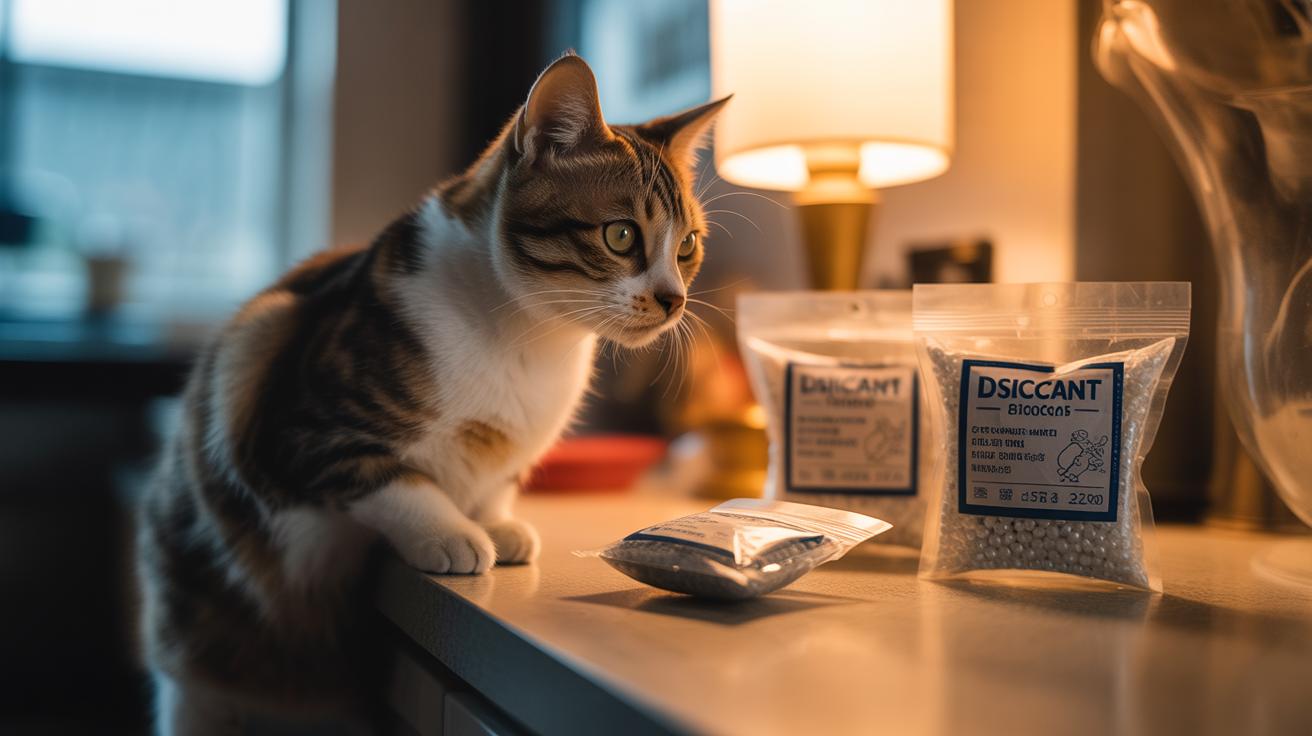
    Most desiccants you find in packages come in three flavors: silica gel beads, moisture‑indicator beads, and superabsorbent polymers. Silica gel beads (tiny beads of a natural mineral, like very fine sand) are mostly inert. Moisture‑indicator beads are dye‑coated and sometimes contain cobalt chloride (a color‑changing chemical that can be toxic in large amounts). Superabsorbent packs use sodium polyacrylate (a polymer, a long‑chain plastic that soaks up liquid and swells). The biggest everyday danger is physical , choking or a gut blockage , while chemical problems only show up with some dyed or indicator products.

    Desiccant Type Primary Composition Key Risk to Cats Typical Clinical Concern
    Silica gel Silica beads (tiny mineral beads, like fine sand) Choking or mechanical blockage Visible foreign body; local mouth or gut irritation; low chemical toxicity
    Moisture‑indicator beads Dye‑coated beads; sometimes cobalt chloride (color‑changing chemical) Chemical toxicity if a lot is swallowed; choking Possible systemic signs if large amounts of dye or metal are ingested
    Sodium polyacrylate / superabsorbents Superabsorbent polymer (sodium polyacrylate, a swelling plastic) Expands when wet and can cause an obstruction Blockage risk; localized irritation; may swell inside the gut

    If your cat eats one, quickly read and keep the packet label and bring it to the vet. Look for words like "moisture indicator," any chemical names such as "cobalt chloride," or "sodium polyacrylate," and note whether the stuff is beads or powder. Count how many packets could be missing and write down when it happened. That little paper strip that says "do not eat" actually helps your vet a lot, so snap a photo if you can and bring the packet to the appointment.

    Watch your cat for signs like drooling, gagging, vomiting, tummy pain, or not wanting to eat. Some packs just cause mild irritation, but superabsorbent material can swell and block the gut, and large amounts of indicator dye or metals can cause real toxicity. If you’re unsure, call your vet or a pet poison hotline right away , quick action often makes the difference.

    Silica Packet Ingestion in Cats: Symptoms and Treatment

    - Signs and timeline symptoms of silica packet ingestion in cats.jpg

    If your cat mouths a silica packet, the first few minutes matter. You might see drooling, gagging, retching, coughing, or frantic pawing at the mouth. If you can safely look inside, you may see the packet or the tiny beads and be able to remove them right away. Use gloves or blunt tweezers and be very gentle so you don’t push anything deeper.

    Quick note: silica gel (tiny beads that soak up moisture) is a desiccant (a drying agent). It’s usually not poisonous by itself, but the packet can block or irritate the mouth and throat. So those first actions, calm, careful, quick, can really help.

    Over the next few hours watch for mild stomach signs. A single or occasional vomit, eating a little less, or a subtle tiredness are common. Jot down each vomiting episode – time and how often – before rushing to the car, especially if your cat looks bright and is breathing normally. Small sips of water and close observation are often fine at this stage.

    But don’t ignore changes. From about 24 to 72 hours after swallowing, pay close attention. Repeated vomiting, a much lower appetite, noticeable lethargy, changes in stool, or a swollen belly are warning signs. Look for belly pain clues too – guarding, a hunched posture, or crying when you touch the tummy. Those trends point to mechanical problems like an obstruction or irritation that can get worse over hours to days and need a vet check.

    Kittens, very small cats, or any case where several packets were swallowed are higher risk. Keep a close eye for 24-72 hours and log what you see. For help deciding when to move fast, see "When to seek veterinary care." For tips on what to record and how to check stools, see "Home monitoring."

    When to seek veterinary care for silica packet ingestion in cats

    - When to seek veterinary care for silica packet ingestion in cats.jpg

    This tells you what to bring and when to go so the clinic can triage quickly. If you can, bring the packet or its label and be ready to answer a few quick questions the vet or poison-control line will ask. That helps them act fast and get your cat the right care.

    What to tell the clinic or poison control:

    • Time of ingestion.
    • Packet label or listed ingredients (take a photo if you can).
    • How many packets or pieces were eaten.
    • Whether there were tiny beads, powder, or a spill.

    Example you can say: "My cat ate one small silica packet at 9:15 AM. The packet says 'silica gel' (a drying material) and had tiny white beads."

    If the packet has color-changing beads (moisture-indicator dyes, which change color when wet), or if it lists unfamiliar ingredients or superabsorbent polymers (materials that swell when wet), call poison control for chemical-specific advice before you travel. That guidance helps your vet decide the next steps.

    Immediate steps

    • Call your clinic or the poison-control line right away and give them the details above. Follow their phone instructions.
    • Emergency signs that need immediate transport to an ER:
      • Severe breathing problems or open-mouth gasping. Transport now.
      • Repeated or ongoing vomiting over a short time. Transport now.
      • Unresponsive, very weak, or collapsed. Transport now.
      • Severe belly pain or obvious swelling of the abdomen. Transport now.
      • Visible bleeding (blood in vomit or dark, tarry stool). Transport now.
      • Choking or a packet visibly stuck in the mouth or throat that you cannot remove safely. Transport now.
    • Keep your cat calm and breathing steady during the ride. A towel can help them feel secure.

    Home monitoring

    If poison control or your vet says it’s okay to watch at home, that’s usually for a cat that had only a single brief vomit and is alert, breathing normally, and eating or drinking. Watch closely for 24 to 72 hours and call or head in right away if any of the emergency signs show up.

    Quick aside: I once watched my roommate’s kitten nibble a packet, heart-stopping at first, but the vet said to watch and all was fine. Still, when in doubt, call. Better safe than sorry.

    How veterinarians diagnose and treat silica packet ingestion in cats

    - How veterinarians diagnose and treat silica packet ingestion in cats.jpg

    At triage the vet will ask a few quick questions: when the packet was eaten, what kind of packet it was, and how many were involved. Then they’ll do a focused exam to check breathing, temperature, and the belly. From there they pick tests to see if something is stuck or if complications are starting.

    Diagnostics

    The exam starts with careful abdominal palpation (gentle feeling of the belly to find lumps or pain). Bloodwork looks for dehydration and signs of inflammation. Imaging comes next. Radiographs (x-rays) are a common first step, but many silica packets are radiolucent (not easily seen on x-ray), so x-rays can be hit-or-miss. Ultrasound (sound-wave imaging, like a quick belly scan) helps find fluid, swelling, or a mass. If the pictures are unclear and the vet still worries, a CT scan (computed tomography, a detailed cross-sectional scan) can find hidden foreign bodies or signs of a hole in the gut. Vets watch for a visible packet, bowel gas patterns that hint at obstruction, free gas (air outside the gut that suggests a tear), and fluid that points to infection. Ever watched your kitty’s whiskers twitch while you press on their tummy? That little twitch can tell a lot.

    Treatments

    For stable cats, vets may choose conservative care: close observation at home or in the hospital, plus IV fluids (fluids given into a vein) to keep them hydrated. Anti-nausea medication like maropitant (an anti-vomit drug often called Cerenia) helps stop vomiting. Pain meds and antibiotics are added if there’s a lot of inflammation or a suspected perforation.

    If the packet is reachable, endoscopic removal is often the best option. An endoscope is a thin, flexible tube with a camera and little grasping tools that lets the vet pull the packet out without cutting. It’s less invasive and cats usually recover faster. Surgery becomes necessary when the scope can’t reach the object, when the bowel is blocked, or when there’s a tear. Surgeons may do an enterotomy (a cut into the intestine) or a resection (remove the damaged section and sew the ends back together). After surgery, cats usually stay in the hospital for fluids and pain control. Worth every paw-print.

    Recovery and outlook are usually good when treatment starts early. Many cats bounce back in a few days after endoscopy and in one to two weeks after routine surgery. Delays, packet type, where the packet is stuck, and whether there’s a perforation can make recovery longer and raise the risk of complications. So if you think your cat swallowed a silica packet, call your vet right away , faster action makes a big difference.

    Silica Packet Ingestion in Cats: Symptoms and Treatment

    - Home monitoring, follow-up exams, and what to document after ingestion.jpg

    If your cat ate a silica packet, stay calm and watch them closely. Monitor for at least 24 hours. Many vets ask owners to keep an eye on their pet for 48 to 72 hours because stomach and bowel signs can show up later. It’s scary, but most of the time careful watching is all you need. Worth every paw-print.

    What to note right away:

    • Time of ingestion (clock the minute).
    • Packet label or description , beads versus powder, any dye or polymer (polymer means a plastic-like material).
    • How many packets might be missing.
    • Vomiting: when it started and how often.
    • Stool color and texture , watch for blood or black, tarry stool (that can mean digested blood).
    • Appetite, peeing, activity level, and any home treatments you tried.
      These details help your vet and make follow-up checks way easier.

    Checking the stool safely:
    Don’t probe your cat’s rear. Instead, put on disposable gloves and use a scooper or paper towel to inspect freshly passed stool for beads or fragments. If you see anything odd, snap a photo next to a coin for scale. Photos are super helpful and, honestly, less gross than you expect.

    Collecting a sample:
    Drop a piece of fresh stool into a clean container, seal it, and label it with the date and time. Bring the sample and your photos to the clinic if your vet asks. That makes diagnosis faster.

    When to call or go back to the vet:
    Bring photos or a stool sample, or return for x-rays or other imaging if there’s no confirmed passage within 24 to 72 hours, if your cat’s signs get worse, or if your vet tells you to come in. Trust your gut. If your kitty seems dull, won’t eat, or is vomiting a lot, call your vet right away.

    Ever watched your cat bat at an empty packet like it was a toy? Yeah, me too. Keep those packets out of reach and give your curious hunter safer toys instead.

    Prevention: keeping silica packets away from cats and safer alternatives

    - Prevention keeping silica packets away from cats and safer alternatives.jpg

    Silica packets are drying packets (desiccants) that your cat might find oddly irresistible. Ever watched a cat paw at a crinkly packet like it’s a treasure? Yeah, don’t let that happen. Toss used packets into a sealed trash bin right away and keep that bin somewhere your cat can't reach, like a high cupboard or a locked closet. If the bin has a lid, shut it; if not, get one that does.

    When new stuff arrives, put boxes and packages on a counter or table and close the lid. Don’t leave loose packaging or packets on the floor where curious paws can investigate. Supervise unboxing sessions when you can, and ask housemates or delivery folks to remove any packets before leaving parcels where cats hang out.

    Make dry goods kitty-proof. Use airtight containers, zip-top bags, or sturdy plastic bins with lids to store things like bulk food, shoes, or tech. Store extra packets in a high cupboard or a closed closet, out of sight, out of paw’s reach. In multi-cat homes, don’t rely on one loose packet; swap them into a labeled, sealed container so one bold hunter can’t share them with the others.

    Keep kitchen and recycling lids secured and take trash out often so packets aren’t left behind like tiny cat toys. A quick habit change, putting packets straight into a closed trash or storage jar, can save a vet visit and a lot of worry.

    Safer desiccant options & labeling

    Look for desiccants labeled non-toxic, and check ingredient names. Some moisture-indicator beads (tiny beads that change color when wet) and superabsorbent polymers (a long-chain plastic that soaks up liquid) carry different risks. Oxygen absorbers (packets that remove oxygen to keep food fresh) are another thing to stash well away from pets.

    Consider reusable desiccant canisters you keep tucked in a cupboard. They do the same job without little loose packets rolling around. If you must keep packets nearby for a short time, tuck them into a closed jar or a drawer and put a clear label on it so every caregiver knows to remove them before a cat prowls.

    Quick checklist:

    • Seal and stash used packets immediately.
    • Store spares high or locked up.
    • Swap loose packets for labeled containers or reusable canisters.
    • Read labels: non-toxic is best, and note ingredient names like polymers or moisture beads.

    Worth every paw-print of effort. Your cat stays safe, and you get to keep your peace of mind.

    Silica Packet Ingestion in Cats: Symptoms and Treatment

    - Costs, prognosis, and questions to ask your veterinarian after silica packet ingestion in cats.jpg

    Typical out-of-pocket ranges you might see:

    • Vet triage/visit: $75 to $200.
    • Radiographs (x-rays): $150 to $300.
    • Endoscopy (a thin camera tube with tiny grasping tools): $800 to $2,500 depending on clinic and region.
    • Abdominal surgery (opening the belly to remove a blockage): $1,500 to $5,000 or more depending on complexity and aftercare.

    Prices change a lot by location and how involved the case is, so ask the clinic for a local estimate before any non-emergency procedures. It saves stress later. Ever tried to guess a vet bill while your cat gives you that innocent look? Yeah, don’t do that.

    Prognosis is usually good when care starts quickly. Endoscopy often lets a cat bounce back in a few days. Surgery usually means one to two weeks of recovery, and sometimes longer if there was a tear or infection. Recovery is slower when treatment is delayed, when superabsorbent polymers (materials that swell and trap liquid) are involved, or when the packet caused a perforation or widespread infection. In truth, faster care usually means an easier recovery.

    Questions to bring to the vet at intake and again at discharge:

    • Do we need imaging now, and which tests will you run? (Like x-rays or ultrasound.)
    • Can this be removed with endoscopy, or will surgery be needed?
    • What home signs mean I should return or go to an emergency clinic?
    • What is the expected recovery time, and what exact home-care steps will you give me?
    • How will pain be managed, and what medications will my cat need?
    • Can you provide a cost estimate for the likely plan (imaging, endoscopy, surgery) and payment options?

    Worth every paw-print: getting the answers upfront helps you stay calm and lets your kitty heal with less fuss.

    Final Words

    In the action, stay calm and move fast: this post gave a six-step emergency checklist, showed how desiccants differ (silica gel (tiny drying beads)), covered minute-to-day symptoms, when to call poison control or the clinic, what vets may do, and how to watch and prevent repeats.

    Follow the checklist, log times and stool, bring the packet and photos, and watch breathing and vomiting closely.

    That quick action helps protect your cats and makes dealing with silica packet ingestion in cats: symptoms and treatment far less scary.

    FAQ

    Frequently Asked Questions

    Will silica gel kill my cat?

    Silica gel will usually not kill a cat. The beads are chemically inert; the main risks are choking or an intestinal blockage, especially in kittens or after large ingestion.

    What to do if a cat eats a silica packet?

    Secure the cat and check breathing. Remove a visible packet with gloved fingers or blunt tweezers only if it is safe to do so. Do not induce vomiting. Call your veterinarian or poison control for advice and seek emergency care if the cat is choking or having breathing trouble.

    My cat ate silica gel beads — what symptoms may occur after ingestion of silica gel?

    Immediate signs can include drooling, gagging, coughing, or a single episode of vomiting. Over hours to days watch for repeated vomiting, lethargy, poor appetite, abdominal pain, or changes in stool that could indicate an obstruction.

    Is silica gel litter toxic to cats?

    Silica gel litter is generally not chemically toxic. Dust can irritate, and swallowing clumps or large amounts can cause intestinal blockage. Monitor your cat and call your veterinarian if you notice concerning signs.

    How fast can silica gel kill a dog?

    Silica gel rarely causes rapid death. Beads alone seldom cause fatal poisoning, though choking or intestinal obstruction can be serious. Packets containing toxic dyes or certain polymers can cause rapid severe signs and need emergency care.

    When should I call poison control for a cat that ate silica?

    Call poison control if the packet lists dyes, cobalt chloride, or polymers like sodium polyacrylate; if multiple packets were swallowed; or if your veterinarian requests toxin-specific guidance.

    Silica gel packets eaten by child

    If a child eats silica gel, packets are usually not poisonous. Remove visible material, watch breathing and vomiting, and call poison control or seek care if there is breathing difficulty, repeated vomiting, or the packet lists dyes or unknown chemicals.

    Related Articles

  • Managing Morbidly Obese Cats: Clinical Approaches & Welfare

    Managing Morbidly Obese Cats: Clinical Approaches & Welfare

    What if the soft, round cat you love is actually a ticking medical time bomb?
    Morbid obesity in cats can lead to hepatic lipidosis (fatty liver disease). It can also cause dyspnea (trouble breathing) and metabolic problems from blood-sugar and electrolyte imbalances (issues with sugar and mineral levels). So fast clinic triage matters.

    Ever set a panting kitty on the exam table? Yeah, that needs attention now. This post gives a fast intake checklist and urgent safety flags. It also lists realistic weekly weight-loss targets to protect health and welfare, plus practical tips for safe handling and owner follow-up.

    Worth every paw-print.

    Immediate clinic intake checklist and urgent safety flags for morbidly obese cats

    - Immediate clinic intake checklist and urgent safety flags for morbidly obese cats.jpg

    Why act fast? A quick intake helps us spot cats at immediate risk of fatty liver disease (hepatic lipidosis), trouble breathing (dyspnea), or blood-sugar and electrolyte problems (metabolic compromise). It also tells the team how to handle the cat safely and which same-day tests to run. Ever seen a big, panting kitty on the exam table? Yeah, that needs attention now.

    Note: full lab and imaging protocols live in Diagnostics. This section only flags same-day concerns.

    Triage checklist (one-line): record current weight, body condition score and percent excess; screen for acute flags (anorexia over 48 hours, vomiting, trouble breathing, collapse, severe lameness, seizures); review meds; check feeding access; assess owner capacity; choose and document a weekly weight-loss target.

    • Current weight and body condition score (BCS). Use clinic scale and the 1-9 BCS system. Also record percent excess above ideal weight (percent above estimated ideal).
    • Acute safety flags that need urgent workup: anorexia over 48 hours, repeated vomiting, new trouble breathing or blue gums (cyanosis), collapse or fainting, severe lameness, or seizures. If any of these are present, triage now.
    • Recent or current medications, especially corticosteroids or insulin, and when the last doses were given.
    • Owner-reported appetite and recent intake pattern, plus immediate feeding risks like multi-cat access, scavenging, or free-feeding.
    • Owner priorities and ability to return for appointments, plus capacity for home monitoring (having a scale, keeping a food diary, transport help).

    Goal setting and immediate plan: pick a numeric weekly target and write it down. For morbid cases start low at 0.5% body weight per week. Typical clinical range is 0.5-2% per week. Estimate a provisional timeline by dividing percent excess by your chosen weekly percent. For example, 20% excess divided by 0.5% per week gives about 40 weeks. Record clear stop criteria: anorexia lasting 48-72 hours, weight loss faster than 2% per week, ketones in urine (ketonuria), new lethargy, or new vomiting/diarrhea. Do same-day urgent testing only if acute flags are present. Suggested same-day tests: CBC (red and white blood cell check), chemistry panel (kidney, liver, and electrolytes), blood glucose (blood sugar), urinalysis (urine check), and blood pressure.

    Use a short owner script to set expectations. Try something like: "We need to check weight and do bloodwork if there are worrying signs, then start a slow, safe plan. Can you come back in 7 days?" Simple, clear, and honest.

    Worth every paw-print.

    Quick Reference One-line Content
    Triage checklist Weight, BCS (% excess), acute flags, meds, feeding access, owner capacity, document chosen % target.
    Numeric weekly targets Morbid cases: 0.5%/wk; common range: 0.5-2%/wk; rapid loss above 2%/wk → urgent review.
    Cross-references See Diagnostics; Nutritional management; Feeding logistics; Monitoring.
    Immediate escalation triggers Anorexia over 48 hr, repeated vomiting, trouble breathing, collapse, seizures, rapid loss over 2%/wk.
    Sample owner script “We need to check weight and do bloodwork if there are worrying signs, and start a slow, safe plan; can you return in 7 days?”

    Diagnostics and comorbidity screening for managing morbidly obese cats

    - Diagnostics and comorbidity screening for managing morbidly obese cats.jpg

    A tight, focused screening changes the diet and monitoring plan because hidden problems like diabetes, thyroid issues, kidney disease, liver changes, or painful joints shift calorie needs, protein goals, and how fast we can safely reduce weight. The intake checklist will flag same-day urgent concerns. This section lays out the baseline and follow-up tests you’ll use to tailor therapy and keep everyone on the same page.

    Consolidated laboratory and endocrine protocol

    Start with a compact, prioritized panel so you can catch endocrine drivers of obesity or treatable comorbidities early. Fast when a test needs fasting and note how long the cat was fasted.

    1. CBC (complete blood count – a check of red and white blood cells) to spot infection, anemia, or inflammation.
    2. Chemistry panel including liver enzymes and electrolytes (basic metabolic snapshot of organ function and minerals).
    3. Fasting blood glucose (blood sugar after withholding food – helps detect diabetes).
    4. Fructosamine (three-week average of blood sugar control) if glucose is abnormal or you suspect insulin resistance.
    5. Total T4 (thyroid hormone screening) to rule out hyperthyroidism or low-thyroid effects on metabolism.
    6. Serum electrolytes/renal profile to assess kidney function and correctable imbalances.
    7. Urinalysis (urine check for glucose, ketones, infection signs).
    8. Urine culture when urinalysis shows pyuria (pus in urine) or with recurrent urinary signs.
    9. Blood pressure measurement to screen for systemic hypertension (high blood pressure – often silent).

    Add advanced endocrine testing like insulin assays or C-peptide (markers of insulin production and resistance) when there’s unexplained persistent high blood sugar, ongoing increased thirst or urination, or unstable diabetes control. Document fasting duration when applicable.

    Orthopedic and pain assessment

    Weight loss only helps mobility if we measure baseline pain and function. Observe and score so you know if the plan is helping.

    • Gait observation: watch the cat walk and trot; note stiffness or asymmetry.
    • Timed up-and-go or similar mobility test: time to stand, walk a short distance, and return.
    • Joint palpation with a graded pain score 0-10 (press the joint and note reactions).
    • Muscle condition score (look for muscle loss under fat).
    • Radiographs (x-rays) when there’s focal severe pain, suspected instability, or surgical planning.

    Refer to a specialist if there’s no improvement after a reasonable weight-loss interval despite pain control, severe or worsening lameness, suspected joint instability, or neurologic deficits.

    Specific findings should change the plan. If diabetes or marked insulin resistance shows up, favor low-carbohydrate, higher-protein diets and tighter glucose monitoring. If kidney disease is present, adjust protein targets and slow the weight-loss rate to protect lean mass and electrolytes. Significant orthopedic pain means slowing progression, starting analgesia early, adding physiotherapy (range-of-motion work, controlled low-impact exercise), and sometimes referring for joint-specific medical or surgical care.

    Always document how each abnormal result changed your calorie target and follow-up timing so the whole team knows why you chose that plan. Worth every paw-print.

    Nutritional management: diet selection, caloric calculations and transition protocol

    - Nutritional management diet selection, caloric calculations and transition protocol.jpg

    Start with the goal: cut the cat’s calorie intake while protecting lean mass and vitamins/minerals so the cat loses fat, not muscle. Therapeutic weight-loss diets are made for that. They lower energy density (calories per gram), boost protein to spare muscle, and pack vitamins and minerals so a smaller amount of food still meets nutrient needs.

    Calorie math made simple. Use the resting energy requirement (RER – the calories a cat needs at rest) based on the cat’s ideal weight. RER = 70 × (ideal kg)^0.75. Example: ideal weight 4.0 kg → RER ≈ 70 × 4^0.75 ≈ 242 kcal/day. Many clinicians start a prescription at RER × 0.8 → 0.8 × 242 ≈ 194 kcal/day. Write down the exact percentage you pick.

    Turn kcal/day into grams/day using the diet’s label (kcal per 100 g). One way: grams/day = (kcal/day ÷ kcal per 100 g) × 100. Example: canned diet 90 kcal/100 g → 194 ÷ 0.9 ≈ 216 g/day. Measure with a kitchen scale and record grams/day exactly. Ever watched your cat judge a bowl like it’s a five-star critic? This helps avoid guesswork.

    What to look for in a diet:

    • High protein per kcal (protein helps keep muscle; list grams of protein per 100 kcal if you can).
    • Low carbohydrate proportion (carbohydrate means sugars and starches; lower carbs can help insulin-sensitive cats).
    • Controlled energy density (fewer calories per gram than regular maintenance food).
    • Concentrated micronutrients (vitamins and minerals packed in so restricted calories still meet needs).
    • Palatability options (different flavors or textures to help picky eaters).
    • Higher moisture in canned diets (more water helps satiety and lowers kcal density).

    Transition plan (typical total ~3 weeks; slow or speed up if the cat has tummy trouble):

    1. 25% new food / 75% old , 2 to 3 days. Watch for vomiting or loss of appetite.
    2. 50% new / 50% old , 2 to 3 days. Pause if appetite drops or stools loosen.
    3. 75% new / 25% old , 2 to 3 days. Slow the change if GI signs continue.
    4. 100% new food , start full prescription. If the cat refuses, try palatability tricks and check for underlying issues with diagnostics.
    Type Typical kcal/100g Pros Cons
    Canned 70–120 More water (feels fuller), lower calorie density, often higher protein per can Heavier to weigh out, usually costs more
    Dry 300–450 Easy to measure small volumes, long shelf life, fits many puzzle feeders High calorie density, can be overeaten if not weighed in grams

    Treat rules: keep treats to 10% or less of daily calories and subtract treat kcal from the daily prescription. Point owners to Feeding logistics for device and puzzle calorie accounting. Recheck calories and adjust based on weight trends and diagnostics. For example, diabetes usually needs lower carbs and tighter glucose checks, while kidney disease may mean slower weight loss and adjusting protein. Worth every paw-print.

    Feeding logistics, portion control, devices and multi-cat strategies

    - Feeding logistics, portion control, devices and multi-cat strategies.jpg

    Start by measuring every meal in grams with a kitchen scale (small digital kitchen scale is fine). Write down grams per feed and convert to kcal (kilocalories, the “Calories” on the label) using the diet label so you never have to guess with cups. Timed, measured meals cut the extra calories that sneak in with free-feeding and show the cat’s true intake patterns. Short, supervised meal windows stop grazing that adds up over the day. Ever watched your kitty nibble all day and wonder where the weight came from? This fixes that.

    Make feeding an activity. Use slow-feed bowls, food puzzles, timed dispensers, and feeder toys so eating also becomes play. Microchip-activated feeders let the target cat eat alone at its station (no more food policing). Put puzzles and slow feeders on non-slip surfaces and spread them around the house so your cat takes a few steps between bites. That small movement matters. See Nutritional management for calorie math before you add puzzle portions, and check Monitoring for home-weighing and food-log tips.

    • Kitchen-scale measurement: show owners clinic dosing in grams, then have them repeat the measurement before leaving so they’re confident at home.
    • Timed supervised meals: offer food for 15 to 30 minutes, once or twice a day as planned, and remove leftovers so grazing stops.
    • Microchip feeders: program the cat’s ID and train them to use their feeder so each cat gets only their food.
    • Slow-feed and puzzle placement: floor-level for seniors, elevated for shy eaters, and spaced across rooms to encourage movement.
    • Scheduled timed dispensers: use for small meals or afternoon snacks to break up long fasting stretches.
    • Cross-reference: see Nutritional management for treat calorie allocation and Monitoring for home-weighing protocols.

    Sample daily schedule (easy to follow, and you’ll see progress): weigh the cat weekly and record it. Morning: measured breakfast (grams → kcal) plus 5 to 10 minutes of wand play so whiskers twitch and paws get moving. Midday: timed dispenser snack or a short puzzle session, note grams released. Late afternoon: 10 to 15 minute puzzle feeding session to slow things down and add fun. Evening: measured dinner, 10 minutes of interactive play, and any treats that day deducted from the kcal budget. In the food log write date, time, grams offered, grams remaining, calculated kcal for that portion, and device-dispensed calories so clinic reviews match true intake.

    Worth every paw-print.

    Behavioral enrichment, non-food activity progression and adaptations for arthritic/senior cats

    - Behavioral enrichment, non-food activity progression and adaptations for arthriticsenior cats.jpg

    Principles first. Short, frequent play beats one long gym session for most cats. Non-food enrichment wakes up natural hunting instincts, burns energy without adding calories, and keeps motivation high. Think light, repeatable sessions your cat can win at; small wins build confidence and momentum.

    Practical non-food activities to prescribe and demo in clinic:

    • Feather wand: 3–5 minutes, three times a day. Move it like a tiny fleeing bird so your cat’s whiskers twitch, then let them “catch” the prey at the end for a satisfying finish.
    • Clicker or target training: 5 minutes, twice a day. Clicker training uses a small click sound as a marker (a quick noise that tells the cat they did the right thing). Start with touching a stick and build up to tricks that add movement.
    • Short leash walks: 5–10 minutes if the cat tolerates it. Use gradual harness training steps first and stop right away if you see panting or stress signs.
    • Laser sprints: 1–2 minutes, three times a day. Keep it fast and fun, then finish by pointing the laser at a physical toy so your cat can actually nab something.
    • Vertical exploration hops: Encourage 3–5 short hops onto a low perch, repeated 3–4 times daily. Even small vertical moves get muscles working and make perching feel rewarding.
    • Scent trails: 5–10 minute sniff games using safe scents on paper or toys (catnip, a dab of food scent). This promotes movement without big bursts of running.
    • Play tunnel or hiding-box fetch: 5–10 minutes, once or twice a day. Toss a toy into a tunnel or box and let them dash and pounce for short chase bursts.
    • Gentle fetch with a soft ball: 2–5 minutes, two times a day for cats who like carrying things. Short tosses, soft landings, and the joy of bringing it back.

    Progression tips and adaptations for senior or arthritic cats. Increase the number of sessions first, then slowly add time, then add repetitions. A simple rule: add one extra 2–3 minute session each week until your cat’s tolerance is clear.

    For mobility-limited cats favor floor-level play, raised food bowls, and short low ramps for perches so they don’t have to jump. Assisted ROM (range-of-motion) exercises mean gently flexing and extending joints through their safe motion (short, gentle sets). These help keep joints moving without overdoing it.

    Refer to physiotherapy (professional rehab) when pain scores rise, lameness gets worse, or mobility doesn’t improve after a reasonable trial with pain relief (analgesia) and gentle activity adjustments. In truth, catching problems early means better outcomes and more comfy purrs. Ever watched a senior cat find their spring again with the right tweaks? It’s worth the effort.

    Monitoring during active weight-loss phase: home measurements and escalation triggers

    - Monitoring during active weight-loss phase home measurements and escalation triggers.jpg

    Keeping weight loss steady means catching problems early. Regular, objective checks at home help us spot slips before they become big issues. Home measurements are fine, just have the clinic teach and confirm the technique so your numbers match theirs.

    Home monitoring techniques

    Set owners up to win with simple tools and an easy routine. Teach the steps during the visit and ask the owner to show you once before they leave. That little demo saves a lot of guesswork later.

    • Recommended scales and calibration: use a digital luggage or baby scale, or a well-calibrated bathroom scale (calibration means zeroing the scale). The clinic can show how to zero the scale and point out acceptable models.
    • Owner weighing protocol (step-by-step): weigh the empty carrier first (this is called tare, zeroing for the carrier), then weigh the cat in the carrier at the same time of day each week. Do the check twice and record the average. If you prefer the owner-plus-cat method, weigh the owner, then weigh the owner holding the cat and subtract to get the cat weight.
    • Photo diary for BCS/muscle condition: take side and top photos on a flat surface, same lighting and same distance. Add a short note about the waist and how muscle shows up (BCS = body condition score; muscle condition score is how muscly the cat looks and feels). Upload or bring the photos to appointments.
    • Standardized food log template: write date/time, grams offered, grams left, and calculated kcal (calories). Note the measuring device used and subtract treat calories.
    • Activity log guidance: jot down the type of play, how long each session lasted, how many sessions per day, and the effort level (easy/moderate/vigorous). Think of it like a short play diary.
    • Treat and puzzle calorie log: list the treat brand, kcal per treat, and estimate how many kcal puzzles release; subtract these from the daily total.
    • When to call the clinic: any of the escalation triggers below, or sudden refusal of a normally accepted meal, or an unexpected weight change you notice at home.

    Escalation triggers and clinic actions

    These are the big red flags. Call or come in fast when they pop up, your clinic should tell you what they'll do at intake so you know what to expect.

    1. Rapid loss greater than 2% of body weight per week – immediate clinic review and repeat weight check.
    2. Not eating for 48 to 72 hours – same-day assessment to check appetite and dehydration.
    3. Persistent vomiting – same-day visit for exam and diagnostics.
    4. New lameness or breathing problems (panting or open-mouth breathing) – urgent in-person evaluation.
    5. Ketonuria (ketones in urine – chemicals made when the body breaks down fat) – urgent metabolic workup and possible hospitalization.
    Metric Target or Action Frequency
    Weight Weekly home check; clinic validates technique Weekly
    BCS Photos and score update every two weeks (BCS = body condition score) Biweekly
    Muscle condition score Clinic review with photo comparison (how the muscles feel and look) Monthly
    Appetite log Daily entries; contact clinic if reduced intake >48 hours Daily
    Activity log Weekly summary to track progress Weekly
    Blood glucose (if diabetic) Follow diabetic monitoring protocol; report out-of-range readings Per protocol

    Perioperative, anesthetic and nursing adjustments when managing morbidly obese cats

    - Perioperative, anesthetic and nursing adjustments when managing morbidly obese cats.jpg

    Obese cats have extra anesthetic risk. Their bodies handle drugs differently (pharmacokinetics: how the body absorbs, moves, and clears drugs), their chest and airway are stiffer so breathing can be harder, and their heart works harder. Recovery often takes longer too. Quick triage in clinic should flag noisy breathing, obvious breathing effort, or deep lethargy before you even pick an anesthetic plan.

    Dose most induction and maintenance drugs using lean body weight (total weight minus estimated fat), and then titrate to effect instead of just using total body weight. Titrate slowly with small boluses or careful infusion changes while watching reflexes and breathing. Ever watch a sleepy cat come back to life and suddenly bat up a blanket? That’s the kind of close attention we want in recovery.

    Perioperative nursing is very hands-on. Give generous padding to avoid pressure sores and position to keep the airway open. Use active warming (like a warmed blanket or circulating warm water pad) so the cat’s core stays cozy. Monitor respiration closely: rate, effort, and SpO2 (oxygen saturation). Have suction and emergency airway gear ready, and plan for assisted feeding and toileting after surgery.

    For cats with arthritis, start multimodal pain control early , local nerve blocks, opioids, and other agents as indicated , so pain doesn’t stop them from moving during recovery. Keep a clear pain-score trigger that tells you when to give more analgesia. Document everything. Worth every paw-print.

    Plan recovery checks often. Check every 5 to 10 minutes at first, then move to hourly checks as they stabilize, and keep supplemental oxygen ready until they’re extubated and breathing well on their own. Have reversal drugs and warming devices within reach because obese cats often have longer drug effects. If elective surgery can wait until weight is stable or heart/lung function improves, postpone it.

    Anesthesia dosing and recovery

    Use lean body weight for calculations, then titrate slowly watching reflexes and respiratory rate. Expect longer drug effects and altered drug handling. Keep reversal agents, suction, and warming devices nearby. Extubate when the cat is protective and breathing strongly, and watch SpO2, EtCO2 (end-tidal CO2, the CO2 in exhaled breath), blood pressure, and temperature closely during the first recovery hour.

    • Preoxygenation: give high FiO2 (fraction of inspired oxygen) for 3 to 5 minutes before induction to boost oxygen reserves.
    • Induction dosing: base on lean body weight and titrate to effect.
    • Intubation readiness: have short, wide tubes (easier to fit an obese airway) and suction at hand; plan for a difficult airway.
    • Intra-op monitoring targets: SpO2 above 95% if possible, EtCO2 35 to 45 mmHg, MAP (mean arterial pressure) over 60 mmHg, and core temp above 36 C.
    • Extubation criteria: strong spontaneous breaths, gag or swallow reflexes, and stable oxygenation on minimal support.
    • Post-op nursing: checks every 5 to 10 minutes until extubated and responsive, then hourly for 4 to 6 hours with documented pain scores.

    Next, make a written plan for when to postpone elective procedures , for example, until the cat’s weight, breathing, or heart status improves. Small changes in prep and nursing make a big difference. Your team, your padding, and your attention can turn a risky procedure into a safe one.

    Managing Morbidly Obese Cats: Clinical Approaches & Welfare

    - Welfare, ethical decision-making and shelter protocols for managing morbidly obese cats.jpg

    Severe extra weight can make a cat’s life harder in simple, painful ways. They groom less, they struggle to jump, they breathe harder, and they face bigger risks for disease like hepatic lipidosis (fatty liver). A quick welfare check helps decide if a cat needs medical care, rehoming support, or, in very rare cases where nothing helps, a humane end of life choice.

    Set up a clear intake triage at the shelter so every cat gets the same quick, focused check. Give one staff member ownership of the case from intake through follow-up, and write down the goals in the record. Make the process simple and repeatable: who examines the cat, who orders baseline tests, who trains the handler, and who contacts the owner or adopter with the plan.

    Use a simple quality of life score (QOL) to guide choices and time-limited trials of medical or behavior plans. QOL here means a short checklist that looks at mobility, pain, grooming, appetite, breathing effort, and social behavior. Keep it short, score consistently, and use it to decide when an intervention is working or when a different path is needed.

    • Mobility: difficulty jumping or a steady limp. If the cat cannot reach resting areas or the litter box without help, intervene.
    • Grooming: a matted or dirty coat, or fecal matting. Offer grooming help and review pain and medication.
    • Pain: pain score of 4/10 or higher on handling or touching (use your clinic’s standard pain scale). Start pain medicine (analgesia, pain relief) and try a physiotherapy trial.
    • Respiratory compromise: open-mouth breathing, ongoing panting, or blue-tinged gums (cyanosis, bluish coloration indicating poor oxygen). Send for urgent oxygen and a clinic assessment.
    • Appetite: not eating for more than 48 hours. Same-day medical review and baseline tests are needed.
    • Active infections: fever, wounds, or urinary signs. Do prompt diagnostics and start treatment.
    Step Action Responsible staff
    Assessment Short physical exam, body condition score (BCS, fat vs lean assessment), QOL score, pain check Intake clinician
    Diagnostics Point-of-care glucose (quick blood sugar test), urinalysis (urine test), basic bloodwork if flagged Veterinary technician / DVM (doctor of veterinary medicine)
    Plan creation Individual weight-management plan with a monitoring schedule and clear goals Veterinarian (case lead)
    Monitoring schedule Regular weigh-ins, pain checks, grooming notes, and appetite logs Assigned technician or trained volunteer
    Rehoming / support options Behavioral rehab, foster-to-adopt, medical foster, or palliative care pathways Placement coordinator

    Make staff training a regular thing. Teach safe lifting, use of modified carriers, and two-person transfers so people and cats stay safe. Keep clear, brief records of every decision, the QOL scores, and who is responsible so the next shift can pick up where you left off. Worth every paw-print.

    Client communication scripts, workflows and follow-up cadence

    - Client communication scripts, workflows and follow-up cadence.jpg

    Short, simple scripts build trust. Say the concrete next step, who will call, and what the owner should bring: a food diary, a home scale (small digital scale for household use), and side/top photos. Weight chats can feel awkward, so start with a kind line and then move to clear actions and links to clinic tools like Feeding logistics, Nutritional management, and Monitoring (tracking progress).

    Make the clinic workflow easy to predict. Use templates for intake notes and a standard text/call schedule, plus a one-page visit checklist staff can paste into the record. Train technicians to demo the scale and show how to log food while the owner watches, so they leave feeling confident. Offer telehealth check-ins (video or phone visits) when travel is hard, but save clinic visits for weight checks or any red flags.

    • Brief intake triage script for first-call triage (quick priority check): ask about appetite, breathing, recent weight change, and ability to return for visits.
    • Standardized owner education script for starting the plan: explain calorie goals, how to weigh food, and demo a kitchen scale (small scale for food portions).
    • Scheduled check-in workflow: who calls or texts and when , tech day 3, vet day 7, then tech every 2 weeks.
    • Sample day-7 check script: ask about appetite, poop, activity, and request side and top photos uploaded to the record.
    • Escalation script for red flags: if no eating for more than 48 hours (anorexia, meaning not eating), stop the current feeding plan and bring the pet in for same-day assessment.
    • Reference Feeding logistics for device setup and puzzle calorie accounting (how to count calories in feeding toys).
    • Reference Nutritional management for kcal targets (kcal means calories) and treat budgets.
    • Documentation workflow for staff handoffs: note call summaries, uploaded photos, and the chosen percent weekly weight-loss target in the record.

    Assign roles up front. Technicians lead routine check-ins and scale training, and vets sign off on targets and handle any red-flag calls. Reassess on day 7, have owners do home weight checks weekly, and book clinic validation every 2 to 4 weeks while active weight loss is happening. Worth every paw-print.

    Outcomes, maintenance, relapse prevention and long-term metrics

    - Outcomes, maintenance, relapse prevention and long-term metrics.jpg

    Think of this as the long-game plan for keeping your cat at a healthy weight. The day-to-day feeding rules and close monitoring live in the Nutrition and Monitoring guides, so here we keep only the maintenance stuff: how often to check in, a short relapse-response plan, and little booster moves to keep everyone on track. Ever worry the weight might sneak back on? Me too. This helps stop that.

    Long-term follow-up cadence

    • After your cat reaches target weight, plan clinic check-ins every 3 to 6 months.
    • Quick example script: "Clinic check-in – 'Hi, has Miso stayed around X kg since we last saw you? Any questions about portions or treats?'"

    Relapse-response protocol (short)
    If weight drifts more than 5% from target:

    • Resume weekly home weights using a kitchen scale and record in grams (g).
    • Book a clinic visit to validate the scale reading and check BCS and muscle (BCS = body condition score, a simple 1–9 scale).
    • Review the feeding plan and any extra treats or snacks with the owner.
    • Adjust calories slowly and return to active monitoring if needed.

    If weight changes urgently (more than 2% in one week) pause calorie changes and evaluate for medical causes – fast-track clinic assessment. That sudden shift can mean something else is going on.

    Booster / refresh strategies to keep people on track

    • Kitchen-scale demos (live or video) so owners see what a real scoop looks like.
    • Low-calorie treat swaps and simple portion tricks.
    • Short motivational check-ins by phone or message.
      Example demo line: "Weigh one scoop together – see how 30 g looks in your cat's bowl; try that exact scoop for three days."

    Worth every paw-print.

    Monitoring table (added Maintenance row)

    Phase Home weight frequency Clinic visit frequency Trigger / action
    Active Monitoring Weekly (or as directed) Every 2 to 4 weeks while losing Follow active weight-loss plan; urgent change >2% in 1 week → pause calorie cut and evaluate medically
    Maintenance Monthly or every 2 to 4 weeks for routine; resume weekly if drift noted Every 3 to 6 months If weight drifts >5% from target → resume weekly home weights + clinic validation; adjust calories and re-enter active monitoring if needed
    Urgent escalation Immediate recheck; daily if unstable Prompt clinic evaluation Weight change >2% in 1 week or clinical signs → pause restriction and investigate medical causes

    Client communication (quick checklist)

    • Schedule short booster calls and refresher kitchen-scale demos at routine intervals (for example, at 3-month and 6-month clinic checks) to reinforce portions, offer treat swaps, and answer questions.

    Final Words

    in the action, this guide gave clinicians a one-line triage checklist, urgent safety flags, prioritized diagnostics, concrete diet and portion plans, feeding logistics for multi-cat homes, staged activity programs, clear monitoring triggers, and surgical and welfare checklists.

    Keep a quick-reference box at the top of clinic protocols for fast decisions. Pick a conservative weekly weight-loss percentage for morbid cases and document stop criteria and escalation triggers. managing morbidly obese cats: clinical approaches and welfare fits into routine practice when teams use clear scripts, measured feeding, and steady monitoring , a path to safer weight loss and brighter kitty days.

    FAQ

    Frequently Asked Questions

    My cat is getting fat — what do I do?

    When your cat is getting fat, get a vet check for weight and BCS (body condition score, a visual/tactile scale), rule out medical causes, measure and cut calories, and add short daily play sessions.

    My cat is getting fat — what do I do (female)?

    When a female cat is gaining weight, treat it the same: vet exam, measured feeding, rule out meds or hormones, increase safe activity, and set a clinic-monitored weight-loss plan.

    How does being obese affect a cat’s life expectancy?

    Obesity shortens a cat’s life by raising risk of diabetes, arthritis, and liver problems; controlled weight loss and treating comorbidities usually improve longevity and quality of life.

    My cat is overweight but not overeating — why?

    If your cat is overweight but not overeating, low activity, undercounted food, steroid or other meds, or endocrine issues (hormone-related) may explain it; vet exams and basic labs help find the cause.

    How do I know if my cat is overweight — calculators and charts?

    You know a cat is overweight at 10–20% above ideal and obese if >20% above ideal; research often uses body fat >30% (percent body fat). Use clinic BCS and scales; online calculators are only rough guides.

    What medical causes can make cats obese?

    Medical causes include diabetes/insulin resistance, recent corticosteroid use, rare hypothyroidism, pain-limited activity, and some drugs; fasting glucose, thyroid tests, and chemistry panels help identify medical drivers.

    Related Articles

  • BMI-style calculator for cats: how-to-use-and limitations

    BMI-style calculator for cats: how-to-use-and limitations

    Think a human BMI can size up your cat? Spoiler: not really. Cats are compact, flexible, and full of surprises, so a human-style number only gives a rough idea, not a diagnosis. Still, it can be a handy starting point if you know what it actually measures.

    This BMI-style calculator uses four inputs: body weight, rib-cage circumference (measure around the widest part of the chest at the level of the 9th rib), lower hind-leg length (knee-to-ankle, just the lower leg), and a breed or body-length selection. Those bits together make a single “cat shape” number that tries to guess body type. It’s meant as a guide for curious cat parents, not a vet verdict.

    I’ll walk you through how to measure each part, show the simple formula and a worked example, and point out the calculator’s limits so you can use it wisely. Ever watched your kitty slip between cushions and wondered how on earth you’re supposed to measure that grace? Yep, we’ll cover the tricky bits and a few tips that save time and keep your cat calm.

    Ready? Let’s get measuring and make sure your purring pal is feeling feline fine.

    BMI-style calculator for cats: how-to-use-and limitations

    - How to use a BMI-style calculator for cats immediate inputs, formula, and a worked example (fulfills the search intent).jpg

    This tool estimates a cat’s body condition with a BMI-style index. You’ll need four things: body weight, rib-cage circumference at the level of the 9th rib, lower hind-leg length measured knee-to-ankle, and an optional breed or skeletal-length choice. Think of the index as a shape number for cats , not the same as human BMI, but a useful guide.

    What to measure (quick definitions)

    • Body weight , use lb or kg on a scale.
    • Rib-cage circumference (chest measurement at the widest part of the ribs).
    • Lower hind-leg length (knee-to-ankle length on the back leg).
    • Breed/length selector , pick short, average, long, or a specific breed if listed; it helps interpret the result.

    The formula (plain steps)

    1. Divide the rib-cage measurement by 0.7062.
    2. Subtract the lower hind-leg length.
    3. Divide that result by 0.9156.
    4. Subtract the lower hind-leg length again.
      The final number is the cat’s BMI-style index (a simple shape index for cats).

    Worked example up front , follow along

    • Rib = 30 cm (11.8 in).
    • Leg = 12 cm (4.7 in).
    • Weight = 6.8 kg (15 lb).

    Step-by-step:

    1. 30 cm ÷ 0.7062 = 42.50 (intermediate A).
    2. A − leg: 42.50 − 12.00 = 30.50 (intermediate B).
    3. B ÷ 0.9156 = 33.33 (intermediate C).
    4. C − leg: 33.33 − 12.00 = 21.33 (BMI-style index ≈ 21.3).

    Interpreting that index
    In many online tools, an index of about 21.3 maps to roughly 30% overweight (these mappings vary by tool). If percent overweight = 30%, then ideal weight = current weight × (1 − 0.30). Example: 15 lb × 0.70 = 10.5 lb (6.8 kg × 0.70 ≈ 4.8 kg).

    Typical calculator fields , what to enter

    • Weight , numeric value and unit (for example: 15 lb or 6.8 kg).
    • Rib circumference , chest at the 9th rib (example: 30 cm or 11.8 in).
    • Lower hind-leg length , knee-to-ankle (example: 12 cm or 4.7 in).
    • Breed/length selector , choose the closest skeletal type; if unsure pick “average.”

    Measurements , how to position the cat
    Have the cat standing on a flat surface with legs perpendicular to the floor and head upright so bones line up. Measure rib-cage circumference at the 9th rib , that’s the widest mid-chest band where you can follow the ribs. Measure lower hind-leg length from the back knee joint down to the ankle with the leg relaxed but straight.

    Common mistakes to avoid

    • Don’t measure while the cat is crouched or hunched.
    • Don’t wrap the tape over thick fur instead of snug against fur.
    • Don’t mix units , pick metric or imperial and stick with it.

    Step-by-step measuring and calculation (friendly guide)

    1. Prepare cat and tools , grab a digital or kitchen scale (tare/zero it to remove carrier weight), a flexible cloth tape (cm/in), and a towel or carrier to keep your cat calm.
    2. Position cat correctly , have them stand on a non-slip mat or use a helper to steady them.
    3. Measure rib-cage circumference , place the tape at the 9th rib, snug but not tight; record it.
    4. Measure lower hind-leg length , measure knee-to-ankle along the back leg while it’s straight and relaxed; record it.
    5. Enter numbers and compute with the formula , see the worked example above for the math.
    6. Convert index to actionable numbers , turn percent overweight into pounds or kg to set goals and plan feeding.

    Quick conversion examples

    Current weight Percent overweight Weight to lose
    10 lb 10% ≈ 1.0 lb
    12 lb 20% ≈ 2.4 lb
    15 lb 30% ≈ 4.5 lb

    Limitations and a hands-on reminder
    This index is a useful guide, but don’t treat it like a final diagnosis. A hands-on rib-feel check is important , you should be able to feel ribs with a thin layer of fat, not see them staring back. See the Measurement Tips section in your tool for calm-cat tricks, scale calibration, and handling notes. Ever watched your kitty chase shadows? Use short play sessions and slow weight goals instead of drastic cuts. Worth every paw-print.

    Interpreting BMI-style calculator for cats results: ranges, rib-feel guidance, borderline readings, and immediate actions

    - Interpreting BMI-style calculator for cats results ranges, rib-feel guidance, borderline readings, and immediate actions.jpg

    Most cat BMI-style calculators give three things: a BMI-style index (a number showing weight relative to size), a percent-overweight value (how far your cat is from the calculator’s ideal, in percent), and an ideal-weight estimate (the target weight). Map those numbers to a body condition score, or BCS (a 1 to 9 scale vets use to rate fat and muscle). BCS 3 to 4 is often the healthy zone. Most house cats weigh around 8 to 12 lb (3.6 to 5.4 kg). Big breeds like Maine Coon commonly run 20+ lb. If the calculator and your hands disagree, think of the number as a nudge, not the final word, and double-check with a hands-on check or your vet.

    Palpation matters , palpation means feeling with your fingers to check body shape. With light fingertip pressure along the chest you should feel ribs as low, rounded ridges under a thin fat layer when the cat is ideal (BCS 3 to 4). If ribs and hips look sharp and pop out, that’s underweight (BCS 1 to 2) , ribs feel pointed, with little or no fat. If ribs are hard to find because of a smooth, padded surface, that’s overweight to obese (BCS 6 to 9). Quick rule: BCS 3 corresponds to about 20% body fat (percent of weight that’s fat). Higher BCS numbers mean ribs get more buried and the waist fades. Picture your fingertips clicking just right against ribs. Ever watched your kitty pounce and thought, yes, that’s the one? That feeling.

    Handle borderline calculator results with a calm plan. Define percent-overweight bands like this: 10 to 20 percent is mild, 20 to 40 percent is moderate, and over 40 percent is severe. For a 10 lb (4.5 kg) cat, that’s roughly 1 to 2 lb, 2 to 4 lb, and more than 4 lb to lose. For a 15 lb (6.8 kg) cat, that’s about 1.5 lb, 3 lb, and more than 6 lb. Recheck measurements in 1 to 2 weeks to spot any drift. Call the vet if you see unexplained weight loss greater than 5 percent in 1 to 2 weeks, if your hands-on exam looks worse than the index says, or if your cat shows warning signs like loss of appetite, vomiting, or lethargy. Hands-on checks often trump numbers.

    Simple action steps:

    • Underweight → vet check and appetite strategies, and careful refeeding plans.
    • Ideal → keep the feeding and play routine that’s working.
    • Overweight → measured portions, fewer treats, and more interactive play sessions.
    • Obese → a veterinary weight plan with supervised calorie reduction and follow-up.

    Worth every paw-print. Oops, one more thing , if you’re unsure, take pictures and notes for your vet.

    Limitations of BMI-style calculator for cats: accuracy issues, validation gaps, measurement failures, and merged special cases

    - Limitations of BMI-style calculator for cats accuracy issues, validation gaps, measurement failures, and merged special cases.jpg

    Think of a BMI-style index as a rough shape score, not a full body-composition report (body composition means the mix of fat and lean muscle). It’s a quick screening tool. It hasn’t been tested on every breed or body type, so it can miss important things like percent body fat, where fat sits on the body, or medical causes of weight change. Use it to nudge you toward a hands-on check and a vet exam, not as a final answer.

    Breed, fur, and muscle throw the math off. Thick fur can hide fat pockets so a fluffy cat might look trim but still carry extra fat under the coat. Big-boned cats matter too: adult Maine Coons often run 20 to 25 lb (9 to 11 kg) even when fit, while Siamese adults usually fall around 8 to 12 lb (3.6 to 5.4 kg), with males toward the upper end. Muscle and fat feel very different. A muscular hunter-type cat can score “heavy” even with low fat. And older cats with sarcopenia (age-related muscle loss) may keep the same scale weight while losing muscle and gaining fat. Weird, right? But true.

    Measurement mistakes are a huge source of error. Small tape placement changes change the index a lot. For example, with a 30 cm rib reading and a 12 cm leg length the index is about 21.3. Move the rib tape to 32 cm and the index jumps to about 24.4. That’s a 14 to 15 percent change from just a 2 cm slip. Crouched posture, a loose tape, or entering inches when the calculator expects cm will mess things up even faster. And remember: normal daily swings of about ±50 to 150 g (about 2 to 5 oz) happen, so tiny changes usually aren’t a crisis.

    Note: Treat calculator results as estimates and combine them with a hands-on body condition score (BCS) and a veterinary exam before changing food or starting a weight plan. Use fingertip palpation (use your fingertips to feel ribs without pressing hard), look for a visible waist from above, and track trends over several weeks instead of reacting to one number. Worth every paw-print.

    Kittens

    Adult BMI-style indices don’t apply to growing kittens. Kittens grow fast and follow different curves, so follow veterinary growth charts. For precise targets, use your vet’s pediatric chart. Ever watched a kitten explode into energy? That’s growth.

    Seniors and sarcopenia

    Older cats can lose muscle while keeping or gaining fat, which hides true body composition. Look for muscle loss over the spine and hips while weight stays the same. That’s a red flag. Talk to your vet about diet and care if you see this.

    Pregnancy and lactation

    Pregnant and nursing queens need more calories and different targets. Don’t use adult weight-loss goals on a mom cat feeding kittens. Ask your vet about energy needs during pregnancy and nursing.

    Breed-specific notes

    For breed extremes, read the result in context. A 22 lb Maine Coon might be healthy. A 12 lb Siamese might need trimming. Let skeletal size and overall shape guide interpretation, not just the index.

    Measurement tips

    • Weigh at the same time each day, ideally before feeding.
    • Zero or tare your scale and remove carrier weight when possible.
    • Use a soft tape measure and place it at the same rib position each time.
    • Try two-person holds or the carrier-weigh method to keep your cat calm.
    • Be careful with units. If the tool wants cm, don’t enter inches.
    • Repeat measurements and watch trends over weeks, not hours.

    Next, take a breath and give your cat a treat. Small, steady tracking beats frantic number-checking. And hey, isn’t it nice when a simple check helps you spot a real change early?

    Alternatives and complements to a BMI-style calculator for cats: BCS, professional testing, and photo methods

    - Alternatives and complements to a BMI-style calculator for cats BCS, professional testing, and photo methods.jpg

    A quick, practical swap for a BMI-style index is the body condition score, or BCS. Do a simple BCS at home by looking down from above to see if your cat has a waist, and from the side to check for a tummy tuck. Then run your fingertips over the ribs to feel how buried or obvious they are. Use a 1 to 9 mental scale: low numbers mean too thin, middle numbers mean about right, higher numbers mean extra padding. Jot that BCS next to the number from your calculator so you’ve got two ways of seeing the same story. Ever feel like a detective? This part is the fun bit.

    If you want more exact numbers, try professional body composition testing. DEXA (dual-energy X-ray absorptiometry) is the clinical gold standard – it’s an X-ray that separates fat from lean tissue and gives a reliable percent body fat. Some clinics or university hospitals offer it. Bioelectrical impedance (a way to estimate body fat by running a tiny electric current through the body) can be cheaper and faster, but it’s less reliable in pets because hydration, fur, and posture change readings. These tests usually need a referral and cost more than a routine exam, so consider them when the calculator and hands-on check disagree, or when a medical issue is suspected.

    Photo-based guides and silhouette charts are low-effort helpers that work well with the others. Take consistent top and side photos with the cat standing, compare them to published silhouettes, and note small changes over weeks. Combine those pictures with your home BCS and the BMI-style index to watch trends. Photos plus a fingertip check often spot problems before the scale does.

    Body Condition Score (BCS) explained

    BCS uses a 1 to 9 scale where about 3 to 4 is usually ideal. It relies on visual clues like a waist and tummy tuck, plus fingertip palpation of ribs and hips. Write the BCS next to your calculator result so you and your vet see the same picture.

    Professional body composition testing

    DEXA gives accurate measures of fat and lean mass and is used in clinics and research. Bioelectrical impedance is easier to get but can be off in cats because fur, hydration, and posture affect the reading. Pick DEXA when you need precise body composition numbers or when other checks don’t agree. Worth every paw-print.

    Using BMI-style calculator for cats results safely: turning estimates into an action plan, monitoring template, rechecks, and red flags

    - Using BMI-style calculator for cats results safely turning estimates into an action plan, monitoring template, rechecks, and red flags.jpg

    First, turn the index into daily calories. A 10 lb (4.5 kg) cat at ideal weight usually needs about 180 to 200 kcal per day (kcal means kilocalories, the same as the food label). For weight loss aim for roughly 80% of maintenance , so about 160 kcal/day for that 10 lb cat. If your food is 350 kcal per can or cup, do the math: 160 ÷ 350 = 0.457. That means feed just under half a can or cup each day (about 0.46 of the can/cup). Scale that math to your cat’s ideal-weight target from the calculator and write the kcal target on the food bag or at the feeding station so everyone at home follows the same plan. Ever watched your kitty beg from across the room? This makes it easier to stay consistent.

    Cat weight (lb) Estimated maintenance kcal/day Estimated kcal/day for weight loss (≈80%)
    8 150 kcal 120 kcal
    10 185 kcal 150 kcal
    12 205 kcal 165 kcal
    15 240 kcal 192 kcal

    Keep weight change slow and steady. Aim for about 0.5 to 2 percent of body weight lost per week depending on starting weight and health. That pace is safe for most cats. Rapid loss can cause hepatic lipidosis (fatty liver disease), which is dangerous, especially if an overweight cat suddenly stops eating. If your cat is obese or has other health issues, check with your veterinarian before cutting calories or changing diets. My tip: tiny portion tweaks plus extra playtime usually beat drastic cuts, and your cat will thank you with a happier bounce.

    Track and recheck on a regular schedule. Weigh weekly for the first month after you start changes, then switch to every 2 to 4 weeks once things are steady. Keep a simple log: Date | Weight (lb/kg) | BCS (1–9) | Daily kcal given | Notes (appetite, litter box, energy). BCS means body condition score (a 1 to 9 scale showing thin to obese). Take photos from the top and side every 2 to 4 weeks to spot subtle shifts , the pictures tell stories numbers sometimes miss.

    If a reading seems off, follow these steps:

    1. Re-weigh using the 6-step method in How-to.
    2. Perform a BCS and record findings.
    3. Start a daily food and activity log.
    4. Adjust portions or food formulation per calorie guidance and recheck in 2 to 4 weeks.
    5. Schedule a veterinary consult if red flags appear or there’s no improvement.

    Call your veterinarian right away for these red flags: unexplained weight loss greater than 5 percent in 1 to 2 weeks, loss of appetite for more than 48 hours, repeated vomiting or diarrhea, marked lethargy, trouble breathing, or sudden, rapid weight gain. If an overweight cat stops eating at all, get help fast to avoid hepatic lipidosis. Keep calm. Track trends. Use the numbers as a map, not the whole story.

    - Alternatives to a separate Monitoring section brief logtemplate and link to the safety section.jpg

    Need a copy-ready monitoring log and clear red-flag action steps? See Using results safely.

    That section includes a bold, one-line CSV (comma-separated values) card you can copy or print. It also lays out step-by-step recheck (a repeat check) and red-flag actions so all monitoring guidance stays together. Perfect for quick checks or for handing someone a printable card. Quick and tidy, like a cat's swipe.

    Worth bookmarking.

    Final Words

    In the action: we gave required inputs (weight, rib-cage at the 9th rib, lower hind-leg length, plus optional breed selector), showed the formula, and ran a worked example with the math so you can get percent-overweight and an ideal weight fast.

    We covered correct placement, common mistakes, rib-feel palpation, the 6-step how-to, and a monitoring plan.

    Use the BMI-style calculator for cats: how to use and limitations as one tool, pair it with hands-on checks and your vet, and you’ll keep your cats playful, healthy, and feline fine.

    FAQ

    Cat BMI — Frequently Asked Questions

    What does a cat BMI chart show?

    The cat BMI chart shows a BMI-style index (measurement-based ratio) and percent-overweight, comparing rib-cage and leg measurements with body weight; use it alongside visual BCS and hands-on palpation for context.

    How do I calculate BMI for cats?

    You calculate a cat’s BMI-style index by dividing the rib-cage measurement (cm) by 0.7062, subtracting leg length (cm), dividing that result by 0.9156, then subtracting leg length again.

    What inputs do cat weight calculators accept (kg, age, male, food)?

    Cat weight calculators accept weight (kg or lb), rib-cage circumference (cm/in), lower hind-leg length (cm/in), age/kitten selector, sex/breed option, and sometimes daily food calories (kcal) for planning.

    What is a normal weight for a cat in kg?

    Normal weight for most domestic cats is about 3.6–5.4 kg (8–12 lb); larger breeds like Maine Coon often reach 9–11 kg (20–25 lb), so check breed norms when comparing.

    What are the limitations of a BMI calculator for cats and what are BMI limits?

    Limitations of a BMI calculator include breed and skeletal variation, thick fur hiding fat, sarcopenia (age muscle loss), and measurement errors; percent-overweight bands: 10–20% mild, 20–40% moderate, >40% severe.

    How should I use calculator results with physical checks?

    You should use calculator results as estimates and compare them with BCS and a rib-feel check (palpating ribs under light fat); big mismatches or rapid change merits a vet visit.

    Related Articles

  • Cat Weight Chart: Tell If Your Cat’s Overweight

    Cat Weight Chart: Tell If Your Cat’s Overweight

    Think your cat is just "fluffy" and not overweight?
    You’re not alone. About 61% of pet cats carry a few extra pounds, and that hidden weight often lives under all that soft fur. Ever watch your kitty tuck into a sunbeam and wonder if that belly is just fur or something more?

    Weighing your cat is a good start, but a scale doesn’t tell the whole story. Use a simple weight chart (like a map for healthy size) and run your fingers lightly along your cat’s ribs. You should feel the ribs without pressing hard, with a thin layer of fat over them. Also check their BCS (body condition score, a 1-to-9 rating that helps you judge thinness versus chubbiness) for a clearer read.

    This guide shows you how to read the weight chart, do a quick BCS check, and spot signs that it’s time to talk to your vet. That way your kitty stays playful, leaps for toys, and purrs longer.

    Worth every paw-print.

    Cat Weight Chart: Tell If Your Cat's Overweight

    - How to Use a Cat Weight Chart to Tell if Your Cat Is Overweight.jpg

    Weigh your cat and use the chart below as a quick check. If your cat is over the top range, more than 10% above its ideal weight, or has a BCS 6 or higher (BCS means body condition score), suspect overweight and read the BCS and vet sections next. Ever feel surprised by the number on the scale? You are not alone.

    Body size changes a lot with skeletal frame (bone size), sex, age, and whether your cat is spayed or neutered (surgery to prevent breeding). Neutered cats often gain weight more easily. Most housecats fall around 8 to 12 lb (3.6 to 5.4 kg; kg means kilograms). Small breeds commonly weigh under about 8 lb (3.6 kg). Big breeds like Maine Coons can be healthy much heavier, often up to 20 to 25 lb (9.1 to 11.3 kg). About 61% of pet cats are overweight or obese, so don’t worry if the numbers shock you.

    Weight by itself does not tell the whole story. Use the chart as a helpful starting point, then check body condition visually and feel your cat’s ribs (see the BCS section) and visit your veterinarian for a hands-on exam and guidance before starting any diet or exercise plan. That way you get a safe, tailored plan that works for your furry friend.

    Breed Typical adult weight (lb) Typical adult weight (kg) Notes on build or age modifiers When to suspect overweight
    Small breeds 4 to 8 lb 1.8 to 3.6 kg Delicate bones; reaches adult size sooner Above 8 lb, more than 10% over ideal, or BCS 6 or higher (body condition score)
    Average domestic shorthair 8 to 12 lb 3.6 to 5.4 kg Most housecats; weight gain more likely after neuter Above 12 lb, more than 10% over ideal, or BCS 6 or higher (body condition score)
    Large breeds 13 to 20 lb 5.9 to 9.1 kg Sturdier skeletons; males often heavier Above 20 lb, more than 10% over ideal, or BCS 6 or higher (body condition score)
    Maine Coon 12 to 25 lb 5.4 to 11.3 kg Very large frame; many healthy Maine Coons reach 20 to 25 lb Above 25 lb, more than 10% over typical for sex/age, or BCS 6 or higher (body condition score)
    Siamese / Oriental 6 to 10 lb 2.7 to 4.5 kg Slender build; extra fat shows quickly Above 10 lb, more than 10% over ideal, or BCS 6 or higher (body condition score)
    Mixed-breed average 8 to 14 lb 3.6 to 6.4 kg Big variability; check bone size and frame Above 14 lb, more than 10% over ideal, or BCS 6 or higher (body condition score)
    Kittens (age bands) 1 to 6 lb 0.5 to 2.7 kg Grows fast; use age-specific charts for accuracy Weight above the age band or unusually rapid gain
    Senior cat guideline 8 to 12 lb 3.6 to 5.4 kg Watch for unexplained weight loss; body composition changes with age Above 12 lb, more than 10% over ideal, or BCS 6 or higher (body condition score)

    Cat Body Condition Score (BCS) Explained: Read a BCS to Find Overweight Cats

    - Cat Body Condition Score (BCS) Explained Read a BCS to Discover Overweight Cats.jpg

    A body condition score (BCS) is a quick, hands-on way to judge how much fat and muscle your cat has (a simple physical fat-and-muscle check). Two common systems are used: a 1–5 scale where 3 is healthy, and a 1–9 scale where 4–5 is ideal. Use the harmonized thresholds: overweight means more than 10% above ideal weight, and obese means 20% or more above ideal weight. On the 1–9 scale, a score of 6 or higher flags overweight and 7 or higher points to obesity. On the 1–5 scale, 4 is overweight and 5 is obese.

    Get hands-on by feeling and looking. At a healthy BCS you should be able to feel the ribs through a thin layer of fat – think of a soft glove over the ribs. From above, a clear waist is a good sign. From the side, a tucked belly looks healthy. If the waist bulges or you have to press hard to find ribs, that usually means extra fat. Long-haired cats hide their shape – try checking while bathing when the fur lies flat. Common fat spots are the inner legs, under the chin, and along the tailhead.

    Ever watch your cat suddenly zoom and then flop? That tuck-and-pounce energy usually comes from a healthy weight. I once watched Luna leap so high she nearly took flight – worth every paw-print.

    Visual and Palpation Steps

    1. Feel for ribs – ribs should be felt with a light fat covering, not buried.
    2. Check the waist from above – look for a slight indentation behind the ribs.
    3. View the belly from the side – a tucked belly suggests healthy weight; a sag or bulge suggests excess.
    4. Palpate spine and hips – feel these bones with your hands (palpate means to touch and examine). They should be noticeable but not sticking out sharply.
    5. Assess neck and chest fat – thick pads under the chin or at the base of the neck are warning signs.

    BCS gives more context than a single number on the scale. If your cat scores in the overweight range (6 or higher on the 1–9 scale or 4 on the 1–5 scale) or you estimate your cat is over 10% above ideal weight, book a vet exam to confirm and get a safe plan. It’s nicer for everyone when our kitties feel lighter and feline fine.

    How to Weigh a Cat at Home and Track Weight Using a Cat Weight Chart

    - How to Weigh a Cat at Home and Track Weight Using a Cat Weight Chart.jpg

    Start calm. Put your bathroom or kitchen scale on a flat, steady surface and weigh yourself first. Step off, then scoop up your cat and step back on the same scale. Subtract your weight from the combined number to get your cat’s weight (for example, you 150 lb, you plus cat 158 lb, cat = 8 lb). Small cats often give cleaner numbers on a baby scale (small scale for infants) or a digital pet scale (a scale made for animals).

    If your cat hates being held, try the carrier method. Weigh the empty carrier, then weigh the carrier with your cat inside and subtract the carrier weight. Wrap nervous cats lightly in a towel, burrito-style, to help them feel secure and less likely to squirm. It really helps, and your cat might even start purring mid-weigh-in.

    Weigh at the same time of day on the same scale for reliable tracking. Before breakfast or after a litter-box break usually works best. Weigh more often when you have a goal: weekly if you’re actively trying to lose or gain weight, monthly for routine checks. Use calming treats, a towel wrap, or the carrier method to reduce stress and get repeatable numbers. Record each reading and bring the series to your veterinarian when you want help or advice. Printable trackers, photo logs, and the fuller template table are available only in the "Monthly Cat Weight Chart Template" section.

    Signs and Health Risks Shown on a Cat Weight Chart: How to Tell if Your Cat Is Overweight by Symptoms

    - Signs and Health Risks Shown on a Cat Weight Chart How to Tell if Your Cat Is Overweight by Symptoms.jpg

    Start with touch and sight. Run your hands along their ribs , if the ribs feel buried under soft fat, that’s a big clue. Look from above; if the waist is missing and the belly hangs past the hip line, your kitty is packing extra weight. Ever noticed little fat pads on the inner thighs, at the tail base, or under the chin and on the face? Those are giveaways.

    For long-haired cats, press the fur flat during a bath or while brushing so you can see the shape beneath the coat. It helps a lot. My cat hides a pudge under fluff until I smoosh the fur and go, whoa.

    Extra pounds do more than change a cat’s look. Overweight cats are more likely to get diabetes (when the body can’t control blood sugar), skin infections, sore joints that make jumping and cleaning harder, and more urinary tract problems. Studies show excess weight can cut a cat’s life by about five to ten years, so this is about more playtime and more quiet purrs, not just appearances.

    Sudden weight changes are a red flag. Rapid weight loss, refusing food (anorexia), or extreme tiredness need immediate vet attention because things like kidney disease (when kidneys stop filtering waste), diabetes, hyperthyroidism (overactive thyroid), or cancer (uncontrolled cell growth) can be the cause. Ever watched your cat suddenly stop eating? Don’t wait. Call your vet and bring recent weights and notes on eating, litter box use, and activity , they’ll help figure out what’s wrong.

    Simple checks make a big difference. Weigh your cat monthly, or use the vet’s scale if you don’t have one at home. Tip: weigh your carrier alone, then weigh it with your cat and subtract to get the cat’s weight. Track the numbers and jot down behavior changes.

    Act early and you’ll likely save stress, money, and precious purr time. Worth every paw-print.

    Calculating Ideal Weight from a Cat Weight Chart: Formulas and Worked Examples

    - Calculating Ideal Weight from a Cat Weight Chart Formulas and Worked Examples.jpg

    Here’s a simple, cat-friendly trick to find a target weight. Use this formula: Ideal weight = current weight × (1 − % overweight). First change the percent into a decimal (30% → 0.30), subtract that from 1, then multiply by your cat’s current weight. Easy, right? You’ll get a practical goal based on the cat weight chart instead of guessing.

    For example, a 15 lb cat that's about 30% over ideal: 15 × (1 − 0.30) = 15 × 0.70 = 10.5 lb. Yep , that’s your target.

    Numbers are helpful, but they don’t tell the whole story. Look at body condition and health checks too. Use these common thresholds when you read results: overweight means more than 10% above ideal, and obese means 20% or more above ideal. If your BCS (body condition score, a 1–9 scale that shows fat and muscle) is 6 or higher, assume your cat is more than 10% above ideal. Chat with your veterinarian about a safe weekly loss rate and a plan to monitor progress before you cut calories or ramp up activity , losing weight too fast can cause hepatic lipidosis (fatty liver disease), which is dangerous.

    Example Calculations

    Example 1 – 12 lb cat at 20% overweight:
    20% → 0.20; Ideal = 12 × (1 − 0.20) = 12 × 0.80 = 9.6 lb.

    Example 2 – 15 lb cat at 30% overweight:
    30% → 0.30; Ideal = 15 × (1 − 0.30) = 15 × 0.70 = 10.5 lb.

    Example 3 – 22 lb Maine Coon at 15% overweight:
    15% → 0.15; Ideal = 22 × (1 − 0.15) = 22 × 0.85 = 18.7 lb.

    Quick tips: weigh your cat on the same scale, at the same time of day, wearing the same amount of fluff. Ever watched your kitty’s whiskers twitch as the scale reads? Cute and useful. And, um, if you’re unsure, grab the vet , they’ll help set a safe plan and cheer your cat on.

    Feeding Plans and Portion Control Linked to a Cat Weight Chart

    - Feeding Plans and Portion Control Linked to a Cat Weight Chart.jpg

    A typical 10 lb cat usually needs about 180 to 200 kcal per day (kcal means kilocalories, the food energy listed on pet labels). For safe weight loss, aim for roughly 80 percent of maintenance – about 160 kcal/day for that 10 lb example. Then tweak up or down based on your cat’s size, age, and how much they run around.

    Measured meals make a big difference. Free-feeding and extra human snacks add sneaky calories fast, and before you know it your cat has gained weight. Measure portions so you have real numbers to compare to the cat weight chart and to track progress instead of guessing.

    Check with your veterinarian before cutting calories or switching foods, and transition over 7 to 10 days to avoid tummy upset. Rapid calorie cuts can make a cat stop eating, which risks hepatic lipidosis (fatty liver disease) – a serious problem that needs immediate vet care. Slow and steady wins the race; regular weigh-ins help keep your cat safe and springy.

    Quick checklist

    • Calculate your daily kcal target from current weight and activity using the cat weight chart and ideal-weight math.
    • Read the food label for kcal per can or per cup – that number is what you’ll divide into.
    • Measure portions with a kitchen scale or measuring cup so servings stay consistent.
    • Use scheduled meals instead of free-feeding; split the daily amount into at least two meals.
    • Cut treats and human food; swap high-calorie bites for low-calorie options like small pieces of lean cooked chicken or a few extra minutes of play.
    • Transition foods slowly over 7 to 10 days by mixing increasing amounts of the new food each day, and watch appetite closely.

    Converting calories to cans is easy: target kcal ÷ kcal per can. Example: 160 kcal/day ÷ 350 kcal per can = 0.457 can/day. That’s just under half a can, so split it into two or three small meals across the day.

    If your cat refuses food or loses weight too fast, call your vet right away so tests and a safe plan can start. Worth every paw-print.

    Exercise, Play, and Enrichment Tied to a Cat Weight Chart for Safe Weight Loss

    - Exercise, Play, and Enrichment Tied to a Cat Weight Chart for Safe Weight Loss.jpg

    Aim for two 15-minute interactive play sessions every day (2 × 15 minutes/day). Those short bursts, sprint-chase, high leap, quick pounces, burn real energy and pair best with a vet-recommended calorie plan (your vet’s portion and kcal target). Many vets suggest diet plus play, so treat those mini-sessions like medicine time and pop them on the calendar.

    Try play that mimics hunting: drag a wand so your kitty bolts and twists, toss a soft ball for short sprints, or use a motorized teaser (a battery-powered toy that zips unpredictably). Add environmental changes: a tall cat tree for climbing, window perches for bird-watching, and food puzzle feeders (bowls that hide kibble so meals become work-and-play). Rotate toys every few days so the fun doesn’t go flat, your cat will thank you with the kind of zoomies that make you laugh.

    Go slow if your cat is sedentary or very heavy. Start with gentle 5–10 minute rounds and build to the 15-minute goal over weeks, watching for limping, heavy breathing, or refusal to move. If your cat seems stiff, check paws and joints and ease off, uh, slow and steady wins the race here.

    Weigh your cat regularly, every 1–2 weeks is a good rule, and check the BCS (body condition score, a simple vet scale that shows fat versus muscle). If weight loss stalls or your cat looks painful, call the vet and tweak the plan. Your team might adjust calories, swap activities, or suggest pain relief so play stays fun and safe.

    Worth every paw-print.

    When to See a Vet: Using a Cat Weight Chart for Diagnosis, Tests, and Prescription Options

    - When to See a Vet Using a Cat Weight Chart for Diagnosis, Tests, and Prescription Options.jpg

    If your cat suddenly loses weight, stops eating, or shows other red flags like heavy breathing, extreme sleepiness, or trouble jumping, book a vet visit right away. If your cat scores in the overweight range on a Body Condition Score (BCS) or seems more than 10% over their ideal weight, a checkup is a smart move. Rapid weight loss or not eating is urgent because of hepatic lipidosis (fatty liver disease), which can be life threatening.

    At the clinic your vet will do a formal weight check and confirm the Body Condition Score (BCS) with hands-on exams, think gentle rib and hip checks, not poking around. They’ll usually run bloodwork to check glucose (for diabetes), T4 (thyroid hormone test), and kidney values (creatinine, BUN), and may add urine testing or imaging like x-rays or ultrasound if something looks off. These tests help find medical causes of weight change and rule out conditions that make dieting unsafe.

    Treatment is tailored to your cat. For obese cats vets often prescribe therapeutic, prescription weight-loss food or a specific diet plan and set a realistic, steady loss rate so your cat stays healthy. You’ll come back for follow-up weights every 2 to 4 weeks or on whatever schedule your vet recommends, those check-ins keep progress on track.

    One more thing: overweight cats face higher risks with anesthesia, so your vet may delay elective procedures until weight and overall health improve. Worth every paw-print.

    Monthly Cat Weight Chart Template, Progress Tracking, and FAQs for "How to Tell if Your Cat Is Overweight"

    - Monthly Cat Weight Chart Template, Progress Tracking, and FAQs for How to Tell if Your Cat Is Overweight.jpg

    Use this printable monthly chart to track weight, BCS (body condition score), waist size, and a photo filename so you can spot small changes over weeks. Take one quick photo from above and one from the side each week, and measure the waist right behind the ribs (inches and centimeters). Try to aim for slow, steady loss under your vet’s guidance. A common safe target is about 0.5% to 2% of body weight per week, depending on how overweight your cat is. If nothing changes after 8 to 12 weeks, double-check your calorie math (target kcal (food calories) versus the food label), make sure you measured the same way each time, and call your vet to rule out medical issues.

    Below are quick answers to common questions owners ask when using a weight chart. Think of these as little checkpoints to help you stay realistic and make fixes fast.

    • What is a safe weekly weight loss?
      Aim for roughly 0.5% to 2% of body weight per week, following your vet’s advice and how obese your cat is.

    • How often should I weigh my cat?
      Weigh weekly while actively losing weight, then move to monthly for maintenance. Use the same time of day and the same scale every time.

    • Can I give treats?
      Yes, but sparingly. Count their kcal (food calories) into the daily total. Swap high-calorie treats for extra play instead.

    • My cat stopped eating – what now?
      Call your vet right away. Fasting can cause fatty liver (hepatic lipidosis), which is serious.

    • How do I feed in a multi-cat home?
      Create separate feeding stations or use microchip feeders (feeders that only open for each cat’s chip) so portions stay accurate.

    • When is weight gain normal?
      Growth in kittens, muscle gain from exercise, or weight change after spay or neuter can be normal.

    • Are prescription diets necessary?
      Sometimes. Your vet may recommend a therapeutic weight-loss formula (vet-prescribed) for obese cats.

    • How long will it take to reach the goal?
      It depends on how much weight your cat needs to lose. Small weekly losses add up. Expect months, not weeks.

    Date Weight (lb/kg) BCS Waist measurement (in/cm) Photo filename Notes
    ____/____/____ ____ lb / ____ kg ____ ____ in / ____ cm photo01.jpg ____
    ____/____/____ ____ lb / ____ kg ____ ____ in / ____ cm photo02.jpg ____
    ____/____/____ ____ lb / ____ kg ____ ____ in / ____ cm photo03.jpg ____
    ____/____/____ ____ lb / ____ kg ____ ____ in / ____ cm photo04.jpg ____
    ____/____/____ ____ lb / ____ kg ____ ____ in / ____ cm photo05.jpg ____
    ____/____/____ ____ lb / ____ kg ____ ____ in / ____ cm photo06.jpg ____
    ____/____/____ ____ lb / ____ kg ____ ____ in / ____ cm photo07.jpg ____
    ____/____/____ ____ lb / ____ kg ____ ____ in / ____ cm photo08.jpg ____
    ____/____/____ ____ lb / ____ kg ____ ____ in / ____ cm photo09.jpg ____
    ____/____/____ ____ lb / ____ kg ____ ____ in / ____ cm photo10.jpg ____
    ____/____/____ ____ lb / ____ kg ____ ____ in / ____ cm photo11.jpg ____
    ____/____/____ ____ lb / ____ kg ____ ____ in / ____ cm photo12.jpg ____

    Final Words

    in the action. Weigh your cat, compare to the chart, then use a BCS check and vet guidance if needed , those are the fast, practical steps this post walked through. You’ve got the table, home-weighing tricks, and BCS cues.

    We also covered calories, portion control, two 15-minute play sessions a day, and tracking tips to make steady, safe change. Bring data to your vet for tests or prescription plans when needed.

    With small, consistent steps you’ll keep paws healthy and playful. Check the cat weight chart: how to tell if your cat is overweight and celebrate every pounce.

    FAQ

    Cat weight — Frequently asked questions

    How do I use a cat weight chart to tell if my cat is overweight?

    Weigh your cat, compare the weight to the chart, and suspect overweight if the cat is more than 10% above its ideal weight or has a BCS of 6 or higher (BCS = body condition score).

    What are normal cat weight ranges in kg by breed, sex, and age?

    Normal weights vary by breed, sex, and age: most domestic adult cats are about 3.6–5.4 kg (8–12 lb); small breeds are often under ~3.6 kg; large breeds like Maine Coon can be healthy up to about 9–11 kg (20–25 lb).

    Is 12 lbs overweight for a cat?

    A 12 lb (≈5.4 kg) cat is usually within the normal range for many domestic cats (8–12 lb), but check body build and BCS; suspect overweight if the cat is more than 10% above ideal weight or has a BCS of 6 or higher.

    Is 17 lbs too heavy for a cat?

    A 17 lb (≈7.7 kg) cat is likely too heavy for most breeds; only large breeds such as Maine Coon may be healthy at that weight. Use BCS and a veterinarian exam to be sure.

    Is 20 lbs too heavy for a cat?

    A 20 lb (≈9.1 kg) cat is generally too heavy for most cats but can be within a healthy range for very large breeds (Maine Coon may be healthy up to about 20–25 lb). Check BCS and consult your veterinarian.

    What weight counts as obese for a cat?

    Obesity in cats is roughly defined as about 20% or more above ideal weight, or a BCS of 7 or higher on a 1–9 scale (or 5 on a 1–5 scale). Obesity increases the risk of diabetes, joint problems, and can shorten life expectancy.

    How do male and female cat weights usually differ?

    Male cats often weigh a few pounds more than females, especially if neutered. Skeletal size, age, and breed affect ideal weight, so use BCS and the chart for a fair assessment.

    What are typical weights for kittens and senior cats?

    Kittens grow quickly: about 2 months ≈ 0.9–1.8 kg (2–4 lb), 4 months ≈ 1.8–2.7 kg (4–6 lb), and around 6–9 months they approach adult size. Senior cats may lose muscle mass, so BCS matters more than pounds alone.

    How do I weigh my cat at home?

    Weigh yourself, then weigh yourself while holding the cat, and subtract: for example, owner 150 lb and owner+cat 158 lb → cat = 8 lb. Use the same scale and similar time of day for consistency.

    Related Articles

  • weight-management cat food: what to look for

    weight-management cat food: what to look for

    Think cutting the scoop is the easiest way to slim your cat? That’s tempting, but the smarter move is to change what’s in the bowl. You’ll get better results and your kitty won’t feel robbed.

    Look for higher animal protein (meat-based protein like chicken or fish that helps protect muscle). Aim for moderate fat (dietary fat that gives steady energy) so your cat isn’t hungry an hour later. And pick low carbs (starches and sugars) so calories aren’t hiding where you can’t see them.

    Watch out for label tricks. If there’s no calorie count (calories per serving) or the bag just says “light” with no details, that’s a red flag. “Light” can mean less fat but the same calories overall, or it can be marketing fluff, yep, tricky.

    Also, don’t forget wet food. The extra moisture (water content) helps your cat feel full faster, so they eat fewer calories and still have the spring to pounce. Ever watched whiskers twitch as a saucy bite rolls across the floor? That’s the good stuff.

    Worth every paw-print.

    weight-management cat food: what to look for

    - How weight-management cat food answers what to look for.jpg

    Quick checklist for busy cat parents. Focus on three things: higher protein, controlled fat, and low carbs. Think of it like giving your cat a meal that helps them feel full, keeps muscle, and gently sheds pounds. Ever watched your kitty chase shadows? That extra spring comes from muscle, so preserving it matters.

    Aim for calorie splits that favor animal protein (protein is the building block for muscles and cells). A good target is about 35 to 50 percent of kcal from protein. Keep fat moderate (fat is an energy-dense nutrient) at roughly 20 to 30 percent of kcal. Minimize carbs (carbs are starches and sugars) to under about 10 to 15 percent of kcal. Cats are obligate carnivores (they must eat meat), so higher protein helps spare muscle when calories are cut.

    Safe weight loss is steady, not fast. Aim for about 1 to 2 percent of current body weight per week. So a 15 pound cat should lose about 3 to 4 ounces each week. It’s slow, but that helps keep muscle and avoid problems.

    Watch these label red flags. Missing kcal per serving. Vague claims like light or reduced with no guaranteed analysis. Packaging that hides moisture or calorie info. You should see an AAFCO feeding statement (AAFCO is the pet food standards group) and any prescription label if the food needs a vet’s ok. Wet or canned food usually adds moisture and helps cats feel fuller, see the Fiber, moisture, and form section for more on wet vs dry.

    Oops, one quick aside. For picky cats, moisture can be a game changer. Your cat’s whiskers will thank you.

    Checklist

    1. Animal-source protein listed first (meat, poultry, or fish).
    2. kcal per serving or per cup stated (calories on the label).
    3. Moisture percentage shown or single-serve wet options available (wet food adds water to meals).
    4. Fiber source listed (pumpkin, beet pulp, etc.), fiber helps with satiety.
    5. Guaranteed analysis with protein, fat, and fiber percentages.
    6. AAFCO statement or prescription label visible when clinically indicated.

    Cross-reference: see Macronutrient breakdown (for taurine, L‑carnitine, and protein-quality discussion), Calorie density, labels, and portion control (for calorie conversions and sample tables), Shopping checklist (12 yes/no label checks), and Fiber, moisture, and form (wet vs dry details).

    Macronutrient breakdown in weight-management cat food: protein, fat, carbs

    - Macronutrient breakdown in weight-management cat food protein, fat, carbs.jpg

    Cats are obligate carnivores, so protein quality matters more than the percent on the bag. Aim for a higher share of calories from protein (refer to checklist for numeric targets). Favor named animal sources up front: chicken, turkey, salmon, or chicken meal (concentrated meat powder). Look for clear label cues like "taurine added" , taurine (an amino acid cats can’t make enough of on their own) is nonnegotiable when you cut calories because it helps protect heart and eye health. Example label snippet: "Chicken meal, turkey, salmon; taurine (added)."

    Fat needs to be controlled so total calories stay down, while still giving needed fatty acids and a taste your cat will love. Fat packs more calories per gram than protein or carbs, so small fat changes move total kcal quickly. That’s why weight formulas try to balance palatability with lower calorie load. Many diets add L-carnitine (compound that helps move fatty acids into cells for burning) in modest amounts to support fat use and help preserve muscle during weight loss. Example label snippet: "L-carnitine (added)."

    Keep carbs low. Cats don’t rely on carbs for fuel, and excess starch or plant protein (plant protein , soy, pea , less complete amino acid profiles) can turn into body fat or leave them feeling less satisfied. When you cut calories, double-check vitamins, minerals and taurine stay at proper levels so lean mass and overall health are protected. Look for foods labeled "complete for adult maintenance" or "formulated for weight management" so you’re not accidentally shorting essentials.

    Practical feeding cue: pick foods where animal protein is listed first, fat is moderate, and the nutrient statement shows added taurine plus balanced vitamins and minerals. Your cat will thank you with an enthusiastic pounce. Worth every paw-print.

    Nutrient Recommended target Why it matters
    Protein Refer to checklist for numeric targets Preserves lean mass; animal-source proteins give complete amino acids and taurine (an amino acid cats need)
    Fat Refer to checklist for numeric targets Provides essential fatty acids and flavor; energy-dense so watch total kcal
    Carbohydrate Refer to checklist for numeric targets Keep lower to reduce starch load; excess plant starch/protein can convert to body fat and may lower satiety

    Fiber, moisture, and form: wet versus dry weight-management cat food

    - Fiber, moisture, and form wet versus dry weight-management cat food.jpg

    Canned food brings real water into the meal, which helps your cat feel full and supports urinary health. Moisture (the food's water content) lowers calories per bite and can mean fewer treats later, so your cat stays satisfied without starving. Pate (a smooth, spreadable texture) and single-serve trays are often lower in carbs (carbohydrates, the energy from starches and sugars) and tend to tempt picky eaters and seniors who prefer softer bites.

    Fiber (the indigestible plant parts that add bulk) also matters for fullness, so look for recipes that balance fiber and protein. High protein helps keep cats lean and interested in their food, and adding a high-protein wet option can be an easy way to up both protein and water in a meal, try wet cat food high in protein if you want a quick swap.

    Dry kibble is handy for busy homes and makes portioning simple. But many kibbles have more carbs per cup and can leave a cat feeling less satisfied. Kibble size and crunchiness change how fast a cat eats; some cats inhale tiny crunchy bits and end up overeating. Also, crunchy kibble rarely gives real dental cleaning, so don’t rely on it for your cat’s teeth.

    One more note about labels: grain-free does not automatically mean low carb. Manufacturers sometimes add starches or other fillers to replace grains, so read the ingredient list. For busy days, toss a single-serve wet tray before you head out and enjoy ten minutes of safe play while your cat happily snacks.

    • Wet pro: More moisture means better hydration, more fullness, and fewer calories per serving.
    • Wet pro: Pate and single-serve trays are often lower in carbs and easy for picky or older cats to eat.
    • Wet pro: Better hydration supports bladder health and can reduce stone risk.
    • Wet pro: Softer textures are gentle on sore gums and extra palatable.
    • Dry con: Usually higher in carbohydrates per cup, which can add calories fast.
    • Dry con: Crunchy kibble rarely provides meaningful dental cleaning.
    • Dry con: Small, tasty kibbles can encourage fast eating and overeating.
    • Dry con: Some "grain-free" formulas still use starches and fillers, so they may not be low carb.

    Worth every paw-print.

    Calorie density, labels, and portion control for weight-management cat food

    - Calorie density, labels, and portion control for weight-management cat food.jpg

    Calorie density decides how much your cat actually eats. Look for kcal (kilocalories, the food energy listed on pet food) per can or per cup so you can turn a feeding plan into real portions. If a package hides kcal, that’s a red flag, portion control becomes guesswork.

    Most packages list kcal per can and kcal per cup. Use those numbers to set a daily kcal target, then split that into 2-3 meals. Many adult cats settle on a few ounces of wet food a day when the calorie target is right, but every cat is different, so do the math. Want a fast shortcut? Try an online cat food calorie calculator and keep a kitchen scale handy when measuring servings.

    Current weight (lb) Target loss rate (%/week) Daily kcal target Example portion (based on 100 kcal wet / 300 kcal cup dry)
    10 1-2% 160-180 kcal 1.6-1.8 cans (~4.8-5.4 oz) or 0.53-0.60 cup dry
    12 1-2% 184-207 kcal 1.8-2.1 cans (~5.4-6.2 oz) or 0.61-0.69 cup dry
    15 1-2% 224-252 kcal 2.2-2.5 cans (~6.7-7.6 oz) or 0.75-0.84 cup dry
    20 1-2% 280-315 kcal 2.8-3.2 cans (~8.4-9.6 oz) or 0.93-1.05 cup dry

    Weigh food with a kitchen scale for precise portions, and use a small digital scale to weigh your cat weekly, write it down. Basic approach: estimate maintenance calories from your cat’s current weight, subtract a safe deficit (usually 10-20% under maintenance, per your vet’s plan), then calculate daily kcal and divide into meals. Measure by grams or ounces instead of guessing, your cat will thank you with happy purrs.

    When to choose prescription versus over-the-counter weight-management cat food

    - When to choose prescription versus over-the-counter weight-management cat food.jpg

    Short, friendly guide to help you spot when a vet-supervised plan is the safer pick. Think of this as the quick rulebook so your cat gets the right calories, nutrients, and checkups without unnecessary risk. Ever watched your kitty sigh for more food? Yeah, us too.

    If your cat scores BCS 6–7 on the body condition score chart, they are overweight. If they score BCS 8–9, they are obese. BCS means body condition score (a 1 to 9 chart that shows very thin to very obese). For BCS 6 or 7, many cats do well with portion control and foods that are higher in protein and lower in carbs. That helps keep muscle while slimming the fat.

    But for obese cats, especially those with diabetes, arthritis, or prior hepatic lipidosis (fatty liver disease that can be dangerous), a prescription metabolic formula is usually safer. Prescription diets are made to cut calories carefully while adding joint support (things like glucosamine), urinary safeguards (helps reduce risk of crystals or stones), antioxidants (for cell health), and omega-3 fatty acids (healthy fats that lower inflammation). The goal is to lose weight without losing muscle or stressing other organs. Worth every paw-print, right?

    What vets check before starting a weight-loss diet

    Expect a short wellness exam and some baseline tests. Common checks include CBC (complete blood count, looks at red and white blood cells), a blood chemistry panel (checks organ function and electrolytes), and urinalysis. Your vet will weigh your cat, record the BCS, and measure a baseline blood glucose. If the weight change looks driven by something medical, they may add thyroid testing or other screens.

    Your vet will also write a calorie plan and pick a prescription if there are risks. Then they’ll set up a monitoring schedule with regular weigh-ins and appetite checks so problems get caught early. Follow-up is frequent at first, with weekly or every-other-week weigh-ins until your cat is losing steadily at about 1–2% of body weight per week. That steady pace helps keep muscle and keeps things safe.

    Quick tip: you can weigh your cat in a carrier at home and subtract the carrier weight, if your vet okays home weigh-ins. Little tricks like that make follow-up easier on busy days, and you get to see the progress sooner.

    Transitioning to weight-management food: practical steps and palatability strategies

    - Transitioning to weight-management food practical steps and palatability strategies.jpg

    Start slow and be gentle. Switching meals can stress a cat, and we want a calm, successful bump down in calories without losing muscle. Think of this as a slow, friendly trade-off from old food to new food, not a shock. Ever watched your kitty sniff, circle, then take a dramatic pass? Yep, been there.

    1. Vet check and plan.
      Take your cat in for a quick wellness visit so you have a starting weight, any needed bloodwork, and a calorie target from the clinic. Your vet can tell you if a prescription diet (vet-prescribed food made for specific health needs) is required and set a safe pace so muscle is spared. Tell them if your cat has diabetes or past liver problems, those change the plan. Having that baseline makes everything easier and safer.

    2. Gradual mix schedule – 7 to 14 days or longer.
      Begin 75% old food and 25% new for days 1 to 3. Then 50/50 for days 4 to 6, move to 25% old and 75% new for days 7 to 9, and aim to be fully switched by day 10 to 14 if your cat is okay. Go slower if your cat is picky. Important safety note: if your cat stops eating, call your vet, don’t let them fast more than about 36 hours because of liver risk (hepatic lipidosis, fatty liver disease).

    3. Palatability tactics.
      Warm wet food slightly, about body temperature, so the aroma wakes up (warmth makes smells stronger). Try pate if your cat dislikes chunks, or single-protein trays if allergies or sensitivities are a concern. Hand feeding or using a small spoon can make meals feel special and coax interest. A tiny sprinkle of the old food, or a splash of low-calorie broth, can bridge flavors without wrecking the diet.

    4. Fallbacks if refusal happens.
      Call your vet for next steps. They may suggest appetite stimulants (meds that gently boost hunger) only under clinical direction, short-term syringe feeding (feeding with a syringe when needed), or a supervised prescription trial. Don’t force fasting. In truth, the biggest hazard is hepatic lipidosis (fatty liver disease), so get help early if your cat won’t eat.

    Quick checklist to improve acceptance:

    • Use single-serve trays for a fresher scent and easy portion control
    • Scent food with a teaspoon of tuna water (no extra oil) for a strong but simple boost
    • Try hand feeding or a small spoon to reintroduce interest
    • Never skip meals to force a switch
    • Monitor appetite and daily intake; log changes and share them with your vet

    Worth every paw-print.

    Monitoring safety and preventing complications during feline weight loss

    - Monitoring safety and preventing complications during feline weight loss.jpg

    Start with a clear plan from day one. Weigh your cat once a week on a small digital scale (small home scale for pets) and jot each number down in a weight log or phone note. Aim for about 1 to 2 percent of current body weight lost per week. For many cats that works out to roughly half to one pound per month. Ask your vet for a starting calorie goal and a follow-up schedule so adjustments happen safely.

    Know the easy checks you can do at home. BCS (body condition score; a simple 5- or 9-point visual check of fat versus muscle) helps you see real change. A visible waist and ribs you can feel with a flat hand usually means progress. Take photos from the same angles each month and compare them side-by-side to catch slow shifts the scale might miss.

    Act quickly if something feels off. If your cat stops eating for 36 to 48 hours, call the clinic right away. Hepatic lipidosis (fatty liver disease) can develop if a cat fasts. If weight drops faster than planned or new symptoms pop up, contact your vet so the calorie plan, supplements, or medications can be tweaked.

    Here are red flags to watch for:

    • Not eating for 36 to 48 hours
    • Rapid weight loss greater than 2 percent of body weight in one week
    • Severe lethargy or collapse
    • Repeated vomiting
    • Jaundice (yellow gums or skin) or dark urine
    • Big increase in drinking or peeing
    • Trouble breathing or open-mouth breathing
    • Noticeable loss of muscle or sudden weakness

    Ever watched your kitty skip meals and pretended it was fine? Uh, don’t. Call your vet.

    Weight tracking tools and cadence

    Keep it simple and steady: weekly home scale checks, monthly photos and BCS reviews, and clinic weigh-ins every 2 to 4 weeks until weight loss is steady and uneventful. Weigh at the same time of day, ideally before feeding, and on the same surface so numbers stay consistent. Share the log or photos with your vet, teamwork makes this safer and less stressful for your cat.

    Tool Recommended frequency
    Digital scale (home) Weekly
    Photos and BCS (body condition score) Monthly
    Vet weigh-ins Every 2 to 4 weeks

    Special considerations: seniors, diabetics, and multi-cat households on weight-management diets

    - Special considerations seniors, diabetics, and multi-cat households on weight-management diets.jpg

    Some cats need a slightly different plan , seniors, diabetics, and homes with multiple cats each benefit from small tweaks to food, portions, and routines. Neutering (spay or neuter surgery) often lowers metabolic needs, so calorie targets (kcal) commonly drop after the operation. Let’s look at simple, practical changes that keep your kitty healthy and feeling feline fine.

    Senior cats

    Senior cats usually move less and many have arthritis (joint inflammation that causes pain and stiffness), so staying active can be tough. Pick recipes that support joints, like those with omega-3 fatty acids (healthy fats that reduce inflammation) and glucosamine (a joint-support compound), and keep protein high enough to protect muscle when you cut calories. Softer textures like pate help kitties with dental soreness, and L-carnitine (a compound that helps the body use fat) can be useful under your vet’s guidance. Talk to your veterinarian about adjusted calorie targets because some seniors need fewer calories, while others need a bit more if they’re losing muscle. Add gentle mobility aids – ramps, low steps, and short daily play sessions – so they keep moving without strain. I once watched an old tabby hop onto a low shelf after a week of ramp practice; worth every paw-print.

    Diabetic cats

    Losing weight can help prevent or slow Type 2 diabetes (a chronic high blood sugar condition), but diabetes needs a coordinated, vet-supervised plan. Low-carb, high-protein canned diets tend to lower post-meal glucose spikes and often cut hunger. Match meal timing to insulin schedules, monitor blood glucose (blood sugar) as your clinic recommends, and weigh your cat more often during the early phase so weight loss stays in the safe 1 to 2% per week range. It’s a little extra effort, but the payoff is calmer blood sugars and a happier cat.

    Multi-cat households

    Protect portions and stop food stealing by feeding in separate rooms, using microchip feeders, switching to scheduled meals, or offering puzzle feeders to slow gulpers. You can also put bowls on elevated stations for shy cats or feed individual meals inside carriers for privacy. For busy days, set up scheduled meals before you head out – that’s ten minutes of calm while you’re gone, and less stress for everyone. Worth every paw-print.

    Shopping checklist for weight-management cat food: label cues and red flags

    - Shopping checklist for weight-management cat food label cues and red flags.jpg

    Here’s a quick yes/no checklist to use when you’re shopping in-store or online, so you can spot good weight-control options fast. Cross-check the lede for the core buyer priorities (higher protein, controlled fat, low carbs) at weight-management cat food: what to look for. Ever watched your cat sniff every bag? Same energy.

    • Animal-source protein listed first (animal-source protein means chicken, turkey, fish, etc.). This tells you protein is the main ingredient.
    • kcal per serving or per cup present (kcal = food calories). You want a clear calorie number.
    • Moisture % stated for wet food (moisture means water content), or single-serve pouches available so you can control portions.
    • Named fiber source listed, like pumpkin or beet pulp , fiber helps cats feel full and supports digestion.
    • Guaranteed analysis shows % protein, % fat, and % fiber (this is the nutrient panel on the label).
    • Serving size and portion examples are clearly defined, including how to adjust for weight loss.
    • Manufacturer feeding guide includes weight-loss recommendations (how much to feed and how to reduce calories safely).
    • AAFCO statement present (AAFCO = American Association of Feed Control Officials; it shows the food meets basic nutrition standards).
    • Prescription status clearly labeled if the diet requires a vet’s authorization.
    • Avoid vague "light" or "reduced" claims without numbers; look for exact kcal or percent reductions.
    • You can estimate carbohydrates from the label math (a simple estimate is 100 minus the sum of protein%, fat%, moisture%, and ash% , ash is the mineral residue).
    • Packaging lists total kcal per package, not just per serving, which helps if you buy multi-serve bags.

    If a label makes you unsure, ask your veterinarian or the clinic nutritionist whether the product meets your cat’s macronutrient goals (macronutrients = protein, fat, carbs) and whether a prescription is needed. See the Macronutrient breakdown and the prescription guidance in When to choose prescription versus over-the-counter weight-management cat food for details to bring to the clinic. Worth every paw-print.

    Feeding tools and enrichment to support weight-management cat food plans

    - Feeding tools and enrichment to support weight-management cat food plans.jpg

    Practical tools and short play bursts help a weight plan actually work. Food puzzles and slow feeders (toys or bowls that make cats work for or eat more slowly) keep portions in check and give your cat some mental food-play. Switch from free-feeding to scheduled meals so every calorie is tracked.

    Technology makes portion control easier. Timed feeders (a dispenser that opens at set times) and microchip feeders (a bowl that only opens for the cat with the matching implanted ID chip) stop sneaky snackers in multi-cat homes and keep portions honest. They also cut down on stress when cats need to eat separately.

    Daily activity matters as much as the food bowl. Aim for 15 to 20 minutes of interactive play a day. Two short sessions are usually easiest for busy people and for cats that chase in bursts. Add one climbing snack session to get the hips and shoulders moving, and scatter puzzle meals so the hunt becomes gentle exercise. Ever watch your kitty’s whiskers twitch as kibble rolls away? Cute and useful.

    For step-by-step slow-feeder tactics, see how to use feeder toys for slow feeding.

    • Puzzle feeders that hide small amounts of kibble (toys that make cats work for food)
    • Timed feeders for scheduled portions (automatic dispensers)
    • Place meals on a cat tree to encourage climbing and stretching
    • Two 7 to 10 minute laser or wand play sessions daily, short, intense fun
    • Battery-operated food-dispensing toys for chase-and-eat play
    • Microchip feeders (bowl reads a cat’s implanted ID chip and opens only for that cat)
    • Meal timers or phone alarms to stop free-feeding and keep schedule consistency
    • Single-serve trays for precise wet-food portions

    Sample daily plan: two 7 to 10 minute interactive play sessions, plus one 5 to 10 minute climbing snack session; stop free-feeding and move to scheduled meals. Worth every paw-print.

    Final Words

    In the action, you’ve got a compact checklist: aim for high protein, controlled fat, low carbs.

    We hit macros, wet vs dry trade-offs, calorie math, and simple feeding gear. You saw how to read kcal per can or cup, a safe loss rate (1–2% per week, about 3–4 oz for a 15 lb cat), when a prescription diet may be needed, and how to switch foods safely.

    Use the shopping checklist, weigh portions, log weekly weights, and add short daily play sessions. Follow the weight-management cat food: what to look for checklist and you’ll have calmer, leaner cats, worth every paw-print.

    FAQ

    Frequently Asked Questions

    What to look for in weight-management cat food?

    The key things to look for in weight-management cat food are high protein (building-block nutrient), controlled fat (calorie-dense nutrient), low carbohydrate (starches/sugars), clear kcal (calories) per serving, guaranteed analysis, and moisture percentage.

    What is the best food to feed an overweight cat or vet-recommended weight loss cat food (like Royal Canin) and what about indoor cats?

    The best food for an overweight cat is a high-protein (building-block nutrient), controlled-fat (calorie-dense nutrient), low-carb (starches/sugars) formula; vets may prescribe metabolic diets like Royal Canin for medical cases, and indoor cats often do well with moist single-serve trays.

    Is wet or dry cat food better for weight loss and what about dry weight-loss options?

    Wet food is generally better for weight loss as higher moisture (water content) boosts satiety and lowers kcal (calories) density; dry food can work if strictly portioned with a scale, but often has more carbohydrates (starches/sugars).

    How much should I feed a cat trying to lose weight?

    Set a daily kcal (calories) target using estimated maintenance minus a safe deficit per your vet; aim for 1–2% bodyweight loss per week (15 lb → ~3–4 oz/week).

    How to help your cat lose weight naturally and what role does food play?

    Feed high-protein (building-block nutrient), low-carb (starches/sugars) meals, practice scheduled portions with a kitchen scale, add daily interactive play, and use slow-feeder enrichment for satiety.

    Related Articles

  • Treating Obesity in Cats: Veterinary and Home Strategies

    Treating Obesity in Cats: Veterinary and Home Strategies

    Did you know up to 63% of adult cats in developed countries are carrying extra weight? That extra fluff ups the risk of diabetes, sore joints, and a shorter life. But don’t panic, this is fixable with a vet’s help and a few simple home changes.

    Ready for a quick action plan you can start today? Here we go.

    • Book a vet visit for a body condition score (BCS , a quick hands-on check of fat and muscle) and baseline bloodwork (basic blood tests to check organs and blood sugar). That gives you a starting point.
    • Stop free-feeding (leaving food out all day) and measure calories (the energy in the food). You’ll be surprised how much those sneaky nibbles add up.
    • Switch to scheduled meals (set times and measured portions) so you know exactly what they eat. Consistency helps weight come off.
    • Add 10–15 minutes of interactive play every day , think teaser wand or rolling ball , so your cat gets moving and has fun. Picture their whiskers twitching as the toy zips across the floor.
    • Weigh your cat once a week and celebrate small wins. Seeing a tiny change makes it feel doable.

    Worth every paw-print.

    Immediate plan for treating obesity in cats: veterinary and home strategies to start now

    - Immediate plan for treating obesity in cats veterinary and home strategies to start now.jpg

    Book a vet appointment for a body condition score (BCS) (a simple visual and hands-on check that rates fat and muscle) and baseline screening tests (bloodwork and urine tests to check organs). Stop free-feeding (food left out all day) and start measuring and recording daily calories so you know current intake. Switch to scheduled meals, close up any food-stealing loopholes between roommates, and do 10–15 minutes of interactive play each day. Start weekly weigh-ins so you can see small wins.

    Remember: up to 63% of adult cats in developed countries are overweight. A safe weight-loss goal is about 0.5–2% of body weight per week. A typical clinical caloric deficit, once you know current intake, is roughly 20–25%. If your cat stops eating for more than 48 hours, that is a red flag , call your vet right away.

    This is an action-first checklist to get you moving in the next 24-72 hours. For the full how-to, see Assessing for diagnostics and target-setting, Feeding Logistics for feeders, wet vs dry tactics and multi-cat solutions, Sample Plan for calorie math and portion examples, and Monitoring for the full red-flag checklist and weigh-in protocols. Detailed portion examples, microchip feeder setup, and calorie-calculation formulas were intentionally left out here so this intro stays decisive.

    Quick safety notes: very rapid weight loss risks hepatic lipidosis (fatty liver), so work with your veterinary team and plan rechecks about every 4-8 weeks. Also, writers , present numeric examples (calorie math, portion examples, target percentages) only once in Sample Plan / Assessing / Monitoring and reference those canonical numbers elsewhere to avoid conflicting figures. Oops, let me rephrase that for clarity.

    Worth every paw-print.

    Assessing cat obesity: body condition score, diagnostics, and setting a target weight

    - Assessing cat obesity body condition score, diagnostics, and setting a target weight.jpg

    Start by weighing your cat and assigning a body condition score, or BCS, on the 1–9 scale (5 is ideal). Then order baseline lab tests: CBC (complete blood count), serum biochemistry (blood tests for organ function), urinalysis (urine test), blood glucose or fructosamine (fructosamine reflects a 2–3 week average of blood sugar), and total T4 (thyroid hormone test). Check for arthritis or breathing problems that might limit activity, and review food and treats so you can estimate current calories and pick a realistic target weight. Obesity usually means more than 30% body fat, so use the BCS plus weight to choose an ideal goal and plan a slow loss of about 0.5–2% of body weight per week with veterinary oversight.

    Figuring out if there’s an underlying illness matters. Conditions like diabetes, thyroid disease, or organ problems can hide weight trends or make weight loss unsafe, so lab testing before starting a diet is standard. If you already know how many calories your cat eats, vets often reduce intake by about 20–40% depending on the situation. If you don’t know calories, calculating the resting energy requirement, or RER, for the ideal weight gives a clean baseline to apply a weight-loss multiplier. Work closely with your veterinarian to pick the right multiplier and to monitor bloodwork and clinical signs , small tweaks along the way protect muscle and liver while mainly losing fat.

    How to calculate target body weight and RER

    RER estimates daily energy needs with this formula: RER = 70 × (ideal weight in kg)^0.75 (RER is resting energy requirement). Use RER as the starting point when your vet picks a safe weight-loss factor. The Sample Plan section has step-by-step calorie math and worked examples to help you do the numbers.

    Diagnostic checklist:

    • Measure current weight and assign BCS (1–9).
    • CBC (complete blood count) and serum chemistry (blood tests for organ function) to check organs.
    • Urinalysis (urine test) and glucose/fructosamine for diabetes screening.
    • Total T4 (thyroid hormone test) for thyroid screening.
    • Assess for arthritis or orthopedic pain that may limit activity.
    • Review diet, treats, and feeding pattern to estimate current calories.
    BCS (1–9) Visual/tactile description Action recommended
    1 Extremely thin; ribs and spine stick out, little muscle Full diagnostic workup; rule out illness before changing food
    2 Very thin; ribs visible, pronounced waist Check diet quality and appetite; plan gradual condition correction
    3 Underweight; ribs easy to feel, small waist Set modest weight gain goals if needed; screen for disease
    4 Lean; ribs palpable with slight fat cover Maintain or make small adjustments to reach ideal (5)
    5 Ideal; ribs palpable with minimal fat, visible waist Keep routine and monitor weight
    6 Some extra fat; waist less obvious Estimate calories and start a controlled feeding plan
    7 Clearly overweight; fat pad on belly Run full diagnostics and begin a vet-guided weight program (0.5–2% per week)
    8 Marked obesity; ribs hard to feel under fat Vet-led plan with lab monitoring and activity changes
    9 Severe obesity; large fat deposits, limited mobility Comprehensive medical evaluation, possible specialist referral; calorie examples in the Sample Plan section

    Veterinary weight management for treating obesity in cats: prescription diets, comorbidity adjustments, and referrals

    - Veterinary weight management for treating obesity in cats prescription diets, comorbidity adjustments, and referrals.jpg

    Helping a chunky kitty slim down is a team effort between you and your vet. The plan usually includes a vet-prescribed therapeutic food to protect muscle while cutting calories, scheduled rechecks and lab tests, activity and behavior changes, and a decision about when a specialist or rehab program should step in. Think of it like a tailored play-and-diet plan so your cat loses weight safely and keeps its pep.

    Prescription weight-loss diets: what they do and how to transition

    Prescription weight-loss cat foods give full nutrition with fewer calories and focus on preserving lean mass (the muscles and organs that keep your cat strong). They tend to have higher protein (the building blocks of muscle), fewer carbohydrates (sugars and starches that raise blood sugar), and extra fiber (plant parts cats can’t digest that help them feel full). You’ll see these diets as canned or kibble based on what your cat likes and how much moisture you want in each meal.

    Switch foods slowly over 7 to 10 days, mixing more of the new food each day so your cat’s tummy and appetite adjust. Sudden swaps can make a picky cat stop eating. Cost and supply differ by brand and clinic, so ask your vet about alternatives if budget or availability is a problem. See the Sample Plan for exact calorie targets and portion examples.

    Medical management, specialist referral, and when surgery or meds are considered

    Sometimes food alone isn’t enough. If medical problems, tricky diets, or slow progress come up, your vet may refer you to a veterinary nutritionist (a specialist who designs custom diets for pets). For diabetic cats, vets usually cut carbs and do more frequent glucose checks (blood sugar checks) while the cat loses weight. Cats with chronic kidney disease may need different protein levels and a slower pace of weight loss to protect their kidneys.

    Medications or surgery are rare for simple obesity and are saved for cases that don’t respond to conservative steps or that have serious coexisting conditions (comorbidities). Rehab clinics can help with guided exercise and joint-support plans, think gentle, safe workouts and tips to keep sore joints comfy. If your vet prescribes a specific weight-loss diet, follow their lab schedule and rechecks while you’re transitioning the food. It keeps things safe and helps you know what’s working.

    Feeding Logistics for treating obesity in cats: portion control, feeders, wet vs dry, and multi-cat solutions

    - Feeding Logistics for treating obesity in cats portion control, feeders, wet vs dry, and multi-cat solutions.jpg

    Start by measuring and writing down every bit of food and every treat for a few days. Stop free feeding – no food left out all day. Commit to measured portions so you actually know what your cat eats. Keep a simple log with time, item, and measured amount, and bring that to your vet visit so the plan is based on real data.

    Portion control is the quiet hero here. If you don’t know what they’re eating, you can’t change it. A quick food log helps you and your vet make realistic, steady changes. It also lets you spot sneaky nibblers or late-night treat parties.

    Wet versus dry food matters for fullness and calories. Canned food has more moisture and can fill a cat faster with fewer calories, while dry food is convenient but calorie-dense. Read labels for kcal (kilocalorie, the food energy listed on packages) per 100 g (grams) or per can/kibble serving, and compare by weight, not by cup. If your cat loves crunch, try mixing a little wet with dry during the switch so appetite stays steady.

    Use tools and a bit of tech to make portion control doable and to stop meal theft. Slow feeders and puzzle toys turn mealtimes into exercise and thinking time. Smart feeders with microchip recognition (microchip means a tiny implanted ID tag) only open for the assigned cat, so roommates don’t swipe food. Timed feeders keep meals regular. And when money is tight, a gated room or closed door works as a simple, low-tech fix.

    • Microchip-enabled feeders: assign portions by cat ID and cut down theft.
    • Timed electronic feeders: deliver meals on schedule for single or multiple feedings.
    • Slow feeders and puzzle feeders: slow the gulping and add mental play.
    • Manual separation (gated rooms / closed doors): cheap, effective, low-tech option.

    Managing food in a multi-cat home takes a short training window and a routine you can actually keep. Stick to these quick steps:

    1. Calculate each cat’s daily allotment (see Sample Plan) and load feeders with those portions.
    2. Feed in separate areas or train cats to microchip feeders so each gets only their food.
    3. Supervise the first few meals until the routine sticks, then switch to weekly weigh-ins and monitoring.

    For full calorie math, portion cup guidance, worked examples, and microchip feeder setup troubleshooting see the Sample Plan. For red-flag signs and weighing protocols see Monitoring. Don’t worry about numbers here; the Sample Plan has all the calorie and portion figures so everything stays consistent.

    Enrichment and exercise plans for treating obesity in cats: practical daily routines

    - Enrichment and exercise plans for treating obesity in cats practical daily routines.jpg

    Short, focused play beats one long, boring workout for most cats. Aim to raise your cat's heart rate and get muscles moving with three 10-minute sessions spread through the day, or one focused 15-minute interactive session plus short play bursts later. It helps your cat burn extra calories and stay mentally sharp. Think feather wands (fluttery, chaseable toys), laser play that finishes with a real capture (a toy or treat so your cat doesn't get frustrated), and food-dispensing toys (a toy that releases kibble or treats when batted) to turn meals into movement.

    Here’s a week-ready routine to try. AM: a short 10-minute food-dispensing toy hunt to kickstart activity and curiosity. Mid-day: two 3–5 minute chase bursts or a quick puzzle to break up loafing. PM: a 10-minute high-energy session with a feather wand or wand plus a toy capture, then 2–3 minutes of slow, vertical play on a cat tree or wall shelf (vertical spots for climbing and jumping). If you prefer one main session, do a focused 15-minute chase and add brief bursts later. Supervised harness walks (a secure vest-style leash setup) or time in a safe outdoor enclosure are great variety when your vet approves. For weigh-in cadence and safety checks, see Monitoring; for rehab programs and tailored exercise, see Veterinary Management.

    For senior or arthritic kitties, swap high-impact leaps for low-impact games. Try rolling treat balls, short paw-target work (touching a target with their paw), and raised feeding spots to cut down on bending. Keep sessions shorter and repeatable. Watch for limping, heavy breathing, or stiffness, and stop if your cat seems uncomfortable. Rehab clinics can help with joint-friendly routines and step-by-step progress plans, so talk with your vet before increasing activity.

    I once watched a lazy tabby suddenly spring to life over a treat ball. Really. Small, steady changes like that add up , and your cat will thank you with extra zoomies and a softer, healthier purr.

    Monitoring progress and safety while treating obesity in cats: weigh-ins, red flags, and preventing hepatic lipidosis

    - Monitoring progress and safety while treating obesity in cats weigh-ins, red flags, and preventing hepatic lipidosis.jpg

    Start a simple, weekly weigh-in habit. Use a quiet bathroom or pet scale, weigh your cat at the same time each week , after the litter box and before meals , and write down the weight, BCS (body condition score, a hands-on rating of fat and muscle), and any notes about food or meds. Try a tiny spreadsheet or an app and add a one-line note about play or puzzles so you spot trends, not panic. Ever watched your cat’s whiskers twitch at the sight of a toy? Those little details matter.

    Aim for slow, steady weight loss: about 0.5 to 2 percent of body weight per week. That keeps appetite and muscle protected and lowers the risk of hepatic lipidosis (fatty liver disease). For example, a 12 lb cat losing 1 percent a week drops about 0.12 lb , small but meaningful. If weight loss stalls, check your food log, how often you use puzzle-feeders (toys that slow eating) and activity, then talk to your vet before cutting more calories. If loss is faster than the safe range, stop the diet and call the clinic right away , rapid loss can be dangerous.

    Make decisions based on data, not guesses. Weekly weigh-ins give your vet useful trend lines, so adjustments are thoughtful and targeted. It’s a team thing , you, your vet, and your cat working together.

    Watch for these red flags and act fast:

    • No interest in food for more than 48 hours.
    • Sudden, rapid weight loss beyond the safe rate.
    • Vomiting or marked lethargy.
    • Yellow gums or skin (jaundice), trouble breathing, or collapse.

    If any of those show up, call your vet or an emergency clinic immediately. Bring your weight log, food record, and a list of recent meds or illnesses so the team can act fast.

    Plan for regular vet rechecks every 4 to 8 weeks while your cat is dieting. It’s a bit of effort up front, but steady tracking saves lives and helps keep your purr-friend healthy and happy. Worth every paw-print.

    Sample weight-loss plan and calorie calculator for treating obesity in cats

    - Sample weight-loss plan and calorie calculator for treating obesity in cats.jpg

    Start with the resting energy requirement (RER) to set a vet-approved calorie goal. RER = 70 × (ideal weight in kg)^0.75. RER is the calories a quiet cat needs at rest (think of it as the fuel your cat uses while napping). If you don't know current intake, reduce that RER by 20-25% to aim for weight loss. For example, a cat that currently weighs 6.0 kg but should be 4.5 kg has RER = 70 × 4.5^0.75, which is about 216 kcal/day. A 20-25% cut gives a target of about 162-173 kcal/day (your vet will pick the exact percent). Aim for a slow, steady loss of about 0.5-2% of body weight each week and weigh your cat every week.

    Below is a worked example for "Cat A" and a simple 12-week approach. Start at the calculated daily calories, weigh weekly and track BCS (body condition score – a simple 1-9 scale that says if your cat is too thin or too heavy), then nudge calories up or down in small steps if weekly loss is outside the 0.5-2% range. Keep playtime and puzzle feeders going so weight comes off slowly and muscle stays. The table shows the math; the numbered checklist after the table walks you through the actions.

    Parameter Example Cat A Calculation / Notes
    Current weight (kg) 6.0 Measured on a home or clinic scale
    Ideal weight (kg) 4.5 Estimated from BCS (body condition score) and history
    RER (kcal/day) 216 RER = 70 × 4.5^0.75 → about 216 kcal/day
    Target kcal/day 162-173 20-25% reduction from RER (vet may choose exact factor)
    Example portion (wet grams / dry grams) ~180-195 g wet or ~46-50 g dry Based on typical wet food ~90 kcal/100 g and kibble ~350 kcal/100 g – check your food label and adjust
    Weekly target weight change ~0.5-2% of body weight Weigh weekly and adjust calories if off-target
    1. Measure and record baseline weight and BCS (body condition score) so you know where you’re starting.
    2. Calculate RER for the ideal weight and agree a target kcal/day with your vet. Example above: RER about 216 kcal/day for a 4.5 kg ideal weight, target about 162-173 kcal/day using a 20-25% reduction.
    3. Transition foods over 7-10 days while measuring meals so calories stay consistent. Oops, don’t swap overnight – slow change avoids upset tummies.
    4. Feed measured meals, use puzzle feeders, and play daily. Short 5-10 minute chase sessions three times a day or one longer focused session plus play bursts works great. Think of a teaser wand like a fishing rod for cats.
    5. Weigh weekly and chart the numbers. If weight loss is less than 0.5% per week, lower calories a bit. If loss is faster than 2% per week, increase calories and call your vet. Safety first.
    6. Recheck with your veterinarian every 4-8 weeks, or sooner if you see red flags like vomiting, severe lethargy, not eating, or fast weight loss.

    A few friendly tips: watch your cat’s whiskers and attitude as you go – happy, active cats are losing fat, not muscle. For busy days, toss an unbreakable ball before you head out – that’s ten minutes of safe play. And hey, when your cat finally bats the food puzzle open, you’ll love that proud little face.

    Special considerations when treating obesity in cats: seniors, diabetics, and cats with kidney disease

    - Special considerations when treating obesity in cats seniors, diabetics, and cats with kidney disease.jpg

    Senior and arthritic cats: We moved the how-to into Enrichment and exercise. You’ll find low-impact play ideas (short, repeatable sessions), raised feeding spots, and prompts to refer for rehab or physical therapy (rehab to help joints and strength). Quick tip – roll a treat ball across the floor and let your cat chase it twice for a few minutes; watch those whiskers twitch. If other health problems (comorbidities) make weight loss tricky, ask for a specialist referral.

    Diabetic cats: Details on glucose monitoring (checking blood sugar), insulin adjustments (the hormone treatment), and carbohydrate-focused diets (changes to dietary sugars) are now under Veterinary weight management and Monitoring. A common clinic check interval is about 2 to 4 weeks during major insulin or diet changes, flag this with your clinic and follow the Monitoring section for the full lab protocol. Simple owner line: "Check home glucose as your vet directs, then cross-check with clinic labs." If comorbidities (other health problems) complicate weight loss, seek a specialist referral.

    Cats with chronic kidney disease (CKD): Notes about adjusted protein targets (how much protein to feed), a slower pace of safe weight loss, and kidney test schedules (renal lab cadence) live in Veterinary weight management and Sample Plan/Monitoring. Follow the numeric plans and testing schedule in those sections rather than repeating them here. Short example: if bloodwork starts to drift, your vet may slow the weekly loss rate and tweak protein goals per the Sample Plan. When other conditions make dropping pounds risky or confusing, get a specialist referral.

    Owner follow-up schedule, common mistakes, and long-term maintenance for treating obesity in cats

    - Owner follow-up schedule, common mistakes, and long-term maintenance for treating obesity in cats.jpg

    Owner maintenance checklist , three quick steps:

    1. Active-phase monitoring. Weigh your cat at home once a week (weigh-ins, meaning scale readings). Jot a short note each time so you can spot trends , for example: "Scale 9.2 lb – slow, steady drop." Small notes help you and the vet see progress.
    2. Clinic rechecks during dieting. Come in for scheduled vet visits so the team can review weight, check labs (blood tests), and tweak portions or calories if needed. Example note: "Clinic visit: labs ok, portion adjusted slightly."
    3. Stable-phase follow-up. Once weight and appetite are steady, move to visits every few months and keep taking photos and weights as spot-checks. Example: "Photos and weight steady; vet cleared to relax checks."

    How to taper monitoring and when to stop intense checks
    Keep a close eye during the active loss phase, then ease up after several weeks of a clear, steady trend and stable daily appetite and activity, and after your vet agrees. If your cat shows consistent weight stability, regular eating, and no new medical signs, you can stop intense monitoring and switch to maintenance checks and occasional photo or chart spot-checks to catch slow rebounds. If you notice even a small uptick, bring it up early , catching it fast makes corrections easier.

    Numbers and strict targets
    For exact calorie goals, rate-of-loss numbers (how fast weight should drop, usually percent per week), and exact recheck intervals, use the Sample Plan so figures stay consistent across care. Don’t swap in your own targets without talking to your vet first , for example: "Use Sample Plan targets, then call clinic before big calorie cuts."

    Quick tips and common mistakes

    • Don’t skip the weekly notes. A single missed weigh-in hides trends.
    • Don’t cut calories too fast. Slow loss keeps muscle and avoids hunger-related behavior.
    • Don’t ignore appetite or activity changes. They often tell you if something else is going on.
    • Photos are gold. A simple front and side photo every few weeks shows progress your eyes miss.

    A tiny real-talk aside
    I once watched a cat go from couch-potato to zooming after four weeks of steady losses , the owner kept the notes and photos, and you could literally see the bounce in the videos. Worth every paw-print.

    Final Words

    Start by booking that vet check, measure and stop free-feeding, switch to scheduled meals and anti-theft feeders, add 10–15 minutes of daily interactive play, and start weekly weigh-ins , remember up to 63% of adult cats can be overweight, aim for slow loss (about 0.5–2% per week) and watch the 48-hour no-appetite red flag.

    Use Assessing for BCS (body condition score) and diagnostics, Feeding Logistics for multi-cat feeder tactics, Veterinary Management for prescription diets, Enrichment for daily play, and Monitoring for the full safety checklist.

    Work with your vet, take steady steps, and enjoy more purrs and playful leaps , treating obesity in cats: veterinary and home strategies can get your crew healthier and happier.

    FAQ

    Cat weight & obesity — FAQ

    My cat is getting fat — what do I do?

    If your cat is getting fat, book a vet visit for a body condition score (BCS) and baseline screening, stop free-feeding, measure meals, add 10–15 minutes of daily interactive play, and weigh the cat weekly.

    Overweight cat chart / Obese cat weight / Pictures of overweight cats

    An overweight cat chart uses a 1–9 BCS scale; 5 is ideal and obesity is typically over 30% body fat. Use vet-verified photos or ask your vet to compare your cat’s shape to the chart.

    Obese cats life expectancy

    Obese cats often have shorter life expectancy because obesity increases risk of diabetes, osteoarthritis, cardiorespiratory disease, and some cancers. Weight loss under veterinary care can improve health and lifespan.

    How can I help my cat lose weight naturally, especially if it doesn’t seem to eat too much?

    Switch from free-feeding to measured, scheduled meals; add daily interactive play and puzzle feeders; cut treats; and have your vet test for hidden medical causes if intake seems normal.

    Medical causes of obesity in cats

    Medical causes include hormonal or metabolic disorders, medications, and pain that limits activity. Your vet may recommend CBC, serum chemistry, urinalysis, glucose/fructosamine, and total T4 to check for underlying issues.

    Related Articles

  • Obesity in Cats: Causes, Risks and Prevention

    Obesity in Cats: Causes, Risks and Prevention

    Is your cat turning into a couch potato with a purrfect appetite? You are not alone. More than half of U.S. cats are overweight or obese, and extra pounds raise the risk of things like diabetes, sore joints, and fatty liver disease (when too much fat harms the liver).

    You might notice your cat panting after a jump, grooming less, or skipping the zoomies. Those are clues weight is already changing how they feel and move. It is fixable, though. With a few simple steps, you can help your cat lose weight safely and feel feline fine.

    Why do cats gain weight? Mostly because they eat more calories than they burn. Free-feeding (food left out all day), too many treats, smaller-than-needed meals, and less play all add up. Neutering and getting older can slow a cat’s metabolism, too.

    Here’s a clear, doable action plan you can start today.

    Weigh your cat. Use a pet scale if you have one, or weigh yourself holding your cat and subtract your weight. Track the number once a week so you see real progress. Small changes matter.

    Stop free-feeding. Put meals down twice a day or follow your vet’s schedule. Free-feeding makes it easy to overeat. Really.

    Measure food by grams (grams are metric weight, like what a food scale shows). Check the label for kcal (kilocalories, the “calories” on pet food). Use a kitchen scale or a measured scoop and write down what your cat actually eats each day. That makes cutting excess calories simple and fair.

    Play more, but keep it short and fun. Try 5 to 10 minute interactive sessions two or three times a day with a teaser wand or a rolling ball. Think of the wand like a fishing rod for cats, just add feathers. Even quick play gets the heart beating and burns calories. For busy days, toss an unbreakable ball before you leave for ten minutes, instant enrichment.

    Talk with your vet. Before you cut calories a lot, get a weight-loss plan and medical check. Your vet will help set a safe pace and rule out health issues that cause weight gain. Slow and steady wins here.

    A tiny anecdote: I once watched Luna leap six feet for a tiny feather. Ten minutes later she napped like a queen. Worth every paw-print.

    Start today with one step: weigh your cat, then pick one other change, no free-feeding or a daily play session. You’ll build momentum, help your cat lose weight safely, and enjoy more lively, purr-filled days.

    Quick action plan , what to do now

    - Quick action plan  what to do now.jpg

    Weigh your cat today. Use a bathroom scale: step on it holding your cat, then subtract your weight to get theirs, or pop into a clinic for a quick weigh-in. Write that first number down as your baseline , it's your starting line.

    Stop free-feeding. Take away the always-full kibble bowl, tuck extra bowls out of sight, and switch to scheduled meals so you can actually control daily calories. Try two or three set feedings at the same times each day; consistency helps.

    Measure portions precisely by grams with a kitchen scale (grams are tiny weights, about the size of a paperclip). Look up the kcal on the bag or can and note both grams and kcal for each meal. kcal (kilocalories, the "calories" listed on pet food) tells you how much energy they're eating, so track daily totals.

    Begin short interactive play sessions twice a day, 5 to 10 minutes each. Use a teaser wand (think fishing rod for cats), a laser with supervised stops so they get a win, or a food puzzle to make them work for treats. Your cat’s whiskers will twitch as they pounce, and those quick bursts of play burn calories and keep interest high. Ever watched your kitty chase shadows? Yeah, that.

    Book a vet consult within 48 hours and bring current food labels, any meds, and the weights you've recorded so the vet can set an ideal weight and a safe calorie plan. Aim for gradual loss of about 0.5% to 2% of body weight per week, and check with your vet before cutting calories or changing diet to avoid hepatic lipidosis (fatty liver disease).

    More than half of U.S. cats are overweight or obese, so these small owner actions now can prevent disease and keep your cat moving and feeling feline fine. Worth every paw-print.

    Causes of obesity in cats: intrinsic and extrinsic factors

    - Causes of obesity in cats intrinsic and extrinsic factors.jpg

    At heart, it’s simple: weight gain happens when calories in beat calories burned. kcal (kilocalories, the "calories" on pet food) are how we count what your cat eats. Tiny extra bites every day add up over weeks and months , and before you know it, that sleek hunter looks a little rounder. Ever watched a cat nudge an empty bowl like it’s a treasure chest? Yeah, those extra nibble moments matter.

    Some reasons live inside the cat. Male cats tend to carry more weight. Obesity often peaks between about 5 and 11 years of age. Neutering (spay or neuter surgery that lowers sex hormones) can slow metabolic rate (how fast the body burns energy), which raises the chance of packing on pounds. Genetics and breed lines also make some cats more likely to gain weight , talk to your vet if family history looks predictable.

    Other causes come from life at home. Free-feeding dry kibble all day, too many treats, calorie-dense diets, and mostly indoor lives with little play push the balance toward fat gain. Owners often misjudge portions or toss table scraps, so daily calories creep up without anyone noticing. Small changes , timed meals, measured portions, a few short play sessions , can flip the math back toward healthy.

    Medications and medical problems matter too. Long-term steroids can boost appetite and weight. Endocrine disorders (hormone system problems) and other illnesses can change metabolism or appetite, so unexpected weight change deserves a vet visit.

    1. Genetics and breed predisposition
    2. Neuter timing and hormonal shifts (spay/neuter lowers sex hormones)
    3. Age-related activity decline , middle-age peak, about 5 to 11 years
    4. Indoor-only lifestyle with low exercise
    5. Free-feeding dry kibble all day
    6. Calorie-dense or high-carbohydrate diets
    7. Too many treats or sharing human snacks
    8. Medications that increase appetite (steroids, some psychiatric meds)
    9. Endocrinopathies and other medical causes (hormone disorders)
    10. Portion-measurement errors and inconsistent meal routines

    Do a quick audit if your cat is gaining weight: check bowls, count treats, and watch playtime. Often the fix is right there.

    Intrinsic risk factors (short)

    Sex, age, neuter effects, and genes all matter. Male cats trend heavier. Obesity commonly peaks in middle age, roughly 5 to 11 years. Studies show about 19 to 48 percent of cats are overweight and 4 to 13 percent are obese, so this is a frequent problem.

    Neutering reduces sex hormones and can slow metabolic rate (the pace of calorie use). Breed tendencies and family history also affect how easily a cat gains weight, so bring these up with your vet.

    Extrinsic risk factors (short)

    Owner choices and the home setup are big contributors. Free-feeding, oversized portions, lots of treats, and low playtime are easy to change with measured meals and short daily play sessions. Small living spaces without places to climb, multiple cats sharing food, and appetite-increasing medications also nudge weight upward. Tweak feeding and the environment, and you’ll likely see a difference.

    Health risks of obesity in cats: immediate and long-term consequences

    - Health risks of obesity in cats immediate and long-term consequences.jpg

    Extra weight in cats isn’t just about looks. Obesity (too much body fat – vets often call it over about 30% body fat) changes how their bodies work and raises the chance of several health problems. It can slow them down, make surgery and anesthesia (drugs that put pets to sleep for operations) riskier, and cut into their quality of life. Ever watched your kitty try to jump and fail? Those are the little warnings.

    Metabolic dysfunction (when the body has trouble managing energy and hormones) becomes more likely as fat builds up. That can lead to Type 2 diabetes , insulin resistance (when the body’s cells stop responding well to insulin) makes blood sugar hard to control. If an overweight cat suddenly stops eating, hepatic lipidosis (fatty liver disease, when the liver fills with fat and can stop working) can follow and needs fast care. Less activity and changes in drinking can also raise the risk of urinary tract disease (infections or crystals in the bladder or urethra).

    On a daily level you’ll see it in how they move and groom. Less jumping. Less running. Poor grooming can mean matted fur, skin irritation, or a smell you don’t love. Stiff joints and arthritis (pain from extra wear on cartilage – the cushion in joints) make play time short and slow. Your cat might pant after a little exertion, seem breathless, or quit climbing the cat tree. Those are red flags, and catching them early helps a lot.

    My own cat once gave up the top shelf and started napping on the floor instead , heartbreaking, but fixable with a plan.

    Condition How obesity contributes Common signs
    Type 2 diabetes Insulin resistance from extra fat stores (cells stop using insulin well) Drinking more, peeing a lot, weight loss even if appetite stays
    Arthritis / orthopedic strain Extra load wears down joints and cartilage (the joint cushion) Stiff walk, trouble jumping, hesitates on stairs
    Hepatic lipidosis Rapid fat use if eating stops can flood the liver with fat (serious) Loss of appetite, vomiting, yellow gums or skin, very tired
    Urinary tract disease Less activity and diet changes raise risk of crystals or infections Straining, small urine amounts, peeing outside the box
    Cardiovascular effects Heart works harder to move blood through extra tissue Gets tired quickly, fainting in bad cases
    Respiratory / low stamina Extra fat limits chest movement and makes breathing harder Quick panting after mild activity, slow recovery
    Skin / grooming issues Can’t reach to groom properly, so fur mats and skin problems form Mattes, flaky skin, bad odor, sores
    Anesthesia / operative risk Fat changes how drugs act and makes breathing harder during surgery Longer recoveries, higher chance of complications

    Talk with your veterinarian if you notice weight-related changes so you can treat or prevent bigger problems. A simple plan now can give your cat more playful, comfy years , worth every paw-print.

    How obesity in cats is assessed: body condition, diagnostics and the vet’s role

    - How obesity in cats is assessed body condition, diagnostics and the vets role.jpg

    The Body Condition Score (BCS) system rates cats from 1 to 9 (BCS – a simple scale vets use to judge body fat and shape). A healthy cat is about a 5. Use your hands and your eyes: you should be able to feel ribs with light pressure, see a waist from above, and notice a slight tummy tuck from the side. Body fat percent is hard to measure at home, but BCS plus a scale weight gives you a clear starting point.

    Many of us underestimate how chunky our cats are. Photos and a quick hands-on check make a big difference. If you can only feel ribs when pressing hard or the waist is gone, the cat probably needs a weight plan. Take front, side, and top photos to share with your clinic so the team can spot subtle changes over time.

    Your vet sets the ideal weight and the daily calorie goal, and decides if medical tests are needed before you cut calories. Clinicians calculate percent excess weight (how much over the ideal weight in percent) and use formulas like resting energy requirement (RER – the calories a cat needs at rest) to pick a safe calorie target. If weight or appetite change suddenly, your vet will check for medical causes before blaming food alone.

    Common diagnostics before a weight-loss plan include baseline bloodwork , CBC (complete blood count – basic blood cell counts) and a chemistry panel (checks liver, kidneys, and blood sugar), thyroid testing (to spot thyroid problems), urinalysis (urine check) and diabetes screening when signs point that way. These tests make sure no hidden illness is driving the weight change before you cut calories.

    Quick home checklist

    • Feel ribs: run fingertips along the sides with gentle pressure , can you feel them easily?
    • Take three photos: top, side, and sitting , send them to your vet if you’re unsure.
    • Book a vet visit when BCS hits 6 or higher or if weight changed quickly.
    • Bring a list of meds and the current food label to the appointment.
    • Weighing tip: use the same scale and weigh at the same time of day, preferably before meals.
    BCS score Visual / feel description What to do
    1 Extremely thin. Ribs and spine stand out. Immediate vet care.
    2 Very thin. Ribs visible, little muscle. Vet evaluation and a feeding plan.
    3 Thin. Ribs easy to feel, slight waist. Adjust feeding to reach ideal.
    4 Lean. Ribs can be felt, small waist. Minor portion tweaks.
    5 Ideal. Ribs feelable, clear waist. Maintain diet and activity.
    6 Some extra fat. Ribs harder to feel. Start a weight-management plan.
    7 Noticeable fat cover. Waist absent. Veterinary-guided weight loss.
    8 Heavy. Thick fat cover, ribs hard to find. Clinical weight-loss plan and tests.
    9 Severe obesity. Obvious belly distension. Immediate veterinary management.

    Get a vet-calculated ideal weight before you cut calories so the plan protects lean muscle and avoids liver problems. It’s worth doing right , your cat will thank you with zooms and head-butts.

    Practical BCS step-by-step (short)

    Run your fingertips along each side of the ribcage with gentle pressure , ribs should be easy to feel but not stick out. Look from above for a waistline between ribs and hips, and from the side for a slight abdominal tuck behind the ribs. When you take photos, use natural light, put the cat on a neutral background, and shoot from standing height for the top view, at elbow level for the side, and slightly above for the front; those angles make comparisons easy for you and your vet.

    Safe weight-loss plans for obesity in cats: clinician calculations, calorie targets and diet selection

    - Safe weight-loss plans for obesity in cats clinician calculations, calorie targets and diet selection.jpg

    Aim for slow loss: about 0.5% to 2% of body weight per week. Slow, steady loss lowers the chance of hepatic lipidosis (fatty liver disease; the liver fills with fat if a cat suddenly stops eating) and helps protect muscle. Think steady, not dramatic. Your cat will thank you with extra purrs.

    We start with RER, resting energy requirement (the calories a cat needs at rest). Use this formula: RER = 70 × (weight in kg)^0.75. If you don’t know your cat’s current daily calories, clinics often use RER for the ideal weight as the starting daily target. If you do know current kcal intake, the clinic commonly recommends cutting that intake by about 20% to 40% under supervision. Percent excess weight helps set realistic goals: Percent excess weight = (current weight minus ideal weight) ÷ ideal weight × 100.

    Pick a diet made for weight loss. Look for higher protein (to protect muscle), lower carbohydrate, and added fiber (plant material that helps your cat feel full). Prescription weight-loss diets are balanced for vitamins, minerals, and protein so the cat loses fat, not lean mass. Major diet switches should happen over 7 to 10 days to avoid tummy upset or refusal.

    Transition example: Day 1 to 3 mix 25% new food, 75% old. Day 4 to 6 mix 50/50. Day 7 to 10 mix 75% new, 25% old, then full new food on day 11. If your cat vomits, refuses to eat, or seems off, stop and call the clinic. A slow swap keeps appetite steady and reduces risk.

    The veterinarian prescribes the calorie target, orders baseline bloodwork if needed, and schedules rechecks to watch weight, muscle condition, and lab values. Monitoring details and how often to weigh are in the Monitoring progress section. Clinics will adjust calories or activity if loss is too slow or too fast.

    For practical feeding tactics like measuring tools, treat limits, and puzzle feeders, see the Diet, treats and feeding strategies section for the daily how-to that makes the plan doable. Ever watched your kitty stalk a puzzle feeder? It’s delightfully distracting.

    Steps to follow

    1. Book a vet visit and any recommended diagnostics.
    2. Have the clinic determine the ideal weight (clinician calculation).
    3. Calculate RER and percent excess weight, then set a target kcal using RER-for-ideal or a 20% to 40% reduction from known intake.
    4. Choose a prescription weight-loss diet and confirm kcal per gram or per can.
    5. Start measured feeding and enrichment (timed meals, puzzle feeders, short play sessions).
    6. Schedule clinic rechecks per the Monitoring progress plan so the team can tweak the plan.
    Example cat metric Current weight Ideal weight Daily kcal target (starting)
    Small cat 3.5 kg 3.0 kg about 160 kcal/day
    Medium cat 5.0 kg 4.0 kg about 198 kcal/day
    Large cat 7.0 kg 5.5 kg about 251 kcal/day

    Worked example 1 , small cat
    Current 3.5 kg, ideal 3.0 kg. Percent excess = (3.5 minus 3.0) ÷ 3.0 = 0.5 ÷ 3.0 = 16.7 percent. RER for ideal = 70 × 3.0^0.75, which is about 160 kcal/day, so start at roughly 160 kcal/day as the clinic-prescribed goal.

    Worked example 2 , medium cat
    Current 5.0 kg, ideal 4.0 kg. Percent excess = (5.0 minus 4.0) ÷ 4.0 = 25 percent. RER for ideal = 70 × 4.0^0.75, about 198 kcal/day, so target about 198 kcal/day unless the clinic adjusts after seeing current intake.

    Worked example 3 , large cat
    Current 7.0 kg, ideal 5.5 kg. Percent excess = (7.0 minus 5.5) ÷ 5.5 = 27.3 percent. RER for ideal = 70 × 5.5^0.75, about 251 kcal/day; the clinic may set this as the starting daily goal or use a controlled-reduction plan from current intake.

    Don’t cut calories aggressively. Very fast loss raises the risk of fatty liver and muscle loss. Follow the veterinarian’s prescribed plan and report appetite or behavior changes right away. Worth every paw-print.

    Diet, treats and feeding strategies to prevent and reverse obesity in cats

    - Diet, treats and feeding strategies to prevent and reverse obesity in cats.jpg

    Start with the right tools and a tiny notebook. Use a kitchen scale (a small digital scale that measures grams) for wet food and a measuring cup for dry kibble (kibble means crunchy dry cat food). Cups can lie to you, so when you can, double-check the weight in grams. Read the food label for kcal per 100 g (kcal means kilocalories, the "calories" listed on pet food) so you know how energy-dense the food is. Convert grams to kcal to hit your clinic-prescribed daily target, and write the numbers down , it’s surprising how fast kibble math adds up.

    Think of wet versus dry food as a portion-control and satiety choice. Wet food usually fills more of the tummy for fewer kcal when portioned correctly, so your cat can feel satisfied while losing weight. Your cat’s whiskers might twitch as the bowl fills, and that feeling of a fuller belly helps with steady weight loss.

    Treats matter more than you think. Keep treats under 10% of daily calories. Most crunchy treats are about 2 to 4 kcal each, and small freeze-dried meat morsels are usually 3 to 6 kcal apiece, so count them. Avoid human snacks , some are toxic, and most are calorie-dense. If you use treats for training, swap them for a tiny portion of the regular meal so total daily kcal stays the same.

    Make eating a little work and a lot of fun. Slow feeders (bowls that force cats to eat more slowly), puzzle feeders (toys that release food when batted), and timed dispensers (automatic feeders that split meals) add exercise and mental stimulation. Prefer weighing portions by grams instead of guessing with cups, use single-serve trays or pouches for wet food, and keep a simple daily log of grams, kcal and treats so you can show progress at rechecks.

    Worth every paw-print.

    Quick checklist

    • Stop free-feeding and switch to scheduled meals.
    • Measure portions by weight (grams) whenever possible.
    • Use pre-portioned bowls or meal trays for accuracy.
    • Count treat kcal and include them in the daily total.
    • Limit treats to less than 10% of daily calories.
    • Use puzzle feeders or food-dispensing toys for meals.
    • Rotate protein sources to keep interest and balance nutrients.
    • Read and record kcal per can, bag, or pouch at each feeding.
    • Avoid human snacks and foods that are toxic to cats.
    • Keep a daily feeding log with grams, kcal and treats.

    See Monitoring progress for how to log and review weight and intake over time.

    Activity, enrichment and toy-based prevention for obesity in cats

    - Activity, enrichment and toy-based prevention for obesity in cats.jpg

    We tightened this obesity section and folded the useful, tactical bits into other pages so you don’t read the same thing twice. It’s all still here, just parked where it makes the most sense.

    Practical Play & Enrichment – new quick action plan
    This is now the go-to spot for short, repeatable play routines. Aim for 2 to 3 daily sessions of 5 to 10 minutes, mix up interval-style bursts and steady play, and use a simple numbered list of toys and strategies so you can pick one fast when life gets busy. Try two 5-minute feather-wand chases after meals and one 7-minute puzzle-feeder session before bed. Easy, predictable, and the kind of routine your cat can learn to expect.

    Diet, treats and feeding strategies
    We added a small subsection here on how toys and feeding tools fit together. Think toy durability, ultra-durable wands (reinforced stitching and a sturdy core, like a strong fishing-rod core), reinforced puzzle feeders (treat-dispensing toys), scheduled toy rotation to keep things novel, and climbable shelving and perches for vertical play. For multi-cat homes: separate feeding stations, rotate which cat gets solo playtime, and swap attention so no one feels left out. Pick a wand with reinforced stitching and a sturdy core (like a strong fishing-rod core) that lasted through my energetic tabby’s pounces.

    Health risks and monitoring
    Safety reminders live here now. Stop play if your cat pants, limps, shows marked fatigue, or becomes very short of breath. If your older or arthritic cat needs different games, switch to gentler moves and slower toys. If she pants or slows with a limp, pause play and check for pain before trying gentler games. Ever seen your cat pant after a sprint? Not a good sign.

    Causes of obesity and clinical cross-references
    We removed the long list of causes from this page to avoid repeating what’s covered elsewhere. For background on why weight gains happen, see Causes of obesity. For medical help, consult the Vet consult and Body Condition Score (BCS) sections , BCS means Body Condition Score, a quick chart to track fat vs muscle. Ask your vet for a weight plan and use BCS charts to track progress: a quick BCS check each month shows if that extra treat is adding up.

    Note: practical checklists and the eight-item play list
    The practical checklists and the eight-item play list are now under the Quick action plan in Practical Play & Enrichment so you can find step-by-step routines in one place. Worth every paw-print.

    Special situations: kittens, seniors, post-neuter weight gain and medical causes of obesity in cats

    - Special situations kittens, seniors, post-neuter weight gain and medical causes of obesity in cats.jpg

    Kittens need food that helps steady growth. Don’t put a growing kitten on a diet. Follow age-based feeding guidelines from your vet or the food maker so they build bone and muscle instead of extra fat. Small, frequent meals and quick weight checks as they grow keep things on track. Ever watched a kitten tumble after a toy? That’s growth in motion.

    After a spay or neuter surgery (removal of reproductive organs), many cats burn calories a bit more slowly. Check weight every couple of weeks after the procedure, measure portions, and trim daily kcal (calories) if the scale climbs. A little tweak usually stops pounds from adding up. Talk with your clinic about when to change food and by how much.

    Senior cats can have sarcopenic obesity (losing muscle while gaining fat), so they may look heavy but actually be weaker. Use higher-protein diets (protein = the muscle-building nutrient) and add short, gentle strength play to help keep muscle. Think low platforms to step onto, reach-and-swipe toys, or target training with tiny treats. Short sessions that encourage standing and light jumps are kinder on old joints than long sprints.

    Medications and medical issues can also change weight. Long-term steroids (like prednisone) can boost appetite, and hormone problems such as hypothyroidism (slow thyroid) may affect weight too. If your cat’s weight shifts with no clear reason, bring a full med list and recent food info to the vet so they can check for medical causes.

    Red flags , call the vet if you see any of these

    • Sudden, rapid weight gain
    • Rapid weight loss or not eating
    • Drinking and urinating much more than usual
    • Trouble breathing or heavy panting after light activity
    • New limping or trouble moving
    • Extreme sleepiness or marked lethargy
    • Failure to groom, matted fur, or skin problems
    • Sudden big changes in appetite (more or less)

    If weight changes come on fast or without a clear reason, get a medical workup right away so a clinician can find the cause and recommend a safe plan.

    Managing sarcopenic obesity in senior cats (short)

    Keep weight loss slow and aimed at fat, not muscle. Pick a higher-protein diet with your vet (to support muscle) and feed measured portions so total kcal match the plan. Add short strength-based play, gentle reach-and-swipe toys, low steps to boost standing, or target training with tiny food bits work great. Track muscle and weight at clinic checks and never cut calories too fast, because rapid loss can cost muscle and cause other health problems. Worth every paw-print.

    Monitoring progress, preventing relapse and follow-up for obesity in cats

    - Monitoring progress, preventing relapse and follow-up for obesity in cats.jpg

    Start with a simple plan and stick to it. Weigh your cat on the same scale every 1 to 2 weeks while they are losing weight, then every 2 to 4 weeks once they are close to goal. Record the weight, BCS (Body Condition Score, a quick way to rate how lean or fat your cat is), daily kcal (food calories) and treat kcal, plus a short note about activity. Those small details tell the story. Use a home scale or clinic scale consistently so the numbers aren’t playing hide-and-seek.

    Keep an eye on how fast they’re losing. Aim for about 0.5% to 2% of body weight per week. Faster than 2% per week, or any sign of anorexia (not eating), means call the vet right away. If after 4 to 6 weeks you’re losing less than 0.5% per week, most teams will lower calories a bit or boost activity plans. And uh, watch for the red flags: sudden appetite change, lots more thirst, or unusual sleepiness , those need prompt vet attention.

    Make a tidy log and bring it to rechecks. Note the date, which scale you used, weight, BCS, grams or kcal fed, treats given, and minutes of play each day. Take monthly photos from the top, side, and sitting position so you can see progress even when the numbers creep slowly. At the clinic, hand over the log, photos, and any meds so the clinician can tweak the plan fast.

    Action Frequency Tool When to call the vet
    Home weigh-in Every 1–2 weeks during loss, 2–4 weeks in maintenance Same home scale or clinic scale Loss >2% per week or not eating (anorexia)
    BCS check Every weigh-in Hands + photos (visual check of body fat) Loss of muscle or quick change in score
    Food log review Weekly Notebook or app (grams / kcal) Intake unknown or inconsistent
    Activity log review Weekly Minutes of play or puzzle sessions Drop in activity or new limping
    Veterinary recheck Per clinic plan Clinic scale + bloodwork if ordered Stalled progress, rapid loss, or signs of illness

    Quick checklist

    • Use the same scale every time.
    • Weigh at the same time of day, fasted if you can.
    • Log grams and kcal for every meal.
    • Take monthly top, side, and sitting photos.
    • Track treats separately from meals.
    • Flag rapid losses or lack of appetite and call the vet.

    Worth every paw-print. Monitoring consistently cuts the chance of relapse and gives your clinic clear info to tweak the plan so your cat loses fat and keeps muscle , more zooms, fewer naps on the floor.

    Owner FAQs and redirect notes

    - Owner FAQs and redirect notes.jpg

    Quick FAQ – where to look
    Is my cat overweight? – How vets check obesity in cats
    Safe weekly weight-loss targets – Healthy weight-loss plans
    Feeding, portions, and treats – Diet and feeding tips
    How to log progress and rechecks – Tracking progress
    Post-neuter feeding changes – Special cases
    Prescription vs commercial diets – Diet choices explained
    Cat stops eating after a diet change – What to watch for
    • When should I call the vet right away? Call immediately for repeated vomiting, not eating for more than 48 hours, trouble breathing, collapse, seizures, sudden severe weakness, or clear signs of intense pain. If your cat seems suddenly very different or you feel worried, don’t wait, call your vet.

    • What’s the treats rule? Keep treats under 10% of your cat’s daily calories. Small pieces, low-calorie treats, or using a bit of their regular food as treats works great for training and fun.

    • Are prescription weight-loss diets needed? Vets usually recommend prescription weight-loss diets (vet-prescribed food that’s carefully balanced for weight loss) for cats with medical issues or higher health risks. For most healthy cats, a supervised commercial diet can work, but ask your vet first.

    • When is weight loss too fast? Call your vet if your cat loses more than about 2% of body weight per week or shows lethargy, vomiting, or other worrying signs. Rapid weight loss can lead to hepatic lipidosis (a dangerous fatty liver condition), so slow and steady is safer.

    • Work with your veterinarian to make a plan and book regular rechecks. Short visits to weigh and check your cat make a huge difference. Worth every paw-print.

    Final Words

    Start by using the Quick action plan: weigh your cat, stop free-feeding, measure portions, begin short daily play sessions, and book a vet visit. Do this in the next 24–48 hours.

    This post covered what makes weight climb, the health risks to watch for, how vets assess and set safe loss plans, feeding tricks, and toy-based activity to burn calories.

    With steady steps and your vet's guidance, managing obesity in cats: causes, risks and prevention is doable, your multi-cat home can be happier, healthier, and more playful.

    FAQ

    Cat overweight but not overeating

    A cat overweight but not overeating often has an energy imbalance: calories burned are lower than calories eaten, often from low activity, neuter-related metabolic change, or portion missteps—start by weighing and measuring food.

    Medical causes of obesity in cats

    Medical causes of obesity in cats include endocrine disorders (hormone system problems) like hypothyroidism (low thyroid hormone) and steroid medications that increase appetite or alter metabolism; ask your vet for testing.

    Effects of obesity in cats

    The effects of obesity in cats include higher risk of diabetes (blood sugar disease), arthritis and reduced mobility, urinary issues, grooming problems, anesthesia risks, and lower quality of life; watch for slow play and labored breathing.

    My cat is getting fat what do I do

    If your cat is getting fat, weigh them, stop free-feeding, measure portions, start short daily play sessions, and book a veterinary appointment within 24–48 hours.

    Overweight cat chart or pictures of overweight cats

    You can tell a cat is overweight using a BCS chart (body condition score 1–9), comparing photos, feeling for ribs, checking the waist, and asking your vet for an ideal weight.

    Obese cats life expectancy and what counts as obese

    Obese cats have shorter life expectancy and higher disease risk; obesity often means BCS 8–9 or roughly over 30% body fat, with ideal weight varying by breed—get your vet to set specific targets.

    Related Articles

  • Managing chronic kidney disease in cats

    Managing chronic kidney disease in cats

    Could your cat’s extra naps and a little weight loss be early kidney disease?
    About 30% of cats over 10 have signs of chronic kidney problems, and nearly half of cats over 15 do too. That’s a lot of seniors, so it’s worth paying attention.

    What kidneys do and why it matters
    Kidneys (organs that filter blood, remove waste, and control water balance) help your kitty stay energized and healthy. When they slow down, your cat may drink more, pee more, feel a bit queasy, and lose weight. Those are small, slow changes you can easily miss if you’re not looking.

    How it often looks at home
    You might notice extra naps, a thinner waist when you scratch their sides, or a litter box habit change. Your cat’s whiskers might not twitch at their favorite toy like before. Ever watched a cat chase a sunspot and then give up mid-pounce? Yeah, that subtle tiredness can mean something’s up.

    Simple action plan to catch it early

    • Get screening. Ask your vet for a blood test and a urine test, and a blood pressure check. Also ask about SDMA (a blood marker that spots early kidney decline).
    • Track trends, not single readings. One test is a snapshot. Repeat tests over weeks or months give the real picture.
    • Work with your vet on a plan that fits your cat’s life and needs.

    How treatment usually looks

    • Diet tweaks: a kidney-friendly diet (food lower in phosphorus and balanced protein for kidneys) can help. It’s like switching to food that gives less work to tired kidneys.
    • Hydration boosters: wet food, a running water fountain, or adding water to meals keeps them topped up. For some cats, at-home subcutaneous fluids (fluids under the skin) help a lot, your vet can show you how.
    • Meds and support: veterinarians may use medicines for nausea, blood pressure, appetite, or phosphate control. These don’t cure, but they can slow decline and make your cat feel better.

    What to watch for at home

    • Drinking and peeing more.
    • Steady weight loss or loss of appetite.
    • Vomiting, bad breath, or a dull coat.
    • Changes in energy or litter box habits.
      Weigh your cat once a month if you can. Even a few ounces lost matters.

    When to call the vet
    Call sooner for sudden vomiting, bloody urine, collapse, or not eating for more than a day. For slow changes, schedule a vet visit and ask for the screening tests above. Early action gives you more good days with your pal.

    I once watched a cat named Luna go from sleepy to springy after early treatment, worth every worried minute. Keep an eye, ask the vet, and you’ll help your buddy stay feline fine.

    Immediate action plan and overview for cat owners

    - Immediate action plan and overview for cat owners.jpg

    About 30% of cats over 10 years old , and about half of cats over 15 , show signs of chronic kidney disease. Chronic kidney disease (CKD) means the kidneys slowly lose their ability to do their jobs, so your cat can’t balance fluids and electrolytes or clear toxins like it used to.

    If you spot extra thirst, peeing more, weight loss, vomiting, low appetite or more sleep and hiding, get vet screening sooner rather than later. Your vet will usually run bloodwork including SDMA (a sensitive early kidney marker), creatinine (a common waste-measure in blood), and a urinalysis (a urine test to check concentration and infections). SDMA is helpful early on; see the Diagnosis and IRIS (International Renal Interest Society) sections for numbers and interpretation.

    What do kidneys do? They keep your cat hydrated, control salt and acid balance, filter waste from the blood, and support hormones that help make red blood cells (so your cat doesn’t get anemic). When kidneys slow down, waste products build up and fluid balance tips, so cats drink more, pee more, feel nauseous, eat less and lose weight. You might notice tiny changes first , less jumping, sleeping in weird spots, or a subtle drop in play , before the obvious signs show up.

    Common triggers include age-related decline, accidental toxins like antifreeze (ethylene glycol), certain medications, bad or repeated kidney infections, and some inherited conditions. There’s no cure for CKD. But with early diagnosis and a tailored plan , think diet changes, hydration help, meds and regular monitoring , many cats enjoy a slower decline and comfortable, happy months to years. Worth every paw-print.

    Early signs and symptoms of chronic kidney disease in cats

    - Early signs and symptoms of chronic kidney disease in cats.jpg

    Cats are experts at hiding pain and illness. Tiny changes at home are often the first clue that something’s off, so pay attention to how your cat looks and acts, whiskers twitching, a slow paw at the food bowl, or a quieter purr than usual.

    Kidneys can work harder for a long time before they show trouble, so signs often appear after the organs have been compensating. That means shifts in drinking, eating, energy, and litterbox habits are usually the earliest hints. Ever watched your cat suddenly nap all day? That could be one of them.

    1. increased thirst – polydipsia (drinking noticeably more water). You might see water bowls emptied faster or your cat dipping a paw into the bowl more often.
    2. increased urination – polyuria (more trips to the litterbox or wetter clumps). More frequent litterbox visits or puddles outside the box count.
    3. weight and muscle loss – ribs or spine become easier to feel or see, and hind legs look thinner with less muscle. Think of a once-bouncy cat that looks a bit bonier.
    4. reduced appetite – picky eating or skipping meals, less interest in treats. Your cat might sniff food and walk away.
    5. nausea and vomiting – lip-licking, drooling, or throwing up after eating. Cats may paw at their mouth or act queasy.
    6. lethargy and weakness – long naps, less jumping, not chasing toys. The zoomies fade and playtime shrinks.
    7. bad breath or mouth sores – breath that smells like urine or tiny ulcers in the mouth. Yuck, but it’s a clue.
    8. signs of dehydration despite drinking – dry gums, sunken eyes, or skin that slowly returns when gently pinched. These are subtle but important.
    9. behavioral changes – hiding more, irritability, or unusual meowing. Your friendly cat might seem grumpier or more withdrawn.
    10. signs of high blood pressure – sudden blindness, seizures, or confusion and disorientation. These are urgent and need fast attention.

    Spotting several of these signs means it’s time to call your vet. They’ll usually start with bloodwork (a blood test that checks kidney function) and urinalysis (a urine test to look for concentration and protein). Quick testing can make a big difference, and it’s nice to know what you’re dealing with, worth every paw-print of effort.

    How chronic kidney disease in cats is diagnosed: tests and what the numbers mean

    - How chronic kidney disease in cats is diagnosed tests and what the numbers mean.jpg

    Diagnosis starts with your cat's story and a hands-on exam. Next comes bloodwork, urine checks and imaging to fit the clues together. Early markers, how concentrated the urine is, and what the images show help your vet decide if the problem is long-term or recent. Watching numbers over time is usually more useful than one single test result.

    Blood tests

    SDMA (an early marker tied to kidney filtration; GFR means how well kidneys filter blood) often goes up when about 25 percent of kidney function is lost. Think of SDMA like an early smoke alarm. Values above about 14 µg/dL are a red flag. Creatinine and BUN (blood urea nitrogen, a waste product from protein breakdown) usually rise later, when roughly 60 to 70 percent of function is gone. Typical creatinine cutoffs used in practice are: normal less than about 1.6 mg/dL, mild 1.6 to 2.8 mg/dL, moderate 2.9 to 5.0 mg/dL, and severe over 5.0 mg/dL. Healthy BUN is often around 14 to 36 mg/dL and goes up with kidney damage. Serum phosphorus (blood phosphate) tends to rise as kidneys fail; values above about 5 to 6 mg/dL often prompt treatment.

    Urine tests

    Urine specific gravity, USG (how well the kidneys concentrate urine), tells us if the kidneys are holding water. A healthy cat usually concentrates above 1.035. A USG below 1.030 is dilute and suggests loss of concentrating ability. Isosthenuria, where urine matches blood in concentration, sits near 1.008 to 1.012. The urine protein:creatinine ratio, UPC (how much protein leaks into urine), flags protein loss; under 0.2 is normal, 0.2 to 0.4 is borderline, and over 0.4 is usually meaningful proteinuria. If infection is possible, we do a urine culture.

    Imaging and biopsy

    Ultrasound or X-rays look for small, bumpy kidneys that point to chronic change, or swollen, enlarged kidneys that suggest recent injury. Images also catch stones, blockages or masses. Biopsy is rare, but we consider it if an unusual or treatable cause is suspected or if imaging and labs don't give clear answers.

    Test What it measures Typical abnormality in CKD
    SDMA Early GFR-related marker (GFR = how well kidneys filter blood) Often >14 µg/dL when about 25% function is lost
    Creatinine Waste product showing filtration (blood) Normal < ~1.6 mg/dL; rises with moderate to severe CKD
    BUN Blood urea nitrogen (waste level from protein) Often >36 mg/dL with kidney disease
    Urine Specific Gravity (USG) How concentrated the urine is (urine) Normal >1.035; dilute <1.030; isosthenuric ~1.008–1.012
    Urine Protein:Creatinine (UPC) Protein lost into urine (ratio) <0.2 normal; >0.4 significant proteinuria
    Serum Phosphorus Phosphate level in blood Often elevated (>5–6 mg/dL) as CKD progresses

    IRIS staging and monitoring for chronic kidney disease in cats

    - IRIS staging and monitoring for chronic kidney disease in cats.jpg

    IRIS is a tool vets use to stage feline kidney disease. It leans on creatinine (a blood waste marker) to set the stage, and uses SDMA (an earlier blood signal tied to how well kidneys filter) to help when numbers sit in a gray zone. Proteinuria (measured as UPC, the urine protein:creatinine ratio) and blood pressure add subcategories so your vet knows if protein loss or high blood pressure need their own plan.

    Trends beat single snapshots. A slow rise in creatinine or SDMA over months usually matters more than one odd lab result, because kidneys can wobble day-to-day. Steady upward movement says the disease is progressing, and that often means we step up care. Staging shapes the plan: early stages usually mean diet changes and watching, while later stages bring more checks, fluid support, blood-pressure control, and treatments for protein loss or electrolyte issues.

    1. Baseline at diagnosis: get full bloodwork including SDMA and creatinine, a urinalysis with USG (urine specific gravity), UPC, and a blood pressure check.
    2. Stage 1–2: recheck every 3 to 6 months with bloodwork (SDMA/creatinine), urinalysis/UPC and blood pressure.
    3. Stage 3: recheck every 1 to 3 months depending on how stable your cat is; do labs, UPC and blood pressure at each visit.
    4. Stage 4 or unstable disease: recheck monthly or as your vet advises; increase frequency after any change in how the cat looks or acts.
    5. After therapy changes (new med, different fluid plan or diet): re-evaluate in 2 to 8 weeks with targeted labs to see the response.
    6. Proteinuria or hypertension monitoring: check blood pressure at every recheck; repeat UPC as your vet recommends, often every 1 to 3 months if proteinuria is present.

    Home care matters too. Log weights, how much your cat eats and drinks, and litterbox habits , those little clues tell you more than you might think. For busy days, a quick weight and a note about urine frequency before you head out can buy you peace of mind.

    Ever watched a cat purposefully nudge a water bowl? Those tiny behaviors are part of the story. Worth every paw-print.

    Managing chronic kidney disease in cats

    - Treatment strategies for chronic kidney disease in cats.jpg

    Treating chronic kidney disease, or CKD, is about keeping your cat comfortable and slowing things down, not curing it. Early on you might see hospital care to fix dehydration and run tests, then a steady plan at home that mixes diet, fluids, medicines and checkups so your kitty stays playful and pain free. Think of it as quality-of-life care, day by day.

    When a cat comes in very dehydrated or suddenly sick, vets often give IV fluids (intravenous fluids, a sterile salt solution given into a vein) to quickly restore circulation and balance minerals. That fast fix helps appetite and urine output show whether things are turning the corner. After that urgent care, many cats move to at-home support with subcutaneous fluids (under-the-skin fluid injections) and kidney-friendly prescription food while we watch how they’re doing.

    Home fluids can feel weird at first, but they really help. Subcutaneous fluids boost hydration, usually cut down on nausea, and can make a tired cat act more like their old self. Warm wet food up to release aroma and tempt eating. Little changes like that can mean big, happy moments, your cat’s whiskers twitching as a bowl is set down, the tiny purr of contentment when they take a bite.

    Expect ups and downs. Doses change, side effects happen, and skipping meds or rechecks lets problems sneak back in. Avoid NSAIDs (nonsteroidal anti-inflammatory drugs, pain relievers that can hurt fragile kidneys) unless your vet says otherwise. For a few cats, dialysis or transplant might be options, but those are rare and not available everywhere.

    Fluids and electrolyte support

    IV fluids are for immediate rehydration and fixing dangerous mineral imbalances like low potassium (an electrolyte, a mineral the body needs to work). Vets watch appetite, urine output and electrolyte levels to see if the cat is responding. For long term support at home, subcutaneous fluids help keep hydration steady and often improve energy and eating. Clinicians also track body weight and skin turgor (how quickly the skin springs back) to guide adjustments.

    Medications used in CKD

    Common medicines include antiemetics (drugs that stop vomiting) such as maropitant and ondansetron, and appetite stimulants like mirtazapine. Phosphate binders (drugs that prevent phosphate from being absorbed) such as sevelamer or aluminum hydroxide help control blood phosphate. Potassium supplements may be needed if levels are low. Erythropoietin (a hormone treatment that stimulates red blood cell production) can help with severe anemia. Doses are tailored to your cat and labs are repeated to check safety and effect.

    Managing blood pressure and proteinuria

    High blood pressure can speed up damage, so vets usually aim for a systolic pressure under about 160 mmHg to protect organs. Blood pressure gets checked at diagnosis and during follow ups, more often if readings are high. Amlodipine is the usual first choice for feline hypertension. Telmisartan or ACE inhibitors may be used to lower urine protein (UPC, a urine test that measures protein loss) and help protect the kidneys.

    Small comforts matter. For busy days, give a quick subcutaneous fluid session before you head out and warm a spoonful of wet food when you get home, that’s a little help that often equals more good days. Ever watched a cat leap for a toy after a week of slow energy? Worth every paw print.

    Diet and nutrition for cats with chronic kidney disease

    - Diet and nutrition for cats with chronic kidney disease.jpg

    The main goal of feeding a cat with CKD is to ease the kidneys' workload while keeping your cat in good shape and feeling well. Prescription renal diets (kidney-friendly food) usually lower phosphorus (a mineral that rises in the blood as kidneys fail) and moderate protein (the body-building nutrient), but they use high-quality protein to help preserve muscle. They also balance sodium and calories so your cat has energy and produces fewer waste byproducts like uremia (waste build-up that makes pets feel sick).

    Wet food is often the best first choice because it boosts fluid intake and has a stronger smell. Warm a bowl slightly to let the aroma wake up and your picky eater may come running. Try adding a little low-salt broth or plain water to canned food, rotate flavors, and consider a cat water fountain to tempt sipping.

    If your cat stops eating, short-term syringe feeding can bridge a few days while you work with your vet on strategies. A feeding tube (a small tube that delivers food directly to the stomach) is considered when intake stays poor or weight keeps dropping; both options need vet guidance and training. Ever try syringe feeding? Ask your vet to show you the technique so you feel confident.

    Some supplements can help. Omega-3 fatty acids (healthy fats from fish oil) may support blood flow to the kidneys. Soluble fiber (fiber that absorbs water and soothes the gut) can ease stomach upset. Higher-calorie renal-safe options help keep weight on when appetite is low.

    If food alone does not control blood phosphate, your vet may prescribe phosphate binders (drugs that prevent phosphate from being absorbed). See the Treatment section for drug details. For practical day-to-day tips on meals, syringe feeds, or tube feeds, check the Home Care section for step-by-step instructions and logs.

    Worth every paw-print.

    Home care, monitoring and long-term management of chronic kidney disease in cats

    - Home care, monitoring and long-term management of chronic kidney disease in cats.jpg

    Keep a simple home-monitoring checklist so little changes don’t slip by. Think of it like a daily cat diary: date, weight, water, appetite, litterbox trips and any vomiting. Bring this log to the vet , trends are way more helpful than one-off numbers.

    We recommend recording weights every day or every other day using grams or ounces, and writing down how much food your cat ate (portion or kcal). Note water in milliliters, how often they use the litterbox, and urine volume as small / normal / large. Jot down vomiting episodes and appetite details like ate a full meal, nibbled, or refused. A quick template you can use: date | weight | water ml | appetite ✓/✗ | litterbox trips | vomit ✓/✗. Little things add up, and you’ll notice patterns sooner this way.

    If your vet wants you to give subcutaneous fluids at home, get hands-on training first. Subcutaneous fluid therapy means fluids given under the skin (a safe way to hydrate at home). Start with clean hands and sterile supplies (germ-free tools), pick a quiet spot, sit at eye level with your cat, and give treats between steps. Practice the whole routine while the vet watches until you feel confident. Keep the fluid bags sealed and refrigerated until you’re taught how to warm and handle them, and follow the clinic’s instructions for discarding leftovers. Log every session , date, volume given, site, and how your cat reacted , so your vet can tweak the plan if needed. Call your clinic right away if you see swelling, coughing, trouble breathing, or a sudden drop in appetite.

    Routines for meds really help. Use a visible dosing calendar or set phone reminders, mark missed doses, and keep a pill plan near feeding spots so you don’t forget. For stubborn pills try hiding them in a tiny tasty bite, or ask about a compounding pharmacy (a pharmacy that makes flavored or custom-dose meds) to make things easier. If you miss a dose, call the clinic instead of doubling up. Watch for side effects like severe vomiting, sudden sleepiness, not eating, or any swelling, and contact your vet right away. For timing of formal rechecks and lab schedules see the IRIS section, and for drug names and uses see the Treatment section.

    Prognosis, emergency signs and end-of-life considerations for chronic kidney disease in cats

    - Prognosis, emergency signs and end-of-life considerations for chronic kidney disease in cats.jpg

    Prognosis can swing widely from cat to cat. Some kitties drift slowly for months or years with good days and bad days. Others decline faster if they have advanced IRIS stage (the kidney-disease staging system vets use), uncontrolled high blood pressure (hypertension), very high blood phosphate (hyperphosphatemia – too much phosphate in the blood), repeated dehydration, or ongoing vomiting that won’t stop with treatment. Your vet will use bloodwork (blood tests), blood pressure checks, urine results and how your cat behaves at home to give you a realistic picture.

    Bad signs don’t always mean an immediate goodbye, but they do mean closer monitoring and maybe more aggressive care. Repeated dehydration, severe weight loss, losing interest in food for days, and frequent, uncontrollable vomiting are red flags. If kidney numbers on bloodwork are climbing fast, that’s another worry. We’re watching overall quality of life, not just lab values.

    Some changes need instant veterinary attention because they can be life-threatening. Call your clinic right away for persistent, severe vomiting or diarrhea, especially if there’s blood. Also call if you see seizures, collapse or sudden unresponsiveness, sudden blindness, or major trouble breathing. Big, sudden behavior changes or legs so weak your cat can’t stand are urgent too. Fast action can sometimes turn a disaster into something treatable.

    Quality-of-life checks are simple: Is your cat comfortable? Eating enough? Drinking or staying hydrated? Moving around? Still enjoying small things like petting, a treat, or a warm sunbeam? Palliative care aims to keep those wins coming. That can mean appetite support, anti-nausea meds (antiemetics), fluids (subcutaneous fluids – under-the-skin fluids you can learn to give at home), pain control, and a quiet, cozy spot. Little things matter , a soft blanket, a low-sided litter box, tasty boosted meals.

    When repeated treatments stop helping and your cat spends more time suffering than happy, it’s time for an honest chat with your vet about hospice care (comfort-focused support) or humane euthanasia (peaceful, painless end-of-life care). Talk through what matters to you and your cat , pain control goals, where you’d like care to happen, and any final wishes. Ever watched your cat purr in a sunbeam and felt, yes, this is enough? Trust that feeling.

    Worth every paw-print.

    Frequently asked questions about chronic kidney disease in cats

    - Frequently asked questions about chronic kidney disease in cats.jpg

    Can CKD be cured in cats?
    No. CKD can’t be cured. Treatment is about slowing the kidney decline and keeping your cat comfortable and happy for as long as possible. See Prognosis.

    How early can CKD be detected?
    We can often spot it earlier now thanks to SDMA (a blood marker that shows how well kidneys filter). Routine bloodwork and catching small changes early help a lot, especially if your vet is watching for it. See Diagnosis → SDMA.

    Can diet prevent CKD?
    Good nutrition lowers stress on the kidneys and can slow problems, but it won’t guarantee prevention. Prescription renal food (a kidney-specific diet) can help manage the disease and improve quality of life. See Diet.

    Is CKD contagious?
    No. CKD is not infectious, so it won’t spread between cats or to people. You can cuddle without worry.

    What costs and long-term commitments should I expect?
    Plan on ongoing monitoring like blood and urine tests, prescription renal food, possible medications, and sometimes subcutaneous fluids (fluids given under the skin to keep them hydrated). Typical first-year costs often run about $500 to $2,500 depending on how much testing and treatment your vet recommends. See Home Care and Prognosis.

    When should I see a vet?
    Call your vet if your cat has lasting increases in thirst or peeing, weight loss, low appetite, or repeated vomiting. For urgent care, get help right away if your cat has seizures, collapses, suddenly goes blind, or has trouble breathing. See Home Care.

    Any other tips?
    Keep a simple care routine. Small daily things like monitoring water intake, weighing your cat at home, and offering tasty, kidney-friendly food can make a big difference. Worth every paw-print.

    Final Words

    Jump right in: spot extra thirst, peeing more, weight loss or vomiting and get vet screening , bloodwork with SDMA and creatinine, urinalysis, and blood pressure checks.

    We talked about why kidneys matter, the subtle early signs, how tests and IRIS staging guide care, and practical steps like fluids, meds, renal diet and home logs. Quick action helps slow decline and keep your cat comfy. (Vet visits are a chore, I know.)

    With steady care and vet teamwork, cats diagnosed with chronic kidney disease in cats can still enjoy many purr-filled days.

    FAQ

    Frequently Asked Questions — Chronic kidney disease in cats

    Chronic kidney disease in cats treatment

    Chronic kidney disease in cats is treated with rehydration — IV (intravenous — into a vein) or subcutaneous fluids (under-the-skin), prescription renal diets, anti-nausea and blood-pressure medicines, phosphate binders (drugs that lower blood phosphorus), and home support.

    What causes chronic kidney disease in cats

    Chronic kidney disease in cats is caused by age-related kidney decline, toxins like antifreeze, certain medications, repeated urinary or kidney infections, and some inherited kidney disorders.

    End-stage chronic kidney disease in cats — when to consider euthanasia?

    End-stage chronic kidney disease in cats means kidneys fail enough that symptoms are severe and quality of life is poor; euthanasia may be considered if pain, nonstop vomiting, refusal to eat, or repeated dehydration cannot be controlled.

    Chronic kidney disease in cats symptoms and early signs

    Chronic kidney disease in cats often begins with increased thirst and urination, then weight and muscle loss, reduced appetite, nausea or vomiting, lethargy, bad breath, dehydration signs, hiding, and sudden blindness or seizures from high blood pressure.

    Chronic kidney disease in cats stages

    Chronic kidney disease in cats is staged by IRIS using creatinine (muscle-waste marker) and SDMA (an early kidney marker), with proteinuria and blood pressure refining the stage and guiding treatment and monitoring.

    Chronic kidney disease in cats life expectancy — how long can cats live with CKD?

    Chronic kidney disease life expectancy in cats varies widely; some cats live months while many live years with early diagnosis, stable labs, good hydration, suitable diet, and regular veterinary care.

    Are cats in pain with kidney disease?

    Cats with kidney disease can be in pain or uncomfortable, especially with mouth ulcers, nausea, or advanced disease; pain and other symptoms are often manageable with medications and supportive care.

    What to do when your cat has kidney disease?

    When your cat has kidney disease, get veterinary screening (bloodwork including SDMA and creatinine, plus urinalysis), follow the vet’s treatment plan, switch to a recommended renal diet if advised, and track weight, water intake, and litterbox habits.

    What foods should cats with kidney disease avoid?

    Cats with kidney disease should avoid high-phosphorus foods (a mineral that builds up in CKD), salty human meals, unregulated supplements, and dry-only feeding that limits water intake; feed a vet-recommended renal diet.

    Can chronic kidney disease in cats be cured?

    Chronic kidney disease in cats cannot be cured; care focuses on slowing progression, managing symptoms, keeping appetite and hydration, and maintaining quality of life with medications, fluids, and diet.

    Related Articles