Category: Cat Diseases

  • feline leukemia virus Healthy Cat Care Advice

    feline leukemia virus Healthy Cat Care Advice

    Ever noticed how your kitty’s gentle grooming can turn into a health scare? Um, that happens with FeLV (feline leukemia virus, a tiny germ that lowers cat defenses).

    This sneaky virus weakens the immune system (your cat’s natural shield), causing anemia (when there aren’t enough red blood cells) and even cancer. About 30 percent of exposed cats can’t clear the infection (when the germ sticks around). FeLV is the second leading cause of feline death. Most long-term cases don’t make it past three years. Really.

    But don’t panic. A simple blood test (a vet check with a tiny prick), isolating infected cats, and extra immune-boosting care (good food and regular checkups) can protect your purring pal.

    Worth every paw-print.

    Ready to keep your kitty feline fine? Let’s dive into FeLV’s hidden life cycle, the subtle signs to watch for, and friendly cat-care tips to keep those whiskers twitching.

    Understanding Feline Leukemia Virus: Causes, Lifecycle, and Impact
    - Understanding Feline Leukemia Virus Causes, Lifecycle, and Impact.jpg

    Feline leukemia virus (FeLV) is a contagious retrovirus that affects domestic cats, causing immunosuppression, anemia, and lymphoma. This retroviral disease in cats is the second leading cause of death, wiping out about 85% of cats with persistent infection within three years of diagnosis.

    When a cat faces potential exposure, roughly 70% either resist or clear the virus. But about 30% go on to a persistent feline leukemia virus (FeLV) infection that can last for life. FeLV infection hides in the body and can flare up under stress or when the immune system dips.

    This virus targets only feline hosts. It cannot move from cats to humans, dogs, or other species. That cat-only profile makes household testing and isolation key steps.

    The virus attacks white blood cells, bone marrow, and lymphoid tissue. Loss of these cells leads to a weakened immune system, chronic anemia, and cancers like lymphoma. Visible signs might include pale gums, recurring infections, and weight loss.

    Close contact is the main way this virus moves from one individual to another. Saliva from grooming, bite wounds, and shared bowls carry enough virus. It can also travel by blood and, less often, urine or feces. But outside a cat’s body it lives only a few hours.

    Feline leukemia virus infection follows clear virus lifecycle stages. In the abortive stage, cats clear the virus without lasting infection. The regressive stage sees the virus retreat to bone marrow while disappearing from the blood. The progressive stage brings persistent viremia, active symptoms, and contagious shedding.

    Transmission Routes of Feline Leukemia Virus
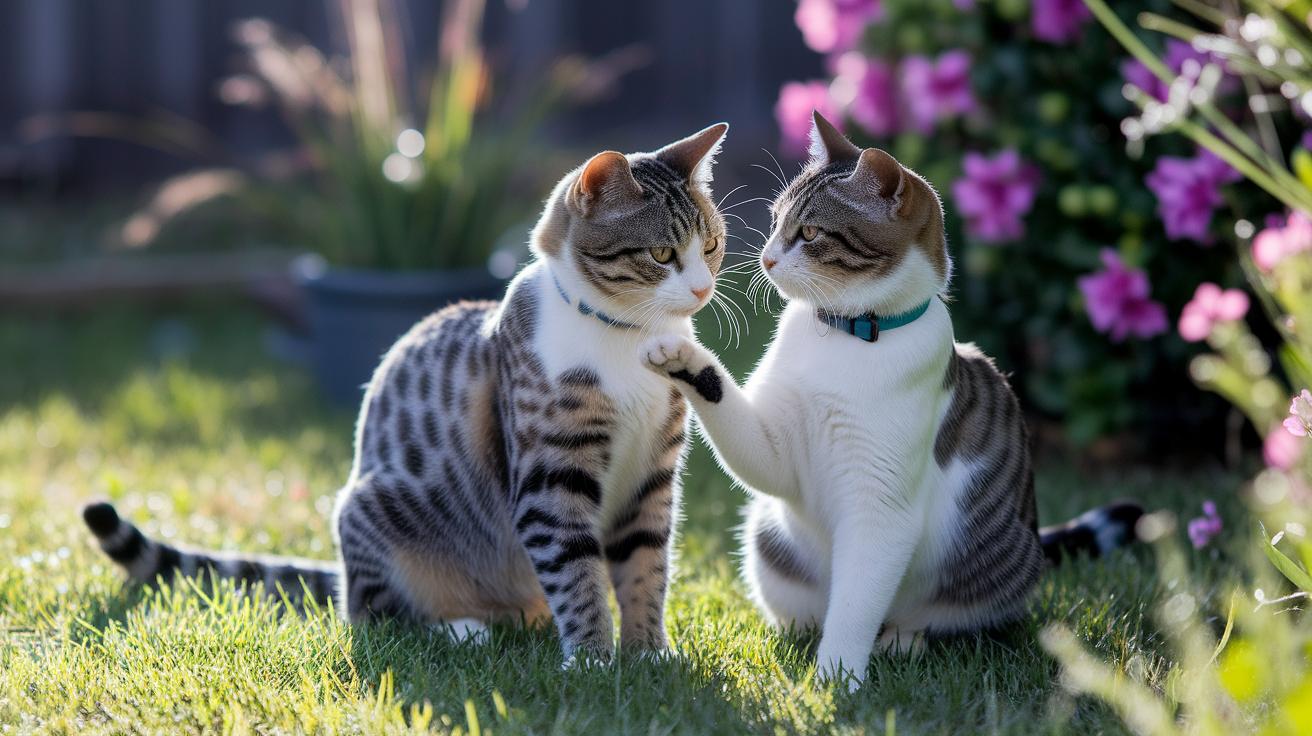
    - Transmission Routes of Feline Leukemia Virus.jpg

    FeLV usually spreads when cats get up close – think grooming with whiskers tickling, sharing the same bowl, or playful scratches and bites where saliva (or blood) slips into a fresh wound. Ever watched your kitty chase shadows only to end up in a tumble? It’s quite the show!

    Sometimes kittens pick up FeLV before they’re born – that means in utero (inside the mother) – or later while drinking milk from an infected queen (mama cat). Sneaky, right?

    Healthy-looking cats, called asymptomatic carriers (cats that show no signs), can shed the virus every day. That quiet housemate purring on your lap might actually be a secret source of infection.

    To keep your furry crew safe, try these simple tips:

    • Wash food and water bowls and your cat’s bedding every few days.
    • Set up a cozy quarantine corner for any newcomer for about a week and watch for sneezes or low energy.
    • Ask your vet to test new or unwell cats before they join the rest of the gang.

    The virus only lives a few hours outside a cat. Regular cleaning and quick health checks help keep everyone feline fine.

    Worth every paw-print.

    Clinical Manifestations of Feline Leukemia Virus
    - Clinical Manifestations of Feline Leukemia Virus.jpg

    Sometimes FeLV shows up in the smallest moments, like when your cat flops onto your warm laptop instead of chasing a toy. You might notice she seems extra sleepy, her gums look pale, she’s running low-grade fevers, or she’s shedding weight and muscle (cachexia (severe muscle wasting)). It’s a bit heartbreaking to see that soft purr turn into a heavy sigh.

    A routine blood test can spell it out, anemia (low red blood cells), neutropenia (fewer infection fighters), and lymphopenia (low lymph cell counts). That anemia can zap energy so fast that even a stroll down the hall feels like a major workout. Ever watched your kitty drag her paws like she’s ready for a nap mid-stride?

    Next up: mouth woes. Gingivitis (gum inflammation), stomatitis (mouth swelling), and mucosal ulcerations (tiny mouth sores) can make each purr a little painful. You might catch her batting at her chin instead of licking her paw. Poor thing.

    If FeLV sparks lymphoma, you may feel little lumps under the jaw or behind the knees, that’s swollen glands (lymphadenopathy (gland swelling)). The spleen can puff up too, making her belly look bloated and making her reluctant to leap. It’s like carrying a soft pillow around all day.

    With her defenses down, secondary infections love to move in. Urinary tract infections, skin abscesses, chronic sniffles, even pneumonia from opportunistic bugs can pop up. One day she’s rubbing against your leg, the next you’re back at the vet’s, yikes.

    In more advanced stages, neurologic signs sneak in. Your cat might wobble when she walks, show little tremors, or make odd sounds in her sleep. Ever hear a sleepy meow turn into a weird chirp? That could be a clue.

    Catching these signs early really helps your vet customize care and keep your furball feeling somewhat claw-tastic. Worth every paw-print.

    Diagnostic Methods for Feline Leukemia Virus
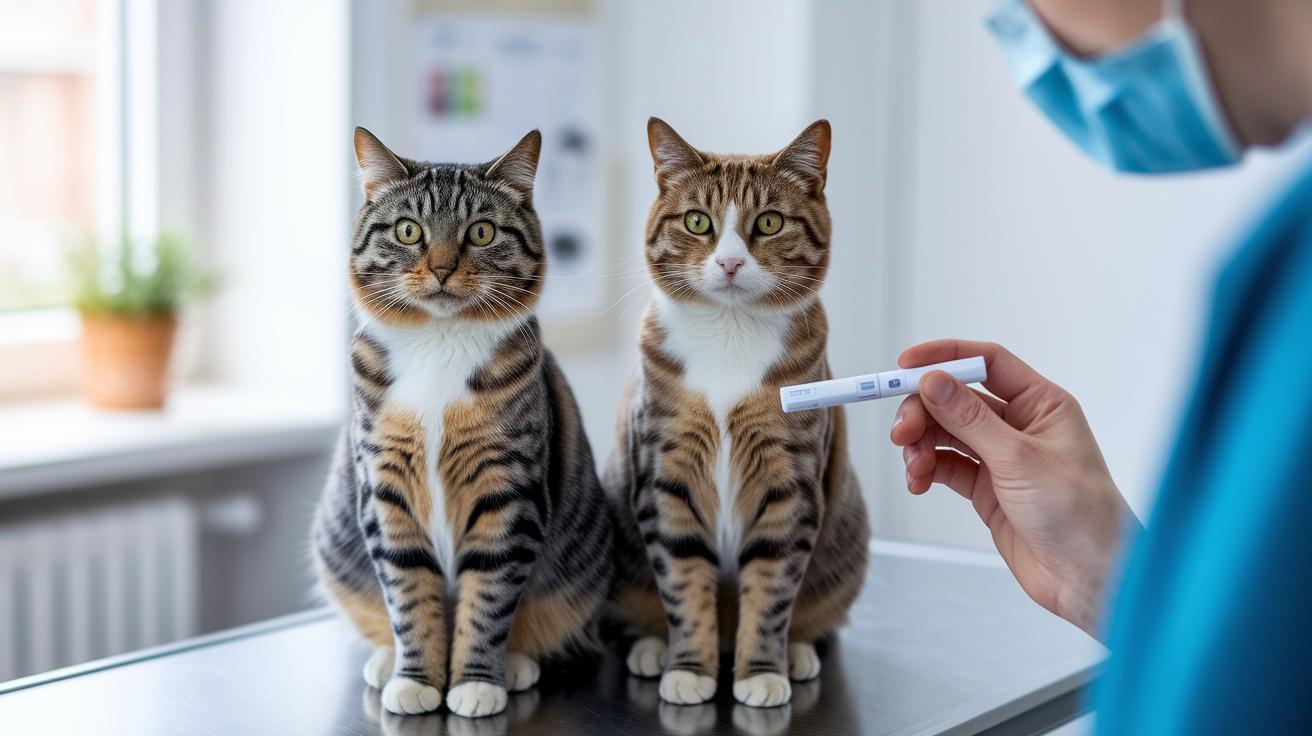
    - Diagnostic Methods for Feline Leukemia Virus.jpg

    ELISA screening (Enzyme-Linked Immunosorbent Assay, a quick blood test for virus markers) is your first line of defense. It’s a little poke, you know, during your cat’s routine wellness exam, your furball might barely notice the tiny prick. Ever watched your kitty barely flinch while the vet draws a drop of blood? Results show up in minutes and flag protein spikes or anemia (low red blood cells), so the vet knows if it’s time to dig deeper.

    To catch those sneaky late bloomers, vets rerun the ELISA 8 to 12 weeks after possible exposure. Cats that clear the virus will flip negative, big relief for everyone. If it’s still positive? No need to panic. By month three most kitties test clear, but a repeat positive means extra steps.

    Next comes IFA confirmation (Immunofluorescent Assay, a lab test to spot infected cells). This finds cats in a progressive phase, once that’s underway, clearing the virus gets tougher. Then there’s PCR (Polymerase Chain Reaction, a DNA-tracing tool) to hunt hidden proviral DNA in blood or tissues. It’s like sending in microscopic detectives to sniff out every trace.

    Don’t skip the basics: a blood screen plus a hematology panel (counts of red and white cells). That helps you spot anemia, neutropenia (low infection-fighting cells), or lymphopenia (low immunity cells). It’s your roadmap for knowing when red cells dip or white cells need backup.

    And imaging can help too, radiography (X-ray) and ultrasound (sound-wave imaging) catch an enlarged spleen or swollen lymph nodes. For the final word on marrow health, a bone marrow biopsy (tissue sample from inside the bone) seals the deal. Worth every paw print.

    Treatment and Management of FeLV Infection
    - Treatment and Management of FeLV Infection.jpg

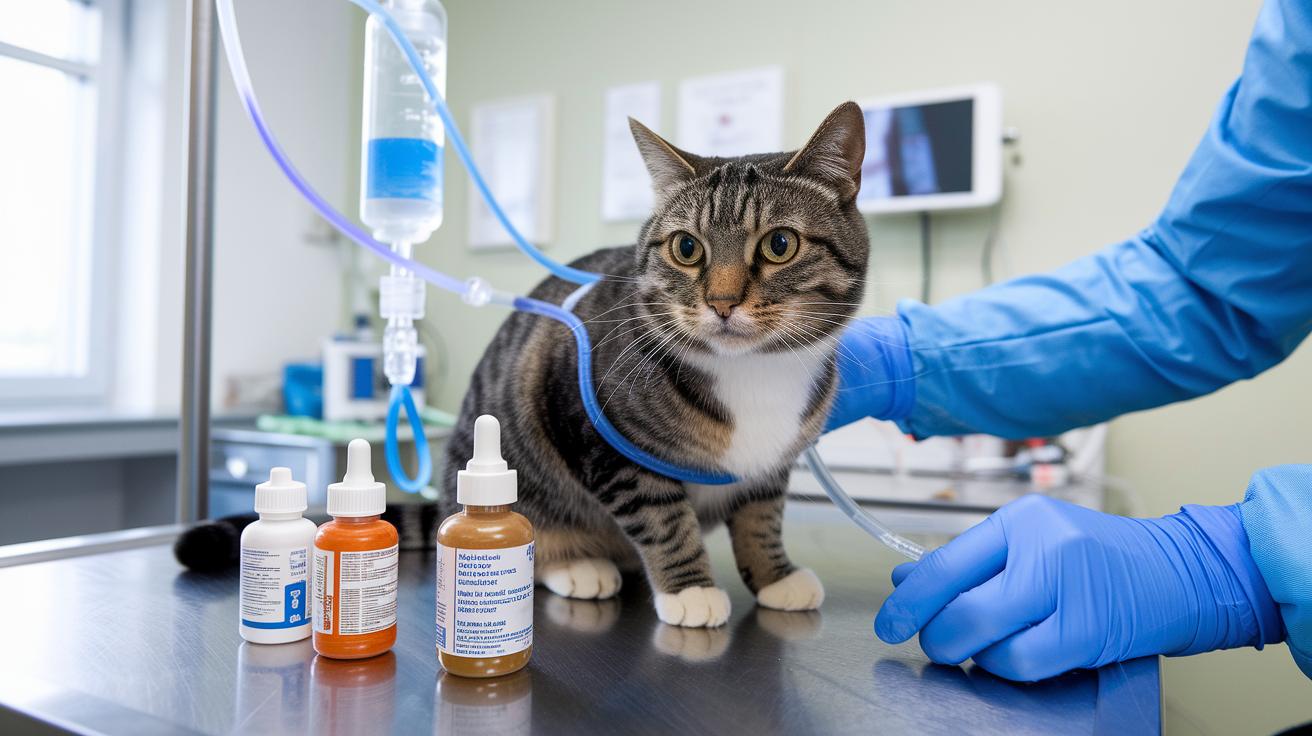
    It’s tough, but there’s no cure for feline leukemia virus. So our main goal is to stop extra infections with broad-spectrum antibiotics. We also explore antiviral treatments (drugs that slow viral copying) to give immune cells a fighting chance. These meds come as pills or injections, depending on your cat’s comfort.

    A popular choice is AZT (zidovudine). With AZT, your cat may eat better and have bursts of energy. Ever seen your kitty chase a feather wand again? That’s the magic of AZT! Vets can also try recombinant feline interferon (lab-made immune booster) or low-dose corticosteroids (anti-inflammation meds) for sore mouths.

    Dehydration can hit after fevers or poor eating. That’s when fluid therapy helps. Picture a warm, needle-free fluid bag under the scruff – some cats even lean in for a little scruff massage while it drips. We often add tasty calorie gel (yummy energy boost) to support muscle tone and help your furball gain weight.

    If anemia is severe, a blood transfusion may be needed. To grow new red blood cells, vets can use hematopoietic growth factors (stuff that tells the body to make blood). And immunomodulatory drugs help fine-tune your cat’s immune response, almost like tuning a radio until the signal is clear.

    For long-term care, plan on twice-yearly vet exams and lab tests to check blood counts and organ health. Keep parasite control and vaccinations up to date. This routine acts like a safety net to help your kitty stay stable and playful. Worth every paw-print.

    Prognosis and Quality of Life for FeLV-Positive Cats
    - Prognosis and Quality of Life for FeLV-Positive Cats.jpg

    Facing a progressive FeLV (feline leukemia virus) diagnosis is tough. I know, my heart dropped when I first heard “progressive.” In fact, about 85 percent of cats in this stage pass away within three years.

    Still, knowing what affects the outcome can help you plan tests and care. Key things include the infection phase, anemia (low red blood cells), any lymphoma (cancer in lymph nodes), and how your furball responds to supportive care.

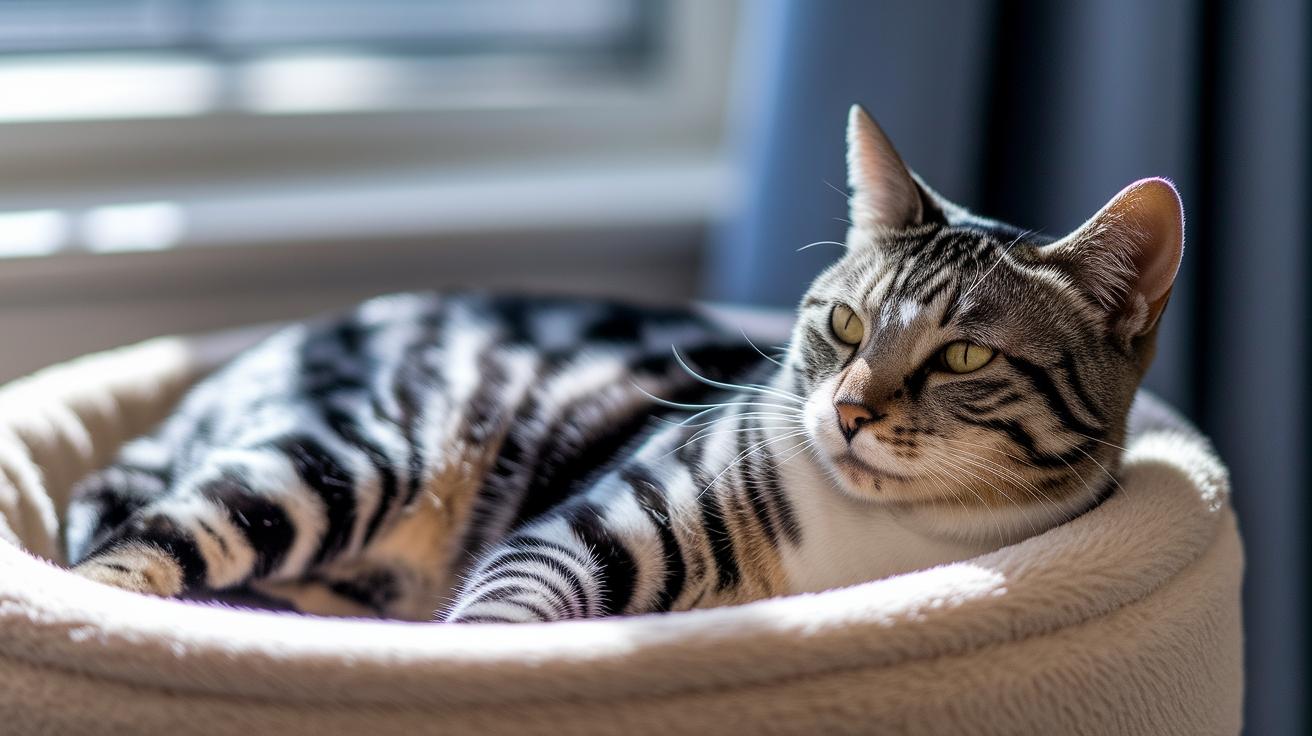
    Cats in a regressive phase often do better. Some even stretch past five years of comfy cuddles and sunbeam naps with close attention. These numbers help you set realistic goals for playtime, vet visits, and those special kitty snuggles.

    To check your cat’s day-to-day vibe, watch for small clues. Ever watched your furball go from a playful pounce to a slow stroll? Notice:

    • Activity level: chasing feather wands or slow strolls
    • Appetite: gobbling their meal or leaving bits behind
    • Weight: firm muscles or a slimmer frame
    • Infections: frequent UTIs (urinary tract infections) or clear check-ups

    Gentle palliative care eases tougher days. Follow your vet’s pain relief plan and offer soft food blends. Try gentle tooth brushing and spread cozy blankets. Set up easy-access perches.

    End-of-life choices might come when chronic anemia (low red blood cells), stubborn infections, or unmanageable pain outshine purrs and play. Saying goodbye is never easy, and knowing when to let your kitty rest is one of the kindest gifts you can give.

    Prevention and Vaccination Strategies Against Feline Leukemia Virus
    - Prevention and Vaccination Strategies Against Feline Leukemia Virus.jpg

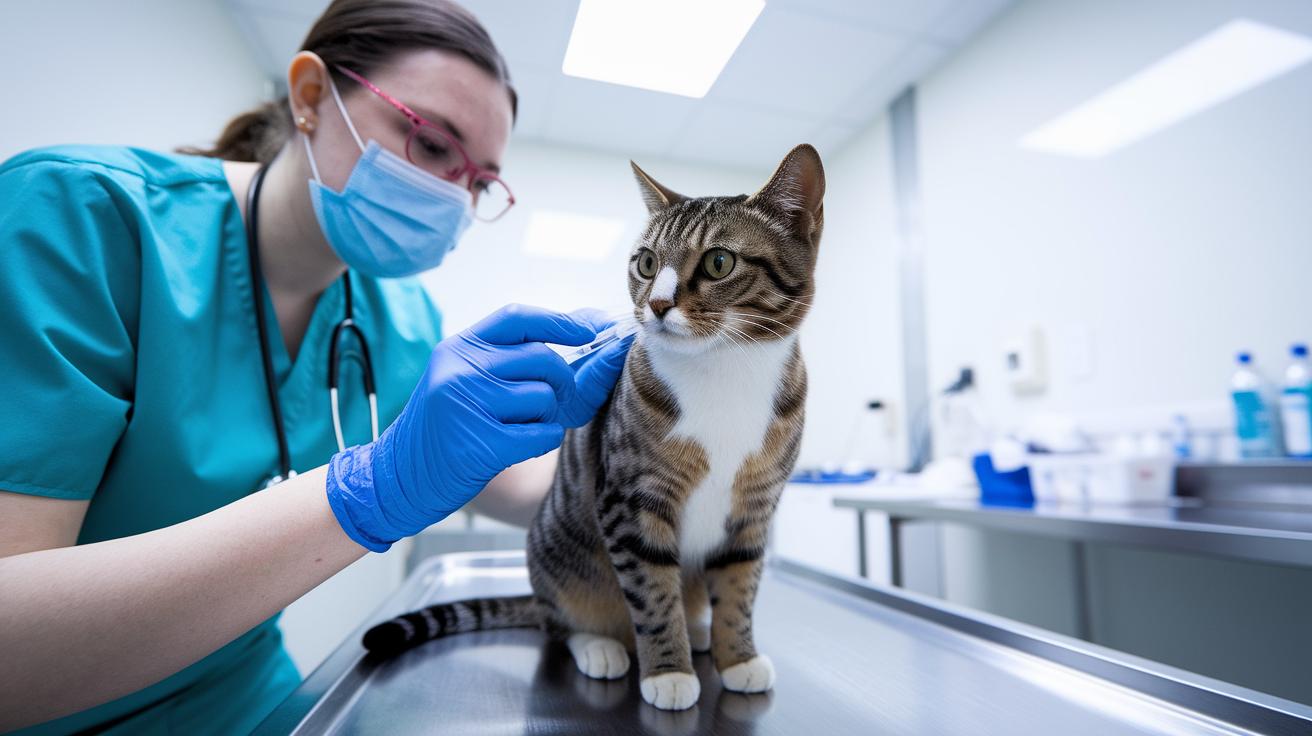
    Keeping your kitty safe starts with core feline shots. FeLV (feline leukemia virus) vaccines begin at eight to nine weeks old. Then you’ll give a booster three to four weeks later. After that, plan a yearly revaccination to keep those immune defenses strong year after year.

    And don’t forget testing. Always test cats at least 30 days after any possible exposure. Only FeLV-negative cats should get the vaccine so you don’t stress their immune system. A simple blood test at your vet’s office does the trick.

    Recombinant vaccines use harmless protein bits to teach your cat’s immune system to spot FeLV. Studies show 80 to 100 percent efficacy in stopping persistent viremia (virus hanging out in the blood). Pretty impressive stats for a tiny shot. Really.

    In shelters, environment control is key. Quarantine every new arrival in a quiet room for a week. Keep food and water bowls separate, no communal feeding. Got barn or feral feeder cats? Test them before they meet your residents.

    Indoor-only policies add another safety layer. Limit outdoor access or use secure enclosures. Clean litter boxes, bowls, and bedding with a cat-safe disinfectant every few days. It’s simple sanitation that cuts down on stray virus on surfaces.

    Watch for sniffles, mild fever, or soreness at the injection site. Curious about post-vaccine care? Check how long do cat vaccine side effects last for tips on spotting and soothing mild reactions.

    A well-vaccinated crew builds herd immunity, each protected cat helps shield the whole gang from FeLV. Worth every paw-print.

    Care Protocols and Owner Education for FeLV-Positive Cats
    - Care Protocols and Owner Education for FeLV-Positive Cats.jpg

    FeLV-positive kitties need to stay indoors and be neutered (spay/neuter surgery to remove reproductive organs). That keeps stress low and stops the virus (feline leukemia virus) from spreading. Ever watched your cat chase a sunbeam on the carpet? A calm routine, cozy nap spots, set mealtimes, works wonders for your peace of mind and theirs.

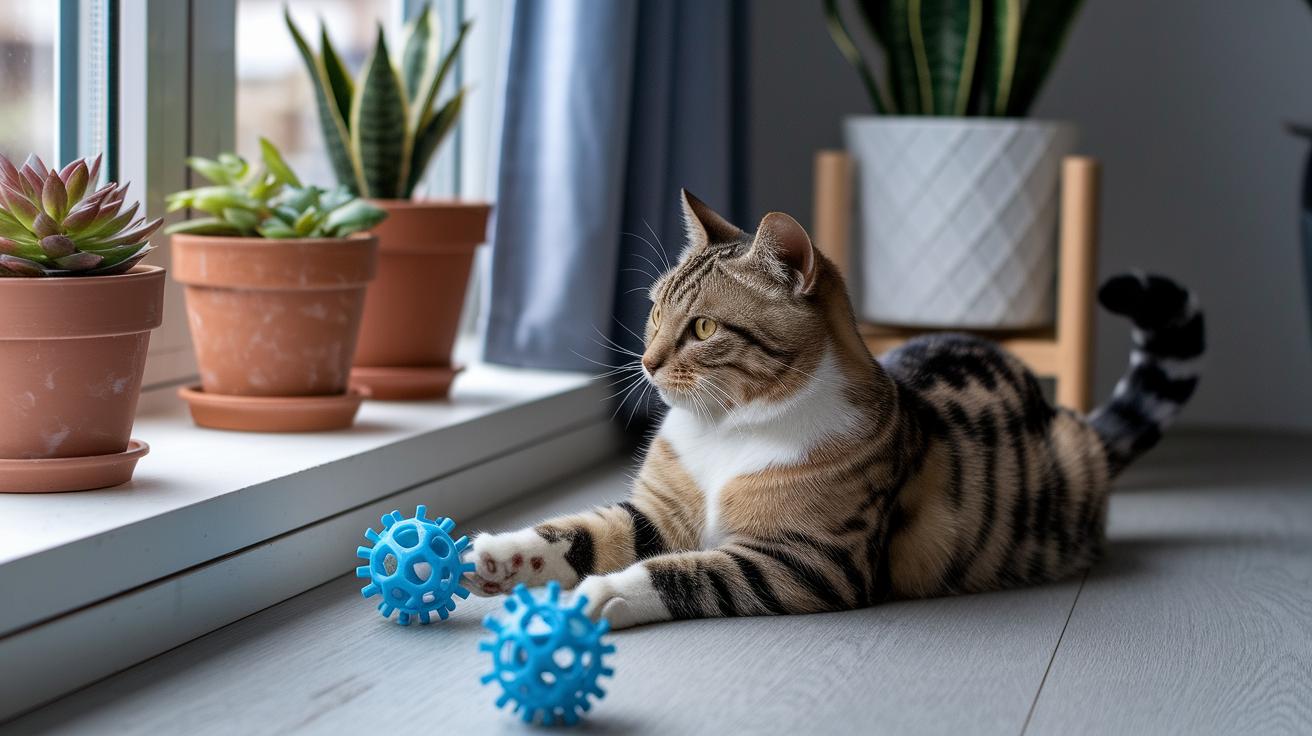
    Environmental enrichment is a must. Add a window perch, a puzzle feeder (a toy that makes cats figure out how to get kibble), and a crinkly ball or jingle toy. Different heights and textures turn your living room into a mini adventure park without ever opening the door. Your kitty’s whiskers will twitch with delight!

    Use a simple health log to note appetite, weight, temperature, and odd behaviors. Stick a chart on the fridge or jot notes in your phone. When you spot skipped meals or extra hiding, you’ll catch problems fast. Really.

    Schedule a vet check every six months for blood panels (basic tests to look for disease in the blood) and parasite checks (searching for fleas, ticks, or worms). Your vet can show you infection signs, syringe-feeding basics (using a feeding syringe), and how to clean litter boxes and bowls safely. Keeping things tidy means a happier, healthier cat!

    In a multi-cat home, spread out food bowls and litter boxes, one set here, another set there. That way your fur crew won’t jostle or squabble over resources. And everyone feels like they got their own special spot.

    Finally, set up reminders, use a phone app or a printed calendar for meds and appointments. That way no pill or checkup slips through the cracks, and your furball stays purr-fectly cared for.

    Final Words

    We’ve dived into feline leukemia virus biology, from infection routes to its impact on immunity.

    We traced saliva and blood transmission, flagged anemia and lymphadenopathy as red flags, and stepped through ELISA, IFA, and PCR diagnostics.

    We laid out treatment strategies, from AZT therapy to supportive care, and talked about regular wellness checks. We also covered prognosis, vaccine timing, and daily care routines for multi-cat homes.

    With testing, vaccines, and stress-busting toys in place, managing feline leukemia virus in your household feels both possible and paw-sitive.

    FAQ

    What virus causes feline leukemia?

    Feline leukemia is caused by feline leukemia virus, a retrovirus infecting cats exclusively and attacking white blood cells, bone marrow, and lymph tissues.

    What are common symptoms and first signs of feline leukemia?

    The common symptoms of FeLV include weight loss, lethargy, pale gums, fever, and frequent infections. Early signs often show chronic anemia or swollen lymph nodes.

    What are the final stages of feline leukemia?

    The final stages of FeLV infection show severe anemia, organ failure, cachexia (extreme weight loss), neurological deficits, and unmanageable infections requiring palliative comfort measures.

    How contagious is feline leukemia virus?

    FeLV spreads mainly through close contact like grooming, sharing bowls, or bite wounds. Casual contact and brief environmental exposure rarely spread the virus due to low outside-host survival.

    Can humans catch FeLV?

    FeLV cannot infect humans; it targets only cats, so there is zero risk of transmission to people, dogs, or other species.

    How long do cats with FeLV typically live?

    Cats persistently infected with FeLV usually live one to three years after diagnosis, while regressive or cleared cases can live much longer with a normal lifespan.

    Can a cat recover from FeLV?

    About 70% of cats exposed to FeLV clear the virus or resist infection. Regressive cases suppress the virus, test negative in blood, and often never develop symptoms.

    How is feline leukemia treated?

    FeLV treatment focuses on managing symptoms with antibiotics for infections, antiviral drugs like AZT, supportive fluids, nutritional supplements, and regular veterinary checkups rather than a cure.

    Is there a vaccine for FeLV?

    A recombinant FeLV vaccine is available, starting at eight weeks with boosters and annual revaccination. It prevents persistent infection in 80–100% of healthy, virus-negative cats.

    What kills FeLV on surfaces?

    Standard disinfectants like bleach solutions or quaternary ammonium compounds inactivate FeLV within minutes. Clean bowls, litter boxes, and bedding regularly to remove viral particles.
    Related Articles

  • How much do cats x rays cost Budget-Savvy

    How much do cats x rays cost Budget-Savvy

    Ever felt your wallet wince at a vet bill? A cat X-ray (a special bones picture) can run $150 to $350 for two views. Think of it like paying for two secret snaps of your kitty’s skeleton. Whoa!

    But wait, there’s more. Extra angles, sedation (calming medicine), or a late-night visit can tack on another $50 to $150. Um, you’ll hear that vet’s click-click echo in your head. Yikes.

    Knowing these numbers ahead can soften the ouch. Next, we’ll break down each cost so you’re wallet-ready and your furball gets the care it needs.

    Worth every paw-print.

    how much do cat x rays cost Budget-Savvy

    Cat X-Ray Cost Overview and Average Pricing.jpg

    Ever wondered what it costs to get your cat’s bones on film? On average, a basic two-view X-ray (side view and top view) runs between $150 and $350. You’ll hear that click-click of the machine and then have a clear picture, literally, of what’s going on inside your kitty.

    A few things can shift that price. The first X-ray usually costs about $100 and each extra angle adds about $50. If your cat needs sedation (calm-down meds), tack on another $50 to $100 for the drugs and monitoring. And city clinics tend to charge 10 to 30 percent more than vets in rural areas because rent and staff pay are higher.

    Don’t be surprised if your vet bundles an exam fee of $40 to $150 with the imaging. It pays to ask for an itemized estimate or a sample invoice before your appointment. That way you won’t get sticker shock when you pick up your purring pal.

    For after-hours or emergency visits, rates often climb higher, and digital X-rays (using an electronic sensor) may add another $20 to $50 over old-school film processing. So if you’re planning ahead, compare those figures with your budget.

    Worth every paw-print.

    Want a detailed cost breakdown for dental, abdominal, thoracic or contrast-enhanced studies? Check out the chart in Section 4 to see exactly where each X-ray fits your budget-savvy plan.

    Breakdown of Vet X-Ray Fees for Cats

    Breakdown of Vet X-Ray Fees for Cats.jpg

    Got a curious kitty who needs an x-ray? Here’s a cost guide to help you plan and keep you feline fine.

    First, just stepping into the clinic usually costs between $40-$150.

    Getting that first radiograph (x-ray image) of your cat is about $100. Need more angles? Each extra view runs around $50.

    If your furball needs to be relaxed for the photos, sedation (calming medicine) can add $50-$100. After the pictures, a radiologist’s look-over (expert vet who reads the images) is another $50-$150.

    Finally, if you ask for the film radiograph (printed x-ray), it’s usually $10-$30.

    Fee Type Cost Range
    Office visit fee $40-$150
    First radiograph (x-ray image) $100
    Additional view $50 each
    Sedation (calming medicine) $50-$100
    Radiologist interpretation (expert read) $50-$150
    Film radiograph (printed x-ray) $10-$30

    Factors Influencing Cat Radiography Pricing

    Factors Influencing Cat Radiography Pricing.jpg

    Ever hear that soft whirr of the x-ray machine and wonder why your kitty’s bill changes? If you’re footing the bill yourself, you’ll usually pay the clinic’s standard rate for radiography (that’s x-ray imaging). But if you have pet insurance or qualify for a subsidy, you might snag a lower, negotiated fee. So before you book, check if your vet offers special insurance deals or self-pay discounts, you could save a bundle of kibble cash.

    Worth every paw-print.

    Cost Differences by Type of Cat X-Ray

    Cost Differences by Type of Cat X-Ray.jpg

    Wondering how much an x-ray (think of it like a special camera beam) costs for your kitty? You’ll see each scan has its own price tag.

    • Dental x-ray (detailed tooth and root check): $75-$150. It’s perfect for spotting hidden infections in the teeth, jaw joints, or roots.
    • Abdominal x-ray (tummy snapshot): $100-$250. It helps you find bladder stones, swallowed toys, or organs that are too big or small.
    • Thoracic x-ray (chest scan): $100-$250. It’s great for checking heart size, lung fluid, or chest masses.
    • Fracture x-ray (bone-focused images): $100-$350. Ideal when your kitty tumbles and you need limb or full-body views.
    • Contrast-enhanced scan (gut map): $150-$300. Your cat sips a safe, edible dye so the digestive tract lights up like a map on film.

    Kitten x-rays usually cost less. Tiny bodies need less time under the beam.
    Senior cat scans can run a bit higher. Older kitties often need extra angles and gentler handling.

    Knowing which scan your purring pal needs helps you budget without surprises. Just ask for a detailed quote that spells out each service – then you can focus on belly rubs instead of sticker shock.

    Regional Price Comparison and Budget-Friendly Cat X-Ray Options

    Regional Price Comparison and Budget-Friendly Cat X-Ray Options.jpg

    Ever shopped around three different clinics and gotten three different prices for a cat X-ray (radiograph)? Clinic size, local living costs, even a nonprofit mission can shift that number.

    Here’s a quick look at typical rates:

    Clinic Type Price Range
    Low-income clinics $100 – $150 for a basic two-view radiograph (front and side)
    Rescue or nonprofit partners Under $80 with subsidies
    Mobile imaging home visits $100 – $200 with an on-wheels unit

    If you’re watching your wallet, those lower-cost spots can be lifesavers for your kitty. Picture a tiny mobile unit rolling up, your cat’s whiskers twitching as it steps off, and you just unfold a towel and a feather teaser (toy with light feathers on a stick) for distraction.

    Thinking about payments? Financing plans like CareCredit or ScratchPay let you spread the cost into easy monthly bites. You’ll see the full private-pay X-ray total up front, then slice it into smaller chunks, no skipping that abdominal or dental radiograph (mouth image) because the bill gave you heartburn.

    Want to compare every quote side by side? Grab a spreadsheet, or even a napkin, jot down each number, and watch those clinic estimates line up against your budget. Then pick the option that’s purr-fect for both your cat and your bank account.

    Worth every paw-print.

    Getting Accurate Cat X-Ray Quotes and Insurance Considerations

    Getting Accurate Cat X-Ray Quotes and Insurance Considerations.jpg

    Before you book, grab a [price estimate tool] or call your vet. Ask about the exam, radiograph (an X-ray image) cost, consultation fee, and any imaging fee. Jot down each line item so you know your out-of-pocket total before your furball even arrives. Keeps surprise bills at bay, purrfect, right?

    Pet insurance often kicks back 60–90% of imaging bills. First, check your deductible (the amount you pay before insurance helps) and your copay (your share of each bill). Then do a quick calc: subtract your deductible, multiply what’s left by your copay rate, and voilà, an estimate of the check you might get back. Ever had your kitty demand extra cuddles right after you see a bill? Yep, me too.

    Client communication tips:

    • Ask for an itemized cost breakdown chart by email or phone.
    • Find out if private-pay X-ray cost is different from insured rates.
    • Confirm how long claims take, sometimes two weeks, sometimes two months.

    A clear pricing guide lets you compare clinics side by side. With itemized quotes, there are no hidden fees, no surprise sedation surcharge (extra fee if sedation is used), and no mystery charges for extra views. You can plan a purr-fect budget and focus on snuggles instead of sticker shock.
    Worth every paw-print.

    Final Words

    Right in the action: we covered national pricing for pet X-rays, from basic views to sedation and radiologist fees.
    Then we dug into what changes the bill, digital vs film, weekend surcharges, clinic location.

    We even mapped costs by X-ray type (dental, abdominal, thoracic) and flagged budget-friendly options like low-income clinics or mobile units.
    Plus, we wrapped up with tips on getting clear quotes and using pet insurance to shrink your out-of-pocket.

    Now you’re all set to find out how much do cat x rays cost with confidence and ease.

    FAQ

    How much do cat X-rays cost without insurance and what low-cost options exist?

    Without insurance, two standard views run $150–$350. Low-income clinics or specials may offer $100–$150. Additional views or sedation add extra fees.

    How much do cat X-rays cost near me?

    Prices typically range $150–$350. Urban clinics often charge 10–30% more than rural ones. Use online estimate tools or call local vets for exact quotes.

    How much does a vet charge for a cat X-ray?

    Expect exam fees ($40–$150), two views ($100–$150), sedation ($50–$100) and interpretation ($50–$150), all itemized on the bill.

    What does a cat leg (fracture) X-ray cost?

    A fracture X-ray runs $100–$350 depending on views needed, sedation and any clinic imaging fees.

    What does a cat abdominal (stomach) X-ray cost?

    Abdominal X-rays cost about $100–$250 per session, based on view count, sedation and radiologist fees.

    How much are cat dental X-rays?

    Dental X-rays cost $75–$150, depending on number of teeth imaged and sedation or positioning services needed.

    How much is a dog abdominal (stomach) X-ray?

    Dog abdominal X-rays run $150–$350, similar to cats. Costs vary by location, views and sedation fees.

    Do cats need to be sedated for X-rays?

    Sedation depends on cat temperament and exam complexity. Mild sedation fees range $50–$100 to ensure clear, still images.

    Related Articles

  • How much do cats teeth cleaning cost

    How much do cats teeth cleaning cost

    Ever splurged on your kitty’s dental cleaning, then realized you could buy a small fish tank (a mini underwater world) for the same price? It makes you pause, right? Wow!

    Cat dental care can cost from 100 to 400 dollars. It all depends on where you live and what’s part of the package. It might include anesthesia (a gentle cat nap), tartar removal (scraping off the yellow bits), and scaling (more scraping). And a glossy polish.

    In this post you’ll see national and regional cost averages, so you can sniff out a purr-fect deal without surprises. Ready to save some cash and treat your feline friend!

    Average National and Regional Price Range for Cat Teeth Cleaning

    Average National and Regional Price Range for Cat Teeth Cleaning.jpg

    Hey cat parents, ever wondered how much it costs to get your kitty’s pearly whites sparkling? Usually, you’re looking at $100 to $400 for a full professional cleaning.

    That price covers anesthesia (a tiny nap for your kitty), tartar removal (scraping off that hard yellow buildup), scaling (more scraping action), and polishing (making teeth smooth). Your cat might twitch her whiskers at the gentle scrape and shine of that dental tool.

    On a national level, most vets charge around $300 to $400 for the whole works. Urban clinics often push closer to the high end, while small-town vets stay nearer to $100.

    Extras like X-rays (cat tooth x-ray pics) or extractions (pulling loose teeth) can add more to your bill. But knowing these averages helps you plan ahead, and keeps your kitty feeling feline fine.

    Here’s a quick look at regional averages so you can see what your area might charge:

    Region Average Cost
    Kansas $261
    Massachusetts $352
    Idaho $307
    New York $252

    Before you book, call a few local clinics with these numbers in mind. It’s a quick way to spot fair pricing in your zip code. Worth a little homework for a claw-tastic grin!

    Detailed Cost Components in Professional Cat Teeth Cleaning

    Detailed Cost Components in Professional Cat Teeth Cleaning.jpg

    Ever peered at that dental bill and wondered where each dollar sneaks off to? It can feel like a total mystery. But fear not – we’ve broken it down in a paw-sitive way.

    The main cleaning fee covers the essentials:

    • Exam: a quick oral health check (spotting loose teeth or hidden inflammation).
    • Anesthesia: the stuff that tucks your cat into a safe sleep (sedation, breathing tube, vital-sign monitoring).
    • Scaling: feel the gentle scrape as hardened plaque (tartar) gets removed above and below the gum line.
    • Polishing: smoothing enamel with a rubber cup (listen for the soft whir as teeth start to gleam).

    Worth every paw-print.

    Then the add-ons – those sneaky extras:

    • Dental x-ray (a snapshot of roots and jaw): $75-$250
    • Tooth extraction (per tooth pull): $50-$130
    • Post-op meds (antibiotics or pain relief): $25-$100

    See? No more mystery charges. Now you can pounce on these numbers with confidence.

    Key Factors That Affect Cat Dental Cleaning Costs

    Key Factors That Affect Cat Dental Cleaning Costs.jpg

    Ever peek at a cat dental bill and feel your whiskers twitch? You’re not alone. Cleanings can range from pocket-friendly to claw-clenching. Let’s chase down what drives those costs.

    • Age: Older kitties often need tooth extractions and more sedation (calming medicine). Each pull and snooze adds to your final bill: feline fine but not wallet friendly.
    • Location: City clinics usually cost more than small-town vets. Higher rent and staff pay mean steeper fees.
    • Clinic type: Specialty hospitals have fancier tools and bigger teams. They tend to bill more than budget-friendly spots.
    • Disease severity: A light tartar scrub is quick. But if gum disease (inflamed tissues around the tooth) is advanced, your cat spends extra time under anesthesia (gentle sleep aid) and needs more treatments.

    Mix these factors and you’ll see why one vet might quote $200 while another asks for $400 for the same cleaning. A young barn cat in a rural shelter clinic could land at the low end. An older Persian with gingivitis in a big city hospital will be up near the high end.

    Now you know what’s behind those numbers, so no more nasty surprises.

    Basic vs Advanced Cat Dental Cleaning Cost Comparison

    Basic vs Advanced Cat Dental Cleaning Cost Comparison.jpg

    Non-anesthetic cleanings are like a quick wipe-down for your kitty’s teeth. They cost about $80 to $150 (that’s your [non-anesthetic cat dental scale cost]). The tools scrape surface plaque but skip under the gums (where trouble often hides). Vets don’t usually recommend them for deep issues.

    Salon-style appointments toss in a tooth scrub while fluffing your cat’s fur. Typical [grooming salon cat teeth cleaning price] runs $75 to $200. It’s adorable to see your fluffball here, but the polish is gentle and won’t blast away tough tartar. Worth it for a shiny little smile.

    Imagine a spa day – your cat is gently put under anesthesia (a drug-induced snooze) so the vet can give a full-scale cleaning (scaling (plaque scraping), polishing (smoothing), and even X-rays (tiny tooth photos)). It costs about $300 to $400 – that’s your [deep dental cleaning for cats cost]. Your kitty stays still, so the vet can dig deep. Worth every whisker twitch!

    For daily maintenance, at-home kits cost just $15 to $30 – that’s your [at home cat teeth cleaning kit cost]. You get finger brushes and dental gel (think flossing between pro cleanings). It helps keep plaque at bay, but you know, it’s no substitute for a vet’s deep scrub. It’s purr-fect for quick touch-ups.

    When your furball needs root canals or complex tooth repairs, costs can top $1,000. That’s reserved for severe decay or rescuing that stubborn molar. Keeping tabs on the [cost of scaling cat teeth] at every stage helps you pick the best plan. A small price for peace of mind.

    5 PurrfectDeal: Money-Saving Tips for Cat Teeth Cleaning Services

    Money-Saving Tips for Cat Teeth Cleaning Services.jpg

    Ever watched your kitty chew on a toy and thought, “Hmm, those chompers need some TLC?” I hear ya. Cleaning can add up, but here are my top tips to keep your cat’s smile bright without maxing out your wallet.

    Check your cat’s dental insurance. Many plans have Preventive Care add-ons (they cover an annual cleaning up to your plan limit). It’s a simple way to get money back each year.

    Next, hunt down nonprofit or low-cost cat dental clinics. Um, some spay/neuter centers offer cleanings for just $100–$200. You could save half of what a regular vet charges.

    And hey, clip coupons or ask about early-bird deals. Seasonal promo codes can shave 10–20% off your kitty’s cleaning. Easy savings!

    Ask about dental membership plans, too. For one flat monthly or yearly fee, you get cleanings, check-ups, and a few extra perks. It’s like a spa pass for your cat’s mouth.

    If you’ve got more than one furball, book them together. A two-cat appointment can knock up to 15% off each cleaning. Teamwork really pays.

    Also, off-peak times (weekdays or slower months) usually cost less. A quick call can flip a $400 cleaning to about $250.

    Worth every paw-print.

    Identifying Hidden Fees in Cat Dental Cleaning Estimates

    Identifying Hidden Fees in Cat Dental Cleaning Estimates.jpg

    Ever think that base cleaning fee has you covered? Uh, not so fast – hidden charges can sneak up like a cat stalking a mouse! A few surprise line items often lurk beyond your vet’s estimate.

    • Pre-anesthesia blood test: $40–$80. It’s a simple blood test (checks organ health) so your kitty snoozes safely under anesthesia (medicine to make them sleep).
    • Facility or boarding fee: $50–$100. That’s the cost for using the clinic’s cozy kennel (a small cat room with a soft blanket).
    • Sedation monitoring and oxygen support: $20–$50. Nurses watch your cat’s breathing and heart rate, and the beeping monitors and oxygen (extra air to help them breathe) add to the bill.
    • Follow-up check after cleaning: $50–$150. A post-op visit (quick check of gums and teeth) makes sure everything is healing and no new issues popped up.
    • Dental care supplies: $15–$30. You’ll need a cat toothbrush (tiny brush made for feline teeth), toothpaste gel (cat-friendly paste), and maybe a water additive (drops for the water bowl to fight plaque).

    All those little fees can stack up fast – um, you know? A quick call to your clinic to ask about each one helps you plan your budget and dodge surprise charges on the final bill.

    Worth every paw-print.

    Recommended Cleaning Frequency and Long-Term Cost Benefits for Cats.jpg

    Most vets agree your kitty needs a dental tune-up once a year. Think of it like an oil change for your furry friend’s smile. Ever watched your furball batting at a toy? Healthy gums help them munch, pounce and play with gusto. But if your kitty has extra plaque (that is hardened gunk on the teeth) or sore gums, you might want to book two visits a year to keep tartar from piling on.

    A preventive cleaning usually costs around $300 to $400 a year. It is a small drop in the bucket compared to letting issues grow. Surgery or extractions can top $1,000. So paying for that gentle scale and polish now can save you from a big vet bill later.

    Did you know over 85 percent of cats show signs of dental disease by age two? Regular cleanings at that $300 to $400 sweet spot help catch early issues before they turn painful and expensive. Picture your kitty’s breath bright and fresh. No more “kitty stink” surprise.

    When you add follow-up check-ups and quick tune-ups, total oral care runs from $500 to $2,000 a year, depending on where you live. That steady budget beats an emergency that can triple or quadruple your costs. A little routine care keeps your furball happy, your cat’s purrs loud, and your wallet a lot happier.

    Care Type Annual Cost What You Avoid
    Routine cleaning $300–$400 surgeries and extractions
    Full oral care (with check-ups) $500–$2,000 emergency visits
    Emergency surgery over $1,000 n/a

    Final Words

    We jumped right into national and regional price ranges for cat dental cleanings, with numbers you can compare in your own state.
    We broke down each line item, exam, anesthesia, X-rays, polishing and extractions, so those fees aren’t a surprise.

    Then we lined up basic versus advanced cleanings, shared money-saving tips and flagged those sneaky extra charges.
    Finally, you’ve got a clear plan for timing and budget, and you can feel good about your cat’s smile and health.
    And now you know how much do cat teeth cleaning cost.

    FAQ

    How much do cat teeth cleanings cost without insurance and what do vets charge?

    Cat teeth cleanings without insurance usually range $100–$400. Most vets charge $300–$400 for a full anesthetized cleaning (includes anesthesia and tartar removal), while low-cost clinics start near $100.

    What low-cost cat dental cleaning options can I find near me?

    Look for veterinary schools, nonprofit spay/neuter programs, or animal shelter partnerships. Fees may range $100–$200 for basic cleanings, often including anesthesia and polishing.

    How much does PetSmart cat teeth cleaning cost?

    PetSmart grooming salons offer non-anesthetic dental scaling (teeth scraping above the gum line) for about $80–$150. This service cleans only surface tartar and does not replace full veterinary cleanings with anesthesia.

    Is it worth it to get a cat’s teeth cleaned and what are the pros and cons?

    Getting a cat’s teeth cleaned prevents painful gum disease, bad breath, and costly surgeries. Risks include anesthesia and expense. Overall, benefits usually outweigh risks by preserving long-term oral health.

    Why are pet dental cleanings so expensive?

    They cost more because they require anesthesia, specialized dental tools, and skilled staff. Added services like X-rays, extractions, and pain medications raise the total bill.

    What can I do if I can’t afford my cat’s dental surgery?

    Ask your vet about payment plans or CareCredit. Seek nonprofit aid funds, low-cost clinics, or crowd-funding platforms to help cover anesthesia and treatment fees.

    Related Articles

  • do cats get cold outside: Cozy Tips

    do cats get cold outside: Cozy Tips

    Ever seen your fluff ball brave a 45°F chill without batting an eye? Cold cat-titude? Think they’re feline fine?

    They hail from desert roots, so even a plush coat with guard hairs (the stiff outer fur) and undercoat (the soft fuzzy layer) can’t block every chill.

    When temps dip below 45°F, you’ll see whiskers twitch and tiny hairs stand up to trap what little warmth is left.

    Here are five cozy tips to keep your outdoor explorer snug and safe when cold winds roll in.

    Cats Feel Cold Outdoors Quickly: Thresholds & Action Steps

    Cats Feel Cold Outdoors Quickly Thresholds  Action Steps.jpg

    Your cat’s normal body temp is around 99 to 102 °F. Coming from desert ancestors, they don’t pack the same cold tolerance we do. One chilly wind and their whiskers start twitching! Even that plush coat (guard hairs, the stiff outer fur, plus undercoat, the soft fuzzy layer) can only do so much.

    Here’s a quick look at how temps feel to kitties:

    Feeling Temp (°F)
    Cozy 45 – 77
    Be Careful 32 – 45
    Danger Zone Below 32

    If the temp dips under 45 °F or your kitty looks chilled, bring them inside. You know, wind chill that strips warmth fast. Rain or snow can soak their fur and break down insulation. High humidity steals heat too by dampening their hair.

    Leaving your cat out too long in freezing weather can cause frostbite on ears, paw pads, and tail tips. Hypothermia isn’t far behind, heart rate and breathing slow, muscles stiffen, and they could lose consciousness if you don’t help. Ever seen a cat shiver? It’s a clear “get me inside” plea.

    A cozy hideaway or a heated bed (like a plug-in pet pad) can save their life when old man winter rolls in. Worth every paw-print.

    Feline Thermoregulation and Cat Fur Insulation Outdoors

    Feline Thermoregulation and Cat Fur Insulation Outdoors.jpg

    Cats are built to stay warm on crisp days. Their guard hairs (long stiff hairs) block wind and light dampness while a thick undercoat (soft dense hairs) traps body heat close to their skin. This two-layer coat helps keep their body temperature around 100 to 102 °F (about 38 to 39 °C). Um, if you’ve ever felt your kitty after a sniff of fresh air, you know they’re extra toasty.

    When the air cools down, cats use piloerection (a reflex that makes each hair stand up). Those tiny hairs trap little pockets of warm air next to their skin. At the same time, a slight muscle shiver adds extra heat. It’s like their own fur-powered radiator. Pretty neat, right?

    Cats also have cozy tricks up their paws. You might catch yours stretching in a sunny patch on the porch to soak up warmth without burning energy. Then they curl into a tight doughnut, hiding every bit of heat. Next they slip behind a sheltered wall or hop into a snug cat house. And before you know it, they’re living in their own fur-lined fortress!

    Worth every paw-print.

    Key Factors Affecting Cat Cold Sensitivity Outside

    Key Factors Affecting Cat Cold Sensitivity Outside.jpg

    Ever watched your kitty’s whiskers twitch at frosty air? Not all cats are built for frozen noses. Your cat’s fluff level, age, and health decide when it starts to shiver.

    Long-haired breeds like Maine Coons and Siberians have a thick undercoat (soft, warm hairs under their top fur) plus guard hairs (outer, stiff hairs that block wind). So they stay snug when temps dip. Short-haired cats lose heat fast because their coats can’t trap enough warm air. Hairless kitties, um, they need all the help they can get, sweaters, heated pads, or a cozy spot outside.

    Kittens and seniors both struggle to make body heat, tiny bodies or tired muscles don’t shiver well. Underweight cats lose warmth in a flash, while a plump score of 5 or 6 on a 9-point scale helps keep them toasty. Cats with arthritis or hyperthyroidism need extra TLC since sore joints or a fast metabolism can zap their warmth even if their fur looks full.

    One cat can curl up on a frosty patch with a purr. Another bolts inside at the slightest breeze. Watch your cat’s chilly limits and you’ll keep them purring instead of shivering.

    But wait, bonus tip: toss a fuzzy blanket or heated bed out there for quick, warm breaks during playtime. Worth every paw-print.

    Signs of Cold Stress and Hypothermia in Outdoor Cats

    Signs of Cold Stress and Hypothermia in Outdoor Cats.jpg

    Ever caught your cat shivering like a leaf in a cold wind? That’s mild cold stress kicking in. You might see trembling or slow movement. Cats often curl up tight to hide their chilly ears and paws. Sometimes their fur puffs up (piloerection, when tiny hairs stand up to trap heat) but it still feels icy outside.

    When chill digs deeper you’ll spot muscle stiffness and pale or bluish gums as blood slows. Breaths get heavy and each inhale sounds labored. Frostbite (skin damage from freezing) can show up as gray or black spots on ear tips or paw pads. I once watched Luna tiptoe around the porch like it was a skating rink.

    In severe hypothermia (when the body is too cold to work right) your cat’s pupils may widen and the heartbeat slows to a crawl. They might go limp and slip into unconsciousness. This is life or death.

    Stage Symptoms
    Mild Shivering, lethargy, cold ears/paws, tight curling
    Moderate Muscle stiffness, pale gums, labored breathing, frostbite spots
    Severe Dilated pupils, slow heartbeat, unconsciousness

    If you spot moderate or severe signs, you’ve got to move fast. Bring your cat indoors and wrap it in warm towels or blankets. Tuck a hot-water bottle (wrapped in a cloth) next to its belly but never use direct heat like a hair dryer. Check its breathing and pulse and call your vet on the way. Every second counts when you’re dealing with feline hypothermia.

    Outdoor Cat Shelter and Weatherproofing Tips for Cold

    Outdoor Cat Shelter and Weatherproofing Tips for Cold.jpg

    Keeping your kitty safe on cold nights starts with a sturdy outdoor shelter. Think of an insulated cat box as a cozy mini cabin, warm and snug. Use heat-locking materials like closed-cell foam (a firm kind of bubble wrap) or thick foam board between plastic or wood panels. The roof and walls should be waterproof and block icy gusts.

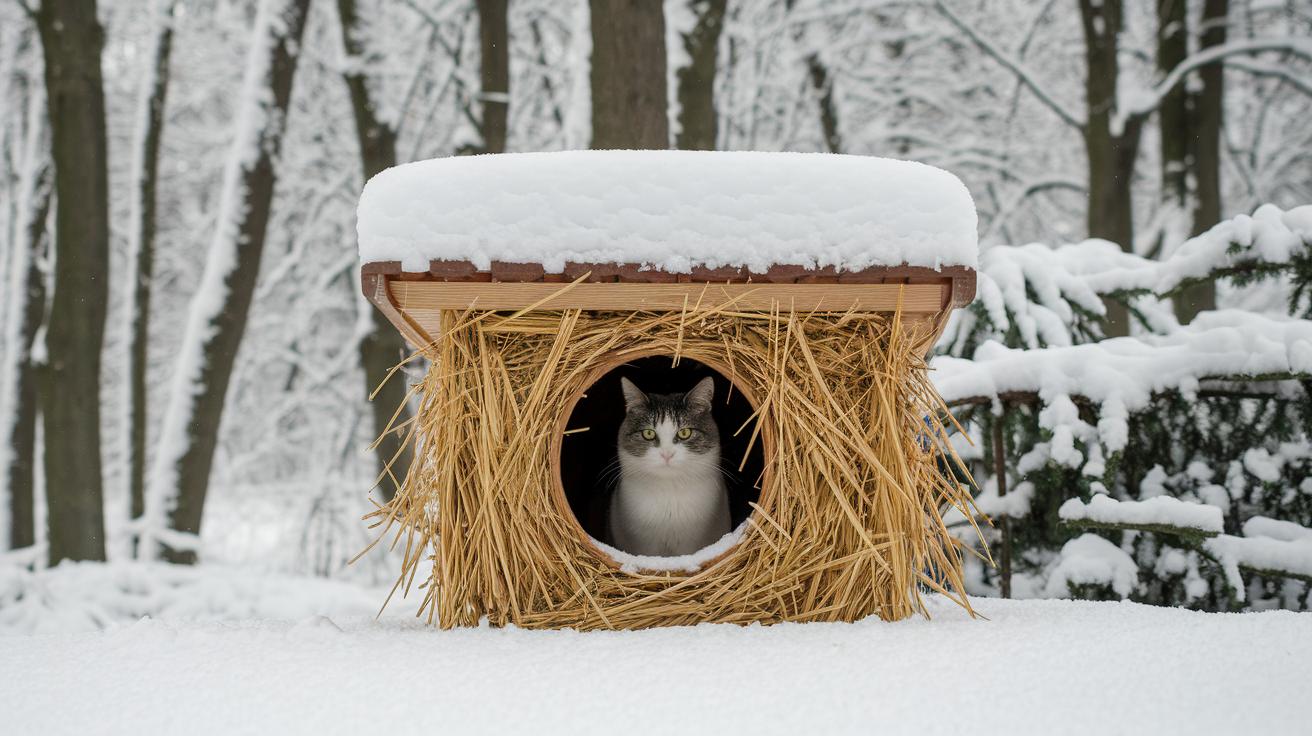
    Oops, blankets or towels inside may sound comfy but they soak up moisture and cool your cat down. Instead, use straw (a natural insulator) that lets wet bits fall through so fresh straw stays dry. Your cat will thank you.

    Even the best shelter won’t help if your kitty can’t sip warm water. Ever watched water bowls turn into ice blocks? I know. Check dishes often and swap metal bowls for ceramic or heavy plastic, they freeze slower. Tuck a second bowl inside the shelter so your cat can drink without facing the wind.

    Here are five key design elements for cold-weather cat shelters:

    • Insulation material: layer closed-cell foam (a firm kind of bubble wrap) or straw (natural insulator) between walls
    • Waterproof exterior: seal seams with silicone caulk and slope the roof to let rain slide off
    • Windbreak orientation: point the entrance away from prevailing winds, toward a wall or bushes
    • Interior lining: spread clean straw (not towels) so moisture falls through and only fresh straw stays dry
    • Raised platform: lift the floor a few inches off the ground to block chilly drafts

    Regular checks keep your shelter working its best. Shake out old straw or swap soaked bits, and clear snow from the entrance. Refill water dishes and peek at walls for cracks or leaks so your cat’s cozy hideaway can stand up to the coldest nights. Worth every paw-print.

    Special Care for Vulnerable Cats Outdoors in Cold Weather

    Special Care for Vulnerable Cats Outdoors in Cold Weather.jpg

    Kittens and senior cats get extra chilly in cold air. Kittens have tiny bodies and thin coats (cats’ fur layer), so they lose heat fast. Senior kitties hold less fat and their shiver reflex (the body’s shaking response) is weaker. Hairless cats can’t fluff up for warmth, and cats with arthritis (swollen joints) or kidney disease (weakened kidneys) feel the cold sooner, too.

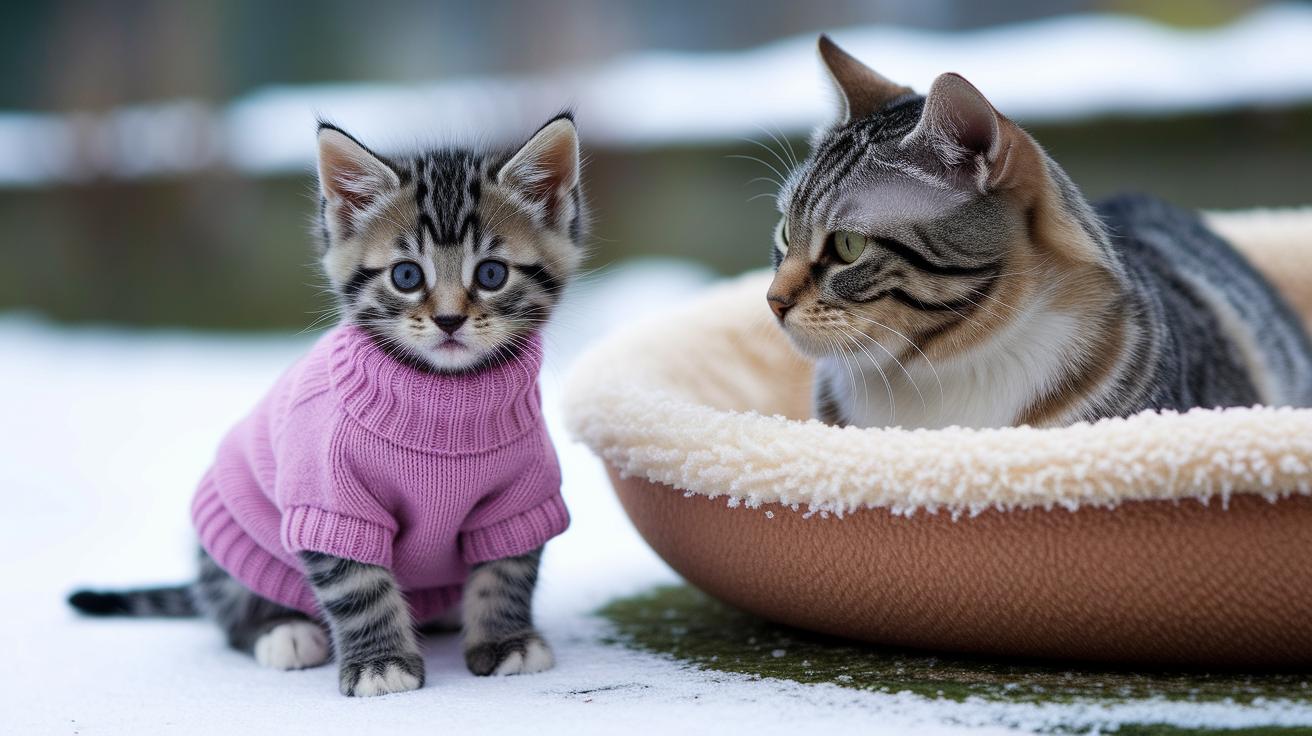
    For kittens and seniors, stick to sunny afternoons when you let them outside and watch for any shivering or tight curling. That’s your cue to scoot them inside. Dress hairless or recently shaved cats in a soft sweater and tuck them into a heated bed (think of it like a tiny radiator). If the temperature dips below 50 °F, keep them indoors instead.

    Cats with arthritis can’t warm up fast because sore joints slow them down. So lay extra blankets in their favorite napping nook and check on them more often during play breaks. Once I watched my Luna tuck under a blanket and knead away those aches. It was like a little massage that helps them feel toasty.

    Good food fuels body heat. Try a higher-calorie diet (more energy per bite) or add warm wet-food meals. Keep an eye on their weight and joint stiffness with regular vet checkups so you spot any issues early. And don’t let their water freeze, so use a heated bowl or top off with warm water often.

    Brush them to fluff up the undercoat (that soft layer beneath the fur), swap in fresh bedding at night, and give yourself peace of mind during those cold snaps. Worth every purr.

    5 do cat get cold outside: Cozy Tips

    Tips for Keeping Indoor Cats Warm During Cold Seasons.jpg

    You might think your indoor kitty is snug, but winter drafts love sneaking in under doors, around window frames, or through those AC vents you forgot to seal. Even the warmest living room can feel chilly when a cold breeze finds a secret path. Ever watched whiskers twitch by a radiator or cable box? Those hidden spots can send little shivers down their spine.

    Treat your furball to extra cozy zones. Try a heated bed (a pet bed with a built-in thermostat) or a heating pad (a mat that warms up and then shuts off on its own). Drape a thermal cat blanket (fleece (soft, wool-like fabric) lined with insulating thread (heat-trapping fibers)) over a plush pillow in your cat’s favorite corner. Sunlit perches by south-facing windows turn into natural heaters. And swapping out bedding keeps each layer fluffy and dry, no damp chill allowed. Oh, and a small rug under the bed gives tiny toes a warm landing.

    Grooming helps too. Regular brushing removes mats in the undercoat (the soft, fluffy layer beneath the top fur) that trap cold air and flatten fur. When the undercoat puffs up, think tiny down coat, your cat stays warmer. This is extra helpful for short-haired breeds or senior cats. Aim for a quick comb every few days, then give a gentle fluff with your fingers. Fluffy fur, trapped air, happy purring through winter’s bite.

    Final Words

    We jumped straight into feline chill zones, temperature cutoffs and quick action steps to warm up your outdoor cat. Then we explored how their fur and piloerection trap body heat and what key factors change their cold tolerance.

    You learned to spot shivers, pale paws and frostbite red flags plus build weatherproof shelters that keep whiskers toasty. We even covered extra care for kittens, seniors and hairless breeds.

    Indoor kitties get top warm-up tips, from sunlit perches to cozy thermal beds. And you’ll never wonder again: do cats get cold outside, your furry pals stay happy and snug all winter.

    FAQ

    Do cats get cold outside, especially at night?

    Cats get cold outside, especially at night, because they evolved from desert ancestors. They start feeling chilly below 45°F (7°C), and nighttime dampness can make them shiver or seek warmer spots.

    Can cats feel cold indoors, including at night?

    Cats can feel cold indoors when room temperatures fall under about 60°F (16°C). At night, cooler drafts near windows or vents may prompt shivering, tight curling or seeking warm blankets.

    At what temperature do cats start feeling cold, and when is it too cold for them?

    Cats start feeling cold below 45°F (7°C). Temperatures under 32°F (0°C) become dangerous, raising frostbite and hypothermia risks. Keep playtime brief in chilly weather.

    How do stray cats survive cold weather?

    Stray cats survive cold by finding sheltered spots (under porches), curling tightly for warmth and relying on their dense undercoat (a thick fur layer). Some share nests or seek richer food to boost body heat.

    How long does it take for a cat to freeze to death?

    It can take just a few hours for a cat to succumb to severe hypothermia in freezing temperatures. Wind chill and damp fur can speed up the process.

    How can I tell if my cat is cold?

    You can tell if your cat is cold by noticing shivering, slow movements, tucked paws, cold ears or limbs, and tight curling. Persistent lethargy or heavy breathing signal more serious chill stress.

    Is it okay to leave cats outside in winter?

    Leaving cats outside in winter can be risky once temperatures drop below 45°F (7°C). Provide insulated shelters, regular check-ins and fresh unfrozen water. Better yet, bring them indoors when it gets frosty.

    Related Articles

  • What to do about cat diarrhea

    What to do about cat diarrhea

    Ever peek into the litter box and find a soggy surprise instead of a tidy deposit?
    Uh-oh!
    That puddle might mean your kitty’s tummy is in crisis.

    When firm stools turn into watery chaos, every moment feels urgent.
    Think of it as a belly reset button – quick action sparks those happy tail flicks.
    You can almost hear the purrs return in seconds. You know?

    No need to raid your wallet for vet bills.
    A few home tweaks can soothe the grumbling gut.
    I’ve got five fast-acting fixes for you – tiny water sips (hydration boost), gentle fasting (short food break), bland meals, probiotics (good gut bacteria), and extra cuddle time.

    Ready to help your purring pal bounce back to playful leaps?
    Let’s get started.

    Immediate Action Steps for Cat Diarrhea

    Immediate Action Steps for Cat Diarrhea.jpg

    So your kitty’s got the runs. That first 24 hours – let’s call it mission tummy rescue – is when you really need to pay attention. Think of it like your game plan to see if this is just a harmless tummy upset or a sign to call the vet. Nailing these steps helps you track your furball’s progress and decide what to do next.

    Keep fresh water within paw’s reach at all times. Loose stools can pull fluids right out of your cat’s body (dehydration – when your body loses too much water). I’ve seen kittens and seniors turn weak in just a few hours. If they’re too wobbly to lap water, try offering low-sodium broth or use a small syringe for little sips every few hours.

    If your cat’s still bright-eyed, nibbling on food, and batting toys around, home care often does the trick. But uh, if you spot repeated vomiting, any blood in the stool, or a sudden case of couch-potato lethargy, that’s a big red-flag moment. Time to have your vet on speed dial. Acting fast here can keep your kitty safe.

    These first-day moves set the tone for a smoother recovery. Worth every paw-print.

    5 what to do cat diarrhea Fast Relief

    Home Remedies and Dietary Adjustments for Cat Diarrhea.jpg

    When your kitty’s stool goes loose, you want quick relief. Ever seen your cat’s whiskers tremble when tummy troubles start? Home remedies can soothe your friend while its gut heals. We begin with a short fast to rest those rumbling insides.

    Fasting Protocol

    Hold off on food for 12 to 24 hours. Always keep fresh water nearby. If your cat won’t lap, try tiny sips of low-sodium broth or a gentle syringe feed. This pause gives the digestive tract a much-needed reset.

    Bland Diet Recipes

    Boil boneless, skinless chicken until fully cooked, then shred it into small bites. Mix one part chicken with two parts plain white rice. Think of it as kitty comfort food, simple and soft. Serve three to four tiny meals (about a tablespoon each) throughout the day.

    Probiotics and Fiber Supplements

    Next, add cat-formulated probiotics (good bacteria that settle tummies), following the label, usually one or two sachets. Then stir in 1 to 2 teaspoons of canned pumpkin (fiber-rich squash) or psyllium husk (plant-based fiber). These additions bulk up loose stools and help restore balance.

    Safe Stool Binders

    Use a kaolin-pectin binder made for pets, 1 teaspoon per 5 pounds of body weight every 4 to 6 hours. It’s gentle and effective. Avoid human Imodium or Pepto products; cats can have serious side effects from those.

    Hydration Techniques for Cats with Runny Stool

    Hydration Techniques for Cats with Runny Stool.jpg

    Keep fresh water in shallow bowls around your home. Cats with loose stool can get dehydrated fast and often shy away from deep dishes. Placing low bowls at kitty eye level means more sips when they’re feeling weak.

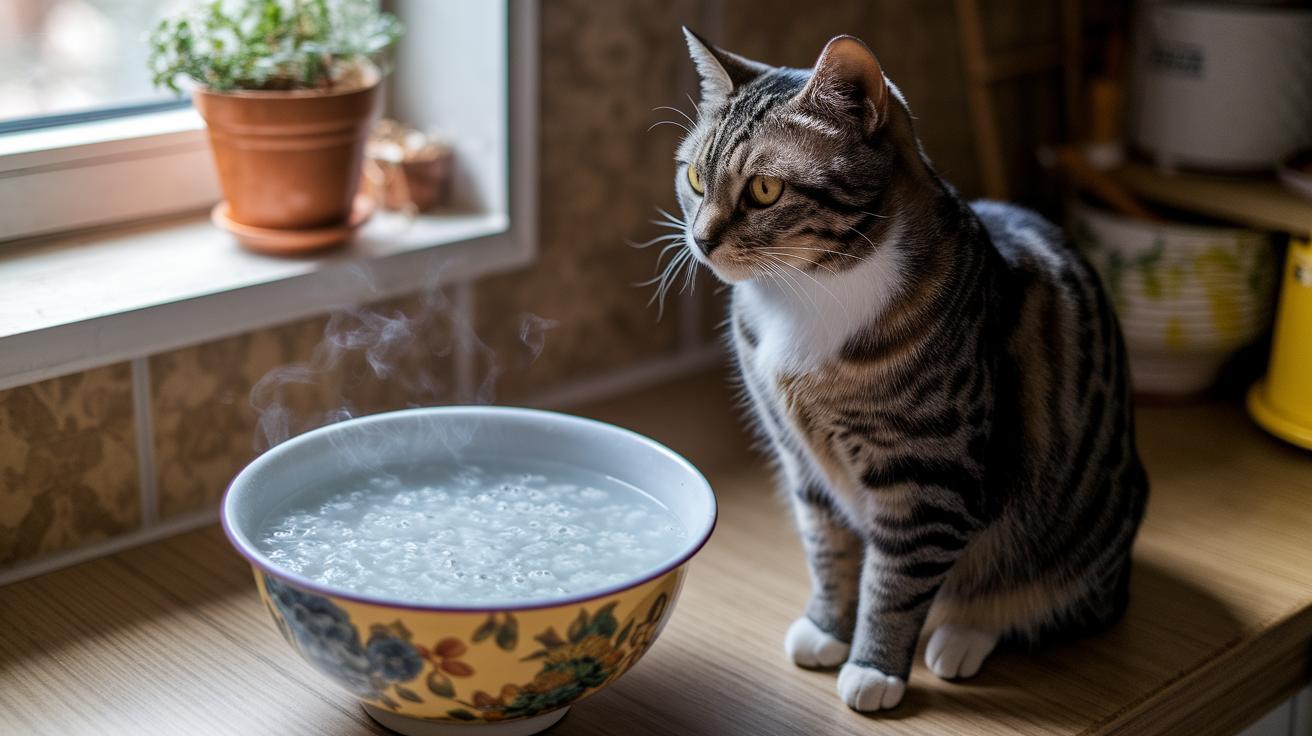
    Whip up some rice water: simmer 1 cup of rice in 4 cups of water for 10–30 minutes, then strain and let it cool. This lightly starchy drink soothes sore tummies and helps replace lost fluids.

    Mix clear, unflavored Pedialyte (an electrolyte solution) exactly as the bottle says. Pour a few milliliters into a small dish so your cat can lap up those essential salts. Stick to the plain version, no extra flavors or you might invite more stomach trouble.

    Swap dry kibble for canned food, or stir 1 tablespoon of warm water into wet food. Canned meals come with bonus hydration, each bite is like a tiny drink. Your cat’s whiskers will twitch with delight as they chow down on this thirst-quencher.

    If they still won’t drink, grab a small syringe and gently squirt 5–10 ml of water every few hours. Go slow, keep your voice soft, and praise them with a little “good kitty.” Syringe feeding can be a real lifesaver when weakness gets in the way of thirst.

    Monitoring Stool Consistency and Warning Signs in Cat Diarrhea

    Monitoring Stool Consistency and Warning Signs in Cat Diarrhea.jpg

    First, keep an eye on your kitty’s poop. I know, it’s a bit icky but stick with me – this is important! Use a simple scale: watery (almost liquid), mushy (it holds a shape but wobbles), soft (it bends under a fork), or formed (normal firmness). Jot down what you see in a tiny notebook or record a quick voice note so you remember exactly what’s going on.

    Next, note how often your cat goes number two. Once or twice a day is pretty normal, I guess. But if you spot loose stools three or more times in 24 hours, it’s time to watch more closely. Actually, that many runs isn’t feline fine.

    We’ve got red flags! Bright red blood or streaks of mucus in the stool mean it’s time to call the vet. No hesitating. And no guessing.

    You’ll also want to check for dehydration, you know, with a skin-tent test (pinch the loose skin at the back of the neck and see how fast it snaps back). If the skin hangs or slowly returns, that’s a dehydration warning. Your cat’s eyes might look sunken, their gums could feel dry, and they might be way more tired than usual. If anything seems off, it’s smart to check in with your vet.

    Keep an eye on their appetite too. If they stop eating, vomit a lot, or suddenly drop weight, those are more call-the-vet signals. Better safe than sorry, right?

    Identifying Common Causes of Cat Diarrhea

    Identifying Common Causes of Cat Diarrhea.jpg

    Your kitty’s loose stool can come from a mix of culprits. Pinpointing the cause helps soothe upset tummies and dodge surprise cleanups. So let’s track down what’s behind your cat’s runny stool.

    • Parasites: Giardia (tiny protozoa, microscopic parasites), roundworms (long spaghetti-like worms), and hookworms (tiny worms with hook-like mouths) can set up camp in the gut and turn firm stools into soft squishes.
    • Bacterial infections: Salmonella and Campylobacter (germs that love raw food or dirty water) can upset your cat’s gut and lead to loose stools.
    • Viral infections: Panleukopenia (a severe cat virus) and feline coronavirus (the cat version of the virus you’ve heard about) can bring on sudden, watery diarrhea.
    • Stress-related diarrhea: Big life changes, like moving to a new home, staying at a boarding kennel, or loud remodeling, can jolt your cat’s digestion.
    • Sudden diet change: Switching food brands or overloading on rich people food can shock the digestive system and cause soft poops.
    • Toxic tummy upset: Chewing certain plants, sniffing cleaning supplies, or nibbling human meds can lead to an unhappy kitty belly.

    Knowing which of these six troublemakers is behind the mess helps you pick the right plan. Think parasites? A quick fecal test at the vet spots those tiny invaders. And swapping back to your cat’s usual chow can tame diet shocks.

    Stress or toxins messing with their belly? Pull out the stress trigger or nix the toxic nibble and you’ll see diarrhea dry up. That means fewer emergency mop-ups and more contented purrs. Worth every paw print.

    When to Call the Vet for Cat Diarrhea

    When to Call the Vet for Cat Diarrhea.jpg

    Hey cat lovers, spotting diarrhea can make your day messy. But catching red flags early helps your furball feel better fast. If your kitty has loose stools for more than two days, it’s time to reach out. And if you see bright red blood or sticky black stool, don’t wait. Vomiting more than twice in a day is another warning sign. Plus, if your cat seems like a limp noodle, sunken eyes, dry gums, or skin that takes too long to snap back, it’s vet o’clock.

    Recognizing Urgent Symptoms

    • Loose stools that last more than two days
    • Bright red blood or tarry black stool
    • Vomiting more than twice in 24 hours
    • Extreme tiredness, loss of appetite, hiding away
    • Dehydration signs (sunken eyes, dry gums, skin slow to snap back when pinched)

    Veterinary Diagnostics and Treatment

    Once you’re at the clinic, the vet will ask for a stool sample to check for parasites (tiny bugs). They may run blood work (a quick check of organs and cells). Sometimes they’ll use ultrasound (a gentle sound-wave scan) or endoscopy (a tiny camera on a tube) to peek inside.

    Treatment can include dewormers, anti-nausea meds, and fluid therapy (think gentle IV fluids to rehydrate). Your kitty might also get a special prescription diet to soothe the gut. I know, sounds like a science fair. But it helps rule out hidden trouble and gets your furball purring again. The vet will want a follow-up stool check or blood test in one to two weeks to make sure your cat is on the mend.

    Prevention and Hygiene Measures to Avoid Feline Diarrhea

    Prevention and Hygiene Measures to Avoid Feline Diarrhea.jpg

    Ever watched your cat make a surprise puddle on the floor? Let's stop that. A few simple habits and a calm corner can help your furball stay cozy and you stay mess-free.

    • Keep meals on a regular schedule. When you swap in a new food, mix in small bites over 7 to 10 days so your cat’s tummy (belly) isn’t shocked.
    • Scoop the litter box every day. Then once a week, scrub it with an unscented disinfectant (a mild cleaner with no added scent). Wear gloves to skip any icky surprises and seal the waste in a plastic bag before tossing it.
    • Stay on top of parasite-control (medicine against worms or fleas). On-time dewormers (to zap worms) and flea-and-tick treatments keep your kitty’s gut happy.
    • Give stress relief a starring role. A quick play session, a cozy hideaway, and a sturdy scratching post keep your cat busy, calm, and less likely to have worry poops.
    • Plug in a pheromone diffuser (a device that releases gentle cat signals), like Feliway. The soft scent makes your kitty feel secure when life gets noisy.

    Worth every paw-print.

    Consistent meals, a spotless litter spot, and mellow vibes go a long way. Your kitty will be feeling feline fine, and you’ll love the peace of mind.

    Final Words

    Jumping right in: you’ve learned how to triage loose stools in the first 24 hours.

    Next, you’ve got simple home diets, hydration tips, and ways to track changes. Then we dug into causes, vet red flags, and cleaning routines.

    Now it’s your turn to keep those playful paws healthy and your home tidy. With these steps at your side, you’ll know exactly what to do cat diarrhea and keep kitty feeling fine and furniture scratch-free.

    FAQ

    What if my cat has diarrhea but is acting fine?

    If your cat has diarrhea but seems fine, monitor hydration and stool frequency for 24 hours. Offer water, hold food briefly, then try bland meals; call your vet if symptoms persist.

    What homemade food can I give a cat with diarrhea?

    Boil boneless, skinless chicken and mix with white rice (1:2 ratio). Serve four small meals daily once diarrhea eases, adding plain pumpkin puree for firmer stools.

    What home remedies help cat diarrhea?

    Fasting for 12–24 hours, then offering small bland meals can help. Probiotics, pumpkin puree, and cat-safe stool binders also soothe intestines and firm up loose stools.

    Will cat diarrhea resolve on its own?

    Cat diarrhea often resolves within 24–48 hours with home care and hydration. If loose stools continue beyond two days or symptoms worsen, seek veterinary advice.

    What anti-diarrhea medicine is safe for cats?

    Safe options include kaolin-pectin binders dosed per pet weight. Avoid human Imodium or Pepto Bismol. Always consult your veterinarian before giving any medication.

    Why is my cat’s poop like diarrhea?

    Diarrhea-like stool often stems from diet changes, parasites, bacterial infections, stress, or toxin exposure. Identifying the cause guides proper treatment and prevents repeats.

    What should I do if my cat has diarrhea for a week?

    If diarrhea persists for a week, arrange a veterinary visit for diagnostics like fecal tests and blood work. Continued loose stools risk dehydration and nutrient loss.

    Related Articles

  • How long do cats allergy symptoms last after exposure Help

    How long do cats allergy symptoms last after exposure Help

    Ever notice your nose go haywire right after you’ve scratched Mr. Whiskers under the chin? It’s like your sinuses threw a confetti party you never signed up for. Oops! Really.

    Sneezes, itchy eyes, a scratchy throat – they can hang around long after you’ve waved goodbye to your purring pal. Hours. Even days. Allergens love an encore.

    In the next bit, we’ll show you exactly how long those post-cuddle sniffles can stick around. Then you’ll get our cat-approved tricks to zap them fast and breathe easy again.

    Ready to send those extra sniffly days packing?

    Timeline for Cat Allergy Symptoms After Exposure

    Timeline for Cat Allergy Symptoms After Exposure.jpg

    Ever notice that sneezing fit right after you’ve been petting Whiskers? Cat allergy symptoms can pounce fast. In just minutes, or up to a few hours after you scratch or cuddle your kitty, you might feel your nose tickle, eyes itch, or skin start to itch.

    That first wave usually peaks around 6 to 12 hours in. Suddenly you’re sneezing every few seconds, your eyes water, and your nose feels like a leaky faucet. It’s like your sinuses throw a surprise party you didn’t RSVP to.

    All this hullabaloo comes down to Fel d 1 protein (a tiny allergen in cat dander (little skin flakes) and saliva). Your immune system treats it like an intruder, so it unleashes all the sneezes and sniffles. Everyone’s threshold is different, some folks barely blink, while others become full-on sneeze machines.


    Had a marathon lap on the couch or a deep-dive cuddle session? Um, you might be in for an extended run. Mild reactions often calm down within a few hours once you escape to cleaner air. But if your carpet, couch cushions, or bedding are still dusted in dander, you could be dealing with sniffles, light wheezing, or a scratchy throat for 2 to 3 days. Stock up on tissues, maybe grab an antihistamine, and brace yourself.


    Eventually, as most of that Fel d 1 protein drifts away or gets washed out, your body settles back to normal. Ahh, sweet relief!

    Phases of Cat Allergy Reactions and Symptom Persistence

    Phases of Cat Allergy Reactions and Symptom Persistence.jpg

    Ever noticed your nose go haywire after your cat gives you a sniff? You can get sniffles and sneezes within minutes to a few hours (allergen particles tickling your nose). Then, about 6-12 hours later – bam – another round of watery eyes or a runny nose. And sometimes, um, a little flare pops up a few days after you’ve been around kitty fur.

    If you’re super sensitive (reacting really easily), those mild sniffles or itchy eyes might stick around for up to two weeks – kind of like your body’s new baseline. It’s annoying, but knowing what to expect helps you plan cuddle sessions better.

    Factors Influencing Cat Allergy Symptom Duration

    Factors Influencing Cat Allergy Symptom Duration.jpg

    Ever wondered why your nose turns into a faucet when you cuddle a cat? It comes down to three things: how much Fel d 1 protein (the main cat allergen) you inhale, your own IgE antibodies (allergy-fighting proteins), and how long dander (tiny skin flakes) lingers. It’s all about exposure and sensitivity, you know?

    Here’s the scoop:

    • Amount of Fel d 1 exposure: More allergen in the air fuels sneezes and sniffles that last longer.
    • Individual sensitivity: People with extra IgE antibodies often deal with tougher, drawn-out reactions.
    • Frequency of contact: Visiting cat homes or daily cuddle sessions trains your immune system to react more.
    • Environmental persistence: Dander is like tiny cat confetti that clings to carpets, furniture, and clothes for months.
    • Early treatment and controls: Jump on meds fast or cut down on dander at home to shave days off your misery.

    Ever watched your kitty rub a wool sweater and send dander flying? Yep.

    Some folks bounce back in hours. Others face days of congestion and itchy eyes. The trick? Tweak your exposure and treat early , it usually speeds up relief. Not purr-fection, but it helps.

    Medical Treatments for Cat Allergy Relief and Symptom Control

    Medical Treatments for Cat Allergy Relief and Symptom Control.jpg

    If your nose feels like a dripping faucet whenever Mr. Whiskers is near, oral antihistamines are often the first go-to. You just swallow a pill like Benadryl, Zyrtec, Allegra, or Claritin with a sip of water. They block histamine (the chemical that makes you sneeze and itch) and usually start working in about 30 to 60 minutes. You might feel a little drowsy at first, kind of like a cat after a long catnap.

    For longer-lasting relief, corticosteroid nasal sprays like Flonase, Nasonex, or Rhinocort can calm that stubborn swelling. These are medicines that reduce inflammation (swelling in your nose passages), and you squirt a gentle mist each day. It takes a few days to see the full effect. Then breathing feels smooth again, ah, sweet relief.

    When you need next-level comfort, your doctor might suggest leukotriene modifiers (drugs that block allergy chemicals) or mast cell stabilizers (medicines that keep cells from releasing histamine). Decongestants can clear a clogged nose, but use them sparingly or you risk rebound congestion. For especially stubborn sniffles, saline nasal rinses (saltwater washes) and prescription sprays can tag-team your symptoms. Follow your doctor’s advice, and soon you’ll be feeling less sneezy and more purry.

    Home and Environmental Controls to Reduce Cat Allergy Symptoms

    Home and Environmental Controls to Reduce Cat Allergy Symptoms.jpg

    Ever step into a room with Fluffy and feel your nose twitch like it’s about to stage a sneeze protest? Let’s pounce on those allergy triggers. First, bring in an air purifier with a solid HEPA filter (that’s a high-efficiency mesh trapping teeny dander particles). You’ll love the quiet whir as it sucks up stray fur. Next, vacuum carpets, rugs, and upholstery twice a week. The satisfying rumble of clean floors really helps cut airborne allergens.

    And don’t forget: carve out a strict no-cat zone in your bedroom. It’s your personal escape for cleaner air and calm dreams.

    Now, um, let’s talk laundry. Wash your cat’s bedding and your sheets in hot water every single week, hot enough to melt away clingy dander. Toss washable throw pillows and plush toys in the spin cycle, seal pet hair in a closed hamper, and voilà, fresher linens to dive into.

    Have you tried grooming outdoors? Brush your kitty outside or use allergen-reducing wipes (think pet-friendly baby wipes that trap loose fur). Swap out heavy drapes for lightweight curtains you can launder, and give carpets a deep clean or replacement. Wipe down flat surfaces with a damp cloth to keep dust at bay. Really.

    One last trick: run a humidifier to soothe dry nasal passages and help dander settle instead of float. With these moves, you’ll spend less time sneezing and more time enjoying those cozy purrs. Worth every paw-print.

    Immunotherapy and Allergy Shots for Long-Term Cat Allergy Management

    Immunotherapy and Allergy Shots for Long-Term Cat Allergy Management.jpg

    Ever wish you could curl up with your cat without a box of tissues nearby? That’s immunotherapy (allergy shots) at work: tiny pokes teaching your body to chill around Fel d 1 protein (the sneaky cat allergen). You start with a small dose, like dipping your toe in a pool, then slowly ramp up until your immune cells shrug at kitty dander.

    Doctors usually suggest these shots when pills and nasal sprays aren’t cutting it. And the proof is in the purr: about six or seven out of ten people say they sneeze and itch way less after one or two years of weekly shots. It’s not a magic trick, um, you’ll need patience. But after that, many folks find themselves ditching tissues and getting back to playtime.

    Shots aren’t for everyone, though. They’re best if your sniffles and scratchy nose show up on repeat, no matter what pill you pop or spray you use. If you’re ready for regular visits, weekly or monthly, and want a true chance at long-term relief, immunotherapy is your purr-fect option. Ready to trade those runny noses for smooth breathing? Chat with an allergist about giving allergy shots a try.

    When to Seek Professional Help for Cat Allergy Symptom Persistence

    When to Seek Professional Help for Cat Allergy Symptom Persistence.jpg

    If you start gasping for air or feel your chest tighten after brushing past kitty fur, don’t just shrug it off. It could mean your asthma’s flaring up or you’re wheezing nonstop. That scratchy throat turning into a tight band? Uh-oh, red flag.

    And if itchy bumps (hives) spread like a constellation across your skin or a rash goes wild, you might be veering toward anaphylaxis (a serious, life-threatening allergy reaction). In those moments, getting treated fast beats waiting it out.

    Babies can’t say “Mom, I’m having trouble breathing.” So you watch closely, you know? Labored breaths, waking up gasping, or stalling on weight gain… these are clues your little one’s fighting a cat allergy. If you spot hives or a rash plus sleep disruptions or failure to thrive, call the doctor ASAP.

    An allergist (allergy specialist) will likely do a skin-prick test (tiny needle pricks to check reactions) or draw blood to measure specific IgE antibodies (allergy-fighting proteins). If your usual meds, like antihistamines (allergy pills) or inhalers, aren’t taming those symptoms, you might get oral corticosteroids (steroid meds to curb swelling) or even biologic therapy (medicines made from living cells).

    Don’t wait for things to get rough. Early check-ups help you dodge the big flare-ups and bring you back to enjoying purrs, not piles of tissues.

    Worth every paw-sitive moment.

    Final Words

    In the action, we mapped the timeline and phases of cat allergy symptoms and dug into factors that stretch or shorten reactions. Then we shared top meds, home tips, immunotherapy basics and warning signs.

    You’ve got tools to cut sneezes, itch and stress, and a clear sense of when to call a pro.

    So next time you wonder how long do cat allergy symptoms last after exposure, rest easy. Relief can be purrfectly within reach.

    FAQ

    How long do cat allergy symptoms last?

    Cat allergy symptoms typically begin within minutes after exposure, peak within 6–12 hours, and usually fade within hours to a few days, though severe cases can last up to 2–3 days.

    What are the common symptoms of a cat allergy?

    Common cat allergy symptoms include sneezing, itchy or watery eyes, nasal congestion, coughing, skin hives or rashes, wheezing, and itchy throat, with pet dander triggering these reactions on contact.

    How can you tell if you have a mild cat allergy?

    You can tell you have a mild cat allergy if you experience occasional sneezing, slight nasal congestion, or mild eye itching after brief cat exposure that resolves quickly without medication.

    Can allergic reactions to cats be delayed?

    Allergic reactions to cats can be delayed, with late-phase symptoms emerging 6–12 hours after exposure or even baseline low-grade symptoms persisting up to two weeks in sensitized individuals.

    What treatment options are available for cat allergies?

    Cat allergy treatment options include oral antihistamines like Zyrtec or Claritin, corticosteroid nasal sprays such as Flonase, mast cell stabilizers, leukotriene modifiers, decongestants, and immunotherapy allergy shots.

    How can you get rid of cat allergies naturally?

    You can get rid of cat allergies naturally by using HEPA air purifiers, washing bedding weekly in hot water, grooming cats outdoors, showering after pet contact, and adding quercetin-rich foods to your diet.

    How do you calm down an allergic reaction to a cat?

    To calm down an allergic reaction to a cat, rinse your nasal passages with saline solution, take an oral antihistamine, apply a cool compress to itchy skin, and move to a cat-free area.

    What can I do if I’m allergic to my dog?

    If you’re allergic to your dog, you can bathe and groom it weekly outdoors, use HEPA air filters, clean floors often, wash your hands after petting, and consider antihistamines or immunotherapy.

    Related Articles