Category: Cat Diseases

  • what is feline leukemia: protecting your cat’s health

    what is feline leukemia: protecting your cat’s health

    Think your indoor kitty is safe from viruses? Think again – FeLV (feline leukemia virus) sneaks in quietly, rewriting your cat’s DNA instructions and knocking down its immune defenses. It’s like a shadow slipping through the night!

    Inside bone marrow (the soft tissue that makes blood cells), FeLV slows the production of white blood cells and platelets. Your kitty’s immune troops shrink so even tiny germs feel like monsters. Yikes.

    In this guide, we’ll dive into how feline leukemia really works and share tips to keep your furball healthy and purring strong. Ever watched your cat chase a dot of sunlight? You’ll learn to spot early signs, try smart testing tricks, and use prevention hacks that add extra playful years together.

    what is feline leukemia: protecting your cat’s health
    - Feline Leukemia Virus Definition and Pathology.jpg

    Hey cat parents, ever heard of FeLV? That’s short for feline leukemia virus, a contagious retrovirus (a virus that uses RNA for its code). It sneaks in and rewrites your kitty’s DNA instructions. Then it attacks immune cells and bone marrow (the squishy stuff that makes blood cells) with claw-tastic force! It’s one of the toughest viral foes U.S. cats face, and it can knock a healthy furball off her paws surprisingly fast.

    Inside bone marrow, FeLV slows white blood cell and platelet (tiny cells for clotting) production. Fewer defenders means even little germs can cause big trouble, um. Your cat ends up immunosuppressed and often anemic (low red blood cells that carry oxygen). No fun for any kitty.

    About 2 to 3 cats out of every 100 in the U.S. carry FeLV. Outdoor explorers, crowded shelters, and multi-cat homes raise the odds. Once infected, most cats live under three years if nothing’s done. They face anemia, lymphosarcoma (blood cancer), and a parade of secondary infections. Spotting early signs, like pale gums, persistent fever, or sudden weight loss, can save lives.

    Feline Leukemia Transmission Pathways in Cats
    - Feline Leukemia Transmission Pathways in Cats.jpg

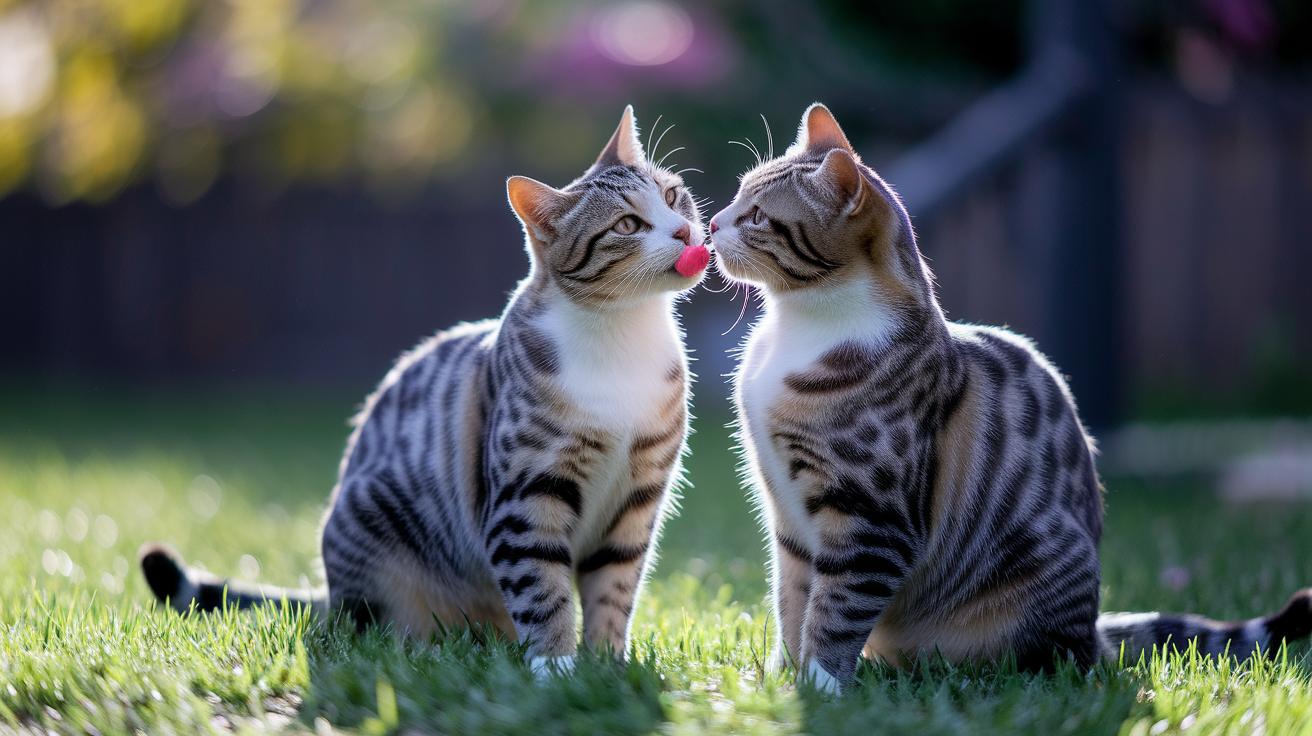
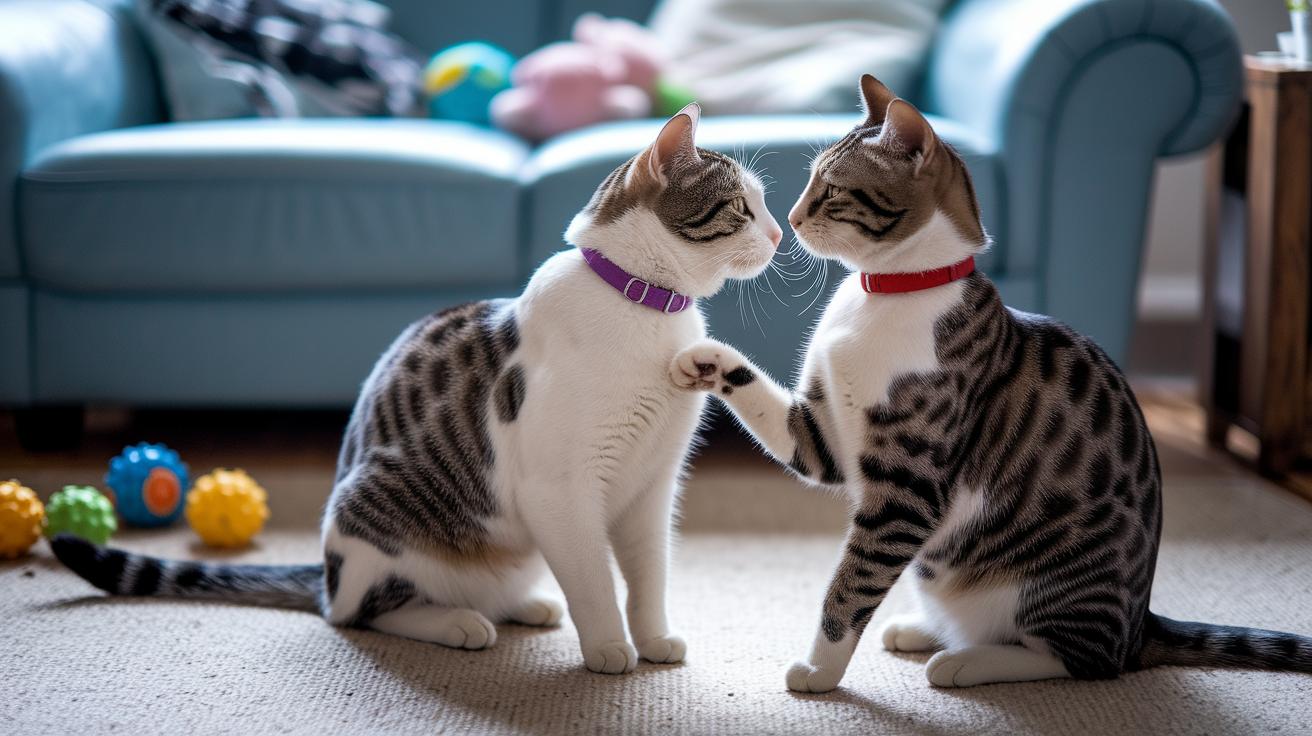
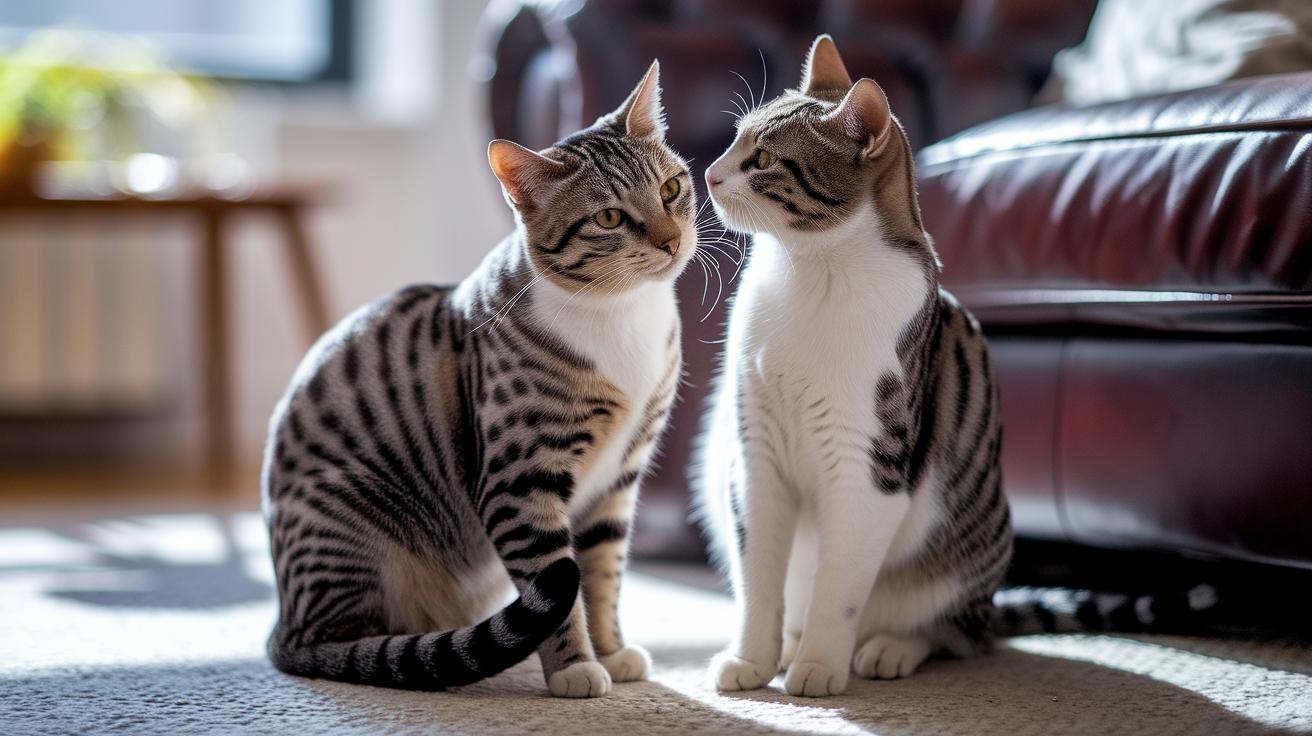
    In homes with several cats or in busy shelters, FeLV (feline leukemia virus) can sneak around during everyday hangouts. Ever seen your kitty lean in for a nose boop? That little bump can share saliva (tiny drops of spit) or nasal goo (mucus) and spread the virus.

    Mom cats can even pass FeLV to kittens before they’re born (in utero transmission) or later through milk (milk-borne transmission). That’s why testing new litters right away is so important.

    • Mutual grooming (when cats lick each other) and nose bumps
    • Sharing food and water dishes
    • Bite wounds during territorial scuffles
    • Contact with infected saliva or respiratory secretions
    • In utero transmission from queen to kittens
    • Milk-borne transmission during nursing

    Outdoor access, crowded rooms, and shared bowls make these pathways even riskier. In stray colonies, one fight bite can drive infected saliva deep into the skin. Then at feeding time, a casual rub can finish the job. Pack four or five cats into a small room and the chance of FeLV going around climbs fast.

    If you’ve ever run a busy cat café or a crowded foster room, you know how tiny lapses, like leaving dishes together, can create FeLV hotspots. Watching for these transmission routes helps you tweak daily routines: separate newcomers, clean dishes often, and give each whisker-twitching buddy some breathing room.

    Recognizing Feline Leukemia Symptoms in Cats
    - Recognizing Feline Leukemia Symptoms in Cats.jpg

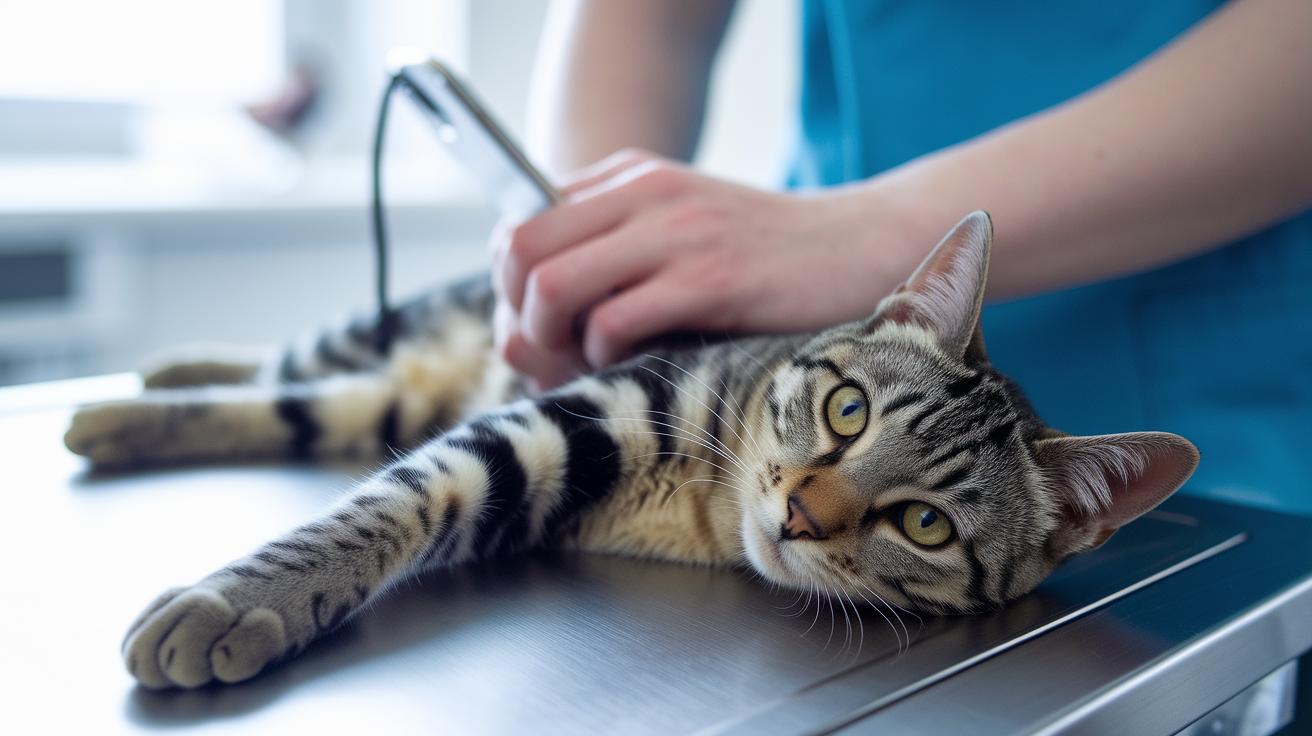
    Ever watched your kitty’s whiskers twitch as she stalks a red dot? One moment she’s all playful, the next she’s napping more than usual with a bit of fever. FeLV (feline leukemia virus) can tiptoe in or pounce hard if her immune system (your cat’s germ-fighting crew) feels weak.

    Stage Symptoms
    Early Ongoing fever, pale gums, mild tiredness, swollen lymph nodes (small germ-fighting glands)
    Advanced Severe anemia (low red blood cells), frequent infections, weight loss, lymphosarcoma (tumors in lymph tissue)

    These come-and-go signs can be easy to shrug off. A little cough or pale gums seems harmless. But don’t let FeLV sneak up on your furball.

    Spotting leukemia early and heading to the vet for a check-up gives your cat the best chance to manage infections and anemia. A simple blood test now could mean more happy purrs tomorrow.

    Worth every paw-print.

    Diagnosing Feline Leukemia: Tests and Confirmation
    - Diagnosing Feline Leukemia Tests and Confirmation.jpg

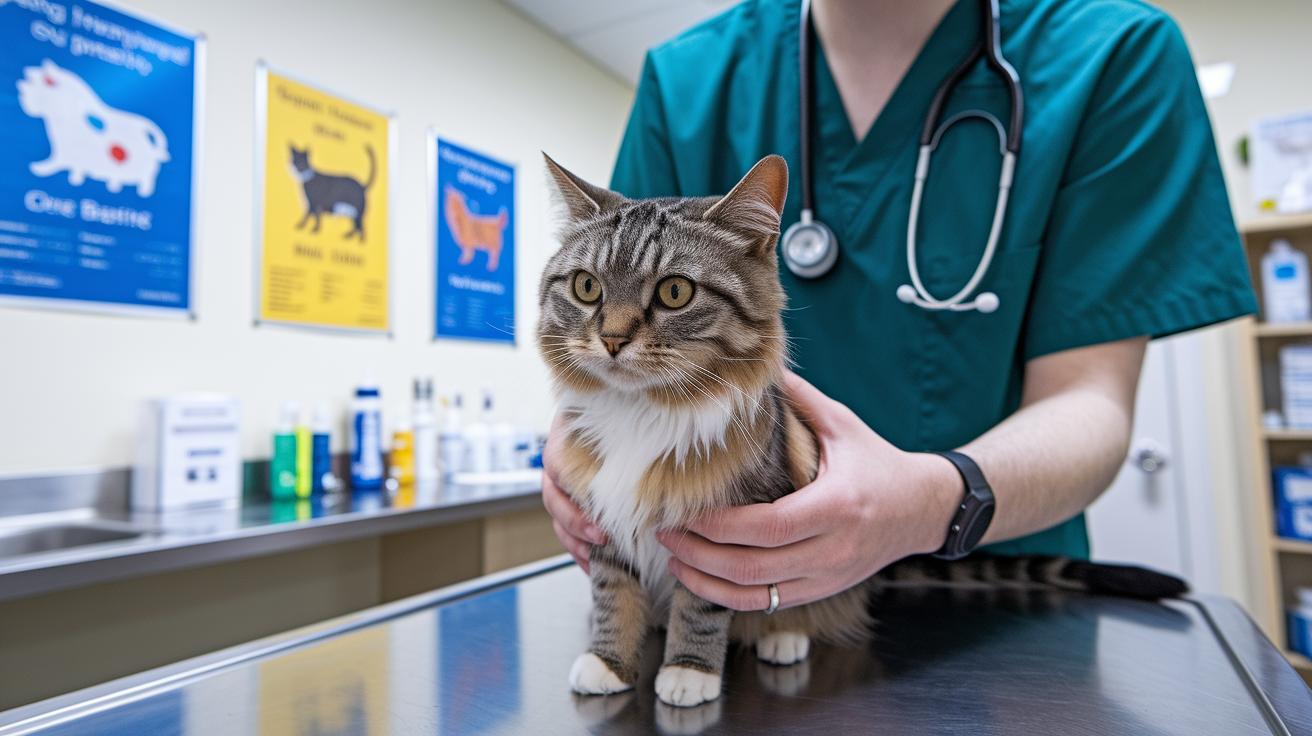
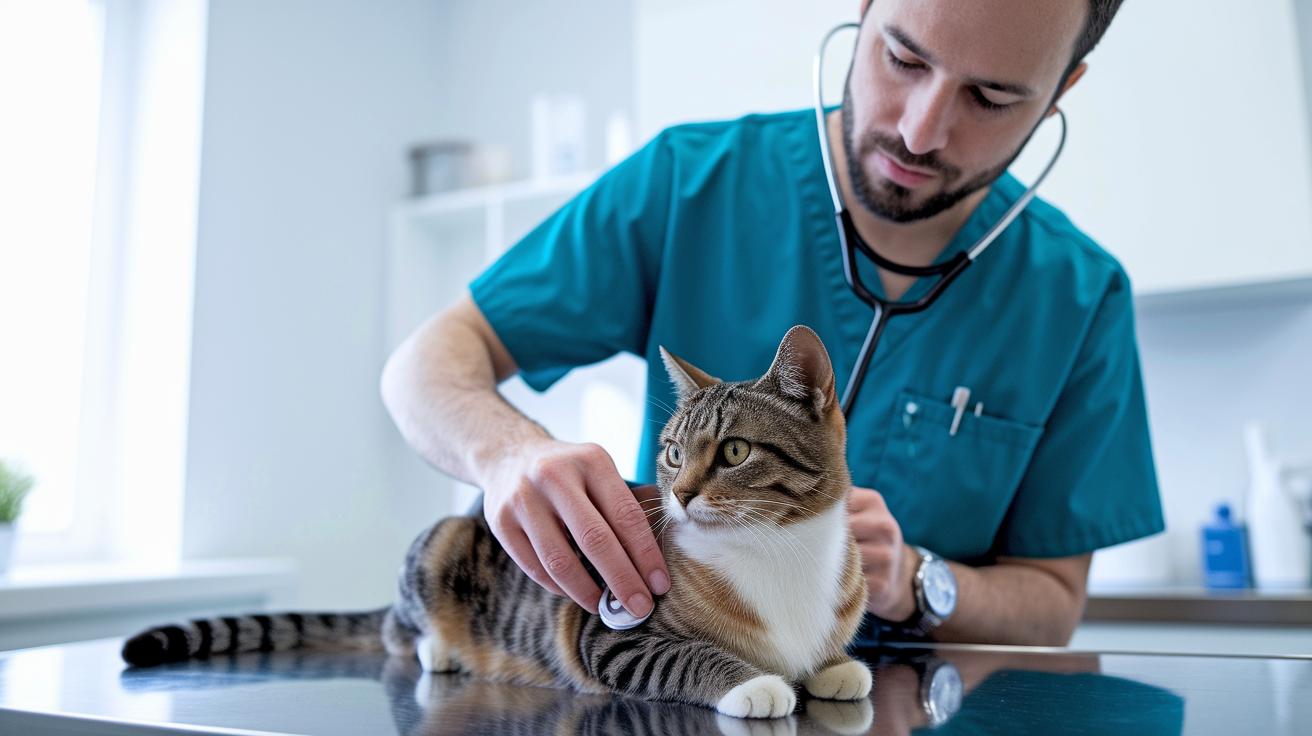
    Catching FeLV early helps your cat stay comfortable and gives them the best chance to slow the illness. A simple check-up plan lets your vet spot the virus before your kitty feels really sick. Ever seen your cat’s whiskers twitch in the exam room? Follow-up tests can catch anything that slipped through.

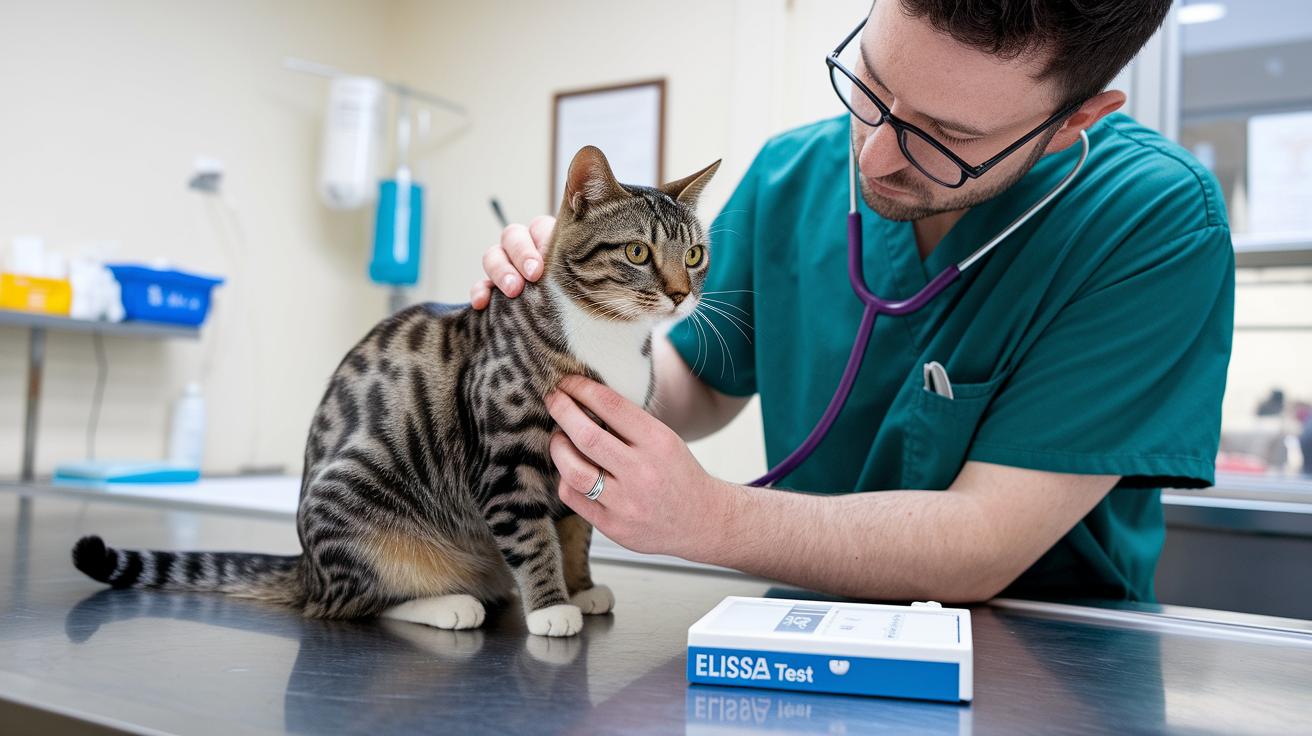
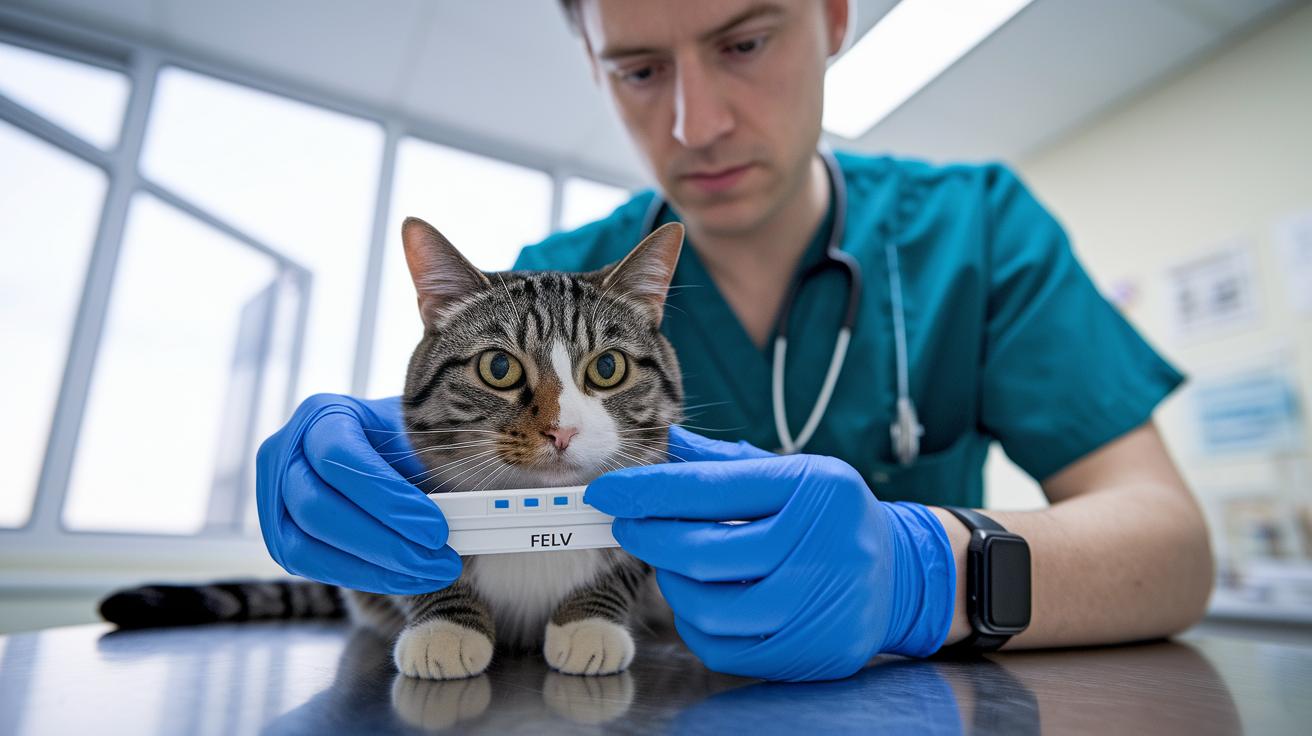
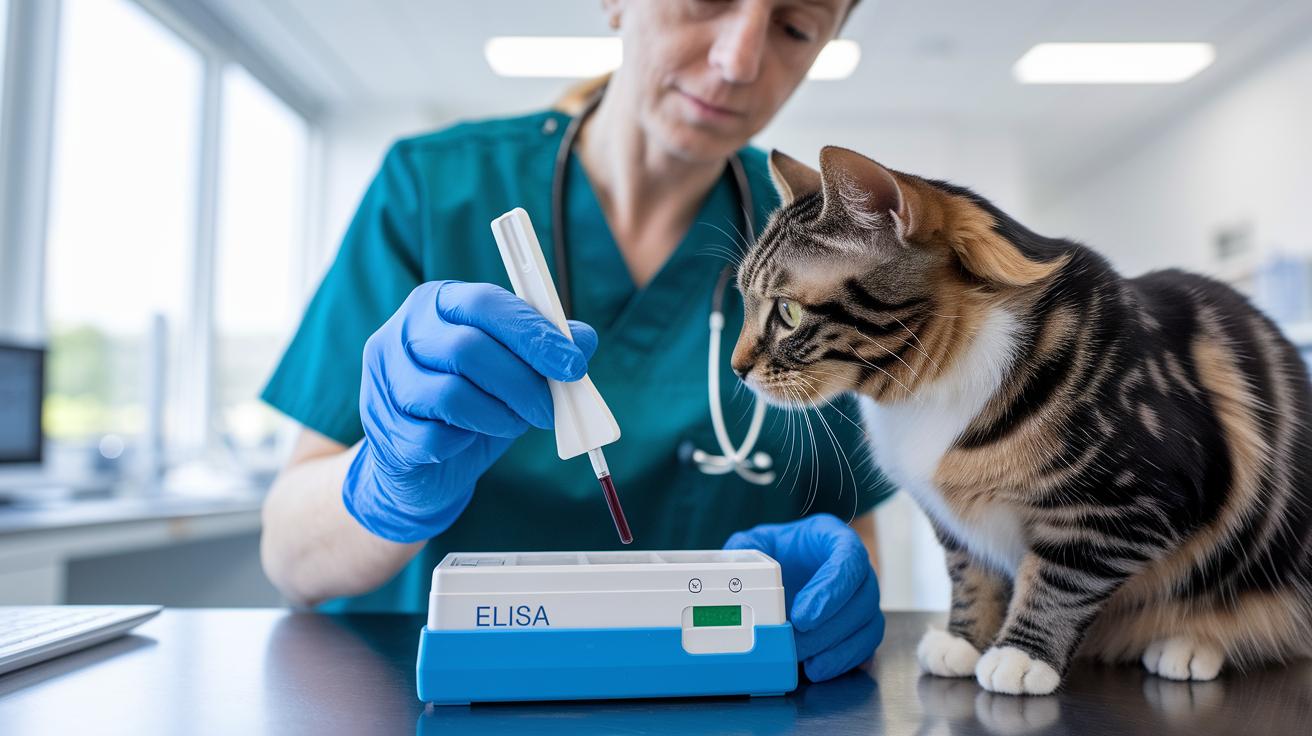
    Most vets start with ELISA (a quick blood test that checks for a virus protein called P27 antigen). It’s done right in the clinic, so you get fast, paws-itive results. But if ELISA turns up positive, they usually send the sample out for IFA (indirect immunofluorescent antibody assay), a test that uses glowing antibodies to see if the infected white blood cells really carry the virus.

    Then there’s PCR (polymerase chain reaction, a test that makes copies of tiny bits of the virus’s genetic material). PCR is super sensitive. It can spot low-level or early infections, though sometimes it flags a short-term exposure instead of a lasting one. It’s like the detective that finds even the smallest clue.

    So ELISA is best for quick answers. IFA helps confirm the news. And PCR tackles those tricky “did we get it or not” questions. It’s a tag-team approach to keep your cat healthy.

    No test is perfect. Sometimes a cat that fought off the virus still shows a positive. Or a very early infection hides too well and gives a negative. If your vet has doubts, they may recommend retesting in a few weeks or before introducing a new feline friend. That way you can feel confident that your furry pal is truly FeLV-free.

    Managing and Treating Feline Leukemia in Cats
    - Managing and Treating Feline Leukemia in Cats.jpg

    Feline leukemia in cats isn’t curable. Our goal is to ease your kitty’s symptoms and stop pesky infections before they start. Think of it as a long-term team effort between you, your furball, and your vet. Supportive care means gentle treatments, a calm home, and plenty of cuddles.

    Antiviral drugs like interferons (proteins that may block viral growth) and immune modulators (meds that tweak your cat’s defenses) can help lower the viral load (the amount of virus in the blood). Some cats bounce back with better blood counts; others barely budge. These meds aren’t risk-free, your kitty might feel tired or run a mild fever, so regular check-ups and blood work keep an eye on liver and kidney health.

    When side infections pop up, antibiotics jump into action against sneezes, ear problems, or skin sores. Dental care matters, too, stomatitis (gum inflammation) can make every bite painful. A quick cleaning under mild sedation plus soothing gels or rinses can bring back that happy crunch at mealtime.

    Good nutrition and low-stress vibes are huge. Offer soft, high-protein food that’s easy to chew and set up cozy indoor play spots with cat trees, puzzle feeders, or plush blankets. Ever notice your cat purring as she wrestles a toy? That’s the magic of enrichment. Keep a simple log of weight, appetite, and energy to catch any changes fast. Worth every paw-print.

    Preventing Feline Leukemia: Vaccination and Biosecurity
    - Preventing Feline Leukemia Vaccination and Biosecurity.jpg

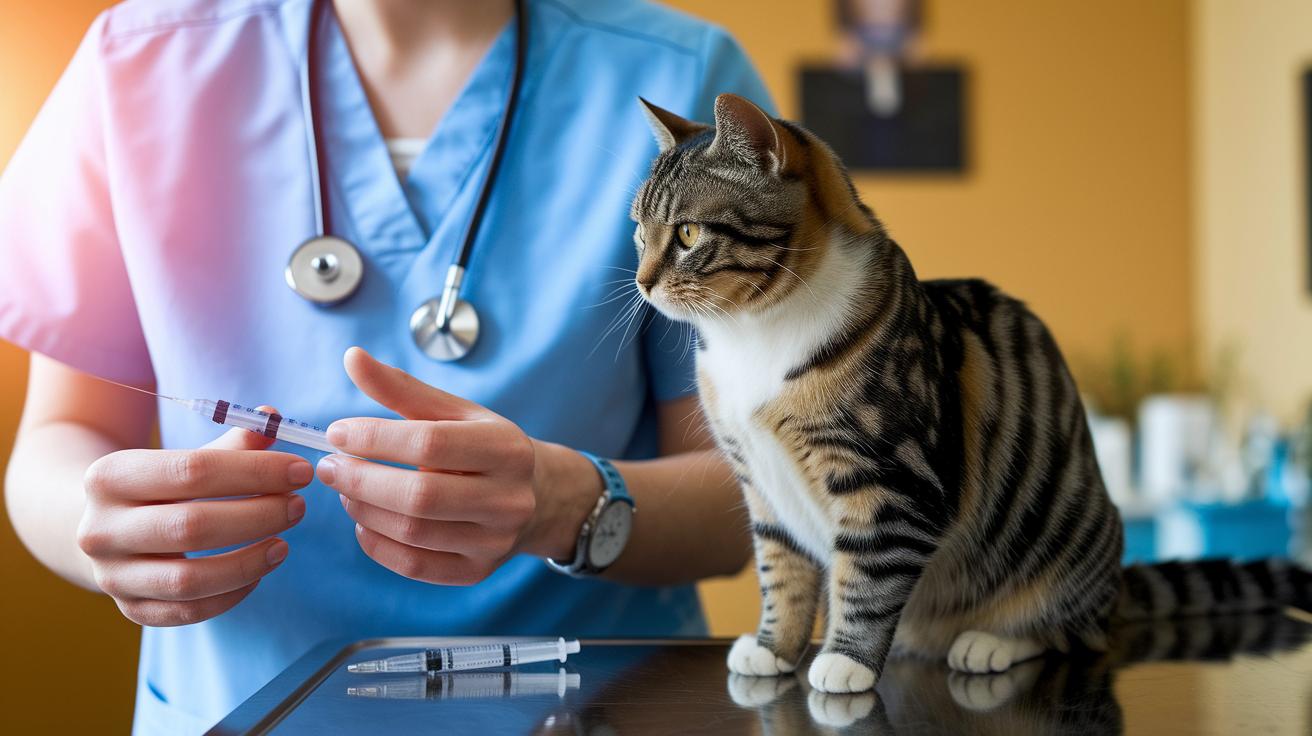
    Bringing home a new kitty? You’ll want regular FeLV testing (feline leukemia virus) to keep your cat crew healthy. It’s like a quick sniff test for their well-being. If the result is positive, set up a cozy quarantine corner with its own litter box (where your cat does its business) and food dish. It slows that kitty-to-kitty spread.

    So what about vaccines? Ever watched your kitty chase shadows? You can help them stay feline fine with a two-shot series at the vet, spaced three to four weeks apart. After that, plan on a yearly booster plus any top-offs to keep their defenses strong. Most clinics carry trusted FeLV vaccine brands with broad protection. The shot kicks your cat’s immune system (its germ-fighting team) into high gear, making antibodies (tiny protectors) that stand guard. No vaccine is perfect, of course, but it can slash infection risk by up to eighty percent for adventurous outdoor explorers. That’s a serious head start against sneaky viral foes.

    And here’s the fun part: biosecurity. Turn your home into a kitty castle by keeping your fur pal indoors or in a catio (a screened-in porch built just for cats). Wipe down food bowls daily, wash litter trays every night, and switch gloves or wash your hands between cats during vet visits. These simple steps keep germs at bay so your cat can roam free without unnecessary risks.

    Worth every paw-print.

    Prognosis of Cats Diagnosed with Feline Leukemia
    - Prognosis of Cats Diagnosed with Feline Leukemia.jpg

    Prognosis for feline leukemia can vary wildly. One minute your cat might be pouncing on a laser dot two years after testing positive. Then another kitty could start napping more just months in. Every cat has its own story.

    Most cats with FeLV (feline leukemia virus) live under three years once they’re diagnosed. Some younger felines stretch out to four or five years if they get early care. Older cats or those with a high viral load (lots of virus in their blood) usually have shorter runs.

    I once watched Luna bounce back and bat her toy mouse even a year after testing positive.

    Secondary troubles like anemia (low red blood cells) or repeat infections can speed up the clock. Keeping track of those issues helps you spot problems early.

    Watching your cat’s weight, appetite, and mood is like reading a story. Every chapter counts. Regular blood tests give you a clear picture of what’s happening inside. Ever notice how a soft nose nudge means your cat is still feeling good?

    Set up vet check-ups every few months so you can talk about comfort plans and goals. Planning meals, treatments, and extra cuddle time around FeLV patterns helps your friend live their best life.

    And when it’s time for end-of-life planning, you’ll know they’re heading out with dignity and peace.

    Worth every paw print.

    Final Words

    Diving into FeLV, we unpacked what is feline leukemia, its retroviral nature, and how it targets a cat’s immune system.

    We traced close-contact and maternal transmission pathways, then flagged key symptoms, from persistent fever to severe anemia.

    Then we laid out supportive care, antiviral options, and vaccination tips to shield your cats in busy multi-cat homes.

    Armed with insights on what is feline leukemia, you can help your multi-cat crew stay active, healthy, and purr-fectly happy.

    FAQ

    Frequently Asked Questions

    What is feline leukemia in cats?

    Feline leukemia in cats is a contagious retrovirus (FeLV) that attacks the immune system and bone marrow, leading to immunosuppression, anemia, and higher risk of infections and cancers like lymphosarcoma.

    How do cats catch feline leukemia?

    Cats catch FeLV mainly through close contact, like sharing food bowls, mutual grooming, or bite wounds. Infected mothers can also pass it in utero or via milk, making multi-cat and outdoor settings higher risk.

    Is feline leukemia contagious to humans?

    Feline leukemia is not contagious to humans. It only affects cats and requires specific cat-to-cat transmission through saliva, blood, or other secretions, so people aren’t at risk from infected cats.

    What are the first signs and symptoms of feline leukemia in cats?

    Early signs of feline leukemia include persistent fever, mild lethargy, pale gums, and swollen lymph nodes. Symptoms may wax and wane, so any persistent changes in energy or appetite warrant prompt vet evaluation.

    What is the treatment for feline leukemia?

    Treatment for feline leukemia focuses on supportive care: antibiotics for secondary infections, antiviral or immune-modulating drugs, nutritional support, and stress-free indoor living, since no cure exists—only symptom management and quality-of-life improvement.

    How long does a cat live with feline leukemia?

    Cats with FeLV may live from a few months to several years after diagnosis. Survival depends on age at infection, viral load, and overall health, with attentive veterinary care improving life expectancy.

    What happens in the final stages of feline leukemia?

    In final stages of FeLV, cats often develop severe anemia, opportunistic infections, organ failure, or cancers like lymphosarcoma. Energy declines dramatically, and supportive care shifts toward comfort and end-of-life planning.
    Related Articles

  • feline leukemia: Confidence in Managing Your Cat’s Health

    feline leukemia: Confidence in Managing Your Cat’s Health

    Ever thought a sneaky virus could lurk in your kitty’s DNA (its genetic blueprint)? It waits silently for just the right moment to pounce.

    FeLV (feline leukemia virus; a stealthy cat germ) slips into kitty cells like an uninvited guest and sticks around for life. Ever watched your cat chase shadows? This virus is even more secretive!

    Over time, it’s like rusty gears jamming up your cat’s body. Cells stop growing right, new cancers can ignite, and your kitty’s immune shield (its disease-fighting force) wears down.

    That hidden troublemaker makes monitoring your cat’s health feel like a high-stakes game of cat and mouse. Who doesn’t want to level up their defenses?

    Let’s dive in!

    In this guide, you’ll find simple steps to spot FeLV clues, choose the right tests, and build a safe plan so you and your furball can feel confident every day.

    Understanding Feline Leukemia Virus: Definition, Causes, and Global Impact

    - Understanding Feline Leukemia Virus Definition, Causes, and Global Impact.jpg

    Ever wondered what feline leukemia is all about? FeLV, short for feline leukemia virus, is a gamma-retrovirus (an RNA-based virus that turns into DNA inside cat cells) in the Retroviridae family. Once it sneaks its code into kitty cells, it stays there for life as a provirus (viral DNA tucked into cells). Over time, that hidden troublemaker can jam up cell growth, spark cancers, weaken your cat’s immune shield, or cause blood issues. And because it’s parked in their DNA, it can flare up later, making it tricky to manage.

    You’ll find FeLV everywhere: busy shelters, cozy homes, and rural farms alike. In the US, about 2 to 3% of cats carry it, but that risk jumps above 30% in outdoor roamers, multi-cat households sharing bowls, or kitties who get into scraps. Kittens are extra vulnerable, their tiny immune systems can’t always fight it off. And adult cats? They can hide the virus quietly for months without a single sniffle.

    Early detection is key.

    Coming up, we’ll chat about how to spot FeLV signs, the vet tests to pin it down, and treatments that can help. We’ll also dive into prevention, think indoor-only fun and vaccines, and wrap up with long-term care tips so you and your cat can stay feline fine.

    Feline Leukemia Virus Transmission Routes and Key Risk Factors

    - Feline Leukemia Virus Transmission Routes and Key Risk Factors.jpg

    So how do cats catch FeLV? Mostly through direct contact, think mutual grooming where saliva slips into tiny skin cuts (saliva-blood contact). Your kitty’s whiskers might twitch while getting a bath from a buddy, but that friendly lick can be a sneaky virus ride. Sharing food or water bowls passes saliva, too. And if cats squabble, bite wounds become open roads for FeLV.

    FeLV only survives a few hours outside a host, so it won’t hang around on the carpet. Your cat really needs those close-up moments to pick it up. Ever seen your cat nose-boop another? Cute, just keep an eye on sleepy snuggles, too.

    Mother-to-kitten spread (vertical transmission) happens before birth or through nursing afterward. Kittens born to infected queens often test positive in just a few weeks. Oops, let me rephrase that, those sweet nursing sessions can pass on the virus fast.

    Outdoor cats and busy multi-cat homes see infection rates above 30 percent, you read that right, over thirty. Keeping uninfected cats indoors and away from unknown cats cuts the risk way down, especially for vulnerable kittens and seniors. Worth every paw-print.

    Clinical Signs of Feline Leukemia: Recognizing Symptoms in Cats

    - Clinical Signs of Feline Leukemia Recognizing Symptoms in Cats.jpg

    Ever watched your kitty chase shadows then suddenly slow down? FeLV (feline leukemia virus) can whisper through small shifts or roar in a big way. These signs often look like other cat bugs, so you might miss them at first. Keep an eye out for weight dips or sneezes that don’t quit!

    • Unexplained weight loss and anorexia (loss of appetite): Ribs peeking through the fur or skipped meals for days. It’s like your cat’s going on a diet they didn’t choose.
    • Persistent diarrhea or vomiting: Soft paws on the litter box way too often, you know. Those repeated trips can wear down even the fluffiest kitty.
    • Severe gingivitis (gum inflammation): Red, swollen gums and stinky breath that make chewing feel like a chore. Your cat might even drool more than usual.
    • Upper respiratory signs (sneezing, runny nose): A nose that won’t stop dripping and sneezes echoing around the room. Your cat sounds like they’ve got a tiny trumpet.
    • Fever (temperature over 103°F) and lethargy (extreme tiredness): Hot ears and a sluggish body. Playtime? Not today.
    • Pale mucous membranes (gums and inner mouth lining): Gums lose their rosy hue and turn ghostly pale. Kind of like they hit the snooze on blood flow.
    • Lymph-node enlargement (swollen glands under neck or armpits): Little lumps you can feel when you gently pet your cat’s neck or armpits. Doesn’t feel right, huh?
    • Recurring infections: Cuts or sores that hang around forever. Healing seems slower, like your cat’s immune army is on a coffee break.

    Learn more: symptoms of feline leukemia virus in cats

    Early vet visits are a must when you spot these signs. A quick blood test can tell FeLV from other illnesses and get your furball the right care fast. Isn’t it a relief to know what’s up and help them feel better?

    Diagnosing Feline Leukemia Virus: Tests and Interpretation

    - Diagnosing Feline Leukemia Virus Tests and Interpretation.jpg

    Figuring out if your cat has FeLV (feline leukemia virus) feels a bit like solving a mystery. Vets usually start with ELISA (a quick antigen-sniff test looking for viral bits in the blood) because it’s fast and done right in the clinic. You’ll see a positive result around four to six weeks after exposure. Ever watch your kitty twitch at a feather toy? That relief when you see that familiar response, well, that’s the kind of answer ELISA tries to give you.

    Then comes IFA (immunofluorescence assay, a glowing antibody test to spot infected white blood cells in a lab). It helps “seal the deal” on a long-term infection. Sometimes you’ll get a false negative early on or if the virus is playing hide-and-seek in regression. So vets often repeat both tests a few weeks later, you know, just to be extra sure. Paired results cut down on mix-ups.

    For a head start on detection, there’s PCR (polymerase chain reaction, a DNA-amplification test) that can flag proviral DNA as soon as one to two weeks post-exposure. It usually needs a fancy lab and costs more, but it’s worth it if you need answers fast. Think of it like spotting a mouse before it scurries under the fridge.

    Whoa.

    If your cat’s scans are still murky or you see strong symptoms, a bone-marrow biopsy (taking a tiny marrow sample) teamed with immunofluorescence can show if FeLV has settled in the marrow tissue. It means sedation and a bit more risk, so vets save it for the toughest cases.

    Test Purpose Timing Accuracy
    ELISA Detects viral antigens in blood 4–6 weeks post-exposure ≈98%
    IFA Confirms long-term infection in white blood cells 6–8 weeks post-exposure ≈99%
    PCR Identifies proviral DNA early 1–2 weeks post-exposure ≈90%
    Bone-marrow biopsy Assesses marrow involvement with fluorescent antibodies Any stage, when needed >95%

    Reading these results together helps map out your cat’s status. A positive ELISA plus a positive IFA points to a progressive infection. If only ELISA lights up, it might be early stage or a regressive case. PCR alone means you caught it very early. And when a biopsy confirms marrow infection, vets usually step up treatment plans. Talk through any mixed results with your vet so you can make the best plan for your purr-buddy.

    feline leukemia: Confidence in Managing Your Cat’s Health

    - Treatment and Supportive Care Strategies for Cats with Feline Leukemia.jpg

    Antiviral and Immune-Modulating Treatments

    But there’s no cure for feline leukemia, we can’t magic the virus away. AZT (zidovudine, an antiviral drug) usually starts at 5–10 mg per pound twice a day. In a few weeks, you’ll notice the viral load (how much virus is in your cat’s blood) take a nosedive. Some kitties might get mild anemia (when red blood cells dip) or an upset tummy.

    Next up is interferon (a lab-made protein that revs up your cat’s immune system). You can give it as injections or oral drops, often 5 days on and 3 days off. Your furball might nap extra long or run a slight fever after shots. Stick to your vet’s schedule, regular check ups let you tweak doses if needed.

    Supportive and Nutritional Care

    Comfort matters just as much as medicine. Keep the litter box spotless, cats have super sensitive noses. Trim sharp nails so they don’t snag on blankets or carpet. Offer cozy hideaways for secret solo naps.

    Hydration is key when appetite dips. Subcutaneous fluids (under-the-skin fluids) at home can fend off dehydration and keep your kitty’s energy up.

    Food should feel like a treat. Pick a high-quality protein diet, think tender chicken or special canned recipes for immune support, check out best food for cats with feline leukemia. Serve small, frequent meals and try warming them to boost the aroma. If weight loss lingers, chat with your vet about appetite stimulants.

    Putting antiviral meds, comfy care, and tasty nutrition together gives your purr buddy the best shot at feeling good. Coordinate every step with your veterinarian so doses, diet plans, and chill-out spots all line up.

    Preventing Feline Leukemia: Vaccination, Screening, and Safe Practices

    - Preventing Feline Leukemia Vaccination, Screening, and Safe Practices.jpg

    Ready to shield your new kitten from feline leukemia? Start their first vaccine at 8 weeks old. Then repeat shots every 2 to 3 weeks until they’re about 12 to 16 weeks old. It’s like giving their immune system a power boost, so they’re ready for whatever life throws at them.

    Once the kitten series is done, plan on a yearly booster, think of it as a tune-up for their health. Adopted a grown-up whisker-friend with an unknown history? No worries. Give two vaccines, three weeks apart, then switch to annual shots. This routine slashes infection risk, especially if your cat ever slips outside or makes new furry buddies.

    Before you bring home a new pal, ask about FeLV screening. Most shelters require this test and only let cats share playrooms and bowls after they’re clear. Your vet will run a quick ELISA blood test (a simple check of the blood) at the first checkup, just a tiny sample to catch infections early. If a cat tests positive, shelters usually separate them for one-on-one care until they find a safe match. No mix-ups, no worries.
    Keeping uninfected cats indoors is a simple trick that pays off big time. It not only keeps them safe from cars and critters but also cuts off contact with FeLV carriers. Got an infected kitty? Give them a cozy room all their own, with their own food, water, and litter box. Wipe down bowls and bedding often with a pet-safe disinfectant, you’re basically a cleaning ninja.

    By combining vaccines, early screening, and smart separation, you’ll build a health fortress around every paw and whisker. Stay paw-sitive.

    Prognosis and Long-Term Management for Cats with Feline Leukemia

    - Prognosis and Long-Term Management for Cats with Feline Leukemia.jpg

    Knowing the road ahead helps you plan for the months to come. Cats with FeLV often live around two and a half years after diagnosis, but early detection and proper support can nudge that higher. If their immune system wrestles the virus into a regressive stage, they might hang on beyond five years. Progressive cases with cancer or blood problems usually mean shorter journeys.

    Age at diagnosis, other health issues, and stress all shape each cat’s path, so think of these numbers as guideposts, not deadlines. Ever wonder how many more purr-filled mornings you’ll share? That honest view can ease your mind and help you savor every soft headbutt. Next, let’s talk about keeping an eye on your cat’s health.

    Plan vet exams every three to six months with a complete blood count (CBC) – think of it as your cat’s blood report card. Keep a simple journal for appetite, energy, grooming, and litter box visits so you spot tiny changes fast. Soft bedding, a sunny nap spot, and fun play sessions add to your cat’s joy. Annual dental checks are a must to catch mouth pain before it sneaks in.

    Watch hydration too – dry gums or sunken eyes mean it’s time for subcutaneous fluids (just under the skin) or a vet trip. Share your notes with your vet so food, meds, or routines can shift as your cat’s needs change. Talking honestly about comfort versus life-extending treatments gives you peace of mind and helps your cat keep their dignity.
    Worth every paw-print.

    Final Words

    Jumping right in, we covered feline leukemia’s basics: how the virus works, how cats catch it, and the top signs to watch.

    Then we looked at tests to spot FeLV, the treatments vets use, and tips for home care.

    Next we talked shots, screening, and safe habits to keep kitties healthy.

    Finally, we set expectations on living with FeLV and plans for regular checkups.

    Feeling hopeful? A well-informed routine can help cats with feline leukemia thrive.

    FAQ

    Feline leukemia test cost

    The feline leukemia test cost ranges from 25 to 75 dollars at most veterinary clinics, depending on whether you choose an ELISA antigen screen or a PCR proviral DNA assay.

    What are the symptoms and early signs of feline leukemia in cats?

    The feline leukemia symptoms and early signs include unexplained weight loss, reduced appetite, persistent diarrhea or vomiting, fever, lethargy, pale gums from anemia, swollen lymph nodes, and upper respiratory issues.

    What happens in the final stages of feline leukemia?

    The final stages of feline leukemia involve severe anemia, frequent infections, organ dysfunction, extreme lethargy, and significant weight loss as the immune system fails and secondary illnesses take hold.

    How long will a cat live with feline leukemia?

    A cat with feline leukemia typically lives around two to three years after diagnosis, though those with regressive infections may survive beyond five years under careful supportive care.

    Is feline leukemia contagious, can indoor cats get it, and can you catch it by touching an infected cat?

    Feline leukemia is contagious only through close cat-to-cat contact like mutual grooming, bites, or shared bowls. Indoor cats without exposure to infected cats face very low risk. Humans cannot catch it by touching.
    What does the feline leukemia vaccine schedule look like?

    The feline leukemia vaccine schedule starts at eight to nine weeks with two to three boosters every two to three weeks until 12–16 weeks old, followed by annual revaccination for lifelong protection.

    How is feline leukemia treated?

    Feline leukemia treatment focuses on supportive care and antiviral therapies like AZT, plus immune modulators (interferon), high-quality protein diets, fluid therapy, stress reduction, and regular veterinary monitoring.
    Can humans get feline leukemia?

    Feline leukemia virus does not infect humans. It is species-specific and only integrates into the DNA of cats, so there is no risk of human infection.

    Related Articles

  • Symptoms of Feline Leukemia Virus in Cats Uncovered

    Symptoms of Feline Leukemia Virus in Cats Uncovered

    Ever watched your kitty snooze so deeply you think she’s chasing mice in her dreams? It’s adorable. But those extra-long naps could mean something more than a couch cuddle.

    I once saw Luna lie still for hours, her soft purr barely there. Turns out she had feline leukemia virus (a contagious cat illness). Catching it early gives her the best shot at more playful days.

    Look for these red flags. Is she moving in slow motion? That’s lethargy. Does she feel warmer than usual? A low-grade fever (a slight temp rise) can be a clue.

    Next, weigh your girl. Rapid weight loss isn’t normal. Run your fingers through her coat. If it looks dull instead of shiny, that’s a warning sign. Peek at her gums. They should be rosy, not pale. And mouth ulcers? Ouch. That’s one to mention to your vet.

    Keeping an eye on these signs means you and your vet can act fast. Soon she’ll be batting feathers, whiskers twitching, and purring up a storm.

    Ready to spot these hints before they get worse?

    Recognizing feline leukemia virus symptoms: Early and Advanced Signs

    - Recognizing feline leukemia virus symptoms Early and Advanced Signs.jpg

    Ever seen your cat flop on the floor, her energy just gone? Catching feline leukemia virus (FeLV, a long-lasting cat virus) early gives you more time to help her feel better.

    Watch for these signs of infection, whether from that lingering virus or a sudden leukemia flare-up:

    • Lethargy & fever: Your kitty moves like slow-motion and feels hot to the touch.
    • Weight loss & coat changes: She’ll slim down fast and her fur may look dull or patchy.
    • Anemia & pale gums: Gums turn pale pink or white (anemia means low red blood cells).
    • Recurrent infections: Every sniffle or scratch just won’t quit.
    • Oral lesions & bleeding: Tiny sores or blood in her mouth. Ouch.

    Make it a habit to track her weight drop. Feel her lymph nodes (tiny bean-shaped bumps under her jaw) and peek at her gums for paleness. Spotting these early hints lets you and your vet jump in fast. And that can give her a shot at more purr-filled days.

    Learn more below

    Early clinical signs of feline leukemia virus infection

    ).jpg

    Ever noticed your kitty napping longer than usual? Spotting early signs of feline leukemia virus helps you act fast and give them the best care. Typical clues include low energy, a mild fever, eating less, a dull coat, weight loss, and swollen lymph nodes (small glands that help fight germs).

    Here’s how to keep an eye on things at home:

    • Note energy level after play: “Chased a feather toy for two minutes, then curled up.”
    • Record appetite: “Ate half her dish before walking away.”
    • Take temperature daily with a pet thermometer (under the arm or in the ear).
    • Feel coat texture: soft, a bit rough, or looking patchy.
    • Weigh your cat once a week on the same scale.
    • Gently check lymph nodes under the jaw and behind the knees for any change in size.
    Symptom Day 1 Day 2 Day 3 Notes
    Energy , , , Jumped once onto the couch
    Appetite , , , Left food bowl half full
    Temp (°F) , , , 102.2, slight fever

    Reading test results can feel tricky. So let’s break down the ELISA test (a quick scan for virus bits in blood) and the PCR test (a detailed DNA check):

    • ELISA test: finds viral antigens in blood fast. It’s great for a quick answer but can give false positives after a shot or a brief infection.
    • PCR test: spots viral DNA more accurately after about 4 to 6 weeks. It confirms ELISA results.
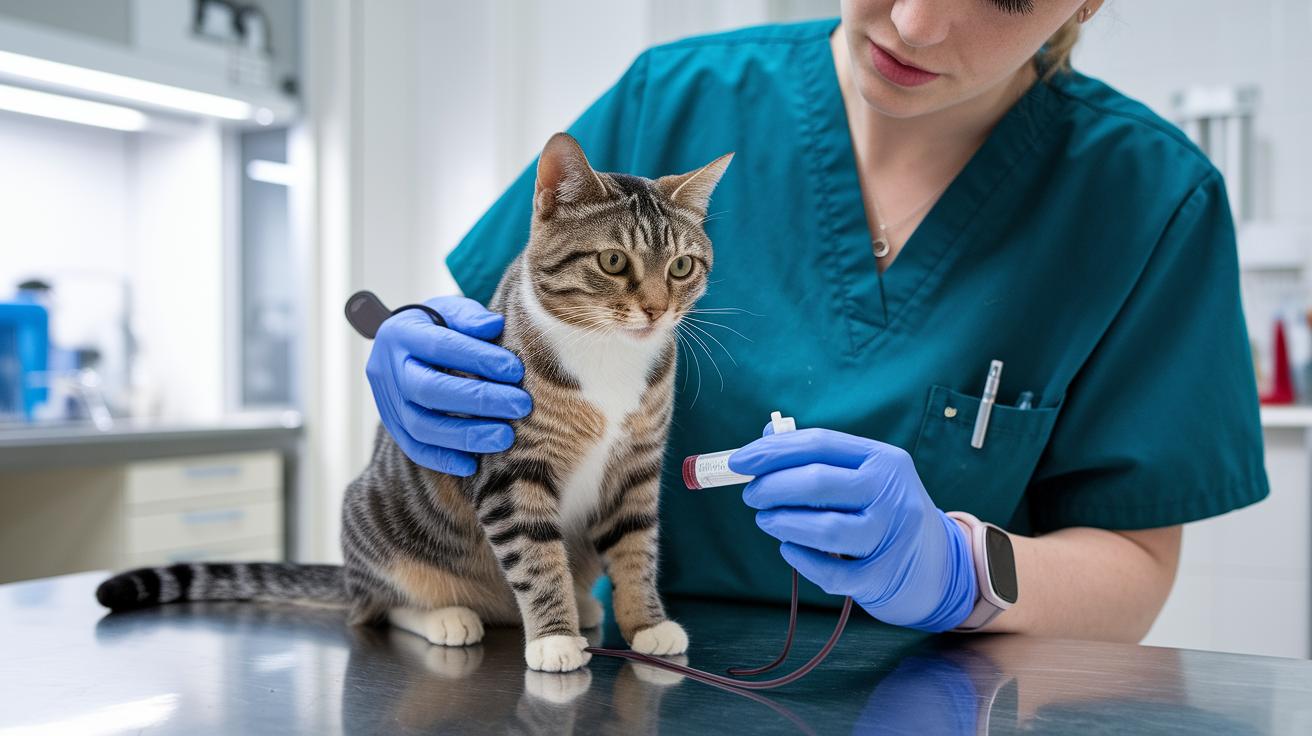
    • Sample collection: your vet draws two tubes of blood, one for ELISA, one saved for PCR if the first test is positive.
    • Follow-up timing: if ELISA is positive, repeat the PCR at least four weeks later to make sure it’s a real infection.

    When you head to the vet, being prepared makes a world of difference:

    • Bring your daily tracking chart with notes and dates.
    • Mark the first day you saw each sign.
    • Jot down any home care you tried, like extra water or wet food.
    • Ask what comes next if the PCR confirms infection.

    Hematologic and immunosuppressive changes from feline leukemia virus

    - Early clinical signs of feline leukemia virus infection.jpg

    Ever see your cat move slower than usual? Feline leukemia virus (FeLV) invades bone marrow (the spongy center of bones where blood cells are made) and immune cells (the body’s germ fighters). FeLV basically hijacks these blood factories, so fewer red blood cells show up. That leads to anemia when your kitty feels weak from a low red cell count.

    You might notice pale gums and chalky white eyelids, that faded look cats get when they run low on red cells. Ever watch your cat skip her usual stretch-y yawn before battle mode? Your kitty could lie around more, skipping playtime or chasing a feather teaser.

    Low platelets (thrombocytopenia, meaning too few clot helpers) can cause tiny red spots (petechiae) on the skin. Even a small bump might lead to bruises or bleeding that worries you.

    And with fewer white blood cells, your cat has a harder time fighting germs. Skin sores, urinary drips, and wounds that refuse to heal are all you’ll see. Fevers that come and go or lymph nodes (tiny bean-shaped germ filters) barely doing their job hint that the immune system is overwhelmed.

    In some cats, FeLV pushes bone marrow cells into wild overgrowth, turning into acute leukemia that needs urgent vet care. You may spot a sudden loss of appetite, quick weight drop, or a fast decline in energy. Time to call the vet ASAP.

    Catching these symptoms early makes a big difference. Anemia saps endurance, low platelets raise bleeding risk, and weak white cells invite infections.

    Spotting feline leukemia virus signs early gives your vet the best shot at supportive care. That means easing your kitty’s discomfort and blocking dangerous infections. Then maybe you’ll have more time for cuddles. Worth every paw print.

    Recurrent infections and lymphadenopathy challenges in feline leukemia virus-positive cats

    - Hematologic and immunosuppressive changes from feline leukemia virus.jpg

    Ever noticed your cat battling one bug after another? For felines with FeLV (feline leukemia virus), roughly 45 percent get skin abscesses (yucky, pus-filled bumps) and about 30 percent face urinary tract infections (UTIs). Another 25 percent end up with chronic stomatitis or gingivitis (sore, inflamed gums). Swollen lymph nodes (tiny glands under the skin) often show up too, a clear sign their immune system is working overtime.

    Here’s how we handle antibiotics. First, choose a drug based on culture and sensitivity results (lab tests that match the bug to the best antibiotic). If your cat’s kidney function dips, adjust the dose so it’s safe. And treat for at least 10 to 14 days to prevent a nasty relapse.

    Antibiotic Dose Duration
    Cephalexin 20 mg/kg PO every 12 hrs 14 days
    Amoxicillin-clavulanate 12.5 mg/kg PO every 8 hrs 10 days
    Clindamycin 10 mg/kg PO every 12 hrs 10–14 days

    Next up, immune-stimulant therapies your vet might recommend:

    • Pidotimod (2 mg/kg PO daily for 14 days)
    • Feline interferon-omega (1 MU/kg SC every other day for 4 weeks)
    • L-lysine (250 mg PO daily; mix into wet food for a tasty defense boost)

    Survival-time statistics paint a hopeful picture. Cats without targeted support average about 1.5 years [1], while those on both antibiotics and immune stimulants stretch to roughly 2.8 years [2]. In one trial, interferon-omega users saw a 30 percent one-year survival rate versus 10 percent for untreated kitties [3].

    For step-by-step tracking of infections and lymph node checks, see the monitoring table above.

    Mucosal and oral disease manifestations of feline leukemia virus

    - Recurrent infections and lymphadenopathy challenges in feline leukemia virus-positive cats.jpg

    Your cat’s mouth tissues can go hungry when FeLV causes anemia (low red blood cells). You might notice chalky gums and pale pink conjunctiva (the thin tissue over the eyelids). That low blood count can also lead to mouth sores, gingivitis (gum swelling), or stomatitis (mouth inflammation). Ouch, right?

    And sometimes FeLV hurts the liver, too. You might spot yellowing in the sclera (the white part of the eye), skin, or mucous membranes (the wet pink lining inside the mouth). That’s jaundice (a sign of liver trouble) and it means the virus could be affecting more organs. Don’t wait – see your vet right away!

    Disease progression patterns in feline leukemia virus infection and when to consult a veterinarian

    - Mucosal and oral disease manifestations of feline leukemia virus.jpg

    Feline leukemia virus (FeLV) can take three different paths in your cat’s body. Ever wonder why some cats defeat it while others show signs? Let’s break it down.

    Abortive infection means your cat’s immune system (your body’s defense team) zaps the virus before it settles in. Regressive cases start with a tiny viral flare-up but then the virus goes dormant (a latent infection stage) and hides out. In progressive cases, the virus keeps growing over weeks to months, damaging bone marrow (the spongy stuff inside bones) and immune cells, so symptoms become hard to miss.

    Cats with abortive infections usually stay healthy with no lasting signs. Regressive cats might nap more or run a quick fever (a slight rise in body temp) before settling into a carrier state. Progressive cats often have pale gums, chronic sniffles, or swollen lymph nodes (those little bean-shaped spots under the jaw). Watching these shifts helps you and your vet choose the next steps.

    Diagnosis starts at your vet’s office with an ELISA test (Enzyme-Linked Immunosorbent Assay). It’s quick and checks for virus parts in the blood. If that’s positive, expect a follow-up IFA (Indirect Fluorescent Antibody) or PCR (a test that copies bits of the virus’s genetic material) around 8 to 12 weeks later. Waiting lets you avoid false negatives while the virus decides to clear out or settle in.

    Catching FeLV early is clutch. Notice your kitty acting super tired or skipping meals? That’s your cue to call the vet! Plan a retesting schedule so you don’t miss a hidden infection.

    How long can they live? It depends. Abortive cats often enjoy full, happy lives. Regressive carriers usually get years of cuddles with just a bit of checkups. Progressive cats average around three years with regular vet visits and extra care.

    Worth every paw-print.

    Keep an eye on your cat’s appetite and weight, and stick to those test dates, you’ll be ready to jump into action fast, and that makes all the difference for your purr pal.

    Final Words

    We jumped right into key feline leukemia virus symptoms: from energy dips and weight loss to pale gums.
    We then unpacked how anemia, recurrent infections, and oral lesions signal deeper immune trouble.
    Next, we mapped progression patterns and highlighted the need for timely vet visits and testing.
    Keeping an eye on symptoms of feline leukemia virus in cats means you’ll catch early signs, keep them purr-fectly playful, and feel confident supporting their health.
    FAQ

    What are the first and early symptoms of feline leukemia virus?

    The first and early symptoms of feline leukemia virus include low energy, mild fevers, loss of appetite, rough coat, weight loss, and swollen lymph nodes, appearing weeks to months after exposure.

    What are the symptom progression and final stages of feline leukemia?

    Symptom progression and final stages of feline leukemia involve chronic infections, severe anemia, pale gums, uncontrolled bleeding, oral ulcers, weight loss, organ failure, and possible development of acute leukemia over months to years.

    How contagious is feline leukemia and can it spread through petting?

    Feline leukemia virus is spread mainly through saliva and close contact. Casual petting rarely transmits the virus, but shared food bowls, grooming, or bites pose higher risk of spreading infection.

    What eye-related signs indicate a cat has feline leukemia?

    Eye-related signs of feline leukemia include jaundice (yellowing of skin or eyes) and pale conjunctiva from anemia, which can cause redness, swelling, or discharge in infected cats.

    How do cats become infected with feline leukemia virus?

    Cats become infected with feline leukemia virus through direct contact with infected saliva, nasal secretions, or blood, often via bite wounds, mutual grooming, shared dishes, or from mother to kitten.

    What symptoms do kittens born with feline leukemia show?

    Kittens born with feline leukemia show poor growth, low energy, persistent fever, anemia, swollen lymph nodes, and a higher chance of infections or gastrointestinal issues within weeks of birth.

    How do cats behave when they have feline leukemia?

    Cats with feline leukemia often act lethargic, hide more, lose interest in play, eat less, and sleep longer. They may also develop fevers, show discomfort, or wander less than usual.

    How long can a cat live with feline leukemia virus?

    A cat can live with feline leukemia virus from a few months up to three years, depending on disease progression and care. Aggressive management may extend quality of life.

    How can I distinguish between FIV and FeLV in cats?

    You can distinguish between FIV and FeLV in cats using specific blood tests. Veterinarians run separate FeLV antigen and FIV antibody assays to identify each virus accurately.

    Related Articles

  • best food for cats with feline leukemia vitality

    best food for cats with feline leukemia vitality

    Ever pop a can of tuna and watch your FeLV kitty spin in circles at the smell? Me too.
    Feline leukemia (a virus that weakens the immune system) can leave them wiped out, but the right meals help keep their bodies in top shape.
    Cats with FeLV burn energy faster than usual, so they need food that fights back.

    Forget boring kibble.
    Choose wet foods that clink in the can and glide into the bowl.
    Oops, did I say clink? I mean a gentle pop.
    They’re loaded with muscle-building protein (it helps bulk up strong paws), plus extra calories for quick fuel and antioxidants (tiny cell cleaners).

    They also pack built-in moisture so your kitty gulps down water with every bite, and they skip the junk fillers.
    Your fur baby will stay cozy, strong, and purring longer.

    Ready to boost your kitty’s vitality?

    Core Nutrition Needs for Cats with Feline Leukemia

    - Core Nutrition Needs for Cats with Feline Leukemia.jpg

    Cats with FeLV need a serious protein boost, at least 40% protein (dry matter basis) to keep muscles strong. They also need extra calories so they don’t burn through energy like a kitten on catnip. High-protein, high-calorie diets counter that catabolic state (when the body starts eating its own tissues).

    Antioxidants, vitamins A, C, and E, help mop up cellular damage, and omega-3 fatty acids calm inflammation. Think of these as tiny superheroes patrolling your cat’s cells. Moisture-rich meals (gravy or canned food) protect kidneys from dehydration (they’re easy to dry out). Toss in bone broth for electrolytes and collagen (the stuff that keeps tendons springy), no extra prep needed.

    Choose foods low in phosphorus and watch iron levels, too much iron can overwork organs. Skip fillers like BHA, BHT, or artificial colors to avoid skin flare-ups or clotting troubles. A palliative feeding plan for leukemia kitties means easy-to-digest, nutrient-dense bites that support an immunosuppressed cat.

    No meal can cure FeLV, but the right diet keeps body condition steady and boosts clinical response. Mix in immune helpers like beta-glucans or brewer’s yeast (for B vitamins and prebiotics) to lend a paw. When vets map out treatment for feline leukemia virus, diet often steals the show. Small, frequent meals and easy-lapped broths keep whiskers twitching and purrs rolling longer.

    Commercial Diet Recommendations for FeLV-Positive Cats

    - Commercial Diet Recommendations for FeLV-Positive Cats.jpg

    Smalls Fresh Cat Food is a top pick for cats with FeLV (feline leukemia virus). It’s packed with real turkey, chicken, fish, or beef and zero preservatives or fake colors. You get it frozen in a smooth paté (think meat mash) or chunky stew. Just move a package to the fridge a day ahead so it thaws. Easy peasy. Picky kitties usually gobble it up. But hey, you’ll need enough freezer space and a thaw plan.

    IAMS Proactive Health Adult Dry Cat Food has natural fiber for happy tummies and prebiotics (good gut bugs). It also brings calcium and potassium plus omega fatty acids (skin & coat helpers) to fend off inflammation. No artificial colors or preservatives here. Some cats might need a week or two to adjust, hang in there.

    Purina Pro Plan Weight Management comes in dry and wet versions with 43% protein, live probiotics (gut buddies), taurine (heart helper), and vitamin A for strong muscles and immune cells. It’s like a little bodyguard for your cat. But watch out. The kibble is super hard. Older cats or ones with tender teeth might struggle.

    CRAVE Grain Free High Protein Dry Cat Food delivers 40% chicken protein, skips grains, and drops chemical preservatives. You get handy 2-pound bags that don’t break the bank. Some say the bag seal flops at keeping food fresh, and taste is a toss-up. Ever seen your cat sniff and walk away?

    For a vet-approved boost, try Hill’s Prescription Immunity or Royal Canin FeLV Support. These diets pack extra antioxidants (cell defenders) and keep phosphorus low so your kitty’s immune team gets the right fuel. They run about $30 to $60 for a 5-pound bag or a dozen cans. And yep, you’ll need a vet’s prescription.

    Product Protein Key Nutrients Pros Cons Storage & Cost
    Smalls Fresh ~45% Real meat, no fake colors Super tasty, two textures Needs freezer space, thaw time Frozen, subscription
    IAMS Proactive 30%+ Fiber, prebiotics Wallet-friendly, coat support Takes time to settle in Dry, grocery shelf
    Pro Plan Vet 43% Probiotics, taurine, vitamin A Muscle & immunity boost Hard kibble Dry & wet, vet-only
    CRAVE Grain Free 40% Chicken protein No grains, small bags Poor bag seal, hit-or-miss taste Dry, pet store
    Hill’s & Royal Canin 30–40% Antioxidants, low phosphorus Vet-formulated, immune support Higher price Dry & canned, prescription

    Mixing wet food’s juicy perks with kibble crunch gives FeLV cats balanced nutrition. Rotate textures and flavors so mealtime stays exciting. Always check ingredient labels and skip BHA, BHT, or fake colors. Your kitty will keep licking and purring, claw-tastic!

    Homemade Meal Plans for Cats with Feline Leukemia

    - Homemade Meal Plans for Cats with Feline Leukemia.jpg

    Thinking about homemade meals for a kitty with feline leukemia? Grab some chicken (all lean protein) or turkey, gentle on tiny tummies. Then add soft, cooked veggies like carrots (for B vitamins) and green beans for extra fiber.

    Add a spoonful of pumpkin puree (fiber-rich soothes upset stomachs) for a digestion boost. It’s like a mini spa day for your cat’s gut.

    Bake your meat at 350°F for 10 to 15 minutes to zap any stray bacteria. Save that cooking juice, it’s flavor gold and keeps meals moist. And don’t forget to trim fat and skip organ meats to keep phosphorus levels low.

    Now, let’s talk bone broth: simmer chicken bones in water for about eight hours. You’ll get electrolytes and collagen, so it’s a hydration hero. After it cools, skim off the fat. Then stir in a spoonful with each meal, your cat will lap it up.

    For a raw twist without the risk, sprinkle in some freeze-dried raw bits (tiny vitamin- and enzyme-packed nuggets). Rotate these toppers twice a week to keep meals fresh and your kitty curious.

    Sprinkle on a pinch of nutritional yeast for B-complex vitamins and a dash of prebiotic fiber. Feed four to six small meals a day, and mix textures, pâté, meaty chunks, a little gravy. Once a week, play dinner detective: see which bowl disappears first, then give them more of that flavor.

    Batch-cook on weekends and portion into single-serve trays you can freeze for up to two weeks. Thaw trays overnight in the fridge, label them with dates, and forget last-minute meal prep stress.

    Worth every paw-print.

    Essential Supplements for Cats with Feline Leukemia Diets

    - Essential Supplements for Cats with Feline Leukemia Diets.jpg

    Got a kitty with feline leukemia? Check out these diet power-ups for extra belly and immune support.

    Live probiotics (good bacteria) and prebiotic blends (food for those bugs) help your cat’s belly stay happy. They can calm upset stomachs, ease diarrhea or help with constipation. Aim for 1–2 billion CFU (colony-forming units) once a day. Just sprinkle it on their food. Then watch the poop (consistency is key) and tweak with your vet’s advice.

    Fish oil (omega-3 fatty acids) is like a gentle hug for an immune system under stress. Aim for about 20 mg of EPA/DHA per pound of cat to cut down on inflammation. Tag in vitamin E (10 IU) as an antioxidant sidekick that clears up cell damage. And a tiny pinch (1/8 teaspoon) of turmeric (anti-inflam spice) adds another boost. Just keep an eye out for any tummy grumbles.

    L-carnitine (an amino acid that helps burn fat) at 50 mg a day can keep lean muscles strong. Arginine (another amino acid) at 250 mg helps power up immune cells. Glutamine (a gut-soothing nutrient) 100–200 mg can help repair the lining of a damaged intestine. Then add digestive enzymes (follow the label) to make sure those nutrients soak right in.

    Brewer’s yeast (rich in B vitamins and prebiotic fiber) at ½ teaspoon per 5 pounds gives an extra gut boost. My Luna can’t resist the nutty smell. Really.

    Some FeLV cats need iron supplements if their red blood cells dip low. Always under your vet’s watch. And um, keep kidney health in mind when you pick your dose. Safety first, always.

    Mix these immune-boosting extras into a vet-approved diet for cats with feline leukemia. You’ll help shore up digestion, immunity, and overall quality of life. Worth every paw-print.

    Feeding Strategies and Guidelines for Cats with FeLV

    - Feeding Strategies and Guidelines for Cats with FeLV.jpg

    If your cat has FeLV, serving small meals all day really helps. Four to six mini meals keep blood sugar stable and help prevent muscle loss. Wet pate (a soft, moisture-rich meat blend) or gravy-based recipes work wonders.

    Adding bone broth (nutrient-rich broth from simmered bones) gives an extra hydration boost and supports kidney health. Your kitty’s tummy will thank you.

    But skip dry kibble. Its low moisture can worsen dental issues and dehydration. Stick with wet food to protect teeth and boost fluid intake. Warm each dish to about 100 to 105°F so the aroma jumps out.

    Pop meals into easy-grip trays on raised stations to ease neck strain and make mealtime comfy. Ever watched your kitty tilt its head at a slow-feeder bowl? Those bowls (shallow dishes with hidden grooves) help diners slow down, cut choking risks, and encourage mindful munching.

    If your kitty’s appetite dips, try syringe feeding tasty broth or pureed chicken stew. You might feel a bit awkward, but it’s a lifesaver on rough days. A dab of tuna-flavored appetite gel can also re-ignite interest in food. It’s great to keep a few tricks up your sleeve.

    Rotate feeding spots and keep things quiet to reduce stress. Offer tiny tastes of homemade goodies (shredded chicken or pumpkin mash) to break up the routine. Watch which bowls vanish first, and you’ll spot your cat’s favorites.

    Quality of life diet tips center on fun, frequent bites in a calm setting. That’s the secret to helping a kitty with FeLV stay purring, eating, and feeling paw-sitive every day. Worth every paw-print.

    Adjusting Diet Based on Health Monitoring in Cats with Feline Leukemia

    - Adjusting Diet Based on Health Monitoring in Cats with Feline Leukemia.jpg

    Weigh your cat once a week and jot down the numbers. Give a body condition score from 1 to 9 (1 is too thin, 9 is too chubby) so you can catch muscle loss early. It’s like tracking your own fitness, spot changes fast and tweak calories so every meal stays energy-packed.

    After your routine feline leukemia testing, check the lab results for protein, phosphorus, and kidney markers (blood tests that show how hard the kidneys are working). If phosphorus is high, pick a low-phosphorus recipe. If protein is low, boost it with a renal-friendly plan. Then retest with ELISA (a blood test that finds viruses) or IFA (another virus check) as your vet suggests to fine-tune the diet.

    When you switch foods, go slow. Over 7 to 10 days, mix 25% new food with 75% old food, then 50/50, then flip it. Watch which bowl your cat licks clean, that tells you what she loves. And if you need to hide pills, stir them into a smooth pâté (a soft meat blend) so she gobbles them up without a fuss.

    Summer calls for cool wet food or a splash of bone broth (warm meaty water) to keep her hydrated. In winter, heat meals to about 100°F and add a few extra calories for cozy days. Your cat’s whiskers will twitch as the bowl warms her nose, so claw-tastic.

    Read ingredient labels carefully to skip fillers like BHA or BHT (preservatives you don’t need). Do the math on cost per serving, commercial diets vs homemade menus recommended by your vet. It’s like comparing breakfast cereals: some cost more but last longer.

    Keep meal times calm and stress-free, your kitty needs a routine she trusts. And remember, thyroid issues can speed up or slow down her appetite, so watch for sudden munchies or skipped bites. Worth every paw-print of effort, right?

    Final Words

    From high-protein, moisture-rich recipes to vet-approved commercial menus, we’ve mapped out a diet that fuels cats with FeLV and keeps muscle wasting at bay.

    You’ve got homemade meal guides and top pick brands with pros, cons, and storage tips. Toss in bone broth hydration and smart supplements, and you’ll give immune health a serious boost.

    Feeding strategies, small meals, heated dishes, stress-free stations, and practical monitoring keep every bite on point.

    With this plan in paw, finding the best food for cats with feline leukemia is simpler, and you’re all set for more joyful, energetic pounces.

    FAQ

    What is the best food for cats with feline leukemia?

    The best food for cats with feline leukemia blends high-quality animal proteins, moisture-rich wet foods, antioxidants and calories to support immunity, muscle mass and hydration.

    What is the best food to give a cat with FIV?

    The best food to give a cat with FIV emphasizes high protein, calories and hydration, similar to FeLV diets, using wet foods, antioxidants and vet-approved formulas.

    What are the first signs of feline leukemia and how does the disease progress?

    The first signs of feline leukemia include lethargy, weight loss and reduced appetite, progressing over months to fever, anemia, infections and eventually severe immunosuppression in late stages.

    Can a cat with feline leukemia live with other cats?

    Cats with feline leukemia can live with other cats if strict hygiene, separate feeding stations and vaccinations are in place to prevent virus transmission and reduce stress.

    How is feline leukemia treated and is it curable?

    Feline leukemia is treated with supportive care like antiviral drugs, immune boosters and palliative nutrition; while not curable, treatment can extend quality life and manage symptoms.

    What are the final stages of feline leukemia?

    The final stages of feline leukemia feature severe anemia, chronic infections, organ failure, decreased mobility and appetite loss, requiring hospice care focused on comfort and symptom relief.

    Can kittens born with feline leukemia survive and how should they be cared for?

    Kittens born with feline leukemia may clear the virus if they receive early vet care, strict isolation, supportive nutrition and regular testing to monitor infection status.

    How do cats get feline leukemia?

    Cats get feline leukemia through saliva, grooming, bite wounds, shared food bowls or from mother to kitten, making infection control and testing crucial.

    What is the typical lifespan for a cat with feline leukemia?

    Cats with feline leukemia typically live one to three years after diagnosis, though some reach five years with excellent care, nutrition and regular vet visits.

    How can I help my cat with feline leukemia?

    You can help a cat with feline leukemia by providing high-protein wet meals, stress-free routines, immunological supplements, regular vet check-ups and hospice-style comfort care.

    Related Articles

  • feline leukemia vaccine side effects Rest Assured

    feline leukemia vaccine side effects Rest Assured

    Ever watched your kitty flop like a plush toy right after a jab (that tiny poke where the shot goes)? It’s both cute and a little worrying. You might spot a drowsy stare or a small bump at the injection site (that’s where the vaccine entered) a day or two later. It usually clears up by day three. But sometimes your furball might vomit or act really off. And that means things got a bit rougher.

    In this guide, you’ll learn to spot mild, moderate, and rare severe side effects of the feline leukemia vaccine (the shot that helps block this virus). We’ll show you what to look for, no fancy terms. Think of it like a quick checklist so you can swoop in if your whiskered pal needs you. Ever seen your cat try to nap standing up? That’s a red flag.

    So read on, relax, and get ready. You’ll feel confident about handling any bump, hiccup, or unexpected flop. Your cat will thank you with extra purrs, I promise.

    Overview & Severity of Feline Leukemia Vaccine Reactions

    - Overview  Severity of Feline Leukemia Vaccine Reactions.jpg

    Once your cat hops off the exam table, you’re on watch. Mostly you’ll notice mild signs: a sleepy kitty, a skipped meal, or a tiny bump where the needle went in. These soft reactions to the FeLV (feline leukemia virus) immunization (vaccine shot) show up in the first 24–48 hours and usually clear by day three. Ever felt your cat’s whiskers twitch when they’re feeling off? That’s pretty normal.

    But some cats hit a bumpier patch. If vomiting or diarrhea hangs on past one day, or your furball snubs treats for over 48 hours, that’s a moderate upset. And then there are the rare, serious moments, facial swelling, trouble breathing, even collapse. Those need immediate vet care.

    Side Effect Severity Onset & Duration
    Mild lethargy, decreased appetite Low 24–48 hrs, 1–3 days [how long do cat vaccine side effects last](https://titanclaws.com/how-long-do-cats-vaccine-side-effects-last/)
    Transient fever (102–103 °F), sneezing Low 24–48 hrs, resolves in 1–2 days [how long do cat vaccine side effects last](https://titanclaws.com/how-long-do-cats-vaccine-side-effects-last/)
    Persistent vomiting or diarrhea Moderate Onset within 48 hrs, >24 hrs duration
    Facial swelling, breathing difficulty, collapse, hives Severe Minutes to hours; requires immediate care
    Firm lumps (granulomas (small tissue clumps) or sarcomas (a type of tumor)) Severe Weeks or longer

    Life-threatening signs like facial swelling or breathing trouble need urgent veterinary attention. Most post-FeLV jab issues are straightforward, but spotting the rare severe ones fast can make all the difference. Injection-site sarcoma (a firm lump that won’t budge or shrinks then returns) shows up weeks later, keep an eye on any nodule that hangs around or changes. Next, we’ll dive into tips for handling these reactions and what to watch over the long haul.

    feline leukemia vaccine side effects Rest Assured

    - Management Strategies for Feline Leukemia Vaccine Side Effects.jpg

    So your cat is feeling a little down or sore after the vaccine? Nothing to worry about, it’s just a sign your kitty is building up protection and will soon feel feline fine again. Encourage your furball to rest in a snug spot, like a soft blanket fort, and offer small, tasty meals if the appetite is low. Always keep fresh water nearby so they stay hydrated.

    But wait, there’s more. Try laying a warm cloth (soft, gently heated towel) on the injection site to ease soreness. The gentle warmth feels like a cozy hug. These simple home-care tips help most cats bounce back to their playful selves in a day or two.

    If your furry friend runs a fever or seems achy, the vet might step in with extra relief. They could prescribe NSAIDs (nonsteroidal anti-inflammatory drugs) to lower a fever and soothe discomfort. Antiemetics (nausea-fighting meds) calm an upset tummy, and subcutaneous fluids (fluids given under the skin) fight dehydration. Corticosteroids tackle any itchy or swollen patches at the injection site.

    Keep a close eye on your furball for at least 48 hours. If mild signs linger past two days, give your vet a call for more advice, don’t hesitate.

    And if you spot trouble breathing, facial swelling, or sudden collapse, reach out to your vet immediately. That quick move keeps your kitty safe and lets you stay ahead of any nasty surprises.

    Oops, let me add.

    Safety first.

    Risk Factors and Long-Term Concerns of FeLV Vaccination

    - Risk Factors and Long-Term Concerns of FeLV Vaccination.jpg

    You might hear about a little lump at the shot spot, called a granuloma (tiny clumps of tissue), but it only shows up in fewer than 1% of vaccinated cats. Sarcomas (cancerous growths) at the injection site are under 0.1%, so real vaccine-induced tumors are super uncommon. Sounds alarming, you know, but the chance is tiny. Still, if you notice a hard bump that keeps growing, call your vet, who might want to take a biopsy (small tissue sample).

    Watching a new lump for a few weeks is the simplest way to catch any trouble early. If it doesn’t shrink or you spot other changes, ring up your vet for a closer look.

    Ever watched your kitty roam the yard? Outdoor cats and multi-cat homes, like when my Luna darts into the bushes, face higher risk of FeLV (feline leukemia virus) infection than indoor-only friends. When you balance a tiny shot-side lump risk against a serious infection, the vaccine’s protection usually wins out. Just keep an eye on any new bump.

    Next, chat with your vet about proper injection technique, like giving the shot in the leg so any lumps are easier to treat. Ask about non-adjuvanted vaccines (no extra irritant ingredients) and AAHA’s timing plan (a shot schedule from the American Animal Hospital Association). Those steps can lower the chance of lumps or tumors. Your furball will stay playful and paw-sitively happy for years.

    Monitoring Protocols and When to Contact Your Vet After FeLV Jab

    - Monitoring Protocols and When to Contact Your Vet After FeLV Jab.jpg

    After your cat’s FeLV jab (feline leukemia virus shot), spend a few minutes twice a day giving them a quick once-over. Notice how they walk, if they’re nibbling at their food, and gently feel the shot spot with your fingertips. This way you can catch any odd shifts before they snowball.

    • Jot down the vaccine name, batch number, date, and where you gave the shot in a notebook or phone log.
    • If your kitty stays a bit warm or groggy longer than a day, consider a telehealth check-in (a quick video call) for peace of mind.
    • Call your vet if you feel a lump bigger than two centimeters (about the size of a cherry) at the injection spot.
    • If your cat’s temperature climbs to 103°F (39.4°C) or higher, that’s a red flag, ring up your vet right away.

    Ever felt that tiny warm bump under your fingers? It’s the best way to spot trouble early. If your cat’s upchucks or diarrhea stick around past one day, or if they seem to struggle for breath, book a real-life vet visit. And if your kitty suddenly collapses or you see any facial swelling, think bee-sting puffiness, head to the clinic in a flash. Even a firm bump over two centimeters or a high fever means pick up the phone now.

    Final Words

    We started with a breakdown of common and rare FeLV reactions, mapping out onset windows and life-threatening red flags.

    Then we shared at-home care tips, simple rest, warm compresses, and when to call your vet.

    Next came risk factors for injection-site lumps and long-term sarcoma chances, plus ways to lower those odds.

    Finally, you learned how to keep an eye on your cat, recording temps, behavior, and bumps, and recognizing urgent signs.

    Keeping tabs and knowing feline leukemia vaccine side effects helps your cats stay safe and playful every day.

    FAQ

    Are there side effects to the feline leukemia vaccine and do cats feel unwell after vaccinations?

    The feline leukemia vaccine and other cat shots can cause mild lethargy, decreased appetite, transient fever or sneezing, plus slight soreness at the injection site, typically resolving within one to three days.

    How long do cat vaccine side effects last?

    The duration of vaccine side effects in cats varies by reaction but most mild signs, such as fatigue or swelling, last one to three days. For details, visit how long do cat vaccine side effects last.

    Can the feline leukemia vaccine cause diarrhea?

    Vaccine-induced diarrhea in cats can occur but is usually mild and transient, resolving within 24 to 48 hours; persistent vomiting or diarrhea beyond that timeframe warrants a vet visit.

    What long-term side effects can occur after a FeLV injection?

    Long-term feline leukemia vaccine side effects are rare but may include firm lumps or granulomas at the injection site, which can persist for weeks and should be monitored for growth or pain.

    Is the feline leukemia vaccine necessary and do cats really need it?

    The feline leukemia vaccine is recommended for outdoor cats or those in multi-cat homes to protect against a serious viral disease; indoor-only cats may face low risk but still benefit in outbreak situations.

    When should I give a feline leukemia vaccine booster?

    Feline leukemia vaccine boosters are typically given annually after the initial two-dose series; your vet may recommend more frequent boosters for high-risk cats based on lifestyle and exposure.

    How much does a cat leukemia vaccine cost?

    The cost of a feline leukemia vaccine ranges from $25 to $50 per dose, depending on clinic rates and whether an exam or additional services are included in the visit.

    Are there anecdotal reports on Reddit about feline leukemia vaccine side effects?

    Reddit users report mostly mild side effects like lethargy or soreness, with occasional temporary appetite loss; severe reactions are described but remain uncommon and often resolve with supportive care.

    What is the 3:2:1 rule in cats?

    The 3:2:1 rule advises that any injection-site mass that persists for three months, is larger than two centimeters, or increases in size one month after vaccination should prompt veterinary evaluation.

    Related Articles

  • feline leukemia testing Protects Your Cat’s Future

    feline leukemia testing Protects Your Cat’s Future

    Picture this: you’re curled up with your cat, soft paws kneading your arm, purring like a tiny engine. But did you know a sneaky bug called feline leukemia virus (FeLV) might already be inside?

    FeLV is a virus that attacks your cat’s immune system. It can hide in a mother cat’s milk (that’s queen’s milk) or slip in during a quick grooming session. Mom’s antibodies (proteins that fight germs) can mask the earliest signs, so your kitten might look perfectly fine.

    That’s why testing matters. Check at about 8 weeks old, then again around 16–20 weeks. Think of it like two checkpoints to catch any hidden infections before they spread. One simple blood test could save you months of vet visits, worry, and heartbreak.

    Ready to keep your kitty healthy and playful? In this guide, we’ll walk through when to test, how to test, and why those two tests are a game-changer. Let’s make sure your furry buddy stays feline fine for years to come.

    When and How to Test for FeLV

    - When and How to Test for FeLV.jpg

    Got a new kitten? You want it to start off healthy, right? So we kick off FeLV (feline leukemia virus) testing at about 8 weeks old. Then we check again 8–12 weeks later, mom’s antibodies can hide the virus at first.

    • At 8 weeks: whole blood point-of-care ELISA (a quick antigen test you do on the spot).
    • At 16–20 weeks: repeat the ELISA to catch anything mom’s antibodies masked.
    • Adult cats that roam outdoors or whose history is unknown: yearly FeLV screening.
    • Before you bring home a new furball: pre-adoption FeLV test to keep your crew safe.

    In shelters and rescues, sticking to this schedule means fewer health surprises. Oops, missed a date? Just repeat the test in four weeks. Ever wonder how FeLV spreads? It travels through long grooming sessions, fights, and even nursing, so timing really matters. Learn more at how do cats get feline leukemia.

    Specimen Handling & Window Periods

    When you’re drawing blood, whole blood is your go-to for point-of-care screens, skip serum if you can. Keep your syringes and tubes ready, especially an EDTA tube (a blood tube with anti-clotting stuff), so you get cleaner samples.

    PCR (polymerase chain reaction) turns positive about two weeks after exposure. But ELISA might miss early antigens, and IFA (immunofluorescent assay) lags until 6–8 weeks. In practice, you might run:

    1. ELISA at 2 weeks post-exposure.
    2. IFA at 6–8 weeks to spot bone marrow infection.
    3. PCR whenever results are unclear.

    Sometimes a cat’s immune system pushes the virus into hiding, antigen-negative on ELISA but PCR-positive. If a high-risk cat tests negative on ELISA, test again in 4–6 weeks. Better safe than sorry.

    Mom’s antibodies can stick around until about 12 weeks, so don’t trust a single test in young kittens. If your 8-week-old kitten tests positive, don’t panic, retest at 16 weeks to see if it’s real or just mom’s antibodies.

    Handle samples with care: chill EDTA whole blood, ship overnight when using a reference lab, and always label tubes with the date and test type. When in doubt, repeat testing, FeLV screening isn’t a one-and-done deal. With the right timing, the right sample, and follow-up screens, you turn guesswork into a solid plan for your cat’s tomorrow.

    Feline Leukemia Test Methods and Types

    - Feline Leukemia Test Methods and Types.jpg

    ELISA Assays

    When you’re at the vet, they often use a point-of-care ELISA test (enzyme-linked immunosorbent assay). It sniffs out the p27 antigen (a viral protein) right in whole blood! Some cats get the SNAP FeLV/FIV Combo test, reportedly 100% accurate, so no false alarms. Others see the VetScan Rapid, which scores around 85.6% sensitivity and 85.7% specificity.

    You’ll hear a beep and see results in minutes, faster than a cat chasing a laser dot. It’s perfect for a quick pre-playdate check.

    Immunofluorescence Assays (IFA)

    The IFA test (immunofluorescence assay) checks for p27 hiding inside neutrophils and platelets, white blood cells and tiny blood bits. It only lights up once the virus reaches the bone marrow, about 6–8 weeks after exposure. You send a chilled EDTA blood sample (a tube that keeps blood from clotting) to a lab with a fluorescence scope.

    Technicians stain the cells and watch them glow under a black light. It takes patience but it’s the surest way to confirm a deep-seated infection.

    PCR-Based FeLV Detection

    Then there’s PCR (polymerase chain reaction), which hunts for proviral DNA, the virus’s genetic footprint. It can show up as early as two weeks after exposure.

    It’s handy when ELISA and IFA give mixed signals, kind of like a detective solving a furball mystery. Shelters and vets often use it to screen blood-donor cats and keep everyone safe. A clear PCR result means peace of mind, whether you’re running a rescue or cuddling your own clowder (group of cats).

    Test Type Sample Type Window Period Sensitivity (%) Specificity (%)
    ELISA Antigen Assay Whole blood 2–4 weeks 85.6–100 85.7–100
    IFA Confirmation EDTA blood (anti-clot) 6–8 weeks ~90 ~98
    PCR-Based Detection EDTA blood (anti-clot) 2 weeks ~95 ~95

    Who is the ABC Platform for?

    - Accuracy Metrics for Feline Leukemia Testing.jpg

    Ever feel like you need extra hands on deck? The ABC Platform is built for small and medium businesses (SMBs) and agencies with basic tech and automation know-how. But you just don’t have time to piece together those workflows yourself. Agencies especially will love the built-in client and multi-site management, which delivers a seriously high return on investment (ROI).

    What is the ABC Platform?

    The ABC Platform is a subscription that bundles two key tools: a Visual Database (a drag-and-drop table builder) and an Automation Platform (a workflow engine). On top of that, you get full access to the Scale By Tech (SBT) Vault, a library of pre-built, production-grade automations. Think of it as a treasure chest of ready-to-use workflows that save you hours of setup.

    Why should you care?

    Running real automation means you need both a database and a workflow engine. We made it easy by putting them under one roof. Add in pre-built automations and you’ll be up and running in no time, with almost zero fuss. And hey, that’s why we say: Deploy & Enjoy.

    Tiger Spirit Animal

    Ever wanted to trust your instincts more? The tiger spirit animal is all about raw emotion, gut-level knowing, and diving in headfirst. You might find yourself making choices on the fly, following that inner nudge without looking back. It’s a mix of fierce willpower and a dash of surprise, one moment you’re calm, the next you’re racing ahead.

    The tiger brings messages of:

    • Willpower and personal strength
    • Hidden sides of yourself you might normally keep tucked away
    • Anger or aggression you feel inside or see in others
    • Unpredictable twists in actions or feelings

    Keep an eye on how the tiger shows up in your life and what you feel when it does. Its magic lies in guiding you to trust your own power, even when life suddenly veers off course.

    Elephant Symbolism & Spiritual Meaning

    Elephants have stood for strength, wisdom, and deep respect across cultures for centuries. Their sheer muscle power is legendary, they can haul over 16,000 pounds and still move at 40 miles per hour. It’s a reminder that true power pairs with gentle care.

    What the elephant symbolizes:

    • Strength and physical power
    • Wisdom and deep knowledge
    • Intuition and mental focus
    • A long life and steadfast endurance
    • Motherly care and nurturing stability

    When the elephant spirit shows up, it’s nudging you to notice your own inner strength. Maybe you feel blocked, try pausing, tapping into your gut sense, or asking for support. Remember, real power comes from within, and this gentle giant is here to help you own it.

    Cost and Access of Feline Leukemia Testing

    - Cost and Access of Feline Leukemia Testing.jpg

    Most clinics charge about $30 to $50 for an in-clinic ELISA antigen screen (ELISA is a quick protein test). It’s speedy. You often get the result before your kitty’s whiskers stop twitching.

    If you need a closer look, labs can run an IFA test (it uses glowing antibodies) or a PCR proviral DNA test (it checks for viral DNA). They cost around $60 to $120. It takes a few days, but they catch early or regressive infections you’d miss with just ELISA.

    Turnaround times vary. The in-clinic ELISA gives answers on the spot. Lab tests report back in three to seven days. So you can start a care plan right away or wait a few days for a clearer picture.

    Some shelters and non-profits host free FeLV screening clinics or sliding-scale events during adoption drives (um, those feel-good pet fairs). Keep an eye on local rescue calendars, your community might bring a testing day right to your neighborhood. It’s paw-some.

    Worth every paw-print.

    • In-clinic ELISA antigen screen (quick protein test): $30–50, immediate result
    • IFA confirmation at a reference lab (glowing antibody test): $60–120, 3–7 day turnaround
    • PCR proviral DNA test (viral DNA check): $80–120, 3–7 day turnaround
    • Free or sliding-scale events: check local shelters and community clinics

    Picking the right mix of budget-friendly tests and quick timing helps protect your cat’s future, without breaking the bank.

    Interpreting Feline Leukemia Test Results

    - Interpreting Feline Leukemia Test Results.jpg

    Test results for feline leukemia virus, or FeLV, can look tricky. But it’s actually three simple groups. First up, abortive infection means all tests – ELISA (a blood test that finds tiny virus parts), IFA (a test that makes infected cells glow under special light), and PCR (polymerase chain reaction, which copies viral genes) – come back negative. That tells you the cat fought off the virus fast. Phew.

    Ever done a happy dance when you get good news from the vet?

    Next is regressive infection. You’ll see ELISA and IFA negative but PCR positive – so the virus is hiding out, not causing big trouble, and it’s less likely to spread. Kind of like finding an old toy under the sofa.

    Then there’s progressive infection. All three tests – ELISA, IFA, and PCR – show positive. That means the virus sticks around in the blood and the chance of lymphoma goes up. It can feel scary, but there’s a plan.

    When any test comes back positive, schedule a retest in 8 to 12 weeks. That extra window can catch late bloomers or clear up a false alarm from early exposure. If the results stay positive, you’ve got a progressive case. Then it’s time to shift to supportive care.

    Keeping FeLV-positive cats apart is key. You can house one alone, pair it only with other positives, or let it mingle with vaccinated friends – just under watch. Close doors and windows or use a secure catio (an outdoor cat enclosure) or a sturdy leash so they don’t wander. Isolation cuts off shared bowls, mutual grooming, and surprise playdates.

    Supportive care starts with a calm, cozy spot and a high-protein diet that’s easy on the teeth. Wet food or soft bites usually win. Plan vet visits every three months to catch swollen gums, skin sores, or fevers early. A quick once-over of their gums, eyes, and coat can help you spot trouble before it grows.

    Some progressive FeLV cases shorten lifespans, but many cats still stretch out in sunny spots and chase shadows. Curious how long FeLV-positive cats can thrive? Explore feline leukemia life expectancy to learn more.

    Prevention Strategies and Feline Leukemia Testing

    - Prevention Strategies and Feline Leukemia Testing.jpg

    FeLV Vaccination Protocol

    Ready to keep your cat safe from FeLV? Ever wondered if those booster shots really matter? Start at kitten age – 8 to 12 weeks – and come back for a booster in 3 to 4 weeks. After that, you’ll just need yearly boosters.

    • Vaccine type: inactivated (killed-virus) FeLV vaccine (it uses a dead virus to train the immune system)
    • Timing: first shot at 8 to 12 weeks, booster 3 to 4 weeks later, then annual boosters
    • Extra care: outdoor kitties or multi-cat families get yearly shots. Indoor-only cats might follow a vet’s custom schedule

    Special Populations

    Different felines have different needs. Breeding cats, feral cat programs, and multi-cat homes each follow special steps to keep everyone safe. Let’s break it down.

    • Breeding cats: need two negative FeLV tests (blood tests) at least six months apart before mating
    • Feral cat programs: do immunoassay screening (fast blood test) at first contact, vaccinate positives, then keep them apart until they’re noninfectious
    • Multi-cat households: test new arrivals, quarantine for four weeks, and vaccinate the whole group during the first vet visit

    Final Words

    Testing from the get-go keeps your cat safe. We covered kitten screens at 8–12 weeks, yearly checks for outdoor or new cats, and special follow-ups after exposure. You learned how to handle samples (whole blood for ELISA (easy antigen test)) and why PCR (DNA check) helps sort unclear results.

    We looked at cost ranges, accuracy rates, and tips on reading your cat’s results right. Plus, smart prevention steps keep all your fur-friends healthy.

    Here’s to worry-free playtimes and confident cat care through easy feline leukemia testing.

    FAQ

    How much does feline leukemia testing cost?
    Feline leukemia testing typically costs $30–50 for an in-clinic ELISA screen. Referral lab assays like IFA or PCR range $60–120. Some shelters and nonprofits offer free or low-cost FeLV clinics.
    What are the first signs and symptoms of feline leukemia?
    The first signs of feline leukemia include loss of appetite, weight loss, pale gums, fever, lethargy, and frequent infections. A vet can confirm with a simple blood test to catch it early.
    What does feline leukemia treatment involve?
    Feline leukemia treatment focuses on supportive care—nutritional support, fluids, antibiotics for infections, and regular vet check-ups. While there’s no cure, these measures help boost your cat’s comfort and lifespan.
    How does the feline leukemia vaccine work?
    The feline leukemia vaccine helps prevent infection in at-risk cats, especially those outdoors or in multi-cat homes. It’s given as two initial shots followed by annual boosters to reduce virus spread.
    What happens in the final stages of feline leukemia?
    The final stages of feline leukemia involve severe immune suppression, anemia, weight loss, persistent infections, tumors, and organ failure. Palliative care focuses on comfort measures to ease pain and maintain quality of life.
    Is feline leukemia contagious?
    Feline leukemia is contagious among cats through prolonged close contact like mutual grooming or bites, and from mother to kitten during nursing or before birth. Infected cats should be kept separate from healthy cats.
    How do they check for feline leukemia?
    They check for feline leukemia using a point-of-care ELISA test on whole blood to detect the p27 antigen. Confirmatory tests include IFA for infected cells or PCR to find proviral DNA.
    When should kittens and adult cats be tested for FeLV?
    Kittens should be tested for FeLV as soon as they’re weaned, around 6–8 weeks old, then retested 8–12 weeks later. Adult cats need annual screening, especially if they go outdoors or meet unknown-status cats.

    Related Articles

  • feline leukemia life expectancy Encourages Care and Comfort

    feline leukemia life expectancy Encourages Care and Comfort

    Ever wondered if your purring pal can beat the odds of feline leukemia? About 85% of cats diagnosed with feline leukemia virus (FeLV, a blood-borne virus) don’t live past three years. Ouch. If you’ve ever felt your heart drop at a vet visit, you know that stat stings.

    But every whisker-twitcher writes its own story. Some kitties sneak an extra year or two of cozy headbutts and soft paw-steps. Really. It’s like grabbing bonus playtime before their next nap.

    I’m here to share the main factors that guide each cat’s FeLV journey. We’ll cover early testing (that simple vet blood test), immune-boosting tips, and ways to keep your furball feline fine. You’ll learn how to give your kitty the care and comfort they deserve – like gentle grooming sessions or a sunlit window perch for power naps.

    Ready to extend those purr-filled days and brighter moments? Let’s dive in.

    Understanding Feline Leukemia Life Expectancy

    - Understanding Feline Leukemia Life Expectancy.jpg

    Ever wondered how long a kitty might live after a feline leukemia (FeLV) diagnosis? Most cats stick around anywhere from a few months to about three years. That wide range shows how each furball’s story is different. Your cat’s whiskers might still twitch two years in or sometimes just a few soft paw-steps past that initial diagnosis.

    On average, cats with a progressive infection (when the virus keeps spreading) live about 2.4 years. Healthy pals usually clock in closer to 6.3 years. That gap really shows how much FeLV can shift a cat’s life path. Early testing and a strong immune fight can tip the prognosis in your kitty’s favor.

    About 85% of FeLV-positive cats pass away within three years. It’s a sobering stat, um, but it doesn’t erase hope. Some kitties stay symptom-free for months, even years. That’s why keeping up with vet check-ups and watching for things like pale gums (a sign of anemia) or sudden weight dips is crucial.

    Younger cats and getting tested early often push life expectancy upward. Catching the virus before anemia (low red blood cells) or weight loss sets in gives your vet the best shot at managing symptoms. In truth, timing can really change the feline leukemia virus prognosis.

    Test sooner rather than later.

    Factors Influencing Feline Leukemia Life Expectancy

    - Factors Influencing Feline Leukemia Life Expectancy.jpg

    Every kitty’s story is unique, and FLV-positive cat prognosis depends on more than just a single test result. Age at exposure influence plays a big role, kitten immune systems still growing can swing either way, while older cats might mount a slower fight. Outdoor cat vulnerability adds another layer: sniffing every corner makes vet visits a must, since those street-level bugs can sneak in and make things worse.

    Cats with a strong early immune response often slip into a regressive infection (when the body holds the virus in check), which can boost treated leukemia outcomes by adding months or even years. But if the virus spreads unchecked, progressive infection, the untreated leukemia outcomes tend to be grim, with survival measured in a few paw-steps of months rather than years.

    • Age when exposed (younger cats may face harder battles, older ones a slower immune pickup)
    • Infection phase (regressive vs. progressive, the first often means longer life)
    • Presence of anemia (anemia effect on survival is clear, low red blood cells make every day tougher)
    • Degree of weight loss (weight loss significance can signal trouble and shorten the runway)
    • Indoor versus outdoor lifestyle (indoor cats dodge many infections, outdoor cat vulnerability spikes risk)
    • Response to initial treatment (quick vet care and follow-up often tilt FLV-positive cat prognosis upward)

    Mixing these variables paints a bigger picture: a young cat caught early, staying warm indoors with prompt care, often outpaces survival stats compared to a stray facing anemia and unchecked weight dips. In truth, understanding how each factor links together gives you the best shot at cheering on your furball, day after confident day.

    Diagnostic Testing and Prognostic Indicators for Feline Leukemia

    - Diagnostic Testing and Prognostic Indicators for Feline Leukemia.jpg

    Let’s talk about how vets track down Feline Leukemia Virus (FeLV). Accurate testing is like giving your vet a roadmap to see where the virus is hiding. Early checks help us guess how feisty the infection might get and guide steps that keep your cat feeling cozy.

    The ELISA test (a quick blood check that spots viral proteins) shines in first-line screening. You get results in minutes from a tiny blood or saliva sample. If it comes back positive, your vet usually orders an IFA test (immunofluorescent antibody test that lights up infected cells) to confirm the virus is multiplying inside kitty’s cells.

    Then there’s PCR detection (a test that copies and counts the virus’s genetic bits). Think of it like tallying enemy troops. A high count often matches a fast-moving infection. Low or no count hints at a regressive phase, when your cat’s own defenses hold the virus in check.

    Routine bloodwork gives more clues with hematology (blood cell counts). We look for anemia (low red blood cells) and leukopenia (low white blood cells). These numbers plug into staging guidelines vets use to forecast problems like weakness from anemia or higher risk of infections.

    Together, these tests form a handy toolkit. You and your vet can use them to build a care plan that boosts your cat’s comfort and maybe even adds a few more purr-filled days.

    Treatment Options Impacting Feline Leukemia Survival

    - Treatment Options Impacting Feline Leukemia Survival.jpg

    Even though we don’t have a cure for FeLV (feline leukemia virus), we do have ways to help your kitty feel better on the tough days. Most vets, um, start with antiviral meds and supportive care to keep your cat’s energy up and infections down. Want the full rundown? Peek at treatment for feline leukemia virus.

    Antiviral therapy in cats, like AZT (a medicine that stops the virus from copying itself), can slash the viral load. And when your furball picks up a bug, antibiotics step in to chase away infections. Then you’ll see those paws spring into action – and maybe a triumphant back-flip on the couch!

    Here’s a quick look at the main therapies:

    • Antiviral meds: slow the virus so your cat’s immune system can catch its breath.
    • Antibiotics: knock out extra infections so no more sneezing fits.
    • Nutritional support: high-calorie diets (think creamy wet food) to keep weight steady and energy buzzing.
    • Interferon treatments: boost immune signals, often buying you extra months of soft head-butts.
    • Chemotherapy for lymphoma: gentle drugs shrink tumors – carefully dosed so kitty stays spunky.
    • Immunotherapy: experimental shots to rally white blood cells (the body’s little fighters).
    • Blood transfusions: refill red cells when anemia hits hard.

    When FeLV turns into lymphoma, chemo joins the team. Vets watch blood counts like hawks so treatment stays strong but gentle. Actually, interferon can be a game-changer too – think of it as a pep talk for your cat’s immune system that can mean more rump wiggles and cuddle time. Timing’s key: too much can leave fur looking blah; too little, and those tumors might regroup.

    Supportive care is all about comfort. Hydration therapy (fluids to spark an appetite), gentle grooming sessions to soothe stress, and those rich wet-food bowls that keep coats glossy. Ever felt your cat purr as you brush them? Pure magic.

    Combining therapies often purrs louder than going solo. Your vet will tweak doses and schedules so your kitty gets the coziest care plan – more purrs, playful leaps, and well… a few extra tail swishes. One last tip: regular check-ups, a cushy bed, and quiet naps make all the difference.

    feline leukemia life expectancy Encourages Care and Comfort

    - Managing Quality of Life in Feline Leukemia Cases.jpg

    Ever watch your kitty knead a soft blanket? Creating a cozy, low-stress spot for your FeLV-positive cat (cat with feline leukemia virus) feels like building a tiny safe haven. Those kneading paws help block out outdoor germs and quiet anxious whiskers. And keeping your furball indoors cuts the chance of catching bugs that steal energy.

    Next, um, a few fun ideas can spark some joy when your cat feels low. Puzzle feeders (treat puzzle toys), gentle climbing shelves (mini stairs) and quiet bird videos can all get those whiskers twitching. My Luna once batted at a feather wand for ten blissful minutes, proof that small play bursts still count. Really.

    Tips to make your home a purr-fect retreat:

    • Keep cats inside to cut germs and make daily check-ins easy (watch appetite, litter habits, and mood).
    • Offer hiding spots and extra-soft beds so they can curl up away from stress.
    • Rotate puzzle feeders and toys to keep minds sharp and paws busy.
    • Talk with your vet about low-dose pain meds (pain medicine) for aches from anemia or stiffness.
    • Ask about appetite stimulants (hunger boosters) when naps outnumber meows.
    • Add a gentle water fountain and more wet food for hydration therapy (extra water) to help kidneys.
    • Schedule easy brushing and nail trims (grooming help) so mats can’t sneak in.
    • Try hospice care options (heated pads or soft massages) when your kitty needs extra TLC.

    Watching your cat purr in a sunbeam or lap up spoonfuls of creamy broth is pure magic. Regular vet visits, gentle monitoring, and a snug nest help your fur family member feel safe and loved, one purr at a time.

    Prevention and Infection Control in Feline Leukemia

    - Prevention and Infection Control in Feline Leukemia.jpg

    Let’s start with vaccines. Getting your kitty vaccinated against FeLV (feline leukemia virus) gives their immune system a head start before any nasty germs show up. Kittens should get two shots starting at eight weeks, then a booster every year to keep that protection strong. Ever seen your cat give you the “really?” look at the vet’s office? Totally normal, won’t stop those shots from being claw-tastic lifesavers.

    Next, keeping cats indoors cuts down on saliva-based transmission and dodges stray carriers. Think about it: your cat’s whiskers twitching as they chase a toy instead of a neighbor’s cat. In a multi-cat home, separate food bowls and water dishes stop germs from playing “musical bowls.”

    Infected moms can pass FeLV to their kittens during nursing or pregnancy (vertical transmission), so testing pregnant queens and their newborns is a must. Then, isolate any FeLV-positive cats in a quiet room to protect the rest of your fur family. Worth every paw-print.

    Key infection control measures:

    • Get the initial two-shot series at 8 weeks, then yearly boosters
    • Keep kitties indoor-only to avoid outdoor carriers
    • Give each cat its own food bowl and water dish
    • Provide separate litter boxes for every whiskered friend
    • Test pregnant cats and kittens before they mix with the group
    • Clean bowls, bedding, and surfaces with a pet-safe disinfectant

    Emerging Therapies and Research in Feline Leukemia

    - Emerging Therapies and Research in Feline Leukemia.jpg

    Researchers are experimenting with new antiviral candidates – medicines that slow how fast FeLV (Feline Leukemia Virus) makes copies of itself. Think of them as tiny brakes on viral replication (when a virus duplicates). Early lab results look hopeful, but they’re still on the bench, not at your vet’s clinic.

    Gene therapy is in super-early trials. Scientists want to swap out faulty bits of a cat’s DNA so its immune system can fight FeLV better. And stem cell treatments (um, cells that can turn into other tissue types) might help rebuild bone marrow damaged by the virus.

    Biomarker discovery – finding tiny signs in a cat’s blood that hint who’ll stay strong and who may need extra care – is picking up steam. Meanwhile, immunomodulators aim to tweak white blood cells so they spring into action against infections. Ever imagine your kitty’s own unit of defenders? I have.

    Precision medicine gathers viral load, genetics, and health history to craft a plan for each purring pal. Researchers are also studying resistance mechanisms (how the virus dodges treatments) so future meds can stay one paw ahead. It’s early days, but these paths might add purr-filled years to a FeLV-positive life.

    Worth every paw-print.

    Case Studies of Long-Term Survival in Feline Leukemia

    - Case Studies of Long-Term Survival in Feline Leukemia.jpg

    Meet Oliver, a ginger tabby with a love for sunbeams. He squeaked by nine years after his feline leukemia virus (FLV) diagnosis, way past the usual 2.4-year mark. Vets found he went into a regressive infection phase (when the virus stays super low early on) so the viral copies hardly budged. His red blood cell counts (the cells that carry oxygen) stayed steady, and quick vet visits for tiny infections kept him purring contentedly.

    Then there’s Mia, an indoor-only kitty who tested positive but never acted sick. Her humans did regular bloodwork, annual checkups, and gave her a stress-free home (no midnight vet panic, you know). No anemia, no weight dips, just daily head-butts and soft purrs past eight years. Ever watched your cat nudge your hand at breakfast? That was Mia saying thanks for the extra love.

    Jasper is the remission-wonder cat. By year five, he cleared detectable virus levels, though FLV popped back in mild form later on. Um, we switched to a second round of supportive care, antiviral meds (medicine that fights the virus), little snacks to boost his appetite, and extra fluffy bedding, and I once saw him leap like a tiny tiger to catch his favorite toy, adding more purr-filled days to his life.

    These stories show how early detection, a strong immune response, and the right care can rewrite FLV life expectancy. Age at diagnosis, an indoor lifestyle, and quick vet help all add up to extra sunny naps. Some cats outpace expectations and remind us that every extra whisker deserves a celebration.

    Every extra whisker deserves a celebration.

    Final Words

    You’ve leapt right into survival stats for cats with FeLV, seeing average spans from months up to three years and the key factors that tip the scales.

    We’ve dug into diagnostic tests, treatment options, and daily care moves, everything from nutrition to stress-free hideouts.

    Then came a peek at prevention, research frontiers, and real-life stories of long-term survivors.

    With this mix of facts and hope, you’re ready to support your cat’s best feline leukemia life expectancy and keep those purrs coming.

    FAQ

    Does feline leukemia affect humans?

    Feline leukemia virus never spreads to humans. You can cuddle your kitty without worry any day. Always follow good hygiene when you clean food and water bowls.

    What is the average life expectancy for cats with feline leukemia with and without treatment?

    The average life expectancy for cats diagnosed with feline leukemia virus ranges from a few months up to three years. Cats receiving early care and treatment often reach around two years or more.

    What are the first signs and symptoms of feline leukemia?

    The first signs of feline leukemia include loss of appetite, weight loss and low energy. You might also notice fever, enlarged lymph nodes and anemia (low red blood cells).

    When should a cat with feline leukemia be euthanized?

    A cat with feline leukemia should be considered for euthanasia when its quality of life drops – when it eats and drinks very little, has chronic pain or uncontrollable infections. Discuss timing with your vet.

    Can a cat with feline leukemia live with other cats?

    A cat with feline leukemia can live safely with other cats if they’re vaccinated, tested negative and share space under supervision. Keep separate bowls and watch for any signs of illness.

    What is the longest a cat has lived with feline leukemia or FIV?

    The longest-recorded FeLV-positive cat lived beyond eight years, often in regressive infection (mild or inactive phase). FIV (feline immunodeficiency virus) cats may live ten-plus years with good care and vet check-ups.

    What are the final stages of feline leukemia?

    The final stages of feline leukemia involve severe anemia (low red blood cells), major weight loss and persistent infections. Cats often become very weak, rest almost constantly and need extra pain relief and comfort care.

    Related Articles

  • How Do Cats Get Feline Leukemia: Safeguard Cats

    How Do Cats Get Feline Leukemia: Safeguard Cats

    Ever watched your kitty lap water next to a stray and felt a twinge of worry? It’s normal. After all, we want our fur balls safe and sound.

    Feline leukemia virus (FeLV, a germ that can cause cancer) is a sneaky germ that loves hanging out in spit (cat saliva). When kitties share bowls or groom each other, that wet greeting can let FeLV slip right in. Once inside, it hits immune cells (your cat’s germ fighters), leaving them open to other infections and even cancers.

    So how does this feline foe spread? With head bumps, gentle nibbles, or from mama cat to her kittens during nursing snuggles. It all comes down to saliva moving from one kitty to another.

    The good news? You can block most of this spread with a few simple moves. Give each cat its own water bowl, skip group grooming sessions, and get mama cats tested before she meets new kittens. Your furry friends will stay safer, and you can relax knowing you’ve got their backs.

    How Do Cats Get Feline Leukemia: Safeguard Cats

    - Primary Transmission Routes of Feline Leukemia Virus.jpg

    Feline leukemia virus is a tiny germ (virus) that sneaks into a cat’s body and weakens its immune cells (the body’s defenders). That leaves kitties wide open to other bugs and even cancers. So, how do cats catch FeLV? It’s usually all about spit and secret nibbles!

    Ever watched your furballs grooming each other? Kitty A’s tongue sweeps over B’s fur, sprinkling tiny spit bombs deep in those whiskers. Two pals slurping from the same bowl? Their spit swap might do the trick. Even a drooly toy or a playful bite can launch enough virus to take hold. Sure, the germ hides in pee and poop too, but spit is the real express lane.

    And here’s how it spreads around your home, horizontal transmission (germs hopping from one friend to another). When cats rub heads, cheeks, or sides, slick spit droplets slide from one coat to the next. Communal meals and nap piles quickly turn into secret germ gatherings if one cat has FeLV. A single bite during a scuffle can fire the virus right into the bloodstream. So indoor tussles and outdoor chases both carry some risk. Blood and waste carry the virus as well, but they’re way slower at spreading it than saliva. Cozy contact is heart-melting. But if FeLV is in the mix, it’s also bite-your-paws scary.

    Mother-to-Kitten Spread of Feline Leukemia

    - Mother-to-Kitten Spread of Feline Leukemia.jpg

    Ever watched your pregnant kitty’s tummy wiggle as her kittens kick inside? So here’s the scoop: feline leukemia virus (FeLV) can sneak through her placenta (the organ that feeds the kittens) and land right in their blood. The placenta usually keeps out bad stuff, but FeLV is clever. Those tiny virus invaders can plant themselves before a kitten even takes its first breath.

    Then comes nursing. With every soft suckle, mama cat can slip more virus into her milk. It’s like each feeding gives FeLV a free ride to settle in those fragile bodies. Those first few weeks? Prime time for the virus to move in before kittens build up their own defenses.

    Mama’s antibodies (her natural infection fighters) can hide the virus at first. That means quick blood tests might come back clear, a false sense of relief for worried owners. Oops, that can be tricky. So vets usually retest kittens after a few months to catch any stealthy infections before they take hold.

    Young kittens and cats up to two years old face the biggest risk when exposure happens this early. That’s why early testing and follow-up can make all the difference. Worth every paw-print.

    Risk Factors for Cats Contracting Feline Leukemia

    - Risk Factors for Cats Contracting Feline Leukemia.jpg

    In a multi-cat home, germs can sneak around every corner. Shared food bowls, soft beds, and side-by-side litter spots can turn kitty cuddles into quick virus handoffs. If you’ve ever wondered is feline leukemia contagious, imagine every nap or cuddle as a tiny FeLV pass. It’s like playing hot potato with a virus – you don’t want to be holding it.

    Letting your cat roam outside revs up the risk. Free-roaming kitties dash into stray colonies and share water dishes (think a furry watering hole). Territorial scuffles, like a quick hiss or swat, can sling enough virus to spark an infection. Indoor-only cats dodge all that and live with much lower odds.

    Cats running on low defenses, like those fighting FIV (Feline Immunodeficiency Virus, a bug that eats away at immune cells) or chronic illness, see their armor crumble faster when FeLV shows up. Yup, just one exposure in a weakened cat can lead to a long-term infection. In truth, keeping sick cats apart from healthy ones is a must.

    Prevention is worth every paw-print.

    Carrier Cats and Feline Leukemia Transmission

    - Carrier Cats and Feline Leukemia Transmission.jpg

    Definition of Carrier Cats

    Carrier cats are everyday felines who quietly carry FeLV (feline leukemia virus) in their blood but don’t look sick. You’d never guess these fluffy spies could spread a virus. When something stressful happens, like a new home or an unexpected vet visit, they can shed tiny bits of virus in their saliva or nose mucus (aka boogers). A simple grooming session or shared dish then becomes a silent sneeze that only other cats catch. Feline stealth mode, right?

    Infection Outcomes

    Not every kitty responds the same once FeLV moves in. Some cats become chronic progressive carriers. The virus stays in their blood nonstop and they’re more likely to pass it on. Then there are cats with a regressive infection. In this case the virus retreats to a quiet hideout (latent viral stage) and only flares up when stress hits, causing short bursts of shedding. Finally, some lucky kitties have abortive infections. They fight off FeLV completely and stop shedding for good. Worth celebrating, right?

    Preventing Feline Leukemia in Cats: Testing, Isolation, Vaccination

    - Preventing Feline Leukemia in Cats Testing, Isolation, Vaccination.jpg

    FeLV Testing and Diagnosis

    Ever watched your cat’s whiskers quiver during a quick blood draw? That’s when an ELISA (enzyme-linked immunosorbent assay, a speedy FeLV screen) shines. It gets results in about ten minutes. Then around eight to twelve weeks later, your vet runs an IFA (indirect fluorescent antibody test, a thorough follow-up) to see if the virus is still there.

    Kittens can borrow antibodies from mom and trigger a false positive. So vets often suggest retesting a few weeks later if your little fluff-ball is under six months. Following these steps helps you catch any sneaky carriers before they mingle with the family.

    Isolation and Sanitation

    Got a new rescue or a FeLV-positive fluff-ball? Give them their own zone, separate bowls, litter box, and bed. Think of it as their private kitty suite, no shared toys or snacks allowed. Next, wipe surfaces and dishes with a mild disinfectant (like bleach diluted to kitty-safe strength) every few days.

    Fresh bedding keeps things cozy and virus-free. A little extra scrubbing sweeps away any stray virus lurking in fur or dander. Worth every paw-print.

    Vaccination Guidelines

    Vaccinations usually start when kittens hit eight to twelve weeks old. That first shot primes their immune system, and a booster two to three weeks later seals the deal. Your vet might recommend yearly boosters if your explorer roams outdoors or shares a home with an FeLV-positive pal.

    Trials show about eighty percent protection in healthy cats with low exposure (that means a good shot your kitty stays virus-free). So stick to the shot schedule. Your feline friend will thank you with happy purrs and snag-free beds.

    Prevention Method Purpose Timing/Recommendation
    Testing & Diagnosis Find infected cats and carriers Quick ELISA (instant scan); IFA follow-up in 8–12 weeks
    Isolation & Sanitation Keep FeLV from spreading Separate room; clean bowls, litter, bedding often
    Vaccination Schedule Build immunity to FeLV Begin at 8–12 weeks; booster 2–3 weeks later; yearly revaccination

    Final Words

    Ready to keep your multi-cat home feline fine? We started by defining the feline leukemia virus and mapped out how saliva, bites, and close contact spread it.

    We then looked at mom-to-kitten transfer, risk factors in indoor and outdoor settings, and what carrier cats can mean for your crew.

    Finally, testing, separation, and a solid vaccination plan seal the deal.

    You’ve got the facts on how do cats get feline leukemia – here’s to a playful, stress-free life for your whiskered pals.

    FAQ

    What are the first signs of feline leukemia?

    The first signs of feline leukemia often include slow weight loss, persistent low energy, pale gums, and occasional fever within weeks to months after infection as the virus weakens the immune system.

    How is feline leukemia transmitted, and can petting spread it?

    Feline leukemia is transmitted mainly through infected saliva via grooming, shared bowls, or bite wounds. Simple petting won’t spread the virus unless saliva or blood enters an open wound.

    Do indoor cats get feline leukemia?

    Indoor cats can get feline leukemia if they encounter infected saliva from a new cat or stray entering the home. Their risk stays much lower than free-roaming cats.

    Can a cat with feline leukemia live with other cats?

    A feline leukemia–positive cat can live with healthy cats only if all pets test negative, stay separated during feeding and litter use, and get vaccinated to reduce saliva contact risks.

    What causes feline leukemia in cats?

    Feline leukemia is caused by FeLV, a virus that attacks a cat’s blood and immune cells, making it more likely to suffer infections and certain cancers.

    Is feline leukemia treatable, and what treatments exist?

    Feline leukemia has no cure, but supportive care—like antiviral drugs, immune boosters, and frequent vet checkups—can help cats stay comfortable and manage symptoms.

    What are the final stages of feline leukemia?

    In the final stages, cats often have severe weight loss, chronic infections, and bleeding issues as their immune defenses collapse. Hospice care focuses on pain relief and quality moments.

    What age are cats most likely to get feline leukemia?

    Cats under two years old, especially unvaccinated kittens, face the highest risk of developing progressive feline leukemia when they first meet the virus through close contact.

    Related Articles

  • treatment for feline leukemia virus improves cat survival

    treatment for feline leukemia virus improves cat survival

    Ever thought a tiny whisper of a virus could decide your cat’s fate?
    FeLV (feline leukemia virus, a bug that attacks blood cells) used to mean a short, sad life.
    But wait, science and care can flip the script.

    With antiretroviral meds (drugs that slow the virus), immune-boost tricks (easy ways to help your kitty’s natural defenses), and nutrient-packed meals, more cats are outliving expectations.
    Picture your furball batting a soft toy as their whiskers twitch and their tail swishes in delight.
    Studies show treated cats often live past two years, sometimes much longer.

    So why does adding interferon alpha (protein therapy) and palliative care basics (cozy, comfort-focused treatments) make such a splash?
    Protein therapy helps rally immune cells.
    Palliative care keeps your cat feeling happy and comfy each day.
    I once watched Luna leap six feet for her favorite feather toy after starting this combo, talk about a second chance at playtime.

    Worth every purr.

    What You Need to Know Right Now

    - What You Need to Know Right Now.jpg

    Let’s dive into feline leukemia virus (FeLV), a virus that messes with your cat’s blood cells.
    There’s no cure for it right now, I know.
    But we do have antiretroviral medications (drugs that slow down the virus) like interferon alpha (a protein therapy) and immune-boost hacks (simple ways to help the body fight back).
    Those together can really help control the virus. [Antiviral & Immune-Modulating Therapies]

    Keeping your cat strong means great food and strict infection control (ways to stop germs).
    We’re talking high-quality nutrition (protein-rich meals with the right vitamins) and careful cleaning routines (like sanitizing bowls and toys).
    These palliative care basics (comfort-focused treatments) help stop extra health issues and keep your kitty feeling their best. [Supportive Care Strategies]

    After an FeLV diagnosis, most cats live about two to three years.
    I know it can be hard to think about.
    But every kitty is unique.
    Things like age, how many virus particles are running around (viral load), and other health hiccups all play a role. [Prognosis and Life Expectancy]

    Antiviral and Immune-Modulating Therapies for Feline Leukemia Virus

    - Antiviral and Immune-Modulating Therapies for Feline Leukemia Virus.jpg

    So your cat has feline leukemia virus and you want to help her fight back. We use two big helpers: interferon alpha and immunoglobulin infusions. Both try to slow the virus from making more copies and rally your cat’s immune troops, but they’re not one-and-done solutions.

    Interferon alpha feels like a jump-start for your cat’s white blood cells (the body’s virus fighters). Your vet gives it as shots under the skin (subcutaneous injections) two to three times a week for about four to six weeks. Some cats end up with lower virus levels after the full course. But each cat is different. You might get a wow result or just a small win.

    Immunoglobulin infusions offer passive immunity (borrowed antibodies when your cat needs extra backup). These come as drips through a vein (intravenous infusions). We don’t have big studies on long-term benefits, but in a sudden flare-up they can help scoop up extra viral particles while your cat’s own defenses kick in.

    L-lysine is an amino acid (a tiny protein building block) you can add to your cat’s food. You usually give 250 to 500 mg once a day in wet food or a treat. It helps strengthen the nose and throat lining (mucosal immunity) so those sneezes don’t snowball into bigger problems. It’s not a cure, just a trusty sidekick. My Luna actually got excited when I mixed it in her tuna pouch.

    Keep an eye out for mild tummy trouble, loose stools or a bit of vomiting, plus small swelling where your cat got a shot. A low-grade fever that lasts a day or two can pop up, too. You know how worried you feel when she won’t eat? That’s your cue to check her appetite and water intake. If she seems off, uh, a quick call to your vet can help rule out nasty complications.

    Supportive Care Strategies for Cats with Feline Leukemia Virus

    - Supportive Care Strategies for Cats with Feline Leukemia Virus.jpg

    • Start with tasty, protein-packed meals. Mix canned tuna with Omega-3 oil (fish oil that fights swelling) for extra calories. Your kitty’s whiskers will twitch the moment you set down the bowl. It’s a simple way to keep weight on their bones.

    • Give subcutaneous fluids (just under the skin) of about 50 to 100 mL per kilogram each week using a tiny syringe. This hydration therapy helps stave off dehydration and keeps their energy up. Ever tried that gentle pinch on the scruff? It’s over in seconds.

    • Keep an eye out for sneezes, coughs or cuts that won’t heal, those little signs could mean a secondary infection. Talk to your vet and only use antibiotics when a culture/sensitivity test (lab test to find the right antibiotic) gives you the green light. That way you dodge antibiotic resistance and fewer frantic trips to the clinic.

    • Clean everything, the food bowl, water dish, litter pan and bedding, with a bleach solution (1 part bleach to 32 parts water) every single day. This strict whole-home hygiene cuts down on stray virus particles. Wondering if feline leukemia is contagious? This step is a game-changer.

    • Set up a cozy isolation room just for your FeLV-positive friend. Think a quiet corner with plush blankets and a few claw-tastic toys to swipe at. Keeping the door shut or using a baby gate gives them a stress-free safe zone. Less stress means less chance of spread and calmer kitty vibes.

    • In homes with multiple cats, serve your FeLV cat in its own dish and use a dedicated scoop. Give each cat its own litter box, one per cat plus one extra, and separate scoops for each. These little household rules help stop cross-contamination and keep every cat purring in peace.

    • Scoop that litter box at least twice a day and do a weekly deep clean with the same bleach mix. Fresh litter pan hygiene means you’ll spot any odd changes in urine or stool fast. Plus, a clean box makes for happy paws and curious noses.

    • Help your cat chill with soft music, a pheromone diffuser and short teaser wand play sessions. These stress-busting tricks work wonders for anxious kitties. Before you know it, you’ll have a relaxed, bouncy ball of fur ready for fun.

    Prognosis and Life Expectancy in Feline Leukemia Virus Cases

    - Prognosis and Life Expectancy in Feline Leukemia Virus Cases.jpg

    Cats with FeLV can go through four stages.
    Abortive (about 70 percent of adult cats clear the virus).
    Regressive (virus retreats but might sneak back later).
    Latent (virus hides out in bone marrow).
    Progressive (virus stays active with persistent antigenemia (virus floating in the blood)).
    Ever seen a cat shrug off a bug? Some do, most get through abortive, but others end up in progressive.

    Adult cats in the progressive phase live around 2.4 years on average. And about 85 percent of them pass within three to five years. Kittens under one year have a tougher road: fewer than 10 percent make it past their first birthday. It’s hard, but knowing the numbers helps us plan care.

    Your vet pieces together your cat’s picture using clinical staging criteria. They’ll run a complete blood count (simple test to check red and white blood cells) and do a physical exam (hands-on check-up). Age and viral load (how much virus is in the blood) matter, too, along with any anemia (low red blood cells) or extra infections. It’s like a puzzle, um, and every piece counts.

    Quality of life checks happen every three to six months. We look at appetite, playtime energy, coat condition, and comfort level.
    • Appetite: Is your kitty eating?
    • Playtime energy: Any zoomies or pounces?
    • Coat condition: Soft, shiny fur or rough patches?
    • Comfort level: Any signs of pain or fussiness?
    These simple metrics tell us if your cat’s still feline fine. If a check flags, we tweak food, meds, or toy time, whatever brings back those happy whisker twitches.

    Check What to Watch For Why It Matters
    Appetite Finishing meals or sniffing the bowl Shows energy and overall health
    Playtime Energy Pouncing, chasing, zoomies Reflects strength and joy
    Coat Condition Soft, shiny fur vs. rough or patchy spots Indicates grooming habits and well-being
    Comfort Level Wincing, hiding, or relaxed lounging Guides pain management and comfort

    Worth every paw-print.

    Side Effects and Cost Considerations of Feline Leukemia Virus Treatments

    - Side Effects and Cost Considerations of Feline Leukemia Virus Treatments.jpg

    Steroids (hormone medicines) or the chemo drug nitrogen mustard (cancer-fighting drug that can weaken the immune system) help slow FeLV-related tumors. But they can make white blood cells (immune cells) drop even lower. Watch for extra tiredness, fever, or lasting sores, you know, the classic signs of infection. So more immune suppression means more vet visits.

    Ever watched your kitty try to pounce when they just don’t have the energy?

    Blood transfusions (giving new red blood cells) can refill supplies when anemia hits hard. Vets usually give 10 to 20 milliliters per kilogram of packed red blood cells (PRBC) over about four hours. They’ll run a crossmatch test (blood type check) first to dodge nasty reactions. It’s almost like a mini blood drive for your kitty – don’t forget to watch their whiskers twitch and check their temperature and breathing.

    For pain relief, vets turn to buprenorphine (mild opioid pain medicine). The usual dose is 0.01 to 0.02 milligrams per kilogram every eight to twelve hours under the tongue or mixed into food. Once the ouch factor is down, many cats are back to chewing on their favorite toys. It’s downright claw-tastic to see.

    Expect to budget about $500 to $1,200 for a full antiviral course and another $100 to $300 each month for supportive care – think special food, fluids, and extra checkups. Prices swing by region, so your city’s rates might surprise you. If you live in a big metro area, you could pay even more.

    Pet insurance may cover around 50 to 80 percent of diagnostics and treatments, but there are waiting periods and exclusions. Paw through that policy fine print before you sign. Actually, make that a must so you’re not caught off guard by vet bills.

    Emerging Research and Experimental Treatments for Feline Leukemia Virus

    - Emerging Research and Experimental Treatments for Feline Leukemia Virus.jpg

    Um, did you see the buzz about new vaccine trials using a lab-made viral protein (recombinant p45)? It’s like slipping your cat a mini shield before FeLV can even pounce. Early lab tests show fewer kitties developing serious infections. But we need big field trials to nail down the safest dose.

    Next, gene therapy is on the scene with lentiviral vectors (harmless carriers). These tiny couriers tuck protective genes right where FeLV tries to settle in your cat’s DNA. In dish experiments (in vitro), researchers spotted fewer viral copies, like stopping a burglar before the break-in. Still, it’s preclinical, so don’t hold your vet appointment just yet.

    Then there’s cytokine modulation mixing IL-12 and IL-18 (messenger proteins). Think of it as sending in extra virus-fighting cells (Th1 response). Pilot cats kept lower blood virus levels for weeks, like backup paws rushing to the rescue! More tests are coming to pin down timing and safety.

    And small-molecule inhibitor trials are testing tiny compounds that jam FeLV protease (the virus’s scissors enzyme). Early safety screens in lab models reported only mild hiccups. We’re still waiting on the perfect dose and long-term results, patience, right? If these pass muster, they could team up with antiretroviral shots down the road.

    Exciting stuff, even if it’s a bit of a wait.

    Owner Education and Home Management for Cats with Feline Leukemia Virus

    - Owner Education and Home Management for Cats with Feline Leukemia Virus.jpg

    Ever watched your kitty chase shadows? Ever thought about how to help them feel their best after an FeLV diagnosis? Grab these simple owner handouts – feeding logs and med trackers, plus symptom charts – to jot down meal times, meds, and any sneezing or sniffles. It’s like a tiny diary for you and your feline buddy.

    Next, set up quarterly telehealth visits. During these video chats with your vet, you’ll show off that silky coat, talk over CBC (complete blood count – a blood cell check) and blood chemical levels, and tweak medications if needed. It’s quick, safe, and keeps everyone on the same page.

    And don’t forget digital logs. Use your phone to track weight, appetite, energy bursts, and lab result trends. A few taps after breakfast – “Luna ate half her bowl today” – means you’ll catch changes fast and give your furball the care they deserve.

    Worth every paw-print.

    Final Words

    In the action, we covered must-know facts about treatment paths, from interferon alpha and L-lysine doses to nutrition and fluid support. We broke down life expectancy stages and how to track quality of life. Then we looked at cost tips, side effect notes, and a peek at new research.

    Armed with clear home plans, hygiene routines, stress cuts, and handy tracking sheets, you’re set to give your cat steady care. Feels doable. Here’s to brighter days ahead for every feline leukemia virus warrior.

    FAQ

    Frequently Asked Questions

    What are the first signs and symptoms of feline leukemia?

    The first signs of feline leukemia include mild fever, loss of appetite, lethargy, pale gums, and weight loss. Other early symptoms include swollen lymph nodes and poor coat condition.

    What happens in the final stages of feline leukemia?

    The final stages of feline leukemia include severe anemia (low red blood cells), chronic infections, tumors, and bleeding. Cats often lose weight, show weakness, and may develop neurological signs like seizures.

    Is feline leukemia contagious and how is FeLV transmitted? Can petting spread FeLV?

    Feline leukemia is contagious. FeLV (feline leukemia virus) spreads through saliva, blood, and close contact like grooming or sharing bowls. Casual petting or hair transfer alone rarely spreads the virus.

    Is there a vaccine for feline leukemia?

    A feline leukemia vaccine is available. It helps protect healthy cats by stimulating an immune response to FeLV. Your vet will recommend a schedule based on your cat’s lifestyle and risk of exposure.

    Is feline leukemia treatable?

    Feline leukemia has no cure but is treatable. Antiviral drugs like interferon alpha, immune-modulating therapies, and supportive care (nutrition, hydration, infection control) help slow disease progression and improve comfort.

    How long can a cat live with FeLV and what is the prognosis?

    A cat with FeLV lives on average 2–3 years. Survival is influenced by age, viral load, and secondary diseases. Many persistently infected cats die within 3–5 years, while young kittens often have shorter survival times.

    How much does it cost to treat feline leukemia virus?

    Treatment costs vary. An antiviral course runs about $500–$1,200. Supportive care like nutrition, fluids, and lab tests adds $100–$300 monthly. Costs depend on region, treatment choices, and complications.

    Related Articles

  • is feline leukemia contagious Safe Cat Care Tips

    is feline leukemia contagious Safe Cat Care Tips

    Ever felt that gentle head bump from your tabby and thought, I’m loved? It can hide a sneaky traveler. FeLV (feline leukemia virus) is a quiet threat. It only hops between cats when they share licks, bites, or even a water bowl. That tiny spit can bring big trouble. Really.

    Ever watched your kitty groom a friend until they both look shiny? That’s prime time for licks to pass FeLV. A playful nip here or there can do it, too. Even slurping from the same bowl lets this virus sneak in.

    Why worry more about kittens and cats on immune-suppressing meds (medications that lower their natural defenses)? Their little bodies or drugged-down guardians can’t fight back as well. They need extra TLC and vet-tested routines you can start tonight.

    By the end, you’ll spot exactly which sniff-and-cuddle moves to watch. No more surprises. Just more cozy, purr-fect playtime.

    Assessing FeLV Contagiousness: Can Feline Leukemia Spread?

    - Assessing FeLV Contagiousness Can Feline Leukemia Spread.jpg

    Ever wondered if feline leukemia can spread around your pets?
    The feline leukemia virus (FeLV) only moves when cats get up close.

    They pass it through grooming licks, shared food bowls, or even a nip during play.
    Ever watched your kitty groom a buddy?
    That’s exactly how FeLV sneaks around.
    It can’t jump to humans or dogs, so your non-feline friends are totally safe.

    Young kittens and cats with weak immune systems (their body’s shield) are the ones most at risk.
    FeLV can swoop in fast when defenses are down.
    Cats already battling other bugs or on immune-suppressing meds need extra watchful eyes, too.

    The best defense?
    A quick blood test at your vet spots FeLV early.
    Then you can keep positive cats apart in your home or a shelter.
    It’s purrfectly simple and helps keep your furry crew healthier.

    Worth every paw-print.

    Feline Leukemia Transmission Modes: How Contagion Occurs

    - Feline Leukemia Transmission Modes How Contagion Occurs.jpg

    Ever wonder how FeLV (feline leukemia virus) hops from one kitty to another? It needs real face-time. The virus hides in saliva (spit), nasal secretions (snot), urine, feces (poo), and even mama’s milk, but it dies fast on floors or furniture. So a quick head bump is way safer than an all-evening cuddle.

    Here are six main ways FeLV can travel cat to cat:

    • Mutual grooming: When cats lick each other’s fur, they swap spit and share the virus.
    • Shared bowls: A smear of infected saliva on a food or water dish can infect the next lapper.
    • Bite wounds: A nip or scratch can deliver virus-loaded spit right into a cat’s bloodstream.
    • Sneezes and nose rubs: Viral droplets from a sneeze can settle on toys, bedding, or whiskers.
    • Shared litter box: Sniffing or pawing at infected pee and poo can pass FeLV along.
    • Nursing time: Kittens pick up FeLV through their mom’s milk if she’s infected.

    Because FeLV fades quickly outside a host, it really needs those long snuggles, marathon grooming sessions, or group mealtimes to spread. So keep playdates short or give cats their own space when risk is high, your fur-family will thank you.

    Assessing FeLV Contagiousness

    - Feline Leukemia and Human Risk Can It Jump Species.jpg

    Ever wondered if FeLV (feline leukemia virus) can leap from your kitty onto you or the dog on the couch? Oops, let me rephrase that. FeLV only spreads between cats.

    That means humans and other pets aren’t at risk. So you can keep doling out head scratches and playtime worry-free!

    Preventing FeLV Contagion in Multi-Cat Environments

    - Preventing FeLV Contagion in Multi-Cat Environments.jpg

    Hey cat parents and shelter heroes, ever worried about FeLV (Feline Leukemia Virus) sneaking into your fur crew? It’s a crafty virus that jumps between kitties through bites, shared bowls, or litter pans. But don’t sweat it, some easy daily habits can keep your clan safe and purring.

    First up: quarantine (keeping a cat apart) any newcomer. Before your new fluffball meets the gang, whisk them off to the vet for a quick blood test (tiny needle prick, minimal fuss). If someone tests positive, give them their own chill zone, a quiet room with comfy bedding and toys.

    Next, make your home an indoor-only castle. It’s not just about cozy naps on the windowsill (though we love that). Keeping cats inside stops surprise meetups with stray wanderers who could carry FeLV. Indoor life means safe playdates and fewer vet trips.

    Then let’s talk bowls and litter. Think of each dish and pan as private real estate for every kitty. When you give each cat its own food bowl and litter box, you cut down on accidental nose-to-nose contact and litter kicks, two easy ways for that virus to hitch a ride.

    Vaccination (shots to boost defense) is your cherry on top. Chat with your vet about FeLV vaccines, especially for kitties in group homes or with outdoor access. It’s like handing them an umbrella before a rainstorm.

    Worth every paw-print. Do all these steps together and you’ve built a fortress: test new cats, keep bowls and boxes separate, stay indoors, and vaccinate at-risk kitties. Your cats get more safe play and naps, and you’ll enjoy fewer worries and more happy purrs.

    In busy shelters, a clear routine is gold. Consistent testing, isolation rooms, and separate stations help you jump on any FeLV flare-ups fast. And honestly, watching a smooth-running cat crew is pretty paw-some.

    Prevention Measure Description
    Testing & quarantine Give every newcomer a quick blood test (tiny needle prick) and keep positives in their own cozy room
    Separate bowls & litter Assign each cat its own food dish and litter pan to stop accidental mixing
    Indoor-only housing Keep all kitties indoors so they don’t meet unknown outdoor carriers
    Vaccination Get at-risk cats their FeLV shots for an extra layer of defense

    Testing and Vaccination to Curb FeLV Contagiousness

    - Testing and Vaccination to Curb FeLV Contagiousness.jpg

    In most clinics, you’ll see a quick in-clinic antigen test (a check for viral proteins). It usually catches feline leukemia virus eight to twelve weeks after your cat’s first exposure. Test too soon and you might get a false negative – when the virus is hiding, like a shy kitten under the bed. That’s why vets often suggest a window period retest (a follow-up test after those early weeks) to catch any late bloomers. Some at-home antigen tests (a little nose swab or tiny paw-prick check) exist, but they can miss infections that your vet’s lab won’t.

    Vaccination is your cat’s best defense – a truly purr-fect strategy. Think of each shot as a pep rally for your kitty’s immune system. Most cats get their first vaccine, then a booster about a year later, and another booster every one to three years (your vet will guide you). Those boosters top up defenses so FeLV can’t sneak in. After her booster, my Luna tore into her feather toy like a champ – proof these shots really work. And pre-adoption screening (testing new or shelter cats before they mingle) keeps hidden carriers out of your fur family. It’s a simple step that keeps your home safer and your heart lighter when you bring home a new friend.

    Managing Contagious FeLV Cases for Better Cat Welfare

    - Managing Contagious FeLV Cases for Better Cat Welfare.jpg

    When your kitty tests positive for FeLV (feline leukemia virus), it’s time to set up a cozy solo spot. Pick a quiet room with a soft blanket and favorite toys so stray sneezes or grooming licks don’t share more virus. Ever watched your kitty chase shadows? This keeps other cats safe and your little one snug. Uh, you know it feels like a gentle hug from afar.

    Next, plan vet visits every 4 to 6 weeks, your cat’s health pit stop. We check blood counts (the number of cells in their blood) and watch for any sneaky infections. FeLV means regular lab work (simple blood tests), but catching anemia (low red blood cells) early is totally worth it. A trusty vet buddy keeps your furball strong.

    Mealtime becomes a power-up session. Serve wet food loaded with protein and a drizzle of healthy fats, think of it as a mini energy boost in every bite. My Luna once dove into her bowl like it was kitty gold. Seriously fun to watch.

    Stress-busting is next on the list. Offer cozy hideaways like boxes or tunnels so your cat can chill out. Gentle play with a feather wand turns claws into tiny dancers. And diffuser cat pheromones (calming cat scent) help turn frowns into purrs.

    Finally, add some joy sparks. A puzzle feeder makes meals feel like a game. Soft brushing is like a warm hug on their fur. Fresh toys, tasty bites, quiet naps. Their days will be full of good eats and sweet dreams.

    Final Words

    We’ve broken down how FeLV spreads cat-to-cat, the main routes it rides on nose and fur, and why humans are safe.

    Then we looked at top prevention steps for busy multi-cat homes, testing, separate bowls, indoor life and shots.

    We talked about accurate tests and booster timing. And we saw how to care for a positive cat with calm spaces and vet checks.

    You’ve got a clear path forward. Now you can rest easy knowing feline leukemia contagious risks are under control and your kitties stay happy.

    FAQ

    Is feline leukemia contagious to humans?

    The feline leukemia virus (FeLV) infects only cats, cannot infect humans or other species, and poses no zoonotic risk for people.

    Is feline leukemia contagious to dogs?

    The feline leukemia virus (FeLV) transmits only between cats, does not infect dogs, and requires close cat-to-cat contact rather than cross-species transmission to spread.

    How long is feline leukemia contagious?

    The contagious period for FeLV lasts as long as an infected cat sheds virus, which often spans weeks to months; regular testing helps track infectivity and guide isolation.

    If I pet a cat with feline leukemia, can I give it to my cat?

    Petting a FeLV-positive cat poses minimal risk since brief strokes don’t transfer virus; transmission needs saliva exposure from deep bite wounds, prolonged grooming sessions, or shared food and water bowls.

    What are the first signs and symptoms of feline leukemia, and what happens in its final stages?

    Early signs of FeLV include fever, unexplained weight loss, pale gums and lethargy; final stages involve severe anemia, recurring infections, enlarged lymph nodes and overall immune system collapse that worsen over time.

    Is feline leukemia treatable?

    While there’s no cure, supportive care, antiviral meds and good nutrition can help manage FeLV, improve comfort and prolong infected cats’ lives.

    Can a cat with feline leukemia live with other cats?

    A FeLV-positive cat can live with other cats if they’re all tested first, kept indoors and fed separately to minimize virus spread.

    Related Articles