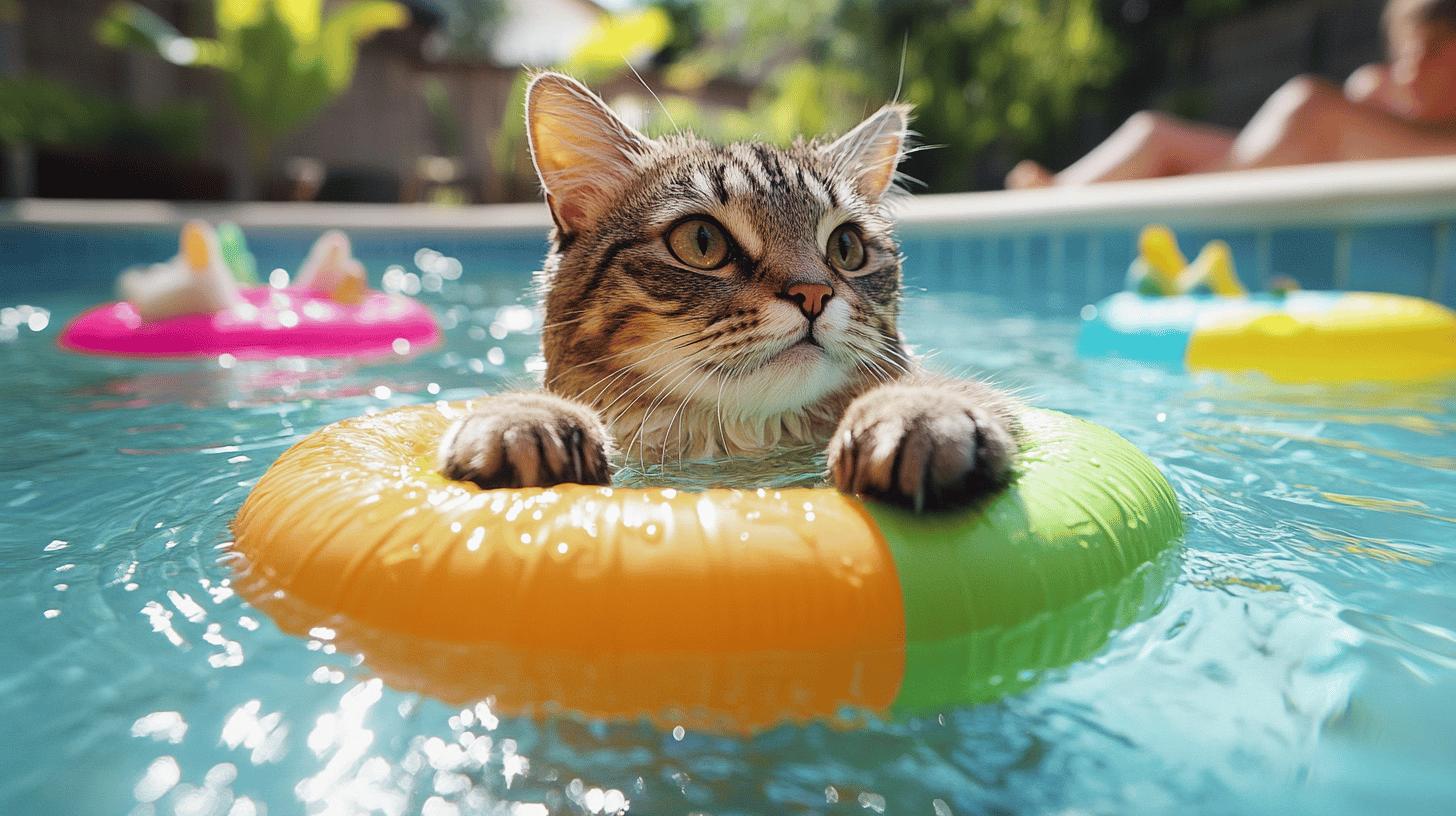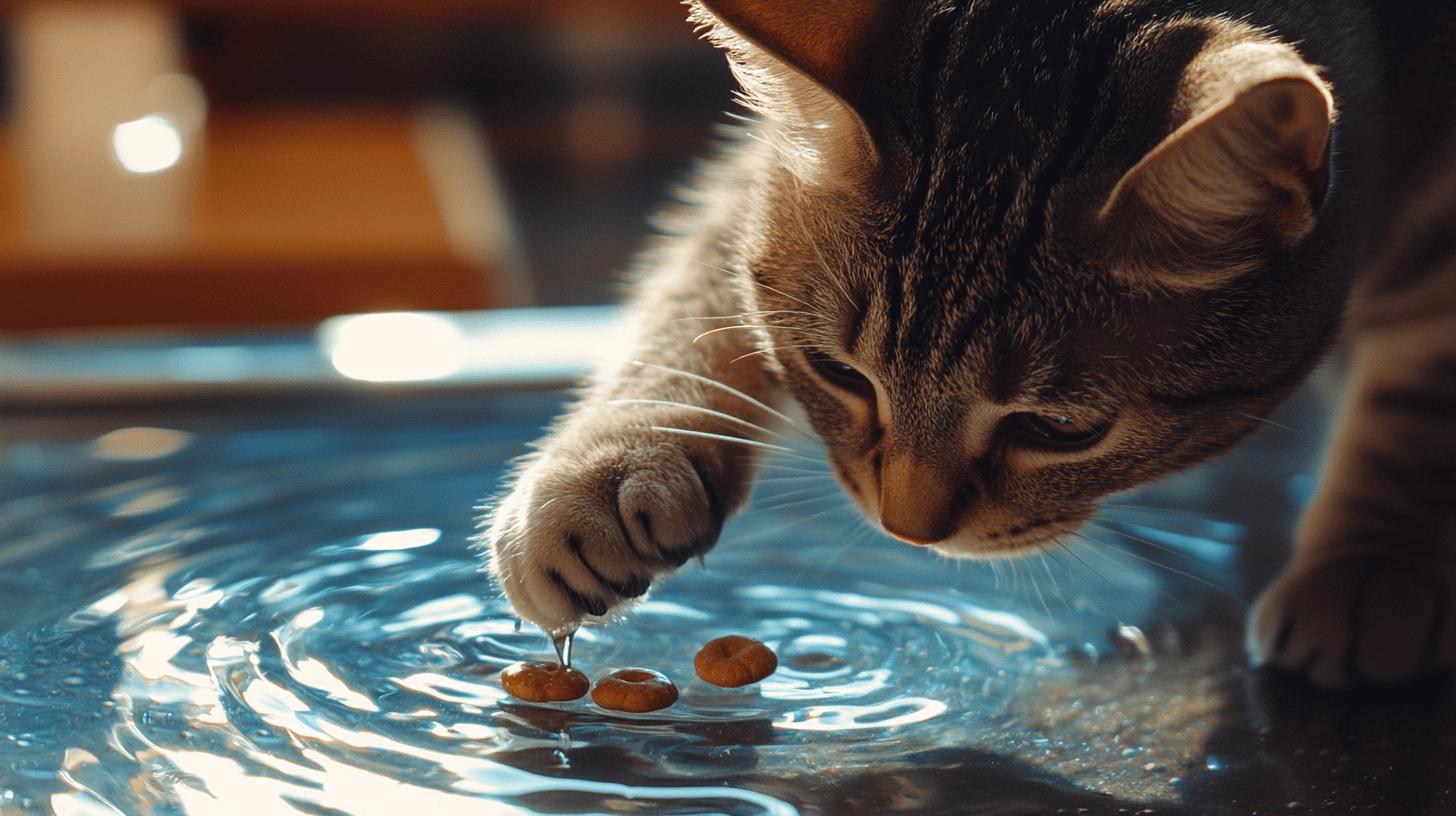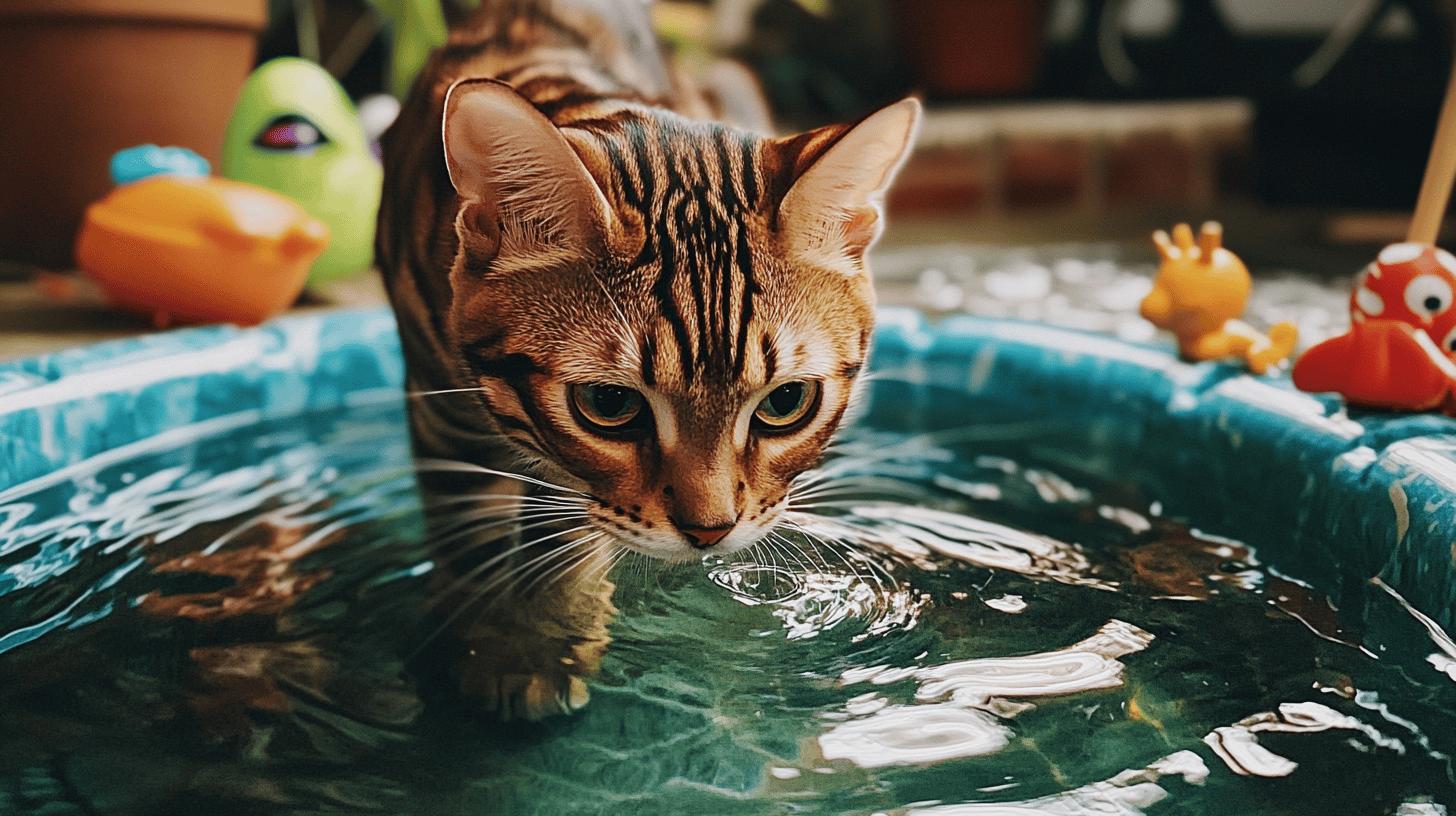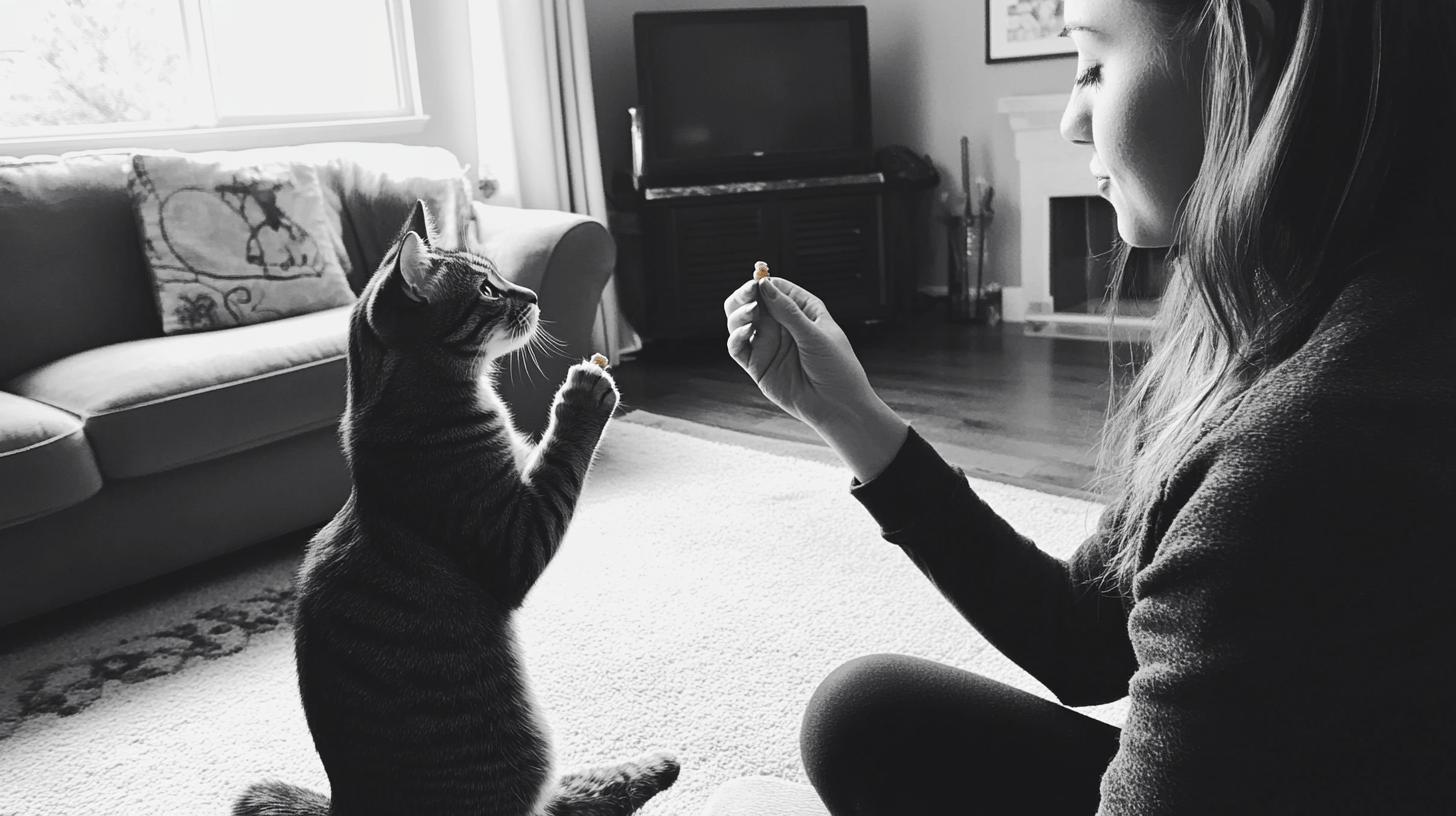
Category: Teach My Cat

  • Successfully Train Your Cat on a Leash

    Successfully Train Your Cat on a Leash

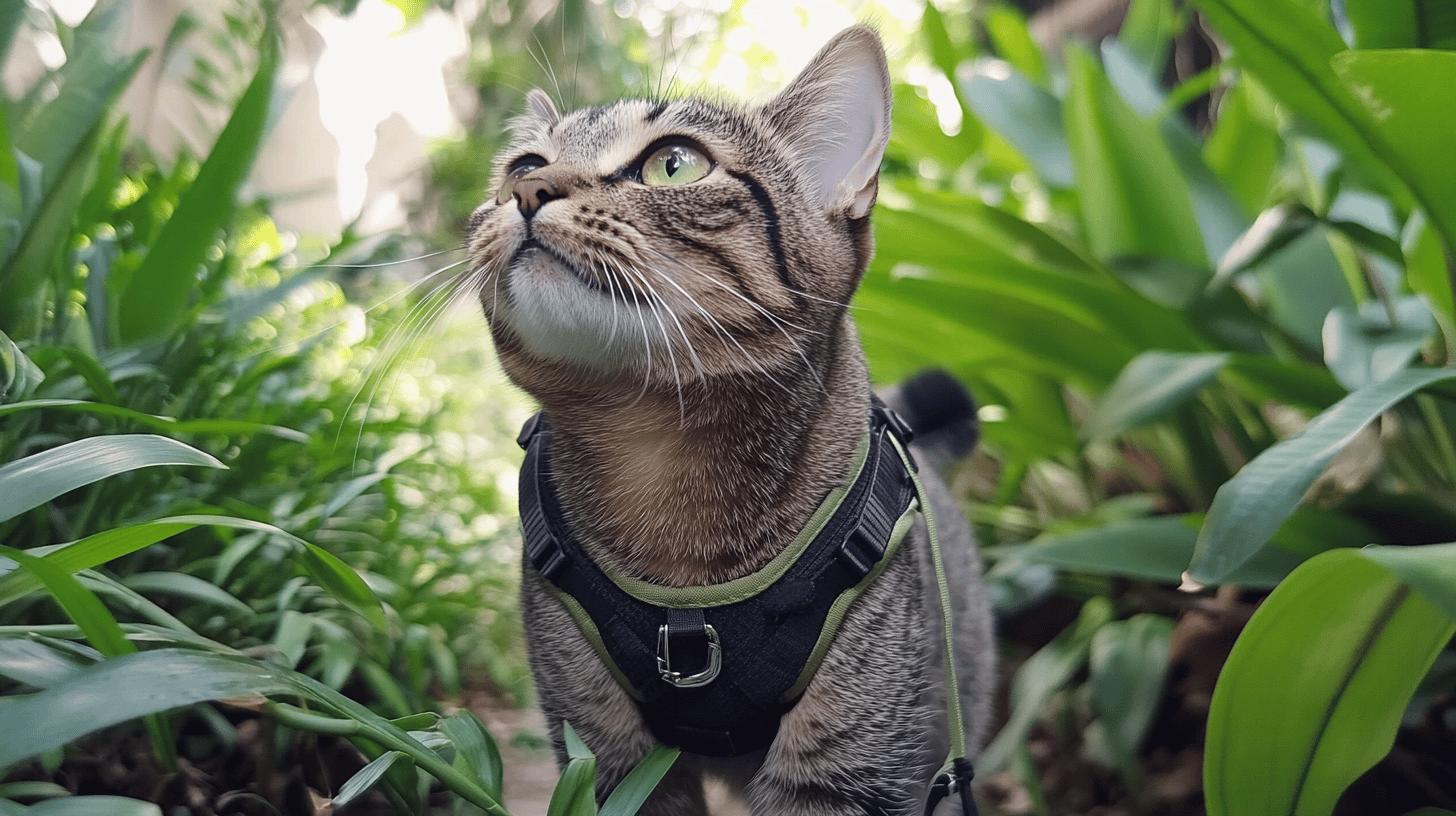
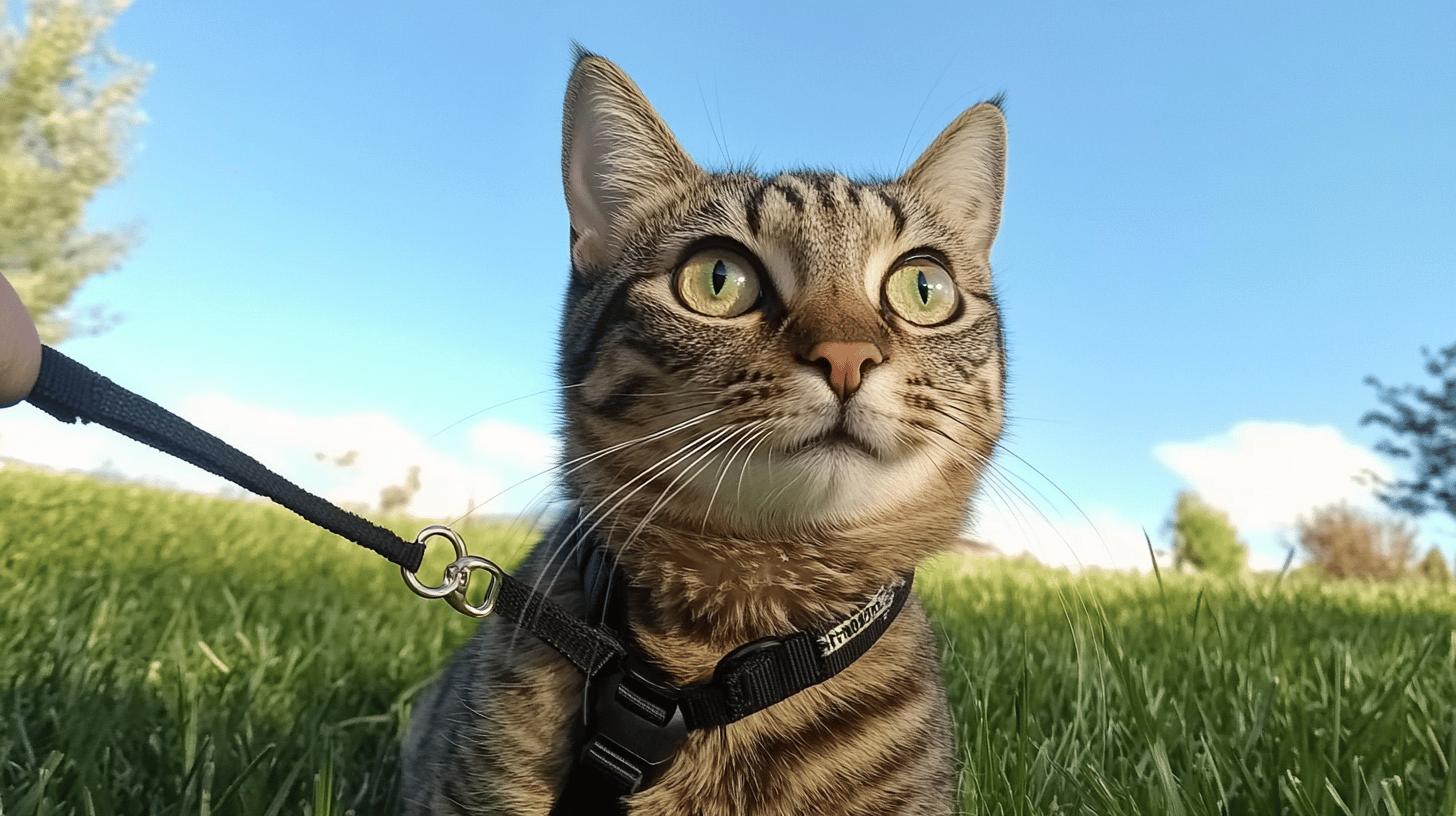
    Think only dogs can enjoy a walk on a leash? Think again! Cats can join in on the leash-walking fun too, and it's easier than you might think. Training your cat to walk on a leash can open up a whole new world of exploration and bonding.

    This journey builds trust between you and your furry friend while ensuring they stay safe. Ready to give it a try? I've got a step-by-step plan to help guide you and your cat on this exciting new adventure. Let's get started and make every walk an adventure!

    Steps to Train a Cat on a Leash
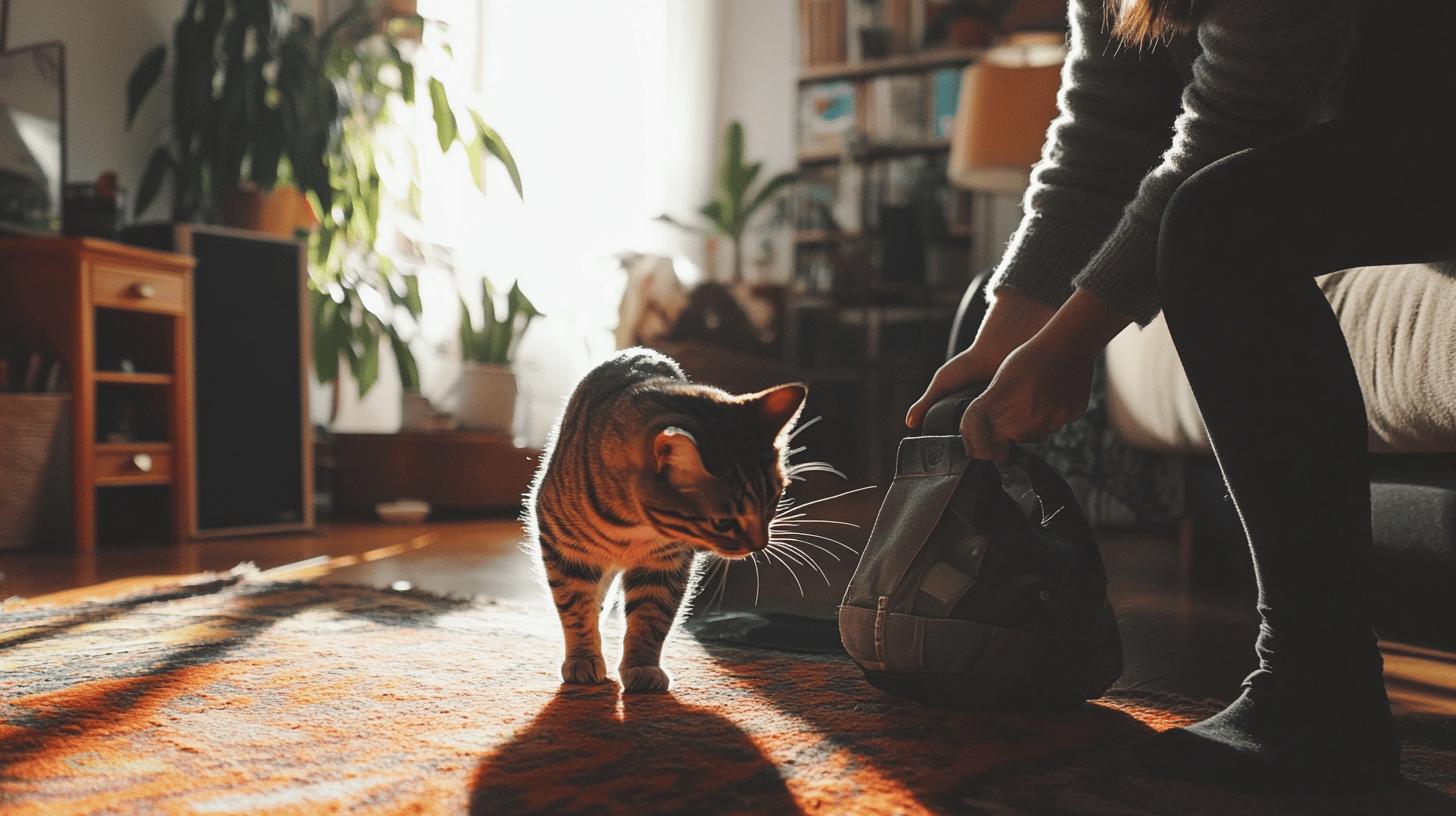
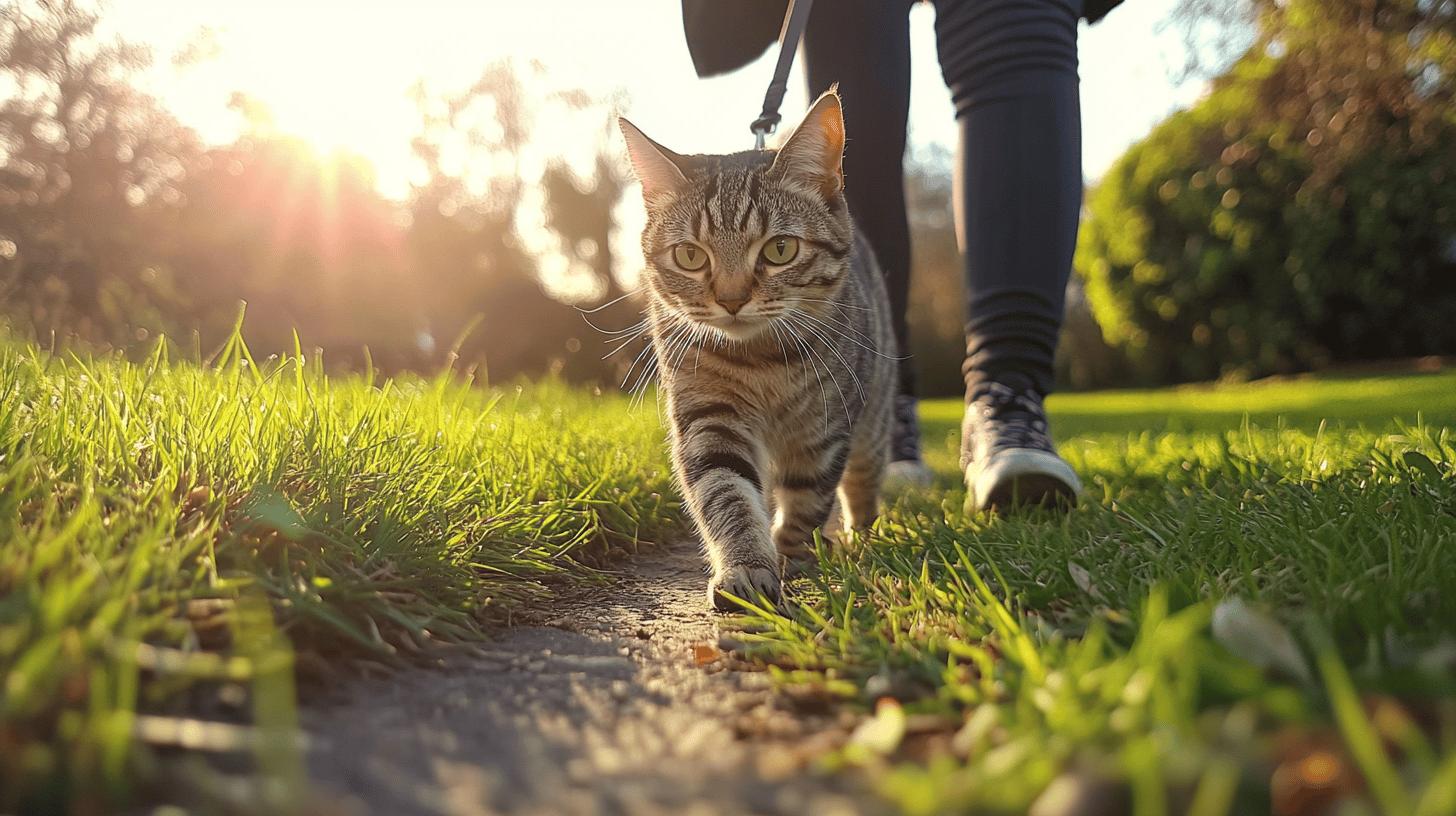
    Steps to Train a Cat on a Leash-1.jpg

    Training your cat to walk on a leash requires patience and consistency. It's a gradual process that builds confidence and trust between you and your feline friend.

    Here's a step-by-step guide to help you get started:

    1. Introduce the harness calmly.
      Choose a time when your cat is relaxed. Place the harness near them and let them sniff it. This helps them get used to its presence.

    2. Allow the cat to explore the harness.
      Let the harness sit where your cat spends time. Encourage them to investigate it on their own terms.

    3. Use treats to create positive associations.

    Reward your cat with treats whenever they interact with the harness. This makes the harness seem like a good thing.

    1. Attach the leash indoors and let it trail.
      Once your cat is comfortable with the harness, attach the leash. Let it drag behind them indoors. This helps them get used to the weight and movement.

    2. Gradually transition to outdoor environments.
      Start by opening a door to let your cat see outside. Then, step out with them. Keep these first outings short and calm.

    3. Encourage the cat with treats and praise.

    Whenever your cat shows bravery or curiosity outside, reward them. Use treats and praise to reinforce good behavior.

    Regular practice is key. Make this a routine part of your cat’s day. Over time, these steps will help your cat become more comfortable and confident on a leash.

    Choosing the Right Cat Harness
    Choosing the Right Cat Harness-1.jpg

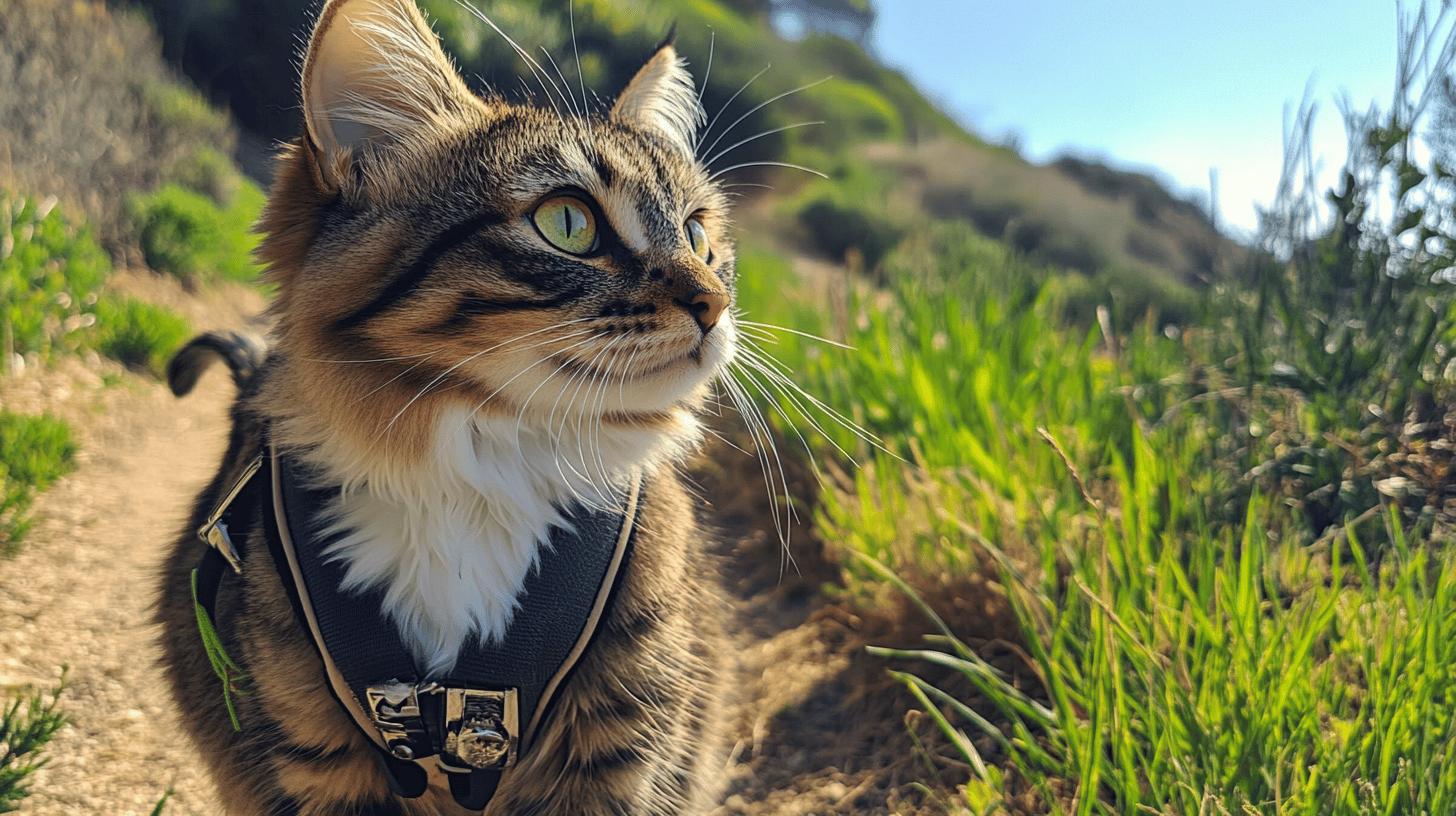
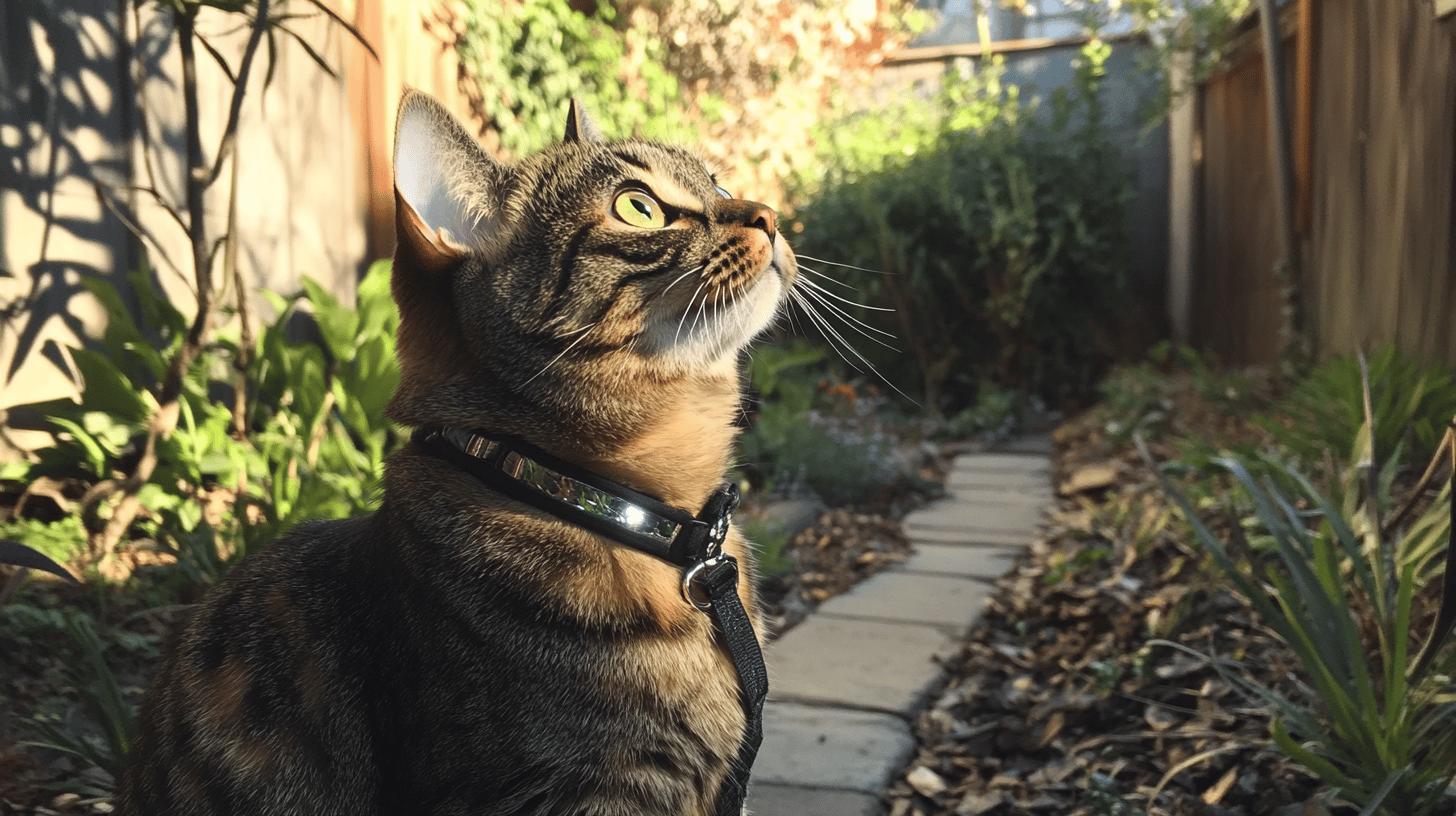
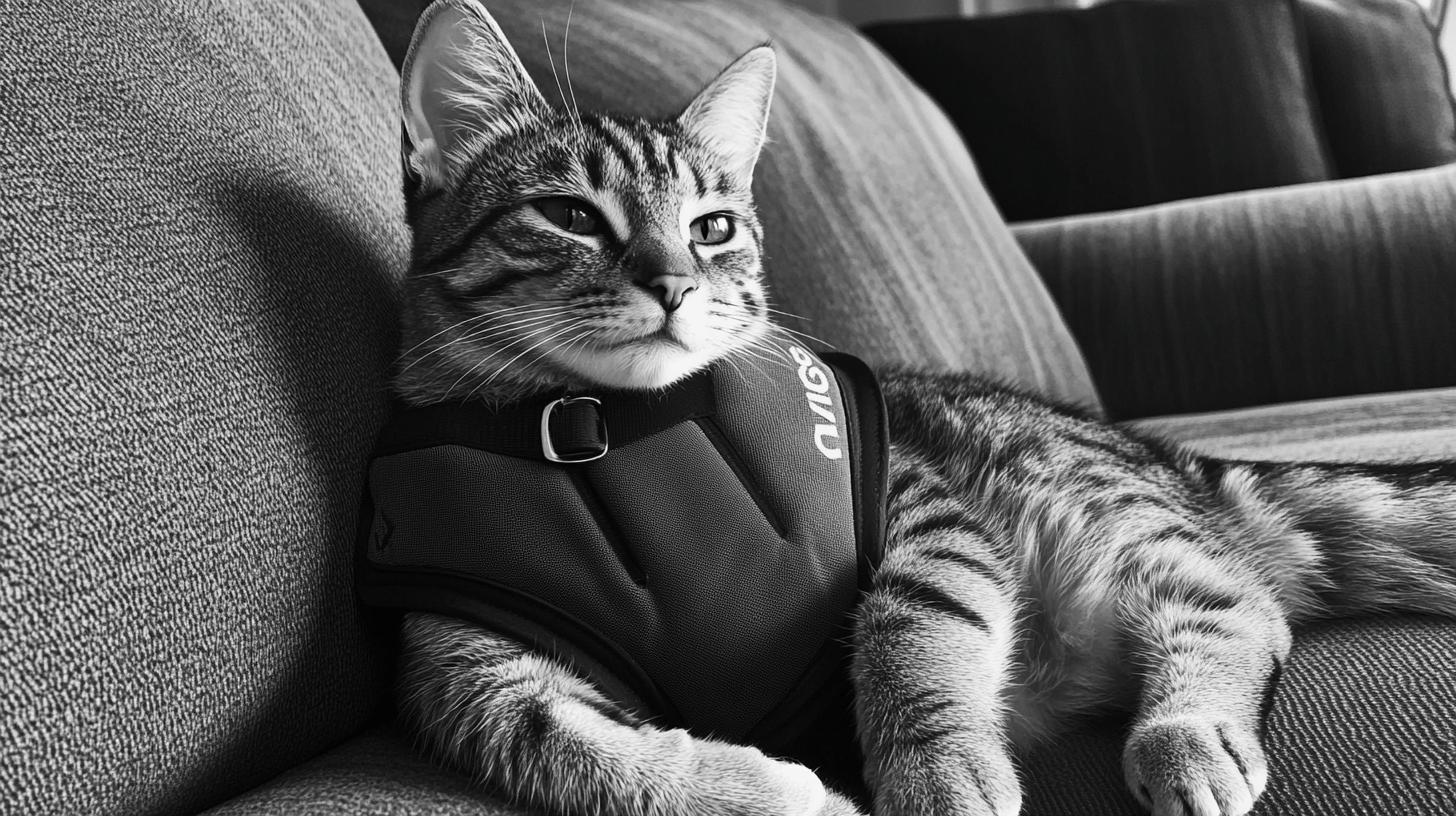
    A well-fitted harness is vital for your cat's safety and comfort while exploring the outdoors. It must be snug enough to prevent escapes but comfortable enough for your cat to move freely.

    Here are some popular harness styles to consider:

    • H-Style: This harness is lightweight and adjustable. It's great for cats that are used to wearing collars and need minimal restriction.

    • Vest: Known for comfort and security, vest harnesses distribute pressure across the cat's chest and back. They are ideal for cats that pull on the leash or need extra support.

    • Step-In: Easy to put on, these harnesses are perfect for cats that dislike having things slipped over their heads. They provide a secure fit by fastening around the body.

    When choosing a harness, look for features like adjustability, which lets you tailor the fit to your cat's unique shape. The material should be soft, yet sturdy, to withstand the wear and tear of outdoor adventures.

    "The True Adventurer" Cat Harness & Leash Set is a great choice that offers the right balance of security and comfort. It’s designed to prevent escapes while allowing your cat to enjoy their exploration without feeling restrained.

    Selecting the right harness can make all the difference in your cat's leash training experience, ensuring they feel secure and happy as they explore the world outside.

    Understanding Cat Behavior on a Leash
    Understanding Cat Behavior on a Leash-1.jpg

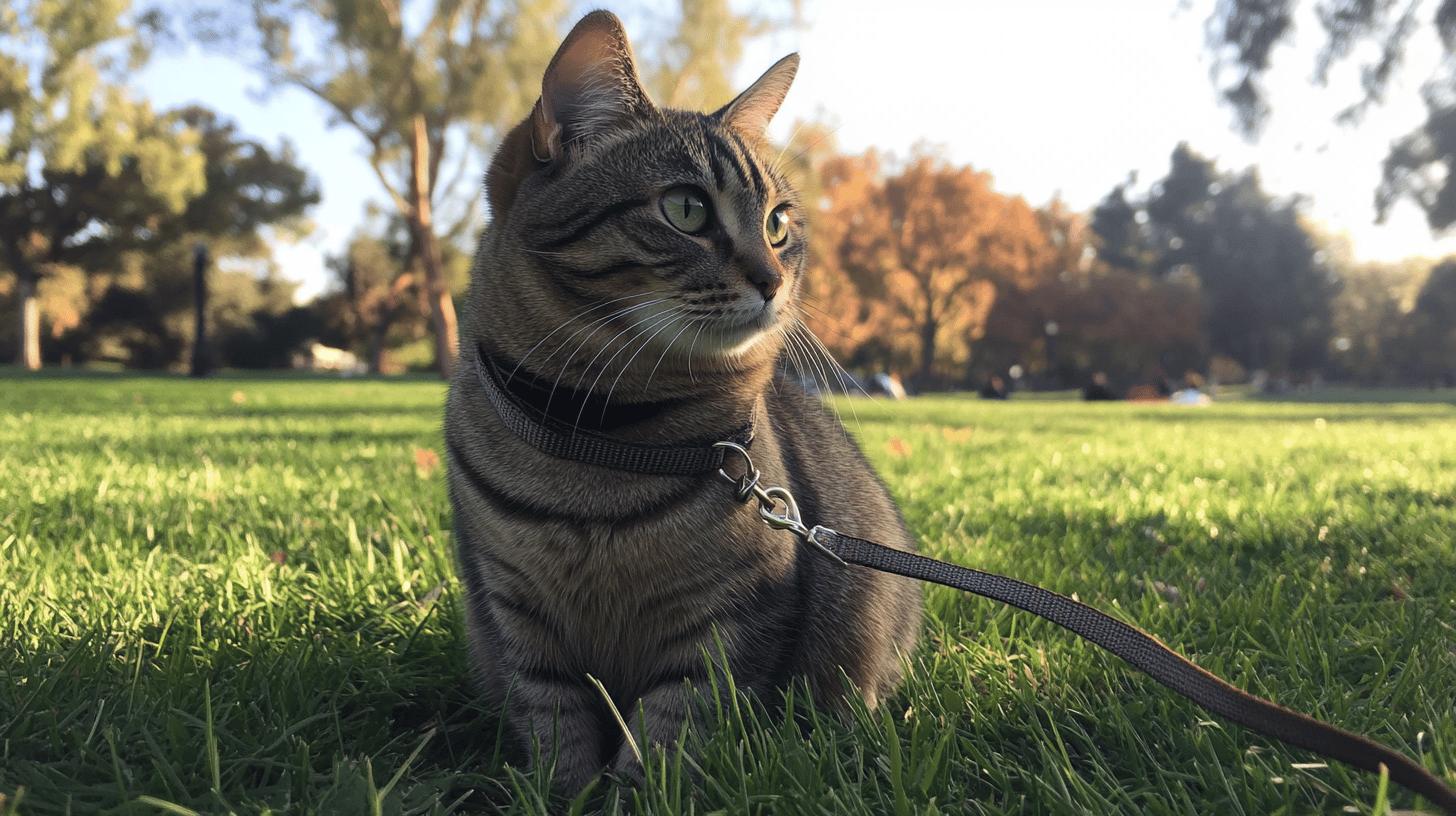
    Walking a cat is different from walking a dog. Cats aren't inclined to follow their owners or stay on a straight path. Instead, they often wander, sit, or even lie down during walks. It's crucial to let them explore at their own pace.

    Understanding your cat's body language helps interpret their comfort levels. Keep an eye on subtle cues like ear position, eye expression, and tail movement. These signals can tell you a lot about your cat's mood and comfort during leash training.

    Behavior Interpretation
    Sitting/Lying Down Comfort or disinterest
    Wandering Curiosity or exploration
    Tail Position Indicator of mood

    Patience is key. Each cat will have their own preferences and comfort zones. Respect these individual differences and give your cat time to adjust to the new experience. This ensures a smooth and enjoyable leash training process for both you and your furry friend.

    Overcoming Common Challenges in Leash Training
    Overcoming Common Challenges in Leash Training-1.jpg

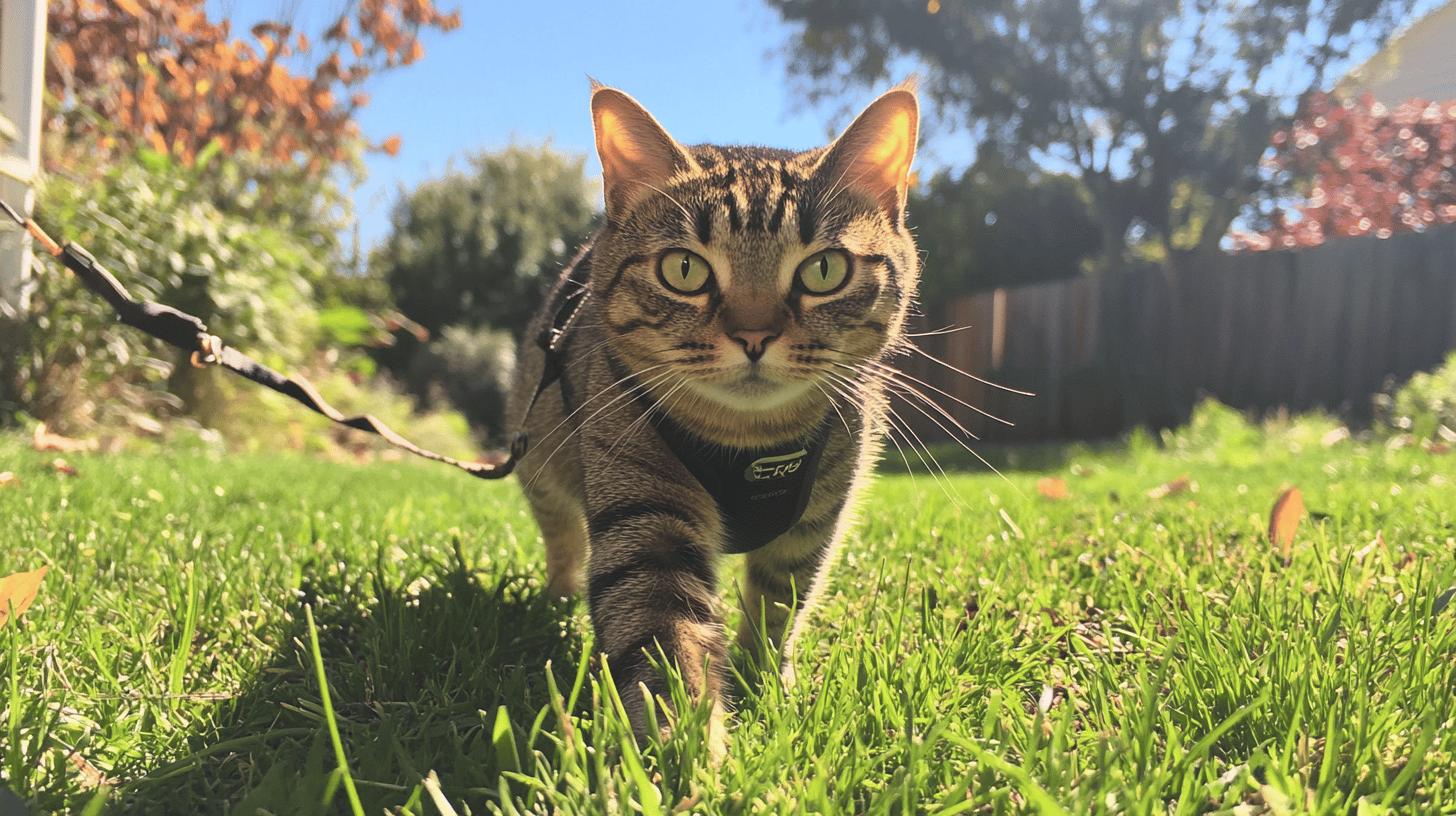
    Training a cat to walk on a leash isn't always straightforward. Some cats take to it right away, while others might resist. Each cat has its own personality and comfort zone, and it's important to work within that space.

    Here are some common challenges and ways to address them:

    • Resistance to wearing a harness:
      Many cats don't like the feeling of a harness at first. Start by letting your cat sniff and explore the harness without wearing it. Gradually introduce it by placing it on your cat for short periods, rewarding them with treats for calm behavior. This positive association can help ease their resistance.

    • Fear of the outdoors:
      The outside world can be overwhelming for some cats. Begin with brief, familiar outdoor sessions. Stay close to home and let your cat explore at their own pace. Using a calm voice and reassuring treats can help them feel more secure.

    • Lack of interest:

    If your cat seems uninterested in leash training, try incorporating toys or treats they love. This can encourage them to move and explore. You can also schedule training during times when your cat is naturally more active.

    Remember, patience and persistence are your best friends. Respect your cat's pace and comfort level. Short, consistent training sessions can make a big difference over time. Keep the experience positive and stress-free, and soon your feline friend may be ready to enjoy the great outdoors by your side.

    Benefits of Leash Training for Cats
    Benefits of Leash Training for Cats-1.jpg

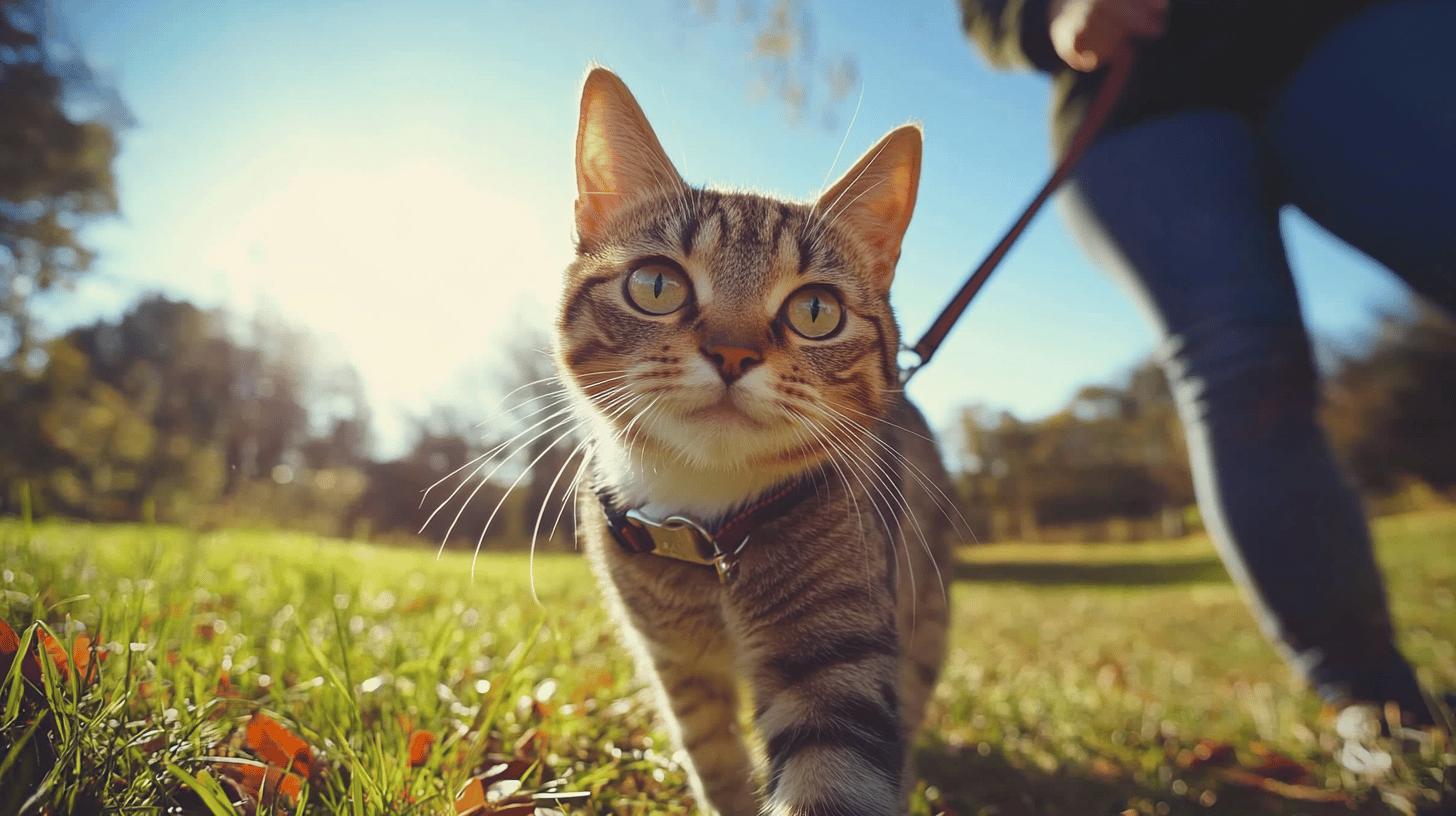
    Leash training your cat can greatly enhance their quality of life. By introducing them to leash walks, you provide not only physical exercise but also much-needed mental stimulation. Exploring the world beyond their usual indoor setting can do wonders for their mood and curiosity.

    Here are some key benefits of leash training:

    • Physical exercise: Helps keep your cat fit and healthy, reducing the risk of obesity-related issues.

    • Mental stimulation: New sights, sounds, and smells engage your cat's senses, preventing boredom.

    • Strengthened owner-cat bond: Shared experiences on walks can deepen your relationship.

    • Expanded horizons and confidence: Encourages your cat to explore and adapt to new environments, boosting their confidence.

    These benefits contribute significantly to your cat's overall well-being. A mentally and physically stimulated cat is generally happier and healthier, leading to a more fulfilling life together.

    Tips for Safe Outdoor Walks with Your Cat
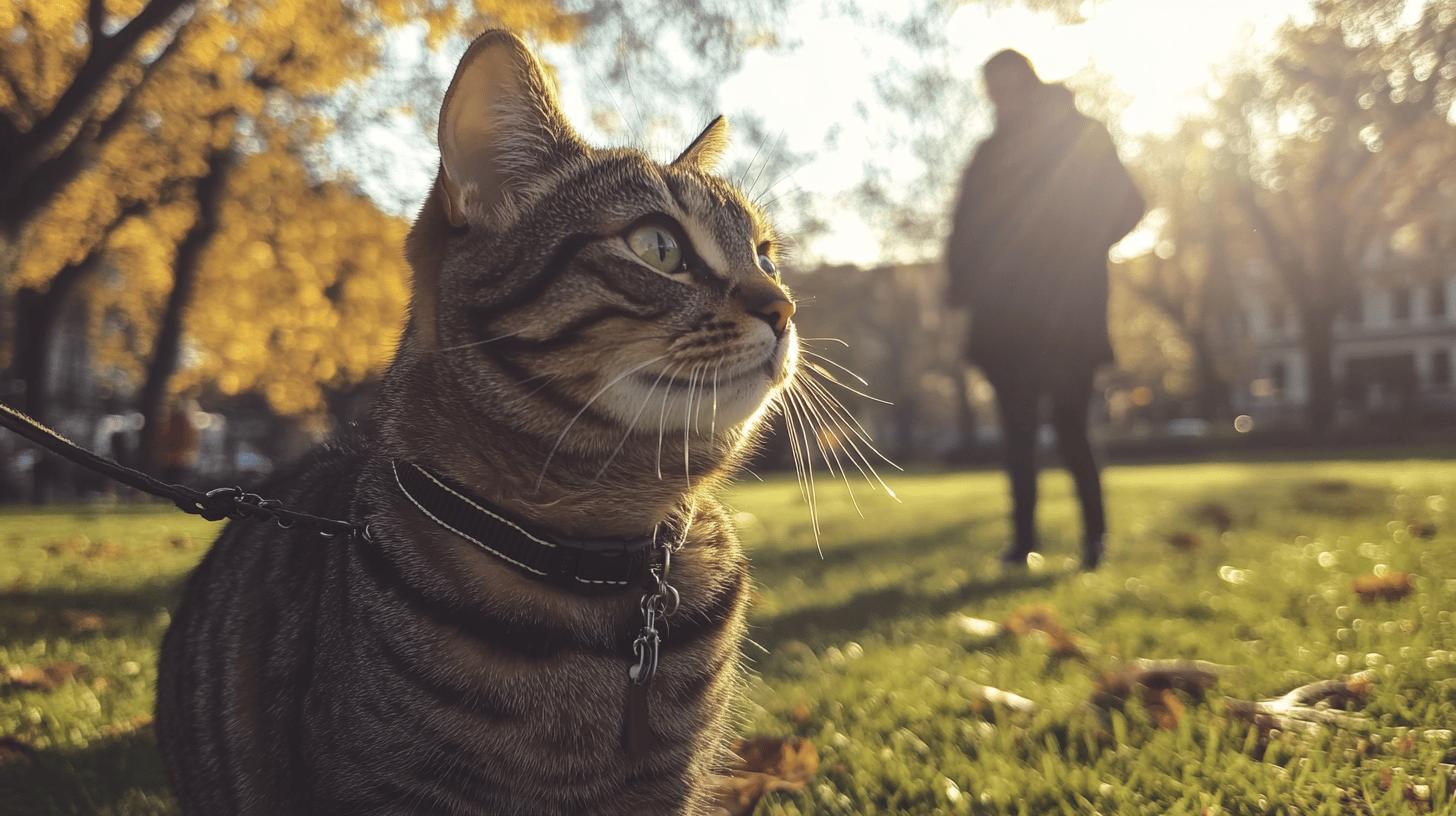
    Tips for Safe Outdoor Walks with Your Cat-1.jpg

    Safety should be your top priority when taking your cat for a walk outside. Cats can be easily startled by unfamiliar sounds or movements, and a safe environment will help them enjoy their time outdoors.

    • Supervise at all times.
      Keep a close eye on your cat during walks. This ensures you can quickly respond to any unexpected situations.

    • Avoid high-traffic areas.
      Busy streets or crowded parks can overwhelm your cat. Stick to quieter, more peaceful areas where your cat can explore safely.

    • Monitor for signs of stress.

    Watch for signs like flattened ears, a tucked tail, or dilated pupils. These can indicate your cat is feeling anxious or scared.

    • Keep walks within a safe, controlled environment.
      Choose a secure area, like a fenced yard or a quiet park, to minimize potential dangers.

    Recognizing when your cat is overstimulated is crucial. If they seem stressed, it's okay to cut the walk short. Prioritizing your cat's comfort and security ensures they have a positive experience during outdoor adventures.

    Final Words

    Training a cat on a leash takes patience and consistent effort.

    Starting indoors with a calm introduction to the harness, then allowing exploration, builds positive associations.

    Choosing the right harness and understanding cat behavior helps in addressing common challenges.

    Leash training not only enriches your cat’s life with physical and mental stimulation but also strengthens your bond.

    By prioritizing safety and taking things at their own pace, you ensure a positive and rewarding experience.

    Understanding how to train a cat on a leash opens doors to new adventures, boosting confidence for both you and your feline friend.

    FAQ

    What age to leash train a cat?

    Leash training can start at any age, but kittens are often more adaptable. Begin when the cat is calm. Ensure every step is a positive experience.

    Is walking a cat on a leash cruel?

    Walking a cat on a leash is not cruel if done correctly. It provides exercise, mental stimulation, and strengthens the bond with the owner. Always respect your cat's comfort level.

    How do I train a cat on a leash outside?

    Start indoors with the harness. Gradually add a leash and let it trail. Once comfortable, transition to the yard. Short sessions, treats, and praise work best.

    How long does it take to leash train a cat?

    Training time varies. Some cats adjust within weeks, while others may need months. Regular practice, consistency, and patience are essential for success.

    Is it OK to put a cat on a leash?

    Putting a cat on a leash is okay if they are comfortable. Ensure the harness is well-fitted and introduce it gradually. Use positive reinforcement to encourage acceptance.

    Can you train an indoor cat to walk on a leash?

    Yes, indoor cats can be trained to walk on a leash. Start with indoor sessions. Move outdoors gradually, using treats and praise to create positive associations.

    Is it healthy to take cats on walks?

    Taking cats on walks can be healthy. It provides physical exercise and mental stimulation, enhancing their overall well-being. Always monitor them for stress signals.
    Related Articles

  • How to Train a Cat to Come Quickly

    How to Train a Cat to Come Quickly

    Ever thought only dogs could master the art of responding to their name promptly? Think again! With some simple steps, your cat can learn this too. Training your cat to come when called isn't just a fun trick; it's essential for their safety and strengthens your bond.

    By using tasty treats and consistency, you can make this a reality. Let’s transform your cat into a little responder with easy daily practices that'll make both of you purr with happiness. Curious how to start? Let's jump into these step-by-step tips!

    Step-by-Step Guide: How to Train a Cat to Come When Called

    Step-by-Step Guide How to Train a Cat to Come When Called-2.jpg

    1. Choose a Call

      Pick a distinct word or phrase to call your cat. Use the same one every time. It might be their name or a short, catchy phrase. Consistency matters, so ensure everyone in the household uses the same call.

    2. Start in a Quiet Space

      Begin training in a calm environment free from distractions. A quiet room helps your cat focus on you without extra noise or interruptions.

    3. Use High-Value Treats

    Offer treats your cat loves. Options like commercial cat treats, small pieces of chicken, or tuna flakes work well. Keep these treats special for training sessions only.

    1. Ensure Quick Rewards

      Reward your cat instantly when they respond to the call. Timing is crucial. Immediate rewards help your cat connect the call with the treat, reinforcing the behavior.

    2. Practice Daily

      Consistent practice is key. Short, daily sessions of about five minutes keep your cat engaged without overwhelming them. Regular repetition helps reinforce the learning process.

    3. Slowly Add Distractions

    Once your cat responds well in a quiet space, introduce mild distractions. Gradually increase the complexity of the environment, like moving to a room with more noise or activity.

    1. End on a Positive Note

      Conclude each session with a success, ending while your cat is still interested. This leaves them looking forward to the next training session.

    Using Positive Reinforcement and Treats

    Positive reinforcement is essential in training your cat to come when called. Using treats as a reward encourages your cat to repeat desired behaviors.

    • Treat Options: Use a variety of treats to maintain interest. Besides commercial treats, try small pieces of chicken or tuna flakes. Playtime can also serve as a reward if your cat loves to play.

    • Timing: Deliver treats immediately when your cat responds to the call. Quick rewards help your cat understand the connection between the behavior and the treat.

    • Variety in Rewards: Mix different types of rewards to keep your cat motivated. Variety prevents your cat from getting bored and keeps them eager to participate.

    By following these steps and using positive reinforcement, you can effectively train your cat to come when called, ensuring both safety and strengthening your bond.

    Understanding Cat Behavior and Body Language for Training

    Understanding Cat Behavior and Body Language for Training-1.jpg

    Cats often respond to sounds they associate with positive experiences. Many cats perk up at the crinkle of a treat bag or the pop of a can lid, showing their readiness to engage. By recognizing these natural cues, you can leverage them in training. Use these sounds as part of your recall training to catch your cat's attention and encourage them to come to you.

    Reading your cat's body language is crucial for effective training. Cats communicate through subtle gestures and postures. Notice when your cat's ears are forward and their tail is up; these are signs of curiosity and receptiveness.

    Conversely, if their ears are flattened or their tail is flicking, they might be stressed or uninterested. Adjust your approach based on these signals to make training more enjoyable and productive for your cat.

    To align training with a cat's instincts, use their natural behaviors to your advantage. Cats are inherently playful and curious. Use toys or activities that stimulate these instincts to make training feel more like a game than a chore.

    This method keeps your cat engaged and willing to participate, making it easier to teach them to respond promptly when called. By understanding and working with their behavior and body language, you create a more harmonious training process.

    Addressing Common Challenges in Cat Recall Training

    Addressing Common Challenges in Cat Recall Training-2.jpg

    Training a cat to come when called can come with its own set of challenges. Common issues include distractions, a cat's natural independence, and inconsistent responses. Cats can easily lose focus if the environment is noisy or full of other activities.

    Their independent nature might make them seem uninterested in coming when called. Inconsistent responses can arise if the training lacks regularity or if the rewards are not enticing enough. Recognizing these challenges is the first step in addressing them effectively.

    Challenge Solution
    Distractions Train in a quiet room initially, then slowly introduce distractions.
    Independence Use high-value rewards that your cat finds irresistible.
    Lack of Interest Keep sessions short and engaging, using varied rewards.
    Inconsistent Responses Maintain regular training sessions to build a routine.

    To keep your cat engaged, structure sessions to be short and lively. This prevents overwhelming them and keeps their attention. Adjust the environment to minimize distractions, ensuring your cat remains focused on the task.

    Rotate through different high-value rewards to maintain their interest and motivation. By understanding these challenges and applying these strategies, training sessions can become more productive and enjoyable for both you and your cat.

    Training Techniques for Kittens vs. Adult Cats

    Training Techniques for Kittens vs Adult Cats-1.jpg

    Training kittens can be a lively experience. Kittens are naturally curious and full of energy, making play-based techniques highly effective. Their playful nature means they respond well to training sessions that feel like games. Keeping their attention is crucial, so sessions should be short and engaging. When training kittens, remember:

    • Kittens have higher energy levels and need more active training.
    • Their attention spans are shorter, so shorter sessions work best.
    • Reward preferences may lean towards playful interactions rather than just treats.

    Adult cats, on the other hand, might need a more patient approach. They can learn well, but their independence may require gradual adjustments. Patience is key when working with adult cats, as they might take longer to respond to recall training.

    Consistent practice and a calm environment help adult cats focus better. Providing a variety of rewards, such as favorite treats or quiet playtime, can keep them motivated. With the right methods, adult cats can become just as responsive and eager to learn.

    Final Words

    Training a cat to come when called involves understanding your cat's nature and using effective methods. I've learned that positive reinforcement with treats helps the most. It's important to start in a quiet space with consistency and patience. Adjusting training for kittens or adults makes a difference too.

    Challenges like distractions can happen, but tweaking the environment helps. This process takes time, but knowing how to train a cat to come when called creates a strong bond. Remember to stay patient and enjoy the journey with your feline friend!

    FAQ

    Q: Can you train a cat to come when you call it?

    A: Yes, train a cat to come when called by using positive reinforcement. Reward with treats or affection when they respond. Consistently practice in a distraction-free environment for best results.

    Q: How do I make my cat come when I call?

    A: Use a consistent call and reward your cat with treats or playtime. Start in a quiet space and slowly introduce distractions. Be patient and practice regularly to reinforce the behavior.

    Q: Why doesn't my cat come when I call?

    A: Your cat might not respond if they are distracted, uninterested, or unmotivated. Try offering high-value rewards and ensure your environment is calm and inviting for the best training response.

    Q: How do you encourage a cat to come to you?

    A: Encourage your cat by using their name in a friendly tone and rewarding them with treats or affection. Start training in a quiet space and use positive reinforcement to build the habit.

    Q: How to train a cat to come to its name?

    A: Consistently use your cat's name during training sessions. Reward them each time they respond. Practice in a quiet environment and gradually add distractions as they improve.

    Q: How to train your cat to sit?

    A: Use a treat lure to guide your cat into sitting. Once they sit, reward them immediately. Repeat consistently to reinforce the command and connect it with the action.

    Q: How to teach your cat to follow you?

    A: Encourage your cat to follow you by using treats or toys. Walk a short distance, then reward them when they reach you. Practice frequently to build the behavior.

    Q: How to get a cat to come out of hiding?

    A: Entice your cat out of hiding with treats or favorite toys. Use a calm and gentle voice. Allow them time and space to feel comfortable before approaching them.

    Related Articles

  • How to Quickly Train Your Cat to Stop Meowing

    How to Quickly Train Your Cat to Stop Meowing

    Ever wondered why your cat won’t stop meowing, no matter what you do? It can feel like your kitty is constantly trying to chat your ear off counter jumping. But don't worry, I'm here to help. Meowing is a cat's way of communicating, just like a baby crying for attention.

    If your cat’s non-stop chatter is driving you nuts, it might be time to switch things up. I’ll show you how to train your cat to minimize meowing through step-by-step techniques training tools. Let's learn how to understand and redirect this behavior effectively eliminating issues.

    Understanding Cat Vocalizations and Their Causes

    Understanding Cat Vocalizations and Their Causes-1.jpg

    Cats naturally use meowing as a form of communication. Just like kittens meow to their mothers, adult cats often meow to engage with humans. It’s their way of telling us what they need or want.

    These vocalizations are especially common in cats that have been weaned from their mothers because they carry the instinct to meow onward. This instinct is part of how they communicate their needs or desires, ranging from food to affection.

    • Seeking attention
    • Expressing hunger
    • Requesting access to spaces
    • Boredom or loneliness
    • Discomfort or health issues

    The behavior of meowing can often be reinforced by how we respond as owners. When we attend to a cat's meow by feeding, playing, or opening a door, it teaches the cat that meowing results in getting what they want.

    This feedback loop can lead to excessive meowing as cats learn that vocalizing is an effective way to communicate their needs. Understanding this dynamic is crucial for managing and reducing unwanted meowing.

    Step-by-Step Techniques to Train Your Cat to Stop Meowing

    Step-by-Step Techniques to Train Your Cat to Stop Meowing-2.jpg

    Training your cat to stop meowing requires consistency. It's not just about the techniques you use, but how regularly you employ them. Cats learn through repetition, so it’s important to stick to a consistent training schedule. This helps reinforce the desired behavior and reduces confusion for your feline friend.

    Positive Reinforcement Techniques

    Rewarding your cat for being quiet is a key step in reducing meowing. When your cat is silent, offer a treat or some affection. This positive reinforcement teaches the cat that being quiet leads to rewards.

    Start by observing your cat and waiting for moments of silence. When your cat stops meowing, immediately give a treat or pet them. This association helps your cat understand that quietness is appreciated. Over time, your cat will start associating silence with getting rewards, which will encourage them to meow less.

    Consistency in Training Practices

    Being consistent in your training approach is crucial. Set aside regular times each day to practice these techniques. This routine helps your cat understand what is expected of them.

    Avoid responding to meowing with attention. If your cat meows for attention, try to ignore it until they stop. Once they are quiet, then reward them. Consistency in your reactions teaches your cat that meowing doesn’t get them what they want, but being quiet does. Maintaining a routine will solidify this training, making it a part of your cat’s everyday behavior.

    Addressing Nighttime Meowing

    Addressing Nighttime Meowing-1.jpg

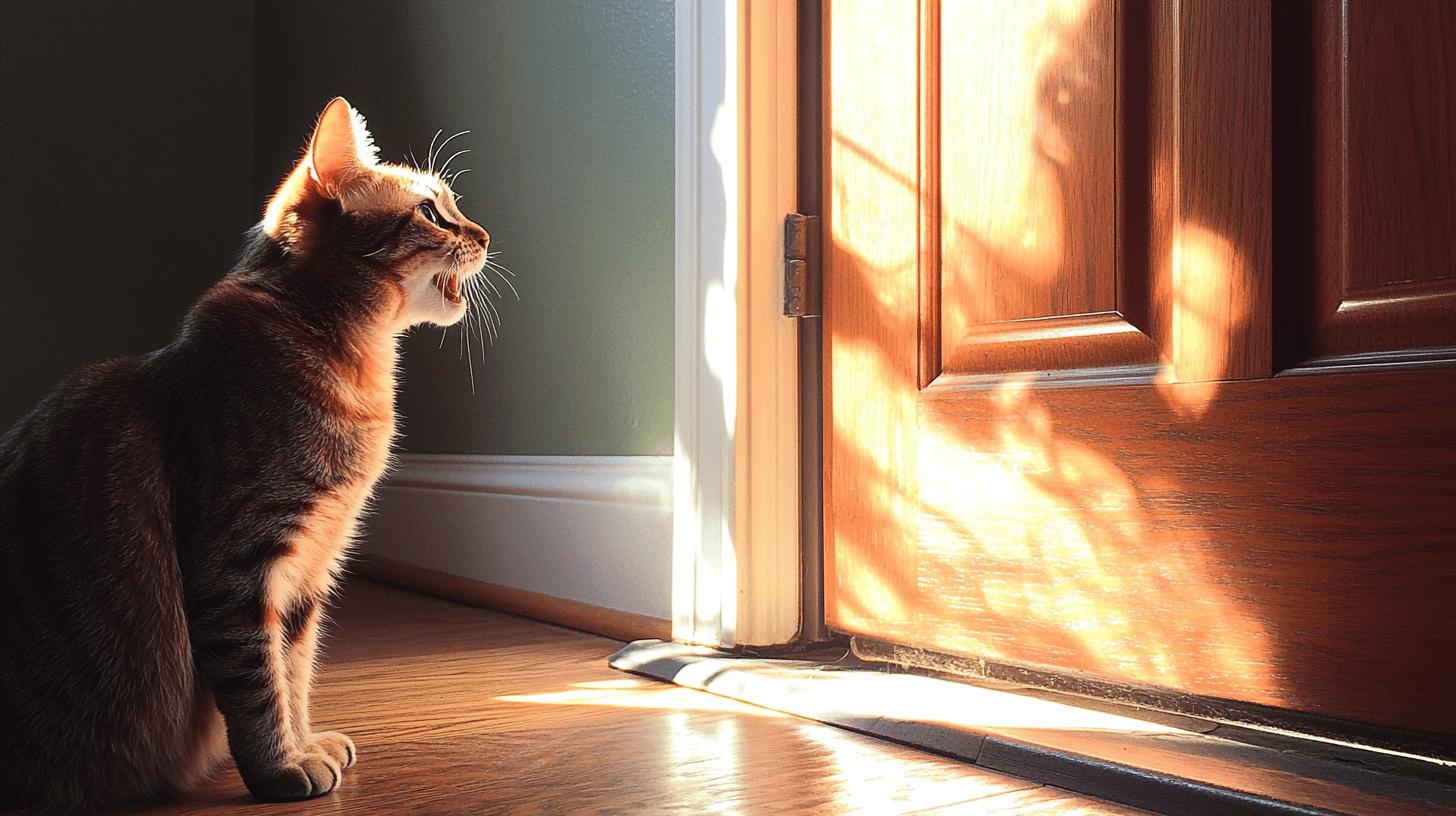
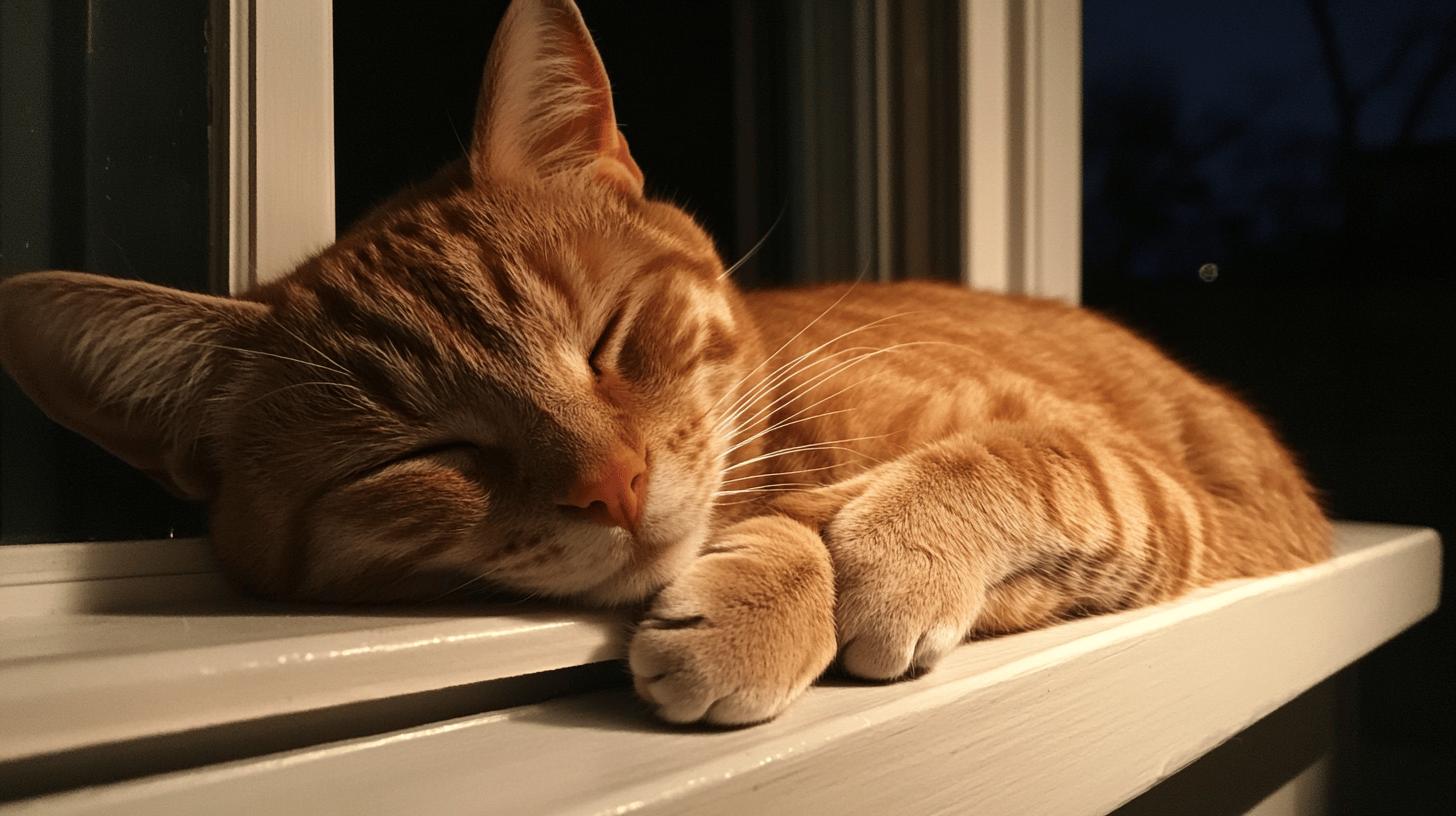
    Cats often meow at night due to a need for attention or because they're active when we're trying to sleep. This behavior can be linked to their natural instincts as nocturnal hunters. When cats seek our attention at night, it's usually because they want to play, eat, or explore.

    If we respond by getting up or giving them what they want, we unintentionally reinforce this nighttime vocalizing. Thus, this cycle can become a common issue for cat owners, disrupting our sleep and making it harder to change the behavior.

    • Establish a bedtime routine
    • Provide nighttime toys or activities
    • Ignore meows to avoid reinforcement

    While managing nighttime meowing, you may find that your cat's behavior doesn't change over time. In such cases, consulting a veterinarian or animal behaviorist can be helpful. They can offer personalized strategies or check for underlying health issues that might be contributing to the excessive meowing. Patience is key, as these changes can take time and consistent effort.

    Calming Strategies for Cats

    Calming Strategies for Cats-1.jpg

    Cats in heat often meow excessively because of hormonal changes. This period can lead to increased vocalizations as they attempt to communicate their need to mate. The yowling and meowing can be quite loud and persistent, causing stress for both the cat and the owner.

    Understanding that this behavior is natural and hormonally driven can help you approach the situation with more patience. While it’s a temporary phase, managing these vocalizations is important for maintaining peace in your home.

    • Use pheromone diffusers
    • Offer a secluded, quiet space
    • Consider consulting a veterinarian about spaying
    • Use calming sprays

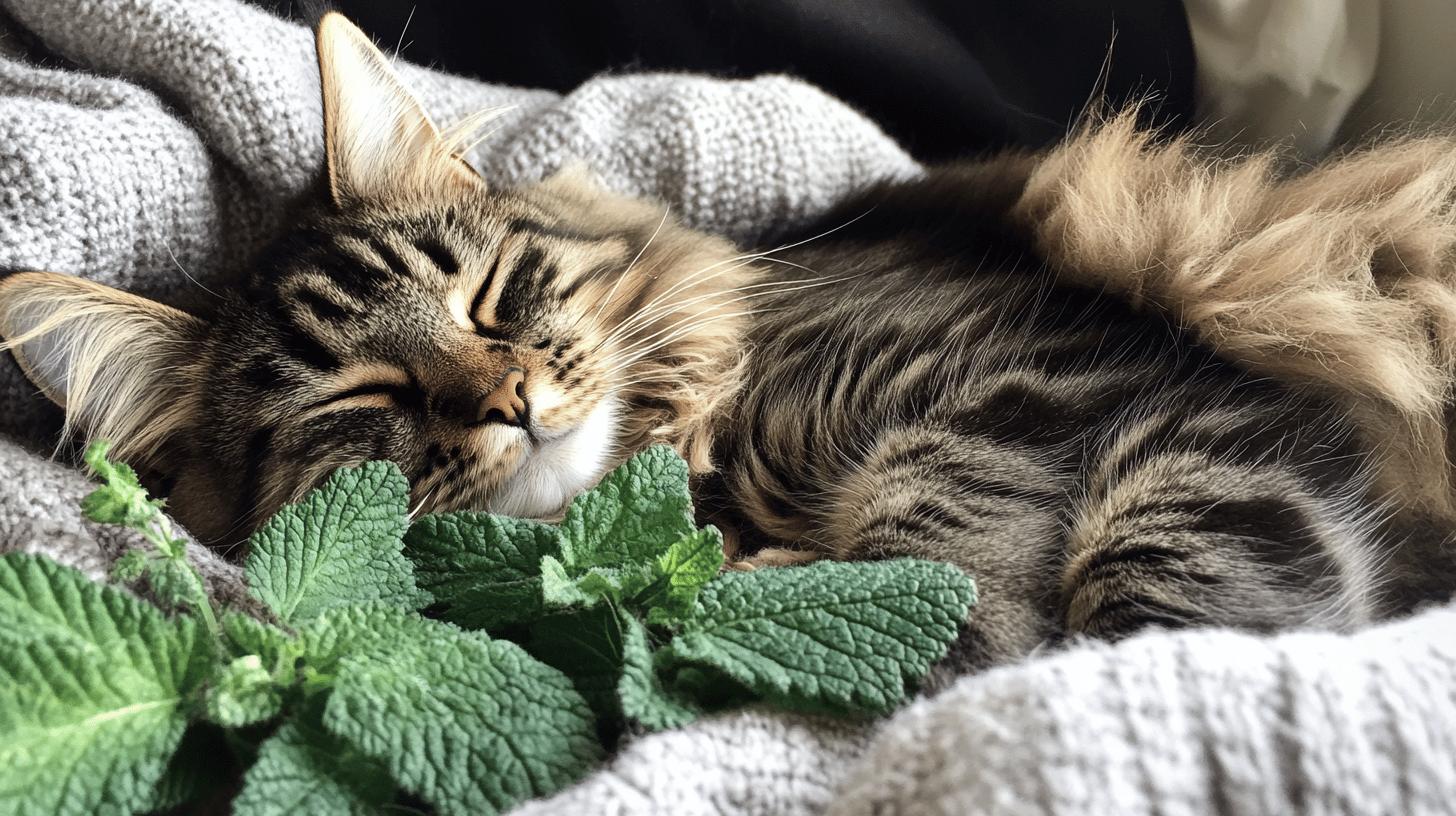
    Natural remedies can offer a soothing alternative to address your cat's excessive meowing. Catnip, for instance, may have a calming effect on some cats, making them less likely to vocalize loudly. Similarly, calming sprays can help create a more relaxed environment, reducing stress-induced meowing.

    These remedies work by targeting the senses, helping cats feel more at ease. Incorporating these methods can turn your home into a haven of tranquility for your feline friend.

    Remedy Effectiveness
    Catnip Variable; calming for some cats
    Calming sprays Effective in reducing stress
    Pheromone diffusers Helpful for anxiety reduction

    While these calming strategies can be effective, they may not work for every cat. Catnip, for example, doesn't affect all cats in the same way. Some may not respond to it at all, while others find it soothing.

    It's important to try different methods and observe which ones your cat responds to best. In certain cases, professional advice from a veterinarian might be necessary, especially if the excessive meowing persists or if there are concerns about the cat's health. Spaying is another option that can eliminate the hormonal causes of meowing in heat, providing a long-term solution.

    Final Words

    Understanding why cats meow is key to reducing excessive vocalization. By learning about their natural instincts and typical reasons, you can better manage your furry friend’s behavior. Training methods, like positive reinforcement and consistency, are crucial in teaching your cat to stop meowing. For nighttime disturbances, patience and routine play a role.

    When dealing with a cat in heat, natural remedies like catnip can help too. Remember, every cat is unique, so adjusting strategies is part of the process. With effort, you can enjoy a more peaceful home with your feline friend.

    FAQ

    Q: How to train a cat to stop meowing at night?

    A: To stop nighttime meowing, use a bedtime routine, offer toys for play, and ignore meowing to prevent reinforcing it.

    Q: How can I train a cat to stop meowing in the house?

    A: Identify meowing triggers, reward quiet moments, and remain consistent with training to reduce indoor meowing.

    Q: How do I get my cat to stop meowing constantly?

    A: Address needs like hunger or attention, ignore excessive meows, and praise calm behavior to lessen constant vocalization.

    Q: Why is my male cat meowing so much all of a sudden?

    A: Sudden meowing can indicate discomfort, stress, or health issues. Consult a vet if behavior changes persist.

    Q: Can cats be trained not to meow?

    A: Yes, using positive reinforcements for quiet behavior and consistency can teach cats to meow less.

    Q: How to clicker train a cat to stop meowing?

    A: Use a clicker to reward silence. Click and treat when the cat stops meowing, keeping sessions short and positive.

  • Train Your Cat for Outdoor Adventures

    Train Your Cat for Outdoor Adventures

    Ever wonder if your cat could explore the outdoors safely? You're not alone. Many cat owners dream of giving their pets a taste of nature. But is it possible to train a cat for outdoor adventures without risking their safety? Y

    es, it is! With patience and the right steps, you can make your cat's dream a reality. This guide will take you through each phase of training. From getting comfortable with a harness to supervised outdoor excursions, we'll cover it all. Let's turn your indoor feline into a confident explorer!

    Step-by-Step Guide on Training Your Cat to Be Outdoors

    Step-by-Step Guide on Training Your Cat to Be Outdoors-1.jpg

    Training your cat for outdoor adventures takes some time and patience. Start by letting your cat get used to their new home environment for two to three weeks. This helps them feel secure and comfortable indoors before they start exploring outside. Gradual outdoor training is key. It helps the cat adjust slowly, which can make the transition smoother and safer.

    • Begin Indoors: Introduce your cat to a harness indoors. Let them wear it while playing or lounging to get used to the feeling.
    • Short Outings: Once comfortable with the harness, start with short, supervised outings. Keep them close to home to reduce stress.
    • Use a Leash: Attach a leash to the harness for control. This prevents them from running off and helps keep them safe.
    • Observe Reactions: Pay attention to how your cat reacts to the outdoors. Some may be curious, while others might be scared.
    • Increase Time Gradually: Slowly extend the length of time outside as your cat becomes more comfortable.
    • Monitor Natural Instincts: Watch for hunting behaviors. Some cats may show interest in chasing bugs or small animals.
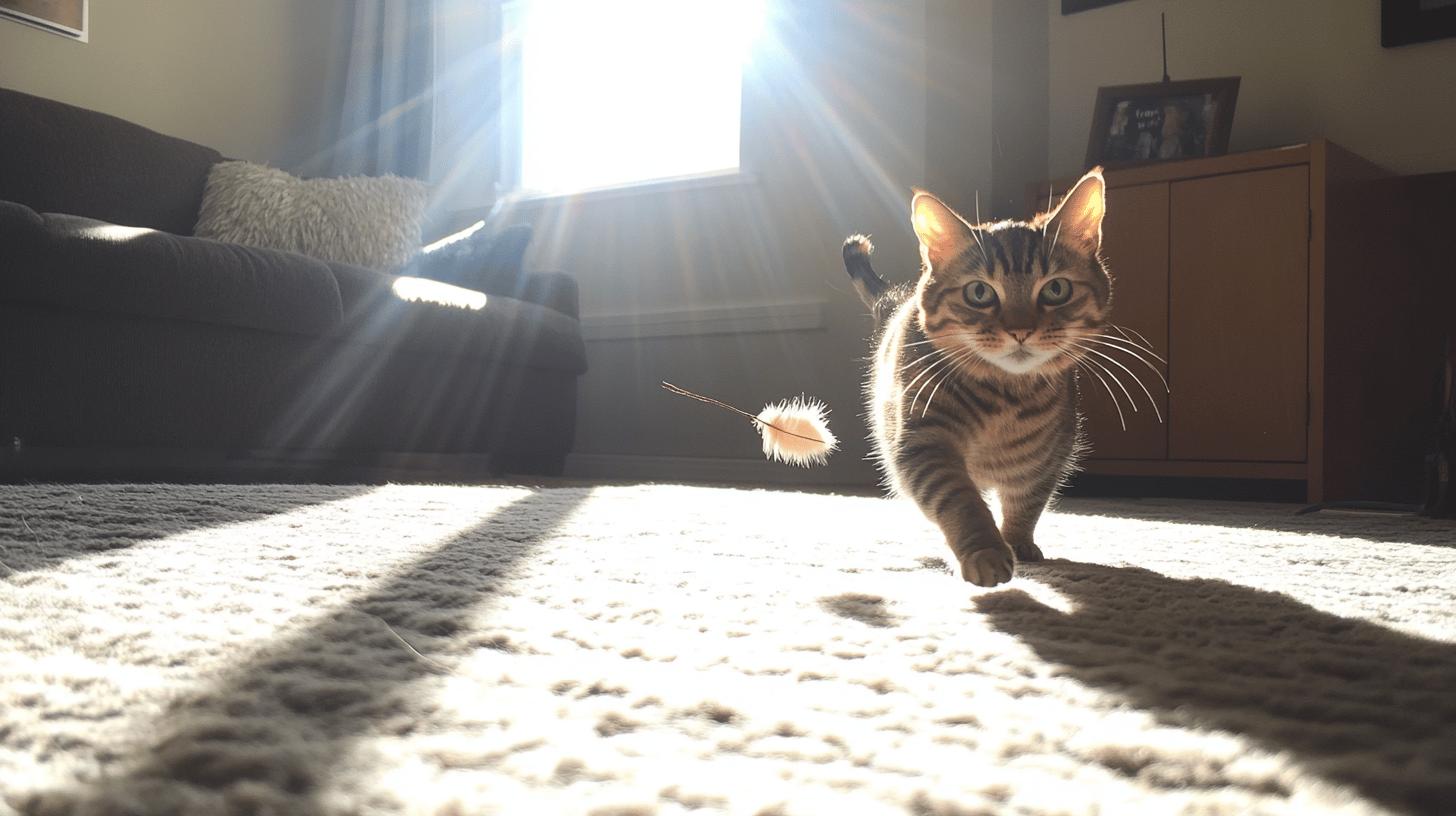
    Patience is vital in this training process. Each cat will adapt at their own pace. Some might take to the outdoors quickly, while others need more time. Observing their behavior is crucial, as it gives you insights into their comfort level and natural instincts. By taking it slow and steady, you're ensuring a positive experience that builds trust and confidence in your cat's outdoor adventures.

    Essential Safety Measures for Outdoor Cats

    Essential Safety Measures for Outdoor Cats-1.jpg

    Keeping your outdoor cat safe is incredibly important. With over 10 million pets lost or stolen each year, taking the right precautions can make a big difference. Reflective leashes are a great tool for visibility, especially during low-light conditions.

    Bringing your cat indoors at night is another effective way to prevent accidents or encounters with predators. During initial outdoor outings, supervising your cat can help you spot potential hazards and ensure their safety.

    Creating a secure environment can help keep your cat from wandering too far. Consider using a cat-proof fence to establish boundaries around your yard. This can prevent escapes and limit access to dangerous areas. Providing a stimulating space with toys and climbing structures can also keep your cat engaged and less likely to roam.

    • Use reflective leashes to enhance visibility.
    • Bring cats indoors at night for added safety.
    • Supervise initial outdoor outings to monitor behavior.
    • Secure the backyard with fences or barriers.
    • Create a stimulating environment with toys and climbing structures.

    By focusing on these safety measures, you can help your cat enjoy the outdoors while minimizing risks. Supervision and engagement are key to preventing your cat from running away or getting into trouble.

    Understanding and Encouraging Outdoor Cat Behavior

    Understanding and Encouraging Outdoor Cat Behavior-1.jpg

    Cats are natural hunters. When they explore outdoors, their instincts kick in. You might see your cat chasing bugs or even catching small animals. It's not unusual for them to bring back prey as "gifts." This behavior is a part of their natural instincts and shows their comfort with the outdoor environment. Understanding these behaviors helps in recognizing your cat's needs and reactions while they explore.
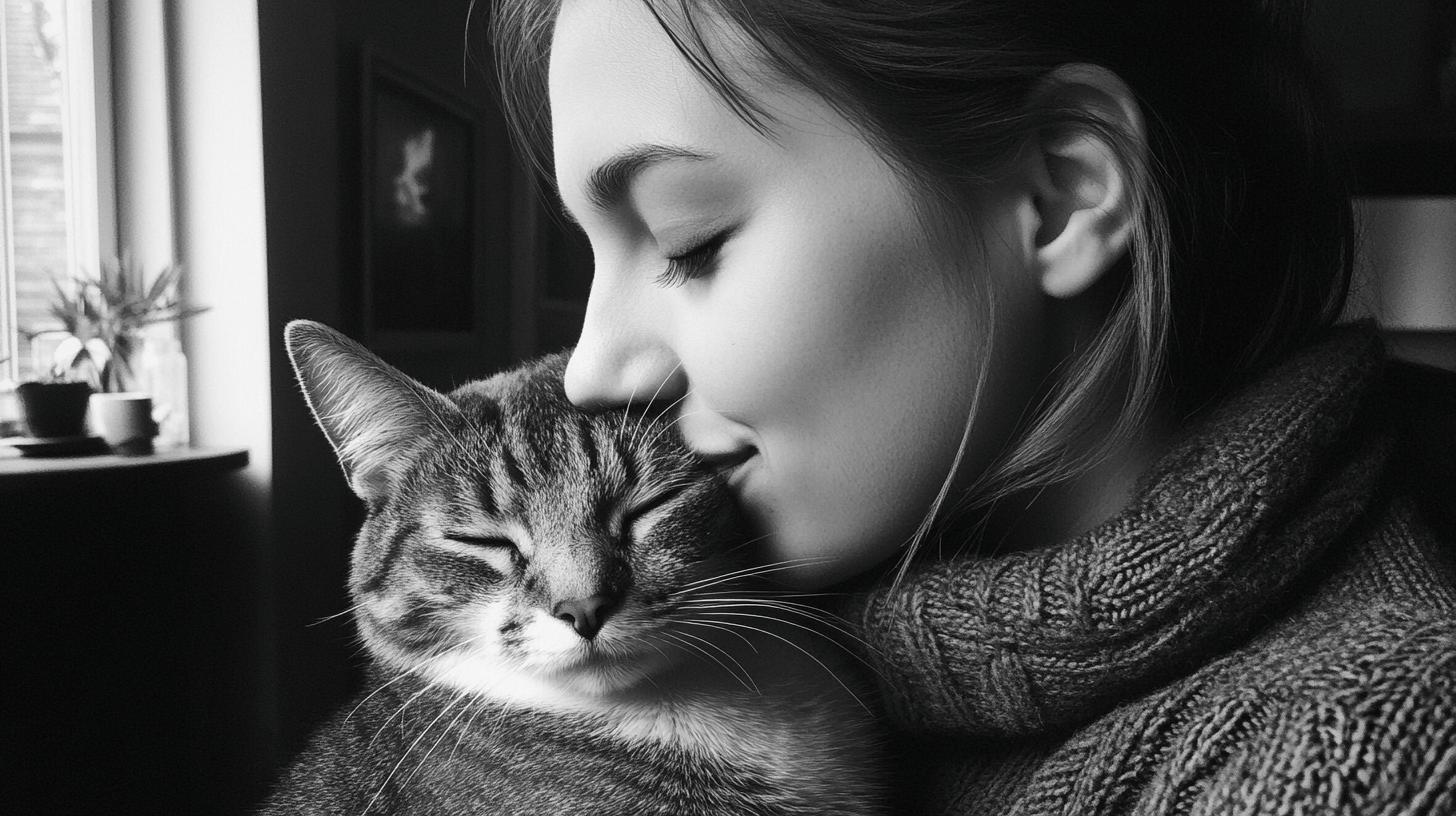
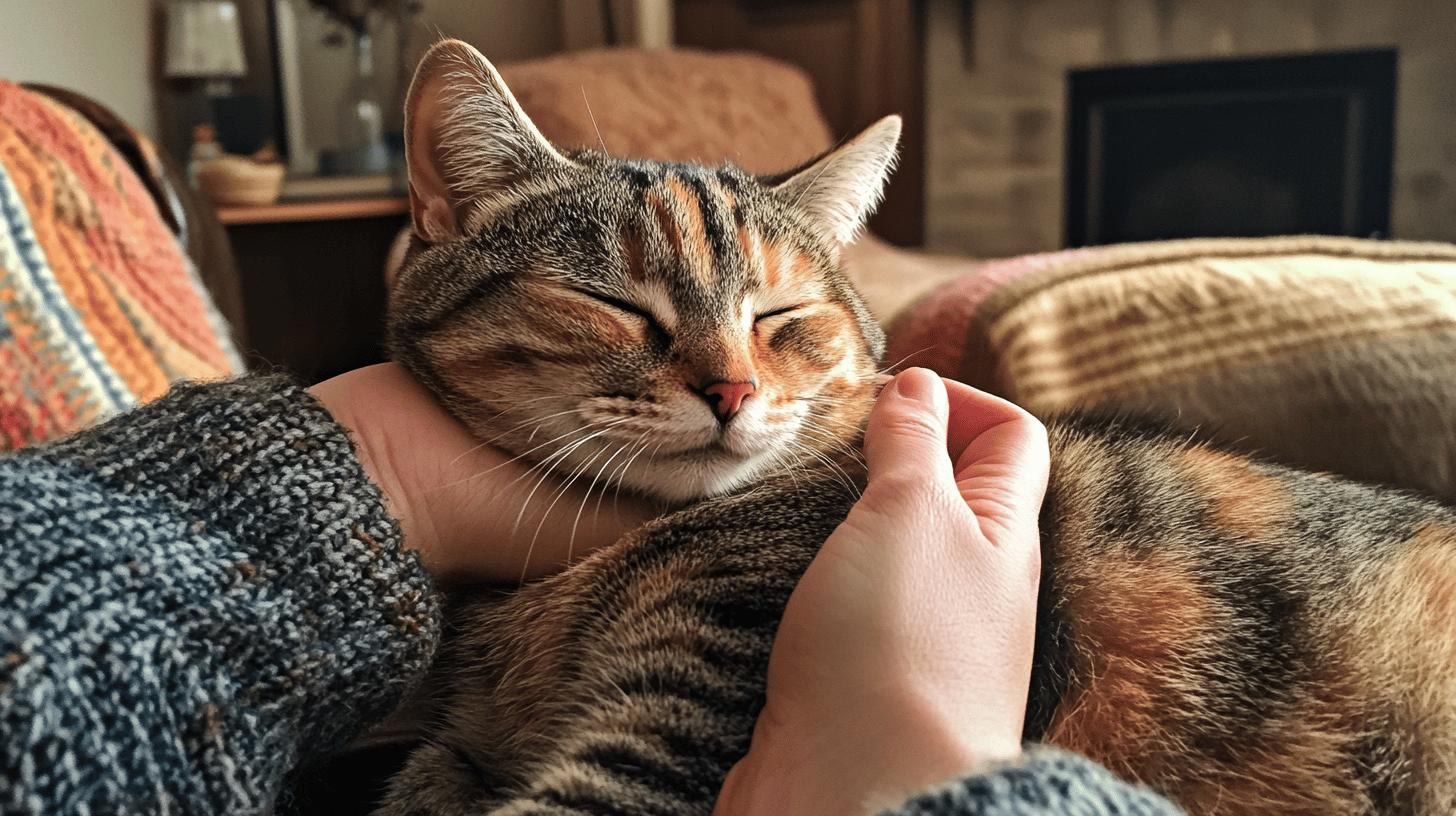
    Building trust with your outdoor cat is crucial. Spend quality time with them when they return home. Engage in play or relaxation activities to strengthen your bond. Observing your cat closely helps you understand their preferences and comfort levels. This interaction not only fosters trust but also ensures your cat feels secure and loved.
    Training Your Cat for Outdoor Adventures

    Choosing the Right Gear for Outdoor Exploration-1.jpg

    A snug harness and sturdy leash are must-haves for safe outdoor cat exploration. They help you keep control and prevent your cat from slipping away. A well-fitted harness gives your cat the freedom to explore without slipping out, unlike a collar.

    • Harness: Choose a snug-fitting harness for security.
    • Leash: Opt for a sturdy leash that balances freedom and control.
    • Tracking Device: Add a tracking device for monitoring your cat's movements.
    • Reflective Gear: Use reflective gear for better visibility in low light.

    Start indoors by letting your cat wear the harness during play and rest. Once comfortable, attach the leash and practice walking inside. Gradually introduce them to the outdoors, using the leash for guidance. Reflective gear and tracking devices enhance safety, so you can enjoy exploring together.

    Creating an Enriching Outdoor Environment for Cats

    Creating an Enriching Outdoor Environment for Cats-1.jpg

    Creating a stimulating environment for your cat outdoors is a rewarding task. Environmental enrichment means making spaces that engage your cat's natural instincts. This includes providing areas where they can climb, explore, and even hunt safely. Such an environment encourages physical activity and mental stimulation, essential for a cat's well-being.

    Setting up a "catio" or enclosed patio is a fantastic way to offer safe outdoor enjoyment. These spaces allow your cat to experience the sights and sounds of nature without the risks. You can fill these areas with climbing solutions and interactive toys to keep your cat entertained. An enclosed space also ensures your cat won't wander off, giving you peace of mind.

    Exercise routines and play areas are important for engaging a cat's curiosity. Structures like tunnels and climbing towers encourage exploration and physical activity. Hiding spots can also be intriguing for cats, sparking their hunting instincts. By creating diverse play areas, you help your cat stay active and satisfied.

    Enrichment Type Suggestions
    Climbing Solutions Install shelves or climbing towers
    Interactive Toys Use puzzle feeders or motion toys
    Hiding Spots Add boxes or covered areas
    Safe Exploration Build a “catio” or fenced space

    Final Words

    Training your cat to be outdoors involves several important steps. It begins with gradual exposure and patience while considering safety measures like reflective gear. Understanding your cat’s behavior and picking the right gear are also crucial.

    Creating a safe and stimulating environment will enhance your cat’s outdoor experience.

    By following these steps, you'll know how to train a cat to be outdoors safely. This opens up a whole new world for them to explore. With care and the right tools, you and your cat can enjoy outdoor adventures together.

    FAQ

    How can I train my cat to be outdoors safely?

    Start with gradual exposure. Acclimate indoors for two weeks, then try short, supervised outings with a harness. Observe natural behaviors and be patient. Use a secure backyard to minimize risks.

    Can an indoor cat become an outdoor cat?

    Yes, with careful training. Use a leash and harness for control. Start indoors, then take brief outdoor trips. Supervise these sessions to ensure safety and comfort.

    How do I get my cat to go outside without running away?

    Supervise outdoor time. Use a harness and leash. Train them gradually and keep outings short. Create a secure backyard environment to keep your cat safe and close.

    Is it cruel to keep a cat outside?

    No, if trained correctly. Ensure safety with reflective gear, secure environments, and supervision. Monitor weather conditions and bring your cat inside at night.

    How can I let my cat outside and make sure it comes back?

    Establish a routine. Use a harness initially. Gradually increase outdoor time under supervision. Offer treats or a favorite toy when they return to encourage coming back.

    How to train a cat to go outside for the toilet?

    Place your cat near the outdoor spot. Use a leash to guide them. Encourage and praise using treats. Gradually extend time spent outside for bathroom needs.

    What if my cat doesn't come back when I let it outside?

    Observe natural patterns. Start by calling them back with treats or toys. If missing, check hiding spots or familiar areas. Training helps cats associate returning with rewards.

    Related Articles

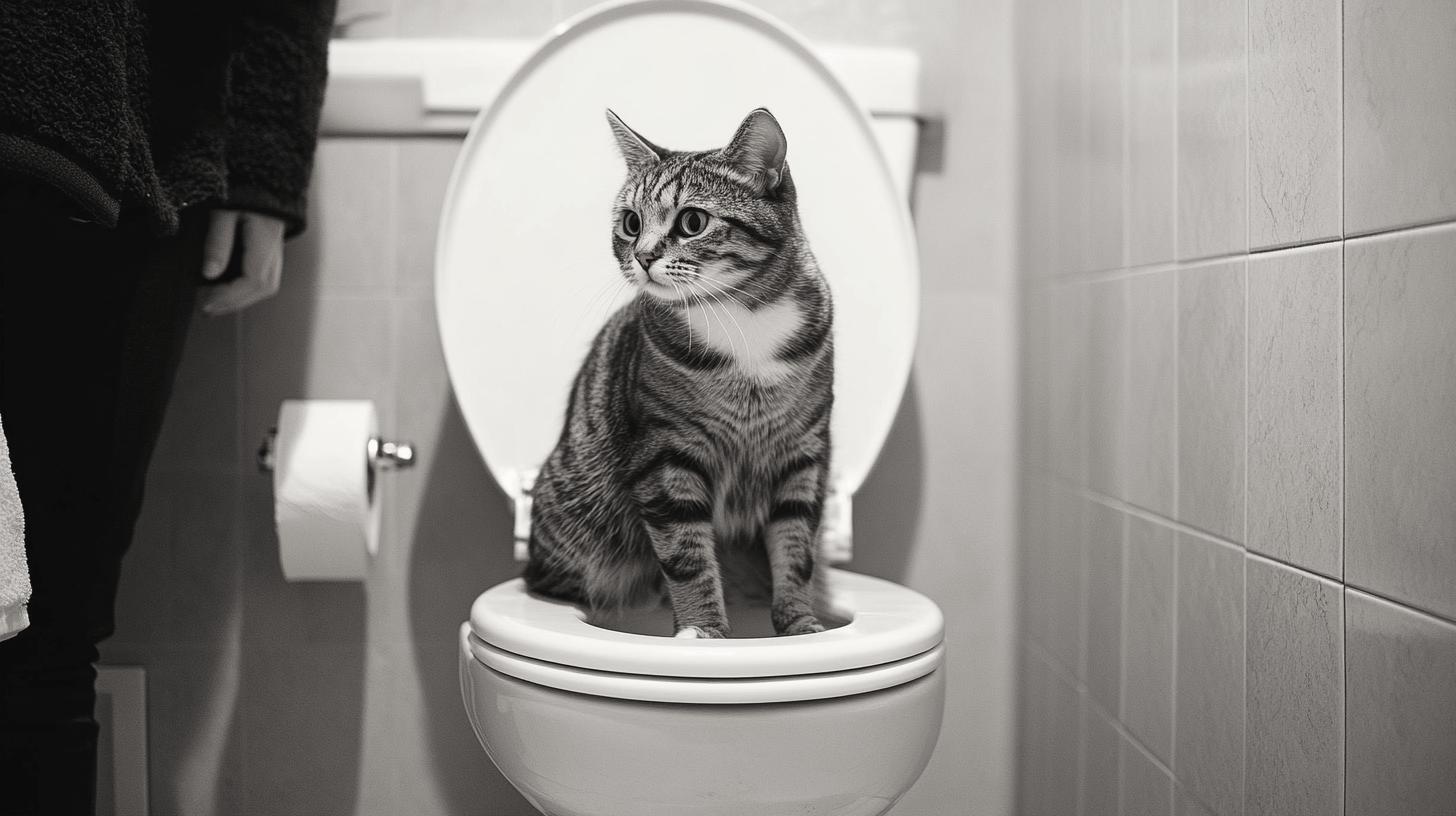
  • Training Your Cat to Use a Toilet

    Training Your Cat to Use a Toilet

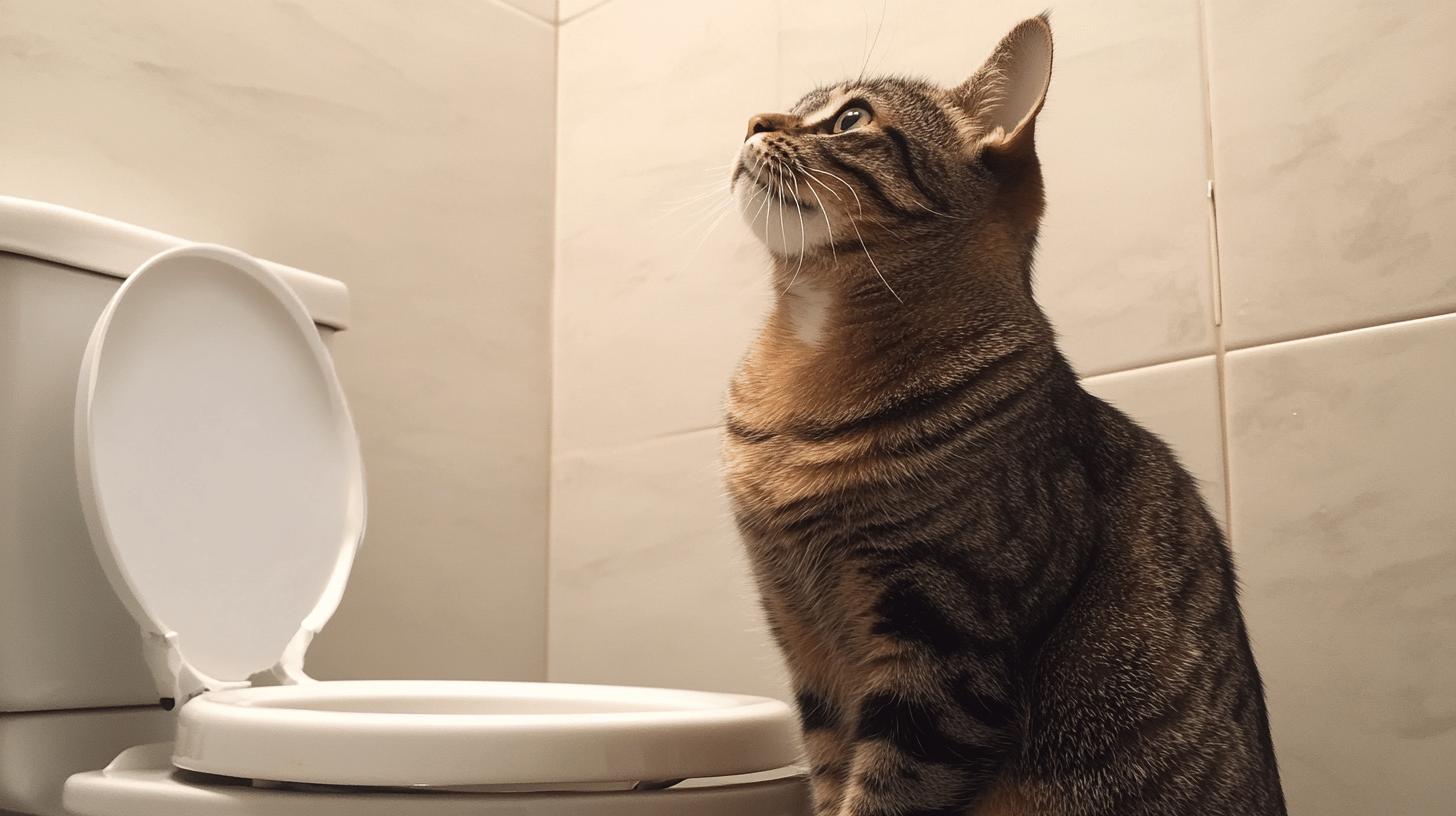
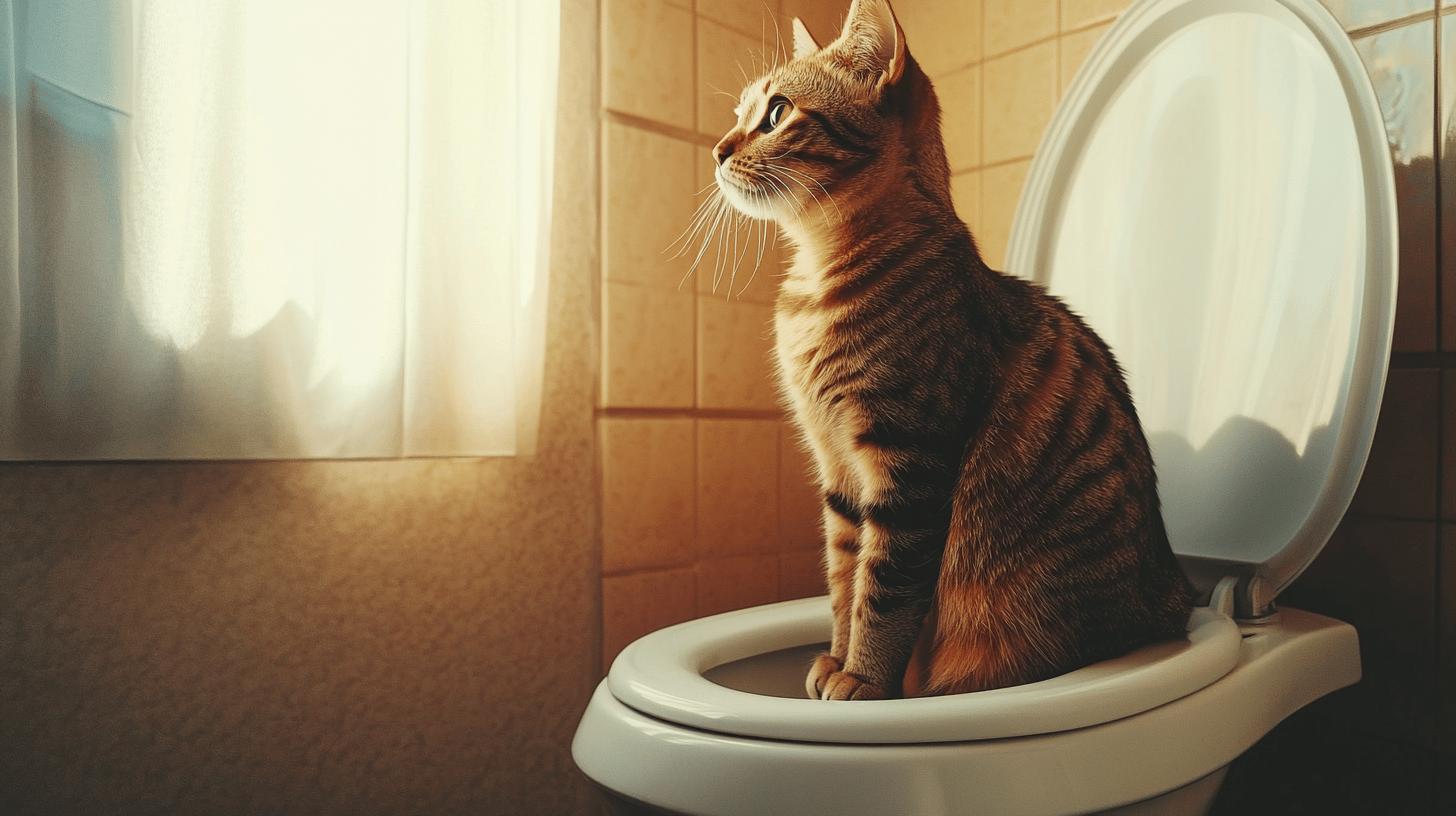
    Did you know you can teach your cat to use a toilet just like a human? It's true, and many have done it successfully! By cutting down on litter mess and saving on litter costs, you can create a cleaner and more pleasant home for you and your furry friend kitten training.com/litter-box-training-for-cats/”>litter box training.

    With patience and a consistent approach, toilet training your cat is achievable. You'll guide them step by step, making sure they feel comfortable and secure throughout the journey. Ready to ditch the litter box for good? Let's dive in!

    Step-by-Step Guide to Train Your Cat to Use a Toilet

    Step-by-Step Guide to Train Your Cat to Use a Toilet-1.jpg

    Training a cat to use a toilet can be a rewarding process, but it requires patience and a time commitment of about six weeks. The overall goal is to slowly transition your cat from a litter box to using the toilet, reducing mess and odor in your home. The key is to go at a pace that suits your cat's comfort, ensuring they feel secure throughout the process.

    Here's a step-by-step guide to help you through:

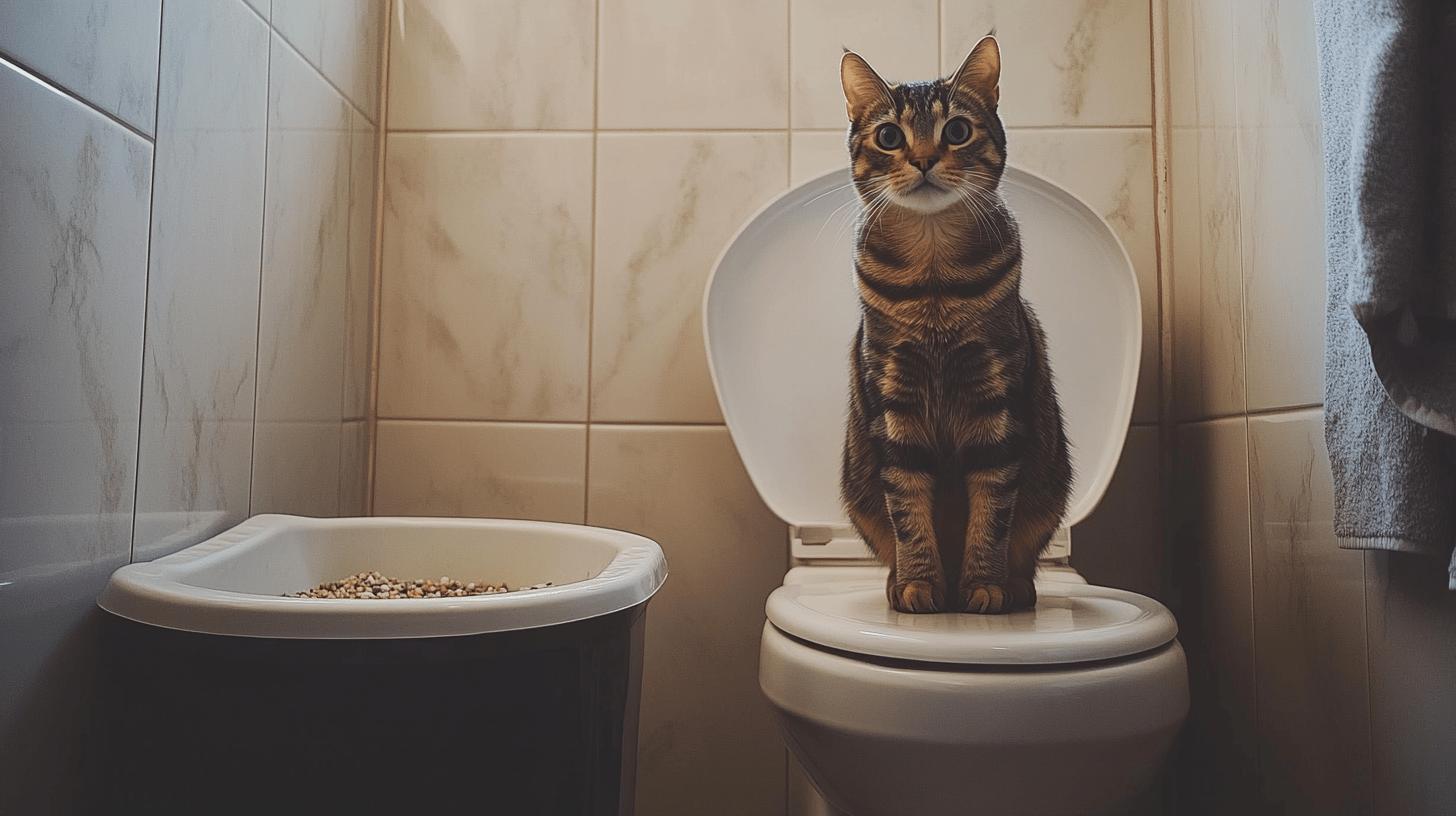
    • Move litter box closer to toilet: Start by gradually shifting the litter box closer to the toilet over several days.

    • Gradually raise the height of the litter box: Use sturdy platforms to lift the box closer to the toilet seat height. Do this slowly to allow your cat to adjust.

    • Introduce a training box over the toilet: Once the litter box is at the toilet level, replace it with a training box. You can buy one or make it using waxed paper and flushable litter.

    • Start cutting a small hole in the training box: After your cat is comfortable, cut a small hole in the waxed paper. This lets them get used to using the toilet directly.

    • Enlarge the hole over time: Gradually increase the size of the hole, encouraging your cat to balance on the toilet seat.

    • Transition to using the toilet directly: Eventually, remove the training box entirely. Your cat should now be comfortable using the toilet.

    The training process typically takes about six weeks. Patience is crucial; don't rush your cat. If they show discomfort or reluctance, slow down. Consistency is important, so make sure everyone in your household follows the same steps. Visual aids like videos can be helpful to understand the process better and provide encouragement along the way.

    Benefits, Challenges, and Safety Considerations in Cat Toilet Training

    Benefits, Challenges, and Safety Considerations in Cat Toilet Training-1.jpg

    Toilet training your cat can offer several benefits. It helps eliminate litter box odors, which can be quite strong and unpleasant. By doing away with litter altogether, you also save money on purchasing it regularly.

    This can be especially helpful if you use expensive, environmentally friendly litters. Additionally, having your cat use the toilet reduces the mess in your home, making it cleaner and more hygienic, especially if you have young children around.

    Despite these benefits, toilet training comes with its challenges and drawbacks. One significant issue is that it disrupts a cat's natural instincts, such as burying waste. This behavior is important for cats as it helps them mark their territory and feel secure.

    Another challenge is keeping the bathroom accessible to the cat at all times. This can be awkward for guests if the cat doesn’t flush, leaving behind an unpleasant surprise. Moreover, some experts warn that toilet training can negatively impact a cat's health and happiness.

    Safety and health considerations are crucial when toilet training your cat training timeline. Sharing a toilet with your pet can lead to hygiene issues, particularly if the cat misses the target. This increases the risk of disease transmission, making it important to clean the toilet regularly and thoroughly.

    Another concern is that toilet training can obscure health indicators. A litter box allows you to monitor your cat's waste, which can signal health problems. Without it, you might miss early signs of illness.

    To address these challenges and concerns, there are practical solutions available. Regularly cleaning the toilet and bathroom can help maintain hygiene. Installing a small step or platform can make it easier for your cat to reach the toilet, reducing accidents.

    To keep an eye on your cat’s health, you can periodically reintroduce a litter box for monitoring purposes. It's also helpful to communicate with guests about your cat's toilet habits to avoid any awkward encounters.

    Benefits Challenges & Safety Considerations
    Eliminates odors Disrupts natural instincts
    Saves money Requires bathroom access
    Reduces mess Hygiene issues
    Environmentally friendly Obscures health indicators
    Less cleaning Awkward for guests

    By understanding both the benefits and challenges, you can make an informed decision about whether toilet training is right for your cat. Patience and consistency are key, and always remember to prioritize your cat’s comfort and well-being.

    Essential Tools and Products for Cat Toilet Training

    Essential Tools and Products for Cat Toilet Training-1.jpg

    Choosing the right toilet training kit is crucial for a smooth transition. A well-designed kit guides your cat from litter box to toilet with ease. Kits like the City Kitty six-ring system are popular. They gradually change the litter box into a toilet seat, making the switch less intimidating for your cat. A good kit should be sturdy, easy to use, and adaptable to your cat's pace.

    Flushable litter plays a big role in the training process. It helps keep your toilet and plumbing safe. Using flushable litter in the training box makes cleaning simpler and reduces the risk of clogs. Look for sewer-safe options to avoid any plumbing issues. The right litter can make the transition smoother and more hygienic for both you and your cat.

    Several products stand out in the market for cat toilet training. The City Kitty six-ring system is a favorite for its step-by-step approach. Litter Kwitter is another popular choice, known for its multi-stage training seat.

    Both come with detailed instructions to help guide you through the process. Whether you opt for a commercial product or a homemade solution, make sure it aligns with your cat's needs and your household setup.

    Encouragement and Success Stories in Cat Toilet Training

    Encouragement and Success Stories in Cat Toilet Training-1.jpg

    Understanding and adapting to your cat's personality is key when embarking on the journey of toilet training. Cats are unique creatures with their own preferences and quirks. Some may take to toilet training quickly, while others might need more time and patience.

    Observing their behavior and adjusting your approach accordingly can make the process smoother. For example, if a cat seems hesitant, giving them extra time at each step can boost their confidence and comfort.

    A great success story involves two cats, Ziggy and Zelda. Ziggy was able to complete the toilet training successfully, while Zelda chose an alternative route by using the shower drain instead. This story illustrates how cats can have different responses to the same training method.

    Ziggy's success shows that with patience and encouragement, toilet training can be achieved. On the other hand, Zelda's preference for the shower drain highlights the need to respect each cat's individual choices and comfort levels.

    Here are three tips to encourage your cat during the training process:

    • Offer treats to reinforce positive behavior
    • Celebrate small milestones to build confidence
    • Be patient and adaptable to your cat's needs

    By keeping these tips in mind, you can create a positive environment that supports successful cat toilet training. Remember, every cat is different, and understanding their unique needs is crucial for a rewarding outcome.

    Final Words

    Training a cat to use a toilet involves patience and consistency, guiding them step-by-step until success. The benefits include reducing odors and saving on litter. Challenges like hygiene concerns and natural instincts can be managed with careful planning. Having the right tools, like a training kit, and knowing how to train a cat to use a toilet can make a big difference. Meanwhile, success stories remind us that each cat is unique. Stay patient, adapt to your cat's needs, and celebrate small victories along the way.

    FAQ

    How long does it take to train a cat to use the toilet?

    A: With consistency and patience, the process can take about six weeks. Each cat learns at its own pace, so some may take longer.

    How can I train a cat to use a toilet without buying anything?

    A: Move the litter box closer to the toilet. Gradually raise it to toilet height. Finally, transition the cat by cutting a hole in a homemade training box made with waxed paper.

    Is it possible to teach a cat to use the toilet and flush?

    A: Teaching a cat to flush is challenging due to cats' natural habits. Most cats don't learn to flush, and it isn't necessary for successful toilet training.

    What is the success rate of toilet training cats?

    A: Success varies by individual. Not all cats adapt well. Cats with a willingness to learn and adaptable nature often succeed.

    Are cats easy to toilet train?

    A: Cats with flexible and adaptable personalities are easier to train. Some cats, however, may resist due to instinctual behaviors.

    Is it too late to toilet train my cat?

    A: It's rarely too late. Older cats may take longer to adjust, but they're capable of learning new habits with patience.

  • How to Train a Cat to Like Water

    How to Train a Cat to Like Water

    Ever wondered why your cat runs from a drop of water like it's pure fire? Cats and water don't naturally mix. But what if I told you training a cat to like water isn't just wishful thinking? Cats are capable of overcoming fears, and with patience, you can help your feline friend take the plunge.

    In this article, I'll show you how to help your cat embrace the wet world, one paw at a time. Let's dive into how to gently guide your cat to enjoy the water.

    Understanding Why Cats Dislike Water and Overcoming Their Fear

    Understanding Why Cats Dislike Water and Overcoming Their Fear-1.jpg

    Many cats have an aversion to water that traces back to their ancestors. Cats evolved in dry, desert-like regions where swimming wasn't necessary for survival. This lack of exposure has led to a natural uncertainty around water.

    Their instinct to avoid water is also rooted in survival; being wet can make them vulnerable to predators by affecting their agility and body temperature. Understanding this history helps us empathize with their hesitations and guide them through overcoming these fears.

    Wet fur is another significant reason why cats dislike water. When fur becomes soaked, it takes much longer to dry compared to other animals. This can make cats feel cold and uncomfortable. Wet fur also weighs them down, affecting their natural grace and movement. For a creature that relies on agility, this can be distressing.

    • Loud splashing sounds can startle cats.
    • Water can obscure scents, confusing their perception.
    • Unfamiliar environments cause anxiety.
    • Fear of being submerged or trapped.
    • Wet fur is heavy and uncomfortable.

    Understanding these fears is crucial before attempting any water training. Each cat is unique, and patience is key when helping them adjust. Knowing the root of their fears allows us to create a supportive environment, ensuring they feel safe and secure. Building trust through gradual exposure and positive experiences can help cats overcome their water phobia over time.

    Step-by-Step Guide to Gradual Water Exposure for Cats

    Step-by-Step Guide to Gradual Water Exposure for Cats-1.jpg

    • Create a Calm Environment

      Start by choosing a quiet, familiar space for your cat's initial water introduction. A small bathroom or a familiar room with a shallow basin can work well. Remove any distractions and create a peaceful atmosphere. This will help reduce your cat's anxiety and set a positive tone for the experience.

    • Introduce Shallow Water

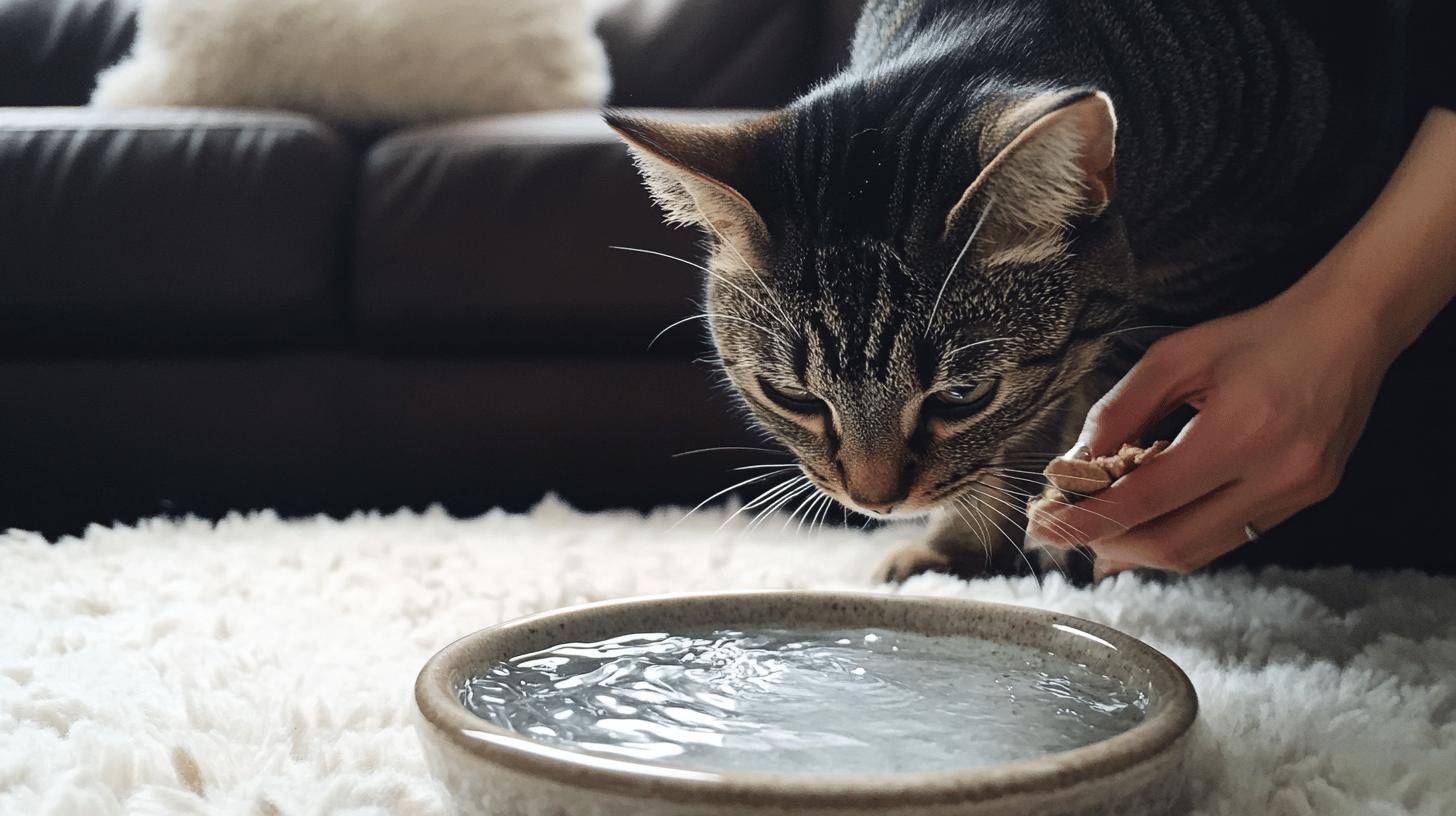
      Begin with a small amount of water, just enough to cover the bottom of a shallow dish or sink. Let your cat explore the water at their own pace. Encourage them to touch the water with their paws. This will help them get used to the sensation without feeling overwhelmed.

    • Use Treats and Praise

    Offer treats and gentle praise when your cat interacts with the water. Positive reinforcement is crucial in building a good association with water. Rewarding your cat for calm behavior will make them more likely to approach the water willingly in the future.

    • Increase Water Levels Slowly

      As your cat becomes more comfortable, gradually increase the water depth. Do this over several sessions, allowing your cat to adjust at their own pace. Always monitor their comfort level and be ready to stop if they show signs of distress.

    • Maintain Patience Throughout the Process

      Every cat is different, and patience is key. Some cats may take longer to acclimate to water than others. Be consistent with short, positive sessions and avoid forcing your cat into the water. Over time, your cat may learn to enjoy water activities, but it's important to respect their individual comfort levels.

    Fun and Safe Water Activities for Cats

    Fun and Safe Water Activities for Cats-1.jpg

    Water play can be a great way to provide both mental and physical stimulation for your cat. Engaging in water activities can help to burn off excess energy and keep your cat active. Chasing floating objects or playing with water toys can also tap into their natural hunting instincts, offering a fun and rewarding experience.

    These activities can also strengthen the bond between you and your cat as you engage in interactive play together. By introducing your cat to water in a playful and non-threatening manner, you can help them become more comfortable and possibly even enjoy the wet and wild fun.

    Safety is a top priority when it comes to water activities for cats. Always supervise your cat during water play to prevent accidents. Choose a calm, enclosed environment where your cat feels secure and cannot easily escape or become overwhelmed.

    It's also important to ensure the water is clean and at a comfortable temperature. Remember, not all cats are naturally inclined to enjoy water, so it's vital to respect their comfort levels and stop any activity if your cat shows signs of distress.

    Activity Description Safety Tips
    Water Fountains Cats can be intrigued by the moving water and enjoy splashing or drinking from it. Ensure the fountain is sturdy and placed on a non-slip surface.
    Floating Toys Small toys that float can attract a cat’s attention and encourage playful batting. Use toys that are non-toxic and safe if chewed.
    Shallow Pools Let your cat explore a shallow pool with an inch or two of water. Always monitor your cat and never leave them unsupervised.
    Bubble Play Blowing cat-safe bubbles over water can add an extra element of fun. Use only bubbles specifically designed for pets.

    Step-by-Step Guide to Gradual Water Exposure for Cats

    Positive Reinforcement Techniques for Encouraging Water Interaction-1.jpg

    Start by using positive reinforcement to help your cat feel at ease with water. Reward your cat when they show curiosity or calmness around water. This creates a positive association, making them more likely to engage with it.

    • Offer special treats your cat loves when they approach water calmly.
    • Use verbal praise and a soothing voice during water interactions.
    • Engage in gentle petting to create a relaxed atmosphere.

    Consistency and patience are key. Each cat is unique, and comfort levels will vary. Regular, short sessions will build confidence. Avoid rushing or forcing the cat into water to prevent setbacks. With time, your cat may develop a positive relationship with water.

    Cat Breeds and Individual Differences in Water Affinity

    Cat Breeds and Individual Differences in Water Affinity-1.jpg

    Some cat breeds naturally love water. Bengals and Maine Coons often enjoy splashing or even swimming. Their ancestors lived in water-rich areas, making them more curious around water. This breed-specific trait sets them apart from others.

    Within these breeds, individual temperament still matters. Cats, like people, have unique personalities. A Bengal might love water, while another might avoid it. Personal experiences shape each cat's comfort with water.

    To check your cat's interest in water, watch their behavior. Do they like running water from a faucet? If so, they might enjoy water activities. Start slowly, introducing water in a positive way to see how they respond.

    Final Words

    Helping cats get used to water starts by understanding why they usually don't like it. These reasons can be historical or just because of how water feels. Once we know this, we can help them overcome their fears step by step.

    Using treats and praise can make water less scary. Some breeds like the Bengal enjoy water naturally, but every cat is different. It's important to be patient as your cat learns to enjoy water.

    Learning how to train a cat to like water can make playtime more fun and strengthen your bond with your cat.

    FAQ

    How to get your cat to like baths?

    A: To get your cat to like baths, start slowly. Use shallow water and provide treats for positive reinforcement. Gradual exposure will help build confidence.

    Can cats learn to like water?

    A: Yes, cats can learn to like water. With gradual exposure and positive reinforcement, you can encourage them to enjoy water.

    Why don't cats like water?

    A: Cats often dislike water because their ancestors didn't need to swim. The wet fur feeling and water noise can bother them.

    What happens when you put a cat in water?

    A: When you put a cat in water, they might feel stressed or scared, especially if they're not used to it. Always introduce water slowly.

    How to give a cat a bath that hates water?

    A: For a cat that hates water, use minimal water, and keep the bath quick. Offer treats and soothing words to ease their anxiety.

    Can I train my cat to like baths?

    A: You can train your cat to like baths by introducing water gradually, using positive reinforcement with treats and praise.

    How to train a cat to not be scared of water?

    A: Train a cat to not be scared of water by starting in a familiar space with shallow water, and rewarding them for calm behavior.

    Do cats instinctively hate water?

    A: Many cats instinctively dislike water due to their habitats and the discomfort of wet fur, but some can learn to enjoy it with patience.

    Related Articles

  • How to Train a Cat to Sit Easily

    How to Train a Cat to Sit Easily

    Ever thought training a cat was impossible? You're not alone. Many believe cats are too independent to teach commands. But the truth is, with a little patience and the right approach, your feline friend can learn to sit.

    In this post, I’ll guide you through simple steps to make your cat sit on command. Armed with tasty treats and a bit of practice, you'll not only teach your cat a new trick but also improve your bond and playtime experience. Ready to see your cat master the art of sitting? Let’s get started!

    Step-by-Step Guide to Train Your Cat to Sit

    Step-by-Step Guide to Train Your Cat to Sit-1.jpg

    1. Gather Your Tools
      Start with some tasty cat treats. These will be the main motivator. Make sure your cat is in a quiet space where it won't be distracted.

    2. Use a Treat as a Lure
      Hold a treat close to your cat's nose to grab its attention. Slowly move the treat upwards and slightly behind its head. This motion encourages the cat to tilt its head back and naturally lower its bottom into a sitting position.

    3. Reward the Sit

    As soon as your cat's bottom touches the floor, give it the treat. This immediate reward is crucial. It helps your cat connect the sitting action with getting a treat.

    1. Introduce the Verbal Cue
      Once your cat starts sitting with the lure, begin saying "sit" as it performs the action. This helps your cat associate the word with the behavior.

    2. Practice Consistently
      Repeat this process for a few minutes daily. Keep training sessions short, around 5-10 minutes, to maintain your cat's interest. Over time, your cat will sit on command without needing the treat as a lure.

    Training a cat to sit requires patience and consistency. Cats can learn at their own pace, and it's important to practice regularly. Always praise your cat with a gentle voice and affection to make the experience positive and enjoyable.

    Tools and Techniques for Effective Cat Training

    Tools and Techniques for Effective Cat Training-2.jpg

    Using the right tools can make training your cat much easier and enjoyable for both you and your furry friend. Treats and clickers are two key items that can greatly enhance the effectiveness of your training sessions. They help reinforce the behaviors you want to encourage, making the learning process smoother.

    1. Treats
      Treats are essential for cat training. They act as a motivator, encouraging your cat to repeat actions that result in a reward. Choose treats that your cat loves and that are small enough to be given frequently without overfeeding.

    2. Clickers
      A clicker is a small device that makes a distinct clicking sound. When used correctly, it marks the exact moment your cat performs the desired behavior. This helps your cat understand what action is being rewarded. Clicker training is an effective method because it provides clear communication between you and your cat.

    3. Alternative Sound Cues

    If you don't have a clicker, you can use alternative sounds like snapping your fingers or making a "tch" sound. The key is to use the same sound consistently so your cat learns to associate it with a reward.

    Keeping training fun and positive is crucial. Cats respond best when they enjoy the experience, so keep sessions short and engaging. Always use a gentle tone and offer plenty of praise along with treats. This approach not only reinforces good behavior but also strengthens your bond with your cat.

    Overcoming Common Challenges in Cat Training

    Overcoming Common Challenges in Cat Training-1.jpg

    Training a cat can be tricky. Some common pitfalls can slow progress or reinforce unwanted behaviors. Clawing, inconsistent cues, and nervousness often arise during training. Understanding these challenges helps in creating a better training environment.

    1. Clawing for Treats
      Cats might swipe at your hand if they're eager for treats. Avoid rewarding this behavior. Keep your hand steady and only offer the treat when your cat sits without clawing.

    2. Inconsistent Cues
      Using different words or gestures confuses cats. Stick to one verbal cue and one hand motion. Consistency helps the cat connect the command with the action.

    3. Nervousness

    Nervous cats may hesitate to follow commands. Create a calm environment. Reduce distractions by training in a quiet room. Speak softly to soothe your cat's nerves.

    1. Lack of Engagement
      Cats can lose interest quickly. Keep training sessions short and fun. Use high-value treats and plenty of praise to maintain their enthusiasm.

    Creating a positive atmosphere is key. Always focus on encouraging good behavior with rewards and praise. Patience and kindness go a long way in making training enjoyable for your cat. Remember, a calm and supportive environment helps your cat feel confident and eager to learn.

    Tools and Techniques for Effective Cat Training

    The Role of Positive Reinforcement in Teaching Cats-1.jpg

    Positive reinforcement is key in cat training. It uses rewards to encourage good behaviors. Cats love treats and praise, so they will repeat actions that get them these rewards. This method helps cats learn new things and makes training fun for both of you.

    Examples of behaviors to train:

    • Sitting on command: Give a treat and praise when your cat sits. Soon, your cat will sit more often.

    • Coming when called: Use a toy or treat as a reward. This helps improve recall.

    • Using the scratch post: Reward with petting. This can reduce furniture scratching.

    Behavior Reward Outcome
    Sitting on command Treat and verbal praise Cat sits more willingly
    Coming when called Favorite toy or treat Improved recall
    Using scratch post Petting and affection Reduced furniture scratching

    Positive reinforcement also strengthens your bond with your cat. Both of you enjoy training sessions. Remember, each cat learns at its own pace. Be patient. Keep rewarding good behavior. This makes training successful and fun.

    Final Words

    Training your cat to sit is all about patience and consistency. By following the steps to use treats as a lure and adding the verbal cue "sit," you'll see your cat pick up the command over time. Using tools like clickers enhances the process, making it engaging for your furry companion.

    Remember, challenges like nervousness and inconsistent cues can arise. Address them with small adjustments, and keep the atmosphere positive.

    Success lies in using positive reinforcement, making training a rewarding experience. With persistence, you'll master how to train a cat to sit, strengthening your bond.

    FAQ

    How to train a cat to sit in your lap?

    Training a cat to sit in your lap requires patience and treats. Offer a treat while gently placing them on your lap. Use a verbal cue like "lap" to encourage the behavior and reward them.

    How to teach your cat to sit without a clicker?

    To teach a cat to sit without a clicker, use a treat as a guide. Slowly lift it above their head, causing them to sit. Say "sit" and reward when they do so.

    How long does it take to train a cat to sit?

    Training a cat to sit can take a few days to a couple of weeks. Consistent practice and patience are key.

    What is the easiest trick to teach a cat?

    The easiest trick to teach a cat is sitting. Use treats and verbal cues to encourage them to adopt a sitting position.

    Can you train a cat to give paws?

    Yes, you can train a cat to give paws. Gently lift their paw while using a verbal cue, and reward with a treat immediately. Consistent practice helps reinforce the behavior.

    How to clicker train a cat to sit?

    Clicker training involves using the click sound as a marker. Click and treat when the cat sits. Repeat with the verbal cue "sit" to reinforce the behavior.

    Related Articles

  • Fun Ways to Train a Cat to Fetch

    Fun Ways to Train a Cat to Fetch

    Think cats can't fetch? Think again! While fetching might seem like a trick reserved for dogs, I’m here to tell you cats can learn this fun game, too basic commands. Just imagine your furry friend delighting in the chase, all while bonding with you through play.

    Fetch can provide your cat with an exciting way to stay active and mentally engaged. With the right steps, patience, and a sprinkle of fun, you can teach your cat to enjoy fetching like never before treat motivation. Let's dive into how you can make fetch part of your cat's playtime routine clicker method.

    Comprehensive Guide to Training a Cat to Fetch

    Comprehensive Guide to Training a Cat to Fetch-1.jpg

    Teaching a cat to fetch can be a delightful activity that strengthens your bond and provides mental stimulation for your furry friend. Cats, like dogs, can learn to fetch with the right approach and a bit of patience. Here's a step-by-step guide to help you along the way.

    1. Choose a favorite toy and ensure it is safe.
      Start by selecting a toy that your cat already enjoys, such as a small ball or plush toy. Make sure the toy is safe, avoiding any with small parts that could be swallowed. A toy your cat is naturally attracted to will make the training process easier.

    2. Toss the toy a short distance and vary locations.
      Engage your cat by gently tossing the toy a short distance. This helps in keeping their interest piqued. Changing the location where you play fetch can also stimulate curiosity and prevent boredom. Try different rooms or even outside if it's safe.

    3. Reward retrieval with treats or affection, avoiding punishment.

    When your cat retrieves the toy, reward them with a treat or affection. Positive reinforcement is key. This encourages them to repeat the behavior. Avoid any form of punishment, as it can lead to fear and anxiety, hindering the learning process.

    1. Keep sessions short (5-10 minutes) and engaging with obstacles.
      Short and frequent sessions work best. Aim for 5 to 10 minutes each day. You can make the game more engaging by incorporating obstacles or different throwing techniques. This adds a level of challenge and excitement for your cat.

    2. Be consistent and patient, trying new toys if needed.
      Consistency is crucial in training. Regular practice reinforces the behavior, but patience is equally important. Some cats may take longer to catch on than others. If your cat loses interest, try introducing new toys to keep the training fresh.

    Training a cat to fetch requires patience and understanding. Every cat is unique, with its own pace of learning. It's essential to remain consistent and positive throughout the process. Address common challenges by being flexible with your methods. If your cat seems uninterested, consider tweaking your approach or introducing new elements to the game. Celebrate each small success, as incremental progress is key to mastering this fun trick.

    Selecting the Best Toys and Tools for Cat Fetch Training

    Selecting the Best Toys and Tools for Cat Fetch Training-1.jpg

    Choosing toys for cat fetch training involves picking items that are fun and safe. To make fetch fun, consider toys like feathered and interactive ones. These toys spark your cat's curiosity and encourage movement.

    • Soft balls
    • Plush toys
    • Feathered toys
    • Interactive toys with movement

    Check for durability and avoid toys with small parts. This prevents accidents and ensures a safe playtime. Picking the right toys makes fetch both enjoyable and rewarding.

    Understanding and Addressing Challenges in Cat Fetch Training

    Understanding and Addressing Challenges in Cat Fetch Training-1.jpg

    Each cat has its own way of playing. Some cats chase and fetch because they are curious and playful. Knowing how your cat likes to play helps you train them better.

    • Curiosity when introduced to new objects
    • Engages with moving objects
    • Shows hunting instincts like pouncing
    • Enjoys interactive play sessions

    Training cats to fetch takes patience. Cats might not understand fetch right away. Some cats learn slowly. Staying patient and consistent is key. Make training fun. Set goals you can reach without stress. Celebrate small wins to keep you and your cat happy.

    • Lack of interest: Try new toys or locations.
    • Short attention span: Keep sessions brief.
    • Inconsistent retrieval: Use enthusiastic praise.
    • Resistance to training: Be patient and gentle.
    • Measuring success: Track small progress milestones.

    To handle training problems, be flexible and creative. If the cat gets bored, change toys or the setting. Use praise or treats for encouragement. Understand your cat's instincts to make fetch a fun game.

    Final Words

    Training a cat to fetch combines patience, persistence, and fun.
    Starting with a favorite toy and using treats keeps your cat engaged.
    Consistency like short and daily sessions makes a difference.

    Understanding play habits helps address challenges.
    Stay positive and use the tips to adapt training as needed.
    Remember, your cat's fetching journey should be enjoyable.

    Embrace the process, stay committed, and see your bond grow.
    Happy training!

    FAQ

    Q: Can a cat be taught to fetch?

    Cats can be taught to fetch by engaging their curiosity with toys they like and using treats for positive reinforcement. Consistent short sessions help them learn.

    Q: What breed of cat likes to play fetch?

    Breeds like Siamese, Maine Coons, and Bengals often enjoy playing fetch due to their playful nature.

    Q: How rare is it for a cat to play fetch?

    It's uncommon but not rare for cats to play fetch. Some breeds are naturally more inclined to engage in such activities.

    Q: What is the first command to teach a cat?

    Start with simple commands like "fetch" while tossing a toy to begin teaching your cat to retrieve.

    Q: How to train a Maine Coon to play fetch?

    Training a Maine Coon involves using a toy they enjoy, rewarding with treats, and staying consistent with short, fun sessions.

    Q: How to teach a cat to sit?

    Teach your cat to sit using treats as a lure. Move the treat from their nose upwards to encourage a sitting position, rewarding them once they sit.

    Q: How to teach a cat to high five?

    Hold a treat near your cat's paw and move it slightly out of reach. When they raise their paw to touch your hand, reward with the treat.

    Q: Easy tricks to teach your cat?

    Start with simple tricks like sitting, high-fiving, or retrieving toys, using treats and positive reinforcement to encourage learning.

    Q: How to teach a cat to play?

    Engage with interactive toys or games that mimic hunting to attract your cat's attention and encourage play.

    Q: What percentage of cats play fetch?

    While precise numbers vary, a small percentage of cats enjoy fetching, often depending on breed and individual personality.

  • How to Train a Cat to Not Bite Effectively

    How to Train a Cat to Not Bite Effectively

    Ever wondered why your adorable feline friend suddenly turns into a little biter? Understanding cat biting behavior is the first step in addressing it effectively. In this article, I'll walk you through practical steps to train a cat to not bite, using positive reinforcement and playful distractions.

    By implementing these techniques, you'll create a better playtime experience with your cat while ensuring their safety. Let's dive into the world of cat training and turn those nibbles into gentle purrs.

    How to Train a Cat to Not Bite: Practical Steps

    How to Train a Cat to Not Bite Practical Steps-1.jpg

    To train a cat not to bite, follow these five practical steps:

    1. Use Positive Reinforcement: Reward your cat with treats or affection when it plays gently or refrains from biting.
    2. Provide Toys: Offer a variety of toys to redirect biting from your hands to appropriate objects.
    3. Ignore Attention-Seeking Biting: If your cat bites to gain attention, calmly withdraw attention until it stops.
    4. Introduce Clicker Training: Use a clicker to mark and reward non-biting behaviors, reinforcing desired actions.
    5. Set Boundaries: Establish clear rules about what is acceptable behavior during playtime.

    Starting training early is key to preventing biting. Kittens are more adaptable and can learn good habits quickly. Early intervention helps them understand boundaries and builds a foundation for positive interactions. Establishing these habits while they are young minimizes the chance of biting becoming a persistent problem.

    Cats may bite due to various reasons, including fear, anxiety, stress, or misdirected predatory behavior. Fear and anxiety can cause defensive biting, while stress may lead to aggressive reactions. Sometimes, biting mimics hunting instincts when a cat plays roughly. Understanding these triggers helps tailor training methods more effectively.

    Reinforcing positive behavior is crucial. Rewarding calm and gentle interactions encourages cats to repeat these actions. Conversely, avoid reinforcing negative behavior by not giving attention to biting. This reduces the likelihood of your cat associating biting with a way to get your attention. By consistently reinforcing positive behaviors, you help your cat understand what is expected, leading to a more harmonious relationship.

    Understanding Cat Biting Behavior

    Understanding Cat Biting Behavior-1.jpg

    Cats give clues before they bite. Watch their body language. Ears back and a swishing tail can mean they're stressed or annoyed. If a cat's eyes are wide and pupils are dilated, they're likely in hunting mode.

    • Love Bites: Cats may give gentle nibbles when they're happy or relaxed. Look for purring and slow blinks.

    • Gentle Bites: These happen during play. Cats might bat with their paws before biting lightly.

    • Play Aggression: When playing gets too rough, cats may bite hard. Ears up and tails flicking are signs.

    • Stress-Induced Biting: Cats may bite when scared or anxious. This happens if there's a loud noise or new pet.

    To help a cat, reduce stressors. Create a calm space with familiar toys or scents. If biting is due to play aggression, use toys to redirect their energy. For love bites, stop petting before the cat gets overstimulated.

    Recognizing these signs can help manage biting.

    Recognizing and Addressing Cat Stress and Anxiety

    Recognizing and Addressing Cat Stress and Anxiety-1.jpg

    Cats show signs of stress and anxiety through changes in behavior. Common signs include hiding, excessive grooming, or sudden aggression. Overstimulation, loud noises, or changes in their environment can trigger these reactions. For example, a new pet in the home or rearranging furniture might unsettle a cat. Recognizing these signs early helps in addressing the root cause of the stress.

    To calm an anxious cat, try these techniques:

    • Create a Safe Space: Provide a quiet area with familiar bedding and toys.
    • Use Pheromone Diffusers: These can help create a calming environment.
    • Engage in Gentle Play: Use interactive toys to distract and soothe.
    • Maintain a Routine: Cats feel secure when they know what to expect daily.

    Reducing anxiety in cats can prevent biting behavior. When a cat feels less stressed, it is less likely to lash out defensively. Ensuring your cat feels safe and secure minimizes triggers for aggression, leading to a calmer and happier feline friend.

    Using Cat Toys and Interactive Play to Prevent Biting

    Using Cat Toys and Interactive Play to Prevent Biting-1.jpg

    Toys are an excellent way to redirect a cat's biting behavior. When a cat bites during play, it often mimics hunting. By providing toys, you can channel that energy into something appropriate. Interactive toys can engage a cat's instincts without harming your hands. This not only protects you but also keeps the cat entertained and satisfied.

    Toy Type Purpose
    Feather Wand Simulates prey, encouraging safe hunting play
    Laser Pointer Provides physical exercise and mental stimulation
    Ball Track Allows independent play, reducing boredom
    Catnip Mouse Entices with scent, encouraging solo play

    Interactive playtime with your cat should happen at least two to three times a day. Regular play helps manage their energy and reduces the likelihood of biting. It also strengthens your bond and provides mental and physical exercise. Consistent playtimes make biting less appealing, as cats learn to associate toys with their hunting instincts. Engaging your cat in play ensures a well-adjusted and happier feline friend.

    When to Consult a Vet or Behavior Specialist

    When to Consult a Vet or Behavior Specialist-1.jpg

    If your cat's biting is frequent and aggressive, it might be time to consult a vet or behavior specialist. Here are some signs to watch for: sudden changes in behavior, biting that causes injury, or any sign of pain or illness, like limping or hiding. These could indicate underlying medical issues that need professional attention. A vet can rule out physical problems, while a behavior specialist can address emotional or behavioral causes.

    Consider consulting a professional if:

    • Your cat's biting is linked to sudden aggression.
    • There are consistent signs of stress or anxiety.
    • Biting occurs alongside physical symptoms like weight loss.

    Professional guidance is essential in ensuring your cat's well-being. Experts can provide tailored advice and strategies that address both behavioral and medical concerns. This helps create a safe and positive environment for you and your cat, improving your relationship and reducing biting incidents.

    Final Words

    Training a cat not to bite takes patience and understanding.

    By focusing on positive reinforcement and early training,
    you can prevent biting behaviors.

    Understanding why cats bite and addressing stress and anxiety
    are key in creating a calmer environment.

    Don't forget the role of toys and interactive play
    in redirecting biting tendencies.

    If needed, seek guidance from a vet or behavior specialist.

    While the journey might seem challenging, remember,
    learning how to train a cat to not bite can lead to
    a happier bond with your furry friend.

    FAQ

    How to train a cat not to bite or scratch?

    A: To train a cat not to bite or scratch, use positive reinforcement. Reward calm behavior with treats. Redirect biting with toys. Start training young, and never use your hands as play objects.

    Why does my cat bite me gently out of nowhere?

    A: Cats may bite gently as a form of love bite or due to overstimulation. They sometimes express excitement or affection this way. Recognize your cat's body language to manage these gentle bites.

    How to stop my cat from biting and attacking me?

    A: Consistent training and play can prevent biting. Redirect aggression with toys. Avoid hands during play. Reinforce calm behavior with treats. Address any stress or anxiety your cat might have.

    How do you discipline a cat for biting?

    A: Discipline isn't about punishment. Instead, redirect your cat's behavior. Use toys to divert their attention. Provide rewards for non-biting behavior. Consistency is key.

    Can cats be taught not to bite?

    A: Yes, cats can be trained not to bite. Start early with positive reinforcement. Use toys to redirect biting and reward good behavior. Patience and consistency help reinforce lessons.

    How do I stop my cat from biting me when petting?

    A: To stop a cat from biting when petting, watch for signs of overstimulation. Pause or stop petting before biting occurs. Redirect their attention with a toy or treat.

    How to stop male cat from biting?

    A: To stop a male cat from biting, use the same methods as with any cat. Train with positive reinforcement and redirection. Address any signs of anxiety or stress.

    How do I teach my cat to stop attacking me?

    A: Redirect your cat's predatory instinct with toys. Engage in regular play sessions. Reward non-aggressive behavior with treats. Create a calm environment to minimize stress.

    Why is my cat biting me when I pet her?

    A: Your cat might bite due to overstimulation or discomfort. Pay attention to body language and stop petting before the biting occurs. Offer toys for redirection.

    How to stop my cat from biting me at night?

    A: To stop night biting, establish a play routine before bed. Provide toys and activities to tire them out. Ensure their sleeping area is comfortable to reduce nighttime activity.

    When to consult a vet or behavior specialist?

    A: Consult a vet or specialist if biting persists despite training, if there's sudden behavior change, or if biting causes injury. Professional advice can uncover underlying issues.

    Related Articles

  • Effective Cat Training to Fight Dogs Safely

    Effective Cat Training to Fight Dogs Safely

    Can a cat really learn to defend itself against a dog? It might sound strange, but training your cat to fend off dogs can be a game-changer for their safety hunting instincts.com/how-to-train-a-cat-to-swim/”>aquatic training.com/how-to-stop-play-aggression-in-cats/”>play aggression. In a world where cats and dogs often cross paths, being prepared is not just smart—it's crucial.

    Defensive training not only helps keep your feline friend safe but also boosts their confidence and reduces anxiety. In this article, we'll explore the steps to teach your cat defensive skills, ensuring they stay secure and thrive in any environment.

    Understanding the Need for Defensive Training in Cats

    Understanding the Need for Defensive Training in Cats-1.jpg

    Cats can face threats from dogs, making defensive training essential for their safety. While cats and dogs might adjust to each other over time, it’s not always the case. Sometimes, dogs’ natural instincts can pose a risk to cats. Defensive training prepares cats for potential encounters, helping them feel more secure and confident in their environment.

    Defensive training not only enhances cat safety but also contributes to their overall well-being. It stimulates them both mentally and physically, providing a beneficial outlet for their energy. This training can also improve social interactions, especially for cats that are shy or fearful. By learning defensive techniques, cats can better communicate their boundaries, reducing the chance of aggressive encounters with dogs.

    Benefits of Defensive Training for Cats

    1. Increased Confidence: Cats become more self-assured when facing potential threats.
    2. Improved Reflexes: Training sharpens a cat's reflexes, enabling quicker responses.
    3. Better Communication: Cats learn to use body language effectively.
    4. Reduced Anxiety: Knowing they can protect themselves diminishes stress.
    5. Enhanced Social Skills: Cats interact more positively with other pets.

    When training cats defensively, using ethical and positive reinforcement methods is crucial. Negative reinforcement can lead to aggression and mistrust, which is counterproductive. Positive techniques encourage cats to adopt and retain beneficial behaviors. This approach ensures the training is a rewarding experience, fostering a safe and positive relationship between cats and their environment.

    Defensive Techniques for Cats in Dog Encounters

    Defensive Techniques for Cats in Dog Encounters-1.jpg

    Teaching cats specific defensive techniques is key to keeping them safe during encounters with dogs. By equipping cats with self-defense skills, we ensure they can handle potential threats confidently. These techniques focus on non-aggressive methods that help cats communicate their boundaries effectively and avoid conflicts.

    Teaching Cats Defensive Posturing

    How can you teach your cat to appear more intimidating to dogs?

    By using body language. Cats can learn to make themselves appear larger and more intimidating. Start by encouraging your cat to stand tall and arch its back when feeling threatened. This posture signals to dogs that the cat is not to be messed with.

    Use a toy or a treat as a reward when your cat naturally takes on this posture during play. Over time, your cat will associate this stance with positive outcomes, making it more likely to use it during actual encounters.

    Enhancing Cat Reflexes

    How can you improve your cat's reflexes for defensive scenarios?

    Through play. Engage your cat in games that enhance its speed and agility. Use feather toys or laser pointers to encourage quick movements and reactions.

    Regular play sessions help strengthen muscles and improve coordination, making your cat quicker on its feet. This training is vital for evasive maneuvers, allowing your cat to escape quickly if necessary.

    Technique Intended Outcome
    Defensive Posturing Makes cats appear larger and more intimidating
    Reflex Training Improves speed and agility for quick escapes
    Positive Reinforcement Encourages adoption of defensive behaviors
    Non-aggressive Signals Reduces likelihood of conflict through effective signaling

    Creating Safe Environments for Cats

    Creating Safe Environments for Cats-1.jpg

    A secure environment is crucial for promoting feline safety and minimizing conflicts with dogs. Cats need spaces where they feel safe and can retreat when necessary. Stress from potential dog encounters can cause anxiety and lead to aggressive behavior in cats. By setting up a cat-friendly environment, you provide them with the confidence to explore their surroundings while minimizing the risk of negative interactions with dogs.

    Creating safe spaces for cats involves incorporating several elements. Here are four effective ways to establish these environments:

    1. Use Barriers: Install baby gates to separate cats and dogs during introductions or when unsupervised.
    2. Provide High Perches: Cats feel secure when they have elevated vantage points to observe their surroundings.
    3. Ensure Separate Feeding Areas: Keep cat and dog feeding spaces distinct to prevent territorial disputes.
    4. Designate Quiet Zones: Have specific areas where cats can retreat without being disturbed by dogs.

    A stress-free environment benefits both cats and dogs by reducing tension and the likelihood of aggressive encounters. Cats become more relaxed and confident, while dogs learn to respect boundaries. This harmony fosters a peaceful coexistence, making the home a safer and more comfortable place for all pets.

    Managing Cat and Dog Interactions

    Managing Cat and Dog Interactions-1.jpg

    Keeping an eye on cat-dog interactions is crucial to prevent any aggressive behavior. Cats and dogs can live together peacefully, but it requires patience and effort from us. By understanding both animals' body language and behaviors, we can ensure a safe environment for them to coexist.

    Introducing Cats and Dogs Safely

    How should you introduce cats and dogs to each other?

    Start by keeping them separated using barriers like baby gates. This allows them to see and smell each other without direct contact. Gradually increase their exposure during supervised visits, ensuring both pets remain calm.

    During these introductions, give them plenty of treats and praise to associate the presence of the other animal with positive experiences. Keep initial meetings short, and always observe their body language closely. If either pet shows signs of stress or aggression, take a step back and try again later.

    Maintaining Harmony in Multi-Pet Homes

    What can help maintain peace between cats and dogs?

    Regular training sessions and positive reinforcement are key. Teach your dog basic commands such as "sit" or "stay" to help them remain calm when the cat is nearby. Reinforce these behaviors with treats and praise.

    For cats, provide plenty of escape routes and high perches. This helps them feel secure and reduces stress. Ensure both animals have their own space for eating and resting to prevent resource guarding.

    In homes with both cats and dogs, consistency in training and maintaining routines is important. The more predictable their environment, the more comfortable they will be around each other.

    Managing cat and dog interactions involves patience, observation, and consistent training. By introducing them properly and maintaining a harmonious environment, we can foster a peaceful relationship between our pets. This approach not only prevents aggressive encounters but also builds a strong bond between cats and dogs, making the home a happier place for everyone.

    Evaluating and Adjusting Cat Training Progress

    Evaluating and Adjusting Cat Training Progress-1.jpg

    Evaluating cat training progress is crucial to ensure the effectiveness of the methods used. Regular assessments help us understand if the cat is learning the intended behaviors and allows us to identify areas needing improvement. To evaluate progress, observe the cat's responses during and after training sessions. This step ensures that the training remains productive and enjoyable for the cat, enhancing its learning experience.

    Here are 5 signs of training progress in cats:

    1. Improved Behavior: The cat consistently performs desired actions.
    2. Increased Confidence: The cat shows less hesitation during training and in new situations.
    3. Reduced Anxiety: The cat appears more relaxed and comfortable during sessions.
    4. Faster Response Time: The cat reacts more swiftly to commands.
    5. Better Social Interactions: The cat engages more positively with other pets and humans.

    Adjusting training plans to align with the cat's temperament and needs is essential for continued success. If a cat is not responding well, it may be necessary to modify the approach. Cats have unique personalities, and what works for one may not work for another.

    Consider shortening sessions if the cat seems overwhelmed or extending them if it needs more engagement. Also, experiment with different rewards and stimuli to maintain interest. Professional guidance can further tailor training methods, ensuring they suit the cat's specific characteristics and promote effective learning.

    Seeking Professional Guidance for Cat Training

    Seeking Professional Guidance for Cat Training-1.jpg

    Why should you consult a professional trainer or behaviorist for cat training?

    Answer: Professional guidance can significantly speed up the adjustment process between cats and dogs. Consulting an expert ensures that the training is effective and suitable for both pets. Professionals understand the nuances of feline behavior and can identify and address specific issues more efficiently than a layperson might. Their insights help create a safe environment where cats learn defensive techniques in a controlled, ethical manner.

    How does expert advice improve cat training outcomes?

    Answer: Expert trainers provide customized plans tailored to a cat's unique characteristics. Each cat has its own temperament, and generalized training methods may not work for all. Professionals assess a cat's behavior and design strategies that align with its instincts and needs. This personalized approach not only enhances learning but also builds the cat's confidence, ensuring it feels secure and prepared in various situations.

    Final Words

    Understanding the need for defensive training can greatly enhance cat safety in dog encounters. This blog post delved into effective techniques such as teaching defensive posturing and enhancing reflexes. Creating safe environments was explored, highlighting the role of proper introductions and stress-free spaces.

    Managing interactions was emphasized with tips for harmonious cat-dog relations. Evaluating and adjusting cat training progress was discussed, along with the benefits of professional guidance.

    With cat training to fight dogs as the pinnacle of safety, these strategies promise a peaceful coexistence. Positive changes are within reach, ensuring a secure and happy life for cats and their companions.

    FAQ

    How long does it take for a cat to get used to a dog?

    A: Cats and dogs usually take around 2 months to adjust to each other. This period helps build trust and understanding between them.

    Would a cat win a fight against a dog?

    A: Generally, no, a dog is stronger than a cat. However, cats can use defensive tactics to escape or deter dogs in dangerous situations.

    Do cats start fights with dogs?

    A: Cats typically do not start fights with dogs. They might act defensively if they feel threatened.

    Can a cat be trained like a dog?

    A: Yes, cats can be trained using positive reinforcement. It enhances their mental and physical well-being, making them more sociable.

    How can I train my cat to defend against dogs at home?

    A: Use positive reinforcement techniques to encourage cats to practice defensive posturing and improve their reflexes, enhancing their safety in encounters with dogs.