Category: Teach My Cat

  • How to Train a Cat to be an Indoor Cat

    How to Train a Cat to be an Indoor Cat

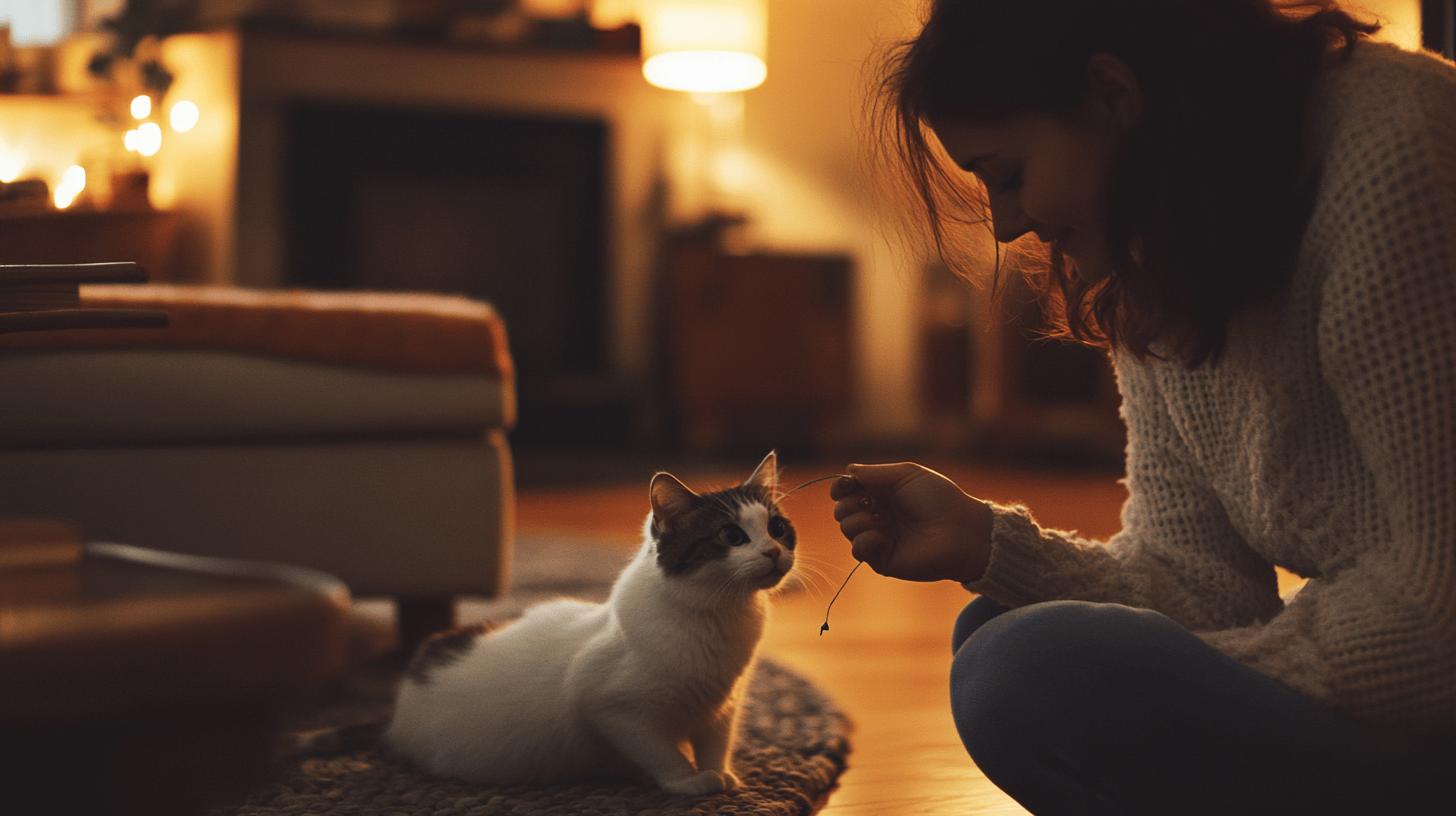
    Ever wondered if your adventurous cat can truly be happy living indoors? Keeping your cat indoors can protect them from dangerous cars and encounters with wild animals. But making the switch isn’t always easy.

    I’ll walk you through the essential steps to help your cat love an indoor lifestyle. From creating a cozy haven to making playtime super fun, we’ll cover everything you need to make your cat feel at home inside. Your cat’s safety and happiness are possible without letting the outdoors in. Let’s make your home their favorite playground.

    How to Train a Cat to be an Indoor Cat: Essential Steps
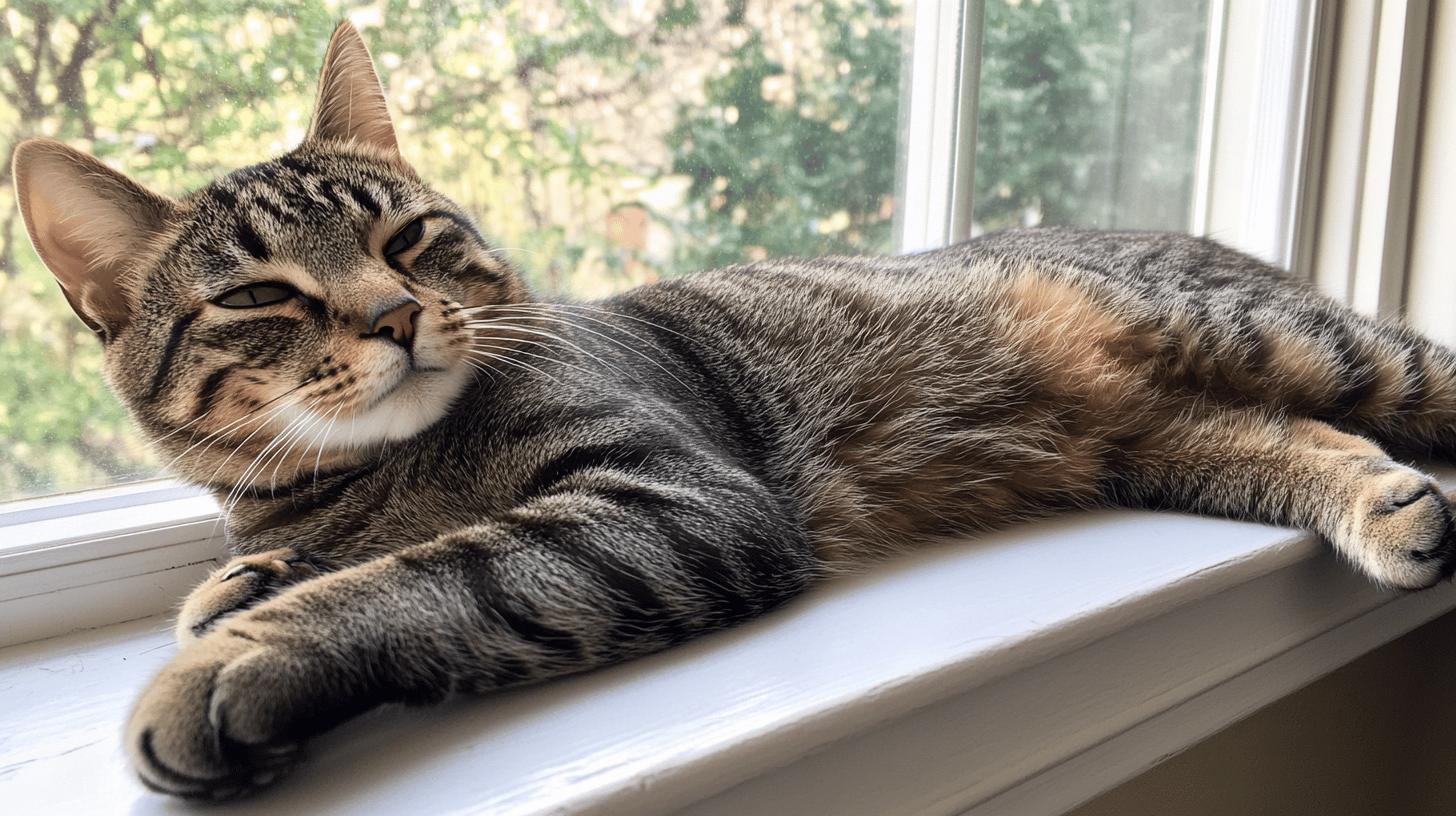
    How to Train a Cat to be an Indoor Cat Essential Steps-1.jpg

    Essential Steps to Transition

    1. Create a Safe Indoor Environment: Start by setting up a comfortable space with cozy bedding, litter boxes, food, and water.
    2. Gradually Reduce Outdoor Time: Begin by shortening their outdoor adventures, bringing them inside earlier each day.
    3. Engage with Interactive Play: Use toys and activities to keep your cat entertained and mimic outdoor stimulation.
    1. Introduce Enrichment Activities: Provide scratching posts, climbing structures, and window perches to keep their indoor life interesting.
    2. Establish a Routine: Maintain consistent feeding and play schedules to help your cat feel secure and adjusted.

    Transitioning a cat from outdoor to indoor living is crucial for their safety. Outdoor cats face numerous risks, including car accidents and wildlife encounters. By following these steps, you help them adapt to a safer environment while minimizing the dangers they might face outside.

    Managing Stress During Transition

    As your cat adjusts to an indoor lifestyle, they might experience initial stress. This is a natural response to new routines and surroundings. To ease this transition, pay attention to their behavior and provide extra affection and playtime.

    Creating a calm environment with quiet spaces can help reduce anxiety. Offer treats and praise for positive indoor behavior to encourage adaptation. Remember, stress during this period doesn’t mean you’ve made the wrong choice. It’s a step towards a safe and fulfilling life for your feline friend.

    Creating a Stimulating Indoor Environment for Cats
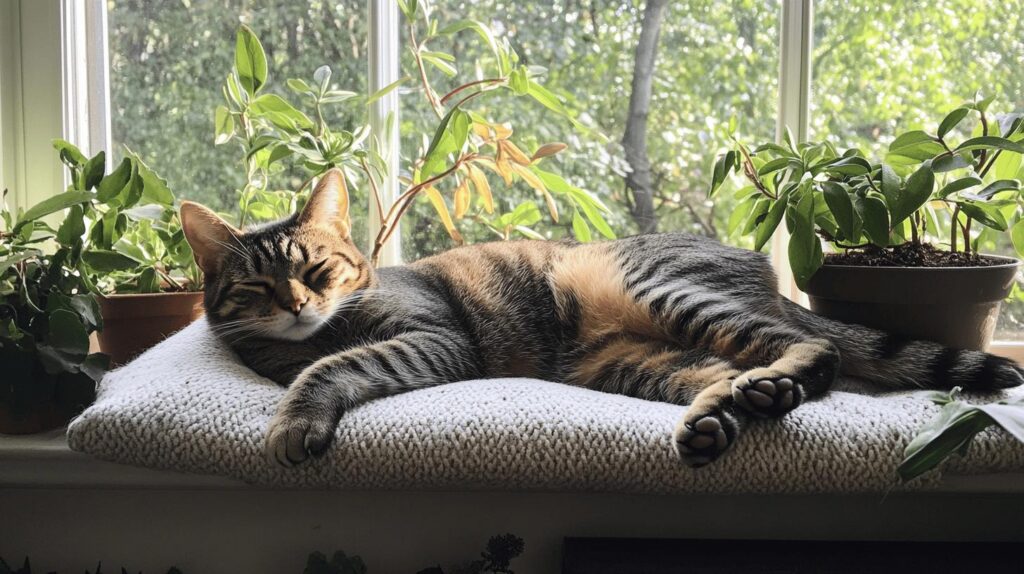
    Indoor enrichment is vital for keeping cats happy and preventing boredom. Cats need mental and physical stimulation, similar to what they experience outside. By replicating outdoor fun and challenges, we help our feline friends adapt to indoor life. Spaces that invite exploration and play are crucial for their happiness and well-being.

    • Interactive Toys: Keep your cat engaged with toys that move or make noise.
    • Climbing Structures: Install cat trees and shelves to offer vertical spaces.
    • Scheduled Playtimes: Set regular play sessions for consistent interaction.
    • Window Perches: Create spots for watching the world outside.
    • Puzzle Feeders: Stimulate their minds with food puzzles.
    • Scratching Posts: Provide various surfaces for healthy claws.
    • Variety of Textures: Offer different materials like soft fabrics and crinkly papers.

    Variety and consistency are key in maintaining a stimulating environment. Regularly rotate toys and activities to keep things exciting. This approach not only prevents monotony but also boosts your cat’s mental and emotional health.

    Addressing Behavioral Challenges in Indoor Cats
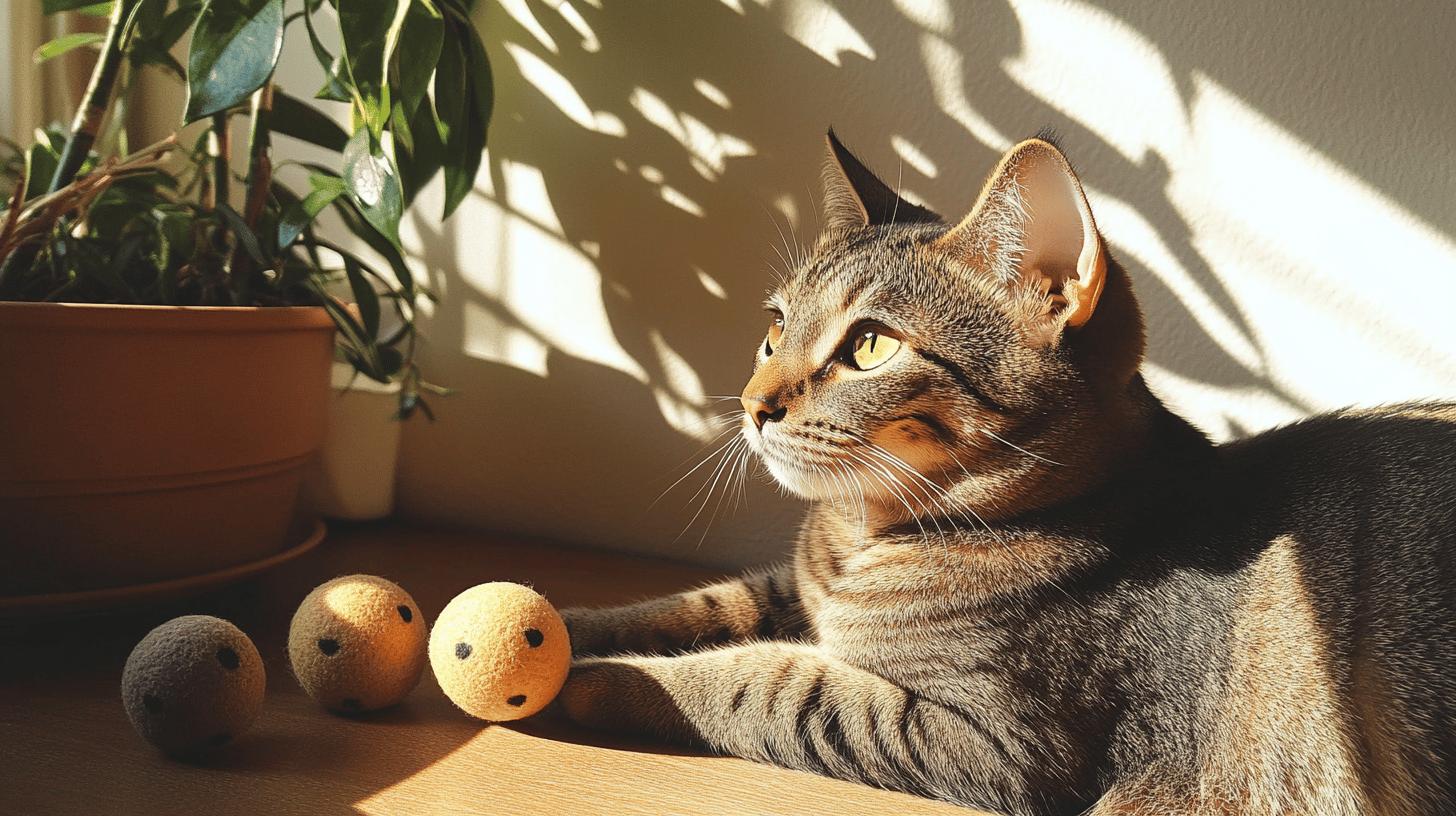
    Managing Behavioral Challenges When Training Indoor Cats-1.jpg

    Transitioning a cat to indoor life can bring about some behavioral challenges. Door dashing is a common issue, where cats try to escape as soon as a door opens. This behavior can be driven by their curiosity and desire to explore.

    Increased anxiety is another challenge, as cats might feel confined or stressed by the change in their environment. Understanding these behaviors is the first step in managing them effectively.

    1. Create Physical Barriers: Use baby gates or screens to block direct access to doors.
    2. Distract with Toys: Keep toys near exits to divert attention when opening doors.
    3. Use Food Puzzles: Engage your cat’s mind with puzzle feeders as a distraction.
    4. Train with Treats: Reward your cat for staying calm when doors open.
    5. Establish a Family Plan: Make sure everyone knows the escape prevention plan.
    6. Provide a Safe Haven: Designate a quiet space for your cat to retreat when feeling overwhelmed.

    Reinforcing positive indoor behaviors requires consistency and patience. Encourage your cat with treats and praise when they exhibit desired behaviors. Avoid scolding or punishment, as this can increase anxiety.

    Instead, focus on rewarding positive actions to build trust and comfort in their indoor environment. With time and a structured approach, these strategies will help your cat adapt smoothly to indoor life.

    Ensuring a Smooth and Safe Transition to Indoor Living
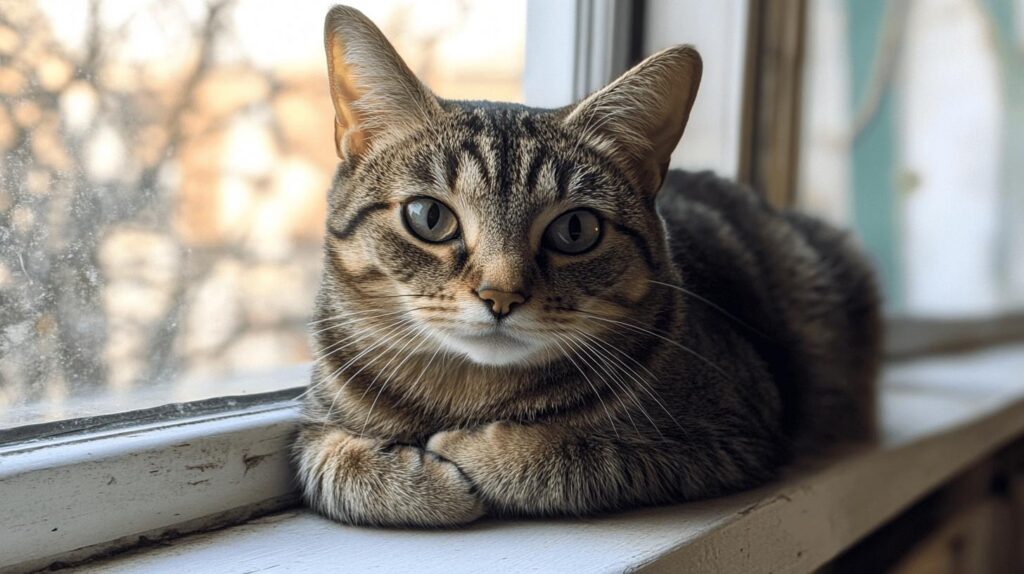
    Transitioning a cat to indoor life requires focus on safety and comfort. The outside world is full of dangers like traffic, diseases, and wild animals. Keeping your cat indoors can protect them from these risks. Start by assessing your home for hazards. Check for any areas or items that could be harmful. This will help your cat feel secure and reduce their urge to explore outside.

    • Assess Home Hazards: Regularly check for potential dangers like sharp objects or small items that could be swallowed.
    • Secure Windows and Doors: Ensure sturdy screens and locks are in place to prevent escapes.
    • Remove Toxic Plants: Identify and get rid of any plants that could harm your cat.
    • Use Pet-Safe Cleaning Products: Choose cleaners that are safe if your cat comes into contact with them.
    • Cover Electrical Cords: Protect cords to prevent chewing and possible electric shocks.

    Vertical spaces play a big role in making your home cat-friendly. Cats love to climb and observe from high places. Using cat trees, shelves, and window perches can create these vertical territories.

    These spaces not only provide mental and physical stimulation but also ease the transition to indoor life. They can mimic the vertical exploration cats enjoy outside, making indoor living more engaging and less stressful.

    The Benefits of Indoor Living for Cats
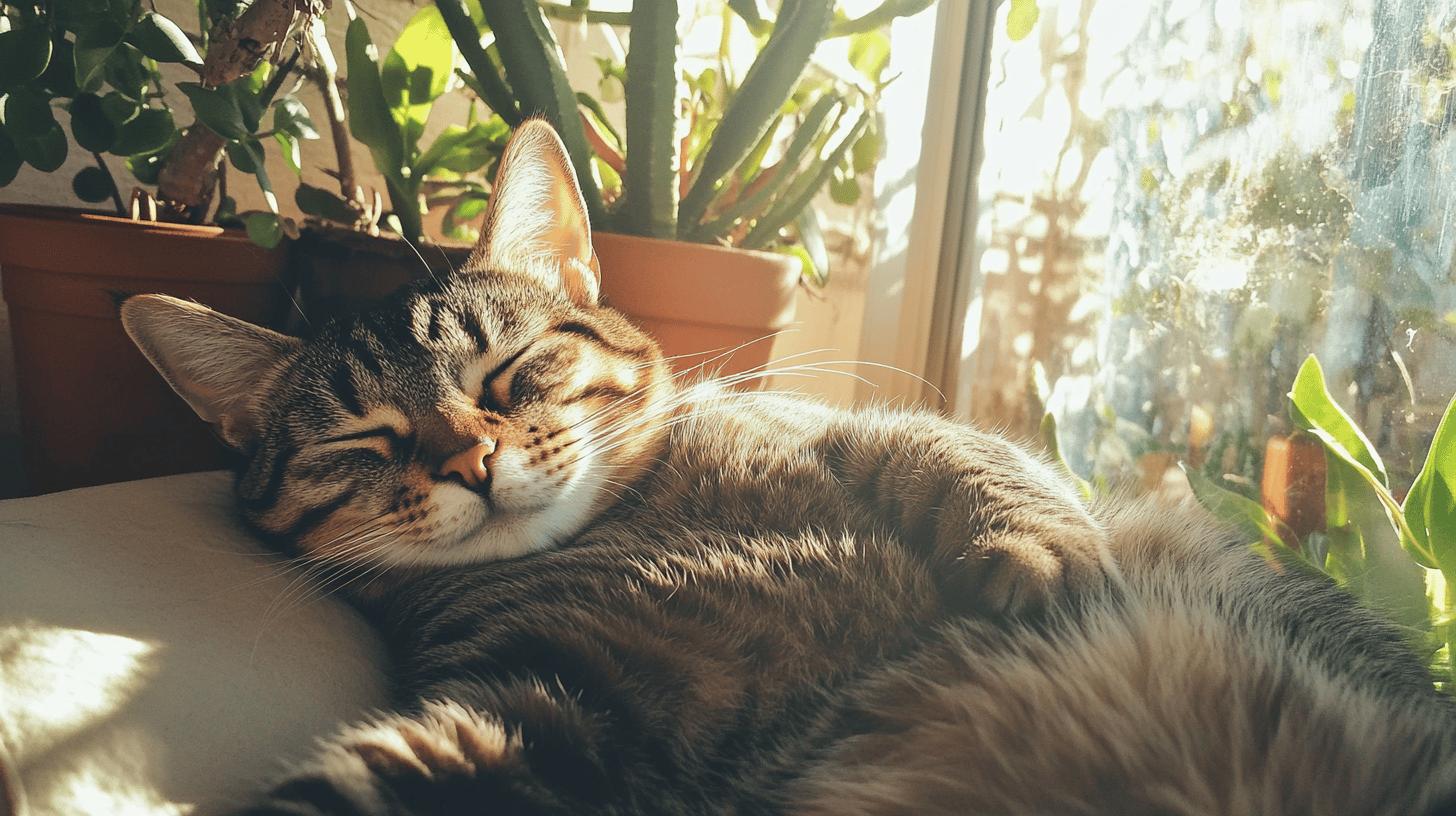
    Enhancing Safety and Comfort in an Indoor Cats Life-2.jpg

    Indoor living offers distinct advantages for cats, particularly in terms of safety and health. Cats kept indoors avoid traffic risks and exposure to outdoor diseases, significantly reducing the chances of accidents or illnesses.

    This safe environment also prevents harmful interactions with other animals or people, ensuring a more secure life. Another benefit is the decreased likelihood of cats harming wildlife, which is better for the environment.

    Psychological benefits are another key aspect of indoor living. Without the need to defend territory or face outdoor threats, indoor cats experience reduced stress levels. This stress-free lifestyle can lead to a longer lifespan, allowing for more years of companionship.

    A controlled indoor setting also permits better management of diet and health, promoting a healthier lifestyle. Meeting indoor cat needs with mental stimulation and affection helps them thrive, leading to a happier feline friend.

    Supporting Statistics and Studies

    Aspect Statistics/Study
    Safety Cats living indoors have a 10-15 year lifespan compared to outdoor cats, who average 2-5 years.
    Health Indoor cats have fewer incidents of disease exposure.
    Psychological Studies show indoor cats experience less stress and anxiety.

    Final Words

    Making a cat an indoor companion keeps them safe.

    The journey begins by slowly transitioning your cat indoors.

    It includes creating a cozy indoor space.

    Managing potential stress is key, as is enriching their new environment.

    Providing toys and activities helps them adjust to indoor life.

    Handling challenges like door dashing requires consistency and patience.

    Securing indoor spaces keeps them safe.

    Enriching their world with vertical spaces adds to their happiness.

    Training a cat to be an indoor cat offers both safety and health benefits.

    It also brings peace and longevity.

    FAQ

    Is it cruel to turn an outdoor cat into an indoor cat?

    Transitioning an outdoor cat to indoor living is not cruel. It protects them from risks like traffic and wildlife, ensuring their safety and well-being.

    How to train a cat to be an indoor cat?

    To train a cat to become an indoor cat, start by creating a safe space, gradually reduce outdoor time, and provide indoor enrichment to keep them entertained and adjusted.

    How long does it take for a cat to become an indoor cat?

    The time varies for each cat. Some adjust within weeks; others may take longer. Patience and consistency in transition steps help speed up the adjustment.

    How to train a cat to be an indoor cat outside?

    To train a cat to be an indoor cat outside, create fun indoor spaces, gradually reduce outdoor access, and engage them with toys and play inside.

    Can an outdoor cat become an indoor cat?

    An outdoor cat can become an indoor cat with careful planning and gradual changes, keeping their safety and happiness in mind.

    How do I keep a cat inside with the door open?

    Keep an indoor cat with the door open by using physical barriers, training them with distractions, and reinforcing positive indoor behavior.
    Related Articles

  • Train Your Cat to Wear a Collar Easily

    Train Your Cat to Wear a Collar Easily

    Does the idea of training your cat to wear a collar sound far-fetched? You're not alone if you've ever wondered how to get your finicky feline to sport a collar without a fuss command training.com/how-does-clicker-training-work/”>clicker training. But here's the good news—it's simpler than you think.

    With the right approach and tools, your cat can get used to a collar comfortably. In this blog, I'll guide you through easy steps to help your furry friend wear a collar with ease, ensuring both comfort and safety. Let’s dive in and make this a stress-free experience!

    Comprehensive Guide to Training Your Cat to Wear a Collar

    Why Cat Collars Are Important-1.jpg

    Training your cat to wear a collar requires patience and a gradual approach. Start with quality collars that are soft and fit well. This process helps your cat adjust to the new accessory without feeling stressed.

    1. Let Your Cat Explore the Collar
      Place the collar near your cat's favorite resting area. Let them sniff and investigate it on their own terms.

    2. Start with Short Wear Times
      Once your cat is familiar with the collar, put it on for just a few minutes. Gradually increase the duration over several days.

    3. Use Treats and Praise

    Reinforce positive behavior by giving treats or praise each time the collar is worn. This helps your cat associate the collar with good experiences.

    1. Ensure a Comfortable Fit
      Make sure the collar fits well, allowing room for two fingers between the collar and the neck to avoid discomfort or escape.

    2. Introduce the Clasp Gently
      Practice clasping and unclasping the collar while it is off the cat. This helps them get used to the sound and sensation.

    3. Practice Regularly

    Consistency is key. Regular practice helps your cat become accustomed to the collar over time.

    1. Distract with Play or Treats
      Use toys or treats as distractions when putting the collar on. This minimizes your cat's focus on the collar.

    2. Supervise Initially
      Keep an eye on your cat when they first wear the collar to ensure it stays on and fits properly.

    For success, focus on a stress-free environment and positive reinforcement. Make sure the collar is correctly fitted, and always supervise your cat initially. With time and patience, your cat will wear their collar confidently.

    Choosing the Right Collar for Your Cat

    Choosing the Right Collar for Your Cat-2.jpg

    Selecting the right collar is crucial for your cat's safety and comfort. A good collar should be soft, lightweight, and equipped with safety features to prevent accidents. The material of the collar also plays a role in ensuring it doesn't irritate your cat's skin.

    Breakaway Collars

    Breakaway collars are a top choice for safety. These collars have a special buckle that automatically releases if the collar gets snagged on something. This feature reduces the risk of choking or injury. Look for breakaway collars that are adjustable and made from durable yet soft materials.

    Elastic Insert Collars

    Elastic insert collars provide a bit of stretch, allowing your cat to slip out if caught. While they offer some safety, they might not be as reliable as breakaway collars, since they can stretch too much or not enough. If you choose this type, ensure it fits snugly but not too tightly.

    Fashion and Style Options

    Collars come in various designs, allowing you to personalize your cat's look. You can find collars with different patterns, colors, and materials. While style is fun, always prioritize the safety features over aesthetics.

    Collar Type Features
    Breakaway Collars Automatic release buckle, adjustable, soft material
    Elastic Insert Collars Stretchable, snug fit, safety risks
    Fashion and Style Options Variety of patterns and colors

    Comprehensive Guide to Training Your Cat to Wear a Collar

    Comprehensive Guide to Training Your Cat to Wear a Collar-1.jpg

    Training your cat to wear a collar can be straightforward with patience and the right approach. Use positive reinforcement techniques to make the process enjoyable.

    1. Let Your Cat Explore the Collar
      Put the collar near your cat's favorite spot. Let them sniff and check it out.

    2. Start with Short Wear Times
      Once familiar, let your cat wear it for a few minutes. Gradually increase the time.

    3. Use Treats and Praise

    Reward your cat with treats and praise when they wear the collar.

    1. Ensure a Comfortable Fit
      Make sure there's space for two fingers between the collar and neck.

    2. Introduce the Clasp Gently
      Practice using the clasp while the collar is off.

    3. Practice Regularly

    Be consistent with practice sessions.

    1. Distract with Play or Treats
      Use toys or treats to shift their focus away from the collar.

    2. Supervise Initially
      Watch your cat to ensure the collar stays on and fits properly.

    For collar training success, maintain a calm environment and use positive reinforcement. Be patient and consistent, and your cat will wear their collar comfortably.

    Comprehensive Guide to Training Your Cat to Wear a Collar

    Troubleshooting Common Collar Issues-1.jpg

    Cats often resist collars. This is natural. A collar feels strange at first. They might try to remove it. This can be frustrating. Cats are sensitive to changes. Patience is key. Some cats may feel anxious or stressed with a collar. Supervise your cat initially. Make sure the collar fits well. If your cat removes it, put it back on. Reward them with treats or play. This builds a positive association.

    Common Issues and Solutions

    • Check the Fit
      Make sure the collar is not too tight or too loose. Aim for two-finger space.

    • Use Positive Reinforcement
      Give treats or praise when your cat wears the collar calmly.

    • Introduce Gradually

    Start with short wear times. Slowly increase the duration.

    • Distract with Toys
      Use toys to shift focus when putting on the collar.

    • Stay Calm
      Keep the environment calm and stress-free during training.

    Persistence is essential. Use positive reinforcement. Encourage your cat consistently. Over time, they'll become comfortable with their collar.

    Final Words

    Training a cat to wear a collar might seem tricky at first.

    Start slow and be consistent.

    Understanding the collar's benefits, selecting the right one, and training gradually are key steps.

    Use positive reinforcement to encourage your cat.

    Patience is important.

    Every cat adjusts at its own pace.

    Troubleshooting common issues will help you stay on track.

    The best part is watching your cat grow comfortable and safe with its collar treat rewards.

    Follow these steps on how to train a cat to wear a collar.

    You'll soon ensure safety and style for your feline friend.

    FAQ

    How to put a collar on a cat who hates it?

    Put the collar near the cat for a few days to get familiar with it. Use treats and gentle petting to reward calm behavior. Gradually loop the collar while distracting them with a toy.

    How to put a collar on a cat after surgery?

    Wait until the incision is healed. Ensure the collar is soft and loose enough to avoid discomfort. Monitor your cat closely and offer praise to ease them into wearing it.

    How long does it take for a cat to get used to a collar?

    Cats usually take a few days to a couple of weeks to adjust to a collar. Gradual introduction and positive reinforcement help them get comfortable faster.

    How to get a cat used to a collar with a bell?

    Introduce the collar and bell gradually. Let the cat investigate them. Attach the collar during playtime and reward them with praise and treats to build a positive association.

    What to do if your cat won't wear a collar?

    Ensure the collar is comfortable and not too tight. Use treats and positive interactions to encourage wearing it. Try starting with short periods and slowly increase the duration.

    When should cats start wearing collars?

    Cats can start wearing collars as soon as they are big enough to fit one comfortably. This is usually around 6 months old, ensuring it fits well and isn’t a choking hazard.

    Should indoor cats wear collars?

    Yes, indoor cats should wear collars for identification in case they escape. Collars with contact information and safety features are recommended even for indoor cats.

  • Train a Cat to Be Gentle and Friendly

    Train a Cat to Be Gentle and Friendly

    Do you find your cat being more like a tiny tiger, showing aggression at unexpected times? Training a cat to be gentle and friendly can seem like a big task, but it's totally doable with the right approach.

    Cats can be aggressive for many reasons, from playtime excitement to feeling threatened. Knowing why they act out is the first step. By using calm techniques and understanding their signals, you can teach your furry friend to be both gentle and social, turning those claws into purrs!

    Understanding Aggression in Cats

    Understanding Aggression in Cats-1.jpg

    Cats can show aggression for different reasons. Play aggression is common in kittens and young cats. This behavior comes from their natural hunting instincts. They might pounce, bite, or scratch while playing. Overstimulation happens when cats get too excited during petting or play. They might suddenly become aggressive, showing signs like tail twitching or ears pulling back.

    Fear-based aggression is another type. Cats might lash out if they feel scared or threatened. This is common in newly adopted cats adjusting to their surroundings. Territorial aggression happens when a cat feels its space is invaded. This can occur when introducing a new pet into the home. Cats want to protect their territory and might become aggressive if they feel it's being threatened.

    Here are some common causes of aggression in cats:

    • Play aggression: Stemming from natural hunting instincts.
    • Overstimulation: Caused by too much excitement or petting.
    • Fear: Triggered by unfamiliar surroundings or situations.
    • Territorial behavior: Protecting their space from perceived threats.
    • Boredom: Lack of mental or physical stimulation.

    Understanding cat body language is crucial in managing aggression. Cats communicate through their tails, ears, and eyes. For example, a flicking tail can signal irritation, while dilated pupils might indicate fear or excitement.

    Recognizing these signs helps manage and prevent aggressive episodes. Identifying what triggers a cat's aggression, like loud noises or other pets, allows for better handling and training.

    Training Techniques to Reduce Cat Aggression

    Training Techniques to Reduce Cat Aggression-3.jpg

    Training a cat to be less aggressive involves patience and the right approach. Positive reinforcement and desensitization are key techniques. These methods focus on encouraging good behavior and reducing fear-based responses. It's better to reward your cat for behaving well rather than punishing them for being aggressive.

    Positive Reinforcement

    Positive reinforcement means rewarding your cat for calm and gentle behavior. Use treats, praise, or petting when your cat acts friendly. This helps them associate good behavior with positive outcomes. Always be consistent with your rewards. If your cat plays nicely, immediately give them a treat or attention. This quick response helps them understand which behaviors are desired.

    Desensitization

    Desensitization involves gradually exposing your cat to things they fear. Start with short sessions at a distance where your cat feels safe. For instance, if your cat is scared of the vacuum, turn it on in another room while they enjoy a treat. Slowly decrease the distance over time. This helps the cat become less fearful and more comfortable with the situation.

    Technique Purpose Expected Outcome
    Positive Reinforcement Encourage calm behavior Reduced aggression, increased friendliness
    Desensitization Reduce fear responses Less fear-based aggression

    By using these techniques, you help your cat feel more secure and relaxed. This reduces their need to act out aggressively.

    Creating a Safe and Calming Environment

    Creating a Safe and Calming Environment-1.jpg

    A stress-free environment is crucial for reducing aggression in cats. When cats feel safe, they're less likely to act out. Start by designating a quiet area in your home where your cat can retreat. This space should have their favorite bed or blanket.

    It's their personal hideaway to feel secure. Avoid loud noises or sudden changes in this safe area. Keeping a consistent routine also helps reduce stress. Feeding and playtimes should be regular to provide predictability.

    Here are some ideas for enriching your cat's environment:

    • Interactive toys: Use toys that challenge your cat mentally and physically.
    • Scratching posts: Provide different textures for scratching to fulfill natural instincts.
    • Perching spots: Cats love high places; give them shelves or cat trees to climb.
    • Puzzle feeders: These make mealtime engaging and stimulate your cat's mind.
    • Window perches: Watching birds and the outside world can keep cats entertained.
    • Safe retreats: Create cozy spots in various rooms for your cat to relax.

    Stress reduction techniques like calming music and pheromone products can also be beneficial. Playing soft music can soothe your cat, especially during stressful events like thunderstorms. Pheromone diffusers release natural chemicals that mimic the ones cats produce when they're calm. These techniques help maintain a peaceful environment, making your cat feel more at ease.

    Identifying and Managing Aggression Triggers

    Identifying and Managing Aggression Triggers-1.jpg

    Let's look at a case of a cat named Max. Max shows aggression because he's not getting enough playtime. His owner noticed Max scratching the couch and meowing a lot. This was a sign of boredom. By understanding this, the owner started using interactive toys that Max could chase. This helped reduce Max's frustration and aggression.

    For another case, consider Lily, a cat who hisses when new guests arrive. Her fear-based aggression was due to unfamiliar people. To manage this, her owner created a quiet room with her favorite blanket where Lily could go when guests visited. Gradually, Lily became less aggressive and more relaxed around strangers.

    Try using advanced behavioral training. This might include clicker training, where a click sound marks good behavior, followed by a treat. This method helps reinforce positive behavior and can reduce aggression over time.

    Professional Advice and Resources for Aggressive Cats

    Professional Advice and Resources for Aggressive Cats-2.jpg

    Sometimes, managing a cat's aggression can be challenging. When simple training techniques aren't enough, professional help might be the key. Consulting a feline behavior specialist can provide a personalized action plan tailored to your cat's needs.

    These experts use their extensive knowledge to address complex behavioral issues, making your cat's transition to a gentle companion smoother. It's crucial to seek expert advice when aggression persists, affecting your cat's well-being and your household harmony.

    Here are some valuable resources for managing cat aggression:

    • Cat behavior specialists: Professionals trained to understand and modify feline aggression.
    • Online courses: Interactive classes offering strategies to train aggressive cats.
    • Relevant literature: Books and guides by experts on safely managing cat behavior.
    • Webinars and workshops: Events where you can learn from specialists and ask questions.
    • Veterinary consultations: Vets can rule out medical causes of aggression and suggest behavioral interventions.

    Final Words

    Training a cat to not be aggressive starts with understanding their behavior and triggers. We've explored the types of aggression and the importance of knowing cat body language.

    Using training techniques like positive reinforcement and desensitization can reduce aggressive behavior. Creating a stress-free environment with enrichment can lower stress levels and manage triggers.

    For tough situations, seek professional advice.

    With these steps, there's hope in managing and improving your cat's behavior. Enjoy a more peaceful bond with your feline friend.

    FAQ

    How do I make my cat less aggressive?

    Aggressive cats can be calmed by understanding their triggers like fear or discomfort and addressing them with positive reinforcement techniques. Desensitization helps gradually reduce aggression related to certain stimuli.

    How do you stop an aggressive cat from attacking you?

    When a cat is aggressive, remain calm and avoid sudden movements. Redirect their energy with toys or create distance to diffuse the situation. Understanding the triggers can prevent future attacks.

    How do I make my cat friendlier?

    Making a cat friendlier involves using positive reinforcement like treats for calm behavior. Interact gently and respect their boundaries. Encourage socialization through play to increase friendliness.

    How do you stop a dominant cat's behavior?

    To manage a dominant cat, set consistent boundaries and use positive reinforcement for desired behaviors. Environmental changes, like multiple resources, can prevent territorial behaviors and reduce dominance.

    Related Articles

  • Training Cats to Use Cat Wheels Made Easy

    Training Cats to Use Cat Wheels Made Easy

    Ever tried to train a cat to use a cat wheel? Some argue it's as tricky as teaching a fish to ride a bicycle! But what if there was a way to make it simple and fun? Imagine your cat bounding with joy, getting all the exercise they need while staying entertained.

    Here's the key: start with patience, use plenty of treats, and encourage small steps. Follow along as I guide you through each step to make your feline love their new wheel. Let's turn this challenge into an easy win for both you and your cat!

    Training Your Cat to Use a Cat Wheel: A Comprehensive Guide

    Training Your Cat to Use a Cat Wheel A Comprehensive Guide-1.jpg

    Cat wheels are great for exercise and mental stimulation. They can help keep your cat fit and entertained. To successfully train your cat, follow these steps:

    • Introduce the Wheel Gradually: Place the wheel in a familiar area. Let your cat sniff and explore it without pressure. This helps them get comfortable.

    • Create Positive Associations: Use treats or toys near the wheel. This makes the wheel a place of fun and rewards.

    • Encourage Exploration: Place a treat on the wheel. Let your cat step on it to reach the treat. This helps them get used to its movement.

    • Start with Gentle Movement: Once your cat is on the wheel, gently turn it by hand. Offer a treat for staying calm. Repeat this to build confidence.

    • Increase Engagement: Use interactive toys on the wheel. Encourage your cat to play on it, making it more exciting.

    • Reward Progress: Praise and reward each small step. This encourages your cat to keep trying.

    • Be Patient: Training takes time. Keep sessions short and positive.

    Here are some tips for overcoming common challenges:

    • Fear of the Wheel: Introduce it slowly and let your cat approach at their own pace.

    • Lack of Interest: Use high-value treats or favorite toys to spark curiosity.

    • Slow Progress: Be consistent with short, daily sessions. Patience is crucial.

    • Anxiety: Keep the wheel in a quiet place. Avoid sudden noises during training.

    • Distraction: Minimize other distractions during sessions. Focus on the wheel.

    Understanding your cat's behavior is key. Some cats learn quickly, others take time. Adjust training to fit your cat's needs. Patience and consistency help your cat enjoy the wheel. With practice, they can benefit from this fun exercise tool.

    Choosing the Right Cat Wheel for Your Feline

    Choosing the Right Cat Wheel for Your Feline-1.jpg

    Picking the right cat wheel is crucial. It should match your cat's size and activity level. A wheel too small or unstable can deter your cat from using it. A well-suited wheel promotes a safe and enjoyable exercise experience.

    Consider these features when choosing a cat wheel:

    • Size: Ensure the wheel is big enough for your cat to run comfortably.
    • Stability: The wheel should be sturdy and not tip over easily.
    • Material: Look for durable materials that can withstand regular use.
    • Assembly: Choose a wheel that is easy to set up and maintain.
    • Safety Features: Check for smooth edges and secure construction to prevent injuries.

    The One Fast Cat wheel is a popular choice. It's designed for safety and easy assembly. It measures 48" H x 46" W x 11" D, making it suitable for most cats. Placing the wheel in a familiar area can encourage your cat to use it, integrating seamlessly into their environment.

    Benefits of Using a Cat Exercise Wheel

    Choosing the Right Cat Wheel for Your Feline-2.jpg

    A cat exercise wheel can be a game-changer for your feline friend. Increased activity levels through regular use offer physical and mental benefits. Cats often have limited space indoors, making it hard for them to stay active. An exercise wheel helps them burn off energy, keeping them fit and happy.

    Benefit Description
    Weight Loss Helps cats shed extra pounds by providing a fun way to exercise.
    Reduced Anxiety Regular activity can calm anxious cats, providing an outlet for their energy.
    Mental Stimulation Encourages curiosity and exploration, keeping your cat engaged.
    Alleviates Boredom Gives indoor cats a new activity, reducing destructive behavior.

    These benefits can significantly improve your cat's overall well-being. Regular use of a cat wheel supports a healthy lifestyle, leading to a happier, more balanced pet. It encourages a fitness routine that not only keeps your cat in shape but also enriches their day-to-day life, making them more relaxed and content.

    Training Your Cat to Use a Cat Wheel

    Safety Tips for Using a Cat Wheel-1.jpg

    Safety is key when introducing your cat to a cat wheel. Ensuring a secure environment prevents stress and potential injuries.

    • Ensure Stability: Make sure the wheel is on a flat, non-wobbly surface. A stable wheel helps your cat feel safe.

    • Supervise Initial Sessions: Be present during your cat's first uses of the wheel. This lets you guide them and catch any issues early.

    • Choose the Right Wheel: Look for wheels with safety features like slip-resistant surfaces and enclosed sides. This ensures safer use.

    Creating a fun, stress-free environment encourages your cat to enjoy the wheel. Use gentle encouragement, making it a positive experience. This way, your cat can safely get the exercise they need while having fun.

    Training Your Cat to Use a Cat Wheel: A Comprehensive Guide

    Motivating and Rewarding Your Cat-3.jpg

    Training your cat to use a cat wheel can be a rewarding experience for both you and your feline friend. Positive reinforcement plays a key role in this process. By rewarding desired behaviors, you help your cat build confidence and create a positive association with the wheel.

    Here are some specific techniques to motivate your cat:

    • Treats: Offer a small treat each time your cat interacts with the wheel.
    • Praise: Use a cheerful voice to praise your cat when they make progress.
    • Toys: Place a favorite toy on or near the wheel to entice exploration.
    • Interactive Play: Engage your cat with a toy while they are on the wheel.
    • Clicker Training: Use a clicker to mark positive behaviors, followed by a treat.

    To keep your cat interested, it's important to vary the rewards. Mixing treats, toys, and praise makes training sessions exciting. Progression in rewards also helps sustain your cat's engagement. As your cat becomes more confident with the wheel, you can gradually increase the challenge. This ensures they remain motivated and eager to participate in this fun activity.

    Final Words

    Embracing the journey of training cats to use a cat wheel can be rewarding.

    By selecting the right wheel and understanding individual behavior, we can encourage our feline friends to enjoy exercise safely.

    Patience and positive reinforcement are key, making the process enjoyable for both of us.

    With the right approach, many cats take to the wheel within weeks, boosting their fitness and happiness.

    Let's keep exploring ways to enhance their well-being while strengthening our bond.

    FAQ

    How do I get my cat interested in the cat wheel?

    To get your cat interested, start by gradually introducing the wheel. Use treats and toys to create positive associations. Patience and persistence can encourage acceptance and curiosity.

    How long does it take for a cat to use a cat wheel?

    Most cats adapt to using a cat wheel within one to two weeks. Consistency in training and creating a positive environment helps speed up the process.

    Can any cat use a cat wheel?

    Yes, most cats can use a cat wheel. It depends on the cat's age, size, and health. Always ensure the wheel suits the cat's needs and capabilities.

    What is the easiest thing to train a cat?

    The easiest thing to train a cat is using litter boxes. Positive reinforcement techniques also apply well to training them to use a cat wheel.

    How to train a cat to use a cat wheel at night?

    Train your cat at night by ensuring a calm environment and using quiet toys or treats. Reinforce positive behavior with rewards and maintain a consistent routine.

    How to train a cat to use a cat wheel without videos?

    Training without videos involves the same gradual process: introduce the wheel, use treats and toys, and reinforce positive behavior with rewards.

    What are the benefits of using a cat exercise wheel?

    A cat wheel aids in weight loss, reduces anxiety, provides mental stimulation, and supports regular fitness routines, improving overall health and behavior.

    What are safety tips for using a cat wheel?

    Ensure stability, avoid sudden noises, supervise initial sessions, and create a calm environment to make the cat feel secure and reduce stress.

    Related Articles

  • How to Train a Cat to Sit on Shoulder

    How to Train a Cat to Sit on Shoulder

    Ever thought about turning your shoulder into your cat’s favorite perch? Training a cat to sit on your shoulder can be an enjoyable experience interactive play. It’s all about making them comfortable and associating your shoulder with positive vibes. Start with feeding times to create happy memories on your shoulder. Slowly, encourage them to climb up with treats.

    Use furniture as steps, guiding them with a wand or target stick. With patience and positive reinforcement, your cat will soon be happily perched, enjoying the view from your shoulder!

    Training Your Cat to Sit on Your Shoulder: Step-by-Step Guide

    Training Your Cat to Sit on Your Shoulder Step-by-Step Guide-1.jpg

    Start by making your cat comfortable with the idea of being on your shoulder. Positive reinforcement is key, and it’s important not to force them. Begin by using feeding times to make your shoulder a place of positive associations.

    • Use feeding times to encourage your cat to place their paws on your shoulder. This creates a positive experience connected to food.
    • Gradually get the cat to perch on your shoulder by using distractions like food. Hold a treat above your shoulder to encourage them to climb up.
    • Train the cat to walk up to your shoulder by building a stair-like path. Use furniture or safe platforms to create a path for them to follow.
    • Use a wand or target stick to teach your cat to jump onto your shoulder. Guide them with the stick and reward them once they reach your shoulder.
    • Reinforce behaviors with a clicker and treats clicker training. Click when your cat performs the desired action, then immediately give them a treat.

    Patience is crucial throughout this process. Cats might take time to become comfortable with new positions. Allow them to progress at their own pace without rushing. By consistently using positive reinforcement, your cat will learn to enjoy the experience of sitting on your shoulder.

    Choosing the Right Environment for Shoulder Training

    Cats are naturally inclined to seek high places. This helps them see further, a trait from their wild ancestors who needed to spot prey and predators. When training your cat to sit on your shoulder, use this preference to your advantage. Start by introducing them to elevated spaces in your home, like shelves or the top of furniture. These spots help your cat feel secure and allow them to get used to being off the ground.
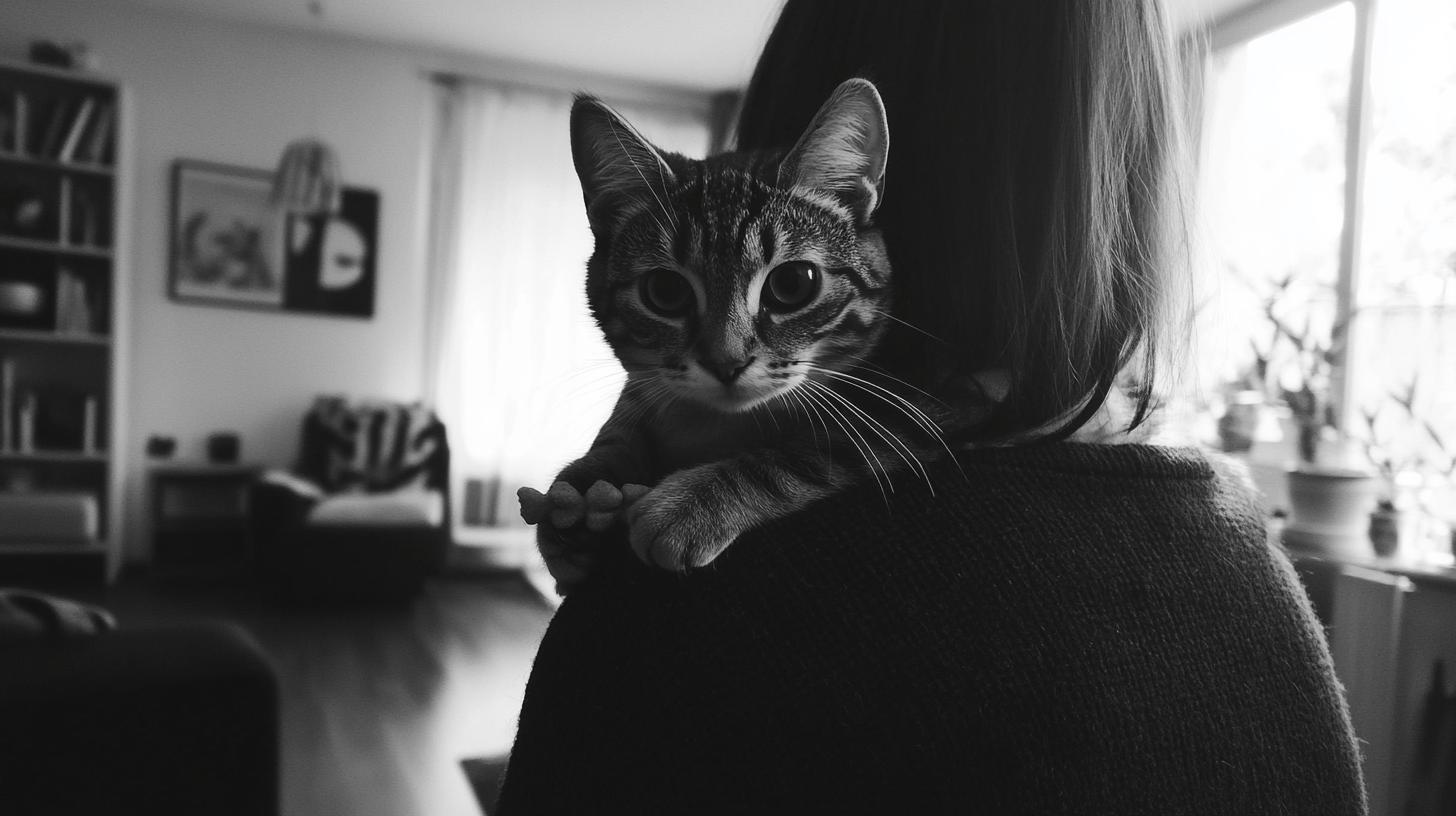
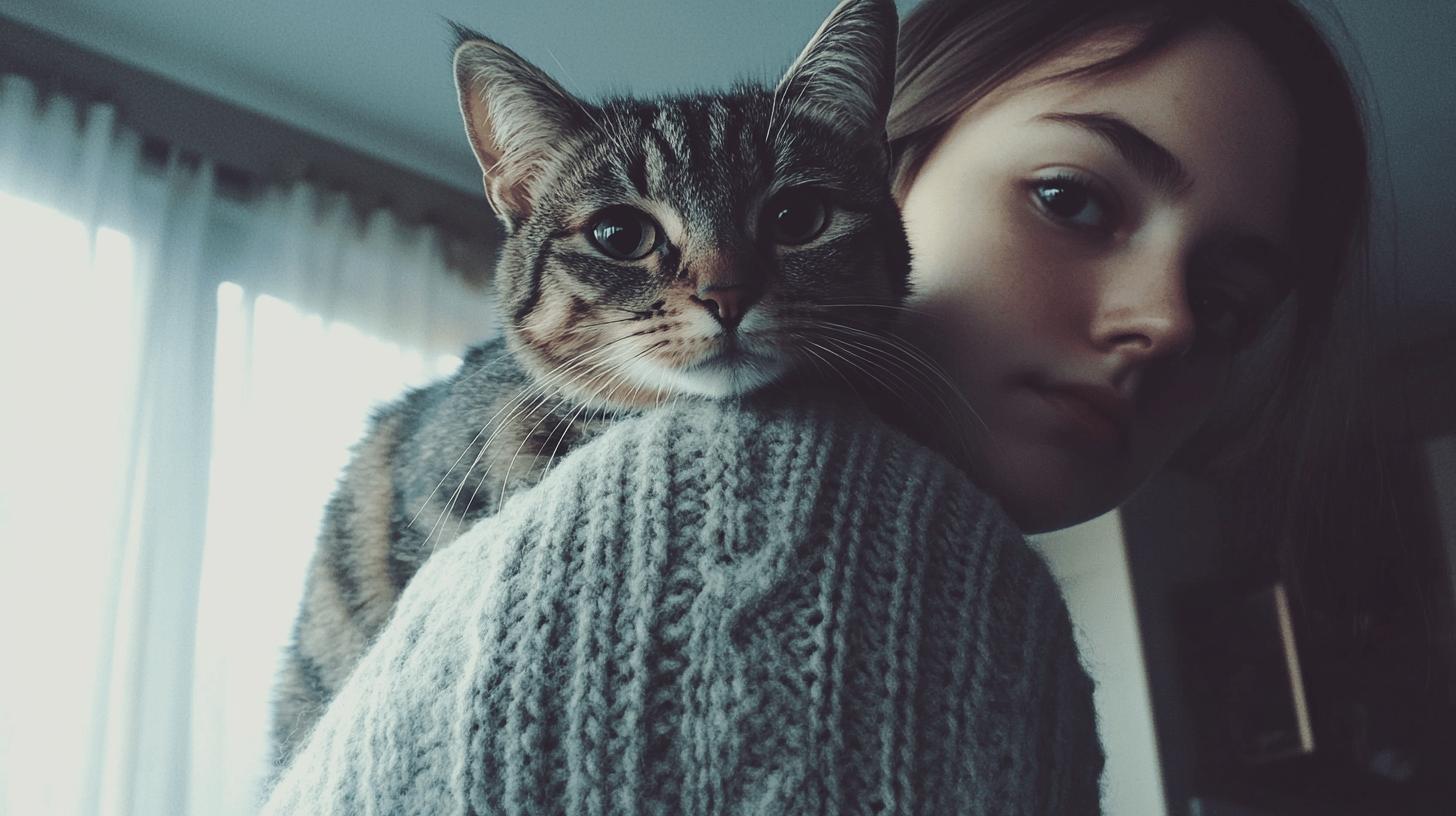
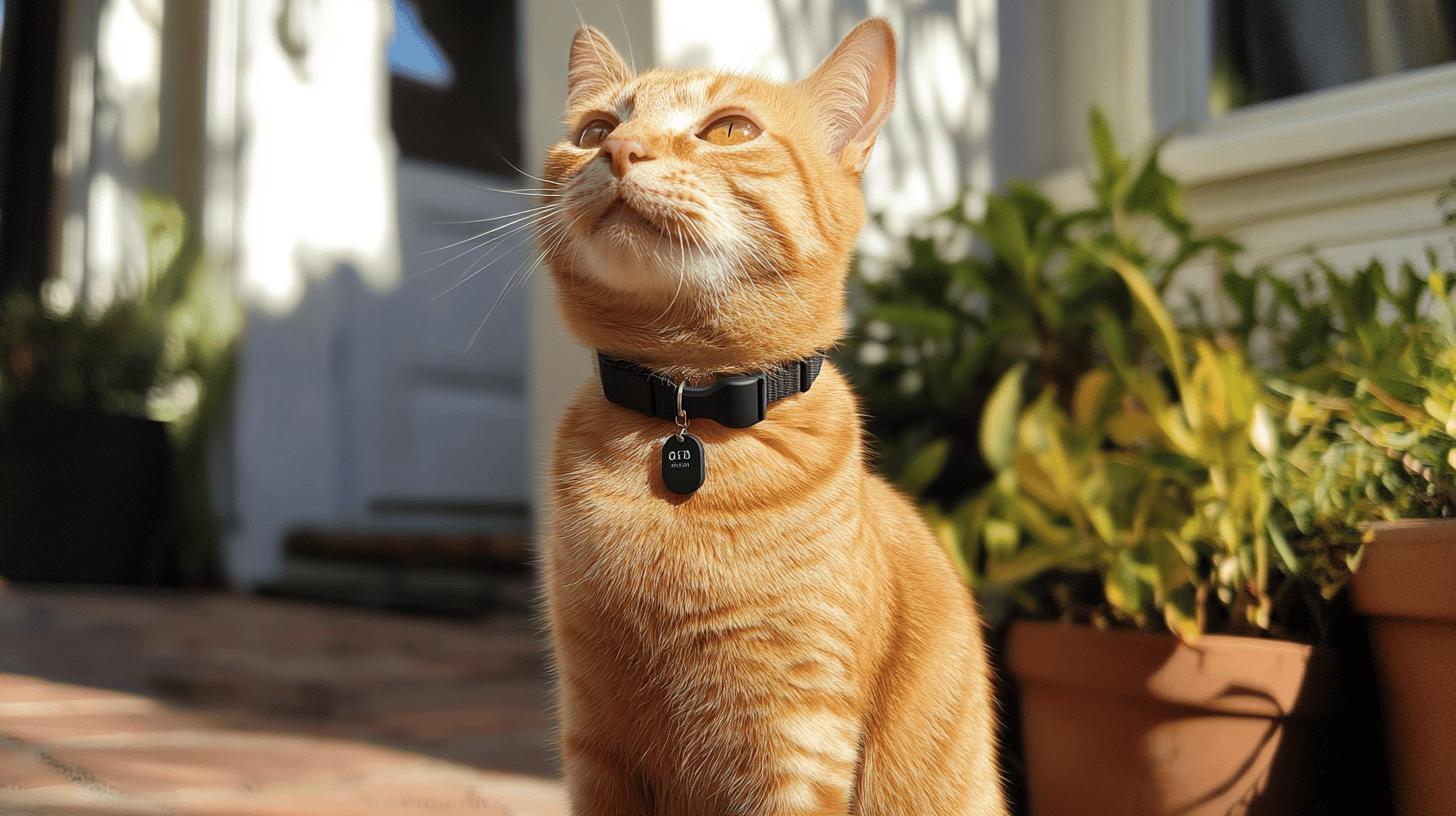
    A shoulder cat willingly sits on their human’s shoulder. This behavior often comes from a cat’s desire for height and vantage points. Recognizing these traits can help you set up the right environment. Start by assessing your cat’s comfort with heights. Some cats may enjoy the view from your shoulder, while others might prefer staying in a backpack or walking on their own. Understanding your cat’s personality is crucial in deciding how to proceed with training.

    • Use a zipped-up backpack to simulate a high perch.
    • Choose a quiet area free from distractions.
    • Ensure the environment is safe for both you and your cat.
    • Affection for high perches and curiosity about heights.

    Creating a safe and trusting environment is vital for training success. A quiet area helps minimize distractions, allowing your cat to focus on the task. Safety should always be a priority. Remove any hazards from the area to prevent accidents. Trust-building is key, so give your cat time to explore and get comfortable with the surroundings before starting any new training activity.

    Identifying and respecting your cat’s individual preferences makes training more effective. Some cats may naturally gravitate towards your shoulder, while others might need more encouragement. Pay attention to their body language and comfort levels. If your cat seems hesitant or anxious, take a step back and provide reassurance. Adjust the environment and training approach to fit your cat’s needs, ensuring a positive and rewarding experience for both of you.

    Using Treats and Positive Reinforcement in Cat Training

    Using Treats and Positive Reinforcement in Cat Training-1.jpg

    Positive reinforcement helps your cat learn to sit on your shoulder. Reward behaviors you want with treats or praise. This builds a link between the action and something good, like a tasty treat. This humane method makes training pleasant for both you and your cat.

    To avoid repeating what we already covered, let’s look at some advanced tips. Sometimes, cats don’t respond well to treats. Try different types until you find what works. Timing matters. Reward your cat right away when they do the right thing. Use treats during regular feeding times to reinforce the behavior and keep training sessions short so your cat stays interested.

    • Small, soft treats.
    • Pieces of their favorite food.
    • Clicker paired with treats for reinforcement.

    For cats that resist training, try changing the treat or the timing. Some cats might need more time to adjust. Be patient and consistent. If your cat seems uninterested, try training in a quiet space or at a different time of day. Work with your cat’s natural routine and energy levels for the best results.

    Addressing Challenges and Safety Concerns

    Addressing Challenges and Safety Concerns-1.jpg

    Training a cat to sit on your shoulder comes with its own set of challenges. Some common issues include balancing and dealing with a nervous cat. Cats might feel uneasy being high up, especially if they’re not used to it. You might notice signs of discomfort, such as tail flicking or trying to jump down. It’s important to recognize these signs and give your cat space to feel secure. Being aware of your cat’s comfort level can help you manage these challenges effectively.

    Safety is a top priority during this training. Protect yourself by wearing long sleeves to avoid scratches. Cats may use their claws to steady themselves if they feel off-balance or if something startles them. Use positive distractions, like treats or toys, to keep your cat focused and calm. Creating a controlled environment with minimal surprises can help reduce stress for both you and your cat. These precautions make the training process smoother and safer.

    Adjust the training pace according to your cat’s comfort and readiness. Allow your cat to progress at their own speed, taking breaks as needed. If your cat seems stressed or overwhelmed, step back and give them time to relax. Short, frequent sessions can be more effective than long, intense ones. By being patient and responsive to your cat’s needs, you can create a positive training experience that encourages your cat to enjoy spending time on your shoulder.

    Final Words

    Training your cat to sit on your shoulder can be a rewarding experience.
    By using positive reinforcement and understanding your cat’s natural love for heights, you can create a safe training environment.
    Start by letting your cat get used to the idea with small steps and treats.

    Safety is key, so wear long sleeves and keep distractions minimal.
    Patience is vital as each cat learns at their own pace.
    With time and practice, you’ll strengthen your bond and enjoy this unique trick together.

    Happy training on how to train a cat to sit on your shoulder!

    FAQ

    How do you train a cat to sit on your shoulder?

    Training a cat to sit on your shoulder requires patience. Positive reinforcement and safety are key. Gradually introduce your shoulder, using treats during feeding times to encourage your cat to climb up.

    How to get a cat to lay on your shoulder?

    To get a cat to lay on your shoulder, build trust. Start with them resting their front paws on your shoulder, using treats and praise to make it a rewarding experience.

    Should I let my cat sit on my shoulder?

    Letting your cat sit on your shoulder is safe if you take precautions. Ensure your cat is comfortable and you are prepared to protect yourself from scratches with long sleeves.

    Can you put a cat on your shoulder?

    You can put a cat on your shoulder if they are willing and comfortable. Never force it. Use positive reinforcement to make the experience enjoyable for them.

    How to know if your cat is a shoulder cat?

    A shoulder cat often shows curiosity about heights and may naturally climb on you. Observing these traits can help you determine if they are comfortable with shoulder-sitting.

    What are some shoulder cat breeds?

    Breeds like Siamese, Maine Coons, and Burmese are known for being social and may enjoy riding on shoulders more than others.

    What is a shoulder cat perch?

    A shoulder cat perch is a strap-on device or padded accessory that gives cats more stability when sitting on a shoulder. It can be used to make them more comfortable during rides.

  • Train Your Cat to Return Home Easily

    Train Your Cat to Return Home Easily

    Ever wondered if cats can be trained to come back home just like dogs? Spoiler alert: they can! Training your cat to swiftly return home is possible, and it's just as vital for their safety as it is for your peace of mind evening routine. In our latest post, learn how recall training can help keep your curious feline within safe boundaries.

    Through familiar sounds and scents, combined with positive reinforcement, you'll confidently teach your cat to heed your call — a reassuring skill for both of you. Ready to make your cat recall-ready? Let’s dive in!

    Effective Recall Training Techniques for Cats

    Effective Recall Training Techniques for Cats-1.jpg

    • Choose a specific recall word or sound.
    • Use treats and scents for reinforcement.
    • Practice with familiar sounds and positive experiences.

    Training your cat to come back home can be a game-changer for both safety and peace of mind. Recall training, while traditionally associated with dogs, is just as beneficial for cats. It involves teaching your cat to respond to a specific command or sound, which can be crucial if they ever wander too far.

    Cats are naturally curious and may explore beyond their usual boundaries. By training them to return on command, you ensure they remain within safe limits, reducing the risk of getting lost or injured.

    Using familiar sounds and scents can enhance recall training. Many cats already associate the sound of a treat bag crinkling or a can lid popping with positive experiences. Leverage these associations by incorporating them into your training sessions.

    Pairing these sounds with a specific word creates a strong recall command. Cats have a powerful sense of smell, so using scent trails can also guide them back home. This method taps into their instincts, making training more effective and engaging.

    Positive reinforcement is key to successful recall training. When your cat returns on command, reward them with their favorite treat, toy, or affection. This approach makes them more likely to repeat the behavior. Positive reinforcement works because it aligns with a cat's natural motivations, such as food and play.

    By keeping training sessions short, ideally under five minutes, you maintain their interest and prevent them from becoming overwhelmed. Regular, enjoyable sessions will strengthen their response to recall commands.

    1. Choose a specific recall word or sound.

    2. Reinforce the word with treats and scents.

    3. Practice in short sessions with familiar sounds.

    1. Gradually increase distractions while maintaining incentives.

    2. Reinforce the behavior with positive experiences and rewards like treats, toys, and affection.

    Understanding Cat Behavior and Instincts

    Safety Measures and Tools for Ensuring Your Cats Return-4.jpg

    Cats are natural explorers. They roam due to curiosity and hunting instincts. Recognizing these instincts helps us train them to return home.

    Create a stimulating environment. Use sounds and scents they love. A crinkling treat bag can be effective. These familiar cues encourage them to come back.

    Manage roaming by supervising outdoor time. Start with short trips. Reward them when they return home. This reinforces their recall behavior.

    Creating a Cat-Friendly Environment that Encourages Return

    Safety Measures and Tools for Ensuring Your Cats Return-3.jpg

    A safe and welcoming home environment is key to encouraging your cat to return trusting bond. Start by establishing a daily routine that your cat can rely on. Letting your cat outside for short periods, like 10 minutes in the morning, helps them explore while staying close. Follow this with dinner and a treat in the evening to reinforce their return.

    Consistent routines provide comfort and predictability, making your home the preferred place. Assess the safety of your outdoor surroundings to ensure your cat's well-being. Some areas are naturally safer, while others may pose risks.

    Modifying your outdoor space can make it more cat-friendly and secure. Consider these improvements to encourage your cat’s return:

    Environment Element Description
    Fencing Install cat-proof fencing to prevent wandering.
    Shelter Provide a sheltered area for protection from weather.
    Toys and Scratching Posts Add outdoor toys and posts to keep them entertained.
    Safe Plants Ensure all plants are non-toxic to cats.

    These modifications not only make your garden more engaging but also ensure it’s safe, giving your cat fewer reasons to roam far.

    Safety Measures and Tools for Ensuring Your Cat's Return

    Safety Measures and Tools for Ensuring Your Cats Return-1.jpg

    Keeping your cat safe while they explore outdoors starts with reliable identification and tracking tools. Microchipping your cat provides a permanent form of ID that can't be lost or removed, increasing the likelihood of a safe return if they wander off.

    Pair this with a collar that has an ID tag, displaying your contact information, for an immediate way to identify your cat. These tools are crucial in ensuring that if your cat gets lost, they can be quickly and safely returned home.

    Another way to ensure your cat's safe exploration is by installing a cat door. This allows your cat to come and go freely while you maintain control over their access. Cat doors can be set to lock at certain times or only allow entry from the outside, ensuring your cat can return home but not leave during unsafe hours.

    For added security, consider using GPS trackers attached to your cat's collar. These devices let you monitor your cat's location in real time, providing peace of mind as they explore their surroundings.

    • Microchips
    • ID tags
    • Cat doors
    • GPS trackers

    Final Words

    In the thick of cat training, recall commands can transform outdoor adventures into safe experiences. Using familiar sounds, scents, and positive reinforcement can make recall training effective. Understanding how cats' instincts lead them to explore helps train them to return home. Creating a secure environment with set routines encourages them to come back.

    For those wondering how to train a cat to come back home, practice makes perfect. Use safety measures like ID tags and GPS trackers for peace of mind. With the right steps, your cat will enjoy safer roaming adventures.

    FAQ

    How do you train a cat to go outside and come back?

    Training a cat to go outside and return involves using a recall word or sound, offering treats, starting with brief sessions using familiar sounds, increasing distractions, and rewarding with positive reinforcement.

    Why won't my cat come inside at night?

    Cats may not come inside at night due to curiosity or hunting instincts. Encourage them with familiar sounds and treats to make coming inside a positive experience.

    How do I get my indoor cat to come back home?

    To get an indoor cat to return home, use a specific recall word, reward with treats and scents, and practice regularly with familiar sounds and positive reinforcement.

    Do cats come back home after running away?

    Cats often return home due to their territorial nature. Familiar sounds, scents, and positive experiences can increase the likelihood of their return.

    What is the 3-3-3 rule for cats?

    The 3-3-3 rule refers to the time it takes for a new cat to adjust: 3 days to decompress, 3 weeks to relax, and 3 months to fully trust and feel at home.

    How to train a cat to go outside for toilet?

    To train a cat to toilet outside, start by moving the litter box gradually closer to the door, then outside, rewarding their use of it, and eventually removing it bathroom habits.

  • How to Train a Cat to Stop Hissing

    How to Train a Cat to Stop Hissing

    Ever wonder why your cat hisses like it's auditioning for a horror movie? Hissing isn't just about making scary sounds; it's a feline distress signal. Our cats might feel threatened, overwhelmed, or anxious, much like how we react when stressed.

    Tackling this issue means improving your cat's comfort and harmony in your home. Let's explore practical ways to help your cat relax and stop hissing. Creating a calm environment benefits both you and your furry friend. Together, we can boost playtime fun and ensure safe, happy times with your kitty.

    Understanding and Preventing Cat Hissing

    Understanding and Preventing Cat Hissing-1.jpg

    Cats hiss as a way to communicate fear or stress. This defensive mechanism often comes into play when they feel a lack of control or face sudden changes. When a cat hisses, it's not just about making noise; it's an expression of their feelings. They might hiss if they are put in new situations or if they encounter unfamiliar people or animals.

    Some cats also hiss when they are overstimulated during play or petting. This is often paired with swatting or nipping. Just like us, cats might react with a hiss when startled, similar to a sudden yelp from a human. Understanding these instances helps us see hissing as a natural part of how cats communicate discomfort or fear.

    • Overstimulation from petting or play
    • Fear of unfamiliar humans or animals
    • Sudden loud noises or movements
    • Pain or physical discomfort
    • Environmental changes or new family members
    Trigger Prevention Strategy
    Overstimulation Limit petting sessions and watch for signs of discomfort
    Unfamiliarity Introduce new people or pets gradually
    Environmental Changes Maintain a consistent routine and safe space for the cat

    Recognizing feline body language is key to preventing hissing. By noticing signs like dilated pupils or an arched back, you can intervene before hissing starts. Implementing preventive measures not only reduces stress for your cat but also fosters a more peaceful environment for everyone involved.

    Techniques to Train a Cat to Stop Hissing

    Understanding and Preventing Cat Hissing-4.jpg

    Training your cat to stop hissing can improve their comfort and your peace at home. It's not just about stopping the noise; it's about understanding and addressing the reasons behind it. Consistent training helps your cat feel safer and more secure, reducing the chances of hissing.

    Mimic and Redirect

    One effective method is to mimic your cat's communication. When you hear a hiss, try making a similar 'FFFF' sound. This mimics their way of saying "stop" or "back off." It helps your cat understand that their behavior is not okay.

    Once you've done this, redirect their attention to something positive, like a toy or treat. This teaches them that there are better ways to interact and express themselves. The earlier you start this technique, the quicker your cat will learn.

    Desensitization and Counterconditioning

    Desensitization involves gradually introducing your cat to the triggers that make them hiss. For example, if they hiss at other pets, start by allowing them to observe each other from a distance. Over time, decrease the distance as your cat becomes more comfortable.

    Counterconditioning pairs these experiences with positive rewards, like treats or petting. This makes the trigger less threatening and more associated with good things. Patience is key here, as it can take time for your cat to adjust.

    Consistent training helps your cat learn new behaviors and reduces their need to hiss. By using these techniques, you create a more harmonious environment for you and your feline friend.

    Environmental and Behavioral Modifications for Reducing Hissing

    Understanding and Preventing Cat Hissing-2.jpg

    Cats thrive on routine and a stable environment. Changes, like a new family member or moving to a new home, can disrupt their sense of security and lead to stress-induced behaviors such as hissing. To help your cat feel more at ease, create a consistent and predictable daily schedule. This includes feeding times, play sessions, and quiet periods.

    A cat-friendly environment means a space where they can feel safe and in control. Adding calming herbal products or plugins that release pheromones can also help soothe any anxiety or aggression, making the environment more relaxed for your feline friend.

    • Keep a consistent daily schedule for feeding and play
    • Provide a quiet, secure space for your cat to retreat
    • Use calming pheromone plugins in key areas
    • Introduce changes gradually to minimize stress
    • Limit exposure to loud noises or chaotic environments

    Regular playtime is crucial for reducing aggression in cats. Without enough activity, cats might have pent-up energy, leading to behaviors like hissing and clawing. Engage your cat with toys that mimic their natural hunting instincts.

    This allows them to burn off excess energy positively. Set aside time each day for interactive play, which strengthens your bond with your cat. Activities that encourage jumping, chasing, and pouncing are great for keeping them active and happy.

    • Use toys that mimic prey, like feather wands or toy mice
    • Schedule daily interactive play sessions
    • Rotate toys to keep them interesting
    • Encourage climbing with a cat tree
    • Provide scratching posts for healthy physical activity

    Positive reinforcement is key to encouraging calm behavior. When your cat is relaxed or behaves well, reward them with treats or affection. This reinforces that calm behavior leads to positive outcomes. Be patient and consistent with these techniques, as they take time to show results. Cats respond well to praise and rewards, so make these a regular part of your interaction.

    Consistent environmental and behavioral modifications help create a harmonious living space for you and your cat. By understanding their needs and adjusting their surroundings, you can significantly reduce stress-related behaviors like hissing.

    Final Words

    Recognizing why cats hiss is key to stopping it.

    Stress, fear, and overstimulation are common reasons.

    Mimicking their sounds and using positive experiences can train them effectively.

    A calm environment and regular play help reduce stress and aggression.

    Now, knowing how to train a cat to stop hissing, you can create a peaceful home.

    By understanding triggers and using these methods, you foster better communication.

    Creating an environment where your cat feels relaxed opens the door to happier interactions.

    FAQ

    How to stop a cat from hissing at other cats?

    A: To stop a cat from hissing at other cats, introduce them slowly and ensure each cat has its own space. Use treats to reward calm behavior.

    How can you train a cat not to hiss?

    A: Training a cat not to hiss involves consistent practice. Mimic cat sounds like "FFFF", redirect attention, and use positive reinforcement.

    Why is my cat hissing at me all of a sudden?

    A: If your cat hisses at you suddenly, it could be scared or stressed. Check for changes in its environment or health issues.

    How do I get my cat to stop hissing so much?

    A: Reduce your cat’s hissing by identifying stress triggers, ensuring adequate playtime, and using calming products like pheromone diffusers.

    Can you punish a cat for hissing?

    A: Punishing a cat for hissing is not effective and can increase fear or aggression. Instead, identify causes and work on reducing stress.

    How do you respond to a hissing cat?

    A: When a cat hisses, give it space and avoid eye contact. Speak calmly and try to identify the source of stress to address it.

    Related Articles

  • Teach Your Cat to Jump Into Your Arms

    Teach Your Cat to Jump Into Your Arms

    Ever think your furry friend could leap like a superhero right into your arms? It might sound like a scene from a movie, but with a little patience, it can become your reality. Teaching your cat to jump into your arms can strengthen your bond and make for a unique party trick.

    In this guide, I'll walk you through simple steps to train your cat safely and effectively. With some treats, consistency, and a bit of fun, you’ll see just how much your cat can surprise you. Let’s get started!

    Step-by-Step Guide on How to Train a Cat to Jump Into Your Arms

    Step-by-Step Guide on How to Train a Cat to Jump Into Your Arms-3.jpg

    Safety is key when teaching a cat to jump into your arms. Cats can be unpredictable, and there might be a risk of claw marks. Setting up a distraction-free environment is crucial to ensure your cat can focus. Make sure the area is clear of other pets and loud noises, creating a calm space for learning.

    Consistent cues and timing help your cat understand what is expected. Start training at a time when your cat is alert but not overly energetic, like after a nap. Use a specific command or hand signal each time you want your cat to jump. This consistency will help your cat associate the behavior with the cue. Have a clicker and some treats ready to reward your cat immediately for any progress.

    • Begin by standing close to your cat and gently tapping your chest.
    • Use a verbal cue, like “jump,” to signal your intent.
    • Encourage your cat by holding a treat or toy above your chest.
    • When your cat makes any movement toward jumping, click and treat.
    • Gradually increase the distance between you and your cat as they get more comfortable.
    • Practice regularly, keeping sessions short to maintain interest.

    Patience is crucial. Cats might not jump into your arms immediately, and that's okay. Repetition and positive reinforcement will eventually lead to success. Always praise your cat for even small steps in the right direction. If progress stalls, take a break and try again later. Keeping the training fun and pressure-free is important.

    Involving household members can help maintain consistency. Ensure everyone uses the same cues and rewards so your cat doesn't get confused. This helps reinforce the training and makes it a family effort, strengthening bonds with your furry friend.

    Understanding Feline Behavior and Positive Reinforcement Techniques

    Understanding Feline Behavior and Positive Reinforcement Techniques-4.jpg

    Cats display a range of behaviors that can impact training. They are naturally curious but can also be easily distracted. Understanding these behaviors helps in setting realistic training goals. Cats often use scratching and scent marking to express themselves.

    These natural instincts can sometimes lead to unwanted behaviors, like furniture scratching, which training can help redirect. Recognizing that cats are independent can also guide the way you approach training sessions. Patience and observation are your best tools in adapting to your cat's unique personality.

    Interpreting cat body language is crucial in effective communication during training. Pay attention to their ears, tail, and posture. If a cat's ears are forward and their tail is relaxed, they are likely engaged and ready to learn.

    A swishing tail or flattened ears could indicate discomfort or stress. Use these cues to adjust the training environment or approach, ensuring your cat feels safe and ready to interact. Understanding these signals can prevent stress and make training a more enjoyable experience for both you and your cat.

    Positive reinforcement is key to successful cat training. This involves rewarding your cat for displaying desired behaviors. By associating these actions with positive outcomes, your cat is more likely to repeat them.

    Avoid punishment, as it can create fear and stress, damaging the trust between you and your cat. Instead, focus on immediate rewards to reinforce good behavior. Consistent rewards, whether through treats or praise, help solidify the connection between the command and the action.

    • Treats: Small, tasty treats are a favorite among cats.
    • Playtime: A quick play session can serve as a reward.
    • Praise: Verbal praise reinforces positive actions.
    • Petting: A gentle stroke can be rewarding for affectionate cats.
    • Toys: Offering a favorite toy can motivate your cat.

    Implement these techniques in short, frequent training sessions to keep your cat engaged. Begin with simple commands and gradually introduce more complex tasks. Use vocal commands and visual cues consistently to build understanding.

    By rewarding your cat immediately after they perform the desired action, you strengthen the bond between you and maintain their interest. Training becomes a collaborative activity that enriches your relationship and enhances your cat's mental stimulation.

    Troubleshooting Common Issues in Cat Training

    Troubleshooting Common Issues in Cat Training-4.jpg

    When training your cat, it's normal to hit a few bumps along the way. If training stalls, it might be due to distractions, timing, or your cat's mood. Ensure your cues are clear and consistent, and try training during a calm time, like after a nap.

    Sometimes cats need a change in environment or a new type of treat to reignite their interest. If your cat seems uninterested, take a step back and reassess your approach. Breaking down tricks into smaller, manageable steps can help your cat grasp what's expected.

    For specific behaviors like biting or scratching, first understand the behavior's root cause. Cats may scratch due to stress, boredom, or as a natural instinct. Address the underlying issue, such as providing scratching posts or interactive toys, to redirect this behavior positively. Adjust training techniques to cater to your cat's unique needs, using positive reinforcement to encourage desired actions.

    Stay positive and patient when setbacks occur. Training is a journey that requires time and effort. Celebrate small victories and keep the sessions enjoyable. If progress stalls, take a break and try again later. Maintain motivation by focusing on the bond you share with your cat and recognizing the progress made, even if it's gradual.

    Final Words

    Training your cat to jump into your arms is both rewarding and thrilling. It all starts with creating a distraction-free space and introducing simple skills to make training fun. Using positive reinforcement, clickers, and treats, you can encourage your cat to learn new tricks.

    Remember to understand your cat's behavior, read its body language, and use the right training tools for the best results. Don't get discouraged if training stalls; adjust your approach and stay patient. Involving household members helps maintain consistency.

    Learning how to train a cat to jump into your arms strengthens your bond and deepens your connection. Enjoy the playful journey with your feline friend!

    FAQ

    How to make a cat jump on you?

    To train a cat to jump on you, use treats and a consistent cue. Encourage the cat gently and reward any progress. Keep sessions short and positive.

    Why does my cat jump on me when I'm standing?

    A cat might jump on you seeking attention, comfort, or to satisfy curiosity. It could also be a playful behavior or a request for interaction.

    How to train a cat to go on your shoulders?

    Start by rewarding the cat when it shows interest in being at shoulder height. Use treats and verbal cues to guide and encourage it gently onto your shoulder.

    What is the easiest trick to teach a cat?

    The easiest trick to teach a cat is to sit on command. Use a treat held above its head, guiding it to sit. Reward immediately when it succeeds.

    How to make a cat comfortable in your arms?

    Use treats and soothing talk to build trust. Gradually increase the time held. Stay calm, move slowly, and ensure the cat feels secure.

    Tricks to teach your cat

    Cats can learn tricks like sit, high-five, and jump through a hoop. Use positive reinforcement and practice in a calm environment for best results.

    Related Articles

  • Train Your Cat to Ring a Bell Easily

    Train Your Cat to Ring a Bell Easily

    Did you know that you can teach your cat to ring a bell? That's right! Cats are clever and love learning new tricks, just like dogs. With a bit of patience and some yummy treats, you can turn your feline friend into a bell-ringing pro.

    This fun task not only stimulates your cat's mind but also creates a unique way for them to communicate with you. Follow along as I share simple steps to guide your kitty in learning this delightful new skill. Get ready to bond in a whole new way!

    Step-by-Step Guide on How to Train a Cat to Ring a Bell

    Step-by-Step Guide on How to Train a Cat to Ring a Bell-1.jpg

    Training your cat to ring a bell can be both fun and rewarding. The purpose of this training is to provide mental stimulation and improve communication between you and your furry friend. You'll need a small service bell and your cat's favorite treats to get started. These supplies will make the process enjoyable and motivating for your cat.

    1. Place the Bell
      Put the bell within easy reach of your cat. Allow them to explore it at their own pace.

    2. Encourage Interaction
      Encourage your cat to touch the bell. You can use your finger or a toy to guide them toward it.

    3. Reward the First Touch

    As soon as your cat touches the bell, reward them with a treat. This reinforces the behavior you want.

    1. Introduce Positive Reinforcement
      Consistently reward your cat every time they touch the bell. Positive reinforcement helps shape their behavior.

    2. Gradually Raise the Bar
      Once your cat is comfortable touching the bell, wait for them to ring it with more intention before giving a treat.

    3. Keep Sessions Short

    Practice daily with sessions lasting no more than 5-10 minutes. This keeps your cat interested and focused.

    Maintaining consistency and patience is crucial in this training process. Some cats may pick up the trick quickly, while others might need a bit more time. Be patient, and continue with short, engaging sessions. This method not only teaches your cat a new skill but also strengthens your bond through rewarding interactions.

    Positive Reinforcement Techniques for Cat Training

    Positive Reinforcement Techniques for Cat Training-1.jpg

    Positive reinforcement for cats means using rewards to encourage behaviors you want to see more often. This method works well because it builds a connection between the action and the reward.

    Cats learn that when they do something specific, they get a treat. This makes them more likely to repeat the behavior. By focusing on rewarding positive actions, you help your cat understand what is expected in a fun and engaging way.

    Positive reinforcement can be used for many types of cat training beyond just teaching your cat to ring a bell. Whether you're encouraging your cat to use a scratching post instead of furniture or teaching them to sit, the principle is the same.

    The benefits of this approach include not only mastering specific tasks but also boosting your cat's confidence. It creates a learning environment where your cat feels safe and excited to try new things.

    In the long run, using reward-based cat training improves communication between you and your pet. This approach helps your cat become more responsive and attentive. Your relationship with your cat is enriched, providing a satisfying life for both of you.

    When your cat understands what pleases you, it increases their sense of security and happiness, making for a harmonious home environment.

    Step-by-Step Guide on How to Train a Cat to Ring a Bell

    Step-by-Step Guide on How to Train a Cat to Ring a Bell-3.jpg

    Supplies to Start

    Before starting, gather a small service bell and your cat's favorite treats. The bell should be easy for your cat to use. Avoid bells that are too tiny, as they could be a choking hazard. The sound of the bell should be just right—not so loud that it scares your cat, but not so soft that it doesn't grab their attention. A service bell with a gentle ring usually works best.

    Choosing the Right Treats

    Select treats that your cat loves. They should be small and tasty. The right treats motivate your cat and help reinforce the behavior you want. When your cat connects the bell with positive rewards, the training turns into a fun game instead of a chore.

    Prepare for Training Success

    With the right supplies, training becomes enjoyable and effective. A comfortable bell and tasty treats make your cat eager to learn. This ensures a smoother training process and a more engaged kitty.

    Step-by-Step Guide on How to Train a Cat to Ring a Bell

    Understanding and Addressing Common Challenges in Cat Bell Training-3.jpg

    Troubleshooting Common Challenges

    Training your cat to ring a bell can be rewarding, but it has its challenges.

    Some cats might not be interested in the bell at first. They may not like the sound or understand its purpose.

    Cats also get distracted easily, which can slow progress and make training feel like a chore.

    To solve these problems, introduce the bell gradually. Let your cat sniff and touch it without pressure. Make the bell part of their playtime so they get used to it.

    Keep your cat interested by using their favorite treats. Break training into short sessions, just a few minutes long.

    This keeps them from losing interest and makes each session enjoyable.

    Patience and consistency are key. Some cats learn in days, others in weeks. Stay calm and positive. Reward small progress.

    Practice regularly and keep sessions fun. This helps your cat learn and strengthens your bond through positive interactions.

    Advanced Benefits of Training Your Cat to Ring a Bell

    Benefits of Training Your Cat to Ring a Bell-1.jpg

    Training your cat to ring a bell can lead to impressive long-term benefits. As your cat masters this skill, they develop enhanced problem-solving abilities. This encourages them to think critically, which can be applied to other learning experiences. Over time, bell training can help your cat become more adaptable and confident in new situations.

    In the long run, bell training can also lead to more autonomy for your cat. Picture a scenario where your cat rings a bell to indicate they want to play or need fresh water.

    This level of independence can reduce stress for both you and your cat, as they learn to communicate their needs more effectively. This advanced level of communication not only strengthens your bond but also contributes to a more peaceful and engaging home environment.

    Final Words

    Training a cat to ring a bell is an enjoyable and rewarding process.

    By using a combination of the right supplies, patience, and positive reinforcement, cats can learn this trick with ease.

    In this guide, we've covered a step-by-step method to get started.

    Remember: Consistency is crucial.

    You'll see improvements in your cat's engagement and communication skills over time.

    How to train a cat to ring a bell isn't just about teaching tricks; it's about building a strong bond.

    Enjoy this journey with your furry friend, and look forward to a happier and more interactive relationship.

    FAQ

    Q: Can you train a cat to ring a bell?

    A: Yes, by using a small service bell and rewarding cats with treats for touching it, you can train them to ring a bell.

    Q: How do you train a cat to use a doorbell?

    A: To train a cat to use a doorbell, encourage them to touch and then ring it with treats as rewards, using short, daily training sessions.

    Q: Is it OK to put a bell on my cat?

    A: It is generally okay to put a bell on your cat as long as it is comfortable for them and does not cause stress.

    Q: Do cats like the sound of bells?

    A: Cats may feel curious or indifferent about bell sounds, but it's important to observe your cat's reaction to gauge their preference.

    Related Articles

  • Train Cats to Stay Indoors with Ease

    Train Cats to Stay Indoors with Ease

    Are you tired of chasing after your cat the moment the front door cracks open? It might seem like an endless game of escape, but training your cat to stay indoors is possible. Cats have a natural curiosity that propels their desire to explore the unknown beyond your windows.

    Understanding this instinct can help us craft the perfect strategies to keep our felines safe and entertained inside. With the right training techniques and a bit of patience, you can transform your adventurous cat into a contented homebody. Ready to learn how? Let’s dive in!

    Understanding Why Cats Want to Go Outside

    Understanding Why Cats Want to Go Outside-1.jpg

    Cats are naturally curious creatures. Their instincts drive them to explore new environments, which is why they often show a strong desire to go outside. For indoor cats, the world beyond the window can seem incredibly enticing, filled with new sights, sounds, and smells that provide mental and physical stimulation. When their home environment doesn’t offer enough excitement, cats may become bored and restless, seeking adventure outdoors.

    Here are five common stimuli that attract cats outside:

    1. Birds: The fluttering and chirping can captivate a cat’s attention.
    2. Squirrels: Their quick and unpredictable movements are intriguing to cats.
    3. Insects: The buzzing and darting of insects can be irresistible.
    4. Leaves or Plants: The rustling of leaves in the wind can mimic the sound of prey.
    5. Other Animals: The scent or sight of other cats or dogs can spark curiosity.

    Recognizing signs that a cat wants to go outside can help address their needs. Cats may show their desire by constantly meowing at doors or windows, scratching persistently at the door, or displaying restless behavior. Understanding these signs allows owners to provide alternative solutions to satisfy their cat’s curiosity and need for stimulation while keeping them safe indoors.

    Effective Training Techniques to Keep Cats Indoors

    Training a cat not to go outside can be challenging, but it’s possible with patience and understanding of feline behavior. Cats are naturally independent, making it crucial to use techniques that respect their instincts while teaching them boundaries. Consistent training and positive reinforcement help keep cats safe indoors or within designated outdoor areas.

    Here are six steps to effectively train your cat to stay indoors:

    1. Reward Indoor Behavior: Use treats or affection to reward your cat when they show interest in staying indoors. This encourages them to associate indoor spaces with positive experiences.
    2. Create an Indoor Playground: Provide plenty of stimulating activities and toys to keep your cat entertained inside. This reduces their desire to explore outside.
    3. Use Deterrents at Doors: Place deterrents like scat mats or double-sided tape near doors to discourage your cat from approaching these exit points.
    1. Establish a Routine: Feed your cat at the same times each day and engage in regular play sessions. A predictable routine can help reduce their curiosity about the outside world.
    2. Teach a Command: Train your cat to respond to a specific command, such as “stay,” when they approach the door. Use treats and praise to reinforce this behavior.
    3. Limit Access to Temptations: Keep windows and doors closed or secured with screens to prevent your cat from spotting potential outdoor temptations.

    Consistency and patience are crucial when training your cat. Regularly using these techniques will help reinforce the boundaries you’ve set. Remember, understanding your cat’s needs and natural instincts plays a significant role in effectively keeping them content and safe indoors.

    Creating an Enriching Indoor Environment for Cats

    Creating an Enriching Indoor Environment for Cats-1.jpg

    An enriched indoor environment is crucial for keeping cats happy and reducing their desire to explore outside. Cats are curious and active by nature, so providing them with a stimulating home environment can satisfy their need for adventure.

    By incorporating a variety of activities and items, you can transform your home into a cat-friendly playground that keeps them engaged and content.

    Here are eight items or activities to include in your cat’s indoor environment:

    1. Toys: Offer a variety of toys, including balls, feathers, and interactive toys that mimic prey. Rotate them regularly to maintain interest.
    2. Scratching Posts: Provide multiple scratching posts or pads in different areas of your home to cater to your cat’s instinct to scratch and mark territory.
    3. Climbing Structures: Install cat trees or shelves that allow your cat to climb and explore vertical spaces safely.
    1. Puzzle Feeders: These feeders challenge your cat mentally and physically, turning mealtime into an engaging activity.
    2. Window Perches: Set up perches near windows so your cat can observe the outside world safely and enjoy the sunshine.
    3. Interactive Play: Spend time each day engaging your cat in play with toys like laser pointers or wand toys to simulate hunting behavior.
    1. Catnip Plants or Toys: Use catnip-infused items to provide a burst of excitement and stimulation for your cat.
    2. Hiding Spots: Create cozy hiding places with boxes or tents for your cat to retreat to when they need a quiet space.

    These activities and items provide mental and physical stimulation, helping to keep your cat healthy and satisfied. By enriching their indoor environment, you’ll not only prevent boredom but also support your cat’s overall well-being and happiness.

    Ensuring Cat Safety at Doors and Windows

    Ensuring Cat Safety at Doors and Windows-2.jpg

    Cats are quick and curious, making door dashing a common issue for cat owners. An open door or unsecured window can be an irresistible escape route for cats eager to explore the outdoors.

    This can lead to a variety of risks, including getting lost, injured, or encountering dangerous animals. To keep your feline friend safe, it’s crucial to implement effective strategies for securing doors and windows.

    Here are five practical solutions to prevent cat escapes:

    1. Use Scat Mats: Place these near doors to create an uncomfortable surface that discourages your cat from approaching.
    2. Install Window Screens: Securely screen windows to prevent your cat from squeezing through or falling out.
    3. Create Door Routines: Establish a routine when entering or exiting that includes checking for your cat’s whereabouts to avoid accidental escapes.
    1. Keep Doors Unappealing: Use double-sided tape or an unpleasant scent near doorways to deter your cat from lingering.
    2. Reward Indoor Behavior: Offer treats or affection when your cat stays away from doors, reinforcing positive indoor habits.

    Consistency is key to maintaining these safety measures. Regularly check and reinforce window screens, and keep scat mats in place. Always be mindful of your cat’s location when opening doors.

    By staying vigilant and creating a secure environment, you can reduce the risk of your cat making a quick dash outside. Keeping these strategies in place helps ensure that your cat remains safe and sound indoors.

    Benefits of Keeping Cats Indoors

    Benefits of Keeping Cats Indoors-2.jpg

    Outdoor environments pose various risks for cats. They may encounter other animals that could harm them. There’s also the danger of contagious diseases and parasites like ticks and fleas. These threats make outdoor adventures risky for our feline friends.

    Here are four benefits of keeping cats indoors:

    1. Safety from Diseases: Indoors, cats have less exposure to contagious diseases that they might catch from other animals.
    2. Reduced Injury Risk: Staying inside minimizes the risk of accidents, such as getting hit by a car or being attacked by other animals.
    3. Controlled Environment: You can maintain a safer, controlled environment, limiting exposure to harmful substances and situations.
    1. Longevity: Indoor cats tend to live longer because they face fewer threats and dangers that are common outdoors.

    Indoor enrichment can mimic outdoor experiences, keeping cats happy and healthy. By providing plenty of toys, climbing structures, and interactive play, you can satisfy their natural instincts without the dangers of the outside world.

    Final Words

    Understanding why cats want to go outside helps us address their natural instincts and curtail escape attempts. By using effective training techniques, we can learn how to train a cat not to go outside. With patience and positive reinforcement, we can guide cats to stay indoors.

    Creating an enriching indoor environment keeps them engaged and content. Safety measures at doors and windows prevent unwanted dashes outside.

    Keeping cats indoors offers many benefits, protecting them from dangers outside. With the right approach, indoor life can be both safe and enjoyable for our feline friends.

    FAQ

    How do I train my cat not to go outside?

    To train a cat not to go outside, use positive reinforcement. Reward them when they stay indoors and distract them with toys. Keep doors closed, and create an indoor environment that’s stimulating.

    How can I stop my cat from wanting to go outside at night?

    To stop a cat from wanting to go outside at night, provide plenty of play and stimulation during the day. Use blackout curtains and keep lights low. A comfortable sleeping area can also help.

    My cat wants to go outside and won’t stop meowing. What can I do?

    If your cat won’t stop meowing to go outside, offer distractions like toys or laser pointers. Reward quiet behavior and meet their need for stimulation with playtime or cat trees indoors.

    How can I train my cat to be indoor only?

    To train a cat to be indoor only, start gradually. Offer engaging toys, scratching posts, and window perches. Meet their play and hunting instincts indoors for a satisfying environment.

    What should I do if my cat runs outside?

    If your cat runs outside, stay calm. Use food or their favorite toy to lure them back. Secure the area to prevent future escapes and consider training on safe boundaries.

    How to keep a cat from running out the door?

    To keep a cat from running out the door, use deterrents like scat mats. Train them by rewarding them for staying away from the door and create engaging play zones inside.

    How to train a cat to not leave your yard?

    To train a cat not to leave your yard, use a leash and harness for controlled outdoor time. Gradually introduce them to boundaries, and reward them for staying within safe limits.

    What is the 3-3-3 rule for cats?

    The 3-3-3 rule for cats means it takes about 3 days for a cat to decompress in a new home, 3 weeks to start to know your routine, and 3 months to feel at home.

    Related Articles