Category: Teach My Cat

  • How To Train A Cat Not To Jump On Counters

    How To Train A Cat Not To Jump On Counters

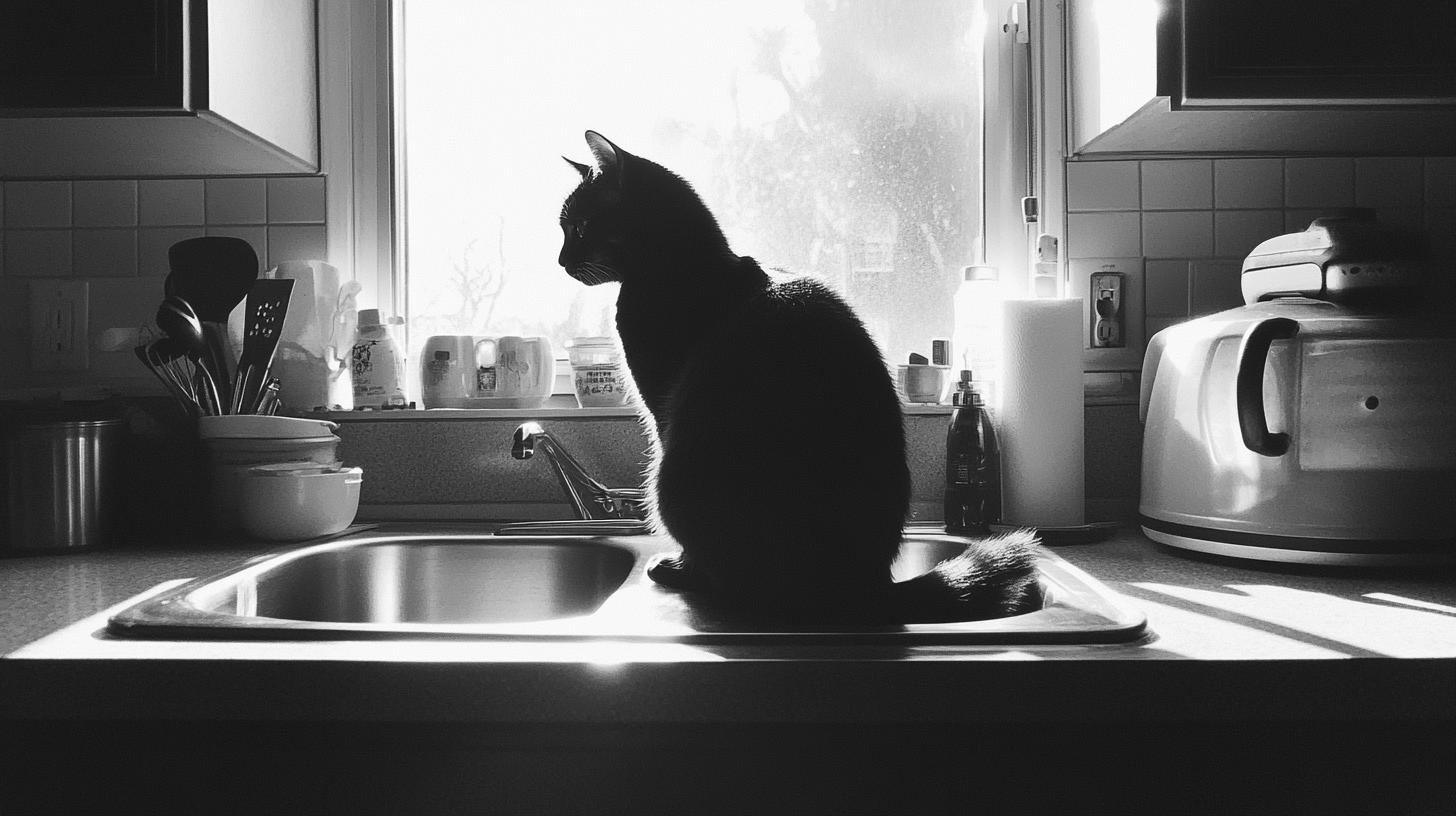
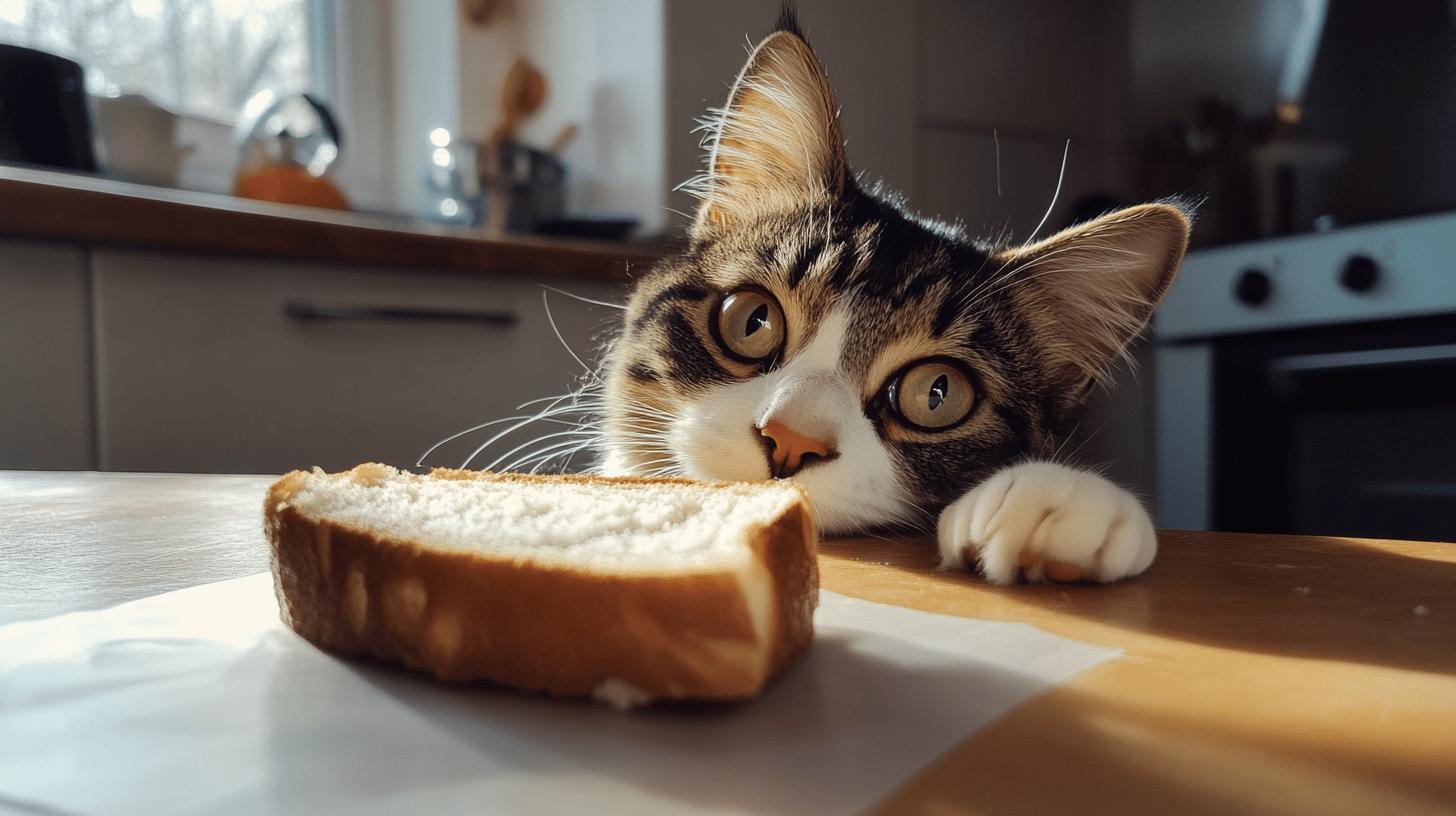
    Tired of finding your feline friend on the kitchen counter when you least expect it? Cats adore high places, but counters hold a special allure with tempting smells and water sources. It's time for a change! In this guide, we’ll dive into simple strategies that make your counters cat-free zones.

    Providing fun alternatives and using clever tricks will redirect your cat’s attention without strain. Follow along to learn how to keep your counters clean and your cat happy, all with a few easy steps!

    Practical Steps to Train Your Cat Not to Jump on Counters

    Practical Steps to Train Your Cat Not to Jump on Counters-1.jpg

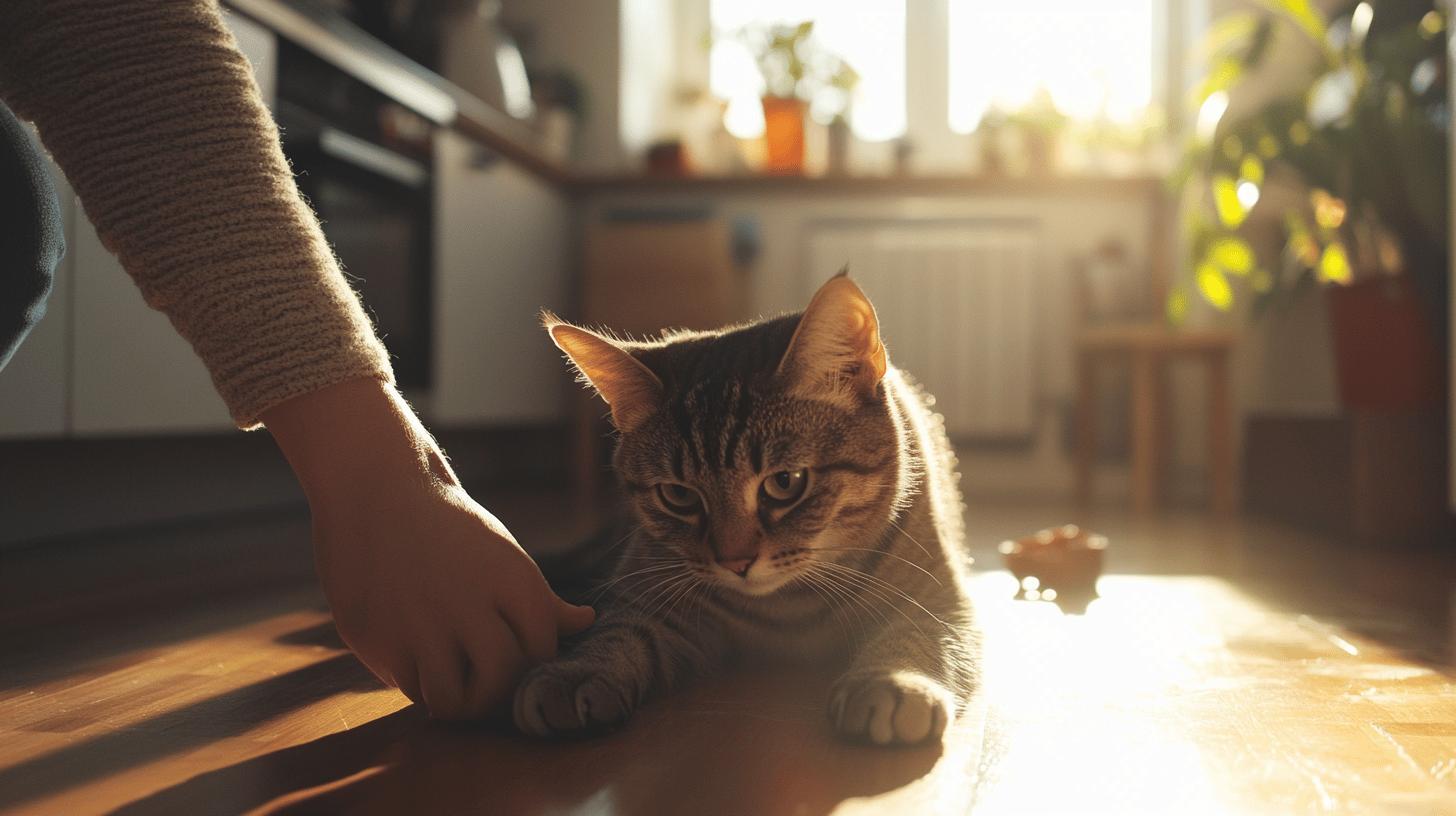
    Cats love to jump on counters because they are curious creatures who enjoy high places. These spots give them a good view and easy access to food or water. Training your cat not to jump on counters involves providing alternatives and making counters less interesting. Here are some effective strategies to help your cat break the habit.

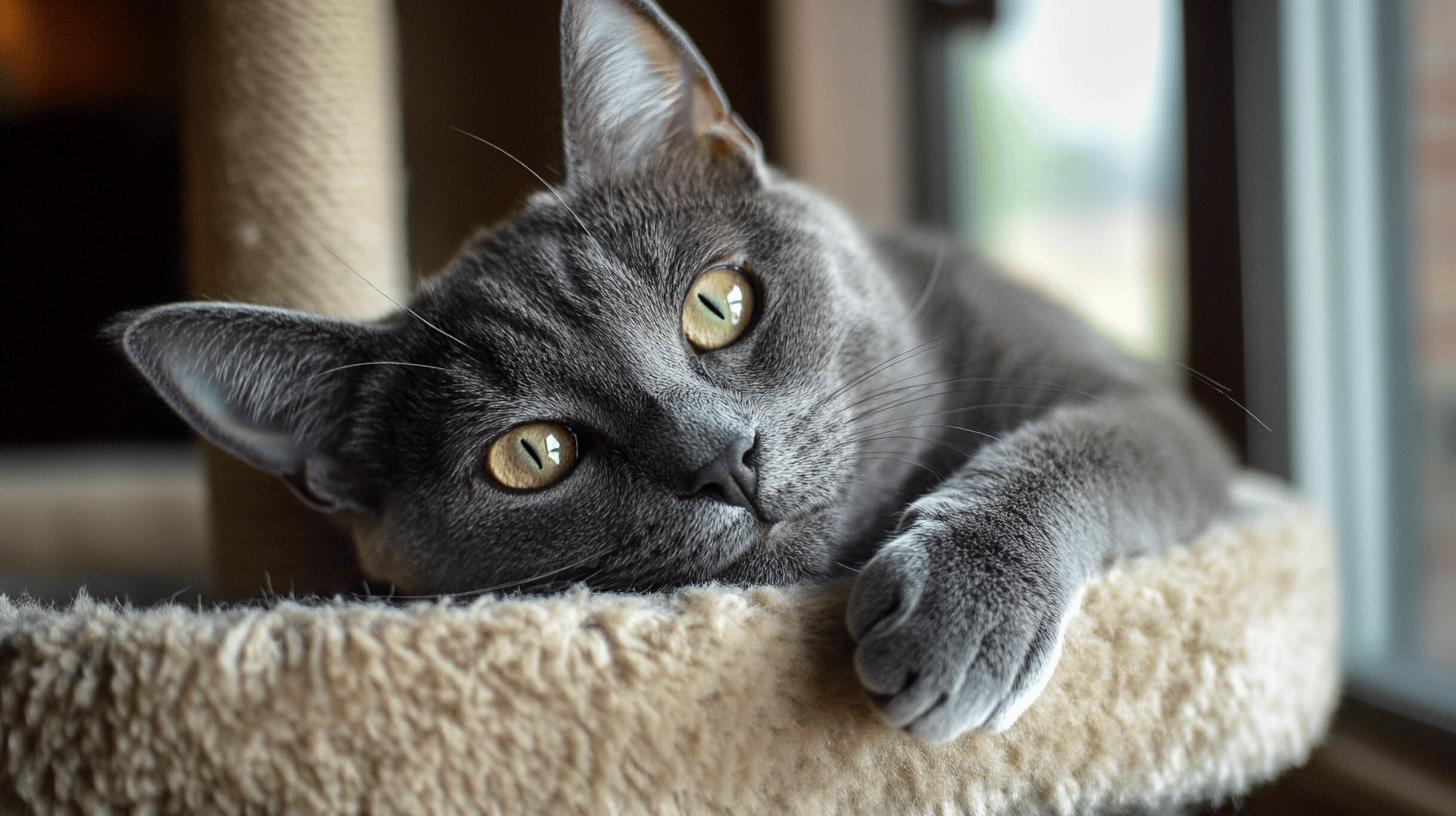
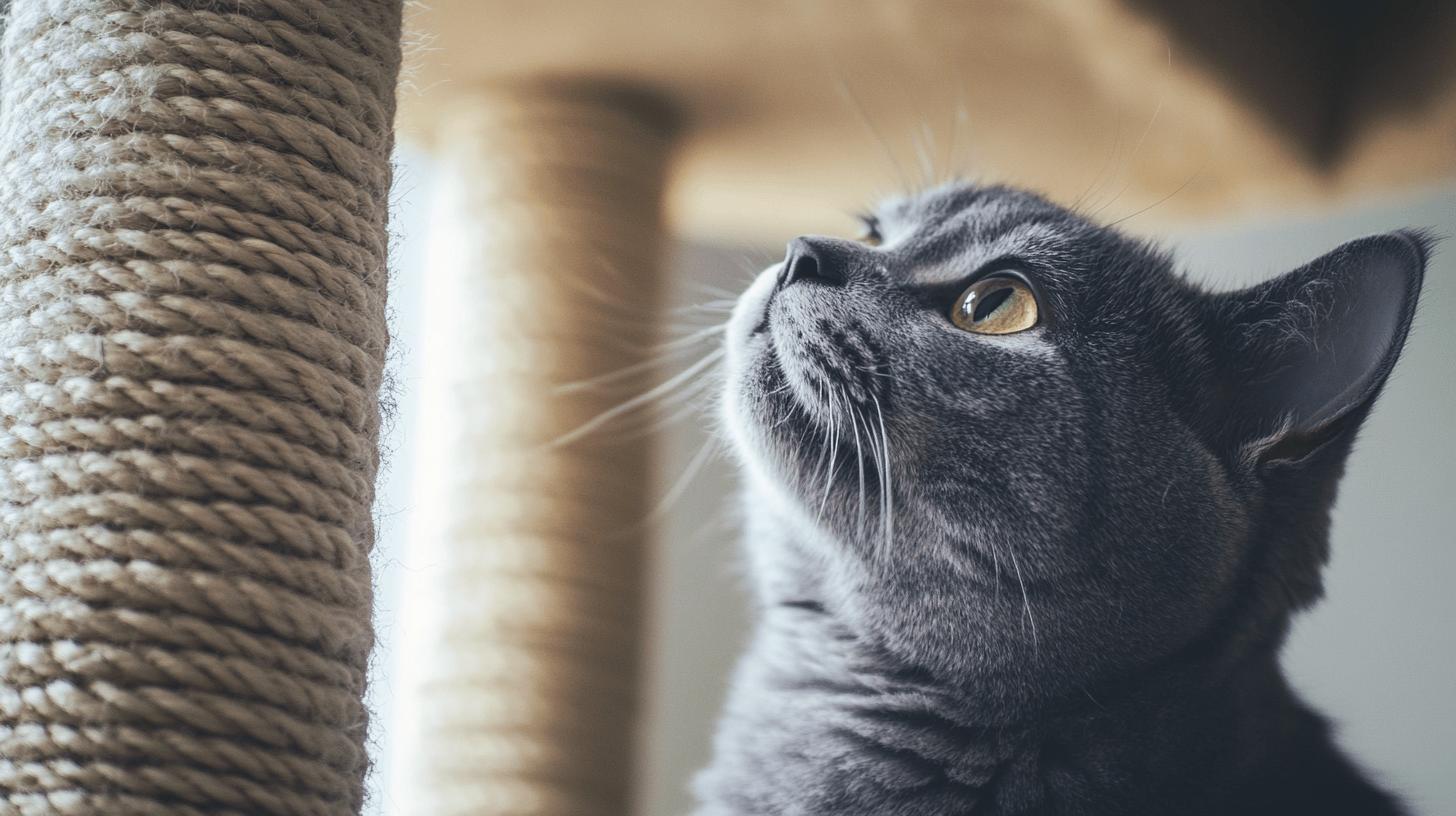
    • Provide alternative high places like cat trees or shelves for your cat to climb and perch.
    • Remove tempting items, such as food or interesting objects, from counters.
    • Use environmental deterrents like double-sided tape or aluminum foil to make counters unappealing.
    • Engage your cat with puzzle feeders that offer mental stimulation and mimic the hunt for food.
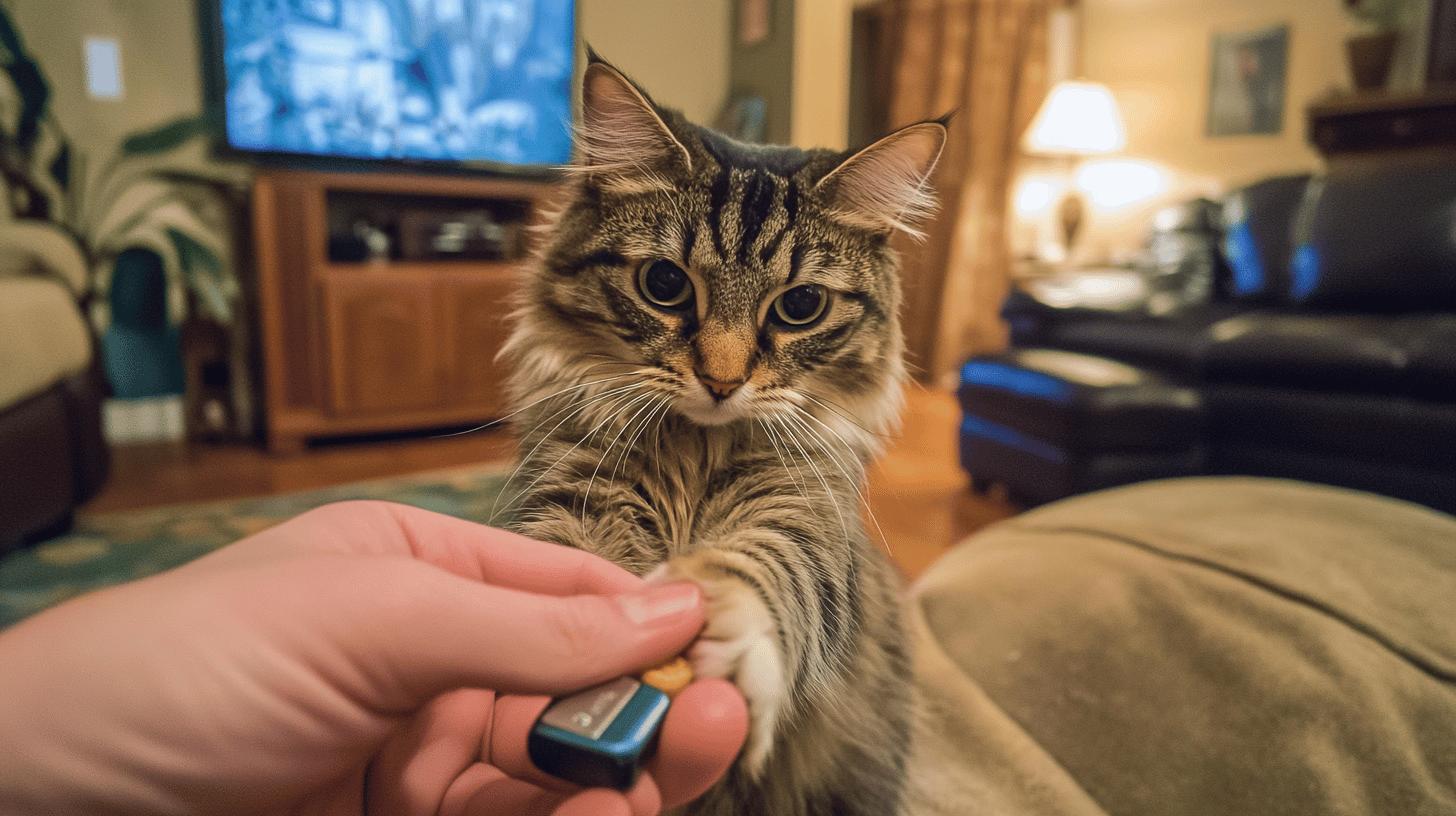
    • Practice clicker training to reward your cat when they jump off the counter voluntarily.

    Consistency and positive reinforcement are key in training your cat. Make sure to reward your cat for using alternative spaces and behaving well. Avoid punishment, as it can harm your relationship. By staying consistent and reinforcing good behavior, you'll help your cat learn better habits over time.

    Practical Steps to Train Your Cat Not to Jump on Counters

    Understanding Cat Behavior and Counter Attraction-1.jpg

    Cats love high places. Their ancestors used them for safety and to watch for predators. Counters offer the same comfort. They are stable, high, and often have food or water. Cats jump up to explore leftovers, grocery bags, or dripping faucets. Observing from above lets them see everything while staying out of reach.

    Curiosity and athleticism also draw cats to counters. They enjoy testing their jumping skills and exploring new heights. This is natural for them. Knowing why they act this way helps us guide their behavior and create a peaceful home.

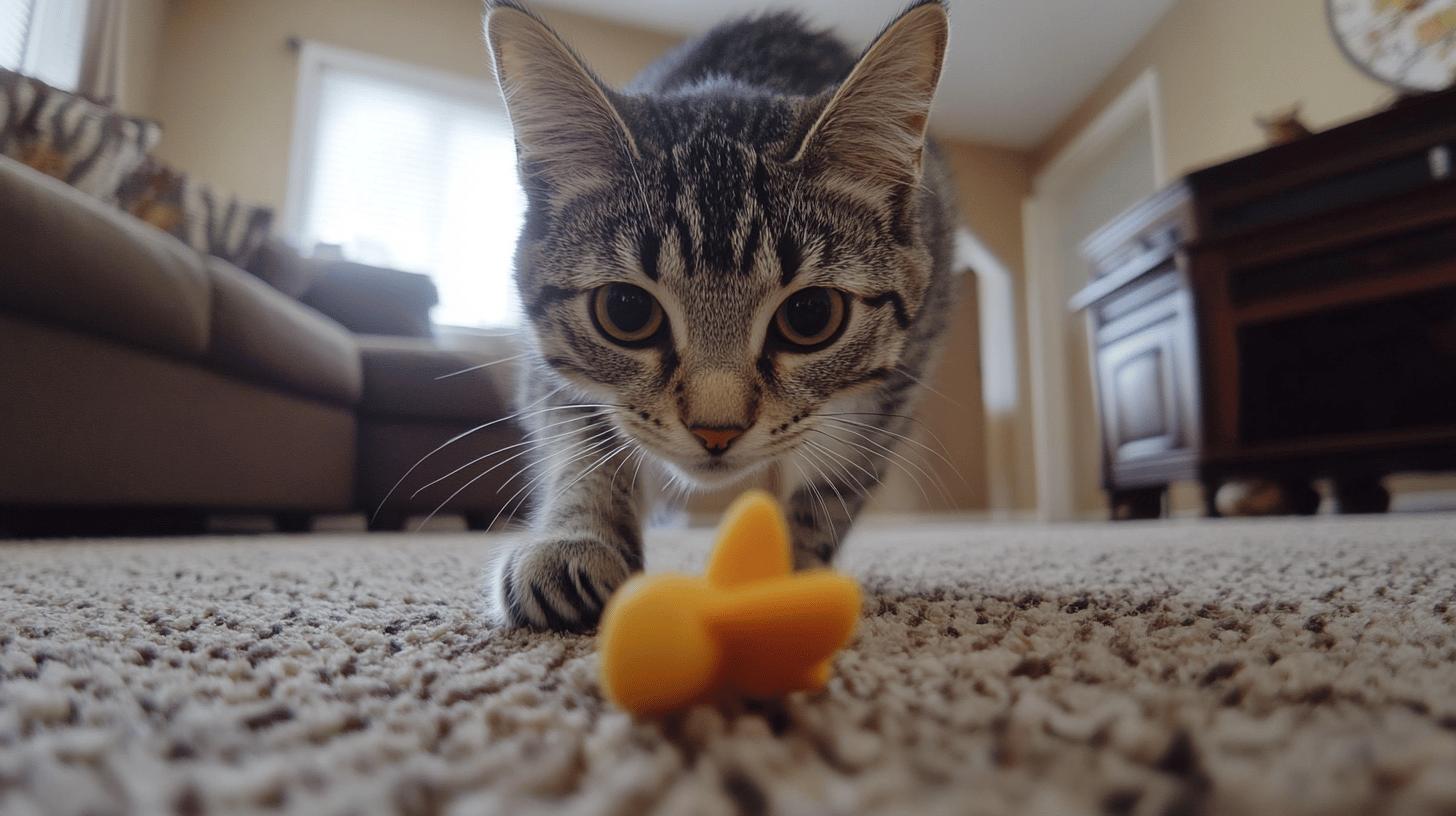
    To train your cat, start by redirecting their attention with toys or treats on lower surfaces. Provide alternatives like cat trees or shelves. Use double-sided tape or aluminum foil on counters to deter them. Be consistent with your training, and reward them for staying on approved surfaces.

    Safe and Effective Counter Deterrents and Creating Cat-Friendly Spaces

    Safe and Effective Counter Deterrents and Creating Cat-Friendly Spaces-1.jpg

    Focus on creating special areas just for your cat. This not only keeps them away from counters but also helps them feel secure and happy. Think of these spaces as their personal play zones. A well-thought-out cat area can prevent unwanted jumping and boost their well-being.

    • Add climbing walls that are not just shelves but part of a play system. This gives your cat a whole new perspective of the room.
    • Set up a cozy nook with a small fountain or pebbles. This mimics a natural environment and adds interest.
    • Create a tunnel network that encourages exploration. Use cardboard boxes or fabric tunnels that connect to their favorite spots.

    Remember that yelling or using water as a deterrent can hurt your relationship with your cat. These actions can make them fearful. Instead, giving them fun, safe places to play and rest helps them feel confident. This approach supports their mental health and keeps your kitchen free from curious paws.

    The Role of Positive Reinforcement in Training Cats

    The Role of Positive Reinforcement in Training Cats-1.jpg

    Positive reinforcement helps improve cat behavior by rewarding actions you want to see more often. Clicker training can be an effective method. For example, if your cat jumps off the counter, use a clicker to mark that behavior and immediately give a treat. This teaches the cat that staying off counters is good.

    Beyond just teaching tricks, positive reinforcement has psychological benefits for cats. It can reduce stress and anxiety, as cats learn in a supportive environment. This method contrasts with punishment, which can create fear and damage trust. Focusing on rewards strengthens your bond with your cat, fostering a loving and secure relationship.

    Final Words

    Training your cat not to jump on counters is all about understanding and adapting to their natural behaviors. Providing alternative high places and keeping counters clear can help. Use positive reinforcement and safe deterrents to encourage better habits.

    Consistency is key in guiding your cat to prefer cat-friendly spaces. Engage your cat with puzzle feeders and clicker training to reward them when they stay off counters. This approach keeps training positive and your cat happy.

    With these steps, improving your cat's behavior becomes an enjoyable journey for both of you!

    FAQ

    Q: How do I stop my cat from jumping on the counter?

    A: To stop a cat from jumping on the counter, provide alternative high places like cat trees, remove tempting items, use deterrents, and engage with puzzle feeders. Consistent, positive reinforcement is key.

    Q: Can cats be trained to stay off counters?

    A: Yes, cats can be trained to stay off counters by using environmental deterrents, providing cat-friendly spaces, and rewarding alternative behaviors. Consistency will help reinforce their training.

    Q: How do you discipline a cat for getting on the counter?

    A: To discipline a cat for getting on the counter, avoid punishment; redirect them gently to a preferred area, then reward the desired behavior with treats or playtime.

    Q: How to keep cats off counters naturally?

    A: Keep cats off counters naturally by offering high alternatives, using citrus peels as deterrents, and maintaining clear counters. Cats dislike citrus scents, which can deter them.

    Q: What is the best cat counter deterrent?

    A: The best cat counter deterrents include motion-activated air sprays or mats, which startle but don't harm. These create an unpleasant experience without direct punishment.

    Q: How do I train my cat not to jump?

    A: Train your cat not to jump by using positive reinforcement. Reward them when they choose their perch over the counter and practice clicker training to reinforce good behavior.

    Q: Can essential oils keep cats off counters?

    A: Use caution with essential oils; some are harmful to cats. Opt for natural citrus peels or sprays as safer deterrent alternatives. Always research oil safety first.

    Related Articles

  • How to Train a Cat to Hunt Mice: Safe and Effective Techniques

    How to Train a Cat to Hunt Mice: Safe and Effective Techniques

    Think your cat has hunting prowess like a lion in the wild? You might be surprised! Training your cat to hunt mice isn't as simple as flipping a switch, but it's possible with a bit of patience and the right approach positive reinforcement.

    Cats are natural hunters, yet many have lost touch with this skill and need a gentle nudge to get back on track. By engaging their predatory instincts through play, you can turn your feline into a skilled mouser. Ready for the challenge? Let's bring out your cat's inner hunter and keep mice at bay!

    How to Train a Cat to Hunt Mice: Step-by-Step Guide
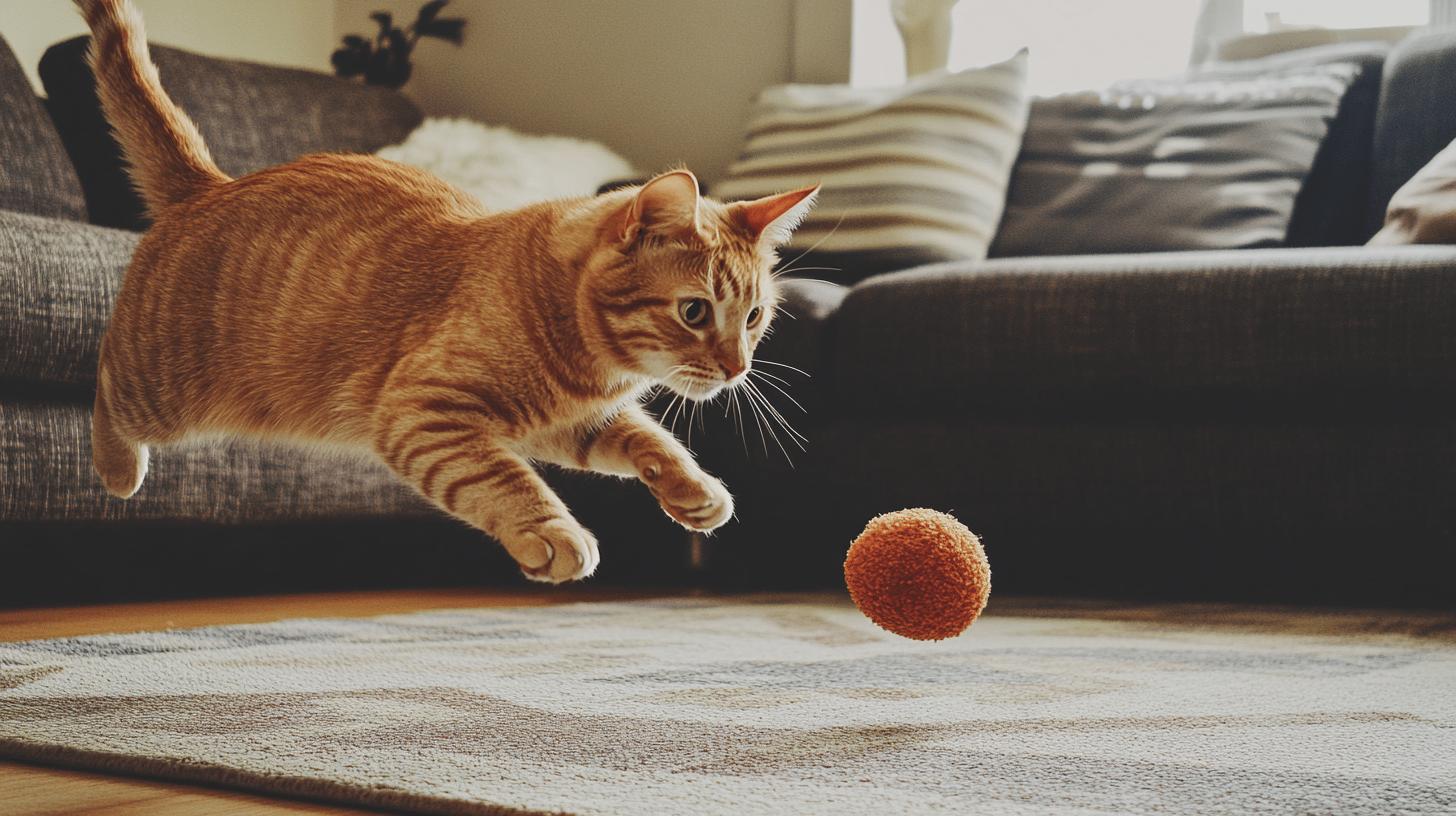
    Train Cats to Hunt Mice Effectively-3.jpg

    Interactive play and positive reinforcement are key to training a cat to hunt mice effectively. Start by engaging your cat with toys that mimic prey.

    These toys will stimulate their natural hunting instincts. Here are some steps to guide you:

    • Use Interactive Toys: Choose toys like feather wands or laser pointers to encourage pouncing and chasing.
    • Simulate Prey: Drag a toy mouse across the floor and let your cat stalk it. Move it unpredictably to mimic real mouse movements.
    • Positive Reinforcement: Reward your cat with treats or affection when they successfully catch the toy.
    • Regular Play Sessions: Dedicate time daily for hunting games to keep your cat's skills sharp.

    Cats are born with hunting instincts, though some are naturally better mousers than others. Recognizing these instincts early, especially in kittens, matters because young cats are in their prime stage for developing speed and skill.

    Encouraging these instincts is crucial:

    • Observe Behavior: Notice if your cat shows interest in moving objects or chases small insects.
    • Provide Opportunities: Let them explore areas with potential prey under supervision.
    • Encourage Natural Behavior: Allow them to express their instincts freely in a safe environment.

    Patience is essential because training takes time and not every cat will become a proficient mouser. Accept your cat's natural limits with realistic expectations.

    Some cats might never develop a strong prey drive, and that's okay. The goal is to enhance their natural instincts. Remember, a well-fed cat is more motivated to play, not necessarily to hunt out of hunger.

    The Role of Mentorship in Cat Training
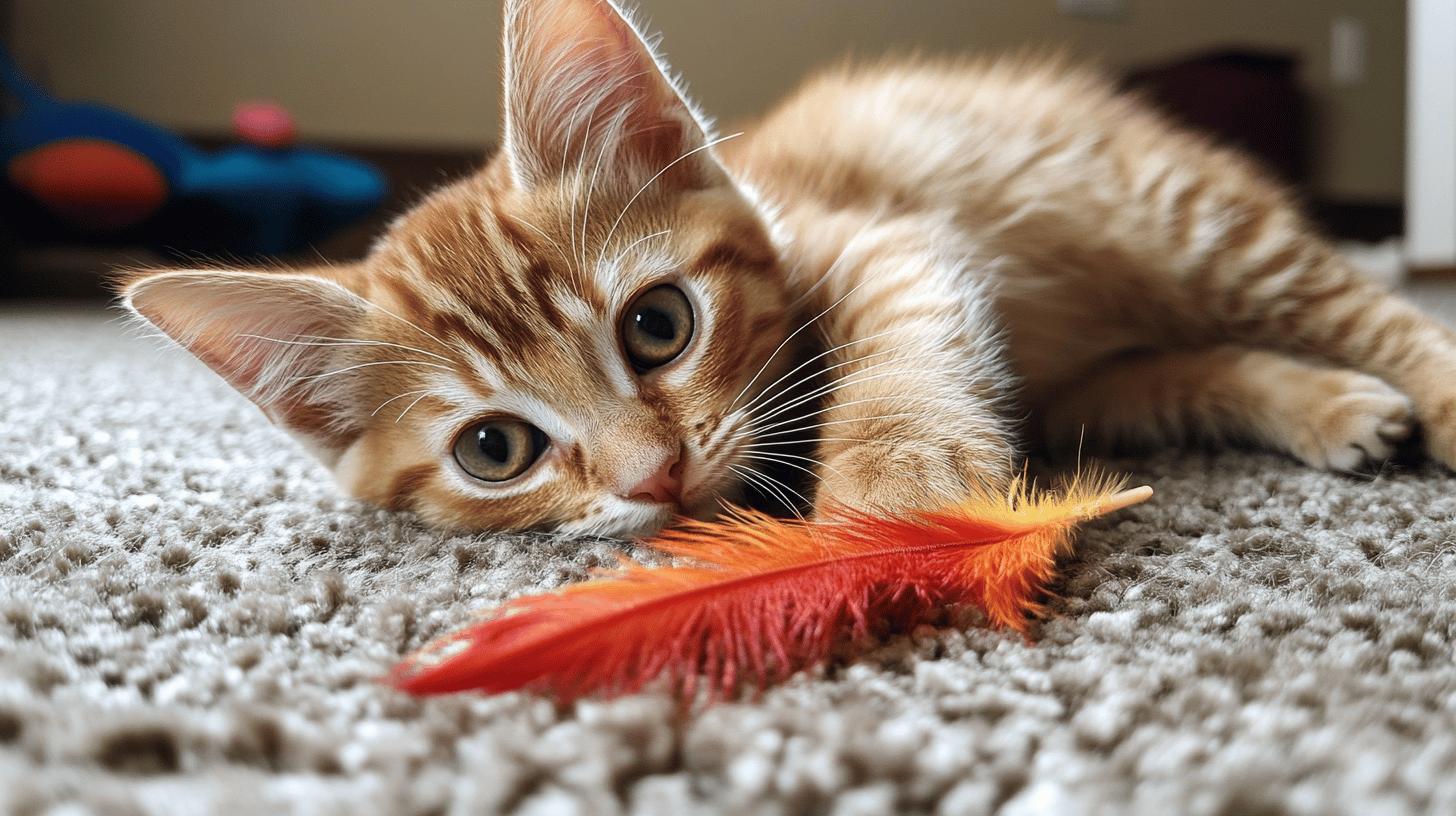
    Understanding Cat Behavior and Enhancing Hunting Skills through Play-1.jpg

    Experienced cats can guide younger ones: a mentor cat demonstrates hunting techniques, and watching a seasoned mouser helps young cats learn through observation.

    Female cats often excel at teaching these skills, naturally guiding their kittens through hunting behaviors.

    If you have a skilled mouser, let the young cat observe. This mentorship is crucial for developing hunting instincts.

    Incorporating mentorship into play enhances skill development and makes training more effective by leveraging natural cat behavior.

    Psychological Benefits of Play for Cats

    Playing offers far more than physical exercise, providing mental stimulation and stress reduction that result in happier, more balanced cats overall.

    Engaged cats are happier and healthier. Interactive play boosts confidence and prevents boredom, which directly contributes to a cat’s overall well-being. Use different toys to keep things fresh and changing play routines to challenge cats mentally.

    Novel Training Techniques and Toys

    Try new puzzle feeders and novel toys that stimulate problem-solving skills and keep your cat mentally engaged.

    Introduce clicker training for positive reinforcement, use scent trails to mimic prey paths, and switch toys regularly to maintain interest and keep playtime varied enough to sharpen your cat’s skills over time.

    Safety Precautions and Ethical Considerations
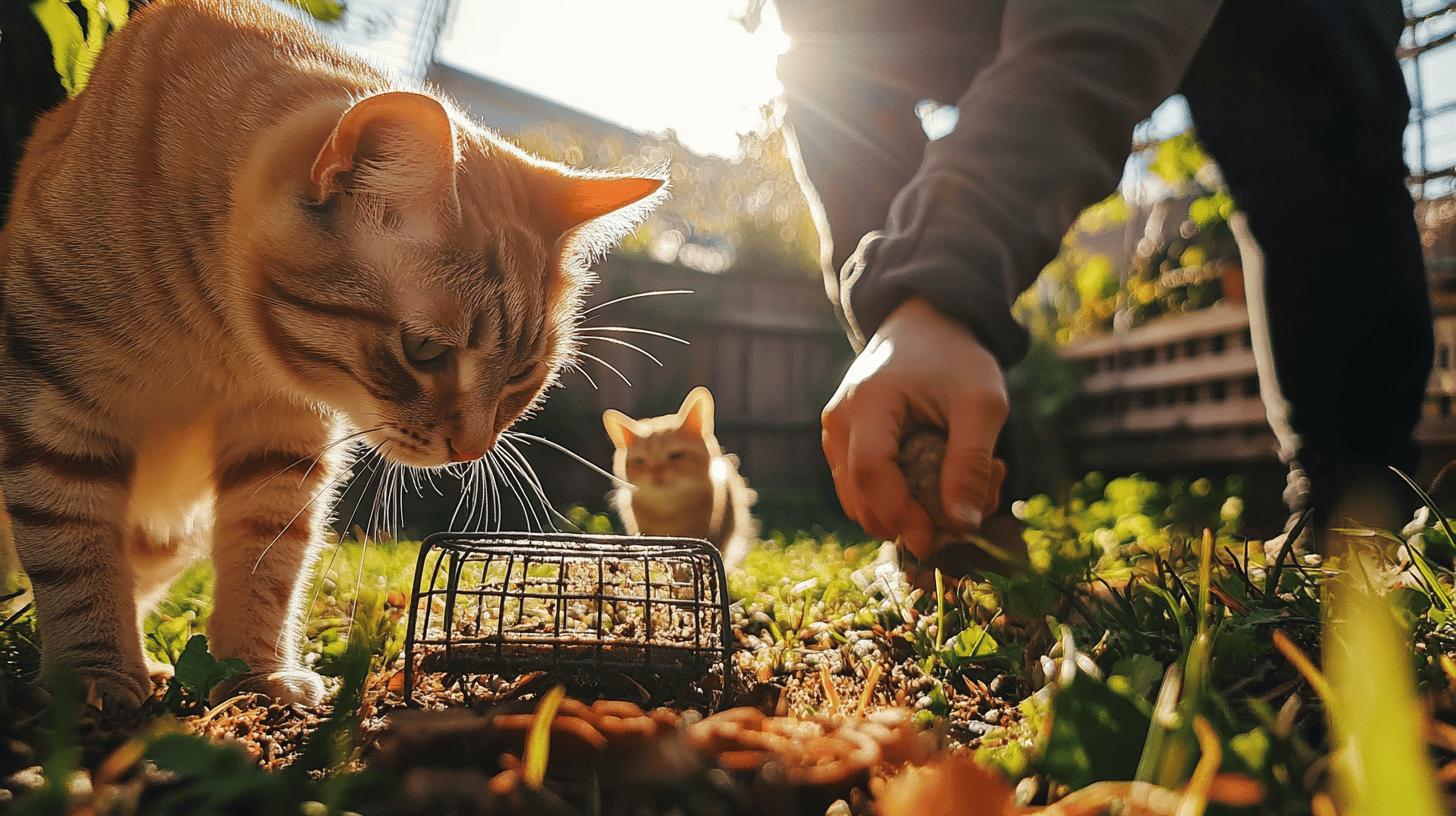
    Safety Precautions and Ethical Considerations-1.jpg

    Always prioritize safety when training cats to hunt mice. Remove any rodent poisons or traps from your cat’s environment, as these could cause serious harm. Use safe and humane traps instead. This ensures your pet's safety while maintaining a rodent-free home.

    Always consider the ethical dimension of training cats. While cats naturally have hunting instincts, enhancing those instincts should never lead to unnecessary harm to other animals. Focus on training approaches that align with responsible, compassionate pet ownership.

    For severe infestations, do not rely solely on your cat. Professional pest control services offer solutions that are both effective and humane. This approach balances your cat's natural abilities with expert help for effective pest management.

    Final Words

    Training a cat to hunt mice taps into their natural instincts and can be quite rewarding.

    Starting with simple training techniques like interactive toys and prey simulation helps in channeling their inherent hunting skills.

    Understanding your cat's behavior and utilizing playtime can enhance these natural predatory instincts.

    It's crucial to consider safety and ethical practices while training.

    While not every cat can become a skilled hunter, nurturing these instincts with patience and positivity can improve their skills.

    Remember, the journey is as enjoyable as the outcome.

    Natural Hunting Instincts: Channeling Predatory Drive Into Enriching Play

    Your cat descends from African wildcats, Felis silvestris lybica, specialized hunters with finely-tuned predatory instincts. Even domesticated cats retain these drives completely intact. Your cat and their wild ancestor share the same hunting instinct. Domestication changed the context, not the drive. Domestication channels predatory behavior toward enrichment and play rather than survival.

    Hunting play serves multiple developmental and psychological purposes by exercising both mind and body, maintaining muscle tone and cardiovascular health, and providing mental stimulation and challenge that prevents boredom and behavioral problems. It allows cats to satisfy deep evolutionary drives within safe, controlled environments. Most importantly, it strengthens the bond between cat and owner through cooperative, engaging interaction.

    The distinction between ethical enrichment through hunting play and actual hunting matters profoundly. Bringing live prey home causes suffering and contradicts modern cat care standards. Hunting play simulations provide identical behavioral satisfaction, including the stalking, pouncing, and “capture” of prey-simulation toys, while eliminating animal suffering entirely. Your cat’s brain doesn’t distinguish between successfully hunting a feather wand’s “bird” and a real bird. The enrichment value is identical; the ethical cost is zero.

    Hunting Toy Simulations and Games: Practical Techniques to Satisfy Predatory Drives

    Feather wand toys remain the gold standard for interactive hunting play. The unpredictable movement of feathers mimics real bird behavior, triggering authentic predatory responses. Move the wand with erratic, jerky motions across floors, up walls, under furniture. Let your cat stalk, pounce, and “capture” the toy. Most cats intensely engage with wand toys, eyes dilated, focused entirely on the “prey.”

    Electronic prey toys provide independent hunting opportunities. Small motorized mice or robotic creatures move unpredictably, allowing your cat to hunt without your direct participation. Some batteries-powered toys simulate realistic prey movements. Cats often carry these toys as trophy “kills,” replicating bringing actual prey home. This represents normal, healthy predatory behavior redirected appropriately.

    Treat-dispensing prey toys combine hunting with feeding motivation. These hollow toys require your cat to manipulate and work the toy to access treats, replicating the complexity of actual prey acquisition. The multi-sensory experience combining hunting movement, tactile manipulation, and food reward provides thorough enrichment.

    DIY hunting games extend enrichment beyond purchased toys: hide treats around your house for your cat to discover, or crumple paper balls to throw for your cat to pounce on. Use string toys (supervised only) for interactive chasing. Create cardboard box “hunting grounds” with openings where your cat can hide and ambush. These games tap predatory drives while deepening engagement with you.

    Structured Hunting Play Sessions: Duration, Pacing, and Managing Play Energy

    Optimal hunting play sessions last 10-15 minutes per session, with most cats engaging in 2-3 sessions daily. This duration provides significant enrichment without causing exhaustion. Build play intensity gradually: start with slow movements, gradually increase speed and unpredictability. This warmup allows your cat’s nervous system to engage progressively.

    Pacing matters significantly, and sustained intense play quickly becomes overstimulating for many cats. Vary between high-intensity pouncing and low-intensity stalking, give your cat brief rest periods to recover, and alternate between wand toys and stationary prey toys to sustain engagement. This variable pacing maintains engagement while preventing overstimulation.

    Recognize when play has reached saturation. Some cats hunt until they physically collapse in exhaustion; others show subtle fatigue signs. Slowing movement, reduced responsiveness, or sudden disinterest in the toy indicates your cat has reached their limit. End the session gracefully with a few gentle touches or treats to create positive closure.

    Important: hunting play can transition into overstimulation, aggression, or redirected aggression toward household members. If your cat becomes frantic, pounces on your hands with unretracted claws, or bites intensely, immediately redirect to toys and provide space for your cat to calm down. These reactions represent normal predatory escalation that requires management, not punishment.

    Hunting Play Across Life Stages: Kittens, Adults, and Senior Cats

    Kittens learn hunting through play with littermates and mother. Early exposure to interactive hunting play accelerates development of predatory skills and coordination. Start hunting play with kittens at 8-10 weeks of age using gentle wand toys with feathers or string. Kittens show intense prey drive and learn quickly, and early positive experiences with hunting play shape their lifelong enrichment preferences.

    Adult cats aged three to eight years show peak hunting drive and physical capability for intensive play, typically engaging most enthusiastically with hunting games. Provide multiple daily sessions to channel energy appropriately and prevent behavioral issues from boredom. Adult cats build impressive athletic skills through consistent hunting play.

    Senior cats (10+ years) often show reduced physical intensity but maintained interest in hunting play. Modify play to match aging mobility: slower movements, less jumping required, more horizontal play. Electronic prey toys that move slowly or treat-dispensing toys work well for older cats. Hunting play remains enriching for seniors; it simply requires age-appropriate modification to prevent injury.

    Multi-Cat Hunting Dynamics: Managing Competition and Preventing Injury

    Household cats with established hierarchy sometimes show competitive hunting behavior. During wand toy play, one cat may dominate while others watch from distance. This reflects normal social hierarchy. Allow each cat individual hunting play time with your exclusive attention to ensure each receives adequate enrichment regardless of social rank.

    Some multi-cat households benefit from separate hunting play sessions to prevent competition-driven aggression. If play transitions to real fighting, with intense vocalizations, chasing with intent to injure, and visible scratches, separate the cats and end the session. This requires careful monitoring and environmental management.

    Prey toys sometimes trigger possessive behavior. If one cat guards a toy aggressively while others attempt access, provide multiple identical toys or rotate toys among cats. Separate feeding stations and play areas reduce competition stress. Each cat should have personal space for hunting enrichment without territorial conflict.

    For further guidance on building structured play routines, see How to Train a Cat Without a Clicker for positive reinforcement techniques that pair naturally with hunting play.

    Related: Best Toys to Reduce Play Aggression covers additional enrichment strategies for channeling hunting energy.

    FAQ

    Q: How can I train my cat to hunt mice without killing them?

    A: Use interactive toys to simulate prey. Encourage your cat with positive reinforcement. Supervise their hunts to prevent killing, and reward them for using their stalking and pouncing skills.

    Q: How do I train a cat to hunt mice outside?

    A: Gradually introduce your cat to the outdoor environment. Use structured play sessions that mimic hunting patterns to build their confidence gradually. Watch for safety hazards and reinforce their instincts with toys like feather wands.

    Q: Do you need to train a cat to catch mice, or do they do it naturally?

    A: Most cats have natural hunting instincts. Training can enhance these instincts, especially in young cats, making them more effective mousers.

    Q: Can you train any cat to be a mouser?

    A: Not all cats can be trained to be mousers, as the instinct to hunt must already be present in some form. Early training during kittenhood is generally the most effective approach.

    Q: How long does it take for a cat to catch a mouse?

    A: The time varies based on the cat's skills and environment. Kittens may take longer, while experienced cats may catch mice quickly, often within a few days of exposure.

    Q: Will mice leave if they smell a cat?

    A: Mice may avoid areas with cat scents. However, relying solely on this for pest control is not recommended as it may not completely eliminate a mouse problem.

    Q: Which gender of cat is better for mousing?

    A: Female cats are often noted for being better mousers, possibly due to their role in teaching hunting skills to their young. But, skill levels can vary individually.

    Pre-Training Assessment & Natural Ability

    Not all cats possess equal hunting drive. Some cats exhibit strong predatory instinct from kittenhood, pouncing on moving objects with natural intensity. Others show minimal hunting interest despite normal genetics. Age matters significantly: kittens begin developing predatory sequences around 4-6 weeks old, kittens 8-16 weeks show peak learning ability for hunting skills. Assessing your cat’s baseline hunting drive determines training feasibility. Observe whether your cat stalks toys, attacks moving strings, or shows interest in insects. Cats exhibiting zero predatory interest throughout kittenhood rarely develop it later, suggesting individual personality differences or neurological variations. Senior cats may lose interest due to reduced vision, hearing, or mobility rather than motivation loss. Female cats sometimes show lower hunting drive than males, though exceptions exist frequently. Cats with gentle, anxious, or highly social personalities might prioritize human interaction over predatory play. Understanding your cat’s natural baseline prevents frustration when expecting impossible behaviors. Training enhances existing instincts but cannot create drive from absence. If your cat shows minimal hunting interest by adulthood, accepting this preference aligns with their personality rather than indicating training failure.

    Prey Simulation Progression: Sequencing Training Stages

    Effective hunting training follows a logical progression from easiest to most challenging prey simulations. Begin with slow-moving, high-visibility feather wands that require minimal stalking sophistication, then progress to slightly faster movements, building your cat’s reaction speed. Introduce electronic toys that move unpredictably, requiring adaptive hunting strategies. Next, use toys that hide in areas requiring searching (hunting under furniture, behind objects). Introduce toys with scent to engage chemical tracking. Some cats progress to treat-dispensing toys requiring problem-solving combined with hunting behaviors. Finally, introduce cloth prey toys that resist capture, teaching cats to adjust tactics when prey “fights.” Each stage should last until your cat demonstrates confident success before advancing. Rushing progression frustrates cats; some individuals need weeks at each stage. Observe whether your cat is learning (stalking improves, pouncing accuracy increases) versus merely playing. Track which prey simulations generate most engagement; these reveal your cat’s specific interests. Some cats excel at aerial hunting (feather toys) while others prefer ground-level pouncing. Tailoring training to your cat’s preferences increases success and enjoyment. Patience through progression matters more than speed.

    Recognizing Overstimulation & Managing Aggression

    Intense hunting play can trigger overstimulation, where cats shift from playful pouncing to genuine aggression. Overstimulated cats show dilated pupils, swishing tails, and sudden redirected biting toward your hand or body. This isn’t malice; it’s neurological overflow where predatory excitement exceeds your cat’s impulse control. Recognizing early overstimulation signs (tail thrashing, skin twitching, dilated pupils) allows session ending before escalation. Overstimulated cats benefit from immediate play cessation and environmental calm. Placing them in a quiet space with no stimulation for 10-15 minutes allows the nervous system to recover. Some cats show aggression patterns suggesting prey drive exceeds socialization; these cats require shorter, more frequent play sessions to maintain control. Never use your hands as prey during hunting training; hands are bonding tools, not toys. Using wand toys or toys on strings maintains proper boundaries. If your cat shows predatory stalking toward humans after training, you’ve progressed too intensely; return to gentler play. Multi-cat households sometimes see trained hunting behavior creating dangerous dynamics; aggressive hunting play toward humans becomes concerning. Managing session length, recognizing overstimulation, and redirecting aggression prevents hunting training from undermining your household safety.

    Ethical Hunting: Live Prey Alternatives & Boundaries

    Traditional mouse-hunting training implies live prey exposure, raising ethical questions many cat owners consider seriously. Live prey hunting teaches natural skills but exposes mice to suffering and introduces disease risk (mice carrying parasites or pathogens can transmit to cats). Some cat owners find live prey hunting ethically problematic. Modern training achieves equivalent enrichment benefits through realistic prey simulation without live animals involved. Electronic prey toys that move realistically and high-quality cloth mouse toys with scent encoding satisfy hunting drive without live prey, and some commercial products specifically designed for predatory enrichment simulate prey behavior convincingly. These alternatives teach strategic thinking, patience, pouncing accuracy, and focused engagement, which are the core hunting skills, without causing any live animal suffering. If you prefer live prey hunting, ensuring humane treatment (humanely raised, quickly humanely euthanized if killed) matters ethically. Many cat owners feel comfortable with live prey hunting when properly managed. Others prefer simulation-based approaches exclusively. Neither approach indicates superior cat care; both respect feline nature while acknowledging your ethical framework. Choose according to your comfort level, recognizing that enrichment benefits exist across approaches.
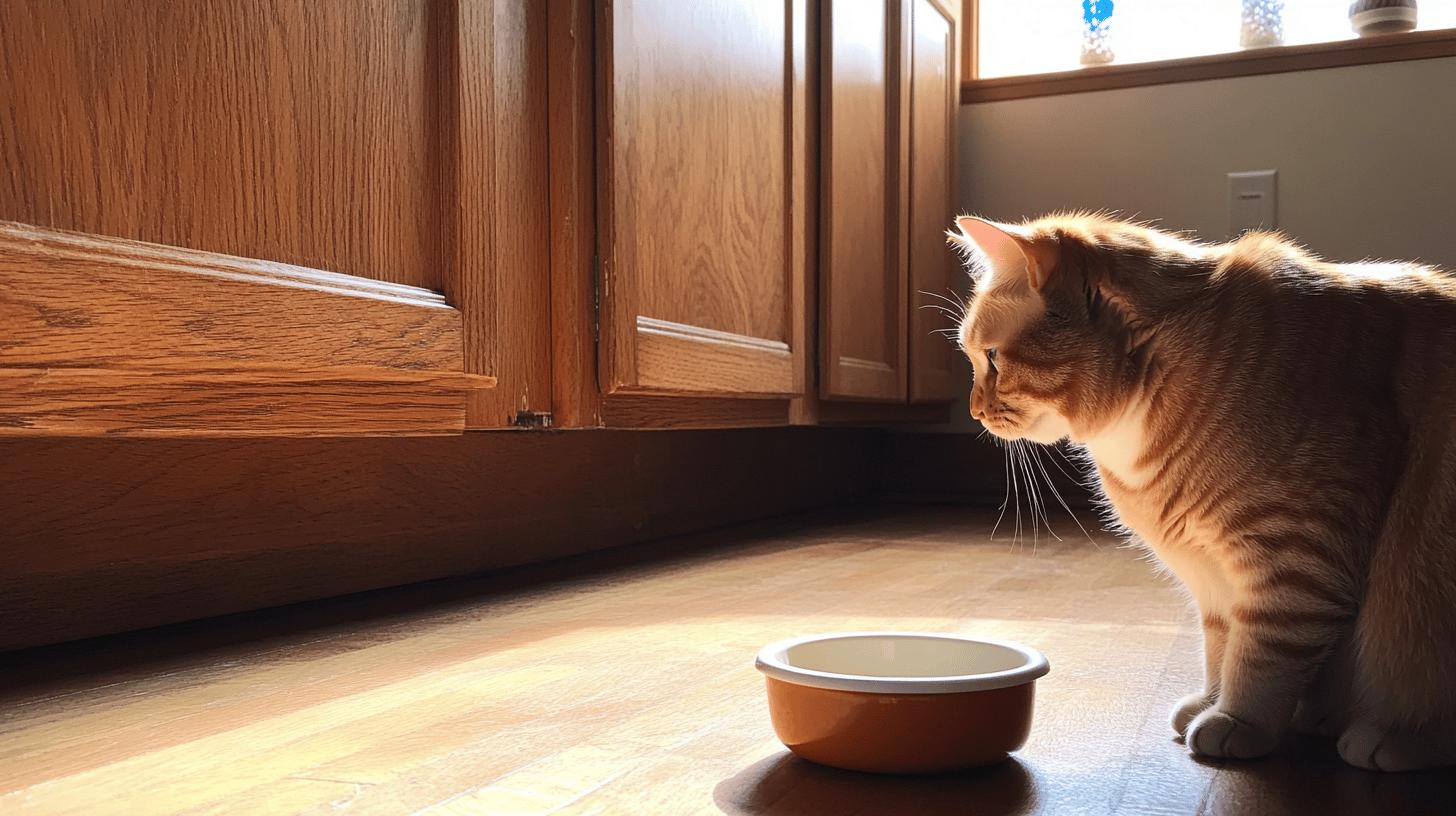
  • Train Your Cat to Use a Litter Box Easily

    Train Your Cat to Use a Litter Box Easily

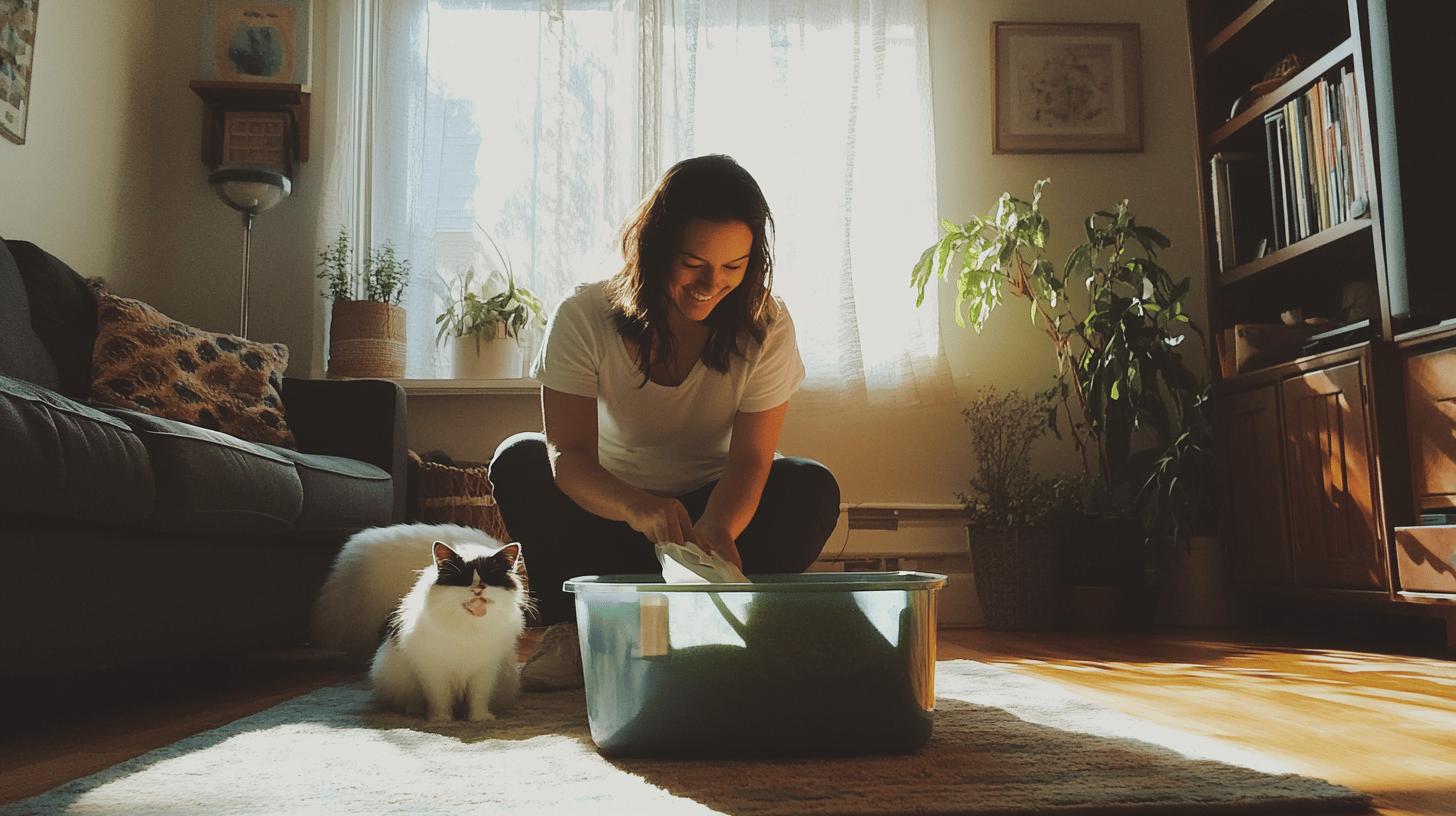
    Ever wondered why your cat refuses to use the litter box, even though she's the cleanest pet in the house? Training your cat to use a litter box can be easier than you think. Start by picking the right box and gradually introducing it to her routine.

    In this guide, I'll show you simple steps to help your feline friend feel right at home with her litter box. With patience and the right approach, your cat will happily and confidently use her new indoor bathroom. Let’s make the transition smooth and stress-free.

    Step-by-Step Guide to Train a Cat to Use a Litter Box

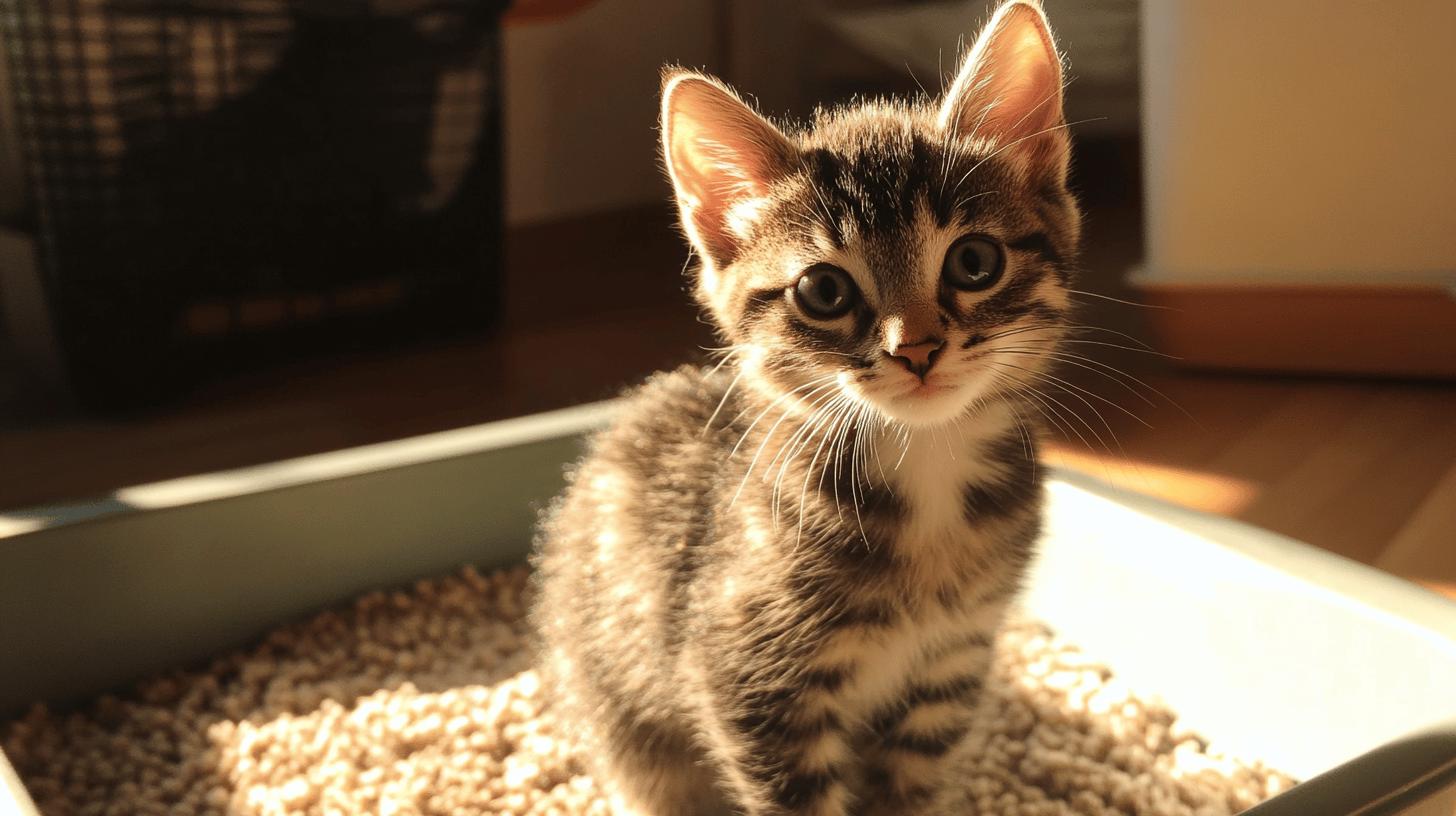
    Step-by-Step Guide to Train a Cat to Use a Litter Box-1.jpg

    1. Choose the Right Litter Box and Litter

      Select a litter box that fits your cat's size and preferences. An uncovered box can be more inviting, especially for cats used to outdoor spaces. Use a litter that mimics outdoor textures like sand.

    2. Introduce the Litter Box Gradually

      Place the litter box near your cat's usual exit door. This helps her associate it with her routine. Let her sniff and explore the box on her own terms.

    3. Encourage Exploration After Meals

    Gently place your cat in the litter box after meals or when she usually goes outside. Don't force her, as this might cause stress.

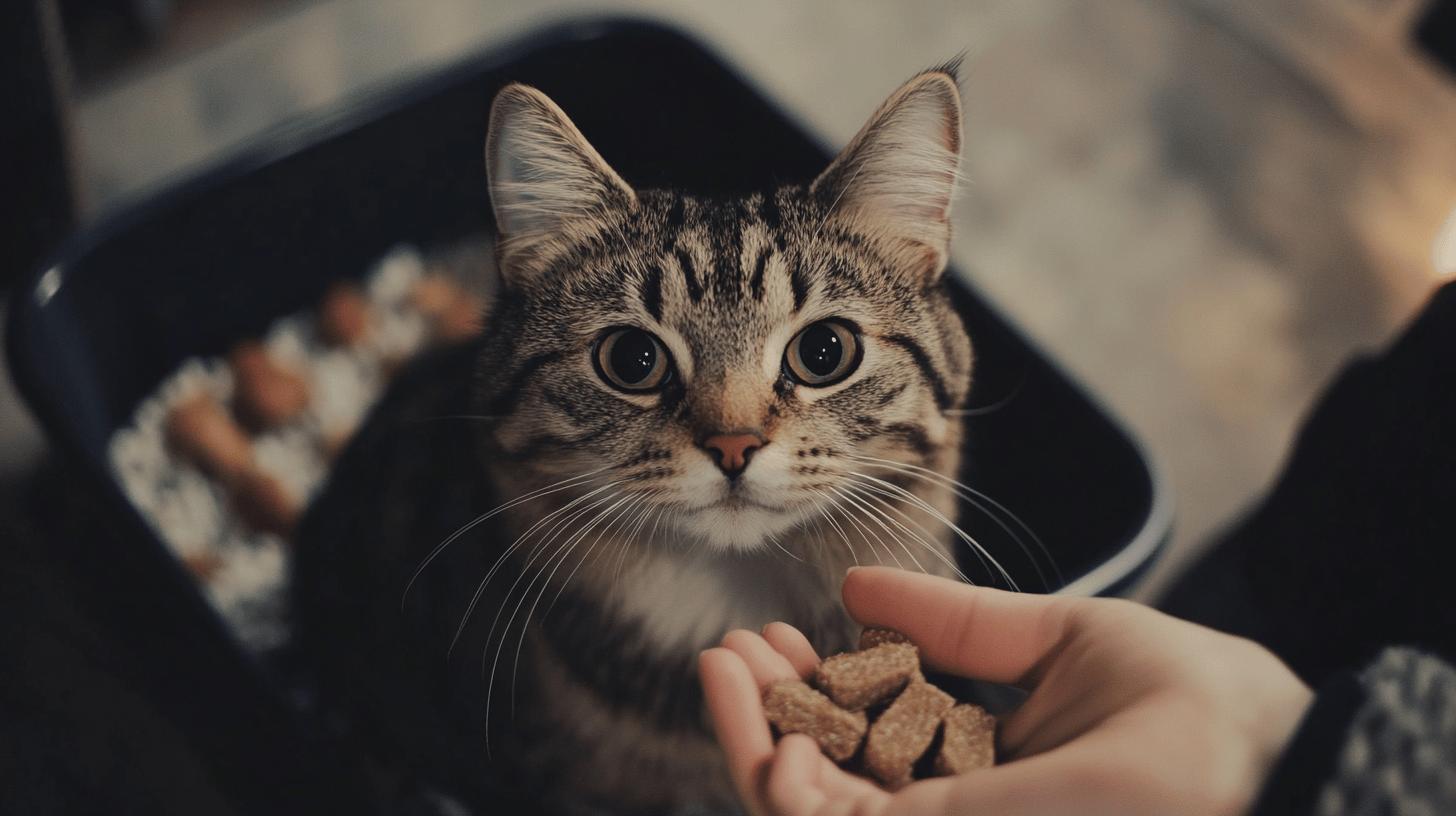
    1. Use Positive Reinforcement

      Reward your cat with treats and praise when she uses the litter box correctly. This reinforces good behavior and makes her feel comfortable.

    2. Monitor and Adjust as Needed

      Keep an eye on your cat's behavior. If she seems reluctant, try adding a small amount of soil from her outdoor spot to the litter for familiarity.

    3. Be Patient and Consistent

    Training takes time, especially for older cats. Consistency in your approach will help your cat adjust to her new bathroom routine.

    1. Consult a Veterinarian if Necessary

      If your cat refuses the litter box or shows signs of distress, seek advice from a vet. Underlying health issues might be the cause.

    By following these steps, you'll create a welcoming environment for your cat, making litter box training a smoother process.

    Understanding Cat Behavior and Addressing Litter Box Aversion

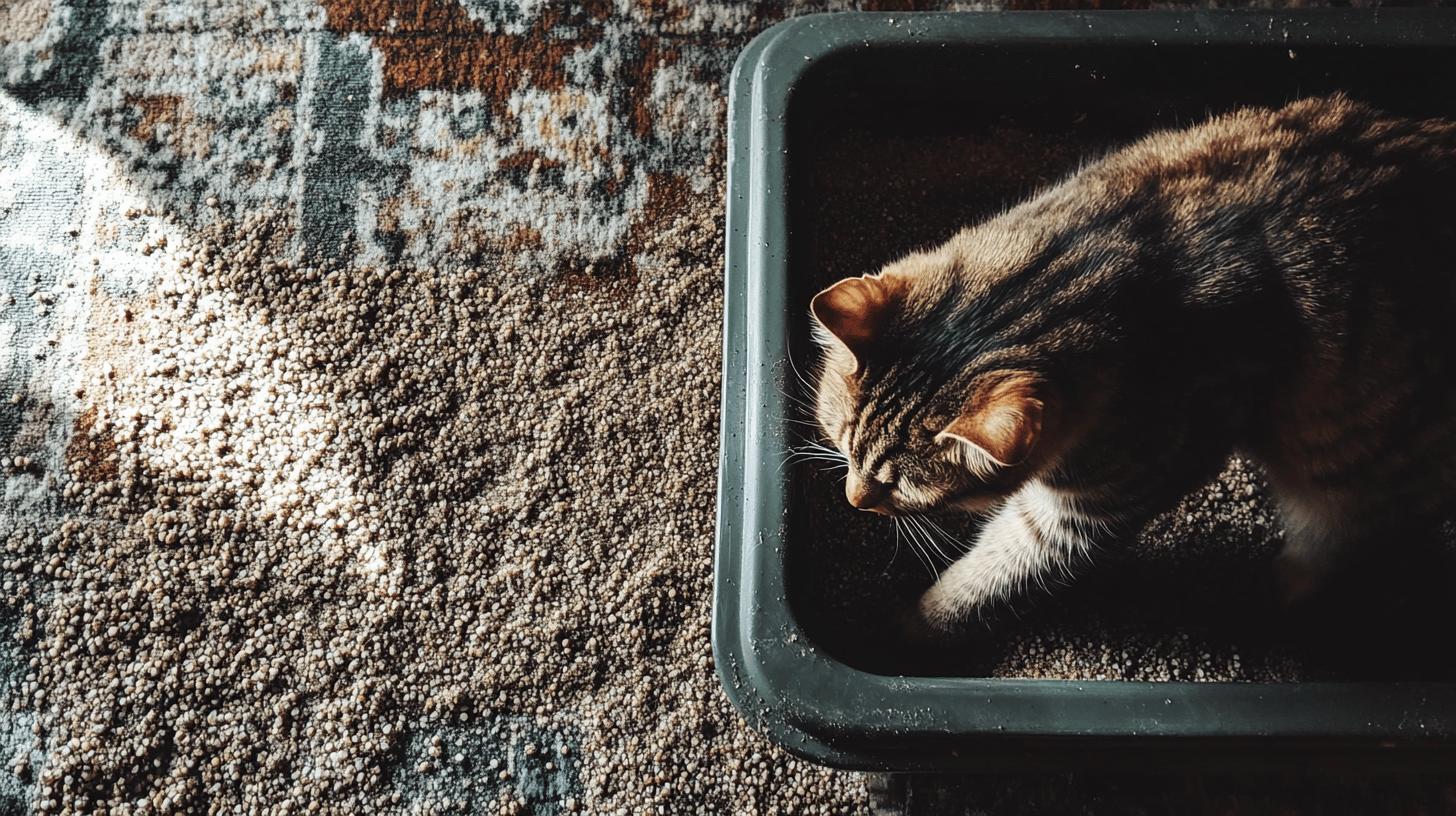
    Understanding Cat Behavior and Addressing Litter Box Aversion-1.jpg

    Why do cats avoid the litter box?
    Cats might avoid the litter box for several reasons: stress, discomfort, or health issues.
    Understanding these reasons helps us address the problem effectively.

    Cats are naturally clean animals. They prefer a tidy spot to do their business. If the litter box isn't clean, they might look for another place.

    Also, a new pet or change in household routine can cause stress, leading to litter box avoidance.
    Consistency in training is crucial. If you change the location of the litter box too often, it can confuse your cat.
    Keep the box in a quiet, familiar place and stick to regular cleaning.

    Watch for cues from your cat. If she scratches around the box but doesn't use it, it might be too dirty or have a scent she dislikes.

    Cats are sensitive to smells and textures, so finding the right litter can make a difference.

    If your cat starts avoiding the litter box, consider these solutions:

    1. Check for Health Issues

      Take your cat to the vet if she suddenly refuses the box. Infections or other health problems could be the cause.

    2. Ensure Litter Box Accessibility

      Make sure the litter box is easy for your cat to access. If it's too high or difficult to reach, your cat might not use it.

    3. Choose the Right Litter

    Experiment with different types of litter to find one your cat likes. Some cats prefer unscented or softer textures.

    1. Provide Multiple Litter Boxes

      In a multi-cat household, having several boxes can prevent territorial disputes and promote use.

    2. Reduce Stress

    Create a calm environment for your cat. Provide hiding spots or high perches to help her feel secure.
    Never punish your cat for not using the litter box. This can increase stress and worsen the problem.
    Positive reinforcement, like treats and praise, works better to encourage proper use.

    Retraining can take time, so be patient. By understanding your cat's behavior and addressing her needs, you can successfully guide her back to the litter box.

    Choosing the Right Litter Box and Litter

    Choosing the Right Litter Box and Litter-1.jpg

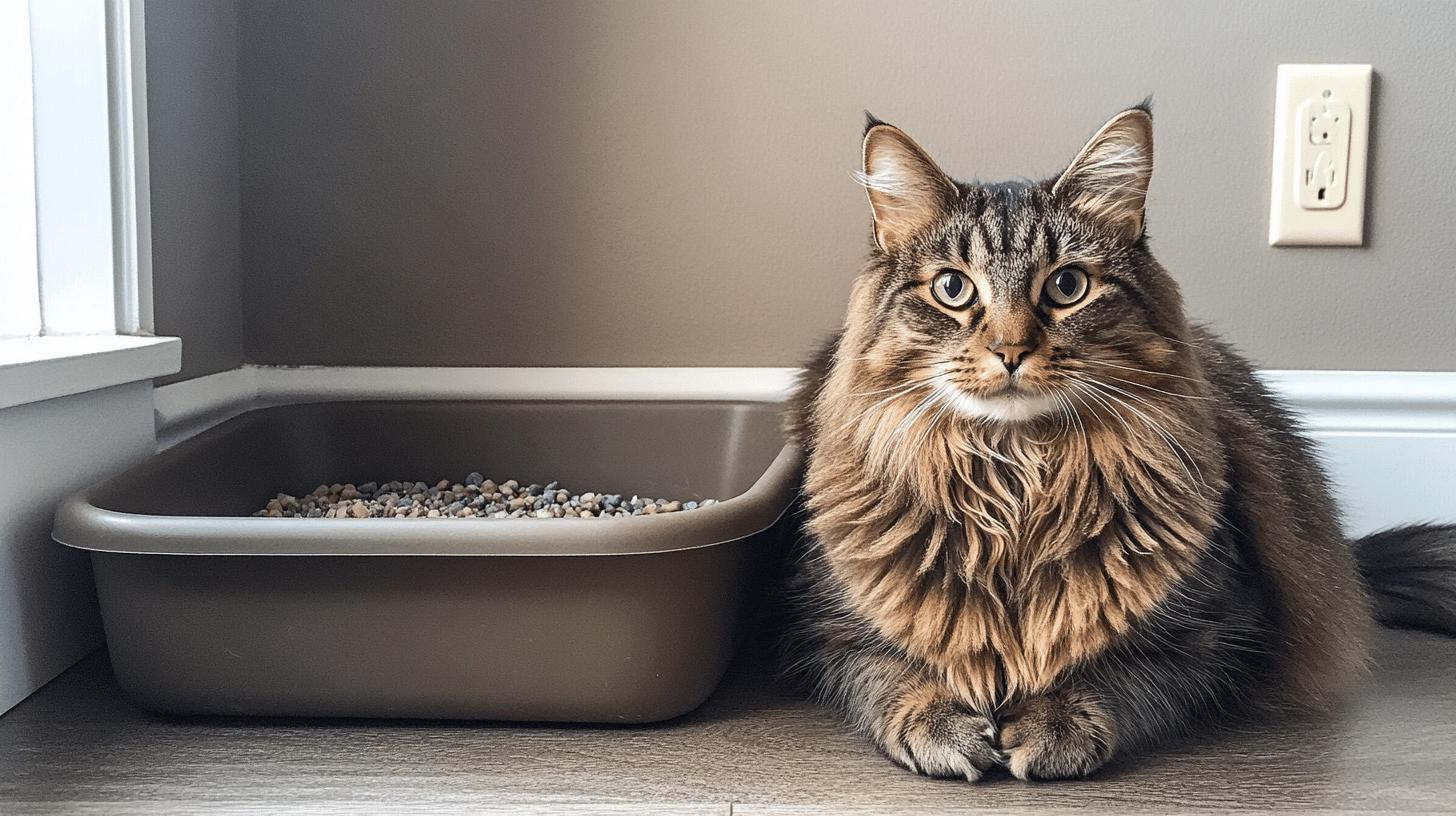
    Pick a litter box that fits your cat and her habits.
    For outdoor-loving cats, an uncovered box feels familiar. It makes the transition easier.
    Covered boxes help with privacy and odor, but they can feel tight for some cats.
    The box should allow your cat to turn and dig comfortably.

    Kittens need low sides for easy access. As they grow, switch to a bigger box.
    An adult cat needs a box 1.5 times her body length for enough room.
    Rectangular boxes suit most cats.

    If space is limited, a corner box works well. Match the shape to your cat's movements.
    Use litter like sand or natural clumping to mimic outdoor textures.
    Unscented and soft litter feels best for sensitive paws.

    Try different types to find what your cat likes.
    Place the litter box in a quiet spot.
    Cats like privacy away from noise.
    Mix new litter with old to help your cat adjust smoothly.

    Maintaining a Clean and Inviting Litter Box Environment

    Maintaining a Clean and Inviting Litter Box Environment-3.jpg

    How often should you clean the litter box?
    Daily scooping is best for a clean box. Regular cleaning encourages your cat to use it.
    Cats are picky about cleanliness. They won't use a dirty box.

    Each day, remove waste with a scoop. Then, add fresh litter to keep the box inviting.
    How can you maintain good litter box hygiene?
    Weekly deep cleaning keeps germs away. Use mild soap and water.

    Avoid strong-smelling cleaners; cats dislike them.
    Empty the box entirely once a week. Wash it with a gentle soap, rinse well, and dry before refilling.
    What can you do to make the litter box more appealing?
    Place boxes in quiet spots. Cats like privacy when they go.

    A calm location helps your cat feel safe. Avoid noisy areas like near washers or busy rooms.
    Consider multiple boxes. If you have more than one cat, each cat should have its own box.
    An extra box can prevent fights and make sure everyone has a spot.
    Keep the box accessible. If it's hard to reach, your cat might not use it.
    Easy access is key, especially for kittens and older cats.

    By keeping the litter box clean and placing it in a quiet, accessible spot, you'll create an inviting environment. This helps your cat feel comfortable using it every time.

    Final Words

    Training your cat to use a litter box can be a rewarding experience with the right steps. Start by encouraging exploration, and use positive reinforcement like treats. Understanding cat behavior is key to addressing any litter box aversion issues. Always ensure consistency in training.

    Choosing the right litter box and litter plays a crucial role. Select options that suit your cat’s needs and preferences. Keeping the litter box clean and inviting is also essential.

    Remember, how to train a cat to use a litter box requires patience, but with time, your cat will adapt well. Enjoy the process!

    FAQ

    How to train an older cat to use a litter tray?

    A: Begin by placing the cat gently in the litter tray after meals. Encourage with treats. Be consistent and patient, as older cats might take longer to adapt.

    How to get a cat to use a litter box for the first time?

    A: Place the cat in the litter box after meals and naps. Use a treat to reward her. Positive reinforcement helps her associate the box with a pleasant experience.

    When is it too late to litter train a cat?

    A: It's never too late. Cats of all ages can be trained to use a litter box with patience and consistency.

    How to train an outdoor cat to use a litter box?

    A: Start with an uncovered box with litter that mimics outdoors. Encourage exploration by placing familiar scents in the box. Reward with treats when used correctly.

    How to litter train a kitten fast?

    A: Place the kitten in the litter box after meals and playtime. Praise each successful use. Consistent and timely practice establishes quick habits.

    What to do if a cat won't use the litter box despite trying everything?

    A: Consult your vet for health issues. Try changing the litter type, box size, or location. Patience is key; cats may need time to adjust to changes.

    Is there a spray to encourage cats to use a litter tray?

    A: Yes, cat-attract sprays or litter additives can entice cats to the litter tray. Use these with positive reinforcement for best results.

    How long does it take to train a cat to use the litter box?

    A: It usually takes a few days to a couple of weeks. Consistency and patience ensure more effective training.

    Can cats train themselves to use the litter box?

    A: Some cats naturally adapt, but guidance and encouragement improve success rates. Offer rewards and praise for successful visits.

    How to stop a cat from peeing everywhere but the litter box?

    A: Address any stress factors, and check for health issues. Ensure a clean, inviting litter box. Try multiple boxes and vary their locations in the home.

    Related Articles

  • How to Train a Cat with a Clicker Effectively

    How to Train a Cat with a Clicker Effectively

    Think training a cat is impossible? Think again! With a clicker, you can teach your feline friend new tricks with ease. A clicker is a small device that makes a “click” sound. Each click tells your cat it’s done something right, and a reward is coming.

    This method makes learning fun and helps cats become better listeners. Plus, clicker training builds a stronger bond between you and your cat. Let’s dive into the world of clicker training and see how it can transform your cat’s behavior!

    Understanding the Basics of Clicker Training for Cats

    Understanding the Basics of Clicker Training for Cats-1.jpg

    Clicker training is a simple yet effective method for teaching cats new behaviors. It revolves around the use of a clicker, a small device that makes a clicking sound, to signal to the cat that they have done something right.

    This sound acts as a marker, indicating that a reward is on its way. The primary goal is to use positive reinforcement, like treats and praise, to encourage desired actions. This approach can be particularly beneficial for preparing cats for outdoor adventures, ensuring they respond to commands for safety and control.

    Positive reinforcement is the backbone of clicker training. When a cat performs a desired behavior, the clicker is used immediately, followed by a treat. This sequence helps the cat understand that the action they just did is something you want them to repeat.

    Over time, cats learn to associate the click with a reward and become more responsive to commands. This method is not only effective but also helps strengthen the bond between you and your cat by building trust and communication.

    • Provides mental stimulation, keeping cats engaged and less bored.
    • Improves overall behavior, making cats more responsive to commands.
    • Enhances the bond between cat and owner through positive interactions.
    • Helps in teaching cats to perform tricks or tasks, adding to their skill set.
    • Prepares cats for safe outdoor experiences by ensuring they understand and respond to commands.

    Essential Equipment for Clicker Training Cats

    Essential Equipment for Clicker Training Cats-1.jpg

    When it comes to clicker training, choosing the right equipment is crucial. A standard clicker is a small device that produces a clicking sound, signaling to your cat that it has done something worth rewarding.

    There are various types of clickers available, including button clickers, box clickers, and even clicker apps for your smartphone. Each type serves the same purpose but may differ in terms of the sound’s volume and ease of use. Selecting a clicker that both you and your cat are comfortable with can make training sessions more effective.

    Motivating treats are a key component of clicker training. The best cat treats are those that your cat finds irresistible. Small, soft, and smelly treats often work best as they can be quickly consumed, allowing you to maintain the flow of training.

    Keep a variety of treats handy to maintain your cat’s interest and enthusiasm. Remember, the goal is to make your cat eager to perform the desired behavior, so choosing the right treats is essential for success.

    If you don’t have a clicker, you can use alternatives like mouth sounds or snapping your fingers. These alternatives can be just as effective if used consistently. The key is to ensure that the chosen sound is distinct and easily recognizable by your cat.

    • iClick Clicker
    • PetSafe Clik-R
    • Clicker Training App

    Step-by-Step Guide to Start Clicker Training Your Cat

    Step-by-Step Guide to Start Clicker Training Your Cat-4.jpg

    To start clicker training, the first step is “charging” the clicker. This means teaching your cat that the clicker sound is linked to a reward. Begin by clicking the clicker and instantly giving your cat a treat. Do this several times in a row.

    The goal is to create a connection in your cat’s mind between the click sound and a tasty reward. Once your cat starts looking for a treat when it hears a click, you’ve successfully charged the clicker.

    Training sessions should be short and sweet. Keep them around 5 minutes to prevent your cat from losing interest. Short sessions help keep the training fun and engaging for your cat. Ensure the training environment is quiet and free from distractions.

    Consistency is key; try to have multiple short sessions throughout the day rather than one long session. This approach keeps your cat focused and eager to learn.

    As your cat becomes familiar with basic commands, start increasing the difficulty. Introduce new commands gradually, ensuring your cat masters each one before moving on. Use positive rewards to reinforce good behavior.

    Patience is important, as some commands may take longer for your cat to learn. Adjust the difficulty to match your cat’s progress, and always celebrate small victories to keep the momentum.

    1. Charge the Clicker
      • Click and immediately give a treat. Repeat until your cat associates the click with a reward.
    2. Start with Basic Commands
      • Introduce simple commands like “sit” using treats and clicks.
    3. Timing the Click
    • Click the moment your cat performs the desired action for clear communication.
    1. Keep Sessions Short
      • Limit training to 5-minute sessions to maintain interest.
    2. Increase Command Difficulty Gradually
      • Once basics are mastered, introduce more complex commands and tasks.

    Tips and Tricks for Successful Clicker Training Sessions

    Tips and Tricks for Successful Clicker Training Sessions-1.jpg

    Break down complex behaviors into smaller steps. This helps your cat learn more easily.

    Practice at the same time each day to establish a routine. Cats thrive on routine and this consistency can improve training success.

    • Use high-value treats to motivate your cat.
    • Ensure the training environment is quiet and free of distractions.
    • Be patient and keep a positive attitude.
    • Reward your cat with praise along with treats for encouragement.

    Avoiding Common Mistakes in Clicker Training Cats

    Avoiding Common Mistakes in Clicker Training Cats-1.jpg

    One common mistake in clicker training is poor timing. Clicking at the wrong moment confuses your cat about what behavior is being rewarded. It’s crucial to click the instant your cat performs the desired action. Consistency is another challenge; irregular training sessions can slow progress. Establishing a routine helps your cat know what to expect and when to focus.

    Overtraining is a pitfall to avoid. Long sessions can lead to training fatigue, where your cat loses interest and motivation. Look for signs like boredom or distraction. Keep sessions short and end on a positive note to maintain enthusiasm. Balancing training with playtime also helps prevent fatigue.

    Troubleshooting involves patience and flexibility. If progress stalls, reassess your approach. Try varying treats or simplify tasks to keep your cat engaged. Adjusting techniques based on your cat’s responses can help overcome plateaus and lead to successful training outcomes.

    Advanced Clicker Training Techniques for Cats

    Advanced Clicker Training Techniques for Cats-2.jpg

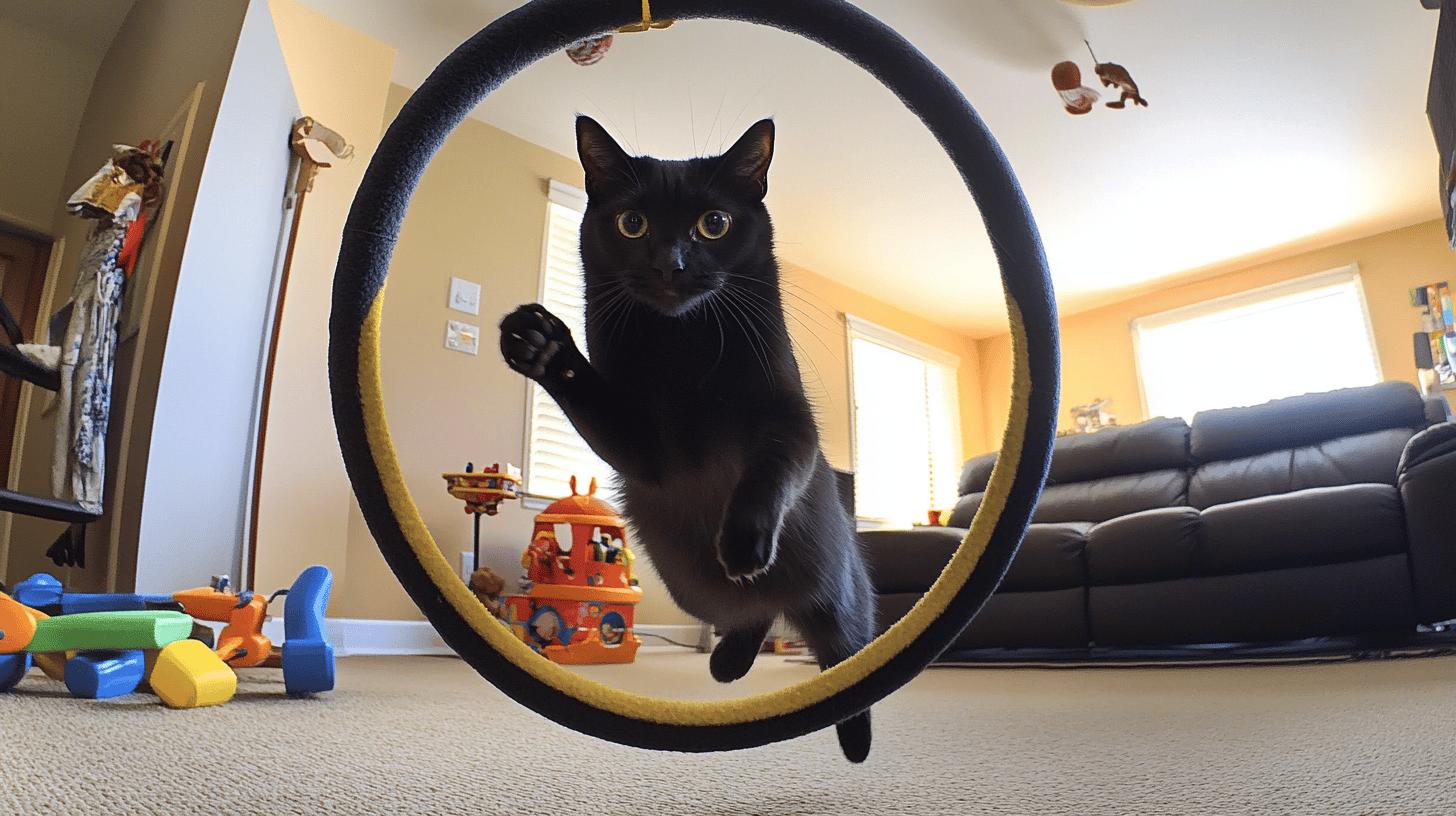
    Once your cat has mastered the basics, it’s time to explore more advanced tricks and behaviors. Advanced clicker training can involve teaching your cat to perform complex actions, such as jumping through hoops or fetching specific items.

    These activities require patience and dedication but can significantly enhance your cat’s skill set. Engaging your cat with challenging tasks not only keeps them occupied but also strengthens your bond by providing a shared activity.

    Understanding your cat’s body language is vital for successful training. Cats communicate a lot through subtle cues, such as tail flicks or ear positioning. Observing these signs during training helps you gauge their comfort and readiness to learn.

    Recognizing when your cat is frustrated or uninterested allows you to adjust your approach or give them a break. This insight ensures that training sessions remain positive experiences for both you and your feline friend.

    Incorporate interactive games into your training routine to make learning fun. These games can boost engagement and stimulate your cat mentally. For example, setting up an obstacle course can challenge your cat’s agility and problem-solving skills. Use toys to encourage your cat to chase and jump, reinforcing these actions with the clicker and treats.

    • Jump Through Hoops
      • Train your cat to jump through hoops by gradually increasing the height and size.
    • Fetch Specific Items
      • Teach your cat to fetch by starting with their favorite toy and using the clicker to reward retrieval.
    • Obstacle Courses
      • Create a mini agility course with household items to test your cat’s navigation skills.
    • Interactive Toy Games
      • Use puzzle toys or laser pointers to enhance focus and reaction time during play.

    Clicker Training for Different Cat Personalities

    Clicker Training for Different Cat Personalities-1.jpg

    Cats, like people, have distinct personalities. Some might be bold and adventurous, while others are more reserved or cautious. Recognizing these traits is the first step in tailoring clicker training to fit your cat’s unique needs.

    Observing your cat’s behavior can help you understand whether they’re shy, playful, or somewhere in between. This understanding allows you to customize your training approach, ensuring it’s both effective and enjoyable for your cat.

    Shy cats often require a gentle touch. Start by creating a calm and safe environment for training. Use soft tones and slow movements to avoid startling them. Begin with simple commands and reward even the smallest effort to build confidence.

    Recognize that progress might be slow, and patience is key. By providing positive reinforcement with treats and praise, you can help your shy cat feel more comfortable and secure during training sessions.

    On the flip side, playful cats thrive in energetic sessions. Use their natural curiosity and love for play to your advantage. Incorporate toys and games into the training to keep them engaged. Quick, lively sessions with plenty of movement can cater to their playful nature and hold their attention.

    Remember to keep the sessions short to avoid overstimulation. By customizing your approach to suit your cat’s personality, you enhance the effectiveness of clicker training, making it a fun and rewarding experience for both you and your feline friend.

    Final Words

    Jumping right in with clicker training can be a game-changer for both you and your cat. By embracing the principles of positive reinforcement, you lay the foundation for effective communication and bonding. With the right tools and techniques, how to train a cat with a clicker becomes clear and rewarding. Just remember, every cat is unique; understanding their personality will enhance your sessions. Approach training with patience, make adjustments as needed, and enjoy the journey of learning together. With consistency and fun, your furry friend will soon show off their new skills!

    FAQ

    Q: Does clicker training work on cats?

    A: Clicker training does work on cats by using a “click” sound to mark desirable behavior, followed by a reward.

    Q: How do you train a cat to sit with a clicker?

    A: To train a cat to sit, click when the cat sits naturally, then reward it. Repeat until the cat associates the click with sitting.

    Q: What age should you start clicker training a cat?

    A: You can start clicker training a cat as early as 8 weeks old. Younger cats learn quickly and enjoy the mental challenge.

    Q: How to clicker train a cat to stop biting?

    A: Click and reward when the cat plays gently. If biting happens, stop interaction. Consistently reward gentle behavior to encourage it.

    Q: What is the best clicker for cat training?

    A: Look for clickers with a clear, consistent sound. Popular options include i-Click, PetSafe Clik-R, and Clicker+.

    Q: How to clicker train a cat to stay off counters?

    A: Train “off” on small steps first, clicking and rewarding when the cat jumps down. Gradually apply to counters with consistency.

    Q: Can you use a cat clicker app?

    A: Yes, cat clicker apps offer convenience with adjustable sounds to suit your and your cat’s preferences.

    Q: What is included in a cat clicker training kit?

    A: A cat clicker training kit typically has a clicker, training treats, and a guide or tips for effective training sessions.

    Related Articles

  • Train Cats to Avoid Eating Human Food

    Train Cats to Avoid Eating Human Food

    Ever caught your cat sneaking bites from your plate and wondered how to stop them? Training your feline friend to avoid human food can be a challenge. But it’s essential for their health and happiness. In this guide, I’ll share practical steps you can take to curb your cat’s curiosity for human snacks. With a mix of patience, love, and positive reinforcement, you’ll teach your cat mealtime manners while keeping their paws off your dinner. Let’s dive into these step-by-step techniques that prioritize your kitty’s well-being.

    How to Train a Cat to Not Eat Human Food: Step-by-Step Techniques

    How to Train a Cat to Not Eat Human Food Step-by-Step Techniques-4.jpg

    1. Ignore Begging Behavior
      Gently place your cat on the floor when they beg for food. This teaches them that begging won’t get them extra treats. Try not to give them any attention during this time. Over time, they’ll learn that begging is not effective.
    2. Use Counter-Conditioning
      Counter-conditioning involves making your cat less interested in human food. Start by offering them their favorite cat treats during your meals. This helps shift their focus from your food to something they enjoy. Gradually, they’ll associate mealtimes with their own treats, not yours.
    3. Incorporate Praise and Affection
      Many cats respond well to praise and affection behavior. Use these as rewards when your cat ignores human food. Pet them in their favorite spots or give them a gentle cuddle. This reinforces positive behavior and strengthens your bond.
      Using positive reinforcement is crucial in training cats. Cats respond better to rewards rather than punishments. When you reward good behavior, they learn what actions please you diet concerns. This method makes training more enjoyable for both of you.

    Positive reinforcement also builds trust between you and your cat. They feel safe and loved, making them more likely to repeat desired behaviors. Remember, patience and consistency are key. Over time, your cat will learn to steer clear of human food.

    Understanding Why Cats Are Drawn to Human Food

    Understanding Why Cats Are Drawn to Human Food-1.jpg

    Why do cats seek human food? Cats can become obsessed with food if they’ve experienced scarcity in the past. If a cat didn’t always have food available, they might see human food as a valuable resource. Lack of social training can also make them curious about what’s on your plate. Without guidance, cats may not understand that human food is not for them.
    Anxiety and boredom are other reasons cats might go after human food. If a cat is anxious, they might seek comfort in food. Similarly, a bored cat will look for something to do, and sniffing around human food can be exciting. Keeping your cat entertained and relaxed can help reduce this behavior.
    Ways to reduce anxiety and boredom:

    • Provide daily playtime.
    • Offer engaging toys.
    • Ensure regular snuggles.

    By understanding these motivations, you can better train your cat to avoid human food. This makes both you and your cat happier.

    Comprehensive Feeding Strategies for Cats

    Comprehensive Feeding Strategies for Cats-1.jpg

    How can feeding schedules help with training cats? Feed your cat just before your meals. This distracts them from your food and reduces begging. When they’re satisfied with their meal, they’re less interested in yours. Aligning their feeding times with yours creates a routine that makes them less likely to bother you during mealtime.
    What can you do to prevent cats from stealing food? Keep your counters clear. Cats see any accessible food as something they can eat. By removing food from countertops, you reduce temptation. A separate feeding space for your cat can also help. This gives them a designated area for eating, making it clear that human food is off-limits.
    Why should you avoid giving cats human food? Human food can be unhealthy for cats. Some foods are toxic, while others can lead to obesity or digestive issues. Feeding them from your plate also encourages begging. It teaches them that they can get treats by asking for them, which reinforces the behavior you want to avoid.

    Healthy Alternatives and Treats

    To keep your cat healthy and satisfied, offer them alternatives that are safe and nutritious:

    • High-quality commercial cat food
    • Homemade cat meals with vet approval
    • Cat-specific treats
    • Interactive feeding toys

    These options provide a balanced diet and keep your cat interested in their own food. Interactive toys, in particular, can make mealtime fun and engaging, keeping your cat’s attention away from your dinner plate.

    Strategy Benefit
    Feed before human meals Reduces begging
    Clear counters Prevents food theft
    Separate room Removes temptation

    By using these feeding strategies, you can help your cat focus on their own meals and maintain a healthy diet. This approach not only supports their well-being but also helps to keep your meals pleasant and uninterrupted.

    Maintaining Consistency and Patience in Cat Training

    Maintaining Consistency and Patience in Cat Training-2.jpg

    Why are consistency and patience important in training cats? Consistency helps cats understand what’s expected of them. When training a cat to avoid eating human food, repeat the same actions and use the same cues every time. This repetition helps your cat learn the rules. Patience is needed because cats learn at their own pace. Unlike dogs, cats may take longer to respond to training. Staying calm and patient encourages a positive learning environment.

    • Set clear training goals
    • Monitor cat’s response to different rewards
    • Adjust training techniques based on cat’s preferences

    Understanding your cat’s preferences is crucial. Some cats might not be motivated by food if they’re free-fed. Instead, try different rewards like playtime or affection. By being consistent and patient, you will see progress over time.

    Final Words

    Training a cat to not eat human food involves understanding why they crave it, adjusting feeding habits, and using positive techniques. Gently ignoring begging, counter-conditioning, and rewarding with affection are steps that work.

    Feeding strategies and consistent training can make a big difference. It’s vital to know your cat’s favorites and use them to modify behaviors. With patience and care, a better playtime experience fails into place, teaching your cat to avoid human food. Stick with it, and you’ll help create a happier, healthier feline friend.

    FAQ

    How do I get my cat to stop eating human food?

    A: To stop your cat from eating human food, maintain a consistent feeding schedule. Distract your cat during human meal times by feeding them beforehand and keep counters clear of food.

    Why does my cat want to eat human food?

    A: Cats might eat human food due to past food scarcity or lack of social training. Boredom and anxiety can also trigger this behavior. Providing engaging toys and snuggles helps reduce these feelings.

    How do I get my cat to stop begging for human food?

    A: To reduce begging, gently ignore the behavior. Place your cat on the floor without interaction when they beg. Use counter-conditioning and praise as positive reinforcement.

    How to stop a cat from stealing human food?

    A: Keep human food out of reach by clearing counters and storing food securely. Feed your cat before your meals to reduce temptation and reinforce that human food is off-limits.