Ever wondered if it's safe for your cat to nibble on a spoonful of applesauce? Cats are obligate carnivores, which means they're built to thrive on meat, not fruit. So, is applesauce a harmless treat or an unnecessary risk? This guide will shed light on the dos and don'ts of serving applesauce to your feline friend.
While applesauce isn’t toxic, it's not exactly nutritious either. Read on to explore the guidelines and safety tips that ensure your cat's snack time stays enjoyable and safe.
Safety and Guidelines for Feeding Applesauce to Cats
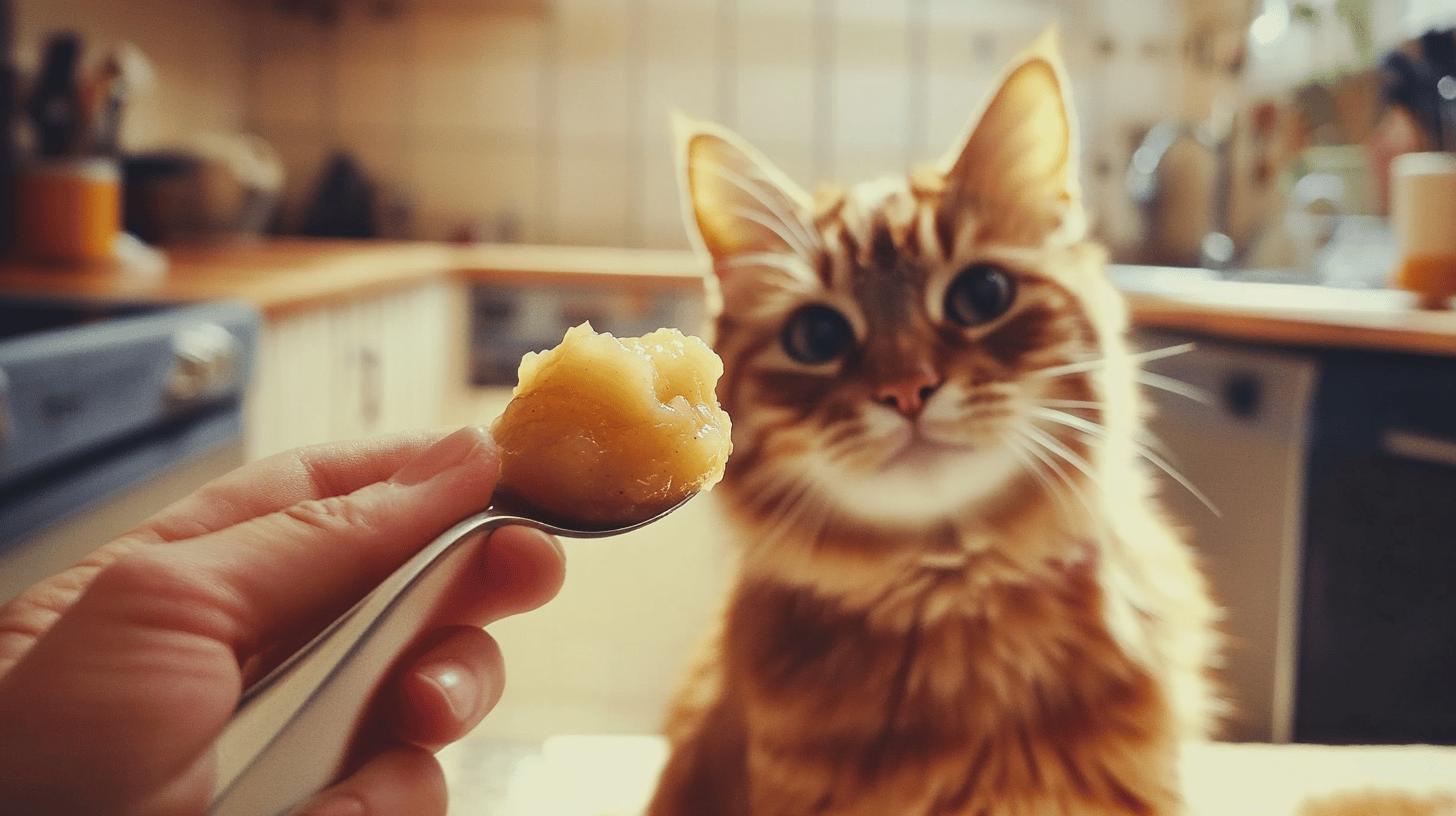
When it comes to feeding applesauce to cats, it's important to remember that they are obligate carnivores. This means their diet should primarily consist of meat-based proteins and fats. Applesauce doesn't naturally fit into this dietary requirement.
While it isn't inherently toxic, applesauce offers no nutritional benefits due to its lack of necessary protein and excess carbohydrates. If you choose to share applesauce with your feline friend, all-natural varieties without preservatives or added sugars are the safest bet. Remember, even these should only be given in moderation.
Prepackaged applesauce often contains ingredients that can pose risks to cats. Sugar and preservatives are common additives that aren't ideal for feline consumption. Furthermore, many varieties include flavorings like cinnamon, which can lead to digestive issues or more severe health problems if ingested in significant amounts.
The most dangerous of these additives is xylitol, an artificial sweetener that is highly toxic to cats. Always check the ingredient list carefully to protect your cat's health.
To ensure you're feeding applesauce safely:
- Use homemade applesauce without additives.
- Limit to a teaspoon portion.
- Offer no more than once a week.
- Observe for any signs of digestive upset.
- Read labels carefully to ensure safety.
If you're considering introducing applesauce into your cat's diet, consulting with a veterinarian is a wise step. They can offer tailored advice based on your cat's specific health needs, ensuring you make the best dietary choices for your furry companion.
Comparing Applesauce to Other Cat-Safe Fruits
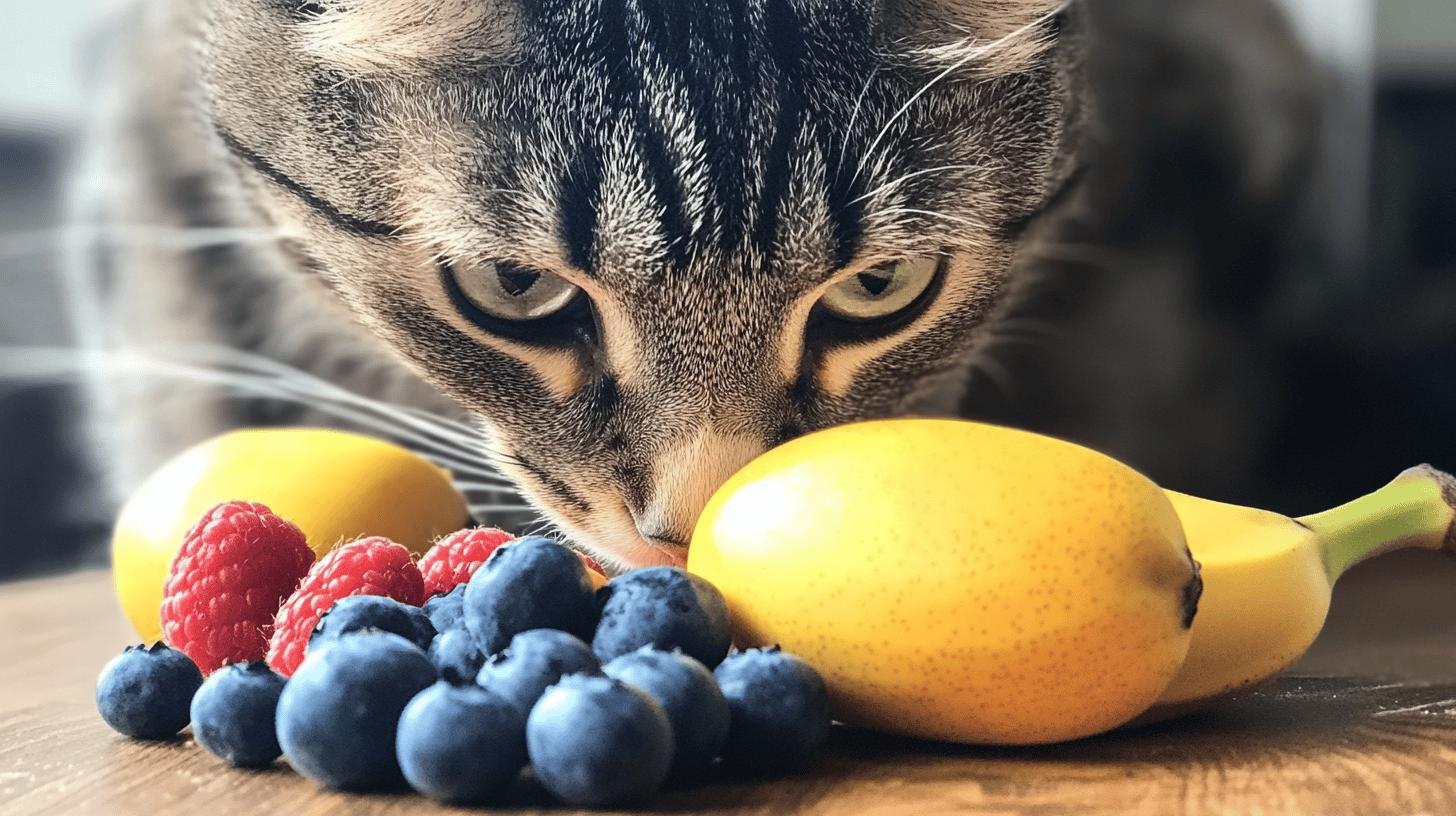
Applesauce might not be the best choice for your cat due to its high sugar content and lack of nutritional benefits. Cats are obligate carnivores, and their diet should focus on protein-rich foods.
While applesauce can be given in small amounts, there are other fruits that may be better suited as occasional treats. For example, fruits like blueberries, strawberries, and bananas can offer antioxidants and vitamins. These nutrients can complement your cat's diet when given sparingly. Remember, any fruit should be considered a treat and not a main component of their diet.
To help you make informed choices, here is a comparison of safe fruits for cats, their benefits, and precautions:
| Fruit | Benefits | Precautions |
|---|---|---|
| Blueberries | Rich in antioxidants and Vitamin C | Feed in moderation to prevent digestive upset |
| Strawberries | High in Vitamin C and fiber | Remove stems and leaves; serve in small pieces |
| Bananas | Source of potassium and Vitamin B6 | High sugar content; only small pieces |
| Apples | Contains Vitamins A and C | Avoid seeds and core; serve in small slices |
These fruits, when fed in moderation, can add some variety to your cat's diet without compromising their health. Always observe your cat for any adverse reactions and consult with a vet if you're unsure about introducing new foods.
Final Words
Feeding cats applesauce can be tricky. Cats are obligate carnivores, so fruit isn't essential for them. The wrong kind of applesauce, especially with additives, can be harmful. Choose only all-natural applesauce if you decide to offer it, and give it sparingly, while always checking for adverse reactions.
Remember, while applesauce might seem like a treat, it doesn't provide necessary nutrition. Other fruits like blueberries or strawberries are safer alternatives. Always consult your vet when uncertain about introducing new foods to your cat's diet. Keep your feline friend's safety the priority for happy, healthy playtimes.
Dangerous Applesauce Additives
Commercial applesauce often contains ingredients that pose serious risks to cats. Xylitol, an artificial sweetener found in many “sugar-free” products, is highly toxic to cats and can cause severe liver damage within minutes to hours. Even small amounts can cause vomiting, lethargy, loss of coordination, and seizures. Always check labels for xylitol before offering any food to your cat.
Other artificial sweeteners, cinnamon, and preservatives also cause digestive upset and potential health problems. Cinnamon and nutmeg can irritate the digestive system. Since cats lack sweet taste receptors, they derive no benefit from sugary foods—only risk.
Age and Health Considerations
Your cat’s age and health status dramatically affect whether applesauce is appropriate. Kittens under 6 months have developing digestive systems and should never receive new foods. Senior cats (10+) have decreased digestive efficiency and increased health risks. Cats with diabetes must absolutely avoid applesauce due to sugar content. Cats with digestive issues, pancreatitis, or IBD should never be exposed to fruit treats. Consult your veterinarian before offering any new foods, especially to kittens, seniors, or cats with pre-existing conditions.
Emergency Response: If Your Cat Ate Applesauce
If your cat eats applesauce, first determine the type. If it contains xylitol, contact your vet or animal poison control immediately—even if your cat seems fine, as toxicity develops within 30 minutes to hours. Watch for vomiting, diarrhea, lethargy, abdominal pain, or unusual behavior. For unsweetened homemade applesauce, monitor for 24 hours for digestive upset. Contact your vet if symptoms persist or your cat has pre-existing health conditions.
Better Treat Alternatives
Instead of applesauce, offer protein-based treats: small pieces of cooked chicken, turkey, or lean beef satisfy your cat’s carnivorous instincts. Freeze-dried meat treats are nutritionally appropriate and cats find them irresistible. Most importantly, interactive toys provide far superior enrichment compared to food treats. A 10-minute play session with a quality toy engages your cat’s hunting instincts and provides physical and mental stimulation that food cannot match.
Storage and Serving Guidelines
If you decide to offer homemade, unsweetened applesauce: never exceed one teaspoon per serving (a tiny amount), offer no more than once per week, and store in airtight refrigerated containers for up to 5 days. Monitor your cat closely after offering for any signs of digestive upset. Many cats have zero interest in fruit, which is perfectly normal and healthier for them. Your cat’s caloric needs should come almost entirely from high-quality cat food.
FAQ
Is it safe for cats to eat applesauce?
Applesauce in small amounts can be safe for cats, but it does not provide nutritional benefits. Opt for natural, unsweetened versions and offer them sparingly.
Can cats eat applesauce every day?
Cats should not eat applesauce every day. It should be given occasionally and in small amounts, as it lacks necessary nutrients for cats.
Can cats have applesauce with cinnamon?
Applesauce with cinnamon is not safe for cats. Cinnamon and other additives can cause digestive issues or more serious health problems in cats.
Can cats eat unsweetened applesauce?
Unsweetened applesauce can be given to cats in small quantities. However, it should not replace their regular diet, and caution is advised due to potential preservatives.
Can cats eat apple skin or apples?
Cats can eat small pieces of apple without skin or seeds, which can be harmful. Apples should only be a treat, not a regular part of their diet.
Why can't cats eat applesauce with additives?
Additives like sugar, preservatives, and artificial sweeteners such as xylitol in applesauce are not safe for cats and can cause health issues.
What liquids can I give a sick cat?
For a sick cat, providing fresh water or bland broths is best. Avoid flavored or seasoned liquids that could cause more harm.
Can cats have brat?
Cats should not eat bratwurst or similar processed meats. These often contain onions, garlic, and other spices harmful to cats.
Why compare applesauce to other fruits for cats?
Fruits like blueberries, strawberries, and bananas offer antioxidants and vitamins safe for cats, unlike applesauce that lacks nutritional value.
What are safe fruits for cats?
| Fruit | Benefits | Precautions |
|————|—————————|——————————-|
| Blueberries| Antioxidants | Serve in small amounts only |
| Strawberries| Vitamin C and fiber | Remove stems |
| Bananas | Potassium | High sugar content, limit intake|
| Apples | Fiber (without seeds/skin)| Remove seeds and skin |
Related Articles
- Best Toys to Reduce Play Aggression
- Tips to Train Cat to Stay in Yard
- Can Cat Eat Apple
- Can Cat Eat Banana
- Can Cat Eat Strawberry
Comprehensive FAQ About Applesauce and Cat Health
Is applesauce poisonous to cats? Unsweetened applesauce isn’t inherently poisonous, but many commercial varieties contain xylitol, a highly toxic artificial sweetener. Always check labels carefully. Sugar content and lack of nutritional value make applesauce an unnecessary risk even when safe.
How much applesauce can cats safely eat? If you offer unsweetened, all-natural applesauce to a healthy adult cat, limit to one teaspoon maximum per serving, no more than once weekly. Most cats have zero interest in fruit, which is perfectly normal and healthier.
What are symptoms of applesauce poisoning? Xylitol toxicity symptoms include vomiting, lethargy, loss of coordination, seizures, and tremors. Other additives cause vomiting, diarrhea, and abdominal pain. Any unusual symptoms warrant immediate veterinary evaluation.
Can cats eat homemade applesauce? Homemade applesauce without additives is safer than commercial varieties, though still unnecessary nutritionally. Limit to tiny portions, monitor closely, and discontinue if any digestive upset occurs.
What should I do if my cat ate applesauce with xylitol? Contact your veterinarian or animal poison control immediately. Xylitol is highly toxic and requires urgent medical attention. Even if your cat seems fine, toxicity can develop within 30 minutes to hours.
Are there better fruit treats for cats? Honestly, most fruits offer little value to cats. If you want to offer treats, protein-based options (cooked chicken, freeze-dried meat) are far superior. Interactive toys provide more enrichment than any food treat.
Why don’t cats need fruit in their diet? Cats are obligate carnivores. Their digestive systems are optimized for meat-based proteins and animal fats. Fruits provide no essential nutrients cats can’t get from proper cat food. Fruits are purely optional extras with no health benefit.
What’s the best treat for cats instead of applesauce? Small pieces of cooked chicken, turkey, or beef satisfy your cat’s carnivorous instincts far better than fruit. Freeze-dried meat treats provide pure protein with no additives. Most importantly, quality interactive toys engage hunting instincts and provide superior enrichment compared to any food treat.
Leave a Reply