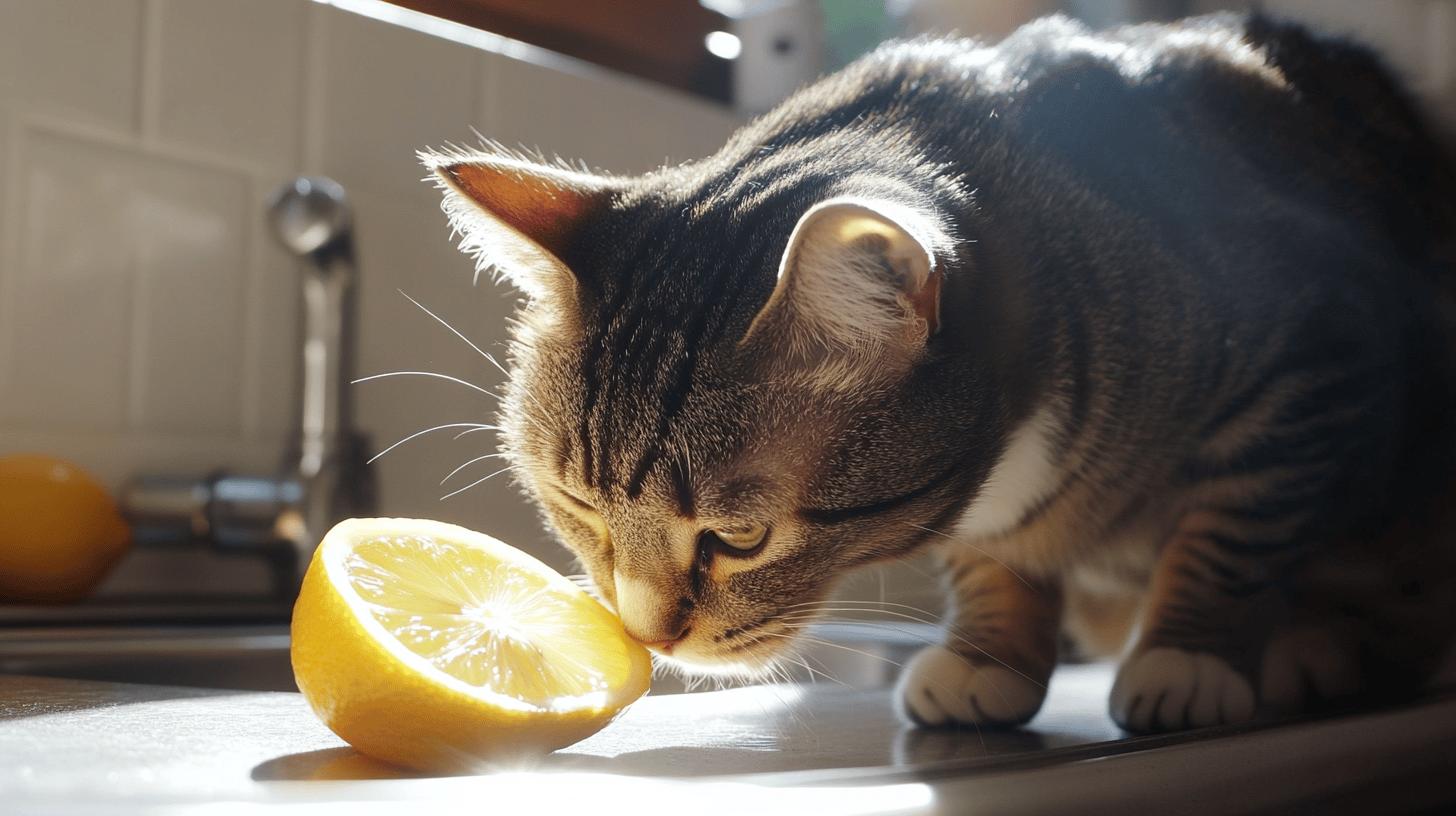
Lemons are toxic to cats. The compounds limonene, linalool, and psoralens in lemon flesh and essential oils cause gastrointestinal distress and can cause more serious harm with repeated exposure. This guide covers the specific risks, what to do if your cat encounters lemon, and practical steps to keep them safe.
Can Cats Eat Lemon? Understanding the Risks
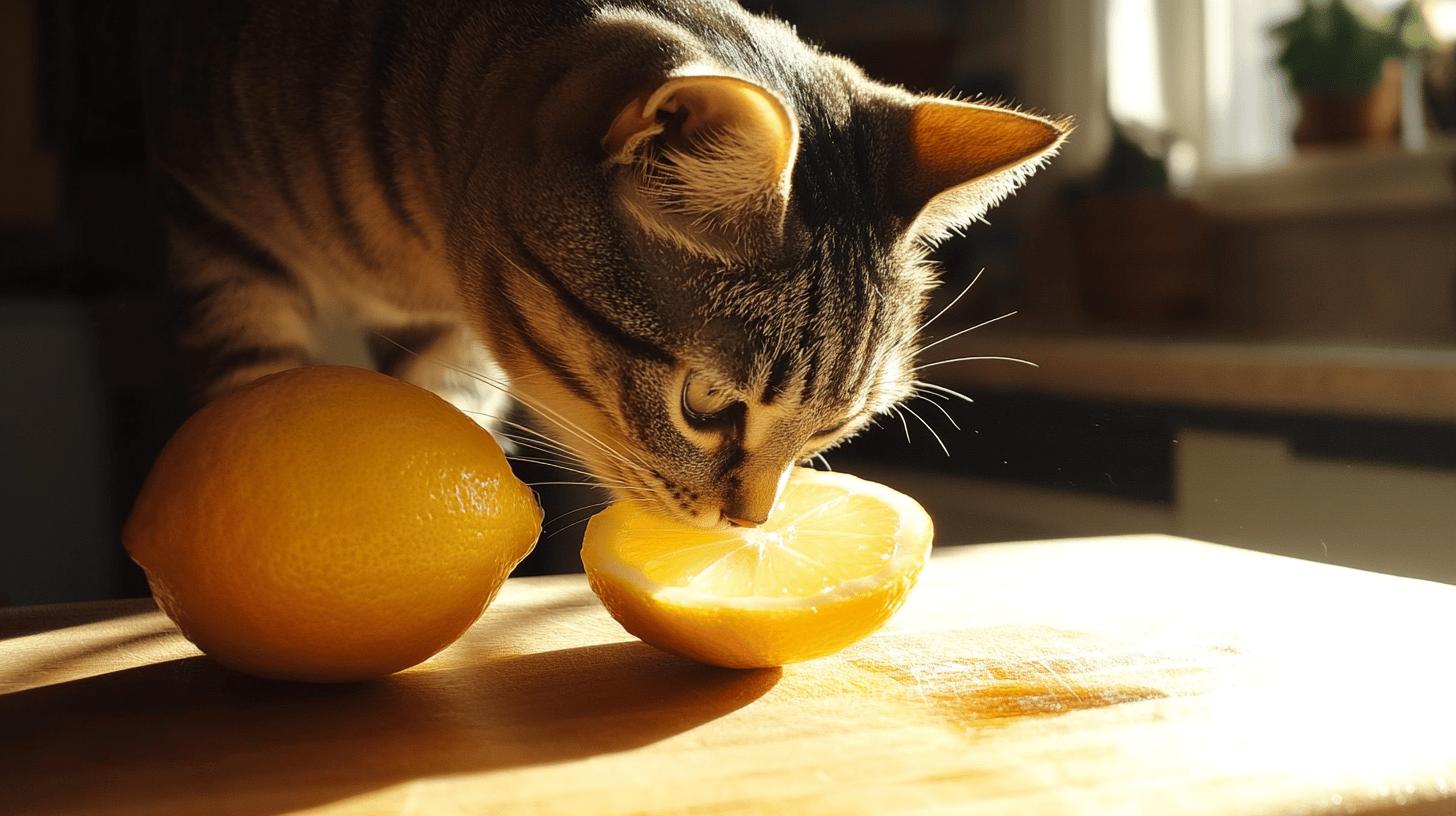
Lemons are not safe for cats and should be kept out of their reach at all times. The toxicity of lemons is mainly due to compounds like limonene, linalool, and psoralens, which are found in the fruit and its essential oils. These compounds can cause significant harm to a cat’s health. Even a small amount of lemon ingestion can lead to gastrointestinal distress, as the high acidity and oil content can irritate a cat’s digestive system. Cats have a more sensitive reaction to these substances compared to humans, making even minimal exposure potentially dangerous.
Common symptoms of lemon toxicity in cats include:
- Vomiting
- Diarrhea
- Lethargy
- Behavioral changes
- Hiding
If a cat ingests lemon, acting quickly is crucial. Immediate veterinary consultation is advised as early intervention can prevent more severe health issues. When a cat has accidentally consumed lemon, owners should monitor their pet closely for any of the listed symptoms and seek professional veterinary help without delay.
Urgent Action Needed: If you suspect your cat has ingested any part of a lemon, contact your veterinarian immediately to ensure your pet receives the necessary care and guidance.
Breaking Down Lemon’s Toxic Compounds
Understanding exactly which components of lemons are harmful helps explain why the whole fruit, including the peel, flesh, seeds, and juice, poses risks to cats. The three primary compounds responsible for lemon toxicity in cats are limonene, linalool, and psoralens.
Limonene is a terpene found in high concentrations in the lemon peel and essential oils. It is frequently used in cleaning products, air fresheners, and insect repellents due to its strong citrus scent. In cats, limonene can disrupt liver enzyme function, cause dermal irritation, and trigger the gastrointestinal symptoms commonly associated with citrus ingestion. The liver is particularly sensitive because cats lack certain liver enzymes that allow other species to metabolize terpenes efficiently.
Linalool, another terpene compound, is often found alongside limonene in lemon essential oils. It has similar effects on the feline liver and can compound the toxicity of limonene when the two compounds are ingested together. Psoralens are photosensitizing compounds found in lemon peel. While their primary danger for cats involves skin exposure followed by sunlight, ingestion can also contribute to gastrointestinal and systemic symptoms.
This combination of compounds means that even small quantities of lemon, including incidental licking of lemon residue from a plate or cutting board, can be enough to cause noticeable discomfort in a cat. The peel contains the highest concentration of these compounds, making it the most dangerous part of the fruit.
Veterinarian Advice on Lemon Ingestion
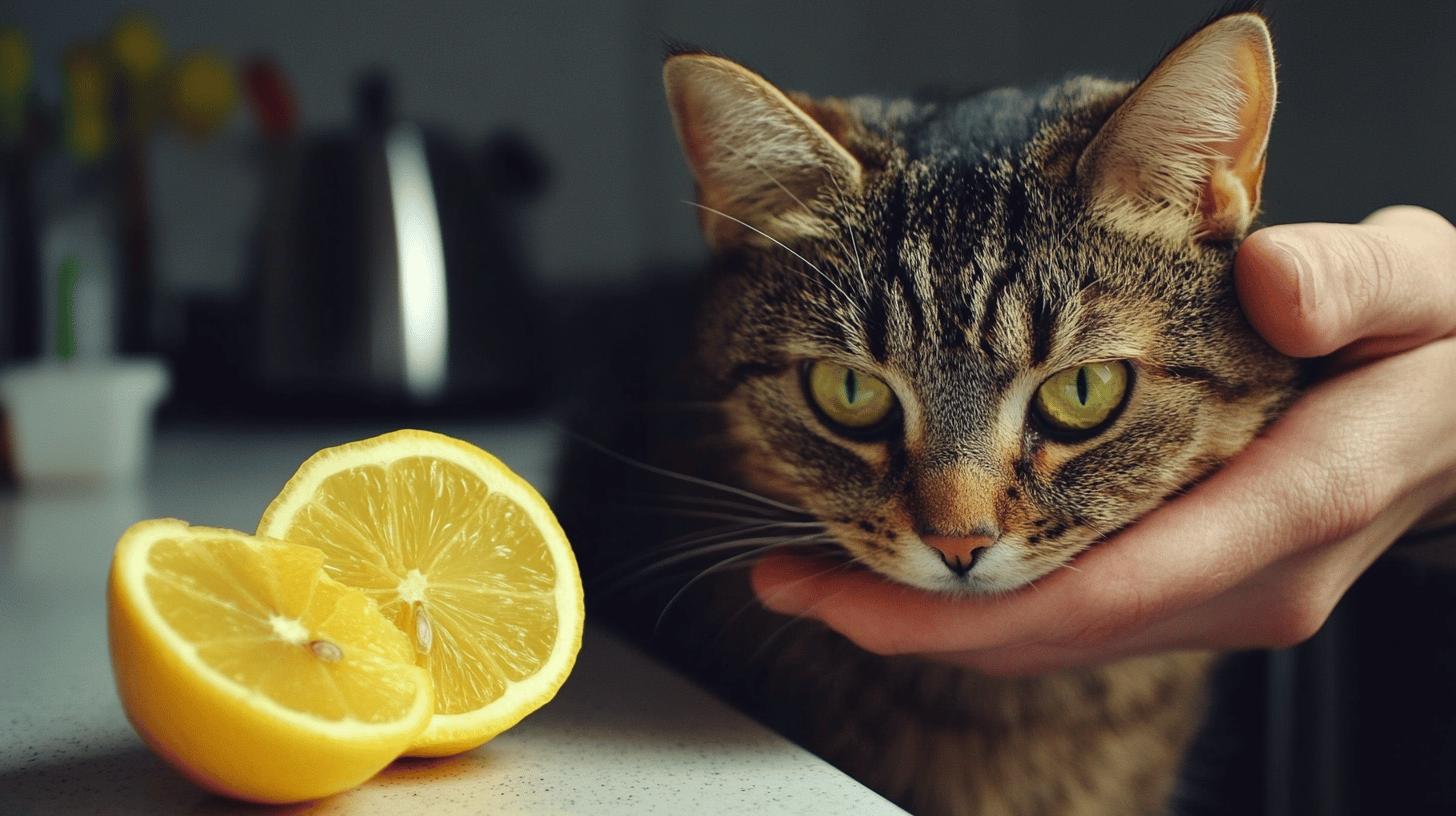
If your cat eats lemon, consulting a veterinarian quickly is crucial. Lemons contain toxic compounds like limonene, linalool, and psoralens, which can harm cats. Quick action can prevent serious health issues.
- Remove any lemon residue from the cat’s mouth.
- Observe the cat for symptoms.
- Contact a veterinarian promptly.
- Follow veterinary advice for treatment.
Monitor your cat’s health after visiting the vet. Keep an eye out for any symptoms and update the vet on your cat’s condition. This helps manage health effects and supports recovery.
Lemon Products Around the Home: Hidden Exposure Risks
Many cat owners focus primarily on keeping fresh lemons out of reach but overlook the wide range of lemon-containing products commonly used around the home. These can represent hidden exposure risks that are easy to underestimate.
Lemon-scented cleaning sprays and surface wipes are among the most common household sources of limonene exposure for cats. When these products are used on floors, counters, or other surfaces where cats walk and rest, residue can transfer to their paws and fur. Cats then ingest these compounds through grooming. Switching to unscented or pet-safe cleaning products eliminates this risk entirely.
Citrus-based insect repellents and flea treatments are another concern. Some over-the-counter flea products contain limonene as an active ingredient. While these products may be marketed as natural, they can be toxic to cats and should never be applied without veterinary guidance. Similarly, lemon-scented essential oil diffusers and potpourri can release airborne particles that cats inhale or that settle on their coat.
Personal care products like lemon-scented hand lotions, soaps, and shampoos can also transfer to your cat through handling. If you regularly apply lemon-scented products to your hands or skin, washing your hands thoroughly before handling your cat helps reduce incidental exposure. For guidance on how other citrus fruits compare in terms of cat safety, the article on lime toxicity in cats and the one on grapefruit risks for cats cover those related topics.
Safe Alternatives to Lemon for Cats
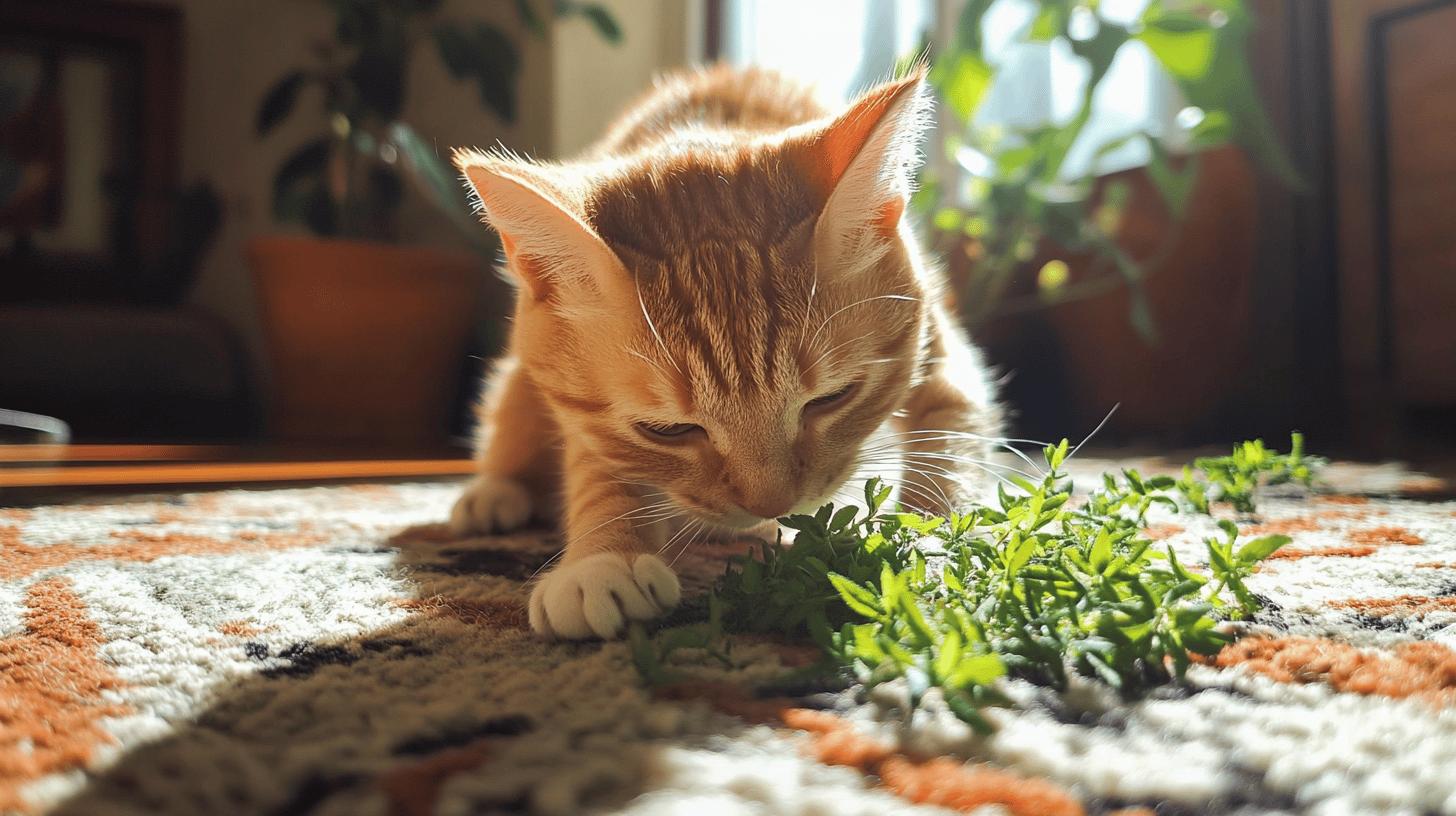
Choosing the right treats for your cat is essential to keep them healthy and happy, especially since lemons pose significant risks due to their toxic compounds. Cats are naturally repelled by citrus scents, making lemons an unsuitable choice for snacks. Instead of risking your cat’s health with lemons, consider providing safe and nutritious alternatives. By doing so, you ensure your feline friend receives the right nutrients without exposure to harmful substances. Treats specifically designed for cats are formulated to meet their dietary needs, offering both safety and enjoyment.
Here are some safe treats for your cat:
- Plain cooked chicken
- Catnip
- Commercial cat treats
- Small amounts of pumpkin
- Cat-friendly yogurt (plain, unsweetened)
Choosing treats that align with your cat’s dietary requirements ensures they receive balanced nutrition. Carefully selected treats can support their overall health and prevent the risks associated with inappropriate snacks like lemons. Always monitor your cat’s reaction to new treats and consult with your veterinarian if you have any concerns about their diet.
Understanding Cats’ Aversion to Lemon Scent
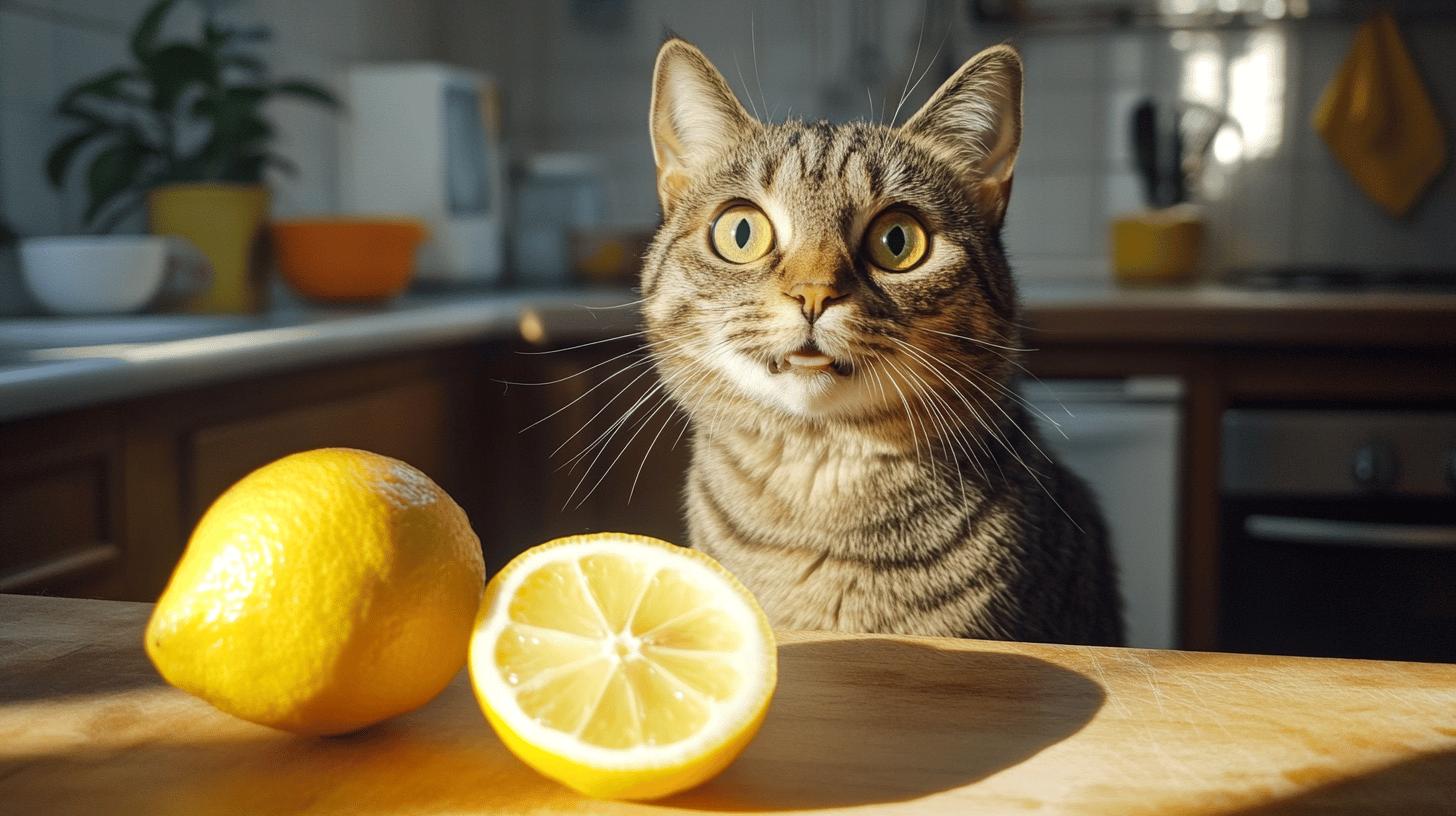
Cats have a natural aversion to the scent of lemons and other citrus fruits. Their highly sensitive sense of smell makes the strong citrus aroma particularly off-putting. This aversion is not a mild dislike; it acts as a powerful deterrent that generally keeps cats away from areas where lemon scents are present. The compounds in lemon that produce this strong aroma are unpleasant to felines and can even cause discomfort, making them naturally steer clear of the source.
This natural dislike of lemon scent can be used by cat owners to keep their pets away from certain areas of the home. By strategically placing lemon-scented items, such as lemon-scented sprays or essential oils, in areas where cats are not welcome, you can deter them without causing harm. This method is a safe and non-invasive way to manage your cat’s movements and protect areas from unwanted feline attention. Just ensure that any lemon-scented products are out of reach to prevent accidental ingestion, as the compounds in lemons can be toxic.
Building a Citrus-Free Zone for Your Cat
Creating a living environment where your cat is protected from lemon and other citrus exposures requires a small but consistent set of habits. Most accidental exposures happen through everyday kitchen activities or common household products, so addressing these areas makes the biggest difference.
In the kitchen, store lemons in a closed refrigerator drawer or a sealed container rather than in an open fruit bowl. When cutting lemons, keep your cat out of the kitchen or place them in another room. Wipe down surfaces promptly with a pet-safe cleaner after handling citrus, and rinse cutting boards and knives thoroughly. Dispose of lemon peels and seeds in a covered trash bin your cat cannot access.
Beyond the kitchen, audit your cleaning and personal care products for citrus-based ingredients and replace any that your cat regularly comes into contact with. If you use an essential oil diffuser, check whether any of your oils contain lemon or other citrus extracts and avoid diffusing them in spaces your cat occupies. These changes do not require major effort but significantly reduce the background level of citrus exposure your cat faces in daily life. For additional context on safe foods and toxic risks for cats, the articles on fig safety for cats and garlic toxicity in cats offer useful complementary information.
Final Words
Lemons are genuinely toxic to cats due to compounds like limonene, linalool, and psoralens. These substances can cause vomiting, diarrhea, lethargy, and more serious systemic effects depending on the amount consumed. Quick veterinary action and careful monitoring are essential if ingestion occurs.
Safer treats like plain chicken or catnip offer your cat enjoyment without any of the risks. Understanding your cat’s natural aversion to citrus scents can also help you use that knowledge protectively. By taking informed, consistent steps at home, you can protect your cat and ensure their daily environment supports their health rather than threatening it.
FAQ
Can cats eat lemon or lemon juice?
Cats should not consume lemon or lemon juice. Lemons are toxic to cats and can cause gastrointestinal issues like vomiting and diarrhea due to their acidic content and essential oils.
Is lemon safe for cats to smell?
Lemon scent is generally safe for cats to smell. However, they often dislike the strong citrus aroma, which can deter them naturally from the area.
What should I do if my cat eats lemon?
If your cat eats lemon, contact a veterinarian immediately. Remove lemon residue from the cat’s mouth and monitor for symptoms like vomiting and lethargy.
Can cats drink lemon water?
Cats should not drink lemon water. Lemon contains toxic compounds that can cause digestive distress, so it’s best to keep it out of their reach.
Is lemon juice bad for cats’ skin?
Yes, lemon juice can irritate a cat’s skin. Avoid applying it topically and ensure it does not come into contact with them.
Can cats eat lemon pepper tuna?
Cats should not eat lemon pepper tuna. The lemon and spices in the tuna can be harmful and upset their delicate digestive system.
What are the symptoms of lemon toxicity in cats?
Symptoms of lemon toxicity in cats include vomiting, diarrhea, lethargy, behavioral changes, and hiding. Seek veterinary help if you notice these signs.
Leave a Reply