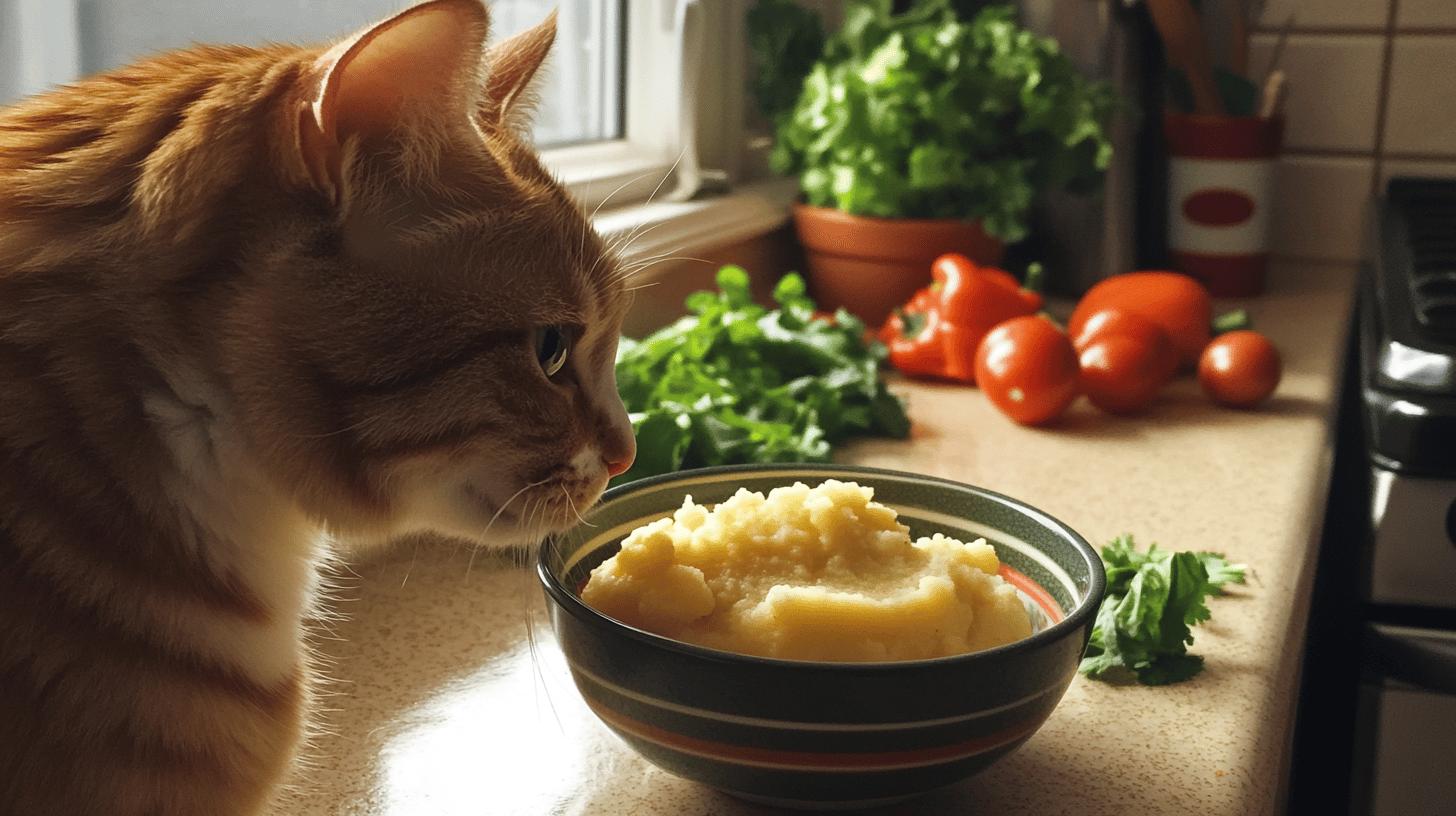
A simple potato might seem like a harmless kitchen staple, but for your cat it presents real risks worth understanding. Cats are obligate carnivores, biologically programmed to thrive on meat-based diets, and potatoes offer them nothing nutritionally valuable. Cooked potatoes are not toxic in small amounts, but raw potatoes contain solanine, a dangerous compound that can cause serious harm. Understanding these distinctions will help you keep your cat safe and make confident dietary choices.
Can Cats Eat Potatoes? Understanding the Basics
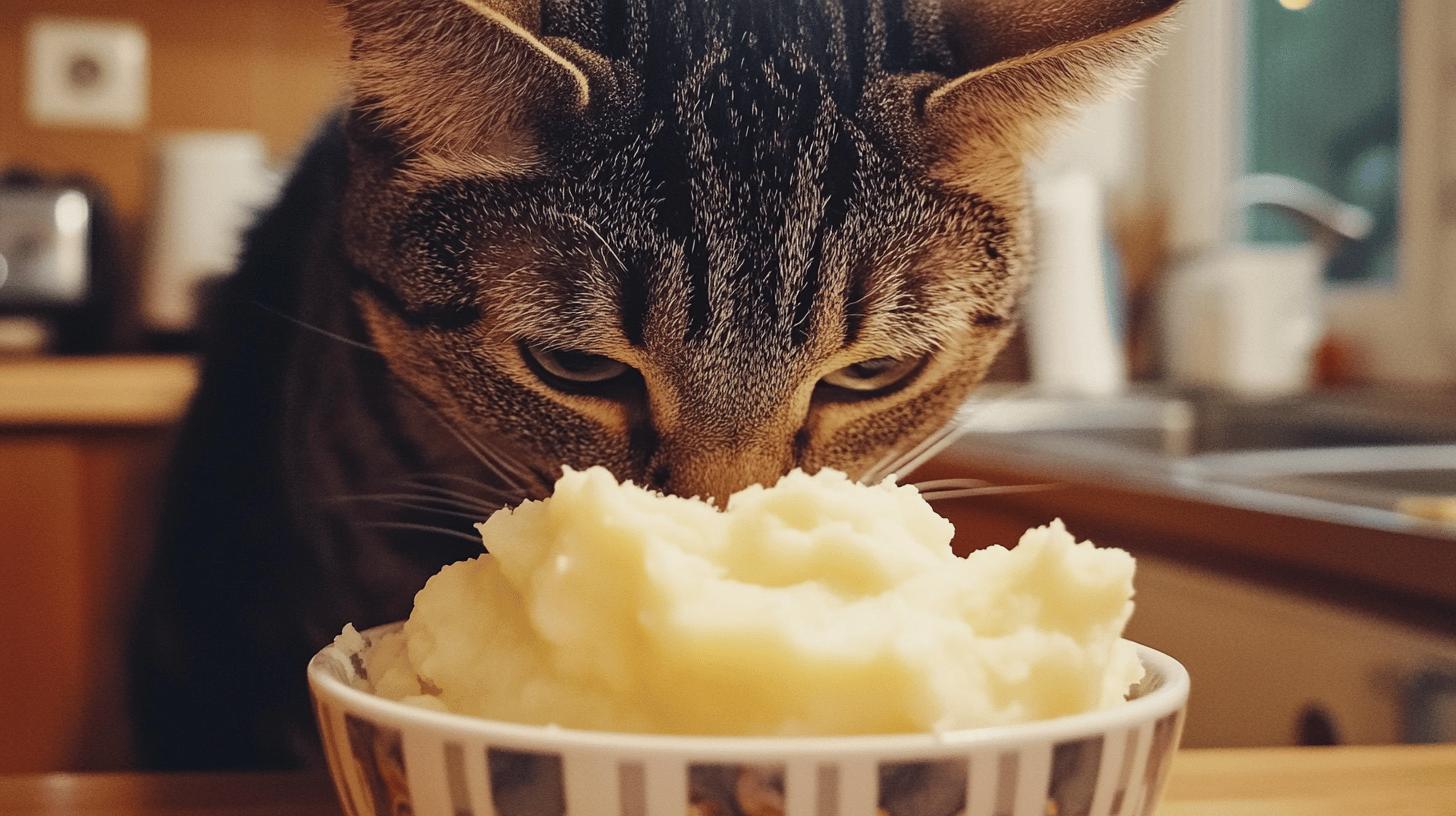
Cats are obligate carnivores, which means their diet should be primarily meat-based. So, can cats eat potatoes? The short answer is that while cooked potatoes are not toxic to cats in small amounts, they offer no significant health benefits. On the other hand, raw potatoes contain solanine, a toxic substance that can be harmful to cats.
Cats require a diet that is rich in proteins and essential nutrients found in meat. Potatoes, being a plant-based food, do not provide these necessary nutrients. They lack the amino acids and vitamins that are critical for a cat’s health. Feeding potatoes to cats does not fulfill their nutritional needs and could lead to an imbalance if not managed carefully.
While cooked potatoes can be given as a treat occasionally, it’s important to remember that they should be plain and unseasoned. Raw potatoes, with their solanine content, pose a danger to cats and should be avoided. Solanine can cause symptoms like vomiting, diarrhea, and lethargy, making it crucial to keep raw potatoes out of reach.
| Potato Type | Safety for Cats |
|---|---|
| Raw Potatoes | Unsafe due to solanine |
| Cooked Potatoes | Safe in small amounts |
| Sweet Potatoes | Safe but not nutritious |
What Solanine Does Inside a Cat’s Body
Solanine is a glycoalkaloid compound that plants in the Nightshade family produce as a natural defense against insects, fungi, and other threats. For cats, even relatively small amounts of solanine can interfere with key biological functions. The compound inhibits acetylcholinesterase, an enzyme responsible for breaking down the neurotransmitter acetylcholine. When this enzyme is blocked, nerve signals can misfire or become overactive, leading to the range of neurological and gastrointestinal symptoms associated with solanine poisoning.
In a cat’s body, solanine is absorbed through the digestive tract and can cross into the bloodstream relatively quickly. Symptoms typically begin within a few hours of ingestion. The severity depends on the amount consumed and the individual cat’s size and sensitivity. Kittens and senior cats tend to be more vulnerable than healthy adult cats, so extra caution is warranted for those age groups.
Solanine concentration is highest in raw potatoes, potato skins, green-tinged potato flesh, and sprouts. These parts of the potato should always be kept away from cats. Cooking breaks down some, but not all, solanine content, which is why cooked potato flesh in small amounts is generally tolerated while raw potato never is. Understanding this chemistry helps explain why the preparation method matters so much when it comes to potato safety for cats.
Raw and Cooked Potatoes: Understanding Risks and Safety for Cats
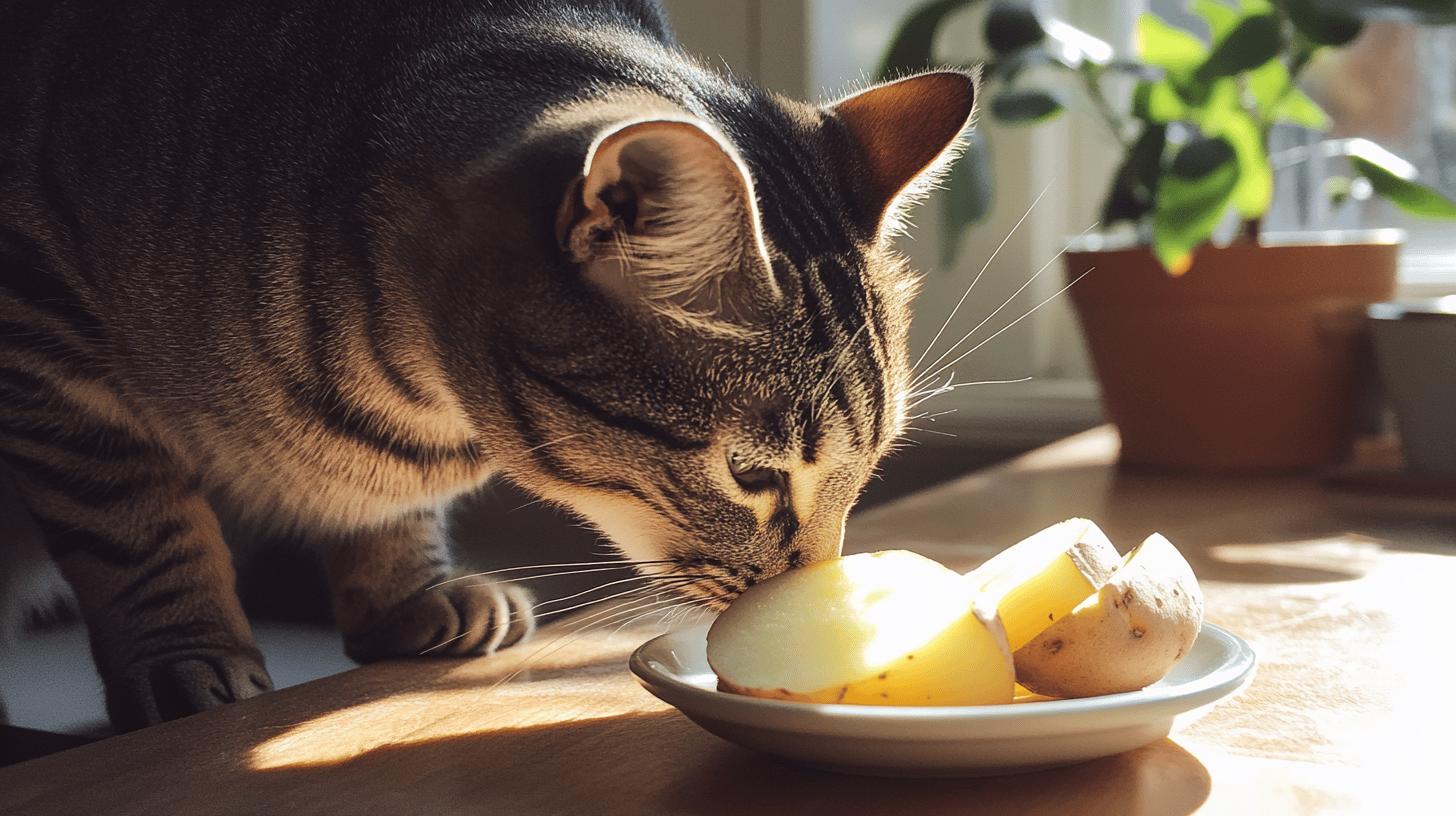
Raw potatoes are dangerous for cats because they contain solanine, a toxic compound. Solanine poisoning can lead to various symptoms in cats:
- Vomiting
- Diarrhea
- Lethargy
- Confusion
Cooked potatoes are generally non-toxic if plain and unseasoned. However, feeding them in large amounts can still cause digestive issues. Fried potatoes, like French fries, contain unhealthy fats harmful to cats and can lead to pancreatitis. Mashed potatoes with additives such as butter, milk, or garlic may upset a cat’s digestive system.
When giving potatoes as a treat, offer them only occasionally and in small portions. They should be plain and free from seasonings or harmful additives. If your cat consumes raw potatoes or experiences illness from any form of potato, seek veterinary assistance promptly.
Sweet Potatoes: Are They a Safe Alternative for Cats?
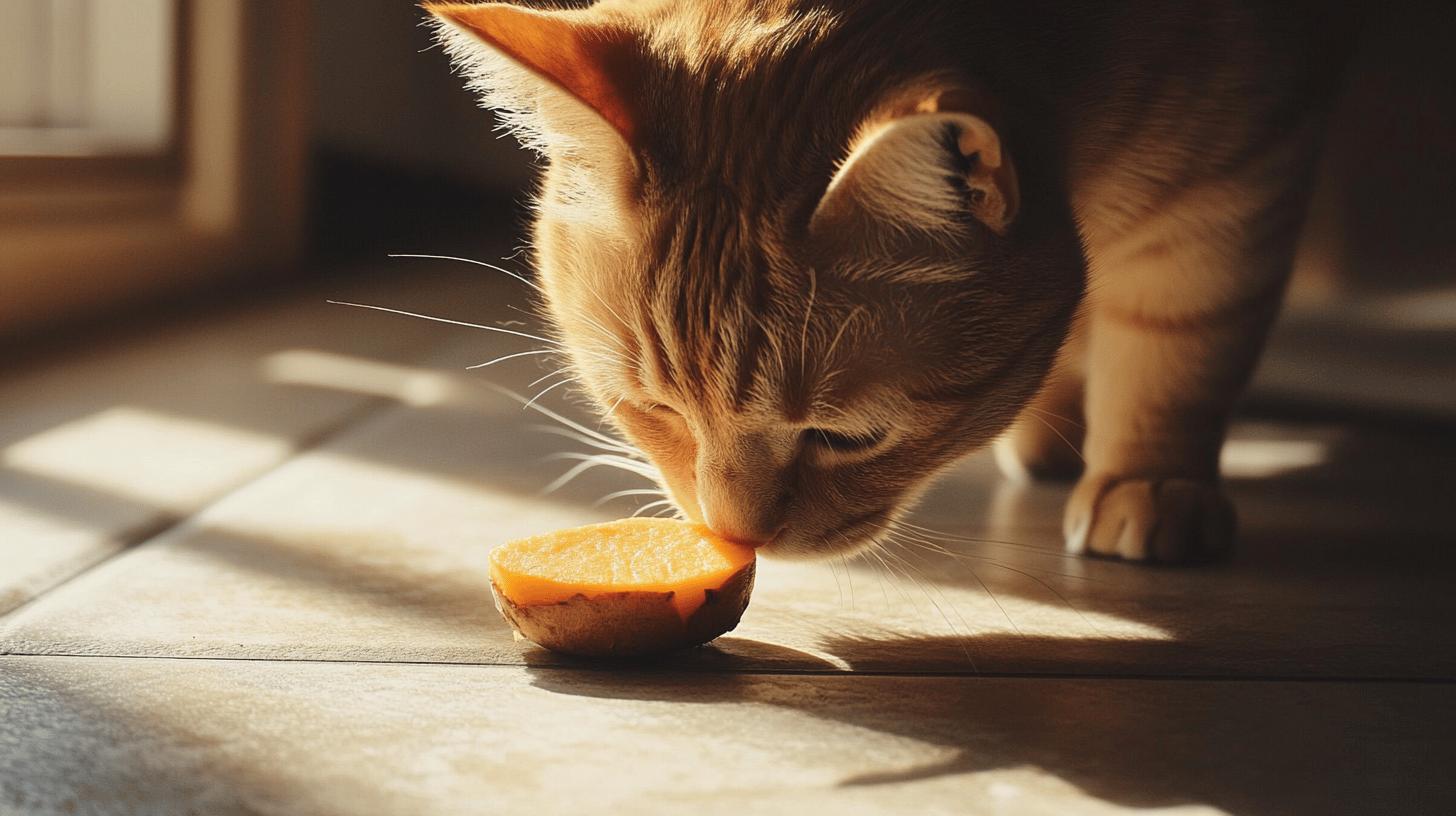
Sweet potatoes are considered safe for cats as they do not contain solanine, a toxic compound found in regular potatoes. However, they lack the essential nutrients that cats need from their primarily meat-based diet.
While sweet potatoes are non-toxic, they do not provide the necessary amino acids, vitamins, or proteins that are crucial for a cat’s health. This means that while some cats might find the taste intriguing, sweet potatoes should not become a regular part of their diet.
If you decide to offer sweet potatoes to your cat, it should be done sparingly and with caution. Make sure they are cooked thoroughly and served plain, without any additives such as butter, salt, or seasoning. These additions can cause digestive issues or other health problems.
- Sweet potatoes are non-toxic for cats
- Serve cooked and plain, without additives
- Offer only in small, occasional amounts to avoid dietary imbalance
Feeding Potatoes to Cats
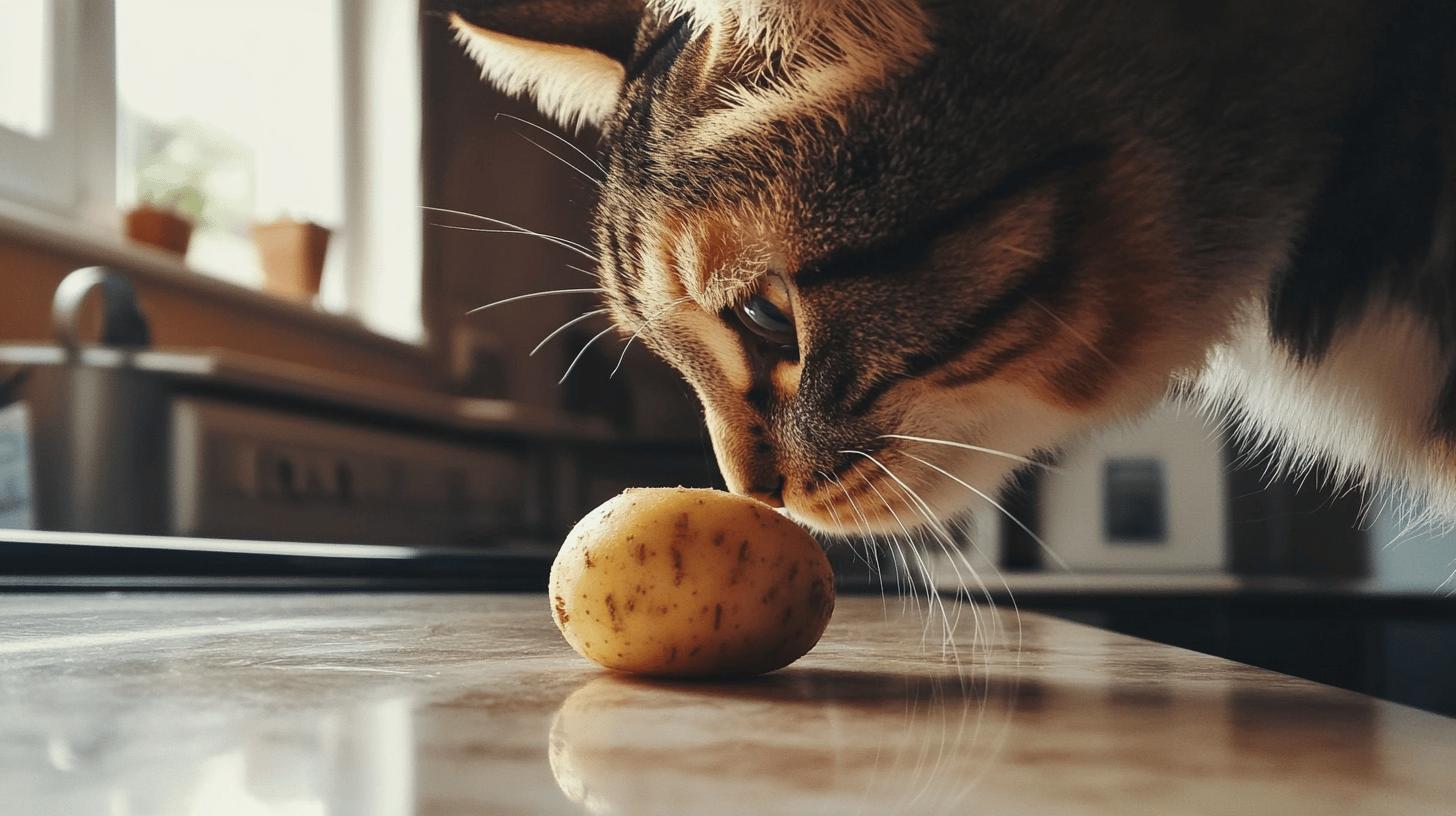
Serve potatoes plain and cooked without any seasoning. Offer only small portions to prevent digestive upset. Avoid additives such as butter, milk, or garlic. Introduce potatoes slowly to monitor any adverse reactions.
To maintain optimal health, cats’ primary diet should be rich in meat-based foods. Potatoes may add occasional variety, but they should not make up a significant part of your cat’s nutrition. Keeping a balanced diet focused on proteins and essential nutrients will help ensure your feline friend remains healthy and happy. If you are looking for plant-based foods that are safe for cats, resources like the article on sweet potatoes for cats can provide additional context.
Signs of Solanine Poisoning and Emergency Steps
Recognizing solanine poisoning quickly can make a significant difference in your cat’s recovery. Symptoms typically appear within a few hours of ingestion and can escalate if left unaddressed. The most common early signs are digestive in nature, including drooling, vomiting, and diarrhea. As solanine affects the nervous system, you may also notice your cat becoming confused, moving unsteadily, or becoming unusually lethargic.
In more severe cases, solanine poisoning can cause weakness in the limbs, dilated pupils, or an abnormal heart rate. These neurological symptoms indicate that a significant amount of solanine has been absorbed and require immediate veterinary attention.
If you believe your cat has eaten raw potato or any part of a potato plant, take the following steps:
- Remove all remaining potato from your cat’s reach immediately
- Call your veterinarian or an emergency animal poison control line
- Describe what your cat ate, how much, and when
- Follow the vet’s instructions precisely and do not wait for symptoms to worsen
- Bring a sample of the potato or packaging to the vet appointment if possible
There is no specific antidote for solanine poisoning, so treatment focuses on supportive care: fluids, anti-nausea medication, and monitoring until the compound clears the system. Cats generally recover well with prompt care.
How to Keep Cats Away from Potatoes at Home
Prevention is always easier than treatment when it comes to toxic foods and cats. Potatoes are common in most households, so taking a few deliberate steps to limit your cat’s access is worthwhile. Raw potatoes and potato plants should always be stored in closed cabinets or pantries rather than left out on counters. If you grow potatoes in a garden, consider fencing off that area or using raised beds with physical barriers your cat cannot easily climb.
During meal preparation, be mindful of potato peels, sprouts, and raw scraps left on cutting boards or near trash bins. Cats are curious and may investigate kitchen surfaces, especially if they detect food smells. Dispose of potato scraps promptly in a covered trash container. Similar caution applies to other vegetables in the Nightshade family, such as eggplant and tomatoes, which also contain solanine or related compounds. For more guidance on related vegetables, the article on okra safety for cats covers plant-based dietary risks in more detail.
Final Words
Potatoes provide no meaningful nutrition for cats and raw varieties are genuinely toxic due to solanine. Cooked plain potatoes are non-toxic but can cause digestive issues if fed in large amounts. Sweet potatoes are a safer option but still lack the nutrients cats need from their meat-based diet. If you choose to offer potatoes as an occasional treat, keep them plain and limit portions to a small amount.
Cats have specific dietary requirements centered on animal protein. With the right approach, you can ensure your cat enjoys treats responsibly while sticking to a diet that genuinely supports their health. Always prioritize their wellbeing by understanding what each food offers and what risks it carries.
FAQ
Can cats eat potato chips?
Cats should not eat potato chips. Potato chips contain high salt and fat, which can harm a cat’s health.
Can cats eat boiled potatoes?
Cats can eat small amounts of plain, boiled potatoes occasionally, but potatoes do not offer essential nutrition.
Can cats eat potatoes raw?
Raw potatoes are toxic for cats due to solanine. Eating them can cause vomiting, diarrhea, and confusion.
Can cats eat potatoes every day?
Cats should not eat potatoes every day. Potatoes are not part of their natural diet and do not provide necessary nutrients.
Can cats eat mashed potatoes?
Plain mashed potatoes in small amounts are okay but avoid adding butter, milk, or seasoning due to potential digestive issues.
Can cats eat potato fries?
Cats should avoid potato fries. The high fat and oil content can lead to health problems.
Can cats eat mashed potatoes with butter?
Cats should not eat mashed potatoes with butter. Butter can upset their stomach and cause digestive problems.
Can cats eat fried potatoes?
Fried potatoes are harmful to cats. They contain too much fat and should be avoided.
Are potatoes toxic for cats?
Raw potatoes are toxic due to solanine. Cooked potatoes are non-toxic but should be given in moderation.
How much potato can I give to my cat?
Offer no more than a small amount of plain cooked potato as an occasional treat. Keep their diet mainly meat-based.
Is baked potato ok for cats?
Cats can have small pieces of plain baked potato occasionally, but it does not benefit their health. Avoid additives.
Leave a Reply