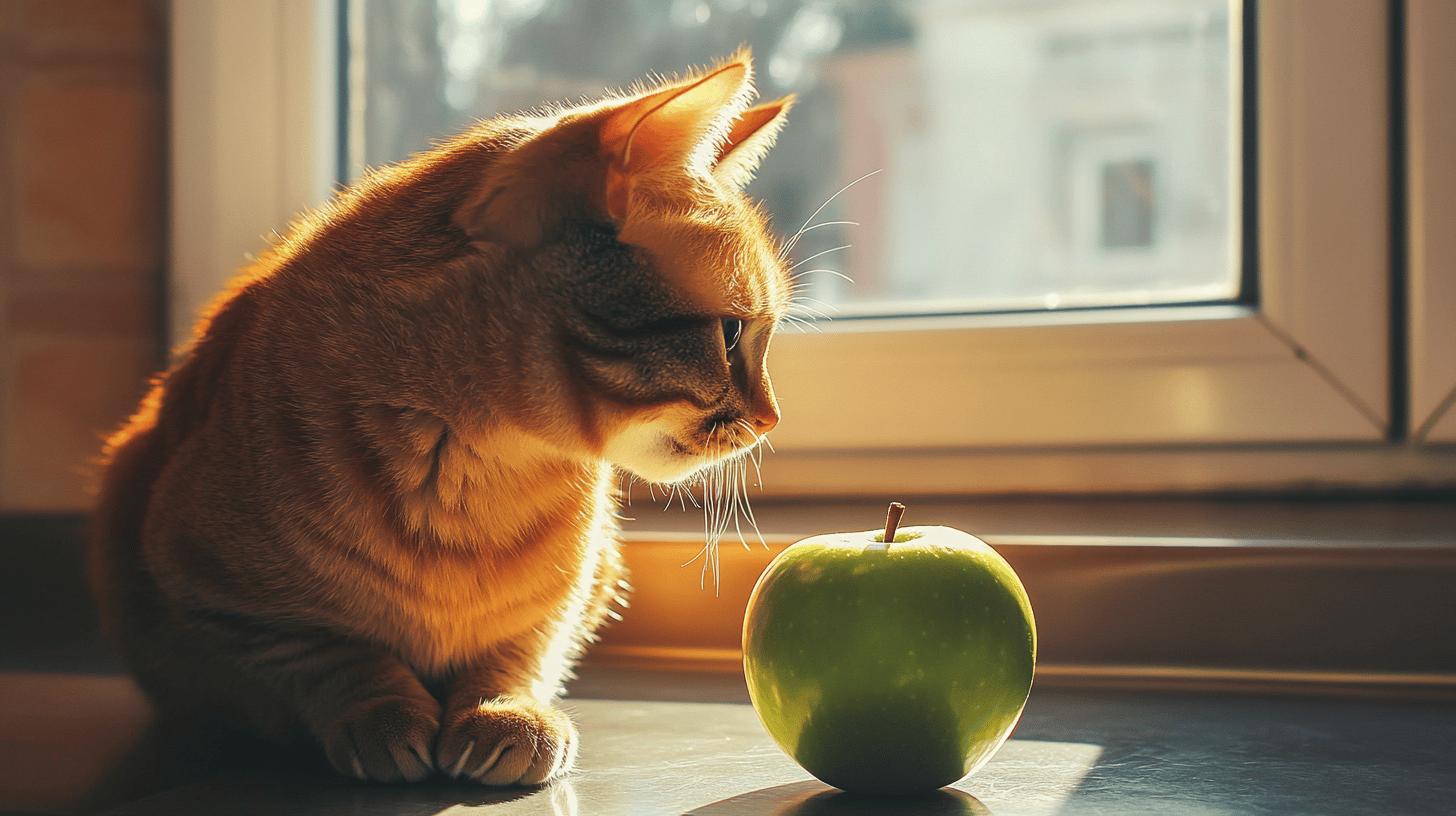
Research shows that sharing a green apple with your cat could be a risky choice? It might seem harmless, but there are serious safety and nutritional considerations to ponder before you let your cat nibble on this tart fruit. While a small slice on occasion might not hurt, feeding cats green apples can lead to unexpected health issues. Let's unpack the dangers and see if this crunchy snack is worth the risk or simply best left on your plate.
Safety and Risks of Feeding Green Apples to Cats
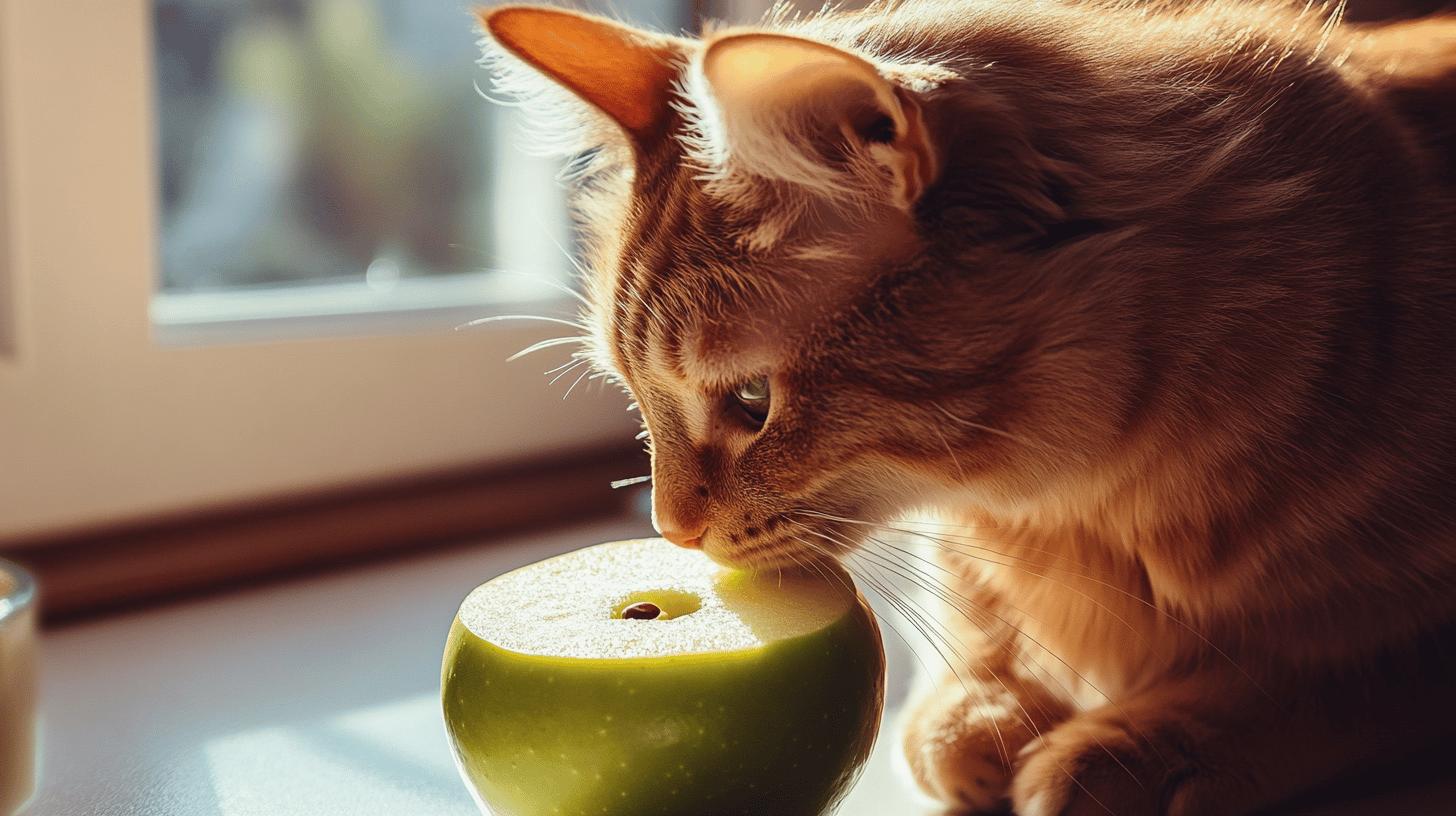
Cats can eat green apples, but only in small amounts as an occasional treat. It's crucial to be cautious because the stems, leaves, and seeds of apples are toxic to cats. These parts contain cyanide, which can be harmful if consumed. While the flesh of the apple is not toxic, there are several risks associated with feeding apples to cats that pet owners should be aware of.
One of the primary concerns of feeding apples to cats is the high sugar content. Cats are obligate carnivores, which means their bodies are designed to digest and process animal-based proteins and fats. They don't have the enzymes needed to break down carbohydrates as efficiently. Thus, the natural sugars present in apples can lead to potential health issues like obesity and diabetes if consumed in excess. High sugar intake can also trigger allergic reactions or cause gastrointestinal problems, such as diarrhea or vomiting.
The toxicity of apple seeds is another significant risk factor. Apple seeds contain cyanogenic compounds, which can release cyanide when digested. Even small amounts of these compounds can be dangerous to cats, leading to symptoms such as difficulty breathing, dilated pupils, and even shock or death in severe cases. Therefore, it's imperative to thoroughly remove all seeds before offering any apple pieces to your feline friend.
Cats' natural dietary needs further highlight why green apples are not an essential part of their nutrition. As obligate carnivores, cats rely on a diet rich in animal proteins and fats, which provide them with the necessary nutrients like taurine and arachidonic acid. Fruits and vegetables, including green apples, do not contribute significantly to a cat's nutritional requirements. While apple slices might seem like a fun treat, they are not necessary and should be given sparingly, if at all.
Here are some do's and don'ts when feeding apples to your cat:
- Do: Offer only small, seedless slices as an occasional treat.
- Do: Ensure that all seeds, stems, and leaves are removed before serving.
- Do: Monitor your cat for any adverse reactions when trying apples for the first time.
- Don't: Make apples a regular part of your cat's diet.
- Don't: Offer cooked apple dishes like apple pie due to added sugars and spices.
By understanding these risks and taking the necessary precautions, you can make informed decisions about whether to include green apples in your cat's treat rotation.
Nutritional Impact and Considerations of Green Apples on Cats
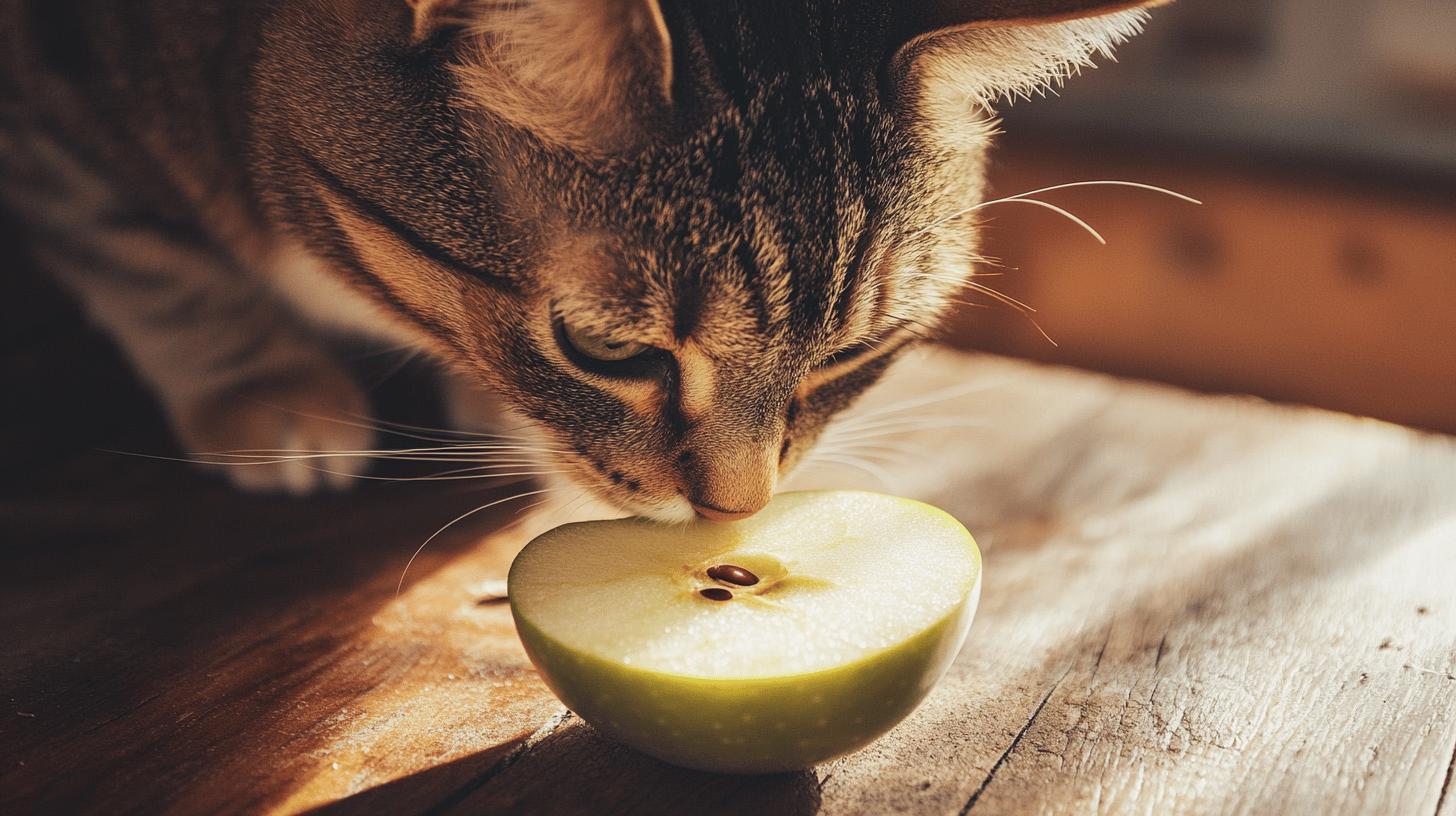
Green apples contain a variety of vitamins and minerals that might offer some benefits to cats. They have vitamins A, C, and E, and minerals like potassium, copper, calcium, and manganese. Antioxidants in apple skins may aid digestion with dietary fiber. Vitamin C, although not essential since cats produce it themselves, can slightly enhance their immune system.
The high sugar content in green apples poses real risks for cats, who as obligate carnivores struggle to process sugars effectively. Overconsumption can cause digestive issues including diarrhea and upset stomachs. Regular intake of sugary foods might also elevate the risk of obesity and diabetes, common health concerns in domestic cats. It's essential to limit their apple intake to prevent these problems.
| Nutrient | Potential Benefit |
|---|---|
| Vitamin A | Supports vision and immune health |
| Vitamin C | Boosts immune function |
| Potassium | Maintains healthy muscle function |
| Fiber | Aids in digestion |
| Antioxidants | Protects cells from damage |
Green apples aren't necessary in a cat's diet. Offering them in moderation, without seeds and skins, can reduce health risks and provide a refreshing treat.
Final Words
The blog post dives deep into whether a cat can eat green apple safely, highlighting crucial safety tips and risks involved. While green apples offer some nutrients like vitamins and fibers, they don't fit into a cat's carnivorous diet. The dangers from seeds and sugar content can lead to obesity, diabetes, and toxicity concerns.
Feeding green apples to cats should be a rare treat, if at all. The harm from seeds and excess sugar far outweighs any benefit, and opting for diet-appropriate treats keeps cats both safe and satisfied while ensuring moderation.
Green Apples vs. Other Apple Varieties: Nutritional and Safety Differences
When considering apples for your cat, variety matters significantly. Green apples like Granny Smith differ from red varieties in multiple ways that affect feline safety. Green apples typically contain lower sugar content compared to sweet red varieties, making them a slightly better choice if your cat were to consume apple. However, all apple varieties share the same core concern: seeds containing cyanogenic compounds.
The skin of green apples often carries pesticide residue, depending on growing practices. Organic green apples present lower chemical exposure. Red apples, particularly if cultivated conventionally, may carry higher pesticide loads. If offering apple to a cat, organic green apple with seeds removed presents the lowest risk profile. The variety makes measurable difference in safety calculations.
Golden and Honeycrisp varieties tend toward higher natural sugar content, making them less ideal for cats. Gala apples fall into a moderate sugar range. Green apples represent the lowest-sugar option among common varieties. For a species with minimal nutritional need for fruit and a digestive system optimized for meat, apple selection focuses on minimizing risk rather than maximizing benefit.
Seeds and Core: Understanding Cyanogenic Compound Risks in Apple Parts
Apple seeds and cores contain amygdalin, a compound that converts to cyanide when digested. This fact generates anxiety in cat owners, yet the actual risk requires context: a single apple seed poses negligible danger, but a dozen seeds represent an entirely different calculation where the cumulative amount matters.
For a 10-pound cat, toxic cyanide dose approaches 15 mg/kg of body weight. Apple seeds contain approximately 1-2 mg cyanide per seed. A single apple contains roughly 10-30 seeds. Basic math shows that a cat would need to consume multiple whole apples with seeds to reach concerning levels. This does not mean feeding apple seeds is wise. It means that accidental exposure to a few seeds poses only minimal risk to a healthy adult cat.
Core removal is the safest step, as it eliminates the highest concentration of seeds before offering any apple to a cat. Flesh alone contains negligible cyanogenic compounds. If a cat steals a small piece of apple flesh (without core or seeds), the cyanide exposure remains within safe margins. The concern escalates only with intentional feeding of seeds or repeated exposure to whole apples. For cats with diabetes or weight concerns, apple’s sugar content presents greater risk than seed toxicity.
Age and Health Considerations: When Apple Becomes Genuinely Risky
Kittens possess immature liver and kidney function. Their ability to process and eliminate toxins develops gradually over their first months. While apple toxicity risk remains low even for kittens, feeding fruit to young kittens diverts calories and nutrients from essential growth needs. Kittens require protein, taurine, and specific nutrients fruit cannot provide. Withhold all fruit entirely until cats reach adulthood at around 12 months of age.
Senior cats frequently develop kidney disease or diabetes that makes careful dietary monitoring especially important. Cats with kidney disease should avoid excess potassium, which apples contain in moderate amounts. Diabetic cats require strict carbohydrate and sugar limitation. Apple, despite being lower-sugar than many human foods, exceeds the nutritional needs of diabetic cats. Senior cats with existing health conditions face greater risk from apple’s nutrient profile than from seed toxicity.
Cats with pancreatitis history should avoid fatty foods, but apples present low fat content. For cats with sensitive digestion, apple’s fiber may trigger loose stool or vomiting. Introduce any novel food slowly and monitor digestive response. Health status determines whether apple represents harmless novelty or genuine risk.
Signs of Apple Intolerance: What to Watch and When to Contact Your Vet
Most cats tolerate small apple exposure without incident. Some cats’ digestive systems object more strongly. Vomiting within 1-4 hours of apple consumption indicates your cat’s stomach rejects the food, and loose stool or diarrhea appearing 6-24 hours later reflects digestive upset. Both responses are uncomfortable but typically resolve within 24 hours with supportive care, including ensuring adequate hydration and monitoring appetite.
Allergic reactions to apple remain rare but possible, with signs including facial swelling, difficulty breathing, or excessive drooling that all require immediate veterinary attention. Apple allergy in cats suggests broader food sensitivities worth investigating.
If your cat consumed apple seeds, monitor for 24-48 hours. Signs of cyanide toxicity include excessive drooling, dilated pupils, difficulty breathing, or collapse. These symptoms rarely occur from accidental seed exposure but constitute veterinary emergencies if they appear. For most cats that steal a small piece of apple, monitoring proves unnecessary beyond standard post-treat observation.
Better Fruit and Treat Alternatives Cats Actually Appreciate
Rather than offering apple, recognize that cats possess limited taste receptors for sweetness compared to humans. Cat-safe fruits exist but provide only marginal nutritional benefit. Small pieces of seedless watermelon or cantaloupe offer hydration without high sugar concentration, and some cats enjoy these as an occasional novelty.
Better alternatives to fruit focus on feline nutritional needs. Cooked chicken, turkey, or salmon provides protein and essential amino acids. Most cats respond more enthusiastically to meat-based treats than fruit, aligning with their natural dietary preferences. Dental treats designed for cats offer oral health benefits that fruit cannot provide.
Commercial freeze-dried meat treats deliver concentrated nutrition in small portions. Puzzle feeders and treat-dispensing toys provide enrichment that turns treat-consumption into engagement and play. These options address the true purpose of treats: bonding, enrichment, and positive reinforcement during training. Fruit, by contrast, offers neither species-appropriate nutrition nor engagement value.
Related: Can Cats Eat Applesauce addresses similar concerns for prepared apple products.
FAQ
Can cats eat apple skin?
Apple skin is not recommended for cats. It may cause digestive upset. While it offers fiber and antioxidants, the risks aren't worth it for your obligate carnivore pet.
Can cats eat green apple in water or juice?
Green apple juice or apple water is not good for cats, since the high sugar content contributes to health issues like obesity and diabetes over time. Always limit any apple to a tiny piece and monitor for digestive upset.
Can cats eat green apple seeds or bread?
Green apple seeds contain cyanide, which is toxic to cats. Bread isn't ideal for cats due to its carbohydrates, offering no real nutrition.
Is it safe for cats to eat green apple or apple pie?
Green apples can be a treat in small amounts, but not daily. Apple pie typically has sugar and spices harmful to cats.
Why do cats love apples? Can they lick them?
Cats might show interest due to curiosity, not taste. It's best not to encourage licking apples because they offer no nutritional benefit and can cause digestive issues.
Are apples and cinnamon safe for cats?
No, cinnamon can irritate a cat's mouth and digestive system. Avoid feeding apples with cinnamon or any seasoning to cats.
Leave a Reply