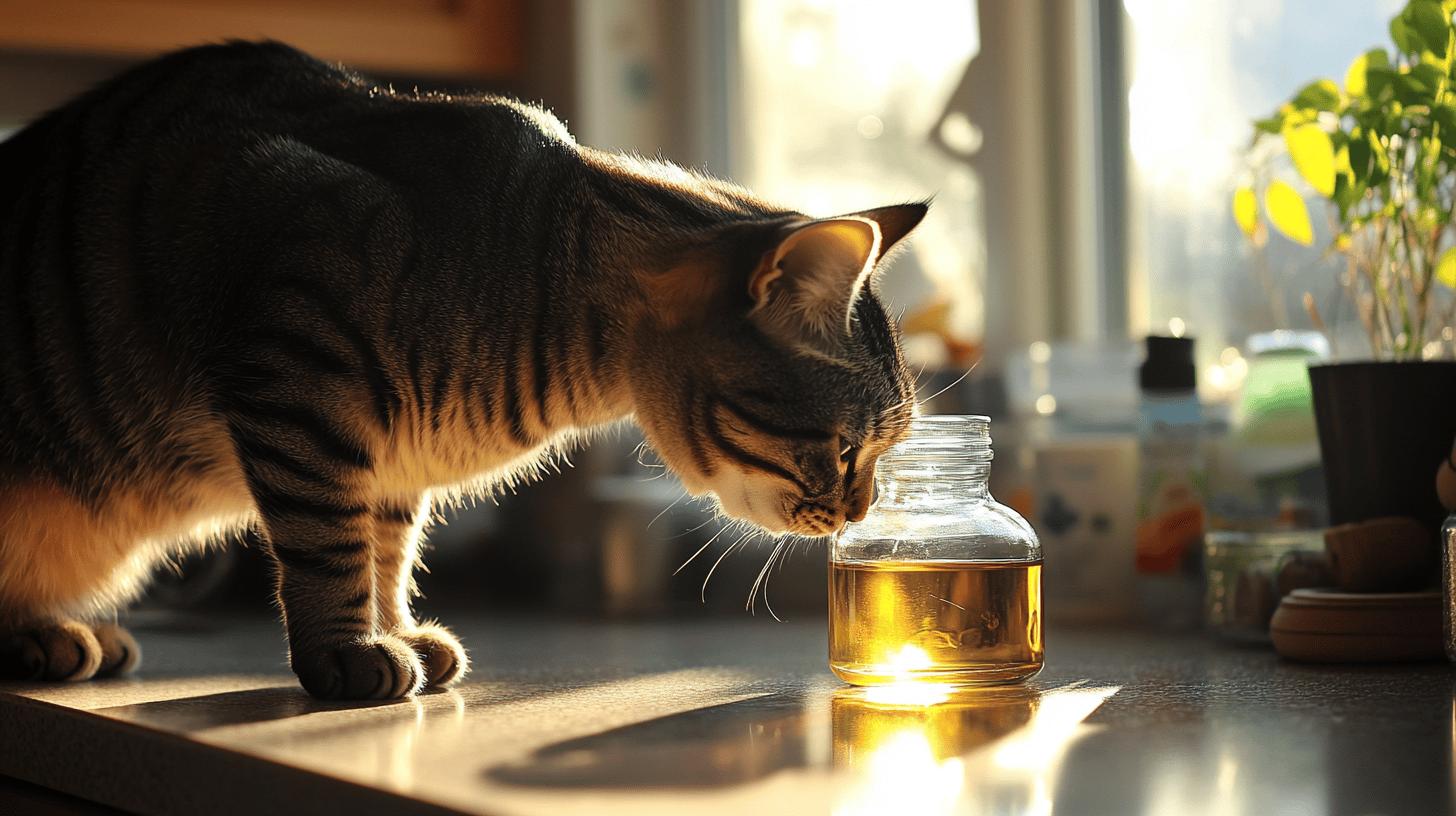
Is vegetable oil a secret remedy for a cat's shiny coat, or is it a hidden danger lurking in your kitchen? As cat owners, we want the best for our furry companions, but understanding whether vegetable oil is safe for them can be confusing. This blog will dive into the facts, helping you weigh the perks and pitfalls of adding it to your cat's diet. From health benefits to risks, we cover all you need to know to make informed decisions for your cat's well-being.
Can Cats Eat Vegetable Oil? Understanding the Basics and Its Effects
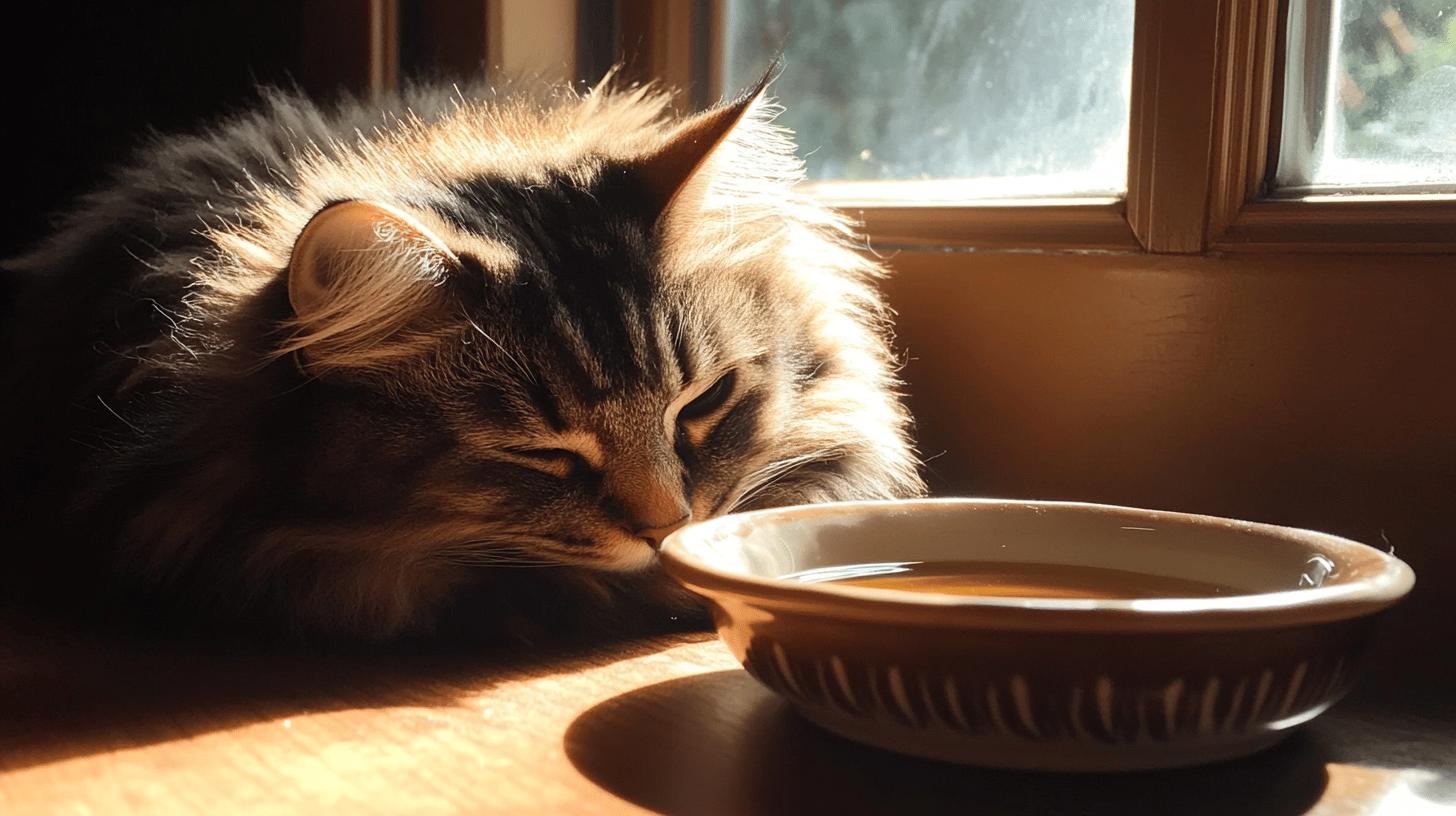
Cats can eat vegetable oil, but only in moderation. While vegetable oil for cats is technically safe in small amounts, it's generally unnecessary as part of their regular diet. Most veterinarians agree that it’s not harmful when given sparingly. However, it should not become a staple in their meals. Cats are obligate carnivores, meaning their diet should primarily consist of meat. Vegetable oil does not offer significant nutritional benefits that aren't already available through other dietary sources more suited to feline health.
The effects of vegetable oil on cats can include some benefits, primarily due to the omega-3 and omega-6 fatty acids it contains. These fatty acids can support a cat's skin and coat health and may even aid in digestive health. Omega-3 fatty acids, in particular, are known for their anti-inflammatory properties, which can be beneficial for cats that suffer from certain skin conditions. Omega-6 fatty acids contribute to a healthy coat and skin, but it's important to balance these with omega-3s to avoid potential inflammation issues.
There are also risks associated with excessive consumption of vegetable oil for cats. Overconsumption can lead to weight gain, as oils are calorie-dense. Cats might experience digestive issues such as vomiting or diarrhea if they ingest too much. Long-term health problems like pancreatitis can also arise from excessive fat intake. This is why moderation is crucial when considering vegetable oil as a supplement for your pet. Always consult with a veterinarian before introducing any oil into a cat's diet to ensure it aligns with their specific health needs.
- Safe oils: Canola oil, Coconut oil, Olive oil.
- Unsafe oils: Corn oil, Soybean oil.
- Health issues from overconsumption: Weight gain, Vomiting and diarrhea, Pancreatitis, Liver problems.
Alternatives to Vegetable Oil for Cats
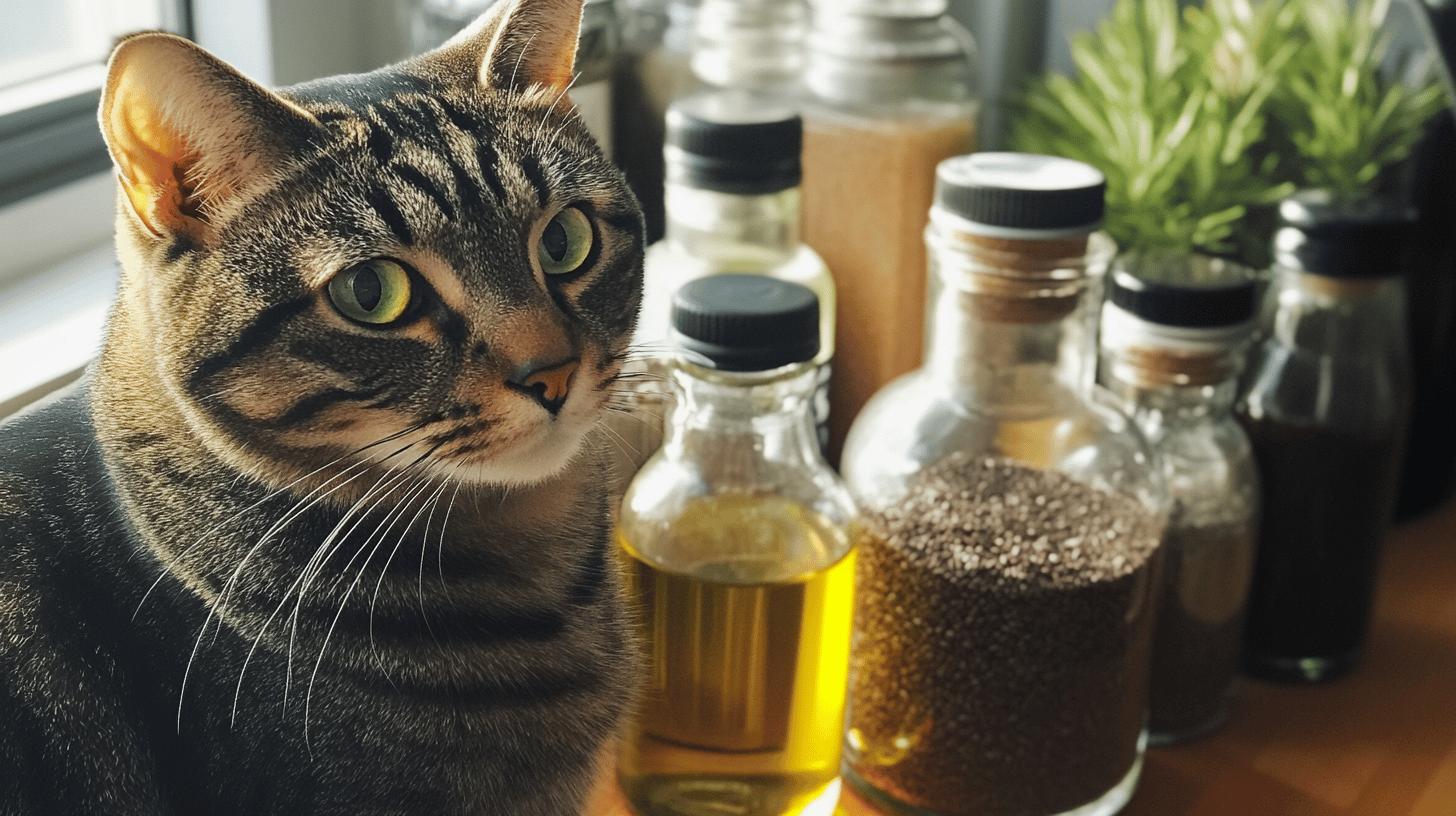
When considering alternatives to vegetable oil for cats, there are several options that might better suit their dietary needs. Fish oil is a top choice due to its high omega-3 fatty acid content, which supports a healthy coat and skin. Flaxseed oil is another excellent option, rich in omega fatty acids that can aid in digestion and support overall well-being. Olive oil is also beneficial, particularly for helping with hairball issues, though it should be used in moderation.
It's important to be cautious with these oils, as overfeeding can lead to health issues. While fish oil provides many benefits, too much can cause digestive upset. Flaxseed oil, although beneficial, should be introduced slowly to prevent potential allergic reactions. Olive oil, despite its usefulness for hairballs, is high in calories and should be given only in small amounts to avoid weight gain. Always consult with a veterinarian before adding any new oils to your cat's diet to ensure it fits their specific nutritional needs.
- Fish oil: High in omega-3, supports coat health.
- Flaxseed oil: Rich in omega fatty acids, aids digestion.
- Olive oil: Helps with hairball issues.
Monitoring and Managing Oil Consumption in Cats
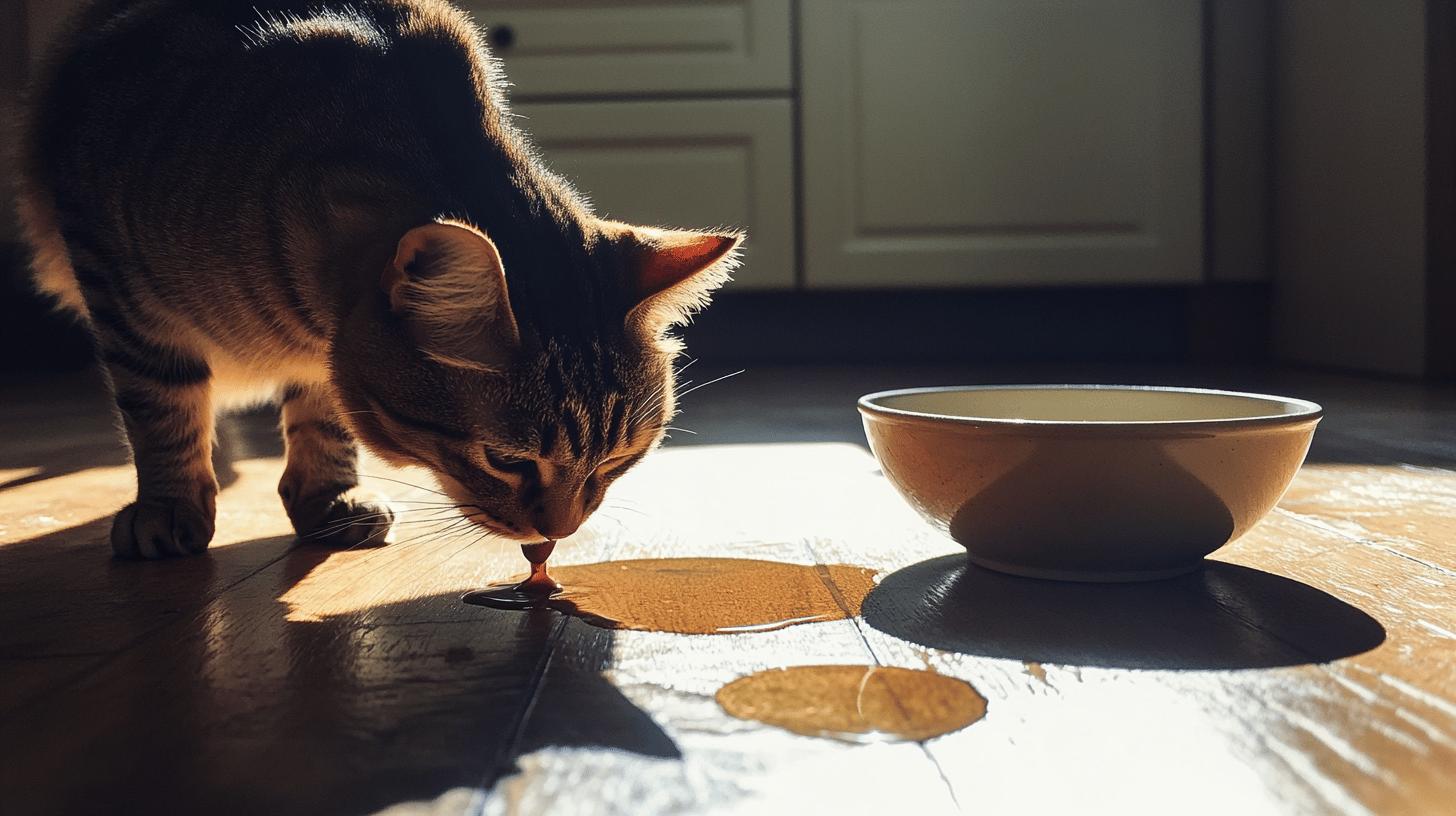
When introducing oils to your cat's diet, it's essential to measure appropriate serving sizes. Start with a small amount and gradually increase, observing how your cat responds. Use a teaspoon to ensure consistent servings. Keep a food diary to track what your cat eats and any changes in their behavior or health. This will help identify correlations between oil intake and any adverse effects.
Consulting with a veterinarian is crucial. When visiting, provide details of your cat's current diet, including the type and amount of oil introduced. Ask about the safe types of oils and recommended serving sizes. Inquire about signs that might suggest intolerance beyond vomiting or diarrhea, such as lethargy or refusal to eat. Veterinarians can offer valuable insights tailored to your cat's specific health needs.
Final Words
Diving into the world of vegetable oil consumption for cats, we explored how it can be safe when used sparingly. The benefits of omega-3 and omega-6 help with skin and coat health. Yet, too much can lead to issues like weight gain and digestive troubles. Considering healthier options like fish and flaxseed oil can be wise. Watching for symptoms like vomiting or diarrhea helps manage any oil-related issues. A little caution and knowledge go a long way in keeping your feline friend safe and happy.
FAQ
Is vegetable oil safe for cats?
Vegetable oil is safe for cats if given in small amounts. It's unnecessary as a regular dietary supplement and can lead to health issues if overconsumed. Use it sparingly.
What happens if my cat licks vegetable oil?
If a cat licks a small amount of vegetable oil, it's generally safe. In larger amounts, it may cause weight gain, vomiting, diarrhea, and possibly pancreatitis.
What kind of oil can cats eat?
Cats can safely consume canola, coconut, and olive oil in moderation. Avoid giving them corn and soybean oil.
Can I give my cat vegetable oil for constipation?
You can use a small amount of vegetable oil for constipation. However, it's better to consult your vet for safer, more effective alternatives.
Related Articles
- Can Cat Eat Oil Understanding Safety and Health Concerns
- Can Cat Eat Olive Oil Safely and Its Benefits Explained
- Can Cat Eat Coconut Milk Understanding the Risks and Safety
- Can Cat Eat Ghee Safety and Nutritional Insights
Oil Types and Safety: Making Informed Choices
Different oils have different safety profiles for cats. Coconut oil is generally safe in small amounts but offers minimal benefit and can cause diarrhea. Olive oil and plant-based oils provide no nutritional value to cats—they simply add unnecessary calories and fat. These oils lack the omega-3 benefits found in fish oil, making them inferior choices.
Fish oil contains omega-3 fatty acids that can benefit cats with dry skin or coat issues, unlike plant oils. However, fish oil must be dosed appropriately and veterinarian-recommended. Too much fish oil can cause vitamin E deficiency and other complications. Quality matters enormously—low-quality fish oil can be rancid and cause digestive upset.
When Might Oil Actually Help (With Veterinary Approval)
While oil isn’t necessary for healthy cats, specific situations might make cautious, vet-approved use appropriate. For genuine dry skin or dull coat (confirmed by a vet, not self-diagnosed), a fish oil supplement specifically formulated for cats might help when dosed appropriately. For cats with arthritis, kidney disease, or inflammatory conditions, omega-3 supplementation might benefit them under veterinary supervision. However, this requires proper diagnosis and dosing—never casually add oils without professional guidance.
Signs Your Cat Is Having Oil-Related Digestive Problems
If your cat ingests oil (intentionally or accidentally), watch for loose stools or diarrhea (most common side effect), vomiting or retching, greasy or dull coat appearance, loss of appetite, abdominal discomfort or reluctance to move, and excessive licking of the anal area (sign of digestive upset). If symptoms persist beyond 24 hours, contact your veterinarian for advice.
Superior Nutrition Sources for Healthy Skin and Coat
Instead of supplemental oils, provide proper nutrition through high-quality cat food and natural sources. Fresh or cooked fish—salmon, mackerel, sardines—provides natural omega-3s, protein, and nutrients that benefit coat health far better than oil supplements. Serve occasionally in small pieces, plain and unseasoned. Some cats develop over-preference for fish, so limit to once or twice weekly.
Premium cat foods with high meat content and appropriate fat ratios support healthy skin and coat naturally. Look for named meat sources and avoid excessive grain fillers. Proper nutrition eliminates the need for oil supplements in healthy cats. Homemade bone broth made from chicken or fish bones provides collagen, minerals, and natural gelatin supporting healthy skin. Many cats enjoy bone broth as an occasional treat, and it’s far safer than supplemental oils. Ensure it contains no onion or garlic.
Making Cat Food Interesting Without Oils
Keep your cat’s regular diet interesting and nutritious without risky supplements. Rotate between different high-quality commercial foods to prevent boredom. Include occasional fresh or cooked meat as treats. Offer bone broth as an interactive experience. Use puzzle feeders and interactive toys to increase enrichment and slow eating. Vary food textures between wet and dry. The key is variety within appropriate, healthy foods—not through dangerous supplements.
FAQ About Oils and Cat Health
Is vegetable oil toxic to cats? No, but it provides unnecessary fat and calories while offering no nutritional benefit. It can cause diarrhea and contributes to obesity.
What if my cat eats oil? A small amount of plain oil usually causes no harm, though loose stools may develop. Monitor for 24 hours. Contact your vet if diarrhea persists or if your cat has pre-existing health conditions.
Can I use coconut oil for my cat’s dry skin? Consult your vet first. While coconut oil is generally safe, fish oil supplements designed for cats are more effective. Never use human supplements on your cat.
How much fish oil is safe? Dosage depends on your cat’s weight and specific condition. Only use vet-recommended fish oil designed for cats, never human supplements or cod liver oil without veterinary approval.
Leave a Reply