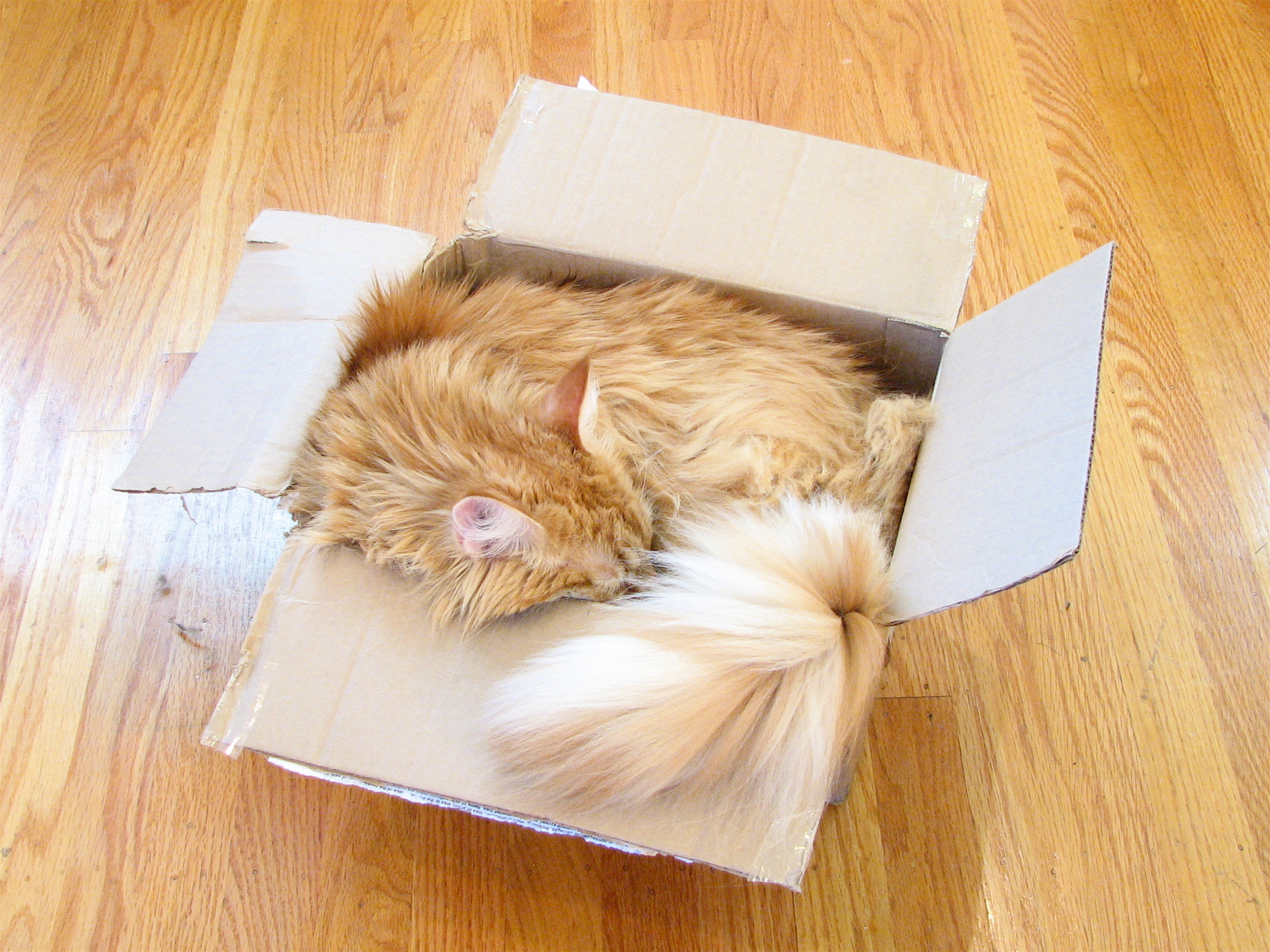
A cardboard cat toy can be a great low-cost enrichment tool when it is clean, simple, stable, and matched to the way your cat plays. Boxes, paper tubes, corrugated scratch pads, cardboard tunnels, and treat puzzles can encourage stalking, pouncing, scratching, hiding, and foraging. The catch is that cardboard is not a durable chew material. If your cat eats paper, rips off tape, swallows loose pieces, or shreds every toy into confetti, cardboard should be a supervised play material rather than a leave-out toy.
For most cats, the best cardboard toy is not the most elaborate one. It is the one with the fewest risky extras: no staples, no long string, no rubber bands, no loose tape, no hot-glue blobs where a cat can chew them, no tiny bells, and no small parts that can come free. Use cardboard for enrichment, inspect it often, and upgrade to tougher toys when your cat’s play style turns cardboard into a swallowing risk.
Why Cats Like Cardboard Toys
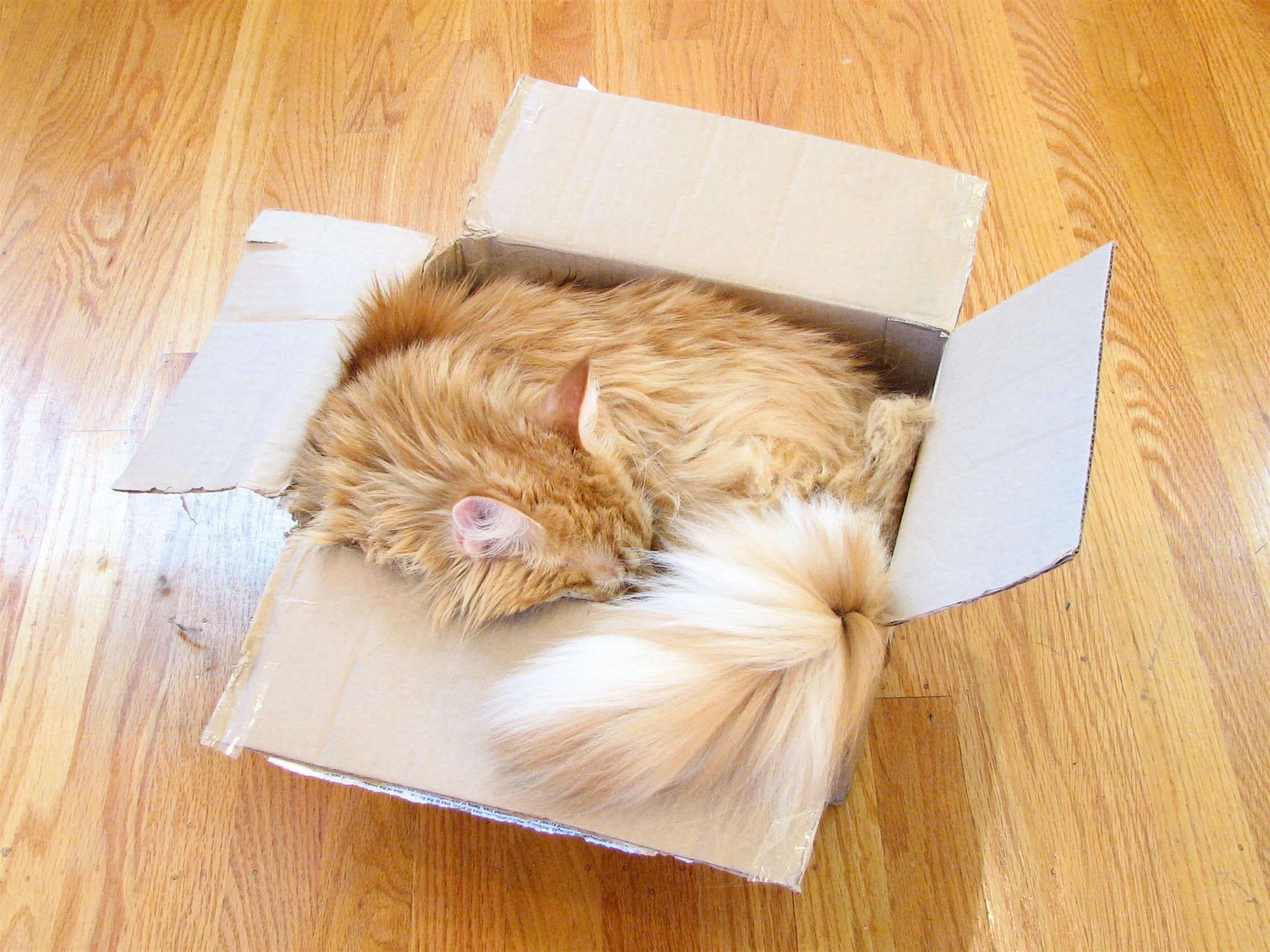
Cardboard works because it supports several normal cat behaviors at once. A box can be a hiding spot, ambush point, scratch surface, and scent-marking object. A toilet paper tube can become a bat-and-chase toy or a simple food puzzle. Corrugated cardboard gives many cats a satisfying texture for clawing and cheek rubbing.
That fits the broader veterinary view of feline enrichment. The AAFP and ISFM environmental needs guidelines describe play and predatory behavior as a core part of a healthy cat environment, including toys, owner interaction, and feeding practices that make the cat work for food. Cardboard is useful because it can support those behaviors without requiring expensive gear.
It also solves a common boredom problem. The ASPCA’s DIY enrichment guidance points owners toward cardboard boxes, paper rolls, cat houses, tunnels, and mazes as ways to make a cat’s environment more stimulating. The important part is the safety instruction that often gets skipped in quick DIY lists: supervise homemade items and remove them if the cat tries to ingest the material.
Best Cardboard Cat Toy Ideas
Start with simple designs. The more complex the project, the more failure points you need to inspect.
Clean cardboard box
A plain box is often the best cardboard cat toy. Remove packing tape where possible, cut off handles from paper shopping bags or box inserts, and avoid boxes with food residue, chemical smells, heavy ink, or loose labels. Cut one or two entry holes if the box is large enough for your cat to enter and turn around comfortably. Keep the edges broad rather than sharp and narrow.
Corrugated scratch pad
Corrugated cardboard scratchers are good for cats that want to rake rather than chew. Choose a stable shape that does not flip easily. Retire it when the surface collapses, sheds heavily, smells bad, or becomes damp. If your cat eats the shredded flakes, switch to a different scratch surface such as sisal, carpet-style material, or a heavier supervised scratcher.
Paper tube treat puzzle
A paper towel or toilet paper tube can become a beginner puzzle. Put a few pieces of kibble inside, fold the ends loosely, and make holes large enough for food to fall out when the cat bats the tube. Use part of the cat’s normal meal, not an unlimited treat pile. If the cat chews and swallows the tube instead of working for the food, remove it.
Cardboard hide-and-seek tray
Place several paper tubes upright in a shallow box and drop kibble or toys between them. This creates a simple pawing puzzle. Do not glue loose tubes if your cat is a chewer; a non-glued version is easier to break down and inspect. If you do glue a project, use a minimal amount of non-toxic glue and keep the toy out of reach until it is fully dry.
Cardboard tunnel or fort
Two or three boxes can become a tunnel system. Keep the structure low, wide, and stable. Avoid tall towers unless you can make them genuinely load-bearing, because cardboard bends and tears under repeated jumping. For rough cats, a low maze is safer than a wobbly castle.
What Current Cardboard Toy Guides Often Miss
Many ranking pages do a useful job showing DIY project ideas or product examples. The weakness is that they often treat cardboard as universally safe because it is cheap and familiar. For Titan Claws readers, that is not enough. Cats that destroy ordinary toys need a decision system, not just a craft list.
Ask these questions before you build or buy:
- Will my cat bat it, scratch it, hide in it, or chew it? Chewing and ingestion change the risk level.
- Does it contain string, rubber bands, staples, metal, tape, glued decorations, or tiny parts? Remove or redesign those pieces.
- Can I inspect every surface after play? If not, the toy is too complex for rough unsupervised use.
- Will the toy collapse, trap a paw, or tip over? Bigger is not better if the structure is unstable.
- Is this a solo toy or a supervised session toy? Decide before your cat gets attached to it.
That last question is the most important. A plain box may be fine to leave out for one cat and a bad idea for another cat that eats cardboard. Your cat’s behavior decides the rule.
Cardboard Cat Toy Safety Rules
Cardboard is not automatically dangerous, but it is easy to make dangerous by adding the wrong parts. The University of Wisconsin School of Veterinary Medicine advises avoiding feathers, strings, and sparkly parts for cats that chew aggressively, because those cats may ingest them. It also recommends sturdy construction, no loose decorations, cutting off loops or tags, and removing any pieces that get chewed off.
The ASPCA Animal Poison Control Center also warns that yarn and thread can be dangerous when swallowed because string-like material can damage the intestines. That applies directly to cardboard projects that use string, shoelaces, yarn, elastic, ribbon, or rubber bands as moving parts.
Use these rules for every cardboard toy:
- Use clean, dry cardboard with no chemical odor, grease, mold, or heavy residue.
- Remove staples, tape, labels, plastic windows, twist ties, packing straps, handles, and loose adhesive.
- Avoid long string, yarn, ribbon, rubber bands, elastic, pipe cleaners, bells, beads, and loose feathers.
- Make holes large enough that your cat cannot get stuck and smooth enough that edges do not scrape.
- Supervise the first sessions, especially with kittens, heavy chewers, and cats that eat non-food material.
- Throw away cardboard that becomes damp, heavily shredded, sharp-edged, unstable, or dirty.
- Stop using the toy if your cat swallows pieces, gags, vomits, coughs, hides, refuses food, strains, or acts painful.
If you know your cat swallowed string, rubber, plastic, or a substantial amount of cardboard, call your veterinarian. Do not wait for an article checklist to make the decision for you.
When Cardboard Is Not Enough
Cardboard is enrichment, not armor. It can be perfect for a cat that likes scratching, sitting, hiding, or gentle batting. It is a poor main toy for a cat that bites through material, eats shredded pieces, or needs a toy to grip and kick hard.
Upgrade away from cardboard when you see these patterns:
- Your cat eats the cardboard instead of just tearing or scratching it.
- The toy is destroyed in one short session.
- Your cat targets tape, glue, string, labels, or attachments.
- Shredded bits spread across the room every time you leave the toy out.
- Your cat needs a larger object to hug and bunny-kick.
- Your cat becomes frustrated by puzzle toys and starts chewing the structure.
For those cats, cardboard can still be useful as a supervised box, tunnel, or food puzzle, but it should not be the only enrichment plan. Pair it with sturdier toy categories: large kicker toys, ball tracks, wand play that gets stored after use, puzzle feeders made from washable materials, and scratchers that fit your cat’s preferred angle.
Titan Claws has deeper guides on durable cat toys, chewy cat toys, and cat enrichment activities if your cat needs more than a box. For brand safety principles, the Titan Claws safety page is also worth bookmarking.
How to Choose a Store-Bought Cardboard Cat Toy
Store-bought cardboard toys are usually scratchers, lounger-scratchers, accordion toys, pop-up houses, or ball-and-track hybrids. Do not choose only by cuteness. Choose by structure.
Look for:
- Stable base: the toy should not fold, tip, or pinch when the cat jumps on it.
- Plain materials: corrugated cardboard, paper, and minimal non-toxic adhesive are easier to evaluate than mixed mystery parts.
- Appropriate size: the cat should be able to scratch, sit, or enter without squeezing into a risky opening.
- Replaceable design: cardboard wears out, so easy replacement is a strength, not a flaw.
- Few detachable parts: skip toys with tiny bells, beads, loose balls that can be swallowed, thin strings, or glued decorations.
- Clear cleaning and disposal guidance: cardboard cannot be sanitized like hard plastic or washable fabric.
Read reviews for failure patterns. Search review text for words such as chewed, ate, swallowed, tape, glue, staples, collapsed, sharp, flimsy, and shredded. A toy with great photos can still be wrong for a destructive cat if multiple owners report the same weak point.
How to Make Cardboard Toys Last Longer
Cardboard wears out quickly when it is available all day. Rotation makes it safer and more interesting.
- Keep one cardboard item out at a time instead of filling the room with shreddable material.
- Use cardboard puzzles for short food sessions, then put them away.
- Rotate boxes every few days so novelty stays high.
- Keep cardboard away from water bowls, litter boxes, damp floors, and messy food areas.
- Pair cardboard with active wand play, a kicker toy, or a scratch post so one object does not carry the whole enrichment job.
- Inspect after every intense session and throw away questionable pieces immediately.
For a high-drive cat, a cardboard box can be the stage, not the whole performance. Hide a toy behind it, drag a wand lure around it, place a puzzle beside it, or use it as a break spot after chase play. Then store the higher-risk toys when the session ends.
Quick Cardboard Cat Toy Checklist
- Is the cardboard clean, dry, and free of chemical smells?
- Have you removed tape, staples, handles, labels, plastic, and loose adhesive?
- Are there no strings, rubber bands, ribbons, bells, beads, or tiny parts?
- Are holes wide and smooth enough for your cat’s body and paws?
- Is the toy stable under your cat’s weight and play style?
- Does your cat scratch or bat cardboard rather than eat it?
- Can you inspect all surfaces after play?
- Do you know whether this is a supervised-only toy or a safe leave-out item for your specific cat?
- Will you throw it away as soon as it becomes damp, dirty, sharp, unstable, or heavily shredded?
A cardboard cat toy is worth using when it creates safe novelty without pretending to be indestructible. Keep the design simple, supervise chewers, avoid string-like parts, retire damage early, and use tougher toys when your cat’s play style demands them. Cardboard can be one of the best enrichment tools in the house, but only when the owner’s inspection habit is part of the toy.
Leave a Reply