Author: hans

  • positioning litter boxes for multi-cat households: Harmony

    positioning litter boxes for multi-cat households: Harmony

    Ever watched your cats jockey for the same litter box? One sniffs. One taps a paw. You can almost feel the tension, and your floor winds up with the mess.

    So scatter litter boxes around your home. Try a quiet bathroom nook. Then a closet corner. Maybe the laundry room. Each spot becomes its own little cat retreat.

    Next, peek in now and then to see which spots get the most action. If a box sits empty too long, try moving it. You’ll notice whiskers twitch and tails curl with relief.

    Before long, every furball claims its private kitty loo, and your floors stay clean. Worth every paw-print.

    Determining Litter Box Count and Placement Strategy in Multi-Cat Homes

    - Determining Litter Box Count and Placement Strategy in Multi-Cat Homes.jpg

    In homes with more than one cat, here’s a simple trick: set out one litter box (your cat’s private potty spot) for each kitty – then add one extra. Ever had that awkward moment when your shy tabby gets stuck waiting behind another? A free, quiet box makes her whiskers twitch in relief. And bonus: no more jostling at the door, you know?

    That backup box isn’t just insurance – it’s zone defense for your fur squad. With three boxes for two cats, you dodge long lines and frantic dashes when someone’s in a hurry. Think of it like snacks on separate tables so nobody feels squeezed out. Spread them around the house so each cat stakes a peaceful claim.

    Senior or shy cats especially benefit – fewer accidents means happier humans (and cleaner floors). It feels natural for them, too, matching their patrol paths down hallways and around corners. Ever watched Luna rotate through them like she’s picking the best seat in the house? Pretty cute.

    1. Count up your cats, then add one box for the total.
    2. Spread the boxes in different zones around your home.

    Next, we’ll chat about the best rooms, precise spacing tips, and other tricks to make sure every kitty uses their box without a hitch.

    Positioning Litter Boxes for Multi-Cat Households: Harmony

    - Selecting Quiet and Accessible Locations for Multi-Cat Litter Boxes.jpg

    Got a house full of kitties? Finding the perfect spot for each litter box can help cut down on stress, and messy surprises. Cats crave privacy, so don’t tuck a box by the washer (that big spinning drum) or in a busy hallway. Instead, aim for quiet zones that stay calm even when your schedule gets wild.

    • Spare bathroom (easy to clean, super private)
    • Guest bedroom closet (low traffic, consistent use)
    • Laundry room (hard floors (easy to sweep), few distractions)
    • Basement (secluded hideaway, room for extra boxes)
    • Hallway nook (out of busy zones, still easy to reach)
    • Open closet with cat door (mini pet door for secret access)
    • Bedroom corner (works if you leave the door cracked)

    Keep box doors left ajar so your furballs slip in whenever they need. Installing a small cat door (mini pet door) or propping a bedroom door open hands them the freedom to go on their own schedule. Good lighting helps too, your kitty can spot any lurking shadows before they leap. Smooth floors under each box make scooping simpler and cut down on those pesky litter trails.

    Worth every paw-print.

    positioning litter boxes for multi-cat households: Harmony

    - Optimizing Litter Box Spacing and Layout for Multi-Cat Systems.jpg

    First, give each litter station some breathing room. Aim for about three to five feet apart so no kitty feels crowded. Tuck each box against a wall or pop it into a corner (where two walls meet). That way your furball can peek out and dart away on either side. And if you’ve got a narrow hallway, slide boxes off the main path so wandering paws don’t bump into your toes.

    Placement Metric Recommended Distance Notes
    Between Boxes 3–5 ft Minimizes crowding
    Box to Feeding/Sleeping Area 5+ ft Respects cats’ elimination instinct
    Box in Hallway vs. Room Edge of traffic lane Out of direct path to reduce scares

    Grab a sheet of paper and sketch your home’s cat routes, doorways, stairs, sunlit napping spots, and pencil in each box. For multi-level houses, aim for at least one station per floor. Uh, you’ll spot if a shy kitty avoids one spot or if a box blocks a hallway. Then just tweak the position until those whiskers start twitching at each litter stop. Worth every paw-print.

    positioning litter boxes for multi-cat households: Harmony

    - Adjusting Litter Box Positions for Senior and Special Needs Cats.jpg

    Got an older kitty or one with achy joints? Let’s set up litter spots that feel like an easy welcome. I like shallow, low-entry boxes (just 2–3 inches tall) so they can step right in without lifting paws too high. Place it on the same level as their favorite nap spot. No stairs or ramps to slow them down.

    And noisy machines or slick floors can spook a sensitive cat. So pick a quiet corner with secure footing on a non-slip mat (a grippy pad).

    • Pick shallow, low-entry boxes (2–3 inches tall)
    • Set them on the same floor as your cat’s daily naps
    • Keep them away from noisy appliances
    • Slip a non-slip mat (grippy pad) under each box

    Give it a few days to watch and learn. Notice if your kitty circles, sniffs, then walks away. If she hesitates, slide the box to another cozy nook or swap in a different mat. A small tweak here or a lower rim there can turn puzzled paws into happy pounces.

    positioning litter boxes for multi-cat households: Harmony

    - Creating Privacy Zones and Safe Routes Around Multi-Cat Litter Boxes.jpg

    Cats love a bit of privacy when doing their business. They also need a clear exit if another kitty wanders by. Creating little hideaways gives each cat a safe nook free from surprise visits. Use folding screens (room dividers), baby gates (portable toddler gates), or a tall bookcase to carve out a cozy corner that still looks open and stylish.

    Installing Screening Panels

    Lightweight partitions or low shelves work like a charm. Slide a folding screen next to a litter box so your cat can slip in quietly. Or tuck a small shelf behind the box, books on one side and a soft rug (plush mat) on the other for extra comfort.

    Designing Separate Entry Paths

    Set boxes so they open toward two different spots, one side faces a hallway, the other a quiet room. That way shy kitties can sneak in and out without bumping into their housemates. Ever watched your timid furball peek around a corner? This trick lets them feel in control.

    These tweaks cut down on territorial tiffs and help each cat stay calm during potty breaks. You can also plug in a do cat pheromone diffusers work diffuser nearby to soothe stressed kitties and keep the peace. Lay down small rugs or mats to mark each zone’s border and guide cats to their own spot. Even a trailing pet tunnel (a fun tube toy) can act as a low barrier while doubling as playtime fun.

    Worth every paw-print.

    Maintaining Cleanliness and Monitoring Multi-Cat Litter Box Performance

    - Maintaining Cleanliness and Monitoring Multi-Cat Litter Box Performance.jpg

    Keeping your kitty litter zones fresh is more than a chore. It’s how you keep peace in a multi-cat home.

    When each box is clean, you cut down on turf wars, nose-to-nose sniff tests, and surprise puddles on the floor! A quick daily scoop zaps odors before they settle in. Then once a month, a full scrub sends germs packing.

    Place a small tray of activated charcoal (the black stuff that soaks up smells) or sprinkle a little baking soda just outside the litter area. Don’t tuck it inside the box. Good airflow (fresh air flow) is key, so avoid hiding boxes in dark closets. You’ll notice the room stays fresher and your nose gets a break.

    Smooth floors around litter spots make it easy to wipe up stray granules (tiny bits of litter). Slip a mat right at each entrance to catch runaway bits and keep dust under control.

    Here’s a simple routine:

    1. Scoop solids every day.
    2. Top off clumping litter (it sticks together for easy scooping) once a week.
    3. Swap all the litter and scrub boxes clean every month.
    4. Check for fresh airflow and clear any blockages.
    5. Place mats under box entrances and wipe the floor after each scoop.
    6. Track box use and smells in a notebook or app.

    Tracking litter usage might sound like extra work, but it pays off fast. Jot dates, times, and odor levels in your notebook (or app) so you can see which box gets the most visits.

    When a box smells funky, it could signal a health issue. Catching these trends early keeps every box welcoming, and your crew purring with relief.

    Evolving Litter Box Placement Based on Cat Feedback and Seasonal Changes

    - Evolving Litter Box Placement Based on Cat Feedback and Seasonal Changes.jpg

    Ever shuffled your kitty’s litter box (their private potty) in one big jump? It can throw their whole routine off and lead to a not-so-pleasant surprise on the carpet. Instead, scoot each station just one or two feet each day – that way your cat’s whiskers can pick up familiar smells. For more tips, check out transitioning adult cats to a new litter box.

    Summer sun patches can turn the litter into a hot baking plate that no cat wants to step on. In winter, drafty entryways or cold basements feel like walking on icy glass. Move the box into a warm, sunny nook or a quiet hallway. Then, scatter a few treats or add a pinch of your cat’s favorite litter in the new spot to make it feel like home.

    • Slide the box a little farther each day
    • Swap stations between rooms to see what your cat prefers
    • Watch for harsh sunlight or chilly drafts
    • Reward visits with treats or praise for a purrfect start

    Keep an eye on each visit – and every miss. If a spot stays unused, swap it out or try a new corner. Tiny tweaks over time help your cat build a happy, stress-free routine. Worth every paw print.

    Final Words

    In the action, we set up the one-plus-one rule to keep boxes open and cut down on squabbles. Then we walked through quiet spots and key zones to place them.

    Next, we explored spacing tips, easy-access stations for senior felines, and cozy privacy corners with escape routes. We also covered daily scooping routines and simple logs to spot trouble fast.

    Finally, we looked at small moves over time and using treats to guide cats to new spots. With these tips on positioning litter boxes for multi-cat households, your furry crew stays stress-free, and purring with contentment.

    FAQ

    How many litter boxes do I need for multiple cats?

    One litter box per cat plus one extra reduces territorial disputes and gives each cat its own open station without competition.

    Where should I position litter boxes in a multi-cat household?

    Litter boxes should be spread across quiet, always-open spots like spare bathrooms, laundry rooms or basements, away from food and noisy appliances to respect cats’ natural elimination instinct.

    Can I place two litter boxes side by side?

    Placing two litter boxes side by side can cause crowding. Boxes should sit at least 3–5 feet apart in distinct zones with multiple entry points to reduce stress and prevent trapping.

    What size litter box should I use?

    The litter box size should be about 1.5 times your cat’s body length. For most adult cats a 24×18-inch model offers ample room to turn, dig and cover waste comfortably.

    How do I manage litter maintenance for multiple cats?

    Litter maintenance for multiple cats involves daily scooping of solids, weekly top-offs of clumping litter, monthly full changes with box scrubbing, use of mats to catch tracking and good airflow around each station.

    How do I set up a litter box for a kitten?

    A litter box for a kitten should have low sides and shallow litter depth. Place it in a quiet, always-open spot, then guide your kitten there with treats and gentle praise after each use.

    What multi-cat litter box solutions can reduce conflict?

    Multi-cat litter box solutions include extra boxes in separate zones, open or multi-entry designs, screening panels for privacy and pheromone diffusers nearby to calm stressed cats and keep harmony.

    Where not to put a cat litter box?

    A cat litter box should not be placed near food or water bowls, noisy appliances or high-traffic areas. Avoid enclosed closets with poor airflow and spots where escape routes are limited.

    Related Articles

  • wet cat food vs dry food Boosts Health

    wet cat food vs dry food Boosts Health

    Ever wonder if that crunchy kibble (dry cat food) is secretly leaving your kitty parched? Wet food (canned cat food) feels like a mini spa day for your cat’s organs. It sneakily adds extra moisture with each delicious bite!

    Crunchy kibble packs a protein punch in every mouthful. After a few bites, your furball might trot over to the water bowl for a long sip. Ever watched your kitty chase drips from the faucet? Or they might skip the tap and go straight for a can of wet goodness.

    Let’s break down what each meal does. Wet food is about 70 to 80 percent water. That means it’s both a drink and a meal in one. Kibble is denser in nutrients.

    It helps build strong muscles with every crunchy chomp. Together, they can support your cat’s health from whiskers to tail.

    Ready to pick the paw-fect meal for your purring pal?

    Comparative Overview of Wet vs Dry Cat Food for Nutritional and Hydration Needs

    - Comparative Overview of Wet vs Dry Cat Food for Nutritional and Hydration Needs.jpg

    Ever lined up a can of juicy wet food next to a bowl of crunchy kibble? The moisture (water content) in wet meals really steals the spotlight. Most canned dinners hit 70 to 80% water. That’s like a mini spa day for your cat’s insides, extra hydration to support organ health. You’ll also find 10 to 20% protein (muscle-building nutrient), 2 to 10% fat (energy storage), and under 10% carbs (carbohydrates). The soft texture feels paw-friendly, and it’s a purrfect pick for cats who turn their noses up at water bowls.

    But dry kibble has its own perks. Each bite is energy dense, 28 to 36% protein, 8 to 22% fat, and about 25% carbs. With just 12% moisture, it follows AAFCO standards (nutritional guidelines) for all life stages. That means you can set it out for grazing when you’re rushing out the door. The crunchy texture gives a satisfying chomp, but your kitty will sip more water alongside it.

    Nutrient Wet Food Dry Food
    Moisture 70–80% ~12%
    Protein 10–20% 28–36%
    Fat 2–10% 8–22%
    Carbs <10% ~25%
    Calorie Density Lower Higher

    Picking canned food over kibble comes down to hydration versus energy. Wet meals boost fluid intake and treat kidneys gently. Dry kibble saves space, stays fresh longer, and packs more calories per bite. Either way, keep that water bowl topped off, your furball will thank you.

    Impact on Dental Health, Urinary Support, and Weight Control in Wet vs Dry Diets

    - Impact on Dental Health, Urinary Support, and Weight Control in Wet vs Dry Diets.jpg

    Kibble’s crunch gives a gentle scrub to your cat’s teeth with every bite. That satisfying snap can help chip away tartar (hard plaque on teeth) if your kitty actually chews instead of gulping. Ever seen your cat swallow a whole nugget in one go? You might only see a tiny drop in plaque.

    But some dental kibble adds enzymes (tiny cleaning proteins) or even nylon bristles molded into each nugget. It’s like a mini toothbrush in every bite. More scrub, less tartar, more purrs.

    Wet food is like a mini drink in every forkful. That extra moisture helps flush your cat’s system and cuts back on crystals or urinary tract (the tubes that carry pee) issues. Since most kitties ignore their water bowl, each meaty chunk doubles as a sip.

    Their bladder stays happy. Their kidneys get extra support.

    About 60 percent of U.S. cats carry a few extra pounds, so weight-control nutrition matters. Dry-only diets can lead to overeating, they’re low on moisture and easy to snack nonstop.

    Wet meals fill bellies fast and keep your furball content longer. Think of a plate of pâté (soft meat mash) at dinnertime, fewer midnight snack raids. You’ll notice steadier weight and fewer guilty paw prints on the scale. Worth every paw-print.

    Life Stage Feeding Guidelines: Kittens, Adults, and Senior Cats on Wet vs Dry Food

    - Life Stage Feeding Guidelines Kittens, Adults, and Senior Cats on Wet vs Dry Food.jpg

    Kittens grow in no time. Feed them wet meals (soft, meaty pouches) two or three times a day. The muscle meat protein fuels their zoomies, and tiny crunchy bites help their little jaws learn to chew. Measure each scoop so they stay full but don’t free-feed, and avoid upset tummies. Ever watched a kitten bolt after a stray dust bunny? It’s the best.

    Adult cats settle into a groove with both wet and dry food. A spoonful of pâté in the morning boosts hydration, and a portion of kibble (dry crunchy little bits) at night adds extra calories for evening play. It’s a balanced way to keep them fueled for lazy naps and surprise pounces.

    Senior felines often have worn teeth or missing chompers, so creamy wet recipes (kind on sore gums) are a win. You can also try a small-bit gravity feeder, a fun puzzle that slows snacking and eases chewing. Um, a weight-based feeding chart helps you pick the right portions for each stage.

    • Give kittens 10 to 15 grams of wet food (per pound of body weight), split into three small meals for steady growth
    • Measure adult cats’ dry servings with a kitchen scale or a gram-marked scoop to stop over-snacking
    • Feed adults wet food once or twice in the morning, and save the kibble bowl for evening play sessions
    • Swap to soft wet meals or small-bit gravity feeders for seniors with dental issues to make chewing easier
    • Transition between wet and dry over 7 to 10 days by adding 25% new food each day to prevent tummy troubles
    • Weigh and body-score your cat monthly, and tweak portions based on their age, activity level, and weight

    Cost, Convenience, and Storage Considerations for Wet and Dry Cat Foods

    - Cost, Convenience, and Storage Considerations for Wet and Dry Cat Foods.jpg

    Wet cat food often costs more per ounce, but you’re serving smaller portions that still fill a hungry furball. A pouch of pâté (ground meat paste) feels like a breakfast gourmet treat, and that rich aroma usually means not a single morsel is left behind. It’s claw-tastic!

    Dry kibble wins on price. Big bags often last a month or more, so you can refill once and forget about it until dinner. Less midnight fridge raids, more time for cozy couch cuddles. Really.

    Unopened wet food cans can last up to two years on the shelf. Once you pop the lid, transfer leftovers into a sealed container (airtight box) and stick it in the fridge. Use it within 24 hours or the flavor and texture fade. So plan ahead!

    Dry food stays fresh when you seal the bag tight or pour the kibbles into an airtight bin. High humidity can make crunchy nuggets go stale or clump. Pick a cool, dry spot away from heat or steam from your laundry. Your cat will thank you for every crisp bite.

    Strategies for Mixing and Transitioning Between Wet and Dry Cat Foods

    - Strategies for Mixing and Transitioning Between Wet and Dry Cat Foods.jpg

    Ever watched your kitty sniffing new food? Check out the Life Stage Feeding Guidelines list for the full switch-over plan – 7 to 10 days, adding about 25 percent more wet food each step. Next, here are some helpful tips to keep things smooth.

    Tips & Checklist

    • Measure each wet pouch (soft cat food pack) against your cat’s daily calorie needs (energy units), then tweak the amount of dry kibble (dry cat food) so total energy stays on track.
    • Track appetite, weight, and stool (poop) quality side by side. Jot down any loose stools or sudden appetite dips – so you can catch problems fast.
    • Offer kibble in the morning when they’re eager and pâté (smooth wet food) in the evening for a routine they’ll love.
    • Keep fresh water within paw’s reach at all times. Hydration is key for digestion and healthy whisker-twitching.
    • Talk with your vet to nail down the right protein and calorie mix for your cat’s life stage, energy level, and health needs.

    Worth every paw-print.

    Expert Recommendations and Real-Life Experiences with Wet vs Dry Cat Diets

    - Expert Recommendations and Real-Life Experiences with Wet vs Dry Cat Diets.jpg

    Veterinary nutritionists are big fans of complete commercial diets. These are specially balanced meals made to cover all your kitty’s needs. They’ll tell you there’s no one-size-fits-all. Ever seen your furball turn up its nose one day and gobble a different flavor the next?

    They often point to top wet options like Brand A poultry pâté and Brand B novel proteins (new meat sources). For dry food, premium kibble (crunchy bites) such as Brand C blends meat meals and healthy fats. On a tighter budget? Brand D still meets AAFCO (Association of American Feed Control Officials) life-stage standards without skimping on protein or essential vitamins.

    Brand Format Highlight
    Brand A Wet pâté High ingredient transparency
    Brand B Wet novel proteins (new meat sources) Gentle on sensitive tummies
    Brand C Dry kibble (crunchy bites) Meat meals & healthy fats
    Brand D Wet & dry budget-friendly AAFCO life-stage compliant

    Cat parents swear these brands deliver real results. Some felines practically drool at the rich scent of Brand A, whiskers twitching as they lap up every bite. Others gleefully chomp Brand C’s nuggets, the satisfying snap under their teeth making them purr with delight. One shelter volunteer switched dozens of rescues to Brand D and saw shinier coats and firmer stools. No kidding.

    And for that picky shorthair who gags at most foods? Brand B’s novel proteins can cut down on hairball tummy troubles. Mixing textures, soft pâté one night, crunchy kibble the next, often keeps even the fussiest eaters excited. Next time you head out for work, toss in a few morsels of each. You’ll get ten minutes of safe play and a happier, healthier furball waiting at the door.

    Worth every paw-print.

    Final Words

    In the action-packed guide to feline feasts, we compared moisture, protein, fat, carbs, and calories in wet vs dry cat food and examined how each supports dental care, hydration, and weight goals. We saw that crunchy kibble helps fight tartar while moist meals boost hydration and urinary health.

    We also covered feeding plans for kittens, adults, and seniors, plus price, convenience, and storage tips to fit busy days. Then we outlined a smooth 7–10-day transition plan and shared expert picks and pet-parent tales.

    Here’s to happier cats and stress-free feeding, wet cat food vs dry food made simple and fun.

    FAQ

    Is it better to feed cats wet or dry food?

    The best choice between wet or dry food for cats balances hydration and convenience: wet meals boost moisture and urinary health, while dry kibble offers dental benefits and easy portion control.

    What are the disadvantages of wet cat food?

    The disadvantages of wet cat food include higher cost per ounce, rapid spoilage once opened, fridge dependence, and lack of crunch that can help scrape away tartar on teeth.

    How do wet and dry diets differ for kittens?

    The wet versus dry diets for kittens differ in texture and moisture: wet food delivers extra fluids and soft bites for tiny teeth, while small kibble builds chewing skills and offers long‐lasting crunch.

    How can I mix wet and dry cat food properly?

    The proper way to mix wet and dry cat food matches daily calories: start with a 50/50 calorie split or use a portion calculator, then adjust based on your cat’s appetite, weight, and vet guidance.

    How often should I feed my cat wet food?

    The ideal frequency for feeding cats wet food is one to two meals daily; offering it every day is fine, so long as total calories fit your cat’s weight goals and overall diet plan.

    Does wet food harm cats’ teeth?

    The idea that wet food harms cats’ teeth is a myth: wet meals don’t cause decay but lack the crunch of kibble, so regular brushing or dental treats still help prevent plaque buildup.

    Can dry food harm cats’ kidneys?

    The concern that dry food harms cats’ kidneys stems from its low moisture: while dry kibble doesn’t directly damage kidneys, inadequate fluid intake can stress renal function over time.

    Why do vets recommend wet food for cats?

    The reason vets recommend wet food for cats is its high moisture content, which supports kidney and urinary tract health, helps maintain ideal body weight, and delivers high-quality protein.

    Related Articles

  • Transitioning Adult Cats to a New Litter Box Stress-Free

    Transitioning Adult Cats to a New Litter Box Stress-Free

    Ever watched your cat freeze at a brand-new litter box? It’s like they think it’s a spaceship landing in the living room.

    But um, don’t rush. We’ve got a four-step plan. First, mix in a bit of their familiar litter (the soft granules cats use to do their business). Then slide the box a tiny bit closer each day and cheer every curious sniff.

    Next, offer a treat or a gentle ear rub when they finally give it a try. Before you know it, those whiskers will be twitching with confidence.

    Really. In just a few days, your kitty will use the new box like it’s been there forever. And your floors? Totally accident-free.

    Step-by-Step Litter Box Transition Plan

    - Step-by-Step Litter Box Transition Plan.jpg

    Switching litter boxes can feel like a big deal for cats. So here’s a simple roadmap to keep those whiskers twitching and avoid messy accidents. We’ll use four easy phases, mixing a scoop of old litter into the new litter (the stuff your cat digs in) so your kitty always smells something familiar. You’ll learn how to set boxes side by side, slide them bit by bit, and retire the old one at just the right moment.

    • Days 1–3
    • Days 4–7
    • Days 8–10
    • Day 11+

    Days 1–3:
    Pop the new tray right next to your old one. Fill it most of the way with the same litter your cat already loves. Then drop one teaspoon of used litter (the stuff with your cat’s scent) into the new tray so that familiar scent invites exploration. Leave the old box alone and let your cat sniff, paw, and even take a test-go. Ever watched a tail flick in curiosity?

    Days 4–7:
    Now start shifting the new tray a few inches each day toward its forever spot. Keep sprinkling in a bit of old litter so it never feels totally weird. Scoop both trays every morning, get rid of clumps (solid chunks of waste) and freshen up the scent. Your cat loves that clean, inviting feel.

    Days 8–10:
    Scoop the old tray only every other day, but scoop the new one daily to keep it extra inviting. If an accident happens, wipe the mess with a bio-enzyme cleaner (a pet-safe spray that eats odor) so your kitty won’t be tempted to go back. This way the new box always smells fresh. By now, your cat’s curiosity should be fully switched.

    Day 11+:
    Once your cat hops into the new tray two days in a row, tuck away the old box. Put the new litter box in its forever home. If it has a cover or hood, snap it on now that your kitty feels confident. Reward that success with a treat and a cheerful “good kitty.” Then keep it simple: scoop in the morning and at night, and swap out all the litter once a week. A little patience, some tasty rewards, and careful cleanup will make this swap a real purr-formance winner.

    Selecting an Appropriate Litter Box and Substrate for Adult Cats

    - Selecting an Appropriate Litter Box and Substrate for Adult Cats.jpg

    Is your cat a litter connoisseur? If they love the same litter, stick with it, it’s a quick win for both of you. But if you have to test a new kind, stir in a spoonful of their usual each day. That way the fresh scent sneaks in slowly and never feels totally odd to their nose.

    Avoid any litters with laundry-strong fragrances. Um, most kitties really dislike that nose-bracing stuff. Really.

    For older cats or fur-friends with stiff joints, pick a low-entry box. Think of a shallow pan they can just step into, no high walls to scale. An open tray also works, it keeps the whole scene in view so your cat feels secure. Ever seen a senior kitty freeze at a deep-sided box? This simple swap can make potty time purrfectly easy.

    Hate finding litter all over the floor? Try a non-tracking option. Crystal silica granules (tiny moisture-trapping beads) won’t cling to paws and help lock in dampness and odor. Paper pellets (compressed paper nuggets) feel softer underfoot, your cat’s whiskers will twitch with approval, and they won’t scatter everywhere. Your vacuum will thank you after every sweep.

    If you’re eco-minded, check out biodegradable litters from wood chips (plant shavings), corn kernels, or wheat bits. Wood chips soak up smells naturally. Corn-based litter clumps nicely for easy scooping. And wheat bits break down in your compost bin later. Light on chemicals, gentle on paws, and odor control without room-filling perfumes.

    Optimal Placement for Your Cat’s New Litter Box

    - Optimal Placement for Your Cats New Litter Box.jpg

    It’s all about comfort. If your old litter box was tucked under a table or by a quiet wall, put the new one there too. That familiar spot feels like home. Your cat’s whiskers will tell them, “This is mine.”

    At first, set the new and old boxes side by side. It helps kitty sniff out the new spot without a surprise. No slamming doors, roaring washers, or hallway echoes. Ever seen your cat freeze when footsteps thunder by? Not a fan.

    Corners make perfect little hideouts. Tuck the box beside a low cabinet or behind a chair so your cat has privacy. It’s like their own secret clubhouse.

    And fresh air is key. Crack a window or leave a tiny gap under the door so ammonia (stinky waste gas) doesn’t build up. Kitty’s nose, and yours, will thank you.

    Worth every paw-print.

    Behavior-Based Tips to Encourage New Litter Box Use

    - Behavior-Based Tips to Encourage New Litter Box Use.jpg

    Ever watched your kitty’s whiskers twitch as they explore a fresh tray? When they hop in and do their business, softly say “good kitty” and slide a tiny treat by their paws. That quick reward turns this spot into a potty party.

    Really.

    After meals, nudge your cat into the new box. Food time and bathroom time go paw in paw. It helps them link “I eat here, I go here.” You’ll be amazed how fast they catch on.

    Plug-in pheromone diffusers (devices that release comforting cat signals) can calm jittery felines. Just set one near the litter station. It’s like a scent hug whispering, “You’re safe here.”

    If an accident happens, never scold. Calmly pick up your cat and guide them to the new tray. Then clean the spot with a bio-enzyme cleaner (breaks down odors). That freshens things up and stops them from marking indoors.

    First, leave any covered entry door off so your cat can see inside and step in freely. Once they’re slipping in with confidence, reattach the cover in steps, door on, door off, door on, and watch their confidence grow.

    Troubleshooting When Transitioning Litter Boxes for Adult Cats

    - Troubleshooting When Transitioning Litter Boxes for Adult Cats.jpg

    So you’ve swapped out your cat’s familiar tray for a shiny new one. Exciting, right? But maybe you’re hearing tiny taps or seeing avoided corners. Let’s dive into what your feline friend might be telling you, and how to help.

    Behavioral warning signs of litter-box aversion

    • Scratching beside the tray: you’ll hear their claws tap on carpet or tile instead of inside.
    • Circling the new box then turning away: hesitation jitters before they commit.
    • Swatting fresh litter out: “This texture’s not for me,” in action.
    • Freezing at the entrance or backing out mid-step: pure four-paw anxiety.

    Two-week reassessment protocol

    1. Keep a simple log of where accidents happen and any odd behaviors.
    2. At day 7, skim your notes, see fewer mishaps or the same number?
    3. At day 14, compare week two with week one, accidents should drop by about half.
    4. If your cat’s still giving you the side-eye or accidents stay steady, it’s time to look deeper, maybe a vet visit or a pro’s advice.

    When to seek veterinary evaluation

    • Racing to the tray but barely any output (straining can mean pain).
    • Vocalizing or hunching in the box.
    • Blood in urine or dark-colored puddles.
    • Suddenly ditching the litter box when your cat seemed fine.

    Painful peeing can make any kitty avoid their tray. A quick vet check rules out UTIs or bladder inflammation so your pal finds relief fast.

    Engaging a feline behaviorist

    • Home walk-through to spot stress triggers.
    • A step-by-step litter-box transition plan with guided intros.
    • Regular check-ins to tweak tactics and track progress.
    • Handy tools like scent swaps, reward-based training, and timed tray visits.

    Worth every paw-print.

    Establishing a Maintenance Routine for Multiple Litter Boxes

    - Establishing a Maintenance Routine for Multiple Litter Boxes.jpg

    Keeping more than one litter tray clean can feel like juggling chores – but sticking to a simple routine keeps each box purr-fect for your kitty’s whiskers. Ready to make scooping a breeze?

    Every morning, scoop clumps out of each tray – feel that satisfying scoop-swoosh? It ditches odors and gives paws a fresh start. And hey, if you’ve got time, do it again at night.

    Ever watched your kitty do a happy dance in fresh litter? Adorable.

    Once a week, dump the old litter, scrub each box with a pet-safe cleaner, and let them air-dry. Then pour in fresh litter (clay grains (fine, soft bits) or recycled paper pellets (made from shredded newspaper)). Dry trays mean no soggy surprises.

    Testing new litters? Label trays A, B, and C and mark them on a calendar. This rotation trick helps you spot which texture your cat digs without any mix-ups.

    Press a handful of granules (litter bits) between your fingers for a quick moisture check. If they feel damp or stick together, swap in dry litter – goodbye clumpy mess.

    Slide a thin mat under each entry to catch stray pellets. It’s like a tiny welcome mat that tames roaming bits and keeps floors neat.

    With daily scoops, weekly scrubs, and smart litter swaps, every station stays fresh. Your cat can focus on, uh, burying business without complaining about a soggy tray.

    - Recommended Litter Boxes and Accessories for Smooth Transitions.jpg

    Meet the Dome litter box. It’s made from thick plastic (a sturdy resin that shrugs off claws). It keeps its shape and never warps. The open-top, modern look blends right into your living room. No hiding required.

    Ever wish litter duty could be a breeze? Enter the Neakasa M1 self-cleaning unit. It handles cats up to 33 pounds. And it sifts litter by itself after every use. No scoop. No stink.

    If dirty trays make you cringe, try disposable tray liners (thin plastic layers you toss after use). Slide one in before you pour the litter. When it’s time for a swap, just lift it out whole. Quick, clean, and all the old odors stay sealed away. Ever watched your kitty sniff a fresh box? They’re curious every time.

    Here’s a tiny tweak with big impact: a built-in scoop holder. Clip it to the side of the box. Your scoop is always right there. No more dusty shelves or frantic searches.

    Item Subscription Cost Bulk Refill
    Disposable Liners $12 per month (30 liners) $30 for 50 liners
    Neakasa Pellets $15 per month (cleanup cartridges) $40 for 4 refill bags

    Balancing convenience and cost helps you pick the right mix. Subscription plans send fresh supplies on time. Bulk packs save cash if you have space. Try both. Your scooping routine gets smoother. And your cat will purr louder.

    Final Words

    By now you’ve set up a clear four-phase plan to ease the swap, picked the right tray and substrate, and found the perfect spot. Next, you’ve added reward tricks and handled setbacks with calm fixes and vet tips. You’ve locked in a solid cleaning routine and even scoped top boxes and liners.

    It all adds up to a stress-free switch when transitioning adult cats to a new litter box. Here’s to happy paws and fresh digs ahead!

    FAQ

    How do you transition a cat to a new litter box?

    Place the new box beside the old one with some used litter, then over about ten days gradually shift its location and mix in fresh substrate for a smooth, low-stress switch.

    How do I attract my cat to a new litter box?

    Add a scoop of familiar (used) litter, place a treat or two nearby, praise correct use, and even feed close to the box to build positive associations.

    How long does it take a cat to adjust to a new litter box?

    Most cats adjust within eight to ten days when introduced gradually; shy felines may take up to two weeks before using it consistently without accidents.

    What if my cat won’t use the new litter box?

    Mix in more of the old litter, move the box to a quiet spot, scoop daily, and reward any exploratory visits until your cat feels comfortable.

    Will a cat recognize a new litter box?

    Only after it carries a familiar scent. Gradually mix old litter into the new box and keep both side by side so your cat understands its purpose.

    What is the golden rule for litter boxes?

    Provide one box per cat plus one extra, giving each feline a private station and reducing crowding stress that can lead to accidents or marking behavior.

    Related Articles

  • interactive teaser wand safety guidelines for happy play

    interactive teaser wand safety guidelines for happy play

    Ever watched your kitty launch into orbit, eyes locked on a dangling feather? It’s like watching a tiny astronaut – but, uh, playtime can get risky if the toy falls apart. Next, let’s talk about picking the purrfect materials! You’ll want sturdy polymer (a tough plastic blend) or fiberglass (like a fishing-rod core) so you get epic pounces and not a shower of broken bits under the couch.

    First, quick safety checks. Look for tiny cracks and tighten every joint. Then, assembly pointers so your wand snaps together with a satisfying click. We’ll share claw-tastic ways to supervise play sessions (got five minutes? toss a wand before you dash out). And don’t forget storage hacks – losing feathers in every corner is a no-go.

    Worth every paw-print.

    Quick Safety Overview and Roadmap

    - Quick Safety Overview and Roadmap.jpg

    Ready for some purr-fect, whisker-twitching fun? Getting your teaser wand set up right (we’re talking sturdy polymer (a tough plastic blend) or fiberglass (like a fishing-rod core)) means fewer loose parts and more chase time. Add pet play supervision, quick hazard checks, and a stashed first-aid kit, and you’ve got worry-free zoomies.

    Following our safety tips helps you dodge common toy troubles like missing feathers or tangled string instead of happy pounces. Proper wand wrangling keeps you and your cat in sync and out of danger. For all the extra perks, see Benefits of Interactive Teaser Wands for Indoor Cats.

    • Choose pet-safe materials and snap it together the right way (see section 2)
    • Give it a quick once-over before play (see section 3)
    • Stick to short, supervised sessions (see section 4)
    • Watch out for choking, tangles, or nibbling hazards (see section 5)
    • Wipe it clean and swap out frayed parts (see section 6)
    • Tuck the wand away safely and clear the play zone (see section 7)
    • Keep a simple first-aid guide and vet number handy (see section 8)

    Pet-Safe Materials and Proper Assembly of Interactive Teaser Wands

    - Pet-Safe Materials and Proper Assembly of Interactive Teaser Wands.jpg

    Natural teaser wands like the Flora Cat Wand come with wool (thick yarn), suede (soft leather) and a wooden stick (sturdy play rod). It’s a tough, non-toxic mix that feels safe for your kitty. Just give it a quick once-over for stray fibers before you start the fun. You don’t want your furball nibbling on loose threads.

    Then there’s the Wiggle Wand. It skips loose feathers and uses snaky strings that can’t be chewed off, plus a tiny maraca rattle on top for a gentle jingle. Your cat will go wild without you hunting loose feathers under the couch. It’s paw-fect for indoor zoomies.

    Choose teaser wands coated in BPA-free paint and other non-toxic finishes so curious kitties won’t get a taste of anything unsafe. Follow the instructions to snap or screw each part tight just like puzzle pieces. Once each section is snug your wand tip will stand up to wild swats and keep playtime safe. Feel free to do a quick twist test before every session.

    Handles with gentle curves fit your hand and spare your wrist during long chase sessions. A stiff stick can wear you out fast, so swap it out or tighten any loose joints right away. Keep an eye on paint chips too and replace parts if they start flaking. Look for wands with ASTM pet toy seals or CE labels, they’ve been through real rough-and-tumble trials.

    Before each game give those suede petals and wool bits a gentle tug. If any fibers pull free, retire or swap that wand head. Your kitty will thank you with happy pounces and safe play.

    Pre-Use Inspection Checklist and Secure Attachment Checks

    - Pre-Use Inspection Checklist and Secure Attachment Checks.jpg

    Ready to make playtime paw-some? Ever watched your kitty’s whiskers twitch as the toy swings? Before you unleash the fun, let’s give our Titan Claws wand a quick safety once-over.

    • Twist test: wiggle where the shaft meets the handle. Give it a gentle twist. No wobble? Great. If it feels loose, swap the head or tighten it before kitty latches on.
    • Tug test: lightly pull each suede string (soft leather with a fuzzy nap) and wool petal (tiny yarn loops). Spot stray fuzz or slipping bits? Time for fresh ones.
    • Surface check: slide your fingertips along the wooden stick (like running your hand down a rough sidewalk). Feel for splinters or chipped paint that could snag tiny paws.
    • Check small parts: peep at beads or glued spots. If anything’s loose or looks chewed on, retire that piece or swap in a spare.

    Found a snag? Pop on a new head or set the toy aside until it’s fixed. Better safe than claw-shamed, right?

    Supervision Guidelines and Playtime Recommendations

    - Supervision Guidelines and Playtime Recommendations.jpg

    Think of teaser wand time like a mini dance party – you’re the DJ and the safety guard. Ever watched your kitty chase shadows? Keep a close eye so loose strings don’t tangle or little pieces don’t become chew toys. Sticking around helps you jump in before any paw gets pinched. That’s the main tip for playtime that’s both fun and safe.

    For kittens, aim for 5 to 10 minutes of chase time – adult cats shine for 15 to 20 minutes. Little fluffballs under 20 lbs (around the size of a bowling ball) hit their play peak fast, so watch for droopy whiskers or big yawns. If ears go flat, tails stiffen, or zoomies turn wild, it’s break time. Got a big kitty over 20 lbs? Split play into short bursts to keep energy up and stress down.

    Supervised solo play calls for fresh gear too. Swap teaser wands every other session so your cat stays curious and boredom stays away. Set a timer so you don’t wander off – unsupervised play can lead to chewing or tangles. Teething kittens also love a plush, catnip-safe chew toy (no wool or suede bits!), so they nibble the right stuff.

    Match your moves to your cat’s mood by checking out Difference Between Predatory and Social Play in Cats. That entry helps you tell if your furball is stalking shadows or just wants a cuddle buddy. Following these tips means happier paws, louder purrs, and toys that last longer. Worth every paw-print.

    Pre-Use Inspection

    - Choking, Entanglement, and Ingestion Hazard Prevention.jpg

    Make a habit of these quick checks before playtime. You’ll be feline fine knowing everything’s safe!

    • Keep the wand string under 12 inches long. Your cat will love the satisfying swipe and you’ll avoid surprise loops around paws. My tabby can pounce just right on a ten-inch string without any tangles.
    • Use chew-resistant polymer sleeves (like sturdy plastic protectors) on each string. One sleeve survived fifty chomps and still looked brand new. Talk about claw-tastic durability!

    These simple steps fit right into your usual pre-play routine.

    Supervision Guidelines

    • Peek at the polymer sleeves now and then to spot any slipping or wear. Even the toughest plastic can shift if your kitty’s on a mission.
    • Stick to wands with strings under 12 inches to keep looping hazards at bay.

    A quick glance here and there helps keep playtime safe and cuddle time worry-free!

    Maintenance: Cleaning, Wear-and-Tear Checks, and Component Replacement

    - Maintenance Cleaning, Wear-and-Tear Checks, and Component Replacement.jpg

    Ever watched your kitty go wild chasing your teaser wand? After playtime, grab a soft cloth, warm water, and a drop of dish soap, and gently wipe the wooden handle (like a sturdy tree branch) and the shaft (the rod) until you banish dust bunnies and nose art. Let it air-dry completely and avoid heat or damp storage to prevent warping. Avoid alcohol-based cleaners or rough scrubbers, as they strip the protective finish.

    Once a week, give your wand a quick check-up. Look for tiny rust spots on metal rings or joints, loose stitches where suede (soft leather) or wool (cozy yarn) bits meet the stick, and any weak spots along the shaft. Run your fingertips over the tip and feel for odd bumps or frays.

    Notice fuzz flying off or a rattler gone silent? Oops, time for immediate repairs. Swap in fresh tips, new strings, or a louder rattle so play never goes dull. Tuck broken bits into a repair kit so spare parts are ready whenever you need them.

    Think of this as your wand’s spa day and vet visit rolled into one. With gentle cleaning, weekly check-ups, and quick fixes, your teaser stays claw-tastic and ready for the next pounce.

    Safe Storage and Play Environment Setup

    - Safe Storage and Play Environment Setup.jpg

    Keep your teaser wands tucked away where curious paws or tiny hands can’t reach. Store them in a dry spot, like a chic vase on a shelf or a wall rack, so they stay moisture-free and out of sight. Flora Cat Wands double as room decor, making this simple step feel purr-fectly stylish.

    Ever watched your kitty chase shadows? It’s magic on paws, you know. Clear a zone free of breakable trinkets and low tables. Lay down soft mats or bits of carpet for cushioned landings and whisper-quiet pounces (foam tiles are soft interlocking floor pieces).

    • Tuck wands in a closed container or high-up vase so paws can’t snag them
    • Choose a dry, well-ventilated spot to keep everything fresh
    • Set aside at least a three-foot-wide clear floor area for safe zoomies
    • Cover the floor with soft rugs or foam tiles
    • Keep wands away from sinks, tubs, and outdoor porches, and lock them in child-safe toy boxes

    Rotate your collection so fresh colors and textures spark new excitement. Stash unused wands until they’re ready for their next turn. A tidy play space means fewer tangles, more zoomies, and zero worries while your kitty’s whiskers twitch with delight.

    Emergency Response and Pet First-Aid After Wand Play

    - Emergency Response and Pet First-Aid After Wand Play.jpg

    Little scratches or tiny nips can happen when your cat is in full pounce mode. Grab an antiseptic wipe (a wet pad that zaps germs) and gently clean the spot. Then pop on a small bandage or sprinkle a pinch of styptic powder (a special powder that helps stop bleeding). Keep these in your pet first-aid kit – along with sterile gauze (soft cotton for boo-boos) – so you can handle those claw-tastic moments fast!

    But what if your whiskered pal swallows a bit of string or wool while chasing that wand? Watch for a tummy upset – vomiting or odd sleepiness over the next few hours. If you see anything weird, call your vet right away. And keep a list of emergency numbers by the phone: your regular clinic plus a 24/7 poison-control line.

    Next, jot down what went down in a quick incident log sheet: note the toy’s condition, how the scratch or bite happened, and any steps you took. This little record makes it super easy to share details with the toy maker if there’s a design glitch. Worth every paw-print.

    Then stash your local vet’s contact info in your kit too – you can call for advice or book a quick visit without scrambling. I once watched Luna chase her wand so hard she nicked her paw. I was able to call my vet and get her patched up in minutes. A bit of prep means you’ll be ready if your cat really needs help.

    Final Words

    In just a few steps, you’ve seen how to pick safe wands, inspect every part, supervise play, skip chewing risks, keep things clean, set up a soft play zone, and prep for emergencies.

    That quick recap turns a pile of tips into one smooth plan.

    Stick to these interactive teaser wand safety guidelines and you’ll keep your furry pals bouncing, pouncing, and totally safe.

    Trust these steps and watch your cats stay active, happy, and safe.

    Ready for paw-sitive fun every day.

    FAQ

    What are the core safety priorities for interactive teaser wand play?

    The core safety priorities for interactive teaser wand play include correct assembly with pet-safe materials, pre-play inspections, supervised sessions with time limits, routine cleaning and secure storage, plus first-aid readiness.

    How do I choose pet-safe materials and assemble teaser wands correctly?

    When choosing pet-safe materials and assembling teaser wands, pick non-toxic, BPA-free coatings, durable wood or suede (soft animal-friendly fabric) parts, flexible tips, ergonomic handles, and follow snug-fitting assembly without loose knots.

    What should I check before each teaser wand play session?

    Before each play session, check for frayed strings or shedding fibers, loose knots, splitting wood handles, test tether tension by gently pulling, and confirm beads or rattles are firmly secured to prevent hazards.

    How long and how should I supervise interactive wand play?

    Interactive wand play sessions should run 5–10 minutes for kittens and 15–20 minutes for adult cats, with active supervision to prevent entanglement, watch for fatigue, and rotate toys for safe solo breaks.

    How can I prevent choking, entanglement, and ingestion hazards?

    Prevent choking, entanglement, and ingestion hazards by using short, snakelike strings under 12 inches, avoiding feather attachments, securing cords, discarding frayed tethers, and watching that cats don’t chew small parts.

    What maintenance is needed to keep teaser wands safe?

    To keep teaser wands safe, wipe wooden handles and shafts with mild soap and water after use, avoid alcohol-based cleaners, inspect weekly for loose stitching or rust, and replace worn tips or rattles right away.

    How should I store teaser wands and set up play areas?

    Store teaser wands in a dry, elevated spot out of reach, rotate toys to keep interest, and create an obstacle-free play zone with soft mats or carpet to reduce slips and manage indoor hazards.

    What should I do in case of a pet injury or ingestion?

    In case of a pet injury or ingestion, clean minor wounds with antiseptic wipes, apply bandages or styptic powder, monitor for vomiting or lethargy, call your veterinarian immediately, and report any defects to the maker.

    Related Articles

  • difference between predatory and social play in cats!

    difference between predatory and social play in cats!

    Think your kitty is just messing around? Sometimes she zips after a toy mouse and leaps like a little tiger, tapping into her inner hunter, that predatory play (hunting-style pounce). But then she might flop on her back and gently paw the toy, that’s social mode, when she’s asking for a buddy round. Spotting her mood helps you choose the right toy, keep her safe, and burn off that cat-ergy. Um, pretty cool!

    Next, watch her stalking signals. When she lowers her belly to the floor and her whiskers twitch, she’s gearing up to pounce. A sudden dash across the room means chase time. Really.

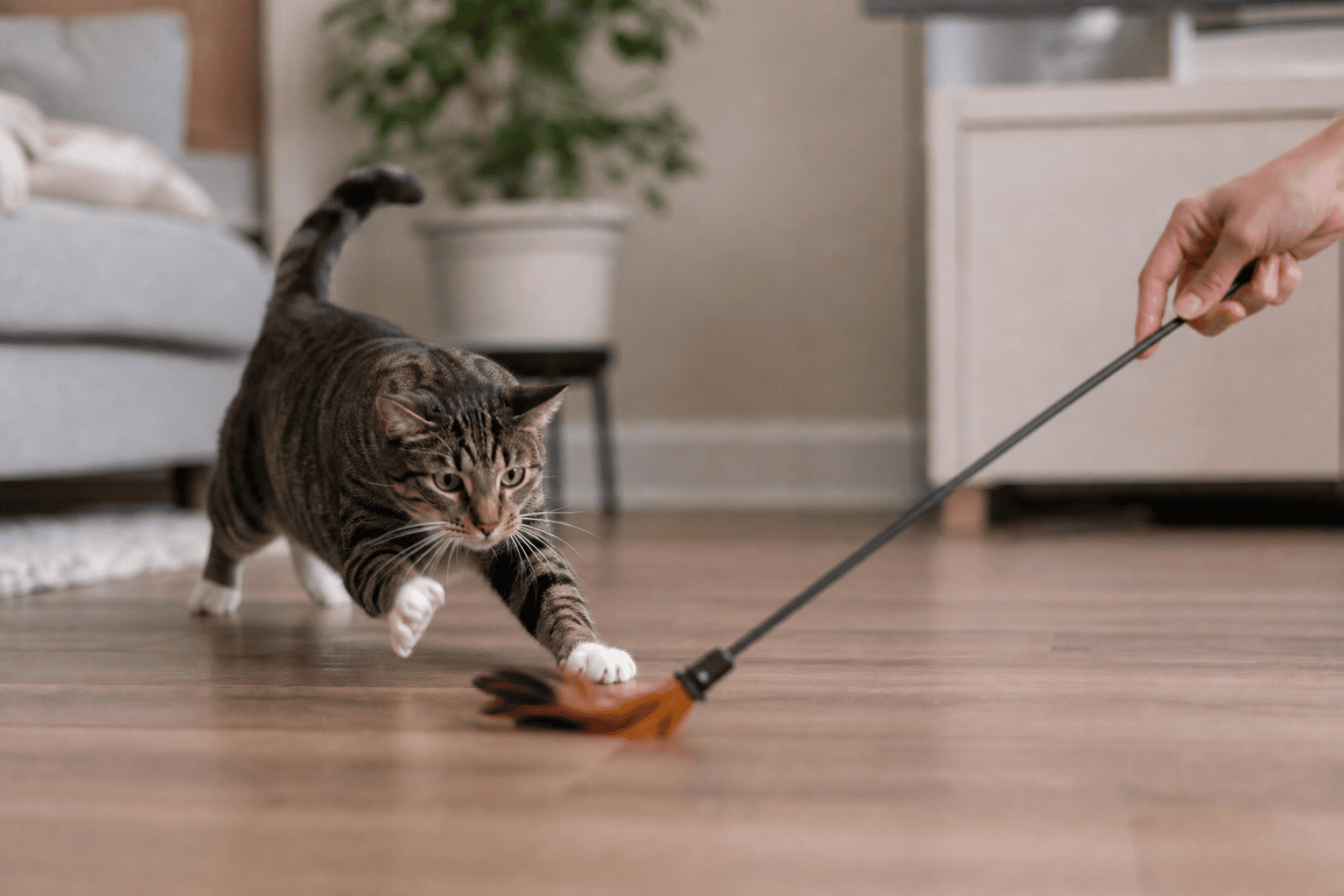
    For predator mode, reach for a feather wand (like a tiny fishing rod for cats) so she can leap, snap, and chase. For social play, toss a soft plush ball that makes a satisfying thud. I once watched Luna crouch behind the couch and then spring six feet in the air. Best toy ever! Tailoring playtime this way keeps your kitty purring and in tip-top shape.

    Key Distinctions Between Predatory and Social Play in Cats

    - Key Distinctions Between Predatory and Social Play in Cats.jpg

    Ever watch your cat crouch low and lock eyes on a toy mouse? That’s predatory play. Your kitty lowers its belly, bursts into a fast dash, pounces, then “kills” the toy before settling in to munch on a treat or sink claws into a plush prey.

    Social play feels more like a friendly wrestling match. You’ll see cats chase each other, roll around, bat at paws and pounce gently with claws tucked in. Spotting which game your cat picks helps you choose the perfect toy or playmate.

    Predatory play follows a simple hunt: stare, stalk, sprint, pounce, kill, and eat, even if “eat” is just a bite of kibble or a quick nibble on a soft mouse. Skip that final snack and your kitty might feel teased, pacing around for more action.

    Social play is all about turn taking and trust. Both cats pause, switch from chaser to chased, and keep claws sheathed. Gentle nips teach bite inhibition (how softly to bite) and build trust without nasty scratches. Those breaks and role swaps also set clear limits and stop play from speeding off the rails.

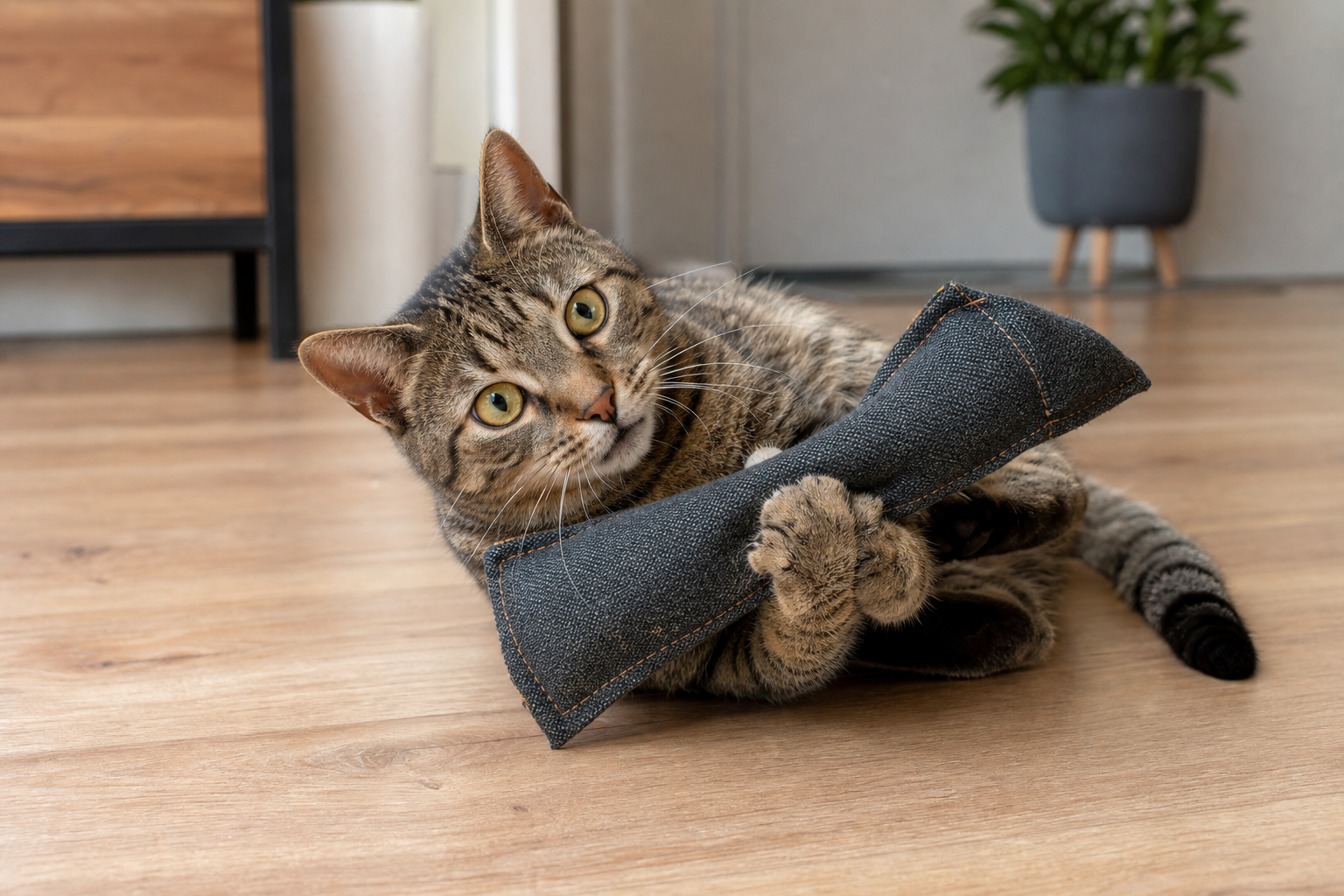
    Knowing these cues lets you mix predatory and social fun to keep your cat happy and healthy. First, spark the hunt with a feather wand (think fishing rod for cats) or a motorized toy. When your cat goes in for the pounce, reward it with a grab-able toy. Then switch to a soft kicker toy (a long, snuggly pillow for kicking) or roll out a gentle wrestling session with you or a friendly feline.

    Balance the thrill of the chase with cuddly team play. Your cat’s muscles stay strong, its mind stays sharp, and its whiskers twitch with delight, whether you’re entertaining a bouncy kitten or a laid-back senior.

    Predatory Play: Cat Hunting Instincts in Action

    - Predatory Play Cat Hunting Instincts in Action.jpg

    Cats have ancient hunter genes, so predatory play taps right into their wild side. Ever see your kitty crouch low, ready to pounce? It’s the same drill tiny wildcats used when stalking mice. That prey drive (hunt urge) was a survival trick long ago, wiring their brains to reward a good catch with a burst of feel-good chemicals.

    In one play session you’ll spot the classic hunt moves. First is the stare – your cat’s eyes lock on the toy, firing up the visual cortex (the brain’s sight center) and flooding their mind with dopamine (happy chemical). Then comes the stalk, belly brushing the floor as silent paws creep forward.

    Next up is the chase. Whoa – a sudden dash that gets your heart racing and your cat’s muscles humming. Finally the pounce. Claws out, target yanked close, even if “kill” just means biting a plush mouse. Toss the toy in erratic, twitchy ways to keep that hunt-fire burning.

    Age and upbringing shape play style. Kittens four to sixteen weeks old practice wild, clumsy bursts – it’s how they nail down coordination. Adult cats still love mixing play and hunting skills but shift to short, sharp sessions to save energy. Indoor kitties may zoom around with pure joy, but they often miss the quiet finesse of outdoor siblings. So pick toys and times that match your cat’s stage, and you’ll see those primal instincts shine.

    Social Play: Feline Social Behavior and Cooperative Interactions

    - Social Play Feline Social Behavior and Cooperative Interactions.jpg

    Kittens start little wrestling matches almost as soon as their eyes open, around three to four weeks old. You’ll spot tiny paws batting at each other, soft nibbles and gentle chases across the litter box. Their practice peaks between seven and fourteen weeks, when they work on bite inhibition (learning how softly to bite) and figure out play boundaries so no one ends up with a real ouch.

    Littermates are the purr-fect play partners. Every tussle teaches them communication cues, tail flicks, ear twitches and body-posture signals. When one kitten stops and the other waits, they’re actually learning to take turns. These practice bouts help them gauge force, read each other’s signals and build trust. Skills they’ll use in every whisker-twitching friendship.

    Group play often looks like a mini-meow hunting team. One little croucher becomes the stalker while another pounces in ambush. Then they swap roles so everyone gets a chance to lead the chase. You can jump in too, toss a soft ball, hide a toy under a blanket or wiggle a ribbon wand like a fish. Your involvement turns solo moves into cooperative games, boosting confidence and deepening your bond through shared playful teamwork.

    Recognizing Overstimulation: Play Aggression vs Healthy Social Play

    - Recognizing Overstimulation Play Aggression vs Healthy Social Play.jpg

    When play is healthy, it’s all soft paws and quick licks. You’ll see claws tucked in (kitty chooses not to scratch), wiggly bodies and friendly breaks that feel fun for everyone. Ever watched your cat take a breather, flop over and lick your hand? That’s the good stuff!

    But sometimes your kitty’s hunting urge goes into overdrive. That’s when play aggression kicks in. You might notice teeth and claws out, ears flattened, and non-stop stalking like it’s the wild.

    • Forceful bites that draw blood
    • Claws fully out when pouncing
    • Ears pressed back flat
    • No friendly breaks, just go, go, go
    • Stealthy stalking or sudden ambushes

    So pause play the moment you spot these signs. Then swap to a feather wand (like a fishing rod for cats) to redirect that zoomies energy.

    • Plan two 10 to 15 minute play sessions each day
    • Offer a kicker toy (a soft, long toy for grabbing) when teeth start snapping
    • Never use your hands as a teasing target
    • Keep sessions short so your kitty doesn’t overheat

    Cool things down by breaking up play, rotating toys, and sticking to a steady schedule. If your cat can’t switch back to gentle mode or rough play keeps popping up, reach out to your vet or a feline behavior expert for tailored tips. Worth every paw-print.

    Advanced Enrichment

    - Enrichment Strategies Integrating Predatory and Social Play.jpg

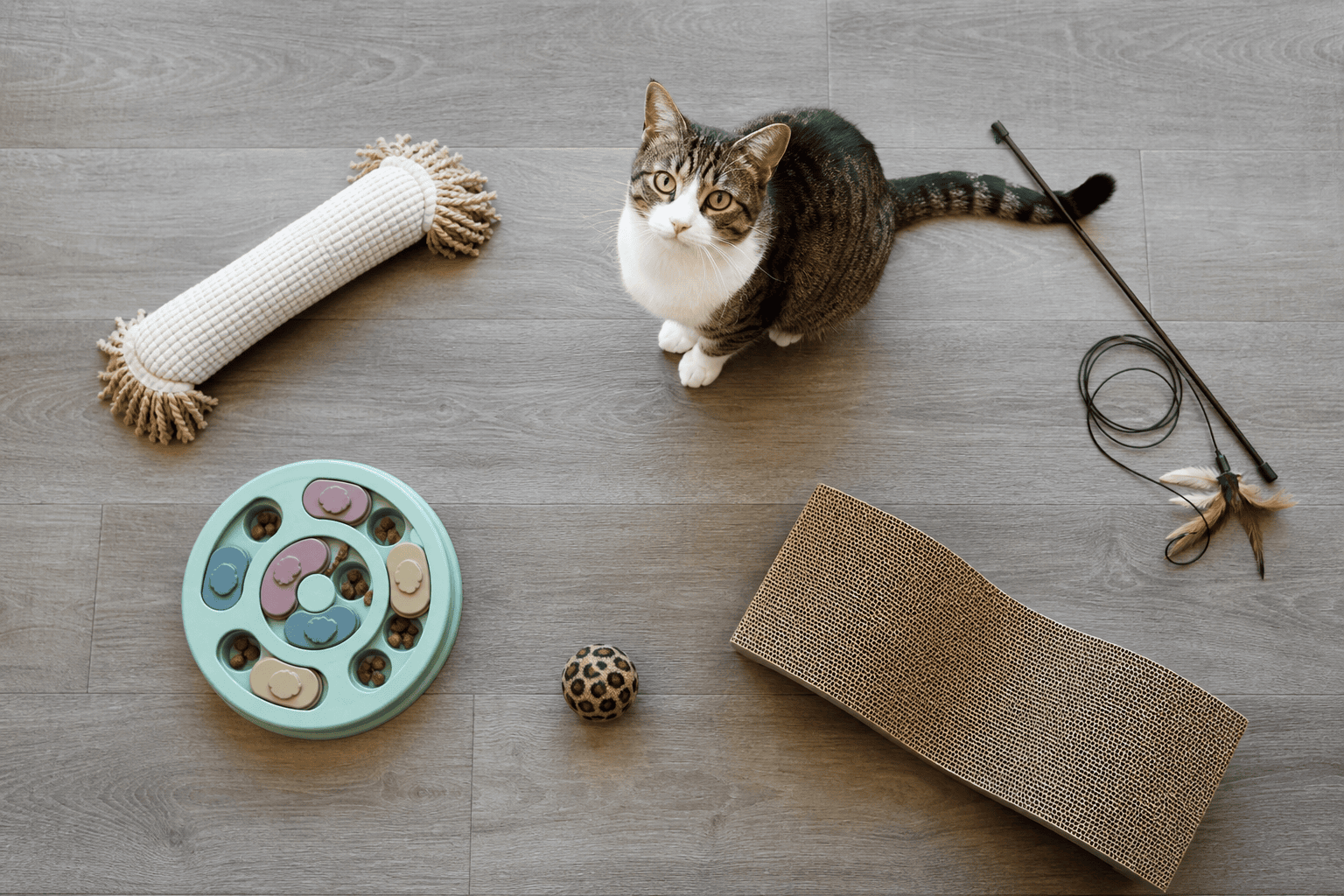
    Tired of just chase-and-wrestle? Hide treats in a puzzle feeder (a toy that makes your cat work for snacks) or toss a handful of kibble around the room. Your kitty’s whiskers will twitch as they hunt down each piece like tiny treasures. It’s brain games with a tasty reward!

    Next, mount a window perch or stick up some shelves so your furball can bird-watch and chill out. Ever seen them lean forward, nose pressed against the glass? That quiet focus is pure gold. They’ll love having their own kitty lookout.

    Then tuck a soft kicker toy by their favorite hideaway or the scratch post – you know, that plush thing they love to kick with back feet. Those back-foot wrestling moves are adorable. Move these play spots around every week. Keeps your cat curious and eager for what’s next.

    Worth every paw print.

    Age Differences in Play: From Kitten to Senior Cats

    - Age Differences in Play From Kitten to Senior Cats.jpg

    Kittens are little bundles of fluff that mix sneaky pounces with silly wrestles. You’ll hear the satisfying thud of a plush mouse as they smack it around! Their zoomies send them zooming like tiny rockets, then they just flop and nap.

    Then six months to a year hits, hello, teenage zoomies. They chase feather wands (a stick topped with feathers) across the floor like tiny hunters. It’s cute and a bit relentless, um, you know? Ever tried to catch that sneaky feather wand?

    Adult cats chill out. They go for quick bursts, chase, pounce, then curl up with a soft sigh. Think of it as kitty interval training. Perfect when you only have a few minutes to play.

    Senior kitties swap big leaps for gentler games. They tap toys gently to save their creaky joints and keep their minds sharp.

    Match toys and timing to their age. Kittens thrive on 10-15 minute teaser wand adventures and plush mice for batting and nibbling.

    Adolescents burn off energy in 20-30 minute chase marathons with feather wands and kicker toys (pillows they can grab with their back paws).

    Adults find their sweet spot in 10-12 minute sprints. Throw a motorized ball or wave a wand in quick bursts and they’re satisfied.

    Seniors prefer 5-8 minute bat-and-nap sessions with soft balls or slow-food puzzles that make them think before gobbling treats.

    Watch your cat’s style. If older cats seem stiff, trade high jumps for sit-and-bat wands. If kittens run wild, split play into small spurts so they don’t burn out.

    And mix in brain teasers for all ages, treat puzzles, hidden toys. You’re not just tossing playthings, you’re tuning in to every paw and purr.

    Safety in Cat Play: Preventing Injuries in Solo and Group Sessions

    - Safety in Cat Play Preventing Injuries in Solo and Group Sessions.jpg

    Solo play can be a riot, but let’s think safety first. Grab a wand toy with a dangling ribbon so your hands stay out of the swipe zone. Swap loose yarn for a sturdy ribbon (a tough strip tied to a stick) to cut down on tangles. Stick around and watch the fun so you can step in before things get too wild.

    You’d be amazed at how simple household items can turn into awesome cat toys. Empty cardboard boxes act like cozy hideouts, and you’ll hear the satisfying thud as they tumble across the floor. Toilet paper rolls roll just right for batting. Just toss any bits that start to splinter or shred so your kitty stays safe.

    Group play needs a bit more planning. Set up tall spots like shelves or cat trees so cats can climb up and chill if the chase heats up. Tuck in extra boxes or little tunnels to give them fast escapes. Spread out toys and treats to ease the “mine” feeling and cut down on squabbles.

    When things get too rough, you’re the referee. Keep a gentle clap or soft noise ready to break up scuffles. You can also slide a box between them to cool things down. And always clear away breakable items and tuck loose wires out of paw’s reach.

    Watch for signs of play fatigue: panting, slow pounces, droopy ears. Pause every 10 minutes so your kitty can catch its breath and calm a racing heart. If they suddenly flop or stop batting, stash the toys and offer soft pets instead. Short, snappy sessions keep play fun and strain-free.

    Worth every paw-print.

    Final Words

    In the action of exploring your cat’s world we nailed down what makes predatory play, think stalk, chase, pounce, so different from gentle social play with twirls and wrestles.

    Then we spotted warning signs of overstimulation, flagged safe solo and group routines, and built smart enrichment plans from feather wands to puzzle feeders.

    Tuning into the difference between predatory and social play in cats makes every session hit the right note, keeps your multi-cat crew happy, and leaves you both feline fine.

    FAQ

    What is the difference between predatory and social play in cats?

    The difference between predatory and social play in cats lies in intent. Predatory play mimics solo hunting steps—stalk, chase, pounce—while social play is mutual, gentle interactions with sheathed claws and role switches.

    What are predatory behaviors in cats?

    Predatory behaviors in cats are instinctive hunting actions like staring, stalking, chasing, pouncing, and mock biting, often triggered by erratic toy movement or small moving objects.

    How do I tell if my cat is playing or being aggressive?

    You can tell if your cat is playing when they keep claws sheathed, pause regularly, and show relaxed body language. Aggressive behavior shows unsheathed claws, hard bites, flattened ears, and nonstop stalking.

    What is the 3 3 3 rule of cats?

    The 3 3 3 rule of cats guides new cat introductions: 3 days in a single room, 3 weeks of supervised exploration, and 3 months for full integration and comfy coexistence.

    What causes aggression between cats?

    Aggression between cats often stems from fear, resource guarding, territorial disputes, redirected prey drive, or social mismatches. Stressful changes or limited resources can trigger hostile behaviors.

    What is fear aggression in cats?

    Fear aggression in cats occurs when a cat feels trapped or threatened and uses hissing, swatting, or biting to defend itself, often while crouching with flattened ears and wide eyes.

    What is noise-induced aggression in cats?

    Noise-induced aggression in cats happens when sudden loud sounds like fireworks or thunderstorms startle them, triggering defensive swatting, hissing, or fleeing behaviors.

    What is territorial behavior in cats?

    Territorial behavior in cats involves marking areas with scent by rubbing or spraying, patrolling favored spots, and displaying hissing or blocking postures to keep other animals away.

    What are common cat behavior problems?

    Common cat behavior problems include inappropriate scratching, litter box avoidance, excessive meowing, aggression, anxiety-driven hiding, and nighttime restlessness, often signaling unmet needs.

    Related Articles

  • Lifespan of a Maine Coon Cat: Impressive Longevity

    Lifespan of a Maine Coon Cat: Impressive Longevity

    Ever wondered if cats only live about a dozen years? Maine Coons laugh at that. These gentle giants usually make it to 10 or 13 years. Indoor fluffballs often stretch to 12 or even 15 years.

    And with a balanced diet (nutrition plan) and regular vet checkups (routine health visits) your Maine Coon can enjoy daily play (think kitten cam zoomies). Some seniors even purr their way past 20. One legend named Rubble even hit 31. Can you imagine that?

    In this post, we’ll explore what shapes a Maine Coon’s lifespan and share tips to help your big furball live its longest, happiest life. Ready? Let’s dive in.

    Typical Life Expectancy for Maine Coon Cats

    - Typical Life Expectancy for Maine Coon Cats.jpg

    I’m a total Maine Coon fan, and I gotta tell you – these gentle giants can stick around longer than you think. Their average lifespan (how long they live) is about 10-13 years. Let your floof stay inside and that jumps to 12-15 years – cozy, safe, and away from racing cars or prowling predators.

    Ever watched your Maine Coon chase a sunbeam around the living room?

    With a soft scratching post, a warm patch of sunlight, and regular visits to the vet (veterinarian), most Maine Coons hit a solid decade without breaking a sweat.

    But wait – some of these kitties outdo even that. Think late teens or early twenties with the right diet, daily playtime, and brushing those pearly whites (dental care). Oops, let me rephrase that: some special seniors stretch way past 20. Take Rubble, for example – he purred his way to 31 years old! Mind-blowing, right? Not every furball tops the charts, but it shows just how long a Maine Coon can live when genes, good grub, and a loving home team up.

    Worth every paw print.

    • Average lifespan: 10-13 years
    • Indoor-only cats: 12-15 years
    • Late-teen champs: 15-20 years
    • Record setter: up to 31 years

    Genetic and Breed Factors Affecting Maine Coon Longevity

    - Genetic and Breed Factors Affecting Maine Coon Longevity.jpg

    Responsible breeders are paw-some. They run clear health tests on mom and dad cats. They look for heart issues like hypertrophic cardiomyopathy (HCM, which thickens the heart muscle) or kidney troubles such as polycystic kidney disease (PKD, where tiny fluid-filled sacs form). Good bloodlines show up in strong growth, shiny coats, and fewer health hiccups. Low inbreeding numbers mean more gene diversity. When you see tidy health papers, you know the breeder cared about your kitty’s long-term well-being.

    Some issues can sneak up on your fluffy giant if you’re not watching. HCM makes the heart muscle grow too thick. PKD fills the kidneys with cysts. And spinal muscular atrophy (SMA, a condition that weakens muscles and leads to shaky legs) can give your cat a wobbly walk by just a few months old. Early DNA tests can flag PKD and SMA before a whisker twitches. A simple heart ultrasound around age two to four spots HCM before it’s a big deal. Catching problems early? Pure cat-and-mouse win for you and your vet.

    So here’s the cat’s meow. Pick a breeder who sends kittens home with genetic clearances for HCM, PKD, and SMA. Ask to see each test result. It’s one of the best ways to help your Maine Coon purr into its late teens. Maybe even beyond.

    Key Health Conditions and Management

    - Common Health Conditions Impacting Maine Coon Lifespan.jpg

    Maine Coons can face some big health hurdles, like hypertrophic cardiomyopathy (HCM, when the heart muscle thickens), polycystic kidney disease (PKD, tiny fluid-filled sacs in the kidneys), and spinal muscular atrophy (SMA, muscle weakness in the spine). See our genetic testing section for how to catch those early. But today, we’re zeroing in on hip dysplasia and what you can do to help your fluffy friend.

    Hip dysplasia often shows up around four to six years, when the hip sockets don’t fit quite right and the soft joint padding (cartilage) starts to wear down. You might notice a little limp or that your cat hesitates before hopping onto the windowsill. Ever watched your Maine Coon stretch and then pause mid-leap? That could be a telltale sign.

    Left unchecked, those misaligned hips can lead to arthritis (joint swelling) that makes even a gentle climb up the stairs feel like Everest. Weight control is crucial, every extra ounce pulls harder on those joints. It’s like carrying a backpack around all day. Supplements such as glucosamine (supports cartilage health) and chondroitin (helps cushion joints) can ease daily movement.

    Gentle play and physical therapy build up the muscles around the hip, you know, kitten aerobics. I once watched my cat Luna wobble across a balance pad, one paw at a time. In serious cases, vets might recommend a femoral head ostectomy or a total hip replacement to get things gliding smoothly again.

    Worth every paw-print.
    And ramps plus non-slip mats help your cat reach favorite perches without a stumble, no more frantic leaps or skid marks on the hardwood.

    Condition Age of Onset Intervention
    Hypertrophic Cardiomyopathy 2–4 years Beta-blockers and routine ultrasound
    Hip Dysplasia 4–6 years Weight management, joint supplements, surgery
    Polycystic Kidney Disease 3–5 years Renal-support diet and blood screening
    Spinal Muscular Atrophy 3–4 months Physical therapy and mobility aids

    Nutrition Strategies for Maximizing Maine Coon Longevity

    - Nutrition Strategies for Maximizing Maine Coon Longevity.jpg

    Your adult Maine Coon needs about 20 to 30 calories per pound of body weight each day to keep its big frame lean and strong. Aim for a diet heavy on animal protein (meaty building blocks), light on carbohydrates (energy bits), and sprinkled with omega-3 fatty acids (heart-healthy fats) plus antioxidants (cell protectors). This mix builds muscle, supports the immune system, and makes sure your floof can leap without getting slowed down by extra weight.

    Wet food helps your cat stay hydrated. Think juicy bites that guard against urinary troubles and feel soft on aging gums. Dry kibble brings a crunchy treat that scrapes plaque off your cat’s teeth – a tasty dental sidekick. Plus, it’s perfect for short free-feeding sessions. Mixing both gives your Maine Coon texture variety and oral health perks.

    • Calculate daily calories at 20 to 30 kcal per pound
    • Choose animal-based proteins like chicken or fish
    • Keep carbs under 12% of total calories
    • Add omega-3 fatty acids like fish oil for a shiny coat and strong heart
    • Try portion-control feeders or set meal times to prevent overeating
    • Always leave fresh water or a fountain flowing to encourage sipping

    Ever tried a raw diet?

    Uh, go slow.

    Raw meat can harbor bacteria and it’s tricky to hit every vitamin and mineral just right. Homemade recipes need vitamin mixes and extra calcium to avoid gaps or overload. Always check with your vet or a feline nutritionist before swapping kibble for a DIY raw feast – that way your Maine Coon purrs with health, not vet visits.

    Exercise and Enrichment to Support Maine Coon Healthspan

    - Exercise and Enrichment to Support Maine Coon Healthspan.jpg

    Let’s talk daily play. Even a gentle giant like a Maine Coon needs about 15 to 20 minutes of chasing or tossing every day. Grab a lightweight ball or a wand toy (think of it like a fishing rod for cats) and roll it across the carpet. Your cat’s whiskers will twitch in excitement, and you’ll zap extra pounds while keeping that big heart ticking. Try a quick session before you head out, you’ll score calmer mornings and a leaner, happier floof.

    And vertical fun gives joint love. A tall cat tree or wall perch lets your Maine Coon stretch high and build muscle around hips and shoulders. Sisal (tightly woven plant fibers) scratching posts invite claws to dig in and joints to flex without grinding cartilage. Ever notice how a good scratch ends with a blissed-out tail twitch? That tiny move actually keeps bones and ligaments strong.

    Then there are puzzle feeders and interactive toys to feed the mind. Um, hiding kibble in a treat maze taps into natural hunting instincts and slows down gulpers, that means better digestion. A rattle puzzle ball or feather teaser sets up mental hurdles, and cats adore a challenge. When the weather’s nice, pop on a harness and explore the yard together. Fresh scents, mild exercise, and new sights help your Maine Coon purr on for many happy years.

    Veterinary Care and Preventative Screening for Senior Maine Coons

    - Veterinary Care and Preventative Screening for Senior Maine Coons.jpg

    Annual Checkups for Adult Maine Coons

    Adult Maine Coons do best with a yearly vet visit. First, a careful dental exam looks at each tooth and the gums for early signs of decay or gingivitis (gum inflammation). Next, blood tests include a complete blood count (CBC) to check red and white cells and a chemistry panel (checks liver, kidney, and pancreas health). A routine urinalysis (pee test) helps your vet spot dehydration and catch urinary issues before they hurt.

    Biannual Checkups for Cats Over Eight

    Once your Maine Coon turns eight, it’s time to step up to two vet visits a year. Each visit usually includes a heart ultrasound (an echo-like scan) to catch hypertrophic cardiomyopathy (HCM, a thickening of the heart wall) before your kitty shows any signs. You’ll also get renal panels (kidney tests) and senior blood work to watch for kidney decline or an overactive thyroid. Your vet might even suggest more frequent urinalysis to notice tiny bladder or kidney problems. Early genetic screening stays helpful, too, since DNA risks for polycystic kidney disease (PKD, fluid-filled sacs in the kidneys) or other inherited issues can still pop up.

    Preventive care is a big reason Maine Coons often live into their golden years. Keeping up with flea, tick, and heartworm treatments (pills or spot-on drops) lowers stress on organs and the immune system. And spaying or neutering cuts cancer risk and can add almost 18 percent more healthy purr-years. With regular checkups, smart screenings, and parasite protection, you’re giving your fluffy giant the best shot at purring happily for years to come. Worth every paw-print.

    Comparing Maine Coon Lifespan with Other Cat Breeds

    - Comparing Maine Coon Lifespan with Other Cat Breeds.jpg

    Let’s line up a Maine Coon’s years next to other kitty pals so you can guess how long your floofy friend might stick around. These gentle giants live around 10 to 15 years (plenty of time to chase every sunbeam).

    Domestic shorthairs often hang around 13 to 17 years, while snow-ready Siberians usually hit 12 to 16 years. Ragdolls bring their laid-back charm for 12 to 17 years, and Bengals (bengal cat lifespan) rock 12 to 16 years too. Purrfect numbers.

    Ever wonder why some cats celebrate more birthdays than others? It’s less about whisker length and more about genetics (traits passed down from their cat family) and everyday love and care, like good food, vet check-ups, and those daily zoomies.

    Breed Average Lifespan (years)
    Maine Coon 10–15
    Domestic Shorthair 13–17
    Norwegian Forest 12–16
    Ragdoll 12–17
    Bengal (bengal cat lifespan) 12–16

    But size? Um, that’s not the big story. Unlike dogs, where a Great Dane might only hang around 7 to 10 years and a Chihuahua can hit 15 to 20, big cats like Maine Coons cruise into their mid-teens just like their smaller pals. I once watched my girl Luna celebrate her 14th birthday with a full-speed dash around the living room. Just fill the bowl with quality chow, pencil in vet visits, and carve out playtime, and your floof has the best shot at a long, purr-filled life.

    Real-Life Case Studies of Maine Coon Longevity

    - Real-Life Case Studies of Maine Coon Longevity.jpg

    Ever seen a 30-year-old cat bat at a feather? Rubble did it like a kitten, even at 31. He holds the Guinness world record for oldest house cat. He spent his golden days soaking up sunbeams, feasting on protein-rich wet food, and pouncing on feather wands twice a day. His people never missed those yearly skin-and-fur checkups (a quick vet exam for his coat and skin) and kept his filtered-water fountain topped off with fresh sips. Gentle grooming sessions kept his plush fur knot-free, and a chill, low-stress routine let his heart purr along smoothly. Sure, great genes helped, but daily playtime and timely vet visits are what really stacked up those purr-packed years.

    Then there’s Stewie, another floof who cruised to 23 years, showing the breed’s upper potential. His humans served balanced meals and hid kibble in puzzle feeders (toys that hide food in little mazes), um, for extra fun. Regular screenings for heart health and kidney function caught tiny changes before they became big problems. Studies on purebred cats show that lines bred with heart tests (for hypertrophic cardiomyopathy, a thickening of the heart muscle) and kidney scans (watching for cysts, small fluid-filled sacs) often live past 15 years. Preventive care and smart breeder choices nudge these gentle giants toward even longer lives. Worth every paw-print.

    Final Words

    In the action, we’ve covered how Maine Coons live on average 10–13 years (12–15 indoors), the role of genetics and common health checks, and nutrition and exercise tips for a long, happy life.

    We dove into preventive vet care, compared Maine Coons with other breeds, and shared inspiring case studies like Rubble’s record 31 years.

    A little effort goes a long way.

    Keep up balanced meals, playful climbs, and regular screenings, and you’ll boost the lifespan of a Maine Coon cat.

    Here’s to many purr-filled years ahead.

    FAQ

    What is the typical lifespan of male and female Maine Coon cats?

    Male Maine Coons usually live 10–13 years while females often reach 11–14 years with good care and regular vet checkups.

    How long do indoor Maine Coon cats live?

    Indoor Maine Coons average 12–15 years thanks to stable weather, fewer injuries, secure play spaces, and a steady diet.

    Do Maine Coon cats have health problems?

    Maine Coon cats can face HCM (heart muscle thickening), hip dysplasia (joint malformation), PKD (kidney cysts), and SMA (muscle weakness). Early screening and care help catch these issues.

    What two breeds make a Maine Coon cat?

    The Maine Coon is a natural breed, not a hybrid from two breeds. Its ancestors likely include long-haired European cats and early American shorthairs.

    What is the oldest recorded Maine Coon cat?

    The oldest recorded Maine Coon was Rubble, who lived to 31 years, a Guinness record, thanks to devoted care, a balanced diet, and regular vet checkups.

    How large do Maine Coon cats grow?

    Adult Maine Coons weigh 10–25 pounds, stand 10–16 inches tall, and reach up to 40 inches long from nose to tail tip, making them one of the largest house cat breeds.

    Where can I find Maine Coon kittens for sale?

    Maine Coon kittens often come from registered breeders, rescue groups, or shelters. Expect prices around $800–$2000, and always check health clearances and breeder reputation before buying.

    Related Articles

  • Best wet cat food for indoor cats Nourishes

    Best wet cat food for indoor cats Nourishes

    Ever watched your indoor kitty yawn at her food bowl? Many wet foods drown in gravy (meat juice) but skip real water, leaving cats thirsty, pudgy, and hacking up hairballs. I ran taste-tests on big brands for months (um, more like sneaky spoon trials) to crack the code on a truly hydrating meal. Luna leapt for joy, Sasha skipped her weekly coughs, and I finally know what makes a thirst-quenching feast.

    Your cat’s whiskers will twitch as she laps up juicy chunks (small bits of meat) floating in broth. In this guide, you’ll find the best wet foods, each loaded with protein, water, and key nutrients to keep your indoor fur friend purring and playful. Think of it like a mini spa day for your kitty’s tummy.

    Ready to turn chow time into a claw-tastic adventure? Let’s paw through these top picks. Meow-velous meals await.

    Top Wet Cat Food Brands for Indoor Cats

    - Top Wet Cat Food Brands for Indoor Cats.jpg

    Indoor kitties need food that’s packed with protein, water, and the good stuff in every bite. And let’s face it, your cat deserves those juicy, moisture-filled meals (moisture means extra hydration).

    Wellness CORE Grain-Free Indoor
    Think super-lean meat in a smooth pate. It’s 90% animal protein (meat that builds strong muscles) from chicken and turkey. Plus taurine (an amino acid for heart and eye health) and omega fatty acids (healthy fats for skin and coat). My Luna goes wild for it, those paws tap the bowl when she smells it.

    Blue Buffalo Indoor Health
    This one mixes real chicken with pumpkin (fiber for digestion) and brown rice. The texture can be a little chunky, but it gives your kitty something to nibble on. Ever seen a cat crunch pumpkin like a mini tiger? It’s adorable, you know?

    Hill’s Science Diet Indoor Cat
    We’re talking 78% water, so it’s like sipping soup. It’s got controlled calories (to keep extra fluff away) and helps reduce hairballs. My friend’s Sasha used to hack hairballs every week, now? Zero.

    Vet-Formulated Superfood Stew
    Chunks in gravy with cranberry (antioxidant power), pumpkin, and flaxseed (little seeds with omegas). It’s like a tiny stew for their immune system and tummy. Just heat, serve, and watch them pounce.

    Budget-Friendly Value Pouch
    Chicken, duck, turkey, or fish in a pouch that won’t empty your wallet. It even has apple cider vinegar (for a happy gut) and coconut oil (for shiny fur). Perfect for quick meals on busy days, um, 10 seconds to open and 10 seconds for kitty to devour.

    Worth every paw-print.

    Brand Protein Source Moisture % Price per Serving Key Benefits
    Wellness CORE Grain-Free Indoor Chicken, Turkey 78% $2.50 Lean muscles, urinary health
    Blue Buffalo Indoor Health Real Chicken, Pumpkin 78% $1.80 Digestion, antioxidants
    Hill’s Science Diet Indoor Cat Chicken 78% $2.00 Hairball control, weight management
    Vet-Formulated Superfood Stew Multiple Proteins, Cranberry 80% $2.80 Immune & digestive support
    Budget-Friendly Value Pouch Chicken, Duck, Turkey, Fish 75% $1.75 Gut & coat health

    For a detailed brand comparison, check out best wet cat food

    Weight Control with Low-Calorie Indoor Wet Cat Diets

    - Weight Control with Low-Calorie Indoor Wet Cat Diets.jpg

    Got an indoor kitty who’s packing on pounds? Let’s keep them sleek and happy with wet food that’s low in calories and high in moisture (extra water helps them stay full), um, like a juicy treat. You’ve probably spotted Hill’s Science Diet and Wellness CORE up above – they offer tasty pouches that fit the bill.

    Try these weight-managing moves:

    • Feed 3 to 4 tiny meals a day. “Just a tablespoon each time keeps hunger at bay.”
    • Grab a dedicated measuring scoop – “One scoop is one balanced serving.”
    • Think hydration – wet pâté (soft, smooth kitten food) is like a mini smoothie.
    • Check labels for animal-first protein and minimal fillers. “If you see rice before beef, walk away.”

    Small portions and frequent, fun feedings make diet time feel like playtime. Your cat will purr for more.

    Worth every paw-print.

    Hydration and Urinary Health Support from High-Moisture Indoor Wet Cat Foods

    - Hydration and Urinary Health Support from High-Moisture Indoor Wet Cat Foods.jpg

    Indoor cats trace back to desert ancestors. So they often sip water, well, just a few licks. Ever watched your kitty sniff a full bowl and stroll off? They don’t have big thirst drives, so they get most of their hydration from food.

    So here’s a claw-tastic tip: feed wet meals with 75 percent to 80 percent moisture (water) in every bite. Think of it like a mini broth buffet – a mix of water and protein rolled into one tasty bite. Your cat’s tongue laps up moisture and yum all at once.

    All that extra fluid is a urinary health hero. It helps flush out toxins and stops those painful crystals in their tracks. Well-hydrated cats leave firm, easy-to-scoop clumps – not puddles or smelly surprises. Plus, it can ease bladder irritation and lower the chance of a urinary-tract flare-up.

    Next time you shop, compare labels and choose a pate or shredded formula that’s rich in liquid.

    Your indoor tiger’s bladder will thank you.

    Key Nutrients and Ingredients in Quality Indoor Wet Cat Foods

    - Key Nutrients and Ingredients in Quality Indoor Wet Cat Foods.jpg

    When you pop open a can or peel back a pouch, look for real animal proteins like chicken (muscle meat) or turkey (lean meat). Salmon is a winner too – just pure fish on the label means fewer mystery bits. Ever watched your kitty sniff every last crumb? That’s the power of honest ingredients.

    Skip recipes with by-products (leftover bits from meat plants), fillers (cheap carbs) or additives like BPA (a plastic chemical) and carrageenan (a thickener). These extras won’t do your indoor buddy any favors.

    Go for grain-free wet food or limited ingredient packs that keep things simple. And um, natural antioxidants like pumpkin (for digestion) and cranberries (for immune health) give your cat a little extra boost. If you spot no artificial colors or flavors, you know your feline friend is getting real nutrition, bite after satisfying bite.

    Protein Sources and Recipe Types

    Pate is smooth and soft. Perfect for kittens or seniors who need an easy chew. Shredded recipes come in meaty strands cats love to bat apart. Brothy chunks are like a mini soup – extra moisture in every spoonful. Switching textures can keep picky eaters on their paws and tap into their natural hunting instincts.

    Functional Additives and Label Reading

    Check for taurine (an amino acid that supports heart and eye health) and omega fatty acids (healthy fats for a shiny coat). Probiotics (good bacteria) can help keep digestion purring along smoothly. You’ll often find these listed toward the top of the ingredients.

    If you see corn, wheat or soy before real meat, that’s a red flag – it means the formula relies more on fillers than protein. You want meat first, always.

    Worth every paw-print.

    Vet Insights and Feeding Strategies for Indoor Cats on Wet Food

    - Vet Insights and Feeding Strategies for Indoor Cats on Wet Food.jpg

    Try adding a pinch of freeze-dried raw topper (meat gently dried to lock in protein and give a crunchy bite) to any pate. It’s like sprinkling crunchy chicken confetti – watch your tiger chase it with gusto. Ever noticed how that tiny snap can turn dinner into a game? Just a small sprinkle can spark big excitement.

    Next, use litter-clumping trends as a quick hydration check. Firm, tidy clumps mean your kitty is getting enough moisture. Loose clumps or odd drips? That’s a clue to up their water game. Before you serve wet food, stir in a spoonful of warm bone broth (liquid from simmered bones that adds flavor and nutrients) so your cat’s whiskers start twitching.

    Comparing Budget-Friendly vs Premium Indoor Wet Cat Food Options

    - Comparing Budget-Friendly vs Premium Indoor Wet Cat Food Options.jpg

    Ever felt the maze of wet cat food choices? I know, right? We just want our indoor kitties to eat well and stay happy. So here’s a simple side-by-side look at budget-friendly vs premium wet food. No fluff.

    Tier Price per Meal Main Ingredients Sample Brands
    Budget-Friendly $1.50 to $2.00
    (3 to 5.5 oz pouch)
    Real chicken or fish, apple cider vinegar (a digestion helper), coconut oil (soft coat) Brand A, Brand B
    Premium $2.50 to $3.00
    (3 oz can)
    Human-grade meats, sustainably sourced fish, pumpkin (fiber boost), cranberries (antioxidants) Brand C, Brand D

    Take note of price per meal and top goodies, no weird fillers here. It’s what your kitty will lap up. Ever seen their whiskers twitch as they sniff that first bite? Pure joy.

    Now, hop over to the “Top Wet Cat Food Brands for Indoor Cats” chart for taste notes, packaging details, and feeding tips. Your furball is gonna be purring.

    Final Words

    Diving right in, we weighed top wet food brands, like Wellness CORE Indoor and Blue Buffalo, to guide you toward tasty, moisture-rich meals. We even compared brothy stews and shredded cuts for picky felines.

    Then we covered low-calorie diets for weight control and how 75–80% moisture fights urinary woes. We also spotted taurine (for heart health) and added probiotics for digestion.

    Budget-friendly pouches vs premium cans, now you can hit every price point. With these tips and taste tests, you’ll nail the best wet cat food for indoor cats and keep whiskers twitching.

    FAQ

    What is the healthiest wet food for indoor cats?

    A healthy formula includes high animal protein, moderate fat, fiber, and moisture. Brand examples include Wellness CORE Grain-Free Indoor, Hill’s Science Diet Indoor, and Blue Buffalo Indoor Health, which support weight, hairball control, and urinary care.

    What is the best wet cat food recommended by veterinarians?

    Veterinarians often recommend formulas like Hill’s Science Diet Indoor, Royal Canin Indoor, and Purina Pro Plan Savor for their balanced nutrition, controlled calories, and key nutrients such as taurine and omega-3 fatty acids.

    What wet cat food suits indoor cats with sensitive stomachs?

    Formulas with limited ingredients and gentle proteins like turkey or fish combined with rice—such as Royal Canin Sensitive, Purina Beyond Grain-Free Sensitive, and Smalls Cat Food—help soothe digestion and reduce allergy risk.

    What cat wet food should I avoid?

    Avoid products heavy in by-products, artificial colors, or carrageenan, as well as generic supermarket pouches that list unnamed “meat meals,” which can upset digestion or trigger sensitivities.

    What is the number one healthiest cat food?

    The top choice is a high-protein, grain-free wet formula rich in animal muscle meat, natural taurine, and minimal additives—look for around 75–80% moisture and a clear, transparent ingredient list.

    Are popular brands like Friskies, Fancy Feast or Sheba nutritious?

    Friskies and Fancy Feast focus on affordability but often include fillers and artificial flavors. Sheba has fewer additives, but premium grain-free or veterinarian-reviewed formulas generally deliver superior nutrition.

    What sets Tiki Cat’s wet food apart?

    Tiki Cat stands out with high fish or chicken protein, brothy textures that boost hydration, no carrageenan, and simple ingredient lists—ideal for picky eaters and urinary health support.

    Is Smalls cat food worth trying?

    Smalls uses human-grade meats in single-protein recipes, offers a pouch texture, and provides personalized portions based on your cat’s weight and goals—ideal for fussy cats and those with digestive sensitivities.

    Related Articles

  • Litter Box Training for Kittens Effortless Success

    Litter Box Training for Kittens Effortless Success

    Ever watched your kitten dig at your couch like it’s a sandy beach?
    Those tiny paws kneading the cushions feel cute…until you find fluff all over your lap.
    It’s adorable and a little maddening.

    Potty training your furball might feel like chasing a laser dot around the house.
    But guess what? She already knows how to dig.
    You just need to show her the right spot.

    First, set up a cozy corner with a shallow tray (easy to hop into) and fill it with soft litter (fine-grain sand-like granules).
    Next, sprinkle a few treats or a light feather toy nearby to make the spot feel fun.
    Ever notice her tail twitch when she digs?
    That’s your cue she’s getting in the groove.

    Then keep things calm.
    Same place.
    Same routine.
    A quick scoop and a friendly “good job” will help her link that little dig to potty time, and before you know it you’ll get clean paws and happy purrs.

    Ready to turn those tiny paws into potty pros?

    Step-by-Step Litter Box Training for Kittens

    - Step-by-Step Litter Box Training for Kittens.jpg

    Kittens under three weeks old can’t manage on their own. You’ll be the cleanup crew until around four weeks (weaning, when they start tasting solid food). That’s when they watch mom and pick up potty habits. Then we help turn that instinct into litter-box know-how.

    1. Section off a comfy corner
      Give your kitten a cozy zone with a low-sided litter box (short walls so they can hop in), a soft bed, their food bowl, and a couple of toys. Think of it like a little kitten nursery. This way they learn, “This is where I eat, nap, and… you know, go potty.” No mixed signals.

    2. Show and tell
      Right after a nap or a snack, gently place your fluffball in the litter box. Let them sniff and peek around. Then use your finger to mimic digging, just a few soft scratches in the litter. Digging is fun, and it sparks that natural paw action.

    3. Repeat on cue
      Do this after every snooze and meal. If they start pawing or sniffing the litter, whisper a soft “good job.” Positive vibes make them purr and want to come back for more practice.

    4. Extend freedom bit by bit
      Once your kitten is a pro in the corner, open the door for short play sessions elsewhere. If they wander off, calmly guide them back to the litter box. No scolding, just a gentle, “This way, little buddy.”

    5. Patience over perfection
      Every furball learns at its own speed, some nail it in days, others take a few weeks. Keep your routine steady, stay calm, and celebrate every tiny win. Before you know it, you’ll hear only purrs and see clean, happy paws.

    Consistency is your best friend here. With calm guidance, a sprinkle of playfulness, and maybe a quick “whoa, look at that jump,” you’ll have a confident kitten who knows exactly where to go. Worth every paw-print.

    Selecting Litter Boxes and Litter Types for Kittens

    - Selecting Litter Boxes and Litter Types for Kittens.jpg

    Let’s talk litter boxes. For tiny kittens, a shallow box around 13 by 9 inches feels just right. When your little furball grows, swap to a box about three times their nose-to-tail length. And if they’re under eight weeks old, look for low sides or a small ramp so they can hop in without a struggle.

    Now, litter. Texture and safety matter most. You’ll spot four common kinds at the pet store: clay (fine earth), silica gel crystals (tiny beads that change color), natural litters like corn (from corn kernels) or wheat, and pine shavings. There are also pellet-based options made from wood or paper pellets. Each one has its perks, and a few things to watch for.

    Ever watched your kitten taste everything? For that stage, try an unscented clumping litter (forms small clumps) with a sand-like feel. It’s gentle on tiny mouths and soft paws. Corn-based litter cuts down the risk if they take a little nibble. Pellet litter keeps dust low so sensitive lungs stay happy. And those crystals that change color? They can give you early health hints, just ask your vet.

    Worth every paw print.

    Litter Type Key Feature Safety Note
    Clay High absorption, clumping Avoid scented or clumping before 2 to 3 months
    Silica Gel Odor control, moisture indicator Watch for dust inhalation
    Natural (corn, wheat) Biodegradable, safe if ingested Test for tracking around your home
    Pine Fresh scent, pellet form Avoid aromatic oils
    Pellet-Based Low dust, minimal tracking Great for under-8-week-old kittens
    Crystal (health monitor) Color changes for health signs Use under vet guidance

    Match the litter grain to your kitten’s habits, fine grains for a beach-sand vibe or crumbly bits for a soft garden-soil feel. Oops, quick tip: mix a bit of new litter with the old so your furball adjusts without drama. Then you won’t find surprise clumps hiding under the couch.

    Litter Box Placement Strategies for Kittens

    - Litter Box Placement Strategies for Kittens.jpg

    Kitten parents, let’s keep accidents to a minimum. Follow the one-plus-one rule: if you have one kitten, set out two litter boxes. That means a clean spot is always just a whisker away. No more midnight messes, promise.

    Pick a calm corner with bright light. It helps tiny paws see the fine-grain litter (tiny clay pellets). And you’ll avoid high-traffic spots where your kitten might feel squeezed.

    A mat (absorbent pad) beneath each box makes cleanup a breeze if they dash out mid-dig. Ever watched your kitten zoom across the floor right after digging? Me too, um, more times than I can count.

    Got stairs? Place at least one box on every level. Keep each within about ten feet of your kitten’s favorite hangout, no crazy stair sprints to potty. It saves steps and makes finding the bathroom a snap.

    Tweaks pay off. Try a hallway nook or a laundry corner, just keep it away from noisy machines. Secure the box with a non-slip mat (rubber backing) so it doesn’t slide during those serious scritches. Bright light and steady footing help your kitten feel confident.

    Worth every paw-print.

    Positive Reinforcement in Kitten Litter Box Training

    - Positive Reinforcement in Kitten Litter Box Training.jpg

    Timing matters when you’re teaching your kitten where to go. The moment she hops out of the litter (fine, sand-like material under her paws), drop a tiny fish nibble or chicken bite into your hand. Or toss a toy mouse and watch her pounce before she dashes off. Those split-second rewards help her link the box to good vibes fast.

    For extra fun, grab a clicker (a small tool that makes a click sound) and tap it the instant her paws hit clean litter. Follow up with a treat that goes crunch or a teeny spoonful of wet food. Pretty soon she’ll zip over at the click, curious to earn more praise and snacks. It’s like turning potty time into a mini party.

    No yelling. No finger wags. If an accident happens, just clean it up with a gentle, scent-free spray, no harsh soaps, please. Your calm voice and soft praise keep her feeling safe and confident. Kittens pick up on your mood quicker than a laser dot zips across the floor.

    Give shy kittens a nudge with a sprinkle of Dr. Elsey’s Precious Cat Ultra litter attractant (a powder that smells like… well, stuff cats like). Add a cozy blanket nearby or spritz a pheromone (cat calming scent) toy. Sometimes a brand-new feather teaser or a quick petting break makes box visits feel extra special. These gentle charms turn training into a claw-tastic adventure.

    Happy pounces ahead.

    Cleaning Routine and Maintenance for Kitten Litter Boxes

    - Cleaning Routine and Maintenance for Kitten Litter Boxes.jpg

    Setting up a scoop routine makes your kitten stay curious and clean. When you’re training your kitten, scoop right after every trip to the box. Keep the litter about 2–3 inches deep so those tiny paws can dig around and practice.

    • Training stage: Scoop after each use, smooth the top, and refill so the litter stays at 2–3 inches.
    • Mature kitten stage: Scoop at least once a day. Remove clumps, fluff the litter, and add fresh bits to keep it inviting.
    • Monthly deep clean: Empty the box, wash it with mild dish soap or a simple vinegar solution (white vinegar and water), rinse well, then let it dry completely.

    Use only safe cleaners, plain vinegar or fragrance-free soap works wonders. Harsh stuff like bleach or Lysol can irritate your kitten’s little lungs, so skip those.

    For extra odor control, tuck an open baking soda packet (ordinary cooking soda) near the box or slip an activated charcoal bag (an odor-fighting material) underneath. These quiet helpers soak up smells without any harsh chemicals.

    Letting residue build up can send your kitten hunting for new spots. A fresh, well-kept box reminds her where to go and sparks that instinct to bury. Stick to the scoop routine and monthly scrub. A tidy box means happy paws and fewer floor surprises.

    Troubleshooting Common Litter Box Issues with Kittens

    - Troubleshooting Common Litter Box Issues with Kittens.jpg

    Sometimes those tiny accidents happen when the litter box is too small, the texture feels weird, the location feels spooky, or you just don’t have enough boxes. Oops. When it happens, clean it up fast. Grab a gentle, scent-free spray or a vinegar-and-water mix and blot the spot so your kitten doesn’t mark it as her new potty corner.

    Ever watched your kitten do that little sniff-and-scratch routine? If she circles the box like it’s a mystery or hops out without digging, try moving the box to the accident spot. You can also play with litter depths, 1–2 inches of soft litter bits or bump it to 3–4 inches, until those paws feel just right.

    Sometimes you need a little magic dust. Sprinkle a pinch of kitten-safe litter attractant (a gentle scent that says come here) into the box. Then guide your furball there after meals or naps. You can even do a quick dig-demo with your fingertip, dig, dig, turns training into a fun game instead of a chore.

    And if your kitty’s dealing with tummy troubles or urinary issues, she might skip the box. In that case, a vet visit is a must. You might also try color-changing crystal litter (tiny beads that shift color with pH) to spot trouble early. With small tweaks and gentle encouragement, litter box training becomes a breeze. Worth every paw-print.

    Multi-Kitten Litter Box Training Tips

    - Multi-Kitten Litter Box Training Tips.jpg

    Ever watched your kittens figure out their litter box? It’s like a tiny dance, with soft paw scritches in the sandy litter. Around week four they usually mimic mom’s every move. But when you’ve got a litter of kittens you need a few clever tips so none of them gets left behind.

    Here’s how to keep everyone on track:

    • Offer one litter box per kitten plus one extra so nobody’s racing for real estate.
    • Spread the boxes out in different corners or rooms so each kitty has its own private powder room.
    • Right after meals or naps (when most kittens need to go), gently place each one in its box and cheer for every tiny paw-dig.
    • In shelters, keep boxes, food, and toys together in one cozy room until they’ve got the hang of it, then let them roam free.

    That’s all it takes to turn litter lessons into smooth sailing. Worth every paw-print.

    Final Words

    In the action, you spotted telltale readiness signs and set up a cozy training zone for your little fluff ball.

    Then you chose the right box size and substrate (like sand-like corn litter) and placed boxes in quiet spots, cheered on each win with treats, and kept the routine clean and calm.

    You also got quick fixes for accidents and tips for training a whole crew at once.

    Now you’ve got a fun, stress-free path for litter box training for kittens. Sweet relief awaits!

    FAQ

    How to litter train a kitten quickly?

    The fastest way to litter train a kitten is to start when it shows readiness around four weeks, place it in a low-sided box after meals or naps, mimic digging motions, and reward each success.

    How long does it take to litter box train a kitten?

    The time to litter box train a kitten usually spans two to three weeks, though each kitten learns at its own pace and some may master it sooner or need extra practice.

    Do kittens need to be litter box trained?

    Kittens don’t automatically use a box; they rely on instinct but need human guidance, gentle introductions, and routine to build the habit of using a litter box.

    How to train an orphaned kitten to use the litter box?

    Training an orphaned kitten starts by manually stimulating elimination if under four weeks. After weaning, use a shallow box, guide digging motions, place after meals, and praise success.

    What litter and box size should I use for kittens under 8 weeks?

    Kittens under eight weeks need a shallow box about 13×9 inches with ramped sides, and unscented, sand-like or pellet litter (small granules that reduce tracking).

    Why won’t my 8-week-old kitten use the litter box and what can I try?

    An 8-week-old kitten may refuse a box due to wrong size, texture, placement, or health issues. Try adding boxes, testing shallow litter depths, and consult a vet if needed.

    When is it too late to litter train a cat?

    It’s never too late to litter train a cat; older cats can learn with patience, consistent placement, gentle encouragement, and a clean, inviting box environment.

    Related Articles

  • Best interactive teaser wand for kittens Pure Joy

    Best interactive teaser wand for kittens Pure Joy

    Ever watched your kitty ignore a pile of fancy toys but pounce on an old sock?
    It cracks me up every time.
    Whoa. Really.

    Next, picture a teaser wand (a fishing-pole style toy with dangling feathers).
    It’s light in your hand.
    Your cat’s whiskers twitch as you wave it back and forth.
    Suddenly that couch potato turns into a tiny acrobat.

    In this post we share the very best interactive teaser wands.
    Each one has non-toxic bits (safe little toys your cat can bite).
    They spark endless zoomies and claw-tastic fun.
    Ever seen feathers become chewy targets?

    These picks made shy furballs leap, chase, and bat with pure joy.
    Playtime turns into a daily delight for you and your whiskered pal.
    Worth every paw print.

    Top-Rated Interactive Teaser Wands for Kittens: Our Expert Picks

    - Top-Rated Interactive Teaser Wands for Kittens Our Expert Picks.jpg

    Our favorite teaser wand for kitten playtime is the Pet Fit for Life Wand. It weighs next to nothing. You can swap out the lures in seconds. It’s made from safe, non-toxic materials and costs less than $25.

    This wand has a 30-inch polycarbonate (strong clear plastic) rod (like a sturdy fishing-rod core) and a soft foam handle that feels just right in your hand. Click on a fluffy feather tip and watch your kitten go wild. Ever seen a shy furball turn into a pouncing pro? Ours did.

    Next up, the Cat Dancer Rainbow Charmer. It’s got a 48-inch fleece ribbon that flutters like a fish tail and a 16-inch handle rated for even the heftiest 30-pound meow-machine. Timid kitties can’t resist that gentle, rip-resistant motion.

    If you’re on a tight budget, the MeoHui kit might be your go-to. It comes with two telescoping rods (they stretch from 16 to 39 inches) plus feather and wiggle-worm lures, all for under twenty bucks. Oops, the rods might slip mid-leap, cue surprise zoomies.

    Then there’s the Frisco Bird Wand. It dangles a crinkly bird filled with catnip (that herbal squirrel scent, yum) from a stretchy cord. It’s tough, but once the catnip pouch is empty, you can’t refill it.

    Finally, the Wiggle Wand. No feathers here, just snakelike strings that slither through the air without shedding. Inside is a soft rattle (think tiny pebbles) to keep your kitten’s whiskers twitching. It’s built for serious play.

    Worth every paw-print.

    Product Key Features Pros Cons
    Pet Fit for Life Cat Wand Teaser Replaceable feather lures; 30″ polycarbonate (strong clear plastic) rod; foam grip Super light; easy lure swaps Rod can twist
    Cat Dancer Rainbow Charmer Rip-resistant fleece ribbon; 48″ fluttering motion Great for shy kitties Ribbon can tangle
    MeoHui Retractable Wand Kit Telescoping rods (16–39″); mixed feather and wiggle-worm lures Budget-friendly Rods may slip
    Frisco Bird Teaser Wand Crinkly catnip bird; stretchy cord Durable crinkle action No catnip refill
    The Wiggle Wand Snakelike strings; built-in soft rattle Fluff-free play Premium price

    Key Features of a Kitten-Friendly Interactive Teaser Wand

    - Key Features of a Kitten-Friendly Interactive Teaser Wand.jpg

    Picking the purr-fect teaser wand means thinking about safety, comfort, and fun. Ever watched your kitty’s whiskers twitch as they chase a fluttering feather? You want enough space for a leap without risking a surprise scratch.

    • Extendable reach: 30–38 inches (76–97 cm) gives your kitten room to pounce while keeping your fingers out of harm’s way.
    • Cushiony handle: soft foam grip (a squishy, comfy foam) or ergonomic plastic that holds up to 30 lbs (about 13.6 kg) without slipping, so you won’t drop it mid-chase.
    • Line action options:
      • Woven nylon (a tough synthetic fiber) for smooth, steady swishes
      • Spring steel (a bendy metal spring) for quick darts
      • Polyester bungee (an elastic cord) for bouncy, teasing wiggles
    • Swap-out toy tips: quick-release clasps let you click on feathers, ribbons, or catnip-stuffed toys in seconds, no tools needed.

    Using non-toxic materials means curious kittens can get up close without any worry. And when the wand feels balanced in your hand, you’ll extend playtime, spark extra joy, and build a stronger bond, one flick at a time.

    Comparing Manual and Motorized Interactive Teaser Wands for Kittens

    - Comparing Manual and Motorized Interactive Teaser Wands for Kittens.jpg

    Benefits of Manual Interactive Teaser Wands

    Manual teaser wands are all about you and your kitty playing tag together. Think of the Pet Fit for Life or Cat Dancer (a bendy wire toy, like a flexible fishing rod for cats) as your backstage pass to every pounce. Ever watched your kitten’s whiskers twitch when you swirl a ribbon? It’s claw-tastic. Plus, at under ten bucks for a pair, these wands leave your wallet purring, and no batteries means playtime starts with a simple flick of the wrist.

    Advantages of Motorized Interactive Teaser Wands

    But hey, life gets busy, right? A motorized teaser wand steps in when you can’t. The SmartyKat Hot Pursuit spins its wand tip on three AA batteries (easy swap when it slows), and you get speed settings that mimic a real mouse on the run. It hums so quietly your cat can focus, then, oops, make that, a 12-minute auto shut-off gives them a chance to catch their breath. Some models even have a rechargeable pack for quick top-ups and non-stop whisker-twitching fun.

    Whether you’re into hands-on cuddle commands or set-it-and-forget-it chases, matching your play style with the right wand keeps those tails high and those kitty hearts racing. Worth every paw-print.

    Ensuring Safety and Durability in Kittens' Interactive Teaser Wands

    - Ensuring Safety and Durability in Kittens Interactive Teaser Wands.jpg

    Picking a wand with non-toxic paints, glues (like safe craft glue), and fabrics means your kitten’s curious nibbles and tugs stay harmless. Ever seen your kitty sniff a fuzzy feather? Look for a clear “non-toxic” label on the package so every close-up bite is worry-free. And smooth finishes on handles and dangly toys cut down on rough spots that could irritate those tiny gums.

    But uh, sturdy play is key, too. Feathers can shed and cause choking hazards, so check out wands like the Wiggle Wand that swap them for snakelike strings, no loose bits to swallow. Some toys, like paper-tube Cat Dancer designs, start to unravel after about four weeks, so either replace them or go for the plastic-tip version. Strong rods and handles made of fiberglass (like a tough fishing-rod core) stand up to high-flying pounces without snapping or splintering.

    Set aside five minutes each week to scan for loose bits, clasps, cords, or cute decorations, and peek at lines and joints for frays or cracks. Catching a wobble or weak spot before playtime means fewer tiny hazards and more peace of mind. Your kitten gets to leap, chase, and pounce safely, and you get to relax.

    Worth every paw-print.

    Balancing Price and Durability in Kittens’ Interactive Teaser Wands

    - Balancing Price and Durability in Kittens Interactive Teaser Wands.jpg

    Got a tight budget? The Cat Dancer duo (under $10 for two) is claw-tastic. It’s built with spring steel wires and paper tubes (like thin cardboard rolls). Um, heads up: kittens can shred those tubes in days, so plan to swap in new ones every couple weeks. Pro tip: stash extra tubes in a drawer so playtime’s always ready.

    Then there’s the MeoHui kit, right around $20, with telescoping rods (think of an extendable pole) and three lure types, feathers, ribbons, bells. You’ll swap them out about once a month. Ever watched a bell dance on your floor? My cat goes wild. Keep backups handy for surprise sessions.

    The Pet Fit for Life wand sits at about $25. It uses a polycarbonate rod (a tough plastic) and quick-release feather lures. My kitty bats it for weeks, around three months, before I need a new lure. And only the lure swaps out, not the whole stick. Less waste, more fun. Bonus: extra lures make great gifts at playdates.

    And the Wiggle Wand? It’s premium at $35 with snake-like strings and a little rattle in the handle. No feathers to shred, so it can survive six months of pounce marathons. Want a deal? Sign up for the newsletter or watch holiday sales for 15% off. Totally worth every whisker twitch.

    Product Price Tier Avg Lifespan Replacement Frequency Cost per Play
    Cat Dancer Budget (≤$10) 2 weeks 2× per month $0.05
    MeoHui Budget (<$20) 1 month 1× per month $0.15
    Pet Fit for Life Mid ($25) 3 months 1× per 3 months $0.07
    Wiggle Wand Premium ($35) 6 months 2× per year $0.04

    How to Use Interactive Teaser Wands for Kittens: Expert Play Tips

    - How to Use Interactive Teaser Wands for Kittens Expert Play Tips.jpg

    Keep playtime short, I mean real short, five to ten minutes is all you need each session. Try doing this twice a day so your kitten never feels overwhelmed. It’s like a little morning wake up call and a cozy evening wind down. You’ll see your furball’s whiskers twitch and their ears perk up the moment you grab that wand!

    Next, change how you move the lure so it feels like real prey. One second it zips across the floor and the next it flutters slowly like a wounded insect. Swap out the feather tip for ribbons each week and watch which version gets the biggest pounce. Oh and um, pairing this with a puzzle feeder (a toy that makes your cat work for treats) adds brain power to the mix. For more on why variety matters, check understanding cat play motivations.

    Keep your eyes on your little hunter the whole time. If you spot a string fraying (tiny fibers poking out) or a clasp loosening, pause and pop in a fresh tip. These short breaks and a handful of different toys help stop destructive scratching when you leave. They also ease separation jitters so your kitten trusts that you’ll always come back. Worth every paw-print.

    Final Words

    In the action you’ve explored our top-rated play wands, the key design features every busy pro needs, and how manual wands compare to motorized options. We covered safety checks, durability testing, budget picks through premium investments, plus expert play routines to keep multi-cat homes happy.

    Armed with these insights, you can step into playtime feeling confident and prepared. Enjoy finding the best interactive teaser wand for kittens, and watch your furry team stay active, engaged, and stress-free.

    FAQ

    How much interactive play do kittens need?

    Kittens need about 10–15 minutes of interactive play twice a day to burn energy, sharpen hunting skills, and prevent boredom. Short, focused sessions keep them eager and happily tuckered out.

    How to entertain an active kitten?

    To entertain an active kitten, rotate teaser wands, feather toys, and puzzle feeders. Quick bursts of chase, gentle wand wiggles, and hidden treats keep them challenged, curious, and ready for more play.

    Do cats like teaser toys?

    Cats generally love teaser toys because they mimic fluttering prey, tap into hunting instincts, and offer both mental and physical fun. They’re perfect for bonding and helping your kitty stay fit.

    What is the best toy for a lazy cat?

    For a lazy cat, a motorized ball or self-wiggling teaser offers playful motion without much effort. Those gentle movements invite your kitty to bat, pounce, and stay active with minimal nudging.

    Related Articles

  • Largest Domestic Cat Breed Impresses with Gentle Giants

    Largest Domestic Cat Breed Impresses with Gentle Giants

    Ever wondered if your kitty could outsize your lap dog? Maine Coons can tip the scales at over 30 pounds (about as heavy as a large bowling bag), and they can stretch nearly four feet long (nose tip to tail end). Their huge paws make a soft pat-pat when they walk – so funny!

    In this post, we meet these gentle giants and find out why they’re so claw-some. You’ll see their shaggy coats (like a fluffy winter sweater) and hear their deep, rumbling purrs that feel like a soft motor under your hand. And those playful leaps! Watch as they spring off the floor with a clap of paws that makes you go wow, you know? Worth every paw-print.

    Top 5 Largest Domestic Cat Breeds Ranked

    - Top 5 Largest Domestic Cat Breeds Ranked.jpg

    Ever wondered how big your house cat could get? Well, we’re about to find out. From the record-breaking Maine Coon to the sky-scraping Savannah, these gentle giants will amaze you.

    If you’re a cat lover curious about the world’s largest pet cat or the biggest domestic breed, this lineup is for you. Think of it like a cat showcase starring these majestic fluffballs.

    Breed Weight Range Height Length Record Lifespan
    Maine Coon 10–30+ lbs (pounds; 4.5–13.6 kg) 10–16 in (inches; 25–41 cm) 48.5 in (123 cm) 9–15 years
    Savannah 12–25 lbs (5.4–11.3 kg) 18.83 in (47.83 cm) 12–20 years
    Chausie 15–26 lbs (6.8–11.8 kg) 14–18 in (35–46 cm) 12–14 years
    RagaMuffin up to 20 lbs (9.1 kg) 9–12 in (23–30 cm) up to 18 years
    Ragdoll 15–20 lbs (6.8–9.1 kg) 9–11 in (23–28 cm) 13–15 years

    Next, grab a soft tape measure (that flexible ribbon you use for sewing) to check your cat’s nose-to-tail length and shoulder height (ground up to shoulder). That way you can see how your kitty stacks up against these giants.

    It’s pretty wild to think the biggest house cat almost hits 50 inches (that’s like laying two rulers end to end) from nose to tail.

    Maine Coon: Profile of the Largest Domestic Cat Breed

    - Maine Coon Profile of the Largest Domestic Cat Breed.jpg

    Maine Coons started out in coastal New England villages, earning a spot in chilly barns as tough mousers long before fancy cat shows. Legend says they sprang from a raccoon-and-cat pairing, oops, make that just a charming tall tale, but their roots lie in hardy farm life. Folks in small towns watched these big furballs romp through snowdrifts and loved their laid-back charm.

    These gentle giants tower at the shoulder, standing 10–16 in (25–41 cm) tall, and adult males can tip the scales at up to 30 lbs (13.6 kg), the weight of a small dog! The Guinness World Record holder stretched an astonishing 48.5 in (123 cm) from nose to tail tip, with a single tail plume that reached 17.58 in (44.66 cm). Ever watched your kitty’s tail swing like a furry pendulum? That’s a Maine Coon signature move.

    Inside that powerhouse frame is a luxurious double coat in more than 75 color and pattern combos, think silky tabbies, solid creams, and tortoiseshell swirls. Their fur feels like stroking a velvet blanket, and those tufted ears look like mini mittens. Known for a playful purr and a friendly “chirp,” they’re true gentle giants. With a Maine Coon lifespan of 9–15 years, you’re in for many cozy naps, soft head bonks, and endless whisker twitches.

    Savannah and Chausie Giants: Hybrid Large Domestic Cat Breeds

    - Savannah and Chausie Giants Hybrid Large Domestic Cat Breeds.jpg

    Savannah cats carry serval (a wild African cat) genes in a lean athletic body. They tip the scales at 12–25 pounds (5.4–11.3 kg). Your kitty can stand up to 18.8 inches (48 cm) tall at the shoulder, practically a mini giraffe. Ever seen one bound onto the counter like a furry rocket?

    Their spotted coat feels smooth under your hand and catches the light as they zoom across the room. Playtime isn’t optional. You’ll need daily laser chases or puzzle feeders to keep that high-octane spirit happy.

    These hybrids need room to roam and an owner who knows cat body language. Some places even limit Savannah ownership because they’re part wild and part full-speed ahead. If you say yes, you’ll get a cat that greets you with soft chirps instead of meows.

    Now meet the Chausie. They’ve got long legs and a deep chest that give them real jump power (think clearing a six-foot fence). A Chausie weighs 15–26 pounds (6.8–11.8 kg) and stands 14–18 inches (35–46 cm) tall, jungle cat vibes right in your living room.

    These clever felines crave mental workouts. Clicker training, feather wands, even a mini obstacle course will keep their brains buzzing. You might catch yours rummaging through a box or practicing curtain-climbing auditions, uh, I mean workouts.

    Chausies are friendly and curious. They’ll stroll right up to guests and give a cheerful head bump. Got floor-to-ceiling shelves or a tall cat tree? You’re all set. If not, expect a few daring curtain climbs before you install them.

    Muscular Giants: RagaMuffin, Ragdoll & Siberian Cat Dimensions

    - Muscular Giants RagaMuffin, Ragdoll  Siberian Cat Dimensions.jpg

    RagaMuffin Profile

    RagaMuffins tip the scales at up to 20 lbs (9.1 kg) and stand a sturdy 9 to 12 in (23 to 30 cm) tall at the shoulder. Their long, silky coat feels like running your fingers through a bowl of warm butter. Colors range from striped tabby to soft cream, so each cat has its own special look.

    These mellow fluffballs are famous for gentle head bumps and that chubby belly pad you’ll want to poke (but maybe don’t). They turn your couch into kitty kingdom – they love snuggle marathons! My Luna once fell asleep right on my keyboard, um, you know how it goes. Expect up to 18 years of purrs, lazy kneading, and soft meows.

    Ragdoll Profile

    Ragdolls weigh in at 15 to 20 lbs (6.8 to 9.1 kg) and reach about 9 to 11 in (23 to 28 cm) tall. Holding one feels like cuddling a fluffy pillow. Their pointed markings – a dark mask on the face, ears, paws, and tail – pop against a creamy coat that begs for a scratch.

    These laid-back sweethearts go floppy in your arms, just like their name says. You can even teach them to play fetch or click on a harness for a leash stroll! They’ll boop your nose with a gentle head bump and earn your trust in no time. With 13 to 15 years ahead, you’re signing up for a long run of cozy moments.

    Siberian Profile

    Siberians stand around 9 to 11 in (23 to 28 cm) tall and can tip 20 lbs (9.1 kg) on a big day. Their triple coat (three layers that trap heat and repel water) plus a thick ruff around the neck is like a built-in windbreaker. It’s water-resistant fur (like a raincoat for cats) that keeps them cozy no matter the weather.

    These clever kitties take about five years to fill out into their mighty frames, and they’ll greet you with chirpy trills the whole time. Puzzle toys? They solve them faster than you can blink! Many allergy sufferers find these lower-allergen cats a lifesaver. Plan on 10 to 18 years of playful pounces and hide-and-seek.

    Care Requirements for Largest Domestic Cat Breeds

    - Care Requirements for Largest Domestic Cat Breeds.jpg

    Big cats need lots of room and tough gear. A litter box at least one and a half times their body length lets them wiggle and turn with ease (check out best litter box size for cats). Then add heavy scratching posts with solid wood (strong lumber) or metal bases so they don’t tip over. It’s also nice to have sturdy perches they can climb and stretch on without the whole thing shaking.

    When feeding these gentle giants, high-protein meals are a must. Measure food in small cups so they don’t overeat, and split mealtime into two servings a day to keep their weight in check. You might mix in joint support supplements like glucosamine (helps cartilage) and chondroitin (supports joints) for cats prone to arthritis or hip issues.

    Playtime isn’t optional. Aim for two or three ten-minute play sessions each day to get their muscles moving and minds buzzing. Break out a laser pointer, feather wand (stick with feathers on the end), or a puzzle toy that challenges their hunting skills. And a tall climbing tower or wall shelves gives them a place to leap and scratch to their heart’s content.

    Big, fluffy cats need brushing three or four times a week to stop mats and fur clouds. During shedding season, you’ll want to brush even more often to catch loose undercoat before it drifts around the house. A slicker brush (tiny wire bristles) and a wide-tooth comb work wonders on thick double or triple coats. Plus, brushing feels like a mini spa for your kitty, bonus bonding time.

    How to Measure Your Cat

    Grab a soft tape measure and record your cat’s nose-to-tail length and shoulder height (floor up to the top of their shoulders). Do it when they’re relaxed, offer a treat and let them stretch out naturally. Jot these numbers in a notebook or app so you can track any changes. Repeat every few months to spot growth spurts or any extra pounds.

    Final Words

    In the action, we explored five of the most enormous felines from Maine Coons to Ragdolls, complete with weight charts and key care tips.

    You got quick facts on hybrid giants like Savannahs and sporty Chausies, plus profiles of fluffy RagaMuffins and cool Siberians.

    Then we covered must-have gear and diet essentials for these hefty friends.

    Whether you’re charmed by a gentle Maine Coon or a playful Chausie, there’s no denying the thrill of welcoming the largest domestic cat breed into your home. Enjoy every paw-print adventure.

    FAQ

    What is the largest domestic breed of cat?

    The largest domestic breed of cat is the Maine Coon, with males reaching up to 30 lbs (13.6 kg) and record nose-to-tail lengths nearing 49 in (123 cm).

    Which is bigger, a Maine Coon or a Savannah cat?

    Comparing Maine Coon and Savannah cats, Maine Coons can weigh up to 30 lbs, while Savannahs may stand taller at almost 19 in (48 cm) shoulder height.

    What is the largest cat you can legally own?

    The largest cat you can legally own is the Maine Coon, as it’s a fully domestic breed without exotic restrictions, though hybrid breeds like Savannahs face varying local regulations.

    What breeds are considered XL cats?

    Breeds considered XL cats include Maine Coon, Savannah, Norwegian Forest Cat, Bengal, RagaMuffin, Ragdoll, Siberian, and Chausie—each often topping 15 lbs (6.8 kg) with tall, muscular builds.

    Related Articles