Author: hans

  • do cats breeds have different personalities? Absolutely!

    do cats breeds have different personalities? Absolutely!

    Think all cats are just fuzzy shoulder warmers? Nope!
    Siamese gossip all night like chatty roommates, Maine Coons lumber around like gentle giants (and yes, they love a head scratch), while Persians snooze on soft pillows like little bread loaves. Each breed has its own quirk, but that’s just the beginning.

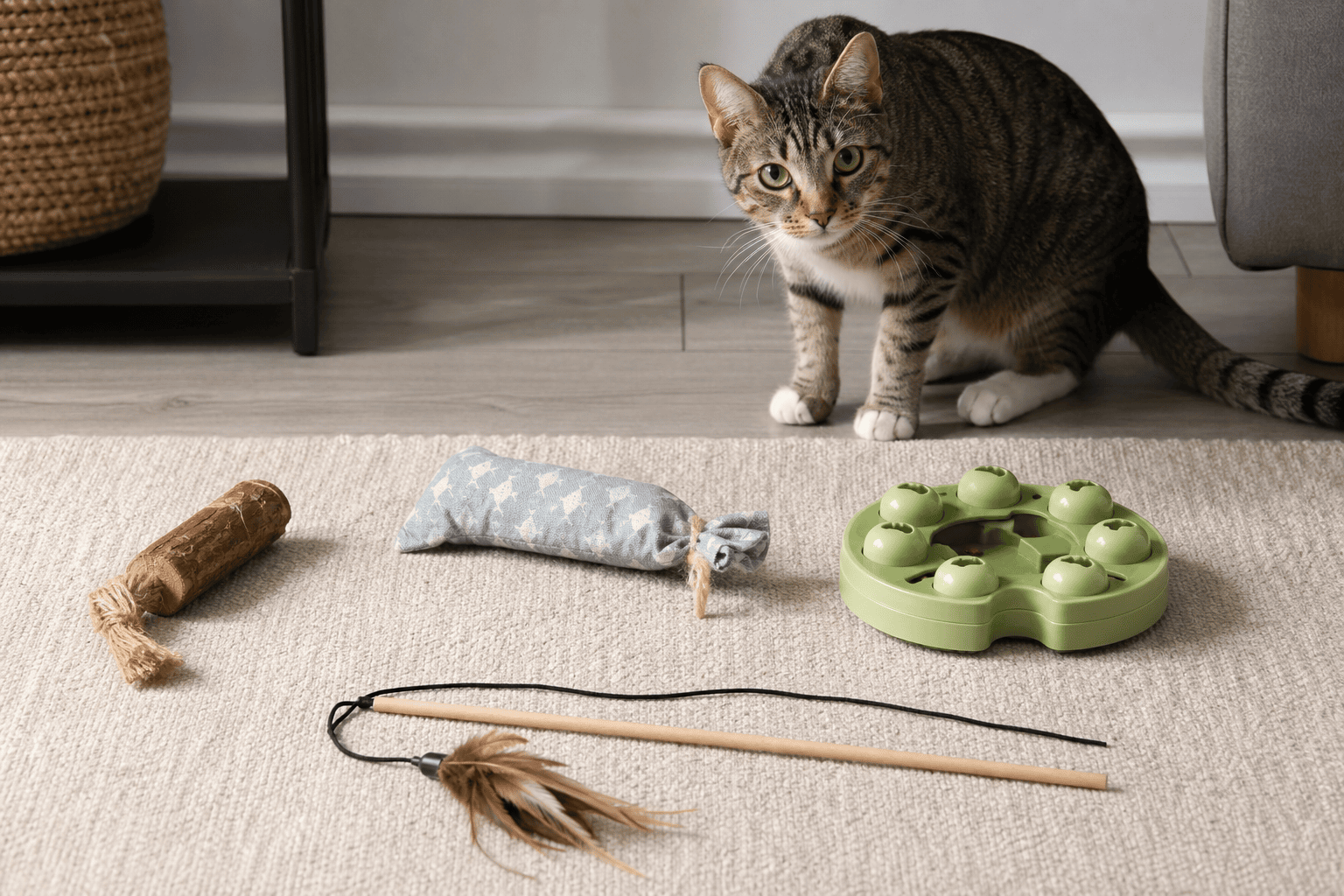
    Genes (tiny packets of DNA) deal the cards, but your cat’s life writes the playbook. Um, ever wonder if your new kitten will zoom through hallways or curl up on your lap? We’ll dive into how those inherited traits give you clues. Then we’ll show why their first weeks at home shape the purrsonality you see.

    do cat breeds have different personalities? Absolutely!

    - Understanding if cat breeds have different personalities.jpg

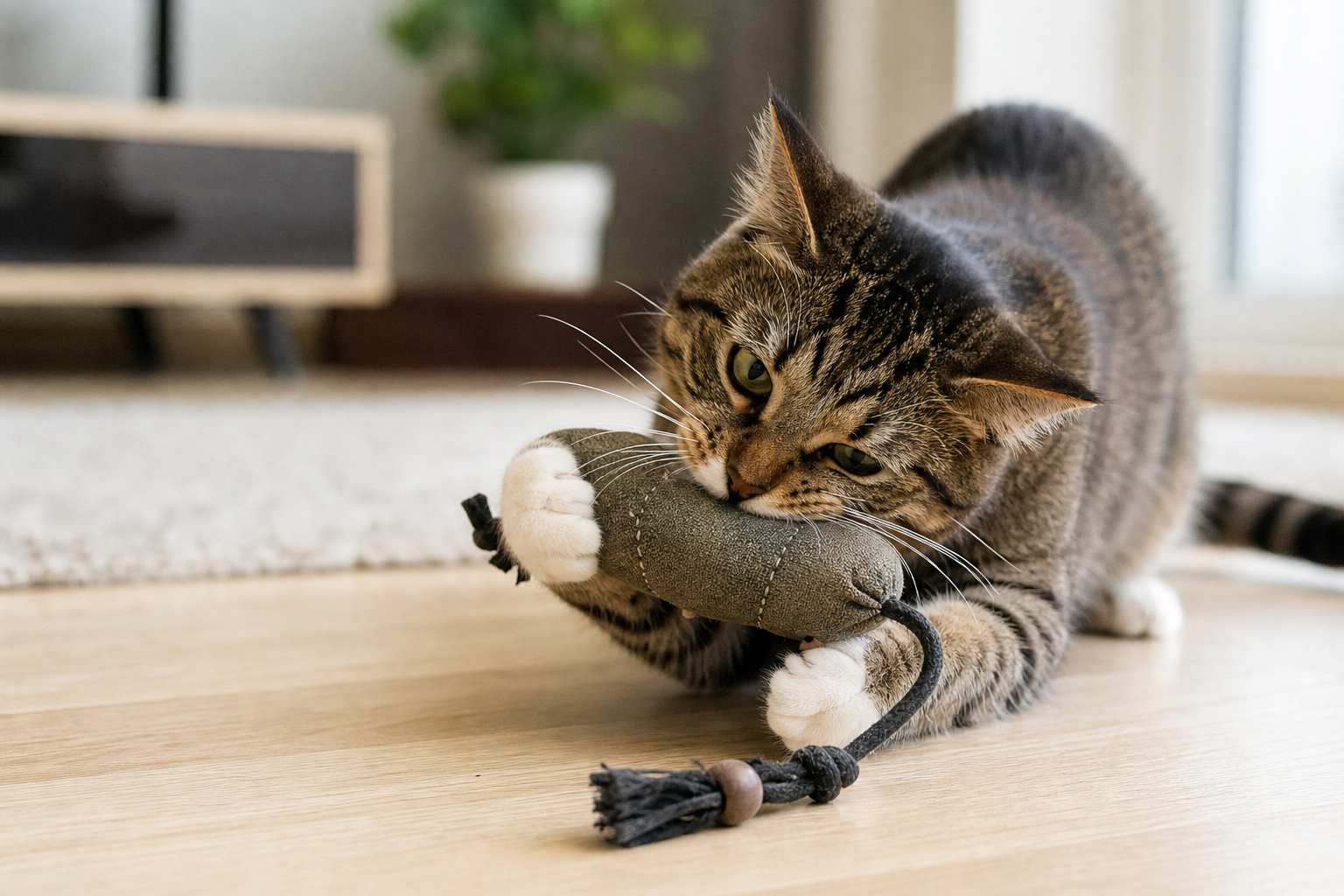
    If you’ve ever wondered if cat breeds have their own personalities, the answer is a big yes. Each breed struts its own style – some chatter up a storm like a Siamese, others lounge cool as a Persian. But kitty character isn’t carved in stone; even two siblings from the same litter can feel worlds apart, one a cuddle bug and the other a shadow chaser at dusk. Genes (tiny DNA packets) set the starting line but your cat’s life and little quirks fill in the rest.

    If you’re curious about breed purrsonality trends, you’ll find over 100 unique breeds stealing the show. From towering Maine Coon hams to tiny Munchkin racers, each mix of looks and mood keeps us guessing. Experts peek at four mood spots:

    • Energy (how much they zoom and play)
    • Sociability (if they crave company)
    • Vocalization (chatty or quiet)
    • Playfulness (chasing, pouncing, puzzle fun)

    These hints give you a sneak peek at whether your cat will zoom across the room or curl up in your lap. Worth every whisker twitch.

    And when you pick a breed, these trends nudge you toward a match. Want a talkative roommate? Scope out Siamese. Need a mellow snuggle buddy? Ragdolls fit the bill.

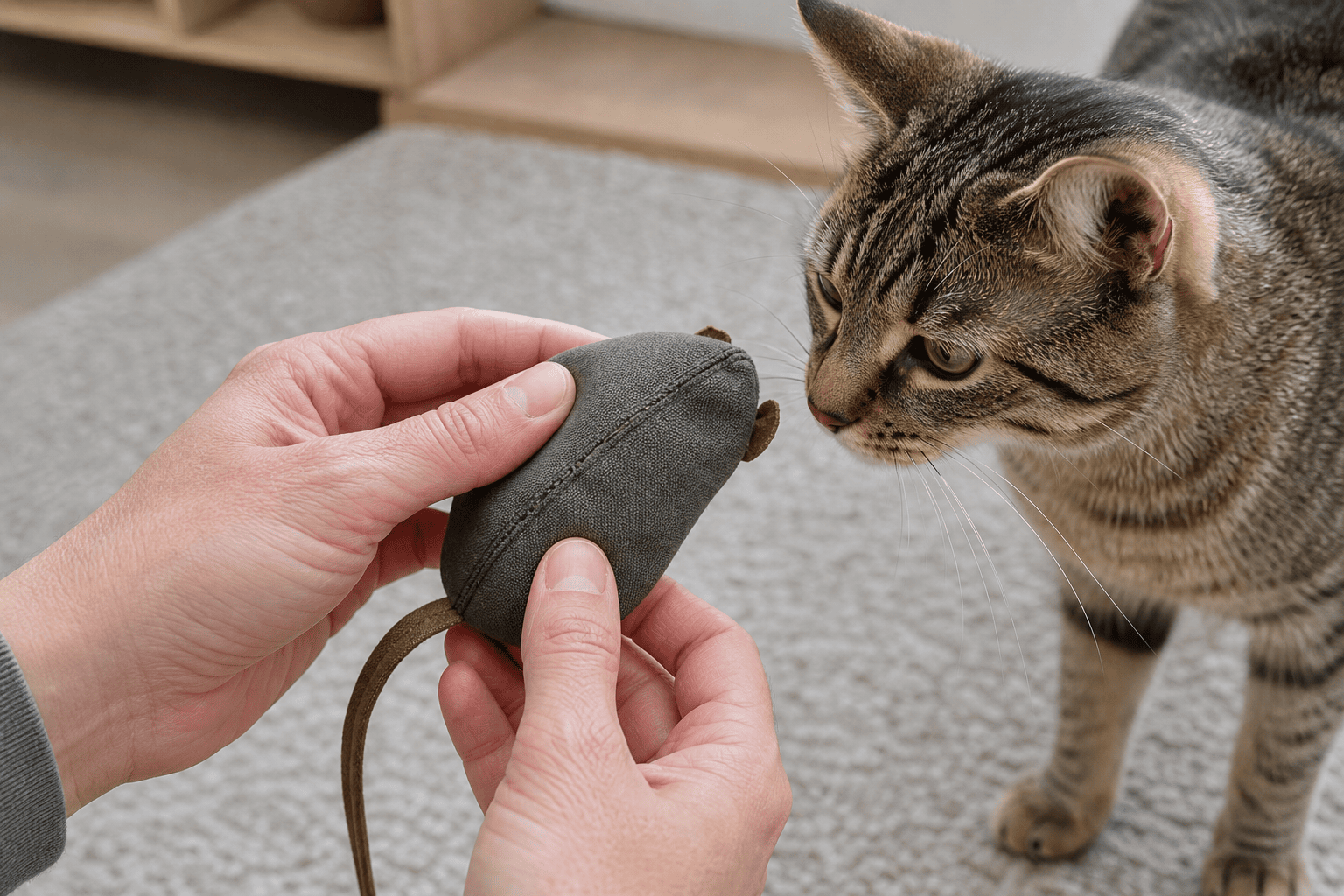
    Ever watched your kitty chase shadows? Face-to-face time beats any brochure every time. Grab a teaser wand and watch those whiskers twitch. Breeders often note each kitten’s early quirks (some chase string for hours, others flop for tummy rubs), and those tiny moments will land you on the perfect purrsonality fit.

    Genetic influences on cat breed personalities

    - Genetic influences on cat breed personalities.jpg

    Ever watched your kitty chase shadows? It’s funny how some cats chatter like talk-show hosts while others lounge like fuzzy clouds! Genes (tiny DNA packets) deal your kitty its starting purrsonality. A study from the American Veterinary Medical Association found five big temperament traits showing up across breeds.

    1. Neuroticism (insecurity, anxiety)
    2. Extraversion (activity, curiosity)
    3. Dominance (aggression)
    4. Impulsiveness (recklessness)
    5. Agreeableness (affection, friendliness)

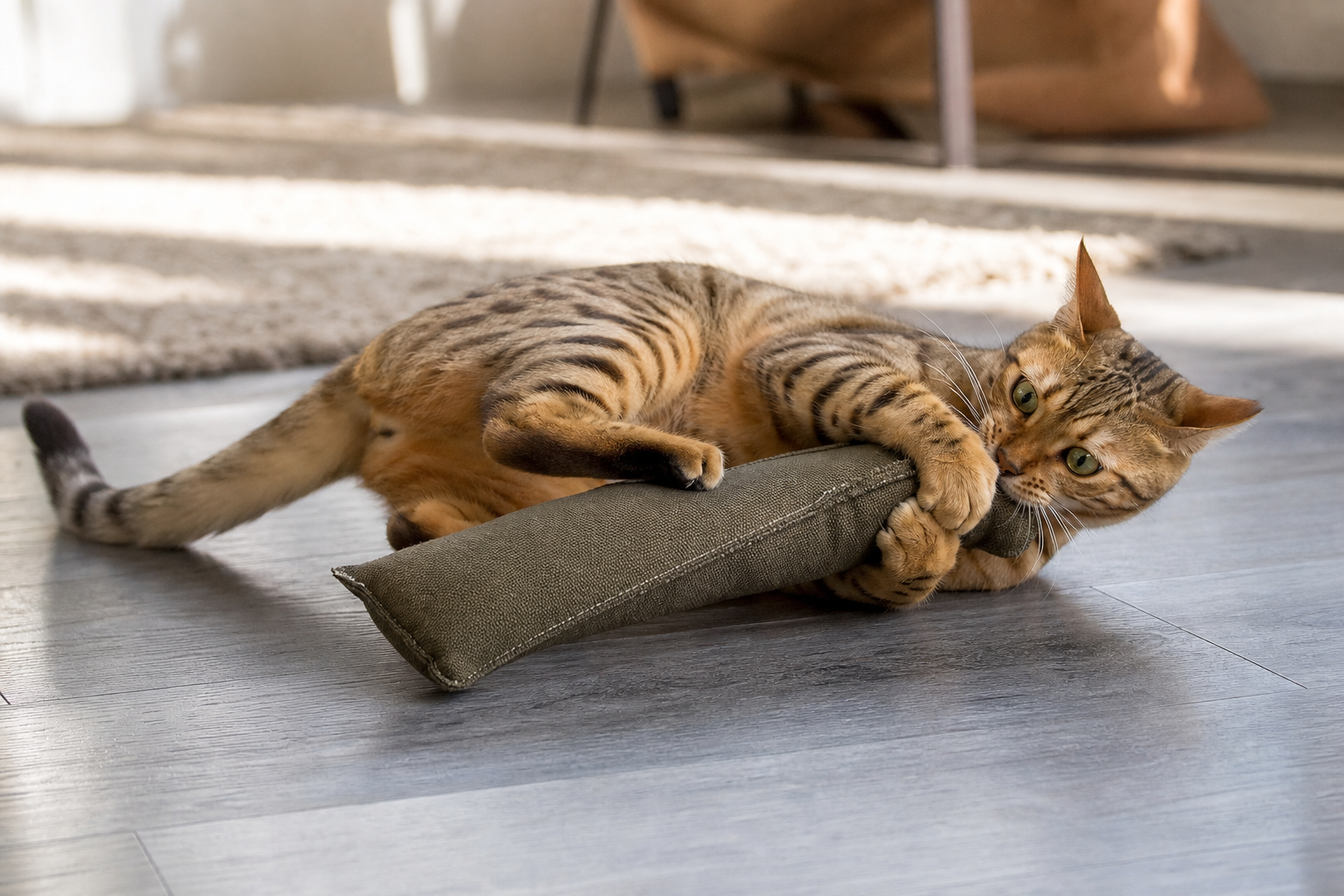
    In each breed’s gene pool (its set of inherited traits), these dials get cranked up or down. Siamese cats often have the “chatty” gene turned way up – think meows and yowls at breakfast. Bengals get an activity gene boost, so you’re bound to see zoomies and box-jumping marathons. But genes aren’t the whole story.

    Early play sessions, quiet hideaways, and puzzle toys all shape how a cat behaves. I once watched my cat pounce on a feather teaser for five minutes straight. My tuxedo cat, Midnight, has this stealth gene that kicks in at 3 AM – shadows beware. But give him a cozy perch and a food puzzle by sunrise, and he’s purring happily on my lap.

    Really. Genes hand out a deck of cards. Life plays each one. That mix of nature and nurture makes every cat a surprise.

    Environmental factors shaping cat breed temperament

    - Environmental factors shaping cat breed temperament.jpg

    Getting kittens used to people, pets, and new spots early on really helps them grow into friendly, adaptable adults. Ever watched your kitty creep into a new room with twitchy whiskers? A gentle visit from a calm dog neighbor and soft music sessions can build confidence.

    Fill your home with tall perches (high spots cats love), scratching posts, and puzzle toys to keep curious minds busy. Plug in a FELIWAY Optimum pheromone diffuser (a device that spreads a calming cat scent) to smooth over little tiffs. Rotate toys and introduce new textures like cardboard boxes (empty box fun) or paper bags (rustly surprises). These simple changes help kittens feel right at home.

    Many shelters run quick temperament tests, does the kitten greet a stranger or dash to hide?, so they can match each cat with the perfect home.

    Stressors like vacuum booms or crowded cat meetups can still rattle even chill breeds. Loud noises might send a Siamese dashing under the bed, and rushed intros in a multi-cat house often spark hissing matches. Over time, these tensions can turn a bold kitten into a cautious one.

    A slow scent swap through a cracked door and low-key playdates can calm the worst fears. Let your kitty sniff and peek on their own time. Then watch trust, and playful pounces, grow. Worth every paw-print.

    - Comparing personalities of popular cat breeds.jpg

    Picking the purrfect buddy is all about love, play, and alone time. Some cats knead your lap like dough, others zoom around chasing feather toys. I’ve lined up six fan-fave breeds by how chatty, chill, or high-energy they tend to be. Ready to find a whiskered pal that fits your couch-cuddle style or busy life?

    Breed Temperament Key Traits
    Siamese Talks up a storm, loves snuggles, hates solo time Loud meows, super bonded, needs company
    Persian Quiet and regal, shy around guests, needs daily brushing Soft purrs, fluffy coat care, gentle personality
    Maine Coon Big and friendly, loves people, digs puzzles Huge fluff, chirpy purrs, smart toy fan
    Ragdoll Super mellow, trails you like a puppy, total cuddlebug Flops in your arms, won’t stray far, easygoing
    Bengal High-energy explorer, loves water, climbs everything Needs busy play, top-climber, fetch addict
    Sphynx Bald and chatty, craves cozy laps, heat-seeker Built-in heater, attention-demanding, playful explorer

    See how these kitties range from talkative Siamese to zen-like Persian. Every cat’s a little surprise, one Maine Coon might nap through your Zoom call, while another pounces on your keyboard for playtime. Use this cheat sheet as a starting meow in your search. But um, remember that each whisker-twitching friend writes its own story.

    Worth every purr.

    Let these breed hints guide you, but no chart beats real life with your new pal. Slow intros, fun play sessions, and cozy snuggles will let their true personality shine. So open your heart and get ready for some serious kitty magic.

    Adopting based on cat breed personality

    - Adopting based on cat breed personality.jpg

    When you match your cat’s vibe to your daily life, you set both of you up for success. Think about your work hours, your home size, and who you live with. If you’re out all day, an adult cat with a set routine is cool flying solo, they’ll nap, bat around a toy, and chill till you’re back. Kittens? They need a bit more babysitting and they can knock over a plant or two while they learn, um, and get into mischief.

    Noise is a big deal. If you’ve got kids zooming around or a barking pup, you want a patient kitty who won’t jump at every shout. And if your place is a quiet studio, look for a mellow friend who’s happy with a snug nook. Space matters too. Some cats need tall scratching posts and room to roam, while others curl up in the coziest corner.

    Ever noticed how some cats seem tailor-made for your routine? Next, let’s match a few popular breeds to your lifestyle.

    Busy professionals who work long hours and come home for evening cuddles often love:

    • British Shorthair: A plush, round-faced cat that purrs softly and doesn’t mind alone time
    • Ragdoll: Soft as a kitten, with calm paws and big blue eyes that brighten your sunset play sessions

    Families with little ones might pick a playful pal that takes rough-and-tumble in stride, like:

    • Maine Coon: A gentle giant with tufted ears and an easygoing nature for tickle fights
    • Ragdoll: Yes again, this sweet floof purrs through wild games and gentle snuggles

    For adventure buddies who lace up for hikes or chase feather wands after a run, look at:

    • Bengal: Spotted coat, endless energy, and a love for puzzle toys
    • Abyssinian: Sleek, curious, and fast, just like a mini jungle cat in your living room

    Picking a cat by personality is the first step toward a purrfect match. Worth every paw-print.

    Practical tips for nurturing your cat’s breed-linked traits

    - Practical tips for nurturing your cats breed-linked traits.jpg

    Every cat deserves a fresh potty spot. Scoop that litter box daily or try a self-cleaning box (one that scoops away mess on its own). No more stinky surprises. Ever noticed how they sniff every grain of litter before they go?

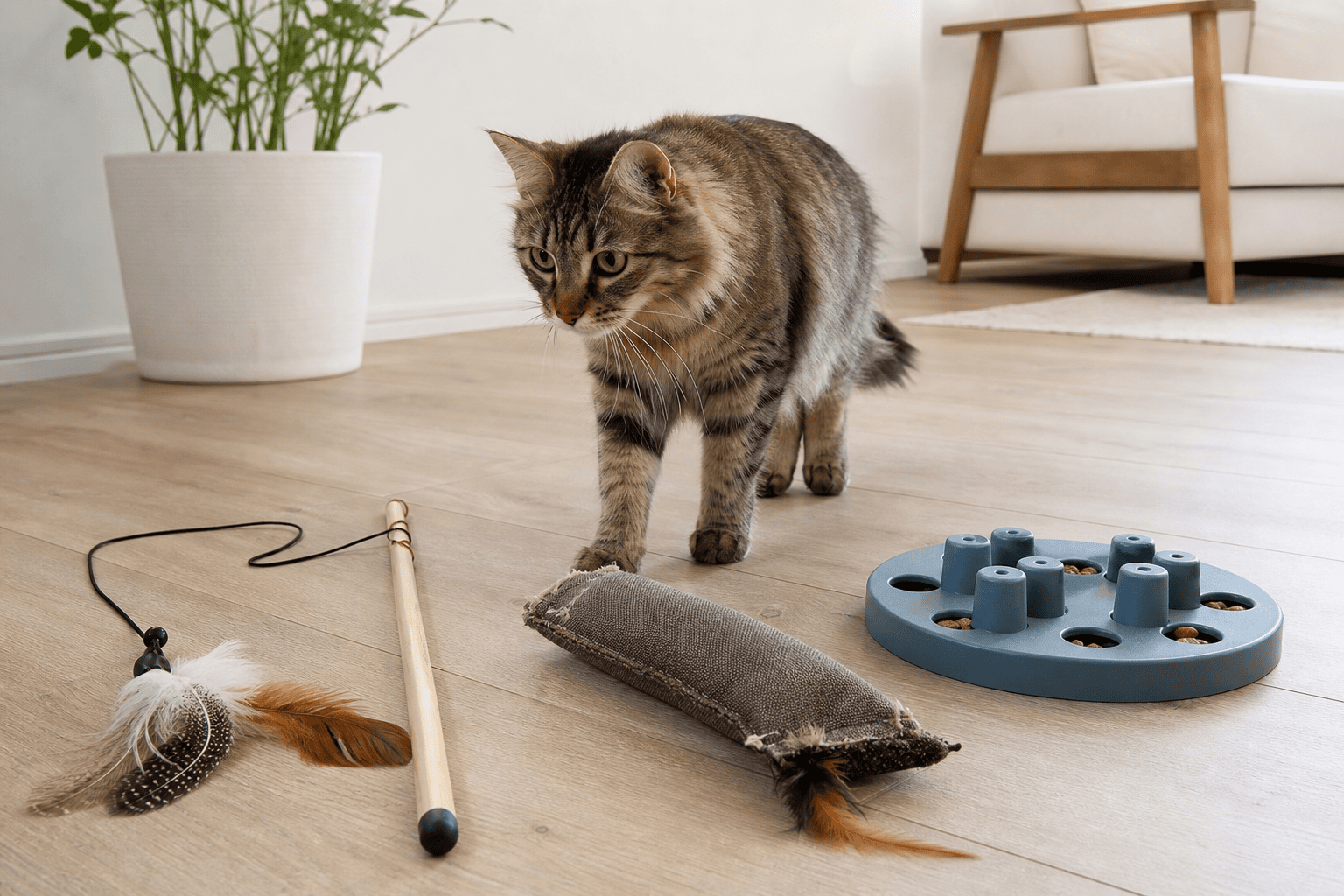
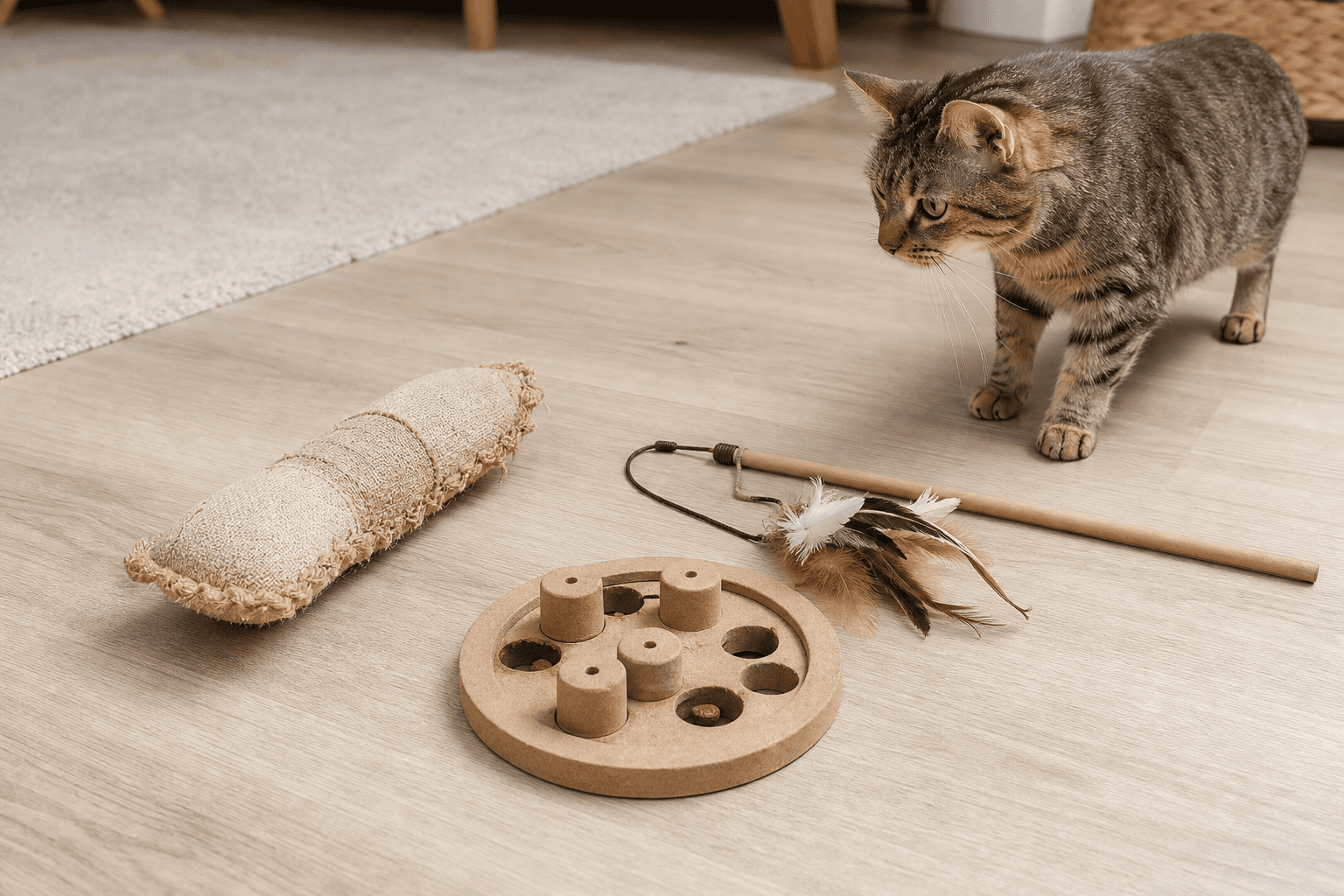
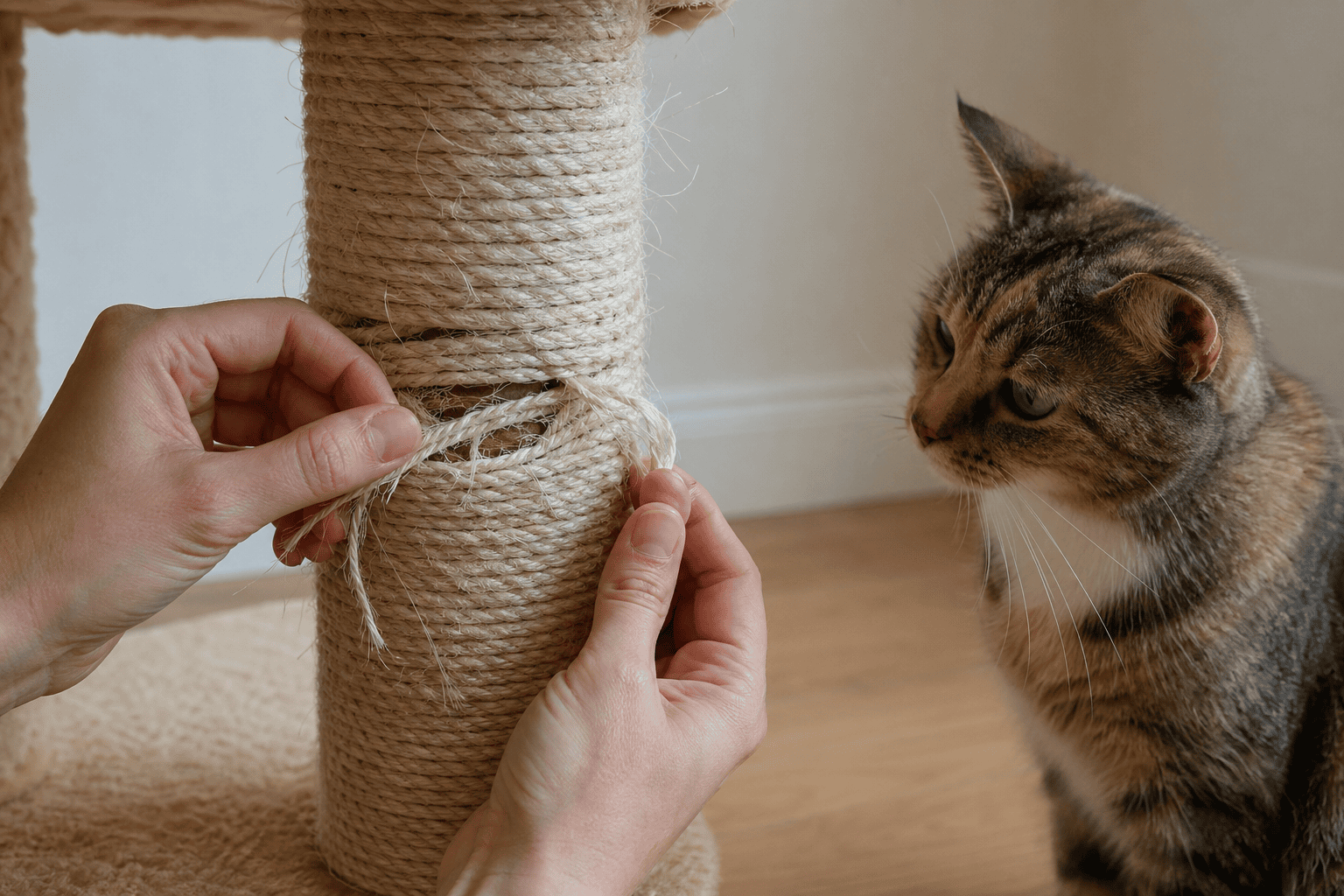
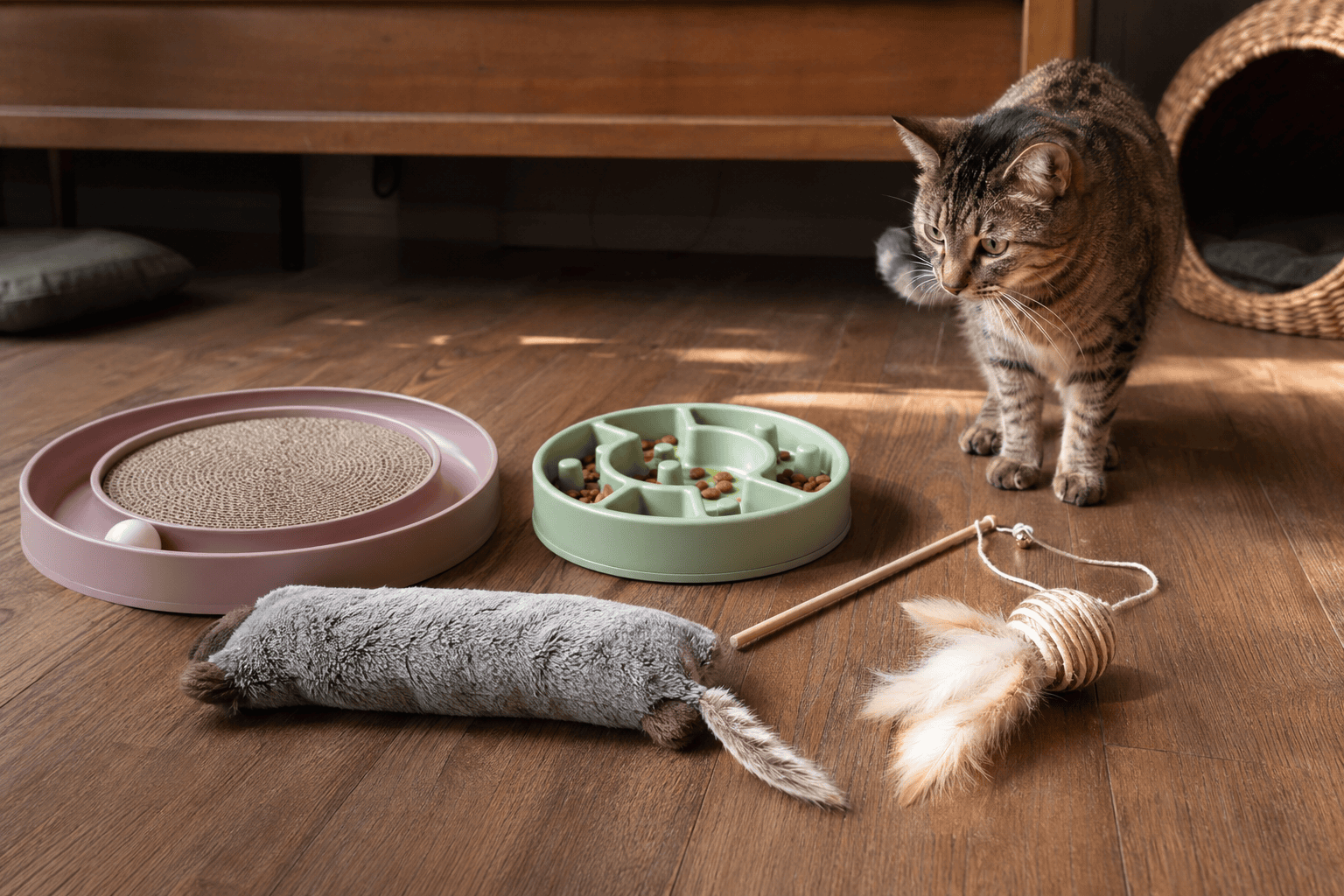
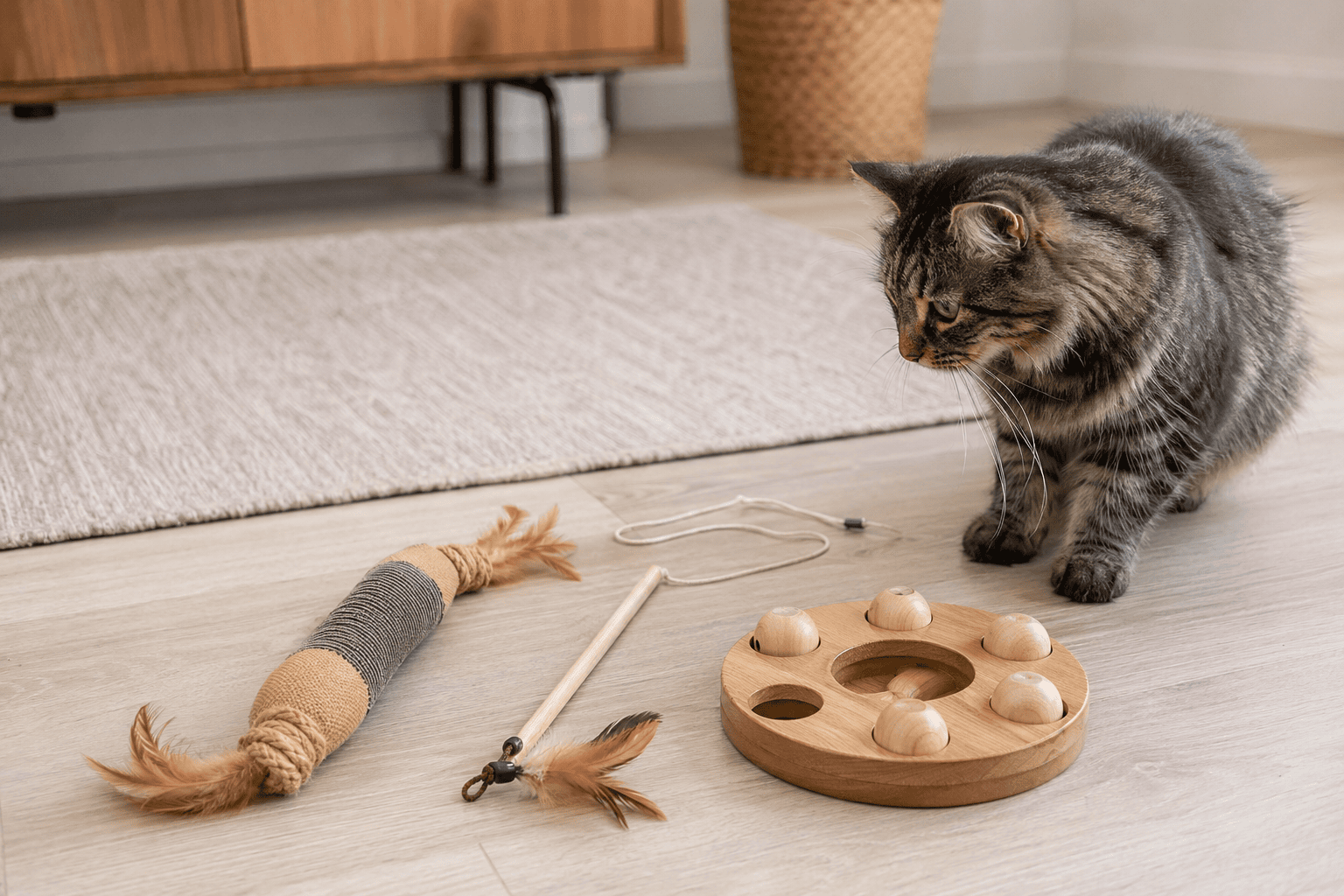
    Next, let’s build a kitty playground. Add tall scratching posts wrapped in sisal (a tough plant fiber). Toss in soft mats and little log-look platforms. It’s like a jungle gym – perfect for climbing or a quick scratch. Then slide in a new puzzle toy (a treat dispenser that makes your cat think). Swap it out every few days to keep those hunting instincts sharp.

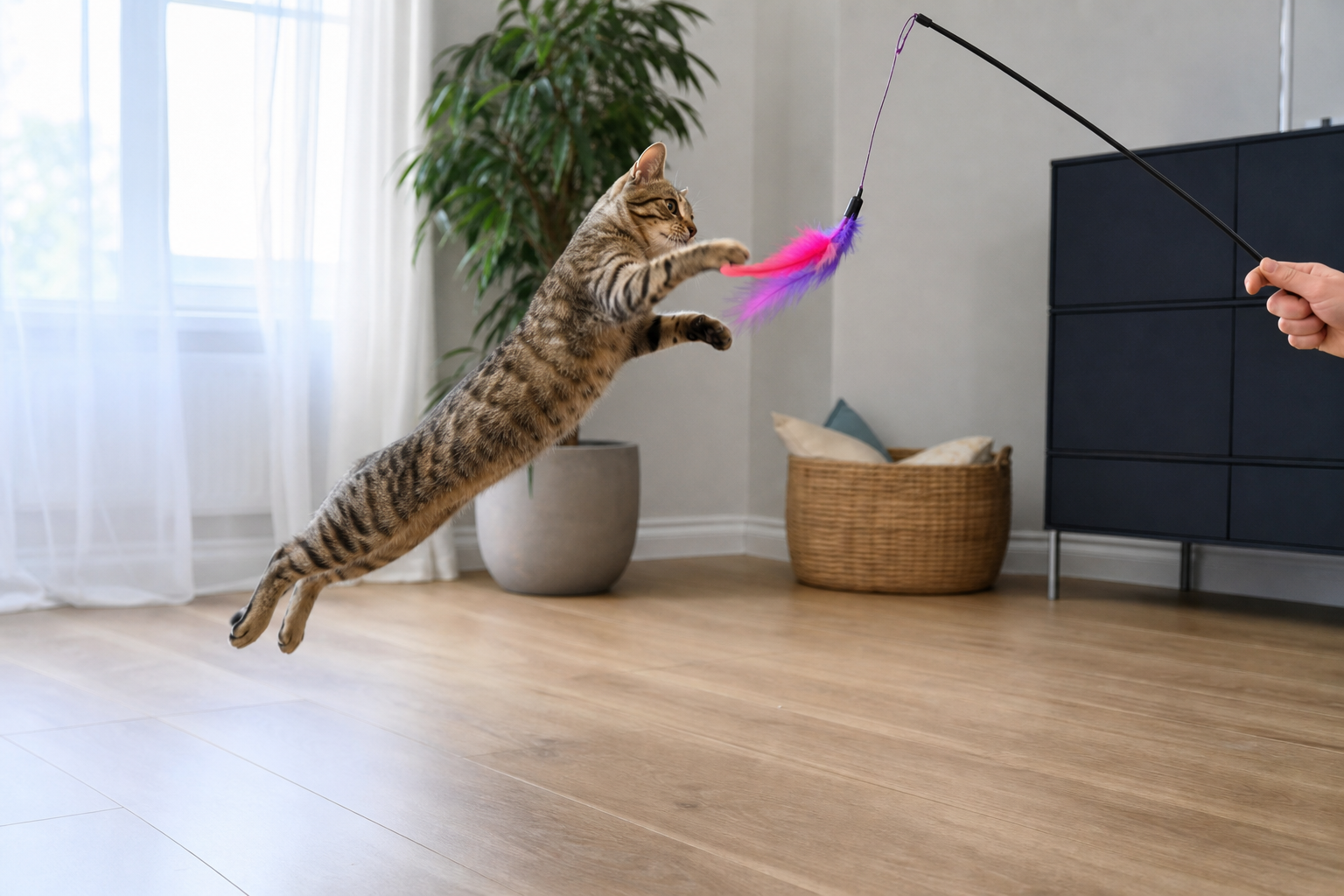
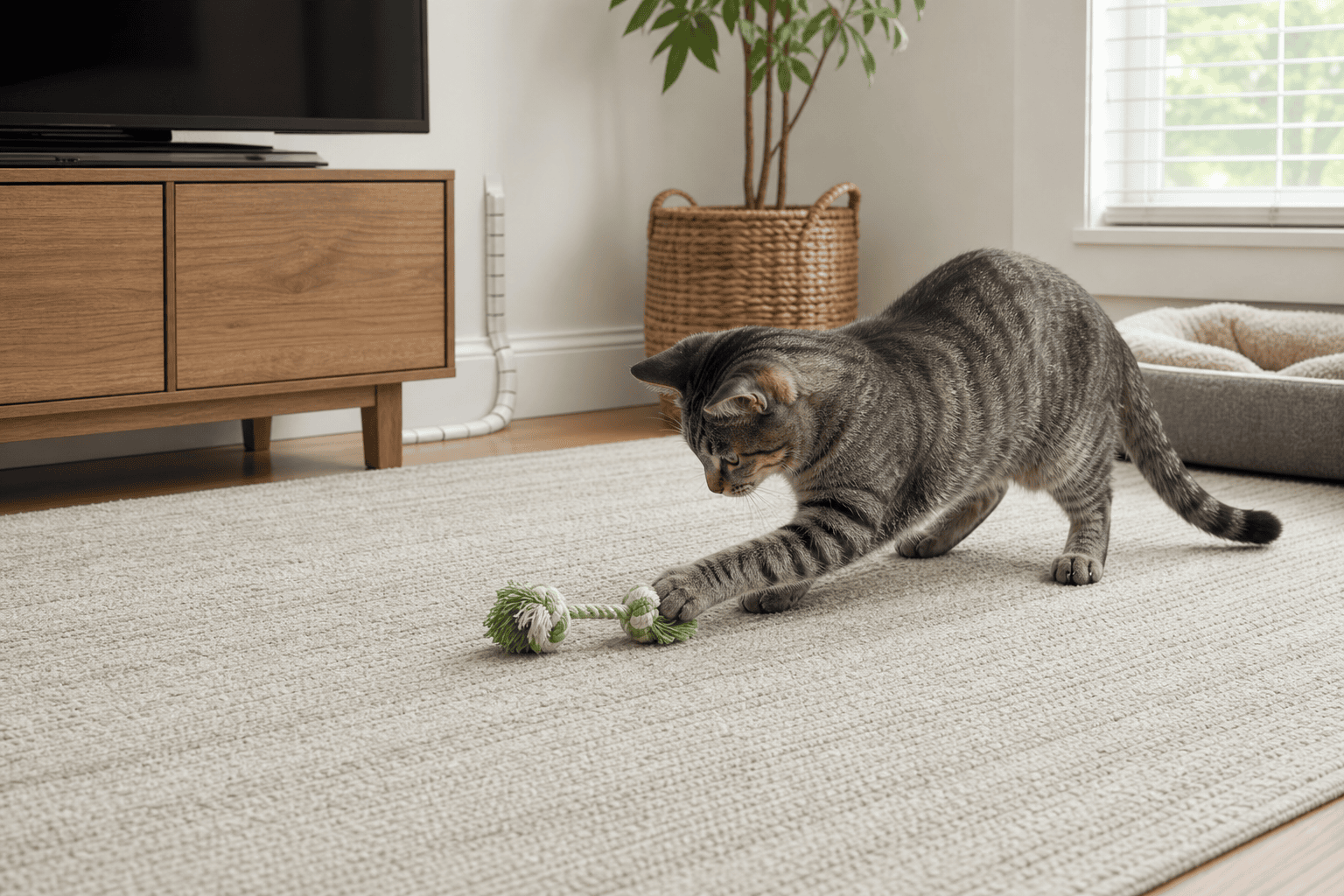
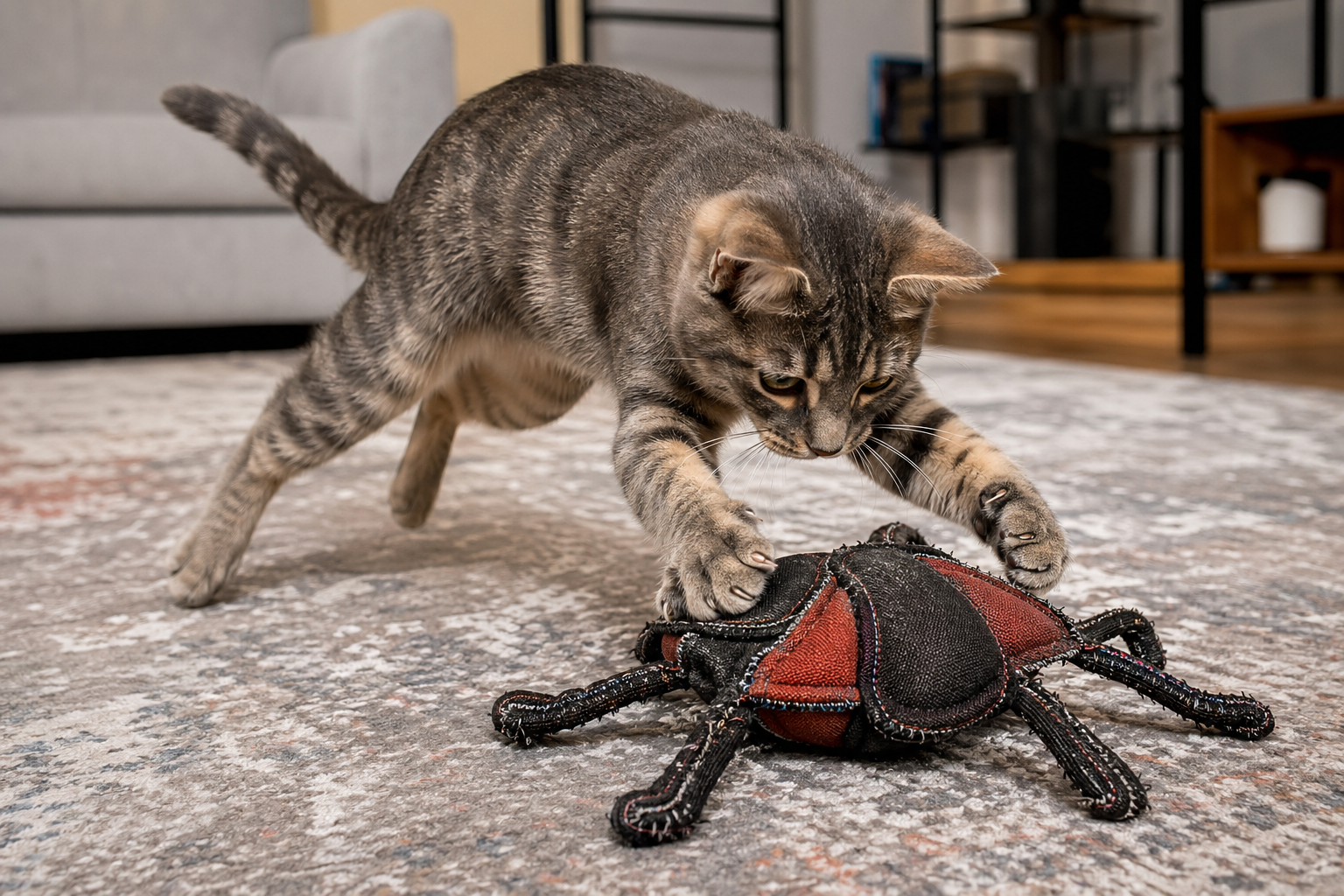
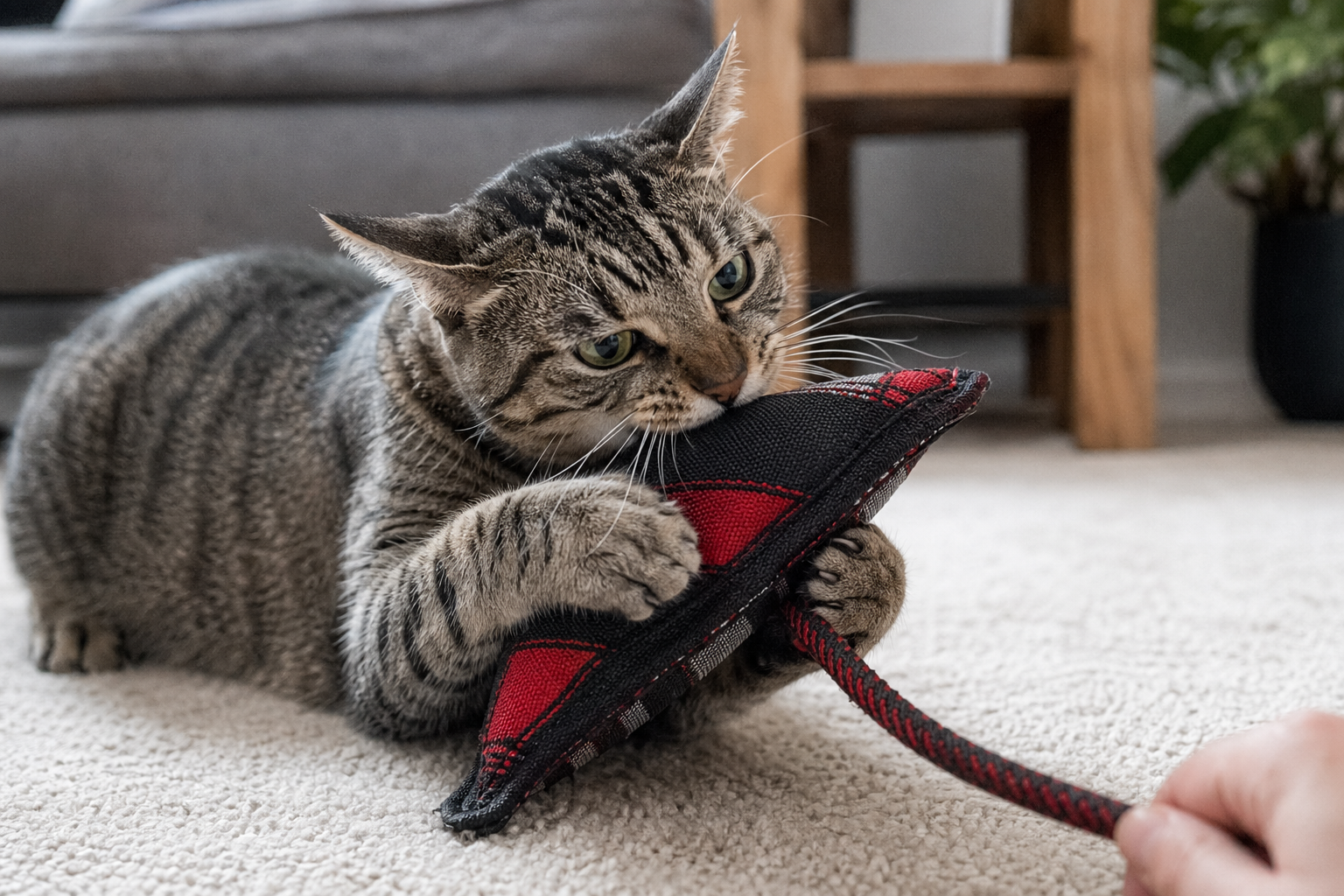
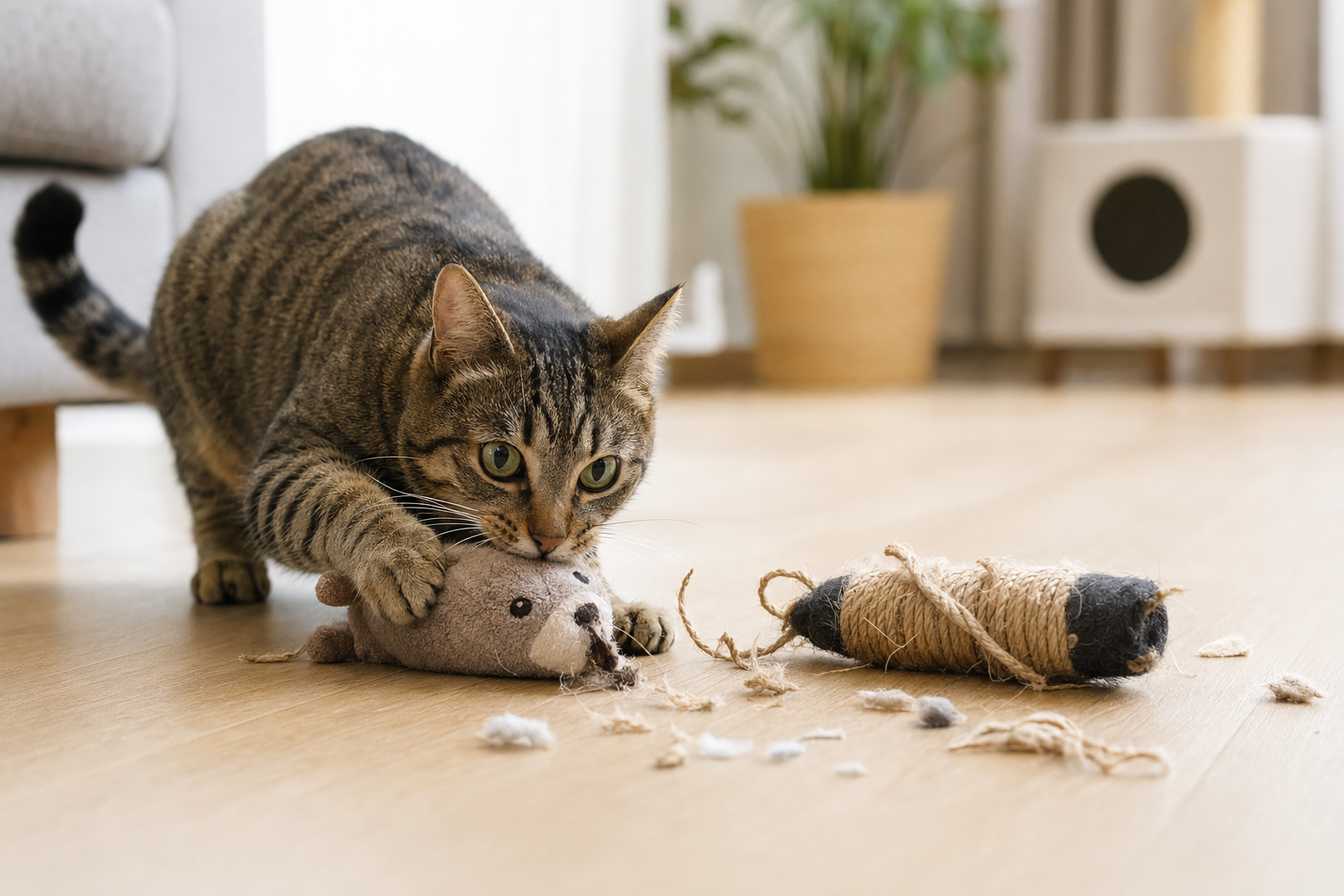
    For high-energy breeds, nothing beats the satisfying thud of a bouncing ball. Or wave a string teaser wand like a fishing pole for cats – watch them pounce and leap. I once saw Luna chase a teaser wand across the living room. She was unstoppable. A well-set space keeps busy paws busy. Happy whiskers guaranteed.

    Worth every paw-print.

    Smart cats light up at brain games. Try clicker training (using a small clicker tool). Teach your cat to touch a target or hop onto a little stool. It’s paws and mind working together. Puzzle feeders (bowls that make kitties solve puzzles for food) are a lifesaver. They slow dinner down and turn mealtime into a fun hunt.

    Social breeds like Siamese or Ragdoll live for lap time. Book a daily cuddle date. Um, even five minutes helps. Let them knead your lap – those soft nibbles are their way of saying “I love you.”

    Don’t forget the vet. Regular checkups catch sneaky aches or tooth troubles before odd behaviors start. Healthy bodies mean calmer moods.

    Play, training, and TLC bring out your cat’s true nature. Seriously, watch them shine like a sunlit pounce.

    Frequently asked questions about cat breed personalities

    - Frequently asked questions about cat breed personalities.jpg

    1. Can mixed breeds have predictable personalities?
      Mixed cats are like surprise boxes, genes from all over. Shelter temperament tests (quick checks on how friendly and playful a cat is) help you guess their vibe. Spend a few minutes playing and you’ll see if they’re a cuddle pro or a tiny zippy ninja.

    2. How stable is a cat’s personality over time?
      Most felines find their groove by age two and stay pretty much the same. Then you learn if yours is a lap lounger or a window watcher. After that, expect small tweaks rather than big changes.

    3. Do coat colors influence temperament?
      Nope, fur color doesn’t set your cat’s mood. Black, orange, white, all get shy, bold or somewhere in between. So choose a coat you love and relax.

    4. Are purebreds more trainable than moggies?
      Breeds like Abyssinians or Siamese can learn tricks fast, sure. But mixed cats often puzzle-solve like pros (think treat jars). It comes down to each cat’s smarts, not just the pedigree.

    5. How do I assess a kitten vs an adult’s temperament?
      Kittens zoom and tumble, mouths nibbling at everything, so fun to watch. Adult cats show steady habits, like favorite toys or nap spots. Try a play session with each and see whose style fits you best.

    6. Can environment override breed tendencies?
      Yes. Gentle handling, puzzle toys (treat-dispensing balls) and a calm space can turn a high-strung kitty into a chill companion over time. Uh, nature and nurture work together when you watch those whiskers twitch in peace.

    Worth every whisker twitch.

    Final Words

    We dove into the way breed-linked temperaments and individual quirks mix, from 100+ recognized breeds to genes and early experiences.

    Then we compared your favorite cats (Siamese chatterboxes, Maine Coon gentle giants) and shared advice on choosing for busy multi-cat homes.

    Finally we gave fun play tips, training pointers and an FAQ to keep cats engaged. It’s all about reducing stress and saving you time.

    Now you’ve got the scoop on do cat breeds have different personalities – and a purrfect plan for happy paws ahead.

    FAQ

    Do cat breeds really have different personalities?

    The influence of a cat’s breed on personality can show up in typical energy levels, sociability, or vocal habits; however each cat displays its own unique temperament shaped by genetics and experience.

    Are there personality differences between male and female cats?

    Male and female cats may differ slightly in friendliness or territorial behavior, yet breed tendencies and early life experiences usually have a stronger role in shaping each cat’s unique personality profile.

    How do cat personalities vary by color or coat pattern?

    Cat personalities vary far more by genetics, early socialization, and environment than by fur color or pattern; coat color doesn’t reliably predict traits like friendliness or energy.

    Which cat breeds are known for the friendliest personalities?

    Cat breeds like Ragdolls, Maine Coons, and Siamese often top friendliness charts because they love attention, enjoy human company, and show playful, affectionate behaviors in most breed surveys.

    What cat breeds are known for having the most attitude?

    Breeds like Bengal and Abyssinian cats are renowned for their bold curiosity, high energy, and independent streaks—traits some owners describe as sassy or full of attitude.

    What is a cat breed personality chart?

    A cat breed personality chart lays out breeds alongside typical traits such as activity level, sociability, and vocal tendencies; it helps prospective owners compare and pick a cat that fits their lifestyle.

    What personality traits are common in tabby cats?

    The tabby coat pattern doesn’t define personality; tabbies can be as varied as any cat, but many tabby owners find them affectionate, adaptable, and playful, depending on individual upbringing.

    Related Articles

  • how fast do cats nails grow incredibly swiftly

    how fast do cats nails grow incredibly swiftly

    Ever think your cat’s nails grow at a snail’s pace? Think again. Those tiny razors shoot out 1 to 2 millimeters of new claw (about the thickness of a dime) every week. In 30 days, that adds up to 8 millimeters of new, pointy tips. That’s almost half a centimeter (roughly the width of your pinky nail) of fresh, sharp tips.

    Kittens sprint ahead with even faster growth, um, sometimes over 2 millimeters each week. Couch-loving seniors barely add 1 millimeter as they slow down. Next, let’s see why regular trims keep your kitty comfy and your furniture scratch-free.

    how fast do cat nails grow incredibly swiftly

    - Cat Nail Growth Rates and Timelines.jpg

    Ever wonder how fast your cat’s nails grow? Adult cat claws add about 1 to 2 millimeters (mm) each week. That stacks up to 4 to 8 mm in just 30 days – almost half a centimeter of fresh-new sharp. Whoa.

    Kittens win the claw-growth race. Their little bodies churn out keratin (tough protein in hair and nails) faster than older cats, so those tips peek out sooner. Super-active breeds can be even quicker, while laid-back or senior felines take it slow, like a lazy afternoon nap.

    Growth happens in the matrix (tiny tissue at the base of each nail). Since claws are retractable, they stay tucked away until it’s time for a sprint or scratch. If you’re curious, check out how how do cat claws work to see the full claw mechanics.

    And here’s why regular trims matter. Clip today and you’ll notice fresh claw again in about a week.

    Time New Claw Growth
    Week 1 ~1 mm
    Week 2 ~2 mm total
    4 Weeks 4–8 mm

    Kitten nails push about 2 mm each week, while adult cats average closer to 1 mm. Keep an eye on those tiny razors so they don’t curl into paw pads. Worth every paw-print.

    Factors Influencing Cat Nail Growth

    - Factors Influencing Cat Nail Growth.jpg

    Factors affecting nail growth cover a cat’s age, breed, health, activity level, and even the season. Kittens grab the lead in kitten nail development at about 1–2 mm each week, sprinting ahead with fresh claw. Senior cats slow down, senior cat nail health often shows just half that growth, thanks to lower activity and shifting hormones (chemical messengers in the body).

    Breed differences in growth really show when you compare a hunting-savvy working breed to a laid-back lap cat. High-jumpers and sprint champs wear new tips faster by bounding, scratching, and scaling furniture. Low-key cats leave fresh nail tip around for longer because they just chill.

    Overall health matters, too. Poor nutrition or hormonal imbalance (a shift in body chemicals) can dial growth down, while a vet-approved diet rich in protein powers keratin (tough nail protein) production for stronger claws. Seasonal growth variations are subtle: spring and summer’s longer days spark more frisky play, nudging nail growth upward.

    Watching these five factors helps you tune clipping routines so nails stay comfy, sharp, and ready for pounce. In fact, those shifts explain why two cats under one roof might need trims on very different schedules.

    Indoor vs Outdoor Cat Nail Wear and Regrowth

    - Indoor vs Outdoor Cat Nail Wear and Regrowth.jpg

    Ever watched an outdoor cat roam? It’s like they have a built-in nail file. They scamper up trees, claws scraping rough bark (it feels like sandpaper on their tips). And when they scratch fences, you can almost hear that satisfying rasp.

    Indoor couch loungers don’t get that natural roughing up. Sure, a sisal post (plant-fiber rope scratcher) or cardboard scratcher (corrugated paper pad) helps. They offer healthy claw care and save your sofa fur. But they can’t claw their way down tips as well as real tree bark.

    Carpet vs wood floors makes a feline-sized difference. On hardwood you’ll hear that click-click when nails meet the floor. On carpet, claws can sneak into threads or curl under. That trapped feeling can slow your kitty and even bend the tip inward. Yikes.

    Most indoor cats need a trim every 10 to 14 days to avoid scratching trouble. Outdoor cats often stretch it to three or four weeks thanks to all that natural abrasion. Just press gently on the pad, once a week, and see how long the nail is. If it’s showing past the pad, time for a safe clip.

    Kittens and seniors have their own paces. Tiny kittens might need a trim after just seven days of growth. Older cats might hang on a bit longer and that’s ok. You’ll get the hang of each cat’s rhythm.

    Identifying Overgrown Cat Nails: Signs and Potential Issues

    - Identifying Overgrown Cat Nails Signs and Potential Issues.jpg

    Letting those tiny paw razors grow too long is no joke. When a claw curls into the paw pad (the soft cushion under each foot), it can dig in sharp and really sting. If a claw pierces the skin, you risk infection and your kitty might start limping.

    Look out for:

    • A click-click on hardwood or tile floors
    • Claws snagging on carpet or fabric
    • Nails curving beyond the pad edge
    • Claws that won’t fully retract into the sheath (the protective tunnel around the nail)
    • Claws biting into the footpad with every step
    • Limping or your cat acting hesitant to walk

    Ever seen your kitty tiptoe like a circus performer?

    Uh-oh. When nails grow past their normal curve, they can gouge flesh and invite bacteria. You might watch your furball skip her favorite jump or hold a paw up like it’s too hot. If things get rough, the vet may need to trim those overgrown claws and soothe any sore spots, so your cat can prance pain-free again.

    - Recommended Trimming Frequency and Safe Clipping Techniques.jpg

    Vets say trim your cat’s claws every one to two weeks so new nails don’t curl into the paw pad. It’s like booking a spa day for tiny razors! Ever watched your kitty dig into the carpet with overgrown tips? Regular trims keep paws comfy and stop those ouch-inducing ingrown nails.

    Gather your gear before you start:

    • Sharp, cat-only clippers (think tiny guillotine or small scissors made just for paws)
    • A soft towel to swaddle a wiggly friend
    • Styptic powder (stops bleeding fast if you nick the nail)

    Pick a calm moment, maybe after a cozy nap or a good dinner, when your cat is relaxed. Wrap her loosely in the towel, leaving one paw free. Press gently on the pad until each claw pops out, then find the quick (the pink inner part with nerves and blood flow).

    Snip just 2 to 3 mm off each tip, cutting straight across the edge. Keep it simple. Keep it safe.

    Oops, nicked the quick? Don’t panic. Dab a bit of styptic powder on the spot and it’ll clot fast. A quick “oops” and then back to soft strokes.

    Turning this into a claw-taming habit takes a few days. Start with just one or two nails per session. Reward your kitty with, you know, the good treats that make her purr. Toss in a daily paw massage so she learns that nail time means snack time. Claw-tastic!

    After a week or two of these tiny sessions, you’ll zip through all claws in no time. Your cat stays happy, and her paws stay pristine.

    Worth every gentle snip.

    Nutrition and Environment for Optimal Nail Health

    - Nutrition and Environment for Optimal Nail Health.jpg

    Good food is the secret to strong claws. A balanced diet with high-quality protein (the building blocks for your cat’s body) helps keratin (tough nail protein) grow strong. Toss in supplements like biotin (a nail-growth helper), vitamin E (a fat-loving antioxidant), and B vitamins (a team of helper nutrients) to fortify each claw. Plenty of water (the stuff that keeps tissues plump) makes sure cells in the nail matrix stay happy and reduces splits. You’ll see fewer broken tips and shinier, smoother claws, feline fine, right?

    Cats love to scratch. Providing a mix of scratchers encourages natural filing and keeps claws busy on safe surfaces. A sisal post (plant-fiber rope scratcher) gives a rough texture that feels claw-tastic. Wood boards mimic tree bark, so your kitty feels like a wild hunter. Carpeted ramps let them dig in deep. Then rotate toys and scratchers, you know, switch things up now and then, to beat boredom and spark more play.

    Ever looked at your cat’s paws and thought, “Hmm, something’s off”? Inspect paws weekly for chips, curls, or uneven wear. Catching tiny issues early means you avoid painful overgrowth. And with a strong diet, fun scratching spots, and plenty of hydration, your kitty’s claws stay in peak shape. Worth every paw-print.

    Final Words

    In the action, we covered nail growth rates (1–2 mm per week), factors from age to environment, and the indoor vs outdoor wear differences. We flagged signs of overgrowth, laid out safe trimming every 1–2 weeks, and suggested protein-rich diets plus varied scratching surfaces.

    All that data equips you to avoid curled claws, keep kitty paws healthy, and cut down on toy replacements. Tracking how fast do cat nails grow makes scheduling trims simple, and keeps multi-cat homes peaceful and scratch-free.

    FAQ

    How fast do cat nails grow?

    Cat nails grow about 1–2 mm per week (4–8 mm per month). Kittens and very active breeds often grow faster, so monitor nail length regularly to avoid overgrowth and snagging.

    Do cats’ nails grow back after trimming?

    Cats’ nails grow back after trimming because new keratin cells form continuously at the matrix. Owners should trim every 1–2 weeks to keep nails healthy and at a good length.

    Do cats’ claws grow back after declawing?

    Cats’ claws do not grow back after declawing surgery removes the nail’s matrix, meaning permanent absence, which can lead to behavior changes and potential discomfort.

    Cat lost a claw, should I be worried?

    Cats losing a claw sometimes happens if it’s snagged or injured; minor bleeding usually stops. Seek vet care if you notice pain, swelling, limping, or continued bleeding.

    Does it hurt cats to cut their nails?

    It doesn’t hurt cats to cut their nails when you avoid the quick (pink inner tissue). Proper technique and gentle handling prevent pain and stress.

    Do cats’ nails need trimming and can overgrowth cause pain?

    Cats’ nails need regular trimming since unchecked growth can curl into pads, snag fabrics, and cause discomfort or infection. Grooming is essential for feline comfort.

    How often should you trim cat nails?

    Cat nails should be trimmed every 1–2 weeks, matching their 1–2 mm weekly growth, to prevent overgrowth and keep claws at a healthy, safe length.

    Do scratching posts keep cat nails short?

    Scratching posts help keep cat nails short by letting them shed old sheath layers and file tips on sisal or cardboard, though some trimming is still needed.

    Related Articles

  • what do cats slow blinks mean Heartwarming Bond

    what do cats slow blinks mean Heartwarming Bond

    Ever noticed your cat gazing at you, then slowly closing its eyes like a tiny feline love note? That soft half-second blink isn’t drowsiness, it’s your kitty whispering, “I trust you.” In warm sunlit spots or a cozy corner, each gentle blink means pure contentment.

    Animal behavior experts (scientists who study how creatures act) call it a slow blink, and research shows cats often blink back when we blink first – a secret kitty handshake. It’s like a little “thank you” from your furry friend. Ever tried blinking back? Just look into their eyes, blink slowly, and watch your bond grow.

     Decoding the Slow Blink Definition  Emotional Meaning in Cats.jpg

    Your cat’s slow blink is just that – a slow eye closure and reopening lasting more than half a second. Think of it like a quiet wave with their eyes, a silent “I trust you.” Uh, oops – I mean your kitty whispering “I love you” without a sound.

    You’ll spot it in cozy corners – on your lap or curled up in a warm sunbeam. Their whiskers quiver as their lids drift down smooth and easy. It’s not a twitch. It’s pure comfort and contentment.

    Because cats are both hunters and hunted, a calm slow blink means they see you as a safe zone. You might even catch two cats exchanging those relaxed eye closures – like tiny feline high fives.

    Next time your furball gives you that gentle eye wave, blink back just as slowly. You’ll be part of their secret chat. Worth every paw-print.

     The Science Behind Cat Slow Blinks Behavioral Context  Research Insights.jpg

    I’m excited to share a fun cat fact from the University of Sussex. They sat quietly and timed each eye-close. They even counted how many times cats blinked back at people.

    A slow blink (closing their eyelids for half a second or more) is like a feline peace sign. It says “I mean no harm.” When you blink first, cats often stroll closer, whiskers twitching, then return that gentle wink.

    Ever had your kitty just stare you down? It feels weird, right? In cat world, staring can seem like a dare. So a slow blink breaks the stare and melts tension. It helps shy or skittish kitties. It’s trust in action.

    To get solid data, the researchers measured blink cycle timing (how long one full blink takes) and blink rate (how many blinks per minute). Normal blinks snap shut in under a tenth of a second. Slow blinks hold the lids down just a bit longer. That tiny pause means a lot.

    Over time, this slow blink probably evolved from close cat-human friendships. Cats picked up on our soft looks, figured they meant safety, and started copying us back. So next time you catch your kitty’s gaze, try a slow-blink handshake. Watch how this science-backed ritual deepens your bond.

    Worth every paw-print.

     How to Respond When Your Cat Gives a Slow Blink.jpg

    When your cat meets your eyes and then gives a slow blink, that’s your moment to blink back just as gently. Soften your gaze to match their eyelids closing in a slow, peaceful twitch. Think of it like a kitty peace-sign with your lashes. It’s basically a silent kiss from your feline friend.

    Ever wonder what to do next? Um, try speaking in a calm, low voice so your cat knows you come in peace. Hold your eyes on theirs for about half a second, then slide your finger to scratch behind the ear (that soft spot where the fur fans out) or rub under the chin. Those tiny touches add up, and every little nuzzle builds your bond.

    Here’s another fun move: mutual blinking. When you blink back at your cat, you’re saying, “I see you.” Shy kitties often respond by sneaking closer or offering a head bonk. It’s a simple step with a big cuddle payoff.

    For more kitty bonding tips, check out How Do Cats Say I Love You?. You’ll find extra ways cats show you care, and your friendship will only grow from there.

    Slow Blinking Among Cats: Feline-to-Feline Trust Signals

     Slow Blinking Among Cats Feline-to-Feline Trust Signals.jpg

    Ever notice your tabby and calico pause just long enough to squint their eyes together? That’s a slow blink (a gentle eyelid close), kind of like a tiny kitty wave. It’s a hush-hush hello that says, “I’m pals with you.”

    In a busy cat crew, context is everything. Two confident cats might trade those soft eye closes while sharing a sunny window perch (that favorite ledge where they soak up rays). It’s a clear sign they trust each other.

    But if unfamiliar felines lock eyes for too long, um, heads might puff up or someone bolts under the couch. Direct stares can spark hisses or quick escapes, you’ve been warned.

    You can nudge your cats into slow blinks by feeding them side by side or refilling water bowls together. They’ll start matching their eye-squish in no time.

    Trust grows one slow blink at a time.

     Avoiding Misinterpretations When Slow Blinks Arent What They Seem.jpg

    Not every squinty eye means kitty love. If you think that half-closed peek is a slow blink of affection, you could miss your cat’s stress signals or discomfort. Ever thought a wink was a bad sign? Let’s clear that up.

    Squint vs blink really matters. A tight squint (when your cat squeezes her eyes shut) often points to irritation or pain. And a fast flutter of eyelids usually signals anxiety, not a cuddle invite. It’s claw-dacious how easy it is to mix them up.

    To read your cat right, watch her whole body. Does she hold herself stiff? Are her pupils suddenly huge or pinched into tiny slits? Ever notice a quick stare, blink, stare pattern? That’s like a feline warning light, um, not exactly a peace offering.

    Pay attention to other cues:

    • Tail twitches or thumps
    • Ears flattened back (like little soup spoons)
    • Pupils widening or narrowing

    If a “slow blink” pops up next to a twitching tail or pinned ears, give your cat some room. That space lets her calm down without feeling trapped. I once gave Luna extra couch space, and she chilled out in seconds.

    Next time you spot a squinty face, pause and look for these signals. Then you’ll know when your feline friend is truly at ease, and when she’s just telling you to back off.
    Your cat will thank you with the real slow blinks of contentment.

     Building Bond Through Slow Blinks Tips for Cat-Human Trust.jpg

    Ever watched your kitty perch up high, whiskers twitching as they spy on birds? A tall cat tree (a mini skyscraper for cats) or a window shelf gives them a cozy lookout. And up there, they feel safe enough to close their eyes in a slow blink. It’s their way of saying, “I trust you.”

    Respecting their personal bubble is key. So if your cat backs off, resist the urge to follow. Let them come to you on their terms. That pause shows them you see them, and gently teaches them to slow-blink without feeling rushed. Ever notice how calm they look afterward?

    Daily play sessions with a string toy (think a wand with a dangly feather) or a laser pointer spark instant joy. You’ll hear the soft thud of tiny paws as your cat pounces. Those quick five-minute sessions turn into a blink-and-trust ritual, soon they’ll flash those slow eyelids whenever they spot you.

    Cats thrive on predictability. Keeping meal, play, and nap times on a steady schedule helps them relax. When they’re not worrying about “What’s next?”, they’re more likely to slow-blink in pure contentment.

    Keep an eye on sleep and activity, too. If your buddy’s naps get shorter or they seem low on energy, stress or illness might be in the mix. And when they’re unsettled, slow-blink moments can dry up. I guess using a simple journal or a pet activity tracker helps you catch small changes early. That way, your bond stays strong, and your kitty stays purr-fectly happy.

    Worth every paw-print.

     FAQs  Myths About Cat Slow Blinks.jpg

    • Sometimes your kitty’s slow blink isn’t all about romance. They show affection in other ways, too: purring (that soft, happy rumble in their throat), gentle head-butts or even dropping a toy by your shoe.

    • If you spot rapid, fluttery blinks, like their eyes are dancing non-stop, it could mean their eyes are irritated. They might look red, feel itchy or even get a bit gooey. Ever notice crusty gunk in the corner of their eye? That’s your cue to call the vet!

    Final Words

    We jumped right into how cats slow blink, defining this gentle eye-shut and sharing key research on its trust-building power.

    Next, we covered how to blink back, how kitties use blinks with each other, and how to spot squints versus affectionate closures.

    Then we built steps for a friendly space, vertical perches, play routines, and mindful interactions, to keep multi-cat homes calm and toys safe.

    Now that you know what do cat slow blinks mean, you’re set to grow deeper bonds and enjoy those quiet moments of purrfect connection!

    FAQ

    What do cat slow blinks mean?

    Cat slow blinks mean trust, comfort, and affection. By deliberately closing and reopening its eyes slowly, a cat shows it feels safe around you and lowers its guard when it’s calm and content.

    Why does my cat look away when I slow blink?

    When a cat looks away after you slow blink, it turns direct eye contact into a gentle signal. It avoids staring back to prevent challenge and shows it accepts your friendly gesture.

    Should I slow blink at my cat?

    You should slow blink at your cat to mirror its friendly signal. Returning a slow eye closure in a calm tone helps deepen your bond and encourages your cat to trust and approach you more often.

    Do cats slow blink at each other?

    Cats slow blink at each other to signal non-threat and trust. Littermates and housemates often exchange slow blinks during friendly interactions, helping them feel safe and reinforcing social harmony.

    What does it mean when a cat slowly closes, squints, or winks one eye?

    When a cat slowly closes, squints, or winks one eye, it usually signals comfort or trust. A single-eye wink can also be playful. But alongside ear flattening or redness, it may indicate irritation.

    What is the psychology behind cat slow blinking?

    The psychology behind cat slow blinking shows it evolved as a safe social cue. Studies reveal cats and humans return slow blinks, reducing fear and building trust by interrupting what might otherwise feel like a threatening stare.

    Related Articles

  • what do cats head bumps mean Loving Signals

    what do cats head bumps mean Loving Signals

    Ever get a soft head bump from your cat and wonder what just happened?
    It’s not a random bop. It’s a scented hug (a tiny scent mark your cat leaves) packed with meaning.

    When cats press their temples (sides of their heads) or cheeks against you, they’re sharing pheromones (chemical messages cats make). That soft nudge marks you as their safe spot and deepens your bond.

    Next, let’s peek under your cat’s whiskers. We’ll find out why those head bumps mean trust, territory and love.

    what do cat head bumps mean Loving Signals

    - Core Functions of Head Bunting.jpg

    Cats head bump mainly to share scent via their facial glands (tiny scent makers on their head), claim safe spots, say hello, and strengthen bonds. It’s like a scented hug that says, “we belong together.” Ever felt that soft whisker tickle on your leg? That’s your cat’s way of purring through touch.

    When your kitty presses its forehead or cheek against you or the sofa corner, it’s depositing pheromones (chemical messages that feel nearly odorless to us but mean everything to cats). These friendly molecules build trust and create a sense of home.

    Anatomy and Pheromone Release

    Your cat's head hides three secret-agent scent gland spots: temples, cheeks, and the area between the eyes and ears. Each one releases a mix of fatty acids (natural fats) and proteins that acts like your cat’s signature perfume. Here’s a quick map of those glands and what they do:

    Gland Location Role
    Temples Signals trust and marks friendly territory
    Cheeks Leaves a familiar scent on people, objects, and other cats
    Between eyes and ears Supports group scent marking and defines safe boundaries

    Social and Territorial Functions

    Head bunting isn’t just hello. In multi-cat homes, mutual head bumps weave a shared scent blanket and calm any newcomer jitters. And hey, when your cat bumps your arm, you’re part of the squad too.

    This cute move is pure affection: your cat says “you’re one of us” each time it nudges. Oops, make that a scented hug. Ever wondered how do cat say i love you? That’s your answer: these little nudges.

    Territory marking also plays a big role. By head bumping favorite spots – doorways, cushions, and scratching posts – cats stamp their domain, feel safe, and let other animals know who’s boss. Communal scent marking keeps the peace by showing who belongs where in your cozy home.

    Worth every paw-print.

    Head Bumps as Attention-Getting and Comfort-Seeking Gestures

    - Head Bumps as Attention-Getting and Comfort-Seeking Gestures.jpg

    Ever watched your kitty give you a little forehead nudge right before dinner? Or maybe they bump your leg as you walk by the living room. This head bump, or bunting, is your cat’s way of saying “feed me” or “pet me.” You might see a tilted head, soft paw taps, or a gentle push with their head. It’s a friendly poke that means “Hey, I’m here and I want something.”

    And like kneading, head bunting wakes up sensory cells around their whiskers (the stiff hairs on their face) and skin follicles (where each fur strand grows). That touch sparks purrs and those warm, fuzzy vibes we all love. It’s also a comfort-seeking move when they want extra love or a little reassurance.

    If you reward each bump with a treat or a chin rub, your cat learns fast that head bumps lead to tasty snacks or soothing rubs. Before you know it, head bunting becomes their go-to trick for grabbing your attention.

    Worth every paw-print.

    Common requests your cat might signal with a head bump:

    • A refill of their kibble or a yummy treat before dinner
    • Playtime with a toy mouse or feather wand
    • A soft ear scratch or chin rub
    • A cozy spot on your lap for uninterrupted cuddles
    • Opening a door so they can explore the hallway

    When to Distinguish Healthy Head Bumping vs Concerning Head Pressing

    - When to Distinguish Healthy Head Bumping vs Concerning Head Pressing.jpg

    Ever felt that soft boop on your hand or chin? That’s a head bump – your cat’s quick, friendly tap to say “I’m here,” or “I like you.” But head pressing is different. It’s when your kitty leans its skull against a wall or other hard spot and just stays there.

    If your cat holds its head there and won’t move, that could hint at neurological (brain and nerve related) issues like a brain tumor (a mass in the brain) or a stroke (when blood flow stops). Unlike playful bunting, head pressing goes on even if you call “Here, kitty!” Um, that’s a clue to take notice.

    Watch for little changes – when your cat plants its head, if mealtime gets weird, or playtime feels off. Notice any odd posture or lack of response. Jot down what you see so you can show your vet exactly when and how often it happened.

    Worth a vet check.

    Signs of Neurological Concern

    • Seizure episodes (sudden shaking spells)
    • Sudden vision loss (bumping into stuff)
    • Constant, compulsive head pressing
    • Confusion or looking lost (disoriented)

    Responding to Your Cat’s Head Bumps: Encouraging Positive Interactions

    - Responding to Your Cats Head Bumps Encouraging Positive Interactions.jpg

    When your cat leans in for a head bump, it’s your cue to return the love. Stroke from the forehead back toward the ears, following the flow of their fur. That gentle glide wakes up tiny scent glands (oil-making spots) and helps your kitty melt into pure purrs. Ever felt their whiskers twitch like little antennas when you nail the spot?

    Right after the bump, whisper "Good kitty" in a soft tone and maybe offer a teeny treat. That happy praise tells your cat you loved that gentle nudge. Next time, they’ll know a light bump means smiles and maybe a snack. It’s positive feedback that makes head bumps feel extra special.

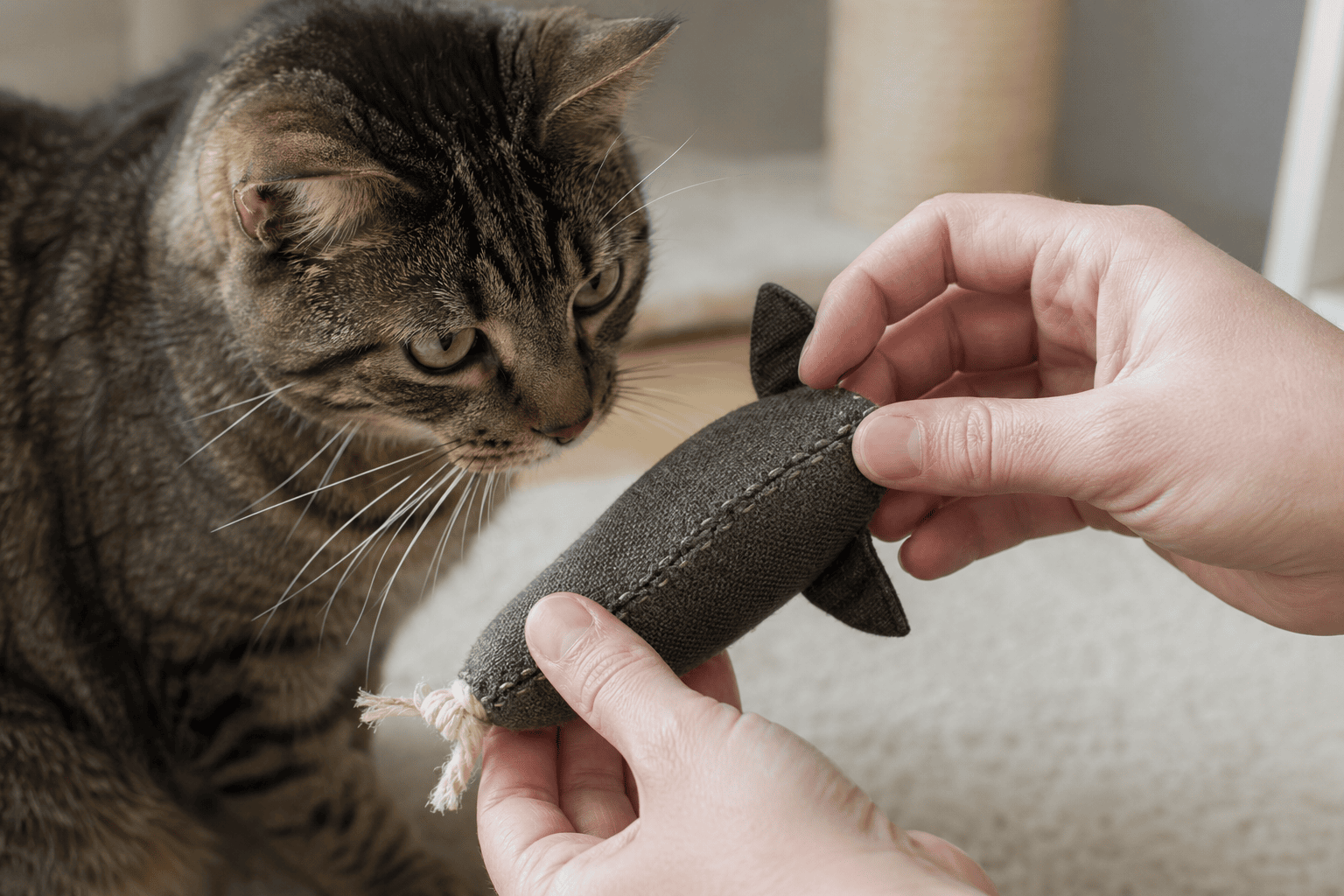
    But what if your kitty gets a bit too eager and turns bonks into rough headbutts? Swap your hand for a chew-resistant plush cat toys and wiggle it like a fishing lure so they chase that fun toy instead. Then step back and wait until they calm down. You’re setting gentle boundaries without any fuss.

    Practical tips for happy head bumps:

    • Stroke their forehead and cheeks in the direction their fur lies
    • Give a gentle rub, say "Good kitty" softly right after they bump
    • Gently slide your hand along their whisker line for extra calm
    • Redirect rough bonks to a chew-resistant plush cat toys so they can pounce safely
    • Pause your attention until they settle down and learn to keep bumps light

    Variation in Head Bunting: Age, Breed & Multi-Cat Dynamics

    - Variation in Head Bunting Age, Breed  Multi-Cat Dynamics.jpg

    Kittens start bunting (rubbing heads) with their mom and littermates to learn who’s boss and what’s safe. Each gentle boop shares family scents and builds trust. Ever watched a mini fluffball wobble over to bunt? It’s like a tiny kitty class in friendship.

    Adult cats level up their head rubs to say hello or nudge their buddies about the pecking order. You might see a confident tabby cheek-rubbing after nap time, like, “You’re still on my team.” They even bunt us humans, sharing pheromones (cat’s scent signals) to keep everyone in the family circle. It’s like a furry group hug.

    Senior cats may bunt less often but still swing by for soft rubs when they seek comfort. Ragdolls, those affectionate fluffballs, bunt like cuddle pros, while Bengals give quick, businesslike boops. In multi-cat homes, mutual bunting weaves a cozy scent blanket that eases stress and cuts down on hissy fits. When noses and foreheads carry the same signature smell, your living room feels like a feline spa.

    - Reading Related Feline Body Language during Head Bumps.jpg

    Cats bonk (head bump) to say all sorts of things without a peep. Watching their stance helps you get the message right. Notice how a loose ear (ears in a chill position) or whiskers leaning forward (like tiny antennae) mean your kitty is feeling calm or curious. You can almost hear the soft “boop” as their forehead meets yours.

    Ever caught that slow blink during a boop? That’s your cat whispering “I trust you.” Then maybe their tail pops up (tail-up pose) before or after the bonk. That’s a clear invite for more cuddle time.

    Cheek bonks feel like gentle high-fives, while chin rubs (chin bump) are full-on devotion. So, each head bump style brings a new level of purr-sonal affection.

    Cue What It Means
    Loose ears (ears in a chill position) Kitty feels comfy and safe
    Whiskers leaning forward (like tiny antennae) Friendly curiosity and play interest
    Slow blinking mid-bump High trust and bonding mode
    Tail-up pose “Let’s be friends” greeting time

    Monitoring Health & Behavior: When to Seek Veterinary Advice after Head Bumps

    - Monitoring Health  Behavior When to Seek Veterinary Advice after Head Bumps.jpg

    Keep a simple log of each bump. Note the time, the spot, like your cat’s favorite couch corner or the cool tile floor, and how often it happens. Are meals skipped? Is your kitty hiding under the bed? Jot down the surface, appetite changes, hiding spots, and bump count so you can spot when sweet head bunting (that gentle cat nudge) shifts into head pressing (when they push their head against something).

    Keep an eye out for these warning signs. If more than one pops up, a vet visit could catch issues like ear infections, strokes, or tumors before they get worse.

    • A sudden drop in head bumps or a big change in how they nudge you
    • Refusing to eat, losing weight, or hiding for long stretches
    • Pressing their head against walls, doors, or furniture (might mean hearing loss)
    • Bumping into doorways or moving slowly (could be vision issues)
    • Stiff posture, flinching when petted, or making pain sounds

    Keeping this little checklist handy makes it easier to spot trouble early and get help right away.
    Worth every paw-print.

    Final Words

    Diving right in, we saw cats head bump to share scent via facial glands, mark safe spots, greet loved ones, and strengthen bonds.

    We then explored head bunting as attention-getting or comfort-seeking and learned how to spot concerning head pressing signs.

    Next, we covered how to encourage gentle rubs, handle multi-cat dynamics, and read your cat’s body-language cues.

    Finally, we learned when to track patterns and seek veterinary advice. Armed with answers to what do cat head bumps mean, you’re all set for more happy purrs and playful moments.

    FAQ

    Why does my cat head bump objects or people?

    The cat head bumps objects and people to share facial pheromones from scent glands, marking safe territory, greeting familiar faces, and reinforcing social bonds with you and your home environment.

    What do cat head bumps mean?

    The cat head bump is an affectionate scent-marking ritual using pheromone glands, expressing trust, friendship, and group identity, plus a friendly greeting that invites petting or attention.

    Why does my cat headbutt me then bite me?

    When the cat headbutts you then bites, it’s often playful overstimulation or a gentle warning that petting has gone too far—watch for tail flicking and ears twitching to know when to stop.

    Should I headbutt my cat?

    You can headbutt your cat if they invite it—this mimics their scent-sharing ritual—but match their pace and pressure so it feels safe and enjoyable for both of you.

    Why does my cat purr when headbutting?

    The cat purrs while headbutting because releasing social pheromones feels comforting and trust-building, and purring adds pleasure, signaling deep contentment and bonding during your interaction.

    Why does my cat have bumps all over her head?

    The cat’s bumps may be acne (clogged follicles), insect bites, or allergic reactions; if bumps persist, become sore, or spread, schedule a vet check to rule out infection or skin disease.

    Related Articles

  • when do cats stop growing: Celebrate Feline Maturity

    when do cats stop growing: Celebrate Feline Maturity

    What if your cat isn’t done growing until its second birthday instead of its first?

    We all love watching those wobbly-legged kittens turn into sleek mini-panthers in just a few months. Then we assume they’re full-grown by one year old (adorable, right?). But truly, most house cats finish adding height and length between 12 and 18 months. Giant breeds like Maine Coons keep bulking up until they hit two years.

    Knowing when your cat wraps up growing helps you pick the right food, plan play sessions, and schedule vet visits for each stage. Ever watched your kitty’s whiskers twitch as it pounces? Those moments show the difference between a kitten who still needs growth food and an adult who’s happy with a steady diet.

    Let’s celebrate your cat’s journey to adulthood. Keep those paws healthy and purrs loud with these simple tips.

    Typical Age Range for When Cats Stop Growing

    - Typical Age Range for When Cats Stop Growing.jpg

    Hey cat parents, ever watched your kitty chase shadows one moment and suddenly look like a mini panther the next? Cats usually reach their adult height and length between 12 and 18 months. In that first year kittens pack on bone (the body's hard parts) and muscle at lightning speed. By six months they’re about two-thirds of their future size.

    Then from six to 12 months growth slows and they gently fill out into that sleek, grown-up look. But big breeds like Maine Coons need extra time. These gentle giants keep bulking up (extra fluff and muscle) until around 24 months. They’re not sprouting taller, they’re just getting thicker across the chest and stronger in the hind legs. Think of this as their last growth spurt before they’re fully mature.

    Once your cat is full grown, changes are all about muscle tone and weight. You might spot a little more chest girth or extra power in those back legs, but the tape measure won’t move much. Knowing these milestones helps you nail the right food portions and play routines, because a fed, active kitty is a happy kitty.

    Age Range What’s Happening
    0–6 months Rapid gains in bone and muscle
    6–12 months Steady filling out to adult size
    12–24 months Final muscle and bulk phase for big breeds

    Most house cats wrap up growing by 18 months. Big fellas like Maine Coons finish around two years. After that it’s all about playtime, purr-fect health, and keeping those paws fit.

    Growth Stages and Milestones in Kitten Development

    - Growth Stages and Milestones in Kitten Development.jpg

    From birth to six months, your kitten moves from nursing to tiny nibbles of crunchy kibble (dry cat food) and slurps of wet food. They start weaning at around eight weeks (about two months old) and can pack on up to 100 g (3.5 oz) each week as their bones grow longer (like little building blocks) and their muscles thicken. Ever noticed those surprise zoom-ies or those sky-high leaps? That’s your little explorer firing on all cylinders!

    Between six and twelve months, growth slows but doesn’t stop. Your cat fills out with soft curves, and you’ll see smoother pounces and sharper coordination. Puberty hormones kick in, so get ready for fresh hunting antics and those late-night racing marathons across the living room.

    By one year to about eighteen months, your cat’s height and length are mostly set. Then it’s all about building lean muscle and adding a bit of extra weight until month eighteen. After that, your furball’s shape is locked in and ready for a lifetime of purr-fect play!

    when do cat stop growing: Celebrate Feline Maturity

    - Breed and Gender Variations Influencing Cat Growth Duration.jpg

    Big breeds are the marathon runners of the cat world. Maine Coons can take it easy for up to 2 to 4 years before they hit their full size, often weighing between 15 and 25 pounds of fluff and muscle. Watching a young Maine Coon stretch and fill out feels like seeing a mini lion get its mane. Slow and steady really wins this race.

    On the other paw, small breeds like Siamese usually wrap up growth by 12 to 18 months and end up around 8 to 12 pounds.

    Ragdolls sit right in the middle. Some fatten up by two years, others by three, adding extra softness to every flop. Ever seen a Ragdoll sprawl on its back? You just want to bury your face in that plush pillow of fur.

    Then there is gender. Male cats, called tomcats, tend to grow about 10 to 20 percent bigger than females (called queens) and keep shooting up a little longer. You might see your boy kitten still getting taller at 18 months while his sister has already nailed her full-size pounce. It’s like they trade puppy-dog energy for catnip-fueled calm once they cross their own finish line.

    Um, knowing these quirks helps you pick the perfect toys and toss out the right snack portion. Measure your kitty once a month, cheer on those growth spurts (a sudden jump in size), and get ready for a lifetime of paws-itively fun play sessions. Worth every paw-print.

    Nutritional and Health Factors Impacting Cat Growth

    - Nutritional and Health Factors Impacting Cat Growth.jpg

    Kittens grow fastest when they’re fueled by the right grub and get regular vet checkups. Their meals shape everything from bones to muscles, and even their whisker-twitching moods. Ever watched your kitty sprint after dinner? Let’s dive into what really matters.

    Protein and Calorie Requirements

    Growing kittens need about 200 to 250 calories (energy units) each day. Think of that as a small bowl of kitten chow. Aim for 30 to 35 percent of those calories to come from protein (the body-building stuff). It’s like hiring tiny construction workers to reinforce a new house, without enough, bones may wobble and muscles stay soft. Calcium (the bone mineral) and vitamin D (the sunshine vitamin) team up to keep those bones sturdy. Skip them and you might see wobbly legs or slow pounces. Ask your vet to weigh your kitten and check nutrient levels at every visit.

    Feeding Schedules and Diet Types

    Most vets say to feed kittens three to four times a day until they hit about six months, then switch to two or three meals until their first birthday. Dry kibble gives a crunchy workout for teeth. But it lacks moisture. Wet food boosts hydration with every lick, helping kidneys and bladders. A mix of both hits the sweet spot: kibble for chewing practice, wet food for fluid balance.

    Raw diets sometimes promise quick growth, but they can bring bacteria risks and unbalanced nutrition if not planned by a pro. Supplements like omega fatty acids (for glossy fur) or calcium chews should only join the menu with your vet’s okay. Random extras can throw off that careful protein-to-fat ratio and lead to upset tummies. Stick to balanced meals and scheduled checkups, and you’ll see your furball hit those big milestones with tail-twitching confidence.

    Monitoring Growth: Tracking and Veterinary Checkups for Cats

    - Monitoring Growth Tracking and Veterinary Checkups for Cats.jpg

    Keep your cat’s growth in check with monthly check-ins. They help you spot any odd size or weight changes before they turn into bigger worries.

    Ever tried weighing a wriggly fluffball? A flat digital scale (like the one you use for luggage) is your best buddy. It’s quick, gentle, and accurate.

    Use a soft tape measure (the kind you’d use in sewing) to track your cat’s length and chest width. Gently wrap it around their ribs and then stretch it from nose to tail tip, no tugging. Then jot those numbers down in a simple notebook or a pet-care app. Boom, you’re tracking like a pro.

    Here’s a quick checklist for cat growth monitoring in action:

    • Weigh your kitty once a month on the same scale and surface.
    • Measure chest and length with a soft tape measure, keep it comfy for your cat.
    • Plot each measurement on a chart against breed guidelines.
    • Schedule vet checkups every six months during the first two years.
    • Use a digital tracker (an app that logs and alerts you) to catch dips or spikes early.

    These simple steps help you catch slow growth or sudden weight gains before they become serious. Pair this with regular vet exams, and you’ll give your feline friend a happy, healthy life.

    Worth every paw-print.

    Common Growth Issues and When to Seek Veterinary Advice

    - Common Growth Issues and When to Seek Veterinary Advice.jpg

    Some kittens don’t grow by the book, and that can be worrisome. Stunted growth – when your little fluff ball is much lighter than it should be for its age – often means sneaky worms (like roundworms that steal nutrients) or a diet missing key vitamins. If your kitten looks frail, purrs less, or has a potbelly bulging like a pillow, it’s time to take a closer look.

    Then there are birth issues like dwarfism or low growth hormones. Ever see your kitty hop like it’s wearing stilts? You might spot shorter legs, a rounder head, or a kitty that just doesn’t keep up with its pals. And it’s not just tiny cats – chubby kittens can end up with sore joints or hip stress from extra pounds.

    Keep an eye out for these warning signs, and call your vet if you see any:

    • Weight way below or above breed-age charts
    • A bloated belly or worms you can see in the litter box
    • Uneven leg length or a kitten that can’t jump like friends
    • Stiffness, limping, or a kitty that won’t climb

    Getting your vet involved early can catch infections, hormone hiccups, or nutrition gaps before they become big problems. Treatment might include deworming medicine (to zap those worms), a custom meal plan (yummy, balanced bites), or hormone shots (small injections to kick-start growth). Then your kitty can zoom around the living room and hit those growth milestones paws-itively on time.

    Final Words

    In the action of mapping out your cat’s growth, we saw typical age ranges and key milestones from kitten spurt to full size.

    We explored breed and gender twists, diet tips, growth checks, and signs when to call the vet.

    Now you’re ready to track weight, support your feline’s health, and curb boredom with the right toys, all without constant replacements.

    Here’s to happy, confident cats and knowing clearly when do cats stop growing.

    FAQ

    When do cats stop growing?

    Cats generally stop growing between 12–18 months, with larger breeds like Maine Coons filling out until around 24 months; males often grow a bit longer than females.

    What is a cat growth chart?

    A cat growth chart tracks weight and size milestones from kittenhood to adulthood, helping you compare your pet’s weekly or monthly gains against healthy age-based standards.

    Can I estimate my cat’s adult size?

    You can estimate adult size by noting that most cats reach about 90% of their full weight at one year or by doubling their weight at four months for a rough forecast.

    When do cats become sexually active?

    Cats typically reach sexual maturity between 5–9 months; smaller breeds may cycle earlier. Spaying or neutering before this stage helps prevent unwanted behaviors and litters.

    What is the 3-3-3 rule for cats?

    The 3-3-3 rule guides new cat introductions: three days to adapt to a room, three weeks to meet other pets, and three months to feel fully at home.

    Related Articles

  • what do cats contractions look like: Clear Clues

    what do cats contractions look like: Clear Clues

    Ever felt your cat’s paws prance across the floor and her whiskers twitch as her soft belly ripples under her fur?
    You might think it’s just a stretch or a weird wiggle.
    But these are real signs that nestling time is almost here!

    Those gentle belly waves are her uterine muscles (the muscles that help guide kittens into the world) doing their job.
    Um, and that restless pacing?
    It’s her nesting instinct kicking in.
    Ever watched your kitty circle her favorite blanket like she’s digging a den?

    You’ll spot a subtle throb when she finally settles down.
    You might even catch tiny beads of fluid along her fur.
    Then there’s the classic blanket-pawing, soft digs that look like she’s fluffing a nest.
    All these little clues add up to one big event.

    By then you’ll read her contractions like a birth coach tracks ocean waves.
    You’ll know when to offer a gentle purr and a cozy spot to settle in.
    Kitty mamma mode activated.

    Worth every paw print.

    Recognizing the Onset of Cat Contractions

    - Recognizing the Onset of Cat Contractions.jpg

    Ever wondered what cat contractions look like? You might spot a soft ripple under her fur as she shifts from side to side. It feels almost like a tiny yoga stretch, her uterus (womb) getting ready for the big moment. If you’re not looking closely, these early signs can slip right past you.

    Next, she’ll start dragging or pawing at blankets, hunting for that perfect box or quiet corner. Ever watched your kitty chase shadows? In pre-labor, she’s pacing back and forth, restless and busy tweaking her nest. In truth, it’s her way of staying safe and cozy before the kittens arrive.

    Then comes a little surprise: a tiny drop of fluid on her fur or bedding as she expels the mucous plug (that’s her seal of protective fluids). Oops, actually you’ll see it like a clear blob, almost like a dewdrop. Around this time, you’ll also feel the rush of excitement when her temperature dips below 100 °F, measured rectally (from her bottom), about a day before labor really kicks in.

    Stage one labor can last six to twelve hours. You’ll notice slow waves of belly tensing and relaxing as her cervix (neck of the womb) opens bit by bit. She’ll nest some more, pace again, and you’ll catch that belly ripple every now and then. Keep an eye out for these signs so you know when things are getting serious.

    Worth every paw-print.

    Visual Signs of Active Cat Labor Contractions

    - Visual Signs of Active Cat Labor Contractions.jpg

    Active Labor

    When your kitty hits active labor, each belly squeeze (like a gentle hug from the inside) gets stronger and quicker. You’ll see her arch her back, tuck her tail, and maybe let out soft grunts. Ever feel her hind end (rear quarters) press into the bed’s soft fluff? It’s her cue that the big moment is near.

    Keep an eye out for two kinds of fluid:

    • A pinkish or lightly bloody drip when a kitten’s head shifts into place.
    • Clear amniotic fluid (the water in her sac) pooling at her vulva just before a kitten slides out.

    Contraction waves run about 5 to 30 minutes. After the first kitten arrives (usually within 1 to 2 hours of strong pushes), she’ll rest. These breaks (interkitten intervals, the time between kittens) can last 30 minutes to 4 hours. If she naps longer than 4 hours, give her a gentle check to make sure everything’s on track.

    Differentiating Normal Behavior vs. Illness During Labor

    - Differentiating Normal Behavior vs Illness During Labor.jpg

    Ever watched your cat’s whiskers twitch during a contraction? A little panting or a soft meow with each belly squeeze feels normal, it’s like she’s just huffing and puffing to push those kittens out.

    But if she’s vomiting over and over through each push, think repeated retching that won’t quit, that’s a red flag for complications, not just stage fright.

    If she can’t lift her head or drags her back legs like a floppy plush toy, that’s severe lethargy, not a quick rest. Healthy mamas often pause between pushes to nap or groom. But if she stays limp and unresponsive, it’s time for vet help.

    Keep an eye on that discharge. A clear or faint pink drip is all good. Green, tan, or foul-smelling goo points to infection or dystocia (when kittens get stuck), and that odor is trouble.

    Hydration is huge. Sticky gums (tacky to the touch) and sunken eyes mean she’s drying out fast. Gently take her temp rectally: under 98 °F or above 103 °F can signal uterine inertia (when her muscles stop contracting properly).

    At the first sign of any of these issues, call your vet right away instead of riding out another contraction.

    Timing and Duration Patterns of Cat Contractions

    - Timing and Duration Patterns of Cat Contractions.jpg

    Active pushing phases run about 5 to 30 minutes. You’ll see her belly tighten, maybe a soft sigh as she gives each push.

    Most kitties rest 30 minutes to two hours between kittens. She might even catnap up to four hours if she feels safe.

    Placentas follow quickly, five to fifteen minutes after each kitten arrives.

    Monitoring tips

    • Jot down start and end times for every contraction, kitten, and placenta (“4:02 PM start, 4:07 PM placenta out”).
    • Track intensity shifts or lengthening gaps to catch anything off-track.

    When to call the vet

    • Active pushing over twenty minutes without a kitten
    • More than four hours between kittens or placentas

    what do cat contractions look like: Clear Clues

    - Supporting Your Cat During Contractions and Labor.jpg

    Give her a cozy, draft-free nesting box (a snug, bed-like spot) lined with clean towels and set at about 85–90 °F. Um, privacy is key for a mama-to-be. This warm hideaway helps her feel safe and can make the whole birthing thing smoother. You might notice her sneaking off there when her belly tightens, she’s saying “Do Not Disturb.”

    Feed her small, breakfast-sized meals every few hours, with fresh water within paw’s reach. Late pregnancy can zap her energy, so these bite-sized servings keep her fueled and hydrated. I guess even cats want room service.

    Next, turn down the noise and dim the lights to calm her nerves. Soft music or just a quiet room can cut her jitters. But really, it’s amazing how a hush can help a mama handle those waves of labor.

    Keep an eye on her breathing. Ever watched a kitty pant? I have, super cute but totally normal during contractions. Heavy purring counts, too.

    Monitor her temperature with a digital thermometer (for temp checks) now and then, and jot down any shifts. Record each contraction or kitten arrival, it’s like your own birthing play-by-play. Spot any long pauses, and you’ll know when to call for backup.

    Here’s your birthing kit checklist:

    • Clean absorbent towels
    • Digital thermometer (for temp checks)
    • Disposable gloves
    • Sterile scissors or dental floss (to tie the cord)
    • Iodine or antiseptic solution
    • Zip-lock bags (to collect placentas)
    • Heating pad or warm water bottle wrapped in cloth

    One last thing: plan a quick postpartum check-up, so you can ring the vet if anything feels off after those final pushes. Worth every paw-print.

    When to Seek Veterinary Help During Cat Contractions

    - When to Seek Veterinary Help During Cat Contractions.jpg

    So, we shuffled things around to keep it simple. You can spot warning signs like pale gums (think chalk on a kitty’s gums) or a slow pulse in “Differentiating Normal Behavior vs. Illness.”

    Next, head to “Timing and Duration Patterns.” That’s where you’ll see when 20 minutes feels too long for a single contraction or if 4 hours tick by with no kitten arrival. Those are your stuck-kitten alerts – time to call the vet.

    Then, for keeping track, hop over to the “Monitoring tips” bullet list. We’ve packed in easy record-keeping ideas – a quick chart, a timer on your phone, even a voice memo. You’ll be glad you did when the vet follows up.

    Worth every paw-print.

    Final Words

    In the action, you learned the early signs of Stage I labor, from belly tensing to nesting efforts and temperature dips.

    We covered the visual cues of active contractions, with rhythmic belly movements, discharge spotting, and kitten delivery timing.

    You saw how to tell normal labor from worrisome signs, plus track each contraction’s timing.

    Then we walked through setting up a cozy birthing spot, assembling a simple kit, and knowing when to call your vet.

    Now you’ll know what do cat contractions look like and feel confident guiding her through birth.

    FAQ

    What do cat contractions look like, and how can I tell if my cat is starting labor?

    Cat contractions before birth show as faint abdominal tightening, restlessness, nesting—dragging or pawing bedding—and occasional tail tucking or back arching. You may notice a slight drop in temperature and mucous plug expulsion.

    What are pre-labor signs in cats?

    Pre-labor signs in cats include nesting, pacing, appetite loss, swollen nipples and a body temperature drop below 100°F. Weeks before, you’ll see a bigger belly, firmer nipples, and loose mucous plug closer to labor.

    How can I naturally stimulate my cat’s labor?

    You can naturally stimulate your cat’s labor by gently rubbing her nipples or offering a warm compress on her abdomen. Always check with your veterinarian first to keep mom and kittens safe.

    How long after a cat starts leaking fluid do contractions begin?

    After a cat starts leaking fluid, visible contractions usually begin within 6–12 hours. If she releases amniotic fluid, active straining and kitten delivery often follow within 1–3 hours.

    What does a cat placenta look like?

    A cat placenta looks like a flat, pancake-like disc covered in blood vessels. It’s bright red with translucent membranes, about the size of a small cookie, and follows each kitten within 5–15 minutes.

    Related Articles

  • feline leukemia vaccine side effects Rest Assured

    feline leukemia vaccine side effects Rest Assured

    Ever watched your kitty flop like a plush toy right after a jab (that tiny poke where the shot goes)? It’s both cute and a little worrying. You might spot a drowsy stare or a small bump at the injection site (that’s where the vaccine entered) a day or two later. It usually clears up by day three. But sometimes your furball might vomit or act really off. And that means things got a bit rougher.

    In this guide, you’ll learn to spot mild, moderate, and rare severe side effects of the feline leukemia vaccine (the shot that helps block this virus). We’ll show you what to look for, no fancy terms. Think of it like a quick checklist so you can swoop in if your whiskered pal needs you. Ever seen your cat try to nap standing up? That’s a red flag.

    So read on, relax, and get ready. You’ll feel confident about handling any bump, hiccup, or unexpected flop. Your cat will thank you with extra purrs, I promise.

    Overview & Severity of Feline Leukemia Vaccine Reactions

    - Overview  Severity of Feline Leukemia Vaccine Reactions.jpg

    Once your cat hops off the exam table, you’re on watch. Mostly you’ll notice mild signs: a sleepy kitty, a skipped meal, or a tiny bump where the needle went in. These soft reactions to the FeLV (feline leukemia virus) immunization (vaccine shot) show up in the first 24–48 hours and usually clear by day three. Ever felt your cat’s whiskers twitch when they’re feeling off? That’s pretty normal.

    But some cats hit a bumpier patch. If vomiting or diarrhea hangs on past one day, or your furball snubs treats for over 48 hours, that’s a moderate upset. And then there are the rare, serious moments, facial swelling, trouble breathing, even collapse. Those need immediate vet care.

    Side Effect Severity Onset & Duration
    Mild lethargy, decreased appetite Low 24–48 hrs, 1–3 days [how long do cat vaccine side effects last](https://titanclaws.com/how-long-do-cats-vaccine-side-effects-last/)
    Transient fever (102–103 °F), sneezing Low 24–48 hrs, resolves in 1–2 days [how long do cat vaccine side effects last](https://titanclaws.com/how-long-do-cats-vaccine-side-effects-last/)
    Persistent vomiting or diarrhea Moderate Onset within 48 hrs, >24 hrs duration
    Facial swelling, breathing difficulty, collapse, hives Severe Minutes to hours; requires immediate care
    Firm lumps (granulomas (small tissue clumps) or sarcomas (a type of tumor)) Severe Weeks or longer

    Life-threatening signs like facial swelling or breathing trouble need urgent veterinary attention. Most post-FeLV jab issues are straightforward, but spotting the rare severe ones fast can make all the difference. Injection-site sarcoma (a firm lump that won’t budge or shrinks then returns) shows up weeks later, keep an eye on any nodule that hangs around or changes. Next, we’ll dive into tips for handling these reactions and what to watch over the long haul.

    feline leukemia vaccine side effects Rest Assured

    - Management Strategies for Feline Leukemia Vaccine Side Effects.jpg

    So your cat is feeling a little down or sore after the vaccine? Nothing to worry about, it’s just a sign your kitty is building up protection and will soon feel feline fine again. Encourage your furball to rest in a snug spot, like a soft blanket fort, and offer small, tasty meals if the appetite is low. Always keep fresh water nearby so they stay hydrated.

    But wait, there’s more. Try laying a warm cloth (soft, gently heated towel) on the injection site to ease soreness. The gentle warmth feels like a cozy hug. These simple home-care tips help most cats bounce back to their playful selves in a day or two.

    If your furry friend runs a fever or seems achy, the vet might step in with extra relief. They could prescribe NSAIDs (nonsteroidal anti-inflammatory drugs) to lower a fever and soothe discomfort. Antiemetics (nausea-fighting meds) calm an upset tummy, and subcutaneous fluids (fluids given under the skin) fight dehydration. Corticosteroids tackle any itchy or swollen patches at the injection site.

    Keep a close eye on your furball for at least 48 hours. If mild signs linger past two days, give your vet a call for more advice, don’t hesitate.

    And if you spot trouble breathing, facial swelling, or sudden collapse, reach out to your vet immediately. That quick move keeps your kitty safe and lets you stay ahead of any nasty surprises.

    Oops, let me add.

    Safety first.

    Risk Factors and Long-Term Concerns of FeLV Vaccination

    - Risk Factors and Long-Term Concerns of FeLV Vaccination.jpg

    You might hear about a little lump at the shot spot, called a granuloma (tiny clumps of tissue), but it only shows up in fewer than 1% of vaccinated cats. Sarcomas (cancerous growths) at the injection site are under 0.1%, so real vaccine-induced tumors are super uncommon. Sounds alarming, you know, but the chance is tiny. Still, if you notice a hard bump that keeps growing, call your vet, who might want to take a biopsy (small tissue sample).

    Watching a new lump for a few weeks is the simplest way to catch any trouble early. If it doesn’t shrink or you spot other changes, ring up your vet for a closer look.

    Ever watched your kitty roam the yard? Outdoor cats and multi-cat homes, like when my Luna darts into the bushes, face higher risk of FeLV (feline leukemia virus) infection than indoor-only friends. When you balance a tiny shot-side lump risk against a serious infection, the vaccine’s protection usually wins out. Just keep an eye on any new bump.

    Next, chat with your vet about proper injection technique, like giving the shot in the leg so any lumps are easier to treat. Ask about non-adjuvanted vaccines (no extra irritant ingredients) and AAHA’s timing plan (a shot schedule from the American Animal Hospital Association). Those steps can lower the chance of lumps or tumors. Your furball will stay playful and paw-sitively happy for years.

    Monitoring Protocols and When to Contact Your Vet After FeLV Jab

    - Monitoring Protocols and When to Contact Your Vet After FeLV Jab.jpg

    After your cat’s FeLV jab (feline leukemia virus shot), spend a few minutes twice a day giving them a quick once-over. Notice how they walk, if they’re nibbling at their food, and gently feel the shot spot with your fingertips. This way you can catch any odd shifts before they snowball.

    • Jot down the vaccine name, batch number, date, and where you gave the shot in a notebook or phone log.
    • If your kitty stays a bit warm or groggy longer than a day, consider a telehealth check-in (a quick video call) for peace of mind.
    • Call your vet if you feel a lump bigger than two centimeters (about the size of a cherry) at the injection spot.
    • If your cat’s temperature climbs to 103°F (39.4°C) or higher, that’s a red flag, ring up your vet right away.

    Ever felt that tiny warm bump under your fingers? It’s the best way to spot trouble early. If your cat’s upchucks or diarrhea stick around past one day, or if they seem to struggle for breath, book a real-life vet visit. And if your kitty suddenly collapses or you see any facial swelling, think bee-sting puffiness, head to the clinic in a flash. Even a firm bump over two centimeters or a high fever means pick up the phone now.

    Final Words

    We started with a breakdown of common and rare FeLV reactions, mapping out onset windows and life-threatening red flags.

    Then we shared at-home care tips, simple rest, warm compresses, and when to call your vet.

    Next came risk factors for injection-site lumps and long-term sarcoma chances, plus ways to lower those odds.

    Finally, you learned how to keep an eye on your cat, recording temps, behavior, and bumps, and recognizing urgent signs.

    Keeping tabs and knowing feline leukemia vaccine side effects helps your cats stay safe and playful every day.

    FAQ

    Are there side effects to the feline leukemia vaccine and do cats feel unwell after vaccinations?

    The feline leukemia vaccine and other cat shots can cause mild lethargy, decreased appetite, transient fever or sneezing, plus slight soreness at the injection site, typically resolving within one to three days.

    How long do cat vaccine side effects last?

    The duration of vaccine side effects in cats varies by reaction but most mild signs, such as fatigue or swelling, last one to three days. For details, visit how long do cat vaccine side effects last.

    Can the feline leukemia vaccine cause diarrhea?

    Vaccine-induced diarrhea in cats can occur but is usually mild and transient, resolving within 24 to 48 hours; persistent vomiting or diarrhea beyond that timeframe warrants a vet visit.

    What long-term side effects can occur after a FeLV injection?

    Long-term feline leukemia vaccine side effects are rare but may include firm lumps or granulomas at the injection site, which can persist for weeks and should be monitored for growth or pain.

    Is the feline leukemia vaccine necessary and do cats really need it?

    The feline leukemia vaccine is recommended for outdoor cats or those in multi-cat homes to protect against a serious viral disease; indoor-only cats may face low risk but still benefit in outbreak situations.

    When should I give a feline leukemia vaccine booster?

    Feline leukemia vaccine boosters are typically given annually after the initial two-dose series; your vet may recommend more frequent boosters for high-risk cats based on lifestyle and exposure.

    How much does a cat leukemia vaccine cost?

    The cost of a feline leukemia vaccine ranges from $25 to $50 per dose, depending on clinic rates and whether an exam or additional services are included in the visit.

    Are there anecdotal reports on Reddit about feline leukemia vaccine side effects?

    Reddit users report mostly mild side effects like lethargy or soreness, with occasional temporary appetite loss; severe reactions are described but remain uncommon and often resolve with supportive care.

    What is the 3:2:1 rule in cats?

    The 3:2:1 rule advises that any injection-site mass that persists for three months, is larger than two centimeters, or increases in size one month after vaccination should prompt veterinary evaluation.

    Related Articles

  • best litter box size for cats delivers comfort

    best litter box size for cats delivers comfort

    Notice your kitty doing a funny two-step around her litter box? Paws hanging off the edge, back curved like she’s trying to fit into a dollhouse? Ever watched her swivel and meow, as if saying, “Hey, this box is too tiny!”

    It’s not just adorable. It’s her way of telling you she feels squished. A pan (litter box tray) just a few inches too small can turn her daily dig into a litter-ally frustrating workout. She might even leave half-buried surprises outside the box.

    Oops, let’s fix that. First, measure her from the tip of her nose to the base of her tail (nose-to-tail length). Then choose a box at least 1.5 times that number in length (so she can stretch out on her toes). And make sure the width gives her room to spin, no poking paws on the sides.

    Give her space to scratch, spin, and cover litter with ease. Then sit back and enjoy that satisfying little thud. Pure kitty bliss.

    How to Determine the Ideal Litter Box Size for Cats

    - How to Determine the Ideal Litter Box Size for Cats.jpg

    Getting your cat’s bathroom just right is easier than you think. Grab a tape measure (like a flexible ruler) and lay it from her nose to the base of her tail. Multiply that number by 1.5. That gives you the minimum length your kitty needs to stretch out before digging.

    Here’s how to nail the perfect dimensions:

    1. Measure your cat
      Lay the tape from nose to tail base. Multiply by 1.5 for the minimum box length.

    2. Check the width
      Make sure she can spin around without brushing the sides. Match her length or add a couple extra inches.

    3. Compare common sizes
      Most pans are about 16×10 inches. Jumbo pans run around 22×18 inches. If that feels snug, try oversized tubs, think 27×20 inches or larger, to give her wiggle room.

    4. Set the litter depth
      Pour in 2–3 inches of litter so she can dig and cover properly. Any more and you risk tracking; any less and she might slip.

    Medium cats usually do fine in a jumbo pan. But big breeds like Maine Coons need extra real estate. If your Maine Coon tips the scales over 20 pounds, consider a roomy tub around 36×24 inches so there’s zero chance of outside-the-box accidents.

    Ever hear that little thud when kitty digs? That’s pure contentment. When your cat has space to stretch, turn, and scratch, she’ll use her box every time. Worth every paw-print.

    Litter Box Size Recommendations by Breed and Cat Size

    - Litter Box Size Recommendations by Breed and Cat Size.jpg

    Big breeds really love having space to roam when they go, you know. Ever seen your kitty do a little two-step in the litter? Most big cats fit nicely in a 27 x 20 inch plastic trough (roughly 2 feet 3 inches by 1 foot 8 inches). It’s roomy enough for adults to dig and scratch without feeling cramped.

    But if you have a true gentle giant like a Maine Coon, go bigger. Aim for a 36 x 24 inch pan (about 3 feet by 2 feet) so they can stretch out fully and dig deep without bumping their whiskers on the sides.

    Midweight fluffballs like Ragdolls need a box around 30 x 18 inches. It’s just the right size for a few big turns and a good scratch. For active window-watcher Bengals, a 24 x 14 inch box gives them enough room to spin and pounce.

    You can even repurpose an under-bed storage tote (about 32 x 15 inches) to slide under low furniture. Just sand or trim any rough edges so paws stay happy.

    Breed Average Cat Length (in) Recommended Box Dimensions (in)
    Maine Coon 20 – 25 36 x 24
    Ragdoll 15 – 18 30 x 18
    Bengal 12 – 15 24 x 14
    Average Adult 10 – 14 27 x 20

    Less mess. More purrs.

    Entry Height and Wall Styles for Kittens, Seniors, and Messy Cats

    - Entry Height and Wall Styles for Kittens, Seniors, and Messy Cats.jpg

    When your kitten is learning or your older cat has stiff joints, a box with low sides can make all the difference. Using a shallow litter pan (tray for kitty waste) means no-hop entry. Aim for a front wall about 2.5 to 3.5 inches high. That way little paws or achy elbows slip in without drama.

    Ever watch your kitten stand on tiptoes trying to climb a tall side? Oops. And feel that soft pop when a senior lands? That low front saves them an awkward thud. Same goes for cats with arthritis, you want gentle entries, not painful jumps.

    Here is what works for most cats:

    • Kittens & seniors: front wall about 2.5 to 3.5 inches high lets them step in smoothly.
    • Diggers & sprayers: three sides with walls 6 to 8 inches tall catch scatter and stop sprays.
    • Top-entry boxes: round openings 10 to 12 inches wide plus a gentle ramp (like a small slide) prevent slips and wild tumbles.

    Good wall heights do more than block a mess. They let your cat settle, relax, and focus on business. If you see litter scattered across the floor, taller sides will save your carpet from a sandstorm. And if your shy senior still hops out empty-pawed, try a lower front, you might just hear a happy purr.

    DIY and Alternative Oversized Litter Pan Solutions

    - DIY and Alternative Oversized Litter Pan Solutions.jpg

    Ever stepped in sandy footprints across the floor? Your cats could use a bigger sandbox. A cement mixing tub (a sturdy plastic tray for stirring concrete) measuring about 27×20 inches costs less than $15. Its smooth, flat bottom feels stable under their paws. Rounded edges make clawing safe, and scooping is a breeze.

    Got a giant furball or two sharing the tub? Upgrade to a 36×24 inch size. No more litter spats. Everyone has space to stretch and scratch.

    Under-bed storage totes (around 32×15 inches) are another winner. Clip one side down for a low entry. Then sand the rough edges so no fur gets caught. Tuck the tote under a bed or behind the couch for a sneaky litter station.

    Travel days? Meet the collapsible silicone pan (folded to about 17×11 inches). Silicone (a bendy, fold-flat polymer) means no clunky bin in your luggage. Pop it open, pour in litter, then fold and stash when the job’s done. Super simple.

    Think beyond pet-store trays. These DIY pans save you money and give your kitties all the room they need to dig, scratch, and cover in total comfort.

    Make stray litter a thing of the past.

    Space and Placement Guidelines for Litter Boxes

    - Space and Placement Guidelines for Litter Boxes.jpg

    Ever watched your kitty do that sneaky waddle before finding the litter spot? Picking the perfect nook makes all the difference. Find a quiet corner where paws don’t echo down hallways. Cats crave privacy, nobody wants an audience when doing business.

    Give each box about 1.5 times your cat’s length of space (so they can sneak in, spin, and dash out without feeling trapped). It’s simple but oh-so effective. Your cat will thank you with extra purrs.

    In a home with more than one kitty, you might wonder how many litter boxes do I need for cats. A good rule is one box per cat plus one extra. Then spread them across floors or rooms to avoid mine-mine drama. This lets shy felines slip in unnoticed and confident ones keep their cool.

    Keep food and water dishes away from the litter station. Imagine nibbling dinner right next to a sandbox, no thanks. This simple move cuts stress and helps keep things fresh.

    Here’s the quick checklist:

    • Choose calm, low-traffic corners
    • Leave about 1.5 times your cat’s length of clearance around each box
    • Spread boxes across rooms or floors in multi-cat homes
    • Keep food and water dishes a comfy distance away

    Worth every paw-print.

    Maintaining Litter Depth, Cleanliness, and Hygiene

    - Maintaining Litter Depth, Cleanliness, and Hygiene.jpg

    Keep your litter at about 2-3 inches (5-7 cm). That’s like a mini sandy bed (it’s absorbent sandy material) – deep enough for epic digs, but not so deep that your kitty’s paws fling clumps everywhere. Give it a poke with your fingertip. It should give way and crumble when you lift. If you pile it above 3 inches, you’ll spot sandy paw prints all over your floor.

    Scoop your box once a day – morning or night, whatever fits your groove. Pulling out those clumps lets air flow and keeps odors at bay. Plus, your cat always steps into a fresh surface, and you’ll catch surprises (those sneaky hairballs) before they turn into stink bombs. Really.

    One time I skipped a day and walked in to a hallway that smelled… yikes. Ever had that “oh no” moment? Let’s never do that again. A quick five-minute scoop saves you from an all-day scrub later.

    Once a week, toss all the old litter and give the box a good wash. Grab mild soap, warm water, and a soft brush. Rinse thoroughly, let it air dry (sunshine helps), then refill with fresh litter. Don’t use ammonia or harsh cleaners – they leave residues that send cats racing for the door.

    If you use non-clumping litter (it soaks up moisture but doesn’t form tight clumps), change it out weekly, too. Otherwise it turns soggy – and stinky – super fast. Fresh litter means happier whiskers and fewer nose wrinkles.

    Maintenance Task How Often Notes
    Litter depth check Daily Keep 2-3 inches; avoid over 3 inches
    Daily scooping Once a day Use a slotted scoop to catch clumps
    Box wash & litter swap Weekly Clean with mild soap, warm water; air dry
    Non-clumping litter swap Weekly Replace all to keep it fresh

    A clean box = more purrs and fewer floor messes.

    Final Words

    You measured your cat from nose to tail base, used 1.5× that for box length, picked a width that lets them spin, and kept litter at 2–3″ for comfy digs. You adjusted entry heights for kittens or seniors and matched sizes to breeds like Bengals or Maine Coons. Then we covered DIY tubs, ideal placement, and a simple cleaning routine.

    Armed with all this, finding the best litter box size for cats is no sweat. Happy cats, happy home. Enjoy fewer replacements, less stress, and cozy corners for your furballs.

    FAQ

    Do cats like bigger or smaller litter boxes?

    Cats like bigger litter boxes because extra space lets them turn, dig, and bury waste comfortably without touching the sides.

    What size litter box should I buy for a 10-pound cat?

    A 10-pound cat should use a box about 24 inches long and 16 inches wide—roughly 1.5× its nose-to-tail length—with 2–3 inches of litter.

    What are large litter box dimensions?

    Large litter boxes often measure 22 × 18 inches or more. Oversized tubs can reach 36 × 24 inches, giving extra room for big breeds and multiple-cat households.

    How big should a litter box be for a kitten?

    A kitten’s litter box should be about 12–15 inches long and 8–10 inches wide, with low 2–3 inch sides for easy entry and safe digging.

    How tall should an enclosed litter box be?

    An enclosed litter box should have walls 6–8 inches high on three sides, with a 2.5–3.5 inch entry front for easy access and scatter control.

    What is the golden rule for litter boxes?

    The golden rule is one litter box per cat plus one extra. This helps prevent territory issues and ensures every cat has a clean, private spot.

    How do I know if my cat needs a bigger litter box?

    You know your cat needs a bigger box if its tail or haunches hang over the edges, it avoids the box, or starts toileting outside it.

    What are stainless steel litter boxes and are they a good choice?

    Stainless steel litter boxes are durable, non-porous pans that resist odors and bacteria. They’re easy to clean, scratch-proof, and long-lasting.

    What is the best litter box for cats?

    The best litter box is at least 1.5× your cat’s length, has smooth low sides, simple corners for scooping, and a non-toxic, easy-clean surface.

    Related Articles

  • is feline leukemia contagious Safe Cat Care Tips

    is feline leukemia contagious Safe Cat Care Tips

    Ever felt that gentle head bump from your tabby and thought, I’m loved? It can hide a sneaky traveler. FeLV (feline leukemia virus) is a quiet threat. It only hops between cats when they share licks, bites, or even a water bowl. That tiny spit can bring big trouble. Really.

    Ever watched your kitty groom a friend until they both look shiny? That’s prime time for licks to pass FeLV. A playful nip here or there can do it, too. Even slurping from the same bowl lets this virus sneak in.

    Why worry more about kittens and cats on immune-suppressing meds (medications that lower their natural defenses)? Their little bodies or drugged-down guardians can’t fight back as well. They need extra TLC and vet-tested routines you can start tonight.

    By the end, you’ll spot exactly which sniff-and-cuddle moves to watch. No more surprises. Just more cozy, purr-fect playtime.

    Assessing FeLV Contagiousness: Can Feline Leukemia Spread?

    - Assessing FeLV Contagiousness Can Feline Leukemia Spread.jpg

    Ever wondered if feline leukemia can spread around your pets?
    The feline leukemia virus (FeLV) only moves when cats get up close.

    They pass it through grooming licks, shared food bowls, or even a nip during play.
    Ever watched your kitty groom a buddy?
    That’s exactly how FeLV sneaks around.
    It can’t jump to humans or dogs, so your non-feline friends are totally safe.

    Young kittens and cats with weak immune systems (their body’s shield) are the ones most at risk.
    FeLV can swoop in fast when defenses are down.
    Cats already battling other bugs or on immune-suppressing meds need extra watchful eyes, too.

    The best defense?
    A quick blood test at your vet spots FeLV early.
    Then you can keep positive cats apart in your home or a shelter.
    It’s purrfectly simple and helps keep your furry crew healthier.

    Worth every paw-print.

    Feline Leukemia Transmission Modes: How Contagion Occurs

    - Feline Leukemia Transmission Modes How Contagion Occurs.jpg

    Ever wonder how FeLV (feline leukemia virus) hops from one kitty to another? It needs real face-time. The virus hides in saliva (spit), nasal secretions (snot), urine, feces (poo), and even mama’s milk, but it dies fast on floors or furniture. So a quick head bump is way safer than an all-evening cuddle.

    Here are six main ways FeLV can travel cat to cat:

    • Mutual grooming: When cats lick each other’s fur, they swap spit and share the virus.
    • Shared bowls: A smear of infected saliva on a food or water dish can infect the next lapper.
    • Bite wounds: A nip or scratch can deliver virus-loaded spit right into a cat’s bloodstream.
    • Sneezes and nose rubs: Viral droplets from a sneeze can settle on toys, bedding, or whiskers.
    • Shared litter box: Sniffing or pawing at infected pee and poo can pass FeLV along.
    • Nursing time: Kittens pick up FeLV through their mom’s milk if she’s infected.

    Because FeLV fades quickly outside a host, it really needs those long snuggles, marathon grooming sessions, or group mealtimes to spread. So keep playdates short or give cats their own space when risk is high, your fur-family will thank you.

    Assessing FeLV Contagiousness

    - Feline Leukemia and Human Risk Can It Jump Species.jpg

    Ever wondered if FeLV (feline leukemia virus) can leap from your kitty onto you or the dog on the couch? Oops, let me rephrase that. FeLV only spreads between cats.

    That means humans and other pets aren’t at risk. So you can keep doling out head scratches and playtime worry-free!

    Preventing FeLV Contagion in Multi-Cat Environments

    - Preventing FeLV Contagion in Multi-Cat Environments.jpg

    Hey cat parents and shelter heroes, ever worried about FeLV (Feline Leukemia Virus) sneaking into your fur crew? It’s a crafty virus that jumps between kitties through bites, shared bowls, or litter pans. But don’t sweat it, some easy daily habits can keep your clan safe and purring.

    First up: quarantine (keeping a cat apart) any newcomer. Before your new fluffball meets the gang, whisk them off to the vet for a quick blood test (tiny needle prick, minimal fuss). If someone tests positive, give them their own chill zone, a quiet room with comfy bedding and toys.

    Next, make your home an indoor-only castle. It’s not just about cozy naps on the windowsill (though we love that). Keeping cats inside stops surprise meetups with stray wanderers who could carry FeLV. Indoor life means safe playdates and fewer vet trips.

    Then let’s talk bowls and litter. Think of each dish and pan as private real estate for every kitty. When you give each cat its own food bowl and litter box, you cut down on accidental nose-to-nose contact and litter kicks, two easy ways for that virus to hitch a ride.

    Vaccination (shots to boost defense) is your cherry on top. Chat with your vet about FeLV vaccines, especially for kitties in group homes or with outdoor access. It’s like handing them an umbrella before a rainstorm.

    Worth every paw-print. Do all these steps together and you’ve built a fortress: test new cats, keep bowls and boxes separate, stay indoors, and vaccinate at-risk kitties. Your cats get more safe play and naps, and you’ll enjoy fewer worries and more happy purrs.

    In busy shelters, a clear routine is gold. Consistent testing, isolation rooms, and separate stations help you jump on any FeLV flare-ups fast. And honestly, watching a smooth-running cat crew is pretty paw-some.

    Prevention Measure Description
    Testing & quarantine Give every newcomer a quick blood test (tiny needle prick) and keep positives in their own cozy room
    Separate bowls & litter Assign each cat its own food dish and litter pan to stop accidental mixing
    Indoor-only housing Keep all kitties indoors so they don’t meet unknown outdoor carriers
    Vaccination Get at-risk cats their FeLV shots for an extra layer of defense

    Testing and Vaccination to Curb FeLV Contagiousness

    - Testing and Vaccination to Curb FeLV Contagiousness.jpg

    In most clinics, you’ll see a quick in-clinic antigen test (a check for viral proteins). It usually catches feline leukemia virus eight to twelve weeks after your cat’s first exposure. Test too soon and you might get a false negative – when the virus is hiding, like a shy kitten under the bed. That’s why vets often suggest a window period retest (a follow-up test after those early weeks) to catch any late bloomers. Some at-home antigen tests (a little nose swab or tiny paw-prick check) exist, but they can miss infections that your vet’s lab won’t.

    Vaccination is your cat’s best defense – a truly purr-fect strategy. Think of each shot as a pep rally for your kitty’s immune system. Most cats get their first vaccine, then a booster about a year later, and another booster every one to three years (your vet will guide you). Those boosters top up defenses so FeLV can’t sneak in. After her booster, my Luna tore into her feather toy like a champ – proof these shots really work. And pre-adoption screening (testing new or shelter cats before they mingle) keeps hidden carriers out of your fur family. It’s a simple step that keeps your home safer and your heart lighter when you bring home a new friend.

    Managing Contagious FeLV Cases for Better Cat Welfare

    - Managing Contagious FeLV Cases for Better Cat Welfare.jpg

    When your kitty tests positive for FeLV (feline leukemia virus), it’s time to set up a cozy solo spot. Pick a quiet room with a soft blanket and favorite toys so stray sneezes or grooming licks don’t share more virus. Ever watched your kitty chase shadows? This keeps other cats safe and your little one snug. Uh, you know it feels like a gentle hug from afar.

    Next, plan vet visits every 4 to 6 weeks, your cat’s health pit stop. We check blood counts (the number of cells in their blood) and watch for any sneaky infections. FeLV means regular lab work (simple blood tests), but catching anemia (low red blood cells) early is totally worth it. A trusty vet buddy keeps your furball strong.

    Mealtime becomes a power-up session. Serve wet food loaded with protein and a drizzle of healthy fats, think of it as a mini energy boost in every bite. My Luna once dove into her bowl like it was kitty gold. Seriously fun to watch.

    Stress-busting is next on the list. Offer cozy hideaways like boxes or tunnels so your cat can chill out. Gentle play with a feather wand turns claws into tiny dancers. And diffuser cat pheromones (calming cat scent) help turn frowns into purrs.

    Finally, add some joy sparks. A puzzle feeder makes meals feel like a game. Soft brushing is like a warm hug on their fur. Fresh toys, tasty bites, quiet naps. Their days will be full of good eats and sweet dreams.

    Final Words

    We’ve broken down how FeLV spreads cat-to-cat, the main routes it rides on nose and fur, and why humans are safe.

    Then we looked at top prevention steps for busy multi-cat homes, testing, separate bowls, indoor life and shots.

    We talked about accurate tests and booster timing. And we saw how to care for a positive cat with calm spaces and vet checks.

    You’ve got a clear path forward. Now you can rest easy knowing feline leukemia contagious risks are under control and your kitties stay happy.

    FAQ

    Is feline leukemia contagious to humans?

    The feline leukemia virus (FeLV) infects only cats, cannot infect humans or other species, and poses no zoonotic risk for people.

    Is feline leukemia contagious to dogs?

    The feline leukemia virus (FeLV) transmits only between cats, does not infect dogs, and requires close cat-to-cat contact rather than cross-species transmission to spread.

    How long is feline leukemia contagious?

    The contagious period for FeLV lasts as long as an infected cat sheds virus, which often spans weeks to months; regular testing helps track infectivity and guide isolation.

    If I pet a cat with feline leukemia, can I give it to my cat?

    Petting a FeLV-positive cat poses minimal risk since brief strokes don’t transfer virus; transmission needs saliva exposure from deep bite wounds, prolonged grooming sessions, or shared food and water bowls.

    What are the first signs and symptoms of feline leukemia, and what happens in its final stages?

    Early signs of FeLV include fever, unexplained weight loss, pale gums and lethargy; final stages involve severe anemia, recurring infections, enlarged lymph nodes and overall immune system collapse that worsen over time.

    Is feline leukemia treatable?

    While there’s no cure, supportive care, antiviral meds and good nutrition can help manage FeLV, improve comfort and prolong infected cats’ lives.

    Can a cat with feline leukemia live with other cats?

    A FeLV-positive cat can live with other cats if they’re all tested first, kept indoors and fed separately to minimize virus spread.

    Related Articles

  • chew-resistant plush cat toys Provide Endless Playtime Fun

    chew-resistant plush cat toys Provide Endless Playtime Fun

    Ever watch your kitty shred a stuffed mouse in less time than it takes to blink? Tired of finding tufts of stuffing on every surface? I feel you, fluff everywhere is no fun.

    Our chew-resistant plush toys shrug off sharp teeth and claw attacks while staying soft enough for epic pounces. We use heavy-duty nylon (like the tough fabric on your backpack), ballistic fabric (the same stuff in bulletproof vests), and dense polyester (a firm, fluffy fill) for hours of play. They even squeak just right, oops, did I say squeak? I meant no leaks of fluff.

    Every seam is double-stitched, and loose stuffing is practically zero. So for busy mornings, toss one down the hall before you dash out and sip your coffee in peace, knowing your furball’s safe and happily entertained. Worth every paw-print.

    Chew-Resistant Plush Cat Toys: Materials, Safety, and Durability Overview

    - Chew-Resistant Plush Cat Toys Materials, Safety, and Durability Overview.jpg

    Let’s talk fabrics that shrug off teeth and claws. We start with heavy-duty nylon (like a tough backpack material). Then there’s ballistic fabric (bulletproof-vest cloth that feels toothproof). And we use tightly woven polyester (dense synthetic thread). Your kitty still gets that soft, plush feel while these fabrics handle the roughest play.

    Strong seams are a big deal. We double-stitch every edge with two rows of tight, reinforced threads. At each corner, we add bar tacks (extra thread spots) so there’s no weak point. Fewer exposed seams means your cat can bat and pounce for hours without a rip.

    Inside, we keep stuffing to a minimum. Sometimes we swap loose fiber for foam cores (lightweight cushion material) so nothing flies out if they chomp down. That lighter filling makes it easy to send a toy rolling across the room with just a paw flick. Perfect for solo zoomies when you’re tied up!

    Safety isn’t just about toughness. We use hypoallergenic fabrics that soothe sensitive noses. Every dye and coating clears non-toxic testing, no hidden nasties. And we skip tiny buttons or beads that could become choking hazards. It’s chew-resistant fun you can trust.

    Ever watched your kitty’s whiskers twitch as a plush mouse rolls across the carpet? Your furball will shake it for ten minutes straight, drop it, then pounce all over again. That’s the marathon our toys are built for. Worth every paw print.

    Comparing Top Chew-Resistant Plush Cat Toys

    - Comparing Top Chew-Resistant Plush Cat Toys.jpg

    Ready for a chew-tough challenge? I’ve rounded up five plush toys that can take the fiercest kitty jaws. Each one survived durability tests three times longer than a regular stuffed toy. They use ballistic nylon (a super strong fabric) and reinforced stitching. Plus each hides a catnip or silvervine pouch (silvervine is like extra-potent catnip). Prices run from $8 to $20 so you can find one that fits your budget.

    Product Material Price Durability Rating Special Feature
    Armor Mouse Ballistic nylon (super strong fabric) $9 4.5/5 Silvervine pouch (extra-potent catnip)
    Fortress Fish Heavy-duty nylon (like tough kite fabric) $12 4.2/5 Double-stitched fins
    Pounce Tiger Tightly woven polyester (smooth but strong) $15 4.8/5 Minimal foam core (less bulk, more bite-resistance)
    Chew Champ Ripstop fabric (resists tearing) $20 4.7/5 Built-in crinkle layer for extra sound
    Steel Bunny Ballistic nylon with bar tacks (reinforced points) $18 4.6/5 Hidden catnip pod

    These toys top expert durability tests and real cat-parent feedback. Hard chewers barely make a dent in Armor Mouse or Steel Bunny. Lighter models might fray on very tough jaws. But even those last way longer than normal plush.

    Swap out two or three toys each week. That keeps your cat curious and gives seams a break. It’s a simple trick to stretch playtime without constant replacements.

    Chew-Resistant Plush Cat Toys Durability Testing and Lifespan

    - Chew-Resistant Plush Cat Toys Durability Testing and Lifespan.jpg

    So how do we check if a toy can survive your cat’s wild side? We clip it onto a lab rig. A robot jaw bites down with 50 pounds of force and a claw arm scratches it at a 45 degree angle. It’s like a kitty pouncing and chomping over and over. We log every mark to see how long it holds up.

    Toys with a ballistic nylon core (a tough synthetic fiber) shrug off this rough play for months, even through daily zoomies and chomps. Regular plush might be reduced to fluff in days. That big gap comes from tight weaves and strong stitches that slow down fraying and seam splits.

    In our trial we push each toy through 5000 bite and scratch cycles. Around 1000 plays you spot tiny fuzz balls at the seams. By 3000, edges look rough. At 4000 cycles a top chew-resistant plush still makes a satisfying thud and no rips. Really.

    Ever watch your kitty go from gentle nibble to full-on pounce? Keep an eye on wear so you know when to retire a toy. Key clues:

    • Split seams at corners
    • Fraying fabric edges
    • Exposed stuffing

    Once stuffing starts spilling out, it’s time for a fresh one. Rotating a small stash keeps playtime high and your cat curious. Worth every paw print.

    Safety and Care for Chew-Resistant Plush Cat Toys

    - Safety and Care for Chew-Resistant Plush Cat Toys.jpg

    Hey there, fellow cat fan, you want those tough toys to last, right? Routine care keeps your chew-resistant (fabric that won’t rip) plush pals purring and ready for play. Ever watched your kitty’s whiskers twitch as a toy zooms across the carpet? That’s playtime delight.

    Um, when a little dirt pops up, spot clean with mild soap and cold water. Most hypoallergenic plush fabrics (soft, easy-to-clean material) handle a gentle hand wash just fine. And if your toy says “machine-washable,” toss it in the washer on a delicate cycle, claw-tastic convenience!

    To guard those precious seams, slide toys into a mesh laundry bag (kind of like a net pouch) before washing. Stick with cold water and a mild detergent. Hot water or harsh soaps can wear down fibers. Then air dry: lay toys flat on a towel or hang them in a breezy spot. Actually, skip the dryer, heat can weaken the fabric over time.

    After every wash and play sesh, give each toy a quick check. Look for loose threads, split stitching, or any foam or stuffing peeking out. Those bits can be a choking hazard if your cat really sinks its teeth in. Tugging at a frayed spot might seem okay, but it can unravel fast. Rotating two or three toys gives each one a breather and helps them last longer.

    Worth every paw-print.

    Here’s a quick care checklist:

    • Spot clean spills right away
    • Hand wash or use delicate cycle for machine-washable toys
    • Slip toys into a mesh bag to protect seams
    • Air dry flat or hang in a well-ventilated spot
    • Inspect for loose threads and exposed stuffing

    Selecting the Right Chew-Resistant Plush Cat Toy for Your Cat

    - Selecting the Right Chew-Resistant Plush Cat Toy for Your Cat.jpg

    Picking a toy that lasts means matching its build to your cat’s stage and bite power. Teething kittens benefit from gentle resistance, while full-grown prowlers need tougher fabrics.

    • Age and teething stage: kitten teething plushies made from soft-yet-durable fabrics (like microfleece over foam) soothe sensitive gums and stand up to tiny bites.
    • Chewing intensity: aggressive chewer solutions call for ballistic nylon cores or double-stitched seams that shrug off hard chomps. mild chewer options can lean into plush with minimal foam stuffing for easier carries.
    • Fabric type and weave tightness: adult cat durability needs often point to ripstop exteriors (crosshatched nylon that stops tears) or tightly woven polyester membranes.
    • Toy size relative to cat: size guide for kittens says small mice fit little paws, while larger plush fish challenge broader jaws, pick a scale that keeps play safe and fun.
    • Interactive or solitary play style: texture contrast benefits like crinkle layers or ripstop panels reward batting and solo zoomies with sound and bounce.

    Try pairing different builds with your cat’s habits, more pounces, fewer shredded toys.

    Buying Options and Pricing for Chew-Resistant Plush Cat Toys

    - Buying Options and Pricing for Chew-Resistant Plush Cat Toys.jpg

    Finding chew-resistant plush can fit any budget. Basic models at pet stores run $8–$12. For tighter budgets, look for budget-friendly durable toys with minimal stuffing and safe coatings. Premium designer plushies with replaceable squeakers and certification tags top out at $15–$20 and often ship with sturdier seams.

    If you prefer shopping in person, in-store purchase tips include testing a sample toy’s weight and checking for loose threads. For a broader selection, try online retailers comparison at big pet sites where you can filter by price tier or materials and read user feedback on chew resistance.

    Subscription box offerings deliver a rotating stash of new plush toys at a discounted rate, perfect for frenetic chewers who need fresh toys weekly. Catteries and shelters can tap wholesale cat toy suppliers for bulk pricing. For crafty cat parents, try DIY indestructible cat toys with simple materials or scoop up indestructible cat toys for kittens designed just for tiny jaws. Mixing purchase channels gives you the flexibility to snag deals and keep your cat’s toy bin fresh.

    Final Words

    After exploring the rugged materials, ballistic nylon, heavy-duty polyester, and seam techniques that help toys resist sharp claws and teeth, you’ve seen how top picks stack up in price and durability.

    Testing tips and cleaning advice keep your feline’s playthings in tip-top shape, and our selection guide helps match each toy to your cat’s chewing style and stage of life.

    Now you’re all set to choose long-lasting chew-resistant plush cat toys and keep stress (and shredded furniture) at bay. Happy playing!

    FAQ

    What are the best chew-resistant plush cat toys for indoor cats and where can I buy them?

    The best chew-resistant plush cat toys for indoor cats are built with heavy-duty nylon (like a tough backpack fabric), reinforced double-stitched seams, and minimal stuffing. Large options are widely available on Amazon.

    What chew toys are good for cats who chew cords and wires?

    Chew toys that are good for cats who chew cords and wires include vinyl-coated chew deterrent tubes, thick rubber cords, and reinforced plush mice with a puncture-proof fabric core.

    What are the top chew toys for aggressive chewers?

    The top chew toys for aggressive chewers use ballistic nylon exteriors, tightly stitched seams, and minimal loose stuffing. Some feature inner polymer (plastic) cores for extra toughness.

    What can I give my cat to chew when teething and what materials are safe?

    When teething, cats can chew on soft-yet-durable fabrics like tightly woven polyester (like a sturdy pillow cover), rubber teething rings, or food-grade silicone snacks. These materials are non-toxic and safe.

    Are Yeowww Cat Toys durable against chewing?

    Yeowww Cat Toys feature thick cotton twill (like a heavy-duty tote bag), tightly stitched seams, and solid catnip filling. They resist moderate chewing, though very persistent biters may fray edges.

    Related Articles