Author: Isabella Tiu

  • Can Cat Eat Strawberry Safely and in Moderation

    Can Cat Eat Strawberry Safely and in Moderation

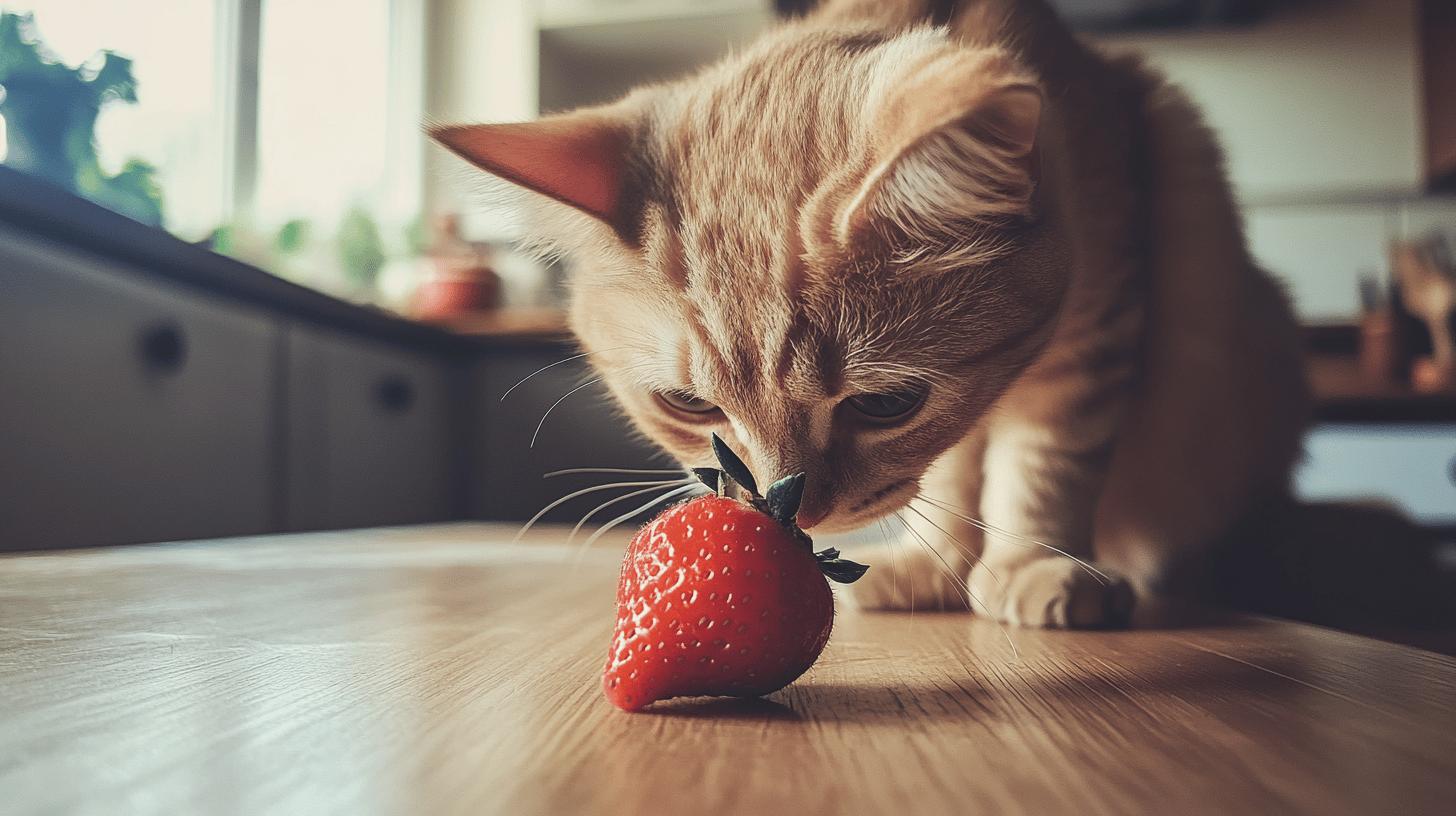
    Can cats enjoy the juicy goodness of strawberries safely? While it might seem harmless to share a small taste with your furry friend, there are things you need to know first. Strawberries are non-toxic for cats, but they’re not exactly packed with benefits for our meat-loving companions.

    your cat shows interest, a tiny bite won’t hurt. But remember, moderation is key. Before you offer this sweet treat, discover the necessary precautions to keep your cat safe and happy. Let’s explore the world of strawberry snacking for kitties!

    Can Cats Eat Strawberries Safely?
    Can Cats Eat Strawberries Safely-1.jpg

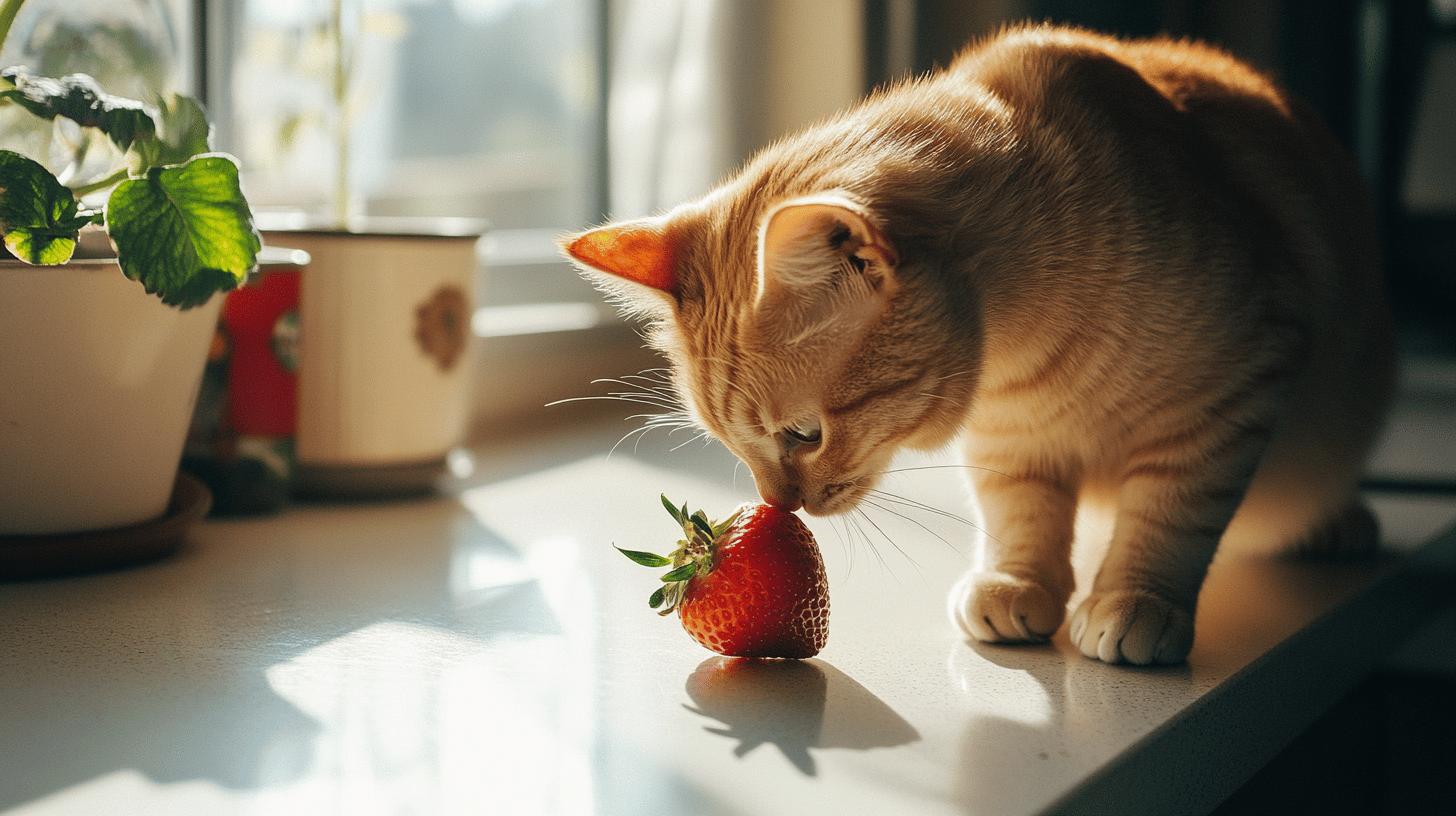
    Strawberries are non-toxic and generally safe for cats to consume, making them a non-threatening treat when given in moderation. Cats, being obligate carnivores, don’t typically get nutritional benefits from strawberries, but the fruit isn’t harmful.

    Most cats may not even show interest in eating them, given their lack of sweet taste receptors. If your feline friend does show curiosity, offering a small piece is fine, but it shouldn’t become a regular part of their diet.

    When deciding to feed strawberries to your cat, consider these necessary precautions:

    • Wash thoroughly: Ensure strawberries are washed to remove any pesticides or chemicals.
    • Remove the leaves: Leafy tops can be a choking hazard and should be removed.
    • Cut into small pieces: Prevent choking by cutting the fruit into manageable, small pieces.
    • Monitor for reactions: Watch for any signs of discomfort or allergic reactions.
    • Limit the portion: Offer strawberries only as an occasional treat, not a dietary staple.

    Before adding strawberries to your cat’s diet, it’s crucial to consult with a veterinarian. Professional advice helps ensure that any new food introduction aligns with your cat’s health needs.

    Potential risks include gastrointestinal issues or adverse reactions, so careful monitoring is essential. For more detailed guidance on risks and allergies, refer to the ‘Potential Risks and Allergies’ section of this article.

    The new section can be removed without losing any critical information because it repeats details already covered.
    Nutritional Implications of Feeding Strawberries to Cats
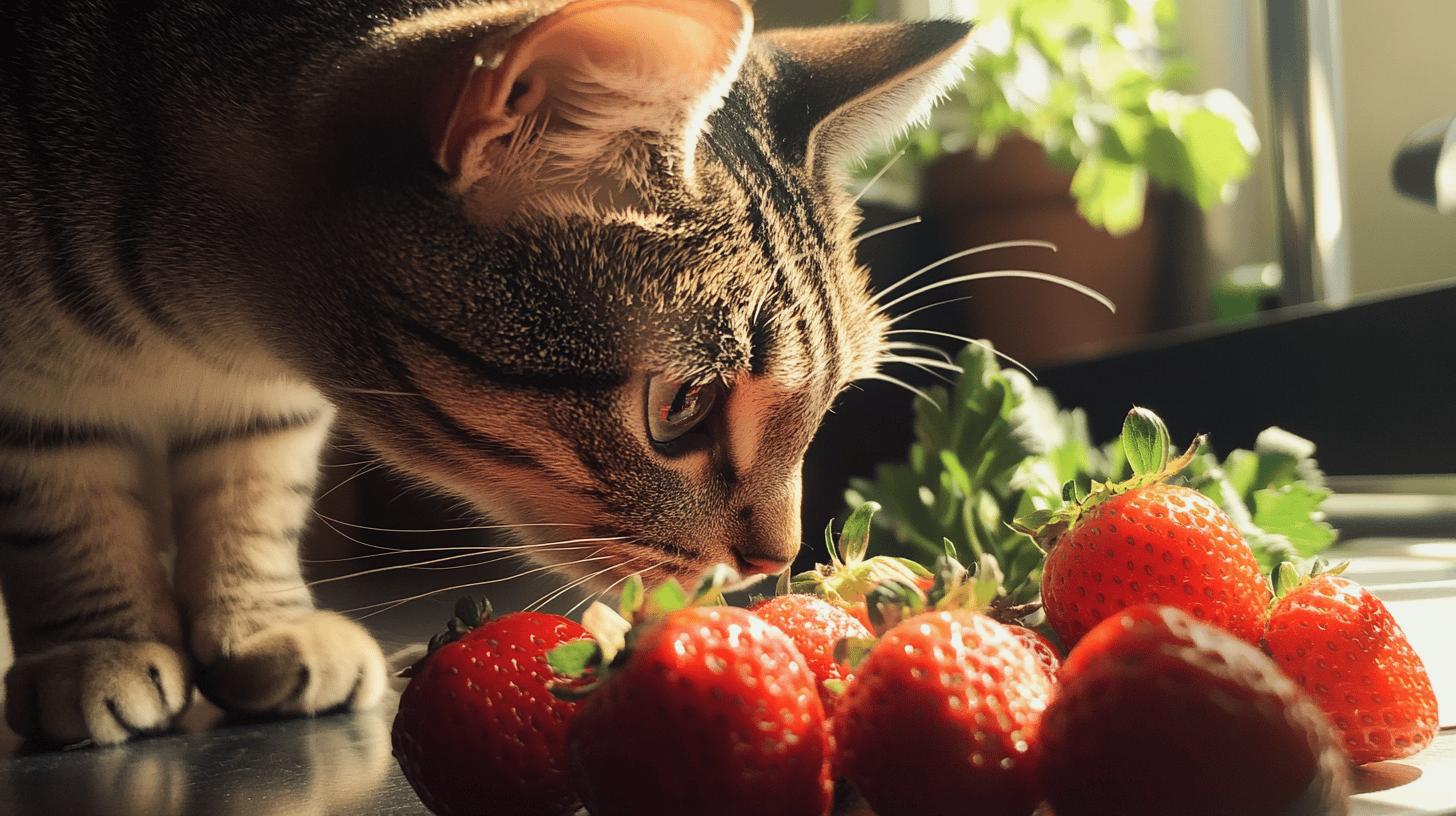
    Nutritional Implications of Feeding Strawberries to Cats-2.jpg

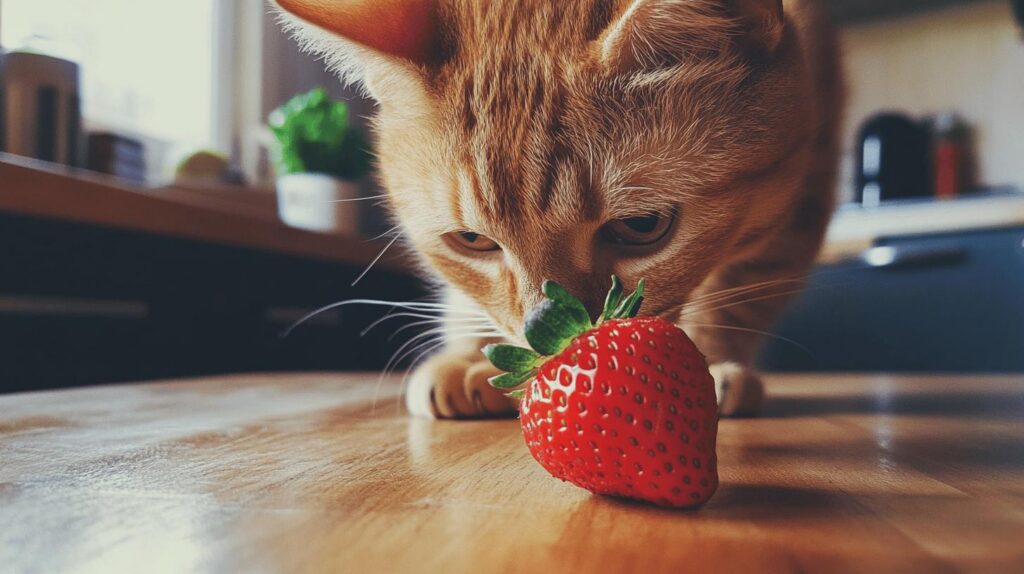
    Cats thrive on a diet rich in meat, as they are obligate carnivores. Their biology is finely tuned to extract vital nutrients from animal proteins and fats. This essential dietary requirement means that carbohydrates and plant-based foods like strawberries aren’t a natural fit for their nutritional needs.

    Strawberries, though rich in vitamins and minerals for humans, offer little to cats. The vitamins A, B6, and C in strawberries don’t benefit cats significantly.

    Cats naturally synthesize vitamin C, making external sources unnecessary. Strawberries lack the essential nutrients that meat provides, so they don’t contribute meaningfully to a cat’s diet.

    Nutrient in Strawberries Nutritional Relevance for Cats
    Vitamin A Not needed, as cats get this from meat
    Vitamin B6 Available in higher amounts in animal tissues
    Vitamin C Cats synthesize this naturally
    Potassium Can be obtained from meat sources

    Meat-based foods are essential for cats, providing complete amino acids like taurine, which cats can’t produce themselves. While a strawberry might be a harmless treat, it should never replace the nutrient-dense meat that supports a cat’s health and well-being.

    Can Cats Eat Strawberries Safely?
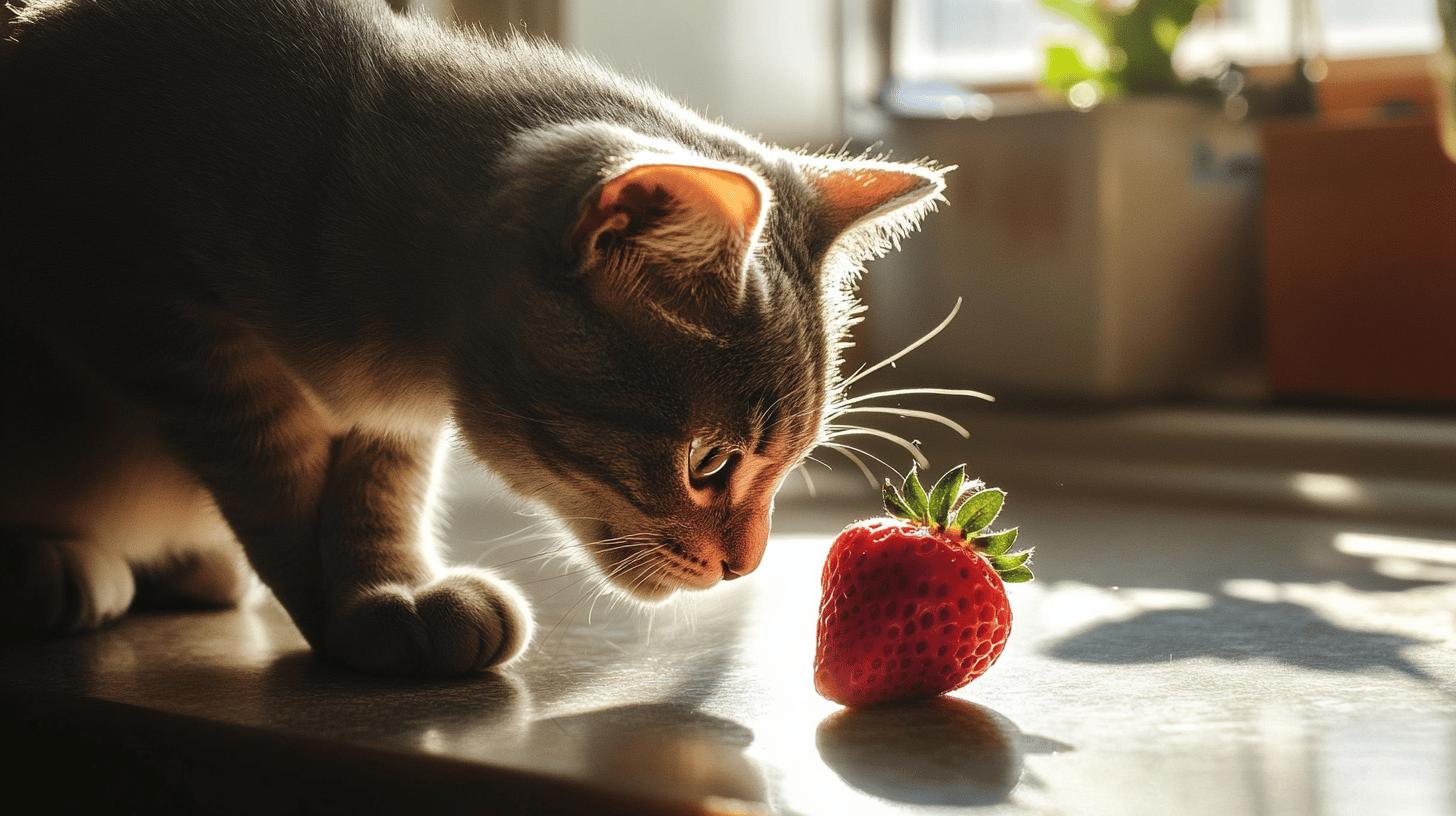
    Potential Risks and Allergies from Strawberries for Cats-4.jpg

    Strawberries are not toxic to cats, but they can lead to gastrointestinal discomfort if eaten in excess. Symptoms might include vomiting or diarrhea.

    Removing leaves and stems is crucial as they pose a choking hazard and can cause blockages. Cats have unique digestive systems, and even small amounts of fruit can upset their stomachs.

    Signs of allergic reactions in cats can include:

    • Itching or scratching
    • Swelling, especially around the face or paws
    • Difficulty breathing
    • Vomiting or diarrhea
    • Lethargy

    Introduce strawberries cautiously. Start with a tiny piece and watch your cat for any adverse reactions over the next 24 hours. If you notice any symptoms, stop feeding strawberries immediately and consult a veterinarian. Always monitor new food additions to ensure your cat’s safety and well-being.

    Comparing Strawberries with Other Fruits Safe for Cats
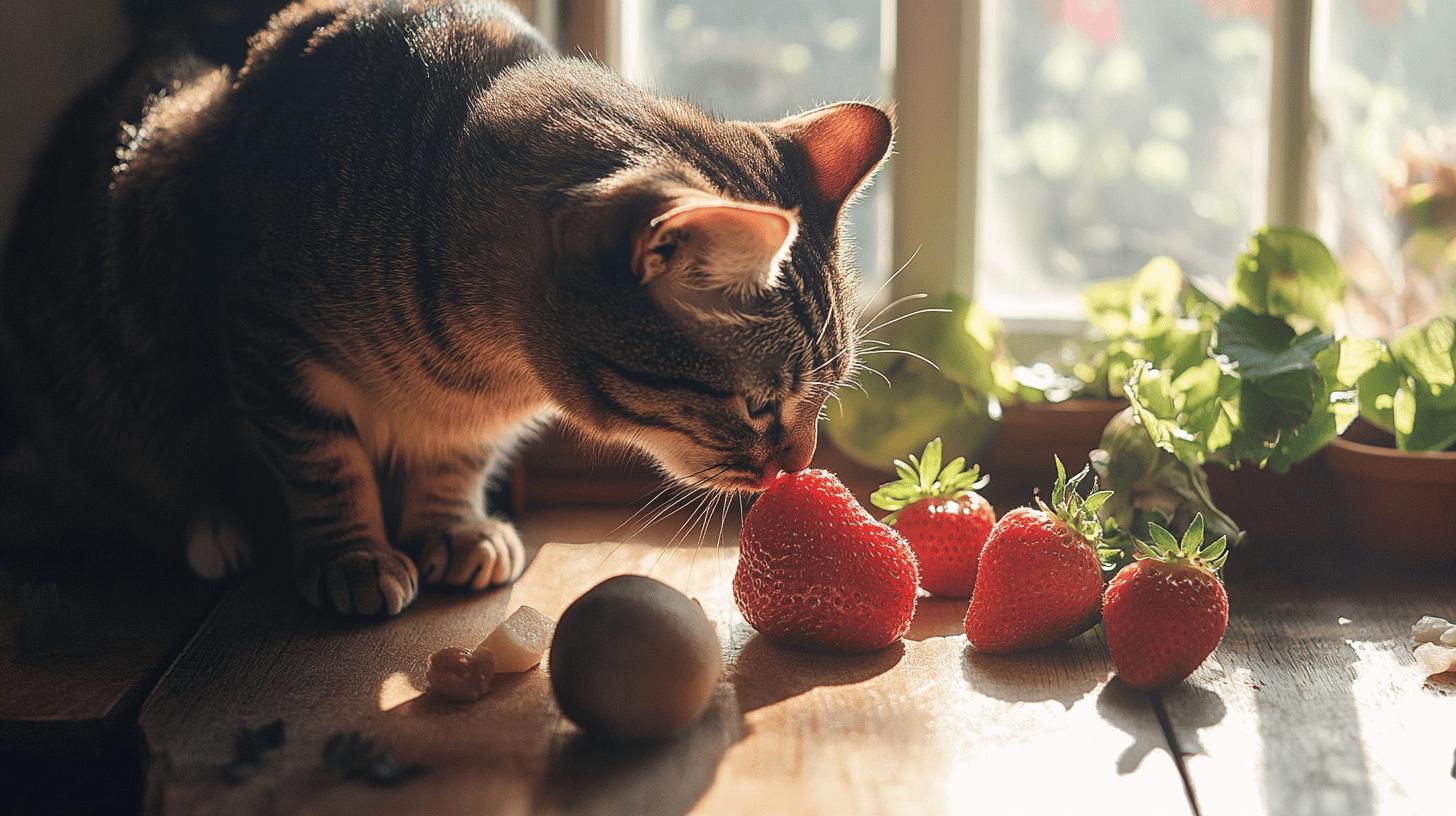
    Comparing Strawberries with Other Fruits Safe for Cats-4.jpg

    While cats are primarily carnivores, introducing a small variety of fruits can be a delightful treat on occasion. Fruits can serve as a source of hydration and fiber, adding a touch of variety to a cat’s diet.

    Strawberries, being non-toxic, are one such fruit that can be offered safely in moderation. However, it’s crucial to remember that fruits should only be a minor part of their diet due to their specific nutritional needs.

    Here are some fruits that are safe for cats and their potential benefits:

    • Blueberries: Rich in antioxidants and vitamins.
    • Watermelon: Hydrating and refreshing, minus the seeds.
    • Apples: Provide fiber and vitamins, but remove the seeds and core.
    • Cantaloupe: Offers hydration and a sweet treat without the seeds.
    • Bananas: High in potassium and easy to digest.
    • Pineapple: Contains vitamins and enzymes, but should be given in small amounts.
    • Cranberries: Known for urinary tract benefits, best served fresh and not dried.

    However, not all fruits are safe for cats. Some can be toxic and should be strictly avoided. Grapes and raisins, for instance, can cause severe kidney damage, while citrus fruits like oranges and lemons can lead to upset stomach and skin irritation. It’s essential to be aware of these dangerous fruits and keep them out of reach to ensure the safety of your feline friend.

    Balancing fruit treats with a cat’s primary dietary needs is important. While fruits can offer occasional enjoyment and a bit of nutritional variety, the main focus should remain on a protein-rich diet.

    his ensures that your cat receives all the essential nutrients needed for optimal health. Always consult with your veterinarian before introducing new foods into your cat’s diet to ensure it aligns with their specific health needs.

    Veterinary Insight on Cats and Strawberries

    Veterinary Insight on Cats and Strawberries-2.jpg

    Veterinarians provide valuable tips that enhance the dietary plans for our feline friends. While previous sections already highlight the importance of consulting a vet, let’s delve into a few unique angles.

    For example, ask a vet about the best fruits that could complement your cat’s diet, keeping in mind the focus on protein-rich foods. This can open up new avenues for safe and tasty options, ensuring your cat gets the variety it deserves without compromising its health.

    When discussing fruit consumption, veterinarians might suggest a few indicators of a good or bad reaction to fruits like strawberries. Ask them about specific signs of discomfort or unusual behavior after fruit consumption. This guidance can help you quickly identify if strawberries or other fruits are unsuitable for your cat.

    Moderation remains a cornerstone of safe dietary practices. While strawberries are non-toxic, always start with small amounts.

    ngage with your vet for insights on proper portion sizes that won’t interfere with your cat’s nutritional balance. This way, you can add the occasional strawberry treat without shifting the focus away from a protein-rich diet.

    Final Words

    Navigating the topic of “can cat eat strawberry” starts by recognizing strawberries as non-toxic yet not particularly necessary for cats. With potential risks like gastrointestinal issues or allergies, consulting a vet first is key.

    Nutritional benefits of strawberries don’t align well with a cat’s needs, but knowing safe fruits can add variety. Seeking veterinary advice ensures safe dietary choices.

    Engaging with your cat’s diet thoughtfully keeps them healthy and content. Understanding balanced playtime and treats can lead to an improved experience together.

    FAQ

    Can cats eat strawberry leaves?

    Strawberry leaves are not safe for cats. They can cause choking or gastrointestinal issues if ingested. Always remove leaves before offering strawberries to a cat.

    Can cats eat strawberry yogurt?

    Cats should generally avoid strawberry yogurt. Dairy may upset their stomachs since many cats are lactose intolerant. Consult your vet before giving any dairy products to your cat.

    Can cats eat blueberries?

    Blueberries are safe for cats when given in moderation. They provide antioxidants but should not replace a complete meat-based diet. Monitor health and behavior if introducing blueberries.

    Can cats eat strawberry seeds?

    Strawberry seeds are not toxic to cats and are generally safe. However, always give strawberries in small quantities and watch for any adverse reactions.

    Can cats eat strawberry fruit?

    Strawberry fruit is safe in small amounts. They are non-toxic but should be given sparingly as a treat, not a meal staple.

    Can cats eat strawberry jam?

    Avoid giving cats strawberry jam. It contains high sugar levels and possibly artificial additives that are unhealthy for cats.

    Can cats eat strawberry ice cream?

    Strawberry ice cream can lead to digestive issues due to its sugar and dairy content. It’s best to avoid offering it to cats.

    Can cats eat strawberry juice?

    Strawberry juice is not recommended for cats. High sugar content and lack of nutrients make it unsuitable for their diet.

    Are strawberries safe for cats?

    Strawberries are safe in small amounts. They are non-toxic, but cats benefit more from a meat-based diet, so moderation is crucial.

    Why do cats love strawberries?

    Some cats may be intrigued by the taste or texture of strawberries. However, many cats show little interest due to their carnivorous nature.

    What fruit is cat safe?

    Safe fruits for cats include blueberries, apples (without seeds), and bananas in small amounts. Always monitor for allergic reactions.

    What berries are toxic to cats?

    Some toxic berries include grapes and raisins. Always check with a vet before introducing new foods to your cat’s diet.
    Related Articles

  • Can Cat Eat Cucumber Safely and Healthily

    Can Cat Eat Cucumber Safely and Healthily

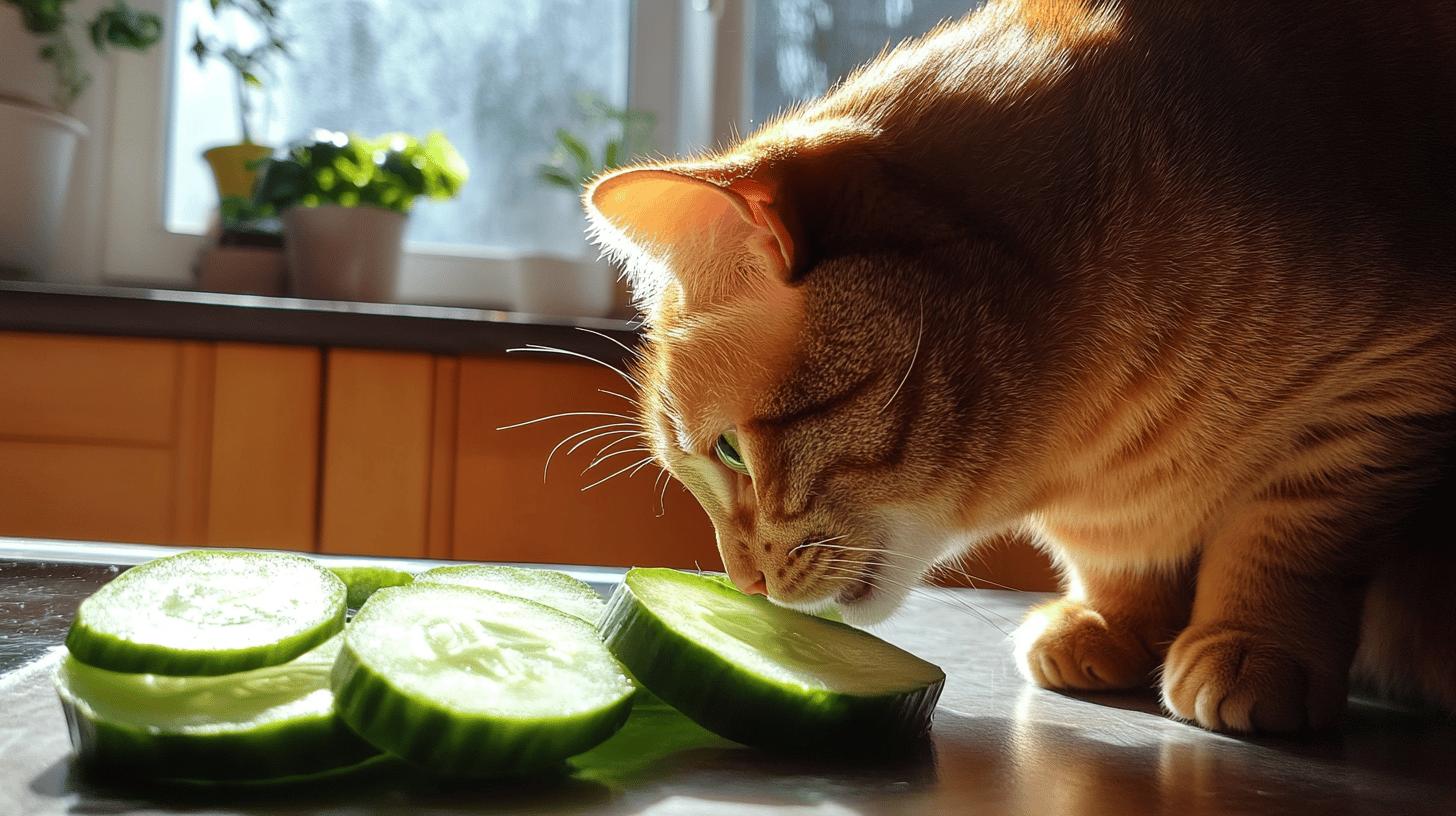
    Can your cat munch on cucumbers safely and healthily? It’s a question many cat owners ponder. The short answer is yes, but with a few important pointers.

    Cucumbers can be a safe snack for cats when given in moderation. They offer hydration and nutrients, resembling a refreshing treat.

    But, like anything, too much can lead to problems. In this article, we’ll explore how to introduce cucumbers to your cat’s diet safely, what benefits they offer, and what to watch out for to ensure your feline friend stays happy and healthy.

    Can Cats Eat Cucumber Safely?

    Can Cats Eat Cucumber Safely-1.jpg

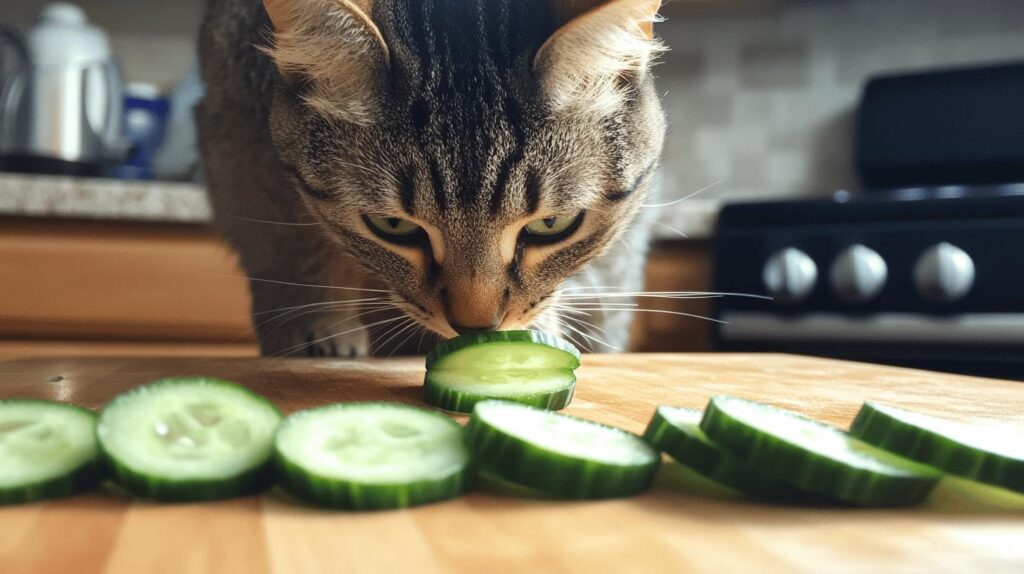
    Cats can indeed eat cucumbers, but they should be given as an occasional treat and in moderation. Cucumbers are generally safe for cats if you slice them into small pieces to prevent any potential choking hazards or startling effects. Serving cucumbers in moderation helps avoid any digestive issues that might arise from overconsumption.

    • Slice cucumbers into small, manageable pieces.
    • Introduce cucumbers gradually to monitor the cat’s reaction.
    • Avoid giving them cucumbers as a primary food source.
    • Watch your cat closely during the first few feedings for any signs of discomfort.

    Though cucumbers are safe for cats to eat, it’s important to be aware of any potential risks. Some cats might experience digestive discomfort when first introduced to cucumbers.

    Keep an eye out for any signs of nausea, vomiting, or diarrhea. If your cat shows any immediate adverse reactions, it’s best to stop feeding them cucumbers and consult with a vet.

    Feeding cucumbers to cats can be a healthy practice when done correctly, but it comes with considerations. Overfeeding or introducing cucumbers too quickly can lead to digestive issues, paving the way for further health concerns. This highlights the need for careful observation and moderation, which will be explored in more detail in the upcoming ‘Risks and Considerations’ section.

    Can Cats Eat Cucumber Safely?

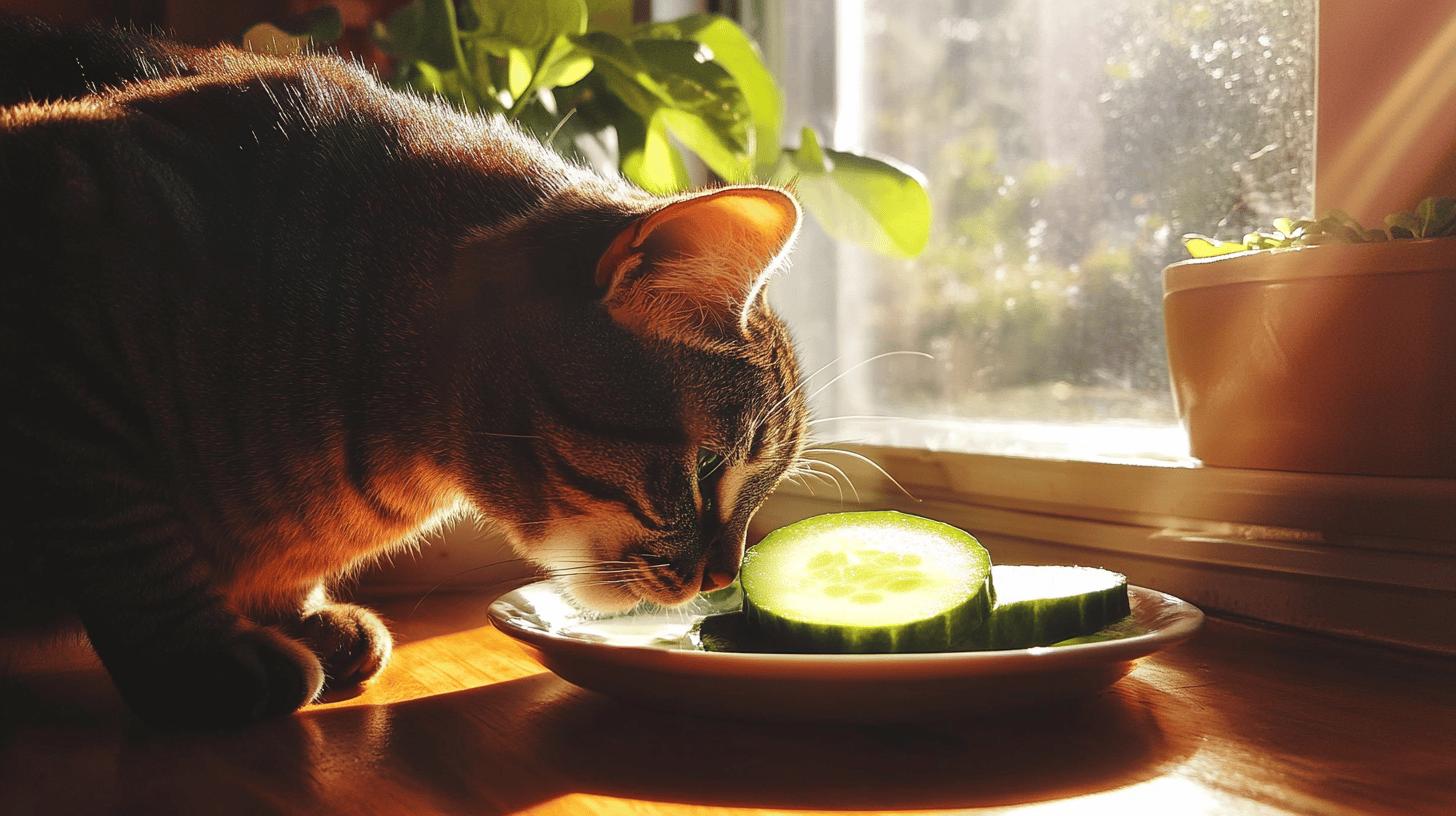
    Cats can enjoy cucumbers as a refreshing treat, offering hydration benefits due to their high water content. Cucumbers also contain vitamin K and potassium, which can support overall health when given in moderation. These nutrients, along with hydration, make cucumbers an interesting addition to a cat’s occasional snack options.

    • Slice cucumbers into small, manageable pieces.
    • Introduce cucumbers gradually to monitor the cat’s reaction.
    • Avoid giving them cucumbers as a primary food source.
    • Watch your cat closely during the first few feedings for any signs of discomfort.

    While cucumbers can offer some health benefits, it’s crucial to be aware of potential risks. Some cats may experience digestive issues, such as nausea or diarrhea, when first introduced to cucumbers. Monitoring your cat’s reaction is essential. If any discomfort occurs, stop feeding cucumbers and consult your veterinarian.

    We’ll delve deeper into the ‘Risks and Considerations’ in the next section, where we’ll explore potential health concerns and how to safely incorporate cucumbers into your cat’s diet. This ensures your cat enjoys the benefits without unnecessary health risks.
    Nutritional Value and Benefits of Cucumber for Cats

    Nutritional Value and Benefits of Cucumber for Cats-3.jpg

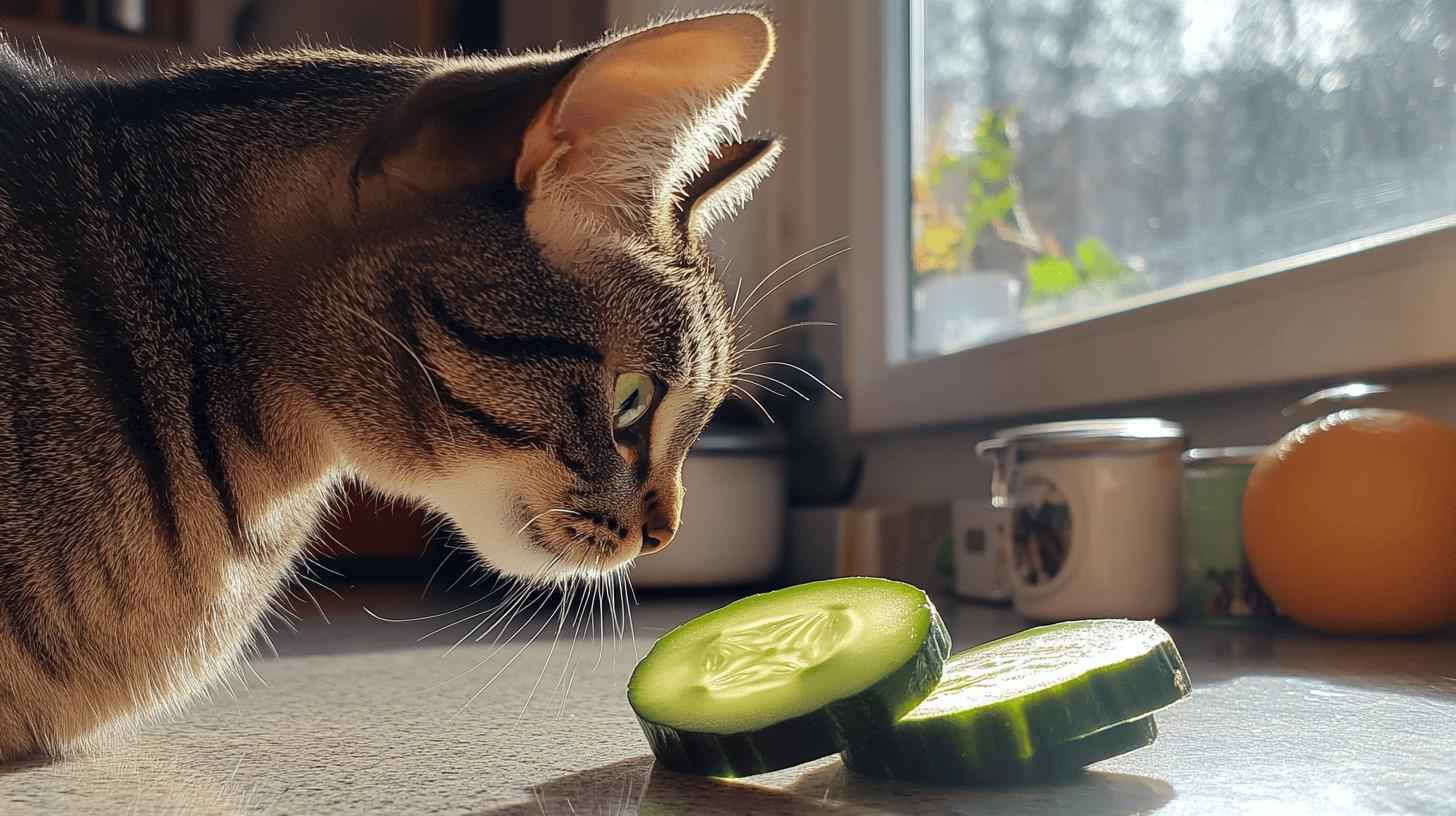
    Cucumbers deliver a variety of nutrients that can be beneficial to cats. In addition to vitamins C and K, which are critical for immune support and blood clotting, cucumbers contain potassium and manganese, essential for overall feline health. Furthermore, they provide antioxidants and molybdenum, which can enhance metabolism.

    Cucumbers are made up of about 95% water, making them an effective way to boost your cat’s hydration. This can be especially beneficial for cats that tend to drink less water, offering a supplementary source of fluids. Increased hydration can support kidney health and may help reduce the risk of urinary tract issues.

    Cucumbers are low in calories, making them a suitable light snack for cats. Their refreshing crunch can offer a change from regular cat treats, providing a healthy option that satisfies without adding unnecessary calories.

    Risks and Considerations of Feeding Cucumbers to Cats

    Risks and Considerations of Feeding Cucumbers to Cats-2.jpg

    Feeding cucumbers to cats can be generally safe if done in moderation, but there are risks. Overfeeding them might lead to digestive issues like diarrhea and stomach upset.

    Some cats have unique tolerances and could be more sensitive to new foods. Since cats are obligate carnivores, their systems are designed for meat. Too many vegetables like cucumbers can upset their digestive balance.

    Pay close attention to signs of discomfort or intolerance in your cat after they eat cucumbers. If your cat isn’t used to vegetables, they might react adversely. These reactions can appear soon after eating cucumbers, suggesting that their system is having trouble.

    • Vomiting
    • Diarrhea
    • Lethargy
    • Loss of appetite
    • Increased thirst

    It’s vital to monitor your cat’s response to cucumbers. Be aware of individual sensitivities; some cats might need to skip cucumbers altogether.

    Dietary mistakes can result in costly vet visits, with pet insurance claims for such issues averaging $642. This highlights the financial impact of not being cautious. By understanding the risks, you can offer cucumbers as an occasional treat without risking your cat’s health.

    Comprehensive Guidelines for Serving Cucumber to Cats

    Comprehensive Guidelines for Serving Cucumber to Cats-2.jpg

    Peeling cucumbers is a crucial step in preparation to minimize pesticide exposure. After peeling, dice the cucumber into small, manageable pieces to prevent choking. Start by offering a small portion to gauge your cat’s interest and tolerance.

    Preparation Step Explanation
    Peel Remove skin to avoid pesticide exposure.
    Dice Cut into manageable, bite-sized pieces.
    Gradual Introduction Monitor reaction with small initial servings.

    Introduce cucumbers gradually, observing your cat for any signs of discomfort or intolerance like vomiting or diarrhea. Each cat has unique dietary needs, so closely monitor their response to new foods.

    Keep cucumber as an occasional treat rather than a dietary staple. Moderation and careful observation are essential to ensure cucumbers are a safe addition to your cat’s diet, providing hydration and nutrients without unnecessary risks.

    Nutritional Value and Benefits of Cucumber for Cats

    Comparing Cucumbers to Other Cat-Friendly Vegetables-1.jpg

    Cats are obligate carnivores, focusing mainly on meat for their nutrition. Vegetables can be offered occasionally as treats, adding variety and minor health benefits. They act as low-calorie snacks that help with hydration and provide additional nutrients without replacing vital protein needs.

    Vegetable Specific Benefits
    Carrots Rich in beta-carotene for good vision
    Peas Fiber and vitamins A, B, and C
    Pumpkin High fiber for digestion
    Zucchini Great for hydration
    Broccoli Contains antioxidants and vitamin C

    Cucumbers are particularly notable for their high water content, around 95%, making them excellent for hydration. They provide a refreshing, low-calorie option that can increase fluid intake in cats. Focusing on cucumbers helps maintain the article’s emphasis on hydration benefits, complementing a cat’s meat-based diet effectively.

    Final Words

    Cats can eat cucumber, and they’re generally a safe snack in moderation.
    By keeping portion sizes small and introducing cucumbers gradually, we can ensure safety and enjoyment for our cats.
    The high water content, vitamins, and low calories make cucumbers a refreshing treat.
    But it’s key to remember the risks of overfeeding.

    Always watch for any adverse reactions and consider your pet’s individual needs.
    By following recommended guidelines, your cat’s nosh time can be safe and fun.
    Enjoy these moments, knowing you’re taking care of your feline friend.

    FAQ

    Can Cats Eat Cucumber Skin?

    Cats can eat cucumber skin in moderation. It’s best to peel cucumbers before giving them to cats to avoid potential pesticide exposure on the skin.

    Can Cats Eat Cucumber Seeds?

    Yes, cats can eat cucumber seeds. They are generally safe, but it’s still wise to give cucumbers in moderation as too much can cause digestive issues.

    Can Cats Eat Cucumber and Tomatoes?

    Cats can eat cucumbers, but not tomatoes. Tomatoes can be toxic to cats, especially the stems and leaves, which can cause digestive upset.

    Can Cats Eat Cucumber Juice?

    While cats can taste cucumber juice, it’s not recommended. It’s better to give them small cucumber slices with their regular diet.
    Can Cats Have Cucumber Water?

    Cats can have cucumber-infused water. It’s a fun way to hydrate but should not replace their regular water source.

    Can Cats Eat Carrots?

    Yes, cats can eat carrots. They should be cooked and served in moderation without seasoning or additives.

    Can Kittens Eat Cucumber?

    Kittens can try small amounts of cucumber. Start with a tiny piece to see how they react, as their digestion is very sensitive.

    Can Cats Eat Cucumbers Raw?

    Yes, cats can eat raw cucumbers. Serve them in small, peeled slices to avoid any choking hazards or digestive issues.

    Why Do Cats Love Cucumbers?

    Cats may be curious about cucumbers, but there’s no evidence they ‘love’ them. Always introduce new foods cautiously, watching for interest and reactions.

    Are Cucumber Leaves Toxic to Cats?

    Cucumber leaves are not toxic to cats. However, it’s best to keep them away to avoid any accidental ingestion that might cause tummy troubles.

    What Vegetables Can’t Cats Eat?

    Cats shouldn’t eat onions, garlic, tomatoes, or mushrooms. These can be toxic and cause serious health issues. Always check which veggies are safe.

    Related Articles

  • Can Cat Eat Raw Salmon Risks and Safety Explained

    Can Cat Eat Raw Salmon Risks and Safety Explained

    Have you ever wondered if giving your cat a taste of raw salmon could be as harmless as a little treat? While it seems tempting to offer them something fresh from the ocean, the reality is quite different.

    Feeding cats raw salmon can be risky, opening the door to harmful bacteria and parasites. It's like stepping into uncharted waters without knowing the dangers lurking beneath. Let's take a closer look at the risks associated with raw salmon for cats and understand the best ways to keep our feline friends safe and healthy.

    Can Cats Safely Eat Raw Salmon?

    Can Cats Safely Eat Raw Salmon-4.jpg

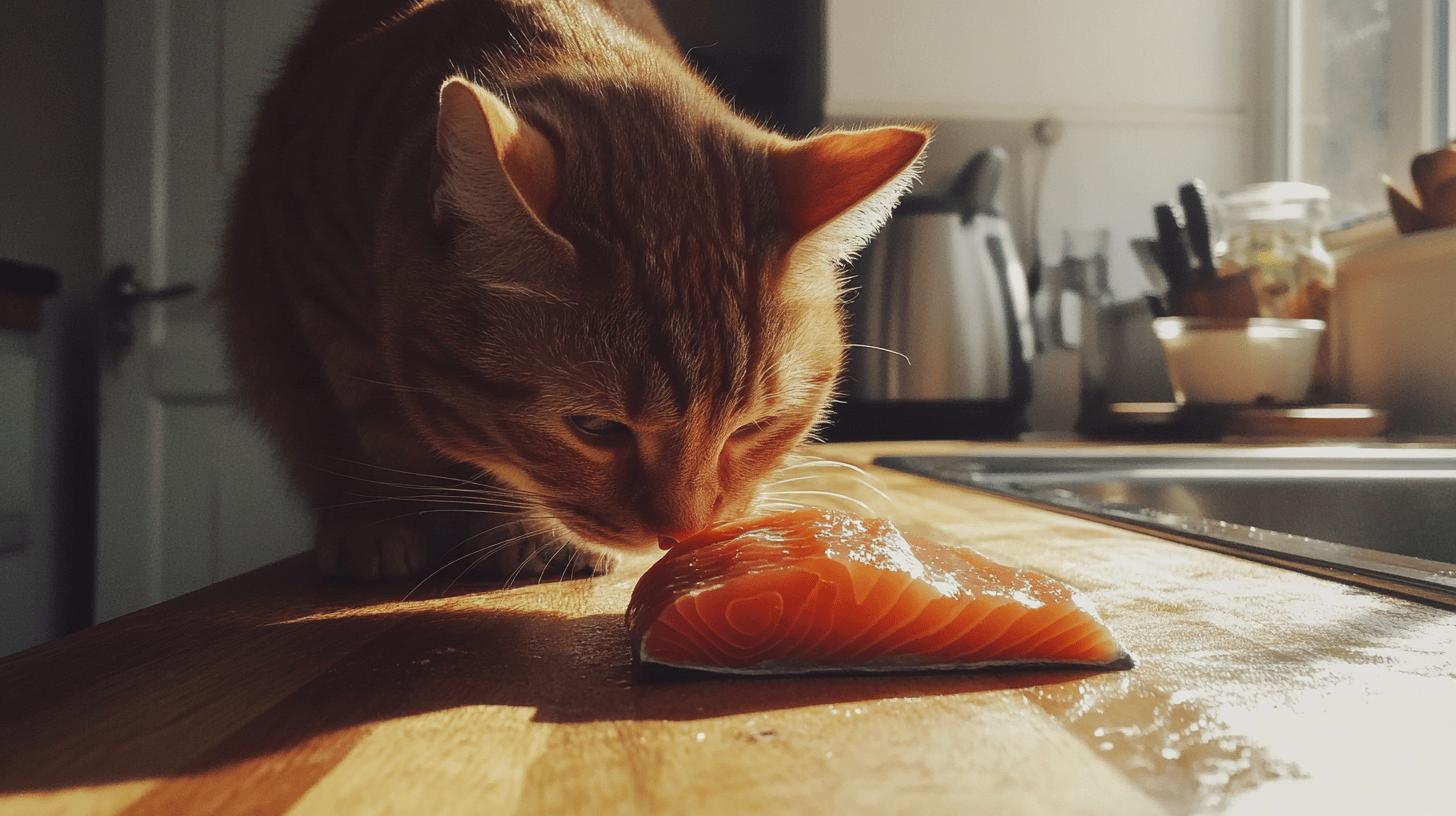
    Feeding raw salmon to cats is generally not safe. Raw salmon can harbor harmful bacteria like E. coli and salmonella, which can lead to severe food poisoning in cats. These bacteria can cause symptoms such as vomiting, diarrhea, and dehydration.

    An expert in feline nutrition mentions, "Although wild cats may consume raw fish, domestic cats are at a higher risk of bacterial infections when eating raw salmon." It's crucial to understand that even though cats are natural hunters, domestic cats have different digestive systems that are not as equipped to handle raw foods as their wild counterparts.

    Here's a rundown of the potential risks associated with feeding raw salmon to cats:

    • Gastrointestinal Issues: Consuming raw salmon can upset a cat's stomach, leading to digestive disturbances.
    • Bacterial Infections: Raw salmon may contain harmful bacteria like E. coli and salmonella, posing serious health risks.
    • Parasites: Unless the salmon is flash-frozen, it may carry parasites that can harm your cat.
    • Toxins: Certain toxins present in raw salmon can be harmful, especially if the fish is not fresh.
    • Mercury Content: Like many fish, salmon can contain mercury, which is dangerous when consumed in large amounts.

    It's best to avoid giving your cat raw salmon to keep them safe from these potential health hazards.

    Can Cats Safely Eat Raw Salmon?

    Can Cats Safely Eat Raw Salmon-4.jpg

    Feeding raw salmon to cats isn't recommended. Raw salmon can harbor harmful bacteria like E. coli and salmonella, potentially leading to severe food poisoning. Symptoms include vomiting, diarrhea, and dehydration.

    A feline nutrition expert explains, "Domestic cats face higher risks of bacterial infections from raw salmon compared to wild cats." Domestic cats' digestive systems aren't as equipped to handle raw foods as their wild counterparts.

    To keep your cat safe, consider these alternative protein sources instead of raw salmon:

    • Cooked Chicken: Provides essential proteins without the risk of bacteria.
    • Cooked Fish: Fully cooking fish eliminates harmful bacteria and parasites.
    • Commercial Cat Food: Formulated to meet all nutritional needs without the risks associated with raw foods.
    • Canned Tuna in Water: A safer occasional treat, low in mercury compared to raw fish.
    • Boiled Eggs: A good source of protein and nutrients without bacterial risks.

    Understanding your cat's nutritional needs is key. Domestic cats require balanced diets that differ from those of wild cats, making it essential to choose safe food options.

    Benefits and Nutritional Content of Salmon for Cats

    Benefits and Nutritional Content of Salmon for Cats-4.jpg

    Salmon is a powerhouse of nutrition for cats, offering a rich profile of essential nutrients. It's packed with high-quality proteins that are crucial for maintaining strong muscles and overall body health. In addition to proteins, salmon is loaded with vitamins such as B12 and D, which are vital for energy metabolism and bone health.

    Its omega-3 fatty acids are the standout nutrients, known for their anti-inflammatory properties and ability to support a healthy cardiovascular system.

    Omega-3 fatty acids provide significant benefits for cats, particularly in maintaining healthy skin, a shiny coat, and flexible joints. These fatty acids help reduce inflammation, which can alleviate joint pain and improve mobility in older cats.

    They also contribute to a glossy, well-maintained coat, reducing shedding and dandruff. Including salmon or salmon oil supplements in a cat's diet can help ensure they receive these benefits.

    • Omega-3 fatty acids
    • Proteins
    • Vitamins B12
    • Vitamin D

    Incorporating salmon into your cat's diet can be a great way to enhance their nutrition, but always ensure it's prepared safely and served in moderation.

    Expert Opinions and Alternatives to Raw Salmon

    Safe Preparation and Serving of Salmon for Cats-1.jpg

    Experts share a wealth of information on the dietary choices best suited for our feline friends. While many understand that raw salmon may seem like a natural choice, experts are clear in their advice: it's not safe due to potential health risks.

    Domesticated cats have unique dietary needs that differ from their wild counterparts, making certain raw foods unsuitable. The focus should be on providing options that align with their nutritional requirements and digestive capabilities.

    For those seeking alternatives, cooked salmon is a top recommendation. Cooking salmon thoroughly removes the dangers associated with raw fish, providing a safe and nutritious meal option.

    Additionally, commercial cat foods featuring salmon are crafted to deliver balanced nutrition, often using sustainably sourced salmon. These foods are designed to meet the dietary needs of cats, ensuring both safety and health benefits.

    Here's a comparison of different types of salmon you might consider:

    Salmon Type Safety Level Benefits
    Raw Salmon Unsafe None due to health risks
    Cooked Salmon Safe Rich in proteins and omega-3 fatty acids
    Canned Salmon Moderate Convenient but check sodium levels

    Choosing wisely between these options can significantly enhance your cat's diet while ensuring their safety. Emphasizing cooked or commercially prepared salmon-based foods helps provide complete nutrition, keeping your cat healthy and happy.

    Safe Preparation and Serving of Salmon for Cats

    Safe Preparation and Serving of Salmon for Cats-2.jpg

    Cooking salmon for your cat is straightforward and essential for their safety. The best methods include baking or steaming the salmon without any seasonings or salt. These methods ensure that the fish is cooked thoroughly, eliminating harmful bacteria or parasites.

    You can also cook the salmon skin, which is safe and offers omega-3 fatty acids beneficial for your cat's health. If using canned salmon, opt for varieties packed in water and avoid any flavored options that might contain added salt or spices.

    When it comes to serving salmon to your cat, moderation is key. Small portions are ideal, and salmon should only be given as an occasional treat, not a staple in their diet. This helps maintain a balanced and varied diet. Generally, a small piece of cooked salmon can be offered a couple of times a week. Always introduce new foods gradually to observe any adverse reactions.
    Preparation Tips:

    1. Remove bones to prevent choking hazards or internal injuries.
    2. Avoid using any seasonings or salt to keep it safe for feline consumption.
    3. Use fresh or wild-caught salmon to minimize the risk of contaminants.
    4. Ensure salmon is cooked thoroughly to eliminate bacteria and parasites.
    5. Serve in moderation to maintain a balanced diet.
    Final Words

    Understanding if a cat can eat raw salmon is crucial. The risks, like bacterial infections and parasites, make raw salmon unsafe for cats. Experts strongly advise against it due to potential health issues. Cooked salmon offers a safer alternative, providing important nutrients like omega-3s without the dangers of raw salmon. Prepared correctly, cooked salmon can be a beneficial part of a cat’s diet, promoting skin and joint health. Choosing safe options ensures your cat enjoys playtime without the worry, leading to happier and healthier pets.

    FAQ

    Is it okay for cats to eat raw salmon?

    A: Cats should not eat raw salmon due to risks like bacteria, such as E. coli and salmonella, which can cause food poisoning. There's a chance of parasites unless it's flash-frozen, making raw salmon unsafe.

    Does salmon need to be cooked for cats?

    A: Salmon should be cooked for cats. Cooking kills harmful bacteria and parasites. It's best to bake or steam salmon without seasonings to ensure it's safe for your cat.

    Can cats get worms from raw salmon?

    A: Yes, raw salmon can contain parasites that might give cats worms. Cooking the salmon reduces this risk and protects your cat's health.
    Can cats eat cooked salmon?

    A: Cats can eat cooked salmon. It's nutritious, providing omega-3 fatty acids, proteins, and vitamins B12 and D. Cooked salmon supports skin, coat, and joint health.

    How to cook salmon for cats?

    A: The best way to cook salmon for cats is by baking or steaming it without seasonings or salt. Ensure the salmon is thoroughly cooked to remove any risks.

    Can cats eat salmon?

    A: Cats can eat salmon, but it should be cooked. Salmon offers health benefits from omega-3 fatty acids and essential nutrients when served safely.

    Can cats eat raw salmon skin?

    A: Cats should not eat raw salmon skin. However, cooked salmon skin is safe and nutritious, providing omega-3 fatty acids that benefit a cat's coat and overall health.

    What should I do if my cat ate raw salmon?

    A: If your cat ate raw salmon, watch for signs of illness like vomiting or diarrhea. Contact a vet if symptoms appear, as raw salmon can cause health issues.

    Related Articles

  • How to Train a Cat to Use a Cat Flap

    How to Train a Cat to Use a Cat Flap

    Ever wondered why some cats casually stroll through a cat flap, while others treat it like a terrifying trap? Training your cat to use this handy exit can seem a bit tricky, but it's simpler than you think. The secret lies in patience and consistent steps. In this guide, I'll walk you through the process from introduction to mastery. You'll discover how to make your cat comfortable with the flap, turning it into just another part of their safe and cozy world. Ready to get started? Let's dive in!

    Comprehensive Guide on Training a Cat to Use a Cat Flap

    Comprehensive Guide on Training a Cat to Use a Cat Flap-1.jpg

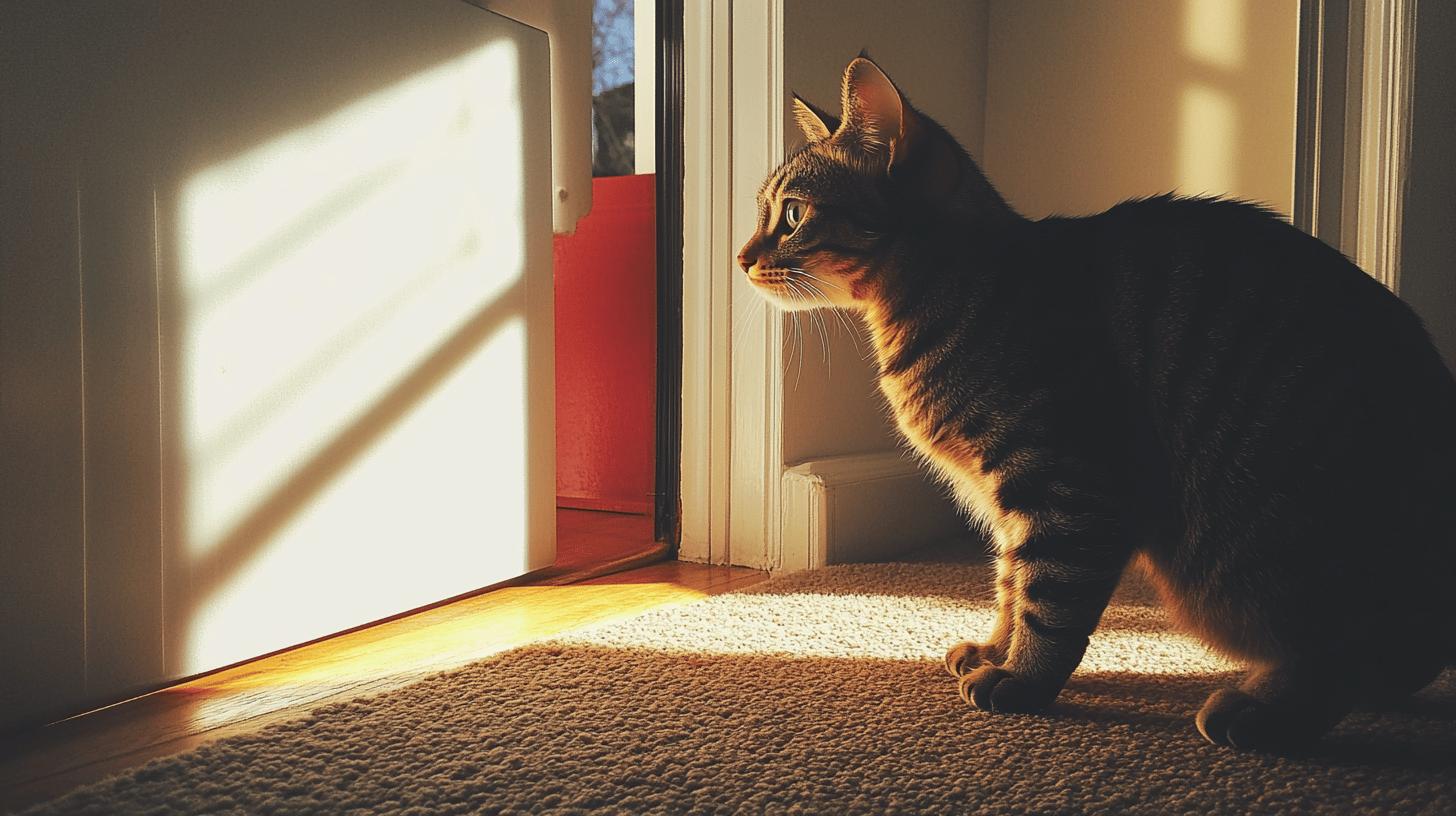
    Training a cat to use a cat flap requires patience and consistency. The key is to introduce the flap gradually, allowing your cat to familiarize itself without feeling threatened. Start by leaving the flap open so your cat can explore and sniff around it.

    This exposure helps reduce fear and builds curiosity. By making the flap a regular part of their environment, cats are more likely to investigate and attempt to use it. Make sure the flap is at a comfortable height and size for your cat to pass through easily. Creating a positive association with the flap is crucial in this initial phase.

    Step-by-step cat door training:

    1. Introduce the Flap: Prop the flap open and let your cat explore without any pressure door training. Reward them for showing interest.
    2. Demonstrate Use: Gently guide your cat through the flap yourself or use a toy to entice them through.
    3. Gradually Lower the Flap: Once your cat is comfortable with the open flap, start lowering it a little more each time they use it.
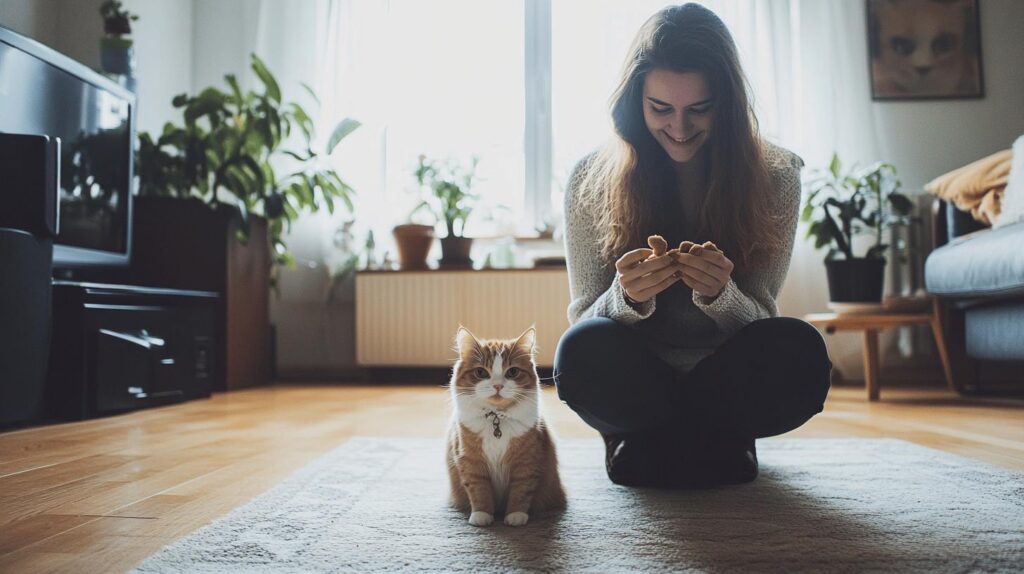
    4. Use Treats: Encourage your cat with treats or their favorite snacks on the other side of the flap.
    5. Repeat and Reinforce: Consistently practice these steps daily to build confidence.
    6. Close the Flap: When your cat is accustomed to pushing the flap, close it completely and watch them navigate it independently.

    Positive reinforcement is a powerful tool in cat training. Offering treats, praise, and affection can motivate your cat to engage with the flap. Treats like small pieces of cooked chicken or commercial cat treats are excellent incentives.

    Toys can also be useful; dangling a toy through the flap or using a laser pointer can entice a playful cat to pass through. Remember to celebrate small victories. Each time your cat uses the flap, reward them with enthusiasm to reinforce the behavior.

    Troubleshooting common issues may involve addressing your cat's reluctance or fear. Ensure the flap is the right size and is located in an accessible area where your cat feels safe. If your cat seems frightened by the noise, try taping a soft cloth on the flap edge to muffle it.

    Practice patience and maintain a calm demeanor to help your cat feel secure. Consistent practice is essential, so incorporate flap training into your daily routine. With time and encouragement, your cat will naturally learn to navigate their new point of access.

    Choosing the Right Cat Flap for Your Pet

    evening access.com/wp-content/uploads/2024/12/Choosing-the-Right-Cat-Flap-for-Your-Pet-1.jpg” alt=”Choosing the Right Cat Flap for Your Pet-1.jpg”>

    When it comes to selecting a cat flap, there are several options to consider. Manual models are the simplest and require your cat to push the flap open. Electronic flaps, on the other hand, offer the advantage of controlled access, often using a sensor to unlock the flap when your cat approaches.

    Microchip-activated flaps provide added security by recognizing your cat's microchip, preventing stray animals from entering your home. Each type has its benefits, and the choice largely depends on your lifestyle and how much control you want over your cat's comings and goings.

    The size of the cat flap is crucial for your pet’s comfort and ease of use. A flap that is too small can make it difficult for your cat to pass through, leading to frustration and reluctance to use it. Measure your cat from the ground to the base of its stomach to ensure the flap is at a suitable height. A properly sized flap should allow your cat to move through without squeezing or struggling, encouraging regular use.

    Type of Cat Flap Features
    Manual Simple, cost-effective, requires cat to push open
    Electronic Sensor-based, controlled access, often programmable
    Microchip-Activated Recognizes microchip, prevents entry by stray animals

    When deciding on a cat flap, take into account your cat's temperament and your home's security needs. A timid or anxious cat might benefit from a quieter, microchip-activated flap. If security is a priority, an electronic or microchip model can prevent unwanted guests. Ultimately, the right cat flap will balance your pet's comfort with the necessary security features for your home.

    Ensuring Safety and Security with Cat Flaps

    Ensuring Safety and Security with Cat Flaps-1.jpg

    When installing a cat flap, ensuring it is secure and fits properly is crucial to prevent unwanted intrusions. A poorly fitted flap can be a weak point, so double-check the installation and make sure it is sturdy. Consider the location of the flap as well, placing it in an area that is not easily accessible from the outside. Additionally, opt for a flap with security features that suit your home's needs.

    Features to look for in secure cat flaps:

    • Lockable Options: Choose a flap that can be locked to prevent access when needed.
    • Microchip Recognition: Ensures only your cat can enter, keeping strays out.
    • Multiple Entry Modes: Allows for flexibility, such as in/out only or fully locked.
    • Reinforced Materials: Provides extra durability against potential break-ins.

    Before allowing your cat to use the flap unsupervised, ensure the outdoor environment is safe and free from potential hazards. Check for any nearby dangers such as busy roads or unfriendly neighborhood animals outdoor safety. Regularly inspect the flap and surrounding area to maintain a cat-safe door environment. By taking these precautions, you can manage outdoor access effectively and keep your feline friend secure.

    Final Words

    Training a cat to use a cat flap calls for patience and persistence. In this guide, we've explored the steps to introduce the flap gradually, use positive reinforcement, and troubleshoot common issues. Choosing the right cat flap also plays a crucial role, with options like electronic and microchip-activated models available.

    Remember, safety is key; ensure the flap fits securely and check the outdoor environment. By maintaining a positive approach and considering your cat's comfort, you can successfully train your cat to use a cat flap. Happy training!

    FAQ

    How to teach an older cat to use a cat flap?

    Start by propping the flap open and using treats to create a positive experience. Gradually lower it as your cat becomes comfortable. Consistency and patience are key to success.

    How do I get my cat to use a microchip cat flap?

    Introduce the microchip flap in a relaxed manner. Gently guide your cat towards it and offer rewards when they interact with it. Practice consistently to build your cat's comfort and familiarity.

    How long does it take for a cat to use a cat flap?

    Cats vary in their learning pace. It could take from a few days to weeks. Regular practice and positive reinforcement help speed up the process.

    How do you train a feral cat to use a cat door?

    Use enticing food or treats near the door to gain the cat's trust. Gradually encourage interaction with the door by rewarding each successful attempt.

    Will my cat ever use the cat flap?

    With patience and the right training techniques, most cats learn to use a cat flap. If your cat remains reluctant, experiment with different motivation methods, like toys or different treats.

    Are cat flaps a good idea?

    Cat flaps offer your pet freedom and independence. When chosen and installed correctly, they add convenience for both cat and owner while maintaining security.

    What are some training steps for a cat flap?

    1. Prop open the flap initially.
    2. Use treats to attract the cat.
    3. Gradually lower the flap.
    4. Offer praise and rewards for using it.
    5. Practice daily.
    6. Troubleshoot any issues with fear or size.

    How to troubleshoot common cat flap issues?

    Check if the flap fits well and isn't intimidating. Engage your cat with toys. Ensure the location is accessible and free from obstacles, adjusting training methods if fears persist.

    What should I consider when choosing a cat flap?

    Consider your cat's size, temperament, and your home's security needs. Options include electronic, microchip, and manual models, each offering various security and convenience features.

  • How to Train a Cat to Take a Bath Successfully

    How to Train a Cat to Take a Bath Successfully

    Think cats and water don't mix? It's a widespread belief, but sometimes, giving your feline friend a bath is not just a good idea—it's necessary. Whether dealing with annoying skin issues or simply a sticky mess, baths can boost their health and comfort. While many cats are naturally wary of water, with patience and the right strategy, you can train your cat to manage bath time like a pro. Get ready to learn how to make this seemingly impossible task a bit more manageable and less stressful for both you and your cat.

    Step-by-Step Guide on How to Train a Cat to Take a Bath

    Step-by-Step Guide on How to Train a Cat to Take a Bath-1.jpg

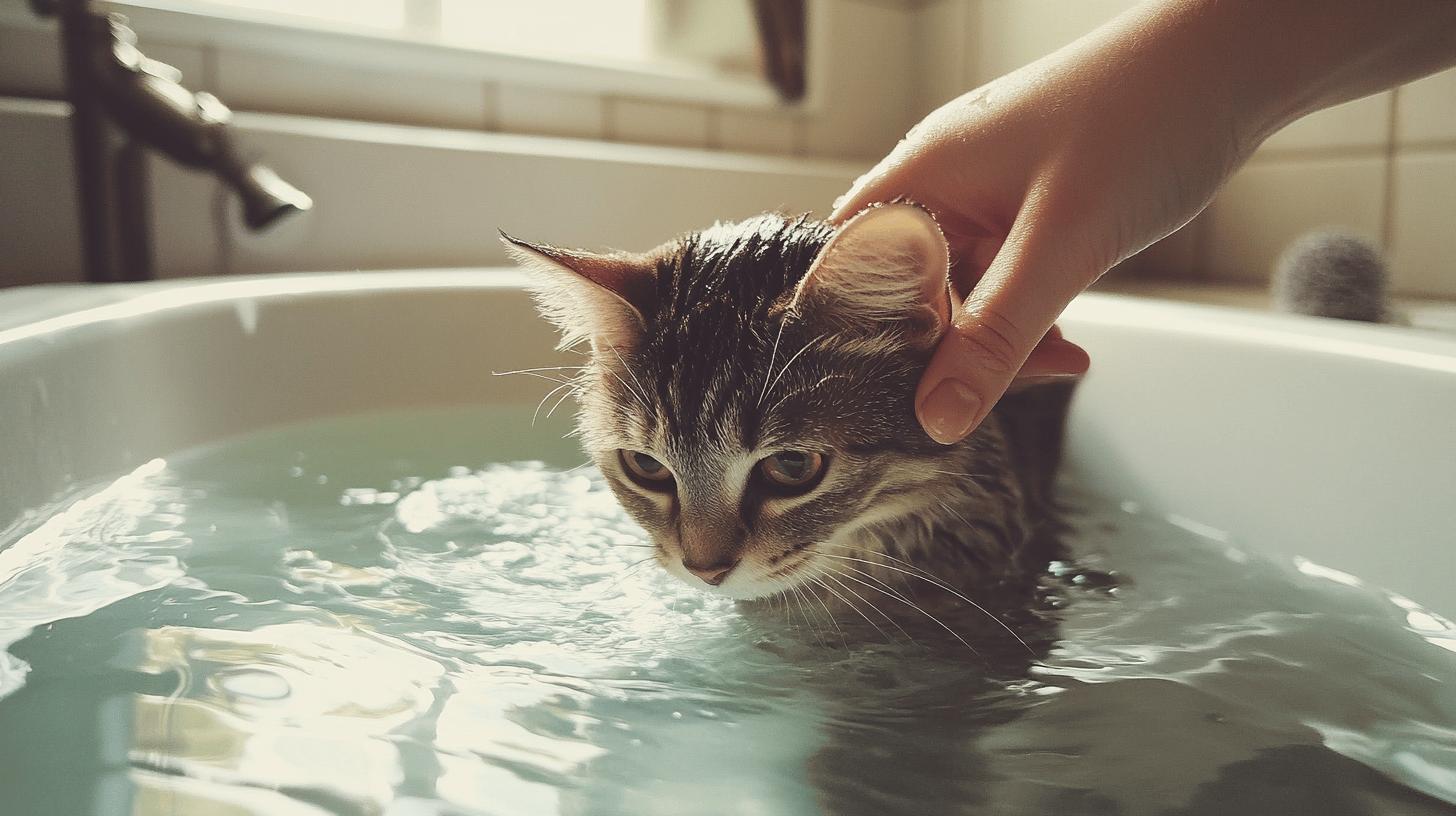
    Training a cat to take a bath can be crucial for their health, particularly if they suffer from certain skin conditions, fungal infections, or if the owner has allergies. While it's uncommon for cats to enjoy baths, sometimes it's necessary to introduce this practice.

    Cats are known for their grooming habits, but when they encounter greasy fur or substances they can't clean off themselves, a bath becomes essential. It's important to address these situations to keep your cat healthy and comfortable.

    Desensitizing your cat to water is a vital step in the bathing process. Cats often dislike water, so a gradual introduction is key to reducing stress and anxiety. Start by letting your cat explore the bathroom without the pressure of an immediate bath.

    Allow them to play around the tub or sink when it's dry, and slowly introduce them to the sound of running water. You might even let them dip a paw into a shallow dish of water to get used to the sensation. This gradual process will help them become more comfortable with the idea of getting wet.

    Patience and positive reinforcement play a central role in training cats to accept baths. Use treats, praise, and gentle petting to reward your cat for calm behavior around water. This positive association makes the experience less intimidating.

    Bath time should be a relaxed event, so take it slow and be mindful of your cat's responses. If they seem stressed, give them a break and try again later. Remember, the aim is to make bath time a pleasant experience, not a dreaded one.

    Here's a straightforward list to guide you through training your cat to take a bath:

    1. Introduce the Environment: Let your cat explore the bathroom where baths will occur. Allow them to sniff and get comfortable with the space.

    2. Familiarize with Water Sounds: Gradually introduce the sound of running water by turning on the faucet at a trickle. Let your cat listen and observe without pressure.

    3. Involve Water Gradually: Start with a shallow dish of water. Encourage your cat to dip their paws and get used to the sensation.

    1. Positive Associations: Use treats and praise when your cat remains calm around water. This builds a positive connection with the bathing process.

    2. Practice Short Sessions: When ready, try short and gentle bath sessions. Keep them brief and reward your cat with treats and affection afterward.

    Implementing these steps can help in bathing reluctant cats and gradually desensitize them to water. By following this guide, you're setting the groundwork for a less stressful and more successful bath time for your feline friend.

    Understanding Cat Behavior and Creating a Stress-Free Bathing Environment

    Step-by-Step Guide on How to Train a Cat to Take a Bath-2.jpg

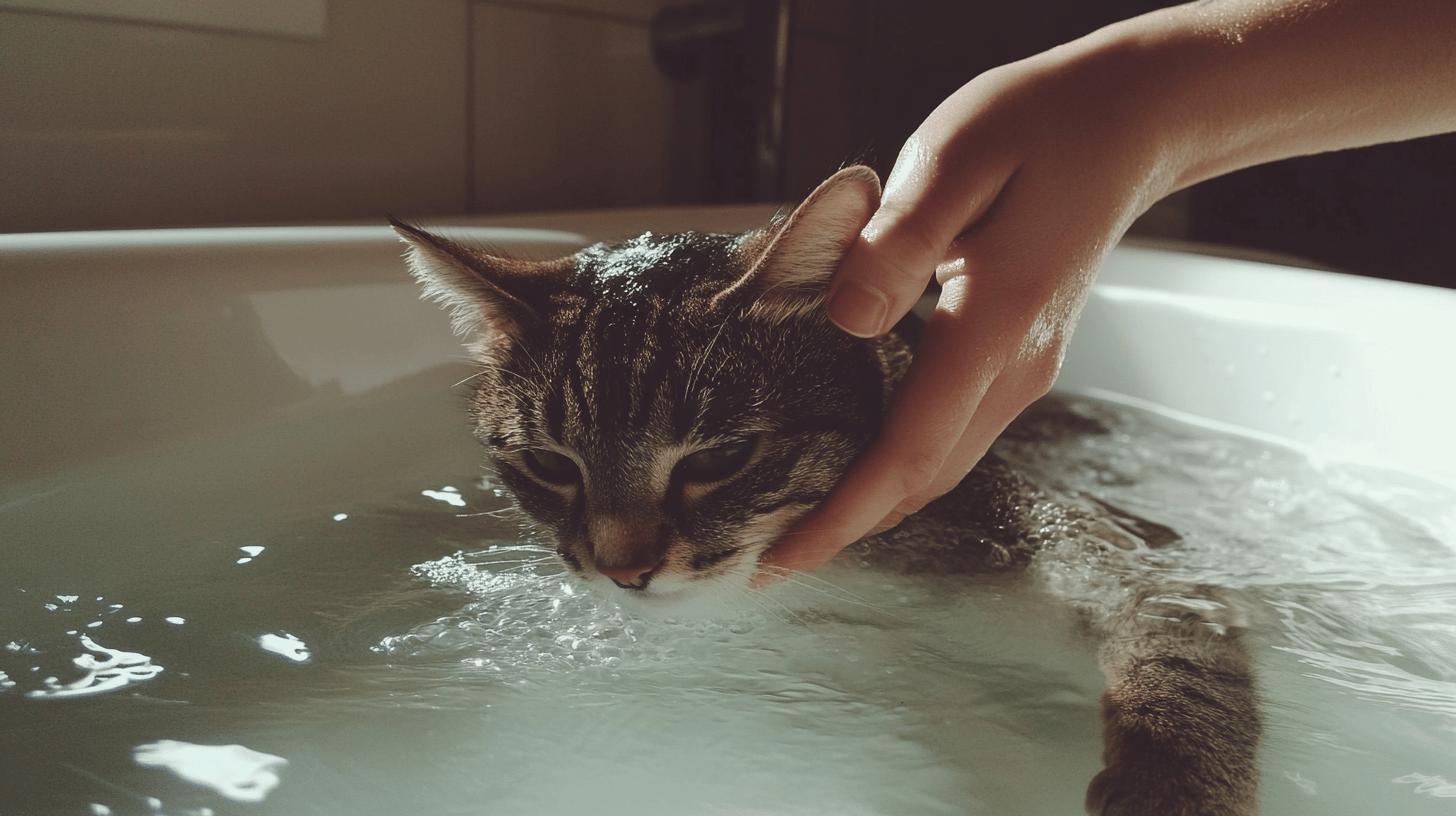
    Creating a calm environment is essential when you're preparing your cat for a bath. Cats are sensitive creatures, and their comfort level is directly influenced by the atmosphere around them. A serene setting helps minimize anxiety and makes the bathing process smoother for both you and your cat.

    This means setting up a quiet, warm space with no loud noises or sudden movements. Soft lighting and a room temperature that's just right go a long way in keeping your cat at ease. The calmer the environment, the more receptive your cat will be to the experience.

    Calming aids can be beneficial in easing a cat's anxiety during bath time. Products like pheromone sprays or diffusers can create a soothing ambiance. These mimic the natural calming chemicals cats release, helping them feel secure. You can also try playing gentle music or offering a favorite toy to distract your cat during the bath. Techniques like these can reduce stress and make the experience more pleasant.

    Cats have varied temperaments, which can significantly affect how they respond to baths. Some cats are naturally more laid-back, while others may be more anxious or resistant. Understanding your cat's personality is crucial. For a calm cat, the bathing process might be relatively straightforward. An anxious cat might need more reassurance and a slower introduction to the water. Tailoring your approach to suit your cat's temperament ensures a more successful bath time.

    Handling resistance or aggression in cats during baths requires patience and strategy. If your cat becomes aggressive, it's important to stay calm and not force the situation. Instead, try taking breaks and offering treats to encourage cooperation. Gently restraining your cat with a towel can provide a sense of security without making them feel trapped. Remember, the goal is to help your cat feel safe, not to rush through the process.

    Maintaining a positive experience is key to making bath time less stressful for your cat. Use treats and praise as rewards, reinforcing good behavior and creating a positive association with baths. Over time, this can transform a dreaded activity into one that your cat tolerates, or even enjoys. Consistency and patience are your best tools in creating a stress-free bathing environment.

    4 Tips for Creating a Stress-Free Bathing Environment for Cats

    1. Set the Scene: Ensure the room is quiet and warm. Soft lighting and a relaxed atmosphere help keep your cat calm.

    2. Use Calming Aids: Pheromone sprays or diffusers can help soothe your cat. Consider gentle music or a favorite toy for distraction.

    3. Understand Your Cat's Temperament: Tailor your approach based on whether your cat is calm, anxious, or resistant. Patience is key.

    1. Reward Positive Behavior: Use treats and praise to create a positive association with bath time, reinforcing calm behavior.
    Behavior Type Suggested Approach
    Calm Proceed gently with minimal restraint, using soothing voices and gentle touches.
    Anxious Introduce water gradually, use calming aids, and offer frequent reassurance.
    Resistant Take breaks, provide treats, and gently restrain with a towel for security.

    Recommended Tools and Products for Cat Bathing-1.jpg

    Selecting the right tools and products is key to making bath time a positive experience for your cat. A non-slip mat is essential, providing stability and preventing your cat from slipping, which can cause stress.

    A gentle cat shampoo is a must; it should be free from harsh chemicals and specifically designed for your cat's skin type to avoid irritation. A handheld showerhead allows for controlled water flow, making rinsing easier and less intimidating for your cat. These tools help create a smoother and more comfortable bathing process.

    Choosing cat-friendly shampoos and products tailored to your cat's temperament can make a big difference. Some cats may benefit from hypoallergenic shampoos, especially if they have sensitive skin.

    Additionally, consider using calming sprays or diffusers to ease bath-time anxiety. These products are designed to work with your cat's natural needs, ensuring they feel safe and comfortable throughout the process. By matching the products to your cat's specific requirements, you enhance their bathing experience and make it less stressful.

    6 Essential Tools and Products for Cat Bathing

    1. Non-slip mat
    2. Gentle cat shampoo
    3. Handheld showerhead
    4. Hypoallergenic shampoo (if needed)
    5. Calming spray or diffuser
    6. Soft towels for drying

    Safety Considerations and Techniques for Cat Bathing

    Recommended Tools and Products for Cat Bathing-2.jpg

    When bathing your cat, preventing escape is a top safety concern. A slippery cat can quickly turn a calm bath into chaos. Make sure the bathroom door is securely closed and all escape routes are blocked. Handling your cat with gentle firmness is key. This provides security and reduces stress.

    To enhance safety, use lukewarm water to avoid shock. A handheld showerhead helps control water flow. Keep it away from the cat's face and ears. This prevents discomfort and potential infections. A non-slip mat in the tub adds stability. After the bath, dry your cat thoroughly. This step avoids chills, especially in cooler weather.

    5 Safety Tips for Ensuring a Secure and Safe Cat Bath

    1. Secure the Environment: Close doors and block escape routes to prevent sudden escapes.
    2. Control Water Flow: Use a handheld showerhead to gently direct water away from the face and ears.
    3. Use Lukewarm Water: Ensure the water is not too hot or cold to avoid discomfort.
    4. Employ a Non-Slip Mat: Provide stability and prevent slipping during the bath.
    5. Thorough Drying: Dry your cat completely to avoid chills, especially in cooler temperatures.

    Final Words

    Getting your kitty comfortable with baths can be tricky, but with patience and a gentle approach, it's possible. Gradual desensitization to water, creating a calming space, and having the right tools make a big difference. Understanding your cat's behavior ensures a stress-free experience for both of you. Plus, choosing cat-friendly shampoos supports their well-being. Remember, the journey on how to train a cat to take a bath might take time. But every small step is a victory. Keep the process positive, and enjoy a cleaner, happier cat.

    FAQ

    How do you train a cat to take a bath at night?

    Training a cat to take a bath at night involves gradual desensitization. Start by introducing your cat to water slowly and use positive reinforcement, like treats, to associate bath time with positive experiences.

    How do you bathe a cat without getting scratched?

    The key is creating a stress-free environment. Use calming aids, maintain a comfortable water temperature, and gently handle your cat. It's helpful to wear long sleeves and keep your cat's nails trimmed.

    How do you calm a cat for a bath?

    Use calming aids like pheromone sprays or diffusers. Speak softly and pet your cat to soothe them. Giving a treat before and after the bath can also help ease anxiety.

    Is it cruel to bathe cats?

    Bathing cats isn't cruel if done properly. Some cats need baths for health reasons like skin conditions. Always prioritize the cat's comfort and keep the bath short.

    Can you train a cat to like baths?

    You can condition a cat to accept baths through patience and gradual exposure. Make the experience positive with treats and calm interactions.

    What is the easiest way to give a cat a bath?

    Prepare everything beforehand and use a handheld showerhead for better control. Keep the bath quick and gentle, and speak reassuringly to your cat throughout the process.

    How do you bathe an aggressive or unwilling cat?

    Handle them carefully and consider using a professional if aggression is severe. Minimize stress with a calm environment, and never force them into the water, as this increases anxiety.

    Related Articles

  • How to Train a Cat to Be Quiet

    How to Train a Cat to Be Quiet

    Is your cat's constant meowing driving you up the wall? You're not alone counter jumping. While vocalizing is a natural part of a cat's communication toolkit, excessive meowing can turn into a persistent challenge for cat owners. The key to a quieter household is understanding the reasons behind those incessant cries. From attention-seeking to expressing discomfort or anxiety, each meow carries a message.

    By learning how to identify and address these underlying causes, you can train your feline friend to enjoy more peaceful moments meowing solutions.com/how-to-train-a-cat-not-to-do-something/”>behavioral correction. Let's dive into the steps to transform those noisy nights into tranquil evenings.

    Understanding Why Cats Vocalize

    Understanding Why Cats Vocalize-1.jpg

    Cats meow for many natural reasons and it's their way of communicating with us. Unlike dogs, who bark for various reasons, cats have a more subtle approach. From the moment they are born, kittens use vocalizations to communicate with their mothers. As they grow, meowing becomes a tool to interact with humans. Cats often meow to signal an immediate need or desire. Here are some common reasons why cats meow:

    • Attention Seeking: They might want to be fed, played with, or simply held.
    • Expressing Discomfort: A meow might indicate they are in pain or uncomfortable.
    • Greeting: Some cats vocalize when their owners return home as a form of greeting.
    • Announcing Territory: Cats may meow to assert their presence or mark their territory.
    • Stress or Anxiety: Changes in their environment can cause cats to meow more.

    Recognizing when a cat's vocalization is excessive is key to addressing it. If a cat meows continuously without a clear reason, it could be a sign of underlying issues. Excessive meowing might indicate boredom, stress, or even medical concerns. If a cat’s meowing suddenly increases or changes in tone, it’s crucial to pay attention. Understanding body language along with vocal cues can help differentiate between normal communication and excessive noise. Paying attention to these signals can guide you in knowing when to seek further intervention, such as a vet check-up.

    Identifying and Addressing Underlying Causes

    Identifying and Addressing Underlying Causes-1.jpg

    Before you start training your cat to be quiet, it's crucial to rule out any medical conditions that might be causing excessive vocalization. If your cat's meowing is a new behavior, or if your feline friend is getting older, there could be underlying health issues at play. Conditions like hearing loss, hyperthyroidism, or cognitive dysfunction can lead to increased vocalizations. A visit to the veterinarian will help determine if a medical issue is contributing to your cat's chatter. Getting a clean bill of health is the first step in addressing any excessive noise.

    Beyond medical reasons, behavioral factors can also lead to a chatty cat. Sometimes, we might unintentionally reinforce the very behavior we want to change. If you rush to feed, pet, or play with your cat every time it meows, you might be teaching it that meowing gets results. Your cat learns that vocalizing is a successful way to get attention or treats. Identifying these behavioral patterns is key to understanding why your cat might be more vocal than usual.

    If excessive meowing persists, consulting a veterinarian can provide further insights. A vet can offer advice on distinguishing between normal communication and problematic vocalization. They might suggest behavioral strategies or recommend a specialist in feline behavior. Professional guidance ensures that you address the root cause of the issue, helping you and your cat communicate more effectively without the constant noise.

    Training Techniques to Reduce Cat Vocalization

    Training Techniques to Reduce Cat Vocalization-1.jpg

    Training a cat to be quieter is all about understanding their behavior and using it to guide them gently. Cats are smart and can learn what actions lead to rewards. The key is to reinforce the behaviors you want while ignoring the ones you don't. By doing this, you teach your cat that silence, rather than meowing, is what gets them the attention or treats they crave. This approach requires consistency and patience, but with time, your cat will start to meow less.

    Here are five practical steps to train your cat to be quieter:

    1. Ignore the Meowing: Do not respond to your cat's meows. This can be tough, but it’s essential to avoid reinforcing the behavior.
    2. Reward Silence: When your cat is quiet, immediately reward them with a treat or affection.
    3. Increase Quiet Time: Gradually extend the time your cat must be quiet before getting a reward.
    4. Use Clicker Training: Consider using a clicker to mark the quiet moments and follow it with a treat.
    5. Create a Routine: Consistent feeding and playtimes can reduce meowing caused by uncertainty or boredom.

    Patience and consistency are crucial throughout this process. Cats won't change their behavior overnight, and each cat learns at its own pace. Stick to the plan even if progress seems slow. Cats are creatures of habit, and with consistent training, they will begin to understand that silence is golden. The rewards will reinforce this new behavior.

    You might wonder how long it takes to see results. While some cats may show improvement in just a few weeks, others might take a couple of months. This timeline varies depending on the cat's personality and the consistency of your training. Keep the sessions short to avoid overwhelming your feline friend. Remember, every quiet moment is a step toward a more peaceful coexistence with your cat.

    Using Environmental Enrichment to Reduce Vocalization

    Using Positive Reinforcement and Environmental Enrichment-1.jpg

    Enriching your cat's environment is essential for reducing vocalization. Cats may meow due to boredom or anxiety, so offering stimulating activities and toys can keep them occupied and content. By focusing on environmental enrichment, we can tackle the root causes of vocalization and provide a more harmonious home life. Here are some enrichment activities to consider:

    • Interactive Toys: Engage your cat's hunting instincts with toys that move or make sounds.
    • Puzzle Feeders: Challenge your cat during mealtime, making it a more engaging experience.
    • Cat Trees and Perches: Give your cat vantage points to observe their surroundings.
    • Scratching Posts: Allow your cat to expend energy and mark territory.
    • Regular Play Sessions: Tire your cat out with dedicated playtime, reducing the urge to meow for attention.

    Utilizing these techniques can encourage quieter behavior by addressing the underlying causes of vocalization. Regular play and a stimulating environment can significantly reduce the need for a cat to vocalize excessively. By focusing on enrichment, you're providing practical solutions that benefit both you and your feline friend.

    When to Seek Professional Help for Cat Vocalization

    When to Seek Professional Help for Cat Vocalization-1.jpg

    There are times when seeking professional help for your cat's vocalization is the best course of action. If your cat's excessive meowing persists despite your best training efforts, it might be time to consult a cat behaviorist or a veterinarian.

    Professional help is particularly important if the vocalization is accompanied by other behavioral changes, such as aggression or withdrawal, which could indicate stress or medical issues. Additionally, if your cat's meowing is a new behavior, especially in older cats, a vet visit can help rule out underlying health conditions.

    For those looking for professional resources, a directory of certified cat behaviorists and trainers can be a valuable tool. These experts offer insights into problem-solving meowing issues and can provide tailored advice for your cat's specific needs.

    Educational materials, such as downloadable posters and courses, are also available to guide you in understanding and managing your cat's behavior. Veterinary students and faculty can benefit from discounts on these resources, supporting their education in handling techniques and feline behavior.

    Final Words

    Understanding why cats vocalize, from seeking attention to health issues, is key to addressing their noisiness. Identifying underlying causes helps ensure there's no medical problem, and you might discover behavioral patterns that need change. Training your cat to be quiet involves consistency and rewarding silence, which can guide them to a more peaceful routine.

    Positive reinforcement and enriching activities can make a big difference, offering your cat new ways to engage and communicate.

    If these steps don't help, professional advice can offer tailored solutions. Your pet’s quietude is within reach with patience and the right approach.

    FAQ

    How to train a cat to be quiet in the morning?

    To train a cat to be quiet in the morning, reward quiet behavior moments. Gradually extend the quiet time before rewarding. Stay consistent and only acknowledge your cat when it's silent.

    How to train a cat to be quiet at night?

    Training cats to be quiet at night involves ignoring meows and rewarding silent behavior. Start with short quiet periods and increase them gradually. Consistency is key to success.

    How to get my cat to stop meowing in the morning for food?

    Stop morning meows for food by feeding on a schedule. Don't give in to demands and only feed your cat when it's quiet. Stick to a routine for best results.

    Why is my male cat meowing so much all of a sudden?

    If a male cat meows suddenly, it may signal medical issues. Consult a vet to check for hearing loss, illness, or age-related changes that can affect vocalization.

    Should I ignore my cat meowing for attention?

    Ignoring a cat's meows for attention teaches them meowing won't work. Only respond when they're silent to encourage quieter behavior.

    Is it okay to ignore my cat meowing at night?

    Ignoring night meows can be effective. Ensure your cat’s needs are met first, then ignore to discourage nocturnal vocalization.

    What age do cats quiet down?

    Cats often quiet down with age, typically by the time they are adults, around 1-2 years old. Aging cats may vocalize more due to medical issues.

    How do I get my cat to stop meowing constantly?

    To stop constant meowing, rule out medical causes first. Use training and rewards to reinforce silent behavior. Patience and consistency are essential.

    How do I stop my cat from waking me up at 4am?

    Prevent early wake-up calls by adjusting the feeding schedule and providing nighttime enrichment. Training them to stay quiet can reduce disturbances.

  • How to Train a Cat for Emotional Support

    How to Train a Cat for Emotional Support

    Can you train a cat to be an emotional support animal? Yes, if your cat has the right temperament. Unlike emotional support dogs (which require formal training), emotional support cats work through their natural bonding behavior and intentional training of specific comfort behaviors. This guide covers the concrete training techniques you can use, how to assess whether your cat is suited for ESA work, and how ESA cats differ legally from therapy animals and service animals.

    What Behaviors to Train for Emotional Support

    Emotional support cats perform four core behaviors:

    1. Calm Recall (Come When Called)

    Your cat needs to respond to a specific cue. a word, sound, or gesture, and come to you. This is essential because emotional support works only if your cat comes when you need support most. Use high-value treats (small pieces of cooked chicken, freeze-dried fish) and practice in short 2-3 minute sessions, 3-4 times per week. Start in a quiet room, say “Here” or a similar cue, treat immediately when your cat approaches, then repeat. Gradually increase distance and add minor distractions (a toy nearby, another person in the room). Build to the point where your cat responds reliably in any environment.

    2. Tolerating Handling During Anxiety Episodes

    Your cat must be comfortable being held, petted, or having their paws/head held when you’re in distress. Many cats are touch-averse, so this is foundational. Start by rewarding calm acceptance of short touches (hand on head for 2 seconds, then reward). Gradually extend duration and introduce gentle pressure on the paws or chest. Never force it, if your cat struggles, stop and try later. The goal is for your cat to accept sustained contact without pulling away.

    3. Pressure Therapy (Sitting on Lap on Cue)

    Train your cat to sit on your lap when you give a specific cue. The weight and pressure of a cat on your lap genuinely reduces heart rate and cortisol (stress hormone). Use a soft “Up” or similar cue, reward heavily when your cat jumps up, and practice daily. Eventually, the reward can be just the lap time itself. This becomes their “anxiety protocol”. when you activate the cue, your cat knows it’s comfort time.

    4. Not Reacting to Crying or Distress Sounds

    If you cry or vocalize distress, your cat shouldn’t flee or become anxious themselves. Some cats naturally do this; others need desensitization. Play recordings of your own voice crying softly (or watch videos of people crying) while your cat is nearby and calm. If they relax during the stimulus, reward heavily. This sounds odd but is crucial for real-world ESA function. your cat needs to stay calm and present when you’re not.

    Building the Bond: Foundation Before Training

    No cat will be an effective emotional support animal without a genuine bond with their primary person. Begin with trust-building exercises before formal behavior training:

    Slow Blink Technique: The slow blink is cat-speak for “I trust you.” When your cat looks at you, slowly close your eyes for 2 seconds, then open. Repeat 2-3 times. Most cats will slow-blink back. This activates the same neurochemical bonding that creates attachment. Do this several times daily, especially when your cat is calm.

    Play Therapy: Interactive play for 10-15 minutes daily is essential. Use a wand toy, string toy, or laser pointer. whatever engages your cat’s hunting drive. This creates positive associations with you as the source of excitement and satisfaction. A cat that hunts *with* you (not at you) has formed a cooperative bond.

    Scent Exchange: Rub a cloth on your face and place it near your cat’s sleeping area. Cats mark scent-bonded individuals. Similarly, sleep with a toy your cat loves, creating your scent on their favorite object. This deepens unconscious bonding.

    Predictable Routine: Feed, play, and interact with your cat at the same times each day. Cats are creatures of habit, and predictability builds trust. A cat that knows you feed them at 7 am is more attached than a cat fed randomly.

    Timeline: True bonding takes weeks to months. If you’ve just adopted or rescued your cat, expect 4-8 weeks of trust-building before serious training begins.

    Is Your Cat Suited for ESA Work?

    Not all cats can be emotional support animals. Assess your cat’s temperament first:

    Personality Checklist:

    • Social confidence: Does your cat approach strangers or hide? ESA cats don’t need to like people, but they shouldn’t panic in new environments.
    • Calm under stress: If you’re anxious, does your cat become anxious or stay grounded? ESA cats are anchors, not amplifiers of your emotions.
    • Bonded to you specifically: Does your cat follow you around, seek you out, or greet you at the door? General affection is not enough. your cat must be attached to *you*.
    • Comfort-motivated (not just fear-motivated): Some cats seek human contact only when frightened. Ideal ESA cats seek contact for positive reasons too.
    • Not excessively anxious or reactive: A cat with unmanaged anxiety, aggression, or hypervigilance will struggle. Anxiety disorders in cats are treatable by vets; consider this before pursuing ESA work.

    Red Flags: If your cat is newly adopted and hasn’t bonded yet, highly anxious, or has aggression issues, invest in bonding and behavioral support first. You can’t train away poor temperament.

    ESA vs. Therapy Cat vs. Service Animal

    Emotional Support Animal (ESA): A pet that provides comfort through companionship and presence. No formal training required (though you can train specific behaviors). Legal protection: Housing. landlords must allow ESAs if you have a letter from a mental health professional. No public access rights (ESAs can’t go to restaurants, stores, airports like service dogs).

    Therapy Cat: A cat trained by a professional organization to visit nursing homes, hospitals, or schools and provide comfort to multiple people (not just their owner). Requires certification through an organization like Pet Partners. These are working animals with public access and extensive training.

    Service Animal (rare for cats): A cat trained to perform a specific task for a person with a disability (e.g., detecting blood sugar changes for a diabetic). Extremely rare and not yet widely recognized by law. Only dogs are federally protected as service animals in the US.

    Most people with emotional support cats have ESAs, not therapy cats. The distinction matters for housing rights and public access. know which you’re pursuing.

    Final Words

    Training a cat for emotional support is achievable, but it requires honest assessment of your cat’s temperament, intentional bonding, and patience with behavior training. Start with the foundation (slow blinks, play therapy, scent bonding), assess your cat’s suitability, then move to formal behavior training (recall, pressure therapy, handling tolerance).

    Cats won’t bond on command. this is a months-long process. But a cat that chooses to be present with you, knows how to ground you during anxiety, and responds to your cues is worth the investment. The emotional support you gain is real, even if the legal protections are more limited than with service dogs.

    FAQ

    Can cats be emotional support animals?

    Yes. Cats can provide genuine emotional support through bonding, presence, and trained behaviors like pressure therapy. However, they have fewer legal protections than service dogs. ESAs are protected in housing but not public spaces.

    What’s the difference between an ESA and a service cat?

    An ESA provides comfort through companionship and presence. A service animal is trained to perform a specific task for a disability. Cats are rarely service animals; most cat owners pursue ESA status.

    Can you train a cat to sense anxiety or depression?

    Some cats naturally respond to emotional cues and seek out their humans when they’re distressed. You can train behaviors that support this (like pressure therapy or recall), but you can’t train a cat to “sense” emotions. they either respond to your cues or they don’t.

    How long does it take to train a cat for emotional support?

    Bonding takes 4-12 weeks depending on your cat’s history. Specific behavior training (recall, handling) takes 2-6 weeks of consistent practice. Total timeline: 2-4 months for a functional ESA.

    Do I need certification for an emotional support cat?

    No. ESAs do not require formal training or certification to have housing rights (you need a letter from a licensed mental health professional, not a trainer certification). Therapy cats require certification from organizations like Pet Partners.

    Are emotional support cats allowed in public places?

    No. ESAs have housing rights only. They’re not allowed in restaurants, stores, or airplanes like service dogs. Only service animals and therapy animals (in approved facilities) have public access.

    Can any cat be an emotional support animal?

    No. Your cat needs to be bonded to you, calm under stress, and capable of learning behaviors. Highly anxious, aggressive, or newly adopted cats may need support first.

    How do I get a letter for housing rights with my ESA cat?

    You need a letter from a licensed mental health professional (therapist, psychiatrist, psychologist) stating that you have a disability-related need for the emotional support of your animal. This is different from service animal paperwork and doesn’t require trainer certification.

    Related Articles

  • Train Your Cat to Walk Outside Successfully

    Train Your Cat to Walk Outside Successfully

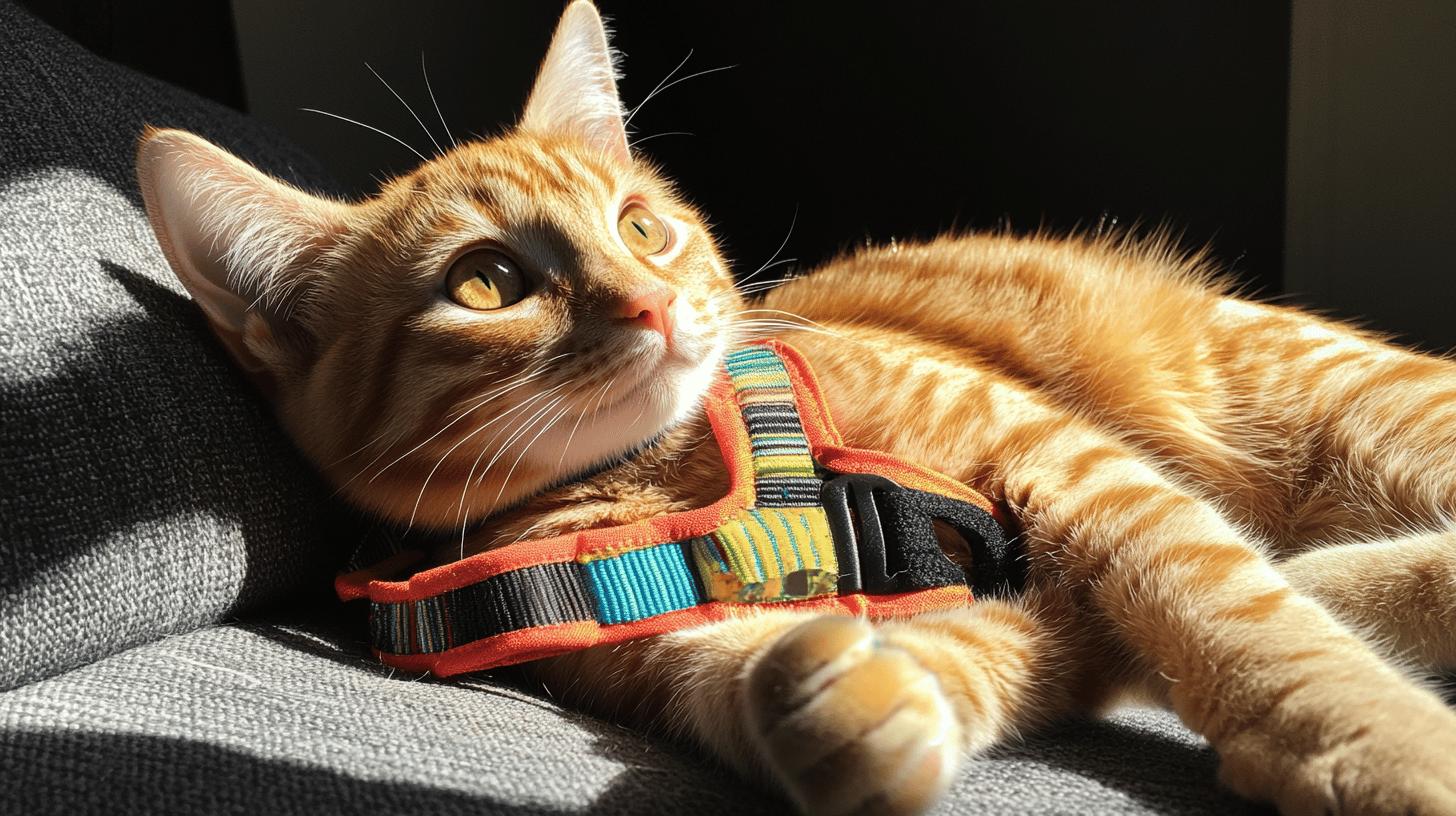
    Ever think your cat could join you on your daily walks? Believe it or not, taking a cat for a stroll is not just for dogs. With our step-by-step guide, you can turn your indoor feline into a confident outdoor explorer.

    The journey starts with harness training at home and slowly builds toward outdoor adventures. This isn’t just about a stroll—it’s a way for your cat to exercise safely and even strengthens your bond. If you’re ready for a change of pace in your cat’s routine, let’s get started!

    Step-by-Step Guide to Training a Cat to Go on Walks

    Step-by-Step Guide to Training a Cat to Go on Walks-1.jpg

    • Start harness training when your cat is calm and relaxed.
    • Allow your cat to explore and sniff the harness on their own.
    • Put the harness on indoors without fastening it initially.
    • Increase the time your cat wears the harness indoors gradually.
    • Attach the leash and let your cat walk around indoors to get used to it.

    Begin harness training when your cat is in a calm and relaxed state. It’s crucial to choose a time when there are minimal distractions and your cat is more likely to be receptive. Place the harness in a quiet area where your cat often relaxes. This way, your cat can naturally approach and investigate the harness at their own pace, without feeling pressured or rushed.

    Encourage positive interaction with the harness by rewarding your cat with treats and praise whenever they show interest in it. This helps create a positive association with the harness. Allow them to sniff and explore it thoroughly. Use treats to reinforce this behavior, making the harness an exciting and rewarding object in their environment.

    Once your cat is comfortable with the harness being around, try putting it on them indoors without fastening it. This helps them get used to the sensation of wearing it. Start with short sessions, gradually increasing the time they wear it each day. Continue providing treats and praise to keep the experience positive and stress-free.

    Introduce the leash by attaching it to the harness while your cat is indoors. Let them walk around with the leash trailing behind. This allows them to become accustomed to the weight and feel of the leash. Keep an eye on their behavior, and use treats and gentle encouragement to help them adjust. This step is essential before attempting any outdoor adventures.

    Selecting the Best Harness for Cat Walking

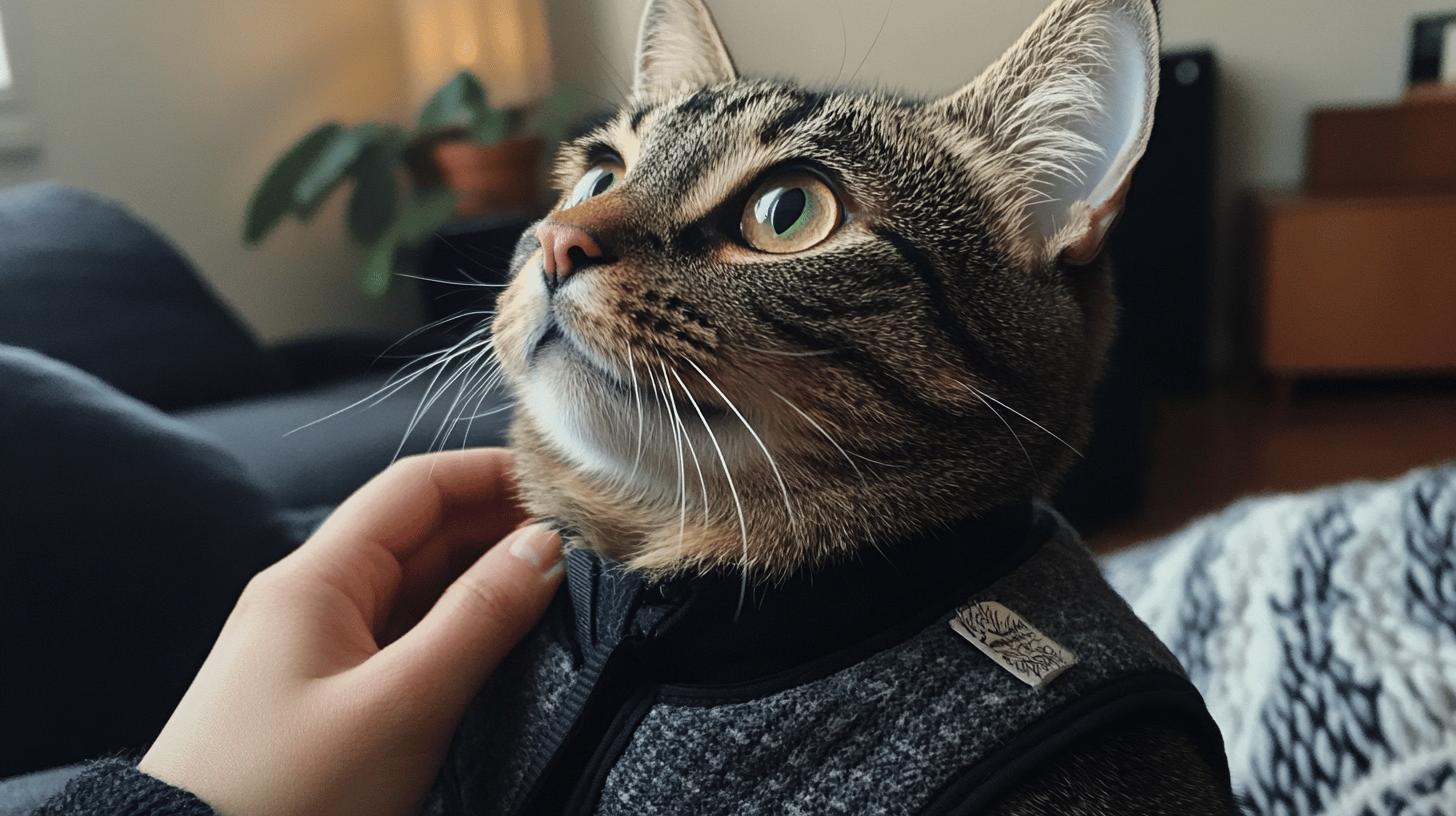
    Selecting the Best Harness for Cat Walking-1.jpg

    Opting for a harness instead of a collar is crucial when walking your cat. Unlike collars, harnesses distribute pressure across the cat’s body, reducing the risk of injury to their neck and throat. Collars can be easily slipped out of, especially by cats who aren’t used to being restrained.

    A well-fitted harness provides more control and security, ensuring your cat’s safety during outdoor adventures. It’s essential to select a harness that fits comfortably yet snugly to prevent any escape attempts.

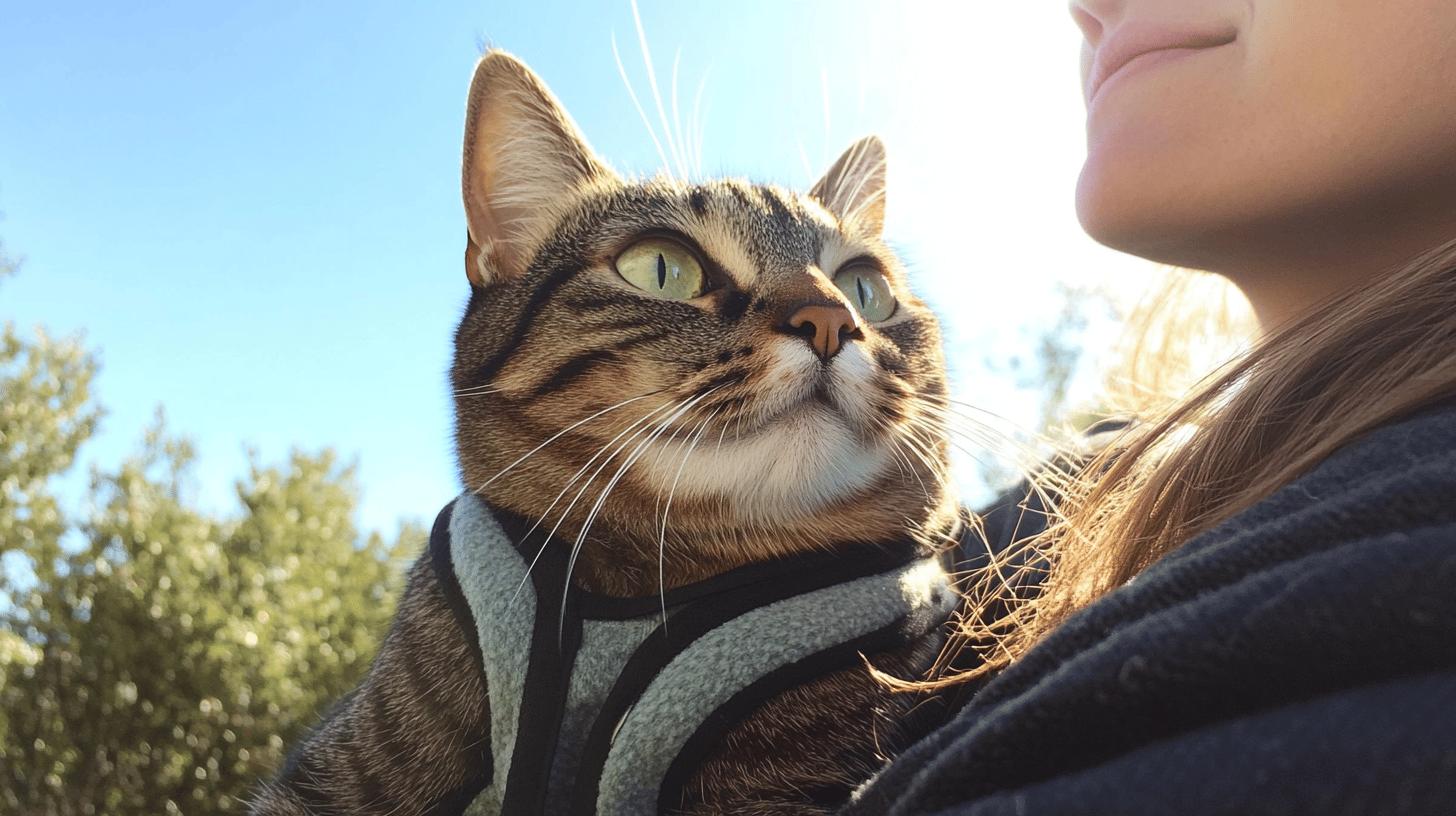
    Several harness styles are available, each with specific benefits. The “H-Style” harness offers multiple adjustment points, making it versatile for various body shapes. The “Vest” harness, recommended for comfort and security, wraps around the body, providing a snug fit that cats find reassuring.

    Finally, the “Step-In” harness is designed for ease of use, allowing cats to step into it without the need for overhead adjustments. When choosing a harness, consider one that balances security and comfort, ensuring your cat feels at ease while walking.

    Harness Style Benefits
    H-Style Adjustable, versatile fit
    Vest Comfort, security
    Step-In Easy to use

    Acclimating and Ensuring Safety for Outdoor Cat Walks

    Acclimating and Ensuring Safety for Outdoor Cat Walks-1.jpg

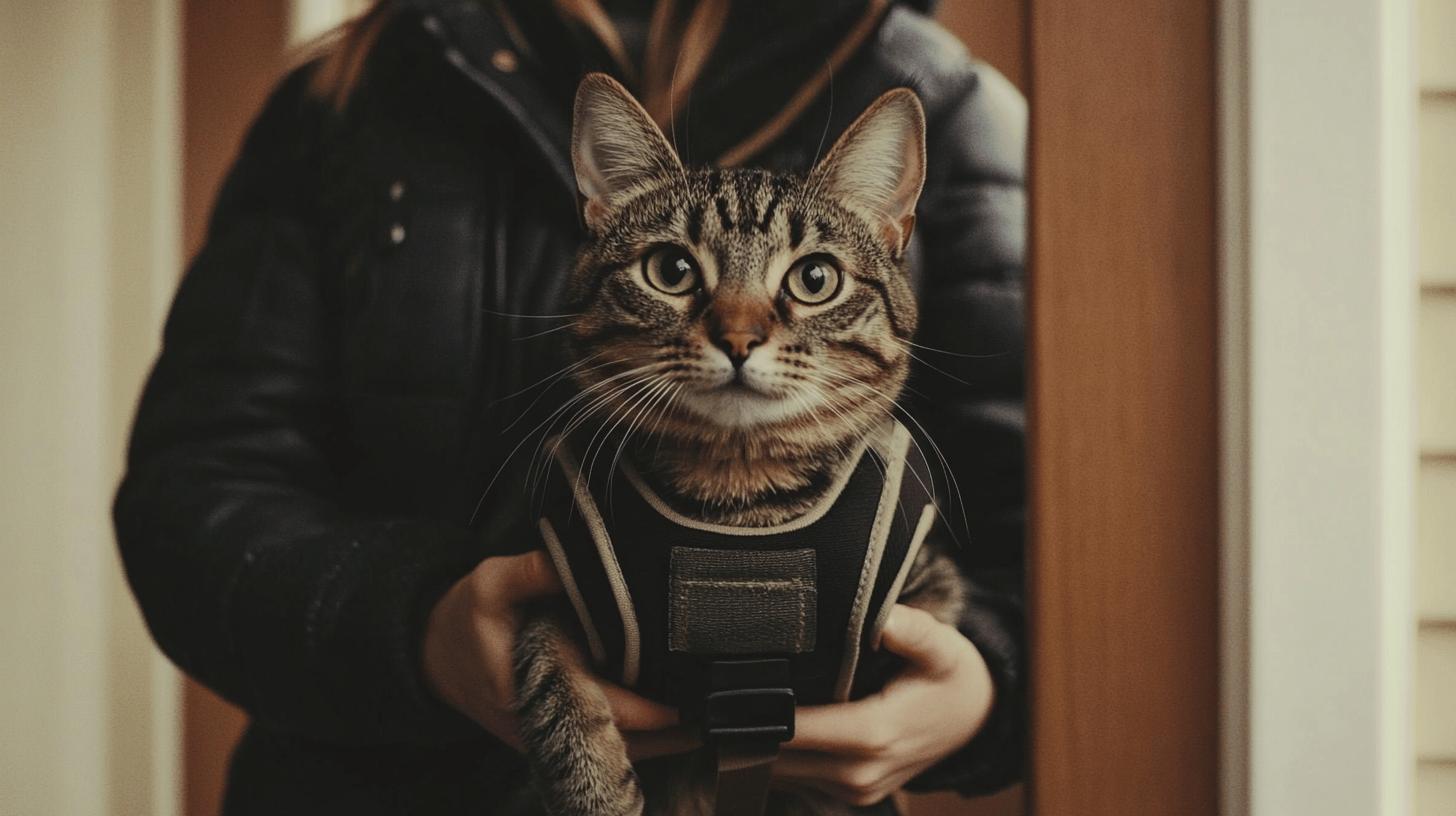
    When starting outdoor adventures with your cat, it’s important to prevent any unwanted dashes for the door. Begin by carrying your cat outside while they wear their harness and leash. This helps them feel secure and prevents them from associating the door with a sudden escape route. Holding them close provides comfort and safety, ensuring they stay calm as they transition from the indoors to the outdoors.

    Choosing the right spot for your cat’s first outdoor experience is crucial. Opt for a quiet area, free from overwhelming noises or distractions. This allows your cat to gradually acclimate to the new environment without feeling overwhelmed.

    A calm setting helps build their confidence, making them more receptive to the experience. Avoid busy streets or areas with lots of foot traffic to ensure your cat feels safe.

    As your cat becomes more comfortable, you can gradually increase the time and distance of your outdoor sessions. Begin with brief excursions close to the door, slowly venturing further as your cat shows signs of curiosity and ease.

    Keep these initial sessions short, allowing your cat to dictate the pace. Patience is key, as each cat will adapt at their own speed. Watch for signs of stress, and be ready to retreat indoors if needed.

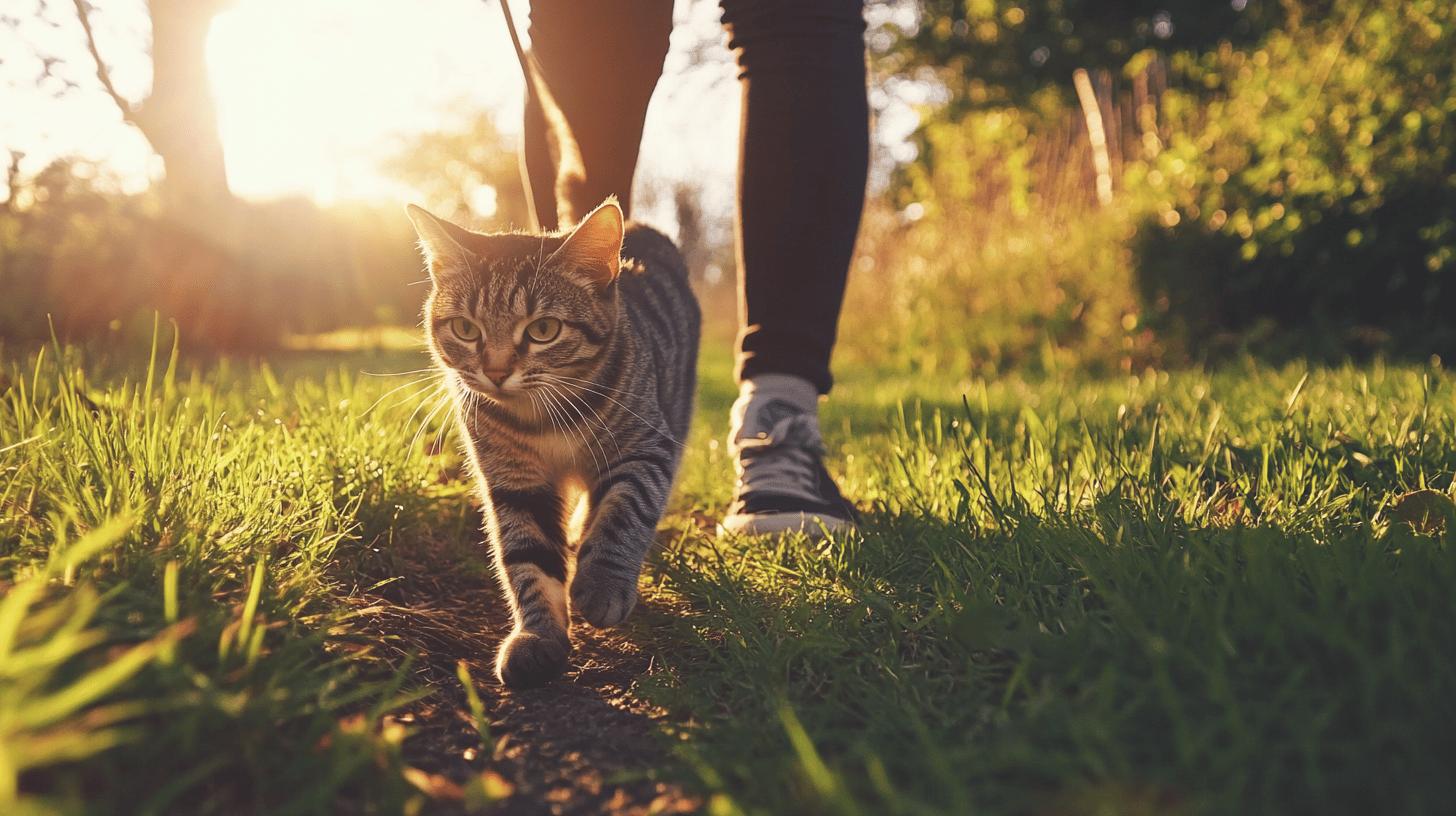
    Safety is paramount when walking your cat. Always use a standard six-foot leash for beginners, providing ample control without allowing too much freedom. Standing behind your cat helps prevent forward tension on the leash, reducing the risk of them escaping from the harness. This position also allows you to guide them gently, encouraging exploration without feeling restricted.

    Handling common challenges like reluctance or anxiety is part of the process. Some cats may freeze or refuse to move. In these cases, using treats or a favorite toy can encourage them to take those first steps. Speak softly and offer plenty of praise to reassure your cat. Remember, patience and positive reinforcement go a long way in overcoming these challenges.

    Here are some safety tips and troubleshooting advice to ensure a successful walk:

    • Carry your cat outside initially: This prevents them from associating the door with immediate freedom.
    • Choose a standard six-foot leash: Provides control without too much slack.
    • Stand behind your cat: Prevents them from pulling forward and slipping out of the harness.
    • Use positive reinforcement: Encourage hesitant cats with treats and praise.
    • Be ready to retreat: If your cat shows signs of distress, return indoors and try again later.

    By following these steps, you can create a safe and enjoyable outdoor experience for both you and your cat.

    Enhancing the Walking Experience for Your Cat

    Enhancing the Walking Experience for Your Cat-1.jpg

    Using positive reinforcement can greatly enhance the walking experience for your cat. Treats, praise, and toys are effective tools in encouraging and rewarding desired behavior. When your cat successfully walks on a leash or responds to a cue, immediately provide a treat or verbal praise.

    This association makes walking a positive activity for them. Incorporating new toys into training can also spark curiosity and excitement, keeping your cat engaged and motivated during walks.

    Interactive methods can further enrich your cat’s walking experience. A treat trail can encourage your cat to follow a path, making the walk more adventurous. Use a target stick or a wand toy to lead your cat in the desired direction.

    This not only makes the walk enjoyable but also provides mental stimulation. Practicing recall skills with cues like “come” can be part of the routine, reinforcing their responsiveness and your bond.

    • Use a treat trail: Lay down treats at intervals to guide your cat.
    • Incorporate toys: A wand toy can make walks playful and engaging.
    • Practice recall: Use a cue like “come” to enhance responsiveness.
    • Keep sessions short and fun: Ensure walks are enjoyable and not overwhelming.

    Final Words

    Training a cat to go on walks takes patience and understanding, but it’s rewarding. Starting with harness training indoors is key. Let your cat approach the harness and use treats and praise for positive reinforcement. Gradually extend this to wearing the harness and leash indoors before venturing outside.

    Choosing the right harness is crucial. Safety is paramount when taking those first outdoor steps. Over time, your cat will become more comfortable, and walks will enhance their life. By following these steps on how to train a cat to go on walks, you can create a safe and enjoyable experience for both you and your furry friend. Enjoy every moment of your outdoor adventures together!

    FAQ

    Is walking a cat on a leash cruel?

    Walking a cat on a leash isn’t cruel if the cat is comfortable and trained. Start slowly, respecting your cat’s comfort level, and ensure positive experiences during walks.

    How to train a cat to go on walks?

    Begin by introducing your cat to a harness indoors. Use treats and praise for positive interaction. Gradually increase wearing time, then attach a leash and let your cat get used to walking indoors before heading outside.

    What age to leash train a cat?

    Start leash training when the cat is a kitten, around 8-12 weeks old. Younger cats tend to adapt more easily, but older cats can also be trained with patience.

    Benefits of leash training a cat?

    Leash training offers mental and physical exercise, reduces boredom, and allows safe exploration of new environments. It can strengthen the bond between you and your cat.

    How do you train a cat to go outside and not run away?

    Carry your cat outside, using a harness and leash. Begin in quiet areas near home. Gradually increase time and expand boundaries once your cat becomes comfortable.

    Can you train a cat to like walks?

    Yes, use treats and praise to create a positive experience. Start indoors, build comfort with a harness and leash, then slowly introduce the outdoors.

    How long does it take for a cat to learn how to walk?

    Training can take weeks to months. It depends on your cat’s personality and comfort level with the harness and leash. Be patient and consistent.

    How to harness train an older cat?

    Introduce the harness gently, allowing sniffing and exploration. Reward with treats and praise for each step they accept. Increase wearing time indoors before adding a leash.

    Choosing the best harness for a cat?

    Select a vest harness for comfort and security. Ensure it’s snug but not tight, allowing two fingers’ width between the harness and your cat’s body.

    How to troubleshoot a cat’s reluctance to walk?

    Check harness fit and adjust as needed. Use treats or toys to motivate walking. Begin in familiar, quiet environments and gradually expand outings.

    Related Articles

  • How to Train a Cat to Be a Service Animal

    How to Train a Cat to Be a Service Animal

    Ever wondered if a cat could be a service animal? While dogs and even miniature horses fit the bill according to the ADA, cats don’t. But don’t let that stop you! Cats can still lend a paw through roles like emotional support or therapy.

    These little furballs can offer immense comfort and companionship, improving our emotional landscape. Interested in training your cat to become an emotional support animal? Let’s explore the steps to help your feline friend become the purr-fect companion in need.

    Can Cats Be Trained as Service Animals?

    Can Cats Be Trained as Service Animals-1.jpg

    According to the Americans with Disabilities Act (ADA), service animals are defined strictly as dogs or, occasionally, miniature horses. Cats, unfortunately, do not meet the criteria to be recognized as service animals under this act. This means cats cannot be trained or certified as service animals legally.

    Cats, however, can still play valuable roles through other channels:

    • Emotional Support Animals (ESAs): Cats provide comfort and companionship, aiding in emotional well-being.
    • Therapy Animals: They can offer therapeutic benefits in environments like hospitals or nursing homes.
    • Unofficial Assistance: While not legally recognized, cats can assist individuals in their daily lives in unique ways.

    For cat owners hoping to secure service animal status, it’s important to understand these legal limitations. While cats cannot be service animals, they can still provide meaningful support in non-official capacities.

    Steps to Train a Cat as an Emotional Support Animal

    Training a cat to be an emotional support animal (ESA) is essential for both the cat and the owner. An ESA provides comfort and companionship, so the training focuses on building a strong bond and ensuring the cat is well-adjusted.

    1. Assess Your Cat’s Temperament
      Start by evaluating if your cat is naturally calm, friendly, and comfortable around people. These traits are crucial for an ESA, as not all cats are suited for this role.
    2. Begin Socialization Early
      Expose your cat to different environments, people, and sounds. This helps your cat adapt to new situations without stress. Socialization can begin at any age but is most effective when started early.
    3. Teach Basic Commands

    Introduce basic obedience commands like “sit” and “come.” Keep training sessions short and fun, using treats to motivate and reward your cat. Patience is key, as cats learn at their own pace.

    1. Encourage Calm Behavior
      Reward your cat when it displays calmness, especially in potentially stressful situations. Reinforce this behavior by providing affection and treats, helping your cat learn to remain relaxed.
    2. Use Positive Reinforcement
      Always use positive reinforcement such as treats or a clicker to promote desired behaviors. Avoid punishment, which can damage the trust and bond between you and your cat.

    Consistency and patience are vital throughout the training process. While training a cat might take time, especially since they don’t naturally seek to please humans, the rewards of having a well-adjusted ESA are well worth the effort.

    Differences Between Service Cats and Emotional Support Cats

    Differences Between Service Cats and Emotional Support Cats-1.jpg

    Emotional support cats provide comfort to those with emotional or psychological issues. Their presence can reduce stress and anxiety. Unlike service animals, they don’t need task-specific training. Basic obedience and socialization help them adapt to different environments. This makes them well-behaved companions who offer emotional relief.

    Emotional support cats have legal rights under the Fair Housing Act. This means landlords must allow them in housing, even with no-pet policies. This benefit supports individuals who rely on their cats for emotional health. Emotional support cats do not have the same public access rights as service animals.

    Role Training Required Legal Status
    Service Animal Task-specific training Not applicable to cats
    Emotional Support Cat Basic obedience and socialization Recognized under Fair Housing Act

    Choosing the Right Cat Breed for Emotional Support

    Choosing the Right Cat Breed for Emotional Support-1.jpg

    When selecting a cat for emotional support, focus on traits like calmness, friendliness, and an easy-going nature. These qualities are essential for an ESA, as the cat needs to provide comfort without becoming stressed. While individual personalities vary, certain breeds are known for these desirable temperaments. Here are some breeds that often excel as emotional support animals:

    • Ragdoll
    • Maine Coon
    • British Shorthair
    • Scottish Fold
    • Birman

    Legal Requirements and Documentation for Emotional Support Cats-1.jpg

    To recognize your cat as an emotional support animal (ESA), you need specific documentation. Here’s what you’ll need:

    • ESA Letter: This is a letter from a licensed mental health professional. It states your need for an emotional support animal and is essential for documentation. Consulting a mental health professional is a crucial step here.
    • Veterinary Records: Keep your cat’s health records up-to-date. This includes vaccinations and proof of care, ensuring your cat is well-cared for.

    Getting the necessary documentation involves consulting with a mental health professional who will evaluate your need for an ESA and provide you with the ESA letter. This letter is the cornerstone of your documentation, allowing you to proceed with housing accommodations. Make sure your cat’s health records are current to complete the process.

    Final Words

    Training a cat as a service animal isn’t legally possible, but cats can be great emotional support animals. Training helps your cat become a comforting companion, focusing on socialization and basic commands. While service animals have task-specific roles, emotional support cats offer companionship and comfort.

    Choosing the right breed for an ESA role can enhance your experience. Ragdolls, Maine Coons, and British Shorthairs are great options. Remember, legal requirements include a letter from a mental health professional for housing.

    Learning how to train a cat to be a service animal enriches the bond you share.

    FAQ

    Q: Can cats be service animals?

    A: Cats cannot be service animals under the ADA. They can be emotional support animals or therapy animals but lack the official service status that dogs or miniature horses have.

    Q: Can I train my cat to be a service animal?

    A: Cats can’t be trained as service animals but can be trained as emotional support animals with socialization, basic commands, and positive behavior reinforcement.

    Q: What are the steps to train a cat as an emotional support animal?

    A: Training involves:

    1. Assessing temperament.
    2. Early socialization.
    3. Teaching basic commands.
    4. Encouraging calm behavior.
    5. Applying positive reinforcement.

    Q: Can I make my cat a therapy cat?

    A: Yes, cats can be therapy animals by training them to interact and provide companionship. They must be comfortable with people and different settings.

    Q: How to register a cat as an emotional support animal for free?

    A: Registration isn’t required, but an ESA letter from a mental health professional is. This letter is essential for housing accommodations under the Fair Housing Act.

    Q: What are the differences between service cats and emotional support cats?

    A: Service animals perform tasks for disabilities; emotional support cats provide companionship. Service animals need task-specific training, while emotional support cats focus on basic obedience.

    Q: Can cats be emotional support animals?

    A: Yes, cats can be emotional support animals, providing comfort and companionship. They require a letter from a mental health professional to be officially recognized.

    Q: What cat breeds are best for emotional support?

    A: Look for calm and friendly traits. Suitable breeds include:

    • Ragdoll
    • Maine Coon
    • British Shorthair
    • Siamese
    • Persian

    A: Emotional support cats need:

    • ESA letter from a mental health professional
    • Fair Housing Act accommodation request
    • Any specific landlord or policy forms
    • Veterinarian records if required

    Related Articles

  • Train Your Cat to Return Home Easily

    Train Your Cat to Return Home Easily

    Ever wondered if cats can be trained to come back home just like dogs? Spoiler alert: they can! Training your cat to swiftly return home is possible, and it's just as vital for their safety as it is for your peace of mind evening routine. In our latest post, learn how recall training can help keep your curious feline within safe boundaries.

    Through familiar sounds and scents, combined with positive reinforcement, you'll confidently teach your cat to heed your call — a reassuring skill for both of you. Ready to make your cat recall-ready? Let’s dive in!

    Effective Recall Training Techniques for Cats

    Effective Recall Training Techniques for Cats-1.jpg

    • Choose a specific recall word or sound.
    • Use treats and scents for reinforcement.
    • Practice with familiar sounds and positive experiences.

    Training your cat to come back home can be a game-changer for both safety and peace of mind. Recall training, while traditionally associated with dogs, is just as beneficial for cats. It involves teaching your cat to respond to a specific command or sound, which can be crucial if they ever wander too far.

    Cats are naturally curious and may explore beyond their usual boundaries. By training them to return on command, you ensure they remain within safe limits, reducing the risk of getting lost or injured.

    Using familiar sounds and scents can enhance recall training. Many cats already associate the sound of a treat bag crinkling or a can lid popping with positive experiences. Leverage these associations by incorporating them into your training sessions.

    Pairing these sounds with a specific word creates a strong recall command. Cats have a powerful sense of smell, so using scent trails can also guide them back home. This method taps into their instincts, making training more effective and engaging.

    Positive reinforcement is key to successful recall training. When your cat returns on command, reward them with their favorite treat, toy, or affection. This approach makes them more likely to repeat the behavior. Positive reinforcement works because it aligns with a cat's natural motivations, such as food and play.

    By keeping training sessions short, ideally under five minutes, you maintain their interest and prevent them from becoming overwhelmed. Regular, enjoyable sessions will strengthen their response to recall commands.

    1. Choose a specific recall word or sound.

    2. Reinforce the word with treats and scents.

    3. Practice in short sessions with familiar sounds.

    1. Gradually increase distractions while maintaining incentives.

    2. Reinforce the behavior with positive experiences and rewards like treats, toys, and affection.

    Understanding Cat Behavior and Instincts

    Safety Measures and Tools for Ensuring Your Cats Return-4.jpg

    Cats are natural explorers. They roam due to curiosity and hunting instincts. Recognizing these instincts helps us train them to return home.

    Create a stimulating environment. Use sounds and scents they love. A crinkling treat bag can be effective. These familiar cues encourage them to come back.

    Manage roaming by supervising outdoor time. Start with short trips. Reward them when they return home. This reinforces their recall behavior.

    Creating a Cat-Friendly Environment that Encourages Return

    Safety Measures and Tools for Ensuring Your Cats Return-3.jpg

    A safe and welcoming home environment is key to encouraging your cat to return trusting bond. Start by establishing a daily routine that your cat can rely on. Letting your cat outside for short periods, like 10 minutes in the morning, helps them explore while staying close. Follow this with dinner and a treat in the evening to reinforce their return.

    Consistent routines provide comfort and predictability, making your home the preferred place. Assess the safety of your outdoor surroundings to ensure your cat's well-being. Some areas are naturally safer, while others may pose risks.

    Modifying your outdoor space can make it more cat-friendly and secure. Consider these improvements to encourage your cat’s return:

    Environment Element Description
    Fencing Install cat-proof fencing to prevent wandering.
    Shelter Provide a sheltered area for protection from weather.
    Toys and Scratching Posts Add outdoor toys and posts to keep them entertained.
    Safe Plants Ensure all plants are non-toxic to cats.

    These modifications not only make your garden more engaging but also ensure it’s safe, giving your cat fewer reasons to roam far.

    Safety Measures and Tools for Ensuring Your Cat's Return

    Safety Measures and Tools for Ensuring Your Cats Return-1.jpg

    Keeping your cat safe while they explore outdoors starts with reliable identification and tracking tools. Microchipping your cat provides a permanent form of ID that can't be lost or removed, increasing the likelihood of a safe return if they wander off.

    Pair this with a collar that has an ID tag, displaying your contact information, for an immediate way to identify your cat. These tools are crucial in ensuring that if your cat gets lost, they can be quickly and safely returned home.

    Another way to ensure your cat's safe exploration is by installing a cat door. This allows your cat to come and go freely while you maintain control over their access. Cat doors can be set to lock at certain times or only allow entry from the outside, ensuring your cat can return home but not leave during unsafe hours.

    For added security, consider using GPS trackers attached to your cat's collar. These devices let you monitor your cat's location in real time, providing peace of mind as they explore their surroundings.

    • Microchips
    • ID tags
    • Cat doors
    • GPS trackers

    Final Words

    In the thick of cat training, recall commands can transform outdoor adventures into safe experiences. Using familiar sounds, scents, and positive reinforcement can make recall training effective. Understanding how cats' instincts lead them to explore helps train them to return home. Creating a secure environment with set routines encourages them to come back.

    For those wondering how to train a cat to come back home, practice makes perfect. Use safety measures like ID tags and GPS trackers for peace of mind. With the right steps, your cat will enjoy safer roaming adventures.

    FAQ

    How do you train a cat to go outside and come back?

    Training a cat to go outside and return involves using a recall word or sound, offering treats, starting with brief sessions using familiar sounds, increasing distractions, and rewarding with positive reinforcement.

    Why won't my cat come inside at night?

    Cats may not come inside at night due to curiosity or hunting instincts. Encourage them with familiar sounds and treats to make coming inside a positive experience.

    How do I get my indoor cat to come back home?

    To get an indoor cat to return home, use a specific recall word, reward with treats and scents, and practice regularly with familiar sounds and positive reinforcement.

    Do cats come back home after running away?

    Cats often return home due to their territorial nature. Familiar sounds, scents, and positive experiences can increase the likelihood of their return.

    What is the 3-3-3 rule for cats?

    The 3-3-3 rule refers to the time it takes for a new cat to adjust: 3 days to decompress, 3 weeks to relax, and 3 months to fully trust and feel at home.

    How to train a cat to go outside for toilet?

    To train a cat to toilet outside, start by moving the litter box gradually closer to the door, then outside, rewarding their use of it, and eventually removing it bathroom habits.