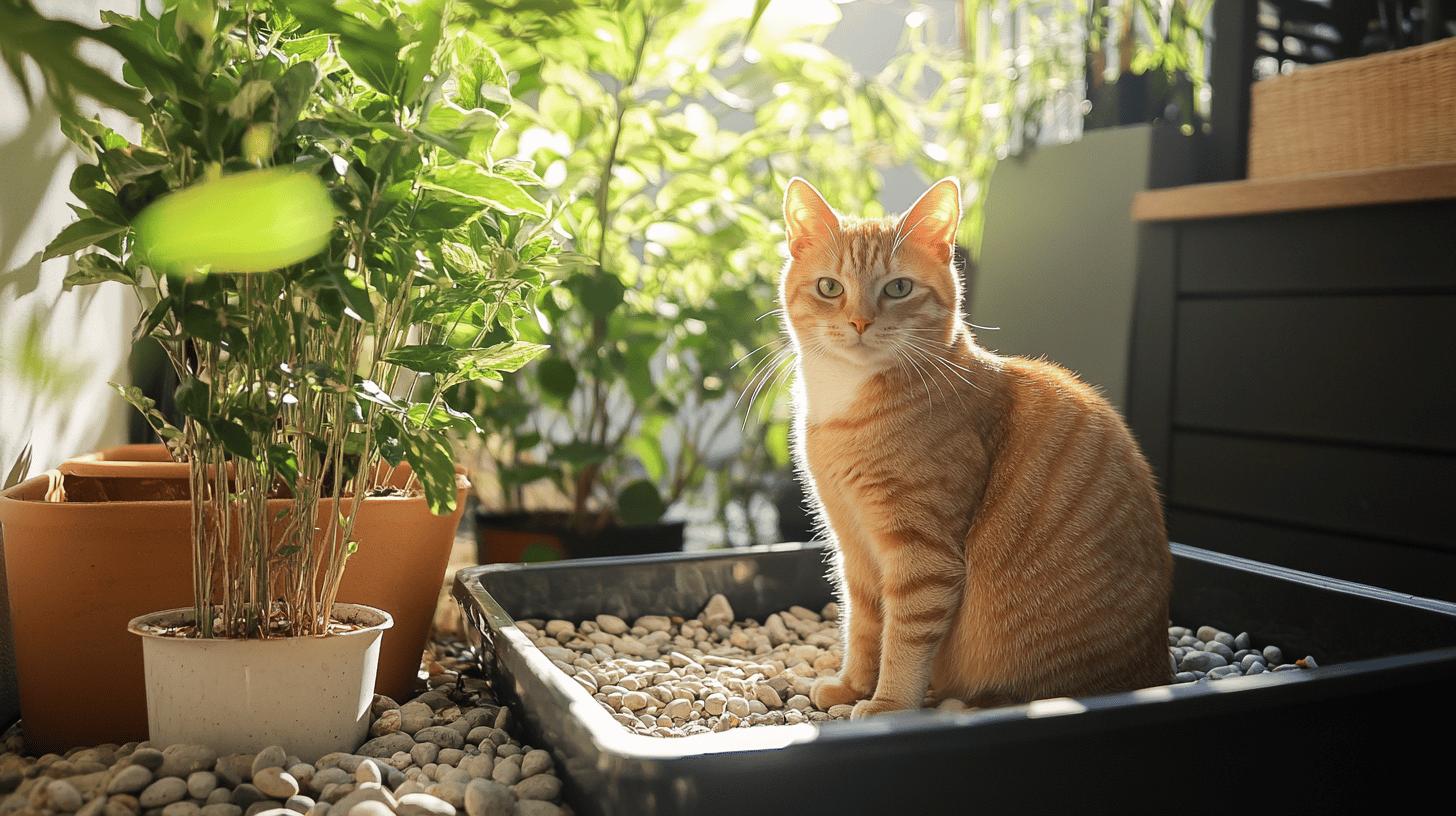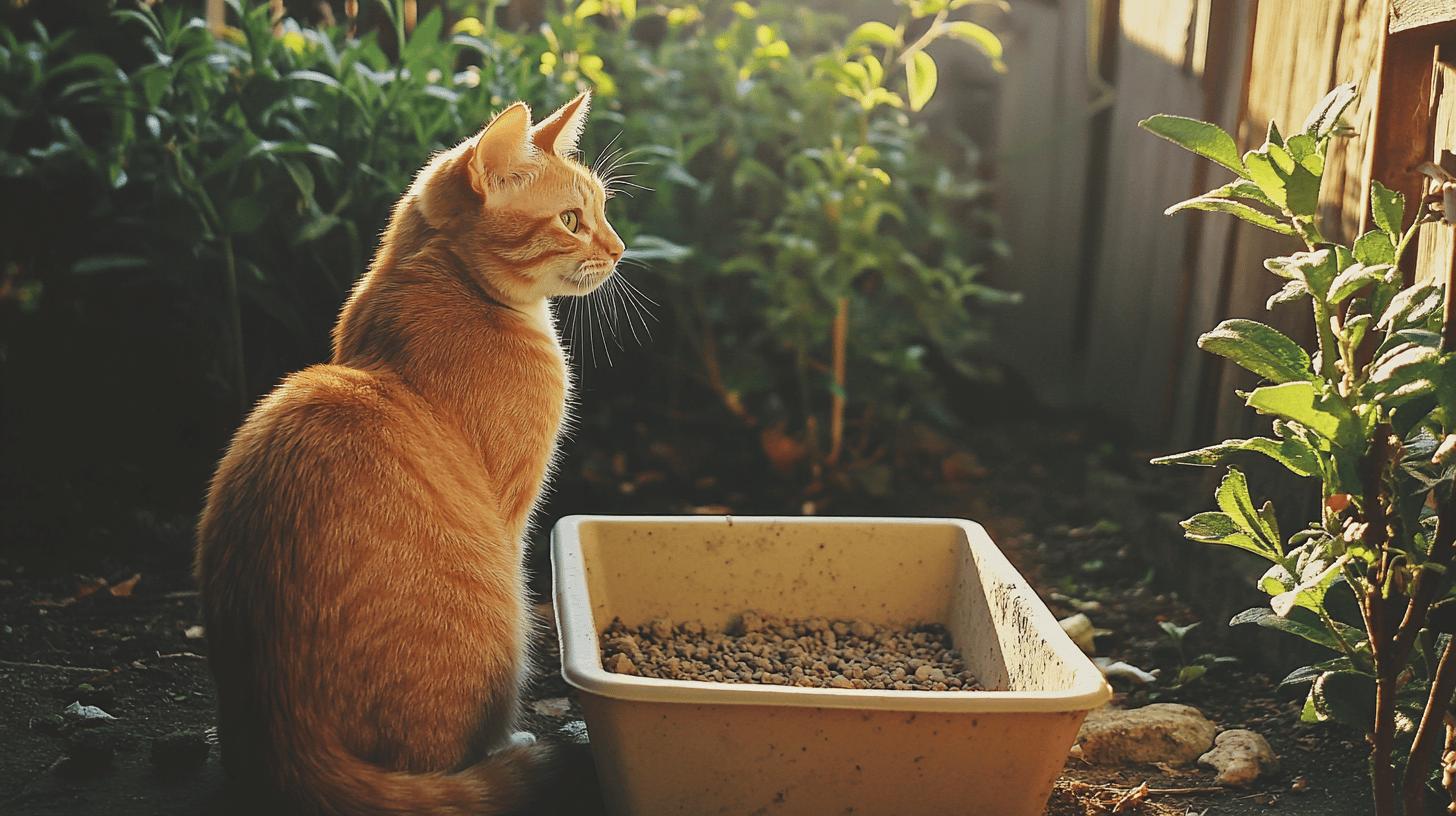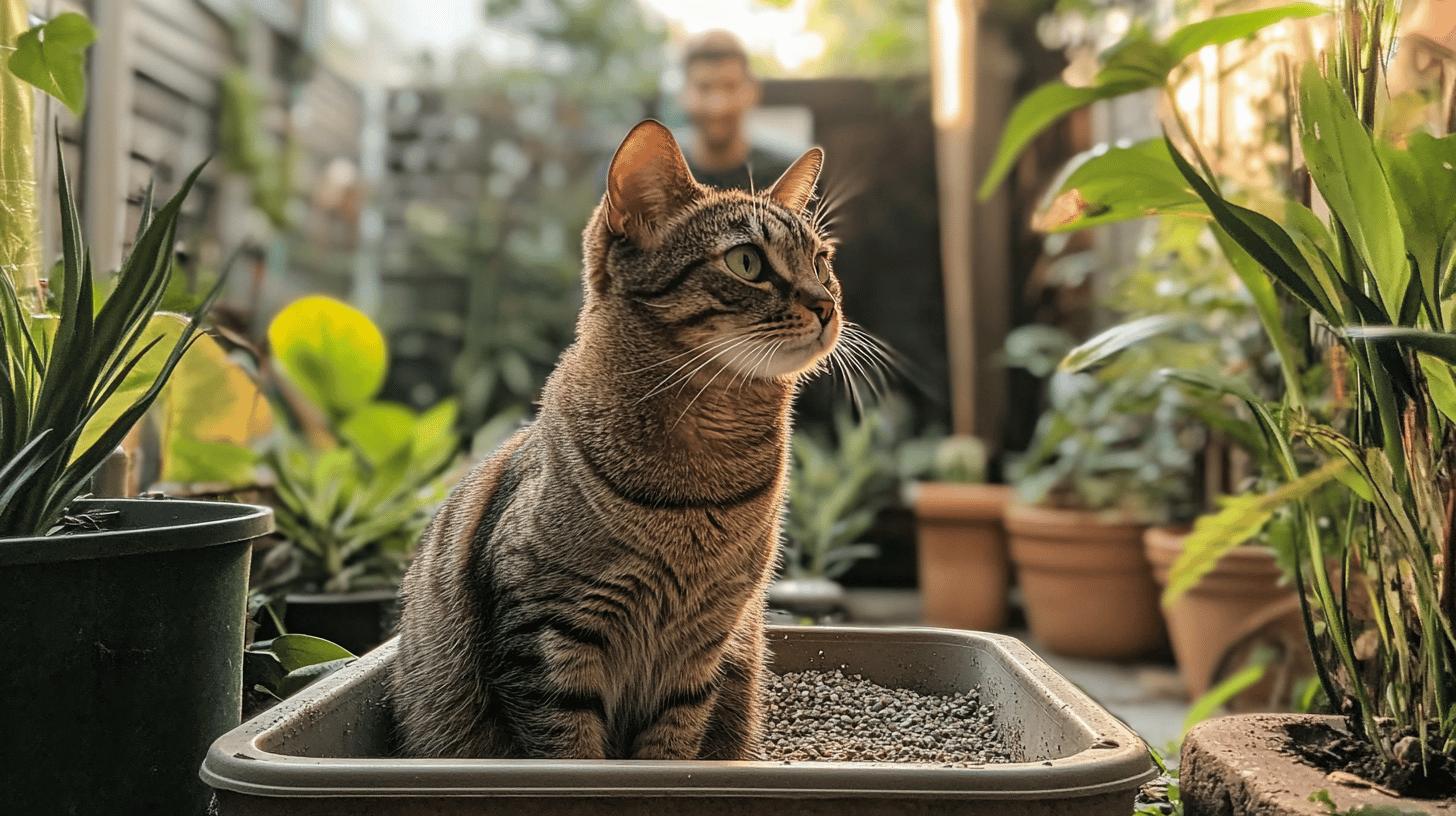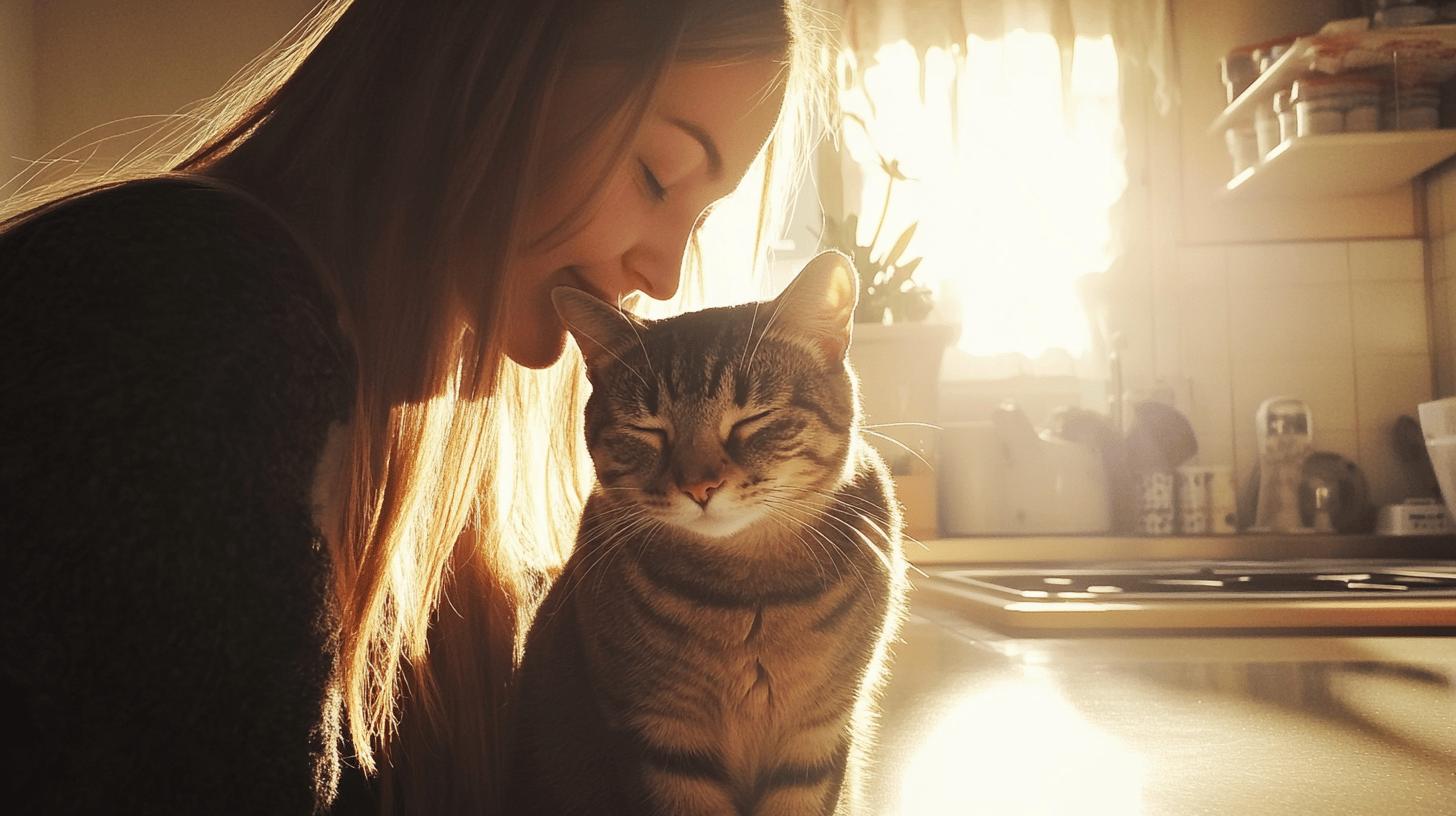
Author: Isabella Tiu

  • Train Cats to Stay Indoors with Ease

    Train Cats to Stay Indoors with Ease

    Are you tired of chasing after your cat the moment the front door cracks open? It might seem like an endless game of escape, but training your cat to stay indoors is possible. Cats have a natural curiosity that propels their desire to explore the unknown beyond your windows.

    Understanding this instinct can help us craft the perfect strategies to keep our felines safe and entertained inside. With the right training techniques and a bit of patience, you can transform your adventurous cat into a contented homebody. Ready to learn how? Let’s dive in!

    Understanding Why Cats Want to Go Outside
    Understanding Why Cats Want to Go Outside-1.jpg

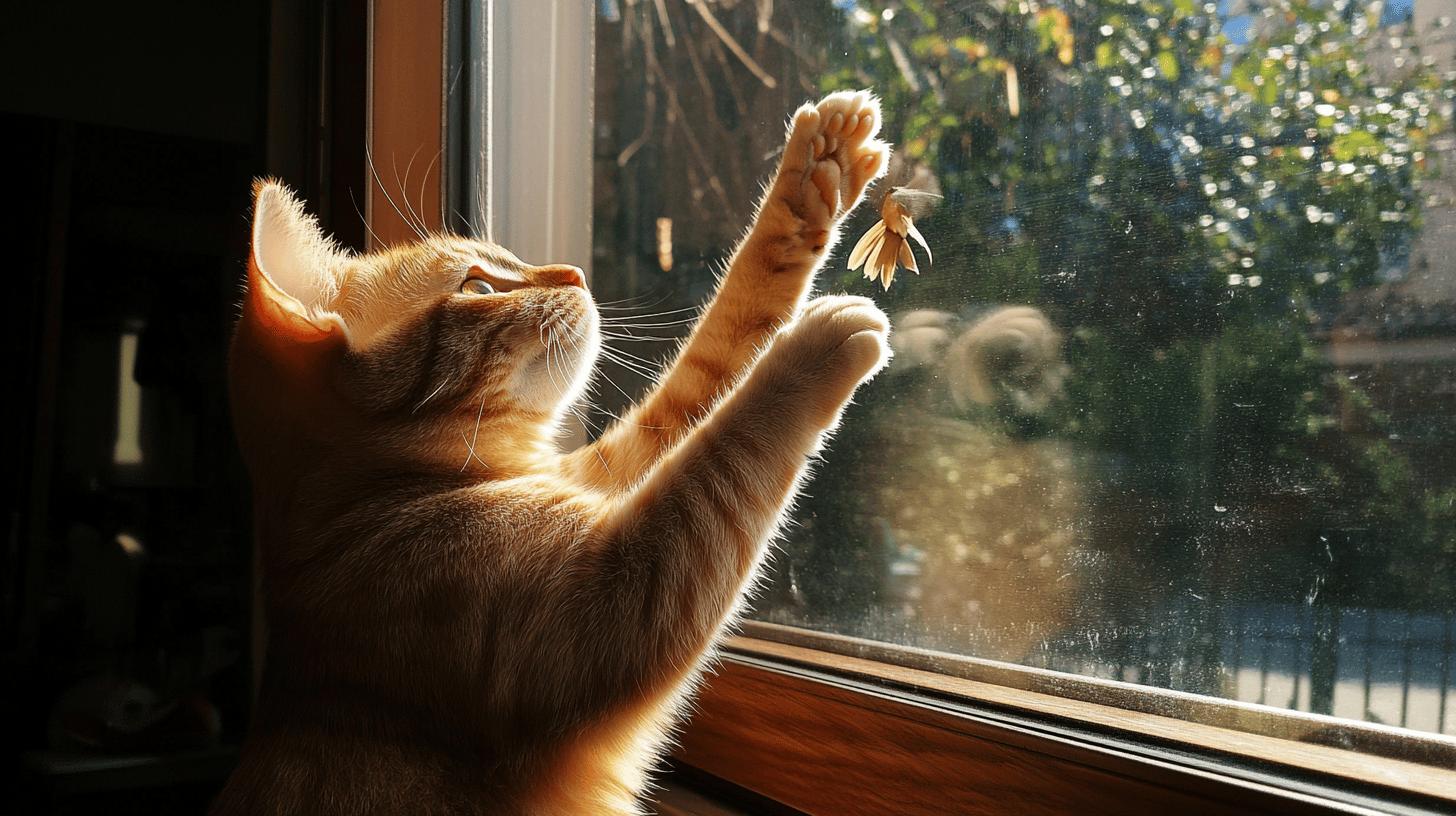
    Cats are naturally curious creatures. Their instincts drive them to explore new environments, which is why they often show a strong desire to go outside. For indoor cats, the world beyond the window can seem incredibly enticing, filled with new sights, sounds, and smells that provide mental and physical stimulation. When their home environment doesn’t offer enough excitement, cats may become bored and restless, seeking adventure outdoors.

    Here are five common stimuli that attract cats outside:

    1. Birds: The fluttering and chirping can captivate a cat’s attention.
    2. Squirrels: Their quick and unpredictable movements are intriguing to cats.
    3. Insects: The buzzing and darting of insects can be irresistible.
    4. Leaves or Plants: The rustling of leaves in the wind can mimic the sound of prey.
    5. Other Animals: The scent or sight of other cats or dogs can spark curiosity.

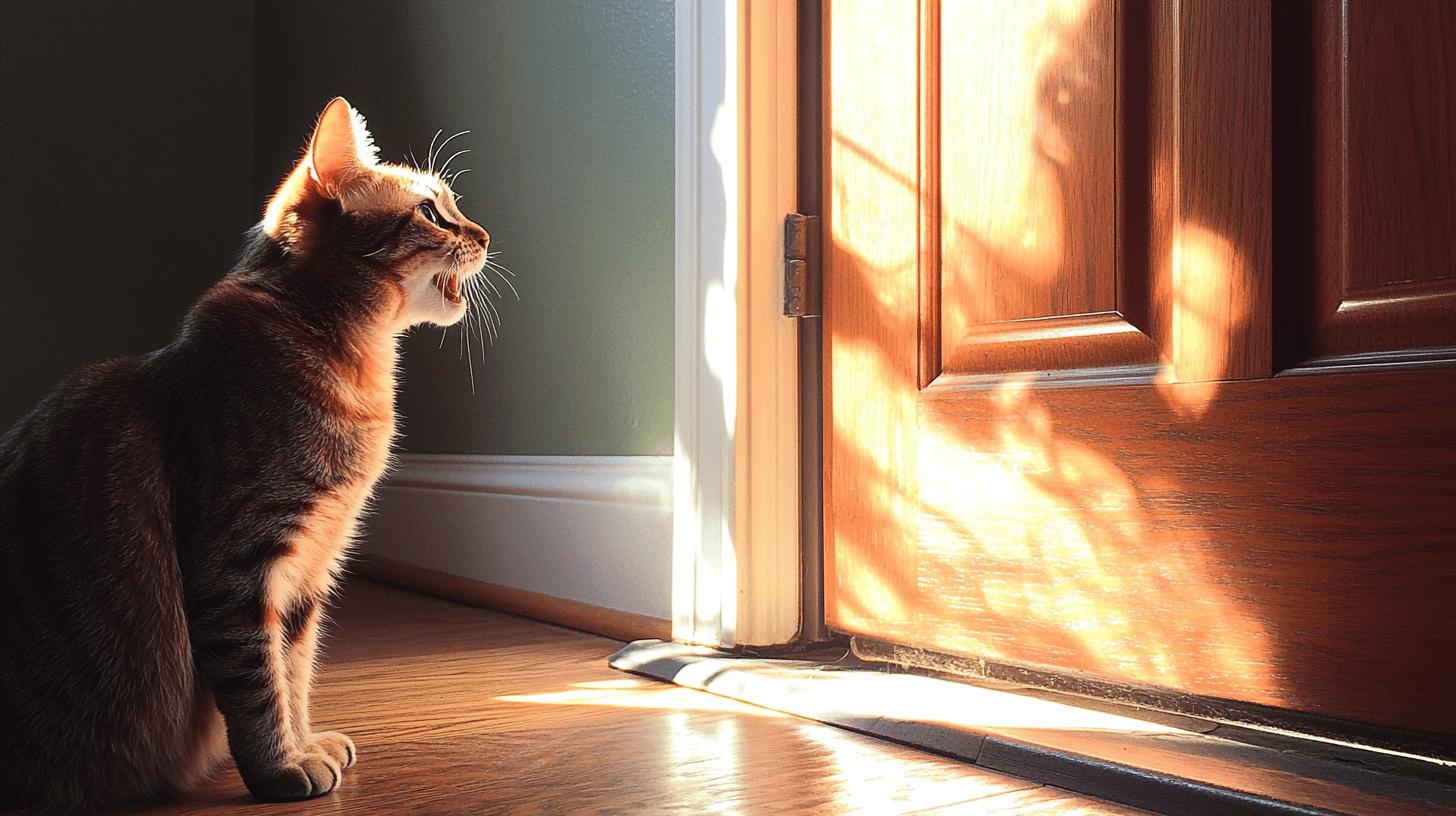
    Recognizing signs that a cat wants to go outside can help address their needs. Cats may show their desire by constantly meowing at doors or windows, scratching persistently at the door, or displaying restless behavior. Understanding these signs allows owners to provide alternative solutions to satisfy their cat’s curiosity and need for stimulation while keeping them safe indoors.

    Effective Training Techniques to Keep Cats Indoors

    Training a cat not to go outside can be challenging, but it’s possible with patience and understanding of feline behavior. Cats are naturally independent, making it crucial to use techniques that respect their instincts while teaching them boundaries. Consistent training and positive reinforcement help keep cats safe indoors or within designated outdoor areas.

    Here are six steps to effectively train your cat to stay indoors:

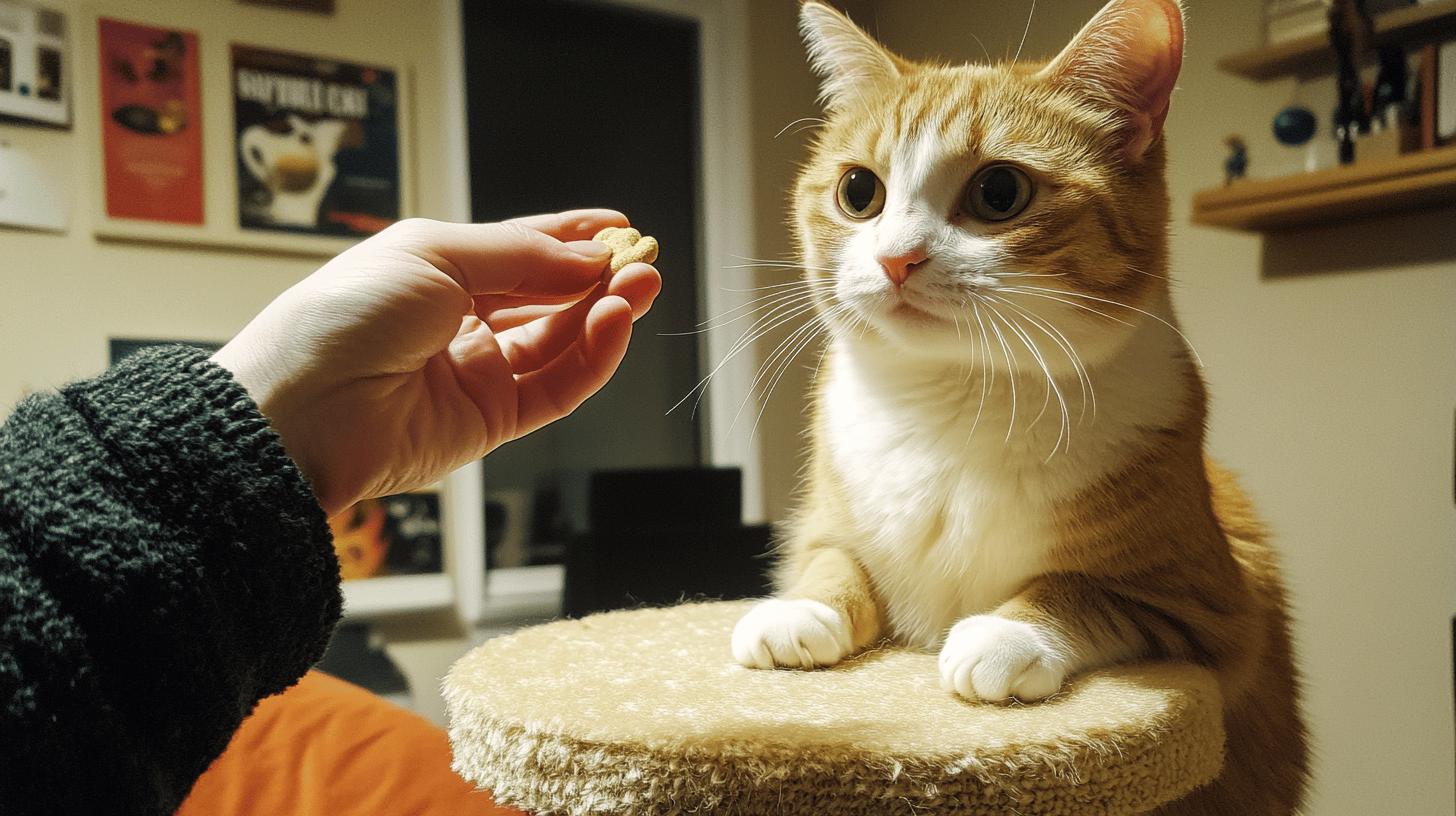
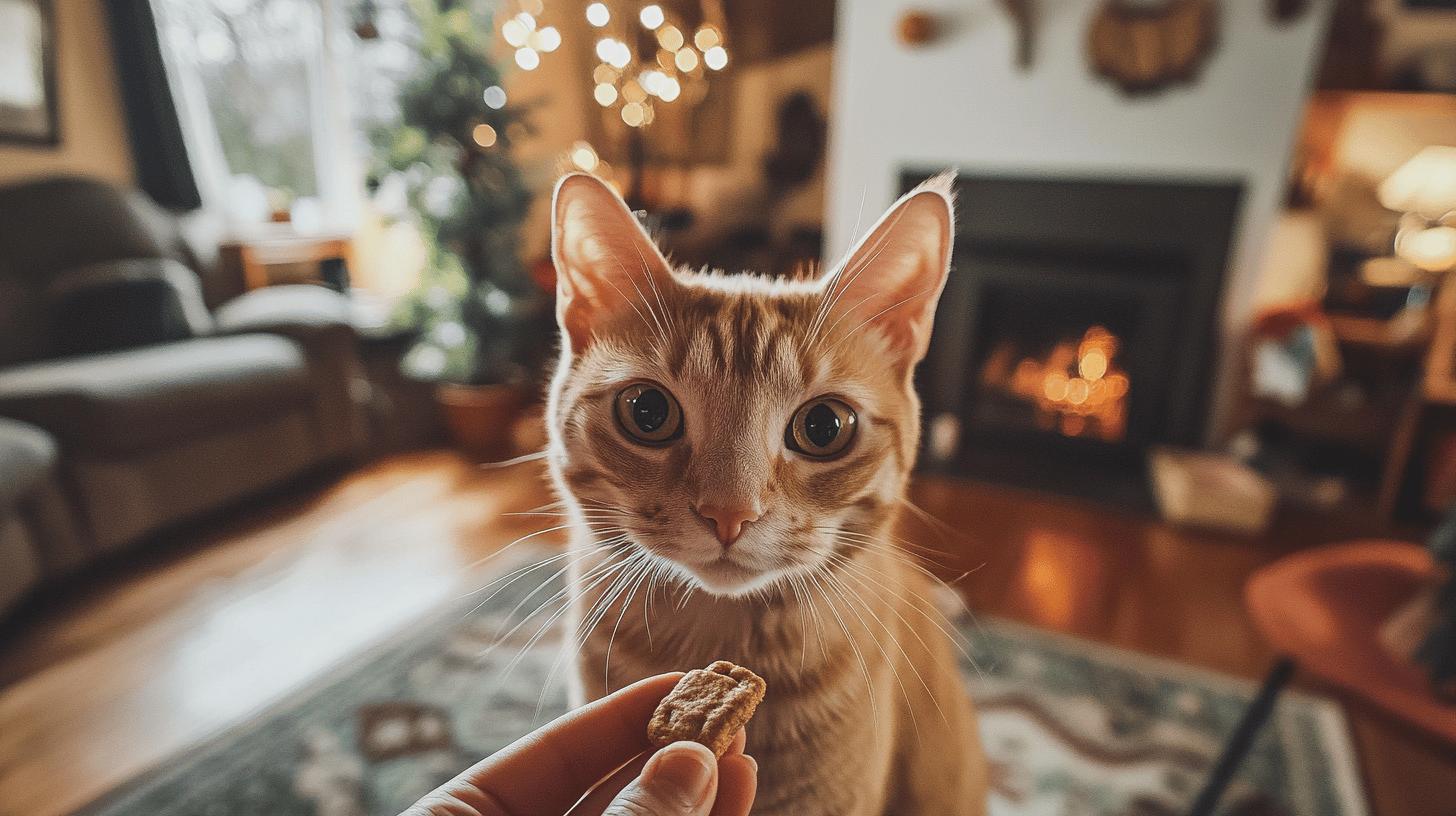
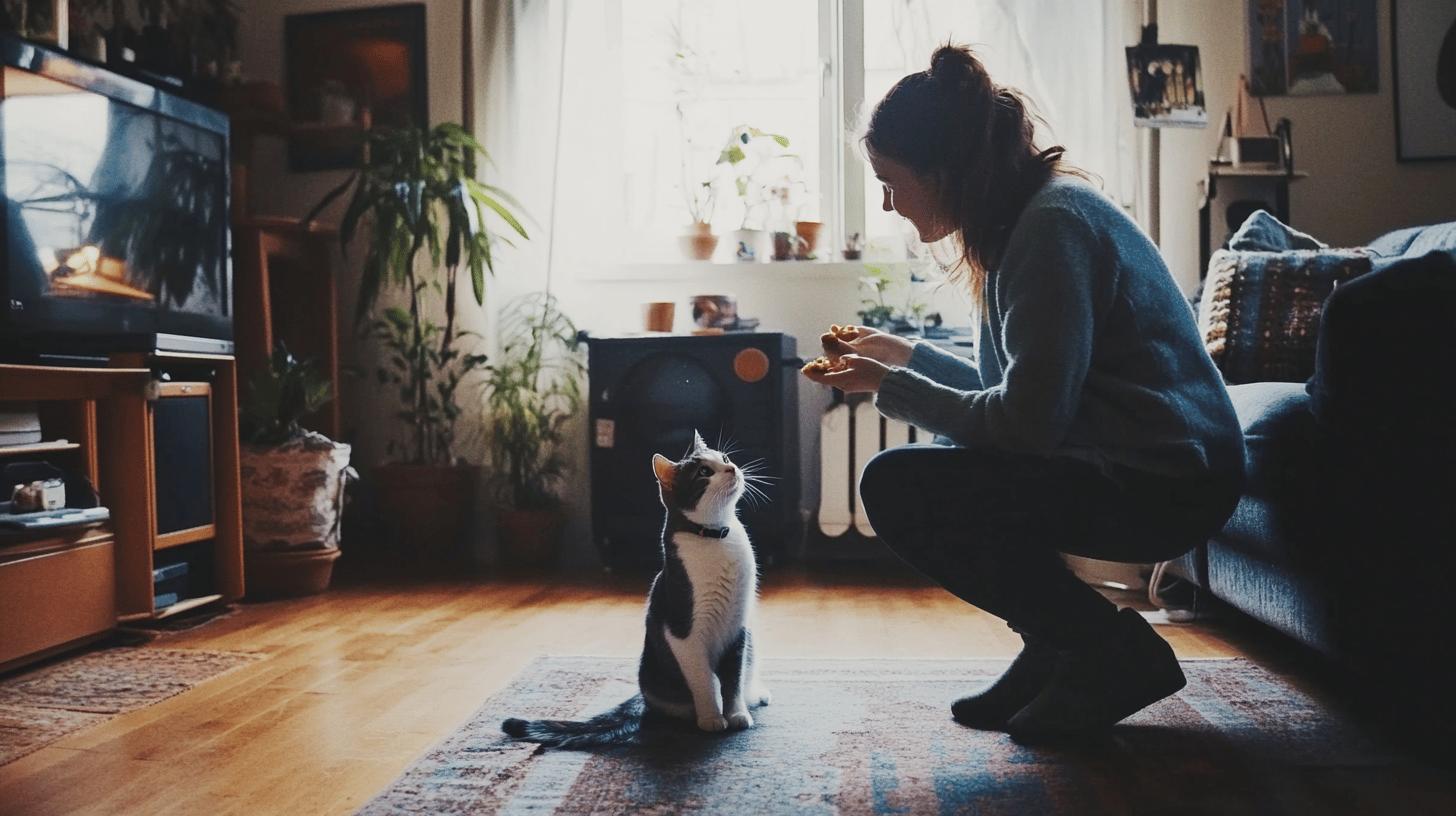
    1. Reward Indoor Behavior: Use treats or affection to reward your cat when they show interest in staying indoors. This encourages them to associate indoor spaces with positive experiences.
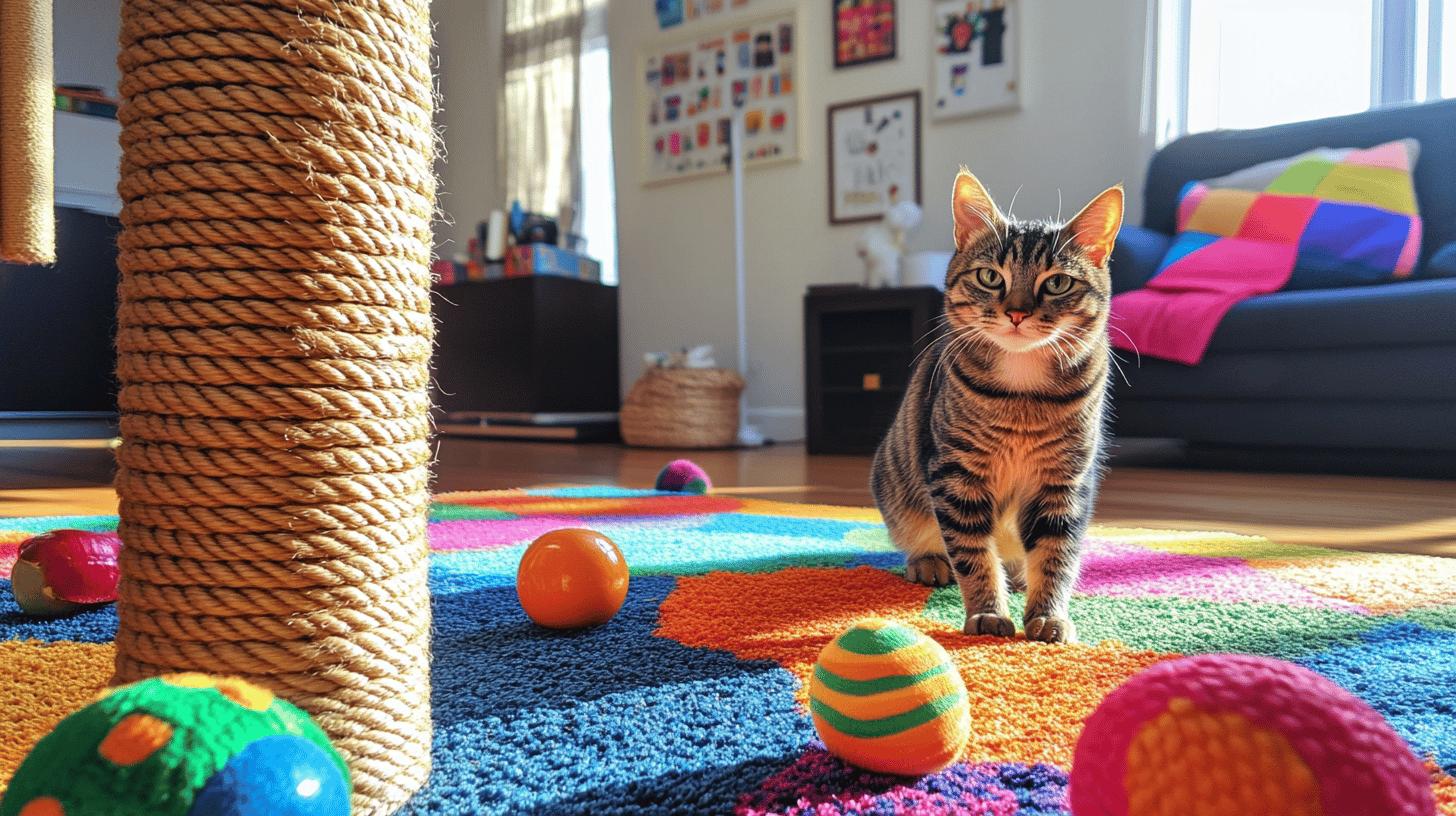
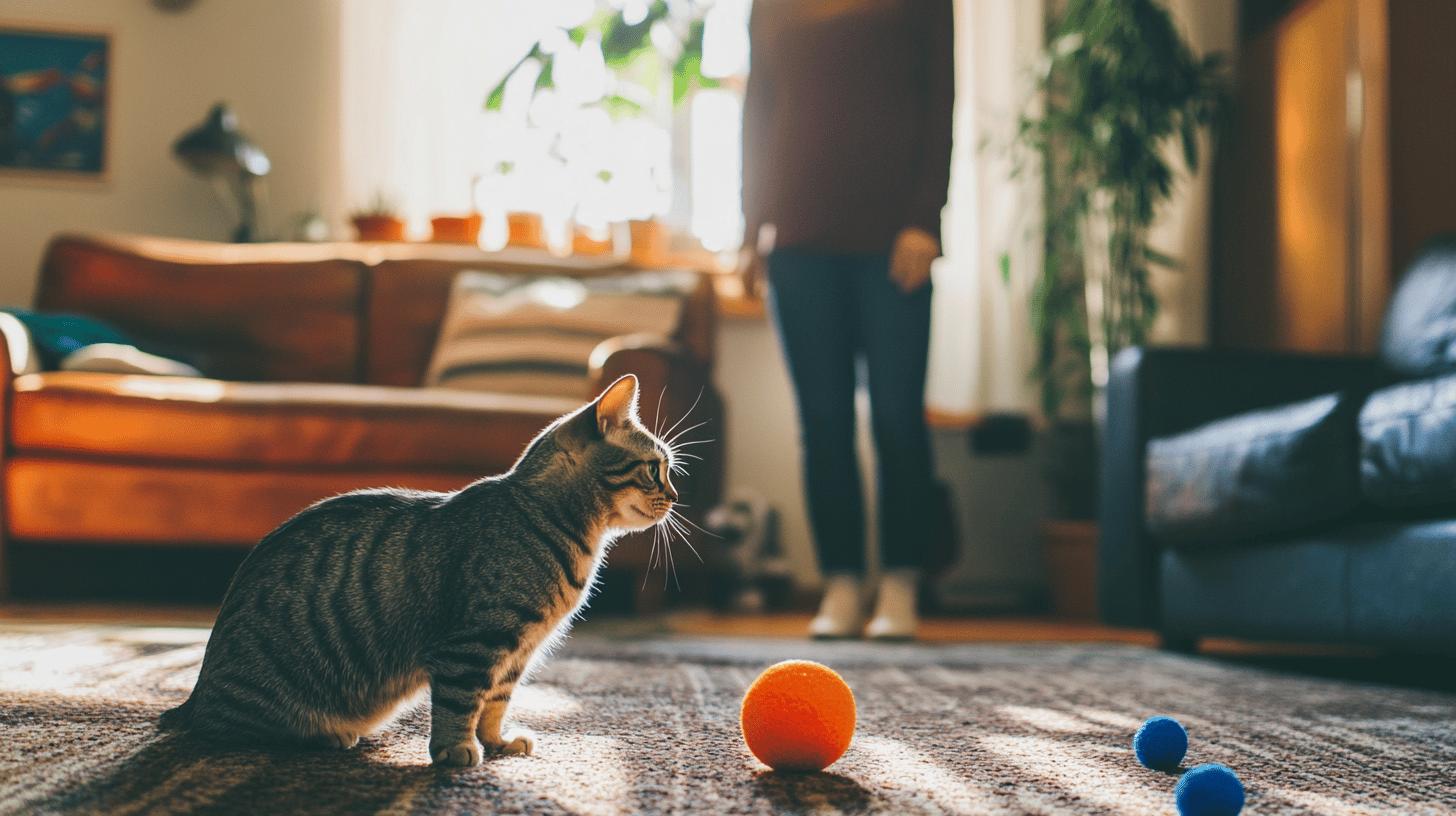
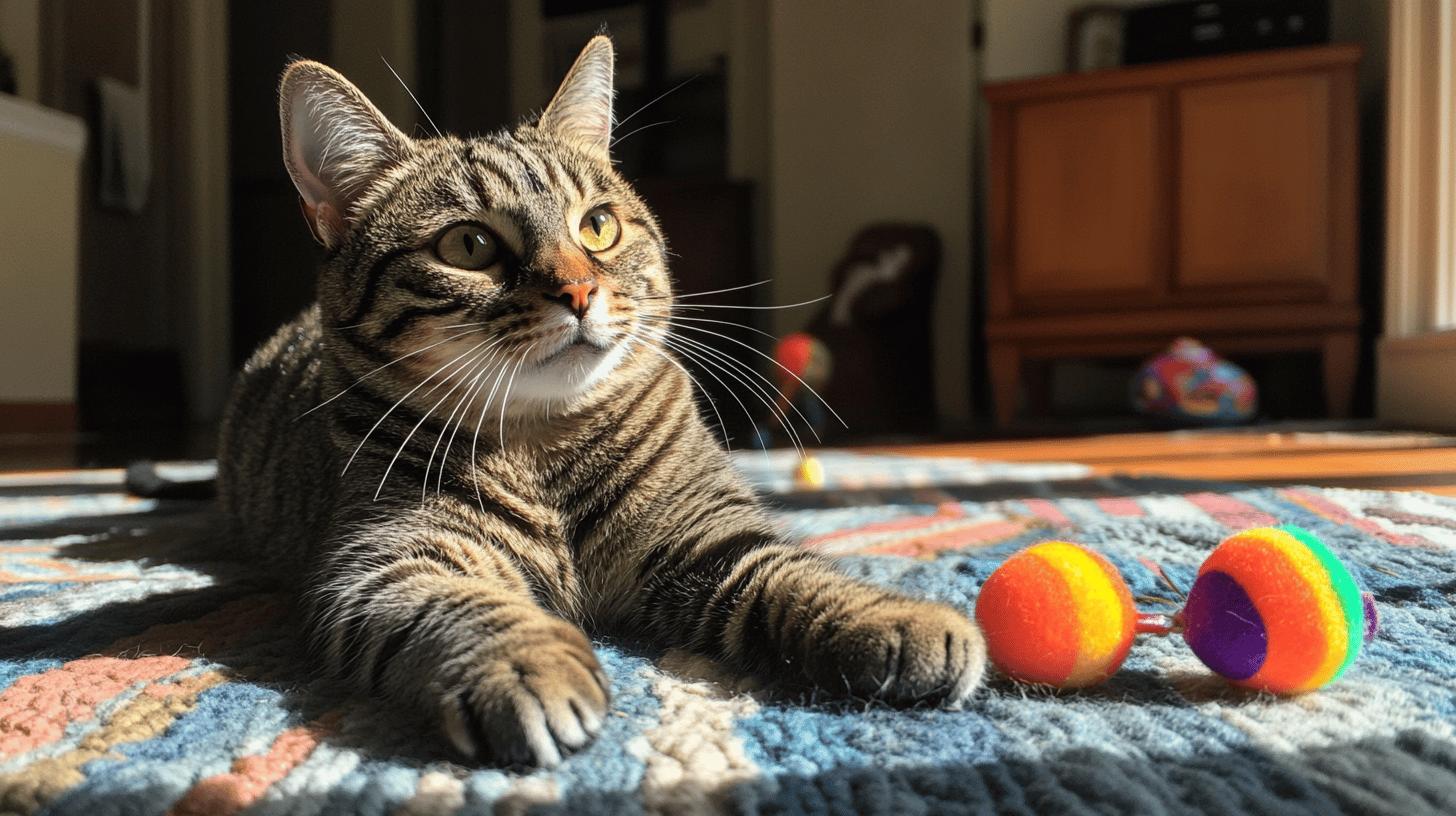
    2. Create an Indoor Playground: Provide plenty of stimulating activities and toys to keep your cat entertained inside. This reduces their desire to explore outside.
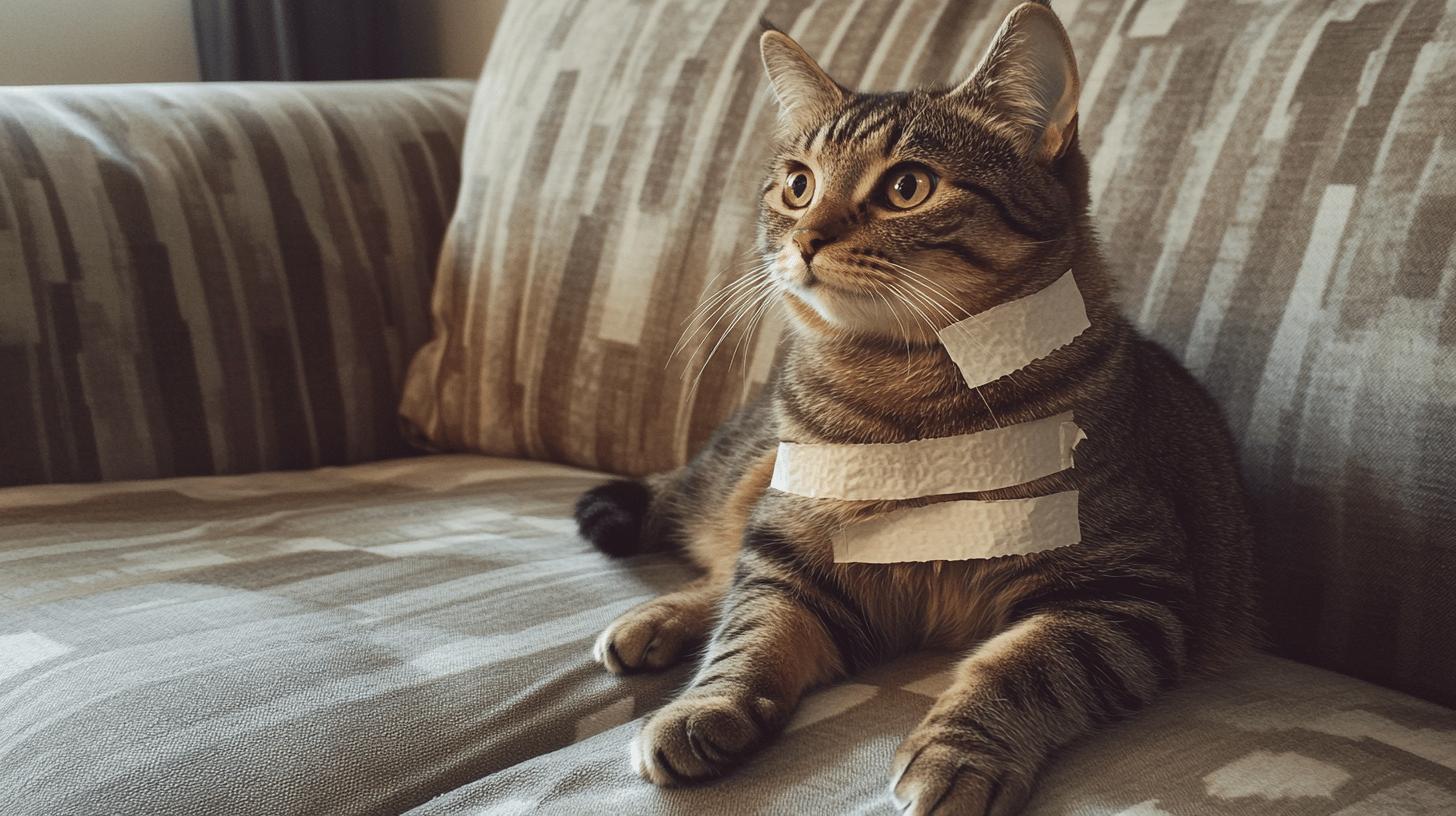
    3. Use Deterrents at Doors: Place deterrents like scat mats or double-sided tape near doors to discourage your cat from approaching these exit points.
    1. Establish a Routine: Feed your cat at the same times each day and engage in regular play sessions. A predictable routine can help reduce their curiosity about the outside world.
    2. Teach a Command: Train your cat to respond to a specific command, such as “stay,” when they approach the door. Use treats and praise to reinforce this behavior.
    3. Limit Access to Temptations: Keep windows and doors closed or secured with screens to prevent your cat from spotting potential outdoor temptations.

    Consistency and patience are crucial when training your cat. Regularly using these techniques will help reinforce the boundaries you’ve set. Remember, understanding your cat’s needs and natural instincts plays a significant role in effectively keeping them content and safe indoors.

    Creating an Enriching Indoor Environment for Cats
    Creating an Enriching Indoor Environment for Cats-1.jpg

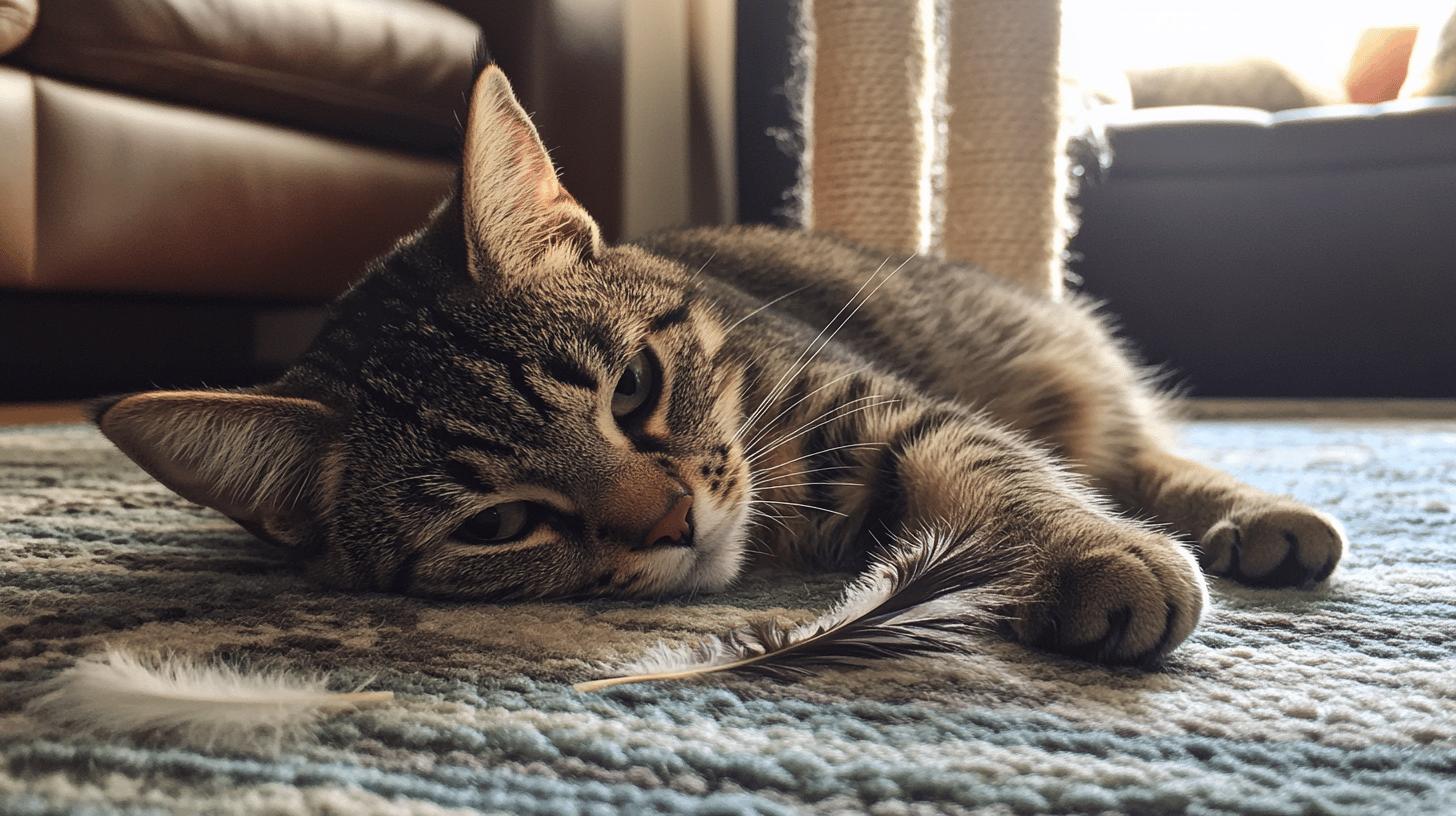
    An enriched indoor environment is crucial for keeping cats happy and reducing their desire to explore outside. Cats are curious and active by nature, so providing them with a stimulating home environment can satisfy their need for adventure.

    By incorporating a variety of activities and items, you can transform your home into a cat-friendly playground that keeps them engaged and content.

    Here are eight items or activities to include in your cat’s indoor environment:

    1. Toys: Offer a variety of toys, including balls, feathers, and interactive toys that mimic prey. Rotate them regularly to maintain interest.
    2. Scratching Posts: Provide multiple scratching posts or pads in different areas of your home to cater to your cat’s instinct to scratch and mark territory.
    3. Climbing Structures: Install cat trees or shelves that allow your cat to climb and explore vertical spaces safely.
    1. Puzzle Feeders: These feeders challenge your cat mentally and physically, turning mealtime into an engaging activity.
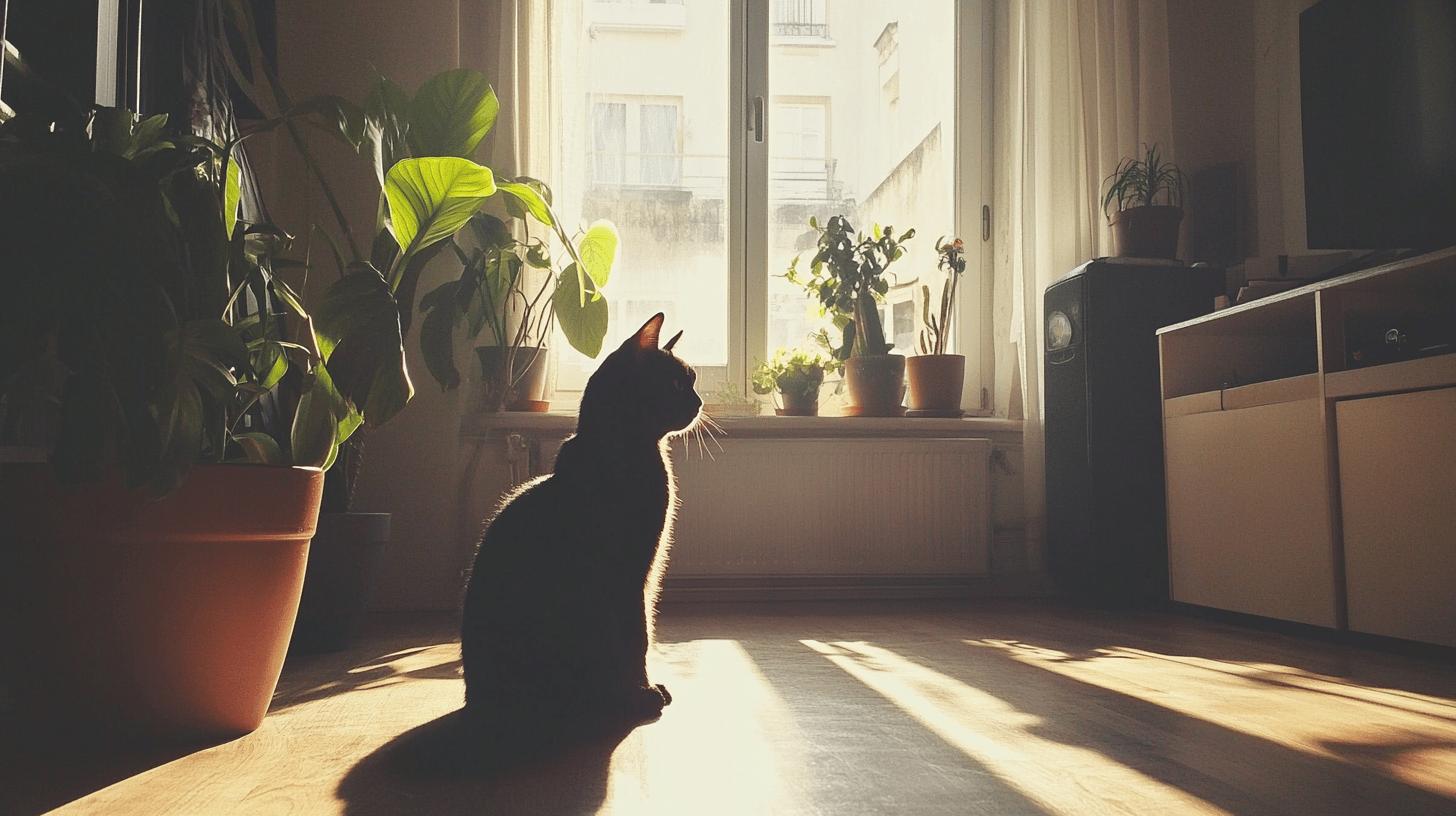
    2. Window Perches: Set up perches near windows so your cat can observe the outside world safely and enjoy the sunshine.
    3. Interactive Play: Spend time each day engaging your cat in play with toys like laser pointers or wand toys to simulate hunting behavior.
    1. Catnip Plants or Toys: Use catnip-infused items to provide a burst of excitement and stimulation for your cat.
    2. Hiding Spots: Create cozy hiding places with boxes or tents for your cat to retreat to when they need a quiet space.

    These activities and items provide mental and physical stimulation, helping to keep your cat healthy and satisfied. By enriching their indoor environment, you’ll not only prevent boredom but also support your cat’s overall well-being and happiness.

    Ensuring Cat Safety at Doors and Windows
    Ensuring Cat Safety at Doors and Windows-2.jpg

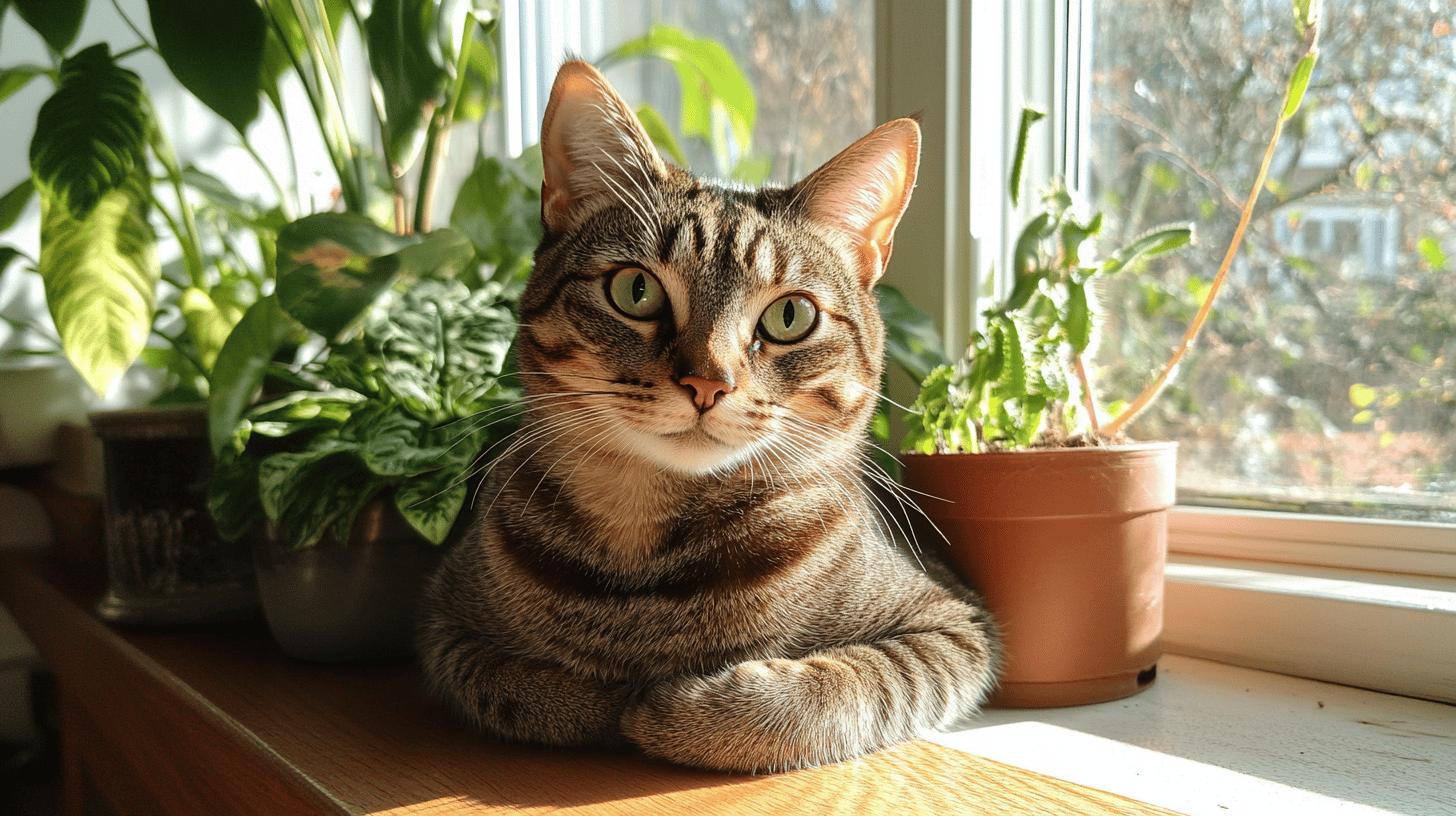
    Cats are quick and curious, making door dashing a common issue for cat owners. An open door or unsecured window can be an irresistible escape route for cats eager to explore the outdoors.

    This can lead to a variety of risks, including getting lost, injured, or encountering dangerous animals. To keep your feline friend safe, it’s crucial to implement effective strategies for securing doors and windows.

    Here are five practical solutions to prevent cat escapes:

    1. Use Scat Mats: Place these near doors to create an uncomfortable surface that discourages your cat from approaching.
    2. Install Window Screens: Securely screen windows to prevent your cat from squeezing through or falling out.
    3. Create Door Routines: Establish a routine when entering or exiting that includes checking for your cat’s whereabouts to avoid accidental escapes.
    1. Keep Doors Unappealing: Use double-sided tape or an unpleasant scent near doorways to deter your cat from lingering.
    2. Reward Indoor Behavior: Offer treats or affection when your cat stays away from doors, reinforcing positive indoor habits.

    Consistency is key to maintaining these safety measures. Regularly check and reinforce window screens, and keep scat mats in place. Always be mindful of your cat’s location when opening doors.

    By staying vigilant and creating a secure environment, you can reduce the risk of your cat making a quick dash outside. Keeping these strategies in place helps ensure that your cat remains safe and sound indoors.

    Benefits of Keeping Cats Indoors
    Benefits of Keeping Cats Indoors-2.jpg

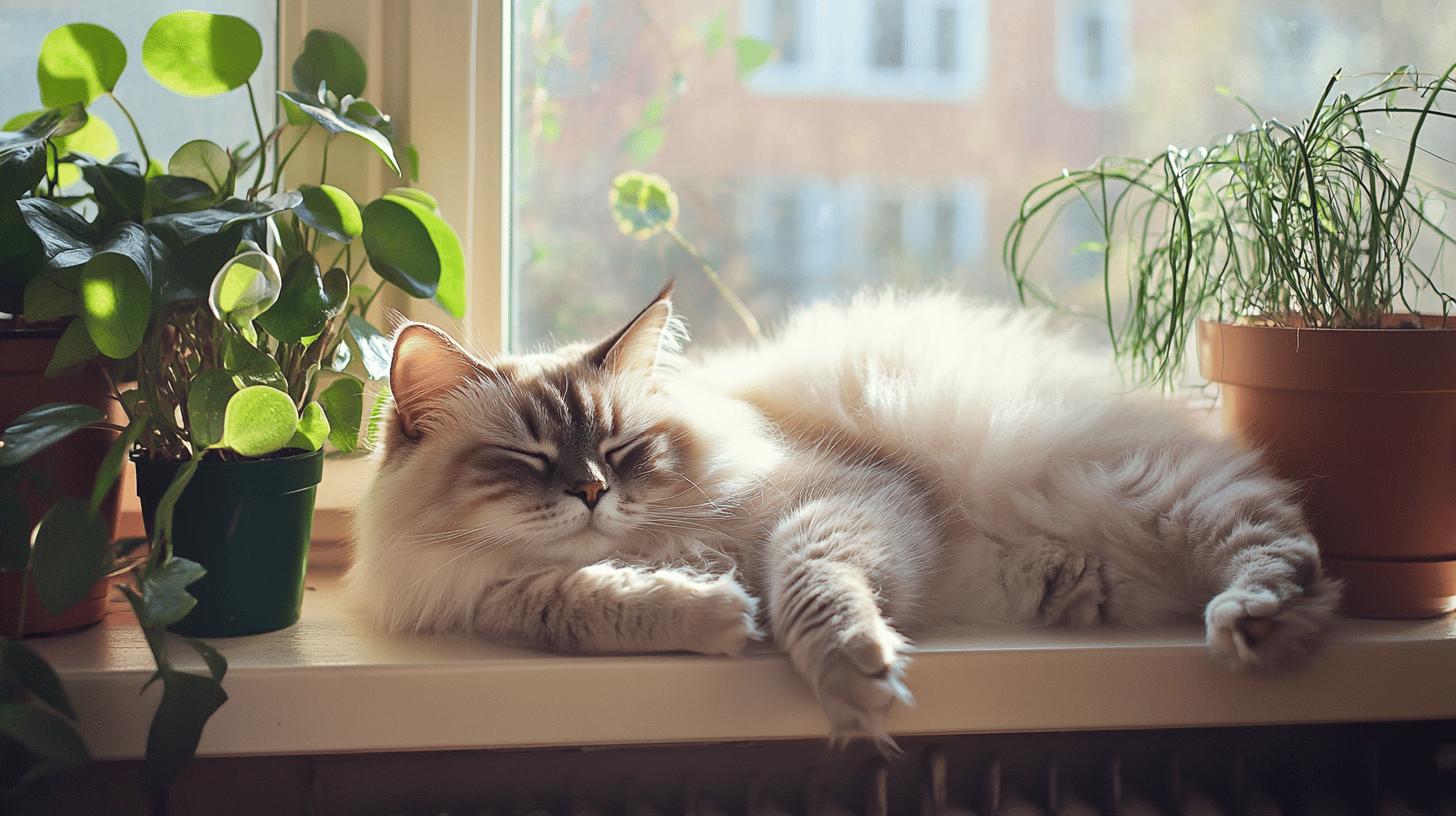
    Outdoor environments pose various risks for cats. They may encounter other animals that could harm them. There’s also the danger of contagious diseases and parasites like ticks and fleas. These threats make outdoor adventures risky for our feline friends.

    Here are four benefits of keeping cats indoors:

    1. Safety from Diseases: Indoors, cats have less exposure to contagious diseases that they might catch from other animals.
    2. Reduced Injury Risk: Staying inside minimizes the risk of accidents, such as getting hit by a car or being attacked by other animals.
    3. Controlled Environment: You can maintain a safer, controlled environment, limiting exposure to harmful substances and situations.
    1. Longevity: Indoor cats tend to live longer because they face fewer threats and dangers that are common outdoors.

    Indoor enrichment can mimic outdoor experiences, keeping cats happy and healthy. By providing plenty of toys, climbing structures, and interactive play, you can satisfy their natural instincts without the dangers of the outside world.

    Final Words

    Understanding why cats want to go outside helps us address their natural instincts and curtail escape attempts. By using effective training techniques, we can learn how to train a cat not to go outside. With patience and positive reinforcement, we can guide cats to stay indoors.

    Creating an enriching indoor environment keeps them engaged and content. Safety measures at doors and windows prevent unwanted dashes outside.

    Keeping cats indoors offers many benefits, protecting them from dangers outside. With the right approach, indoor life can be both safe and enjoyable for our feline friends.

    FAQ

    How do I train my cat not to go outside?

    To train a cat not to go outside, use positive reinforcement. Reward them when they stay indoors and distract them with toys. Keep doors closed, and create an indoor environment that’s stimulating.

    How can I stop my cat from wanting to go outside at night?

    To stop a cat from wanting to go outside at night, provide plenty of play and stimulation during the day. Use blackout curtains and keep lights low. A comfortable sleeping area can also help.

    My cat wants to go outside and won’t stop meowing. What can I do?

    If your cat won’t stop meowing to go outside, offer distractions like toys or laser pointers. Reward quiet behavior and meet their need for stimulation with playtime or cat trees indoors.

    How can I train my cat to be indoor only?

    To train a cat to be indoor only, start gradually. Offer engaging toys, scratching posts, and window perches. Meet their play and hunting instincts indoors for a satisfying environment.

    What should I do if my cat runs outside?

    If your cat runs outside, stay calm. Use food or their favorite toy to lure them back. Secure the area to prevent future escapes and consider training on safe boundaries.

    How to keep a cat from running out the door?

    To keep a cat from running out the door, use deterrents like scat mats. Train them by rewarding them for staying away from the door and create engaging play zones inside.

    How to train a cat to not leave your yard?

    To train a cat not to leave your yard, use a leash and harness for controlled outdoor time. Gradually introduce them to boundaries, and reward them for staying within safe limits.

    What is the 3-3-3 rule for cats?

    The 3-3-3 rule for cats means it takes about 3 days for a cat to decompress in a new home, 3 weeks to start to know your routine, and 3 months to feel at home.
    Related Articles

  • Train Cats to Stop Scratching Furniture Easily

    Train Cats to Stop Scratching Furniture Easily

    Tired of shooing your cat away from the sofa and having them bring out their claws anyway? Wondering if there's a peaceful way to end the scratch wars without declawing? Cats love to scratch for plenty of good reasons—it’s how they stretch, groom their nails, and even mark their territory counter training.com/how-to-train-a-cat-to-be-friendly/”>behavioral training.com/how-to-train-cats-to-behave-basic-commands/”>basic commands.

    But that doesn’t mean your furniture has to suffer. Dive into this guide with actionable tips like using scratch posts and trimming claws, to train your furry friend to keep those claws where they belong. Get ready to protect your couch and keep your kitty happy!

    Understanding Why Cats Scratch Furniture

    Understanding Why Cats Scratch Furniture-1.jpg

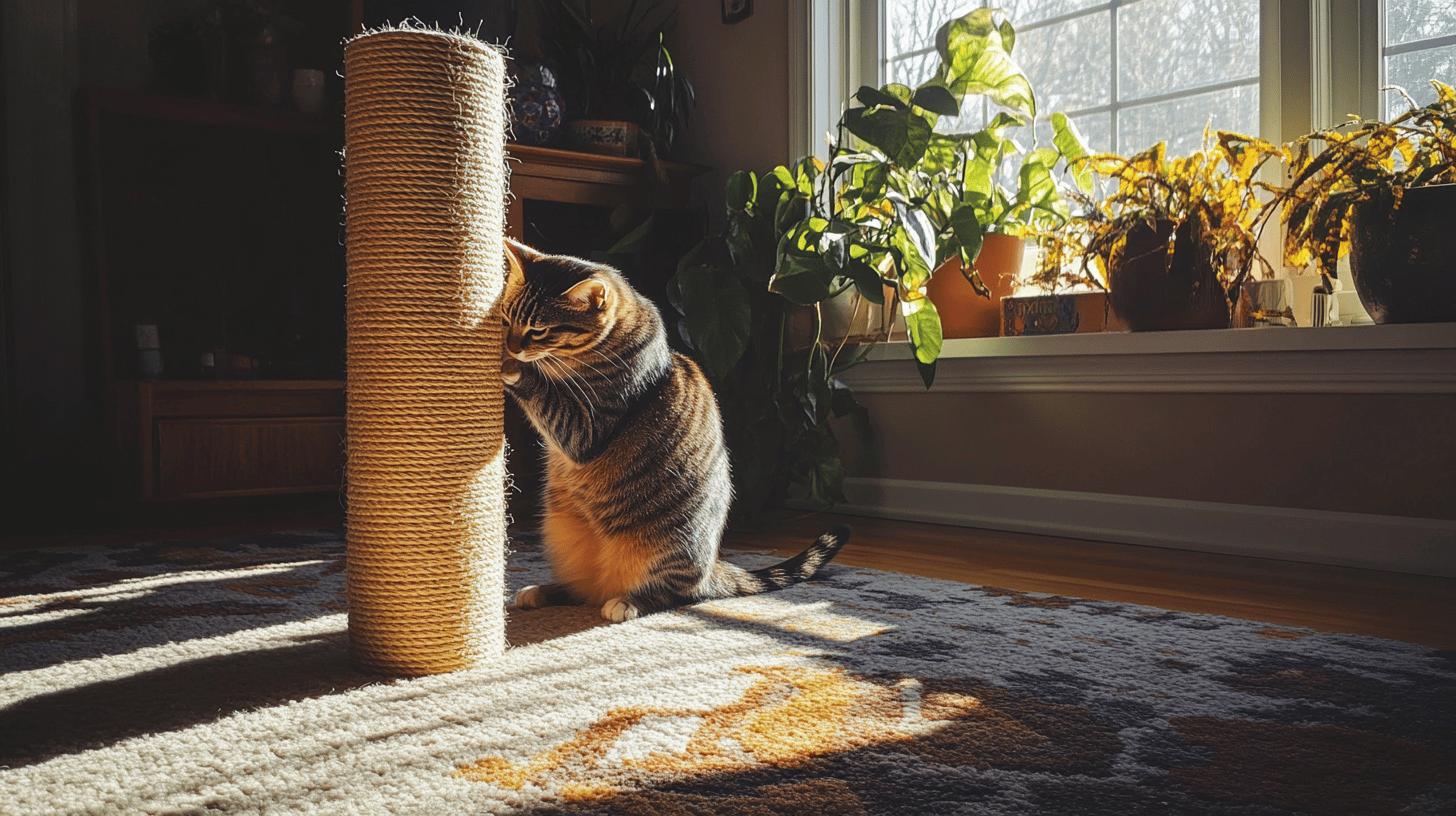
    Cats scratch for many reasons. They stretch their bodies, maintain nail health, and mark their territory. This natural behavior is essential for their well-being. Instead of trying to stop them completely, we can provide alternatives to protect our furniture.

    • Provide Scratching Posts: Place them where your cat likes to scratch.
    • Use Deterrents: Try double-sided tape or furniture covers.
    • Trim Their Claws: Regular trimming can minimize damage.
    • Offer Variety: Use different materials like sisal or cardboard.
    • Positive Reinforcement: Reward your cat when they use the scratching post.

    To make these strategies work, consistency is key. Place scratching posts near the furniture they target. Use deterrents on surfaces they often scratch. Trim their claws weekly to keep them from getting too sharp.

    Offer praise or treats when they use their new scratching post. With time and patience, these habits will become a natural part of their routine, keeping both your cat and furniture happy.

    Alternatives to Declawing: Humane Solutions

    Alternatives to Declawing Humane Solutions-1.jpg

    Declawing is not the right approach to stop your cat from scratching furniture. It involves amputating the cat's digits up to the first joint. This is painful and inhumane. It is like removing the last bone of a human finger.

    Declawing can lead to long-term health issues like lameness, back pain, and arthritis. Cats need their claws for balance. Removing them can change their natural gait and posture. Behaviorally, declawed cats might become more aggressive.

    They can't defend themselves well. They may also avoid litter boxes because litter can hurt their healing paws. Many countries, and some US cities, have banned declawing due to these negative effects.

    Try humane alternatives that respect your cat's instincts. Trim your cat's claws every few weeks with clippers made for cats. Use deterrents like double-sided tape or furniture covers to stop scratching. Place scratching posts near furniture. Reward your cat with treats and praise when they use these posts. By understanding and meeting your cat's needs, you can keep your home happy without harm.

    Comprehensive Guide to Effective Training and Reinforcing Positive Behavior

    Comprehensive Guide to Effective Training and Reinforcing Positive Behavior-1.jpg

    Training a cat not to scratch furniture benefits from a structured approach. Positive reinforcement is key. By rewarding good behavior, you guide your cat toward desirable actions. Implementing a 7-day training plan can redirect their scratching instincts to appropriate objects like scratching posts.

    Here's a simple 7-day plan to help train your cat:

    1. Day 1: Place scratching posts near the furniture your cat usually scratches. Use catnip or toys to make the posts appealing.

    2. Day 2: Watch your cat. If they go to scratch furniture, gently redirect them to the post. Praise them for using it.

    3. Day 3: Apply double-sided tape to furniture. The texture is unpleasant, discouraging scratching.

    1. Day 4: Keep redirecting your cat and offer treats when they use the post. This reinforces good behavior.

    2. Day 5: Encourage play around the scratching post. Use toys to make the post a positive spot.

    3. Day 6: Stick to the routine of redirection and reward. Consistency helps your cat learn.

    Positive interactions are effective. Rewarding your cat with treats or praise when they use the scratching post gives immediate feedback. Interactive play makes the post part of their fun time. When the post becomes enjoyable, they're more likely to use it.

    Consistency and patience are crucial. Cats need time to change habits. Celebrate small wins when they choose the post over furniture. Your steady guidance helps them learn expectations. Remember, patience is vital as each cat learns differently.

    Choosing and Using the Right Scratching Posts

    Choosing and Using the Right Scratching Posts-1.jpg

    Introducing a new scratching post can be tricky. Cats can be picky about change. Start by placing the new post next to their favorite scratching spot. You can rub catnip on it to make it more appealing. If your cat seems hesitant, try playing near the post with a toy. This can help them associate the post with fun and curiosity.

    Understanding why cats prefer certain materials can be helpful. Cats often like sisal because it feels good on their claws. Cardboard is a favorite for its shreddable texture. Some cats enjoy carpet due to its softness. Knowing these preferences can guide you in choosing a post they will use.

    An example of success is my friend, who placed a sisal post near her cat's sleeping area. Her cat, Bella, immediately took to it, saving the couch from further damage. Veterinarians often suggest observing your cat's behavior to choose the right type. They note that the right post can keep cats healthy by allowing natural behaviors.

    Material Benefits
    Sisal Rope Feels satisfying, durable
    Cardboard Shreddable, enticing texture
    Carpet Soft, familiar feel

    Utilizing Deterrents and Protectors for Furniture

    Utilizing Deterrents and Protectors for Furniture-1.jpg

    Deterrent sprays can be a game changer in protecting your furniture. Homemade versions use vinegar, water, and citrus oils to create a smell that cats avoid. Commercial sprays are available with safe, cat-repellent scents. Double-sided tape's sticky texture discourages cats when they touch it. Each deterrent offers a unique approach to keeping your furniture scratch-free.

    • Homemade Citrus Spray: Pros – Natural, cost-effective. Cons – Needs frequent reapplication.
    • Commercial Deterrent Sprays: Pros – Long-lasting, easy to use. Cons – Some cats may ignore them.
    • Double-Sided Tape: Pros – Immediate effect, easy to apply. Cons – May leave residue on furniture.
    • Aluminum Foil: Pros – Simple, reusable. Cons – Not aesthetically pleasing.
    • Furniture Covers: Pros – Protects furniture directly. Cons – Temporary and may not deter cats.

    Furniture protectors act as a temporary shield. They block your cat's access to furniture, preventing scratches. Options include plastic wraps or fabric covers that can be removed once your cat learns to scratch elsewhere. While these protectors offer a quick fix, they don't solve the behavior behind scratching.

    Integrate deterrents into a broader training strategy. Pair them with positive reinforcement and scratching posts to guide your cat. This comprehensive approach protects your furniture and respects your cat's natural instincts.

    Final Words

    Preventing cats from scratching furniture starts with understanding their natural behavior.
    Offering alternatives like scratching posts and using deterrents can help protect your home.
    Avoid inhumane practices like declawing and focus on training and positive reinforcement.

    A structured plan with patience and consistency can teach your cat better habits.
    Choosing the right scratching posts and using furniture protectors are important steps.

    By applying these strategies, you can learn how to train a cat to not scratch furniture.
    You'll create a happier environment for you and your feline friend.

    FAQ

    Q: What homemade spray can stop a cat from scratching furniture?

    A: Using a combination of water and vinegar can deter cats. Cats dislike the smell. Spray it on areas you want to protect.

    Q: How can I train my cat not to scratch furniture?

    A: Provide scratching posts, praise or treat your cat for using them, redirect with toys, and be patient. Consistent positive reinforcement helps.

    Q: What is the best commercial spray to stop cats from scratching furniture?

    A: Look for sprays with natural deterrents, such as citrus or lavender oils. They're effective and safe for pets.

    Q: What home remedy stops cats from scratching furniture?

    A: Use double-sided tape or aluminum foil on furniture. Cats dislike these textures and will avoid them.

    Q: How do cat scratch furniture protectors work?

    A: They create a barrier that cats don't like to scratch. Made of clear plastic or fabric, they protect surfaces without altering the furniture's appearance.

    Q: What scents keep cats from scratching furniture?

    A: Cats often avoid citrus and lavender. Using sprays or smells with these scents can help keep them away from furniture.

    Q: How can I make my furniture scratch-proof from cats?

    A: Use a combination of deterrent sprays, protective covers, and strategic placement of scratching posts to protect and redirect your cat's instincts.

    Q: How do you train a cat not to scratch things?

    A: Introduce designated scratching areas, reward with treats, and consistently reinforce good behavior. Redirect if they scratch where they shouldn't.

    Q: How do I stop my cat from clawing my furniture?

    A: Offer scratching alternatives, use deterrents, and praise when they scratch in the right places. Regular nail trims can also help manage clawing.

  • Training Your Cat to Recognize Its Name

    Training Your Cat to Recognize Its Name

    Did you know that cats can learn their names just like dogs? It might seem surprising, considering cats often get labeled as independent and aloof. But teaching a cat its name can unlock a world of better communication and bonding.

    Imagine being able to call your cat and have it come to you, all thanks to simple, step-by-step training. In this guide, I'll show you how to create the perfect environment and use easy techniques to help your cat learn its name, making playtime and interactions much more rewarding.

    Effective Techniques for Training Cats to Recognize Their Names

    Effective Techniques for Training Cats to Recognize Their Names-3.jpg

    Begin training your cat to recognize its name by selecting the right environment and name. A quiet place without distractions helps your cat focus. Avoid rooms with other pets or loud noises. Choose a short and simple name. This makes it easier for your cat to recognize and respond quickly. A long or complicated name may confuse your cat and delay learning.

    Follow these steps to teach your cat its name:

    • Start by calling your cat by its chosen name in a calm voice.
    • When your cat responds, reward it with a small treat or gentle affection.
    • Repeat this process several times a day, aiming for consistency.
    • Gradually increase the distance between you and your cat while calling its name.
    • Ensure to repeat the name in different contexts, like during playtime or feeding.

    Consistency and positive reinforcement are key to successful learning. Practice daily, aiming for short sessions of about 2-3 minutes. Frequent but brief sessions keep your cat engaged. Maintain a positive attitude, rewarding your cat immediately when it responds correctly.

    This helps your cat associate its name with positive outcomes. Over time, this will reinforce the behavior and help your cat learn its name more effectively.

    Understanding Feline Behavior and Name Recognition

    Understanding Feline Behavior and Name Recognition-1.jpg

    Cats don't understand names like humans do, but they can connect a specific sound with an action or reward. By using a consistent word, like their name, along with a treat or affection, cats learn to associate it with something positive.

    This means when you call your cat’s name, they might not think, "That's me," but more like, "Good things happen when I hear that sound." Their response is based on the positive reinforcement they receive rather than an understanding of being identified by a name.

    Here are some cues that indicate your cat is recognizing its name:

    • Ear twitching or turning toward the sound.
    • Head turning or looking in your direction.
    • Approaching you when the name is called.
    • Pausing their current activity to listen.

    Understanding your cat's behavior is crucial to training success. Each cat has its own personality and preferences, which can affect how quickly they learn their name. Observing these cues helps you see what works best.

    If your cat shows interest when you call their name, continue using positive reinforcement. If they seem indifferent, try different rewards or methods. Adapting to your cat’s unique traits will make the training process more effective and enjoyable for both of you.

    Common Challenges and Solutions in Training Cats

    Common Challenges and Solutions in Training Cats-3.jpg

    Training a cat to recognize its name can come with its set of challenges. Some cats may not show interest due to their temperament or age. Younger cats might learn faster, while older ones may need more time.

    Environmental distractions like noise or other pets can also hinder training. Sometimes, the reward offered isn’t appealing enough to motivate the cat. These factors can make it hard for the cat to focus and respond during training sessions.

    Here are some solutions to these challenges:

    • Change rewards to something more enticing. Experiment with different treats or toys.
    • Alter the training environment. Use a quiet, distraction-free room.
    • Involve family members. Ensure everyone uses the same name and methods.
    • Adjust the training time. Try training when your cat is more alert or playful.
    • Limit training to short sessions. Keep them brief to maintain your cat's interest.

    Avoid common mistakes to enhance training success. One major mistake is inconsistency. Make sure to practice regularly with the same name and method. Avoid overusing your cat's name outside of training. This keeps the name special and associated with positive reinforcement. By addressing these challenges and avoiding mistakes, you can make the training process smoother and more effective.

    Crafting a Consistent Training Schedule for Your Cat

    Crafting a Consistent Training Schedule for Your Cat-4.jpg

    Consistency plays a vital role in reinforcing your cat's learning. Regular training helps your cat associate its name with positive experiences. By sticking to a consistent training schedule, you create a routine that your cat can anticipate and respond to.

    This repetition strengthens the connection between their name and the rewards you provide. Aim for short sessions, around 2-3 minutes, multiple times a day to keep your cat engaged without overwhelming them.

    Here are some tips for scheduling training sessions:

    • Keep sessions brief to maintain your cat's attention.
    • Practice frequently throughout the day to reinforce learning.
    • Vary the locations where you call your cat's name to generalize the behavior.
    • Use the same time each day for training to establish a routine.
    • Adjust the training environment to minimize distractions.

    As your cat becomes more responsive, gradually adapt the schedule. Increase the complexity by calling your cat from different rooms or adding mild distractions. Monitor your cat's progress and adjust the frequency or duration of sessions accordingly.

    By tailoring the training routine to your cat's learning pace, you ensure ongoing success and deepen the bond between you and your feline friend.

    Final Words

    Training your cat to recognize its name can be a rewarding experience.

    Starting in a quiet area with a simple name lays the groundwork for success.

    By following the steps, offering a treat or affection as a reward, and practicing consistently, your cat can learn its name in no time.

    Understanding your cat's behavior and addressing any challenges contributes to smoother training.

    Consistency is key, so keep sessions short and enjoyable to achieve great results in how to train a cat its name.

    With patience and love, your cat will soon be responding eagerly to its name.

    FAQ

    How do you train a cat to recognize its name?

    A: To train a cat to recognize its name, start in a quiet area. Call your cat's name and reward any positive response with treats or affection. Keep sessions short and consistent daily.

    How long does it take for a cat to learn its name?

    A: Most cats can learn their name within a week with daily consistent training and positive reinforcement like treats or affection.

    Do kittens recognize their owners?

    A: Kittens can recognize their owners through scent and voice over time, especially if frequently interacting with them.

    How can I teach two kittens their names?

    A: To teach two kittens their names, train them individually. Use positive reinforcement and consistent repetition for each kitten separately to avoid confusion.

    When should I start teaching my cat not to bite?

    A: Start teaching a cat not to bite as soon as the behavior begins, typically during kittenhood, using consistent redirection and praise for gentle behavior.

    How do cats naturally learn their name?

    A: Cats naturally learn their name by associating the sound with treats, affection, or actions they enjoy, through frequent repetition.

    What are some tricks I can teach my cat?

    A: Teach tricks like sitting, high-five, or fetching by using small treats and consistent commands, rewarding each successful attempt.

    Will cats come when called?

    A: Cats may come when called if they recognize their name and anticipate positive outcomes, like treats or affection, from responding.

    Related Articles

  • Train Your Cat to Sleep at Night Easily

    Train Your Cat to Sleep at Night Easily

    Is your cat keeping you up with their night owl antics? Cats often keep peculiar hours, driven by their crepuscular nature, chasing shadows and dreams while we try to snooze enrichment activities.com/how-to-train-a-cat-to-be-friendly/”>friendly behavior. Understanding these instincts might make you feel stuck in a never-ending battle for sleep, but don't worry.

    By setting the right routine, you can teach your cat to enjoy restful nights alongside you. Dive into our guide to unlock the secrets of training your feline friend to sleep soundly during those precious nighttime hours, giving both of you blissful sleep!

    Understanding Your Cat's Natural Sleep Patterns

    Understanding Your Cats Natural Sleep Patterns-1.jpg

    Cats are crepuscular animals. This means they are most active during the twilight hours of dawn and dusk. You might notice your cat full of energy early in the morning or just as the sun goes down. This behavior stems from their wild ancestors, who hunted at these times.

    As a result, it’s common for cats to wake their owners around 6:00 am, ready to play or eat. However, if a cat begins waking up at 3:00 am or 4:00 am consistently, it might signal an issue needing attention. These nocturnal instincts can sometimes clash with human sleep schedules.

    • Cats tend to be most active around dawn and dusk.
    • Early morning wake-ups are typical for many cats.
    • Cats may become restless and vocal during nighttime hours evening routines.
    • Nighttime energy can disrupt human sleep schedules.
    • Consistent early wake-ups might need a vet's attention.

    If your cat's sleep disturbances are severe or they seem unusually restless or vocal at odd hours, it might be time to seek medical advice. Unusual sleep patterns could indicate underlying health issues like thyroid problems or cognitive dysfunction in older cats. Consulting a vet can help rule out any medical causes, ensuring your cat’s behavior is purely instinctual and not health-related.

    Establishing a Cat Bedtime Routine

    Establishing a Cat Bedtime Routine-1.jpg

    Consistency is key when training a cat to sleep through the night. Cats thrive on routine, and having a set schedule can make a world of difference. By sticking to specific times for feeding and play, you can help your cat understand when it's time to wind down for the evening.

    This structured approach not only aids in developing good sleep habits but also reduces the chances of your cat waking you up at odd hours.

    Setting meal schedules is a crucial part of establishing a bedtime routine. Unlike free-feeding, which allows cats to eat whenever they please, scheduled meals help regulate their energy levels. Aim to provide 2-4 meals a day, ensuring that any leftover food is removed after 20 minutes.

    This prevents grazing and encourages your cat to eat at designated times. Feeding your cat a small meal before bedtime can help keep them satiated through the night, reducing the likelihood of early morning wake-ups. By aligning meal times with your schedule, you encourage your cat to adapt their sleep pattern to yours.

    1. Determine regular feeding times and stick to them daily.
    2. Remove uneaten food after 20 minutes to prevent grazing.
    3. Engage your cat in a play session before the last meal to tire them out.
    4. Offer a small snack before bedtime to keep them content overnight.

    Patience and persistence are essential as your cat adjusts to their new routine. Changes won't happen overnight, and it may take a few weeks for your cat to fully adapt. Stay consistent with your approach, and gradually, you'll notice improvements in your cat's sleep habits. Remember, the effort you put into maintaining a routine will pay off in the form of a well-rested and happier cat.

    Creating a Comfortable Sleep Environment for Cats

    Creating a Comfortable Sleep Environment for Cats-1.jpg

    A quiet and cozy environment is key to helping your cat sleep through the night. Cats are sensitive to noise and light, which can disturb their rest. A dark, quiet space mimics their natural instincts to find a safe, calm place to sleep.

    Consider placing their bed in a low-traffic area of your home where they won’t be disturbed. This helps them feel secure and reduces the likelihood of them waking up and wandering around at night.

    Enriching your cat's environment with interactive elements plays an important role in their overall well-being and sleep patterns. Toys, scratching posts, and climbing spaces not only keep them entertained during the day but also help expend their energy.

    This reduces their nocturnal activity, encouraging them to wind down at night. Ensure your cat engages with these items by rotating toys and introducing new elements to keep their interest piqued. An enriched environment contributes to a happier, more relaxed cat, which can lead to better sleep.

    • Quiet space: Choose an area away from household noise.
    • Darkness: Use curtains or shades to block out light.
    • Cozy bedding: Provide a soft, comfortable bed for warmth.

    Maintaining a stress-free environment further enhances your cat's ability to sleep well. Stress can cause restlessness and disrupt sleep patterns, so it's important to create a calm atmosphere. Keep their sleeping area clean and free from clutter.

    Regularly check for any changes in their behavior that might indicate stress, and address these promptly. A peaceful environment supports not only better sleep but also contributes to your cat’s overall health and happiness.

    Managing Your Cat's Energy Levels for Better Sleep

    Managing Your Cats Energy Levels for Better Sleep-1.jpg

    Daytime activities are crucial for managing your cat's energy and encouraging better sleep at night. Much like humans, cats need physical activity to burn off energy, keeping restlessness at bay. Ensuring your cat has plenty of opportunities to play during the day helps reduce their nighttime energy levels.

    This means they are less likely to engage in disruptive behaviors while you're trying to sleep. Keeping them active during daylight hours sets them up for a more restful night.

    Interactive play sessions are particularly effective in tiring out your cat. Aim to engage in 20-30 minutes of play before dinner and again before bedtime. This could involve using toys that mimic prey, like feather wands or laser pointers, to simulate hunting and pouncing.

    For kittens, you might need to extend these play sessions, as they have boundless energy. The goal is to satisfy their natural hunting instincts, providing both physical and mental stimulation. This helps your cat settle down and prepares them for sleep.

    • Use feather wands to encourage chasing and leaping.
    • Try laser pointers for a fast-paced game of catch.
    • Introduce puzzle toys that require problem-solving to release treats.
    • Set up tunnels or obstacle courses for exploration and play.
    • Rotate toys regularly to maintain interest and engagement.

    Adjusting feeding and play schedules can further optimize your cat’s energy management. Schedule the last meal of the day around 9:30 PM if you plan to head to bed by 11 PM. Follow this meal with an interactive play session to burn off any remaining energy.

    This routine helps reinforce the idea that nighttime is for sleeping, aligning your cat's natural rhythms with your own. With consistency, you'll find your cat more inclined to settle down when you do, leading to a more peaceful night for both of you.

    Utilizing Calming Techniques and Products

    Utilizing Calming Techniques and Products-1.jpg

    Calming supplements and natural aids can significantly help in managing hyperactive cats at night. One effective solution is Quiet Night, which can be added to your cat's water or applied directly to their fur to help soothe and reduce restlessness.

    These products use natural ingredients to promote relaxation without causing drowsiness, allowing your cat to settle more easily at night. Incorporating these aids as part of your cat's bedtime routine can enhance their ability to adjust to a new sleep schedule, ensuring they are more peaceful during the night.

    Adjusting your cat's diet is another crucial element in improving their sleep quality. A species-appropriate diet rich in moisture and animal protein can help regulate their energy levels and promote better rest.

    Cats thrive on diets that closely mimic their natural eating habits, so avoid high-carb dry foods that can lead to increased energy levels and restlessness. By providing a balanced diet, you support not only your cat's overall health but also create a more conducive environment for nighttime rest.

    • Add Quiet Night to your cat's water for calming effects.
    • Apply calming sprays to your cat's fur to reduce restlessness.
    • Use pheromone diffusers to create a relaxing environment.
    • Offer treats with relaxing herbs like chamomile or valerian root.

    Final Words

    Training your cat to sleep soundly through the night involves understanding their natural crepuscular instincts and adjusting their routines. By establishing a structured bedtime and meal schedule, you create consistency in your cat's life. A quiet and enriching sleep environment further supports this goal. Managing energy with play sessions before bedtime and utilizing calming techniques or products can also enhance sleep quality. With patience and persistence, you'll soon notice improvements. Implementing these strategies not only helps your cat but also ensures everyone enjoys a restful night's sleep.

    FAQ

    How do I train my cat to sleep through the night?

    Training a cat to sleep through the night involves setting a consistent routine. Feed at set times (2-4 meals a day) and play for 20-30 minutes before bed. Patience is key.

    Can cats be trained to sleep at night?

    Yes, cats can be trained to sleep at night by establishing a set bedtime routine, adjusting meal schedules, and providing plenty of daytime activities to tire them out.

    How do I stop my cat from waking me up at 4 am?

    Feed your cat later in the evening and engage in active playtime before bed. Create a calm environment with dim lights and minimize disturbances to help them sleep longer.

    What can I give my cat to sleep at night?

    Consider using calming products like Quiet Night supplements. A species-appropriate diet with high moisture and protein content can also improve your cat’s sleep quality.

    How do I train my cat to sleep in my bed?

    Feed and play with your cat to tire them out before bedtime. Encourage them with a cozy blanket or bed. Consistently reward them when they settle in with you. Avoid disturbing them once settled.

    Will catnip help my cat sleep at night?

    Catnip might help some cats relax, but it can also make them more energetic. Test it to see how your cat reacts and use it sparingly if it calms them.

    How to calm a hyper cat at night?

    Incorporate calming supplements or natural aids and engage in quiet activities before bed. Ensure your cat has a relaxing sleep environment to help them wind down.

    How to make a cat sleep for travel?

    Offer calming supplements or pheromone sprays. Ensure the cat carrier is comfortable with familiar bedding. A calm environment can aid in settling them during travel.

  • How to Train a Cat to Be an Outside Cat

    How to Train a Cat to Be an Outside Cat

    Ever wondered if your indoor cat could thrive outside? Turning your indoor cat into an outside adventurer might sound tricky, but it’s possible with the right steps. Many cat lovers dream of their feline friends enjoying the fresh air and sunshine safely.

    Is it worth the effort? Absolutely. Outdoor life offers a world of new experiences for your cat. I'll show you how to ease this transition in a way that keeps your cat safe and happy. Let's explore the steps to make your indoor cat an outdoor enthusiast.

    Steps to Transition Your Indoor Cat to Outdoor Life

    Steps to Transition Your Indoor Cat to Outdoor Life-1.jpg

    To help your indoor cat adjust to outdoor life, start by letting them settle into their current home for at least two to three weeks. This helps them feel secure in their environment. Once they're comfortable, you can begin the gradual transition outdoors. The key is to provide a safe and controlled introduction to the outside world.

    Here are five steps to guide your cat's transition:

    • Begin with Short Trips: Start by taking your cat outside for brief periods. A few minutes in a secure backyard or garden can help them get used to new sights and smells.

    • Choose a Quiet Time: Take your cat outside during quieter times of the day to reduce stress from loud noises or busy streets.

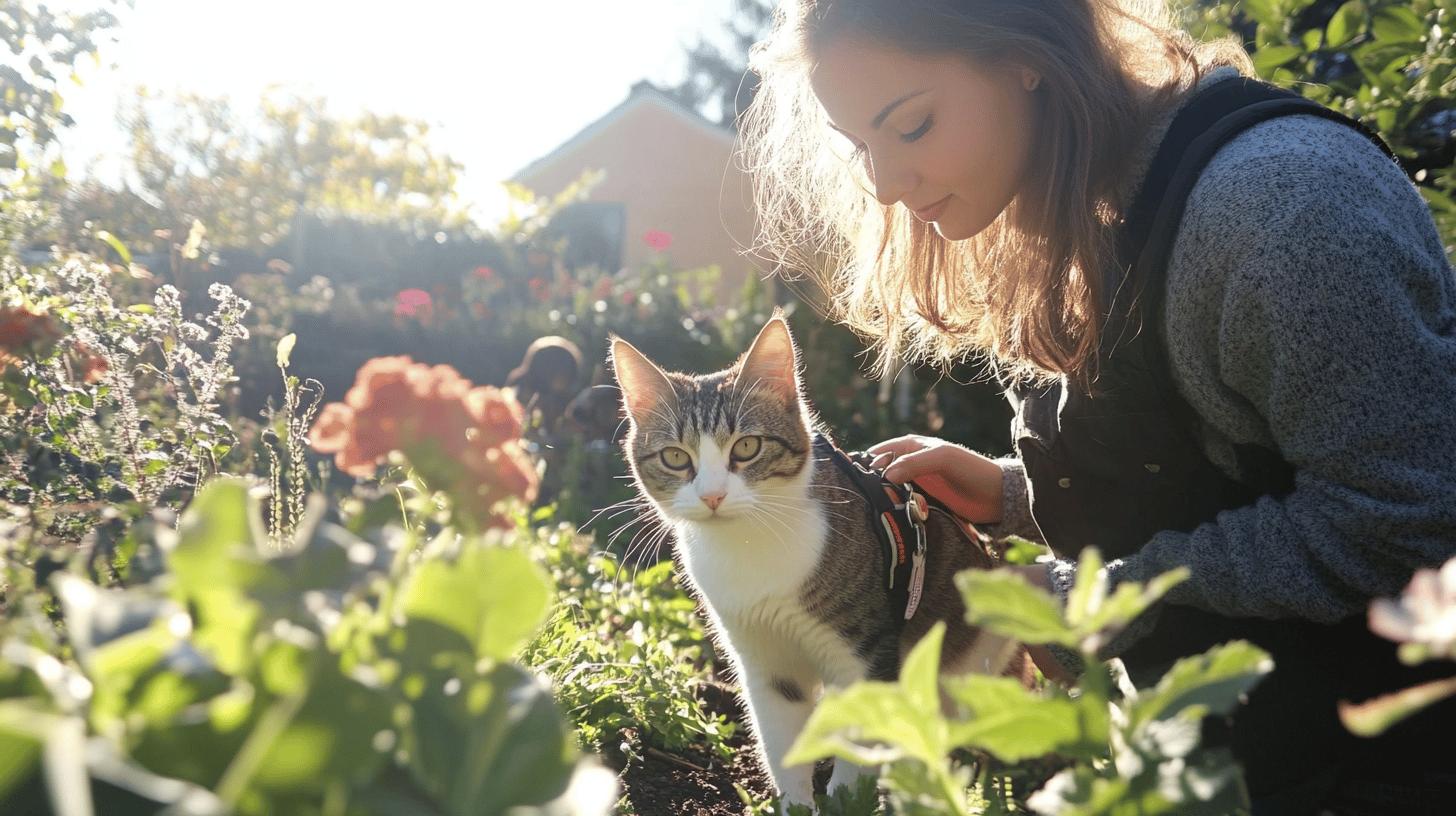
    • Use a Leash: A harness and leash can provide safety and control during their initial outdoor explorations. This also prevents them from running off.

    • Increase Time Gradually: Slowly increase the length of time your cat spends outside as they become more comfortable. Keep an eye on their behavior to ensure they're adapting well.

    • Observe Reactions: Watch how your cat reacts to the outdoors. If they seem scared or anxious, bring them back inside and try again later.

    Patience is crucial throughout this process. Each cat will adapt at their own pace. Monitor their behavior closely, especially during the first few outings. If they seem overwhelmed, it's okay to take a step back. With time and careful observation, your cat will enjoy the benefits of an active outdoor lifestyle.

    Essential Safety Tips for Outdoor Cats

    Essential Safety Tips for Outdoor Cats-1.jpg

    Letting your cat roam outdoors can be exciting but comes with risks. Outdoor cats often face dangers that can cut their lifespan short. They are exposed to traffic, predators, and fights with other animals.

    These encounters can lead to injuries or even death. Diseases like feline leukemia, FIV, and rabies are more common in outdoor cats. Parasites such as fleas, ticks, and worms also pose threats, making it crucial to address these risks.

    To protect your outdoor cat, preventive care is vital. Make sure your cat is up-to-date on vaccinations to fend off common diseases. Parasite control through regular flea and tick treatments will help keep infestations at bay.

    Check your cat regularly for any signs of illness or injury. Routine vet check-ups are essential to catch health issues early. These measures will greatly improve your cat’s safety while enjoying the outdoors.

    • Reflective Collars: Make your cat visible to drivers and people, especially in low light.
    • Microchips: Secure identification in case your cat wanders too far from home.

    • GPS Trackers: Monitor your cat's location and movements to ensure their safety.

    Training Cats to Return Home Safely

    Training Cats to Return Home Safely-1.jpg

    To ensure your cat safely returns home, start by equipping them with proper identification. A collar with tags provides immediate information if your cat wanders off. Microchipping is another layer of security that helps identify your cat if they get lost.

    During the initial outdoor explorations, supervise them closely. This supervision prevents them from getting into hazardous situations and helps you understand their outdoor behavior.

    Once they are familiar with their surroundings, incorporate training techniques to reinforce returning home. A call-and-reward system is effective; use a specific sound, like a whistle or bell, followed by a treat when they come.
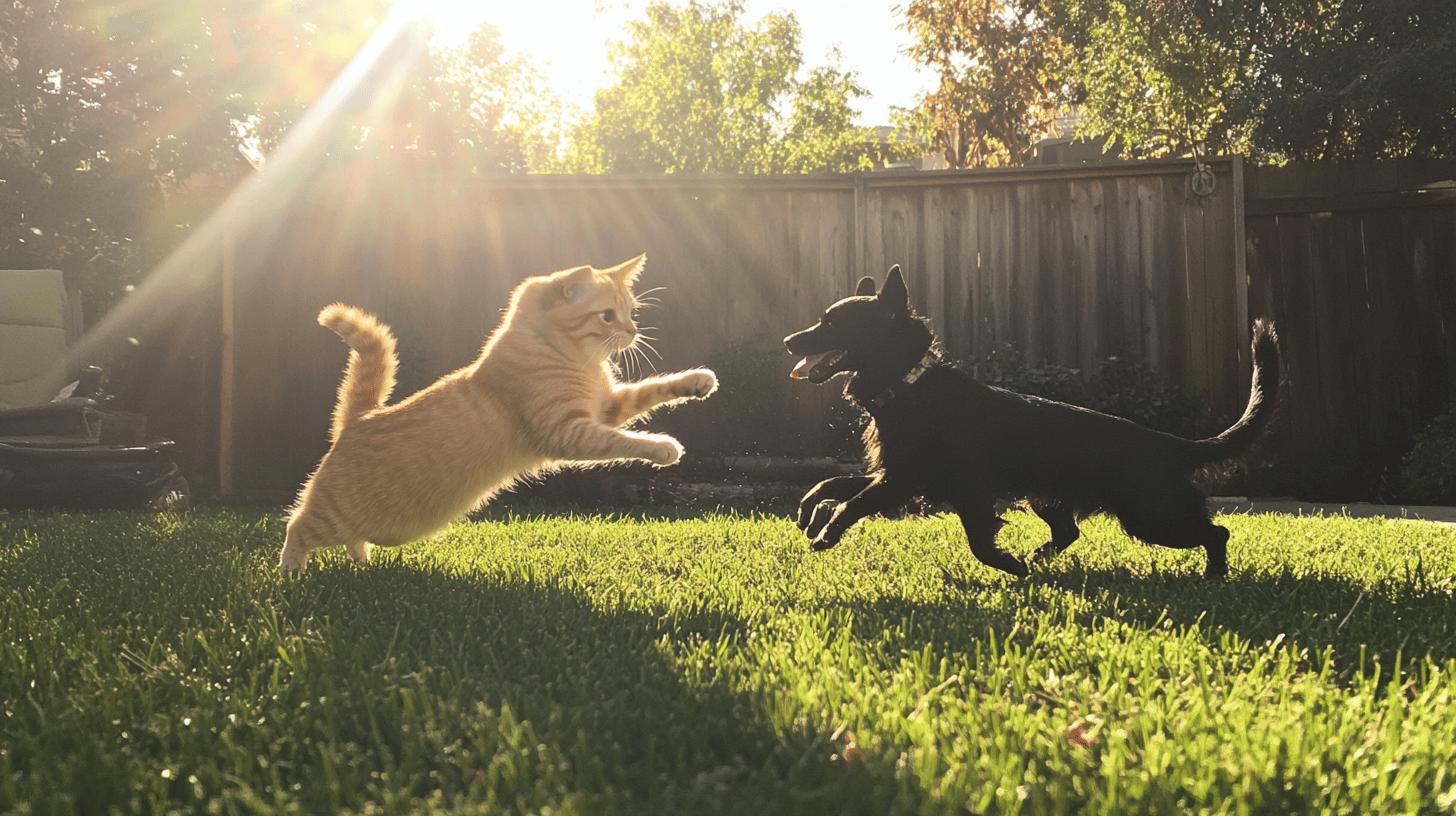
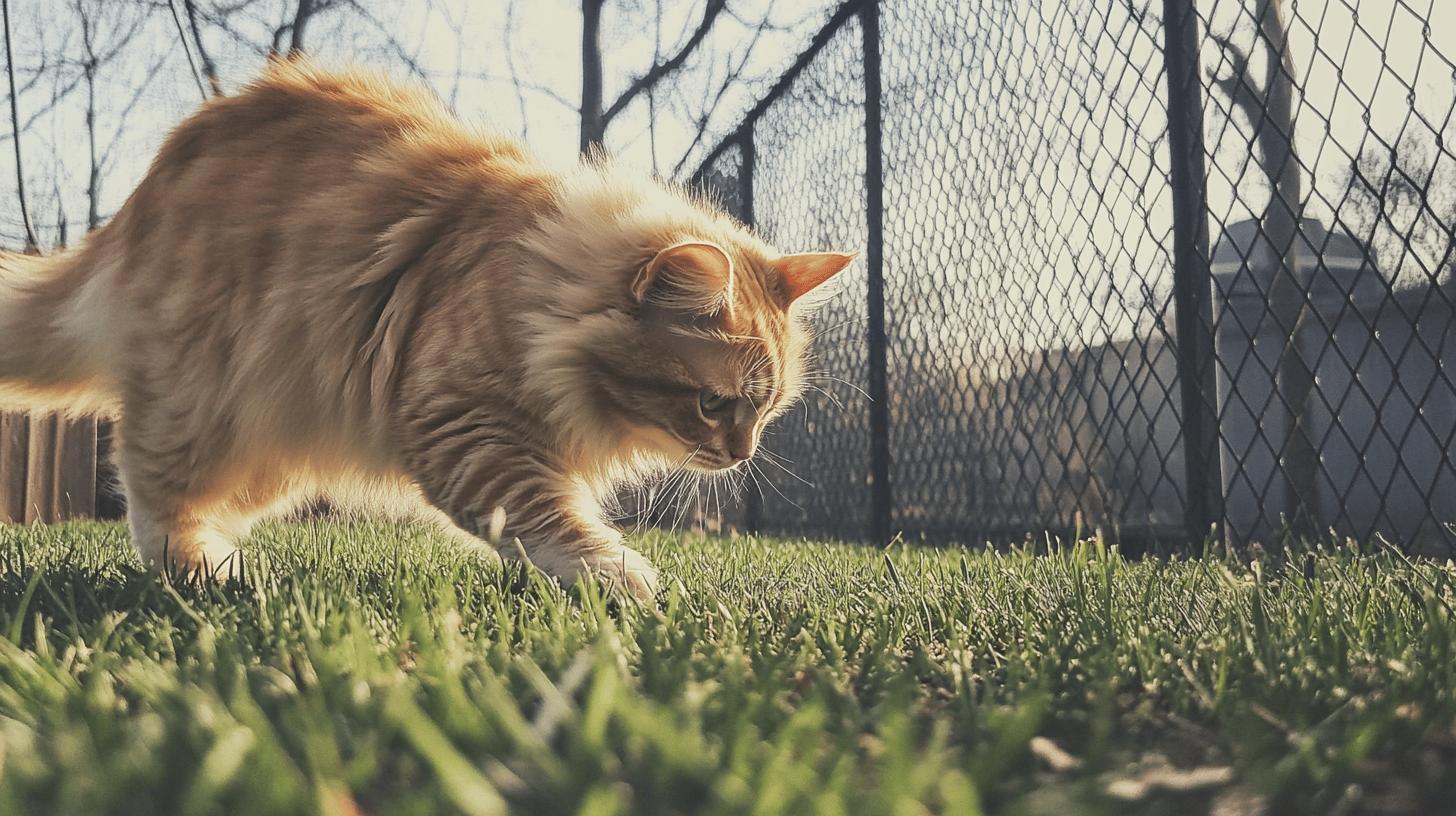
    This creates a positive association with returning on command. Another method is to establish a routine by feeding them at the same time every day, encouraging them to return home for meals. Training your cat to recognize certain sounds or calls can build trust and ensure they feel safe coming back.

    Method Benefit
    Call-and-Reward System Encourages prompt return with positive reinforcement
    Routine Feeding Times Establishes a consistent schedule for returning home
    Specific Sound Training Builds trust and creates a safe prompt for return

    “`

    Equipment and Tools for Outdoor Cat Training

    Equipment and Tools for Outdoor Cat Training-1.jpg

    Having the right equipment is key to training your cat for outdoor adventures. The proper tools provide safety and help ease your cat into new experiences. Leash training is especially helpful for young cats or kittens.

    A harness and leash keep your cat secure and prevent sudden dashes into danger. They also allow your cat to explore while getting mental and physical exercise. Reflective leashes are a smart choice for visibility, especially in low-light conditions.
    Here are four essential items for training your cat for the outdoors:

    • Harness: A well-fitted harness keeps your cat comfortable and secure, preventing escape during walks.

    • Leash: A sturdy leash provides control and lets you guide your cat safely through new environments.

    • Reflective Gear: Reflective collars or leashes enhance visibility, making it easier to spot your cat in dim lighting.

    • Treat Pouch: Carry treats to reward good behavior, reinforcing positive experiences during outdoor training.

    Each tool plays a crucial role in training and safety. The harness and leash keep your cat close, while reflective gear ensures they are visible to others. Using treats as rewards encourages your cat to stay focused and learn commands. Together, these items create a positive and secure outdoor training experience for both you and your cat.

    Creating a Safe Outdoor Environment for Cats

    Creating a Safe Outdoor Environment for Cats-1.jpg

    When training a cat to embrace the outdoors, ensuring their safety is key. A secure environment prevents escape and keeps them protected from potential hazards. Outdoor cat enclosures offer a perfect solution, allowing your cat to enjoy fresh air while staying safe. These enclosed spaces act as a buffer against dangers like traffic or predators, giving you peace of mind while your cat explores.

    There are various types of enclosures available, tailored to meet different needs. Portable playpens are great for temporary setups. They’re easy to move and set up in different locations. For more permanent solutions, consider larger structures like patio enclosures or garden fences.

    These allow for more room and can be customized to fit your yard. Enclosures not only protect your cat but also provide them with the opportunity to enjoy the outdoors without the risk of running away.

    Catio Design Ideas

    Creative "catios" offer a blend of safety and enrichment. Consider building a multi-level catio with shelves and ramps for climbing. Incorporate tunnels and hiding spots to stimulate natural behaviors. Use materials like mesh or plexiglass to maintain a clear view of the surroundings. Adding elements like scratching posts, grass patches, and toys can further enhance the space, making it a cat's paradise.

    By observing your cat’s behavior, you can tailor the outdoor space to suit their preferences. Watch how they interact with the environment and adjust accordingly. Some cats may need more vertical space to climb, while others might enjoy ground-level activities. Understanding these preferences helps create an enriching and safe outdoor environment, ensuring your cat remains happy and secure.

    Understanding and Managing Outdoor Cat Behavior

    Understanding and Managing Outdoor Cat Behavior-1.jpg

    Cats are natural hunters, and their outdoor behavior often reflects this instinct. They may roam to explore new territories, mark their area with scent, or engage in hunting small animals. These activities are typical, but they can lead to conflicts with other animals or neighbors.

    Cats might also climb to high places or dig in gardens. While these behaviors are normal, managing them is crucial to ensure they don't become problematic. Gradual exposure to the outdoors can help a cat adapt without overwhelming them, starting with short, supervised outings and moving to longer ones as they become more comfortable.

    Here are some tips to manage outdoor behaviors effectively:

    • Provide Enrichment: Set up climbing poles, scratching posts, and toys to keep your cat entertained and reduce destructive behaviors.

    • Offer Safe Spaces: Create hiding spots and resting areas where your cat can retreat if they feel threatened or overwhelmed.

    • Monitor Health: Regular health check-ups and vaccinations help prevent diseases and parasites common in outdoor environments.

    • Companion Animals: Introducing a companion animal might reduce loneliness and curb wandering tendencies.

    A balanced diet and routine are essential in managing outdoor cat behavior. Cats with a proper diet are less likely to roam far in search of food. Feeding them at the same time daily creates a routine that encourages them to return home regularly. By understanding and supporting their natural behaviors, you can help your cat enjoy a safe and fulfilling outdoor life.

    Final Words

    Training a cat to embrace outdoor life requires patience and care.
    Following the steps to transition your cat outdoors ensures a smooth adjustment.
    Keeping safety tips in mind protects your kitty from potential dangers.
    Teaching your cat to return home safely is crucial for worry-free adventures.

    Proper equipment facilitates safe and enjoyable outdoor experiences.
    Creating secure environments like catios delights your furry friend.

    Understanding outdoor behavior aids in managing their needs.
    With dedication, your cat can thrive outdoors, enjoying enriched play.
    The right approach to how to train a cat to be an outside cat leads to success.

    FAQ

    How to train a cat to be an outside cat?

    Training a cat to be an outside cat involves gradual and supervised exposure. Begin with short outings when weather is clear. Gradually increase time spent outside, ensuring your cat is comfortable and safe.

    Can I train my cat to be an outdoor cat?

    Yes, you can train your cat to be an outdoor cat. Start by allowing them to explore a secure area. Supervise these outings to monitor their behavior and response to the new environment.

    How do I let my cat outside without it running away?

    To let your cat outside without it running away, build a routine. Use positive reinforcement like treats and familiar sounds to encourage them to return. Supervision is key, especially at the beginning.

    How to train a cat to go outside for toilet?

    To train a cat to go outside for toilet, create a regular schedule. Consistently encourage your cat to go out at the same times each day. Gently guide them to a specific spot in the yard.

    Will my cat come back if I let him outside?

    Cats often return when they associate outside time with positive experiences, like treats or play. Ensure they are familiar with the area and have proper identification to help them find their way back.

    Is it cruel to turn an outdoor cat into an indoor cat?

    Turning an outdoor cat into an indoor cat is not cruel if done gradually. Provide enrichment indoors with toys and climbing spaces. Monitor their behavior to adjust the environment for their comfort.

    How to train an outdoor cat to be an indoor cat?

    To train an outdoor cat to be an indoor cat, start by increasing indoor playtime and stimulation. Gradually reduce outdoor time. Provide multiple litter boxes, scratch posts, and interactive toys indoors.

    Can an inside cat become an outside cat?

    An inside cat can become an outside cat with preparation. Gradual introduction to the outdoors, consistent routine, and safety measures ensure a smooth transition and prevent stress for the cat.

    Related Articles

  • Train Your Cat to Use Bathroom Outside

    Train Your Cat to Use Bathroom Outside

    Ever wondered if your cat could ditch the litter box and go outside like a pro? It might sound tricky, but with the right steps, it's possible! Training your cat to use the bathroom outside can lead to a cleaner home and a happier pet.

    Start by moving their litter box near your door and slowly transition to the outdoors. This guide will help you step-by-step, ensuring your cat stays safe and learns at their pace. Get ready to transform your cat's bathroom habits and enjoy a fresher home environment!

    Step-by-Step Guide to Training Your Cat to Use the Bathroom Outside

    Step-by-Step Guide to Training Your Cat to Use the Bathroom Outside-1.jpg

    Start the training process after your cat is neutered and fully vaccinated, typically around six months old. This ensures your cat is ready for outdoor adventures safely. Begin by placing the litter box near the door that leads outside.

    This placement helps your cat associate the door with bathroom activities. Make sure the outdoor area you plan to use is safe and free from hazards like other animals or busy roads.

    Gradually transition the litter box closer to the outside area over several days or weeks. The pace depends on your cat's comfort and adaptability. Some cats may adjust quickly, while others need more time.

    Observe your cat’s behavior and adjust the timeline if needed. This slow transition helps your cat become accustomed to using the bathroom outside.

    1. Position the Litter Box Near the Door: Start by moving the litter box near the door leading outside.

    2. Move the Box Closer to the Outside: Gradually shift the litter box closer to the planned outdoor bathroom area.

    3. Encourage Outdoor Use: Lead your cat to the designated bathroom spot outside and reward them with treats or praise when they use it.

    1. Designate a Specific Spot: Choose an area close to the house for easy access and ensure it's free of hazards.

    2. Create an Inviting Environment: Use landscaping or materials like sand or soil to make the area appealing.

    3. Maintain Cleanliness: Keep the area clean to encourage regular use and prevent your cat from reverting to indoor habits.

    Consistency is key in reinforcing your cat's new outdoor bathroom habits. Make a routine of taking your cat outside at the same times each day, such as after meals or naps. This routine helps your cat understand when it’s time to go.

    Always use positive reinforcement, such as treats or praise, to reward your cat for using the outdoor bathroom. Safety is crucial, so continue monitoring the area for any changes that might pose a threat.

    Enhancing the Outdoor Bathroom Environment for Cats

    Enhancing the Outdoor Bathroom Environment for Cats-1.jpg

    Creating an inviting outdoor bathroom for your cat is key. Use materials like sand or soil to attract them naturally. You can define the space with stepping stones and mulch, making it clear where they should go. Privacy is essential, so add shrubs or potted plants around the area. This helps cats feel secure.

    • Scoop the outdoor area once or twice a week to maintain cleanliness and prevent odors.
    • Use natural materials like sand or soil to attract cats.
    • Add stones or mulch to define the bathroom space clearly.
    • Use shrubs or pots for added privacy, helping cats feel secure.

    Enhance the space by adding textures like soft grass or moss. This mimics their indoor environment and eases the transition. Consider planting catnip or cat grass. These can encourage your cat to explore and use the area. By making the space familiar and comfortable, your cat will feel more at ease with their new bathroom routine.

    Troubleshooting Common Challenges in Outdoor Bathroom Training

    Troubleshooting Common Challenges in Outdoor Bathroom Training-1.jpg

    Cats may resist using an outdoor bathroom for various reasons. Stress is a major factor, often triggered by changes in their environment. Moving the litter box outside might unsettle your cat, especially if they are used to indoor privacy.

    Health issues can also cause reluctance. Cats with urinary infections or arthritis might find it difficult to adapt. Dissatisfaction with the setup, like the texture or smell of the outdoor area, can also lead to avoidance.

    To tackle these challenges, closely observe your cat's behavior. If they seem stressed, try to make the outdoor area similar to their indoor setup. This could mean adding familiar textures or scents. Address any health issues with a vet if your cat shows signs of discomfort.

    Ensuring the outdoor space is clean and inviting may encourage use. Positive reinforcement with treats or praise after successful bathroom trips can reinforce good habits.

    Recognizing and Addressing Behavioral Cues

    Understanding your cat's signals is key to successful outdoor bathroom training. Watch for signs like scratching or sniffing near the door, which indicate they need to go. If your cat is avoiding the outdoor bathroom, it might be due to discomfort with the area.

    Adjust the environment by making it more appealing, perhaps with soil or sand they enjoy. Recognizing these cues and adapting accordingly can help ease the transition.

    Ensuring Long-Term Success and Safety for Outdoor Bathroom Use

    Ensuring Long-Term Success and Safety for Outdoor Bathroom Use-1.jpg

    Keep a close eye on your cat's habits to ensure they don't revert to indoor bathroom use. Regularly monitoring them helps you understand their routine and spot any changes. Pay attention to signs that they need to go, like scratching at the door. This understanding allows you to maintain their outdoor bathroom habits effectively. Consistency is crucial, so stick to a routine that aligns with your cat's natural schedule.

    • Keep the outdoor area secure to prevent your cat from wandering off.
    • Ensure your cat is up-to-date on vaccinations to protect against outdoor diseases.
    • Provide a safe path to the bathroom area, free from hazards.
    • Use a cat-safe barrier to keep other animals out of the bathroom space.

    Cleaning up after your cat is vital. It prevents environmental harm and keeps the area hygienic. Scoop the outdoor bathroom space regularly to avoid waste buildup. This not only maintains cleanliness but also encourages your cat to continue using the area.

    A clean environment is more inviting, reducing the chance of your cat seeking other spots. By maintaining both hygiene and safety, you ensure long-term success for your cat’s outdoor bathroom routine.

    Final Words

    Training your cat to use the bathroom outside has many steps.

    Start with moving the litter box near the door.

    Gradually shift it outdoors while keeping your cat's safety and comfort in mind.

    Make their outdoor space clean and attractive.

    Common issues may arise, but understanding your cat's behavior can help.

    Consistency and monitoring are key.

    Reward your cat for using the outdoor bathroom.

    It may take time, but the effort pays off with a happy cat and a cleaner home.

    FAQ

    How do I train my cat to pee and poop outside?

    To train a cat to use the bathroom outside, move the litter box near the door. Gradually shift it outside. Use treats and praise to encourage outdoor use in a designated spot.

    Can a cat be trained to go outside for bathroom?

    Yes, start training once the cat is neutered and vaccinated, around six months old. Position the litter box near the outside door, then gradually move it completely outside.

    How can I train a kitten to pee and poop outside?

    To train a kitten, use the same gradual process. Begin with the litter box by the door, then transition outdoors. Consistent rewards help the kitten adjust to the new routine.

    How do I train a cat to go outside and come back?

    Train a cat to return by using short outside trips. Call them back inside using a familiar name or a treat. Gradually increase the time spent outside.

    Why won't my cat go to the toilet outside?

    A cat might resist due to stress, change, or unfamiliarity. Ensure the outdoor spot is safe and similar to their inside setup. Gradually introduce the space with consistent encouragement.

    How do you discipline a cat for pooping outside the litter box?

    Cats respond best to positive reinforcement, not punishment. Address any stressors, and reward desirable behavior with treats when they use the designated bathroom area.

    Why are my cats suddenly peeing outside the litter box?

    Sudden changes in bathroom habits can indicate stress, health issues, or an unclean litter box. Consult a vet to rule out health problems and ensure the box is inviting.

    How can I make my cat healthier?

    Maintain a balanced diet, regular vet visits, and daily exercise for a healthy cat. Monitor changes in behavior or elimination habits and address any issues promptly.

    Related Articles

  • How to Quickly Train Your Cat to Stop Meowing

    How to Quickly Train Your Cat to Stop Meowing

    Ever wondered why your cat won’t stop meowing, no matter what you do? It can feel like your kitty is constantly trying to chat your ear off counter jumping. But don't worry, I'm here to help. Meowing is a cat's way of communicating, just like a baby crying for attention.

    If your cat’s non-stop chatter is driving you nuts, it might be time to switch things up. I’ll show you how to train your cat to minimize meowing through step-by-step techniques training tools. Let's learn how to understand and redirect this behavior effectively eliminating issues.

    Understanding Cat Vocalizations and Their Causes

    Understanding Cat Vocalizations and Their Causes-1.jpg

    Cats naturally use meowing as a form of communication. Just like kittens meow to their mothers, adult cats often meow to engage with humans. It’s their way of telling us what they need or want.

    These vocalizations are especially common in cats that have been weaned from their mothers because they carry the instinct to meow onward. This instinct is part of how they communicate their needs or desires, ranging from food to affection.

    • Seeking attention
    • Expressing hunger
    • Requesting access to spaces
    • Boredom or loneliness
    • Discomfort or health issues

    The behavior of meowing can often be reinforced by how we respond as owners. When we attend to a cat's meow by feeding, playing, or opening a door, it teaches the cat that meowing results in getting what they want.

    This feedback loop can lead to excessive meowing as cats learn that vocalizing is an effective way to communicate their needs. Understanding this dynamic is crucial for managing and reducing unwanted meowing.

    Step-by-Step Techniques to Train Your Cat to Stop Meowing

    Step-by-Step Techniques to Train Your Cat to Stop Meowing-2.jpg

    Training your cat to stop meowing requires consistency. It's not just about the techniques you use, but how regularly you employ them. Cats learn through repetition, so it’s important to stick to a consistent training schedule. This helps reinforce the desired behavior and reduces confusion for your feline friend.

    Positive Reinforcement Techniques

    Rewarding your cat for being quiet is a key step in reducing meowing. When your cat is silent, offer a treat or some affection. This positive reinforcement teaches the cat that being quiet leads to rewards.

    Start by observing your cat and waiting for moments of silence. When your cat stops meowing, immediately give a treat or pet them. This association helps your cat understand that quietness is appreciated. Over time, your cat will start associating silence with getting rewards, which will encourage them to meow less.

    Consistency in Training Practices

    Being consistent in your training approach is crucial. Set aside regular times each day to practice these techniques. This routine helps your cat understand what is expected of them.

    Avoid responding to meowing with attention. If your cat meows for attention, try to ignore it until they stop. Once they are quiet, then reward them. Consistency in your reactions teaches your cat that meowing doesn’t get them what they want, but being quiet does. Maintaining a routine will solidify this training, making it a part of your cat’s everyday behavior.

    Addressing Nighttime Meowing

    Addressing Nighttime Meowing-1.jpg

    Cats often meow at night due to a need for attention or because they're active when we're trying to sleep. This behavior can be linked to their natural instincts as nocturnal hunters. When cats seek our attention at night, it's usually because they want to play, eat, or explore.

    If we respond by getting up or giving them what they want, we unintentionally reinforce this nighttime vocalizing. Thus, this cycle can become a common issue for cat owners, disrupting our sleep and making it harder to change the behavior.

    • Establish a bedtime routine
    • Provide nighttime toys or activities
    • Ignore meows to avoid reinforcement

    While managing nighttime meowing, you may find that your cat's behavior doesn't change over time. In such cases, consulting a veterinarian or animal behaviorist can be helpful. They can offer personalized strategies or check for underlying health issues that might be contributing to the excessive meowing. Patience is key, as these changes can take time and consistent effort.

    Calming Strategies for Cats

    Calming Strategies for Cats-1.jpg

    Cats in heat often meow excessively because of hormonal changes. This period can lead to increased vocalizations as they attempt to communicate their need to mate. The yowling and meowing can be quite loud and persistent, causing stress for both the cat and the owner.

    Understanding that this behavior is natural and hormonally driven can help you approach the situation with more patience. While it’s a temporary phase, managing these vocalizations is important for maintaining peace in your home.

    • Use pheromone diffusers
    • Offer a secluded, quiet space
    • Consider consulting a veterinarian about spaying
    • Use calming sprays

    Natural remedies can offer a soothing alternative to address your cat's excessive meowing. Catnip, for instance, may have a calming effect on some cats, making them less likely to vocalize loudly. Similarly, calming sprays can help create a more relaxed environment, reducing stress-induced meowing.

    These remedies work by targeting the senses, helping cats feel more at ease. Incorporating these methods can turn your home into a haven of tranquility for your feline friend.

    Remedy Effectiveness
    Catnip Variable; calming for some cats
    Calming sprays Effective in reducing stress
    Pheromone diffusers Helpful for anxiety reduction

    While these calming strategies can be effective, they may not work for every cat. Catnip, for example, doesn't affect all cats in the same way. Some may not respond to it at all, while others find it soothing.

    It's important to try different methods and observe which ones your cat responds to best. In certain cases, professional advice from a veterinarian might be necessary, especially if the excessive meowing persists or if there are concerns about the cat's health. Spaying is another option that can eliminate the hormonal causes of meowing in heat, providing a long-term solution.

    Final Words

    Understanding why cats meow is key to reducing excessive vocalization. By learning about their natural instincts and typical reasons, you can better manage your furry friend’s behavior. Training methods, like positive reinforcement and consistency, are crucial in teaching your cat to stop meowing. For nighttime disturbances, patience and routine play a role.

    When dealing with a cat in heat, natural remedies like catnip can help too. Remember, every cat is unique, so adjusting strategies is part of the process. With effort, you can enjoy a more peaceful home with your feline friend.

    FAQ

    Q: How to train a cat to stop meowing at night?

    A: To stop nighttime meowing, use a bedtime routine, offer toys for play, and ignore meowing to prevent reinforcing it.

    Q: How can I train a cat to stop meowing in the house?

    A: Identify meowing triggers, reward quiet moments, and remain consistent with training to reduce indoor meowing.

    Q: How do I get my cat to stop meowing constantly?

    A: Address needs like hunger or attention, ignore excessive meows, and praise calm behavior to lessen constant vocalization.

    Q: Why is my male cat meowing so much all of a sudden?

    A: Sudden meowing can indicate discomfort, stress, or health issues. Consult a vet if behavior changes persist.

    Q: Can cats be trained not to meow?

    A: Yes, using positive reinforcements for quiet behavior and consistency can teach cats to meow less.

    Q: How to clicker train a cat to stop meowing?

    A: Use a clicker to reward silence. Click and treat when the cat stops meowing, keeping sessions short and positive.

  • Effective Cat Training to Fight Dogs Safely

    Effective Cat Training to Fight Dogs Safely

    Can a cat really learn to defend itself against a dog? It might sound strange, but training your cat to fend off dogs can be a game-changer for their safety hunting instincts.com/how-to-train-a-cat-to-swim/”>aquatic training.com/how-to-stop-play-aggression-in-cats/”>play aggression. In a world where cats and dogs often cross paths, being prepared is not just smart—it's crucial.

    Defensive training not only helps keep your feline friend safe but also boosts their confidence and reduces anxiety. In this article, we'll explore the steps to teach your cat defensive skills, ensuring they stay secure and thrive in any environment.

    Understanding the Need for Defensive Training in Cats

    Understanding the Need for Defensive Training in Cats-1.jpg

    Cats can face threats from dogs, making defensive training essential for their safety. While cats and dogs might adjust to each other over time, it’s not always the case. Sometimes, dogs’ natural instincts can pose a risk to cats. Defensive training prepares cats for potential encounters, helping them feel more secure and confident in their environment.

    Defensive training not only enhances cat safety but also contributes to their overall well-being. It stimulates them both mentally and physically, providing a beneficial outlet for their energy. This training can also improve social interactions, especially for cats that are shy or fearful. By learning defensive techniques, cats can better communicate their boundaries, reducing the chance of aggressive encounters with dogs.

    Benefits of Defensive Training for Cats

    1. Increased Confidence: Cats become more self-assured when facing potential threats.
    2. Improved Reflexes: Training sharpens a cat's reflexes, enabling quicker responses.
    3. Better Communication: Cats learn to use body language effectively.
    4. Reduced Anxiety: Knowing they can protect themselves diminishes stress.
    5. Enhanced Social Skills: Cats interact more positively with other pets.

    When training cats defensively, using ethical and positive reinforcement methods is crucial. Negative reinforcement can lead to aggression and mistrust, which is counterproductive. Positive techniques encourage cats to adopt and retain beneficial behaviors. This approach ensures the training is a rewarding experience, fostering a safe and positive relationship between cats and their environment.

    Defensive Techniques for Cats in Dog Encounters

    Defensive Techniques for Cats in Dog Encounters-1.jpg

    Teaching cats specific defensive techniques is key to keeping them safe during encounters with dogs. By equipping cats with self-defense skills, we ensure they can handle potential threats confidently. These techniques focus on non-aggressive methods that help cats communicate their boundaries effectively and avoid conflicts.

    Teaching Cats Defensive Posturing

    How can you teach your cat to appear more intimidating to dogs?

    By using body language. Cats can learn to make themselves appear larger and more intimidating. Start by encouraging your cat to stand tall and arch its back when feeling threatened. This posture signals to dogs that the cat is not to be messed with.

    Use a toy or a treat as a reward when your cat naturally takes on this posture during play. Over time, your cat will associate this stance with positive outcomes, making it more likely to use it during actual encounters.

    Enhancing Cat Reflexes

    How can you improve your cat's reflexes for defensive scenarios?

    Through play. Engage your cat in games that enhance its speed and agility. Use feather toys or laser pointers to encourage quick movements and reactions.

    Regular play sessions help strengthen muscles and improve coordination, making your cat quicker on its feet. This training is vital for evasive maneuvers, allowing your cat to escape quickly if necessary.

    Technique Intended Outcome
    Defensive Posturing Makes cats appear larger and more intimidating
    Reflex Training Improves speed and agility for quick escapes
    Positive Reinforcement Encourages adoption of defensive behaviors
    Non-aggressive Signals Reduces likelihood of conflict through effective signaling

    Creating Safe Environments for Cats

    Creating Safe Environments for Cats-1.jpg

    A secure environment is crucial for promoting feline safety and minimizing conflicts with dogs. Cats need spaces where they feel safe and can retreat when necessary. Stress from potential dog encounters can cause anxiety and lead to aggressive behavior in cats. By setting up a cat-friendly environment, you provide them with the confidence to explore their surroundings while minimizing the risk of negative interactions with dogs.

    Creating safe spaces for cats involves incorporating several elements. Here are four effective ways to establish these environments:

    1. Use Barriers: Install baby gates to separate cats and dogs during introductions or when unsupervised.
    2. Provide High Perches: Cats feel secure when they have elevated vantage points to observe their surroundings.
    3. Ensure Separate Feeding Areas: Keep cat and dog feeding spaces distinct to prevent territorial disputes.
    4. Designate Quiet Zones: Have specific areas where cats can retreat without being disturbed by dogs.

    A stress-free environment benefits both cats and dogs by reducing tension and the likelihood of aggressive encounters. Cats become more relaxed and confident, while dogs learn to respect boundaries. This harmony fosters a peaceful coexistence, making the home a safer and more comfortable place for all pets.

    Managing Cat and Dog Interactions

    Managing Cat and Dog Interactions-1.jpg

    Keeping an eye on cat-dog interactions is crucial to prevent any aggressive behavior. Cats and dogs can live together peacefully, but it requires patience and effort from us. By understanding both animals' body language and behaviors, we can ensure a safe environment for them to coexist.

    Introducing Cats and Dogs Safely

    How should you introduce cats and dogs to each other?

    Start by keeping them separated using barriers like baby gates. This allows them to see and smell each other without direct contact. Gradually increase their exposure during supervised visits, ensuring both pets remain calm.

    During these introductions, give them plenty of treats and praise to associate the presence of the other animal with positive experiences. Keep initial meetings short, and always observe their body language closely. If either pet shows signs of stress or aggression, take a step back and try again later.

    Maintaining Harmony in Multi-Pet Homes

    What can help maintain peace between cats and dogs?

    Regular training sessions and positive reinforcement are key. Teach your dog basic commands such as "sit" or "stay" to help them remain calm when the cat is nearby. Reinforce these behaviors with treats and praise.

    For cats, provide plenty of escape routes and high perches. This helps them feel secure and reduces stress. Ensure both animals have their own space for eating and resting to prevent resource guarding.

    In homes with both cats and dogs, consistency in training and maintaining routines is important. The more predictable their environment, the more comfortable they will be around each other.

    Managing cat and dog interactions involves patience, observation, and consistent training. By introducing them properly and maintaining a harmonious environment, we can foster a peaceful relationship between our pets. This approach not only prevents aggressive encounters but also builds a strong bond between cats and dogs, making the home a happier place for everyone.

    Evaluating and Adjusting Cat Training Progress

    Evaluating and Adjusting Cat Training Progress-1.jpg

    Evaluating cat training progress is crucial to ensure the effectiveness of the methods used. Regular assessments help us understand if the cat is learning the intended behaviors and allows us to identify areas needing improvement. To evaluate progress, observe the cat's responses during and after training sessions. This step ensures that the training remains productive and enjoyable for the cat, enhancing its learning experience.

    Here are 5 signs of training progress in cats:

    1. Improved Behavior: The cat consistently performs desired actions.
    2. Increased Confidence: The cat shows less hesitation during training and in new situations.
    3. Reduced Anxiety: The cat appears more relaxed and comfortable during sessions.
    4. Faster Response Time: The cat reacts more swiftly to commands.
    5. Better Social Interactions: The cat engages more positively with other pets and humans.

    Adjusting training plans to align with the cat's temperament and needs is essential for continued success. If a cat is not responding well, it may be necessary to modify the approach. Cats have unique personalities, and what works for one may not work for another.

    Consider shortening sessions if the cat seems overwhelmed or extending them if it needs more engagement. Also, experiment with different rewards and stimuli to maintain interest. Professional guidance can further tailor training methods, ensuring they suit the cat's specific characteristics and promote effective learning.

    Seeking Professional Guidance for Cat Training

    Seeking Professional Guidance for Cat Training-1.jpg

    Why should you consult a professional trainer or behaviorist for cat training?

    Answer: Professional guidance can significantly speed up the adjustment process between cats and dogs. Consulting an expert ensures that the training is effective and suitable for both pets. Professionals understand the nuances of feline behavior and can identify and address specific issues more efficiently than a layperson might. Their insights help create a safe environment where cats learn defensive techniques in a controlled, ethical manner.

    How does expert advice improve cat training outcomes?

    Answer: Expert trainers provide customized plans tailored to a cat's unique characteristics. Each cat has its own temperament, and generalized training methods may not work for all. Professionals assess a cat's behavior and design strategies that align with its instincts and needs. This personalized approach not only enhances learning but also builds the cat's confidence, ensuring it feels secure and prepared in various situations.

    Final Words

    Understanding the need for defensive training can greatly enhance cat safety in dog encounters. This blog post delved into effective techniques such as teaching defensive posturing and enhancing reflexes. Creating safe environments was explored, highlighting the role of proper introductions and stress-free spaces.

    Managing interactions was emphasized with tips for harmonious cat-dog relations. Evaluating and adjusting cat training progress was discussed, along with the benefits of professional guidance.

    With cat training to fight dogs as the pinnacle of safety, these strategies promise a peaceful coexistence. Positive changes are within reach, ensuring a secure and happy life for cats and their companions.

    FAQ

    How long does it take for a cat to get used to a dog?

    A: Cats and dogs usually take around 2 months to adjust to each other. This period helps build trust and understanding between them.

    Would a cat win a fight against a dog?

    A: Generally, no, a dog is stronger than a cat. However, cats can use defensive tactics to escape or deter dogs in dangerous situations.

    Do cats start fights with dogs?

    A: Cats typically do not start fights with dogs. They might act defensively if they feel threatened.

    Can a cat be trained like a dog?

    A: Yes, cats can be trained using positive reinforcement. It enhances their mental and physical well-being, making them more sociable.

    How can I train my cat to defend against dogs at home?

    A: Use positive reinforcement techniques to encourage cats to practice defensive posturing and improve their reflexes, enhancing their safety in encounters with dogs.

  • How To Train A Cat Not To Jump On Counters

    How To Train A Cat Not To Jump On Counters

    Tired of finding your feline friend on the kitchen counter when you least expect it? Cats adore high places, but counters hold a special allure with tempting smells and water sources. It's time for a change! In this guide, we’ll dive into simple strategies that make your counters cat-free zones.

    Providing fun alternatives and using clever tricks will redirect your cat’s attention without strain. Follow along to learn how to keep your counters clean and your cat happy, all with a few easy steps!

    Practical Steps to Train Your Cat Not to Jump on Counters

    Practical Steps to Train Your Cat Not to Jump on Counters-1.jpg

    Cats love to jump on counters because they are curious creatures who enjoy high places. These spots give them a good view and easy access to food or water. Training your cat not to jump on counters involves providing alternatives and making counters less interesting. Here are some effective strategies to help your cat break the habit.

    • Provide alternative high places like cat trees or shelves for your cat to climb and perch.
    • Remove tempting items, such as food or interesting objects, from counters.
    • Use environmental deterrents like double-sided tape or aluminum foil to make counters unappealing.
    • Engage your cat with puzzle feeders that offer mental stimulation and mimic the hunt for food.
    • Practice clicker training to reward your cat when they jump off the counter voluntarily.

    Consistency and positive reinforcement are key in training your cat. Make sure to reward your cat for using alternative spaces and behaving well. Avoid punishment, as it can harm your relationship. By staying consistent and reinforcing good behavior, you'll help your cat learn better habits over time.

    Practical Steps to Train Your Cat Not to Jump on Counters

    Understanding Cat Behavior and Counter Attraction-1.jpg

    Cats love high places. Their ancestors used them for safety and to watch for predators. Counters offer the same comfort. They are stable, high, and often have food or water. Cats jump up to explore leftovers, grocery bags, or dripping faucets. Observing from above lets them see everything while staying out of reach.

    Curiosity and athleticism also draw cats to counters. They enjoy testing their jumping skills and exploring new heights. This is natural for them. Knowing why they act this way helps us guide their behavior and create a peaceful home.

    To train your cat, start by redirecting their attention with toys or treats on lower surfaces. Provide alternatives like cat trees or shelves. Use double-sided tape or aluminum foil on counters to deter them. Be consistent with your training, and reward them for staying on approved surfaces.

    Safe and Effective Counter Deterrents and Creating Cat-Friendly Spaces

    Safe and Effective Counter Deterrents and Creating Cat-Friendly Spaces-1.jpg

    Focus on creating special areas just for your cat. This not only keeps them away from counters but also helps them feel secure and happy. Think of these spaces as their personal play zones. A well-thought-out cat area can prevent unwanted jumping and boost their well-being.

    • Add climbing walls that are not just shelves but part of a play system. This gives your cat a whole new perspective of the room.
    • Set up a cozy nook with a small fountain or pebbles. This mimics a natural environment and adds interest.
    • Create a tunnel network that encourages exploration. Use cardboard boxes or fabric tunnels that connect to their favorite spots.

    Remember that yelling or using water as a deterrent can hurt your relationship with your cat. These actions can make them fearful. Instead, giving them fun, safe places to play and rest helps them feel confident. This approach supports their mental health and keeps your kitchen free from curious paws.

    The Role of Positive Reinforcement in Training Cats

    The Role of Positive Reinforcement in Training Cats-1.jpg

    Positive reinforcement helps improve cat behavior by rewarding actions you want to see more often. Clicker training can be an effective method. For example, if your cat jumps off the counter, use a clicker to mark that behavior and immediately give a treat. This teaches the cat that staying off counters is good.

    Beyond just teaching tricks, positive reinforcement has psychological benefits for cats. It can reduce stress and anxiety, as cats learn in a supportive environment. This method contrasts with punishment, which can create fear and damage trust. Focusing on rewards strengthens your bond with your cat, fostering a loving and secure relationship.

    Final Words

    Training your cat not to jump on counters is all about understanding and adapting to their natural behaviors. Providing alternative high places and keeping counters clear can help. Use positive reinforcement and safe deterrents to encourage better habits.

    Consistency is key in guiding your cat to prefer cat-friendly spaces. Engage your cat with puzzle feeders and clicker training to reward them when they stay off counters. This approach keeps training positive and your cat happy.

    With these steps, improving your cat's behavior becomes an enjoyable journey for both of you!

    FAQ

    Q: How do I stop my cat from jumping on the counter?

    A: To stop a cat from jumping on the counter, provide alternative high places like cat trees, remove tempting items, use deterrents, and engage with puzzle feeders. Consistent, positive reinforcement is key.

    Q: Can cats be trained to stay off counters?

    A: Yes, cats can be trained to stay off counters by using environmental deterrents, providing cat-friendly spaces, and rewarding alternative behaviors. Consistency will help reinforce their training.

    Q: How do you discipline a cat for getting on the counter?

    A: To discipline a cat for getting on the counter, avoid punishment; redirect them gently to a preferred area, then reward the desired behavior with treats or playtime.

    Q: How to keep cats off counters naturally?

    A: Keep cats off counters naturally by offering high alternatives, using citrus peels as deterrents, and maintaining clear counters. Cats dislike citrus scents, which can deter them.

    Q: What is the best cat counter deterrent?

    A: The best cat counter deterrents include motion-activated air sprays or mats, which startle but don't harm. These create an unpleasant experience without direct punishment.

    Q: How do I train my cat not to jump?

    A: Train your cat not to jump by using positive reinforcement. Reward them when they choose their perch over the counter and practice clicker training to reinforce good behavior.

    Q: Can essential oils keep cats off counters?

    A: Use caution with essential oils; some are harmful to cats. Opt for natural citrus peels or sprays as safer deterrent alternatives. Always research oil safety first.

    Related Articles

  • Train Your Cat to Use a Litter Box Easily

    Train Your Cat to Use a Litter Box Easily

    Ever wondered why your cat refuses to use the litter box, even though she's the cleanest pet in the house? Training your cat to use a litter box can be easier than you think. Start by picking the right box and gradually introducing it to her routine.

    In this guide, I'll show you simple steps to help your feline friend feel right at home with her litter box. With patience and the right approach, your cat will happily and confidently use her new indoor bathroom. Let’s make the transition smooth and stress-free.

    Step-by-Step Guide to Train a Cat to Use a Litter Box

    Step-by-Step Guide to Train a Cat to Use a Litter Box-1.jpg

    1. Choose the Right Litter Box and Litter

      Select a litter box that fits your cat's size and preferences. An uncovered box can be more inviting, especially for cats used to outdoor spaces. Use a litter that mimics outdoor textures like sand.

    2. Introduce the Litter Box Gradually

      Place the litter box near your cat's usual exit door. This helps her associate it with her routine. Let her sniff and explore the box on her own terms.

    3. Encourage Exploration After Meals

    Gently place your cat in the litter box after meals or when she usually goes outside. Don't force her, as this might cause stress.

    1. Use Positive Reinforcement

      Reward your cat with treats and praise when she uses the litter box correctly. This reinforces good behavior and makes her feel comfortable.

    2. Monitor and Adjust as Needed

      Keep an eye on your cat's behavior. If she seems reluctant, try adding a small amount of soil from her outdoor spot to the litter for familiarity.

    3. Be Patient and Consistent

    Training takes time, especially for older cats. Consistency in your approach will help your cat adjust to her new bathroom routine.

    1. Consult a Veterinarian if Necessary

      If your cat refuses the litter box or shows signs of distress, seek advice from a vet. Underlying health issues might be the cause.

    By following these steps, you'll create a welcoming environment for your cat, making litter box training a smoother process.

    Understanding Cat Behavior and Addressing Litter Box Aversion

    Understanding Cat Behavior and Addressing Litter Box Aversion-1.jpg

    Why do cats avoid the litter box?
    Cats might avoid the litter box for several reasons: stress, discomfort, or health issues.
    Understanding these reasons helps us address the problem effectively.

    Cats are naturally clean animals. They prefer a tidy spot to do their business. If the litter box isn't clean, they might look for another place.

    Also, a new pet or change in household routine can cause stress, leading to litter box avoidance.
    Consistency in training is crucial. If you change the location of the litter box too often, it can confuse your cat.
    Keep the box in a quiet, familiar place and stick to regular cleaning.

    Watch for cues from your cat. If she scratches around the box but doesn't use it, it might be too dirty or have a scent she dislikes.

    Cats are sensitive to smells and textures, so finding the right litter can make a difference.

    If your cat starts avoiding the litter box, consider these solutions:

    1. Check for Health Issues

      Take your cat to the vet if she suddenly refuses the box. Infections or other health problems could be the cause.

    2. Ensure Litter Box Accessibility

      Make sure the litter box is easy for your cat to access. If it's too high or difficult to reach, your cat might not use it.

    3. Choose the Right Litter

    Experiment with different types of litter to find one your cat likes. Some cats prefer unscented or softer textures.

    1. Provide Multiple Litter Boxes

      In a multi-cat household, having several boxes can prevent territorial disputes and promote use.

    2. Reduce Stress

    Create a calm environment for your cat. Provide hiding spots or high perches to help her feel secure.
    Never punish your cat for not using the litter box. This can increase stress and worsen the problem.
    Positive reinforcement, like treats and praise, works better to encourage proper use.

    Retraining can take time, so be patient. By understanding your cat's behavior and addressing her needs, you can successfully guide her back to the litter box.

    Choosing the Right Litter Box and Litter

    Choosing the Right Litter Box and Litter-1.jpg

    Pick a litter box that fits your cat and her habits.
    For outdoor-loving cats, an uncovered box feels familiar. It makes the transition easier.
    Covered boxes help with privacy and odor, but they can feel tight for some cats.
    The box should allow your cat to turn and dig comfortably.

    Kittens need low sides for easy access. As they grow, switch to a bigger box.
    An adult cat needs a box 1.5 times her body length for enough room.
    Rectangular boxes suit most cats.

    If space is limited, a corner box works well. Match the shape to your cat's movements.
    Use litter like sand or natural clumping to mimic outdoor textures.
    Unscented and soft litter feels best for sensitive paws.

    Try different types to find what your cat likes.
    Place the litter box in a quiet spot.
    Cats like privacy away from noise.
    Mix new litter with old to help your cat adjust smoothly.

    Maintaining a Clean and Inviting Litter Box Environment

    Maintaining a Clean and Inviting Litter Box Environment-3.jpg

    How often should you clean the litter box?
    Daily scooping is best for a clean box. Regular cleaning encourages your cat to use it.
    Cats are picky about cleanliness. They won't use a dirty box.

    Each day, remove waste with a scoop. Then, add fresh litter to keep the box inviting.
    How can you maintain good litter box hygiene?
    Weekly deep cleaning keeps germs away. Use mild soap and water.

    Avoid strong-smelling cleaners; cats dislike them.
    Empty the box entirely once a week. Wash it with a gentle soap, rinse well, and dry before refilling.
    What can you do to make the litter box more appealing?
    Place boxes in quiet spots. Cats like privacy when they go.

    A calm location helps your cat feel safe. Avoid noisy areas like near washers or busy rooms.
    Consider multiple boxes. If you have more than one cat, each cat should have its own box.
    An extra box can prevent fights and make sure everyone has a spot.
    Keep the box accessible. If it's hard to reach, your cat might not use it.
    Easy access is key, especially for kittens and older cats.

    By keeping the litter box clean and placing it in a quiet, accessible spot, you'll create an inviting environment. This helps your cat feel comfortable using it every time.

    Final Words

    Training your cat to use a litter box can be a rewarding experience with the right steps. Start by encouraging exploration, and use positive reinforcement like treats. Understanding cat behavior is key to addressing any litter box aversion issues. Always ensure consistency in training.

    Choosing the right litter box and litter plays a crucial role. Select options that suit your cat’s needs and preferences. Keeping the litter box clean and inviting is also essential.

    Remember, how to train a cat to use a litter box requires patience, but with time, your cat will adapt well. Enjoy the process!

    FAQ

    How to train an older cat to use a litter tray?

    A: Begin by placing the cat gently in the litter tray after meals. Encourage with treats. Be consistent and patient, as older cats might take longer to adapt.

    How to get a cat to use a litter box for the first time?

    A: Place the cat in the litter box after meals and naps. Use a treat to reward her. Positive reinforcement helps her associate the box with a pleasant experience.

    When is it too late to litter train a cat?

    A: It's never too late. Cats of all ages can be trained to use a litter box with patience and consistency.

    How to train an outdoor cat to use a litter box?

    A: Start with an uncovered box with litter that mimics outdoors. Encourage exploration by placing familiar scents in the box. Reward with treats when used correctly.

    How to litter train a kitten fast?

    A: Place the kitten in the litter box after meals and playtime. Praise each successful use. Consistent and timely practice establishes quick habits.

    What to do if a cat won't use the litter box despite trying everything?

    A: Consult your vet for health issues. Try changing the litter type, box size, or location. Patience is key; cats may need time to adjust to changes.

    Is there a spray to encourage cats to use a litter tray?

    A: Yes, cat-attract sprays or litter additives can entice cats to the litter tray. Use these with positive reinforcement for best results.

    How long does it take to train a cat to use the litter box?

    A: It usually takes a few days to a couple of weeks. Consistency and patience ensure more effective training.

    Can cats train themselves to use the litter box?

    A: Some cats naturally adapt, but guidance and encouragement improve success rates. Offer rewards and praise for successful visits.

    How to stop a cat from peeing everywhere but the litter box?

    A: Address any stress factors, and check for health issues. Ensure a clean, inviting litter box. Try multiple boxes and vary their locations in the home.

    Related Articles