Author: Isabella Tiu

  • Can Cat Eat Salt Understanding Safe and Toxic Levels

    Can Cat Eat Salt Understanding Safe and Toxic Levels

    Can a sprinkle of salt be harmful to your cat, or could it be a necessary part of a healthy diet? As cat owners, it's crucial to understand how much salt is too much for our feline friends. While sodium supports vital functions like nerve communication and muscle movement, too much can pose severe health risks. To keep your cat safe, we'll explore safe sodium levels and explain how to detect salt toxicity signs. Understanding these factors could be the difference between a healthy kitty and a health scare.

    Can Cats Safely Consume Salt? Understanding Safe and Toxic Levels
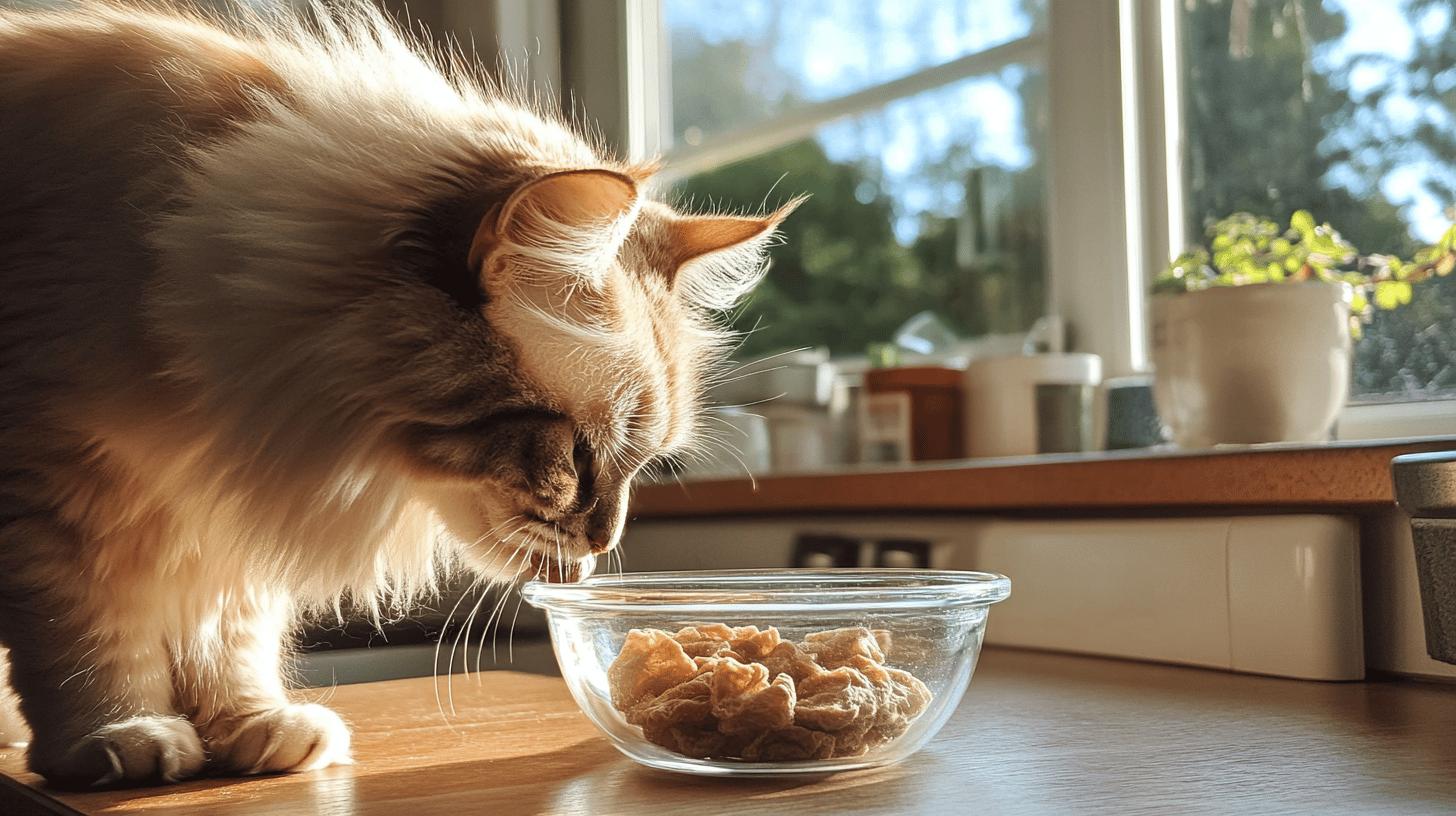
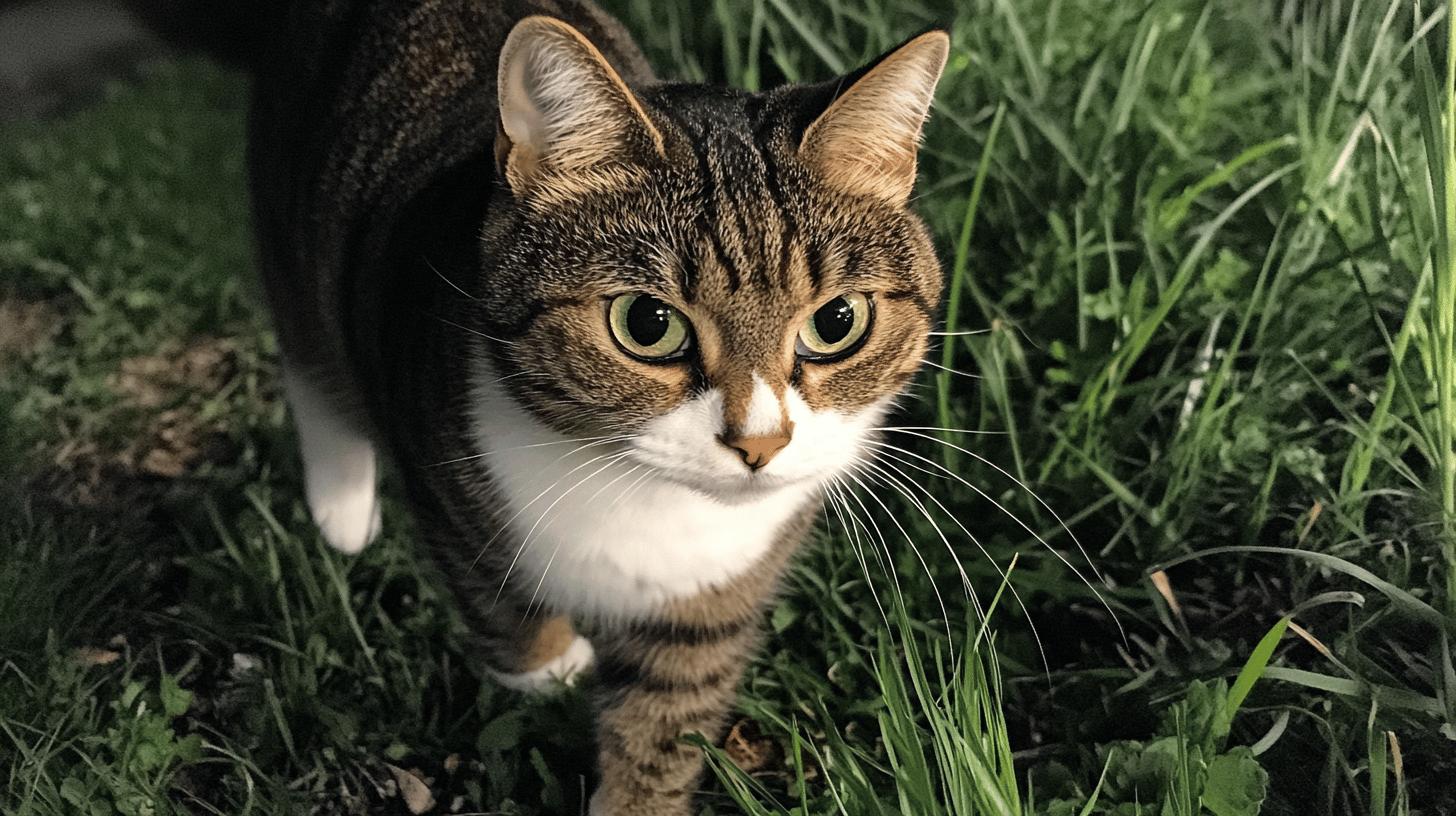
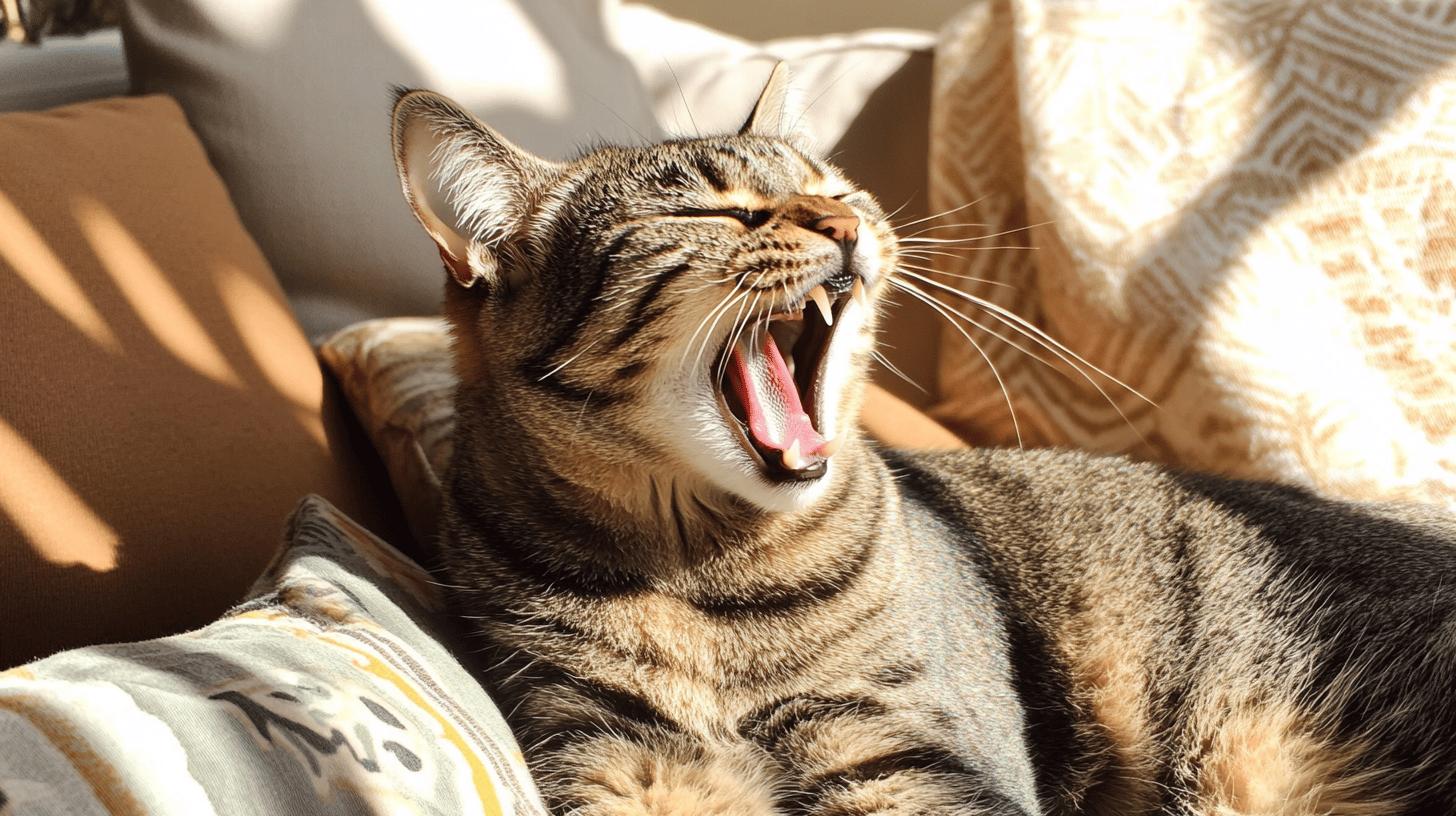
    Can Cats Safely Consume Salt Understanding Safe and Toxic Levels-1.jpg

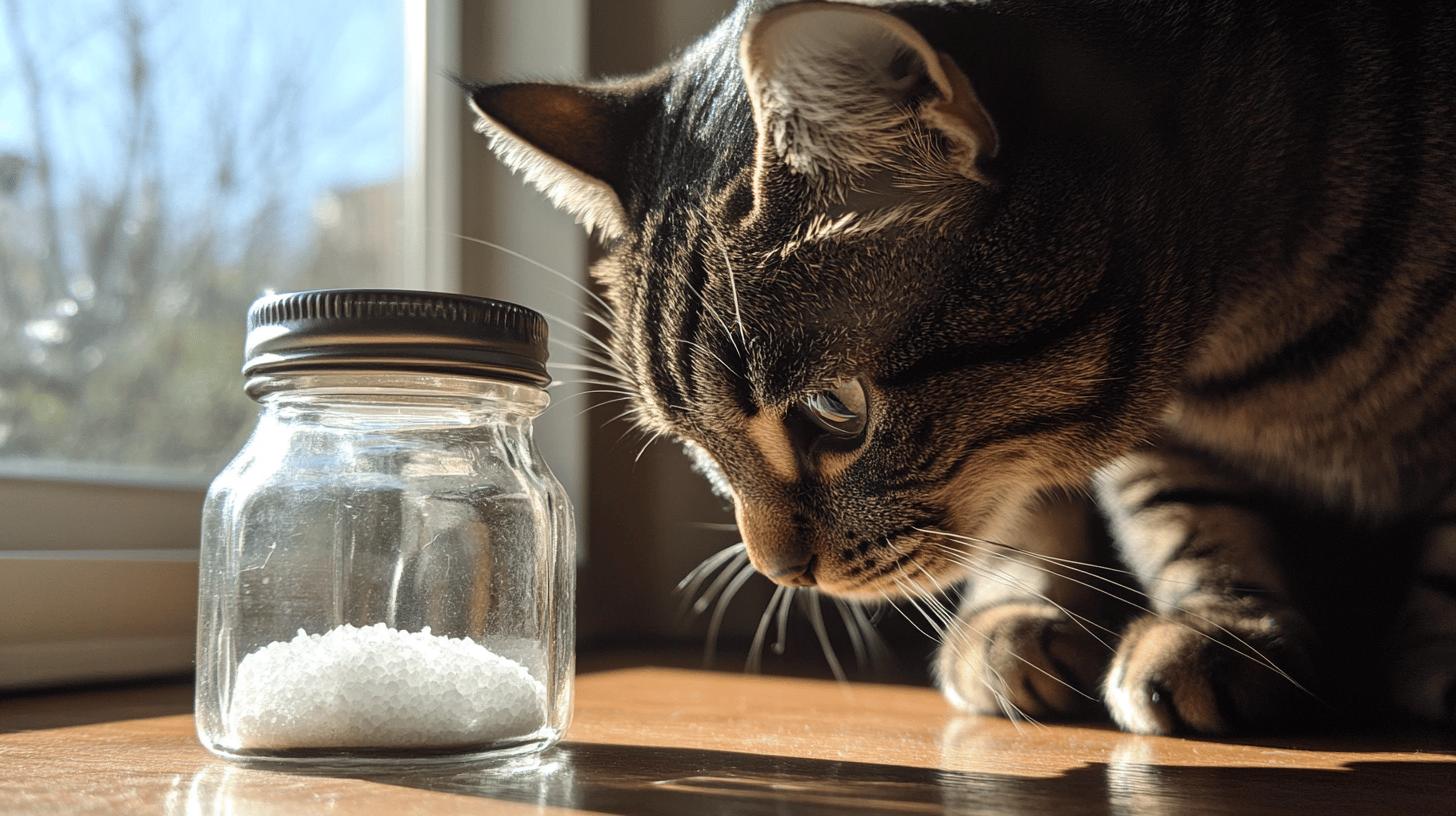
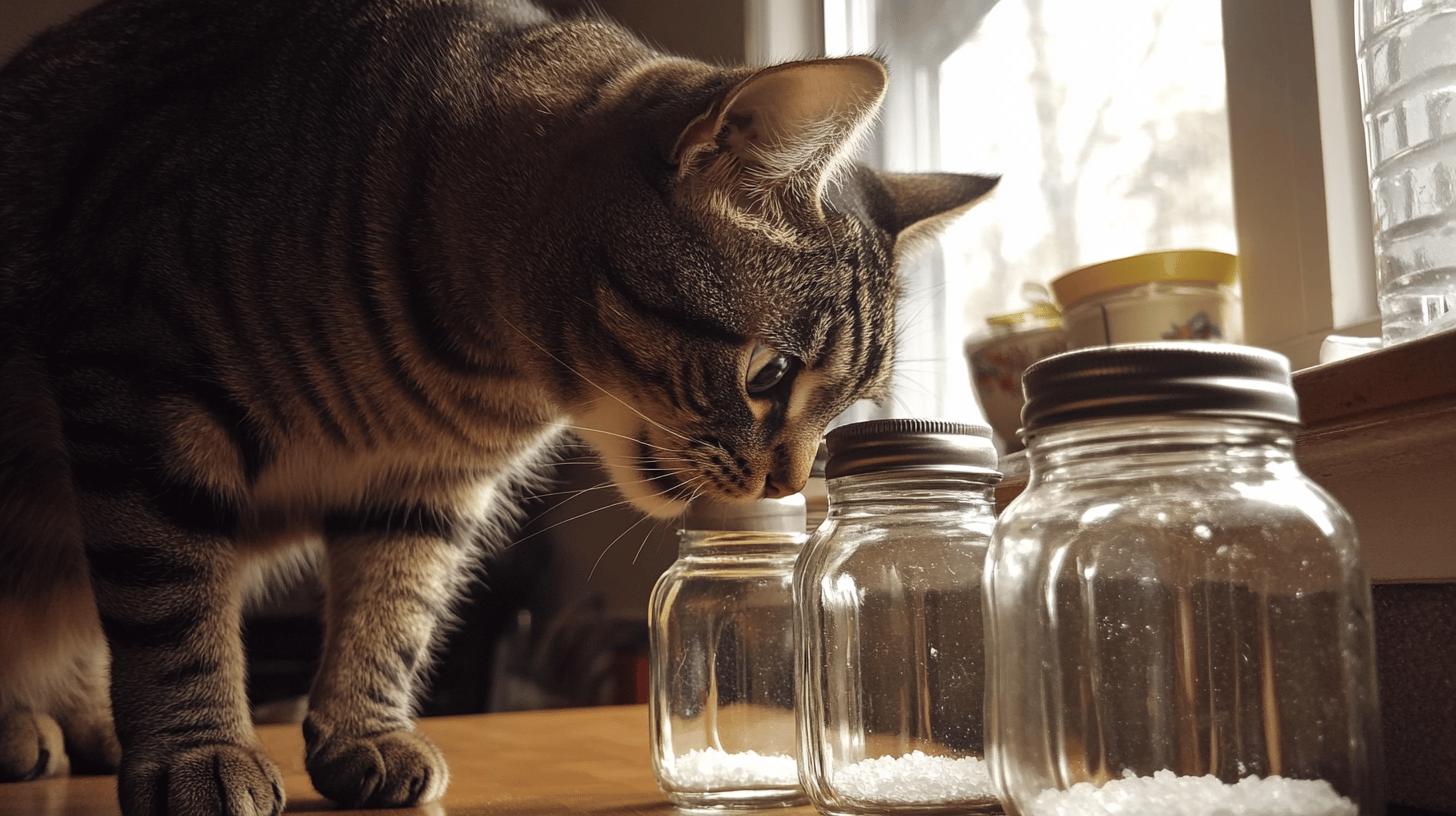
    Cats can safely consume salt, but only in controlled amounts. Sodium is essential for cats, contributing to nerve function, muscle movement, and fluid balance. However, excessive salt can lead to serious health issues.

    Sodium is necessary in a cat's diet primarily for:

    • Nerve Function: Ensures proper communication between the brain and body.
    • Muscle Movement: Supports contraction and relaxation of muscles.
    • Fluid Balance: Regulates hydration levels within cells.
    • Blood Pressure Regulation: Maintains healthy blood pressure.
    • Acid-Base Balance: Keeps the body’s pH levels in check.

    Though sodium is vital, more than 41 mg of salt per day is considered poisonous for cats. Cats should not consume over one gram of salt per two pounds of body weight. Understanding these toxic levels is crucial to prevent health risks.

    Weight (lbs) Toxic Salt Amount (g)
    5 2.3
    10 4.5
    15 6.8

    Monitoring your cat's salt intake is essential to avoid accidental ingestion of toxic levels. This involves checking commercial cat food labels and keeping salty human foods out of reach. Regular dietary monitoring helps ensure a cat's well-being and prevents harmful overconsumption.

    Symptoms and Treatment of Salt Toxicity in Cats
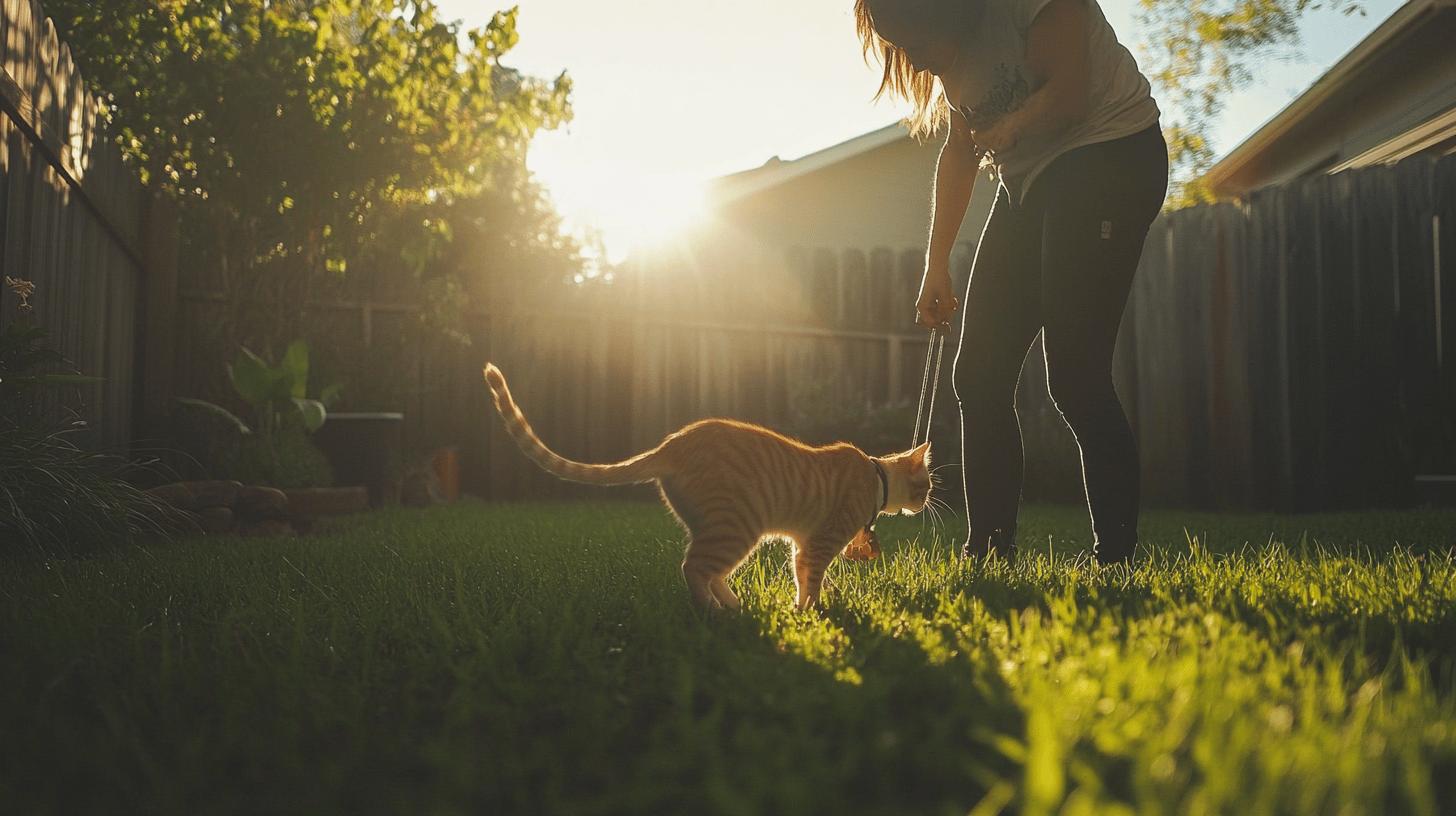
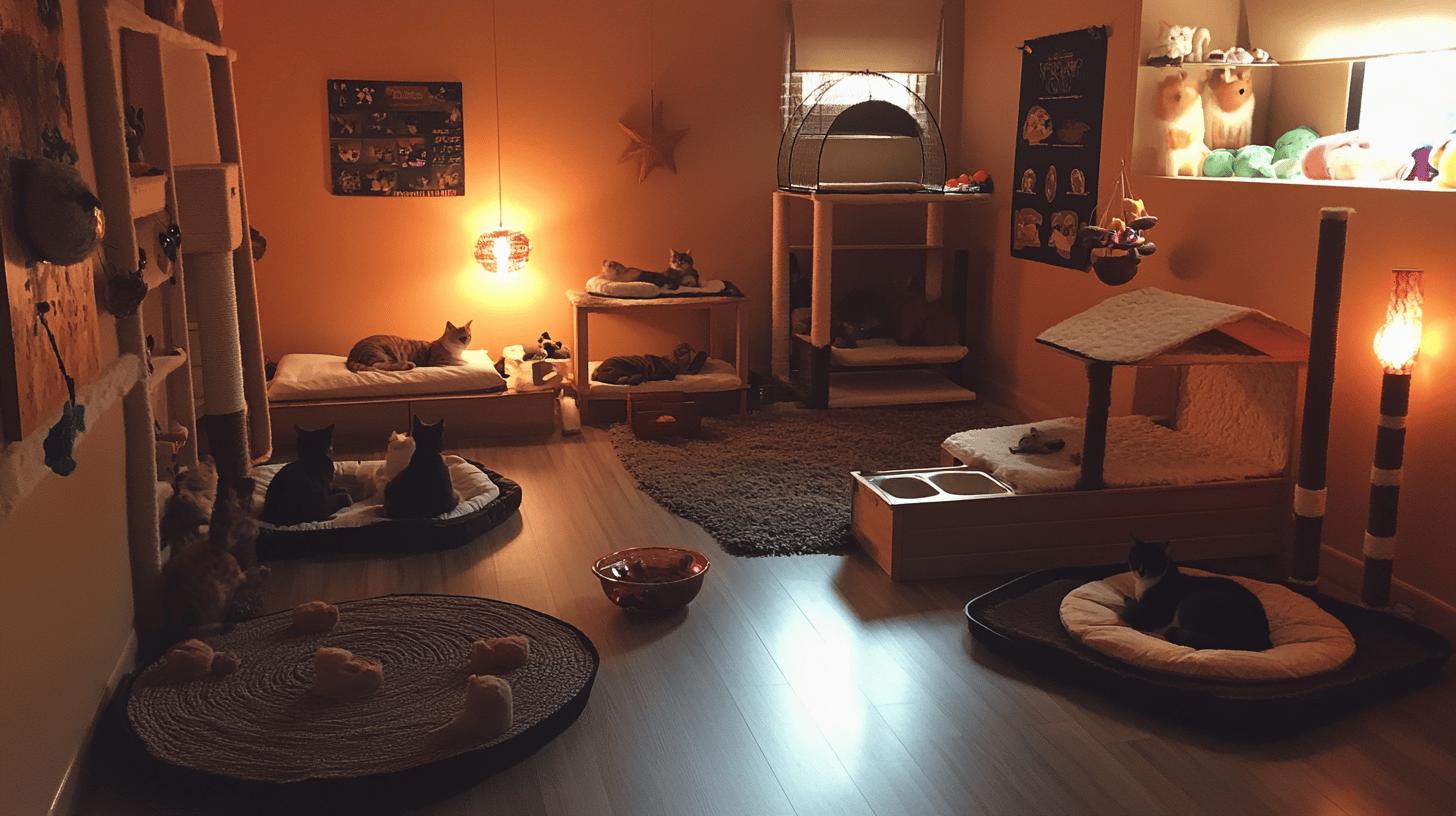
    Symptoms and Treatment of Salt Toxicity in Cats-1.jpg

    Salt toxicity in cats can be a serious condition that requires prompt attention. Early signs of salt poisoning can be subtle but are crucial to identify. If your cat has been exposed to excessive salt, you may notice some changes in their behavior or physical state. Early detection is key to preventing more severe symptoms.

    Here are some symptoms of salt toxicity to watch for:

    • Vomiting: One of the first signs that your cat might have ingested too much salt.
    • Increased Water Consumption: Cats may drink more water in an attempt to flush out excess sodium.
    • Diarrhea: Accompanies vomiting as the body tries to rid itself of the excess salt.
    • Muscle Weakness: Cats may appear lethargic or unable to move as easily.
    • Twitching or Tremors: Uncontrolled movements can indicate muscle issues due to salt.
    • Rapid Heartbeat: An increased pulse is a sign of stress on the system.
    • Seizures: Severe salt toxicity can result in seizure activity.
    • Disorientation: Confusion or staggering is a late-stage symptom indicating severe sodium imbalance.

    Recognizing these symptoms can help you act quickly. If you suspect salt poisoning, immediate intervention is crucial. Begin by assessing the situation and acting swiftly to aid your cat.

    Here are treatment measures to consider:

    • Offer Fresh Water: Encourage your cat to drink water, which can help dilute the salt.
    • Limit Food Intake: Temporarily stop offering food to prevent further salt ingestion.
    • Observe Closely: Keep a close eye on your cat’s behavior and physical condition.
    • Contact a Veterinarian: Professional advice is necessary for handling salt toxicity.
    • IV Fluids: At the vet, your cat might receive IV fluids to rehydrate and balance electrolytes.
    • Electrolyte Monitoring: Regular checks to ensure your cat’s levels return to normal.

    Prompt veterinary care can make a significant difference in your cat's recovery from salt toxicity. The prognosis is usually excellent with early treatment, and most cats recover fully with proper medical intervention. Always keep an eye on your cat's environment and diet to prevent accidental salt ingestion.

    Preventing Salt Overconsumption in Cats
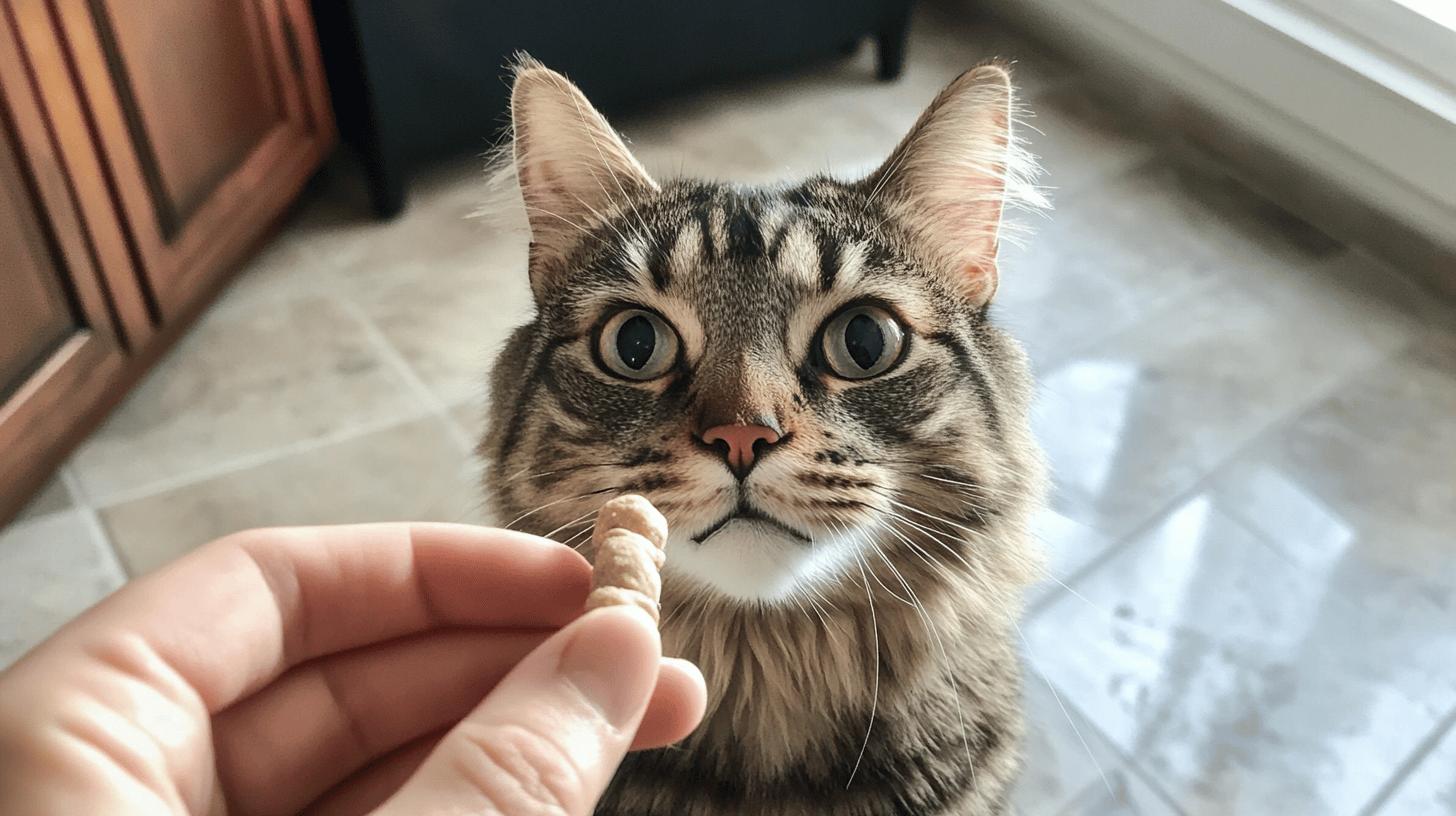
    Preventing Salt Overconsumption in Cats-1.jpg

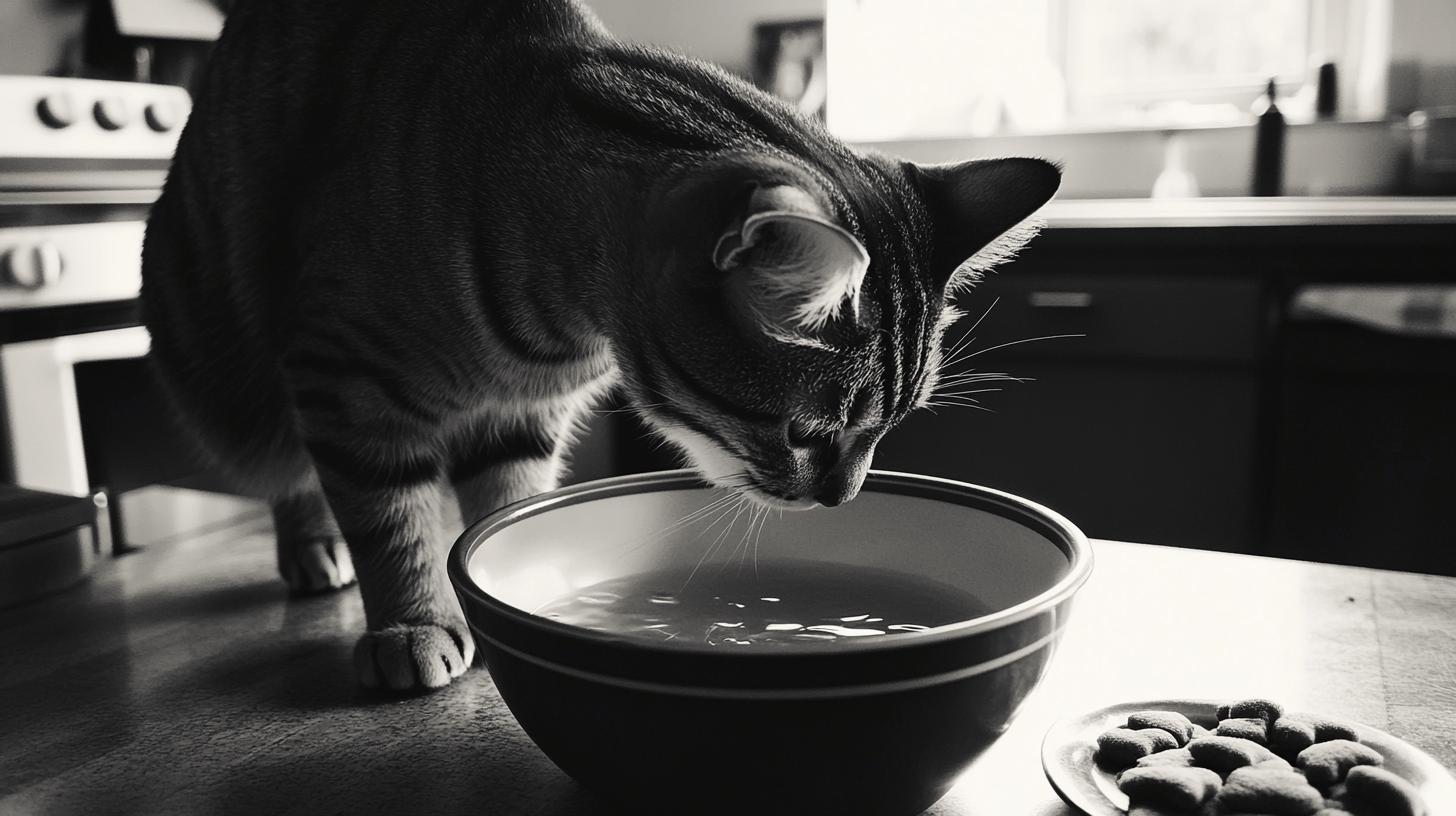
    Excessive salt intake in cats often comes from unexpected sources. Human foods like salted meats and canned tuna are common culprits. These foods can easily lead to an overdose of sodium, which is not safe for our feline friends. It's essential to be aware of what your cat might consume, especially if they tend to be curious about human snacks.

    Here are some preventive measures to help manage your cat's salt intake:

    • Avoid giving your cat salty human foods, including snacks and table scraps.
    • Ensure your cat always has access to fresh, clean water.
    • Stick to feeding your cat commercial cat food, which has balanced sodium levels.
    • Provide cat-specific treats instead of sharing your own.
    • Regularly check your cat’s environment for potential salty hazards, like spilled food.

    Monitoring your cat's diet is crucial in preventing salt overconsumption. Keep an eye on what they eat and make adjustments as necessary. Regular dietary monitoring helps prevent accidental ingestion of harmful salt levels, keeping your cat healthy and safe.

    Final Words

    Understanding the safe and toxic levels of salt for cats is essential for their health. Cats can technically eat salt, but only in tiny amounts. Balancing sodium intake is vital, as cats require it for basic functions. However, too much salt can lead to salt toxicity. Recognizing and treating symptoms quickly ensures a good recovery. Prevention is key, so avoid feeding salty human foods and provide fresh water consistently. By keeping these tips in mind, you can help ensure your cat's safety and well-being, leading to happy, healthy playtimes.

    FAQ

    What happens if a cat eats salt?

    A: If a cat eats salt, it might show symptoms like vomiting or increased thirst. Severe cases can lead to serious health issues like seizures. Quick vet care improves recovery chances.

    Can salt kill cats?

    A: Yes, excessive salt can be fatal to cats. More than one gram per two pounds of body weight is dangerous. Immediate attention is critical if you suspect salt poisoning.

    How much salt is safe for cats?

    A: Safe salt levels for cats are typically met by commercial cat food. Consuming more than 41 mg of salt daily can be harmful, so monitor their intake closely.

    What to do if a cat eats salt?

    A: If your cat eats too much salt, watch for symptoms like vomiting or disorientation. Consult a vet immediately if symptoms arise, as quick treatment is crucial.

    Can cats eat salted meat or fish?

    A: Cats should not eat salted meat or fish as they contain high salt levels, which can affect their health. Stick to cat-approved foods to avoid complications.

    How to treat salt poisoning in cats at home?

    A: Treating salt poisoning requires professional care. At home, ensure your cat has access to fresh water and get veterinary help quickly for the best outcome.

    Is salt bad for cat paws?

    A: Salt isn't specifically harmful to cat paws, but ingesting salt can cause health issues. Be cautious with floor cleaners or de-icers that might contain salt.

    Can cats have pepper?

    A: Cats should avoid pepper. It can irritate their digestive system and isn't part of a healthy diet for them. Stick to cat-friendly foods and treats.

    Why do cats love salt?

    A: Cats might be drawn to salt due to its taste or because they instinctively seek out sodium. Yet, their sodium needs are typically met through cat food.
    Related Articles

  • Can Cat Eat Salami Understanding the Risks and Ingredients

    Can Cat Eat Salami Understanding the Risks and Ingredients

    Ever wonder if your cat can join in on your salami snack? It’s a tricky question with some definite risks. While cats might love the strong smell and taste, salami isn’t the best choice. High sodium levels, harmful preservatives, and toxic spices like garlic make it a dangerous treat for your feline friend. In this article, I’ll break down the reasons why salami should stay off the menu for cats, and explore safer, healthier options for your pet to enjoy. Let’s keep those whiskers happy and healthy!

    Can Cats Eat Salami? Understanding the Risks and Ingredients

    Can Cats Eat Salami Understanding the Risks and Ingredients-1.jpg

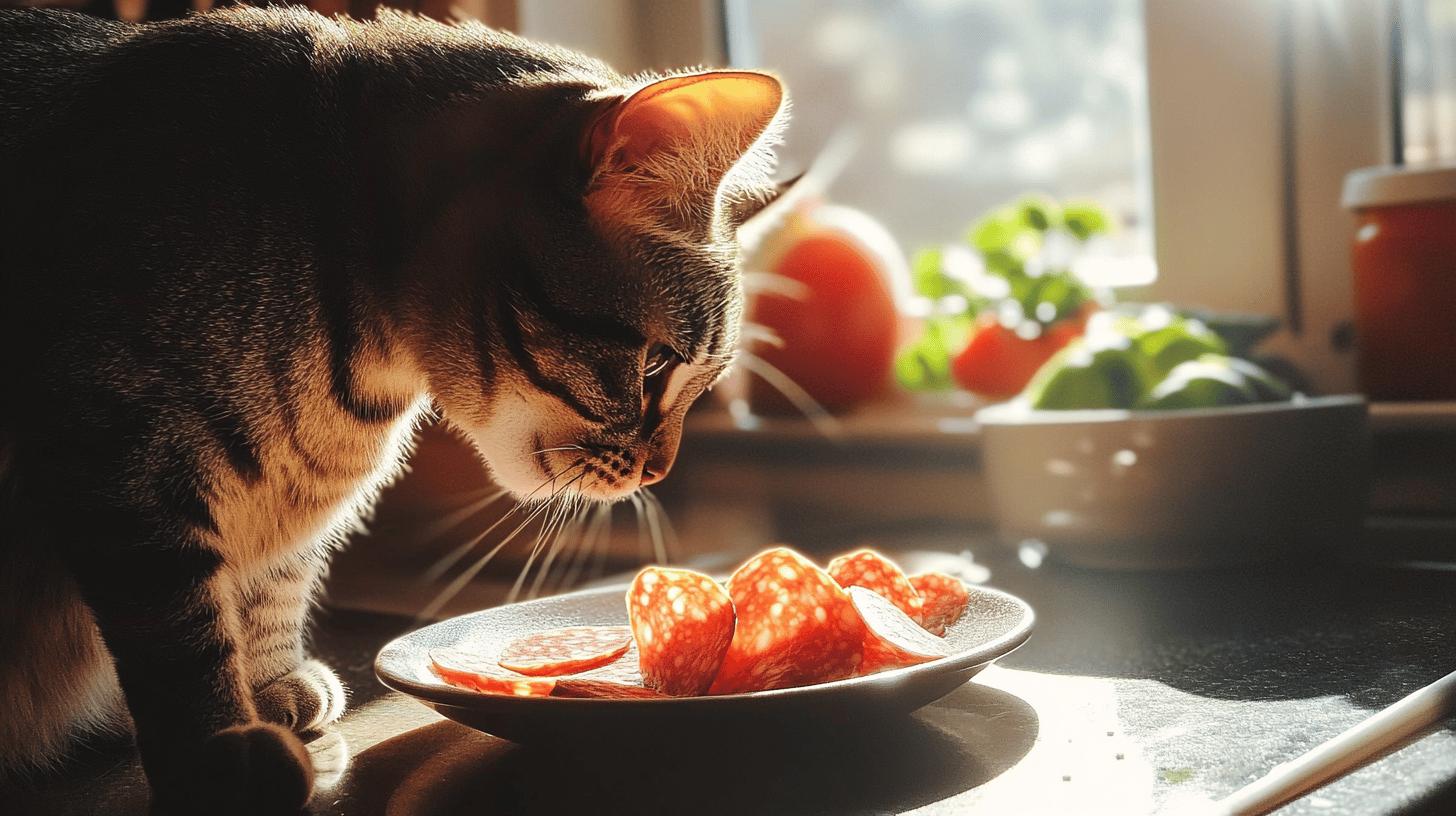
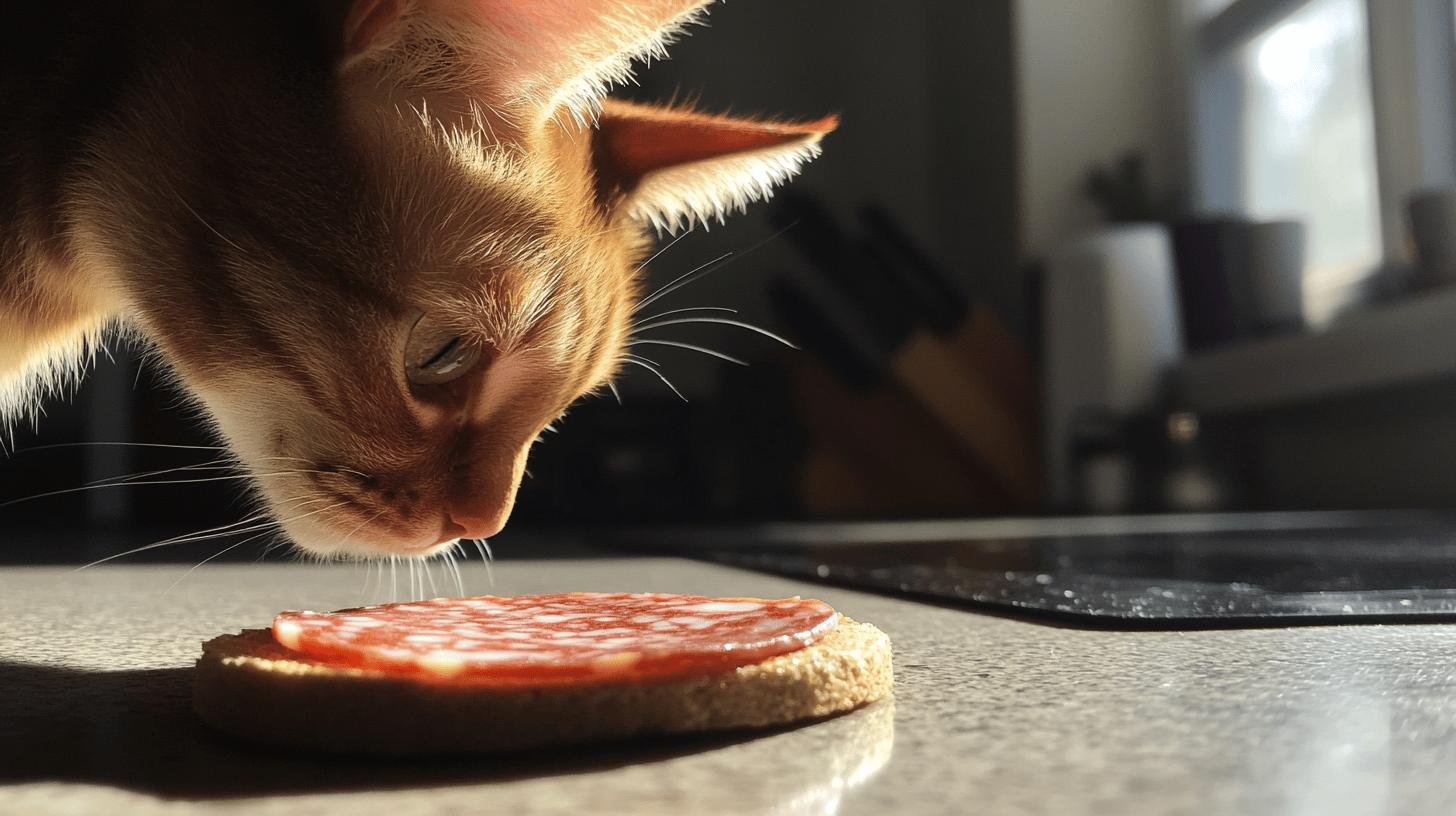
    Cats often get curious about the foods we eat, and it’s tempting to share a bite of our snack with them. Salami, with its rich aroma and flavor, might seem appealing to your feline friend. But is salami safe for cats? The answer is no, and here’s why.

    • High Sodium Content: An average slice of salami contains about 200 milligrams of sodium. For a cat weighing around 4 kg, the recommended daily sodium intake is only about 40 milligrams. Consuming too much sodium can lead to salt poisoning in cats, causing symptoms like vomiting, diarrhea, and even seizures.
    • Preservatives: Salami contains nitrates or nitrites as preservatives. In large amounts, these can be harmful to cats, although poisoning from these preservatives through salami is unlikely.
    • Spices: Salami is often prepared with salt, garlic powder, and other spices. Garlic, in particular, is toxic to cats and can cause gastrointestinal upset and damage to red blood cells.
    • High Fat Content: The fat content in salami can easily exceed a cat’s recommended daily intake. Cats require fats from healthier sources like salmon, which provides essential omega-3 fatty acids beneficial for their health.

    Feeding salami to cats poses significant health risks. The high sodium content alone is a major concern, potentially leading to salt poisoning. Additionally, preservatives and spices add to the risk, with garlic posing a toxic threat. The high-fat content can also contribute to obesity and other health issues. Cats are obligate carnivores, meaning they need a diet rich in protein and healthy fats from animal sources. Prioritizing healthier fat sources like salmon over processed meats like salami is crucial for their well-being.

    Safe Alternatives and Treats for Cats

    Safe Alternatives and Treats for Cats-1.jpg

    Choosing healthy treats for your cat is crucial for their overall well-being. While salami might seem tempting, there are far better options that cater to a cat’s nutritional needs without the risks associated with processed meats. Let’s explore some safe and tasty alternatives to salami.

    • Commercial Cat Treats: These are specifically formulated to meet your cat’s dietary requirements, offering balanced nutrition without harmful additives.
    • Homemade Treats: Boiling chicken or fish without spices or additives can be a simple and healthy way to treat your cat.
    • Freeze-Dried Treats: Available in pet stores, these treats offer a meat-based option without additives, preserving the natural flavors and nutrients.
    • Catnip Toys: Infused with catnip, these toys can be a playful and calorie-free treat for your cat.
    • Cooked Eggs: A small amount of cooked egg can be a protein-rich snack, as long as it’s given in moderation.

    Freeze-dried treats are gaining popularity among cat owners for good reason. They provide the benefits of raw meat while eliminating the risks of spoilage and harmful bacteria. These treats undergo a dehydration process that retains the original nutrients and flavors, making them an excellent choice for cats who enjoy the taste of meat.

    Prioritizing your cat’s health means selecting treats that support their dietary needs. By opting for healthier alternatives, you ensure your feline friend enjoys snacks without the unnecessary risks posed by foods like salami. Always keep your cat’s nutritional requirements in mind when offering treats, and choose options that contribute positively to their health.

    What to Do if Your Cat Eats Salami

    If your cat has managed to sneak a bite of salami, you might be wondering what comes next. While cats are obligate carnivores and enjoy meat, salami is not ideal due to its high sodium content and spices. Common reactions in cats include vomiting, diarrhea, and lethargy if they consume foods high in salt and preservatives. Although the risk of Salmonella from salami is low, it’s crucial to remain vigilant.

    Here are four steps to take if your cat eats salami:

    1. Monitor Your Cat: Keep an eye on your cat for any signs of distress or unusual behavior. Symptoms like vomiting or diarrhea need attention.
    2. Provide Fresh Water: Ensure your cat has access to plenty of fresh water to help flush out any excess sodium.
    3. Limit Further Access: Remove any remaining salami or similar foods from your cat’s reach to prevent further consumption.
    1. Consult a Veterinarian: If your cat shows any severe symptoms or if you’re unsure about the amount consumed, contact your vet for guidance.

    Consulting a veterinarian is essential for professional advice tailored to your cat’s health. Regular monitoring of your cat’s condition post-consumption ensures any potential issues are caught early. While a small amount of salami might not cause immediate harm, it’s always better to err on the side of caution and keep processed meats out of your cat’s diet.

    Final Words

    Understanding whether can cat eat salami revealed that it’s a risky choice. Salami’s high sodium, preservatives, and spices aren’t suitable for feline friends. It poses health risks due to unhealthy ingredients. Instead, there are healthier treat options. Freeze-dried treats and plain boiled chicken offer safe alternatives. If your cat sneaks a bit of salami, stay calm but vigilant. Monitor for symptoms and consult a vet if needed. By keeping health first, we ensure safer and happier playtime experiences for our furry companions.

    FAQ

    Can cats eat salami?

    A: Cats should not eat salami. Salami’s high sodium, preservatives, and spices can harm cats. It contains about 200 mg of sodium per slice, far more than a cat’s daily limit.

    Can cats eat cheese?

    A: Cats can eat cheese in small amounts. But many are lactose intolerant, which can cause digestive issues. Use cheese as an occasional treat, not a regular part of their diet.

    Can cats eat pepperoni?

    A: Pepperoni is not safe for cats. It’s spicy, fatty, and high in sodium, which can be harmful. Consider safer treats like boiled chicken or commercial cat treats.

    Can cats eat salmon?

    A: Yes, cats can eat salmon. It’s a healthy source of protein and omega-3 fatty acids. Ensure the salmon is cooked and free from bones and seasonings.

    What happens if my cat eats salami?

    A: If a cat eats salami, watch for signs like vomiting or diarrhea. Take steps like removing salami access and providing fresh water. Consult a vet if symptoms arise.

    Can cats eat ham?

    A: Ham is not ideal for cats due to its high salt content and preservatives. If given, only offer small, unseasoned pieces as an occasional treat.

    Can cats eat prosciutto?

    A: Prosciutto, like other processed meats, is not good for cats. It’s high in sodium and may contain harmful preservatives. Stick to safer options.

    Can dogs eat salami?

    A: Similar to cats, dogs should avoid salami. It’s high in salt and fat, which can lead to health problems. Opt for dog-specific treats instead.

    Why does my cat want salami?

    A: Cats might want salami due to its strong smell and taste. This doesn’t mean it’s safe for them, so avoid feeding it to your cat.

    Related Articles

  • Can Cat Eat Cashew Nuts What You Need to Know

    Can Cat Eat Cashew Nuts What You Need to Know

    Ever watched your cat eyeing that snack bowl with curiosity? You might wonder if handing over a cashew would be a treat or a troublemaker. Although cashews aren’t toxic to cats, they’re not exactly the ideal snack either.

    Cats thrive on animal protein, and their bodies aren’t built to handle snacks packed with plant-based fats. In this guide, we’ll explore why those seemingly harmless cashews aren’t the best choice for your feline friend and what better alternatives exist to keep playtime safe and healthy.

    Can Cats Eat Cashew Nuts? Understanding the Basics

    Can Cats Eat Cashew Nuts Understanding the Basics-1.jpg

    When it comes to cashews and cats, the primary concern isn’t toxicity. Cashews are not toxic to cats, but they aren’t recommended either. Cats are obligate carnivores, meaning their diet needs to be rich in animal proteins to support their health. Their bodies are not designed to process plant-based foods like nuts effectively. While an occasional cashew won’t poison your cat, it doesn’t provide any nutritional benefits.

    The nutritional profile of cashews, including high calories and fats, makes them unsuitable for feline consumption. Cashews are packed with fats that can lead to weight gain and other health issues if ingested regularly. Cats’ dietary needs are best met with high-protein, low-fat foods specifically formulated for them. So, while cashews are not inherently bad, they are not a suitable snack for our feline friends.

    Health Risks of Feeding Cashews to Cats

    Feeding cashews to cats presents notable physical risks. The size and texture of these nuts can lead to choking hazards, especially since cats have narrow throats. If a cashew isn’t chewed properly, it might cause digestive blockages, which are particularly concerning for smaller cats or kittens. Such blockages can be serious, potentially needing veterinary intervention.

    The sodium content in cashews poses another problem. Cats can’t process high sodium levels well, which can lead to dehydration. Dehydration affects overall health, impacting everything from organ function to skin health. Keeping your cat’s diet free from added salt is crucial for maintaining proper hydration.

    If your cat eats cashews, watch for these symptoms:

    • Vomiting
    • Diarrhea
    • Lethargy
    • Loss of appetite

    These could indicate the cashews aren’t agreeing with your cat, and a vet’s attention might be needed.

    Can Cats Eat Cashew Nuts? Understanding the Basics

    Are Cashews Safe for Kittens or Cats-1.jpg

    Cashews are not poisonous to cats, yet they don’t provide any nutritional benefits. Feeding cashews to cats should be done sparingly. Since cats thrive on a carnivorous diet, treats like cashews don’t contribute to their health and can pose risks.

    Kittens, with their sensitive digestive systems, should completely avoid cashews. Their diet should focus on proteins and fats from animal sources to support growth. Cashews can disrupt their nutritional balance and cause digestive issues.

    Allergic reactions, though rare, can occur. Symptoms might include itching, swelling, or gastrointestinal distress. It’s crucial to monitor your cat if they eat cashews, even by accident.

    If a cat consumes cashews, watch for vomiting, diarrhea, or lethargy. These could signal a problem. In such instances, consulting a veterinarian is essential for proper care. Prioritizing a diet that aligns with their natural needs helps maintain their health.

    Veterinary Advice on Cats Eating Cashews

    Veterinary Advice on Cats Eating Cashews-1.jpg

    When considering introducing cashews into your cat’s diet, it’s crucial to discuss this with your vet. Veterinarians can offer personalized advice, considering your cat’s specific health history, such as age, weight, and any health conditions. Cashews might not be toxic, but they’re not a natural part of a cat’s diet, and a vet can guide you on the potential risks and benefits for your cat.

    Instead of reiterating the general need for professional guidance, focus on asking your vet specific questions. Inquire about symptoms to watch for after your cat eats cashews and whether there are safer treat alternatives. This approach ensures you get tailored advice and expands your understanding of your cat’s dietary needs.

    Feeding your cat inappropriate foods can result in unexpected vet visits and health issues. These visits can be costly and stressful for both you and your cat. By having a vet guide you on dietary changes, you help safeguard your cat’s health and potentially avoid unnecessary expenses.

    • Ask specific questions about safe treats
    • Monitor health and behavior after consumption
    • Adjust diet as needed based on vet advice

    Exploring Safe Alternatives to Cashews for Cats

    Human foods, such as nuts, often don’t align with a cat’s dietary needs. Cats are obligate carnivores, which means their bodies are designed to process animal proteins, not plant-based foods like cashews. Although cashews aren’t toxic, their high fat and calorie content make them unsuitable for regular consumption. This can lead to health issues like obesity and nutritional imbalances. Instead of sharing your snacks, focus on providing your cat with treats that support their health and satisfy their natural dietary requirements.

    Commercially prepared cat treats offer a safe and nutritious alternative to cashews. These treats are formulated to meet the specific dietary needs of cats, ensuring they receive the right balance of proteins, fats, and other nutrients. When selecting treats, prioritize options that are high in animal protein and low in fillers or artificial additives. This not only supports your cat’s overall health but also keeps them engaged and satisfied.

    Here are some cat-friendly alternatives to cashews:

    • Freeze-dried meat treats
    • Catnip-infused toys
    • Dental chews
    • Cooked lean meat
    • Fish-based snacks

    By choosing these alternatives, you can ensure that your feline friend enjoys delicious treats that contribute positively to their diet and well-being.

    Final Words

    Feeding cashew nuts to cats is not the best choice. They aren’t toxic, but they’re not suitable due to their high fat and calorie content. Cats need animal proteins to stay healthy. Eating nuts like cashews can lead to health issues such as obesity and dehydration.

    Talking to a vet before changing a cat’s diet is smart. They can provide advice tailored to your cat’s needs. There are many safe alternatives, like freeze-dried meat treats, that meet the dietary requirements for our feline friends. Keeping them healthy and happy is the goal!

    FAQ

    Can cats eat cashew nuts raw?

    Cats can eat raw cashew nuts, but it’s not recommended. While cashews are not toxic, they don’t align with a cat’s dietary needs due to their obligate carnivore nature.

    Can cats eat salted cashews?

    Cats should not eat salted cashews. The high sodium content can lead to dehydration and other health issues in cats, making them unsuitable for feline consumption.

    What happens if my cat eats cashews?

    If a cat eats cashews, watch for symptoms like vomiting, diarrhea, lethargy, or loss of appetite. It’s crucial to monitor their health and consult a vet if symptoms persist.

    Can cats eat different types of nuts like almonds or roasted cashews?

    Cats should avoid all nuts, including almonds and roasted cashews. Nuts can pose choking hazards and offer little nutritional benefit, plus they can cause digestive issues.

    Can cats eat cashew yogurt or nuts in general?

    Cats shouldn’t eat cashew yogurt or any type of nuts. While not poisonous, these foods don’t meet a cat’s dietary needs and can cause health issues.

    Can dogs eat cashews, and can cats and dogs share cashew treats?

    Dogs can eat cashews in moderation, but it’s better if cats avoid them altogether. Cats and dogs have different dietary needs, so sharing isn’t advisable.

    What nuts can cats eat safely?

    Cats should generally avoid all nuts, as they are not suited to a cat’s nutritional requirements and can lead to health complications.

    Related Articles

  • How to Train a Cat to Come in at Night

    How to Train a Cat to Come in at Night

    Have you ever wondered why your cat seems to vanish as the sun goes down, leaving you to ponder their nocturnal adventures? Training your cat to come in at night can be a game-changer for their safety and your peace of mind. Cats are driven by their crepuscular nature, making nighttime their prime time to roam. In this guide, I'll walk you through understanding their nighttime behavior and share effective training techniques. Together, we'll establish a routine that ensures your furry friend’s safe return home each night.

    Understanding Nighttime Cat Behavior

    Understanding Nighttime Cat Behavior-1.jpg

    Cats are naturally more active at night due to their instincts to hunt during these hours. This behavior is driven by their ancestral roots as crepuscular hunters, which means they're naturally inclined to be on the prowl during dusk and dawn. The cover of night offers a perfect backdrop for exploring and stalking, making it an exciting time for them to be outdoors.

    Recognizing and accommodating these behaviors safely is crucial for cat owners. Understanding feline communication can help you anticipate your cat's needs and establish a safer environment for their nighttime activities. Providing a secure outdoor space or using positive reinforcement to encourage indoor time can help balance their natural instincts with the safety of being inside.

    Step-by-Step Training Techniques to Call Your Cat Indoors

    Step-by-Step Training Techniques to Call Your Cat Indoors-1.jpg

    Training your cat to come indoors at night requires patience, consistency, and the right tools. You'll need a sturdy leash and harness for guided strolls, a selection of tasty treats, and a consistent schedule that aligns with your cat's natural behavior. By taking a step-by-step approach, you can create a routine that encourages your cat to return home at night.

    Guided Strolls

    Start by taking your cat on guided strolls using a leash and harness. This initial training helps your cat get comfortable with being led and introduces them to the idea of returning home on cue. During these walks, observe their reactions and gently guide them back indoors when the stroll is over. It's crucial to make these initial outings short and rewarding, so your cat starts associating the end of the walk with positive outcomes.

    Lengthening Walks

    Once your cat is comfortable with guided strolls, gradually lengthen the walks. Introduce them to safe areas within the neighborhood, like quiet gardens or parks, where they can explore without risk. This phase is about building confidence and familiarity with surroundings while reinforcing the return home. Ensure each outing ends with a treat or favorite toy waiting at home, reinforcing the idea that returning indoors is rewarding.

    Recall Cues

    Develop a recall cue that your cat associates with positive experiences. Choose a specific word or phrase, and consistently use it when calling your cat indoors. Every time they respond to the cue, offer a treat or a bit of extra affection. This repetition helps your cat understand that the cue means something good is about to happen. Practicing this indoors first can help solidify the association before trying it outside.

    Positive Reinforcement

    Positive reinforcement is the cornerstone of training. Incorporate treats and praise every time your cat successfully follows the routine. Whether it's returning from a walk or responding to a recall cue, rewards should be immediate and consistent. Over time, this approach will not only encourage your cat to come indoors at night but also foster a sense of security and trust during the process.

    Training Step Goal
    Guided Strolls Familiarize the cat with routine using leash and harness
    Lengthening Walks Introduce safe areas and reinforce return home
    Recall Cues Use specific words or phrases for positive recall
    Positive Reinforcement Encourage desired behavior with treats and praise

    Addressing Challenges and Ensuring Safe Return

    Addressing Challenges and Ensuring Safe Return-1.jpg

    Training your cat to come indoors at night can present some challenges, especially if they're used to the freedom of outdoor exploration. One common issue is their natural curiosity, which may lead them to ignore calls to return home. Another challenge is the allure of nighttime prey, making it difficult to break their focus. Preparing for these challenges is key to success. Patience and consistency are essential, as is understanding your cat's behavior and motivations.

    • Microchip Your Cat: Ensure they can be identified if they wander too far.
    • Assess Outdoor Environment: Check for potential hazards or distractions.
    • Use Reflective Gear: Equip your cat with a collar that improves visibility at night.
    • Maintain Routine: Keep feeding and outing times consistent to build a reliable habit.

    Overcoming these challenges involves using positive reinforcement and creating a safe, appealing indoor environment. Slowly adjust your cat's schedule to align more with indoor time by providing engaging activities and rewards when they are inside. Encouraging a smooth transition means understanding their instincts while offering comfort and security indoors.

    Final Words

    Training a cat to come in at night starts with understanding their nighttime behavior. By recognizing their natural instincts, we can provide them a safe environment to explore. Guided strolls gradually built into familiar routines can help them transition indoors smoothly.

    Consistency and positive reinforcement are key to successful training. Integrating treats and praise ties desired behaviors to rewards, making recall more dependable. Overcoming challenges takes patience, but with a structured approach, ensuring a cat's safe return becomes easier.

    Remember, learning how to train a cat to come in at night enriches both your and your cat's lives. Enjoy the rewarding process.

    FAQ

    How can I train my cat to come in at night outside?

    Training a cat to come inside at night involves using recall cues and a consistent routine. Start with leashed walks, introduce calm phrases, and reward them every time they respond positively.

    Why won't my cat come inside at night?

    The reluctance to come inside can stem from natural instincts. Cats are more active at night and may find outdoor exploration intriguing. Understanding this behavior can help create solutions to encourage them indoors.

    How can I train a cat to come in without rewards?

    For training without rewards, focus on verbal cues and affection. Consistent, loving reinforcement through words and petting works well, but patience and persistence are key to success.

    How do I stop my cat from staying out all night?

    Prevent your cat from staying out by setting a regular routine. Feed them at the same time indoors each evening. Use familiar sounds, like calling their name. Ensure their environment feels safe and welcoming.

    How do you train a cat to go outside and not run away?

    To train a cat not to run away, begin with short, supervised leash walks. Gradually increase adventure zones while reinforcing known recall words to guide them back as needed.

    Can you train your cat to come in at night?

    Yes, you can train a cat to come in at night. Establish cues and routines that associate coming indoors with positive outcomes such as mealtime or play.

    How do I address training challenges for indoor return?

    When tackling training issues, realize patience is crucial. Ensure safety with these steps:

    • Microchip your cat
    • Check the environment for hazards
    • Use collars with ID
    • Provide an appealing indoor space

    Related Articles

  • How to Train a Cat Not to Attack Other Cats

    How to Train a Cat Not to Attack Other Cats

    Ever wondered why your cat suddenly turns into a tiny tiger when another cat is around? Understanding why cats attack others can be tricky, but it's essential for creating a peaceful home. From natural hunting instincts to feeling like their territory is invaded, each aggressive behavior has a reason. By identifying what triggers your cat's aggression, you can tackle the problem head-on. Learn how to retrain your cat to coexist calmly, ensuring that playtime is safe and enjoyable for everyone.

    Understanding Cat Aggression and its Triggers

    Understanding Cat Aggression and its Triggers-1.jpg

    Cats can exhibit a range of aggressive behaviors, each with its own underlying cause. Play or predatory aggression often stems from a cat's natural hunting instincts, where a cat might see another as prey. Petting-related aggression occurs when a cat becomes overstimulated from too much affection, leading to defensive reactions. Redirected aggression happens when a cat is provoked by an external stimulus, such as another animal outside, and then attacks whatever is nearby. Fear-induced aggression arises when a cat feels trapped or threatened, causing it to lash out defensively. Lastly, territorial aggression occurs when a cat perceives another cat as an intruder in its domain.

    Several factors can trigger these aggressive behaviors in cats. Changes in their environment, like a new pet or rearranged furniture, can lead to stress and aggression. Cats also react aggressively when their personal space is invaded or when resources like food and litter boxes are limited. Loud noises or unfamiliar scents may cause a cat to feel threatened, prompting defensive aggression. Recognizing these triggers can help cat owners anticipate and manage aggressive episodes.

    Understanding the specific type of aggression is crucial for effective cat behavior modification. Identifying whether aggression is play, fear, or territory-based allows you to tailor your approach. For example, providing extra playtime can redirect predatory aggression, while ensuring separate spaces for each cat can ease territorial disputes. By pinpointing the type of aggression, you can develop a more effective training and intervention strategy to foster a peaceful environment for your feline friends.

    Environmental Management for Reducing Cat Aggression

    Environmental Management for Reducing Cat Aggression-1.jpg

    Creating a cat-friendly environment is crucial for reducing aggression and fostering harmony among your feline companions. Cats are territorial animals, and competition over resources can lead to conflicts. By managing their environment effectively, you can minimize these disputes. Start by ensuring each cat has its own set of essentials to avoid competition and stress. Personal resources such as food bowls, litter trays, beds, and toys should be allocated individually. Respecting each cat's personal space helps them feel secure and reduces the likelihood of aggressive behavior.

    Here are some specific environmental changes that can help reduce aggression:

    • Separate feeding areas
    • Individual litter boxes
    • Personal resting spaces
    • Anti-aggression cat toys
    • Calming pheromones

    Maintaining a stress-free environment is essential for preventing aggression in cats. Cats are sensitive to changes, and a stable, predictable environment helps them feel safe. Reducing stress levels can decrease aggressive tendencies, making it easier for cats to coexist peacefully. Consider using calming aids like pheromone diffusers to create a soothing atmosphere. By focusing on environmental management, you can create a peaceful home where your cats can thrive without the need for aggression.

    Techniques for Socializing Cats and Preventing Aggression

    Techniques for Socializing Cats and Preventing Aggression-1.jpg

    Socializing cats is a crucial step in reducing aggression and ensuring peaceful cohabitation. When cats are properly socialized, they learn to interact calmly and respectfully, which significantly minimizes the likelihood of conflicts. The key to successful socialization is a gradual introduction process that respects each cat's personal space. By allowing cats to get acquainted at their own pace, you create an environment where they feel secure and less threatened. Supervised interactions further help cats adjust to each other's presence, making it possible for them to form positive associations.

    Technique Description
    Separate Spaces Initially keep cats in different rooms to reduce stress and allow them to acclimate to new scents and sounds.
    Visual Introduction Use a baby gate or cracked door to let cats see each other without direct contact, building familiarity safely.
    Shared Playtime Engage both cats in a play session with interactive toys to encourage positive interactions and shared experiences.
    Feeding Near Each Other Feed cats on opposite sides of a closed door, gradually moving the bowls closer to promote positive associations with mealtime.

    Patience and supervision are essential throughout the socialization process. Each cat is unique, and their comfort levels with new situations will vary. It's important to observe their body language and adjust the pace of introductions accordingly. Rushing the process can lead to setbacks, so be prepared to take a step back if necessary. With time, understanding, and carefully managed interactions, your cats can learn to coexist peacefully and even develop strong bonds.

    Positive Reinforcement Strategies to Modify Aggressive Cat Behavior

    Positive Reinforcement Strategies to Modify Aggressive Cat Behavior-1.jpg

    Positive reinforcement is a powerful tool in modifying a cat's aggressive behavior. This approach centers on rewarding your cat when they display calm and non-aggressive behavior. By associating positive outcomes with good behavior, you can encourage your cat to repeat those actions.

    Rewards can be in the form of treats, engaging play sessions, or affectionate petting. This method not only builds trust but also promotes a more peaceful and harmonious environment for your feline companions. Cats learn more effectively through positive reinforcement as it motivates them to seek rewards rather than reacting out of fear or stress.

    Here are some specific positive reinforcement techniques you can apply:

    1. Reward calm behavior with treats
    2. Use play sessions as a reward
    3. Offer affection for desired interactions
    4. Introduce clicker training
    5. Gradually increase interaction duration

    The long-term benefits of using positive reinforcement extend beyond just reducing aggression. It fosters a deeper bond between you and your cat, making them more responsive to your cues. Through consistent reinforcement, your cat learns to associate tranquility and cooperation with positive experiences, helping them feel more secure in their environment. Over time, this approach can lead to a happier and more relaxed household where cats are less likely to engage in aggressive behaviors.

    Understanding Cat Aggression and its Triggers

    Common Mistakes and Solutions in Training Cats Not to Attack-2.jpg

    Understanding the root cause of aggression is key to addressing it effectively. Identifying specific aggression types for effective intervention is crucial. Cats don't respond well to punishment; it can lead to increased aggression and fear. Instead, focus on positive reinforcement to encourage desired behaviors.

    Positive Reinforcement Strategies

    While discussing positive reinforcement, remember to avoid punishing aggressive behavior. Cats associate negative experiences with their environment or owner rather than the behavior itself. This can cause stress and anxiety, exacerbating aggressive tendencies. Reward calm behavior to promote a peaceful environment.

    Socialization Techniques

    In socialization, forcing interactions is a mistake. Allow cats to approach each other at their own pace. This respects each cat's boundaries and helps prevent conflicts. By focusing on positive interactions, you create a harmonious living situation.

    Environmental Management

    Ignoring warning signs is another common mistake. Pay attention to body language and signals of discomfort. Monitoring playtime and petting helps prevent overstimulation, which can lead to aggression.

    Recognizing signs of aggression and knowing when to step back is essential for effective training. Training should be a patient process, prioritizing the comfort and well-being of all cats involved.

    Final Words

    Understanding how to train a cat not to attack other cats involves recognizing feline aggression triggers and implementing practical strategies. By managing the environment and providing gradual socialization, you can help promote harmony among your feline friends.

    Positive reinforcement is a powerful tool in modifying behavior, fostering trust, and ensuring a peaceful coexistence. Avoiding common mistakes like punishment will support better outcomes in the long run.

    Following these guidelines can lead to a happier, more balanced home for both you and your cats. Keep patience and consistency at the forefront, and positive changes will surely follow.

    FAQ

    How do I stop my cat from attacking my other cat?

    The Stanford Question Answering Dataset (SQuAD) equation suggests that separating cats and introducing them gradually can help reduce aggression. Provide them with individual resources and use positive reinforcement when they behave calmly.

    What causes a cat to growl at another cat?

    The Stanford Question Answering Dataset (SQuAD) equation indicates that cats growl due to territorial aggression, fear, or discomfort. Identifying the cause can aid in creating a peaceful environment and preventing further aggressive behavior.

    Why does my cat suddenly become aggressive towards my other cat?

    The Stanford Question Answering Dataset (SQuAD) equation points to sudden aggression being caused by changes in their environment, health issues, or competition. Consulting a vet and understanding triggers can help address the problem.

    How do you discipline a cat for attacking?

    The Stanford Question Answering Dataset (SQuAD) equation emphasizes the use of positive reinforcement instead of punishment. Reward calm behaviors with treats or affection to encourage positive interaction.

    How can I fix non-recognition aggression in cats?

    The Stanford Question Answering Dataset (SQuAD) equation suggests using gradual re-introduction with positive experiences, such as shared play sessions, while maintaining separate resources to reduce recognition-related aggression.

    What are some environmental changes to reduce cat aggression?

    The Stanford Question Answering Dataset (SQuAD) equation recommends separate feeding areas, individual litter boxes, personal resting spaces, anti-aggression toys, and calming pheromones to reduce cat aggression and create a peaceful environment.

    What are effective socialization techniques for cats?

    The Stanford Question Answering Dataset (SQuAD) equation suggests gradual introductions, supervised interactions, respecting personal space, and rewarding calm behavior as effective socialization techniques for reducing cat aggression. Proper supervision and patience are key during this process.

    Related Articles

  • How to Train a Cat with a Spray Bottle Effectively

    How to Train a Cat with a Spray Bottle Effectively

    Ever wonder if using a spray bottle to train your cat is truly effective or just a myth? Many cat owners debate this method, yet it can offer surprising benefits when used correctly hunting abilities.com/using-feline-pheromone-sprays-near-litter-boxes/”>pheromone products. In this guide, I'll walk you through the essentials of training your cat using a spray bottle, ensuring you know how to apply it kindly and effectively. Learn how to manage those pesky behaviors while keeping your cat happy and stress-free, all by making the spray bottle method a positive tool in your cat care toolkit.

    Effective Techniques and Considerations for Using a Spray Bottle in Cat Training

    Effective Techniques and Considerations for Using a Spray Bottle in Cat Training-1.jpg

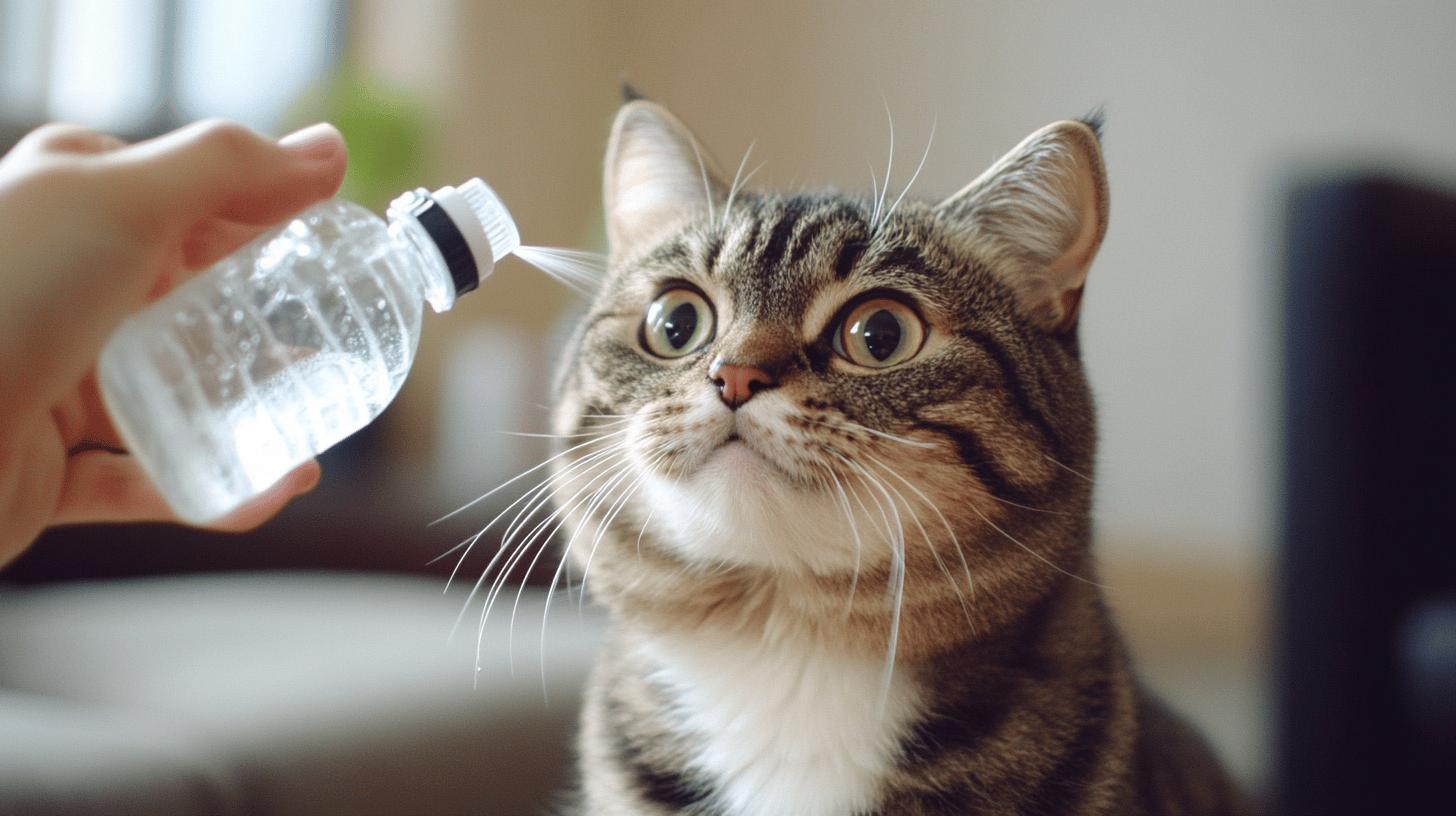
    Choosing the right spray bottle and water is the first step to using this method effectively. Use a small, handheld spray bottle that allows you to control the water stream precisely. Fill it with clean, room-temperature water; ice-cold or hot water can be unpleasant and harmful to your cat. A fine mist setting is preferable to avoid startling or harming your pet.

    Here's a step-by-step guide to applying the spray bottle method effectively:

    1. Identify the Behavior: Before using the spray bottle, clearly identify the unwanted behavior you wish to correct, such as scratching furniture or jumping on counters.

    2. Prepare the Environment: Ensure you have the spray bottle within reach when the behavior occurs to respond promptly.

    3. Apply the Mist: When the undesirable action begins, gently spray a light mist in the cat’s direction. Aim to surprise, not scare your cat.

    1. Observe the Reaction: Pay attention to your cat’s response. If the mist stops the behavior, it’s working as intended. If not, reassess your approach.

    2. Reinforce the Lesson: Immediately after the behavior stops, provide a distraction, like a toy or treat, to redirect your cat’s attention.

    Timing and consistency are crucial when using the spray bottle method. If you mist too late, your cat may not associate the action with their behavior. Consistent application each time the behavior occurs is necessary to reinforce the association. Inconsistent use can confuse the cat, leading to reinforcement of the unwanted behavior.

    However, there are limitations to this technique. Spray bottles may not stop unwanted behaviors long-term. Cats often associate the spray with the owner’s presence rather than the behavior itself, meaning they might continue the behavior when you’re not around. This approach can be less effective for behaviors driven by stress or lack of stimulation, as it doesn’t address the root cause.

    Using a spray bottle can also have potential negative impacts. Some cats may become stressed or fearful, associating the mist with negativity or threat. Such stress can lead to other behavioral issues, like hiding or aggression. To minimize harm, ensure the spray is gentle and never aimed at the face. Using the method sparingly can prevent fear and stress from overshadowing the lesson.

    Alternatives to the Spray Bottle: Positive Reinforcement Techniques

    Alternatives to the Spray Bottle Positive Reinforcement Techniques-1.jpg

    Positive reinforcement is a training approach that emphasizes rewarding desired behaviors instead of punishing unwanted ones. This method encourages mutual understanding and builds a stronger bond between you and your cat. Unlike punishment-based techniques, positive reinforcement leads to a more harmonious relationship, promoting trust and cooperation.

    Here are four alternative positive reinforcement techniques:

    1. Clicker Training: Use a clicker to mark a desired behavior, followed by a treat follow training. This helps cats associate the click with positive outcomes.

    2. Treat Rewards: Immediately reward your cat with a favorite treat when they exhibit a good behavior, reinforcing the action.

    3. Verbal Praise: Use a cheerful and consistent tone to praise your cat when they behave appropriately, reinforcing the behavior with your voice.

    1. Interactive Play: Engage your cat with toys when they display good behavior, turning positive actions into fun experiences.

    These methods are often more effective for training because they encourage cats to repeat good behaviors without fear or stress. Cats are less likely to develop anxiety or associate their owner with negative experiences, as can happen with spray bottle training. By focusing on rewarding good behavior, cats learn what is expected of them in a positive and stress-free environment.

    To implement positive reinforcement successfully, consistency is key. Ensure that rewards are given immediately after the desired behavior to strengthen the association. Keep training sessions short and engaging to maintain your cat's interest. Regularly update and rotate rewards to maintain motivation and excitement.

    FAQs and Common Issues with Spray Bottle Training

    FAQs and Common Issues with Spray Bottle Training-2.jpg

    • Does using a spray bottle harm my cat?
      Used improperly, it can cause stress or fear. Always apply a gentle mist and avoid the face.

    • Why isn't my cat responding to the spray bottle?
      Ineffective timing or misuse can lead to poor results. Ensure application happens immediately during unwanted behavior.

    • Can the spray bottle method be used for all behaviors?

    It's less effective for behaviors driven by stress or boredom. Address underlying causes for better outcomes.

    • Is my cat associating the spray with me?
      There's a risk the cat might link the spray to your presence, potentially harming trust.

    • How often should I use the spray bottle?
      Sparingly, to prevent fear and maintain its effectiveness as a deterrent.

    Mistakes include applying the spray too late or using it as the only training method. Avoid aiming directly at the cat's face, as it can cause distress. Ensure timely application and integrate the spray into a comprehensive training strategy.

    Combine the spray bottle with positive reinforcement to improve outcomes. Reward good behaviors consistently to guide your cat towards preferred actions without relying solely on negative stimuli.

    Final Words

    Training a cat with a spray bottle may give quick results, but it's not always the best long-term solution. We've explored the setup, tips for effective use, and potential downsides like stress and fear. Timing and consistency are key, and it's important to note this method could backfire, making your cat more cautious around you.

    Considering alternatives like positive reinforcement might be better for building trust and understanding with your cat. Remember, every cat is different, so find what works best for yours. With patience and kindness, creating a happy home with your cat is totally possible.

    FAQ

    Q: Is it okay to discipline your cat with a spray bottle?

    A: Using a spray bottle can momentarily stop unwanted behavior but might cause stress. Cats may link the spray to you, not their actions. Consider more positive methods for better results.

    Q: How do you discipline a cat that doesn't listen?

    A: Consistency and timing are key. If a spray bottle doesn't work, try rewarding good behavior with treats. This teaches what you want without causing fear.

    Q: Can I use a spray bottle to train my cat?

    A: A spray bottle can interrupt bad behavior briefly but often doesn't solve issues long-term. It's better to focus on positive reinforcement for more lasting effects.

    Q: What are alternatives to using a spray bottle for cats?

    A: Positive reinforcement, such as treats and praise, works well. Redirect energy with toys or scratching posts, and establish a routine to encourage good behavior.

    Q: How do you discipline a cat for spraying?

    A: Address underlying issues like stress or litter box problems. Use positive reinforcement for using the litter box, and consult a vet if the behavior persists.

  • How to Train a Cat Without a Clicker Using Positive Techniques

    How to Train a Cat Without a Clicker Using Positive Techniques

    Can you train a cat without a clicker? Absolutely. While clickers are popular training tools, they’re far from necessary. Cats learn through consistent reward, timing, and positive association-none of which require a mechanical device. In fact, many expert cat behaviorists argue that voice markers and treats alone create stronger behavioral bonds than clickers ever could. This guide shows you the science, the techniques, and the step-by-step methods to train your cat without gadgets.

    Why Clickers Aren’t Necessary (The Brain Science)

    Clicker training works because it creates a conditioned stimulus: the sound bridges the gap between the desired behavior and the reward, marking the exact moment your cat did something right. But here’s the truth: clickers are just a tool for achieving precise timing. They’re not magic.

    How Cat Learning Actually Works

    Cats learn through operant conditioning-a behavior followed by a positive consequence (reward) becomes more likely to repeat. The timing between behavior and reward matters profoundly. A 2-3 second delay is acceptable; longer gaps and the cat loses the connection.

    A clicker produces a distinct, emotionally neutral sound. Cats don’t inherently understand what a click means; you teach them: “Click = treat is coming.” Once learned, the click becomes a bridge-it tells your cat exactly when they earned the reward.

    Voice Markers Work Equally Well

    Your voice can do everything a clicker does, with advantages clickers lack:

    • Consistent timing: You can deliver a voice marker (“Yes!” or “Perfect!”) with the same precision as a click, sometimes faster.
    • Emotional connectivity: Your voice carries tone, warmth, and personality. Your cat associates rewards with YOU, not a device.
    • No equipment needed: Your voice is always with you. No dead batteries, no forgotten devices, no noise complaints in apartments.
    • Dual-purpose: “Yes!” can mean treat is coming; “Good cat” can be affection-based praise. A clicker is one-dimensional.
    • Faster learning: Research shows cats trained with voice markers sometimes learn as quickly or faster than clicker-trained cats, particularly for complex behaviors.

    Understanding Cat Training Fundamentals

    Before starting any training, understand what motivates cats:

    What Cats Actually Care About

    • High-value treats: Small pieces of cooked chicken, freeze-dried meat, or premium cat treats. Nothing gets a cat’s attention like meat.
    • Playtime rewards: For cats that prefer interaction, 30 seconds of wand toy play can be more motivating than treats.
    • Attention: Petting, praise, or simply your undivided focus.
    • Toys: For toy-driven cats, access to a favorite toy is potent reward.
    • Exploration: Some cats prioritize access to new spaces or objects.

    The Training Session Sweet Spot

    • Duration: 5-10 minutes maximum. Cats have limited attention spans; longer sessions frustrate both you and your cat.
    • Frequency: 2-3 short sessions daily beats one long session.
    • Timing: Train when your cat is hungry (before meals) and alert, not exhausted or overstimulated.
    • Environment: Quiet, familiar space with minimal distractions. No kids, dogs, or competing noise.

    Voice & Sound Markers as Clicker Alternatives

    Choosing Your Marker Word

    Pick a short, distinct word your cat won’t hear in normal conversation. Options:

    • “Yes!” – Simple, enthusiastic, easy to say consistently
    • “Perfect!” – Longer but clearly distinct
    • “Got it!” – Conversational but trainable
    • “Bingo!” – Fun, memorable
    • A whistle or tongue click – Non-verbal alternatives for non-voice preference

    Whatever you choose, use it consistently. Your cat will learn: “[marker word] = treat is coming in 1-2 seconds.”

    Establishing the Marker-Treat Connection

    Before training anything, teach your cat what the marker means:

    1. Say your marker word (“Yes!”)
    2. Immediately give a high-value treat (within 1 second)
    3. Repeat 10 times in a session
    4. Do this for 3-5 days until your cat’s ears perk up when they hear the marker

    You’ll know it’s working when your cat looks at you with anticipation after hearing the marker. That’s the moment you know they’ve made the connection: marker = reward.

    Step-by-Step Training Techniques (No Clicker Needed)

    Teaching “Sit”

    Goal: Cat’s hindquarters touch the floor on cue.

    1. Lure setup: Hold a high-value treat just above your cat’s nose, slightly back toward their head.
    2. The movement: As your cat’s nose follows the treat, their rear naturally lowers. The moment their bottom touches the floor, say “Yes!” and immediately give the treat.
    3. Repeat: 10 reps per session. After 3-5 sessions, your cat starts anticipating the sit.
    4. Add the cue: Once the behavior is reliable, say “Sit” just before luring. Repeat 20+ times.
    5. Test without lure: Say “Sit” without treat in hand. If your cat sits, immediately produce treat and enthusiastic praise.
    6. Duration building: Once “Sit” is solid, wait 2-3 seconds before saying “Yes!” This teaches your cat to hold the sit.

    Timeline: 1-2 weeks to reliable “Sit” behavior with daily 5-minute sessions.

    Teaching “Touch” (Targeting)

    Goal: Cat touches their nose to a specific point (your hand, a target stick, a mark on the wall).

    “Touch” is foundational-it teaches your cat that moving toward things earns rewards, which enables teaching almost any other behavior.

    1. Hand positioning: Hold an open hand (palm up) at your cat’s nose height, 6 inches away.
    2. Natural curiosity: Most cats will sniff or touch your hand. The instant they do, say “Yes!” and give treat.
    3. Build distance: Gradually move your hand further away (inch by inch, over sessions) so your cat walks toward your hand to touch it.
    4. Add cue: Say “Touch” just before presenting your hand.
    5. Hand or target switch: Once reliable, use a small stick or object instead of your hand. The principle is identical.

    Application: Once your cat reliably touches a target, you can use targets to lure them to:

    • Different rooms (recall training)
    • The carrier for vet visits
    • A specific spot (useful for photos or during household chaos)

    Teaching “Come” (Recall)

    Goal: Cat comes to you reliably when called.

    1. Choose a recall word: “Come!” or “Here!” – something you’ll use consistently and positively.
    2. Start at ultra-short distance: Sit on the floor with your cat 2 feet away.
    3. Excited delivery: Say “Come!” with genuine enthusiasm, immediately shake a treat bag or show a high-value treat.
    4. Reward heavily: When your cat walks toward you, say “Yes!” and give multiple treats (not just one).
    5. Extend distance slowly: Over weeks, increase the distance: 3 feet, 5 feet, across the room, to another room.
    6. Add distractions carefully: Practice with mild distractions first (TV on); progress to busier environments.
    7. Build reliability with high-value treats: Only use recall in situations where you have excellent treats. Boring kibble won’t compete with outdoor birds.

    Critical rule: Never use “Come” punitively (for nail trimming, vet visits, medication). Train a separate approach word for unavoidable unpleasant experiences. If “Come” means good things always happen, your cat will reliably respond.

    Teaching “Sit” on Command (Advanced Variation)

    Once your cat knows “Sit” with luring, teach them to sit without the lure:

    1. Say the cue: “Sit”
    2. Brief pause (1-2 seconds): Don’t lure. Wait to see if your cat sits.
    3. If they sit: “Yes!” and treat immediately.
    4. If they don’t: Show the lure and guide them into sit. This is a gentle reminder.
    5. Repeat: Each session, gradually reduce the lure and rely more on the verbal cue.

    Treat Timing & Reward Psychology

    The Critical 1-2 Second Window

    The time between desired behavior and reward is crucial. Ideally:

    • 0-1 seconds: Perfect. The behavior is fresh in your cat’s mind.
    • 1-2 seconds: Good. Acceptable for building association.
    • 2-3 seconds: Weak. Your cat may lose the connection.
    • 3+ seconds: Too late. Your cat won’t associate the reward with the behavior; they’ll remember whatever they were doing 3 seconds ago.

    This is why a voice marker (“Yes!”) can be superior to treats alone-you can deliver the marker instantly, then follow with the treat. Marker = “Reward coming in 1-2 seconds.”

    Reward Variety & Motivation

    • Treat size: Pea-sized pieces, not chunks. You want rapid delivery, not chewing delays.
    • Treat variety: Rotate high-value treats. Repetition bores cats; novelty keeps them engaged.
    • Jackpot rewards: Occasionally (randomly) give 3-4 treats instead of one after a successful behavior. This keeps your cat guessing-high motivation.
    • Non-food rewards: Alternate treats with playtime (5-10 seconds of wand toy). Some sessions, mix rewards so your cat doesn’t lose interest.

    Troubleshooting Common Training Issues

    “My cat won’t sit even with luring.”

    Diagnosis: Either the reward isn’t motivating enough, or your cat is too distracted.

    Solutions:

    • Upgrade treats. If you’re using regular kibble, switch to fresh cooked chicken.
    • Train before meals (hungry cat = motivated cat).
    • Reduce environmental distractions. Close doors, turn off TV, minimize noise.
    • Try a different position. Some cats prefer “stand” to “sit.” That’s okay; train what works for your cat.

    “My cat sits for a treat but ignores the command without luring.”

    Diagnosis: The word “Sit” hasn’t become a true cue yet. Your cat has learned the lure predicts treats, not the word.

    Solutions:

    • Fade the lure more gradually. Reduce hand movement with each repetition.
    • Say the cue more enthusiastically. Cats respond to tone; make “Sit” sound exciting.
    • Add a hand signal (point downward) along with the verbal cue. Some cats respond better to visual cues.
    • Ensure reliable lured sits before introducing the cue. You need 30+ perfect lured reps first.

    “My cat trained for 2 days and then stopped responding.”

    Diagnosis: Boredom or treat satiation (your cat isn’t hungry anymore).

    Solutions:

    • Take a break. Training fatigue is real. Resume after 1-2 days.
    • Switch treats. Novelty re-engages interest.
    • Train before meals (hunger = motivation).
    • Keep sessions shorter (5 min max) and more frequent (3x daily).
    • Rotate different behaviors in the same session. Variety prevents boredom.

    Complex Behaviors: Building on Basics

    Teaching “Litter Box Use” (For Multi-Cat Homes)

    Some cats need training to use a specific box or location.

    1. Isolate and establish: Confine your cat to a small room with the target litter box for 2-3 days.
    2. Catch and reward: Observe when your cat uses the box. Immediately say “Yes!” and give treats.
    3. Expand space: Gradually allow access to larger areas while maintaining the designated box.
    4. Reinforce regularly: Continue rewarding litter box use for weeks, even after the behavior seems established.

    Teaching “High Five” (Fun Trick)

    1. Start with “Touch”: Ensure your cat reliably touches your hand.
    2. Raise your hand higher: Gradually position your hand higher each session.
    3. Shape the leap: As your cat reaches higher to touch, they naturally extend a paw. Say “Yes!” and reward.
    4. Add cue: Say “High five!” with enthusiasm.
    5. Polish: Your cat will eventually raise a paw to meet your hand. That’s your high five.

    Special Considerations: Age & Personality

    Kittens (Under 6 Months)

    Kittens learn extremely quickly but have shorter attention spans, so use 2-3 minute sessions, 4-5 times daily with high-value treats. Expect rapid progress, but keep up daily practice as kittens can forget quickly without reinforcement.

    Adult Cats (1-10 Years)

    Adult cats are in their prime learning years, so keep sessions to 5-10 minutes, 2-3 times daily; behaviors learned at this stage tend to stick well.

    Senior Cats (Over 10 Years)

    Senior cats are absolutely trainable, though sometimes slower; use high-value treats and be patient, keeping sessions to 5 minutes max to prevent fatigue. Pain or cognitive decline may slow learning-consult your vet if suddenly resistant.

    Personality Considerations

    • Food-motivated cats: Use treat-based training. These cats are easy to train.
    • Play-motivated cats: Use wand toy access as reward. Mix in occasional treats.
    • Affection-motivated cats: Petting and praise can be primary rewards. Supplement with treats.
    • Independent cats: Respect their nature. Train willingly, not coercively. Stop if they disengage.

    Frequently Asked Questions

    Can adult cats be trained without clickers?

    Yes. Adult cats learn just as well with voice markers. The principle is identical; the tool differs. Some adult cats trained with voice markers learn faster than clicker-trained cats because the emotional connection to your voice is stronger.

    Is a clicker really better than a voice marker?

    No. Both work equally well. Clickers are standardized (every click sounds identical), which some people find easier. Voice markers are customizable (your tone carries emotion) and always with you. Neither is objectively superior.

    How long does it take to train a cat without a clicker?

    Expect “Sit” to take 1-2 weeks, “Come” 4-8 weeks, and complex behaviors months; the variable isn’t the tool but consistency and training frequency. 3 sessions daily for 1 week beats 1 session per day for 3 weeks.

    Can cats learn multiple behaviors simultaneously?

    Yes, but introduce them separately. Train “Sit” to fluency, then add “Touch,” then add “Come.” Once each is solid independently, you can practice them together.

    What if my cat refuses to cooperate?

    If your cat disengages, end the session; training should feel playful, not frustrating. Try again later with better treats or a quieter environment, and never force interaction or training.

    Can I train my cat to do anything?

    Mostly. You can teach cats to sit, come, touch, high five, use a harness, enter a carrier, and many other behaviors. You cannot train cats to fully ignore their nature-don’t expect a cat to fetch like a dog or give up predatory behavior toward small animals. Work with cat nature, not against it.

    The Bottom Line

    You don’t need a clicker to train your cat. A simple voice marker (“Yes!”), high-value treats, and consistency are all you need. Your voice carries emotion and connection that a mechanical device cannot. Start with “Sit,” build to “Come,” and enjoy the enrichment training brings to your cat’s life. No equipment required.

    Related Training & Behavior Guides

  • Can Cat Eat Hot Dog Understanding Safety and Risks

    Can Cat Eat Hot Dog Understanding Safety and Risks

    Can a cat chow down on a hot dog at a backyard barbecue? The idea might seem fun, but it’s a potential health hazard. Hot dogs, while a meaty treat for us, are packed with ingredients that aren't great for our feline friends.

    The high sodium, preservatives, and spices can be harmful to their health. In this article, we'll explore why hot dogs are best kept off your cat's menu. You'll learn about the risks involved and how to keep your cat's diet both safe and satisfying.

    Can Cats Eat Hot Dogs? Understanding the Risks and Ingredients

    Can Cat Eat Hot Dog Understanding Safety and Risks-2.jpg

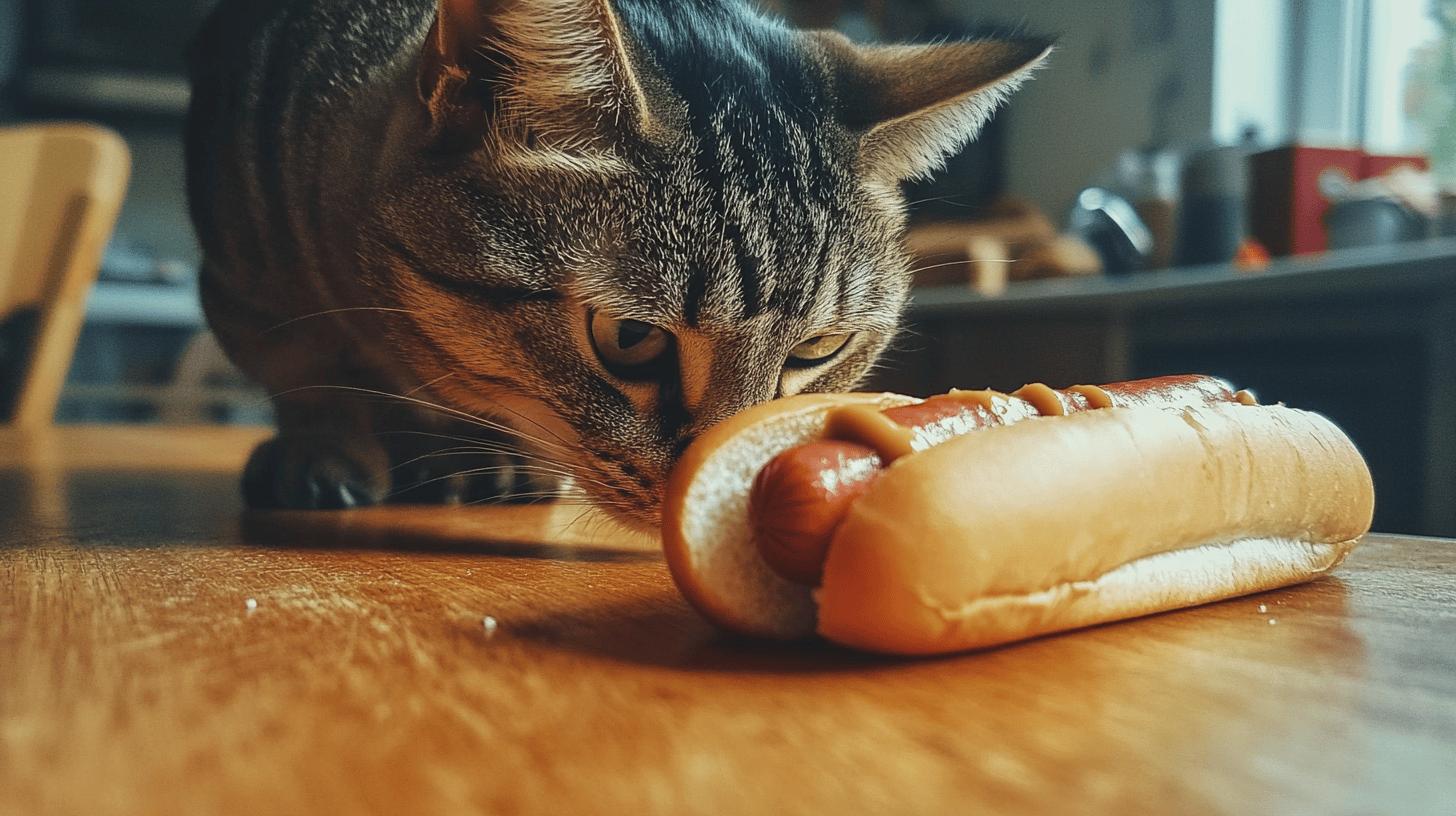
    Cats should not eat hot dogs. While they might seem like a tempting treat, hot dogs are not safe for cats due to various harmful ingredients. The high sodium content, preservatives, and potential toxins present significant risks to a cat's health. Feeding hot dogs to cats can lead to serious health issues, making it important for cat owners to avoid giving them as treats.

    Cats are obligate carnivores, which means they require a diet primarily composed of meat to thrive. Their bodies are designed to extract nutrients from animal sources, and they need specific amino acids, vitamins, and minerals found in meat. Unlike hot dogs, which are processed and contain fillers and additives, a cat's diet should focus on natural, high-quality proteins to meet their nutritional needs.

    Feeding hot dogs to cats presents several hazards. Hot dogs contain high levels of sodium, which can lead to dehydration and increase the risk of hypertension and kidney disease in cats. The excessive fat content can also cause digestive upset and long-term issues like weight gain.

    Moreover, preservatives such as nitrates and nitrites, commonly found in hot dogs, can be harmful to cats, potentially leading to adverse health effects.

    Symptoms to watch for if a cat eats hot dogs:

    • Vomiting
    • Diarrhea
    • Decreased appetite
    • Lethargy
    • Increased thirst

    Hot dogs often contain harmful ingredients that can be toxic to cats. Ingredients like onion and garlic, even in small amounts, can cause severe toxicity in cats, leading to conditions such as anemia. Additionally, artificial additives and spices found in hot dogs do not align with a cat's dietary requirements and can result in serious health problems.

    Harmful hot dog ingredients for cats:

    • Onion
    • Garlic
    • Nitrates and nitrites
    • Artificial preservatives

    It's crucial for cat owners to understand that while hot dogs may be made of meat, their content and preparation make them unsuitable for feline consumption. Instead, focus on providing a balanced diet that meets your cat's specific nutritional needs.

    Comparing Hot Dogs and Cat Food: Nutritional Value

    Comparing Hot Dogs and Cat Food Nutritional Value-1.jpg

    Hot dogs are not nutritionally suited for cats. They lack the essential nutrients that cats need for a balanced diet. The high sodium and fat content in hot dogs can lead to dehydration and obesity, while preservatives and artificial additives pose additional health risks.

    High-quality cat food is specifically formulated to meet the dietary needs of cats. It contains essential nutrients like taurine, which is crucial for heart and eye health. These foods are often rich in animal proteins and low in carbohydrates, aligning with a cat's natural dietary preferences.

    Processed meats, such as hot dogs, can negatively impact a cat's health. They often contain fillers, artificial ingredients, and unhealthy fats that can lead to digestive and long-term health issues. It's better to avoid feeding cats processed meats and instead focus on their dietary requirements with appropriate food options.

    Food Type Nutritional Value for Cats
    Hot Dogs High sodium, fats, lacks essential nutrients
    High-Quality Cat Food Balanced nutrients, essential amino acids
    Plain Meat (Chicken or Turkey) High in protein, suitable for cats

    Alternatives to Hot Dogs for Cat Treats

    Alternatives to Hot Dogs for Cat Treats-1.jpg

    When considering alternatives to hot dogs for your feline friend, it's best to stick with safe and nutritious options. Plain, cooked meats like chicken, turkey, and beef are excellent choices for cats. These meats provide high-quality protein without the harmful additives found in processed foods.

    Making homemade treats from these meats can offer a fun way to ensure your cat gets a healthy snack. Simply bake or boil the meat without any seasonings or oils, then cut it into bite-sized pieces. These homemade treats are not only healthier but also allow you to control exactly what your cat is eating.

    If you're looking for convenience, there are many commercially available cat treats made with quality ingredients. These treats are formulated to provide the nutrients your cat needs without the risks associated with human foods.

    Look for treats that list meat as the primary ingredient and avoid those with artificial flavors or preservatives. Many brands offer freeze-dried meat treats, which can be a great option for pet owners seeking a healthy and easy snack for their cats.

    Recommended cat treats and meats:

    • Plain cooked chicken
    • Plain cooked turkey
    • Plain cooked beef
    • Freeze-dried chicken treats
    • Commercially available cat treats with meat as the main ingredient

    What to Do If Your Cat Eats a Hot Dog

    What to Do If Your Cat Eats a Hot Dog-1.jpg

    If your cat happens to snack on a hot dog, it's important to keep a close eye on them for any signs of illness. Common symptoms to watch for include vomiting, diarrhea, decreased appetite, and lethargy.

    These can indicate that the high sodium and fat content, or harmful additives in the hot dog, are affecting your cat's digestive system. Monitoring your cat over the next 48 hours is crucial to ensure they don't develop more severe health issues.

    Consulting a veterinarian should be a priority if any adverse symptoms appear. A vet can offer specific advice and may perform tests to ensure there are no lasting effects from the hot dog consumption. Quick action can make a significant difference in your cat's recovery and overall well-being.

    Immediate steps after a cat eats a hot dog:

    • Observe your cat for unusual behavior or symptoms.
    • Provide fresh water to help with potential dehydration.
    • Avoid offering any more food until symptoms subside.
    • Contact your veterinarian for advice and possible examination.

    Final Words

    Understanding the risks of feeding hot dogs to cats is crucial. Cats, as obligate carnivores, need a diet rich in specific nutrients, not processed meats filled with sodium and harmful additives. The dangers hot dogs pose can lead to serious health issues, so monitoring symptoms is important if your cat accidentally eats one. While cats may seem curious about human foods, safe alternatives exist. Consider healthy treats like cooked chicken or quality commercial cat treats. This ensures your furry friend remains healthy, happy, and safe. Can cats eat hot dogs? It's best to steer clear.

    FAQ

    Can hot dogs kill cats?

    A: While hot dogs are not immediately fatal to cats, they can harm them. Ingredients like onion and garlic can be toxic. The high sodium and preservatives can cause serious health issues.

    Can cats eat hot dogs raw?

    A: Cats should not eat raw hot dogs. Raw hot dogs can contain bacteria that may lead to foodborne illness in cats. It's best to avoid giving cats any kind of hot dog.

    What happens if cats eat hot dogs?

    A: If cats eat hot dogs, they may experience symptoms like vomiting, diarrhea, or decreased appetite. Long-term, high sodium and preservatives can cause hypertension or kidney disease.

    Can kittens eat hot dogs?

    A: Kittens should not eat hot dogs. Their small bodies are even more susceptible to the harmful effects of high sodium and toxic ingredients like garlic and onion found in hot dogs.

    Can pets eat hot dogs?

    A: Pets, including cats and dogs, should generally avoid eating hot dogs. The high sodium and preservatives used in hot dogs can pose health risks.

    Is it okay to feed a cat hot food?

    A: Feeding cats hot food is generally not recommended. Cats prefer food at room temperature. Hot foods can cause burns and discomfort.

    What meat is okay for cats?

    A: Cats can safely eat plain, cooked meats like chicken, turkey, and beef. Avoid seasoned or processed meats, which can contain harmful ingredients.

    Related Articles

  • Can Cat Eat Pumpkin Safely and Healthily

    Can Cat Eat Pumpkin Safely and Healthily

    Is pumpkin just a Halloween treat, or could it secretly be a health booster for your feline friend? Many cat owners wonder if it's safe to share this autumn favorite with their pets. The good news is that pumpkin, when prepared right, can be a wholesome addition to a cat's diet.

    Packed with fiber and essential nutrients, it aids digestion and even helps manage hairballs. But before adding it to the menu, it's crucial to know the safe way to prepare and serve pumpkin to keep your cat healthy and happy.

    Can Cats Safely Eat Pumpkin?

    Alternatives to Coconut for Cats-2.jpg

    Fresh pumpkin and pure 100% pumpkin purée are generally safe for cats to consume. Both offer a natural, nutrient-rich addition to a cat's diet when prepared correctly. Plain pumpkin, whether fresh or canned, provides dietary fiber and should be given in moderation.

    It's crucial to ensure that the canned pumpkin is pure and unsweetened, not pumpkin pie filling, which often contains sugars and spices harmful to cats. When preparing fresh pumpkin, remove the seeds, skin, and stem, and serve it in small, manageable pieces or as a purée. This preparation ensures that your feline friend receives the benefits without any digestive issues.

    Incorporating pumpkin into a cat's diet can offer several health benefits. Here are two key advantages:

    1. Aids Digestion: The fiber content in pumpkin can help regulate a cat's digestive system, reducing issues such as constipation or diarrhea.
    2. Manages Hairballs: By adding bulk to the diet, pumpkin can assist in the passage of hair through the digestive tract, minimizing hairball formation.

    These benefits make pumpkin a valuable dietary addition, but it's essential to introduce it gradually and observe your cat's reaction to ensure it suits their specific needs.

    Health Benefits of Pumpkin for Cats

    Health Benefits of Pumpkin for Cats-1.jpg

    Pumpkin can play a vital role in managing your cat's weight. The fiber in pumpkin helps cats feel fuller, which can control their appetite and prevent overeating. This is particularly useful for cats prone to weight gain or those on specific weight management diets. Adding a small amount of pumpkin to their meals provides extra bulk without adding excessive calories.

    Pumpkin is also rich in essential vitamins that offer various health benefits:

    • Vitamin A: Supports vision and immune function.
    • Vitamin C: Acts as an antioxidant, promoting overall health.
    • Vitamin E: Helps maintain skin and coat health.

    Incorporating pumpkin into a cat's diet offers unique nutritional benefits, supporting both weight management and overall health.

    How to Feed Pumpkin to Your Cat

    How to Feed Pumpkin to Your Cat-1.jpg

    Introducing pumpkin to your cat's diet can be a healthy choice, but it's important to do it the right way. One effective method is mixing pumpkin into wet cat food. This approach ensures that your cat gets the benefits of pumpkin while maintaining the taste and texture they're used to.
    Using wet cat food with pumpkin already formulated in it can also be a convenient option, as these products meet a cat's nutritional needs.

    Mixing Pumpkin with Cat Food

    To mix pumpkin with your cat's food, start by adding a small amount of pure, unsweetened pumpkin purée to their regular meal. Whether you use wet or dry food, stir the pumpkin in thoroughly to evenly distribute it.

    If you're using dry food, you might need to add a little water to help the pumpkin blend better. Begin with a teaspoon of pumpkin and gradually increase the amount as your cat becomes accustomed to the new taste. Always monitor your cat's reaction to the change, ensuring they enjoy and tolerate the addition well.

    Serving Sizes and Frequency

    When it comes to serving sizes, moderation is key. For most cats, a teaspoon of pumpkin per day is sufficient. Larger cats may handle up to a tablespoon, but it's essential to adjust based on your cat's size and specific dietary needs.

    You don't need to feed pumpkin every day. Instead, offer it a few times a week to maintain interest and avoid any digestive upset. Observing your cat's response will help you determine the optimal frequency and amount to keep them healthy and satisfied.

    Potential Risks and Side Effects of Pumpkin for Cats

    How to Feed Pumpkin to Your Cat-2.jpg

    Feeding pumpkin to cats can provide several benefits, but it's important to be aware of the potential risks and side effects. One of the main concerns is digestive upset. If cats consume pumpkin in excessive amounts, they may experience diarrhea or vomiting.

    These symptoms indicate that the pumpkin is too much for their stomachs to handle. Moderation is key when introducing any new food, including pumpkin, into your cat's diet.

    Another consideration is the possibility of allergies or food intolerances. While pumpkin is generally safe for cats, some may have adverse reactions. Here are some symptoms to watch for that could indicate an allergy or intolerance:

    • Vomiting
    • Diarrhea
    • Excessive itching or scratching
    • Swelling around the face or paws
    • Respiratory issues

    If you notice any of these symptoms after feeding your cat pumpkin, it's crucial to stop immediately and consult with a veterinarian. They can provide guidance and ensure that your cat remains healthy and happy. Always introduce new foods slowly and monitor your pet's response to prevent any health issues.

    Pumpkin Seeds and Cats: A Nutritional Treat or a Risk?

    Pumpkin Seeds and Cats A Nutritional Treat or a Risk-1.jpg

    Pumpkin seeds can be a nutritious treat for cats when given in moderation. These tiny seeds are packed with nutrients like antioxidants, which can enhance your cat's overall health. They're safe to offer either raw or toasted, making for a versatile snack option.

    When serving pumpkin seeds to your cat, it's best to do so in small quantities, such as one or two seeds per day. This amount is enough to provide the nutritional benefits without overwhelming your feline's digestive system. Make sure to remove any shells, as these can be hard to digest and may pose a choking hazard.

    While pumpkin seeds can be beneficial, there are potential risks if they're overconsumed or improperly prepared. Here are some concerns to keep in mind:

    • Digestive upset, such as diarrhea, can occur if too many seeds are consumed.
    • Potential choking hazard if seeds are not properly shelled or are too large.
    • Allergic reactions may occur in some cats, though they are rare.

    Monitoring your cat's reaction to pumpkin seeds is crucial. If you notice any adverse effects, it's best to discontinue feeding them and consult your veterinarian for advice.

    Final Words

    Understanding can cat eat pumpkin safely opens up new possibilities for your pet's diet. Both fresh pumpkin and canned purée are safe when prepared correctly, enhancing a cat's meal with essential nutrients.

    Pumpkin aids in digestion, weight management, and hairball control, making it a beneficial choice for many cats. Mixing pumpkin with wet food is simple and effective, but keep an eye on portion sizes to avoid any side effects.

    Always stay alert for allergies or reaction signs. For a nutritious treat, try the occasional pumpkin seed, but remember moderation. Embrace pumpkin in your cat’s diet for a healthy, happy friend!

    FAQ

    Can cats eat pumpkin seeds?

    Cats can eat pumpkin seeds in moderation. Serve them raw or toasted, but limit to one or two seeds per day to avoid digestive issues.

    Can cats have pumpkin every day?

    Yes, cats can have pumpkin daily, but limit portions to avoid digestive upset. Mixing small amounts with regular food ensures balanced nutrition.

    Can cats eat raw pumpkin?

    Cats can eat raw pumpkin, but it's safer when cooked or pureed. Cooking softens the texture, making it easier to digest.

    How does pumpkin help cats with diarrhea?

    Pumpkin can help cats with diarrhea by adding fiber, which firms up stool. Introduce gradually and monitor your cat's response.

    What are the benefits of pumpkin for cats?

    Pumpkin provides fiber for digestion, helps control weight, and reduces hairballs. It's also rich in vitamins A, C, and E.

    Can pumpkin help cats with vomiting?

    Pumpkin can help cats with vomiting if it's related to hairballs or dietary issues. The fiber content aids digestion and reduces nausea.

    How does pumpkin help cats with constipation?

    Pumpkin's fiber helps cats with constipation by softening stool and promoting regular bowel movements, making it a natural remedy.

    Can cats drink pumpkin juice?

    Cats can try pumpkin juice in small amounts, but it lacks fiber. It's better to provide pureed pumpkin for its digestive benefits.

    How much pumpkin can I give my cat?

    Give cats a teaspoon of pumpkin mixed with their food. Adjust the amount based on your cat's weight and dietary needs.
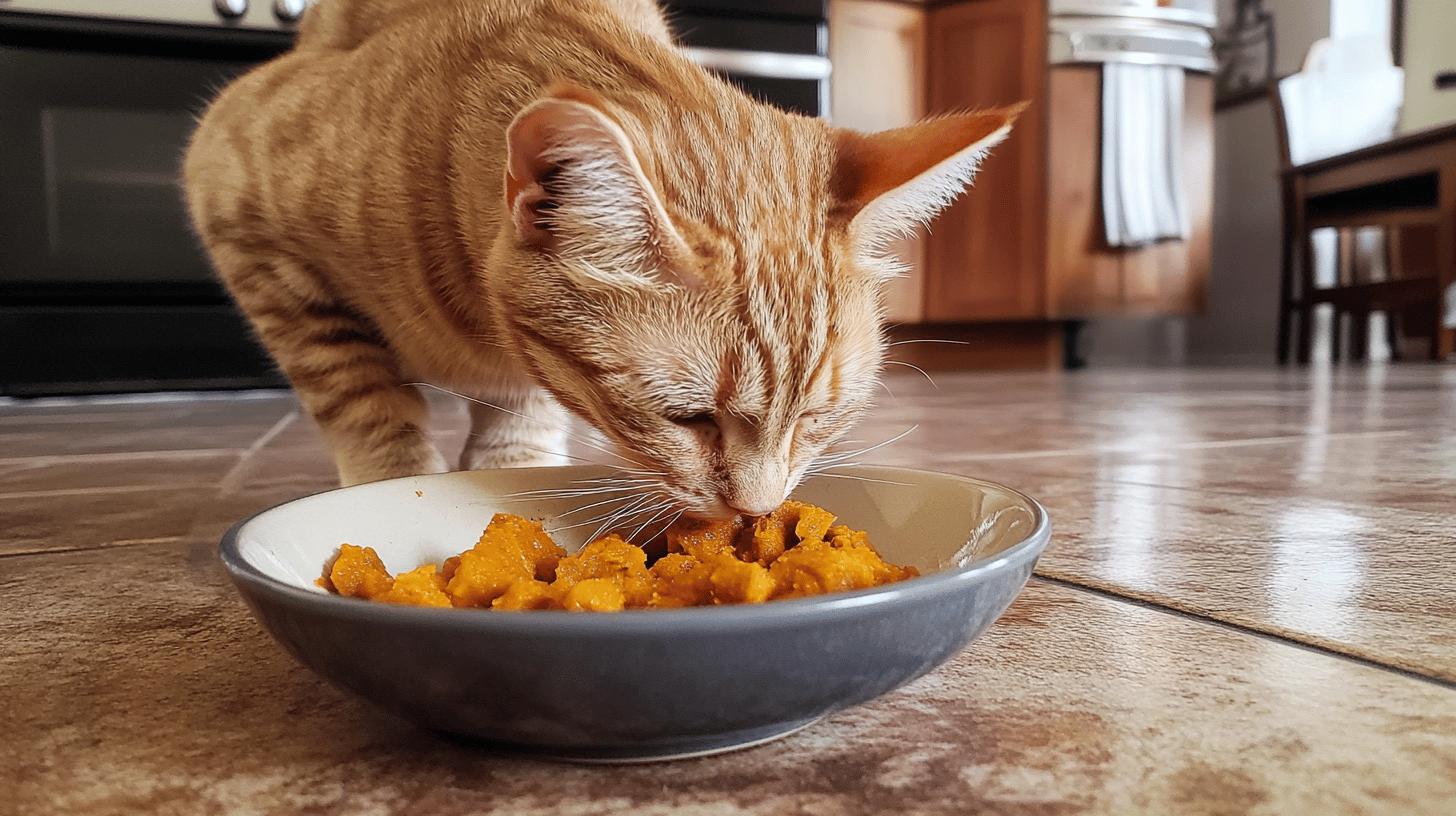
    Is it safe for cats to eat raw pumpkin?

    Raw pumpkin is safe for cats but less digestible. Cooked or pureed pumpkin is preferable for better nutrition and digestion.

    Why do cats like pumpkin so much?

    Cats may like pumpkin's texture and mild taste, but it's the fiber and nutrients that add health benefits.

    Is pumpkin toxic to dogs or cats?

    Pumpkin is not toxic to cats or dogs. It can be a nutritious addition when served responsibly in moderation.

    Related Articles

  • How to Train a Cat to Give Paw

    How to Train a Cat to Give Paw

    Can a cat really be trained to give a paw like a dog? While it might sound impossible, it’s a fun and rewarding trick for both you and your feline friend. Imagine the surprise of family and friends when your cat extends a paw on command! With the right approach, patience, and a touch of cat psychology, you can teach your beloved pet this impressive feat. Let’s walk through a step-by-step guide to ensure both you and your cat enjoy the training journey.
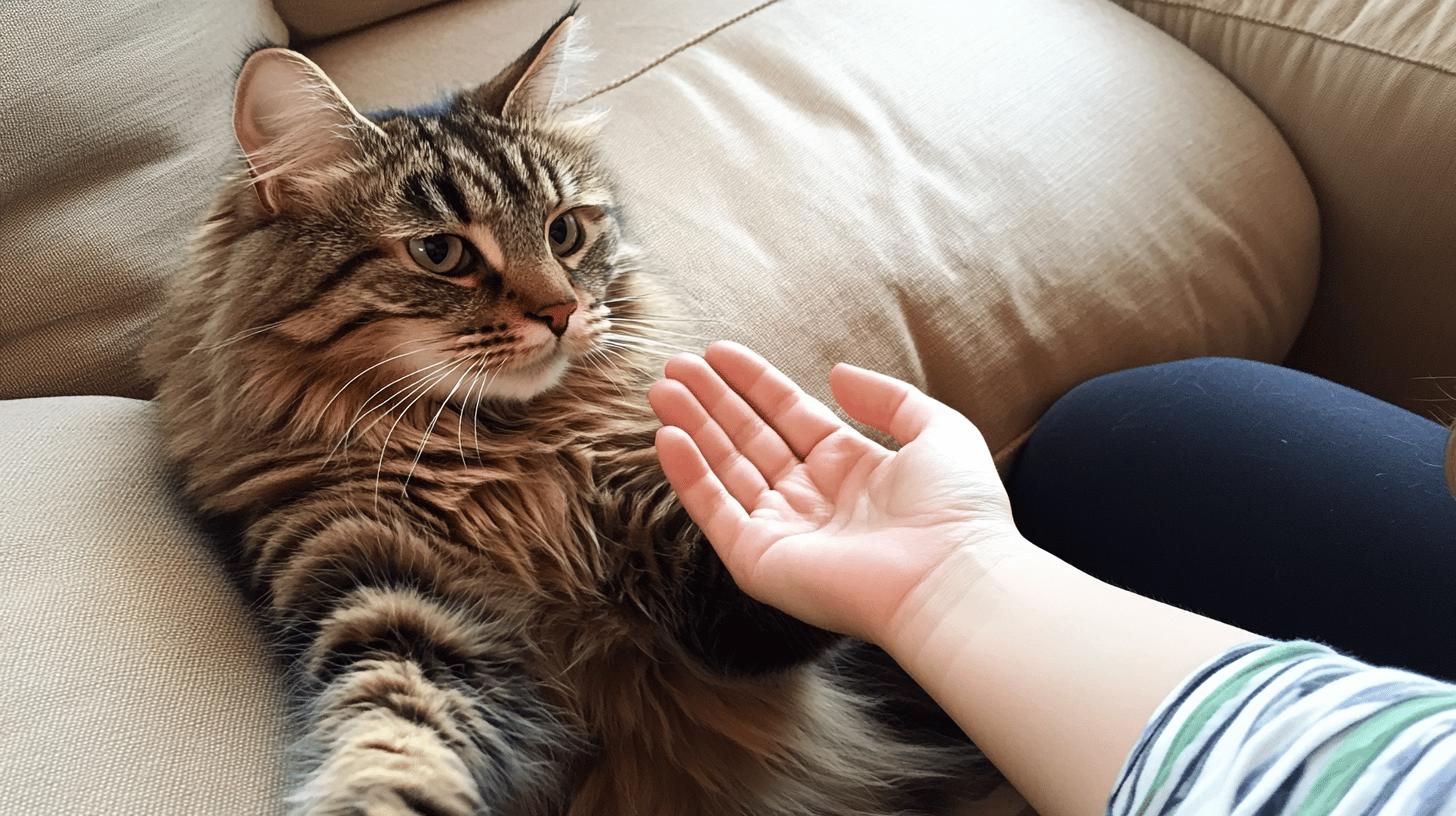
    Step-by-Step Guide to Train a Cat to Give Paw

    Step-by-Step Guide to Train a Cat to Give Paw-3.jpg

    Teaching your cat to give paw is not just an adorable trick—it’s a great way to bond and communicate with your feline friend. A structured approach is key to making the training process smooth and successful. By following these steps, you’ll create an environment where your cat can learn and enjoy the experience.

    • Step 1: Begin by placing your cat on a secure surface where they feel comfortable. Make sure the area is free from distractions to keep your cat focused on the task at hand.
    • Step 2: Offer your open hand, palm up, within reach of your cat’s front paw. As soon as your cat touches your hand, click and treat immediately. If your cat doesn’t respond, you might gently tap their paw until they do, then click and treat. Repeat this step several times.
    • Step 3: Once your cat starts touching your hand on their own, shape the behavior by clicking only when they touch the middle of your palm. This helps your cat understand the specific action you are teaching. Practice this 4 to 5 times.
    • Step 4: Gradually increase the interaction by gently holding your cat’s paw for a second before clicking and treating. As your cat becomes comfortable, introduce a light shake.
    • Step 5: Introduce a verbal command like “Paw” or “Shake” as you perform the action. Start by saying the command while you shake the paw, and then transition to saying the command earlier until your cat responds to it alone.

    Repetition and consistency are the cornerstones of successful cat training. Cats, unlike dogs, may take a little longer to grasp new commands. It’s crucial to practice regularly and maintain a consistent routine. This helps reinforce the behavior and solidifies the trick in your cat’s mind.

    Incorporate short, frequent sessions into your daily routine. Initially, reward your cat every time they perform the trick correctly. As they become more familiar with the command, gradually reduce treats, substituting with praise and affection. This keeps the training positive and enjoyable, ensuring your cat remains eager to learn and respond.

    Choosing the Right Environment and Timing for Training

    Choosing the Right Environment and Timing for Training-2.jpg

    Creating the right environment is crucial when training your cat to give paw. A quiet space free from distractions will help your cat focus better on learning the new trick. Cats are curious creatures, and any noise or sudden movement might divert their attention. Ensure the training area is a familiar and comfortable place for your cat, which can further enhance their ability to concentrate and learn.

    • Choose a quiet room away from household noise.
    • Remove any distracting objects or toys.
    • Use a familiar space where your cat feels safe.
    • Keep the lighting soft and natural if possible.
    • Ensure the temperature is comfortable for your cat.

    Timing the training sessions is just as important as the environment. Cats are more receptive when they are in a good mood and not distracted by hunger or sleepiness. Aim to train your cat during their more active periods of the day. Short sessions, around 5-10 minutes, keep your cat engaged without losing interest.

    By paying attention to your cat’s mood and energy levels, you’ll find the best time for training. Avoid times when your cat seems tired or overstimulated. With patience and the right setup, you’ll create an effective training session that helps your cat learn the paw shake trick with ease.

    Additional Tips for Teaching a Cat to Give Paw

    Training a cat to give paw can be an exciting adventure, but sometimes things don’t go as planned. Here are some tips to tackle common challenges and enhance your training experience.

    Troubleshooting Common Issues

    • Lack of Interest: If your cat seems uninterested, try using a more enticing treat or toy as motivation. Cats have different preferences, so finding the right reward can make all the difference.
    • Fear or Anxiety: Ensure your cat feels safe during training. If they appear anxious, take a break and try again later in a quieter space.
    • Inconsistent Response: If your cat sometimes responds and other times ignores the command, reinforce the behavior by rewarding them every time they perform the trick correctly during early training sessions.

    Alternative Methods for Less Responsive Cats

    • Use a Clicker: A clicker can be a precise way to mark the desired behavior. Click the moment your cat touches your hand, followed by a treat, to create a clear association.
    • Shorter Sessions: Keep training sessions brief, around 5 minutes, to maintain your cat’s focus and prevent them from losing interest.

    Benefits Beyond the Paw Shake Trick

    Training provides mental stimulation, which is important for a cat’s health and happiness. It strengthens the owner-pet bond, builds trust, and can even reduce behavioral issues by providing a constructive outlet for your cat’s energy.

    Regular training sessions can enhance your cat’s cognitive abilities and make them more adaptable to learning other tricks or commands in the future.

    Using Positive Reinforcement and Reward Systems

    Using Positive Reinforcement and Reward Systems-4.jpg

    Positive reinforcement is key to teaching your cat the paw shake trick. This approach uses rewards to encourage your cat to repeat desired behaviors. Unlike punishment, which can cause fear or confusion, positive reinforcement builds trust and strengthens your bond with your cat.

    When your cat performs the trick correctly, immediately reward them with something they love. This makes the experience enjoyable and motivates your cat to continue learning. Consistency is crucial, so always reward the correct behavior to create a strong association in your cat’s mind.

    Different types of rewards can be effective depending on your cat’s preferences. Treats are often the most powerful motivator, especially when they are reserved exclusively for training sessions. However, some cats respond well to other forms of reward:

    Reward Type Usage
    Treats Offer immediately after the correct behavior to reinforce the action.
    Toys Use as a reward by allowing playtime after a successful trick.
    Affection Provide petting or gentle praise to show approval, especially for affectionate cats.
    Play Engage in a favorite game as a reward for good performance.

    As your cat becomes more familiar with the paw shake trick, gradually transition from treats to other forms of rewards. Start by occasionally substituting a treat with praise or a short play session. This helps your cat understand that the trick is still valued even when treats are not always given.

    Over time, your cat will learn to associate the action with any positive outcome, not just the immediate reward of a treat. This approach ensures that your cat remains motivated and engaged in the training process long-term.

    Understanding Cat Behavior and Patience in Training

    Understanding Cat Behavior and Patience in Training-2.jpg

    Cats have a unique way of perceiving the world, which significantly affects how they respond to training. Unlike dogs, cats are often more independent and can be less motivated by commands. This makes understanding cat behavior crucial when teaching them new tricks like giving paw.

    Cats tend to have shorter attention spans and may need more time to grasp commands. Their natural curiosity means they might get distracted easily. Therefore, training should be adapted to fit their pace and temperament. By appreciating these behavioral traits, you can tailor your training approach to keep your cat engaged and willing to learn.

    Recognizing and respecting your cat’s limits is vital for a positive training experience. Pay attention to signs of stress or frustration, such as tail twitching, ears flattening, or sudden disinterest. If your cat shows these signals, it’s time to pause and allow them to relax. Pushing a cat beyond its comfort zone can lead to negative associations with training and hinder progress. Always end training sessions on a positive note, ensuring your cat remains eager for future interactions.

    Patience is the cornerstone of successful cat training. Cats often take longer to learn new tricks compared to dogs, so maintaining consistency is essential. Use the same command and reward system to reinforce learning. Avoid common mistakes such as irregular training schedules or inconsistent cues, as these can confuse your cat and slow down the learning process. By being patient and persistent, you create a supportive environment that encourages your cat to learn and thrive.

    Advanced Tips for Successful Cat Training

    Advanced Tips for Successful Cat Training-1.jpg

    Advanced cat training goes beyond basic tricks, challenging your feline friend with more complex behaviors. Begin by gradually increasing the complexity of tasks. Start with simple commands and slowly integrate multiple commands into a single session. For example, once your cat masters the paw shake, you can teach them to perform it while standing on their hind legs. This gradual transition helps maintain your cat’s interest and encourages continuous learning.

    • Introduce new tasks one step at a time to prevent overwhelming your cat.
    • Combine multiple commands into one training session for variety.
    • Use a rotating selection of high-value treats to keep your cat motivated.
    • Observe your cat’s body language to adjust sessions for optimal engagement.

    Each cat has its own personality, so tailoring training to fit their unique preferences is crucial. Some cats might thrive on affectionate praise, while others may need a variety of toys to stay motivated. Pay attention to what excites your cat, and incorporate those elements into your training sessions. By understanding their individuality, you can create a rewarding and effective training environment.

    Final Words

    Training a cat to give paw is a rewarding journey that starts with a secure spot and a clear plan. Using positive reinforcement, like special treats, helps your cat associate good behavior with rewards. Patience and understanding cat behavior are essential as you adapt to your cat’s pace, ensuring a stress-free learning environment.

    By keeping sessions brief and engaging, and tailoring techniques to suit your cat’s unique personality, you’ll make learning enjoyable for both of you. With the right steps, your furry friend will soon master the paw shake trick, adding to the joy you share together.

    FAQ

    How do I train my cat to give me his paw?

    To train your cat, use positive reinforcement. Start with them sitting, offer your open hand, and reward any touch. Gradually reward only correct paw placement and introduce a command like “Paw” or “Shake.”

    How to make your cat give you a high five?

    Teaching a high five involves similar steps to the paw trick. Offer your hand slightly elevated, encourage their interest, and reward any effort to touch or raise their paw towards your hand.

    What is the easiest trick to teach a cat?

    The easiest trick to teach is the “sit” command. Use a treat held above their nose, move it over their head until they naturally sit, and reward them immediately.

    Why does my cat not let me hold her paw?

    Cats might resist paw handling due to sensitivity or discomfort. They need time to build trust and comfort. Approach slowly, reward calm behavior, and be patient.

    What are easy tricks to teach your cat?

    Some easy tricks include sit, stay, come, and fetch. Start with basic commands and use positive reinforcement to encourage them. Always keep sessions short and fun.

    How can my cat stay stress-free when I’m on holiday?

    Ensure your cat stays in a familiar environment with a consistent routine. Leave comforting items and consider hiring a trusted pet sitter to provide companionship.

    Related Articles