Author: Isabella Tiu

  • what do maine coon cats eat Perfect Nutrition Tips

    what do maine coon cats eat Perfect Nutrition Tips

    Ever watch your Maine Coon gobble dinner and still beg for more?
    These gentle giants burn nearly 20 percent more energy per pound than your average house cat.

    When your regular kibble just isn’t cutting it, you’ll hear the extra meows. I mean, um, who wouldn’t crave a snack after a day full of zoomies?

    Mixing animal protein (real meat muscle), healthy fats (good oils for shiny fur), and essential nutrients (key vitamins and minerals) keeps your fluffball fit, fueled, and ready to pounce. You’ll notice their coat glowing, muscles flexing, and that playful spark in their eyes. It’s like giving them a backyard safari in every bite. Worth every paw-print.

    In this guide, I’ll show you purrfect nutrition tips for big-boned fluffballs. You’ll learn how to dial in their meals for shiny coats, strong muscles, and non-stop play!

    What Maine Coon Cats Eat: Feeding Fundamentals
    - What Maine Coon Cats Eat Feeding Fundamentals.jpg

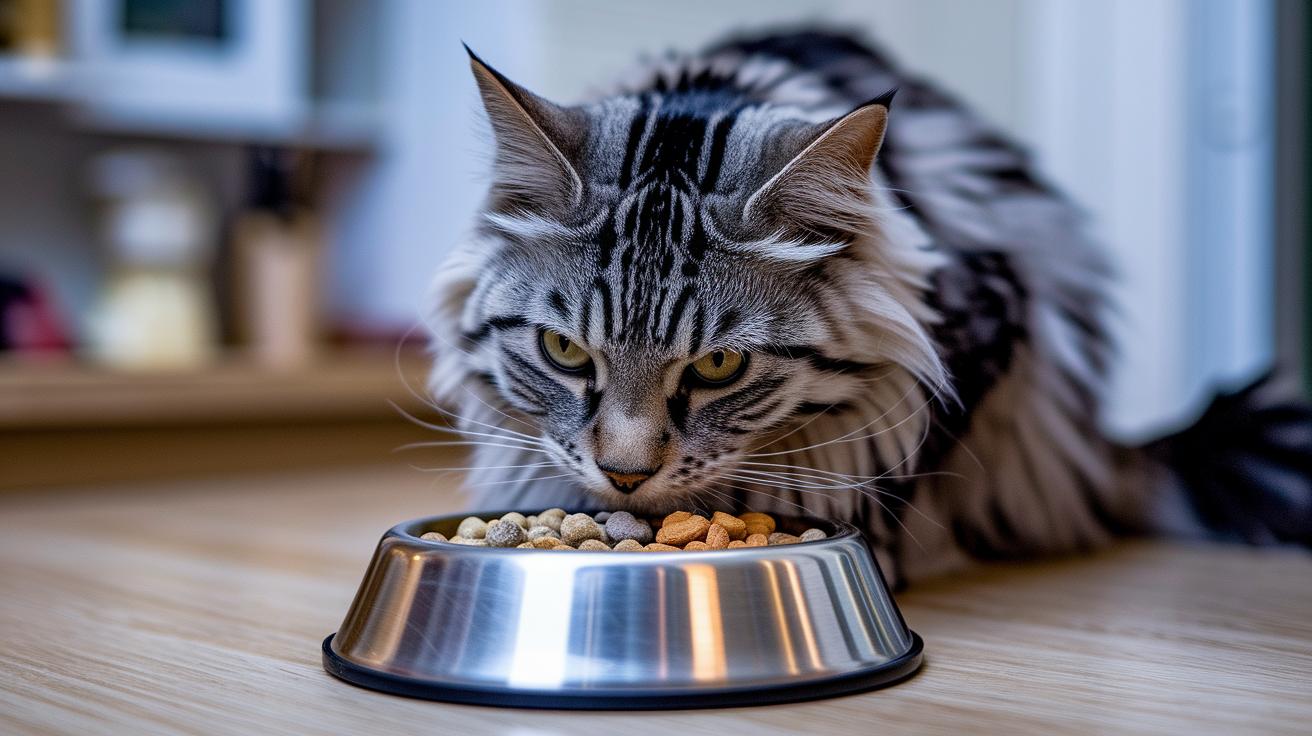
    Ever wonder what Maine Coon cats like to chow down? These gentle giants need a meal plan that suits their big frame and slower metabolism. A mix of protein and healthy fats keeps them feeling agile, not chunky. It’s all about meeting those unique nutrition needs.

    Here’s the claw-tastic stuff to include:

    • Animal protein (at least 50% from chicken or salmon first)
    • Animal fats (up to 20% for energy and healthy skin)
    • Taurine (an amino acid for heart and vision support)
    • Antioxidants for a strong immune system
    • Low carbs (under 3% so they don’t store extra fat)

    And here’s what to skip:

    • Fillers like corn or wheat that water down real protein
    • Artificial additives or preservatives
    • High-carb grains or starches
    • Meat by-products with low nutrition value
    • Toxins such as onion, garlic, or chocolate

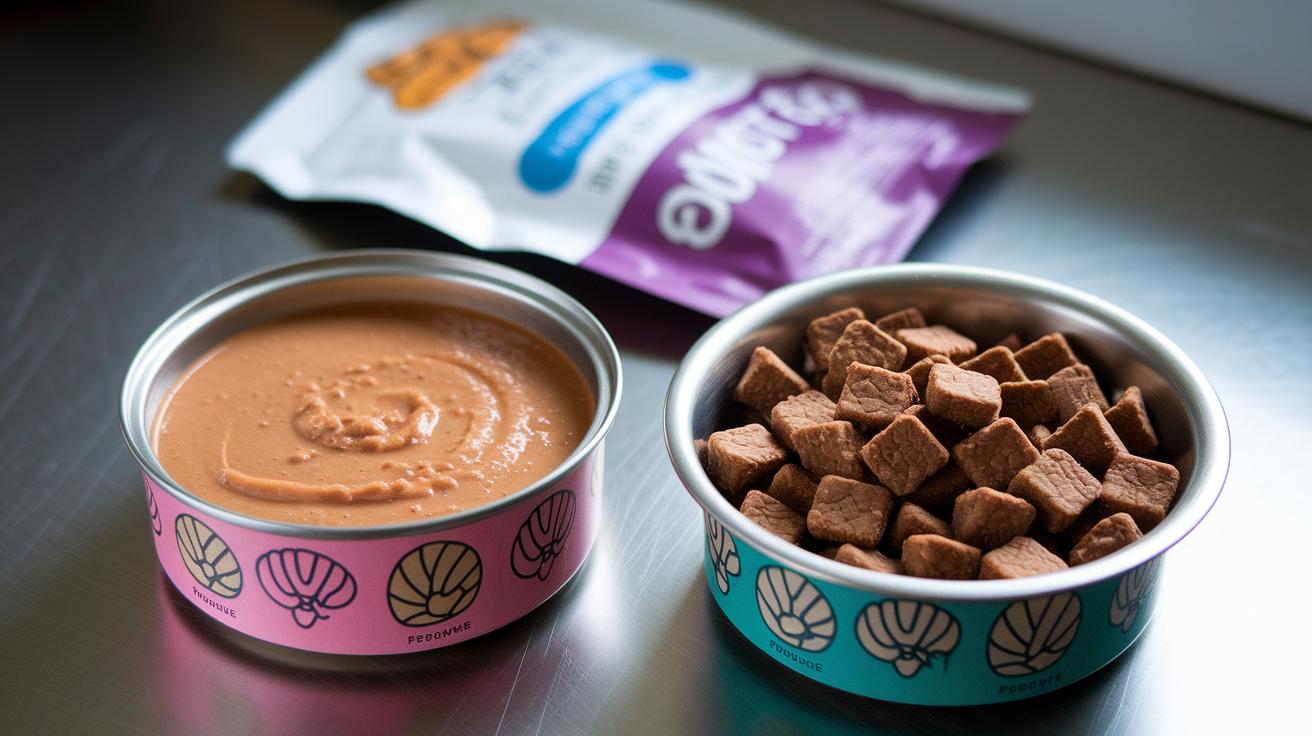
    Next, mix wet food with dry kibble for a purrfect balance. Wet food boosts moisture and delivers extra protein for happy hydration. Dry kibble adds crunch to help clean teeth with each bite. Rotate proteins, chicken one day, salmon or turkey the next, to keep them curious and engaged.

    Portion control is key, uh, watch those serving sizes. Pre-portion meals into labeled containers so you don’t overfeed on busy days. Add a splash of warm water to kibble if your cat drags its paws at mealtime. This routine keeps your Maine Coon excited, maintains lean muscle, and prevents extra pounds.

    Worth every purr.

    Key Nutrients & Supplements for Maine Coon Cats
    - Key Nutrients  Supplements for Maine Coon Cats.jpg

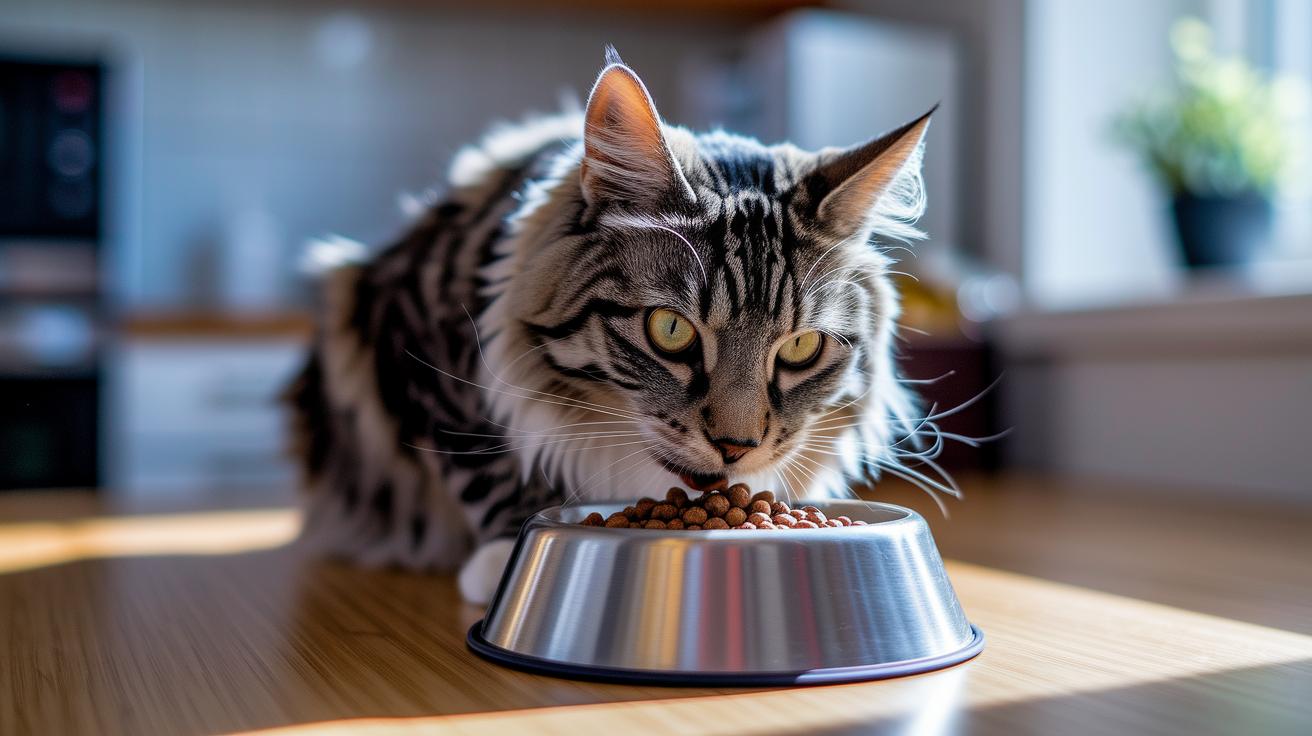
    Maine Coon cats need a menu loaded with protein, good fats, and a few special boosters. These power foods keep muscles strong, joints sliding smoothly, and that glossy coat sparkling. Ever seen your big fluffball gleam in the sunlight? That’s the magic of a well-fed Maine Coon!

    • Animal protein (lean chicken or salmon should be at least half the plate)
    • Animal fats rich in arachidonic acid (a must-have fat for cell health) and omega-3 (skin-and-coat superheroes)
    • Taurine (an amino acid for heart and eye health)
    • Antioxidants like vitamins C and E (tiny shields against cell damage)
    • Glucosamine and chondroitin (joint cushions that feel like soft pillows between bones)

    Real food really hits the spot. Picture roasted chicken delivering solid protein for your kitty’s muscles. Then salmon or fish oil slides in with omega-3, tuning up skin and coat until they gleam. Taurine is already in meat, but when a label calls it out you know your cat’s heart and eyes are covered. Some wet foods pack fruits or veggies full of antioxidants, think shield heroes fighting off daily wear and tear. And glucosamine plus chondroitin? They’re like little pillows helping big paws leap without squeaks.

    Food alone sometimes needs a sidekick. If your cat’s tummy gets upset – maybe after antibiotics – stir in a sprinkle of prebiotics (food for good gut bacteria) or probiotics (friendly bacteria buddies). Got urinary worries? Ask your vet about a urinary support formula with cranberry extract (helps keep pH balanced). And for hairball trouble? A hairball control supplement (a dash of fiber or gentle oil) a couple times a week can help. Always check with your vet before adding anything new. Then get ready for that next zoom-pounce session – your Maine Coon will thank you.

    Choosing Between Wet and Dry Food for Maine Coon Cats
    - Choosing Between Wet and Dry Food for Maine Coon Cats.jpg

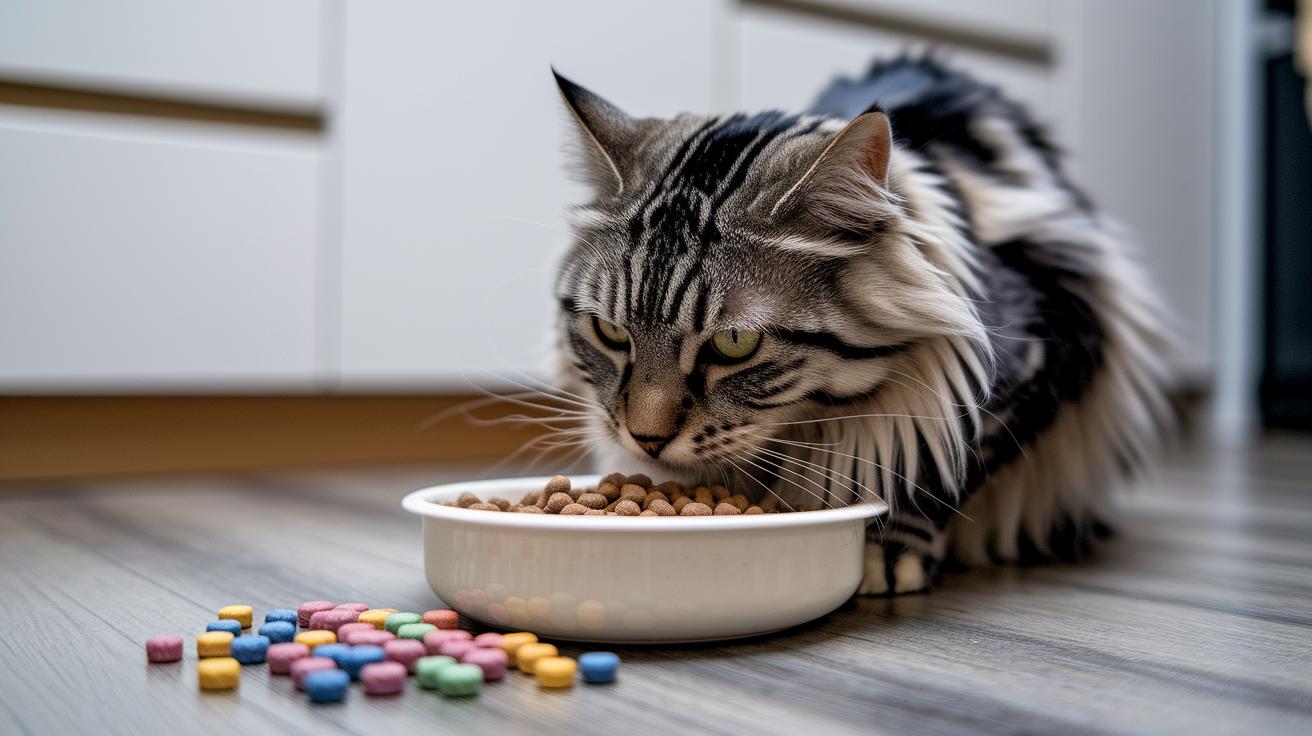
    Ever watched your Maine Coon nose the bowl and wonder what’s best? Let’s break it down.

    Wet food is like a little stew, soft and rich, and loaded with moisture (water content) to support kidney health. It also packs extra protein and healthy fats to power up those big paws. The trade off is it needs fridge time or a speedy scoop, and it can cost a bit more per meal.

    Dry kibble brings that satisfying crunch. Each bite helps scrape away plaque (that sticky film on your cat’s teeth) and tartar. It’s super simple to scoop, measure, and stash in the pantry. But it’s low on water. Your kitty might gulp extra at the bowl and even overeat.

    So wet or dry? It all comes down to your cat’s taste, your schedule, and what feels right. Happy feeding.

    Homemade and Raw Diet Options for Maine Coon Cats
    - Homemade and Raw Diet Options for Maine Coon Cats.jpg

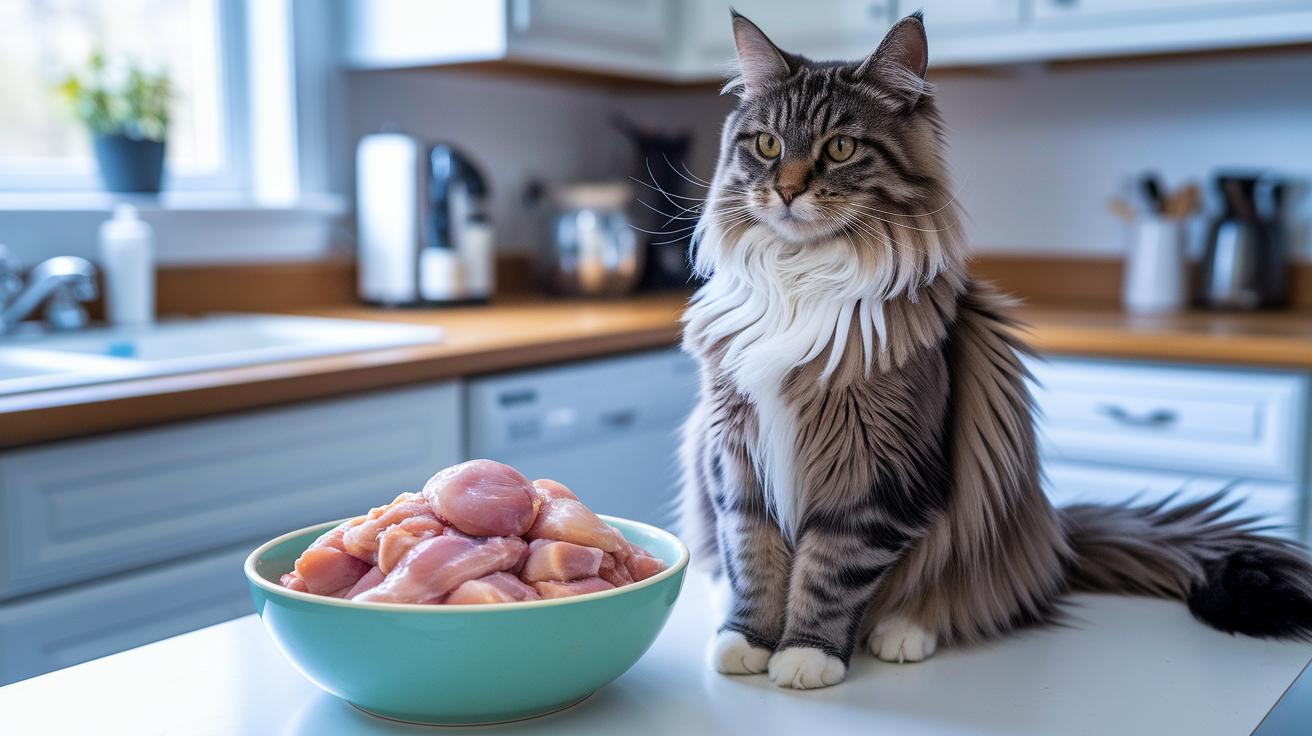
    Ever thought about feeding your Maine Coon like a little wild hunter? Tiny bites of meat, organs, and bones can give them a coat that gleams and energy to spare. It feels more natural, and many cat parents swear their kitties are more playful and full of pep. It does take a bit of planning, though.

    Raw Feeding Basics

    Most raw meals mix chicken thighs, liver, and hearts with bone meal (ground-up bones for calcium). A handy ratio is 80 percent muscle meat, 10 percent organs, and 10 percent bone. You’ll need about 40 pounds of meat in your freezer for batch prep. Ever seen whiskers twitch as a piece of liver lands on the plate? Seriously adorable. Hygiene is crucial, wash your hands, sanitize those bowls, and never leave raw servings out more than an hour or two.

    Homemade Recipe Ideas

    Here’s a simple DIY start:

    • 80 percent muscle meat (diced chicken thighs)
    • 10 percent organ meat (liver or heart)
    • 10 percent bone meal (ground-up bones for calcium)

    Thaw portions in the fridge, not on the counter. Use BPA-free containers. Wear gloves when handling organs to cut down on germs. Rotate proteins, turkey one day, rabbit the next, to keep your cat from getting picky.

    Commercial Raw Diets

    Short on prep time? Commercial raw diets can be a claw-tastic help. Some brands freeze-dry bite-size pieces for easy serving, while others come thawed and ready to go. Peek at ingredient lists for single-source proteins, and expect to spend a bit more for brands that lab-test each batch for quality.

    Next time your Maine Coon zooms around the room, picture them tackling a raw chicken heart. It’s a wild feast at home, just plan ahead, stay clean, and watch those whiskers!

    Life Stage & Portion Guidelines for Maine Coon Cats
    - Life Stage  Portion Guidelines for Maine Coon Cats.jpg

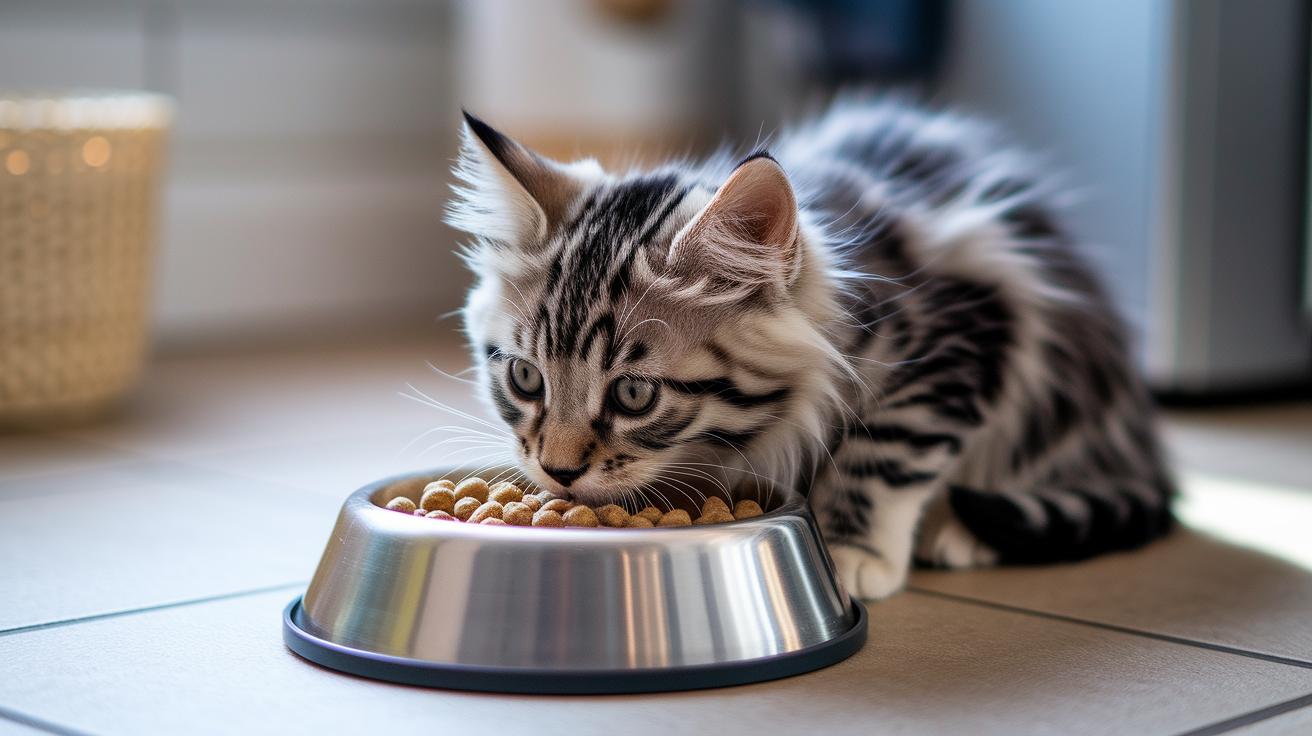
    Your Maine Coon’s meal plan grows as they do. Kittens, adults, and seniors all need different energy levels and meal times to stay lean and playful.

    Kitten Feeding Guidelines

    • 24 to 35 kcal (food calories) per 500 g of body weight (about 1.1 lb)
    • 4 to 6 small meals a day
    • Sample portions: 50 g wet / 20 g dry

    Kittens have tiny tummies but sky-high energy. Offering small, frequent meals keeps their blood sugar steady and helps them grow strong without overloading their digestion. Ever watched a kitten’s whiskers twitch as they nibble? It’s adorable.

    Adult Feeding Guidelines

    • 24 to 35 kcal per 500 g of body weight (about 1.1 lb)
    • 2 meals a day
    • Sample portions: 80 g wet / 40 g dry

    Adult Maine Coons need steady fuel for muscle tone and play. Two balanced meals help prevent bowl-side begging and keep energy steady. These big fluffballs love to pounce, so keep that energy coming!

    Senior Feeding Guidelines

    • 20 to 30 kcal per 500 g of body weight (about 1.1 lb)
    • 2 smaller meals a day
    • Sample portions: 70 g wet / 35 g dry

    As they get older, Maine Coons may slow down and pack on extra padding. A slightly lower calorie count and more wet food (easier to digest) can help keep joints happy and waistlines trim. Slow down the calories, but not the fun, I guess.

    Keep an eye on your cat’s body condition using a simple 1 to 9 scoring chart to spot extra pounds or lean areas. Adjust each portion by about 10 percent if your kitty’s back melts into fluff or you can feel ribs without a light cover. Worth every paw-print.

    Managing Weight, Allergies, and Toxic Foods for Maine Coon Cats
    - Managing Weight, Allergies, and Toxic Foods for Maine Coon Cats.jpg

    Maine Coons tend to pack on extra padding because they move at a snail’s pace and love to eat. Itchy paws or tummy grumbles often point to a food intolerance. Instead of only checking the scale, try a body condition score (BCS) from 1 (too thin) to 9 (too fluffy).

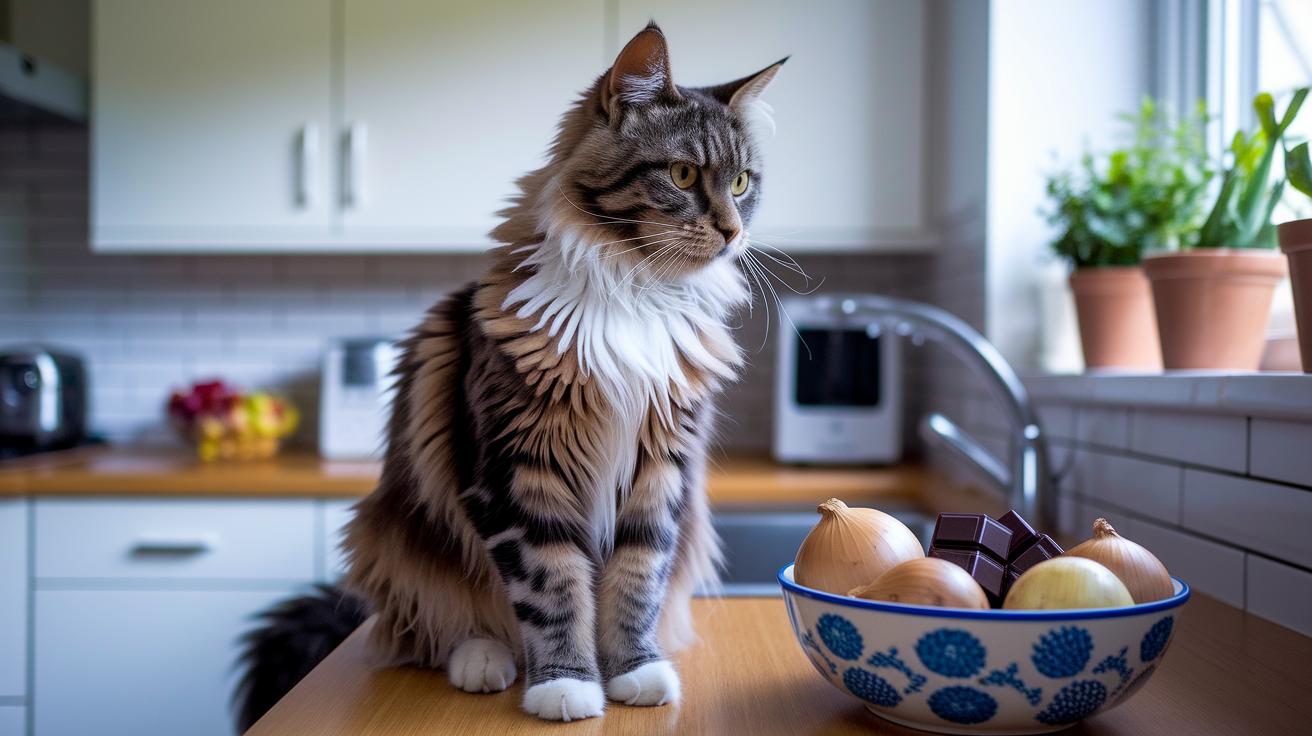
    Watch out for these no-no foods:

    • Onions (even onion powder can harm red blood cells)
    • Garlic and chives
    • Chocolate (dark or milk)
    • Grapes and raisins
    • Dairy like milk or soft cheeses (many cats can’t digest lactose)

    To ease allergies or sensitivities:

    • Offer a limited-ingredient diet with a single protein source
    • Run an elimination trial (swap one food at a time and watch for reactions)
    • Ask your vet about allergy testing, sometimes we need a little help
    • Switch to a hypoallergenic wet formula (canned food for sensitive tummies)
    • Keep a food journal to track ingredients and flare-ups

    Portion control is the real game-changer. Measure your cat’s meals with a kitchen scale or measuring cup. If your fluff gets extra floofy, cut or add about 10 percent. Then sneak in playtime – 10-minute wand chases or treat-dispensing toys always do the trick. Picture your kitty’s whiskers twitching as she bats a rolling ball. It’s a simple way to keep lean muscle and a shiny coat without banning treats.

    Worth every meow.

    Enrichment and Feeding Environment for Maine Coon Cats
    - Enrichment and Feeding Environment for Maine Coon Cats.jpg

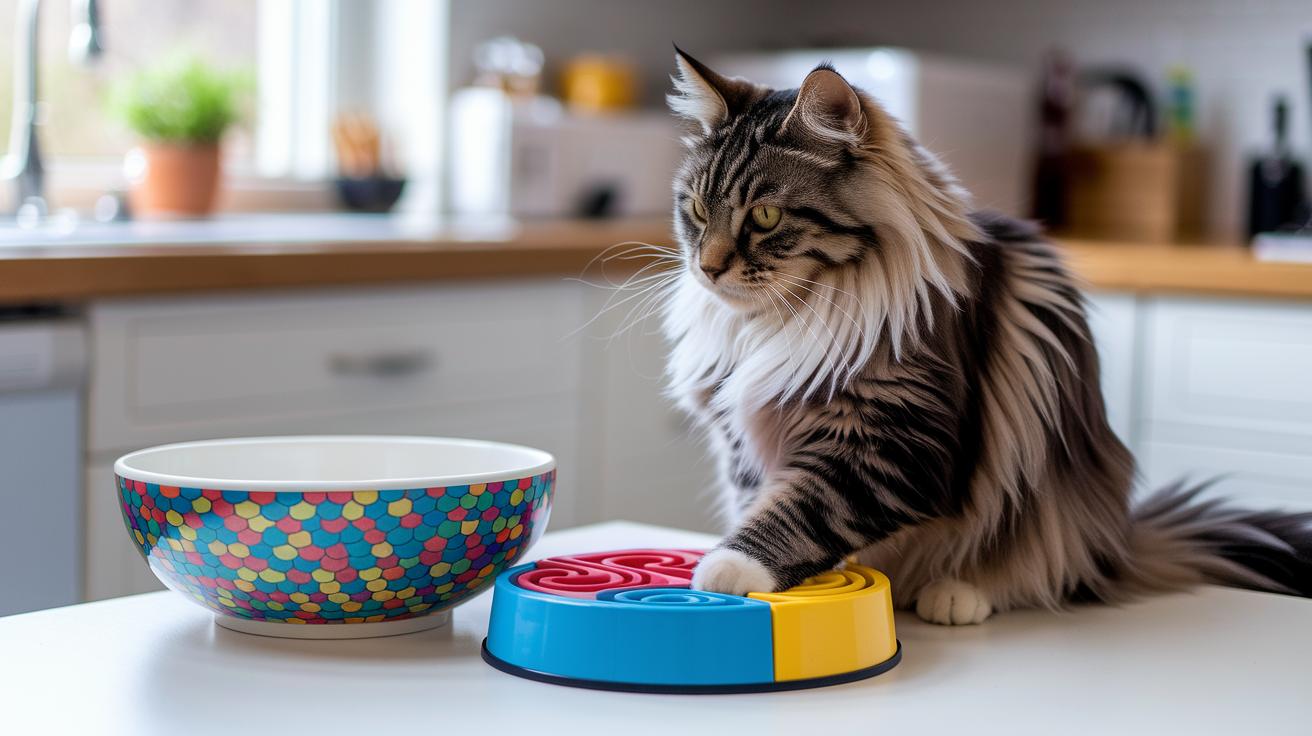
    Feeding time can double as brain time for your Maine Coon. Puzzle toys tickle their curious whiskers and turn kibble into a fun scavenger hunt. Ever watched them bat a ball to find hidden treats? It’s like play and dinner rolled into one.

    Next, add a slow feeder bowl (with raised ridges or maze patterns – twisty routes for food). It makes your cat take smaller bites, so digestion gets a boost and gulped air drops. Uh, less furry tummy grumbles.

    Then try treat-dispensing toys that spread snacks into tiny chambers (mini treasure chests). Every nudge or paw swipe earns a reward and a little cheer. You’ll love the soft thud of a rolling treat.

    Place a few water stations in quiet corners around the house. Fresh sips between puzzle sessions keep your Maine Coon hydrated and happy. Ever see them lap water like a pro?

    Finally, rotate bowls and swap feeder styles each week. New spots and unexpected textures keep meals exciting, stop boredom, and sharpen hunting instincts. Worth every paw-print.

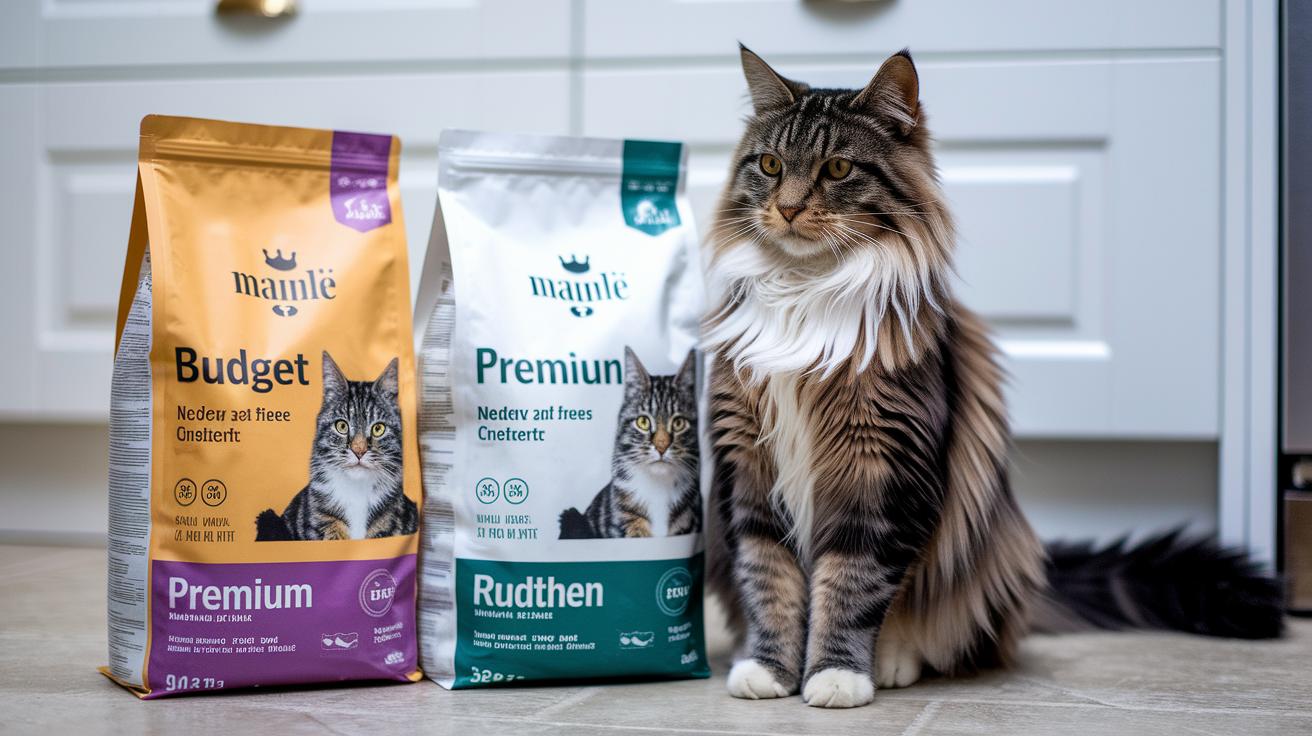
    Selecting Commercial Foods: Budget to Premium for Maine Coon Cats
    - Selecting Commercial Foods Budget to Premium for Maine Coon Cats.jpg

    Finding the right food for your huge, fluffy Maine Coon can feel like juggling fish and feathers – budget on one paw, nutrition on the other. Dry kibble (little crunchy bites) lasts for weeks and stacks neatly in your pantry, so it’s an easy pick when you want steady costs. But quality swings from meh to wow, so if you’re on a tight budget, read every label like it’s a treasure map. Ever wonder what those long ingredient lists really mean?

    On the cheaper side, you can score a bag of kibble for about $1 per pound. Make sure real meat or fish tops the list – chicken, turkey, or salmon – so your cat gets at least 30 to 35 percent protein. Premium recipes crank animal protein above 50 percent and pack up to 20 percent healthy fats. They run around $3 to $5 per pound and often ditch grains, but heads up: a few grain-free lines had recalls, so double-check before you buy.

    Okay, here’s a little secret: I mix Purina Pro Plan canned food (soft, savory morsels) with dry kibble. My kitty’s coat stayed shiny, and her tummy stayed happy for three years straight – without emptying my wallet. Worth every paw-print.

    Turn label reading into a daily habit. Look for “complete and balanced” on the front – that means the food ticks all the nutrition boxes. Scan the ingredients and make sure chicken, turkey, or salmon comes first. That simple trick keeps your Maine Coon’s big breed nutrition on track, no matter how much you spend.

    Final Words

    In the action, you learned to tailor a Maine Coon’s meal plan, from breed-specific feeding basics and must-have nutrients to finding the perfect mix of wet, dry, and homemade options.

    You’ve got quick life-stage portion guides, weight and allergy tips, enrichment tools and label reading tricks for budget to premium picks.

    Wondering what do maine coon cats eat? You’re all set to serve up paws-down delicious meals that keep them purring, playful, and healthy every day.

    FAQ

    What do Maine Coon cats eat in the wild?

    Maine Coon cats in the wild eat small birds, rodents, and fish, packing their diet with high animal protein and taurine (heart-support amino acid) to fuel their large, muscular bodies.

    What should I feed my Maine Coon kitten?

    Feed Maine Coon kittens food with at least 50% animal protein, such as chicken or salmon, plus healthy fats and taurine for growth. Offer both wet and dry formulas designed for kittens.

    How much should a Maine Coon eat per day?

    Maine Coons need about 24–35 kcal per 500 g of body weight. For example, a 4 kg adult requires roughly 192–280 kcal daily, split into two meals of wet and dry food.

    What should I feed my adult Maine Coon cat?

    Adult Maine Coons thrive on diets with around 50% animal protein, moderate fats, low carbs (under 3%), plus taurine for heart health. Balance wet and dry food and consider breeds-specific formulas like Royal Canin Maine Coon.

    Are Maine Coon cats always hungry?

    They’re not always hungry but have slower metabolisms and can overeat. Use measured meals twice daily and puzzle feeders to curb overeating urges.

    What makes Maine Coon cats happy?

    Interactive play, puzzle feeders, scratching posts, climbing areas, and regular petting sessions make them happy. Rotate toys and offer window perches to engage their curious, social nature.

    Can Maine Coons eat raw meat?

    Yes, if handled safely: use muscle meat, organs, and bone meal in ratios of roughly 80% muscle, 10% organs, 10% bone. Freeze portions and practice strict hygiene.
    Related Articles

  • feline leukemia: Confidence in Managing Your Cat’s Health

    feline leukemia: Confidence in Managing Your Cat’s Health

    Ever thought a sneaky virus could lurk in your kitty’s DNA (its genetic blueprint)? It waits silently for just the right moment to pounce.

    FeLV (feline leukemia virus; a stealthy cat germ) slips into kitty cells like an uninvited guest and sticks around for life. Ever watched your cat chase shadows? This virus is even more secretive!

    Over time, it’s like rusty gears jamming up your cat’s body. Cells stop growing right, new cancers can ignite, and your kitty’s immune shield (its disease-fighting force) wears down.

    That hidden troublemaker makes monitoring your cat’s health feel like a high-stakes game of cat and mouse. Who doesn’t want to level up their defenses?

    Let’s dive in!

    In this guide, you’ll find simple steps to spot FeLV clues, choose the right tests, and build a safe plan so you and your furball can feel confident every day.

    Understanding Feline Leukemia Virus: Definition, Causes, and Global Impact

    - Understanding Feline Leukemia Virus Definition, Causes, and Global Impact.jpg

    Ever wondered what feline leukemia is all about? FeLV, short for feline leukemia virus, is a gamma-retrovirus (an RNA-based virus that turns into DNA inside cat cells) in the Retroviridae family. Once it sneaks its code into kitty cells, it stays there for life as a provirus (viral DNA tucked into cells). Over time, that hidden troublemaker can jam up cell growth, spark cancers, weaken your cat’s immune shield, or cause blood issues. And because it’s parked in their DNA, it can flare up later, making it tricky to manage.

    You’ll find FeLV everywhere: busy shelters, cozy homes, and rural farms alike. In the US, about 2 to 3% of cats carry it, but that risk jumps above 30% in outdoor roamers, multi-cat households sharing bowls, or kitties who get into scraps. Kittens are extra vulnerable, their tiny immune systems can’t always fight it off. And adult cats? They can hide the virus quietly for months without a single sniffle.

    Early detection is key.

    Coming up, we’ll chat about how to spot FeLV signs, the vet tests to pin it down, and treatments that can help. We’ll also dive into prevention, think indoor-only fun and vaccines, and wrap up with long-term care tips so you and your cat can stay feline fine.
    Feline Leukemia Virus Transmission Routes and Key Risk Factors

    - Feline Leukemia Virus Transmission Routes and Key Risk Factors.jpg

    So how do cats catch FeLV? Mostly through direct contact, think mutual grooming where saliva slips into tiny skin cuts (saliva-blood contact). Your kitty’s whiskers might twitch while getting a bath from a buddy, but that friendly lick can be a sneaky virus ride. Sharing food or water bowls passes saliva, too. And if cats squabble, bite wounds become open roads for FeLV.
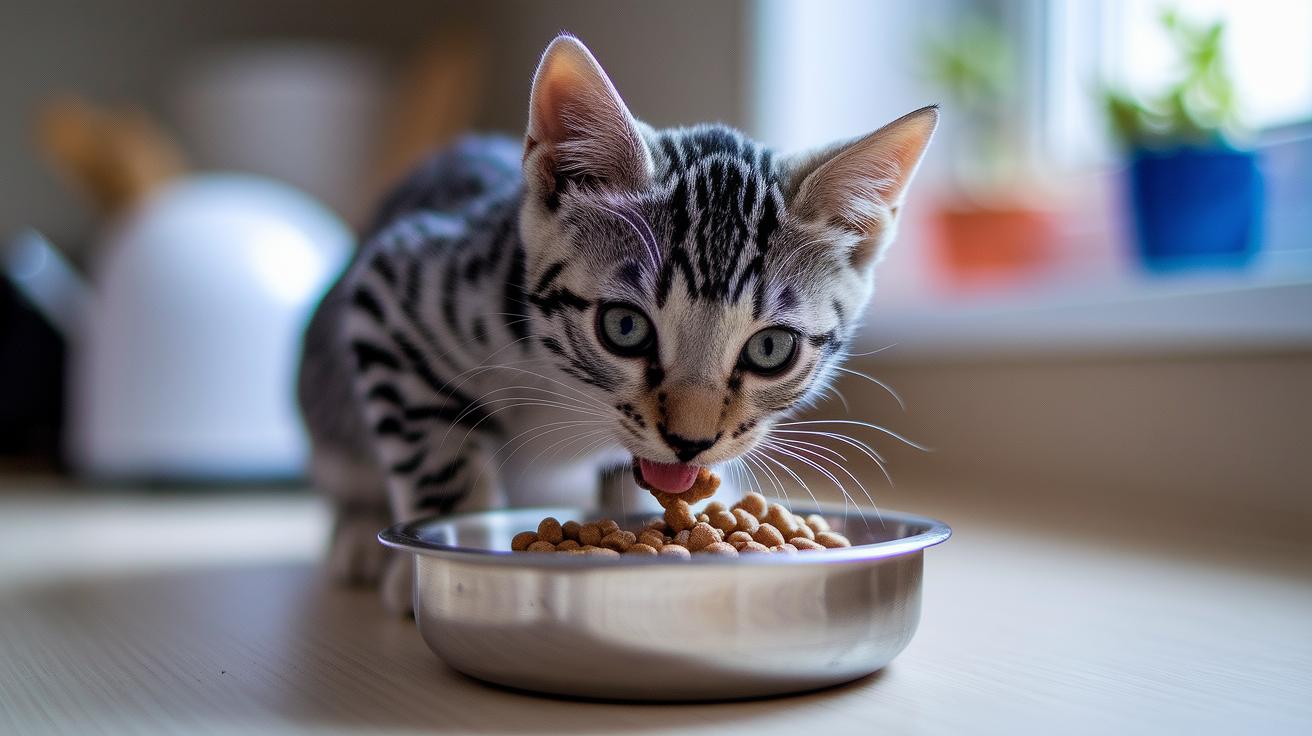
    FeLV only survives a few hours outside a host, so it won’t hang around on the carpet. Your cat really needs those close-up moments to pick it up. Ever seen your cat nose-boop another? Cute, just keep an eye on sleepy snuggles, too.

    Mother-to-kitten spread (vertical transmission) happens before birth or through nursing afterward. Kittens born to infected queens often test positive in just a few weeks. Oops, let me rephrase that, those sweet nursing sessions can pass on the virus fast.

    Outdoor cats and busy multi-cat homes see infection rates above 30 percent, you read that right, over thirty. Keeping uninfected cats indoors and away from unknown cats cuts the risk way down, especially for vulnerable kittens and seniors. Worth every paw-print.

    Clinical Signs of Feline Leukemia: Recognizing Symptoms in Cats

    - Clinical Signs of Feline Leukemia Recognizing Symptoms in Cats.jpg

    Ever watched your kitty chase shadows then suddenly slow down? FeLV (feline leukemia virus) can whisper through small shifts or roar in a big way. These signs often look like other cat bugs, so you might miss them at first. Keep an eye out for weight dips or sneezes that don’t quit!

    • Unexplained weight loss and anorexia (loss of appetite): Ribs peeking through the fur or skipped meals for days. It’s like your cat’s going on a diet they didn’t choose.
    • Persistent diarrhea or vomiting: Soft paws on the litter box way too often, you know. Those repeated trips can wear down even the fluffiest kitty.
    • Severe gingivitis (gum inflammation): Red, swollen gums and stinky breath that make chewing feel like a chore. Your cat might even drool more than usual.
    • Upper respiratory signs (sneezing, runny nose): A nose that won’t stop dripping and sneezes echoing around the room. Your cat sounds like they’ve got a tiny trumpet.
    • Fever (temperature over 103°F) and lethargy (extreme tiredness): Hot ears and a sluggish body. Playtime? Not today.
    • Pale mucous membranes (gums and inner mouth lining): Gums lose their rosy hue and turn ghostly pale. Kind of like they hit the snooze on blood flow.
    • Lymph-node enlargement (swollen glands under neck or armpits): Little lumps you can feel when you gently pet your cat’s neck or armpits. Doesn’t feel right, huh?
    • Recurring infections: Cuts or sores that hang around forever. Healing seems slower, like your cat’s immune army is on a coffee break.

    Learn more: symptoms of feline leukemia virus in cats

    Early vet visits are a must when you spot these signs. A quick blood test can tell FeLV from other illnesses and get your furball the right care fast. Isn’t it a relief to know what’s up and help them feel better?

    Diagnosing Feline Leukemia Virus: Tests and Interpretation

    - Diagnosing Feline Leukemia Virus Tests and Interpretation.jpg

    Figuring out if your cat has FeLV (feline leukemia virus) feels a bit like solving a mystery. Vets usually start with ELISA (a quick antigen-sniff test looking for viral bits in the blood) because it’s fast and done right in the clinic. You’ll see a positive result around four to six weeks after exposure. Ever watch your kitty twitch at a feather toy? That relief when you see that familiar response, well, that’s the kind of answer ELISA tries to give you.

    Then comes IFA (immunofluorescence assay, a glowing antibody test to spot infected white blood cells in a lab). It helps “seal the deal” on a long-term infection. Sometimes you’ll get a false negative early on or if the virus is playing hide-and-seek in regression. So vets often repeat both tests a few weeks later, you know, just to be extra sure. Paired results cut down on mix-ups.

    For a head start on detection, there’s PCR (polymerase chain reaction, a DNA-amplification test) that can flag proviral DNA as soon as one to two weeks post-exposure. It usually needs a fancy lab and costs more, but it’s worth it if you need answers fast. Think of it like spotting a mouse before it scurries under the fridge.

    Whoa.

    If your cat’s scans are still murky or you see strong symptoms, a bone-marrow biopsy (taking a tiny marrow sample) teamed with immunofluorescence can show if FeLV has settled in the marrow tissue. It means sedation and a bit more risk, so vets save it for the toughest cases.

    Test Purpose Timing Accuracy
    ELISA Detects viral antigens in blood 4–6 weeks post-exposure ≈98%
    IFA Confirms long-term infection in white blood cells 6–8 weeks post-exposure ≈99%
    PCR Identifies proviral DNA early 1–2 weeks post-exposure ≈90%
    Bone-marrow biopsy Assesses marrow involvement with fluorescent antibodies Any stage, when needed >95%

    Reading these results together helps map out your cat’s status. A positive ELISA plus a positive IFA points to a progressive infection. If only ELISA lights up, it might be early stage or a regressive case. PCR alone means you caught it very early. And when a biopsy confirms marrow infection, vets usually step up treatment plans. Talk through any mixed results with your vet so you can make the best plan for your purr-buddy.

    feline leukemia: Confidence in Managing Your Cat’s Health

    - Treatment and Supportive Care Strategies for Cats with Feline Leukemia.jpg

    Antiviral and Immune-Modulating Treatments

    But there’s no cure for feline leukemia, we can’t magic the virus away. AZT (zidovudine, an antiviral drug) usually starts at 5–10 mg per pound twice a day. In a few weeks, you’ll notice the viral load (how much virus is in your cat’s blood) take a nosedive. Some kitties might get mild anemia (when red blood cells dip) or an upset tummy.

    Next up is interferon (a lab-made protein that revs up your cat’s immune system). You can give it as injections or oral drops, often 5 days on and 3 days off. Your furball might nap extra long or run a slight fever after shots. Stick to your vet’s schedule, regular check ups let you tweak doses if needed.

    Supportive and Nutritional Care

    Comfort matters just as much as medicine. Keep the litter box spotless, cats have super sensitive noses. Trim sharp nails so they don’t snag on blankets or carpet. Offer cozy hideaways for secret solo naps.

    Hydration is key when appetite dips. Subcutaneous fluids (under-the-skin fluids) at home can fend off dehydration and keep your kitty’s energy up.

    Food should feel like a treat. Pick a high-quality protein diet, think tender chicken or special canned recipes for immune support, check out best food for cats with feline leukemia. Serve small, frequent meals and try warming them to boost the aroma. If weight loss lingers, chat with your vet about appetite stimulants.

    Putting antiviral meds, comfy care, and tasty nutrition together gives your purr buddy the best shot at feeling good. Coordinate every step with your veterinarian so doses, diet plans, and chill-out spots all line up.

    Preventing Feline Leukemia: Vaccination, Screening, and Safe Practices

    - Preventing Feline Leukemia Vaccination, Screening, and Safe Practices.jpg

    Ready to shield your new kitten from feline leukemia? Start their first vaccine at 8 weeks old. Then repeat shots every 2 to 3 weeks until they’re about 12 to 16 weeks old. It’s like giving their immune system a power boost, so they’re ready for whatever life throws at them.

    Once the kitten series is done, plan on a yearly booster, think of it as a tune-up for their health. Adopted a grown-up whisker-friend with an unknown history? No worries. Give two vaccines, three weeks apart, then switch to annual shots. This routine slashes infection risk, especially if your cat ever slips outside or makes new furry buddies.

    Before you bring home a new pal, ask about FeLV screening. Most shelters require this test and only let cats share playrooms and bowls after they’re clear. Your vet will run a quick ELISA blood test (a simple check of the blood) at the first checkup, just a tiny sample to catch infections early. If a cat tests positive, shelters usually separate them for one-on-one care until they find a safe match. No mix-ups, no worries.

    Keeping uninfected cats indoors is a simple trick that pays off big time. It not only keeps them safe from cars and critters but also cuts off contact with FeLV carriers. Got an infected kitty? Give them a cozy room all their own, with their own food, water, and litter box. Wipe down bowls and bedding often with a pet-safe disinfectant, you’re basically a cleaning ninja.

    By combining vaccines, early screening, and smart separation, you’ll build a health fortress around every paw and whisker. Stay paw-sitive.

    Prognosis and Long-Term Management for Cats with Feline Leukemia

    - Prognosis and Long-Term Management for Cats with Feline Leukemia.jpg

    Knowing the road ahead helps you plan for the months to come. Cats with FeLV often live around two and a half years after diagnosis, but early detection and proper support can nudge that higher. If their immune system wrestles the virus into a regressive stage, they might hang on beyond five years. Progressive cases with cancer or blood problems usually mean shorter journeys.

    Age at diagnosis, other health issues, and stress all shape each cat’s path, so think of these numbers as guideposts, not deadlines. Ever wonder how many more purr-filled mornings you’ll share? That honest view can ease your mind and help you savor every soft headbutt. Next, let’s talk about keeping an eye on your cat’s health.

    Plan vet exams every three to six months with a complete blood count (CBC) – think of it as your cat’s blood report card. Keep a simple journal for appetite, energy, grooming, and litter box visits so you spot tiny changes fast. Soft bedding, a sunny nap spot, and fun play sessions add to your cat’s joy. Annual dental checks are a must to catch mouth pain before it sneaks in.

    Watch hydration too – dry gums or sunken eyes mean it’s time for subcutaneous fluids (just under the skin) or a vet trip. Share your notes with your vet so food, meds, or routines can shift as your cat’s needs change. Talking honestly about comfort versus life-extending treatments gives you peace of mind and helps your cat keep their dignity.
    Worth every paw-print.

    Final Words

    Jumping right in, we covered feline leukemia’s basics: how the virus works, how cats catch it, and the top signs to watch.

    Then we looked at tests to spot FeLV, the treatments vets use, and tips for home care.

    Next we talked shots, screening, and safe habits to keep kitties healthy.

    Finally, we set expectations on living with FeLV and plans for regular checkups.

    Feeling hopeful? A well-informed routine can help cats with feline leukemia thrive.

    FAQ

    Feline leukemia test cost

    The feline leukemia test cost ranges from 25 to 75 dollars at most veterinary clinics, depending on whether you choose an ELISA antigen screen or a PCR proviral DNA assay.

    What are the symptoms and early signs of feline leukemia in cats?

    The feline leukemia symptoms and early signs include unexplained weight loss, reduced appetite, persistent diarrhea or vomiting, fever, lethargy, pale gums from anemia, swollen lymph nodes, and upper respiratory issues.

    What happens in the final stages of feline leukemia?

    The final stages of feline leukemia involve severe anemia, frequent infections, organ dysfunction, extreme lethargy, and significant weight loss as the immune system fails and secondary illnesses take hold.

    How long will a cat live with feline leukemia?

    A cat with feline leukemia typically lives around two to three years after diagnosis, though those with regressive infections may survive beyond five years under careful supportive care.

    Is feline leukemia contagious, can indoor cats get it, and can you catch it by touching an infected cat?

    Feline leukemia is contagious only through close cat-to-cat contact like mutual grooming, bites, or shared bowls. Indoor cats without exposure to infected cats face very low risk. Humans cannot catch it by touching.

    What does the feline leukemia vaccine schedule look like?

    The feline leukemia vaccine schedule starts at eight to nine weeks with two to three boosters every two to three weeks until 12–16 weeks old, followed by annual revaccination for lifelong protection.

    How is feline leukemia treated?

    Feline leukemia treatment focuses on supportive care and antiviral therapies like AZT, plus immune modulators (interferon), high-quality protein diets, fluid therapy, stress reduction, and regular veterinary monitoring.

    Can humans get feline leukemia?

    Feline leukemia virus does not infect humans. It is species-specific and only integrates into the DNA of cats, so there is no risk of human infection.

    Related Articles

  • How Often to Replace a Teaser Wand Attachment

    How Often to Replace a Teaser Wand Attachment

    Ever watched your kitty chase a feather (light and wispy)?
    It’s hilarious.
    Until that fluff drifts across the carpet and lands you in the vet’s office.
    Yikes.

    Those teaser bits wear out just like your favorite sneakers.
    See a little fray? That’s your cue, you know, to swap them before Luna or Mr. Whiskers gets into trouble.
    I learned the hard way when mine almost gulped a streamer (a thin strip of fabric).
    Really.

    So here’s the scoop: change your wand’s attachment every four to six weeks.
    It keeps play safe and claw-tastic.
    Worth every paw-print.

    Optimal Replacement Schedule for Teaser Wand Attachments

    - Optimal Replacement Schedule for Teaser Wand Attachments.jpg

    Your kitty loves chasing feathers and beads on a teaser wand. But over time, those fun bits can fray or pop off – a ribbon might shred or a little hook (clasp) could bend and let the lure fly away. Ever watched a loose feather drift across the carpet? Cute, right?

    I once saw Luna try to gulp down a streamer, vet visit guaranteed, um, you know? It’s a nibble-time bomb if your cat swallows it. So for safe, claw-tastic play, you need to know when to swap attachments.

    Think of it like changing worn-out shoes. Attachments usually last one to three months, depending on your play style. Heavy hitters who pounce every night might need a fresh part after about four weeks. More chill weekend chasers can stretch toward the three-month mark.

    Is your cat batting the wand each evening? Aim to replace attachments every four to six weeks. Inspect those streamers and feathers once a week for frays, and check the hook to make sure it closes properly. If anything looks loose, toss it and grab a new one.

    Some gentle players can keep an attachment going eight to twelve weeks before it shows wear. Every cat is different, so tweak this schedule for your furball’s style.

    Regular swaps keep play sessions safe. And fun.

    Key Wear Indicators on Teaser Wand Attachments

    - Key Wear Indicators on Teaser Wand Attachments.jpg

    Ever given your teaser wand a once-over before playtime? Think of it like a quick safety sniff test for your cat gear. A tiny tear can turn into a big feather fiasco.

    • Broken clasps or lobster-claw connectors that no longer snap closed (joint connector check)
    • Feathers (fine bird plumes) splitting into fuzzy strands – a frayed-feather warning
    • Streamers looking dull or torn with bits missing – streamer deterioration signs
    • Ribbons and lines thinning out or fraying at the ends – basic worn-tip detection
    • Missing beads, loose bells or dangling bits wobbling on their own – loose-piece alert

    Make this a weekly habit. Your kitty will thank you with extra leaps and twirls!

    How Material Choices Affect Attachment Lifespan

    - How Material Choices Affect Attachment Lifespan.jpg

    Ever watched your kitty swat at a feather toy? How long it lasts depends on what it’s made of. Natural feathers (bird plumes) have a thrilling flutter cats chase like real prey. But they fray into fluff after a few weeks of heavy batting. Just weeks of fun!

    Synthetic streamers (man-made ribbons) handle drool and little nibbles better. They stretch playtime to a few months. They don’t dance like real feathers, though.

    Woven nylon line (strong fiber string) is the champion of toughness. It resists tangles and serious tugs. Your cat can bat at it for months.

    Polycarbonate ends (hard, clear plastic) shrug off big jerks and chomps. They stay intact even longer. They act stiff, so you get less wobble.

    Worth every paw-print.

    Material Type Durability Pros Cons
    Natural Feathers (bird plumes) Short (weeks) Lifelike flutter, kitty magnet Frays fast, sheds bits
    Synthetic Streamers (man-made ribbons) Medium (months) Handles drool and chews Lacks real-feather dance
    Woven Nylon Line (strong fiber string) High (months) Tough and tangle-resistant Looks plain
    Polycarbonate Ends (hard, clear plastic) Very high (months+) No cracks or warps, lasts long Stiff action, less wobble

    Pick the material that matches your cat’s style, wild feather chases or long-lasting, chew-proof fun.

    Hygiene Practices for Longer-Lasting Attachments

    - Hygiene Practices for Longer-Lasting Attachments.jpg

    Keeping wand attachments clean stops saliva, dirt, and oils from breaking down fibers (tiny threads) or trapping moisture (yucky water). Grime left behind can weaken connectors (the bits that snap together) and even invite mold. Not fun for your kitty and yikes, hidden hazards.

    So I made a simple hygiene checklist to make your life easier, and your furball safer. Ever watched a toy get soggy and limp? Yeah, mine too.

    Rinse attachments after every 5 to 10 play sessions, depending on whether your cat’s a casual paws-on or a heavy hitter. Use a mild, pet-safe soap (no bleach or harsh chemicals that can eat into plastic or fabric). Gently scrub and feel the satisfying swoosh of suds, then rinse until the water runs clear.

    After that, give each part a quick once-over. Look for stiff spots or water hiding in little nooks. Any trapped moisture can lead to mold, and nobody wants that. Let everything air-dry completely on a towel or hang the attachment by the wand, gravity’s best friend.

    Once a month, do a more thorough tip inspection. Check connectors, strings, and feathers for dirt, moisture damage, or wear. If anything looks off, replace it. Better safe than sorry, right?

    Finally, store your teaser wand in a cool, dry spot away from direct sun so materials stay strong and ready for your kitty’s next pounce.
    Worth every paw-print.

    Quick Maintenance Steps for Teaser Wand Attachments

    - Quick Maintenance Steps for Teaser Wand Attachments.jpg

    Inspecting Attachment Clasps

    Ever watched your kitty try to wrestle a loose clip? Let’s avoid that. Each week, peek at the lobster-claw connector (the little hook that holds the fun stuff). Run your finger along the hinge – any bumps, rusty spots, or stiffness?

    Give it a wiggle test. It should snap open and closed smoothly. Then tug gently on the lure (the dangly toy bit). If it feels floppy, you’ll want to fix it before play.

    Replacing the Lure Quickly

    No tools needed – seriously, zero. Pinch the clip and pull off the tired lure. Line up your shiny new one and press until you hear a solid click.

    Click! Boom – game on for your cat’s next chase.

    Cost and Value of Teaser Wand Attachment Replacement Kits

    - Cost and Value of Teaser Wand Attachment Replacement Kits.jpg

    Let’s talk about how much these teaser wand tips cost and why they’re worth every paw print. You can grab a replacement pack for about $5 to $15. Each pack has 5 to 7 attachment tips, so you’re paying just $1 to $3 per tip. Buying bulk multi-packs saves you up to 30 percent compared to single packs, making it a wallet-friendly choice for long-term fun.

    Budget Picks vs Premium Kits

    Basic packs usually run $5 to $8. They come with standard feathers and simple streamers. They might not have fancy textures, but they still deliver that flutter your kitty loves. Perfect for casual players or anyone on a tight budget. Next, premium kits cost $10 to $15. They include plush faux fur (soft, cozy) or crinkle paper (it rustles delightfully). You pay about 20 to 40 percent more, but these tips last longer and keep even picky felines engaged.

    Calculating Cost per Play

    Here’s a quick way to see your real cost per chase:
    pack price ÷ total plays = cost per play
    For example, a $10 pack of 10 lures (toy tips) used twice a week over five weeks gives you 100 play sessions. So, $10 ÷ 100 = $0.10 per play. Even the premium kits stay under $0.50 per chase. That means hours of fun without breaking the bank.
    Worth every paw print.

    Final Words

    In the action, we mapped out toy hazards, from loose bits to torn connectors, and set a 1–3 month schedule for safe swaps.

    Next, we highlighted five clear wear signs so you can spot frayed feathers, cracked joints, or loose beads before playtime goes awry.

    Then we covered cleaning routines and quick tool-free lure swaps to stretch each attachment’s life and keep play worry-free.

    And we wrapped it up with budget tips and cost-per-play math, so tracking how often to replace a teaser wand attachment feels simple. Enjoy hassle-free fun and happy, healthy cats.

    FAQ

    How often should you replace a teaser wand attachment?

    The teaser wand attachment is best replaced every 1–3 months, with nightly heavy play prompting faster swaps and occasional use allowing longer safe fun.

    What is the Da Bird Cat toy?

    The Da Bird Cat toy features a feathered lure on a wand that mimics bird flutter, sparking energetic pounces and interactive chase that keeps cats happily entertained.

    How often should you replace catnip in your toys?

    Catnip loses scent in about 4–8 weeks as oils fade; refilling or replacing toy fillers monthly reignites your cat’s sniffing and rolling excitement.

    How often should you replace cat toys?

    Cat toys should be swapped out every 2–4 months depending on wear; inspect weekly and retire any with frayed edges, loose parts, or faded feathers.

    Do cats get tired of the same toy?

    Cats often lose interest in a toy after 2–3 weeks of daily play; rotating toys and hiding favorites brings back curiosity and fresh thrills.

    Related Articles

  • How Often Should Cats Play Each Day Joyfully

    How Often Should Cats Play Each Day Joyfully

    Ever watched your kitty chase shadows and then crash on the sofa? You might think they can snooze all day and still be happy. But playtime is what lights up that pouncing spirit, gives claws a workout, and keeps surprise ankle attacks at bay.

    Short bursts of chase – batting a plush mouse or waving a teaser wand (like a fishing pole for cats with feathers) – really do the trick! Zoomy kittens crave lots of quick games. Crepuscular adults love a dawn or dusk workout. Gentle seniors prefer sweet, short sessions.

    Next, we'll explore how many daily mini-playdates each life stage needs so your furball stays fit, curious, and totally feline fine.

    How Often Should Cats Play Each Day: Age-Based Daily Play Frequency

    - How Often Should Cats Play Each Day Age-Based Daily Play Frequency.jpg

    Ever wonder how much playtime your kitty needs? It depends on their age, you know.

    Kittens have boundless zoomies. They thrive on three to five quick play breaks each day, just 10 to 15 minutes a pop. They’ll bat at a crinkle ball (a noisy, fun bouncy toy), pounce on a toy mouse, then crash for a nap. It’s snack-sized exercise that taps into their natural hunting urges and keeps boredom away.

    Adult cats shine with two play sessions daily. Aim for 15 to 20 minutes in the morning and another 15 to 20 minutes at dusk, totaling 30 to 40 minutes of fun. Grab a feather wand (like a fishing rod for cats), a laser pointer (never aim it at their eyes), or a treat puzzle (a food-based brain teaser). This morning-and-evening routine matches their crepuscular nature (active at dawn and dusk) so playtime feels instinctive, not forced.

    Senior cats still need play, um, just in shorter bursts. Try three to four mini sessions of 10 to 15 minutes with gentle wand twirls and low-impact puzzle toys to keep joints limber. These mellow bouts help older kitties stay strong and sharp as they age.

    All in all, your cat’s playtime should total 20 to 60 minutes a day, split into 10 to 15 minute chunks. One session at sunrise, another at twilight, and maybe a quick game between meals. Matching play frequency to your cat’s age gives them just the right dose of joy every day.

    Worth every paw print.

    Factors Influencing How Often Cats Play Each Day

    - Factors Influencing How Often Cats Play Each Day.jpg

    Playtime is more than just fun. It taps into your cat’s hunting instinct, keeps muscles toned (think of those graceful leaps), and sharpens their mind. And it breaks up the day so your furball stays curious. There’s something purr-fect about hearing the soft thud of a rolling ball.

    Every kitty hits its own play sweet spot. You can spot feline boredom by sudden restlessness or surprise sofa ambushes. Then it’s time to bring out the toys.

    • Breed and personality: some cats zoom like race cars; others drift along like lazy clouds.
    • Play style: batting a crinkle ball solo versus chasing feathers on a wand with you.
    • Health status: overweight cats (nearly 60 percent of U.S. cats) might need slow warmups. Cats with arthritis (joint pain) or heart conditions (a weak heart) often do better with shorter, gentler sessions.
    • Energy swings: a high-energy breed may demand extra bursts. A laid-back lounger might be happy with fewer rounds.

    Ever catch your tabby just staring at a toy? That’s your cue to give them a nudge. Slowly build playtime from five minutes up to fifteen if they seem into it. For older or less spry cats, chop sessions into mini bursts, three or four quick games of ten minutes each works wonders.

    Playing also deepens your bond. You’re not just tossing a toy; you’re matching their wild side while they teach you patience. That’s joy for paws and people alike.

    Worth every paw-print.

    Play Session Duration and Ideal Timing for Daily Cat Play

    - Play Session Duration and Ideal Timing for Daily Cat Play.jpg

    Ever watched your kitty’s whiskers twitch as it hunts for dinner? Try giving a puzzle feeder before meals to mimic that hunt-eat cycle. Your cat swipes at hidden kibble (tiny dry food morsels tucked into a toy), then settles down for a calm meal. It’s like letting them catch their dinner twice, feline fine, right?

    After they finish eating, spark a short play burst. Toss a teaser wand or roll a ball so they can chase and pounce. This little workout helps their digestion and keeps extra calories in check. And yep, that means fewer surprise zoomies in the kitchen.

    End each mini-session on a high note. Let your cat snag a plush toy mouse or a crinkle ball for the big catch. The soft thud of victory under their paws builds confidence and keeps them purring for more. Worth every paw-print.

    How Often Should Cats Play Each Day Joyfully

    - Interactive and Solo Play Ideas to Meet Daily Cat Play Needs.jpg

    Want a happy, healthy cat? Mix play you join with toys they can chase on their own. A feather wand (tiny fishing pole for paws) gets your kitty leaping and swatting. And when you’re busy, a puzzle feeder (toy hiding treats) or a wind-up mouse keeps them entertained. Try both every day so play never feels the same.

    Interactive cat toys:

    • Feather wand: darting feathers that mimic bird wings and spark wild leaps.
    • Laser pointer (never shine in eyes): that zippy red dot your cat can’t resist chasing across the floor.
    • Wind-up mouse (tiny motor inside): it scurries under furniture like a real little prey.
    • Treat-feeder puzzle (compartments hiding snacks): turns snack time into a fun brain workout.

    Self-play opportunities:

    • Plush prey, soft mice or birds your cat can bat around solo.
    • Crinkle ball (lightweight and noisy): satisfying rustles with every pounce.
    • Automatic toy (battery-powered): meanders or zooms when you’re out, fun without you.

    Ever watched your kitty stalk a window perch? Layer textures and heights to make the room an adventure. A tall cat tree with a cushioned top is prime bird-watching real estate. Sisal-wrapped scratching post (sisal is rough rope) lets claws dig in just right. And a window perch offers live-action backyard TV.

    Rotate or introduce new toys every week or two so each one feels fresh. Tuck extras away and surprise your cat later, watch those eyes light up.

    Want safe outdoor fun? A catio (enclosed patio space) or short harness walk lets your fur friend sniff new scents and feel the breeze. Ramps, shelves, and towers add climbing challenges and big stretching spots between levels.

    Blend these hands-on and solo games to hit 20–60 minutes of daily play. Your kitty’s whiskers will twitch, muscles will flex, and that clever brain will stay sharp, pure joy in every paw swipe.

    Fine-Tuning Your Cat’s Play Routine

    - Fine-Tuning Your Cats Play Routine.jpg

    Oops, we’ve given these play pointers a makeover (sorry about that!). If you’re used to finding hyperactive play ideas here, whisk yourself over to “Health status” for all the zoomie-friendly suggestions.

    For our chonky pals (you know, the ones who prefer lazy paw swishes over mad dashes), hop into “Overweight cats.” There you’ll find step-by-step session plans to get them moving at their own pace.

    And for older or achy kitties whose joints might complain, we tucked gentle, low-impact fun under the “Arthritis” subsection. Worth every paw-print.

    Fine-Tuning Your Cat’s Play Routine

    - Building a Consistent Daily Play Routine for Cat Play Frequency.jpg

    Ever thought about making playtime a family affair? One person can kick off the morning fling with a wand toy, uh, then someone else sweeps in for the dusk dance. Shared play helps you all bond and feels like a surprise party for your kitty every day. I guess that’s a win-win!

    Let’s talk about your interactive-toy toolkit. A feather wand (like a fishing rod for cats – just add feathers). A crinkle ball – listen for that satisfying thud as it bounces across the floor. A puzzle feeder (think of it as a little kibble hunt at breakfast and dinner). And stash half your cat’s toys in a box and swap them weekly to keep things fresh!

    Calming diffuser tip. Plug a FELIWAY Optimum diffuser near your play area. It releases pheromones (calming scent cues) to help nervous kitties relax so they stay in the game. Worth every paw-print.

    Final Words

    in the action we wrapped up age-based play guidelines: kittens need 3–5 short bursts, adults aim for two 15–20 minute sessions, and seniors enjoy three to four gentle play breaks.

    We also explored factors like health, breed, timing at dawn and dusk, plus a mix of interactive and solo toys, puzzle feeders, and climbing spots to spark curiosity.

    By fine-tuning routines for busy days and special needs, you can keep play sessions fresh and fun. And that’s your answer on how often should cats play each day, paws up for happy, healthy felines.

    FAQ

    How often should I play with my cat each day?

    The recommended daily playtime depends on age: kittens need 3–5 short 10–15 minute sessions, adults should have two 15–20 minute sessions at dawn and dusk, seniors benefit from three to four 10–15 minute bursts.

    Is it okay to not play with your cat every day?

    Not playing daily can leave cats bored and restless. Offering solo toys or puzzle feeders helps fill gaps, but aiming for regular interactive sessions keeps cats mentally and physically healthy.

    What are signs my cat wants to play?

    Signs your cat wants to play include stalking or batting toys, tail twitching, soft chirps, sudden zoomies, and gentle paw taps inviting you into their game.

    How long should I play with my cat before bed?

    A pre-bed routine of about 15–20 minute interactive play mimics dusk hunts, helping your cat burn off energy and settle into a calm, restful evening.

    How long do cats play with each other?

    Cat-to-cat play sessions usually follow burst-rest rhythms, with each interactive bout lasting around 5–10 minutes several times a day to mirror natural hunting pauses.

    Related Articles

  • maine coon health issues happy cat life

    maine coon health issues happy cat life

    Ever watched your Maine Coon freeze mid-leap onto a feather toy? Their ears flatten, whiskers tense, and you’re left wondering if they’ll land. These gentle giants can hide hip dysplasia (when a hip joint doesn’t form right), thickened heart walls (when the heart muscle grows too thick), and wobbly nerves (shaky signals that make paws tremble) longer than you’d guess.

    Spying a limp step, a heart racing under that fluffy chest, or a sudden stall before a jump? I once freaked out when Luna did that – she just missed her mark, but it got me looking closer. Those are your clues, um, you know. Really.

    In this guide you’ll learn the top health hurdles Maine Coons face at each age – from playful kitten zoomies to wise senior strolls – plus simple tips to keep your big fluff-ball thriving. Ever tried gentle joint stretches or a quick heart-massage check? Those tiny moves can earn you happy purrs.

    Next we’ll break down age-by-age care so your feline friend keeps purring through every life chapter. Worth every paw-print.

    Overview of Maine Coon Health Issues

    - Overview of Maine Coon Health Issues.jpg

    Maine Coon cats are the gentle giants of the cat world. They grow slowly into a big frame, think 8 to 18 pounds of fluffy muscle, and you might spot their whiskers twitching as they learn to roam. It’s smart to keep an eye on their weight because extra pounds can sneak up before you know it! These fluff balls often live 12 to 15 years, so starting healthy habits early sets the stage for a long, happy life.

    Several hereditary conditions tend to show up at predictable ages. Hip dysplasia (a joint problem) can appear as early as three months, and hypertrophic cardiomyopathy (thickened heart walls) often pops up between three and nine years. Spinal muscular atrophy (nerve-muscle weakness) usually makes itself known at three to four months, while polycystic kidney disease (fluid-filled sacs in the kidneys) often shows signs around eight to eleven years. And remember, obesity and dental disease can sneak in at any age.

    Condition Age of Onset Key Symptoms Diagnostic Method
    Hip Dysplasia 3 mo–5 yrs Waddling walk, reluctance to jump Physical exam, radiographs (X-rays)
    Hypertrophic Cardiomyopathy (HCM) 3–9 yrs Labored breathing, fast heartbeat Cardiac ultrasound (heart scan)
    Spinal Muscular Atrophy (SMA) 3–4 mo Hind-leg weakness, tremors Genetic test (DNA check)
    Polycystic Kidney Disease (PKD) 8–11 yrs Weight loss, blood in urine Ultrasound, DNA test
    Obesity Any age Excess weight, low activity Body condition scoring (vet check)
    Dental Disease Any age Bad breath, drooling Oral exam, dental X-rays

    Even if your Maine Coon seems purr-fectly healthy, lifestyle issues like overeating or a carb-heavy diet can tip the scale. Plaque buildup on teeth can lead to gingivitis (gum inflammation) or worse. Spot changes in eating, weight, or breath early. Then team up with your vet to keep your big fluff ball feline fine for years to come.

    Hypertrophic Cardiomyopathy in Maine Coon Cats

    - Hypertrophic Cardiomyopathy in Maine Coon Cats.jpg

    Hypertrophic cardiomyopathy is a mouthful. It means thick heart walls that make your Maine Coon’s heart stiff (ventricles are the main pumping chambers). Without enough flex, the heart can’t push blood as well. Ever caught your fluff ball breathing hard after a quick dash? That’s not normal for cats.

    Look out for open-mouth panting, a racing pulse, or sudden hind-leg wobble (from clots called thromboembolism, blood clumps that block flow). Those are hints you should call your vet right away.

    To catch it early, plan hereditary heart disease screenings and a cardiac ultrasound (a sound-wave scan) every year starting at age six. Think of it like giving your big fur buddy a heart MRI. The vet measures wall thickness and spots trouble before you see clear signs.

    Treatment is part pill, part food plan. Vets often use beta-blockers (drugs that slow a fast heartbeat) or ACE inhibitors (meds that ease pressure in the heart). And the diet shift? Low-sodium wet food packed with protein, plus taurine (an amino acid that helps the heart) and omega-3 and omega-6 fatty acids for smooth muscle function.

    It feels so good to know you can slow the march of time on your kitty’s ticker. And then watch those gentle paws keep pouncing like nothing’s changed. Worth every paw-print.

    Hip Dysplasia Risks and Management for Maine Coon Cats

    - Hip Dysplasia Risks and Management for Maine Coon Cats.jpg

    You know those big, broad hips on your Maine Coon? They can hide hip dysplasia. That’s when the ball-and-socket joint (where the round end of the thigh bone fits into the hip socket) shifts out of place. If your kitty carries a few extra pounds, that joint can slip and cause pain. Then you’ll see stiff steps or slow walks.

    Ever seen your cat circle one paw or give their hip a little nibble? That’s a telltale sign. You might spot them licking the side of their hip, or they may hesitate to leap up on the couch. Sometimes they even waddle or sway a bit, almost like a gentle dance across the floor.

    Your vet will feel those hips in a hands-on exam and may take radiographs (X-rays of bones) to peek at the joint alignment. Catching it early can stop arthritis (joint wear and tear) before it really sets in.

    Relief usually begins with pain meds called NSAIDs (anti-inflammatory pills). And joint supplements like glucosamine (a natural building block for cartilage) help rebuild tissue. Um, keeping your fluff ball at a lean weight takes extra stress off the hips.

    Next, give your kitty easier ways to jump and climb. A ramp or low step stool can make couch time less of a chore. You can even try a harness (soft support gear) for short guided walks. Toss in a few extra play sessions, like a slow roll of a soft ball, and you’ve got gentle exercise that soothes creaky joints.

    I once watched my cat Luna wobble before she pounced. After adding a ramp, daily joint supplements, and a feather teaser chase, she was zooming around again. Worth every paw-print.

    Spinal Muscular Atrophy in Maine Coon Cats

    - Spinal Muscular Atrophy in Maine Coon Cats.jpg

    Spinal muscular atrophy is a genetic condition in Maine Coon kittens. It’s autosomal recessive (your cat needs the faulty gene from both mom and dad). That means their spinal motor neurons (the nerve cells that tell muscles to move) start to die off around three to four months old. Ever catch your fur ball wobbling like a baby finding its feet? Those shaky back legs and tiny tremors are your first clues.

    A simple DNA genetic marker panel can show if your kitty carries the gene or has SMA already. That early warning is paw-some. You’ll know right away when to start making home changes. Um, trust me, it helps everyone feel more at ease.

    Next, roll out ramps and lay down non-slip carpet mats instead of slick tile. Slide bowls closer to the ground so your cat doesn’t overreach. Lower tall steps and carve out cozy nooks bathed in soft light. Then grab a feather wand or plush ball for a short, gentle chase on a cushy rug. Listen to that satisfying thud when they bat the toy.

    With these tweaks, you’ll see more confident strides and fewer shakes. It’s claw-tastic to watch your kitty strut around without wobbles. Worth every paw-print.

    Polycystic Kidney Disease in Maine Coon Cats

    - Polycystic Kidney Disease in Maine Coon Cats.jpg

    Fluid-filled cysts (little sacs full of liquid) start to grow in your Maine Coon’s kidneys and squish healthy tissue until filtering blood becomes a real chore. Ever seen your cat slow down at mealtime? Between eight and eleven years old, you might notice weight loss, a snoozy appetite, or even a hint of blood in the litter box. Catching these signs early can make all the difference.

    For a diagnosis, your vet will check DNA for the faulty PKD gene and do an ultrasound (a sound wave picture) to spot those cysts. They’ll also run blood tests and a urinalysis (pee test) to watch kidney function, look for anemia, and track waste levels. Early tests give you a head start on gentle care and help slow any damage.

    Managing PKD is all about feeding smart and keeping your kitty well hydrated. A low-sodium (low salt) diet eases the kidneys’ workload, and you can even whip up homemade cat food for cats with kidney disease to tweak protein and moisture levels. Offer fresh water bowls and think about subcutaneous fluids (fluids you give just under the skin) at home for extra support. Add vet-approved blood pressure meds and you’ll help your big fluff ball stay comfy for every soft purr and playful leap.

    Worth every paw-print.

    Obesity and Nutritional Health in Maine Coon Cats

    - Obesity and Nutritional Health in Maine Coon Cats.jpg

    Your Maine Coon’s big fluffy frame can hide sneaky pounds. Once those furballs tip past 18 pounds, they risk insulin resistance (when the body stops using insulin right), diabetes (when blood sugar stays too high), and extra stress on growing joints (where bones meet). Ever catch your kitty doing a food-bowl raid or splashing at the water dish like it’s a pool party? Those are red flags – time to tackle that weight.

    Tracking your cat’s weight is simpler than you might think. Step on the same bathroom scale each week and jot down the number. Ask your vet for a calorie-goal estimate, then swap free-feeding for timed, pre-measured meals. Think meal prep – but for your cat.

    A balanced feeding plan keeps your gentle giant purring. Lean protein meals, like chicken or turkey, build muscle without extra carbs (energy bits). Wet food with at least 70 percent moisture helps curb overeating.

    You’ll even hear that satisfying slurp when your cat laps up the broth. And hey, don’t forget playtime calories – a quick wand chase before dinner doubles as exercise and entertainment.

    Keep up with daily weigh-ins and mindful feeding. Before you know it, your Maine Coon will be light on their paws and ready for every playful pounce. Worth every paw-print.

    Dental Disease Prevention for Maine Coon Cats

    - Dental Disease Prevention for Maine Coon Cats.jpg

    Ever noticed that sticky film on your cat’s teeth? That’s plaque crashing in for a bacteria bash. Let plaque hang out too long and you get gingivitis (gum inflammation) or periodontitis (deep gum infection). You’ll know when something’s off: stinky breath (halitosis), random drooling, or a pause before crunching kibble.

    Grab a soft-bristled brush (like a tiny paintbrush) and give those fluffy chompers a scrub two to four times a week. It feels odd at first, but most kitties get the hang of it! And food matters, go protein-first. A diet without sugars or fake additives cuts plaque like crazy. Think lean chicken or turkey treats instead of carb-heavy snacks.

    Sometimes the plaque party wins. Your vet might suggest pulling a tooth. Oops. That means bleeding (tiny blood vessels in gums), infection risk, and tricky anesthesia (Maine Coons have sensitive airways). No fun.

    But a few quick brush sessions and the right wet food (canned) can dodge that drama. More purrs at mealtime, fewer vet trips.

    Worth every paw-print.

    Preventive Care and Screening for Maine Coon Health Issues

    - Preventive Care and Screening for Maine Coon Health Issues.jpg

    Routine check-ups keep your gentle giant purring happily. Early DNA screening for HCM (heart muscle thickening) and PKD (kidney cysts) flags hereditary risks before they pounce. It’s a paw-fect way to catch sneaky problems. Really.

    And imaging tools like a cardiac ultrasound (sound-wave scan) and hip radiographs (X-ray bone pics) spot trouble before you see a limp. Ever watched your kitty tiptoe on three paws? These scans help you and your vet stay ahead of any issues!

    Vaccines guard against rabies, panleukopenia and feline leukemia. Ask your vet about timing guidelines and peek at feline leukemia vaccine side effects. Safe shots mean more playtime.

    And yes, sticking to deworming schedules and quick telemedicine visits fills any gaps. Oops, those follow-ups are like mini check-ins – weight, appetite or behavior updates without the car ride. Snagging small issues early means less stress for you and your kitty.

    Here’s your six-point preventive care checklist:

    • Genetic screening for HCM (heart muscle thickening) and PKD (kidney cysts)
    • Annual cardiac ultrasound (sound-wave scan)
    • Hip radiographs (X-ray bone pics)
    • Core vaccines (rabies, panleukopenia, feline leukemia)
    • Quarterly deworming visits
    • Senior wellness checks from age seven

    Once your fluff ball turns seven, senior visits spot age-related issues like arthritis or early kidney changes. Then add regular grooming sessions – brushing loose fur, untangling knots and checking ears, nails and teeth. Oh, and fresh water bowls matter too. Hydration keeps kidneys happy. A cozy home with cat trees, ramps and puzzle feeders? Totally worth every paw-print!

    Preventive Care and Screening

    - Lifespan Prognosis for Maine Coon Cats with Health Issues.jpg

    Most Maine Coons with chronic issues live about 12 to 15 years. But spot HCM (heart muscle thickening) or arthritis early, and some kitties pounce all the way to 20! Ever watched your big fluff-ball stretch up high, reaching for that sunny spot on the windowsill?

    As your Maine Coon grows, mark these vet checkups on your calendar. I’ve seen how early tests can make a huge difference.

    Age Screening
    Under 6 months DNA test for PKD (polycystic kidney disease) and SMA (spinal muscular atrophy)
    6–18 months Heart ultrasound for HCM (heart muscle thickening)
    2 years and up Hip X-rays for arthritis
    Every year Repeat the above tests plus a full wellness exam

    Next, let’s score your cat’s daily life to keep tabs on her happiness. I swear, those whiskers twitching when a toy mouse scurries by speaks volumes. Here’s what to watch:

    • Mobility: Does she bound up stairs or chase a feather toy without a second thought?
    • Appetite: Is she gobbling meals with gusto day after day?
    • Coat condition: Run your fingers through that fur, does it feel silky and look glossy after a quick brush?
    • Checkup results: Are heart and joint measurements still in the healthy range at the vet?

    Worth every paw-print.

    Final Words

    We explored key genetic and lifestyle issues – from thickened heart walls in HCM to wobbling steps in SMA, creaky hips, kidney cysts, extra pounds and plaque. You got clear ideas on spotting signs, tests to ask for and fun tweaks like wet-food swaps and extra play sessions. (Who knew your floofy pal needed this many checkups?)

    Next, regular checkups and a balanced diet mean fewer surprises and more zoomies.

    With early care, your gentle giant can pounce happily and lounge contentedly for many sunny cat naps.

    Here’s to healthy paws and purrs despite maine coon health issues.

    FAQ

    What common health issues affect Maine Coons and how are they treated?

    Common health issues in Maine Coons include hypertrophic cardiomyopathy, hip dysplasia, dental disease, obesity and nutritional imbalances. Treatment ranges from medications and special diets to weight control, dental care and joint supplements for pain relief.

    What genetic diseases are Maine Coons prone to, including kidney issues?

    Maine Coons are prone to hypertrophic cardiomyopathy (thickened heart walls), spinal muscular atrophy (hind-leg weakness) and polycystic kidney disease (fluid-filled renal cysts). Genetic tests and ultrasound help confirm diagnosis before symptoms appear.

    What symptoms indicate HCM in Maine Coon cats?

    Symptoms of HCM in Maine Coon cats include labored breathing, open-mouth panting, rapid heartbeat and episodes of fainting. Early detection with annual cardiac ultrasound and genetic screening helps guide treatment with medications and a heart-healthy diet.

    What is the life expectancy of a Maine Coon?

    The life expectancy of a Maine Coon ranges from 12 to 15 years, with some cats living into their late teens or early twenties when they receive regular health screenings and personalized care.

    What are the disadvantages of Maine Coon cats?

    Disadvantages of Maine Coon cats include potential genetic diseases, a need for regular grooming, risk of obesity from overeating and high initial costs from reputable breeders or rescue fees.

    What personality traits and behavior problems do Maine Coons exhibit?

    Maine Coon cats exhibit a friendly, curious and playful personality, often bonding closely with family members. Behavior problems can include separation anxiety, boredom-related scratching and occasional resource guarding without proper enrichment.

    Where can I find reputable Maine Coon kittens for sale?

    You can find reputable Maine Coon kittens for sale through registered breed clubs, certified ethical breeders and rescue organizations. Always visit in person, check health certifications and meet kitten parents before finalizing adoption or purchase.

    Related Articles

  • best wet cat food for kittens boosts vitality

    best wet cat food for kittens boosts vitality

    Ever notice your kitten dragging after a nap? That slump might mean they’re missing out on juicy wet food (food with extra moisture). And protein-packed bites that fuel all those tiny zoomies. I once watched Luna power through breakfast like a furry tornado. It’s like a spa day and strength training all rolled into one bowl.

    Pick the purr-fect meal and your furball will bounce off the walls, purring with energy. Ready to turn mealtime into a paw-ty? Here are five paw-vetted favorites to boost vitality and keep those whiskers dancing at every meal!

    Top Picks: Best Wet Cat Food for Kittens

    - Top Picks Best Wet Cat Food for Kittens.jpg

    Ever watched your kitten’s whiskers twitch at mealtime? Me too. Finding wet food that’s protein-packed, moist, and flavor-loaded can feel tricky. So here are my top five favorites, purr-tested by me and my crew of tiny taste-testers.

    • Smalls Ground Other Bird Fresh Cat Food. Paws-down the star of the show with 4.8 out of 5 kitten-approved stars. It delivers 14.5% protein to help build those tiny muscles. At 40 calories per ounce, it’s like a cozy turkey soup (made with human-grade turkey!) that kitties gobble up.

    • Tiki Cat Kitten Canned Food. This mousse-textured delight earns 4.6 stars and 22% protein for extra energy. With 44 calories per ounce, it’s the go-to for picky eaters. Seriously, even my shy kitty can’t resist that creamy taste.

    • Wellness Complete Health Kitten Chicken Entrée Pâté. This smooth, grain-free pâté scores 4.5 stars. It has 12% protein, 36 calories per ounce, and flaxseed (tiny seeds that boost fur health). A top pick for sensitive tummies.

    • Fancy Feast Kitten Canned Food. A 4.3-star, budget-friendly variety pack. It offers 11% protein and 32 calories per ounce across fun flavors. Great for a taste-test party, aka a feline feast.

    • The Honest Kitchen Frequent Feasts Chicken. Rated 4.4 stars, it blends human-grade ingredients with salmon oil (for shiny coats). It gives 11% protein and 35 calories per ounce. Perfect for balanced nutrition on busy days.

    Happy slurping, kitten parents!

    Key Nutritional Criteria for Wet Kitten Food

    - Key Nutritional Criteria for Wet Kitten Food.jpg

    Ever seen your kitten do zoomies across the room? Growing furballs need the right mix of protein, fats, and minerals to power all that play. Aim for at least 7.5 grams of protein per 100 calories. Think of protein as the building blocks for tiny muscles. You want them strong, right?

    Healthy fats are next. Look for DHA (an omega-3 fatty acid that supports brain and eye growth) and taurine (an amino acid that helps with heart and eye health). They round out the fats and keep little bodies sharp and healthy. Calcium and phosphorus should stay balanced to build strong bones without straining tiny kidneys.

    Did you know kittens are over 70% water? So a wet food with more than 70% moisture is clutch for keeping them hydrated. It also helps with digestion and gives their urinary tract a little break. When your kitty slurps up that juicy pate or glossy broth, you’re helping them stay purr-fectly hydrated.

    Skip any formula with artificial colors, flavors, or preservatives. Their tummies are still learning what’s best, you know. Instead, look for vet-recommended micronutrients like B-vitamins and extra taurine to fill any gaps. And always check for an AAFCO statement (that means it meets kitten life-stage needs).

    Use this handy table to see how top picks stack up against our benchmarks:

    Brand Min Protein (%) Calories per oz Cost per day
    Smalls 14.5% 40 $2.75
    Tiki Cat 22% 44 $1.00
    Wellness 12% 36 $3.60
    Fancy Feast 11% 32 $1.86
    The Honest Kitchen 11% 35 $2.75

    In-Depth Reviews of Top Wet Kitten Food Brands

    - In-Depth Reviews of Top Wet Kitten Food Brands.jpg

    • Smalls Ground Other Bird Fresh Cat Food: made with human‐grade turkey and turkey liver (packed with vitamin A), plus cod liver oil (fish oil rich in omega-3s). The ultra-fine grind feels like a warm bowl of chicken soup your kitten can’t wait to lap up. It delivers 14.5% protein and 40 calories per ounce at about $2.75 a day. Vets rave about the traceable sourcing, you can literally see which farm it came from.

    • Tiki Cat Kitten Canned Food: this high-protein feast has 68% protein on a dry basis (that means after you peel away water), or 22% protein and 44 calories per ounce as served. Choose a silky mousse (smooth cream) or flaky shred texture, both are purr-worthy. At $1.00 per ounce, it’s a tasty energy boost. Our vet pals love the extra protein punch.

    • Wellness Complete Health Kitten Chicken Entrée Pâté: a grain-free, velvety pâté (smooth meat blend) that’s gentle on tiny teeth and gums. It offers 12% protein, 36 calories per ounce and ground flaxseed (fiber and omega-3s). My kitten’s whiskers twitch at the first spoonful. At roughly $3.60 a day, nutritionists say it soothes sensitive tummies.

    • Fancy Feast Kitten Canned Food: budget-friendly variety pack with broth, flaky bits and creamy pâté. It has 11% protein and 32 calories per ounce at about $1.86 daily. Flavors are fun, your kitten might even do a happy tail dance. Just a heads-up: some vets warn about mild reactions to artificial dyes or flavors.

    • The Honest Kitchen Frequent Feasts Chicken: a firm chicken loaf (think sliceable block) that softens into a stew when you add water. It delivers 11% protein, 35 calories per ounce plus salmon oil (for omega-3 DHA). At $2.75 a day, it’s an additive-free recipe vets applaud. Ever watched your kitten nibble on something so clean you’d eat it yourself?

    Key Nutritional Criteria

    Brand Protein Calories Fat Special Notes
    Smalls Ground Other Bird Fresh Cat Food 14.5% 40 cal/oz 5% Traceable sourcing
    Tiki Cat Kitten Canned Food 22% 44 cal/oz 6% Mousse or shred textures
    Wellness Complete Health Kitten Chicken Entrée Pâté 12% 36 cal/oz 5% Grain-free, flaxseed
    Fancy Feast Kitten Canned Food 11% 32 cal/oz 4% May contain artificial dyes/flavors
    The Honest Kitchen Frequent Feasts Chicken 11% 35 cal/oz 5% Additive-free, salmon oil

    Best Wet Cat Food for Kittens Boosts Vitality

    - Feeding Schedule and Portion Guidelines for Wet Kitten Food.jpg

    When your kitten’s dining on wet food (canned goodness), plan for about three to four mini meals a day. You could also blend in a bit of dry kibble (crunchy tidbits) with one or two wet servings for variety and texture. Those regular canned kitten food portions keep tiny tummies full and power up every playful pounce. It’s almost like hearing a soft slurp before a furious zoom.

    Portion size shifts based on weight, age, and activity. Kittens torch roughly twice the calories of grown cats, so dial up their wet food when they’re zipping around like rocket ships. Oh, and if your fluffball’s been spayed or neutered, their metabolism drops by about 30%, so ease off on the servings to dodge those extra kitty pounds. Jotting down each meal can clue you in if your little fur-friend suddenly skips a bite or two.

    When you switch to an all-wet diet, take about a week, start with 10% new food and 90% old, then sneak in another 10%–20% of wet food every other day. That gentle swap helps tiny digestive systems adapt without belly grumbles. And keeping those canned kitten food portions steady means no accidental overfeeding. Oops, I learned that the messy way when Luna got a tummy ache.

    Tracking both your kitten’s meal times and portion sizes is the secret to a happy, purring fluffball. Your kitten will thrive and you’ll enjoy every little whisker twitch. Worth every paw-print.

    Pouches vs Cans: Choosing the Right Wet Kitten Food Format

    - Pouches vs Cans Choosing the Right Wet Kitten Food Format.jpg

    So you’re picking wet food for your kitten. Cans win for freshness. The air tight seal (a seal that keeps out air) locks in all the flavor and keeps that smooth pâté (soft meat texture) silky on their tongues. It’s like opening a tiny treasure chest of meaty goodness every time. Who doesn’t love that pop of the lid.

    But pouches are paw-fect for single servings and less waste. They come in shredded or chunk styles that look and feel like real meat pieces. They’re super light to carry, your bag barely weighs a whisker, and lots use recyclable film (thin plastic-like layer you can recycle). Smaller paw-print on the planet. Yay!

    Wet food also pulls ahead of dry kibble when it comes to hydration. Kittens slurp up moisture with each bite, helping their urinary tract (where pee gets made and stored) stay happy and their digestion smooth. Less dry kibble means fewer worries about kidney stress down the road. Healthy kitty. Healthy you.

    Want to keep mealtime exciting. Mix two-thirds wet food with one-third dry. Your kitten will get to enjoy crunchy crackles alongside a soft, juicy stew. Try swapping cans for pouches now and then to mix things up. More variety. More fun. And your little fluff ball stays plump and playful.

    Special Diet Needs and Vet-Approved Wet Kitten Food

    - Special Diet Needs and Vet-Approved Wet Kitten Food.jpg

    Grain-free wet food for kittens can be a total game-changer when your little furball turns into a picky eater or starts scratching the day away. Ever watched your kitty do the head-tilt when you crack open a new can? Limited-ingredient recipes skip common allergens like wheat or dairy and use novel proteins (new meat sources) such as rabbit or duck – stuff sensitive tummies usually love. Switching diets might calm flare-ups and ease digestion.

    For kitties with tummy troubles, look for formulas labeled sensitive-stomach wet food for kittens. They often carry AAFCO-certified vet formulas (pet food safety group) that boost immune support, gut health, or even help after a bout of illness. You’ll also find probiotics (good gut bacteria) and gentle fibers (plant bits) that soothe tiny bellies without skimping on protein. It’s like a cozy blanket for their insides.

    For more serious stuff – think food allergies, chronic diarrhea, or post-surgery recovery – chat with your vet about prescription wet diets (special foods only vets can order). These come balanced in electrolytes, loaded with extra protein, and tuned up with supplements like L-Carnitine (energy helper) or taurine for heart and eye health. Only a pro can match the right prescription to your kitten’s unique needs.

    Worth every paw-print.

    Avoid recipes packed with fillers like corn (cheap grain), soy (plant protein), or animal by-products (random bits). Instead, pick wet foods where chicken, turkey, or fish take the lead. See vet-backed extras too – glucosamine (joint helper) or omega-3s (coat-shine oil) to keep your kitten bouncing, purring, and growing into a happy, healthy cat. Who knew mealtime could be this fun?

    FAQs: Wet Kitten Food Best Practices

    - FAQs Wet Kitten Food Best Practices.jpg

    Q1: How long can I store opened wet food?
    Pop the open can into the fridge at or below 37°F with a snug lid. Don’t let leftovers lounge at room temp for over two hours, that’s when bacteria start partying. After three days in the cold, toss any uneaten bits or your little floof might get a grumpy tummy.

    Q2: Can wet food cause diarrhea in kittens?
    Uh, yes, too much wet food or spoiled grub can give your kitten the runs. Portion sizes matter, so don’t overdo it, and always serve fresh. Spot a soggy surprise in the litter box? Pause the treats, double-check your storage, and shrink those servings. Stick to the feeding rules and your kitty’s litter box will stay tidy.

    Q3: Should I warm wet kitten food?
    Warm wet food wakes up the aroma, um, it’s like kitty perfume saying “eat me.” Just microwave a few seconds or float the bowl in warm water. Give it a stir and test a drop on your wrist to make sure it’s cozy, not hot. Serve when it feels just right and watch your kitty go wild.

    Q4: Why is my kitten’s appetite or stool different during the wet food switch?
    Switching foods can rattle your kitten’s tummy as gut bacteria settle in. Ouch, but normal. Follow our 7-day transition plan (see feeding schedule section) and start by offering a spoonful of straight wet food before mixing. If you see runny stools or meal skips past two days, give your vet a quick ring.

    Final Words

    Scrolling through five standout wet kitten meals gives you a quick view of top picks, protein levels, calories and special perks.

    Next, you saw must-have nutrient benchmarks, a handy table and full brand reviews from Smalls to Honest Kitchen.

    Then, feeding tips showed you how much and how often to serve, plus pros and cons of cans vs pouches.

    Special diet options and quick FAQs wrap things up, so you’re set to feed happy, healthy kittens.

    Here’s to easy daily meals and finding the best wet cat food for kittens that keeps tails wagging.

    FAQ

    What is the healthiest wet food for kittens?

    The healthiest wet kitten food is high in protein (≥7.5 g per 100 kcal), rich in DHA and taurine, with over 70% moisture, and free from artificial colors, flavors, or preservatives.

    What is the number one vet recommended kitten food?

    The number one vet-recommended kitten food is Purina Pro Plan Kitten wet formula, thanks to its balanced protein, DHA, and essential minerals supporting healthy growth and immune function.

    Is 2 cans of wet food a day enough for a kitten?

    Two standard 3 oz cans daily can meet energy needs for an average kitten, but monitor weight, age, and activity to adjust portions for optimal growth.

    What is the best wet cat food for kittens according to Reddit?

    On Reddit, users praise Smalls Ground Other Bird (human-grade turkey), Tiki Cat (mousse texture), and Fancy Feast Kitten packs for taste, quality, and value.

    What is the best wet kitten food for indoor cats?

    The best wet kitten food for indoor cats combines high moisture with moderate calories, like Fancy Feast (32 cal/oz) or Tiki Cat (44 cal/oz), to support hydration and healthy weight.

    Is Fancy Feast Kitten wet food a good choice?

    Fancy Feast Kitten wet food offers 11% protein, 32 cal/oz, varied flavors, and a budget-friendly price, though it may include artificial flavors or colors.

    What is the best dry food for kittens?

    The best dry kitten foods, such as Purina Pro Plan and Royal Canin, provide 30–35% protein, DHA for brain development, and balanced minerals; pair with wet meals for hydration.

    What makes Purina Pro Plan Kitten wet food stand out?

    Purina Pro Plan Kitten wet food stands out for its high-quality animal proteins, DHA-rich formulas, optimal calcium levels, and vet endorsement for immune and cognitive support.

    Related Articles

  • litter box training for cats made easy

    litter box training for cats made easy

    Ever stepped into a fresh puddle of kitty traffic on your rug? It’s like a surprise every time. You think, there’s got to be an easier way.

    But training your cat to use the litter box (your cat’s potty spot) doesn’t have to feel like herding tiny ninjas. They’re not out to trick you. With a few easy tweaks, um, you’ll have that rug accident free in no time!

    Pick a litter box that fits their body size. Think of it like choosing the right shoe. And scoop clean litter (absorbent granules) after meals to catch them on a pit stop. Cats usually head for a snack, so it’s the perfect moment.

    Next, we’ll walk you through simple, step-by-step tips. Soon litter box training will feel like a breeze for you and your whiskered buddy.

    Ready to swap puddles for purrs?

    Step-by-Step Litter Box Training for Cats

    - Step-by-Step Litter Box Training for Cats.jpg

    Cats are born with a digging urge. Even kittens around three weeks old will paw at litter to cover their mess. So when you start litter box training, be patient and calm. A gentle introduction cuts stress.

    1. Choose the right box size. It should be at least one and a half times your cat’s length so they can turn around with ease.
    2. Pour in about two inches of fine, unscented clumping litter (litter that clumps together when wet). Place it in a quiet corner your kitty can reach easily.
    3. Introduce your cat without forcing. Gently set them near the box, let them sniff and explore on their own. Ever watched your kitty circle and sniff? It’s cute. See litter box training for kittens for more.
    4. Bring them to the box after meals or naps. Cats usually need a bathroom break then, so a quick trip can help build the habit.
    5. Reward successes with praise or a tiny treat. Give a gentle pat and say “claw-some job!” to keep things fun.

    Most folks suggest one box per cat plus one extra. So a single kitty needs two in quiet spots. Scoop away clumps at least once daily, and wash the box weekly. Trust me, praising your cat beats any scolding when it comes to litter habits.

    Feel free to tweak things to your cat’s liking. Some kitties prefer a low-entry tray (a tray with a short side that’s easy to step over), while others like taller walls. If your cat still hesitates, try moving the box to a quieter spot or add a bit more litter. These small tweaks can make training a breeze.

    Weave litter breaks into daily routines to keep the habit strong. Scoop after breakfast and dinner. It only takes ten quick seconds and leaves a clear spot for them. Top off with fresh litter before you head out the door and over time these tiny routines become solid litter box habits.

    Choosing the Right Litter Box and Litter for Cats

    - Choosing the Right Litter Box and Litter for Cats.jpg

    Your cat needs room to shimmy and spin. Grab a box about one and a half times their full length. Kittens under three months love a low-entry tray. They hop in with no fuss. Active adults who dig like mad do best with a high-sided model that keeps litter from flying out. Ever watched a shy kitty hesitate? A hooded box (with a top cover) helps trap smells though it might feel a bit snug. Open trays let you peek in and give your cat extra space.

    Next, pick a fine-grained unscented clumping litter (clumps on contact and feels like soft earth on paws). Skip any scented granules until your kitten hits two or three months, you’ll avoid a kitty nose protest. If your cat likes to nibble, try pellet- or paper-based litter (tiny compressed bits) to cut down on dust and keep munching safe.

    • Open tray: low walls for easy in-and-out
    • Hooded box: hides odors and loose litter
    • High-sided box: keeps serious diggers contained
    • Low-entry box: perfect for kittens and seniors
    • Fine unscented clumping litter: gentle on paws, scoops in seconds
    • Pellet- or paper-based litter: less dust, safer if sampled

    Mix and match different boxes and litters until you find your cat’s favorite, then watch them give it the paw’s up.

    Optimal Litter Box Placement and Environment Setup

    - Optimal Litter Box Placement and Environment Setup.jpg

    Pick a quiet, cozy corner for your cat’s litter box. Your cat’s whiskers twitch as they sniff around, so give them a spot away from their food and water bowls where they can feel safe. Don’t plunk it in a busy hallway or right next to a noisy washing machine. This little hideaway becomes their private bathroom retreat.

    And for kittens between three and eight weeks, this spot acts like home base. Keep the box in one room so it’s just a few paw steps away. Place a puppy pad (absorbent training sheet) under the tray to catch spills while they learn the ropes. Soon enough, they’ll find their new bathroom like pros.

    You’ll also want a litter box on each floor. Spread them out so there’s always one within ten feet of where you hang out. Slip a litter mat at each exit to trap wayward granules before they wander off. Each station is its own quiet nook, leading to fewer accidents and more happy paws.

    Worth every paw-print.

    Cleaning & Upkeep

    - Maintaining Hygiene and Cleaning Routines in Litter Box Training.jpg

    Ever watch your kitty dig like it’s on a sandy beach? Scoop out clumps and waste every day. Keep about two inches of unscented, low-dust litter (tiny bits that won’t tickle noses). That way your cat can dig and bury like a pro.

    Once a week, empty the box. Um, give it a good scrub with a pet-safe disinfectant (kills germs without harsh fumes). Rinse it well. Then let it air-dry before you add fresh litter.

    • Bag up old litter in a sturdy trash bag so stray granules stay put
    • Dab an enzymatic cleaner (a spray that breaks down odors) on any oops spots to help stop your cat from re-marking
    • Replace the whole box every six to twelve months when scratches or stains make it less comfy

    And use only gentle, pet-safe cleaners and unscented litter. Your kitty will thank you with happy paws and a healthy nose.

    Common Litter Box Issues and Troubleshooting for Cats

    - Common Litter Box Issues and Troubleshooting for Cats.jpg

    Ever found a surprise puddle by the couch? It happens even to the best of us. When you spot your cat peeing outside the box, gently scoop them up, set their paws in the litter, and whisper “good job.” This little trick helps them link the spot with the right place.

    Some kitties dodge the box because it hurts to go. UTIs (urinary tract infections) or arthritis (joint inflammation) can turn a quick visit into a painful chore. And stress from a new home can add to the angst. Keep an eye out for stiff steps or soft meows of discomfort.

    If your cat keeps choosing the same wrong corner, tuck a second box right there. Or swap to a different litter, some felines prefer pellet-based or paper-based over clumping granules (moisture-absorbing bits). Outdoor-only cats might even like an earthy attractant (scent that mimics soil) or a pinch of compost mixed in.

    Bringing home a new cat or moving houses can stir up turf wars. Scatter boxes on every floor, one per cat plus one extra, to ease competition and nip box battles in the bud.

    • Accident correction: Interrupt gently, relocate to the box, then praise.
    • Litter preference: Swap clumping granules for pellets or paper.
    • Health or stress: Watch for wincing or stiff paws during elimination.
    • Marking: Place a box on the soiled spot or try an earthy attractant.
    • Multi-cat mix: One box per cat plus one extra in varied spots.

    Still spotting misses, or noticing pain? It’s time to chat with your veterinarian.

    Who is the ABC Platform for?

    - Litter Box Training Strategies for Multi-Cat Households.jpg

    The ABC Platform is a great fit for small and midsize businesses and agencies that already know the basics of tech and automation but don’t have hours to spare building their own systems. And agencies, you’ll love the jaw-dropping ROI from its built-in client and multi-site management tools.

    What is the ABC Platform?

    It’s a subscription bundle that brings together two powerful tools: the Visual Database (a way to see and organize your data at a glance) and the Automation Platform (the engine that runs tasks for you). You also get access to Scale By Tech’s advanced automation vault, packed with pre-built production-grade automations (like battle-tested workflows you can trust).

    Why should you care?

    With a visual database, an automation engine, and a vault of ready automations, you’ll be up and running in no time. No juggling separate apps. We put it all in one bundle so you spend less time setting up and more time enjoying results.

    Deploy & Enjoy

    Tiger Spirit Animal

    In the world of spirit animals, the tiger is all about raw feelings and gut instincts. This big cat stands for primal power, unpredictability, and trusting your own hunches. If the tiger is your spirit guide, you might dive into life head-first, going with your gut and acting fast when you need to.

    What is the meaning of the tiger spirit animal?

    • Willpower, personal strength, and courage
    • A hidden side of you you might usually tuck away
    • Aggression or anger, either your own or from someone else
    • Surprise turns in life when things get wild and you have to roll with it

    In animal symbolism, tigers carry both bright and shadowy sides. To really get its message, notice how the tiger shows up and how you feel around it. That’s your ticket to a deeper understanding of what this powerful cat is telling you.

    Elephant Symbolism & Spiritual Meaning

    Elephants show up in stories around the world as icons of power, wisdom, and awe. Their mighty strength and gentle nature make them perfect spirit guides for anyone ready to take the reins of their life. Even today, just thinking of an elephant can feel like a cozy hug of support.

    What does the elephant symbolize?

    • Strength and power
    • Wisdom and intuition
    • Longevity (think how long these giants live)
    • Maternal instinct and caring motherly vibes
    • Stability (you know that steady feeling under your feet)
    • Physical might (an elephant can carry 16,000 pounds, that’s like six cars!)
    • Endurance and a big appetite for life

    Life sometimes feels like a circus, chaotic but full of wonder. Elephants remind us that we’re built to handle the show. They stand for protection and guidance through tough times.

    Power & Strength

    Elephants teach us to spot our own power. These giants can run up to 40 miles per hour despite weighing up to 14,000 pounds, so we learn that real strength can be both gentle and unstoppable. By thinking about their calm confidence, we remember we, too, have power inside us.

    If you ever feel powerless, try pausing, listening to your gut, or asking for help. Real power doesn’t roar-it’s the quiet knowing that you can shape your own life. When the elephant spirit enters your story, you’ll find a safe place to stand strong and true.

    Positive Reinforcement and Advanced Techniques for Litter Box Success

    - Positive Reinforcement and Advanced Techniques for Litter Box Success.jpg

    Timing is everything. The second your cat hops out of the box, give a gentle pat on its head, whisper a soft “good job,” or slip a tiny treat into their bowl. You’ll see their whiskers twitch when they figure out that the litter box equals praise and a tasty bite. Ever noticed how your kitty’s tail does that happy swish right after a reward?

    Try clicker training basics next. Think of the clicker (a small gadget that makes a crisp click sound) like a high-five signal for cats. Keep it by the box. The instant they finish, click once, you know, click-tastic, then hand over a treat. Over a week or two, you can slowly skip the click and stick with treats and cuddles.

    Every cat learns at its own pace. Kittens usually nail the routine in just a few days. Older cats might need up to two weeks of steady cheers and treats. Mistakes? Forget ’em. Calm praise and regular rewards build a happy habit that keeps stress low…and both of you purring with pride.

    Final Words

    We jumped into how cats’ instincts guide litter box use, walked through box selection, placement, cleaning, and troubleshooting. You even picked up tips for multi-cat homes and positive reinforcement. It’s all about making the box inviting and stress-free.

    By scooping daily, offering the right litter depth, and celebrating each success with praise or a treat, you’ll keep your crew happy. Stick with these simple steps and tweak as you go. With consistency and care, your multi-cat household will ace litter box training for cats, and your home stays fresh and calm.

    FAQ

    How do I train my kitten to use the litter box?

    Offer a shallow, low-entry tray filled with two inches of fine, unscented clumping litter and guide your kitten after meals and naps, praising each success.

    How do I train my adult or older cat to use a litter box?

    Place a quiet, low-sided box in a private spot, add familiar unscented litter, gently move your cat there after meals, and reward proper use.

    How long does it take to train a cat to use a litter box, and is there an age limit?

    Training usually takes days—kittens often learn in one week, older cats up to two weeks. It’s rarely too late; a consistent routine and positive rewards speed success.

    How can I train an outdoor cat to use a litter box?

    Place a durable, covered box near their usual spot, mix soil with fine, unscented clumping litter, and reward each correct visit.

    Does a spray help encourage cats to use the litter box?

    A cat attractant spray can help by mimicking natural scents. Lightly mist clean, unscented litter before each refresh and observe your cat’s response.

    Do cats prefer open or closed litter boxes?

    Cats often prefer open boxes for space and airflow, while closed boxes can reduce odor. Offer both to see your cat’s choice—it may change over time.

    How can I prevent my cat from pooping outside the litter box?

    Ensure the box is clean, add extra boxes near soiled spots, test different litter types, and keep boxes in quiet, easily accessible locations.

    Where can I find litter box training help online or locally?

    Join forums like Reddit’s r/CatAdvice or r/CatTraining, look for virtual classes, or contact nearby vets and shelter behaviorists for personalized tips.

    Related Articles

  • durable cat teaser wand comparison Brings Lasting Fun

    durable cat teaser wand comparison Brings Lasting Fun

    Ever watched your cat’s teaser wand snap in mid-air and leave you both staring? It’s a total bummer when playtime stops because the stick breaks. So we rounded up five ultra-tough teaser wands that can take wild kitty swipes.

    Each one has a tangle-free design and lets you swap just the toy end (no need to ditch the whole stick). You’ll find fabric heads (machine-washable so you can toss them in the washer) and polycarbonate rods (that’s the tough stuff in phone cases). Your cat’s whiskers will twitch as the toy dances across the floor. Worth every paw-print.

    durable cat teaser wand comparison Brings Lasting Fun

    - Side-by-Side Comparison of Durable Cat Teaser Wands.jpg

    Ready for some claw-tastic fun? We’ve lined up five heavy-duty teaser wands that resist breakage and keep kitty play exciting. Each wand uses strong materials, smart designs, and comes with rave reviews from fellow cat lovers. You’ll see budget-friendly bird teasers and fancy two-piece rods with easy replacement parts.

    When you’re hunting for a toy that lasts, it helps to compare machine-washable heads (soft heads you can toss in the washer) versus quick-change lobster clasps side by side. That way you spot a long rod for big leaps or a comfy handle for marathon play in seconds. Really simple.

    We picked five for every play style and budget. Hepper Fish and Chews sports a machine-washable fabric head (a soft head you can wash) and even replacement teasers. Pet Fit For Life Cat Wand Teaser features a 30-inch polycarbonate rod (a tough plastic used in things like phone cases), a foam handle, and a woven nylon line (nylon is a sturdy synthetic thread) that kitties can’t snap. Cat Dancer Rainbow Charmer uses a 48-inch fleece ribbon (soft, wool-like strip) that stays bright and tangle-free, purrfect for shy or young cats.

    MeoHui’s Retractable Kit packs two telescoping rods (rods that slide out from 16 to 39 inches) and nine lure attachments in one set. But uh, heads up, the rods can bend if your cat goes wild. Frisco Bird Teaser keeps it simple with real feathers, a catnip core (dried catnip center), and a stretchy cord. All that for under three bucks. Can’t beat that.

    Name Material & Design Price Pros Cons User Rating
    Hepper Fish and Chews Machine-washable fabric head (soft, washable) and sleek design $25 Let cats play on their own; includes extra teasers A bit pricier 4.5/5
    Pet Fit For Life Cat Wand Teaser 30″ two-piece polycarbonate rod (sturdy plastic), foam handle, woven nylon line (strong thread) $15 Super sturdy; quick-swap lobster clasps Rod can come apart 4.4/5
    Cat Dancer Rainbow Charmer 16″ bendy rod, 48″ fleece ribbon (soft, wool-like) $10 Extra tough; perfect for shy kittens May be slow for very playful cats 4.6/5
    MeoHui Retractable Kit Telescoping rods (16–39″), plus 5 feather lures and 4 worm toys $12 Lots of lure options Rods can flex and locks might slip 4.0/5
    Frisco Bird Teaser Flexible shaft, real feathers, catnip core (dried catnip) $3 Super cheap; catnip lure Short stick; wears out faster 3.8/5

    Choosing is easy. Match lure style, rod length, and handle grip to your cat’s wild side. Then grab the wand that promises hours of tail-twitching fun without constant replacements. Worth every paw-print.

    Engagement Performance and Durability Testing of Durable Cat Teaser Wands

    - Engagement Performance and Durability Testing of Durable Cat Teaser Wands.jpg

    So we spent an afternoon tossing these teaser wands and letting our furballs go nuts. The premium feather lure (plumes perfect for chasing) barely lost a feather after dozens of bat-at attempts. But budget versions unraveled in under two hours, releasing tiny tufts all over the floor. Ever watched your kitty scatter a fluff cloud?

    Next up, pom pom (soft yarn ball) trials. Mid-range rods survived about 30 to 60 minutes of rough batting before the fuzzy balls started to fray. You know, that soft fuzz slowly coming undone. Your kitty still has a blast chasing and batting it, but expect a slightly ragged look after a few sessions.

    Then we switched to the Cat Dancer Rainbow Charmer for its ribbon (thin strip of fabric) test. That fleece (soft wool-like strip) stayed bright and never tangled, even after countless tugs and leaps. The soft swoosh sound kept our cats hooked without wearing the fabric thin. It’s like music to their ears.

    Last, we checked bells and crinkly modules on cheap wands. Most lost their jingle or saw tiny bits pop off within a week of daily play. So if your teaser goes silent or bits start falling, it’s time for a tougher cousin. Worth every paw-print hassle.

    Price vs Performance in Durable Cat Teaser Wand Comparison

    - Price vs Performance in Durable Cat Teaser Wand Comparison.jpg

    Ever watched your kitty zoom across the room after a feather? So, let’s see how many play hours you get for each dollar you spend. That way you can pick the most cost-friendly toy for your fuzzy hunter.

    • Frisco Bird Teaser (≈$3): This little wand gives about 5 to 10 hours of chase time. That works out to about 50 cents to a dollar per play hour. The soft feathers rustle under paws, and your cat will go wild after the catnip-filled lure.

    • Pet Fit For Life Cat Wand Teaser (≈$15): Swish it around for over 50 hours of fun. You’re paying about 30 cents per play hour. Built with a woven nylon line (strong braided cord) and easy-swap lures, it’s a durability star for long chases.

    • Hepper Fish and Chews (≈$25): The head is machine-washable and comes with a one-year warranty. Your cat can bat at it for 70+ hours, so that’s about 35 cents per play hour. It’s sleek, heavy-duty, and ready for serious pouncing.

    • Midrange Telescoping Kits (≈$12–$18): These adjustable rods (telescoping wand) come with extra attachments, so you get variety. But locks can slip and shafts might flex when your kitty really attacks. That bendy action cuts into the fun-per-dollar ratio.

    Picking the right wand is all about balancing price against real playtime. Cheap champs are great for quick bursts of fun, while premium picks reward you with extra hours of tail-twitching excitement. Worth every paw-print.

    Durable Cat Teaser Wand Overview

    - Key Selection Criteria for Durable Cat Teaser Wands.jpg

    Ever watched your cat chase shadows? Imagine flexing a rod without worrying it will snap.

    Carbon fiber (a super light, bendy material) gives under eight pounds then pops right back. Fiberglass (like a sturdy fishing-rod core) bends at about five pounds, and polycarbonate (the plastic in phone cases) gives at three pounds. Carbon fiber is the lightest, so it feels nimble in your hand.

    Here's a quick peek at the materials:

    Rod Material Bend Resistance Chew Resistance Weight
    Carbon Fiber 8 lbs High Light
    Fiberglass 5 lbs Medium Medium
    Polycarbonate 3 lbs Low Heavier

    The toy heads are machine-washable and made from pet-safe fabrics, so clean-up is a breeze. Feathers flutter like real prey to send kittens zooming. Fleece ribbons (soft wool strips) are perfect for mellow seniors. Yarn pom poms invite gentle swats and tiny nibbles.

    I once watched Luna leap six feet for a pom pom, it was hilarious.

    Fast-swap lures are a game changer. Lobster-claw clasps or quick-change connectors let you click new heads on in seconds. No fuss, no delay.

    Handles matter too. High-density foam grips cushion your palm during epic play. Rubberized sleeves keep the stick from sliding even when you’re waving it fast. Fixed-length sticks give you firm control. And telescoping rods extend for big rooms or super-speedy zoomies.

    Worth every paw print.

    Maintenance and Replacement Tips for Durable Cat Teaser Wands

    - Maintenance and Replacement Tips for Durable Cat Teaser Wands.jpg

    Keeping your teaser wand clean and snug helps your cat pounce happy and safe. Ever notice fur piling on your favorite blanket? Oops, let me rephrase. This also keeps your kitty’s whiskers itch-free.

    • Wipe down the handle with a damp cloth after each play session. It removes dust and loose fur so your furball won’t get itchy whiskers.
    • If your wand head is machine-washable, toss it into a gentle cycle. Soft, washable parts come out fluffy and fresh.
    • Give the shaft and tether connection a quick look before play. Check for frayed threads or loose loops and tighten or swap pieces so nothing snaps mid-pounce.
    • Wrap any weak joints with heat-shrink tubing (a thin plastic sleeve that tightens when heated) or pet-safe tape. It’s a quick DIY fix to keep rods from splitting when your kitten goes wild.
    • Store wands upright in a narrow vase or keep them in a sheath. Leaning rods can bend and warp, making your next wave a little wobbly.
    • Keep a stack of spare lures on hand. Packs like the Pet Fit For Life 7-piece lure set let you swap in a fresh teaser in seconds.

    These simple steps help you and your furball enjoy smooth, safe stalking fun longer. Worth every paw-print.

    Final Words

    We jumped into a side-by-side look at five heavy-duty teaser sticks, noting design, price, and play styles. Then we put feathers, ribbons, and pom poms through real rough-and-tumble tests to see what lasts.

    Next we weighed cost against play hours to find the best value for busy cat parents. We shared key points on material strength, lure style, and handy replacement parts.

    Finally we gave simple upkeep tips to keep each wand in top shape. Your cats are set for fun with this durable cat teaser wand comparison.

    FAQ

    What are the best durable cat teaser wands?

    The best durable cat teaser wands include Hepper Fish and Chews, Pet Fit For Life, Cat Dancer Rainbow Charmer, MeoHui Retractable Kit, and Frisco Bird Teaser.

    Are there unbreakable cat wand toys?

    Unbreakable cat wand toys like Pet Fit For Life’s polycarbonate rod (tough plastic) and Hepper Fish and Chews with machine-washable fabric heads hold up to rough play without bending or breaking.

    Do any cat teaser wands come with bells?

    Some cat teaser wands come with bells on their lures for extra jingle and fun, so your cat paws at the toy to hear that soft, teasing tinkle.

    Where can I buy cat wand toys, like on Amazon?

    You can find top cat wand toys on Amazon by searching brand names like Hepper, Pet Fit For Life, Cat Dancer, MeoHui, and Frisco, plus replacement lures.

    How do I replace parts on my cat toy wand?

    Most cat toy wands use quick-change clasps or lobster-claw hooks, so swap in branded replacement heads or lure packs (like Hepper or Pet Fit For Life) for fresh, durable play.

    Where can I find durable cat teaser wand comparisons on Reddit?

    You can find durable cat teaser wand discussions on Reddit in subreddits like r/cats and r/petowners, where users share hands-on reviews and pick their favorite break-resistant sticks.

    Related Articles

  • Signs of Healthy Cat Play Behavior Spark Joy

    Signs of Healthy Cat Play Behavior Spark Joy

    Think your kitty’s pouncing is just chaos? Think again. Those soft hops and tiny chirps aren’t random. They’re signs your cat feels confident and healthy.

    See that slow tail wiggle? It’s your cat saying “I’m totally chill.” And that smooth, hunting-style leap? It’s pure joy. And it builds your bond. Really.

    In this post you’ll spot the happy body-language cues that show your feline friend is thriving. Then you’ll learn how to jump in and have the most paw-some play sessions together.

    Signs of Healthy Cat Play Behavior Spark Joy

    - Quick Overview of Top 5 Universal Healthy Play Indicators.jpg

    Ever watched your kitty chase shadows? These playful moves show your cat feels safe and joyfully engaged:

    • A tail that waves slowly or hangs loose – no fluffing or whipping in sight.
    • Quiet purrs or soft chirps – little meow-hums that say “I’m having fun.”
    • Gentle, controlled pounces – your cat lands smoothly, not like a wild leap.
    • Fair turn-taking stalking (quiet, sneaky tip-toe play) – each cat waits its turn before pouncing.
    • Smooth, relaxed movements with no growls or hisses – just pure, friendly fun.

    Worth every paw-print.

    See Section 2 (“Deep Dive: Cat Body Language in Play”) for more detailed nuance.

    Deep Dive: Cat Body Language in Play

    - Deep Dive Cat Body Language in Play.jpg

    Your cat’s tail speaks volumes during play. A slight puff (a tiny raise of fur along the tail) shows joyful anticipation, like they’re gearing up for the next move. Rapid lashing, on the other hand, signals frustration or overstimulation, time for a quick break. Watch their ears too: forward for laser focus on the toy, gently back when they’re relaxed and giving consent for more play.

    Stalking posture cats adopt is pure stealth mode. They lower their belly almost to the floor, align their head with the target, and inch forward on bent legs, ready to spring. Ever notice them pause mid-creep? That brief freeze and a quick eye lock with you or a playmate are play posture cues, a mutual “still good?” check. Then they dive back in, pounce, and keep the fun going.

    Common Play Activities Reflecting Healthy Cat Behavior

    - Common Play Activities Reflecting Healthy Cat Behavior.jpg

    Ever watched your kitty crouch low before springing at a feather? Mixing up play keeps them sharp and taps into those ancient hunting moves left over from kittenhood. Uh, they’re gonna be feline fine. It’s like a little prey chase right in your living room, whiskers quivering and tail twitching.

    • Pouncing on feather wands or string toys
    • Playing chase with you or another cat
    • Batting plush mice or soft balls with their paws (claws tucked in)
    • Wrestling and kicking pillows or stuffed toys with their back legs
    • Sneaking and hiding before a big leap
    • Gentle kneading on blankets or cushions
    • Zoomies (sudden bursts of wild running)

    Letting your cat bounce around like this burns energy and makes their brain purr. Zoomies give them room to explore and shake off stress. Gentle kneads on a soft cushion? Totally calming. Mix in pouncing, chasing, wrestling and kneading and you get a cat who’s fit and paw-sitively happy, no boredom in sight.

    Age-Appropriate Play Patterns and Energy Levels in Cats

    - Age-Appropriate Play Patterns and Energy Levels in Cats.jpg

    Cats at different ages bring their own play vibes! Kittens (under 1 year) move in short bursts, they wrestle, stalk, and pounce like tiny hunters. Their paws skitter across the carpet for 5 to 10 minutes at a time, about three to five times a day.

    Adult cats (1 to 7 years) shift into more focused play. You’ll see them chasing feather teasers or batting at wand toys (think fishing rod for cats) for 10 to 15 minutes twice daily. Ever watched your kitty leap for feathers? It’s a thrill.

    Senior cats (over 7 years) lean into gentler fun. They love low-impact batting or working puzzle feeders (toys that hide treats inside) for 5 to 8 minutes once or twice a day. Their whiskers still twitch, but at a slower pace, and it’s just as rewarding.

    Age Group Play Duration Common Play Moves
    Kittens (<1 yr) 5–10 min bursts, 3–5×/day Wrestle, stalk siblings
    Adults (1–7 yrs) 10–15 min sessions, 2×/day Chase, interactive games
    Seniors (>7 yrs) 5–8 min sessions, 1–2×/day Low-impact batting, puzzle play

    Every cat’s battery recharges on its own schedule. By matching play length and frequency to your kitty’s age, you’ll dodge boredom and avoid the zoomies that come from too much excitement. Oops, almost forgot. You can tweak each session based on mood and energy. Keep those paws busy and spirits bright!

    Creating a Safe Environment for Healthy Cat Play Behavior

    - Creating a Safe Environment for Healthy Cat Play Behavior.jpg

    Let’s start by picking toys and play spots that make your cat feel feline fine. Feathery teaser wands (sticks topped with soft plumes that mimic a bird in flight) send your cat’s whiskers twitching in anticipation, and laser pointers spark that “I must catch it!” instinct. For bonding time and reflex sharpening, try the best interactive teaser wand for kittens – you can control the flutter, wiggle, or dart that keeps your kitty pouncing. Just make sure everything’s sturdy, non-toxic (safe if chewed or licked), and free of tiny bits they could swallow before setting up climbing shelves, a solid cat tree (a mini jungle gym), scratching posts, and cozy hideaways for pounce practice.

    Next, keep playtime claw-tastic by swapping toys every week – new surprises mean no snooze-fest. Scatter puzzle feeders (treat puzzles) around the house so snack time feels like a game. Tuck extra water bowls or a spare litter box into quiet corners and map out a few escape routes for zoomies. These simple tweaks turn each room into a mini-wild playground, making your kitty’s day totally purrfect.

    - Distinguishing Healthy Play from Play-Related Aggression in Cats.jpg

    Signs of Healthy Cat Play

    Gentler nibbling (tiny bites) and retracted claws signal your kitty’s consent. Paws land softly. Cats take turns chasing and biting with healthy bite inhibition (just enough to feel a nibble). Ears stay forward or slightly back, and short pauses let both cats check in before leaping again.

    Deep Dive

    When Play Turns Too Rough

    A rigid back or stiff posture means your cat’s feeling tense. Flattened ears, low growls, or hisses mark a shift toward aggression. Extended claws digging in and forceful bites add to the warning signs. Intense staring or sudden leaps can flag overstimulation.

    Creating a Safe Environment

    Pause the fun when things get wild. Offer a soft plush toy or click your fingers to stop the chase. Wait a few seconds, then swap in a feather wand or treat puzzle. Time-outs and toy swaps cool down overstimulation so play stays safe and enjoyable.

    Encouraging Balanced Play Routines for Overall Cat Well-Being

    - Encouraging Balanced Play Routines for Overall Cat Well-Being.jpg

    Mix 10 to 15 minutes of interactive play with 5 to 10 minutes of solo fun. Ever watched your kitty’s whiskers twitch at a feather wand? It’s claw-tastic! Then toss in a treat ball (a little toy that drops snacks as it rolls). It’s perfect for bonding and letting them pounce when you’re on a coffee break.

    Um, match playtimes to meals or nap cues so your cat knows when it’s chase o’clock and when it’s chill o’clock. It builds routine and keeps those wild zoomies from popping up at midnight.

    Swap out toys each week to keep curiosity fresh. Try puzzle feeders (toys that hide treats), scented toys or a crinkly paper ball for new textures. A quick toy rotation means they never get bored.

    Play every day for mental and physical exercise. It stops messy mischief – no more shredded curtains or broken knickknacks. Your couch cushions will thank you.

    But seriously, a little fuss-free play goes a long way for overall cat happiness.

    Final Words

    In the action, we listed the top five signs of healthy cat play behavior: relaxed tail posture, gentle purrs, soft pounces, turn-taking stalking, fluid movements.

    We explored tail signals, ear shifts, stalking poses and pause cues that help you read your cat’s mood.

    Our section on playful games, from pouncing and batting to solo zoomies, plus age-specific tips keeps cats active.

    You also saw how to set up safe play areas, spot gentle play versus rough moments, and stick to a steady routine.

    Spotting these signs of healthy cat play behavior makes multi-cat homes happier, calmer and ready for the next game.

    FAQ

    What are signs of healthy cat play behavior, with other cats or at night, and how can I tell they’re playing nicely?

    Healthy cat play shows relaxed tail posture, gentle purrs or chirps, soft controlled pounces, balanced turn-taking stalking, and fluid non-threatening movements, even in low light or among littermates.

    How can I tell if my cat is playing with me rather than fighting?

    You can tell a cat is playing with you by its retracted claws, gentle bite pressure, relaxed ears, soft meows or chirps, regular pauses, and role swaps instead of stiff postures or hissing.

    How can I tell if my cat’s play with a kitten is gentle or aggressive?

    You can tell if your cat’s play with a kitten is gentle when it uses retracted claws, slow body movements, soft vocalizations, and takes turns. Stiff stance, extended claws, pinned ears, or yowling signal aggression.

    How do I know if my cat’s play is too rough?

    You know play is too rough if your cat extends claws, sinks in hard bites, adopts a stiff posture, vocalizes loudly, or chases without breaks. Redirect or pause play when you spot these signs.

    How can I tell if my cat is playful or just stressed?

    A playful cat shows bright eyes, upright ears, soft chirps, and eager pouncing on toys; a stressed cat hides, licks lips repeatedly, flattens ears, dilates pupils, or hisses.

    How can I tell when my cat is done playing?

    You can tell a cat is done playing when it stops stalking or batting, starts grooming, offers yawns, lowers its tail, or curls up in a cozy spot for a nap.

    Related Articles

  • how to choose an interactive teaser wand for cats

    how to choose an interactive teaser wand for cats

    Ever waved a feathery toy and got nothing but a blank stare? It’s like your kitty’s thinking, “Uh, no thanks.” Ever watched them chase shadows instead?

    If your cat loafs more than lunges, an interactive teaser wand (a stick with a lure at the end) might spark their inner hunter. Feel the flutter of feathers, the crisp crinkle of ribbon (thin plastic that cracks), and the soft jingle of a tiny bell as your kitty jumps for the prize. It’s claw-tastic fun that keeps paws sharp and spirits high!

    In this guide, you’ll learn how to choose the right wand. We’ll cover lure styles, durable materials like fiberglass (like a fishing-rod core) and polymer (a hard-wearing plastic), comfy handles, and the perfect length for your cat’s pounce style and your playtime pace!

    Evaluating Key Features of Interactive Teaser Wands for Cats

    - Evaluating Key Features of Interactive Teaser Wands for Cats.jpg

    Ever had your cat just… loaf around? Um, you know that look when they stare at nothing? With an interactive teaser wand, you can spark their inner hunter. Feathers flutter. Ribbons crinkle. Tiny plush toys bounce. It’s a safe way for kitty to pounce, boost coordination, burn off energy, and wind down after a busy day.

    Here are the must-have features:

    • Wand type: Feather wands (light as a bird) dangle on a flexible rod. Laser pointers send fast-moving dots across the floor. Charm wands with little bells and faux fur invite gentle swats. Pick the style that matches your cat’s favorite prey!
    • Material safety: Look for non-toxic plastic or a sturdy polymer (a fancy plastic) core. Some rods use fiberglass (like a strong fishing-rod core) or polycarbonate (a tough clear plastic) inside. Always check seams and knots so nothing unravels mid-pounce.
    • Wand length: A 30-inch pole lets you keep your distance while steering each swoop. Too long and it bends. Too short and you’re in your cat’s face.
    • Handle comfort: Foam or rubber grips cradle your hand and stop slipping when kitty lunges. You’ll thank yourself when the action heats up.
    • Attachment variety: Swappable lures, from feathers to ribbon streamers, keep play fresh. Cats lose interest in minutes, so mix it up.
    • Durability: Hunt for a strong rod and line that resist cracking or fraying. Inspect before each session because a broken wand is no fun.

    Worth every paw-print.

    Next, turn playtime into a mini safari for your cat. Drag the lure in slow arcs, snap it with a quick jerk, or hover it midair. Ever watched your kitty launch six feet for a toy? It’s the best show around. Grab a wand that ticks these boxes and watch your lazy loaf transform into a ninja hunter in seconds!

    Comparing Wand Types: Feather, Lure, and Laser Teaser Wands

    - Comparing Wand Types Feather, Lure, and Laser Teaser Wands.jpg

    When you’re choosing a wand toy for your cat, knowing the styles makes playtime more fun. Feather, lure, or laser, every wand sparks your kitty’s chase instinct in its own way!

    • Feather wands
      • Light as a bird, they flutter with every flick of your wrist.
      • Mimic real bird wings, so your cat practices that perfect pounce.
      • Watch for loose feathers (curious kittens might chew and swallow them).

    • Lure wands with dangling bits
      • Bells, crinkly ribbons, or faux-fur tips add noise and texture.
      • You can swap attachments to keep the game fresh, like a toy buffet!
      • Slightly heavier than feathers, so aim for 28–32 inches (about 2 to 2½ feet) for good control.

    • Laser teaser wands
      • Dash a tiny dot across walls and floors, ever watched your kitty chase shadows?
      • No chewing hazards and super-easy to steer in tight spots.
      • But remember to end on a win: hand over a real toy so your cat feels like a champ.

    Match the wand style to your space. Tiny apartments shine with a laser. Screened porches love feathers fluttering in the breeze. And if you’ve got rooms to roam, mix and match lure attachments on the fly. Worth every paw-print.

    Materials and Durability in Interactive Teaser Wands

    - Materials and Durability in Interactive Teaser Wands.jpg

    Material Safety

    Ever watch your kitty bat at a wiggling feather? Polycarbonate rods (sturdy clear plastic) flex under the hardest pounces and spring back with a satisfying snap. Fiberglass cores (the heavy-duty part of a fishing rod) add strength so your superstar jumper faces no wobble. And the lure bits are made from safe plastics and soft fabrics, so any curious nibbles stay risk-free.

    Durability

    Before every play session, glance over the rod for cracks and check the line for stray fibers. Swap out any rods, clips, or fuzzy lines at the first hint of wear.

    That way your game stays smooth and worry-free.

    Safety first, fun always.

    Handle Comfort

    For those marathon chase nights, the handle is your best friend. A soft foam grip molds to your fingers and cushions your palm (like a gentle squishy hug). Anti-slip rubber panels keep the wand steady when your ninja cat lunges. More swoops. More leaps. More joy.

    Ergonomic Design

    - Optimizing Wand Length and Ergonomic Handles for Control.jpg

    When choosing a teaser wand, grab a pole about 30–38 inches long. Any longer and it bends like a limp noodle, making precise swoops a headache. Shorter? Um, you lose your reach, and your kitty’s in the slow lane.

    Look for handles with foam grips (cushiony padding), anti-slip coatings (grippy texture), or gentle contours (shaped to your palm). Your wrist stays comfy even during those marathon chases, no ouch after a ten-minute sprint.

    When the wand feels like part of your arm, you can nudge every twitch, dart, and slow floor drag just right. Ever watched your cat’s whiskers twitch as the lure skips across the carpet? That’s the moment you tap into their wild, pounce-ready side. Worth every paw-print.

    Attachment Variety and Matching Play Styles

    - Attachment Variety and Matching Play Styles.jpg

    Picking the perfect attachment for your interactive teaser wand feels like gearing up for a new adventure with your kitty. Swap bits to spark fresh hunts, one day it’s high-flying pounces, the next it’s stealthy floor bats. Ever catch your cat’s whiskers twitching at a flicker of movement? That’s the fun right there.

    • Feathers
      The fluttering feather (light and wispy) drifts like a tiny bird and fires up your cat’s hunting vibes. It’s soft, it’s floaty, but uh, it might wear out fast if your furball goes full hawk. Keep an eye on loose bits so they stay out of kitty’s mouth.

    • Faux lures (rubber worms, plush mice)
      Rubber worms (flexible rubber toys that wiggle) and plush mice (soft fabric rodents) stand up to rough play so you toss fewer toys in the trash. They wipe clean in a snap when drool or paw-prints stick around.

    • Bells and crinkly ribbons
      These jingly bits turn playtime into a mini concert, snap, crinkle, jingle! Some cats adore the noise, though if your kitty seems bored, swap to a quieter lure.

    • Catnip-filled toys
      Catnip (a minty herb that drives cats wild) brings lazy loafers to ninja speed. When the scent fades, just refill or replace and let the minty magic roll again!

    • UV-reflective tips
      Tiny beads that glow under a blacklight make for ghostly prey your cat will chase like it’s hunting real critters. It’s quirky, it’s wild, and some cats go bonkers for it, minutes on end.

    Rotate attachments every few days. Try slow drags across the rug, quick flicks in the air, even zig-zags along the wall. Match each lure to your cat’s style: a laser-like zoom for speedy zoomies or a feather spin for fancy swipes. Worth every paw-print.

    Materials and Durability

    - Safety, Cleaning, and Maintenance for Long-Lasting Wands.jpg

    Our top teaser wands mix a fiberglass (strong fishing-rod core) rod with a polymer (tough plastic) handle that stands up to your cat’s epic pounces. The high-tenacity nylon (strong fishing-net cord) line won’t stretch out. And the lure features puncture-proof fabric (tear-resistant nylon) or soft, washable plush, so every chase is paw-some.

    Ever watched your kitty’s whiskers twitch as the lure glides? Give your wand a quick safety scan before each play session. Check the rod for bends or splinters and peek at feathers and ribbons for any loose bits.

    • Wash rod, line, and lure in warm water with mild soap (gentle dish detergent) every few uses.
    • Rinse until suds vanish.
    • Stand parts upright on a towel to air-dry. Moisture hiding in knots can weaken ties.

    Store your wand out of reach of curious chewers and annoying tangles. A simple hook or box keeps it ready for action and extends the fun for countless leaps and swats.

    Worth every paw-print.

    Budget Considerations and Top Brands for Interactive Teaser Wands

    - Budget Considerations and Top Brands for Interactive Teaser Wands.jpg

    Looking for the perfect teaser wand for your cat? Price usually guides the first choice! Basic feather or ribbon wands under $10 bring that fluttery fun but might wear out when your kitty pounces hard. They still make whiskers twitch and tails swish.

    Stepping up to $15–$30 gets you kits with extra parts (think faux mice, crinkly ribbons, feather tufts). You can swap lures when the game gets old. These mid-range sticks balance strength and variety without skimping on durability. They feel tougher but stay gentle on your wallet.

    Ready to splurge? Premium wands like The Wiggle Wand shine with high-grade materials (strong fibers that won’t snap) and comfy slip-resistant handles.

    I once watched Luna leap six feet for her crinkly ribbon. It was totally worth it. Lobster-clasp lures click on in a snap and stay put during epic pounces. These top-shelf picks last for years.

    Top brands test for safety and rod straightness so you can play without worry. Aim for about 30 inches (around two and a half feet) to balance reach and control.

    Then choose a style that fits your cat. Slow teases for the quiet stalkers or fast flutters for the wild chasers.

    Your next wand will bring hours of play no matter your budget. Worth every paw-print.

    Final Words

    In the action: we explored how interactive teaser wands boost exercise, ignite hunting instincts, and save your furniture from rogue claws. You learned about feathers, lasers, lure materials, and handle comfort.

    Then we covered durability tips. Fiberglass (like a strong fishing-rod core) rods, safe ribbons, easy-clean designs, and smart attachment swaps keep play fresh.

    Now you’re armed with clear steps on how to choose an interactive teaser wand for cats that fits busy schedules and multi-cat homes. Happy playing!

    FAQ

    Frequently Asked Questions

    What is a cat teaser wand?

    A cat teaser wand is an interactive toy with a long handle and dangling attachments (feathers, ribbons) that mimic prey movements to promote exercise, mental stimulation, and your cat’s hunting instincts.

    Do cats like teasers?

    Cats often love teaser wands because they tap into natural hunting instincts, offering exercise, mental challenge, and fun connection time with you, reducing stress and unwanted scratching behaviors.

    What is the best cat wand?

    The best cat wand matches your cat’s play style, featuring safe materials, sturdy construction, comfortable handle, and versatile attachments that keep your cat engaged and allow easy swapping for varied motion patterns.

    What is the best retractable cat wand?

    A top retractable wand uses a durable telescoping rod around 30 inches, an anti-slip grip, and secure attachment clips to let you adjust length quickly and maintain control during fast-paced play.

    Are interactive cat toys worth it?

    Interactive cat toys are worth it because they boost exercise, prevent boredom, improve coordination, and strengthen your bond by inviting you into your cat’s play, leading to a happier, healthier pet.

    How do I figure out what toys my cat likes?

    You find your cat’s favorite toys by offering varied options—feather wands, crinkly ribbons, small plushies—and observing which textures, sounds, and motion speeds ignite their most enthusiastic pounces and chases.

    What makes an unbreakable cat wand?

    An unbreakable cat wand uses high-strength rod materials like fiberglass (like a strong fishing-rod core) or polycarbonate (tough plastic) and woven nylon lines that resist bending, fraying, and claw tugs.

    How do I choose a cat teaser wand with a bell?

    Pick a teaser wand with a bell that jingles softly on a secure, smooth attachment, ensuring it’s lightweight enough for lively motion without risking bell breakage or loose parts your cat could swallow.

    What is the Da Bird cat wand?

    The Da Bird cat wand features a telescoping rod and a spun rabbit fur lure that mimics real bird movements, inviting high-energy leaps and taps, and offering a durable, easy-to-use design for active play.

    What should I look for in a cat wand toy?

    Look for safe, non-toxic materials; comfortable foam or rubber handle; length around 30 inches; secure attachment points; and a set of interchangeable lures—feathers, ribbons, bells—for lasting engagement.

    Related Articles