Author: Isabella Tiu

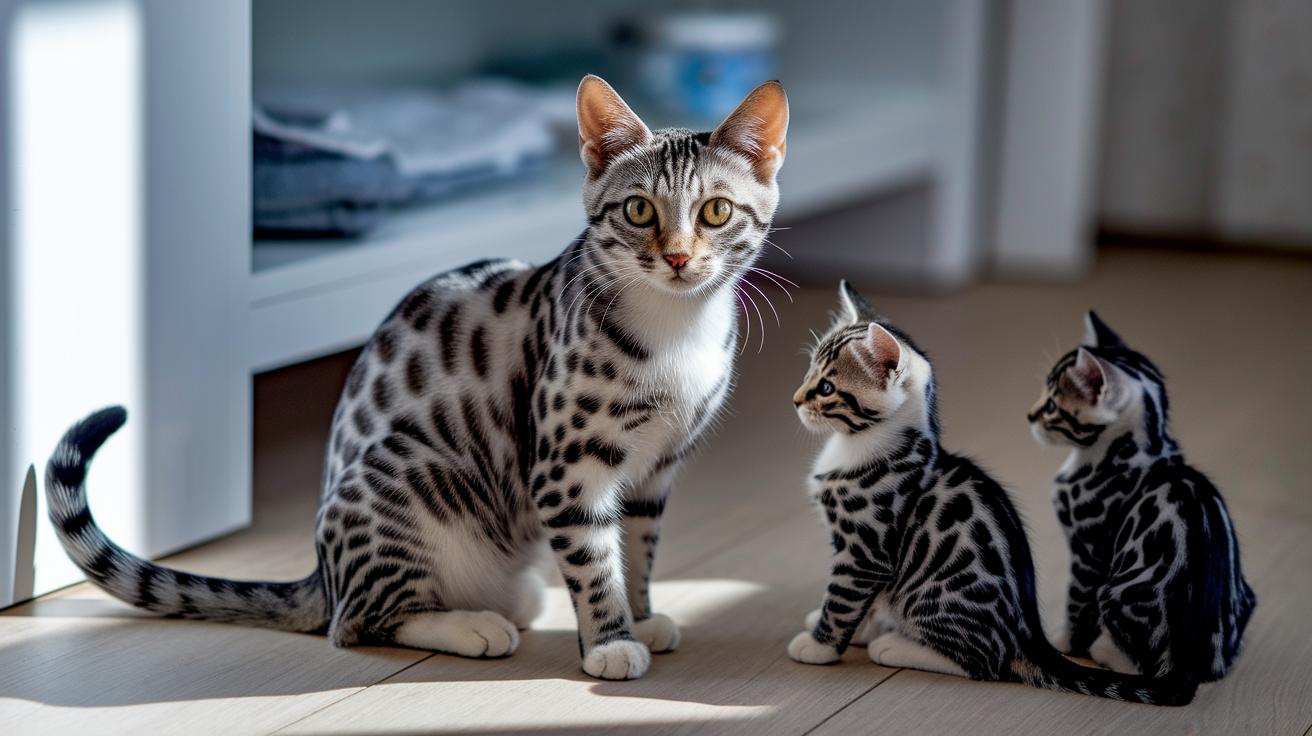
  • bengal cat lifespan: Enjoy Lively Healthy Years

    bengal cat lifespan: Enjoy Lively Healthy Years

    Ever wondered if your Bengal could outlast your favorite coffee mug?
    These sleek, tiger-striped pals usually stick around for 12 to 16 years (their lifespan – how long they live).
    That’s loads of fizzy zoomies (crazy running bursts) and soft chin rubs.

    But what really shapes your Bengal’s years of fun?
    We’re diving into the big factors – like diet, playtime, and vet visits – and dishing out simple, paw-sitive tips to keep your whiskered buddy purring!
    Ready to watch every leap and purr count?

    Next, we’ll break down how to feed for longevity (hint: high-quality protein helps) and tailor play sessions to fight boredom.
    Then we’ll cover vet check-ups and grooming. It’s more fun than it sounds, promise.

    Let’s get started.

    Average Lifespan and Life Expectancy of Bengal Cats
    - Average Lifespan and Life Expectancy of Bengal Cats.jpg

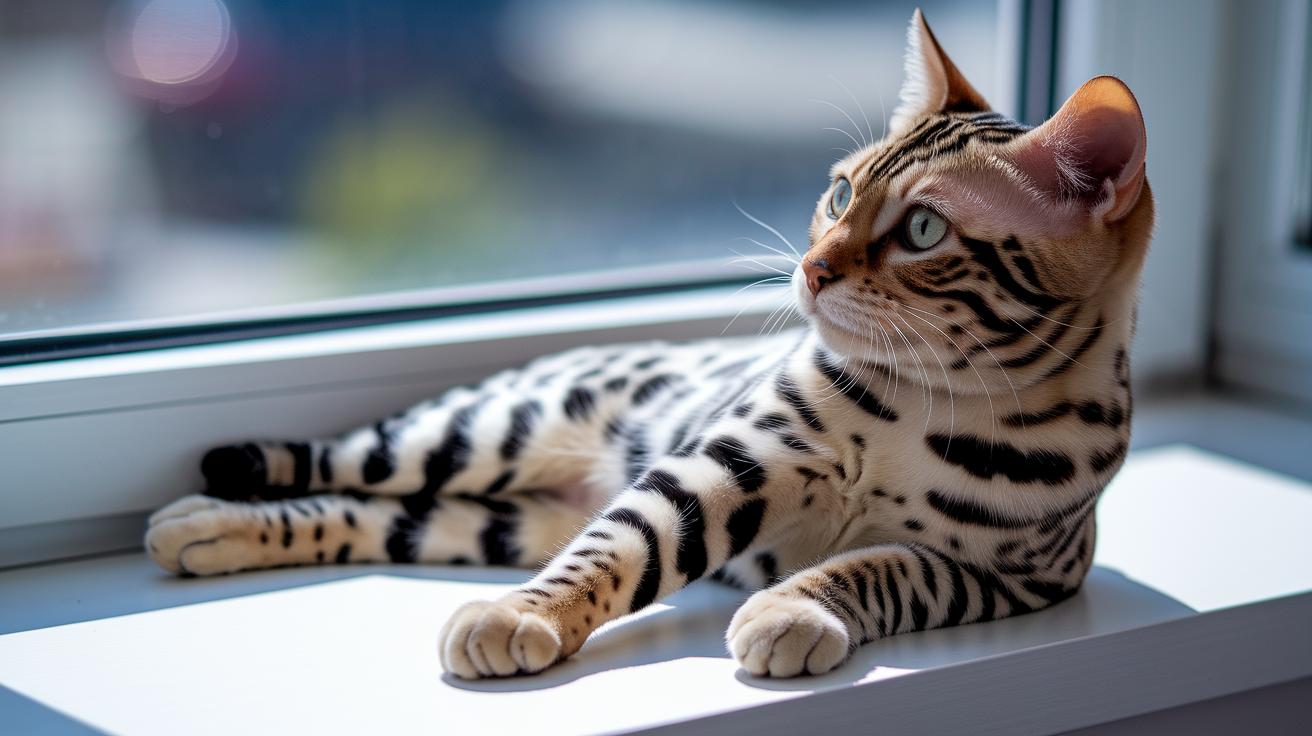
    Bengal cats usually clock in between 12 and 16 years of life. On average, they hit about 14 years old. That’s extra time for fizzy zoomies across your carpet and soft purrs under your chin. Your Bengal’s got more years of playful swipes ahead than many folks expect.

    Some Bengals really outdo themselves. I’ve heard tales (unverified) of one fellow celebrating a 34th birthday, whoa, right? Female Bengals tend to live about two years longer than the boys. And spaying or neutering (removing eggs or sperm-making parts) can cut the risk of certain reproductive cancers (tumors in organs like the uterus), so your kitty stays chirpy and tail-twitchy.

    Worth every purr-second.

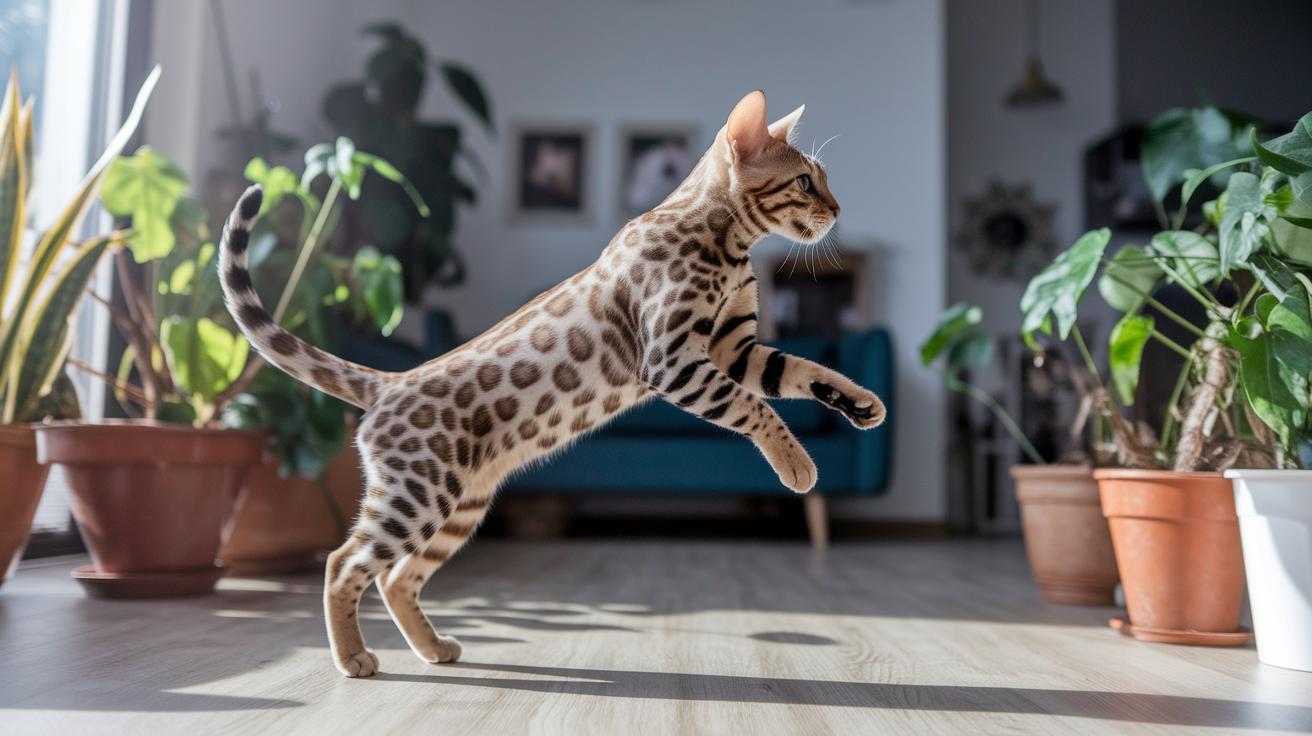
    Compared to a typical house cat, which lives around 10 to 15 years, Bengals often stretch past that whisker-twitching window (see average cat lifespan). Their hybrid genes (mix of domestic cat and wild Asian leopard cat) seem to lend extra pep. Ever watched your Bengal launch off the couch like a rocket? That bound of energy might just be thanks to those leopard-cat roots.

    Key Factors Influencing Bengal Cat Longevity
    - Key Factors Influencing Bengal Cat Longevity.jpg

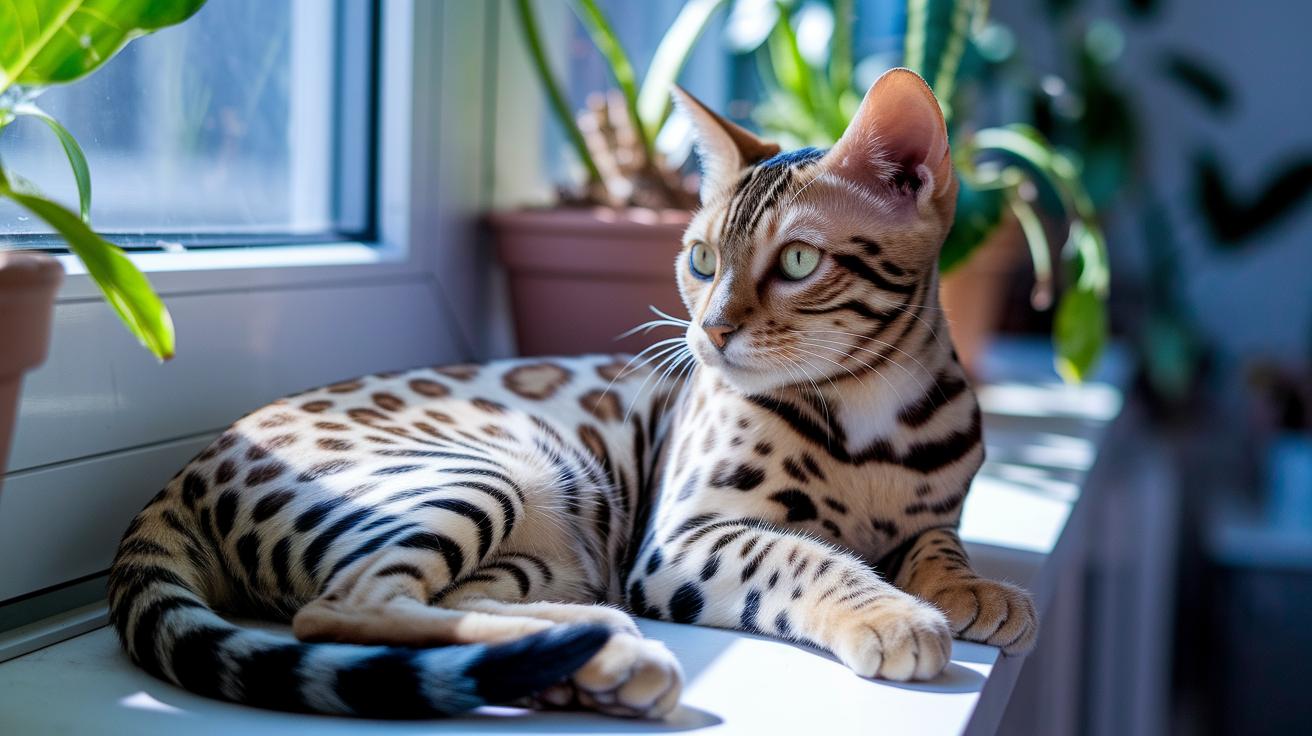
    Your Bengal’s genes set the stage. Thanks to their Asian leopard cat heritage (that’s the hybrid vigor magic), they’ve got extra pep in every leap. And fun fact: girl Bengals tend to live about two years longer than the boys, you know?

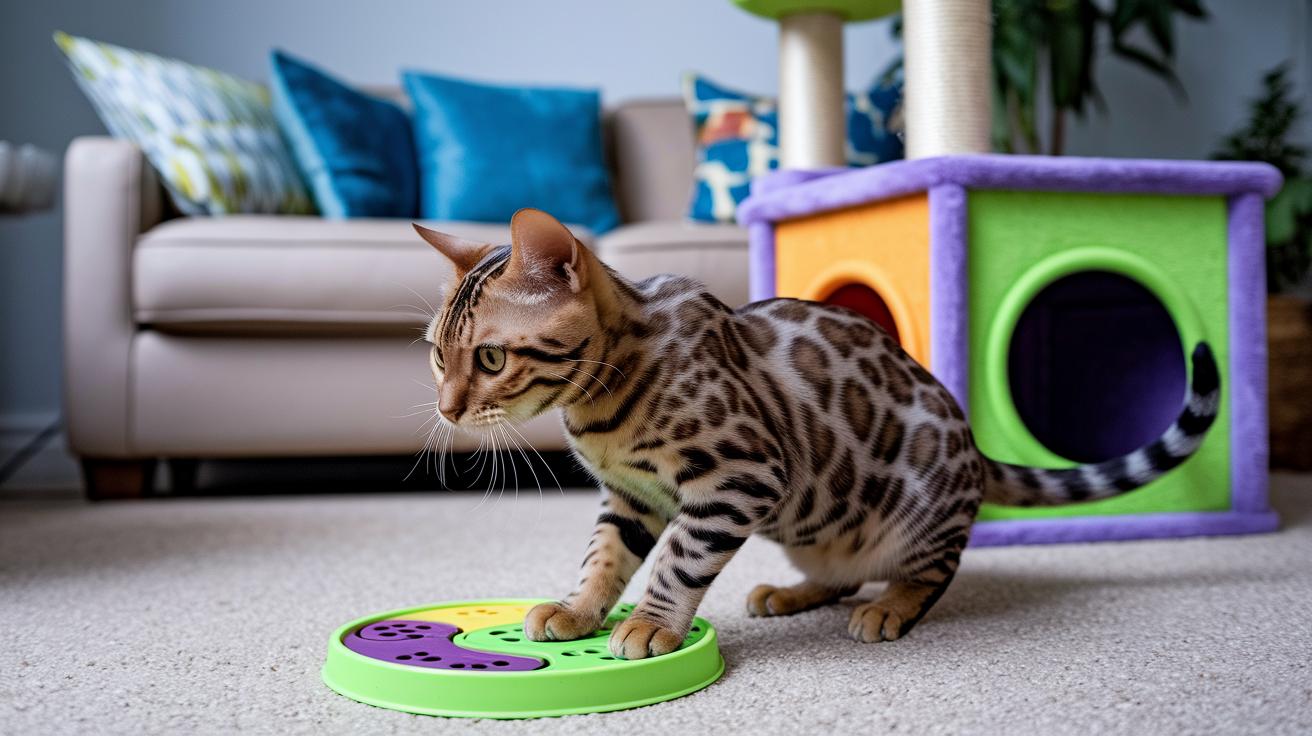
    Keeping your Bengal busy indoors is a total game-changer. A tall cat tree gives them a sky-high lookout, and a sisal rope scratching post (woven plant fiber) is perfect for stretching and sharpening claws. Rotate a feather wand toy twice a day – watch those eyes light up when it flicks across the carpet! Oh, and pop empty boxes or paper bags on low shelves for surprise pounce spots.

    For a mental workout, try a treat-dispensing puzzle toy (think rolling ball that drops kibble). It’s snack time and playtime rolled into one – double win. Ever watched your kitty try to fish a treat out of a puzzle ball? Hilarious.

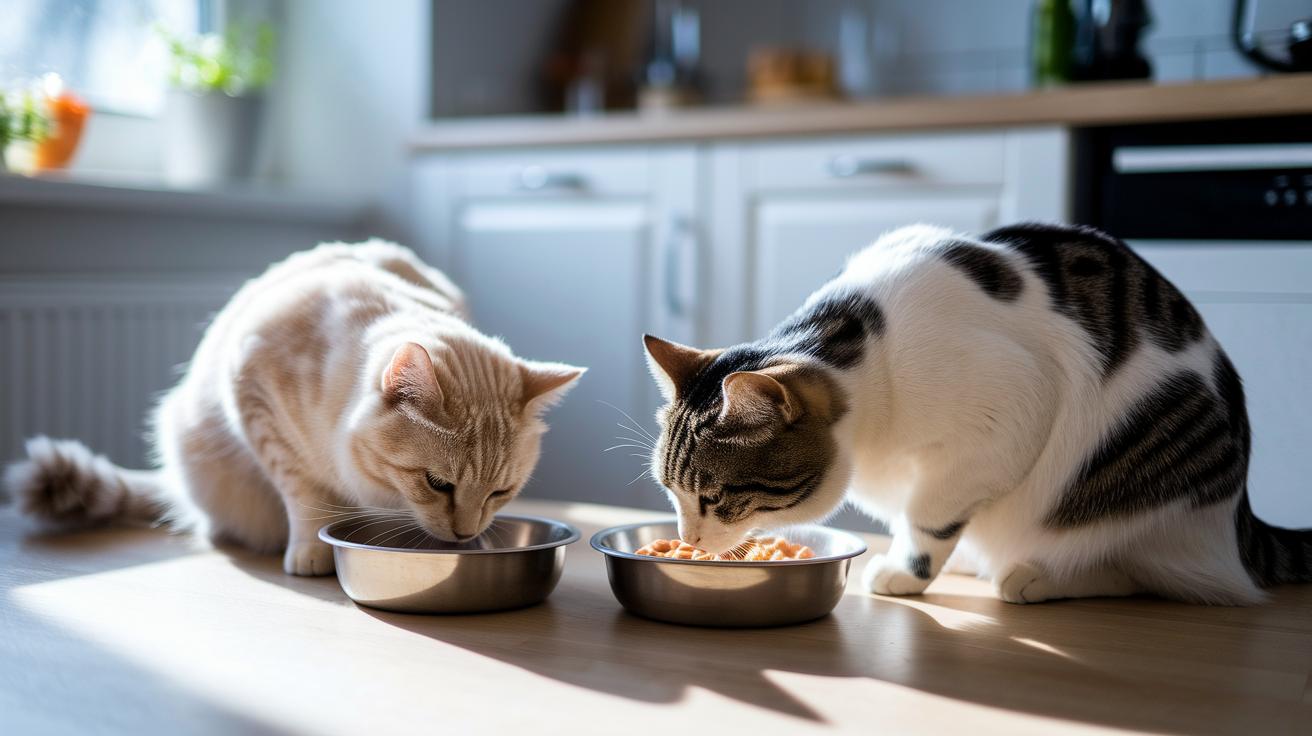
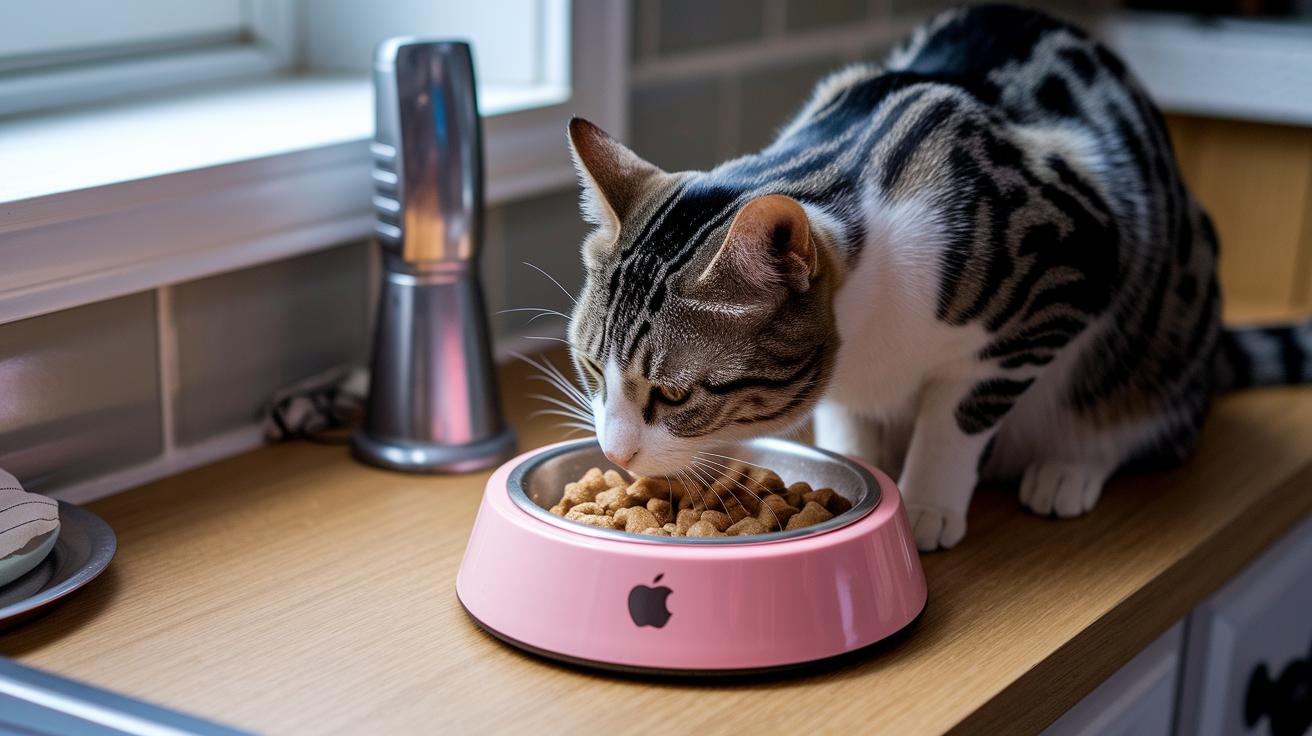
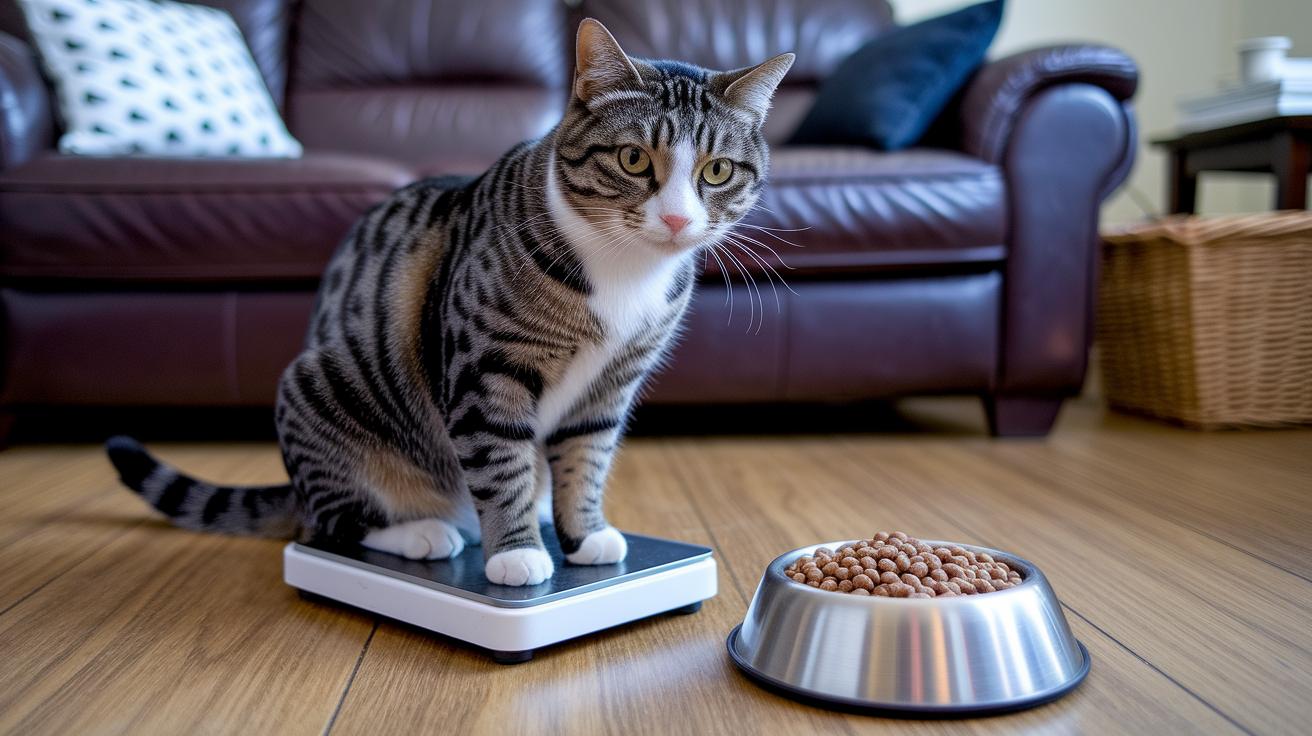
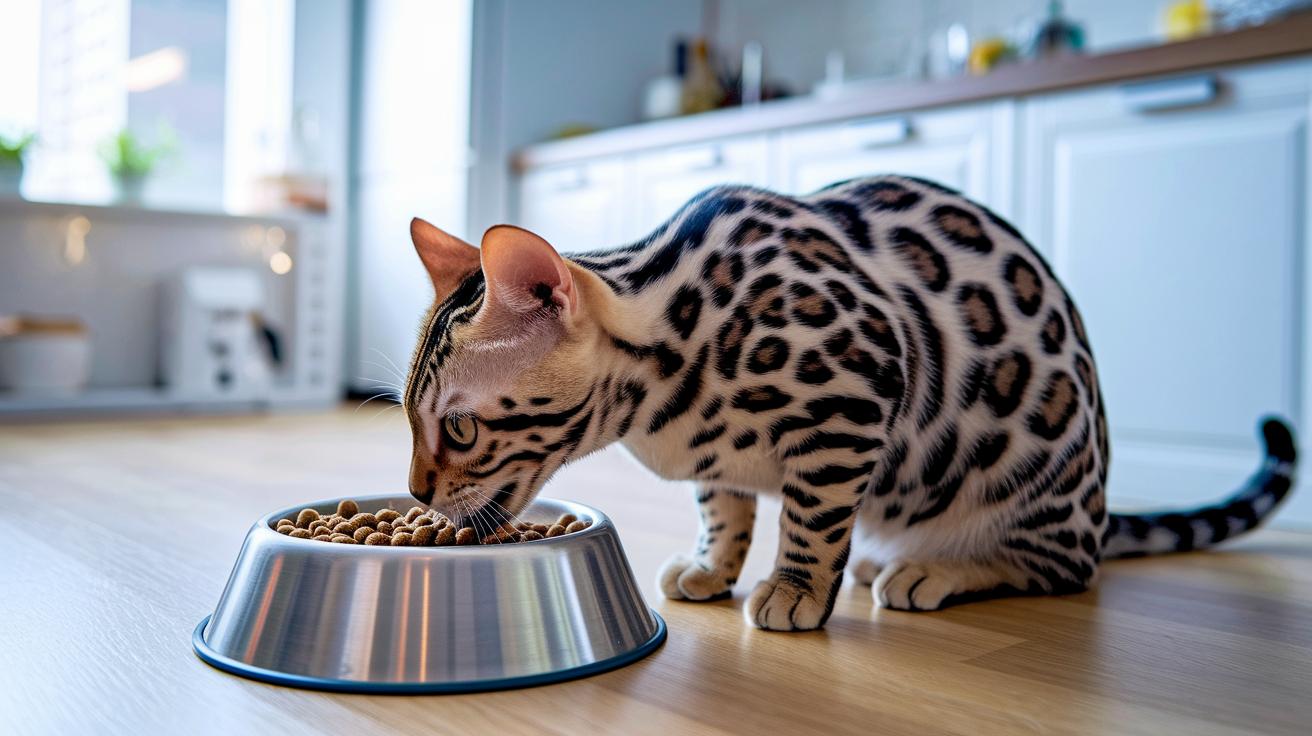
    Feeding them right means longer leaps. Aim for about 4 ounces of high-protein wet food per meal for a 10-pound cat, plus a measured kibble serving twice daily – no free feeding, please. Use a kitchen scale or measuring cup to dodge extra pounds (and diabetes risk, ugh). Swap in a pet fountain (flowing stream vibe) so they sip fresh water all day.

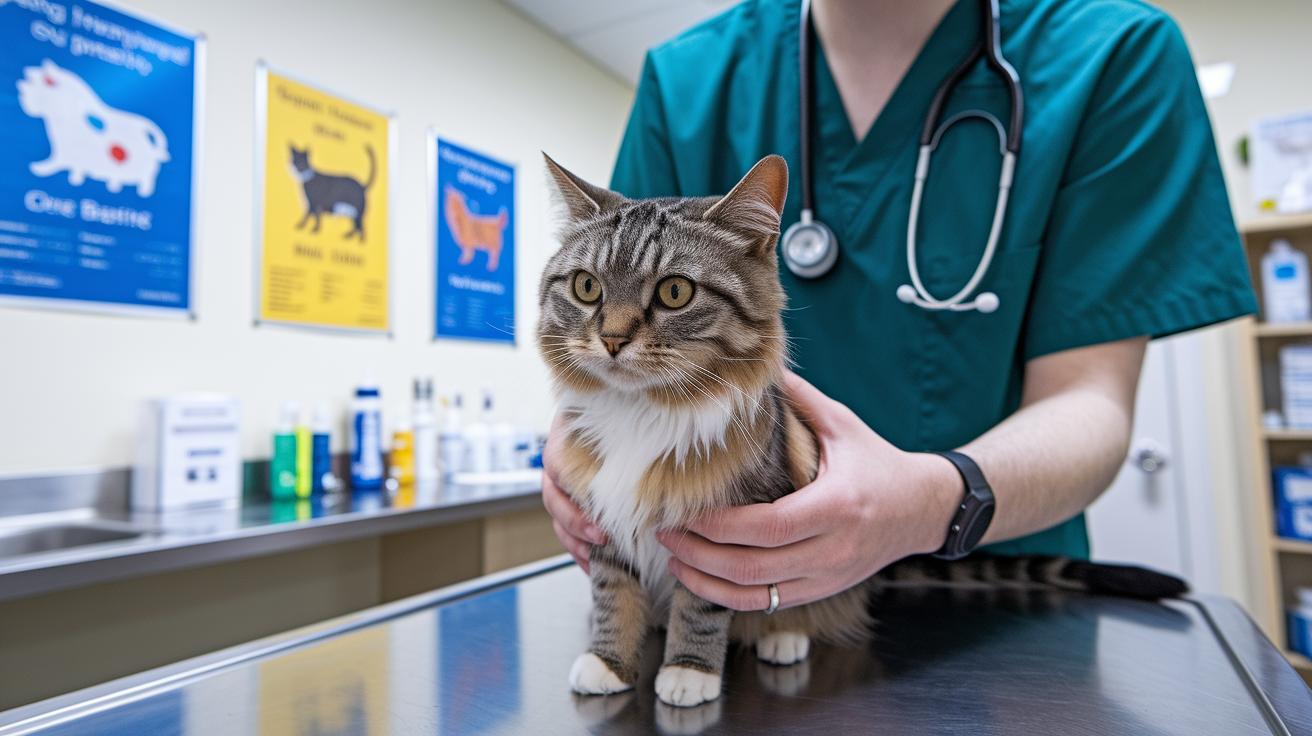
    Don’t skip the vet – book checkups and dental cleanings every six months. Catching small issues early can add healthy years, I guess. Worth every paw-print.

    Nutrition and Diet
    - Nutrition and Diet Strategies for Lifespan Extension.jpg

    Feeding your Bengal the right stuff helps them bounce around with kitten-like energy, even into their golden years. A balanced meal plan builds lean muscles, keeps their heart happy, and makes those eyes shine. Think of it like fuel for every zoom and pounce. So let’s chat about the key ingredients to keep your cat feeling feline fine!

    • High-protein meals tailored to your cat’s age (kitten, adult, or senior)
    • Taurine (an amino acid) to keep the heart strong and eyes bright
    • Wet food packed with moisture and a fresh water fountain nearby
    • Measured portions for meals and treats (don’t forget those extra bites)
    • Balanced vitamins and minerals for overall health

    Weigh your Bengal once a month. If the scale starts creeping up, tweak their portions so they stay trim. At one year, switch from kitten chow to adult recipes, then around age ten move to a gentle senior blend. And don’t forget that treats add extra calories, so include them in your plan.

    Essential Veterinary Care and Health Screenings
    - Essential Veterinary Care and Health Screenings.jpg

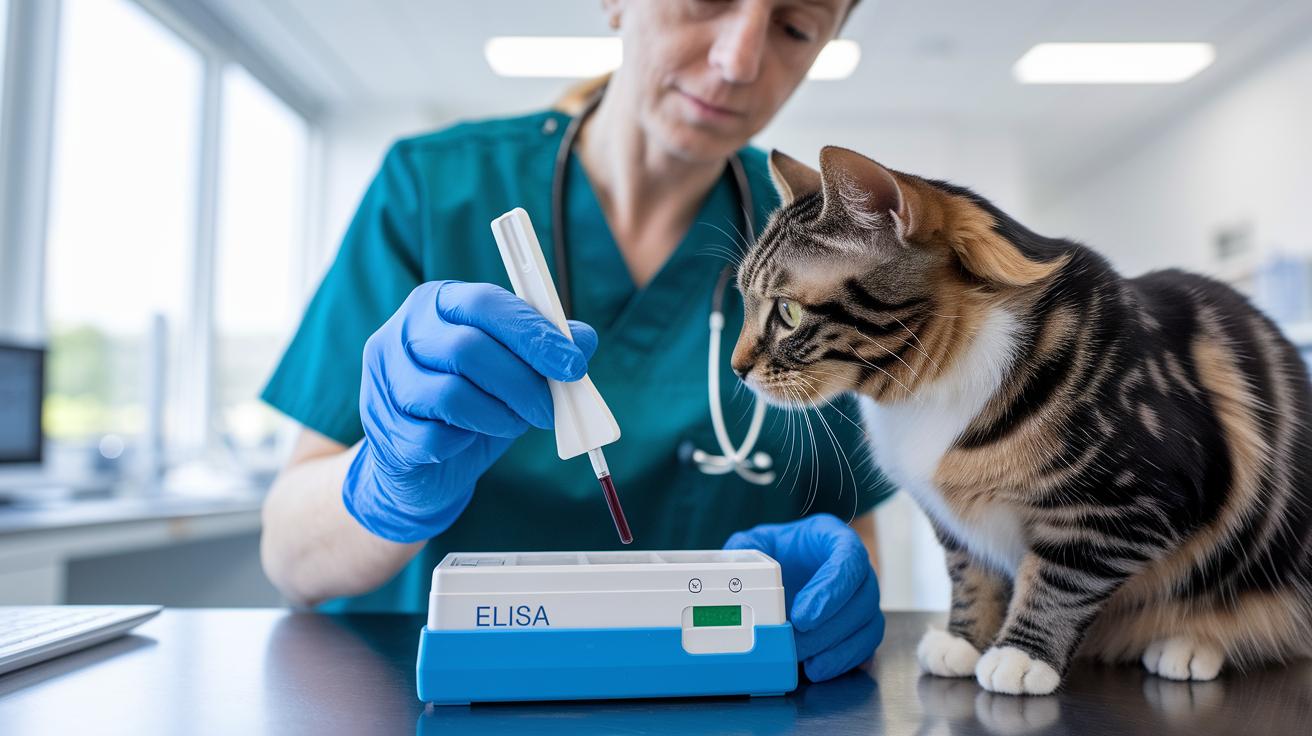
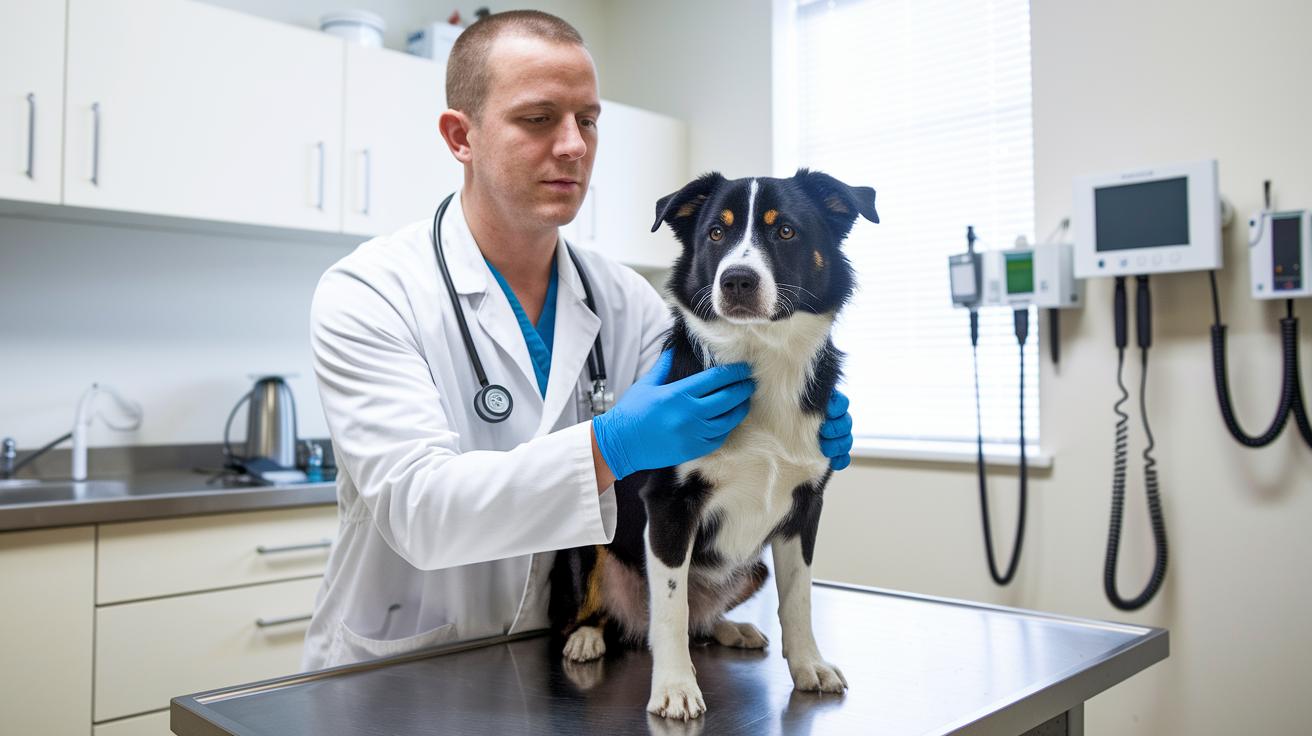
    Keeping up with regular vet visits means more purrs and fewer sick days for your Bengal. A yearly wellness check (weigh-in, coat check, and listening to heart and lungs) spots tiny issues before they grow into big problems.

    Every six months, schedule a dental cleaning (bye-bye tartar and plaque (that sticky stuff on teeth)). Your kitty will stretch and yawn, showing off those pearly whites, and you’ll love that fresh-cat-breath moment.

    Once a year, get a parasite screen (examining fur, skin, and stool for fleas, ticks, or worms). Think of it as a deep-clean for their insides, no more bellyaches or itchy skritches.

    Vaccines (shots that protect against rabies, distemper, and more) build up your Bengal’s defenses. Chat with your vet about any extra non-core shots that might be paw-fect for your cat.

    And don’t forget the urine check (looking for crystals or early infection signs). It catches blockages before they become painful, and saves you an emergency dash to the clinic.

    Check-up / Test How Often
    Annual wellness exam (head-to-tail review) Once a year
    Biannual dental cleaning (tartar and plaque removal) Every six months
    Yearly parasite screening (fur, skin, stool check) Once a year
    Core vaccines (rabies, distemper, etc.) Every year
    Heart (HCM) screening (heart muscle thickening) Every 1–2 years
    Kidney function tests (blood panels for BUN (blood urea nitrogen) & creatinine) Once a year

    Catching hypertrophic cardiomyopathy (thickening of the heart muscle) early gives treatment a head start. Blood panels to check kidneys (BUN and creatinine levels) can spot trouble before your cat feels lousy. No more emergency runs to the vet means more zoomies across the living room. And hey, fewer vet bills leave extra cash for claw-tastic toys.

    Indoor Environment and Enrichment for Bengal Cat Longevity
    - Indoor Environment and Enrichment for Bengal Cat Longevity.jpg

    Keeping your Bengal safe indoors is like building a cozy fortress for them. It protects them from cars, stray-animal scuffles, and pesky parasite bites. Their fur stays dry, and their paws steer clear of lawn chemicals. Plus, you won’t lose sleep over rooftop tumbles.

    But when you’re ready to share a bit of fresh air, plan it like a mini adventure. Ever watched your kitty’s whiskers twitch at a new smell? That’s the fun part, when everything’s done right.

    • Start inside with a soft harness (a little vest that fits snug behind the front legs). Let your cat wear it for 5 to 10 minutes. Reward them with a treat and a gentle ear scratch.
    • Clip on a lightweight leash (think of it like a short tether) and stroll down hallways or carpeted rooms so they learn that soft pulls aren’t scary.
    • Move to a fenced yard when it’s cool and dry. Stay close. Keep those first outings under ten minutes.
    • Before every walk, scan for toxic plants (like lilies or ivy), loose dogs, or turf treated with pesticide (bug killer spray).
    • Watch your cat’s signals, flattened ears or a low tail mean stress. If they freeze or dash, scoop them up and head back inside. Try again later.
    • Once your Bengal seems relaxed, add two more minutes each day. Soon you’ll see those ears perk up and whiskers twitch as they sniff new scents.

    Bengal Cat Life Stages and Care Milestones
    - Bengal Cat Life Stages and Care Milestones.jpg

    Kitten (0–6 months)

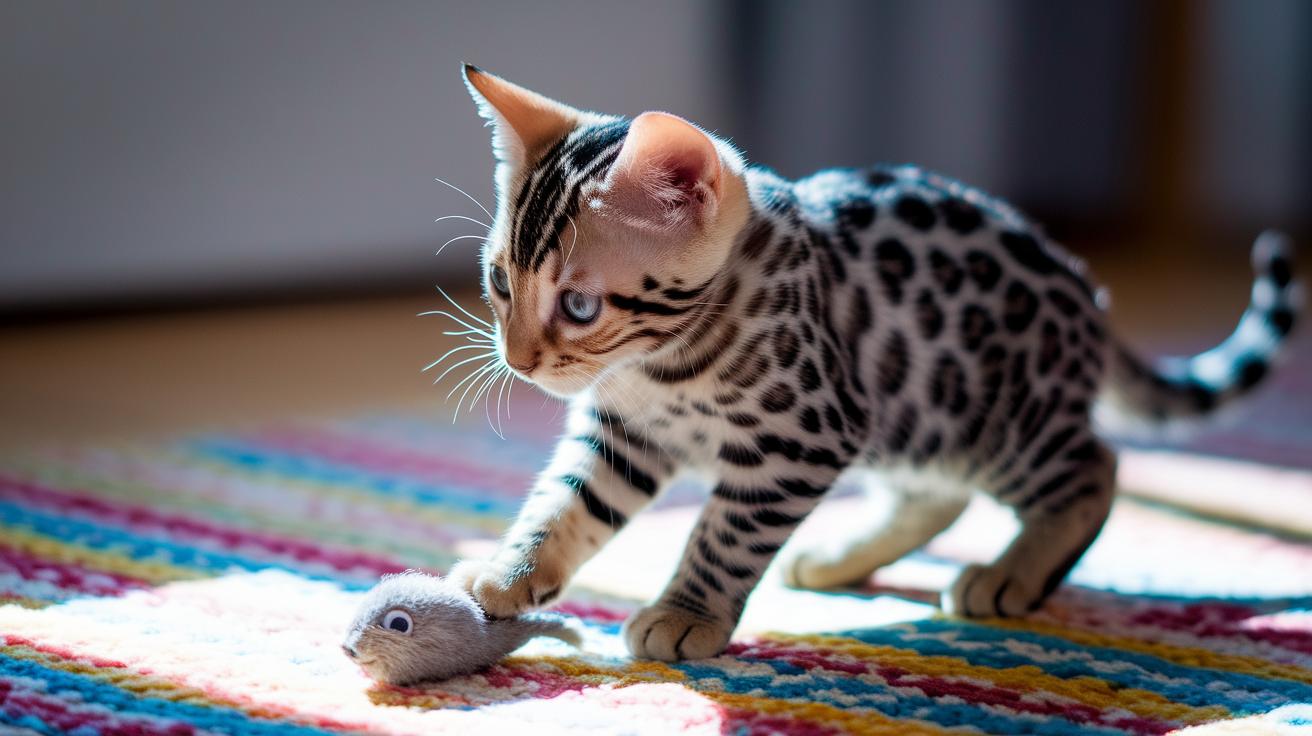
    Your little Bengal is a fuzzy dynamo that seems to double in size every few weeks! By seven months, those baby teeth swap out for adult chompers. Feed them kitten formula rich in protein and calcium so their bones grow strong. And plan early vet visits for shots, deworming, and a microchip (tiny ID chip under the skin) for total peace of mind.

    Junior (6 months–2 years)

    Now your tiger-in-training hits puberty and zooms around the house like a furry rocket! Ever watched your kitty sprint down the hallway or scale the curtains in seconds? Keep play sessions daily with a wand toy or small balls. This stage sets lifelong habits, so stick with a mix of wet and dry food for muscle-building fuel.

    Prime (3–6 years)

    This is Bengal glory days! Your cat has lean muscles, a sleek, shiny coat, and a purr engine running full throttle. Keep feeding and play times on a steady schedule.

    Add a climbing tree or wall shelf (plank mounted on brackets) to give those paws something fun to tackle. Don’t skip that annual vet check to catch any sneaky issues early.

    Mature Adult (7–10 years)

    Uh, you might notice zoomies get shorter and naps stretch out longer. If you spot any stiffness after play, a glucosamine supplement (joint-support supplement) can help those old joints! Keep an eye on weight with a kitchen or pet scale to avoid extra pounds. Gentle puzzle feeders give their mind a workout without pushing them too hard.

    Senior (10–14 years)

    By ten years old, your feline hero is a seasoned pro at naps! Shift to a senior diet blend that’s easier to digest and gentler on those kidneys. Book heart and kidney screenings every year to spot arthritis or early renal signs. Soft beds and low ramps make jumps less of a chore, and brushing weekly helps you find any lumps or skin changes early.

    Geriatric (15+ years)

    Comfort is key! Mobility may falter, so add ramps beside favorite perches and a non-slip mat under food dishes. Short, gentle play, like rolling a soft ball, keeps joints moving and spirits bright. Low-sided litter boxes and cozy blankets offer extra ease, and lots of cuddles make this final chapter as calm and cared-for as possible.

    Genetic Health Considerations and Breed-Specific Risks
    - Genetic Health Considerations and Breed-Specific Risks.jpg

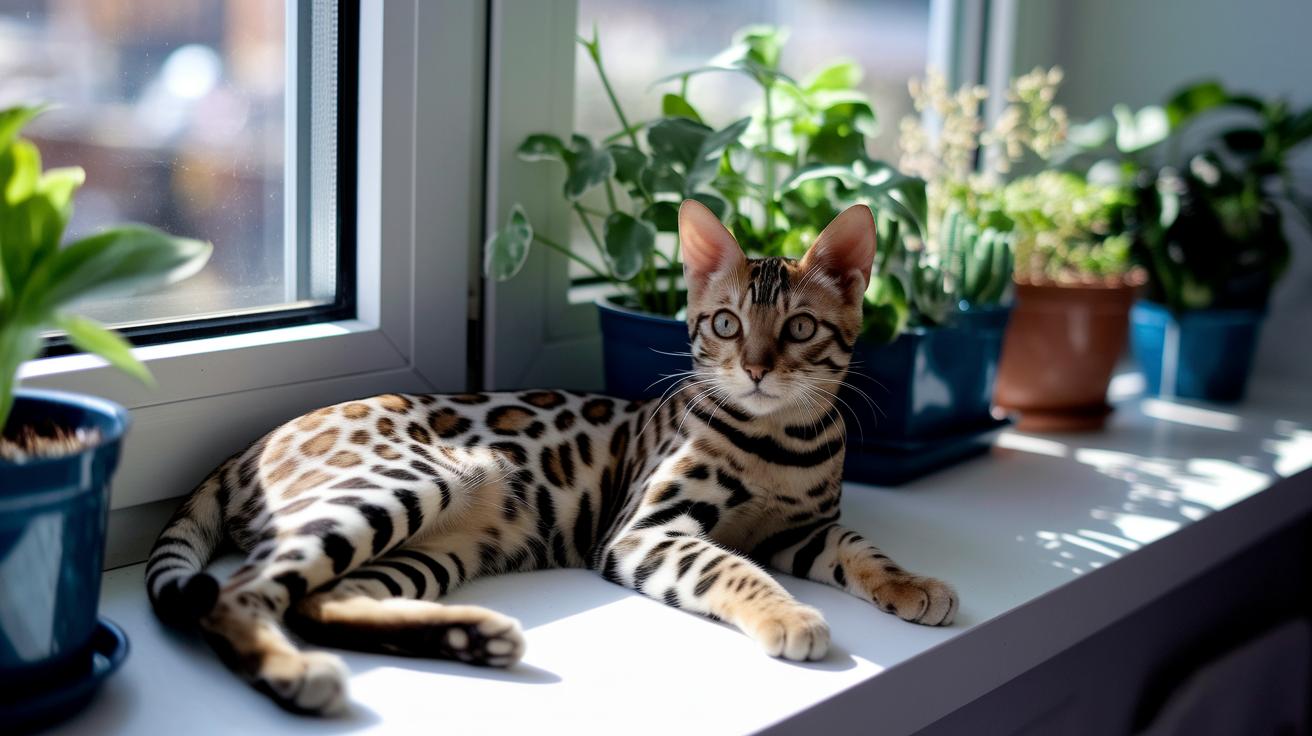
    Your Bengal’s wild roots go way back to domestic cats and Asian leopard cats (wild forest cat). That mix gives them hybrid vigor (an extra health boost). You’ll see it in their non-stop zoomies and their silky, thick coat. Ever watched your little panther dash by?

    But watch those kitty hearts. Hypertrophic cardiomyopathy (heart muscle gets too thick) can sneak up on you. And some Bengals carry pyruvate kinase deficiency (red blood cells break down too fast), which can leave them moving in slow-mo. Not fun!

    Their knees can be finicky too. With luxating patella (kneecap that slips out of place), your cat might hop or limp. But a simple vet exam and some gentle exercises can help. Then your Bengal can bounce back to those epic leaps.

    Some Bengals carry the snow gene (a mutation that makes fur and eyes lighter). Over time, these kitties might show fading pigments or vision quirks. It’s usually mild, but good to keep an eye on. Talk to your vet if you spot something odd.

    Genetic testing options (DNA panels looking for key mutations) give you a heads-up on these risks. Reputable breeders share test results so you know what to expect. Working with one who screens every cat means fewer surprises and more tail-twitching fun ahead.

    Worth every paw-print.

    Final Words

    in the action you’ve seen Bengals shine with a 12-16 year life span, averaging around 14.

    we dug into how genes and spay/neuter choices shape long days, then broke down high-protein feeds, vet visits, and fun home play.

    we glanced at kitten to geriatric milestones and tips to dodge breed health quirks.

    All these tools help boost your bengal cat lifespan and fill your home with vibrant purrs for years to come.

    FAQ

    What is the lifespan of Bengal cats?

    The lifespan of Bengal cats ranges from 12 to 16 years on average, with females often living about two years longer than males. Indoor Bengals and color variants like blue Bengals share similar lifespans.

    Why are Bengal cats illegal in some areas?

    Bengal cats can be illegal because they descend from wild Asian leopard cats, leading some states or cities to restrict hybrids to protect local wildlife and public safety.

    How much do Bengal cats cost and why are they expensive?

    Bengal cats typically cost $1,000 to $4,000 depending on breeder reputation, coat quality, and show markings. High demand for their wild patterns and careful breeding programs drives their price up.

    What size do Bengal cats typically reach?

    Bengal cats usually weigh between 8 and 15 pounds and measure about 16 to 19 inches long from nose to tail base. Males tend to be slightly larger than females.

    What health problems do Bengal cats have?

    Bengal cats can have hypertrophic cardiomyopathy (thick heart walls), pyruvate kinase deficiency (anemia risk), and luxating patella (kneecap issues). Regular exams and genetic testing catch these conditions early.

    Are Bengal cats good house pets?

    Bengal cats make good house pets because they’re active, social, and bond deeply with owners. They thrive with daily play, puzzle toys, and plenty of vertical space to climb.

    What is the oldest recorded age for a Bengal cat?

    The oldest recorded Bengal cat lived up to 20 years, though unverified stories mention 34 years. Most Bengals live around 14 years with proper care, diet, and vet checkups.
    Related Articles

  • what do cats sleeping positions mean Cozy Clues

    what do cats sleeping positions mean Cozy Clues

    Ever noticed your cat crashed into a weird sleeping pose and thought, "What's going on?"
    Their snoozing styles are like secret mood rings for your whisker-faced pal.
    One moment they’re loafing on a couch cushion (picture a squishy meatloaf ready to spring).
    Next, they’re sprawled out like a mini sunbather, belly up and all!

    Watching these cozy twists can tell you if your furball feels snug, curious, or is just plotting a surprise zoom.
    Ever watched your kitty chase shadows?
    Um, me too!
    In this post, we’ll uncover eight cat-nap poses so you can read those purr-fect signals like a pro.

    Common Cat Sleeping Postures Decoded: Loaf, Curled, Belly-Up, and More

    - Common Cat Sleeping Postures Decoded Loaf, Curled, Belly-Up, and More.jpg

    Ever peek at your cat mid-nap and wonder what they’re thinking? Cat snooze styles are like little mood rings for our feline pals. Spotting these positions helps you tell if they’re cozy, cautious, or maybe saying “do not disturb,” you know?

    • Curled-Up (Soldier Curl)
      Your kitty tucks nose under tail, forming a perfect circle, like a built-in wool blanket. This heat-trapping pose shields their belly (those precious organs) and hints they feel snug and secure. Cute and protective all at once!

    • Loaf
      Paws neatly tucked under chest, kitty looks like a fluffy meat loaf. This light-sleep pose means they’re comfy but ready to spring into action if you jingle a toy. Ever watched those ears go from relaxed to perked in a split second?

    • Belly-Up
      Legs splay skyward and tummy shows, total trust mode. This starfish stance is peak relaxation, usually in a sunbeam or your favorite quiet corner. Whoa. Talk about “I feel safe here.”

    • Side-Lying
      Kitty flops on their side, limbs stretched out like they own the couch. You’ll hear a soft purr and see half-closed eyes, relaxed vibes, yet whisker twitches reveal they’re still on alert for surprise fun. It’s the best of both worlds.

    • Superman (Sprawl-Out)
      Legs reach opposite directions, belly pressed to a cool floor or warm patch of sunlight. Think superhero in deep dreamland, super trust and super rest. It’s cute, it’s hilarious, it’s pure kitty bliss.

    • Paws-Over-Face
      Front paws drape over eyes like tiny blackout curtains. Perfect for blocking light or even a noisy hallway, this blackout signals “I’m out cold, do not disturb.” Spend the morning playing chase? This one’s their post-marathon look.

    • Under Covers
      Your cat burrows under blankets, leaving just a tail tip or ear exposed. It mimics a secret den, all cozy scents and warm walls. Ideal for shy cats or anyone craving extra calm, plus it’s just adorable.

    • On Owner
      Whether it’s your lap, chest, or even shoulder, your pulse and steady breath lull them into full cuddle bliss. This nap spot doubles as top-notch purr therapy, for you both. Worth every paw-print.

    Cat Sleeping Positions as Behavior and Health Indicators

    - Cat Sleeping Positions as Behavior and Health Indicators.jpg

    • Curled-up: Your kitty tucks into a snug ball, whiskers brushing paws. But if that curl stays rock-solid even after waking, it could mean joint pain from osteoarthritis (wear-and-tear pain in joints) or maybe a queasy tummy.
    • Head-tucked: Ever see your cat bury its face like a sleepy koala? When they stay rigid in that pose, it might signal a fever or a sensitive belly.
    • Paws-over-eyes: It looks adorable, tiny mittens shielding sleepy eyes. Yet if those paws press hard and don’t move, your cat could have a headache or irritated eyes.
    • Spiderman stretch: A loose, belly-up flop is just cute. But a stiff sprawl or hesitation when your cat rises can point to muscle stiffness or soreness.
    • Mitten-style: Cats often tuck their paws under their chest like soft little mittens. If those mittens never shift, your furball may be guarding a sore spot.

    When to Call the Vet

    • Missing dreamy cues: No half-open lids, no relaxed whiskers, no soft tail twitches during REM (dreaming sleep)? That deep-sleep magic isn’t happening, and you might want a pro to check them out.
    • Snoring with effort: A gentle snore is cute. But loud gasps, wheezing, or labored breaths need a vet visit.
    • Fever hints: Warm ears, shivers while head-tucked, and low energy spell “check me.”
    • Joint flare-ups: If that curled-up pose stays stiff or your cat hesitates when stretching back up, arthritis could be acting up.
    • Ongoing tummy or eye trouble: A frozen head-tuck or paws pressed tight over eyes that last hours? Time for a check-up.

    Environmental and Seasonal Influences on Cat Sleeping Positions

    - Environmental and Seasonal Influences on Cat Sleeping Positions.jpg

    Ever notice your kitty curl into a tight boomerang? In chilly rooms, they tuck in paws and tail to trap body heat, like a living fur burrito. You can almost hear the cozy purrs.

    But set out a warm spot and watch a full-body sprawl unfold. Think belly-down superman poses on a sunny patch of carpet or windowsill. (My cat once sprawled so big she looked part sofa.) Um, it’s seriously adorable.

    And height vs. hideaways is fascinating. Some furballs slip into low, dark boxes for that secret-den vibe. Others launch onto the fridge or a tall shelf for a bird’s-eye watch, ever seen a furry sentry squad?

    Surface textures matter too. When they knead a memory foam bed (polymer blend foam that hugs like a cloud), long side-lying stretches happen. Swap in smooth wooden floors or a corrugated cardboard box and poof, loaf poses and quick catnaps take over.

    Seasons add the final twist. Winter means dream-filled marathons in draft-free corners. Rainy days usher in blanket burrows. Summer brings light, breezy naps in cool-crossdraft spots. Each snooze spot is a cozy clue to your cat’s temperature and mood.

    - Age-Related Variations in Cat Sleeping Positions.jpg

    Kittens nap in quick bursts. Ever notice how they snooze every few hours, like tiny furry alarm clocks? They love curling up in snug hideouts – a scrunched-up towel or a cardboard box nook – so they can drift off safe and sound before the next zoom-and-pounce fest. These short, frequent catnaps (polyphasic sleep (sleep in several short bursts)) help their muscles grow and tuck away all those wild chase memories. Just adorable!

    Adult cats settle into their signature snooze styles. You might spot one loafing by the window for a quick light doze. Then later they sprawl out fully in a warm sunbeam for a deep dream. They balance alert micro-naps with longer rests, choosing spots where the vibe feels just right – maybe a soft chair cushion or that toasty patch on the rug. Ever watched your kitty twitch whiskers in a dream?

    Senior kitties log more shut-eye these days. Arthritis (joint stiffness) can make jumping tricky so low-entry, cushioned beds win every time. Some even meow or purr in their sleep, like a bedtime chat tucked inside a dream. They love warmth and easy access – no high shelves required – and can curl up without stiffness so they stay cozy all night. Worth every paw-print.

    Creating Safe, Restful Spaces for Cat Sleeping Positions

    - Creating Safe, Restful Spaces for Cat Sleeping Positions.jpg

    1. Set up a den-style cat bed
      Imagine your kitty slipping into a snug, cave-like hideaway. A hard-sided pet cave or a covered cushion gives them warmth, privacy, and that cozy “I’m safe” feeling. It’s like their own little fortress for the ultimate catnap.

    2. Rotate cozy comfort spots
      Try out cardboard boxes (sturdy walls for hiding), fluffy mats, an elevated perch, or a sunny window seat for bird-watching. Memory foam pads (squishy foam that molds to curves) feel like a gentle hug on sleepy afternoons. And don’t forget a kitty hammock for a fun, bouncy snooze.

    3. Build a predictable nap routine
      Cats thrive on knowing what’s next. Choose two or three daily rest times, after breakfast or play, and gently guide them to their favorite spot. You’ll see them learn the rhythm, purring as they settle in. Consistency breeds confidence.

    4. Find quiet, low-stress corners
      Scout out calm corners away from busy doors or noisy machines. Tuck a bed under the sofa or near a closed door so sudden sounds can’t startle them. This little hideaway helps your cat drift off without distractions.

    5. Match naps to natural catnap bursts
      Ever notice your cat dozing mid-morning, then snoozing longer after lunch? Work with those natural rhythms. A quick mid-morning snooze, a deeper early-afternoon sleep, and a final doze post-evening play will keep them happiest.

    6. Keep comfort close during changes
      Moving rooms or adding a new pet can stress your cat. If things change, place their bed beside something familiar, your worn T-shirt or their favorite toy, so they follow that comforting scent back to rest.

    7. Offer gentle temperature zones
      A slightly warm spot invites your cat to stretch out, while a cooler corner encourages a tight curl. Avoid drafty floors and steer clear of direct sun or icy AC blasts. A mild, steady temperature helps them snooze soundly.

    8. Layer in familiar scents and soft textures
      Drape a soft blanket scented with your laundry or their own fur. Fabrics that catch tiny whisker twitches and gentle kneading motions create an ultra-cozy nest.

    But wait – your kitty’s perfect nap spot might be right around the corner.
    Worth every paw-print.

    Final Words

    In the action, you learned how to spot curled-up, loaf, belly-up, side-lying, superman, paws-over-face, under covers, and on-owner snoozes.

    We explored health cues, seasonal shifts, kitten to senior sleep changes, and tips for cozy cat beds.

    Each section helps decode why cats choose these poses. Next, set up simple spots, boxes, mats, perches, and keep routines steady for calm naps.

    Now you’re ready to answer what do cat sleeping positions mean and enjoy contented purrs ahead.

    FAQ

    Where does my cat sleep on my bed and what does it mean?

    When your cat naps at your head, feet or right next to you, it shows trust. Head means protectiveness, feet mean security and side-by-side means a strong buddy bond.

    What do different cat sleeping positions mean?

    Different cat sleeping positions mean mood and comfort levels. Curled-up saves warmth. Loaf (paws tucked) shows alert rest. Belly-up reveals complete trust. Side-lying means cozy comfort and mid-alertness.

    What sleeping positions indicate a sick or abnormal cat posture?

    Signs of a sick cat include hunched posture, head tucked low or ears pressed back. These odd, tense positions often mean pain or illness and should prompt a vet check.

    What is the spiritual meaning when a cat sleeps on my legs?

    The spiritual meaning of a cat sleeping on your legs is deep trust, comfort and balanced energy. That warm contact often feels like healing vibes flowing between you.

    Related Articles

  • do cats bleed after giving birth Reassuring Facts

    do cats bleed after giving birth Reassuring Facts

    Ever peek under your cat’s cozy nest and spot little red drops? I thought “oh meow, what’s that?” But that light streak is just mama cat’s natural cleanup after her kittens arrive!

    Most new cat moms pass lochia (post-birth fluid made of blood and mucus). It looks slimy, kind of like a slow paintbrush swipe on a soft blanket, um a messy little art project. You’ll see it for up to two weeks while her womb gently shrinks back.

    In this post we’ll walk you through what’s normal, calm those racing thoughts, and show you when it’s time to check in with your vet. Ready to feel feline fine? Let’s go!

    Cat Bleeding After Giving Birth: Normal Lochia Timeline

    - Cat Bleeding After Giving Birth Normal Lochia Timeline.jpg

    Have you ever spotted a tiny red dot on the blanket after your kitty gives birth? When a queen cleans up after delivery, she passes lochia (a mix of blood, mucus (that slimy stuff), and bits of uterine lining (the womb’s inside layer)). Oops, let me rephrase that: it’s a gentle trickle, not a heavy flow.

    Bleeding usually starts within 24 hours of the last kitten’s grand entrance. Most queens spot for about 10–14 days, though a few may linger at light dots for up to three weeks. I saw Luna’s dark smudge on day two, totally normal. No big clumps should show up, just that steady clean-up.

    Your cat’s bedding might collect little drops at first. Bright red shifts to dark green or black during week one. By week two, it turns brownish. Then around week three you’ll notice a pale yellow or clear discharge that’s barely there. It’s kind of like watching paint fade on an old fence.

    Some queens breeze through all this in just a week, with slim spotting by day five. Others hold on to those light speckles for the full three weeks. It all depends on how fast her uterus shrinks back to normal. Keep fresh bedding handy and give your mama cat plenty of space, you know? Tracking those color changes is a simple way to relax your mind.

    Worth every paw-print.

    Color Timeline Volume
    Bright red Days 1-3 Moderate spotting
    Dark green/black Week 1 Light to moderate
    Brownish Week 2 Light
    Yellowish/clear Week 3 Very light

    Warning Signs & When to Call the Vet

    - Warning Signs  When to Call the Vet.jpg

    It’s normal for your queen (mom cat) to have some light spotting after birth. That’s lochia (the usual afterbirth fluid). But you know your kitty best, and if something feels off, pay attention! Ever felt that little pause in her purr? Before trouble claws its way in.

    Here are the red flags to watch for:

    • Bright red flow that keeps going past day three, hinting at something more than routine spotting.
    • Large blood clots or a sudden gush of blood, classic signs of postpartum hemorrhage (heavy bleeding after birth).
    • Yellowish or green discharge with a bad smell, warning you of uterine infection (metritis is an infection of the uterus).
    • Noticeable fever or a body that feels too hot and shivery. Her fur should be warm, not burning up.
    • Severe tiredness, like she can’t even lift her head to nuzzle her kittens.
    • Refusing food or water, which often goes hand in paw with belly pain.
    • A swollen, tender belly that makes her wince when you gently touch her side.

    When to Call the Vet

    If you see any of these lasting signs, don’t wait, give your vet a call:

    • Bleeding stays moderate to heavy for a full week with no sign of easing up.
    • Bright red spotting won’t let up after three days.
    • Extreme lethargy where she ignores her kittens or toys. No purrs, no play.
    • She skips meals or pushes her kittens away, because loss of appetite can mean trouble.
    • Sudden kitten loss or no peeing for 24 hours. Those are real emergencies.

    Causes of Abnormal Bleeding After Giving Birth in Cats

    - Causes of Abnormal Bleeding After Giving Birth in Cats.jpg

    Ever notice little bits of afterbirth hanging around your queen? Sometimes those tiny placenta pieces (the tissue that feeds kittens before birth) stick like unwanted crumbs. They can lead to metritis (infection in the uterus), making her feverish, off her food, and uninterested in her kittens. Yikes, that’s your cue to call the vet!

    And when bacteria move in, that’s a uterine infection (infection in the womb) at work. You might catch a whiff of smelly, greenish or yellowish discharge and see her acting sluggish. It’s like she’s saying, “Um, I’m not feeling so claw-tastic right now.”

    Fluid buildup in her uterus can feel like an overinflated water balloon pressing on her belly. All that extra fluid can slow healing and stretch her womb walls, so spotting hangs around longer. Your cat may seem bloated or restless, pacing or licking her tummy more than usual.

    Sometimes her uterus doesn’t tighten back quickly, that’s delayed uterine involution (when the womb fails to shrink). Normally it snaps back in about three weeks, but if it stays soft and spongy, blood and discharge just linger. It’s kinda like leaving the door open for more mess.

    Occasionally, an unborn or nonviable kitten (a kitten that can’t survive) can jam the birth canal and cause trauma. If your queen seems in pain or keeps straining and you still see bleeding, that obstruction is serious. Don’t let her handle that on her own.

    Postpartum Care After Giving Birth: Managing Bleeding in Cats

    - Postpartum Care After Giving Birth Managing Bleeding in Cats.jpg

    Give your queen and her kittens a calm, cozy corner to unwind after the big event. Lay down fresh towels or a soft blanket – think of it like a little spa day for new moms. And swapping those out daily keeps smells down and prevents lochia (post-birth discharge) from matting in her fur.

    Check her discharge at least twice a day. Note any big shifts in color or amount – dark green turning to pale yellow over three weeks is normal. See a crusty spot? Gently wipe it away with a warm, damp cloth, like tucking her in with a clean hug.

    Feed her a high-calorie, kitten-formulated meal (it’s made to fuel milk production). Keep those water bowls topped off so she can sip as much as she needs. Hydration is key when she’s nursing a hungry litter!

    Limit visitors and extra hands – too many pokes can stress her out and slow healing. Give her a snug nest box so she feels safe, and the kittens aren’t getting bothered by stray paws. Quiet time helps her bond and get some well-deserved rest.

    To support uterine involution (the uterus shrinking back), try a low-heat, pet-safe pad under one side of the nest. Oh, the gentle warmth feels like a soft purr. It helps her body get back to its pre-birth shape.

    Keep your postpartum supplies within reach – disposable gloves, extra towels, and a small waste bin. That way, cleaning the birth area is a breeze when discharge shows up. Honestly, having everything ready is a total game-changer when you’re busy kitten-parents (oops, did I say parents?).

    Worth every paw-print.

    Final Words

    in the action we’ve covered the normal lochia timeline, warning signs, causes, and postpartum care.
    Brief recap: normal color shifts, key red flags, medical culprits, and handy care tips for a comfy queen.

    Now you know what to expect, when to worry, and how to help your cat rest and heal.
    Expect light spotting up to three weeks.

    And remember, do cat bleed after giving birth? Yes, it’s normal lochia.
    Here’s to happy, healthy moms and kittens!

    FAQ

    How long will a mother cat bleed after giving birth?

    The postpartum bleeding timeline includes lochia that starts within 24 hours and may last up to three weeks, usually tapering by 10–14 days from bright red to brownish spotting.

    Do cats bleed after giving birth?

    Cats experience postpartum vaginal discharge called lochia after giving birth, regardless of nursing, with light to moderate bleeding for up to three weeks as the uterus returns to normal.

    What is normal cat behavior after giving birth?

    Normal behavior after giving birth includes resting, nursing kittens frequently, self-grooming, and protecting her young while eating, drinking, and using a clean nesting area with minimal handling.

    Why is my cat still bleeding days after giving birth?

    Bleeding two or four days postpartum remains normal if flow is light and color shifts from bright red to darker, signaling lochia; heavy flow or large clots warrant veterinary attention.

    What should I feed my mother cat after giving birth?

    A mother cat should eat high-calorie kitten-formulated food and have fresh water available to support milk production, energy needs, and recovery in the first two to three weeks after birth.

    When should I change the bedding after my cat gives birth?

    Bedding should be changed daily or whenever soiled with blood or discharge to maintain cleanliness, reduce infection risk, and ensure a comfortable environment for the queen and her kittens.

    Related Articles

  • do cats need bath Enjoy Stress-Free Grooming

    do cats need bath Enjoy Stress-Free Grooming

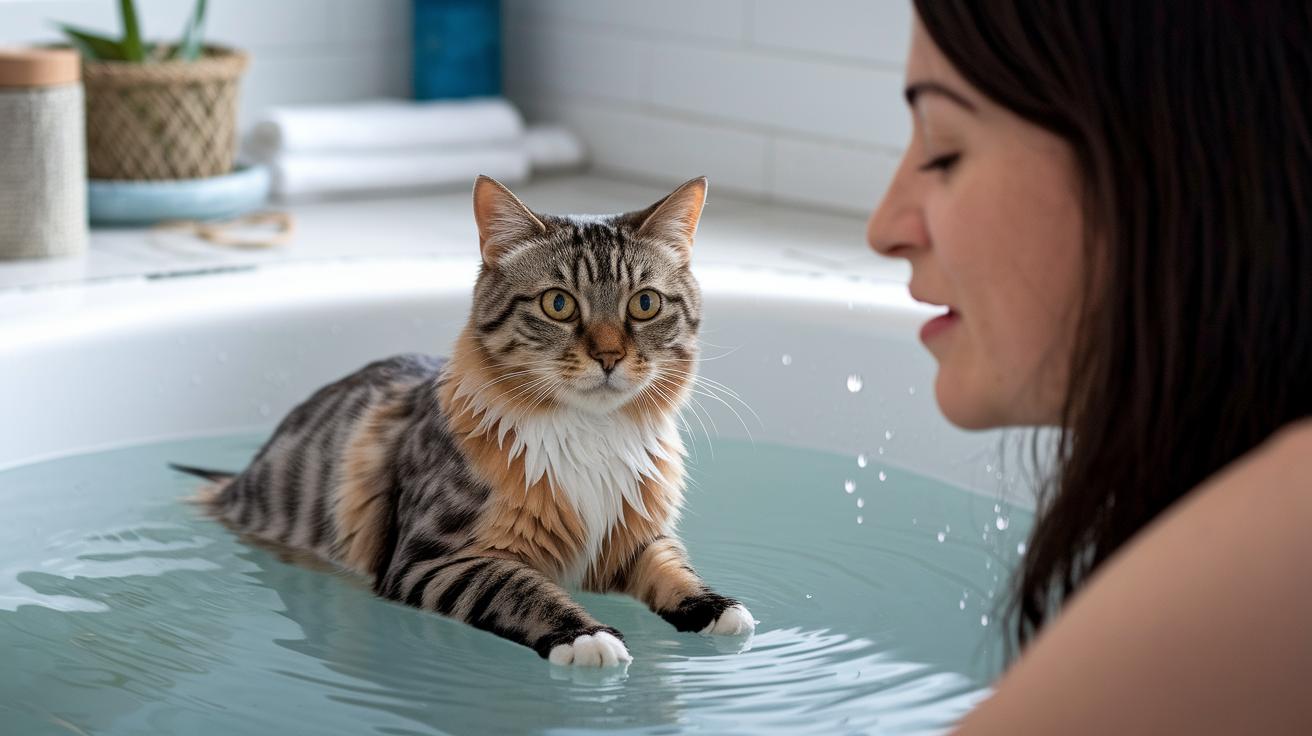
    Ever dunked your cat in the sink? Total chaos. Lucky for us, cats come with a built-in spa. They have a rough, hook-shaped tongue (think tiny sandpaper hooks) that scoops up dirt. And a natural oil spreader (it’s like a fur conditioner) that leaves their coat shiny.

    Uh, most of the time cats skip bubble baths – they’re purr-fect groomers. But sometimes they roll in real grime or face a flea invasion. That’s when a quick wash can save the day.

    In this post, I’ll show you why most baths aren’t needed and share tips for calm, stress-free kitty tub time. Ready to make bath time a breeze?

    Cat Self-Cleaning and Bath Necessity

    - Cat Self-Cleaning and Bath Necessity.jpg

    So, baths for cats? Usually a no-go. Your kitty has its own spa built in!

    Have you ever felt your cat’s tongue? It’s covered in little barbs (tiny hook shapes) that act like combs. Every gentle lick, uh, scoops up loose hair, dust, and dirt. That clever design cleans from whisker tips all the way to the tail, you might even hear a soft rasp as they groom.

    Your cat’s skin makes natural oils (like a gentle lotion from the inside). Each tongue stroke spreads those oils over every hair, forming a thin, waterproof shield. It keeps them cozy in cool air, blocks allergens, and stops dry patches. If you rinse with water, you could wash that layer away, leaving fur dull or skin itchy.

    Kitties spend almost half their waking hours in grooming mode. They smooth each hair strand, work out tiny knots, and pat around their whiskers with delicate paws. Ever seen your cat pause, stretch, and then dive back into grooming? It’s a built-in cat spa that beats any bubble bath!

    I once watched Luna spend five minutes shaping her paw just right, cleaning each tiny toe before moving on. Full spa session, no water needed. Worth every purr!

    Most cats skip baths. But sometimes special moments call for you to jump in. Next up, we’ll talk about when to break out the tub.

    Signs Your Cat Needs a Bath

    - Signs Your Cat Needs a Bath.jpg

    Even the tidiest kitty can get messy. Ever feel your cat giving you that ‘I’m above baths’ stare? Me too. But sometimes they really do need a scrub.

    Keep an eye out for these clues that say bathtime is coming:

    • Flea dirt or live fleas – little dark specks along the spine or at the tail base that feel gritty, or tiny bugs that leap when you part the fur (pesky little insects!).
    • Sticky gunk – like paint drips, tree sap, tar, or skunk spray that won’t budge no matter how much your cat licks.
    • Oily spots – patches that look shiny or slick to the touch, hinting at extra oil buildup.
    • Tangles and mats – stubborn clumps under the belly, behind the ears, or around the armpits that even your best brushing can’t loosen.
    • Stinky fur – a sour or musty smell that just won’t fade after grooming.
    • Missed areas – older, overweight, or arthritic cats often skip hard-to-reach spots, leaving fur rough or thicker than the rest.

    Spot any of these? Time to plan a calm, quick bath.

    When to Hold Off on Bathing

    Sometimes you’ll want to wait:

    • Right after a vet applies a topical flea or tick treatment – you’d rinse it all away.
    • Over raw spots, fresh cuts, or hot spots that need to heal.
    • When your cat is super stressed, sick, or just had surgery – it’s best to wait until they feel better.

    Until then, um, use dry wipes or a soft brush for a quick clean-up.

    Optimal Bathing Frequency for Cats

    - Optimal Bathing Frequency for Cats.jpg

    Different cats have different bath needs, you know? Most only need a quick bath every 4 to 6 weeks, or whenever their fur starts to look a little shabby. Think of it as a gentle reminder, not a weekly chore.

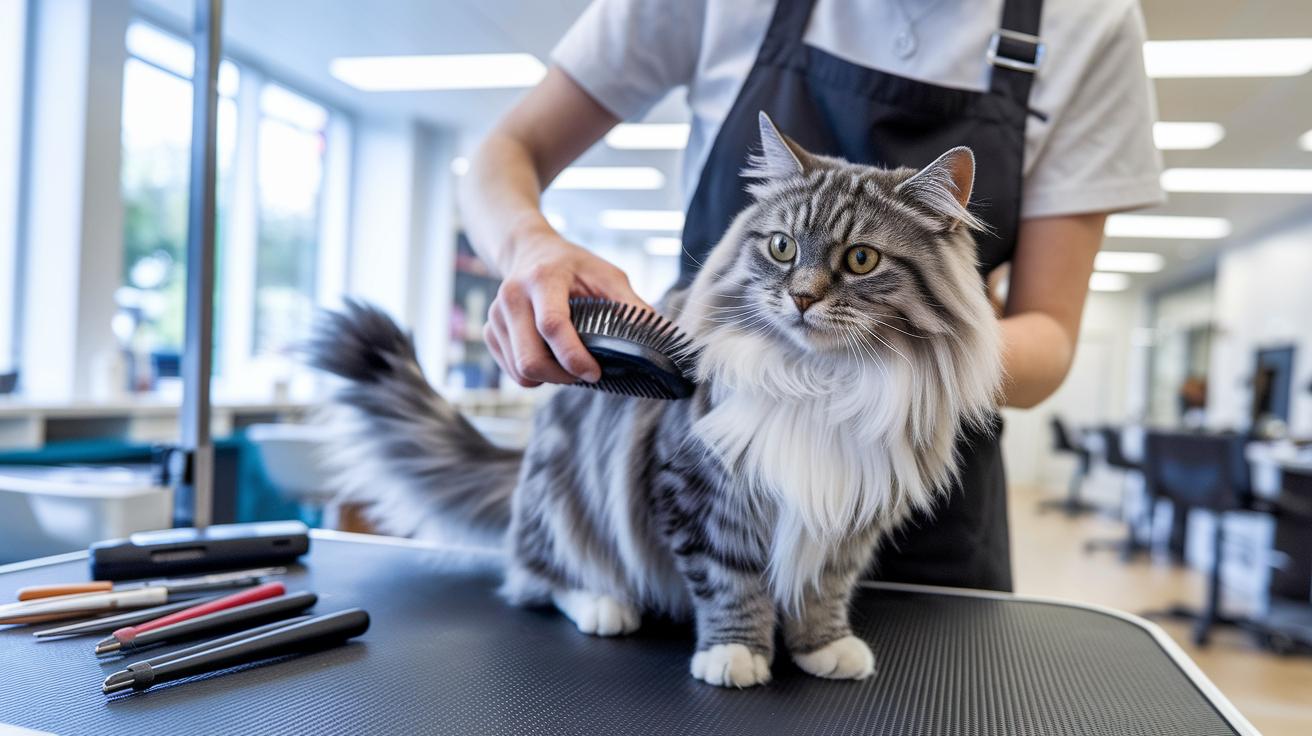
    Short-haired kitties usually stay fresh with a weekly brush (it’s like a mini massage) and a quick splash and dry if they roll in something sticky. Brushing loosens loose hair and spreads natural oils, so bath time feels more like a treat than a chore.

    Long-haired breeds like Persians might need a gentle bath more often if brushing alone can’t tame mats (tight fur tangles). Those stubborn knots under the belly or around the armpits sometimes need extra help with water and a soft rub.

    Ever watched your kitty chase a bouncing water drop?

    It’s paws-itively hilarious.

    Overbathing strips away built-in lotions (natural skin oils). Dry, itchy patches can follow. Dull fur and tiny scrapes from extra scrubbing aren’t fun either. I once bathed a fluffball three weeks in a row. Poor thing got flaky and scratchy!

    Watch your cat’s coat shine. When they can’t spread oils or reach a spot, it’s bath time. Otherwise, sit back, relax, and let them enjoy their own feline spa treatment.

    Safe Bathing Techniques for Cats

    - Safe Bathing Techniques for Cats.jpg

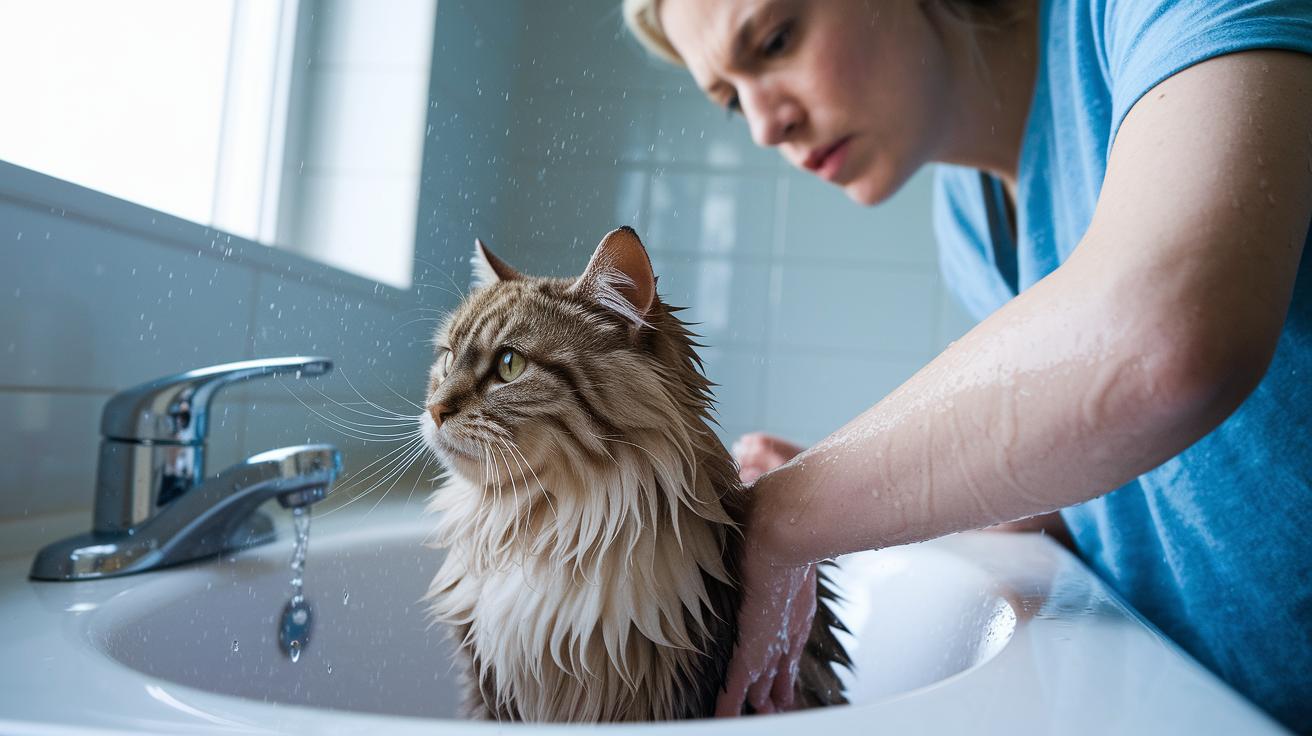
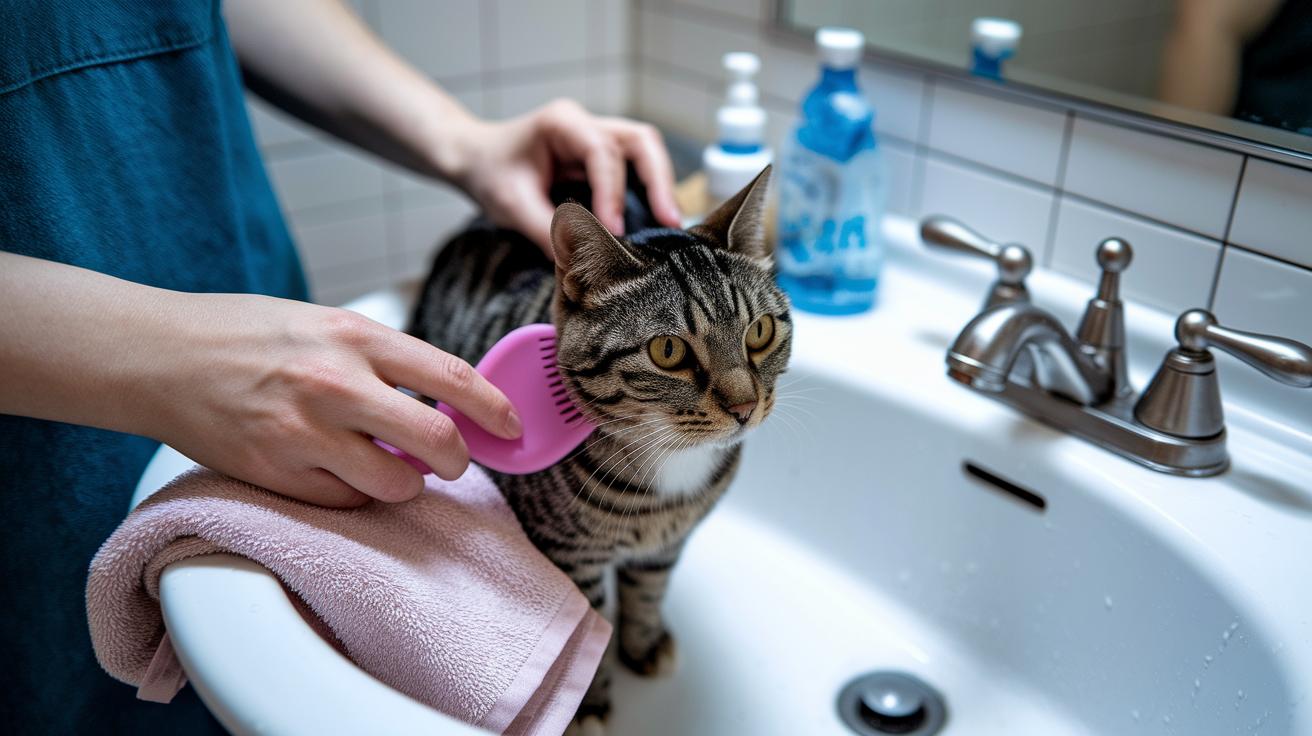
    Hold on. Don’t run the faucet yet. First, gather all your stuff: a slicker brush (for fluffing loose fur), a non-slip mat or towel (so paws don’t slide), a soft washcloth, and cat-only shampoo, never use human or dog suds. Keep everything within arm’s reach so you’re not chasing slippery bottles mid-scrub.

    1. Start with a quick brushing. Fluff out loose fur and mats so shampoo time is gentler for both of you. Ever felt that smooth fluff-fluff feeling?
    2. Lay the mat or towel in the sink or tub. That cozy grip helps kitty relax.
    3. Turn on warm water, just below your cat’s leg level. Test it on your elbow; it should feel comfy, not hot.
    4. Wet their coat bit by bit, from back to front, like a soft drizzle. Some cats even lean in for the tickles.
    5. Dab a little cat shampoo onto the washcloth and rub in tiny circles, skipping eyes and ears. For ears, use a damp cotton ball on the outer flap, never poke inside.
    6. Rinse until all the suds are gone. Leftover soap can itch or strip those natural oils that give fur its shine.
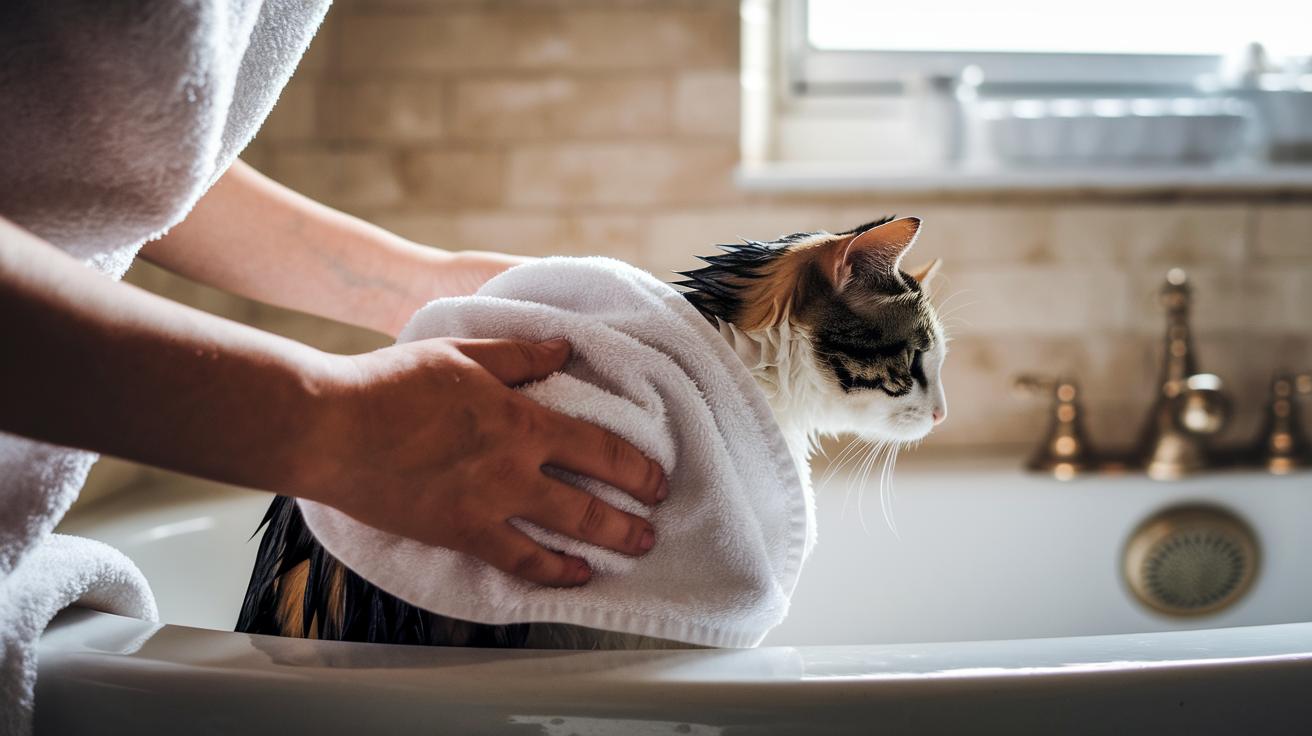
    7. Wrap your cat in a thick towel and gently pat dry. Press lightly between toes and under the chin. Then brace yourself for that shake that sends drops flying.
    8. Finally, move them to a warm, draft-free spot, maybe on a soft bed or your lap blanket, until they’re fully dry.

    So bath time can be less of a bath brawl and more of a spa day! Worth every paw-print.

    Bath Alternatives and Dry Grooming for Cats

    - Bath Alternatives and Dry Grooming for Cats.jpg

    Ever feel like bath time turns into a kitty wrestling match? Um, water can be super stressful for many cats. But you can still keep their fur soft, clean, and glowing. No suds, no soak. Your kitty will feel feline fine!

    Try these bath alternatives for cats:

    • Slicker brush or grooming glove
      Use a slicker brush (brush with fine wires) or a soft grooming glove to loosen and remove stray hairs. You’ll smooth out tangles and help spread natural oils. It even boosts circulation – your cat might purr at how satisfying it feels. I once watched Luna leap with delight after a quick brush session.

    • Waterless shampoo alternative
      Foam or spray formulas made just for cats lift dirt and dander without a single drop of water. Work a small dab into the coat, massage gently, then brush out any residue. Ta-da – a fresh scent and no bath required!

    • Pet wipes for spot cleaning
      Keep a pack of pet wipes by the door for muddy paws or accidental drips. These handy wipes tackle grime on the go, especially around whiskers and under the chin. Your cat stays comfy and clean in a flash.

    • Damp cloth wipes with cat shampoo
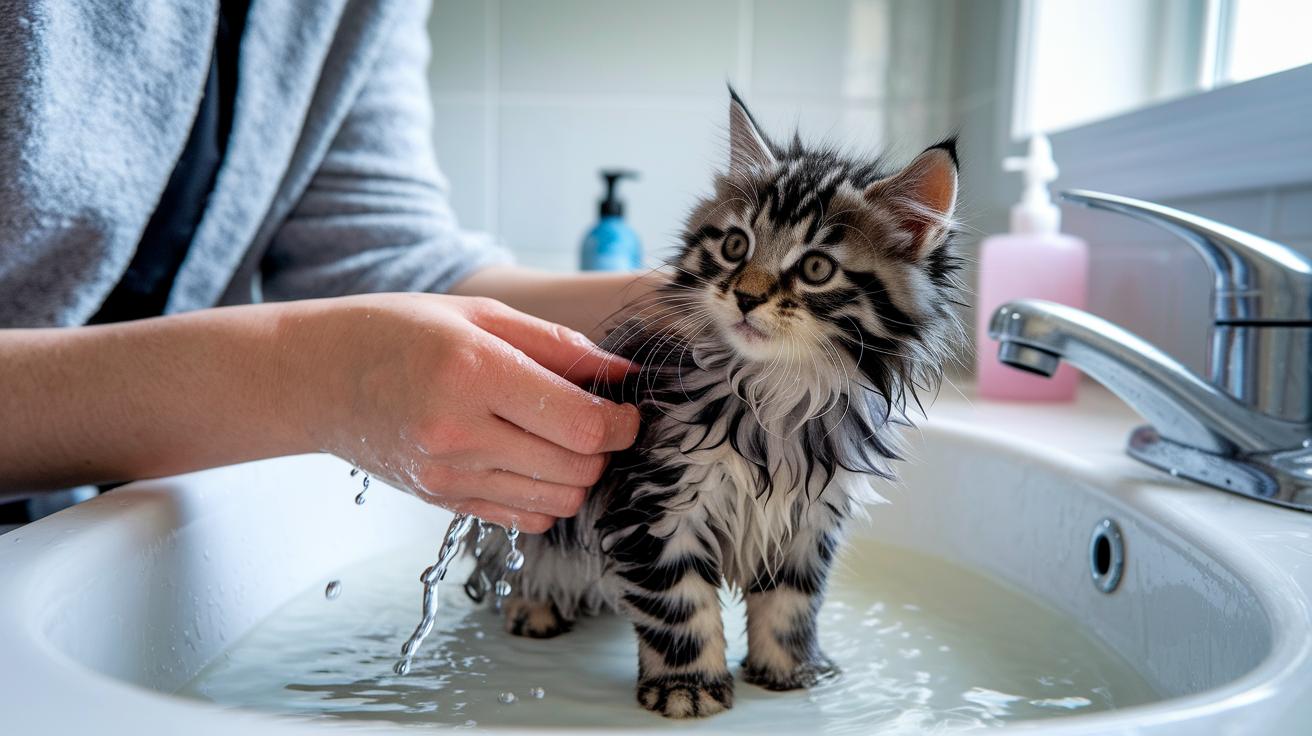
      Perfect for kittens under eight weeks or extra-sensitive felines. Dampen a soft cloth, add a bit of feline-safe shampoo, and wipe down the fur in swift strokes. Then pat dry with a towel, easy breezy!

    Between full baths, a quick session with these tools cuts down on shedding, stops mats in their tracks, and keeps your couch fur-free. Your cat stays calm and cozy, ready to go claw-tastic on the next feather toy. Worth every paw-print.

    Bathing Kittens, Long-Haired, and Special Cases

    - Bathing Kittens, Long-Haired, and Special Cases.jpg

    Newborns under eight weeks? Skip the tub. Grab a soft cloth dampened with warm water and add one drop of kitten-safe shampoo (mild soap made just for babies). Gently wipe their tiny tummies and backs. Then wrap them in a cozy towel – I like to use my lap or a low-heat pad (like a tiny heated blanket) so they don’t get chilly. It’s basically a mini spa day for the littlest purrballs.

    Fluffy breeds like Persians need daily brushing to stop mats before they start. Those sneaky tangles love to hide under bellies and around necks. Use a slicker brush (fine metal pins on a padded base) to gently fluff out knots. Every few weeks, give them a shallow bath: wet only the tips of their coat, skip the face, and rinse with care. Detangling first makes soap time quicker – and no claw fights required.

    Hairless kitties like Sphynx actually need water more often since they don’t have fur to soak up oils. Once a week, lather them with a vet-prescribed medicated shampoo (soap with skin-safe medicine) to wash away greasy buildup and keep rashes at bay. Rinse every sud well and pat dry. Their exposed skin picks up dirt fast and loves sunbathing, so watch for dusty patches or sun-kissed spots.

    Elderly or chunky cats can’t always twist around for a full soak. Try a shallow basin and a warm washcloth. Support them under the chest with a towel so they feel secure. Pat soap onto the cloth, then wipe each area before rinsing. For heavier cats, break bath time into sections – shoulders, sides, belly – so no spot feels too slippery. Sometimes two hands work best: one to soothe, the other to rinse. Teamwork makes the stress-free grooming dream work.

    Reducing Stress During Cat Baths

    - Reducing Stress During Cat Baths.jpg

    First, set the mood. About ten minutes before you even think about water, tire your cat out with a quick game of chase, maybe a feather wand or a laser dot. You’ll both feel calmer once those zoomies are gone. Oh, and trim those nails ahead of time so you can handle your kitty with less worry. Then pick a warm, quiet room with no clattering dishes or drafts.

    Next, ease in with water. Think of it like a gentle rain. Use your hand or a small cup to drip warm water on her paws and legs first. Let her lick a few drops and get curious about the new sensation. Slip a non-slip mat (a mat that stops sliding) into the sink or tub so there’s no skid and no sudden splashes to freak her out.

    Reward-based tips make all the difference:

    • Offer a tiny treat after each rinse cycle
    • Speak softly between scrub-a-dub strokes
    • Mist the area with pheromone spray (cat calming spray) if she’s okay with it
    • Gently support her under the chest or at the scruff, never squeeze
    • End with chin scratches or head rubs once the suds are gone

    If your kitty still isn’t on board, pause. Wrap her in a warm towel and give both of you a timeout. Then try again in a day or two. Consistency and patience go a long way toward turning bath time into a purr-fect routine.

    Worth every paw print.

    After-Bath Care and Skin Maintenance

    - After-Bath Care and Skin Maintenance.jpg

    Once you’ve rinsed off all the suds, wrap your kitty in a warm towel and pat her fur dry. Focus on those little paws, under the chin, and around the belly, water hides in sneaky spots. A fluffy towel (the plush-er, the better) soaks up moisture without fluffing her coat into a frizzy mess. Feeling that squish is oddly satisfying, right?

    Then grab a soft-bristle brush or a slicker brush (a tool with gentle wires that untangle fur) and run it through her coat. This post-bath brush session smooths out tangles, spreads her natural oils, and keeps mats at bay. Plus, your cat gets a mini spa moment, purr-fect pampering!

    If you dare to use a blow-dryer (aka hair dryer), choose the coolest, quietest setting and hold it at least a foot away. Keep the airflow moving so no patch of fur gets too warm. Test it on a paw first, some kitties give you major side-eye at the whirring noise.

    Next, use a dry cloth or cotton ball to gently wipe inside her ears and around those paw pads. Even tiny water droplets can cause infections, no one wants that! A totally dry nook is an infection’s worst nightmare.

    While you’re at it, part her fur and look for dandruff, those pesky white flakes. If you see any, massage in a vet-approved conditioner or oil-free balm (think of it like cat-safe lotion) to bring back moisture. Be gentle, over-drying can make flakes worse.

    Finally, settle her in a cozy, draft-free spot until she’s bone-dry. Soft bedding traps heat and gentle humidity to speed the drying. One last brush-through and a gentle towel rub will seal in those natural oils. Your kitty’s coat will be soft, shiny, and ready for the next adventure.

    Selecting Cat-Safe Shampoo and Grooming Products

    - Selecting Cat-Safe Shampoo and Grooming Products.jpg

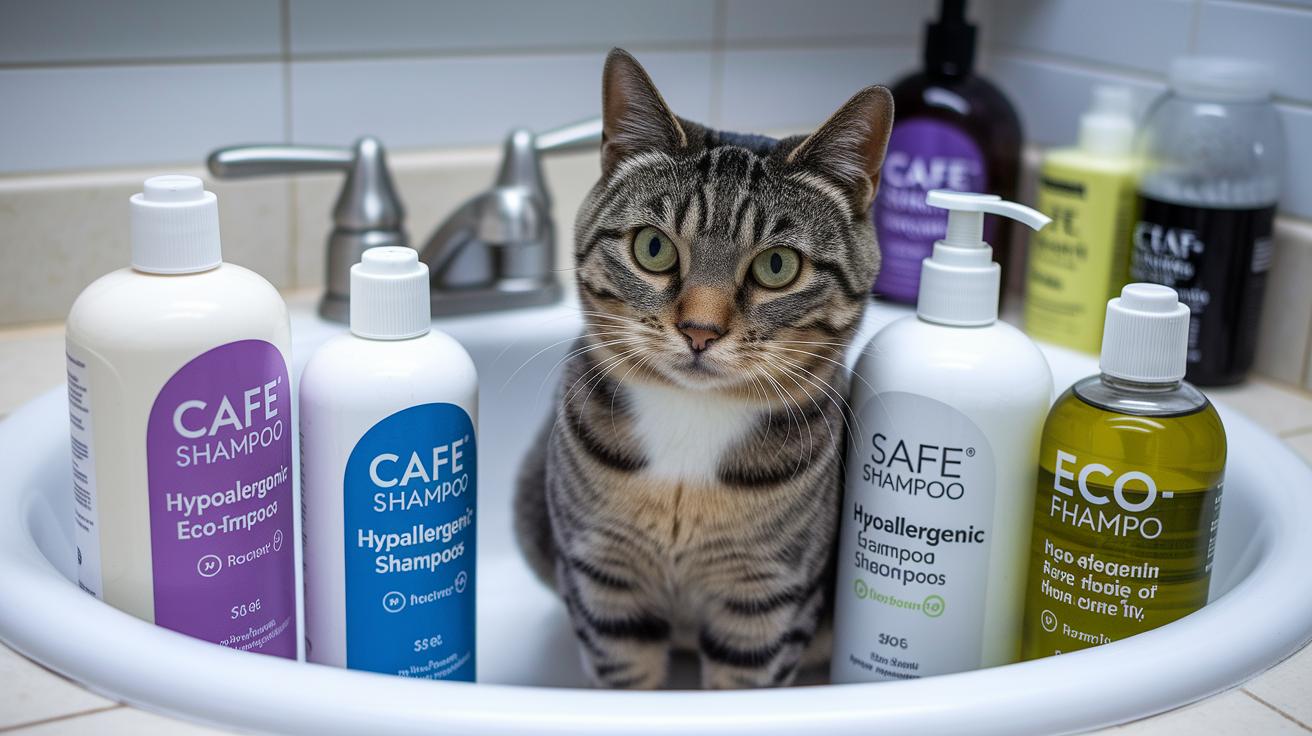
    Let’s talk shampoo. Not all suds are made equal. Ever used dog or human soap on your kitty? Oops – many of those have permethrin (a bug-killing chemical toxic to cats) or harsh detergents that strip guard oils (your cat’s built-in skin oils).

    A real cat shampoo keeps that fur soft and leaves those natural oils right where they belong. Ever seen those whiskers twitch at the first splash? No itch. No dandruff.

    Just a happy, shiny coat that makes your cat purr.

    Look for gentle blends that fit your cat’s needs:

    • fragrance-free wash to soothe sensitive noses
    • hypoallergenic shampoo so skin won’t flare up
    • eco friendly formula with plant-based cleansers and no harsh dyes

    If your kitty has allergies or dermatitis, ask the vet about a medicated wash for cats. Those carry mild treatments to fight rashes or yeast overgrowth without extra chemicals.

    And here’s a pro tip: after you lather, rinse until the water runs clear. Any suds left behind can clog pores or make skin itch. You’ll know you’re done when the fur feels light, squeaky clean and ready for a cuddle.

    Worth every purr.

    When to Seek Professional Grooming or Veterinary Advice

    - When to Seek Professional Grooming or Veterinary Advice.jpg

    Ever tried untangling a knot the size of a golf ball? Home spa days are fun, but severe mats (tangled fur patches) can tug at your cat’s skin and hurt real bad. Pro groomers know special combs and tricks to free that fur without a single yowl. Totally worth it.

    But what if your kitty needs medicated care? Vets can point you to shampoos for allergies (when your cat’s skin itches), dermatitis (a skin rash), or those not-so-fun flea baths. They’ll tailor each wash to your cat’s quirks and keep that coat silky and healthy. No guesswork.

    Skunk spray or an oil slick attack? Um, that’s definitely vet territory. A quick emergency wash under expert care can zap odors and wash away harmful goo without drying out your cat’s sensitive skin. Seriously, pros have the safe solutions.

    Is bath time a full-on showdown? Are mats marching across your kitty’s back? Time to call in the big guns. Grooming experts can tame even the feistiest furball, making the whole thing stress-free. Your cat pounces happy. You breathe easy.

    Final Words

    From the barbed tongue that handles daily cleanup to tips for a calm wash, you now know when a dip in the tub really makes sense.

    We flagged signs like oil buildup or stuck-on messes that call for help, plus dry grooming tricks (foam sprays, grooming gloves) for spot cleaning.

    Whether your long-haired buddy needs a gentle scrub or you want to keep mats at bay, you’ll find easy steps for warm dips and safe shampoos.

    When questions like do cat need bath pop up, this wrap-up has your back, go enjoy soft fur and happy purrs.

    FAQ

    Do cats need baths?

    Cats generally don’t need baths because they groom themselves with barbed tongues and natural skin oils. Only stubborn messes, parasites, or mobility issues justify a bath to keep them clean.

    Can I bathe my cat every two weeks?

    Bathing your cat every two weeks suits some long-haired breeds but can strip natural oils in short-haired cats. Aim for every 4–6 weeks unless your veterinarian recommends more frequent or less frequent washes.

    How to tell if your cat needs a bath?

    Your cat needs a bath if you notice visible dirt, persistent odor, fleas or ticks, matted fur, or if arthritis or obesity prevents self-grooming effectively.

    Is it cruel to bathe cats, and can I bathe them at night?

    Bathing cats isn’t cruel when done gently with cat-safe shampoo and a calm approach. Nighttime baths aren’t harmful but choose a quiet, warm area to minimize your cat’s stress.

    How do I give my cat a bath for the first time?

    To give your cat a first bath, start by brushing away loose hair, fill a sink with warm water up to their legs, massage in cat shampoo gently, rinse thoroughly, then towel-dry in a cozy spot.

    Are cats happier after a bath?

    Your cat can feel relief after a bath if matted fur or odors bothered them, but many prefer grooming themselves. Using treats and gentle handling makes post-bath calm and satisfying.

    Related Articles

  • do cats siblings mate Safely and Responsibly

    do cats siblings mate Safely and Responsibly

    Ever watched your kittens tiptoe around each other like secret agents?

    Believe it or not, cats who grew up side by side can pair off and have kittens of their own. They don’t need a family rulebook to spark romance.

    Kittens reach sexual maturity (the age they can reproduce) at about four months. It’s all instinct and pheromones (natural scents) doing the work, not a sibling bond.

    But a brother-sister match can cause genetic mix-ups and health headaches. Imagine two fluffy spies whispering plans every time a door creaks.

    We’ll dive into what lights the spark between siblings, the risks hiding in those split-second rendezvous, and the best spay-and-neuter timing (a simple surgery to prevent litters). So your playdates stay fun, and surprise kittens stay off the guest list.

    Do Cat Siblings Mate Safely and Responsibly

    - Do Cat Siblings Mate.jpg

    Ever wondered if kittens from the same litter might try to mate once they grow up? Cats can start pairing off around four months, when they hit sexual maturity (when they can have kittens). It’s pure instinct. They chase each other, sniff out pheromones (natural smell signals), and pounce like any cat on the prowl. Family ties? Nope. Kin or not, they’ll breed when the timing is right.

    Female kittens in heat (when a queen cat is ready to mate) yowl like they’ve lost their voice, roll on the floor, and spray to say “I’m ready.” Males catch those cues, ears perk up, they rub on chairs, or stage a jailbreak for a quick meet-up. And the whole show lasts just seconds, turning separation attempts into a wild hide-and-seek game. It’s all hormones, not memory, calling the shots.

    This plays out most in feral colonies (wild cat groups) where unneutered littermates live together without human checks. Full-sibling and half-sibling matings happen naturally if cats aren’t spayed (female sterilization) or neutered (male sterilization). And yes, even those wrestling games as kittens won’t stop them later. Knowing this helps you schedule surgery before that first heat. Then playdates stay fun and safe.

    Worth every paw-print.

    Do Cat Siblings Mate Safely?

    - How Heat Cycles and Instinctive Behavior Drive Sibling Mating in Cats.jpg

    So, around four months old, a girl kitten usually hits her first heat. Then during breeding season she can cycle every two or three weeks.

    Ever heard a 3 AM cat opera? That’s her pheromones (smell signals cats use) calling all the brothers. I once woke to them yowling like a mini rock band. You know, siblings at work.

    • Loud yowling that echoes through hallways
    • Rolling on the floor and rubbing against walls

    A single mating session lasts only a few seconds. Blink and you might miss the whole thing. In unmonitored groups, siblings can mate again every cycle – those hormones don’t pause.

    Next, plan to spay or neuter before they turn four months old. That way playtime is all about chasing toys and belly rubs, not kittens.

    Worth every paw print.

    Genetic Defects and Health Risks from Sibling Cat Mating

    - Genetic Defects and Health Risks from Sibling Cat Mating.jpg

    Hey fellow cat lovers, ever thought you’d be more careful than to breed littermates? But um, you know, it happens. And it can lead to some pretty tough kitten problems.

    Breeding siblings can really up the chance of physical deformities. When kitty siblings mate, tiny gene mix-ups can become glaring flaws. You might spot a crooked nose (nasal bone off-center), a stumpy tail (shortened vertebrae, back bones), or a misaligned jaw that makes crunching kibble tricky. It’s like bone growth decided to hit the pause button.

    Some kittens also have short legs (bones that stopped growing early) and a squished thorax (chest cavity) that can pinch their lungs and tire out their little hearts. Another sign is eyes that don’t match: one eye might sit higher or look rounder than the other.

    Breed-specific issues get worse with inbreeding. Munchkin cats already battle hip dysplasia (bad hip joints), but sibling matings intensify joint pain and mobility troubles. And Persian cats, those flat-faced furballs, often struggle with snorting breaths and kidney problems. Inbred litters just crank up those struggles.

    They tend to have weaker immune systems too. Inbred kittens catch infections more easily, face autoimmune issues, and older siblings can’t pass along as many antibodies in their milk.

    That leads to more kittens lost early on.

    I once saw a litter of six where only two made it past week one. My heart just broke.

    Genetics can be ruthless.

    Additional health hiccups include:

    • Reduced fertility in both males and females
    • Smaller litters when queens go into heat
    • Steady weight loss or failure to thrive (slow growth)
    • Behavioral issues like fearfulness or sudden aggression
    Defect Description
    Crooked nose Nasal bone (nose bone) off-center, causing breathing problems
    Stumpy tail Shortened vertebrae (back bones), leading to a stubby tail and mobility challenges
    Misaligned jaw Jaw bones not lining up, making it hard to eat
    Short legs Bones that stopped growing early, causing leg length issues
    Deformed thorax Thorax (chest cavity) pinches lungs and strains the heart

    Watching a kitten wobble on unsteady legs or struggle to twitch its whiskers can really tug at your heart. Better to stop sibling pairings before the trouble starts.

    Preventing Sibling Cat Mating: Spaying, Neutering, and Management Strategies

    - Preventing Sibling Cat Mating Spaying, Neutering, and Management Strategies.jpg

    Hey cat pals – ever watch your two fuzzballs get a little too friendly? Um, I have.

    The best move is scheduling spaying (female surgery) and neutering (male surgery) before they hit sexual maturity. Aim for around five to six months old – just before that first heat cycle (when a kitty goes into season). That way, your playful pair stays pals instead of planning a surprise litter.

    Physical isolation can help in a pinch, but it’s a juggling act. Separating them by room with a different litter box and food station means shutting every door tight. One tiny slip and boom, there goes your plan.

    Here are some extra tips:

    • Adopt same-gender siblings or unrelated kittens so they have built-in buddies without accidental litters
    • Rotate toys and extra petting when your queen (female cat) starts pacing or yowling in heat
    • When she’s ready to roam, pop her into a secure carrier (sturdy cat box) or closed crate to move her safely between rooms

    For feral colonies, TNR – short for Trap Neuter Return – is a total game-changer. Volunteers humanely trap unaltered cats, fix them, and then let them go. It breaks the outdoor breeding cycle and keeps stray litters in check. I’ve seen feral queens go from midnight serenades to sunlit snoozes.

    If you’re breeding kittens, record everything like a pro and get them fixed early. Treat the surgery as routine health care – you wouldn’t skip their vaccines, right? Once both siblings are fixed, you’ll swap those 3 am meows for soft pounces and plush-toy chases. Actually, make that three perks: no surprise kittens, calmer nights, and endless play sessions. Worth every paw print.

    - Ethical and Legal Considerations in Cat Sibling Mating.jpg

    Purebred registries sometimes let close relatives mate to lock in a coat color or a certain look. Oops, many animal welfare groups raise a red flag about that. They warn you that sibling matings can spark serious health risks and lead to birth defects. It’s not kitten around when your precious babies could face genetic troubles.

    There aren’t any nationwide cat-incest laws, but breeder codes of ethics and some local rules strongly discourage pairing siblings. It isn’t against the law everywhere, yet lots of regions nudge people to think twice. Ever wonder why those guidelines exist? Health first, always.

    You and your breeder pals hold the key to keeping siblings apart. That means jotting down birth dates, scheduling spay or neuter (surgery to prevent kittens) early, and avoiding the “just for science” pairing of littermates. Animal welfare principles expect you to put every kitten’s well-being front and center.

    Responsible breeders follow association guidelines and team up with a veterinarian (an animal doctor) to stay on the safe side. They log pedigrees, skip risky pairings, and swap best practices, fur real, teamwork matters. In the end, preventing sibling litters isn’t just paperwork. It’s about loving each purring life in your care.

    Social Bonds, Recognition, and Genetic Diversity Among Cat Siblings

    - Social Bonds, Recognition, and Genetic Diversity Among Cat Siblings.jpg

    You know how cats love to sniff around? They use their nose as a superpower to figure out who’s family and who’s stranger. Ever seen siblings meet after time apart? Their whiskers twitch and they circle each other like brand-new pals. It’s not jealousy. It’s just smell-based recognition.

    Did you know one litter can have kittens from different dads? That natural mix gives more variety (genetic diversity is DNA variety) and cuts the chance of two bad genes ending up together. Identical twins (exact copies from one fertilized egg splitting in two) are super rare. So even with the same mom and dad, most siblings stay unique.

    Playtime from birth to about 14 weeks builds their social skills. Those tumble rolls and gentle bites teach bite inhibition (learning how to bite softly). It’s like a kitty gymnastics class for balance and quick paws. But um, no amount of romping stops mating urges if they’re not spayed or neutered. Around four months, hormones kick in and they switch gears from toy mice to mating mode.

    Keeping multiple sires in a litter helps the gene pool stay healthy and strong. When you spay or neuter siblings, you focus on feather wands and bouncing balls instead of surprise litters. Worth every paw print.

    Final Words

    In the action we saw same-litter cats hit maturity at four months and mate instinctively if unneutered.

    Heat cycles bring yowling, spraying, and quick breeding, hard to separate once estrus starts in feral or free-roaming siblings.

    Inbreeding risks like crooked noses, stumpy tails, and weak immunity showed why breeding siblings is risky for kittens’ health.

    Spaying, neutering, and simple management stop unwanted litters, cut stress, and keep furniture claw-safe in busy multi-cat homes.

    When you ask do cat siblings mate, you realize it’s all natural instinct. With timely care, your cats stay happy and healthy.

    FAQ

    How common is it for sibling cats to mate?

    Sibling cats mating is common among unneutered littermates, especially in feral colonies. They reach sexual maturity around four months and breed instinctively without recognizing family ties.

    At what age do cats mate?

    Cats typically reach sexual maturity around four to six months old, with heat cycles roughly every two to three weeks. Early spaying or neutering prevents premature breeding.

    Do cat siblings mate with their parents or mother?

    Cats may mate with parents or mothers because they don’t recognize family relations. Unneutered cats breed based on pheromones and heat cycles rather than kinship awareness.

    What happens if sibling cats mate?

    Sibling mating often leads to genetic defects, weaker immune systems, and higher kitten mortality. Inbreeding is not recommended due to these serious health consequences.

    Can a male cat get his sister pregnant?

    A male cat can impregnate his sister once both reach sexual maturity, as cats don’t recognize kin. Spaying or neutering stops this risk.

    How do I stop sibling cats from mating?

    To stop sibling mating, spay or neuter cats before six months old. If in heat, separate by room and add interactive toys to reduce mating attempts.

    Why do cats hump their siblings?

    Cats hump siblings as a mix of mating instinct, dominance display, or play behavior. Neutering and redirecting with toys often reduces this humping habit.

    Related Articles

  • do cats swim joyfully and safely

    do cats swim joyfully and safely

    Ever watched a kitty launch into a pool and paddle like a furry champ? It sounds nuts, right?

    Cats have these whisker sensors (tiny touch detectors) that read every ripple. Their strong muscles turn paws into little paddles, and smart paw strokes keep them bobbing. The result? An adorable splash-fest that looks surprisingly skilled.

    So, ready to let your cat dip a paw? I’ll share simple steps to keep your furball safe and make water play totally pawsome.
    Worth every paw-print.

    Can Cats Swim? Understanding Feline Swimming Ability

    - Can Cats Swim Understanding Feline Swimming Ability.jpg

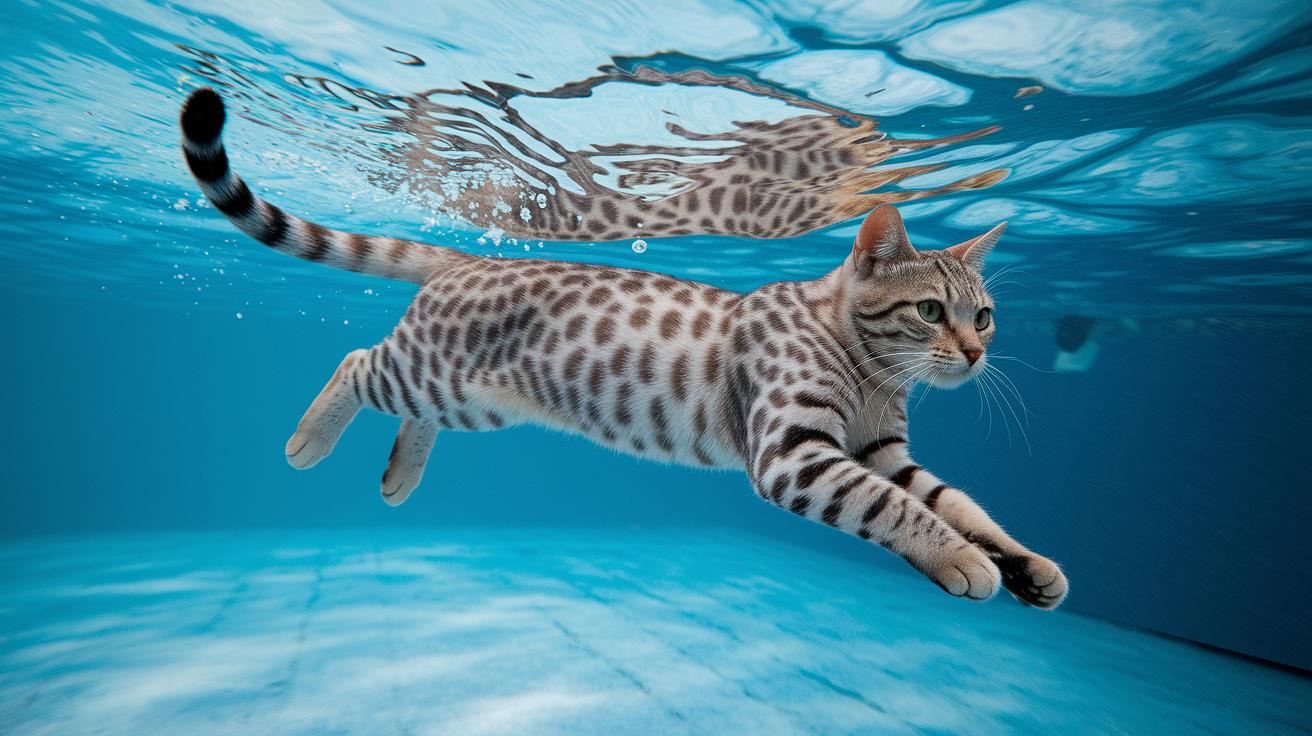
    Ever watched a cat dropped into deep water? At first, they might stare wide-eyed, soaked fur clinging tight. But then they kick out with all four paws, sending little ripples across the pool. It’s wild to see these desert-born hunters (cats from very dry regions) tap into a built-in swim move without any lessons.

    Most house cats use a dog-paddle stroke – front paw, back paw, repeat – to push through the water. Their fur (which soaks up water fast) traps tiny bubbles that help them stay afloat, uh, like a built-in life vest.

    And big cats do it too. Tigers and jaguars will wade through rivers to catch a meal. Ever wonder if they can swim for hours? Driven by instinct, they’ll paddle until they reach dry land.

    It’s a myth that wet fur means a cat will drown. Sure, they hate the soggy coat, but no claws in the water equals no sink. My own kitty once splashed through a shallow pool, paused to shake off like it just got a spa treatment and then strutted out looking feline fine. So next time someone says cats can’t swim, just smile – these furballs have style!

    Worth every splash.

    Feline Physiology and Mechanics of Swimming

    - Feline Physiology and Mechanics of Swimming.jpg

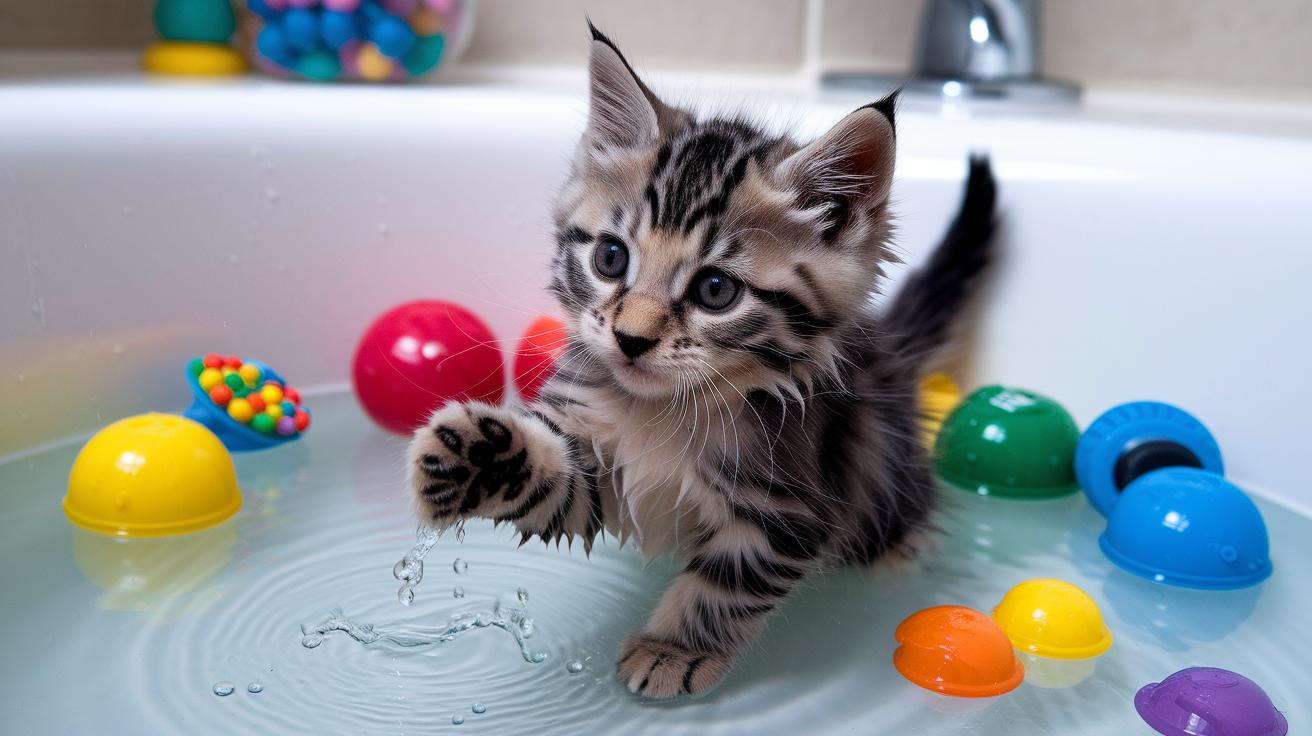
    Most kitties paddle through water with a classic doggie-paddle style, moving their front paws then kicking back with strong hind legs. Their muscles (soft tissues that help move bones) adapt quickly for splashing. Ever watched your cat chase ripples in the tub? It’s pretty pawsome!

    Big cats like tigers and jaguars do the same paddling dance but get extra help from webbed feet (skin stretched between their toes). This extra push lets them glide across rivers for miles, sometimes up to nine miles, without missing a beat. Wild water play, anyone?

    Their tail acts like a built in rudder. By bending left or right, they steer with precision. Whiskers (stiff hairs on their face) feel shifts in currents and help judge depth, kind of like feeling a pool wall with your fingers.

    Dry fur traps air bubbles for buoyancy (floating power), like a tiny life vest. But once it soaks up water, it gets heavy and adds drag, slowing down each stroke. It’s an insulation trade off that gives cats enough float time to paddle to safety. Even if they’d rather shake off and sprint back to dry ground.

    • Webbed feet (skin stretched between their toes) boost their swimming power.
    • Front and back strokes form their basic paddle.
    • Strong muscles (soft tissues that move bones) fire quick bursts to push through water.
    • Whiskers (stiff hairs on their face) sense water flow and help gauge depth.
    • Tail steering lets them turn with precision.
    • Fluffy fur traps air for buoyancy but adds drag when it’s wet.

    All these features come from deep feline water instincts and a body built for swimming. Whether your fluff ball is paddling in a backyard pool or a jaguar is drifting down a jungle stream, cats really know how to stay afloat. And, uh, they might just love a splash about as much as we do.

    Why Many Cats Dislike Water

    - Why Many Cats Dislike Water.jpg

    Ever watched your kitty leap away from a stray drip of water? There's actually some truth to fussy-cat lore. Long ago, wild cats came from dry, sandy lands with no lakes to splash in. Their fur is great at keeping them cool, but soak it, and it turns into a heavy, soggy blanket that weighs them down. Um, can you imagine dragging a wet backpack everywhere?

    Wet fur feels like a soaked backpack around their little paws. It slows every jump and makes their whiskers twitch with unease. A surprise dip in the tub or a forced bath can trigger instant cat terror. Cold, damp fur shivers under their skin. And sadly, that sloshy panic sticks with them.

    Here’s why many cats say “no thanks” to water:

    • Desert ancestors had zero reason to swim
    • Fur (their thick hair coat) soaks up water fast, adding drag and weight
    • Forced baths and accidental plunges spark lasting wariness
    • Cold, wet fur makes them shiver and paddle frantically

    Some kittens will tip-toe into a splash if you start slow, you know, treats in hand and quiet voices. But let’s be real: every fluff ball has its own style. Early, calm encounters can help ease their worries. Just don’t be surprised if pool parties remain a dog thing.

    Cat Breeds and Individual Preferences for Swimming

    - Cat Breeds and Individual Preferences for Swimming.jpg

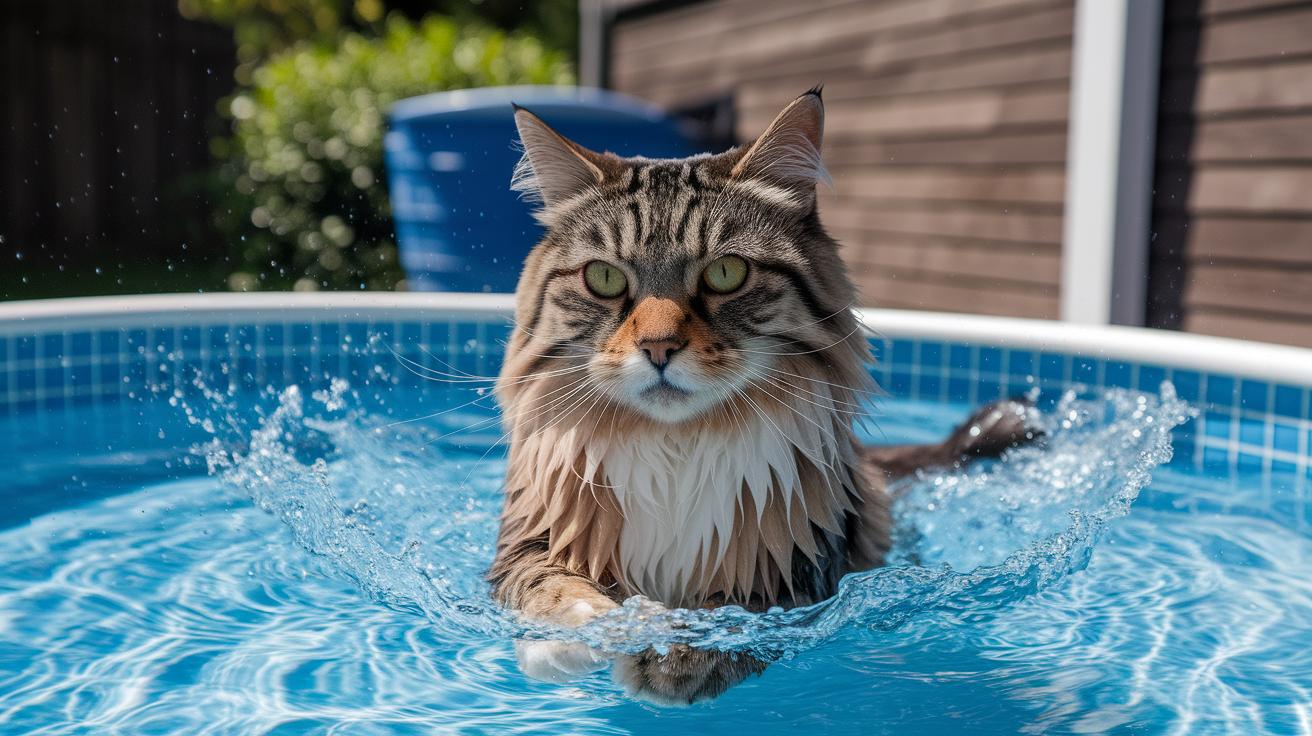
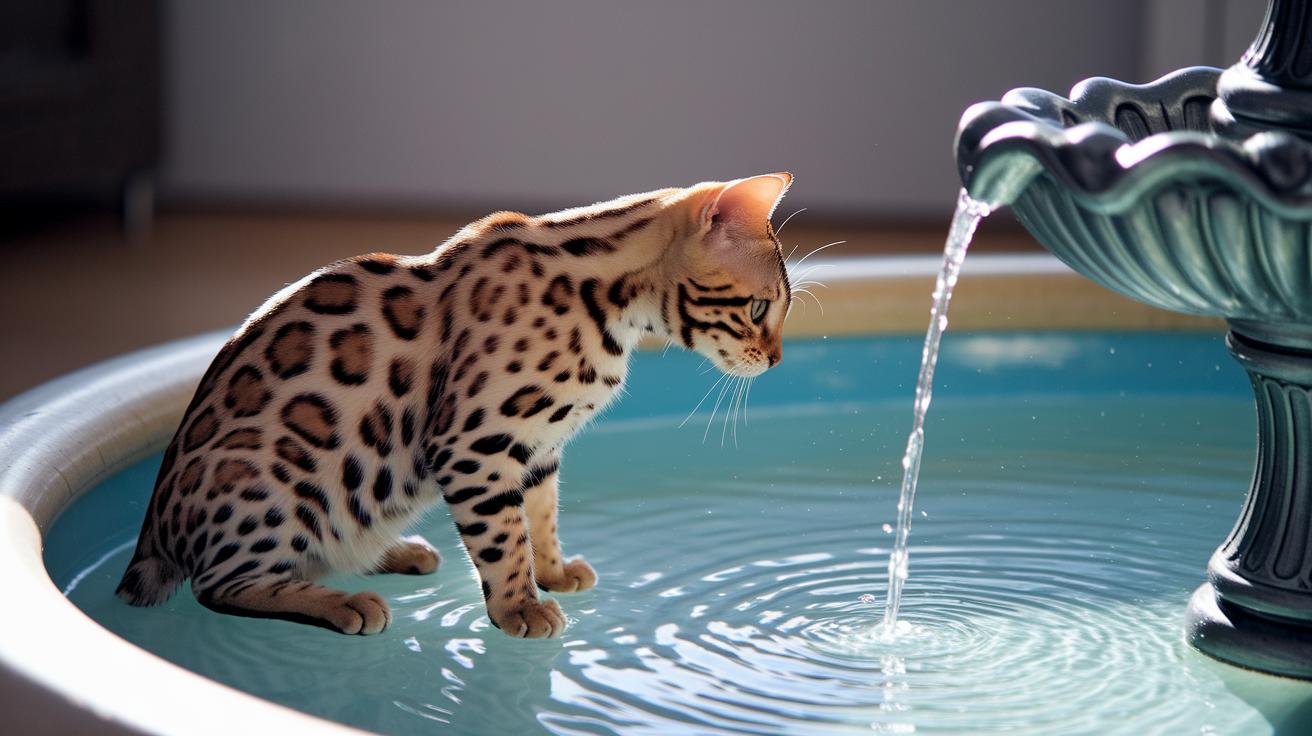
    Some kitty breeds have an extra splash of fun. Ever seen a Maine Coon (big fluffy fisher-cat) dip a paw into a shallow tub and then whoosh – a full-on splash? These gentle giants chase water drops like they’re winning a medal. Turkish Vans (silky, water-resistant fur that helps repel moisture) treat water like a playground, floating rubber duckies in style. Bengals (mini jungle cats) tap the stream under a faucet, ready to pounce the moment it drips. And Manx cats (adorable tail-less charmers) bat at bubbles, eyes wide with wonder.

    But hey, swimmers still have mood swings. A Bengal might pause if the water feels too cold. A Maine Coon may only test one toe, give a tiny shiver, then decide, “Nah, I’ll stay dry today.” Really. It’s all about the vibe.

    Then there are the wild pros. Tigers paddle miles in rivers to catch dinner or cool off on hot days. Jaguars (jag-uars, you know) glide through jungle waterways like they own the place. Lions wade into shallows to beat the heat, manes dripping and majestic. Makes your backyard kiddie pool look like a bath mat, doesn’t it?

    Indoor fluff balls usually stick to drips and puddles. Your kitty’s whiskers might twitch as the faucet trickles. They’ll dab a paw in and freeze when a droplet lands on their nose. Silly little freeze-frame moment.

    Coat matters too. A Turkish Van’s silky, water-resistant fur (helps repel moisture) dries fast, so they’re all in. But a Persian’s dense woolly coat (thick fur that holds water) turns into a soggy furball – best to keep them cozy on dry land. And hairless Sphynx cats (bare-skinned charmers) skip the swim entirely – no fur, no splash.

    In truth, every cat’s a judge of its own fun. Breed gives a hint, but your kitty’s personal taste makes the call. So if they dip a paw in the tub, let them splash away. If they dart off, no worries – more playtime awaits!

    Worth every pawprint.

    Introducing Cats to Swimming Safely

    - Introducing Cats to Swimming Safely.jpg

    1. First, pick a calm spot like a quiet bathroom. Fill the tub with two inches of lukewarm water (think a cozy cup of tea) and keep a plush towel nearby. This gentle, shallow setup helps your kitty feel safe and curious.

    2. Next, scoop up your furball and place only their front paws in the water. Cradle their chest so their head stays high and dry. Speak in a soft, soothing tone, this shows them you’ve got their back and water won’t swallow them. This gentle dip builds trust.

    3. Now it’s playtime: ever dangled a floating toy just out of paw’s reach? Or dropped a few kibbles to lure them in? Soft praise and a tasty snack link water with fun. Kittens learn fastest, but older cats can get the hang of it too, patience is key.

    4. Once your cat seems comfy, raise the water by just an inch or two. Keep sessions under five minutes, enough time for a little splash, not enough for chills. Watch their whiskers and paws. If they freeze or blink rapidly, wrap it up. Small steps over a few days keep them in control.

    5. Finally, always stay close. If your cat’s ears flatten or meows turn frantic, lift them out and dry them off. For cats with arthritis (joint pain) or low energy, try a snug life jacket (a tiny pet vest) and make sure there’s an easy exit like a ramp. That way every swim is safe and purr-fectly joyful.

    do cat swim joyfully and safely

    - Safety Tips and Equipment for Cat Swimming.jpg

    Picking the right float gear makes all the difference. Look for a cat life jacket (a vest that helps your kitty stay afloat) with straps you can tweak for a comfy, snug fit. Check the sizing chart so it doesn’t pinch or slip. A buoyant vest (able to float) keeps your cat’s back paws from sinking and helps her paddle with confidence. Ever watched your kitty paddle like a pro?

    Make sure your furball can get out easily. Add a ramp or ledge at the pool’s edge so she can climb out without sliding back in. A low fence or safety net around the water adds extra peace of mind. And never leave your kitty alone near deep water, keeping an eye on her is the best way to prevent watery mishaps.

    If your cat looks scared or starts splashing wildly, scoop her up gently and wrap her in a towel. Keep talking in a calm voice, soft “it’s okay” vibes help. For big scares, quick help matters. It’s smart to learn basic how to do cat cpr techniques so you’re ready if things get serious. Having that know-how is a total relief when you need it.

    Clean water makes happier swims. Keep chlorine levels under 3 ppm (parts per million) so your cat’s skin and whiskers don’t get itchy. After playtime, rinse your kitty with lukewarm water to wash off pool chemicals and help her fur dry faster. A gentle towel rub and a cozy bed nearby will have her purring in minutes.

    Worth every paw-print.

    Benefits and Health Implications of Swimming in Cats

    - Benefits and Health Implications of Swimming in Cats.jpg

    Swimming gives your kitty a gentle, low-impact workout that’s easy on their joints and just plain fun. The water’s buoyancy (the power to float) holds up their weight so they burn calories without pounding their paws on hard floors. For fluffy furballs prone to pudge, ten minutes of paddling can add up to a leaner, healthier silhouette. Ever watched your cat chase ripples? It’s pretty adorable.

    Plus, warm water sessions can feel like a spa day for your feline. This hydrotherapy (water-based therapy) happens in special pools at places like Everhart Veterinary Medicine, where the temperature is just right for soothing stiff hips and creaky knees. The gentle water resistance eases aches and boosts range of motion. No harsh jumps or twisting required.

    And it’s not just for rehab. Regular swims build muscle strength and give your cat’s heart a soft cardio workout. You’ll see whiskers twitching as they paddle against slow, gentle currents. This paws-on routine keeps them spry, improves endurance, and supports overall wellness. Worth every paw-print.

    Recognizing Risks and When to Consult a Vet

    - Recognizing Risks and When to Consult a Vet.jpg

    Ever watched your kitty chase water droplets and end up shivering like a tiny mop? Um, it's cute until it goes too far. Water play can sometimes lead to muscle strains (small tears in the muscle), hypothermia (low body temperature), or accidentally gulping down too much water. These mishaps are more common than you think!

    Watch for coughs, shivers, slow moves, or heavy breathing – signs your cat’s stressed by water. Spotting these early lets you help at home before things get worse.

    Wild puddles and still pools can hide parasites (tiny germs that make cats sick), so always keep their water bowl full of fresh stuff, you know? And if your kitty sneaks a sip of pool water, watch for red, itchy eyes or face rubbing – chlorine (pool cleaner) can irritate skin and the mouth lining.

    If your cat keeps coughing, starts vomiting, has diarrhea, or just seems off after a swim, reach out to your vet. These are red flags – time to get expert help. Better safe than sorry when it comes to your cat’s splash-time fun.

    Final Words

    Jumping straight in, we learned cats can and do swim when they need to. From a home kitten’s doggie-paddle to a tiger’s long swim, water isn’t off-limits.

    We looked at tails that turn like rudders, paws paddling like tiny oars (aka webbed feet) and whiskers sensing currents, as well as why many felines choose dry land.

    We shared safe introduction steps, plus health perks of feline hydrotherapy and red flags that mean vet time. And if you’ve been wondering do cat swim, you’ve got your answer, happy splashes ahead.

    FAQ

    How long can cats swim?

    Cats typically swim in short spurts of just a few minutes before fatigue sets in. Wild felines such as tigers can paddle continuously for up to an hour or swim nine miles.

    Do cats really swim when they end up in water?

    Cats instinctively paddle (dog-paddle motion) to stay afloat if they fall into water, using alternating strokes and tail steering. It’s okay under gentle supervision and shallow levels to prevent stress.

    Can cats swim in pools and oceans?

    Domestic cats can swim in pools and calm lakes but seldom choose oceans due to strong currents. Wild species like jaguars swim rivers or coastal waters for hunting. Be sure to supervise near deep or chlorinated water.

    Do cats drown in swimming pools?

    Cats can drown if unable to find an exit; deep pools pose risk. Providing ramps or ledges and supervision prevents accidental drowning, especially for older or less confident swimmers.

    Can cats swim better than dogs?

    Though both cat and dog paddles share similar strokes, most dogs outswim domestic cats due to stronger muscles and fleshy insulation (natural buoyancy). But individual cats with early exposure may surprise you in speed and endurance.

    Related Articles

  • do cats kill kittens: Loving Kitten Care Tips

    do cats kill kittens: Loving Kitten Care Tips

    Ever wondered if a cat mom could accidentally hurt her tiny furballs? It sounds harsh, but feline infanticide (when a mama cat harms her kittens) really can happen to about 2 out of 100 home litters. Um, stress, sickness, or a noisy nest can throw her off.

    But don’t worry – a quiet hideaway (like a sturdy cardboard box in a calm corner) and gentle check-ins can help her feel confident. Oops, let me rephrase that… she’ll start purring with mom-mode pride! Ever seen her whiskers dance as she curls around her babies?

    Next, you’ll get simple, loving kitten care tips to keep every whisker-twitching baby safe and sound. It’s cat mom life done right. Worth every paw-print.

    Quick Facts: Do Cats Kill Their Kittens?

    - Quick Facts Do Cats Kill Their Kittens.jpg

    Ever wondered if a cat mom would ever hurt her babies? In rare cases, yes. It’s called feline infanticide (when a mother cat harms her kittens), but with a comfy nest and gentle care it almost never happens at home.

    First-time moms can feel stressed or get sick. They might be unsure what to do with all those tiny mews. Yet under our watch, only about 2% of litters face this kind of trouble.

    In feral colonies (stray kitties who fend for themselves) kitten loss can reach 25%. Imagine a mama cat hunting scraps in a cold garage. Harsh, right?

    Neutering males (removing their ability to father kittens) stops almost all tomcat attacks. And giving mom a quiet hiding spot helps her relax. Think of a cozy cardboard box lined with soft towels – kitty heaven.

    In truth, most cat moms are pawsitively great parents. When they get calm spaces and regular check-ins, kitten survival stays high. Worth every paw-print.

    Male Cats and Kitten Infanticide Risks

    - Male Cats and Kitten Infanticide Risks.jpg

    Intact male cats (not neutered) have high levels of testosterone (a hormone that boosts rough, territorial behavior). In the wild, a new tom cat might attack kittens he didn’t father. That harsh move brings mom cats back into heat faster so he can mate and spread his own genes. But at home, when we keep cats indoors and follow responsible breeding, chances of a tom harming kittens are nearly zero.

    Neutering before sexual maturity (around five to six months old when he can start reproducing) cuts those big testosterone surges and makes kitten attacks almost unheard of. A well-socialized, neutered tom often switches gears – he’ll guard little ones rather than seeing them as rivals. Ever watched a gentle giant tom cat nuzzle a kitten’s ears? It’s a heart-melting sight.

    Next, let your neutered tom spend quiet, supervised time with young kittens. He’ll learn they’re part of the family, not competition. Talk with your vet about the best timing for neuter surgery and plan ahead. You’ll build a happy, safe cat clan.

    Worth every purr.

    Female Cats and Maternal Infanticide Factors

    - Female Cats and Maternal Infanticide Factors.jpg

    First-time moms often show inexperienced queen behavior when their nesting spot is too small or the bedding feels rough. Sometimes postpartum maternal aggression mixes with inexperienced queen behavior, and she might pace away from her kittens or push them out of the box. Inexperienced queen behavior also appears if she can’t find fresh towels or if the hiding spot gets cornered by too much noise. Spotting these clues means offering soft blankets, extra nesting boxes, and a quiet corner right away.

    Stress-induced killings can happen when a mother cat feels trapped by too many pets or sudden temperature drops. Loud voices, a crowded room, or drafts near the nest raise her anxiety, and she may shove or worse, abandon the kittens to escape the stress.

    An illness aggression link kicks in when a kitten looks weak or sick. If a baby shows congenital abnormalities (birth defects), severe dehydration (loss of body fluids), or heavy parasite loads, mom may cull it to boost the litter’s chances. She’s not cruel, she’s wired to protect the healthiest pups and focus her milk on survivors.

    Recognizing Warning Signs Before Cats Kill Kittens

    - Recognizing Warning Signs Before Cats Kill Kittens.jpg

    Ever noticed your cat’s whiskers twitch when something grabs her curiosity, or felt your claw-dar go off? But when a mom or tom cat feels uneasy, that same twitch can be a red flag! It’s her way of saying, “Uh, something’s not right.” Let’s learn what she’s telling us.

    Spot these body cues:

    • Stiff tail twitch (a quick, rigid flick)
    • Flattened ears or ears turned sideways like little satellite dishes
    • Wide, dilated pupils (when the black center of the eye grows big)
    • Low-pitched growls or hiss sounds from her throat
    • Frantic batting by kittens that feels more panicked than playful
    • High-pitched distress mews from the little ones
    • Sudden nest abandonment

    Whoa. That’s a lot at once – definitely time to help.

    If you see more than one cue together, jump into action. Gently move other pets out of the room. Remove noisy toys. Dim the lights. Give mama kitty some breathing room on a cozy blanket. Offer fresh water nearby!

    Still tense? Try a brief separation of mom and babies. Reach out to your vet or a cat behavior pro!

    Preventing Cats from Killing Kittens: Environment and Handling

    - Preventing Cats from Killing Kittens Environment and Handling.jpg

    Creating a calm, cozy nursery is step one to keeping everyone safe. Think of a quiet, enclosed nesting box (like a little cat bedroom) lined with soft towels. Aim for a warm spot, around 85°F, to help newborn kittens (called neonates) feel snug. Tuck that box in a low-traffic room so Mama cat won’t get spooked by loud noises or too many footsteps. Ever heard your cat leap at a sudden clatter? Yeah, let’s avoid that.

    Next, set up plenty of spots for food and water. Scatter bowls around the room so no one feels pushed out. Toss in a couple of puzzle feeders (little toys that hide kibble) to keep busy paws happy and reduce hisses over dinner.

    • Provide a quiet nesting box in a tucked-away corner with warm bedding and soft towels.
    • Place multiple food and water stations on different walls to cut down on mealtime squabbles.
    • Add puzzle feeders for a fun snack hunt, curiosity keeps kittens from crowding Mum.
    • Install pet gates or playpens for a protective playpen (enclosure) until kittens reach eight to ten weeks.
    • Introduce adult cats slowly: swap bedding or toys so they “smell” each other, then try short, supervised visits.
    • Use low barriers or folding screens as visual dividers, gradually letting them see and sniff one another.

    Keep an eye on whisker twitches and tense postures as kittens grow. Swap out towels every few days, and inch gate heights up so little jumpers stay put but can still stretch their paws. Replace floppy soft toys with sturdier puzzles when batting becomes a sport. These small tweaks, week by week, help everyone settle into a happy, stress-free routine. Worth every paw-print.

    Responding to Kitten Loss: Support and Veterinary Advice

    - Responding to Kitten Loss Support and Veterinary Advice.jpg

    Losing a kitten is tough. So next, tuck the little survivors into a warm, quiet corner with soft blankets and a low-temp heat pad (a gentle warm mat). Ever watched your kitten’s whiskers dance as they curl up? That cozy spot helps calm their nerves.

    Give each kitten a quick paw check. Look for cuts or bruises and spot labored breathing (hard, noisy breaths) using slow, steady moves so you don’t spook them. Keep the siblings huddled together, they love that littermate warmth and it cuts down on panicky meows. If you notice a slow breath or a chilly nose, jump into first-aid steps instead of freezing up.

    When they start perking up, bright eyes or a little stretch, call the vet right away. A full health check will look for infectious disease (bugs that spread), dehydration (low body water), or hidden birth issues (congenital issues). Routine vet visits help track growth, weight gain, and hydration as these tiny bodies bounce back.

    Bring along any notes from your bottle-feeding schedule so the vet can tweak care just right. And if mom cat seems stressed or the nest feels unsafe, ask about foster placement tips so the kittens can rest in a calmer place.

    Here are your next steps:

    1. Jump into first aid or CPR (think rescue breaths and chest pumps) if a kitten really struggles (check out how to do cat CPR at titanclaws.comhttps://titanclaws.com/how-to-do-cpr-on-a-cat/).
    2. Get them to the vet within 24 hours for that all-important health screening and to set up regular follow-ups.
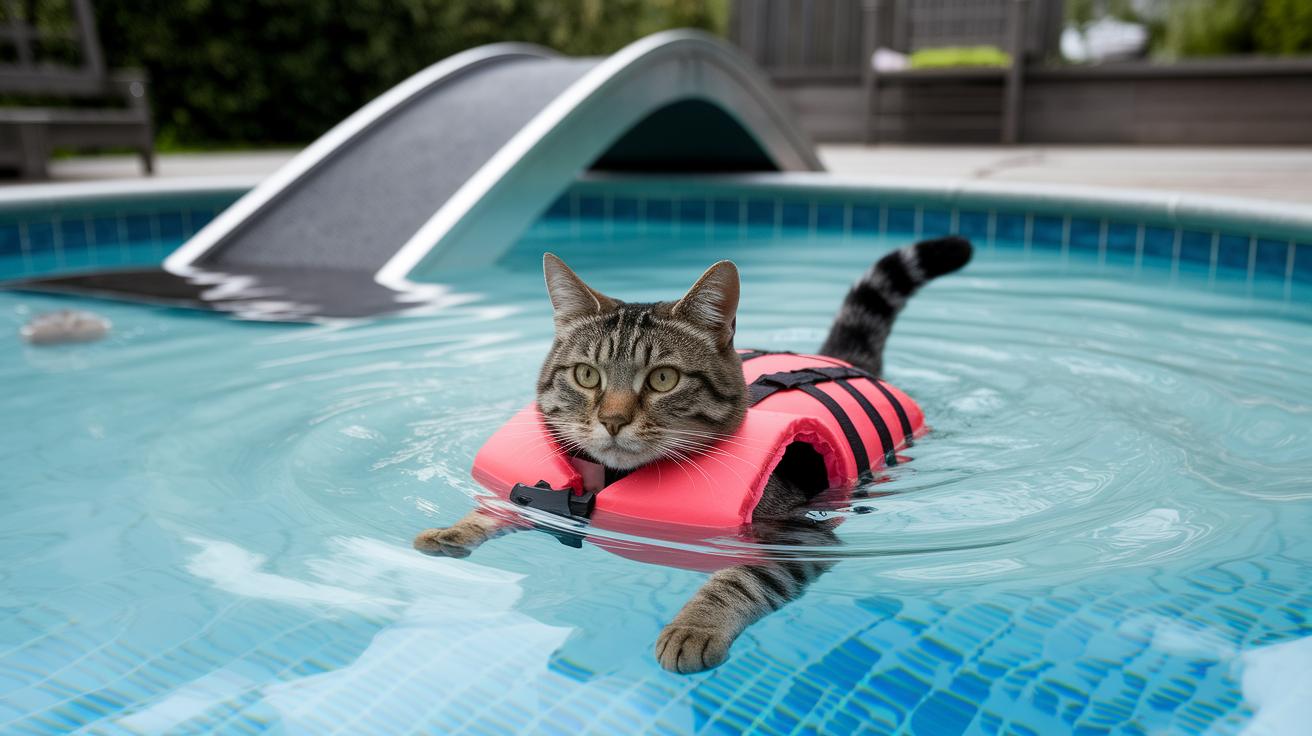
    3. Follow any foster advice for socializing, keeping the right temperature, emergency plans, and stick to that kitten formula feeding routine.

    Worth every purr.

    Final Words

    in the action we’ve covered quick stats on kitten harms, low home rates vs feral, and why male or female cats sometimes act out.

    Next we laid out body-language cues, safe nesting spots, enrichment tips, and steps after a loss so you can step in fast.

    Answering do cat kill kittens often means spotting risk early and making simple changes for peace of mind. With these tools, you can keep tiny paws happy and your home calm.

    FAQ

    At what age do male cats kill kittens?

    Intact male cats may kill kittens once they reach sexual maturity at 6 to 9 months, aiming to induce female estrus, though this behavior remains rare in homes.

    How often do male cats kill kittens?

    Intact male–driven infanticide in domestic settings occurs in under 2% of litters, compared to up to 25% in feral colonies, making it an uncommon risk for indoor cats.

    How do male cats kill kittens?

    Male cats kill kittens by biting the neck or head, sometimes shaking them to stop breathing, reflecting instincts to eliminate offspring not sired by them.

    Do cats kill kittens that aren’t theirs and will neutered male cats kill kittens?

    Neutered male cats almost never kill any kittens, while intact males may harm unrelated young to trigger female heat; feral intact males show higher kitten-killing rates.

    Will a mother cat kill her kittens if you touch them?

    Mother cats rarely kill kittens solely from handling; gentle touch usually goes unnoticed, but repeated nesting disturbances or intense stress can prompt abandonment or aggression in inexperienced queens.

    Why do cats kill or abandon kittens?

    Cats may kill or abandon kittens due to stress from noise or overcrowding, inexperience in first-time mothers, or to cull weak or sick offspring and protect the rest.

    Related Articles

  • best food for cats with feline leukemia vitality

    best food for cats with feline leukemia vitality

    Ever pop a can of tuna and watch your FeLV kitty spin in circles at the smell? Me too.
    Feline leukemia (a virus that weakens the immune system) can leave them wiped out, but the right meals help keep their bodies in top shape.
    Cats with FeLV burn energy faster than usual, so they need food that fights back.

    Forget boring kibble.
    Choose wet foods that clink in the can and glide into the bowl.
    Oops, did I say clink? I mean a gentle pop.
    They’re loaded with muscle-building protein (it helps bulk up strong paws), plus extra calories for quick fuel and antioxidants (tiny cell cleaners).

    They also pack built-in moisture so your kitty gulps down water with every bite, and they skip the junk fillers.
    Your fur baby will stay cozy, strong, and purring longer.

    Ready to boost your kitty’s vitality?

    Core Nutrition Needs for Cats with Feline Leukemia

    - Core Nutrition Needs for Cats with Feline Leukemia.jpg

    Cats with FeLV need a serious protein boost, at least 40% protein (dry matter basis) to keep muscles strong. They also need extra calories so they don’t burn through energy like a kitten on catnip. High-protein, high-calorie diets counter that catabolic state (when the body starts eating its own tissues).

    Antioxidants, vitamins A, C, and E, help mop up cellular damage, and omega-3 fatty acids calm inflammation. Think of these as tiny superheroes patrolling your cat’s cells. Moisture-rich meals (gravy or canned food) protect kidneys from dehydration (they’re easy to dry out). Toss in bone broth for electrolytes and collagen (the stuff that keeps tendons springy), no extra prep needed.

    Choose foods low in phosphorus and watch iron levels, too much iron can overwork organs. Skip fillers like BHA, BHT, or artificial colors to avoid skin flare-ups or clotting troubles. A palliative feeding plan for leukemia kitties means easy-to-digest, nutrient-dense bites that support an immunosuppressed cat.

    No meal can cure FeLV, but the right diet keeps body condition steady and boosts clinical response. Mix in immune helpers like beta-glucans or brewer’s yeast (for B vitamins and prebiotics) to lend a paw. When vets map out treatment for feline leukemia virus, diet often steals the show. Small, frequent meals and easy-lapped broths keep whiskers twitching and purrs rolling longer.

    Commercial Diet Recommendations for FeLV-Positive Cats

    - Commercial Diet Recommendations for FeLV-Positive Cats.jpg

    Smalls Fresh Cat Food is a top pick for cats with FeLV (feline leukemia virus). It’s packed with real turkey, chicken, fish, or beef and zero preservatives or fake colors. You get it frozen in a smooth paté (think meat mash) or chunky stew. Just move a package to the fridge a day ahead so it thaws. Easy peasy. Picky kitties usually gobble it up. But hey, you’ll need enough freezer space and a thaw plan.

    IAMS Proactive Health Adult Dry Cat Food has natural fiber for happy tummies and prebiotics (good gut bugs). It also brings calcium and potassium plus omega fatty acids (skin & coat helpers) to fend off inflammation. No artificial colors or preservatives here. Some cats might need a week or two to adjust, hang in there.

    Purina Pro Plan Weight Management comes in dry and wet versions with 43% protein, live probiotics (gut buddies), taurine (heart helper), and vitamin A for strong muscles and immune cells. It’s like a little bodyguard for your cat. But watch out. The kibble is super hard. Older cats or ones with tender teeth might struggle.

    CRAVE Grain Free High Protein Dry Cat Food delivers 40% chicken protein, skips grains, and drops chemical preservatives. You get handy 2-pound bags that don’t break the bank. Some say the bag seal flops at keeping food fresh, and taste is a toss-up. Ever seen your cat sniff and walk away?

    For a vet-approved boost, try Hill’s Prescription Immunity or Royal Canin FeLV Support. These diets pack extra antioxidants (cell defenders) and keep phosphorus low so your kitty’s immune team gets the right fuel. They run about $30 to $60 for a 5-pound bag or a dozen cans. And yep, you’ll need a vet’s prescription.

    Product Protein Key Nutrients Pros Cons Storage & Cost
    Smalls Fresh ~45% Real meat, no fake colors Super tasty, two textures Needs freezer space, thaw time Frozen, subscription
    IAMS Proactive 30%+ Fiber, prebiotics Wallet-friendly, coat support Takes time to settle in Dry, grocery shelf
    Pro Plan Vet 43% Probiotics, taurine, vitamin A Muscle & immunity boost Hard kibble Dry & wet, vet-only
    CRAVE Grain Free 40% Chicken protein No grains, small bags Poor bag seal, hit-or-miss taste Dry, pet store
    Hill’s & Royal Canin 30–40% Antioxidants, low phosphorus Vet-formulated, immune support Higher price Dry & canned, prescription

    Mixing wet food’s juicy perks with kibble crunch gives FeLV cats balanced nutrition. Rotate textures and flavors so mealtime stays exciting. Always check ingredient labels and skip BHA, BHT, or fake colors. Your kitty will keep licking and purring, claw-tastic!

    Homemade Meal Plans for Cats with Feline Leukemia

    - Homemade Meal Plans for Cats with Feline Leukemia.jpg

    Thinking about homemade meals for a kitty with feline leukemia? Grab some chicken (all lean protein) or turkey, gentle on tiny tummies. Then add soft, cooked veggies like carrots (for B vitamins) and green beans for extra fiber.

    Add a spoonful of pumpkin puree (fiber-rich soothes upset stomachs) for a digestion boost. It’s like a mini spa day for your cat’s gut.

    Bake your meat at 350°F for 10 to 15 minutes to zap any stray bacteria. Save that cooking juice, it’s flavor gold and keeps meals moist. And don’t forget to trim fat and skip organ meats to keep phosphorus levels low.

    Now, let’s talk bone broth: simmer chicken bones in water for about eight hours. You’ll get electrolytes and collagen, so it’s a hydration hero. After it cools, skim off the fat. Then stir in a spoonful with each meal, your cat will lap it up.

    For a raw twist without the risk, sprinkle in some freeze-dried raw bits (tiny vitamin- and enzyme-packed nuggets). Rotate these toppers twice a week to keep meals fresh and your kitty curious.

    Sprinkle on a pinch of nutritional yeast for B-complex vitamins and a dash of prebiotic fiber. Feed four to six small meals a day, and mix textures, pâté, meaty chunks, a little gravy. Once a week, play dinner detective: see which bowl disappears first, then give them more of that flavor.

    Batch-cook on weekends and portion into single-serve trays you can freeze for up to two weeks. Thaw trays overnight in the fridge, label them with dates, and forget last-minute meal prep stress.

    Worth every paw-print.

    Essential Supplements for Cats with Feline Leukemia Diets

    - Essential Supplements for Cats with Feline Leukemia Diets.jpg

    Got a kitty with feline leukemia? Check out these diet power-ups for extra belly and immune support.

    Live probiotics (good bacteria) and prebiotic blends (food for those bugs) help your cat’s belly stay happy. They can calm upset stomachs, ease diarrhea or help with constipation. Aim for 1–2 billion CFU (colony-forming units) once a day. Just sprinkle it on their food. Then watch the poop (consistency is key) and tweak with your vet’s advice.

    Fish oil (omega-3 fatty acids) is like a gentle hug for an immune system under stress. Aim for about 20 mg of EPA/DHA per pound of cat to cut down on inflammation. Tag in vitamin E (10 IU) as an antioxidant sidekick that clears up cell damage. And a tiny pinch (1/8 teaspoon) of turmeric (anti-inflam spice) adds another boost. Just keep an eye out for any tummy grumbles.

    L-carnitine (an amino acid that helps burn fat) at 50 mg a day can keep lean muscles strong. Arginine (another amino acid) at 250 mg helps power up immune cells. Glutamine (a gut-soothing nutrient) 100–200 mg can help repair the lining of a damaged intestine. Then add digestive enzymes (follow the label) to make sure those nutrients soak right in.

    Brewer’s yeast (rich in B vitamins and prebiotic fiber) at ½ teaspoon per 5 pounds gives an extra gut boost. My Luna can’t resist the nutty smell. Really.

    Some FeLV cats need iron supplements if their red blood cells dip low. Always under your vet’s watch. And um, keep kidney health in mind when you pick your dose. Safety first, always.

    Mix these immune-boosting extras into a vet-approved diet for cats with feline leukemia. You’ll help shore up digestion, immunity, and overall quality of life. Worth every paw-print.

    Feeding Strategies and Guidelines for Cats with FeLV

    - Feeding Strategies and Guidelines for Cats with FeLV.jpg

    If your cat has FeLV, serving small meals all day really helps. Four to six mini meals keep blood sugar stable and help prevent muscle loss. Wet pate (a soft, moisture-rich meat blend) or gravy-based recipes work wonders.
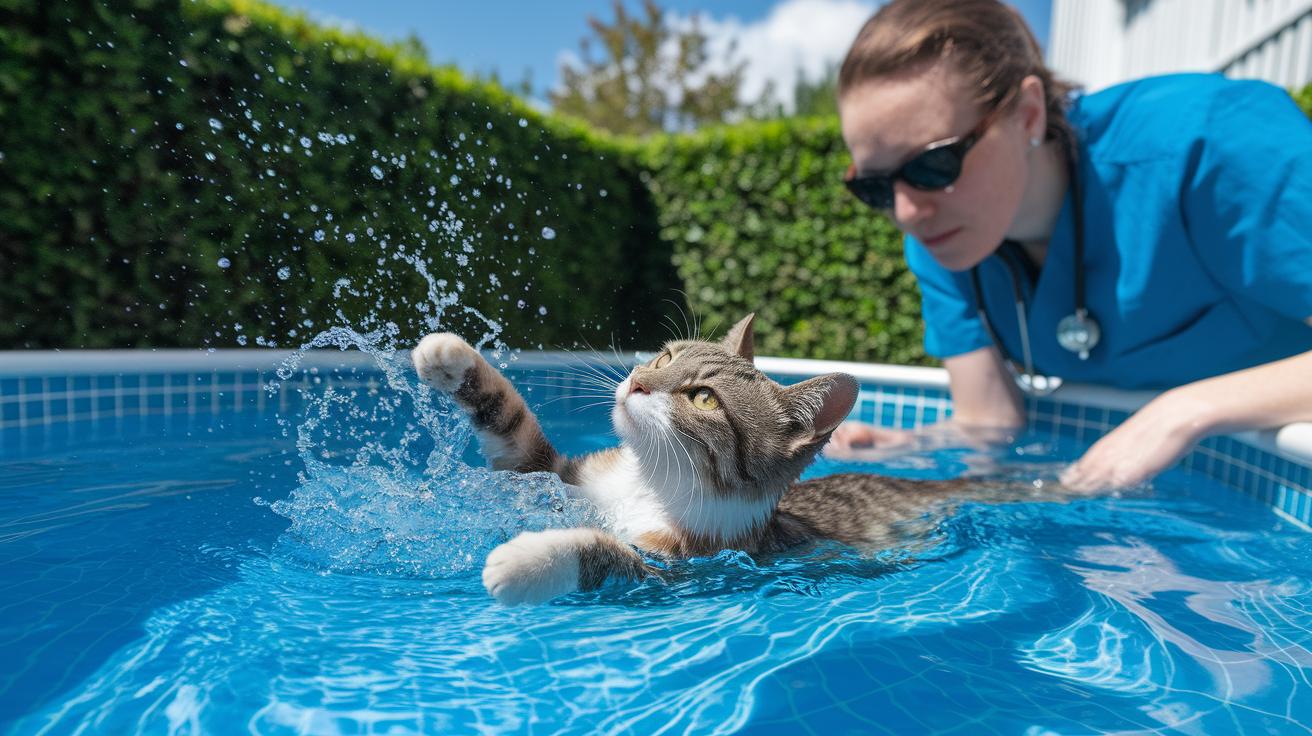
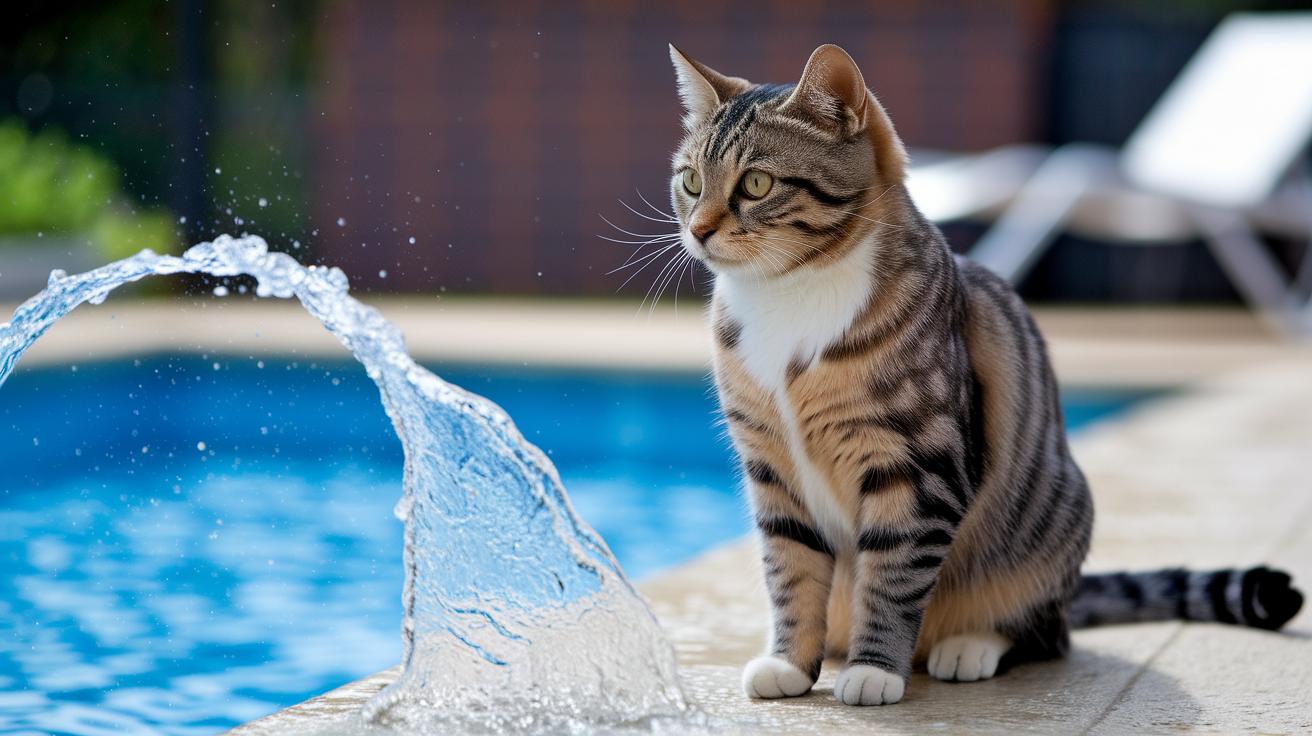
    Adding bone broth (nutrient-rich broth from simmered bones) gives an extra hydration boost and supports kidney health. Your kitty’s tummy will thank you.

    But skip dry kibble. Its low moisture can worsen dental issues and dehydration. Stick with wet food to protect teeth and boost fluid intake. Warm each dish to about 100 to 105°F so the aroma jumps out.

    Pop meals into easy-grip trays on raised stations to ease neck strain and make mealtime comfy. Ever watched your kitty tilt its head at a slow-feeder bowl? Those bowls (shallow dishes with hidden grooves) help diners slow down, cut choking risks, and encourage mindful munching.

    If your kitty’s appetite dips, try syringe feeding tasty broth or pureed chicken stew. You might feel a bit awkward, but it’s a lifesaver on rough days. A dab of tuna-flavored appetite gel can also re-ignite interest in food. It’s great to keep a few tricks up your sleeve.

    Rotate feeding spots and keep things quiet to reduce stress. Offer tiny tastes of homemade goodies (shredded chicken or pumpkin mash) to break up the routine. Watch which bowls vanish first, and you’ll spot your cat’s favorites.

    Quality of life diet tips center on fun, frequent bites in a calm setting. That’s the secret to helping a kitty with FeLV stay purring, eating, and feeling paw-sitive every day. Worth every paw-print.

    Adjusting Diet Based on Health Monitoring in Cats with Feline Leukemia

    - Adjusting Diet Based on Health Monitoring in Cats with Feline Leukemia.jpg

    Weigh your cat once a week and jot down the numbers. Give a body condition score from 1 to 9 (1 is too thin, 9 is too chubby) so you can catch muscle loss early. It’s like tracking your own fitness, spot changes fast and tweak calories so every meal stays energy-packed.

    After your routine feline leukemia testing, check the lab results for protein, phosphorus, and kidney markers (blood tests that show how hard the kidneys are working). If phosphorus is high, pick a low-phosphorus recipe. If protein is low, boost it with a renal-friendly plan. Then retest with ELISA (a blood test that finds viruses) or IFA (another virus check) as your vet suggests to fine-tune the diet.

    When you switch foods, go slow. Over 7 to 10 days, mix 25% new food with 75% old food, then 50/50, then flip it. Watch which bowl your cat licks clean, that tells you what she loves. And if you need to hide pills, stir them into a smooth pâté (a soft meat blend) so she gobbles them up without a fuss.

    Summer calls for cool wet food or a splash of bone broth (warm meaty water) to keep her hydrated. In winter, heat meals to about 100°F and add a few extra calories for cozy days. Your cat’s whiskers will twitch as the bowl warms her nose, so claw-tastic.

    Read ingredient labels carefully to skip fillers like BHA or BHT (preservatives you don’t need). Do the math on cost per serving, commercial diets vs homemade menus recommended by your vet. It’s like comparing breakfast cereals: some cost more but last longer.

    Keep meal times calm and stress-free, your kitty needs a routine she trusts. And remember, thyroid issues can speed up or slow down her appetite, so watch for sudden munchies or skipped bites. Worth every paw-print of effort, right?

    Final Words

    From high-protein, moisture-rich recipes to vet-approved commercial menus, we’ve mapped out a diet that fuels cats with FeLV and keeps muscle wasting at bay.

    You’ve got homemade meal guides and top pick brands with pros, cons, and storage tips. Toss in bone broth hydration and smart supplements, and you’ll give immune health a serious boost.

    Feeding strategies, small meals, heated dishes, stress-free stations, and practical monitoring keep every bite on point.

    With this plan in paw, finding the best food for cats with feline leukemia is simpler, and you’re all set for more joyful, energetic pounces.

    FAQ

    What is the best food for cats with feline leukemia?

    The best food for cats with feline leukemia blends high-quality animal proteins, moisture-rich wet foods, antioxidants and calories to support immunity, muscle mass and hydration.

    What is the best food to give a cat with FIV?

    The best food to give a cat with FIV emphasizes high protein, calories and hydration, similar to FeLV diets, using wet foods, antioxidants and vet-approved formulas.

    What are the first signs of feline leukemia and how does the disease progress?

    The first signs of feline leukemia include lethargy, weight loss and reduced appetite, progressing over months to fever, anemia, infections and eventually severe immunosuppression in late stages.

    Can a cat with feline leukemia live with other cats?

    Cats with feline leukemia can live with other cats if strict hygiene, separate feeding stations and vaccinations are in place to prevent virus transmission and reduce stress.

    How is feline leukemia treated and is it curable?

    Feline leukemia is treated with supportive care like antiviral drugs, immune boosters and palliative nutrition; while not curable, treatment can extend quality life and manage symptoms.

    What are the final stages of feline leukemia?

    The final stages of feline leukemia feature severe anemia, chronic infections, organ failure, decreased mobility and appetite loss, requiring hospice care focused on comfort and symptom relief.

    Can kittens born with feline leukemia survive and how should they be cared for?

    Kittens born with feline leukemia may clear the virus if they receive early vet care, strict isolation, supportive nutrition and regular testing to monitor infection status.

    How do cats get feline leukemia?

    Cats get feline leukemia through saliva, grooming, bite wounds, shared food bowls or from mother to kitten, making infection control and testing crucial.

    What is the typical lifespan for a cat with feline leukemia?

    Cats with feline leukemia typically live one to three years after diagnosis, though some reach five years with excellent care, nutrition and regular vet visits.

    How can I help my cat with feline leukemia?

    You can help a cat with feline leukemia by providing high-protein wet meals, stress-free routines, immunological supplements, regular vet check-ups and hospice-style comfort care.

    Related Articles

  • How Do Cats Get Feline Leukemia: Safeguard Cats

    How Do Cats Get Feline Leukemia: Safeguard Cats

    Ever watched your kitty lap water next to a stray and felt a twinge of worry? It’s normal. After all, we want our fur balls safe and sound.

    Feline leukemia virus (FeLV, a germ that can cause cancer) is a sneaky germ that loves hanging out in spit (cat saliva). When kitties share bowls or groom each other, that wet greeting can let FeLV slip right in. Once inside, it hits immune cells (your cat’s germ fighters), leaving them open to other infections and even cancers.

    So how does this feline foe spread? With head bumps, gentle nibbles, or from mama cat to her kittens during nursing snuggles. It all comes down to saliva moving from one kitty to another.

    The good news? You can block most of this spread with a few simple moves. Give each cat its own water bowl, skip group grooming sessions, and get mama cats tested before she meets new kittens. Your furry friends will stay safer, and you can relax knowing you’ve got their backs.

    How Do Cats Get Feline Leukemia: Safeguard Cats

    - Primary Transmission Routes of Feline Leukemia Virus.jpg

    Feline leukemia virus is a tiny germ (virus) that sneaks into a cat’s body and weakens its immune cells (the body’s defenders). That leaves kitties wide open to other bugs and even cancers. So, how do cats catch FeLV? It’s usually all about spit and secret nibbles!

    Ever watched your furballs grooming each other? Kitty A’s tongue sweeps over B’s fur, sprinkling tiny spit bombs deep in those whiskers. Two pals slurping from the same bowl? Their spit swap might do the trick. Even a drooly toy or a playful bite can launch enough virus to take hold. Sure, the germ hides in pee and poop too, but spit is the real express lane.

    And here’s how it spreads around your home, horizontal transmission (germs hopping from one friend to another). When cats rub heads, cheeks, or sides, slick spit droplets slide from one coat to the next. Communal meals and nap piles quickly turn into secret germ gatherings if one cat has FeLV. A single bite during a scuffle can fire the virus right into the bloodstream. So indoor tussles and outdoor chases both carry some risk. Blood and waste carry the virus as well, but they’re way slower at spreading it than saliva. Cozy contact is heart-melting. But if FeLV is in the mix, it’s also bite-your-paws scary.

    Mother-to-Kitten Spread of Feline Leukemia

    - Mother-to-Kitten Spread of Feline Leukemia.jpg

    Ever watched your pregnant kitty’s tummy wiggle as her kittens kick inside? So here’s the scoop: feline leukemia virus (FeLV) can sneak through her placenta (the organ that feeds the kittens) and land right in their blood. The placenta usually keeps out bad stuff, but FeLV is clever. Those tiny virus invaders can plant themselves before a kitten even takes its first breath.

    Then comes nursing. With every soft suckle, mama cat can slip more virus into her milk. It’s like each feeding gives FeLV a free ride to settle in those fragile bodies. Those first few weeks? Prime time for the virus to move in before kittens build up their own defenses.

    Mama’s antibodies (her natural infection fighters) can hide the virus at first. That means quick blood tests might come back clear, a false sense of relief for worried owners. Oops, that can be tricky. So vets usually retest kittens after a few months to catch any stealthy infections before they take hold.

    Young kittens and cats up to two years old face the biggest risk when exposure happens this early. That’s why early testing and follow-up can make all the difference. Worth every paw-print.

    Risk Factors for Cats Contracting Feline Leukemia

    - Risk Factors for Cats Contracting Feline Leukemia.jpg

    In a multi-cat home, germs can sneak around every corner. Shared food bowls, soft beds, and side-by-side litter spots can turn kitty cuddles into quick virus handoffs. If you’ve ever wondered is feline leukemia contagious, imagine every nap or cuddle as a tiny FeLV pass. It’s like playing hot potato with a virus – you don’t want to be holding it.

    Letting your cat roam outside revs up the risk. Free-roaming kitties dash into stray colonies and share water dishes (think a furry watering hole). Territorial scuffles, like a quick hiss or swat, can sling enough virus to spark an infection. Indoor-only cats dodge all that and live with much lower odds.

    Cats running on low defenses, like those fighting FIV (Feline Immunodeficiency Virus, a bug that eats away at immune cells) or chronic illness, see their armor crumble faster when FeLV shows up. Yup, just one exposure in a weakened cat can lead to a long-term infection. In truth, keeping sick cats apart from healthy ones is a must.

    Prevention is worth every paw-print.

    Carrier Cats and Feline Leukemia Transmission

    - Carrier Cats and Feline Leukemia Transmission.jpg

    Definition of Carrier Cats

    Carrier cats are everyday felines who quietly carry FeLV (feline leukemia virus) in their blood but don’t look sick. You’d never guess these fluffy spies could spread a virus. When something stressful happens, like a new home or an unexpected vet visit, they can shed tiny bits of virus in their saliva or nose mucus (aka boogers). A simple grooming session or shared dish then becomes a silent sneeze that only other cats catch. Feline stealth mode, right?

    Infection Outcomes

    Not every kitty responds the same once FeLV moves in. Some cats become chronic progressive carriers. The virus stays in their blood nonstop and they’re more likely to pass it on. Then there are cats with a regressive infection. In this case the virus retreats to a quiet hideout (latent viral stage) and only flares up when stress hits, causing short bursts of shedding. Finally, some lucky kitties have abortive infections. They fight off FeLV completely and stop shedding for good. Worth celebrating, right?

    Preventing Feline Leukemia in Cats: Testing, Isolation, Vaccination

    - Preventing Feline Leukemia in Cats Testing, Isolation, Vaccination.jpg

    FeLV Testing and Diagnosis

    Ever watched your cat’s whiskers quiver during a quick blood draw? That’s when an ELISA (enzyme-linked immunosorbent assay, a speedy FeLV screen) shines. It gets results in about ten minutes. Then around eight to twelve weeks later, your vet runs an IFA (indirect fluorescent antibody test, a thorough follow-up) to see if the virus is still there.

    Kittens can borrow antibodies from mom and trigger a false positive. So vets often suggest retesting a few weeks later if your little fluff-ball is under six months. Following these steps helps you catch any sneaky carriers before they mingle with the family.

    Isolation and Sanitation

    Got a new rescue or a FeLV-positive fluff-ball? Give them their own zone, separate bowls, litter box, and bed. Think of it as their private kitty suite, no shared toys or snacks allowed. Next, wipe surfaces and dishes with a mild disinfectant (like bleach diluted to kitty-safe strength) every few days.

    Fresh bedding keeps things cozy and virus-free. A little extra scrubbing sweeps away any stray virus lurking in fur or dander. Worth every paw-print.

    Vaccination Guidelines

    Vaccinations usually start when kittens hit eight to twelve weeks old. That first shot primes their immune system, and a booster two to three weeks later seals the deal. Your vet might recommend yearly boosters if your explorer roams outdoors or shares a home with an FeLV-positive pal.

    Trials show about eighty percent protection in healthy cats with low exposure (that means a good shot your kitty stays virus-free). So stick to the shot schedule. Your feline friend will thank you with happy purrs and snag-free beds.

    Prevention Method Purpose Timing/Recommendation
    Testing & Diagnosis Find infected cats and carriers Quick ELISA (instant scan); IFA follow-up in 8–12 weeks
    Isolation & Sanitation Keep FeLV from spreading Separate room; clean bowls, litter, bedding often
    Vaccination Schedule Build immunity to FeLV Begin at 8–12 weeks; booster 2–3 weeks later; yearly revaccination

    Final Words

    Ready to keep your multi-cat home feline fine? We started by defining the feline leukemia virus and mapped out how saliva, bites, and close contact spread it.

    We then looked at mom-to-kitten transfer, risk factors in indoor and outdoor settings, and what carrier cats can mean for your crew.

    Finally, testing, separation, and a solid vaccination plan seal the deal.

    You’ve got the facts on how do cats get feline leukemia – here’s to a playful, stress-free life for your whiskered pals.

    FAQ

    What are the first signs of feline leukemia?

    The first signs of feline leukemia often include slow weight loss, persistent low energy, pale gums, and occasional fever within weeks to months after infection as the virus weakens the immune system.

    How is feline leukemia transmitted, and can petting spread it?

    Feline leukemia is transmitted mainly through infected saliva via grooming, shared bowls, or bite wounds. Simple petting won’t spread the virus unless saliva or blood enters an open wound.

    Do indoor cats get feline leukemia?

    Indoor cats can get feline leukemia if they encounter infected saliva from a new cat or stray entering the home. Their risk stays much lower than free-roaming cats.

    Can a cat with feline leukemia live with other cats?

    A feline leukemia–positive cat can live with healthy cats only if all pets test negative, stay separated during feeding and litter use, and get vaccinated to reduce saliva contact risks.

    What causes feline leukemia in cats?

    Feline leukemia is caused by FeLV, a virus that attacks a cat’s blood and immune cells, making it more likely to suffer infections and certain cancers.

    Is feline leukemia treatable, and what treatments exist?

    Feline leukemia has no cure, but supportive care—like antiviral drugs, immune boosters, and frequent vet checkups—can help cats stay comfortable and manage symptoms.

    What are the final stages of feline leukemia?

    In the final stages, cats often have severe weight loss, chronic infections, and bleeding issues as their immune defenses collapse. Hospice care focuses on pain relief and quality moments.

    What age are cats most likely to get feline leukemia?

    Cats under two years old, especially unvaccinated kittens, face the highest risk of developing progressive feline leukemia when they first meet the virus through close contact.

    Related Articles

  • how many litter boxes do I need for cats

    how many litter boxes do I need for cats

    Think one litter box (a shallow tray filled with kitty litter) is enough?
    Ever watched your kitty do the sneaky potty dance? I have, and learned the hard way!
    A cramped, smelly box (that ammonia sting!) can turn into a hidden accident spot.
    Hello, soggy socks!

    So here’s the claw-some rule: give each cat their own box, then add one extra for backup!
    That spare box is your secret weapon on busy days when two kitties can’t wait their turn.

    In this guide, you’ll get tips on where to scatter those boxes around your home (and why the spare really saves the day).
    Next, we’ll make sure every kitty has a cozy, private spot when nature calls.

    No more sock sur-fur-ises.

    Optimal Litter Box Count: One Per Cat Plus One Extra

    - Optimal Litter Box Count One Per Cat Plus One Extra.jpg

    Ever watched your kitty circle a dirty tray, claws twitching? Oops – let me rephrase that. Here’s a simple rule to keep all paws happy: one litter box per cat, plus one extra. You’ll hear fewer complaints, and surprise puddles? They can take a hike.

    Here’s a quick guide to hang on your fridge:

    • One cat: two boxes
    • Two cats: three boxes
    • Three cats: four boxes
    • Six cats: seven boxes

    Even for a single kitten, two trays are clutch. Toss one near their favorite snooze spot and another by the food bowl so your little explorer never misses a chance. Spread them out room by room.

    If you’ve got the space, aim for two boxes per cat for extra freedom. Speaking of backups, last week Luna, my fluffy torbie, inspected three boxes before picking her spot. A busy house of ten kitties would use eleven trays to spread out.

    Think of each tray as a private bathroom stall. Jam them side by side and cats treat them like one messy platform. Then one dirty box sends them hunting elsewhere – maybe in your slippers. Spreading boxes around gives quick access to a clean spot, especially when you’re mid-scoop. That extra tray means no one waits – no one holds it in.

    Worth every paw-print.

    Litter Box Placement Strategies to Reduce Conflict

    - Litter Box Placement Strategies to Reduce Conflict.jpg

    Ever see your kitties jockeying for the prime potty spot? Let’s keep the peace with smart box placement. Give each furry pal a quiet, private zone away from buzzing machines and dinner dishes. Cats love to feel hidden and safe.

    In multi-cat homes, put one tray on every floor. That way no one has to sprint up or down stairs when nature calls. In an apartment, tuck a box behind a folding screen or slide it into a bathroom corner far from doors and windows. Ever watched your kitty chase shadows? They’ll appreciate that calm hideaway.

    Clustering old trays side by side feels like one giant sandbox (a big kitty play pit) to cats. Spread boxes out instead to create mini “bathroom stations.” Shy kitties can pick the spot that feels right. Just steer clear of busy halls and loud appliances, no one wants to potty next to a roaring dryer.

    So, if Fido keeps barging in, try a baby gate or a cat-only door to keep dogs out. Quiet nooks under the stairs or beside a bookshelf make perfect litter hideouts. Before long, you’ll hear fewer territorial meows and more contented purrs.

    I once watched Jasper dash past a noisy dryer for his box down the hall. No sweat, our clever setup kept him comfy and conflict-free.

    Choosing the Right Litter Box: Size, Style, and Access

    - Choosing the Right Litter Box Size, Style, and Access.jpg

    Your litter box needs space. Pick one at least one-and-a-half times your cat’s nose-to-tail length so she can turn, dig, and cover without feeling cramped. Picture whiskers twitching as she does a victory dance on roomy real estate. She’ll be feline fine.

    Most cats love open trays with low sides. It’s easy in and easy out. No surprise crashes when they pounce. But if your carpet looks like a beach (you know, sand everywhere), go for a high-sided box (taller walls to catch stray bits) or a hooded litter box (a little cat cubicle that keeps scatter in). Open top boxes? They give privacy but can feel tight for chunkier breeds.

    Got a tiny furball or a senior pal? Low-entry boxes (a gentle rim to step over) are claw-mazing for kittens and arthritic cats. Oops, make that three steps. Some pans even come with a slope (gentle ramp that eases entry). My grandma’s tabby, Bertie, chirps when I swap his deep tray for a shallow one. No more hesitation at the rim.

    Short on space? Try a corner litter box that tucks into an unused nook or a top-entry style (you pop in through the roof). They hide the mess and keep dogs or curious toddlers from “helping” with the litter. Just watch your cat’s acrobatics. Some need practice for that rooftop leap.

    Think about your floor plan, your cat’s body, and her quirks. The right size and style make every visit cozy for her and way less annoying for you. Worth every happy paw-print.

    Selecting the Best Litter: Types, Depth, and Transition Tips

    - Selecting the Best Litter Types, Depth, and Transition Tips.jpg

    Imagine your kitty stepping into a sand-like bed – beach vibes minus the sunburn! Fill the tray with 2 to 3 inches of litter so it’s fine for digging and firm enough to keep its shape. Too shallow and it feels like concrete underfoot. Too deep and you’ll end up scooping a mini dune.

    Most cats sniff scented litter and walk away in protest. So grab unscented clay (earthy powder that clumps into tight balls around waste). Clumping litter makes scooping claw-tastic and cuts down on leftover mess. If you want something soft on paws and gentle on the planet, try paper pellets.

    Crystal litter uses silica gel beads (tiny moisture magnets) to trap odors. Then there are biodegradable litters made from wood chips or corn that break down naturally. Ever watched your cat sniff and dismiss a fresh box? Set up two small pans with different textures and see which one wins.

    When it’s time to switch litters, take it slow. Mix a scoop of the new stuff into the old batch and add more each day. I once got Luna onto a corn-based mix by starting with just a spoonful – she barely noticed. Now she digs dust-free and purrs all the way, worth every paw-print.

    Cleaning and Maintenance: Schedule, Products, and Odor Control

    - Cleaning and Maintenance Schedule, Products, and Odor Control.jpg

    Scoop waste at least once a day. Twice is purrfect if you can swing it. Fresh scooping keeps ammonia (that sharp, nose-twitching stink) from building up. I set alarms for morning and evening so the box always smells inviting.

    Give each box a deep scrub with mild soap (like dish soap) and warm water every week or sooner if you catch a whiff of trouble. Skip bleach – it’s too harsh and leaves a smell cats hate. One time I tried bleach and Luna gave me the stink-eye for days. Oops, my bad.

    Enzyme-based cleaners (they’re like tiny odor-eating helpers) are pure magic for the litter pan. They break down hidden gunk and smells at the source so your home never feels like a litter lounge. Just spray, wait, rinse. Your cat won’t even pause their zoomies to sniff-check.

    Every three to four weeks swap out all the old litter for fresh stuff. It’s like giving the box a brand-new sandbox. While you’re at it, wipe the pan edges and corners to catch tiny granules that slip past daily scooping.

    Then tuck easy-clean mats under each box to catch stray litter and keep carpets looking fresh. For extra nose-friendly hacks, check out how to make a litter box not smell. Try a sprinkle of baking soda under the mat. Or crack a window for airflow. Your cat will pounce with confidence – and you’ll breathe easier.

    Worth every paw-print of effort.

    Identifying Litter Box Problems: Health and Behavioral Alerts

    - Identifying Litter Box Problems Health and Behavioral Alerts.jpg

    Ever watched your kitty buzz past the litter box like it’s on fire? That swish of tail and quick retreat can mean stress or pain! Here are some red flags to note:

    • Pee or poop outside the tray
    • Spraying on walls or furniture
    • Suddenly eating less or meowing more
    • Hiding or skipping meals
    • Over-grooming till fur feels sore

    Even one skip or frantic dig tells a story. Stressed cats treat the tray like a forbidden zone. Shy kitties might peek in, sniff, then turn away like “no thanks.”

    Lots of things can cause this, UTIs (urinary tract infections), kidney trouble, or even tension when a new housemate moves in. Keep a simple litter log each day: note skipped visits, odd clumps, or dribbles. Catching FLUTD (feline lower urinary tract disease) early can save both whiskers and wallet.

    If you see blood, dribbles, or strangely wet clumps, jot it down. A quick chat with your vet will rule out medical issues and point you to the right treatment. And hey, if you’re still wondering why won't my cat use the litter box, we’ve got tips on stress relief, moving the tray, and toy upgrades. Um, don’t wait, those investigative paws are worth every print.

    Specialized Litter Box Setups for Kittens and Senior Cats

    - Specialized Litter Box Setups for Kittens and Senior Cats.jpg

    Using age-specific litter routines gives our tiniest kittens and wise seniors the best potty start.

    For kittens aged 3–4 weeks, grab a small, shallow tray (think tiny sandbox). After meals, spend 20–30 minutes turning potty practice into playtime. Scoop them in. Let them dig with their paws. When they cover their business, give a gentle pat or a little treat. They learn fast when it’s fun, short, and a bit messy. Sounds messy? Yep. But totally worth it!

    Senior cats with stiff joints need extra TLC. Swap to a low-entry pan (just a small rim to step over) and fill it with soft clay litter (fine-grain clay like hand-sifted sand). A gentle slope makes hopping in a breeze. And keep it fresh, nobody likes ouchy litter crumbs under paw. These small tweaks ease aches and get them back to using the box with no fuss.

    Want to make potty time purrfect? Oops, make that three fun tweaks:

    • Place a textured mat under the box for a gentle foot massage.
    • Plug in a pheromone diffuser nearby to keep calm vibes (like cat relaxing spray).
    • Um, toss a favorite wand toy just outside so they wiggle in excitement.

    These tiny touches turn the litter spot into a cozy corner, so no one’s left holding it in.

    Final Words

    in the action: consider one box per cat plus one extra, spread out in quiet spots. Pick sizes and styles that suit each cat. Choose clumping, unscented litter at 2–3 inches deep. Scoop daily and watch for warning signs.

    This simple setup keeps multi-cat homes running smoothly. By following these tips, you’ll nail down how many litter boxes do I need for cats without guesswork. Your crew stays happy, stress-free, and your home stays fresh. Happy scooping!

    FAQ

    How many litter boxes do I need per cat?

    You need one litter box per cat plus an extra spare to reduce stress and encourage consistent use.

    How many litter boxes do I need for multiple cats?

    The rule-of-thumb for multiple cats is one box per cat plus one extra. For example, two cats need three boxes, three cats need four, and eleven cats need twelve total.

    Why shouldn’t I place boxes side-by-side?

    Placing boxes side-by-side causes cats to see adjacent trays as one, limiting their choice and potentially leading to avoidance or conflicts.

    Do cats need a night light by the litter box?

    Cats don’t need a night light by their box, though a soft glow can help older or visually impaired cats find the tray safely.

    What is the golden rule for litter boxes?

    The golden rule for litter boxes is one tray per cat plus one extra, placed in quiet, low-traffic areas to avoid stress and competition.

    How often should cat litter be changed?

    Cat litter should be scooped at least once daily—or twice if possible—and fully replaced every three to four weeks for fresh, odor-free trays.

    Related Articles