Author: Isabella Tiu

  • cat hissing when petted calmed with gentle care

    cat hissing when petted calmed with gentle care

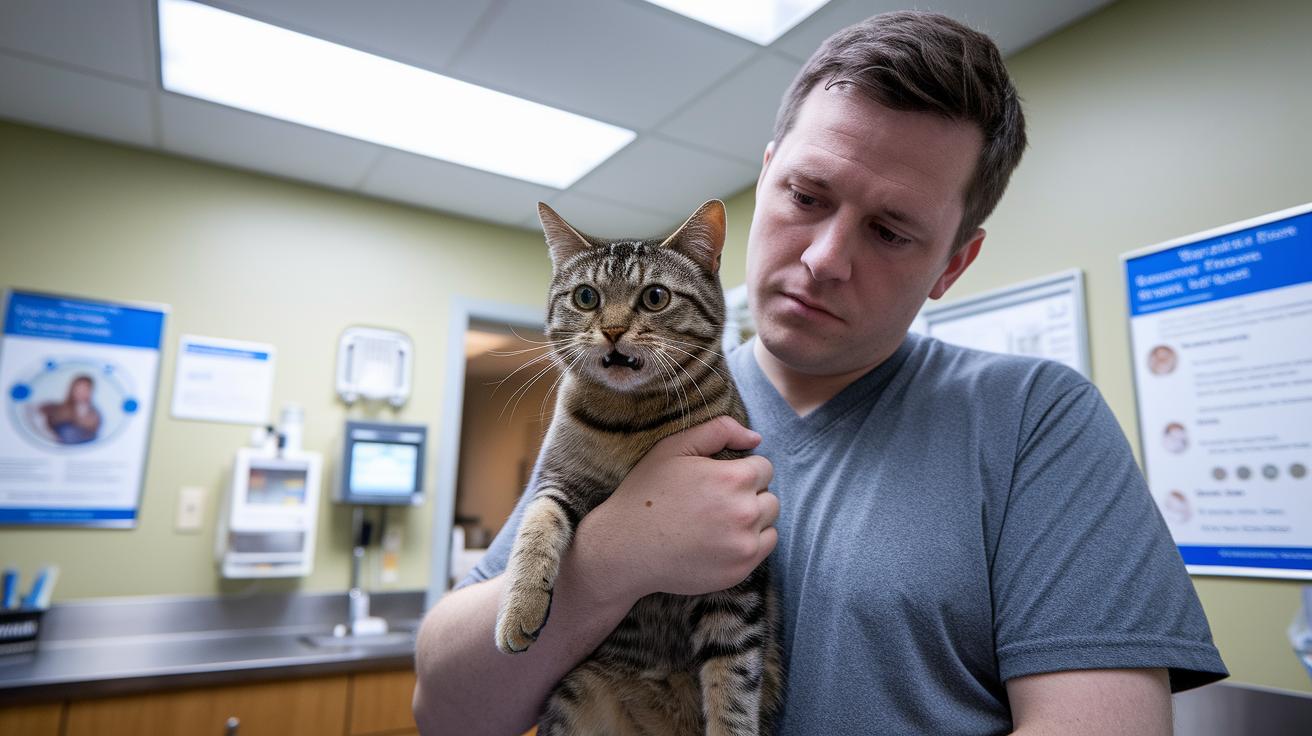
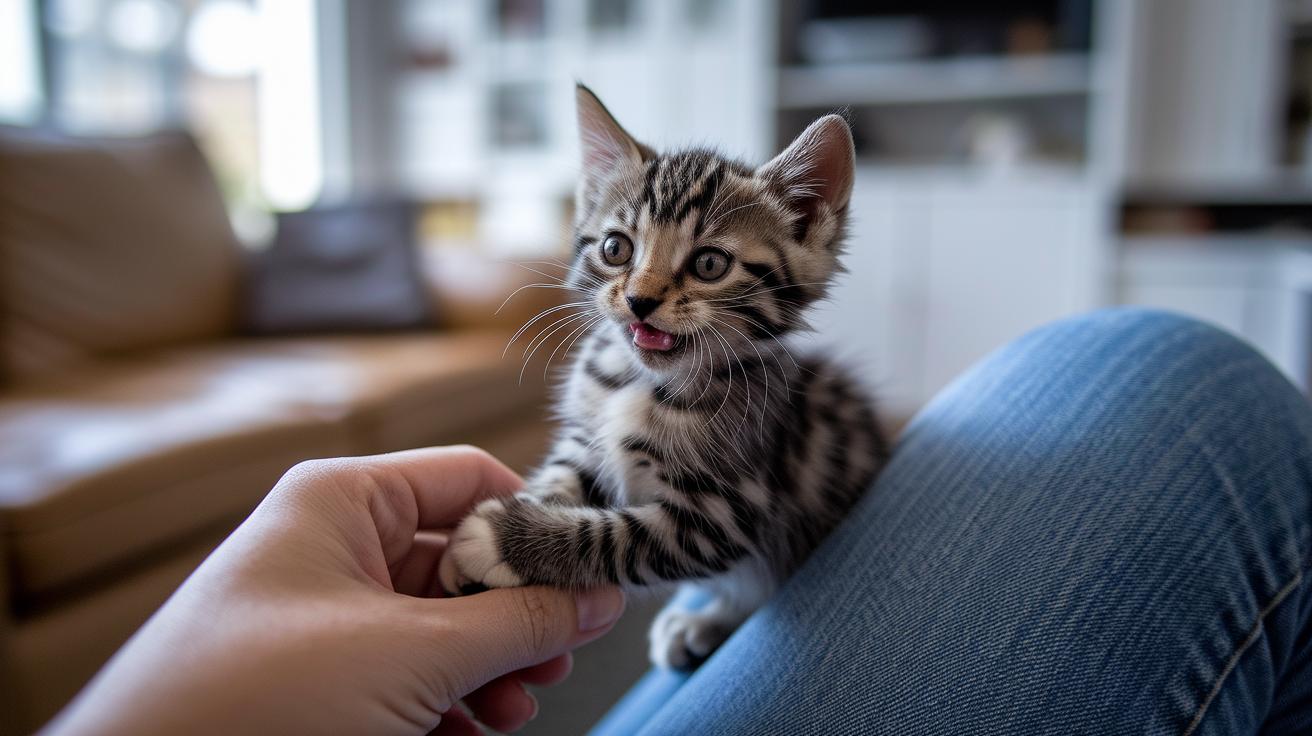
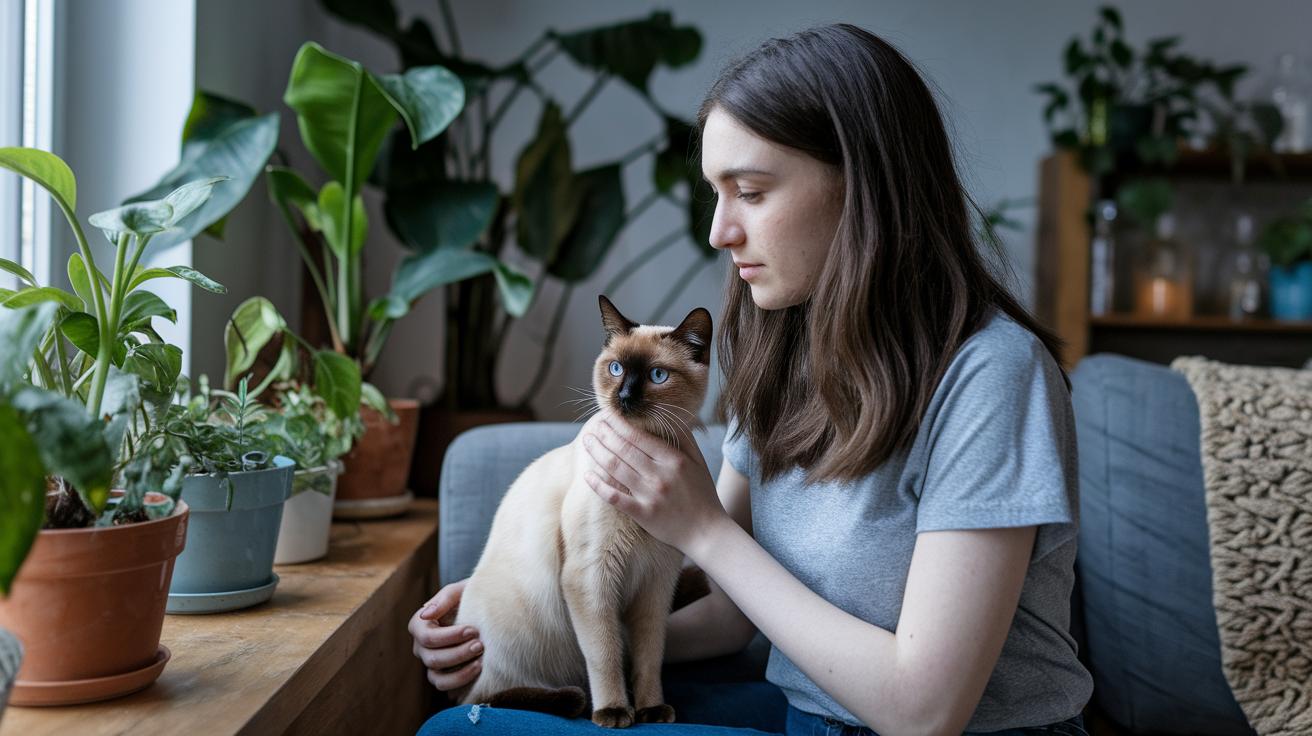
    Ever reached out to scratch your cat’s chin only to get a hiss? That quick “hsss” isn’t a personal attack. It’s your kitty’s way of saying “hold up,” since they might be tired of pets or hiding a sore spot under all that fluffy fur.

    Next, give a few short cheek rubs or light chin scratches (you’ll even see their whiskers twitch). And if they pull away, step back before their paw taps your hand. It’s their boundary. Oops, um, I guess that little nudge is their gentle warning.

    Stick with gentle moves and respect their quiet limits. Soon enough that hiss will turn into a soft, rumbling purr. Worth every paw-print.

    Why Cats Hiss When Petted
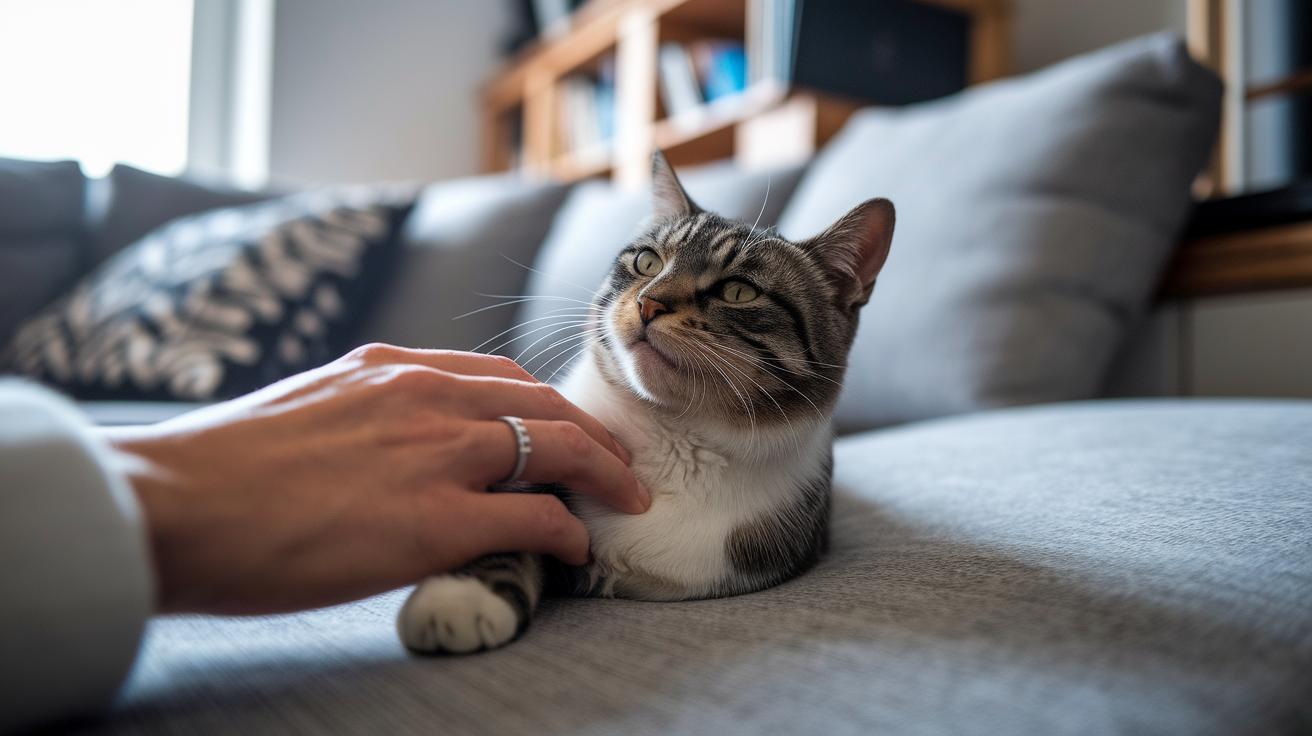
    - Why Cats Hiss When Petted.jpg

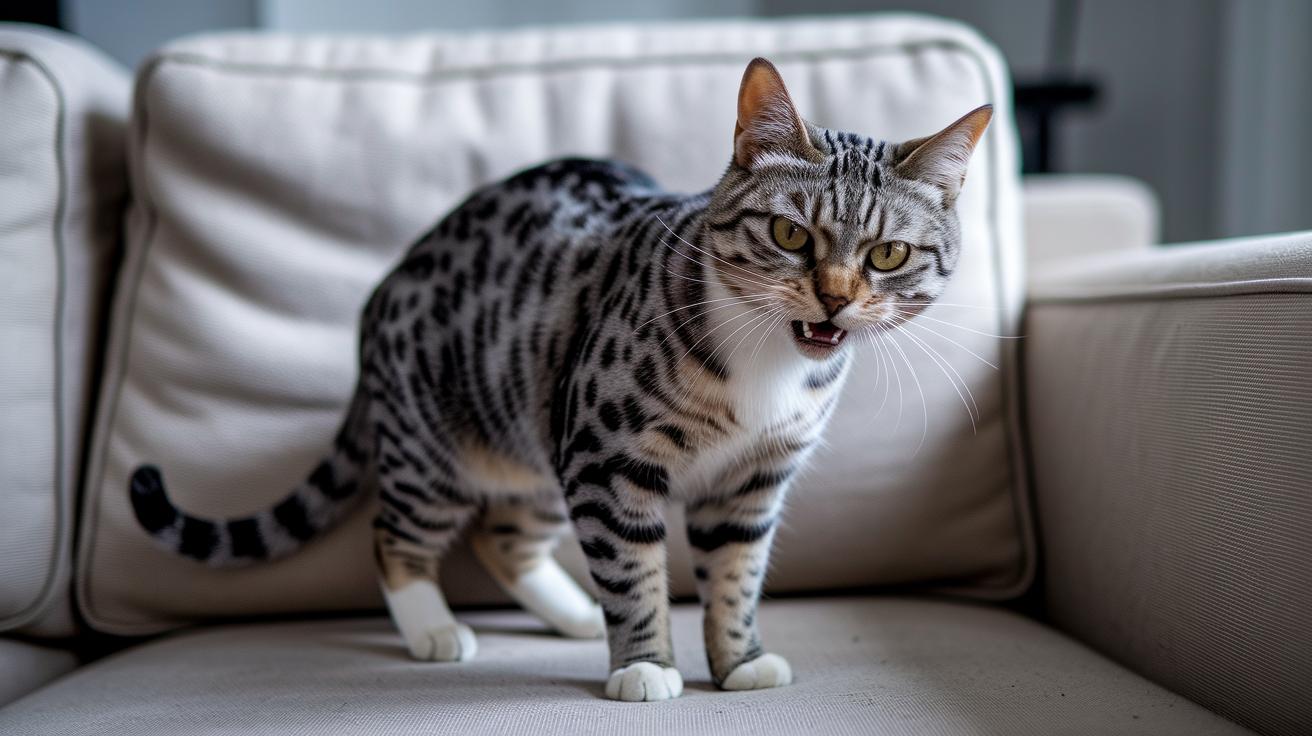
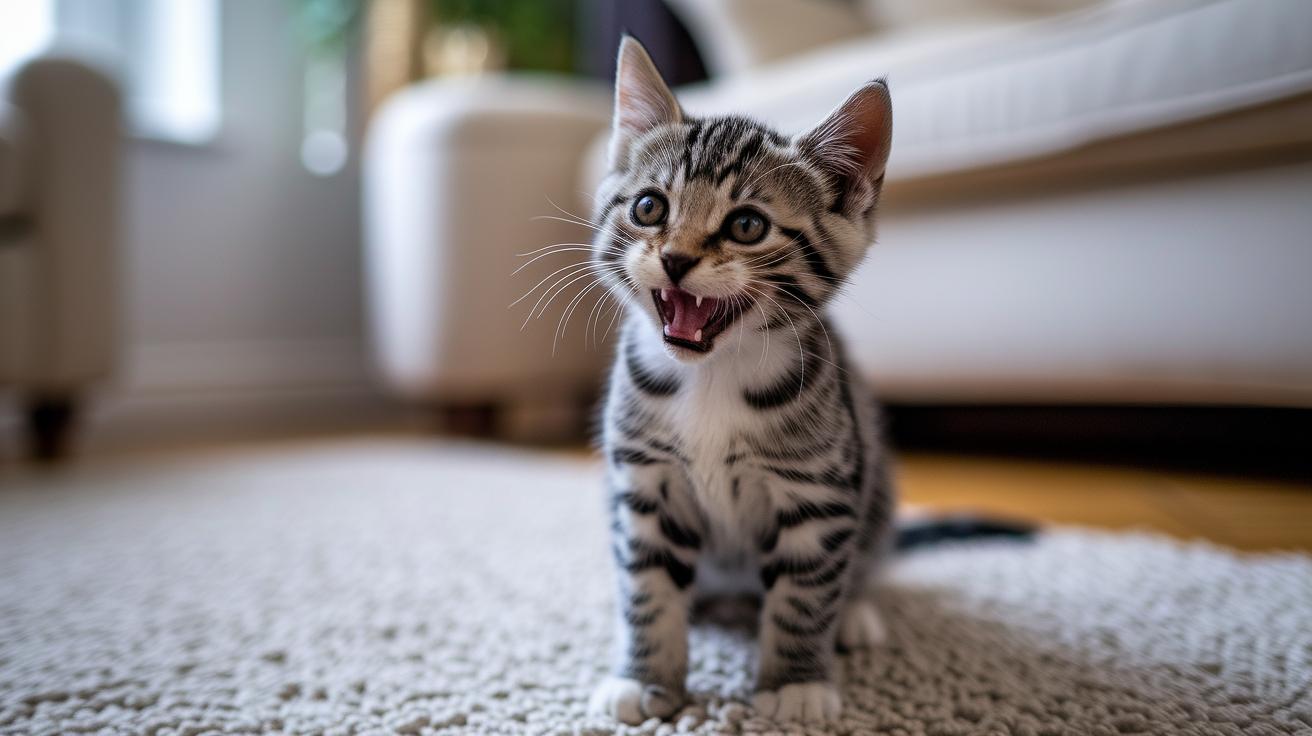
    Ever heard that sharp hiss when you pet your kitty?
    It’s not a personal insult.
    It’s a reflex (an automatic defense) saying “Whoa, too much!” like yelping when you touch something hot.
    Cats just warn you, plain and simple.

    Sometimes a flurry of long, back-to-tail strokes tickles their nerves.
    Whiskers twitch.
    Even a gentle belly rub or tail-base scratch can hit a mega-sensitive spot.
    Add a new person, a weird smell, or a sudden move, and your cat might freeze, then hiss.

    You’ll see other signs of stress:

    • Big, round pupils
    • Ears flattened against their head
    • A tail flicking like a flag in the wind

    Pain can make them hiss, too.
    Arthritis (joint pain), hidden wounds, itchy skin, or dental ache can turn sweet pets into surprise pinchers.

    Spot limping, over-grooming, or random swats?
    Time for a vet visit using gentle Fear Free handling (low-stress approach).
    Then swap full-body rubs for light cheek strokes or soft chin scratches.
    Trust me, small tweaks build big trust, and purr-fect moments.

    Recognizing Body Language Before a Hiss
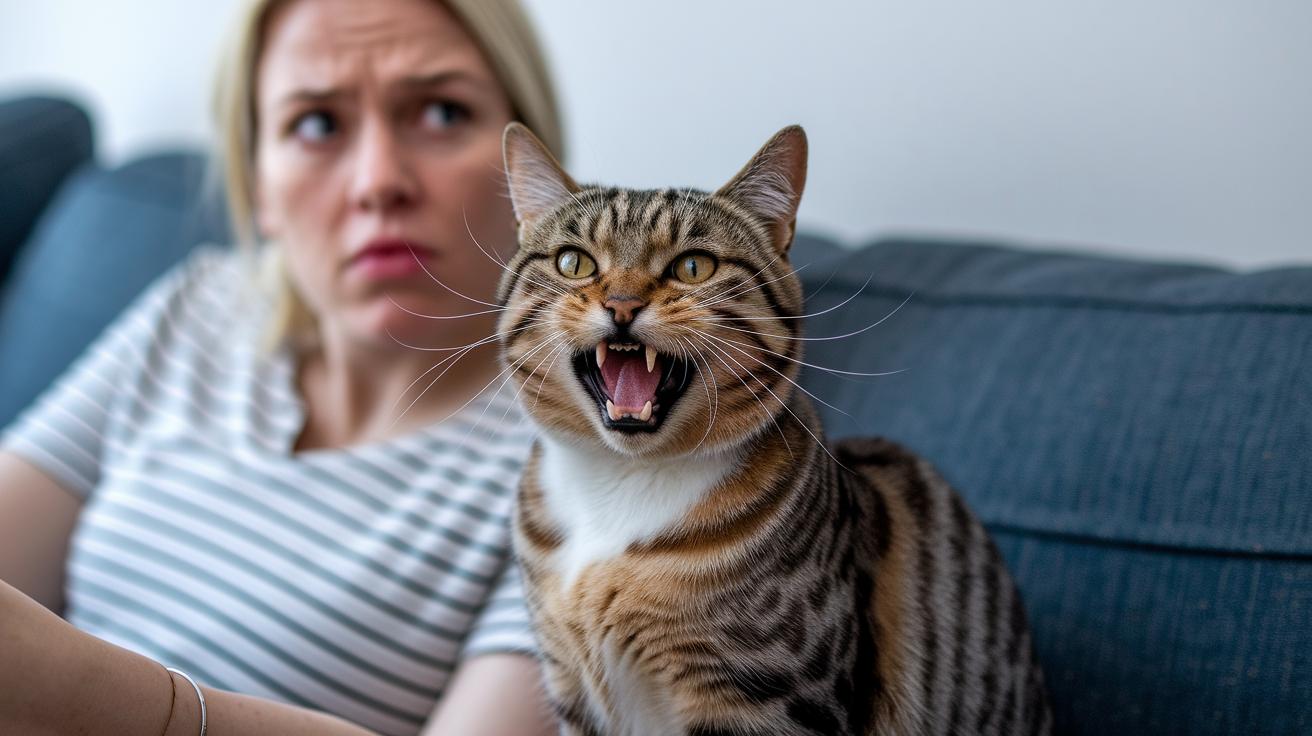
    - Recognizing Body Language Before a Hiss.jpg

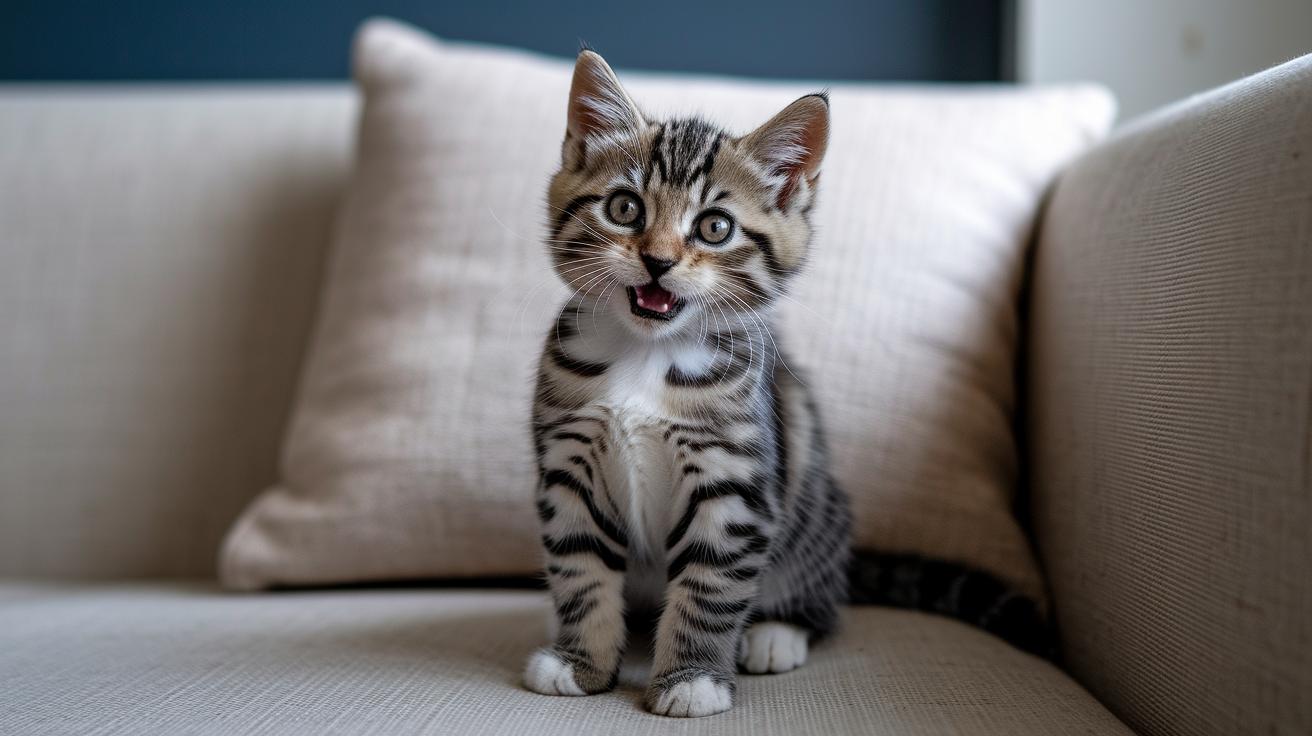
    Ever watched your kitty’s whiskers quiver when something feels off? Noticing these clues early can keep your cat feeling safe, and you feline fine.

    • Ears flat against the head (pressed like tiny pancakes)
    • Pupils blown wide with big black centers
    • Tail twitching or lashing side to side
    • Fur puffed up and back arched (hackles standing like a little Halloween cat)
    • Body low and stiff, like they’re ready to sprint

    Once you spot any of these warning signs, back off and give your cat a breather. Worth every paw print.

    Why Cats Hiss When Petted
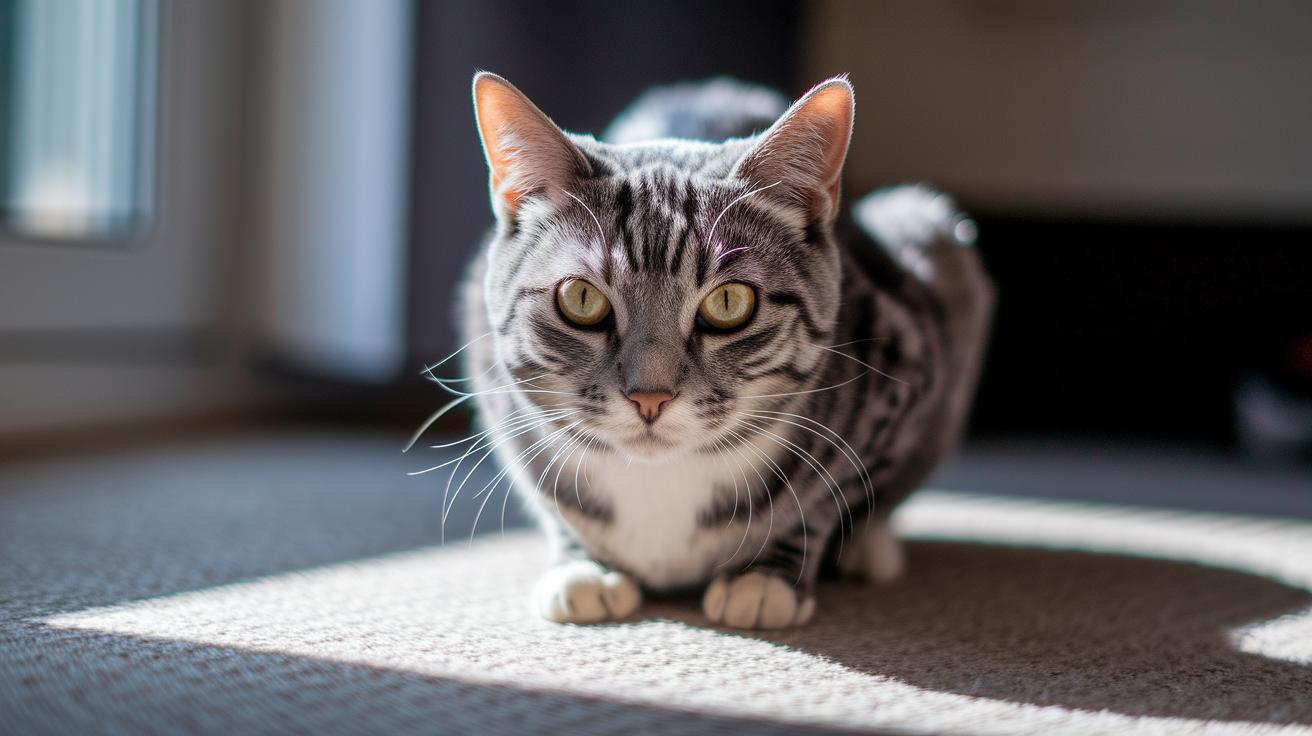
    - Common Petting Triggers for Hissing.jpg

    Petting your cat can feel like the sweetest thing. But sometimes a simple scratch ends in a sharp hiss. Ever wondered why?

    When you stroke along the spine (your cat’s back) for too long, the soft fur can tickle like crazy. That tickle zings down their nerves and can tip your kitty into overstimulation. Oops, guess I should say: just two or three more strokes and you might hear a sudden hiss. And that switch flips fast.

    Gentle, rhythmic pats can cross a comfort line if you go too fast or press too hard. Pressing the belly or the base of the tail feels like hitting a secret button. Those spots make your cat reflexively hiss.

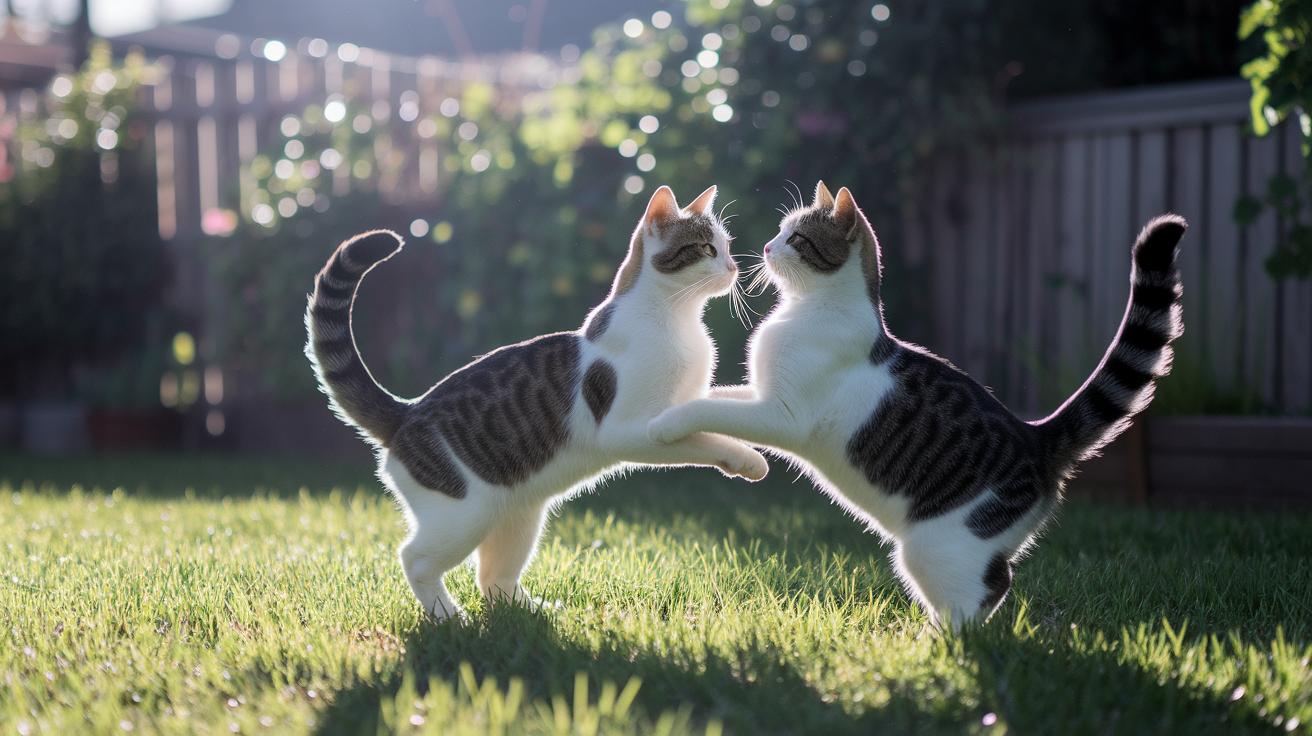
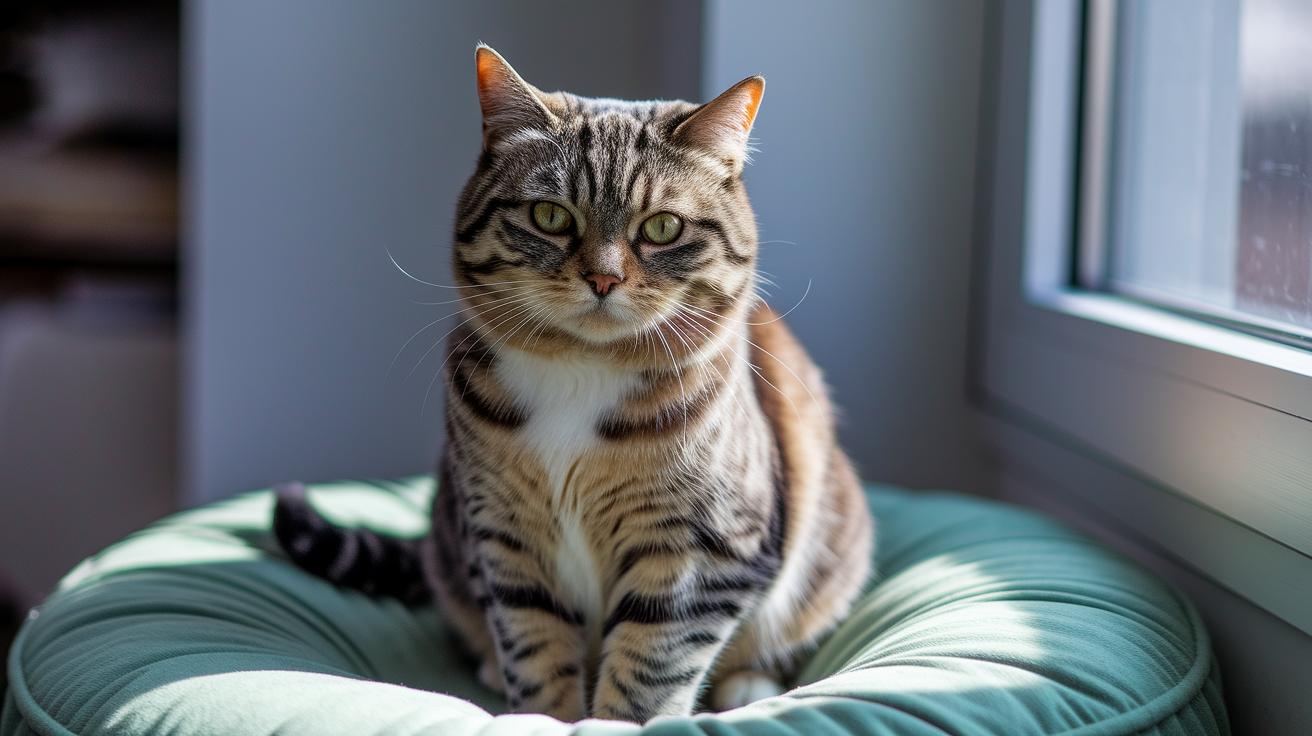
    Unlike playful ambushes that lead to cat hissing during play, petting hisses sneak up on you in calm moments. Watch for these tricky moves:

    • Long strokes along the spine
    • Belly or chest rubs
    • Touching the tail base
    • Handling paws or legs
    • Fast or circular hand motions
    • Sudden loud gestures

    Notice your cat’s signals, whiskers twitch, tail flicks, or ears tilt back. Some kitties melt for a slow chin scratch, while others jump at a single belly pat. Respecting your cat’s comfort means tweaking your petting speed, pressure, and spot. You’ll go from hisses to happy purrs in no time. Worth every paw-print.

    Who is the ABC Platform for?
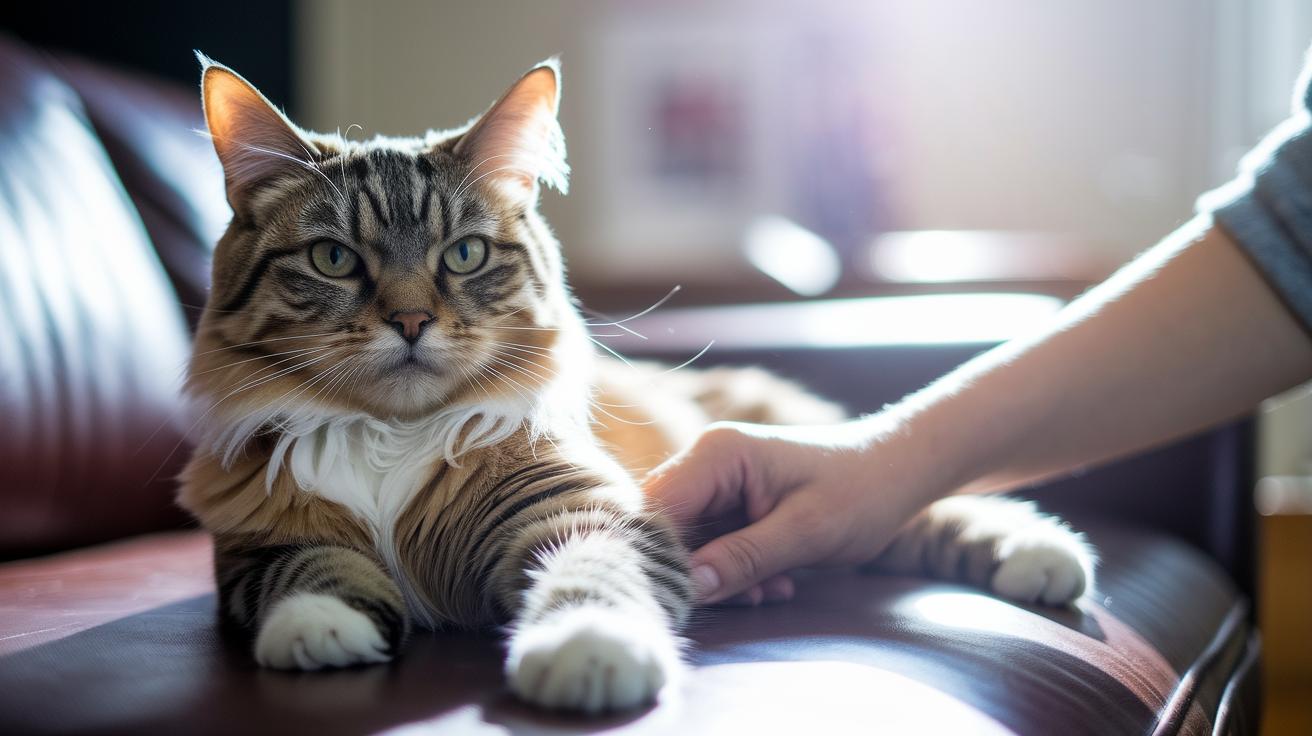
    - Medical Causes Behind Petting-Related Hissing.jpg

    If you run a small or mid-sized business or you work at an agency and you know the basics of tech and automation but just don’t have the time to build everything yourself, this is for you. Agencies will love it most because you can manage multiple client sites all in one place and see a huge return on your work.

    What is the ABC Platform?

    It’s a subscription bundle that gives you two apps plus access to Scale By Tech’s advanced automation vault. One app is a visual database (a drag-and-drop tool to store and view your data) and the other is an automation platform (software that links tasks and runs workflows automatically). The SBT Vault is full of ready-to-use automations that are production grade so you can skip the build and go live fast.

    Why should you care?

    With a visual database, an automation platform, and pre-built automations all in one bundle, you’ll be up and running in no time with very little effort. You need both a database and an automation engine to make meaningful workflows. So we simplified it by putting them together. Deploy & Enjoy.

    Tiger Spirit Animal

    The tiger spirit animal is all about raw feelings and going with your gut. Ever watched a tiger box with shadows? Then you know its power. It stands for willpower, courage, and trusting yourself to act fast.

    What does it mean when the tiger appears? Choose these vibes:

    • Personal strength and courage that helps you roar when you need to
    • Hidden parts of yourself you might normally hide or ignore
    • Anger or aggression you feel toward yourself or someone else
    • Unpredictable changes in life or emotions

    Pay attention to how the tiger shows up in your dreams or meditations and notice the feelings it brings. It helps you tap into instincts deep inside you. In truth, you’ll find a more embodied sense of meaning when you follow its lead.

    Elephant Symbolism & Spiritual Meaning

    Elephants show up in many cultures as symbols of power, wisdom, and respect. Have you ever seen one moving slowly across the savannah? Their calm strength is legendary and it can inspire you to take charge of your life.

    What does the elephant symbolize?

    • Strength and physical power that makes you feel invincible
    • Wisdom that comes from a long memory and deep knowing
    • Intuition that guides you when you listen to your heart
    • Longevity and a drive to live a full life
    • Motherly care that reminds you of safety and support
    • Stability that keeps you rooted even when life gets wild

    Think of the elephant as a friend who teaches you to own your power and use it for good. If you’ve ever felt small or powerless, you can meditate on its spirit and find your own inner might. When you let this gentle giant into your practice, you’ll stand taller and walk steadier through any challenge.
    But remember it takes time. So start small, touch a picture of an elephant or say its name before you begin your day.

    Petting Dos and Don’ts
    - Gentle Petting Techniques to Prevent Hissing.jpg

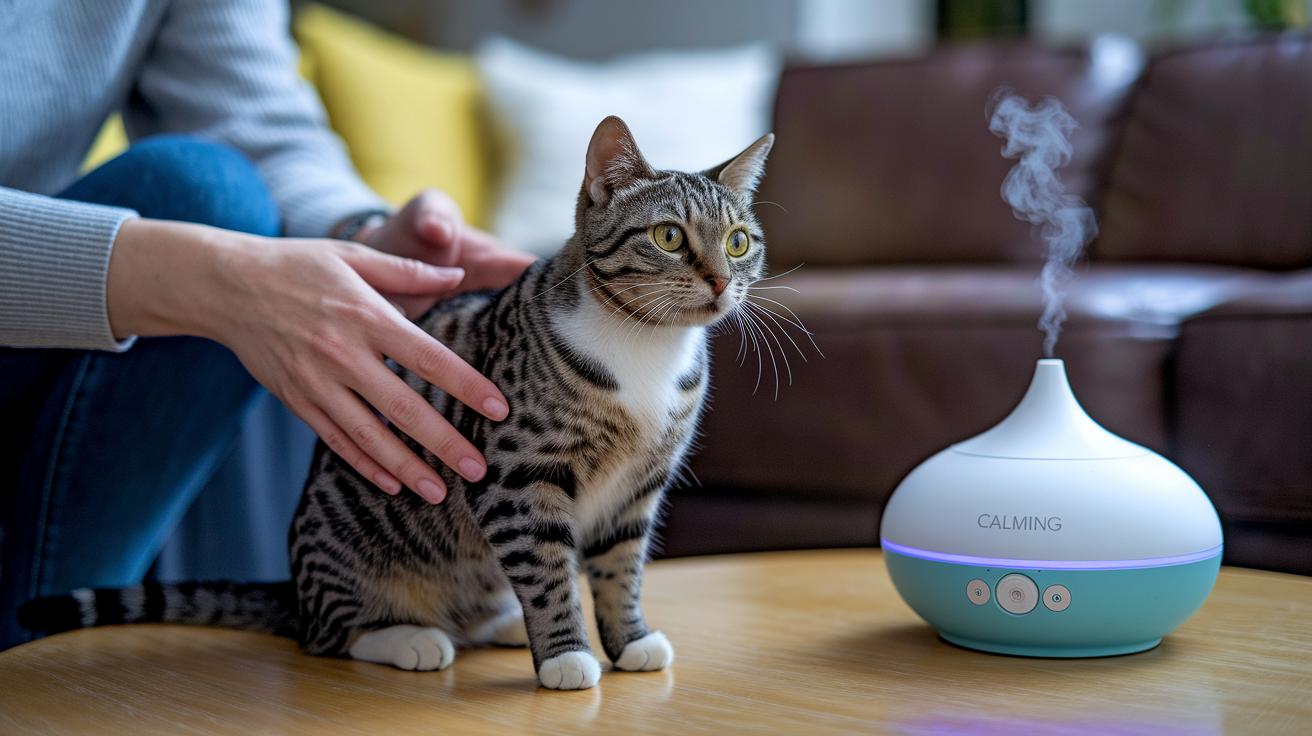
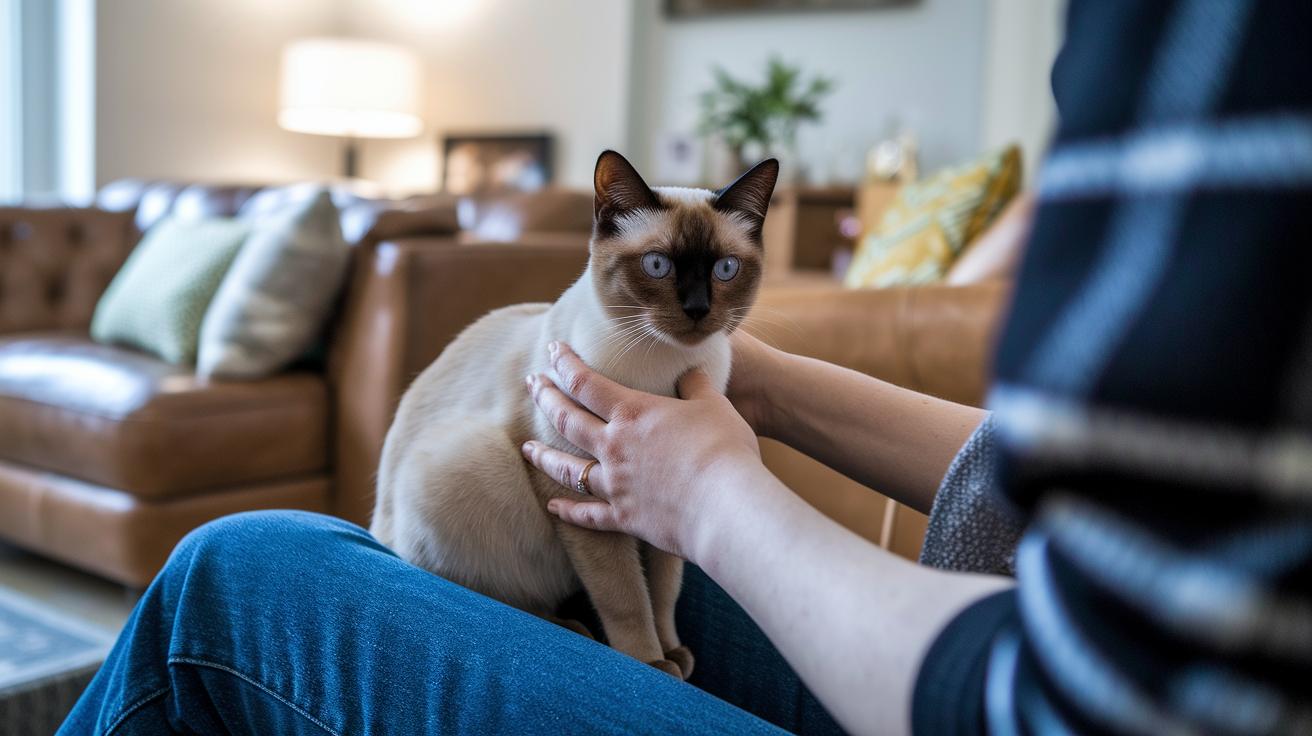
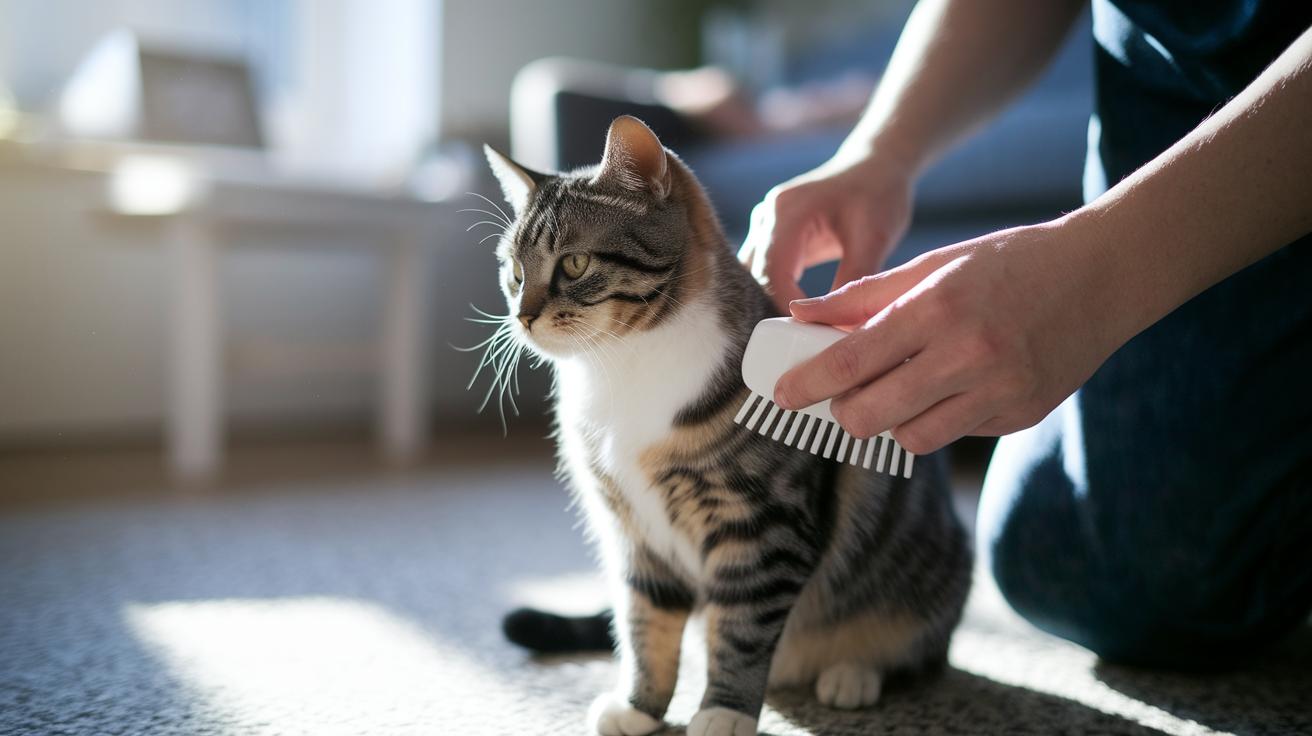
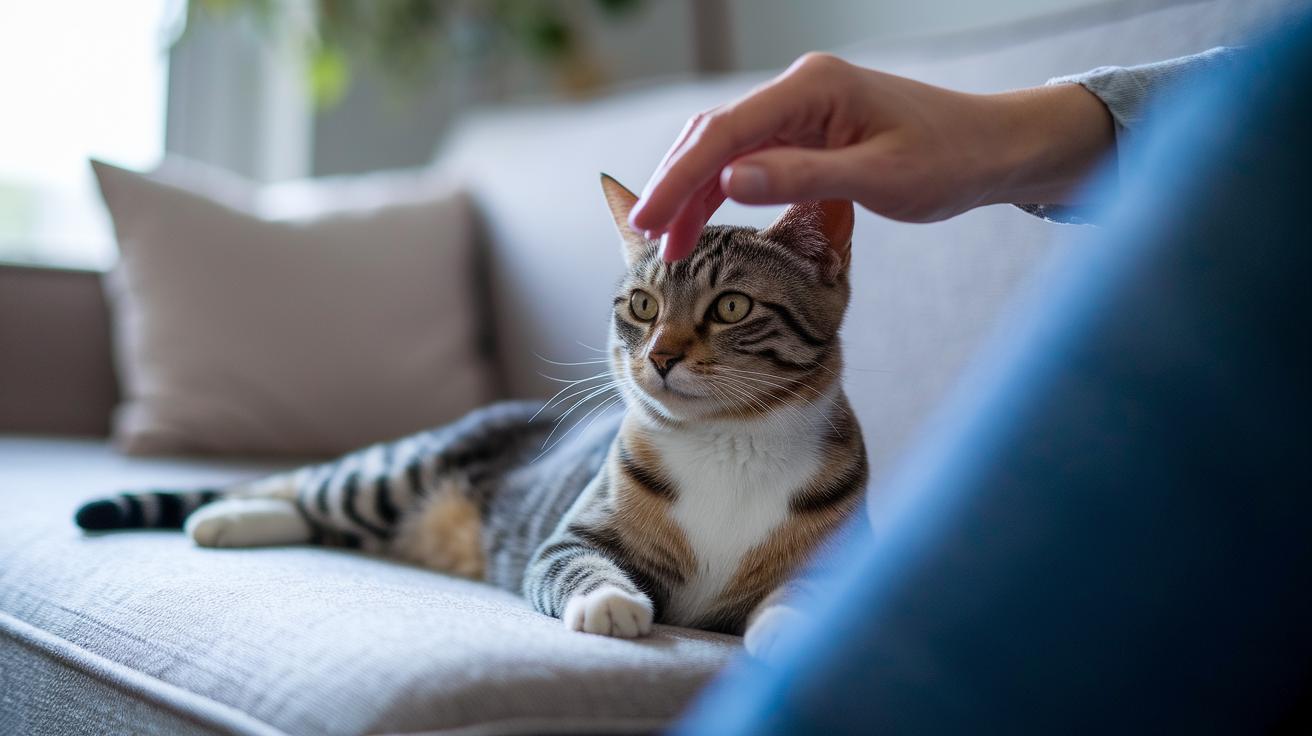
    • Do move in slow, calm motions so your kitty stays curious instead of spooked. You’ll see their whiskers twitch, paw-fect feedback.
    • Do use long, gentle strokes on the top of their head, cheeks, and chin (like drawing soft lines with your fingertip). It’s basically a mini cat massage.
    • Do whisper a cozy “good kitty” or hum softly with each rub. That low sound is extra soothing, um, trust me.
    • Don’t touch the belly or the base of the tail unless you’re 100% sure your cat loves it. To them, those spots can feel like a surprise trap.
    • Don’t ignore a flicking tail, a whisker tremble, or a low growl (a tiny warning grumble). Pause right away if they give stress signals.
    • Do keep sessions short, just a couple minutes, so your feline friend stays happy instead of overstimulated.

    Building Trust Through Desensitization
    - Building Trust Through Desensitization.jpg

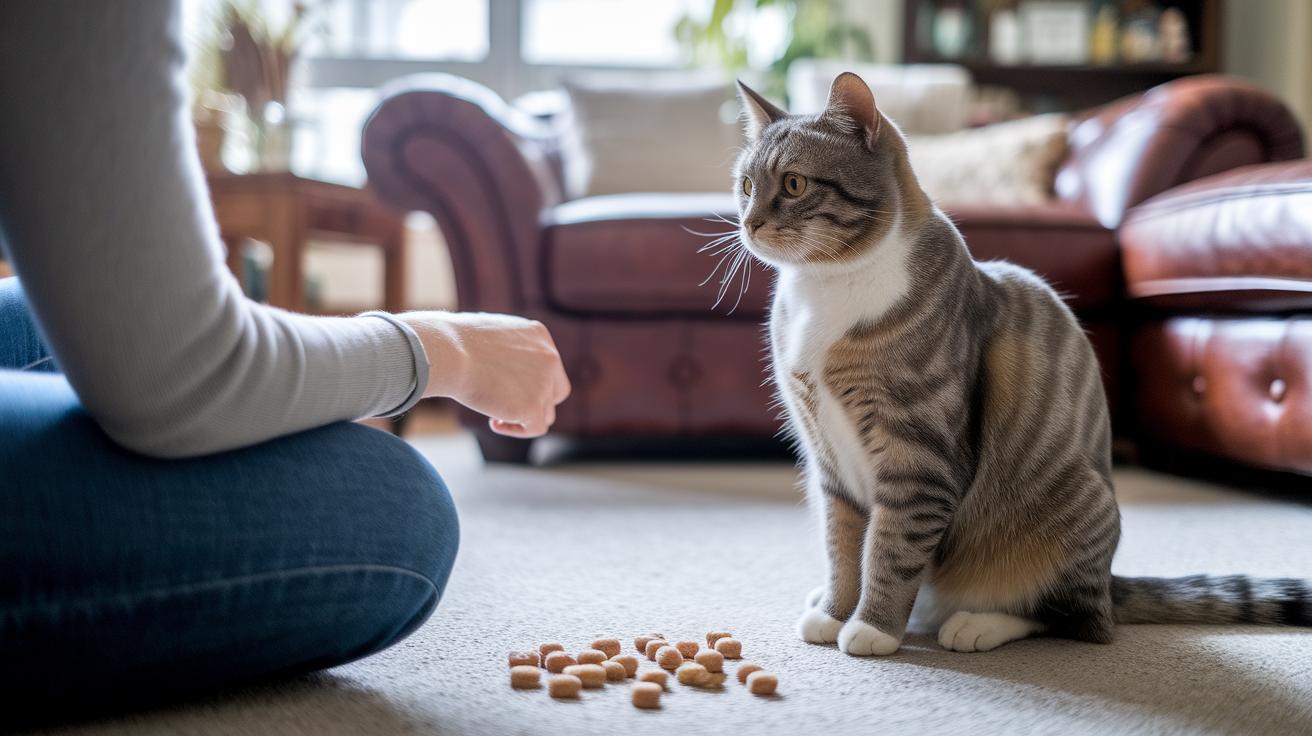
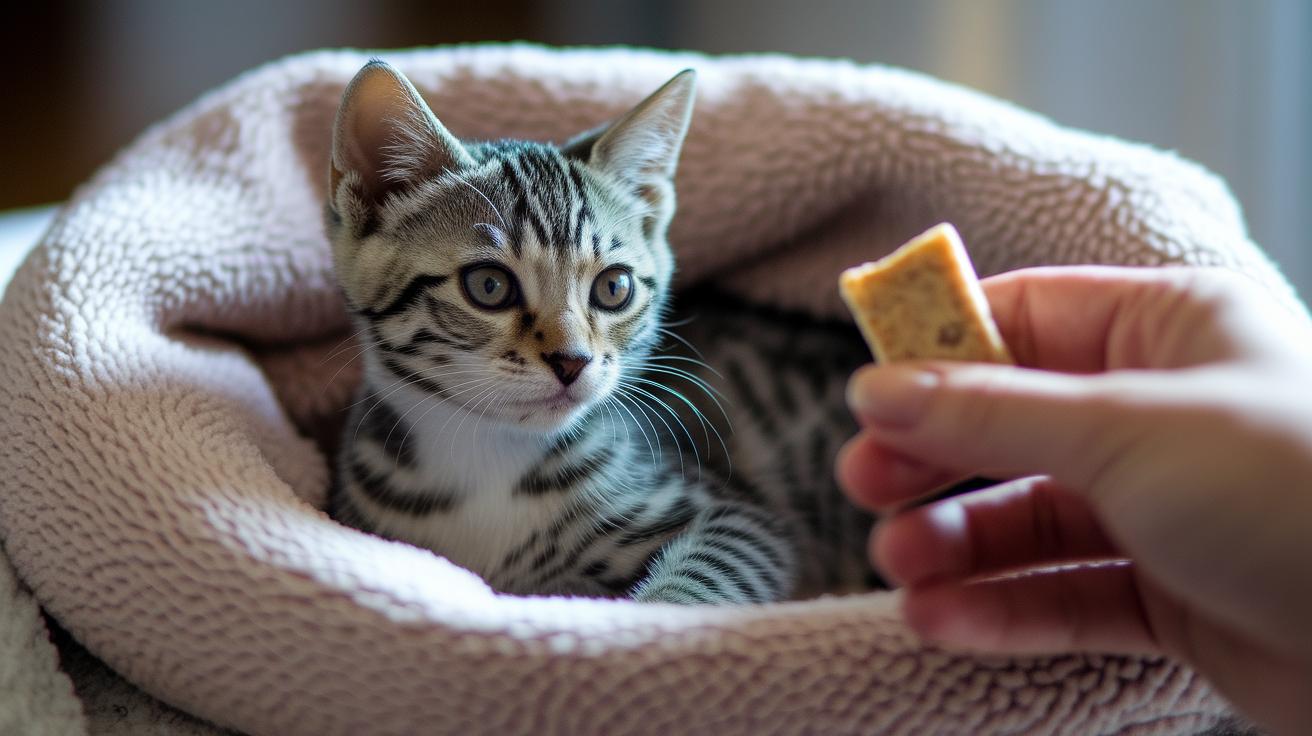
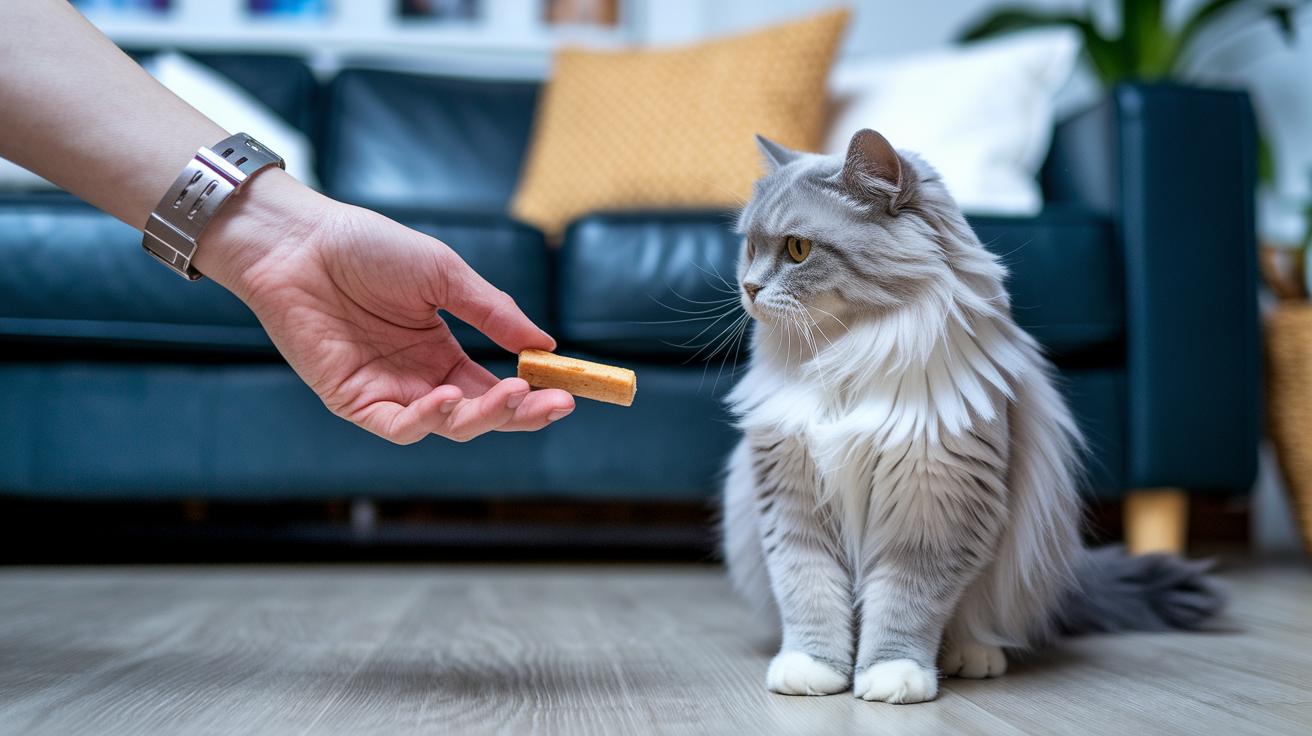
    Building trust through desensitization calms a hissing cat. Ever noticed your kitty flinch when you reach out? When you focus on building cat trust with short, positive sessions, your kitty learns that gentle pets bring treats, not bites. This gradual contact methods approach feels calm and respectful. Adding clicker training basics and hand feeding moments creates a safe routine your cat can look forward to.

    1. Offer your closed fist a few inches from your cat’s nose and wait for a sniff. When they do, click or say “yes” and drop a tiny treat.
    2. Encourage more sniffs by keeping your hand still and rewarding each nose-boop with a morsel. This positive reinforcement use teaches that hands mean good things.
    3. Slip in a light fingertip brush on the head or cheek, then follow with a treat or gentle praise. Keep touches brief and soft.
    4. Each day, extend that gentle stroke by a second or two before giving the next treat. Work up to a slow, soothing few seconds.

    Patience and consistency are everything. You may spend a few days or even a week on each step before your cat relaxes, just watch for whiskers leaning forward or half-blink slow blinks. Keep sessions under five minutes, repeat twice a day, and journal any changes. With regular hand feeding trust exercises and a clicker click to mark calm behavior, those hisses will soon give way to soft purrs. Before long, your kitty will greet your hand with nuzzles instead of flights. It’s slow, sure, and completely worth it for a bond that lasts well beyond the next treat.

    cat hissing when petted calmed with gentle care
    - Environmental and Routine Adjustments to Lower Hissing.jpg

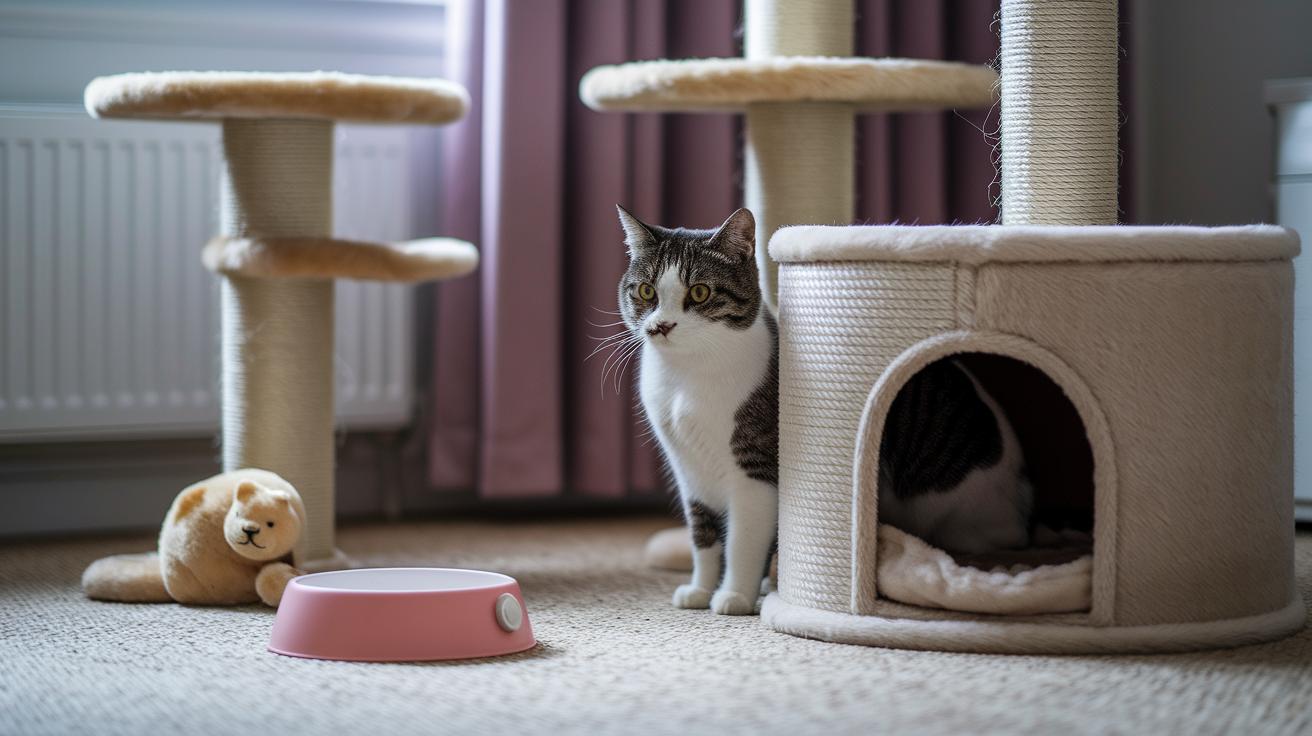
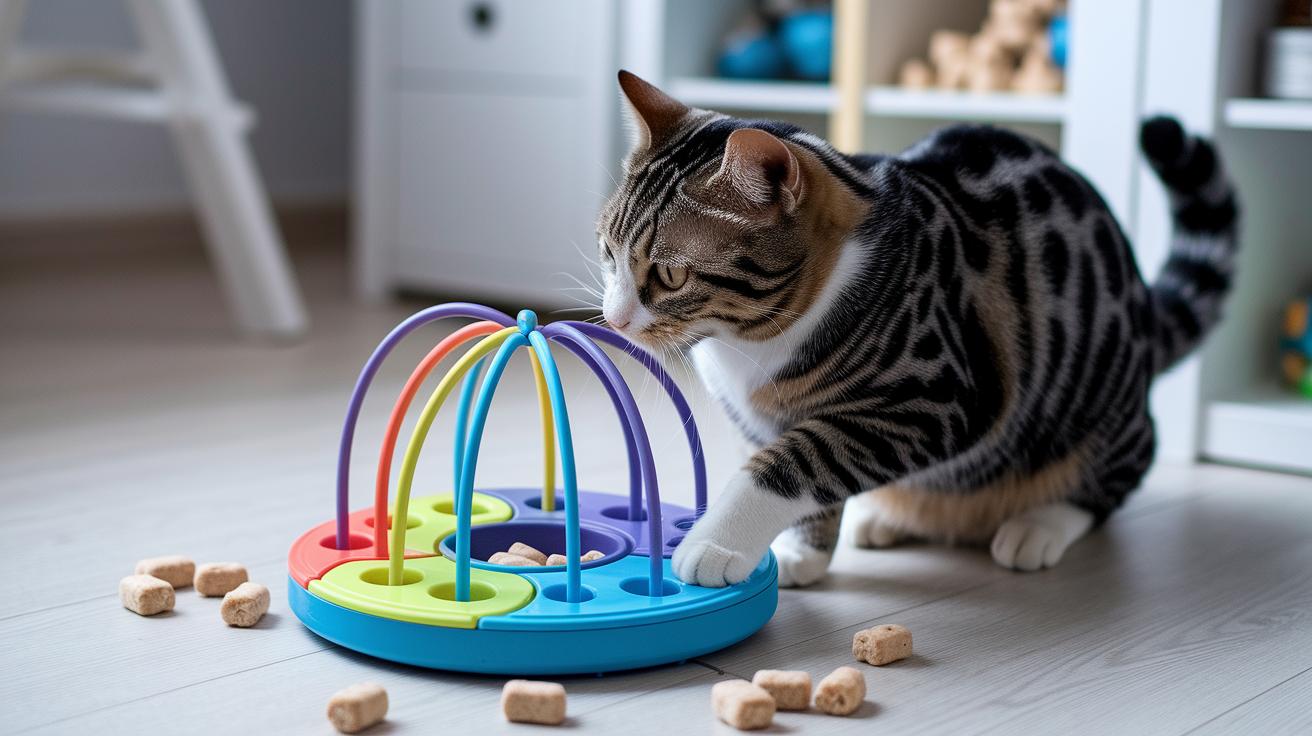
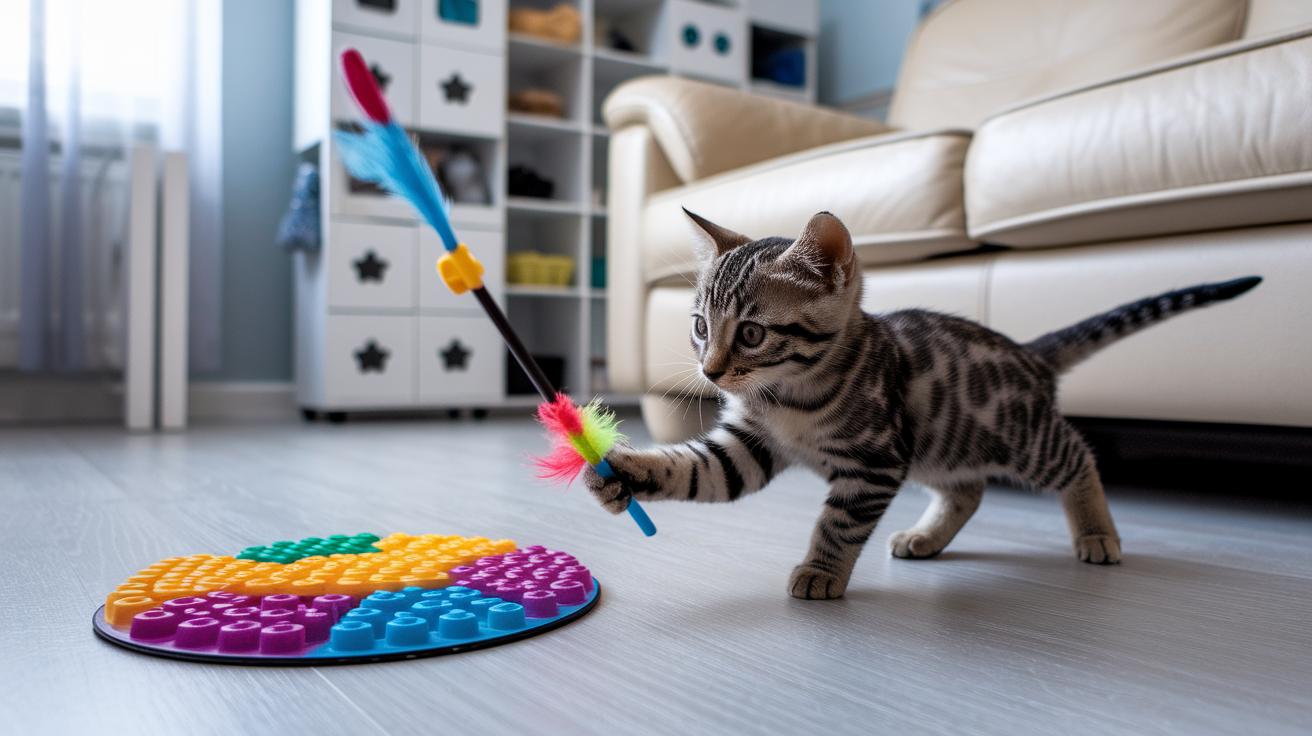
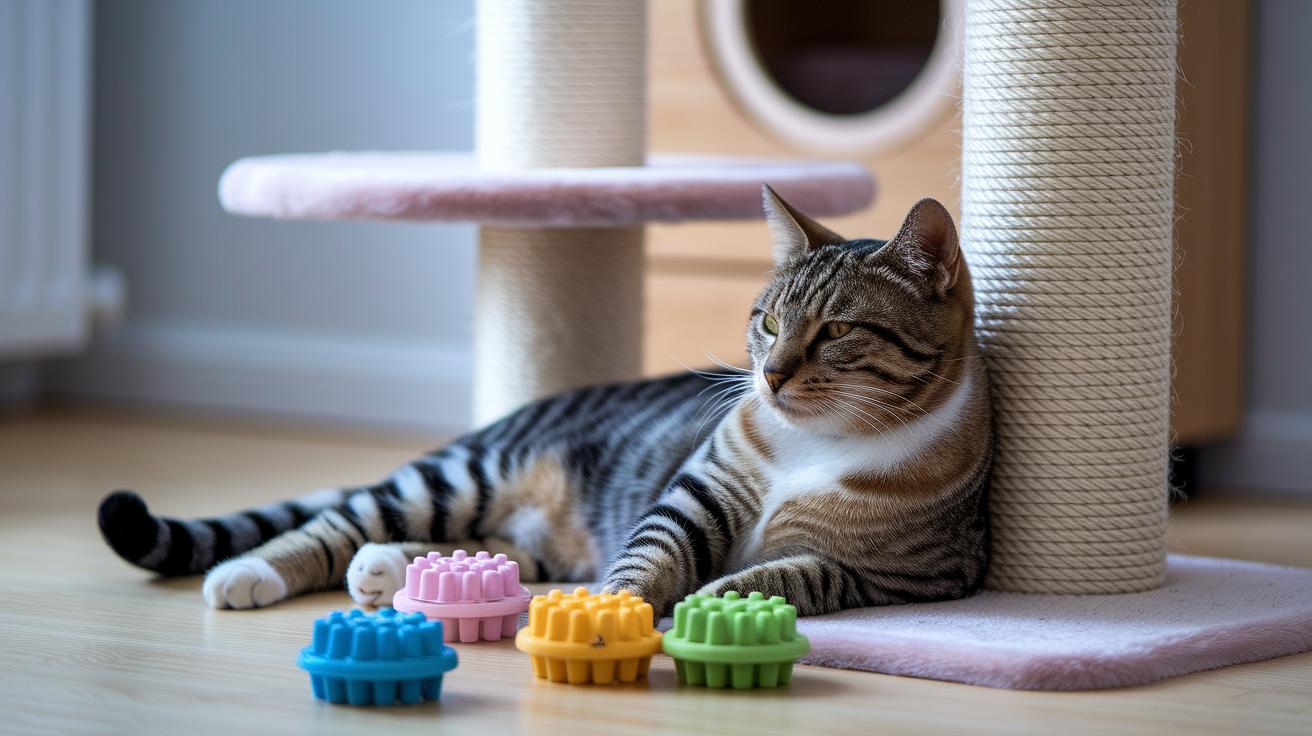
    Ever watched your kitty puff up at a sudden noise? I have. But giving cats scratch posts (wooden poles to sink their claws into), puzzle toys (treat games), perches (high resting spots), and cozy hidey-holes makes your home feel like a safe playground. My Luna even claimed a cardboard box as her chill zone and stopped hissing at every creak. When they have fun spots and hideouts, loud sounds or empty days barely register.

    • Cozy hidey-holes or covered beds for retreats
    • Tall cat trees or wall shelves for climbing adventures
    • Puzzle feeders (games that make your cat work for treats)
    • Soft rugs and quiet corners to muffle noise
    • Multiple scratching posts scattered around the home
    • Window perches for birdwatching entertainment

    Next, a simple routine can work wonders. Serving meals at the same time each day and then tossing a soft ball for ten minutes lets your cat know what’s coming. Miss a mealtime or skip play and you might spark their nerves. I set phone alarms for 7 AM and 5 PM to keep Luna on track.

    Worth every paw-print.

    Consistent routines help your cat relax. Hisses soon turn into gentle purrs you can feel rumbling through their fur.

    Consulting Professionals for Persistent Hissing
    - Consulting Professionals for Persistent Hissing.jpg

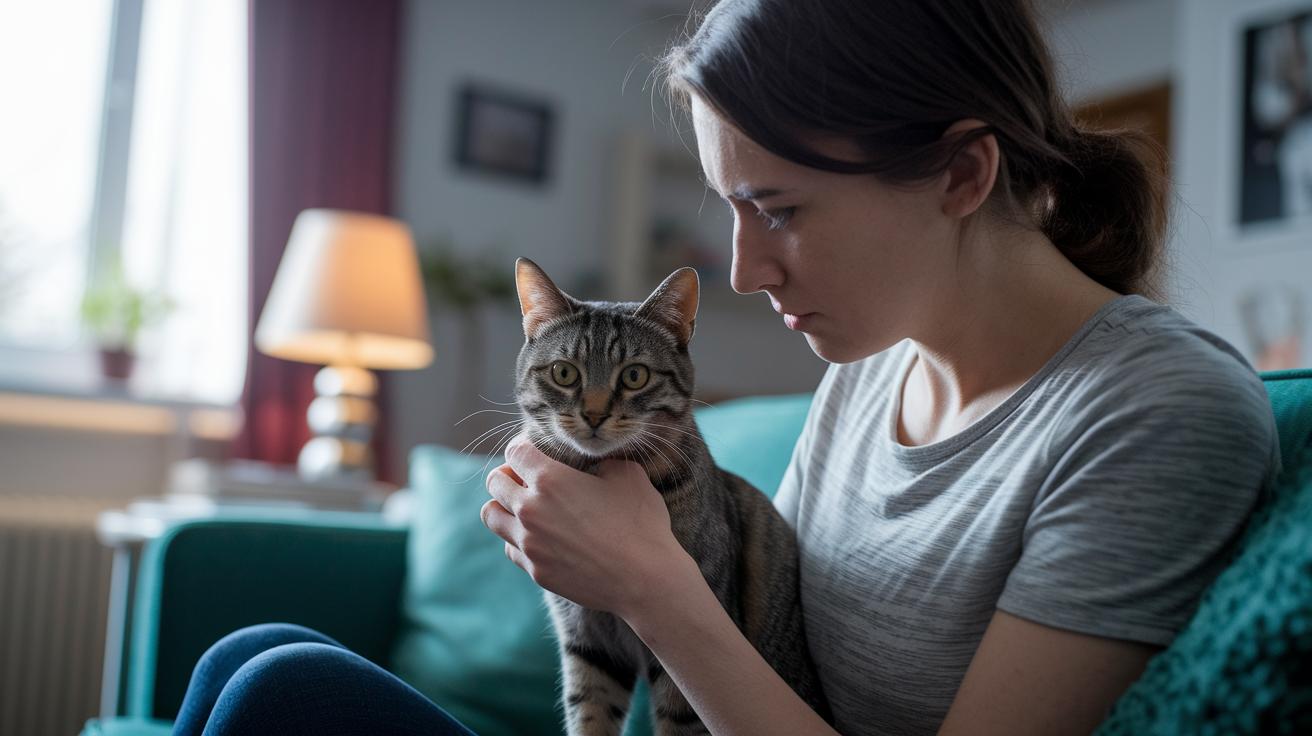
    If hissing keeps popping up despite gentle petting tweaks, that’s your cue things aren’t fully settled. When your cat still flicks ears, arches back, or spits after a few calm sessions, it’s time to seek extra support.

    Start with a veterinary checkup to spot hidden pain or medical issues. Pick a clinic or vet who uses Fear Free handling, they know how to ease feline nerves during exams. Once health concerns are ruled out, consider a behaviorist consultation. A certified feline behaviorist can craft a step-by-step plan, often via home visits or online calls. Share your cat’s hissing patterns, body-language notes, and petting tweaks tried so far. Teaming up with pros at the right moment helps your cat feel safe and keeps your cuddle sessions stress-free.

    Final Words

    In this guide we dove into what a hiss really means and mapped out the early warning signs that your cat might be feeling stressed.

    Then we covered spots and petting styles that can spark a hiss, plus hidden aches that call for gentle handling and a vet check.

    We wrapped up with step-by-step petting tips, trust-building treats, home tweaks and pro help to keep things calm.

    You’re all set to swap startled hisses for happy purrs and ease cat hissing when petted.

    FAQ

    Why does my cat hiss when petted?

    Hissing when petted often signals that your cat feels startled, stressed, or in pain. Overstimulation, touching sensitive spots, or past bad experiences can trigger that defensive reflex.

    What does it mean when my cat hisses but still acts friendly?

    When a cat hisses but still acts friendly, it sets a mild boundary without fear. She still trusts you but needs you to pause or change how you touch her.

    Why does my cat hiss at me after I pet another cat?

    When your cat hisses after you pet another cat, she may feel jealous or left out. That hiss warns you to give her attention and respect her space before approaching.

    What is the 3-3-3 rule of cats?

    The 3-3-3 rule of cats guides new adoption: three days to settle in, three weeks to trust family, and three months to fully bond and feel safe in your home.

    Can cats hiss when they are happy?

    Cats rarely hiss when they are happy. Hissing signals threat, surprise, or pain. A happy cat more often purrs, chirps, or kneads to show joy and comfort.

    Related Articles

  • Homemade Cat Food for Kittens Supports Healthy Growth

    Homemade Cat Food for Kittens Supports Healthy Growth

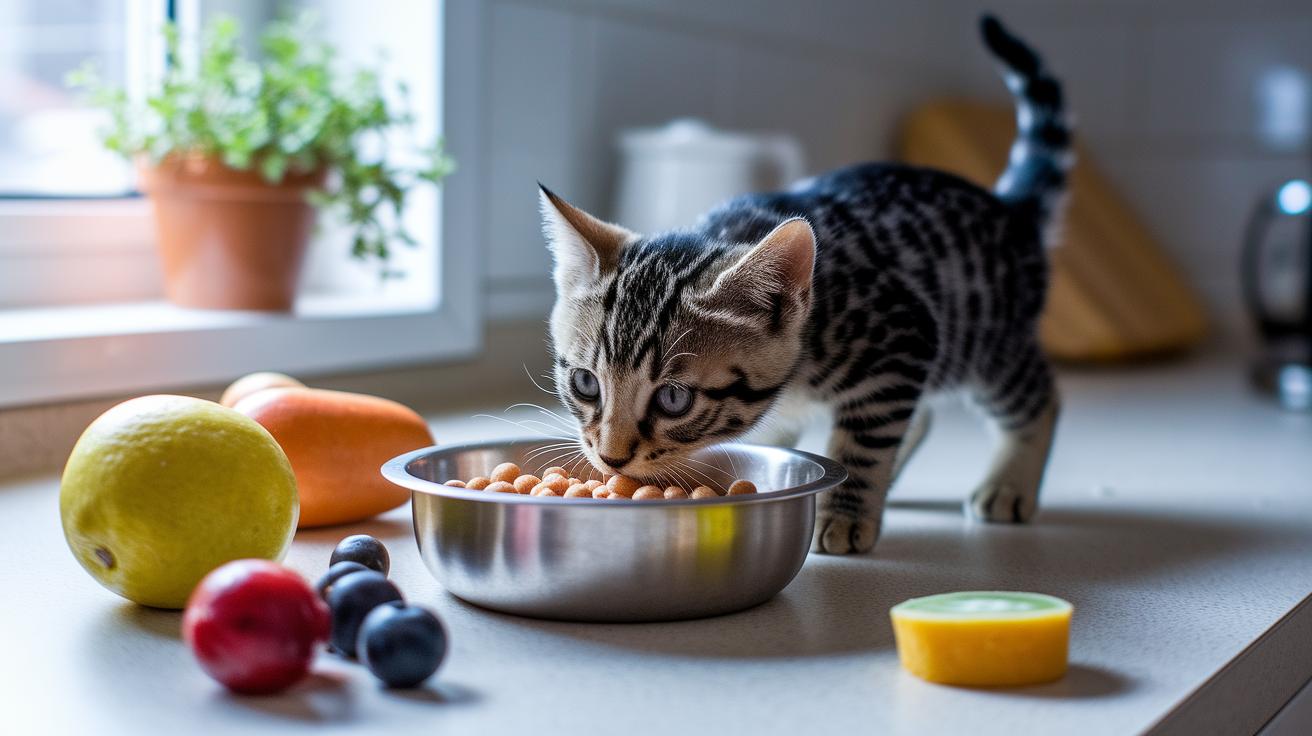
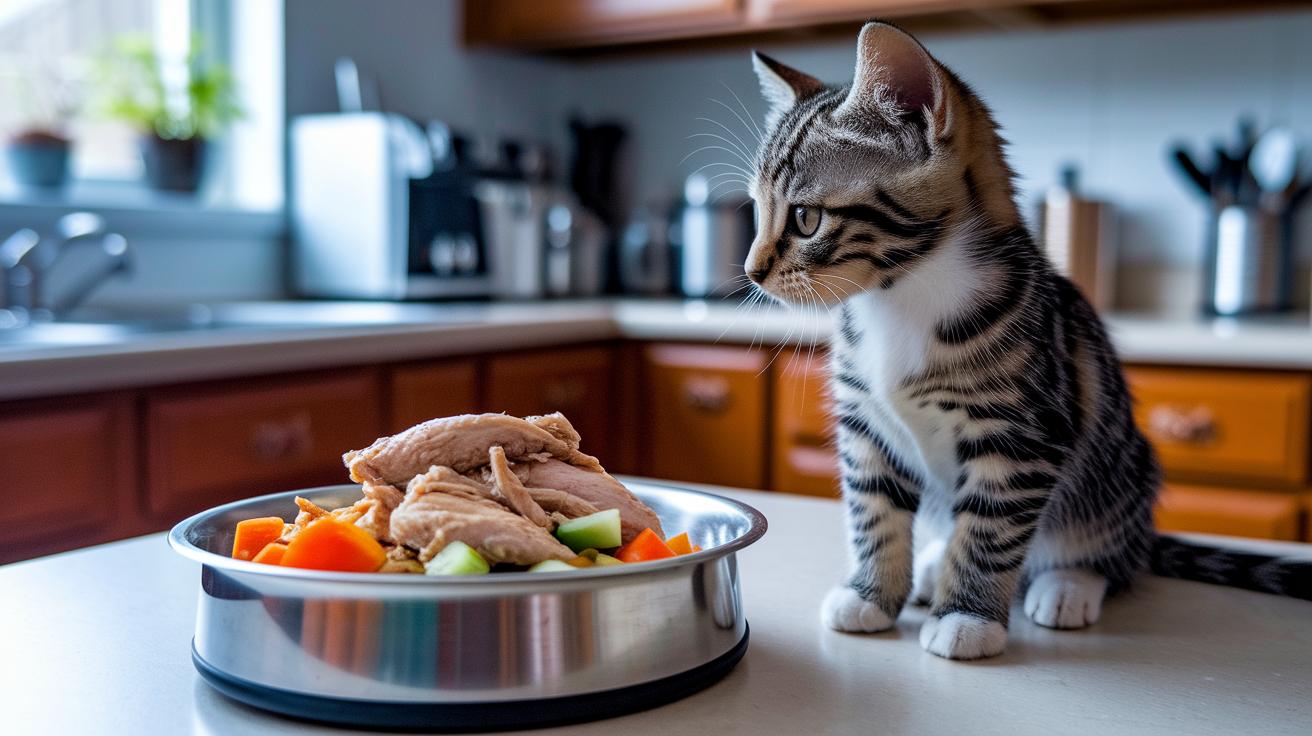
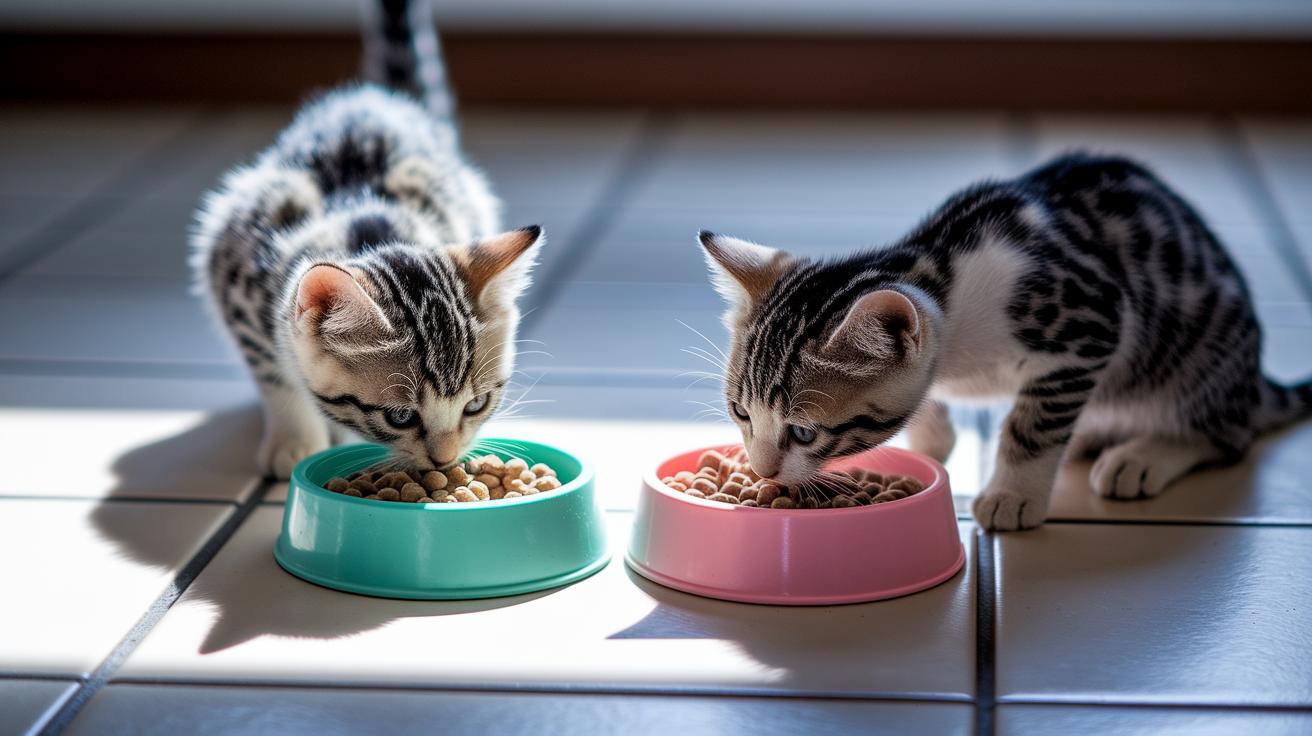
    Ever wonder if the secret to your kitten’s nonstop zoomies isn’t a bag of kibble but a bowl of homemade goodness? Tossing muscle meat, organs (like liver and heart for extra nutrients), and ground bone (tiny crushed bits for calcium) into a blender sounds wild. But this DIY feast loads up on protein, calcium, and vitamins that most store-bought foods just don’t deliver.

    Swap plain chicken for duck liver (rich in vitamin A for night-vision-level hunting). Nail the perfect calcium-to-phosphorus ratio (that’s key for strong bones) and add a splash of water to each meal to keep your kitten’s urinary tract happy. Honestly, seeing your kitten lap up every bite is paws-itively rewarding!

    Your kitten’s whiskers will twitch as they feast on this tailor-made menu. Think of each meal as a power-up for healthy growth you can truly trust. Ready to whip up your first batch?

    Balanced Homemade Cat Food for Kittens: Nutritional Foundation

    - Balanced Homemade Cat Food for Kittens Nutritional Foundation.jpg

    Feeding a happy kitten means mixing muscle meat, organs, and bone. Muscle meat is a protein powerhouse for playful muscles. Organs are tiny vitamin packs, and bones (ground or finely chopped) supply calcium (for strong bones) and phosphorus (for healthy teeth). Your kitten’s whiskers will twitch as each bite slides in.

    Swap in duck or ruminant liver for extra vitamin A (night vision) and copper (blood health) over plain chicken liver. Ever noticed your kitten’s eyes light up when you warm a fresh blend? That extra vitamin A boosts night vision and immune strength. And heart meat brings B vitamins plus taurine (an amino acid cats can’t make) to keep their hearts and eyes purring smoothly.

    Hitting the right calcium to phosphorus ratio, about 1.2 to 1, sounds tricky but it’s a must. Too much phosphorus can cause bone issues. Mix in 3 grams of eggshell powder per pound of meat (dried, ground eggshell) or ½ to 1 teaspoon of food-grade bone meal. And aim for two-thirds water by weight so your kitten stays hydrated and avoids urinary crystals.

    Um, to plug any nutrient gaps, stir in a premix supplement made to AAFCO or FEDIAF guidelines (pet food standards) by a veterinary nutritionist (animal diet expert). You’ll cover essentials like taurine for heart and vision and DHA-rich omega-3s for brain growth. Curious for more recipe ideas? Check out homemade cat food recipes for simple blends you can batch cook. Your kitten will gobble up a nose-to-tail feast that’s scientifically balanced and totally purr-worthy.

    Essential Nutrient Breakdown in Homemade Diets for Kittens

    - Essential Nutrient Breakdown in Homemade Diets for Kittens.jpg

    Whipping up homemade kitten grub means getting your numbers right! Aim for 50-60% protein (the building-block stuff) and 25-30% fat (energy boosters) on a dry matter basis (the solid bits after moisture’s gone). And every kilogram of food needs about 250 mg taurine (a heart and eye loving amino acid).

    Kittens usually run through 200-300 kilocalories a day. Tiny tigers need fuel! Weigh your ingredients on a kitchen scale, um, so you’re not guessing. Then toss the numbers into a calorie-tracking app to nail the right portion. Ever watched your kitty’s whiskers twitch at dinner time?

    Balancing calcium to phosphorus is key – think a 1.2 to 1 ratio! You can stir in 3 g of eggshell powder (finely ground shell dust) per pound of meat. Or drop in ½ to 1 teaspoon of bone meal (ground up bone bits) per pound. This keeps those little skeletons growing strong without a crunch that’s too much.

    Don’t forget a splash of omega-3s for brainy bounces! A spoonful of fish oil premix or a dollop of algae-based supplement (plant powered DHA) does the trick. It’s like adding brain fuel for your little pouncer. Worth every paw-print, right?

    Age-Based Feeding: Growth Stages and Portion Guidelines for Kitten Meals

    - Age-Based Feeding Growth Stages and Portion Guidelines for Kitten Meals.jpg

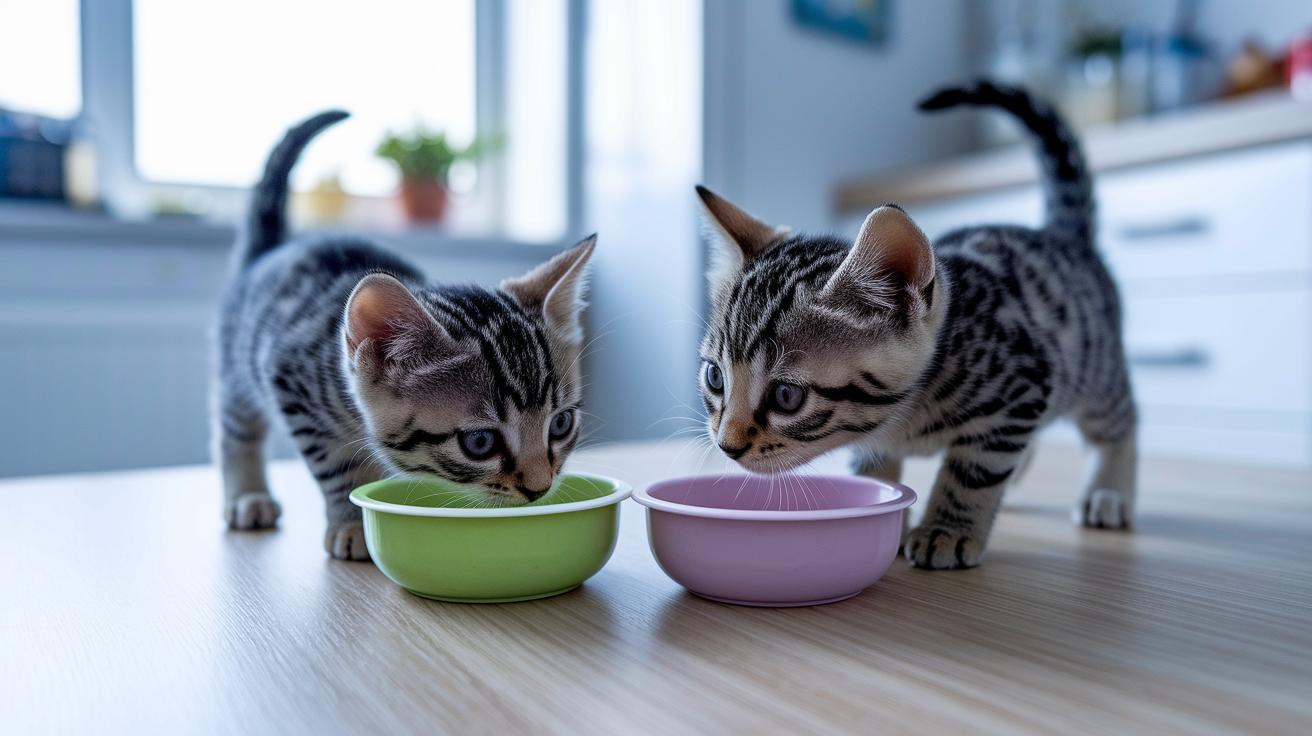
    Feeding kittens is like fueling tiny furry rockets. Ever watched a pint-size furball tumble across the floor, whiskers twitching? Those first meals kick off weaning (when kittens start solid food) and keep energy high for pouncing practice.

    • 4–6 weeks: four to six small meals per day
    • 6–12 weeks: three to four meals per day
    • 3–6 months: three meals per day
    • Over 6 months: two meals per day

    Portion sizes grow with your kitten’s weight. Aim for about 25 kilocalories (kcal) of food energy per half-pound (0.5 lb) of body weight each meal. For a 1 lb kitten that’s roughly 50 kcal per sitting, like measuring ingredients for a cake. Grab a kitchen scale and a simple calorie calculator so you’re not guessing.

    Next, mix store kibble with homemade blends to avoid tummy troubles. Start with 25% homemade cat food for kittens and 75% kibble for three days. Then bump it up to 50% homemade for days 4–7. By day 10, you’ll be at 75% homemade and 25% kibble. This gradual shift eases little tummies into new textures without protest.

    Soon you’ll see your kitten vault onto furniture like a tiny acrobat. Worth every paw-print.

    Step-by-Step Homemade Kitten Meal Recipes and Batch Cooking

    - Step-by-Step Homemade Kitten Meal Recipes and Batch Cooking.jpg

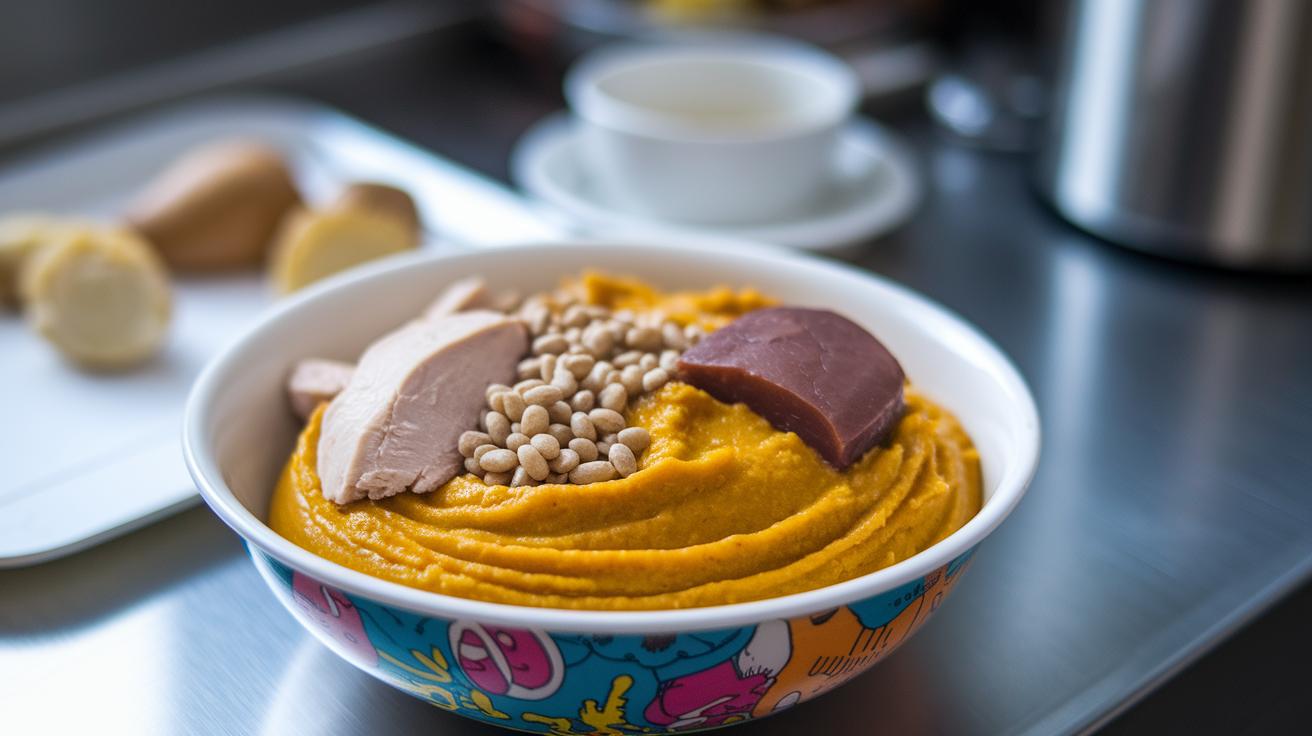
    Got a tiny fluff-ball with a big appetite? These five silky puree meals will have your kitten slurping them up in seconds. They’re purr-fect for its small mouth and stuffed with the vitamins and proteins your growing furball needs. Wanna keep a few extra meow-llars in your pocket? Peek at easy cheap homemade cat food for budget-friendly tips.

    • Chicken & Rice Stew: 1 cup cooked, shredded chicken breast (lean protein); ¼ cup cooked brown rice (whole grain carbs); 1 tsp fish oil (omega-3 fatty acids); pinch of taurine supplement (essential amino acid).
    • Turkey & Pumpkin Mash: 1 cup cooked ground turkey (mild protein); ¼ cup unsweetened pumpkin puree (fiber boost); 2 Tbsp mashed peas (veg power).
    • Pureed Liver Entrée: ½ cup calf liver (vitamin A goldmine); ½ cup cooked chicken thigh (juicy protein); 1 tsp olive oil (healthy fat); sprinkle of supplement premix (balanced vitamins and minerals).
    • Whitefish & Quinoa: 1 cup cooked cod (tender fish); ¼ cup boiled quinoa (tiny seed-grain); 1 tsp flaxseed oil (DHA-rich fat).
    • Turkey Gizzard Mix: 1 cup ground turkey gizzards (chewy bits of stomach muscle); 2 Tbsp mashed sweet potato (beta-carotene boost); ¼ tsp powdered calcium (bone health).

    Scoop the recipes into small, kitten-size portions. I like tablespoon scoops for little snack-timers, and a quarter-cup for a full meal.

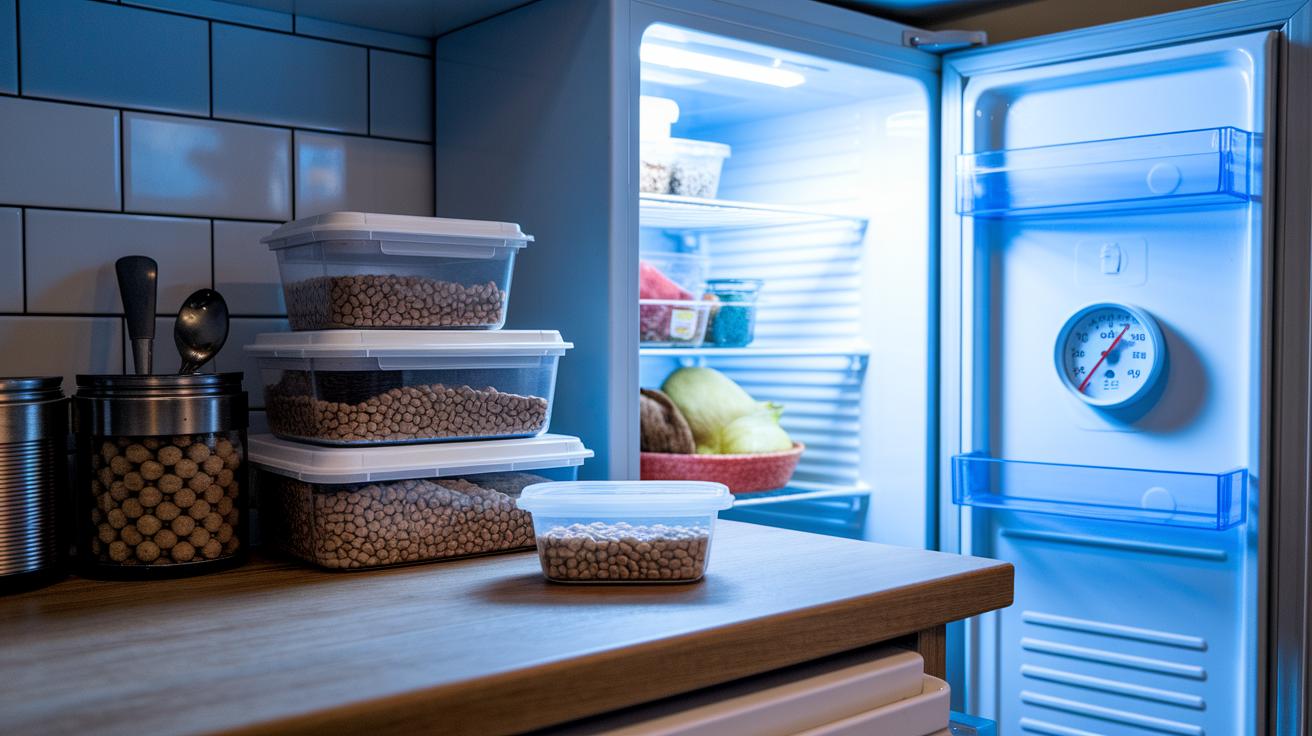
    1. Divide each batch into three-day fridge packs, and store at or below 40 °F.
    2. Freeze the extras at 0 °F and they’ll stay good for up to three months.
    3. Pop out cubes from ice cube trays and let them thaw in the fridge overnight.
    4. Warm gently to about 100 °F (um, test with your hand so it’s just a bit toasty) to avoid cold spots.

    And voila, every serving is silky-smooth and at the purr-fect temp. Your kitten will twitch its whiskers at the first sniff, and you’ll love how simple and rewarding mealtime can be. Worth every paw-print.

    Food Safety, Storage, and Serving Guidelines for Homemade Kitten Meals

    - Food Safety, Storage, and Serving Guidelines for Homemade Kitten Meals.jpg

    Alright, first things first: keep your kitchen as spotless as your kitty’s whiskers. Wipe down every counter and utensil with a pet-safe disinfectant (a cleaner safe for curious paws) before you handle any raw meat (uncooked meat). Then wash your hands, cutting board, and knife in hot, soapy water so no sneaky germs hitch a ride. Um, nobody wants a furball of bacteria on their kitty’s dinner.

    Next, treat your little one’s bowls to a daily spa session. A rinse with hot, soapy water scrubs away leftover oils and proteins that turn into a bacterial playground. Your kitten will thank you with happy purrs.

    Storage? Thawing? Reheating? Head over to the Step-by-Step Homemade Kitten Meal Recipes and Batch Cooking section for all the deets. When you reheat meals, warm them gently to around 100–110 °F so they’re cozy but not scorching. See the batch-cooking section for the full protocol.

    Worth every paw-print.

    Troubleshooting Homemade Kitten Food: Allergies and Digestive Health

    - Troubleshooting Homemade Kitten Food Allergies and Digestive Health.jpg

    Ever watch your kitten nudge their bowl and sniff-test a fresh meal? Loose stools, sudden vomiting, or a droopy tail can mean your recipe needs a paw-sible tweak. Spotting these clues early helps your furball stay happy (okay maybe a tiny dance of excitement).

    • Keep a daily log of stool texture. If it is loose or watery two days straight, time to tweak the mix.
    • Fish (heavy on oils) and dairy (lactose (milk sugar) can upset many kittens) top the allergen list.
    • Introduce new proteins over 3 to 5 days. Start with just a teaspoon per meal like a mini taste test.
    • If diarrhea runs past 48 hours, simplify. Pick one protein and one carb (energy source) and drop the extras.
    • Weigh your kitten weekly on a kitchen scale and chart it. Small, steady gains mean you are on the right track.

    So raw or cooked? Raw fish can hide parasites (tiny germs), so cook fish fully to about 165 F. Raw chicken or turkey can work too I guess – just freeze it first, grind fresh, and keep every surface spotless.

    Watching weight gain ties it all together. Your kitten’s whiskers might twitch as you set the bowl down for that claw-tastic dinner moment. A quick weigh-in and a peek at the growth chart give you the full picture. If weights stall or tummy troubles linger, loop in your vet. They will tweak supplements or swap proteins so your little pouncer stays purring and thriving.

    Final Words

    We’ve used a mix of muscle meat, organs, and bone plus vet-formulated premixes to nail every kitten need, from taurine for heart health to DHA for sharp wits.

    Then we mapped out feeding stages and made batch cooking easy with five simple recipes, clear serving tips, and safe storage steps to keep meals fresh.

    Your kittens can thrive with homemade cat food for kittens that’s balanced, time-saving, and stress-reducing. Here’s to happy purrs and playful leaps ahead!

    FAQ

    Do vets recommend homemade cat food?

    Vets recommend homemade cat food when it blends muscle meat, organs, bone and veterinarian-designed supplements to meet every essential nutrient, support growth, heart health and safe development.

    Are there vet-approved homemade wet cat and kitten food recipes?

    Vet-approved homemade wet cat and kitten food recipes combine cooked proteins like chicken or whitefish, organ meats, added moisture and a premix supplement designed to match AAFCO profiles, covering taurine, omega-3s and minerals.

    How can I make easy, budget-friendly homemade kitten food, such as chicken-based recipes?

    Easy, budget-friendly homemade kitten food uses shredded chicken breast, cooked grains or pumpkin, a teaspoon of fish oil, a calcium source like eggshell powder and a taurine supplement for complete nutrition.

    What makes the best homemade cat or kitten food?

    The best homemade cat or kitten food balances 50–60% protein, 25–30% fat, moisture near 66%, plus key nutrients like taurine, DHA-rich omega-3s and a calcium-phosphorus ratio around 1.2 for healthy growth.

    How do I prepare home-cooked meals for kittens without commercial cat food?

    Home-cooked meals for kittens without commercial food use lean proteins such as turkey or fish, pureed vegetables, measured calcium sources and a vet-formulated supplement, served in small, frequent portions to match growth needs.

    Related Articles

  • how to make a litter box not smell

    how to make a litter box not smell

    Ever flinched at that sharp ammonia sting when you tiptoe past the litter box? It feels like a tiny punch in your nose before breakfast. But you don’t have to suffer every morning. Let’s make litter duty claw-tastic.

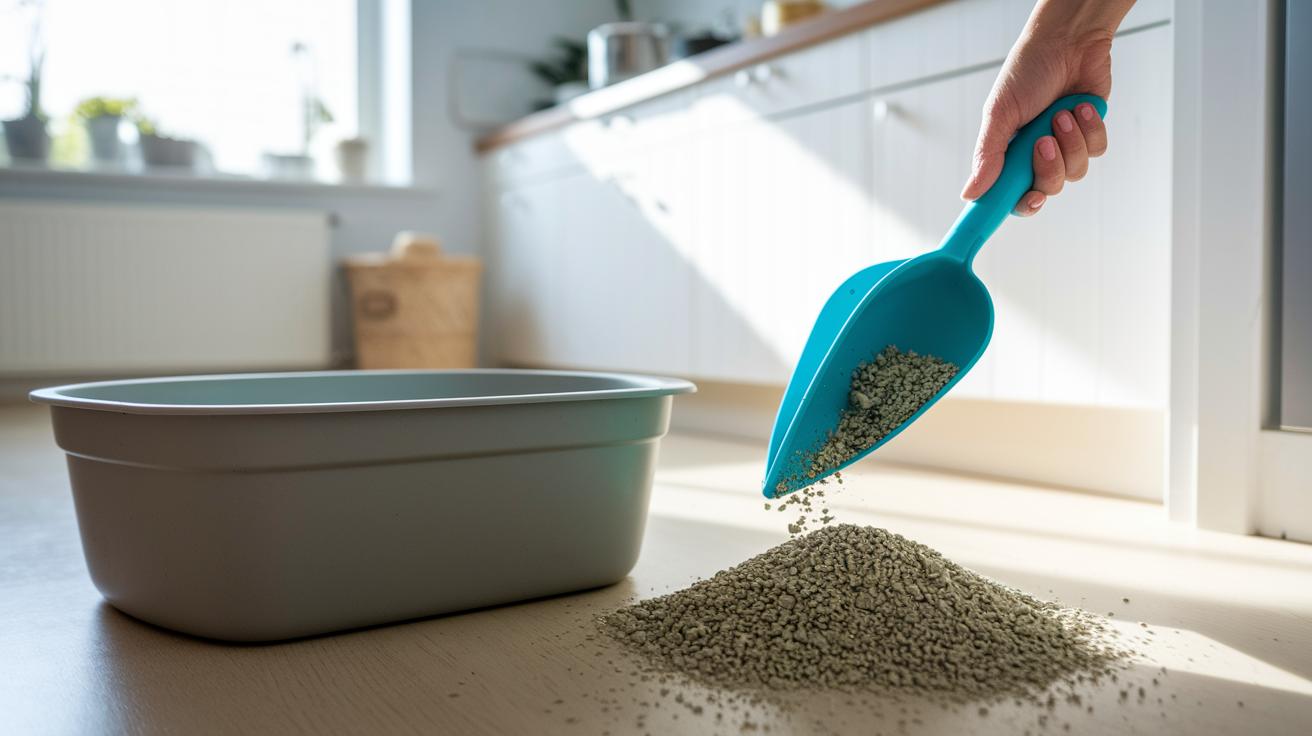
    Start by scooping daily, or even twice if your cat’s a heavy user. Use a sturdy scoop (big slots to grab clumps easily). You’ll love the satisfying clink as you clear out the old bits. Seriously, your nose will thank you.

    Next, pick a litter that fights odors. Crystal litter (tiny silica beads that soak up moisture) is great for trapping wetness. Clay litter (clumping clay bits) locks in smells fast. Pine pellets (pressed wood bits with a fresh forest scent) add a natural twist. Try what tickles your kitty’s paws.

    Then grab an enzyme spray (a cleaner that breaks down pee proteins). Spritz the empty box, wait a few minutes, and wipe or rinse. It neutralizes odors instead of just masking them. No more secret pee factories.

    Your cat’s box will be whisker-approved and your home will smell fresh. Who knew litter cleaning could be this easy? You’ll be breathing easier in no time.

    Immediate Cleaning Strategies to Stop Litter Box Odor

    - Immediate Cleaning Strategies to Stop Litter Box Odor.jpg

    Nobody wants that sharp ammonia smell greeting them in the morning. That’s why scooping your cat’s box every day really matters. Scoop out clumps first thing, then again in the evening. Ever watched your kitty sniff the litter right after you’re done? Their whiskers perk up in approval, so cute.

    I always keep an enzyme cleaner (it breaks down urine proteins) on hand for the little spots you might miss. And an ammonia-neutralizer spray (it tames harsh fumes) helps freshen up around the box. Quick sprays here and there go a long way.

    Don’t wing it, set a reminder on your fridge or phone so you stick to your weekly deep clean. Curious about full litter swaps? Check how often to change litter for perfect timing.

    1. Scoop clumps and solids each morning and evening.
    2. Top up fresh litter after scooping to keep the depth even.
    3. Weekly deep wash: dump the old litter, scrub the pan with mild soap or vinegar, rinse really well, and let it dry completely.
    4. Treat any stain or lingering odor with enzyme cleaner, let it sit a few minutes, then wipe it away.
    5. Spray ammonia-neutralizer around the outside of the box to catch any stray smells.

    Stick to this scoop-every-day habit and box chores become almost invisible. With clumps gone and stains zapped, your room stays fresh. No more tiptoeing past a stinky corner or plugging your nose. Your cat’s whiskers will thank you, and honestly, so will your nose. A little care today means fewer smelly battles tomorrow, leaving you more time for cuddles.

    Comparing Litter Types to Prevent Box Smell

    - Comparing Litter Types to Prevent Box Smell.jpg

    Litter materials set the stage for a fresh box. Grains, pellets, or crystals each trap moisture in their own way. Clay-based clumping litter (fine clay that sticks together) forms tight clumps around liquid so smells stay locked in until you scoop. Clay non-clumping litter (porous clay that soaks up moisture) grabs wetness too, but you’ll need to dump it every few days before ammonia builds up.

    And if you want a low-touch option, silica gel crystals (tiny polymer beads that soak up moisture) can go almost a month without a scoop. Wood pellet litter (compressed sawdust) breaks down into soft bits that pull in fluid fast and feel gentle under paws. Paper pellets (recycled paper scraps) work like mini sponges but don’t block odors as well. Pine pellets (pine wood shavings) give a fresh-forest scent as they clump, but you’ll still swap them every 1-2 weeks.

    Litter Type Change Frequency Odor Control Rating
    Clay Clumping Daily scoop, weekly full change Good
    Clay Non-Clumping 3-4 times per week Fair
    Silica Gel Crystals Every 3-4 weeks Excellent
    Pine Pellets Every 1-2 weeks Good
    Paper Pellets 1-2 times per week Fair

    When you’re choosing, think about your cat’s style and how often you want to scoop. Busy folks love unscented clumping litter for quick daily scoops and a once-a-week full change. If you’d rather skip scooping for weeks, the crystal beads deliver excellent odor control for up to a month. Ever watched your kitty chase shadows? Pine pellets add that woodsy hint but need freshening every 1-2 weeks to avoid a stale box.

    Dust and tracking can be a pain if you hate sweeping. Heavy pellets and dust-free crystals keep mess to a minimum. Eco-friendly bases break down faster, so watch for crumbs and swap more often. In multi-cat homes, an unscented clumping mix helps each box stay fresh for everyone.

    Worth every paw print.

    Try small trial bags to find the litter that lets your kitty pounce without your nose crinkling.

    Natural and Store-Bought Additives for Litter Box Freshness

    - Natural and Store-Bought Additives for Litter Box Freshness.jpg

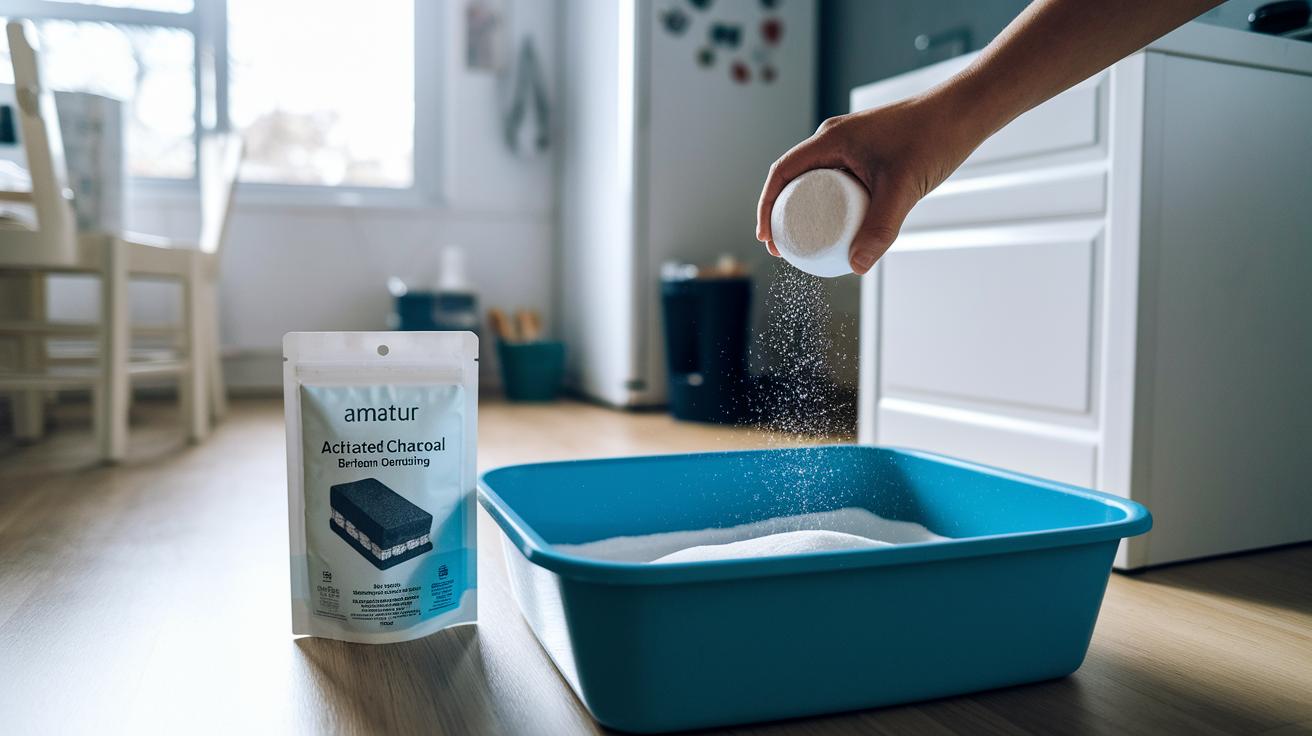
    Ever sniffed litter that hits you like old gym socks? Try a sprinkle of baking soda (just a spoonful under fresh litter). It’s cheap and it knocks out ammonia before it drifts up your nose. Or tuck in an activated charcoal sachet (tiny pouch of carbon that soaks up odors) right at the pan’s edge.

    Zeolite granules (natural crystals that trap wet smells) are another star player. Mix a spoonful into your litter or layer them on top for extra punch. Commercial pouches come pre-measured so you never guess wrong.

    Next, try a moisture-wicking liner (a sheet that pulls liquid away) under the tray. It keeps pooling pee from breeding bacteria. For even more odor control, place a disposable odor-trap pad (absorbent mat) beneath the box.

    Worth every paw-print.

    Here’s your toolbox:

    • Baking soda under fresh litter
    • Activated charcoal sachets (tiny carbon pouches)
    • Zeolite mineral granules (natural odor-trapping crystals) mixed in or on top
    • Moisture-wicking tray liners (sheets that pull liquid away)
    • Disposable odor-trap pads (absorbent mats) under the pan

    Don’t dump in too much baking soda or it could irritate paws. Swap charcoal sachets every 2 to 4 weeks. Refresh zeolite granules sooner if they look damp.

    Change the liner once a month to stop bacteria from moving in. And swap odor-trap pads weekly to keep drips from turning into a permanent stink. Always stash sachets out of curious kitty paws. And give them a quick sniff test (your nose and your kitty will thank you).

    Litter Box Design, Placement, and Multi-Cat Management to Reduce Odor

    - Litter Box Design, Placement, and Multi-Cat Management to Reduce Odor.jpg

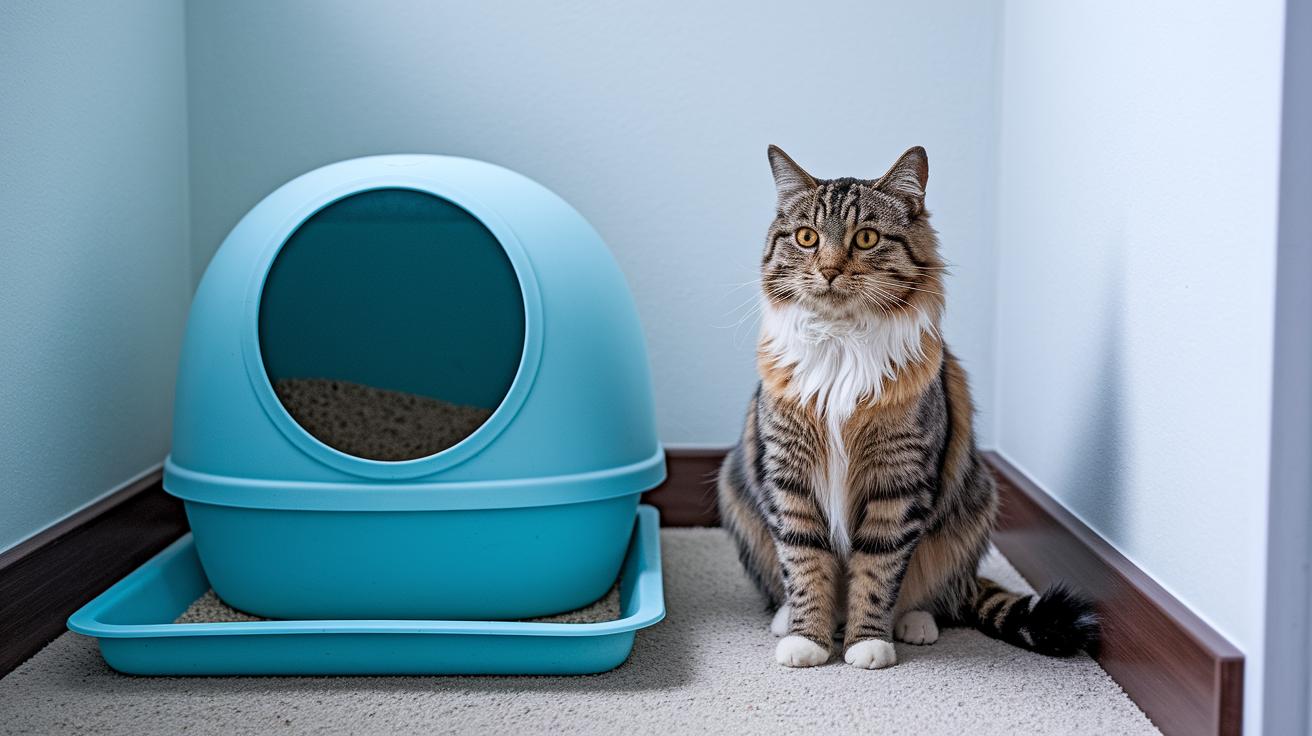
    Hooded pans (they’re like small caves) lock in dust and smells. But um, they can stay damp, so you’ll need an extra scrub now and then. Open trays let air flow, like a gentle breeze, so ammonia doesn’t turn into a stinky cloud. And if the box has high sides, it stops litter kicking out when your cat digs in. Actually, it keeps things way neater.

    Ever watched your kitty track litter across the floor? It’s like a sandy runway. A soft mat just outside the rim (with tiny ridges to catch stray bits) saves you sweeping every hour. You know?

    1. Tuck the box in a ventilated corner, away from moisture.
    2. Skip bathrooms and laundry rooms, they tend to be too damp.
    3. Lay an anti-slip litter mat at the entrance so paws don’t slide.
    4. For multi-cat homes, add one extra box so everyone has their own spot.

    When you plan your setup and spread out boxes, accidents drop and smells stay in check. Teaching each cat their special potty spot really helps, check how to train a cat to use a litter box for simple, step-by-step tips. Spreading waste across boxes means none get overloaded. And those mats around each pan? They’re secret weapons against tracked litter turning into odor.

    Worth every paw-print.

    how to make a litter box not smell

    - High-Tech and Self-Cleaning Litter Boxes for Odor Control.jpg

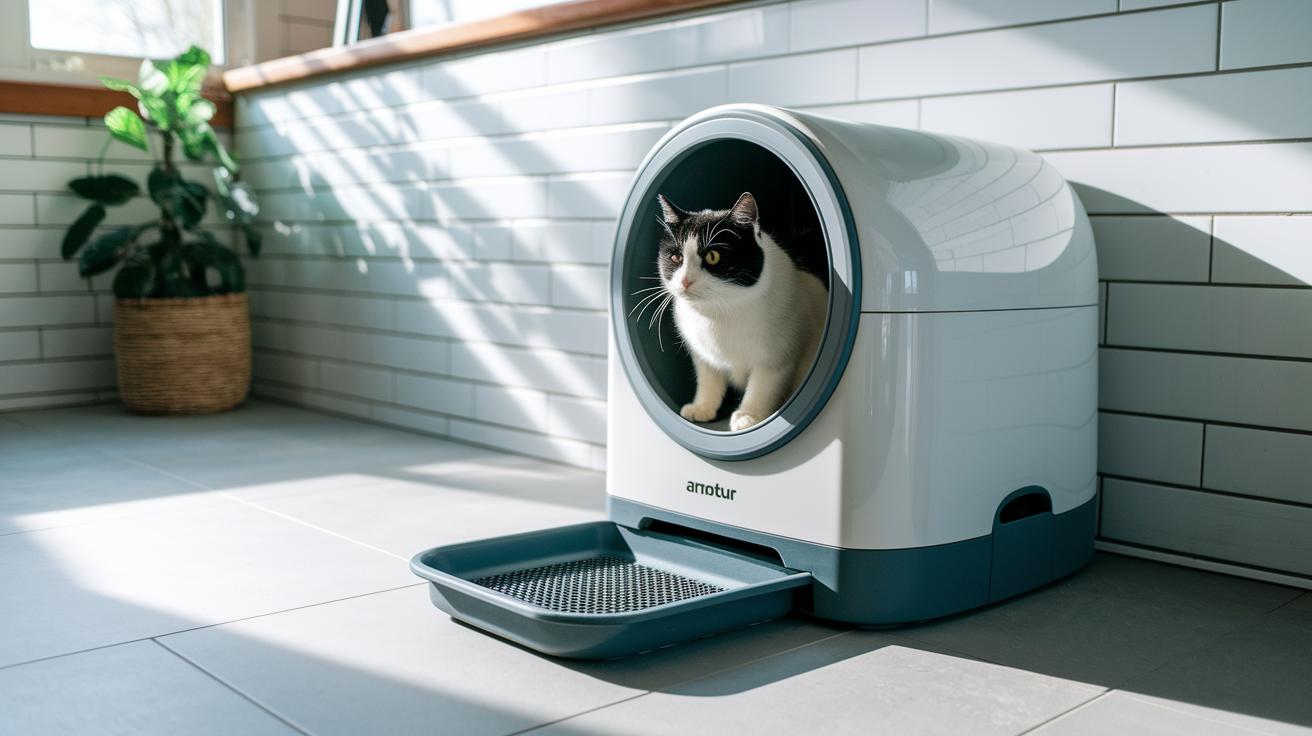
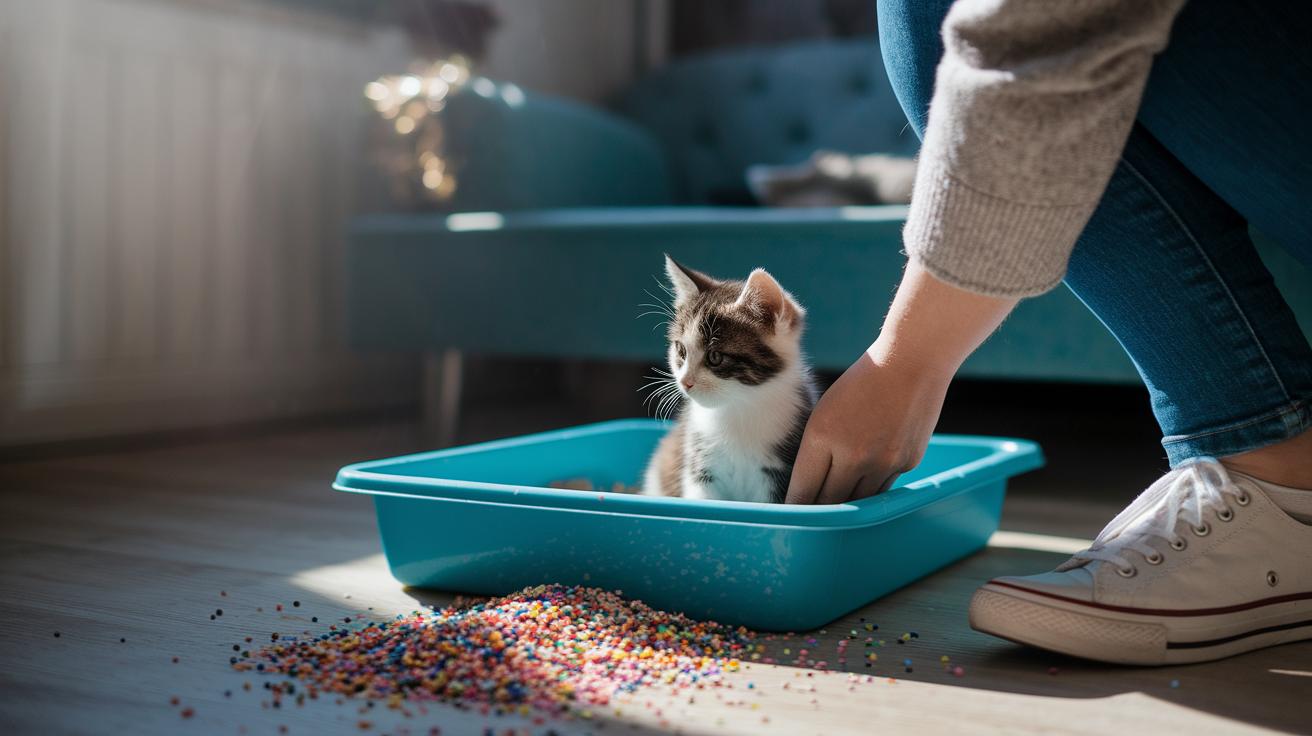
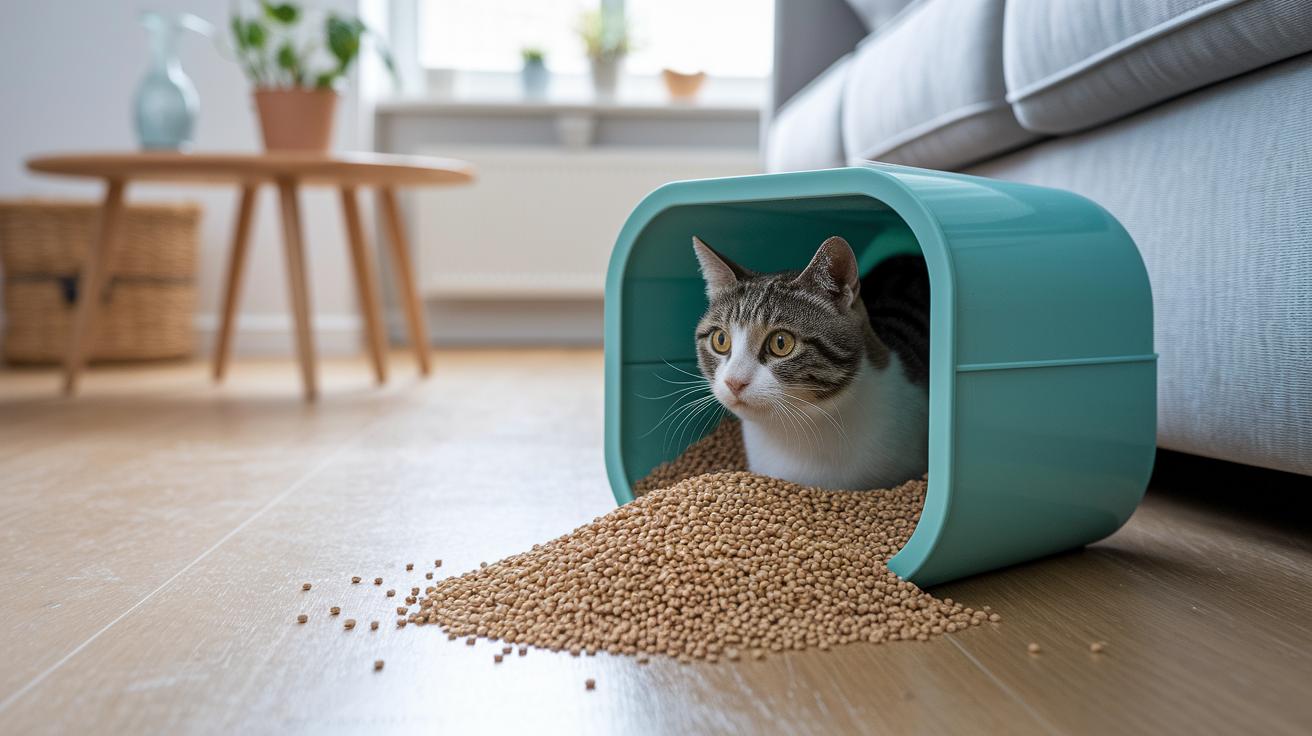
    Ever sniffed your kitty’s litter box and thought there’s gotta be a better way? Self-cleaning litter boxes have your back. They use silica crystal litter (hard polymer beads that soak up liquid) and an automated rake cycle that quietly sweeps solids into a sealed drawer right after your cat’s done. And with carbon filter tray inserts (charcoal pads that trap ammonia molecules), even stray smells get zapped. Some models go further with a swap-in filter cartridge (a snap-in pad you change without touching damp dust) so you never wrestle with moldering flakes.

    You can tweak the rake cycle to run every hour or just a few times a day, your pick. The best boxes sense motion, pause during potty breaks, then scoot any mess into the waste bin without a peep. I love how Iris, my tabby, never gets startled when the rake glides by.

    Between silent cleaning and airtight trays, odors stop before they start. You only face an empty drawer once a week. Swap crystals or refresh that filter cartridge every 2–4 weeks and you’re golden. Cat hair, dust, and stray bits barely stand a chance of piling up. The whole thing pretty much runs itself, giving you more cuddle time. No more tip-toeing past rank corners, your nose gets a vacation!
    Worth every paw-print.
    Key Features to Evaluate

    • Rake cycle frequency (how often it scoops)
    • Carbon filter tray inserts versus a basic drawer
    • Waste drawer capacity (how much it holds)
    • Noise-level rating during cycles
    • Subscription refill cost for crystals or cartridges

    Maintenance checklist

    • Daily: check sensors and rake motion
    • Weekly: empty the waste drawer
    • Every 2–4 weeks: replace crystals or filter cartridge
    • Monthly: deep clean the pan and wipe sensors
    • Inspect seals and vents for clogs

    Final Words

    Ready to banish box whiffs for good? You’re armed with a daily scoop habit, a weekly deep wash, enzyme cleaners and ammonia-neutralizers spray.
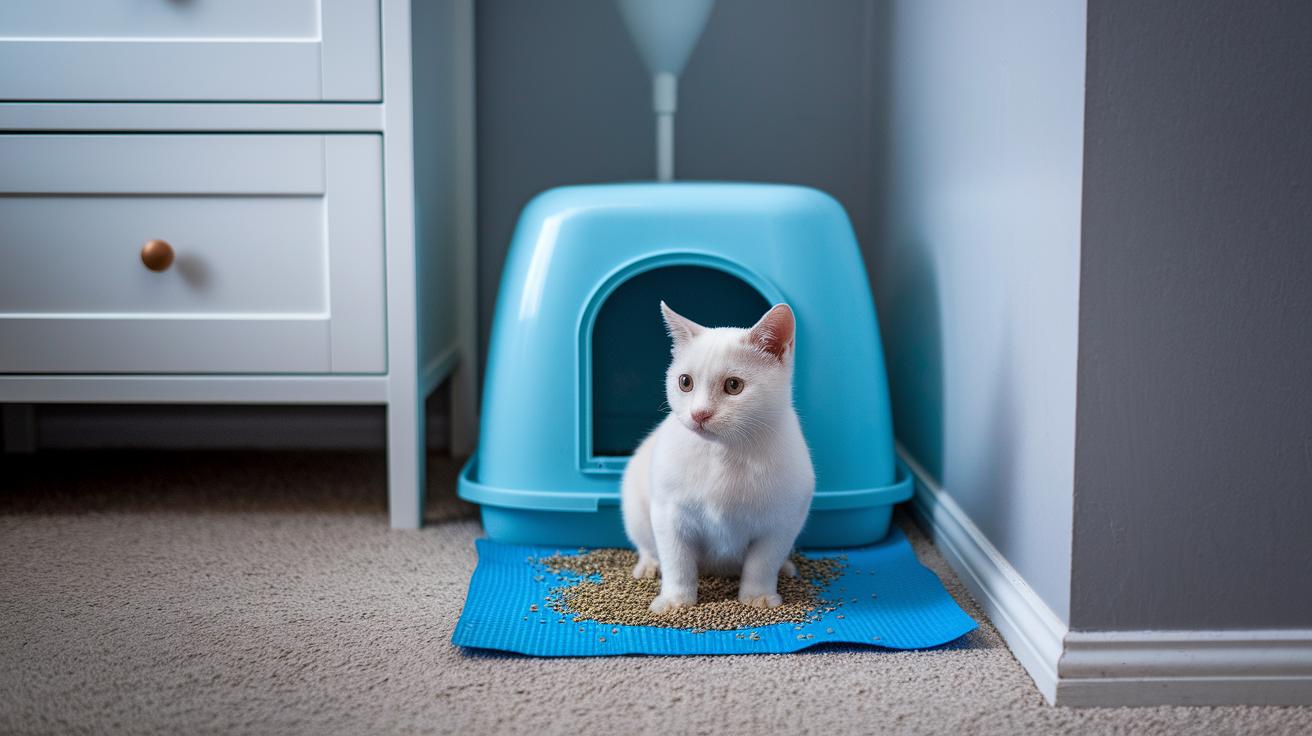
    Picking the right litter mix, from crystals to pine pellets, helps absorb more odor before it even starts.

    Natural boosters like baking soda, charcoal sachets or zeolite granules give a fresh lift while moisture-wicking liners catch drips.

    And if you want a set-and-forget option, those self-cleaning boxes with carbon filters and automated rakes have your back. Follow these steps on how to make a litter box not smell and enjoy cleaner air for everyone.

    FAQ

    How do I keep my litter box from smelling?

    You scoop clumps daily, wash the pan weekly with warm water and mild soap, add baking soda (neutralizer for ammonia pee), then top with fresh litter—simple routine keeps odors away.

    How do I get rid of cat litter smell fast?

    You get rid of cat litter smell fast by scooping clumps right away, sprinkling baking soda under fresh litter, rinsing the pan with warm water and vinegar, then placing a small activated charcoal sachet nearby.

    How do I make my litter box smell proof?

    Use a tight-fitting lid with a carbon filter (odor trap), line the bottom with a moisture-wicking liner, seal edges, plus scoop twice daily to grab ammonia before it drifts out.

    Is it possible to have a litter box that doesn’t stink?

    Yes—daily scoops, weekly pan scrubs, a sprinkle of baking soda to fight ammonia, quality clumping litter that seals moisture, and fresh air circulation around the box.

    How do I make my house not smell like a litter box?

    Place the pan in a well-ventilated corner, add an air purifier with a carbon plate, use a mat to catch stray litter, and refresh litter weekly.

    What are some top litter box deodorizers?

    Popular deodorizers include Arm & Hammer Cat Litter Deodorizer, Bueteka Odor Eliminator pearls, Rocco & Roxie odor spray, Fresh Step Crystals, and POOPH Litterizer beads—all fight ammonia and moisture.

    Can an air purifier help with litter box odor?

    An air purifier helps by using a HEPA (fine dust filter) and activated-carbon (odor absorber) combo to trap dust and ammonia molecules, cutting smells in small rooms or apartments.

    How do I get rid of cat litter smell in an apartment?

    To banish litter smells in an apartment, scoop twice daily, use a moisture-wicking liner under litter, open a window when you can, position the box near a fan, and run a small air purifier on low.

    Related Articles

  • why is my cat hissing at visitors calmly

    why is my cat hissing at visitors calmly

    Ever seen your kitty give a tiny, polite hiss when a guest arrives?
    It’s like a fluffy alarm bell asking for caution. You might shrug and think, “That’s just her thing.” But that soft hiss actually says a lot.

    As your cat-crazy buddy, I’ve learned to read those gentle warnings. Sometimes your feline’s nerves are shaking like a leaf. Other times she might be hiding a secret ache – a sore spot under all that fluff.

    Ever watched whiskers twitch or tail tip-tap? Those little signals help you know when to slow down and help your cat feel safe.

    Understanding these hisses can turn tense moments into purr-fect greetings.
    Ready to swap those hisses for head bumps?

    Key Reasons Your Cat Hisses at Visitors

    - Key Reasons Your Cat Hisses at Visitors.jpg

    Ever heard that sharp hiss when someone new steps inside? Your kitty might be afraid of strangers. Cats use hissing to say “back off” when they feel nervous. It’s like a furry warning siren. Your cat’s whiskers might even flatten as a signal, pretty convincing, right?

    Your home is your cat’s kingdom. In a tiny indoor world, every spot on the sofa or windowsill feels precious. Territorial (guarding its space) instincts kick in when a visitor crosses that invisible line. So your cat might puff up and hiss at guests, as if saying, “This patch of carpet is mine.”

    Stress plays a big part too. A shift in routine (daily schedule), new furniture, or even high-energy chatter can make your cat tense. Ever thrown a party and watched your cat disappear under the couch? Temporary stress can turn a laid-back feline into a hissy ball of fur. It’s just their way of coping.

    Sometimes hissing hides pain. A secret ache, like arthritis (painful joint swelling) or a sneaky toothache, can make your cat snap at anyone who tries to pet them. Ouch, right? It’s their way of protecting a sore spot. If your cat’s hisses seem sharper than usual, a vet check might help.

    Unneutered males often guard their turf more fiercely, especially during breeding season. They feel extra bossy about their domain. So if you’ve got a tomcat who hisses at every ring of the doorbell, hormones could be at play.

    Indoor life means limited “meet and greet” practice. Most indoor cats haven’t been around many strangers, so new faces can feel odd. Try supervised porch time or safe cage visits outdoors to widen their comfort zone. A little exposure can go a long way toward turning hisses into gentle purrs.

    Recognizing Body Language When Your Cat is Hissing at Visitors

    - Recognizing Body Language When Your Cat is Hissing at Visitors.jpg

    Ever heard that sharp “sss” when someone knocks? Your cat is talking, and it’s not meowing. Hissing is a warning. Watch their body. A curved back with fluffed-up fur (like a mini porcupine) is a top defense pose. Pinned-back ears, a low, stiff body, and giant pupils (big black circles) mean they’re on edge.

    Here’s a quick guide:

    • Curved back + fluffed fur: ready to defend.
    • Ears flattened + narrow eyes: nervous.
    • Tense, crouched stance: high alert.
    • Wide pupils + flicking tail: stress peak.
    • Hiss: open mouth, quick burst of air, teeth showing.
    • Growl: low rumble, mouth almost closed.

    These moves say “give me space” until your cat chills out. Sometimes they’ll pace by the door, hide under a chair, or groom until their fur looks extra neat, that’s more hissing clues.

    So when you hear the hiss or catch a growl, back off or try soft pets if they seem okay with it. It’s all about reading those signals. Need more tips? Check out cat hissing meaning. Worth every paw-print.

    Safe Spaces to Reduce Cat Hissing at Visitors

    - Safe Spaces to Reduce Cat Hissing at Visitors.jpg

    Ever watched your kitty’s whiskers twitch when the doorbell rings? Visitors can feel like monsters to shy cats. You can set up cozy hideouts that tap into their natural urge to hide and watch. Less hissing. More peace.

    Think about a cat condo (mini high-rise) tucked in a low-traffic corner. Or wall-mounted perches (tiny cat balconies) by a sunny window. They get a front-row seat to all the action without feeling trapped. Control matters to a cautious cat.

    • A cozy cat condo (mini high-rise) in a quiet corner.
    • Wall-mounted perches (tiny cat balconies) near windows.
    • A tucked-away room with litter box, food and water bowls, plus soft toys.
    • Covered boxes or tunnels for quick vanish points.
    • Fleece blankets or snuggly fleece tunnels for extra warmth.

    Scatter a few of their favorite treats in these spots, it’s like a welcome mat for nervous felines. A thoughtful setup keeps fresh water, clean litter, and a beloved toy within paw’s reach. And um, adults and kids should steer clear of this retreat when guests arrive. Now that’s pawsome self-care.

    Let your cat pick when to say hello. If they brave a peek, reward calm behavior with gentle praise or a tasty snack. Forcing a meet-and-greet can backfire, more fear, more hisses. Let them take the lead for trust to grow.

    Strategies to Calm a Hissing Cat During Visitor Arrivals

    - Strategies to Calm a Hissing Cat During Visitor Arrivals.jpg

    When someone steps in and your cat hisses, grab a pheromone diffuser (it plugs in and shares calming cat smells) or a quick spray. FELIWAY Optimum feels like a cozy cat hug. It tricks their nose into thinking everything is safe.

    Ever watched your kitty flatten her ears? For more calming tips, check out how to calm a hissing cat.

    Don’t yell or snatch at your cat. That just ramps up the fear. Instead, talk softly and crouch down low so you look less scary. Let your cat decide how close to come.

    If your cat scoots under the couch or hides in a little cat condo (like a cozy hideout), no biggie. Letting them retreat helps them feel in charge and calms the tension.

    A quick play session before the doorbell rings can really build confidence. Try these fun, ten-second bursts:

    • Toss an indestructible ball (it makes a satisfying thud) across the room for a mini sprint.
    • Wiggle a wand toy (think stick with feathers) to mimic a gentle hunt.
    • Reward each pounce with a treat so your cat pairs guests with goodies.

    You could even try clicker training for cats (that gadget that goes click to mark good moments). When your kitty stays calm, click then pop in a tasty bite. A few clicks and treats each visit will help them learn visitors mean fun.

    Little steps add up fast. With cozy scents, soft words, and quick play breaks, you’ll see fewer hissy fits. Your next guest might even get a friendly purr.

    Reducing Cat Hissing at Visitors Through Gradual Introductions

    - Reducing Cat Hissing at Visitors Through Gradual Introductions.jpg

    Ever watched your kitty’s whiskers twitch when someone rings the doorbell? It’s normal to see a hiss, but you can help them learn to love visitors. We’ll take it slow, with treats and a comfy hideaway.

    First, ask a friend or family member to stand quietly a few feet away from your cat’s safe spot (like a cat condo (a tall post with a hidey spot)). This laid-back meet-and-greet keeps surprises at bay.

    • Have them drop small crunchy treats near the condo – no eye contact, no sudden moves.
    • Keep it short: two-minute sessions once or twice a day so your kitty stays in control.
    • After a few calm days, move the guest a bit closer – if you hear a hiss, step back until your cat chills out again.
    • Stick to the same schedule: meals, playtime, and soft talking at each visit.

    Soon your cat might peek out or even bat a treat from a visitor’s hand. Whoa. That’s a big win. Ever had your kitty brush a hand? Pure purr magic.

    Next, pair knocks and greeting voices with tasty bites. In truth, um, repetition is key in feline psychology. Slowly, your cat will link visitors with good stuff instead of fears.

    Worth every paw tap.

    With gentle steps and a dash of patience, you’ll swap hisses for happy purrs.

    When to Seek Veterinary or Professional Help for Cat Hissing at Visitors

    - When to Seek Veterinary or Professional Help for Cat Hissing at Visitors.jpg

    Sometimes a hiss is your cat’s way of saying it needs help. Notice your kitty’s whiskers pull back when someone comes in? It could be pain (from a sprain, ligament tug or tear; dental ache, pain in the teeth or gums; arthritis, painful joint swelling; or hyperthyroidism, when the thyroid gland is in overdrive). A quick vet exam can catch these issues early, just like noticing your car’s warning light before it becomes a bigger headache.

    Older cats sometimes hiss at night if they’re feeling confused or scared. New troubles like cognitive dysfunction (brain fog or confusion) often hide during the day. A vet visit sorts out health hiccups from spooky-night jitters. Worth every midnight snack break.

    If rearranging cozy spots, adding calm playtimes, and dishing out gentle praise haven’t tamed those hisses at every doorbell ding, it might be more than nerves. Time to call in a pro: your veterinarian or a certified feline behaviorist. They’ll craft a stress-busting plan just for your furball. Soon enough, visitors might earn a friendly head-butt instead of a hiss.

    Final Words

    We learned why cats hiss at guests: fear, territorial instincts, stress, or pain, and how to spot those tense ears and puffed fur.

    Creating cozy retreats and using pheromones or playtime helps your kitty feel safe and confident when visitors arrive.

    Slow introductions and treat-based trust-building rewrite bad first impressions, and vet checks catch pain that might be behind the sassy hisses.

    With these tips, you’ll turn visitor jitters into purr-filled greetings and understand why is my cat hissing at visitors, worth every happy pounce.

    FAQ

    Frequently Asked Questions

    Why is my cat hissing at visitors or certain people?

    The reason your cat hisses at visitors or certain people is fear of strangers, territorial instincts or past negative experiences, especially if they lack exposure to new faces, making guests feel threatening.

    Why is my cat suddenly hissing at me?

    The sudden hissing likely indicates stress, pain, or surprise. If your cat feels threatened by a change in routine or suffers discomfort, hissing serves as a warning to back off.

    Why is my cat hissing at my other cat?

    The hissing at your other cat signals territorial disputes, social tension or redirected stress. Cats posturing to claim resources may hiss to set boundaries and avoid physical conflict.

    How do I calm a hissing cat or stop hissing at guests?

    You calm a hissing cat by offering a safe hideaway, using pheromone diffusers, and letting your cat approach visitors at its own pace, rewarding calm behavior with treats and gentle praise.

    What is the 3-3-3 rule for cats?

    The 3-3-3 rule for cats means: three days to settle in, three weeks to learn routines, and three months to fully feel at home, helping reduce stress and hissing around visitors.

    Can a friendly cat still hiss?

    A friendly cat can still hiss as a brief warning when startled, squeezed too tightly or feeling overwhelmed. It’s a quick “give me space” that doesn’t always signal aggression.

    Related Articles

  • Hypoallergenic cat breeds bengal Bring Allergy Relief

    Hypoallergenic cat breeds bengal Bring Allergy Relief

    Ever feel that tickle in your nose the moment your kitty hops into your lap? Bengal cats might just be the answer for allergy-friendly snuggles. Their single-layer fur (one coat of hair) works like a cozy T-shirt that traps dander flakes (tiny skin bits) instead of letting them drift around. Since they carry less Fel d 1 protein (the sneeze-causing stuff), you’ll spend more time smiling and less time sniffling with your purr-fect cuddle buddy.

    Bye-bye sneeze season.

    Let’s explore how these spotted athletes flip sneeze season into cuddle season. Their quick grooming routines sweep away loose fur before it ever drifts through the air. I once watched my Luna leap six feet to chase a feather toy, and it was a delight. And that satin-smooth coat feels like silk on your skin and really helps ease your sniffles.

    Hypoallergenic Traits and Suitability of Bengal Cats

    - Hypoallergenic Traits and Suitability of Bengal Cats.jpg

    Ever wondered if Bengal cats are hypoallergenic? Their short, satin-smooth coat traps fewer dander flakes. With just one layer of fur (not the usual fluffy double coat), they spread less of the Fel d 1 protein (the sneeze-maker). Think of it like a tight T-shirt instead of a fluffy sweater. It locks in loose particles instead of flinging them around.

    They groom a bit less than long-haired kitties. Um, so you’ll see fewer stray hairs and less allergen-filled saliva lying around. If your allergies are on the mild side, a Bengal could mean fewer sneezes and clearer eyes. No cat is a total zero-allergen, but Bengals have the edge over their fluffier friends.

    But they bring way more than allergy help. These little athletes turn a simple room into a mini obstacle course. You’ll catch chases, high jumps, and that blur of spotted fur as they swat at a toy. Ever felt the thrill of a silent pounce? It’s pure cat magic.

    Allergies can be tricky, you know. So it’s smart to meet a Bengal first. If your sniffles stay in check and your eyes feel fine, this feisty, chatty friend might be just what you need. Worth the paw-venture?

    Bengal Cat Allergen Profile: Fel d 1 Protein, Dander, and Shedding

    - Bengal Cat Allergen Profile Fel d 1 Protein, Dander, and Shedding.jpg

    Ever wonder what makes you sneeze around cats? It’s Fel d 1 (the sneeze-causing protein) lurking in saliva, skin oils, and even urine. That’s the main culprit behind those itchy eyes.

    Bengals don’t shy away, they carry just as much Fel d 1 as other breeds. But they’re tidy little athletes. With only one fur layer (no fluffy undercoat) and nonstop self-grooming, they send fewer dander flakes (tiny skin bits) into the air.

    Imagine dust bunnies replaced by a light sprinkle of confetti. You’ll still feel a tickle, but not a full-on snowstorm of flakes when your Bengal zooms by.

    Worth every paw-print.

    Bengal vs Other Hypoallergenic Cat Breeds: Comparative Allergen Overview

    - Bengal vs Other Hypoallergenic Cat Breeds Comparative Allergen Overview.jpg

    Picture a cat line-up at the allergy Olympics: Bengal, Siberian, Balinese, Sphynx, Devon Rex, and Russian Blue. This table breaks down the Fel d 1 protein levels, how much fur gets flung, and coat styles. Toss in a Siberian vs Bengal hypoallergenic traits debate or ponder a Sphynx vs Bengal hypoallergenic comparison, and you’ve got your cheat sheet to pick a friend who keeps your sinuses happier.

    Breed Fel d 1 Level Shedding Coat Type
    Bengal Moderate Low Short single-layer coat
    Siberian Low Heavy Thick triple coat
    Balinese Moderate Low Single long coat
    Sphynx Low Minimal Hairless (requires skin care)
    Devon Rex Moderate Low Curly short coat
    Russian Blue Moderate Moderate Dense plush fur

    Russian Blues have that dense plush fur that muzzles but still holds onto allergens like a sneezy time capsule. Devon Rex cats sport curly short locks that snatch dander close, so flakes don’t fly far. Balinese beauties rock a single long coat, shedding fewer loose hairs but still needing a gentle brush.

    Sphynx pals are hairless champs, they practically erase airborne allergens though they need regular skin care to keep oils in check. Siberians produce slightly less Fel d 1 but drop a flurry of fur thanks to their thick triple coat. You’ll find tumbleweeds in corners when they blow coat season, though the lower allergen output can be worth the daily vacuum dance.

    And Bengals? They hit the sweet spot. Their sleek, one-layer coat means fewer stray hairs zooming around the house, while the average Fel d 1 levels stay steady. It’s like having the energy of a Bengal athlete without the sneeze-inducing fluff.

    Curious about other low-allergen pals like Ragdoll? See Are Ragdoll Cats Hypoallergenic.

    Effective Grooming and Environment Strategies for Bengal Cat Allergy Management

    - Effective Grooming and Environment Strategies for Bengal Cat Allergy Management.jpg

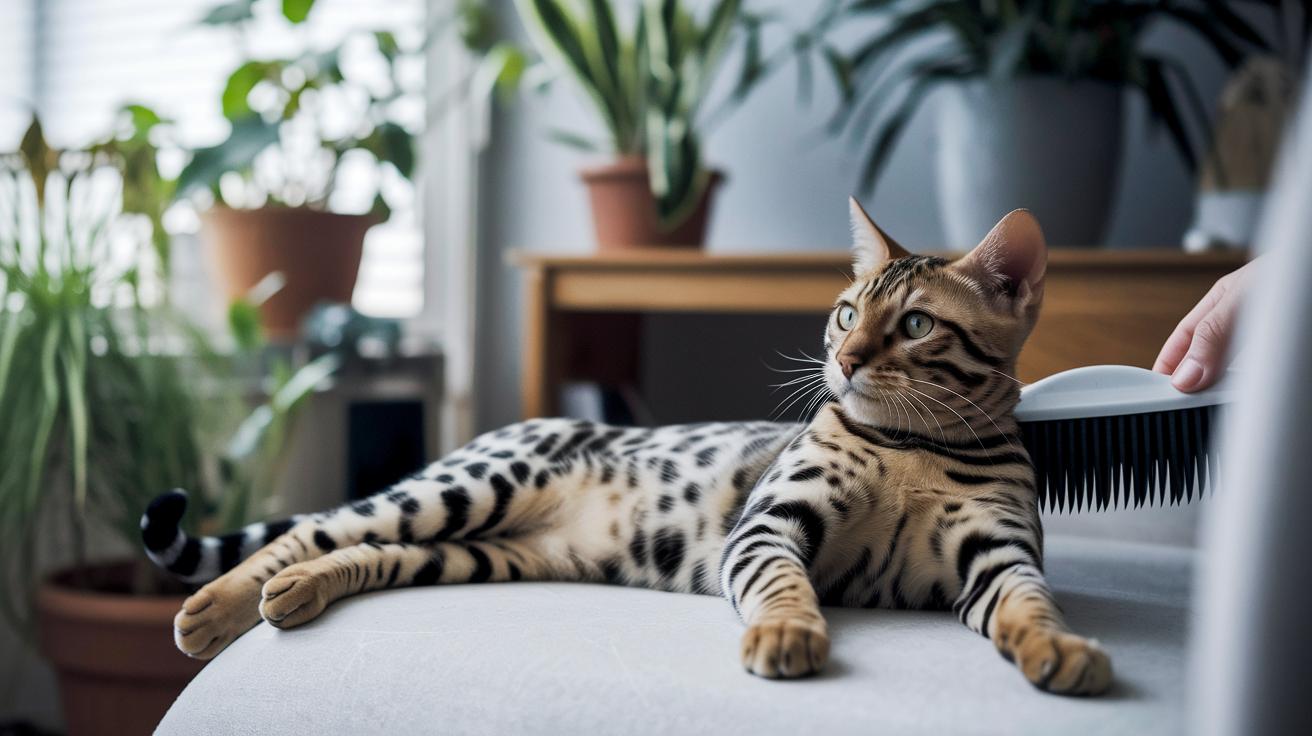
    • Brush your Bengal 2 or 3 times a week with a soft-bristle brush (nylon bristles that feel gentle on fur). You’ll hear tiny plucks of loose hair and see dander before it floats around.
    • Wipe down sleek fur once a week with a damp microfiber cloth (super-fine cleaning cloth). It picks up skin flakes (tiny bits of skin) and leaves your kitty’s coat smooth.
    • Give an occasional mini spa day, a quick bath with pet-safe shampoo and an allergen-neutralizing spray (cuts down Fel d 1, the main sneeze-maker). Oops, make that every few weeks so skin stays soft.
    • Vacuum floors and furniture daily with a HEPA-filtered vacuum (a filter that traps tiny particles). Then swipe hard surfaces with a slightly damp microfiber cloth. Listen to the rumble and watch dust bunnies vanish.
    • Keep your bedroom a cat-free zone and switch to allergen-resistant bedding so those sneeze-causing proteins stay in the living room, not on your pillow. Worth it for peaceful Zs.
    • Run a high-capacity air purifier with a HEPA filter in common rooms. This gadget hums along, pulling airborne fur and dander right out of the air.

    Stick with this easy routine and those floating fluff monsters will shrink. More allergy-free cuddle time with your Bengal buddy. Totally paw-fect.

    Nutrition and Health Care Practices to Minimize Bengal Allergens

    - Nutrition and Health Care Practices to Minimize Bengal Allergens.jpg

    Ever watched your Bengal shake off a dust cloud? It’s time to tame that allergy frenzy with the right diet. Start by choosing food that has at least 60% whole chicken (real chicken chunks), turkey, tuna, or salmon. Your Bengal needs that high-protein boost for strong muscles and a sleek, silky coat. Cutting out grains, dairy, and beef helps stop itchy skin and extra shedding that sends dander (tiny skin flakes) flying.

    Serve wet food every day to keep your cat hydrated. The soft bits in gravy improve skin elasticity (how stretchy your cat’s skin is), so fewer flaky pieces drift into the air. You’ll spot less powdery dust on your shelves, and your hand will glide over that satin fur.

    Omega-3 supplements (essential fatty acids) are like a mini spa treatment in a pill. In about 16 weeks you’ll notice a shinier coat, calmer skin, and fewer allergens. Claw-tastic, right?

    Thinking about raw? Um, it can really amp up coat health if you’re strict about cleanliness. Use a separate cutting board and wash your hands right away, no cross-contamination with harmful bacteria.

    With diet, hydration, and supplements teaming up, your Bengal’s coat stays lush and dander drops to a minimum. More cuddle time, fewer sneezes.

    Purr-fect.

    Pros and Cons of Adopting Bengal Cats for Allergy Sufferers

    - Pros and Cons of Adopting Bengal Cats for Allergy Sufferers.jpg

    • Active companionship: zoomies across the living room, vaulting leaps onto bookshelves, and chatty meows that keep you smiling.

    Bengals shed less and spread lower levels of Fel d 1 compared to most breeds, but they still trigger allergies for some. They demand a strict upkeep plan, weekly brush sessions, frequent vacuuming, and a HEPA filter humming in the corner. Folks with asthma might notice wheezing if dander levels rise. In the end, Bengal cats can ease mild allergy symptoms, but success hinges on consistent grooming, cleaning, and careful monitoring of any respiratory changes.

    Final Words

    In the action, we covered Bengal cats’ satin-smooth coats and lower Fel d 1 protein, compared their allergen profile to other breeds, and shared practical grooming and home strategies.

    We also explored diet tweaks and omega-3 boosts to keep their skin healthy, then balanced the pros and cons of welcoming Bengals into allergy-prone households.

    With these insights, hypoallergenic cat breeds bengal offer playful, low-allergen companionship for busy multi-cat homes, purr-fectly positive for both you and your kitties.

    FAQ

    Are Bengal cats hypoallergenic and suitable for allergy sufferers?

    Bengal cats are often called hypoallergenic because their short, single‐layer coat sheds less Fel d 1 (the main cat allergen), making them more tolerable for people with mild cat allergies.

    How much do hypoallergenic Bengal kittens cost and where can I find them?

    Hypoallergenic Bengal kittens usually range from $800 to $2,000, depending on pedigree and breeder. Reputable breeders and breed‐specific rescues list available kittens on their websites and verified cat-breeding platforms.

    Is a Siberian cat hypoallergenic?

    Siberian cats can be tolerable for some allergy sufferers because they produce lower Fel d 1 levels, but their thick triple coat sheds heavily, which may spread more dander than breeds like the Bengal.

    What is the #1 most hypoallergenic cat breed?

    The Sphynx is widely considered the most hypoallergenic cat breed since it lacks fur, so it sheds minimal dander and distributes fewer airborne allergens—though regular skin care is essential.

    Related Articles

  • how to make homemade cat food nutritious

    how to make homemade cat food nutritious

    Ever wonder if your cat’s store-bought kibble is mostly filler? Ever watched them turn their nose up at it? Your picky whiskered pal actually needs juicy meat with a flavor they can’t resist, plenty of moisture, and extra nutrients to stay truly claw-some.

    Making meals at home is easier than you think. Just skip odd grains and fake stuff. Aim for 40-50% muscle meat (like chicken or fish), then top off with the right extras.

    Sprinkle in taurine (an amino acid for heart and eyes), omega-3 (a healthy fat for a shiny coat), and bone minerals in the proper calcium-to-phosphorus ratio (for strong bones and teeth). It’s like crafting a meow-friendly stew – chunky, tasty, and totally balanced.

    In this guide, we’ll show you how to whip up balanced, nutritious homemade cat food your whiskered buddy will lap up. Worth every whisker twitch!

    Step-by-Step Guide to Homemade Cat Food Preparation

    - Step-by-Step Guide to Homemade Cat Food Preparation.jpg

    Ever watched your kitty’s whiskers twitch as she sniffs dinner? Cats are obligate carnivores (they need meat). So aim for 40–50% muscle meat. Don’t forget taurine (an amino acid for heart and eyes), omega-3 fatty acids (5,000–10,000 mg of healthy fats), vitamins A, D, B complex, plus calcium (for bones) and phosphorus (for teeth) at about a 1.2:1 ratio. And keep it juicy, 60–70% moisture.

    Making meals at home means ditching weird fillers, fake colors, and preservatives. You’ll end up with a balanced diet free of mystery ingredients. Want recipe ideas? Check out Vet-Approved Homemade Cat Food Recipes for vet-checked, kitty-approved meals.

    1. Ingredient Pick: Choose lean muscle meat (chicken, turkey, or beef) and toss in liver and heart for extra taurine.
    2. Figure Your Numbers: Shoot for 40–50% protein, 30–40% fat, and 60–70% moisture. Keep calcium and phosphorus in a 1.2:1 ratio.
    3. Mix It Up: Stir ground bone (calcium source) with organ meats and muscle meat in a big bowl.
    4. Boost With Supplements: Sprinkle in taurine, swirl in fish oil (omega-3 powerhouse), and fold in a cat vitamin mix.
    5. Cook or Serve Raw: Gently heat to save vitamins A, D, and B complex, or skip cooking if you know it’s safe.
    6. Portion Time: Scoop into single-meal bites using an ice cube tray or a measuring scoop, you’ll thank me later.
    7. Store Smart: Label airtight containers. Fridge for up to 3 days or freezer for up to 3 months.

    Every cat’s unique, right? Chat with your vet or a feline nutritionist to make sure this meal plan matches your kitty’s life stage and health needs. Worth every paw-print.

    Essential Ingredients and Nutrient Breakdown for Homemade Cat Food

    - Essential Ingredients and Nutrient Breakdown for Homemade Cat Food.jpg

    Ever watched your kitty chase shadows? It’s a hoot – until you realize they need fuel for all that zooming. Let’s dive into some claw-tastic ingredients that will make your feline friend purr.

    • Protein power: muscle meat (lean meat from chicken, turkey, or beef) for strong muscles and playful leaps.
    • Organ goodness: liver and heart (nutrient-packed organs) that brim with vitamins and minerals.
    • Calcium crunch: raw ground bone (safely crushed bones) or bone meal (dried, powdered bone) to keep kitty bones sturdy.
    • Omega-3 glow: fish oil (oil rich in omega-3 fats) plus salmon or sardines for a shiny coat and happy joints.
    • Taurine boost: chicken heart (source of taurine, an essential amino acid) or fish to support your cat’s eyes and heart.

    Oops, almost forgot – see Step 1 for a full nutrient breakdown chart. Worth every paw-print.

    Comparing Raw vs Cooked Methods in Homemade Cat Food

    - Comparing Raw vs Cooked Methods in Homemade Cat Food.jpg

    Ever watched your kitty chase shadows? A raw meal can lock in heat-sensitive vitamins A and B complex (those are nutrients that break down if they get too hot) and precious enzymes, just like fresh prey. It’s pure, grain-free goodness, starring muscle meat, organs, and raw ground bones (a perfect calcium-and-phosphorus mix). But watch out – Salmonella and Campylobacter (nasty bacteria) are real risks, so we freeze the meat for 72 hours and suit up in gloves.

    But cooking your cat’s dinner? That slashes germ dangers big time, which is a relief for older cats or those with sensitive tummies. Slow simmering – the kind that bubbles gently – holds onto most proteins and taurine (an amino acid furballs need), though a few vitamins might fade. Never serve cooked bones – they splinter and can hurt gums or intestines. Try steamed meat and organs with a little fish oil to keep things juicy and full of healthy fats.

    So, here’s the purr-fect combo: aim for a grain-free menu that’s about 60% moisture (meat juices or broth work wonders). Mix raw and cooked portions to give your cat tasty variety, keeps playtime exciting. Always wash your gear: use separate cutting boards, scrub utensils after each batch, and slap prep dates on containers. Rotate proteins daily (chicken today, beef tomorrow) and stick to single portions to cut waste and spoilage.

    Sample Homemade Cat Food Recipes for Kittens, Adults, and Seniors

    - Sample Homemade Cat Food Recipes for Kittens, Adults, and Seniors.jpg

    Chicken & Rice Stew for Kittens

    Got a playful kitten? This chicken & rice stew is like a warm hug in a bowl. It’s simple, tasty, and full of good stuff for growing paws! Ever watched your kitten lick its whiskers clean?

    Ingredients:

    • 1 cup cooked shredded chicken breast (lean muscle meat)
    • 1/4 cup cooked brown rice (gentle starch)
    • 5,000 mg fish oil (omega-3 fats)
    • 2,000 mg taurine (amino acid that helps eyes and heart)

    Steps:

    1. Put chicken in a pot with water. Simmer until it’s super tender.
    2. Shred with a fork. It should fall apart.
    3. Stir in rice.
    4. Whisk in fish oil and taurine.
    5. Warm it to lukewarm. No burnt tongues here.
    Nutrient Per ½ Cup
    Calories ~150 kcal
    Protein 12 g
    Fat 8 g
    Moisture 65 %

    More details at Homemade Wet Cat Food Recipes.

    Turkey & Pumpkin Mash for Adult Cats

    Looking for something lean and green? This mash brings together turkey, pumpkin, and peas. It’s like a fall treat for your kitty. Who knew healthy could taste so good!

    Ingredients:

    • 1 cup cooked ground turkey (lean protein)
    • 1/4 cup unsweetened pumpkin puree (fiber)
    • 1/2 cup mashed peas (green goodness)
    • 1 tsp fish oil (for a shiny coat)

    Instructions:
    Sauté turkey in a splash of water. Cook until no pink remains. Add pumpkin and peas. Mash and stir until smooth. Let it cool to room temp. Ready for your cat to dive in.

    Nutrient Per Cup
    Calories ~180 kcal
    Protein 18 g
    Fat 10 g
    Moisture 60 %

    Mutton & Sweet Potato Mash for Senior Cats

    Got an older kitty with sensitive teeth? This mutton & sweet potato mash is soft, tasty, and gentle on joints. The meat brings good fats. Sweet potato adds vitamins. Peas fill in for extra fiber. Worth every paw-print!

    Ingredients:

    • 1 cup cooked mutton (rich in omega-6 and omega-3 fats)
    • 1/2 cup mashed sweet potato (vitamin-packed)
    • 1/4 cup peas (fiber bits)
    • 2,000 mg taurine (amino acid that helps eyes and heart)

    Prep:
    Simmer mutton until it’s fall-apart tender. Chop into small bites. Steam sweet potato and peas. Mash them together. Fold in meat and taurine. Pulse a couple times for a soft puree. Easy on aging teeth!

    Aim for about 40 % meat, 30 % starch, and 30 % veggies.

    Safe Preparation, Hygiene, and Storage Best Practices for Homemade Cat Food

    - Safe Preparation, Hygiene, and Storage Best Practices for Homemade Cat Food.jpg

    Ever noticed how your cat’s whiskers quiver when they sniff a bowl of tuna? To keep every nibble safe, begin with spotless surfaces. Wipe counters with hot, soapy water, then spray a pet-safe disinfectant (a cleaner safe for pets). Um, use tools just for kitty meals, like a separate cutting board and utensils, so germs don’t mix with your dinner.

    Wash your hands for at least 20 seconds before and after handling raw meat (uncooked animal protein). It’s easy and it makes your cat healthier.

    Storing meals right locks in flavor and nutrients. Scoop portions into airtight containers or freezer bags and jot the prep date on each. Pop them in the fridge at or below 40 °F (4 °C) for up to three days. Or freeze single servings in an ice cube tray at 0 °F (-18 °C); that way, you can thaw just one cube when your kitty’s hungry. Those frozen bites stay tasty for about three months.

    Thawing matters. Don’t leave food on the counter, ever. Move frozen cubes into the fridge overnight or float the sealed bag in cool water. When you’re ready to serve, gently warm the meal to about 100 °F-110 °F (38 °C-43 °C) so it feels like body temperature. Stir it a bit to avoid hot spots. You don’t want a kitty tongue burn. A quick thermometer check is nifty. If you don’t have one, test a drop on your wrist. It should feel barely warm.

    Looks good, smells inviting, and gives them the nutrients they need. Worth every paw-print.

    Transitioning Your Cat Gradually to Homemade Cat Food

    - Transitioning Your Cat Gradually to Homemade Cat Food.jpg

    Let’s take about ten days to make the switch. Days 1–3, stir one part homemade food into three parts of your cat’s usual meal. Your kitty’s whiskers might twitch at the new aroma. Sound fun?

    Next, on days 4–6, mix half homemade and half familiar food. By days 7–10, aim for three parts homemade to one part old food. This slow pace gives your cat’s tummy time to adjust without a sudden shock.

    Keep an eye on digestion. Watch for vomiting, loose stools, bloating, or extra gas, those are red flags that things are moving too fast. On the flip side, a shiny coat, steady zoomies, and a strong appetite mean your furball is loving the new menu. Purrfect!

    If upset tummies or low energy stick around after day 10, call your vet. They might suggest a taurine boost (an essential cat nutrient) or add healthy fats (like fish oil). That’ll help keep your cat purring through every meal.

    Customizing Homemade Cat Food for Special Health and Dietary Needs

    - Customizing Homemade Cat Food for Special Health and Dietary Needs.jpg

    Weight Management and Lower-Calorie Meals

    Ever tossed turkey (lean protein) with spinach (leafy green) or zucchini (summer squash)? Spinach sneaks in fiber with hardly any calories. Zucchini adds a light crunch that cats adore. Portion control is key: aim for about 1 ounce of turkey per pound of kitty weight, then half that in veggies. Skip fatty cuts so you trim calories but keep that juicy texture your cat loves. Offer three small bowls a day to keep your furball satisfied all morning, afternoon, and evening. Lean wins.

    Renal Support and Urinary Tract Health Menus

    Need kidney relief? Swap organ meats for simple muscle cuts (lower in phosphorus mineral). Then stir in extra water or homemade bone broth (slow-simmered soup) until it’s about 70% liquid – more moisture means more purrs. A bit of omega-3 oil still helps, but avoid supplements high in phosphorus. At mealtime, pour broth over meat so your cat slurps while chewing. This boosts hydration and gives those kidneys the TLC they deserve.

    Hypoallergenic and Limited-Ingredient Diets

    Sound easy? If your kitty deals with allergies, pick rabbit (novel protein) or duck (rare meat). Keep it grain-free – no rice or oats here. Use just one protein with one safe veggie like peeled pumpkin (squash). This simple pairing cuts down allergy drama in no time. You’ll spot relief when the scratching stops and the purring starts. Limited-ingredient dinners also make it a breeze to track any sneaky troublemakers.

    Final Words

    We dove right into feline nutrient basics and a clear step-by-step for mixing muscle meat, organs, supplements, and proper storage.

    Then we broke down essential ingredients, weighed raw versus cooked choices, and shared recipes for kittens, adults, and seniors.

    Next we covered hygiene tips, gradual diet shifts, and tweaks for special needs like weight control or sensitive digestion.

    This guide on how to make homemade cat food arms you with confidence and care.

    Here’s to purrs, playtime, and feline fine meals in your busy multi-cat home.

    FAQ

    How to make homemade cat food from scratch?

    To make homemade cat food from scratch, combine high-quality animal protein, organs for taurine (an essential heart and eye nutrient), healthy fats, vitamins, minerals, and moisture. Follow vet-approved recipes and portion safely.

    How to make homemade cat food with chicken?

    To make homemade chicken-based cat food, mix cooked shredded chicken breast, chicken heart for taurine (essential for vision), fish oil for omega-3, and calcium-phosphorus-balanced bone powder. Portion, store chilled or frozen in sealed containers.

    How to make homemade cat food for indoor cats?

    To make homemade cat food for indoor cats, adjust calories and fat for lower activity, use lean meats, add moisture-rich ingredients like pumpkin puree, and supplement with taurine and omega-3. Portion meals to prevent overeating.

    How to make easy, cheap homemade cat food?

    To make easy, cheap homemade cat food, use affordable muscle meats like ground turkey, simmer with water for moisture, stir in calcium-rich crushed eggshells, add a taurine supplement, then portion and freeze.

    Where can I find vet-approved homemade cat food recipes?

    Vet-approved homemade cat food recipes are tested formulas balancing 40–50% animal protein, essential fatty acids, vitamins, minerals, and moisture. Browse balanced, nutritionist-vetted meals at Vet-Approved Homemade Cat Food Recipes.

    What are some homemade wet cat food recipes?

    Homemade wet cat food recipes feature high-moisture blends of cooked meats, organs, healthy oils, and broth. Use options like salmon puree or chicken stew. See recipe details in Homemade Wet Cat Food Recipes.

    What is the best homemade food for cats?

    The best homemade food for cats meets 40–50% high-quality animal protein, provides taurine (heart and eye health), balanced calcium-phosphorus, omega-3, vitamins A, D, B, and 60–70% moisture.

    What should a homemade cat food supplement include?

    A homemade cat food supplement adds missing nutrients like taurine, fish oil (omega-3 fatty acids), calcium powder, vitamin E, and B complex. Follow dosage guidelines on supplement labels or veterinary advice.

    What can cats eat instead of commercial cat food?

    Cats can safely eat cooked plain meats (chicken, turkey), fish (salmon), boiled eggs, and small amounts of pumpkin. Avoid onions, garlic, dairy, and high-carb foods. Always check portion sizes and nutrient balance.

    Is it good to make homemade cat food?

    Making homemade cat food can be good by removing fillers and artificial additives and tailoring nutrition. Ensure recipes are balanced, include vital nutrients, and consult your veterinarian to avoid nutritional gaps.

    What is the 25 rule for cat food?

    The 25 rule for cat food recommends that carbohydrates provide no more than 25% of total calories, supporting feline obligate-carnivore needs and maintaining energy without overloading sugars or grains.

    Related Articles

  • How to Train a Cat to Use a Litter Box Effortlessly

    How to Train a Cat to Use a Litter Box Effortlessly

    Ever had a furball treat your carpet like a bathroom? My Luna once sniffed her litter box (a small tray filled with absorbent clumping sand) for five minutes and then flopped onto the couch in defeat. Oops, hello midnight clean-up on the rug.

    No more yucky surprises or awkward scrubbing sessions. This nightly ritual feels like its own little celebration – and yes, it’s going to be claw-tastic!

    You’ll learn five easy steps that turn shy kittens or stubborn seniors into confident litter box pros in just a few weeks. Think of it like a bedtime story for your cat, only with soft paws padding in fresh litter (tiny absorbent granules) instead of the carpet.
    Worth every paw-print.

    Essential Litter Box Training Steps for Cats

    - Essential Litter Box Training Steps for Cats.jpg

    Ready to help your kitty master the litter box? These five easy steps will have your feline friend digging and covering like a pro.

    • Confine your cat in a small, quiet room with one shallow box (a low-sided pan filled with litter).
    • Pour in about 2 inches (the height of two stacked quarters) of fresh, clean litter.
    • Gently place your cat in the box right after meals, naps, or play, cats often need to go within ten minutes of eating or waking.
    • If they wander off target, guide them back and praise them warmly: “Good job, sweet kitty!”
    • Repeat these steps several times a day so the routine really sinks in.

    A steady schedule makes your cat feel safe. Think of it as setting up a little litter box ritual, your cat learns the cue, and you get fewer surprises on the carpet.

    Choosing a quiet corner for the box removes guesswork. A shallow pan gives easy access, and that two-inch layer lets paws dig and scratch, just like they would outside.

    Bonus tips for fast success:

    1. Scoop waste daily and top off the litter to keep that 2-inch depth.
    2. Praise within five seconds of a successful visit, try a tiny treat or a clicker click, and never punish accidents.
    3. After every meal, nap, or play session, guide your cat back to the box so they connect the dots.

    Patience really pays off. Stick with this positive routine, and most cats will be litter-box pros in four to six weeks. Worth every paw print.

    Choosing the Right Litter Box and Litter for Training

    - Choosing the Right Litter Box and Litter for Training.jpg

    Let’s talk litter box size. Your pan should be at least one-and-a-half times your cat’s body length so they have room to stretch, spin, and scoop like a tiny excavator. Fill it with about 2 inches (two stacked quarters high) of litter so kitty can cover their business without bumping the sides. Ever watched your kitty dig in fresh litter? It’s like a sandbox for cats.

    Open pans are perfect for beginners since they let odors drift away and give easy access. Covered boxes feel like a private den, oops, did I say den? I mean cozy hideout, but they can trap smells and make shy cats hesitate at the entrance.

    Box Style Pros Cons
    Open Pan Easy access, no odor buildup More scatter, less privacy
    Covered Pan Privacy, odor control Harder to enter, trapped smell
    Self-Cleaning Automated scooping Costly, may frighten cats

    Clay clumping litter (ground fine clay that sticks together) makes scooping a breeze, but dusty clay can tickle tiny lungs. For less dust, try paper pellets (bits of recycled paper), wood pellets (compressed sawdust), or silica crystals (tiny moisture-trapping beads). They soak up wetness and lock in smells without the heavy dust cloud. Natural litters swap out chemicals for simple plant ingredients, good for curious noses and paws.

    Fill the pan to about 2 inches high, too deep and the litter flies when they dig, too shallow and they can’t cover. Some cats kick like pros, so a high-sided pan or rim helps catch flying granules. Tiny kittens may prefer an open cardboard tray at first before leveling up to a regular box.

    Then watch your cat’s reaction and stick with what they dig. Try one change at a time over a few days to find the claw-tastic combo. A happy cat means a neater home. For a deeper dive on each type, check out Cat Litter Choices.

    Optimal Litter Box Placement to Encourage Use

    - Optimal Litter Box Placement to Encourage Use.jpg

    Place each litter box in a quiet corner with few distractions. Cats hate eating next to their bathroom, so keep the box well away from food and water bowls. Slip it into a calm spot with no echoing footsteps or door swings. Your kitty will feel safe, and you’ll see them pick the box over your carpet!

    Getting the right number of boxes removes guesswork and hushes catted standoffs. Aim for one litter box per cat plus one extra. So if you have two cats, spread out three stations around your home. That bonus box gives shy or high-strung kitties a private spot when they don’t want company. Ever seen two fluffballs jockey for the same tray? Problem solved.

    With tiny kittens under eight weeks, keep them in one room so a box is never more than ten feet away. Choose a shallow pan (a low-sided tray that’s easy to step into) and tuck it in a cozy nook. Slide a puppy pad (an absorbent mat) under the box to catch stray bits of litter. This setup builds kitten confidence and slashes floor surprises.

    Cleaning and Hygiene Strategies for Consistent Litter Box Training

    - Cleaning and Hygiene Strategies for Consistent Litter Box Training.jpg

    Each day, scoop out any clumps (those bits of used litter) at least once and give the rest a quick stir so you always have about two inches of clean litter. Ever watched your kitty sniff a messy box and then wander off in protest? A simple morning or evening tidy-up keeps dust puffs down and funky smells away, making it puuurfectly inviting!

    Once a week, dump all the litter and wash the pan with a pet-safe enzyme cleaner (it breaks down yucky odors). Skip bleach or ammonia-based products. Those can scare sensitive noses and even irritate lungs. If you still catch a whiff of old smells, a light sprinkle of baking soda locks in odors without harsh chemicals (Cat Behavior Insights).

    • Scoop once a day and stir to keep two inches of fresh litter
    • Empty and scrub weekly with a pet-safe enzyme cleaner
    • Sprinkle a bit of baking soda for extra odor control
    • Never use bleach or ammonia-based cleaners around your cat
    • Don’t skip scooping for more than two days straight

    A clean box isn’t just cozy. It helps stop bacteria and lower the chance of urinary tract infections. Stick to this routine, and your cat will stay happy, healthy, and using the box every single time. Worth every paw-print.

    Troubleshooting Common Litter Box Challenges

    - Troubleshooting Common Litter Box Challenges.jpg

    Ever catch your kitty using the rug like a litter box? Let’s fix it so they stay feline fine. Try scooting a shallow box (not too deep) right where they go to give your cat a clear hint. Then scrub the spot with an enzymatic cleaner (a spray that eats away odor molecules) so old smells don’t lure them back.

    If your cat suddenly skips the box, you’ve got an elimination puzzle. Offer a new litter type, paper pellets (recycled paper bits) or clay litter, and slowly mix in the old stuff over five to seven days. This gentle swap helps paws adjust without a big hissy fit.

    Stress can make your cat miss the box. You might have brought home a new pet or moved the couch. Hang a pheromone diffuser (a plug-in that spreads calming cat vibes) and stick to regular feeding and play times. And whisper a soft “you’re okay” now and then, because sudden changes can send paws running for cover.

    When nothing else helps, time for a vet check. If you spot straining, little dribbles, or any pain signs, your cat might have a UTI (urinary tract infection) or another issue. Early treatment keeps your furball feeling paw-some.

    Better safe than sorry.

    Litter Box Training for Kittens, Adult, and Senior Cats

    - Litter Box Training for Kittens, Adult, and Senior Cats.jpg

    Got kittens or grown cats? Check those tips above first. Then stick around for our senior cat guide.

    Litter Box Tips for Senior or Less-Mobile Cats

    Ever watch an older kitty tiptoe around a tall litter box, let out a tiny sigh, then just wander off? I’ve been there. When your feline friend has arthritis (stiff joints), those high sides can feel like a cliff, you know?

    Next, swap in low-entry pans (litter boxes with one side under 1 inch) so your cat can step in without a leap. Tuck a gentle ramp (like tiny pet stairs) next to each pan to ease achy paws. And place one box on every floor so your senior doesn’t have to climb stairs.

    Low-entry pans are a real game-changer.

    • Pick low-entry pans with one side under 1 inch so senior paws slip right in
    • Add gentle ramps or pet steps for easy hopping
    • Give each floor its own litter spot to cut down on stairs
    • Keep boxes near sunny nap nooks so your cat remembers where to go
    • Use dust-free, soft litter (no fine powders) for tender paws

    Advanced Tips: Multi-Cat Households and Long-Term Success

    - Advanced Tips Multi-Cat Households and Long-Term Success.jpg

    Ever set up litter spots for a crew of kitties? Here’s a pro tip: give each cat their own box and one extra just in case. Spread them out, maybe tuck one in the laundry room, another in a quiet hallway, and one near a sunny window. This way, every kitty gets a paw-sonal loo and no one feels crowded.

    Next, start a simple log for bathroom visits. Jot down when and where each cat goes, it’s like a detective diary. Note how deep the litter is (that soft, gritty stuff), how often you scoop, and how many times each box gets used each week. These numbers help you spot tiny trouble before it turns into a smelly mess.

    Stress can pop up when you bring home a new pet or shuffle furniture, oops, sorry sofa shift! Try a pheromone diffuser (a plug-in that releases calming cat scents) near your litter stations; it’s like zen for kitties. Then peek at your log and tweak placements or litter types. Small changes mean fewer hissy fits and cleaner floors.

    Worth every paw-print.

    Final Words

    You’ve jumped right in with essential litter box training steps, chosen the perfect pan and litter, and found the sweetest spot in your home.

    You’ve also got cleaning routines, troubleshooting tips, plus kitten, adult, senior and multi-cat recommendations under your belt. Timing and gentle praise remain your best friends – keep those treats handy and your patience intact.

    You’ve mastered how to train a cat to use a litter box, and soon you’ll be celebrating every purr-filled success.

    FAQ

    How can I train an older cat to use a litter tray?

    Training an older cat to use a litter tray starts with a shallow, easy-entry box in a quiet spot, gentle guidance after meals or naps, and praising every correct use until the new routine sticks.

    When is it too late to litter train a cat?

    It’s never too late to litter train a cat since their instincts stay strong—older cats may just need extra patience, consistent routines, and a vet check to rule out any health issues.

    How do I get a cat to use a litter box for the first time?

    Introducing a cat to a litter box for the first time involves placing them in a shallow box after meals and naps, keeping about two inches of litter (fine-grain material), and offering praise each time.

    How do I train an outdoor cat to use a litter box?

    Training an outdoor cat to use a litter box means starting with a box in a sheltered outdoor spot, adding some used litter to transfer scent, then gradually moving it indoors until they follow.

    How can I litter train a kitten quickly?

    Fast litter training a kitten involves offering a shallow tray after every meal or nap, using about one inch of litter for easy digging, confining them to a small area, and rewarding each successful use.

    What if my cat won’t use the litter box?

    When a cat won’t use the litter box, keep it spotless, move it to a calm area, try different litter types, add a second box, and consult your vet to rule out medical causes.

    How can I potty train a cat without a litter box?

    Potty training a cat without a litter box uses puppy pads or an outdoor grass patch placed consistently, rewarding every successful attempt, then gradually removing the pads as the habit forms.

    Do cats train themselves to use the litter box?

    Cats have a natural urge to dig and bury waste, but they often need a clean box, gentle guidance, and positive reinforcement from you to fully master proper litter-box habits.

    What draws a cat to a litter box?

    Cats are drawn to a litter box by soft, fine-grain litter that feels like soil, consistent placement in a quiet corner, a depth they can dig in, and surroundings free of strong odors.

    Related Articles

  • indestructible cat toys for aggressive chewers Cats Adore

    indestructible cat toys for aggressive chewers Cats Adore

    Ever watched your cat tear a brand-new toy to bits in under a minute?
    Stuffing flying everywhere?
    It happens to all of us.

    Your living room looks like a fluff-filled mess, with stuffing all over the floor.
    Most toys just can’t stand up to a playful predator.
    Seriously.

    So we put dozens of toys to the test until we found the real survivors.
    They’re vet approved and built by P.L.A.Y., Go Cat, and Cosmic Cat.
    These brands know claw-tough play.
    We even checked materials like puncture-proof fabric (strong cloth that resists tears) and reinforced polymer (tough plastic).

    These indestructible toys aren’t just tough.
    They give your kitty mental workouts and snack puzzles for extra fun.
    Toss one before you head out and enjoy a few minutes of peace.

    Ready for long-lasting fun?
    Our claw-tough roundup ends shredded toys, brings big smiles, and keeps paws happy.

    Top-Rated Indestructible Cat Toys for Aggressive Chewers

    - Top-Rated Indestructible Cat Toys for Aggressive Chewers.jpg

    Hey cat fans, ever watched your kitty gnaw through a toy in seconds? These claw-tough picks survived real-life teeth tests and came backed by vets. Made in the U.S. by P.L.A.Y., Go Cat, and Cosmic Cat, they’re ready for your furry shredder. Get ready for fun that lasts.

    Toy Material Play Features Pros Cons Approx. Price
    Kitty Kong Natural rubber (flexible, tear-resistant) Beehive shape rolls around; dual snack slots for treats or catnip Tough enough for rough bites; turns treat time into a puzzle Might feel heavy for tiny kittens $15–$20
    Wobbly Mouse Catnip Toy Mesh (breathable netting) & plush (soft fabric) Tinkles when batted; rolls in zigzag paths Lights up hunting instincts Needs a fluff refill now and then $10–$14
    Giant Rope-Exterior Mouse Rope weave (twisted fiber strands) Perfect for wrestling and claw workouts Built for rough, rambunctious play Ends may fray after heavy use $12–$16
    Battery-Powered Rolling Ball Rubberized shell (grippy ridges) Attach feathers or ribbons; runs up to 2 hours Keeps cats guessing with wild rolls Requires AA batteries $18–$25
    Kong Treat-Dispensing Ball Natural rubber & replaceable cardboard core Tossable design; challenging treat puzzles Turns snack time into a hunt Core wears out and needs swapping $14–$22

    Each of these toys brings its own twist, puzzles, chase action, or a sturdy wrestle mat. They’ll match your cat’s chewing style and keep them busy. Worth every paw-print. For more indestructible cat toys for aggressive chewers and in-depth tips, swing by our full guide on indestructible cat toys.

    Comparing Materials in Indestructible Cat Toys for Aggressive Chewers

    - Comparing Materials in Indestructible Cat Toys for Aggressive Chewers.jpg

    When you’re picking toys for a serious chewer, the material is key. Ever watched your kitty attack a fluffy mouse until it’s just fluff? That’s why we look at stuff that can handle a hunting spree without shredding.

    Natural rubber (like the kind in a Kitty Kong – a bouncy, flexible material) bends instead of breaking. It rates high for tear resistance. So when you load it with treats, your cat gets a puzzle they can’t demolish in one go.

    Nylon (a strong plastic) catnip rolls about 3.5 to 4 inches long use a loose weave that’s gentle on kitty teeth. They’re stuffed with premium dried catnip for that irresistibly minty buzz. Your fur baby can nibble safely while you relax.

    Rubberized ridged balls (think Rowdy Roller) massage gums with every chomp and pop into a lively bounce. If your cat needs a softer chew, silicone (a soft, bendy plastic) options give a gentler feel. They won’t spring back quite as hard, but um – they’re still fun.

    Mesh-covered mint sticks (mesh is a net-like fabric) slide through claws, whisk away plaque, and leave breath fresh with a minty zing. For the heavy hitters, steel (a tough, heavy metal) bite-resistant cat mice can take months of gnawing – though they’re best for larger kitties.

    Toys that actually survive the bite.

    Worth every paw-print.

    Interactive and Treat-Dispensing Indestructible Toys for Aggressive Chewers

    - Interactive and Treat-Dispensing Indestructible Toys for Aggressive Chewers.jpg

    Ever watched your kitty gnaw through toys? If your furball’s a serious chewer, these playthings are built tough. We’ve got puzzle feeders (treat-hiding toys that make your cat work for snacks), rechargeable rolling balls (they zip across the floor until you charge them again), and motorized mice (little bots that skitter with a soft squeak).

    All the juicy details live in the table above. You’ll also spot quick pros and cons for the multi-track ball systems (three linked tracks that keep the ball racing) and the motion-activated flicker lights (tiny beams that flash when your cat pounces). They give you the scoop without slogging through long descriptions.

    Dental and Mental Health Benefits of Chew-Resistant Toys for Aggressive Chewers

    - Dental and Mental Health Benefits of Chew-Resistant Toys for Aggressive Chewers.jpg

    Most indoor cats start chewing when they’re bored or teething. Ever watched your kitty gnaw on your favorite sock? Silicone chew toys for cats have soft ridges that massage gums (the soft tissues around teeth) and ease soreness. The tiny bumps gently scrub away plaque and tartar while giving your furball a safe way to chew. Yay.

    Some toys feature a mesh-covered mint stick. The mint slides between teeth, cleaning as it freshens breath. Textured chew items ease teething pain in kittens, and unravel-free fabric (threads woven so they won’t come loose) keeps its shape for months of healthy gnawing.

    Chewing does more than fight tartar. Play that mimics hunting sparks your cat’s prey drive, lowers stress, and banishes boredom. Irregular toy moves keep paws busy and minds sharp. Really. It’s a purrfect way to keep your cat feline fine.

    For extra relief, freeze a silicone chew toy (cold, firm plastic). The chilly ridges numb sore gums and help fight tartar buildup. It’s like an ice pack for kitty teeth, uh, pretty neat, right? And durable, unravel-free toys keep their form so dental action lasts for months, worth every paw-print.

    Selecting the Right Indestructible Toy for Your Aggressive Chewer

    - Selecting the Right Indestructible Toy for Your Aggressive Chewer.jpg

    Let’s talk size and weight. Your tiny teething friend (2 to 4 inches) needs a small, super-durable kitten toy they can hold in their paws. It’s fun to watch the toy roll and your cat’s whiskers twitch. For your big bruiser (8 to 12 inches), pick a chunky jungle-resistant toy that won’t disappear under the couch when they wrestle it.

    Ever watched your kitty gnaw on everything in sight? Match their chewing style.
    Gnawers love to bury their faces in rubber (a bouncy, tire-like stuff). Try a Kong beehive shape made from natural rubber (plant-based material).
    Chase-crazy cats go wild for a ridged rubber ball. It’s perfect for pounces and sprints.
    Wrestlers will tug on a natural-fiber rope (rough plant fiber) like it’s game day.

    Brand trust matters.

    • Kong: top pick for serious chewers.
    • Petstages: makes toys that help clean your cat’s teeth.
    • Catstages: offers nylon (strong synthetic plastic) toys that spin and roll.

    If you’re into green gear, check SMARTYKat’s flicker lights made from recycled plastic (leftover material turned new toy) or a jute rope wand (rough plant fiber). They’re tough on chewing but gentle on the planet.

    Think about your cat’s play style. High-energy zoomers need chase toys that zip across the room. Food-motivated fluffballs will go wild for puzzle feeders that slowly drip treats. That’s the trick to keep your aggressive chewer busy with boredom-busting fun they adore.

    Cleaning and Warranty for Indestructible Cat Toys for Aggressive Chewers

    - Cleaning and Warranty for Indestructible Cat Toys for Aggressive Chewers.jpg

    Hey there, cat fan. Keep your kitty’s favorite chew toy feeling fresh with this easy clean routine. Just pop it on your dishwasher’s top rack at up to 140°F after you pull out the treat core. Then give the mesh cover a gentle wipe with a damp cloth.

    • Remove treat cores before cleaning
    • Top-rack dishwasher safe (rubber and silicone (like a rubbery plastic))
    • Wipe mesh covers with a damp cloth

    Most brands back these bite-busters with a 6 to 12 month warranty against chew damage. Kong even lets you swap in fresh cardboard centers when the core wears thin. Nice, right?

    Always choose non-toxic, BPA-free (no harmful plastic) toys. Look for an ASTM safety mark (American Society for Testing and Materials) on the package or product page to make sure it passed tough chew tests before your cat sinks its teeth in.

    Worth every paw-print.

    Where to Buy Indestructible Cat Toys for Aggressive Chewers: Price and Retailer Guide

    - Where to Buy Indestructible Cat Toys for Aggressive Chewers Price and Retailer Guide.jpg

    Hey kitty crew! Ever watched your munchkin gnaw on a ball like there’s no tomorrow? If your cat has chompers of steel, you need claw-tastic toys that hold up, and still save you some cash.

    We’ve split our picks into three simple price zones, uh, so you can find the perfect fit fast.
    • Budget (under $10): chewproof basics for quick thrills.
    • Mid-Range ($10–$25): tough toys that let the fun roll on.
    • Premium (over $25): pro-level playthings for the ultimate chewer.
    Oops, I mean three zones – my bad.

    Next, zoom through the highlights:

    Price Tier Toy Examples Approx. Price Shopping Spots
    Budget (under $10) Nylon (tough synthetic fabric) catnip rolls, mesh (open-weave fabric) mint sticks < $10 Amazon, Chewy, Petco
    Mid-Range ($10–$25) Rowdy Roller balls (fun to bat), dental chew wheels (jaw-strengthening) $10–$25 P.L.A.Y., Go Cat, Cosmic Cat websites
    Premium (over $25) Motorized mice (auto-moving), adjustable treat dispensers (treat-release puzzles) > $25 Brand sites, specialty pet stores

    Amazon and Chewy are my go-to online hangouts for interactive bite-proof feeders (treat-hiding puzzle toys) and unbreakable chase balls. Petco often has in-store deals on mid-range goodies, while brand sites like P.L.A.Y. and Cosmic Cat whip up exclusive bundles you won’t see anywhere else.

    Love a surprise? The Chew Edition subscription box ships fresh playthings each month, you might get a wild-rolling polymer (hard plastic) sphere one time and a tricky treat puzzle the next. Always keeps them guessing.

    Ready to see every indestructible toy we’ve tested? Check out our full guide on indestructible cat toys and let the play begin.

    Final Words

    In the action-packed lineup above, we matched top-rated chewproof cat contraptions with your busy, multi-cat home. We looked at material types, from natural rubber beehives to steel-bite mice, to suit every biting style. We dove into interactive puzzle feeders, motorized mice, and dental-friendly chew wheels that keep teeth clean and boredom at bay.

    Pick the right size, clean safely, and enjoy warranties that back these heavy-duty playthings. Your cats stay fit, your furniture stays safe, and you’ll love the peace of mind with indestructible cat toys for aggressive chewers.

    FAQ

    What are the best indestructible cat toys for aggressive chewers?

    The best indestructible cat toys for aggressive chewers include natural rubber bee-hive KONGs, giant rope-exterior mice, rubberized rolling balls with magnetic feathers and treat-dispensing puzzle feeders built to stand up to tough bites.

    Where can I buy indestructible cat toys, like sturdy wands or chew toys?

    You can find indestructible cat toys on Amazon, Chewy, Petco and specialty sites like Titan Claws. Many local pet shops also stock durable wands, rubber balls and bite-proof models for aggressive chewers nearby.

    Are Yeowww Cat Toys or Nylabone safe for cats who chew?

    Yeowww Cat Toys offer soft plush nip pouches but aren’t chewproof for heavy gnawers. Nylabone is made for dogs, so it’s not ideal for cats—choose cat-specific durable rubber and nylon chew toys instead.

    What toys help cats that chew on wires?

    To protect wires, offer chew-resistant alternatives like natural rubber rings, silicone chew sticks and braided rope mice. Combine these with cable covers and bitter deterrent sprays to guide cats toward safe chewing items.

    What should I give my cat who likes to chew?

    For cats that love chewing, give natural rubber teething rings, nylon chew sticks, mesh mint sticks and heavy-duty treat feeders. Rotate textures and add treats or catnip to satisfy their bite urge.

    How do I stop my cat from chewing?

    To curb chewing, redirect your cat to durable toys, protect cords with covers and use bitter sprays. Schedule short interactive play sessions with puzzle feeders and rotating chew-proof toys to break the habit.

    What toys are best for senior cats?

    Senior cats thrive with softer, low-impact toys like plush feather wands, low-bounce rubber balls and gentle treat-dispensing rollers that promote easy play, light exercise and mild dental massage.

    Related Articles

  • Kitten Hissing Expertly Handled

    Kitten Hissing Expertly Handled

    Ever had your heart leap when your kitty fires off a sharp “psss”? That tiny hiss packs a punch. It’s your fluff buddy telling you something’s up. It might sneak into a playful tumble or pop out if they’re surprised!

    So how do you tell a playful “back off” from a real “help me” hiss? We’ll show you how to spot each type. A quick tail flick or a whisker twitch can tip you off. Then, you’ll be ready to act.

    Next, we’ll share simple steps to ease your kitten’s jitters (think gentle strokes and soft words). You’ll soon master hisses like a pro and keep that fuzzy trust intact. Worth every paw-print.

    Recognizing and Interpreting Kitten Hissing

    - Recognizing and Interpreting Kitten Hissing.jpg

    Ever heard that sudden “psss” and felt your heart jump? That’s your kitten’s way of saying “Hey, back up!” It’s a quick burst of air and a glimpse of teeth that means something feels off. Playtime can spark a little hiss too, but sometimes it’s a real warning of fear or stress.

    Want to learn more? Check out cat hissing meaning.

    Not every hiss is a drama scene. If your kitten gives a soft hiss mid-pounce, they might just be caught up in the fun. But a stiff body, fixed stare, and a louder hiss? That’s a clear sign they’re nervous or on guard. In those moments, give your furball some room, speak softly, and let them find a cozy spot to chill.

    What’s Behind the Hiss?

    Kitten hissing comes from deep inside, it’s instinctive, like a built-in alarm. When they feel trapped or scared, they push air through slightly open jaws, making that hiss sound. In friendly tussles, their bodies stay loose, tails wag gently, and hisses mix with playful meows or chirps. It’s a tiny battle cry during mock fights.

    But a defensive hiss is more dramatic. Picture a mini tiger with its back arched, fur puffed up, and ears flattened. That hiss means “don’t come any closer or I might bite.”

    Spotting Body-Language Cues

    Body talk is your best clue. In playful mode, ears point forward, whiskers relax, and fur lies flat. Tails do a lazy wag, and hisses are quick and light, like a little spray of confetti.

    But in threat mode, watch for flattened ears, wide eyes, and fur standing on end. Their back curves into a crescent to look bigger. A tail that lashes or puffs up adds extra warning. Uh-oh, you’ve been told to back off.

    Key Cues at a Glance

    • Flattened ears – feeling scared or upset
    • Arched back – trying to look big and warn you off
    • Lashing or puffy tail – agitation or anger
    • Hiss vs growl – hiss means “stay away,” growl can signal a bigger threat
    • Purring or slow blinking – calm and trusting, no worries here

    Worth every paw-print.

    Top Triggers for Kitten Hissing: Fear, Stress, and Territory

    - Top Triggers for Kitten Hissing Fear, Stress, and Territory.jpg

    Have you ever heard a kitten’s sharp hiss when the dishwasher bangs or a new couch rolls in? You can almost picture their whiskers quivering as they warn “I’m scared.” But loud sounds aren’t the only spark. Moving furniture or crowded spaces can mess up their routine and build stress (feeling overwhelmed).

    A few more things can set them off too, like squabbling over beds or bowls, ouch from an unexpected pain, or even getting way too worked up during playtime.

    Kitten hisses generally fit into a handful of triggers: fear, stress, territory, pain, and even play overstimulation. Each one is just their way of talking. Take a peek below.

    Trigger Description
    Fear Sudden loud noises or new sights spark an instinctive hiss to say “back off.”
    Stress Routine changes, overcrowding, or shuffled furniture overload your kitten’s coping skills (mental strain).
    Territory Competition over beds, bowls, or your lap leads to a hiss that stakes a claim.
    Pain An injury or hidden ouchie makes kittens hiss to warn you they’re hurting.
    Play Overstimulation Too much teasing or rough play flips fun into a sharp defensive hiss.

    Next, let’s put some cat friendly fixes in place. Create a quiet nook with a plush bed and a hidden perch (like a cozy fort for their rattled nerves). Keep meal times and play cues on the same schedule every day. Kitties crave predictability. And scatter a few scratching posts and toys around so everyone has their own safe playground.

    Worth every paw-print.

    Calming Hissing Kittens: Step-by-Step Soothing Strategies

    - Calming Hissing Kittens Step-by-Step Soothing Strategies.jpg

    Ever heard that sharp little hiss? It means your kitten’s on high alert, you know. So you need a gentle game plan to calm those nerves. I’m here to share my top kitten-hissing whisperer tips.

    1. Watch your kitty’s stance
      Notice how their ears tilt, back arches, and tail twitches. Wide eyes and a tucked head? That means they want extra room. So hold off on reaching in.

    2. Create a cozy hideaway
      Find a quiet corner and add soft bedding. A covered igloo or a box with a blanket feels like a mini-vacation. Let your kitten slip away when things get tense.

    3. Talk in a soft, low voice
      Skip the high-pitched squeals. Try a gentle purr-like rumble when you speak. It sets a chill mood and tells your cat you’re not a threat.

    4. Offer secret spots and high perches
      Cardboard boxes, cat trees (multi-level scratchers with platforms) or wall shelves give your kitten a sense of control. From up high, they feel safe. And a confident cat hisses less.

    5. Reward the quiet moments
      When the hiss stops, drop a tiny treat or whisper “good kitty.” Positive reinforcement shows calm behavior pays off. Before you know it, they’ll choose purrs over hisses.

    6. Plug in a pheromone diffuser (e.g. Feliway)
      This little gadget spreads a mother cat’s soothing scent. Place it near your kitten’s retreat spot. Over time, it gently eases anxiety and cuts down on hissing.

    Patience and routine are your BFFs. Stick with gentle handling and positive reinforcement, and soon that “psss” will turn into happy purrs.

    Building Kitten Confidence with Play and Enrichment

    - Building Kitten Confidence with Play and Enrichment.jpg

    Interactive play with a feather wand (like a fishing rod for cats) gives your fluffball a perfect way to burn off zoomies. You’ll love watching those paws skitter across the floor as she pounces. Ever noticed how her eyes glow when the wand swoops your way?

    Then there are puzzle feeders (treat-dispensing toys) that turn snack time into brain games. Your curious kitten will bat, roll, and nudge until a crunchy surprise drops out. I once left one out for Luna and she got so focused I almost forgot she was around. Uh, but in a good way.

    And soft pets, gentle praise, even a quiet chat teach your kitten that you’re safe and fun. It’s wild how a calm voice can cut down on startled hisses during play. Next, try whispering a few “good kitty” words when she’s stretched out after a chase. You know, just small moments that build big confidence.

    Worth every paw-print.

    Reward the quiet moments:

    • Soft pets with slow strokes
    • Gentle “good job” after calm play
    • Quiet chat during rest breaks
    • Puzzle feeders and interactive toys to channel energy and build trust

    Safe Introductions: Bringing Kittens Into a Multi-Cat Home

    - Safe Introductions Bringing Kittens Into a Multi-Cat Home.jpg

    First, pick a quiet room just for your kitten. Then fill it with a litter box (where your kitty goes potty), soft bedding, a scratching post (wrapped in sisal, a strong plant fiber), and a handful of favorite toys. This cozy corner keeps your fluffball tucked away from resident cats while everyone adjusts. Ever watched a kitten’s whiskers twitch as it finds new play spots? It’s paw-sitively adorable!

    Next, try scent swapping. Think of it like speed dating for cats, you know. Rub a soft towel on your kitten and leave it in the resident cats’ favorite spot, then a day later switch so your kitten can sniff the older cats’ scent. These gentle sniff-sessions help everyone get comfy before they actually meet.

    After about four to seven days of scent swapping, it’s time for a first peek. Use a baby gate or mesh screen so they can see and sniff without a full face-off. If you spot soft paws and loose tails, you’re on the right track. If there’s a hiss or puffy fur, give them more room and try again later.

    When they both stay calm, let them have short supervised meetups in a neutral room with a tall perch for quick getaways. These slow steps help build trust and set the scene for some paw-sitively fun playtime.

    When to Seek Veterinary or Behaviorist Help for Persistent Hissing

    - When to Seek Veterinary or Behaviorist Help for Persistent Hissing.jpg

    Ever watch your kitty’s ears flatten or hear that sharp hiss every single day? If your fluffy friend seems sleepy, skips breakfast, or lands with stiff legs after a jump, she might be hiding an owie, um, maybe a sprain or an upset tummy. That’s when you call the vet. During a vet exam (a start-to-finish check), they’ll press her paws, listen to her lungs, and maybe take X-rays (a quick bone photo) or run blood work to pin down the pain.

    But if your kitten still hisses after that all-clear and you’ve already tried soft voices, cozy hideouts, and little treat rewards, it might be time for a cat behaviorist. These certified feline pros peek into her world, watching your home routines, playtime habits, and how she greets the family. Then they craft a plan full of fun toys, stress-free grooming tips, and guided social games so your kitty feels safe enough to purr instead of hiss. A few sessions with these helpers can rewrite tense hisses into playful leaps and gentle head-butts.

    Final Words

    In the action you’ve learned how kitten hissing can signal both play and defense, and how to read those body cues for quick help.

    You’ve seen common stressors, like new spaces or loud sounds, and steps to calm your kitten with retreats, soft voices, and pheromones.

    Interactive play, climbing spots, and scent-swap introductions pave the way for confident, friendly meetings.

    If hisses linger with signs of pain, a vet or behaviorist can step in.

    Every hiss means you’re building trust and turning kitten hissing into calm confidence.

    FAQ

    Is it normal for kittens to hiss, even at two weeks old?

    It is normal for kittens of all ages to hiss as a warning when they feel threatened or startled, though very young kittens may use it less often than older ones.

    Why is my kitten hissing at me, at a dog, or even growling?

    Your kitten is hissing or growling to warn against perceived threats—changes in environment, unfamiliar people or pets, pain, or fear can all trigger defensive or territorial hisses.

    How do you calm a hissing kitten and build trust?

    You calm a hissing kitten by speaking softly, avoiding eye contact, offering quiet retreats or elevated perches, rewarding calm behavior with treats, and using pheromone diffusers to encourage bonding.

    Related Articles

  • what breeds of cat are hypoallergenic and lovable

    what breeds of cat are hypoallergenic and lovable

    Ever pictured yourself curled up with a purring furball, only to have a sneeze fest instead? Ever had your nose tickle just from petting a kitty? You’re not alone. Sneezy cat lovers, rejoice!

    We’ve rounded up ten feline pals, some fluffy, some sleek, that make less Fel d1 protein (the main cat allergen). They kick out fewer dander clouds (tiny skin flakes cats shed), so you can breathe easier.

    Picture yourself brushing a Siberian’s thick coat (it sheds less than most breeds). Or feeling the velvet ripples of a Cornish Rex fur. Soft whisker tickles and a gentle purr rumble, minus the pollen.

    In this guide, we’ll share each breed’s coat quirks and cuddle score, so you can find your new best friend. Next, let’s meet your purrfect, sneeze-free companion.

    Purr-fection without the sniffles.

    What Breeds of Cat Are Hypoallergenic and Lovable

    Top 10 Hypoallergenic Cat Breeds for Allergy Sufferers.jpg

    Looking for a purrfect pal that won’t have you sneezing? These ten breeds make life easier for sensitive noses by producing less Fel d1 protein (that pesky cat allergen protein) and fewer skin flakes (dander). Ranked by how much they shed and dander levels, here’s our claw-some list. Ready to meet your new best friend?

    • Snowshoe
      Snowshoe cats sport extra-short, dense coats that barely shed. You’ll love the soft thud of their plush paws padding across your lap.

    • Devon Rex
      With short, curly fur (soft waves that trap oils), Devon Rex kitties shed very little. Fur real, you’ll spend more time cuddling than sweeping.

    • Cornish Rex
      These cats have a single-layer short coat with ultra-soft curls that feel like velvet. Less fluff flying around means more time for playful backflips.

    • Siamese
      Siamese cats wear short, dense fur that stays smooth most of the year. They only shed a bit when seasons change, so you’ll dodge giant fur clouds.

    • Bengal
      Bengals sport sleek, single-layer coats that hardly shed. Plus, they leave less saliva on their fur, so fewer allergen spots after grooming.

    • Russian Blue
      Russian Blues boast a plush underlayer (double coat) that’s surprisingly low-shedding. Their silvery-blue fur is as soft as velour.

    • Oriental Shorthair
      With a sleek, short coat, Oriental Shorthairs keep dander to a minimum. You’ll barely notice they’re even there, until they want head scratches.

    • Sphynx
      The hairless Sphynx has only fine peach-fuzz (thin, soft skin hairs) and no fur to drop. Baths once a week help clear away oils and stray flakes.

    • Balinese
      Balinese cats flaunt a long single coat that sheds less than most longhairs. It’s like having a fluffy friend without the tumbleweeds.

    • Siberian
      Siberians rock a thick triple layer (fluffy undercoat plus two more) that barely sheds outside their big moults. Think of a walking cloud you can hug.

    Which one has your heart?

    Variations in Fel d1 Production and Dander Across Hypoallergenic Cats

    Variations in Fel d1 Production and Dander Across Hypoallergenic Cats.jpg

    Ever notice your nose going crazy when your cat jumps on you? It’s usually the Fel d1 protein (main cat allergen) in their saliva, skin oils, or urine, with a little help from Fel d4 (another itchy culprit).

    And those microscopic flakes of dead skin called dander (think of them as tiny confetti) love to hold onto these proteins. They float through your home or land on your couch, turning cuddle time into a sneeze fest.

    Some breeds just shed more dander than others. Female cats tend to make fewer allergens than males, and neutered males (fixed to stop breeding) drop less Fel d1 protein than unneutered toms (intact males).

    Picking a low-producer breed really cuts down on floating dust bunnies. That means more purrs and fewer sneezes when you’re hanging out.

    No kitty is 100 percent allergen-free. But choosing one of the low-Fel d1 breeds means fewer sneeze attacks on cuddle duty. Picture brushing a silky Devon Rex coat (a soft, curly-haired cat) and watching tiny flakes slide off your slicker brush. Isn’t it nice when less is more?

    To keep dander at bay, pair your breed choice with simple routines. Wipe down your cat’s favorite nap spots with a damp cloth and run an air filter (a machine that cleans the air) to catch stray flakes.

    A little effort goes a long way. Worth every paw-print.

    Grooming Strategies to Minimize Allergens in Hypoallergenic Cats

    Grooming Strategies to Minimize Allergens in Hypoallergenic Cats.jpg

    Ever watched your kitty chase sunbeams and felt the sneezes start? Let’s keep those flakes in check. Brushing your cat twice a week whisks away loose fur and dead skin before it floats around your home. It’s one of the easiest, purrfect ways to cut down on allergens.

    Choose tools that match your cat’s coat type:

    • Slicker brush (tiny wire bristles on a soft pad that pull out knots)
    • Rubber grooming glove (soft rubber nubs that catch loose hair and feel like a gentle massage)
    • Undercoat rake (like a mini rake for thick fur, great for dense or double coats)
    • Grooming wipes (linty cloths that grab excess oils and dander between brush sessions)

    Bath time can be a game changer. Hairless friends like the Sphynx need a wash every week to wipe away oil buildup (that greasy stuff can trap Fel d 1, the main cat allergen). Most other low-shed cats benefit from a bath every 2-4 weeks. Use a mild, fragrance-free shampoo and warm water so your cat stays cozy, calm, and purring.

    When you brush, go slow. Follow the fur’s direction with soft strokes, focusing on neck folds and underarms where dander loves to hide. Think of it as a mini spa session, your cat purring softly, whiskers twitching, and you enjoying a peaceful moment together.

    On busy days, swipe your cat with grooming wipes or use a dry shampoo (powder that soaks up extra oil). And don’t skip the cleanup. Rinse brushes, gloves, and towels after each use so you’re not reintroducing old allergens. Clean tools mean every grooming session starts fresh and a sneeze-free cuddle is just a brush away.

    Worth every purr.

    At-Home Strategies for Cat Allergy Prevention and Management

    At-Home Strategies for Cat Allergy Prevention and Management.jpg

    Ever feel like your living room is a snowstorm of tiny whisker bits? Managing cat dander is all about simple routines that catch those flakes before they settle.

    • Vacuum floors, rugs, and upholstery at least twice a week with a HEPA-filter vacuum (a vacuum with a super-fine filter that snags invisible dust and dander).
    • Dust shelves, picture frames, and window sills with a damp cloth so you’re trapping flakes instead of sending them flying.
    • Run air purifiers for pet dander in your main living spots and bedrooms (air purifiers with HEPA filters grab floating particles fast).

    Next, keep your cat’s litter zone squeaky clean. Scoop the box daily and use sealed litter scoopers or bins (containers that lock in stray dust and urine proteins) to cut down on airborne flare-ups. And don’t forget your kitty’s favorite napping spots, toss blankets, beds, and removable covers in the wash every week to wipe out protein build-up.

    Worth every paw print.

    Ever tracked how long your sniffles stick around? That helps you fine-tune your cleaning schedule. Check out how long do cat allergy symptoms last after exposure for a handy guide.

    If your nose still protests, chat with your doc about antihistamines, nasal sprays, or allergy shots (immunotherapy). That might be the final piece in your cat-allergy puzzle.

    Pros, Cons, and Adoption Advice for Hypoallergenic Cat Breeds

    Pros, Cons, and Adoption Advice for Hypoallergenic Cat Breeds.jpg

    Pros

    • You’ll sneeze less when you snuggle a Sphynx with its warm, peach-fuzz skin or a Devon Rex that feels like a soft velvet glove.
    • Your vacuum can take a break – fewer loose hairs rolling around the house.
    • You score a bigger selection when you hunt for allergy-friendly kittens.

    Cons

    • No cat is 100 percent allergy-free so you might still catch a few sniffles.
    • Some breeds need special grooming tools, like silicone brushes (soft rubber tools that lift dander) or regular coat wipes.
    • Personalities vary – Bengals sprint around like tiny rockets, while Rexes often flop right into your lap.
    1. Book a play date and spend at least an hour with your top kitten pick. Bat a toy mouse across the floor and notice if your eyes itch or your nose starts to tickle. That little test can save you from future sneezes.
    2. Oops, let me rephrase that… Chat with breeders or shelter staff about their dander-busting routines. Do they use pet-safe wipes (lint-free cloths that sweep away dander) or brush their cats daily? Learning their tricks helps you plan your own routine and keep your buddy comfy.
    3. Save up for grooming gear ,  extra pet wipes, a silicone brush (soft rubber tool), and maybe a pro trim now and then. Um, it’s a small investment for a shiny coat and a sneeze-free home. You’ll feel feline fine when your cat looks great and your tissues stay dry.

    Final Words

    We jumped right into the top 10 hypoallergenic cat breeds, sorted by coat type and shedding levels. Then we explained Fel d1 protein and dander production differences.

    Next we showed grooming moves – from slicker brushes to gentle baths – and at-home cleaning hacks with HEPA filters and wash schedules. We also shared medical tips for stubborn sniffles and balanced breed pros and cons with adoption advice.

    Choosing an allergy friendly cat and using these steps keeps multi-cat homes sneeze-free. And knowing what breeds of cat are hypoallergenic makes welcoming a new pal purrfectly stress-free.

    FAQ

    What breed of cat is worst for allergies?

    The worst cat breeds for allergies are heavy shedders like Persian and longhaired Maine Coon, since high Fel d1 levels in fur and dander trigger stronger allergic reactions.

    Are Siberian cats hypoallergenic?

    Siberian cats are often considered hypoallergenic because they produce lower Fel d1 allergen levels and shed minimally outside heavy seasonal molts, making dander exposure easier to manage.

    Are Siamese cats hypoallergenic?

    Siamese cats are often labeled hypoallergenic due to their short dense coat that sheds moderately, helping reduce Fel d1 dander compared to heavier shedders.

    Are Maine Coon cats hypoallergenic?

    Maine Coon cats are not considered hypoallergenic because their long thick coat holds more dander and shed heavily during seasonal molting, increasing allergen spread.

    Are Ragdoll cats hypoallergenic?

    Ragdoll cats are not hypoallergenic since their semi-long plush coat sheds regularly, carrying more Fel d1 proteins and causing stronger allergy symptoms for sensitive individuals.

    Are tabby cats hypoallergenic?

    Tabby is a coat pattern, not a hypoallergenic trait, so tabby cats’ dander levels vary by breed and individual Fel d1 production rather than fur color marking.

    What is the best cat for someone with allergies?

    The best cat for allergy sufferers is one with low shedding like Snowshoe or Devon Rex, as minimal fur and dander production reduces Fel d1 exposure in your home.

    Is there a 100% hypoallergenic cat?

    A 100% hypoallergenic cat does not exist because all cats produce Fel d1 allergens, though certain breeds like Sphynx or Cornish Rex offer significantly lower allergen levels.

    How to tell if a cat is hypoallergenic?

    To tell if a cat is hypoallergenic, monitor your symptoms during extended visits, ask breeders for dander tests, and note if frequent brushing or bathing reduces your reactions.

    What are some inexpensive hypoallergenic cats?

    Inexpensive hypoallergenic cats include domestic shorthaired mixes of low-shedding types, like Cornish Rex or Siamese mixes, which often cost less than pedigreed counterparts but still minimize dander.

    Do hypoallergenic dogs exist?

    Hypoallergenic dogs do exist, such as Poodle and Bichon Frise breeds, thanks to their curly, low-shedding coats that trap dander and reduce airborne allergen levels.

    Related Articles