Author: Lucas Turner

  • Can Cat Eat Leaves and Stay Healthy

    Can Cat Eat Leaves and Stay Healthy

    Have you ever caught your cat nibbling on a leaf and wondered if it's safe? Many cat owners find themselves asking this question. Cats are curious explorers who often end up munching on things they shouldn't. While they don't need plants in their diet like we do, sometimes their instincts lead them to chew leaves.

    But not all leaves are harmless. Some can upset a cat's stomach or worse. This article will guide you on which leaves might be safe for your feline friend and how to keep their curious nature from leading to trouble.

    Can Cats Safely Eat Leaves?
    Can Cats Safely Eat Leaves-2.jpg

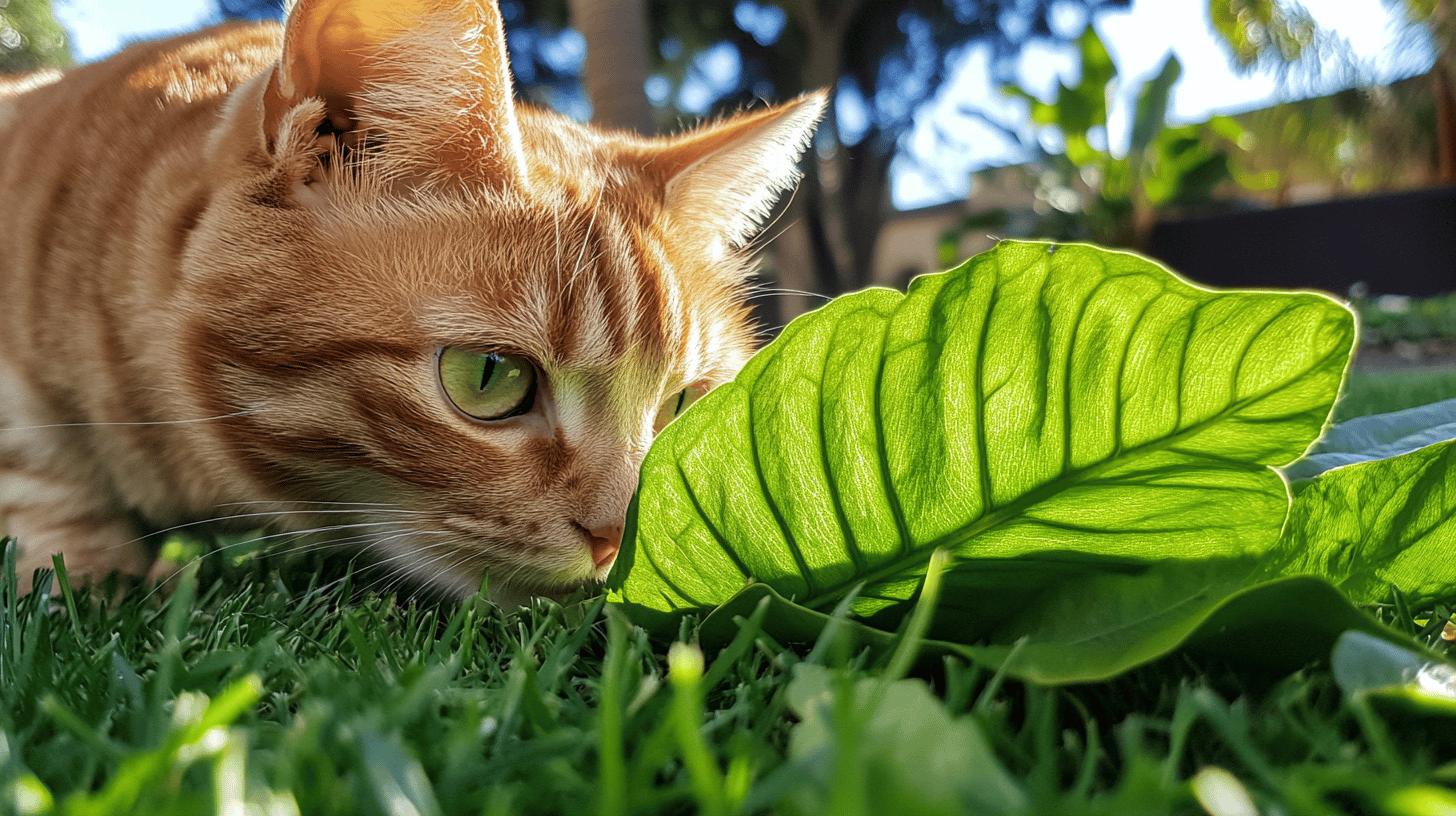
    Cats are natural explorers, and their curiosity can lead them to nibble on leaves. While cats are obligate carnivores and don't need plant matter in their diets, chewing on leaves can be a part of their instinctual behavior.

    This might happen out of curiosity or an attempt to aid digestion. Cats often explore their environment with their mouths, and a leafy plant might just catch their attention. However, it's crucial to recognize that not all leaves are safe for them to consume.

    The cat digestive system is adapted to process meat efficiently, with little need for plant matter. When a cat ingests leaves, its digestive system may not always handle the foreign material well, sometimes resulting in vomiting or upset stomach.

    Non-toxic leaves usually pose no significant threat in small amounts, but caution is warranted. It's wise to ensure any plants within reach are safe for your feline friend to prevent any adverse effects.

    • Curiosity and exploration
    • Aiding digestion
    • Attraction to texture or scent

    Types of Leaves That Are Safe for Cats
    Types of Leaves That Are Safe for Cats-1.jpg

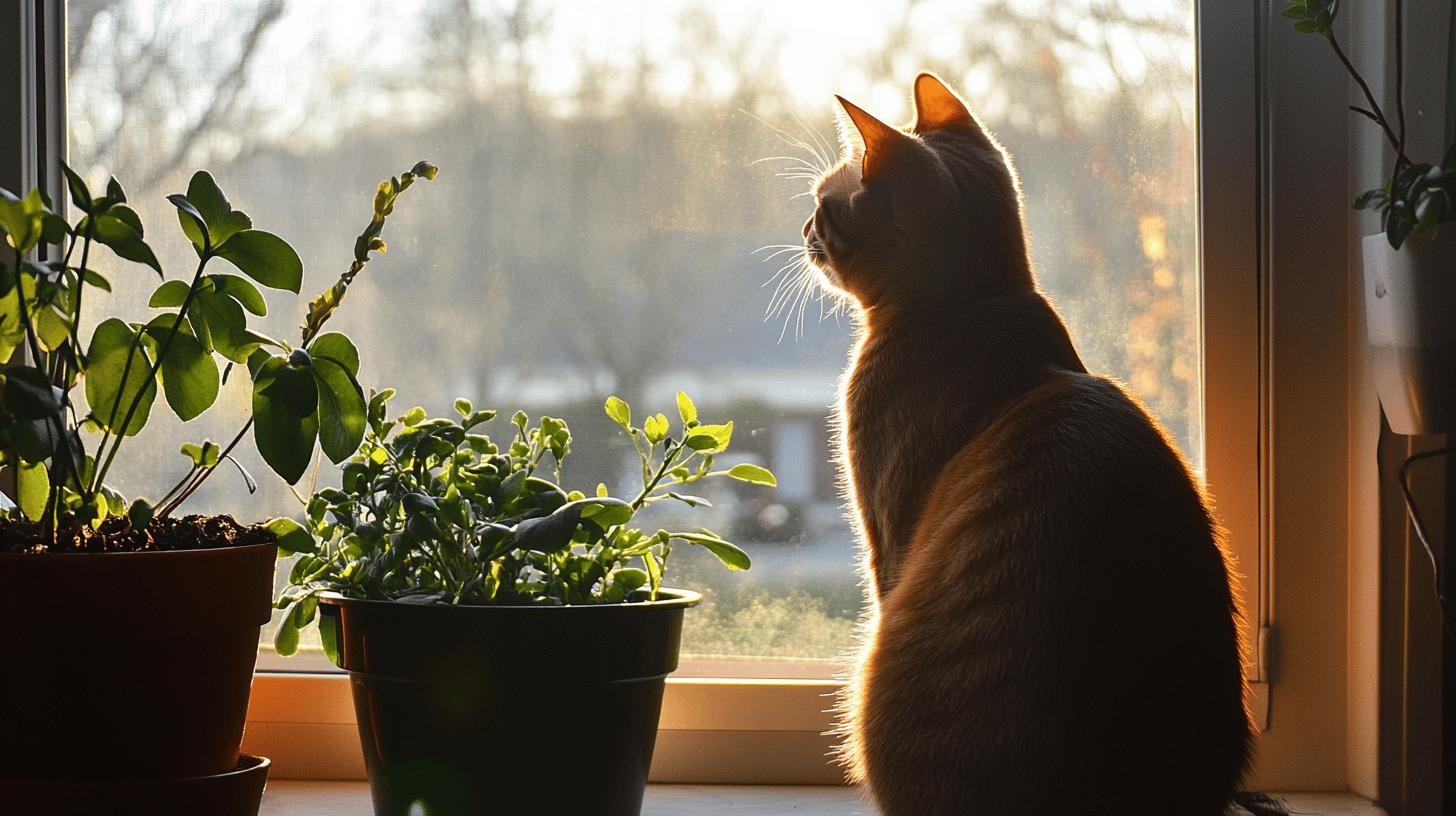
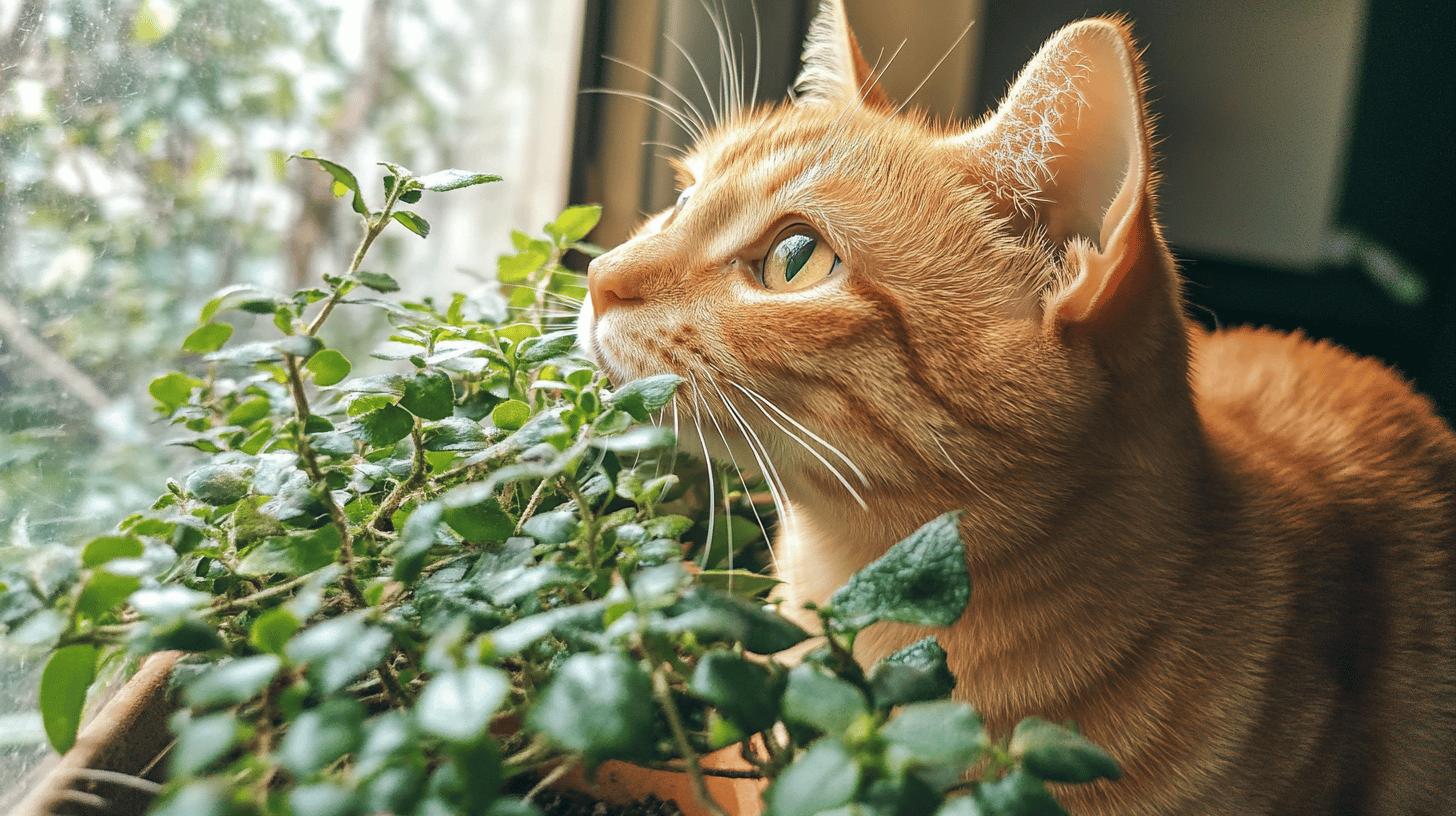
    When it comes to keeping our curious cats healthy and content, offering safe plants can be a delightful strategy. Having non-toxic plants around not only satisfies your cat's occasional craving for greens but also adds a touch of nature to your home.

    Cats are often drawn to certain plants, and providing them with safe options can prevent them from nibbling on potentially harmful foliage. Offering safe plants can also serve as an enriching activity, allowing your feline friend to explore different textures and scents without the risk of toxicity.

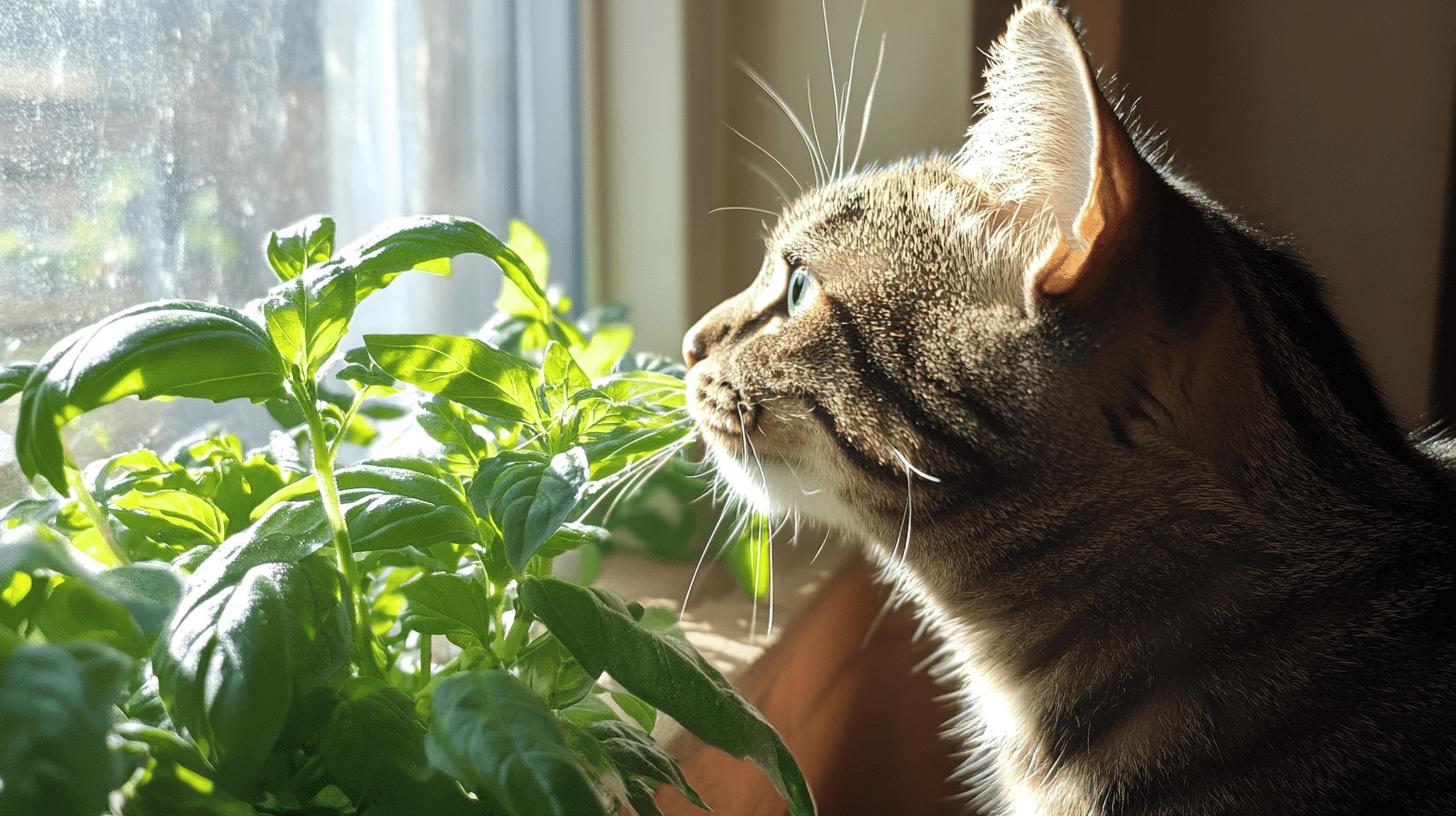
    Among the herbs that are known to be safe for cats, catnip, mint, and basil are popular options. These plants are not only harmless in moderation but can also provide some entertainment and stimulation. Catnip, in particular, can be a source of joy for many cats, leading to playful behavior.

    Mint and basil can also be appealing, thanks to their aromatic leaves. It's important to remember that even with safe plants, moderation is key, as excessive consumption might still lead to an upset stomach.

    Plant Name Safe to Eat
    Catnip Yes
    Mint Yes
    Basil Yes
    Thyme Yes
    Parsley Yes

    Toxic Leaves and Plants to Avoid

    Toxic Leaves and Plants to Avoid-1.jpg

    Cats are naturally curious, and their interest in leaves can sometimes lead to dangerous encounters with toxic plants. Certain plants contain harmful chemicals that can pose serious health risks to our feline friends. For example, lilies, azaleas, and sago palms are notorious for their toxicity to cats.

    Ingesting even small amounts of these plants can lead to severe symptoms like vomiting, diarrhea, or, in extreme cases, organ failure. It's vital to recognize these risks and keep such plants well out of reach to safeguard your pet's health.

    The effects of toxic leaves on cats can range from mild irritation to fatal poisoning, depending on the plant and the amount consumed. Some plants, like daffodils and cyclamen, contain irritating compounds that can cause drooling, lethargy, or gastrointestinal distress.

    Others, such as tulips and hyacinths, have chemicals that can disrupt a cat's digestive system, leading to more severe reactions. Knowledge of these potential dangers is essential for any cat owner aiming to prevent accidental ingestion and its harmful effects.

    To protect your cat, familiarize yourself with common toxic plants and make sure they are not accessible in your home or garden. Awareness is the first step in preventing accidental poisoning. By understanding which plants to avoid, you can create a safer environment for your feline companion.

    • Lilies
    • Azaleas
    • Sago palms
    • Daffodils
    • Cyclamen
    • Tulips
    • Hyacinths
    • Autumn crocus

    Recognizing Symptoms of Leaf Ingestion in Cats
    Recognizing Symptoms of Leaf Ingestion in Cats-1.jpg

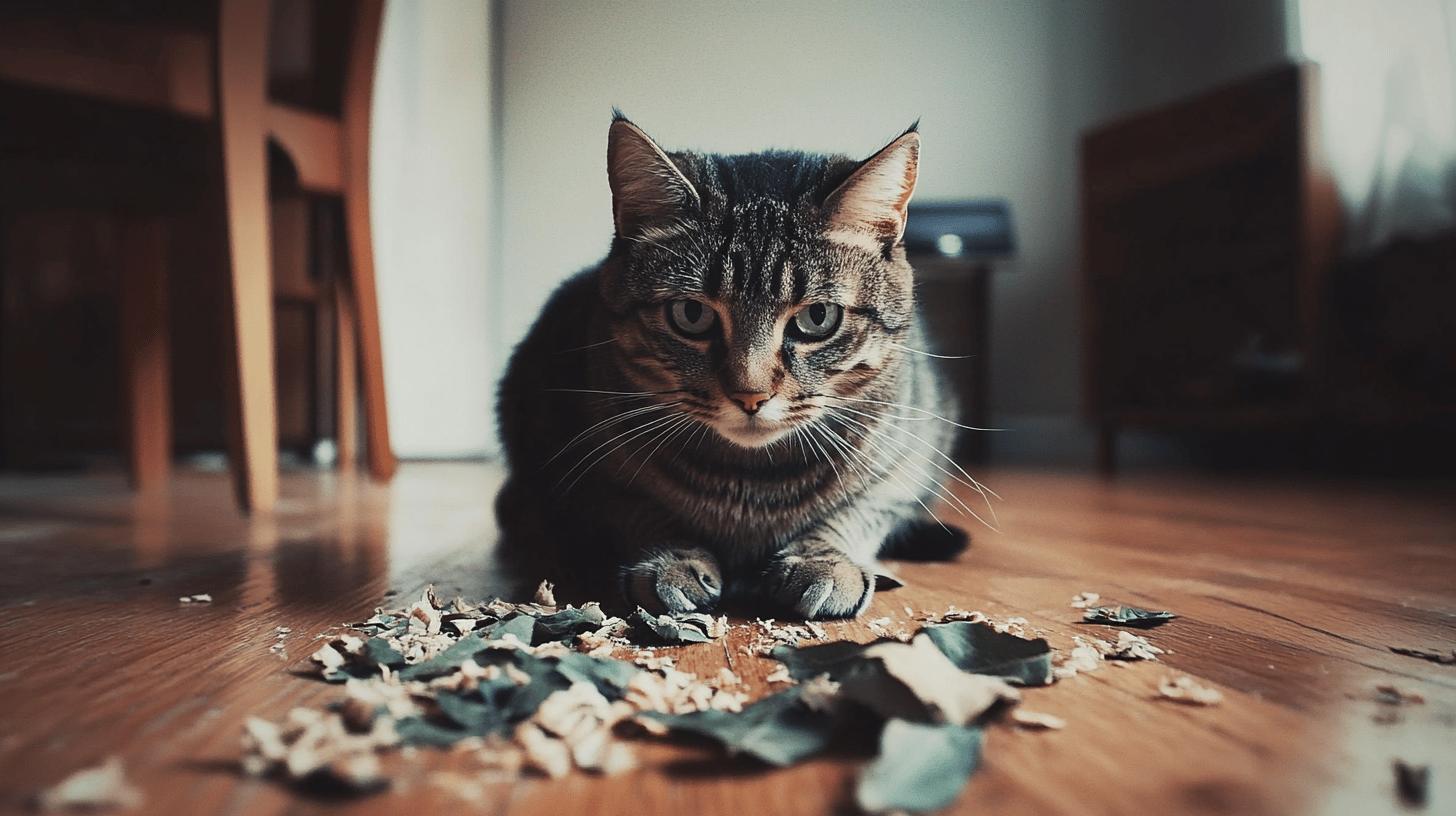
    Cats are inquisitive creatures, and their curiosity sometimes leads them to chew on leaves. While some leaves are harmless, others can cause serious health issues if ingested. Recognizing the signs of plant poisoning is crucial for any cat owner.

    Common symptoms include vomiting and diarrhea, which could indicate that your cat's digestive system is reacting negatively to something it has eaten. Additionally, lethargy and drooling are red flags that your cat might be suffering from toxicity. These symptoms suggest that your feline friend could be battling the effects of ingesting a toxic plant, and they require prompt attention.

    It's essential to seek immediate veterinary care if you notice any of these symptoms. Early intervention can be the difference between a quick recovery and a more severe health crisis. Cats can't tell us when they're feeling unwell, so it's up to us to observe any changes in their behavior closely.

    The sooner you can get your cat to a vet, the better the chances of preventing more severe complications. By understanding and watching for these signs, you can act swiftly to ensure your cat's health and safety.

    • Vomiting
    • Diarrhea
    • Lethargy
    • Drooling
    • Difficulty breathing

    How to Prevent Cats from Eating Harmful Leaves

    How to Prevent Cats from Eating Harmful Leaves-1.jpg

    Keeping our cats safe from toxic leaves starts with a proactive approach. One effective strategy is to remove any toxic plants from your home entirely. If removing them isn't feasible, consider placing these plants in areas that are inaccessible to your cat, like high shelves or behind closed doors.

    Providing non-toxic, cat-friendly plants as alternatives can satisfy your cat's curiosity and reduce the likelihood of them nibbling on harmful foliage. Safe plants like catnip or wheatgrass can be both entertaining and safe for your feline friend.

    Training plays a crucial role in preventing leaf ingestion. Positive reinforcement techniques, such as clicker training, can help teach your cat to avoid certain areas or plants. Additionally, using deterrents like citrus sprays or placing aluminum foil around plants can make them less appealing to chew on.

    Environmental enrichment is another key factor. By providing a stimulating environment with plenty of toys and activities, you can keep your cat engaged and less likely to turn to plants for entertainment or stress relief.

    Cat-proofing your surroundings should also include consistent monitoring and management. Regularly check your plant inventory to ensure there are no new risks. Keep an eye on your cat's behavior, especially when introducing new plants or rearranging your home. By staying vigilant and employing these strategies, you can effectively minimize the risk of your cat ingesting harmful leaves.

    • Remove or restrict access to toxic plants
    • Provide safe plant alternatives
    • Use positive reinforcement training
    • Apply deterrent sprays
    • Offer environmental enrichment
    • Regularly monitor plant inventory and cat behavior

    Final Words

    Throughout this article, we've explored whether a cat can eat leaves and the reasons behind this behavior. We've learned about the curiosity of cats and how their digestive systems can handle certain leaf ingestion. While some plants are safe and even beneficial, like catnip and basil, others can be harmful and should be avoided. Symptoms of toxicity can be serious, underlining the importance of awareness and quick action.

    By understanding your cat's behavior and making your environment safe, we can ensure they enjoy a healthy and playful life. Remember, keeping an eye out for safe plant options keeps playtime both safe and delightful!

    FAQ

    Can cat eat leaves raw?

    Cats can eat some leaves raw, but not all are safe. Stick to non-toxic plants like catnip and basil. Always watch for any unusual behavior after your cat eats a leaf.

    Why do cats eat plants and then throw up?

    Cats eat plants and may throw up due to irritation. It can also be a way to help indigestion or because of natural curiosity. Offer cat grass to create a safer chewing option.

    Can cats eat leaves from roses?

    Rose leaves are generally safe for cats. But, make sure no pesticides have been used. Always observe for any signs of discomfort after they munch on rose leaves.

    Why is my cat eating leaves?

    Your cat may eat leaves out of curiosity, boredom, or an attempt to aid digestion. Providing safe plants like cat grass can satisfy this urge and keep them interested.

    Are leaves toxic to cats?

    Some leaves are toxic to cats like lilies and azaleas. Keep these away from pets. Offer non-toxic options, and always check the plant's safety before introducing it to your home.

    Are fall leaves safe for cats?

    Not all fall leaves are safe for cats. Some can carry mold or mildew. Watch out for pests that may be present and monitor your cat if they nibble on them.

    What to do if a cat eats a plant?

    If your cat eats a plant, identify the plant type. If it's toxic, seek immediate veterinary help. Monitor your pet for any symptoms like vomiting or lethargy and ensure that they are safe.

    How to stop a cat from eating plants?

    Preventing a cat from eating plants involves removing harmful plants, providing safe alternatives like cat grass, and using deterrents like citrus scents. Train them and enrich their environment to divert attention.

    Why does my cat eat dead leaves?

    Cats eat dead leaves from curiosity or boredom. This can be prevented by providing engaging toys and safe plants. Keeping your cat entertained reduces the likelihood of this behavior.
    Related Articles

  • Can Cat Eat Wasp Safety Concerns and Health Risks Explained

    Can Cat Eat Wasp Safety Concerns and Health Risks Explained

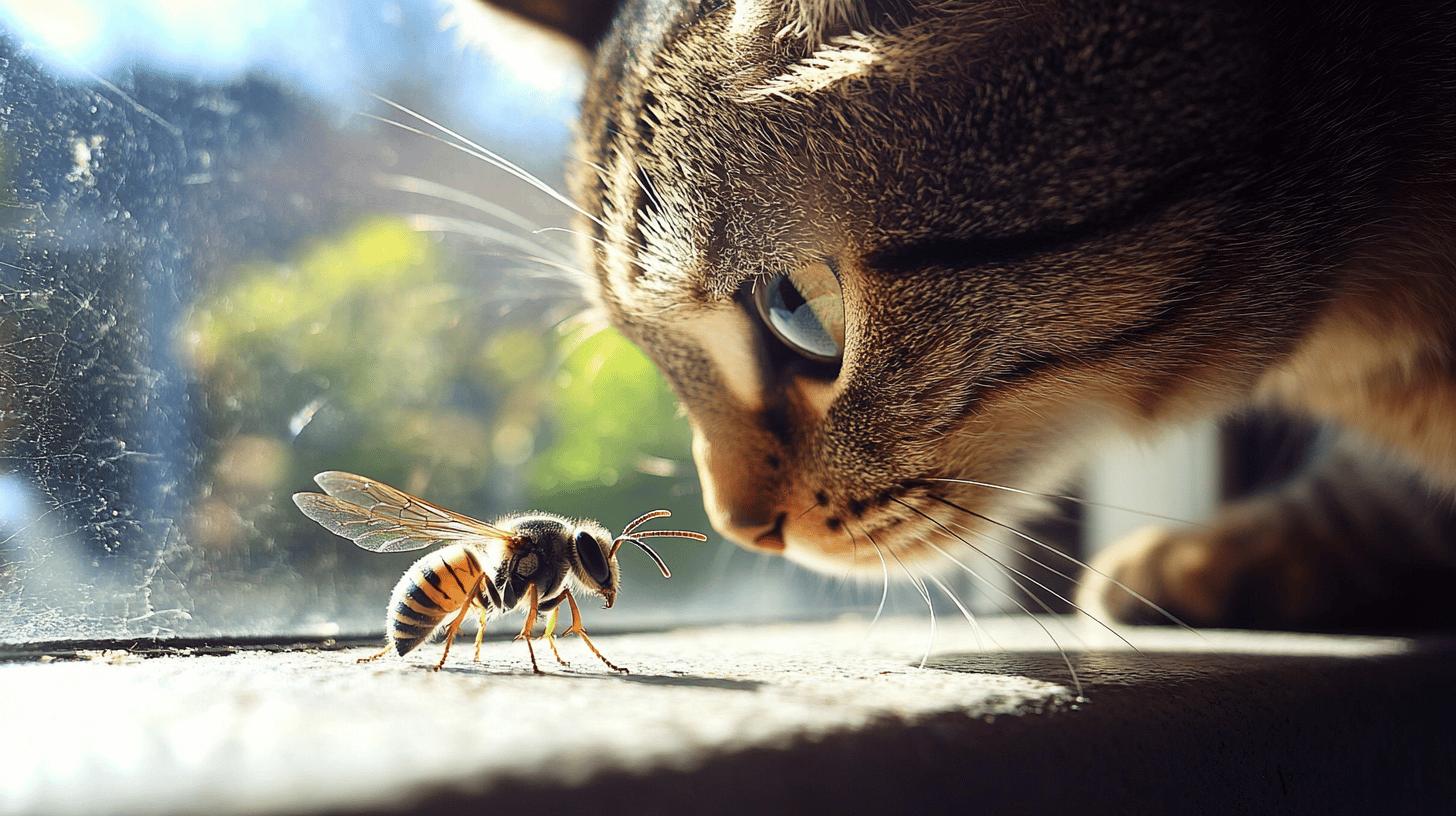
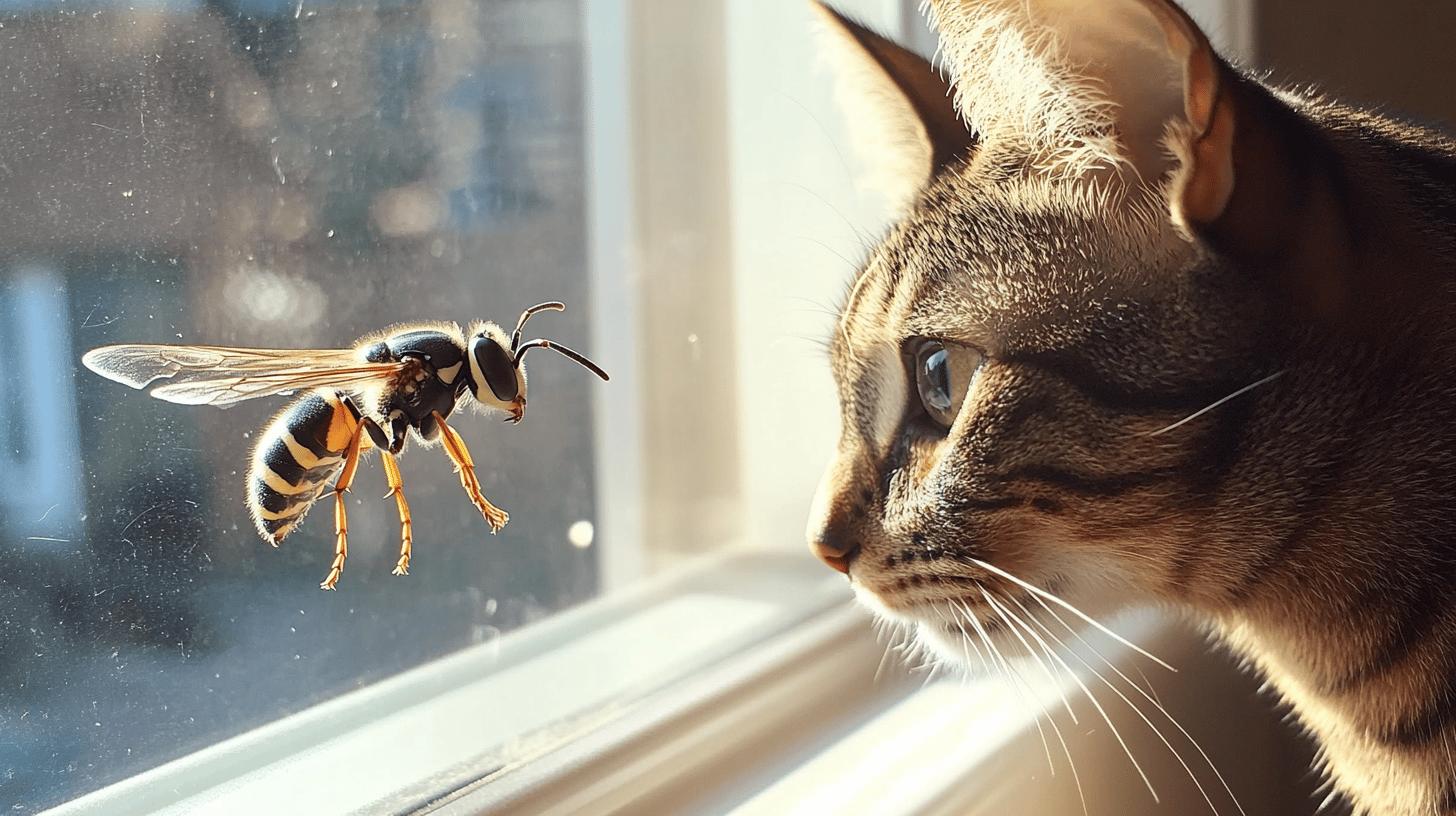
    Can your cat safely munch on a wasp? This curious question might surprise cat owners. Our furry friends are known for their playful antics, and chasing buzzing wasps might seem fun. But, biting into a wasp can come with serious health concerns.

    From the threat of being stung internally to potential allergic reactions, wasps pose a real danger to cats. Let's explore the risks and what happens when a cat encounters a wasp. Understanding these dangers is key to keeping your feline safe and healthy.

    Can Cats Safely Eat Wasps?

    Can Cats Safely Eat Wasps-1.jpg

    When it comes to cats and wasps, the safety concerns are significant. Cats are naturally curious and might be tempted to catch and eat these insects. However, consuming a wasp can pose serious health risks. A live wasp has the potential to sting internally, which can be quite harmful.

    This sting can cause a range of issues, from mild discomfort to severe reactions. The venom found in wasp stings can also trigger allergic reactions in cats, similar to those seen in humans. While a cat's instinct may lead it to swat or bite at a wasp, it's not a safe snack.

    • Internal stings from live wasps
    • Allergic reactions to wasp venom
    • Risk of digestive tract irritation
    • Potential airway obstruction
    • General sickness from ingestion

    The relative danger of dead versus live wasps is worth noting. Dead wasps are generally less likely to attract a cat's attention. However, if ingested, a dead wasp can still pose risks. While it won't sting, the remnants of its venom can still cause irritation or allergic reactions. Overall, it's advisable to keep your feline friend away from both live and dead wasps to avoid any potential health issues.

    Symptoms to Watch For After a Cat Eats a Wasp

    Symptoms to Watch For After a Cat Eats a Wasp-1.jpg

    If your cat has had a run-in with a wasp, it's crucial to know the symptoms that could indicate a sting. Common signs include swelling and redness, which are often the first indicators of an internal sting.

    You might also notice your cat pawing at its mouth, an increased level of drooling, or signs of discomfort while swallowing. These symptoms can be caused by the wasp's venom, which can irritate the sensitive areas of your cat's mouth, throat, or digestive tract.

    Symptoms of a wasp sting in cats can appear quickly, so it's important to keep an eye on your furry friend after a suspected encounter. A wasp sting can lead to more severe reactions such as difficulty breathing or lethargy if the venom triggers an allergic response.

    Time is of the essence in these situations, as quick identification and treatment of symptoms can prevent further complications.

    To inspect your cat for signs of stings, gently check its mouth and body. Look for visible stings or swelling, especially in the mouth or throat area. Carefully feel along your cat's skin for any unusual bumps or tender spots that might indicate a sting. If you notice anything concerning, it's best to consult with a veterinarian for a thorough evaluation and appropriate treatment.

    Immediate Actions and Veterinary Care for Wasp Stings

    Immediate Actions and Veterinary Care for Wasp Stings-1.jpg

    When your cat has a close encounter with a wasp, quick action is essential. A wasp sting can cause immediate discomfort and potentially serious health issues. The first step is to assess your cat's condition.

    Look for signs of distress like excessive drooling, pawing at the mouth, or visible swelling. Acting swiftly can make a significant difference in minimizing any adverse reactions. A prompt response reduces the risk of complications and helps keep your feline friend comfortable.

    Knowing when to contact a veterinarian is crucial. If you observe signs of a sting or if your cat appears to be in pain or distress, reach out to your vet immediately. They can provide advice on whether a visit is necessary or if home care will suffice.

    Severe symptoms like difficulty breathing, lethargy, or continuous vomiting warrant immediate veterinary attention. These could indicate an allergic reaction or other serious complications that require professional care.

    For home care, a cold compress can help alleviate swelling and discomfort. Wrap an ice pack in a towel and gently apply it to the affected area for short intervals. This can reduce inflammation and numb the pain.

    Avoid giving your cat any medication unless prescribed by a veterinarian, as many human medications are toxic to cats. If your vet advises, they might recommend an antihistamine suitable for feline use to counteract allergic responses.

    Action Description
    Check for signs of distress Look for drooling, swelling, or discomfort
    Contact a veterinarian Seek advice if symptoms are severe
    Apply a cold compress Use an ice pack wrapped in a towel to reduce swelling

    By knowing these steps, you can effectively handle a wasp sting incident and ensure your cat receives the care it needs.

    Preventive Measures to Protect Cats from Wasp Encounters

    Preventive Measures to Protect Cats from Wasp Encounters-1.jpg

    As the seasons change, wasps become more active, particularly in late summer and early fall. This is the time when cats are most at risk of encountering these insects. Wasps are drawn to food sources and warm environments, making it essential for cat owners to be vigilant.

    By understanding the seasonal patterns of wasps, you can take steps to minimize your cat's exposure and reduce the chances of a painful or dangerous encounter.

    • Keep cats indoors during peak wasp seasons
    • Seal garbage cans and food containers
    • Install window and door screens
    • Use natural wasp repellents like certain plants
    • Supervise outdoor activities

    Implementing these preventive measures can greatly benefit both you and your cat. Not only do they help in avoiding painful stings, but they also reduce the risk of potential allergic reactions and other health issues. Keeping your feline friend safe from wasps means fewer worries about unexpected medical emergencies, allowing you and your cat to enjoy the great outdoors with peace of mind.

    Understanding Cat Behavior with Insects

    Understanding Cat Behavior with Insects-1.jpg

    Cats are natural hunters, a trait deeply embedded in their instincts. This instinctual behavior drives them to chase and pounce on anything that moves. Insects, with their quick and unpredictable movements, are particularly tempting targets.

    Cats often engage with insects not out of hunger, but because their hunting drive kicks in. This behavior is a remnant of their wild ancestors, who relied on their keen senses and agility to catch prey for survival. Today, even well-fed domestic cats will display these behaviors, turning any buzzing or crawling creature into a playful pursuit.

    • Innate hunting instincts
    • Attraction to movement
    • Curiosity about new creatures
    • Lack of awareness of potential danger

    Understanding these natural curiosities can help cat owners manage their pets' interactions with insects. By recognizing why cats are drawn to chase bugs, owners can take steps to prevent potentially harmful encounters.

    Providing safe toys that mimic insect movement can satisfy a cat's hunting urges while keeping them away from real insects that might sting or bite. Creating a stimulating environment indoors can also reduce the cat's interest in outdoor insects, helping to keep them safe from potential risks.

    Final Words

    Cats and wasps don't mix well. Ingesting a wasp can lead to stings, allergic reactions, and other health risks. Dead or alive, wasps are best avoided. Watch for symptoms like swelling or redness if your cat eats one. Quick action, like using a cold compress, helps, but veterinary care is crucial.

    Preventing encounters by keeping cats inside during wasp season and using natural repellents makes a difference. Understanding your cat's instincts aids in managing interactions with insects. Keeping cats safe ensures fun and worry-free playtime.

    FAQ

    Can cats eat wasps or hornets?

    A: Eating wasps or hornets can make cats sick. Live wasps may sting internally, causing harm. Even dead wasps aren't safe due to potential poisoning. It's best to keep cats away from them.

    What are the symptoms if a cat is stung by a wasp?

    A: Symptoms of a wasp sting in cats include swelling, redness, or visible stings in the mouth, throat, or digestive tract. These symptoms may appear quickly after the sting.

    What happens if my cat eats a bee?

    A: Eating a bee can cause similar risks as eating a wasp, including potential stings and allergic reactions. Close monitoring for symptoms like swelling or distress is important.

    Are wasps poisonous to cats?

    A: Wasps are not typically poisonous, but their sting can cause allergic reactions, swelling, or digestive issues. It's important to keep cats away from them.

    Should I let my cat catch a wasp?

    A: It’s not safe to let your cat catch wasps. Wasps can sting, leading to allergic reactions, airway obstruction, or general sickness from the sting or poison.

    Can wasp killer hurt cats?

    A: Wasp killer can be harmful if ingested by cats. Keep these chemicals out of reach and avoid spraying them where your cat frequents.

    What should I do if my cat eats a wasp or gets stung?

    A: Quickly check for distress signs, such as swelling or breathing difficulties. If present, contact a vet immediately. A cold compress can help reduce swelling.

    How can I prevent my cat from encountering wasps?

    A: Keep cats indoors during peak wasp seasons. Seal garbage, cover foods, install screens, use natural repellents, and supervise outdoor activities to reduce the risk.

    Related Articles

  • Why Cat Nose Wet Understanding and Health Insights

    Why Cat Nose Wet Understanding and Health Insights

    Ever wonder why your cat's nose is always wet? It's not just a quirky trait; there's more to it than meets the eye. A cat's moist nose plays a vital role in its daily life, from helping catch scents to even regulating body temperature.

    But, is a wet nose always a sign of health? There are common misconceptions about what a wet or dry nose truly indicates about your cat's well-being. Read on as we explore the reasons behind a wet cat nose and what it means for your pet's health.

    Understanding Why a Cat's Nose is Wet

    Understanding Why a Cats Nose is Wet-1.jpg

    A cat's nose is typically wet due to the natural moisture produced by its nasal glands. These glands are crucial in helping the cat capture and trap scent particles more effectively. When a cat's nose is moist, it enhances its ability to detect a wide range of smells since scent particles adhere more efficiently to wet surfaces.

    This heightened sense of smell is vital for cats, aiding them in everything from identifying food to sensing potential threats. The moisture also serves as a protective barrier, helping deter harmful bacteria and viruses that might otherwise cause infections.

    Temperature regulation is another reason for a wet cat nose. The moisture on the nose can help regulate the cat's body temperature, providing a cooling effect when the cat is hot. This is similar to how humans sweat to cool down, although cats primarily manage body heat through their paw pads and nose. The evaporation of moisture from these areas assists in keeping them comfortable, especially during warm weather.

    • A wet nose does not always mean a cat is healthy; it can be normal or due to environmental factors.
    • Some believe a dry nose means a cat is sick, but dryness can result from licking or recent grooming.
    • Wet noses aren't a surefire sign of a cold; other symptoms must be present to indicate illness.

    The health benefits of a wet nose go beyond just scent detection. A moist nose often indicates proper hydration, which is essential for overall health. It helps maintain the moisture balance necessary for the cat's respiratory health, preventing dryness that can lead to irritation or other issues.

    Moreover, a wet nose can be a good indicator of a cat's well-being, as a consistently dry nose might suggest dehydration or a potential health concern. Always consider other signs and behaviors to assess your cat's health fully.

    When a Wet Nose Might Indicate a Health Issue

    When a Wet Nose Might Indicate a Health Issue-3.jpg

    A consistently wet nose is often a sign of proper hydration in cats. However, sudden changes in the moisture level of a cat's nose can indicate a potential health issue. If your cat's nose suddenly becomes wetter than usual or if the wetness is accompanied by other symptoms, it might be time to pay closer attention. Common health indicators tied to nose moisture include nasal discharge or sneezing, which can suggest underlying conditions such as colds or allergies.

    Watch for these symptoms:

    • Persistent nasal discharge that doesn't clear up
    • Frequent sneezing or coughing
    • Changes in breathing patterns or sounds
    • Visible discomfort or pawing at the nose

    If your cat exhibits any of these symptoms in conjunction with a wet nose, consulting a veterinarian is a wise step. They can determine whether there's an underlying condition that needs treatment. Cats sometimes suffer from respiratory infections, allergies, or other ailments that can affect their nasal health.

    A vet will conduct a thorough examination and may suggest diagnostic tests to pinpoint the exact cause, ensuring your feline friend receives appropriate care. Always keep an eye on your cat's overall behavior and health, as these are key indicators of well-being.

    Comparing Wet and Dry Cat Noses: What It Means for Your Feline

    Comparing Wet and Dry Cat Noses What It Means for Your Feline-1.jpg

    A wet cat nose is a powerful tool for your cat's sense of smell. Moisture helps scent particles stick, enhancing their detection abilities. This is crucial for their survival instincts, like hunting and sensing environmental changes. A wet nose often signifies good hydration and respiratory health. It also serves as a barrier, trapping bacteria and viruses, and plays a role in regulating body temperature.

    Dry noses aren't always a health concern. While licking and grooming can dry out the nose, other less common factors include stress and environmental changes. It's important to focus on these variations to get a full understanding of your cat's health.

    Nose Condition Possible Causes Health Implications
    Wet Nose Natural moisture, hydration, temperature regulation Typically indicates good health
    Dry Nose Licking, sun exposure, dehydration May require monitoring for other symptoms
    Fluctuating Nose Moisture Environmental changes, emotional stress Observe for consistency or other health signs

    When evaluating your cat's nose condition, consider other health indicators. A dry nose with symptoms like lethargy or loss of appetite may hint at underlying issues. On the flip side, a wet nose without distressing symptoms usually means your cat is healthy. Regularly check your cat's overall well-being for a comprehensive health assessment.

    Environmental and Emotional Factors Affecting Your Cat's Nose Wetness

    Environmental and Emotional Factors Affecting Your Cats Nose Wetness-1.jpg

    The environment plays a significant role in the moisture levels of your cat's nose. Factors such as humidity and temperature can have direct effects. High humidity often leads to a wetter nose, as the air's moisture contributes to the nose's natural wetness. Conversely, in drier conditions, you might notice a decrease in nose moisture.

    Temperature also impacts nose wetness; a warm environment can cause a cat to sweat slightly through its nose and paw pads, increasing moisture as a means of regulating body temperature. These fluctuations in nose moisture are natural responses to the surrounding climate, and they help maintain your cat's comfort and health.

    • Stress
    • Contentment
    • Anxiety
    • Excitement
    • Fear
    • Relaxation

    Emotional states are another crucial factor. During stressful situations, such as a visit to the vet, a cat's nose might become wetter. This is often due to an increase in body temperature, which can trigger more licking behavior, adding moisture to the nose.

    On the other hand, a content and relaxed cat may show consistent nose moisture levels, reflecting its stable emotional state. Monitoring these changes alongside other health indicators provides valuable insight into your cat's overall well-being and happiness.

    Caring for Your Cat's Nasal Health

    Caring for Your Cats Nasal Health-1.jpg

    Regular monitoring of your cat's nose condition is crucial for maintaining good nasal health. Ensuring your cat stays properly hydrated is a key component, as it supports the natural moisture balance in their nose.

    Providing a comfortable environment that isn't too dry or too hot can also help maintain optimal nose moisture. Consider using a humidifier during winter months or in air-conditioned rooms to prevent dryness. Pay attention to your cat's behavior and any changes in their nose's condition, as these can indicate shifts in their overall health.

    Here are some home remedies to address mild nasal issues:

    • Encourage hydration by providing fresh water and wet food options.
    • Use a humidifier to add moisture to the air in your home.
    • Keep your cat's living area clean to reduce allergens and irritants.
    • Offer steam therapy by allowing your cat to sit in a closed bathroom while running a hot shower.
    • Gently clean the nose with a damp cloth if you notice any crust or discharge.

    While these remedies can help manage minor issues, it's important to consult a veterinarian if your cat's nose condition persists or is accompanied by other symptoms such as lethargy, loss of appetite, or persistent nasal discharge. Early veterinary intervention can prevent more serious health concerns and ensure your feline friend stays happy and healthy.

    Final Words

    Understanding why a cat's nose is wet helps us see how their bodies work. Wet noses are normal, keeping your cat healthy by enhancing scent detection and acting as a shield against infections. But if it changes suddenly, it might indicate a health issue, signaling the need for attention.

    Recognizing the differences between wet and dry noses aids in assessing your cat’s overall wellbeing. Environmental and emotional factors can influence nose moisture, and it's important to keep these in mind. Always watch for any unusual changes to ensure your cat stays healthy and happy.

    FAQ

    Why is a cat's nose wet?

    A cat's nose is wet due to moisture from nasal glands, aiding in scent capture. This natural moisture also helps regulate temperature and protect against infections.

    Is it normal for a cat's nose to be wet?

    Yes, a wet nose usually indicates proper hydration and health. It helps cats enhance their sense of smell and maintain nasal health.

    What does it mean if a cat's nose is cold and wet?

    A cold, wet nose generally signifies that a cat is healthy and hydrated. It's a good sign of effective temperature regulation.

    Why is water coming out of my cat's nose?

    Water coming from a cat's nose could be due to nasal discharge, often from colds or allergies. Watch for additional symptoms like sneezing or persistent discharge.

    Why do cats' noses get wet when they purr?

    A cat's nose may get wetter when purring as emotions like contentment can increase nasal moisture through licking or elevated temperature.

    Why is a cat's nose wet and crusty?

    A wet and crusty nose might indicate an underlying issue like dehydration or infection. It's best to monitor for other symptoms and consult a vet if needed.

    Why are cats' noses sometimes dry?

    Cats' noses might dry due to factors like sun exposure, licking, or dehydration. A dry nose isn't always a sign of illness, but monitor other health signs.

    What does a cat's nose tell you?

    A cat's nose can indicate their hydration and health status. Wetness often means good health, while sudden dryness or excessive moisture may need attention.

    Is a wet cat nose good?

    A wet cat nose is generally a positive sign of health, aiding in better scent detection and indicating good hydration levels.

    Cat wet nose and sneezing – Should I be concerned?

    If your cat has a wet nose along with sneezing, it could be a sign of a cold or allergy. Monitor symptoms and consider a vet visit if they persist.

    When should I be worried about my cat's nose?

    If you notice persistent discharge, significant dryness, or other changes in your cat's nose accompanied by symptoms like sneezing or lethargy, consult a veterinarian.

    Related Articles

  • Why Cat Bite Understanding and Managing Feline Biting Behavior

    Why Cat Bite Understanding and Managing Feline Biting Behavior

    Why do cats bite? It’s a question that puzzles many cat owners and lovers. Biting behavior in cats can seem random or confusing, but there are clear reasons behind it. From playful nibbles to stress-induced chomps, understanding why cats bite can help you manage and redirect these behaviors.

    Recognizing the causes—whether communication, play, or affection—means you can create a more peaceful home for you and your feline friend. Improve your cat's well-being and your bond by mastering the art of understanding feline biting behavior.

    Understanding Why Cats Bite

    Understanding Why Cats Bite-1.jpg

    Cats bite for a variety of reasons, and understanding these can help us manage and reduce unwanted biting behavior. They may bite to communicate, during play, or as a form of affection. Sometimes, biting is a response to stress or overstimulation. Recognizing these behaviors is crucial. For instance, play biting often is linked to their natural hunting instincts, while love bites are gentle and usually start with licking.

    Here are some specific reasons why cats might bite:

    • Communication
    • Play
    • Affection
    • Stress
    • Overstimulation
    • Hunting instincts

    To address or prevent biting, it helps to identify the root cause. For play-related bites, offering toys that mimic prey can channel their hunting instincts appropriately. Recognizing when a cat is stressed or overstimulated can prevent bites by respecting their need for space.

    Creating a safe and stress-free environment, along with understanding when a cat seeks affection or needs a break, can significantly reduce biting incidents. By tuning into their signals and providing suitable outlets, we can foster a more harmonious relationship with our feline friends.

    Understanding Why Cats Bite

    Distinguishing Between Playful and Aggressive Bites-4.jpg

    Playful biting is a common behavior, especially in kittens and young cats. These bites are part of their natural play as they mimic interactions they would have with littermates. Often gentle, playful bites might come with purring and licking. These "love bites" during cuddling or playtime show affection and indicate that your cat feels comfortable with you.

    Recognizing the difference between playful and aggressive bites is key to fostering a healthy bond with your cat. By understanding their body language, you can create a safer, more understanding environment for both of you.

    Recognizing Aggressive Biting

    Aggressive biting can signal fear, anxiety, boredom, or frustration. Unlike playful bites, these can be sudden and intense. Look for signs such as a stiff body posture, dilated pupils, and ears flattened against the head. These behaviors often occur when a cat feels threatened or cornered. Understanding these signals is crucial for preventing bites and addressing the root cause of aggression.

    Signs and Triggers of Cat Biting

    Signs and Triggers of Cat Biting-1.jpg

    Recognizing and responding to cat warning signals in real-time can prevent biting incidents. Pay close attention to a cat's body language, such as twitching tails and flattened ears. These are not just signs of discomfort; they are cues to modify your approach. For example, if you notice a twitching tail while petting, it might be time to pause and give your cat space.

    Here are common triggers for cat biting:

    • Twitching tail
    • Flattened ears
    • Sudden movements
    • Prolonged petting
    • Unfamiliar environments

    To prevent bites, adapt your behavior by offering a calm and predictable environment. If you see these signals, stop what you're doing and give your cat room to feel safe. Using real-time observations and applying them can effectively reduce biting incidents, enhancing your relationship with your cat.

    Managing and Preventing Cat Bites

    Managing and Preventing Cat Bites-2.jpg

    Understanding your cat's behavior and respecting their boundaries is essential to managing and preventing biting. Recognizing body language cues, like a twitching tail or flattened ears, can help you avoid situations that lead to bites. By tuning into these cues, you can maintain a harmonious relationship with your feline friend.

    Practical Strategies for Preventing Cat Bites

    • Understanding behavior
    • Respecting boundaries
    • Providing interactive toys
    • Setting clear boundaries
    • Positive reinforcement
    • Creating a calm environment

    Positive reinforcement is a powerful tool in managing cat biting behavior. Rewarding your cat for gentle interaction can encourage them to continue this behavior.
    Interactive toys are another effective method, providing an outlet for their natural hunting instincts and helping to redirect energy away from biting. By setting clear boundaries, you can teach your cat what is and isn't acceptable behavior. Creating a calm and stable environment also helps to reduce stress and anxiety, common triggers for biting.

    Consistent application of these strategies can lead to a more peaceful coexistence with your cat.

    Expert Advice on Cat Biting

    Expert Advice on Cat Biting-4.jpg

    Consulting a veterinarian is key when tackling cat biting issues. Vets can uncover underlying health problems such as dental pain or other discomforts that might lead to biting. A thorough check-up can pinpoint these issues and allow for timely interventions, which can help reduce biting. Understanding health aspects is a cornerstone of managing any biting concerns effectively.

    Effective Cat Training Tips

    Positive reinforcement is a powerful tool in cat training. Rewarding your cat for gentle interactions teaches them to repeat these actions. Consistency in reinforcement helps your cat understand the boundaries you're setting. This method builds trust and strengthens your bond, reducing biting behavior over time. Avoid yelling or physical punishment as it can harm your relationship and increase aggression.

    Addressing health issues with a veterinarian is crucial. Biting often signals unaddressed medical conditions, so it's important to rule out physical causes. By blending medical insights with effective training strategies, you can foster a healthier and more harmonious environment for you and your cat.

    Final Words

    Understanding why cats bite helps us manage their behavior more effectively. From playful nibbles to aggressive nips, recognizing the reasons behind these actions is key. We explored how cats use biting to communicate and express affection. Also, stress or overstimulation can trigger bites. Knowing these signs can improve how we interact with our feline friends.

    By respecting their boundaries and giving them the right outlets, we reduce unwanted biting. With patience, consistency, and proper care, cat-human bonds can thrive. Let's embrace the quirks of cat biting and strengthen our connection with them.

    FAQ

    Why do cats bite humans?

    A: Cats bite for various reasons like communication, play, affection, stress, or overstimulation. Understanding these behaviors helps manage and reduce unwanted biting.

    Why does my cat bite me gently out of nowhere?

    A: Gentle biting, often with purring and licking, is a sign of affection known as "love bites." It's a way cats show they feel comfortable with you.

    Why is my cat biting me when I pet her?

    A: Cats might bite when being petted if they feel overstimulated or have reached their petting threshold. Pay attention to their body language to know when to stop.

    What does it mean when a cat bites you hard?

    A: A hard bite may indicate fear, anxiety, or frustration. It's important to identify the cause and address any triggering factors.

    Why does my cat bite me when I walk by?

    A: A cat might playfully bite when you walk by due to their hunting instincts. Providing toys can redirect this energy.

    Is a cat bite dangerous?

    A: Yes, cat bites can be dangerous due to bacteria that may cause infection. Clean the wound thoroughly and seek medical attention if necessary.

    Why does my cat bite me gently while purring?

    A: When a cat bites gently while purring, they're often expressing affection. This behavior is generally harmless and a sign of trust.

    How do you stop a cat from biting you?

    A: To stop a cat from biting, understand their behavior, respect their boundaries, and provide appropriate outlets like interactive toys and positive reinforcement.

    What causes a cat to bite?

    A: Cat bites are caused by a need to communicate, play, express affection, relieve stress, or react to overstimulation. Recognizing these triggers can help prevent biting.

    Related Articles

  • Can Cat Eat Hot Food Understanding Temperature Needs for Safety

    Can Cat Eat Hot Food Understanding Temperature Needs for Safety

    Ever wondered if cats can enjoy their meals steaming hot? It's a common mistake to assume our feline friends can handle hot food like we do. But serving them food that's too hot can lead to burns and discomfort, altering their eating habits.

    Cats prefer their meals to mimic prey, best served at 'mouse temperature'—around 100 to 102 degrees Fahrenheit. This aligns with their natural instincts and ensures a safe, pleasant eating experience. Understanding these temperature needs will keep your furry companion healthy and eager during mealtime.

    Can Cats Eat Hot Food? Understanding Ideal Temperatures

    Can Cats Eat Hot Food Understanding Ideal Temperatures-1.jpg

    Cats should not eat hot food. It can cause burns or discomfort to their mouths and digestive tracts. When food is too hot, it risks harming your cat's sensitive tissues, leading to painful burns that can affect their eating habits. Cats, being obligate carnivores, are naturally inclined to eat food that mimics the temperature of freshly caught prey. This means hot foods do not align with their natural dietary needs and can lead to various health concerns.

    Potential Dangers of Feeding Cats Hot Food:

    • Burns to the mouth and tongue
    • Digestive discomfort and upset stomach
    • Decreased interest in food due to temperature-induced pain
    • Increased risk of vomiting
    • Potential for long-term aversion to certain foods

    Monitoring the temperature of your cat's food is crucial for their well-being. Cats generally prefer their meals served at a 'mouse temperature,' ranging from 100 to 102 degrees Fahrenheit. This specific temperature range enhances the aroma and texture of the food, making it more appealing and palatable for your feline friend. Serving food at this temperature not only aligns with their natural instincts but also makes eating a more enjoyable experience for them.

    Temperature Range Effect on Cats
    Below 70°F Less appealing, may not eat
    70°F to 100°F Acceptable, but not optimal
    100°F to 102°F Optimal, enhances eating experience

    Serving food at the ideal temperature can significantly improve a cat's eating experience. Not only does it help in stimulating their appetite by releasing enticing aromas, but it also ensures that the food is consumed safely and comfortably. By catering to their preference for 'mouse temperature' meals, you encourage healthier eating habits and reduce the risk of food-related issues.

    Health Risks of Feeding Cats Hot or Spicy Foods

    Health Risks of Feeding Cats Hot or Spicy Foods-2.jpg

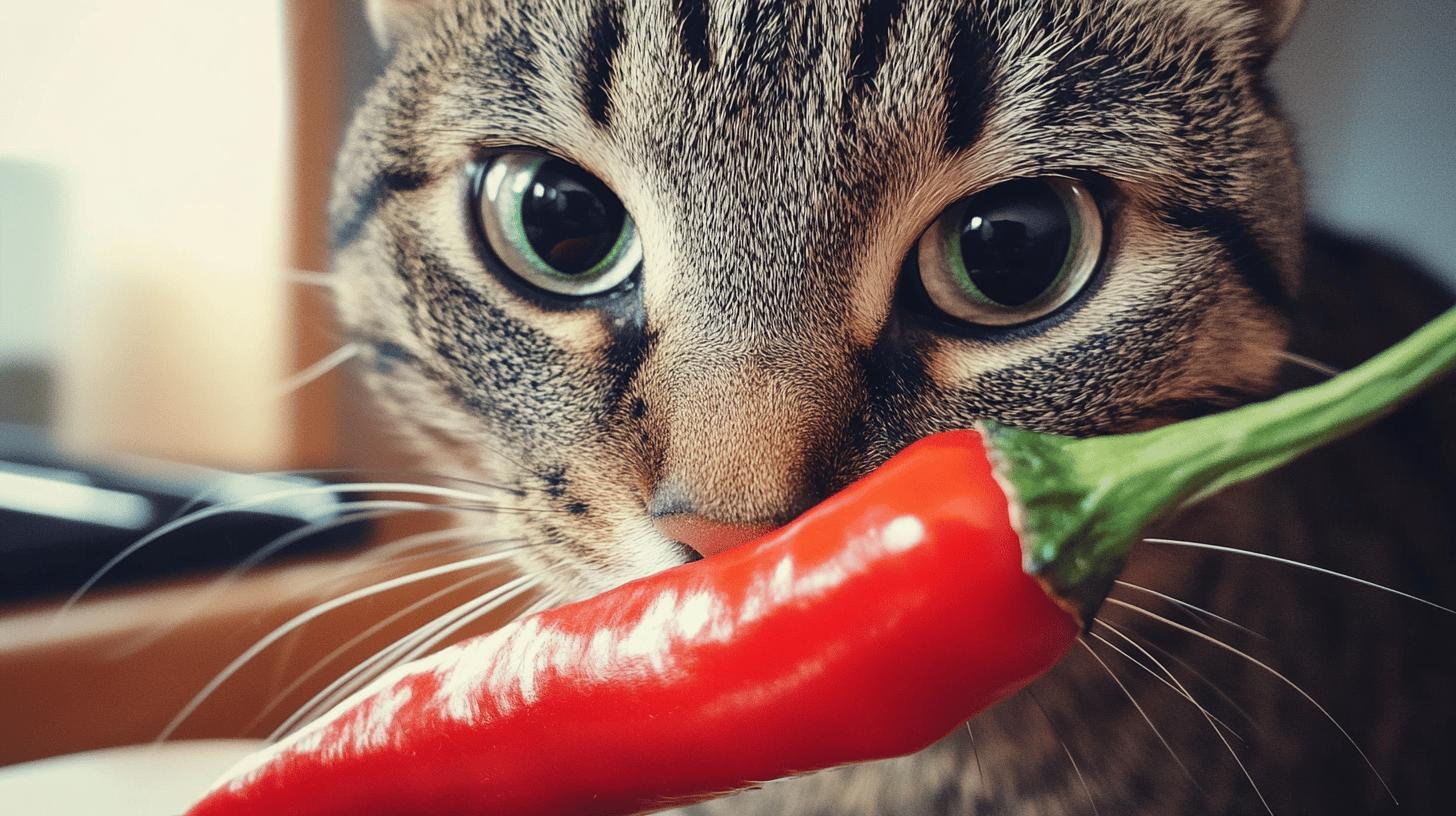
    Cats are much more sensitive to spices than humans. Their taste buds aren't equipped to handle spicy sensations, which can lead to discomfort and distress. Spices like capsaicin, found in hot peppers, can cause a variety of negative reactions in cats. Unlike us, they don't experience spiciness as a taste, but as a painful, physical sensation. This means that what might be mildly spicy to you could be overwhelmingly intense for your feline friend.

    Feeding your cat spicy food can lead to numerous health issues. Capsaicin can cause drooling, vomiting, diarrhea, and oral irritation. These reactions are not just uncomfortable but can also lead to dehydration and other serious complications if not managed promptly. Additionally, some common spices, such as onions and garlic, are toxic to cats and can cause severe health problems, including damage to red blood cells, leading to anemia.

    To protect your cat from these risks, it's crucial to keep spicy foods out of their reach. Monitor your kitchen environment and ensure that leftovers or cooking ingredients are securely stored. If your cat shows interest in spicy foods, redirect their attention with safe, cat-friendly treats. Keeping your cat's diet simple and species-appropriate is the best way to avoid accidental ingestion of harmful spices.

    Safe Feeding Practices for Cats

    Safe Feeding Practices for Cats-2.jpg

    Feeding schedules are essential in maintaining a cat's health. Cats thrive on consistency, so feeding them at the same time each day helps regulate their metabolism and can prevent obesity. Decide on a schedule that fits your lifestyle and stick to it.

    Safe Feeding Tips for Cats:

    • Establish a consistent feeding schedule to help regulate your cat's metabolism.
    • Consider the benefits of wet food, which often contains higher moisture content, aiding hydration.
    • Select food rich in essential nutrients, such as taurine and Omega-3 fatty acids, crucial for heart and eye health.
    • Provide a mix of wet and dry food to balance moisture intake and dental health.
    • Use feeding puzzles to stimulate mental activity and prevent boredom.
    • Monitor your cat's weight and adjust portion sizes accordingly.

    Incorporating these practices into your cat's routine can enhance their overall well-being and support their long-term health. Feeding on a consistent schedule and ensuring a diet rich in essential nutrients not only meets their dietary needs but also keeps them engaged and satisfied.

    Understanding Cat Food Preferences

    Understanding Cat Food Preferences-1.jpg

    Cats have a surprisingly unique set of taste buds. With around 470 taste buds, their primary focus is on detecting savory and meaty flavors. Unlike humans, cats lack the receptors needed to enjoy sweetness. This means their dietary preferences are deeply aligned with their carnivorous nature.

    Spicy sensations, often a delight for humans, are not so for cats. They do not experience spiciness as a taste but as a physical discomfort. This is because they lack the receptors for detecting spicy flavors, making spicy foods a source of irritation rather than enjoyment.

    Key Points About Cats' Taste Preferences:

    • Savory and Meaty: Cats prefer flavors that mimic their natural prey.
    • No Sweet Tooth: They lack receptors for sweetness, so sugary foods don't appeal to them.
    • Texture Matters: Cats often enjoy foods with textures that resemble the flesh of prey.
    • Temperature Sensitivity: Cats prefer food at a temperature similar to that of fresh prey, enhancing its appeal.

    These taste preferences significantly influence how cats approach their food. They are much more likely to consume meals that are warm, meaty, and of a pleasing texture. Understanding these preferences helps in selecting diets that not only meet nutritional needs but also encourage healthy eating habits. By catering to their sensory instincts, you ensure that feeding time is both satisfying and nutritionally beneficial for your feline friend.

    Final Words

    Understanding if a cat can eat hot food is crucial. Cats should avoid hot meals to prevent burns and discomfort. The best serving temperature is around 100 to 102 degrees Fahrenheit, enhancing taste and aroma. Hot and spicy foods can cause serious health risks, including digestive issues and toxicity from certain spices.

    Safe feeding practices are vital. Serve food at a moderate temperature and ensure a balanced diet. Knowing cats prefer savory and meaty flavors helps tailor their meals. Caring for their dietary needs ensures a happy, healthy cat.

    FAQ

    Can I give hot food to my cat?

    A: Cats shouldn't eat hot foods. It can burn their mouth and digestive tract. The ideal temperature for cat food is around 100 to 102 degrees Fahrenheit, aligning with their natural eating habits.

    What should I do if my cat ate spicy food?

    A: If a cat eats spicy food, watch for drooling, vomiting, or diarrhea. Spices like onions and garlic are toxic. Contact a vet if symptoms worsen or you're worried about their health.

    Can cats die from eating spicy food?

    A: Cats can suffer serious health issues from spicy food, but death is unlikely. Spices can cause vomiting, diarrhea, and irritation. Always keep spicy foods away from cats to avoid these risks.

    Do cats prefer warm or cold food?

    A: Cats like food around the same temperature as fresh prey, around 100 to 102 degrees Fahrenheit. This temperature enhances the aroma and texture, making meals more appealing.

    Can cats taste spicy food?

    A: Cats can't taste spicy flavors. Spicy sensations are felt as physical discomfort rather than taste. Avoid feeding them spicy foods to prevent irritation and health risks.

    Why does my cat seem to like spicy food?

    A: Cats might seem interested in spicy foods due to the aroma. They lack taste receptors for spice and sweetness, so spicy foods can still cause them discomfort and health issues.

    Can cats eat spicy chicken?

    A: Cats should avoid spicy chicken. Spices like capsaicin can irritate their mouth, causing discomfort and digestive issues. Stick to plain, cooked meat for their safety.

    Why can't cats have hot food?

    A: Hot food can cause burns and mouth irritation in cats. Food should be served at 'mouse temperature' to align with their natural preferences and ensure comfort while eating.

    Related Articles

  • Why Cat Drools Common Causes and When to Seek Veterinary Care

    Why Cat Drools Common Causes and When to Seek Veterinary Care

    Ever wonder why your cat drools like a teething baby? It's cute until it isn't, and the surprise factor can throw any cat owner for a loop. Understanding whether your cat's drooling is a sign of bliss or a red flag for health issues can save you from unnecessary worry.

    In this guide, we'll explore the common causes of cat drooling, from relaxed purrs to potential medical alerts, and help you determine when it's time to call the vet. Stay tuned to ensure your feline friend stays healthy and happy!

    Common Reasons Why Cats Drool

    Common Reasons Why Cats Drool-1.jpg

    Cat drooling can be a normal behavior or signal a potential issue. Normal drooling often happens when cats are extremely relaxed, like during purring or kneading. It's a temporary situation that doesn't raise concerns. On the other hand, abnormal drooling might be excessive or prolonged and is often accompanied by other symptoms. This could involve bad breath, changes in eating habits, or unusual behavior, which might indicate a need for veterinary care.

    There are several common causes behind why cats drool. These can include physical or emotional factors. Physical reasons often involve excitement or nausea, while emotional states might trigger drooling due to stress or relaxation. Exposure to toxins or foreign objects in the mouth can also lead to excessive salivation. Recognizing these general categories can help cat owners determine when drooling is normal or when it might require further attention.

    • Relaxation
    • Excitement
    • Nausea
    • Stress
    • Exposure to toxins

    Medical Causes of Cat Drooling

    Medical Causes of Cat Drooling-1.jpg

    Drooling can often be traced back to dental issues in cats. Gum disease is a common culprit, where inflammation leads to discomfort and excessive salivation. Abscesses, which are collections of pus caused by bacterial infections, can also cause a cat to drool more than usual. These dental problems not only cause pain but can significantly impact a cat's overall health if left untreated. Regular dental check-ups are essential to catch these issues early and prevent them from escalating.

    Oral infections are another significant medical cause of drooling. These infections might arise from bacteria, viruses, or fungi, leading to symptoms like mouth sores, swelling, and bad breath. Cats with oral infections may also show signs of difficulty eating, which can contribute to weight loss and further health complications. Quick veterinary attention is crucial to identify the infection type and administer appropriate treatment.

    Beyond dental and oral issues, other medical conditions can provoke drooling. For instance, ingesting toxins or foreign objects can lead to sudden and severe drooling. Some household products, plants, or human foods are toxic to cats and can induce a drool response as the body tries to expel the harmful substance. Similarly, foreign objects lodged in the mouth can cause irritation and excessive salivation.

    Understanding these medical causes helps in determining when drooling might be a sign of a more serious health issue. Always consider the accompanying symptoms and consult a veterinarian if you notice anything unusual or persistent.

    Medical Cause Symptoms
    Gum Disease Inflamed gums, bad breath, difficulty eating
    Abscesses Swelling, pain, pus around teeth
    Oral Infections Mouth sores, swelling, difficulty eating
    Toxin Ingestion Sudden drooling, vomiting, lethargy

    Behavioral and Emotional Triggers for Drooling

    Behavioral and Emotional Triggers for Drooling-3.jpg

    Cats can be sensitive to their surroundings, and stress or anxiety often triggers drooling. This response is common when a cat is introduced to new environments, such as moving to a different home or meeting a new pet. In these situations, drooling is part of the cat's physical reaction to stress. Creating a calm and secure environment can help reduce these stress-induced responses.

    Drooling may also occur when a cat experiences happiness and contentment. For instance, your cat might drool while being petted or when purring on your lap. Such drooling is a positive sign, indicating that the cat feels relaxed and secure. This behavior is similar to drooling during kneading, which shows comfort and happiness.

    1. Stress from environmental changes
    2. Happiness during petting
    3. Anxiety in unfamiliar settings
    4. Excitement from stimuli

    When to Worry: Indicators for Veterinary Care

    When to Worry Indicators for Veterinary Care-1.jpg

    Drooling in cats can range from mild and normal to a sign of something more concerning. Mild drooling, such as a little saliva when a cat is purring or kneading, usually isn’t a big deal. It's often a sign of relaxation or contentment. But when drooling becomes excessive or prolonged, it could indicate a more serious issue. This type of drooling is often accompanied by other symptoms and might suggest underlying health or dental problems that need attention.

    It’s crucial to pay attention to any additional symptoms that come with drooling. If your cat starts refusing food, appears lethargic, or shows signs of weight loss, these could be red flags. Mouth pain is another significant indicator; a cat might paw at its mouth or show discomfort while eating. Foaming at the mouth or an unusual color in the drool, such as a dark or greenish hue, suggests the need for a vet visit. These symptoms can point to dental disease, toxin ingestion, or other medical conditions requiring professional evaluation.

    Regular veterinary check-ups are essential in catching potential health issues early on. They help ensure your cat’s overall health remains in check and provide an opportunity to address any concerns before they escalate. If you notice any of the symptoms listed below, it's wise to consult your veterinarian. Early intervention can make a significant difference in treatment outcomes and your cat’s well-being.

    • Refusal to eat
    • Lethargy
    • Weight loss
    • Mouth pain
    • Foaming
    • Unusual drool color

    Managing and Preventing Cat Drooling

    Managing and Preventing Cat Drooling-1.jpg

    Managing and preventing cat drooling starts with focusing on oral hygiene and stress management. Regular brushing with pet-safe toothpaste can significantly reduce the risk of dental issues, which are common causes of drooling. Keeping your cat’s teeth and gums healthy helps prevent gum disease and tooth decay.

    Additionally, maintaining a balanced diet supports overall oral health. Reducing stress is also crucial. Cats can drool due to anxiety, so creating a calm and secure environment can minimize stress-induced drooling. Provide your cat with safe spaces and routine interactions to help them feel at ease.

    When it comes to treating drooling, addressing the underlying medical or behavioral causes is key. If drooling is due to dental problems like gum disease or abscesses, a veterinarian can provide appropriate treatments such as cleaning, extractions, or antibiotics.

    For stress-related drooling, behavior modification strategies, like gradual exposure to new environments, can be effective. Veterinary professionals might also recommend anti-anxiety medications in some cases. Identifying the root cause of drooling ensures that the treatment is both effective and tailored to your cat's needs.

    Regularly monitoring your cat for changes in drooling patterns can help catch potential issues early. Consistent observation allows you to notice if drooling becomes excessive or is accompanied by other symptoms, signaling the need for veterinary attention. By following these preventive measures and treatment options, you can help ensure your cat remains comfortable and healthy.

    • Maintain regular dental check-ups
    • Use pet-safe toothpaste
    • Create a stress-free environment
    • Monitor for changes in drooling pattern

    Final Words

    Throughout this article, we've explored why cat drools, touching on normal causes like relaxation and more serious medical issues such as dental diseases and infections. We've learned that drooling can also stem from emotional states, like stress or happiness, and identified signs that indicate when veterinary care is essential.

    Caring for a drooling cat involves understanding both the medical and emotional sides, ensuring their comfort, and maintaining their health. Stay proactive with regular check-ups and attentive to changes in behavior, paving the way for happier, healthier lives for our feline friends.

    FAQ

    Why is my cat drooling when I pet her?

    A: When petting your cat, drooling can mean they're extremely relaxed or happy. It's often seen during purring. This kind of drooling is usually normal and not a cause for concern.

    Why is my cat drooling thick saliva?

    A: Thick saliva can indicate dental issues or dehydration. This drooling may need a vet check, especially if it's accompanied by signs like bad breath or changes in eating habits.

    Why is my cat drooling all of a sudden?

    A: Sudden drooling could be due to stress, excitement, or exposure to toxins. If it continues or your cat shows other symptoms, consider visiting a vet.

    Should I be worried if my cat is drooling?

    A: Drooling warrants concern if excessive or new, accompanied by symptoms like refusal to eat or lethargy. Consulting a vet can help determine the underlying cause.

    Does drooling mean my cat is happy?

    A: Drooling can signal happiness, especially if your cat is relaxed and purring while drooling. It's a normal behavior when cats are content.

    Why is my cat dripping clear liquid from his mouth?

    A: Clear liquid could be saliva, suggesting relaxation or possibly drooling from excitement. If your cat acts normal otherwise, it's typically harmless.

    Why is my cat dripping foam from his mouth?

    A: Foaming can indicate oral problems or ingestion of something harmful. This requires immediate veterinary attention to ensure safety and health.

    Related Articles

  • Why Cat Follows Me to Bathroom Emotional and Behavioral Reasons

    Why Cat Follows Me to Bathroom Emotional and Behavioral Reasons

    Ever wondered why your cat shadows you into the bathroom? It might sound odd, but there's a heartwarming reason behind it. Cats follow their humans as a testament to the emotional bond they share. They're not just curious; they crave connection and seek comfort. Our feline friends often accompany us to the bathroom to express affection and feel secure. Dive into these behaviors, and you'll uncover how this simple act strengthens the bond and enriches your cat's life. Let's explore why this unique habit is more than just curiosity.

    Why Your Cat Follows You to the Bathroom: Emotional and Behavioral Insights

    Why Your Cat Follows You to the Bathroom Emotional and Behavioral Insights-1.jpg

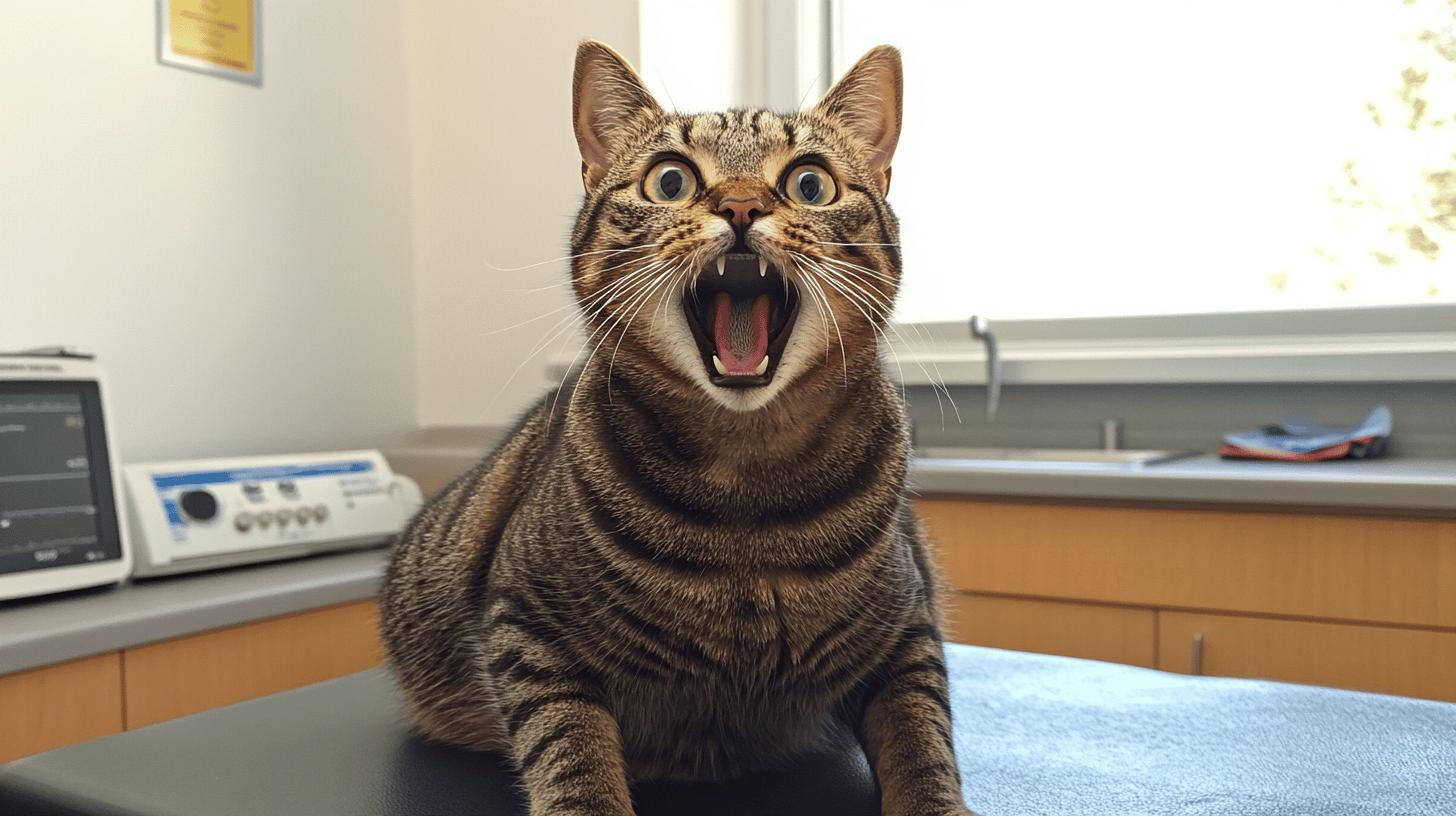
    Cats have a unique way of showing how much they care about us, and their tendency to follow us into the bathroom is a prime example. This behavior is often rooted in the strong bond and attachment they have with their owners. Experts suggest that this attachment is a testament to the companionship needs of cats. For instance, when a cat shadows you into the bathroom, it might be expressing its desire to be near you, an instinct that stems from both security and affection. Anecdotally, many cat owners share stories of their feline friends accompanying them during their bathroom rituals, emphasizing the emotional connection that drives this behavior.
    • Curiosity: Cats are naturally curious creatures. The bathroom, with its unique smells and sounds, becomes a playground for their inquisitive nature.
    • Routine: Cats thrive on routine. They get comfort from observing their owners' predictable activities, like brushing teeth or showering.
    • Security: The enclosed space of a bathroom offers a sense of safety and security, which cats find comforting.
    • Affection: Following you shows their affection and desire to spend time with you, even during mundane tasks.
    • Environmental Appeal: Running water, interesting textures, and varied surfaces make the bathroom an intriguing environment for cats.

    Signs of Affection in Following Behavior

    Cats display their affection in various ways, and following you to the bathroom is just one of them. Their behavior is an indication of their loyalty and love.

    • Purring: Often a sign of contentment, purring can occur when your cat follows you and gets your attention.
    • Rubbing: When a cat rubs against you, it's marking you with its scent, a sign of ownership and affection.
    • Following: This act itself is a clear indication of their attachment and desire to be near you.
    • Tail Twitching: A lightly twitching tail can indicate excitement and happiness to be around you.
    • Kneading: Also known as "making biscuits," this behavior shows comfort and contentment, often observed when they follow you.

    Understanding these emotional and behavioral factors helps explain why your cat might be your bathroom buddy. It's not just about curiosity or routine; it's a blend of their need for companionship, security, and affection. Recognizing these signs can deepen the cat-owner relationship, providing insights into the love and loyalty your feline friend has for you.

    Understanding Cat Behavior: Curiosity and Routine

    Understanding Cat Behavior Curiosity and Routine-1.jpg

    Cats are natural explorers with an endless curiosity. This trait draws them to places like bathrooms, filled with unique elements that stimulate their senses.

    Channeling Curiosity Positively

    To satisfy your cat's inquisitive nature and encourage positive exploration, consider these strategies:

    • Interactive Play Areas: Create spaces with toys and interactive games that encourage exploration. Rotate toys regularly to maintain interest.
    • Climbing Opportunities: Provide climbing trees or shelves. Cats enjoy surveying their territory from a height.
    • Sensory Enrichment: Introduce new textures and scents with different fabrics or safe plants.
    • Routine Integration: Establish regular playtimes and feeding schedules. Predictable routines offer comfort and structure, enhancing their sense of security.

    By understanding and catering to their curiosity-driven behaviors, we strengthen our bond with our cats and enrich their environment, fostering a happy and healthy feline life.

    Managing Your Cat's Bathroom Following Behavior

    Managing Your Cats Bathroom Following Behavior-1.jpg

    Cats are lovable companions, but their tendency to follow us everywhere, even to the bathroom, can sometimes be a bit much. While this behavior is often harmless and stems from affection or curiosity, there are reasons you might want to manage it. Constantly having a feline shadow in the bathroom might interrupt your personal time or pose safety concerns if the bathroom has potential hazards.

    Here are some practical strategies to manage your cat's bathroom-following behavior:

    • Redirect with Toys: Engage your cat's attention elsewhere by introducing a favorite toy or interactive plaything. This can distract them and satisfy their need for stimulation.
    • Establish Boundaries: Closing the bathroom door can create a boundary. Start gradually to prevent distress and pair this with positive reinforcement, like treats, when your cat respects the closed door.
    • Provide Attention Elsewhere: Ensure your cat receives ample attention and affection in other parts of the house. Regular play sessions can reduce their need to follow you everywhere.
    • Create a Calming Environment: Offer cozy spots or window perches where your cat can relax and observe the world, reducing their impulse to follow you constantly.

    Balancing your cat's need for companionship with personal boundaries is key. By establishing a routine and redirecting their attention, you can maintain a healthy relationship with your feline friend, ensuring they feel loved while respecting your personal space.

    Final Words

    Understanding why your cat follows you to the bathroom highlights their need for companionship and security. They're drawn by curiosity, routine habits, and the comfort of your presence. Their natural attachment reflects their expressive forms of affection like purring and rubbing against you.

    Addressing your cat's behavior can deepen your bond while respecting their needs. Managing their bathroom visits with toys or setting simple boundaries maintains balance. Embrace these insights to enhance your relationship, turning bathroom time into shared joy.

    FAQ

    Why does my cat follow me to the bathroom at night?

    Cats follow to the bathroom due to their natural curiosity, affection, and the unique environment. They enjoy the enclosed space for security and find comforting sounds and smells there.

    Why is my cat affectionate when I'm on the toilet?

    While on the toilet, a cat shows affection to express bond and attachment. Common behaviors include purring, rubbing, and wanting to be near. It's a way to share intimacy with their owner.

    Why does my cat like to stay with me in the bathroom?

    Cats like to stay with you in the bathroom feeling comfortable and safe in the enclosed space. They also enjoy the sounds of running water and novel smells unique to the area.

    Why does my cat follow me to the bathroom every morning?

    A cat follows you every morning as part of a routine. They thrive on predictability, integrating your bathroom visits into their daily schedule for a sense of security.

    Why does my cat get clingy when I go to the bathroom?

    Clinginess in the bathroom can reflect their need for companionship. It combines curiosity with attachment, drawing them to your presence and the interesting elements of the bathroom environment.

    How can I manage my cat's bathroom following behavior?

    Manage bathroom behavior by using toys or treats to distract them. Set boundaries, like closing the door, and ensure they receive attention elsewhere to create a healthy balance.

    Related Articles

  • Why Cat Coughing and How to Help Your Feline

    Why Cat Coughing and How to Help Your Feline

    Ever watched your cat hack away, only to wonder if it's just another hairball or something more serious? This common feline behavior can be baffling for cat lovers. While allergies and respiratory infections often play a role, other culprits like inhaled objects and, rarely, lung cancer might be to blame. Knowing the cause of your cat's cough is key to helping them. In this article, we'll dig into the different reasons your cat might be coughing, and how you can lend a helping hand in keeping them purr-fectly healthy.

    Understanding Why Cats Cough

    Understanding Why Cats Cough-1.jpg

    Cats cough for various reasons, and understanding the underlying causes can help in addressing the issue. Coughing in cats can be triggered by allergies, respiratory infections, inhaled foreign objects, lung cancer, and hairballs. Allergies are the most common culprit, often worsened by environmental factors like pollen or dust. Indoor cats frequently experience respiratory infections, and almost every cat will encounter one at some point in their life. Inhaled objects, such as small toys or food particles, can also cause coughing, requiring swift veterinary help.

    When diving deeper into the common causes, allergies top the list. These can be due to dust, smoke, or even certain types of litter. Allergic reactions often lead to coughing, sneezing, and watery eyes. Respiratory infections, such as cat flu, are another major cause of coughing. These infections are generally viral and may present with symptoms like nasal discharge and fever. Meanwhile, hairballs are a frequent issue, especially in long-haired cats. As they groom, they ingest fur, which can accumulate and induce coughing as the body tries to expel the hairball.

    Though less common, conditions like lung cancer and heart disease can also result in coughing in cats. Persistent coughing, coughing accompanied by blood, or coughing that lasts more than a few days should prompt a visit to the vet. A professional assessment is crucial to rule out serious health issues and to commence appropriate treatment. Seeking veterinary care when a cat's coughing is severe or prolonged ensures that any underlying health concerns are promptly addressed.

    Differentiating Cat Cough Sounds from Hairballs

    Differentiating Cat Cough Sounds from Hairballs-1.jpg

    Understanding the difference between a cat's cough and the sounds they make when dealing with a hairball can help you respond appropriately. A cat's cough often sounds like a retching or choking noise, lacking the loud, hacking sound we associate with human coughing. This can make it challenging to determine whether your cat is actually coughing or preparing to expel a hairball. Hairball incidents, on the other hand, typically involve a distinct coughing sound followed by the eventual expulsion of the hairball itself. Here are some key sound characteristics to listen for:

    • Retching or choking noise: Often associated with coughing.
    • Repeated dry heaves: This usually indicates a hairball.
    • Hacking sound: More common in coughing.
    • Gagging followed by expulsion: Likely a hairball issue.
    • Persistent wheezing or gagging without expulsion: Could indicate a cough or other health concern.

    If you notice these sounds and are unsure whether it’s a cough or hairball, monitor your cat closely. If the sound persists without the expulsion of a hairball or if it seems to cause distress, it might be time to consult a veterinarian. Persistent sounds, especially wheezing or labored breathing, can indicate more serious health issues like respiratory infections or allergies. Staying vigilant and understanding these sound differences can help ensure your feline friend gets the care they need.

    Recognizing Symptoms and When to Consult a Vet

    Recognizing Symptoms and When to Consult a Vet-1.jpg

    When your cat starts coughing, it's important to pay attention to accompanying symptoms that might indicate a more serious health issue. General symptoms that should raise concern include coughing that persists for several days, coughing coupled with sneezing, or any signs of distress like panting or labored breathing. Coughing can sometimes be mistaken for normal feline behavior, but knowing when it signals a problem is crucial.

    Here are some specific symptoms to watch for:

    • Persistent coughing lasting more than a few days
    • Coughing up blood or mucus
    • Accompanied sneezing or nasal discharge
    • Difficulty breathing or wheezing
    • Lethargy or sudden loss of appetite
    • Coughing and vomiting episodes

    If you notice any of these symptoms, it's crucial to consult a veterinarian promptly. The urgency of seeking veterinary care cannot be overstated, especially if the coughing is frequent or severe. Some conditions, like respiratory infections or heart disease, can escalate quickly without appropriate intervention. Delaying a vet visit might worsen the situation, leading to more complicated health issues. A professional evaluation ensures that any underlying causes are identified and treated early.

    At the vet, your cat may undergo several diagnostic procedures to determine the root cause of the coughing. These can include physical examinations, blood tests, X-rays, or ultrasounds. In some cases, a sample of fluid from the lungs may be taken to check for infections or other abnormalities. These tests help the vet diagnose the problem accurately and develop a treatment plan tailored to your cat's specific needs, ensuring they receive the best possible care.

    Prevention Strategies for Cat Coughing

    Prevention Strategies for Cat Coughing-1.jpg

    Preventing cat coughing is crucial for maintaining your feline friend's health and comfort. Allergies, respiratory illnesses, and hairballs are common causes of coughing, and each requires different prevention strategies. Allergies in cats are often triggered by airborne allergens like pollen or dust. Keeping your home environment clean and minimizing allergens can significantly reduce the likelihood of allergic reactions. Regular grooming is essential for reducing hairballs, especially in long-haired breeds, by removing loose fur before it can be ingested. Additionally, vaccinations are vital in preventing respiratory illnesses that can lead to coughing. Ensuring your cat stays up-to-date with vaccinations can help protect them from common infections.

    Prevention Strategy Description
    Environmental Management Reduce allergens in the home such as dust and pollen.
    Regular Grooming Brush your cat frequently to minimize loose fur and hairballs.
    Vaccinations Keep your cat’s vaccinations up-to-date to prevent respiratory illnesses.
    Healthy Diet Ensure your cat has a balanced diet to support overall health.

    Regular vet check-ups play a pivotal role in preventing cat coughing. These visits allow for early detection of potential health issues and ensure that your cat's vaccinations are current. Your vet can provide personalized advice on managing allergies and maintaining a healthy lifestyle for your cat. By staying proactive about your cat's health, you can help prevent the onset of coughing and other related issues, ensuring your feline companion leads a happy, healthy life.

    Home Remedies and Treatment Options for Cat Cough

    Why Cat Coughing and How to Help Your Feline-2.jpg

    When your feline friend starts coughing, it's natural to want to help them feel better. Home remedies can be effective in managing mild cases of cat cough, especially when the cause is known. Cats often cough due to hairballs, mild allergies, or environmental irritants. Understanding how to treat cat cough at home can help alleviate discomfort and prevent further issues. Here are some practical home remedies you can try:

    • Regular Grooming: Minimize hairballs by brushing your cat frequently to remove loose fur.
    • Humidifier: Use a humidifier to add moisture to the air, which can soothe irritated airways.
    • Air Purifiers: Reduce allergens like dust and pollen in your home with an air purifier.
    • Balanced Diet: Ensure your cat’s diet is rich in essential nutrients to support their immune system.
    • Hydration: Encourage your cat to drink plenty of water to keep their respiratory system functioning smoothly.

    While home remedies can provide relief, some cases require medical treatment. Cats with asthma or chronic respiratory issues might benefit from medications prescribed by a vet. Maintaining a healthy weight and avoiding known allergens are also crucial steps in managing these conditions. In some instances, lifestyle changes, such as switching to a dust-free litter or altering your cat's diet, can make a big difference in alleviating symptoms.

    It's essential to know when to transition from home care to seeking professional help. If your cat's cough persists despite trying home remedies, or if you notice signs like coughing up blood, severe lethargy, or labored breathing, it's time to consult a veterinarian. Professional intervention ensures that any underlying health issues are properly diagnosed and treated, providing your feline with the best chance for a speedy recovery.

    Final Words

    Coughing in cats can stem from many things, like allergies or hairballs. These can often be managed with some simple steps, such as regular grooming or vaccinations. But, it's crucial to recognize when a cough signals something more serious.

    Understanding the distinct sounds of cat coughing helps with early identification. Knowing the symptoms that require a vet visit ensures timely care. Prevention is always better, and awareness plays a key role in maintaining cat well-being.

    With this knowledge, you'll better understand why cat coughing happens and how to keep your furry friend safe and happy.

    FAQ

    What should I do if my cat is coughing?

    If your cat is coughing, check for signs like labored breathing or coughing up blood. Seek vet care if these occur or if coughing persists. Keep allergens low and ensure your cat's vaccinations are updated.

    Why is my cat coughing and sneezing?

    Coughing and sneezing in cats are often signs of respiratory infections or allergies. Regular vet check-ups and vaccinating your cat can help prevent these issues. Alleviate symptoms at home by reducing allergens.

    Why is my cat coughing like something is stuck in his throat?

    When a cat coughs like something is stuck, it may be due to a hairball or foreign object. Monitor your cat for distress signs, and if persistent or severe, consult a vet promptly.

    Why does my cat keep coughing but no hairball?

    A cat coughing without producing a hairball might have allergies or an underlying respiratory condition. Observe your cat's symptoms and consult a vet for a professional diagnosis if coughing continues.

    How to give my cat medicine?

    Administering medicine to a cat can be tricky. Use a pill pocket or mix with food. If your cat refuses, consult your vet for advice on alternative methods.

    What should I bring to my cat's vet appointment?

    Bring your cat's medical history, a fecal sample, and any relevant medication. List recent symptoms and behaviors to discuss with the vet for a thorough assessment.

    Where can I find an emergency vet near me?

    To find an emergency vet, search for local emergency veterinary clinics online or use a pet-specific app. Keep the contact information handy for quick access in urgent situations.

    Related Articles

  • Why Cat Stretches When It Sees Me Explained

    Why Cat Stretches When It Sees Me Explained

    Ever wonder why your cat stretches as soon as you walk into the room? It’s not just a cute trick. This behavior speaks volumes about how your furry friend feels about you. Cats stretch to communicate comfort, safety, and even affection.

    Imagine it as their version of a warm hello, just like when humans wave or smile. By understanding this gesture, you’ll not only get a glimpse into your cat’s world but also strengthen the special bond you share. Ready to decode this feline hello? Let’s dive in!

    Understanding Why Cats Stretch When They See You

    Understanding Why Cats Stretch When They See You-3.jpg

    When your cat stretches upon seeing you, it’s a form of non-verbal communication. This behavior indicates comfort and security, suggesting your presence makes them feel safe. Stretching acts as a greeting, similar to how humans wave or smile when they see someone they like.

    By stretching, cats show they’re ready to interact, engage, and perhaps even play. It’s their way of saying they’re comfortable being around you.

    This stretching also highlights the emotional bond between you and your cat. When a cat stretches and exposes vulnerable areas like their belly, it’s a sign of trust. Cats don’t reveal their bellies lightly, as it’s one of their most sensitive areas. Doing so means they feel secure and content in your presence. This trust is a sign of a strong bond and indicates your cat’s positive emotions toward you.

    Here are some common feline body cues that often accompany stretching:

    • Tail Position: A tail held high often accompanies stretching and indicates a happy and confident cat.
    • Purring: If your cat purrs while stretching, it’s a sign of contentment and pleasure.
    • Kneading with Paws: This behavior, often paired with stretching, shows comfort and affection.
    • Slow Blinking: A slow blink while stretching is like a kitty kiss, showcasing trust and love.
    • Ears Forward: Ears pointing forward suggest curiosity and readiness to engage.

    Stretching is an instinctual behavior for cats, rooted in their wild ancestry. In the wild, stretching helps maintain muscle and joint health, crucial for survival tasks like hunting. By observing these stretching cues, you can better understand your cat’s needs and emotions, strengthening your bond. Recognizing these signals allows you to respond appropriately, enriching your relationship with your feline friend.

    The Significance of Feline Stretching

    The Significance of Feline Stretching-2.jpg

    Stretching offers numerous physical benefits for cats, making it a crucial part of their daily routine. By stretching, cats increase their blood circulation, which is especially important after long periods of rest.

    This boost in circulation helps wake up their muscles and prepare them for activities like pouncing and climbing. Additionally, stretching maintains flexibility, allowing cats to move gracefully and respond quickly to their environment. It releases endorphins, enhancing their mood and relieving stress, contributing to overall well-being.

    Benefit Description
    Increases Blood Circulation Vital for waking muscles after rest, preparing them for activity.
    Maintains Flexibility Supports agile movements necessary for hunting and playing.
    Releases Endorphins Enhances mood and reduces stress, promoting relaxation.
    Prepares for Physical Activity Ensures readiness for pouncing, climbing, and other movements.

    Stretching also plays a role in a cat’s territorial behavior. Cats have scent glands in their paws, and as they stretch, they leave their scent on surfaces, marking their territory. This behavior is a subtle way for cats to communicate with their surroundings and assert their presence. By stretching, they not only maintain their physical health but also establish their domain, contributing to their sense of security and confidence.

    Encouraging Healthy Stretching Habits in Cats

    Encouraging Healthy Stretching Habits in Cats-1.jpg

    Encouraging your cat to stretch regularly is key to maintaining their physical and mental well-being. Stretching helps cats keep their muscles flexible, which is vital for their agility and mobility. It also aids in shedding old claw layers, ensuring their claws remain healthy and sharp.

    Cats often stretch as a way to gain attention or signal they’re ready to play. By fostering an environment that promotes stretching, you can help your cat stay active and content. Engaging them in activities that involve movement can naturally encourage stretching, benefiting their overall health.

    Here are some activities that can promote stretching in cats:

    1. Interactive Play: Use toys that require your cat to reach and pounce, like feather wands or laser pointers.
    2. Climbing Structures: Cat trees and shelves encourage climbing and stretching as they explore different levels.
    3. Treat Hunts: Hide treats around the house to encourage your cat to stretch and search.
    4. Scratching Posts: Provide vertical and horizontal scratching surfaces to promote stretching and claw maintenance.

    Positive reinforcement plays a significant role in encouraging stretching behaviors. When your cat stretches, reward them with petting, praise, or a small treat. This reinforces the idea that stretching leads to positive outcomes, making them more likely to do it again. Celebrating these moments not only supports their physical health but also strengthens the bond between you and your feline friend.

    Final Words

    Understanding why a cat stretches when it sees me highlights the non-verbal communication between cats and their owners. Stretching showcases a cat’s comfort, trust, and readiness to interact. Observing these behaviors can deepen the bond shared with them. Stretching also ensures their physical health by maintaining flexibility and marking territory through scent glands. Encouraging healthy stretching habits through play and positive reinforcement benefits a cat’s mental well-being. By embracing these insights, we can enhance our connection with our feline friends, leading to happier and more fulfilled lives together.

    FAQ

    Why do cats stretch when they see you?

    Cats stretch as a form of non-verbal communication. It’s often a sign of comfort, security, and a desire to interact. This behavior stems from their instincts and helps them express readiness and trust.

    Why does my cat stretch when I pet her?

    When a cat stretches as you pet her, the action indicates enjoyment and trust. Stretching releases tension and signals a relaxed state, showing your cat feels secure and content with the interaction.

    What does it mean when a cat stretches on you?

    Stretching on you is a cat’s way of expressing trust and affection. It indicates comfort and a positive emotional state. Your cat is showing that it feels safe and happy in your presence.

    Why do cats stretch when they wake up?

    Cats stretch upon waking to promote blood circulation and maintain muscle flexibility. This natural behavior helps prepare them for action and supports their overall well-being.

    Why do cats yawn and stretch when they see you?

    Yawning and stretching together often signal relaxation and trust. When cats do this upon seeing you, it reflects their comfort and readiness for interaction, which is a positive sign of bonding.

    Related Articles

  • Why Cat Meows After Eating and How to Address It

    Why Cat Meows After Eating and How to Address It

    Ever wondered why your cat can’t stop meowing after their meal? It’s not just a quirk; there could be more to it. Understanding why cats meow after eating can reveal important clues about their health and happiness.

    Whether it’s because they’re still hungry, dealing with a tummy ache, or seeking your attention, these persistent meows can signal deeper issues. By diving into these reasons, we can help our furry friends feel better and improve their playtime and overall well-being. Let’s explore how to address these meows and enhance your cat’s comfort.

    Understanding and Addressing Why Cats Meow After Eating

    Understanding and Addressing Why Cats Meow After Eating-1.jpg

    Cats often communicate through meowing, and post-meal vocalization can be particularly puzzling. Understanding why cat meows after eating involves recognizing a variety of potential reasons.

    Some of the most common causes include hunger, digestive discomfort, attention-seeking behavior, nausea, and pain from dental issues. Health concerns can also play a significant role, as meowing might signal underlying conditions that need attention.

    Reasons for Post-Meal Meowing

    1. Hunger: Some cats may not feel satisfied with their meal and meow for more food. This is often due to insufficient portion sizes or a diet that doesn’t meet their nutritional needs.
    2. Digestive Discomfort: If your feline friend experiences stomach upset after eating, it may vocalize to express discomfort. This can result from food allergies or intolerances.
    3. Dental Issues: Pain from dental problems like tooth decay or gingivitis can make eating uncomfortable, leading to meowing. Regular dental check-ups are crucial to prevent such issues.
    1. Attention-Seeking Behavior: Cats may meow after meals simply to gain attention from their owners. This type of meowing is often reinforced by past responses to similar behavior.
    2. Nausea: Overeating or specific dietary components can cause nausea, prompting a cat to meow post-meal. Adjusting food amounts and consulting a vet if the issue persists can help.
    3. Other Health Concerns: Sometimes, meowing indicates broader health issues that require veterinary examination, especially if the behavior is new or accompanied by other symptoms.

    Health issues like nausea or digestive problems can significantly impact a cat’s comfort and behavior. When a cat frequently meows after eating, it might be experiencing something beyond simple hunger.

    If digestive discomfort is suspected, check for signs such as vomiting, diarrhea, or noticeable changes in appetite. Dental issues, a common source of pain, often go unnoticed until they become severe. Symptoms like bad breath or difficulty chewing should prompt a visit to the vet.

    Consulting with a veterinarian is essential if the vocalization is new or accompanied by physical changes. Early intervention can prevent further complications and improve your cat’s overall well-being.

    Strategies to Manage and Alter Meowing Behavior

    • Establish Routine: Create a consistent feeding schedule to help reduce anxiety-driven meowing. Regular meal times can provide a sense of stability.
    • Interactive Toys: Provide toys to keep your cat stimulated and reduce boredom that leads to attention-seeking meows.
    • Ignore Attention-Seeking: Avoid responding to meows aimed at gaining attention, as this reinforces the behavior. Instead, reward quiet moments with affection.
    • Pheromone Diffusers: Consider using products like Feliway to reduce stress and create a calming environment for your cat.
    • Veterinary Consultation: Seek professional advice if meowing is persistent or if health concerns are suspected. A vet can provide insights into underlying issues and recommend solutions.

    How to Address and Manage Post-Meal Meowing

    How to Address and Manage Post-Meal Meowing-1.jpg

    Let’s dive into some fresh strategies to tackle post-meal meowing by offering unique insights. Interactive toys can be a game-changer for keeping a cat engaged and reducing vocal demands. Look for toys that stimulate both the mind and body, like puzzle feeders or motorized toys. These can shift the focus from meowing to playtime, providing mental stimulation and reducing boredom.

    Understanding the psychological aspects of feline behavior can also shed light on post-meal meowing. Cats may meow for attention due to emotional needs or stress. Observing your cat’s behavior can provide clues about its emotional state.

    If a cat seems anxious or stressed, calming techniques like gentle petting or soft music can soothe its nerves. Providing a safe, quiet space can also help a cat feel secure and reduce vocalization.

    Case studies show that behavior modification can have lasting impacts. For example, a cat that consistently meows post-meal might benefit from a clicker training technique. Rewarding silence and calm behavior with a click and treat can reinforce positive behavior over time. Consulting with a cat behaviorist can provide personalized strategies tailored to your cat’s unique tendencies.

    Incorporating these strategies offers a fresh perspective on managing post-meal meowing. By addressing the psychological and interactive needs of your cat, you can create a harmonious environment that minimizes excessive vocalization.

    The Role of Diet and Feeding Routine in Cat Vocalization

    The Role of Diet and Feeding Routine in Cat Vocalization-1.jpg

    A cat’s diet and feeding routine play a crucial role in shaping its vocalization patterns. Poor-quality food can leave a cat unsatisfied, leading to hunger-related meowing. Similarly, irregular feeding times might cause anxiety and result in more vocal demands.

    Maintaining a balanced diet that meets all nutritional needs is vital for a cat’s health. Consistency in feeding schedules can help manage vocalization by providing a predictable routine that reduces stress and anxiety.

    Dietary Factor Impact on Vocalization
    Poor-Quality Food Can lead to hunger and increased meowing due to nutritional deficiencies.
    Irregular Feeding Times May cause anxiety and excessive vocalization as cats anticipate their next meal.
    Balanced Diet Reduces hunger-related meowing by satisfying nutritional needs.

    Adjusting these dietary and routine factors can significantly enhance your cat’s well-being. By providing high-quality food and adhering to a consistent feeding schedule, you can decrease the likelihood of unnecessary meowing. This approach not only satisfies a cat’s physical needs but also supports its emotional health, creating a more harmonious living environment.

    Final Words

    Cats may meow after eating for reasons like hunger, digestive discomfort, or attention-seeking behavior. Understanding these behaviors helps address your cat’s needs better. Diet and feeding routines play a significant role in their vocalization patterns. Consistency in food quality and timing can curb unnecessary meows.

    Managing meowing involves a mix of behavioral and environmental changes. Experts recommend rewarding silence and consulting a vet for persistent issues. Monitoring vocalization changes is key in detecting health concerns.

    By focusing on these areas, you enhance your cat’s well-being and foster a happier home environment.

    FAQ

    Why does my cat meow so loud after eating?

    Cats meow loudly after eating for several reasons, including hunger, digestive discomfort, or the need for attention. Observing changes in their vocalization can help identify any underlying health concerns.

    Why is my cat meowing even after being fed?

    Despite being fed, a cat might meow due to attention-seeking, discomfort, or dental pain. Ensuring the cat’s environment and diet address these needs can help reduce meowing.

    Why do cats meow when they eat?

    Cats meow when eating to communicate satisfaction or discomfort. Watch for consistent patterns that might indicate dental or digestive issues requiring veterinary attention.

    Why does my cat go crazy after eating?

    A cat might act energetically after meals due to a burst of energy from the food or playfulness. Providing interactive toys can help manage this behavior.
    Why does my cat yowl after pooping?

    Yowling after pooping could be caused by discomfort, irritation, or a health issue. Monitor the cat’s behavior and consult a vet if the yowling persists.
    Why do cats meow while eating?

    Meowing during eating can indicate pleasure or discomfort. If this becomes excessive, it might be worth checking for health issues like dental problems.

    Do feral cats meow after eating?

    Feral cats may meow after eating due to similar reasons as domestic cats: hunger, discomfort, or attention-seeking from caretakers or other cats.

    Why might an elderly cat yowl after eating?

    An older cat might yowl after eating due to discomfort, dental issues, or other health concerns common in senior cats. Veterinary advice may be needed.

    Why does my cat meow after using the litter box?

    Meowing post-litter box use may signal discomfort or health issues like constipation or urinary problems. Keep an eye on this behavior and consult a vet if necessary.

    Related Articles