Author: Lucas Turner

  • Can Cat Eat Bones Safely and What You Need to Know

    Can Cat Eat Bones Safely and What You Need to Know

    Are you wondering if your cat can safely munch on bones? It's a question that gets many cat owners scratching their heads. While bones can provide essential nutrients and help keep teeth clean, feeding them to your cat isn't as straightforward as it seems. Cooked bones can pose serious risks like splintering, while raw bones can still carry their own dangers, yet offer benefits. In this post, we'll explore the safe way to incorporate bones into your cat's diet, ensuring both their enjoyment and wellbeing.

    Can Cats Safely Eat Bones?
    Can Cats Safely Eat Bones-1.jpg

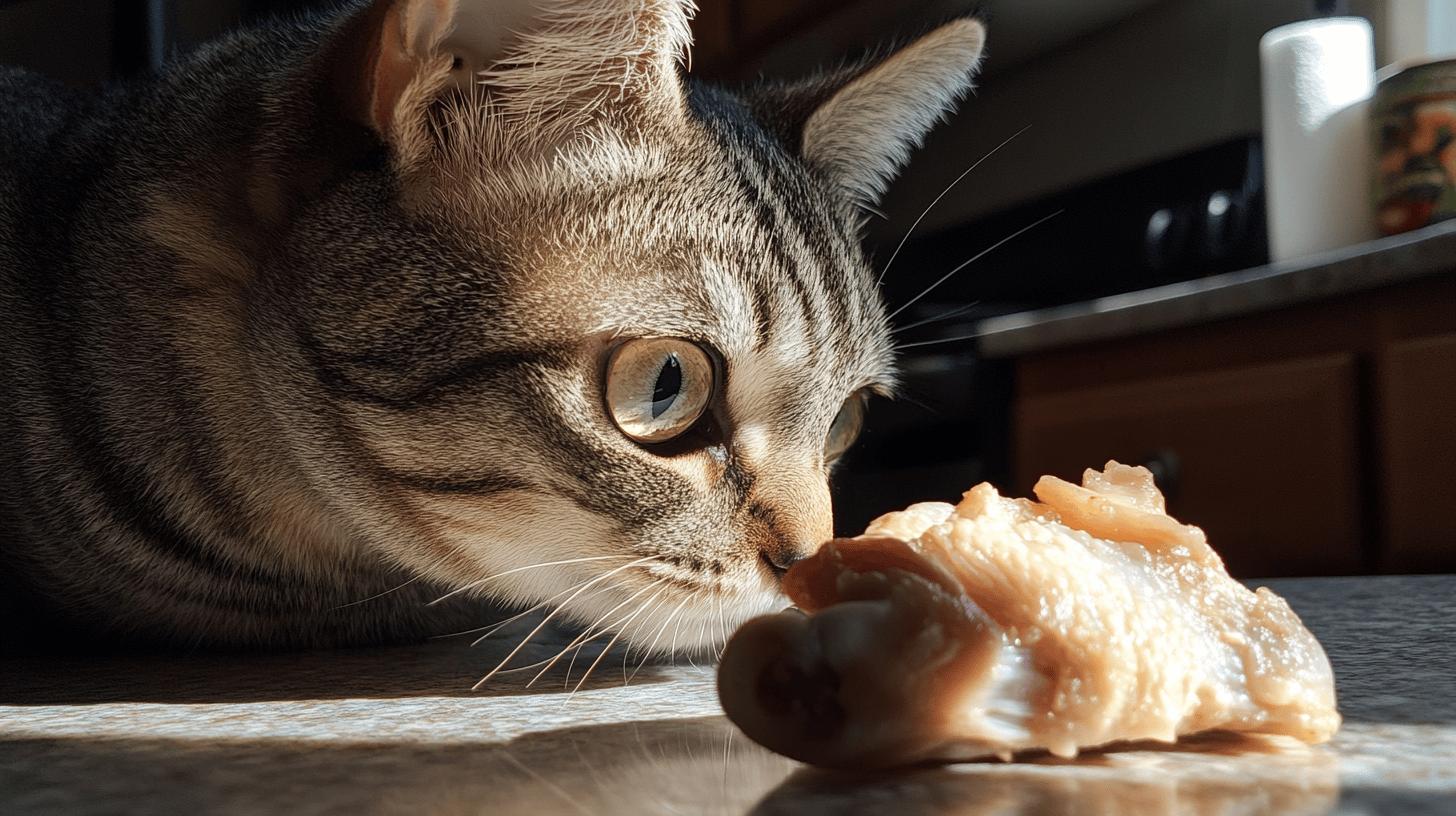
    Cats can eat some types of bones, but it's crucial to consider the kind and preparation. Cooked bones are generally unsafe because they can splinter and cause severe internal injuries, like choking or blockages. On the other hand, raw bones can offer nutritional benefits such as calcium and help with dental health. However, they should be given with caution to prevent potential bacterial infections. The key is moderation and careful selection to ensure the cat's safety.

    Here's a quick rundown of common bones and their safety for cats:

    1. Chicken Bones:

      • Cooked: Unsafe due to splintering risks.
      • Raw: Safer but should be supervised.
    2. Beef Bones:

      • Cooked: Unsafe and hard on teeth.
      • Raw: Can be safe if large enough not to swallow.
    3. Pork Bones:

    • Cooked: Unsafe; risks are similar to chicken bones.
    • Raw: Not recommended due to the risk of parasites.
    1. Turkey Bones:

      • Cooked: Unsafe, similar issues as chicken bones.
      • Raw: Can be safe in small amounts.
    2. Fish Bones:

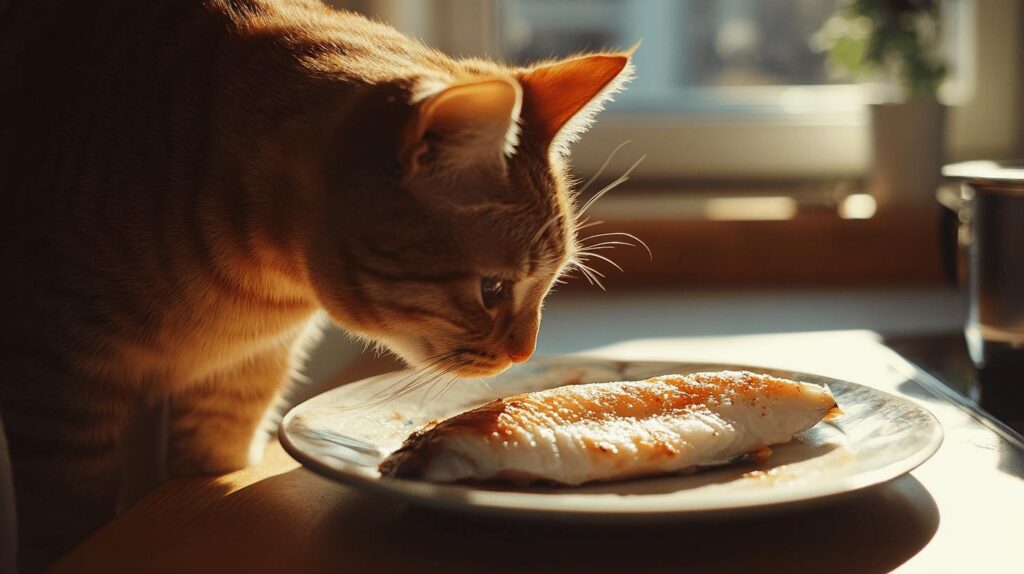
      • Generally unsafe, as they are small and can cause choking or digestive issues.

    When feeding bones, it's important to monitor the cat closely and choose the right type. Raw bones should be an occasional treat and should not make up more than 7-10% of a cat's daily intake. Always supervise your cat while they're chewing on bones to prevent any accidents.

    Understanding the Risks: Cooked vs. Raw Bones for Cats
    Understanding the Risks Cooked vs Raw Bones for Cats-1.jpg

    Bone Type Cooked Risks Raw Risks
    Chicken Bones Splintering, choking, internal injuries Bacterial contamination
    Beef Bones Hard, can break teeth, splintering Large, potential to choke if swallowed whole
    Pork Bones Splintering, choking, similar to chicken Parasites, bacterial risks
    Fish Bones Small, easily cause choking Rarely given raw, potential choking

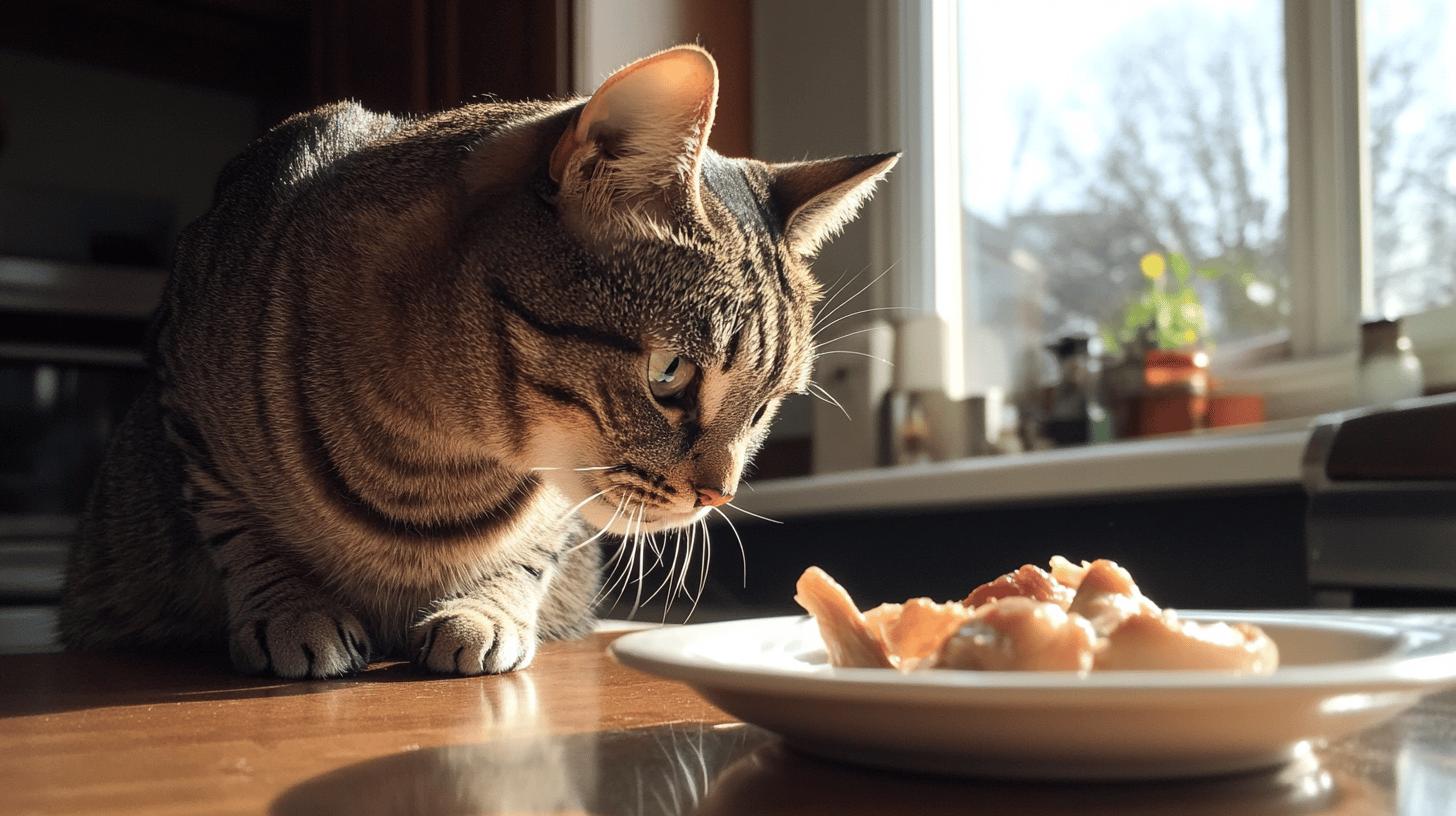
    To safely introduce bones into a cat's diet, focus on moderation and supervision. Always choose raw bones over cooked ones and ensure they are fresh and appropriately sized. Monitor your cat while they chew to prevent any accidents. Consider supplementing their diet with safer options like bone broth to provide similar nutritional benefits without the associated risks.

    Recognizing Symptoms and Taking Action if Your Cat Ate a Bone

    Recognizing Symptoms and Taking Action if Your Cat Ate a Bone-1.jpg

    If your cat has eaten a bone, it's crucial to be aware of the symptoms that can indicate a problem. Watch for signs like coughing, gagging, or choking, which can suggest that the bone is causing harm. Other symptoms might include vomiting, drooling, or showing signs of distress. These could mean the bone is lodged in the throat or causing an obstruction in the digestive tract. Keep an eye on any changes in your cat's behavior or appetite, as these can also signal an issue.

    If you suspect your cat has ingested a bone, follow these six steps to ensure their safety:

    1. Observe Your Cat: Keep a close watch on their behavior and note any symptoms.
    2. Ensure Access to Water: Make sure your cat has plenty of fresh water available to help with any digestive discomfort.
    3. Do Not Induce Vomiting: This can cause more harm by moving the bone to a more problematic area.
    4. Check for Visible Signs: Look inside the mouth to see if the bone is visible and can be safely removed.
    5. Limit Physical Activity: Keep your cat calm to avoid further injury or distress.
    6. Contact a Veterinarian: If symptoms persist or worsen, reach out to a vet immediately.

    Veterinary care is critical in these situations. A vet can perform diagnostic tests, such as X-rays, to locate bone fragments and assess any potential obstructions. They will guide you on the best course of action, whether it's monitoring at home or bringing your cat in for treatment. Prompt and proper care can prevent serious complications and ensure your cat's well-being.

    Understanding the Risks
    Benefits and Drawbacks of Raw Bones for Cats-1.jpg

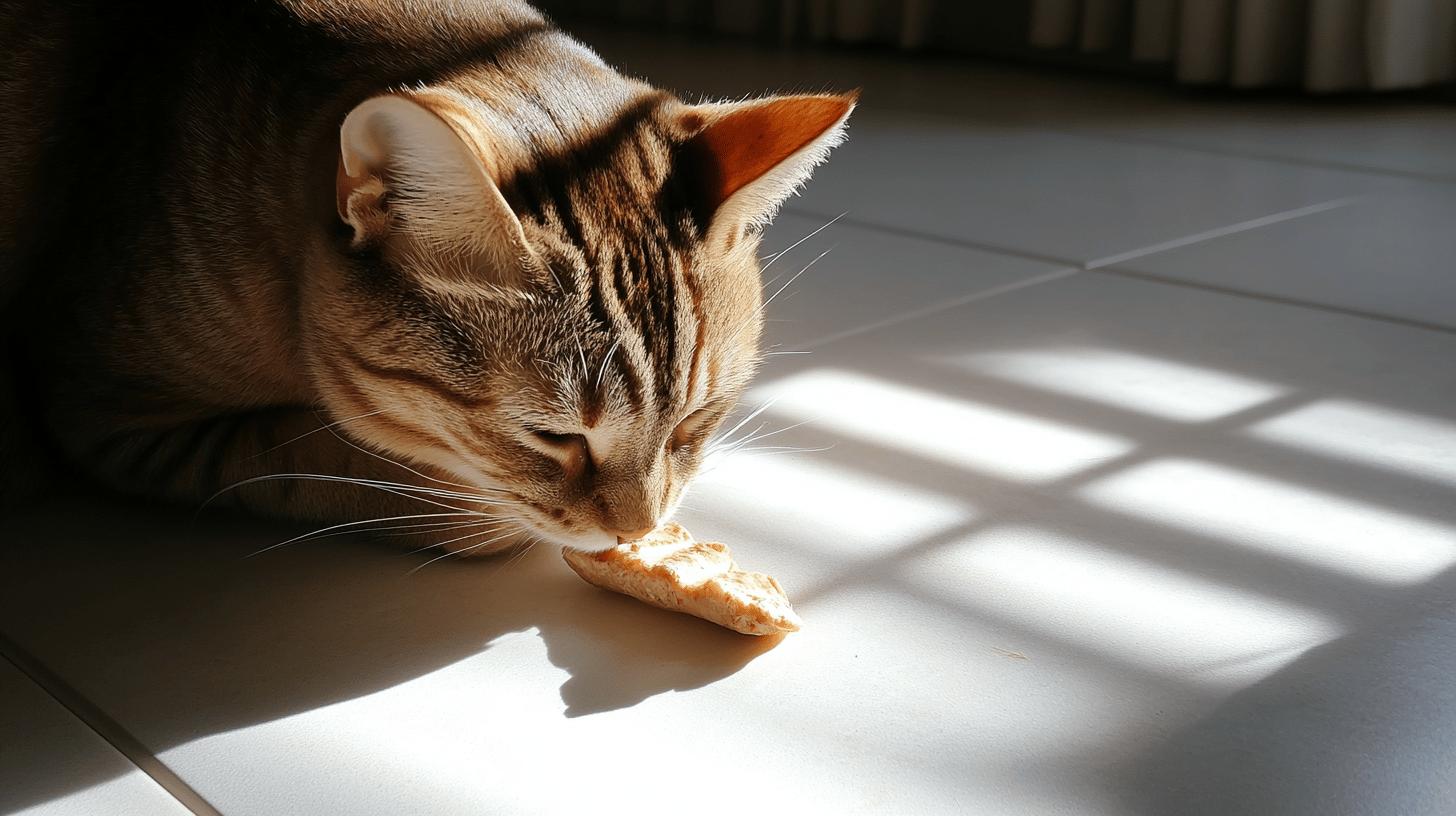
    Feeding raw bones to cats can offer nutritional benefits, such as providing essential calcium and promoting dental health by reducing plaque and strengthening gums. However, it's crucial to remember that raw bones should be an occasional treat, comprising no more than 7-10% of a cat's daily caloric intake. This ensures a balanced diet while satisfying a cat's instinctual chewing needs.

    • Nutrient Provision: Supplies calcium and phosphorus.

    • Dental Health: Helps clean teeth and strengthen gums.

    • Natural Behavior: Satisfies instinctual chewing needs.

    • Enrichment: Provides mental stimulation through chewing activity.

    • Bacterial Risks: Potential exposure to salmonella or E. coli.

    • Choking Hazards: Risk of small bone fragments causing obstructions.

    • Digestive Issues: Potential for hard bones to cause gastrointestinal distress.

    To safely feed raw bones, choose fresh and appropriately sized bones and supervise your cat while they chew. This minimizes choking risks and ensures they don't consume harmful fragments. Always source high-quality bones from reputable suppliers to reduce the risk of bacterial contamination. By adhering to these practices, you can offer your cat the benefits of raw bones while minimizing potential dangers.

    Alternatives to Bones: Safe Chewing Options for Cats
    Alternatives to Bones Safe Chewing Options for Cats-1.jpg

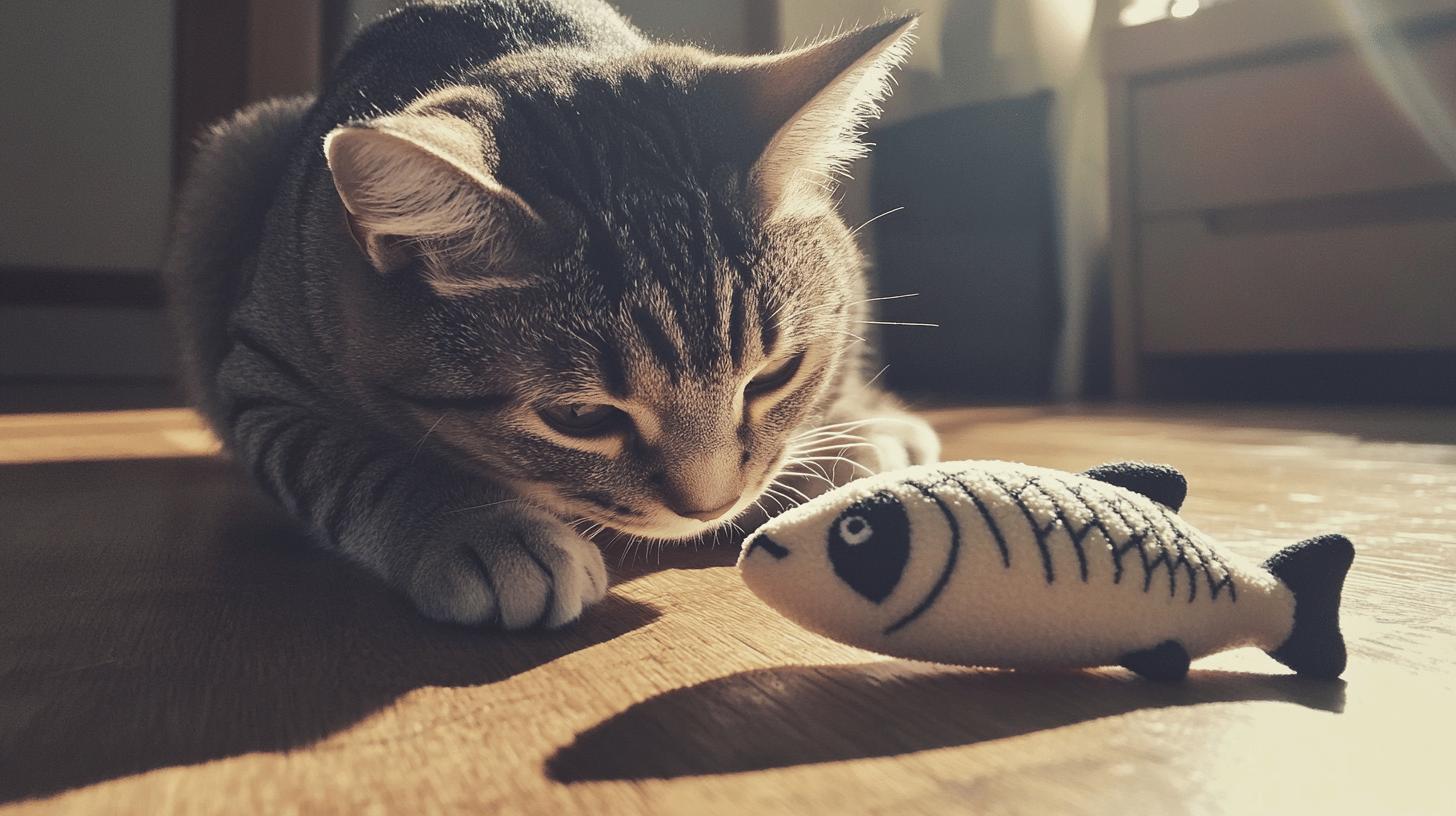
    For cat lovers looking to provide the benefits of bone chewing without the associated risks, there are plenty of safe alternatives. Specially designed cat chew toys and natural chews offer a great way to support dental health and satisfy your cat's natural urge to chew. These options eliminate the hazards of splintering bones and the potential for choking or digestive issues. By choosing safer alternatives, you can still promote healthy teeth and gums while ensuring your cat's safety.

    Here are five safe chewing options for your feline friend:

    1. Cat Chew Toys: Durable toys designed to withstand chewing and help clean teeth.
    2. Dental Chews: Edible chews specifically made for cats to aid in dental hygiene.
    3. Catnip-Infused Toys: Encourage play and chewing while providing dental benefits.
    4. Rubber Chew Toys: Sturdy toys that massage gums and reduce plaque.
    5. Freeze-Dried Treats: Natural meat treats that are safe to chew and digest.

    Maintaining your cat's dental health is crucial, and these alternatives offer a practical way to do so without the risks of feeding bones. Regular chewing with safe toys helps reduce plaque buildup and keeps your cat's gums healthy. By incorporating these alternatives into your cat's routine, you ensure they receive the dental benefits they need while keeping them entertained and safe.

    Final Words

    Understanding whether cats can eat bones safely is essential. Cooked bones pose significant dangers due to splintering, while raw bones can offer benefits but require careful handling to avoid bacterial risks. Recognizing symptoms and taking swift action if your cat ingests a bone are crucial steps for any cat owner. Despite the benefits of raw bones, moderation and supervision are key. Safe alternatives like chew toys provide excellent options for dental health without the associated risks of actual bones. Keeping these insights in mind ensures your cat enjoys a safe and satisfying playtime experience.

    FAQ

    Can cats eat bones of chicken?

    Cats can eat some chicken bones, but not cooked ones. Cooked bones are dangerous as they can splinter and cause harm. Raw bones are safer, but should be given with caution.

    Can cats eat bones raw?

    Cats can eat raw bones safely. Raw bones offer nutritional benefits and are less likely to splinter. It's important to supervise and ensure the bones are appropriate for their size.

    What to do if my cat ate cooked chicken bones?

    If your cat ate cooked chicken bones, observe for symptoms like choking or distress. Contact a veterinarian immediately if any symptoms appear, as cooked bones can splinter and cause internal injury.

    Can cats eat bones of fish?

    Cats can eat fish bones if they are raw. Cooked fish bones can splinter and should be avoided. Ensure they are an appropriate size to prevent choking.

    Symptoms of cat eating chicken bones

    Symptoms include coughing, gagging, choking, or signs of distress. Monitor your cat closely and seek veterinary help if you notice these symptoms.

    Can cats eat cooked bones?

    Cats should not eat cooked bones. Cooked bones can splinter, leading to choking or internal injury. Raw bones are safer alternatives when prepared correctly.

    What happens if a cat eats a bone?

    If a cat eats a bone, monitor for symptoms like choking or distress. Raw bones are generally safer, while cooked bones can splinter and cause harm.

    What kind of bones can a cat eat?

    Cats can eat raw bones such as chicken necks, wing tips, and fish bones. Cooked bones should be avoided due to splintering risks.

    Is it OK for cats to chew on bones?

    It's OK for cats to chew on raw bones. They provide dental benefits and nutrients. Ensure they are the right size and supervise closely.

    Can cats eat human bones?

    Cats should not eat human bones. They are often not safe due to size and cooking methods which can cause them to splinter and harm the cat.
    Related Articles

  • Can Cat Eat Pasta Nutritional Concerns and Safety Tips

    Can Cat Eat Pasta Nutritional Concerns and Safety Tips

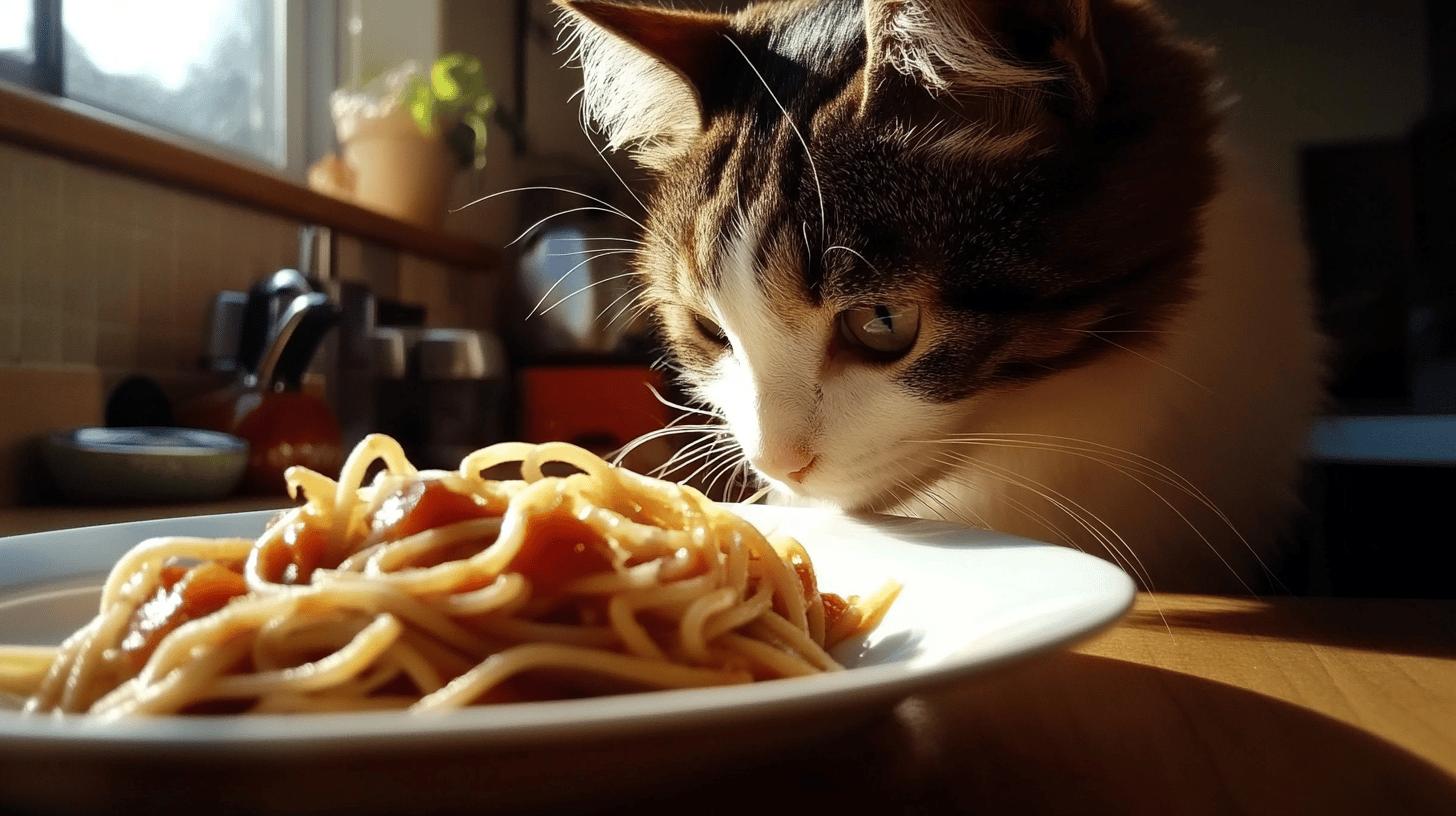
    Can cats eat pasta safely? The short answer is: cooked plain pasta is not toxic to cats, but it offers no nutritional value and can cause digestive issues. This guide covers why pasta is incompatible with cat biology, which pasta types pose different risks, what makes sauces dangerous, and how to handle accidental ingestion.

    Can Cats Eat Pasta? Safety, Nutrition, and Risks

    Cats can technically eat a small amount of plain, cooked pasta without immediate toxicity. However, doing so is nutritionally pointless and potentially problematic. Pasta is roughly 70-75% carbohydrates. cats require less than 10% carbohydrates in their diet and have no metabolic pathway to process excess carbs efficiently.

    Cats are obligate carnivores, meaning their bodies evolved exclusively for a meat-based diet. Unlike omnivores (like humans or dogs), cats:

    • Lack amylase in their saliva (the enzyme that breaks down starches in the mouth)
    • Have low hepatic glucokinase activity (reduced ability to manage blood sugar spikes)
    • Cannot synthesize certain amino acids from plant proteins
    • Have extremely limited carbohydrate metabolism pathways

    When a cat eats pasta, their digestive system doesn’t process it efficiently. The result: unused carbohydrates ferment in the colon, causing bloating, gas, and diarrhea. For cats with sensitive stomachs or existing digestive issues, this is enough to trigger serious upset.

    The pasta itself isn’t toxic, but it is nutritionally inert and potentially harmful depending on preparation and your cat’s health status.

    Pasta Types: Does It Matter?

    Plain White Pasta (Semolina): The safest pasta option if you must serve it. Plain, unseasoned white pasta cooked without oil or butter. Minimal additives. If accidentally ingested, minimal risk beyond digestive upset.

    Egg Pasta: Contains raw or cooked eggs. If raw egg was used, there’s a small salmonella risk. Most commercial egg pasta is dried (heat-treated), making this safer. Still avoid. the benefit doesn’t justify the risk.

    Whole Wheat Pasta: Higher fiber (which some cats tolerate worse than white pasta), no additional toxins. Likely to cause more digestive upset than white pasta due to the fiber content.

    Flavored Pasta (Spinach, Tomato, Squid Ink): These add compounds beyond the pasta itself. Spinach pasta contains oxalates (which interfere with mineral absorption). Tomato pasta adds solanine risk if the tomato wasn’t fully cooked. Squid ink is non-toxic but offers no benefit and adds unfamiliar compounds. Avoid all flavored varieties.

    Gluten-Free Pasta: Made from rice flour, corn flour, or legume flours. Not inherently safer than wheat pasta. still carbohydrate-dense, still poorly digested by cats. Some cats tolerate it slightly better; others have worse digestive response. No advantage over plain pasta.

    Fresh Pasta (including handmade): Higher moisture content, sometimes contains raw egg. Cook thoroughly if serving, and remember: the risk-benefit analysis still doesn’t favor pasta for cats.

    The Real Problem: Sauces and Toppings

    Plain pasta is mildly problematic. Sauced pasta is dangerous.

    Tomato Sauce: Tomatoes are in the nightshade family. Cooked ripe tomatoes are generally safe (solanine content is minimal in fully cooked fruit). However, acidic tomato sauce can cause stomach upset in cats, especially those with sensitive digestive systems. More critically: many tomato sauces contain garlic or onion powder. both are toxic to cats and damage red blood cells (hemolytic anemia).

    Garlic and Onion (All Forms): Fresh, cooked, powdered, or dehydrated. all are toxic to cats. These contain thiosulfates which break down cat hemoglobin. Even small amounts in sauce can cause anemia over time or acute symptoms (lethargy, pale gums, vomiting) if the dose is high. This is the #1 reason pasta is dangerous for cats.

    Butter: Fatty, can cause digestive upset and pancreatitis in cats (especially those predisposed). A lick of butter is unlikely to cause acute problems, but regular exposure is risky.

    Cream Sauce (Alfredo): High fat (pancreatitis risk), high lactose (most cats are lactose intolerant). Avoid entirely.

    Cheese: Lactose intolerance is common in cats. Aged cheeses have less lactose but are high in fat and salt. A tiny piece won’t hurt; regular cheese additions to pasta will cause diarrhea.

    Salt and Seasoning: Commercial sauces contain salt levels unsafe for cats. Excess sodium can cause hypernatremia (dangerously high blood sodium). Spices like black pepper, red pepper flakes, and oregano can irritate cat GI tracts.

    Olives, Capers, and Pickled Additions: High sodium, potentially toxic if brined in xylitol (though rare). Avoid.

    Meat in Sauce (Bolognese): The meat is fine; the sauce ingredients (garlic, onion, tomato acidity, salt) are the problem. If your cat ate a small amount of meat from pasta sauce but the sauce contained garlic or onion, watch for lethargy and pale gums. signs of hemolytic anemia.

    Carbohydrate Biology: Why Cats Cannot Process Pasta

    Understanding cat carbohydrate metabolism explains why pasta is fundamentally wrong for cats:

    No Salivary Amylase: Humans begin digesting starch in the mouth with amylase. Cats produce zero amylase. starch digestion must happen in the small intestine via pancreatic amylase. This is slower and less efficient, leaving undigested starch to reach the colon.

    Low Glucokinase Activity: Cats have minimal ability to regulate blood glucose spikes. When a cat eats carbs, blood sugar rises sharply, their pancreas struggles to respond proportionally, and glycemic chaos results. Repeated carbohydrate loading can stress the pancreas and increase diabetes risk in susceptible cats.

    Limited Glycolytic Pathways: Cats lack some of the metabolic machinery omnivores use to extract energy from carbohydrates. A carbohydrate calorie is not the same as a protein calorie for cats. carbs are less efficiently converted to usable energy.

    Ketogenic Metabolism: Cats are adapted for a ketogenic (fat and protein-based) metabolism. Their bodies prefer breaking down amino acids and fats for energy, not carbohydrates. Feeding carbs forces their liver and kidneys to work harder to compensate.

    In practical terms: pasta causes blood sugar spikes, inefficient digestion, fermentation in the colon, and metabolic stress on the pancreas and liver. Even small amounts are not “fine”. they’re metabolically inappropriate for cat physiology.

    If Your Cat Ate Pasta: What to Watch

    Plain Cooked Pasta (No Sauce): Monitor for vomiting, diarrhea, or loss of appetite over the next 12-24 hours. Most cats experience mild digestive upset or nothing at all. If your cat is otherwise fine by 24 hours, no vet visit is needed. If vomiting or diarrhea persists beyond 24 hours, contact your vet.

    Sauced Pasta (Tomato, Cream, Cheese): Same monitoring as above. Acidity or fat may cause more severe upset (vomiting, diarrhea) than plain pasta. If symptoms emerge, vet visit is recommended to rule out pancreatitis (especially with cream sauces).

    Pasta with Garlic or Onion (Bolognese, Marinara with Garlic): THIS IS A TOXICITY RISK. Do NOT wait for symptoms. Call your vet or poison control immediately. Provide: amount eaten (estimate), type of preparation, time ingested. Your vet may recommend bloodwork to check for hemolytic anemia development. Even if your cat seems fine, garlic/onion toxicity can be delayed. red blood cells are damaged silently.

    Emergency Contact Information: ASPCA Poison Control: 888-426-4435 (fee applies). Pet Poison Helpline: 855-764-7661. Have information ready: your cat’s weight, pasta type, sauce ingredients, estimated time of ingestion.

    Final Words

    Plain pasta is not toxic, but it’s inappropriate nutrition for cats. More critically, most pasta dishes contain ingredients (garlic, onion, excessive fat or salt) that ARE toxic or harmful. If your cat accidentally ate a small amount of plain pasta and shows no symptoms, simple monitoring is fine. If the pasta contained garlic, onion, or cream sauce, contact your vet immediately.

    The bottom line: don’t intentionally feed pasta to cats. If accidental ingestion occurs, the sauce ingredients matter far more than the pasta itself.

    FAQ

    Can cats eat pasta?

    Plain cooked pasta is not toxic, but cats cannot digest it efficiently. Avoid. especially pasta with sauce.

    Is pasta safe for cats?

    Plain pasta: minimal risk but no benefit. Sauced pasta: risk depends on sauce. Pasta with garlic/onion: toxic risk. Call vet if ingested.

    Can cats eat spaghetti?

    Plain cooked spaghetti is not toxic, but offers no nutrition and causes digestive upset in many cats. Spaghetti with sauce (especially marinara with garlic) is dangerous.

    Can cats eat pasta with sauce?

    Depends on the sauce. Garlic/onion-based: toxic (call vet). Cream sauce: pancreatitis risk. Tomato-only: low risk but digestive upset likely. Avoid.

    Can cats eat spaghetti sauce?

    Most commercial spaghetti sauce contains garlic or onion powder. toxic to cats. Even garlic-free tomato sauce can cause digestive upset. Do not feed.

    What happens if a cat eats pasta?

    Plain pasta: likely diarrhea or no symptoms. Sauced pasta: depends on sauce ingredients. Garlic/onion pasta: toxicity risk. contact vet.

    Is cooked pasta bad for cats?

    Nutritionally inappropriate (high carbs, low protein). Metabolically stressful (poor glucose regulation in cats). Safely avoid. no benefit justifies the risk.

    Can cats digest pasta?

    Poorly. Cats lack the enzymes and metabolic pathways omnivores use for starch digestion. Undigested carbs ferment in the colon, causing gas and bloating.

    Related Articles

    Understanding Carbohydrate Metabolism in Cats

    Cats lack the enzymatic machinery to efficiently process carbohydrates. Unlike humans and even dogs, cats have minimal amylase production (the enzyme that breaks down starches) and no taste receptors for sweetness. Their bodies simply did not evolve to handle grain-based or starch-based foods. This is why pasta (70-75% carbohydrates, minimal protein) is so incompatible with feline nutrition.

  • Can Cats Eat Tofu Safely and What Are the Risks

    Can Cats Eat Tofu Safely and What Are the Risks

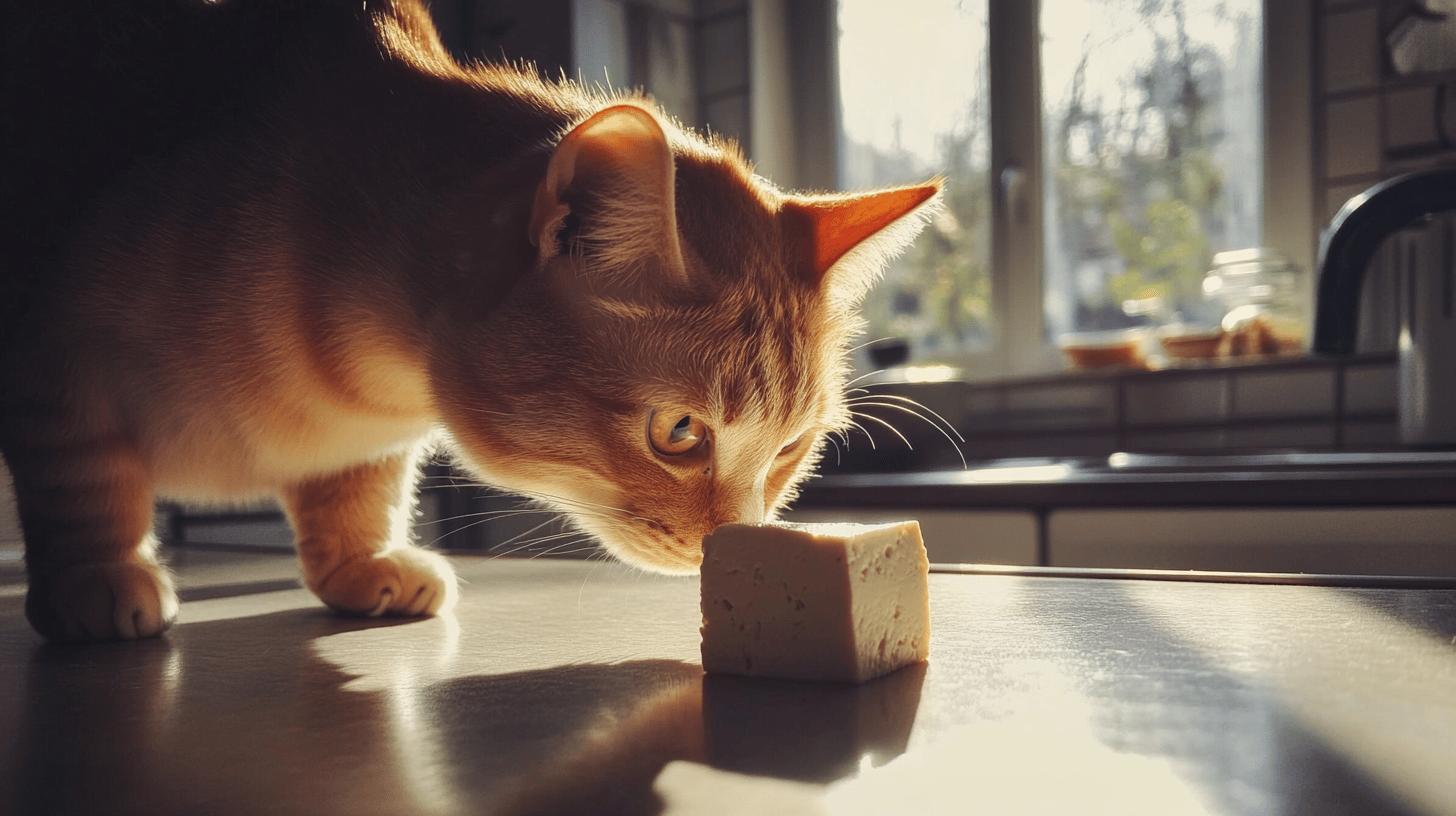
    Can cats eat tofu without harm? It might seem logical given tofu’s plant-based protein content, but the answer reveals a fundamental truth about feline biology. Cats are obligate carnivores, meat-eating specialists whose bodies evolved over millions of years to process animal protein exclusively. Tofu, made from soybeans, doesn’t provide what cats need to thrive. While tofu won’t poison your cat, it can upset their digestion and create nutritional deficiencies over time. Let’s explore why tofu is incompatible with feline biology, what happens when cats eat it, and why plant-based proteins fail to meet their nutritional requirements.

    Why Cats Are Obligate Carnivores: The Biology Behind It

    Understanding tofu’s unsuitability for cats requires understanding cat biology. Cats are obligate carnivores, this isn’t a preference or habit, it’s hardwired into their physiology at the cellular level. Unlike humans or dogs (facultative omnivores), cats cannot synthesize certain essential amino acids from plant sources. They must obtain them from animal tissue.

    Key biological differences:

    • Taurine synthesis: Humans and dogs can convert the amino acid methionine into taurine. Cats cannot. Their bodies completely lack the enzymatic pathway for this conversion. Taurine is essential for cardiac function, vision, immune response, and reproduction. Cats that don’t get sufficient dietary taurine develop dilated cardiomyopathy (enlarged, failing heart), blindness, and early death.
    • Arginine requirement: Cats have an absolute requirement for the amino acid arginine. While arginine exists in plant sources like tofu, it’s in the wrong form or insufficient quantity for feline absorption and utilization.
    • Retinol (Vitamin A) dependency: Cats cannot convert beta-carotene (plant vitamin A) into the active form their bodies need. They require preformed retinol from animal sources. Eating only tofu leads to vitamin A deficiency and blindness.
    • Arachidonic acid: An essential fatty acid found exclusively in animal fat. Plants don’t contain it. Cats lacking arachidonic acid develop skin problems, immune dysfunction, and reproductive failure.
    • Protein amino acid profile: Animal proteins contain all amino acids in the correct ratio for feline metabolism. Plant proteins lack or are deficient in several essential amino acids that cats require.

    These biological facts explain why tofu cannot be a nutritional substitute for meat. A cat’s body simply cannot process plant-based nutrients the way it processes animal-based nutrition.

    Can Cats Eat Tofu Safely?

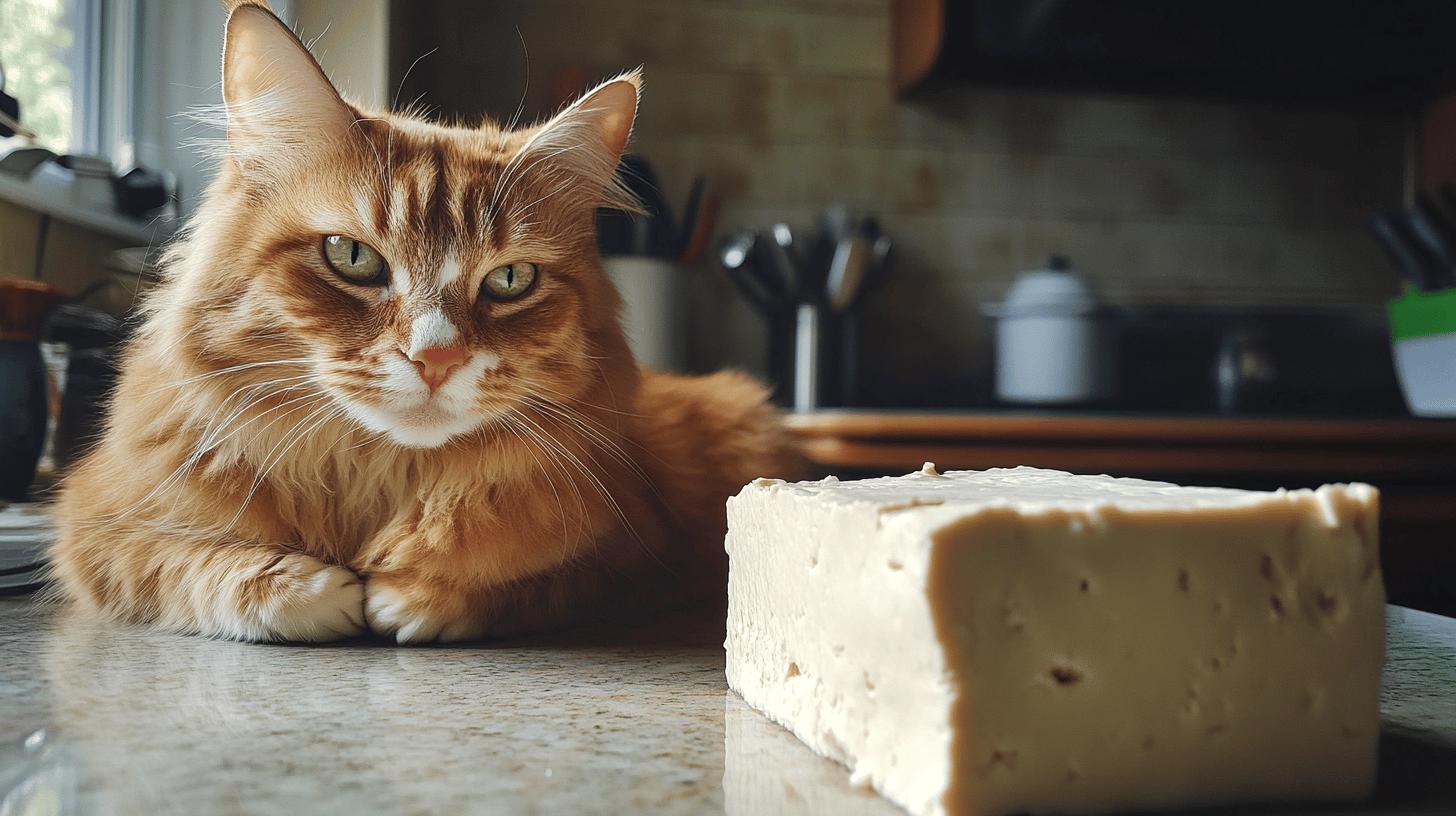
    Can Cats Eat Tofu Safely

    Tofu is non-toxic, meaning it won’t cause acute poisoning in small amounts. However, “non-toxic” doesn’t mean “safe” or “appropriate.” Tofu can cause digestive upset because cats’ digestive systems aren’t equipped to process soy. The complex sugars in soy (raffinose and stachyose) pass undigested into the colon where bacteria ferment them, producing gas, bloating, and diarrhea.

    Symptoms of tofu-related digestive upset:

    • Diarrhea or loose stools
    • Vomiting or gagging
    • Bloating and abdominal distension
    • Flatulence
    • Loss of appetite
    • Lethargy

    Some cats develop soy allergies, manifesting as itching, skin redness, ear infections, or more severe digestive symptoms. Additionally, tofu contains phytoestrogens, plant compounds that mimic estrogen in mammalian bodies. Regular tofu consumption may trigger hormonal imbalances and increase hyperthyroidism risk in cats (overactive thyroid gland causing rapid heart rate, weight loss, and behavioral changes).

    Nutritional Inadequacy of Tofu for Cats

    Tofu nutritional content versus cat requirements

    While tofu contains protein, iron, and calcium, it’s fundamentally missing what cats need to survive.

    What tofu lacks that cats require:

    • Taurine (0% in tofu; cats need minimum 500mg daily)
    • Retinol/active vitamin A (must come from animal sources)
    • Arachidonic acid (only in animal fat)
    • Complete amino acid profile (lacks adequate methionine, cysteine, lysine in bioavailable form)
    • Appropriate nutrient density for carnivore metabolism

    A cat eating predominantly tofu develops deficiencies leading to heart disease, blindness, poor coat quality, immune dysfunction, and shortened lifespan. Even occasional tofu feeding contributes nothing positive, your cat gains zero nutritional benefit.

    Tofu Preparation and Safe Serving

    If you choose to offer tofu (not recommended), follow these guidelines:

    • Serve only plain, unseasoned tofu (no added salt, spices, or oils)
    • Offer tiny portions only: ½ teaspoon for average cat, maximum once weekly
    • Never serve fried tofu (excess oil causes pancreatitis)
    • Monitor closely for digestive upset
    • Don’t introduce tofu to cats with existing digestive issues, allergies, or hormone-sensitive conditions

    Better Treat Alternatives for Your Cat

    If you want to offer treats, choose options that align with feline biology:

    • Plain cooked chicken (small piece)
    • Canned tuna in water (occasional only)
    • High-quality meat-based treats
    • Cooked beef (unseasoned, small portion)
    • Freeze-dried meat treats
    • Catnip or silvervine (enrichment, not nutrition)

    What to Do If Your Cat Accidentally Ate Tofu

    Accidents happen. Your cat may sneak a piece of tofu from your plate, or a guest may not know it’s unsafe and accidentally feed your cat a bite. If this occurs, here’s what you need to do:

    Immediate Steps (First 2 Hours)

    1. Note the time and amount: Write down exactly when your cat ate the tofu and approximately how much (a small piece vs. a full serving). This information is critical for your vet.
    2. Identify the ingredients: Determine what was in the tofu, was it plain tofu, or was it prepared with garlic, onions, chocolate, or other ingredients? If you don’t know, assume the worst and contact a poison control center immediately (ASPCA Animal Poison Control: 888-426-4435).
    3. Watch for symptoms: Monitor your cat carefully over the next 24 hours for vomiting, diarrhea, lethargy, loss of appetite, or abdominal pain.

    When to Call Your Vet

    Contact your veterinarian immediately if:

    • You know the tofu contained harmful ingredients like chocolate, garlic, onion, or xylitol
    • Your cat consumed a large amount of tofu (more than a few bites)
    • Your cat shows any symptoms of distress within 4 hours of consumption
    • Symptoms persist beyond 24 hours
    • Your cat seems to be in pain, is unable to keep food down, or is unusually lethargic

    At the Vet’s Office

    If you take your cat to the vet, they will likely perform a physical examination and may recommend bloodwork if there’s concern about secondary ingredients or if symptoms are severe. In most cases of accidental plain tofu consumption (small amounts), observation at home is sufficient. Your vet may recommend withholding food for a few hours, then offering bland food (plain boiled chicken) to allow the digestive system to settle.

    Prevention: Making Your Home Tofu-Free for Your Cat

    The best response to accidental tofu ingestion is prevention. Take these steps to keep tofu out of your cat’s reach:

    • Store tofu in sealed containers on high shelves where your cat cannot jump or climb to reach it
    • If you prepare tofu at home, clean up spills and crumbs immediately
    • Educate family members and guests that tofu is toxic to cats and should never be offered as a treat
    • Be vigilant about prepared foods that might contain tofu (some Asian dishes, vegan products) and keep them secured

    Most accidental tofu ingestions in cats result in no serious complications, especially if the amount was small and the tofu was plain. However, prevention is always better than treatment. Keep tofu safely stored and your cat will be healthier for it.

    Final Words

    Tofu is not suitable for cats. Cats are obligate carnivores with biological requirements that only animal products can meet. Tofu lacks taurine, retinol, arachidonic acid, and essential amino acids in bioavailable form. It causes digestive upset and may trigger hormonal imbalances. There’s no nutritional benefit to feeding tofu to your cat, it offers only risk.

    Your cat’s optimal diet consists of meat-based nutrition, whether commercial cat food or veterinarian-supervised whole-food diets. Respect your cat’s biology and feed accordingly.

    FAQ

    Can cats eat tofu?

    Cats can eat tiny amounts of plain tofu without acute poisoning, but it’s not recommended. Tofu causes digestive upset, lacks essential nutrients cats require, and provides zero nutritional benefit.

    Is tofu toxic to cats?

    Tofu is non-toxic but not safe for regular consumption. It causes digestive issues and nutritional deficiency when fed regularly.

    Why can’t cats eat soy?

    Cats cannot efficiently digest soy. Their digestive systems evolved for meat. Soy causes gas, bloating, diarrhea. Tofu also contains phytoestrogens disrupting hormonal balance.

    Can cats eat soy sauce?

    No. Soy sauce is high in sodium, harmful to cats’ kidneys. Never feed soy sauce to cats.

    Can cats eat edamame?

    Edamame (immature soybeans) is similarly unsuitable for cats. Same issues as tofu: digestive upset, lack of essential nutrients.

    Understanding Phytoestrogens and Cat Health

    Tofu contains phytoestrogens, plant compounds that mimic estrogen in the body. For humans, these compounds are generally well-studied and considered safe. But for cats, the data is different. Cats are obligate carnivores, meaning their bodies are designed exclusively for meat-based nutrition. This is not a preference or habit, it’s a fundamental biological difference rooted in their ancestry as solitary hunters who consumed only prey animals.

    When a cat consumes phytoestrogens from tofu, their endocrine system interprets these compounds similarly to how it would interpret estrogen-like molecules. Over time, or even from a single large exposure, this can affect:

    • Reproductive hormones: Disruption of normal hormone regulation, especially in young or neutered cats
    • Metabolism: Changes in how the cat processes nutrients and maintains healthy weight
    • Thyroid function: Interference with thyroid hormone production, leading to hypothyroidism

    The risk increases if your cat consumes tofu regularly, even in small portions. One-time exposure to a small amount of plain tofu is unlikely to cause immediate harm, but it provides zero nutritional benefit and carries avoidable risk.

    Soy Allergy and Sensitivity in Cats

    Beyond phytoestrogens, some cats develop allergies or sensitivities to soy itself. This can manifest as:

    • Vomiting after eating tofu-containing foods
    • Diarrhea or loose stools
    • Skin irritation or excessive scratching
    • Hair loss in patches
    • Lethargy and reduced appetite

    These symptoms may appear within hours of consumption or develop over days if your cat eats tofu repeatedly. If you notice any of these signs after your cat accidentally ingests tofu, contact your vet immediately to rule out other causes.

    The Bottom Line: Why Tofu Contributes Nothing

    From a nutritional standpoint, tofu fails to provide anything a cat needs. Cats require:

    • Taurine: An essential amino acid found exclusively in animal proteins. Tofu has zero taurine.
    • Complete amino acid profiles: Tofu is an incomplete protein for cats; it lacks critical amino acids like arginine in sufficient quantities.
    • Fat-soluble vitamins (A, D, E, K): These vitamins are most bioavailable from animal sources. Plant-based versions are poorly absorbed by cats.
    • Vitamin B12: Naturally present in meat, absent in tofu (plant-based B12 is synthetic and poorly utilized by cats).

    In exchange for providing nothing your cat needs, tofu introduces phytoestrogen exposure, potential allergen risk, and digestive stress. There is no scenario where tofu benefits your cat’s health.

    Related Articles

  • Can Cat Eat Lemongrass Safely and What to Watch For

    Can Cat Eat Lemongrass Safely and What to Watch For

    Did you know that your cat might find lemongrass as tempting as catnip? This grassy herb can lure your feline friend with its irresistible aroma, but is it safe for them to indulge?

    While nibbling on lemongrass in small amounts usually doesn't pose a threat, too much can lead to upset stomachs or other mild issues. Understanding the potential effects and how to spot them is crucial for any cat owner. Let's dive into what to watch for when your curious cat encounters lemongrass.

    Can Cats Safely Consume Lemongrass?

    Can Cats Safely Consume Lemongrass-4.jpg

    Lemongrass is generally considered non-toxic to cats when consumed in small amounts. Many cats are attracted to its scent or texture, much like how they are drawn to other plants. This attraction can mean a curious nibble here and there.

    In moderation, lemongrass is typically harmless, but it's always wise to keep an eye on your feline friend when they're around it. Cats may find the plant interesting due to its fragrant aroma, which is similar to other cat-attracting plants.

    If a cat consumes too much lemongrass, it could lead to some mild health issues. Here are a few possible consequences of overconsumption:

    • Mild gastrointestinal upset

    • Increased interest

    • Occasional vomiting

    While the plant itself isn't highly toxic, the essential oils derived from lemongrass are a different story. These oils are much more concentrated and can be harmful to cats. Ingesting or coming into contact with lemongrass essential oils can cause more severe symptoms, such as skin irritation or more significant digestive problems.

    It's crucial to keep essential oils out of reach and avoid their use around cats to prevent any potential health risks. Always opt for caution and consult a veterinarian if you suspect your cat has ingested any lemongrass oil.

    Symptoms and Diagnosis of Lemongrass Poisoning in Cats

    Symptoms and Diagnosis of Lemongrass Poisoning in Cats-4.jpg

    If your cat happens to munch on lemongrass, it's important to watch for symptoms of poisoning. Common signs include an upset stomach, vomiting, and abdominal pain. In some cases, a cat may develop a swollen abdomen.

    These symptoms can vary depending on how much lemongrass was ingested and the individual cat's health. While lemongrass is generally non-toxic in small amounts, overconsumption can lead to discomfort and digestive issues.

    When it comes to diagnosing lemongrass poisoning, veterinarians employ several methods to ensure accurate assessment:

    • Observing behavior

    • Blood tests

    • Urine tests

    • Veterinary assessment

    Timely diagnosis is crucial in managing lemongrass poisoning effectively. Early detection can prevent more serious complications. I

    f you notice any unusual behavior or symptoms in your cat, it's best to consult a vet immediately. Quick action can make a significant difference in your cat's recovery, ensuring they return to their playful self as soon as possible.

    Veterinary Advice on Managing Lemongrass Ingestion

    Veterinary Advice on Managing Lemongrass Ingestion-1.jpg

    If your cat has consumed lemongrass, reaching out to a veterinarian is crucial. Even though lemongrass isn't highly toxic, an overindulgence can lead to discomfort. A vet can assess your cat's condition and determine the best course of action.

    Watch for symptoms like vomiting or abdominal pain, and be prepared to explain any recent changes in behavior. Quick communication with a professional can prevent further complications and ensure your pet's safety.

    Once at the vet, several treatment options might be considered to manage lemongrass ingestion. The goal is to address any immediate symptoms and prevent further absorption of any harmful substances. Here's a brief rundown of common treatments:

    Treatment Method Purpose
    Stomach decontamination Remove toxins
    Activated charcoal Prevent absorption
    IV fluids Treat dehydration

    Recovery from lemongrass ingestion is generally positive, especially with prompt treatment. Cats usually bounce back quickly when given proper care. Stay vigilant for any lingering symptoms and follow your vet's advice on dietary adjustments or follow-up visits.

    With a little attention and care, your cat should return to its lively self in no time. Remember, prevention is key, so consider removing lemongrass from your home to avoid future incidents.

    Safe Alternatives and Precautions for Cat Owners

    Safe Alternatives and Precautions for Cat Owners-2.jpg

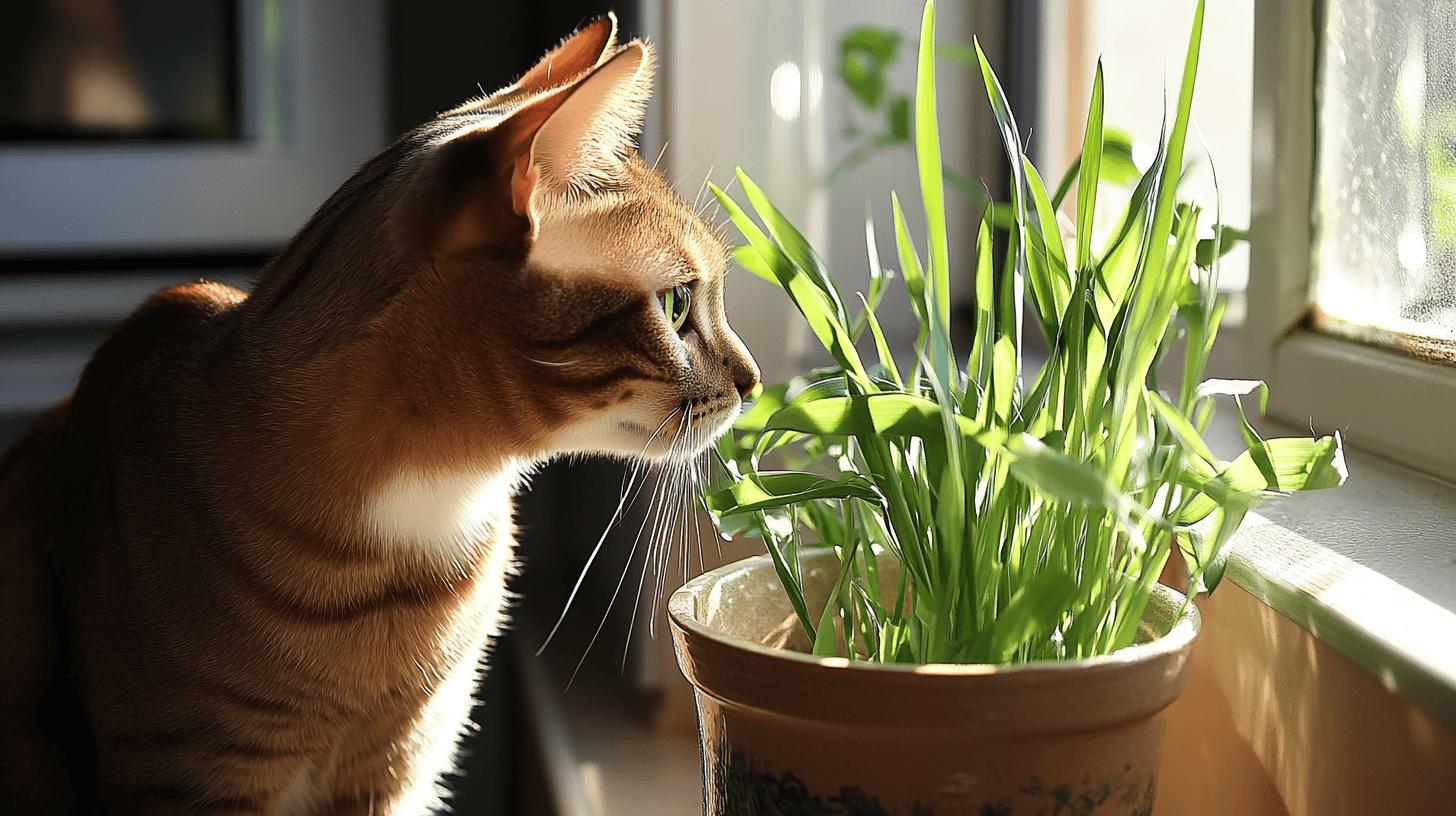
    If your cat loves to explore the greenery in your home, providing them with safe and non-toxic plant options is key. Some plants, like cat grass and catnip, are specifically designed for feline consumption.

    Cat grass is not only safe but also aids in digestion, while catnip provides a stimulating effect that most cats can't resist. These options can satisfy your cat's curiosity and chewing habits without posing a health risk.

    Here's a list of non-toxic alternatives you can consider for your home:

    • Cat grass

    • Catnip

    • Spider plant

    • Boston fern

    • Bamboo palm

    Creating a safe environment for your cat involves more than just offering safe plants. You should also monitor their interactions with any foliage within reach. Removing potentially harmful plants, such as lemongrass, is a proactive step in preventing accidental ingestion and poisoning.

    By ensuring the plants in your home are safe, you can let your cat explore to their heart's content without worry. This way, you maintain a healthy and happy environment for your feline friend.

    Final Words

    Exploring whether cats can safely eat lemongrass, we discovered that small amounts are generally non-toxic, but essential oils pose a risk. Cats may be naturally drawn to lemongrass, yet overconsumption can lead to issues like upset stomachs or vomiting. Recognizing symptoms of poisoning is crucial, and veterinary diagnosis can prevent complications.

    Safe alternatives like cat grass and catnip offer worry-free options for curious cats. The key takeaway is moderation and vigilance. Keeping your cat's play and diet safe with thought and care leads to a healthy and joyful life with your feline friend.

    FAQ

    Can cats eat lemongrass?

    Cats can eat lemongrass, but it should be in moderation. While not toxic, overconsumption can cause mild gastrointestinal upset and vomiting. Essential oils from lemongrass are dangerous, so keep them away from cats.

    Why does my cat eat lemongrass?

    Your cat might be drawn to lemongrass for its scent or texture, similar to how they are attracted to other plants. It may stimulate their senses like catnip does, but always monitor their intake.

    Is lemongrass safe for cats and dogs?

    Lemongrass is generally safe for cats and dogs in small amounts. However, essential oils are toxic, and large quantities of lemongrass can upset their stomachs or cause further health issues.

    Do cats like the scent of lemongrass?

    Many cats find the scent of lemongrass appealing, which may entice them to chew on it. However, monitor their consumption to prevent any health problems.

    Can lemongrass be toxic to cats?

    Lemongrass is not inherently toxic to cats, but essential oils and large amounts of the plant can lead to health issues like abdominal pain. Always supervise your cat's interaction with lemongrass.

    What are the symptoms of lemongrass poisoning in cats?

    Symptoms of lemongrass poisoning include upset stomach, abdominal pain, and vomiting. If you suspect poisoning, a vet might use blood and urine tests to diagnose the issue.

    What should I do if my cat eats too much lemongrass?

    Consult a veterinarian if your cat shows symptoms after eating lemongrass. Treatments may include stomach decontamination, activated charcoal, and IV fluids. Prompt treatment typically leads to a full recovery.

    Are there safer alternatives to lemongrass for cats?

    Yes, safer options include cat grass, catnip, spider plants, Boston ferns, and bamboo palms. These are non-toxic and suitable for feline consumption. Always ensure the plants in your home are safe for cats.

    Related Articles

  • How Can Cat Eat With Cone Simple Feeding Tips

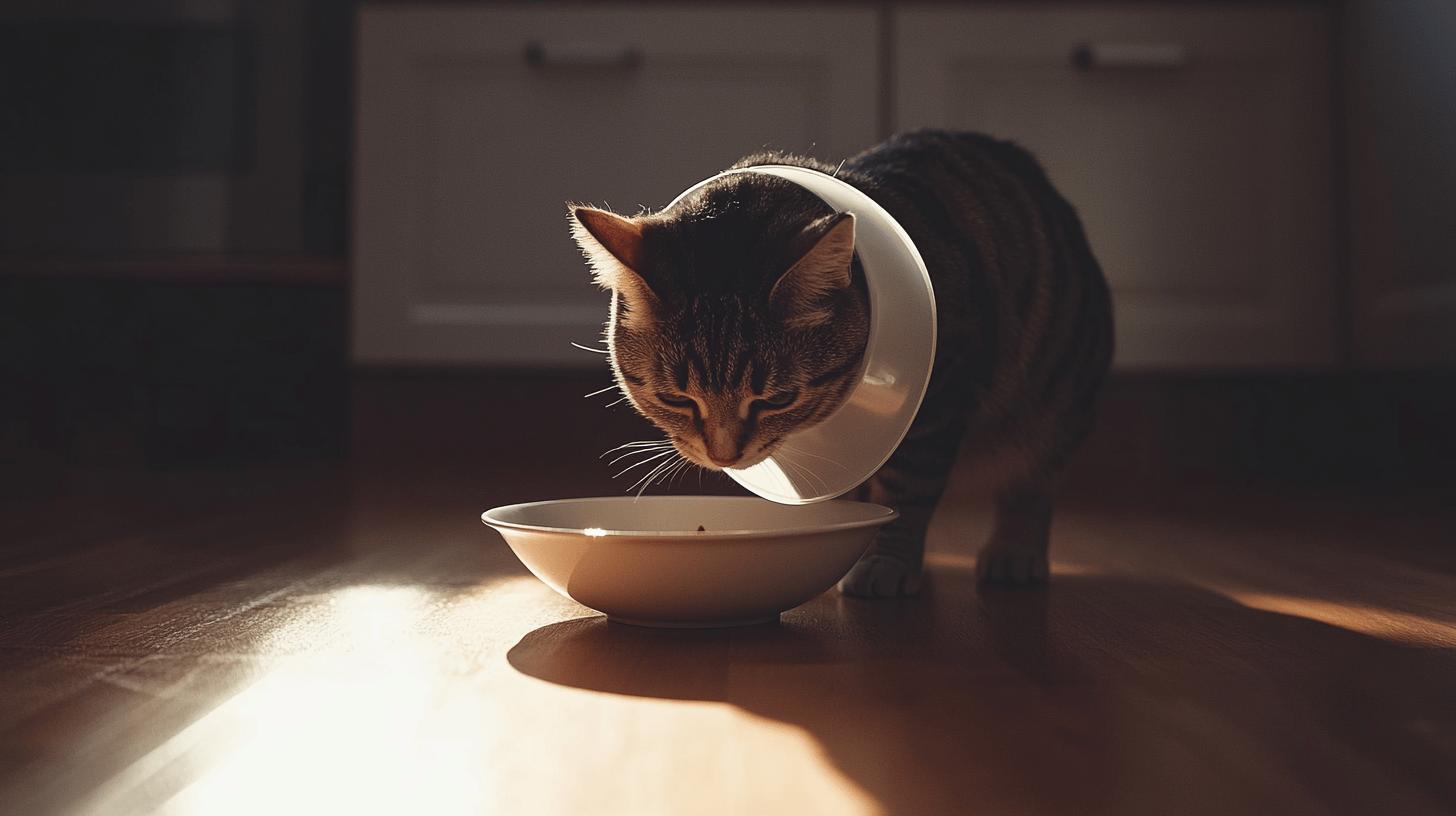
    How Can Cat Eat With Cone Simple Feeding Tips

    Ever wonder how your cat can eat with that clunky cone on? It’s not just annoying; it can actually disrupt their entire mealtime habit. Imagine trying to chow down with a lampshade strapped to your head. Sounds tough, right? Cats need to maintain good nutrition and hydration, even when restricted by a cone. So here’s the scoop: I’ll share some simple yet effective feeding tips that will make mealtimes easier for your coned friend, ensuring they stay healthy and happy during recovery.

    Feeding and Hydration Solutions for Cats With a Cone

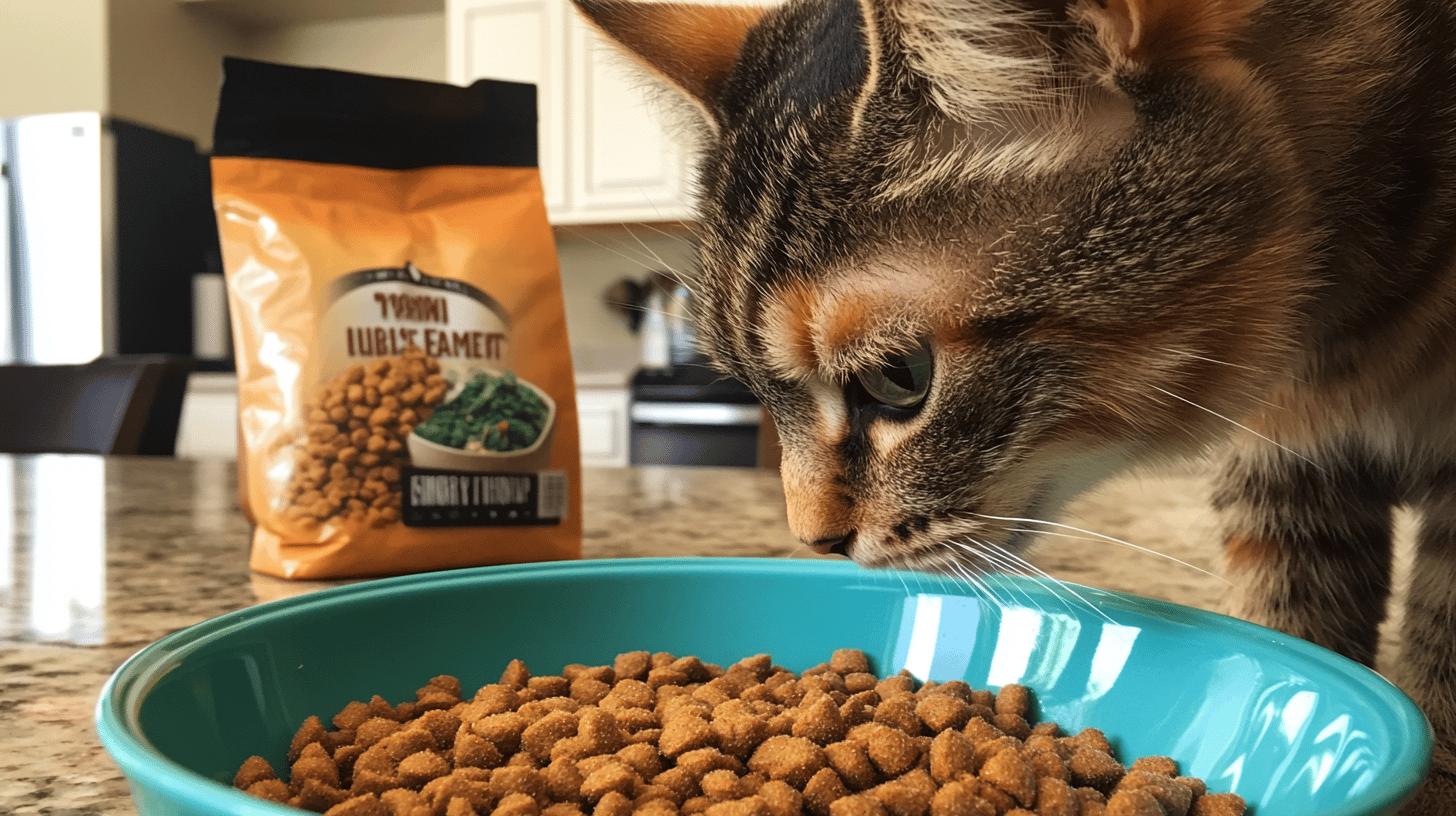
    Eating and drinking with a cone can be quite the challenge for our feline friends. The cone, while necessary for healing, often gets in the way of a cat’s usual mealtime routine. It can prevent them from reaching their bowls comfortably, leading to frustration and even reduced appetite. To help your cat adjust and maintain their hydration and nutrition, here are some practical solutions.

    1. Elevate food and water bowls. By lifting the bowls 2 to 4 inches off the ground, you make it easier for your cat to access their meals without the cone getting in the way.
    2. Use small saucers instead of bowls. With less of a rim, saucers can prevent the cone from hitting the edges, allowing your cat to eat and drink more comfortably.
    3. Hand-feed the cat. Although it requires a bit more involvement, hand-feeding can ensure your cat gets their food without struggling with the cone.
    1. Temporarily remove the cone under supervision. This method allows your cat to eat freely, but make sure to watch them closely to prevent any interference with their wound.
    2. Use a cone-friendly bowl design. Look for bowls that are specifically designed to accommodate cones, which often have a wider surface area for easy access.
    3. Ensure fresh water availability. Keep your cat’s water fresh and easily accessible to encourage drinking.
    1. Use water fountains to encourage drinking. Cats are naturally attracted to running water, which can help increase their hydration levels.
    2. Offer wet food to boost hydration. Wet food provides additional moisture, which is beneficial if your cat struggles with drinking enough water.

    Monitoring your cat during these feeding and hydration strategies is crucial. This ensures they are not only comfortable but also safe from any potential complications. Keeping a close eye on their eating habits can help you adjust methods as needed for their ultimate well-being.

    Alternative Cone Options for Easier Feeding

    Traditional cones, often made of hard plastic, can be cumbersome for cats, especially during mealtime. These rigid cones can block their access to food bowls, making eating a frustrating task. Fortunately, there are alternative cone options that can ease this process.

    Soft foam collars are a great alternative to the standard e-collar. They are more comfortable for your cat and allow easier access to food and water. The soft material reduces irritation and lets your cat move more freely, making meal times less of a hassle.

    Inflatable cones, shaped like donuts, offer another solution. These cones do away with the typical edge of traditional cones, letting your cat eat and drink without obstruction. The inflatable design is not only practical but also adds an element of comfort, as it gently supports your cat’s neck.

    Here are three recommended products to consider:

    1. Soft Foam Collars: These collars are designed for comfort and are perfect for cats who find traditional cones too restrictive. They are lightweight and easy to wear, providing a comfortable alternative that still prevents licking or biting wounds.
    2. Inflatable Cones: The donut-shaped design of inflatable cones allows for unobstructed eating and drinking. These cones are adjustable and easy to inflate, making them a convenient choice for your cat’s recovery.
    3. Flexible Fabric Cones: Made from soft, flexible materials, these cones offer ease of movement, allowing your cat to navigate their surroundings and enjoy their meals with fewer hindrances.

    Exploring these alternative cones can significantly improve your cat’s feeding experience while ensuring they recover safely.

    DIY Solutions and Cone Alternatives for Cats

    Creating your own cone alternatives can be a practical and cost-effective way to help your cat eat comfortably while recovering. These methods can also be more comfortable than traditional plastic cones, making mealtime less stressful for both you and your cat.
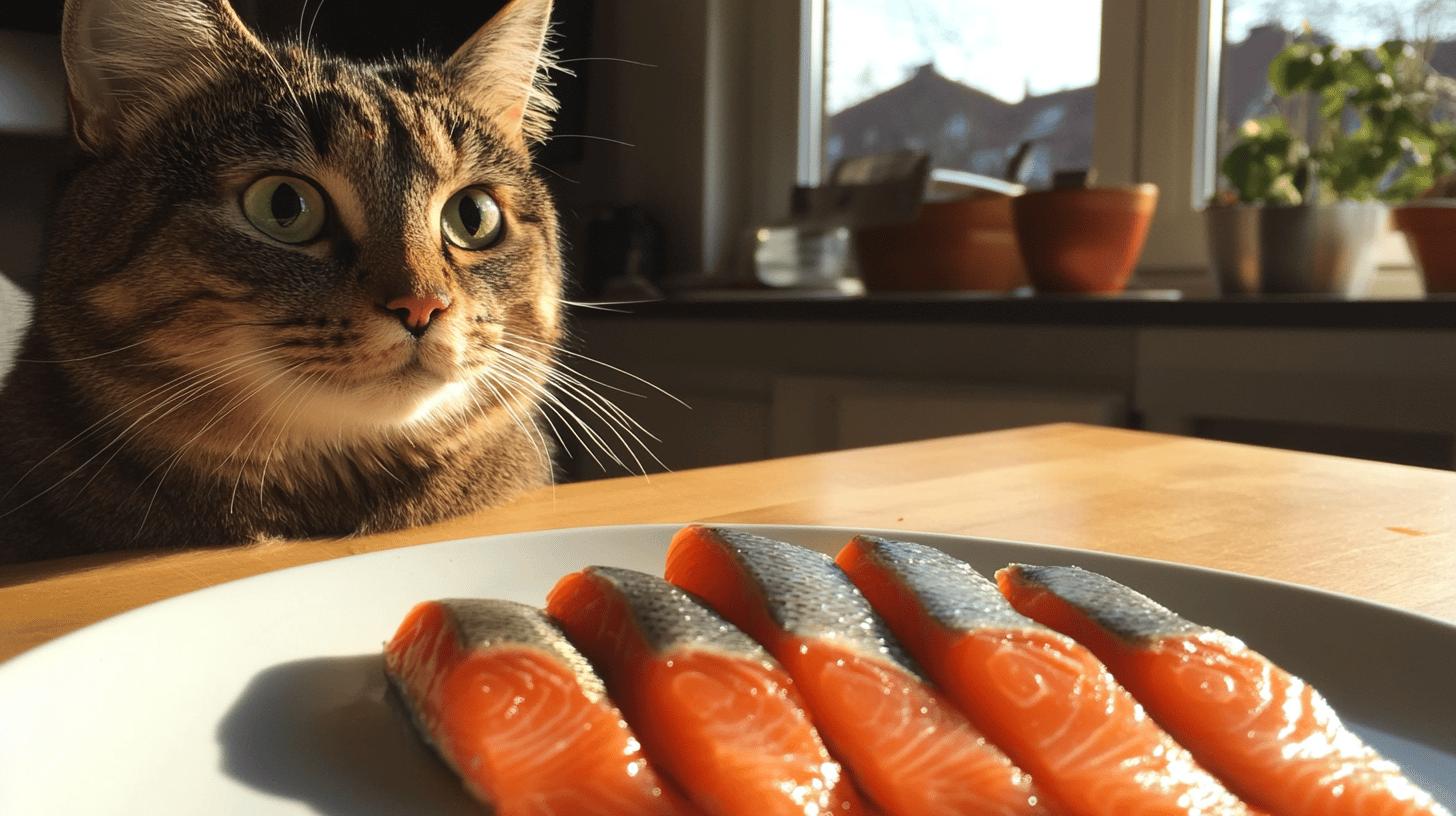
    Commercial options like soft foam collars, inflatable cones, and flexible fabric cones are great, but DIY solutions offer cost-effectiveness and customization.

    • Cardboard DIY Cone: This lightweight and adjustable cone requires sturdy cardboard, scissors, and tape. Cut a wide strip, notch the edges, and secure it around your cat’s neck. It’s easy to tailor for comfort and facilitates feeding.
    • Fabric Cone: Using soft fabric, sewing thread, and Velcro, create a washable and gentle cone. Cut the fabric into a rectangle, sew to form a cone shape, and attach Velcro for easy adjustments. It ensures a comfortable eating experience.
    • Tube Sock E-Collar: A quick, temporary solution using a tube sock. Cut off the foot, leaving the tube, and slip it over your cat’s head. It’s soft, flexible, and perfect for meal times or short supervision periods.

    Keep an eye on your cat as they adapt to these solutions. Monitoring their comfort and behavior helps in making necessary adjustments, ensuring they remain safe and at ease during recovery.

    Final Words

    Navigating the challenge of how cats eat with a cone isn’t as tricky as it sounds. Raising food and water bowls makes meals simpler. Saucers, instead of bowls, minimize the cone’s interference. Soft foam collars and inflatable cones are excellent alternatives, easing feeding struggles.

    DIY options add creative solutions, like cardboard or fabric cones. It’s crucial to watch your cat’s adaptation to these changes. These steps ensure your feline stays healthy and comfortable. By trying these methods, you’re making feeding with a cone a breeze for your furry friend.

    FAQ

    Can cats eat and drink with a cone on?

    Cats can eat and drink with a cone, but it may be challenging. Elevating food and water bowls or using small saucers can help. Supervised cone removal during meals or using cone-friendly bowls also aids in feeding.

    What’s the best food bowl for a cat with a cone?

    Elevated bowls or small, rimless saucers can be the best choices. They allow easier access for a cat with a cone, preventing the cone from hitting the sides and making eating less cumbersome.

    How can I help my cat drink water with a cone?

    Ensure fresh water is always available. Use a water fountain to encourage drinking, and offer wet food to boost hydration. Elevate the water bowl or use flat saucers for easier access.

    How do I cheer up a cat with a cone?

    Cats may need time to adjust to wearing a cone. Engaging them with treats, toys, and extra attention can help improve their mood while adapting to the cone.

    Is it safe to leave a cat alone with a cone?

    It is generally safe to leave a cat alone with a cone but monitor for signs of distress or inability to eat or drink properly. Ensure their environment is safe and cone-friendly.

    What alternative cone options are available for easier feeding?

    Consider soft foam collars and inflatable cones. These alternatives provide comfort and allow easier access to food and water, reducing eating and drinking obstacles.

    How can I make a DIY cone for my cat?

    You can make a cone using common materials. For instance, a cardboard DIY cone can be crafted by cutting and shaping cardboard to fit around the neck. A fabric cone may require sewing, while a tube sock E-collar can be made by modifying a sock to fit.

    How to get a cat to drink water with an E-collar?

    Elevate water bowls and switch to shallow saucers. Offering wet food increases hydration. Consider water fountains for a more enticing drinking experience. Monitoring intake ensures they remain hydrated.

    Related Articles

  • When Can Cats Eat Adult Food

    When Can Cats Eat Adult Food

    Ever wondered when it's time for your kitten to make the leap to big-cat food? It might seem simple, but the decision is critical to your kitty's health. Kittens start weaning at just a few weeks old, but they thrive on special kitten food well into their first year. The change to adult cat chow isn't just about age; it's about growth and behavior cues. Let's explore the key signs and expert tips so you can ensure a smooth transition. Whether you're a first-time cat owner or a seasoned expert, we've got the info you need.

    When Can Cats Eat Adult Food: Key Age and Indicators

    When Can Cats Eat Adult Food Key Age and Indicators-1.jpg

    Kittens begin their journey to independence when they are weaned onto food at around 3-4 weeks old, completing this process by 8 weeks. They thrive on kitten food up to 10-12 months of age to support their rapid growth. The transition to adult cat food isn't one-size-fits-all. Depending on the breed and growth rate, the switch can happen anywhere from 10 to 18 months.

    Key Indicators a Kitten is Ready for Adult Food:

    • The kitten has reached around 10-12 months of age.
    • The cat has reached 75% of its expected adult weight.
    • The kitten has developed adult teeth.
    • Your kitten is less active and begins to settle into adult behavior.
    • The vet has given a green light for the diet change based on growth checks.

    Symptoms That Warrant Veterinary Consultation:

    • Noticeable loss of appetite or refusal to eat.
    • Lethargy or reduced playfulness.
    • Unexplained weight loss.
    • Persistent vomiting or digestive distress.

    The exact timing for switching to adult food can vary. Some breeds may mature faster or slower than others, necessitating adjustments. Always consider the individual growth patterns of your cat. For precise guidance tailored to your feline friend's unique needs, a veterinarian's advice is invaluable. They can help ensure the transition aligns with your cat's health and developmental milestones.
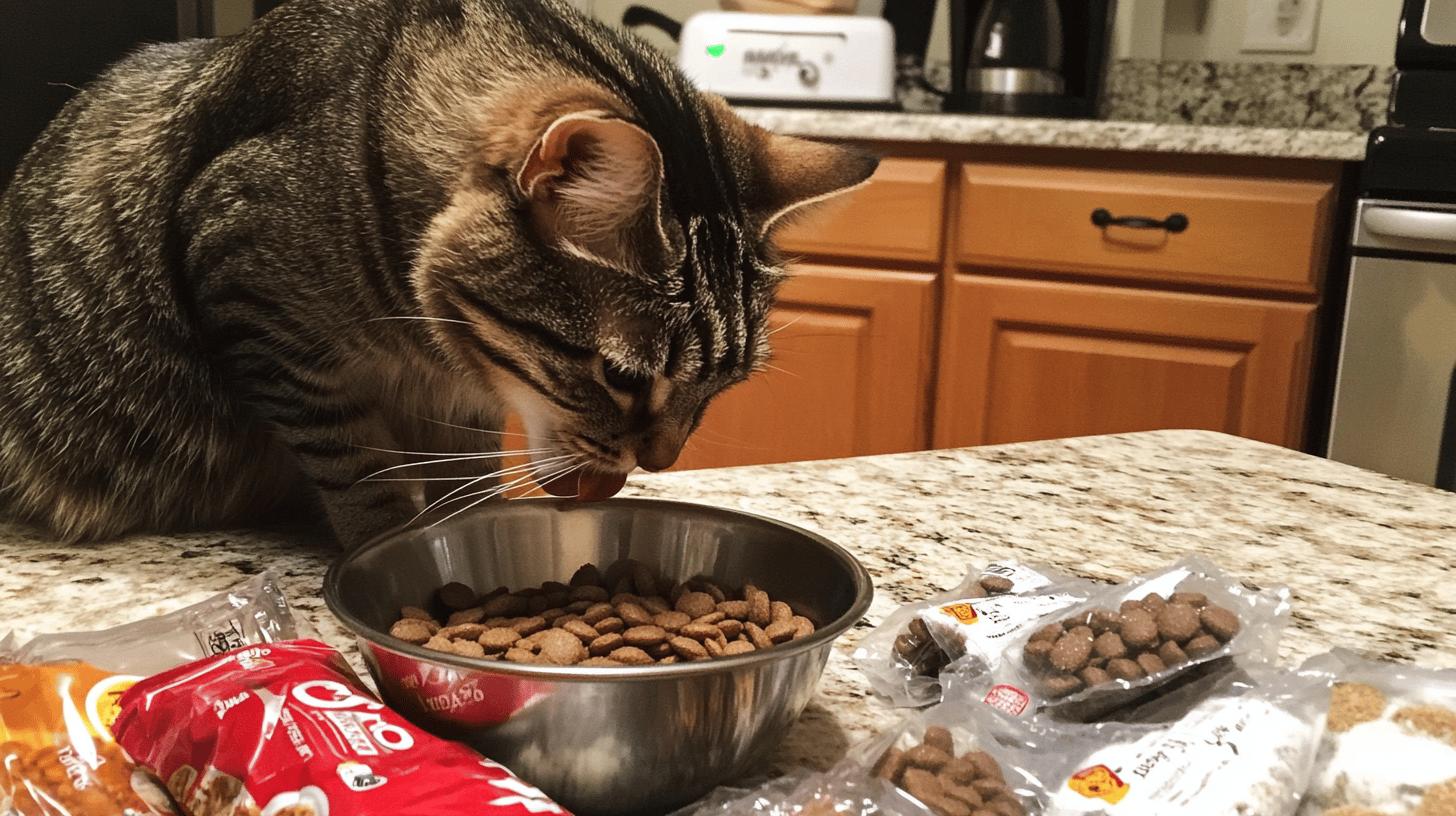
    Nutritional Differences: Kitten Food vs. Adult Cat Food

    Nutritional Differences Kitten Food vs Adult Cat Food-1.jpg

    Kittens require a diet rich in nutrients to fuel their rapid growth and development. Kitten food is crafted to be energy-dense, packed with higher levels of calories, protein, and fat, as well as essential vitamins and minerals. This specialized diet supports their growing bones, developing immune systems, and brain function, thanks to ingredients like DHA and antioxidants. The needs of a kitten are much more demanding than those of an adult cat, who has already completed its growth phase.

    Nutrient Kitten Food Adult Cat Food
    Calories Higher Moderate
    Protein Higher Lower
    Fat Higher Lower
    Vitamins and Minerals Enriched Balanced
    DHA & Antioxidants Included Not as Focused

    Benefits of Adult Cat Food:

    • Helps maintain a healthy weight.
    • Supports skin and coat health.
    • Balances energy intake to prevent obesity.
    • Provides essential nutrients for overall well-being.
    • Formulated for long-term health maintenance.

    Adult cat food is designed to sustain rather than stimulate growth, ensuring that your cat's nutritional needs are met without excess. This balance helps prevent obesity, which is a common issue in adult cats if they continue eating kitten food. By providing the right nutrients in appropriate amounts, adult cat food supports a healthy weight, keeps the skin and coat in top condition, and promotes general well-being. Adult formulas are tailored to maintain your cat's health, making them a crucial step in transitioning from the kitten stage.

    Tips for Transitioning Cats to Adult Food

    Tips for Transitioning Cats to Adult Food-1.jpg

    Switching your cat from kitten to adult food is more than just a change in the menu. It's a crucial step to ensure your feline friend continues to thrive. A gradual transition is vital to prevent digestive issues like diarrhea or gas. Cats have sensitive stomachs, and a slow change helps them adjust to the new food without upsetting their system.

    Step-by-Step Transition Process

    1. Start with a Small Mix
      Begin by mixing 10-20% of the new adult food with 80-90% of the current kitten food. This small introduction helps your cat get accustomed to the new taste and texture.

    2. Increase Gradually
      Each day, increase the proportion of adult food by about 10%. Keep an eye on how your cat is reacting to the changes. If they seem comfortable, continue to adjust the ratio.

    3. Monitor for Reactions

    Pay attention to any signs of digestive discomfort. If your cat experiences any issues, slow down the transition process, maintaining the current mix for a few extra days before further increasing the adult food.

    1. Complete the Transition
      After about 5-10 days, your cat should be eating 100% adult food. This timeline can be adjusted based on your cat’s specific tolerance and reaction to the new diet.

    2. Stay Consistent
      Avoid switching brands or types of adult food during the transition. Consistency helps your cat adjust better to the new diet.

    Keep an eye on your cat's overall health and behavior throughout this transition. If you notice any loss of appetite, lethargy, or other concerning symptoms, it might be necessary to slow down the transition or consult your vet. Cats, like people, have individual needs, so adjusting the pace to suit your pet's unique situation is key to a smooth transition.

    Final Words

    Understanding when can cats eat adult food is key to keeping your feline friend healthy and happy. Knowing the right age, usually around 10 to 18 months, and being mindful of indicators like appetite and energy levels helps in making the switch smoothly. The nutrients in adult cat food support maintaining health, while kitten food boosts growth. Transitioning gradually with close observation is crucial to avoid digestive issues. Remember, your vet is a crucial partner in ensuring your cat’s diet meets its changing needs. A thoughtful approach to feeding pays off with a thriving cat.

    FAQ

    When can cats eat adult food?

    A cat can typically switch to adult food between 10 to 18 months, based on growth and breed. Consult a vet for personalized advice.

    What happens if my kitten eats my older cat's food?

    Kitten eating adult cat food may not get needed nutrients for growth. While it's not harmful in small amounts, rely on kitten food primarily.

    Can adult cats eat kitten food?

    Adult cats can eat kitten food, but the extra calories and fat might lead to obesity. Limit it to special cases or short-term use.

    Can a 6-month-old kitten eat cat food?

    A 6-month-old kitten should still eat kitten food. They need specific nutrients for growth. Wait until around 10 to 12 months to transition.

    Can a 3-month-old kitten eat adult cat food?

    At 3 months, kittens should not eat adult cat food. They need the higher calorie and nutrient levels provided in kitten food.

    When do kittens start eating food and drinking water?

    Kittens wean onto solid food around 3-4 weeks and fully wean by 8 weeks. Fresh water should always be available.

    Can a 10-month-old kitten eat cat food?

    By 10 months, some kittens might start transitioning to adult food. Monitor growth and consult a vet to decide readiness.

    Can kittens eat adult wet food?

    Kittens need the nutrients in kitten-formulated wet food. Adult wet food lacks the nutrients for their growth and development.

    When should I stop feeding my cat kitten food?

    Generally, stop feeding kitten food around 12 months. Transition based on your cat's development and consult a vet if unsure.

    At what age is a cat no longer considered a kitten?

    Cats are typically not considered kittens after 12 months, as they reach full size and sexual maturity.

    Related Articles

  • Can Cat Eat Dried Fish Safely and in Moderation

    Can Cat Eat Dried Fish Safely and in Moderation

    Are you tempted to treat your cat with dried fish, wondering if it's a safe snack? You're not alone. Many cat owners are curious about whether this salty snack can fit into their feline's diet.

    While dried fish can offer nutrients like Omega-3s and protein, it's not all smooth sailing. Cats thrive on a balanced diet, and overindulging in dried fish can lead to health troubles. Let's explore how dried fish can be an occasional delight without compromising your cat's well-being.

    Can Cats Safely Consume Dried Fish?

    Can Cats Safely Consume Dried Fish-1.jpg

    Dried fish can be a tasty treat for cats, but it needs to be given with some caution. In small amounts, dried fish is generally safe for cats, offering nutrients like Omega-3 fatty acids and protein. However, experts suggest it should not become a primary part of a cat's diet.

    Cats are obligate carnivores, and while fish can be part of their protein intake, it shouldn't be their main source. The potential risks associated with dried fish make it crucial to offer it only occasionally. For example, dried sardines are often recommended due to their lower heavy metal content compared to larger fish like tuna.

    Here are some primary concerns when feeding dried fish to cats:

    1. Allergies: Fish is a common allergen for cats and can cause reactions.

    2. High Sodium: Dried fish often contains high sodium levels, which can be harmful.

    3. Vitamin B1 Deficiency: Overconsumption of fish can lead to a deficiency in Vitamin B1.

    1. Neurological Issues: Deficiency and high sodium levels can lead to neurological problems.

    2. Balance in Diet: Fish should not replace other essential protein sources.

    The potential risks of feeding dried fish to cats are primarily tied to overconsumption. Regularly providing dried fish can lead to deficiencies in essential nutrients like Vitamin B1, critical for neurological health.

    Cats that consume too much dried fish might develop neurological issues over time, manifesting as muscle weakness or even more severe neurological disruptions. High sodium intake from dried fish can also stress a cat's kidneys and overall health.

    To safely include dried fish in your cat's diet, moderation is key. Offering dried fish as an occasional treat rather than a staple helps avoid the health risks associated with overconsumption. Observing your cat's reaction to dried fish is equally important.

    If you notice any signs of allergies or health issues, it's best to consult with a veterinarian. Mixing dried fish with other cat foods can help maintain a balanced diet, ensuring your cat gets all the necessary nutrients for a healthy life.

    Nutritional Value of Dried Fish for Cats

    Nutritional Value of Dried Fish for Cats-2.jpg

    Dried fish offers an array of nutrients that can be beneficial for cats when given in moderation. It's a rich source of Omega-3 fatty acids, which aid in maintaining a healthy coat and skin, while also reducing inflammation and supporting cognitive health.

    Protein in dried fish serves as the essential building block for muscle development and repair. Sardines, specifically, are high in Omega-3s and vitamin B12, making them a noteworthy addition to your cat's diet.

    Nutrient Benefit
    Omega-3 Fatty Acids Supports skin health and improves cognitive functions
    Protein Essential for muscle development and repair
    Vitamin B12 Boosts energy levels and supports neurological health

    For practical feeding tips, consider incorporating small amounts of dried fish into your cat's regular meals to enhance their diet. It's important to offer it in moderation to avoid any potential health issues.

    If you're looking for alternative sources of these nutrients, consider fish oil supplements or other protein-rich foods. This approach ensures your cat receives a balanced diet without redundancy, supporting their overall well-being and vitality.

    How to Serve Dried Fish to Cats

    How to Serve Dried Fish to Cats-3.jpg

    Proper preparation of dried fish is crucial for the safety and health of your cat. Serving dried fish that is cooked and free from bones minimizes the risk of choking and digestive issues. Cooking methods such as baking, grilling, or boiling are ideal since they preserve the nutritional value of the fish while ensuring it's safe for consumption.

    Avoid adding any salt or seasoning, as these can be harmful to cats. Ensuring the fish is properly prepared will help maintain your feline friend's health while allowing them to enjoy this occasional treat.

    Here’s a simple step-by-step guide to preparing dried fish for your cat:

    • Remove Bones: Carefully check and remove any bones to prevent choking or injury.

    • Cook Thoroughly: Bake, grill, or boil the fish without adding salt or seasoning.

    • Cut into Small Pieces: Make it easy for your cat to chew and digest by cutting into manageable pieces.

    • Serve Plain: Avoid any added ingredients that could upset your cat's stomach.

    Portion control and frequency are key when serving dried fish to cats to avoid potential health risks. Cats should only have dried fish as an occasional treat, not as a staple in their diet. Overfeeding can lead to excessive sodium intake and other nutritional imbalances.

    A small piece of dried fish once a week is generally sufficient for most cats. Watching your cat's response to the treat will help you adjust the frequency if needed.

    Mixing dried fish with other cat foods can enhance the taste and nutritional profile of your cat's meals. By incorporating small amounts of dried fish into their regular food, you can provide a varied diet without over-relying on any single protein source. This approach ensures your cat receives a balanced diet while still enjoying the unique flavors and benefits that dried fish can provide.

    Alternatives to Dried Fish for Cats

    Alternatives to Dried Fish for Cats-2.jpg

    A varied diet is crucial for maintaining your cat's health and preventing potential allergies or deficiencies. While dried fish can be a tasty treat, it's not the only way to provide your cat with essential nutrients like protein and Omega-3 fatty acids.

    Exploring alternative protein sources ensures your cat enjoys a balanced diet that supports their overall well-being. Here are some excellent alternatives to dried fish for your feline friend:

    • Chicken: A lean and easily digestible protein source.

    • Lamb: Offers a rich, flavorful option packed with essential nutrients.

    • Fish Oil Supplements: Provide necessary Omega-3s without the need to feed fish directly.

    These options not only diversify your cat's diet but also help prevent over-reliance on any single food source, ensuring a healthy and happy kitty.

    Final Words

    Feeding dried fish to cats sounds simple, but isn't always the safest choice. In small amounts, dried fish can be safe but watch out for allergens and too much sodium. Overdoing it can cause Vitamin B1 deficiency and harm a cat's health.

    Dried fish offers Omega-3s and protein, yet proper preparation is key. Always cook, de-bone, and limit servings. Consider mix-ins for balanced nutrition. Try chicken or lamb, or opt for fish oil as a healthy Omega-3 option.

    With careful planning, you can help your cat enjoy the benefits of dried fish safely.

    FAQ

    Can cats eat dried fish raw?

    Cats can eat small amounts of raw dried fish, but it's not recommended due to potential bacteria or parasites. Always ensure proper drying to reduce health risks.

    Can cats eat salted dried fish?

    Cats should not eat salted dried fish. High sodium can lead to health problems like high blood pressure and kidney issues in cats.

    Is dry fish ok for cats?

    Dried fish is okay for cats in moderation. It should not be a primary food source due to allergens and high sodium content.

    What fish can cats not eat?

    Cats should avoid fish high in mercury like tuna and fish that can cause allergies such as salmon. Stick to safer options like sardines.

    Is dried fish safe?

    Dried fish can be safe for cats when served cooked and bone-free. Ensure minimal salt to avoid sodium-related health problems.

    Can my cat eat dried anchovies?

    Cats can eat dried anchovies sparingly. Ensure they are unsalted and properly prepared to prevent health risks.

    Can cats eat dried squid?

    Cats can have small amounts of dried squid. Avoid added salt and monitor your cat for any allergic reactions.

    Best dried fish for cats?

    The best dried fish for cats is low in sodium and free of additives. Sardines are a good option due to their nutritional benefits.

    Can cats eat cooked blood?

    Cats can eat cooked blood, although it's not common. Ensure it's unseasoned and offered in small amounts for nutritional variety.

    Can cats eat monkfish?

    Monkfish is safe for cats in moderation. Like all fish, serve it as a treat rather than a meal staple to prevent health issues.

    Is fish good for cats?

    Fish can be good for cats, providing omega-3s and protein. However, balance with other foods to avoid allergies and high mercury intake.

    Related Articles

  • Can Cat Eat Seaweed Snack Safely and in Moderation

    Can Cat Eat Seaweed Snack Safely and in Moderation

    Are seaweed snacks a safe treat for your cat, or could they pose a risk to their health? This question might have crossed your mind if you've ever considered sharing a bite of this popular superfood with your feline friend. Surprisingly, seaweed offers several nutrients that could benefit our cats.

    But before you rush to offer them a nibble, it's crucial to understand how these snacks fit into their diet safely. Let's explore how seaweed can be both a tasty and healthy addition to your cat's treat lineup, when served in moderation.

    Can Cats Safely Eat Seaweed Snacks?

    Can Cats Safely Eat Seaweed Snacks-4.jpg

    Seaweed snacks can be a safe and nutritious treat for our feline friends when given in the right amounts. As a nutrient-dense superfood, seaweed offers several health benefits, including essential vitamins and minerals.

    It's important to remember that these snacks should be offered in moderation, as part of a balanced diet. Seaweed snacks are best used as an occasional treat rather than a regular part of a cat's diet.

    Precautions When Feeding Seaweed Snacks to Cats

    1. Monitor portion sizes: Keep seaweed snacks to small amounts to avoid overconsumption.

    2. Check ingredients: Avoid snacks with added salt or flavorings that may harm your cat.

    3. Observe your cat: Watch for any adverse reactions, such as vomiting or diarrhea.

    1. Consult your vet: Seek advice from a veterinarian before introducing seaweed to ensure it's suitable for your cat.

    Moderation is key when it comes to incorporating seaweed snacks into your cat's diet. Ensuring a balanced diet is essential for maintaining your cat's overall health. Remember, seaweed should not replace regular meals but can be a tasty addition to their treat repertoire.

    Nutritional Benefits and Risks of Seaweed for Cats

    Nutritional Benefits and Risks of Seaweed for Cats-3.jpg

    Seaweed is packed with valuable nutrients that can offer numerous benefits to cats. Among these nutrients are omega-3 fatty acids, specifically EPA and DHA, which are crucial for maintaining a cat's healthy heart, circulation, skin, and fur. Experts suggest that these fatty acids also help reduce inflammation and improve joint health.

    Another essential nutrient found in seaweed is iodine, vital for regulating metabolism and supporting thyroid function in cats. Additionally, seaweed provides fiber, which aids in digestion, promoting regular bowel movements and overall digestive health.

    While seaweed can be beneficial, there are potential risks associated with its consumption. One of the primary concerns is iodine toxicity, which can occur if a cat consumes excessive amounts of seaweed. Too much iodine might lead to thyroid issues, affecting the cat's metabolism and overall health.

    Experts caution that seaweed should be given in moderation to avoid these potential risks. Digestive issues, such as diarrhea or vomiting, may also arise if a cat consumes too much seaweed or if it's not introduced gradually into their diet.

    Nutrients Potential Risks
    Omega-3 Fatty Acids (EPA, DHA) Iodine Toxicity
    Iodine Digestive Issues
    Fiber Thyroid Problems

    When incorporating seaweed into a cat's diet, it's crucial to monitor their intake of these nutrients carefully. Experts recommend introducing seaweed slowly and watching for any signs of adverse reactions.

    Regular consultation with a veterinarian can help ensure that seaweed is a suitable addition to your cat's diet and that it complements their overall nutritional needs. By keeping a close eye on your cat's health and adjusting their diet as necessary, you can provide them with the benefits of seaweed while minimizing potential health risks.

    Alternative Snack Ideas for Cats

    Alternative Snack Ideas for Cats-3.jpg

    Offering a variety of snacks can help keep your cat's diet balanced and interesting. While seaweed snacks are packed with nutrients, it's always good to have alternative snack options that provide similar benefits. These alternatives can ensure your cat gets the necessary nutrients without relying solely on seaweed.

    • Specially formulated cat treats: These treats are designed to meet the nutritional needs of cats and often contain added vitamins and minerals.

    • Small pieces of cooked chicken: A great source of lean protein, chicken can be a tasty and healthy snack.

    • Catnip: While not a food snack, catnip can provide mental stimulation and encourages playful behavior.

    • Cooked fish: Packed with omega-3 fatty acids, fish can support skin and coat health, similar to seaweed.

    Choosing safe and healthy treats is crucial for your cat's well-being. Always opt for snacks that complement their regular diet and provide nutritional benefits. By offering a mix of treats, you can ensure your cat remains healthy and happy, while also enjoying a varied and exciting diet.

    Precautions When Feeding Seaweed Snacks to Cats

    Monitoring and Adjusting Your Cats Diet-2.jpg

    Introducing seaweed snacks to your cat's diet should be done gradually. This allows you to watch for specific signs that may indicate an adverse reaction.

    1. Vomiting or diarrhea can signal that the snack doesn't agree with your cat.

    2. Changes in appetite could mean your cat is reacting negatively to the new food.

    3. Excessive itching or grooming might indicate an allergic reaction.

    While observing these signs, consulting a veterinarian is key. They provide guidance on any dietary adjustments needed for a balanced diet and ensure the new food is safe. Regular vet consultations are crucial in maintaining your cat's well-being.

    Final Words

    Understanding the safety of seaweed snacks for cats can be crucial. While seaweed snacks offer some nutritional benefits, offering them sparingly is key to keeping your cat healthy. I've shared how seaweed can be beneficial, with its rich nutrients, but warned about potential risks like iodine toxicity. To keep things balanced, exploring alternative snacks like cooked chicken or cat treats can diversify your cat's diet. Ultimately, maintaining a balanced diet and consulting a vet can help ensure your cat remains healthy and happy while you explore if your cat can eat seaweed snacks or not. Enjoy those well-deserved purrs!

    FAQ

    Can cats eat seaweed with salt?

    A: Cats should avoid seaweed with salt. Salt can harm their health, leading to dehydration or sodium poisoning. Opt for unsalted seaweed snacks in moderation.

    Can cat eat seaweed snack reddit?

    A: Cats can eat seaweed snacks, but ensure they are plain and without added preservatives or salt. Moderation is key to avoid any health risks.

    Can cats eat sesame seeds?

    A: It’s best to avoid feeding cats sesame seeds. They don’t offer significant nutritional benefits and can pose choking hazards or digestive issues for cats.

    Is seaweed snacks safe for cats?

    A: Seaweed snacks are generally safe for cats if given in moderation. Ensure they are free from added salt or harmful ingredients and monitor for any irregular reactions.

    Why is my cat eating seaweed?

    A: Cats may eat seaweed for its taste or texture. It also contains nutrients they may find appealing. Always provide it in small amounts to avoid health issues.

    Can pets eat seaweed?

    A: Pets, including cats, can consume seaweed in limited quantities. It's rich in nutrients. However, avoid excessive amounts to prevent iodine toxicity or digestive issues.

    Seaweed for cats teeth?

    A: Seaweed can help keep a cat's teeth healthy. The nutrients promote good oral health, but always use it as a supplement, not a replacement for dental care.

    Can kittens eat seaweed?

    A: Kittens can eat seaweed, but in very small amounts and less frequently. Their developing digestive systems are sensitive, so introduce any new food slowly and cautiously.

    Are seaweed snacks safe?

    A: Seaweed snacks are safe for cats if they are unsalted and given sparingly. Keep them as a treat, complementing a balanced diet without replacing regular meals.

    Related Articles

  • Can Cat Eat Frog Risks and Safety for Feline Friends

    Can Cat Eat Frog Risks and Safety for Feline Friends

    Have you ever found your cat prowling around with a frog in its mouth and wondered if it's safe? While cats are natural hunters, not everything they catch should be eaten. Frogs, with their quick leaps and croaks, can be tempting treats.

    But some frogs carry toxins that are harmful to cats. Our article will explore the risks and safety tips that will help you protect your feline friend. Knowing the potential dangers can ensure your cat's outdoor adventures remain fun and safe.

    Can Cats Eat Frogs? Risks, Safety, and Identifying Dangerous Species

    Can Cats Eat Frogs Risks, Safety, and Identifying Dangerous Species-2.jpg

    Cats are natural hunters, and their curiosity often leads them to chase after small creatures like frogs. The erratic movement and sound of frogs make them irresistible targets for feline friends.

    Even though domesticated cats are usually well-fed, their predatory instincts kick in, driving them to hunt and sometimes consume frogs. While this behavior is typical, it can pose risks, especially when certain frog species are involved.

    Frogs can offer some nutritional benefits to cats. They provide animal protein and fat, which are essential components of a cat's diet. However, not all frogs are safe for cats to eat. Some frogs and toads secrete toxins that can be harmful or even deadly.

    For instance, poison dart frogs are extremely toxic and are found primarily in tropical regions. In North America, the Colorado River toad and cane toad can pose significant risks. If a cat ingests or even licks one of these toxic species, it could lead to severe health issues.

    Symptoms of frog poisoning in cats can vary but often include:

    • Drooling
    • Vomiting
    • Difficulty breathing
    • Seizures
    • Diarrhea

    Identifying dangerous frog species is crucial for pet owners who allow their cats to explore outdoors. Poisonous species often have bright colors as a warning sign, but this is not always the case.

    Being aware of the local wildlife, including which species are common in your area, can help prevent a potentially fatal encounter. Understanding frog habitats is also beneficial, as it can help you identify areas to avoid during your cat's outdoor adventures.

    Species Region Toxicity Level
    Poison Dart Frog Tropical Regions High
    Colorado River Toad North America High
    Cane Toad North America High

    By being informed about the potential dangers of certain frog species, cat owners can take proactive steps to keep their pets safe while enjoying the outdoors.

    What to Do if Your Cat Eats a Frog

    What to Do if Your Cat Eats a Frog-2.jpg

    If your cat has eaten a frog, it's crucial to monitor them for any adverse symptoms. Look for signs like labored breathing, drooling, nausea, or unusual behavior. These symptoms can indicate poisoning, especially if the frog is a toxic species. Early detection is key to minimizing potential health risks. While many frogs are harmless, certain species can secrete toxins that are dangerous to cats.

    Here are immediate steps to take if you suspect poisoning:

    • Observe the cat closely for immediate symptoms.
    • Contact a veterinarian for guidance.
    • Attempt to identify the species of frog ingested.
    • Keep the cat calm and restrict further interaction with wildlife.

    Preventative strategies are essential to avoid these situations. Ensure your cat has a balanced diet rich in protein and essential nutrients to reduce their hunting drive. Supervised outdoor time can help you better control their interactions with wildlife. By taking these proactive measures, you can protect your feline friend from potential dangers while allowing them to enjoy outdoor exploration safely.

    Alternative Safe Foods and Managing Cat Behavior

    Alternative Safe Foods and Managing Cat Behavior-2.jpg

    Offering your cat a balanced diet is crucial for their health and can help curb their natural hunting instincts. Cats thrive on a diet rich in protein and fat, which commercial cat foods are designed to provide.

    These foods meet the nutritional needs of cats without the risks associated with consuming wildlife like frogs. While some cats may be drawn to catching and eating frogs out of instinct, ensuring they are well-fed with appropriate foods can reduce this behavior.

    To effectively manage your cat's predatory instincts, consider these tips:

    • Provide plenty of toys and interactive play.
    • Ensure a diet with high protein content.
    • Limit unsupervised outdoor time.
    • Encourage indoor enrichment activities.

    Understanding your cat's hunting instincts can lead to better management of their behavior. Cats are natural predators, and their curiosity often drives them to chase moving objects, including frogs.

    By providing stimulation through toys and interactive play, you can satisfy their need for activity and reduce the likelihood of them pursuing live prey. Encouraging indoor enrichment and supervising outdoor time further helps in managing their natural tendencies, keeping them safe and content.

    Ensuring Outdoor Safety for Cats

    Ensuring Outdoor Safety for Cats-1.jpg

    Keeping cats safe while they explore outdoors is crucial, especially when it comes to avoiding encounters with frogs that could be harmful. By monitoring your backyard and securing the environment, you can minimize risks to your feline friend. Cats are naturally curious and may wander into areas that could be dangerous.

    Ensure that your outdoor space is free from potential threats and is a safe haven for your pet to enjoy. Regular maintenance and awareness of the wildlife in your area are essential components of providing a safe exploration space for your cat.

    Safety tips for outdoor play:

    • Regularly check and secure fences and gates.
    • Remove potential hazards like sharp objects or toxic plants.
    • Supervise playtime to discourage interaction with wildlife.

    Supervised playtime is beneficial for reducing the risks associated with outdoor exploration. By keeping an eye on your cat, you can prevent them from engaging with potentially harmful animals, like certain frog species.

    It also allows you to intervene quickly if your cat finds itself in a precarious situation. Beyond safety, supervised play encourages healthy behavior and provides your cat with the mental and physical stimulation they need, contributing to their overall well-being.

    Final Words

    Understanding if a cat can eat a frog safely involves assessing both the natural hunting instincts of cats and the risks. While some frogs offer nutritional benefits, others can be toxic. It's crucial to identify which species pose threats to our pets. If your cat does eat a frog, monitor it closely and consult a vet if symptoms of poisoning appear. By providing a balanced diet and safe play options, we can help reduce unwanted hunting behaviors. With these tips in mind, ensuring your cat's safety becomes a more manageable task.

    FAQ

    What happens if a cat eats a frog?

    A: Cats may eat frogs due to natural instincts. However, they risk ingesting toxins from certain frogs. Symptoms include drooling, vomiting, difficulty breathing, seizures, and diarrhea. Veterinary attention is important if symptoms appear.

    Are any frogs poisonous to cats?

    A: Certain frogs and toads, like the Colorado River toad and cane toad, are poisonous to cats. They can cause severe symptoms, especially if ingested. Identification is key to safety.

    Are frogs safe to eat for cats?

    A: Stanford Question Answering Dataset (SQuAD) equation highlights that while some frogs provide protein and fat, poisonous frogs pose health risks for cats. Always monitor which species your cat encounters.

    Can cats get worms from eating frogs?

    A: Cats can potentially get worms from eating frogs. Some parasites can be transferred. Regular deworming and veterinary check-ups can help prevent issues.

    My cat ate a frog and is foaming, what should I do?

    A: If your cat is foaming after eating a frog, observe for symptoms like difficulty breathing or seizures. Contact a veterinarian immediately for advice and keep your cat calm.

    Are tree frogs poisonous to cats?

    A: Tree frogs are mostly non-toxic but vary by species. It's safer to prevent cats from consuming them due to potential risks.

    Do cats eat bullfrogs and toads?

    A: Cats may eat bullfrogs and toads due to their hunting instincts. Toads often carry toxins harmful to cats, so caution is advised.

    Can dogs eat frogs like cats?

    A: Like cats, dogs might eat frogs due to curiosity or play. However, frogs can be toxic to both pets, so similar precautions apply.

    Related Articles

  • Can Cat Eat Salted Fish Risks and Allergy Management

    Can Cat Eat Salted Fish Risks and Allergy Management

    Can cats enjoy salted fish without harm? While you might think offering your cat a tasty treat is harmless, salted fish is actually a risky choice. Cats need a diet high in meat, but the excessive salt in fish can lead to serious issues like dehydration and kidney problems. Understanding the symptoms of salt toxicity and fish allergies is crucial for your cat's safety. In this guide, I'll break down the risks involved, how to manage allergies, and suggest safer dietary alternatives. Keep reading to ensure your feline friend's well-being.

    Can Cats Eat Salted Fish: Risks and Allergy Management

    Can Cats Eat Salted Fish Risks and Allergy Management-1.jpg

    Salted fish is not a safe option for cats. The high sodium content poses significant health risks. Cats require a diet rich in meat, and the excessive salt in salted fish can lead to salt toxicity. Symptoms of salt toxicity in cats include dehydration, kidney issues, and increased blood pressure. As obligate carnivores, their bodies are not equipped to handle high levels of sodium, making salted fish a poor dietary choice.

    Symptoms of salt toxicity and fish allergies in cats can manifest as:

    • Vomiting
    • Diarrhea
    • Lethargy
    • Itching
    • Skin redness

    Managing fish allergies involves recognizing these symptoms and making necessary dietary adjustments. If a cat exhibits signs of an allergy, it's crucial to identify the cause. A veterinarian can confirm fish allergies and recommend an appropriate diet. Eliminating fish from the cat's meals and choosing hypoallergenic foods can help alleviate symptoms. Monitoring the cat's reaction to new foods is also essential in managing allergies effectively.

    Salted fish lacks essential nutrients needed for a cat's health. It does not provide the balanced nutrition required for a cat's well-being. Cats need a diet that includes proteins, vitamins, and minerals. Salted fish fails to meet these nutritional needs, making it an inadequate choice for regular feeding.

    Instead of salted fish, consider safer protein sources for cats. Options like cooked chicken, turkey, or beef offer the necessary nutrients without the risks associated with high sodium. These alternatives ensure a balanced diet, promoting overall health and reducing the likelihood of allergies or nutritional deficiencies.

    Safe Fish Options for Cats

    Safe Fish Options for Cats-1.jpg

    Salmon, sardines, and cooked cod are some of the best fish options for cats. These types of fish offer nutritional benefits, including protein and Omega-3 fatty acids, which contribute to a cat's overall health. Salmon is particularly high in Omega-3, supporting neurological health and providing anti-inflammatory benefits. Sardines are rich in vitamin B12 and protein, while cod is a lean source of protein, making them suitable choices for a feline diet. These fish should be cooked properly to ensure they are safe for consumption.

    Here are some best practices for cooking and serving fish to cats:

    • Remove all bones to prevent choking hazards.
    • Cook fish using methods like baking or boiling.
    • Avoid adding salt, spices, or oils.
    • Serve fish at room temperature.
    • Offer fish as an occasional treat, not a staple.
    • Monitor cat's reaction to fish introduction.

    Including fish in a cat's diet can be beneficial, as it provides essential nutrients that support various aspects of their health. Fish can improve a cat's skin and coat, making their fur shinier and healthier. Despite these benefits, it is vital to remember that fish should only be a supplementary part of a cat's diet, not the main component.

    Moderation is key when feeding fish to cats. Fish should be given no more than twice a week to prevent nutritional imbalances. While fish is a tasty treat that many cats enjoy, it lacks certain nutrients that cats require for a completely balanced diet. Ensuring that fish is a small part of a varied diet helps maintain optimal health for your feline friend.

    Best Practices for Feeding Cats: Safe and Balanced Diets

    Best Practices for Feeding Cats Safe and Balanced Diets-1.jpg

    A balanced diet for cats is crucial for their health and longevity. Cats are obligate carnivores, meaning their primary nutritional needs are met through proteins. A well-rounded diet should include a mixture of proteins, fats, vitamins, and minerals. Proteins are vital for building strong muscles and tissues, while fats offer energy and support cell function. Essential vitamins and minerals help maintain various bodily functions, ensuring your cat remains healthy and active. Providing a balanced diet helps prevent nutritional deficiencies and supports overall well-being.

    Here are some best practices for feeding cats:

    • Monitor portion sizes to prevent overfeeding.
    • Incorporate a variety of protein sources.
    • Schedule regular vet visits for dietary guidance.
    • Ensure consistent access to fresh water.
    • Adjust diet based on age, weight, and health needs.

    Hydration is equally important as a balanced diet. Cats need access to fresh water at all times to stay hydrated, which aids in digestion and helps prevent urinary tract issues. Water is a critical component of a cat's diet, so make sure their water bowl is always filled and clean.

    Routine dietary evaluations with a veterinarian are also essential. Regular check-ups help ensure your cat's diet meets their specific needs. A vet can provide valuable insights into diet adjustments based on your cat’s age, weight, and health conditions. Adopting these practices ensures your cat enjoys a nutritious diet and maintains optimal health throughout their life.

    Final Words

    Navigating the topic of "can cat eat salted fish," it's clear that cats face risks from salted fish like salt toxicity and allergies. High sodium in fish poses significant health issues, while allergies can cause itching and skin redness.

    Managing these allergies involves recognizing symptoms and adjusting diets accordingly. Remember, salted fish lacks essential nutrients that cats need. Opt for alternative proteins to ensure a balanced diet.

    Sticking to safe fish choices and best feeding practices helps provide our feline friends with safe, enjoyable meals. A little caution can go a long way in keeping cats healthy and happy.

    FAQ

    Is salted fish safe for cats?

    Salted fish is not safe for cats. High sodium levels can lead to salt toxicity, dehydration, and kidney issues.

    What are symptoms of salt toxicity and allergies in cats?

    Symptoms can include vomiting, diarrhea, lethargy, itching, and skin redness.

    How can I manage fish allergies in my cat?

    Managing fish allergies involves recognizing symptoms like skin redness and itching. Adjust the diet by avoiding fish and consulting a vet for advice.

    Why is salted fish not good for a cat's diet?

    Salted fish lacks essential nutrients cats need. It can lead to nutritional imbalances and health issues over time.

    What are alternative protein sources for cats?

    Consider options like chicken, turkey, or specially formulated cat food to ensure balanced nutrition.

    Can cats eat fish every day?

    Cats shouldn't eat fish daily. Fish should be an occasional treat, no more than twice a week.

    Can cats eat dry fish?

    Dry fish might be high in sodium, posing similar risks as salted fish. It's best to avoid it.

    What types of fish are bad for cats?

    Fish containing bones or high in mercury, like tuna, is not good. Raw fish can also carry bacteria, so always serve cooked.

    Can cats eat salted salmon?

    Salted salmon is not advisable for cats due to its high sodium content. Opt for plain, cooked salmon instead.

    Can cats eat fish in the wild?

    In the wild, cats might eat fish occasionally, but it's not a staple of their diet. They thrive on varied protein sources.

    Related Articles