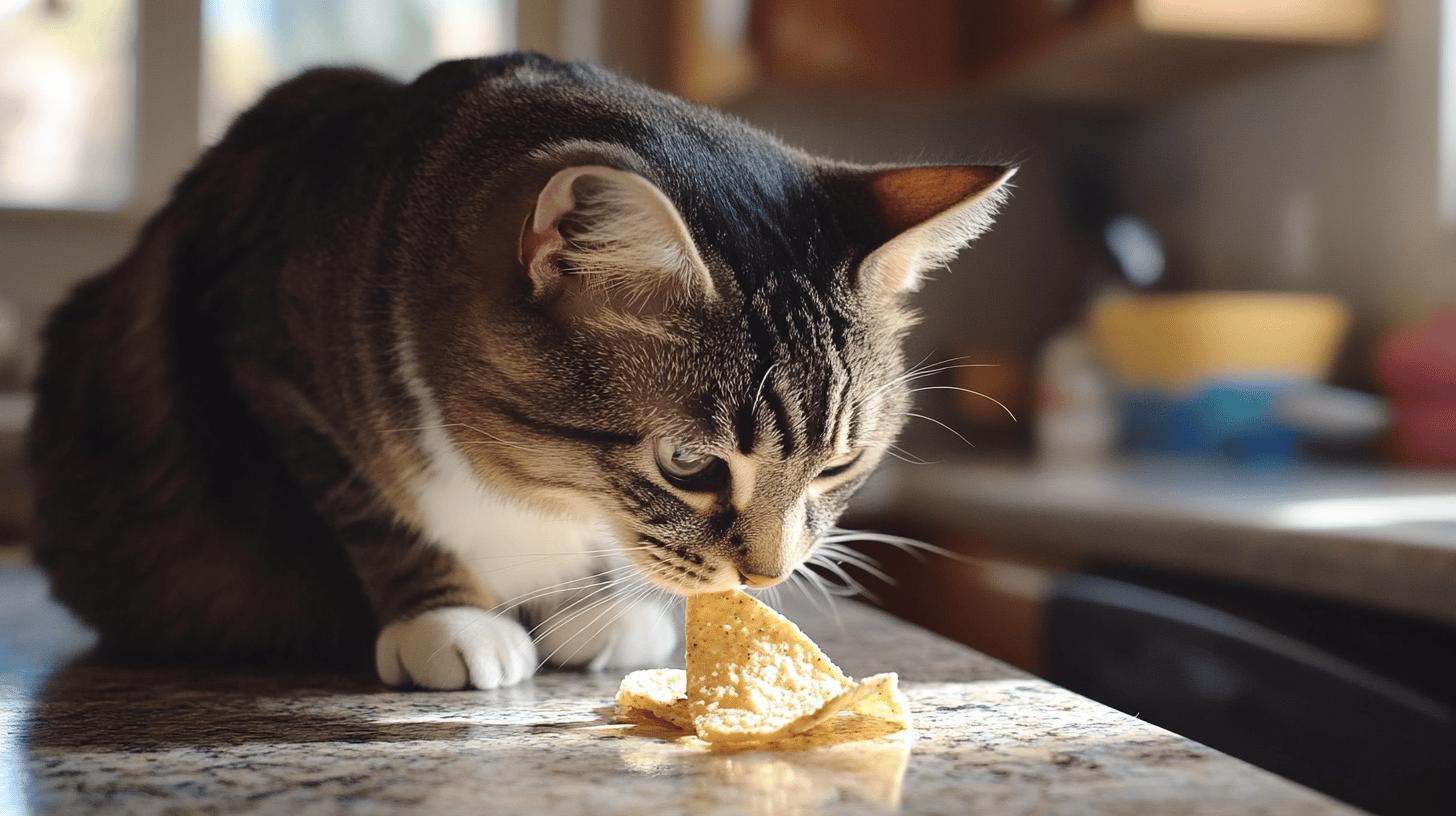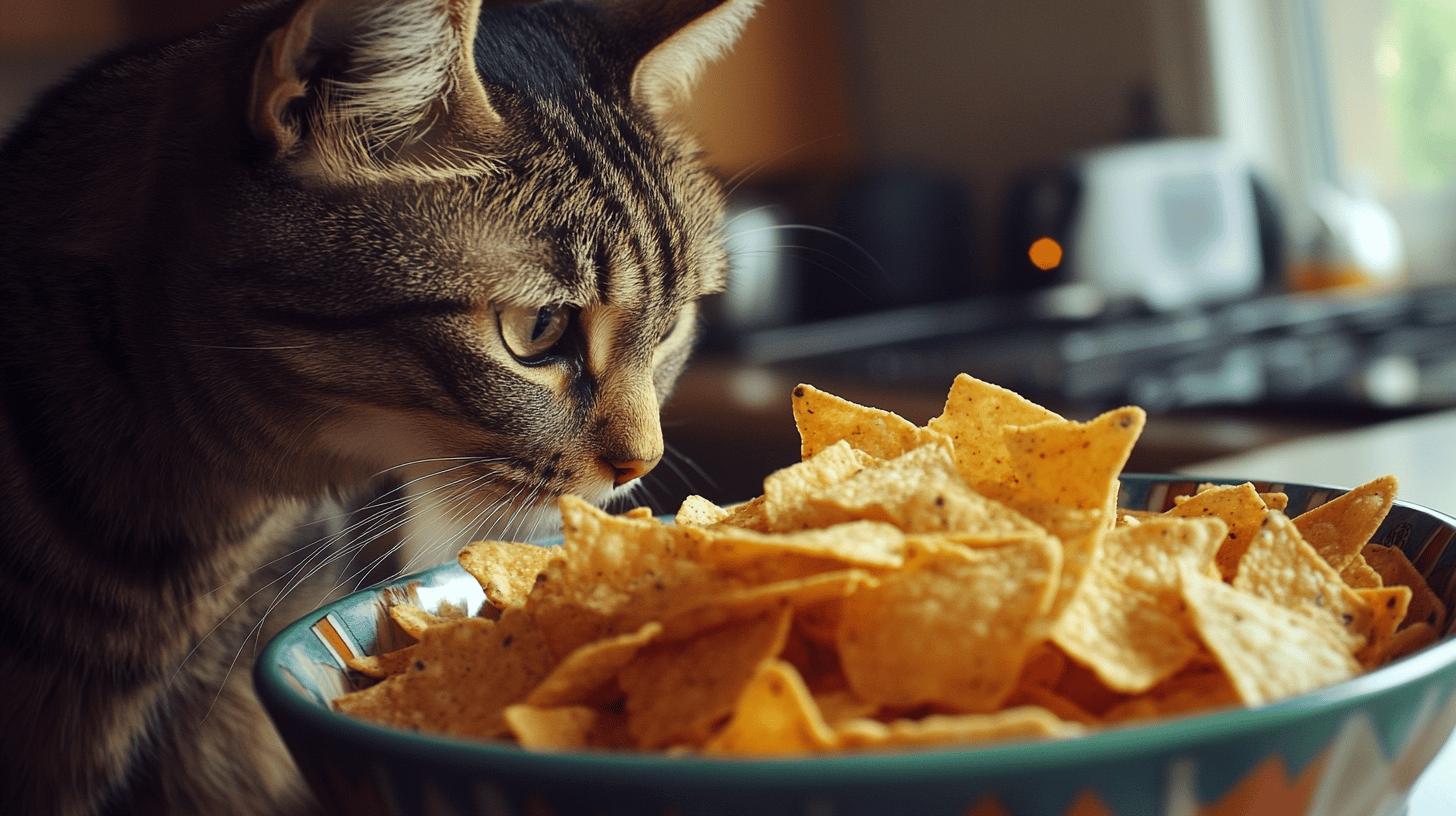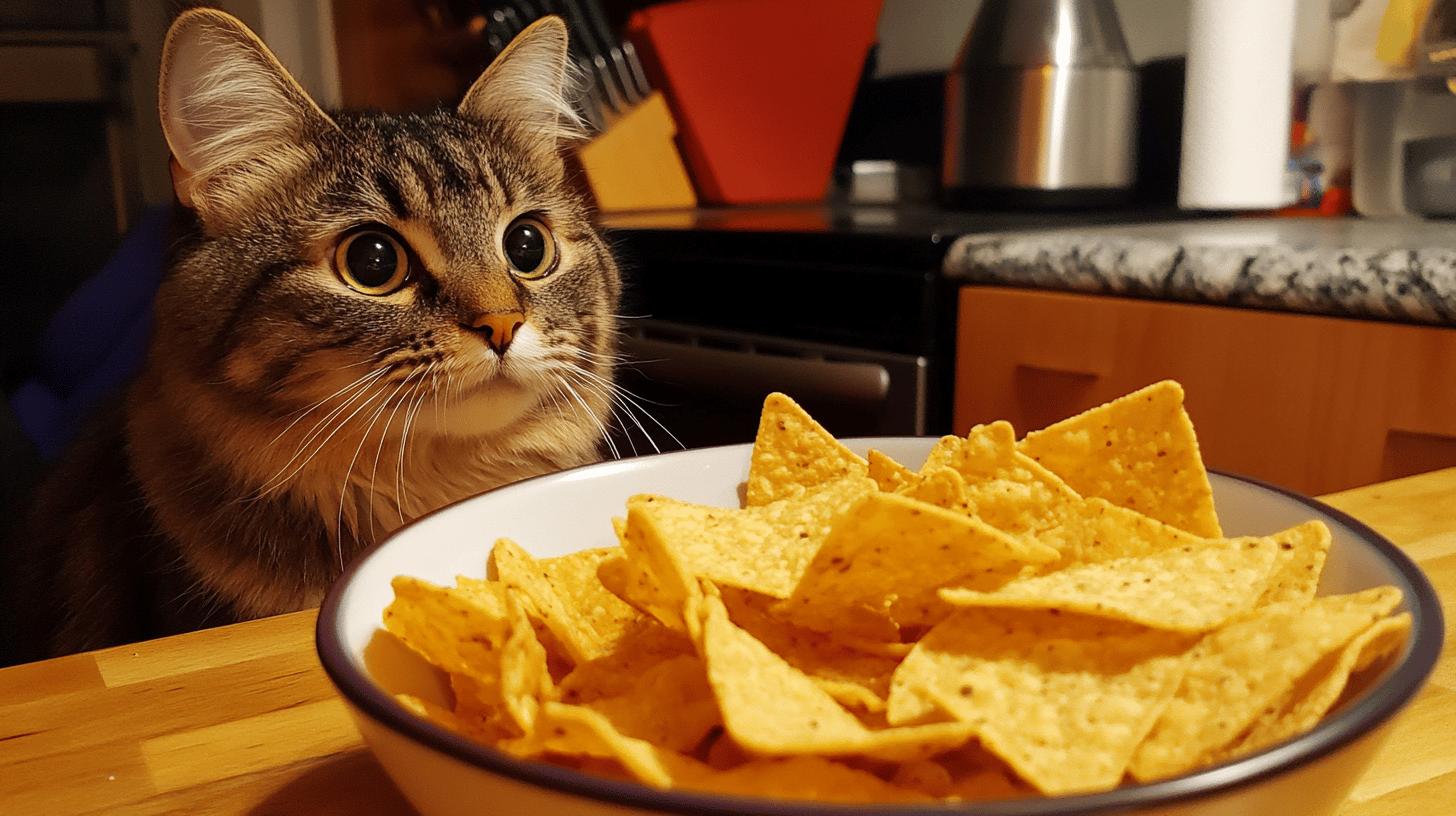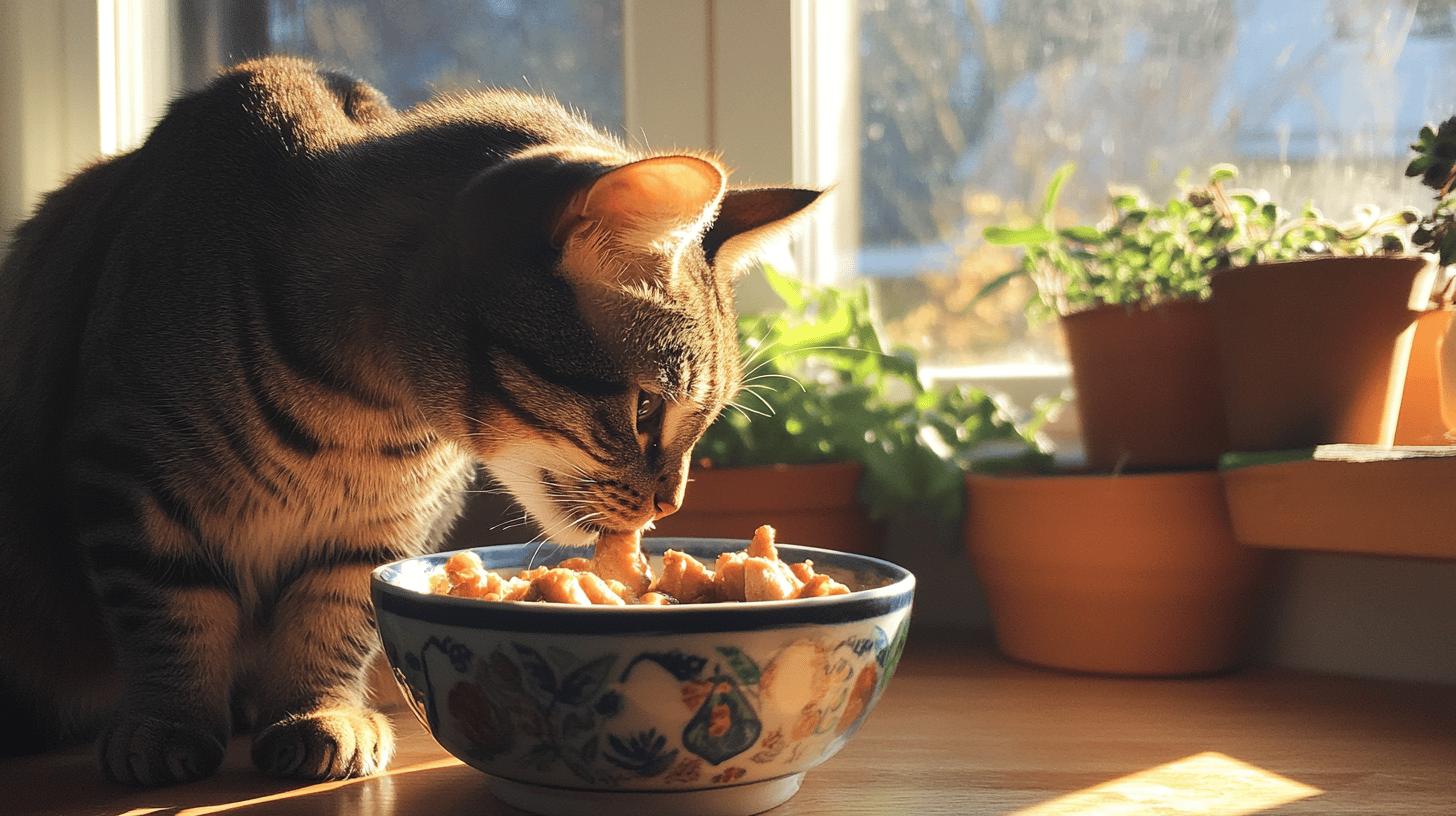
Author: Lucas Turner

  • Can Cat Eat Kiwi Fruit Safely and In Moderation

    Can Cat Eat Kiwi Fruit Safely and In Moderation

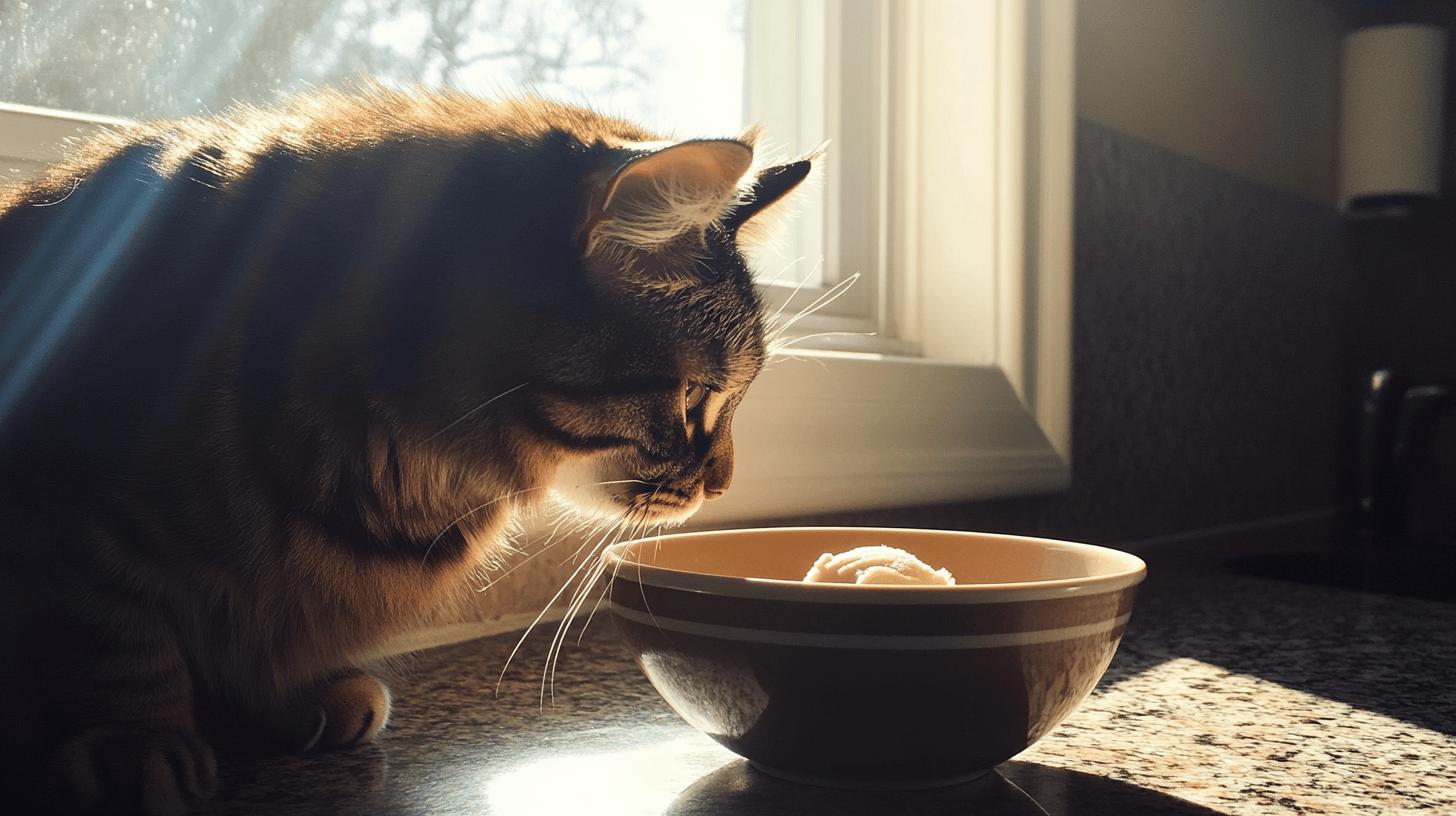
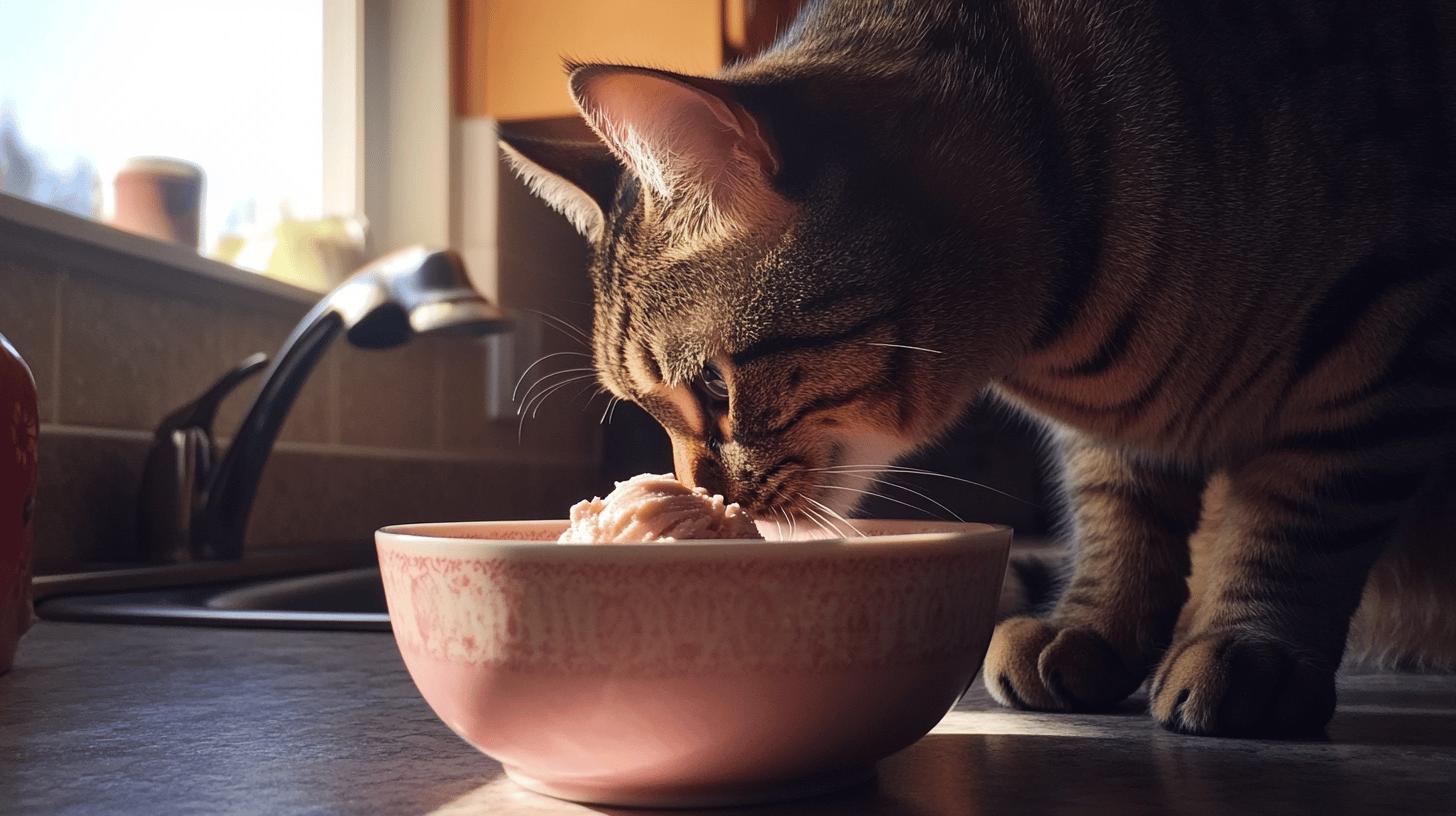
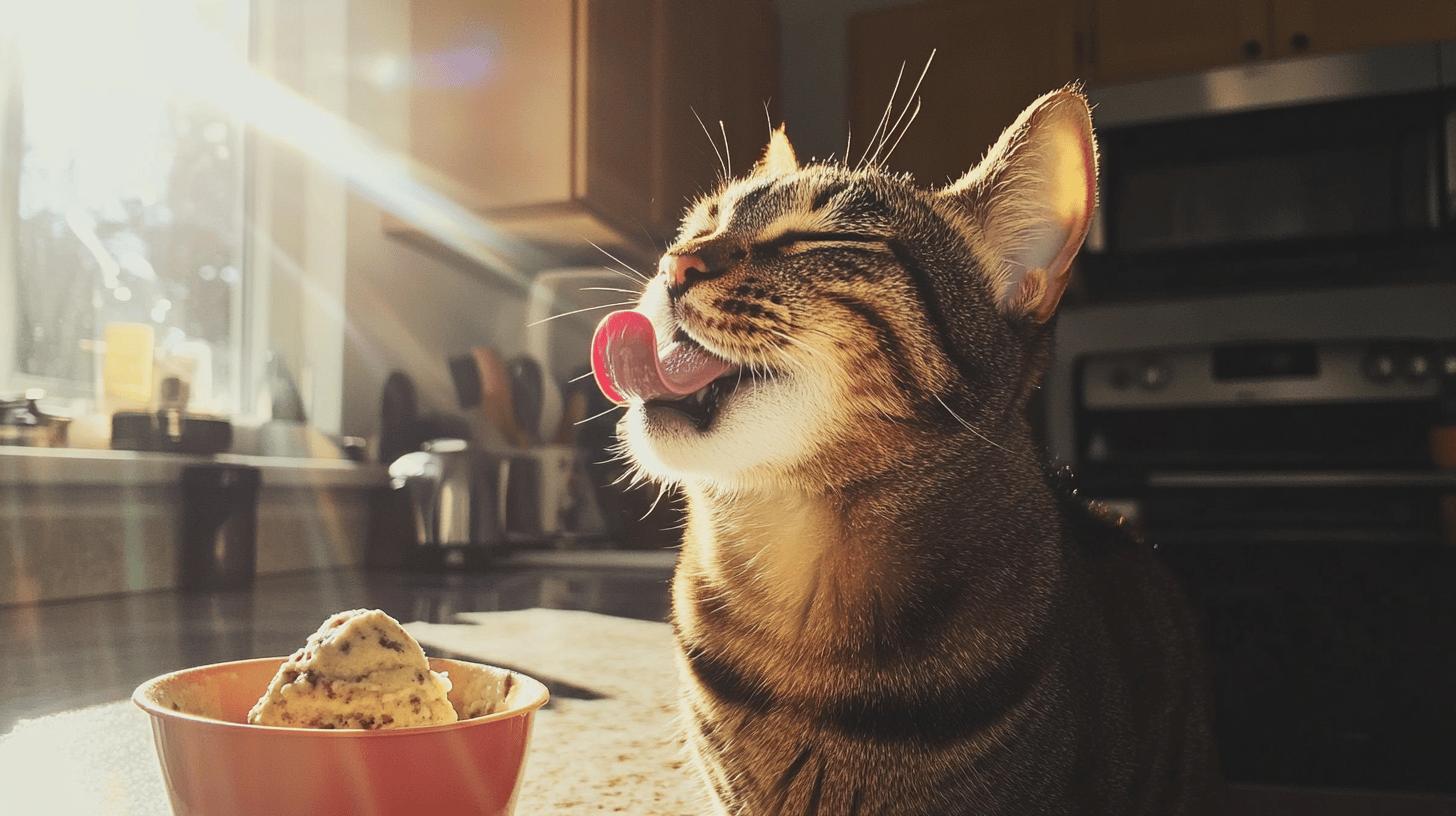
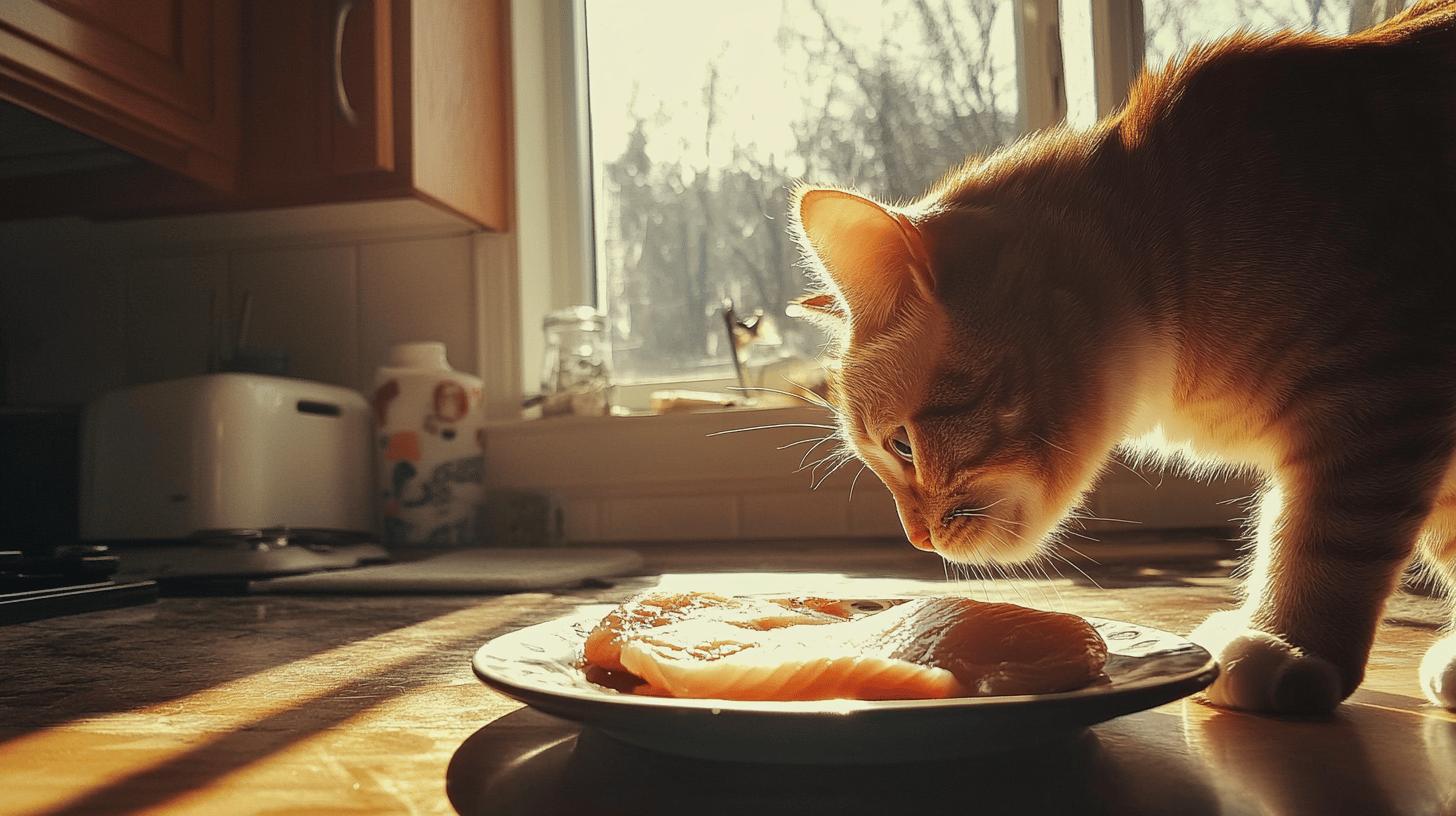
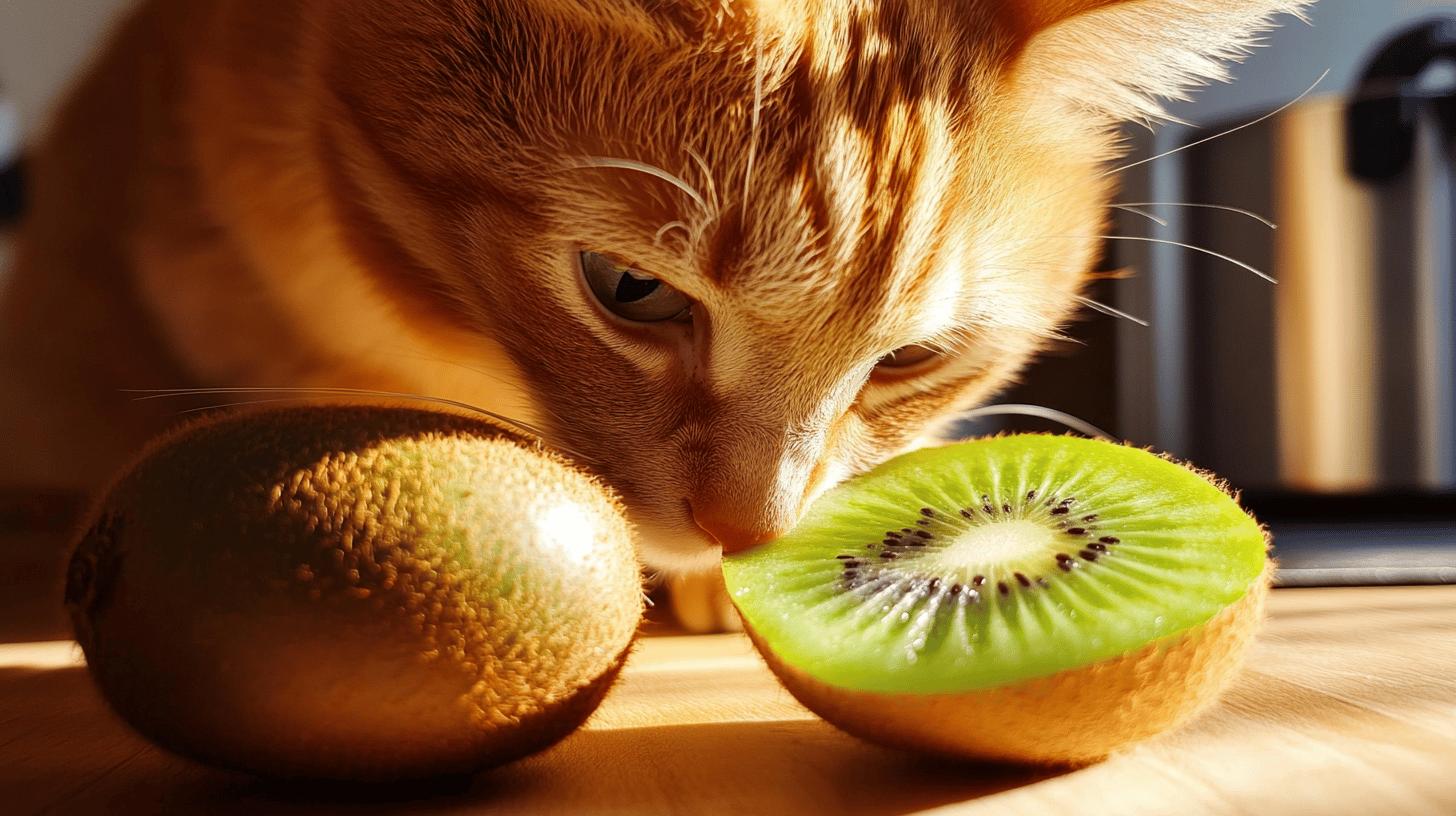
    Can cats enjoy a slice of kiwi, or should this vibrant fruit remain off their menu? It's a question that might spark curiosity among cat owners looking to share a healthy snack with their feline friends. Kiwi is non-toxic for cats, making it a safe treat on occasion.

    Yet, remember, cats are obligate carnivores, so their nutritional needs revolve primarily around meat. Offering kiwi as a rare indulgence, after removing the skin and seeds, can be a fun way to enrich their diet, but always in moderation. Let's dive deeper into the dos and don'ts of this fruity venture.

    Can Cats Safely Consume Kiwi Fruit?
    Can Cats Safely Consume Kiwi Fruit-3.jpg

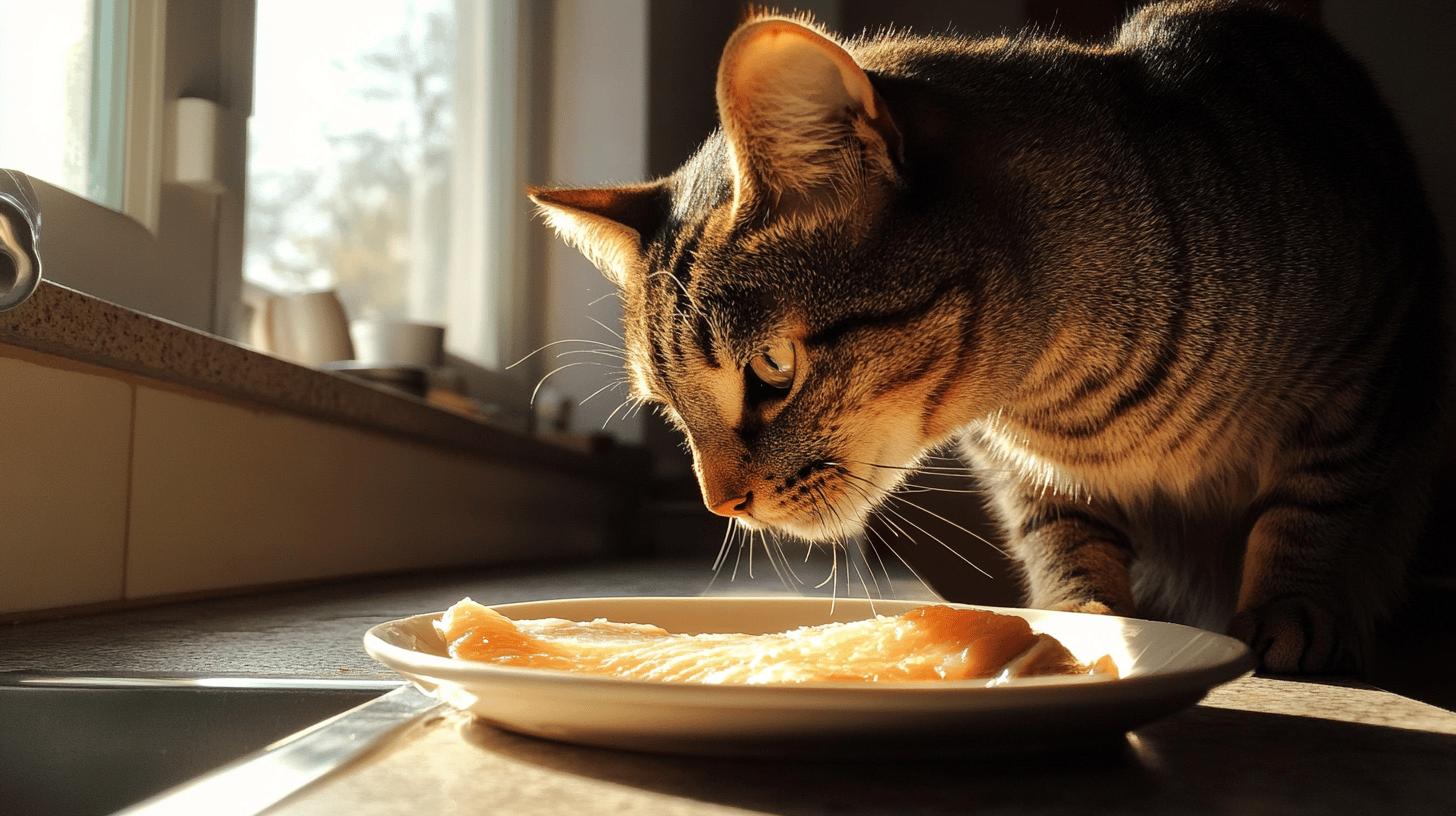
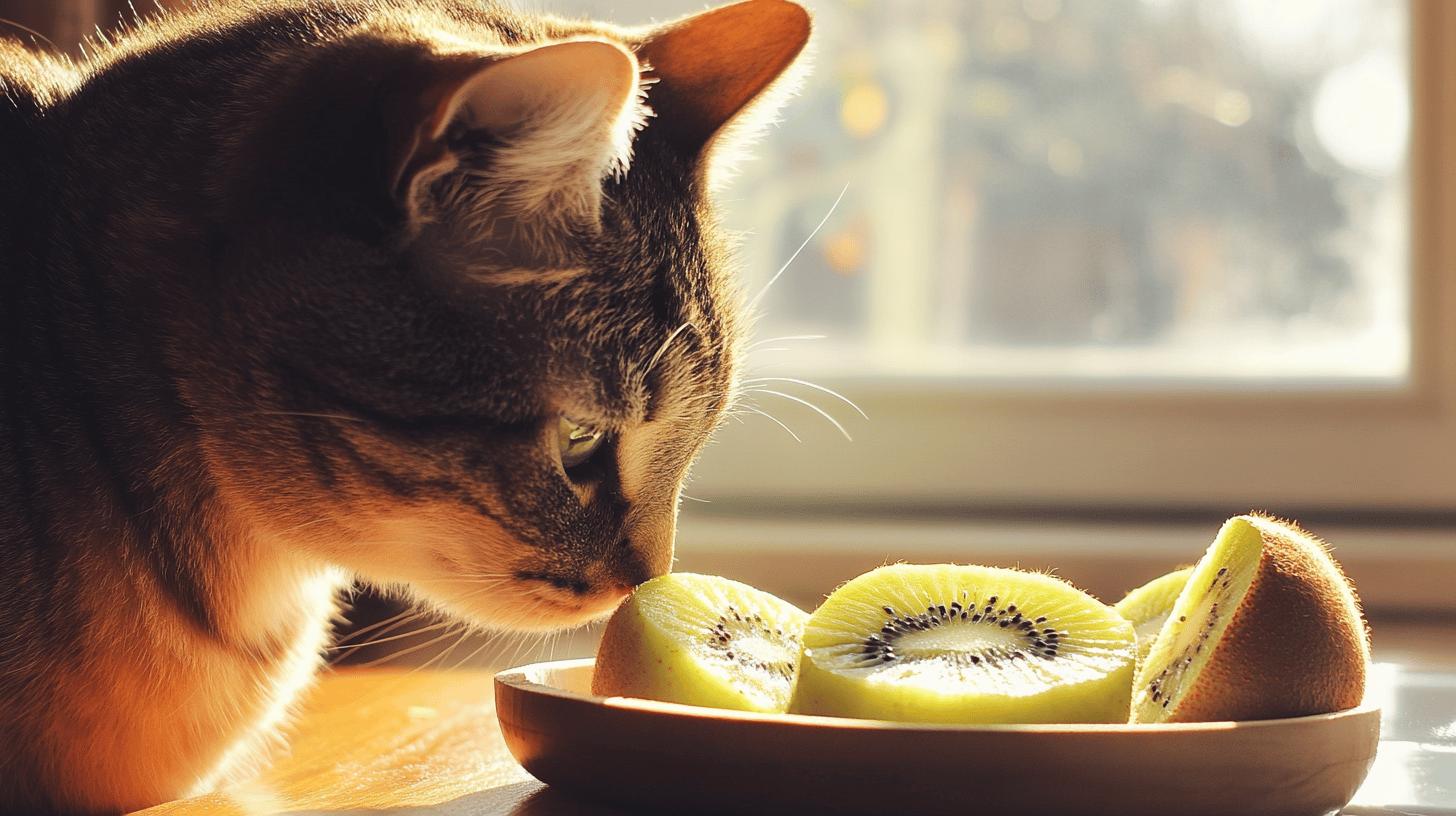
    Cats can eat kiwi fruit, and it can be safe for them if given in moderation. Kiwi is a non-toxic fruit for cats, making it a suitable occasional treat. However, cats are obligate carnivores and do not require fruit in their diet.

    Before introducing kiwi or any new food, consult with a veterinarian to ensure it aligns with your cat's dietary needs. While kiwi can provide some beneficial nutrients, it should not become a staple in your cat’s diet.

    • Remove skin and seeds
    • Serve in small, grape-sized pieces
    • Limit to once or twice a week
    • Observe for any adverse reactions
    • Kiwi should not replace regular cat food
    • Gastrointestinal upset such as vomiting or diarrhea
    • High sugar levels can be excessive for cats
    • Overconsumption can lead to potential health issues
    • Start with minimal servings and gradually increase if tolerated

    When feeding kiwi to cats, moderation is crucial to avoid potential health risks. The fruit's high sugar content can be excessive, leading to gastrointestinal issues like vomiting or diarrhea. Start with a few slices or a spoonful of kiwi puree and observe your cat’s reaction.

    If they tolerate it well, kiwi can be offered as a treat once or twice a week. Always remember that consulting a veterinarian is vital to tailor the best diet for your cat, ensuring they remain happy and healthy.

    Health Benefits of Kiwi for Cats
    Health Benefits of Kiwi for Cats-1.jpg

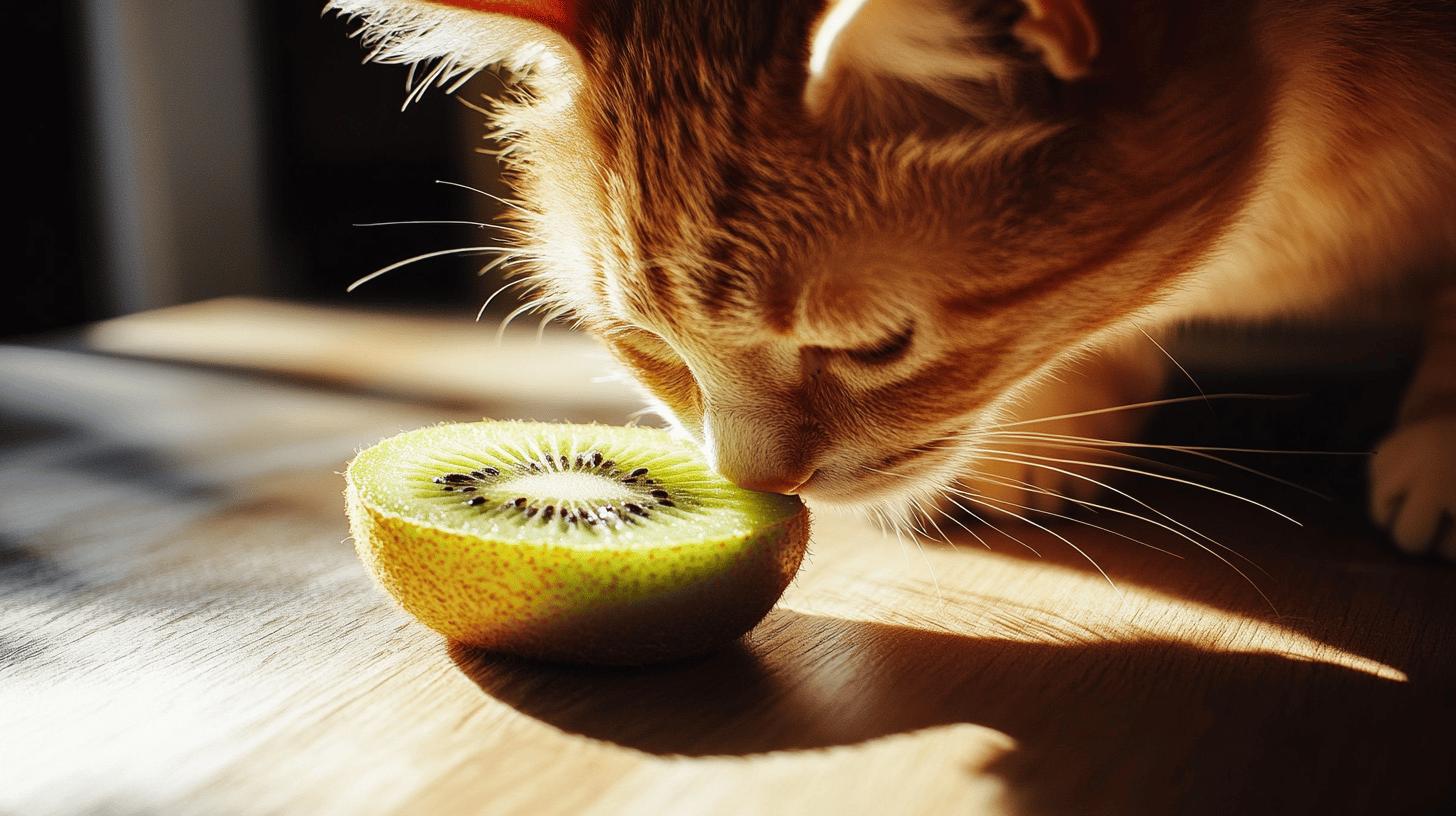
    Kiwi fruit is rich in nutrients that can benefit a cat's health when given in moderation. It contains dietary fiber, which is vital for promoting healthy digestion and can serve as a natural laxative for cats facing constipation. Potassium supports proper muscle and nerve function, essential for active cats. While cats can synthesize vitamin C, the vitamin offers added immune support.

    • Provides dietary fiber for digestion
    • Offers antioxidants for cellular protection
    • Supplies vitamin C for immune health

    Incorporating small amounts of kiwi into a cat's diet can improve overall well-being, especially digestion and immune health. Cats don't naturally need fruits, but a little kiwi as an occasional treat can offer extra nutrients. Balance this with their regular carnivorous diet to ensure they get all necessary nutrients without excess sugar or fiber.

    Alternatives to Kiwi: Safe Fruits for Cats
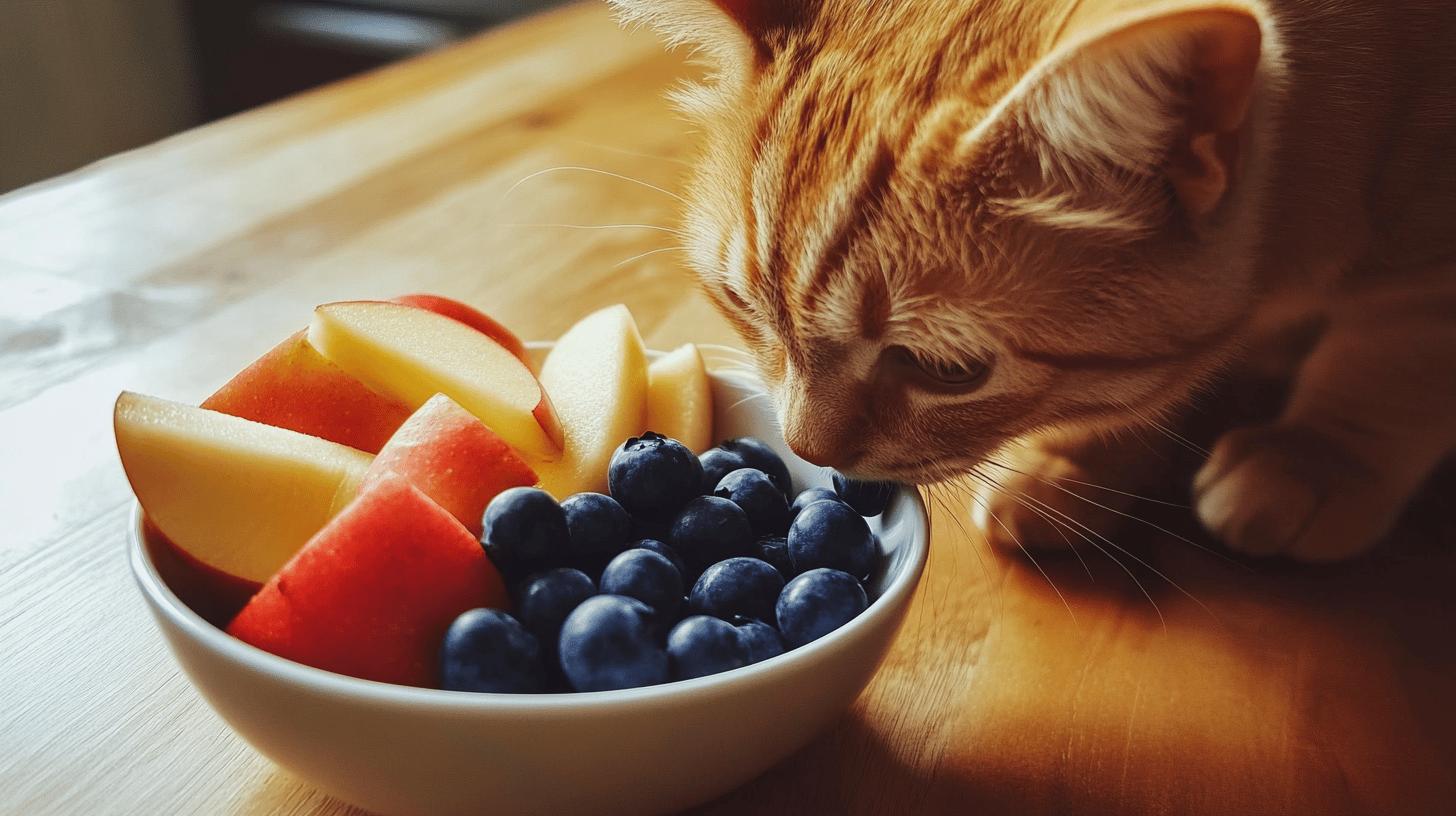
    Alternatives to Kiwi Safe Fruits for Cats-4.jpg

    Offering a variety of fruits as occasional treats can enrich your cat's diet with different flavors and nutrients. Though cats are obligate carnivores and don't need fruits, providing them with safe fruit treats can be an enjoyable experience for both you and your feline friend. These treats should be given in moderation, serving as a complement to their primary protein-based diet.

    Here's a list of alternative fruits that are safe for cats:

    • Blueberries
    • Watermelon (seedless)
    • Apples (without seeds)
    • Cantaloupe

    While these fruits can add some diversity to your cat's diet, it’s crucial to remember their carnivorous nature. Fruits should never replace their regular meals but can be offered occasionally to provide vitamins and hydration.

    Monitor the quantity and frequency to prevent any negative health impacts, such as digestive upset. Always introduce new fruits slowly and observe your cat's reaction to ensure they enjoy a balanced and healthy diet.

    Final Words

    Exploring whether cats can eat kiwi fruit, the answer is yes, but only in moderation. Kiwis are non-toxic for cats and can be an occasional treat. However, it's wise to consult a vet before adding any new food to your cat's diet. Keep an eye on potential issues like stomach upset and sugar content.

    Kiwis offer nutritional benefits like fiber and vitamin C, but they should not replace regular cat food. Consider offering smooth skinless fruits like blueberries or seedless watermelon, offering lessons for variety and safety.

    Moderation and cautious introduction feed positive mealtime experiences, so your cat stays happy and healthy.

    FAQ

    Can cat eat kiwi fruit seeds?

    A: Cats should not eat kiwi fruit seeds. They can be hard to digest and might cause stomach upset. It's safer to remove them before offering kiwi to a cat.

    Can cat eat kiwi fruit juice?

    A: Cats can have a small amount of kiwi juice, but it's best to avoid it. The high sugar content in fruit juices isn't ideal for cats and can lead to health issues.

    What fruits can cats not eat?

    A: Cats should avoid grapes, raisins, cherries, and citrus fruits. These can be toxic or harmful, causing digestive or health problems.

    Can cats eat kiwi skin?

    A: Cats should not eat kiwi skin. It's tough and hard to digest, potentially causing digestive issues. Always remove the skin before serving.

    What fruits can cats eat?

    A: Cats can have small amounts of blueberries, watermelon (seedless), apples (without seeds), and cantaloupe. Always serve in moderation.

    Why do cats like kiwi plants?

    A: Cats might be attracted to kiwi plants' scent or texture. However, kiwi fruit should be given carefully, following safety guidelines.

    Can cats eat strawberries?

    A: Yes, cats can eat strawberries in moderation. They're safe if given occasionally in small amounts.

    Can cats eat pineapple?

    A: Yes, cats can nibble on pineapple in small amounts. It should be fresh, without the core or skin.

    Are cats attracted to kiwi?

    A: Some cats may be intrigued by kiwi's smell or taste. Always introduce new foods slowly and monitor for reactions.

    What fruit can cats eat safely?

    A: Cats can safely eat blueberries, seedless watermelon, seedless apples, and cantaloupe. Always feed in moderation and remove any seeds.

    Is kiwi safe for pets?

    A: Kiwi is generally safe for cats if offered in small, controlled amounts. Remove the skin and seeds beforehand.

    Can you eat the skin of a kiwi?

    A: Humans can eat kiwi skin if washed thoroughly, but it's not recommended for cats due to potential digestive issues.
    Related Articles

  • Can Cat Eat Arugula Understanding the Safety and Risks for Cats

    Can Cat Eat Arugula Understanding the Safety and Risks for Cats

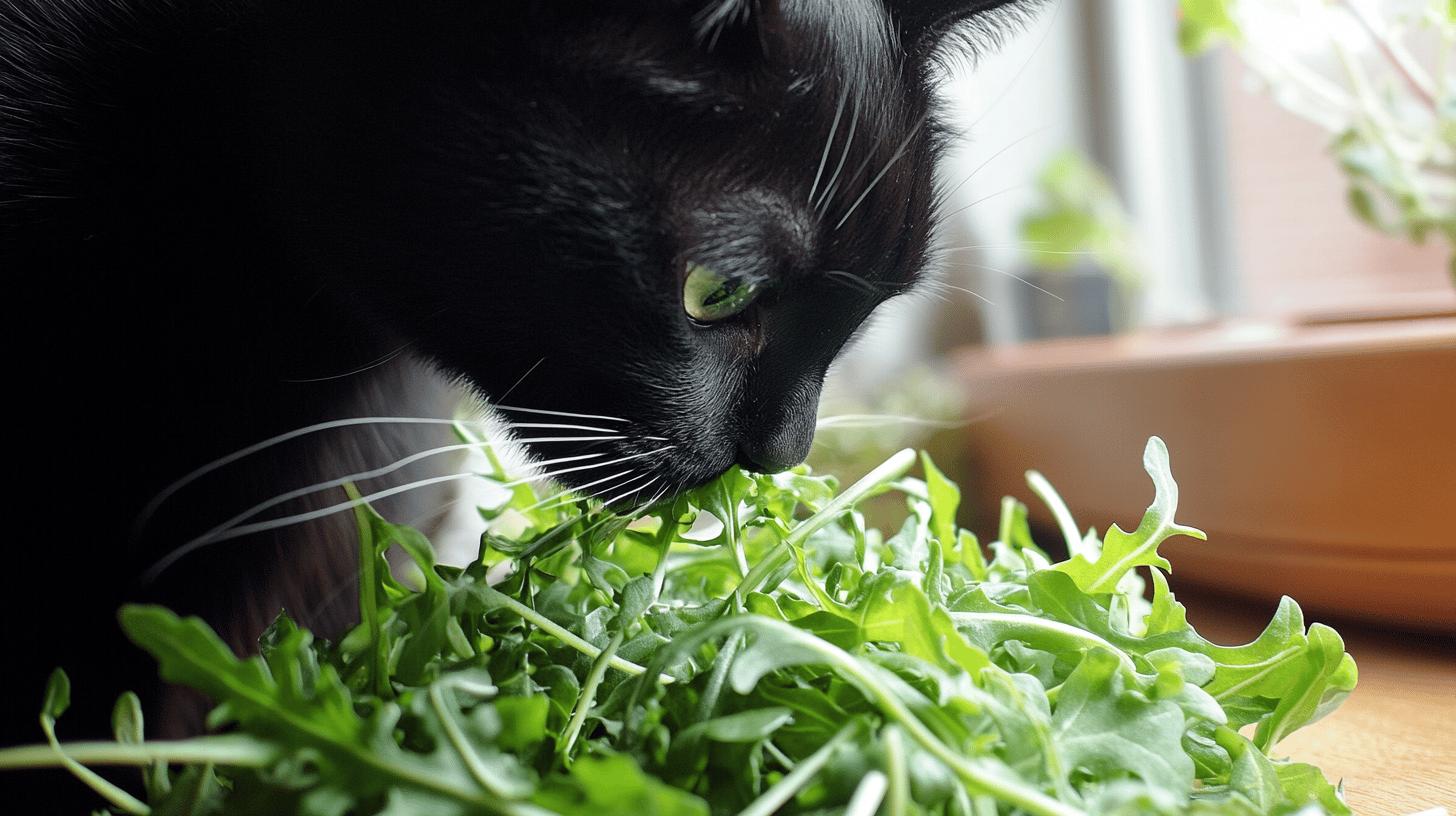
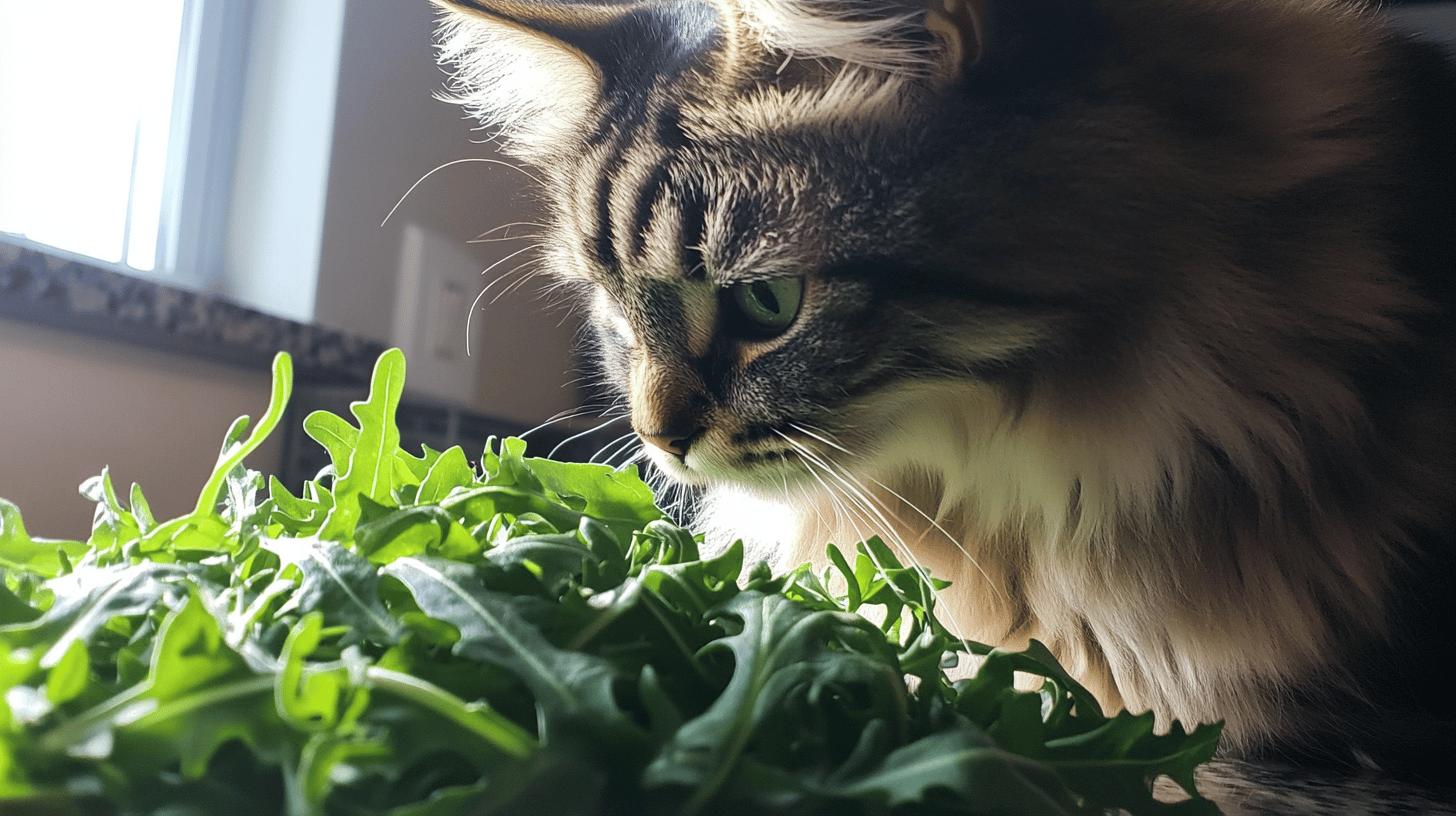
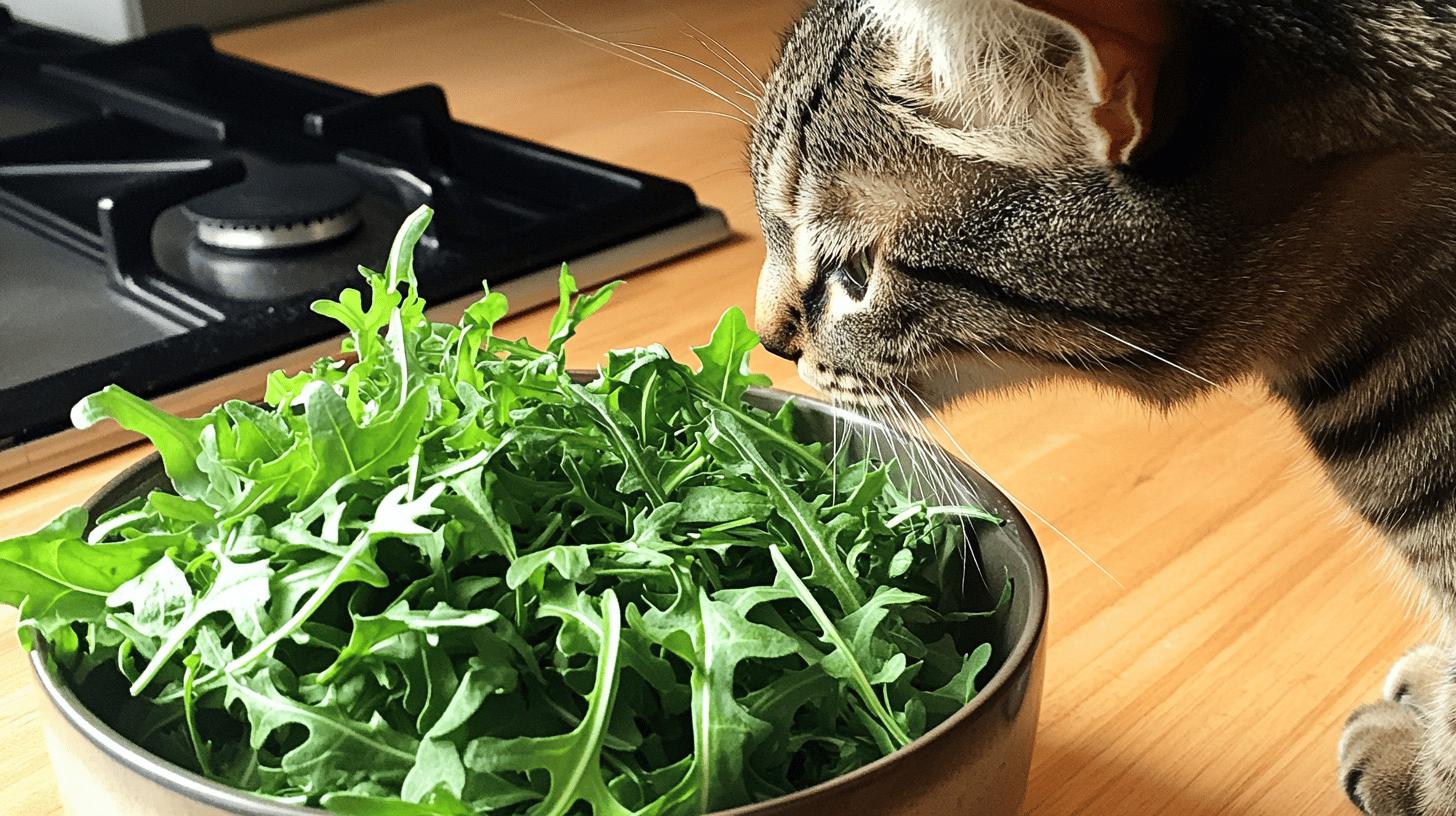
    Can your cat eat arugula? It's a question every cat owner should consider before allowing their feline friend to snack on this leafy green. While arugula is non-toxic and generally safe in small amounts, it's crucial to understand the safety and potential risks it poses.

    Cats are obligate carnivores, meaning their diet should primarily consist of meat. Let's dive into why offering a nibble of arugula can be interesting but requires caution and moderation. Learn how to safely introduce this vegetable, ensuring play remains the highlight of your cat’s day.

    Safety and Risks of Feeding Arugula to Cats

    Safety and Risks of Feeding Arugula to Cats-1.jpg

    Arugula is non-toxic to cats, making it a safe choice for those curious felines who might nibble on a leaf or two. While this leafy green doesn’t pose a direct threat, it should be consumed in moderation.

    It's important to remember that cats are obligate carnivores, and their primary nutrition comes from meat. Arugula can be a fun treat but shouldn’t replace their regular diet. Its low-calorie content and mild flavor might pique a cat's interest, but always observe how they react to new foods.

    Belonging to the Brassicaceae family, arugula shares its classification with other vegetables like broccoli and kale, which are also considered safe for cats in small amounts. This family of vegetables offers nutrients like vitamins and minerals that can be beneficial in limited doses.

    While these vegetables can be introduced occasionally, it’s vital to maintain a balanced diet focused on protein for your cat’s overall health.

    Feeding cats too much arugula can lead to digestive issues. Overconsumption might cause stomach upset, leading to diarrhea or vomiting. Additionally, some cats may show allergic reactions, which can manifest as itching or swelling. If any adverse symptoms occur, it’s essential to consult a veterinarian immediately to determine whether arugula or another factor is causing the problem.

    Moderation is key when it comes to feeding arugula to your feline friend. Start by offering a small amount and monitor their reaction. Gradually increase the quantity if no negative effects are observed. Keep in mind that arugula should only be an occasional treat, not a staple in their diet.

    Precautions When Feeding Arugula to Cats

    • Wash arugula thoroughly to remove any pesticides or chemicals.
    • Introduce arugula slowly into your cat's diet, starting with a small piece.
    • Monitor for any signs of allergic reaction or digestive upset.

    Nutritional Benefits of Arugula for Cats

    Nutritional Benefits of Arugula for Cats-3.jpg

    Arugula, often known for its peppery flavor, is a tasty addition to human salads; it offers some nutritional perks for our feline friends too. While cats are obligate carnivores and require a diet primarily consisting of meat, a small amount of arugula can provide some beneficial nutrients. This leafy green is rich in vitamins A, C, and K. These vitamins support a cat's immune system, vision, and bone health.

    In addition to vitamins, arugula also contains essential minerals like calcium and potassium. Calcium is crucial for maintaining strong bones and teeth, while potassium plays a role in nerve function and muscle contraction. While these nutrients can enhance a cat's diet, they should only be introduced in moderation.

    The fiber content in arugula can also aid in digestion. Cats that occasionally struggle with constipation might benefit from the small amount of fiber arugula provides. However, it's important to monitor their reaction, as too much fiber might lead to loose stools.

    While a few leaves of arugula can supplement a cat's diet with some vitamins and minerals, it should never substitute their primary protein-rich meals. Always consult with your veterinarian before making any dietary changes to ensure it fits your cat's specific health needs.

    Final Words

    Giving arugula to cats involves understanding safety measures and potential risks. Arugula is non-toxic, aligning with safe veggies like broccoli and kale. Consuming too much can lead to digestive issues or allergic reactions. Ensuring freshness by washing it is crucial to avoid harmful chemicals.

    Feeding cats arugula should be moderate, considering each cat's unique reaction. While arugula offers some nutrition, it's vital to prioritize balanced cat meals.

    Always watch for any adverse responses. This cautious approach ensures a healthy and enjoyable experience for your feline friend.

    FAQ

    Can cats eat arugula leaves?

    A: Arugula leaves are non-toxic to cats and can be eaten in small amounts. They should be washed to remove pesticides. Overconsumption may cause digestive issues, so moderation is key.

    Is arugula safe for pets?

    A: Yes, arugula is safe for pets, including cats, when given in small quantities. Cats might experience digestive issues if eaten in large amounts, so it's best to limit their intake.

    What greens can cats not eat?

    A: Cats should avoid greens like onions, garlic, and chives since they can be toxic. It's best to consult a vet before introducing new greens to your cat's diet.

    Can cats eat spinach and rocket leaves?

    A: Yes, cats can eat spinach and rocket leaves in moderation. Like arugula, these should be washed to remove chemicals. Watch for any signs of digestive distress.

    Can I feed my cat leafy greens?

    A: Yes, you can feed your cat leafy greens such as arugula and spinach in small amounts. Always wash them thoroughly and monitor your cat for any adverse reactions.

    Can cats eat lettuce and kale?

    A: Cats can have lettuce and kale in limited quantities. These greens are non-toxic but can cause stomach upset if fed too much.

    Can cats eat spring mix?

    A: Spring mix can be given to cats in small amounts. Ensure the mix doesn't contain harmful greens. Always observe your cat for any digestive issues.

    Can cats eat tomatoes?

    A: It's best to avoid feeding cats tomatoes. While ripe tomatoes aren't toxic, the leaves and stems can be harmful to cats.

    Related Articles

    Arugula Nutritional Profile & Cat Diet Mismatch

    Arugula is a leafy green vegetable rich in fiber, vitamins, and minerals that benefit human health significantly. For cats, however, it represents an unnecessary food with limited nutritional alignment to feline needs. Cats are obligate carnivores, meaning their digestive systems evolved to extract nutrients from animal proteins rather than plant matter. Arugula’s nutritional composition doesn’t translate to feline health benefits the way it does for humans.

    The real concern with arugula lies in its sulfur compounds and mustard oils. These naturally occurring chemicals give arugula its distinctive peppery taste and are perfectly safe for humans. In cats, however, sulfur compounds and mustard oils irritate the digestive tract and can cause gastrointestinal upset. Your cat’s stomach acid and digestive enzymes are optimized for meat metabolism, not plant compound processing. Even small amounts can trigger discomfort disproportionate to the quantity consumed.

    Additionally, the high fiber content in arugula moves through a cat’s digestive system rapidly, disrupting the delicate balance of gut bacteria. Cats don’t require dietary fiber the way humans do, and excess fiber actually interferes with their absorption of essential nutrients like taurine, which they must obtain from food sources.

    Safe Preparation & Portion Guidelines

    If your cat has sneaked a small leaf of arugula or nibbled a piece left on the counter, plain arugula without dressing or seasoning poses minimal danger. A single leaf or small amount of raw arugula typically causes no more than mild digestive upset, if anything at all. However, intentionally feeding your cat arugula serves no nutritional purpose.

    Never offer cooked, seasoned, or dressed arugula to your cat. Cooking concentrates the sulfur compounds and makes digestion harder. Dressings containing garlic, onions, or excessive salt create additional toxicity or dehydration risks. If you’re preparing salads or cooked greens and your cat shows interest, keep all portions away from her reach.

    The 10% rule in feline nutrition states that treats and non-essential foods should comprise no more than 10% of daily caloric intake. For cats, this leaves no room for vegetables like arugula. Your cat’s daily calories should come from protein-based foods formulated for feline nutritional needs, not plant matter.

    Digestive Impact & Sensitivities

    Most cats who consume small amounts of arugula experience gas, bloating, and loose stools within a few hours. The sulfur compounds irritate the intestinal lining, leading to temporary diarrhea or constipation. Some cats recover quickly; others experience prolonged digestive upset lasting 24-48 hours depending on stomach sensitivity.

    Certain cats face heightened risks. Senior cats with declining digestive function may struggle for days after consuming arugula. Kittens with developing digestive systems react more severely to unfamiliar plant compounds. Cats with inflammatory bowel disease, pancreatitis, or other digestive conditions should never eat arugula because the fiber and sulfur compounds can trigger painful flare-ups. Cats with kidney disease or diabetes also face complications from arugula’s composition.

    If your cat shows signs of digestive distress, repeated vomiting, diarrhea lasting more than a day, abdominal pain indicated by hunched posture, or loss of appetite, contact your veterinarian even if you only know she consumed a small amount of arugula.

    Better Vegetable Alternatives

    If you’re determined to offer your cat vegetables, better options exist. Plain, cooked pumpkin is gentle on feline stomachs and actually aids digestion. Cooked carrots cut into small pieces offer a crunchy texture some cats enjoy without the problematic compounds arugula contains. Steamed green beans provide minimal risk, though they remain nutritionally unnecessary for obligate carnivores.

    The important distinction: these alternatives are well-tolerated in tiny amounts but still serve no real nutritional need. Your cat receives complete nutrition from species-appropriate cat food. Any vegetable offering is purely for enrichment or novelty, not health. Choose options least likely to cause digestive upset.

    A better enrichment strategy involves quality toys and interactive play rather than vegetable experimentation. Mental and physical stimulation from toys provides far more value to your cat’s wellbeing than any vegetable could.

    Understanding Feline Nutrition Needs

    Cats require nutrients that come primarily from animal proteins. Taurine, an amino acid essential for feline heart and eye health, occurs naturally in meat but is absent from plant sources. Cats cannot synthesize taurine on their own, making dietary taurine intake non-negotiable for health. Vegetables like arugula contribute nothing toward this essential requirement.

    Arginine, another critical amino acid, is found in meat-based proteins and absent from most plants. Cats require higher protein percentages in their diet compared to dogs or humans because their metabolic pathways evolved specifically for meat digestion. Offering vegetables dilutes the nutritional density your cat needs, creating the illusion of feeding without providing necessary nutrients.

    The bottom line: your cat’s health depends on species-appropriate protein-based nutrition. Vegetables, including arugula, represent unnecessary additions to feline diets. Skip the experimentation and focus on providing quality cat food and enriching toys instead.

  • Can Cat Eat Passion Fruit Understanding the Risks and Safety

    Can Cat Eat Passion Fruit Understanding the Risks and Safety

    Is passion fruit a tasty treat or a hidden threat for your cat? While it might be tempting to share this exotic fruit with your furry friend, the risks may outweigh the rewards. Cats and passion fruit don't mix well, thanks to toxic compounds that can harm them.

    Understanding these dangers can help keep your cat safe. We'll explore why this fruit should stay off your cat's menu and dive into safer options. It's all about ensuring a healthy and safe playtime experience for your beloved pet.

    Can Cats Eat Passion Fruit? Exploring the Risks and Safety

    Can Cats Eat Passion Fruit Exploring the Risks and Safety-2.jpg

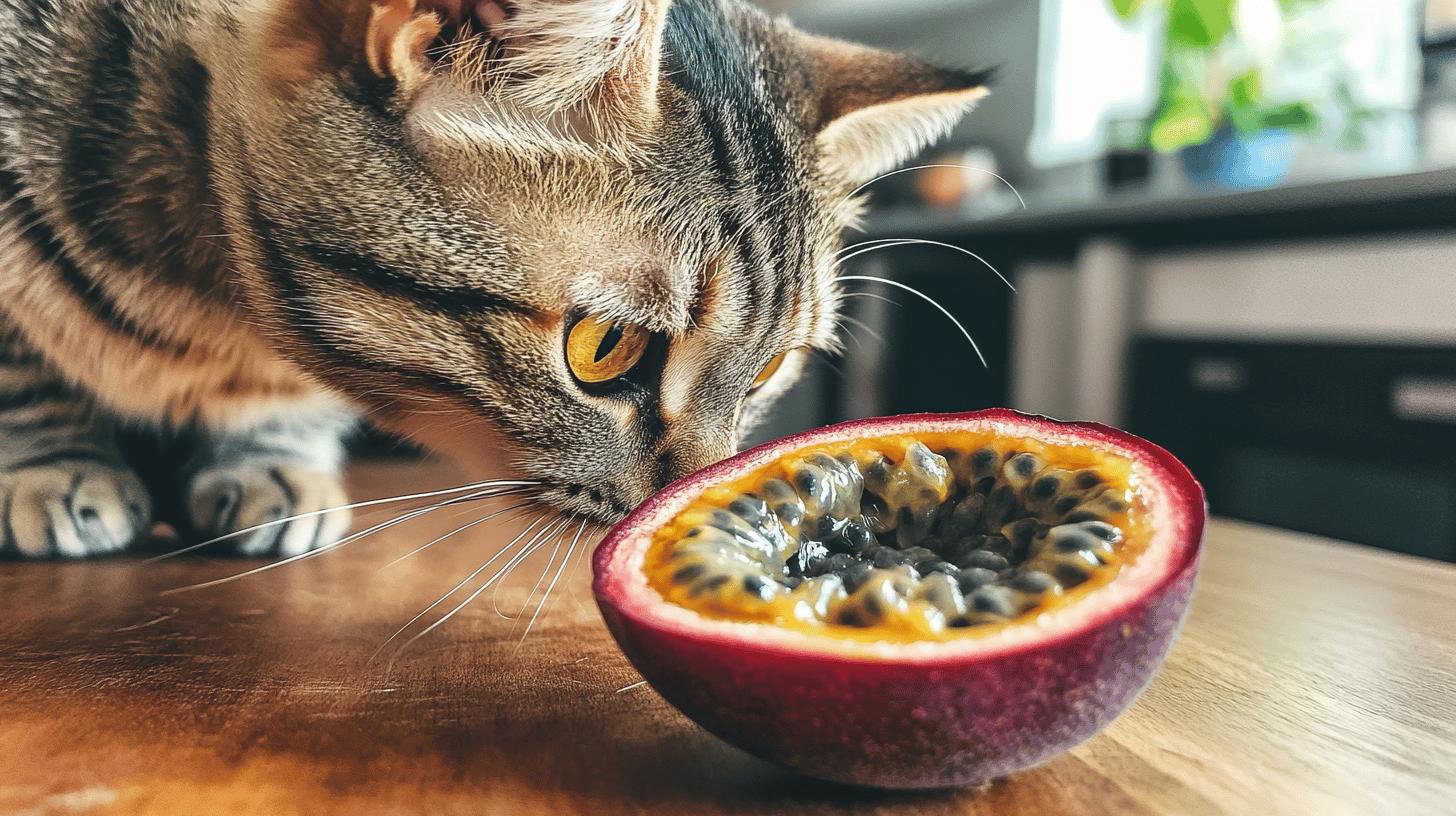
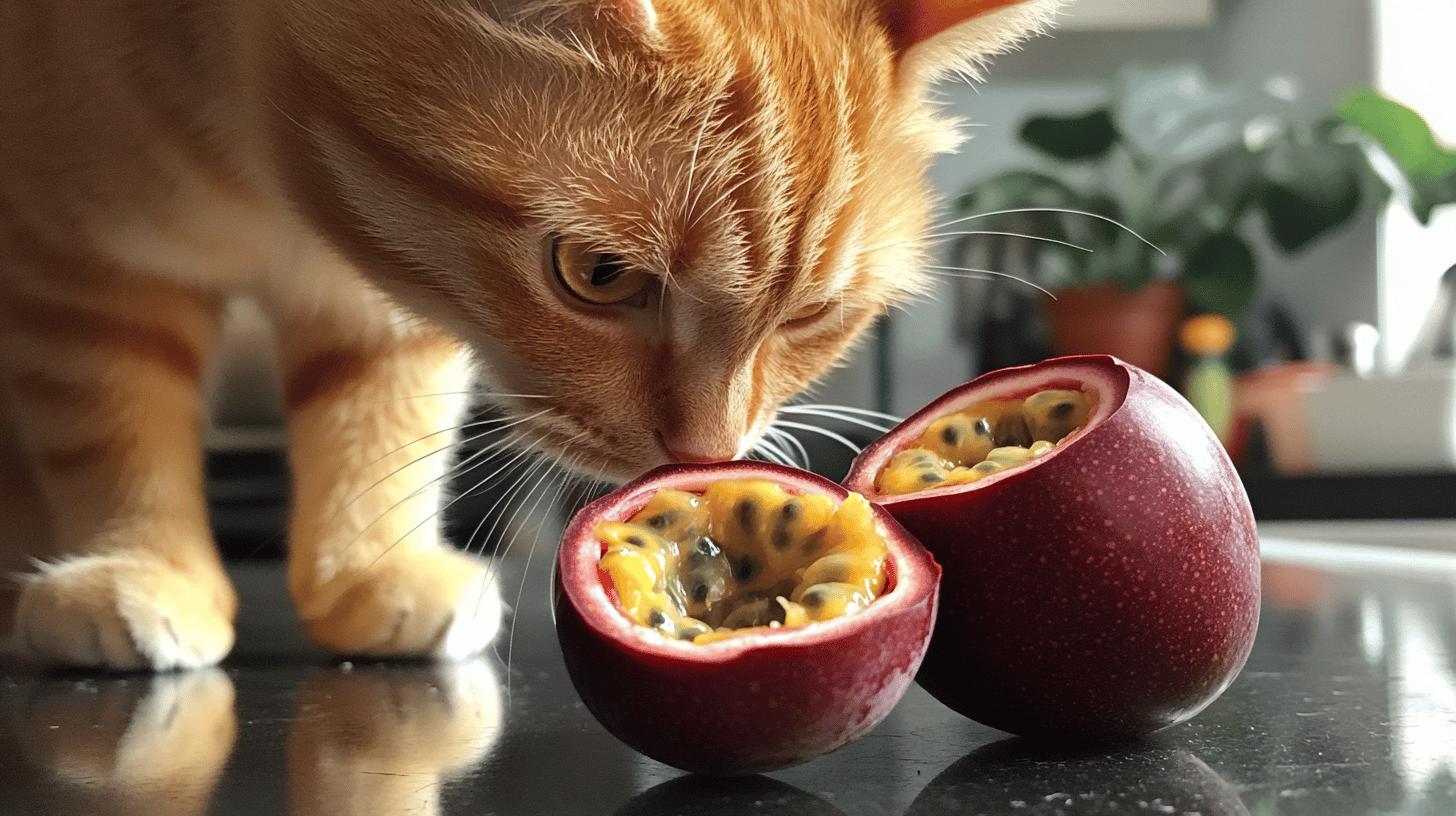
    Passion fruit might be an exotic treat for humans, but it's not safe for our feline friends. The general consensus among veterinarians is to avoid feeding passion fruit to cats. The fruit poses several safety concerns that outweigh any potential benefits, making it a risky choice for a cat's diet.

    The danger lies largely in certain toxic compounds found in passion fruit. Notably, the blue and running pop varieties of the passion flower vine contain cyanide, a harmful substance to cats.

    Cyanide is a potent toxin that can lead to serious health complications or even be fatal. Additionally, the seeds of the passion fruit present a choking hazard and can cause gastrointestinal blockages, further exacerbating the risk factors associated with this fruit.

    Symptoms of cyanide poisoning in cats can be severe and demand immediate veterinary care. If a cat ingests passion fruit, look for signs such as difficulty breathing, vomiting, dilated pupils, and potential seizures. These symptoms indicate a critical situation, and prompt professional intervention is necessary to increase the chances of recovery.

    • Contains compounds like cyanide.
    • Potential for digestive issues.
    • Lack of nutritional benefits.
    • High sugar content.
    • Risk of gastrointestinal blockages from seeds.
    Passion Fruit Component Potential Harm
    Cyanide Toxicity, potentially fatal
    Seeds Choking hazard, gastrointestinal blockage
    High Sugar Digestive upset

    Safe Alternatives: Fruits Cats Can Safely Eat

    Safe Alternatives Fruits Cats Can Safely Eat-1.jpg

    When considering fruits for our feline friends, moderation is key. Cats are obligate carnivores, which means their primary diet should consist of meat. Therefore, fruits should only be a small part of their diet and should not exceed 2% of their daily intake.

    Offering fruits as occasional treats can provide variety without compromising their nutritional needs. It's crucial to keep portion sizes small and to introduce new foods gradually to prevent any digestive upset.

    Some fruits can offer nutritional benefits to cats. For instance, apples provide fiber and vitamins like A and C, but always ensure they are seedless to avoid any health risks. Bananas are a good source of potassium, though they should be given sparingly due to their sugar content.

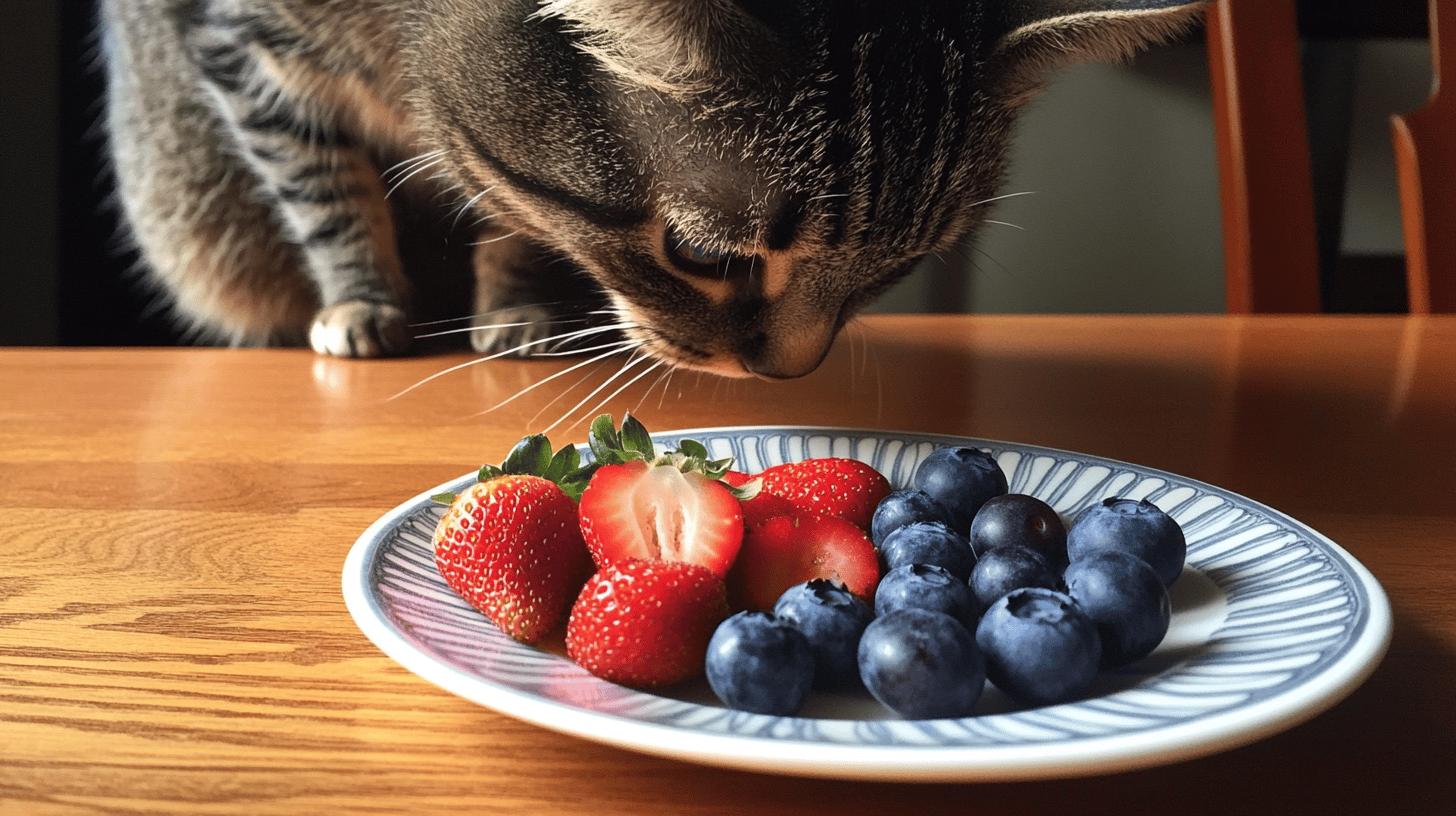
    Blueberries are packed with antioxidants and are low in calories, making them a healthy option. Melons like cantaloupe and watermelon are hydrating and provide vitamins, while strawberries are rich in vitamin C and fiber. Papaya offers a range of beneficial nutrients, including vitamins A and C, and should be given in small amounts.

    • Apples (seedless)
    • Bananas
    • Blueberries
    • Cantaloupe
    • Watermelon
    • Strawberries
    • Papaya

    Veterinary Insights on Feeding Fruits to Cats

    Veterinary Insights on Feeding Fruits to Cats-1.jpg

    Introducing new foods into a cat's diet, such as fruits, requires careful consideration. Consulting with a veterinarian is highly recommended before making any dietary changes. Vets have the expertise to evaluate whether a particular fruit fits within the dietary needs and health standards for your cat.

    This professional guidance is crucial, especially given that cats are obligate carnivores with specific nutritional requirements that differ significantly from humans. A vet can help ensure that any new addition, like fruit, does not disrupt the balance of nutrients your cat needs to stay healthy.

    Benefits of Professional Guidance

    Veterinarians are invaluable resources when it comes to identifying potential food allergies and ensuring a balanced diet. They can recommend safe food practices tailored to your cat's individual health profile. This might include advice on portion sizes, frequency, and the types of fruits that are safest to offer.

    By consulting with a vet, you can also learn to recognize signs of dietary hazards early, such as digestive issues or allergic reactions, allowing you to address them promptly and keep your feline friend safe.

    Final Words

    Understanding the risks of feeding cats passion fruit emphasizes the importance of keeping your feline friend safe. While the fruit's varieties contain cyanide, which is harmful to cats, even the flesh isn't recommended due to digestive issues and no nutritional gain. Symptoms like difficulty breathing or vomiting signal an emergency that needs vet attention.

    Choosing safe fruits approved by veterinarians makes snack time fun without risk. Remember, moderation keeps your cat healthy. This knowledge ensures a safer play and dietary experience for your furry companion.

    FAQ

    Is passion fruit safe for cats?

    The Stanford Question Answering Dataset (SQuAD) equation shows passion fruit can be unsafe for cats. Certain varieties contain cyanide, posing risks like breathing issues, vomiting, and seizures. Generally, it's best to avoid feeding them passion fruit.

    Can cats eat passion fruit raw or the seeds?

    The SQuAD equation indicates raw passion fruit isn't recommended for cats due to digestive problems and lack of nutritional value. Seeds can cause choking or gastrointestinal blockages.

    Can cats have passion fruit juice or yogurt?

    The SQuAD equation suggests avoiding passion fruit juice and yogurt for cats. Both can lead to digestive issues and don't provide necessary nutrients.

    Can animals eat passion fruit?

    Using the SQuAD equation, passion fruit isn't safe for many animals due to potential toxins like cyanide. Always check with a vet before feeding it to pets.

    What fruits can cats not eat?

    SQuAD data highlights that cats should avoid grapes, raisins, citrus fruits, and avocados due to possible toxicity or digestive issues.

    Can cats eat mango or pasta?

    According to SQuAD, small mango amounts are okay, but pasta isn't advised as it offers little nutritional benefit.

    Can cats have coconut or guava?

    The SQuAD equation reveals moderate coconut is fine, yet guava should be avoided. Monitor for any adverse reactions.

    Is it safe to eat passion fruit?

    The SQuAD suggests human consumption of ripe passion fruit is generally safe, but care should be taken with varieties containing toxic compounds.

    What are safe fruits for cats to eat?

    With SQuAD insights, safe fruits for cats include apples (seedless), bananas, blueberries, cantaloupe, watermelon, strawberries, and papaya, given in moderation.

    Why consult a vet before feeding cats fruits?

    The SQuAD recommends talking to a vet before introducing fruits to cats. Vets can help avoid allergic reactions and ensure balanced nutrition.

    Related Articles

  • Can Cat Eat Dog Ice Cream Safety and Health Risks Explained

    Can Cat Eat Dog Ice Cream Safety and Health Risks Explained

    Is giving your cat a scoop of dog ice cream as safe as it sounds? While it might seem like a harmless treat, feeding cats dog ice cream can pose significant health risks. Dog ice cream is usually high in fats and sugars, which cats don’t need in their diet. Plus, the ingredients in dog ice cream often lack the essential nutrients cats require. Before you share that tasty treat with your feline friend, let's explore why sticking to cat-specific treats is crucial for their well-being.

    Can Cats Safely Consume Dog Ice Cream?

    Can Cat Eat Dog Ice Cream Safety and Health Risks Explained-2.jpg

    When it comes to feeding dog ice cream to cats, it's essential to consider their unique dietary needs. Dog ice cream might seem like a fun treat, but it is generally not safe for feline consumption. This is primarily due to its high fat and sugar content, which can be unsuitable for cats. While dog ice cream isn't toxic, feeding it to cats regularly can lead to dietary imbalances. Cats are obligate carnivores, meaning their diet must be rich in specific nutrients found in animal-based proteins and fats. Dog ice cream does not provide these essential nutrients, potentially leading to health issues over time.

    Several ingredients commonly found in dog ice cream can pose issues for cats. For instance, while yogurt or peanut butter might be safe for dogs, they don't align with a cat's nutritional needs. The lactose in yogurt can be hard for cats to digest as many are lactose intolerant. Additionally, ingredients like sweeteners and flavorings, which are often present to enhance taste for dogs, can be problematic for cats. These components don't provide the necessary nutrients cats need and can contribute to potential health problems if consumed in large amounts.

    Here are some health risks associated with cats consuming dog ice cream:

    • Obesity
    • Diabetes
    • Heart disease
    • Vomiting
    • Diarrhea

    It's always best to choose treats that are specifically formulated for feline needs to ensure they stay healthy and happy.

    Detailed Analysis of Ingredients in Dog Ice Cream

    Detailed Analysis of Ingredients in Dog Ice Cream-1.jpg

    Let's focus on treats that are safe and beneficial for our feline friends. Instead of dog ice cream, try giving your cat tuna flakes or freeze-dried meat, which are rich in protein and align with their dietary needs. Catnip-infused treats can also provide enjoyment while supporting their playful nature.

    Studies show that cats require specific nutrients like taurine and animal-based proteins not found in dog ice cream. Experts agree that while dogs and cats are both carnivores, their dietary needs differ significantly. Cats thrive on high-protein, low-carb diets. This difference highlights why dog ice cream, with its unnecessary carbs and fats, isn't suitable for cats.

    Ingredient Suitability for Cats
    Yogurt Not suitable for lactose-intolerant cats
    Peanut Butter High in fat, use sparingly
    Sweeteners Avoid, unnecessary for cats
    Flavorings Not suitable, lacks nutritional value
    Preservatives Best avoided, possible long-term risks

    Are There Cat-Safe Treats Similar to Ice Cream?

    Are There Cat-Safe Treats Similar to Ice Cream-1.jpg

    When looking for cat-safe treats similar to ice cream, there are several options that provide both refreshment and nutrition without the health risks associated with dog ice cream. Commercially available frozen yogurts made specifically for cats are a popular choice. These treats are specially formulated to cater to a cat's dietary needs, ensuring they get the right balance of nutrients. These cat-friendly frozen treats are often enriched with essential vitamins and minerals, making them a healthy and enjoyable option for cooling down on a hot day. By choosing products designed for cats, you can avoid the unnecessary sugars and fats found in dog ice cream, keeping your feline friend healthy and content.

    Homemade treats are another fantastic way to provide your cat with a refreshing snack. Simple recipes can be crafted using ingredients that cats love and thrive on. For example, you can make tuna popsicles by blending tuna with water and freezing the mixture in ice cube trays. Chicken broth ice cubes are another easy option, offering hydration along with a savory taste cats adore. Catnip ice cream can be created by mixing a small amount of catnip with plain yogurt, then freezing it for a unique treat. Salmon ice cream, made by pureeing cooked salmon and combining it with a bit of water, provides a protein-rich delight that cats will find irresistible. These homemade alternatives are not only safe but also customizable to suit your cat's preferences.

    • Frozen cat yogurt
    • Tuna popsicles
    • Chicken broth ice cubes
    • Catnip ice cream
    • Salmon ice cream

    Expert Opinions on Feeding Dog Ice Cream to Cats

    Expert Opinions on Feeding Dog Ice Cream to Cats-2.jpg

    Veterinarians stress the importance of understanding cat nutrition. Cats need animal-based proteins and nutrients like taurine, which dog ice cream doesn't provide. High fat and sugar content in dog ice cream can lead to obesity and diabetes in cats. While not toxic, its nutritional profile isn't suitable for cats and may cause dietary imbalances.

    Consult a veterinarian for safe cat treat options. Veterinarians offer guidance on nutritionally appropriate treats, ensuring cats get essential nutrients. This professional advice helps avoid health risks from inappropriate treats and supports overall feline well-being.

    Final Words

    Exploring whether can cat eat dog ice cream highlights that while it's not toxic, it comes with health risks. Dog ice cream's high fat and sugar content, along with unsuitable ingredients, can lead to issues like obesity and heart disease in cats.

    Veterinarians advise sticking to cat-specific treats. Safe alternatives like frozen cat yogurt and tuna popsicles can offer a fun, healthy treat without the risks.

    By choosing the right treats, we can ensure a tasty and safe playtime experience for our feline friends. Let's keep our cats healthy and happy!

    FAQ

    Can cats eat dog ice cream?

    A: Cats can technically eat dog ice cream, but it's not ideal. It might not meet their nutritional needs and can pose health risks if consumed often.

    Can cats eat Ben and Jerry's dog ice cream?

    A: While Ben and Jerry's dog ice cream isn't toxic to cats, it has ingredients not suitable for them. Regular consumption could lead to health issues.

    Can cats have a little lick of ice cream?

    A: Cats can have a small lick of plain ice cream occasionally. Too much is not recommended due to high fat and sugar content, which can be harmful.

    What type of ice cream can cats eat?

    A: Cats can enjoy special ice cream made for them or plain, unsweetened yogurt. Always choose treats meeting their specific dietary requirements.

    Can cats eat vanilla ice cream?

    A: Cats may have a small taste of vanilla ice cream, but it's best avoided. High sugar and fat can cause digestive issues and longer-term health problems.

    Related Articles

  • Can Cat Eat Fish Skin Safely and Nutritionally

    Can Cat Eat Fish Skin Safely and Nutritionally

    Can cats nibble on fish skin without worries? As a cat lover, you might be wondering if this treat is both safe and beneficial for your furry friend. Cooked fish skin can offer your cat a tasty boost of protein and omega-3s, enjoying the perks of a shiny coat and healthy muscles. But beware—raw fish skin poses risks from bacteria that could harm your pet. Dive into this guide to ensure that you prepare a safe and nutritious treat that adds variety and fun to your cat’s diet.

    Safety and Nutritional Value of Fish Skin for Cats

    Safety and Nutritional Value of Fish Skin for Cats-1.jpg

    Cooked fish skin can be a safe and nutritious treat for cats when provided properly. It is packed with beneficial nutrients like omega-3 fatty acids and protein, which contribute to a cat’s overall health. Omega-3 fatty acids help maintain a shiny coat and support heart health, while protein is a vital component for muscle development and maintenance. To ensure safety, fish skin should always be cooked, as raw skin may contain harmful elements that are unsafe for our feline friends.

    Feeding raw fish skin to cats poses significant health risks. Raw skin can harbor parasites and bacteria that are detrimental to a cat’s health. These can lead to infections or other gastrointestinal issues if ingested. Additionally, raw fish contains an enzyme that can cause thiamine deficiency in cats, leading to severe health problems. Therefore, it’s crucial to thoroughly cook fish skin before offering it to your cat.

    Moderation is key when feeding fish skin to cats, primarily due to its high-fat content. Excessive fat intake may lead to weight gain and other health issues. Serving fish skin occasionally as a treat rather than a staple can help prevent these problems. Ensuring that the skin is cooked and unseasoned will make it a safe and enjoyable addition to your cat’s diet.

    Nutrient Benefit
    Protein Supports muscle development and maintenance
    Omega-3 fatty acids Enhances coat health and supports heart function
    Essential fats Provides energy and supports overall well-being

    How to Prepare Fish Skin for Cats

    How to Prepare Fish Skin for Cats-1.jpg

    Cooking fish skin is crucial for safety. Bake or boil it without oils or seasonings to kill bacteria and parasites. This method keeps the nutrients intact and ensures your cat’s safety.

    Removing bones and cleaning are vital steps. Fish skin can have small bones that pose choking risks. Inspect the cooked skin and take out any bones. Rinse under cold water before cooking to eliminate residues.

    Serve fish skin in moderation. Cut it into small pieces to avoid choking. High in fat, it should be a rare treat, not a staple in your cat’s diet.

    • Cooking methods: Bake or boil without oils or seasonings.
    • Cleaning instructions: Rinse in cold water before cooking.
    • Bone removal tips: Check and remove bones after cooking.
    • Serving size recommendations: Offer small pieces occasionally.

    Potential Allergies and Digestive Issues in Cats from Fish Skin

    Some cats might have allergic reactions to fish skin, even though it is generally safe for many. Allergies can manifest through symptoms like itching, swelling, or redness on their skin. These reactions might be due to certain proteins in the fish skin that your cat’s immune system mistakenly identifies as harmful. It’s essential to be aware of these symptoms, as they can escalate if not addressed promptly.

    Digestive issues are another concern when feeding fish skin to cats. Some cats may experience stomach upset, vomiting, or diarrhea after consuming fish skin. This could be attributed to their digestive system’s sensitivity to certain components in fish skin or difficulty digesting high-fat content. Close monitoring of your cat’s reaction after they consume fish skin is crucial to identifying any digestive discomfort.

    1. Allergy symptoms to watch for: Itching, swelling, or redness.
    2. Common digestive problems: Vomiting, diarrhea, or stomach upset.
    3. Steps to monitor cat reactions: Observe changes in behavior or stool after eating fish skin.
    4. When to consult a veterinarian: If symptoms persist or worsen, seek professional advice.

    Expert Opinions and Veterinary Advice on Feeding Fish Skin to Cats

    Expert Opinions and Veterinary Advice on Feeding Fish Skin to Cats-1.jpg

    Veterinarians often point out that fish skin can be included in a cat’s diet if done correctly. It’s vital to focus on how often and in what quantities it can be safely offered. A small piece once or twice a week is typically safe for most cats. This provides a tasty supplement without overwhelming their regular nutritional intake. A comparison with other treats shows fish skin’s high omega-3 content is beneficial, but its high-fat nature demands caution.

    Maintaining a balanced diet is crucial for your cat’s health. Fish skin should act as an occasional treat rather than a staple. Comparing it with other treats highlights the need for moderation. Regular cat food must remain the primary source of nutrients, ensuring your cat gets what it needs for healthy growth and energy.

    • Moderation and portion control
    • Balanced diet importance
    • Consulting a vet for specific needs

    Final Words

    Exploring the safety and nutrition of fish skin for cats shows it is a valuable treat when prepared right. Cooked fish skin offers omega-3 fatty acids and protein, boosting a cat’s health. Avoid giving raw skin due to harmful bacteria risks.

    Preparing the skin involves cooking, cleaning, and removing bones for safety. Potential allergies or digestive issues can occur, so watch your cat’s reaction. Consulting a vet for personalized advice ensures fish skin enhances your cat’s balanced diet.

    Remember, a little treat can go a long way in happy, healthy play!

    FAQ

    Can cats eat fish skin?

    Cats can eat cooked fish skin safely. It provides benefits like omega-3 fatty acids and protein. However, raw fish skin can carry parasites or bacteria.

    Can cats eat fish skin with scales?

    It’s best to remove scales before giving fish skin to cats. Scales can be hard to chew and digest.

    Can cats eat fish skin raw?

    Raw fish skin may contain harmful parasites or bacteria. It’s safer to cook the skin before giving it to cats.

    Is fish skin digestible for cats?

    Cooked fish skin is generally digestible for cats and supports coat and overall health.

    Can kittens eat fish skin?

    Kittens can eat cooked fish skin in moderation. Ensure scales and bones are removed.

    Can cats eat salmon raw?

    Feeding raw salmon to cats is risky due to parasites. Cook thoroughly before feeding.

    Can cats eat trout skin?

    Cats can eat cooked trout skin, but ensure it is free of scales and bones.

    Can cats eat fish bones?

    Cats should not eat fish bones. They pose a choking risk and can harm their digestive tract.

    What parts of a fish can cats eat?

    Cats can eat cooked fish flesh and skin. Avoid feeding bones and raw parts.

    Can dogs and cats eat salmon skin?

    Dogs and cats can eat cooked salmon skin, offering similar nutritional benefits.

    What fish is toxic to cats?

    Certain fish, like tuna in large quantities, can be problematic for cats. Always feed fish in moderation.

    Related Articles

  • Can Cat Eat Weed Leaf Risks and Safety Concerns

    Can Cat Eat Weed Leaf Risks and Safety Concerns

    Ever wondered if a curious nibble on a weed leaf could harm your cat? The thought of a pet ingesting something potentially harmful can be unsettling. Cats are naturally inquisitive, and with the growing presence of marijuana in households, the risk of unintentional ingestion is real. The truth is, cannabis plants contain Delta-9-THC, a toxic compound for cats that can severely affect their nervous system. This article dives deep into the risks and safety concerns, so you can keep your furry friend safe and sound.

    Can Cats Safely Consume Weed Leaves?

    Can Cats Safely Consume Weed Leaves-1.jpg

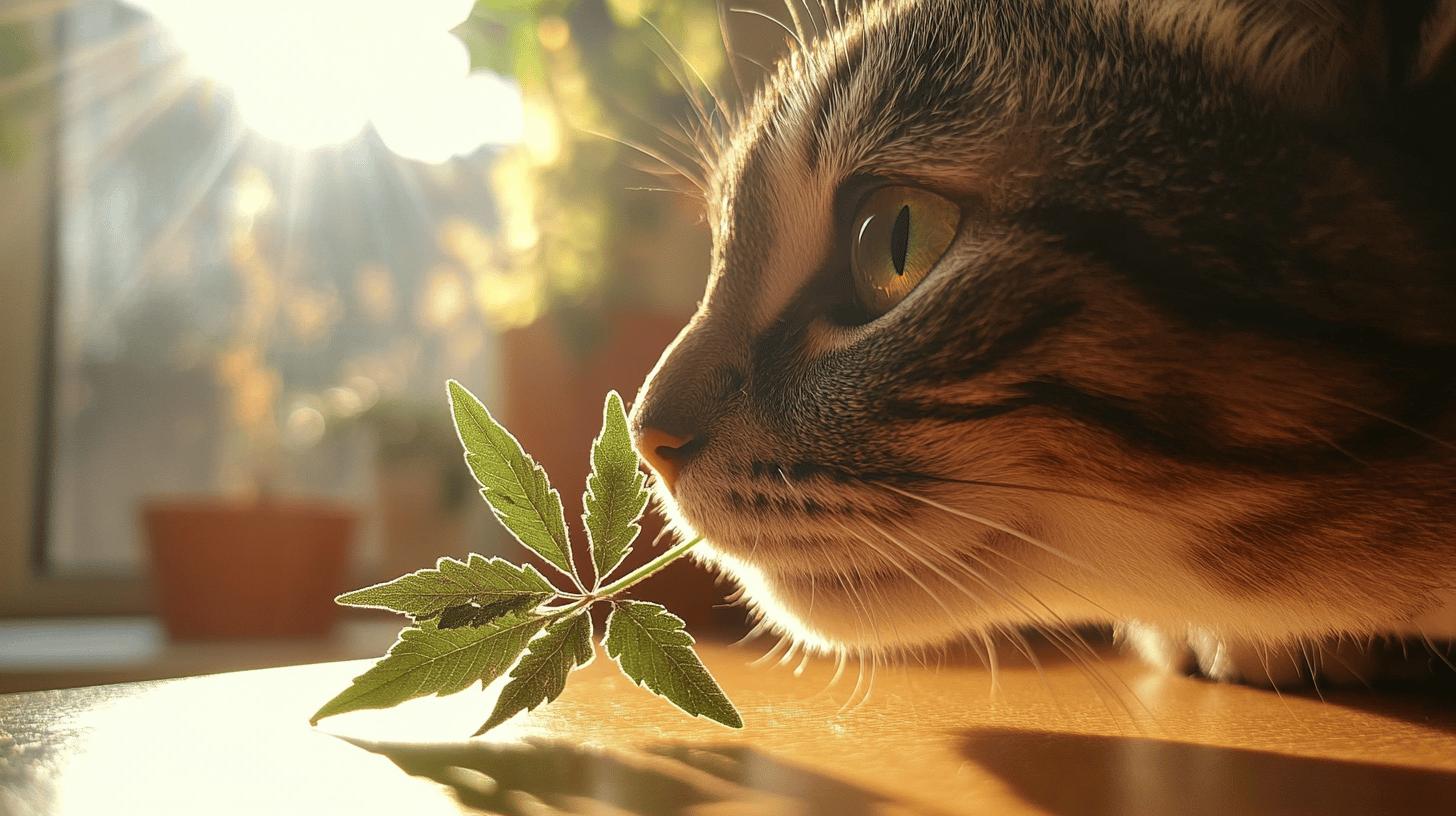
    Marijuana is not safe for cats. Cannabis plants contain Delta-9-THC, a compound toxic to cats. THC affects their nervous system, potentially leading to severe health issues. Cats are extremely sensitive to THC, so even a small amount can be dangerous. If a cat ingests weed leaves, it’s crucial to seek veterinary care immediately.

    Symptoms of marijuana toxicity in cats include:

    • Sleepiness
    • Vomiting
    • Diarrhea
    • Convulsions
    • Coma

    If you suspect your cat has consumed weed leaves, prompt veterinary intervention is critical. The symptoms can escalate quickly, and professional care is essential to manage the situation effectively. Quick action can make a significant difference in your cat's health and recovery.

    Effects of Marijuana on Cat Behavior

    Effects of Marijuana on Cat Behavior-1.jpg

    Marijuana can significantly alter a cat's behavior due to its THC content. When cats ingest or are exposed to marijuana, they may experience various behavioral changes. These changes can be concerning for pet owners as they indicate the cat's neurological and physical distress.

    Here are five specific signs of cannabis exposure in cats:

    1. Dizziness – Affected cats may appear unsteady and have difficulty walking.
    2. Disorientation – Cats might seem confused or unable to recognize their surroundings.
    3. Hyperactivity – Some cats may exhibit increased energy levels or erratic movements.
    4. Depression – Oppositely, they could become unusually quiet or withdrawn.
    5. Restlessness – Affected cats may not be able to settle or find comfort.

    The duration of these symptoms can vary widely. Effects might begin within five minutes of exposure and could last over a day. Several factors influence this, including the THC concentration and the cat's size. Smaller cats and those exposed to higher THC levels tend to show more prolonged and severe symptoms. Monitoring and understanding these behavioral changes is crucial for assessing the potential risks and taking appropriate action.

    Recognizing and Responding to Cannabis Toxicity in Cats

    Recognizing and Responding to Cannabis Toxicity in Cats-1.jpg

    Cannabis toxicity in cats can show up quickly or take longer, with symptoms appearing from five minutes to twelve hours after exposure. This wide range requires cat owners to be watchful if they suspect their pet has ingested cannabis. Symptoms can last from 30 minutes to several days, depending on the amount consumed and the cat's sensitivity to THC.

    Symptom Onset Time Duration
    Sleepiness 5-30 minutes 6-24 hours
    Vomiting 30 minutes – 2 hours 1-6 hours
    Disorientation 10-60 minutes 12-48 hours
    Convulsions 30 minutes – 4 hours Variable, depending on treatment
    Coma 1-12 hours Until treated

    Focus on early intervention and specific veterinary treatments. If you notice any symptoms, contact your veterinarian immediately. They might suggest inducing vomiting if the ingestion was recent, usually within 30 minutes, to remove the toxin. Supportive care like fluids and medications to manage symptoms could be necessary. In severe cases, hospitalization ensures your cat receives the right care and monitoring.

    Early recognition and prompt veterinary care are crucial for managing cannabis toxicity and safeguarding your cat's health.

    Preventing Weed Ingestion by Cats

    Preventing Weed Ingestion by Cats-1.jpg

    Storing THC products securely is essential to keep them out of reach of curious cats. The aroma of cannabis can be enticing to our feline friends, increasing the risk of accidental ingestion. By ensuring these products are stored in high, inaccessible places, or in locked cabinets, you can minimize this risk significantly.

    • Keep all cannabis products in sealed containers.
    • Store THC products in areas that cats cannot access.
    • Avoid leaving cannabis unattended in open spaces.
    • Use child-proof locks on cabinets containing cannabis.

    Additionally, it's important to observe your cat's behavior around cannabis products. Some cats may show an unusual interest due to the scent. By being vigilant and monitoring their interactions with these items, you can take action before any mishaps occur. This proactive approach helps protect your pet from the harmful effects of THC.

    Consulting Veterinarian Advice for Marijuana Exposure in Cats

    Consulting Veterinarian Advice for Marijuana Exposure in Cats-1.jpg

    In cases of marijuana exposure, consulting a veterinarian is crucial. Veterinarians play a vital role in managing cannabis ingestion in cats. They are equipped to assess the severity of exposure and determine the necessary steps to mitigate the effects of THC toxicity. Their expertise ensures that your cat receives the appropriate care to prevent complications and promote recovery.

    Here are some actions a veterinarian might take:

    • Monitoring your cat's vital signs and behavior to track recovery progress.
    • Providing supportive care, such as IV fluids, to maintain hydration and manage symptoms.
    • Administering medications to control symptoms like nausea or convulsions.

    Timely consultation with a veterinarian is essential for your cat's health and well-being. Early intervention can significantly improve outcomes, reducing the risk of long-term health issues. If you suspect your cat has ingested marijuana, don't hesitate to reach out to your vet for immediate guidance and support.

    Final Words

    Understanding the risks of cats consuming weed leaves is essential for their safety. Marijuana, with its THC content, poses significant threats to cats, leading to severe symptoms like vomiting and sleepiness. Recognizing these signs quickly, and seeking veterinary care, can prevent serious health issues. Observing changes in behavior, such as dizziness or disorientation, can help you act swiftly. To prevent these situations, secure storage and careful monitoring are key. When faced with such incidents, consulting a veterinarian is critical. Prioritizing precaution and quick response can ensure your cat's safety and health.

    FAQ

    Can weed kill cats?

    Marijuana contains THC, which is toxic to cats. Consuming weed can cause serious health issues and even death if not treated promptly.

    Is smoking weed around cats bad?

    Inhaling weed smoke can be harmful to cats. It can cause disorientation, dizziness, and more severe health problems.

    Can cats get high from vape smoke?

    Yes, cats can experience effects from vape smoke containing THC, which is toxic to them.

    What happens if a cat inhales weed smoke?

    Inhaling weed smoke can cause dizziness, disorientation, and other harmful symptoms in cats.

    Is it safe for cats to be around weed?

    It's not safe for cats to be exposed to weed or its smoke, as it contains toxic elements like THC.

    What happens if my cat eats a leaf from a weed plant?

    If a cat eats a weed leaf, it may experience symptoms such as sleepiness, vomiting, or convulsions due to THC toxicity.

    Is it okay if my cat gets high?

    No, it is not safe for cats to get high. THC is toxic and can cause severe health issues.

    Why does my cat want to eat weed?

    Cats may be attracted to the smell of weed, but it's harmful, and consumption should be prevented for their safety.

    What should I do if my cat ate a weed flower?

    If your cat eats a weed flower, seek veterinary care immediately as it can cause serious health effects due to THC toxicity.

    Related Articles

  • Can Cat Eat Ghee Safety and Nutritional Insights

    Can Cat Eat Ghee Safety and Nutritional Insights

    Is feeding ghee to your cat a wise idea? We all know cats and dairy are a classic combination, but does ghee make the cut? Ghee's benefits for humans are well-known, but when it comes to cats, the answer isn't so straightforward.

    Let's dive into the potential nutritional perks and safety concerns of giving ghee to your feline friend. Can it really enhance their health, or is it a slippery slope to unwanted weight gain and health issues? Stick around to find out!

    Can Cats Safely Eat Ghee? Understanding Safety and Nutritional Impact

    Can Cats Safely Eat Ghee Understanding Safety and Nutritional Impact-3.jpg

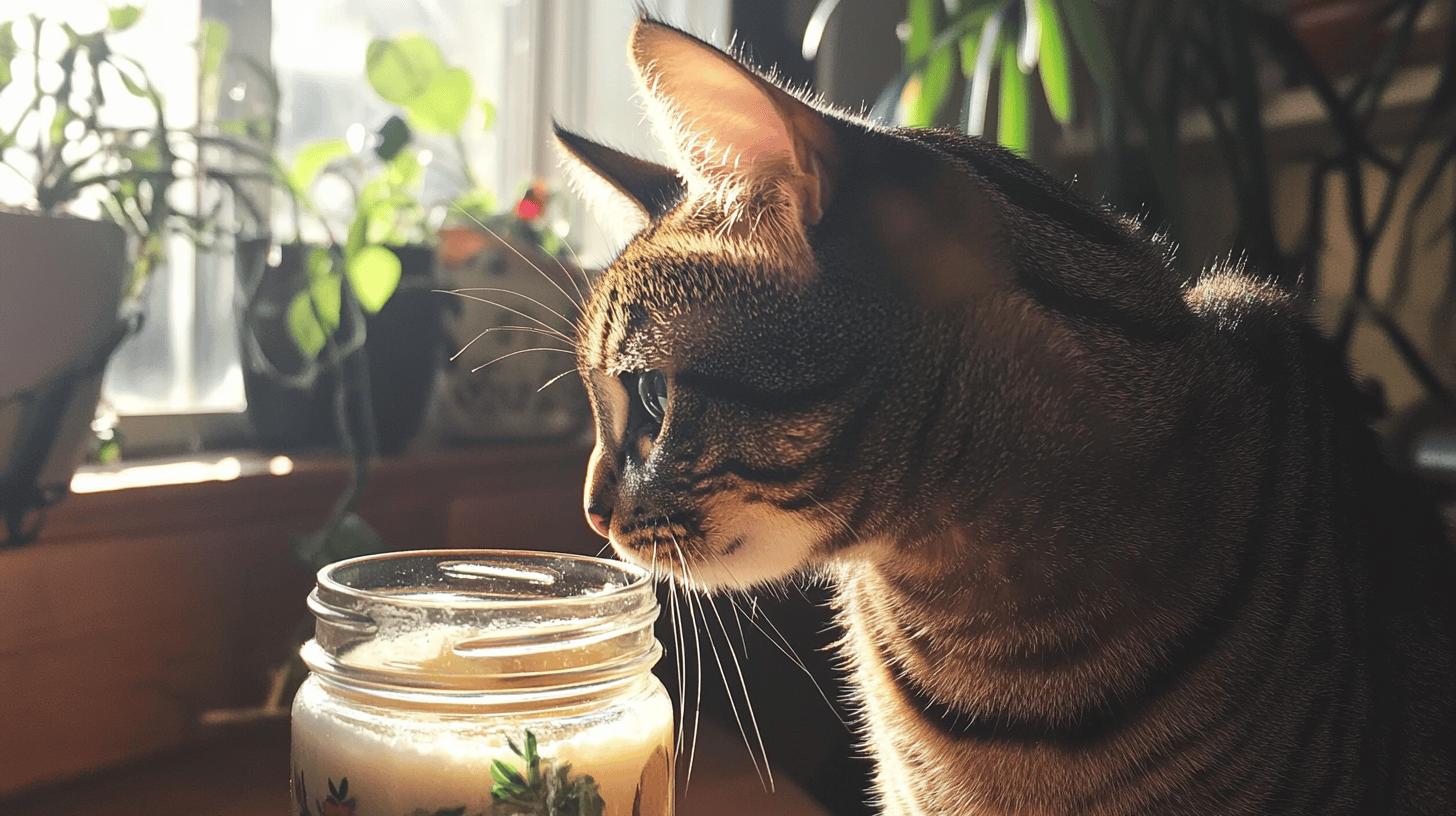
    Ghee, a type of clarified butter, is known for its rich content of healthy fats and essential vitamins. In terms of safety, ghee may be a better option for cats compared to other dairy products due to its low lactose content.

    Many cats are lactose intolerant because they lack the enzyme lactase needed to digest lactose found in milk. Since the clarifying process removes most of the lactose from ghee, it can be easier on a cat's digestive system. However, it is important to introduce ghee gradually and in small quantities to avoid potential digestive issues.

    Despite its potential digestibility, it is crucial to consider the overall safety of ghee for cats. Although ghee contains beneficial nutrients, it is high in calories and saturated fats. Overconsumption can lead to weight gain, which poses health risks such as obesity and related conditions.

    Therefore, ghee should only be given in moderation, and monitoring a cat's response is essential to ensure it does not adversely affect their health.

    In terms of nutritional impact, ghee is packed with omega-3 and omega-6 fatty acids, along with fat-soluble vitamins A, D, E, and K. These nutrients play significant roles in supporting a cat's vision, immune function, skin health, and bone health. For instance, omega-3 fatty acids are known to enhance skin and coat health, while vitamin A is essential for maintaining good vision. The rich nutrient profile of ghee may offer benefits when included in a balanced diet.

    The provision of essential nutrients can support various aspects of feline health. However, due to its high calorie content, ghee should not replace other primary sources of nutrition, particularly animal proteins, which are crucial for obligate carnivores like cats. It should be seen as a complementary addition, rather than a staple in their diet.

    Nutrient Benefit
    Omega-3 Fatty Acids Improves skin and coat health
    Vitamin A Supports vision and immune function
    Vitamin D Aids in bone health
    Omega-6 Fatty Acids Supports cellular function and metabolism

    Incorporating ghee into a cat's diet can be beneficial if done thoughtfully and in moderation. By considering both the safety and nutritional aspects, you can decide if ghee is a suitable addition to your cat's meals. Always consult with a veterinarian to tailor a dietary plan that aligns with your cat's specific health needs.

    Potential Health Benefits and Risks of Feeding Ghee to Cats

    Potential Health Benefits and Risks of Feeding Ghee to Cats-4.jpg

    Ghee can offer several health benefits for cats when given in moderation. It supports the immune system, essential for preventing illnesses. The omega-3 fatty acids in ghee contribute to healthier skin and a shinier coat. Its anti-inflammatory properties can improve joint health, which is helpful for older cats or those with arthritis.

    Benefits of feeding ghee to cats include:

    • Immune System Support: Boosts natural defenses.
    • Improved Skin and Coat Health: Omega-3s enhance skin and coat.
    • Joint Health: Anti-inflammatory properties support joints.
    • Vision Support: Contains vitamin A for eye health.
    • Bone Health: Provides vitamin D for strong bones.

    Despite these benefits, there are risks. Ghee's high calorie and fat content can lead to weight gain and obesity, which may cause diabetes. It also poses a risk of pancreatitis in some cats. Allergic reactions are possible, with symptoms like itching or respiratory distress.

    Risks of feeding ghee to cats include:

    • Weight Gain and Obesity: High calorie content leads to excess weight.
    • Pancreatitis Risk: Increased fat intake may trigger this condition.
    • Allergic Reactions: Itching or respiratory issues may occur.

    Moderation is key. Monitor your cat's response and adjust the amount accordingly, keeping it a small part of their diet. Watch for any adverse reactions, and consult a vet to tailor dietary choices to your cat's health needs.

    Best Practices for Introducing Ghee to Your Cat's Diet

    Best Practices for Introducing Ghee to Your Cats Diet-1.jpg

    Gradual introduction and portion control are essential when incorporating ghee into your cat's diet. Cats are sensitive to dietary changes, so starting with small amounts helps prevent digestive issues and avoids potential health risks like weight gain or allergies.

    Here are four steps to safely introduce ghee to your cat's diet:

    1. Start Small: Introduce a tiny amount of ghee, about half a teaspoon, mixed with their regular food.
    2. Monitor Closely: Observe your cat for any signs of digestive upset or allergic reactions, such as vomiting or itching.
    3. Increase Gradually: If your cat tolerates the initial amount well, slowly increase the quantity over a few weeks, but never exceed a teaspoon per serving.
    4. Limit Frequency: Offer ghee only a few times a week to prevent excessive calorie intake.

    Consulting a veterinarian is crucial before making any dietary changes. Discuss your cat's health history and any concerns about adding ghee to their diet. A vet can provide personalized advice based on your cat's specific needs. Always monitor for negative effects, and if any symptoms arise, stop feeding ghee immediately and seek veterinary advice.

    Alternatives to Ghee for Cats

    Alternatives to Ghee for Cats-3.jpg

    If you're considering alternatives to ghee for your cat, there are several options that offer similar nutritional benefits. These alternatives can provide healthy fats and essential nutrients without the potential risks associated with ghee.

    Here are some safe oils for cats and their benefits:

    • Fish Oil: Rich in omega-3 fatty acids, supports heart health, and enhances skin and coat condition.
    • Coconut Oil: Offers antimicrobial properties, aids digestion, and improves coat shine.
    • Olive Oil: Contains antioxidants and healthy fats that support overall well-being and digestion.

    For cats that are lactose-intolerant, dairy alternatives like lactose-free milk or specially formulated cat milk can be suitable options. These products are designed to be gentler on a cat's digestive system compared to regular dairy products.

    Maintaining a balanced diet is crucial for your cat's health. While these alternatives can supplement your cat's diet, they should not replace primary nutritional sources. Always ensure your feline friend's diet is rich in animal protein, essential for their overall health and well-being.

    Final Words

    Diving into whether a cat can eat ghee, we examined its safety and nutrition. Ghee's low lactose makes it a possible choice, while its essential fats and vitamins support overall health. Yet, be cautious of its high-calorie impact. Loving your cat means introducing new foods wisely. Gradual feeding and vet advice pave the way for safe dietary changes. By keeping a close watch on reactions and moderating portions, ghee could enhance your cat's meals. Always prioritize balance for a purring, healthy kitty!

    FAQ

    Is it okay for cats to eat ghee?

    A: Cats can eat ghee in small amounts. Ghee contains essential fats and vitamins, but its high calorie content can lead to weight gain if overfed.

    Can cats eat ghee every day?

    A: It is not advisable for cats to consume ghee daily. Moderation is key to avoid potential health risks like obesity and digestive discomfort.

    Can animals eat ghee?

    A: Yes, animals like cats and dogs can consume ghee in small amounts. It provides beneficial nutrients, but regular consumption is not recommended due to high fat content.

    Is ghee good for pets?

    A: Ghee can be beneficial for pets due to its vitamins and healthy fats, but excessive amounts can pose health risks such as weight gain.

    What are the potential risks of feeding ghee to cats?

    A: High ghee intake can lead to obesity, pancreatitis, and allergic reactions. Monitor your cat for signs of itching or breathing issues after consumption.

    Can my cat eat ghee with bread in the morning?

    A: It's better to avoid feeding cats ghee with bread. Cats require a high-protein diet, and bread offers little nutritional value for them.

    Is it OK if my cat eats butter?

    A: Cats can have small quantities of butter, but it's less digestible compared to ghee. Monitor your cat for digestive issues if they consume butter.

    Related Articles

  • Can Cat Eat Curry Understanding Risks and Safety Concerns

    Can Cat Eat Curry Understanding Risks and Safety Concerns

    Ever wondered if your cat could share a bite of that spicy curry you love? The rich aroma might attract you and your feline friend alike, but the truth is, it's not just a harmless curiosity for cats. Curry may be a flavorful delight for humans, but it's potentially dangerous for our pets.

    Packed with spices and ingredients like garlic and onions, it can pose serious health risks to your kitty. Let's explore why curry is a no-go for cats and how you can keep your curious companion safe.

    Is Curry Safe for Cats?

    Is Curry Safe for Cats-2.jpg

    Cats are naturally curious creatures, often drawn to the aromas wafting from our kitchens. It's not uncommon to see a cat sniffing around when a spicy dish like curry is being prepared. This curiosity is usually driven by the rich scents and flavors that pique their interest.

    However, no matter how interested your feline friend may seem, it's essential to recognize that what smells delicious to us can be hazardous to them. Curry, with its complex mix of spices and ingredients, is not a safe choice for cats.

    Curry commonly contains ingredients such as garlic and onions, both of which are toxic to cats. These ingredients belong to the Allium family and contain sulfur compounds that are particularly harmful, even in small quantities.

    When cats ingest garlic or onions, they risk developing Heinz body anemia, a condition where precipitates form in red blood cells, leading to their fragility and eventual rupture. This condition is severe and can result in significant health complications for your cat. The problem lies not only with the onions and garlic but with other spices that may be included in curries, each posing its own set of risks.

    If a cat consumes curry, they may experience a range of symptoms. These can include vomiting and diarrhea, which indicate gastrointestinal upset, a common reaction to many toxic foods. More severe symptoms might involve lethargy or signs of anemia, such as pale gums and weakness.

    The ingestion of harmful substances can lead to long-term health issues, requiring immediate veterinary attention to mitigate any adverse effects. Recognizing these signs early is crucial for your cat’s well-being.

    It's clear that curry is not a safe food for cats. While they might be attracted to its enticing smell, the potential health risks far outweigh any momentary curiosity. To ensure the safety of your furry companion, it’s vital to keep such foods out of their reach and stick to a diet specifically designed for their nutritional needs.

    Ingredient Potential Risk
    Garlic Heinz body anemia, gastrointestinal upset
    Onions Heinz body anemia, gastrointestinal upset
    Chili Peppers Oral irritation, digestive issues
    Spices (e.g., cumin, turmeric) Potential for irritation, allergic reactions

    Safe Alternatives to Curry for Cats

    Safe Alternatives to Curry for Cats-1.jpg

    Cats often show interest in the foods we enjoy, like curry. However, it's important to prioritize their safety and health by offering them alternatives that won't pose any risks. Instead of letting them indulge in spicy dishes, we can focus on providing cat-friendly options that meet their nutritional needs.

    When considering what foods are safe for cats, plain cooked chicken is an excellent choice. It's high in protein and free from harmful spices. Cheese, in small quantities, can also be a treat, offering calcium and protein.

    However, since many cats are lactose intolerant, it's best to offer cheese sparingly. Another beneficial option is pumpkin, which is rich in fiber and can help with digestion. These foods are not only safe but also cater to a cat's dietary requirements as obligate carnivores, who need a diet high in protein and moderate in fat.

    Consulting with a veterinarian is essential when deciding on your cat's diet. They can provide personalized advice, ensuring your cat's nutritional needs are met without any risk. Vets can recommend specific foods and offer insight into safe quantities and preparation methods. This guidance helps maintain your cat's health and prevent exposure to harmful ingredients found in human foods like curry.

    For those looking to add a touch of flavor, here are some safe spices or herbs that can be used in moderation:

    • Catnip
    • Cat thyme
    • Parsley
    • Dill
    • Rosemary
    • Basil

    Understanding the Dietary Needs of Cats

    Understanding the Dietary Needs of Cats-2.jpg

    Cats are obligate carnivores, which means their bodies are designed to thrive on a diet primarily composed of meat. Their nutritional needs are quite specific, requiring high levels of protein, moderate amounts of fat, and minimal carbohydrates.

    This unique dietary requirement stems from their evolutionary background, where their ancestors relied heavily on hunting for survival. Therefore, a diet rich in animal-based proteins is crucial for maintaining their health, supporting muscle development, and providing energy.

    Protein plays a significant role in a cat's diet by aiding in tissue repair and enzyme production. Cats need a balanced intake of essential amino acids, which they can only obtain from animal sources. While protein is vital, their diet should also include moderate fats, which are necessary for absorbing fat-soluble vitamins and providing additional energy.

    Carbohydrates, on the other hand, are not a primary source of energy for cats and should be kept to a minimum. Ensuring this balance is critical for preventing obesity and promoting overall well-being.

    Veterinary advice is invaluable when it comes to managing a cat's diet. Consulting a vet can provide personalized dietary recommendations that cater to your cat's specific health needs and life stage.

    Vets can help identify any dietary deficiencies or potential health risks, ensuring your cat receives a nutritionally complete and balanced diet. Regular check-ups and diet assessments are essential for adapting to any changes in your cat’s health or nutritional requirements over time.

    Tips for Introducing New Foods to Cats

    When introducing new foods to your cat, it's important to do so gradually. Start by mixing a small amount of the new food with their current diet and gradually increase the proportion over several days.

    Monitor for any adverse reactions or digestive issues. Always ensure that the new food meets their nutritional needs and avoid any ingredients that may be harmful. Consulting a veterinarian during this process can provide additional guidance and ensure a smooth transition.
    Veterinary Insights on Feeding Cats Spicy Foods

    Veterinary Insights on Feeding Cats Spicy Foods-2.jpg

    Veterinarians strongly advise against feeding spicy foods to cats due to the risk of adverse health effects. Cats have a delicate digestive system, and spicy foods like those containing chili peppers can lead to vomiting, diarrhea, and oral irritation.

    Ingredients such as garlic and onions, common in curry, are toxic to cats, potentially leading to more severe complications like anemia if ingested. Avoiding spicy foods is crucial for maintaining your cat's health and comfort.

    Professional veterinary guidance is essential when considering any changes to your cat's diet. Veterinarians can provide tailored advice based on your cat's health history and specific dietary needs.

    This is particularly important if your cat has existing health conditions that could be exacerbated by introducing new foods. Regular vet consultations ensure that your cat's nutritional needs are met safely, and any potential food-related risks are identified early.

    1. Schedule a Vet Appointment: Start by booking a check-up to discuss dietary needs.
    2. Discuss Current Diet: Provide details about what your cat currently eats.
    3. Ask About Safe Foods: Inquire about foods that are safe and beneficial.
    4. Plan Regular Follow-Ups: Set up regular visits to monitor dietary health.

    Final Words

    In considering "can cat eat curry," it's clear that curry is not safe for cats. With ingredients like garlic and onions, curry poses serious health risks. Cats show curiosity towards different foods, but the dangers outweigh any benefits here.

    Safe alternatives are essential for cat owners. Opt for plain cooked meat or pumpkin, which are safe and nutritious. Consulting a vet is critical to ensure your cat's diet meets nutritional needs without risking harm.

    Avoid spicy and harmful foods to keep your cat healthy and happy. Stick to expert guidance for the best dietary choices.

    FAQ

    Can cats eat curry?

    A: Cats should not eat curry. Curry often contains ingredients like garlic and onions. These can cause severe health issues, including Heinz body anemia. It's important to keep curry away from cats.

    What should I do if my cat eats curry?

    A: If your cat eats curry, monitor them for symptoms like vomiting or diarrhea. Contact your vet if you notice any signs of distress. Quick action can prevent serious health issues.

    Are curry leaves toxic to cats?

    A: Curry leaves aren't recommended for cats. They may cause digestive upset. Always prioritize cat-safe foods and consult with a vet for dietary guidance.

    Can cats eat rice?

    A: Cats can eat small portions of plain rice. While not harmful in moderation, rice lacks essential nutrients. It's best to provide a balanced diet with appropriate cat food.

    Can pets eat spicy food?

    A: Pets, including cats, should avoid spicy foods. Spicy foods can cause digestive issues and oral irritation, leading to discomfort and health problems.

    What are the harmful ingredients in curry for cats?

    A: Common harmful ingredients in curry for cats include garlic and onions. These can lead to anemia and digestive problems.

    Safe Alternatives to Curry for Cats

    A: Cats can safely enjoy foods like plain cooked chicken, cheese, and pumpkin. These provide essential nutrients and are easier on their stomach than spicy foods.

    Can dogs eat curry?

    A: Dogs should also avoid curry. Like cats, they can suffer digestive issues from spicy and harmful ingredients like garlic and onions.

    Tips for Introducing New Foods to Cats

    A: Introduce new foods gradually. Start with small portions. Monitor for adverse reactions. Always prioritize nutritional balance and consult a vet for personalized advice.

    Related Articles

  • Can Cat Eat Oil Understanding Safety and Health Concerns

    Can Cat Eat Oil Understanding Safety and Health Concerns

    Is your cat eyeing your cooking oil with curiosity? Before you pour a splash into their food, let's explore the safety and health concerns. While oils like olive and coconut might seem harmless, their impact on cats can vary. A tiny amount could help with digestion or coat health, yet too much can cause trouble. Think of it like indulging in that extra slice of cake—it might taste good, but it doesn’t come without risks. Are we taking chances with our pets? Let’s find out what's best for our feline friends.

    Can Cats Safely Consume Oil?

    Can Cats Safely Consume Oil-1.jpg

    Cats can indeed consume various oils, but the safety and health benefits can vary significantly depending on the type of oil. Olive oil and coconut oil are generally considered safe for cats when given in small amounts. Yet, excessive consumption can lead to health issues. While oil can offer benefits like aiding digestion or improving coat health, there are potential allergic reactions to be aware of. Cats might show signs of oil allergy, which could include digestive issues or skin irritations.

    Potential signs of oil allergy in cats:

    • Vomiting
    • Diarrhea
    • Skin irritations
    • Lethargy
    • Loss of appetite

    If a cat ingests a large quantity of oil, immediate veterinary care is crucial. Overconsumption can lead to severe health problems, including liver issues. In such cases, it's vital to monitor your cat closely for any unusual behavior or symptoms and seek professional help. Always have your vet's contact information readily available in case of emergencies.

    Different oils have distinct health impacts on cats. For example, olive oil might aid in digestion and hairball management, while coconut oil could help with skin health. However, they are not a substitute for essential nutrients found in a cat's primary diet. Each type of oil brings its own set of benefits and risks, and it's essential to consider these before adding them to your cat's diet. Always consult with a veterinarian to ensure that any oil included is appropriate for your cat's specific health needs.

    Exploring the Benefits and Risks of Olive Oil for Cats

    Exploring the Benefits and Risks of Olive Oil for Cats-1.jpg

    Olive oil is safe for cats and offers several health benefits. It's great for aiding digestion and helps manage hairballs, especially in long-haired cats. Olive oil's low saturated fat content makes it a healthier choice than options like coconut oil. It's rich in vitamin E and antioxidants, which boost the immune system. These nutrients are excellent for overall health and may enhance skin and coat condition.

    Despite its benefits, olive oil should be used with caution. Limit its use to 5–20 drops to prevent health issues. Overuse can lead to digestive upset, causing diarrhea or vomiting. Directly giving olive oil to your cat might result in aspiration pneumonia if inhaled into the lungs. Olive oil should complement, not replace, essential nutrients in your cat's diet. Watch your cat's response to olive oil and consult a vet if any adverse effects occur.

    Introducing Olive Oil to Your Cat's Diet

    Start by mixing a small amount of olive oil into your cat's regular food. This minimizes the risk of aspiration and makes the oil more palatable. Begin with just a few drops, gradually increasing to 5–20 drops, while observing your cat's reaction. Always consult your veterinarian before making dietary changes to ensure they meet your cat's specific health needs.

    The Role of Coconut Oil in Cat Health

    The Role of Coconut Oil in Cat Health-1.jpg

    Coconut oil can be a beneficial addition to a cat's care routine when used sparingly. Its properties can help improve skin health, making it a great option for cats with dry or flaky skin. When applied topically, it can soothe irritations and moisturize the skin. Additionally, coconut oil can aid digestion, helping to ease constipation and support a healthy gut when added in small amounts to a cat's diet.

    Recommended usages of coconut oil for cats:

    • Apply to dry or irritated skin to moisturize and soothe
    • Add to food in small amounts to aid digestion
    • Use as a natural remedy for hairball management
    • Apply to paws to soothe cracked or dry areas

    Despite its benefits, coconut oil is composed of 80–90% saturated fat, so moderation is key. It's not a substitute for the essential nutrients in a cat's primary diet. Overconsumption could lead to weight gain or digestive issues. It's crucial to consult a veterinarian before introducing coconut oil to your cat's diet to determine the appropriate dosage and ensure it fits their specific health needs.
    Evaluating Other Oils: Vegetable, Fish, and More

    Evaluating Other Oils Vegetable, Fish, and More-1.jpg

    Vegetable oil can be a double-edged sword when it comes to feline health. In small amounts, it can aid digestion, especially when a cat is constipated. Adding a touch to your cat's diet might help with bowel movements. However, it's important to keep in mind that excessive consumption can cause significant health issues. Too much vegetable oil can lead to obesity and digestive upsets, such as diarrhea or vomiting. It's crucial to monitor the quantity and frequency of vegetable oil given to your cat to avoid these risks.

    Fish oil is another popular choice for supporting a cat's health, primarily due to its high content of omega-3 fatty acids. These nutrients can do wonders for a cat's coat, making it shinier and reducing shedding. They also have anti-inflammatory properties that can help with joint health, especially in older cats. However, it's essential to choose fish oil specifically formulated for cats. Human fish oil supplements might contain other vitamins or additives that aren't suitable for feline consumption.

    Sunflower oil is also an option, containing linoleic acid, which is beneficial for maintaining healthy skin. It can be particularly helpful for cats with dry or flaky skin conditions. Although it's generally safe, sunflower oil should be given under the guidance of a veterinarian to ensure it's appropriate for your cat's specific health needs. Like other oils, overuse can lead to unwanted weight gain and digestive issues.
    Oil Type Benefits Risks
    Vegetable Oil Aids digestion Can cause obesity, digestive upset
    Fish Oil Supports coat health, reduces inflammation Use cat-specific formulations
    Sunflower Oil Maintains skin health Potential weight gain, digestive issues

    Guidelines for Safe Oil Consumption in Cats

    Guidelines for Safe Oil Consumption in Cats-1.jpg

    When it comes to incorporating oil into a cat's diet, moderation is key. Different oils offer various health benefits, but the amount must be carefully controlled. A general guideline is to limit oil consumption to no more than one teaspoon per day, regardless of the type. This ensures your cat benefits from the positive effects like improved digestion or coat health without facing issues such as weight gain or digestive upset. It's crucial to introduce any oil gradually, observing how your cat responds over time to ensure a smooth adjustment.

    5 Tips for Monitoring Your Cat's Health When Introducing Oils:

    1. Observe Behavioral Changes: Watch for any unusual behavior that might indicate discomfort or intolerance.
    2. Check Stool Consistency: Oils can affect digestion, so ensure your cat's stool remains healthy and regular.
    3. Monitor Coat and Skin Condition: Look for improvements or any adverse reactions like irritation or dandruff.
    4. Note Appetite Changes: Ensure your cat maintains a healthy appetite and does not refuse meals.
    5. Track Weight Fluctuations: Keep an eye on your cat's weight to prevent obesity, especially if high-calorie oils are used.

    It's essential to involve a veterinarian when considering oils as part of your cat's diet. A vet can provide advice tailored to your cat's specific health needs, factoring in their overall diet and lifestyle. This ensures the type and amount of oil added is appropriate, maximizing benefits while minimizing risks. Regular check-ups and open communication with your vet are vital for maintaining your cat's health and well-being as you explore dietary enhancements.

    Final Words

    Navigating the world of oils for cats can be tricky. Cats can eat oil, but safety depends on the type and amount. We've explored popular oils like olive and coconut oil, highlighting their benefits and risks. Safe amounts and vet consultations are key to avoiding complications.

    Understanding how different oils affect cats helps ensure safe play and health. By following simple guidelines and monitoring your cat's reactions, you can enhance their diet without worry. With careful consideration, oils can be a safe part of your cat's routine.

    FAQ

    My cat licked cooking oil. Is that harmful?

    A: If a cat licks a small amount of cooking oil, it's generally not harmful. However, watch for signs of upset stomach or diarrhea. If symptoms persist, contact a vet.

    Why do cats drink cooking oil?

    A: Cats might drink cooking oil due to its appealing smell or taste. However, they should not consume it regularly as it can lead to digestive issues and other health problems.

    Can cats eat olive oil safely?

    A: Cats can eat olive oil in moderation. It may aid digestion and help with hairball management. Limit usage to 5–20 drops and mix it into their food.

    Is there an oil that's good for cats to eat?

    A: Olive oil and coconut oil are safe in small amounts and can benefit skin and digestion. Avoid large quantities as they can cause health issues like liver problems.

    What happens if a cat eats oil?

    A: Eating oil can lead to vomiting, diarrhea, or inflammation of the pancreas. Monitor for these symptoms and consult a vet promptly if a large quantity was ingested.

    Is cooking oil okay for cats?

    A: Small amounts of cooking oil can be safe occasionally. Still, regular consumption should be avoided due to the risk of digestive discomfort and health issues.

    Can I add oil to my cat's food?

    A: Yes, you can add small amounts of certain oils like olive or fish oil to a cat's food. This can aid digestion and enhance coat health, but consult a vet first.

    Related Articles

  • Can Cat Eat Tortilla Chip Understanding Risks and Safe Alternatives

    Can Cat Eat Tortilla Chip Understanding Risks and Safe Alternatives

    Ever thought about sharing your snack with your kitty? Before giving your furry friend a tortilla chip, let’s take a closer look. These crunchy treats might seem harmless, but they hide a few dangers for your cat. Packed with salt and spices like garlic and onion, tortilla chips could lead to serious health issues. In this article, we'll explore the risks of feeding tortilla chips to cats and share safe alternatives to keep your pet happy and healthy. Let's dive into the facts before you reach for that chip bag!

    Can Cats Eat Tortilla Chips? Understanding the Risks and Concerns

    Can Cats Eat Tortilla Chips Understanding the Risks and Concerns-1.jpg

    Tortilla chips are a tempting snack for us humans, but they can pose significant risks to our feline friends. These chips typically contain ingredients such as high levels of salt and fat, in addition to spices like garlic and onion powder. These particular spices are known to be toxic to cats, potentially leading to severe health issues.

    Feeding tortilla chips to cats can result in various health concerns. The high salt content can be especially dangerous, leading to sodium ion poisoning. This condition might cause symptoms like vomiting, diarrhea, and in severe cases, seizures. Furthermore, the excessive fat present in these chips can contribute to obesity and hypertension, conditions that are as dangerous for cats as they are for humans.

    • Garlic Powder
    • Onion Powder
    • Salt
    • Fat

    Cats face challenges with digesting the starch found in tortilla chips. Their digestive systems are not designed to process large amounts of starch, which can lead to digestive issues such as vomiting and diarrhea. This inability to properly digest starch underscores why tortilla chips should be avoided.

    Cats are obligate carnivores, meaning their diet needs to be rich in animal proteins to provide the necessary nutrients for their health. Plant-based ingredients in tortilla chips do not meet these nutritional requirements, making them an unsuitable choice for your cat's diet. Prioritizing a meat-based diet ensures that cats receive the essential nutrients they need to thrive.

    Health Implications of Feeding Cats Human Foods

    Health Implications of Feeding Cats Human Foods-1.jpg

    Feeding cats a variety of human foods can lead to numerous health concerns. Many snacks are high in salt and fat, which can contribute to obesity and related health issues like diabetes and heart disease. Foods seasoned with spices and additives pose additional risks by causing digestive problems such as vomiting and diarrhea. Given that cats are obligate carnivores, their bodies are not equipped to handle these non-animal-based ingredients.

    Beyond immediate digestive issues, human foods can lead to nutritional deficiencies in cats. These snacks lack the essential animal-based proteins, vitamins, and minerals that cats need. Deficiencies can result in weakened immune systems and poor coat condition, affecting overall well-being.

    For a healthier diet, treats should be less than 10% of a cat's daily calorie intake. Choose snacks specifically made for cats to ensure they get the nutrients they need without the negative effects of human snacks.

    Human Food Potential Risk Cat Safe?
    Tortilla Chips Obesity, digestive issues No
    Chocolate Toxicity No
    Cooked Chicken None Yes

    Safer Alternatives to Tortilla Chips for Cats

    Safer Alternatives to Tortilla Chips for Cats-1.jpg

    When considering snacks for our feline friends, it's crucial to choose options that are safe and nutritious. Cats have specific dietary needs that must be met to maintain their health and well-being. Tortilla chips, with their high salt and fat content, are not a suitable choice. Instead, opting for cat-friendly snacks that align with a cat's natural diet is key. These snacks should not only be appealing but also support their nutritional requirements.

    Here are some recommended alternatives to tortilla chips for cats:

    • Small pieces of cooked chicken
    • Cooked plain fish
    • Plain, unsalted crackers
    • Commercial cat treats
    • Freeze-dried meat treats

    Focusing on a balanced diet specifically formulated for cats is essential. This ensures that they receive all the necessary nutrients to thrive. Veterinarians often recommend high-quality cat food that contains the right balance of proteins, fats, and carbohydrates. Providing your cat with these healthier snack options not only satisfies their cravings but also contributes to their overall health.

    Veterinarian Advice on Feeding Cats Snacks

    Veterinarian Advice on Feeding Cats Snacks-1.jpg

    Veterinarians advise against feeding tortilla chips to cats. These snacks are unsuitable for cats due to their high salt and fat content, which can lead to obesity and sodium ion poisoning. Cats, being obligate carnivores, need specific nutrients not found in tortilla chips. The presence of spices like garlic and onion powder in these snacks is also harmful.

    Consulting a veterinarian is essential for personalized dietary recommendations tailored to your cat's health and lifestyle. A balanced, high-quality diet that fulfills all nutritional needs is crucial. Veterinarians can help select appropriate cat foods and treats, ensuring the right mix of proteins, fats, and carbohydrates. This approach supports a healthier lifestyle for your cat and avoids risks associated with snacks like tortilla chips.

    Final Words

    Throughout this blog post, we've explored whether a cat can eat tortilla chips. These human snacks are risky for feline friends. With high salt content, potentially toxic ingredients like garlic and onion powder, and unhealthy fats, tortilla chips pose several health risks to cats, including obesity and hypertension.

    Cats, as obligate carnivores, thrive on meat, not starchy snacks. Starch digestion can lead to digestive issues for them. Always opt for safer and healthier snacks like cooked chicken or commercial cat treats.

    A consultation with a veterinarian can offer guidance on appropriate treat choices. Let's prioritize our cats' health with balanced diets and cat-friendly treats.

    FAQ

    Can cats eat tortilla chips?

    A: Cats shouldn't eat tortilla chips. These chips have high salt and fat content, which can harm cats, leading to obesity and hypertension.

    Can cats have unsalted tortilla chips?

    A: Unsalted tortilla chips are still not good for cats. They're hard to digest and lack the nutrients cats need, potentially causing digestive issues.
    What happens if my cat eats a tortilla chip?

    A: If a cat eats a tortilla chip, watch for symptoms like vomiting or diarrhea. High salt levels can lead to sodium poisoning, which requires a vet visit.

    Are tortilla chips toxic to cats?

    A: Tortilla chips can be toxic due to garlic and onion powder. These ingredients can harm cats, causing severe health problems.

    Can cats eat flour tortillas?

    A: Cats can't digest flour tortillas well. They offer no nutritional value and can lead to digestive problems because cats are carnivores.
    Is it OK if my cat ate chips?

    A: Eating chips isn't safe for cats. They contain harmful fats and salts that might lead to health issues over time.

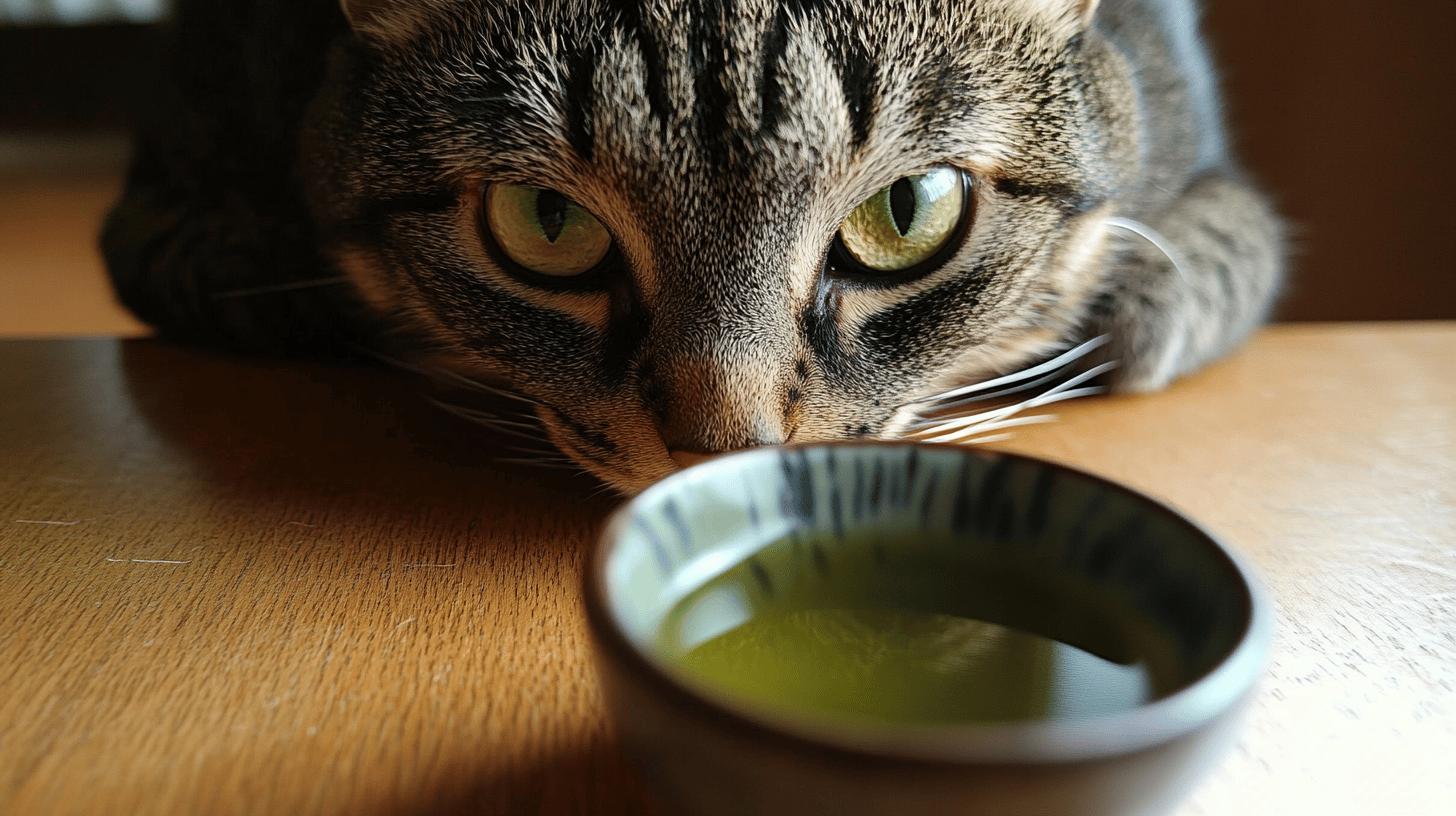
    Can cats eat Doritos?

    A: Cats shouldn't eat Doritos. They have artificial flavors, spices, and salt that can harm a cat's health.

    What human food can cats eat?

    A: Cats can eat small amounts of cooked, plain chicken or fish. Keep treats less than 10% of their daily diet.

    Can cats eat cheese?

    A: Some cats can handle small cheese amounts, but many are lactose intolerant. It's best to provide alternative treats.

    What can animals safely consume?

    A: Always provide food suited to their species, like commercial pet treats, to ensure they meet their dietary needs without health risks.

    Related Articles