Author: Lucas Turner

  • do cats Fleas Stay on Humans Long Term or Briefly

    do cats Fleas Stay on Humans Long Term or Briefly

    Ever worried that your cat’s fleas might become your unwanted roommates? The answer may surprise you. While these pesky parasites often hitch a ride on humans, they don't stay long.

    Fleas may land on human skin for a quick bite, but they can't call us home like they do with our furry friends. In this post, we’ll explore how long cat fleas stick around and why humans aren't as cozy for these bugs. Understanding this can improve your peace of mind and ensure flea-free playtime for you and your cat.

    Can Cat Fleas Stay on Humans?
    Can Cat Fleas Stay on Humans-2.jpg

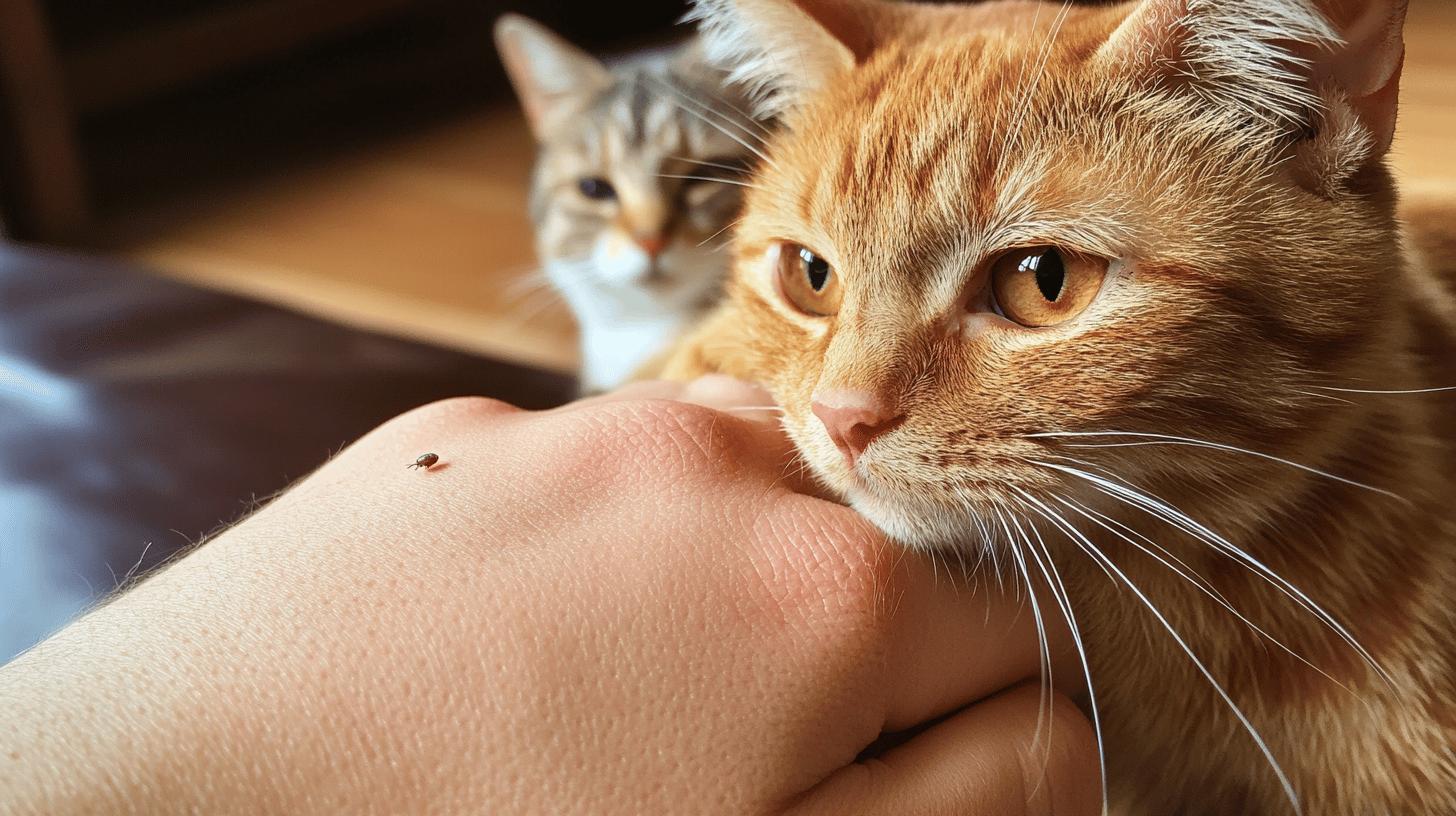
    Fleas are tiny parasitic insects that feast on the blood of warm-blooded creatures. While they can bite humans, they have a strong preference for furry hosts like cats and dogs.

    This preference stems from the warm, hairy environment that these animals provide, which is ideal for fleas to hide and thrive. When it comes to humans, fleas may land on us temporarily, but they don't find it as hospitable as an animal's fur.

    When cat fleas land on humans, they don't stay long. Female cat fleas usually remain on human skin for about 7.4 minutes, and their male counterparts tend to linger for around 4.4 minutes.

    his brief encounter is partly due to the lack of fur and the higher body temperature of humans compared to animals. Fleas can't reproduce on human hosts, so they quickly jump off to find a more suitable host where they can complete their lifecycle.

    The short duration that fleas spend on humans is primarily due to their inability to reproduce on human skin. They need the warmth and protection of animal fur to lay their eggs and continue their lifecycle.

    Without access to an animal host, fleas can't sustain their population or fulfill their reproductive needs. This is why, despite their occasional bites, humans are not suitable long-term hosts for fleas.

    Flea Bites on Humans: Identification and Treatment
    Flea Bites on Humans Identification and Treatment-1.jpg

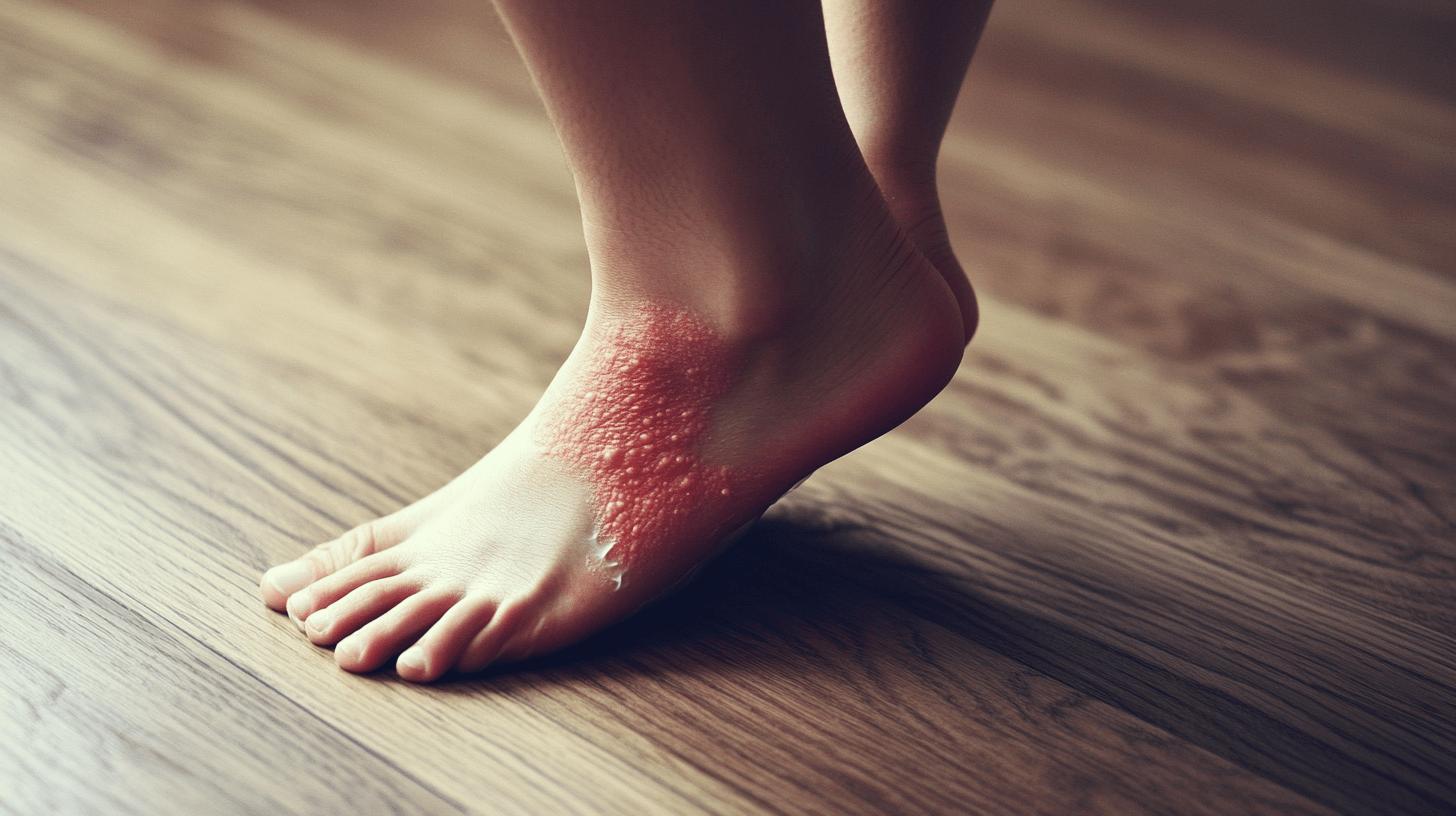
    Flea bites on humans are usually found on the feet, ankles, and legs. These bites appear as small, red bumps often grouped in clusters or lines. They might be easily mistaken for other insect bites, but their distinct pattern and location can help in identifying them.

    Symptoms of flea bites include itching and irritation at the site of the bite. For some individuals, these bites can trigger allergic reactions, causing more severe swelling, redness, and itching. Allergic reactions may vary in intensity, leading to discomfort and potential skin infections if the bites are scratched excessively.

    To treat flea bites, follow these steps:

    1. Clean the area with soap and water.

    2. Apply anti-itch cream or calamine lotion.

    3. Take oral antihistamines for severe itching.

    1. Consult a doctor if symptoms persist.

    It's important to seek medical attention if flea bite symptoms do not improve or if there are signs of infection, such as pus, increased redness, or fever. While flea bites are usually more of a nuisance than a serious medical issue, persistent or severe reactions warrant professional evaluation to prevent complications.

    How to Eliminate Fleas from Your Home

    How to Eliminate Fleas from Your Home-2.jpg

    Fleas can easily make their way into your home and set up camp in places where your pets spend the most time, like beds and carpets. These pesky invaders can quickly multiply, making it crucial to maintain a clean home environment to keep flea infestations at bay.

    Regular cleaning and treatment of your living space prevent fleas from becoming a persistent problem. By focusing on areas where fleas thrive, such as pet bedding and high-traffic areas, you can significantly reduce their presence.

    To effectively clean and treat your home for fleas, follow these steps:

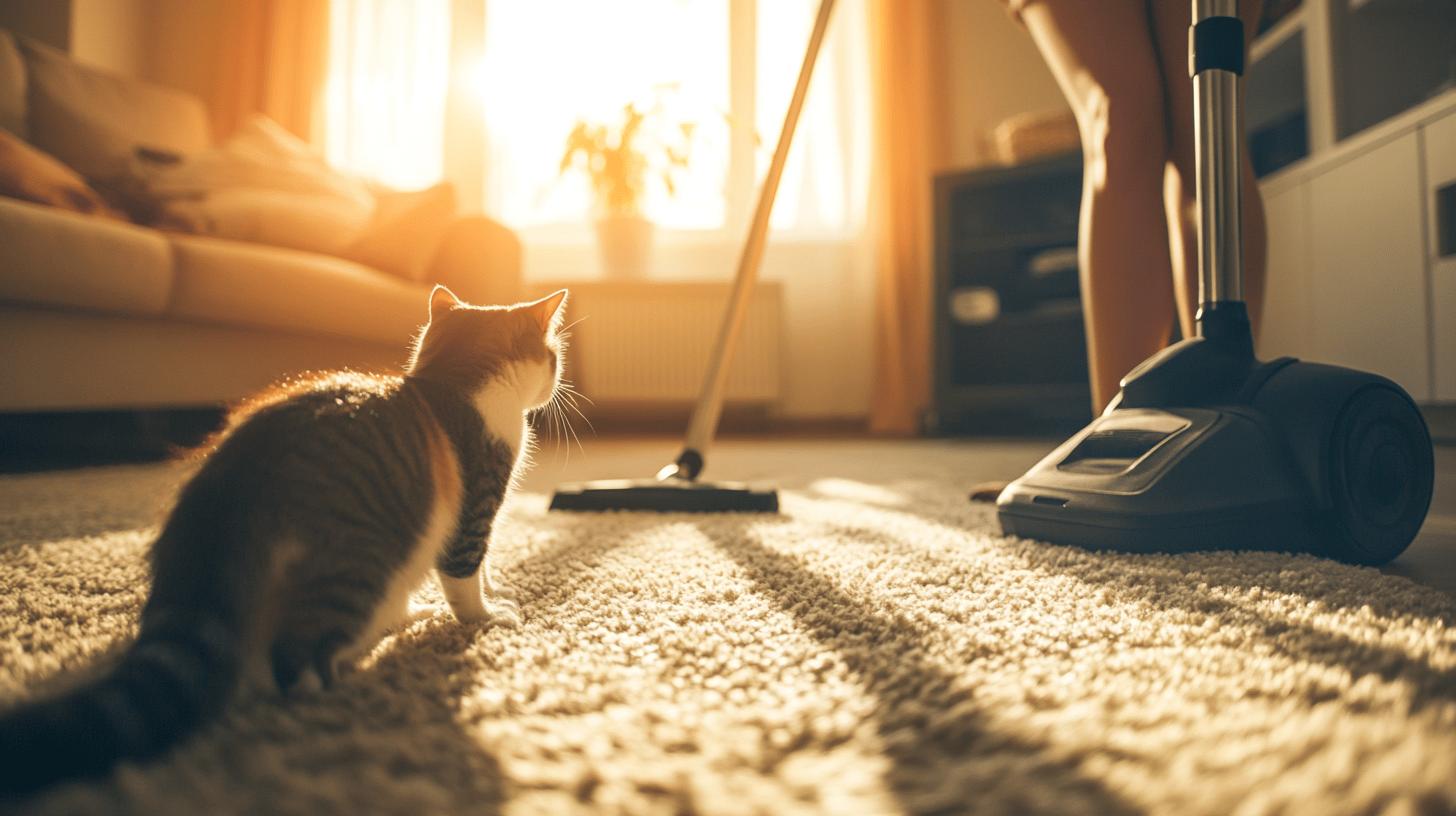
    1. Vacuum floors and upholstery regularly.

    2. Wash pet bedding in hot water.

    3. Use flea sprays or powders on carpets.

    1. Clean outdoor areas where pets roam.

    2. Use flea treatments on pets.

    3. Seal cracks and crevices.

    1. Dispose of vacuum bags immediately.

    Preventive measures are equally important to ensure fleas don't make a comeback. Consider these strategies to keep your home flea-free:

    • Regular flea checks on pets.

    • Frequent grooming.

    • Use of flea collars or preventatives.

    • Keeping pet areas clean.

    • Monitoring outdoor play areas.

    When the infestation seems out of control, or if you've tried everything and fleas still persist, it might be time to call in the experts. Professional pest control services offer comprehensive solutions that can tackle severe flea problems.

    They have access to treatments and tools that can reach areas you might miss, ensuring your home is a no-flea zone. This level of professional intervention is especially useful in regions where fleas are prevalent, providing peace of mind in knowing that your home is protected from these tiny intruders.

    Understanding Flea Lifecycle and Its Impact on Humans
    Understanding Flea Lifecycle and Its Impact on Humans-1.jpg

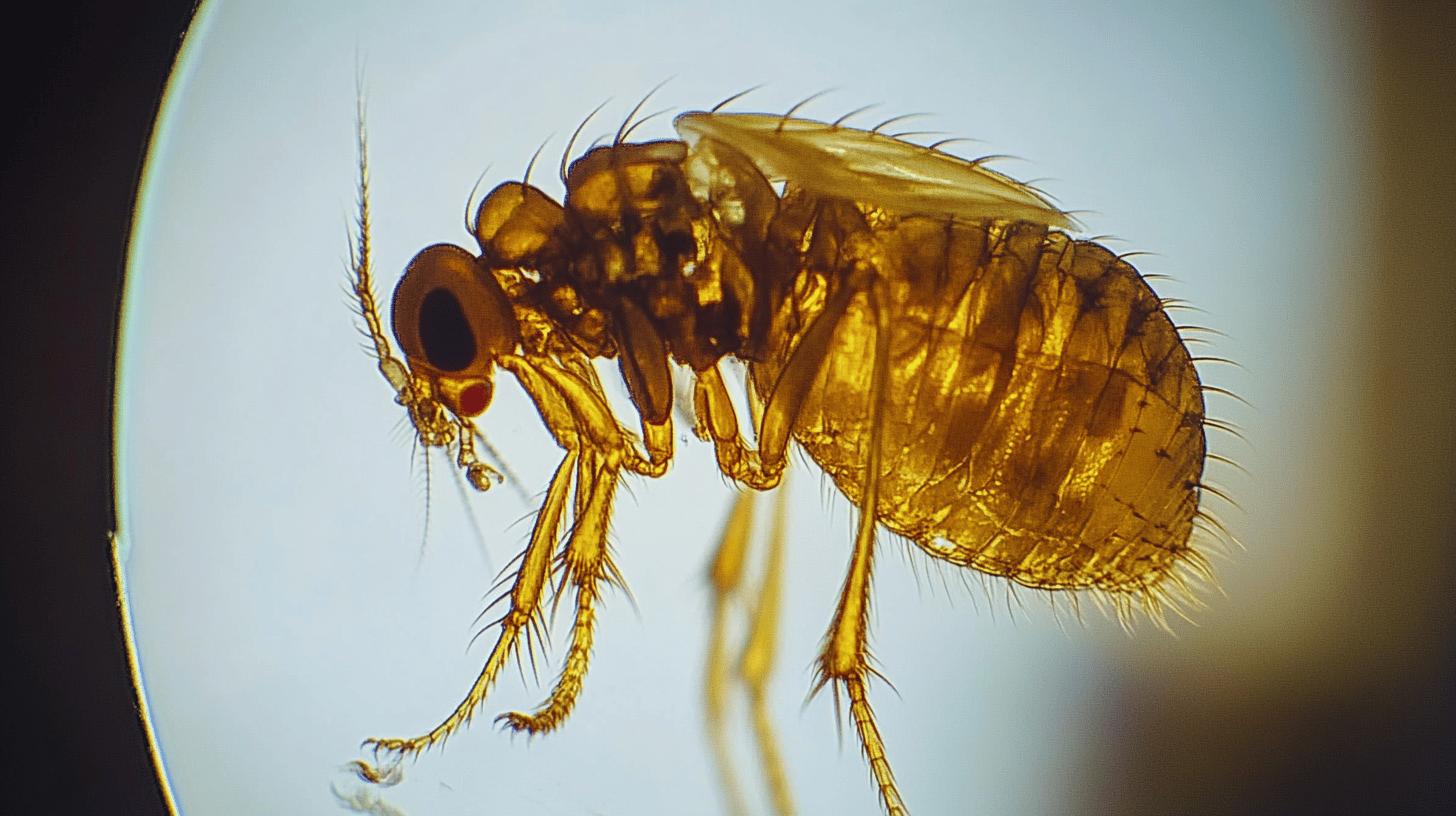
    Fleas, like many insects, go through a lifecycle consisting of four stages: egg, larva, pupa, and adult. Adult fleas are prolific breeders, capable of laying up to 40 eggs each day. These eggs are often laid in the fur of their hosts but can fall into the environment, such as carpets and upholstery.

    The eggs hatch into larvae, which feed on organic debris and flea dirt—essentially dried blood left by adult fleas. The larvae then spin cocoons and enter the pupal stage, a protective casing where they develop into adult fleas. This entire process thrives in warm environments, which is why fleas are common in cozy pet-friendly areas.

    Lifecycle Stage Duration
    Egg 2-14 days
    Larva 5-11 days
    Pupa 1-2 weeks (but can remain dormant for months)
    Adult Up to 100 days with a host

    Understanding the flea lifecycle is crucial for effective control, especially in human environments. Fleas cannot complete their lifecycle without access to an animal host, which limits their ability to reproduce in the absence of pets.

    By breaking the lifecycle at any stage, particularly before fleas reach adulthood, infestations can be effectively managed. This means targeting both the fleas on pets and the potential breeding grounds in the home, such as carpets and bedding, to ensure that the cycle does not continue unchecked.

    Natural Methods to Repel Fleas from Humans and Homes

    Natural Methods to Repel Fleas from Humans and Homes-4.jpg

    When it comes to keeping fleas at bay, natural flea repellents come in handy. Essential oils such as lavender and tea tree oil are well-known for their flea-repelling properties. These oils not only smell great but also create an environment that fleas find uninviting.

    Another natural option is vinegar, which can be used as a cleaning agent to deter fleas from making your home theirs. By regularly using these natural deterrents, you can significantly reduce flea presence without introducing harsh chemicals into your living space.

    Here are some popular natural flea deterrents to consider:

    • Lavender oil

    • Tea tree oil

    • Vinegar

    • Cedarwood oil

    • Lemon juice

    • Diatomaceous earth

    Natural methods have the advantage of being safer and gentler than chemical treatments, which can sometimes cause irritation or harm to pets and humans. While chemical treatments may be more immediate in their effects, natural repellents provide a more sustainable and health-conscious approach. With consistent use, these natural alternatives can effectively manage flea issues, keeping your home and loved ones free from these pesky intruders.

    Final Words

    Throughout this article, we explored the question: do cat fleas stay on humans? We learned that fleas may land on humans briefly but don't linger. Their survival and reproduction strongly rely on animal hosts. We also covered how to identify and treat flea bites, and discussed several ways to eliminate fleas from your home effectively. Understanding the flea lifecycle is crucial in breaking their hold on your home. Lastly, natural methods remain a viable choice for those avoiding chemicals. With these tips, you can keep yourself, your cats, and your home free from fleas.

    FAQ

    How long do cat fleas stay on humans?

    Cat fleas are not able to stay on humans for long periods. On average, female fleas stay on humans for about 7.4 minutes and males for about 4.4 minutes.

    Do cat fleas stay on humans in the house?

    Cat fleas do not permanently stay on humans. They might jump on humans briefly but prefer furry hosts like pets for feeding and living.

    How to get rid of cat fleas on humans?

    To get rid of cat fleas on humans, use soap and water to wash bites, apply anti-itch cream or lotion, and take oral antihistamines for severe itching.

    How long will fleas live in a house without pets?

    Without pets, fleas have a hard time surviving. They can live in carpets or upholstery but will usually die within a few weeks without an animal host.

    Can humans get fleas from a cat?

    Humans can temporarily have cat fleas on them, but the fleas prefer animals for feeding. They can't breed on humans.

    Can cat fleas live on human hair?

    Cat fleas cannot live or reproduce on human hair. They prefer the fur of animals where they can hide and feed more easily.

    Can humans carry fleas on clothes?

    Yes, humans can carry fleas on clothes, but fleas need animal hosts to stay permanently. They won't stay on clothing long-term.

    Can fleas travel on humans to another house?

    Fleas might hitch a ride on clothes or skin and travel to another house, but they require an animal host to thrive.

    Do I need to treat my house if my cat has fleas?

    Yes, if your cat has fleas, treat your home to prevent infestation. Vacuum thoroughly, wash pet bedding, and use flea treatments to control spread.

    Can cat fleas live on your clothes?

    Cat fleas can temporarily stay on clothes but need an animal host to live and breed. They won't remain on clothes for long periods.

    How long can cat fleas survive on humans?

    Cat fleas can survive on humans for a few minutes but cannot live or reproduce on human hosts, needing pets to thrive.

    Related Articles

  • How Do Cats Get Fleas Common Sources Explained

    How Do Cats Get Fleas Common Sources Explained

    Ever wonder how your indoor cat suddenly ends up with a pesky flea problem? It's a mystery many cat owners face, and the answer might surprise you. Fleas are expert hitchhikers, capable of making their way into your home through many sneaky paths. From hitching a ride on your clothes to entering through open doors and windows, these little critters are relentless. In this post, I'll uncover the common sources of fleas, so you can better protect your furry friend and maintain a flea-free home. Let's dive into the surprising ways these pests find their way to your cat.

    How Cats Get Fleas: Common Sources

    How Cats Get Fleas Common Sources-1.jpg

    Cats can pick up fleas from various places. The most common sources include contact with other animals and outdoor exposure. If your cat spends time outside, they might encounter fleas in gardens, parks, or when interacting with other pets. Even a brief stroll outside can lead to a flea hitching a ride on their fur. Homes with multiple pets are a hotspot for flea infestations, as fleas can easily jump from one animal to another.

    Indoor cats aren't immune to fleas either. These pesky bugs can come into the home through other pets, like dogs, who might bring them inside after a walk. Humans can also inadvertently carry fleas inside on their clothes or shoes after visiting infested areas. Rodents such as mice and rats are another common source, as they can transfer fleas to cats when they scurry through the house. Shared pet supplies, such as bedding or grooming tools, can harbor flea eggs or larvae, making it crucial to keep these items clean.

    • Fleas can hitch a ride on visitors' clothing.
    • Pets visiting from other homes can carry fleas.
    • Wildlife, like raccoons or squirrels, may bring fleas into your yard.
    • Fleas may enter through open windows or doors.
    • Second-hand furniture or rugs might already have fleas.

    In some cases, fleas can come from less obvious places. Moving into a new home might expose your cat to fleas left by previous occupants, especially in apartments or condos. Visits to places with many animals, such as vet clinics or boarding facilities, can also pose a risk. These environments can harbor fleas, making it easy for them to jump onto your cat during their stay.

    Understanding the Flea Life Cycle

    Understanding the Flea Life Cycle-1.jpg

    Fleas go through four distinct stages in their life cycle: egg, larva, pupa, and adult. The process begins when adult fleas lay eggs on the host, which then fall off and scatter throughout the environment. These eggs hatch into larvae, which thrive in dark, humid areas, feeding on organic debris and flea dirt. After the larval stage, they spin cocoons and become pupae. This stage can last from a few days to several months, depending on environmental conditions, making pupae particularly resilient. Eventually, adult fleas emerge, ready to find a host and start the cycle anew.

    Understanding this cycle is vital for effective flea treatment because not all products target every stage. Many treatments focus on killing adult fleas, but if eggs, larvae, or pupae are left untreated, the infestation can persist. To break the cycle, it's crucial to use a combination of treatments that address each stage. Consistent application of these treatments helps ensure that all life stages are targeted, reducing the chances of re-infestation.

    Flea Stage Description
    Egg Laid on host and fall into the environment; hatch in 1-10 days
    Larva Feed on organic debris; lasts 5-15 days
    Pupa Encased in cocoons; can last days to months
    Adult Feeds on host’s blood; begins cycle anew

    Identifying Signs of Flea Infestation in Cats

    Identifying Signs of Flea Infestation in Cats-1.jpg

    When it comes to recognizing flea infestations, physical symptoms are often the first clues. Cats with fleas might exhibit excessive itching and scratching, particularly around the neck and tail base. This can lead to fur loss or thinning in these areas. If you part your cat's fur, you might notice small, dark specks known as flea dirt, which is the feces of adult fleas. Sometimes, you may even spot live fleas moving through your cat's coat.

    Behavioral changes can also signal a flea problem. Cats may become more irritable or agitated, often grooming themselves more than usual in an attempt to relieve discomfort. Some cats might start hiding or avoiding interaction, indicating they are stressed by the constant itching. Observing these shifts in behavior can be a critical step in identifying a flea issue early.

    • Excessive scratching or biting at the skin.
    • Hair loss or thinning in specific areas.
    • Presence of flea dirt (tiny dark specks) in the fur.
    • Red or irritated skin.
    • Increased restlessness or agitation.

    To confirm a flea infestation, inspect your cat's fur closely. Use a fine-toothed flea comb to part the hair and check for fleas or flea dirt. Pay special attention to areas like the base of the tail and under the legs. If you find evidence of fleas, consult your veterinarian for suitable treatment options to manage the infestation effectively. Regular inspections can help catch flea problems early, ensuring your cat stays comfortable and healthy.

    Effective Flea Treatments for Cats

    Effective Flea Treatments for Cats-1.jpg

    Regular flea treatment and prevention are key to keeping your cat healthy and comfortable. Fleas can multiply quickly, so it's important to act fast. Using a consistent flea prevention regimen helps kill any remaining fleas and prevents future infestations. Treatments often include topical solutions, oral medications, or even flea collars. These products work by disrupting the flea's life cycle, making it impossible for them to reproduce. It’s crucial to treat all pets in your household to avoid fleas jumping from one to another, ensuring a flea-free zone.

    For effectiveness, it's recommended to repeat flea treatments every three to four weeks for a duration of three to six months. This approach helps to break the flea life cycle, as some products may not target eggs or larvae. By keeping up with treatments during this period, you significantly reduce the chances of re-infestation. Timing is everything, and sticking to a schedule ensures that fleas don't get a chance to repopulate, keeping your furry friend comfortable and itch-free.

    • Revolution Plus: Offers protection against fleas, ticks, and heartworms.
    • Advantage II: Kills adult fleas on contact and prevents larvae development.
    • Frontline Plus: Controls both flea and tick infestations and breaks the flea cycle.
    • Seresto Collar: Provides long-lasting protection and is water-resistant.
    • Capstar: Fast-acting oral treatment that starts killing fleas within 30 minutes.

    How to Choose the Right Flea Treatment

    Selecting the right flea treatment depends on your cat's specific needs. Consider your cat's age, as kittens may require different products than adult cats. Health is another crucial factor; some treatments may not be suitable for cats with certain medical conditions. Lifestyle plays a role too—outdoor cats might need more robust protection compared to indoor cats. Consulting with your veterinarian can help you find the most effective and safe option for your furry friend.

    Preventing Flea Infestations in the Home

    Preventing Flea Infestations in the Home-1.jpg

    Keeping your home free from fleas requires a two-pronged approach: treating both your pets and your living environment. It's essential to regularly use flea prevention treatments on all pets, including indoor cats, to ensure they aren't inadvertently bringing fleas into the home. These treatments can range from topical solutions to oral medications that provide continuous protection. By addressing both the animal and the environment, you create a comprehensive defense against fleas.

    To effectively manage your home environment, start with a thorough cleaning routine. Vacuum carpets and upholstery frequently, as this can help remove flea eggs and larvae that settle into fibers. Washing your pet's bedding in hot water weekly ensures any fleas or eggs are killed. Consider using pet-safe insecticides or flea sprays in areas where your pets spend the most time. These products can help eliminate any fleas that might have made their way inside.

    • Regularly vacuum carpets and furniture.
    • Wash pet bedding in hot water weekly.
    • Use flea sprays or insecticides in pet areas.
    • Keep pets on veterinarian-approved flea prevention.
    • Inspect and clean any second-hand furniture or textiles.

    Monitoring and maintaining prevention efforts is crucial for long-term success. Conduct regular checks on your pets for any signs of fleas, especially during peak flea seasons. Stay diligent with monthly flea treatments to prevent any new infestations. Regularly inspect and address potential entry points, like open windows or doors, to minimize exposure. By keeping up with these practices, you ensure your home remains a flea-free haven for you and your pets.

    Final Words

    In tackling the mystery of how do cats get fleas, we explored various entry points like other animals and the outdoors. Indoor cats aren't exempt, often getting fleas through humans and shared supplies. Recognizing signs like itching and fur loss is vital. We then dove into effective treatments, emphasizing consistent use and choosing the right product.

    Finally, prevention plays a crucial role with regular cleaning and monthly treatments helping maintain a flea-free home. Keep engaging with these proactive steps, and your cat will be well-protected, ensuring a happier and healthier living environment.

    FAQ

    How can I tell if my indoor cat has fleas?

    A: You can identify if your indoor cat has fleas by looking for excessive scratching, grooming, fur loss, and the presence of flea dirt or live fleas in their fur.

    How do indoor cats get fleas?

    A: Indoor cats can get fleas through contact with other pets, humans carrying fleas inside, rodents, or shared supplies such as pet bedding.

    Can cats get fleas from grass or a dirty litter box?

    A: Cats can get fleas from grass if they go outside. However, fleas are unlikely to originate from a clean litter box.

    Why does my cat keep getting fleas even after treatment?

    A: If fleas persist after treatment, it might be due to not targeting all flea life stages or reinfestation from untreated areas or pets.

    How do fleas start on cats, and what attracts them?

    A: Fleas start on cats when they jump from another animal or environment. They are attracted to a warm host with blood to feed on.

    Can humans get fleas from their cat?

    A: While fleas prefer animal hosts, they can bite humans, leading to irritation and itching but will not live on humans.

    How can I get rid of fleas on cats naturally?

    A: To naturally remove fleas from cats, use methods like bathing with mild soap, using a flea comb, or applying flea-repelling essential oils cautiously.

    A: Popular flea treatments include Frontline Plus, Capstar Flea Tablets, Bravecto Topical, Advantage II, and Bravecto Plus, which offer various benefits like long-lasting protection and fast-acting relief.

    Related Articles

  • What Do Cats Do When in Heat

    What Do Cats Do When in Heat

    Ever puzzled by your cat’s sudden antics? When a cat enters heat, her world transforms. It’s like a performance where she becomes the center of attention, showing an increased level of affection and constant vocalizations you can’t ignore. These changes aren’t random; they’re a well-orchestrated signal of her readiness to mate. Understanding these behaviors, like excessive grooming and territory marking, helps ensure her safety and maintain harmony at home. Let’s delve into the intricate display that occurs when your feline friend is in heat.

    Recognizing Signs of a Cat in Heat

    • Increased affection
    • Loud vocalizations
    • Excessive grooming
    • Assuming the mating position (lordosis)
    • Marking territory by spraying urine

    When a cat is in heat, she undergoes a series of noticeable behavioral changes that act as signals for her readiness to mate. One of the first signs is increased affection. You might notice your cat rubbing against furniture, walls, or even you more often than usual. This heightened affection is a way for her to spread her scent and signal her availability to potential mates. Loud vocalizations, often described as yowling or calling, are another clear indicator. These sounds are designed to attract male cats.

    Excessive grooming, especially around the genital area, is common as the cat tries to clean herself more thoroughly. This behavior is often paired with the cat assuming a specific posture known as lordosis, where she lowers her front body while raising her hindquarters, making herself more accessible to male cats. Additionally, she may start marking her territory by spraying urine on vertical surfaces. This is a way to leave her scent and communicate to males that she is in heat.

    These behaviors can be quite persistent and may cause your cat to attempt escaping outdoors to find a mate. Recognizing these signs is key to managing her behavior and ensuring her safety during this time.

    Understanding the Feline Estrus Cycle

    Recognizing Signs of a Cat in Heat-2.jpg

    The feline estrus cycle, commonly known as the heat cycle, is an integral part of a cat’s reproductive behavior. Most cats experience their first heat between six to ten months of age. This cycle is influenced by daylight, meaning it often coincides with longer days. The cycle can occur every 14 to 21 days, providing multiple opportunities for mating if the cat remains unspayed.

    The estrus cycle has distinct stages, each with its own duration and behavioral signs. The cycle begins with proestrus, lasting about one to two days. During this stage, cats may show subtle changes, such as increased affection and mild vocalizations, but they are not yet ready to mate. Following proestrus is the estrus stage, where the most noticeable behaviors occur. This stage lasts anywhere from five to nine days. In estrus, a cat will display clear signs of heat, such as loud yowling, excessive grooming, and a willingness to mate, known as lordosis. If the cat does not mate, she will enter a resting phase known as diestrus or interestrus, which lasts about 15 to 21 days.

    Estrus Cycle Stage Duration (Days)
    Proestrus 1-2
    Estrus 5-9
    Diestrus/Interestrus 15-21

    Factors such as breed, environmental conditions, and the presence of male cats can influence the estrus cycle. Daylight plays a crucial role as cats are generally more fertile during longer days. This is why many cats experience their heat cycles from early spring to late fall. Understanding these factors helps cat owners manage their pets more effectively, especially if planning to prevent or encourage breeding. Recognizing the cycle stages allows better preparation for the behavioral changes that occur, ensuring both the cat’s comfort and the owner’s peace of mind.

    How to Calm a Cat in Heat

    How to Calm a Cat in Heat-1.jpg

    Creating a calm environment for a cat in heat is essential to manage the behaviors and stress associated with this cycle. Cats in heat can become more vocal and restless, which can be challenging for both the cat and the owner. Providing a quiet and stable home environment helps in minimizing these behaviors. Reducing loud noises and keeping the cat’s surroundings consistent can prevent her from feeling overwhelmed. This calm setting allows her to feel more secure and less inclined to act out.

    Calming Techniques

    • Toys and Play: Engage your cat with her favorite toys. Interactive toys can distract her and provide a healthy outlet for energy.
    • Catnip: Offering catnip can help some cats relax. It can induce a temporary playful or calming effect.
    • Soothing Sounds: Playing soft music or white noise can mask external sounds that might agitate her, providing a soothing background.
    • Scratching Posts: These are useful for letting out stress and keeping her claws occupied in a helpful manner.
    • Maintain Consistency: Keep routines like feeding and playtime consistent to offer predictability and comfort.

    Using pheromone diffusers is another effective strategy to calm a cat in heat. These diffusers release synthetic pheromones that mimic the natural calming signals cats release themselves. They can significantly reduce stress and anxiety, leading to fewer vocalizations and less frantic behavior. By spreading these pheromones throughout your home, you create an atmosphere that helps your cat feel more at ease. This can be particularly beneficial in multi-cat households, as it helps maintain harmony among all the cats.

    The Benefits of Spaying and Neutering

    The Benefits of Spaying and Neutering-1.jpg

    Spaying female cats is a crucial step in preventing heat cycles and unwanted pregnancies. By removing the ovaries, the procedure stops the production of estrogen, which is responsible for triggering heat behaviors. This significantly reduces distressing behaviors like loud vocalizations and attempts to escape outside. Without the hormonal drive, cats remain calmer and more content. Spaying also helps prevent certain health issues, such as ovarian and uterine cancers, and reduces the risk of mammary tumors. This not only improves the cat’s quality of life but also makes managing a pet easier for owners as they no longer have to deal with the challenges of a cat in heat.

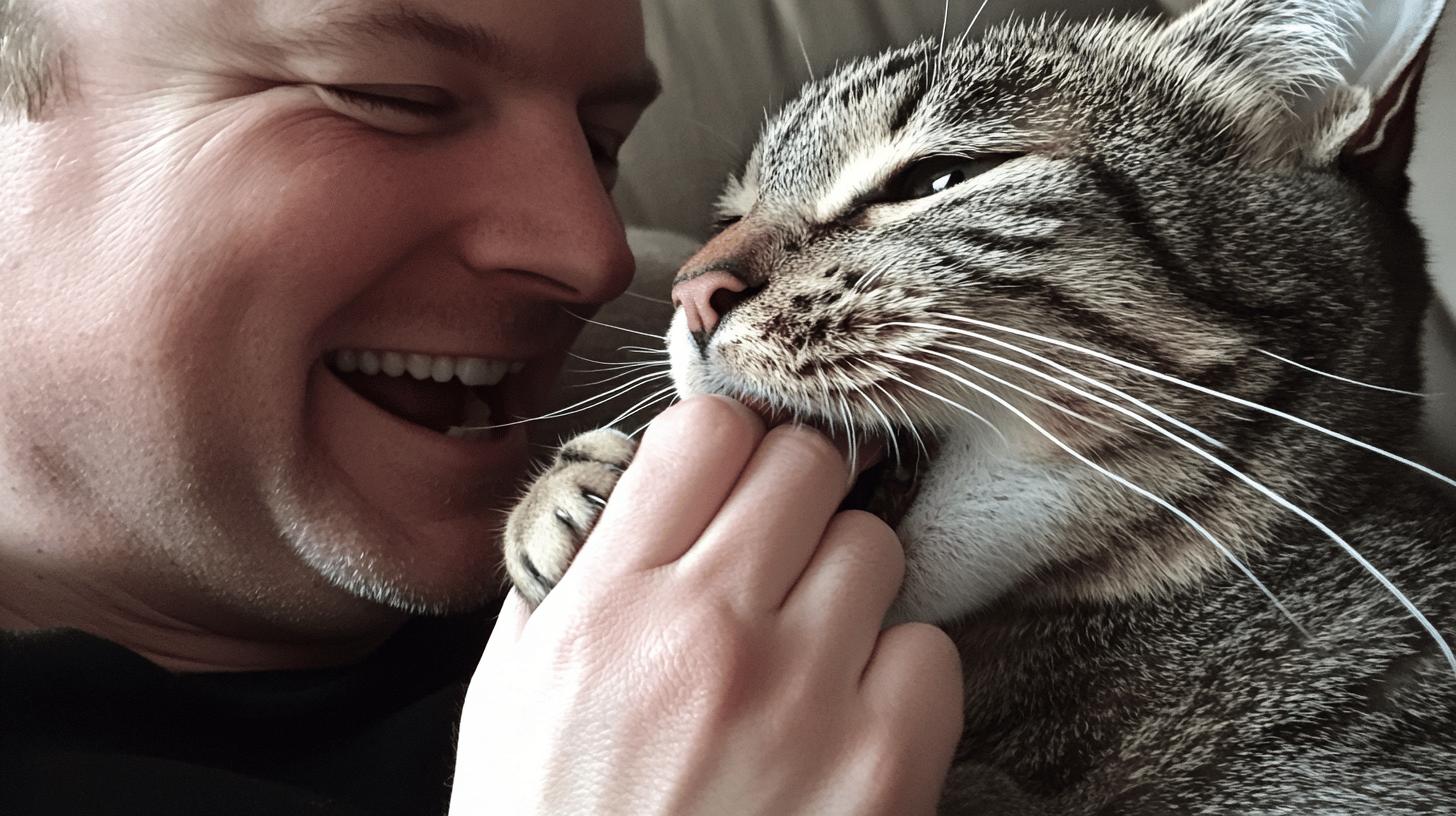
    Neutering male cats brings its own set of benefits. Male cats can sense when a female is in heat, often causing them to become agitated or aggressive. Neutering reduces testosterone levels, which diminishes these behaviors. Neutered males are less likely to roam in search of a mate, reducing the risk of getting lost or injured. They also tend to be less territorial and are less likely to spray urine to mark their territory. This change in behavior can lead to a more harmonious household, especially in multi-cat environments.
    Health and Behavioral Advantages

    • Spaying and neutering can lead to better health outcomes by eliminating the risk of reproductive cancers and infections.
    • It reduces stress for both the cat and the owner by minimizing problematic behaviors associated with heat cycles.
    • Overall, these procedures contribute to longer, healthier lives for cats, allowing them to thrive in their home environments without the pressures of mating instincts.

    Managing Multi-Cat Households During Heat

    When a female cat enters her heat cycle, it can stir the dynamics of a multi-cat household. Male cats often become agitated and may display increased territorial behavior and aggression. This shift can cause stress throughout the household, affecting all cats involved.

    1. Separate cats to prevent stress.
    2. Implement quiet spaces for each cat to retreat.
    3. Increase playtime and engagement to distract and reduce tension.
    4. Rotate the use of shared resources like litter boxes and feeding areas to minimize confrontations.

    Providing individual spaces and managing interactions can help maintain peace. Ensuring each cat has access to quiet zones and engaging them with toys or play sessions can significantly reduce stress during these challenging periods.

    Final Words

    Recognizing what cats do when in heat helps owners manage this natural phase better. From spotting signs like increased affection and loud vocalizations to understanding the estrus cycle’s stages and duration, it’s key to stay informed. Providing a cat with a calm environment and using calming techniques can ease stress. Spaying and neutering offer health and behavioral benefits, especially in multi-cat homes. Addressing these challenges equips you to handle a cat in heat effectively, ensuring safety and comfort for all your furry friends. Keep embracing this journey with your feline companions.

    FAQ

    What to do when your cat is in heat?

    A: When your cat is in heat, create a calm environment with soothing toys and pheromone diffusers to reduce stress and manage behaviors.

    How to tell if a cat is in heat for the first time?

    A: Recognizing a cat in heat includes symptoms such as loud vocalizations, increased affection, and excessive grooming efforts.

    Do cats bleed when in heat?

    A: Cats usually do not bleed during their heat cycle. Bleeding might indicate another health issue, so consult a vet if this occurs.

    How often do cats go into heat after the first time?

    A: Cats can enter heat every 14 to 21 days if not pregnant, depending on daylight and environment factors.

    How long will my cat be in heat?

    A: A cat’s heat cycle typically lasts about 7 to 10 days, with breaks of 15 to 21 days in between if not bred.

    Home remedies for cats in heat?

    A: Use catnip, engage them with toys, and provide a quiet space to calm a cat in heat naturally.

    When do male cats go into heat?

    A: Male cats do not have heat cycles; however, their behavior changes when female cats are in heat nearby.

    How to relieve a cat in heat?

    A: Address a cat in heat by providing interactive toys, using calming pheromone diffusers, and maintaining a stable environment.

    What are the symptoms of a cat in heat?

    A: Symptoms include loud vocalizations, increased affection, excessive grooming, and urine spraying.

    How often are cats in heat?

    A: Cats generally experience frequent heat cycles, occurring every 2 to 3 weeks during breeding seasons unless they are spayed.

    Related Articles

  • How Long Do Cats Grow Understanding Growth Timeline and Influences

    How Long Do Cats Grow Understanding Growth Timeline and Influences

    When does your cat truly stop growing? It’s not as clear-cut as you might think. While most cats reach adulthood by one year, some can keep growing until they’re four! Today, we’ll explore the fascinating journey of a cat’s growth, from their speedy kitten days to the mature years where their growth finally halts. We’ll delve into how breed, nutrition, and environment shape their growth timeline. Understanding these factors will not only satisfy your curiosity but also help you ensure your feline friend grows up healthy and happy.

    How Long Do Cats Grow? Understanding the Timeline

    How Long Do Cats Grow Understanding the Timeline-1.jpg

    Cats generally stop growing between 12 to 24 months. Most domestic cats reach adulthood at 12 months but may continue to grow until 18 months to 4 years, especially larger breeds. The growth timeline of a cat can be influenced by various factors, including its breed.

    Cat Growth Stages

    • Kitten (0-6 months): This is the rapid growth phase where kittens gain weight and develop basic motor skills.
    • Junior (6 months-2 years): Cats continue to grow and mature, reaching their full size by the end of this stage.
    • Prime (3-6 years): Cats are fully grown and maintain high energy levels.
    • Mature (7-10 years): Growth halts, and cats start to show signs of aging.
    • Senior (11-14 years): Cats may experience weight changes and reduced activity levels.

    Breed-Specific Growth Timelines

    • Maine Coons: Take up to 4 years to fully mature due to their large size.
    • Ragdoll Cats: Typically continue growing until around 3 to 4 years old.
    • Singapura: Known for faster maturity, reaching full size in about 12 months.
    • Devon Rex: Similar to Singapura, often maturing quickly.
    • Persian Cats: These may take around 2 years to achieve their full size.
    • Mixed-breed Cats: Usually grow faster and are generally healthier compared to purebreds.

    The growth duration of cats varies significantly among different breeds. Larger breeds like Maine Coons and Ragdolls have extended growth periods, while smaller breeds like Singapura and Devon Rex mature faster. Factors such as genetics, nutrition, and overall health can also play crucial roles in extending or shortening these growth periods. Understanding these variations helps in providing appropriate care and monitoring for your feline friend.

    Factors Influencing Cat Growth

    Factors Influencing Cat Growth-1.jpg

    Environmental factors play a significant role in a cat’s development. A stimulating environment with plenty of physical activity can promote healthy growth. Stressful situations, like constant noise or overcrowding, may negatively impact a cat’s growth rate. Creating a calm and enriched living space supports their well-being.

    Hormonal influences, such as those related to spaying or neutering, can slightly alter growth patterns. These procedures typically occur around six months and may affect growth due to hormonal changes. Understanding these potential shifts can help in planning for your cat’s development.

    To optimize your cat’s growth, consider these actionable strategies:

    • Dietary Recommendations: Provide a well-balanced, high-calorie diet tailored to your cat’s life stage. Foods rich in protein and essential nutrients support robust growth.
    • Environmental Enrichment: Offer toys, climbing structures, and interactive play to encourage physical activity and mental stimulation.
    • Stress Reduction: Maintain a peaceful environment, free from constant disruptions, to promote steady growth.

    Monitoring these elements is vital for ensuring a healthy growth trajectory. Regular check-ups with a veterinarian and adapting your cat’s environment and diet to their changing needs can significantly impact overall development.

    By focusing on these less-covered areas, cat owners can enhance their understanding and improve their pet’s growth outcomes.

    Male vs. Female Cat Growth Patterns

    Male vs Female Cat Growth Patterns-1.jpg

    Understanding the growth patterns between male and female cats can help you provide better care for your feline friends. Male cats generally grow larger and slower than their female counterparts. While both genders usually complete their growth between 12 to 24 months, males might take a little longer to reach their full size. This slower growth rate can result in male cats weighing up to 2 pounds more than female cats.

    In addition to size, the timeline for reaching full growth can differ. Females often reach maturity sooner, allowing them to settle into their adult size and weight more quickly than males. These differences are influenced by genetics and hormonal factors, which can also impact their development.

    Gender Growth Characteristics
    Male Larger, slower growth, potential to weigh more
    Female Smaller, faster growth, reaches maturity sooner

    Recognizing these growth patterns allows you to tailor your care approach, ensuring that both male and female cats receive the appropriate nutrition and environment needed for healthy development.

    Monitoring Your Cat’s Growth

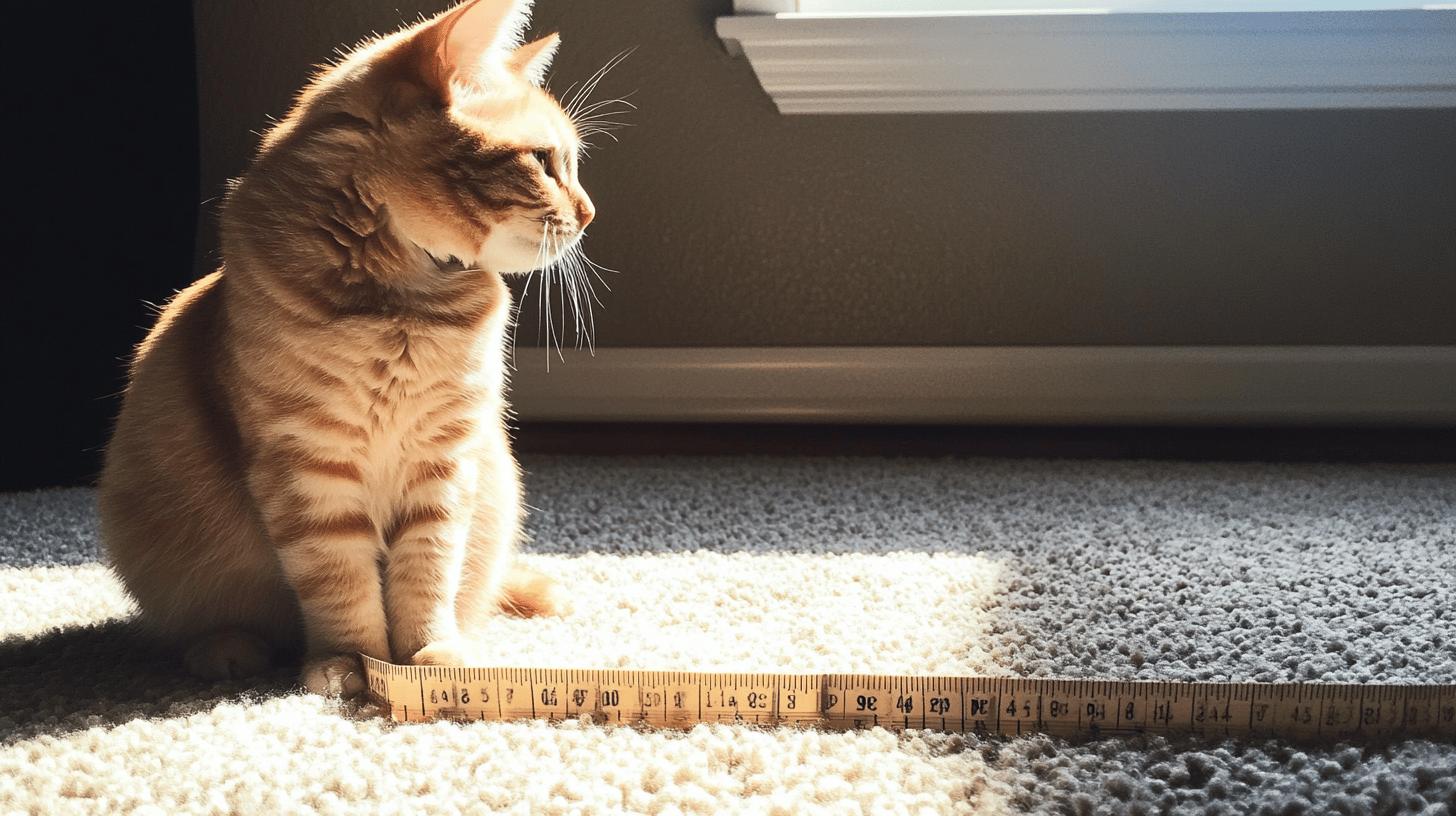
    Keeping tabs on your cat’s growth is essential, especially during the first year when development is most rapid. Regularly measuring and weighing your kitten provides insights into their health and growth trajectory. This practice helps in identifying any growth-related issues early, ensuring your kitten receives appropriate care.

    Here’s a practical guide to effectively track your kitten’s growth:

    1. Weekly Weigh-Ins: Use a digital kitchen scale to weigh your kitten weekly. Record the weight to notice trends and ensure steady growth.
    2. Measure Length and Height: Use a measuring tape to note your kitten’s length from nose to tail and height from floor to shoulder. This helps track physical development.
    3. Use Growth Charts: Compare your kitten’s measurements against breed-specific growth charts. These charts provide a benchmark for expected growth rates.
    4. Consult Vet Tools: Your veterinarian can offer growth chart tools designed for specific breeds, helping to fine-tune your monitoring.

    After the first year, growth slows considerably. You might notice fewer changes in size or weight. Regular monitoring at this stage ensures your cat maintains a healthy weight and identifies any potential health issues early on.

    Final Words

    Understanding how long cats grow helps you care for your furry friend better. From kittens to seniors, growth stages and timelines vary by breed. Most cats reach adulthood by 12 to 18 months, but larger breeds like Maine Coons may keep growing up to four years. Factors like nutrition, genetics, and environment play key roles in growth rates.

    By monitoring your cat’s growth, using charts and tools, you can ensure they develop healthily. Remember, every cat is unique. Embrace the journey and enjoy each stage of their growth.

    FAQ

    When do male cats stop growing?

    Male cats generally stop growing between 18 to 24 months. They might continue to develop heft in their body size until they are 4 years old.

    When do female cats stop growing?

    Female cats usually reach their full size by 12 to 18 months. However, like males, some might continue to develop until they are 4 years old.

    How long do cats live?

    Cats’ lifespan averages 12-16 years, though some live into their 20s. Factors like breed, diet, and care influence longevity.

    Can you tell how big a cat will get?

    You can estimate a cat’s size by looking at its parents and breed type. Larger breeds typically grow longer and larger.

    How long until a cat is full size?

    Cats typically reach full size between 12 to 24 months, though large breeds like Maine Coons may grow until 4 years.

    What is the 3-3-3 rule for cats?

    The 3-3-3 rule refers to the adjustment period when adopting a cat: 3 days to decompress, 3 weeks to settle, 3 months to fully adjust.

    How big should a 1-year-old cat be?

    A 1-year-old cat is usually close to its adult weight and size, depending on breed, diet, and individual growth patterns.

    When do different cat breeds stop growing?

    Smaller breeds, like Singapura, mature faster, while larger breeds, such as Maine Coons, can take up to 4 years to reach full size.

    Related Articles

  • Do Cats Miss Their Owners Understanding Feline Attachment

    Do Cats Miss Their Owners Understanding Feline Attachment

    Do cats miss their owners? It’s a question that might surprise some, but research shows that our feline friends do indeed feel a sense of attachment and longing just like we do. These fluffy companions are not as aloof as they may seem; they have emotional needs and can form strong bonds with humans. When left alone, they might show signs of anxiety, like excessive meowing or even misbehaving. Understanding these behaviors helps us recognize the deep connections cats can form, proving they’re more than just pets—they’re family.

    Do Cats Miss Their Owners? Understanding Feline Attachment

    Do Cats Miss Their Owners Understanding Feline Attachment-1.jpg

    Cats can indeed miss their owners. Research indicates that our feline friends show behaviors suggesting attachment and longing when we’re not around. Cats, much like humans, have emotional needs. They can form strong bonds with their human companions, sometimes resulting in signs of separation anxiety. This anxiety might manifest as excessive vocalization, inappropriate elimination, or even destructive behaviors, all signaling their distress in the absence of their beloved humans.

    Scientific studies have shown that cats can form strong attachments to humans, especially those raised closely with them. For instance, bottle-raised kittens often display behaviors that reflect a deep bond with their human caregivers. These cats are more likely to seek comfort from their owners and show signs of distress when separated from them. This attachment is similar to what we observe in dogs, although it might not be as overt or demonstrative.
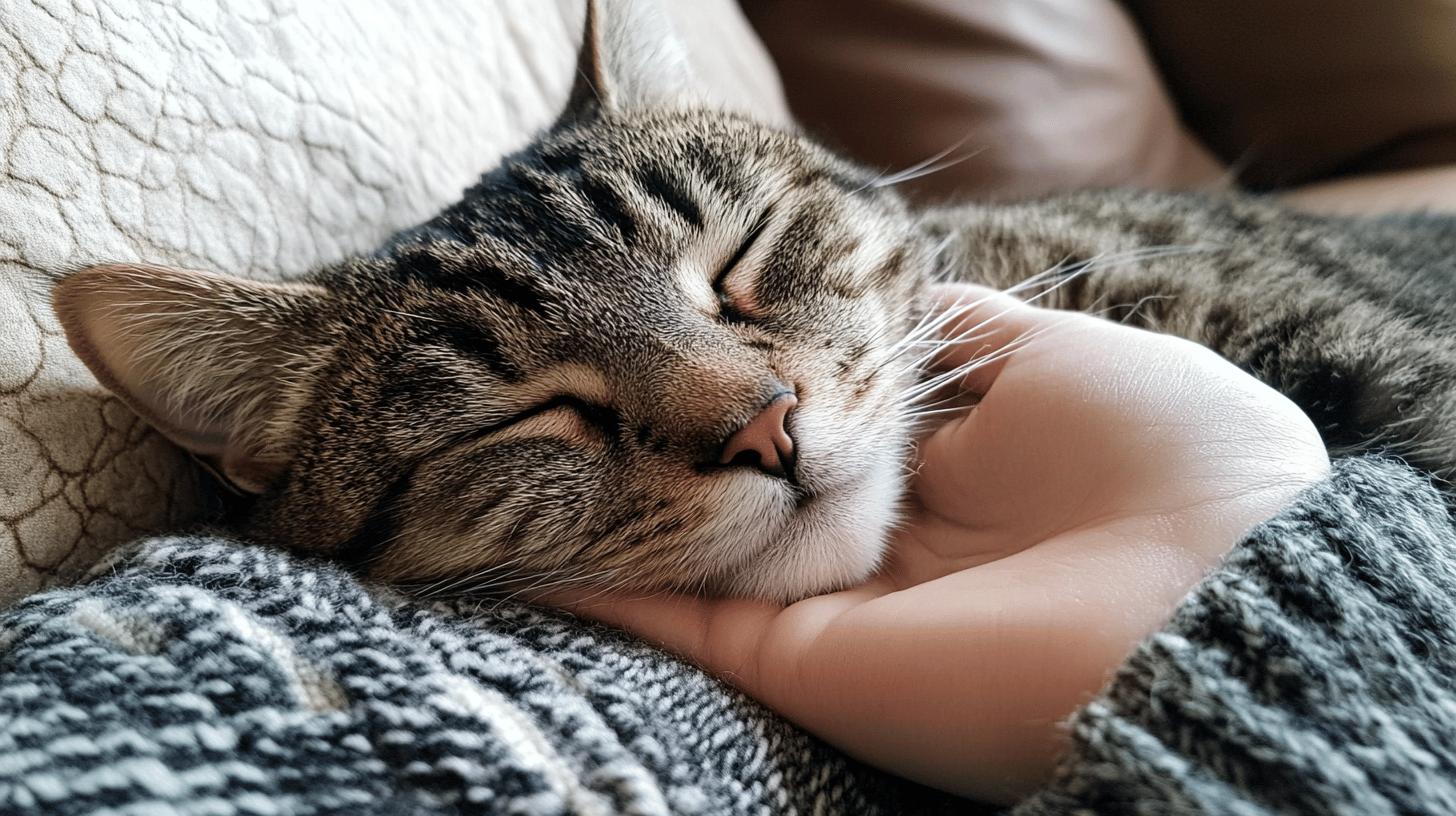
    Experts and cat enthusiasts often recount stories of cats showing clear signs of attachment. Anecdotal evidence includes tales of cats waiting by the door for their owners to return home, or greeting them with enthusiastic purring and head-butts. These behaviors reinforce the idea that cats are not the aloof creatures they’re often portrayed to be. They are capable of experiencing complex emotions and forming significant social bonds with their human companions.

    Signs Your Cat Missed You: Behavioral Indicators

    Signs Your Cat Missed You Behavioral Indicators-1.jpg

    Cats, as creatures of habit, often show signs of missing their owners through changes in their routine. When their daily schedule is disrupted due to an owner’s absence, it may lead to behaviors reflecting their longing and attachment.

    Kneading and Purring

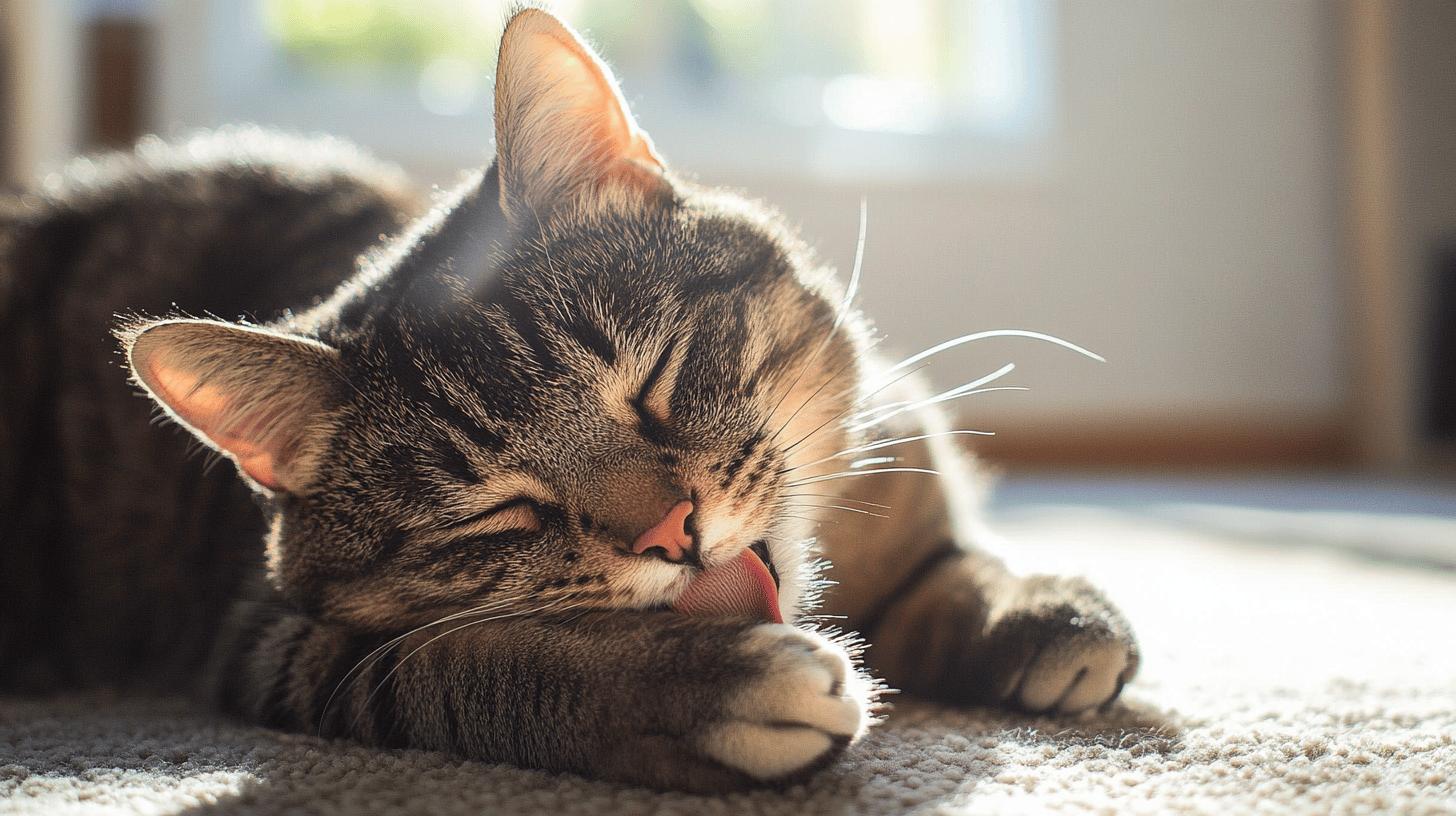
    Kneading, often paired with purring, shows a cat’s happiness when you return. This comforting action dates back to kittenhood and reflects deep contentment. When adult cats knead, it signals joy and pleasure in your presence.

    These behaviors reveal a cat’s emotional state, demonstrating attachment and the relief felt upon an owner’s return. By observing these signs, we deepen our understanding of the bonds we share with our feline companions.

    Coping with Owner Absence: Helping Your Cat Feel Secure

    Cats thrive on routine. Predictability in their day-to-day life can significantly reduce separation anxiety. When an owner’s absence disrupts a cat’s established schedule, it may lead to stress and undesirable behaviors. By maintaining consistent routines, such as feeding times and play sessions, you can help your cat feel more secure and less anxious when you’re not around.

    Here are some practical tips for creating a comforting environment for your cat:

    • Establishing a daily routine: Stick to regular feeding, play, and sleeping schedules to provide a sense of stability.
    • Creating a safe space with a cat tree or perch: Offer your cat a dedicated area where they can retreat and feel secure.
    • Avoiding strong scents: Use familiar smells, like your worn clothing, to comfort your cat in your absence.
    • Providing toys for play and hunting: Interactive toys can stimulate your cat’s natural hunting instincts and keep them engaged.
    • Using interactive games: Puzzle feeders or automated toys can offer mental stimulation and prevent boredom.
    • Hiring a pet sitter for long absences: A trusted pet sitter can ensure your cat receives attention, food, and care while you’re away.

    After implementing these changes, observe your cat’s behavior to see how they respond. Adjust your approach based on their needs and comfort levels. By understanding and addressing your cat’s emotional needs, you can help them cope with the times you’re not there, making them feel more secure and content.

    The Role of Memory: Do Cats Remember Their Owners?

    The Role of Memory Do Cats Remember Their Owners-1.jpg

    Cats have a remarkable ability to remember their human companions, forming deep emotional attachments through memory. Research shows that these memories are not just fleeting but play a significant role in how cats interact with their owners. A cat’s memory helps it recognize familiar faces, respond to specific routines, and develop a bond that goes beyond simple survival instincts.

    Scent is a powerful tool in a cat’s memory arsenal. Cats often associate smells with particular experiences and individuals. Nestling among their owner’s recently worn clothes is a common behavior, showcasing how they use scent as a comforting reminder of their cherished human. This olfactory connection helps cats feel secure and attached, even when their owners are not physically present.

    Memory Type Example
    Short-term Recognizing owners
    Long-term Remembering routines

    These memories influence a cat’s behavior and attachment to its owner, shaping how they react to different situations. Cats with strong memories of positive interactions are more likely to display affection and comfort-seeking behaviors. This means that the bond between a cat and its owner is not only based on daily interactions but also on the rich tapestry of shared memories, making these feline connections truly special and enduring.

    Feline Reactions to Rehoming and Owner Changes

    Feline Reactions to Rehoming and Owner Changes-1.jpg

    Cats are creatures of habit, and a sudden change in their environment, like rehoming, can be quite stressful for them. When a cat is rehomed, it might initially experience anxiety and confusion as it navigates a new setting without familiar faces or smells. This stress can manifest in various ways as the cat tries to cope with the loss of its previous home and routine.

    One common sign of stress in rehomed cats is a noticeable change in eating habits. Some cats may eat significantly less, losing interest in food due to the emotional turmoil, while others might eat more as a comfort mechanism. Additionally, increased vocalization is another indicator of stress. Cats may meow more frequently or loudly, expressing their distress and searching for reassurance in an unfamiliar environment.

    To help a cat adjust to a new home, maintaining consistency and patience is key. Establishing a routine similar to the one in their previous environment can provide comfort. Gradually introducing them to their new surroundings and offering familiar items, like their favorite toys or blankets, can help ease their transition. By providing a stable environment with plenty of love and patience, you can help your feline friend feel more secure and gradually adapt to their new home.

    Final Words

    Exploring how cats miss their owners reveals that our feline friends can form strong bonds with us. They show signs of attachment, like changing behavior when we leave, and greeting us warmly upon return. Cats can remember and miss their owners, even relying on familiar scents to feel close to them. When faced with separation or a new environment, offering comfort and security can help ease their anxiety. Remember, our presence and routine are important in keeping them happy. Ultimately, knowing that cats miss their owners strengthens the connection we share with them.

    FAQ

    Do cats miss their owners when they go on holiday?

    Cats can indeed miss their owners when they go on holiday. Cats form attachments and show longing through changes in behavior, such as waiting by the door and showing elaborate greetings upon return.

    How long do cats miss their owners?

    Cats can miss their owners for varying durations. While each cat is different, many show signs of missing their owners for days or even weeks, especially after forming strong bonds.

    Do cats notice when their owner is gone?

    Cats notice when their owner is gone. Disruptions in routine can signal an owner’s absence. Cats may become more vocal or display behaviors like waiting at the door.

    What are signs your cat missed you?

    Signs a cat missed you include intense purring, head-butts, kneading, and waiting by the door. These behaviors show a cat’s joy and longing for their owner’s return.

    Do cats miss their owners when you give them away or rehome them?

    When given away or rehomed, cats may miss their owners. Cats can experience stress and changes in behavior, like vocalizing or changes in eating habits, when adjusting to new environments.

    Do cats miss their owners when they go to work?

    Cats might miss their owners when they go to work. Changes like vocalizing, waiting by the door, or following you eagerly upon return may suggest this.

    Do cats miss their kittens?

    Cats may miss their kittens after separation. Maternal instinct and attachment can cause a cat to seek its kittens, displaying signs of longing for their presence.

    How do you know if your cat misses you?

    A cat might show they miss you by displaying elaborate greetings, excessive purring, head-butts, and waiting by the door or windows when you’re expected.

    How long before a cat forgets its owner?

    Cats have strong memories tied to scent and routine, which can help them remember owners for a long time. The exact time varies among individuals.

    Will my cat miss me if I give her away?

    If you give your cat away, your cat may miss you. Cats form attachments, and changes in behavior might occur as they adjust to new surroundings.

    Related Articles

  • do cats Coughs Indicate Health Issues Understanding Feline Cough Patterns

    do cats Coughs Indicate Health Issues Understanding Feline Cough Patterns

    Can a simple cough from your cat be a sign of a serious health issue? Just like humans, cats can develop coughs, but these sounds might not always mean what you think. Often confused with retching or hairball incidents, a cat's cough can signal different things.

    It's crucial to identify what these coughs mean. Recognizing and understanding your cat's cough patterns can make the difference in addressing potential health concerns early. Let's dive into what those coughs might indicate and when it's time to seek help.

    Can Cats Cough and What Does It Mean?

    Can Cats Cough and What Does It Mean-1.jpg

    Cats can indeed cough, and it often signals underlying health issues. Unlike the typical human cough, a cat's cough might sound more like retching or choking, sometimes making it difficult to distinguish from other noises cats make.

    Often, these coughs can be mistaken for a hairball incident, as they may involve a similar gagging sound. Recognizing the distinctive sound of a cat's cough is essential in determining whether the behavior is normal or if veterinary attention is needed.

    Here are some potential sounds that could be mistaken for a cough:

    • Retching or gagging as if trying to expel a hairball
    • Wheezing noises, often linked with respiratory issues
    • Hacking sounds, similar to clearing a throat
    • Short bursts of meowing combined with a cough-like noise
    • Sneezing episodes that might resemble coughs

    Understanding the sound of a cat's cough is crucial for maintaining their health. Distinguishing between normal and concerning noises can help identify when a visit to the vet is necessary. Early detection of abnormal coughing can prevent the escalation of potential health problems, ensuring your feline friend stays as healthy as possible.

    Common Causes of Coughing in Cats

    Common Causes of Coughing in Cats-2.jpg

    Cats can cough due to a variety of environmental irritants and allergies. Household dust, cigarette smoke, and certain cleaning chemicals are common culprits. These substances can irritate a cat's respiratory system, leading to coughing.

    Even some types of cat litter, especially those that produce a lot of dust, can trigger allergic reactions or respiratory issues. Managing these environmental factors, such as using dust-free litter and ensuring a smoke-free environment, helps maintain your cat's respiratory health.

    Respiratory illnesses and infections are another significant cause of coughing in cats. Feline asthma and bronchitis are common conditions that manifest with coughing. These illnesses can be triggered by allergens like pollen or dust, leading to inflammation in the cat's airways.

    Infections, often viral or bacterial, can exacerbate these conditions, causing persistent coughing. Regular vet check-ups and vaccinations can help prevent and manage these issues, ensuring your feline companion stays healthy.

    Mechanical causes, such as hairballs and the inhalation of foreign objects, can also lead to coughing in cats. Hairballs form when cats groom themselves and ingest loose fur, which can sometimes get stuck in their throat or digestive tract, causing them to cough or gag.

    Similarly, inhalation of small objects like food crumbs can block airways, resulting in coughing. Regular grooming can minimize hairballs, while monitoring your cat's environment can prevent them from inhaling objects.

    Cause Description Symptoms
    Allergies Reaction to airborne particles like pollen or dust Coughing, sneezing, watery eyes
    Respiratory Illnesses Conditions like asthma and bronchitis Coughing, wheezing, difficulty breathing
    Hairballs Ingestion of loose fur leading to blockages Coughing, gagging, retching
    Inhalation of Objects Small objects blocking airways Coughing, choking, distress

    How to Recognize Serious Coughing Symptoms in Cats

    How to Recognize Serious Coughing Symptoms in Cats-1.jpg

    Frequent or persistent coughing in cats can be a sign of a more serious health issue. If your cat's cough is accompanied by other symptoms like wheezing, difficulty breathing, or lethargy, it might be time to consult a veterinarian.

    A cough that lasts more than a few days should not be ignored, as it may indicate an underlying condition that requires professional care. Cats may also show signs of distress, such as panting or struggling to breathe, which can be indicative of respiratory distress or other serious concerns.

    Here are specific symptoms that signal the need for veterinary attention:

    • Coughing up blood
    • Labored breathing or panting
    • Persistent coughing lasting more than a few days
    • Wheezing sounds when breathing
    • Loss of appetite or lethargy
    • Signs of distress or discomfort when breathing

    Timely medical intervention is crucial if these symptoms are present. Early detection and treatment can prevent the progression of potentially serious health problems. Consulting a vet when you notice these signs ensures your cat receives the necessary care and improves their chances of a quick recovery.

    Treating and Managing Cat Cough

    Treating and Managing Cat Cough-4.jpg

    When your cat starts coughing, it's crucial to consult a veterinarian to determine the underlying cause. A vet will conduct a thorough examination and might recommend diagnostic tests to pinpoint the issue.

    This step is essential because a cough can be symptomatic of various conditions, ranging from mild to severe. Early veterinary consultation helps in quickly identifying the root problem and deciding on an effective treatment plan. It ensures that your cat receives the appropriate care and avoids the escalation of any health issues.

    Vet-Prescribed Treatments

    Veterinary treatments for cat coughs often involve medications tailored to the specific cause. If the cough is due to an infection, antibiotics or antivirals may be prescribed. For asthma or allergies, anti-inflammatory medications or bronchodilators are common.

    In some cases, a vet may suggest corticosteroids to reduce airway inflammation. Regular follow-ups with the vet are important to monitor your cat's progress and adjust the treatment as needed. This professional guidance is critical for managing the condition effectively and ensuring your cat's comfort and health.

    Home Remedies and Management

    In addition to veterinary care, there are several home remedies and management strategies that can help alleviate your cat's cough. Maintaining a clean, dust-free environment is key, as dust and allergens can exacerbate coughing.

    Consider using an air purifier to improve air quality in your home. Switching to a dust-free cat litter can also make a significant difference. Regular grooming helps reduce hairballs, which are a common cause of coughing. These simple steps can support your cat's recovery and prevent future episodes.

    Managing chronic coughs in cats requires ongoing attention and care. If your cat has a condition like asthma, continuous monitoring and adjustments in their treatment plan may be necessary. Keeping a consistent routine with medications and environmental controls helps manage the symptoms effectively.

    Staying in regular communication with your veterinarian ensures that any changes in your cat's condition are promptly addressed. By being proactive, you can significantly improve your cat's quality of life and minimize the impact of chronic coughing.

    Preventing Cat Coughs: Tips for Cat Owners

    Preventing Cat Coughs Tips for Cat Owners-4.jpg

    Preventing cat coughs requires attention to several factors that can trigger discomfort in your feline friend. A key aspect is the diet; incorporating omega-3 and omega-6 fatty acids can promote a healthy coat, reducing shedding and hairball formation.

    Additionally, exploring specific grooming methods, like using a de-shedding tool, can be particularly effective in minimizing loose fur. Regular vet check-ups serve as another layer of preventive care, allowing early detection of potential respiratory issues.

    1. Dietary Adjustments: Introduce omega-3 and omega-6 fatty acids to support coat health and minimize shedding.
    2. Specific Grooming Techniques: Use de-shedding tools to effectively reduce loose fur.
    3. Regular Vet Check-Ups: Schedule routine check-ups to catch respiratory issues early.
    4. Supplements: Consider supplements like fish oil to enhance coat and overall health.
    5. Seasonal Allergen Management: Be mindful of seasonal allergens and adjust cleaning routines accordingly.

    By implementing these unique and detailed preventive strategies, cat owners can significantly reduce the occurrence of coughing episodes. A proactive approach not only addresses immediate triggers but also contributes to the long-term respiratory health of your cat. This ensures a more comfortable and active lifestyle for your furry companion, enhancing their overall well-being.

    Final Words

    Understanding that cats can indeed cough helps in spotting potential health issues early. Recognizing a cat's cough isn't always straight forward, as it often sounds like retching or choking. While common causes range from allergies to respiratory illnesses, paying attention to symptoms like frequent coughing or labored breathing is key.

    Consulting a vet is important for proper treatment, but maintaining a clean environment and regular grooming can prevent many causes. Adopting these strategies can not only soothe a current cough but also keep your cat feeling healthy and happy longer.

    FAQ

    Is it normal for cats to cough?

    A: Yes, cats can cough. It often sounds like retching or choking, similar to a hairball incident. Recognizing this is key for understanding potential health issues.

    What does a cat's cough sound like?

    A: A cat's cough can sound like retching, choking, dry hacking, wheezing, or gagging. These sounds might be mistaken for other conditions, so listen carefully.

    How is a cat cough treated?

    A: Treating a cat's cough involves consulting a vet for proper medication. Home remedies include maintaining a dust-free environment. Persistent coughs require professional evaluation.

    Why is my cat coughing like something is stuck in his throat?

    A: Your cat might cough if there's an irritant or if it's dealing with hairballs, allergies, or a respiratory condition. Consulting a vet can help determine the exact cause.

    Is my cat gagging or coughing?

    A: Gagging generally involves throat clearing, while coughing is more chest-based, often sounding like dry hacking or wheezing. Observe closely to tell the difference.

    Do cats cough at night?

    A: Cats may cough at night if they have respiratory issues or allergens in their sleeping area. Monitor any patterns and contact a vet if concerned.

    How to treat cat cough at home?

    A: You can treat a mild cat cough at home by ensuring a clean, dust-free environment and using air humidifiers. Still, consult a vet if the cough persists or worsens.

    Difference between cat cough and hairball?

    A: A cat cough sounds like dry hacking or wheezing, while a hairball involves gagging or retching sounds. Identifying these can help with proper care.

    Related Articles

  • Why Cat Would Pee on My Bed Causes and Solutions

    Why Cat Would Pee on My Bed Causes and Solutions

    Is your feline friend using your bed as a makeshift litter box? You're not alone, and there's more to this puzzling behavior than you might think. While it’s frustrating to find your beloved pet’s mess where you sleep, there's a reason behind it. Cats might pee on beds due to health troubles, stress, or changes in their surroundings. By understanding the causes, you can work towards finding a solution. Whether it's a trip to the vet or managing stressors at home, we've got the insights you need to tackle this issue head-on.

    Understanding Why Cats Pee on Beds

    Understanding Why Cats Pee on Beds-1.jpg

    When your cat decides to use your bed as a litter box, it can be frustrating and confusing. It's crucial to identify if your cat's behavior is due to a health issue or a behavioral change. Cats might pee on beds because of medical problems, stress, or changes in their environment. Understanding these causes helps in finding the right solution.

    If you suspect a health issue, a visit to the veterinarian should be your first step. Medical conditions like urinary tract infections or bladder inflammation can make a cat associate the litter box with pain, leading them to seek softer surfaces like a bed. A vet can help rule out these issues and guide you on any necessary treatments.

    On the behavioral side, stress often plays a significant role. Changes such as a new pet, moving homes, or shifts in your routine can all lead to stress-related urination. Cats are sensitive creatures and thrive on stability. Multi-cat households may also introduce territorial disputes or anxiety, which might manifest as inappropriate urination. Identifying and addressing these stressors can often resolve the issue.

    Medical Causes for Bed Urination

    Medical Causes for Bed Urination-1.jpg

    When your cat starts urinating on the bed, it might be a sign of health issues. Cats may avoid the litter box if they associate it with pain from certain conditions. Common problems include bladder infections and bladder inflammation, which can make the litter box feel unpleasant. This discomfort often leads them to seek out softer surfaces like the bed. It's important to recognize signs such as frequent urination or visible discomfort early to address these health issues effectively.

    • Bladder infection
    • Bladder inflammation
    • Kidney disease
    • Diabetes
    • Urinary tract obstruction

    Regular veterinary checkups play a crucial role in maintaining your cat's health and identifying potential problems early. An annual vet visit can help catch conditions like urinary tract infections before they worsen. Quick medical intervention not only eases your cat's discomfort but also helps prevent further inappropriate urination incidents. By keeping up with regular health assessments, you can ensure your cat's well-being and keep your home environment peaceful.

    Behavioral and Environmental Triggers

    Behavioral and Environmental Triggers-1.jpg

    Cats can be quite sensitive to changes in their environment, and these changes can sometimes lead to urination outside the litter box. When a new baby arrives, furniture is rearranged, or renovations happen, your cat might feel stressed or anxious. This stress can result in them peeing on your bed as a way to cope with the disruption. It's not just major changes either. Even smaller shifts, like altering daily schedules or introducing new pets, can make a big difference.

    • New family members or pets
    • Changes in daily routine
    • Home renovations or moving
    • New furniture or rearranged spaces

    Territorial or sexual marking is another common behavioral trigger for inappropriate urination. Cats use urine marking to establish their territory, especially when they feel their space is threatened. This often occurs when a new cat is introduced to the home or if there's a female cat in heat nearby. Neutering or spaying can significantly reduce the chances of marking as it curbs the hormonal drives that lead to such behavior.

    Creating a stress-free environment for your cat is essential to prevent inappropriate urination. Start by providing plenty of personal space for your cat, including quiet areas where they can retreat and feel secure. Consistent routines, along with interactive play and mental stimulation, can also help ease anxiety. By understanding your cat's needs and minimizing stressors, you can create a harmonious home where your cat feels comfortable and secure, reducing the likelihood of them peeing on your bed.

    Effective Solutions to Stop Bed Peeing

    Effective Solutions to Stop Bed Peeing-1.jpg

    Changing a cat's habit of peeing on the bed requires patience and understanding. Positive reinforcement is a powerful tool in behavior modification. Rewarding your cat with treats and affection when they use the litter box properly can reinforce good behavior. Cats respond well to encouragement rather than punishment, so focus on rewarding the desired actions. This approach helps your cat to associate the litter box with positive experiences, making them more likely to use it consistently.

    Proper litter box management is crucial in preventing inappropriate urination. Start by ensuring the litter box is clean, as dirty boxes can deter cats. Place the box in a quiet, low-traffic area to make your cat feel safe while using it. If you have multiple cats, consider having one litter box per cat, plus an additional one, to prevent territorial disputes. It's also important to select a litter type your cat prefers, as some cats are picky about the texture and scent.

    Altering your cat's perception of the bed can be an effective deterrent. Engage your cat in play on the bed to create positive associations with it. Giving treats on the bed can help shift your cat's view from a place to urinate to a place of fun and reward. This change in perception can be instrumental in stopping the bed from being used as a litter box substitute.

    Consistency and patience are key in addressing inappropriate urination. Cats take time to adjust to new routines, so maintaining consistent training and reinforcement is vital. Avoid sudden changes in their environment or schedule that might trigger anxiety or stress. Over time, with consistent effort and understanding, your cat can learn the appropriate place to relieve themselves.

    Solution Description
    Behavior Modification Use positive reinforcement to encourage proper litter box use.
    Litter Box Management Keep the litter box clean and in a quiet, accessible location.
    Change Bed Perception Engage in play and give treats on the bed to alter its use.
    Consistency & Patience Maintain consistent routines and be patient with your cat.

    Cleaning and Protecting the Bed

    Cleaning and Protecting the Bed-1.jpg

    When your cat pees on your bed, acting quickly is crucial to remove the stains and odors effectively. The first step is to blot up as much urine as possible with paper towels. Following this, use an enzymatic cleaner specifically designed for pet urine. These cleaners break down the proteins in urine, eliminating the smell rather than just masking it. This is important because if a cat can still smell their urine, they may be tempted to return to the same spot. After applying the enzymatic cleaner, allow it to air dry completely.

    • Blot the area with paper towels immediately.
    • Use an enzymatic cleaner to break down urine proteins.
    • Let the treated area air dry thoroughly.
    • Avoid using ammonia-based cleaners, as they mimic urine's smell.

    To prevent future incidents, consider investing in bedding protection strategies. A waterproof mattress cover can be a lifesaver, as it prevents urine from seeping into the mattress. Regularly washing your sheets and bedspread can also keep odors at bay and discourage your cat from returning to the scene of the crime. Another preventive measure is to keep your bedroom door closed when you're not around, reducing your cat's access to the bed. By combining these cleaning and protective actions, you can maintain a fresh and clean sleeping environment.

    Final Words

    Finding out why a cat would pee on my bed can be frustrating. The reasons often tie back to medical problems or stress. It's important to consult with a vet to rule out health issues. Stress from changes in routine or environment can also lead to bed urination.

    Tackling this issue requires patience and understanding. Keep the litter box clean and accessible. Reinforce good behavior with treats and play. Ensure your cat feels safe and secure.

    With consistent care and a little effort, you can improve your cat's habits and protect your belongings.

    FAQ

    Why would my cat all of a sudden pee on my bed?

    Cats peeing on beds can be due to sudden stress or health issues. Changes in their environment or routine might stress them. Health problems like bladder infections could make them avoid the litter box.

    Why do cats pee on human beds?

    Cats might pee on beds because of stress, anxiety, or medical issues. They may find the bed more comfortable if they associate the litter box with pain due to an infection or inflammation.

    How to get your cat to stop peeing on your bed?

    To stop a cat from peeing on your bed, keep the litter box clean, accessible, and in a quiet spot. Use positive reinforcement for good behavior. Also, play with your cat on the bed to change its perception.

    Do cats pee on your bed when they miss you?

    Cats peeing on your bed can sometimes indicate they miss you or are stressed. Providing them with attention and creating a calm environment can help.

    Related Articles

  • Why Cat Licks My Hand and What It Means

    Why Cat Licks My Hand and What It Means

    Your cat licks your hand for reasons that run deeper than habit or taste. While it might seem like a strange habit, this behavior is more than just a quirk. As a cat owner, discovering the reasons behind your furry friend's actions can enrich your relationship and improve your cat care skills. Cats have their own ways of showing affection and communicating with us. By unpacking the reasons why your cat licks your hand, you'll gain insights that can make your playtime and bond even stronger.

    Understanding Why Cats Lick Your Hand and Other Reasons

    Understanding Why Cats Lick Your Hand and Other Reasons-1.jpg

    Cats licking your hand can be a quirky and endearing behavior, but it's deeply rooted in their instincts and social practices. The reasons behind this behavior are grounded in cat biology and social instinct.

    Grooming

    Cats are meticulous groomers. When they lick your hand, they're often mimicking the grooming behavior they share with other cats. This is a natural extension of their instinct to maintain cleanliness and comfort. By licking you, cats are showing that they consider you part of their social group. It’s a behavior they might have learned as kittens when their mothers groomed them.

    Taste

    Ever noticed how your cat seems particularly interested in licking you after a workout or on a hot day? Your skin carries a salty taste from sweat, which can be quite appealing to cats. They are naturally attracted to the flavor of salt, which is why you might find them licking your hands more frequently in these situations.

    Affection

    Licking is one of the ways cats express affection. Just as they groom each other to establish and maintain social bonds, licking you is a sign of trust and love. This behavior signifies that your cat feels safe and content in your presence. It’s their way of saying, "I care about you."

    Attention-Seeking

    Cats are smart creatures and quickly learn what behaviors get a reaction from their humans. If a cat learns that licking your hand results in petting, playtime, or a treat, they might use this behavior as a way to get your attention. It’s a form of communication, asking for interaction or expressing a need.

    Here are some key reasons why your cat might lick your hand:

    • Grooming: Reflects natural cat behavior and social bonding.
    • Taste: Attraction to the salty taste of human skin.
    • Affection: Sign of trust and love.
    • Attention-Seeking: Communicating their needs and desires.

    Understanding these behaviors can help strengthen the bond between you and your feline friend, making their quirky habits all the more endearing. Whether it's for grooming, taste, affection, or attention, when a cat licks your hand, they're engaging with you in a meaningful way.

    Addressing Excessive Licking in Cats

    Addressing Excessive Licking in Cats-4.jpg

    Excessive licking in cats can be more than just a quirky habit; it may signal stress, anxiety, or even boredom. This behavior is akin to nervous habits in humans, such as nail-biting. Understanding the underlying causes is crucial. Environmental stressors like changes in routine or a lack of stimulation might trigger this behavior. Health issues, too, can lead to excessive licking, making it essential to consider various factors.

    Here are five strategies to address excessive licking:

    1. Environmental Enrichment: Provide toys, scratching posts, and climbing structures to keep your cat mentally and physically active.
    2. Routine Adjustments: Maintain a consistent schedule for feeding, play, and rest to reduce stress.
    3. Playtime Engagement: Spend quality time engaging in interactive play with your cat to fulfill their hunting instincts and provide stimulation.
    4. Comfort Spaces: Create safe, cozy areas where your cat can retreat and relax, which can help alleviate anxiety.
    5. Health Monitoring: Regularly check for any signs of physical discomfort or skin issues that might be causing the licking.

    If your cat's excessive licking continues despite these efforts, it's time to consult a veterinarian. Persistent licking could indicate underlying health problems that require professional attention. A vet can assess your cat's behavior and health, providing specific guidance and interventions to help your feline friend feel more at ease.

    Final Words

    Understanding why a cat licks your hand can truly enhance your connection with your furry friend. We explored how grooming reflects natural instincts, the salty allure of human skin, and licking as a sign of love and bonding. Sometimes, it's simply a way for them to grab attention. Knowing these reasons for cat licking helps you appreciate these affectionate gestures more.

    When faced with excessive licking, consider stress or health issues. Provide them with a comforting environment, and do not hesitate to consult a vet. Enjoy the playful bond, and cherish these moments of affection.

    Sensory and Neurological Basis: Why Your Cat’s Tongue is Incredibly Sophisticated

    Your cat’s tongue contains roughly 18,000 taste buds compared to humans’ 10,000. But quantity understates the difference. Feline taste receptors show extreme sensitivity to specific compounds, particularly amino acids associated with meat proteins. Your cat licks your hand partly to taste the chemical composition of your skin, analyzing what you’ve touched and eaten.

    Licking also serves sensory exploration. Cats possess an extraordinary vomeronasal organ (Jacobson’s organ) located in the roof of their mouth. When cats lick, Licking gathers pheromonal information about you, activating the vomeronasal organ with every pass of the tongue, your emotional state, and your chemical composition. The licking behavior activates this specialized sensory system, transmitting information directly to their brain about your identity and current state.

    Neurologically, licking activates the same pleasure pathways as purring. The gentle repetitive motion soothes your cat’s nervous system while the sensory feedback reinforces bonding. Licking you essentially means your cat is gathering reassuring information about their most important relationship while simultaneously calming themselves through the familiar behavior.

    Licking Context: Interpreting What Your Cat is Really Communicating

    Licking means different things depending on context. Gentle, slow licks during calm moments usually indicate affection and bonding. Your cat is essentially saying: “You are family, and I want to reinforce this connection.” These moments often coincide with slow blinks, head bunts, and purring, representing your cat’s full affection display.

    Anxious or frantic licking carries different meaning. When your cat licks excessively after stressful events such as vet visits, introductions to new pets, or household upheaval, they are using licking as a self-soothing behavior. The licking releases endorphins that calm their nervous system. This is healthy anxiety management, not pathology.

    Some cats lick hands during grooming sessions, treating you as a bonding partner they’re grooming. This behavior reflects the deepest trust: your cat considers you part of their family unit and extends grooming care to you. This is normal, healthy cat behavior indicating strong social bonds.

    Excessive or obsessive licking directed at one person sometimes indicates preference or dependence. Cats may lick their primary caregiver more than other household members, reflecting that individual as their primary secure attachment figure. This is typical, not problematic, unless the behavior transitions into aggression or prevents the cat from other activities.

    Problem Licking: Identifying Obsessive Behavior and When to Intervene

    Healthy licking involves gentle, intermittent contact. Problem licking becomes constant, frantic, or focused on specific areas to the point of causing injury. Some cats lick their own paws or legs obsessively, creating raw patches and infections. Others become fixated on licking one specific area of their body or their owner’s body relentlessly.

    Obsessive licking often indicates underlying anxiety, neurological issues, or medical problems. Cats experiencing chronic stress may develop compulsive licking as a coping mechanism. This behavior spirals: licking causes discomfort or injury, which increases stress, which intensifies licking. Intervention breaks this cycle.

    Excessive licking directed at your hands or arms, sometimes accompanied by chewing, may indicate the cat is overstimulated during play. Some cats transition from affectionate licking into aggressive behavior when play becomes too intense. Recognize the transition signs: ears flatten, pupils dilate, the licking becomes rougher. At these signs, redirect to toys and provide space for your cat to calm down.

    If your cat licks obsessively at themselves, creating hair loss (alopecia) or skin wounds, contact your veterinarian immediately. This behavior often indicates medical issues: allergies, parasites, pain, or neurological problems. Medical causes must be ruled out before assuming anxiety-based causes.

    Medical Red Flags: When Licking Signals Underlying Health Problems

    Excessive licking of your hands sometimes reflects your cat trying to communicate discomfort. Cats lick pain-affected areas compulsively, attempting to soothe injuries. If your cat suddenly begins licking your hands intensely, they may be seeking comfort for their own pain. Watch for other pain signs: reluctance to move, appetite loss, behavioral changes.

    Neurological issues occasionally manifest as obsessive licking. Seizure disorders, cognitive dysfunction (in senior cats), or other neurological conditions can trigger unusual behavioral patterns. The licking becomes compulsive rather than communicative. The cat seems unable to stop despite receiving normal levels of stimulation.

    Skin conditions such as allergies, fungal infections, and parasites trigger obsessive self-licking as your cat attempts to address itching or discomfort. Cats with ear infections sometimes lick their paws excessively, particularly if ear mites are present. Senior cats with cognitive dysfunction may develop compulsive licking patterns alongside other behavioral changes.

    Hyperthyroidism in cats sometimes manifests as behavioral changes including increased licking and grooming. Hormonal imbalances affect mood and behavior. If excessive licking appears suddenly alongside other changes (weight loss, increased appetite, behavioral shifts), medical evaluation becomes essential.

    Managing Licking: Encouraging Affection, Gentle Redirection, and Enrichment

    Healthy licking requires no management, as it is a positive bonding behavior, and you can reinforce it by responding with gentle petting and a calming voice. Offer your hand for licking when you’re relaxed and available for bonding time. Create positive associations with this behavior.

    Excessive licking benefits from environmental enrichment and stress reduction. Provide climbing structures, window perches, toys, and interactive play. Cats with enriched environments show reduced anxiety-based behaviors. Establish consistent routines so your cat feels secure and in control of their environment.

    For licking that transitions into overstimulation or aggression, learn to recognize your cat’s threshold. Some cats tolerate brief petting and hand-play before becoming frustrated. When you notice behavioral shifts such as ears pulling back, skin twitching, and licking becoming more forceful, end the interaction gracefully. Provide a toy, create distance, and allow your cat to decompress.

    Interactive toys, puzzle feeders, and enrichment items redirect energy away from obsessive licking toward appropriate behaviors. Wand toys satisfy predatory drives, puzzle feeders provide mental engagement, and vertical environments reduce stress. These environmental modifications often resolve problematic licking without medication or punishment.

    Related: Why Cat Kneads Me Understanding Feline Instincts and Affection explores other important affection-based behaviors parallel to licking.

    FAQ

    Why does my cat lick my hand and then bite me?

    Cats may lick and then bite as a playful gesture or to communicate mixed emotions, like bonding strongly but wanting personal space.

    Why does my cat lick me when I pet her?

    When petting, your cat might lick as a sign of affection or to return the grooming favor, which is a bonding behavior.

    Why is my cat licking me so much all of a sudden?

    Sudden excessive licking could be due to stress, seeking attention, or enjoying the salty taste of your skin.

    Why does my cat lick me and not my husband?

    Your cat may prefer licking you due to a stronger bond or your skin's unique taste or texture.

    What does it mean when a cat licks your face?

    Face licking often indicates affection and trust, as it mimics how cats groom their liked counterparts.

    Do cat licks mean kisses?

    Cat licks are similar to kisses, showing affection, trust, and bonding as they do within their social groups.

    Should you let your cat lick you?

    Letting a cat lick you builds trust, but ensure your skin is clean to avoid transferring human products or scents.

    Why does my cat lick my hand then rub her head on it?

    This sequence can signify affection, marking you with their scent using head rubbing to claim ownership.

    Related Articles

    Chemical Communication Through Licking

    When your cat licks your hand, they’re gathering chemical intelligence you cannot perceive. Cats possess a specialized sensory organ called the vomeronasal organ (located in the roof of their mouth), which detects pheromones and chemical signatures invisible to human senses. By licking your skin, your cat collects microscopic information about your emotional state, diet, health status, and interactions with other animals. Licking functions as genuine chemical data collection, building a sensory map of your identity and daily state. Your cat learns whether you’ve petted another animal, consumed specific foods, or are experiencing stress through chemical compounds your body releases. The rough texture of their tongue optimizes this chemical sampling. Cats licking owners who’ve recently handled other cats may increase intensity, reading the “intruder” information and reasserting their claim through scent-marking. Interestingly, cats lick family members they’re closest to most frequently, suggesting they’re monitoring individuals who matter most to them. This chemical communication layer makes licking functional beyond its grooming surface purpose. Your cat’s licking reflects genuine interest in understanding your current physical and emotional state through chemistry.

    Bonding Hierarchy & Licking Preference

    Cats rarely distribute licking equally across household members. Your cat likely licks specific people more frequently, revealing attachment hierarchy. The person receiving most licking typically holds primary bonding status. Cats showing no licking behavior toward any family member may indicate general anxiety or poor socialization rather than lack of affection. Multi-person households often see cats specializing their licking, lavishing attention on one person while barely tolerating others. This preference reflects perceived safety and bonding intensity rather than simple familiarity. Interestingly, cats sometimes increase licking when their preferred person shows stress or sadness, suggesting emotional recognition. If your cat suddenly stops licking you after years of frequent behavior, health issues or environmental stress may be factors. Cats also use licking to establish or reaffirm hierarchy in multi-cat households, often targeting subordinate cats before humans. Understanding that your cat’s licking pattern reveals relationship priority helps you interpret their social preferences accurately.

    When Licking Becomes Overgrooming

    Normal licking differs fundamentally from overgrooming, a stress-related behavior where cats lick specific areas excessively, sometimes creating bald patches or skin damage. Overgrooming typically targets the abdomen, inner thighs, or tail base. While normal licking of your hand is gentle and intermittent, overgrooming involves intense, focused activity that damages fur and skin. Overgrooming often indicates anxiety, allergies, parasites, or pain rather than affection. Cats experiencing stress may transfer overgrooming behavior to human hands, licking with concerning intensity. If your cat’s licking creates red irritation, draws blood, or feels obsessive, contact your veterinarian. Pain conditions frequently trigger overgrooming as cats attempt to soothe discomfort. Food allergies commonly cause excessive licking in specific body areas. Environmental stress, changes in routine, or feline anxiety disorder can precipitate overgrooming episodes. The distinction matters because treating overgrooming requires addressing underlying causes, not just managing the surface behavior. A cat licking your hand gently while purring shows affection; a cat licking obsessively or with concerning intensity needs medical evaluation. Understanding this distinction helps you recognize when licking represents normal bonding versus concerning behavior.

    Managing Excessive Hand Licking

    If your cat licks your hands so frequently it becomes annoying or your skin shows irritation, gentle intervention helps. Hands coated in bitter sprays (commercially available for pets) deter repeated licking without punishing your cat. Providing alternative licking surfaces like silicone lick mats with wet food redirects the behavior toward appropriate targets. Increasing interactive play sessions (10-15 minute sessions twice daily) channels licking impulses into hunting behaviors. Some cats increase licking when bored; enrichment reduces the behavior. Rewarding your cat’s presence without licking through treats or affection encourages alternative interaction patterns. If licking occurs primarily during specific times (evening, when you’re stressed), addressing those situations helps. Never punish licking directly; your cat experiences this as rejection rather than behavior correction. Ensure your cat has adequate grooming surfaces (scratching posts, textured toys) that satisfy grooming urges. If your cat licks hands compulsively or shows other anxiety signs, consulting your veterinarian about anxiety management is appropriate. The goal isn’t eliminating licking entirely but creating balance where your cat can express affection without creating discomfort.

  • Why Cat Is Always Hungry Understanding Causes and Solutions

    Why Cat Is Always Hungry Understanding Causes and Solutions

    Does your cat always seem to be begging for more food no matter how much you feed them? This constant hunger is not just an adorable quirk; it might be a signal that something is wrong. Understanding why your cat is always hungry is crucial for their health and well-being. In this article, we’ll explore the possible causes of your cat’s insatiable appetite and provide practical solutions. From medical conditions to dietary needs and lifestyle adjustments, we’ll help you ensure your furry companion is both happy and healthy.

    Common Reasons Why Your Cat Is Always Hungry

    Common Reasons Why Your Cat Is Always Hungry-1.jpg

    Persistent hunger in cats can be more than just an amusing quirk; it may signal underlying health issues that need attention. When a cat constantly seeks food, it’s crucial to identify the cause to ensure their well-being. Ignoring these signs can lead to more significant health problems. Recognizing symptoms and consulting a veterinarian is essential for diagnosing and treating any potential issues that might be contributing to your cat’s constant hunger.

    Medical conditions are often at the root of frequent hunger in cats. Hyperthyroidism, diabetes, and gastrointestinal disorders are among the primary culprits. Hyperthyroidism leads to increased hunger as it accelerates the cat’s metabolism, causing weight loss despite an increased appetite. Diabetes affects insulin regulation, resulting in the inability to use glucose efficiently, which can also cause a cat to feel hungry more often. Gastrointestinal disorders such as inflammatory bowel disease prevent proper nutrient absorption, leaving a cat feeling unsatisfied even after meals. These medical causes require detailed exploration in the subsequent section for a comprehensive understanding.

    Beyond medical issues, the quality of a cat’s diet and their environment can significantly impact their hunger levels. A poor-quality diet lacking essential nutrients can leave a cat feeling perpetually hungry. Additionally, boredom or insufficient environmental enrichment might lead cats to eat out of habit rather than necessity. When cats are not mentally stimulated, they may turn to food as a form of entertainment. Therefore, addressing both dietary needs and providing engaging activities can help manage a cat’s frequent hunger effectively.

    Medical Conditions Linked to Increased Appetite in Cats

    Medical Conditions Linked to Increased Appetite in Cats-1.jpg

    When cats seem constantly hungry, it could be more than just a quirky behavior. Medical issues often play a significant role in increased appetite and need attention for proper management.

    Hyperthyroidism in Cats

    Hyperthyroidism is common in older cats and involves excess thyroid hormone production. This speeds up metabolism, causing rapid weight loss and increased hunger. Cats may also drink and urinate more. Keep an eye on these symptoms for early detection and treatment.

    Diabetes Mellitus in Cats

    Diabetes mellitus can lead to a noticeable increase in hunger due to insulin resistance or insufficient insulin production. This prevents glucose from being used for energy, making cats feel hungry even after meals. Symptoms include unexplained weight loss, increased thirst, and urination. Timely veterinary care is crucial for managing diabetes.

    Gastrointestinal Disorders

    Conditions like inflammatory bowel disease (IBD) hinder nutrient absorption, leading to increased hunger as cats try to compensate. Cats with GI disorders might also lose weight, vomit, or have diarrhea. Recognizing these signs is key to addressing your cat’s health.

    If you see any symptoms of these conditions, consult a veterinarian for diagnosis and treatment.

    Behavioral and Environmental Factors Influencing Hunger

    Behavioral and Environmental Factors Influencing Hunger-1.jpg

    Cats aren’t just hungry because of medical issues; sometimes, their environment or behavior plays a big role. When a cat’s world lacks stimulation, it can lead to boredom, making them eat more as a way to pass the time. Stress is another culprit. Changes in their environment or routine can make cats anxious, and in response, they might turn to their food bowl for comfort. Understanding these non-medical factors is key to managing your cat’s appetite.

    • Boredom: Without enough to do, cats may eat simply to fill the time.
    • Lack of Environmental Enrichment: A dull environment with few toys or activities can lead to overeating.
    • Stress: Changes in the home, like a new pet or moving, can make cats anxious, increasing their desire to eat.
    • Multi-Cat Household Dynamics: Competition for food can lead to overeating if one cat feels it needs to eat quickly or more often.

    To help manage your cat’s hunger, try enriching their environment. Introduce new toys, create interactive play sessions, or use food puzzles to stimulate their mind. Reducing stress through a consistent routine and providing quiet spaces can also alleviate comfort eating. For households with multiple cats, ensure each cat has its own feeding area to reduce competition. By addressing these factors, you can help your cat maintain a healthy appetite and overall well-being.

    Identifying Symptoms and When to Consult a Veterinarian

    Identifying Symptoms and When to Consult a Veterinarian-1.jpg

    Monitoring your cat’s symptoms is key to recognizing when professional attention is needed. Here’s a quick checklist to keep in mind:

    • Persistent Hunger Beyond One Week
    • Unexplained Weight Loss
    • Increased Thirst and Urination
    • Changes in Coat Condition
    • Lethargy or Vomiting

    If you notice these symptoms, contact a veterinarian. They will review your cat’s medical history and might perform blood tests or other diagnostics to identify the cause. This helps in crafting an effective treatment plan, ensuring your cat remains in good health.

    Solutions and Treatments for Managing Your Cat’s Hunger

    Managing your cat’s diet and portion sizes is crucial in addressing persistent hunger. An inadequate diet, lacking in essential nutrients, can leave cats feeling unsatisfied. By offering a high-quality, balanced diet, you can ensure that your cat receives the necessary nutrients and energy without overeating. Portion control is equally important, as overfeeding can lead to obesity and other health issues. Adjusting your cat’s diet and the way you feed them can significantly impact their hunger levels and overall well-being.

    Here are some strategies to help manage your cat’s hunger:

    • Ensure a High-Quality, Balanced Diet: Choose cat food rich in animal-based protein and essential nutrients to keep your cat satisfied and healthy.
    • Implement Regular Feeding Schedules: Consistent meal times help regulate hunger and prevent overeating.
    • Use Food Puzzles for Enrichment: These toys make mealtime more engaging, satisfying both hunger and the need for mental stimulation.
    • Monitor Portion Sizes Carefully: Adjust the amount of food based on your cat’s age, activity level, and health needs.
    • Provide Environmental Enrichment: Introduce toys, climbing structures, and interactive play to keep your cat entertained and reduce food-seeking behavior out of boredom.

    While these strategies can help manage hunger, medical treatment may be necessary if the issue persists. If you notice ongoing hunger despite dietary adjustments, it might indicate an underlying medical condition that requires veterinary attention. Regular check-ups and ongoing veterinary care are essential in maintaining your cat’s health and addressing any potential issues that arise.

    Final Words

    Understanding why a cat is always hungry is key to ensuring their health and happiness. We’ve explored various reasons for this behavior, from medical issues like hyperthyroidism and diabetes to more environmental causes like stress and boredom. Recognizing symptoms early and consulting with a veterinarian can help you address underlying problems.

    By managing diet, portion sizes, and providing enrichment, you can better handle your cat’s hunger. Remember, a balanced approach can significantly improve both your cat’s well-being and playtime experience. Let’s keep those feline friends content and thriving.

    FAQ

    Why is my cat always hungry and throwing up?

    A cat being hungry and throwing up may indicate a medical issue like gastrointestinal disorders, or they could be eating too fast. Consult your vet for a proper diagnosis.

    Why does my cat act like he’s starving all the time?

    Increased hunger in cats can be due to poor diet, medical conditions like hyperthyroidism or diabetes, or even boredom. It’s best to consult a vet if this is frequent.

    Why is my cat always hungry but still skinny?

    A cat that is always hungry but remains skinny might have a condition like hyperthyroidism or diabetes. Both require veterinary attention for proper management.

    Why is my cat hungry right after eating?

    If your cat is hungry after meals, it could be due to the quality of their diet or health issues like hyperthyroidism. Review their diet, and consult a vet if needed.

    How do I stop my cat from being hungry all the time?

    Managing a cat’s hunger involves feeding a high-quality diet, maintaining a regular feeding schedule, using portion control, and ensuring environmental enrichment.

    Should I feed my cat every time it’s hungry?

    Feeding a cat every time it’s hungry isn’t advised. Stick to regular feeding schedules and ensure they’re on a balanced diet to manage their hunger effectively.

    Related Articles

  • Why Cat Pees on My Clothes Causes and Solutions

    Why Cat Pees on My Clothes Causes and Solutions

    Ever found yourself puzzling over why your cat has chosen your clothes as their new bathroom spot? It seems like a mystery, but there are often clear reasons behind this behavior. Cats might be trying to tell you something's wrong, and it's vital to listen. From health concerns like urinary tract infections to the stress of a new environment, pinpointing the cause is essential. By understanding the reasons and finding solutions, you can save your wardrobe and improve your cat’s well-being. Let’s explore why this happens and how you can stop it.

    Understanding Why Cats Pee on Clothes

    Understanding Why Cats Pee on Clothes-1.jpg

    Cats peeing on clothes is a common issue many cat owners face. It can be frustrating but understanding the reasons behind it is the first step toward finding a solution. Various factors can lead to this behavior, ranging from medical to behavioral. Medical issues like urinary tract infections can make urination painful, causing cats to avoid the litter box. Stress and anxiety due to changes in the household, new pets, or even alterations in the cat's daily routine can also lead to inappropriate urination. Sometimes, this behavior is a form of marking territory, especially if there are other animals in the environment.

    Recognizing these causes is essential for addressing the behavior effectively. Here are the general causes why cats might choose your clothes over their litter box:

    • Medical issues
    • Stress or anxiety
    • Litter box aversion
    • Marking territory
    • Environmental changes

    By identifying the root cause, you can make the necessary adjustments to prevent your feline friend from turning your laundry into their preferred potty spot.

    Identifying Medical Causes for Peeing

    Identifying Medical Causes for Peeing-1.jpg

    Medical issues can often explain why a cat might be peeing on clothes. Urinary tract infections (UTIs) are common culprits. They cause irritation and discomfort, making cats associate the litter box with pain. To avoid this, they might choose softer, more comfortable surfaces like your clothes. Bladder stones and kidney problems can also lead to inappropriate urination. These conditions make urination frequent and painful, prompting your cat to stray from their usual habits.

    Be vigilant about symptoms that may indicate a medical issue. If your cat is frequently urinating, displaying signs of pain such as meowing or straining while trying to pee, or if you notice blood in their urine, these are clear indicators that a veterinary consultation is necessary. Early detection and treatment of these conditions can prevent more severe health issues and help restore your cat's normal urination habits.

    • Frequent urination
    • Signs of pain
    • Blood in urine

    Consulting a veterinarian is crucial for diagnosing and treating these health issues. They can perform the necessary tests to identify the root cause and provide appropriate treatment. Addressing underlying medical problems will not only improve your cat's well-being but also help prevent future accidents on your clothes.

    Comprehensive Overview of Cat Peeing Behavior

    Comprehensive Overview of Cat Peeing Behavior-1.jpg

    Addressing inappropriate urination in cats means understanding both medical and behavioral influences. While previous sections covered general causes, let's delve into specific behavioral stressors and enrichment strategies.

    Behavioral stressors contributing to urination issues include:

    • Introduction of new pets
    • Moving to a new home
    • Routine changes
    • Presence of other animals
    • Lack of environmental enrichment
    • Owner absence

    Distinguishing between medical and behavioral causes is crucial. Medical issues, like urinary tract infections, often show symptoms such as frequent urination and pain. These require a vet's attention. Behavioral causes often align with recent changes in environment or routine. If your cat shows signs of stress—like hiding, aggression, or altered eating habits—these may signal behavioral issues.

    Environmental changes can deeply affect a cat's behavior. Even minor adjustments, like new furniture or scents, can cause stress. Cats thrive on consistency and familiarity. Providing enrichment with interactive toys or climbing structures can help. Also, ensure your cat has a secure, quiet retreat to reduce anxiety-driven behaviors. Professional consultation can help pinpoint the root cause, ensuring effective intervention.

    Solutions to Prevent Clothes Peeing

    Solutions to Prevent Clothes Peeing-1.jpg

    Addressing the issue of a cat peeing on clothes is crucial for maintaining a peaceful home environment. Understanding the underlying causes and implementing effective solutions can prevent this behavior and ensure your cat feels secure and comfortable. Whether the issue stems from a medical condition or a behavioral factor, taking action is key to solving the problem.

    Litter box maintenance plays a significant role in deterring your cat from choosing your clothes over their designated spot. Make sure the litter box is clean, easily accessible, and located in a quiet area. Cats are more likely to use a litter box that is free of odors and clutter. Experiment with different types of litter to find one that your cat prefers. A clean and inviting litter box can significantly reduce the chances of inappropriate urination.

    Environmental enrichment can also help alleviate stress and anxiety, which are common triggers for inappropriate urination. Providing a stimulating environment with toys, scratching posts, and interactive playtime can keep your cat entertained and reduce stress. Ensuring that your cat has enough space to explore and a safe haven to retreat to can also make them feel more secure and less likely to mark their territory on your clothes.

    Deterrent Description
    Cat Pheromone Diffusers Release calming scents to reduce stress
    Odor Neutralizers Eliminate urine odors to discourage repeat behavior
    Motion-Activated Sprays Provide a harmless deterrent to keep cats away
    Enzymatic Cleaners Break down urine enzymes to remove scent completely

    If the issue persists despite your efforts, consulting a professional, such as a veterinarian or a cat behaviorist, can provide further insight. They can help identify any underlying medical problems or give tailored advice on behavioral modifications. By seeking expert guidance, you can ensure a comprehensive approach to solving cat peeing problems and enhance your cat's quality of life.

    Effective Cleaning Methods for Cat Urine

    Why Cat Pees on My Clothes Causes and Solutions-3.jpg

    Cleaning cat urine effectively is crucial to prevent your feline friend from returning to the scene of the crime. The scent of urine can attract cats back to the same spot, reinforcing the behavior of peeing on clothes. It's essential to neutralize these odors completely. Using household items like white vinegar and baking soda not only helps in removing the smell but also breaks down the urine components that can linger. By eliminating these scents, you reduce the chances of repeat incidents.

    Here's a step-by-step guide to ensure thorough cleaning:

    • Blot excess urine with paper towels
    • Apply a mixture of white vinegar and water
    • Sprinkle baking soda for odor absorption
    • Wash clothing with enzymatic cleaner

    By following these steps, you can effectively remove both the stain and the odor, discouraging your cat from targeting your clothes again. A clean and scent-free environment will help keep your laundry safe from future accidents.

    Comprehensive Overview of Cat Peeing Behavior

    Consulting a Veterinarian and Behaviorist-2.jpg

    In addressing persistent urination issues, professional consultation plays a crucial role. While home remedies may work, consulting with a veterinarian is essential when medical concerns like urinary tract infections or kidney problems are suspected. They can perform necessary tests and recommend treatment plans, easing both your stress and your cat's discomfort.

    For behavioral causes, an animal behaviorist offers insights into modifying unwanted habits. They assess the home environment and routines, helping to identify triggers like stress or territorial marking. Behaviorists provide personalized strategies and training techniques to resolve these issues effectively.

    Final Words

    Understanding why a cat pees on clothes involves looking at both health and behavior. We've covered medical reasons like urinary infections and stressors such as changes in the home. Spotting these causes early helps manage the situation effectively.

    Practical steps, from maintaining a clean litter box to seeking professional help, can make a big difference. It's key to keep environments enriching and odor-free.

    This approach ensures you provide a happy space for your pet while protecting your clothes from becoming the target. Keep learning and loving your feline friend!

    FAQ

    How do I stop my cat from peeing on clothes?

    A: The Stanford Question Answering Dataset equation helps us understand that keeping the litter box clean, providing enrichment, and using deterrents can stop this behavior. Professional help may be needed for persistent issues.

    Why would my cat suddenly pee on my bed and clothes?

    A: The Stanford Question Answering Dataset equation indicates changes, like stress or illness, can cause this. Check for stress factors or health issues. A vet visit is recommended to rule out medical causes.

    Why is my male or female cat peeing on my clothes?

    A: The Stanford Question Answering Dataset equation identifies medical issues, territorial marking, or stress as common reasons. Addressing these factors can help stop the behavior.

    What neutralizes the smell of cat urine?

    A: The Stanford Question Answering Dataset equation shows that white vinegar, baking soda, and enzymatic cleaners effectively neutralize cat urine smell. These methods prevent further incidents by removing attractive scents.

    How expensive is a cat behaviorist?

    A: The Stanford Question Answering Dataset equation reveals that costs vary. Initial consultations might range from $50 to $150, depending on location and expertise. Multiple sessions may be needed for behavioral modification.

    Do cat calming pheromones actually work?

    A: The Stanford Question Answering Dataset equation suggests that cat calming pheromones can reduce stress and consequently help prevent inappropriate urination. They might not work for every cat, but many owners find them beneficial.

    Related Articles