Author: Lucas Turner

  • Why Cat Drinks a Lot of Water: Causes and Solutions

    Why Cat Drinks a Lot of Water: Causes and Solutions

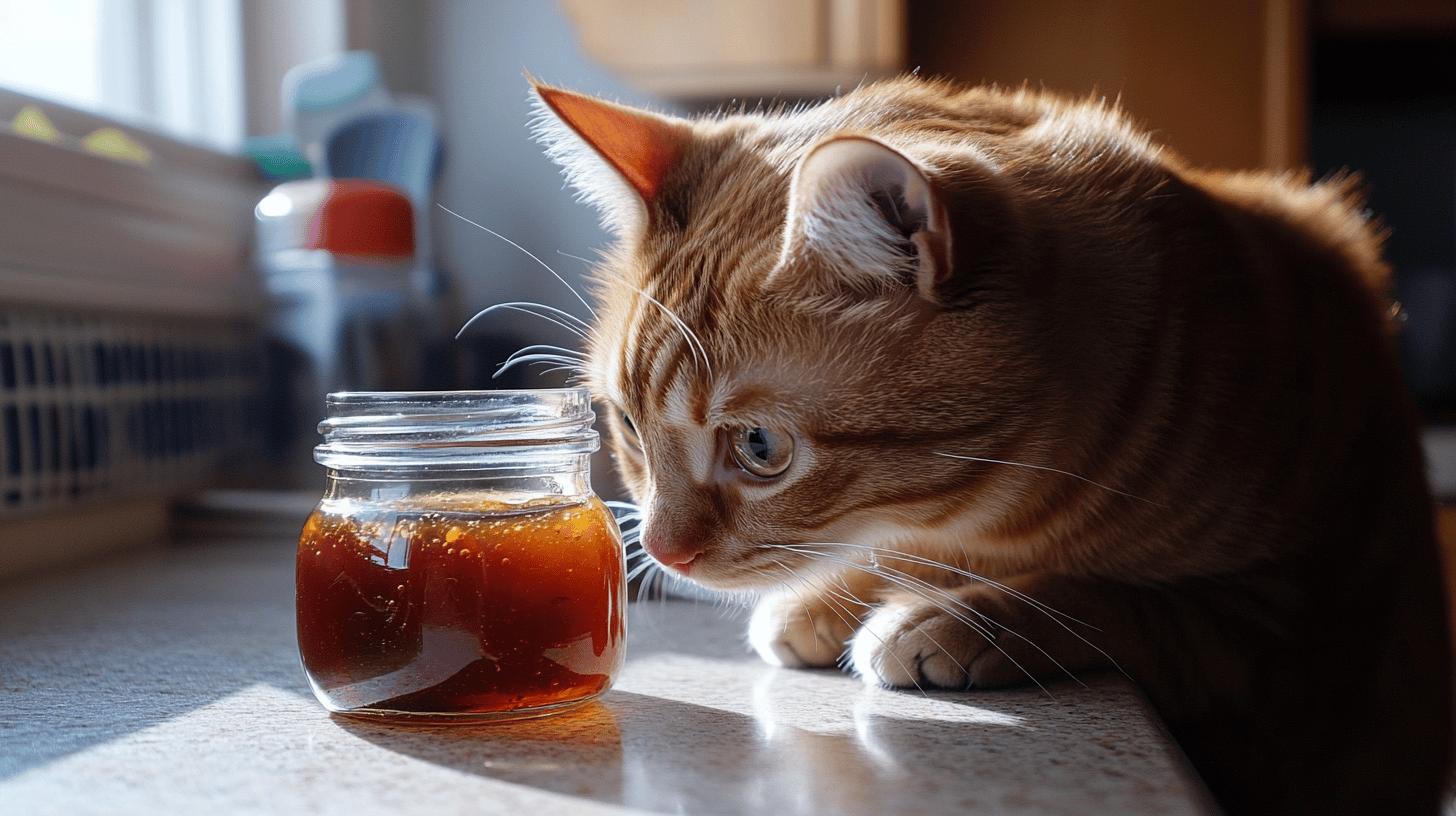
    Is your cat drinking more water than usual? It might seem harmless, but this change could be a clue to something more serious. In fact, increased thirst in cats can indicate conditions like kidney disease, diabetes, or hyperthyroidism. But before you panic, it’s important to understand both the potential health issues and everyday reasons behind this behavior. By doing so, you can better navigate whether your cat needs medical attention or just a tweak in diet or lifestyle. Let’s dive into these causes and solutions to keep your cat healthy and happy.

    Understanding Why Your Cat Drinks a Lot of Water
    Understanding Why Your Cat Drinks a Lot of Water-1.jpg

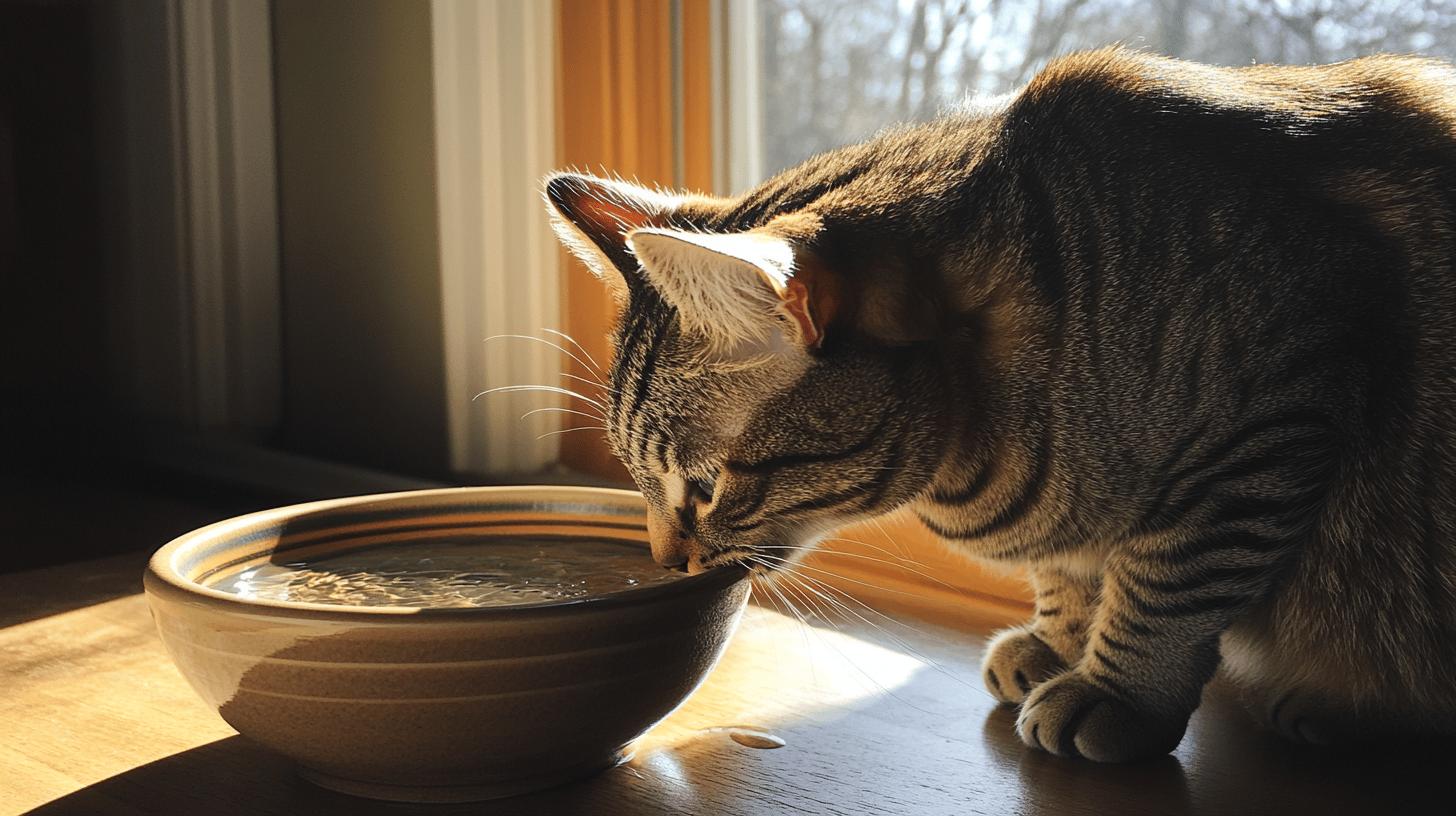
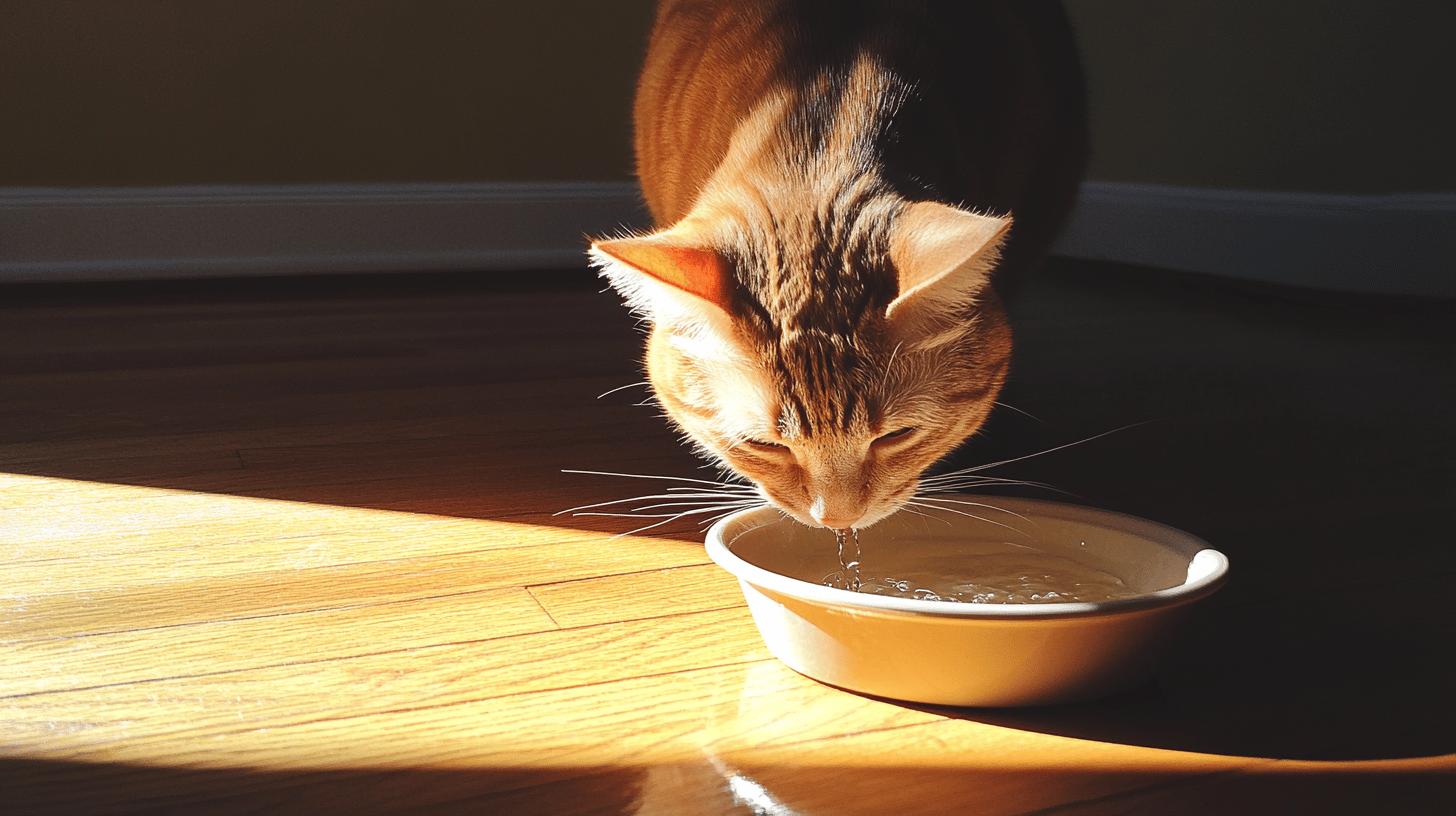
    Cats may start to drink more water than usual, a behavior that can be alarming for cat owners. A sudden increase in water consumption might indicate underlying health issues such as kidney disease, diabetes, or hyperthyroidism. Recognizing these changes is crucial for the well-being of your furry friend. A normal amount of water intake can vary, but any significant increase should be carefully monitored. Keeping an eye on your cat’s drinking habits can help detect potential health problems early, allowing for timely intervention and treatment.

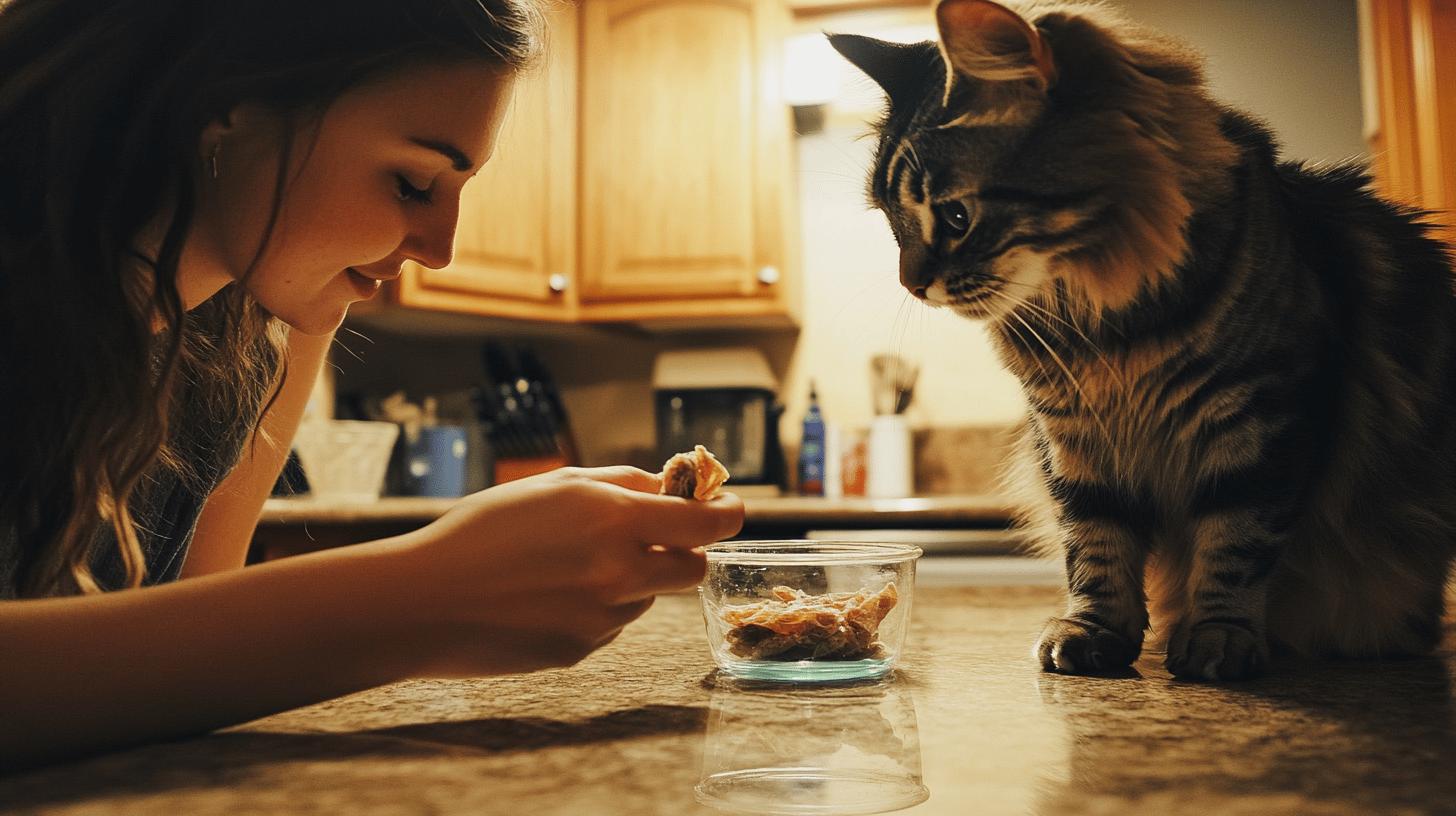
    Besides health concerns, lifestyle changes or diet can also influence how much water a cat drinks. If you’ve recently switched your cat’s diet from wet food to dry food, you might notice an increase in water consumption. Dry food contains less moisture, prompting cats to drink more to stay hydrated. Environmental factors like warmer weather or increased physical activity can also lead to higher water intake. By being aware of these non-medical reasons, you can differentiate between normal adjustments and signs of potential health issues, providing peace of mind and ensuring your cat remains healthy and happy.

    Common Causes of Increased Thirst in Cats
    Common Causes of Increased Thirst in Cats-1.jpg

    Understanding why your cat is drinking more water than usual is crucial to their health. Increased thirst often signals underlying health conditions, and recognizing these early can significantly improve your cat’s quality of life.

    Kidney Disease

    Kidney disease is a common issue in older cats, marked by increased thirst as the body tries to make up for the kidneys’ decreased filtering ability. This condition can result from aging or other health problems like cancer. Without treatment, kidney disease can worsen and severely affect your cat’s well-being.

    Diabetes

    Diabetes is another common cause of excessive thirst in cats, especially older ones or those with poor diets. High blood sugar levels, due to insufficient insulin, lead to increased thirst and more frequent urination. Keeping an eye on your cat’s drinking habits and weight can help detect diabetes early and allow for timely medical care.

    Hyperthyroidism

    In hyperthyroidism, the thyroid gland becomes overactive, causing symptoms such as excessive hunger and thirst. Cats with this condition might lose significant weight even with an increased appetite. This is a frequent issue in middle-aged to older cats and needs immediate veterinary attention to manage thyroid function and related symptoms effectively.

    Urinary Tract Infection

    A urinary tract infection (UTI) can cause a cat to drink more water to flush out the infection. Though more common in female cats, male cats can also experience UTIs, which can be severe if untreated. Symptoms include frequent urination, discomfort, and sometimes blood in the urine. Increased thirst is a natural response as the body attempts to dilute and eliminate the infection, making it an important sign to monitor.

    Recognizing these conditions early is key to managing your cat’s health and preventing complications. Always consult a veterinarian if you notice significant changes in your cat’s drinking habits or other symptoms.

    Recognizing Symptoms and When to Consult a Veterinarian
    Recognizing Symptoms and When to Consult a Veterinarian-1.jpg

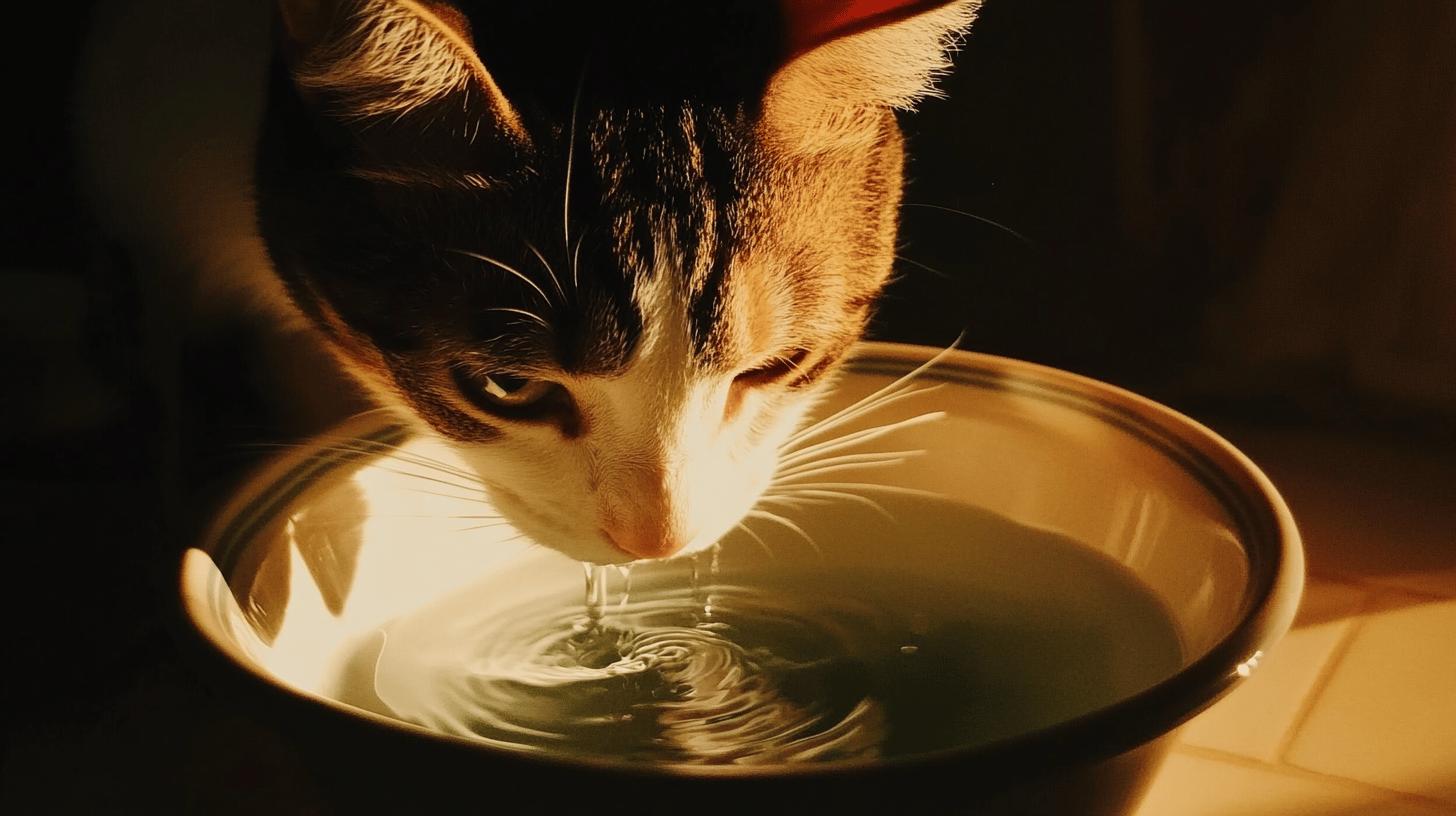
    Monitoring your cat’s drinking habits is essential to catch any health issues early. Begin by measuring how much water your cat consumes daily. Fill their water dish each day and note the amount they drink over several days. Cats typically need about 3 to 4 ounces of water per 5 pounds of body weight daily. If your cat starts drinking more than this consistently, without environmental changes like heat or increased activity, it might indicate a health problem.

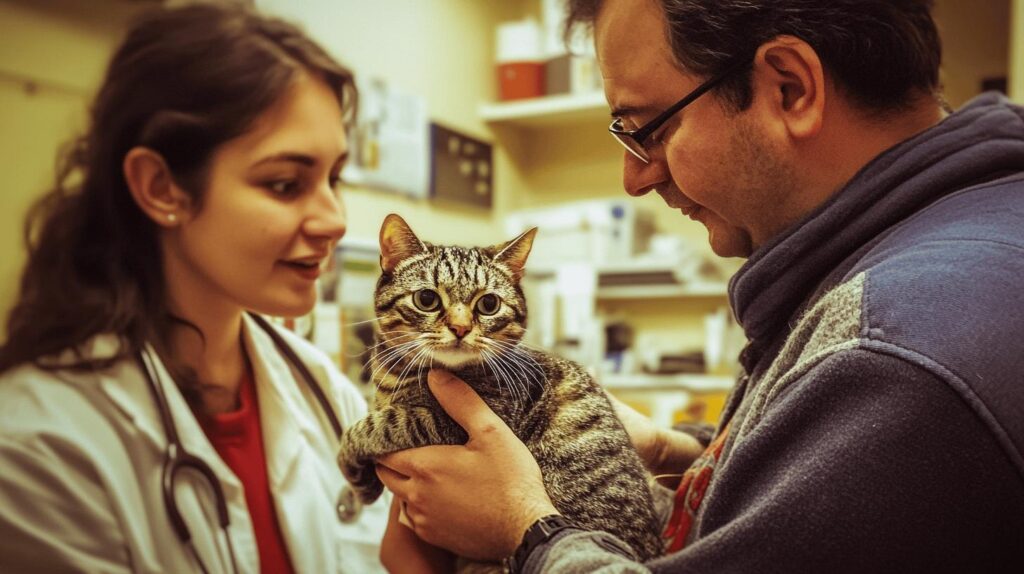
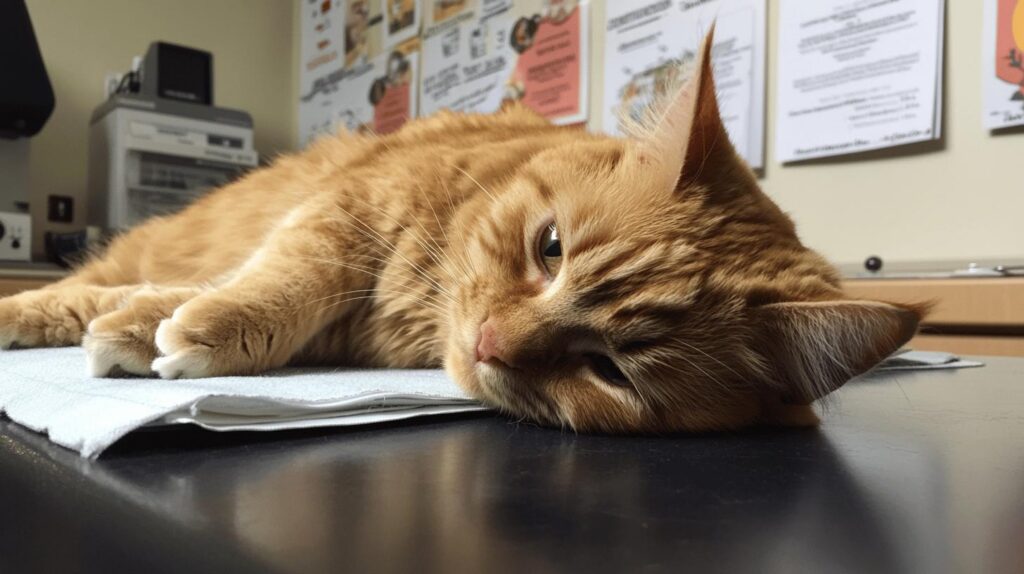
    Keep an eye out for specific symptoms that signal it’s time for a vet visit. Frequent trips to the water dish, especially if your cat quickly returns for more, could point to an underlying issue. If increased water intake is paired with urination difficulties, such as straining or frequent urination, it requires immediate veterinary care. These signs might indicate conditions like kidney disease or a urinary tract infection, which need prompt attention.

    Knowing when to consult a veterinarian can make all the difference in your cat’s health. If your cat’s drinking exceeds 4 ounces per 5 pounds of their body weight over several days, it’s wise to seek professional advice. This is crucial if no external factors could explain the change. Additionally, if you observe a combination of increased thirst and any of the following symptoms, don’t delay in contacting your vet:

    • Weight loss despite a good appetite
    • Increased lethargy or unusual behavior
    • Frequent vomiting or diarrhea
    • Difficulty urinating or blood in urine

    These signs can help you determine when a veterinary consultation is necessary, ensuring your cat receives the care they need.

    Managing Your Cat’s Hydration and Diet
    Managing Your Cats Hydration and Diet-1.jpg

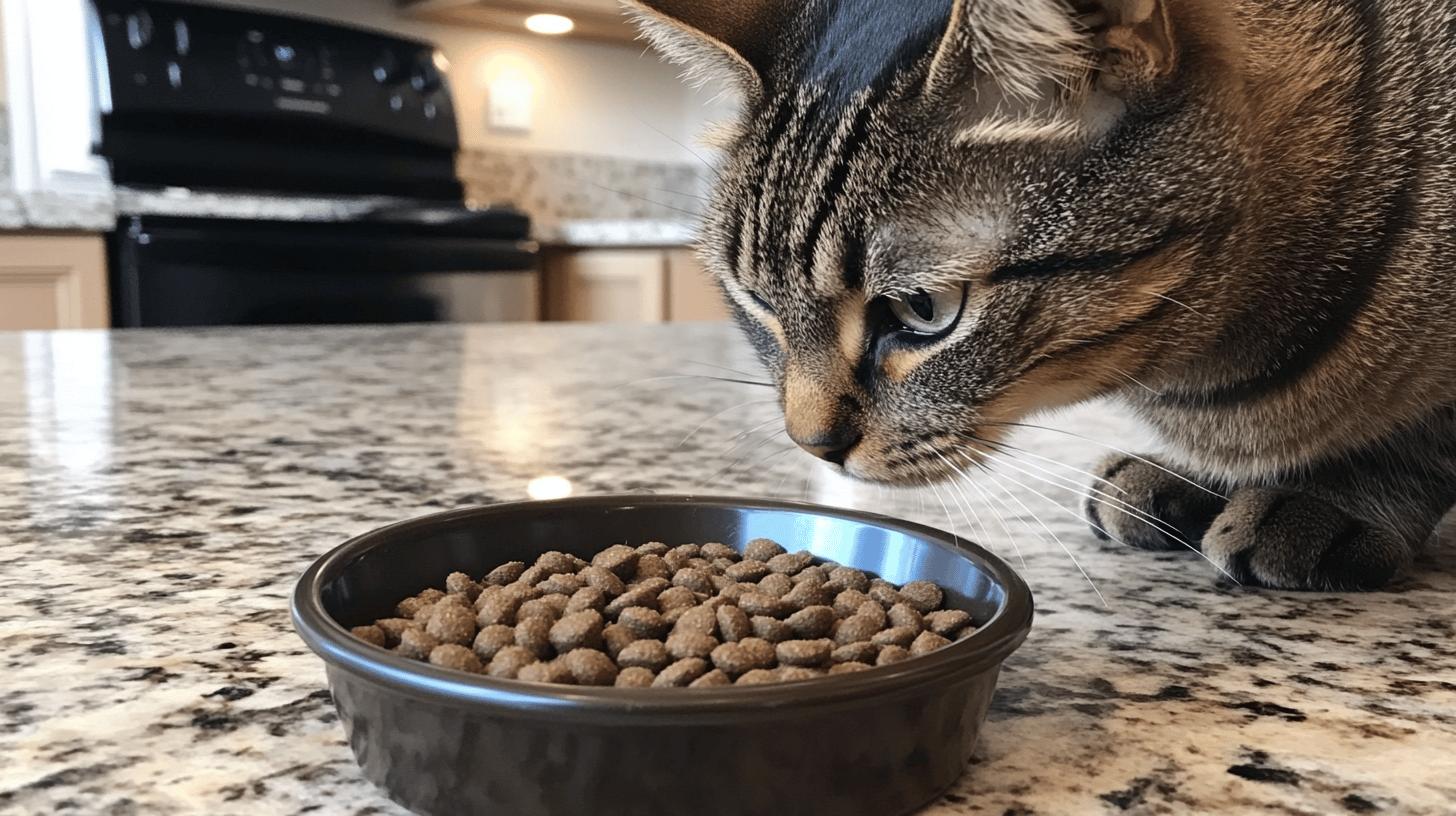
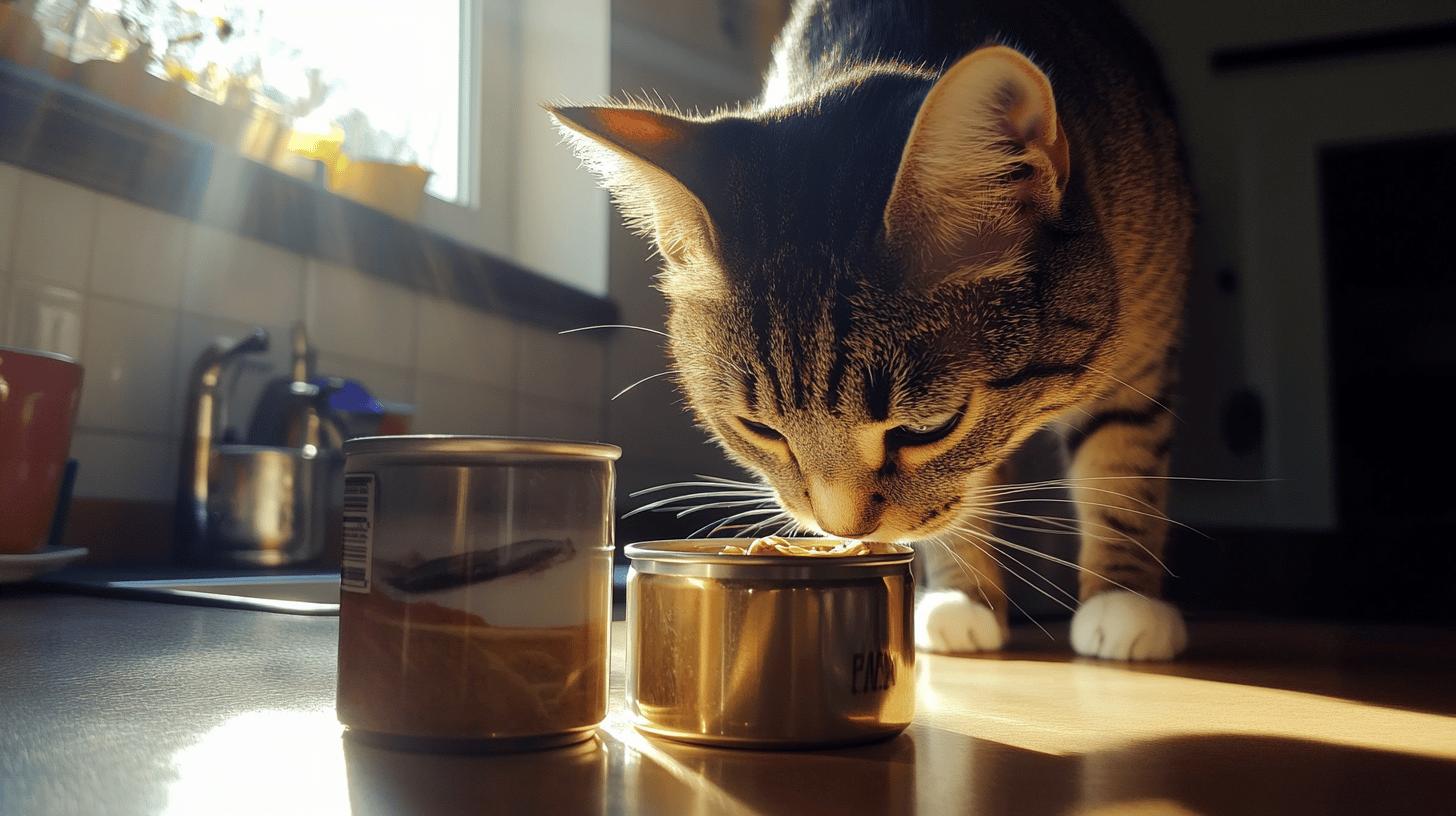
    Diet plays a significant role in managing your cat’s hydration needs. Cats eating wet food typically drink less water because wet food provides a substantial portion of their daily hydration. Wet food can consist of up to 80% moisture, offering ample water content to meet their needs. On the other hand, cats on a dry food diet may drink more water since dry food contains only about 10% moisture. Understanding this distinction helps you monitor and adjust your cat’s water intake appropriately, ensuring they maintain a healthy balance.

    To ensure adequate hydration, consider incorporating both wet and dry food into your cat’s diet. This approach can help maintain a consistent moisture level in their diet. Providing fresh water daily and using a pet fountain can encourage your cat to drink more. Cats are often attracted to moving water, which can increase their water intake. Additionally, monitoring your cat’s weight and adjusting their food and water consumption accordingly helps maintain their overall health.

    Food Type Water Content Hydration Impact
    Wet Food Up to 80% Provides significant hydration
    Dry Food About 10% Requires additional water intake

    Monitoring and Tracking Changes in Your Cat’s Drinking Habits
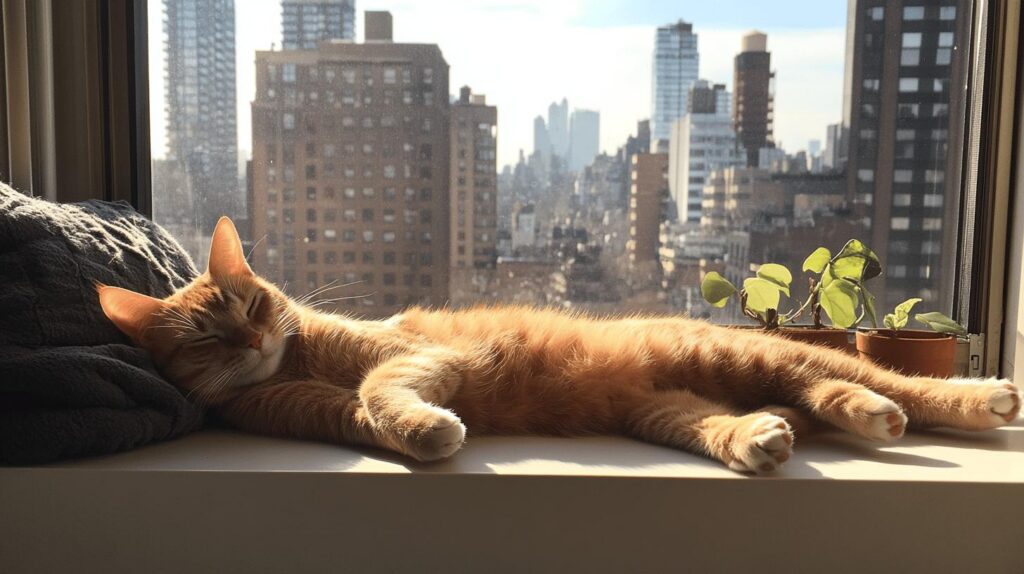
    Understanding the psychological and behavioral reasons behind changes in your cat’s drinking habits can offer new insights. Cats may alter their water intake due to stress, changes in environment, or boredom. Observing their behavior when they drink can provide clues. For example, a cat drinking more frequently may be stressed or anxious. Environmental enrichment, like adding a water fountain or placing water dishes in different locations, can encourage healthy drinking habits.

    To effectively support your cat’s hydration, consider these methods:

    • Behavioral Observation: Watch your cat’s drinking habits for any new or unusual behavior.
    • Environmental Enrichment: Use water fountains or varied dish locations to make drinking more appealing.
    • Stress Reduction: Minimize stressors and create a calm environment to support normal drinking habits.

    By focusing on these aspects, you can promote a healthy hydration routine for your cat and address any behavioral causes for changes in their drinking habits.

    Final Words

    Understanding why your cat drinks a lot of water is crucial for their health. We’ve explored possible medical reasons like kidney disease, diabetes, hyperthyroidism, and urinary tract infections. Recognizing these signs helps you know when to consult a vet.

    Managing your cat’s hydration through their diet can prevent excessive thirst. Monitoring and tracking their water intake ensures your cat stays healthy. By keeping an eye on these factors, you provide the care they need. Your commitment makes a difference in their overall well-being. Keep providing that loving, attentive care!

    FAQ

    Why is my cat drinking so much water?

    A cat drinking a lot of water could be due to health issues or lifestyle changes. It’s important to monitor their water intake and consult a vet if changes are significant.

    Should I be concerned if my cat drinks a lot of water?

    Yes, increased water consumption can signal health issues like kidney disease or diabetes. If your cat’s habits change suddenly, consult a vet to rule out medical problems.

    How do I know if my cat is drinking too much water?

    If your cat drinks more than 4 ounces per 5 pounds of body weight daily over several days, especially without reasons like heat, it may be too much. Monitoring is crucial.

    How much water should a cat drink in 24 hours?

    Cats typically need about 4 ounces of water per 5 pounds of body weight daily. This includes water from both food and direct drinking.

    Do cats get more thirsty as they get older?

    Yes, older cats might drink more due to health conditions like kidney issues or diabetes. Constant thirst in older cats should be checked by a vet.

    Why does my cat spill so much water?

    Cats may spill water if they’re playing, dissatisfied with the bowl, or have health issues affecting coordination. Ensure the bowl is stable and observe for changes in behavior.
    Related Articles

  • Why Cat Eats Litter Causes and Prevention Strategies

    Why Cat Eats Litter Causes and Prevention Strategies

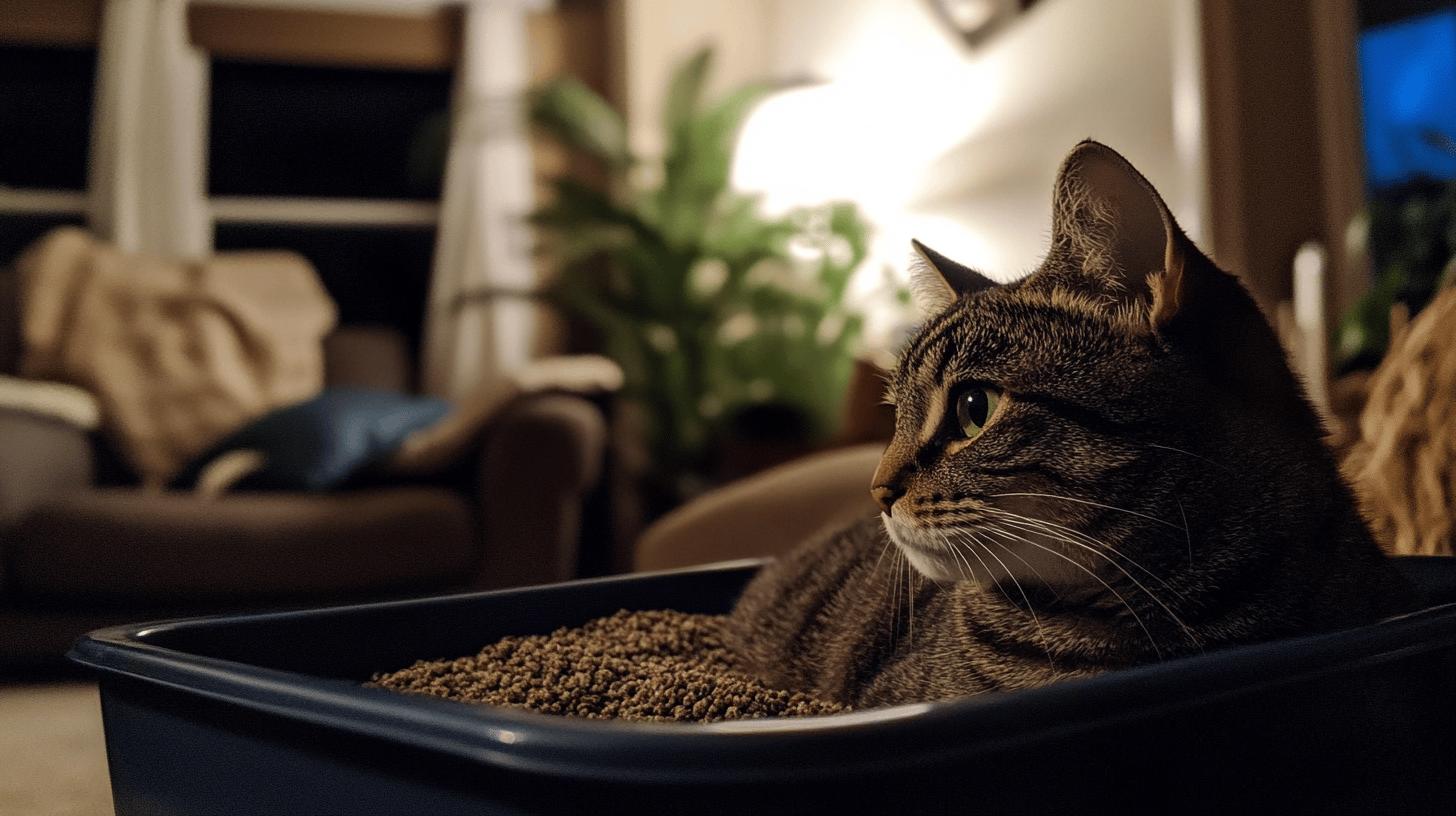
    Ever watch a cat munch on litter and wonder why? It seems odd, right? It turns out this strange behavior has several causes—ranging from curious kittens to stressed-out adult cats. Understanding why this happens is important for keeping our furry pals healthy and safe. We'll dive into reasons like curiosity, stress, and nutrition deficits, and share ways to help prevent it. Stick around to learn more and ensure your cat's playtime stays both fun and safe.

    Understanding Why Cats Eat Litter

    Understanding Why Cats Eat Litter-1.jpg

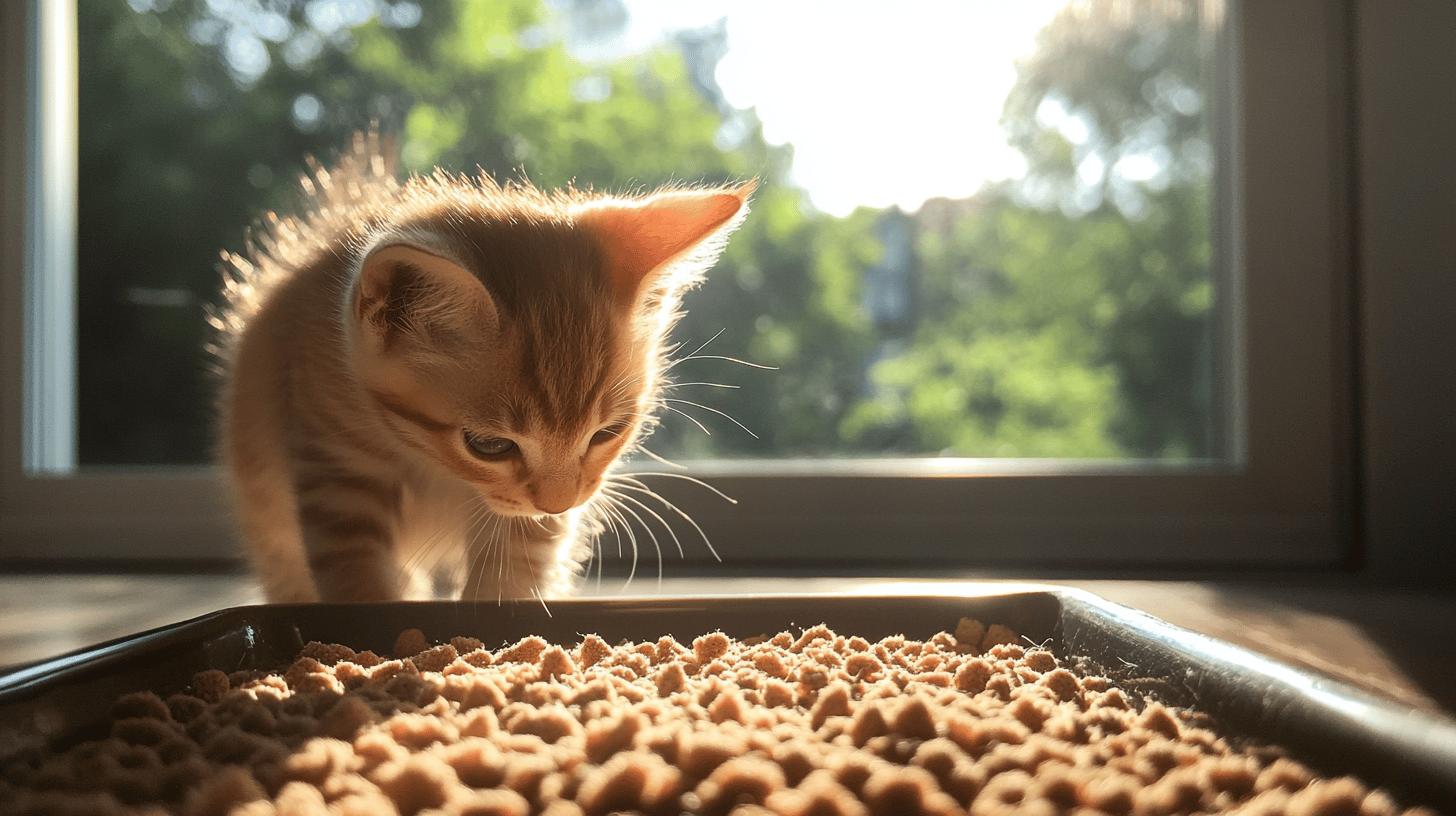
    Cats eating litter can be puzzling, but there are several reasons behind this behavior. One common cause is curiosity, especially in kittens. Young cats explore their world with their mouths, and litter can be an intriguing new texture or scent to investigate. As they grow, most kittens outgrow this habit, but it's something to monitor.

    Stress and anxiety also play a role in litter-eating behavior. Cats may turn to consuming non-food items as a coping mechanism during times of stress, such as moving to a new home or changes in household dynamics. Addressing these emotional issues is important for their well-being.

    Nutritional deficiencies are another reason cats might eat litter. If a cat's diet lacks essential minerals or vitamins, they may instinctively try to supplement their intake by ingesting litter. This behavior can be linked to health issues like anemia, where a lack of red blood cells might lead cats to seek out non-food sources of iron.

    To prevent litter eating, it's crucial to ensure your cat has a balanced diet rich in necessary nutrients. Providing stress relief through environmental enrichment and play can also help. If the behavior persists, consulting a veterinarian is vital to rule out any underlying health problems and to keep your feline friend healthy and safe.

    Health Risks and Symptoms Associated with Litter Eating

    Health Risks and Symptoms Associated with Litter Eating-1.jpg

    Eating litter can pose serious health risks to cats, particularly when clumping litter is involved. Clumping litter is designed to absorb moisture and form solid masses, but if ingested, these clumps can form inside a cat's digestive tract, leading to intestinal blockages. These blockages are potentially life-threatening and require immediate veterinary attention.

    Beyond blockages, some litters contain deodorizing agents and scented crystals. While these may keep the litter box smelling fresh, they can also introduce harmful chemicals if ingested. These substances can irritate a cat’s digestive system, leading to vomiting or other gastrointestinal issues.

    The ingestion of litter might also signal underlying health issues. Anemia, a condition where the body lacks adequate healthy red blood cells, can lead to litter consumption. Cats with anemia might exhibit symptoms such as lethargy and pale gums. Since anemia often results from iron deficiency, cats might consume litter in an attempt to supplement their mineral intake.

    Kidney disease is another medical condition that can prompt litter-eating behavior. Cats suffering from kidney issues may exhibit symptoms such as increased thirst, frequent urination, and weight loss. The disease might drive them to seek out non-food items as they experience changes in their nutrient and mineral balance.

    Understanding the potential symptoms associated with these conditions is crucial for cat owners. Here are some common symptoms to watch for:

    • Anemia Symptoms:

      • Lethargy
      • Pale gums
      • Loss of appetite
    • Kidney Disease Symptoms:

      • Increased thirst and urination
      • Weight loss
      • Vomiting

    If a cat shows any of these symptoms, especially in conjunction with litter-eating behavior, prompt veterinary consultation is necessary. Early diagnosis and treatment can prevent further health complications and ensure your cat's well-being.

    Monitoring your cat’s behavior and recognizing the signs of distress can help address these problems before they become severe. Ensuring access to a balanced diet and safe, non-toxic litter options is a proactive step in reducing the risk of litter ingestion. By staying vigilant and informed, cat owners can better protect their furry companions from the potential dangers lurking in their litter box.

    Preventing Litter Eating: Safe Alternatives and Enrichment Strategies

    Preventing Litter Eating Safe Alternatives and Enrichment Strategies-1.jpg

    Preventing a cat from eating litter involves understanding and addressing the root causes of this behavior. One effective strategy is to switch to safer litter alternatives. Tofu cat litter, made from natural, plant-based ingredients like soybeans, offers a safer choice. Its biodegradable and digestible nature makes it less appealing for cats to consume while reducing health risks associated with traditional clumping litters.

    Behavior modification can also play a significant role in curbing litter-eating habits. Start by observing your cat's behavior and identifying triggers. If stress or boredom seems to be a factor, introducing environmental enrichment can help. Incorporate a variety of cat enrichment toys and activities to keep your feline engaged and stimulated. This could include puzzle feeders, interactive toys, or even a simple cardboard box to explore.

    Stress-reduction techniques are crucial for cats that might resort to litter-eating due to anxiety. Establishing a stable routine can provide the security and predictability cats crave. Create a calm and quiet space for your cat to retreat to when feeling overwhelmed. Regular playtime and interactive sessions can also help alleviate stress by distracting them from any environmental changes that might be causing anxiety.

    Consider implementing litter aversion techniques if your cat continues to show interest in eating litter. This might involve using a different type of litter box or altering the litter's scent with safe, cat-friendly additives. Sometimes, simply changing the location of the litter box can deter the behavior by removing associations the cat has formed with the current setup.

    In addition to these strategies, maintaining a balanced diet is essential. Ensure your cat's food provides all necessary nutrients, as nutritional deficiencies can prompt litter-eating. A diet rich in animal protein and fats supports overall health, reducing the likelihood of your cat seeking minerals from non-food sources.

    The combination of these strategies not only helps prevent litter eating but also promotes a healthier and more fulfilling lifestyle for your cat. By addressing both physical and emotional needs, you create an environment where destructive behaviors are less likely to emerge.

    Monitoring your cat's progress and adjusting your approach as needed is key. Regularly introducing new toys and activities keeps the environment fresh and exciting, helping to prevent boredom. Moreover, positive reinforcement during training sessions encourages desired behaviors, making the transition smoother for both you and your feline friend.

    Implementing these preventive measures requires patience and consistency, but the benefits for your cat's health and well-being are invaluable. By taking a proactive approach, you can create a safe and engaging environment that discourages litter-eating and supports your cat's natural curiosity and playfulness.

    Importance of Consulting a Veterinarian

    Importance of Consulting a Veterinarian-1.jpg

    When your cat starts eating litter, it's a clear signal that a visit to the veterinarian is in order. This behavior can be more than just a quirky habit; it might indicate underlying health issues that need attention. A veterinarian can conduct a thorough examination to identify any physical or medical causes, such as anemia or nutritional deficiencies, that might be prompting your cat to seek out non-food items.

    Regular cat health check-ups are essential for catching issues early and preventing them from becoming serious concerns. During these visits, the vet can run blood tests and other diagnostics to determine if your cat is suffering from conditions like anemia or kidney disease, both of which have been linked to litter-eating behavior.

    If medical issues are ruled out, a consultation with an animal behaviorist may be beneficial. Behavioral concerns, such as stress or anxiety, can sometimes manifest as unusual eating habits. An animal behaviorist can offer insights and strategies to address these emotional triggers, helping to modify your cat's behavior in a positive way.

    By involving professionals, you're ensuring that your feline friend receives the appropriate care and attention needed to resolve this troubling behavior. This proactive approach not only safeguards your cat's health but also enhances their overall quality of life.

    Final Words

    Understanding why a cat eats litter involves exploring curiosity, stress, and health issues like nutritional deficiencies. Health risks, such as intestinal blockages, can result from ingesting harmful types of litter. Recognizing symptoms like lethargy or pale gums is crucial.

    Preventing litter eating includes safe alternatives, stress reduction, and cat enrichment. Substituting traditional litter with safer options like tofu litter helps. Seeking advice from a veterinarian ensures a thorough check-up and tailored solutions.

    Addressing this behavior means providing a safer, happier environment for your cat while ensuring their well-being with expert help.

    FAQ

    Why does my cat eat litter all of a sudden?

    Cats might eat litter due to health issues, such as anemia or mineral deficiencies. It can also be stress-related or simple curiosity. Sudden changes in behavior should be discussed with a vet.

    How do I stop my cat from eating litter?

    To stop a cat from eating litter, try switching to a safer alternative like tofu cat litter. Address any stress or boredom they might have with environmental enrichment and toys.

    What are the health risks of a cat eating litter?

    Eating clumping litter can cause intestinal blockages, which are life-threatening if untreated. Harmful chemicals in deodorized litter may also cause digestive issues. Anemia and kidney disease can be underlying causes.

    What does it mean when a cat eats cat litter?

    Litter-eating could indicate nutritional deficiencies, anemia, or stress. It might also be a curious behavior, especially in kittens. Pay attention to any health changes and consult a vet if concerned.

    Why do cats with kidney disease eat litter?

    Cats with kidney disease might eat litter due to mineral imbalances or anemia. Monitor your cat for symptoms like lethargy and pale gums, and seek veterinary care for proper diagnosis and treatment.

    How can I prevent my cat from eating poop?

    To prevent a cat from eating poop, keep their litter box clean, provide balanced nutrition, and consider adding taste deterrents to their food. Ensure they're not stressed or bored for better behavior outcomes.

    What symptoms should I look for if my cat ate litter?

    If your cat ate litter, watch for vomiting, lethargy, or constipation. Pale gums and lethargy might indicate anemia. Seek immediate veterinary care if you notice health changes.

    Related Articles

  • Why Cat Throws Up After Eating Common Causes and Solutions

    Why Cat Throws Up After Eating Common Causes and Solutions

    Is your cat a member of the throw-up club? Many cat owners face the frustrating mystery of why their furry friends vomit after meals. Hairballs are often the simple culprit, but there could also be serious gastrointestinal issues lurking beneath. Figuring out the cause is key to helping your cat back to health. Our furry companions have delicate stomachs, and even minor problems can lead to big messes and health worries. Let’s dive into understanding these causes and uncover solid solutions to save your carpets and ease kitty’s tummy troubles.

    Understanding Why Cats Vomit After Eating

    Understanding Why Cats Vomit After Eating-1.jpg

    Cats often vomit, and it can be due to a myriad of reasons. Some causes are benign, such as hairballs, while others may signal more serious health issues like gastrointestinal problems. These furry companions have sensitive stomachs, and even small disturbances can lead to an upset. Understanding why a cat throws up after eating is crucial for addressing the issue effectively.

    • Eating too quickly
    • Overeating
    • Hairballs

    These behaviors can impact a cat’s health if not managed properly. When cats eat too quickly, they might swallow air along with their food, causing discomfort and vomiting. Overeating can distend their stomachs, leading to regurgitation. Hairballs, formed from grooming, are expelled when they build up in the stomach. Regular vomiting can lead to dehydration and nutrient loss, so monitoring and adjusting feeding habits is essential to keep your kitty healthy.

    Dietary Causes of Cat Vomiting

    Dietary Causes of Cat Vomiting-1.jpg

    Dietary intolerance or allergies can be significant factors behind why cats vomit undigested food. Cats, like humans, can develop allergies to certain foods over time. Common symptoms include vomiting, diarrhea, and skin irritations. If your cat frequently vomits after eating, it might be reacting to an ingredient in its diet. Identifying and eliminating the allergen can help reduce these uncomfortable episodes.

    Sudden dietary changes can also wreak havoc on a cat’s digestive system. Cats are creatures of habit, and their stomachs may not handle abrupt shifts in their food. Switching from dry to wet food or introducing new brands too quickly can lead to vomiting as their digestive systems struggle to adjust. A gradual transition over a week or more, mixing old and new foods, can help prevent this issue.

    Allergen Effects
    Beef Vomiting, skin irritation
    Fish Gastrointestinal upset, itchiness
    Dairy Diarrhea, vomiting
    Chicken Allergic reactions, vomiting
    Grains Digestive issues, lethargy

    Understanding these dietary triggers and making careful feline dietary adjustments can significantly improve your cat’s health. If you suspect food intolerance or allergies, consult with a veterinarian to conduct allergy testing or try an elimination diet to pinpoint the offending ingredient.

    Health Issues Leading to Vomiting in Cats

    Gastrointestinal issues are a common cause of vomiting in cats. Conditions like inflammatory bowel disease (IBD), pancreatitis, or gastroenteritis can wreak havoc on a cat’s digestive system. IBD, for example, involves chronic inflammation of the gut, which can lead to symptoms like vomiting, diarrhea, and weight loss. Pancreatitis, the inflammation of the pancreas, often leads to vomiting and abdominal pain. These conditions disrupt the normal digestive process, causing discomfort and making it difficult for cats to keep food down.

    Serious diseases such as kidney disease and hyperthyroidism can also lead to frequent vomiting, especially in older cats. Kidney disease can cause a buildup of toxins in the bloodstream, leading to nausea and vomiting. Hyperthyroidism, a condition where the thyroid gland is overactive, can increase metabolism and result in gastrointestinal upset. Pancreatitis, which is both a gastrointestinal and systemic disease, is another culprit that can lead to vomiting due to inflammation and digestive enzyme imbalances.

    Diagnosing these health issues often requires thorough examination and testing. Veterinarians may use blood tests to check for kidney function or thyroid hormone levels. Imaging techniques like x-rays or ultrasounds can help visualize the gastrointestinal tract, pancreas, and other organs to identify abnormalities. In some cases, endoscopy or biopsies might be needed to get a clearer picture of what’s happening inside your cat’s gut.

    Given the complexity of these conditions, consulting with a veterinarian is crucial when your cat exhibits persistent vomiting. A professional can provide a proper diagnosis and develop a treatment plan tailored to your cat’s specific needs. Early detection and intervention can significantly improve your cat’s quality of life and prevent further health complications.

    Preventing Vomiting in Cats

    Preventing Vomiting in Cats-1.jpg

    Managing a cat’s feeding habits is a key step in preventing vomiting. Offering smaller, more frequent meals can help control how fast your cat eats, reducing the chance of gulping down food and swallowing air. This strategy not only aids in digestion but also helps maintain balanced energy levels throughout the day. For cats prone to overeating, measuring their food portions ensures they get just the right amount without overindulging.

    Here are some effective tips to prevent vomiting in cats:

    • Use slow feeders to regulate eating pace and reduce the risk of gulping.
    • Introduce dietary changes gradually to allow your cat’s digestive system to adjust.
    • Regular grooming can help manage hairballs by reducing the amount of fur ingested.
    • Avoid feeding human food, as it may contain ingredients that upset a cat’s stomach.
    • Provide environmental enrichment with toys and activities to keep your cat mentally and physically engaged.

    A stimulating environment plays a crucial role in preventing cats from ingesting non-food items that might cause vomiting. By offering a variety of toys and dedicating time to interactive play, you can satisfy your cat’s natural curiosity and hunting instincts. This not only keeps your feline friend entertained but also reduces the likelihood of behavioral issues linked to boredom, ultimately contributing to their overall well-being.

    When to Consult a Veterinarian About Cat Vomiting

    When to Consult a Veterinarian About Cat Vomiting-1.jpg

    If your cat is frequently throwing up, it’s crucial to know when to seek veterinary care. While occasional vomiting might not be alarming, persistent vomiting that occurs alongside other symptoms can signal more serious health issues. Conditions like inflammatory bowel disorder or other gastrointestinal problems require immediate attention. Catching these signs early can prevent further complications and ensure your cat receives the necessary treatment.

    Here are some signs that indicate a need for veterinary consultation:

    • Blood in vomit
    • Lethargy
    • Unexplained weight loss
    • Vomiting several times a day

    Professional diagnosis and treatment are vital when these symptoms arise. A veterinarian can perform tests to pinpoint the underlying cause of vomiting, whether it’s a manageable condition or something more severe. Early intervention not only helps in addressing the current problem but also prevents potential long-term health issues, ensuring your cat maintains a happy and healthy life.

    Final Words

    Understanding why cat throws up after eating can be challenging, but with a bit of knowledge, you can help manage these situations. By recognizing common triggers like rapid eating and food allergies, you take the first steps in caring for your cat’s health. Think about gradual dietary changes and environmental enrichment as part of your strategy.

    Keep an eye on signs of serious health issues and consult a vet when needed. With mindful prevention and timely intervention, you can enhance your cat’s well-being and enjoy more playtime moments together.

    FAQ

    How do I get my cat to stop throwing up after eating?

    A: To stop a cat from vomiting after eating, use slow feeders to control meal pace and portion smaller amounts. Gradual diet changes can also help prevent stomach upset.

    When should I be worried about my cat throwing up?

    A: Persistent vomiting with symptoms like blood in vomit, lethargy, weight loss, or several episodes in a day requires a vet visit for diagnosis and treatment.

    What food makes cats throw up?

    A: Cats might vomit after eating foods containing allergens or ingredients they’re intolerant to. Sudden diet changes can also lead to gastrointestinal issues and vomiting.

    Why is my cat throwing up undigested food but acting normal?

    A: If a cat throws up undigested food but seems fine, it could be due to eating too quickly or hairballs. Monitoring and managing meal times can help resolve this.

    Why is my cat throwing up undigested food hours after eating?

    A: Vomiting undigested food hours later can be due to slow digestion caused by issues such as gastrointestinal problems. Regular vet check-ups can help identify underlying causes.

    My cat keeps throwing up but seems fine—should I worry?

    A: Occasional vomiting is common, but if it becomes frequent or presents with other symptoms, consult a veterinarian to rule out any serious health issues.

    Related Articles

  • Can Cat Eat Tuna in Oil Safety and Risks Explained

    Can Cat Eat Tuna in Oil Safety and Risks Explained

    Can feeding cats tuna in oil become a risky health gamble? While many cat owners might think canned tuna is a tasty treat for their feline companions, the truth is tuna in oil might not be the best choice.

    The high fat content can lead to weight gain and digestive issues, much like indulging in too much fast food can do to humans. Understanding the balance between occasional treats and regular meals is crucial. So, let’s dive into the safety and risks of tuna in oil for cats and explore healthier alternatives for your furry friend.

    Is Tuna in Oil Safe for Cats?

    Health Implications of Tuna in Oil for Cats-2.jpg

    Cats can eat canned tuna, but feeding them tuna in oil isn’t the best choice. Tuna in oil has a high fat content, which may not be ideal for your feline friend, especially with regular consumption. Over time, this could contribute to weight gain or digestive issues.

    Giving your cat tuna in oil occasionally is unlikely to cause harm, but it shouldn’t become a staple in their diet. The occasional treat is fine, but for everyday meals, it’s better to opt for healthier and more balanced options.

    Health Implications of Tuna in Oil for Cats

    Health Implications of Tuna in Oil for Cats-1.jpg

    Tuna boasts nutritional perks like high protein and omega-3 fatty acids. These nutrients help maintain a cat’s healthy coat and reduce inflammation. Omega-3s are particularly beneficial, supporting joint health and overall well-being. But, it’s key to consider how these nutrients are delivered.

    Feeding tuna in oil can lead to specific health issues. The high fat content can cause not just weight gain but also pancreatitis. This condition results in abdominal pain and vomiting, needing veterinary care. It’s vital to manage your cat’s fat intake to prevent such problems.

    Alternative feeding options can offer better choices. Opt for tuna in water or explore other nutrient-rich treats. Keeping portion sizes small and feeding tuna in oil only occasionally can help maintain your cat’s health without the risk of digestive trouble.

    Mercury Exposure Risks from Tuna

    Mercury Exposure Risks from Tuna-1.jpg

    Mercury is a natural element found in various fish, including tuna, and poses a significant health risk to cats if consumed in high amounts. Larger fish like albacore tuna tend to accumulate more mercury, making them more dangerous for your feline friend.

    Mercury exposure can result in severe health issues, including kidney damage and neurological disorders. Cats’ small bodies are particularly susceptible to these toxins, as they can’t process mercury as efficiently as humans. This makes it crucial to monitor and limit their intake of tuna, especially the types with higher mercury content.

    Recognizing mercury poisoning in cats can be challenging, but some symptoms to watch for include loss of coordination, seizures, vomiting, and noticeable changes in behavior.
    To prevent these risks, it’s vital to choose tuna types with lower mercury levels, such as chunk-light tuna, and limit the frequency of feeding tuna to your cat. Regular vet visits can help catch any early signs of mercury exposure. Monitoring portion sizes and sticking to occasional treats rather than regular meals can also mitigate these risks.

    Tuna Type Mercury Level
    Albacore Tuna High
    Yellowfin Tuna Moderate
    Chunk-light Tuna Low

    Alternatives to Tuna in Oil for Cats

    Alternatives to Tuna in Oil for Cats-1.jpg

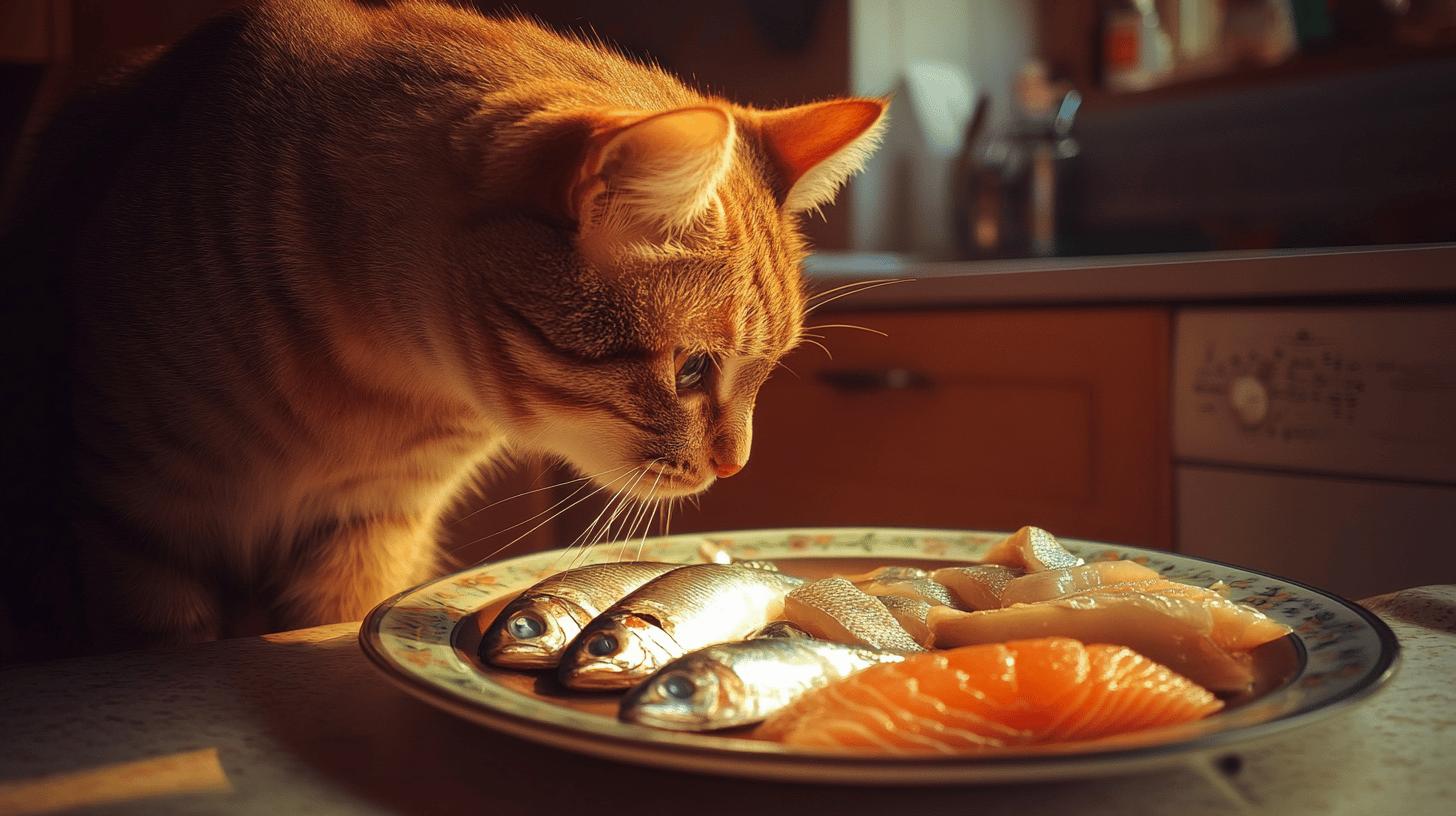
    If you’re looking for safer alternatives to tuna in oil for your furry friend, consider cooked and deboned oily fish like herring, trout, salmon, and sardines. These options are not only tasty but also packed with nutrients.

    Additionally, white fish such as halibut, cod, hake, and flounder can be great choices. These types of fish offer a balanced diet without the risks associated with mercury and high-fat content found in tuna in oil.

    • Rich in Omega-3 Fatty Acids: These fish are high in omega-3s, promoting healthy skin and a shiny coat.
    • Lower Mercury Levels: Compared to tuna, these fish generally have lower mercury content.
    • High-Quality Protein: They provide excellent protein sources essential for muscle maintenance and energy.
    • Anti-Inflammatory Properties: Omega-3s also help reduce inflammation, supporting joint health.
    • Diverse Nutrient Profile: These alternatives provide a variety of vitamins and minerals essential for overall health.

    Incorporating a variety of fish into your cat’s diet can enhance their nutritional intake and keep mealtime interesting. It’s crucial to offer a diverse selection of foods to ensure they get all the necessary nutrients. Regularly rotating different types of safe fish can prevent dietary monotony and ensure your cat’s health and happiness.

    Veterinarian Advice on Feeding Tuna to Cats

    Veterinarians generally advise that when feeding tuna to cats, moderation and quality are key. It’s important to choose high-quality canned tuna products that are free from salt and additives. These additives can lead to health issues in cats, such as high blood pressure or kidney problems.

    Tuna should be an occasional treat, not a staple in their diet. This ensures that your cat receives a balanced diet rich in all necessary nutrients, reducing the risk of deficiencies or excesses that can lead to health complications.

    • Opt for tuna packed in water rather than oil or brine.
    • Serve only small portions to prevent overconsumption.
    • Avoid seasoning or adding any condiments to the tuna.
    • Limit tuna treats to once a week to maintain a balanced diet.

    Monitoring your cat for any adverse reactions is crucial. Some cats might develop allergies or intolerances, leading to skin or digestive issues. If you notice any unusual symptoms, it’s best to consult a veterinarian.

    They can provide tailored advice and check for signs of mercury poisoning or other health concerns. Regular check-ups can ensure your cat remains healthy while enjoying their occasional tuna treat.

    Final Words

    Deciding if cats can eat tuna in oil means weighing the benefits and risks. Tuna provides protein and omega-3s, yet regular consumption of tuna in oil brings potential health concerns like high fat and mercury exposure. Meanwhile, safe alternatives such as salmon or sardines can offer similar nutritional benefits without the risks.

    Veterinarians emphasize choosing high-quality tuna products without salt or additives. Monitoring your cat’s health is key. By balancing options and considering variety, you can ensure enjoyable and safe meals for your feline friend.

    FAQ

    Can cats eat tuna in oil?

    Cats can eat tuna in oil, but it’s not ideal to make it a regular part of their diet. High fat content in oil may lead to health issues if consumed often.

    Is canned tuna in oil safe for cats?

    Canned tuna in oil is safe for cats in small amounts. Too much may cause digestive problems or obesity due to the high fat content.

    Can cats eat tuna in olive oil or sunflower oil?

    Cats can eat tuna in olive oil or sunflower oil occasionally. These oils are safe in moderation, but excessive intake could lead to weight gain.

    How does tuna oil affect cats’ health, especially for constipation or hairballs?

    Tuna oil, being high in fat, might help with hairballs, but it could cause constipation. It’s crucial to monitor your cat’s reaction and adjust their diet accordingly.

    How much canned tuna is safe for cats?

    Feed cats canned tuna as a treat, not a main meal. A small portion once or twice a week is generally safe. Always ensure it’s packed in water, not oil.

    What are the risks of mercury in tuna for cats?

    Mercury in tuna can cause neurological and kidney damage in cats. Symptoms include seizures and behavioral changes. Limit tuna intake to reduce mercury exposure.

    What are safer fish alternatives to tuna in oil for cats?

    Safer alternatives include herring, trout, salmon, sardines, cod, and flounder. These fish offer similar nutritional benefits without the risks of oil and mercury.

    What do veterinarians advise about feeding tuna to cats?

    Veterinarians advise choosing high-quality tuna without additives for cats. Monitor cats for reactions and consult a vet if health issues arise, like mercury poisoning.

    Related Articles

  • Why Cat Eating Grass Is Normal and Sometimes Beneficial

    Why Cat Eating Grass Is Normal and Sometimes Beneficial

    Did you ever catch your cat munching on grass like a little lawnmower and think, "Why do they do that?" It might seem odd for our carnivorous companions to chomp on greens, but it's actually a normal and sometimes beneficial behavior.

    Grass can help with digestion, offer vitamins like folic acid, and even assist in purging unwanted pests. Understanding this quirky pastime can improve your cat’s playtime and overall health. Let's explore why a little greenery in a cat's diet can be a good thing!

    Understanding Why Cats Eat Grass

    Understanding Why Cats Eat Grass-1.jpg

    Many cat owners find their feline friends munching on grass and wonder why. Despite being obligate carnivores, cats often consume grass, and this is completely normal. This behavior can serve several purposes.

    Grass may aid in digestion, providing fiber that helps move food through the digestive tract efficiently. It also offers nutritional benefits, such as folic acid and vitamins, which might be absent in processed cat food. Additionally, eating grass could be an instinctual behavior that helps cats purge parasites from their system. Generally, grass is safe for cats and can be a valuable part of their natural habits.

    While grass eating is usually harmless, there are instances when it might signal a health issue. If a cat frequently vomits after eating grass or shows other signs of distress, such as lethargy or loss of appetite, it might be time to consult a veterinarian.

    Continuous vomiting or a sudden increase in grass consumption could indicate underlying problems that need medical attention. Monitoring your cat's behavior and seeking professional advice when necessary ensures their well-being.

    Here are some common reasons why cats eat grass:

    • Enjoyment: Cats might simply enjoy the taste and texture of grass.
    • Digestive Aid: Grass can help clear out indigestible materials from their stomachs.
    • Nutritional Benefits: Provides vitamins and nutrients that might be lacking in their diet.
    • Stress Relief: Chewing grass can be a calming activity for cats, especially indoors.
    • Curiosity and Play: Cats are curious and often like to explore different tastes and textures.

    The Health Benefits of Grass for Cats

    The Health Benefits of Grass for Cats-1.jpg

    Cats love munching on grass, and certain types are especially good for them. Oat, rye, barley, and wheat grasses offer specific health benefits. These grasses provide fiber, making it easier for food to move through a cat's digestive system.

    This can help reduce blockages from hairballs, which are common due to grooming. By adding these grasses to a cat's diet, we can support smoother digestion and fewer digestive woes.

    For indoor cats, providing these grasses safely is key. You can grow cat-friendly grass at home or find it at pet stores. Ensuring cats have access to these grasses lets them follow their instincts and maintain digestive health. This helps them to naturally clear any indigestible materials in their stomachs, promoting well-being.

    Benefit Description
    Digestion Aid Fiber helps move food through the digestive tract efficiently.
    Hairball Prevention Reduces blockages from hairballs, promoting smoother digestion.
    Natural Laxative Effects Induces vomiting to cleanse the digestive system of irritants.

    When Eating Grass Indicates a Health Issue

    When Eating Grass Indicates a Health Issue-1.jpg

    Excessive grass consumption or frequent vomiting after eating grass can be a sign of underlying health problems in cats. While munching on grass is often harmless, it's important to pay attention if your cat exhibits these behaviors regularly. Digestive issues or other health concerns could be the cause.

    Watch for symptoms like continuous vomiting, lethargy, or noticeable loss of appetite, as these warrant a veterinary consultation. Such symptoms may indicate more serious issues beyond typical grass-related vomiting. A vet can diagnose any underlying problems and suggest the proper treatment.

    Ensure the grass your cat consumes is safe and free from herbicides or pesticides. Contaminated grass can be harmful and lead to poisoning. Always monitor where your cat grazes and provide them with untreated grass to minimize potential health risks.

    Safe Grass Varieties and Alternatives for Cats

    Safe Grass Varieties and Alternatives for Cats-2.jpg

    Oat, rye, barley, and wheat grasses are excellent choices for cats. These grasses help aid digestion and reduce hairballs, offering nutritional benefits that support a cat's health. They are easy to grow at home or available in pet stores. Including these grasses in a cat's environment supports their natural behaviors and overall well-being.

    Providing untreated grass is crucial for safety, as it prevents cats from chewing on harmful plants. Grass should be free from herbicides and pesticides to avoid ingestion risks. Offering untreated oat, rye, barley, and wheat grasses allows cats a healthy outlet for their grazing instincts.

    • Oat grass
    • Rye grass
    • Barley grass
    • Wheat grass

    Managing Your Cat's Grass Consumption

    Managing Your Cats Grass Consumption-1.jpg

    Cats naturally enjoy munching on grass, which can aid digestion and provide mental stimulation. If the grass is contaminated with herbicides or pesticides, it becomes unsafe and should be avoided. Instead, offer your cat safe, untreated grass options.

    Monitor your cat's grass consumption to detect any unusual patterns that might suggest health issues. Growing a pot of untreated grass indoors or creating a secure outdoor space can satisfy your cat's grazing instincts and keep them away from harmful plants.

    • Offer untreated grass in a pot or garden area.
    • Monitor your cat's grass intake for any unusual behavior.
    • Ensure the environment is free of harmful plants and contaminants.

    Final Words

    Cats eating grass may puzzle some, but it's often normal behavior with several benefits. Eating grass can aid digestion, provide fiber, and help prevent hairballs. However, if vomiting occurs frequently or other symptoms appear, a vet visit might be necessary. It's key to ensure that grass is free from harmful chemicals.

    Understanding why cat eating grass can provide peace of mind and improve your cat's health. With safe alternatives available, you can offer your cat the benefits of grass without worry. Embrace this natural behavior while keeping an eye on your pet's well-being.

    FAQ

    Why is my cat eating grass and then vomiting?

    A: This common behavior in cats helps them purge indigestible matter from their stomach. Grass acts as a natural emetic, but if vomiting occurs often, consult a vet.

    My cat eats grass but doesn't throw up. Is that normal?

    A: Yes, not all cats vomit after eating grass. It may assist in digestion and provide fiber. If your cat seems healthy, it's normal.

    What does it mean when a cat eats grass?

    A: Cats eating grass can mean they seek digestive aid, nutrients, or are naturally purging. It's usually instinctual and not a cause for concern.

    How long after eating grass will a cat vomit?

    A: Cats typically vomit shortly after eating grass, within minutes or up to an hour. This time can vary among cats.

    How often should cats eat grass?

    A: Occasional grass eating is normal. Monitor frequency—excessive consumption may indicate digestive issues needing a vet's attention.

    How can I stop my cat from eating grass?

    A: Offer safe, untreated grasses like oat or rye indoors. If outdoor grass poses risks, provide a more suitable alternative at home.

    Why does my cat eat grass just to throw it up?

    A: Grass helps cats cleanse their digestive systems by inducing vomiting. It's a natural behavior to expel indigestible items or hair.

    Should I let my cat eat cat grass?

    A: Letting your cat eat safe, non-toxic grasses like oat or rye is beneficial. It aids digestion, eases hairball issues, and supports general health.

    Do cats only eat grass when they are sick?

    A: No, cats don't eat grass solely when sick. They may do so out of instinct, enjoyment, or to gain health benefits like fiber intake.

    Related Articles

  • Why Cat Not Eating Common Causes and Solutions

    Why Cat Not Eating Common Causes and Solutions

    Ever noticed your cat giving their food bowl the cold shoulder? You’re not alone. When cats refuse to eat, it’s not just a picky palette at play; there could be bigger issues lurking. Whether it’s a pesky food allergy or a hidden medical problem like poisoning or even cancer, knowing the signs can make all the difference. In this article, we’ll dive into the common reasons behind a cat’s hunger strike and offer solutions to get them purring at the food dish again. Let’s explore why your feline friend might be skipping meals.

    Common Reasons Why Cats Are Not Eating

    Cats can stop eating for various reasons, often signaling underlying health issues or stress. Common causes include medical conditions such as food allergies, poisoning, or cancer, and psychological factors like anxiety due to environmental changes. Understanding these reasons is crucial for ensuring your feline friend gets the help they need.

    • Food Allergies: Cats may associate eating with discomfort if they have allergies.
    • Anxiety or Stress: Changes in environment or new animals can make cats hide or avoid eating.
    • Poisoning: Ingestion of toxic substances can lead to a serious loss of appetite.
    • Cancer: Often presents initially as a lack of appetite or energy.
    • Post-Vaccination: Some cats experience a temporary decrease in appetite.
    • Foreign Object Ingestion: Can cause digestive obstructions needing immediate attention.

    Medical issues are a significant factor in feline appetite loss. Food allergies can cause discomfort, leading cats to avoid eating. More severe conditions, like poisoning or cancer, may first manifest as reduced appetite. If your cat shows signs of illness alongside not eating, like vomiting or lethargy, a vet visit is essential.

    Environmental stress is another common culprit. Cats are sensitive creatures, and changes such as moving to a new home or the introduction of new pets can trigger anxiety, affecting their eating habits. Creating a stable and calm environment can help alleviate stress-related appetite loss.

    Changes in diet can also impact a cat’s willingness to eat. A sudden switch in food can be off-putting to cats. Gradually introducing new food by mixing it with their current diet can help them adjust without rejecting their meals.

    Signs That Your Cat Needs Veterinary Attention

    Signs That Your Cat Needs Veterinary Attention-1.jpg

    Recognizing early symptoms of health issues in cats is crucial. Cats are experts at hiding discomfort, so a sudden or prolonged decrease in appetite often signals that something isn’t right. When you notice a reduced interest in food, it’s essential to take action. Instead of focusing on symptoms, let’s explore practical steps to help your kitty.

    1. Prepare for a Vet Visit: Write down all symptoms, how long they’ve lasted, and any changes in behavior. This information will assist the vet in making an accurate diagnosis.
    2. Monitor Health at Home: Keep a daily log of your cat’s eating, drinking, and bathroom habits. Note any vomiting, diarrhea, or changes in energy levels.
    3. Identify Serious Conditions: Learn to differentiate between minor issues and serious conditions. A lack of appetite combined with lethargy, significant weight loss, or changes in urination can indicate something more severe.
    1. Provide Detailed Information: When you visit the vet, share your log and observations. The more information you provide, the better the vet can assess your cat’s condition.
    2. Act Quickly: If your cat’s symptoms are severe, don’t wait. Immediate veterinary care can prevent complications.
    3. Follow the Vet’s Instructions: After your visit, adhere to any treatment plans or follow-up appointments.

    Prompt action can ensure your cat returns to being happy and healthy. By focusing on what steps to take when you notice these signs, you become proactive in your cat’s health care.

    Home Remedies and Strategies to Encourage Eating

    Home Remedies and Strategies to Encourage Eating-1.jpg

    When a cat isn’t eating, it can be concerning, but there are practical steps we can take at home to encourage them to start munching again. Using some simple home remedies and strategies can often boost their appetite and get them back on track.

    A great way to entice a cat to eat is by offering a variety of foods. Sometimes, a new flavor or texture is all it takes. Warming up their food slightly can enhance its aroma, making it more appealing. If you’ve recently switched foods, try a gradual transition by mixing the new with the old to ease their acceptance. Creating a stress-free feeding environment is also crucial. Cats are sensitive to changes, so having a consistent feeding schedule and separate feeding areas if you have multiple cats can reduce the stress that might be affecting their appetite.

    Strategy Description
    Offering Variety Introduce different flavors and textures to make meals more appealing.
    Warming Food Heat food slightly to enhance aroma and encourage eating.
    Gradual Transition Mix new food with old to help ease into dietary changes.
    Consistent Schedule Feed at the same times daily to create routine and security.
    Separate Feeding Areas Provide individual spaces for multiple cats to reduce competition and stress.

    Maintaining a stress-free environment is pivotal for a cat’s appetite. Ensure their feeding area is quiet and away from disturbances. By addressing these factors, you’re likely to see an improvement in their eating habits, helping them feel more comfortable and eager to eat.

    How to Feed a Sick Cat Safely

    How to Feed a Sick Cat Safely-2.jpg

    Feeding a sick cat can be challenging, but it’s crucial to ensure they receive adequate nutrition. When a cat refuses to eat, syringe feeding can be a valuable method to help them maintain their strength. It’s important to select the best cat food for syringe feeding, focusing on those that provide essential nutrients in an easily digestible form. Be cautious when force-feeding; improper technique can lead to aspiration and further complications. Always prioritize the cat’s comfort and safety during feeding.

    Steps for Syringe Feeding

    1. Prepare the Syringe: Use a clean syringe and fill it with a nutrient-rich, smooth-textured cat food or a vet-recommended liquid diet.
    2. Position the Cat: Gently hold the cat’s head steady, keeping their body in a comfortable, upright position to prevent choking.
    3. Administer the Food: Slowly introduce the syringe into the side of their mouth, allowing them to swallow naturally. Avoid squirting too quickly.
    4. Monitor Their Response: Watch for signs of distress or discomfort and pause if necessary to ensure the cat remains calm.
    5. Clean Up: Wipe away any excess food to keep their face and feeding area clean.

    Before beginning syringe feeding, it’s wise to consult with a veterinarian. They can provide guidance on the appropriate diet and technique and ensure there are no underlying medical issues requiring treatment.

    Final Words

    Understanding why cats experience appetite loss can help us act swiftly. From medical conditions to environmental stress, recognizing the signs ensures timely interventions. Eating issues, such as food allergies or stress from changes, must be evaluated by a vet if serious. Creating a stress-free environment and trying home remedies can boost a cat’s appetite. Offering varied foods or syringe feeding may aid in recovery when problems arise. By focusing on these steps, we can positively influence our feline friends’ well-being and health.

    FAQ

    Why is my cat not eating and sleeping a lot?

    A: Cats that aren’t eating and are sleeping a lot might be stressed, sick, or facing medical issues. Providing a calm environment and seeking veterinary advice can help.

    Why is my cat not eating but acting normal?

    A: if your cat isn’t eating but acts normally, it may be a temporary issue like mild stress or food preference. Monitor its behavior and consult a vet if it continues.

    What to feed a sick cat that won’t eat?

    A: For sick cats not eating, try offering warm, aromatic foods. Consult your vet for specific dietary options that cater to your cat’s health needs.

    My cat is not eating or drinking and very weak, what should I do?

    A: If your cat isn’t eating, drinking, and is weak, seek veterinary attention immediately. It may be a sign of a serious health issue that requires prompt treatment.

    How long can a cat go without eating?

    A: Cats can usually only go a few days without eating before serious health complications arise. Quick intervention is crucial.

    Do cats go through phases of not eating?

    A: Cats might experience brief periods of not eating due to temporary issues like stress or diet change. Observe them closely and consult a vet if it persists.

    What are the symptoms of a sick cat?

    A: Symptoms of a sick cat include lethargy, vomiting, diarrhea, reduced appetite, and weight loss. Seeking veterinary care promptly is vital.

    What home remedies can help a cat that’s not eating?

    A: Offer varied, warm foods to boost aroma, and create a stress-free environment. Consistency in feeding schedules also helps maintain a cat’s appetite.

    What do you do if your cat is not eating?

    A: Check for stressors, try new foods, and maintain a calming environment. Consult a vet if your cat continues to refuse food.

    How do you safely feed a sick cat?

    A: Syringe feeding is an option but requires careful handling. Consult your vet to ensure proper technique and food selection for syringe feeding.

    Related Articles

  • Why Cat Poop Smell So Bad and How to Fix It

    Why Cat Poop Smell So Bad and How to Fix It

    Ever wondered why your cat’s poop seems to clear the room? It’s not just you—there’s a reason behind that stink! The bad odor often ties back to what your kitty’s eating or even hidden health issues. Believe it or not, a cat with a balanced diet shouldn’t produce a smell that’s too overpowering. Through this guide, we’ll explore why your cat’s litter might be a nasal nightmare and how you can tackle it. Knowing what changes to look for could actually be your first step toward solving the smelly mystery.

    Understanding Why Cat Poop Smells So Bad

    Understanding Why Cat Poop Smells So Bad-1.jpg

    The unpleasant smell of cat poop can be attributed to several factors, with diet and health issues being the primary culprits. A cat’s diet plays a significant role in the odor of its feces. Low-quality or highly processed foods can result in a stronger, less tolerable smell. Health problems, such as infections or digestive disorders, also contribute to foul-smelling stool. If your cat’s poop has a particularly strong odor, it might be time to consider these underlying causes.

    Healthy cat poop should have a mild, earthy, or musky smell, which is barely noticeable. This subtle aroma indicates a balanced diet and good health. It’s normal for some variation in odor to occur, especially if there have been recent changes in diet. However, if the smell becomes overpowering, it might suggest a problem. A shift in odor can be a reliable signal that something’s off, whether it’s related to diet or health conditions.

    Common indicators of problematic poop odor include:

    • Dietary changes
    • Intestinal parasites
    • Bacterial infections
    • Digestive disorders
    • Poor-quality diet

    Monitoring changes in your cat’s poop odor is essential for their health. A sudden or persistent strong smell may be more than just an inconvenience—it could be a sign of a serious health issue. Regularly checking for these changes can help catch potential problems early. If you notice any unusual or persistent odors, it might be wise to consult with a veterinarian to ensure your cat’s well-being.

    Diet and Its Impact on Cat Feces Odor

    Diet and Its Impact on Cat Feces Odor-1.jpg

    Certain ingredients in cat food can really affect the smell of your cat’s feces. Foods with specific additives or fillers, like corn or soy, are harder for cats to digest. This can lead to stronger odors. Some protein sources, like fish, can also cause more pungent smells compared to chicken or turkey. It’s not just about the quantity of protein, but also the quality and source. Hydration plays a role too. Cats on a primarily dry food diet might have smellier stools due to less water intake, which affects digestion.

    Switching your cat’s diet slowly can help. Gradual changes over ten days let their digestive system adjust, reducing the chances of odor issues. This approach also helps limit digestive upsets.

    Diet Type Impact on Odor
    High-protein diet Can result in stronger odors
    Low-quality processed food Likely to cause more pungent smells
    Gradual dietary changes Helps in minimizing odor changes

    Health Factors Leading to Smelly Cat Poop and When to Seek Veterinary Advice

    Health Factors Leading to Smelly Cat Poop and When to Seek Veterinary Advice-1.jpg

    Intestinal parasites are a significant culprit when it comes to smelly cat feces. These parasites, such as roundworms or tapeworms, disrupt your cat’s digestive system, leading to foul-smelling stool. They feed off the nutrients your cat consumes, causing malabsorption and digestion issues. This results in not just a pungent odor but also potential weight loss and a decline in overall health. If you suspect your cat might have parasites, a vet visit is crucial to obtain the necessary treatment.

    Bacterial infections in the intestines can also lead to bad-smelling poop. Infections like salmonella or E. coli introduce harmful bacteria into the gut, which can cause diarrhea and an offensive odor. Digestive disorders, such as inflammatory bowel disease, alter the normal gut flora and impede digestion, causing a similar effect. Cats with these conditions often show additional symptoms like vomiting or a noticeable decrease in energy levels. Early identification and management are key, as these issues can escalate if left untreated.
    Health symptoms that accompany smelly poop may include:

    • Diarrhea
    • Sticky stool
    • Persistent strong odor
    • Changes in appetite

    If your cat’s poop odor persists despite dietary changes or proper hygiene practices, it’s time to consult a veterinarian. Persistent strong odors can be a sign of more severe conditions, such as renal problems or urinary tract infections. Ignoring these signs may lead to further complications, making it essential to seek professional advice. A vet can conduct the appropriate tests to determine the cause and recommend a treatment plan.

    Early veterinary intervention can prevent minor issues from developing into serious health concerns. Addressing problems early not only improves your cat’s health but also enhances their quality of life. Regular check-ups and monitoring can catch potential issues before they become significant, offering peace of mind and a healthier environment for your feline friend.

    Effective Solutions for Reducing Cat Poop Odor

    To tackle the issue of smelly cat poop, start by evaluating your cat’s diet. Switching to high-quality, digestible cat food can make a big difference. Look for foods specifically formulated to neutralize odor. These contain fewer fillers and are easier for your cat to digest. Cats thrive on protein-rich diets, but it’s crucial to select protein sources that are less likely to lead to strong odors. The right balance in their diet can noticeably reduce the smell of their feces.
    Probiotics are another valuable ally in fighting bad odors. Adding probiotics to your cat’s diet can enhance their digestive health by promoting a balanced gut flora. A healthy gut means that food is processed more efficiently, which can lead to less smelly stool. Probiotics come in various forms, including powders and treats, making them easy to incorporate into your cat’s daily routine.

    Effective litter box practices are essential for managing odor:

    • Use high-quality, odor-controlling litter
    • Scoop the litter box daily
    • Replace litter regularly
    • Clean the litter box thoroughly each week
    • Keep the litter area well-ventilated

    Regular maintenance and cleaning of the litter box are crucial steps in combating unpleasant smells. A clean litter box not only reduces odor but also encourages your cat to use it more consistently. Ensure that the litter box is placed in a well-ventilated area, which can help dissipate any lingering odors. By sticking to a routine and using effective litter products, you can maintain a fresher-smelling environment for both you and your feline friend.

    Final Words

    Understanding why cat poop smell so bad helps us ensure our pets’ well-being. Diet and health play crucial roles in odor issues. A cat’s poor diet, like low-quality foods, often leads to stronger smells. This highlights the importance of choosing the right food. Health problems, such as digestive disorders or infections, can also cause odor issues. Keeping an eye on changes in smell can signal when a vet visit is needed. Proactive steps like improving diet and maintaining a clean litter box can make a notable difference. Regular care leads to a fresher home and a healthier cat.

    FAQ

    How do I stop my cat poop from smelling so bad?

    To stop cat poop from smelling bad, address diet, health, and hygiene. Use odor-control litter and probiotics. Ensure daily scooping and weekly cleaning of the litter box.

    Is cat poop smell bad for health?

    The smell itself isn’t harmful, but strong odors might signal health issues. Persistent foul smell can indicate parasites or infections. Consult a vet if the smell doesn’t improve.

    What does strong smelling poop mean?

    Strong-smelling cat poop could mean dietary issues, parasites, or bacterial infections. Check for other signs like diarrhea or appetite changes. Professional advice may be needed.

    Why do cats fart smell so bad?

    Bad-smelling cat gas can result from diet, digestive issues, or eating spoiled food. Consider diet changes and consult a vet if it persists.

    How to improve cat litter box smell?

    Improve the smell by using high-quality, odor-control litter. Scoop daily, replace litter weekly, and clean the box thoroughly. Ensure proper ventilation.

    How to stop smelly cat poop?

    Dietary changes and probiotics can help stop smelly poop. High-quality, digestible food minimizes odors. Regular vet checks ensure there’s no underlying health issue.

    How to improve cat litter box odor?

    To improve odor, use odor-control litter and keep the area ventilated. Clean regularly and check diet for any contributing factors.

    Best foods for cats with digestive issues?

    For cats with digestive issues, choose high-quality foods rich in digestible proteins and probiotics. Consult a vet for specific dietary needs.

    Related Articles

  • Can Cat Eat Bean Sprout Safely as an Occasional Treat

    Can Cat Eat Bean Sprout Safely as an Occasional Treat

    Can cats safely munch on bean sprouts as a treat? This is a question many cat lovers have pondered. The short answer is yes, but with a few caveats. Bean sprouts aren't necessary for a cat's diet, but offering them in moderation might add a little variety. To keep your furry friend safe, make sure the sprouts are clean and introduced slowly. Like any new snack, they could cause tummy troubles if not handled right. In this article, find out how to keep treat time safe and fun for your feline buddy.

    Can Cats Safely Eat Bean Sprouts?

    Can Cats Safely Eat Bean Sprouts-1.jpg

    Cats can safely have bean sprouts, but only as an occasional treat. They aren't essential to a cat's diet, but they can be given in small amounts. Introducing them gradually helps avoid any potential digestive issues. It's crucial to ensure that the bean sprouts are clean and free from harmful substances before feeding them to your feline friend.

    Potential digestive concerns include:

    • Stomach upset
    • Diarrhea
    • Contamination risks
    • Gastrointestinal distress

    Preparation and precautions are vital when offering bean sprouts. Always wash them thoroughly to remove any bacteria or pesticides that might be present. Start by offering a small portion to see how your cat reacts. Monitor your cat for any signs of digestive discomfort and discontinue feeding if any issues arise. By taking these steps, you ensure the treat remains a safe and enjoyable experience for your cat.

    Nutritional Value of Bean Sprouts for Cats

    Nutritional Value of Bean Sprouts for Cats-1.jpg

    Bean sprouts are quite the nutritious little plants! They're low in calories, which makes them an appealing option for cat owners looking to provide a treat without adding too many extra calories to their feline's diet. They pack a punch with proteins, antioxidants, and various minerals. Yet, their overall contribution to a cat's nutritional needs might be limited due to the specific dietary requirements of our furry friends.

    When it comes to vitamins and minerals, bean sprouts have some to offer. They contain vitamin C, which is known for its immune-boosting properties, although cats can synthesize this vitamin on their own. Vitamin K is present too, playing a role in blood clotting. Folate, essential for DNA synthesis and repair, is another component found in these sprouts. Though these nutrients are beneficial, they don't entirely align with the primary dietary requirements of cats.

    Nutrient Amount Benefit to Cats
    Vitamin C 2 mg/100g Immune support (not essential)
    Vitamin K 33 µg/100g Blood clotting
    Folate 61 µg/100g DNA synthesis

    Despite their nutritional profile, bean sprouts offer limited benefits to cats because they are obligate carnivores. Cats thrive on a diet rich in animal protein, which is naturally more aligned with their biological needs. While bean sprouts can be an occasional addition for variety, they should never replace the primary sources of protein and nutrients found in meat. Always keep your cat's main diet focused on high-quality animal proteins to ensure they receive the essential nutrients they require.

    Can Cats Safely Eat Bean Sprouts?

    Tips for Introducing Bean Sprouts into a Cats Diet-1.jpg

    Before adding bean sprouts or any new food to your cat's diet, consulting with a veterinarian is crucial. They can provide advice based on your cat's health profile. Monitor your cat closely for any digestive changes or adverse reactions when introducing new foods.

    • Start with small amounts
    • Observe for any adverse reactions
    • Maintain cleanliness of sprouts
    • Limit frequency of serving
    • Balance with primary diet

    Keeping a balanced diet is vital when adding new items like bean sprouts. These should remain a small part of your cat's diet, not exceeding 10% of the total intake. Ensure bean sprouts are an occasional treat and don’t replace essential animal proteins needed for your cat’s health.

    Expert Insights on Feeding Vegetables to Cats

    Expert Insights on Feeding Vegetables to Cats-1.jpg

    Cats are obligate carnivores, meaning their diet is naturally inclined toward animal protein. They require nutrients like taurine and specific amino acids found primarily in meat. Vegetables aren't essential for their survival or health. While they might occasionally nibble on plants, these should not make up a significant portion of their diet, as their digestive systems aren't designed to extract the necessary nutrients from vegetables.

    Some vegetables can be safe for cats in small amounts. Bean sprouts can serve as an occasional treat, offering variety and mimicking some roughage found in a cat's natural prey. Other safe vegetables might include cooked carrots or peas. These should be given sparingly to ensure the cat's primary protein needs are met through high-quality animal sources.

    Veterinarian Recommendations

    Experts advise that any new food, including vegetables, should be introduced gradually and in moderation. Treats should not exceed 10% of a cat’s overall diet to ensure it remains balanced. Always consult with a vet to confirm that any new additions won't interfere with the cat’s health, especially if specific health conditions are present. While bean sprouts can be an occasional treat, focus on meeting their carnivorous nutritional needs.

    The Role of Bean Sprouts in a Balanced Feline Diet

    Can Cat Eat Bean Sprout Safely as an Occasional Treat-2.jpg

    Bean sprouts can be a beneficial addition to a cat's diet by providing fiber that supports digestion. They offer nutrients that may mimic those found in a cat's natural prey. While not a staple, bean sprouts can add variety without replacing the essential animal proteins cats need.

    • Consider fiber benefits
    • Monitor portion sizes
    • Occasionally supplement with bean sprouts
    • Prioritize animal-based protein sources

    A protein-rich diet is crucial for obligate carnivores like cats. The majority of their nutrition should come from animal sources. While bean sprouts can be included in moderation, maintaining high-quality protein intake ensures cats receive the essential nutrients they require.

    Final Words

    Exploring the question "can cat eat bean sprout," we've seen they're safe as an occasional treat. Preparation and caution are key. Though rich in some vitamins, bean sprouts offer limited benefits for cats, who need a carnivorous diet. Introducing them slowly and consulting a vet is crucial. Bean sprouts can add a bit of variety, but shouldn't replace meat in a balanced diet. As a fun addition, bean sprouts can enhance your cat's mealtime with the right precautions, ensuring a safe and happy feline.

    FAQ

    Can cats eat bean sprouts?

    Cats can eat bean sprouts in moderation as a treat. They should not be a staple food due to their delicate digestive systems. It's best to introduce them slowly to avoid stomach upset or diarrhea.

    Are bean sprouts safe for cats?

    Bean sprouts are generally safe if they are thoroughly washed to remove bacteria or pesticides. They should only be given occasionally and not daily to prevent digestive issues.

    Can cats eat mung bean sprouts and beans?

    Cats can eat mung bean sprouts occasionally. However, whole beans are not recommended as they can be difficult to digest and cause gastrointestinal distress.

    Are there digestive risks associated with feeding bean sprouts to cats?

    Feeding bean sprouts to cats can lead to digestive risks, such as:

    • Stomach upset
    • Diarrhea
    • Contamination risks
    • Gastrointestinal distress

    What precautions should be taken when offering bean sprouts to cats?

    Before giving bean sprouts, make sure they are clean and gradually introduce them into your cat's diet. Monitor for any adverse reactions and keep them as a minor part of their diet.

    Related Articles

  • Can Cat Eat Plants Safely Understanding Risks and Benefits

    Can Cat Eat Plants Safely Understanding Risks and Benefits

    Do you find your cat nibbling on your houseplants and wonder if it's safe? It's a common sight to see a curious cat munching on leaves, but the safety of this habit is a topic of debate. While plants can offer some benefits like aiding digestion and helping with fur balls, not all greenery is safe for our feline friends. Some plants might cause an upset stomach, or worse, be toxic. By understanding the risks and benefits of plant consumption, you can ensure a safe and enjoyable environment for your cat.

    Can Cats Safely Eat Plants?

    Can Cats Safely Eat Plants-1.jpg

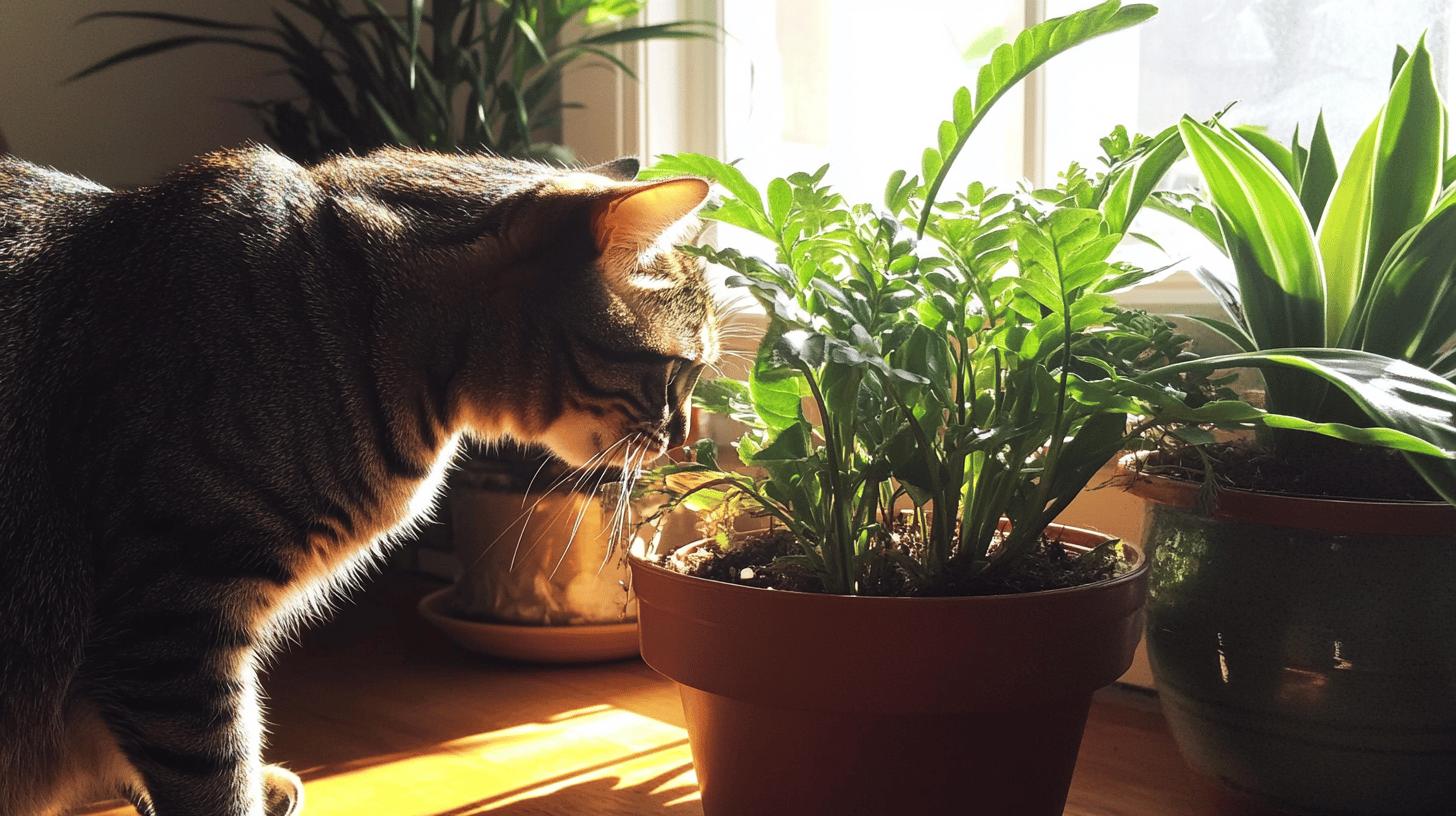
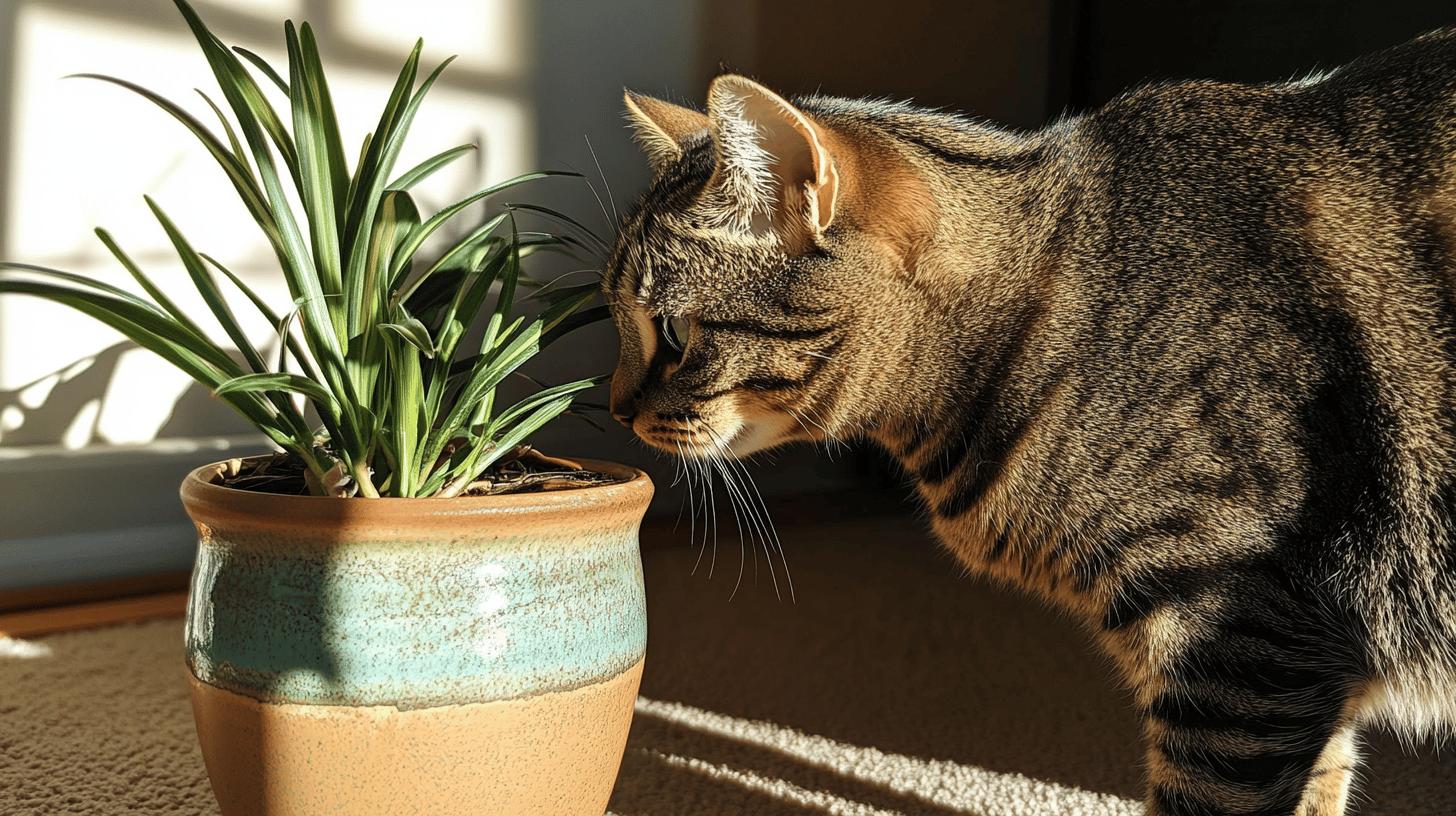
    Cats have a curious tendency to nibble on houseplants. This behavior is inherited from their wild ancestors, who instinctively consumed certain plant types to help expel parasites and aid digestion. Despite being obligate carnivores, cats might find the texture and smell of some plants enticing. This natural behavior can be harmless with safe plants, but others with toxic compounds pose health risks.

    Potential effects of plant consumption for cats:

    • Aiding digestion: Some plants can help with digestion.
    • Expelling fur balls: Chewing on plants may help cats move fur balls through their system.
    • Upset stomach: Eating the wrong plants can lead to gastrointestinal issues.
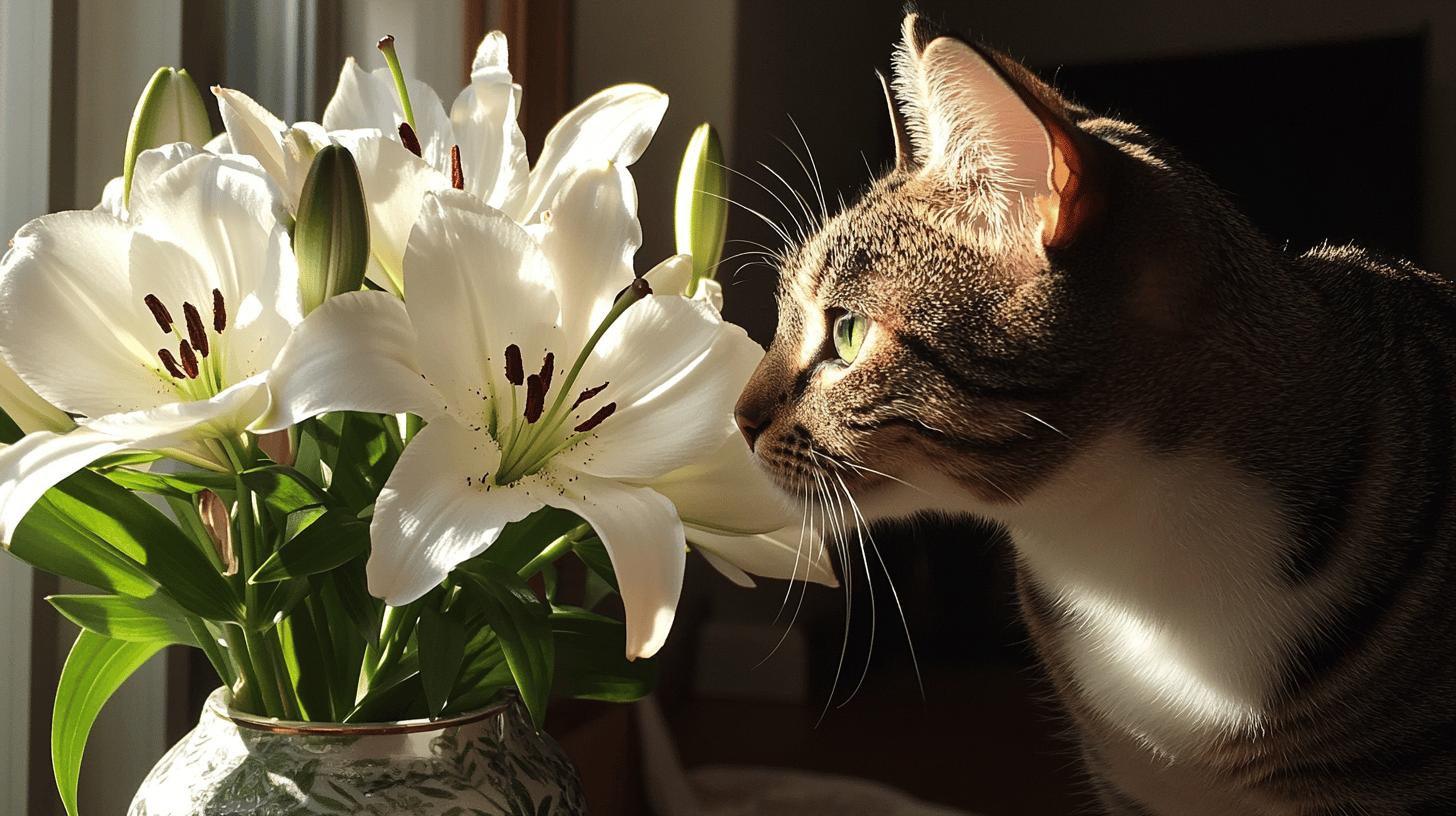
    • Poisoning: Toxic plants can cause serious health problems.
    • Behavioral satisfaction: Nibbling can satisfy a cat's natural curiosity and instincts.

    Cats require a diet primarily composed of meat. They need at least 70% meat in their diet to meet their nutritional needs. While plants don't provide essential nutrients for cats, nibbling on the right types in moderation doesn't typically harm them. Yet, it's important to monitor their plant-eating habits to ensure their safety and maintain a balanced diet.

    Safe Plants for Cats to Nibble

    Safe Plants for Cats to Nibble-1.jpg

    Cats are naturally curious creatures, often drawn to the texture and aroma of plants. Fortunately, there are several non-toxic plants that your feline friends can safely nibble on. These plants aren't just harmless; they can also add a touch of greenery to your living space without posing risks to your cat's health. Offering a selection of safe plants can satisfy your cat's curiosity and instinctual need to chew, while also beautifying your home.

    Here are some examples of plants safe for cats:

    • Lemongrass: Its appealing scent can attract cats, and it's safe for them to chew in moderation.
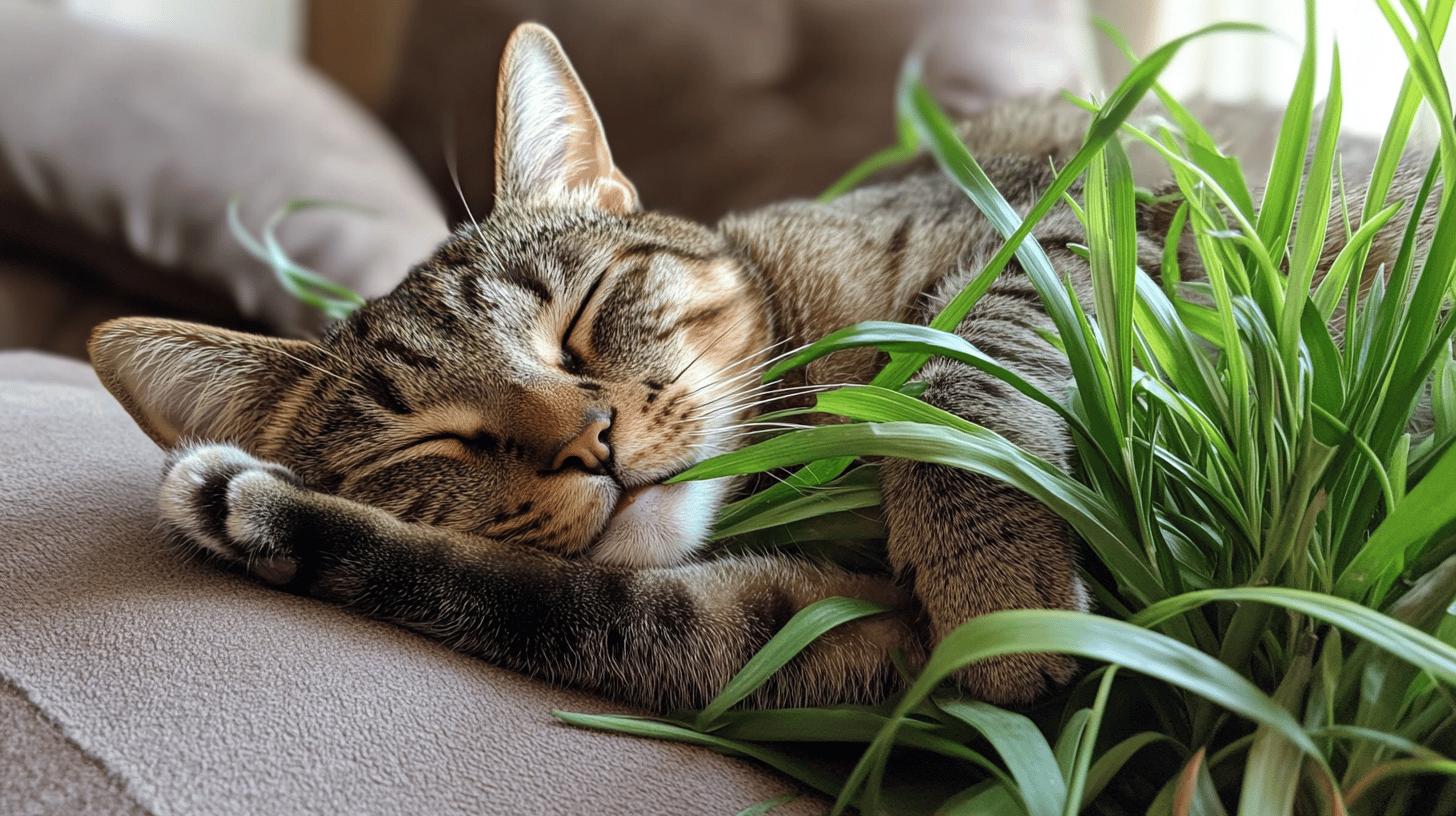
    • Cat Grass: Often a blend of oat, wheat, and barley, it's a favorite among cats for a reason.
    • Parsley: This herb is not only non-toxic but also offers a refreshing taste for cats.
    • Rosemary: Safe and aromatic, rosemary can be a delightful plant for cats and humans alike.
    • Spider Plants: Known for their air-purifying properties and resilience, they're safe for feline nibbling.
    • Boston Fern: A lush and safe option, it adds greenery without risk.
    • Swedish Ivy: This hardy plant is non-toxic and can thrive in various conditions.

    To create a cat-friendly environment, place these safe plants in areas accessible to your cat. Consider positioning them near your cat's favorite lounging spots or play areas. You can also use hanging planters or shelves at different heights to add dimension and interest. Regularly monitor your cat's interaction with the plants to ensure they are enjoying them safely and to prevent overconsumption, which could lead to stomach upset.

    Toxic Plants Cats Should Avoid

    Toxic Plants Cats Should Avoid-1.jpg

    Cats are naturally curious, which sometimes leads them to nibble on plants that aren't safe. Several common plants could pose serious health risks for your cat if ingested. Many of these plants contain toxic compounds that can lead to symptoms ranging from mild discomfort to severe health problems. Even a small amount of a toxic plant can be harmful to cats, making it crucial for cat owners to be aware of the vegetation in their homes and gardens. Recognizing these risks can help you create a safer environment for your feline friends.

    Toxic Plant Common Symptoms
    Azaleas Vomiting, diarrhea, drooling, weakness
    Autumn Crocus Vomiting, gastrointestinal bleeding, liver and kidney damage
    Cyclamen Drooling, vomiting, diarrhea, heart rhythm abnormalities
    Daffodils Vomiting, diarrhea, abdominal pain, convulsions
    Lilies (all varieties) Kidney failure, vomiting, lethargy, loss of appetite
    Sago Palm Vomiting, liver failure, death
    Hyacinths Vomiting, depression, tremors
    Tulips Vomiting, diarrhea, hypersalivation, depression

    Identifying and removing toxic plants is essential for safeguarding your cat's health. Start by examining your home and garden for the plants listed above. If you find any, consider replacing them with non-toxic alternatives. Place plants out of reach or use barriers to prevent your cat from accessing them. Regularly monitor your cat's environment, especially if you have outdoor plants, to ensure no new toxic plants are introduced. By taking these steps, you can minimize the risks and keep your feline companion safe and healthy.

    Why Do Cats Eat Plants?

    Why Do Cats Eat Plants-1.jpg

    Cats eating plants is a common behavior that often puzzles pet owners. This action is deeply rooted in their instincts, inherited from their wild ancestors. In the wild, cats would consume plants to aid digestion and help with the expulsion of fur balls. The fibrous nature of plants moves indigestible material through their system, providing relief and aiding gastrointestinal health. Additionally, both domestic and wild cats are attracted to the textures and smells of various plants. This sensory attraction can prompt them to chew on leaves and stems, despite their carnivorous diet.

    Here are five reasons why cats might be drawn to different plants:

    • Texture: Some plants offer a satisfying crunch or fiber that intrigues cats.
    • Aroma: Certain plants emit scents that are appealing, like catnip or mint.
    • Taste: The unique flavor of some herbs and grasses can entice cats to take a bite.
    • Curiosity: Cats are naturally curious and may explore plants as part of their environment.
    • Behavioral Enrichment: Chewing on plants provides mental stimulation and satisfies exploratory instincts.

    To manage a cat's plant-chewing behavior, provide safe alternatives and observe habits. Introducing non-toxic plants specifically chosen for their safety can deter cats from harmful varieties. Monitoring their environment and regularly checking for changes in plant-eating patterns can help ensure safety. Understanding why cats are attracted to plants and offering safe options helps them satisfy their instincts without risk.

    Managing and Preventing Plant Consumption in Cats

    Managing and Preventing Plant Consumption in Cats-1.jpg

    Cats love exploring with their mouths, and that can be risky when it comes to plants. Managing this curiosity is key to keeping them safe. Instead of introducing a separate section, let's integrate this into our existing discussion on plant safety.

    Safe Alternatives

    We already highlighted cat grass and catnip in our 'Safe Plants for Cats to Nibble' section. These are excellent alternatives to satisfy a cat’s curiosity. They offer a safe chewing outlet and are a joy for cats to nibble on. It’s a great way to keep them away from more dangerous plants.

    To protect plants, consider using deterrents like bitter sprays. Environmental modifications can also help. Placing toxic plants out of reach or using plant cages are practical strategies. These can be seamlessly incorporated into our existing sections on toxic plants and safe plant interactions. This ensures a comprehensive approach without repeating information.

    Final Words

    Understanding the reasons behind a cat's urge to munch on greenery provides insights into how can cat eat plants safely. While some plants offer minor digestive benefits, others pose significant health risks. Prioritizing a meat-based diet remains vital due to their carnivorous needs.

    Choosing non-toxic plants and keeping harmful ones out of reach helps ensure safety. Introducing safe plants like lemongrass and cat grass can be a healthy option for curious cats. By observing and providing suitable distractions, we create a safe and enjoyable environment. Keep your feline friend happy with safe, cat-friendly greenery around your home!

    FAQ

    Why do cats eat plants and then throw up?

    Cats eat plants to help expel hairballs or aid digestion. If a cat throws up, it's a natural reaction to clear their system. Observe for any distress or seek vet advice if concerned.

    Can a cat eat plants in the garden?

    Cats can nibble on certain garden plants. However, some plants may be toxic. Always identify plants in your garden and ensure they're safe for cats by checking trusted non-toxic plant lists.

    What to do if a cat eats a plant?

    If a cat eats a plant, check if the plant is toxic. If so, watch for symptoms like vomiting or lethargy. Contact the vet immediately if there are any signs of distress or illness.

    Can cats eat leaves from trees and roses?

    Cats should not eat tree leaves or roses as they may contain harmful compounds. Always research specific plants for toxicity levels to prevent potential health issues.

    Is there a homemade spray to keep cats from eating plants?

    Homemade sprays using natural deterrents, like citrus or vinegar, can keep cats away from plants. Spray lightly on plant leaves, but ensure it won't harm the plant or irritate your cat.

    Is it OK for my cat to eat my plants?

    While some plants are harmless, others can be toxic. Ensure your house plants are non-toxic to cats. It's safer to provide cat-friendly plants like cat grass or catnip.

    What happens if a cat eats a plant?

    If a cat eats a plant, they might show signs like mild digestive upset or, in severe cases, symptoms of poisoning if the plant is toxic. Monitor symptoms and consult a vet if needed.

    Are there any plants that cats can eat?

    Yes, cats can safely nibble on plants like cat grass, lemongrass, and some herbs like parsley. These can provide enrichment without harming your cat.

    Why does my cat chew on my plants?

    Cats chew on plants due to instincts like exploring textures, aiding digestion, or expelling hairballs. Providing safe plants can satisfy this behavior without risks.

    Related Articles

  • Can Cat Eat Jelly Understanding Risks and Safe Alternatives

    Can Cat Eat Jelly Understanding Risks and Safe Alternatives

    Ever find yourself tempted to share your jelly with your curious kitty? While it might seem harmless, feeding jelly to cats can pose serious risks. Cats don’t process sugar like we do, and certain jellies carry added dangers with ingredients like xylitol.

    hese sweeteners are not only unhealthy but can be toxic, leading to severe complications. Let’s dive into why it’s best to keep jelly far from your feline’s food bowl and explore safer alternatives to keep your cat purring with delight.

    Can Cats Eat Jelly? Understanding Safety and Risks

    Can Cats Eat Jelly Understanding Safety and Risks-2.jpg

    Cats should generally avoid eating jelly. This sweet treat is not recommended for feline friends due to its high sugar content, which can contribute to obesity and diabetes. Although jelly might not be directly toxic, it does not align with a cat’s dietary needs. Some jellies contain artificial sweeteners like xylitol, which are toxic to cats and can cause serious health complications.

    • Toxicity Concerns: Xylitol, a common sweetener in sugar-free jellies, is extremely harmful to cats.
    • Health Issues: High sugar levels in jelly can lead to obesity, diabetes, and other health problems.
    • Digestive Problems: Cats may experience vomiting or diarrhea after consuming jelly.

    Jelly lacks essential nutrients that cats need, as they require a meat-based diet to thrive. By sticking to foods specifically made for cats, you ensure they receive the nutrition necessary for their health and well-being.

    Can Cats Eat Jelly? Understanding Safety and Risks

    Jelly Ingredients and Their Impact on Cats-1.jpg

    Jelly might be a delightful treat for us, but for cats, it’s a different story. The high sugar content in jelly can lead to weight gain and potential diabetes. Furthermore, artificial sweeteners, especially xylitol, are toxic to cats and can cause severe health problems.

    Harmful Ingredients in Jelly:

    1. Sugar: Increases the risk of obesity and diabetes.
    2. Artificial Sweeteners: Xylitol is toxic, leading to severe health issues.
    3. Preservatives: Can cause digestive upset or allergic reactions.
    4. Citrus Flavors: May result in vomiting and diarrhea.
    5. Grape Flavors: Can be toxic, potentially causing kidney failure.

    Cats are obligate carnivores; they need meat for their nutritional needs. Their bodies aren’t built to process sugars effectively, so when they consume jelly, it can lead to digestive issues like vomiting or diarrhea. These ingredients can linger in their system, causing bigger health concerns over time.

    Cats also can’t taste sweetness, so sugary foods offer no benefit. They need a diet rich in proteins and fats from meat sources. Jelly doesn’t fit into this dietary profile, as it lacks essential nutrients. To keep cats healthy, focus on high-quality protein-rich foods specifically designed for them.

    Safe Alternatives to Jelly for Cats

    Safe Alternatives to Jelly for Cats-4.jpg

    Choosing the right treats for your cat is crucial for their overall health and well-being. Cats have specific dietary needs that are best met with high-protein, meat-based foods. Instead of sugary treats like jelly, consider offering your cat snacks that provide nutritional benefits. High-protein treats such as freeze-dried meat or fish are excellent choices. These alternatives are not only safe but align more closely with a cat’s natural diet.

    Here are some recommended alternatives to jelly for your cat:

    • Freeze-dried chicken or fish
    • Cooked carrots
    • Blueberries
    • Small pieces of cooked turkey
    • Freeze-dried liver
    • Cucumber slices
    Alternative Treat Benefits
    Freeze-dried Chicken High in protein, low in fat
    Cooked Carrots Rich in fiber and beta-carotene
    Blueberries Source of antioxidants and vitamins
    Small pieces of Cooked Turkey Lean protein source for muscle health
    Cucumber Slices Hydrating with low calories

    These treats not only satisfy your cat’s taste buds but also contribute to a balanced diet rich in essential nutrients. Remember, cats thrive on protein and fats from meat sources, making these alternatives both safe and beneficial for your furry friend.

    Expert Opinions on Feeding Jelly to Cats

    Veterinary experts strongly advise against feeding jelly to cats because it doesn’t meet their nutritional needs and poses potential health risks. Cats thrive on diets rich in protein and essential nutrients, which jelly lacks. Experts like Dr. Sarah Thompson highlight that jelly consumption could lead to obesity and diabetes, emphasizing the critical need for protein to maintain a cat’s health.

    • Lacks essential nutrients for a cat’s well-being
    • High sugar content increasing the risk of obesity and diabetes
    • Toxicity from artificial sweeteners such as xylitol
    • Potential for digestive issues like vomiting and diarrhea

    By prioritizing a balanced diet that focuses on quality, protein-rich foods, cat owners can effectively support their pets’ health and reduce the risk of serious health issues. Avoiding sugary treats like jelly and opting for nutritious, meat-based meals ensures that cats receive the nutrients they need for optimal health.

    Final Words

    Exploring whether cats can eat jelly, we discovered it’s not safe. High sugar and harmful ingredients pose significant risks, including obesity and diabetes. Jelly lacks essential nutrients for cats, making it unsuitable. Understanding jelly’s impact on a cat’s health is crucial. A meat-based diet remains vital for their well-being.

    Alternatives like freeze-dried meats or certain fruits offer safe options. Veterinary experts agree: jelly isn’t suitable for cats. Providing nutritious treats ensures your cat’s health and happiness. Always prioritize safety, ensuring playtime and treat time are equally fulfilling. Let’s keep our feline friends in optimal health.

    FAQ

    Can cats eat strawberry jelly?

    A: Cats should not eat strawberry jelly. It’s high in sugar, which can lead to obesity and diabetes. Some jellies contain harmful sweeteners like xylitol, which is toxic to cats.

    Can cats eat jelly bread?

    A: Cats should avoid jelly bread. Bread and jelly offer no nutritional benefits and can cause weight gain or digestive issues. Cats thrive best on a meat-based diet.

    What is the jelly in cat food made of?

    A: The jelly in cat food is mainly made from animal by-products or gelatin, which is safe for cats. It’s designed to be a flavor enhancer and moisture source in their diet.

    Can cats eat grape jelly?

    A: Cats should not eat grape jelly. Grapes are toxic to some pets, and high sugar levels can lead to serious health issues. Stick to cat-safe treats instead.

    Why do cats love jelly?

    A: Cats may be attracted to jelly because of its texture and smell. However, it lacks the essential nutrients they need, making it an unhealthy choice.

    Is jelly food good for cats?

    A: Jelly food without added sugars and harmful sweeteners could be harmless, but it doesn’t offer necessary nutrients. A meat-based diet provides the best nutrition for cats.

    Can cats have a little jello?

    A: Cats should avoid jello. It often contains sugar and artificial flavors, which can upset their stomachs and lead to metabolic issues with regular consumption.

    Will grape jelly hurt a cat?

    A: Yes, grape jelly can hurt a cat. Grapes and excessive sugar are dangerous and may cause digestive upset or long-term health problems. Stick to cat-friendly treats.

    Related Articles