Author: Lucas Turner

  • Can Cat Eat Silverfish Safety and Health Considerations

    Can Cat Eat Silverfish Safety and Health Considerations

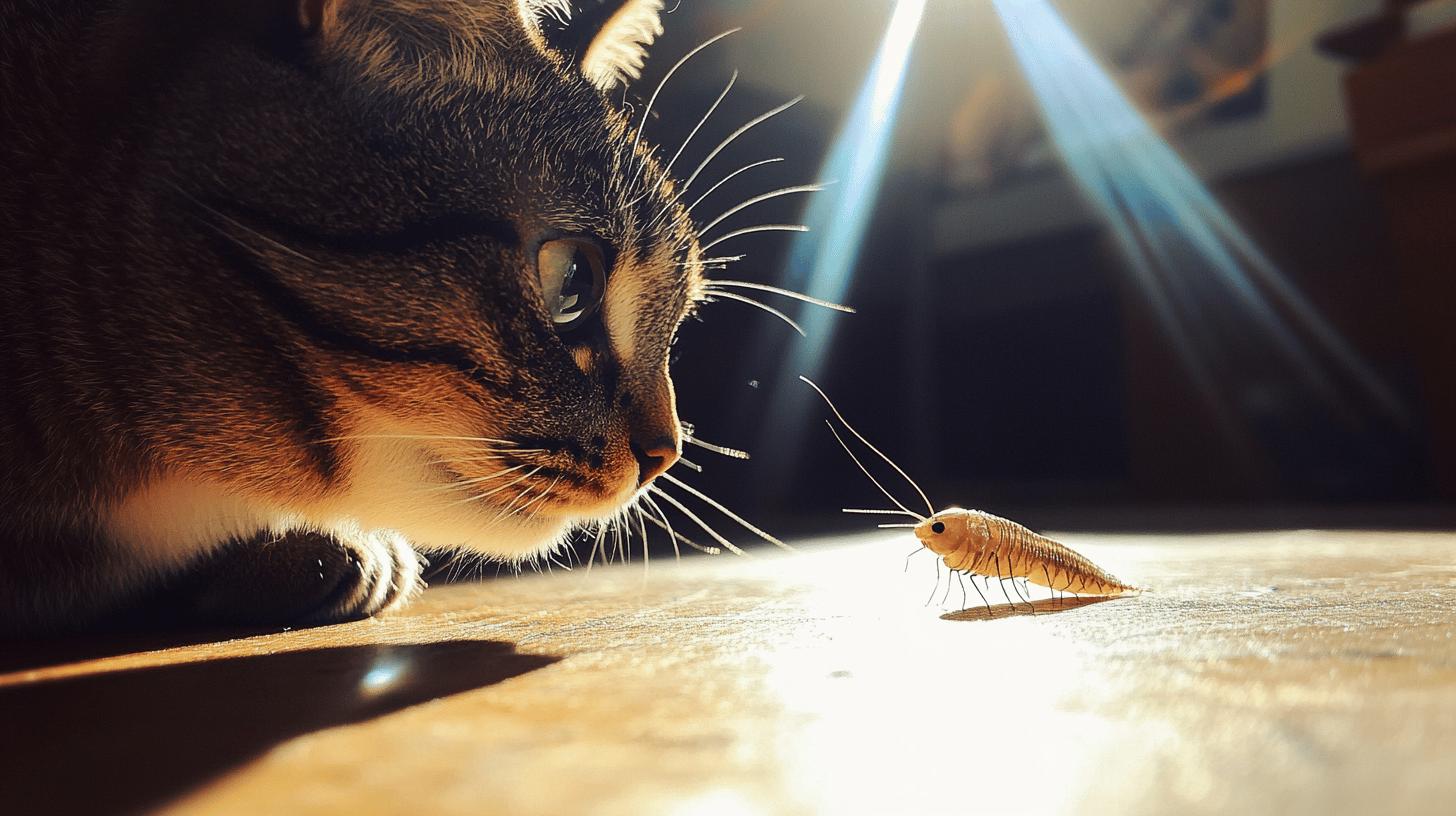
    Have you ever caught your cat chasing after a silverfish and wondered if it's safe for them to eat? This tiny insect might not seem like a problem, but should it be on your cat's menu? While silverfish aren't toxic to cats, they do come with their own set of concerns. This blog post delves into the safety and health considerations of cats nibbling on these household critters. We'll explore why silverfish might not be the healthiest snack and what to watch out for if your adventurous feline decides to make one a meal.

    Can Cats Safely Eat Silverfish?
    Can Cats Safely Eat Silverfish-1.jpg

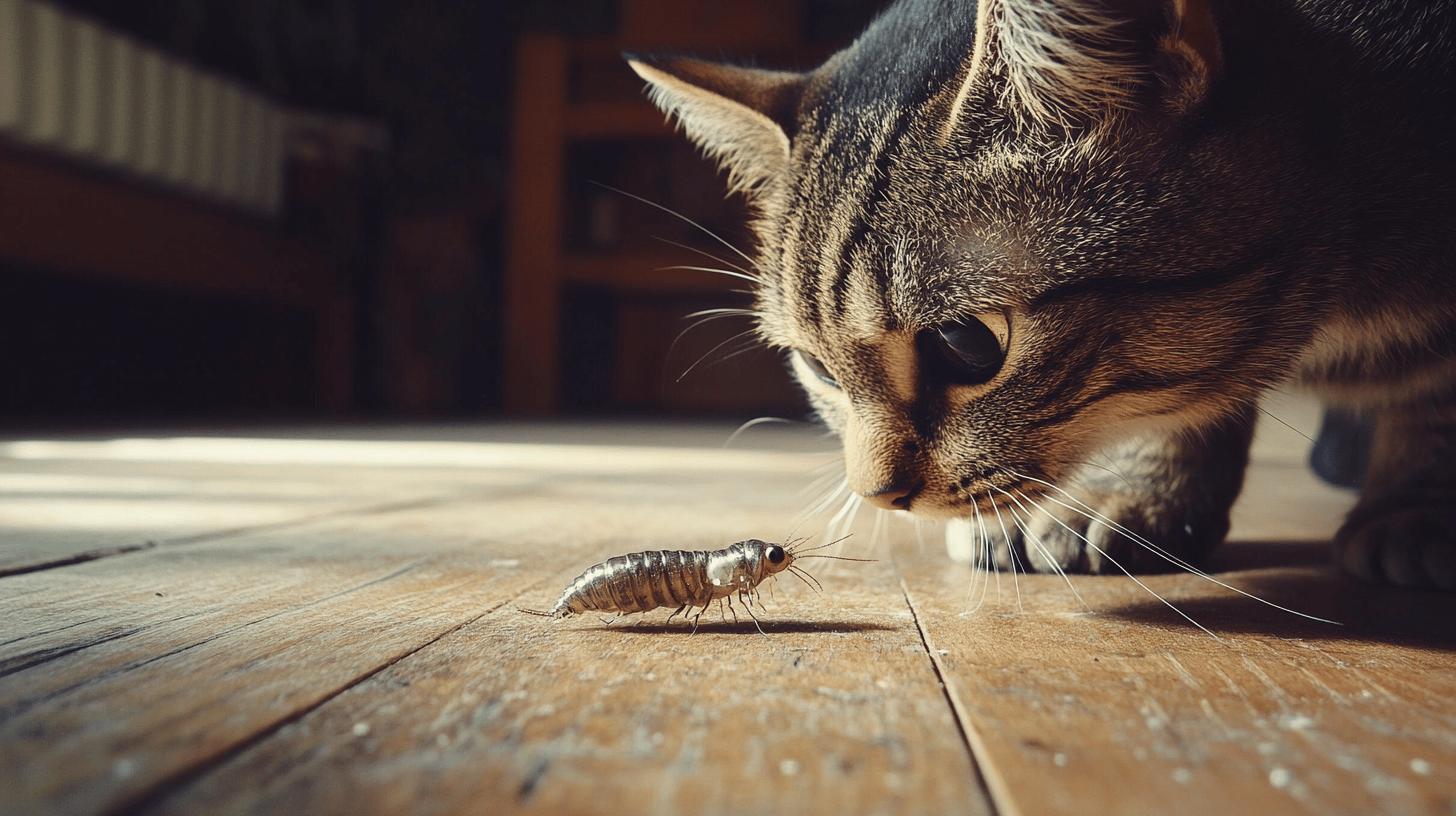
    Silverfish are generally not toxic to cats, so if your feline friend happens to munch on one, there's no immediate danger. However, these insects don't offer any nutritional benefits. They lack the essential nutrients cats need for a healthy diet. While a curious cat might enjoy chasing and catching silverfish, they should not be considered a food source.

    Despite their non-toxic nature, consuming silverfish can come with certain health risks. Cats might experience gastrointestinal upset such as vomiting or diarrhea after eating them. There's also a slim chance that silverfish could introduce parasites to your cat’s system, which could lead to other health concerns. Although these risks are not common, they are worth keeping in mind.

    When a cat eats silverfish, it's a good idea to watch for any symptoms of discomfort or illness. Pay attention to the following signs:

    • Vomiting
    • Diarrhea
    • Lethargy
    • Loss of appetite
    • Unusual behavior

    Veterinary advice suggests that cat owners should monitor their pets closely after they've consumed silverfish. If any of the symptoms listed above occur or persist, contacting a veterinarian is a wise move. A professional can provide guidance on whether further action is necessary to ensure your cat's health stays intact.

    In summary, while silverfish are not harmful to cats, they aren't beneficial either. They do not provide the balanced diet that cats require, which should be rich in proteins and essential nutrients. Ensuring a healthy diet for your cat, free from insects like silverfish, is key to keeping them happy and healthy.

    Nutritional Needs and Hunting Instincts in Cats
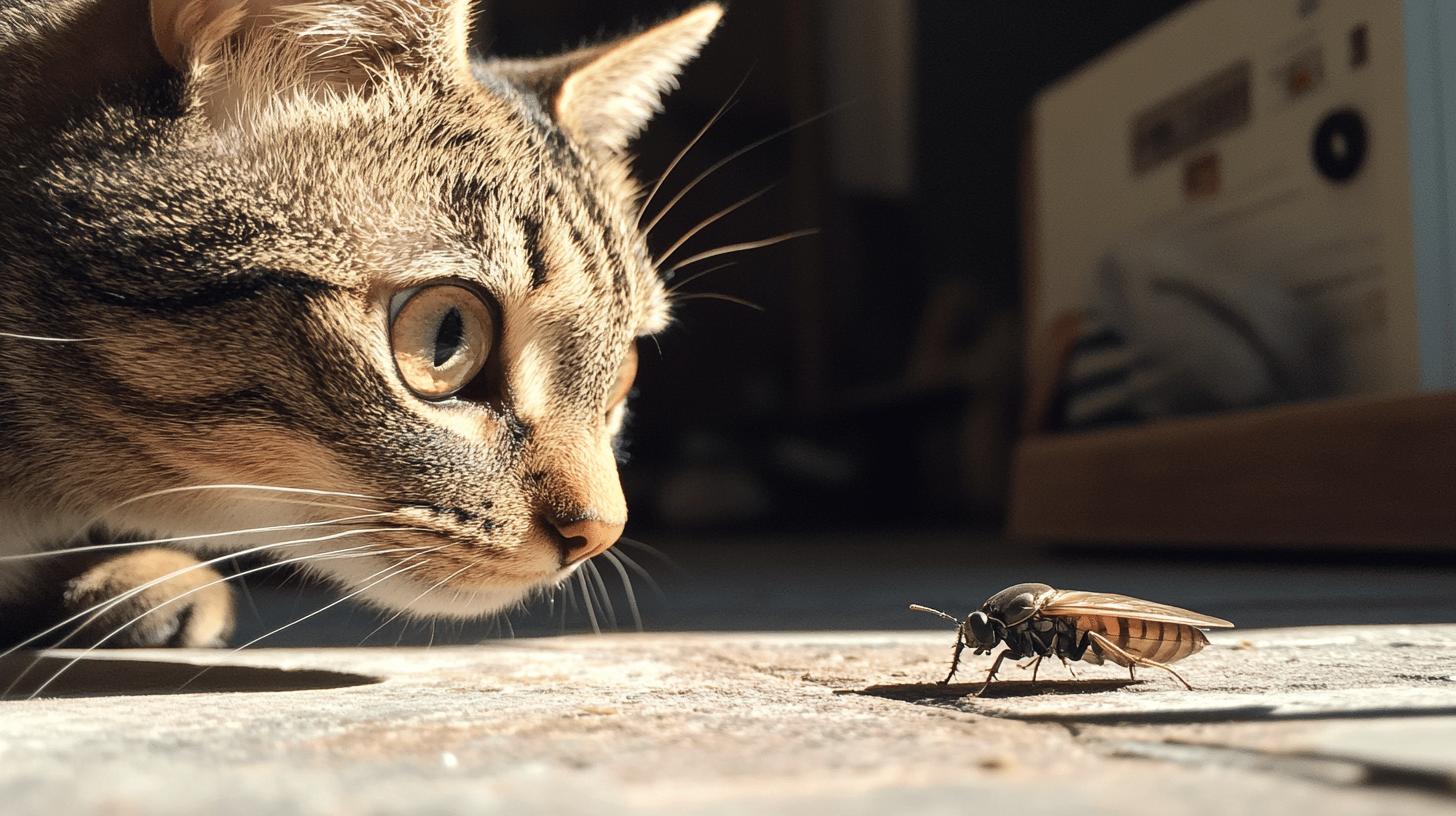
    Nutritional Needs and Hunting Instincts in Cats-1.jpg

    Cats are obligate carnivores, meaning their nutritional needs are quite specific. They require a diet rich in proteins and essential nutrients like taurine, arachidonic acid, and vitamin A, which are mostly found in animal tissues. These components are crucial for their vision, heart function, and overall health. A balanced diet is important to meet these needs, and it usually comes from high-quality commercial cat foods or carefully prepared homemade diets that veterinarians approve.

    Insects, including silverfish, do not provide the necessary nutrients that cats need. Although these critters may seem like a crunchy treat to your feline, they lack the proteins and nutrients required for a cat's well-being. Despite this, the act of hunting can offer significant mental and physical stimulation. Cats are naturally curious and have a strong instinct to hunt, which can be satisfied through the chase rather than the consumption of these insects. This instinctive behavior is an essential part of their nature and provides them with a form of enrichment that keeps them engaged and active.

    • Provides exercise through physical activity
    • Offers mental stimulation
    • Satisfies feline curiosity
    • Engages natural hunting instincts
    • Helps manage weight by burning calories
    • Reduces boredom and stress

    While it's crucial to provide a balanced diet, it's equally important to cater to a cat's natural hunting instincts with safe and enriching activities. Interactive toys, puzzle feeders, and regular playtime can fulfill their need to hunt without relying on insects for entertainment. These activities not only ensure that cats stay healthy and fit but also help to maintain their mental well-being. Always ensure that your cat's environment is enriched with opportunities to explore and play, alongside a diet that supports their nutritional needs.

    Managing Silverfish and Other Household Pests
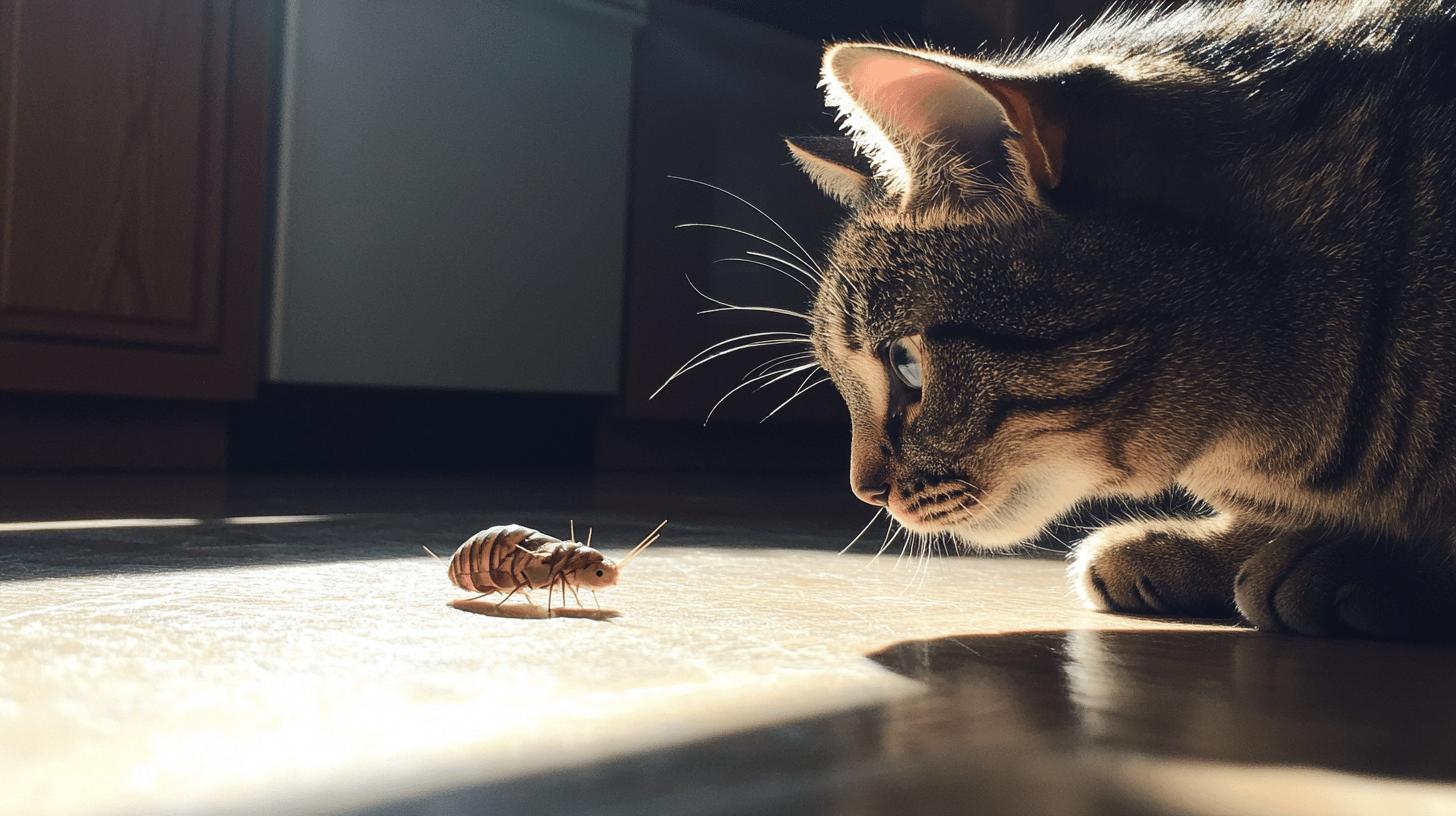
    Can Cat Eat Silverfish Safety and Health Considerations-2.jpg

    Silverfish might be harmless to cats, but they can be a real nuisance to our homes. These little critters love to feast on paper, glue, and even your favorite books. If left unchecked, a silverfish infestation can cause significant damage to household items. This makes effective pest management crucial in preventing these silent invaders from wreaking havoc. The first step in managing these pests is recognizing the signs of infestation and taking action promptly.

    • Seal cracks and crevices to prevent entry
    • Use diatomaceous earth as a natural deterrent
    • Set up sticky traps in affected areas
    • Reduce humidity in your home with dehumidifiers
    • Apply chemical baits cautiously, ensuring they are out of pets' reach

    It's crucial to choose pet-safe methods when dealing with silverfish to keep your furry friends safe. Opt for natural solutions whenever possible, as chemical treatments can pose risks to cats and other pets. If the infestation is severe, considering professional pest control services might be the best option. Experts can tailor solutions to effectively handle the situation while keeping the safety of your pets in mind. Keeping a clean and dry environment can also help in preventing future pest problems, ensuring a safe and pleasant home for both you and your pets.

    Final Words

    Learning about the safety of silverfish for cats has been eye-opening. Though not toxic, silverfish fail to offer nutritional benefits and might cause health issues like stomach upset. Keeping an eye on your cat for distress signals is wise after they munch on these critters. While cats are natural hunters, their diet needs more than just bugs for complete nourishment.

    Managing pests like silverfish requires careful choices, especially around pets. Always aim for solutions that keep your cat's well-being in mind. Providing a diet rich in nutrients ensures your cat stays happy and healthy.

    FAQ

    Can cats eat silverfish?

    In limited amounts, silverfish are not toxic to cats. They don't pose direct health risks. However, silverfish do not provide nutritional benefits and are not an ideal part of a cat's diet.

    How can I get rid of silverfish?

    Using natural pest control methods, chemical baits, or professional services can manage silverfish. Always choose pet-safe options and consult professionals if infestations persist.

    Are silverfish dangerous or harmful to pets?

    Silverfish are generally not dangerous to pets. They can cause minor digestive issues if eaten. Keep an eye out for any signs of distress in pets after they consume them.

    How poisonous are silverfish?

    Silverfish are not poisonous. While they're safe if accidentally ingested, they shouldn't be a dietary staple. Their lack of nutrients makes them unsuitable for regular consumption.

    Do silverfish bite or are they harmful to clothes?

    Silverfish do not bite humans or pets. However, they can damage clothes and other household items by feeding on starchy materials.

    Is silverfish spray toxic to cats?

    Chemical sprays used to control silverfish can be toxic to cats. Always use pet-safe treatments, and consult a veterinarian if your cat shows signs of chemical exposure.
    Related Articles

  • Can Cat Eat Matcha Understanding the Risks and Safety Concerns

    Can Cat Eat Matcha Understanding the Risks and Safety Concerns

    Can my cat sip matcha like me? While this might sound harmless, the reality could be quite dangerous. Cats' bodies don't handle matcha like ours do. The caffeine in matcha is a big no-no for our furry friends. Even a tiny bit can lead to increased heart rate, restlessness, or tremors. And that's not all – potential contaminants in matcha, like pesticides, add to the risk. It's crucial to understand these dangers and protect your cat. Let's dive deeper into why matcha isn’t safe for your feline companion and how you can keep them healthy.

    Can Cats Eat Matcha? Understanding the Basics

    Can Cats Eat Matcha Understanding the Basics-1.jpg

    Matcha is a finely ground powder made from specially grown green tea leaves. It's popular for its vibrant green color and is commonly used in beverages, desserts, and various culinary dishes. People enjoy matcha for its rich flavor and health benefits, but when it comes to our feline friends, the story is different.

    Matcha contains caffeine, which is harmful to cats. Cats are sensitive to caffeine and can experience adverse effects even from small amounts. Symptoms of caffeine poisoning in cats include increased heart rate, restlessness, and tremors. Due to these potential risks, it is generally not recommended to give matcha to cats. Always prioritize your pet’s health and consult a veterinarian if you have concerns about what is safe for your cat to consume.

    Potential Health Risks of Matcha for Cats

    Potential Health Risks of Matcha for Cats-1.jpg

    Beyond caffeine, potential contaminants in matcha present significant risks to cats. Matcha can contain harmful substances such as pesticides and heavy metals. These contaminants are particularly troubling if the matcha is sourced from areas with lax safety standards. Such impurities can worsen the health risks beyond those posed by caffeine alone, making it even more hazardous for cats.

    If a cat ingests matcha, it's essential to watch for specific signs. Immediate steps include:

    • Monitor for vomiting and diarrhea: These are initial reactions that indicate distress.
    • Check for increased heart rate and tremors: These symptoms require urgent attention.
    • Observe for restlessness: This can indicate that the caffeine is affecting the cat's nervous system.

    Taking immediate action is crucial. If you suspect your cat has consumed matcha, contact a veterinarian right away. Quick intervention can prevent serious complications and help your cat recover more effectively. A vet can assess the situation and recommend the best treatment options, ensuring your furry friend receives the necessary care.

    Safer Alternatives to Matcha for Cats

    Safer Alternatives to Matcha for Cats-1.jpg

    When considering beverages for your cat, it's important to note that both green tea and matcha contain caffeine, which can be harmful to our feline companions. While some people might think about offering these teas to their pets for health reasons, the risks associated with caffeine make them unsuitable options. Instead, exploring non-caffeinated options like herbal teas or specially formulated cat beverages can provide a safer alternative.

    Herbal Teas for Cats

    Herbal teas can offer a caffeine-free option with potential benefits for cats. Here's a look at three herbal teas that might be safe for your furry friend:

    1. Chamomile Tea: Known for its calming effects, chamomile can help soothe anxious cats. It's gentle on the stomach and can also aid in digestion. Always ensure the tea is free from additives and serve it in small quantities.

    2. Catnip Tea: Most cats love catnip, and turning it into a tea can be a delightful treat. It can have a mild sedative effect, helping to relax your cat. Be sure to use pure catnip and serve it cool to avoid any burns.

    3. Dandelion Root Tea: This tea can support liver health and digestion. It's mild and generally safe for cats, but always check that it's pure and free from any added ingredients that might be harmful.

    When choosing herbal teas for your cat, safety is paramount. Ensure that any tea you offer is free from harmful additives or artificial flavors. Even herbal teas should be given in moderation, as excessive amounts can lead to unwanted side effects.

    Before introducing any new beverage into your cat's diet, it's wise to consult with a veterinarian. They can provide personalized advice based on your cat's specific health needs and dietary requirements. This step ensures that you are making the best choice for your pet's health and well-being.

    Understanding Cat Nutrition and Diet Safety

    Understanding Cat Nutrition and Diet Safety-1.jpg

    Cats need a diet that's quite different from ours. They're obligate carnivores, which means they require nutrients found primarily in animal flesh. Essential nutrients like taurine, arachidonic acid, and vitamin A must come from meat sources, as cats can't synthesize them. A balanced diet is critical to maintaining their health and ensuring they get the right mix of proteins, fats, and minimal carbohydrates. This balance supports their energy needs, immune function, and overall well-being.

    While cats might show interest in our food, many human foods are unsafe for them and should be avoided. Here are some common culprits:

    • Chocolate: Contains theobromine and caffeine, which are toxic to cats.
    • Onions and Garlic: Can cause gastrointestinal upset and damage red blood cells.
    • Grapes and Raisins: Can lead to kidney failure, even in small amounts.
    • Alcohol: Very toxic and can lead to severe health issues.
    • Caffeinated Products: Such as coffee and tea, including matcha, can cause restlessness and tremors.

    Following dietary guidelines for cats is vital to prevent health issues. Stick to pet-safe foods and always consult with a veterinarian when in doubt about a new food or treat. Adhering to these guidelines helps in avoiding unnecessary health risks and ensures your cat remains healthy and happy. Keeping their diet simple and focused on their specific nutritional needs is the best way to support their long-term health.

    Final Words

    Caring for a cat means knowing what's safe and healthy. Matcha, while popular, isn't safe for felines due to caffeine. This can lead to serious health issues. Considering safer alternatives like herbal teas might be a better choice. Always ensure these options are non-toxic and cat-friendly. Furthermore, understanding feline nutrition is key. Avoid foods like chocolate and onions to keep your cat safe. Remember, consulting a vet is essential for personalized advice. Keeping informed can ensure your cat’s happiness and well-being.

    FAQ

    Can my cat eat matcha?

    Matcha is not recommended for cats. It contains caffeine, which can be harmful. Even small amounts may lead to health issues like increased heart rate, restlessness, and tremors in cats.

    What happens if cats ingest caffeine?

    Caffeine can cause symptoms such as increased heart rate, restlessness, vomiting, diarrhea, and tremors in cats. If your cat shows these signs after ingesting matcha, consult a vet immediately.

    Is matcha toxic to cats?

    Matcha can be toxic to cats due to its caffeine content. Ingesting matcha could lead to caffeine poisoning, which poses significant health risks for cats.

    Can pets, like cats and dogs, consume matcha?

    Pets, including cats and dogs, should avoid matcha. Caffeine present in matcha can lead to health issues. For the safety of your pets, matcha is best avoided.

    Why is my cat attracted to matcha?

    Cats might be curious about matcha due to its smell or taste. However, this doesn’t mean it’s safe. It’s best to keep matcha away from your cat.

    Are green tea plants toxic to cats?

    Yes, green tea plants, including matcha, contain caffeine, making them toxic to cats. It's best to avoid letting cats consume any part of these plants.

    What are some safer alternatives to matcha for cats?

    Safer alternatives include non-caffeinated herbal teas. Options like chamomile, catnip tea, and valerian tea may offer calming effects. Always ensure they are free from additives and consult a vet before introducing new items.

    Is it safe for cats to consume green tea or matcha beverages?

    Both green tea and matcha contain caffeine, which isn't safe for cats. It's better to opt for herbal teas specially formulated for feline safety.

    What should I do if my cat accidentally consumes matcha?

    If your cat consumes matcha, watch for signs of caffeine poisoning like vomiting or tremors. Seek immediate veterinary advice to ensure your cat's safety.

    Related Articles

  • Can Cat Eat Beef Liver Safely and in Moderation

    Can Cat Eat Beef Liver Safely and in Moderation

    Isn't it tempting to give your cat a taste of everything you enjoy? Before sharing beef liver with your furry friend, let's consider if it's truly safe. While beef liver is loaded with nutrients that can boost your cat's well-being, too much of it can spell trouble.

    It's a fine line between health boost and health risk. In this blog, I'll guide you through what makes beef liver a potential treat and the right way to include it in your cat's diet. This ensures your pet can enjoy the benefits without any worries.

    Can Cats Safely Eat Beef Liver?

    Can Cats Safely Eat Beef Liver-1.jpg

    Cats can indeed eat beef liver, but it's crucial to do so with caution. Beef liver is packed with beneficial nutrients like vitamins A and B, iron, and copper, which can support a cat's health.

    However, feeding too much can lead to health issues. To keep things safe, the liver should only make up about 5%–7% of their regular meals. This helps prevent nutrient overdose and keeps their diet balanced.

    • Vitamin A Toxicity: Too much vitamin A can cause serious health issues like lethargy and bone malformations.

    • Nutrient Overdose: Overconsumption of liver can lead to excess levels of certain nutrients, impacting overall health.

    • Weight Gain: Liver is rich and fatty, so excessive feeding can contribute to obesity.

    • Digestive Upset: Sudden introduction or overfeeding might cause vomiting or diarrhea.

    • Bone Health Risks: Long-term excessive intake may affect bone development and strength.

    In summary, beef liver is safe for cats when fed in moderation. Prioritize safety by sticking to recommended portion sizes and ensuring it remains an occasional treat rather than a dietary staple.

    Nutritional Benefits and Risks of Beef Liver for Cats

    Nutritional Benefits and Risks of Beef Liver for Cats-1.jpg

    Feeding beef liver to cats offers nutritional perks, mainly due to its rich nutrient profile. It provides essential vitamins and minerals like omega-3 fatty acids and taurine, which haven't been emphasized previously.

    • Omega-3 Fatty Acids: Promote a shiny coat and healthy skin.

    • Taurine: Supports heart health, crucial for overall vitality.

    The main risk with beef liver is vitamin A toxicity, which is covered well in the article already. To recap briefly, overconsumption can lead to symptoms like lethargy, weight loss, and skin issues.

    Moderation is key. Small, infrequent servings help your cat gain benefits without the risks.

    How to Prepare Beef Liver for Cats

    How to Prepare Beef Liver for Cats-1.jpg

    When preparing beef liver for your feline friend, proper preparation is key to minimizing health risks. Cooking the liver not only makes it more digestible for cats but also reduces the risk of contamination from harmful parasites or bacteria. Boiling is a simple and effective cooking method that keeps the liver safe for your pet.

    • Remove Fat: Trim off excess fat from the liver to prevent unnecessary calorie intake.

    • Boil the Liver: Cook the liver in boiling water without any seasoning or additives.

    • Cut into Small Pieces: Once cooked, chop the liver into small, manageable pieces for easier consumption.

    • Grind if Necessary: For cats with difficulty chewing, consider grinding the liver.

    • Cool Before Serving: Ensure the liver is at room temperature before serving to avoid burns.

    Cooking beef liver is generally preferred over serving it raw, as it significantly decreases the risk of foodborne illnesses. Raw meat can carry pathogens like Salmonella, which pose a risk to both cats and humans. By cooking the liver, you ensure a safer and more nutritious treat for your cat.

    Feeding Guidelines and Portion Sizes for Beef Liver

    Feeding Guidelines and Portion Sizes for Beef Liver-1.jpg

    Controlling portion sizes of beef liver is essential to prevent health risks like vitamin A toxicity. It should make up only about 5% of a cat's diet.

    Liver Type Suggested Portion Size
    Beef Liver 10–20 grams
    Chicken Liver 10–20 grams

    Introduce liver gradually and watch for any adverse reactions. Keep it as an occasional treat to maintain a balanced diet.

    Monitoring for Adverse Reactions and Signs of Allergies

    Feeding Guidelines and Portion Sizes for Beef Liver-3.jpg

    When introducing beef liver into your cat's diet, it's crucial to monitor for any adverse reactions or signs of allergies. Some cats might react negatively to new foods, and beef liver is no exception. Common signs to watch for include vomiting, diarrhea, and skin issues.

    • Vomiting after eating liver

    • Diarrhea or changes in stool consistency

    • Excessive scratching or skin irritations

    • Changes in appetite or refusal to eat

    • Lethargy or unusual tiredness

    If you observe any of these symptoms, it's important to stop feeding liver and consult your vet. Early detection and professional advice can prevent more serious health issues, ensuring your cat remains healthy and happy.

    Comparing Beef Liver to Other Liver Sources for Cats

    Comparing Beef Liver to Other Liver Sources for Cats-3.jpg

    When considering liver as a protein supplement for cats, it's important to compare different types of liver to determine which is best. Beef liver is nutritious but carries a risk of vitamin A toxicity if consumed in excess.

    Chicken liver, on the other hand, is often preferred due to its lower risk of causing this issue. Both types offer essential nutrients, but their risks differ.

    Liver Type Nutritional Benefits Risks
    Beef Liver Rich in vitamins A and B, iron, and copper Higher risk of vitamin A toxicity
    Chicken Liver Contains taurine and omega-3 fatty acids Lower risk of vitamin A toxicity

    For regular feeding, chicken liver is typically a safer option due to its nutritional profile and reduced risk of vitamin A toxicity. This makes it a better choice for maintaining your cat's health while still providing the benefits of organ meats.

    Final Words

    Feeding cats beef liver can be beneficial due to its rich vitamins and minerals. But too much can lead to health issues, especially vitamin A toxicity. Cook the liver properly and keep portions small to keep cats safe. Watch for any adverse reactions while introducing liver to their diet. While chicken liver can be a safer alternative, beef liver provides unique nutrients that enhance a cat's health. When asking, "can cat eat beef liver?" remember, moderation is key for a balanced, enjoyable treat for your feline.

    FAQ

    Can cats eat beef liver raw or cooked?

    A: Cats can eat beef liver both raw and cooked. Cooking the liver, like boiling it, reduces contamination risk. Raw liver demands careful handling to avoid parasites.

    Can cats eat liver every day?

    A: Cats shouldn't eat liver every day. Liver should only make up 5–7% of their meals. Overconsumption risks vitamin A toxicity.

    What is the healthiest organ meat for cats?

    A: Many consider chicken liver one of the healthiest because it carries lower vitamin A toxicity risk. It provides nutrients like taurine and omega-3s.

    Why can't cats eat liver every day?

    A: Daily liver consumption might lead to vitamin A toxicity. Symptoms include lethargy, weight loss, and bone malformations.

    How do I cook beef liver for cats?

    A: Boiling is a safe way to cook beef liver for cats. Remove fat, cut into small pieces, and cook thoroughly to kill bacteria.

    What are the nutritional benefits of beef liver for cats?

    A: Beef liver is rich in vitamins A and B, iron, and copper. Benefits include improved skin, regeneration, and night vision.

    What are the risks of feeding beef liver to cats?

    A: Risks include vitamin A toxicity and nutrient overdose. Symptoms can be severe, including skin issues and bone malformations.

    Can cats eat cooked liver?

    A: Cats can eat cooked liver. Cooking is safer as it minimizes bacteria and contamination risks.

    Can cats eat chicken liver every day?

    A: While healthier than beef liver for regular feeding, chicken liver still shouldn't be daily. Moderation prevents nutrient imbalance.

    How should I monitor my cat for adverse reactions to liver?

    A: Watch for vomiting, diarrhea, and skin issues. Consult a vet if symptoms persist or are severe.

    Related Articles

  • Can Cat Eat Okra Safe Dietary Tips For Feline Owners

    Can Cat Eat Okra Safe Dietary Tips For Feline Owners

    Have you ever caught your cat nibbling on something green and wondered, "Is okra safe for my feline friend?" It's a question that stirs up debate among cat owners. Cats are obligate carnivores, so their diet should mostly include meat.

    But what about adding a vegetable like okra as an occasional treat? Let's explore whether this green pod can be a safe addition or if it poses any risks. Stick around to get practical tips on how to incorporate okra safely into your cat's menu while keeping their diet balanced and health-focused.

    Can Cats Eat Okra? Understanding the Basics

    Can Cats Eat Okra Understanding the Basics-3.jpg

    Cats can eat okra, but it's essential to remember that their diet should primarily consist of animal products, as they are obligate carnivores. Okra contains solanine, a toxin also found in eggplants and potatoes.

    The good news is that the solanine levels in okra are too low to harm cats if consumed in moderation. Feeding okra as a treat can be safe, but it's crucial to control the portion sizes to prevent any potential digestive issues or nutrient imbalances.

    Moderation is key when including okra in your cat's diet. Here are some dietary considerations to keep in mind:

    • Nutritional considerations
    • Digestive effects
    • Solanine levels
    • Portion control
    • Meat-based diet emphasis

    While okra is safe in small amounts, it should only supplement a diet rich in meat-based nutrients. Cats need specific proteins and amino acids found in animal foods to thrive. Ensuring your cat's primary diet is meat-focused will provide the essential nutrients it needs for optimal health. Okra can be an occasional treat, but always prioritize a balanced diet that caters to your cat's carnivorous nature.

    Health Implications of Feeding Okra to Cats

    Health Implications of Feeding Okra to Cats-1.jpg

    Okra offers a variety of vitamins and minerals, including vitamins A, B, C, and K, as well as calcium, iron, and potassium. These nutrients can support vision, strengthen bones, and aid in oxygen transport, offering a small nutritional boost when included in a cat's diet.

    Despite these benefits, okra does not provide the essential nutrients that cats need. Cats are obligate carnivores and require animal proteins and specific amino acids for their health. While okra can be an occasional treat, it doesn't fulfill the dietary requirements that are critical for their growth and energy, which are best met through meat-based foods.

    Nutrient Benefit
    Vitamin A Supports vision and immune system
    Calcium Strengthens bones and teeth
    Iron Aids in oxygen transport in the blood

    Feeding too much okra can lead to gastrointestinal issues, such as an upset stomach or diarrhea, due to its fibrous nature. Moderation is key to preventing discomfort and ensuring that okra complements a primarily meat-based diet. Always monitor your cat's reaction to new foods and consult your vet if you notice any issues.

    Safe Ways to Prepare Okra for Cats

    Health Implications of Feeding Okra to Cats-2.jpg

    When preparing okra for cats, it's best to cook it either by boiling or steaming. Cooked vegetables are generally easier for cats to digest, minimizing the risk of any gastrointestinal discomfort. By cooking okra, you not only soften its texture but also reduce any potential choking hazards. Cooking without any added ingredients ensures that the okra remains safe for your feline friend. Remember, the simpler, the better.

    When preparing okra, keep these points in mind:

    • Avoid pickling
    • No spices
    • Cook thoroughly
    • Serve in small portions

    For serving suggestions, offer a small amount of cooked okra as an occasional treat alongside their regular meal. Ensure it's cooled to room temperature to avoid any burns. By maintaining small portion sizes, you can monitor your cat's reaction to the new food and make sure it complements their meat-based diet without causing any digestive upset.

    Alternatives and Supplements to Okra in a Cat's Diet

    Alternatives and Supplements to Okra in a Cats Diet-1.jpg

    When considering alternatives to okra, there are several cat-friendly vegetables that can add variety to their diet. Safe options include asparagus, broccoli, and carrots, which are not only easy to prepare but also provide some nutritional benefits.

    Green beans, pumpkin, and spinach are other great choices, offering fiber and vitamins that can support your cat’s health. Sweet potatoes and zucchini can also be served in small amounts, providing an occasional treat without compromising their dietary needs.

    However, not all vegetables are safe for cats. It's crucial to avoid feeding them onions, garlic, and chives, which can cause gastrointestinal distress and other health issues. Grapes and raisins are also on the no-go list, as they are toxic to cats and can lead to kidney failure. Always be cautious and research any new food you introduce to your feline friend to ensure their safety.

    • Asparagus
    • Broccoli
    • Carrots
    • Green beans
    • Pumpkin
    • Spinach
    • Sweet potatoes
    • Zucchini

    Despite the inclusion of these vegetables, a proper feline diet should be primarily meat-based, ensuring high protein and moderate fat intake. Cats require specific nutrients, vitamins, and amino acids found in animal products to thrive.

    Vegetables can occasionally supplement their diet, but they should not replace the essential nutrients that come from meat. By maintaining a balanced diet, you can support your cat's overall health and wellbeing.

    Monitoring Your Cat After Trying Okra

    Monitoring Your Cat After Trying Okra-1.jpg

    After introducing okra into your cat's diet, it's crucial to keep a close eye on them. Cats are more sensitive to toxins than humans because they lack certain liver enzymes that help break down various substances.

    This sensitivity means that even though okra is generally safe in small amounts, any new food can potentially cause digestive upset or other issues. Observing your cat’s behavior and physical reactions will help you determine if okra agrees with them or if you need to adjust their diet.

    Be watchful for the following symptoms that could indicate digestive upset:

    • Vomiting
    • Diarrhea
    • Lethargy
    • Refusal to eat
    • Behavioral changes

    If you notice any of these signs or if your cat seems unwell after eating okra, it's essential to contact your veterinarian right away. Provide your vet with specific details about what and how much your cat ate, as well as any symptoms you've observed.

    Early consultation can prevent potential health issues from escalating and ensure your furry friend remains in good health. Remember, it's always better to err on the side of caution when it comes to your pet's diet and wellbeing.

    Final Words

    Understanding the safety and dietary role of okra for cats is essential. While cats can eat okra, it should only be a small part of their diet. Cats are obligate carnivores, so meat needs to be their main food. Even though okra has vitamins, making it part of their regular meals is not necessary. Cooking methods are vital, and okra should never be pickled or spicy.

    As always, watch your cat for any reactions when trying new foods. Keep a balanced diet in focus, ensuring your furry friend's health and happiness.

    FAQ

    Can cats eat okra seeds?

    Cats can eat okra seeds, but they should be given only in moderation. Seeds are not toxic, but ensure they're part of a balanced diet with animal products.

    Can cats eat raw okra?

    Cats shouldn't eat raw okra. It's best to serve okra cooked, like boiled or steamed, since cooked vegetables are easier for cats to digest.

    Can cats eat okra leaves?

    Okra leaves are not recommended for cats. It's best to focus on the fruit itself and serve it cooked to avoid any digestive issues.

    Can cats eat okra every day?

    Cats shouldn't eat okra every day. Okra should be an occasional treat, as cats require a diet rich in animal-based proteins.

    Are okra and eggplant safe for cats?

    Both okra and eggplant contain solanine, a compound that can be harmful in large quantities. Cats should consume them in moderation, ensuring a meat-based diet is maintained.

    Can cats and dogs eat okra?

    Yes, cats and dogs can eat okra if it's cooked and served in moderation. Avoid spices and harmful ingredients like garlic when preparing.

    Can cats eat rice?

    Yes, cats can eat rice as an occasional treat. It should be cooked and free from spices or sauces that can upset a cat's stomach.

    Can cats eat cabbage raw?

    Cats should not eat raw cabbage. If you wish to give cabbage, it should be cooked to make it easier to digest.

    Is okra toxic for cats?

    Okra is not toxic for cats, but it should only be given in small amounts. Cats prioritize a meat-based diet and should have limited vegetable intake.

    What vegetables are toxic for cats?

    Toxic vegetables for cats include onions, garlic, and chives. Always focus on safe, cat-friendly options and consult a vet if unsure.

    Is okra good for dogs and cats?

    Okra provides some nutritional benefits but isn't necessary for cats or dogs. Feed in moderation alongside a protein-rich diet.

    What animals can eat okra?

    Many animals, including cats and dogs, can eat cooked okra. Avoid spicy or pickled preparations to prevent digestive problems.

    Related Articles

  • Can Cat Eat Nugget Understanding the Risks and Safe Alternatives

    Can Cat Eat Nugget Understanding the Risks and Safe Alternatives

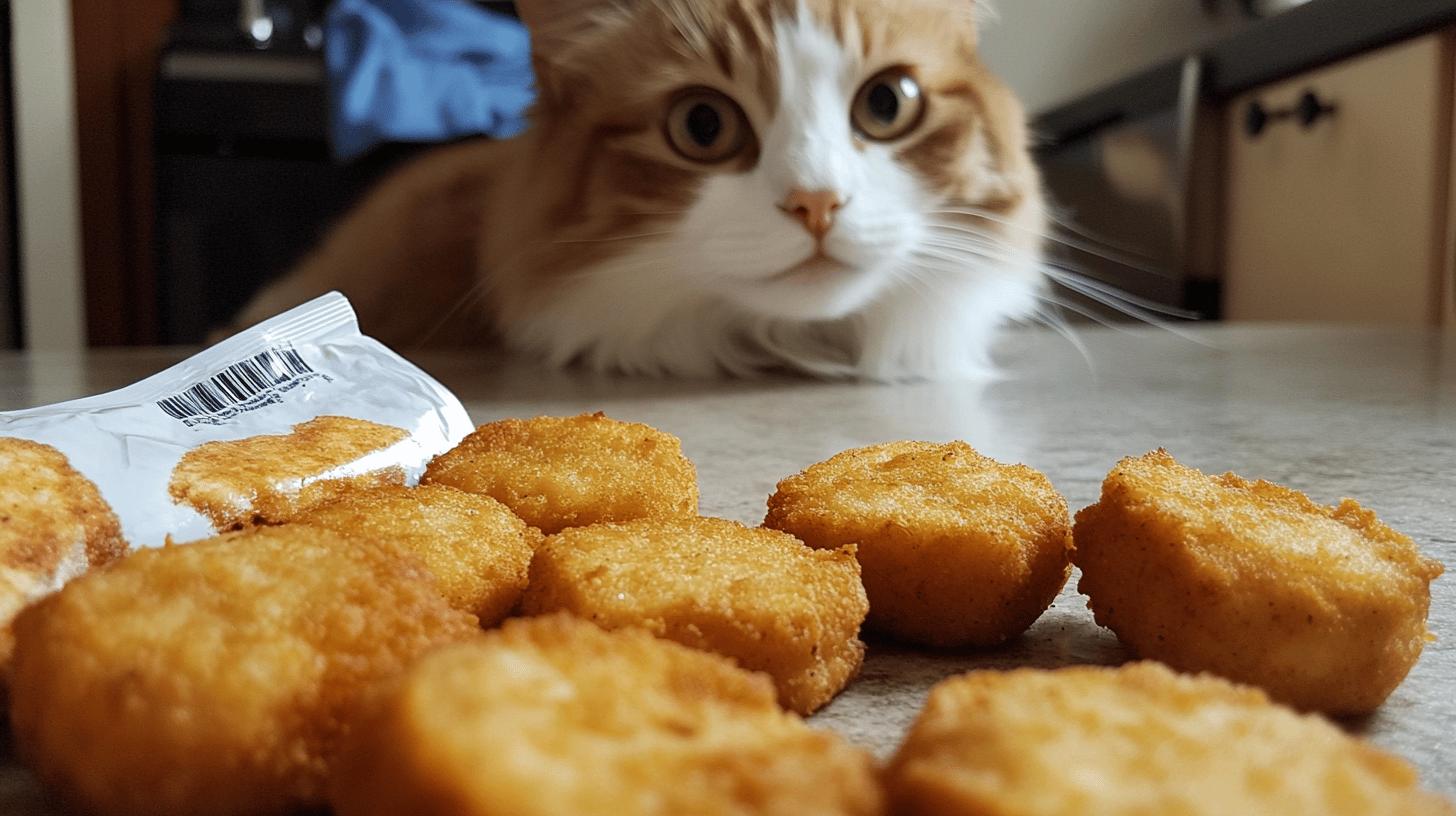
    Are you wondering if cats can munch on chicken nuggets? It might be tempting to share your favorite snack with your furry friend, but it’s not the best idea. Chicken nuggets are loaded with things that aren’t safe for cats. These tasty treats for humans come with a side of health risks for felines. But don’t worry! There are safer, more suitable alternatives to keep your cat's belly happy and healthy. Let's explore the risks of feeding nuggets to cats and discover better snack options for your kitty.

    Can Cats Eat Nuggets? Understanding the Risks

    Can Cats Eat Nuggets Understanding the Risks-1.jpg

    Chicken nuggets are not a suitable food choice for cats. While cats might be curious about human food, chicken nuggets are packed with ingredients that don't align with a cat's dietary needs. These processed treats contain additives, high levels of carbohydrates, and seasonings that aren't appropriate for feline consumption. Cats are obligate carnivores, meaning their diet should be primarily meat-based, without the additional fillers and spices found in chicken nuggets.

    Feeding chicken nuggets to cats can pose several health risks. Ingredients like garlic and onion, commonly found in the seasonings, are toxic to cats. Over time, consuming chicken nuggets can contribute to obesity due to their high carbohydrate and calorie content. This can lead to further health complications, putting undue stress on a cat's body. Prioritizing a diet that supports a cat's natural nutritional needs is crucial for maintaining their overall health and well-being.

    Ingredients in Chicken Nuggets and Their Impact on Cats

    Ingredients in Chicken Nuggets and Their Impact on Cats-1.jpg

    Cats are particularly sensitive to certain ingredients found in chicken nuggets. While nuggets are tasty treats for humans, they aren't suitable for our feline friends. Garlic and onion are top offenders; these seasonings can cause gastrointestinal upset and damage red blood cells, leading to anemia. Cats are obligate carnivores, which means their bodies are not built to handle high-carbohydrate foods, such as the breading on chicken nuggets, leading to potential weight gain and nutritional imbalance.

    Veterinary insights reveal that cats have a unique metabolism and are sensitive to many of the chemicals and additives in processed foods. The high-fat content from oils used in frying can lead to digestive issues and obesity. Preservatives and additives might introduce unnecessary chemicals into their system, posing unknown long-term health effects. It's crucial to avoid these ingredients to maintain a cat's health and well-being. Instead, offer safe, cat-friendly treats, like plain cooked chicken or commercially available cat treats formulated with a feline's nutritional needs in mind.

    Ingredient Potential Harm to Cats
    Garlic Toxicity, causing anemia
    Onion Toxicity, damaging red blood cells
    Cooking Oils Digestive issues, obesity
    Preservatives Chemical exposure, unknown long-term effects
    High Carbohydrates Weight gain, imbalance in diet

    Alternatives to Chicken Nuggets for Cats

    Alternatives to Chicken Nuggets for Cats-1.jpg

    Choosing safe treats for your cat is crucial for maintaining their health and happiness. While it might be tempting to share human snacks like chicken nuggets with your feline friend, these are not ideal due to their unhealthy ingredients. Cats thrive on a diet that aligns with their natural carnivorous instincts. By offering them nutritious alternatives, you ensure they get the essential nutrients they need without the risks associated with processed human foods. Let's explore some tasty and safe options that your cat will love.

    • Cooked chicken: Serve plain and thoroughly cooked without any oils, spices, or seasonings.
    • Commercial cat food: Opt for high-quality brands that provide balanced nutrition tailored for cats.
    • Beef: Ensure it is well-cooked and free from any seasoning or added fats.
    • Pork: Offer plain, cooked pork in moderation, avoiding any processed or flavored varieties.
    • Turkey: A lean protein option that should be cooked fully and served plain.

    These alternatives not only satisfy your cat's taste buds but also support their overall health, making them a perfect substitution for unhealthy treats like chicken nuggets.

    Veterinarian Advice on Feeding Cats Human Food

    Veterinarian Advice on Feeding Cats Human Food-1.jpg

    When it comes to feeding your cat human food, veterinarians often advise caution. Cats have unique dietary needs as obligate carnivores, and their bodies might not handle human foods well. Introducing new foods should be done gradually to ensure your cat doesn't experience any adverse reactions. Veterinarians stress that any human food should complement a balanced feline diet rather than replace it. This approach helps prevent nutritional imbalances and ensures your cat receives all the necessary nutrients.

    To safely introduce human food to your cat, consider these tips:

    • Introduce new foods slowly
    • Serve in small, controlled portions
    • Watch for signs of digestive issues

    Moderation is key when offering human food to your cat. Pay attention to how your cat reacts to new foods and be ready to stop if any digestive upset occurs. Maintaining a balanced diet is crucial, so human food should never replace the high-quality commercial cat food designed to meet all of your cat's nutritional needs. Monitoring your cat's health and behavior will help ensure they stay happy and healthy while occasionally enjoying safe human foods.

    The Nutritional Needs of a Cat's Diet

    The Nutritional Needs of a Cats Diet-1.jpg

    Cats thrive on a diet rich in protein, primarily sourced from meat. Unlike humans or dogs, cats are obligate carnivores, which means their bodies are specifically adapted to digest and utilize animal proteins efficiently. This makes meat an indispensable part of their diet. Proteins are not only vital for maintaining muscle mass but also for supporting the overall function of their organs. Offering your cat high-protein foods, such as chicken or turkey, ensures they get the essential amino acids needed for a healthy life.

    Among these essential nutrients, taurine stands out as crucial for cats. Taurine is an amino acid found abundantly in animal tissues, and it plays a significant role in maintaining your cat’s heart health, vision, and reproductive system. Unlike some other animals, cats cannot synthesize adequate taurine on their own, making it necessary for them to obtain this nutrient from their diet. A deficiency in taurine can lead to serious health issues, including vision loss and heart diseases. Therefore, ensuring your cat's diet is rich in taurine is key to their well-being.

    Failing to provide a nutritionally balanced diet can lead to a host of health problems for your feline friend. Nutritional deficiencies can result in weakened immune systems, making cats more susceptible to illnesses. It can also impact their growth, energy levels, and overall quality of life. Diets lacking in essential nutrients may cause irreversible damage, highlighting the importance of feeding your cat a diet that meets all their nutritional needs.

    Importance of a Balanced Diet

    A balanced diet is essential for maintaining the health and vitality of your cat. It involves a variety of proteins and nutrients, avoiding the pitfalls of processed foods like chicken nuggets, which lack nutritional value and can introduce harmful additives. By providing a diverse range of high-quality meats and commercial cat foods designed to meet feline nutritional requirements, you can support your cat’s long-term health. A balanced diet not only prevents deficiencies but also promotes a robust immune system, a healthy weight, and an active lifestyle.

    Final Words

    Deciding whether cats can eat nuggets brings important health issues to light. Chicken nuggets, with their spices and additives, don't suit a cat’s delicate system. Health risks like toxicity and obesity stress the need to rethink usual pet treats.

    Healthier bites like plain cooked chicken or other safe options offer better solutions. Keeping a cat's diet balanced and nutritious ensures their well-being. Engaging with trusted vet advice adds an extra layer of care.

    Creating a healthy, happy environment is easy when you know what’s best for your feline friend. Let's keep their health a priority!

    FAQ

    Can cats eat chicken nuggets?

    Cats should not eat chicken nuggets. Nuggets have additives, high carbs, and seasonings like garlic and onion. These can be harmful and lead to health issues like obesity in cats.

    What happens if a cat eats chicken nuggets?

    If a cat eats chicken nuggets, it may face health risks like toxicity from harmful ingredients and possible obesity over time. You should monitor for any digestive issues.

    Can chicken nuggets kill cats?

    Chicken nuggets have ingredients that can be toxic to cats. While not immediately lethal, frequent consumption could lead to severe health problems.

    Can cats eat raw or cooked chicken nuggets?

    Cats should not eat chicken nuggets, raw or cooked. The seasonings and additives in nuggets aren't suitable for cats and can be dangerous.

    Can cats eat fries or other human foods?

    Cats should not eat fries. Some human foods are okay, like plain cooked chicken or turkey, but are best given without oils or spices.

    Can I give a cat a chicken nugget?

    Avoid giving cats chicken nuggets. Instead, offer healthy treats like cooked chicken, beef, or commercial cat food.

    Can cats eat McDonald's food?

    Cats should not eat McDonald's food, including fries and nuggets. These foods contain harmful additives and lack proper nutrients for cats.

    Can cats eat chunks of chicken?

    Cats can eat chunks of plain cooked chicken. As long as it's without any spices or oils, plain chicken is a safe treat.

    What are safe alternatives to chicken nuggets for cats?

    Safe alternatives for cats include:

    • Cooked chicken
    • Beef
    • Pork
    • Turkey
      These should be prepared plain, without any spices or oils.

    What human food is safe for cats?

    Cats can safely consume small amounts of plain meats like chicken, turkey, beef, or commercially-prepared cat food as long as they're free from spices or additives.

    Related Articles

  • Can Cat Eat Veggies Safely Learn About Cats and Vegetables

    Can Cat Eat Veggies Safely Learn About Cats and Vegetables

    Is it really safe for cats to munch on veggies, or is it risky business? This question might seem odd because cats are known meat lovers, but veggies can offer a surprising twist to their diet. While your feline friend doesn't need vegetables to stay healthy, a few safe options can provide a little fun and variety.

    Curious about which veggies to toss your cat's way? Let’s dive into the world of cats and vegetables to uncover the dos and don'ts, ensuring safe and tasty treats for your whiskered companion.

    Can Cats Safely Eat Vegetables?

    Can Cats Safely Eat Vegetables-1.jpg

    Cats are obligate carnivores, which means they thrive on a diet primarily made up of meat. Vegetables are not necessary for their nutritional needs, but they can enjoy some as occasional snacks. Offering vegetables in moderation won't harm your cat and can even add a bit of variety to their meals.

    Here's a list of vegetables that are safe for cats to eat, along with preparation tips:

    • Broccoli: Cook it and let it cool before serving. It can help with bowel movements.
    • Pumpkin: Cooked pumpkin is beneficial for cats with sensitive stomachs and can help alleviate constipation.
    • Peas: Often found in commercial cat foods as fillers, these should be served sparingly.
    • Cucumber: Peel and wash the cucumber thoroughly before serving it raw to provide extra moisture.
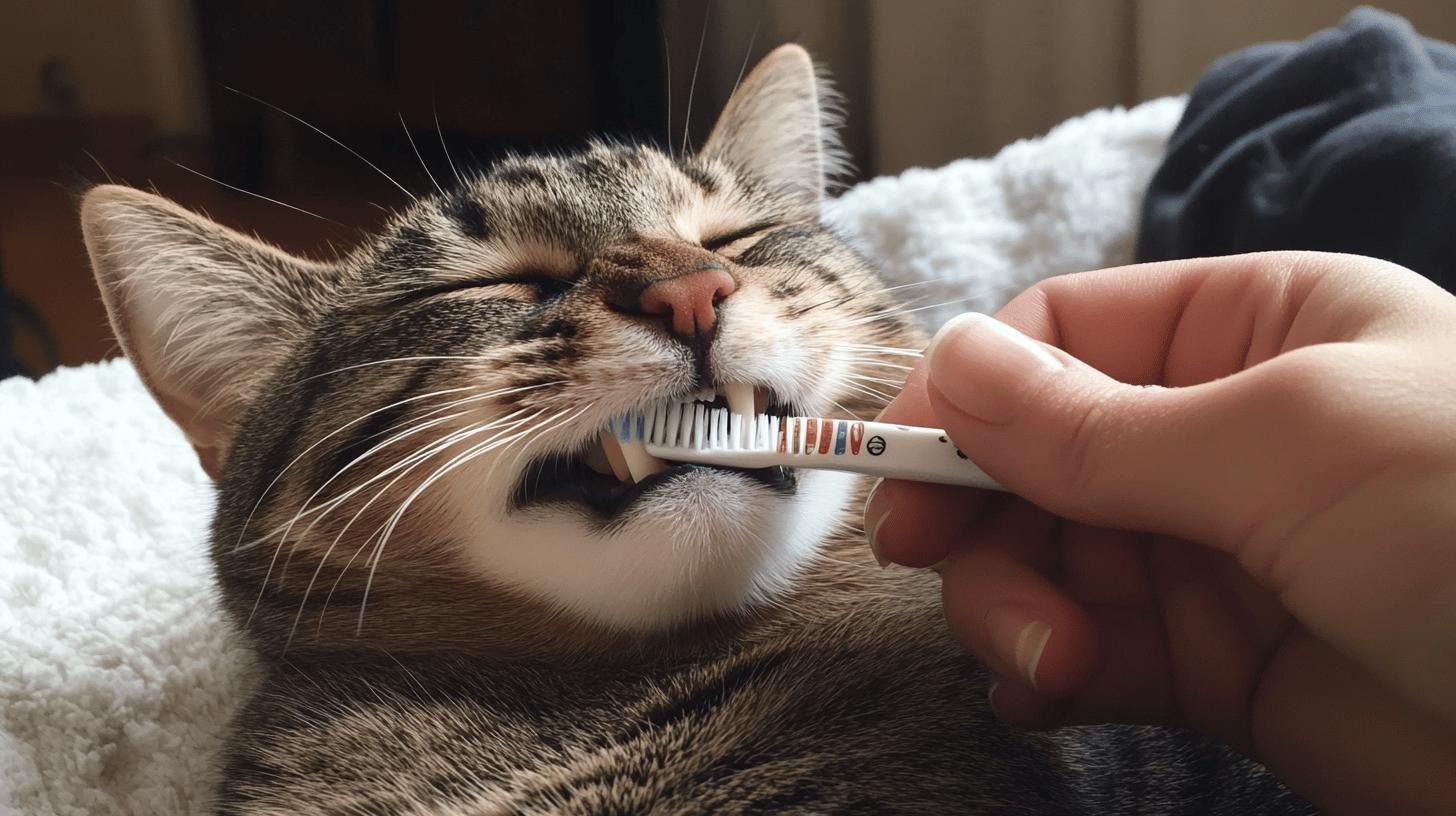
    • Carrots: Safe when cooked; raw carrots can be a choking hazard.
    • Asparagus: Cook this vegetable to prevent choking. It can help with stomach issues, but too much can cause gastrointestinal problems.
    • Zucchini: Low in calories and high in water, zucchini should be cooked and given as an occasional treat.
    • Potatoes: Must be well-cooked and unseasoned. Fried potatoes should be avoided due to health risks.
    • Corn: Safe but offers no nutritional benefits. It's often used as a filler in cat food.
    • Lettuce: May aid in digestion in small amounts due to its fiber content.

    Offering these safe vegetables in small amounts can add a bit of variety without compromising your cat's health. Always ensure the veggies are prepared correctly to prevent any choking hazards or digestive issues.

    Nutritional Benefits and Risks of Vegetables for Cats

    Nutritional Benefits and Risks of Vegetables for Cats-1.jpg

    Vegetables aren't essential in a cat's diet, but they can offer benefits when given occasionally. Certain veggies aid digestion and add moisture to meals, which helps with hydration and bowel movements. Cats are obligate carnivores, so these benefits are supplementary.

    Vegetable Benefit Risk
    Broccoli Supports bowel movements Excess can lead to stomach upset
    Pumpkin Helps with constipation Too much may cause diarrhea
    Carrots Provides vitamins A and K Choking hazard if raw
    Zucchini Low-calorie treat Could upset stomach if overfed
    Cucumber Hydration Pesticide residue if not washed

    Feeding large quantities of vegetables can cause gastrointestinal issues like diarrhea or vomiting. Cats' digestive systems aren't built for large amounts of plant matter. Always start with small amounts and watch for behavior or digestion changes. If there are adverse reactions, stop feeding the vegetable and check with a vet.

    Can Cats Safely Eat Vegetables?

    Introducing Vegetables into Your Cats Diet-1.jpg

    Cats can safely enjoy certain vegetables, adding some variety to their diet. Here's a quick guide to introducing veggies:

    1. Select Safe Vegetables: Choose options like cooked broccoli or pumpkin for their digestive benefits.

    2. Proper Preparation: Cook or mash vegetables to make them easy to eat and avoid choking.

    3. Begin with Small Portions: Mix a small spoonful into your cat's regular food.

    1. Watch for Reactions: Monitor any changes in appetite, vomiting, or diarrhea.

    2. Consult a Vet: Speak with a veterinarian before making dietary changes to ensure safety and health benefits.

    Cats need a meat-based diet primarily. Always check with your vet to tailor dietary changes to your cat's specific needs.

    Vegetables Cats Should Avoid

    Vegetables Cats Should Avoid-1.jpg

    While some vegetables can be occasional treats for cats, others can be extremely harmful. Garlic, tomatoes, and onions are toxic and should never be included in your cat's diet. These vegetables can cause severe health issues and potentially lead to life-threatening situations.

    • Garlic: Can cause anemia by damaging red blood cells, leading to weakness and lethargy.

    • Tomatoes: Unripe tomatoes and tomato plants contain solanine, which is toxic and can cause gastrointestinal distress.

    • Onions: Like garlic, onions can lead to anemia, causing fatigue and digestive problems.

    Feeding any of these vegetables to your cat can result in serious poisoning. Always ensure that your cat's diet is free from these toxic foods to maintain their health and well-being.

    Optimal Dietary Practices for Cats

    Optimal Dietary Practices for Cats-2.jpg

    Cats thrive on a diet that closely mimics what they'd hunt in the wild. Their nutritional needs are best met with a meat-based diet. This ensures they receive the essential nutrients like taurine, necessary for their heart and eye health. While a variety of foods might seem appealing, sticking to a primarily meat-based diet is crucial for maintaining your cat's optimal health.

    Here are some recommended cat food options:

    • High-Quality Wet Food: Prioritize wet foods made with real meat to ensure your cat gets adequate hydration and protein.

    • Organ Treats: These can be given occasionally for added nutrients, but keep them limited due to high sodium levels.

    • Untamed Cat Food: Consider this brand for its human-grade meat options, free from unnecessary fillers like grains and sugar.

    • Freeze-Dried Meat Treats: These can be a healthy, occasional snack that mimics natural prey.

    • Home-Cooked Meals: If you prefer homemade options, ensure they're balanced and meat-focused, following guidance from a vet.

    Avoid cat foods with fillers such as grains and sugars. These ingredients don't provide nutritional benefits and can lead to obesity and other health issues. Brands like Untamed offer a more natural diet, aligning closely with cats' evolutionary needs. By choosing high-quality, meat-based foods, you help maintain your cat's health and vitality.

    Final Words

    Taking care of our cats means ensuring they get the best diet possible. We've explored whether can cat eat veggies and found the answer lies in balance. Cats are obligate carnivores, so meat should be their main diet. Safe vegetables like broccoli and pumpkin can be given but in moderation to avoid tummy troubles. When introducing veggies, it's smart to start small and watch for reactions. Let's keep our feline friends healthy with the right foods and a loving approach to their diet choices.

    FAQ

    Can cats eat vegetables raw or cooked?

    Cats can eat certain vegetables either raw or cooked, but cooking can make them easier to digest and reduce choking risks.

    What human food can cats eat every day?

    Cats should primarily eat cat food, but small amounts of plain cooked meat or specific veggies can be safe occasional treats.

    Can cats eat vegetables every day?

    Cats can nibble on veggies occasionally, but they shouldn't form a daily part of their diet, as cats need meat for nutrition.

    What vegetables can cats eat raw?

    Cats can safely eat small amounts of raw cucumber, carrot, and zucchini, sliced thin to avoid choking hazards.

    Can cats eat veggies and carrots?

    Cats can eat small portions of veggies like carrots, cooked or raw, as an occasional treat.

    Can cats eat rice?

    Cats can eat small amounts of cooked rice mixed with their regular food, which might aid digestion.

    What vegetables can cats eat every day?

    While not necessary daily, cats can enjoy small, infrequent snacks of broccoli, pumpkin, and peas.

    Do cats eat vegetables in the wild?

    Wild cats rarely eat vegetables, as they primarily hunt for meat.

    What vegetables can a cat eat?

    Cats can safely nibble on cooked or raw broccoli, pumpkin, peas, cucumber, carrots, asparagus, zucchini, potatoes, corn, lettuce, and spinach.

    Why can't cats eat vegetables?

    Cats aren't built to extract nutrients from vegetables; they're obligate carnivores and need meat-centered diets.

    What veggies can cats not have?

    Cats should avoid garlic, onions, and tomatoes, which are toxic and can cause poisoning.

    Can you put vegetables in cat food?

    You can add small amounts of safe cooked veggies like peas and carrots to cat food, but it's not essential.

    Related Articles

  • How Soon Can Cat Eat After Tooth Extraction

    How Soon Can Cat Eat After Tooth Extraction

    When your feline friend undergoes tooth extraction, when should they resume eating? Post-surgery feeding schedules can puzzle many, but getting it right is key for a smooth recovery. Typically, waiting 12 to 24 hours before offering food helps your cat recover from anesthesia and regain full alertness.

    This crucial waiting period ensures their safety and comfort. By considering these guidelines, you'll support your cat’s health and set them on the path to normal eating habits. Dive into our full guide to learn more about post-extraction care and suitable food options.

    When Can Your Cat Eat After Tooth Extraction?

    How Soon Can Cat Eat After Tooth Extraction-2.jpg

    After your cat undergoes a tooth extraction, it's crucial to manage their post-surgery feeding carefully to support a smooth recovery. Typically, vets recommend waiting 12 to 24 hours before offering food. This waiting period allows your cat to fully recover from the effects of anesthesia, which can leave them disoriented and less coordinated.

    Feeding should be delayed until your cat is fully awake and shows signs of alertness and comfort. Generally, a few hours post-surgery, your feline friend should be more stable and ready for their first small meal.

    Before you decide to feed your cat, monitor them for several key signs to ensure they are ready:

    • Alertness: Your cat should be awake and responsive to your voice or touch.

    • Lack of disorientation: Ensure your cat can move around without stumbling.

    • No vomiting or excessive drooling: These can be signs of lingering anesthesia effects.

    • Normal breathing and heart rate: Observe for any unusual signs of distress.

    Waiting to feed your cat after a tooth extraction is essential for their recovery. Providing food too early can lead to complications, such as choking or aspiration, if your cat is not fully alert.

    The waiting period supports the healing process, ensuring that your cat's digestive system is ready to handle food without causing additional stress or discomfort. By adhering to these guidelines, you help set the stage for a successful recovery and a return to normal eating habits.

    Suitable Foods for Cats Post-Extraction

    Suitable Foods for Cats Post-Extraction-3.jpg

    Soft foods are crucial during a cat's recovery period after a tooth extraction. They help minimize discomfort and prevent any damage to the healing gums. Wet cat food or specially formulated dental diets are ideal choices.

    These options are gentle on the mouth and provide the necessary nutrients without the risk of irritating the surgical site. By sticking to a soft diet, we can ensure our furry companions experience less pain and are more inclined to eat, aiding their recovery.

    Food Type Benefits
    Wet Cat Food Easy to chew and digest, provides hydration
    Moistened Dry Kibble Softened texture to ease chewing
    Canned Tuna (in water) High in protein, appealing aroma
    Special Dental Diet Formulated to support oral health

    Room temperature food is recommended as it prevents the discomfort that can come from serving meals that are too hot or too cold. This approach also ensures the flavors and smells are more appealing, encouraging your cat to eat. Paying attention to these details helps make mealtime more comfortable and supports the healing process effectively.

    Monitoring Recovery and Signs of Complications

    Monitoring Recovery and Signs of Complications-1.jpg

    Keeping a close eye on your cat's recovery after tooth extraction is vital for ensuring they bounce back to their playful selves. This period is crucial because it allows us to catch any issues early, preventing them from developing into severe complications.

    Monitoring helps us understand how our feline companions are feeling and ensures that they are healing as expected. By paying attention to their behavior and physical signs, we can make informed decisions about their care and take action when necessary.

    Here are some signs of complications to watch for during your cat's recovery:

    • Pawing at the mouth: This could indicate pain or irritation.

    • Excessive drooling: A sign that something might not be right with the healing process.

    • Refusal to eat: A serious concern if it continues beyond 24 hours.

    • Swelling around the mouth: Could be a sign of infection or inflammation.

    • Bleeding from the extraction site: Needs immediate attention if it's more than slight spotting.

    If you notice any of these signs, it's essential to act quickly. Start by offering your cat a quiet and comfortable space where they can rest undisturbed.

    Ensure they have access to soft food and fresh water. Gently check the mouth area for any visible signs of distress, and avoid handling it too much to prevent further irritation.

    If symptoms persist or worsen, contacting your veterinarian should be your next step. They can provide professional advice and, if necessary, an examination to address any underlying issues.

    Prompt veterinary intervention can make a significant difference in your cat's recovery, helping them heal faster and preventing further complications. Remember, it's always better to be cautious and seek help when in doubt.

    Pain Management and Comfort Measures

    Pain Management and Comfort Measures-1.jpg

    Pain management is essential after your cat undergoes a tooth extraction. Your vet might prescribe pain relief medication to ensure your cat is comfortable during the initial recovery period.

    These medications are crucial, especially after extensive tooth removal, as they help reduce inflammation and alleviate discomfort. Make sure to follow the vet's instructions on dosage and administration to effectively manage your cat's pain.

    Here are some comfort measures you can implement at home:

    • Soft bedding: Provide a cushy surface for your cat to rest on.

    • Warmth: Keep the room at a comfortable temperature.
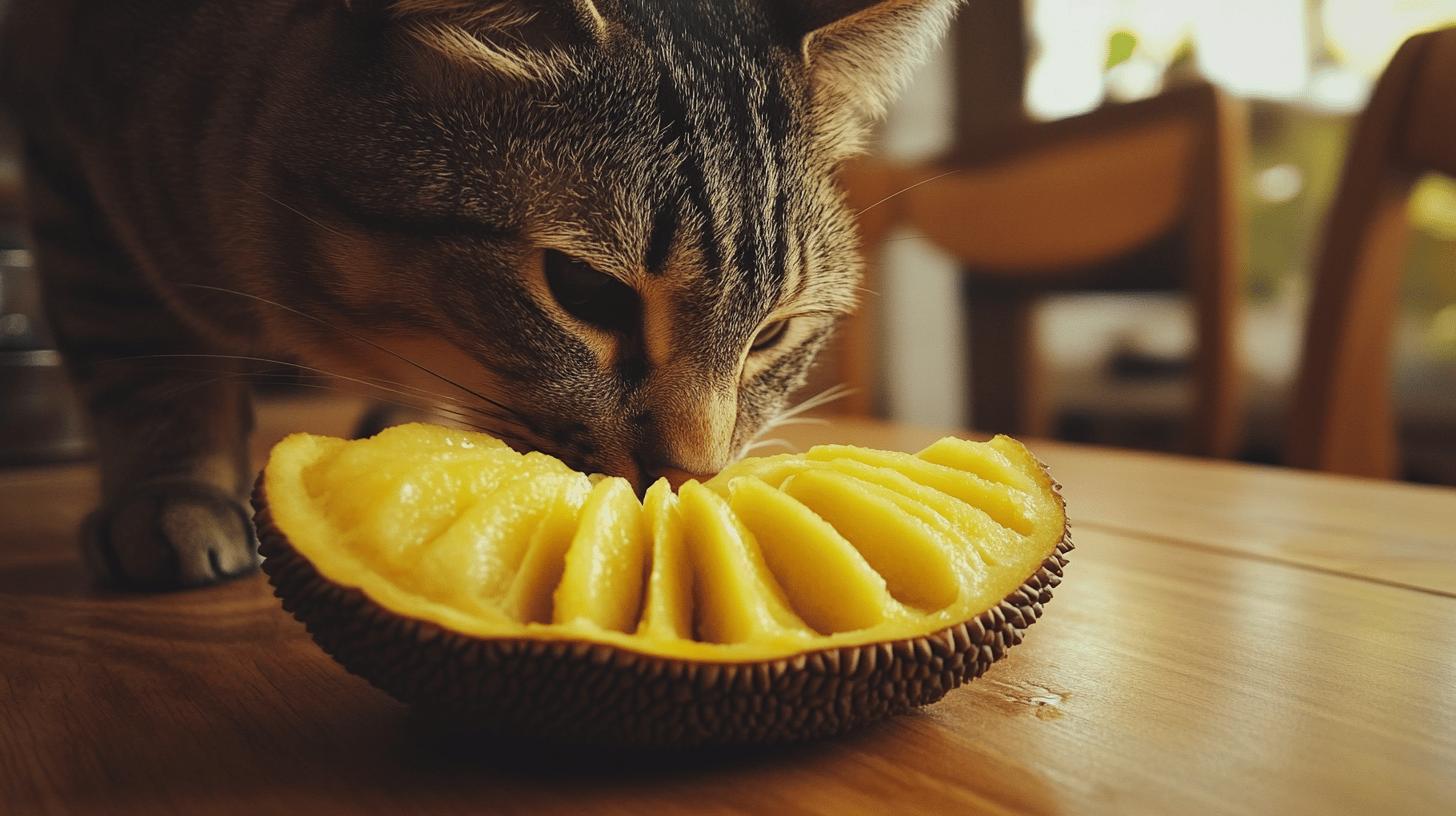
    • Quiet space: Avoid loud noises and disturbances.

    • Gentle affection: Offer soft petting if your cat seems receptive.
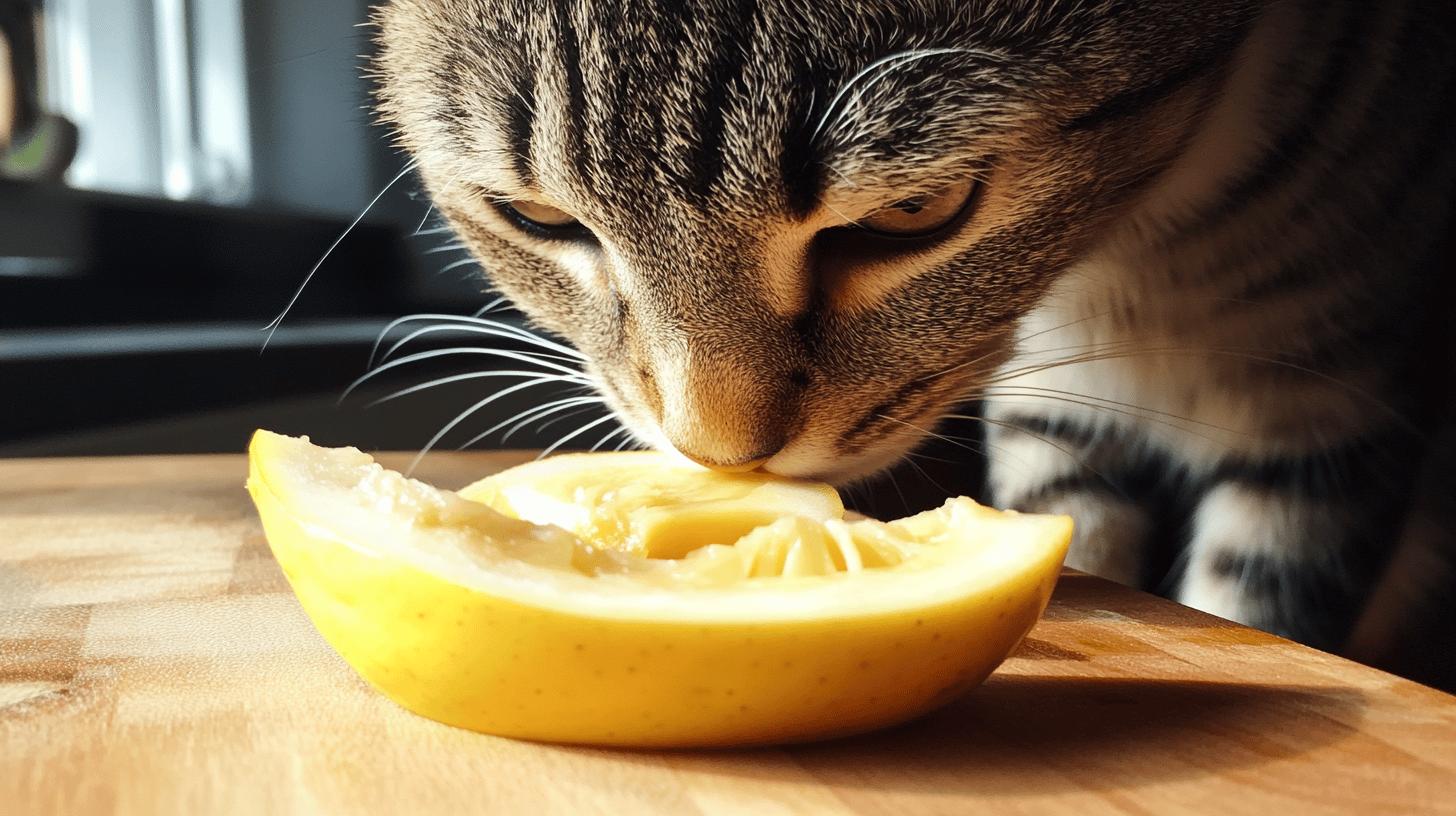
    Creating a calm environment plays a significant role in your cat's recovery. A peaceful setting helps reduce stress and allows your feline friend to relax, which is vital for healing. By ensuring a tranquil atmosphere, you're providing the best possible conditions for your cat to regain their strength and return to their normal, happy self.
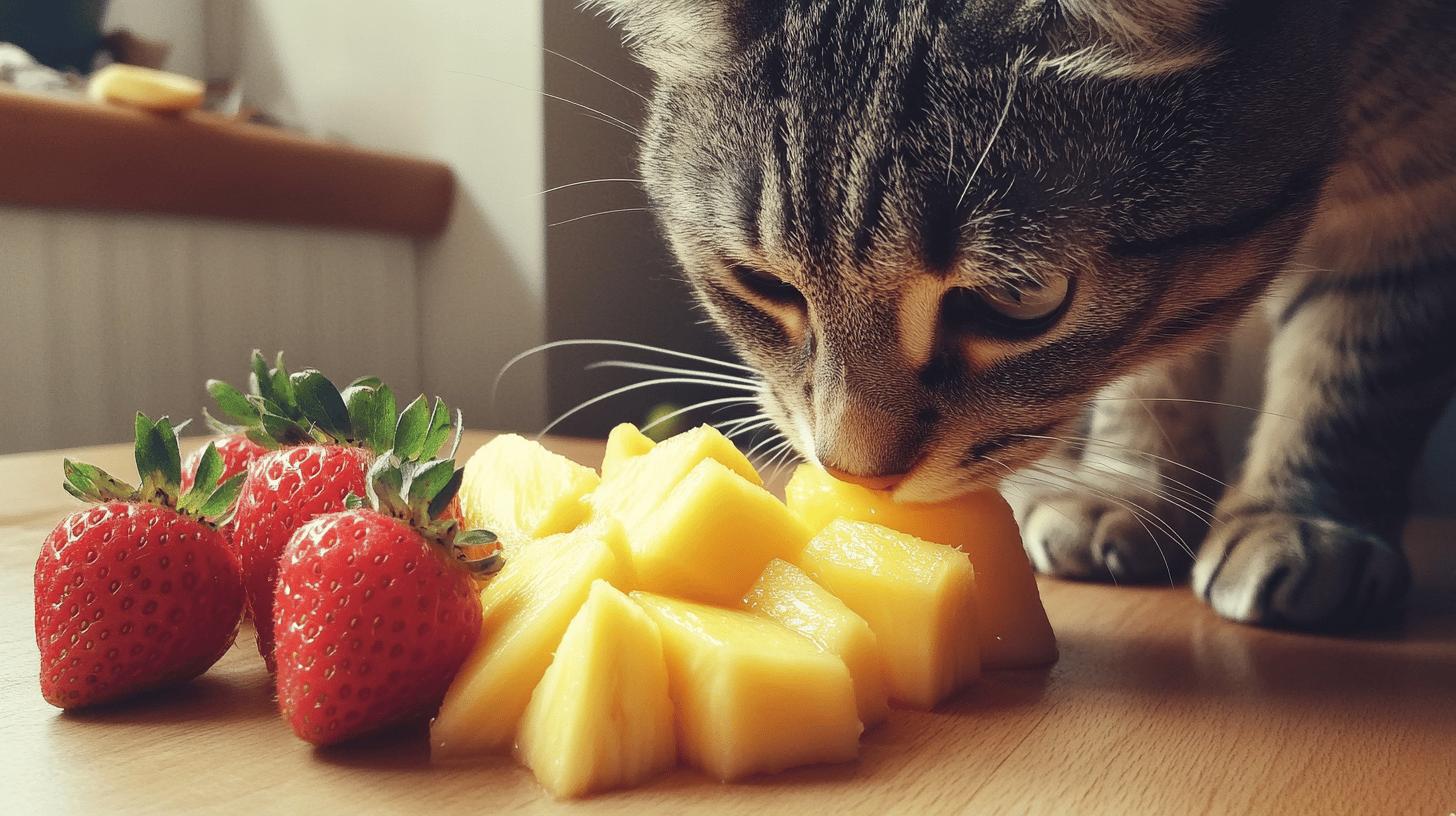
    Long-term Dental Care and Hygiene for Cats

    Long-term Dental Care and Hygiene for Cats-1.jpg

    Maintaining good dental hygiene for your cat is vital for preventing painful tooth extractions and ensuring overall health. Just like in humans, dental disease in cats can lead to severe health issues if not managed properly.

    Regular check-ups and a consistent cleaning routine are key to preventing tartar buildup and gum disease, both of which can lead to tooth loss. By prioritizing your cat's oral care, you're not only protecting their teeth but also their quality of life.

    Routine Dental Care Tips

    Implementing a home dental care regimen can make a huge difference in your cat's oral health. Here are some practical tips to get you started:

    • Brushing Techniques: Use a pet-specific toothbrush and toothpaste. Finger brushes can be easier if your cat is new to brushing. Start slowly, allowing your cat to get used to the sensation. Aim for short sessions, gradually increasing as your cat becomes more comfortable.

    • Dental Treats and Toys: These can help reduce plaque buildup. Choose treats that are specifically designed to improve dental health, and provide toys that encourage chewing, which can naturally clean the teeth.

    • Dietary Considerations: Certain diets are formulated to promote oral health. These foods are designed to reduce plaque and tartar as your cat chews.

    Routine professional dental check-ups provide a more thorough cleaning than what can be achieved at home. Veterinarians have the tools and expertise to spot early signs of dental disease that we might miss.

    Regular visits allow for early intervention, preventing minor issues from becoming major problems. By combining professional care with diligent home routines, you're setting your cat up for a lifetime of healthy smiles.

    Final Words

    Managing your cat's recovery from tooth extraction takes careful attention. Cats usually eat again in 12 to 24 hours after the procedure. It's crucial they show signs of alertness first. Offering soft foods prevents irritation and aids healing.

    Keeping an eye on your cat's recovery helps catch any issues early. Providing a calm environment and pain relief supports their comfort. Long-term dental care is your best ally in avoiding future extractions. Regular check-ups and at-home routines ensure healthy teeth. Good care means happier, healthier cats enjoying their meals and play.

    FAQ

    How soon can a cat eat after tooth extraction?

    A: Cats can typically eat after 12 to 24 hours post-extraction. Make sure your cat is fully awake and alert from the anesthesia.

    What signs of infection should I look out for after my cat's tooth extraction?

    A: Watch for swelling, bleeding, excessive drooling, refusal to eat, or pawing at the mouth. These signs may indicate infection.

    What should I feed my cat after tooth extraction?

    A: Offer soft foods like wet cat food or specially formulated dental diets to avoid irritation. Avoid hard foods until fully healed.

    How long do cats need pain medication after tooth extraction?

    A: Pain medication may be necessary for a few days after extensive tooth removal. Follow your vet's guidance for dosage and duration.

    What complications can occur after tooth extraction in cats?

    A: Potential complications include infection, difficulty eating, or pain. Monitor your cat and contact your vet if any concerns arise.

    Can I groom my cat after tooth extraction?

    A: Keep grooming gentle post-surgery. Avoid touching the mouth area to prevent discomfort while healing.

    What are the stages of healing after cat tooth extraction?

    A: Healing progresses through initial discomfort and swelling, followed by reduced pain and tissue healing over weeks. Complete recovery may take a few weeks.

    Is it okay to leave my cat alone after tooth extraction?

    A: Avoid leaving your cat alone immediately after surgery. Monitor their recovery for at least the first 24 hours or as advised by your vet.

    How long does it take for a tooth extraction to heal properly?

    A: Healing can take a few weeks, though swelling and discomfort typically decrease after a few days. Full recovery varies per cat.

    Related Articles

  • Can Cat Eat Jackfruit Understanding Risks and Health Concerns

    Can Cat Eat Jackfruit Understanding Risks and Health Concerns

    Ever wonder if cats can munch on jackfruit? It seems harmless enough, but feeding this tropical fruit to your feline friend can be risky. Jackfruit isn’t just a treat; it’s a cocktail of health concerns for cats. Loaded with sugar and psoralen, a toxic compound, this fruit poses dangers that cat owners should not ignore.

    Digestive issues, obesity, and even diabetes could be lurking in every juicy bite. Understanding these risks is crucial for keeping your cat safe and healthy. Let’s explore why jackfruit should stay off your cat’s menu.

    Can Cats Eat Jackfruit? Understanding the Basics and Potential Risks

    Can Cats Eat Jackfruit Understanding the Basics and Potential Risks-3.jpg

    When it comes to jackfruit and cats, the short answer is no, jackfruit is not safe for cats. While the fruit might be a popular treat for humans, it poses several health risks to our feline friends. It’s important to be aware of these risks before considering offering jackfruit to your cat.

    Jackfruit contains psoralen, a compound that can be toxic to cats. Psoralen is also found in fig plants, which are known to be harmful to felines. This toxin can cause adverse health effects by damaging DNA.

    Additionally, jackfruit is packed with sugar, which cats are unable to metabolize effectively. High sugar consumption can lead to serious health issues over time. The seeds of jackfruit also present a choking hazard due to their size and hardness, which can cause blockages if ingested.

    Digestive issues are a common concern if a cat consumes jackfruit. Symptoms such as diarrhea and vomiting may manifest, which can lead to dehydration if not addressed promptly.

    Cats’ digestive systems are not designed to process the high sugar content found in jackfruit, making these symptoms more likely and potentially severe. Even small amounts can upset their delicate digestive balance.

    Potential long-term health issues from jackfruit consumption include:

    • Obesity: Due to high sugar content, which can contribute to weight gain.
    • Diabetes: Increased sugar intake can elevate the risk of developing diabetes.
    • Choking hazards: Seeds can obstruct the airways or digestive tract.
    • Nutritional imbalances: Interferes with the balanced diet cats need for optimal health.
    • Dental problems: High sugar can lead to tooth decay and oral health issues.

    In summary, jackfruit is not recommended for cats due to its toxic psoralen content and high sugar levels. These factors contribute to a range of potential health issues, from digestive upset to long-term conditions like obesity and diabetes. Cats have specific dietary needs that do not align with the inclusion of jackfruit. For their safety and well-being, it’s best to keep jackfruit out of your cat’s diet.

    Safe Fruit Alternatives for Cats

    Safe Fruit Alternatives for Cats-1.jpg

    When considering treats for our feline friends, it’s crucial to know which fruits are safe and healthy for them. While cats are obligate carnivores, some fruits can be given as occasional treats to add variety to their diet. These cat-safe fruits should always be offered in moderation to prevent digestive issues and maintain a balanced diet.

    • Mangos: A sweet treat, mangos offer vitamins A and C. Remove the skin and pit before serving small, bite-sized pieces.
    • Pineapples: Packed with vitamin C and fiber, pineapples can be given in small chunks. Ensure the tough core and outer skin are removed.
    • Strawberries: These berries are low in calories and rich in vitamin C. Slice them into small pieces to make them easy for your cat to eat.

    While these fruits are safe, remember that cats have unique dietary needs, and fruits should not make up a significant portion of their diet. Introduce fruits gradually and observe for any adverse reactions. Always prioritize your cat’s health by keeping fruit servings small and infrequent.

    Veterinary Advice on Feeding Cats Fruits

    Before introducing any new food, like fruits, into a cat’s diet, it’s always wise to consult with a veterinarian. Cats have specific dietary needs, primarily requiring animal-based proteins and fats. While some fruits can be safe in small amounts, others may pose health risks.

    A vet can provide personalized advice based on your cat’s health and dietary requirements, ensuring that any added treats do not disrupt their nutritional balance. By seeking professional guidance, you can prevent potential issues and ensure your cat’s diet remains both safe and healthy.

    If your cat accidentally consumes jackfruit, contacting a veterinarian immediately is crucial. Jackfruit contains compounds that can be harmful, and a vet can assess the situation to determine the necessary steps. They may recommend inducing vomiting to prevent further digestion of the fruit.

    Activated charcoal could be used to absorb any toxins present in the system. In some cases, IV fluids might be administered to counteract dehydration from symptoms like vomiting or diarrhea. Quick intervention is key to minimizing health risks and ensuring a speedy recovery for your furry friend.

    Tips for Introducing Fruits to a Cat’s Diet

    Tips for Introducing Fruits to a Cats Diet-1.jpg

    Moderation is key when introducing fruits to a cat’s diet. Cats are obligate carnivores, meaning their primary nutrition comes from meat. While certain fruits can be safe, they should not replace a balanced diet. Small, infrequent amounts ensure that your cat enjoys a treat without compromising their nutritional requirements.

    Once you decide to give your cat fruit, watch for any reactions. Observe their behavior and check for any signs of discomfort, such as vomiting or diarrhea. Each cat reacts differently, and what suits one might not suit another. Close monitoring helps identify any adverse effects early.

    Introduce new fruits slowly and one at a time. This gradual approach allows their digestive system to adjust and makes it easier to pinpoint the cause of any issues. Start with tiny portions and gradually increase only if there are no negative reactions. Keep your vet informed about any dietary changes to ensure your cat’s health and well-being.

    Final Words

    Delving into whether cats can eat jackfruit reveals essential health considerations. Jackfruit, with its psoralen and sugar content, poses various health risks for cats, including digestive issues and potential long-term effects like obesity and diabetes. While some fruits are safe in moderation, always consult a vet before switching up your cat’s diet. If a cat accidentally eats jackfruit, getting immediate veterinary advice is crucial. Remember, ensuring the safety and well-being of your furry friend is what’s most important. Enjoying the right treats will lead to a healthier, happier cat.

    FAQ

    Can I give my cat jackfruit?

    A: Cats should not consume jackfruit. Jackfruit contains psoralen, which is potentially toxic, and high sugar levels that cats can’t metabolize well. It can cause diarrhea and vomiting in cats.

    Can cats eat jackfruit seeds, chips, or leaves?

    A: Cats shouldn’t eat jackfruit seeds, chips, or leaves. Seeds pose a choking risk, and the high sugar and potential toxins in chips and leaves can harm their health.

    Is jackfruit safe for animals?

    A: Jackfruit is generally not safe for animals, including cats and dogs. It contains substances that can lead to digestive issues and other health problems.

    Are any fruits toxic to cats?

    A: Yes, some fruits are toxic to cats. Always consult a vet before introducing new fruits to ensure they’re safe for your pet.

    Is jackfruit OK to eat?

    A: For humans, jackfruit is generally safe to eat. For cats, the potential health risks make it an unwise choice for their diet.

    Can cats eat other fruits like mango or watermelon?

    A: Cats can eat mango and watermelon in moderation. These fruits are safer alternatives but should be given sparingly to avoid digestive issues.

    Related Articles

  • Can Cat Eat Dry Fish Safely and in Moderation

    Can Cat Eat Dry Fish Safely and in Moderation

    Ever wondered if your cat can safely munch on dry fish? It’s a tempting treat that brings benefits like maintaining healthy skin and a shiny coat. Dry fish is packed with protein and omega-3 acids, which are great for their joints too.

    But hold up! Before you treat your furry friend, be wary of hidden dangers like high sodium and preservatives lurking in some dried fish products. Let’s explore how you can serve this snack safely and in moderation to keep your cat happy and healthy.

    Can Cats Eat Dry Fish Safely?

    Can Cats Eat Dry Fish Safely-1.jpg

    Cats can eat dry fish, but caution is key. Dry fish offers nutritional benefits like protein and omega-3 fatty acids, which contribute to healthy skin and shiny coats. These nutrients can support joint health, making dry fish an appealing treat for your feline friend.

    However, it’s crucial to be aware of potential harmful substances that might be present in some dry fish products:

    • High sodium content
    • Preservatives
    • Artificial flavors
    • Additives
    • Contaminants like heavy metals

    Moderation is essential when feeding dry fish to cats. Too much can lead to nutritional imbalances, particularly because dry fish lacks some essential nutrients needed in a complete cat diet.

    Overfeeding could also increase the risk of health issues such as hypertension due to high sodium levels. Always ensure that the dry fish you provide is free from harmful substances.

    When considering portion sizes, it’s important to remember that treats like dried fish should not exceed 10% of your cat’s total diet. This helps maintain a balanced nutritional intake.

    You can incorporate dried fish as an occasional treat by sprinkling small amounts over their regular food or offering it as a reward. Always monitor your cat’s response to the new treat and consult with a veterinarian to ensure it aligns with their dietary needs and health conditions.

    Nutritional Benefits of Dried Fish for Cats

    Nutritional Benefits of Dried Fish for Cats-1.jpg

    Sardines and anchovies are particularly beneficial for cats due to their high protein and omega-3 content. To safely incorporate dried fish into a cat’s diet, start by introducing small amounts to prevent any digestive upset. Gradually increase the portion size, ensuring it complements the cat’s existing diet.

    Choosing High-Quality Dried Fish

    When selecting dried fish, opt for products that are free from additives and preservatives. Check for sourcing information to ensure the fish is caught sustainably and is low in contaminants. Look for packaging that indicates minimal processing to preserve the fish’s nutritional value.

    Preparation Methods

    Air-drying is a preferred method as it retains most nutrients. Avoid dried fish that has been heavily smoked or salted, as excessive sodium can be harmful. If possible, prepare the dried fish at home using a dehydrator to control the ingredients and maintain quality.

    Potential Risks

    While dried fish is nutritious, be aware of potential risks such as contaminants like mercury. Choose smaller fish like sardines and anchovies, which have lower mercury levels. Always supervise your cat when introducing new foods to monitor any adverse reactions.

    By focusing on quality and safe preparation, you can enhance your cat’s diet with dried fish while minimizing risks.

    Health Concerns and Risks with Dried Fish

    Health Concerns and Risks with Dried Fish-1.jpg

    Feeding your cat dried fish can come with health concerns. While the high sodium content is already discussed, it’s vital to highlight other risks such as allergies and choking hazards specific to dried fish.

    Here are some specific risks to consider:

    • High salt content: Can cause excessive thirst and urination.
    • Allergies: May lead to symptoms like itching, vomiting, or diarrhea.
    • Contaminants: Such as heavy metals or toxins that might be present.
    • Choking hazards: Bones or small parts can pose a risk.

    When introducing dried fish, it’s crucial to monitor your cat for allergic reactions. Look for signs like itching, vomiting, or diarrhea. If any symptoms appear, stop feeding the dried fish and consult a vet. Regular vet check-ups are essential to ensure new foods align with your cat’s health needs, helping to manage risks while offering new treats.

    Alternatives to Dried Fish for Cats

    Alternatives to Dried Fish for Cats-1.jpg

    Cats thrive on dietary variety, which supports their nutritional needs and keeps them engaged during meal times. While dried fish can be a tempting treat, it’s important to explore other safe and nutritionally balanced options. These alternatives not only provide essential nutrients but also reduce the risk of potential health issues associated with dried fish, such as high sodium content or allergies.

    Here are some alternative protein sources and treats that are safer and nutritionally beneficial for cats:

    • Specially formulated cat treats: Designed to meet feline dietary requirements, these treats often include balanced nutrients.
    • Cooked chicken: A great source of lean protein, ensuring a healthy addition to your cat’s diet.
    • Cooked turkey: Similar to chicken, turkey offers a lean protein option that can be easily prepared.
    • Boiled eggs: Packed with protein and essential amino acids, eggs can be a nutritious snack.
    • Cooked fish fillets: Such as salmon or cod, which provide omega-3 fatty acids without the risk of harmful additives.

    By offering these alternatives, you can ensure your cat enjoys a balanced diet while minimizing potential health risks associated with dried fish. Always introduce new treats gradually and observe your cat’s reaction to ensure they suit its dietary needs.

    Consulting Veterinarians About Dried Fish in Cat Diets

    Integrating dried fish into a cat’s diet requires careful consideration of health risks and nutritional balance. It’s important for cat owners to consult a veterinarian to tailor dietary choices to their cat’s specific health needs. This consultation helps in understanding potential risks like high sodium content and ensuring nutritional adequacy.

    Questions to discuss with your vet might include: “How frequently can I add dried fish to my cat’s diet?” and “What are the safest types of dried fish?” These questions can help address concerns and guide safe dietary adjustments. Incorporating these insights within the existing discussion on health risks and nutritional balance reinforces the importance of veterinary guidance.

    Final Words

    Deciding on whether can cats eat dry fish is about balance and awareness. Dried fish offers protein and omega-3 benefits, vital for healthy coats and skin. But, be cautious of harmful additives and rely on moderation, limiting treats to 10% of the diet. Alternatives like commercial cat treats or cooked meats can offer safe variety. Always consult with a vet before changes. A careful approach to dietary choices enhances your cat’s play and well-being, ensuring a happy and healthy life.

    FAQ

    Can I feed my cat dried fish?

    A: Yes, you can feed your cat dried fish. Stick to moderation to prevent nutritional imbalances. Dry fish should not exceed 10% of their total diet.

    What kind of fish can cats eat?

    A: Cats can eat small fish like sardines and anchovies. These are rich in protein and omega-3 fatty acids, benefiting skin, coat, and joint health.

    Is salted fish OK for cats?

    A: No, salted fish isn’t OK for cats. High salt content can lead to health issues like hypertension and should be avoided.

    Can my cat eat dried anchovies?

    A: Yes, your cat can eat dried anchovies in moderation. They are high in protein and omega-3 fatty acids, but avoid excess to maintain nutritional balance.

    Can cats eat dried squid?

    A: Yes, cats can eat dried squid, but only occasionally. Ensure it’s free from additives or preservatives and serve in small portions.

    What is the best dried fish for cats?

    A: The best dried fish options are sardines and anchovies. They offer high protein and omega-3 content, promoting better health for your cat.

    Is fish good for cats?

    A: Yes, fish can be good for cats. It’s rich in protein and omega-3 fatty acids, supporting healthy skin, coat, and joints.

    Can cats eat monkfish?

    A: Cats can eat monkfish if it’s cooked and served in moderation. Ensure it’s fresh and free from bones or harmful substances.

    Can cats eat cooked blood?

    A: It’s not recommended. Cooked blood could lead to health concerns. Stick with safer protein options such as chicken or specially formulated cat treats.

    Related Articles

  • Can Cat Eat Fish and Milk Together Safely

    Can Cat Eat Fish and Milk Together Safely

    Ever wondered if treating your cat to a classic fish and milk combo is a good idea? While it may seem like a tasty treat, this pairing could spell trouble for your feline friend. Fish packs a nutritional punch, with benefits like omega-3s for a shiny coat and healthy joints. But milk? Not so much – adult cats struggle with the lactose in milk, often leading to tummy troubles. Before serving up this duo, think again. It's safer to keep them separate for a purr-fectly happy and healthy cat!

    Understanding if Cats Can Eat Fish and Milk Together

    Understanding if Cats Can Eat Fish and Milk Together-1.jpg

    Fish is a great source of nutrition for cats, offering essential nutrients like omega-3 fatty acids and protein. Omega-3s are particularly beneficial for cats' neurological health and have anti-inflammatory properties that can support joint health. These fatty acids also promote a shiny coat and healthy skin. Including fish in your cat's diet can be a smart choice, but it’s important to ensure the fish is cooked properly to eliminate parasites and to remove any bones to prevent choking hazards.

    Milk, on the other hand, poses significant risks for adult cats due to lactose intolerance. Most adult cats are unable to digest lactose effectively because they lack the enzyme lactase. This can lead to various digestive issues when too much lactose is consumed. A typical 4 kg cat can only tolerate about 8 grams of lactose, which is found in approximately 40-50 ml of milk. Consuming more than this amount can upset their stomach and cause discomfort.

    Potential digestive issues from milk include:

    • Diarrhea
    • Flatulence
    • Stomach ache
    • Vomiting
    • Bloating

    Combining fish and milk in a cat's diet can lead to digestive problems without providing any additional nutritional benefits. While fish is nutritious, the addition of milk can result in a negative reaction due to the lactose content, potentially causing the issues listed above. There's no compelling reason to feed these together, as the milk could overshadow the benefits of the fish.

    For the health and well-being of your feline friend, it's best to avoid combining fish and milk. Instead, focus on feeding fish in moderation and ensure it is prepared safely. If you’re looking for a liquid supplement, consider adding a small amount of fish broth without salt or seasoning, which can be both tasty and safe for cats. Always prioritize fresh water as the primary liquid in their diet, and consult with a veterinarian if you have any questions about your cat's nutrition or dietary needs.

    Nutritional Insights: Fish for Cats

    Nutritional Insights Fish for Cats-1.jpg

    Fish can be a great addition to your cat's diet, thanks to its nutritional benefits. Omega-3 fatty acids found in fish support your cat's brain function and reduce inflammation, which helps with joint health. They also promote a healthy, shiny coat.

    Fish Type Nutritional Benefit
    Salmon Rich in omega-3s for brain and heart health
    Tuna High protein content for muscle maintenance
    Sardines High in calcium and vitamin D for bone health

    Prepare fish safely to include it in your cat's diet. Cooking fish kills parasites and makes it safe for your cat. Steaming or boiling helps keep the nutritional value intact. Remove all bones to prevent choking hazards. These steps ensure your cat enjoys the health benefits of fish while staying safe.

    The Risks of Feeding Milk to Cats

    The Risks of Feeding Milk to Cats-1.jpg

    Adult cats are often lactose intolerant. They lack the enzyme lactase needed to digest lactose, leading to digestive issues such as diarrhea, flatulence, stomach aches, and vomiting. These symptoms can cause significant discomfort, so it's wise to be cautious about offering milk to your furry friend.

    For a 4 kg cat, consuming more than 8 grams of lactose, found in roughly 40-50 ml of milk, can overwhelm their digestive system. This makes milk a risky choice, particularly for cats with sensitive stomachs. Instead of repeating the risks, let's explore safe alternatives.

    Consider these safe dairy alternatives:

    • Lactose-free milk
    • Cheese in small quantities (low-lactose varieties)
    • Yogurt with active cultures
    • Commercial cat milk products

    It's best to avoid milk altogether. Fresh water should always be the primary liquid in your cat's diet. Keeping your cat hydrated with fresh water prevents digestive issues and ensures they're healthy. If you have any doubts about your cat's diet or hydration needs, consult with a veterinarian.

    Alternatives to Fish and Milk: Balanced Cat Nutrition

    Alternatives to Fish and Milk Balanced Cat Nutrition-1.jpg

    A balanced diet is crucial for maintaining your cat's health and well-being. Cats require a combination of proteins, fats, vitamins, and minerals to thrive. While fish and milk are often considered traditional treats, they might not be the best choices due to potential health risks like lactose intolerance and overconsumption of fish oils. Providing a diet that meets all nutritional needs without these ingredients can help prevent dietary imbalances and associated health issues.

    Specially formulated cat foods are designed to provide balanced nutrition without the risks associated with fish and milk. These foods are crafted to meet the specific dietary needs of cats, ensuring they receive all essential nutrients. Consulting with a veterinarian can be invaluable when selecting the right cat food, as they can recommend options tailored to your cat's age, health status, and specific dietary requirements.

    Here are five vet-recommended cat foods for optimal health:

    • Hill's Science Diet
    • Royal Canin Feline Health Nutrition
    • Purina Pro Plan Focus
    • Blue Buffalo Indoor Health
    • Nutro Wholesome Essentials

    Regularly monitoring your cat's health is vital. Look for signs like changes in coat quality, energy levels, or digestive issues, which might indicate nutritional deficiencies or other health concerns. If you notice any of these signs, or if you have questions about your cat's diet, it's wise to consult a veterinarian. They can provide guidance on dietary adjustments and help ensure your cat remains healthy and happy.

    Final Words

    Exploring the world of cat nutrition, we discovered that while fish is packed with valuable omega-3 fatty acids, milk isn't a friendly option for adult cats. The combination of fish and milk doesn't offer any benefits and likely leads to digestive upsets. It's clear that while fish is nutritious, milk can cause more harm than good.

    Making informed feeding decisions enhances your cat's health and happiness. Sticking to safe and balanced diets ensures they get the best nutrition. Remember, when wondering if can cat eat fish and milk together, providing separate and suitable meals is always the best path. Here's to happy, healthy, and well-fed cats!

    FAQ

    Can cats eat fish and milk together?

    Cats eating fish and milk together is not recommended. Milk can cause digestive problems because adult cats are often lactose intolerant, leading to issues like diarrhea and stomach upset. Fish is nutritious with omega-3 but is best given separately.

    Can I give a little bit of milk to my cat?

    A little milk might not harm your cat, but many adult cats are lactose intolerant. Too much can cause digestive issues like diarrhea or an upset stomach, so it's safer to avoid regular milk.

    Is it safe for cats to drink milk?

    Cats drinking milk is generally unsafe, especially for adults, since they are often lactose intolerant. This can cause symptoms like diarrhea and vomiting, so offer water instead.

    Why do cats like fish and milk?

    Cats seem to like fish because it's rich in protein and omega-3 fatty acids, while the taste of milk may appeal to them due to its fat content. However, milk can cause digestive issues for many cats.

    Why do cats drink milk in cartoons?

    In cartoons, cats drink milk because it's a simplifying trope that doesn't reflect reality. Real-life cats often face digestive issues from milk due to lactose intolerance.

    How long should you wait to drink milk after eating fish?

    You can safely drink milk at any time after eating fish. There's no scientific evidence suggesting a need to wait before consuming milk after fish.

    Can we give cat food and milk together?

    It's not advisable to give cat food and milk together. Milk can cause digestive issues in adult cats, and it's best to provide food with water to avoid potential problems.

    Cat eating fish drawing

    A drawing of a cat eating fish captures a common scene, as cats enjoy fish for its taste and nutrients like omega-3s. This does not imply milk should be part of their diet.

    Can we drink milk after 1 hour of eating fish?

    Drinking milk one hour after eating fish is safe. No scientific claim supports avoiding milk after eating fish, so it comes down to personal preference and digestion tolerance.

    Related Articles