Author: Lucas Turner

  • Can Cat Eat Taro Safety and Nutritional Considerations

    Can Cat Eat Taro Safety and Nutritional Considerations

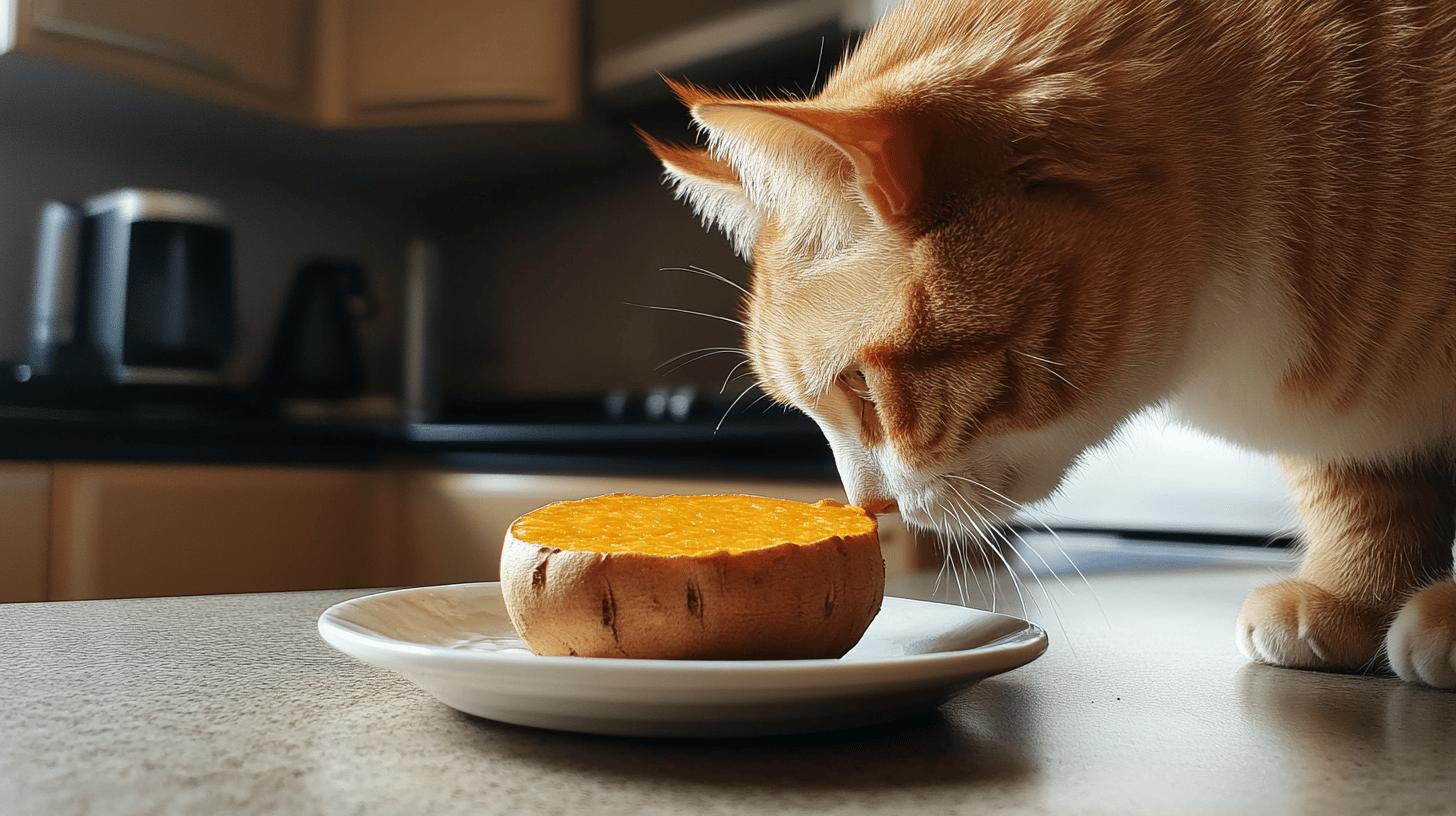
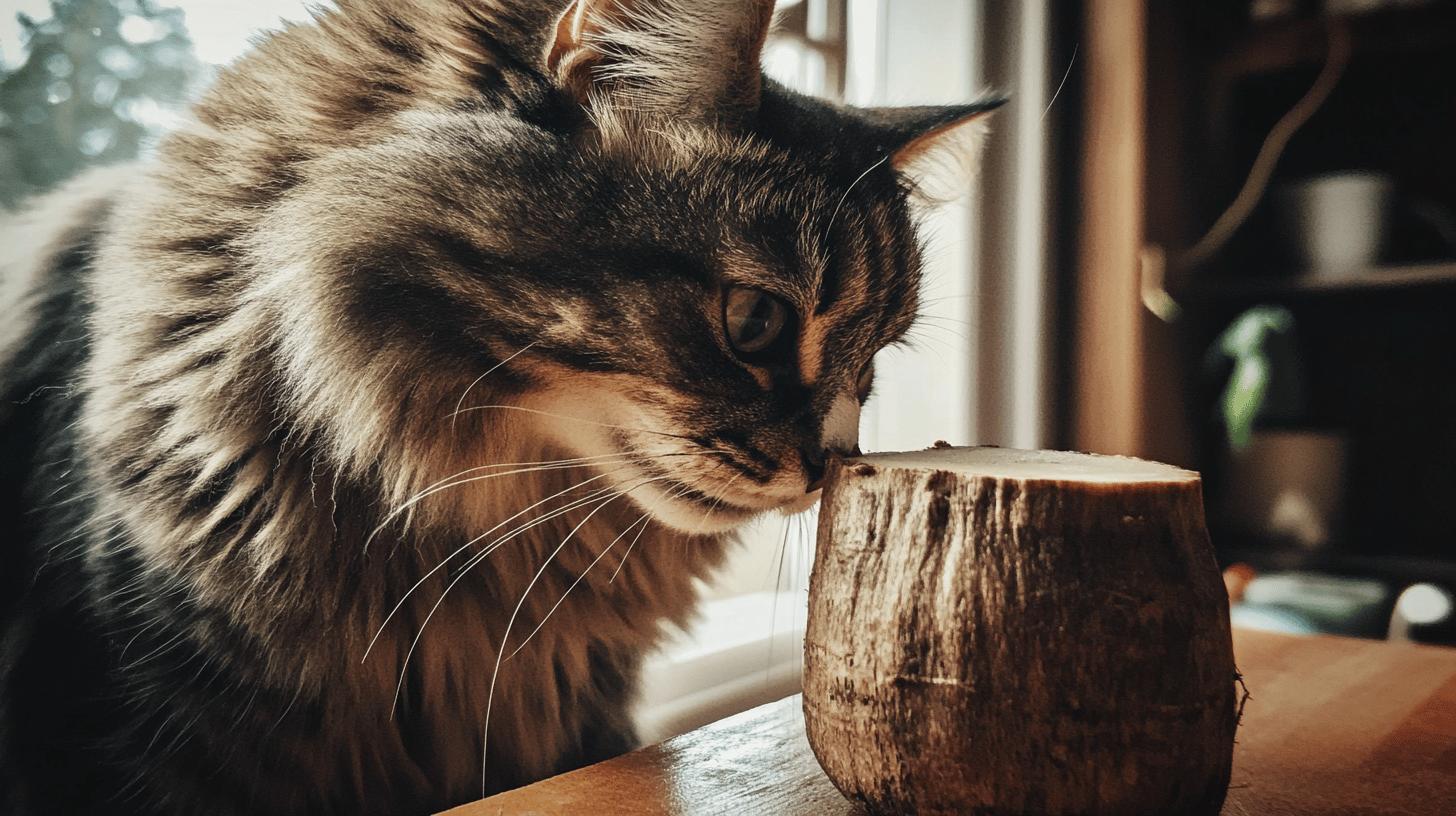
    Is it safe for your cat to munch on taro root? You might be surprised to learn that while taro isn't immediately harmful, it’s definitely not ideal for our feline friends. Taro contains calcium oxalate crystals that can cause irritation and digestive upset if consumed in large amounts.

    Cats are obligate carnivores, which means they need proteins from meat to stay healthy. Ingesting taro, which is high in carbs but low in protein, could lead to unwanted health issues. Let's explore the safety and nutrition considerations when it comes to cats and taro.

    Can Cats Safely Eat Taro and Its Nutritional Impact?
    Can Cats Safely Eat Taro and Its Nutritional Impact-2.jpg

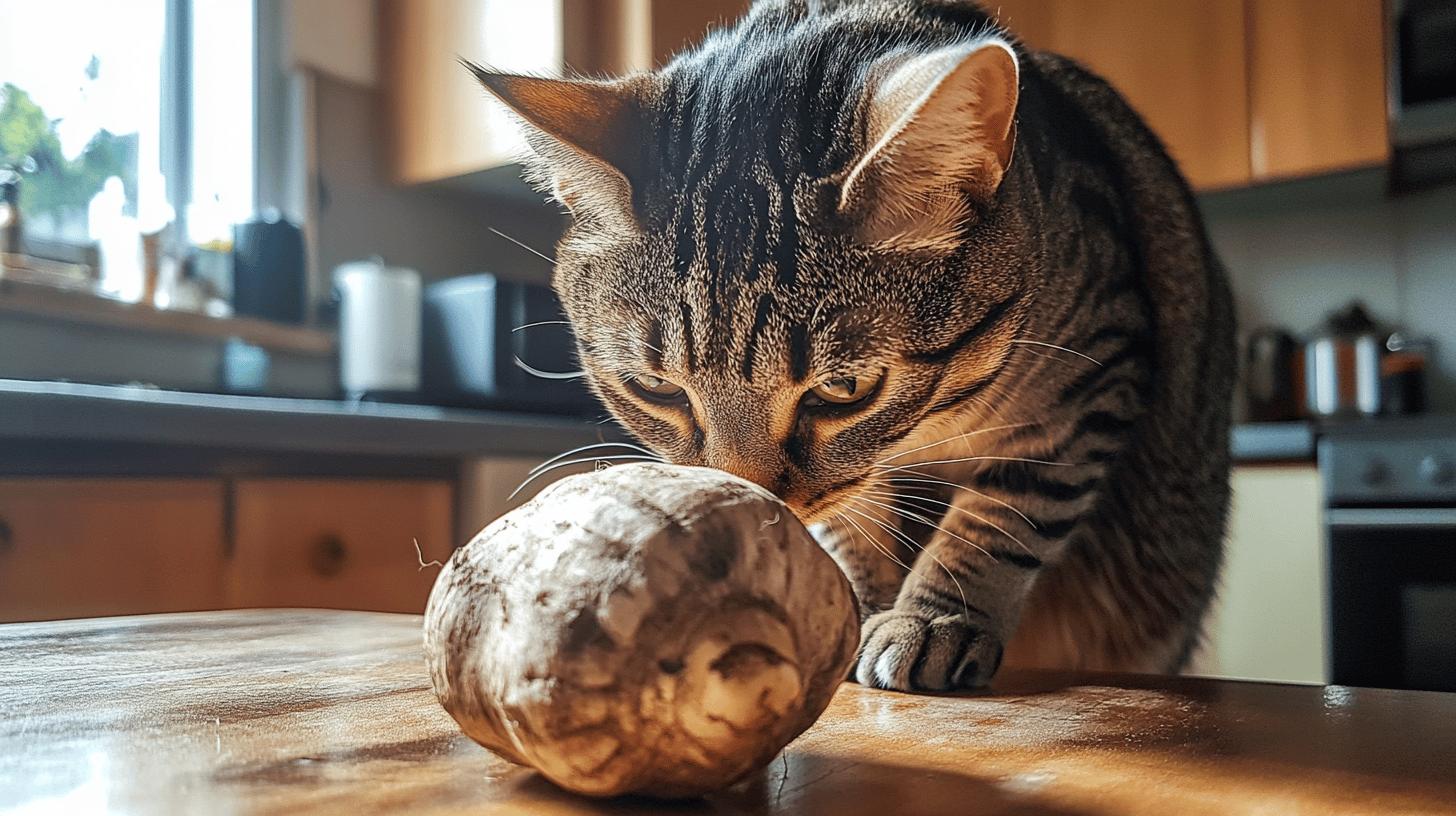
    Taro, commonly referred to as dasheen, eddoe, or cocoyam, is not inherently toxic to cats. It's important to note that taro does contain compounds that can be irritating. Specifically, it has calcium oxalate crystals, which can cause discomfort if ingested in large quantities. While taro is not fatal for cats, it offers no nutritional benefits to them, as it does not align with their dietary requirements.

    Potential Risks of Consuming Raw Taro:

    1. Irritation from Calcium Oxalate: These crystals can pierce the soft tissues in a cat's mouth and throat, leading to irritation and pain.
    2. Digestive Issues: Ingestion can result in symptoms like vomiting and diarrhea due to the irritating nature of the crystals.
    3. Metabolic Stress: Taro's high starch content can potentially increase blood sugar levels, causing metabolic issues in cats.

    Taro's nutritional profile presents further concerns. It is a high-starch food, with up to 70% to 80% of its content being starch. Cats, being obligate carnivores, require diets rich in animal protein and low in carbohydrates.

    High carbohydrate intake, such as that from taro, can lead to increased blood sugar and inflammation, imposing metabolic stress on feline bodies. This starch-heavy content does not provide the essential nutrients that cats need to thrive.

    Professional Advice on Taro Consumption

    Veterinarians recommend that if taro is to be offered to cats, it should be thoroughly cooked and given only in moderation. Cooking reduces the irritation risk by breaking down calcium oxalate crystals.

    However, even in small amounts, taro should not replace nutritionally dense cat food that meets an obligate carnivore's needs. The lack of essential nutrients in taro means it should never be a primary food source. Always prioritize high-protein sources and consult with a vet before introducing any new food into your cat's diet.

    Recognizing Symptoms of Taro Toxicity in Cats
    Recognizing Symptoms of Taro Toxicity in Cats-1.jpg

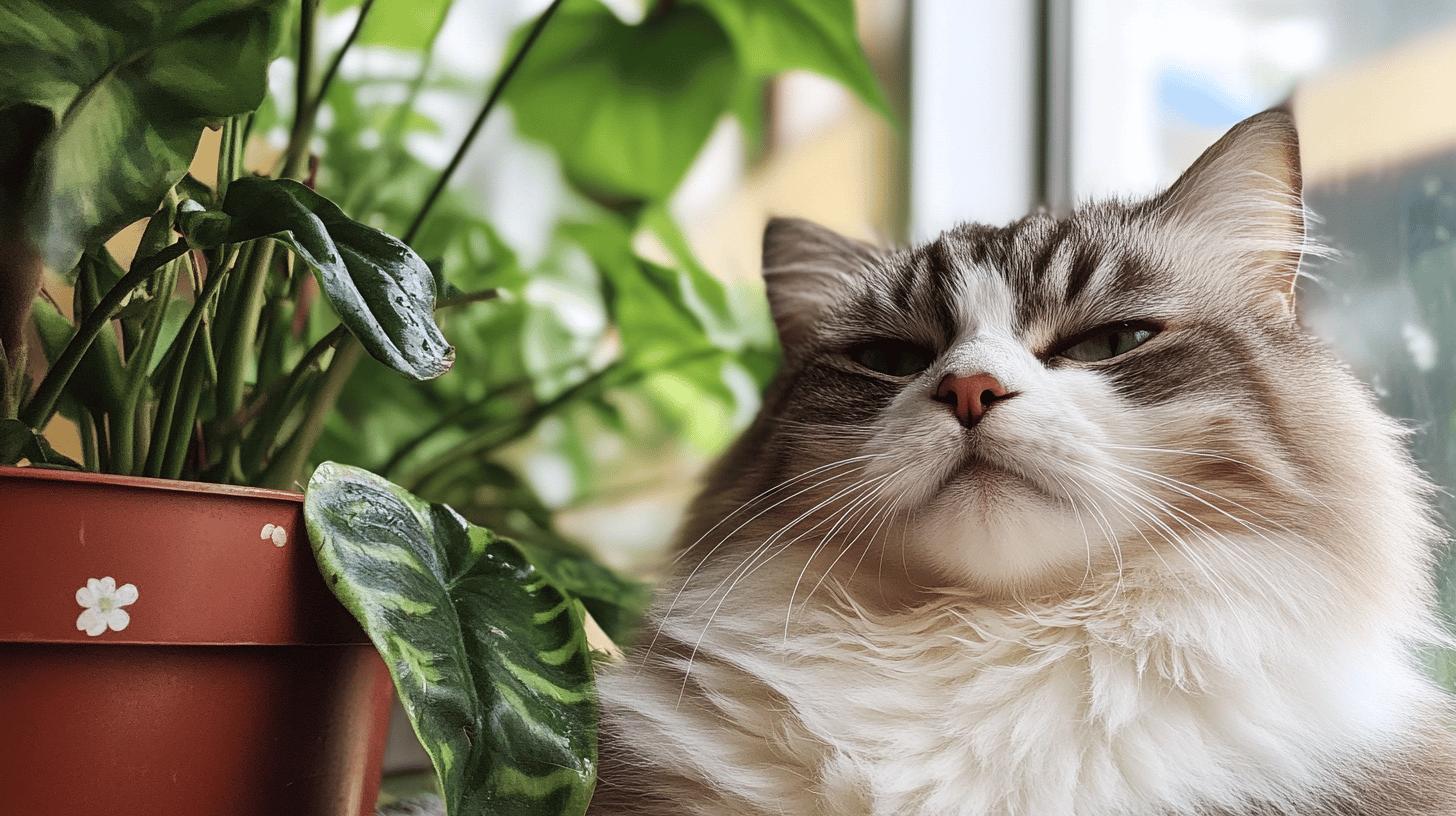
    When a cat ingests taro, especially parts like the leaves containing calcium oxalate crystals, it can exhibit signs of toxicity. The common symptoms to watch for include oral irritation, which may cause the cat to paw at its mouth or face, excessive drooling, and vomiting.

    You might also notice your cat having difficulty swallowing, which can result in decreased appetite as they avoid eating to prevent discomfort. These symptoms are a direct result of the crystals irritating the sensitive tissues in a cat's mouth and throat.

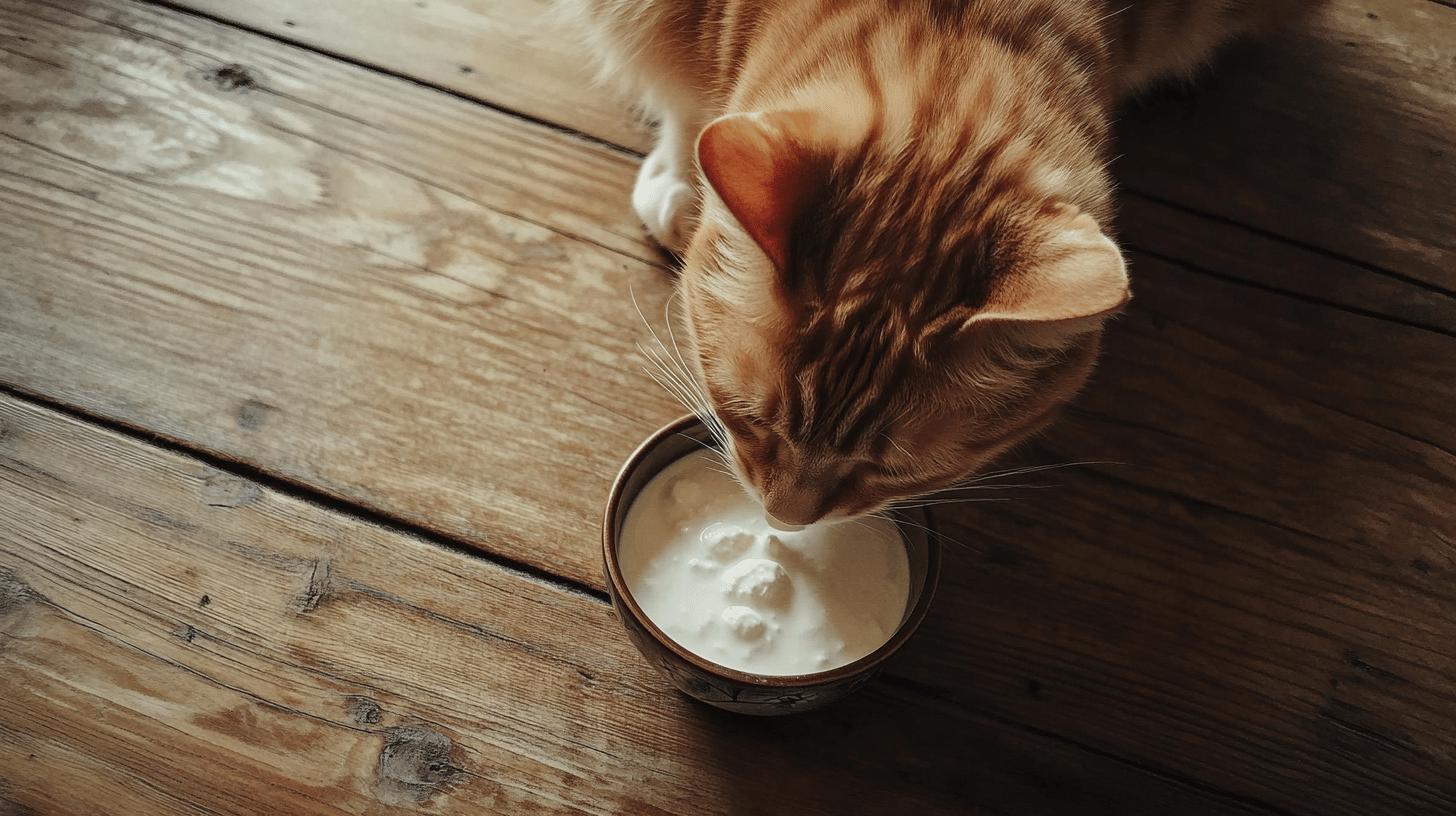
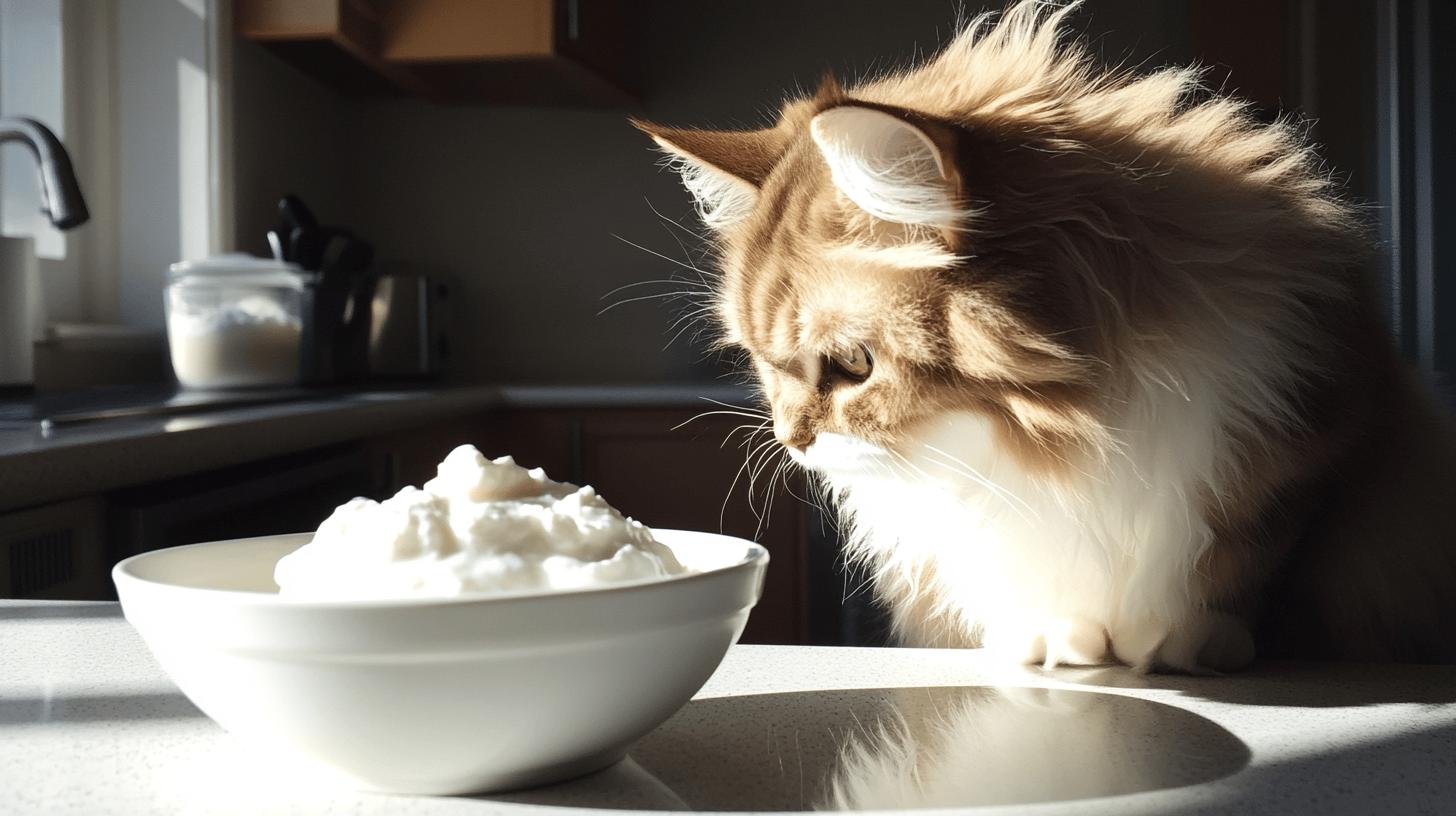
    If you observe these symptoms in your cat, it's crucial to take immediate action. Begin by rinsing your cat's mouth with clean water to try to remove any remaining plant material. Offering small amounts of milk or yogurt might help soothe the mouth area, as calcium can bind with the oxalates and reduce irritation.

    If symptoms persist or worsen, seek veterinary care promptly to ensure your cat receives the necessary treatment and to prevent complications such as dehydration or significant pain.

    Alternatives to Taro for a Cat’s Diet
    Alternatives to Taro for a Cats Diet-1.jpg

    Choosing the right foods for our feline friends ensures they stay healthy and happy. Cats are obligate carnivores, meaning their diet must be rich in animal protein rather than starch. While taro might not be the best choice for cats, there are plenty of other safe and nutritious options to consider. Here are some alternatives that can provide necessary nutrients without the risks associated with taro.

    • Cooked chicken: A lean source of protein that supports muscle health and provides essential nutrients for energy.
    • Cooked fish: Packed with omega-3 fatty acids, which promote a healthy coat and skin.
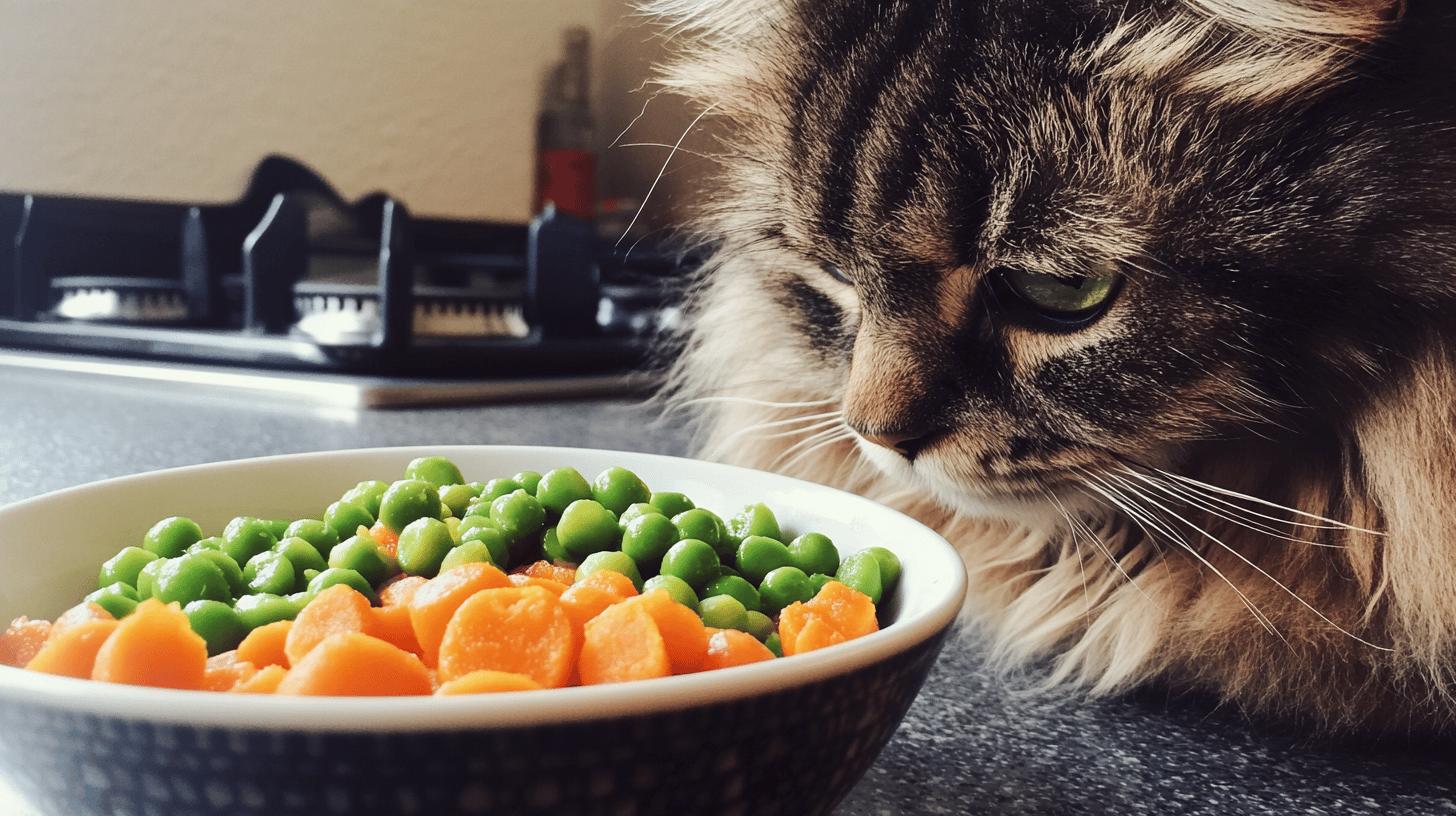
    • Cooked carrots: These offer a crunchy treat with vitamins and fiber, aiding digestion when given in moderation.
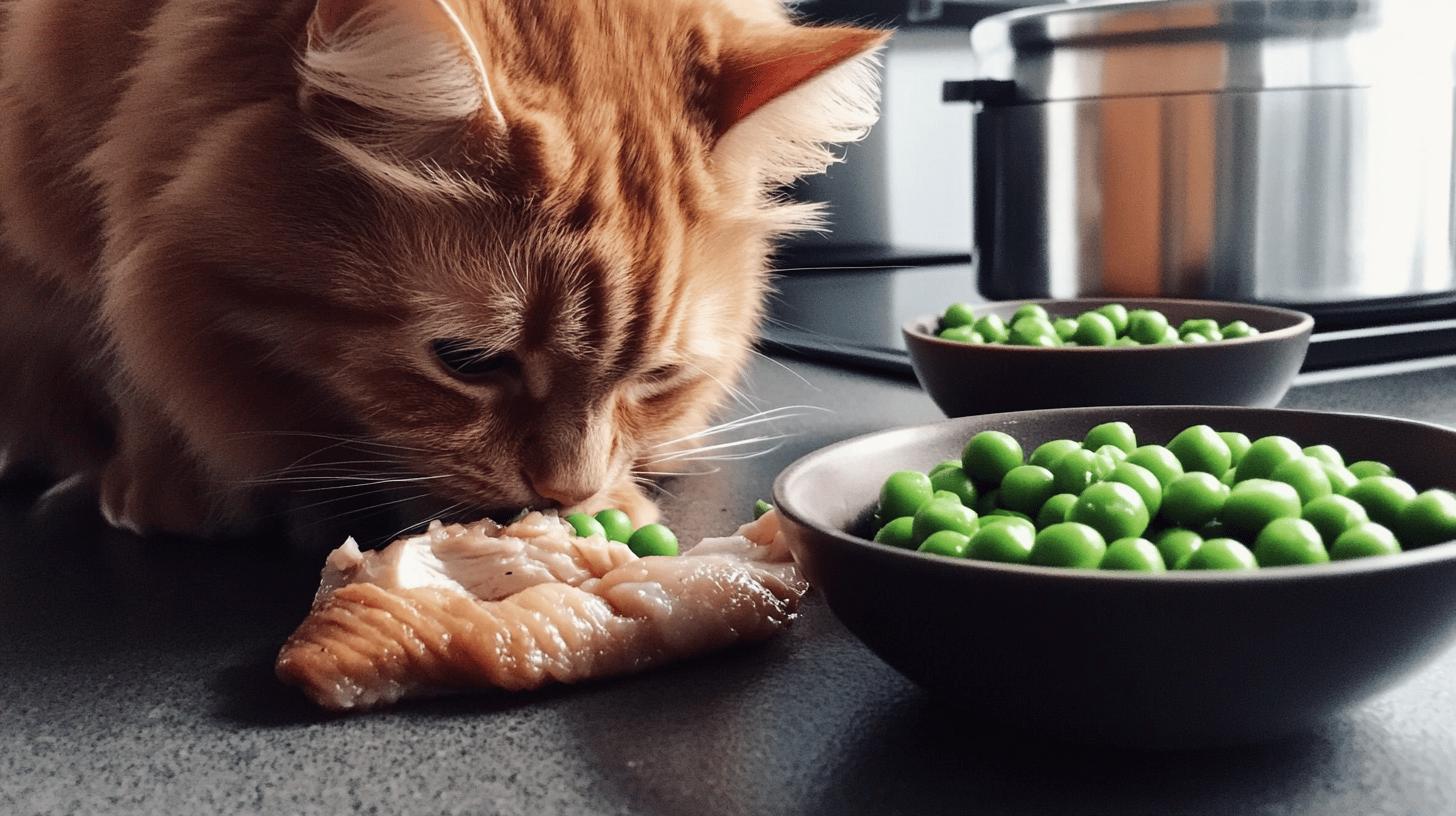
    • Cooked peas: A small amount can provide fiber and vitamins, contributing to a balanced diet.
    • Cat-specific treats: Specially formulated with the right balance of nutrients to complement your cat's regular diet.

    By focusing on these high-protein foods and occasional vegetable snacks, you can ensure your cat gets the nutrition it needs without relying on starch-heavy foods like taro.

    Proper Preparation and Serving of Taro for Cats
    Proper Preparation and Serving of Taro for Cats-4.jpg

    Preparing taro for cats requires careful attention to ensure their safety and well-being. Here's a simple guide to help you prepare and serve taro properly:

    1. Select Organic Taro: Start by choosing organic or spray-free taro to minimize exposure to pesticides and harmful chemicals.

    2. Thoroughly Wash and Peel: Clean the taro root thoroughly under running water, then peel off the skin to remove any dirt or contaminants.

    3. Cook Completely: Boil or steam the taro until it is fully cooked. Cooking breaks down calcium oxalate crystals, reducing the risk of irritation in your cat's mouth and digestive tract.

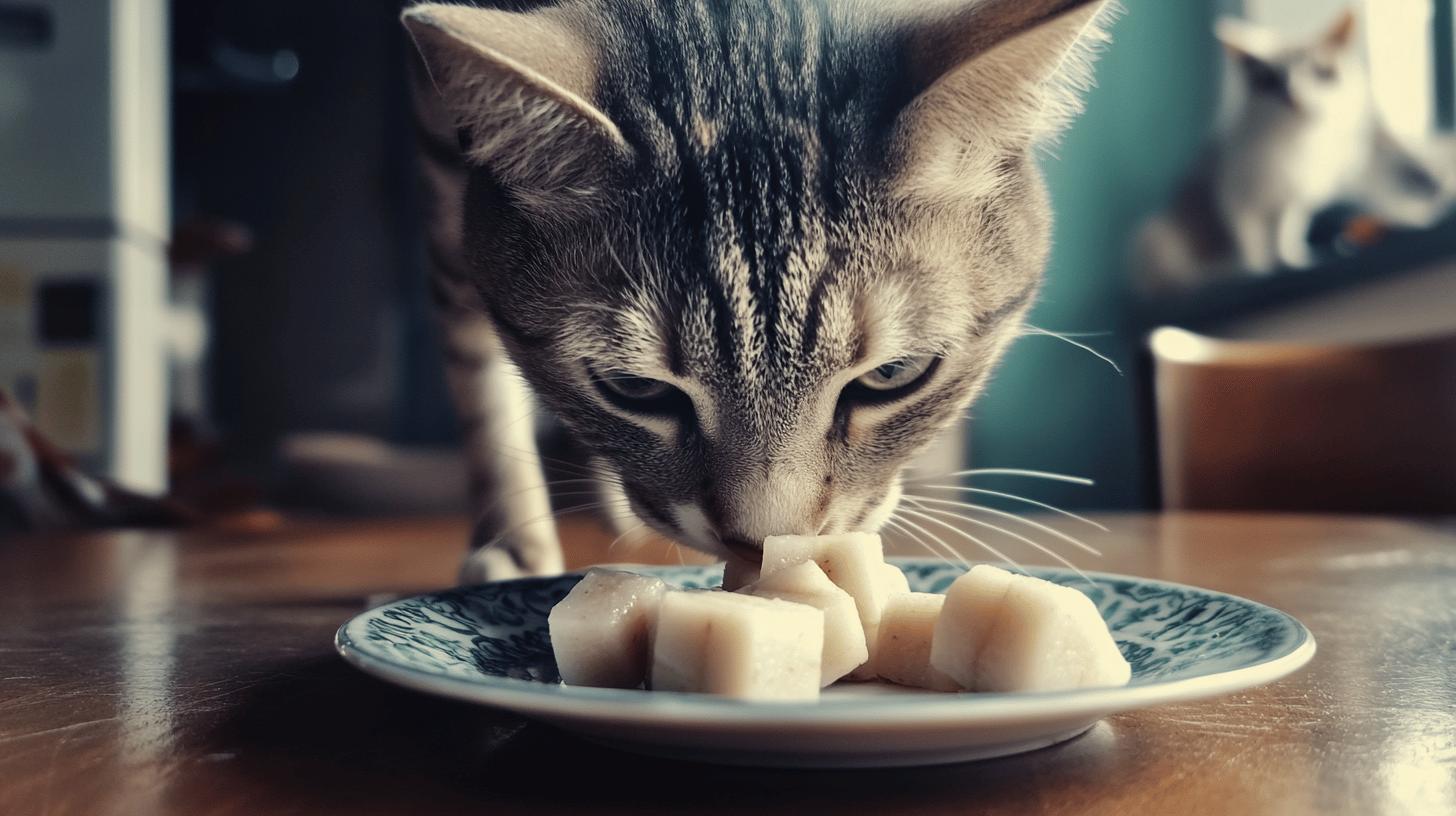
    1. Serve in Moderation: Cut the cooked taro into small cubes or slices. Offer your cat one to two small cubes per day, ensuring that taro remains a minor part of their diet.

    By following these steps, you can prepare taro safely for your cat, ensuring it is a treat, not a meal replacement. Always monitor your cat's reaction and consult a vet if any adverse symptoms occur.

    Final Words

    Navigating the world of cat nutrition can be tricky, especially when considering foods like taro. While taro isn't inherently toxic, the calcium oxalate in it can irritate a cat's system. Its high starch content can also cause metabolic stress since cats thrive on high-protein diets. Instead of taro, consider safe, protein-rich alternatives like cooked carrots or peas.

    If you're ever unsure about feeding taro, remember to cook it properly and limit the portion. Always prioritize your cat's dietary needs for a healthy and happy life.

    FAQ

    Can cats eat cooked taro root?

    Cats should not eat cooked taro root. Cooking may reduce some risks, but taro still contains calcium oxalate crystals, causing potential irritation. It's also high in starch, which doesn't benefit them.

    Can cats eat taro ice cream or taro milk tea?

    Cats should avoid taro ice cream and taro milk tea. These contain taro and ingredients like sugar and dairy, which aren't suitable for cats' digestive systems and can lead to health issues.

    Can cats eat taro leaf?

    Cats should not eat taro leaves. They contain calcium oxalate crystals, which can cause mouth and throat irritation, along with digestive problems.

    Is taro toxic to animals?

    Taro is toxic to some animals when raw, containing insoluble calcium oxalates that irritate the mouth and digestive tract. Cooking reduces these effects but doesn't provide nutritional benefits.

    Is the Chinese taro plant toxic to cats?

    Yes, the Chinese taro plant is toxic to cats when raw. It contains calcium oxalate crystals, causing irritation and possible digestive issues.

    Can dogs eat cooked taro or taro?

    Dogs should not eat taro, whether cooked or raw. Similar to cats, taro's calcium oxalate content and high starch level aren't suitable for dogs.

    Can cats eat yam?

    Cats should avoid yams. While not toxic, yams are high in carbohydrates and lack valuable animal proteins essential for a cat's diet.

    Can cats eat tapioca pearls?

    Cats should not eat tapioca pearls. Made from starch, these pearls can cause blood sugar spikes and offer no nutritional value for cats.

    Do animals eat taro?

    Taro is generally not suitable for animals due to its irritating compounds and high starch levels, which provide no nutritional benefits.

    What are symptoms of taro toxicity in cats?

    Symptoms of taro toxicity in cats include oral irritation, excessive drooling, vomiting, difficulty swallowing, and loss of appetite. If you see these signs, contact a vet promptly.

    What steps should I take if my cat shows taro toxicity symptoms?

    If your cat shows toxicity symptoms like drooling or vomiting, remove access to taro immediately and consult a vet. Providing water can help with initial irritation.
    Related Articles

  • Can Cat Eat Sweet Food and Is It Safe for Them

    Can Cat Eat Sweet Food and Is It Safe for Them

    Have you ever wondered if your cat could enjoy a sugary treat just like we do? Cats and sweets might seem like an odd pair, and for a good reason. Unlike us, cats aren't built to crave or digest sugary foods. They're what scientists call "sweet blind." But what does this mean for your furry friend when it comes to taste and safety? Let’s explore why cats don't seek sweetness and the potential risks if they accidentally indulge in sweet foods. Understanding this can help you make safer choices for your cat's diet.

    Can Cats Safely Eat Sweet Foods and Understanding Their Taste Preferences

    Can Cats Safely Eat Sweet Foods and Understanding Their Taste Preferences-1.jpg

    Cats are often described as "sweet blind" because they have no biological need for carbohydrates and can't taste sugar. Unlike humans, cats derive their energy primarily from animal protein since they are obligate carnivores. This means their bodies are designed to process proteins and fats, not sugars. With no evolutionary advantage to tasting sweetness, cats don't seek out sugary foods naturally.

    The genetic reasons behind this inability to taste sweet flavors are fascinating. Cats lack the taste receptor gene, known as Tas1r2, which is essential for detecting sweetness. This difference sets them apart from many other mammals, who can enjoy sweet tastes. Cats’ taste preferences are more tuned to savory flavors, aligning with their carnivorous diet. Their unique taste receptors are better suited for identifying amino acids, which are crucial for their survival.

    Potential Health Risks of Sweet Foods for Cats

    • Digestive problems
    • Obesity
    • Diabetes mellitus
    • Nutritional imbalances

    High-carb foods pose additional dangers to our feline friends. Consuming too many carbohydrates can lead to obesity and increase the risk of diabetes mellitus, a common issue in indoor cats. Cats' systems aren't equipped to handle large amounts of carbs, leading to potential health complications. It's crucial to keep their diet aligned with their natural dietary needs to avoid these pitfalls.

    Sweet Food Safety Risks for Cats

    Sweet Food Potential Health Risk
    Chocolate Toxicity, seizures
    Candy Digestive upset, obesity
    Ice cream Obesity, lactose intolerance
    Cake Weight gain, diabetes risk

    Understanding these implications highlights why sweet foods should be avoided for cats. While the occasional curiosity might lead them to taste something sweet, it's not safe for their health. Keeping their diet focused on protein-rich foods ensures they get the nutrients they need without unnecessary risks.

    Alternatives to Sweet Treats for Cats

    Alternatives to Sweet Treats for Cats-1.jpg

    When it comes to treating our feline friends, it's crucial to align treats with their specific nutritional needs. Cats require a diet rich in protein, fatty acids, and certain vitamins to thrive. Unlike dogs, cats are obligate carnivores, meaning their bodies are designed to process animal-based nutrients. Providing treats that meet these needs is essential for maintaining their health. High-quality wet cat food is an excellent choice as it closely resembles a cat's natural diet, offering the necessary nutrients without unnecessary fillers.

    Here are some healthy snack options for cats:

    • Cooked chicken or turkey: These are great sources of lean protein.
    • Salmon or tuna: Rich in omega-3 fatty acids, these fish help support a healthy coat.
    • High-quality wet cat food: Ensure it's low in carbohydrates and high in protein.
    • Freeze-dried meat treats: These provide a pure protein option for your cat.
    • Catnip-infused toys: While not a food treat, they offer mental stimulation and fun.

    Selecting safe treats means choosing options that avoid high-carb ingredients, such as grains and starchy vegetables. These can lead to health issues like obesity and diabetes. Always read labels carefully and opt for treats with minimal processing and natural ingredients. By focusing on nutrient-dense options, you ensure your cat enjoys treats without compromising their health.

    Sweet Potato and Cats: A Safe Option?

    Sweet Potato and Cats A Safe Option-1.jpg

    Sweet potatoes can be a delightful, occasional treat for our feline companions. They offer some nutritional benefits, including fiber, which can aid in digestion. However, it's crucial to remember that sweet potatoes should never replace a cat's primary diet. Cats are obligate carnivores, meaning their main nutritional needs are met through animal proteins. While sweet potatoes can add a bit of variety and enrichment to their meals, they should be given sparingly.

    When preparing sweet potatoes for your cat, cooking them is essential. Raw sweet potatoes can be difficult for cats to digest and may pose a choking hazard. By cooking them thoroughly, you make it easier for your cat to enjoy this treat safely. Serve them plain without any seasoning, butter, or oils, which can upset a cat's stomach. A small, bite-sized piece of cooked sweet potato can be a fun, occasional snack.

    Portion control is key to avoiding digestive issues when offering sweet potatoes to your cat. Cats have small stomachs, so even a seemingly small portion of sweet potato can be too much. Monitoring how much you give your cat ensures they don't experience any gastrointestinal distress. Keeping sweet potatoes as an occasional treat helps maintain a balanced diet and prevents them from overshadowing the essential nutrients your cat needs from their regular meals.

    Final Words

    Cats are "sweet blind" because they can't taste sugar due to their genetic makeup. They lack a biological need for carbohydrates, which can cause health issues like obesity and diabetes. It's vital to avoid sweet foods to protect their health.

    Instead, offer your cat nutritious treats that match their dietary needs. High-quality wet food and protein-rich snacks are great options. Even though sweet potatoes can be an occasional treat, they should be served in moderation. By understanding what can cat eat sweet food wise, we can make better choices, keeping our feline friends happy and healthy.

    FAQ

    Can I give my cat sweet food?

    A: No, cats should not eat sweet food as they lack the taste for it and can have negative health effects like obesity and diabetes.

    Is a little sugar ok for cats?

    A: Sugar isn't necessary for cats and can lead to digestive problems or obesity. It’s best to avoid giving cats any sugar.

    Why does my cat like sweet food?

    A: Cats may be attracted to the fat or cream in sweet foods, not the sugar itself, since they can't taste sweetness.

    Can cats taste sweet?

    A: Cats cannot taste sweet flavors. Their genetic makeup doesn't support sweet taste detection.

    Why do my cats like ice cream if they can't taste sweet?

    A: Cats may like ice cream due to its fat content or creaminess rather than its sweetness.

    Can cats eat chocolate?

    A: No, chocolate is toxic to cats and can cause serious health issues including heart problems and seizures.

    Can cats have a taste of ice cream?

    A: Cats should avoid ice cream. While they might be drawn to the creaminess, it contains sugar and dairy, which aren't good for them.

    Can cats taste spicy?

    A: Cats can't really taste spicy flavors. Their taste buds are not wired to detect spices.

    What happens if a cat eats sugar?

    A: Eating sugar can upset a cat's stomach, lead to obesity, and increase the risk of diabetes over time.

    Related Articles

  • Can Cat Eat Pork Liver and Its Nutritional Benefits

    Can Cat Eat Pork Liver and Its Nutritional Benefits

    Can pork liver become your cat’s next favorite treat, or is it a health risk waiting to happen? For cat owners seeking the best for their fur babies, this is more than a simple question. Pork liver brims with vitamins and iron that promise genuine health benefits, but too much could spell trouble, leading to vitamin A toxicity with serious consequences. This guide walks you through the benefits and precautions of feeding pork liver, helping you make informed choices about your cat’s diet.

    Can Cats Safely Eat Pork Liver and Its Nutritional Benefits?

    Can Cats Safely Eat Pork Liver and Its Nutritional Benefits-1.jpg

    Pork liver is packed with nutrients that can be beneficial to your cat’s health. It is rich in vitamins A and B, iron, and protein, all of which are crucial for maintaining your feline’s health. These nutrients support various aspects of cat wellness, such as vision, skin health, reproductive functions, and muscle growth. Including these in your cat’s diet in small quantities can bolster their overall health and vitality.

    However, feeding pork liver to cats requires caution. Overconsumption can lead to vitamin A toxicity, which poses significant health risks. Symptoms of vitamin A toxicity include lethargy, weight loss, and skin problems. In severe cases, it can cause bone malformations and be potentially fatal. To avoid these issues, moderation is key. Always consult a veterinarian before introducing pork liver to your cat’s diet to ensure safe and appropriate portion sizes.

    The nutrients in pork liver contribute to your cat’s overall wellness by enhancing their immune system and maintaining healthy bodily functions. Proper feeding practices can make liver a valuable addition to a balanced cat diet. Consider these safety tips when introducing pork liver:

    • Consult with a veterinarian
    • Introduce gradually
    • Monitor for adverse reactions
    • Limit frequency and portion size

    Incorporating pork liver into your cat’s diet with these precautions can help you harness its nutritional benefits while ensuring your cat’s safety and health.

    Understanding Vitamin A Toxicity: What Every Cat Owner Should Know

    Vitamin A is a fat-soluble vitamin, which means it accumulates in the body over time rather than being excreted like water-soluble vitamins. This characteristic makes overconsumption particularly risky for cats. When a cat receives too much vitamin A through their diet, the excess builds up in the liver and fatty tissues, eventually reaching levels that cause real harm.

    The clinical condition is called hypervitaminosis A, and it presents in both acute and chronic forms. Acute toxicity results from a single very large dose, while chronic toxicity develops gradually from repeated small overdoses spread across weeks or months. Cats fed liver-heavy diets without veterinary guidance are vulnerable to the chronic form, which can be difficult to recognize until significant damage has already occurred.

    Physical signs of hypervitaminosis A include neck stiffness, reluctance or difficulty moving, abnormal bony growths on the spine and joints, and in serious cases, partial paralysis. The condition can also affect the skin and coat, causing dryness, flaking, and a rough texture. Since these symptoms develop slowly, regular veterinary checkups become especially important for cats that eat organ meats regularly. Your vet can assess joint mobility, examine the spine, and run bloodwork to catch imbalances before they become irreversible. Catching hypervitaminosis A early makes a significant difference in the outcome and your cat’s long-term quality of life.

    How to Prepare Pork Liver for Your Cat

    How to Prepare Pork Liver for Your Cat-1.jpg

    Preparing pork liver for your cat involves a few essential steps to ensure it’s safe and nutritious. Cooking the liver is crucial because it reduces the risk of bacterial contamination, which can pose health hazards to your feline friend. Raw meats can harbor harmful parasites or bacteria, so handling and cooking the liver properly is key to providing a safe cat food option. Boiling or baking the liver without adding any seasoning is a recommended method. This not only makes the liver safer but also keeps it palatable for your cat.

    Follow these preparation steps to serve pork liver safely to your cat:

    1. Choose high-quality pork liver
    2. Rinse thoroughly under cold water
    3. Boil or bake until fully cooked
    4. Cool to room temperature
    5. Serve in small, manageable pieces

    By taking these steps, you can prepare pork liver in a way that supports your cat’s health and ensures they enjoy this protein-rich treat safely.

    Pork Liver Compared to Other Organ Meats for Cats

    Pork liver is just one of several organ meats that cat owners consider adding to their pet’s diet. Comparing it to other options helps you make smarter choices about frequency and portion sizes. Chicken liver generally contains a slightly lower concentration of vitamin A than pork or beef liver, making it marginally easier to incorporate without risking toxicity. That said, all liver types carry similar risks when fed too often or in large amounts.

    According to general guidelines on liver feeding for cats, no type of liver should make up more than a small fraction of your cat’s overall weekly diet. Hearts offer a different nutritional profile compared to liver. They are lower in vitamin A but rich in taurine, an amino acid essential for feline heart health and vision. Because of this, hearts can be offered a bit more freely than liver, though moderation still applies.

    If you are considering beef liver as an alternative, be aware that it tends to carry an even higher vitamin A load than pork liver. Rotating between different organ meats while keeping total organ intake low is one of the safest approaches. Your veterinarian can help you build a balanced rotation that gives your cat the nutritional variety she needs without pushing any single nutrient into toxic territory.

    Guidelines for Feeding Pork Liver to Cats

    Guidelines for Feeding Pork Liver to Cats-1.jpg

    Feeding pork liver to your cat can be a tasty and nutritious addition, but it’s vital to get the balance right. Nutritionists suggest that liver should only make up about 5% to 7% of your cat’s regular meals. This helps avoid a nutrient overdose that could lead to health problems. Keeping the serving to this small percentage ensures your cat enjoys the benefits without the risks. It’s also recommended to offer pork liver just once a week. This frequency provides nutritional benefits while preventing the potential for overconsumption and associated issues.

    When introducing pork liver or any new food to your cat, it’s crucial to watch for any changes or reactions. Some cats may have sensitive stomachs or specific dietary needs, so keeping an eye on how your cat responds is essential. If you notice any digestive issues or changes in behavior, it may be necessary to adjust the portion size or frequency. Doing so will help ensure your cat’s diet remains balanced and healthy.

    • Limit liver to 5% to 7% of weekly diet
    • Serve liver once a week
    • Observe for any digestive issues
    • Adjust based on individual cat needs

    When to Contact Your Veterinarian About Liver Feeding

    Knowing when to reach out to your vet can prevent long-term complications from developing unnoticed. If your cat has been eating liver regularly for several months, scheduling a wellness checkup is worthwhile even if no obvious symptoms are visible. Your veterinarian can examine your cat’s joints, assess their coat condition, and run bloodwork to evaluate vitamin A levels and liver enzyme activity.

    Contact your vet without delay if you observe any of the following after feeding pork liver:

    • Sudden reluctance to move or noticeable joint stiffness
    • Unexplained weight loss or reduced appetite
    • Skin changes such as excessive dryness, flaking, or hair loss
    • Behavioral shifts like increased hiding or reduced activity
    • Persistent digestive upset including vomiting or loose stools

    Early veterinary intervention can halt the progression of vitamin A toxicity and give your cat the best chance at full recovery. When caught in its early stages, dietary adjustments alone are often sufficient to reverse mild hypervitaminosis A. In more advanced cases, supportive care and close monitoring will be needed over several weeks. Staying proactive about your cat’s health means the benefits of nutrient-dense foods like pork liver remain genuine benefits rather than hidden risks. For additional context on how protein-rich foods like egg yolk and raw fish fit into a feline diet, those resources can help you build a broader and well-rounded feeding plan.

    Final Words

    Pork liver is packed with vitamins A and B, iron, and protein that support vision, skin health, and muscle growth in cats. There is also a genuine risk of vitamin A toxicity from overconsumption, which makes moderation and veterinary guidance essential before adding it to your cat’s regular diet.

    Preparing pork liver safely involves cooking it fully to eliminate bacteria. Keep portions small and feed it just once a week. Being attentive to your cat’s response and scheduling periodic vet visits will help you use pork liver’s nutritional value responsibly while protecting your cat’s health over the long term.

    FAQ

    Can cats eat pork liver raw or cooked?

    Cats can eat pork liver, but it should be cooked. Cooking reduces the risk of bacterial contamination, making it safer for your cat to consume.

    Can cats eat pork liver bones?

    Cats should not eat pork liver bones. Bones from pork can splinter and pose a choking hazard or cause internal damage to your cat.

    Can cats eat chicken liver raw or cooked?

    Cats can eat chicken liver, and it is best to serve it cooked. Cooking helps prevent bacterial contamination, making it safe for cats.

    Can cats eat liver every day?

    Cats should not eat liver every day. Regular liver intake can cause vitamin A toxicity. It’s best to limit liver to once a week.

    Can cats eat cooked pork liver?

    Cats can safely eat cooked pork liver. Cooking liver makes it safer by reducing the risk of bacteria harmful to cats.

    What kind of liver is good for cats?

    Chicken and pork liver are good in moderation due to rich vitamins and minerals. Ensure any liver given to cats is properly cooked.

    Why can’t cats eat pork?

    Pork isn’t generally recommended for cats due to its high fat content, which can lead to digestive issues and weight gain.

    Why can’t cats eat liver?

    Cats can eat liver in moderation, but too much can cause vitamin A toxicity. It is crucial to avoid overfeeding liver.

    Related Articles

  • Can Cat Eat Oregano What You Need to Know

    Can Cat Eat Oregano What You Need to Know

    Can your curious cat nibble on oregano without a hitch? This common kitchen herb adds flavor to your pasta, but it's not so kind to your feline friend. Oregano contains oils that can make your cat seriously sick. From tummy troubles to long-term liver damage, the effects are dangerous. Whether fresh or dried, every part of the plant spells trouble for cats. In this article, I'll explore why keeping oregano out of your cat's reach is crucial and share what steps to take if your cat takes a bite.

    Oregano and Its Effects on Cats

    Oregano and Its Effects on Cats-1.jpg

    Oregano might be a staple in our kitchens, but it's not a safe choice for our feline friends. Cats should not eat oregano because it contains toxic oils that can upset their stomach and potentially cause severe health issues. The ASPCA notes that all parts of the oregano plant are harmful to cats, whether fresh, dried, or as an essential oil, with oregano oil being the most dangerous.

    Toxic Parts of Oregano and Immediate Health Effects

    • Fresh Leaves: Can cause gastrointestinal irritation.
    • Dried Leaves: Still contain toxic oils harmful to cats.
    • Stems: Chewing can lead to mouth irritation.

    • Flowers: Also toxic and can induce vomiting.
    • Essential Oil: The most harmful, leading to severe symptoms.

    Long-term exposure or ingestion of oregano in significant amounts can result in irreversible liver damage. The toxic oils in oregano can overwhelm a cat's liver, leading to chronic health issues. Over time, this can impair liver function, making it difficult for the body to filter out toxins, which can be life-threatening without intervention.

    Common Gastrointestinal Symptoms

    • Vomiting: Frequent vomiting may occur.
    • Diarrhea: Loose stools can be a sign of ingestion.
    • Loss of Appetite: A cat may refuse to eat.
    • Mouth Irritation: Spicy oils can cause discomfort.

    Oregano isn't the only herb to watch out for. Many common cooking herbs, such as garlic and onions, are also toxic to cats. To prevent any health issues, it's crucial to keep oregano and other harmful herbs out of reach. If your cat is exposed to oregano, consult with a veterinarian promptly to ensure their health and safety.

    What to Do If Your Cat Eats Oregano

    What to Do If Your Cat Eats Oregano-1.jpg

    Quick action is crucial if your cat ingests oregano. Since oregano is toxic to cats, it's essential to address the situation promptly to prevent serious health issues.

    1. Monitor Your Cat: Keep a close eye on your cat for any signs of distress, such as vomiting or diarrhea.

    2. Remove Access: Ensure your cat cannot reach any more oregano or other toxic substances.

    3. Contact a Veterinarian: Call your vet immediately for advice. They may recommend bringing your cat in for an examination.

    1. Avoid Home Remedies: Do not attempt any treatments at home without professional guidance, as this may worsen the situation.

    2. Follow Veterinary Instructions: Adhere to any recommendations or treatments your vet provides.

    Preventing future incidents is equally important. Keep all herbs, especially oregano, out of your cat's reach. Consider using secure storage methods for cooking ingredients. Always consult with your veterinarian before introducing any new herbs or foods into your pet's environment. This proactive approach helps ensure your cat's safety and well-being.

    Safe Herb Practices for Cats

    Safe Herb Practices for Cats-1.jpg

    When it comes to keeping our feline friends healthy, understanding which herbs are safe for them is crucial. Cats have unique digestive systems, and some herbs can be harmful, while others are perfectly safe. Safe herb practices ensure your cat experiences the benefits of herbs without any risks.

    • Basil
    • Coriander
    • Rosemary
    • Sage
    • Thyme

    These herbs are generally non-toxic and safe for cats, making them excellent choices for pet-friendly households.

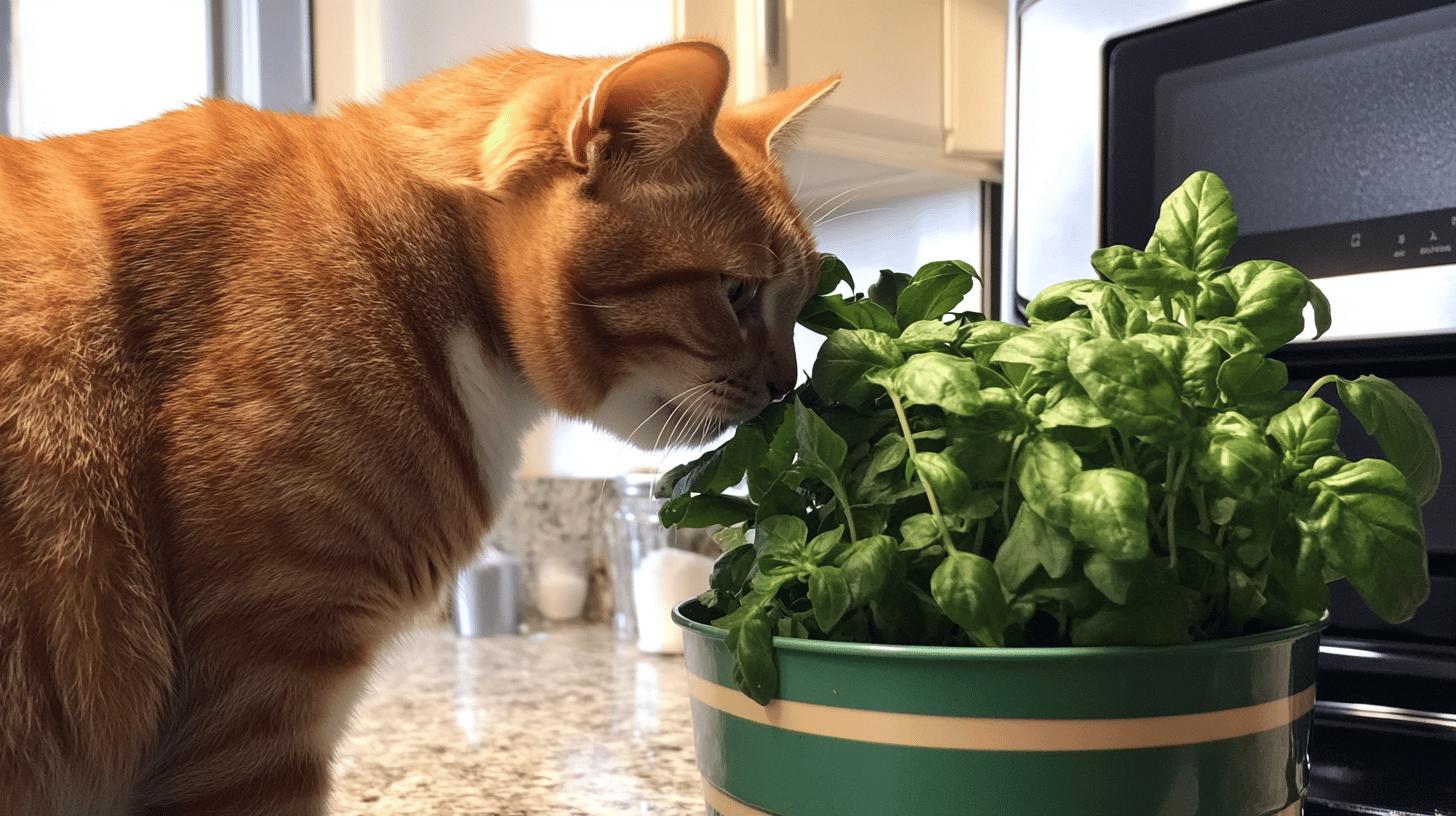
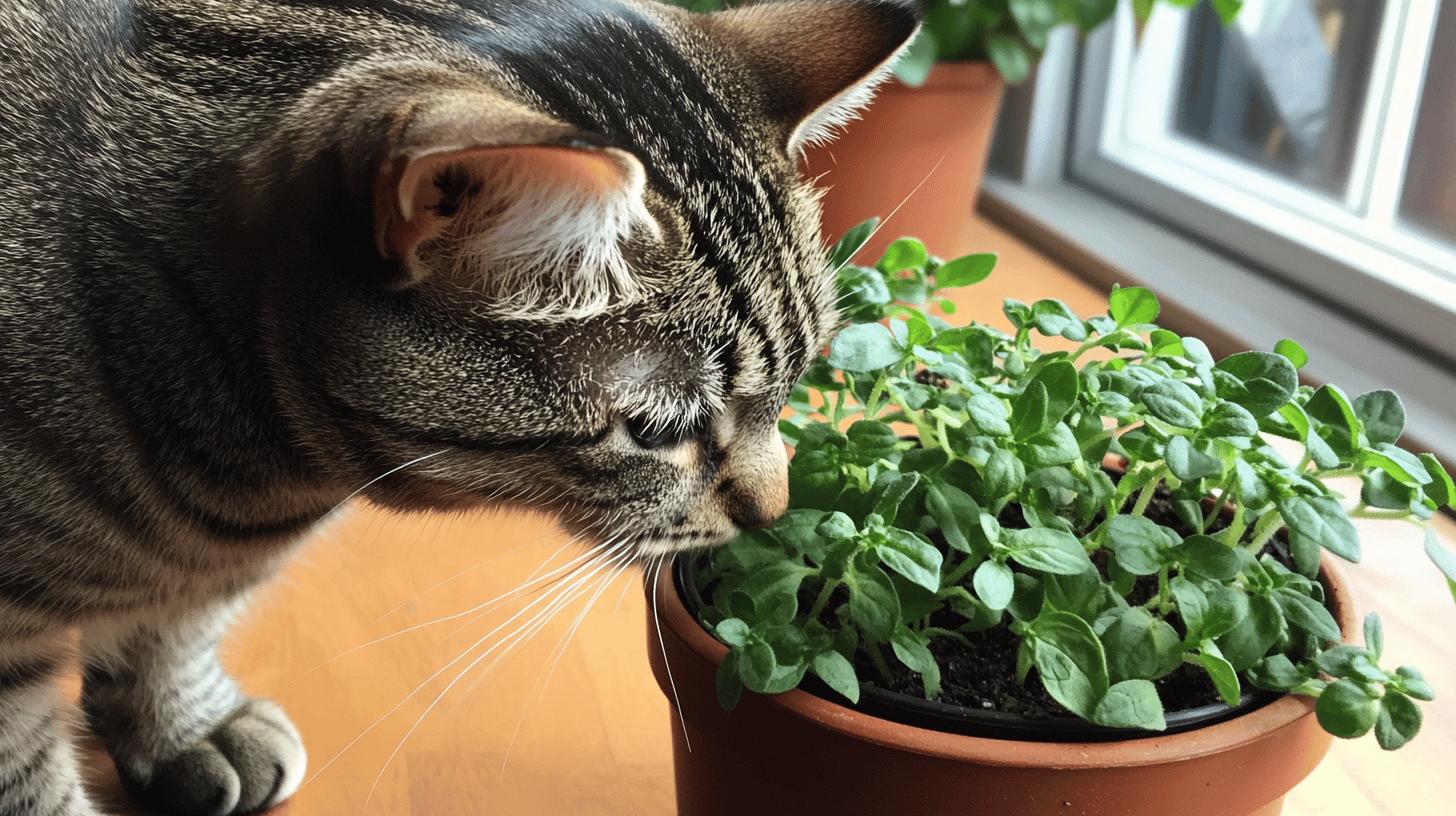
    Incorporating these herbs into your cat's environment can offer several benefits. Basil has mild anti-inflammatory properties, which can be soothing. Rosemary can help repel certain pests, and its scent may be a calming influence. Sage and thyme can be used in small amounts to add variety to your cat's space, enriching their experience without adverse effects. Coriander is known for aiding digestion and can be a helpful addition to your cat's diet when used properly.

    Consulting with a Veterinarian

    Before introducing any new herbs or foods into your cat's diet, consulting with a veterinarian is essential. They can provide guidance based on your cat's specific health needs and ensure that the herbs will not interact negatively with any existing conditions or medications. Veterinarians can also help identify any potential allergies, ensuring your cat's safety and well-being.

    While some herbs are safe, many common household herbs and spices pose risks. Oregano, for example, should be kept away from cats due to its toxic oils. Other herbs like garlic and onions can also be harmful, leading to serious health issues if ingested.

    • Read Labels Carefully: Ensure any products or foods you bring into your home do not contain harmful herbs.
    • Secure Storage: Keep herbs and spices out of reach, using cabinets or sealed containers.
    • Educate Household Members: Make sure everyone in the home understands which herbs are safe and which are not.
    • Observe Your Cat: Watch for any changes in behavior or health after introducing new herbs.

    By following these tips and practicing safe herb management, you can create a secure and enjoyable environment for your cat.

    Final Words

    When discussing if cats can eat oregano, it becomes clear that it's unsafe due to its toxic oils. Each part of the oregano plant, whether fresh or dried, poses risks. Cats may suffer from gastrointestinal issues if ingested, and long-term effects can be as severe as liver damage.

    It's crucial to act quickly if a cat consumes oregano, following proper steps for care and consulting a vet. While other herbs are safer, always seek professional advice before introducing new ones.

    Creating a safe environment ensures a happier, healthier life for your feline friend.

    FAQ

    Is oregano poisonous to cats?

    Oregano is poisonous to cats due to its toxic oils. Ingestion can upset their stomach and cause liver damage. Always keep oregano away from cats.

    Can my cat eat oregano leaves or oil?

    Cats should not eat oregano leaves or oil. Oregano, in any form, is toxic to cats and can cause mouth irritation and gastrointestinal issues.

    What should I do if my cat ate oregano?

    If your cat ate oregano, monitor for vomiting or diarrhea. Contact a veterinarian immediately for guidance and potential treatment.

    Is dried oregano safe for cats?

    Dried oregano is not safe for cats. It contains toxic oils that can harm your cat's liver and upset their stomach.

    Can cats eat thyme or basil?

    Cats can safely eat thyme and basil. These herbs are generally considered non-toxic and safe for cats to consume.

    Do cats hate the smell of oregano?

    Some cats may dislike the smell of oregano due to its strong and spicy scent. However, it's best to prevent any contact due to its toxicity.

    What herbs are safe for cats to eat?

    Safe herbs for cats include basil, coriander, rosemary, sage, and thyme. These herbs are generally non-toxic and pose no harm.

    Is oregano safe for pets to eat?

    Oregano is not safe for pets, including cats. It can cause digestive issues and potentially serious health problems such as liver damage.

    Oregano for cats benefits

    There are no known benefits of oregano for cats. It is important to avoid offering oregano to cats due to its toxic nature.

    Related Articles

  • Can Cat Eat Kefir Understanding the Safety and Benefits

    Can Cat Eat Kefir Understanding the Safety and Benefits

    Can cats enjoy the tangy taste of kefir without any worries? As a cat lover, you might find yourself asking this very question. Kefir, the fermented milk drink bursting with probiotics, is often hailed for its health benefits in humans. But what about our furry friends? In this blog post, we’ll explore whether kefir is safe for cats and uncover the possible health advantages it can offer. Understanding the ins and outs of introducing kefir to your kitty’s diet could lead to a happier, healthier feline. Let's dive into the details!

    Can Cats Safely Eat Kefir?

    Can Cats Safely Eat Kefir-1.jpg

    Kefir is a fermented milk drink rich in probiotics that support digestive health. It's generally considered safe for pets, including cats. The beneficial bacteria in kefir can help maintain a healthy gut, which is essential for overall wellbeing. While kefir is safe, it's crucial to ensure that it's plain and unsweetened, as added sugars and flavors can be harmful to cats.

    Introducing kefir to a cat's diet should be done slowly and with care. Start with a small amount to allow their digestive system to adjust. Gradually increase the amount over time if no adverse reactions occur. This approach helps prevent digestive upset such as diarrhea or loose stools, which can happen if kefir is introduced too quickly.

    Consulting a veterinarian before adding kefir to your cat's diet is always a good idea. A vet can provide personalized advice based on your cat's health needs and history, ensuring the dietary change is safe and beneficial. This step is essential to avoid potential health risks and to tailor the introduction of kefir to your cat's specific requirements.

    Health Benefits of Kefir for Cats

    Health Benefits of Kefir for Cats-1.jpg

    Kefir is packed with probiotics, including beneficial strains like Bifidobacteria species, which play a crucial role in a cat's digestive health. These probiotics help maintain a balance of good bacteria in the gut, aiding in digestion and nutrient absorption. By promoting a healthy gut flora, kefir can support your feline friend's immune function, crucial since a significant portion of the immune system is located in the digestive tract. Cats that consume kefir may enjoy a more balanced digestive system, reducing common issues like constipation or diarrhea.

    Here are some specific potential health benefits for cats consuming kefir:

    • Improved Digestion: Kefir's probiotics can help break down food more efficiently.
    • Enhanced Immune Support: A healthy gut contributes to a stronger immune system.
    • Reduction in Allergies: Probiotics may help lessen allergy symptoms by regulating the immune response.
    • Better Nutrient Absorption: With improved digestion, cats can absorb nutrients more effectively.
    • Healthier Skin and Coat: The nutrients and probiotics in kefir can contribute to a shinier coat and healthier skin.

    The introduction of these probiotics into your cat's diet can enhance their overall health, making them more resilient to illness and stress. By maintaining a healthy balance of gut bacteria, kefir supports various bodily functions, leading to a happier and more energetic cat. Remember, the gradual introduction of kefir ensures that these benefits are maximized without upsetting their delicate digestive system.

    Practical Guidelines for Incorporating Kefir into Your Cat's Diet

    Practical Guidelines for Incorporating Kefir into Your Cats Diet-1.jpg

    Introducing kefir to your cat's diet can be beneficial, but it needs to be done carefully. Start with a small trace amount and observe your cat for any digestive issues like diarrhea. If your cat tolerates it well, gradually increase the amount. This gradual introduction helps the cat's digestive system adjust, minimizing the risk of stomach troubles. You can serve kefir as a food topper or offer it as a standalone treat. Always make sure the kefir is plain and unsweetened to avoid harmful additives.

    Amount Frequency
    Trace Amount Every Other Day
    1/4 Teaspoon Daily
    1 Teaspoon Daily, if tolerated

    Homemade kefir is the best choice for your cat, as it avoids the added sugars and flavors often found in commercial products. These additives can be harmful to cats and negate the health benefits of the probiotics. By making kefir at home, you control the ingredients, ensuring a pure and healthy treat. This not only benefits your cat's digestion but also supports their overall health with a natural probiotic boost. Store the kefir properly and introduce it to your cat's diet in moderation for optimal results.

    Potential Risks and Side Effects of Kefir for Cats

    Potential Risks and Side Effects of Kefir for Cats-1.jpg

    Introducing kefir to your cat's diet requires a slow approach. Rapid changes can upset their sensitive digestive system, leading to diarrhea, loose stools, vomiting, or reduced appetite. Monitoring your cat's reaction is crucial to ensure comfort and health.

    • Diarrhea
    • Loose stools
    • Vomiting
    • Reduced appetite

    If you notice any adverse reactions, adjust the amount or stop the kefir altogether. Consulting a veterinarian is essential before making dietary changes. They can offer guidance to manage your cat's diet safely, ensuring your cat benefits from kefir without discomfort.

    Kefir as a Unique Treat for Cats

    Kefir as a Unique Treat for Cats-1.jpg

    Kefir offers a special way to boost feline health beyond the basics. Let's explore unique stories and scientific insights that highlight kefir's impact on our furry friends. For instance, some cat owners have reported noticeable improvements in their cats' coat sheen and vitality after introducing kefir. These anecdotes suggest kefir's potential in enhancing a cat's overall well-being.

    To explore kefir's effects further, researchers have examined its probiotic properties compared to other pet probiotics. The findings indicate that kefir's diverse strains of good bacteria can be particularly beneficial in promoting a balanced gut flora. This scientific insight underscores why kefir might be a superior choice for cat owners looking to improve their pet's digestive health.

    Here are some creative ways to prepare kefir specifically for cats:

    • Frozen Kefir Cubes: Freeze kefir in ice cube trays for a refreshing treat.
    • Kefir Smoothie: Blend kefir with cat-safe fruits for a smoothie experience.
    • Kefir Popsicles: Use cat-safe molds to create popsicles that cats can lick.
    • Kefir-Infused Toys: Drizzle kefir on toys for an engaging play and treat combo.
    • Kefir with Herbs: Mix kefir with catnip or parsley for extra flavor.

    By focusing on these unique aspects, kefir becomes more than just a supplement; it's a versatile and exciting addition to your cat's diet.

    Comparing Kefir with Other Fermented Foods for Cats

    Comparing Kefir with Other Fermented Foods for Cats-1.jpg

    Kefir and yogurt are popular fermented dairy products known for their probiotic properties. Both offer health benefits for cats, but there are distinct differences to consider. Kefir contains a broader range of bacteria and yeasts compared to yogurt, which can lead to more diverse probiotic benefits for your feline friend. This diversity can be particularly beneficial in promoting a healthy balance of gut flora, aiding in digestion and potentially boosting the immune system. While yogurt also provides probiotics, its range is typically more limited and may not offer the same level of digestive benefits as kefir. Both kefir and yogurt should be introduced gradually into a cat's diet to prevent digestive upset, especially for cats with sensitive stomachs.

    Fermented Food Probiotic Range Suitability for Cats
    Kefir Broad range of bacteria and yeasts High, if unsweetened
    Yogurt Limited range of bacteria Moderate, if plain and unsweetened
    Miso Primarily used for flavor, limited probiotics Low, high salt content not ideal

    When choosing fermented foods for your cat, it's crucial to select products that are plain and unsweetened to avoid harmful additives. Added sugars and flavors can negate the health benefits and pose risks to your cat's health. Unsweetened options ensure that your cat receives the natural probiotic benefits without the potential downsides of artificial ingredients. By opting for natural, additive-free products, you can safely introduce these fermented foods into your cat's diet, supporting their digestive health and overall wellbeing.

    Final Words

    Kefir offers many benefits for cats, from digestive health to improved immunity. It's a safe treat when introduced gradually, enhancing your pet's diet with probiotics. Consulting a vet ensures that kefir suits your cat's health needs. It's important to monitor any changes for side effects like digestive issues.

    Kefir makes a unique addition to your cat's meals, either as a topper or frozen treat. Always choose homemade or unsweetened versions to avoid extra sugars. So, when considering if a cat can eat kefir, remember it can be a delightful, healthy option!

    FAQ

    Can cats eat kefir?

    Cats can eat kefir. It is generally safe when introduced gradually. Kefir is a probiotic-rich drink that may benefit a cat's digestive system and overall health.

    Can cats eat kefir every day?

    You can feed cats kefir daily in moderation. Start with small amounts and monitor for any digestive reaction. Consult a vet before adding any new food to their diet regularly.

    Can cats eat raw kefir?

    Yes, cats can have raw kefir. Ensure it is plain without added sugars or flavors. Introduce it slowly and observe for any adverse reactions in your cat’s health or digestion.

    What are the benefits of kefir for cats?

    Kefir offers benefits like improved digestion and support for the immune system. The probiotics in kefir enhance gut health and may help with overall well-being in cats.

    Is goat milk kefir good for cats?

    Goat milk kefir is good for cats. It may be easier to digest than cow's milk kefir. Always start with small amounts to ensure your cat tolerates it well.

    Can cats have strawberry kefir?

    Cats should avoid strawberry kefir due to added sugars. Opt for plain, unsweetened kefir instead to ensure the safety and health of your cat.

    Can pets have kefir?

    Pets can have kefir. It's beneficial for both cats and dogs when introduced in moderation. Always consult with a vet and ensure it is plain, unsweetened, and introduced gradually.

    What happens if my cat eats probiotics?

    If a cat eats probiotics, it may experience improved gut health and digestion. Monitor for digestive reactions when starting any new supplement. Consult a vet for guidance.

    Is fermented milk safe for cats?

    Fermented milk like kefir is generally safe for cats. It provides probiotics, which can aid digestion. Introduce it slowly to watch for any adverse effects on your cat's health.

    Related Articles

  • Can Cat Eat Lentils Safely Understanding Risks and Benefits

    Can Cat Eat Lentils Safely Understanding Risks and Benefits

    Did you ever wonder if your cat can safely eat lentils? This question might pop up as you explore new treats for your curious feline. Surprisingly, lentils aren't toxic to cats and can be offered as a small snack now and then. But before you serve up this legume, there's a lot to consider. Cats are meat-eaters by nature, and lentils lack the essential nutrients found in their favorite protein-rich foods. Let's explore the risks and benefits to help you make informed decisions about your cat's diet.

    Can Cats Eat Lentils Safely?

    Can Cats Eat Lentils Safely-1.jpg

    Cats can eat lentils safely, but only in small amounts. Lentils are not toxic to cats, making them a safe food option when offered as an occasional treat. That said, they don't contribute significantly to a cat's nutritional needs. Cats are obligate carnivores, relying heavily on meat to fulfill their protein requirements. While lentils offer fiber, which can help with digestion, they lack the essential nutrients found in animal protein. It's crucial to use lentils sparingly, ensuring they don't overshadow your cat's meat-based diet.

    • Serve plain, unseasoned lentils
    • Avoid mixing with harmful foods like onions or garlic
    • Consult a vet before introducing lentils
    • Limit to occasional treats
    • Monitor for any adverse reactions

    Feeding lentils to your cat comes with certain risks. Cats are not designed to digest plant-based foods efficiently, which can lead to digestive distress if lentils are consumed in excess. Issues such as gas, bloating, or upset stomach might arise if your cat eats too many lentils. It's essential to remember that lentils should not replace a staple diet rich in animal protein. While they may help with weight management due to their low caloric content, their lack of essential nutrients makes them unsuitable as a dietary staple.

    The potential benefits of lentils, like aiding in digestion, do not outweigh the necessity for animal protein in a cat's diet. Cats need the amino acids and nutrients found in meat to thrive. While lentils can be a fun and safe treat occasionally, they should remain a minor part of your cat's diet. Prioritizing a diet rich in high-quality animal proteins ensures your feline friend receives complete and balanced nutrition.

    Nutritional Profile and Dietary Relevance of Lentils for Cats

    Nutritional Profile and Dietary Relevance of Lentils for Cats-1.jpg

    Lentils are known for their high levels of protein, fiber, folate, and iron. While these nutrients are great for humans, aiding in muscle function and digestive health, they don't offer the same benefits for cats. Cats need diets rich in animal proteins since they are obligate carnivores. The fiber in lentils can help with digestion, but the plant-based proteins do not provide the essential amino acids that cats require from meat.

    Nutrient Benefit to Humans Relevance to Cats
    Protein Builds and repairs tissues Insufficient amino acids
    Fiber Improves digestive health Limited digestion benefits
    Folate Supports cell formation Minimal impact

    Cats thrive on animal-derived proteins that meet their specific nutritional needs. Lentils, while safe in small amounts, shouldn't replace a meat-based diet. Relying on lentils could leave a nutritional gap, as they don't provide what cats need for health and vitality. Prioritizing animal protein ensures cats get the necessary nutrients to maintain their well-being.

    Guidelines for Introducing Lentils into a Cat's Diet

    Guidelines for Introducing Lentils into a Cats Diet-1.jpg

    Introducing lentils into a cat's diet requires specific preparation steps to ensure safety. Cats are obligate carnivores, so their systems aren't naturally adapted to process plant-based foods. To introduce lentils, cook them thoroughly without seasoning. It's important to start with a very small amount, such as half a teaspoon, to see how your cat reacts. The introduction should be gradual to assess tolerance.

    1. Cook lentils thoroughly without seasoning.
    2. Serve a small amount, around half a teaspoon.
    3. Introduce gradually to assess tolerance.
    4. Watch for adverse reactions.
    5. Consult a veterinarian if necessary.

    Always monitor your cat's health closely after introducing any new food, including lentils. Some cats might have a sensitivity to plant-based foods, which could manifest as digestive upset or changes in behavior. If any adverse reactions occur, stop feeding lentils immediately and consult your veterinarian to discuss the best dietary options for your cat. For cats with pre-existing health conditions or those on prescription diets, a vet's guidance is crucial before making any dietary changes.

    Alternatives to Lentils for Cats

    Alternatives to Lentils for Cats-1.jpg

    While lentils can be safe for cats in small amounts, there are many alternatives that align better with a cat’s dietary needs. Cats are obligate carnivores, meaning their diets should be primarily composed of animal proteins. This ensures they receive the essential nutrients necessary for their health. Instead of lentils, consider offering your cat other treats that are more naturally suited to their digestive systems and nutritional requirements.

    • Cooked chicken
    • Peas
    • Commercial cat treats
    • Turkey
    • Fish

    It's crucial to maintain a diet rich in high-quality animal proteins for your cat's overall health and well-being. While occasional snacks like peas or commercial cat treats can be safe in moderation, the primary focus should be on providing meat-based foods. These foods are packed with the amino acids and nutrients cats need to thrive. By prioritizing animal protein sources, you'll ensure your feline friend enjoys a balanced diet that supports their vitality and longevity.

    Final Words

    Exploring if cats can eat lentils safely reveals they're not toxic but offer limited benefits. As obligate carnivores, cats thrive on animal proteins, making lentils an unnecessary addition to their diet. Lentils can be an occasional treat, but don't rely on them for nutrition. While lentils have fiber, they can upset feline stomachs if overeaten. For a happy and healthy cat, prioritize high-quality animal proteins. Remember, while cats can eat lentils on occasion, other options, like cooked chicken and commercial treats, are better for their dietary needs.

    FAQ

    Can cats eat lentils raw?

    Cats should not eat raw lentils. Raw lentils are difficult for cats to digest and may cause digestive discomfort. Always serve lentils cooked and plain in small amounts.

    Can cats eat lentils and rice?

    Cats can eat cooked lentils and rice in small amounts. However, these should only be occasional treats and never replace a diet primarily based on animal protein.

    Can cats eat lentil soup?

    Lentil soup is not recommended for cats. Soups may contain seasonings and ingredients harmful to cats, like onions or garlic.

    Is lentils ok for cats?

    Lentils are okay for cats in moderation. While not toxic, they do not provide essential nutrients that cats need. Always monitor your cat for any digestive issues.

    Can pets eat lentils?

    Pets, including cats and dogs, can eat cooked lentils in moderation. Lentils can offer fiber but should not replace their regular meat-based diet.

    What grains can cats not eat?

    Cats should avoid grains like wheat and corn in excess as they are not necessary for their diet. Some cats may also be allergic to certain grains.

    Are any beans toxic to cats?

    Certain beans like raw kidney beans can be toxic to cats. Always consult a vet before introducing new foods, like beans, to your cat's diet.

    Why are chickpeas in cat food?

    Chickpeas are occasionally used in cat food to add fiber and protein. However, cats are obligate carnivores, so chickpeas shouldn't replace animal protein.

    Related Articles

  • Can Cat Eat Squirrel Understanding Feral and Domesticated Behavior

    Can Cat Eat Squirrel Understanding Feral and Domesticated Behavior

    Can cats really eat squirrels, or is the idea just a wild tale? When it comes to feral cats, the answer is yes—squirrels often make a part of their natural diet. These outdoor explorers rely on their hunting skills to catch a range of small animals, including squirrels. Domesticated cats, however, tell a different story. While they may capture squirrels out of sheer instinct, they rarely eat them, thanks to the cat food we provide. By exploring the behaviors of both feral and domesticated cats, we can learn how their environments shape these intriguing eating habits.

    Can Cats Safely Eat Squirrels?

    Can Cats Safely Eat Squirrels-1.jpg

    Cats, especially feral ones, can eat squirrels. Feral cats are more inclined to consume entire squirrels as part of their diet. These cats rely on hunting for sustenance and are accustomed to eating various small animals, including rodents and birds. While squirrels provide a high-protein meal, it's important to note that not all cats have the same inclination towards consuming them. Pet cats, in contrast, may kill squirrels but often do not eat them, primarily because their nutritional needs are typically met through commercial cat food provided by their owners.

    The natural prey behavior of cats includes hunting small animals, but domesticated cats are less likely to consume squirrels. This behavior stems from their intrinsic hunting instincts, which are more pronounced in feral cats or those with a strong hunting drive. Domesticated cats usually have an abundance of food available at home, reducing their need to hunt and eat squirrels. Their diet, rich in nutrients from commercial cat food, makes the pursuit and consumption of squirrels less appealing. This difference in behavior highlights how a cat's environment and access to food influence its hunting and eating habits.

    Understanding Cat Prey Behavior and Instincts

    Understanding Cat Prey Behavior and Instincts-1.jpg

    Cats have a fascinating natural hunting instinct, driven by their status as obligate carnivores. This means they need animal protein to thrive. As a part of their prey behavior, cats may chase and kill small animals, like squirrels. This instinct is especially strong in feral cats or those with a pronounced hunting drive. They rely on their skills to capture food in the wild. Even for domesticated cats, the thrill of the hunt can be irresistible. It's more about the chase than the meal for many household felines, who often enjoy the activity as a form of play.

    • Stalking: Cats approach their prey slowly and quietly to avoid detection.
    • Pouncing: With a sudden leap, they attempt to catch their prey off guard.
    • The Kill Bite: A precise bite to the neck or head to swiftly end the hunt.
    • Batting: Using their paws to tap and play with their prey, often a way to test its reactions.
    • Carrying: After catching prey, cats may carry it in their mouths to a safe or private spot.

    Domesticated cats typically show less interest in hunting squirrels. This is largely because their nutritional needs are met through high-quality commercial cat food provided by their owners. With a consistent and balanced diet at their disposal, they don't feel the same urgency to hunt for survival. While they might still enjoy the occasional chase as a form of exercise or entertainment, the instinctual drive to pursue and eat prey like squirrels is often diminished.

    Health Risks of Cats Eating Squirrels

    Health Risks of Cats Eating Squirrels-1.jpg

    Eating squirrels can pose significant health risks to cats, primarily due to the potential for disease transmission. One of the most concerning diseases is toxoplasmosis, which can be contracted by consuming infected prey. This parasitic infection can cause symptoms ranging from mild to severe, affecting a cat's overall health and sometimes leading to serious complications. Cats can also catch other diseases from pathogens found on a squirrel's fur or in its organs. These diseases may not only impact the cat but also pose a risk to humans who come in contact with the infected pet.

    Parasites are another major concern when cats eat squirrels. Tapeworms and roundworms can be transmitted if a cat consumes an infected squirrel. These parasites can lead to digestive issues, nutritional deficiencies, and general discomfort for the cat. Moreover, they can spread to other pets or humans within the household, creating a broader health concern. Regular veterinary check-ups and preventive measures, like deworming, are essential for cats that might have exposure to wild animals.

    Health Risk Description
    Diseases Includes toxoplasmosis and other illnesses that can be transmitted from infected squirrels to cats.
    Parasites Tapeworms and roundworms can be contracted by cats eating infected squirrels.
    Choking Hazards Squirrel bones can become lodged in a cat’s throat, posing a serious risk of choking.

    Beyond diseases and parasites, the physical danger of a squirrel encounter itself can't be ignored. Squirrels have sharp teeth and claws, and they will defend themselves fiercely if threatened. An inexperienced or overly curious cat might find itself injured in a confrontation. Wounds from bites or scratches can lead to infections and require veterinary treatment. It's crucial for pet owners to be aware of these potential dangers and take steps to mitigate the risks, such as keeping cats indoors or supervising outdoor time closely.

    Nutritional Considerations for Cats Eating Squirrels

    Nutritional Considerations for Cats Eating Squirrels-1.jpg

    Squirrel meat is packed with protein and essential nutrients, which makes it a viable option for a cat's diet from a nutritional standpoint. Feral cats that hunt and consume squirrels benefit from the high protein content, crucial for their growth, energy, and overall health. These wild meals also offer moisture, vitamins, and minerals that contribute to a cat's dietary needs. However, the nutritional value can vary based on the health and diet of the squirrel itself, making it less predictable than other food sources.

    Comparatively, high-quality commercial cat foods are formulated to provide a balanced diet that meets all of a cat's nutritional requirements. These diets are typically rich in animal proteins, such as chicken, beef, or fish, and are designed to offer the right balance of fats, vitamins, and minerals. Unlike the unpredictable nature of wild prey, commercial cat foods are consistent and tailored to ensure that domesticated cats receive all the necessary nutrients for their well-being. This consistency is crucial for maintaining the health of pet cats who rely on these foods as their primary nutrition source.

    A balanced diet is vital for any cat, whether it occasionally eats squirrels or not. While squirrel meat can supplement a cat's diet with high-quality protein, it should not replace the complete nutrition offered by commercial cat foods. These foods are specifically designed to cater to the dietary needs of felines, ensuring they get a precise blend of nutrients necessary for their health. For pet owners, it is important to provide a diet that supports a cat's lifestyle and health, ensuring that any wild-caught meals like squirrels remain an occasional treat rather than a staple.

    Preventing Cats from Eating Squirrels

    Preventing Cats from Eating Squirrels-1.jpg

    Keeping cats indoors is one of the most effective ways to prevent them from hunting and eating squirrels. Indoor cats are shielded from the dangers of encountering wild animals, minimizing the risk of injuries or diseases that squirrels might carry. Moreover, living inside provides a controlled environment where you can manage their diet and activities, reducing the urge to hunt. By creating a stimulating indoor space, we can ensure that cats are active and entertained, which naturally diminishes their desire to seek prey outside.

    Here are some indoor activities that can simulate hunting behavior safely:

    1. Interactive Toys: Toys that mimic prey movements, such as feather wands or motorized mice, engage a cat's hunting instincts.
    2. Puzzle Feeders: These challenge cats to work for their food, stimulating their minds and reducing boredom.
    3. Laser Pointers: Chasing a laser dot can provide mental and physical exercise, satisfying their chase instincts.
    4. Climbing Structures: Cat trees and shelves allow cats to climb and perch, fulfilling their natural desire to observe from high points.

    Diet and companionship also play crucial roles in reducing a cat's interest in hunting squirrels. Providing a high-protein diet ensures that cats receive the necessary nutrients to feel satisfied and less inclined to hunt for additional food. Introducing another pet, like a fellow cat or a puppy, can offer companionship and occupy a cat’s attention. This social interaction can fulfill their need for engagement and reduce their outdoor hunting urges. By focusing on diet, companionship, and indoor activities, we can create a safe and fulfilling environment that keeps our feline friends healthy and happy without the risks associated with hunting squirrels.

    Final Words

    Understanding whether a cat can eat a squirrel involves exploring their natural prey behavior. Cats, especially feral ones, might eat squirrels, though pets show less interest due to available food at home. Their hunting instincts guide them to chase but not always consume such prey. While squirrels provide protein, commercial cat food typically covers cats' nutritional needs comprehensively.

    There are health risks, though. Diseases and parasites threaten cats that consume squirrels, making pet safety important. Keeping cats indoors and providing engaging activities can prevent hunting. Encouraging safe playtime ensures our feline friends stay healthy and happy.

    FAQ

    Cat vs. Squirrel: Who Would Win?

    A: In a confrontation, cats are often superior due to their size, speed, and agility. However, a determined squirrel can defend itself, especially if cornered.

    My Cat Killed a Squirrel. Is This Normal?

    A: Yes, it's common for cats to kill squirrels. Cats have natural hunting instincts, and squirrels are common prey. It's a display of their predatory behavior.

    Do Cats Eat Gray Squirrels or Dead Squirrels?

    A: Cats might eat gray or dead squirrels, especially feral ones. Domesticated cats may be less inclined to actually eat them, as they usually have other food sources.

    Do Feral Cats Eat Squirrels?

    A: Feral cats are more likely to eat squirrels since they rely on hunting for survival. They consume more of a squirrel than pet cats typically would.

    Do Cats Eat Rabbits and Squirrels?

    A: Cats can eat rabbits and squirrels. Their prey behavior often leads them to hunt small animals. However, not all cats will choose to eat them.

    Can Cats Get Sick from Eating Squirrels?

    A: Yes, eating squirrels can make cats sick. Risks include diseases like toxoplasmosis and parasites such as tapeworms, along with potential injuries from hunting.

    Can Cats Get Worms from Eating Squirrels?

    A: Eating squirrels can lead to cats getting worms, like tapeworms and roundworms. Routine vet checks are advisable to manage and prevent infestations.

    Should I Let My Cat Hunt Squirrels?

    A: While natural, allowing a cat to hunt squirrels can pose health risks. Consider indoor activities to satisfy their hunting instinct without the dangers.

    Related Articles

  • Can Cat Eat Goat Cheese Safely and Healthily?

    Can Cat Eat Goat Cheese Safely and Healthily?

    Ever caught your cat eyeing your cheese plate and wondered if goat cheese is a safe treat? While it might seem like a harmless indulgence, the idea of feeding your cat goat cheese opens up a can of worms. Many cats are lactose intolerant and cheese, with its high-fat content, can be a dietary gamble. Is it worth the risk for animals whose diets thrive on quality meats? Let's dive into whether goat cheese is a safe and nutritious option for your feline friend.

    Can Cats Safely Eat Goat Cheese?

    Can Cats Safely Eat Goat Cheese-1.jpg

    Goat cheese is often seen as a slightly safer cheese option for cats due to its lower lactose content compared to other cheeses. However, it is not entirely risk-free for our feline friends. Many cats are lactose intolerant, lacking the enzyme lactase needed to break down lactose, the sugar found in milk and cheese. This intolerance means that even goat cheese can lead to digestive issues like diarrhea or vomiting in some cats.

    Goat cheese does offer some attributes, such as being lower in lactose than cow's milk cheese, which may make it marginally more tolerable. Yet, it still poses potential risks when consumed by cats. Cheese, in general, is not a necessary part of a cat's diet and lacks the essential nutrients found in their natural meat-based food sources.

    Here are some potential risks and considerations when it comes to feeding goat cheese to cats:

    1. Digestive Upset: Even with lower lactose, goat cheese can cause stomach issues in lactose-intolerant cats.
    2. Lack of Nutrients: Cheese does not provide the essential nutrients that are abundant in meat, which are crucial for a cat's health.
    3. High Fat Content: Cheese is high in fat, which could contribute to obesity if given regularly.
    4. Possible Allergies: Some cats may be allergic to dairy proteins, leading to symptoms like itching or skin irritation.
    Cats are obligate carnivores, relying on a diet rich in animal-based proteins to thrive. While a tiny amount of goat cheese might not be harmful occasionally, it should never replace or become a staple in their diet. Instead, focus on providing them with high-quality meats that meet their nutritional needs and support their overall health.

    Understanding Lactose Intolerance in Cats

    Understanding Lactose Intolerance in Cats-1.jpg

    Cats, being obligate carnivores, have digestive systems tailored for meat rather than dairy. This biological design explains their common lactose intolerance. Kittens naturally produce lactase, the enzyme required to digest their mother's milk. This production declines as they mature, leaving adult cats less able to handle lactose.

    The biological mechanism involves lactase production in the small intestine. In kittens, lactase levels are high to aid in digesting milk. However, in adult cats, the enzyme's production diminishes significantly, leading to lactose intolerance. This contrasts with some other animals that maintain higher lactase levels throughout their lives.

    For cats, lactose intolerance can manifest in uncomfortable symptoms. Recognizing these signs is key to ensuring your cat's comfort and health.

    Symptom Description
    Diarrhea Loose, watery stools often occurring after dairy consumption.
    Vomiting Expulsion of stomach contents, which can occur shortly after ingesting lactose.
    Stomach Pain Abdominal discomfort that may cause restlessness or vocalization.
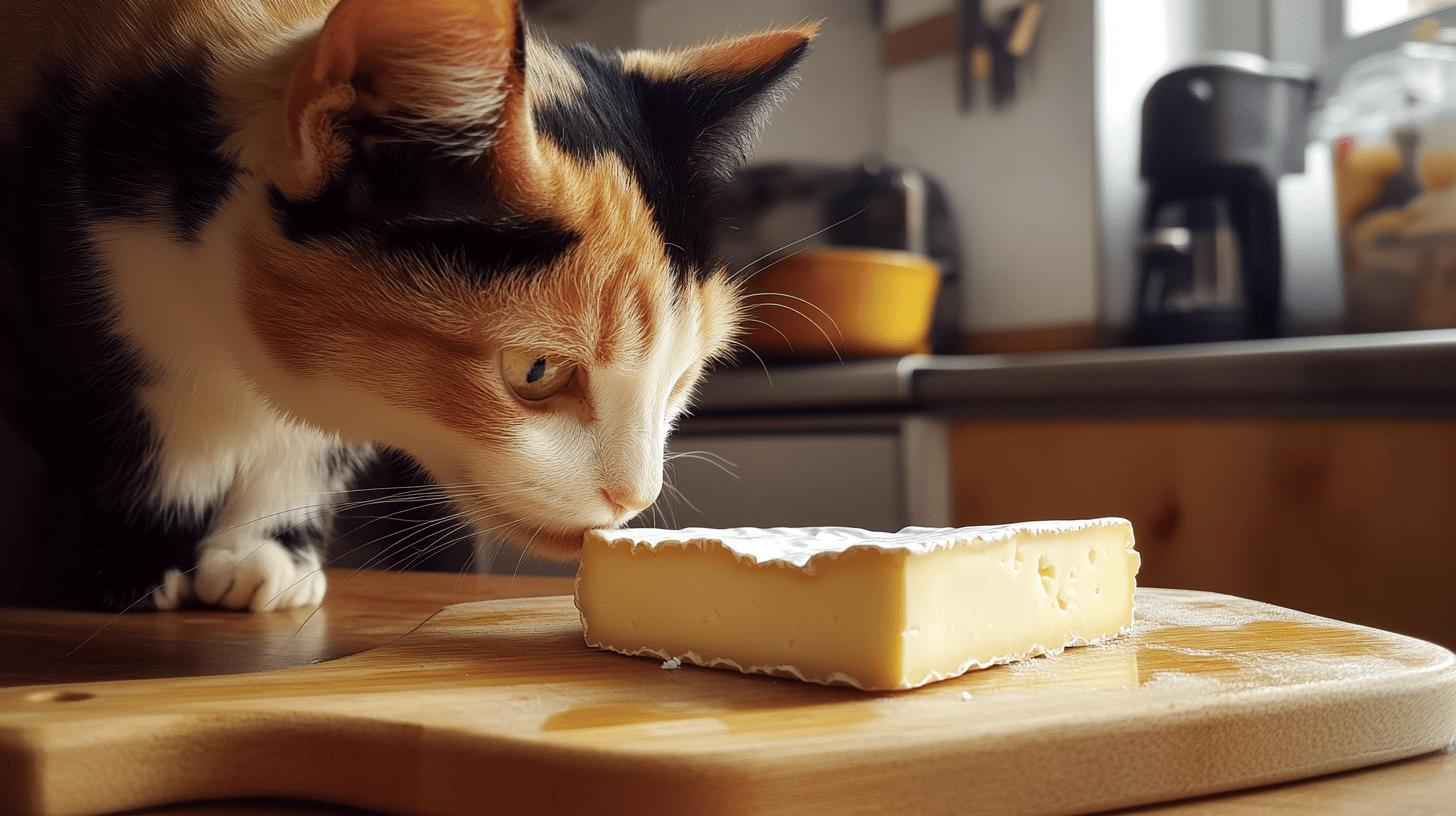
    Transitioning your cat away from dairy products involves introducing lactose-free alternatives and gradually phasing out regular dairy. Many lactose-free treats are available, specially designed to cater to cats' dietary needs without causing discomfort. This approach helps maintain their gastrointestinal health while respecting their natural dietary requirements. Recognizing lactose intolerance and adjusting their diet can make a significant difference in their overall well-being.

    Goat Cheese vs. Other Cheeses for Cats

    Goat Cheese vs Other Cheeses for Cats-1.jpg

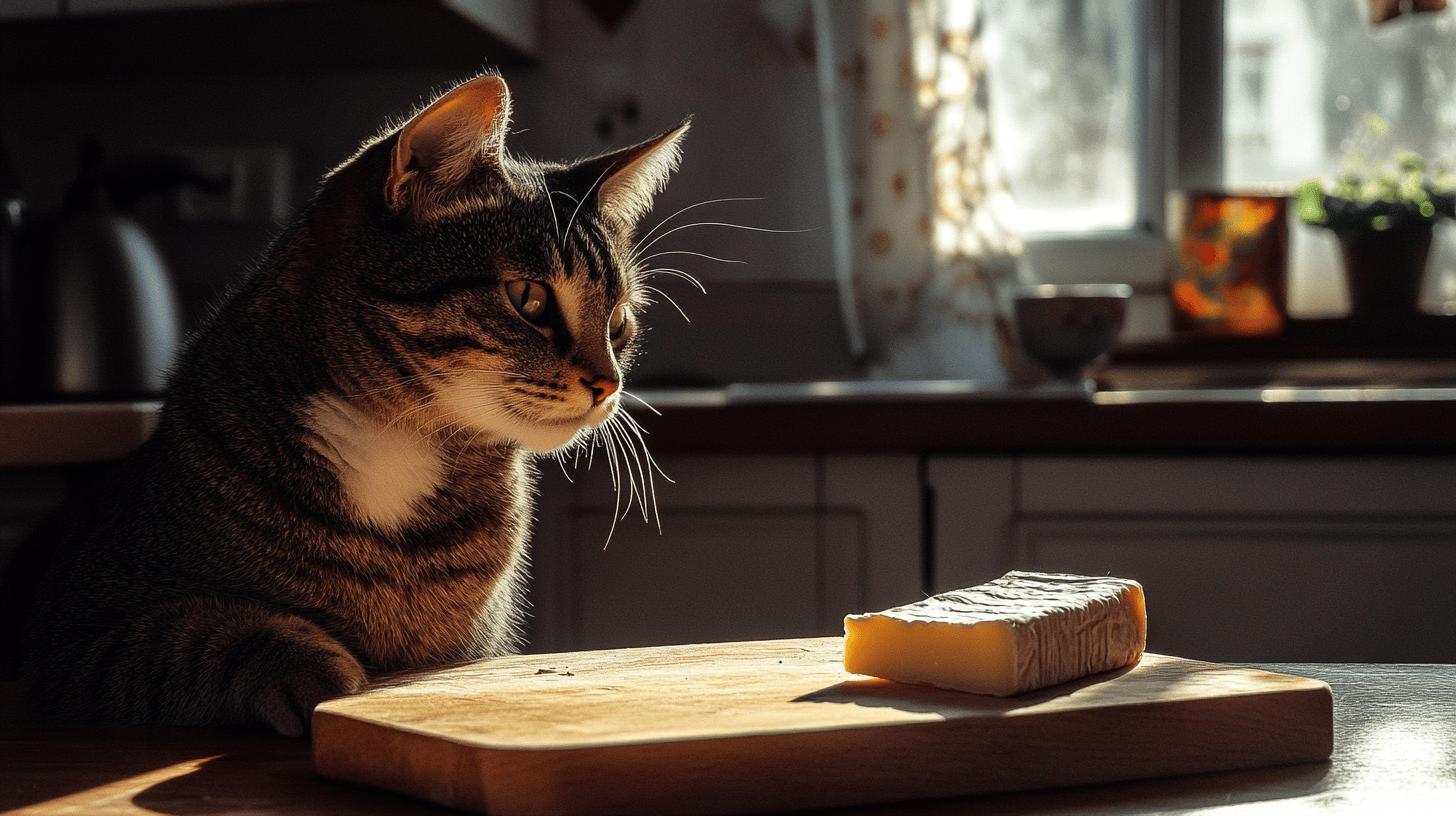
    When selecting cheese for cats, comparing lactose content is key. Goat cheese has less lactose than cow cheese, which might make it slightly better for some cats. But remember, all cheese poses some risk for cats with lactose intolerance.

    Hard Cheeses (e.g., cheddar, parmesan)

    • Generally have lower lactose levels than soft cheeses.
    • Easier for some cats to tolerate in tiny amounts.
    • Can still cause digestive issues like upset stomachs if eaten frequently.

    Soft Cheeses (e.g., brie, mozzarella)

    • Contain higher lactose levels, posing a bigger risk for digestive problems.
    • More likely to cause diarrhea or vomiting in lactose-intolerant cats.
    • Best avoided to keep your cat comfortable.

    For a safer alternative, try small amounts of lactose-free treats or cat-specific cheese treats. Always introduce new foods gradually, watching for any signs of digestive upset.

    Potential Health Risks of Cheese for Cats

    Potential Health Risks of Cheese for Cats-1.jpg

    Feeding cheese to cats can pose several health risks, primarily due to its high fat and calorie content. Regular consumption of cheese can contribute to weight gain and obesity in cats, as their diets are not naturally designed to handle such rich foods. Cats thrive on lean proteins, and the excess fat found in cheese can quickly lead to unwanted pounds and associated health problems.

    In addition to weight issues, cheese can also trigger allergic reactions in some cats. Dairy proteins may cause symptoms like skin rashes or gastrointestinal troubles. Cats' bodies are not well-equipped to handle dairy, and this can lead to discomfort and health issues.

    Here are three common food reactions that cats might experience:

    1. Itching: Allergic reactions can lead to excessive scratching and discomfort.
    2. Diarrhea: This is a typical sign of lactose intolerance or reaction to dairy proteins.
    3. Lethargy: A general lack of energy might indicate a food-related issue.

    Monitoring your cat's reaction to cheese is crucial. If you notice any adverse symptoms, it's best to eliminate cheese from their diet and consult with your veterinarian. Keeping a close eye on your cat's health and dietary responses ensures their well-being and helps prevent future complications.

    Suitable Cheese Alternatives for Cats

    Suitable Cheese Alternatives for Cats-1.jpg

    Offering nutritionally appropriate treats to cats is crucial for maintaining their health. Cats are obligate carnivores, meaning their diet should primarily consist of animal-based proteins. While cheese might seem like a tasty reward, it doesn't align with their dietary needs. Instead, there are healthier alternatives that can provide valuable nutrients without the digestive issues associated with cheese.

    Here are some cat-friendly snack options:

    • Cooked Turkey: A lean protein source that is easy on your cat's stomach and palatable.
    • Cooked Chicken: Another great protein source, ensuring it's plain and cooked thoroughly.
    • Cooked Beef: In moderation, beef can be a tasty and protein-rich treat for cats.
    • Safe Fruits and Vegetables: Small amounts of fruits like blueberries or vegetables such as carrots can be given, keeping in mind to avoid any toxic varieties like grapes or onions.

    Maintaining a balanced diet for your cat is essential for their overall health and well-being. Animal-based proteins should be the cornerstone of their diet, ensuring they receive the nutrients they need to thrive. By focusing on these suitable alternatives, you can keep your feline friend happy and healthy without compromising their dietary requirements.

    Final Words

    Exploring whether a cat can eat goat cheese, we found that while goat cheese is sometimes better tolerated due to its lower lactose content, it's not recommended for regular consumption. Cats as obligate carnivores need meat-based diets, making cheese less suitable. Recognizing lactose intolerance symptoms in cats can help prevent discomfort. When comparing goat cheese to other cheeses, it’s still important to monitor your cat's reaction to all dairy products, considering the potential health risks. Opt for cat-friendly cheese alternatives, like cooked meats, to support their nutritional needs. Keeping your cat’s health and happiness in check through their diet will ensure a safe and enjoyable playtime and care experience.
    FAQ

    Can cats eat goat cheese?

    A: Cats can eat goat cheese in small amounts. It has lower lactose than other cheeses but can still upset some cats' stomachs due to lactose intolerance.

    Can cheese kill cats?

    A: Cheese is not likely to kill cats, but regular consumption can cause obesity and digestive problems due to high fat and lactose content.

    What should I do if my cat ate cheese?

    A: If your cat ate cheese, watch for signs like diarrhea or vomiting. If these occur, contact your vet for advice.

    Can cats eat cheddar cheese?

    A: Cats can eat cheddar cheese in moderation. It's a hard cheese with lower lactose compared to softer cheeses, making it more tolerable for some cats.
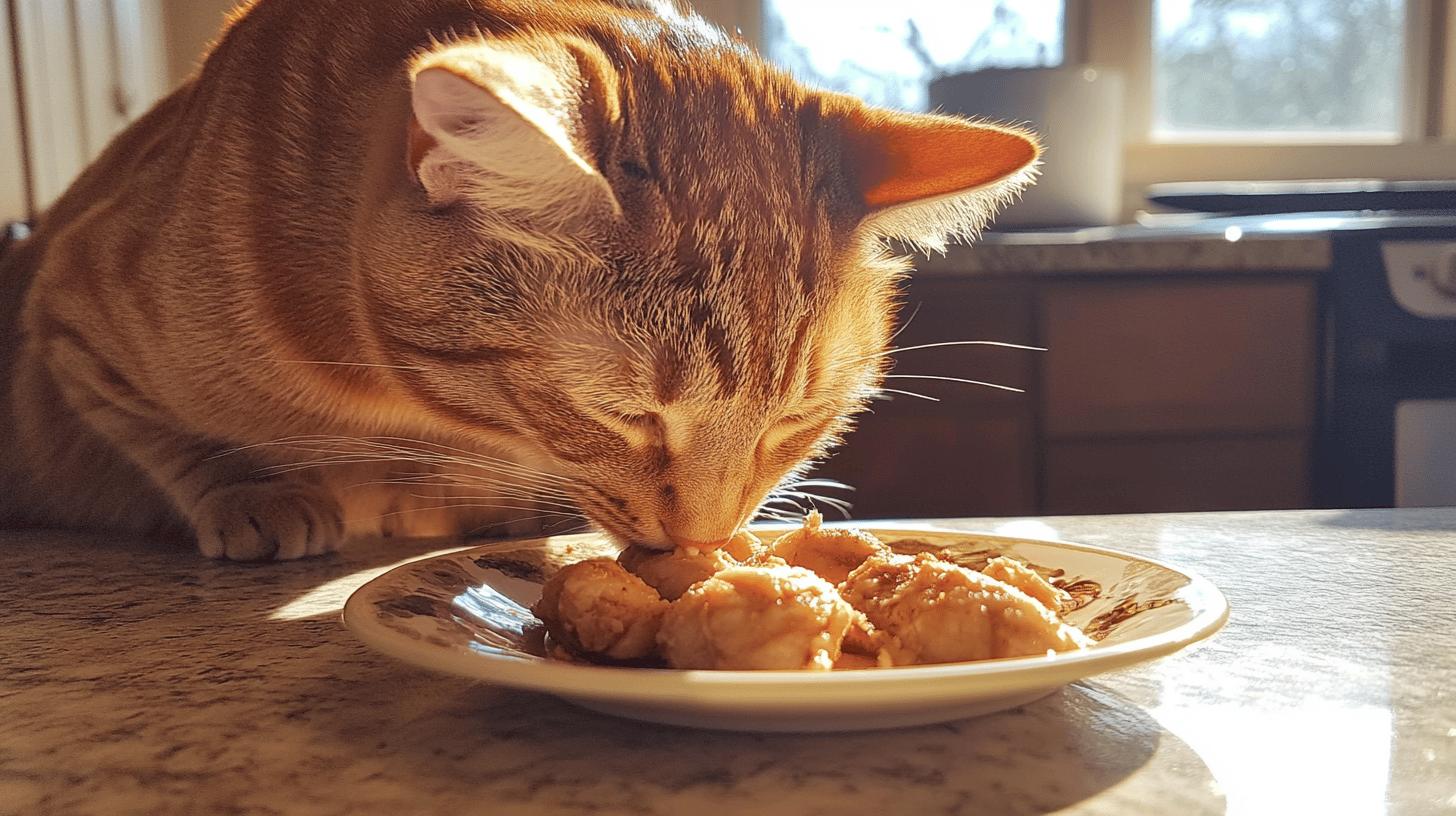
    Can cats have mozzarella cheese?

    A: Cats can have small amounts of mozzarella cheese. It's a soft cheese and may cause digestive issues due to higher lactose content.

    Can cats tolerate goat milk?

    A: Some cats may tolerate small amounts of goat milk better than cow milk due to lower lactose levels. However, it can still cause stomach upset in lactose-intolerant cats.

    Is it okay to give a cat a little bit of cheese?

    A: It's okay to give a cat a tiny bit of cheese occasionally as a treat, but it's important to monitor for any digestive upset since many cats are lactose intolerant.

    What kind of cheese can cats eat?

    A: Cats can eat hard cheeses like cheddar or parmesan in small amounts due to lower lactose content. Avoid cheeses with molds, like blue cheese, which can cause digestive issues.

    Can you give cats goat cheese?

    A: You can give cats goat cheese, but only in small amounts. It's slightly better tolerated due to lower lactose content but lacks essential nutrients for cats.

    Related Articles

  • Can Cat Eat Liver Safety and Nutritional Benefits Explained

    Can Cat Eat Liver Safety and Nutritional Benefits Explained

    Can cats safely eat liver, or is this choice fraught with risks? It's a question that sparks debate among pet owners. Liver is a nutritional goldmine packed with essential vitamins and minerals, but feeding too much can spell trouble, like vitamin A toxicity.

    In this article, I'll explore liver's nutritional benefits and potential hazards for your furry friend. I'll provide tips to ensure safe consumption and explain why moderation is crucial. Ready to unravel the truths about adding liver to your cat's diet? Let's dive in!

    Safety and Nutritional Benefits of Liver for Cats

    Safety and Nutritional Benefits of Liver for Cats-4.jpg

    Cats can eat liver, but it should be given in moderation. Liver is a nutrient powerhouse, but overconsumption can lead to health issues like vitamin A toxicity. It's crucial to understand that liver should not form a large portion of a cat's diet.
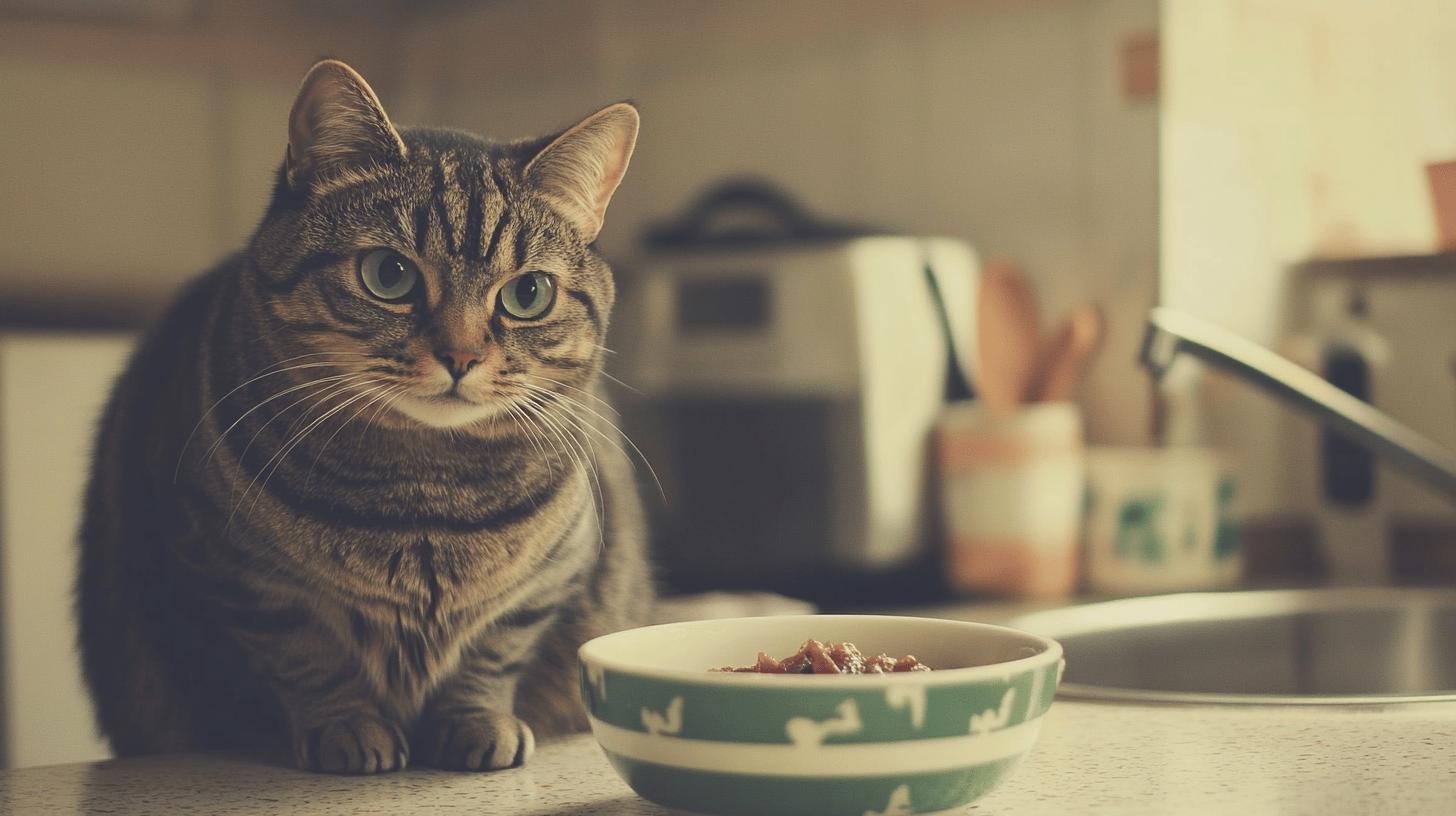
    Moderation is key for maintaining health and safety. Raw liver can harbor parasites or bacteria, so it requires careful handling and preparation to ensure it's safe for feline consumption.
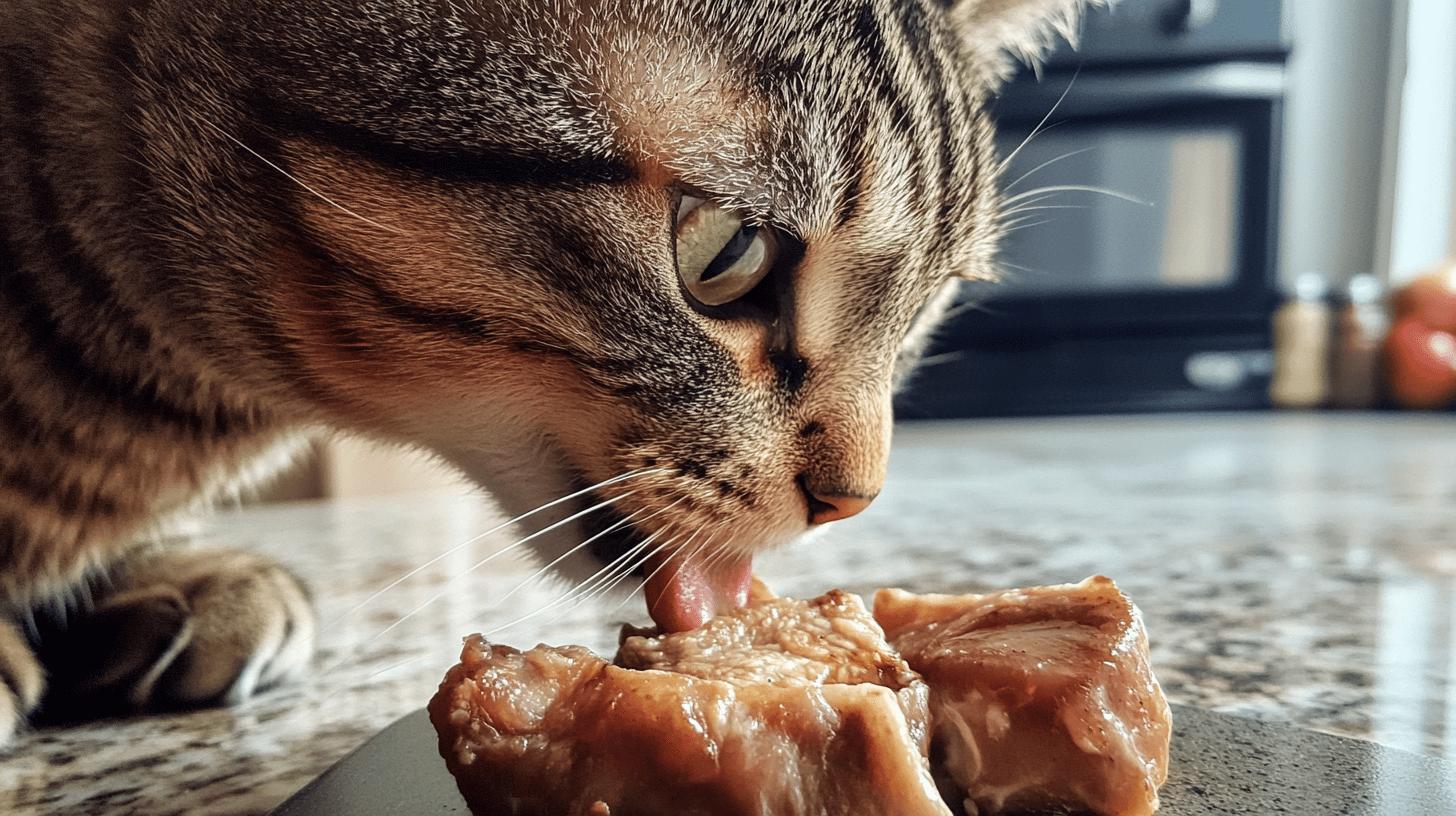
    Liver is packed with nutrients that are beneficial for cats. It is a rich source of vitamins A and B, which are vital for maintaining healthy eyesight and immune function. T
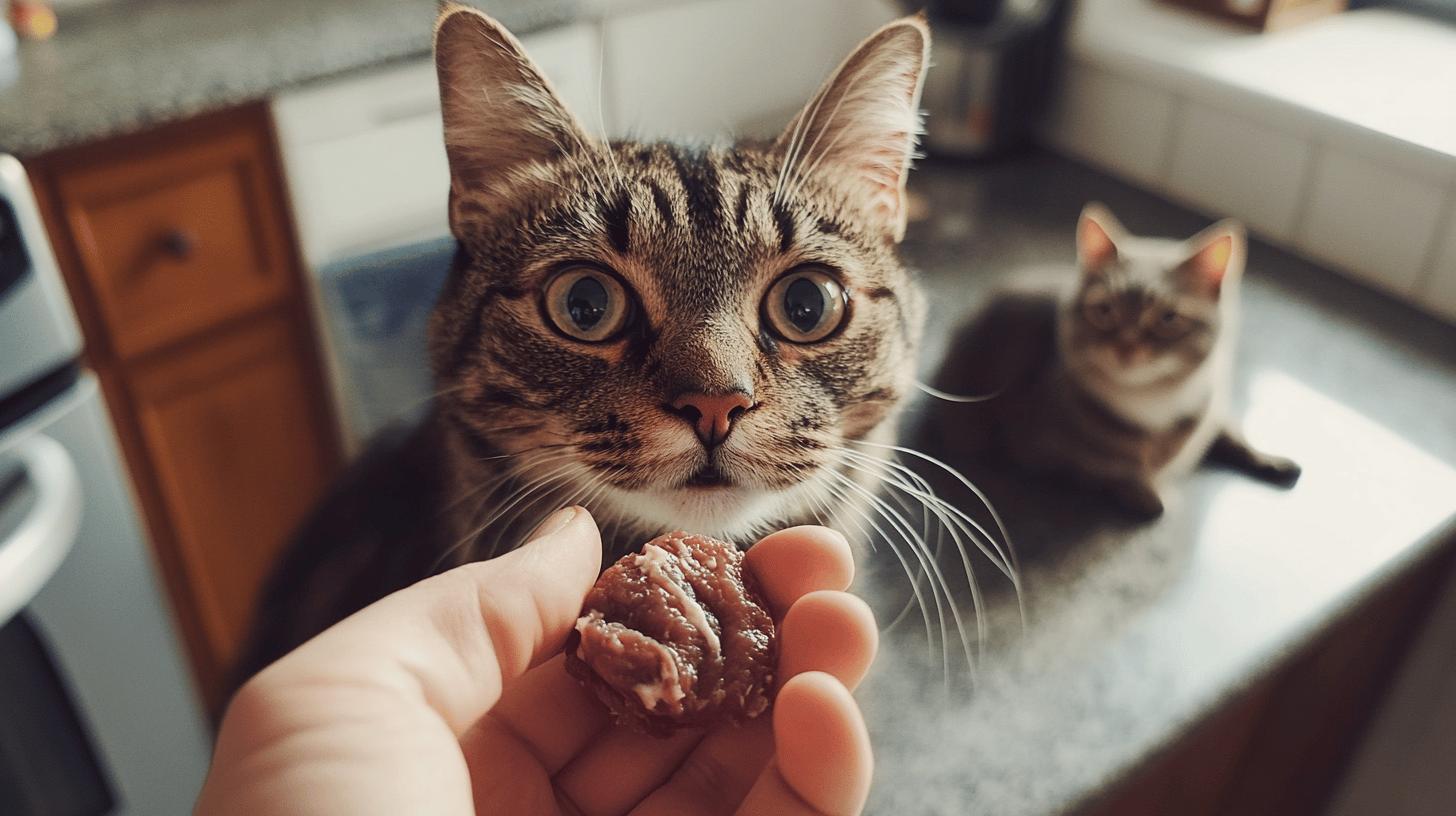
    he iron and copper content in liver supports red blood cell production and overall cellular function. Compared to typical muscle meat, liver contains a more diverse array of essential nutrients, making it a valuable supplement to a cat's diet when used appropriately.

    When feeding liver to cats, it's important to follow these safety tips:

    • Store liver at proper temperatures to avoid spoilage.

    • Thoroughly clean preparation surfaces and utensils.

    • Cook liver to recommended temperatures to kill pathogens.

    • Introduce liver gradually into the cat's diet.

    • Monitor your cat for any adverse reactions like vomiting or diarrhea.

    To better understand the nutritional benefits of liver, here's a breakdown of key nutrients and their advantages:

    Nutrient Benefit
    Vitamin A Improves vision and skin health
    Vitamin B Enhances energy metabolism
    Iron Supports red blood cell production
    Copper Assists in enzyme function and iron metabolism

    Potential Risks of Feeding Liver to Cats

    Potential Risks of Feeding Liver to Cats-3.jpg

    Feeding liver to cats in excessive amounts can lead to a serious condition known as hypervitaminosis A. This happens when cats consume too much vitamin A, which is abundant in liver. Unlike humans, cats cannot efficiently eliminate excess vitamin A from their bodies.

    Over time, this accumulation can lead to toxicity. Symptoms of vitamin A toxicity include weight loss, poor coat condition, and lethargy. In severe cases, it can result in more dangerous health problems.

    One of the most severe effects of excessive liver consumption is the development of bone deformities. High levels of vitamin A can cause abnormal bone growth and deformation, particularly affecting the spine and neck.

    This can lead to stiffness and pain, restricting your cat's movement and overall quality of life. Cats may also suffer from joint pain and difficulty in grooming themselves. If unchecked, these conditions can be irreversible and potentially fatal.

    To avoid these risks, it's crucial to manage your cat's liver intake carefully. Liver should not be a primary component of your cat's diet and should only be offered occasionally. Pay attention to portion sizes and ensure that liver constitutes no more than 5%–7% of your cat's diet.

    Always consult your veterinarian before making significant dietary changes to keep your feline companion healthy and happy. Monitoring and moderation are key to preventing the adverse effects of liver consumption.

    Safety and Nutritional Benefits of Liver for Cats

    Appropriate Portion Sizes and Feeding Frequency-2.jpg

    Including liver in your cat's diet can be advantageous, but it's crucial to focus on appropriate portion sizes. Liver should constitute only about 5%–7% of your cat's meals, ensuring nutritional benefits without the risk of overconsumption.

    For chicken liver, a safe serving size is between 10–20 grams per serving. This moderation helps maintain a balanced diet and prevents nutrient overdose.

    When it comes to feeding frequency, liver should be an occasional treat rather than a daily staple. Offering liver once a week is an effective way to provide nutritional benefits while keeping your cat's diet varied and interesting.

    Always consult a veterinarian before introducing liver into your cat's diet. They can offer tailored advice suited to your cat's health and dietary needs, ensuring a safe and balanced nutritional plan.

    Alternative Sources of Nutrients Found in Liver

    Alternative Sources of Nutrients Found in Liver-3.jpg

    Liver is a nutrient-rich food, but it may not be suitable for all cats, especially those with specific health conditions such as kidney issues. In such cases, it's essential to balance their diet with other nutrient sources.

    Organ meats, including liver, should make up no more than five percent of a cat's diet. For those looking for alternatives, there are several options to consider.

    Fish oil can provide omega-3 fatty acids, which are beneficial for skin and coat health. Meat-based supplements can supply essential protein and iron, supporting muscle and blood health.

    Additionally, multivitamins designed for cats can help fill any nutritional gaps without the risks associated with excessive liver consumption. Always consult a veterinarian before making significant changes to your cat's diet to ensure their nutritional needs are met safely.

    Final Words

    Understanding if your cat can eat liver is crucial. Liver offers nutrients like vitamins A and B, along with iron and copper. But too much can lead to hypervitaminosis A, which is harmful. Including liver in a cat's diet should be done with care, focusing on moderate portions. Aim for liver to be just 5-7% of meals. Check with a vet for the best portion size for your cat. Whether you choose liver or not, ensuring your cat gets a balanced diet is key. Keep things safe and enjoyable for both you and your furry friend!

    FAQ

    Can cats eat chicken liver every day?

    Cats should not eat chicken liver every day. It's rich in nutrients but can cause vitamin A toxicity if consumed in excess. Limit liver to 5-7% of their diet.

    Can cats eat chicken liver raw?

    Cats can eat raw chicken liver if it's prepared safely. This means handling it properly to avoid bacteria and parasites. Cooking is safer to kill any pathogens.

    Can cats eat liver every day?

    Cats should not eat liver every day to prevent vitamin A toxicity. Too much liver can lead to health issues. Keep it to a small part of their diet.

    Is chicken liver good for cats?

    Chicken liver is good for cats in moderation. It provides vitamins A, B, and minerals like iron and copper, offering more nutrients than muscle meat.

    Can kittens eat liver?

    Kittens can eat liver in small quantities. It's nutritious but should be introduced gradually. Ensure their diet remains balanced with other proteins.

    How much liver is too much for cats?

    Too much liver can cause vitamin A toxicity. Limit liver to no more than 5-7% of a cat’s meal. Safe serving size is 10-20 grams.

    Can cats eat cooked liver?

    Cats can eat cooked liver, which is safer than raw. Cooking eliminates harmful pathogens. Introduce it slowly to your cat's diet.

    How do I cook liver for my cat?

    To cook liver for your cat, boil or bake it without seasoning. Cut into small pieces and serve in moderation to prevent nutrient overdose.

    Related Articles

  • Can Cat Eat Grapefruit Risks and Safety for Your Feline

    Can Cat Eat Grapefruit Risks and Safety for Your Feline

    Can cats enjoy the tart taste of grapefruit, or is it a recipe for disaster? Many cat owners might be curious, but feeding grapefruit to your feline can lead to serious health risks. Packed with compounds like psoralens and essential oils, grapefruit can spell trouble for your cat’s well-being. Those substances lurk in every part of the fruit, making even a small taste dangerous. Understanding these risks is vital for any cat lover who wants to keep their pet safe and healthy. Let’s dive into what’s at stake and how to protect our furry friends.

    Grapefruit Toxicity in Cats: Understanding the Risks

    Grapefruit Toxicity in Cats Understanding the Risks-1.jpg

    Grapefruit is toxic to cats, and it’s crucial for cat owners to understand the risks associated with this fruit. At the heart of grapefruit’s danger to our feline friends are compounds known as psoralens and essential oils. These substances are found throughout the fruit, including the peel, flesh, and seeds. When a cat ingests any part of a grapefruit, they are exposed to these toxic elements, which can lead to serious health issues. Even though many cats naturally avoid citrus fruits, accidental ingestion can occur, posing a significant threat to their well-being.

    The symptoms of grapefruit poisoning in cats can be both varied and severe. Common signs include vomiting, diarrhea, and lethargy. Cats may also experience depression and stomach pain, which can be distressing for both the pet and the owner. In some cases, these symptoms can escalate, leading to more serious health complications. It’s not just the ingestion of the fruit itself that’s dangerous. Essential oils derived from grapefruit pose an additional risk, as cats can absorb these toxins through their skin or inhale them, leading to poisoning.

    Citrus fruits, in general, are not safe for cats. The essential oils and compounds like psoralens found in grapefruits are also present in other citrus fruits, making them hazardous. Cats lack the liver enzymes necessary to metabolize these substances, which means they can’t safely process them like humans can. Therefore, it’s imperative to keep grapefruit and other citrus products out of your cat’s reach. This includes not only the fruits themselves but also products that contain citrus extracts or essential oils.

    Preventing exposure to grapefruit is vital for ensuring your cat’s safety. Even though cats usually dislike the smell and taste of citrus, the risk of accidental ingestion or exposure to grapefruit products remains. Always be cautious when handling grapefruit around your pets and ensure that any food or products containing grapefruit are securely stored away. By understanding the dangers grapefruit poses and taking proactive measures, you can help protect your feline companion from these health risks.

    What To Do If Your Cat Eats Grapefruit

    If your cat has ingested grapefruit, it’s essential to act quickly. The citrus compounds in grapefruit, including psoralens and essential oils, can be toxic to cats. Even if your cat isn’t showing symptoms of grapefruit poisoning, such as vomiting or lethargy, you should contact a veterinarian immediately. Quick action can prevent more severe health problems and provide peace of mind knowing you’ve done everything possible to help your feline companion.

    When you reach the veterinarian, they might suggest treatments like inducing vomiting to remove the grapefruit from your cat’s system. Medications may also be administered to counteract any toxins and alleviate symptoms. It’s vital to monitor your cat’s condition closely during this time, keeping an eye out for any changes in behavior or health. Ensuring your furry friend gets the care they need promptly can make a significant difference in their recovery.

    Safer Alternatives: Fruits Cats Can Eat

    Safer Alternatives Fruits Cats Can Eat-1.jpg

    Cats are obligate carnivores, meaning their primary dietary needs are met through meat. However, small amounts of certain fruits can be given as occasional treats. These fruits should never replace their regular meals but can serve as a fun and healthy supplement. While they don’t require fruit, some cats enjoy the taste and texture, and it can be a way to add variety to their diet. It’s important to note that not all fruits are safe for cats, so choosing the right ones is crucial to avoid any health risks.

    Before offering fruits to your cat, always remove any potentially harmful parts such as seeds, rinds, or pits. These components can be toxic or pose a choking hazard. Make sure to cut the fruit into small, manageable pieces that your cat can easily chew and swallow. Keep the portions small to prevent any digestive upset. Here are some safe fruit options you can offer:

    • Strawberries
    • Blueberries
    • Bananas
    • Apples (without seeds)
    • Watermelon (seedless and without rind)

    By following these guidelines, you can safely introduce a little fruity fun into your cat’s life.

    Grapefruit Toxicity in Cats

    Debunking Myths Cats and Grapefruit-1.jpg

    Cats naturally dislike the smell and taste of citrus, which includes grapefruit. Their aversion acts as a deterrent, making it unlikely for them to consume such fruits voluntarily. Despite this, grapefruit is toxic to cats, and accidental ingestion can occur if the fruit is left within reach.

    To ensure safety, keep citrus fruits out of reach and be aware of your cat’s instincts. This knowledge can prevent mishaps and protect your furry friend from potential harm.

    Final Words

    Delving into the risks, we explored how grapefruit’s psoralens and oils harm cats, with symptoms like vomiting and lethargy. Keeping grapefruit away from cats is vital. If ingested, immediate veterinary care is crucial. Veterinarians might induce vomiting or use medications, depending on the situation.

    For those looking for safe fruit treats, options like strawberries and apples offer a worry-free choice. Remember to remove seeds and rinds to ensure safety. Cats’ natural dislike of citrus, including grapefruit, often keeps them away. Grapefruit doesn’t fit into a healthy cat diet, so keeping it out of reach prevents health risks.

    FAQ

    Can cats eat grapefruit?

    Cats cannot eat grapefruit safely. Grapefruit contains psoralens and essential oils toxic to cats, causing symptoms like vomiting, diarrhea, and lethargy.

    Is grapefruit scent safe for cats?

    The scent of grapefruit is not safe for cats. Even the smell can deter cats and might cause respiratory irritation in sensitive animals.

    Can dogs eat grapefruit?

    Dogs should also avoid grapefruit. The fruit’s components can upset their stomach and potentially lead to poisoning.

    What fruits can cats eat?

    Cats can safely enjoy small amounts of fruits like strawberries, blueberries, bananas, and apples. Always remove seeds and rinds before offering them to your cat.

    What fruits can cats not eat?

    Cats should not eat grapes, raisins, citrus fruits (like oranges and limes), and pomegranates because they can be toxic.

    Is lime toxic to cats?

    Yes, lime is toxic to cats. It belongs to the citrus family, which includes harmful essential oils and psoralens.

    Is mint toxic to cats?

    Mint can be toxic to cats if ingested in large quantities, causing digestive issues and potential liver problems.

    How toxic is citrus to cats?

    Citrus fruits are generally toxic to cats, causing symptoms like vomiting, diarrhea, and depression. Cats naturally dislike citrus smells, acting as a deterrent.

    Do cats not like grapefruit?

    Cats naturally dislike grapefruit. The strong citrus scent and taste act as a deterrent, but accidental ingestion still poses a risk.

    What happens if a cat eats or licks grape juice?

    If a cat eats or licks grape juice, they might experience vomiting, diarrhea, or lethargy. Immediate veterinary attention is essential to prevent serious health issues.

    Related Articles