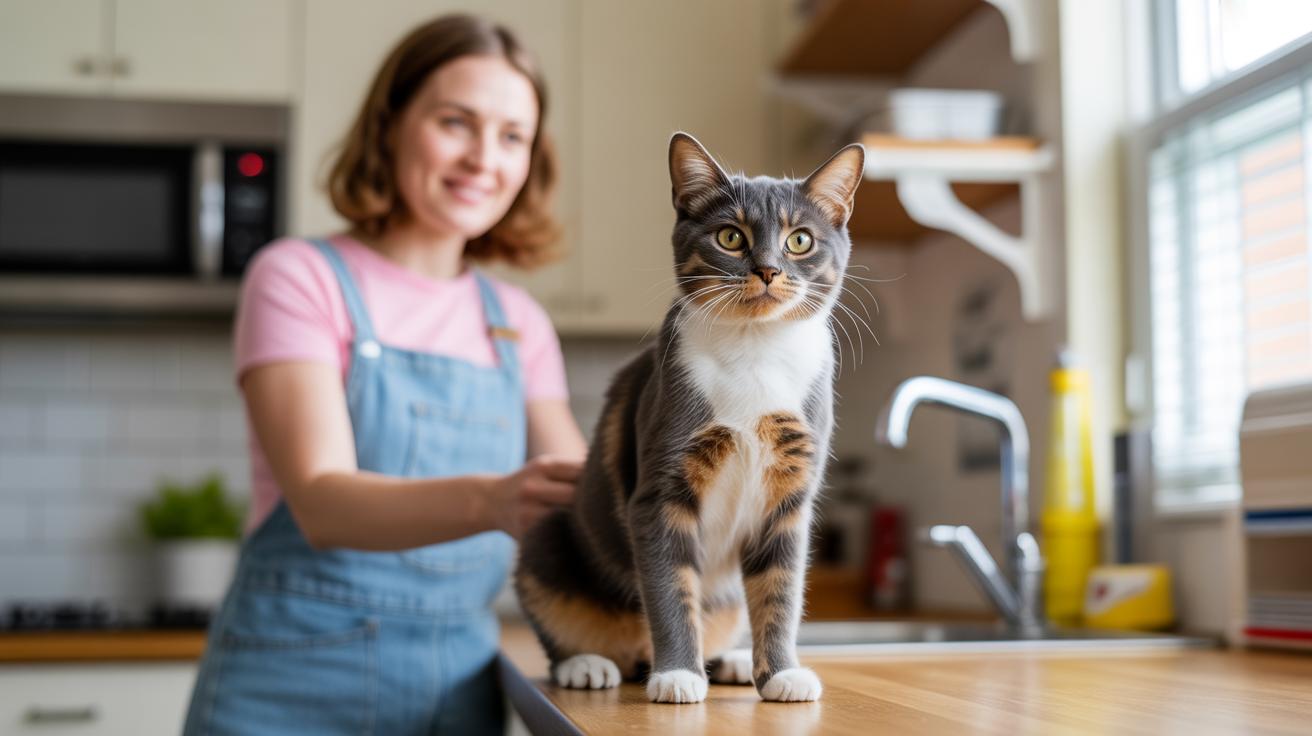
Author: Lucas Turner

  • Toyger cat: activity needs and safe toys

    Toyger cat: activity needs and safe toys

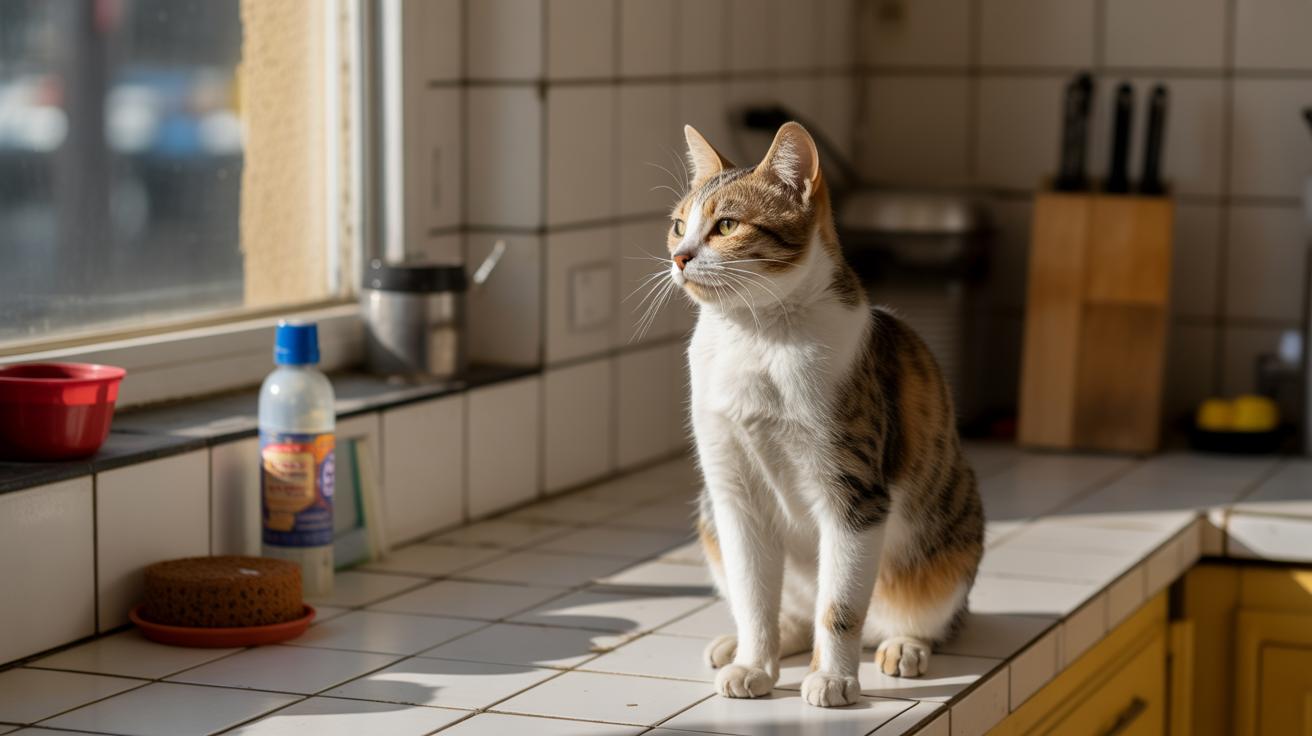
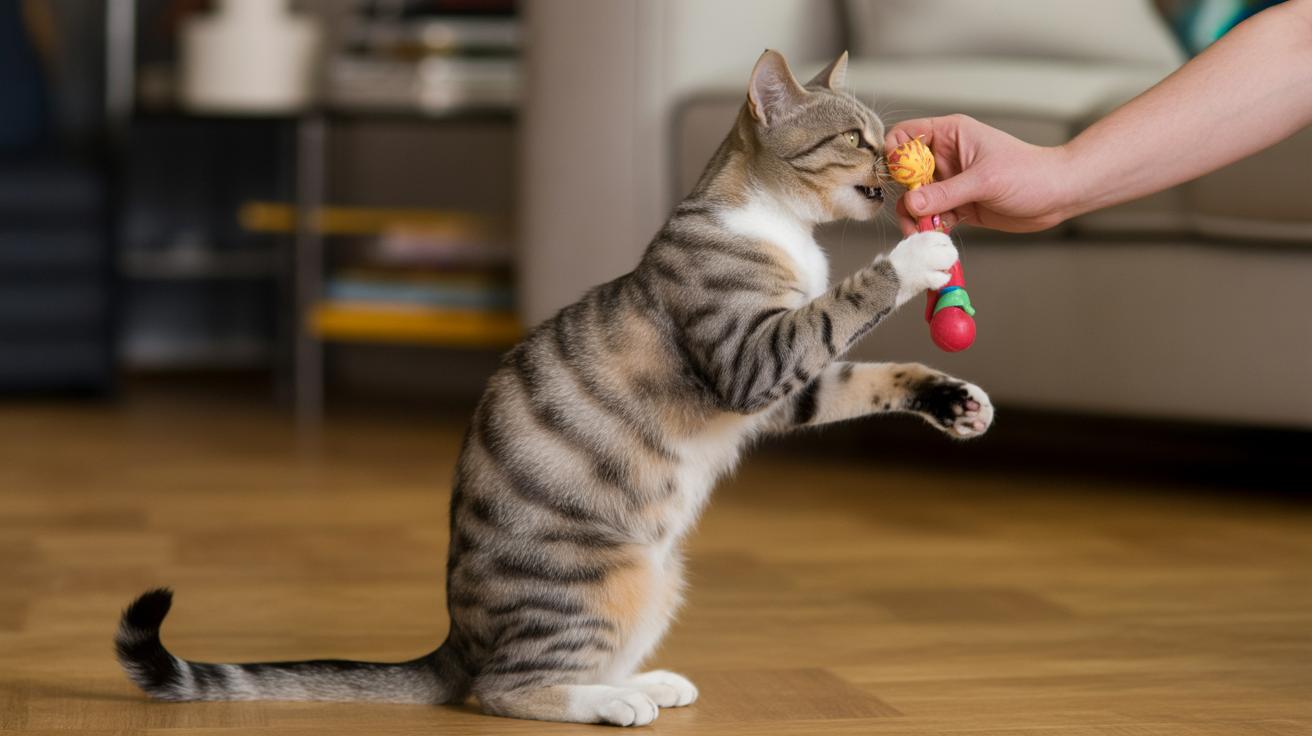
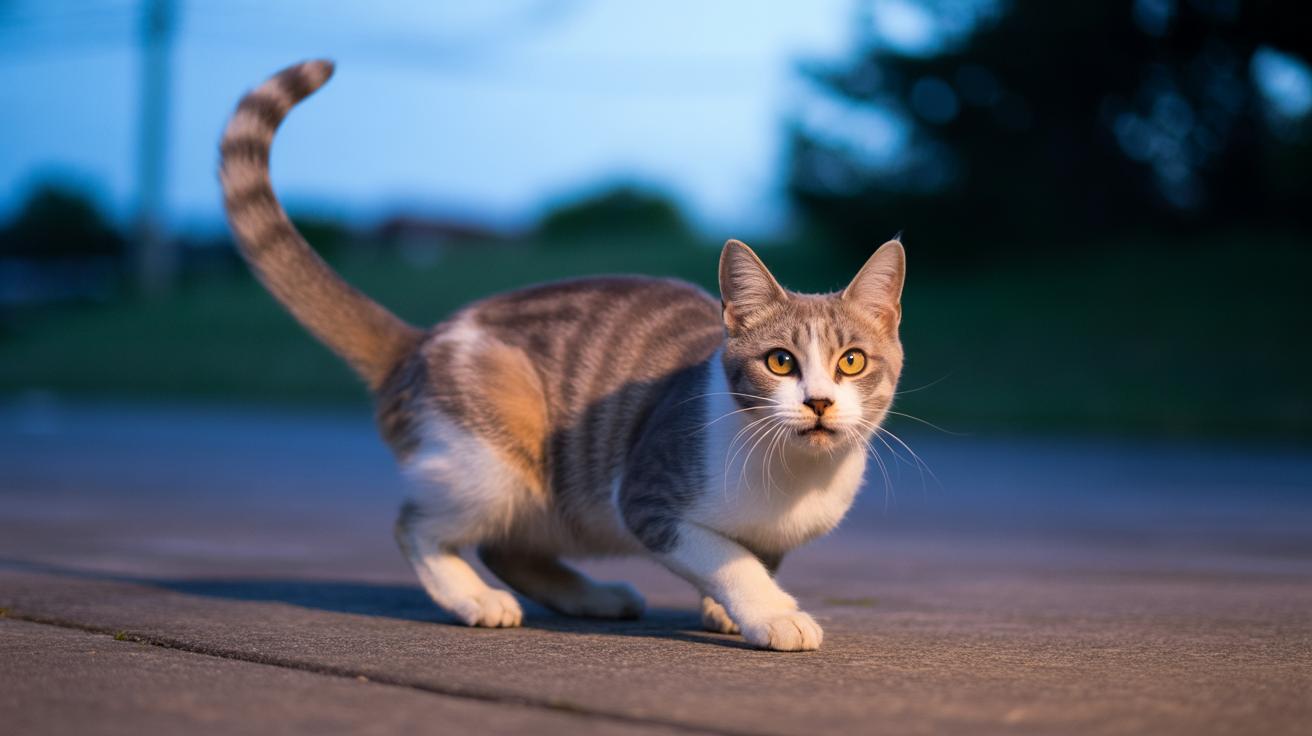
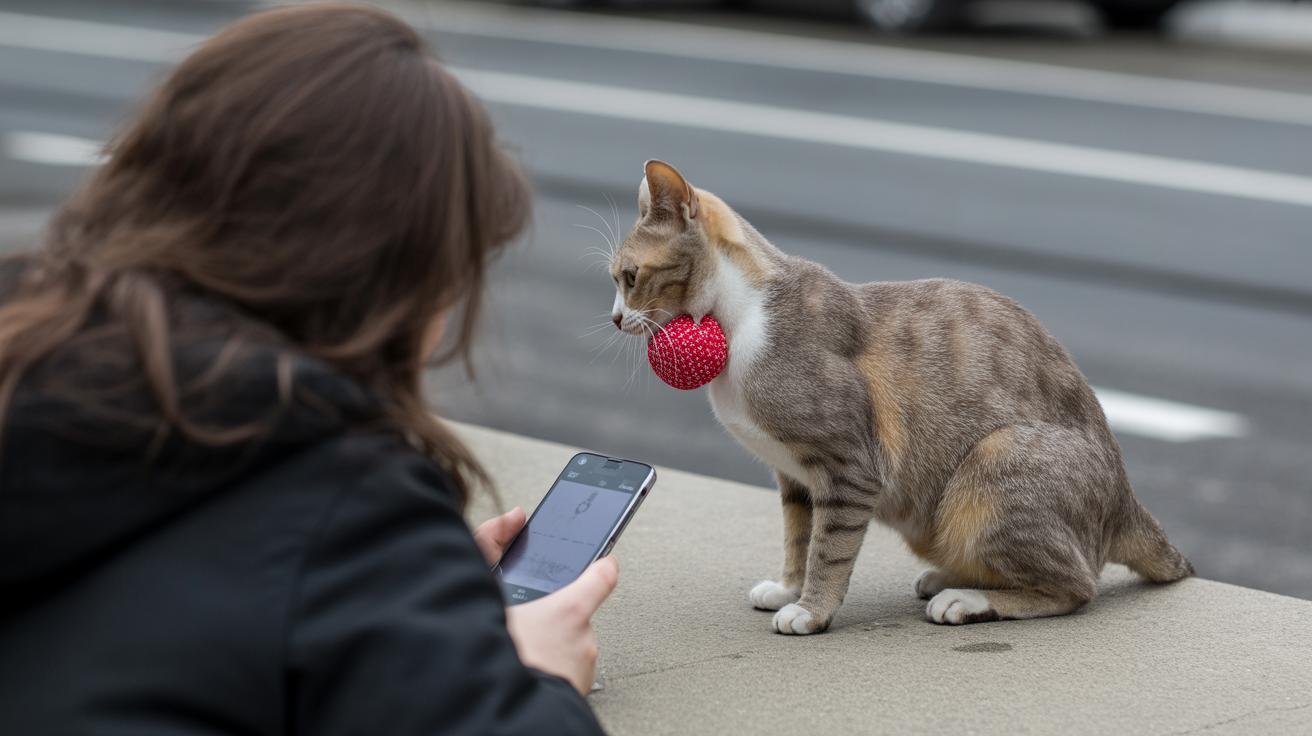
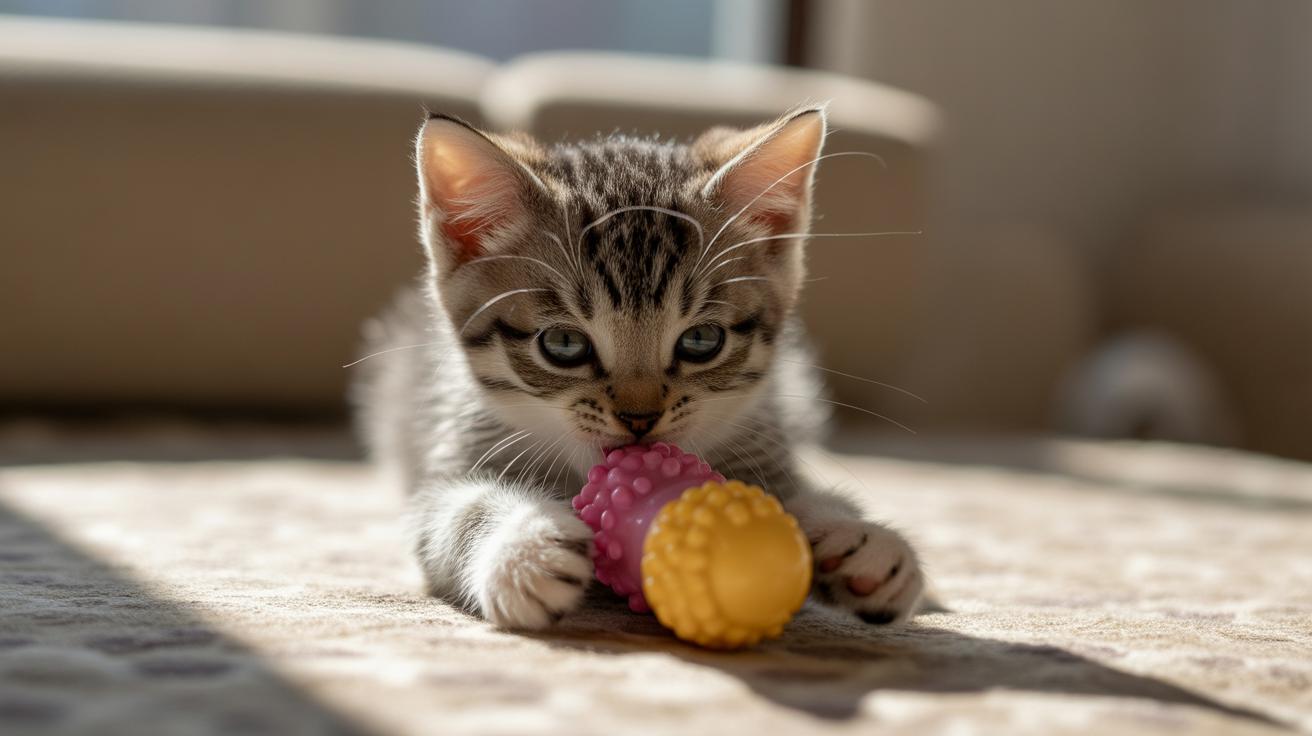
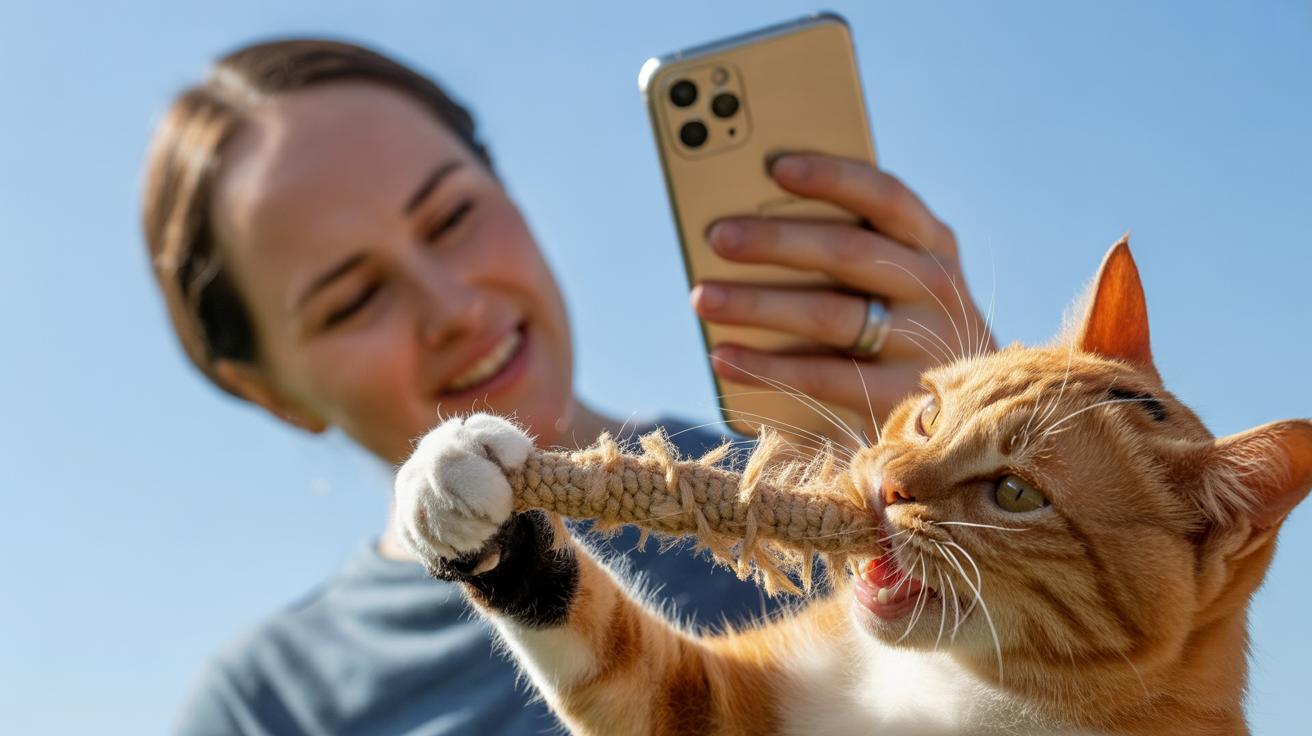
    Think Toygers are mellow lap cats? Not really. They act like tiny leopards in workout clothes, all focused stalks and sudden zoomies. Ever watched one crouch, then explode after a toy? You'll grin every time.

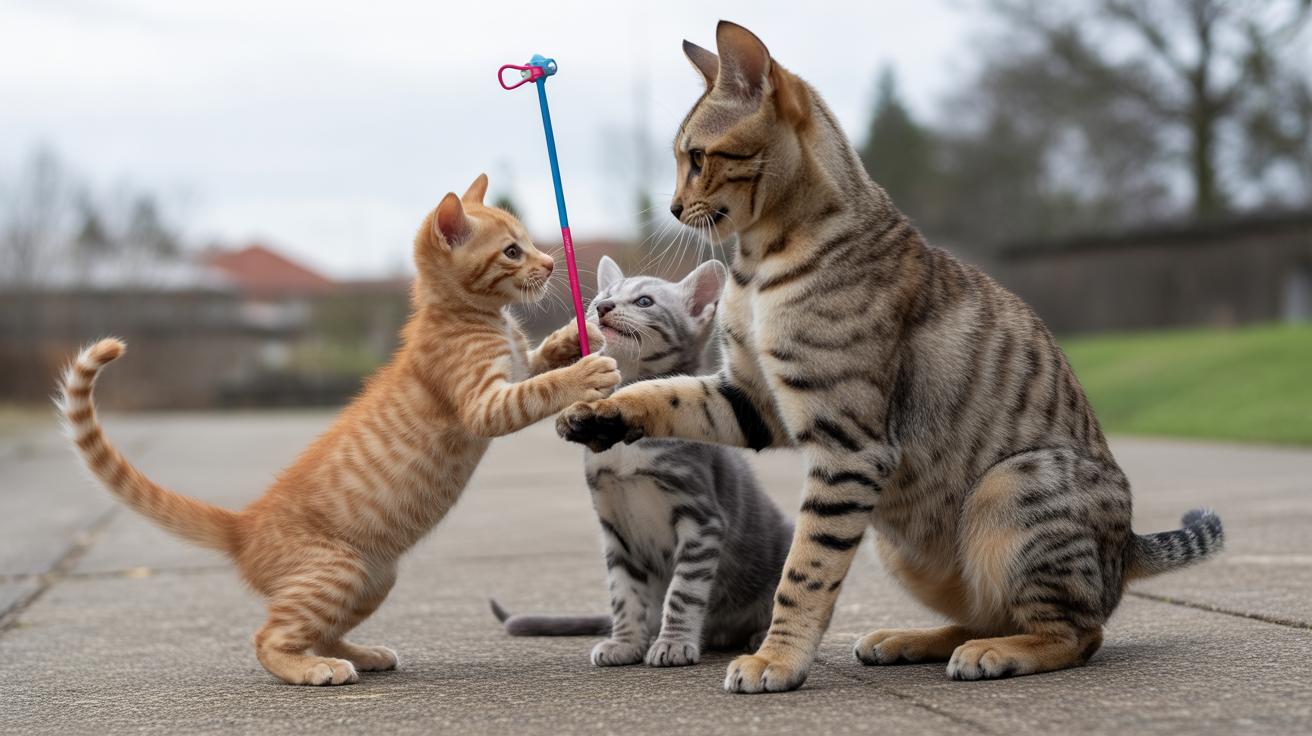
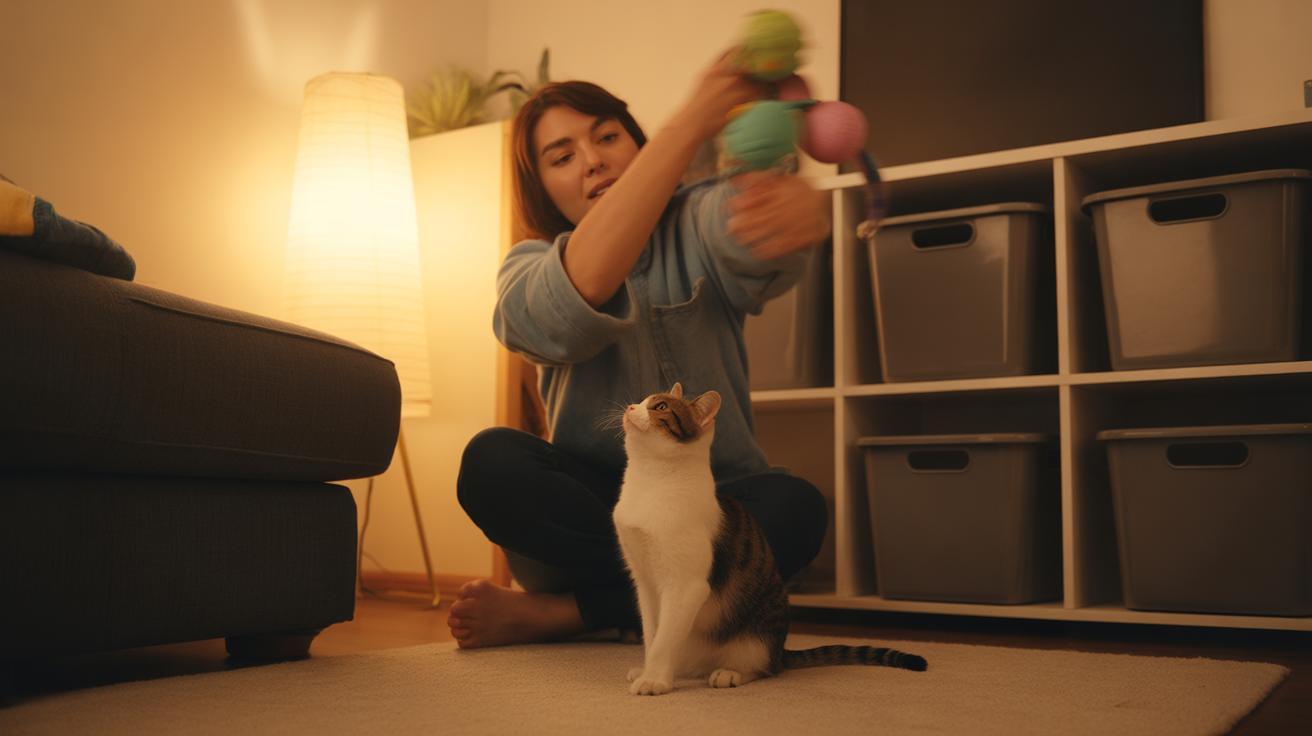
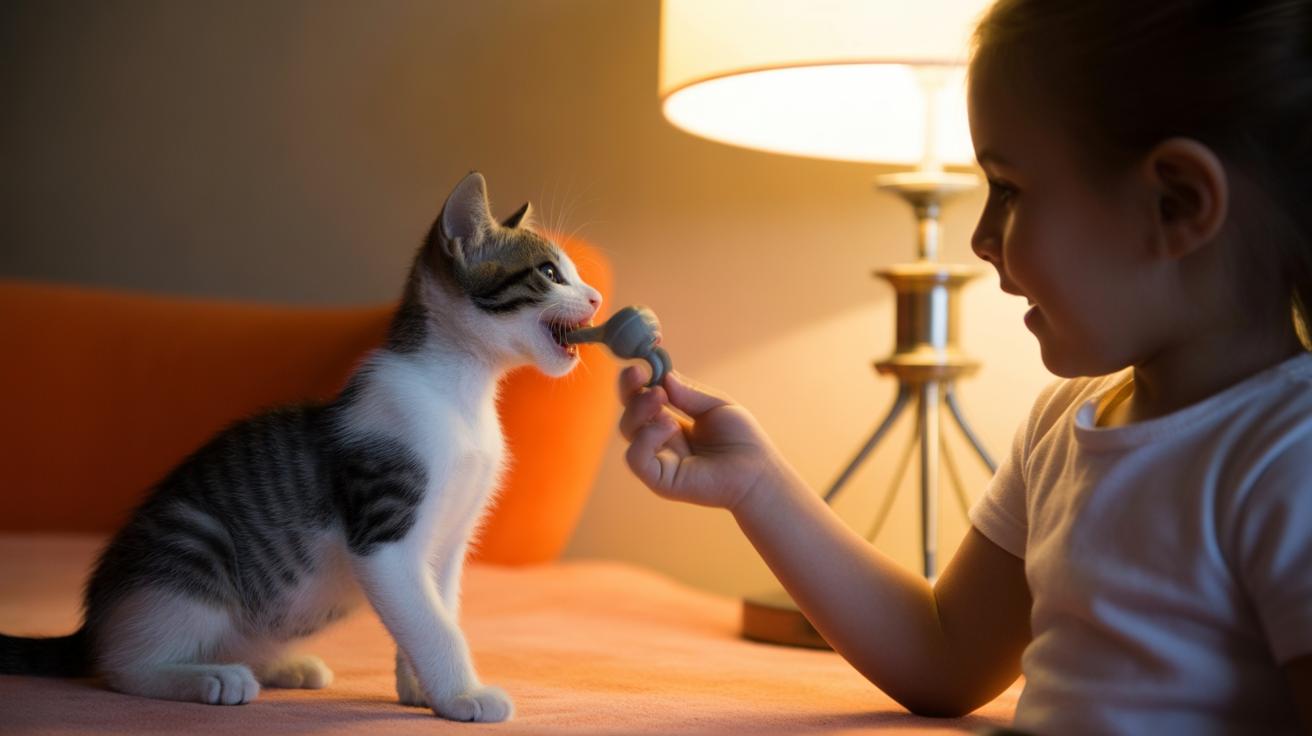
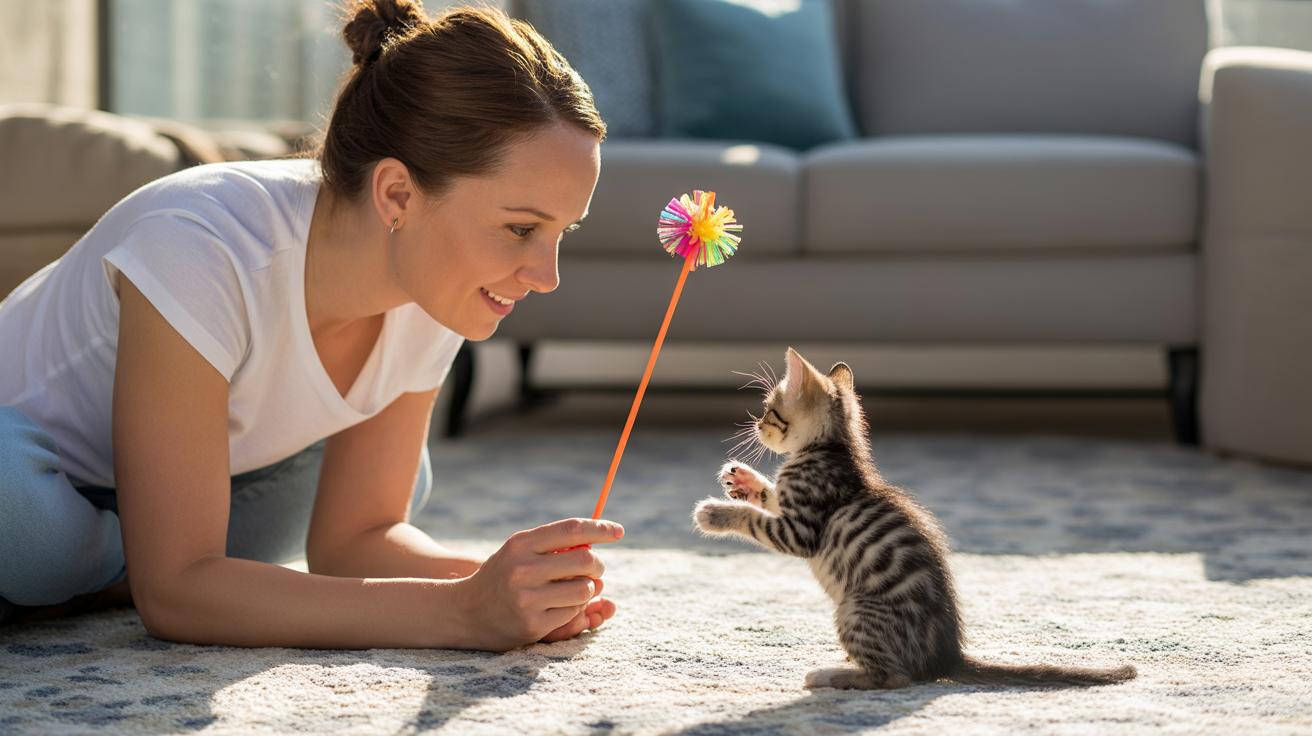
    They do best with 2 to 3 short play bursts a day, about 5 to 10 minutes each, and one longer chase for really active cats, around 15 to 20 minutes. Think quick sprints plus a longer run. For busy days, toss a toy before you leave and call it a mini workout.

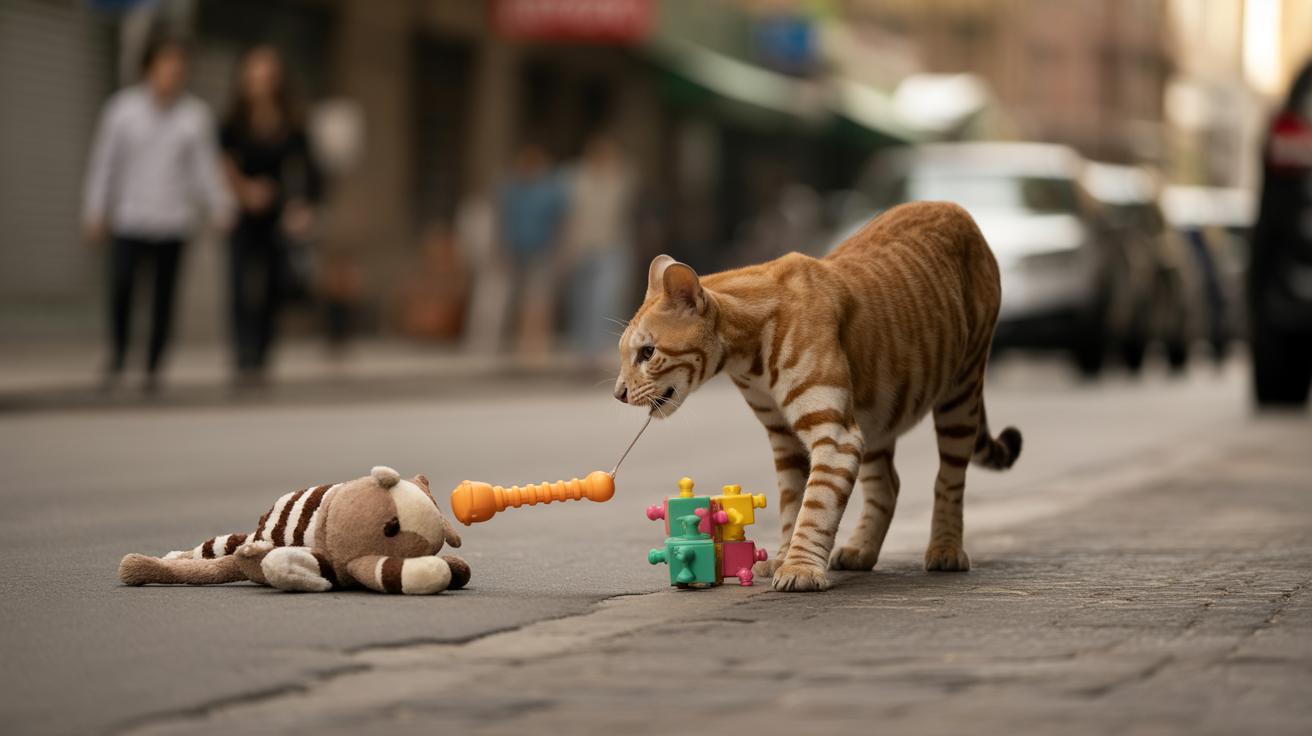
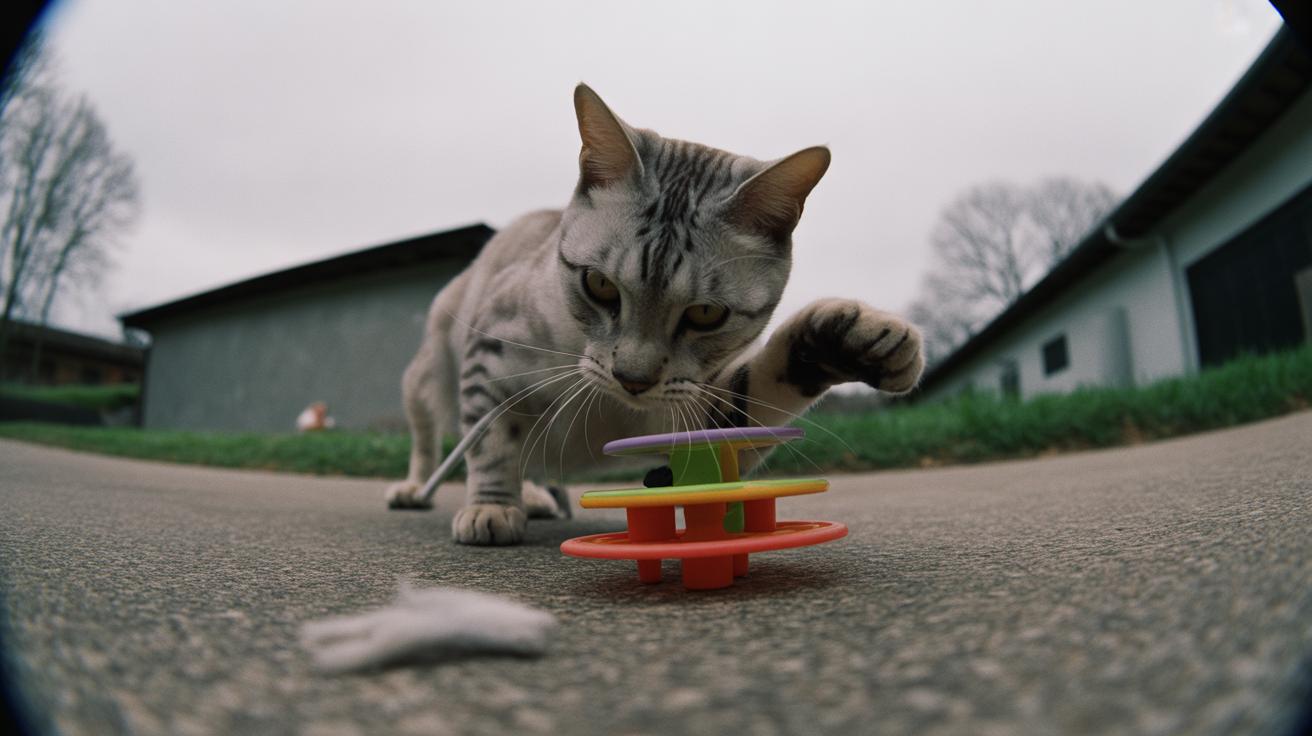
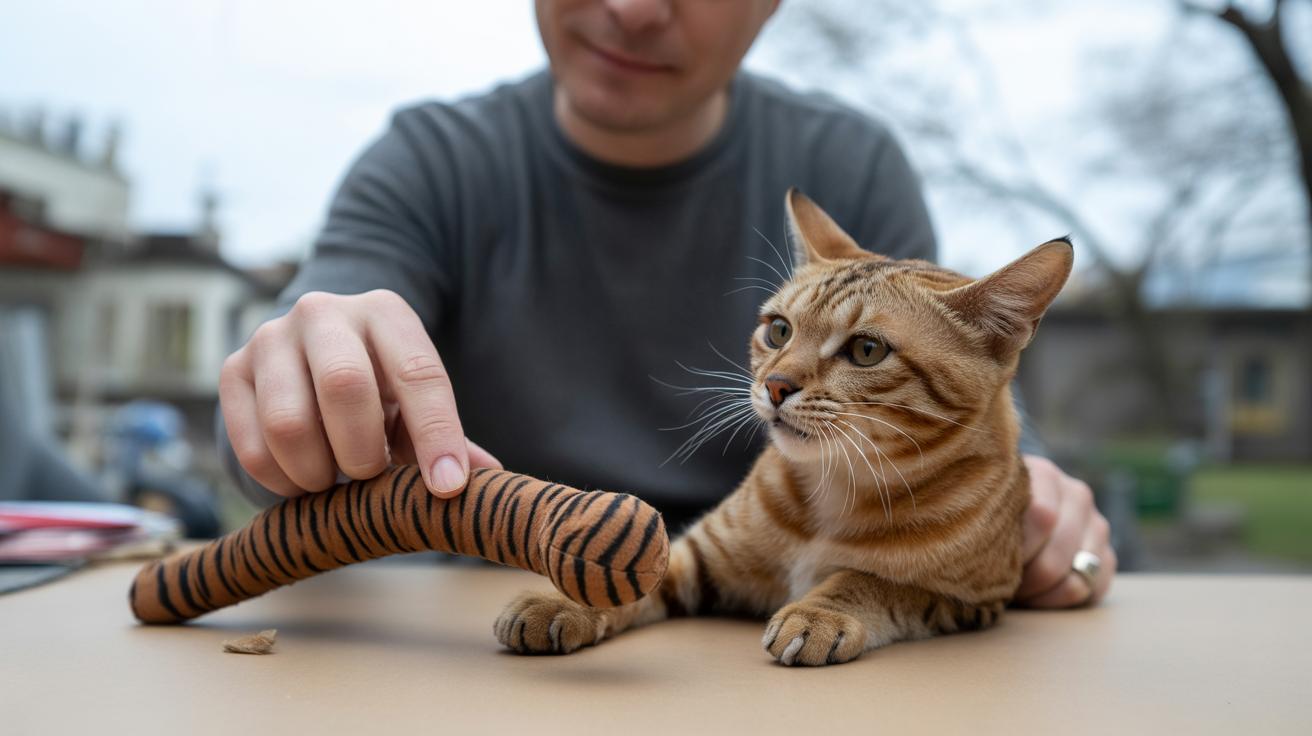
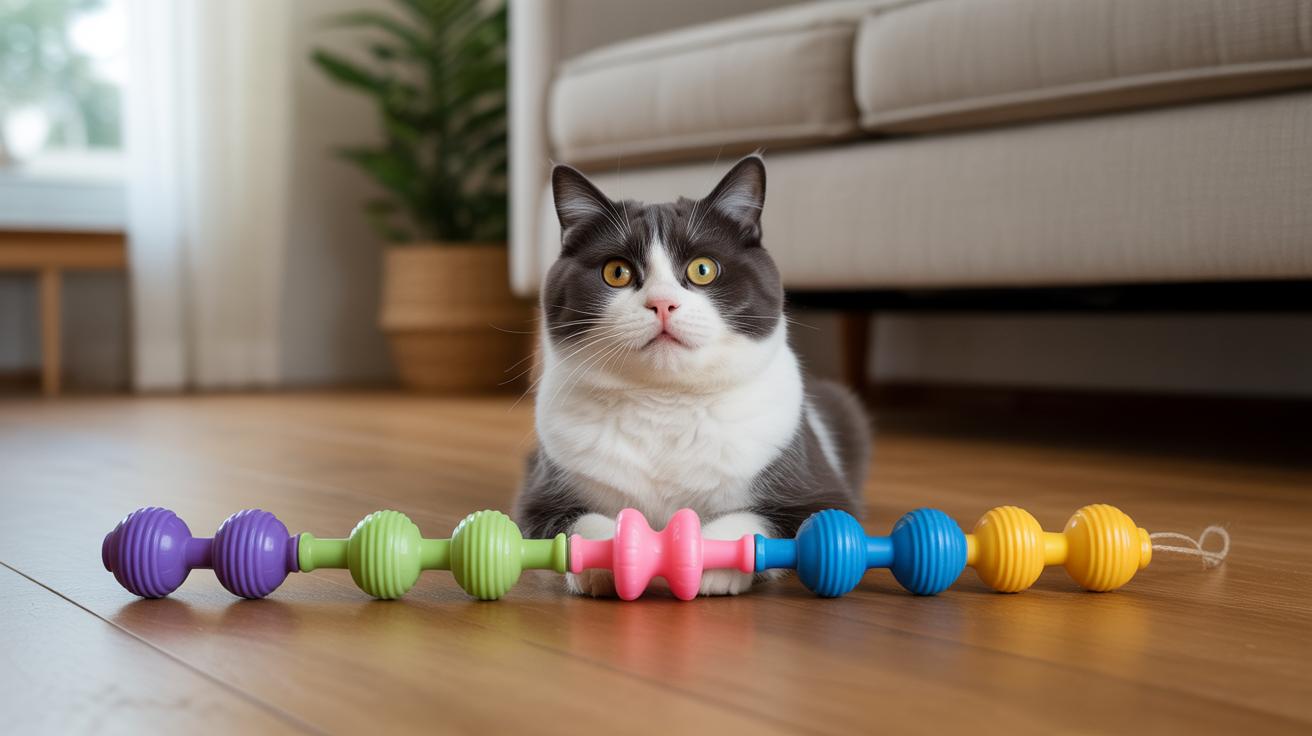
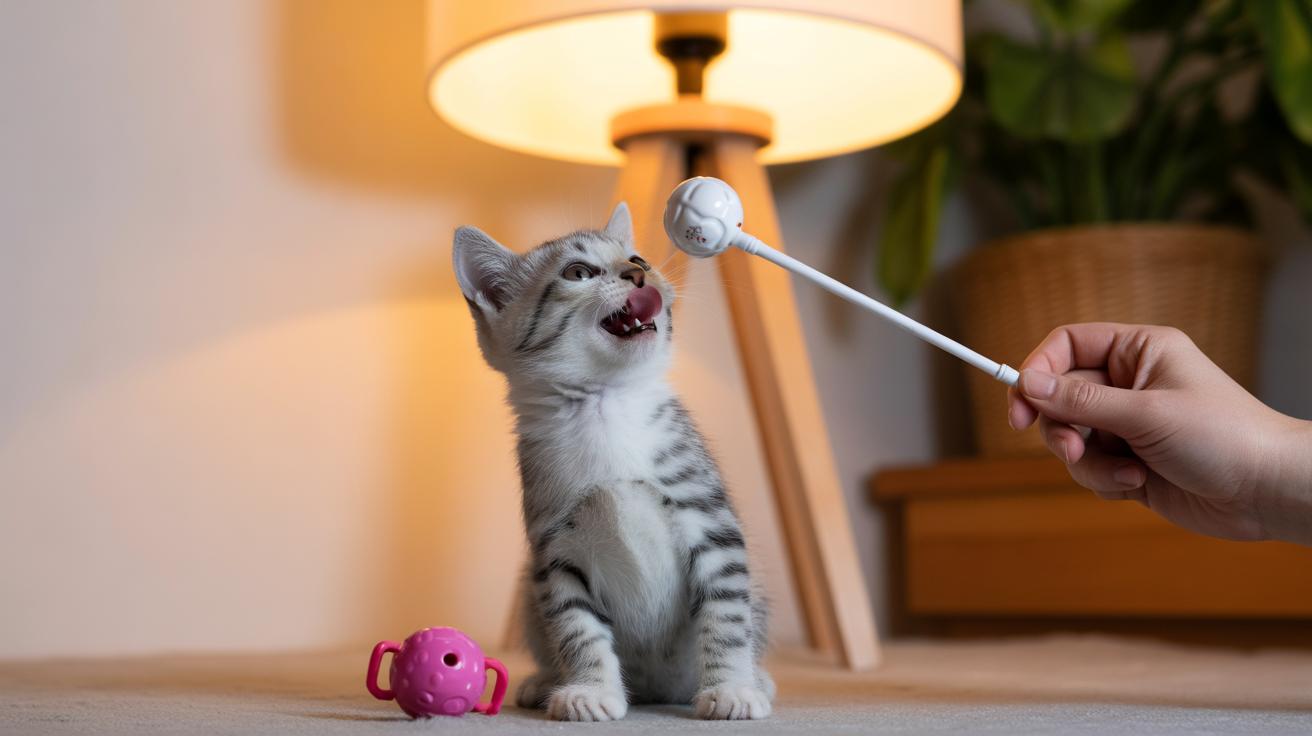
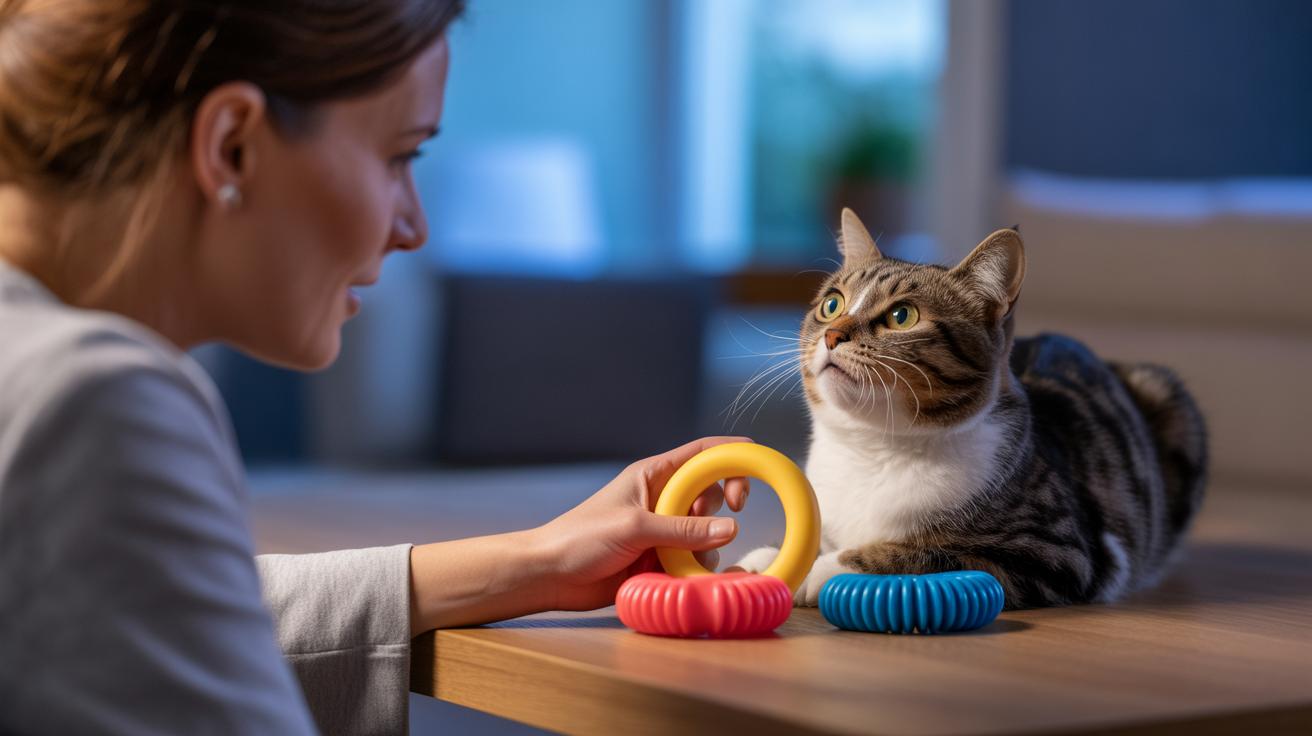
    Bring out an interactive wand (a stick with string or feathers), a puzzle feeder (treat-dispensing toy), and a sturdy plush prey (a soft stuffed toy built to take pounces). The flutter of feathers, the rattle of kibble, the satisfying thud of a plush, that’s the good stuff.

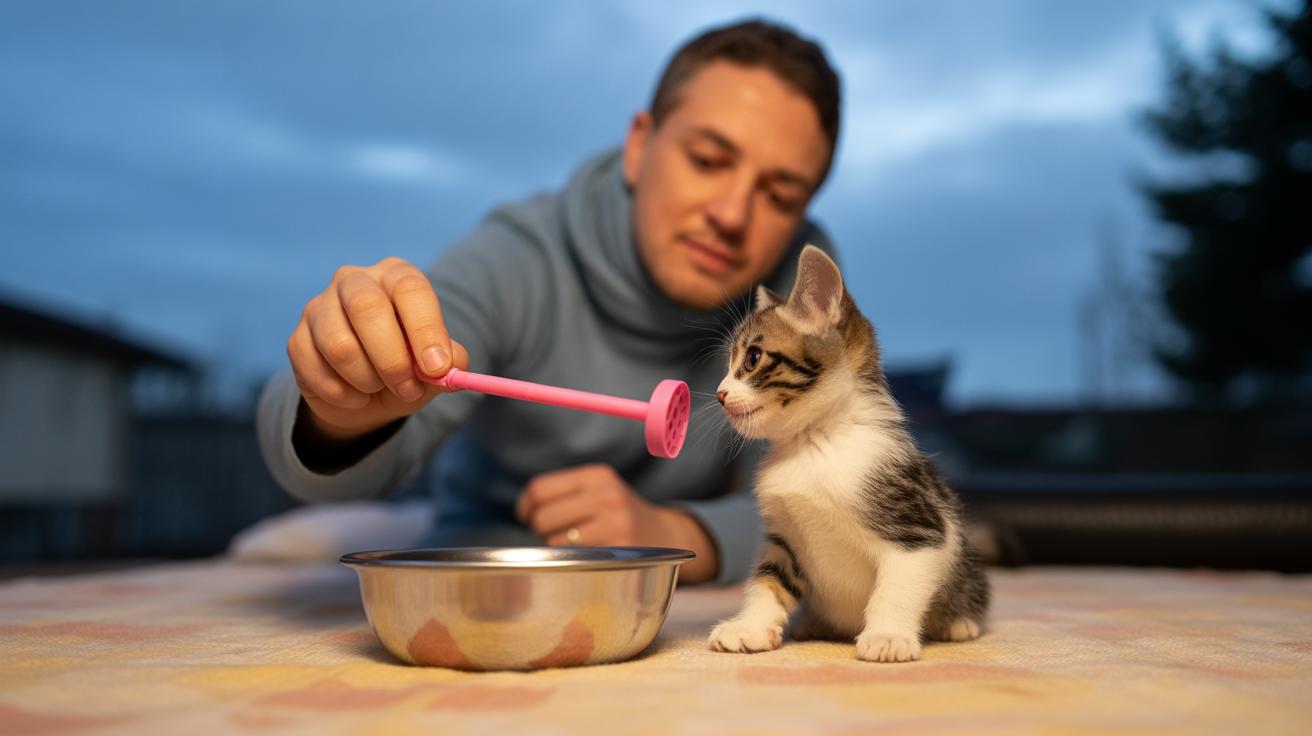
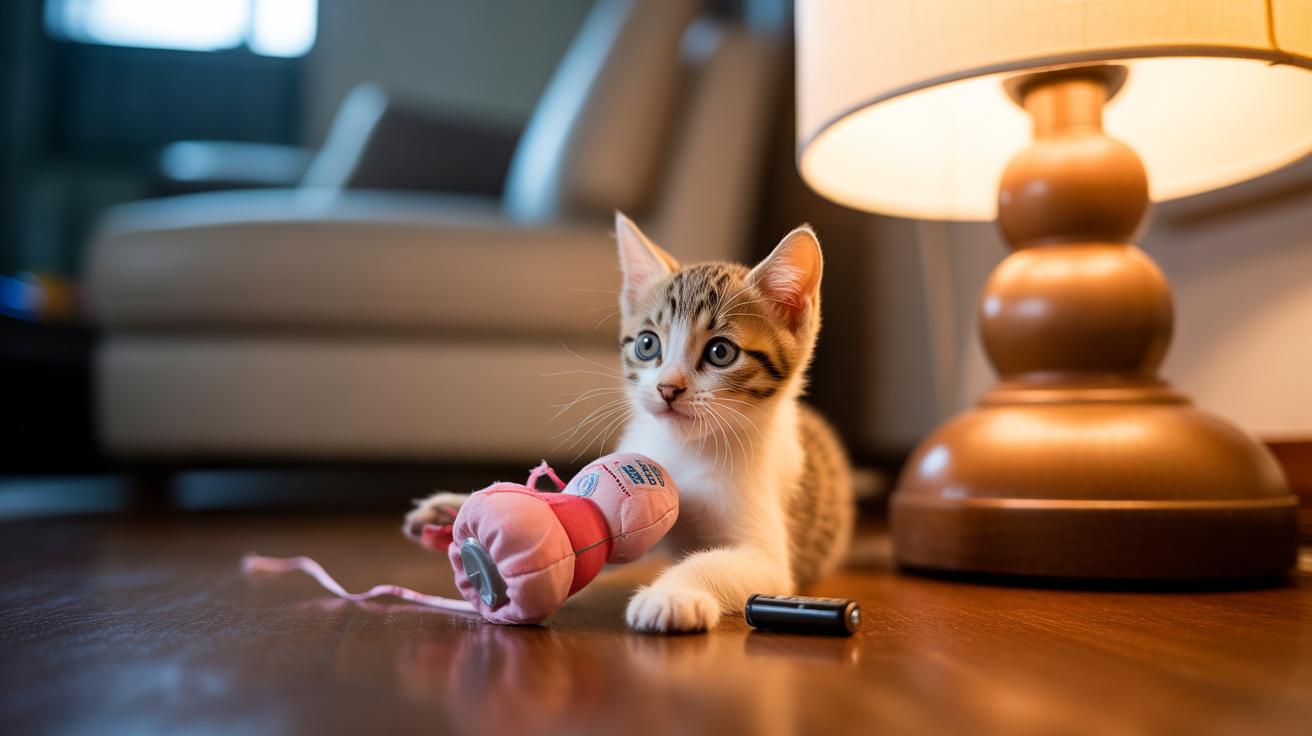
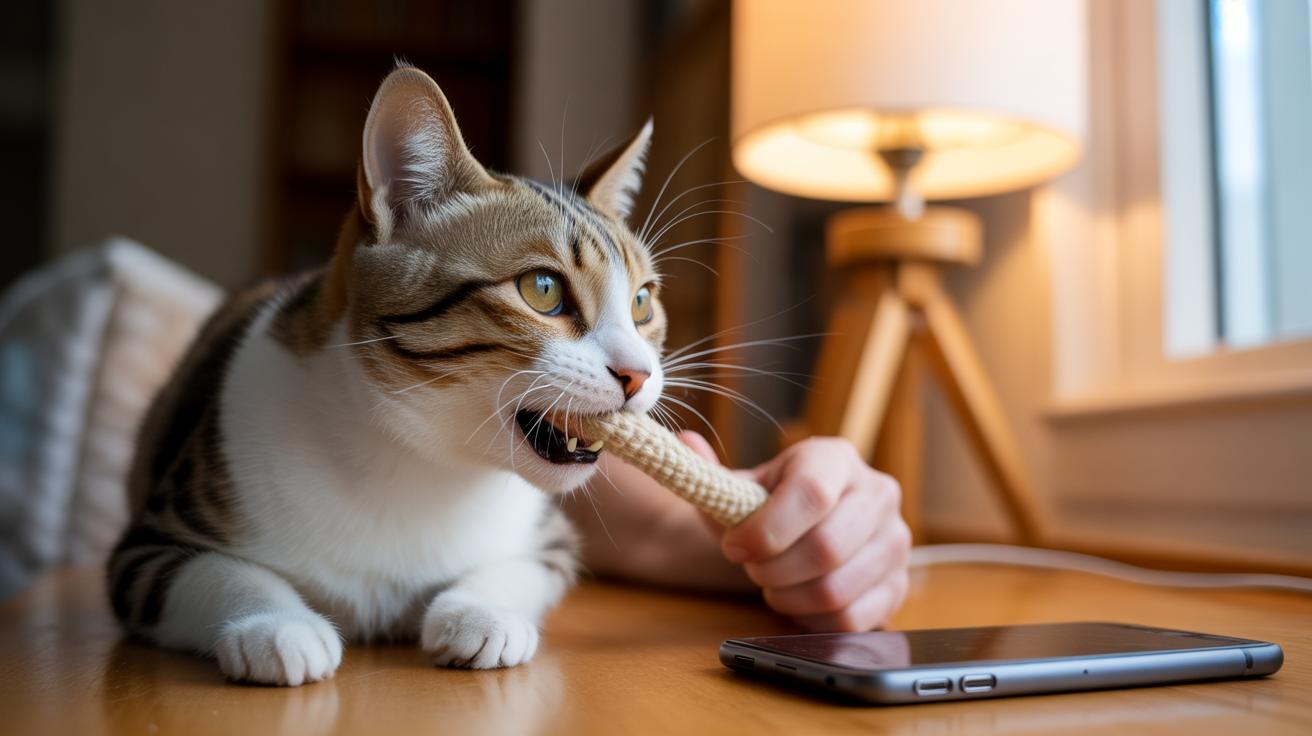
    Check seams and battery compartments (where batteries live in a toy) regularly, and retire any toy with loose bits that could be swallowed. If a battery compartment is loose, toss the toy or fix it right away. Safety first, then play.

    Worth every paw-print.

    Toyger cat: activity needs and safe toys

    - Immediate action checklist to meet your Toygers activity needs and toy safety.jpg

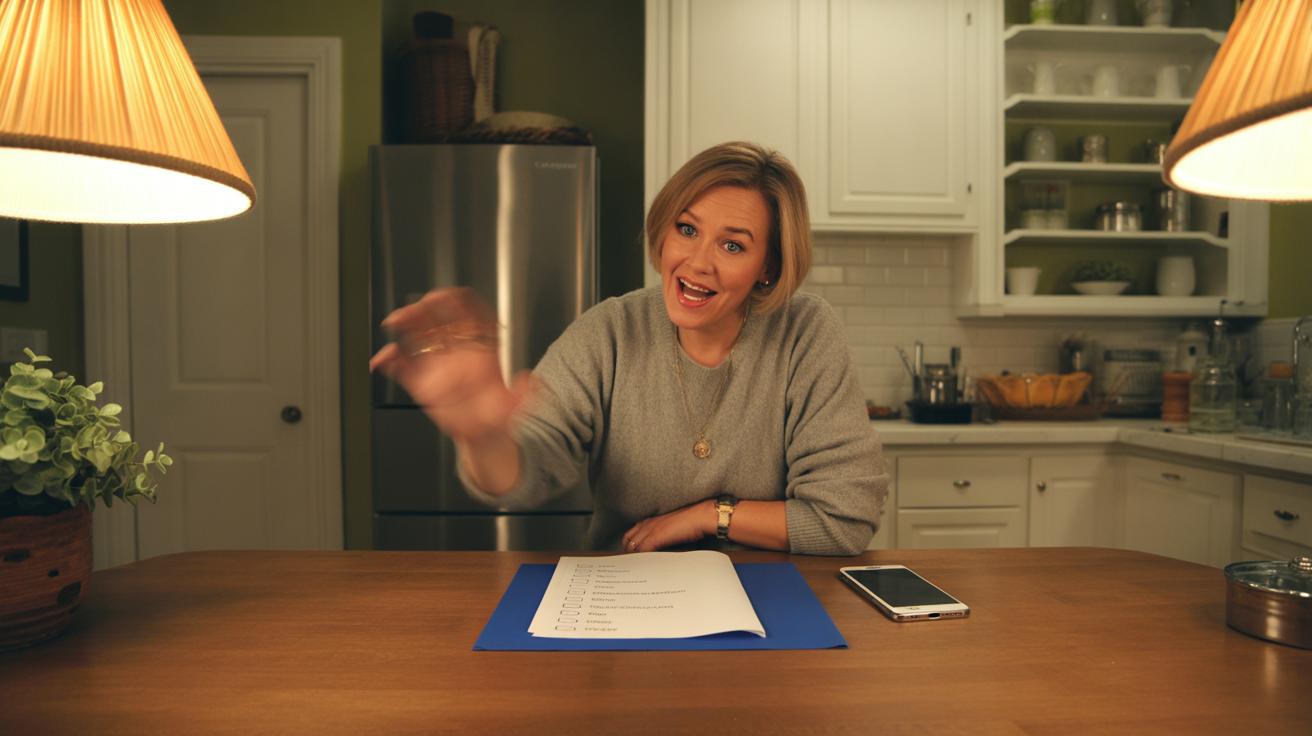
    Short, action-ready checklist to get a Toyger moving and keep play safe – do these today. Think of it like a quick care routine you can actually stick to, and hey, your cat will thank you with zoomies.

    • Start a daily play rhythm: do 2 to 3 short active sessions (5 to 10 minutes each) plus one longer chase for very active Toygers (15 to 20 minutes). Aim main play at dawn and dusk when their hunting instinct peaks. Ever watched a Toyger wake up and go full sprint? For life-stage schedules, see: Toyger age-specific play and training

    • Pack three core toys each day: an interactive wand (a stick with string or feathers that mimics hunting), a puzzle feeder (a toy that hides food and makes your cat work for treats), and a robust plush prey (a sturdy stuffed toy made to be grabbed and tossed). These cover hunt, brain, and capture play. For per-toy pros/cons and care tips, see: Toyger-safe toy types

    • Stop play right away for these red flags: loose parts or open stitching, exposed battery or chewed plastic, or any small pieces that go missing or might be swallowed. Pull the toy out of circulation and retire it. For inspections and retirement rules, see: Toyger toy safety

    • Rotate toy groups weekly – swap sets, tuck some toys away for a week, then bring them back to renew interest. Hiding a toy for a few days makes it feel brand new again. For DIY rotation tactics, see: DIY toys, rotation tactics, and low-cost options

    • Inspect returned toys before reintroducing: probe seams with your fingers, open and test battery compartments (battery compartment – where batteries live in a toy), and do a quick smell-check for mold or odd odors. If anything feels wrong, toss it. For inspections and retirement rules, see: Toyger toy safety

    • Offer dependable solo options when you’re busy: rechargeable motorized toys (battery-powered toys with a small motor) or a silent running wheel give safe, engaging alone-play – but supervise the first few sessions to make sure your cat uses them properly. For buying guidance and vetted models, see: Toyger product picks, buying checklist, and consolidated comparison table

    • Match toys to life stage and energy: kittens = wand-heavy and short bursts; adults = a mix of puzzle feeders and chasers; seniors = softer, joint-friendly choices and slower-moving toys. Adjust as your cat ages or after medical changes. For life-stage schedules, see: Toyger age-specific play and training

    • Call a pro if you see sudden loss of interest, repetitive obsessive play, sudden aggression spikes, or repeated ingestion incidents. These can signal stress, pain, or medical issues and are worth checking out. For guidance on when to seek help, see: Toyger age-specific play and training

    Editors/writers: embed internal anchor links from each checklist bullet to the corresponding H2 headings named above.

    Worth every paw-print.

    Toyger activity profile: energy, hunting instincts, and life-stage differences

    (no repeated safety rules in those sections).jpg

    Toygers are built like little athletes – muscular, alert, and tuned to hunt. They love to leap, sprint, and stalk, with whiskers twitching and tails flicking when something moves. Toys that act like prey really click for them, especially motorized mice (battery-powered toys that skitter like real prey) or a small running wheel (an indoor wheel for sprinting).

    Motorized mouse example – "The little mouse twitches, zips under the chair, and your cat freezes, then launches."

    Most cats sleep about 70% of the day, so Toygers pack play into short, intense bursts around dawn and dusk. Try five to ten minutes of hard play, a few times a day, and you’ll see that focused hunting energy melt away. For full life-stage toy lists and session templates, see Toyger age-specific play and training.

    Toyger-safe toy types: per-toy function, pros/cons, and one-line care tips

    - Toyger activity profile energy, hunting instincts, and life-stage differences.jpg

    Each toy entry below says what the toy does for a Toyger, gives three clear pros and two trade-offs, plus a one-line care tip. These notes focus on play value and how to keep the toy safe and working. See Toyger toy safety for inspection/retirement rules.

    Wand toys

    Wand toys copy prey movement by letting you flick feathers, ribbons, or faux fur on a string so your Toyger can stalk and pounce. They turn solo hunting into a play session you share with your cat, and they’re great for training recall or impulse control.

    • Pros:
      • Hands-on play boosts your bond and lets you guide hunting energy.
      • Variable speed and direction keep the chase fresh.
      • Cheap to replace parts and easy to repair (swap the toy end).
    • Cons:
      • Strings and ribbons can be dangerous if left where a cat can chew or swallow them.
      • The lure or attachment usually wears out faster than the wand itself.
    • Care tip: Store the wand out of reach when you’re done and replace frayed lure pieces; check knots and seams before each play.

    Puzzle feeders

    Puzzle feeders hide food or treats so your Toyger works for meals, which slows down gulping and gives the brain a workout. Think of it as foraging practice indoors.

    • Pros:
      • Slows eating and helps weight control while building focus.
      • Gives a solo challenge that mimics natural hunting.
      • Many models let you raise difficulty as your cat gets better.
    • Cons:
      • Some designs can crack from strong bites.
      • They can scatter tiny kibble or crumbs, making a bit of a mess (tiny food pieces).
    • Care tip: Wash food-contact parts weekly and check for bite cracks after heavy use.

    Motorized toys

    Motorized toys move on their own using a small motor (the electric part that makes it move) and usually a rechargeable battery (a battery you plug in to charge), so your Toyger can chase without you there. They’re great for when you’re busy but want your cat to have live-like motion.

    • Pros:
      • Hands-free play that keeps kitties active while you do other things.
      • Unpredictable motion mimics real prey and sparks hunting instincts.
      • Rechargeable options cut down on battery waste.
    • Cons:
      • Exposed or damaged battery compartment (where batteries sit) can be hazardous if chewed.
      • Noise or vibration can scare shy cats.
    • Care tip: Supervise the first sessions and check battery compartment seals after rough play.

    Plush prey and crinkle toys

    Soft, prey-shaped plushes invite grabbing, biting, and carrying, while crinkle layers give sound feedback that many Toygers find irresistible. They’re comforting and perfect for stalking-to-carry play.

    • Pros:
      • Great for carry-and-stalk behavior and comfort play.
      • Mix of textures and crinkles rewards capture and toss.
      • Easy to swap into rotation for novelty.
    • Cons:
      • Little sewn-on eyes or decorations can loosen and become choking hazards.
      • Stuffing (soft filling) may be pulled out over time by determined biters.
    • Care tip: Machine-wash covers if allowed and restitch seams that start to open.

    Ball and tug toys

    Balls that roll and ropes you can tug with fuel short sprint sessions and quick captures; use them for fetch-style play or a fast burst of exercise. They’re perfect for carpet chases or tile zoomies.

    • Pros:
      • Fantastic for short sprints and fetch-style retrieval.
      • Work well on carpet, tile, or hardwood.
      • Usually inexpensive and easy to replace.
    • Cons:
      • Small balls can be choking risks for strong biters.
      • Tug ropes (braided cord) may fray under heavy chewing.
    • Care tip: Pick size-appropriate balls and trim frayed rope ends right away.

    Running wheel

    A running wheel gives a Toyger a safe way to do sustained aerobic exercise and sprint training indoors. It’s like a little cardio track for your cat, handy for high-energy kitties.

    • Pros:
      • Burns excess energy in a controlled way.
      • Quiet, smooth models fit apartment life nicely.
      • Regular use can cut down on nighttime zoomies.
    • Cons:
      • It takes up floor space and needs to be stably placed.
      • Wrong-sized wheels can strain joints, so sizing matters.
    • Care tip: Choose a wheel rated for your cat’s weight and check bearings (the round parts that let it spin) and surface wear monthly.

    Toyger toy safety: inspection routines, retirement rules, and 8-point weekly checklist

    - Toyger-safe toy types per-toy function, proscons, and one-line care tips.jpg

    This is your go-to safety guide for every toy in your Toyger’s box. Think of it as the single checklist wands, motorized toys, plushies, and feeders can link to. Check toys before you rotate them and again after play.

    Start each inspection with your hands and nose. Run your fingertips along seams, squeeze plush toys, lift lids, and give a quick sniff for anything off. Retire any toy that shows these clear signs of trouble:

    • Seams with gaps larger than 1/4 inch (about the width of a pencil) or any visible stuffing.
    • Cracked or brittle plastic (thin cracks that can spread when pressed).
    • Battery compartment (where batteries sit) missing screws, showing rust, or rattling.
    • Persistent damp or musty smell after washing.
    • Missing or loose eyes, buttons, or beads.
    • Strings, feathers, or lures with frays longer than 1 inch.
    • Any stiff or sharp edge you can feel with your fingertip.

    If a toy hits any of the above, retire it. Replace it or repair it with reinforced stitching, a secured battery cover, or a tougher fabric patch. Isn’t it nice when a toy just lasts?

    Weekly checklist (do this every 7 days and after heavy sessions):

    1. Check seams and stitching for gaps or pulls.
    2. Probe for loose parts like eyes, buttons, or beads.
    3. Test battery compartments and seals for rattles, corrosion, or exposed wires.
    4. Smell for mold, dampness, or sour odors after washing.
    5. Squeeze soft toys to find hidden hard bits or broken innards.
    6. Inspect strings, feathers, and lures for fraying longer than 1 inch.
    7. Confirm washable covers and seams survived the wash cycle.
    8. Log any issues and retire toys showing any of the above.

    Supervised play matters. Watch new motorized toys, wheels, and wand attachments for the first few sessions; keep an eye on chewing, repeated mouthing, or odd behavior and stop play if you see it, um, right away. If your cat swallows parts, suddenly avoids certain toys, starts obsessively spinning one toy, or shifts into aggressive play, call your veterinarian or a behaviorist. For scratch alternatives and the trade-offs between nail caps and durable scratchers, see do cat nail caps work.

    Toyger indoor enrichment and habitat: climbing, perches, tunnels, and catio options

    - Toyger toy safety inspection routines, retirement rules, and 8-point weekly checklist.jpg

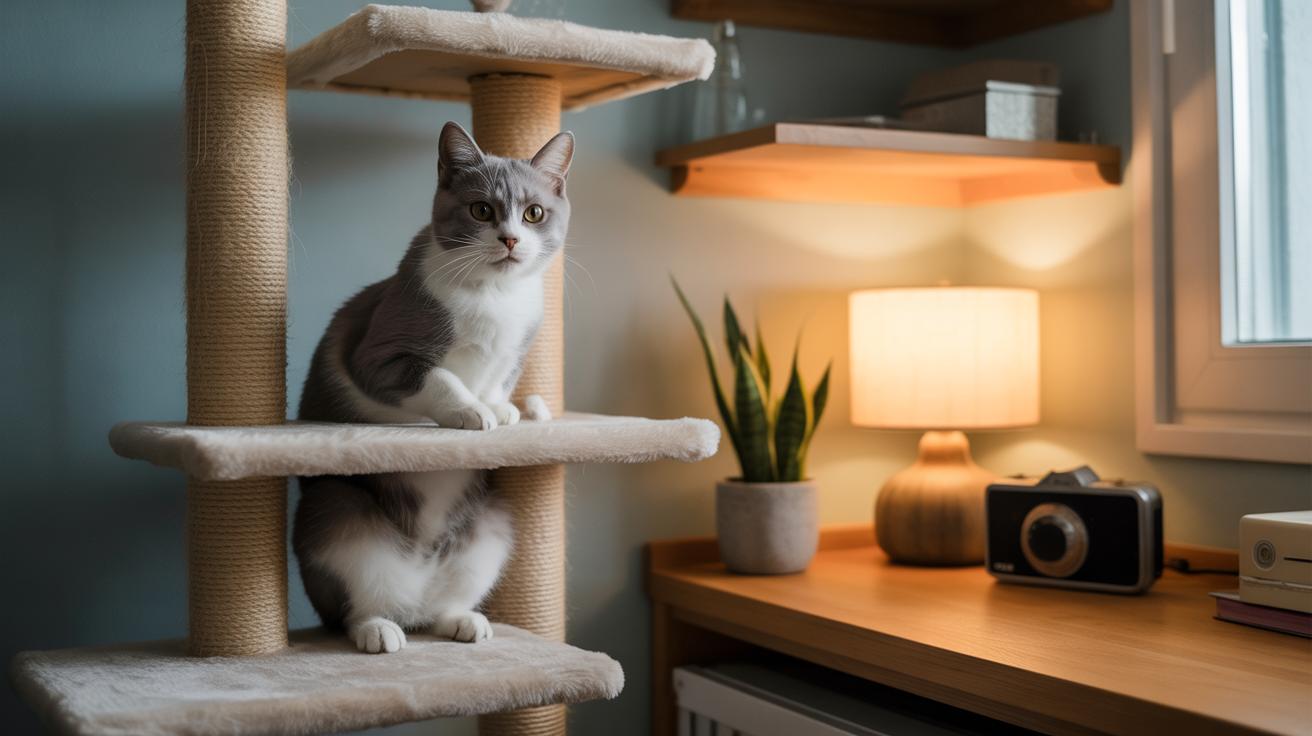
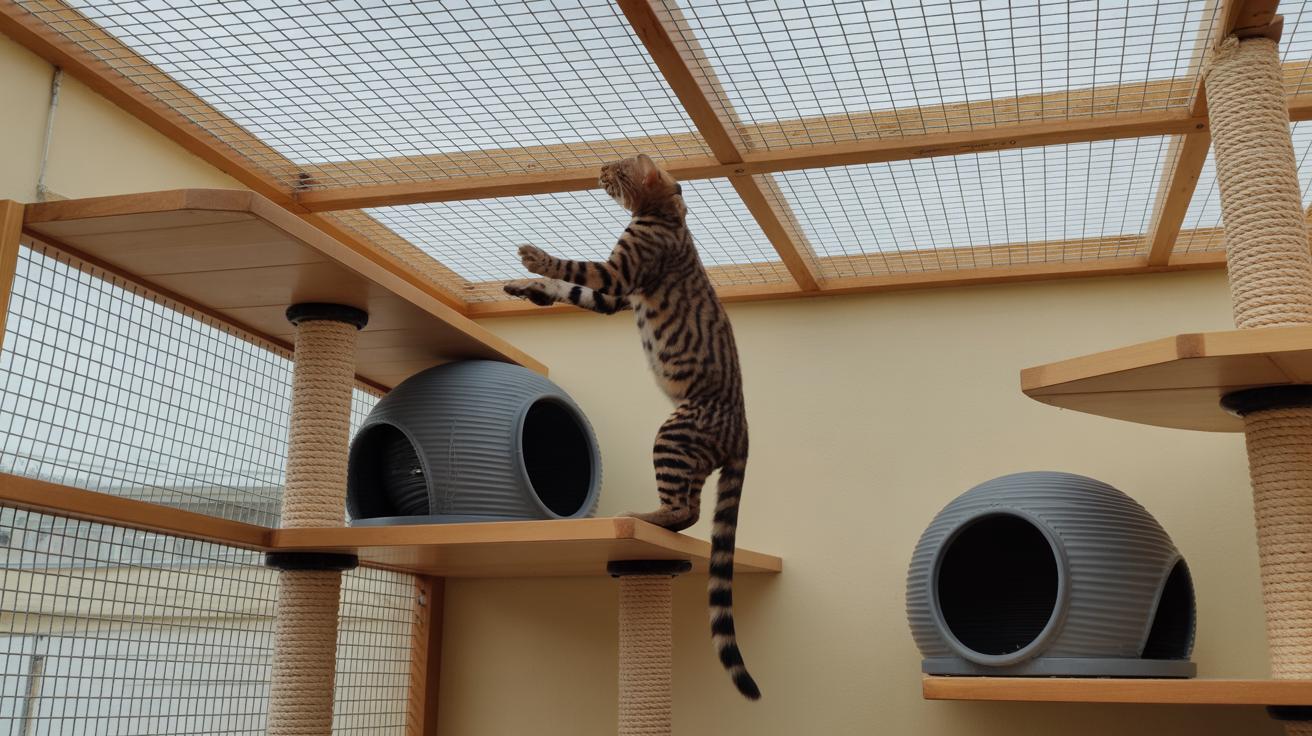
    Toygers adore going up. Pick cat trees and wall shelves that are rated for weight and won’t wobble when your cat launches. Aim for 20 to 30 pounds capacity per shelf. Use lag bolts (thick screws for wood studs) or heavy-duty toggle anchors (wall anchors for hollow walls) into studs (the wood framing behind drywall) or solid backing. Sturdy posts and wide platforms make big jumps safer. Texture helps too , sisal (plant fiber used for scratching) gives traction and feels good under paws.

    Floor-level play matters just as much. Offer tunnels in a few styles: collapsible fabric, rigid corrugated (sturdy ribbed plastic) or carpeted tubes. Add sturdy boxes and line them up for run-and-pounce drills. Place a tunnel near a perch or behind low furniture so your Toyger can stalk through cover. Mix textures and different openings so play feels like a tiny hunt-and-hide session. Ever watched a Toyger’s whiskers twitch as a ball disappears into a tube? Pure joy.

    Outdoor access adds variety, if you do it safely. A catio (an enclosed outdoor space for cats) should match your climate and predator risk. Use secure mesh, locked access points, and shady spots. Some Toygers enjoy short, supervised harness walks , a well-fitting harness (a padded vest-style leash system) works best. Keep walks calm and short while they learn.

    Placement beats random setups. Put perches by sunny windows for naps and bird-watching, but keep them away from fragile glass and knickknacks. Keep climbing routes clear of doors that swing into a fall zone. Avoid narrow shelves over hard floors without a landing surface below. Add a soft spot under jump zones so landings are gentle.

    Spec Recommendation
    Required weight rating 20–30 lb per shelf
    Anchor type Lag bolts into studs or heavy-duty toggle anchors
    Spacing 30–48 inches between shelves for safe jumps
    Landing platform depth 12–16 inches
    Soft landing surface Thick rug, foam mat, or low platform beneath jump zones

    Pair habitat upgrades with age-specific play plans. Kittens need lower, closer steps; adults like mid-height challenge; seniors want gentler heights and softer landings. Worth every paw-print.

    Toyger age-specific play and training: kitten, adult, senior with sample daily/weekly templates

    - Toyger indoor enrichment and habitat climbing, perches, tunnels, and catio options.jpg

    This is the go-to scheduling section. You’ll find exact session lengths, sample times, and weekly rotation plans you can copy into your routine. Use these templates as a starting point and tweak them to match your Toyger’s energy, appetite, and any vet advice.

    Kitten

    Kittens thrive on lots of short bursts of play. These build coordination, confidence, and safe bite control. Focus on wand play (a rod with a feather or soft lure), supervised solo toys, and low tunnels (short fabric tubes) so they can practice dart-and-hide moves without big drops. Ever watched a tiny paw jab at a rolling ball? So cute.

    • Sample daily template:

      • 6:30 am , 5 to 7 minutes wand for stalking and pounce practice.
      • 11:30 am , 5 minutes supervised solo play with a crinkle ball or reinforced plush.
      • 4:00 pm , 7 to 10 minutes short chase through a tunnel with a rolling ball.
      • 8:00 pm , 5 minutes gentle tug or a carry-to-rest exercise, finish with a soft plush capture.
    • Sample weekly rotation (day | toy focus | training goal):

      • Mon | Light wand + tunnel | Stalking accuracy
      • Tue | Puzzle feeder (easy, slow-feeding toy) | Slow eating and focus
      • Wed | Crinkle plush + short fetch | Carry-and-release practice
      • Thu | Wand with ribbon lure | Jump timing and safe landings
      • Fri | Solo motorized mouse (supervised, battery-powered) | Independent chase confidence
    • Quick tips:

      • Always supervise wand and string play and store lures out of reach.
      • Use low platforms and soft landings for small jumps.
      • Give short praise and a tiny treat to teach recall.
      • Rotate toys every few days to keep things novel.

    Adult

    Adult Toygers can handle longer chases and more brain work. Mix high-energy runs with puzzle feeders so mealtimes feel like a hunt. Running wheels (cat-sized exercise wheels) and motorized toys (battery-powered movers) are great for zoomers.

    • Sample weekday/weekend templates:

      • Weekday: 6:15 am , 7 to 10 minutes wand; 6:30 pm , 10 to 12 minutes interactive chase plus puzzle feeder dinner.
      • Weekend: 7:00 am , 10 to 15 minutes running wheel or extended motorized chase; 4:30 pm , 15 to 20 minutes high-energy play.
    • Sample weekly rotation:

      • Mon | Wand + tug | Recall and impulse control
      • Tue | Puzzle feeder (medium) | Foraging skills and pacing
      • Wed | Running wheel | Aerobic burst
      • Thu | Plush prey + fetch | Capture practice
      • Fri | Motorized toy | Unpredictable chase for excitement
    • Quick tips:

      • Try a timed puzzle feeder to slow eating and add mental work.
      • Make one session a bit longer to burn extra energy.
      • Fade treats into the play pattern so the hunt, not snacks, stays the reward.
      • Watch for over-arousal and end sessions with a calm capture.

    Senior

    Senior Toygers need low-impact movement and joint-friendly play. Keep sessions shorter and focused on gentle chases, soft toys, and puzzles set close to the ground. Warm resting spots after play can really help stiff joints.

    • Sample daily template:

      • 7:00 am , 4 to 6 minutes slow wand play kept low to the ground.
      • 12:00 pm , 5 minutes puzzle feeder (easy) at floor level.
      • 6:30 pm , 6 to 8 minutes gentle rolling ball or scent play using catnip or silvervine.
    • Sample weekly rotation:

      • Mon | Slow wand | Range-of-motion practice
      • Tue | Low puzzle feeder | Mental engagement without strain
      • Wed | Soft plush retrieval | Gentle strength work
      • Thu | Scent trail with treats | Foraging without running
      • Fri | Short running-wheel session (slow) | Controlled cardio
    • Quick tips:

      • Play on non-slip surfaces and add soft landings.
      • Shorten or skip sessions when joints feel stiff or after vet visits.
      • Offer a warm bed or low-heat pad after play to ease stiffness.
      • Keep an eye on weight and adapt play for weight-management goals.

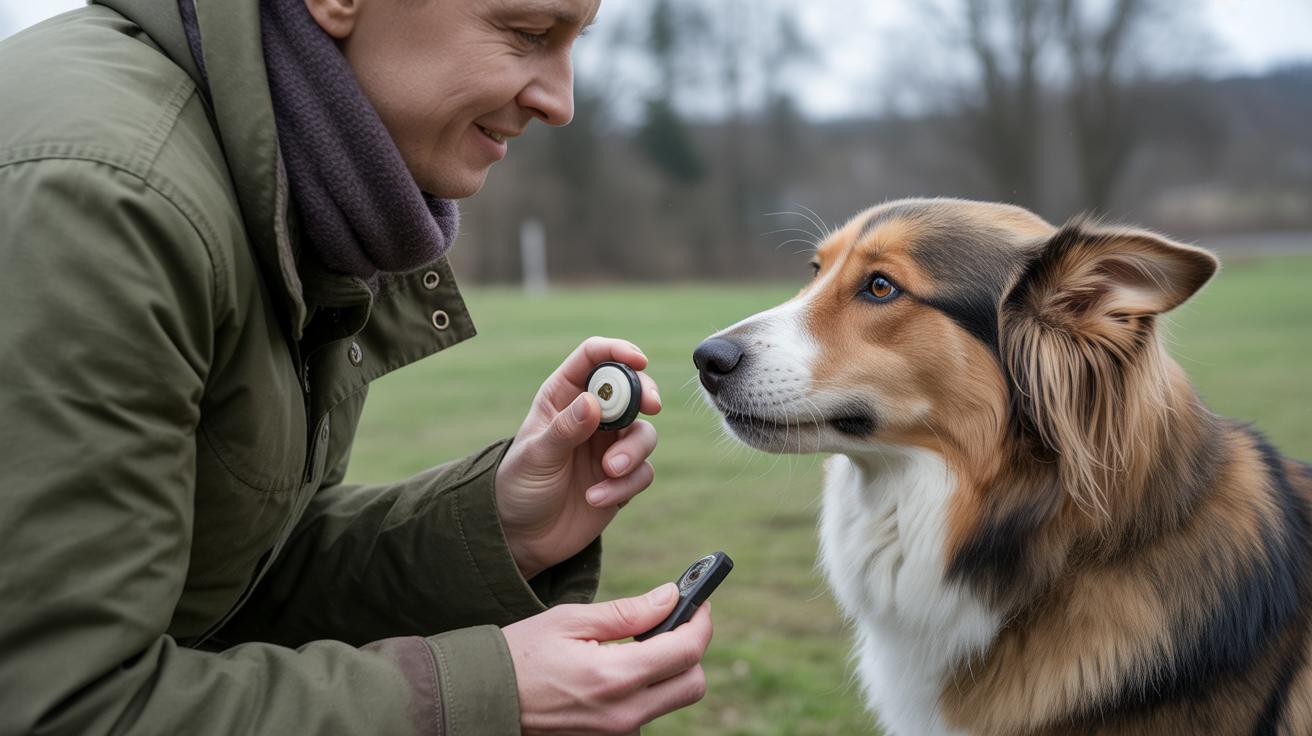
    Clicker training (a tiny click device that marks good behavior), short fetch drills, and brief play bursts make controlled exercise and recall easy to teach. Use a click, a tiny treat, and a quick game to build structure. If you notice sudden loss of play interest, obsessive play, new aggression, or repeated ingestion of nonfood items, call your veterinarian or a behavior expert right away.

    DIY toys, rotation tactics, and low-cost enrichment strategies

    - Toyger age-specific play and training kitten, adult, senior with sample dailyweekly templates.jpg

    Make simple, tough toys at home that match a Toyger’s prey drive and bite strength while keeping your wallet happy. Think fast-moving pounces, the satisfying thud of a batting paw, and toys that survive a serious chomp. Small projects, reinforced repairs, and a smart rotation plan keep novelty high and wear low.

    Safety first. Use heavy fabrics like canvas (thick, rough cotton) or denim (sturdy cotton twill). Double-stitch seams (two rows of stitches for extra strength) and skip glued-on beads or tiny bits that can come loose. Give each new toy a firm tug test before playtime, and retire anything that starts to fray or leak stuffing.

    DIY play gives mental challenge and physical outlets. A ten-minute build can become a favorite for months. Swap a homemade piece into your rotation, watch how your cat hunts it, tweak the lure, then fix seams so the toy keeps earning its keep.

    1. Sock kicker (materials: thick sock, crinkle film (thin crinkly plastic that makes a crunchy noise), catnip sachet (small bag of dried catnip); build time: 10–15 min). Safety note: double-stitch closed ends and tuck the crinkle film inside an inner pouch so no loose film shows.
    2. Cardboard muffin puzzle feeder (materials: muffin tin, ping-pong balls (light plastic balls) or folded paper, treats; build time: 15–20 min). Safety note: skip small parts and use large balls so nothing can be swallowed.
    3. Replaceable wand lure (materials: short dowel (small wooden stick), braided fabric strip, swivel clip (rotating metal clip); build time: 10 min). See DIY replacement attachments for teaser wands. Safety note: secure knots and check clips each week.

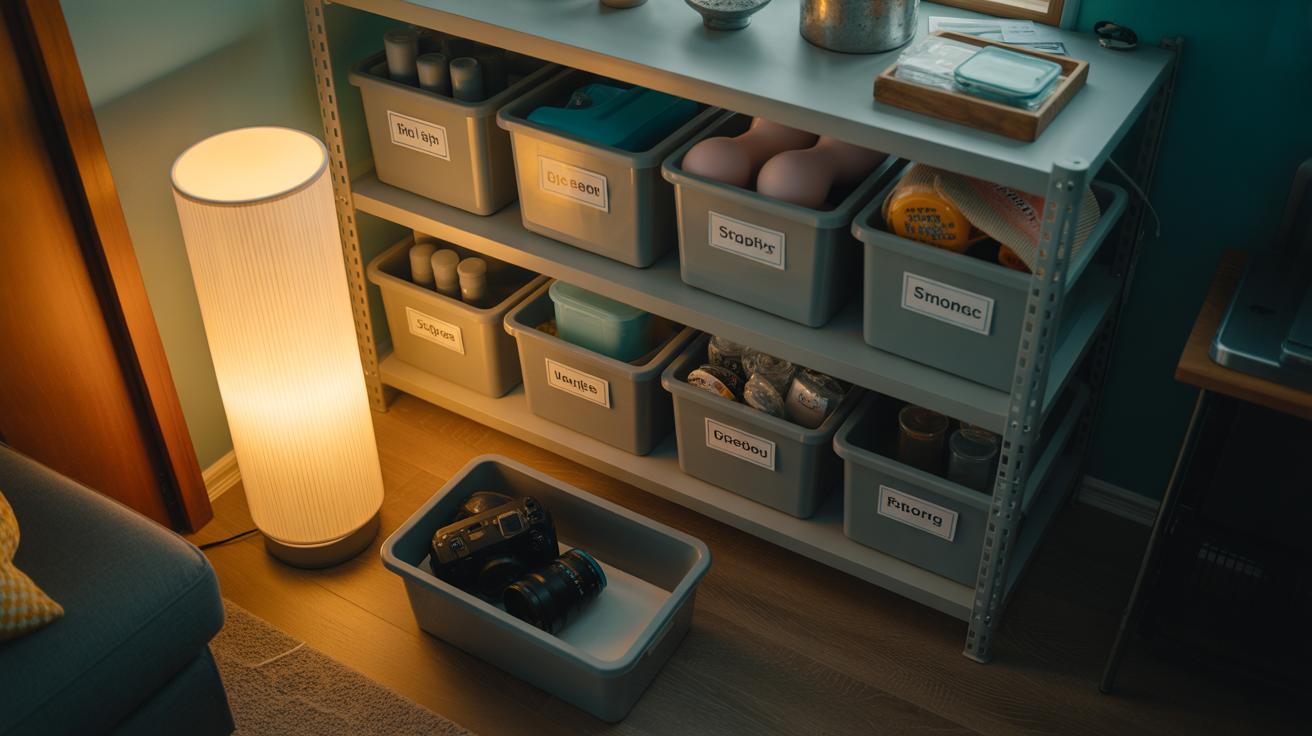
    Store toys in labeled bins by type and date. Label each toy with a put-into-service date. Hide half the box for 7 to 10 days, then swap for novelty. Inspect items before reintroduction and follow Toyger toy safety checks. Log repairs, retirements, and notes on play interest so you know what thrills your cat.

    Pair these DIY pieces with the weekly rotation matrix in Toyger age-specific play and training to match sessions to your cat’s life stage. Worth every paw-print.

    Toyger product picks, buying checklist, and consolidated comparison table

    - DIY toys, rotation tactics, and low-cost enrichment strategies.jpg

    This is your one-stop buying guide for high-energy Toygers. Think of it as the quick checklist and compact table you pull up when you are ready to shop or swap out a favorite toy. Easy, fast, and a little cat-nerdy.

    • Look for durability. Choose heavy fabrics (thicker cloth that resists claws), double-stitched seams (two rows of stitching for extra strength), and strong lure attachments so play does not turn into a project.
    • Prefer replaceable parts. Swappable lures, replaceable covers, or modular pieces (parts you can swap out) mean one broken bit does not mean the whole toy hits the trash.
    • Choose sealed battery compartments (the place where batteries sit, closed with screws) for motorized toys so curious paws cannot get inside.
    • Pick washable surfaces or removable covers (machine-washable covers or wipeable fabrics) so you can clean scent and grime without wrecking the toy.
    • Check return and warranty policy. A short trial window gives you real-world testing time, which matters more than staged reviews.
    • Match size to mouth and paw. Toys should be too big to swallow but small enough to bat and carry comfortably.
    • Mind noise level. Quieter motors suit shy cats or apartment life; louder buzzes and whirs excite bold zoomers.
    Toy Type Best Use for Toyger Key safety watchpoints Care / retire indicator Recommended play cadence
    Wand toys Interactive hunt practice and recall – ideal for bonding and teaching impulse control Loose strings, frayed lures, unsecured clips Retire if frays over 1 inch or knots start to fail Daily short sessions – 5 to 10 minutes
    Puzzle feeders Slow feeding and mental foraging – good for smart, food-motivated cats Cracked plastic, tight lids that pinch, tiny removable parts Retire if plastic cracks or pieces pop loose Use once daily as part of a meal
    Motorized toys Solo chase with unpredictable motion – great for self-play when you are busy Battery compartment access (where batteries sit), exposed wires, loose housings Retire if compartment is loose, you smell odd odors, or movement becomes erratic Supervised sessions a few times weekly
    Plush prey Carry, wrestle, and comfort capture – perfect for cuddly pounces Sewn-on eyes, weak seams, loose stuffing Retire if stuffing shows or seams open Rotate daily; replace weekly with heavy use
    Ball / tug toys Short sprints and fetch practice – quick bursts of exercise Small detachable balls, fraying ropes, hard bits inside Retire if small parts detach or rope frays Short bursts several times per day
    Running wheel Sustained aerobic exercise and sprint outlet for very active cats Wrong diameter, unstable base, noisy bearings Retire or service if wheel wobbles, bearings get noisy, or plastic cracks Regular sessions daily or on alternate days for high-energy cats

    If your Toyger suddenly avoids favorite toys, starts compulsive mouthing, or repeatedly ingests nonfood items, call a veterinarian or behaviorist right away. See the lede checklist item "Call a pro if you see…" for more on when to get professional help.

    Final Words

    Start now: grab the immediate checklist and run two quick play bursts plus one longer chase session today, aim for dawn and dusk, use a wand, puzzle feeder, and a sturdy plush prey, rotate weekly, and check each toy before bringing it back.

    You covered the Toyger’s prey drive, life-stage templates, per-toy pros and cons, the full safety checklist, habitat boosts, DIY fixes, and the buying checklist.

    Make one small change this week and watch the mood lift. Toyger cat: activity needs and safe toys.

    FAQ

    Frequently Asked Questions

    Where can I find a PDF or DIY guide for Toyger activity needs and safe toys?

    A PDF or DIY guide for Toyger activity needs and safe toys should include quick checklists, life-stage play schedules, safety red flags, and step-by-step DIY projects with reinforced seams and rotation tips.

    What are the best stimulating toys for indoor or bored cats and what toys prevent boredom?

    The best stimulating toys for indoor or bored cats are wand toys, puzzle feeders (a treat-dispensing toy), motorized chasers, running wheels, and heavy plush prey. Rotate weekly to keep interest.

    Are automatic or electronic interactive cat toys good for when I’m away?

    Automatic and electronic interactive cat toys work well when you’re away if they have sealed battery compartments, durable parts, and timed play cycles; check for small or loose pieces before use.

    Are simple toys like the Cat Dancer or interactive options from Chewy suitable for Toygers?

    Simple items like the Cat Dancer and interactive toys from Chewy suit Toygers if they are sturdy; prefer replaceable parts, strong stitching, and supervised first sessions to spot weak points.

    Are Toyger cats cuddly?

    Toyger cats are often cuddly but energetic. They enjoy close contact after play, yet personalities vary. Watch body language for when they want pets versus chase.

    What is the safest toy for a cat?

    The safest toy for a cat is a sturdy, single-material item without loose pieces, such as a solid molded ball or sealed motor toy; use under supervision to reduce swallowing risks.

    How do I entertain a very active cat?

    To entertain a very active cat, schedule two short wand sessions and one longer chase session daily (dawn and dusk), add puzzle feeders and a running wheel for extra aerobic play.

    Related Articles

  • how to clean and sanitize unbreakable cat toys

    how to clean and sanitize unbreakable cat toys

    Think your unbreakable cat toys never need cleaning? Nope. Food bits, drool, and mystery gunk sneak into cracks, nooks, and treat chambers. Ever watched your cat poke a treat chamber like it’s a tiny treasure chest? Those little compartments need extra care, trust me.

    Quick, simple cleaning steps that actually work. Soak in hot-soap water (hot tap water plus mild dish soap) for 10–15 minutes. For puzzle toys, follow with a vinegar soak (one part white vinegar to three parts water) to cut oils and odors. Scrub crevices with a soft brush, rinse well, and let everything air-dry until fully dry. It’s satisfying when the toys look and smell clean again.

    Sort by material so you don’t wreck anything. Rubber (flexible synthetic) and plastic (molded polymer) usually take a warm soak and a good scrub; some are fine on the top rack of the dishwasher, but check the label. Fabric (woven cloth) pieces should be machine-washed or hand-washed on gentle, and toss removable covers in a laundry bag. Treat chambers and tiny holes love a toothbrush or toothpick for digging out the crumbs.

    When to trash a toy? If fabric is shredded and stuffing shows, if plastic or rubber is cracked or has sharp edges, or if a smell won’t go away after cleaning, toss it. Toss it if it can’t be made safe. Worth every paw-print.

    Avoid bleach and scented oils. Bleach can leave harsh residue and damage materials, and many essential or scented oils are toxic to cats (they can harm breathing or skin). Stick to mild soap, vinegar, and warm water for safe, effective cleaning. For busy days, give an unbreakable ball a quick scrub and toss it for ten minutes of solo play before you head out.

    Happy cleaning, your cat will probably give you a purr or a chew for your trouble, um, in the best way.

    how to clean and sanitize unbreakable cat toys

    - Complete cleaning and sanitizing protocol for unbreakable cat toys (fast, actionable emergency lede).jpg

    If a toy gets messy, your first move is to pull it out of play right away. Knock off any loose gunk, then follow the quick checklist below for a fast, full cleanup. Ever watched your cat poke a treat chamber like it’s a tiny treasure chest? Those need special care.

    Hot-soap soak: use hot water (as hot as your tap, but not scalding) and about 1 tablespoon mild dish soap per gallon; soak 30 minutes.
    Vinegar option for puzzles/treat chambers: white vinegar : water 1:1; soak 20 to 30 minutes (vinegar helps cut grease and odors, and it smells tangy but rinses away).
    Treat-dispensing toys: clean after every use. Wash any toy that touched vomit, diarrhea, or a sick pet right away.

    1. Isolate the contaminated toy and put it in a “dirty” bin so it doesn’t go back into rotation.
    2. Sort toys by material: hard (rubber (flexible synthetic material), plastic (molded polymer)), fabric (woven cloth), electronics (battery-powered parts).
    3. Toss anything with obvious hazards: loose bits, exposed stuffing, or sharp edges. Safety first.
    4. Pre-rinse under running water to remove loose debris, then do the hot-soap soak (see ratio) or the vinegar soak for puzzles and treat chambers (see ratio).
    5. Use a brush or an old toothbrush to scrub seams, nooks, and treat chambers until they look clean. Get into those tiny corners.
    6. Rinse under running water until the soap or vinegar smell is gone. No residue left behind.
    7. Air-dry completely, turning chambers upside down so water drains out, before letting your cat play with it again.
    8. Put the toy in a labeled clean bin and rotate it back into play when it’s fully dry.

    Do not use bleach for routine cleaning. It’s harsh and can leave residues that irritate paws and noses. Avoid essential oils and dryer sheets on pet toys too; they can be toxic or leave greasy films.

    Other sections expand on material caveats, sanitizer options, and homemade recipes – cross-reference this lede for soak times and how often to clean.

    how to clean and sanitize unbreakable cat toys

    sections expand on material caveats, sanitizer options, and recipes  cross-reference this lede for soak times and frequency rules so downstream sections do not repeat them.jpg

    Before you start, check the lede for exact soak times and dilution rules, and always spot-test any cleaner on a small, hidden area first so color or texture does not change. A quick swab test can save a ruined toy and one very disappointed cat.

    Rubber toys

    Rubber (flexible synthetic material, like a soft, bendy shoe sole) does not love heat or harsh solvents. Don’t boil rubber unless the maker explicitly says it’s okay – repeated high heat can soften it or leave a tacky surface that traps dirt. If a rubber toy smells, sprinkle on baking soda, let it sit a few minutes, then rinse and dry; that usually freshens things without harsh chemicals. Worth a try before you get desperate.

    Silicone toys

    Silicone (heat-resistant polymer, like an oven-safe spatula) usually handles heat well and is often safe on the dishwasher top rack or for boiling sterilization, but check the manufacturer label first. Many folks treat silicone toys as dishwasher-safe and use steam cleaning too. If the maker warns against boiling or high heat, follow their guidance to avoid warping.

    Hard plastic toys

    Hard plastic (molded polymer, like a sturdy plastic cup) can sometimes go on the top-rack of the dishwasher, but thin seams, tiny hairline cracks, or flaking paint hide bacteria. Inspect seams closely; if plastic flakes or cracks, toss it. Small parts can pop loose in the dishwasher, so keep tiny toys out or hand-wash them.

    Material Material Caveats Safe Heat Limits One-line Exceptions
    Rubber (flexible synthetic material) Degrades with repeated heat or solvents; can get tacky Low to moderate heat only – avoid boiling unless maker approves Use baking soda for odors; do not use harsh solvents
    Silicone (heat-resistant polymer) Heat-stable and resists warping when approved Usually safe for boiling and dishwasher – follow maker if not Good for steam cleaning and high-temp cycles when allowed
    Hard plastic (molded polymer) Seams and cracks trap bacteria; paint can flake Top-rack dishwasher only for compatible pieces Replace if hairline cracks or flaking appear

    And one last tip: refer back to the lede for exact soak times and how often to clean each toy so you do the job right without repeating steps here.

    Mechanical sanitizers: dishwasher, boiling/steam, UV and ultrasonic options (pros and cons)

    - Material-specific caveats and heat limits for rubber, silicone and hard plastic toys.jpg

    Mechanical sanitizers save time and cut down on chemicals, which is perfect when you’re juggling work and whiskers. Check the lede first for base soak time and dilution notes (that’s where the exact timing lives) before you swap methods. Pick the tool that matches the toy material and the maker’s instructions so you don’t warp or wreck a favorite plaything.

    • Dishwasher

      • Pro: hot-water cycles give a solid rinse and heat boost for many plastics (lightweight molded material) and some silicone (soft, heat-resistant rubber-like material).
      • Con: dishwasher detergent can leave residue, and tiny parts may pop off or get tossed around during the cycle.
    • Boiling / Steam (steam = hot vapor)

      • Pro: chemical-free high heat for heat-tolerant silicone (soft, heat-resistant rubber-like material). Great for stubborn gunk without soap.
      • Con: not safe for many rubbers (stretchy material) or thin plastics (lightweight molded material); heat can warp or soften them.
    • UV (UV = ultraviolet light)

      • Pro: no moisture, so electronics (battery-powered parts) and dry hard surfaces avoid water damage.
      • Con: UV light can’t reach into seams or tiny crevices, so hidden gunk may survive. Think of it as surface-level only.
    • Ultrasonic (high-frequency sound waves above human hearing)

      • Pro: the tiny sound-driven bubbles in a cleaning solution reach deep into nooks and crannies for a thorough clean.
      • Con: don’t use on electronics, soft porous fabric (breathable, fuzzy materials), or toys with glued parts that might loosen.

    Match the method to the toy’s material and follow manufacturer guidance. If you’re unsure, refer back to the lede for exact soak times and dilution so you don’t overdo heat or skip a rinse.

    Worth every paw-print.

    Quick recipes & cautions

    - Mechanical sanitizers dishwasher, boilingsteam, UV and ultrasonic options (pros and cons).jpg

    Base wash steps are in the lede. This little box has the extra, useful bits you won’t find there: a baking-soda paste, a machine-wash tip for plush toys, and a few hard safety calls.

    1. Baking-soda deodorizer: Use 3 tablespoons baking soda (sodium bicarbonate, a mild natural deodorizer) mixed with 2 to 3 teaspoons water until it becomes a spreadable paste. Spread on smelly spots, wait 5 to 10 minutes, scrub gently, then rinse completely. Example: 3 Tbsp baking soda + 2 tsp water , spread, wait 7 minutes, scrub, rinse.

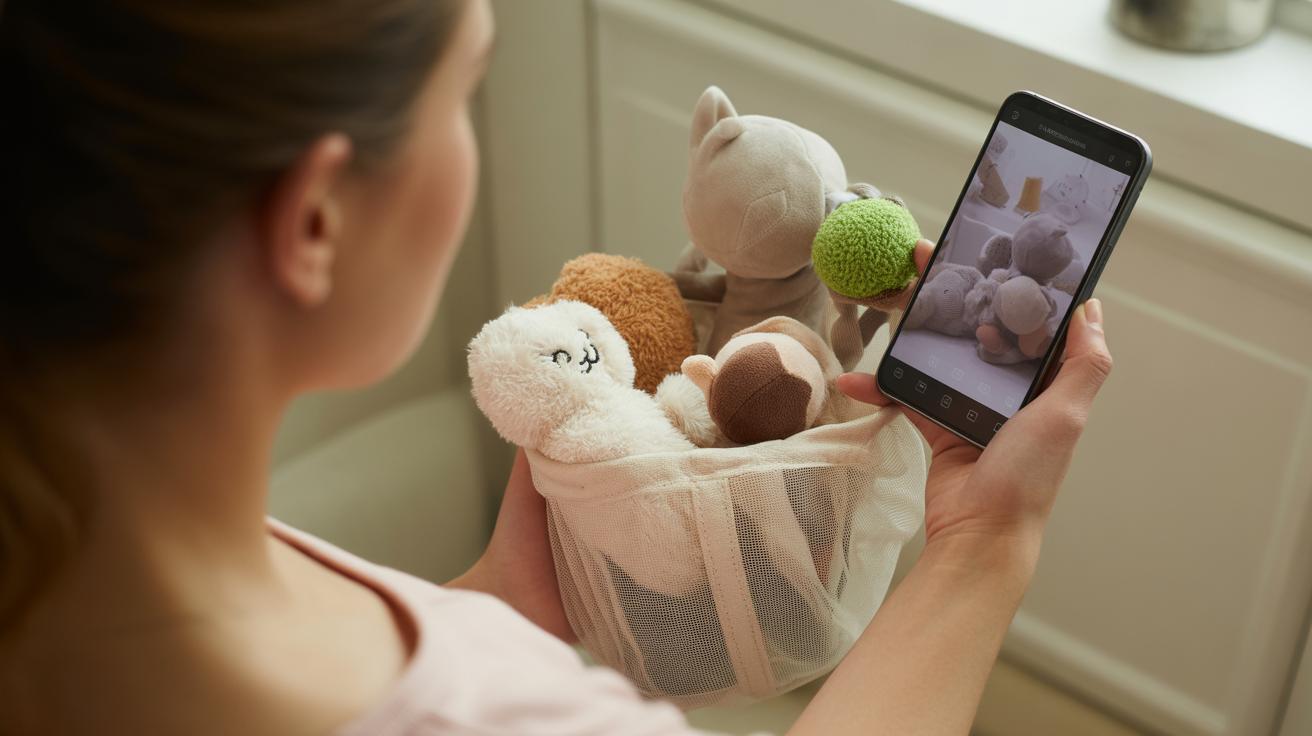
    Machine wash plush toys using a pet-safe enzyme detergent (enzymes break down proteins like drool and food). Pop toys in a mesh laundry bag, run a gentle cycle, and air-dry to keep seams and stuffing happy.

    Do not use:

    • Household phenol disinfectants (toxic to pets)
    • Undiluted isopropyl alcohol on porous or plush items (it soaks in, can damage materials, and may leave harmful residue)
    • Unlabeled industrial cleaners or solvents (unknown residues and hazards)

    If you’re unsure, spot-test in an out-of-sight area first or check with your vet. Worth every paw-print.

    Cleaning treat-dispensing and puzzle toys: tools, inspection cues and targeted technique

    - Pet-safe cleaners, precise dilution recipes and substances to avoid.jpg

    Treat and puzzle toys trap food, saliva, and sticky bits, so they breed more germs than plain toys. Check the lede first for recommended soak times and per-use cleaning rules before you start. This section sticks to the tools you need, how to reach inner chambers, and the signs that a toy needs extra attention.

    Tools and technique

    Here’s what I reach for every time. Bottle brush (a long, flexible brush for cleaning deep tubes), small toothbrush (for seams and edges), cotton swabs (cotton-tipped applicators for tiny spots), compressed air (a can of air to blow out crumbs), and a pipe cleaner (a thin, bendable wire brush for narrow channels). You can also use a soft sponge for outer surfaces and a basin for soaking warm water (warm, not hot).

    Start in this order. Empty the toy. Pre-rinse. Use the hand tools. Rinse again. It keeps the job tidy and faster, trust me.

    Step-by-step cleaning sequence

    1. Empty the toy and tap out loose kibble and crumbs into the trash or sink.
    2. Pre-rinse under warm running water to loosen sticky kibble and saliva.
    3. Use the bottle brush to scrub deep chambers, pushing stuck food free from tubes and hollows.
    4. Scrub seams and edges with the small toothbrush, paying attention to places where drool and food collect.
    5. Work cotton swabs and a pipe cleaner into tiny channels and valves (valves are little one-way parts that control flow), then use compressed air to blow out any last crumbs.
    6. Rinse thoroughly under running water until no soap or loose bits remain, then air-dry upside down so water drains from cavities.
    7. Give it a sniff and a visual check before putting the toy back in rotation. If you still smell food or see discoloration, clean it again.

    Watch for these warning signs

    • Persistent odor even after cleaning.
    • Discoloration, mold spots, or a gummy film inside pockets.
    • Cracks, warped plastic, or damaged seals and valves (seals are the rubber or plastic rings that keep parts tight).
    • Internal cavities you just can’t reach and clean.

    If internal cavities can’t be cleaned fully, or seals and valves show wear, remove the toy from use. Better safe than sorry, right? Worth every paw-print.

    Cleaning plush, catnip and non-washable fabric toys: preservation, machine settings and odor control

    - Cleaning treat-dispensing and puzzle toys tools, inspection cues and targeted technique.jpg

    If a toy is labeled machine-safe and sturdy, toss it in the washer. If it’s delicate or stuffed with catnip, hand-wash to keep that irresistible scent alive. The soak and dilution rules you read earlier apply for deep soaks, so this part just covers settings and gentle handling to protect fabric and aroma.

    1. Use a mesh laundry bag for small toys.

      • Mesh laundry bag (zippered mesh pouch like a little laundry net) keeps tiny toys from vanishing, snagging, or losing eyes and bells.
    2. Choose the right detergent.

      • Use a pet-safe enzyme detergent (enzymes are cleaners that break down proteins like drool and food). Follow the label for the right dose.
    3. Wash cold and gentle.

      • Run a cold, delicate cycle to protect seams, printed fabrics, and any glued bits. Cold water helps keep catnip oils from fading.
    4. Dry carefully.

      • If the label allows, tumble dry on low. But air-dry flat or hang in the shade when you can to keep shape and catnip potency (how strong the scent is). Avoid dryer sheets – they coat fabrics and can dull smells and textures.
    5. Hand-wash tips for catnip or fragile toys.

      • Gently agitate in warm (not hot) water with mild soap. Don’t wring; press out water and reshape the plush. Air-dry completely to stop mildew.

    For mild odors, sprinkle baking soda (sodium bicarbonate) on the toy, let it rest a few minutes, then vacuum or rinse lightly. If an odor won’t budge, the catnip scent is ruined, or the toy has irreversible contamination (blood, feces, mold), toss it.

    Quick note: small repairs like a resewn seam or glued-on eye can save a favorite toy. But if you’re unsure, safety first. Worth every paw-print.

    how to clean and sanitize unbreakable cat toys

    - Cleaning plush, catnip and non-washable fabric toys preservation, machine settings and odor control.jpg

    Wet toys are the enemy. After you wash anything, drying it fully is step one , moisture left in seams or inside chambers (hollow parts of a toy) invites mold and that funky smell your nose hates. Check how long to soak and how often to clean, then give each toy a full air-dry cycle: use racks, turn hollow toys upside-down to drain, and let fabric pieces dry in sun or shaded airflow (fabric: woven material).

    Toy Type Inspection Cues Repair vs Replace Storage Notes
    Plush Loose seams, damp stuffing (stuffing: the soft filling inside), faded catnip scent (catnip: herb many cats love) Sew small tears. Replace if stuffing is exposed or smell won’t quit. Keep in breathable bins. Avoid damp basements.
    Rubber toy Tacky surface, deep cuts, odor that won’t rinse out (rubber: stretchy, bouncy material) Patch tiny nicks. Toss if rubber softens, cracks, or rips. Dry fully on a rack. Don’t store near heat.
    Silicone dispenser Warping, stuck lids, food trapped in seams (silicone: flexible, rubber-like plastic) Swap gaskets or seals (gasket: a soft sealing ring). Replace if shape is distorted. Store upside-down so chambers drain. Keep lids off until dry.
    Rope toy Fraying, discoloration, musty smell (rope: twisted fibers) Trim loose ends. Replace if heavy fray or mold appears. Air out flat. Avoid airtight tubs that trap moisture.
    Electronic / interactive Battery corrosion, loose wiring, persistent wetness (batteries: small power cells) Fix simple attachments. Replace if electronics look compromised. Remove batteries before storing. Keep in a cool, dry spot.
    Multi-cat shared toys Frequent drool buildup, visible residue, cross-contamination risk Rotate or dedicate toys per cat. Toss if internal cleaning fails. Label per cat or use color bins to prevent swaps.

    Watch for these deal-breakers:

    • Loose parts your cat could swallow.
    • Exposed stuffing or torn seams.
    • Sharp edges from chewing or broken pieces.
    • Flaking, cracking, or softening plastic or rubber (plastic: synthetic polymer).
    • Smell that won’t go away after cleaning or a baking-soda treatment (baking soda: common household cleaner).
    • Visible internal residue, mold, or unreachable gunk.

    Rotate toys so your cat gets fresh stuff to chase and you get fewer shredded messes. Keep a labeled clean bin and a dirty bin so you always know what’s ready. Store toys in a dry, ventilated container and let hollow items drain upside-down before tucking them away. For teaser wand fixes and small attachment swaps, check DIY replacement attachments for teaser wands: https://titanclaws.com/diy-replacement-attachments-for-teaser-wands/

    Worth every paw-print.

    how to clean and sanitize unbreakable cat toys

    - Drying, inspection, repair vs replace cues and rotationstorage practices.jpg

    When your cat gets sick, toys can pick up germs fast. Pull any toy that touched vomit, diarrhea, or the sick kitty out of rotation and seal it in a bag right away. The lede has the exact soak and dilution steps for deep cleaning; this section walks through the tricky stuff, things water or heat can ruin and toys with electronics.

    Electronics and battery toys

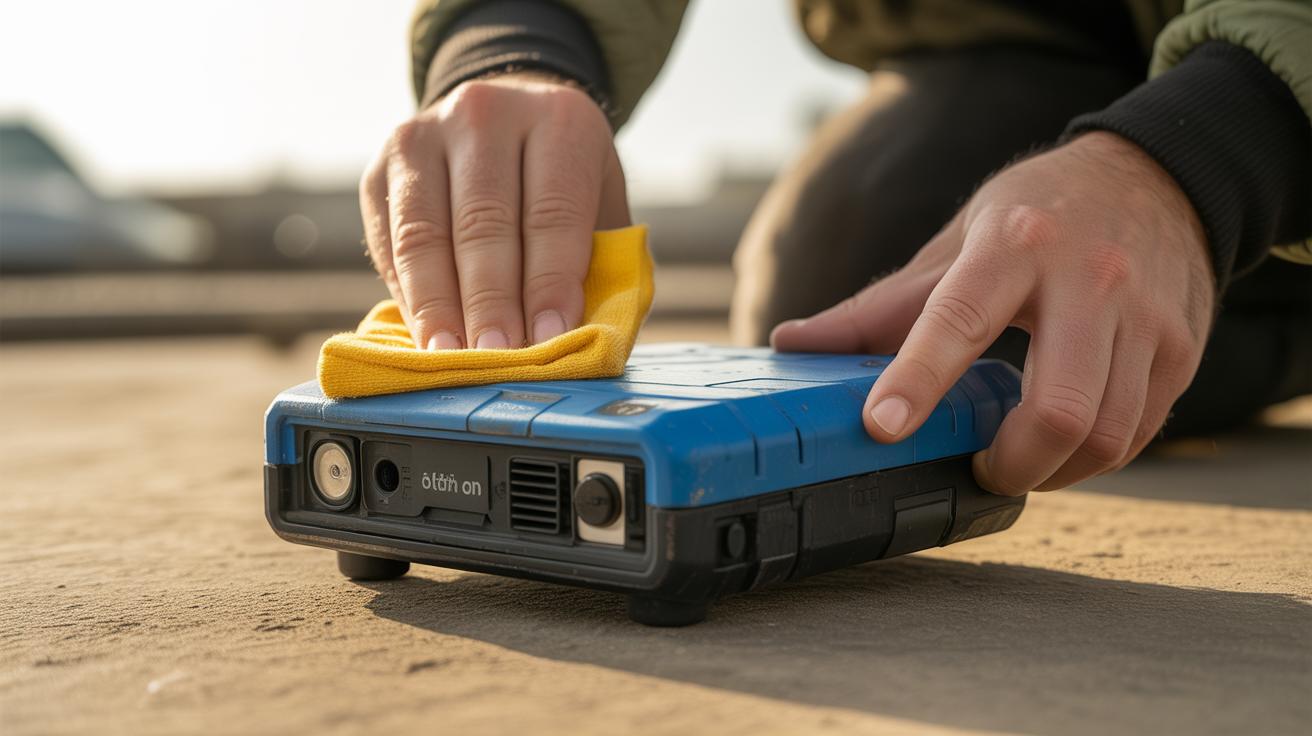
    Remove batteries before you touch any electronic toy. Don’t submerge these items, water and circuits do not mix. Wipe the outside with a cloth dampened with 70% isopropyl alcohol (rubbing alcohol) and be careful not to push liquid into ports (openings for cables) or seams. Cover openings with tape or plastic wrap while you clean nearby areas, let everything dry completely, then reinstall batteries and test. Follow the maker’s cleaning notes when they’re available.

    Post-illness handling (5 steps)

    1. Isolate the toy in a sealed bag or a designated dirty bin to stop cross-contamination.
    2. If the illness might be contagious, ask your vet whether testing or extra precautions are needed.
    3. Deep-clean toys that can handle it using the lede’s soak and dilution instructions; scrub all nooks and chambers (hidden cavities) so nothing gross is left behind.
    4. Inspect seals and gaskets (rubber rings), and check electronics for trapped moisture or corrosion (rust or damage).
    5. Toss any toy with internal contamination, broken seals, or compromised electronics, don’t try to fix a soggy gadget.

    In homes with more than one cat, mark or color-code toys so each cat keeps their own. Avoid sharing high-risk treat or puzzle toys without cleaning between users; use labeled clean and dirty bins so toys don’t get swapped by accident. Little tricks help, stick a strip of colored tape on a toy, or use different colored balls, simple, but it saves a lot of worry.

    Quick advanced checklist and FAQs

    - Special cases electronics, shared-toy handling and post-illness protocols (nuances, not repeats).jpg

    • Use pet-safe cleaners when you can (see Quick Recipes). They clean well without upsetting your cat or leaving weird smells.
    • Don’t use essential oils or dryer sheets on toys , they can irritate noses and skin. See the Plush section.
    • Check the Material Table before you try heat, solvents, or heavy methods. Solvents (strong chemicals that dissolve stuff) and heat can ruin some materials.
    • Keep a puzzles toolbox handy: a soft brush, a small toothbrush, pipe cleaners, and compressed air (the canned spray used to blow dust). These little tools make treat toys easy to clean. See Treat‑Dispensing Tools.
    • For electronics, pull the batteries first and follow the Electronics Protocol. Batteries can leak or short if you use water.
    • Not sure whether to fix or toss a toy? Follow the Inspection Cues / Repair vs Replace table for quick guidance.
    • Label toys by cat and keep separate clean and dirty bins so you don’t mix things up. See Storage Notes.
    • If a toy was involved in an illness or heavy contamination, contact your vet or the toy maker right away (see Post‑Illness handling). Better safe than sorry.

    FAQ (jump to existing answers):

    Final Words

    In the action: you’ve got a grab-and-go emergency protocol, an 8-step cleanup checklist, and clear soak recipes so you can act fast when a toy gets messy. Then the post walks material heat limits, mechanical sanitizers, pet-safe cleaners, puzzle/treat tools, plush care, drying and storage, plus electronics and post-illness tips, so multi-cat homes stay healthy and tidy.

    Stick with the lede soak ratios and rotation habits, and playtime stays safe, low-stress, and long-lived. Want to know how to clean and sanitize unbreakable cat toys? Happy pouncing.

    FAQ

    Cat Toy Cleaning & Disinfecting FAQ

    How to clean and sanitize unbreakable cat toys at home (DIY, YouTube, Reddit, vinegar)?

    Soak in hot water with 1 tbsp mild dish soap per gallon for 30 minutes, or soak puzzles/toys in a 1:1 solution of household white vinegar and water for 20–30 minutes; scrub, rinse thoroughly, and air-dry.

    How can I wash catnip-filled and plush cat toys (can you wash cat toys with catnip)?

    Machine wash in a mesh bag on cold/delicate with a pet-safe enzyme detergent, or hand-wash gently. Reshape and air-dry to help preserve catnip potency and fabric shape.

    How to safely disinfect cat toys and what disinfectant is safe to use on cats?

    Wipe nonporous items with 70% isopropyl (rubbing) alcohol; use diluted white vinegar for puzzles and similar items. Avoid routine use of bleach on toys, and do not use essential oils or dryer sheets on items that cats contact.

    How to disinfect toys that can’t be washed?

    Wipe surfaces with a cloth dampened with 70% isopropyl alcohol or use a UV sanitizer for solid nonporous items. For plush that can’t be laundered, deodorize by sprinkling baking soda then vacuuming. Discard toys contaminated with feces or vomit.

    How to clean toys after vomiting or illness?

    Remove affected toys from rotation, remove visible debris, pre-rinse, then perform a full hot-soap soak or vinegar soak as above, scrub, rinse thoroughly, and air-dry. Discard porous items that were contaminated by bodily fluids.

    How to clean fabric cat toys and preserve smell or catnip?

    Wash in a mesh bag on cold/delicate with pet-safe enzyme detergent or hand-wash with gentle agitation and minimal wringing. Air-dry completely. For mild odors, sprinkle baking soda, let sit, then vacuum.

    Related Articles

  • Signs of Play Aggression in Cats and Prevention

    Signs of Play Aggression in Cats and Prevention

    Ever had your cat turn a cuddle into a surprise bite and you just stared like, what happened? That little nip feels sharp, and your hand might sting or bleed. Play aggression (when hunting instincts get aimed at you) is usually the culprit.

    You’ll see it in the hunt: your cat sneaks, stalks, pounces, gives soft nips and shows claws. Mostly kittens and young cats do this, especially if they missed the right play lessons with littermates. Ever watched whiskers flare and eyes narrow before a sudden pounce? Yep.

    Good news: you can stop a lot of it with a few simple swaps. Give a satisfying catch toy (a small toy they can grab and carry) at the end of play so they feel like they won. Put your hands away and use a wand toy (a stick with a toy on a string, like a fishing rod for cats) for chases. Keep sessions short and timed , five to ten minutes works great , and finish with a calm, rewarded landing, not you as the target.

    Try this combo for a week and you’ll notice less surprise biting and fewer zoomies (sudden bursts of energy). I once watched my Luna leap like a tiny tiger for a felt mouse and then flop, totally content. It’s kind of magic. Worth every paw-print.

    Immediate Diagnostic Checklist: Is This Play or Something More?

    - Immediate Diagnostic Checklist Is This Play or Something More.jpg

    Play aggression looks a lot like hunting. You’ll see predatory-style behaviors (like hunting actions) aimed at people or things, not at getting away or truly hurting anyone. Picture whiskers twitching, a low-body crouch, and that laser focus right before a pounce.

    You usually notice it during toy play or when you’re waving a hand or wand and your cat’s hunting instincts kick in. It’s most common in kittens and young cats under about three years, and in early-weaned kittens (separated from mom too soon) or hand-raised kittens (raised by humans, not their mother) that missed the socialization window (3–16 weeks, when kittens learn bite control and how to play with others).

    Most bouts stop if you give a toy the cat can “catch,” or if you pause and the cat loses interest. Ever tossed a plush mouse and watched your cat flop over it like it won the lottery? That’s the safe reset. If the play keeps getting rough, step back and try a different strategy.

    Common signs to watch for:

    • Pouncing
    • Stalking
    • Chasing
    • Biting (soft nips)
    • Swatting
    • Claws out (claws extended, ready to grip)
    • Dilated pupils (big black centers)
    • Tail twitching
    • Focused stare
    • Ears back or flattened

    For subtle body cues, see the Body Language section (H2). For step-by-step plans and ways to track progress, see the Behavior Modification section (H2).

    Reading Body Language and Distinguishing Fear from Play

    ) for nuance and to the Behavior Modification section (.jpg

    That quick checklist covers the basics, but the real difference between playful stalking and scary aggression lives in tiny bits of body language. Watch the tail movement, note the ear angle, and pay attention to the eyes and sounds. These little details tell most of the story, honestly.

    Look at the tail: short, eager twitches usually mean hunting-mode play; hard, continuous lashing often means agitation. Check the ears: softly turned or swiveling ears show curiosity, while ears pinned flat or turned back usually signal fear or anger. Eyes matter too: pupil dilation (when the black center of the eye gets larger) can happen in dim light or during excitement, so timing and context are key. Vocal tone helps: quick chirps and trills tend to say I want to play, while long hisses or growls mean back off.

    Context and timing make things clearer. A bouncy, loose body that pauses and comes back for more is probably playing. A stiff, frozen cat that hides or snaps when approached is more likely scared or defensive. Try a short pause or a tiny distraction and see what happens; if the cat returns, it was likely play. Uh, these little tests are low-risk and give fast clues.

    Quick visual cues

    • Tail: light, intermittent twitches during stalking versus sustained hard lashing when the cat is upset.
    • Ears: softly turned or swiveling toward sound during play; pinned flat or rotated back when scared or angry.
    • Eyes/pupils: quick dilation during bursts of excitement, but sudden wide pupils paired with a frozen stare can signal high stress.
    • Vocalizations: short trills, chirps, or quick chatters mean play interest; prolonged hissing, growling, or yowling usually means fear or a warning.
    1. Observe overall posture and movement to see if the cat looks loose or tense.
    2. Check vocal cues for playful chirps versus defensive hisses.
    3. Pause briefly or offer a small distraction to test re-engagement and see if the cat returns or withdraws.
    4. Offer a toy and watch whether the cat chases and captures it calmly or reacts aggressively.

    See the diagnostic checklist (first H2) for the simple sign list, and the Behavior Modification section (H2) for tracking and intervention plans.

    Common Triggers and Root Causes

    ) for long-term plans and tracking.jpg

    Young cats learn to hunt by playing, so pouncing and biting are usually practice, not nastiness. Kittens and younger cats , roughly under three years old , and cats that missed the socialization window (3–16 weeks, when kittens learn bite control and how to play with others) are more likely to use rough tactics. Your kitten’s wild little energy is normal. Really.

    Overstimulation (when your cat’s excitement keeps climbing until they suddenly snap) is a big one. Long, high-energy play sessions or repeated chase games can push arousal up and up, until play turns into grabby behavior. Think of it like a car revving with no finish line , eventually something gives.

    The home setup matters a lot. Single-cat houses with few toys or little variety leave some cats bored and hunting for intense outlets. Sudden movements , feet, ankles, swinging socks , teach a cat that human limbs are fair game. Toys that never let your cat win, like a laser pointer without a final plush catch (a toy they can actually grab), can do the same thing. Ever watched your kitty chase a dot for five minutes and then bite your ankle? Yep.

    Using your hands as toys, or leaving long unsupervised free-play sessions, can normalize rough play and make escalation more likely. That quick nip can become a full-on grab if it’s rewarded with a squeal, a chase, or even attention. So, tweak the routine and you’ll often curb the behavior.

    Common triggers to watch for:

    • playing with hands or fingers like they’re toys
    • long, unsupervised play sessions
    • lack of toy variety or toys that can’t be caught
    • late-night zoomies and high-energy bursts
    • solitary housing or boredom
    • laser pointers without a final, catchable toy

    For the observable signs, see the diagnostic checklist (first H2), and check the Body Language H2 for nuance when you’re deciding if it’s play or fear.

    Prevention and Redirection: Immediate Tactics and Example Sessions

    - Reading Body Language and Distinguishing Fear from Play.jpg

    Rule number one: don’t let your hands or feet be the toy. Seriously, never use your fingers or toes as play targets. Swap in an interactive toy instead, like a wand (a stick with a feather or lure) or stuffed prey (a plush mouse or bird). That way your skin stays out of the game and your cat still gets the thrill of the chase and the satisfying pounce.

    If play starts to get too rough, freeze for a beat, then calmly step away. That little pause often drops their arousal. Toss a toy away from your body so your cat chases something, not you. Then switch to a wand or plush that lets them actually catch their prey. Rotate toys and treats so the hunt feels real and fresh.

    Keep gear in good shape. Broken clips or frayed strings can change how your cat plays and lead to weird, unsafe habits. Check DIY replacement attachments for teaser wands for easy fixes (attachments means the clip or string that holds the lure).

    Try short, scheduled sessions that copy a hunting rhythm:

    • Morning active chase , 5 to 10 minutes of wand play, quick bursts and big leaps. Wake-up energy, the good kind.
    • Midday puzzle , 10 to 15 minutes with a food puzzle or slow feeder (a toy that dispenses kibble slowly). Mental work, lower intensity.
    • Evening wind-down chase-and-capture , 10 minutes that ends with a treat or a small meal piece so they get a real catch.

    Use the diagnostic checklist in the first H2 to confirm these are play signs. And if you’re unsure about the subtle cues, check the Body Language H2 before trying redirection tactics.

    Safety, First Aid, and When Injuries Occur

    ) and the Behavior Modification section for next steps if behavior repeats.jpg

    Cat bites usually make a narrow, deep hole that can trap bacteria and lead to infection. Puncture (a narrow, deep wound) wounds are sneaky that way. Wash the area with soap and warm water, press gently to slow bleeding, and put on a clean bandage. These quick steps cut the chance of infection and help you feel more in control. Scratches can scar; see do cat scratches scar for more on outcomes and follow-up care.

    If the wound is deep, won’t stop bleeding, or shows clear signs of infection, get medical care. Signs to watch for are growing redness, warmth, swelling, pus, or a fever. Also see a provider sooner if you have a weak immune system (trouble fighting infections) or if your tetanus shots aren’t up to date. A clinician may prescribe antibiotics or give a tetanus shot (a vaccine against tetanus bacteria).

    1. Clean: wash with soap and warm water. Feel the soap and warm rinse loosen debris.
    2. Stop bleeding: press firmly but gently with a clean cloth. Hold it steady until the bleeding slows.
    3. Dress: cover with a sterile bandage and change it every day or sooner if it gets wet or dirty.
    4. Monitor: watch for more redness, swelling, heat, drainage, or fever. Trust your gut if something looks off.
    5. Seek medical care: for deep punctures, lots of bleeding, worsening signs, or if you’re immunocompromised.

    If the bite happened during play, jot down what led up to it so you can change how you play next time. Ever watched your cat go from purr to pounce in a second? Little changes in toys or timing can stop repeat bites. See the diagnostic checklist (first H2) for behaviors that commonly lead to bites and the When to Consult H2 for clear referral thresholds.

    When to Consult a Veterinarian or Certified Behaviorist

    - Common Triggers and Root Causes.jpg

    If play stops being playful and starts hurting, don’t shrug it off. When you see more than gentle nips, sudden, unpredictable attacks, repeated wounds, or no clear improvement after you’ve tried consistent redirection and safer play routines, get help. If you ever feel unsafe, or the incidents are happening more often or getting worse, reach out sooner rather than later.

    Start with a vet exam. Some medical problems can look like behavior issues or actually cause aggression. Things to rule out include dental disease or injury (mouth pain), thyroid problems (gland that controls metabolism), hormonal imbalances (hormone level problems), and neurological conditions (brain or nerve issues). A vet can run tests to check for these before you jump into a behavior plan.

    Bring clear records so the specialist sees the whole story:

    1. Video clips of the incidents showing the behavior. Even short clips help.
    2. Exact dates and times for each episode.
    3. What was happening right before each event, and any identified triggers.
    4. A list of interventions you already tried and how your cat responded.

    Pros often use a mix of diagnostics, a step-by-step behavior plan, pheromone options (scent products that can help calm cats), and sometimes medication. When you talk to professionals, use the diagnostic checklist (first H2) and the Body Language quick cues (H2) to report what you observed, it speeds things up and makes the plan more accurate. Worth the effort.

    Behavior Modification Plan and Tracking: Long-Term Graded Approach

    for nuance.jpg

    Think of this as a simple scorecard to make playtime predictable and helpful. Give each play episode a 1-5 score based on arousal (how excited your cat is) and contact. Start with short, scheduled interactive play sessions, 5-15 minutes, that follow a hunt pattern: stalk, chase, capture. Ever watched your cat freeze, stalk the feather, then explode into a leap? That’s the pattern we want to mimic.

    When scores creep up toward 4 or 5, redirect to a safer target. Reward calm captures with treats or kibble (dry cat food) right away. If biting or sustained contact happens, give an immediate brief time-out (a calm, 1-2 minute removal of attention) so your cat learns that rough contact ends the fun.

    Record quick video clips of each session and keep a weekly incident log (short notes on what happened). Video helps you spot subtle cues and makes it easy to show a vet or a behaviorist if you need backup. Over a few weeks you should see fewer high scores and more calm catches as you tweak play intensity, timing, toys, and rewards.

    Step Action Intensity Grade (1-5) Duration / Timing Owner Notes
    Baseline assessment Record three short play sessions to note typical intensity and triggers Three short sessions over three days Initial frequency, common triggers
    Scheduled play session Structured wand play that ends with a gentle capture and a treat 1-3 5-15 minutes, 1-3 times daily Time of day, toy used, outcome
    Redirection tactic Toss a plush toy away from your body to change the target 2-4 Immediate when arousal rises Which toys work best
    Time-out procedure Calmly stop play and remove attention for 1-2 minutes 4-5 As needed Cat response after pause
    Reinforcement strategy Reward gentle capture with food, praise, or a brief cuddle 1-2 Immediate after calm behavior Which rewards are most effective
    Weekly summary Review videos and incident log to spot trends and adjust plan Average grade Weekly Plan adjustments for next week
    • 1 = calm interest (sits or watches, light paw reach)
    • 3 = stalking and pawing without contact (active but controlled)
    • 5 = full pounce with biting or sustained contact (stop and time-out)

    Refer to the diagnostic checklist for the original sign definitions and the Body Language H3 for nuance when grading episodes.

    Final Words

    Spotted a quick stalk, pounce, or a light nip? That’s play aggression as we defined: predatory-style moves aimed at play, not harm.

    You’ve got a ten-item diagnostic checklist for fast ID, a body-language guide to read tail, ear and pupil cues, common triggers, redirection tactics with short session templates, safety-first aid steps, and clear thresholds for when to seek professional help.

    Use the tools to spot signs of play aggression in cats, try the short sessions, and enjoy calmer, happier multi-cat days.

    FAQ

    Cat play aggression — FAQs

    Signs of play aggression in cats towards humans or other cats — what do they look like?

    Predatory-style behaviors like stalking, pouncing, chasing, light nips, swats, extended claws, dilated pupils, a focused stare, tail twitching, and ears pulled back.

    How do I tell the difference between play and real aggression in cats?

    Play is bouncy, loose, and often chirpy; the cat may pause and return. Fear or real aggression is stiff, may include hissing or growling, and the cat avoids re-engagement.

    What is the 3-3-3 rule for cats?

    The 3-3-3 rule is a settling timeline: about 3 days of initial shock, 3 weeks to learn routines, and up to 3 months to feel fully comfortable and settled.

    How can I stop play aggression toward humans right away?

    Stop using hands as toys. Use wand/toy-on-a-string toys, toss toys for capture, pause play when the cat is overstimulated, and give short daily play sessions.

    How do I stop play aggression between cats or handle inter-cat attacks?

    Separate the cats, provide each safe spaces, do a slow reintroduction with scent swapping, increase play and enrichment, and consult a vet or certified behaviorist—especially if they missed the socialization window (3–16 weeks).

    My cat viciously attacked me unprovoked — what should I do now?

    Clean and dress wounds; seek medical care for deep puncture wounds. Document the incident (video and notes), check for medical causes, and contact your vet or a certified behaviorist.

    Related Articles

  • Durable Cat Toys for Play Aggression

    Durable Cat Toys for Play Aggression

    Think your cat is attacking you on purpose? Nope, they usually aren’t. What you’re seeing is play aggression, a fierce hunt drive: sudden lunges, sharp little bites, and that swishing tail that screams “prey.” Ever felt a surprise nibble on your hand and wondered what just happened? Your cat is hunting, not holding a grudge.

    So, redirect that energy with toys built for battle. Pick tough stuff that survives hard bites and wild pounces, like a teaser wand that moves like a fishing pole for cats (a long stick with a lure at the end), chew-safe plush bite targets (plush means soft fabric toys that are still durable), and puzzle feeders (toys that hide food or treats and make your cat work a little). These let your cat finish the “hunt” without your skin taking the hit, and they save you money over time.

    Tip: rotate toys and give short, focused play sessions so they burn off drive, ten minutes of wild play before you leave can do wonders. I once watched Luna leap six feet for a wand; worth every paw-print.

    Immediate relief for play aggression: quick redirection steps

    - Immediate relief for play aggression quick redirection steps.jpg

    Toys give fast relief by turning your cat’s hunt drive toward something safe. Think of a wand like a fishing rod for cats – the exciting chase stays, your skin does not. You’ll hear the soft thump of a pounced toy, see whiskers flare, and breathe easier.

    Watch for the signs: sudden lunges, biting at hands, a swishing tail, flattened ears, hissing or growling. Those are high-arousal hunt cues. Your cat isn’t being mean on purpose. They’re basically saying, “Prey!”

    When it starts, move quick and stay calm. Use a nearby toy to change the focus and keep your hands out of the hunt. For a full plan and the twice-daily sessions recommended for long-term change, see the H2 titled "How to use cat toys for play aggression: step-by-step training routine" for the schedule and exact bout structure.

    1. Redirect immediately to a wand or teaser (feather-on-a-stick), a plush bite-target (soft toy made for biting), or a quick puzzle feeder (treat-dispensing toy). Make the toy the target, not your skin.
    2. If biting keeps happening, pause play calmly – step back, stop moving, and stay quiet. No shouting, no grabbing. Let the excitement drop.
    3. Swap the toy type to finish the hunt-catch-eat loop. Try active play first, then a food-based finish, or the other way around, so your cat gets the full reward.
    4. Resume later with a scheduled short session so play stays structured and predictable. Short sessions beat chaotic free-for-alls.

    Short, confident switches plus predictable follow-through give fast relief and teach better targets over time. Worth every paw-print.

    Durable Cat Toys for Play Aggression

    A quick, friendly shopping guide to toys that survive rough play and help redirect your cat's hunting drive. Pick from active wands, puzzle feeders, chew-safe plush targets, or track and electronic toys based on how your cat likes to play. Ever watched your kitty stalk a sock? That same urge needs a safe outlet.

    Active / Wand & Teaser Toys

    Wands copy prey motion so your cat learns chase and bite control without your skin as the target. Use short, supervised bursts of play, three to seven minutes, to keep arousal healthy and teach stop cues.
    What it mimics: Fluttering birds or mice, and it redirects pounce-and-bite behavior.
    Best use: You are the lure, so always supervise and set the pace.
    Material notes: Look for reinforced stitching and lines that attach securely. Replace frayed lines and swap out worn attachments instead of sewing on risky threads.

    Puzzle Feeders & Treat-Dispensers

    These finish the hunt-catch-eat loop by giving food as a reward after work. They calm high-drive cats and add mental challenge, which cuts boredom-driven aggression.
    What it mimics: Foraging and problem-solving, so the cat earns its snack.
    Best use: Great for solo use after you’ve done active play, or supervised if your cat is new to it.
    Material notes: Prefer silicone (soft, durable, rubber-like material) or hard plastic that is dishwasher-safe; avoid toys with small removable parts.

    Durable Chewables & Plush Bite Targets

    Made for bitey cats, these stand in for hands, curtains, and couch corners. They give a safe sink-and-shake outlet so your cat can satisfy bite-and-hold instincts.
    What it mimics: Bite-and-hold behavior, very satisfying for cats that like to grip and shake.
    Best use: Supervise at first, then leave alone only if the toy stays intact and has no loose bits.
    Material notes: Heavy-denier plush (thick, tightly woven fabric), tight seams, or nylon chew sticks (nylon is a tough synthetic, like a chew bone) and solid rubber; avoid glued-on eyes or loose stuffing.

    Track, Rolling & Electronic Toys

    Three-track balls, 360-ring systems, and motion-activated devices give unpredictable movement for solo play, but not every cat likes constant motion. Introduce these toys supervised to see if your cat gets overstimulated.
    What it mimics: Small, erratic prey movement for independent chase.
    Best use: Solo engagement for cats that handle motion, supervised at first for those who do not.
    Material notes: Check battery compartment security and prefer enclosed parts. A heavy base helps keep tracks from tipping or flying.

    Toy Category Typical Price Range Best For Notes/Safety
    Wand / Teaser $10 – $25 Chase training, bite inhibition Supervise; replace frayed lines; no loose attachments
    Puzzle Feeders $15 – $60 Finish hunt-catch-eat, mental work Prefer dishwasher-safe silicone/hard plastic; no small parts
    Durable Chewables / Plush $10 – $40 Heavy biters, bite-target replacement Heavy-denier fabric, reinforced seams; avoid glued bits
    Track / Electronic $20 – $150 Solo chase, novelty Introduce supervised; check battery cover security

    Durability checklist when buying or testing toys:

    1. Pull on seams and attachment points. No loose stitches.
    2. Bite-test material with fingernail pressure to simulate chewing; prefer solid rubber, silicone (soft, rubber-like), or thick nylon.
    3. Open and inspect battery compartments; lids must lock or screw closed.
    4. Favor enclosed parts over glued-on bits like eyes or beads.
    5. Weight and stability test for tracks and bases; give a vigorous shove to check tipping.
    6. Pick washable fabrics or dishwasher-safe plastics so you can clean them.

    Most heavy players do best with a combo: a wand for chase, a puzzle feeder to finish the hunt, and a durable chew target for biting. Rotate categories so toys feel new, and always follow simple safety and maintenance: clean, inspect, retire when worn. Worth every paw-print.

    How to use cat toys for play aggression: step-by-step training routine

    - Toy types, durability  buying guide.jpg

    Want to teach your cat where hunting stops and reward begins? This is a simple, repeatable plan to make play predictable, tiring in the right way, and satisfying for your cat. Think of it as a training recipe: timing, toy mix, and a calm finish so play stays fun and not scary.

    1. Daily timing windows
      Plan two interactive sessions each day. One within an hour of waking, and one about an hour before the evening wind-down. These regular play windows give your cat reliable outlets for peak energy. Ever watched them explode with zoomies right after a nap? Yeah, this helps.

    2. Session length and structure
      Aim for 10 to 15 minutes total. Break it into short, high-energy bursts of 3 to 7 minutes with 20 to 60 seconds of rest between bursts to avoid overstimulation. Short and punchy beats long and frantic.

    3. How to run a 10 to 15 minute session
      Start strong so the chase instinct wakes up. Repeat a few chase bursts, then slow the pace so your cat can settle before food. Keep your hands out of the hunt and use a bite-safe toy (tough chew toy made for cats) if your cat tries to bite the target. It teaches them toys are for catching, not your fingers.

    4. End with food
      Finish each session by switching to a puzzle feeder (a toy that hides treats so your cat has to work to get them) or a treat-dispensing toy. That completes the hunt-catch-eat sequence and helps your cat calm down after the chase.

    5. Handling escalations like biting or rough play
      Stop moving the toy and step back calmly. Wait for your cat’s arousal to drop; if biting happens again, pause the session and try in 20 to 30 minutes. Give lots of praise or a tiny treat when they choose the toy over your hand or the couch. Positive wins every time.

    6. Introducing electronic or motion toys
      Try new motion devices only in short supervised trials for the first week so you can spot overstimulation. An electronic toy (battery-powered moving toy) can be super engaging but some cats get too wound up. If a toy seems to push them over the edge, retire it and try a different type.

    7. Two-week rotating-toy plan
      Rotate toys so novelty stays high and play stays interesting. Below is a simple two-week pattern to follow. Swap in a different active toy on the second week to keep things fresh.

    Week Mon/Wed/Fri Tue/Thu/Sat Sun
    Week A Wand/Teaser Puzzle Feeder Durable Chewable or Plush
    Week B Track or Electronic Toy Puzzle Feeder Durable Chewable or Plush

    Example 10-minute session

    • Warm up 2 to 3 minutes with a wand, using slow teasing motions to get interest.
    • High-speed chase 3 to 4 minutes, with quick darts and erratic pulls.
    • Pause and settle 1 to 2 minutes; hold the toy still so your cat can catch their breath.
    • Finish 1 to 2 minutes with a puzzle feeder treat to complete the hunt sequence.

    Keep a simple progress log: date, toy used, session length, any incidents like bites or scratches, and your cat’s mood. With steady practice, most owners see improvement in a few weeks. I once watched my floof leap six feet for a wand, so worth it.

    Worth every paw-print.

    DIY redirecting toys and replacements

    - How to use cat toys for play aggression step-by-step training routine.jpg

    Quick, low-cost projects to keep play safe and fun. Safety and toy-inspection rules live in the Safety & maintenance section, so check there before you leave homemade toys out overnight. These are meant for supervised play at first, okay?

    1. Braided fabric tug toy
    • Materials: three strips from old cotton T-shirts (cotton = breathable, soft fabric).
    • Build: tie a firm knot at one end, braid the strips tight so it feels chunky in your hand, finish with another knot and triple-stitch the ends. It has a nice weight and the satisfying thud when your cat chases it.
    • First-use test: try a short supervised tug session, watch for loose strands, and re-tie or stitch any frays.
    1. Stuffed durable sock mouse
    • Materials: one thick sock, polyfill stuffing (polyfill = synthetic fiber), heavy thread and needle.
    • Build: stuff the toe to make a little body, shape a mouse with your fingers, and sew it closed using backstitches. No glued-on eyes, please; stitch the face so nothing peels off.
    • First-use test: give it a supervised five-minute pounce and check the seams right after play.
    1. Cardboard hunting box (peek and pounce)
    • Materials: a sturdy box, scissors, a crinkly ball or ping-pong ball.
    • Build: cut small peek-holes and a top flap, toss the ball inside so it rolls and rustles. Trim any loose tape loops and make sure there are no tiny bits your cat could chew off.
    • First-use test: watch for chewing or tearing. If pieces start coming off, retire the box.
    1. Reinforced wand attachments
    • Materials: a short length of braided nylon cord (nylon = tough synthetic), heavy thread, lots of strong stitches.
    • Build: loop the cord through the wand attachment point, sew multiple passes and knot securely. Then give it a heavy tug and shake test. For step-by-step tips, follow DIY replacement attachments for teaser wands.
    • First-use test: do a forceful pull and a quick supervised play session to be sure it stays put.
    Project Risk Notes
    Braided tug toy Main risks: loose strands. Mitigation: make reinforced knots and trim frays.
    Sock mouse Main risks: seam failure or small bits. Mitigation: use strong backstitching and no glued parts.

    For full repair steps, a complete materials list, and stitch patterns for wand fixes, see DIY replacement attachments for teaser wands.

    Choosing toys by age, condition, and household type (kittens, seniors, multi-cat, declawed)

    - DIY redirecting toys and replacements.jpg

    Cats at different life stages and in different homes want different kinds of play. A kitten's tiny teeth and short attention span ask for quick, guided fun. An older cat needs gentler motion and softer textures. And when you have more than one cat, toys can become hot commodities. Match toy type, how long you play, and how many copies you own to each cat’s needs.

    Kittens

    Kittens are learning about bite control and how to play safely. Short, owner-led wand sessions teach them to chase and let go without using your hands. Try these habits early and you’ll save your fingers later.

    • Use wand play for bite inhibition. Keep it short and supervised, about 2 to 5 minutes.
    • Offer rubber teething toys (soft, chew-friendly rubber) so they can gnaw safely. Little teeth love something to nibble.
    • Rotate wand attachments and toss frayed bits right away so curious mouths don’t find hazards.

    Ever watched a kitten pounce and then fall asleep on the toy? Cute and useful.

    Seniors and Sensitive Cats (including declawed)

    Older or paw-sensitive cats need low-impact movement and short sessions so their joints don’t ache. Think gentle rolls and soft textures that let them pounce without strain.

    • Pick rolling balls and gentle puzzle feeders (treat-dispensing toy) that reward mild, easy foraging.
    • Go for plush with tight seams and soft surfaces; avoid sisal (rough plant fiber) edges if their paws hurt.
    • Keep playtime very short. A few minutes of interest-building play is perfect.

    It’s nice to see them chase something without wobbling, right?

    Multi-cat households

    When several cats live together, competition for toys can spark fights. Spread toys around, duplicate prized items, and stagger play so no one feels they must guard a toy.

    • Have multiple copies of high-value toys so sharing isn’t forced.
    • Run staggered play sessions so one cat isn’t guarding while another wants attention.
    • Offer separate puzzle feeders or timed dispensers to reduce resource tension.
    • Add vertical space and separate resting spots so cats can cool off after play.

    Sometimes a second copy of the feather wand is all the peace you need.

    Quick-reference checklist

    Cat type Recommended toys Session length How many copies
    Kittens Wand toys; rubber teething toys (soft, chew-friendly rubber) Short, supervised 2–5 minutes 1–2
    Young high-drive adults Active wand; puzzle feeder (treat-dispensing toy) Medium intensity sessions 2
    Seniors Rolling balls; gentle puzzle feeder (treat-dispensing toy) Low intensity, very short 1 each
    Declawed / paw-sensitive Soft plush with tight seams; low-impact chase toys Very short sessions 1–2
    Single indoor cat with aggression Mix of active toys + food puzzles + durable chew Twice-daily routine 2–3
    Multi-cat home with rivals Duplicate favorites; separate feeders Stagger playtimes One copy per cat for high-value items

    Safety & maintenance

    - Choosing toys by age, condition, and household type (kittens, seniors, multi-cat, declawed).jpg

    Let’s keep toy cleaning and retirement simple and regular. Wash washable toys every week or after a messy play session. Retire any toy that shows damage like exposed stuffing (the filling poking out), loose parts, cracked plastics (sharp edges or splinters), a persistent smell you can’t get out, or serious chew damage. Replace frayed strings, ribbons, or cords right away so your cat never finds a chewable hazard. And always choose toys labeled for pets made from non-toxic materials (safe if licked or nibbled).

    Battery-powered and motion toys need a little extra care. Pick devices built for pets with secure battery compartments (where the batteries sit and that snap or screw closed). Check those covers before every use, and take the batteries out when you retire or store a toy long-term. For ribbon or string play, always supervise. Put strings away out of sight after play so curious mouths and paws don’t get tangled.

    Maintenance schedule

    1. Quick pre-play check: before every session, give the toy a fast once-over for loose bits, frays, or wobble. If anything looks off, don’t use it.
    2. Weekly deeper inspect: run your fingers along seams (where pieces are stitched together), squeeze plush toys to find hidden splits, and flex hard plastic parts to spot hairline cracks.
    3. Cleaning cadence: wash washable toys weekly or after messy play; wipe down hard plastics and electronic housings (the casing around motors or circuits) with a damp cloth.
    4. Battery care: check battery compartments weekly for tightness, replace weak batteries, and remove batteries when storing or retiring toys.
    5. Safe storage: keep small parts, loose batteries, and strings in sealed containers; store string toys up high and out of sight.

    Warning signs that mean retire the toy now

    • Loose or opened seams
    • Exposed stuffing or loose filling
    • Cracked, splintered, or brittle hard plastic
    • Missing or loose battery cover, or loose batteries
    • Frayed strings, ribbons, or cords
    • Moving parts that stick, make odd noises, or get hot

    If you’re ever unsure, toss it. Your cat’s safety is worth a replacement.

    Refer to the durability checklist in the "Toy types, durability & buying guide" section for purchase-time tests like pull-on-seam checks, bite-test material, and battery-compartment security.

    Safety signs, progress tracking, and when toys aren’t enough

    - Safety  maintenance.jpg

    Play aggression usually shows up during playtime: high energy, chasing, swatting, then sudden lunges or bites. Ever watched your kitty go from gentle pounce to full-on nibble? That’s play arousal. Fear-driven aggression looks different , flattened posture, trying to run or hide, and striking without any playful cues. Watch the scene: is she chasing a teaser wand or cowering and striking from a hiding spot?

    Keep a simple log so you can spot patterns. Jot the date, which toy you used, how long you played, any bites or scratches, and mood notes like more grooming or hiding. With steady, twice-daily sessions and rotating toys, lots of cats calm down over weeks; the log helps you see what’s helping and what to swap. I once tracked Luna for a month and the bites dropped way down , worth every paw-print.

    Metric Tracked How to Record Goal
    Incidents per week Count bites or scratches during/after play Fewer incidents over several weeks
    Session adherence Mark days and session length followed Consistent twice-daily routine
    Mood / interaction quality Short note: relaxed, tense, avoids, engages More calm, toy-focused play
    1. See a vet or certified behaviorist if aggression is sudden or severe, seems linked to pain, or doesn’t get better after a few weeks of consistent toy-based training.
    2. Bring your log, a short video of the behavior, and notes on recent changes like new people, meds, or a move.
    3. Mention any injuries or ongoing avoidance, those clues can point to medical causes.
    4. Ask about adjuncts like pheromone support (synthetic calming scent) or a pain exam so you leave with clear next steps.

    Final Words

    Jump right in: when play gets rough, pick a wand, plush bite-target, or puzzle feeder (treat-dispensing toy) to guide the hunt into a safe game.

    We covered quick redirection steps, what to buy, durable materials and price bands, how to run a twice-daily training routine, DIY fixes and wand repairs, choosing toys by age/household, plus safety and tracking tips.

    Stick with short, regular sessions, log progress, swap toy types weekly, and you'll see calmer, happier cats. With the right cat toys for play aggression, your home will feel more peaceful and playtime will be claw-tastic.

    FAQ

    Frequently Asked Questions

    What toys are good for cats with play aggression?

    Toys that redirect the hunt are best: wand/teasers, plush bite-targets, and puzzle feeders. Choose durable materials such as solid rubber, heavy-denier plush, or nylon bite sticks for safety and longevity.

    How do I stop playful aggression in my cat and what toys can I give to help?

    Redirect the hunt using toys. Use a wand, plush bite-target, or quick puzzle feeder and train calmly—these give safe outlets and teach appropriate play.

    What toys work best for cats home alone or bored indoor cats?

    Puzzle feeders, rolling/track toys, and motion toys work well. Finish play with food rewards, rotate toys weekly, and keep sessions regular to lower rough play.

    Are electronic interactive cat toys safe for aggressive players?

    They can be safe for solo enrichment but may overstimulate some cats. Introduce them under supervision, ensure battery compartments are secure, and remove batteries when storing or retiring the toy.

    What should I look for when buying toys for aggressive chewers?

    Pick solid rubber or silicone, thick nylon chew sticks, tightly stitched heavy-denier plush, or sisal. Prices vary by category (roughly $10 up to $150).

    What are the signs of play aggression in cats?

    Look for sudden lunging, biting at hands, swishing tail, flattened ears, hissing, or growling—especially during high-energy play.

    What should I do when my cat bites during play?

    Redirect immediately to a wand, plush bite-target, or puzzle feeder. If biting continues, pause calmly, swap toy type to finish the hunt, and resume later with a scheduled session.

    How long before toys reduce play aggression?

    With twice-daily interactive sessions, toys can reduce play aggression over a few weeks. Keep a simple log of dates, toys, session length, and incidents to track progress.

    When should I consult a veterinarian or behaviorist about aggression?

    See a vet or behaviorist if aggression is sudden, severe, tied to pain, or not improving with consistent toy-based training. Bring your session log, note recent changes, and any signs of injury.

    Related Articles

  • Siamese Cat Facts: Origin, Behavior, Care

    Siamese Cat Facts: Origin, Behavior, Care

    Think Siamese cats are just pretty faces? Think again. They’re more like chatty roommates than aloof pets, following you like a soft shadow and holding full conversations with their loud, lilting meows. Ever watched your kitty insist on lap time at 2 a.m.? That’s classic Siamese.

    They come from Thailand, which used to be called Siam, and were once treasured in temples and royal homes. You’ll notice their bright blue eyes and point colors (darker fur on cooler body parts like ears, face, paws, and tail) , it’s temperature-sensitive coloring, so the colder spots get darker.

    Personality-wise they’re bold, curious, and super social. They want to be where you are, learn tricks fast, and can get bored if left alone too long. Some are clingy in the best way; others are a little dramatic when you ignore them. Cute, right? Um, also loud.

    Lifespan indoors is usually 15 to 20 years. Health-wise, they’re generally sturdy but can be prone to dental issues, respiratory sensitivities, and weight gain if under-exercised. Regular vet checkups and dental care go a long way.

    Care tips: play with them daily, use puzzle feeders to keep their clever brains busy, and offer high perches so they can survey the room. Brush them sometimes and measure meals to avoid obesity. Keep them indoors for safety and consider microchipping.

    If you want a quiet couch companion, a Siamese might not be your cat. But if you love talkative, affectionate, and clever roommates who demand play and attention, they’re a perfect fit. I once watched a Siamese leap three feet just to swipe a feather toy mid-air, pride and chaos all at once.

    Worth every paw-print.

    Quick Overview: Core facts at a glance

    - Quick Overview Core facts at a glance.jpg

    Siamese cats come from Thailand and are famous for their blue eyes, chatty ways, and those dark color points on their face, ears, paws, and tail. They usually live about 15 to 20 years indoors, tip the scales around 8 to 14 pounds, and thrive on company. Ever watched one follow you around like a shadow? Yeah, they’re that people-focused.

    • Origin: Thailand (formerly called Siam). (Cat Fanciers' Association)
    • Lifespan: typically 15–20 years indoors; some live longer. (Cornell Feline Health Center)
    • Adult weight: about 8–14 pounds. (Cat Fanciers' Association)
    • Appearance: temperature-sensitive color points (fur that gets darker in cooler areas of the body) , common colors are seal, chocolate, blue, and lilac, plus rarer variants. (The International Cat Association)
    • Eyes: deep blue with adapted low-light vision. (Cornell Feline Health Center)
    • Temperament: very vocal, social, and focused on people , they love interaction and chatter. (American Veterinary Medical Association)
    • Health highlights: watch for progressive retinal atrophy (a genetic eye disease that slowly reduces vision), some heart issues, and routine dental disease (gum and tooth problems). (American Veterinary Medical Association; Cornell Feline Health Center)
    • Suitability: they prefer close companionship and usually do poorly if left alone for long periods. (American Veterinary Medical Association)
    • Notable types: the modern wedge-shaped head type, the older apple-head type, and the long-haired Balinese (a Siamese with longer fur). (Cat Fanciers' Association)

    siamese cat history and origin: Thai roots to Western recognition

    - siamese cat history and origin Thai roots to Western recognition.jpg

    Tamra Maew (cat poems) are old Thai manuscripts that mention those blue-eyed, point-colored cats during the Ayutthaya period (about 1351 to 1767 CE). These poems are the earliest written record we have of the breed in Thailand. Ever notice how their eyes seem to glow? That history is where it starts.

    By the 1800s Siamese cats were beloved by Thai royalty and temple communities. People sometimes believed they carried royal souls, and monks often looked after them. There’s a fun old tale that they’d pounce on intruders to guard a throne – part real guardian, part legend. Point color means the face, ears, paws and tail are darker than the body, by the way.

    Live exports went to Europe in the late 1800s. Famous pairs like Pho and Mia arrived and the type appeared at the 1871 London cat show. Interest grew fast – a U.K. Siamese fanciers group formed around 1902, and the Cat Fanciers' Association gave the breed official recognition in 1906.

    Soon Siamese cats worked their way into Western culture. A Siamese was even a White House pet in the Hayes era, and the breed popped up in movies and among celebrities. Embassy cats reportedly helped reveal hidden microphones in Moscow, which is about as spy-movie as real life gets. No wonder people fell head over paws for them.

    siamese cat appearance and color-point genetics explained

    - siamese cat appearance and color-point genetics explained.jpg

    Siamese cats get their famous dark points because of a heat-sensitive enzyme called tyrosinase (an enzyme that helps make pigment). The enzyme doesn’t work as well at normal warm body temperatures, so the warm belly and back stay pale while cooler spots , the face, ears, paws, and tail , show darker color. It’s a neat trick of biology that gives them that dramatic mask-like look.

    Kittens usually arrive creamy or almost white because the enzyme is mostly inactive inside a warm newborn. As their little noses, ears, and paws cool over the first weeks, pigment starts to show and the points begin to darken. You’ll often see the first hints by 2 to 3 weeks, the contrast becomes clear around 6 to 12 weeks, and then the points can keep deepening slowly through adulthood as seasons and room temperature change pigment expression.

    The genetics behind this are pretty straightforward: the classic Himalayan, or color-point, allele of the tyrosinase gene plus other modifier genes that tweak how much pigment appears and where. Think of those modifiers as tiny volume knobs for color , some turn the points almost off so they look very pale, nearly like a near-albino, while others let more pigment through so the points look darker even on slightly warmer skin. Those effects depend on typical cat body temps, about 100 to 102.5 degrees Fahrenheit (37.8 to 39.2 degrees Celsius).

    Recognized point colors start with four main categories: seal, chocolate, blue, and lilac. Breeders and geneticists also report variants like caramel and cinnamon that come from extra alleles and modifiers. Body type doesn’t change the color genes, so older “apple-head” Siamese and the sleek modern wedge-types can share the same points. And Balinese cats are basically long-haired Siamese , same point genes, plus a long-hair gene.

    Color Point Typical Appearance Notes
    Seal Very dark brown to almost black points Classic high-contrast look on a pale body
    Chocolate Warm, milk-chocolate brown points Softer contrast than seal, cozy tone
    Blue Soft steel-gray or bluish points Muted, cooler feel
    Lilac Pale pinkish-gray points Delicate, low-contrast appearance
    Caramel / Cinnamon Warm beige to spicy brown tones Less common, driven by modifier genes

    Those pigment quirks also tie into eye color and vision. The color-point pathway is linked to having blue eyes and to some differences in how visual wiring develops, which helps explain why Siamese often have striking deep blue eyes and particular low-light vision traits. Ever watch those eyes catch the light? It’s pretty mesmerizing.

    siamese cat temperament: vocal behavior, social needs, and trainability

    - siamese cat temperament vocal behavior, social needs, and trainability.jpg

    Siamese cats are famously vocal, a little opera house in fur. They chirp, yowl, meow and trill (a soft vibrating chirp), and they use those sounds like words – to get your attention, tell you they found something, demand play, or greet you at the door. Their calls can be specific: a short cry for food, a long complaint when bored, a soft trill to invite you over. Watch the body language too – tail flicks, ear position, and a fixed stare (an intense, focused look) say a lot. Many Siamese learn to “speak” on cue, so you might get an answer when you call their name. (AVMA)

    They form very strong bonds and often follow their people around the house. Introduce them calmly and early and they usually do fine with kids and friendly dogs, because supervised play teaches everyone limits (feline behavior specialists). Left alone too long, some Meezers (a cute nickname for Siamese) can get separation anxiety (stress from being left alone) – look for nonstop vocalizing, destructive scratching, or changes in litter habits. Simple fixes help: a friend-cat, puzzle feeders (food toys that make your cat work for treats), timed play sessions, and a predictable daily routine so they know when attention is coming.

    Siamese are clever and love to solve problems, so they pick up tricks fast. Clicker training (a small click device that marks good behavior), fetch, and puzzle toys are perfect for their brains. Keep training short and consistent – think two 5 to 10 minute sessions a day with treats and praise – and rotate toys so things stay fresh. Mental work tires them out almost as much as a good chase, and a tired Meezer is a calmer Meezer. (AVMA; feline behavior specialists)

    siamese cat health, lifespan, and preventive care

    - siamese cat health, lifespan, and preventive care.jpg

    Indoor Siamese cats usually live about 15 to 20 years, and with steady care many sail into their twenties. Keeping them indoors, at a healthy weight, and mentally busy really adds years and comfort to their lives (Cornell Feline Health Center). Ever watched your kitty’s whiskers twitch as a toy skitters across the floor? Little joys like that matter.

    Siamese have a few breed-linked health concerns to watch for. Progressive retinal atrophy (PRA) is a genetic eye disease that slowly steals vision and can cause night-blindness; you might notice bumping into furniture, wider pupils, or a different way your cat tracks toys (progressive retinal atrophy (PRA); Cornell Feline Health Center). Some Siamese can get cardiomyopathies, which is heart muscle disease; signs include getting tired easily, coughing, fainting, or breathing fast during light activity , early heart murmurs or irregular beats can show up on exam (peer-reviewed cardiology sources; AVMA). Dental disease is common and often starts young , think gum inflammation and tartar buildup; bad breath, drooling, or trouble eating are clues. And those old-school traits like crossed eyes or kinked tails? Mostly historical now thanks to modern breeding, so they’re not top health priorities.

    Preventive Care Checklist

    1. Kitten core vaccine series: start at 6 to 8 weeks, then repeat at 10 to 12 weeks and 14 to 16 weeks. Follow your vet’s guidance for timing (AVMA).
    2. Adult core vaccines: booster at 1 year, then follow a risk-based schedule your vet recommends (AVMA).
    3. Start tooth brushing when they’re young. Use a finger brush or a soft toothbrush and work up to brushing several times per week , daily if you can. It pays off (Cornell Feline Health Center).
    4. Cardiac screening: get a baseline heart exam by 1 to 2 years, then repeat every 1 to 3 years or sooner if you notice symptoms (peer-reviewed cardiology sources).
    5. Vision and eye checks: have eyes checked during kitten visits and anytime you spot changes in sight or eye appearance (Cornell Feline Health Center).
    6. Microchip: implant at spay/neuter or during another routine procedure, then register the chip details right away.
    7. Parasite prevention: use monthly flea and parasite control, and regional heartworm prevention if your vet recommends it (AVMA).
    8. Senior bloodwork: start annual labs around 8 to 10 years, and test more often if problems show up (peer-reviewed geriatrics sources).
    9. Indoor safety: secure windows and screens, remove toxic plants and human meds, and give lots of enrichment to lower injury and stress risks.

    Routine preventive care , vaccines, dental habit-building, targeted screenings, parasite control, microchipping, and a safe indoor life , helps catch problems early and adds healthy years to your Meezer’s life. Isn’t it nice when a toy still makes them pounce after years of play? (AVMA; Cornell Feline Health Center)

    siamese kitten facts and raising siamese kittens

    - siamese kitten facts and raising siamese kittens.jpg

    Kittens hit a bunch of milestones fast. Their eyes usually open at about 7 to 14 days, they start wobbly walking around 2 to 3 weeks, and by 3 to 4 weeks you’ll see litter-training and playful pouncing. By 6 to 8 weeks most kittens are exploring, wrestling with siblings, and getting their coordination down. Those first weeks are busy, tiny mews, noodle-legged hops, and sudden zooms across the floor.

    Between 6 and 12 weeks your kitten’s personality really blooms. Play sessions get longer, hunting moves like stalking and pouncing sharpen, and curiosity sends them up on low furniture and into boxes. Around 8 to 12 weeks they’re usually ready for basic training games, short holding sessions, and simple name cues. Little naps follow every dramatic sprint. Really.

    Socialization is easiest when it starts early. The key window is roughly 2 to 9 weeks, so gentle, frequent handling then helps a kitten grow confident and friendly. Handle them calmly for a few minutes several times a day, introduce different people, and get them used to steady household sounds like a vacuum at low volume or kitchen noises. Train carrier tolerance with short, pleasant rides in a carrier (the small box used to safely move kittens).

    Introducing other pets? Take it slow. Swap bedding scents so they can smell each other first, let them sniff through a closed door, then move to supervised face-to-face visits with treats and soft praise. Touch their paws, ears, and mouth gently so vet exams and grooming feel normal later.

    Worth every paw-print.

    Vaccination timing at a glance: start core vaccines around 6 weeks and follow the series through about 14 to 16 weeks. Core vaccines (shots that protect against common, serious diseases) are best scheduled with your vet, so check the health section’s Preventive Care Checklist for exact timing and guidance.

    Feeding and enrichment basics: newborns nurse often, but by 4 weeks offer moistened kitten food, and move to regular kitten kibble by 8 weeks (kitten kibble means small-sized dry food made for growing kittens). Short, daily play sessions with teaser wands, puzzle feeders, and small safe toys build skills and tire them out, win for you, win for them. Ever watched your kitty chase a feather and look utterly feline fine? It’s the best.

    siamese cat care essentials: grooming, diet, enrichment, and household fit

    Siamese coats are short and easy to care for. A quick weekly brush removes loose hairs and gives you a nice bonding moment, your Meezer will probably purr the whole time. The Balinese long-haired variant carries a long-hair gene (a simple mutation that makes the fur longer), so plan on light brushing a few times a week to stop tangles.

    Give your Siamese warm, cozy sleeping spots and lots of vertical space. Insulated beds (beds that hold in heat) and draft-free nooks suit their thin coat, and a thick window perch is perfect for bird-watching. Add shelves or a tall cat tree near a sunny window so they can climb, nap, and bolt off for a zoom, vertical space equals play space.

    Feed for activity and lean muscle. Choose a high-protein adult formula and use portion control to hit your cat’s ideal weight. For many adults that looks like two measured meals per day; kittens need smaller, more frequent feedings. Try puzzle feeders (toys that make cats work for food) or a timed food dispenser (a device that releases meals on a schedule) to slow eating and add mental work. For exact targets and portions, check veterinary nutrition guidelines and talk with your vet (veterinary nutrition guidelines; AVMA).

    Keep enrichment short and varied. Two focused play sessions a day, two 5 to 10 minute bursts with a wand toy or a little motorized mouse, mimic hunting and burn energy. Puzzle feeders and clicker games (clicker: a small handheld device that marks behaviors) challenge their brains. Rotate toys weekly so nothing gets boring.

    Make carrier and travel time calm and easy. Leave the carrier out with soft bedding and treats, do short “carrier only” sessions where you toss treats in and close the door briefly, then try a calm short drive, build tolerance slowly and positively (AVMA).

    Introducing dogs or other cats? Go step by step. 1) Swap bedding so they get used to each other’s scent for 2–3 days. 2) Feed on opposite sides of a closed door. 3) Allow supervised visual contact through a baby gate or screen. 4) Arrange short, supervised meetups with treats. 5) Gradually lengthen interactions over days to weeks while watching body language. Check the health H2 for screening and timing questions before full integration (AVMA).

    Final Words

    In the action, we ran through Siamese origins, lifespan, typical weight, and that signature color-point look.

    You read about color-point genetics, kitten milestones, vocal social nature, common health concerns, and a focused preventive-care checklist.

    We also shared daily-care tips, grooming, warm perches, play routines, and stepwise multi-pet introduction steps to keep busy, multi-cat homes calm and active.

    Keep these siamese cat facts handy as you plan play, vet checks, and routine care, your household will be happier, more playful, and furniture safer. Worth every paw-print.

    FAQ

    Frequently Asked Questions — Siamese Cats

    What are some fun or kid-friendly facts about Siamese cats?

    Fun, kid-friendly facts about Siamese cats include Thai origins, striking deep blue eyes, temperature-sensitive color points, vocal playfulness, strong bonds with people, and a long indoor lifespan, great for curious kids.

    Why are Siamese cats so special and are they smart?

    Siamese cats are special because their color-point coats and deep blue eyes stand out, and they are very smart, quick learners who enjoy puzzles, clicker training, and interactive games.

    What do Siamese cats love the most?

    Siamese cats love companionship most, craving human talk, lap time, and interactive play; they flourish with daily attention or a pet buddy and dislike long stretches alone.

    What is typical Siamese cat behavior and what personality problems do they have?

    Siamese cat behavior and personality problems often include loud vocalizing, constant attention-seeking, and separation anxiety; boredom can cause destructive chewing or excessive scratching without proper enrichment.

    Do black Siamese cats exist?

    Black Siamese cats do not exist as a recognized standard color; the seal point looks very dark, almost black on ears, face, and paws, while true Siamese have deep blue eyes.

    What is a Siamese Persian cat?

    A Siamese Persian cat usually means a Persian-Siamese cross, like the Himalayan, combining long dense fur with color-point markings and often a calmer, gentler temperament than modern Siamese.

    What is the Siamese cat lifespan?

    The Siamese cat lifespan is typically 15 to 20 years indoors, and attentive dental, heart, and vision care plus steady weight management often add healthy extra years.

    Related Articles

  • Toy Rotation Strategies Extend Unbreakable Cat Toys

    Toy Rotation Strategies Extend Unbreakable Cat Toys

    Think "unbreakable" means forever? Think again. Cats get bored fast and they’ll test a toy the moment it seems predictable. Ever watched your kitty bite, fling, and pounce until the toy gives up? It’s like a tiny, furry stress-test.

    Swap a few toys each day or week to keep textures and motion feeling new. Try toy rotation (hiding and swapping toys so each one feels fresh). That little swap cuts down chewing (gnawing with teeth) and can stretch toy life from weeks to months. Your cat will chase with that wide-eyed focus and you’ll hear the satisfying thunk of a ball on the floor.

    Here’s a simple plan you can use right away: quick swaps, short cycles (brief play sessions), weekly themes, and a 30-day rotation option so you can match the rhythm to a zoomy kitten or a mellow senior. For busy days, toss an unbreakable ball for ten minutes before you head out, ten minutes of safe play buys you quiet time later.

    Little changes now mean fewer shredded toys and more playful pounces. I once watched Luna leap six feet for a plush mouse after it’d been hidden for three days, claw-tastic. Worth every paw-print.

    Start Today: Practical Rotation Plan to Extend Toy Life

    - Start Today Practical Rotation Plan to Extend Toy Life.jpg

    Start-today checklist:

    1. Put 3 to 5 toys out where your cat can see them so there’s a small, fresh set for daily play.
    2. Divide the rest into 3 to 4 groups and tuck those groups into closed bins out of sight to keep them novel. (Closed bins means airtight or lidded containers that block scent and sight.)
    3. Try a few cadences: daily quick swap; a short 3 to 7 day cycle; a weekly thematic swap; or a 30-day cycle with 5 to 7 day rest periods for each group.
    4. Store toys sealed, and before you bring them back either re-scent with catnip or silvervine (silvervine is a plant that drives many cats wild) or wash toys that are machine-safe.
    5. Supervise wand and electronic toys (battery-powered motion or motorized toys) during active sessions, and keep some interactive items just for supervised play so things stay safe and fun.

    Daily quick swap , change 2 to 3 visible items every day; perfect for kittens and zoomy adults who burn energy fast.

    Short cycle , swap one full group every 3 to 7 days; this works well for most adult cats who like steady novelty without overload.

    Weekly thematic , focus a week on a play type, like chase week, puzzle week, or ambush week; great for mixing up how they move and think.

    30-day cycle , rotate groups over 3 to 4 weeks with each group getting a 5 to 7 day rest period; ideal for keeping things fresh long-term and for multi-cat homes.

    Why this works: rotation cuts down on constant wear and boredom. Your cat gets varied textures and motion, so toys feel new again when they come back. That reduces destructive chewing and shredding, and it keeps your cat mentally engaged longer. It also means fewer broken toys, which is nice for your wallet and for less clutter.

    Match cadence to age and energy: go faster for kittens and high-energy adults, slower for seniors or mellow cats. Need a ready plan? Check the "Toy rotation schedule templates" section for exact templates.

    Worth every paw-print. Oops, let me rephrase that, it’s worth every paw-print and a little extra attention. Ever watch your kitty go wild for a toy they haven’t seen in weeks? That’s the magic.

    Organizing and grouping: labeling, storage workflow, and quick-swap mechanics

    - Organizing and grouping labeling, storage workflow, and quick-swap mechanics.jpg

    A tidy system makes toy rotation feel easy, so you actually rotate toys instead of letting them pile up. Think of your stash like a tiny library: neat shelves, clear labels, and toys you can grab fast. That little bit of order keeps novelty alive and your cat curious.

    Start with simple labels. Put Toy ID (a short code you make), Type (wand, puzzle, plush), and Last‑Used Date on each bin so you know what’s inside and when it last saw daylight. Use closed bins for long-term storage , airtight or lidded containers that block smell and sight , and keep easy-access trays or open bins on a low shelf near play spots for the current rotation. A waist-height staging shelf works great: out of paw reach, but easy for you to snag a set.

    Group like with like so themed swaps are one quick move. Make grab-ready trays for interactive wands, puzzle/feeders, plush toys, balls, catnip or scented items, and electronic motion toys (battery-powered moving toys). Label lids or add visible tags and grab-handles so you can pull a whole theme in seconds. Ever watched your kitty pounce when a fresh toy appears? Yep, worth it.

    Build a 1-2 minute swap ritual into your day. Pull a tray, give a short supervised tease, then tuck retired toys back into sealed storage. Use clear-front bins if you like to peek without opening, or keep a small staging basket for the toys currently cycling. See the "Toy rotation schedule templates" H2 for cadence choices and the "Maintenance & Safety" H2 for cleaning and inspection routines. Worth every paw-print.

    Toy rotation schedule templates to extend life of unbreakable cat toys

    for cadence choices and Maintenance  Safety.jpg

    This is the short, easy-to-scan summary of the three main cadences (cadence means the schedule or rhythm you use). If other parts of the guide say "See the Toy rotation schedule templates," send readers here instead of copying the full templates. Nice and tidy, right?

    • Daily quick swap , swap 2 to 3 visible toys each day so things feel new.
    • Short-cycle rotation , rotate one full group every 3 to 7 days. Keeps interest up without too much fuss.
    • Month-cycle with rest , use a 3 to 4 week rotation so each group rests about 5 to 7 days before coming back.

    Try a template for 2 to 4 weeks and tweak it based on what actually happens. Quick test story: Tried the short-cycle for three weeks; Luna preferred group B, so we moved those toys to brighter spots and her playtime jumped from 5 to 12 minutes. See? Little changes matter.

    Multi-cat tactics: keep duplicates of prized toys and stagger reintroductions so play doesn’t turn into a tug-of-war. For example, keep two FeatherWands; give one to Solo for five minutes, then bring out the second for the other cat. Calm, fair, and way less drama.

    Keep a tiny engagement log to track what works. Simple columns: Date | Toy ID | Minutes played | Reaction (1-5). Example entry: 04/12 | FeatherRod-2 | 7 | 4 , pounced immediately.

    Use those quick notes to tweak your cadence. For deeper tracking tips, head over to the "Measure & Troubleshoot" H2. Worth the five minutes to get better playtime for everyone.

    Maintenance & Safety (Inspection, Cleaning, Repair, When to Retire)

    A little routine care keeps toys safe and makes rotation fun instead of risky. Spend a few minutes each swap to check and freshen toys so novelty doesn’t bring hidden hazards. You’ll save money, and your cat will thank you with extra zoomies. Worth every paw-print.

    Inspection

    Handle each toy before you put it back out. Feel for fraying, torn seams, exposed stuffing, loose or missing bits, sharp edges, wobble or rattle in battery-powered toys (battery-powered means it runs on batteries). Sniff for odd smells, mold or burned plastic is a red flag. For electronic toys, turn them on and listen for grinding or jerky movement; if it sounds wrong, it probably is.

    Use a simple pass/fail approach: tag anything that fails for repair or retirement and skip it from the rotation until it’s fixed. Ever watched your cat pounce on a broken toy? Not pretty. So don’t risk it, out it goes until you’re sure it’s safe.

    Cleaning Methods

    Match the cleaning to the material. Hand-wash fabric toys with mild soap and hot water. Machine-launder only if the care label says it’s safe. Sanitize silicone (flexible rubber-like plastic) or rubber items on the dishwasher top rack or wipe them with a silicone-safe cleaner if the maker allows.

    Keep catnip toys sealed in bags when stored so the scent stays fresh. Avoid harsh solvents and strong chemicals; many toys should air-dry only. Quick tip: a sun-fresh smell and a dry toy make playtime way more inviting.

    Repair Guidelines

    Set damaged toys aside and decide if they’re fixable. Small repairs often work: restitch seams with heavy-duty thread (strong sewing thread), swap or reattach wand tips, replace buttons or bells with secure fasteners, or use pet-safe adhesive (non-toxic glue safe for pets) for non-structural joins. For wand tips, see this handy how-to: https://titanclaws.com/diy-replacement-attachments-for-teaser-wands/.

    Stop repairing when a hazard remains. If a repair still leaves loose bits, exposed stuffing, or weak joints, retire the toy. Uh, been there, sometimes patching is more work than it’s worth, and that’s okay.

    When to Retire

    Retire toys that show exposed stuffing, detached small parts, chewed-through plastic, or electronics that fail inspection. Before tossing a plush with exposed filling, cut it into pieces so no one else can reuse it. Donate only clean, fully intact toys to shelters or rescues.

    Use your engagement log from the Measure & Troubleshoot section to spot toys that should retire because they’re ignored or repeatedly unsafe. If a toy never gets played with or keeps coming back broken, let it go and make room for something new and safe.

    Tailoring toy rotation strategies for kittens, seniors, and multi-cat households

    - Toy rotation schedule templates to extend life of unbreakable cat toys.jpg

    We removed this standalone section and folded the practical tips into the places people already look. It keeps the advice handy and stops the same safety notes from popping up everywhere, which felt a bit repetitive.

    Kitten note: you’ll find kitten-specific tips in "Start Today: Practical Rotation Plan" next to cadence advice. Expect reminders about small parts (things a kitten could swallow), close supervision, faster toy turnover, and inspecting toys after rough play. We link safety and cleaning details to "Maintenance & Safety" instead of repeating the same steps here, so you can jump to one place for the nitty gritty.

    Senior note: tips for older cats live under "Toy rotation schedule templates" where cadence guidance appears. Look for notes on softer textures, low-impact activities, gentle puzzle feeders, and a slower swap pace to keep play fun but comfy. Inspection and cleaning pointers point back to "Maintenance & Safety."

    Multi-cat homes: we added a callout in "Organizing and grouping." It covers duplicates, staggered reintroductions, labeled bins, supervised group play, and ways to prevent one cat from hogging a toy. Safety checks and how often to inspect are linked to "Maintenance & Safety" so you don’t miss the important stuff.

    Putting these tips where cadence, organization, and safety are discussed makes the guide easier to use. Less flipping around. More playtime. Worth every paw-print.

    Toy Rotation Strategies Extend Unbreakable Cat Toys

    for tracking and analysis).jpg

    Rotating toys helps your unbreakable stuff last longer, and it keeps cats excited. For the nitty gritty on wand care and session length, check Repair Guidelines and the Start Today checklist. They even give this quick rule: "Swap attachments, keep the shaft; 3-10 minute supervised bursts" , shaft (the wand pole) and supervised bursts (you watch them play).

    Want cleaning and inspection tips? Peek at Maintenance & Safety for Cleaning Methods and Inspection. A handy line to remember is: "Rotate difficulty; wash food-contact puzzles after each use." Food-contact puzzles (puzzles that touch your cat’s food) should be cleaned more often, and turning up the challenge slowly keeps kitties engaged.

    For battery-powered toys, follow the electronic toy care notes. The checklist says: "Limit unsupervised runtime; vary run-times/recharge cycles; watch for grinding or odd motor noises." Motor (the small machine that moves parts). If you hear weird sounds or see smoke, stop playtime and check it out.

    Little habits make a big difference. Swap a feather for a bell. Toss a tougher puzzle one day, an easier one the next. Your cat stays curious. Your toys last longer. Worth every paw-print.

    Measure & Troubleshoot: track engagement, diagnose low interest, and guide retirement decisions

    - Maintenance  Safety (Inspection, Cleaning, Repair, When to Retire).jpg

    Keeping a tiny tracking habit turns guesswork into clear actions. Use the numbers you collect to pick a better cadence in the "Toy rotation schedule templates" H2 and to follow repair or retirement rules in the "Maintenance & Safety" H2. Ever watched your kitty ignore a toy for days and then suddenly pounce? Little notes add up fast and stop toys from lingering past their prime.

    What to track:

    • Session length in minutes.
    • Frequency of use per week.
    • Intensity (how hard they play – pounce/chase versus light batting).
    • Whether a toy re-engages after you bring it back.
      For quick logging, keep a three-column note: Date | Toy photo/ID | Reaction/minutes. Keep that log for 2 to 4 weeks to spot trends. It’s a fuss-free way to see which toys actually thrill your cat.

    Troubleshoot with a simple sequence. If frequency is low, try re-scenting with catnip (a plant cats love) or silvervine (a cat-attracting plant similar to catnip), then pair the toy in a short supervised session to model play. If sessions are short but intense, give toys rest days to prevent burnout. If a toy never re-engages after reintroduction, inspect it using the checklist in "Maintenance & Safety" H2; repair if it’s safe to fix, replace if it fails inspection. Start by changing presentation or location, then check for fixable damage, then rotate in a replacement if needed.

    Think cost-per-play: divide the toy’s price by total sessions to see real value. Use your log and the safety notes in "Maintenance & Safety" H2 to decide when to repair versus discard based on how much play the toy actually delivers. Worth every paw-print.

    Final Words

    Start today: put 3–5 toys where cats can see them and play, split the rest into 3–4 closed bins, and try a daily quick swap, a 3–7 day short cycle, a weekly theme, or a 30-day plan with 5–7 day rests. Store sealed and re-scent or wash before reuse. Supervise wands and electronics during active sessions.

    Rotation cuts boredom and trims destructive habits. It keeps smells and textures fresh so interest stays high and toys last.

    Match cadence to age and energy , faster for kittens, slower for seniors , log a few weeks of notes. Worth every paw-print: toy rotation strategies to extend life of unbreakable cat toys.

    FAQ

    Should you rotate your cat’s toys? How to rotate toys for cats? What is the toy rotation strategy?

    Yes — rotating your cat’s toys is a smart move. A simple strategy:

    • Keep 3–5 toys visible for everyday play.
    • Store the rest in 3–4 sealed groups (in a box or bag).
    • Swap groups on a schedule: some toys daily, some every 3–7 days, others weekly or around every 30 days.
    • Wash or re-scent toys before reintroducing them to refresh interest.
    • Always supervise wand-style toys during play for safety.

    How to rejuvenate catnip toys?

    To refresh catnip toys:

    • Store them sealed when not in use to preserve scent.
    • Re-scent with fresh catnip or a small amount of catnip oil if potency fades.
    • Briefly tumble-warm cloth toys (low heat or dryer for a few minutes) to boost aroma.
    • Wash toys when dirty, following care instructions; re-scent after washing if needed.
    • Replace toys that lose potency or become torn/unsafe.

    Related Articles

  • Cat Slow Feeder: Why Use One, Top Options

    Cat Slow Feeder: Why Use One, Top Options

    Is your cat a speed-eater? You know the type: loud gulps, whiskers twitching, and the bowl emptied in seconds.

    Eating that fast can cause regurgitation (throwing up food soon after eating). It also raises the chance of obesity (too much body fat). And it makes digestion harder, which can mean tummy discomfort, choking, or messy cleanup. Not fun for you or your cat.

    Slow feeders change mealtime. A slow feeder (a bowl or toy that makes your cat work for food) slows the bite, adds a bit of play, and eases mealtime stress in homes with multiple cats. Your kitty will paw or nose for bites, eat calmer, and get mental stimulation while you get fewer scattered kibbles.

    I’ll walk you through why slow feeders matter, how to introduce one safely, and the top bowls, puzzles, toys, and lick-mats to try. Ever watched your cat figure out a treat puzzle? It’s oddly satisfying.

    Cat Slow Feeder: Why Use One

    - exactly why to use one.jpg

    A cat slow feeder does more than make dinner take longer. It helps stop regurgitation (throwing up food soon after gulping), lowers the chance of obesity (too much body fat) and diabetes (blood-sugar problems), and eases digestion. Your kitty will eat calmer, and their tummy will thank you.

    There’s more to it than health. Slow-eating bowls add enrichment, your cat gets to work a little for their food, which is mentally stimulating. In multi-cat homes, slow feeders cut down on resource-competition (yelling or rushing at the food bowl), so everyone stays calmer and less stressed. Ever watched whiskers twitch as a kibble slides out? Cute and satisfying.

    How to start: try a slow-feed bowl under $10 for three to five days. If your cat takes to it, transition over one to two weeks to puzzle feeders (toys that hide food and make cats forage) or lick mats (flat mats that spread wet food so cats lick slowly). Move slowly and watch for changes in eating or behavior.

    If regurgitation keeps happening or you suspect a medical issue, call your vet right away. Don’t wait. Better safe than soggy food on the rug.

    Worth every paw-print.

    Cat Slow Feeder: Why Use One, Top Options

    - cat slow feeder types compared bowls, puzzle feeders, mats, and automatic dispensers.jpg

    Okay, short version: there are four main types of feeders that cover different goals and personalities. Slow-feed bowls, puzzle feeders, food-dispensing toys, and lick mats. You can also use automatic feeders (timed machines that drop portions) if you want set meals without play. Each option gives you a different mix of ease, brain work, cleanup, and cost.

    Pick based on what you want. Want simple anti-gulp help? Go slow-feed bowl. Want a hunt-and-think session? Try a puzzle feeder. Wet-food lickers do best with a lick mat. Need exact timing? Automatic feeders are your friend. Oh, and think about cleaning and clutter before you buy , some toys shed kibble all over the floor, and some pieces need hand-washing.

    Your cat’s whiskers will tell you a lot. Fast eaters might love the ridges in a slow bowl. Curious cats usually enjoy puzzle feeders and food-dispensing toys. If your cat gets bored fast, simplicity wins. Ever watched your kitty bat a rolling toy across the room? That’s the kind of engagement you can aim for.

    Type Best for Typical price range Key pros Key cons
    Slow-feed bowl (bowl with ridges to slow eating) Fast eaters; simple anti-gulp Under $10 Cheap and easy to swap in; quick wins Low enrichment; just slows pace a bit
    Puzzle feeder (toy that hides food and makes your cat work for it) Longer engagement; indoor cats who like a challenge $11–$39 Great mental work; stretches mealtime into a hunt Can be harder to clean; takes time to learn
    Food-dispensing toy (rolling or wobbling toy that releases kibble) Active play; cats who chase and bat things $8–$20 Encourages chasing and exercise; fun to watch Portion control can vary; may scatter food
    Lick mat / mat feeder (textured pad for wet food or pastes) Wet meals and calming licking behavior Under $20 Soothes anxious cats; great for wet food and slow licks Usually hand-wash only; not ideal for dry kibble

    Quick cues: for dry kibble, start with a slow-feed bowl or a puzzle feeder to add challenge and slow intake. For wet food, pick a lick mat so your cat has to lick and savor each bite. For busy days, automatic feeders (timed portion machines) give reliable portions and keep things on schedule. Worth every paw-print.

    cat slow feeder features to prioritize when choosing a model

    - cat slow feeder features to prioritize when choosing a model.jpg

    Materials and care

    Pick non-toxic materials that match how your cat eats and how often you’ll clean the feeder. Silicone (soft, flexible rubber-like material) is gentle on whiskers and usually dishwasher-safe, plus it packs flat for travel. Ceramic (fired clay with a glazed surface) is smooth and heavy so it won’t slide, but it chips if dropped. Stainless steel (food-grade metal) is tough and low-odor, though it can feel cold and make a clank if your cat is jumpy. Avoid thin plastics (cheap molded material) that scratch, trap gunk, or might leach chemicals.

    Think about dishwasher-safe versus hand-wash items when you compare models. Silicone and stainless often go in the dishwasher. Ceramic pieces and most mats usually need gentle hand washing. Keep a long-bristled brush handy to reach grooves and crevices in fancier designs. Match materials to how much washing you’ll tolerate and whether you’re okay with fragile pieces.

    Design and ergonomics

    Look for anti-gulp features that slow bites without making your cat give up in frustration. Organic ripples and wide, shallow channels let kibbles peek out so whiskers can find them; tight spirals or deep mazes can hide every last piece and annoy your pal. Many budget bowls hold about 1.25 cups , fine for a single average cat , while larger breeds do better with wider, shallower dishes or 2 to 3 cup options to avoid crowding.

    Check for a non-slip base and solid stability so the feeder doesn’t skate across the floor. Consider a slight elevation of about 3 inches if your cat likes better posture while eating. And if you have multiple cats, see whether the feeder works with hopper-style dispensers (gravity or timed) or microchip/RFID bowls (RFID, radio-frequency ID) so only the right cat can eat. Worth every paw-print.

    Cat Slow Feeder: Top Options

    - cat slow feeder top picks by budget and purpose (best budget, best puzzle, best for wet food, best automatic).jpg

    See Lede timeline for when to trial each type. Pick based on how well it slows eating, the price, how your cat tolerates the mechanics, and any size limits in your feeding area. Quick example: "Try a budget bowl for 1-2 weeks, then move to a puzzle feeder if gulping continues."

    1. Budget slow-feed bowl – capacity ~1.25 cups; price under $10.
      Ridges and shallow channels make cats take smaller bites. Silicone (soft, rubber-like material) versions bend for travel and pack easily, while cheap plastics may scratch and trap gunk. Your cat will have to work a bit more at the bowl – simple, cheap, effective.

    2. Puzzle feeder – capacity several cups; price $11–$39.
      Hidden compartments, sliding cups, or push-open lids create a 10-30 minute food hunt. Great brain work, and most cats catch on after a few tries. More nooks mean more cleaning, and some kitties need a short learning period.

    3. Food-dispensing toy – capacity ~1/4–2/3 cup; price $8–$20.
      Roll it, bat it, and kibble drops out as your cat plays. Mixes snack time with exercise – which is purr-fect for busy days. Watch for scattered food and varying portion control depending on the design.

    4. Lick mat / mat feeder – capacity ~2–3 oz wet food; price under $20.
      Textured silicone holds spreads so your cat licks slowly; great for calm, cozy meals. Best for wet diets and usually hand-wash only. Ever watched whiskers twitch while a cat slooowly licks? Yep, very soothing.

    5. Elevated ceramic slow feeder – capacity ~10 oz; diameter ~8.5 in; height ~1.5–2 in; price $20–$50+.
      Ceramic (fired clay with a glazed surface) is heavy and stays put, so whisker stress goes down. It’s fragile though, so expect to handle with care. Some premium pieces even include a warranty for chips or defects.

    6. Automatic feeder (hopper / timed) – hopper sizes vary from a day’s worth to several days; price $50–$200+.
      Timed dispensing gives precise portions and a steady schedule – great for routine or if you’re out. Watch for motor noise, hopper jams, and be sure the kibble shape matches the dispenser opening. Hopper (bulk food container) sizes change how often you refill.

    Worth every paw-print.

    Type Typical capacity Typical diameter / height Price range Quick notes
    Budget slow-feed bowl ~1.25 cups 6–9 in diameter <$10 Ridges and channels slow bites; silicone (soft, rubber-like material) packs for travel; plastics may scratch or trap dirt.
    Puzzle feeder several cups varies by design $11–$39 10–30 minute engagement; good mental work; more crevices to clean; learning curve for some cats.
    Food-dispensing toy 1/4–2/3 cup ball or wobble shape, 2–4 in $8–$20 Encourages activity while eating; portion control varies and some designs scatter kibble.
    Lick mat 2–3 oz wet 5–7 in square/round <$20 Textured silicone holds wet food spreads; calming; usually hand-wash only.
    Elevated ceramic slow feeder ~10 oz ~8.5 in diameter; 1.5–2 in height $20–$50+ Ceramic (fired clay with a glazed surface) is heavy and stable but fragile; premium models may include a warranty for chips or defects.
    Automatic feeder (hopper) varies , day’s worth to several days hopper height varies $50–$200+ Timed portions and scheduling; watch motor noise and jam risks; match kibble shape to the opening.
    Quick specs See rows above Silicone bends for packing; ceramic = heavy but fragile Price bands listed per type Food-dispensing toys can scatter food; premium ceramics sometimes include warranty.

    Cat Slow Feeder: Why Use One, Top Options

    - cat slow feeder transition and training how to introduce one to kittens, seniors, and multi-cat homes.jpg

    Start simple and slow. Grab a slow-feed bowl under $10 (a bowl with ridges or a little maze to make eating slower) and use it for 3 to 5 days. If your cat stays calm, move on to puzzle feeders or lick mats (puzzle feeder = a toy that makes your cat work for food; lick mat = a flat sticky surface that encourages licking) over the next 1 to 2 weeks. This gentle step-up tests tolerance first, then adds fun and challenge so mealtime becomes less frantic and more satisfying.

    Phase 1 – testing with a cheap bowl: Offer a normal meal in the slow bowl at your usual feeding times for 3 to 5 days. Sit nearby for the first two meals and give quiet praise if your cat eats calmly; offer a tiny high-value treat only after calm behavior. Keep treats small so they’re about 10 to 20 percent of that meal’s calories. Watch for fewer gulping motions, less pawing at the bowl, and steady eating, those are the green lights to try the next step.

    Phase 2 – supervised puzzle sessions: Start with short, 5 to 10 minute supervised sessions. Put half the meal in a simple puzzle and half in the slow bowl so your cat still “wins” some easy bites. Use low-difficulty settings and tiny soft treats to motivate, think small, smelly nibbles that roll or hide just a bit. If your cat stays relaxed, increase puzzle time slowly over 7 to 14 days. For toy-handling tips and example games, see a practical slow-feeding toy routine.

    1. Day 1: place familiar kibble in the slow bowl; sit nearby.
    2. Day 2–3: repeat bowl meals and reduce supervision if calm.
    3. Day 4–5: introduce a simple puzzle for 5 to 10 minutes, supervised.
    4. Week 2: move more of the meal into the puzzle and extend the session to the full meal.

    Phase 3 – progressive difficulty: Every 3 to 4 days nudge up the challenge only if your cat finishes meals calmly. Back off a step if your cat avoids food or shows stress signs like flattened ears, long staring, or hiding. For homes with multiple cats, stagger feeding times, set up multiple stations, or use microchip/RFID feeders (tiny ID chip plus reader) so each cat gets its own pace and food. Kittens and seniors need shallower obstacles, lower difficulty, shorter sessions, and sometimes a slight elevation (a low platform) to help posture and comfort.

    Ever watched whiskers twitch as a ball of kibble rolls away? Little wins like that make the whole process worth it. Worth every paw-print.

    Cat Slow Feeder: Why Use One, Top Options

    - cat slow feeder hygiene, safety, and troubleshooting common issues.jpg

    Daily cleaning routine

    Rinse and wash every feeder right after each meal. That stops biofilm (a slimy layer of bacteria) from building up, and it’s the single best thing you can do to keep microbes low. Put dishwasher-safe pieces on the top rack. For parts that don’t go in the dishwasher, scrub with hot, soapy water and a long-bristled brush so you can get into grooves and little crevices.

    Remove fabric or plush pieces and wash them according to the care label, and toss anything that is stained, frayed, or smells off. Let everything air-dry completely before you snap it back together so damp spots don’t invite mold. Worth every paw-print.

    Deep cleaning & sanitizing

    Once a week, or anytime an odor won’t quit, give non-porous parts a soak in 2 teaspoons of household bleach per 1 gallon of water for up to 10 minutes, then rinse very well and air-dry. Non-porous means smooth surfaces that don’t soak up liquid; don’t use this bleach soak on porous materials (things that absorb liquid), fabrics, or wood. Dishwasher cycles work well as an alternative for dishwasher-safe items, but hand-wash mats and most lick-mat styles to protect textures and adhesives (adhesives are the glues that hold layers together) and to avoid ruining sticky bits.

    Only use bleach or high heat on parts the maker says are safe for it. When in doubt, follow the manufacturer’s care instructions.

    Troubleshooting common problems

    If your cat refuses the feeder, simplify the setup and shorten sessions. Try giving a normal bowl plus a tiny portion in the slow feeder for 5 to 10 minutes of supervised play, then slowly up the challenge over several days. Watch for stress signs like flattened ears, hiding, staring without blinking, or skipping meals, and back off if you see those; calm praise and tiny incentives (about 10 to 20 percent of that meal’s calories) help cats learn.

    Mold and stubborn stains are most likely after wet food sits damp. Rinse wet-food bowls right away, scrub textured mats with a brush until they look and smell clean, and toss fabric parts that won’t come clean. Replace cracked or warped plastics (plastic is a hard synthetic material) as soon as you spot fissures, because tiny cracks trap gunk and can’t be reliably sanitized.

    Finally, check for small detachable bits that could be choking hazards, listen for odd noises or jams in motorized feeders, and look up the maker’s replacement-part policy so you can swap worn pieces instead of keeping a risky item in rotation. Uh, and have fun watching your kitty figure it out.

    Cat Slow Feeder: Why Use One, Top Options

    - cat slow feeder FAQs and a short buying checklist to pick the right option fast.jpg

    Slow feeders help cats eat more like hunters and less like vacuum cleaners. They make mealtimes last longer, cut down gulping that can cause vomiting or bloating, and add a bit of fun to a boring kibble bowl. Picture your cat’s whiskers twitching as they paw and nudge a food maze. Cute, right? It’s also healthier.

    Top options to try:

    • Slow-eating bowls with ridges (bowls with raised bumps that force smaller bites and slow scooping).
    • Low-difficulty puzzles (toys that hide kibble so your cat has to work a little to get each bite).
    • Automatic dispensers (timed feeders that drop measured portions) paired with a slow bowl or puzzle so each portion still takes effort. Um, a good setup is: set the dispenser to drop a tiny portion, and let the slow bowl make every bite work for it.

    Q: How do I size a feeder for large-breed cats?
    A: Go wide and shallow so whiskers aren’t cramped, this helps prevent whisker fatigue (discomfort when whiskers keep brushing bowl sides). Aim for about 9 to 11 inches across and a capacity near 2 to 3 cups for big adults. Add a small raised stand (a low platform that lifts the bowl about 3 inches) to improve posture and reduce neck strain.

    Q: How long before I stop using a slow feeder if my cat resists?
    A: Give a new slow bowl 5 to 10 days and a puzzle up to two weeks of gentle, supervised trials before deciding it’s not a fit. Stop sooner if your cat skips meals, loses weight, or shows clear stress signs. If your cat keeps rejecting the feeder, call your vet.

    Q: What signs show a feeder is causing stress or pain?
    A: Watch for flattened ears, a tucked tail, repeated avoidance, vocal distress, or sudden changes in eating posture. If your cat paws at its mouth, drools, refuses food, or seems stiff while reaching, switch back to an easier setup and check for dental or mobility issues. If you’re unsure, a quick vet check can give you peace of mind.

    Quick tips:

    • For busy days, set an automatic dispenser (timed feeder) to release small portions and use a slow bowl so your cat still works a little.
    • If your cat prefers surface eating, try scattering a few kibbles across a tray so they forage.
    • Celebrate small wins. Watching a cat figure out a puzzle is oddly satisfying.

    Worth every paw-print.

    Final Words

    In the action, we named the top health wins: prevent regurgitation, reduce obesity/diabetes risk, and improve digestion. We also compared feeder types, picked the features that matter, shared budget and premium options, and covered training and cleaning. Slow feeders add mental play and ease resource-tension in multi-cat homes.

    If you're curious about cat slow feeder: why use one and top options, start with an under $10 slow-feed bowl for 3–5 days, then move to puzzle feeders or lick mats over 1–2 weeks. Your cats will eat calmer and stress less. Worth every paw-print.

    FAQ

    Frequently Asked Questions

    Why use a cat slow feeder and what are the top options?

    A cat slow feeder slows eating to prevent regurgitation, lower obesity and diabetes risk, and improve digestion. Top options include simple slow bowls, puzzle feeders, food-dispensing toys, and lick mats for wet food.

    Is a ceramic slow feeder cat bowl a good choice?

    A ceramic slow feeder bowl is heavy and stable with low odor retention and is often dishwasher-safe, but it can chip or break—best for calm areas rather than rough-play spaces.

    Is a stainless steel slow feeder cat bowl better?

    Stainless steel is nonporous, rust-resistant, and easy to clean, making it hygienic and durable for active cats and everyday use.

    Can slow feeders be used for wet food?

    Slow feeders for wet food work best as lick mats or shallow mat feeders; they slow intake but require daily washing to prevent bacterial growth and mold.

    What slow feeder type or brand should I pick (for example, Meucats)?

    Pick based on your goals: Meucats-style silicone bowls are great for testing, puzzles add mental play, and automatic feeders control portions—consider material, cleanability, and your cat’s tolerance.

    How do I use a slow feeder or puzzle feeder with my cat?

    Start with a basic slow-feed bowl for 3–5 days, then introduce puzzle feeders or lick mats over 1–2 weeks, supervising and gradually raising difficulty as your cat adapts.

    Do vets recommend slow feeders for cats?

    Vets recommend slow feeders for cats who gulp, vomit, or gain weight; consult your veterinarian if regurgitation repeats or you suspect an underlying medical issue.

    Do slow feeders cause whisker fatigue?

    Slow feeders can cause whisker fatigue if designs force deep, narrow reaches; choose shallow, whisker-friendly patterns and wider channels to avoid discomfort.

    Why do cats not like half-empty bowls?

    Cats may avoid half-empty bowls because they prefer predictable, full-feeling resources and cleaner scents; picky or anxious cats especially notice changes in portion or freshness.

    What is the “silent killer” of cats?

    Chronic kidney disease is often called a silent killer because it progresses slowly with subtle signs; regular vet checkups and routine bloodwork help catch it earlier.

    Related Articles

  • How to Get a Kitten to Stop Biting

    How to Get a Kitten to Stop Biting

    Think kitten bites are just part of the adorable package? Not really. Those tiny teeth can sting like little pinpricks, and if you let the behavior slide it quickly becomes a habit that wrecks playtime.

    Here’s a quick, safe script you can use right away. Say "Ouch!" in a clear voice, then freeze (stop moving so your kitten loses interest). Slide your hand back slowly, and offer a chew toy (a toy made to be bitten) so they learn toys are for nibbling, not fingers.

    If your kitty gives a hard latch (a firm bite that won't let go), stay calm. Don’t yank your hand. Instead, gently wiggle your fingers free or lure them off with the toy, then give a calm-down time (short timeout to relax) of about five minutes in a safe spot. Simple rewards like a soft "Good calm" and a tiny treat help teach gentle play.

    Keep it consistent and patient. Praise calm paws, replace hands with toys during rough play, and soon you’ll see more playful pounces and fewer painful nips. Ever watched your kitty chase shadows? It’s oddly glorious.

    Quick, practical steps to stop a kitten from biting

    - Quick, practical steps to stop a kitten from biting (this section fulfills the search intent).jpg

    Quick, safe moves you can do right away: give a short vocal cue, stop moving calmly, offer a toy to redirect play, and if needed use a short time-out (brief calm-down break). Say "Ouch!" (short, single-syllable) to startle the kitten, then gently offer a toy while saying "No bite."

    1. Say “Ouch!” (short, sharp) and freeze movement.
    2. Withdraw your hand slowly, slide it back and close fingers gently; do not jerk.
    3. Offer a designated bite toy (a soft chew or plush toy) and say “No bite, bite this.”
    4. If the kitten keeps biting, put them in a quiet room or a carrier (secure pet carrier with familiar bedding) for about 5 minutes, then return calmly.
    5. For a hard latch (a strong hold with teeth), follow the safety tips above and seek veterinary care (veterinarian) if the wound breaks skin or shows signs of infection.
    6. Reward calm behavior and resume play when the kitten is relaxed; cross-link these items to the on-page anchors for more detail.

    When you pull your hand back, freeze first so the kitten doesn’t see a moving target and start chasing. Then slide your hand back slowly and close your fingers gently; don’t yank or slap. Ever watched your kitty chase shadows? Same idea, movement invites pouncing.

    For time-outs, use a safe, quiet room or a secure carrier with familiar bedding for about five minutes, then come back calmly and act like nothing dramatic happened. It’s just a short reset.

    If a kitten locks on hard, don’t pull. Hold still and gently roll the kitten’s muzzle (muzzle means the nose and mouth area) to break the grip, or wrap a soft damp cloth around the mouth and slide your hand free. Seek veterinary care for bites that break skin, swell, or show redness or pus. Get immediate vet help for severe pain, bleeding that won’t stop, swollen limbs, trouble breathing, collapse, or repeated severe latches.

    See Training Scripts, Play Plan, and Troubleshooting below. This quick guide doesn’t include the full scripts, full schedules, toy lists, blanket method details, or extended troubleshooting , those are in the sections that follow.

    Why a kitten bites: play, teething, overstimulation and attention-seeking

    - Why a kitten bites play, teething, overstimulation and attention-seeking.jpg

    Kittens start practicing hunting and mouthing as early as about 4 weeks old, so you’ll see them watch, stalk, pounce, and give tiny nips while they learn to catch prey. Play-bites usually come with a loose, wiggly body and soft nibbles, not meant to hurt. Fear or aggressive bites have a stiff body, flattened ears, and loud yowls, so read the body language before you react. Ever watched whiskers twitch right before a pounce? Cute and useful info.

    Teething (when baby teeth fall out and adult teeth push in) adds a fizzy urge to chew. Baby teeth usually come out around 3 to 4 months, and adult teeth are often in by about 6 months. Biting and object-play tend to peak between 4 and 6 months, so extra toys and short, guided play sessions during that window help a lot. Think safe chew toys or soft fabric mice to save your hands.

    Other common reasons are bored energy, petting that goes too far, or plain attention-seeking when the kitten wants play or food. If you want quick fixes for an immediate nip, see the lead: Quick, practical steps to stop a kitten from biting. Little tip – a ten-minute chase session before you leave can buy you calm time.

    Common causes at a glance:

    • Play and hunting practice – learning to pounce and grab
    • Teething (baby teeth fall out around 3–4 months; adult teeth by ~6 months)
    • Overstimulation from petting – sudden tail flicks or skin ripples are signs
    • Attention-seeking or frustration – wants play, food, or interaction
    • Pain, fear, or illness – sudden nips or withdrawn behavior

    Worth every paw-print.

    Use daily play and enrichment to stop a kitten from biting hands and feet

    - Use daily play and enrichment to stop a kitten from biting hands and feet.jpg

    Turn your kitten’s hunting urge into short, focused play so your fingers and toes stay off-limits. Try this simple schedule: three 15-minute sessions a day – morning (right after you wake), mid-afternoon (an energy-slap breaker), and just before bed (to tire them out). Use a wand toy to mimic prey, end each session while the kitten is calm, and let them actually catch a toy at least once so they feel successful. Ever watched a whisker-twitching pounce? That little win matters.

    Here are the toys to keep on hand:

    • wand feather toy (long stick with feathers that move like prey)
    • kicker toy (soft, long plush for biting and bunny-kicking)
    • crinkle ball (small ball that crunches and bounces in odd ways)
    • plush mouse (tiny, soft toy made for grabbing and chewing)
    • tunnel (fabric tube for hiding, pouncing, and quick sprints)
    • food puzzle (a feeder that dispenses kibble when the cat works it)
    Toy Type Why it works
    wand feather toy Keeps stalking and pouncing safe. Teaches chase mechanics while keeping your hands back.
    kicker toy Made for biting and kicking. Lets your kitten practice the grab-and-kick without hurting you.
    crinkle ball Crunchy sound and weird bounces hold attention and trigger hunting instincts.
    plush mouse Small and soft for carrying and chewing – great for that post-catch chew session.
    tunnel Creates surprise spots for ambushes and gives room to sprint, which tires them fast.
    food puzzle Makes eating feel like hunting. Slows feeding and stretches play into a rewarding task.

    After a real catch, give a tiny reward to mimic hunt-then-eat satisfaction. Play 10-15 minutes, let them catch, then offer 1-2 tablespoons of kibble or a small treat. Rotate toys in two sets – set A for three days, then set B for three days – to keep things novel. If your kitten gets overaroused, pause for a minute, switch to a slow-moving toy, or end the session early. If they ignore toys, try changing how you move the toy, add a scent or a pinch of catnip, use a food puzzle, or refresh wand bits – check DIY replacement attachments for teaser wands for ideas. Replace toys that shred or lose stuffing.

    Worth every paw-print.

    Teaching bite inhibition and safe handling for kittens (with sample scripts)

    - Teaching bite inhibition and safe handling for kittens (with sample scripts).jpg

    The idea is simple and friendly: make biting stop the fun so your kitten learns to use a softer mouth. Play short drills where you let the kitten catch a toy, then if a nip happens give a calm cue and pause the game. Keep sessions brief, about 5 to 10 minutes, so the lesson sinks in without wearing anyone out.

    Ever watched your kitty chase shadows? Great, use that same playful energy. Start lively with a wand toy, let the kitten win sometimes, and finish on a calm note with a treat. That helps the kitten learn that gentle play gets rewards.

    If a kitten locks on hard, stay calm. Hold still and cup the muzzle (nose and mouth area) with one hand, then gently roll the kitten’s head toward its shoulder with the other hand to ease the bite. If that doesn’t work, slide a soft, damp cloth around the mouth to break contact without jerking. Don’t use the blanket-over-head trick if the kitten panics, has breathing issues, or is especially fearful. The blanket trick means briefly covering the head with a lightweight towel to reduce stimulation, but you must watch breathing and never leave the kitten covered.

    Sample Scripts and Cues

    • “Ouch. That’s too hard.”
    • “No bite, toy time!”
    • Child-friendly: “No teeth! Use the feather.”
    • Time-out cue: “Calm time.” (place kitten in a quiet room or carrier for about 5 minutes)
    • Reintroduction cue: “Play nice.” (offer the toy and give gentle praise)
    1. Set the tone: play lively for 5 to 10 minutes using a wand or teaser, let the kitten catch the toy, and end calmly with a treat.
    2. On a nip: give a short, firm cue, stop moving, and wait 3 to 5 seconds before offering the toy again.
    3. Hard latch: stay still, cup the muzzle (nose and mouth area), try rolling the head, or use a damp cloth; get vet care if the skin breaks or looks infected.
    4. Time-out: put the kitten in a safe, quiet room or carrier for about 5 minutes, then return calmly and offer the toy again.
    5. Reward calm: praise softly and give a tiny treat or a bit of kibble after gentle, toy-only bites; keep short, regular sessions.

    A few quick tips: use soft toys that won’t hurt tiny teeth, avoid hands-as-toys, and supervise kids so play stays safe. Worth every paw-print.

    Redirect biting to toys and safe chewables (practical redirection games)

    - Redirect biting to toys and safe chewables (practical redirection games).jpg

    We moved the full redirection games into the Use daily play and enrichment section, under a short "Redirection games" subsection. There you’ll find five quick game ideas with one-line how-to tips and a toy-safety check for each: wand feather chase; kicker swap; toss-and-forget fetch; food-puzzle distraction; teether trade. Quick example: Wand feather chase – "Wiggle the feather low, then high; say 'Catch!' as your cat pounces." See Use daily play and enrichment: Use daily play and enrichment and the Quick Steps anchor: Quick, practical steps.

    Training timings and templates now live in the Teaching bite inhibition section as a small drill box, so all bite-training instructions are in one place. The drill gives the routine and simple timings: offer toy for about 30 seconds; do three rounds of teasing for 20 to 30 seconds each; let the cat catch the toy; allow a brief bite; then reward. Short cue example: Structured drill – tease 20–30s; let catch; brief bite; reward. See Teaching bite inhibition: Teaching bite inhibition and the Quick Steps anchor: Quick, practical steps.

    Toy-safety notes were moved into the toy list so we’re not repeating them everywhere. Key safety points are: inspect toys weekly; avoid small detachable parts, cheap beads, or toxic stuffing; never leave strings unsupervised. Replace any toy with exposed stuffing, loose seams, or hard chews that chip. Worth saying out loud: retire those toys right away, and you’ll sleep easier watching your kitty play.

    Oops, one last thing, if you want the fastest help, jump to the Quick, practical steps anchor: Quick, practical steps.

    Nighttime strategies: stop a kitten from biting at night by managing energy

    - Nighttime strategies stop a kitten from biting at night by managing energy.jpg

    Tame the midnight pounce with a simple evening routine that works like clockwork. Play hard, feed, then settle down. Ever watched your kitten stalk a sock like it’s a wild animal? That’s the energy we want to use up before bedtime.

    1. Play 15 minutes , a vigorous teaser wand or chasing game that ends with a catch. (Teaser wand = a stick with feathers or a toy on a string, like a fishing rod for cats.) Keep it fast and exciting so your kitten practices the full hunt sequence.
    2. Feed a small meal right after play to mimic hunt then eat. Your cat’s brain expects food after the chase, so this makes them feel satisfied.
    3. Quiet 10 minutes to cuddle and settle , dim the lights, speak softly, and pet gently. Calm sensory input tells their body it’s time to rest.

    If nips keep happening, add calming supports. Try a pheromone diffuser (plug-in that releases a cat-calming scent), a cozy sleep box with familiar bedding, a low-heat pad (gentle-warm pad for extra comfort), or soft white noise (steady background sound to mask sudden house noises). These help soothe the overstimulated kitty and make the bedroom feel safe.

    Give the routine 1 to 3 weeks to really take hold. If your kitten is still active after that, try longer play sessions, a short late-night mini-play before lights out, or talk to your vet or a cat behaviorist for next steps. Worth every paw-print.

    When kitten biting may mean pain, fear, or a deeper problem (when to consult a vet or behaviorist)

    - When kitten biting may mean pain, fear, or a deeper problem (when to consult a vet or behaviorist).jpg

    If your kitten nips now and then, it’s often play. But sometimes those bites point to something else. Keep an eye out for these warning signs:

    • Bites outside play situations, like random nips or biting while being petted.
    • A sudden jump in aggression or much stronger bites than before.
    • Loss of appetite or noticeable changes in eating habits.
    • Hiding, avoiding you, or a big drop in activity.
    • Clear vocal signs of pain (growling, hissing, or loud yowls).
    • Repeated hard latches that break the skin or won’t let go.

    If you notice any of the above, call your vet right away for a physical exam and a mouth check. Vets will often run basic tests (blood work, X-rays, or other simple checks) to rule out pain, infection, or injury. Sometimes a sore tooth or an ear problem is the reason , ouch.

    If the vet doesn’t find a medical cause, a behaviorist (a qualified feline behavior consultant who studies cat behavior) can help. They’ll ask about when the biting started, daily routines, triggers, medical history, and any recent household changes. Then they’ll watch how your cat acts and check the environment before handing you a step-by-step training plan and follow-up.

    Helpful questions to bring: When did this start? Any recent illnesses or injuries? What changed at home lately? What have you already tried? Those answers make diagnosis faster and the plan more practical.

    Supervising kids and other pets to stop a kitten biting people and feet

    - Supervising kids and other pets to stop a kitten biting people and feet.jpg

    Start by setting clear house rules and practicing the short lines you want kids to use. Make it a game: role-play a few times so kids know what to say and how to move. Ever watched your kitty pounce on a sock? Practicing helps keep play friendly and safe.

    Tell kids to use wand toys only (a wand toy is a stick with string, feathers, or a toy on the end). No hands. No feet. Show them how to pet softly, with slow strokes and a quiet voice. Try child-friendly cues like “No teeth! Use the feather.” and “Gentle paws, please.” Those quick, consistent phrases teach faster than yelling.

    If a nip happens, adults should stay calm. Stop the game. Put the toy away for a moment and guide the child to say the cue phrase to the kitten instead of yelling at it. Short and steady is the trick. Kids learn better from pauses and practice than from loud scolding.

    For homes with other pets, introduce everyone slowly and keep first meetings short and supervised. Do separate, short play sessions so an older cat doesn’t accidentally teach rough-play habits. Give the kitten a kitten-only room or a high perch (like a shelf or cat tree) where it can escape and breathe.

    Rotate supervised mixed playtimes so each pet learns limits, and watch body language, ears back, tail flicks, or low growls mean it’s time to stop. If tension rises, end the session calmly and separate everyone for a cool-down. Then try again later.

    1. No roughhousing
    2. Use wand toys only (not hands or feet)
    3. Stop play on the first nip
    4. Teach the child the sample phrase to use (“No teeth! Use the feather.”)
    5. Supervise all play
    6. Keep a clear escape route for the kitten (a safe spot or high perch)

    Troubleshooting and tracking progress when trying to stop a kitten from biting

    - Troubleshooting and tracking progress when trying to stop a kitten from biting.jpg

    Keep it simple and steady. Start logging each nip so small wins add up, then tweak play, timing, and rewards when you spot patterns. Make sure everyone in the house responds the same way to bites so the message is clear , consistency helps with persistent nipping. Little changes really matter.

    1. Log incidents every day. Note the time, what seemed to trigger it, how hard the bite was, what you did, and what you tried next.
    2. Add or shift interactive play to match your kitten's peak energy times. A tired kitty bites less.
    3. Rotate toys and enrichment so things stay interesting. New textures and sounds can cut boredom.
    4. Standardize household responses – same cue, same pause, same reward. Training works when everyone sings the same song.
    5. Talk to a credentialed behaviorist (a certified cat behavior professional) if you see no clear change in 4 to 6 weeks, or sooner if bites get harder.

    Sample daily log format:

    Time Trigger Bite severity (1-5) Response used Follow-up action
    7:15 AM Playing with hand 2 (soft nibble) Withdrawn attention, swapped for toy Extra 10-min wand play before leaving
    8:40 PM Overstimulation during petting 4 (grab and bite) Calm goodbye, short timeout Shorter petting sessions next time

    Use a pocket notebook or a phone note app to track changes and to test different reinforcement schedules (the timing and rewards you use to encourage better behavior). Watch for trends – same time of day, same toy, same person. Then tweak one thing at a time.

    If the bites stay the same after 4 to 6 weeks, or if the bite force increases, get professional help sooner rather than later. Better safe than sorry, and you’ll feel relieved when the pattern breaks.

    Worth every paw-print.

    Final Words

    In the action, we gave a quick safe checklist: say “Ouch!” and freeze, withdraw slowly, offer a toy with “No bite , bite this,” use a ~5-minute quiet time-out, and follow the hard-latch safety steps or get vet care if needed.

    We walked through daily play plans, toy picks and the hunt then eat feeding trick, bite-inhibition drills, redirection games, night routines, supervision rules, and tracking tips.

    Keep safety first, supervise kids and other pets, and track progress. Small wins matter.

    Stick with the plan, have fun, and you’ll soon know how to get a kitten to stop biting, worth every paw-print.

    FAQ

    Kitten biting phase

    The kitten biting phase is a normal developmental stage when kittens practice hunting and mouthing; it often peaks at 4–6 months during teething (baby teeth fall out and adult teeth come in).

    Why does my kitten bite me while purring?

    The kitten bites you when purring since purrs can mean relaxed play or an overexcited state; triggers include play-hunting, teething (baby teeth falling out), attention-seeking, or overstimulation—watch body language for stress.

    How can I stop my kitten from biting or scratching my hands or face?

    You can stop your kitten biting hands or face by saying “Ouch!” (short), freezing, withdrawing your hand slowly, offering a toy and saying “No bite,” using a ~5-minute quiet time-out if needed, then reward calm play.

    How do I get my kitten to stop biting me at night?

    You can stop nightly biting by playing actively before bed, feeding after play to mimic hunt→eat, then a quiet wind-down; leave safe toys and ignore nighttime nips so your kitten learns calm sleep.

    How do I stop my kitten from biting my older cat?

    You can stop a kitten from biting an older cat by supervising, separating rough play, redirecting the kitten to toys, doing gradual introductions and scent swapping, and giving the older cat safe escape spots.

    How do you teach a kitten not to bite or discipline a kitten that keeps biting?

    You teach a kitten not to bite by using a short vocal cue, withdrawing attention, timed ~5-minute time-outs, bite-inhibition drills, and rewarding calm behavior; avoid hitting and use consistent family scripts for kids.

    What is the 3-3-3 rule for kittens?

    The 3-3-3 rule means three days to hide and adapt, three weeks to explore and accept household routine, and three months to fully bond and feel secure in their new home.

    What should I do if a kitten locks on hard?

    If a kitten locks on hard, don’t pull; stay still, gently roll the kitten’s muzzle or use a soft damp cloth to break the grip; see a vet if the skin is broken, swollen, or shows infection.

  • Are Unbreakable Cat Toys Safe for Kittens

    Are Unbreakable Cat Toys Safe for Kittens

    That "unbreakable" label doesn't always mean safe for kittens. Toys can be fine when they're the right size for your kitty, made from non-toxic materials (won't poison if licked or chewed), and used with supervision, especially with kittens who like to mouth everything.

    Small parts, loose strings, button batteries (small, coin-shaped batteries), or tiny magnets (small magnetic bits) are the real troublemakers. They can cause choking or fast internal injury. Check seams and attachments for anything that could come off. Ever watched your kitten's whiskers twitch as it pounces, then grab a stray bead? Oops.

    Quick checks help a lot. Make sure toys are bigger than your kitten's mouth. Give seams and glued bits a gentle tug to see if anything loosens. Keep toys with batteries or tiny pieces only for supervised play, and swap in solid, single-piece toys when you can't watch. I once left a beaded toy out and learned that lesson the hard way, so yeah, inspect often.

    Keep play fun, not risky. With a few simple checks, those "unbreakable" toys can stay claw-tastic and safe.

    Are Unbreakable Cat Toys Safe for Kittens

    - Quick verdict on unbreakable cat toys for kittens.jpg

    Yes, unbreakable cat toys are safe for kittens when they’re the right size, made from non-toxic materials (safe if licked or chewed), and used with active supervision. For tiny kittens, save catnip until about 3-6 months. For the youngest ones, pick very simple, oversized soft toys so they don’t swallow anything.

    Here are the main hazards to watch for:

    • Small parts that fit in a kitten’s mouth. They can choke or be swallowed and cause an intestinal blockage (may need surgery).
    • Loose strings or feathers. If a kitten swallows string it can bunch up and cut or knot inside the gut. Feathers can also poke or scratch the mouth and throat. Store fishing-pole style toys away after play.
    • Button batteries (small, coin-shaped batteries). These cause rapid, severe internal burns if swallowed. Treat as an emergency and get help right away.
    • Magnets (especially strong, rare-earth magnets). If a kitten swallows more than one, the magnets can attract inside the intestines, pinch tissue, and cause holes fast. Go to the ER.
    • Toy wear and tear. Inspect toys before each session. Do a quick visual check and give seams and attachments a gentle tug.
    • Retire damaged toys immediately. Toss anything with exposed stuffing, sharp edges, loose beads, or broken parts.

    Supervision tip: play together when you can. If you’re short on time, toss an unbreakable ball or set out a safe puzzle for a few minutes so your kitten gets activity without danger. Ever watch them pounce on a rolling toy? It’s the best.

    Worth every paw-print.

    Materials used in unbreakable cat toys and kitten safety

    - Materials used in unbreakable cat toys and kitten safety.jpg

    Always check the label. Look for phrases like free of lead, phthalates (chemicals used to soften plastics), and BPA, and watch for food-grade or medical-grade markings when the toy is meant for chewing. Food-grade silicone (a flexible, kitchen-safe rubber-like material) and medical-grade rubber (pure rubber used in medical tools) are the usual safe picks for teething. If a toy only says "non-toxic" with no certification, be wary, cheap plastics or unlabeled polymers can hide PVC (a cheap, rigid plastic) or other additives you don’t want near a curious mouth. Ever seen a toy with no markings? Uh-oh.

    Soft materials have their own ways of wearing out, and those changes matter. Silicone, TPE (thermoplastic elastomer – a stretchy plastic that acts like soft rubber), and medical rubbers can get surface cracks, turn sticky, pill into tiny balls, or thin where your cat gnaws most. That creates little bits or strings a kitten can chew off and swallow. If a soft toy starts to fuzz, stick, or lose shape, treat it like a no-mouthing toy and swap it out.

    Harder toys fail differently. Nylon and rigid plastics can get brittle after lots of chewing or sun exposure, then chip into sharp slivers or micro-shards. Look for hairline cracks, flaking, or chips around edges and seams , those are the warning signs that a once-solid toy could cut gums or drop fragments that might block the gut. Low-quality rubber or plastic often breaks into jagged pieces instead of wearing down cleanly, which raises the risk of sharp fragments. I once saw a once-sturdy ball turn into a shard party, no fun.

    Cleaning and sanitizing silicone/rubber toys

    If the toy is labeled dishwasher-safe, toss it in the top rack and call it a day. Food-grade silicone takes boiling or soaking at the manufacturer-recommended temps pretty well (great for teething items). For rubber, stick to mild soap and hot water and a good scrub. Skip harsh solvents or bleach , they can weaken materials or leave residues your kitten might lick. When in doubt, follow the maker’s care notes and replace toys that show wear. Worth every paw-print.

    Are Unbreakable Cat Toys Safe for Kittens

    - Size and design hazards in unbreakable cat toys for kittens.jpg

    A safe toy should never fit entirely inside a kitten’s mouth; if it can slip behind their teeth and lips, it’s too small. For very young kittens , about 6 to 8 weeks old , go for oversized, soft items roughly the size of an adult fist or bigger so nothing can be swallowed. Those early weeks are all about simple textures and cozy, supervised snuggle-play. Keep sessions short and watched so they learn what’s okay to chew.

    Watch for design hazards that invite chewing or parts coming off: detachable bits, exposed batteries (batteries are small power cells), and embedded magnets (tiny metal pieces that can stick together inside the body and cause serious harm). Ever see a kitten try to pull a bell off a plush toy? Yep, that’s why we worry. Household things are sneaky culprits too , like hair ties, rubber bands, and bottle caps , so keep those off the floor.

    Inspect toys often and retire anything that looks tired or broken. Check seams and attachments for loose stitching, glue gaps, or glued-on decorations (glued eyes, bells, or buttons can be pried off and swallowed). Remove toys showing these visual red flags right away:

    • loose stitching or glue gaps
    • exposed hard or sharp edges (chips, hairline cracks, or flaking plastic)
    • small parts that wobble or can be pinched off

    Shop smart: pick toys with integrated construction, sealed battery compartments, or battery-free designs. Plain shapes with no detachable decorations are a lifesaver. Worth every paw-print.

    Testing, supervision, and maintenance for unbreakable kitten toys

    - Testing, supervision, and maintenance for unbreakable kitten toys.jpg

    When you test a new toy at home, bring your kitten into a quiet room and introduce one toy at a time for a 5 to 10 minute supervised session. Watch closely for aggressive chewing, tugging that loosens bits, or any head-dipping that looks like swallowing parts – those are big red flags. After play, do a gentle tug-and-pinch check on seams, attachments, and any moving bits to catch hidden weak spots before the toy goes back into rotation.

    Keep supervised solo play simple: short, frequent sessions for very young kittens so they don’t get worn out, and always stash wands, feather toys, and stringed items out of reach between uses. Put battery-powered or electronic toys away when you can’t watch them; coin-shaped power cells (button batteries) and stray wires invite trouble. If you must leave one toy for a short unsupervised spell, pick a plain, sturdy ball or a solid silicone teether (soft kitchen-style rubber) that’s clearly larger than their mouth.

    Make inspecting toys a habit with a clear rhythm: do a quick visual sweep before every session, run your fingers over seams and fasteners once a week, and do a detailed check after any rough chewing or tumble. Retire toys that show loose stuffing, hairline cracks, missing pieces, exposed batteries (button batteries), or magnets (small but powerful metal pieces) poking through. Practical rule of thumb – if a toy that’s been chewed hard shows fraying or material loss in two separate supervised sessions, take it out of service.

    Repairs are fine for purely cosmetic, non-ingestible damage – think reinforcing a seam or replacing a fabric cover that doesn’t hide small parts – but never reattach something in a way that leaves tiny loose bits or a weak seam. If you find batteries, magnets, exposed stuffing, cracked hard plastic, or missing pieces, retire the toy right away. For safe wand repairs and clear examples of when to fix versus toss, check this repair resource: DIY replacement attachments for teaser wands. Keep play safe, and your kitten will reward you with dramatic pounces and happy head-butts – claw-tastic.

    Are Unbreakable Cat Toys Safe for Kittens

    - Age-appropriate guidelines when kittens can use unbreakable or hard toys.jpg

    Short answer: yes, with the right toys and a bit of supervision. Kittens hit key tooth and coordination milestones as they grow, so match toy size, firmness, and complexity to their age to keep play safe and fun.

    • 0–4 weeks: No toy play yet. Newborns need warmth, gentle human contact, and a cozy bed.
    • 4–8 weeks: Offer oversized plush or soft silicone (flexible, kitchen-safe rubber-like material) teethers and toys for supervised sniff-and-paw exploration. Use a teether (a soft chew toy that soothes gums) and avoid anything that fits fully in their mouth.
    • 8–12 weeks: Start firmer kitten teether toys and brief supervised chew sessions as balance and bite strength improve. Keep play short and watch for any bits that start to come loose.
    • 12+ weeks: Most durable toys are usually fine with supervision. Try small puzzle feeders (simple food-dispensing toys) to spark thinking. Catnip reactions often appear around 3–6 months.

    Delay catnip until about 3–6 months. Keep high or unstable climbing gear away from kittens under about 12 weeks because their jumps and landings are still getting reliable. Hold off on very hard chews until roughly 6–9 months, when adult teeth replace baby teeth (this is when their chew strength and tooth structure mature). Before each play session, give toys a quick safety check for exposed batteries, loose glue, or small detachable parts.

    Quick checklist:

    • Toy must be larger than the kitten’s mouth.
    • No small detachable parts, glued decorations, or exposed batteries.
    • Supervise new toys and early chew sessions.
    • Delay very hard chews until about 6–9 months, when adult teeth come in.

    Worth every paw-print.

    Are Unbreakable Cat Toys Safe for Kittens

    - Safer alternatives and vet-recommended features for unbreakable-style kitten toys.jpg

    Firmer chews are best once a kitten is about 8-12 weeks old, when their bite gets stronger and their paws are less clumsy. Before then, stick with food-grade silicone teethers (a soft, safe rubber-like material), tightly sewn plush toys with no glued-on bits, and kitten-sized puzzle feeders for slow eating and gentle brain play. If you need something tougher, pick chew toys labeled for young chewers, but wait until that 8-12 week window.

    At 9 weeks, Luna loved the silicone teether, soft on her gums and no shredded bits. Ever watch a kitten try to destroy a sock? Yeah, that.

    • Non-toxic materials, labeled free of lead, BPA, and phthalates (BPA is a hard-plastic chemical; phthalates are plastic softeners).
    • No detachable small parts or glued decorations that a kitten could pull off.
    • Sealed battery compartments or battery-free designs (so batteries stay out of paws and mouths).
    • Machine-washable surfaces and no tight nooks that trap fur or crumbs.
    • Size clearly larger than the kitten’s mouth so nothing can be swallowed.

    Worth every paw-print.

    Emergency signs and actions if a kitten swallows or chokes on an unbreakable toy

    - Emergency signs and actions if a kitten swallows or chokes on an unbreakable toy.jpg

    If your kitten suddenly starts gagging, drooling, pawing at its mouth, coughing, or having trouble breathing, treat it like an airway emergency (the path air takes into the lungs) and act right away. Quick action can make a big difference, so stay calm and move fast.

    If breathing seems OK after a suspected swallow, keep a close eye for signs of a gastrointestinal blockage (when something blocks the stomach or intestines). Look for repeated vomiting, a painful or bloated belly, extreme tiredness, or not passing stool. Those signs might show up hours to days later. Wondering what to do if your kitten swallows a toy? Here’s a clear, simple plan.

    1. If the kitten is coughing but can breathe, stay calm. If you can clearly see a loose object in the mouth, try a careful finger sweep to remove it. Only do this if the object is easy to grab and you won’t push it deeper.
    2. If the kitten cannot breathe or becomes unresponsive, call your emergency vet or animal poison control right away and follow their directions. Don’t guess. Call.
    3. If you’re trained and it’s safe, give small-pet back blows or abdominal thrusts (like a Heimlich for pets) exactly as your vet or first-aid training shows, while you arrange transport. Don’t try fancy moves you haven’t practiced.
    4. Go to emergency veterinary care even if the toy comes out or symptoms ease. Problems can show up later, and vets can check for hidden injury.
    5. If you think your kitten swallowed a button battery (a small flat battery found in toys and remotes) or magnets (small strong pieces that can stick together through tissue), go to the ER immediately no matter how the kitten looks. These can cause fast, serious damage.
    6. Bring the toy, its packaging, and any broken pieces with you to the vet so they can see exactly what was swallowed.
    Symptom Likely severity Immediate action
    Severe respiratory distress (gasping, blue gums) High Call emergency vet, start first aid if trained, and get to the clinic now
    Persistent vomiting or no stool High Go to the ER for imaging and treatment for possible obstruction
    Drooling or excessive salivation Medium Bring to your vet the same day for an exam and possible X-ray
    Mild coughing after play Low Monitor for 12 to 24 hours, remove the toy, and see the vet if it gets worse

    Final Words

    In the action, we ran a check: toys can be safe when matched to a kitten’s size, made from non-toxic materials (free of lead, BPA, and phthalates), and used with supervision. We covered materials' aging, size and design red flags, testing, age-based choices, alternatives, and emergency steps.

    Inspect before every session. Retire damaged toys, store wands and small parts away, and keep batteries and magnets out of reach. Your cats will reward you with lively pounces.

    With these habits you’ll keep a busy multi-cat home playful, cut replacements, and you can confidently answer are unbreakable cat toys safe for kittens.

    FAQ

    Kitten toys & care — FAQ

    Are unbreakable or indestructible cat toys safe for kittens?

    They can be safe when sized for small mouths, made from non-toxic materials, and used under supervision. Watch for small parts, button batteries (coin cells), and magnets, and remove any damaged toys.

    Are toys with catnip safe for kittens and can a 2-month-old have catnip? How do I use catnip for kittens?

    Toys with catnip are generally safe, but many kittens under about 3–6 months don’t respond. Wait until roughly that age, then offer brief supervised catnip play and avoid toys with detachable parts.

    What toys should kittens avoid and what are the safest toys for kittens?

    Avoid toys with small detachable parts, long strings, loose stuffing, button batteries, and magnets. Safest choices include oversized plush toys, food‑grade silicone teethers, and well‑reinforced wand toys used only while supervised.

    What is the 3 3 3 rule for kittens?

    The 3‑3‑3 rule: about 3 days to settle in, 3 weeks to grow comfortable exploring, and 3 months to fully feel at home. Introduce people and spaces slowly and gently.

    Are KONG or Yeowww toys good for tough chewers and what toys suit tough cats?

    KONG rubber chews (sturdy rubber) and Yeowww catnip toys can suit tough cats when chosen in the right size and labeled non‑toxic. Supervise initial use and retire any toy that becomes damaged.

    How can I keep a kitten entertained while at work?

    Use a puzzle feeder or timed treat dispenser, rotate safe toys, provide a sunny window perch, and do a 10‑minute interactive play session before you leave.

    Related Articles

  • How to Choose Unbreakable Cat Toys for Heavy-Chewers

    How to Choose Unbreakable Cat Toys for Heavy-Chewers

    Most so-called indestructible cat toys are marketing fluff, and your couch can probably back that up. Ever watched your cat chew a toy like it’s a snack or a trophy? Then you want toys that take real pressure, not cute labels.

    Here’s the quick, no-fluff checklist. Pick natural rubber (a tough, bouncy rubber like the kind used in KONG-style toys), puncture-proof fabric (tightly woven cloth that resists holes), and reinforced or double-stitched seams (extra sewing that keeps stuffing in). Look for solid, single-piece cores or chew-resistant inserts (a hard inner layer that keeps teeth from reaching the fluff), and avoid thin fabrics or loose trim that peel off.

    Simple home test so you can spot a true heavy-chewer winner fast: squeeze and twist the toy to feel bounce and elasticity, pinch seams and tug gently at attachments to check stitch strength, and fold the fabric to see if stuffing pokes through. If stuffing pops or the seam gives, put it back on the shelf.

    Do this and you’ll save money, avoid shredded stuffing all over the floor, and get back to the satisfying thud of a ball across the carpet. Worth every paw-print.

    How to Choose Unbreakable Cat Toys for Heavy-Chewers

    - Practical checklist for how to choose unbreakable cat toys for heavy chewers.jpg

    Here’s a short, no-fluff checklist to help you pick toys that actually survive a heavy chewer. Think of it as the quick shopping guide for when your cat treats toys like chew toys and toys like trophies.

    1. Preferred materials , natural rubber (a tough, bouncy rubber used in KONG-style toys), woven nylon (tightly woven fabric like seatbelt webbing), reinforced polyester (synthetic fabric with extra stitching for tear resistance). These three materials are your best bet for durability and chew resistance.
    2. Immediate do , supervise the first play session to see how your cat attacks the toy. Ever watched your kitty go from gentle pawing to full-on chomping? That first few minutes tell you a lot.
    3. Immediate don’t , retire any toy at the first sign of shedding fabric, loose stuffing, or exposed cores. Don’t wait. If bits are coming off, it’s time to swap it out.
    4. Purchase signals , choose toys with replaceable cores (so you can swap the inside), reinforced stitching (extra rows where seams meet), and dishwasher-safe parts (easy cleaning). Those features usually mean the toy will last longer and stay safer.
    5. Quick size check , pick a toy bigger than your cat’s mouth or gape so it can’t be swallowed whole. Safety first.
    6. Fast home trial note , run a short stress test: a timed supervised play session plus a chilled chew if your cat is teething. See the Testing section for the exact protocol on how to test unbreakable cat toys for heavy chewers at home.

    This is your quick go-to reference. Other sections will link back here instead of repeating these bullets. Worth every paw-print.

    Materials and construction that make unbreakable cat toys for heavy chewers (deep dive)

    - Materials and construction that make unbreakable cat toys for heavy chewers (deep dive).jpg

    First thing: pick the right material. Natural rubber (a tough, flexible polymer, like the rubber used in KONG-style toys) resists punctures and has a satisfying bounce, perfect for bite-and-toss play. It will show surface gouges over time, though. Woven nylon (a tight synthetic weave, like seatbelt webbing) handles clawing and shredding, feels rough enough to help scrape plaque, and usually wears at the edges. Reinforced polyester (synthetic fabric with an extra backing) balances abrasion resistance with flexibility. Cotton twill (a heavy cotton weave) is softer on gums but will fray faster with constant chewing. Stainless steel parts (a corrosion-resistant metal) add a lot of structural strength for cores or load-bearing pieces, but they need sealed joins to stay safe. Think texture, bite feedback, and how long a toy will actually last when you shop. Ever watch your cat go after a bouncing rubber ball? That mouth feedback matters.

    Construction matters as much as material. Reinforced seams (double rows or bar-tack stitching) move stress away from a single stitch line and stop tears from running. Replaceable cores let you swap out worn insides instead of throwing the whole toy away, great when refills use non-toxic materials. Enclosed hardware hides screws, magnets, or rings so teeth can’t get to them. Heat-sealed edges and folded hems reduce raw edges that cats can grab. Look for toys that lock moving parts behind thick fabric or rubber so little teeth can’t pry them open. My cat once found a loose snap, oops, lesson learned.

    Know the common failure modes and how fast they show up. Heavy daily chewing can fray seams in weeks to months. Magnets that aren’t fully enclosed can pop out after repeated pinching; those are real hazards. Small glued pieces usually shed within the first few sessions. For sizing, KONG’s Kitty KONG cavity is about 2.25" x 1.5", a handy benchmark when checking fit against your cat’s mouth. Use that and the materials guidance when judging claims about longevity. Rubber toys for power chewers will survive surface wear longer than most fabric options.

    Material Best for Typical failure mode Typical service (sessions/month estimate)
    Natural rubber (flexible polymer used in KONG-style toys) Power gnawers, treat-dispensing Surface gouges, hairline cracks 30–90
    Woven nylon (tight synthetic weave, like seatbelt webbing) Shredders, tug/wrestle play Edge fray, seam pull 20–60
    Reinforced polyester (synthetic fabric with extra backing) General durable play, outdoor toys Abrasion wear, delamination at seams 20–50
    Cotton twill (heavy cotton weave) Gentle chewers, seniors, kittens Fraying, stuffing exposure 10–30
    Stainless steel / metal-reinforced parts (corrosion-resistant metal) Structural cores, heavy-duty tugs Loosening joints, corrosion if poorly sealed 50–200+
    • Glued-on eyes or decorations that can peel off
    • Exposed magnets or hardware within reach of teeth
    • Single-row seams or cheap overlock stitching at stress points
    • Single-layer plush with no reinforcement or sewn-in stuffing

    Use the quick reference checklist above as your buying anchor when you compare product listings. It’ll help you separate marketing fluff from toys that actually stand up to serious chewing. Worth every paw-print.

    Toy types and designs for heavy chewers: mapping styles to chewing profiles and use-cases

    - Toy types and designs for heavy chewers mapping styles to chewing profiles and use-cases.jpg

    Rubber and dental toys , for gnawers and dental chewers. These are firm natural rubber (a flexible polymer that bends instead of tearing) toys with little bumps that massage gums and help wear away plaque. Chill one in the fridge for teething relief and your kitten might do a slow, content chew. Aim for a nodule-covered chew or a Kitty-style treat toy (KONG cavity about 2.25" x 1.5") for daily 10 to 15 minute gum-massage sessions. Caution: surface gouges and hairline cracks appear over time, so inspect often; even the toughest toys need retiring when they crack.

    Woven nylon and reinforced fabric pouches and ropes , for shredders and wrestlers. Woven nylon (a tight synthetic weave) and heavy rope exteriors resist tugging and rough play, and the abrasion can help scrape plaque during wrestle sessions. A chew-resistant rope or a woven nylon pouch with a replaceable core is great for 5 to 20 minute tug bursts. Caution: seams and hems take the hit first, so look for doubled stitching; even chew-resistant items can show seam pull after heavy daily roughhousing, so supervise new toys.

    Treat-dispensing and puzzle toys , for reward-driven chewers. These turn chewing into a game: slow-feed puzzles, KONG-style cavities (KONG is a common brand of hollow chew toy), or refillable cores keep cats working for treats for 15 to 30 minutes and steer them away from furniture. Pick a sturdy treat ball or puzzle with enclosed hardware and replaceable parts. Caution: cheap models can lose small internal parts or gaskets, so test at home and avoid toys with exposed fittings.

    Motion and electronic toys , for high-activity cats that trash static items. Motorized rolling balls with tails or magnetic feather gliders convert chew energy into chase energy, often giving a good 1 to 2 hour active window when supervised. Try a battery-powered rolling ball with a fluffy tail for short supervised play sessions. Caution: motor housings and tail attachments are common failure points, so check enclosures and fastenings before each run.

    Quick buying guide and chew-match tips:

    • Aggressive gnawers -> Rubber and dental nodules for daily gum massage
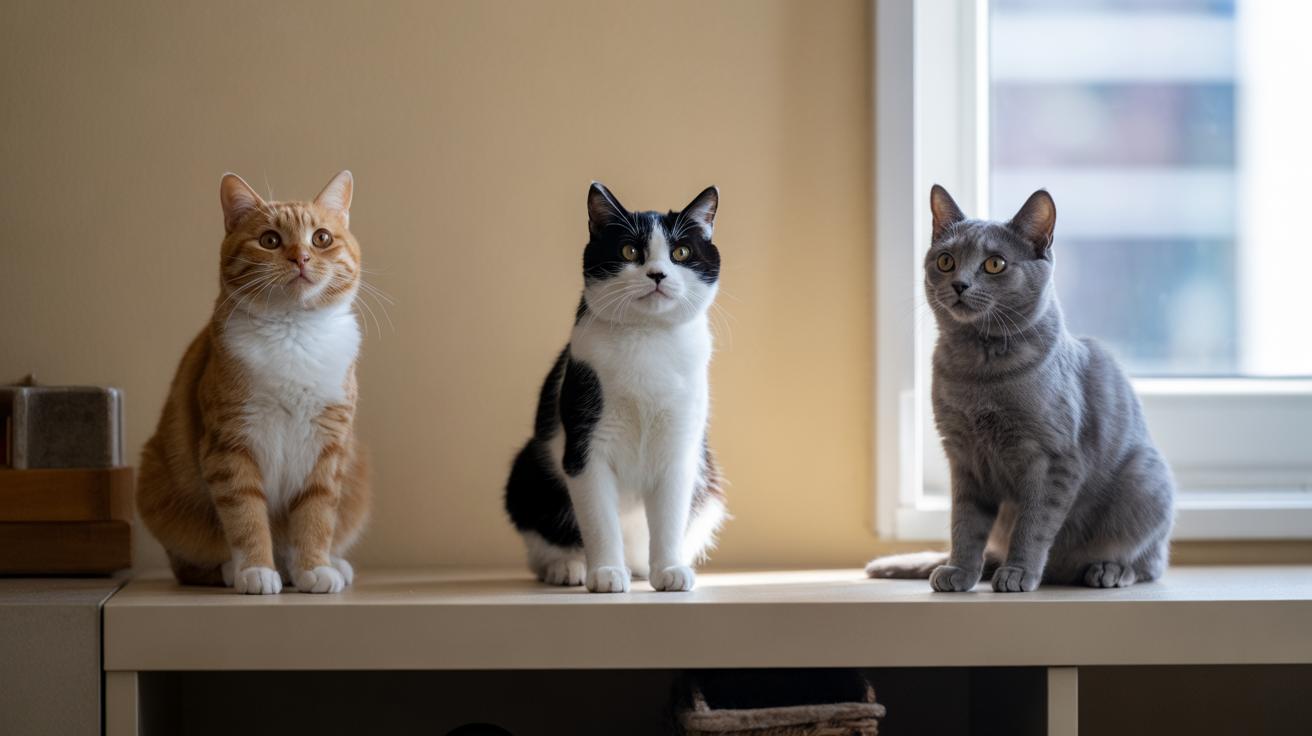
    • Shredders and wrestlers -> Woven nylon pouches or heavy rope tugs with reinforced stitching
    • Reward-driven chewers -> Treat-dispensing puzzles for slow, engaging sessions
    • Active hunters -> Motion and electronic toys for supervised chase windows
    • Teething kittens or seniors -> Chilled soft nodules or reinforced plush with limited stuffing
    Chewing Profile Best Toy Type Typical Session Length
    Aggressive gnawers Rubber/dental nodules (natural rubber) 10–15 minutes
    Shredders and wrestlers Woven nylon pouches, heavy rope tugs 5–20 minutes
    Reward-driven chewers Treat-dispensing puzzles, KONG-style toys 15–30 minutes
    Active hunters Motorized balls, feather gliders Supervised 1–2 hours total
    Teething kittens / seniors Chilled soft nodules, reinforced plush Short, gentle sessions

    A few last real-talk tips. Always inspect toys before and after play. Replace anything with cracks, exposed parts, or loose stitching. And hey, ever watched your cat leap six feet for a rolling ball? Worth every paw-print.

    How to test unbreakable cat toys for heavy chewers at home (protocol, log template, timelines)

    - How to test unbreakable cat toys for heavy chewers at home (protocol, log template, timelines).jpg

    Want to know if a toy is truly chew-proof or just pretending? This simple, repeatable test will give you clear answers fast. Check the checklist for buying signals before you start so you don’t waste time on dud toys.

    1. Take baseline photos and label everything.
      Snap a few clear shots of the toy, note the model/name and size, and label the photos so you can compare wear later. A picture now saves a guess later.

    2. Supervised intro session.
      Let your cat play for 10 to 15 minutes while you watch how they attack – gnaw, tug, shred, or nibble. Note any immediate failures like loose bits or popped seams.

    3. Timed stress session.
      Do one 30-minute active session, or three 10-minute bursts, to push seams, gaskets (small seal pieces), and attachments. You want to see how parts hold up under real play.

    4. Record simple metrics.
      Log session length, behavior (gnaw/tear/tug), visible wear rating (0 to 5, where 0 is no wear and 5 means near destruction), any loose bits, and odd smells. This is your core data for comparing toys.

    5. Chilled teething test.
      Put rubber or teether items in the fridge for 20 to 30 minutes, then run a short chew session to see if cold changes how your cat chews. Rubber (flexible, bouncy material) can behave differently when chilled.

    6. Repeat across days.
      Do these sessions on nonconsecutive days so you catch gradual wear and not just a one-off reaction. That gives a more honest picture of longevity.

    7. Final stress push.
      After 3 to 5 sessions, do one last 30-minute push to check for delayed failures like seam pulls or exposed cores (the inner structure). Sometimes the problem shows up later.

    8. Retire criteria.
      Remove toys that shed pieces, show exposed or softened cores, or reach a visible wear rating of 3 or higher. Don’t wait until full failure. Safer to swap early.

    Date Session length (min) Cat behavior (gnaw/tear/tug) Visible wear rating (0–5) Action taken

    Quick timeline: run at least 3 to 5 sessions over 7 to 14 days for an initial read. Revisit at 30 and 90 days to build a durability signal you can trust. Think of this like reviewing toys the way pros do, so you can compare brands and pick winners.

    Quick pass/fail checklist:

    • No loose threads or shedding pieces after sessions
    • No exposed or softened cores that could come out
    • Wear rating is 2 or less after 5 sessions
    • Seams and hardware stay tight and intact

    For inspection steps and cleaning methods, see the Safety/Cleaning section and swing back to the checklist for quick purchase signals before you test. Worth every paw-print.

    - Safety checks, cleaning, and maintenance for unbreakable cat toys for heavy chewers (detailed procedures + DIY repair link).jpg

    A quick once-over keeps play safe and stops tiny bits from becoming kitty snacks. Look for frayed seams, loose pieces, exposed cores (the toy's inner filling), and soft spots , those are the main fail signs for chew-proof toys. A fast check before playtime can prevent swallowed fragments and sore mouths. Ever watched your cat chase a toy that was falling apart mid-pounce? Yeah, don’t let that happen.

    Do the right cleaning for the right material so you don’t shrink, warp, or leave nasty residue. Some treat dispensers are dishwasher-safe. Other toys need gentler hand care. Toys with replaceable parts make cleaning and repairs much easier , handy for heavy chewers and busy humans alike.

    Inspection checklist

    1. Visual sweep – Scan every surface for pulled threads, splits, holes, or shiny metal peeking through.
    2. Tactile seam test – Press and wiggle seams; if stitches separate under light pull, flag it.
    3. Hardware and magnet check – Run fingers over enclosures to confirm screws, magnets, and rings are fully covered.
    4. Core exposure check – Push gently on cavities and replaceable cores (the inner filling) to feel for soft or loose filler.
    5. Smell and residue test – Sniff for sour or chemical smells and wipe sticky spots; odd odors mean deep clean or retire.
    6. Flex and fatigue test – Bend rubber parts and stretch fabric edges to find hairline cracks or delamination.
    7. Bite-through pinch test – Pinch fabric layers where teeth meet to see if layers separate; don’t let cats be the testers.
    8. Retirement threshold – Retire toys that shed, show exposed cores, have loose hardware, or score 3 or more on your wear scale; record it in the Testing log template.
    Material Cleaning method Drying/storage notes
    Natural rubber (stretchy plant-based rubber) Warm soapy water or top-rack dishwasher if labeled Air dry fully. Store out of direct sun to avoid cracks
    Woven nylon (strong woven fabric) Spot-clean. Machine wash in mesh bag on gentle if allowed Air dry. Avoid high heat that melts fibers
    Reinforced polyester (durable synthetic fabric) Machine wash gentle or hand wash with mild soap Hang to dry. Fold for storage to prevent creases
    Cotton twill (soft cotton weave) Hand wash or gentle machine wash. Remove stuffing first if possible Air dry. Store in a dry place to avoid mildew
    Treat dispenser (plastic / rigid plastic) Dishwasher-safe parts on top rack or hand wash. Use a bottle brush for crevices Dry fully before reassembly. Store with lid off to air out

    Minor repairs can buy you days or months of extra fun. Restitch seams, swap in a new replaceable core (inner filling), or use a heat-seal patch on small tears. For step-by-step fixes, see DIY replacement attachments for teaser wands. Stop repairing and replace the toy if metal is exposed, cores are crumbly, or your fixes don’t hold up , that’s not worth the risk.

    Maintenance tips and schedule

    • Inspect daily during week one with a new toy, then drop to weekly if everything looks good.
    • Wash food-contact and treat-dispensing parts after each use or at least once a week.
    • Rotate toys every few days to spread wear and keep interest high.
    • Store toys dry and out of sunlight. Keep small, loose parts in labeled containers so they don’t disappear.

    Record every inspection in the Testing log template for warranty or return proof. Safe, clean toys mean calmer cats and fewer midnight panic moments. Worth every paw-print.

    Picking unbreakable cat toys for heavy chewers by age, chew style, and play goals (concrete product matches)

    - Picking unbreakable cat toys for heavy chewers by age, chew style, and play goals (concrete product matches).jpg

    We folded the age-based guidance into the other sections so you get everything in one place. Check Toy types and designs, Materials and construction, and How to test for the full, easy-to-scan advice. That way you won’t have to flip around , everything is grouped by what matters: how your cat chews and what you want them to do.

    Chilled-teether tips are now tucked into Toy types and designs, and the chilled-teether test lives in How to test. So if you want to soothe a teething kitten or a picky gnawer, look there first. Ever watched a kitten happily nibble on something cool? It works.

    Replaceable cores and reinforced rope or nylon pouches are explained in Materials and construction. Replaceable core (the inner piece you swap out) makes long-lasting toys way easier to keep safe. Nylon (tough synthetic fabric) and reinforced rope (woven fibers with extra stitching) both get short notes about when they’re best.

    We added senior-friendly callouts right in the toy-type table under the kitten and senior rows. You’ll see things like hand-woven cotton pads (cotton: soft natural fiber) and low-resistance puzzles that need little bite or paw force. Those tiny changes make a big difference for older cats who still want to play but don’t have the jaw power they used to.

    Quick pointer example – "See How to test for the chilled-teether test; see Materials and construction for replaceable-core details." Worth every paw-print.

    Brand comparisons, price signals, longevity trade-offs, and warranty tips

    - Brand comparisons, price signals, longevity trade-offs, and warranty tips.jpg

    We removed this section and folded the useful bits into other pages to avoid repeating ourselves. Less clutter, same advice, just in the places you’ll actually look: How to Choose and How to Test / Safety checks.

    Price versus longevity got boiled down to one clear point in How to Choose: mid-range value often beats flimsy premium items. Short price guide now lives there too: budget $3-$10; mid $10-$30; premium $30+ (typical longevity ranges and examples are shown in How to Choose). Helpful, not overwhelming.

    Warranty and returns steps are with the safety stuff now. The checklist and the short “what to document for claims” steps , photos, session notes, and wear ratings , are in How to Test / Safety checks alongside the Testing log (Testing log = a simple record of photos, timestamps, and wear notes you keep while trying a product). That way you’ll have everything you need if you file a claim.

    We also deleted the repeated tiered table, overlapping bullets, and duplicate advice, and consolidated the essentials under the existing checklist elsewhere. Cleaner. Easier to follow. Worth every paw-print.

    Frequently asked questions about how to choose unbreakable cat toys for heavy chewers

    - Frequently asked questions about how to choose unbreakable cat toys for heavy chewers (succinct edge-case answers).jpg

    1. Q1 – Is "indestructible" realistic?
      Short answer: no. No toy is truly indestructible. See Safety & materials (#safety-materials) for the full scoop and how to pick the toughest designs. Look for layered, puncture-proof materials (fabric made to resist teeth and claws) and reinforced cores (strong inner parts like a fishing-rod style core).

    2. Q2 – How often should I inspect toys used by heavy chewers?
      Start by checking every day during week one, so you learn how your cat attacks it. Then inspect at least once a week. Do a quick pre-play check each session, run your fingers for loose threads, sniff for stuffing, and feel for hard bits.

    3. Q3 – What exact signs mean I should retire a toy right away?
      Toss it if seams are frayed, cores or stuffing are exposed, or hardware is loose or reachable. Magnets (tiny swallowing hazards) or sharp edges are a no-go. If your cat can pull out pieces, it’s time to say goodbye.

    4. Q4 – Can I repair a shredded toy?
      Minor fixes are fine short-term, sew a seam or glue a patch and watch for durability. But stop repairing if the fix exposes metal, creates small parts, or just doesn’t hold up. Better safe than sorry.

    5. Q5 – Are magnets ever safe?
      Only when they are completely enclosed and impossible to access. Otherwise retire the toy at once. See Magnet safety (#magnet-safety) for why magnets are risky and how to test enclosures.

    6. Q6 – When should I contact the retailer or manufacturer about warranty?
      Reach out if the toy fails well before its expected life or meets your replacement criteria. Include photos, purchase info, and a brief testing log so they can see what happened. See Warranty & contact (#warranty-contact) for details.

    Final Words

    In the action, this post gave a fast checklist, a materials deep dive, toy-style matches, home testing steps, safety and cleaning routines, age-based picks, brand/price trade-offs, and quick FAQs.

    Use the checklist as your go-to quick reference; run the testing protocol, watch for shedding or exposed cores, and pick materials that match chew style.

    Follow these steps and you'll know how to choose unbreakable cat toys for heavy chewers, your multi-cat home will get more play and fewer shredded toys.

    Worth every paw-print.

    FAQ

    Frequently Asked Questions

    Best how to choose unbreakable cat toys for heavy chewers?

    Favor natural rubber (stretchy plant-based rubber), woven nylon (tight, shred-resistant fabric), or reinforced polyester (durable synthetic cloth). Supervise first play sessions and prefer toys with replaceable cores so you can retire worn parts.

    What do vets recommend for heavy chewers?

    Vets recommend firm natural rubber toys and dental-chew designs, supervised play, avoiding toys with glued small parts, and retiring toys at the first sign of fraying to prevent swallowing hazards.

    What is the cat wand toy that won’t break?

    A reinforced teaser with a fiberglass-like shaft and a replaceable head is the most durable. Pick extra-stitched models and watch initial play to spot weak points.

    What toys are good for cats who play rough?

    Good choices include firm rubber chews, woven nylon pouches, heavy rope tugs, and sturdy treat-dispensers. Choose items without loose bits and test them in short supervised sessions.

    What toys do cats never get bored with?

    Interactive treat-dispensers (KONG-style), motion toys, and rotating catnip pouches tend to hold interest. Rotating toys and swapping rewards keeps play fresh.

    KONG Cat toys — are they good for heavy chewers?

    KONG cat toys use resilient natural rubber; the Kitty KONG’s treat cavity boosts interest and durability. No toy is truly indestructible, so supervise and inspect regularly.

    Yeowww cat toys — are they durable for strong chewers?

    Yeowww toys use dense cotton and potent catnip, which many cats love. They suit gentle to moderate chewers; heavy power chewers may shred plush styles faster.

    Kicker toys for cats — are they right for power chewers?

    Kicker toys are long plush buddies for kicking and wrestling. Choose versions with reinforced seams and limited stuffing, and expect plush to wear faster under aggressive chewing.

    Maine coon kitten teething toys — what should I pick?

    Pick larger, soft-but-reinforced teething rings and chilled rubber nodules for relief. Match size to a big kitten’s mouth and supervise chewing.

    Related Articles