Author: Nathaniel Price

  • Can Cat Eat Human Probiotics Safely and Effectively

    Can Cat Eat Human Probiotics Safely and Effectively

    Ever thought about sharing your probiotics with your cat? It might seem like a quick fix, but hold on! Not all probiotics are created equal, and what’s beneficial for you isn’t always great for your furry friend. Imagine your cat’s gut as a garden—it needs the right plants to thrive. In this article, we’ll dig into whether human probiotics can help or harm your kitty’s digestive garden. Before you drop a capsule into their bowl, let’s explore the differences and see if they should stick to cat-specific options.

    Can Cats Safely Consume Human Probiotics?
    Can Cats Safely Consume Human Probiotics-1.jpg

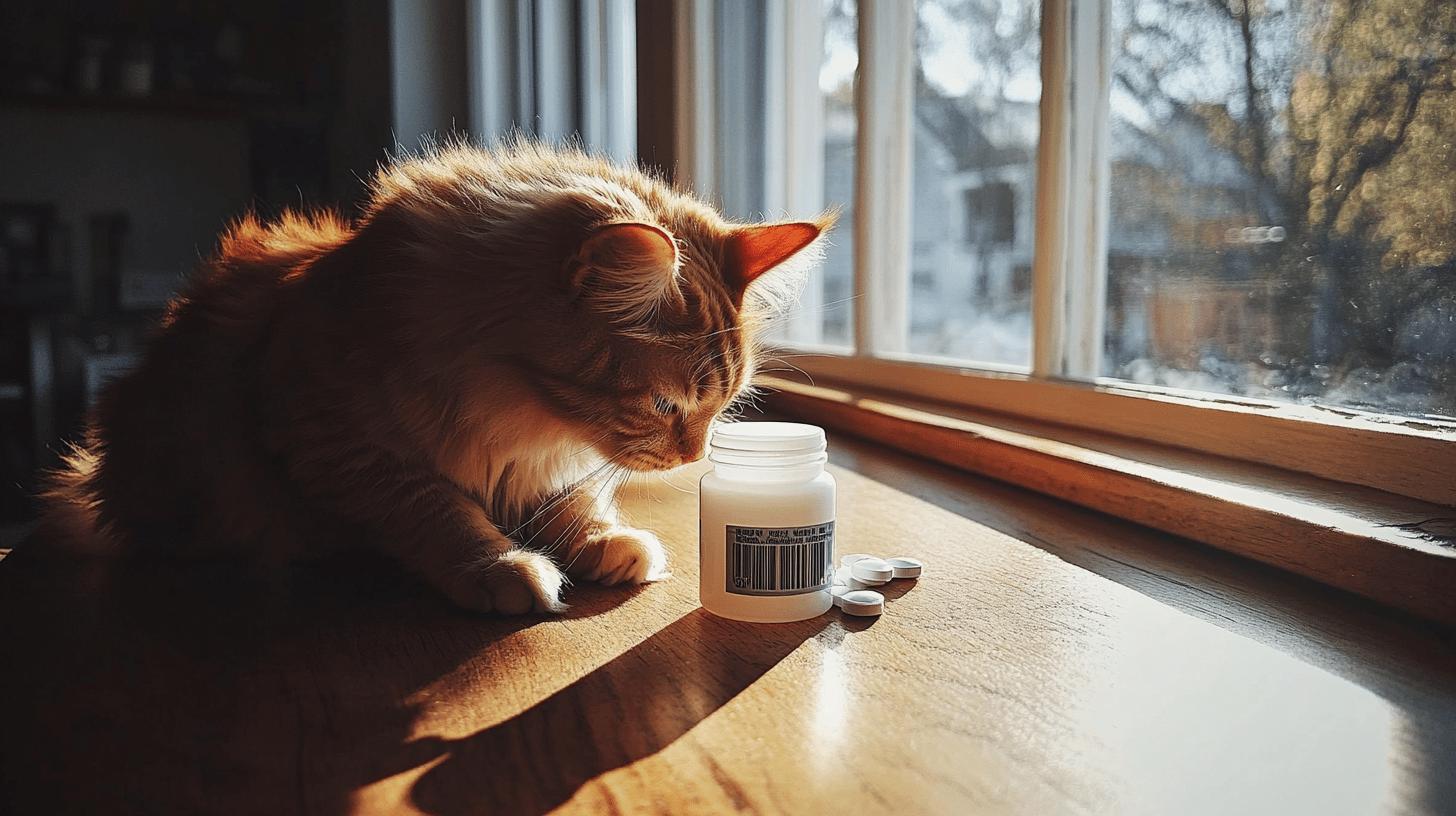
    Human probiotics are generally considered safe for cats, meaning they aren’t likely to cause harm if consumed accidentally. However, they may not be as effective as probiotics specifically designed for feline digestive systems. This is because human probiotics are formulated to target the gut flora of humans, which differs from that of cats. While the idea of sharing your probiotics with your kitty might seem convenient, it’s important to remember that what’s beneficial for humans may not always translate to our feline friends.

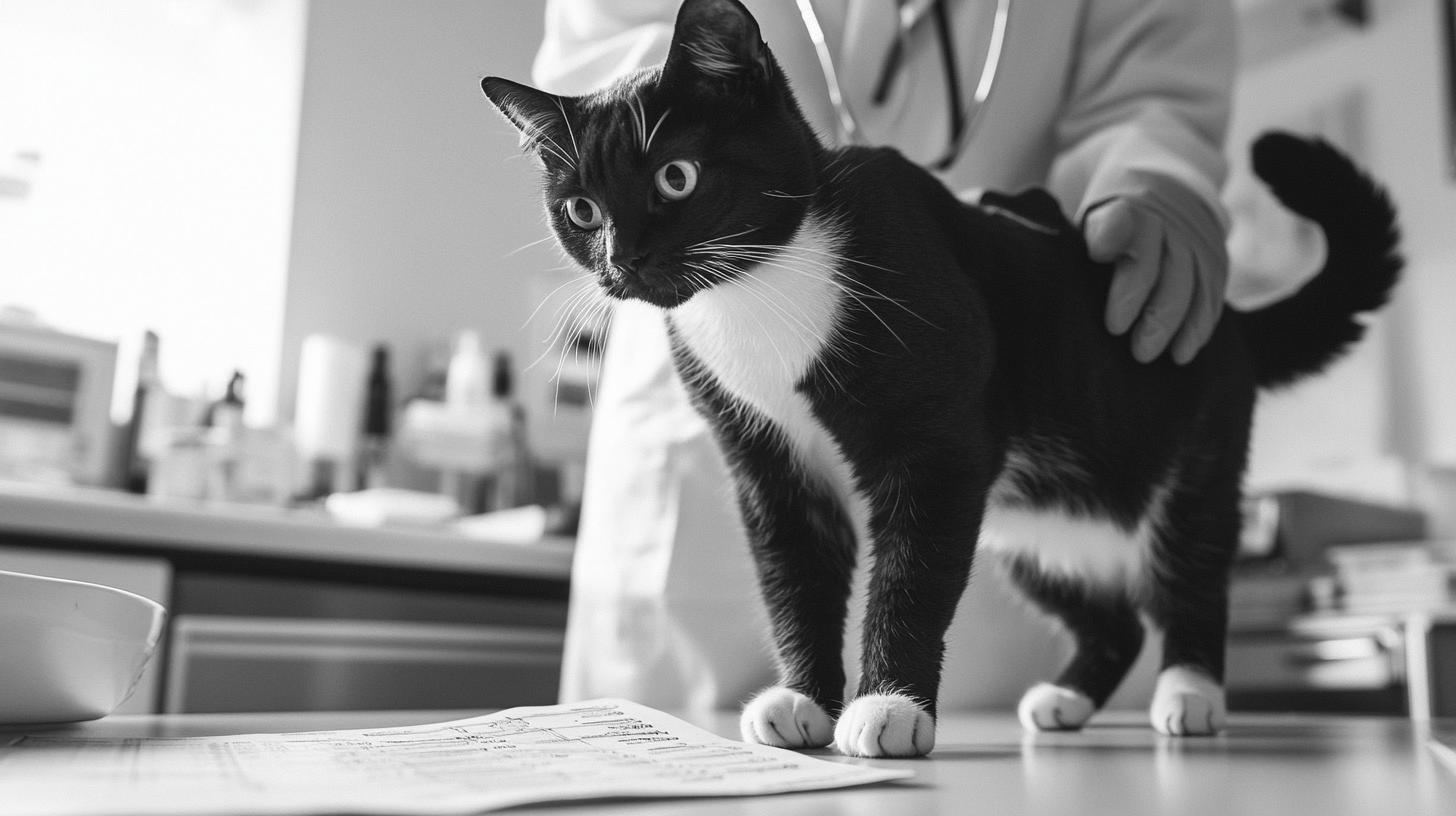
    Before introducing any form of probiotics to your cat, consulting with a veterinarian is crucial. Vets can offer personalized advice on whether your cat could benefit from probiotics, and if so, which type would be most effective. They can also help rule out any underlying health issues that probiotics alone may not address. This step is important to ensure that your cat’s health needs are met safely and effectively, avoiding any potential delay in necessary treatments.

    Differences Between Human and Cat Probiotics
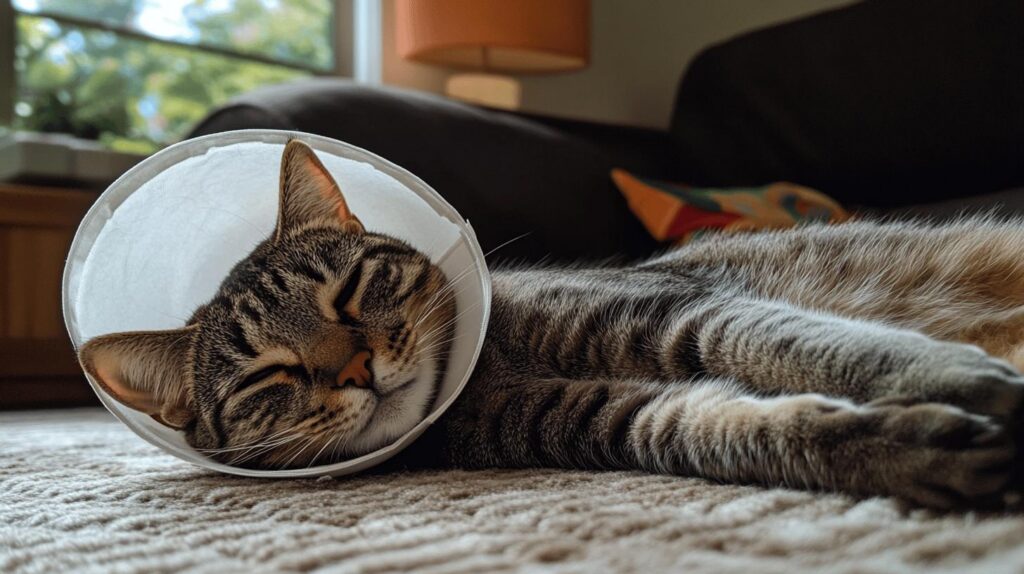
    Probiotics are essential for maintaining a balanced gut flora, but not all probiotics are created equal. Human probiotics are specifically designed to cater to human digestive systems. They typically include strains like Lactobacillus acidophilus and Bifidobacterium bifidum, which are beneficial for human digestion and gut health. On the other hand, cat probiotics are formulated with the feline digestive system in mind. These often include strains like Enterococcus faecium and Bifidobacterium animalis, which are more effective in supporting a cat’s unique gut health needs. This distinction is crucial because the microbial balance that benefits humans may not be suitable for cats, whose dietary needs and digestive processes differ significantly.

    Veterinarians often recommend cat-specific probiotics because they are tailored to the unique physiological needs of cats. Cat probiotics are designed to address common feline digestive issues, such as hairball management, diarrhea, and stress-related gut imbalances, more effectively than human probiotics. By using probiotics specifically crafted for cats, pet owners can ensure that their feline friends receive the best possible support for their digestive health. This specialized approach not only aids in digestion but also helps to boost the overall immune system, making it a preferred choice for maintaining your cat’s well-being.

    Probiotic Type Designed For
    Human Human digestive systems
    Cat Feline digestive systems

    Benefits and Risks of Probiotics for Cats
    Benefits and Risks of Probiotics for Cats-1.jpg

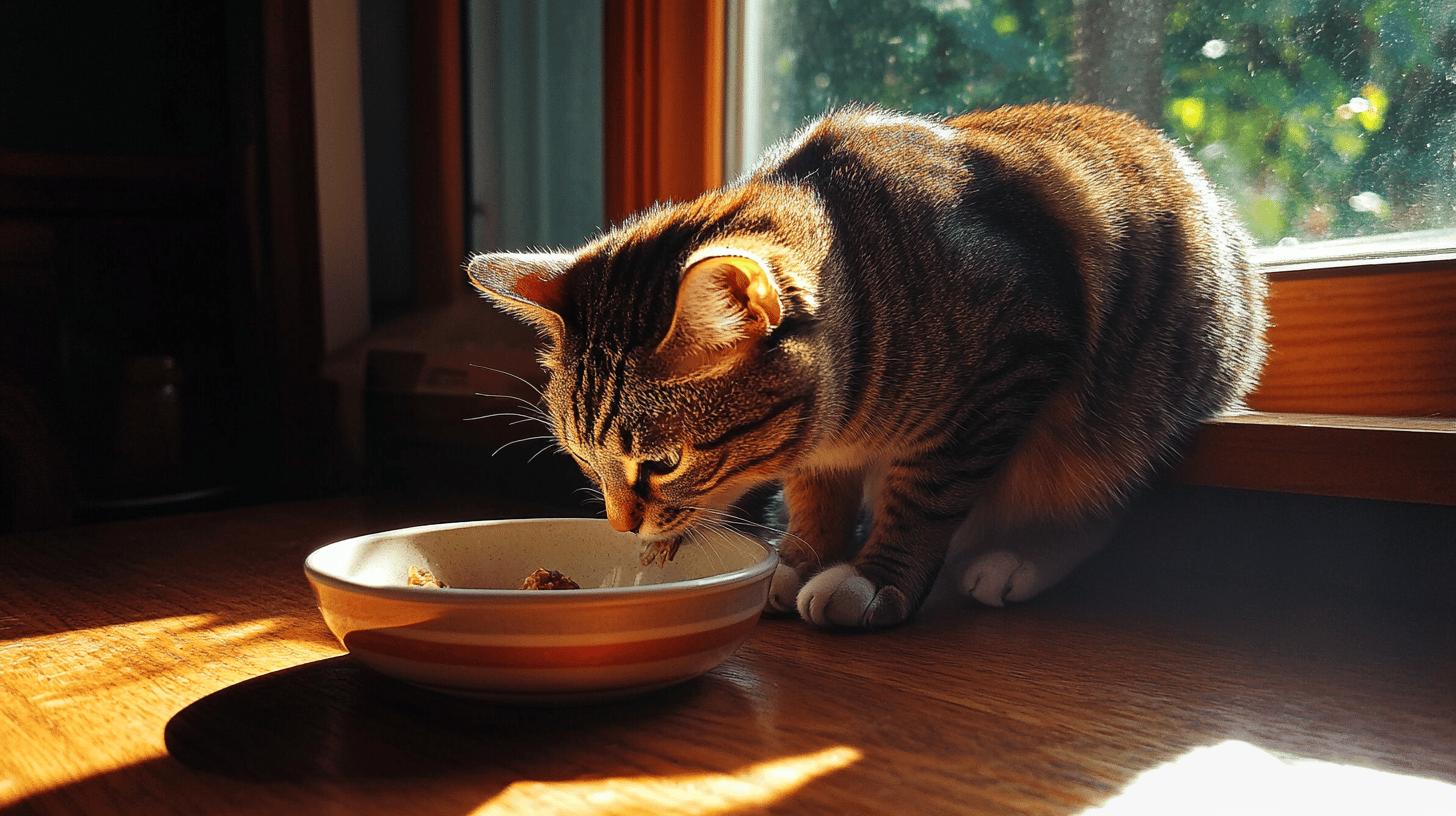
    Probiotics can be a great addition to your cat’s diet, especially if they are struggling with digestive issues. These beneficial microorganisms work by balancing the gut bacteria, which can lead to improved digestion and overall wellness. Cats that regularly consume probiotics often experience enhanced stool quality, making their litter box habits more predictable and manageable. Moreover, probiotics can support a stronger immune system, helping your kitty to fend off infections more effectively. By maintaining a healthy gut flora, probiotics aid in better nutrient absorption, which is crucial for your cat’s overall health.

    Despite the benefits, there are risks associated with using probiotics improperly. If not administered correctly, probiotics can lead to side effects such as flatulence. This is why it’s crucial to follow veterinary guidance when introducing probiotics into your cat’s routine. Overuse or incorrect strains could potentially upset the balance of bacteria in the gut, leading to more harm than good. Always start with a small dose and monitor your cat for any adverse reactions. Adjustments should be made as per the veterinarian’s recommendations to ensure your cat reaps the benefits without the downsides.

    Be on the lookout for signs that may indicate a negative reaction to probiotics. If your cat shows any of the following symptoms, it’s important to stop the probiotics and consult your vet:

    • Diarrhea
    • Constipation
    • Vomiting
    • Reduced appetite
    • Lethargy

    These signs might suggest that the probiotics are not agreeing with your cat or an underlying health issue may need attention. Always prioritize your cat’s comfort and health by keeping an eye on their reaction to any dietary changes.

    Veterinary Recommendations and Dosage Guidelines
    Veterinary Recommendations and Dosage Guidelines-1.jpg

    Understanding how your cat responds to probiotics is key. Start by observing changes in their behavior, appetite, and digestion. If your cat shows any discomfort, consult your vet immediately. Record any improvements or side effects, as this helps in adjusting the dosage for optimal benefits.

    Case studies highlight the success of probiotics in managing feline digestive issues. For example, cats with a history of diarrhea often show improvement with the right probiotics. Adjust dosages based on your cat’s response, and always keep your vet informed for any necessary adjustments.

    1. Consult a veterinarian for recommendations.
    2. Choose cat-specific probiotics.
    3. Follow dosage instructions carefully.
    4. Monitor your cat’s response.
    5. Adjust the regimen as advised by the vet.

    Tracking your cat’s progress with probiotics can guide future decisions. Your vet’s expertise, combined with your observations, ensures the best outcomes for your cat’s health.

    Alternatives and Natural Probiotic Options for Cats
    Alternatives and Natural Probiotic Options for Cats-1.jpg

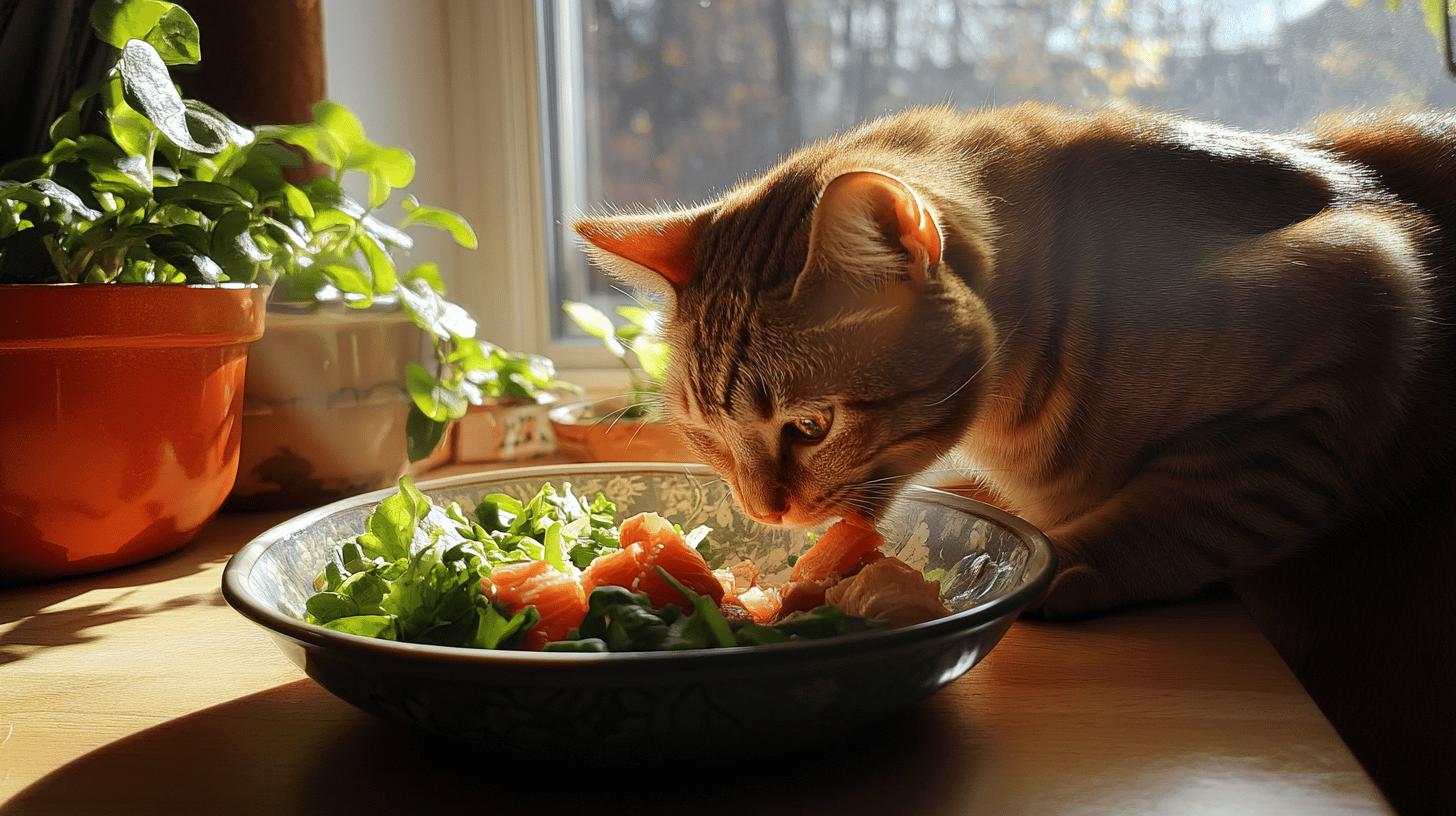
    If you’re looking to support your cat’s gut health naturally, there are several options to consider. High meat cat foods are a great starting point, as they inherently contain beneficial probiotics. These foods not only deliver essential nutrients but also offer over a billion probiotics per kilogram, providing a balanced approach to dietary health. Chicken and Salmon recipes, in particular, are known for their natural probiotic benefits. Additionally, you can explore fermented cat food options, which are becoming increasingly popular for their gut-supporting properties. These foods leverage the power of fermentation to enhance the microbiome of your feline friend, providing a holistic boost to their digestive system.

    For those who enjoy a hands-on approach, DIY cat probiotics can be a rewarding project. Home-made yogurt, specifically lactose-free, can be a simple and effective way to introduce probiotics into your cat’s diet. Probiotic-rich cat treats are another way to deliver these beneficial bacteria, making it easy to incorporate them into your cat’s routine without any fuss. As you experiment with these natural options, it’s crucial to monitor your cat’s health closely. Keep an eye on their stool consistency and overall vitality. This vigilance will help you assess the effectiveness of the new diet and ensure that it meets your cat’s health needs without causing adverse effects.

    • High meat cat foods
    • Probiotic-rich cat treats
    • Fermented cat food options
    • Home-made yogurt (lactose-free) for cats

    Signs of Digestive Issues and When to Consult a Vet

    Signs of Digestive Issues and When to Consult a Vet-1.jpg

    Digestive issues in cats can manifest through various symptoms, signaling that something might be off with your feline friend’s health. Persistent diarrhea or constipation are key indicators that your cat may be experiencing gut trouble. Frequent vomiting, especially if it occurs without an obvious cause like hairballs, is another red flag. A noticeable change in appetite—whether eating significantly more or less—can point to digestive discomfort. Lethargy, or a lack of energy, might also suggest that your cat’s digestive system isn’t functioning optimally. Abnormal stool consistency or color can further confirm digestive issues, indicating a possible imbalance in your cat’s gut microbiome.

    It’s crucial to seek veterinary guidance if your cat exhibits these symptoms. While probiotics can support gut health, they should not replace professional veterinary advice, especially if the symptoms persist. A healthy gut microbiome is essential for preventing infections and ensuring overall well-being. Consulting with a veterinarian can help determine the underlying cause of your cat’s symptoms and the best course of action. This ensures that any serious health concerns are addressed promptly, keeping your cat healthy and comfortable.

    • Persistent diarrhea or constipation
    • Frequent vomiting
    • Noticeable change in appetite
    • Lethargy
    • Abnormal stool consistency or color

    Final Words

    Probiotics can aid in balancing your cat’s gut health, but human options might not provide the best results. Consulting a vet ensures you’re giving your cat the right type and dose. While human probiotics are generally safe, they aren’t necessarily the most effective choice for our feline friends.

    The differences in probiotics highlight why cat-specific products are recommended. They cater to the unique needs of your pet. A vet’s advice can guide you on the benefits and risks, ensuring a safe introduction.

    Probiotic-rich foods and natural alternatives offer additional options. Always monitor your cat’s health and consult a professional if issues arise. Giving your cat what they need keeps their digestion healthy and playtimes fun!

    FAQ

    Can I give my cat human probiotics?

    A: Human probiotics are generally safe for cats but may not be effective. They are designed for human systems, so cat-specific probiotics are better. Always consult a veterinarian first.

    Can a cat eat human probiotics every day?

    A: It’s possible for cats to consume human probiotics daily, but it may not offer the benefits of feline-specific products. Regular vet consultations are crucial to ensure health.

    How often should I give my cat probiotics?

    A: Daily administration is usually safe, but dosage frequency should be based on a veterinarian’s advice tailored to your cat’s health needs.

    What are the best probiotics for cats?

    A: The best probiotics for cats are those designed for feline digestive systems. Brands with specific strains for gut health support tend to be most effective.

    Can female cats eat probiotics for diarrhea every day?

    A: Probiotics can help with diarrhea in female cats. Daily use may be appropriate, but always follow a veterinarian’s guidance to address underlying issues.

    How much probiotic can I give my cat?

    A: Proper dosage of probiotics varies. Consult a veterinarian to determine the right amount for your cat’s specific health needs and size.

    Can cats safely consume homemade probiotics?

    A: Homemade probiotics can be an option, focusing on natural, safe ingredients. Consult a veterinarian to ensure the probiotics provide the intended benefits.
    Related Articles

  • Can Cat Eat Burger Understanding the Risks and Ingredients

    Can Cat Eat Burger Understanding the Risks and Ingredients

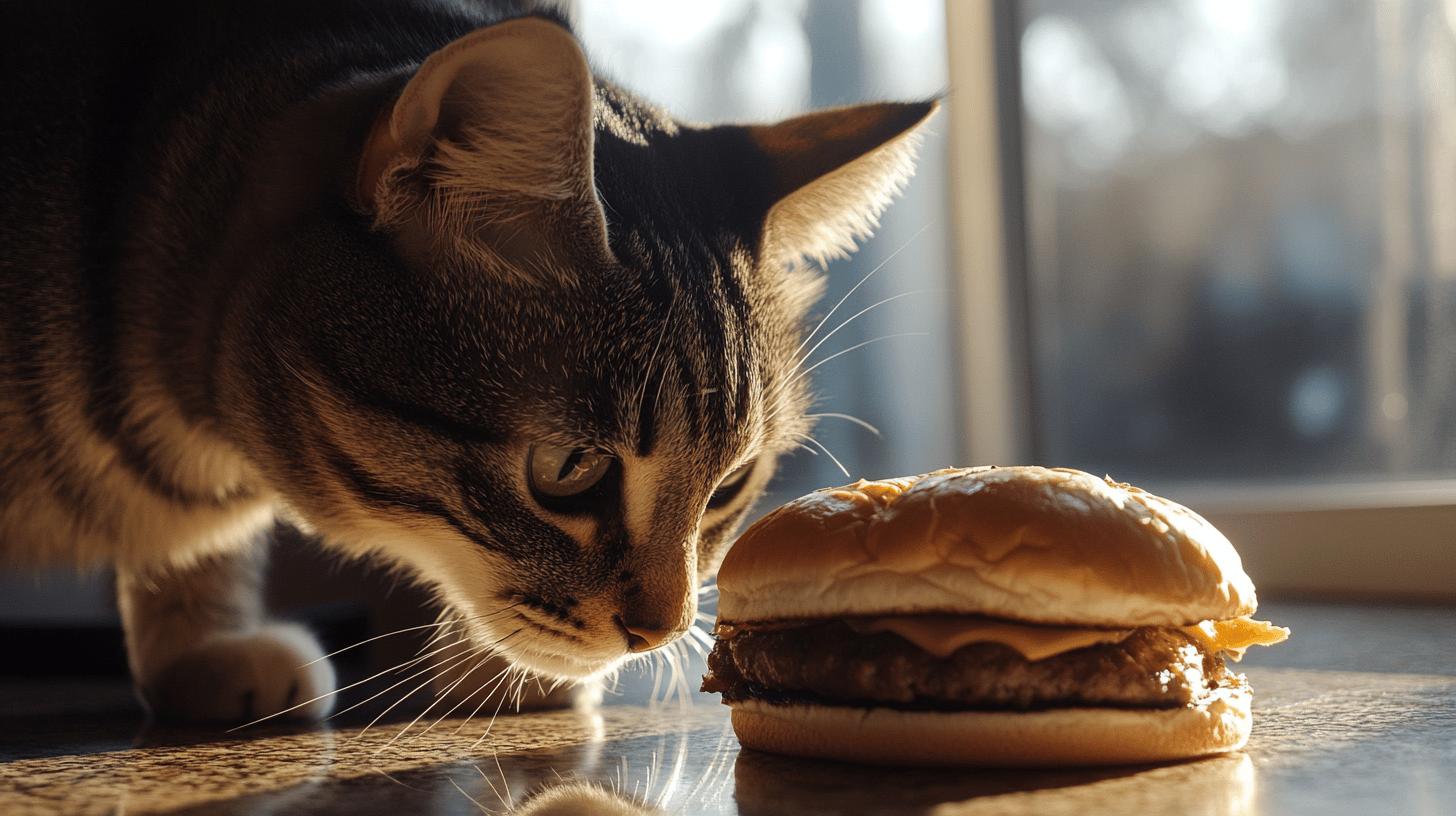
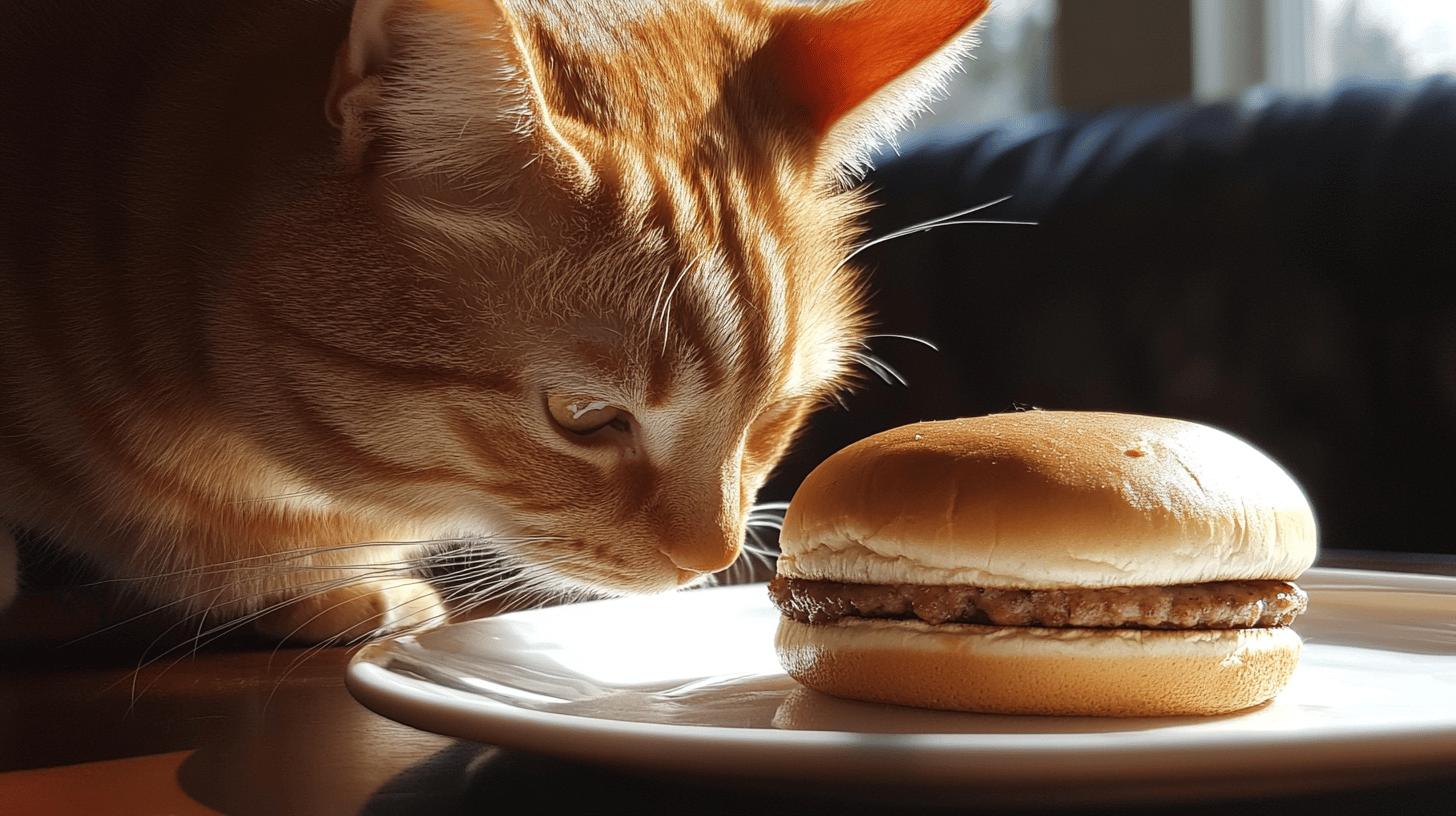
    Can cats and burgers mix? For many cat lovers, the sight of their pet eyeing a delicious burger raises this question. While sharing a piece might seem harmless, it’s vital to examine the burger’s ingredients first. Cats are meat lovers by nature, so plain, cooked meat can be healthy. But the other parts of burgers aren’t safe for cats. Ingredients like onions, garlic, and condiments can be harmful. Understanding these risks can help you protect your cat’s health and ensure their diet is both tasty and safe.

    Can Cats Eat Burgers? Understanding the Risks and Safety

    Can Cats Eat Burgers Understanding the Risks and Safety-1.jpg

    Pet owners often wonder if they can share a bite of their juicy burger with their feline companions. After all, cats are obligate carnivores, and the idea of giving them a meaty treat may seem appealing. However, it’s crucial to consider what goes into a burger and whether it’s truly safe for your cat. Plain cooked meat, like ground beef from a hamburger, can provide essential nutrients such as protein, iron, zinc, and B vitamins. Yet, the rest of the burger ingredients can pose significant health risks to cats.

    When considering feeding your cat a burger, it’s important to steer clear of these harmful ingredients often found in burgers:

    • Onions
    • Garlic
    • Condiments
    • Buns
    • Processed additives

    Processed and packaged burgers are particularly risky due to the potential presence of toxic additives and preservatives. These can cause various health issues in cats, from digestive upset to more severe reactions. While the meat itself might be safe, if cooked plainly, it’s best to avoid sharing a typical burger with your cat. Always prioritize your pet’s health by sticking to foods specifically formulated for feline dietary needs.

    Nutritional Implications of Feeding Burgers to Cats

    Nutritional Implications of Feeding Burgers to Cats-1.jpg

    Cats, being obligate carnivores, rely heavily on protein-rich diets to thrive. Beef can be a significant source of protein, providing essential nutrients like iron, zinc, and B vitamins. But it’s crucial to manage portion sizes carefully and select lean beef to minimize fat intake. High-fat content in burgers can lead to obesity, diabetes, and heart disease in cats. Harmful additives in burgers like condiments or onions must be avoided.

    Nutrient Potential Benefit Risk
    Protein Essential for health Overconsumption leads to obesity
    Iron Supports blood health Excess can cause toxicity
    Zinc Aids in metabolism Imbalance affects immunity
    B vitamins Crucial for energy High levels can be harmful

    When considering burgers in a cat’s diet, focus on the plain beef patty while being cautious of its fat content and size. A small piece of lean beef is better than a whole burger. Exploring alternative protein sources like chicken or fish can diversify their diet while meeting nutritional needs. Balancing these human foods with feline-specific foods helps ensure overall health and fulfillment of dietary requirements.

    Expert Opinions on Feeding Cats Human Foods

    Veterinary professionals stress the significance of feeding cats specially formulated diets tailored to their unique nutritional needs. Cats are obligate carnivores, requiring a high-protein diet primarily from meat sources. While sharing human foods with cats might seem harmless, experts warn that even safe-seeming human foods can disrupt a cat’s nutritional balance, potentially leading to health issues.

    Consulting with a veterinarian before introducing any human foods into a cat’s diet is essential. They offer guidance on safe options, ensuring that you don’t inadvertently compromise your cat’s health. Prioritizing a diet designed for your cat’s specific needs is crucial for their well-being.

    Veterinarians’ Perspective on Burgers for Cats

    Experts advise caution with burgers due to harmful ingredients like onions, garlic, and condiments. Even plain, cooked beef should be given sparingly and under professional guidance. These additives can cause digestive issues and other health concerns. Prioritize a balanced diet to maintain your cat’s health.

    Safe Alternatives to Burgers for Your Cat

    Safe Alternatives to Burgers for Your Cat-1.jpg

    When considering treats for your cat, it’s important to focus on options that align with their nutritional needs. Cats are obligate carnivores, which means their diet should be rich in protein and low in carbohydrates. Offering safe alternatives to typical burgers can help maintain their health and avoid potential risks. By choosing foods that are naturally suited to their dietary requirements, you can provide your cat with treats that are both enjoyable and beneficial.

    Here are some human foods that are safe for cats, and can be offered as treats:

    • Plain cooked chicken
    • Cooked turkey
    • Lean beef
    • Small portions of fish
    • Cooked eggs

    Incorporating these treats into your cat’s diet should be done with care. Moderation is key, as even healthy treats can contribute to weight gain if overfed. Balance these treats with their regular cat food to ensure they receive all necessary nutrients. It’s best to introduce new foods gradually, monitoring your cat for any adverse reactions. By keeping treats simple and healthy, you’ll promote your cat’s well-being while satisfying their craving for something special.

    Understanding Cats’ Dietary Needs Compared to Human Foods

    Understanding Cats Dietary Needs Compared to Human Foods-1.jpg

    Cats are obligate carnivores, meaning their bodies are biologically adapted to thrive on a diet rich in animal-based proteins. These proteins are essential for maintaining their muscle mass, energy levels, and overall health. Unlike humans, cats do not need carbohydrates for energy, as they primarily derive energy from protein and fat. This instinctual preference for meat aligns with their natural hunting behaviors, emphasizing the importance of a protein-rich diet.

    Need for high protein
    Limited carbohydrate digestion
    Sensitivity to certain human foods
    Vulnerability to toxins in human food

    The specific biological adaptations of cats highlight why many human foods are unsuitable for them. With limited ability to digest carbohydrates, cats can experience digestive issues when consuming foods high in starch or sugar. Their sensitivity to certain ingredients like onions and garlic, which are common in human meals, poses additional risks. These dietary distinctions underscore the need for cat owners to provide meals that meet their feline companions’ unique nutritional requirements, promoting their health and longevity.

    Final Words

    Navigating what cats can safely eat, especially regarding human foods like burgers, is crucial. Cats might be intrigued by burgers, but it’s important to avoid ingredients like onions and garlic. While plain cooked beef can offer nutrition, the risks from processed foods are serious.

    Cats thrive on high-protein diets. The high fat in burgers can cause problems over time. It’s always wise to consult with vets before adding human food to their diet.

    Choose safer treats like chicken. Your cat’s health comes first, ensuring happy playtimes for both of you!

    FAQ

    Can cat eat burger and cheese?

    A: Cats can eat plain cooked beef, which has protein and nutrients. Cheese is okay in small amounts, but too much might upset their stomach. Avoid spices or additives.

    Can cats eat burger buns and bread?

    A: Cats should avoid burger buns or bread. These are hard for them to digest and have no health benefits. Bread can have sugars or ingredients like garlic powder, which are harmful to cats.
    Can cats eat McDonald’s burgers?

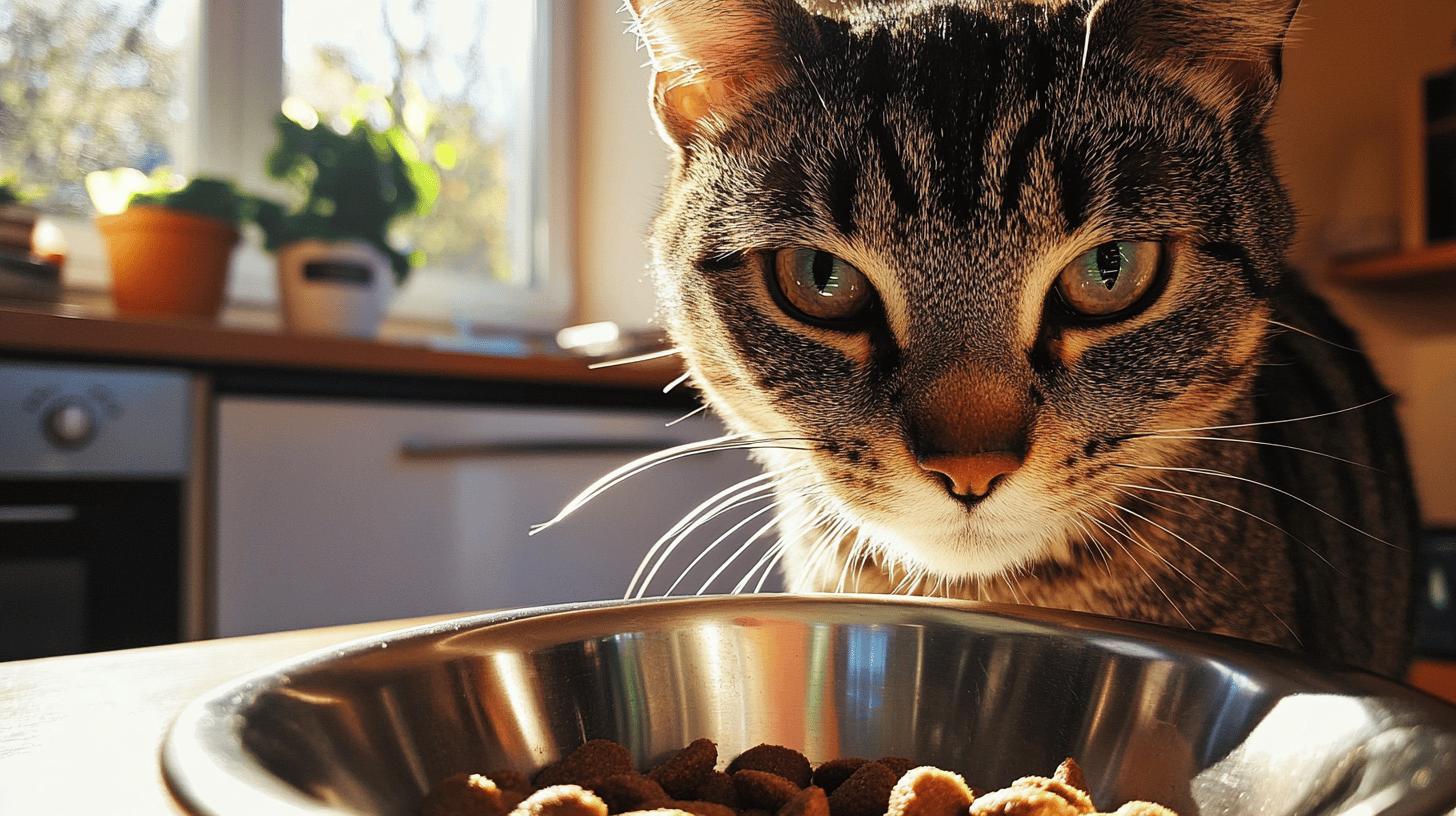
    A: McDonald’s burgers are not safe for cats. They contain additives, salt, and sauces that can be toxic. It’s best to stick to plain cooked meat.

    Can cats eat cheeseburgers?

    A: Cheeseburgers aren’t ideal for cats. While they might like them, cheese and burger toppings can cause digestive issues and don’t match cats’ dietary needs.

    Is it okay for cats to eat hamburgers?

    A: Plain, cooked beef from a hamburger is okay in small amounts. However, ingredients like onions, garlic, buns, and sauces are harmful. Always serve plain meat without additives.

    Can cats eat fries?

    A: Fries aren’t safe for cats. They’re high in fat and salt and offer no nutritional value. They could also lead to obesity and other health problems.

    Can cats eat beef stomach?

    A: Cats can eat beef stomach if it’s plain, cooked, and given occasionally. It’s rich in protein, but always avoid seasoning and ensure it’s part of a balanced diet.

    Related Articles

  • Can Cat Eat Rose Petals Safely for Feline Health

    Can Cat Eat Rose Petals Safely for Feline Health

    Can a nibble on rose petals harm your feline friend? If you've ever caught your cat eyeing or even munching on a rose petal, you're not alone. Cats are naturally curious, and roses often catch their interest. While rose petals themselves are generally harmless, there are a few things pet owners should watch out for. Overindulgence could stir up tummy troubles for your pet. Plus, there are hidden dangers to consider, like chemical treatments on store-bought roses. Let's dive into the details and understand how rose petals fit into your cat's world.

    Can Cats Eat Rose Petals Safely?

    Can Cats Eat Rose Petals Safely-1.jpg

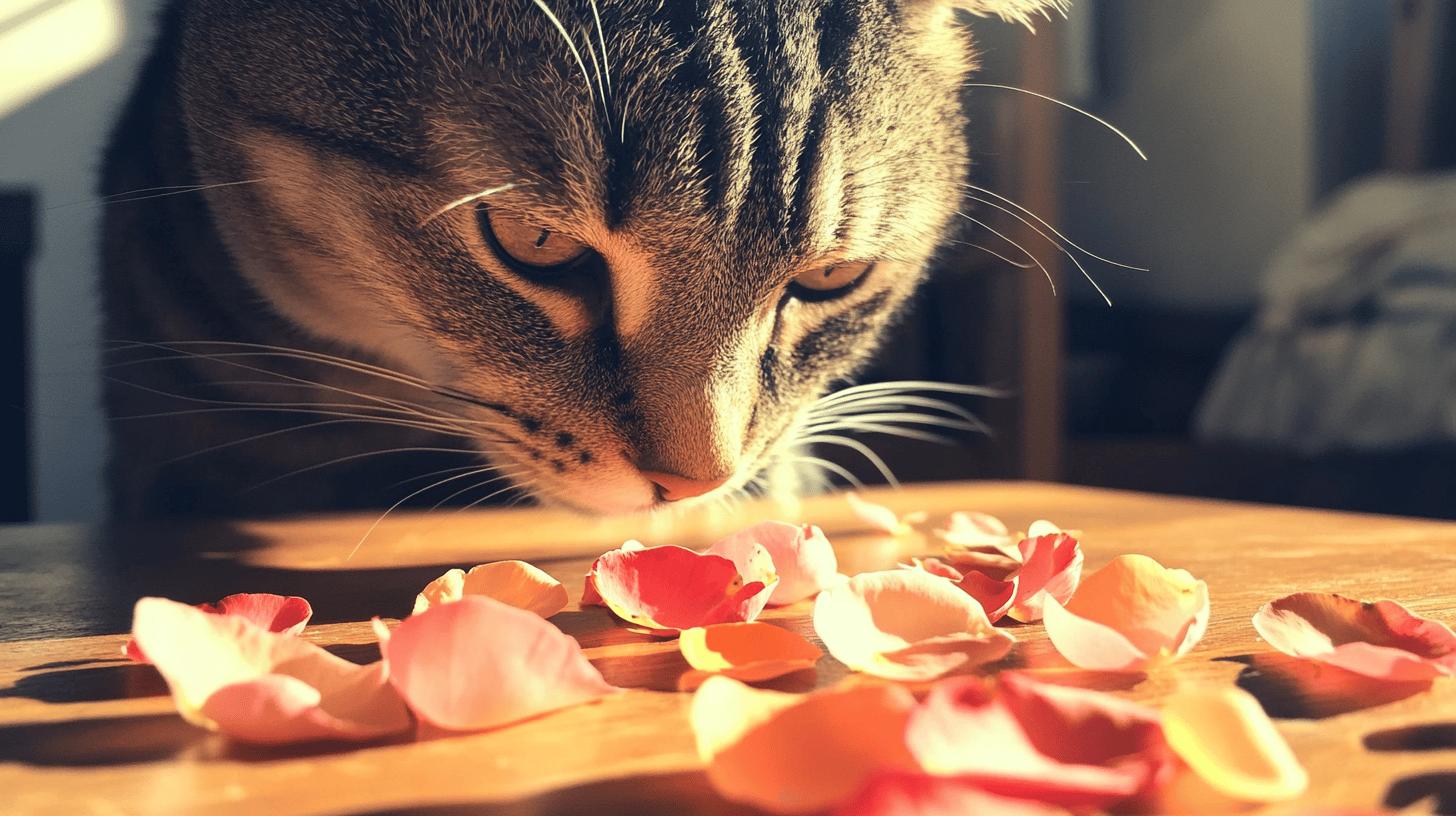
    Rose petals are generally safe for cats as they are non-toxic. So if your curious kitty decides to have a nibble, there's usually no cause for alarm. While rose petals won't poison your cat, eating large amounts could lead to some mild digestive upset. Cats are curious by nature and may find the texture or scent of rose petals intriguing, but their digestive systems are not designed to handle plant materials in bulk.

    If your cat does consume rose petals, it's wise to keep an eye out for any symptoms that may indicate discomfort. Here are some signs to watch for:

    • Vomiting
    • Diarrhea
    • Decrease in appetite

    Should any of these symptoms occur, monitoring your cat is crucial. Observe your feline friend for several hours to ensure they don’t develop further issues. If symptoms persist or worsen, consulting a veterinarian is a good idea. They can offer guidance and help prevent any potential complications. Remember, while rose petals aren't toxic, it's always best to err on the side of caution when it comes to your pet's health.

    Risks Associated with Cats and Rose Petals

    Risks Associated with Cats and Rose Petals-1.jpg

    While roses themselves are non-toxic, chemical treatments on them can be a hidden danger for our feline friends. Many store-bought roses are treated with pesticides or fertilizers, which can be harmful if ingested by cats. These chemicals may linger on the petals or leaves, posing a risk of toxicity even if the plant itself is safe. It's crucial to know whether roses in your home have been treated, as ingestion of these substances could lead to serious health issues for your cat.

    Apart from chemical risks, rose thorns present another hazard. Cats are playful and may paw at or chew on rose stems, risking scratches and injuries. These sharp thorns can easily hurt a cat's mouth or paws, leading to discomfort or infection if not treated promptly. Keeping rose stems out of reach or trimming the thorns can help prevent these physical injuries.

    In terms of plant toxicity, while roses aren't harmful, it's important to recognize symptoms of poisoning from other plants. If a cat ingests a toxic plant, you might notice:

    • Vomiting
    • Diarrhea
    • Difficulty breathing
    • Seizures or tremors
    Symptom Potential Cause
    Vomiting Gastrointestinal irritation
    Diarrhea Digestive upset
    Difficulty breathing Respiratory distress
    Seizures or tremors Neurological issues

    Recognizing these symptoms early and consulting a veterinarian can make a difference in your cat's health. Always ensure the safety of your home environment, especially when it involves plants and curious kitties.

    Alternatives and Safe Plants for Cats

    Alternatives and Safe Plants for Cats-1.jpg

    If your cat is intrigued by plants, offering safe and non-toxic options is a great way to enrich their environment. Cats are naturally curious and providing them with cat-friendly plants can satisfy their instinct to chew and explore without posing any health risks. While rose petals are safe, they don't offer nutritional or behavioral benefits. Instead, consider plants specifically known to be safe and beneficial for felines.
    Here are some safe plants that are perfect for cats:

    • Catnip
    • Cat grass
    • Spider plants

    These alternatives not only keep your cat safe but also contribute positively to their well-being. Catnip, for instance, can stimulate playfulness and activity, enhancing your cat's mental and physical health. Cat grass aids in digestion and can help prevent hairballs by providing roughage. Spider plants are also known to be fun for cats to bat at, providing entertainment and reducing boredom. By selecting these safe plants, you can create a stimulating and secure environment for your feline friend, promoting both health and happiness.

    Risks Associated with Cats and Rose Petals

    Preventing Cats from Eating Rose Petals-1.jpg

    While rose petals are non-toxic, there are still risks associated with them. Roses treated with pesticides or other chemicals can be harmful. The thorns can also cause injuries. To keep your cat safe, it's important to minimize their interaction with roses and maintain a secure environment.

    Here are some practical prevention tips:

    • Place plants out of reach
    • Use deterrents
    • Monitor for signs of ingestion

    By integrating these strategies, you can reduce the risk of your cat encountering potentially harmful plants. Observing your cat's behavior around these plants is crucial. Cats are naturally curious, and watching their interactions can help prevent incidents, ensuring a safer environment for them to explore.

    What to Do if Your Cat Eats Rose Petals

    What to Do if Your Cat Eats Rose Petals-1.jpg

    If your cat munches on rose petals, remove any remaining petals from their reach immediately. Offering water is a good first step to help flush the petals through their system. Keeping an eye on your cat for several hours is essential to ensure they don't develop any adverse reactions.

    1. Monitor the cat for several hours
    2. Watch for signs of discomfort or distress
    3. Contact a veterinarian if symptoms appear

    Veterinary consultation is important if symptoms like vomiting, diarrhea, or decreased appetite occur. Identifying the specific type of plant your cat ingested can help a vet provide the best advice for your cat's health.

    Final Words

    Cats can safely nibble on rose petals as these flowers are non-toxic to them. Remember, large amounts might upset a cat's digestive system. While roses themselves are safe, be cautious about chemical treatments and thorns that can harm cats. If you're looking for safe plant alternatives, consider catnip or spider plants. Prevent issues by placing plants out of reach and using deterrents when needed. Always keep an eye on your cat's behavior around plants and consult a vet if needed. This way, you ensure both a happy and safe playtime for your feline friend.

    FAQ

    What happens if a cat eats rose petals?

    A: Rose petals are non-toxic to cats. However, eating too many can lead to mild digestive issues like vomiting or diarrhea. Monitor your cat and consult a veterinarian if symptoms appear.

    Can I have roses in the house with cats?

    A: Yes, you can have roses in the house with cats. It's safe as long as the roses aren't treated with harmful chemicals, which can pose risks.

    Can my cat chew on a rose stem?

    A: It's best to discourage cats from chewing on rose stems, as thorns can cause scratches or injuries. Keep stems out of reach to prevent harm.

    Are rose petals poisonous to eat?

    A: Rose petals are not poisonous to cats, dogs, or humans, but treated roses with chemicals can be harmful. It's important to ensure roses are untreated before consumption.

    What flowers are toxic to cats?

    A: Toxic flowers for cats include lilies, daffodils, and tulips. Keep these out of reach to ensure cat safety.

    What flowers are safe for cats?

    A: Safe flowers for cats include catnip, spider plants, and cat grass. These are non-toxic and can enrich your cat’s environment.

    Related Articles

  • Training Cats to Swim Safely and Confidently

    Training Cats to Swim Safely and Confidently

    Can cats really swim? The idea might seem strange to some, but swimming can be a fun and enriching activity for your feline friend. Just like us, cats can benefit from a bit of water play. Training a cat to swim safely and confidently takes patience and a gentle approach. By gradually introducing water and providing the right support, you can help your kitty enjoy the water without stress. Ready to make a splash in your cat's life? Let's dive into these steps for a safe and enjoyable swimming experience!

    Steps to Train a Cat to Swim

    Teach Your Cat to Swim with Confidence-2.jpg

    1. Assess Comfort with Water
      Start by observing how your cat reacts to small amounts of water. Drip some water on their paws or let them explore a damp towel. This helps you gauge their initial comfort level.

    2. Introduce Water Gradually
      Use a shallow container with a few inches of lukewarm water. Let your cat explore it in a familiar area. This step is crucial for easing them into water interaction without overwhelming them.

    3. Set Up a Controlled Environment

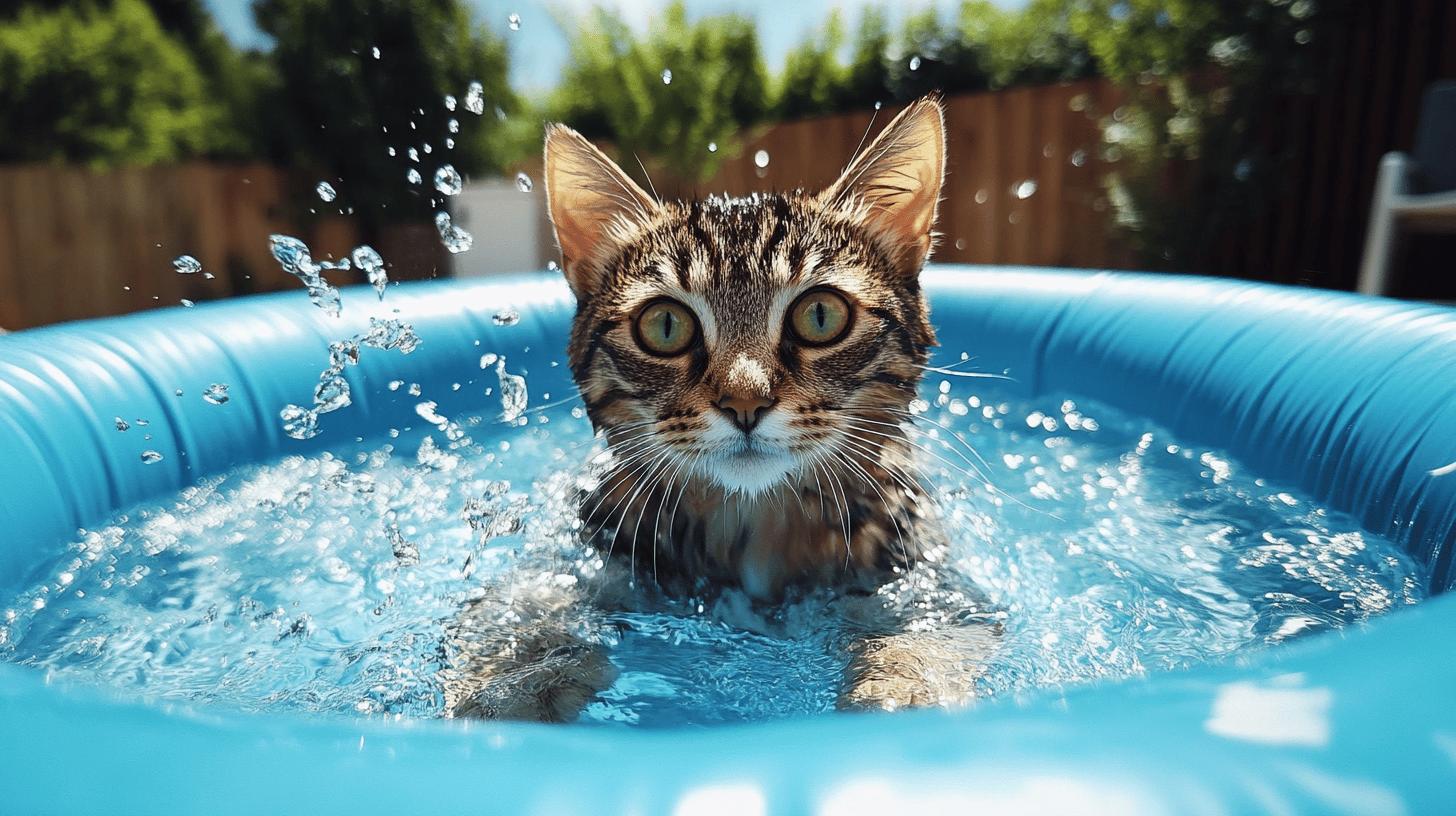
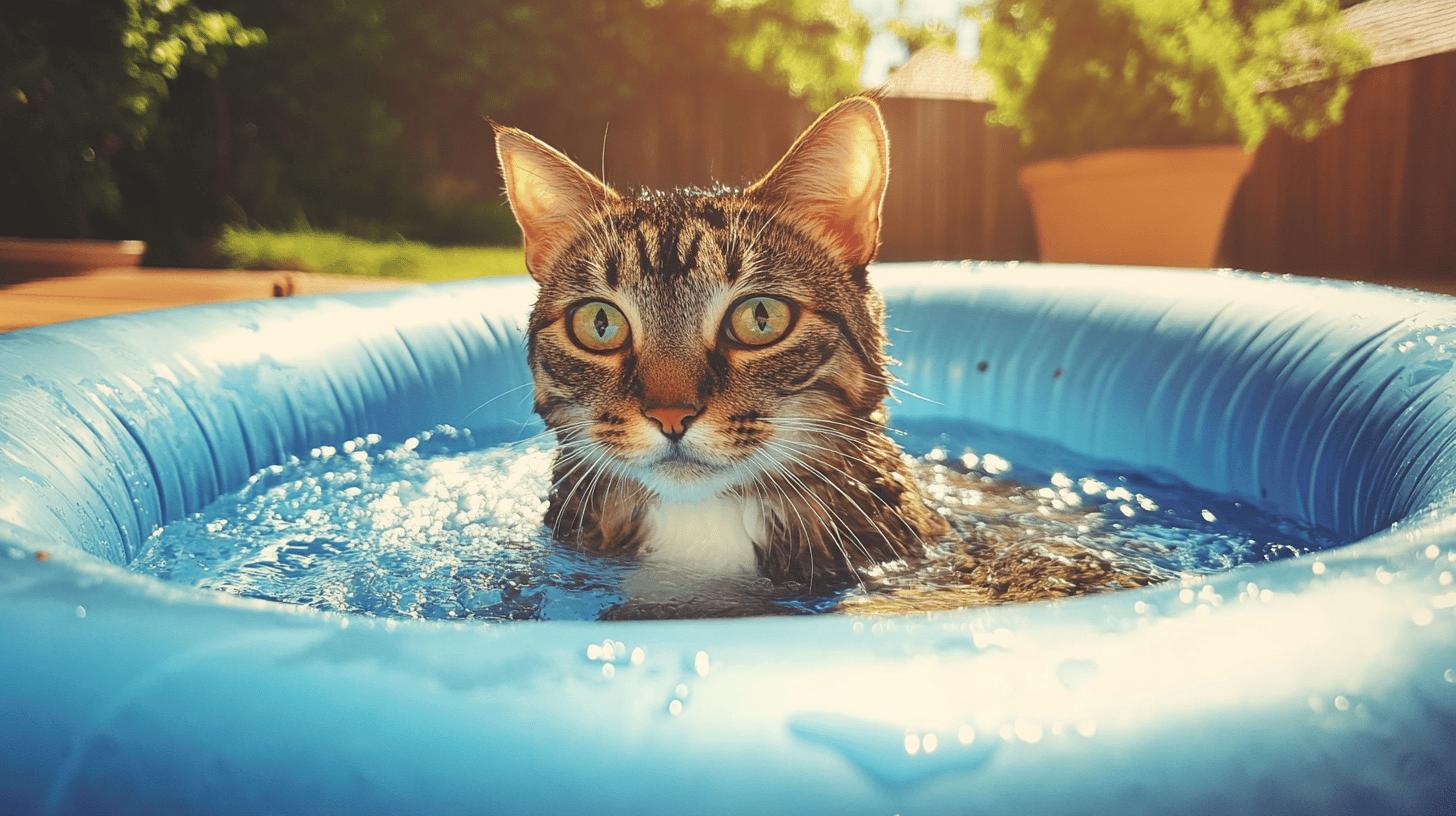
    Opt for a small wading pool or bathtub with a few inches of water. This ensures safety and allows you to supervise closely. Familiar items nearby can provide additional comfort.

    1. Use a Flotation Device
      Consider a life vest designed for cats. This adds buoyancy and stability, helping your cat feel more secure during their first swimming attempts.

    2. Encourage Exploration with Toys
      Introduce floating toys to spark curiosity. This makes the experience engaging and helps create positive associations with water.

    3. Build Confidence Slowly

    Gradually increase water depth as your cat becomes more comfortable. Offer treats and praise to reinforce their bravery and willingness to explore further.

    1. Support and Supervise
      Always stay close and be ready to support your cat physically. Hold them gently while they paddle and never leave them unsupervised.

    2. Increase Water Exposure
      Once your cat is comfortable in shallow water, gradually introduce them to deeper environments. Maintain safety with a harness and continue using a flotation device.

    3. Regular Swimming Sessions

    Schedule consistent swimming lessons to keep your cat's skills sharp. This helps maintain their comfort and enjoyment of swimming.

    1. Consult a Veterinarian
      If you notice any health concerns or if your cat seems unusually stressed, consult a vet. They can provide guidance tailored to your cat's needs.

    Patience and positive reinforcement are key to a successful swim training experience. Cats can sense emotions, so staying calm and encouraging helps them feel secure.

    Swimming offers numerous benefits, such as mental stimulation and physical exercise, which can enhance your bond with your cat. By training them with care and attention, you can open up a world of fun and fitness for both of you.

    Recognizing Cat Comfort and Readiness for Swimming

    Teach Your Cat to Swim with Confidence-3.jpg

    Certain cat breeds, such as Bengals and Maine Coons, have a natural affinity for water. These breeds might display curiosity or enjoyment when exposed to water. To identify if your cat is ready to swim, pay close attention to their body language and reactions when they encounter water in small amounts. Look for signs of comfort and interest, which are crucial in determining their readiness to take the plunge.

    • Relaxed body posture near water
    • Curiosity or playfulness with water
    • Purring or kneading when near water
    • Approaching water without hesitation
    • Pawing at water surfaces
    • Drinking from or exploring water sources

    Building water confidence in cats that are hesitant involves a gradual introduction. Start by letting them explore water at their own pace. Encourage them with toys or treats near water, and use positive reinforcement to reward calm and curious behavior. By creating a safe and stress-free environment, you can help your cat feel more comfortable and confident around water.

    Essential Equipment for Cat Swimming Training

    Essential Equipment for Cat Swimming Training-1.jpg

    Using the right equipment is key to ensuring both safety and enjoyment when training cats to swim.

    Proper gear can help cats feel more secure in the water and foster positive experiences during their swimming lessons.

    • Harness: A secure harness allows you to maintain control and guide your cat safely in and out of the water.

    • Towel: Keep a soft, absorbent towel nearby to dry your cat off after swimming, ensuring they stay warm and comfortable.

    • Waterproof Mat: A mat placed near the swimming area provides a non-slip surface for your cat to enter and exit safely.

    Choosing the right equipment can make all the difference.

    Look for harnesses that fit snugly but comfortably for different cat sizes.

    Select towels that dry quickly.

    A waterproof mat should be large enough for safe footing.

    These items not only enhance safety but also make the swimming experience more engaging and rewarding for your feline friend.

    Techniques to Reduce Cat Anxiety During Swimming

    Techniques to Reduce Cat Anxiety During Swimming-1.jpg

    Try specific calming methods to ease your cat's anxiety during swim sessions. Use pheromone sprays designed to soothe cats. A calming collar can also help. These products release scents that mimic natural feline pheromones, promoting relaxation.

    • Play soothing music to mask unfamiliar water sounds.
    • Use a non-slip mat for stability and comfort.
    • Offer a small, warm towel for drying and comfort after swimming.
    • Maintain a consistent routine to build familiarity.
    • Use a pet-safe life jacket for added security.
    • Practice deep breathing to stay calm, as cats sense human emotions.

    Using toys and treats wisely can transform swimming into a fun time. Interactive water toys can distract and entertain. Treats given at the end of each session link swimming with positive outcomes. This approach helps your cat build a positive view of water activities, encouraging them to be more relaxed and willing.

    Final Words

    By teaching cats to swim, you improve their mental and physical health and strengthen your relationship.

    This article provided a clear plan on how to train a cat to swim, from recognizing your cat's comfort with water to using essential equipment.

    During training, patience and positive reinforcement are important to ensure your cat enjoys the experience.

    Swimming offers many benefits, like exercise and social interaction.

    With the right approach, you can create lasting memories and an enjoyable skill for your cat. Happy training!

    FAQ

    How to teach a cat to like water?

    A: Begin by gently introducing your cat to water in a familiar setting using lukewarm water. Offer treats and praise to create a positive association with water.

    How to make your cat like swimming?

    A: Gradually increase your cat's exposure to water in a controlled environment like a kiddie pool. Use flotation devices and offer treats to encourage interest and confidence in swimming.

    Can cats naturally swim?

    A: Yes, most cats have the ability to swim, but their interest varies. Breeds like Bengals and Maine Coons often show a natural affinity for water.

    What breed of cat likes to swim?

    A: Bengals and Maine Coons are cat breeds known to enjoy water and swimming naturally. They are more likely to adapt quickly to swim training.

    Related Articles

  • Train Your Cat With Treats Successfully

    Train Your Cat With Treats Successfully

    Ever wonder if cats can be trained like dogs using treats? The answer might surprise you. Yes, you can train your cat with treats and get amazing results. Using positive reinforcement, treats become powerful tools to encourage good behavior and obedience.

    Think of it like teaching a toddler with candy – rewarding the right actions makes them eager to do it again. In this post, I’ll show you how to use treats effectively to train your cat, making playtime fun and safe while strengthening your bond. Let’s dive in and get your cat performing tricks!

    Understanding Treat-Based Training for Cats

    Understanding Treat-Based Training for Cats-1.jpg

    Positive reinforcement is a powerful tool in cat training. It involves rewarding cats for good behavior, creating a pattern of learning and obedience. This approach is effective because it taps into a cat’s natural desire for rewards, encouraging them to repeat the desired actions.

    Treat-based training works well with cats because it ties the reward (a treat) directly to specific actions or commands. Timing is crucial here. You need to give the treat immediately after the desired behavior so the cat understands the connection. This method is all about consistency and rewarding the right actions.

    Here’s how you can use treat-based training to address common cat behaviors:

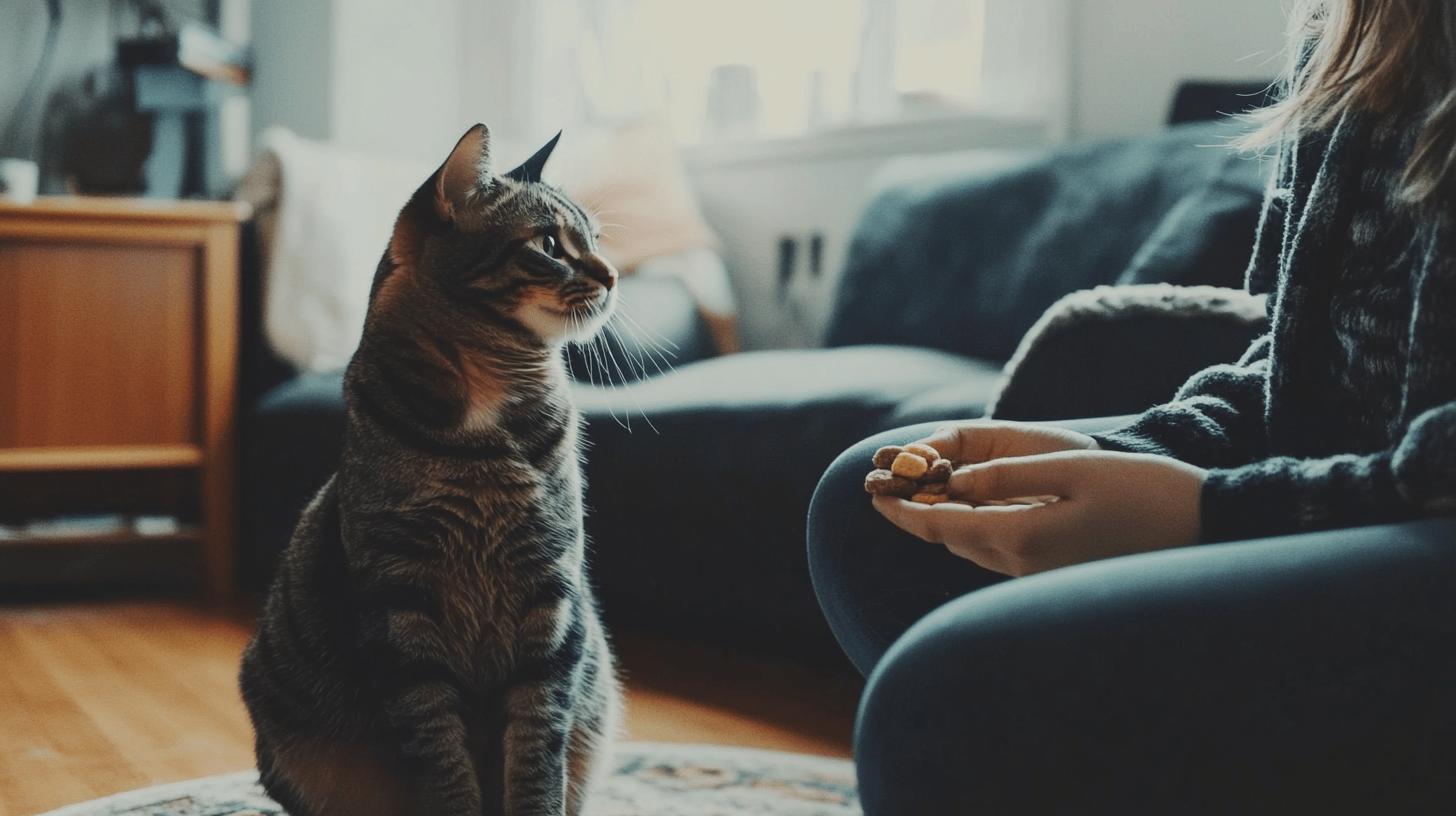
    • Sitting: Encourage your cat to sit by holding a treat above its head, moving it back over their ears, which naturally makes them sit.
    • Staying: Reward your cat when it stays in place as commanded, gradually increasing the time before giving the treat.
    • Using a Litter Box: Offer treats when your cat uses the litter box correctly, reinforcing this essential behavior.
    • Coming When Called: Use treats to encourage your cat to come to you when you call its name.
    • High Five: Teach your cat to give a high five by rewarding it when it touches your hand with its paw.

    Using treats effectively requires understanding your cat’s preferences and maintaining regular, short training sessions. This builds a strong association between the treat and the desired behavior, making training a rewarding experience for both you and your cat.

    Selecting the Right Treats for Cat Training

    How Soon Can Cat Eat After Tooth Extraction-3.jpg

    Choosing the right treats is key to successful cat training. High-value treats are the most effective, as they are flavorful and irresistible to your cat. These treats ensure that your cat stays motivated and engaged during training sessions.

    Here are some suggested treat types that can motivate your cat:

    • Freeze-dried meat: These treats are packed with flavor and nutrition.
    • Lickable treats: Perfect for a quick and tasty reward.
    • Soft treats: Easy to chew and digest, ideal for older cats.
    • Raw meat: A natural and enticing option for many cats.
    • Dehydrated fish: Strong aroma and taste, great for picky eaters.

    When training, avoid overfeeding by breaking treats into smaller pieces. This approach not only prevents your cat from consuming too many calories but also extends the training session by allowing more opportunities for rewards.

    Varying the texture of treats can also help keep your cat’s interest. By experimenting with different types, you can find what your cat loves best. Remember, keeping portions small and mixing up treat textures can make training more effective and enjoyable for both you and your cat.

    Advanced Techniques for Training Cats with Treats

    Step-by-Step Guide to Training Cats with Treats-1.jpg

    Training your cat with treats can be a rewarding experience for both of you. To enhance your training, let’s explore advanced techniques and troubleshoot common issues.

    1. Choose a Behavior to Train
      Decide which behavior you want to teach your cat. This could be anything from sitting to coming when called. Focus on one behavior at a time to avoid confusion.
    2. Use Clear Commands
      Pick a simple, clear word or phrase for the command. Use it consistently every time you want your cat to perform the behavior.
    3. Introduce the Treat

    Show your cat the treat to get its attention. This will make your cat more eager to perform the behavior you want.

    1. Reward Immediately
      As soon as your cat performs the desired action, give it the treat right away. This helps your cat understand exactly what it did to earn the reward.
    2. Repeat and Reinforce
      Practice regularly to reinforce the behavior. Repeat the command and reward process several times in each session.
    3. Keep Sessions Short

    Limit training sessions to a few minutes. Cats have short attention spans, so keeping sessions brief helps maintain their interest.

    Troubleshooting Training Issues

    • Cat Ignores Commands
      If your cat ignores commands, try using a more enticing treat or changing the training environment to reduce distractions.
    • Slow Progress
      Some cats take longer to learn. Be patient and adjust your expectations. Consider breaking the behavior into smaller, achievable steps.
    • Inconsistency

    Ensure everyone in your home uses the same commands and rewards to avoid confusing your cat.

    Consistency and patience are essential for successful training. Stick to a routine and be patient, as some cats may take longer to learn than others. By following these steps and maintaining a positive attitude, you’ll help your cat learn new behaviors while strengthening your bond.

    Advanced Techniques for Training Cats with Treats

    How Soon Can Cat Eat After Tooth Extraction-2.jpg

    Training cats with treats can be tricky. Treat aversion is one common challenge. Cats might ignore treats if overfed or if the treats lack appeal. If your cat isn’t motivated, the treat might not be enticing enough.

    Here are tips to tackle these issues:

    • Try Different Treats: Experiment with various treat types. Cats might like freeze-dried meat, lickable treats, or raw options.
    • Adjust Feeding Habits: If your cat is always full, treats won’t work. Set a feeding schedule instead of free-feeding.
    • Change Training Techniques: If your cat isn’t responding, try a different approach. Use more play or affection as rewards.
    • Create a Positive Environment: Remove distractions to help your cat focus during training.

    Patience is key. Training takes time, and each cat learns differently. Stay positive, and remember that patience and consistency will eventually pay off. By understanding your cat’s likes and tweaking your methods, you can overcome training challenges successfully.

    Alternatives to Treats in Cat Training

    Some cats just aren’t motivated by treats, and that’s okay. It’s important to explore other ways to reward them during training. Using alternatives like praise, affection, or playtime can be just as effective. These options tap into a cat’s natural preferences and can make training more engaging.

    Here are some alternative motivation methods:

    • Praise: Use a happy tone to let your cat know it’s doing well.
    • Affection: Pet or cuddle your cat in its favorite spot as a reward.
    • Play: Engage in a short play session with a favorite toy.
    • Regular Food: Offer a small portion of your cat’s meal as a reward.

    Understanding your cat’s likes and behaviors is key to successful training. By observing what your cat enjoys most—whether it’s a special toy or a scratch behind the ears—you can tailor your training approach. If your cat prefers wet or raw food, consider using these as rewards instead of typical treats.

    Incorporating alternative rewards into your training routine not only makes sessions more fun but also strengthens the bond between you and your cat. The key is to be consistent with the rewards your cat responds to, ensuring a positive and effective training experience.

    Final Words

    Training cats with treats offers a simple way to help them learn new behaviors. Using treats as rewards strengthens their connection with commands. Choosing the right treats is important, as is being consistent and patient. Overcome challenges by keeping things fun and positive.

    If treats don’t work, consider alternatives. Methods like playtime or affection can also motivate your cat. With the right approach, you can effectively show how to train a cat with treats. Enjoy watching your cat conquer new tricks while you build a strong bond together!

    FAQ

    How can I train my cat using treats?

    Training a cat with treats focuses on positive reinforcement. Give a treat right after your cat does something good. This makes them want to repeat the behavior.

    What’s the best way to train a cat to come to you?

    Use treats your cat really likes. Call their name and when they come, give a treat. Repeat this to build their habit.

    How do I train my cat to sit using treats?

    Hold a treat above their head and move it backward. When they sit, say “sit” and give the treat. Practice this until they learn the command.

    How do you train a cat not to bite?

    Use treats to redirect biting. Offer a treat for calm behavior. If they bite, stop the play and walk away for a moment.

    How can I potty train my cat effectively?

    Place the litter box in a quiet spot. When your cat uses it, reward them with a treat. Consistent reward helps make this habit.

    Can you introduce cats to each other using treats?

    Yes, treats help. Give both cats treats during introduction times to create a positive association with each other.

    What is the easiest thing to train a cat?

    Teaching a cat to sit or come can be the easiest. Use treats and simple commands to reinforce these behaviors.

    How can I choose the right treats for cat training?

    Pick high-value treats—small, tasty, and special to your cat. Good options are small bits of chicken, fish, or commercial cat treats.

    What should I do if my cat loses interest in training treats?

    Change treat types or reduce portion sizes during meals. Keeping the training environment positive will help keep their interest.

    What if my cat isn’t motivated by treats?

    Try using play, affection, or regular food as a reward. Understand your cat’s favorite activities and integrate them into training.

    Related Articles

  • Can Cat Eat Ladybug Understanding the Risks for Pet Safety

    Can Cat Eat Ladybug Understanding the Risks for Pet Safety

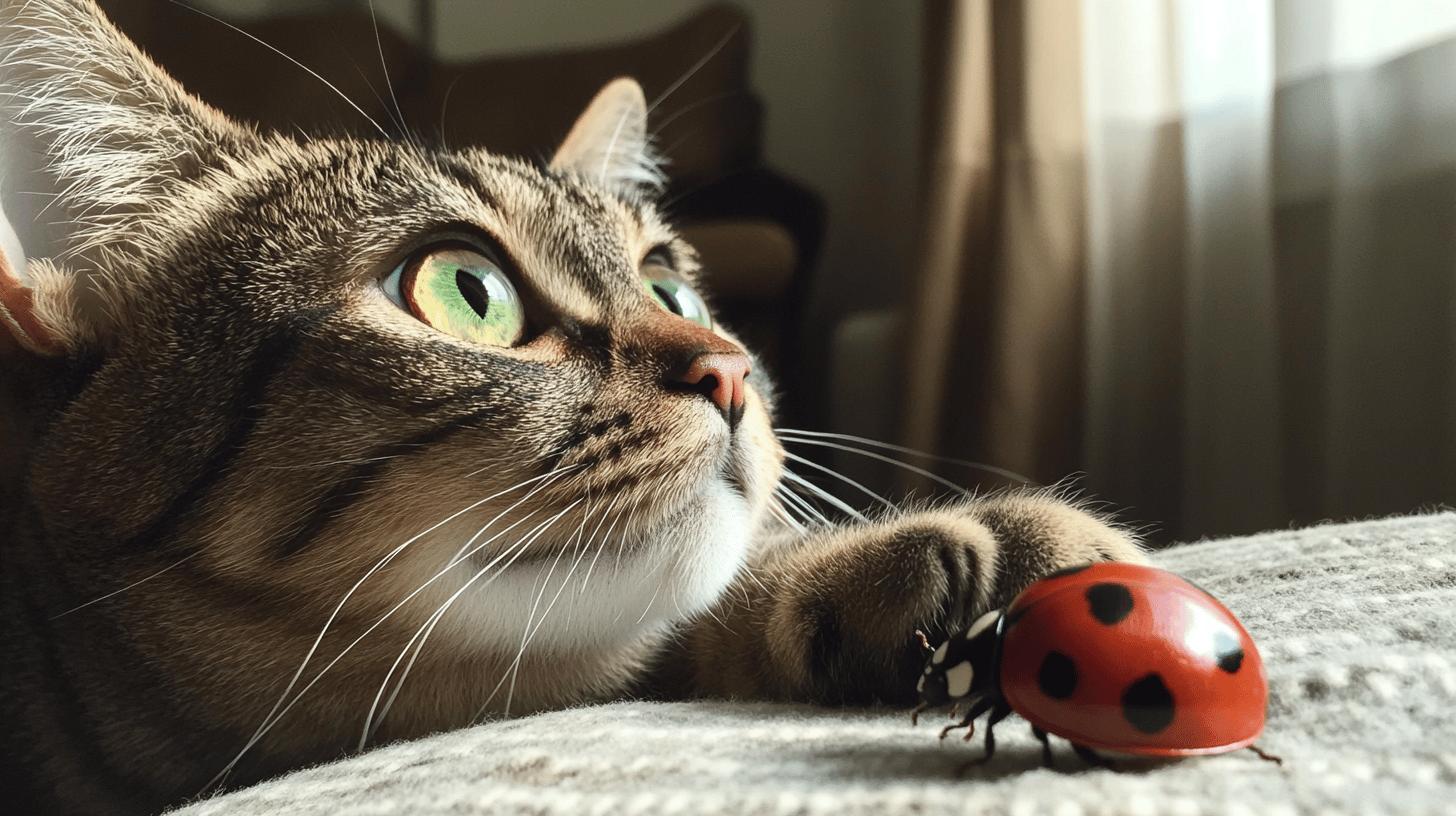
    Ever caught your cat playing with a ladybug and wondered if it’s safe for them to eat? Most of us would not think a tiny ladybug could cause trouble. Yet, for cat owners who want to make sure their pets stay safe, it’s good to know the risks involved.

    Cats usually avoid eating ladybugs due to their bad taste and smell. But if your cat swallows a ladybug, it might face some discomfort. Understanding why some bugs are best left alone helps you make smart decisions to keep your furry friend safe.

    Can Cats Eat Ladybugs? Understanding the Risks and Differences

    Can Cats Eat Ladybugs Understanding the Risks and Differences-1.jpg

    Ladybugs are generally not harmful to cats unless consumed in large quantities. Most cats avoid eating ladybugs after the first encounter due to their unpleasant taste and smell. This natural aversion usually prevents any significant risk to your feline friend.

    If your cat does manage to eat a ladybug, here are some symptoms to watch for:

    • Drooling
    • Pawing at the mouth
    • Vomiting

    Ingesting large quantities of ladybugs might cause mild gastrointestinal upset in cats. While this is rare, it’s still important to keep an eye on your pet if they’ve consumed these insects.

    Now, a close relative worth knowing about is the Asian lady beetle. These insects are slightly larger than ladybugs and have more black spots, along with a distinctive white “M” mark where the head meets the body. Unlike the typical ladybug, Asian lady beetles secrete a more pungent fluid that can be irritating to cats.

    Insect Type Distinctive Features Potential Risks
    Ladybug Small size, red with black spots Mild gastrointestinal upset if consumed in large quantities
    Asian Lady Beetle Larger size, more black spots, white “M” mark Irritation from pungent fluid secretion

    While ladybugs are not typically harmful to cats, it’s wise to monitor your pet’s interactions with insects. Understanding these differences can help you make informed decisions for your cat’s safety.

    How Ladybugs Defend Themselves and Why That Affects Cats

    Ladybugs are not defenseless insects. When threatened, they release a foul-smelling yellowish fluid from their leg joints through a process called reflex bleeding. This fluid contains alkaloid compounds that taste bitter and are unpleasant to most predators, including cats. It’s the primary reason cats that do attempt to eat a ladybug typically spit it out or show immediate signs of oral discomfort such as excessive drooling and pawing at the mouth.

    Asian lady beetles take this defense mechanism a step further. Their reflex fluid is more concentrated and more chemically irritating than that of native ladybug species. When a cat crushes an Asian lady beetle in its mouth, the released fluid can cause localized irritation of the gums, tongue, and palate. In some cases, this irritation can lead to temporary ulcers or soreness in the mouth, which may cause your cat to be reluctant to eat or drink for a short period.

    The coloration of ladybugs also serves a defensive purpose. Their bright red or orange coloring signals toxicity to visual predators, a strategy known as aposematism. While cats are not primarily visual hunters in the same way birds are, their instincts may still cause hesitation around brightly colored insects. This natural warning system, combined with the taste deterrent, means most cats self-regulate their ladybug interactions after an initial unfortunate experience.

    Signs of Distress in Cats After Eating Insects

    Can Cats Eat Ladybugs Understanding the Risks and Differences-2.jpg

    Cats nibbling on insects is not unusual, but it can lead to discomfort. Beyond the familiar drooling, vomiting, or pawing at the mouth after eating ladybugs, other insects can pose risks too. Bees or wasps can sting inside the mouth, while certain spiders might be toxic. Staying alert to the types of insects your cat encounters is key to preventing distress.

    To keep your cat safe, limiting their access to insects is wise. Seal windows and doors to reduce entry points for bugs and consider using screens. Regularly inspect your home for insect nests or hives and address them promptly. Keeping your cat’s play areas clean and free from potential insect hideouts also helps considerably.

    If your cat shows distress, take these steps:

    1. Observe your cat for any unusual behavior.
    2. Remove any remaining insects from the area.
    3. Offer water to help dilute any irritants.
    4. Consult a veterinarian if symptoms persist.

    By minimizing your cat’s exposure to insects and acting quickly when they show signs of distress, you can help keep them healthy and content.

    Other Common Insects and Their Risks to Cats

    While ladybugs are among the more benign insects your cat might encounter, the broader category of insects includes many that pose greater risks. Understanding which insects are more dangerous helps you prioritize cat-proofing efforts in and around your home.

    Bees and wasps are capable of stinging inside a cat’s mouth or throat if swallowed alive, leading to painful swelling that can occasionally obstruct breathing. If you notice your cat pawing frantically at its mouth after catching a flying insect, or if you see swelling around the muzzle or throat, seek veterinary care promptly. Fireflies are another concern: they contain lucibufagins, compounds toxic to lizards and some other animals, though the risk level for cats remains less clearly defined.

    Certain caterpillars carry urticating hairs that can cause intense irritation to mucous membranes if ingested. Cockroaches, while not directly toxic, can transmit parasites or bacteria if eaten regularly. Spiders represent a variable risk depending on species: the vast majority of house spiders are harmless to cats, but black widows and brown recluses present genuine danger and require immediate veterinary attention if a bite or ingestion is suspected. For broader context on insect ingestion risks, the guide on general bug safety for cats provides a useful overview of common insects your cat might encounter.

    Preventive Measures to Protect Cats from Insect Consumption

    Preventive Measures to Protect Cats from Insect Consumption-2.jpg

    Keeping cats indoors is one of the most effective ways to reduce their risk of encountering and consuming harmful insects. By limiting their exposure to the outdoor environment, you keep them away from potential dangers like ladybugs, which, though beneficial for gardens, are not suitable for cats to eat.

    Creating a cat-friendly environment that minimizes insect encounters involves a few strategic steps. Start by inspecting your home for any openings or cracks that could allow insects inside. Sealing these entry points can significantly decrease the number of bugs your cat might come across. Maintaining a clean and clutter-free living space will also prevent insects from finding hiding spots.

    Here are some actionable strategies to keep your cat safe from harmful insects:

    • Regularly check and seal entry points for insects.
    • Keep garden areas well-maintained.
    • Use cat-safe insect repellents.
    • Monitor outdoor time closely.

    By implementing these preventive measures, you can create a safer environment for your cat, helping them avoid the potential risks associated with insect consumption.

    When to Seek Emergency Veterinary Care After Insect Ingestion

    Most insect ingestion incidents, including the occasional swallowed ladybug, resolve on their own or with minor supportive care. However, certain situations require immediate professional attention. Knowing how to distinguish a mild reaction from a serious one can make a meaningful difference for your cat’s safety.

    Seek emergency veterinary care if you observe any of the following after your cat has eaten or been stung by an insect:

    • Difficulty breathing or swallowing
    • Rapid swelling around the face, lips, or throat
    • Loss of coordination or collapse
    • Seizures or muscle tremors
    • Extreme lethargy that does not improve within an hour
    • Pale or bluish gums, which indicate oxygen deprivation

    These signs can indicate anaphylaxis, venomous bites, or toxic exposure that requires prompt medical intervention. Even if symptoms seem mild at first, calling your veterinarian for guidance is always worthwhile when you are unsure. For context on similar risks from other insects, the articles on wasp ingestion safety and earwig risks for cats cover those specific cases in more detail.

    Monitoring Your Cat After Insect Exposure

    When to Consult a Veterinarian-1.jpg

    Monitoring your cat’s behavior after it eats insects is key to ensuring its health. If you notice persistent drooling, vomiting, or lethargy, these might be signs of distress. While ladybug reactions are rare and usually mild, it’s crucial to act swiftly if symptoms persist or worsen.

    Consult a veterinarian if your cat exhibits unusual behavior. Professional guidance helps address any potential health issues early, before they have a chance to escalate.

    Symptom Action
    Drooling Monitor and consult a vet if it persists
    Vomiting Observe frequency and seek vet advice if frequent
    Lethargy Contact a veterinarian for professional evaluation

    Being vigilant helps keep your furry friend safe and ensures their long-term wellbeing.

    Final Words

    Understanding the difference between ladybugs and Asian lady beetles is important for cat owners. While ladybugs are generally safe, eating too many can upset a cat’s stomach. Asian lady beetles carry more irritating compounds and deserve extra caution. Watching for symptoms like drooling or pawing at the mouth helps catch any issues early.

    By keeping your cat indoors and using cat-safe insect repellents, you can prevent unwanted insect encounters. If unusual behaviors appear after insect exposure, checking with a vet is the right move. Staying informed ensures your cat remains healthy and happy, whatever curiosity they encounter in their environment.

    FAQ

    Is it safe for cats to eat ladybugs?

    Ladybugs are not generally harmful to cats unless eaten in large amounts. Cats naturally avoid them due to taste.

    What happens if a pet eats a ladybug?

    If a pet eats a ladybug, watch for drooling, pawing at the mouth, and vomiting. Mild gastrointestinal upset can occur if many are eaten.

    Can animals eat ladybugs?

    Animals can technically eat ladybugs, but the insects are not palatable and can cause irritation if many are consumed.

    Can cats eat Asian lady beetles?

    Cats should not eat Asian lady beetles. These beetles secrete a more pungent fluid that can irritate your cat’s mouth and digestive system.

    Are ladybugs poisonous to eat?

    Ladybugs are not poisonous to eat but can cause stomach upset if consumed in excess.

    What insects are safe for cats to eat?

    Not all insects are safe, but cats often nibble on flies and moths without issues. Always consult a vet if unsure about a specific insect.

    Related Articles

  • Can Cat Eat Pedigree Dog Food Safely

    Can Cat Eat Pedigree Dog Food Safely

    Can your cat munch on Pedigree dog food and stay healthy? It’s a question many cat owners might find themselves asking when faced with an empty cat food bowl and a full bag of dog chow. While Pedigree is packed with nutrients for dogs, it might not be the right choice for your feline friend. Cats are obligate carnivores, needing specific nutrients found mostly in animal tissues that dog food doesn’t provide. Understanding these differences can help ensure your cat remains nourished and healthy. Let’s dive into the details to keep your cat’s diet on track.

    Can Cats Safely Eat Pedigree Dog Food?

    Can Cats Safely Eat Pedigree Dog Food-1.jpg

    Dog food and cat food are formulated to meet the distinct nutritional needs of dogs and cats, respectively. Cats are obligate carnivores, which means they require nutrients that are primarily found in animal tissue. Dog food, such as Pedigree, is designed for omnivores and typically includes a mix of animal and plant-based ingredients. This dietary formulation lacks vital nutrients that cats need to thrive, such as taurine, arachidonic acid, and vitamin A. Taurine is particularly crucial for maintaining a cat’s heart and eye health. Regularly feeding cats dog food can lead to serious nutritional deficiencies because it does not provide the balanced diet they require.

    If a cat accidentally consumes dog food, the immediate health impacts are generally mild. A small amount of dog food is unlikely to cause serious harm to a healthy cat if consumed occasionally. However, it’s still not ideal because even one meal of dog food doesn’t supply the specific nutrients a cat needs. You might notice some temporary digestive upset like diarrhea or vomiting. In most cases, these symptoms will resolve quickly. It’s important to monitor your cat’s behavior and health closely after such incidents to ensure no further issues arise.

    The long-term health risks associated with feeding cats dog food are significant. Cats require specific nutrients that are not present in adequate amounts in dog food. Over time, the lack of these critical nutrients can lead to severe health issues, such as heart problems, poor vision, and weakened immune function. A deficiency in taurine, for example, can result in dilated cardiomyopathy, a serious heart condition that can be life-threatening if left untreated. Consistent feeding of dog food can also contribute to obesity in cats because the caloric and protein content is not suited to their needs.

    These nutritional differences impact the overall health of cats profoundly. Cats on a long-term diet of dog food may experience reduced energy levels, weight loss, and a dull coat due to inadequate protein and fat intake. Their bodies are not equipped to process the carbohydrates and plant proteins found in dog food as efficiently as they do animal proteins. This imbalance can lead to chronic health issues, impacting their quality of life. Ensuring cats receive a diet specifically formulated for their needs is crucial for maintaining their health and well-being.

    Nutrient Importance for Cats
    Taurine Vital for heart and eye health
    Arachidonic Acid Essential for skin and coat health
    Vitamin A Necessary for vision and immune function
    Protein Crucial for muscle maintenance and energy

    Expert Opinions on Feeding Cats Non-Species-Specific Foods

    Veterinarians highlight the importance of feeding cats species-specific diets, cautioning against the use of dog food like Pedigree for cats. Cats and dogs have distinct nutritional needs, and their foods are designed to meet these differences. Experts recommend setting up separate feeding areas and staggered meal times to prevent cross-feeding, ensuring each pet receives the nutrition tailored to their species.

    Cats require specific nutrients such as taurine, arachidonic acid, and vitamin A for their health. Unlike dogs, cats cannot synthesize taurine, making it a critical dietary inclusion for maintaining heart and eye health. Dog food lacks adequate levels of these nutrients, posing risks of nutritional deficiencies in cats. Understanding these dietary requirements is essential for pet owners to prevent potential health issues.

    In the event a cat ingests dog food, pet owners should closely observe for any signs of distress. While a small amount may not cause immediate harm, symptoms like vomiting, diarrhea, or lethargy necessitate veterinary consultation. Veterinarians can provide guidance on necessary dietary adjustments and address health concerns arising from the consumption of non-species-specific food.

    Alternative Feeding Options for Cats

    Alternative Feeding Options for Cats-1.jpg

    In emergency situations where cat food isn’t readily available, many pet owners might wonder if they can substitute dog food. However, it’s not recommended to rely on dog food as a cat food alternative. Cats are obligate carnivores, requiring specific nutrients like taurine that dog food doesn’t provide in sufficient quantities. Instead, you can feed your cat small amounts of cooked meat such as chicken, turkey, or beef, ensuring there are no added seasonings or bones. Some plain, unsalted fish can also be a temporary solution. If you’re in a pinch, scrambled eggs or a small portion of plain, canned pumpkin can offer a temporary nutritional boost. These options should only be used until appropriate cat food is obtained.

    When considering treats for cats, it’s crucial to select options that align with their dietary needs. Cats typically enjoy treats that are protein-rich and suitable for their digestive systems. Opt for commercially available cat treats that specify taurine and other essential nutrients in their ingredients. Additionally, you can offer small pieces of cooked chicken or fish as a treat. Avoid giving cats dairy products or human snacks high in carbohydrates or sugars, as these can upset their stomachs and lead to health issues.

    • Cooked chicken or turkey (no seasoning)
    • Plain canned tuna in water (occasionally)
    • Commercially available cat treats with taurine
    • Small amounts of scrambled eggs
    • Plain, unsalted fish (like salmon)

    Final Words

    Feeding cats Pedigree dog food isn’t suitable for their nutritional needs. Cats require specific nutrients like taurine, which dog food lacks. When cats consume dog food, even by accident, it can lead to immediate and long-term health concerns. Veterinarians advise monitoring your cat’s diet closely to avoid these issues.

    Considering alternative feeding options and safe treats specifically made for cats is crucial. Making sure your cat’s diet is appropriate keeps them healthy and happy. Remember, prioritizing a cat’s dietary needs leads to a better playtime experience and connection with your furry friend.

    FAQ

    Can cats eat Pedigree food?

    Cats should not eat Pedigree food. Dog food, including Pedigree, lacks essential feline nutrients. While accidental consumption may not harm, it’s not suitable for regular feeding.

    Is it safe for cats to eat dog food?

    It’s not safe for cats to regularly eat dog food. Dog food lacks vital nutrients like taurine, leading to health issues if fed over time.

    Is it safe for cats to eat wet dog food?

    Wet dog food is not safe for cats to consume regularly. It doesn’t meet a cat’s dietary needs and can cause nutritional deficiencies.

    Does Pedigree make cat food?

    No, Pedigree does not make cat food. It’s important to choose foods specifically formulated for cats.

    Can cats eat dog food for a couple days?

    For short durations, if cats accidentally eat dog food, it may not cause immediate harm. However, it’s crucial to switch back to proper cat food quickly.

    Can cats be pedigree?

    Cats can belong to specific pedigreed breeds. However, this doesn’t relate to the Pedigree brand of dog food.

    Is pedigree dog food ok for cats?

    Pedigree dog food is not okay for cats to consume regularly. It doesn’t provide the necessary nutrients for feline health.

    What are the risks of feeding cats dog food?

    Feeding cats dog food risks nutritional deficiencies, primarily lacking taurine, which is vital for their heart and vision health.

    Related Articles

  • Can Cat Eat Hash Brown Risks and Safe Alternatives Explained

    Can Cat Eat Hash Brown Risks and Safe Alternatives Explained

    Ever thought about sharing your breakfast hash browns with your cat? It might seem harmless, but hash browns pose hidden dangers to your furry friend. These crispy treats contain oils, fats, and seasonings that aren't cat-friendly and can affect their health. Risks like pancreatitis, obesity, and salt poisoning are just the start. So, what's the real scoop on hash browns for cats, and what are the safer alternatives? Let's explore the risks and discover snack choices that keep your cat happy and healthy.

    Why Hash Browns Are Unsafe for Cats

    Why Hash Browns Are Unsafe for Cats-1.jpg

    Hash browns might be a delicious breakfast side for humans, but they are not suitable for our feline friends. Cats should not eat hash browns because they contain unhealthy and potentially toxic ingredients. The oil, fat, and seasonings used in making hash browns can lead to serious health problems like pancreatitis, obesity, and diabetes in cats. Ingredients such as salt and onions, often found in hash browns, pose additional toxic risks to a cat's health.

    Here are some potential health risks if a cat consumes hash browns:

    • Pancreatitis: The high-fat content can inflame the pancreas.
    • Obesity: Excess calories from oils and fats contribute to weight gain.
    • Salt poisoning: Too much salt can lead to severe dehydration and kidney damage.
    • Digestive issues: Fried foods can upset a cat's stomach.
    • Diabetes: Consuming too much fat can disrupt insulin regulation.

    Hash browns often contain ingredients that are particularly harmful to cats. Onions and garlic, including their powdered forms, are highly toxic to felines and can cause anemia. Salt, another common seasoning, can lead to salt poisoning, which is dangerous for cats. These ingredients are often hidden within the crispy, golden layers of hash browns.

    Ingredient Potential Harm
    Onions Can cause anemia
    Garlic Can lead to anemia and digestive issues
    Salt Causes salt poisoning, dehydration
    Oil and Fat Leads to pancreatitis, obesity

    The risks associated with fried foods like hash browns are significant for cats. These foods are rich in oils and fats, which are difficult for a cat's digestive system to process. Eating fried foods can lead to digestive issues, including diarrhea and vomiting. The high-fat content is a major contributor to obesity and related diseases like pancreatitis. It’s important to remember that cats are obligate carnivores, and their diet should be primarily meat-based.

    Considering these factors, it's clear that hash browns are not a safe food choice for cats. Avoid offering hash browns to your cat as a treat or meal. Instead, ensure your cat's diet aligns with their natural dietary needs, which are rich in protein and low in carbohydrates and fats. This keeps your furry friend healthy and happy without the risks associated with unsuitable human foods.

    Alternatives to Hash Browns: Safe Cat Snacks

    Alternatives to Hash Browns Safe Cat Snacks-1.jpg

    While hash browns aren't a good choice for our feline companions, there are plenty of healthy treats for cats that can satisfy their curiosity and taste buds. Cats, being obligate carnivores, thrive on a diet rich in meat, but some human foods can be safe and enjoyable for them in moderation. It's always a treat to see your cat enjoying a snack that's both tasty and beneficial to their health. These foods offer nutritional benefits without the risks associated with hash browns.

    Here are some cat-friendly snacks to consider:

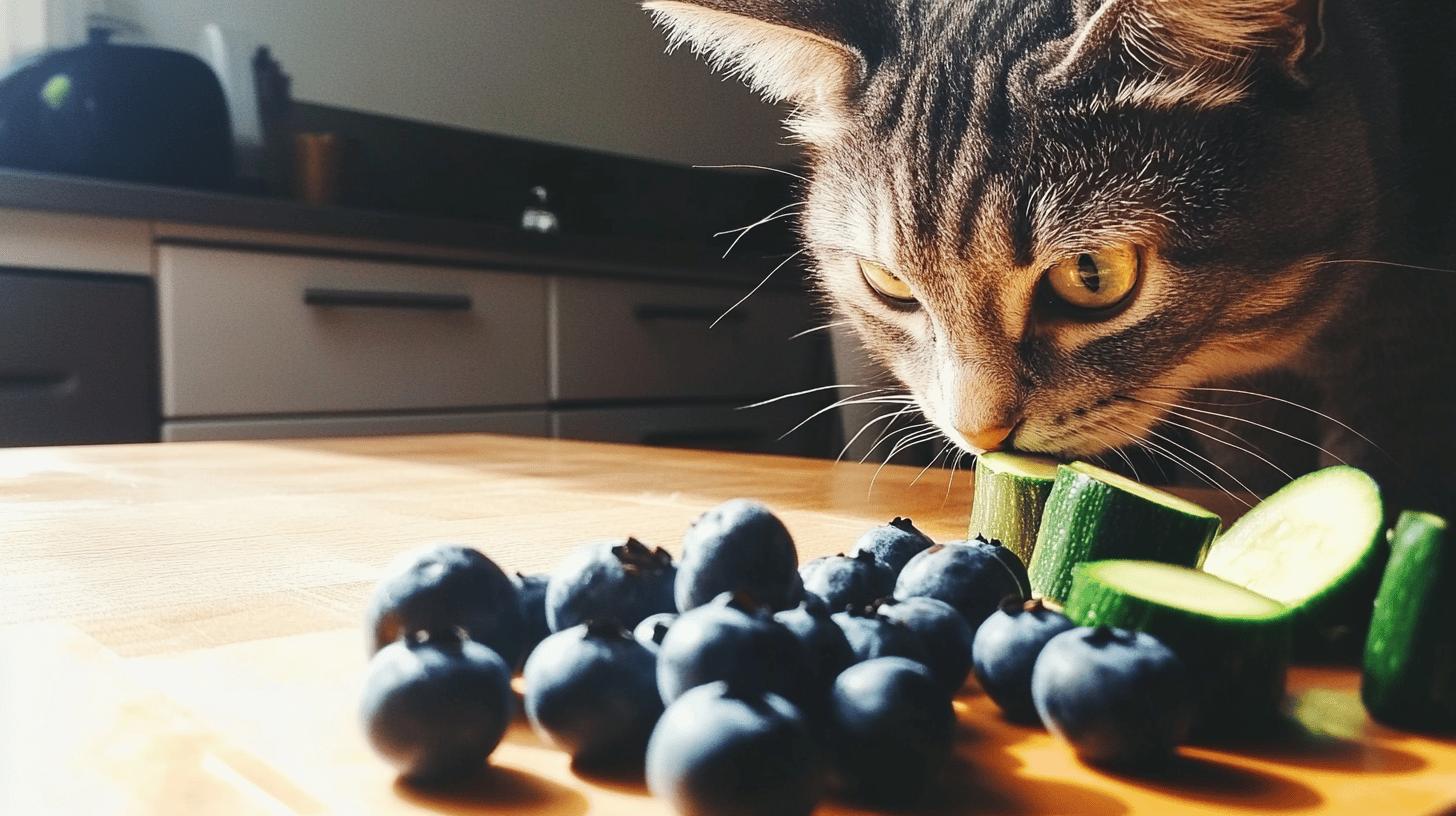
    • Zucchini
    • Blueberries
    • Peeled banana
    • Cooked eggs
    • Apple slices
    • Unsalted creamy peanut butter

    When offering these snacks, remember that moderation is key. Just like with any treat, these should be given in small amounts to supplement a cat's regular diet rather than replace it. Offering a balanced mix of these alternatives alongside their usual meals ensures your cat receives all the essential nutrients they need. Keeping their diet varied and interesting can also help prevent boredom and maintain their overall health.

    What to Do If Your Cat Eats Hash Browns

    What to Do If Your Cat Eats Hash Browns-1.jpg

    If your cat manages to sneak a bite of hash browns, there are a few symptoms of food poisoning in cats to watch out for. They might experience gastrointestinal distress, which can manifest as vomiting or diarrhea. Lethargy is another sign that something could be wrong. The risk is even higher if the hash browns contain onions or garlic, which are particularly toxic to cats and can lead to more severe health issues.

    In case your cat shows any of these symptoms, it's important to act swiftly. Begin by closely monitoring your cat's health for any changes. If symptoms persist or worsen, consulting a veterinarian is crucial to ensure your pet's well-being. A vet can provide guidance based on your cat's specific situation and help prevent any further complications. Always prioritize your cat's safety by keeping human foods like hash browns out of their reach.

    Final Words

    Understanding why hash browns are unsafe for cats is crucial. Fried foods' rich oils and fats risk obesity and digestive troubles, while harmful ingredients like onions can lead to severe health issues. Cats deserve a diet that aligns with their natural needs.

    Opting for healthier alternatives such as zucchini or blueberries ensures cat-friendly snacks that nourish without harm. If your cat ever consumes a hash brown, monitor for symptoms like vomiting and consult a vet if needed.

    Prioritizing safe foods means a happy and healthy cat.

    FAQ

    Can cats eat hash browns?

    A: Cats should not eat hash browns. They contain harmful ingredients like oil, fat, salt, and onions, leading to pancreatitis, obesity, and salt poisoning in cats.

    Are hash browns okay for cats?

    A: No, hash browns are not okay for cats. The unhealthy ingredients can cause serious health problems such as digestive issues and pancreatitis.

    What happens if a cat eats hash browns?

    A: If a cat eats hash browns, monitor for vomiting, diarrhea, and lethargy. These symptoms indicate potential toxicity and require veterinary attention.

    Is it safe for cats to eat potatoes?

    A: Plain cooked potatoes are safe in small amounts, but potatoes with added seasonings or fried like hash browns should be avoided.

    Can cats eat scrambled eggs?

    A: Yes, cats can eat cooked scrambled eggs. Eggs provide protein beneficial to cats, but avoid adding salt, pepper, or butter.

    Can cats eat eggs?

    A: Cats can eat cooked eggs without seasoning. They are a healthy snack that provides essential protein and nutrients.

    Can cats eat bacon?

    A: Bacon is not recommended for cats. High salt and fat content can lead to obesity and health issues like pancreatitis.

    Can cats eat bread?

    A: Cats can eat small amounts of plain bread. However, it offers little nutritional value and should not be a regular part of their diet.

    Can my cat eat a McDonald's fry?

    A: Cats should not eat McDonald's fries. The high salt and fat content can lead to health problems like obesity and digestive issues.

    Related Articles

  • Can Cat Eat Purple Yam Safely Tips for Feeding Cats Yams

    Can Cat Eat Purple Yam Safely Tips for Feeding Cats Yams

    Can cats enjoy the taste of purple yam without any risk? Many cat owners wonder if their feline friends can safely munch on this vibrant vegetable without any issues. Cooked purple yam is safe for cats in small amounts, provided you follow a few simple guidelines. Cats are carnivores at heart, needing a meat-based diet, so while yams shouldn’t take center stage, they can add a splash of variety. The key is preparation, portion size, and knowing what to watch for.

    Can Cats Safely Eat Purple Yam? Guidelines for Feeding Purple Yam to Cats

    Can Cat Eat Purple Yam Safely Tips for Feeding Cats Yams-3.jpg

    Cats can indeed eat purple yam, but only if it’s cooked and served plain. Raw yams are toxic to cats due to the presence of certain harmful compounds. Cooking yams reduces these risks, making them a safer addition to your cat's diet. However, it's crucial to remember that cats are obligate carnivores. They thrive on a diet primarily consisting of meat, so vegetables like purple yam should only be a small part of their diet.

    Potential Risks of Feeding Yams to Cats

    1. Raw yam toxicity
    2. Phytic acid hindering mineral absorption
    3. Oxalate risk for urinary stones
    4. Digestive upset from improper preparation
    5. Importance of moderation in serving

    When preparing yams for your cat, stick to simple cooking methods. Boiling, baking, steaming, or dehydrating yams are all safe options. These methods help to soften the yam and reduce harmful substances. Always ensure the yam is fully cooked and free of any added salt, seasonings, or toppings. These extras can be harmful to cats and should be avoided.

    Safe Feeding Practices

    • Use only plain, cooked yams
    • Serve as occasional treats
    • Monitor for adverse reactions
    • Limit to 5-10% of daily intake

    In terms of serving sizes, moderation is key. Offering your cat a teaspoon or two of cooked yam occasionally is generally safe. It's important not to let yams or any other vegetables exceed 5-10% of their daily food intake. This ensures that your cat's diet remains balanced, providing them with all the essential nutrients they need from their primary food sources. Integrating yams responsibly into their diet can add a bit of variety without compromising their health.

    Nutrition and Health Implications of Purple Yam for Cats

    Nutrition and Health Implications of Purple Yam for Cats and Understanding Cat Dietary Needs-1.jpg

    Purple yam, including varieties like Ube, contains specific vitamins and minerals that can offer minor health benefits to cats. It is rich in antioxidants that support immune health and contains essential vitamins such as vitamin C and B-complex vitamins, which aid in overall wellness. Minerals like potassium and manganese found in purple yam contribute to bone health and proper enzyme function. Although these nutrients are beneficial, cats derive their primary nutritional needs from meat, as they are obligate carnivores.

    Nutritional Component Potential Benefit
    Antioxidants Support immune health
    Vitamins Aid overall wellness
    Minerals Contribute to bone health
    Fiber Assist with digestion

    Commercial cat food is formulated to meet the complete nutritional needs of cats, providing necessary carbohydrates and essential nutrients in balanced proportions. While purple yam can be a healthy addition in small amounts, it should not replace the core components of a cat’s diet. Instead, focus on high-quality cat food that supports their obligate carnivore requirements.

    Adding vegetables like purple yam can introduce variety into a cat’s diet, but moderation is key. These should be occasional treats, enhancing meals without compromising nutritional balance. Prioritizing meat ensures that cats receive the necessary nutrients they need to thrive.

    Monitoring Cat Health and Reactions to New Foods

    Monitoring Cat Health and Reactions to New Foods-1.jpg

    Introducing new foods, like purple yam, to a cat's diet requires careful monitoring for adverse reactions. Many human foods can cause dietary indiscretions, resulting in unexpected vet bills averaging $642. As obligate carnivores, cats have specific dietary needs, and any deviation should be approached with caution. Watching for allergic reactions is crucial to prevent health issues.

    Symptoms of food intolerance include:

    • Vomiting
    • Diarrhea
    • Lethargy
    • Changes in appetite

    Consulting with a veterinarian before introducing new foods is essential. Professional guidance ensures your cat's diet remains balanced and safe. A vet can provide tailored advice on portion sizes and frequency, reducing the risk of adverse effects. Prioritizing your cat’s health through expert consultation is a wise investment in their well-being.

    Final Words

    After exploring the safety and nutritional value of purple yams for cats, I learned that cooked purple yams can be a fun, occasional treat. It's key to remember the importance of avoiding raw yams and keeping veggies to a small portion of their diet. Purple yams provide some vitamins and minerals but shouldn't replace a cat's primary meat-based diet.

    When introducing new foods, including purple yams, keep an eye out for any negative reactions. Consulting a vet can help keep your furry friend safe.

    Treats make playtime fun and healthy, offering variety without risk.

    FAQ

    Can cats eat purple yam raw?

    A: Cats should not eat raw purple yam. It can be toxic. Always cook yams before offering them to your cat.

    Can cats eat purple yam every day?

    A: Cats should not eat purple yam daily. Only small amounts, occasionally, are safe, constituting no more than 5-10% of their daily intake.

    Can cats eat ube ice cream?

    A: Cats should avoid ube ice cream. It's high in sugar and dairy, which aren't suitable for feline diets.

    Can cats eat ube bread?

    A: Ube bread is not ideal for cats. It may contain sugar and other ingredients that aren't safe for them.

    Can cats eat carrots?

    A: Yes, cats can eat carrots if they're cooked and plain. They're a safe vegetable option in moderation.

    Can cats eat sweet potatoes and yams?

    A: Cats can eat cooked, plain sweet potatoes and yams. These should be given only occasionally and in small amounts.

    Can cats eat pumpkin?

    A: Cats can eat plain pumpkin. It's safe and can aid in digestion when given in moderation.

    Can cats eat rice?

    A: Cats can eat small amounts of plain, cooked rice. It can help with digestion but should not be a diet staple.

    Is ube poisonous to cats?

    A: Ube, or purple yam, is not poisonous if cooked and given in moderation. Raw forms should be avoided due to toxicity risks.

    Can cats and dogs eat yams and carrots?

    A: Both cats and dogs can eat cooked, plain yams and carrots. They should be given as occasional treats to maintain a balanced diet.

    Can you eat purple yam?

    A: Yes, purple yam is safe for humans when cooked and offers nutritional benefits like antioxidants, vitamins, and minerals.

    Related Articles

    Nutritional Profile and Safety Analysis

    Purple yams occupy a niche in feline supplementary nutrition: completely safe when cooked, yet ultimately unnecessary for cats’ core dietary needs. The nutritional composition differs significantly from standard orange yams. Purple varieties contain higher anthocyanin levels, powerful antioxidants responsible for their distinctive color. These compounds neutralize free radicals and provide anti-inflammatory benefits.
    Beyond anthocyanins, purple yams deliver vitamins C and B-complex, supporting immune function and energy metabolism. Mineral content includes potassium for heart and muscle function, manganese for bone development, and trace copper supporting enzyme production. The carbohydrate base provides fiber for digestive support.

    However, none of these nutrients address what cats actually require in optimal amounts. Cats obtain superior antioxidant protection from animal-based proteins containing taurine, which purple yams lack entirely. Their obligate carnivore biology means yam nutrients represent supplementation at best, never substitution for meat-based nutrition.
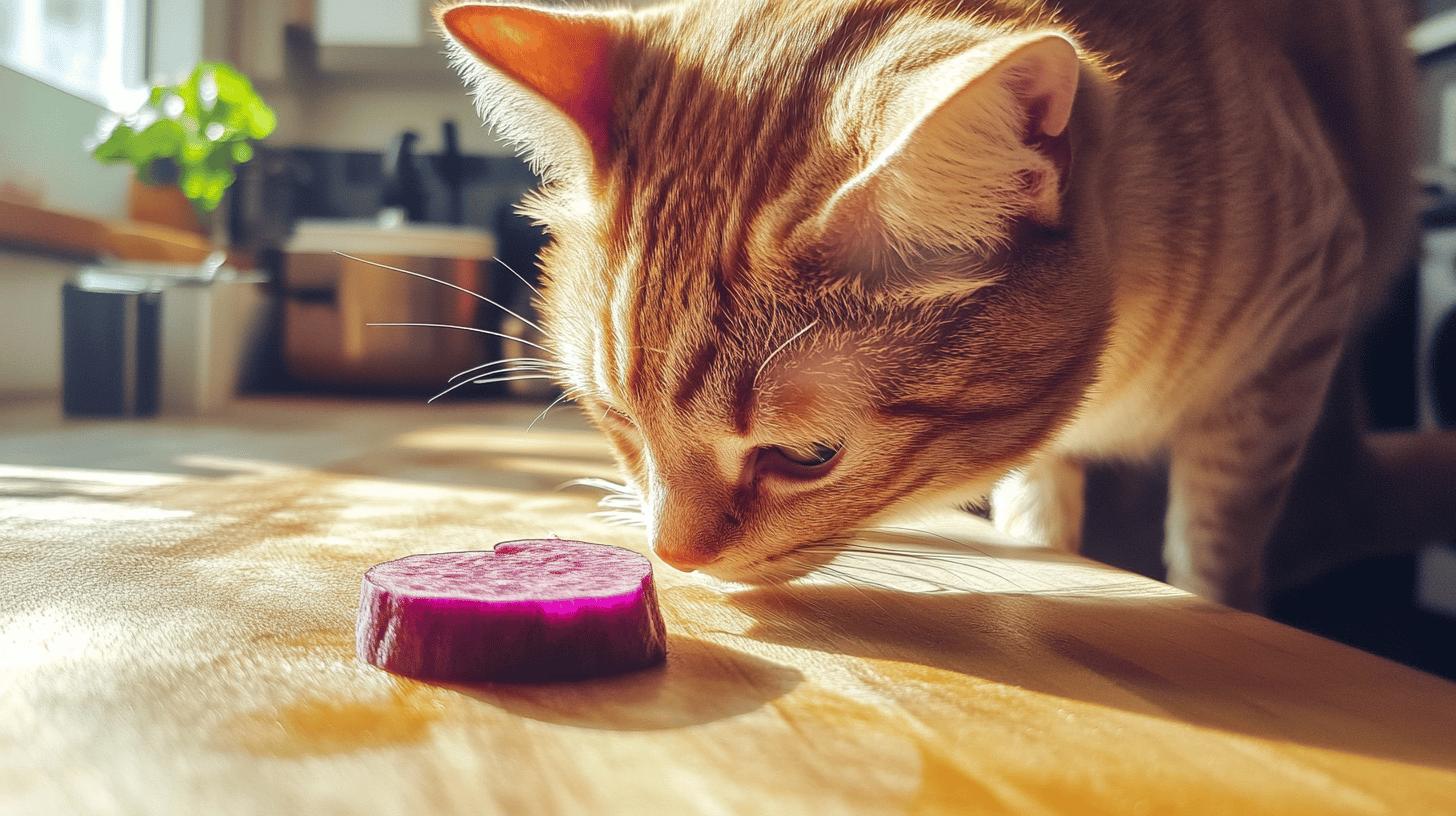
    From a safety perspective, only cooked purple yam is appropriate. Raw yams contain dioscorine, a naturally occurring toxic compound that causes gastrointestinal irritation. Cooking destroys this substance entirely, making properly prepared purple yam completely non-toxic. The preparation method matters critically for your cat’s wellbeing.

    Serving Guidelines and Portion Control

    Appropriate purple yam portions for cats are remarkably small. The general guideline suggests one to two teaspoons of cooked yam per feeding, offered no more than twice weekly. For a ten-pound cat consuming approximately 250 calories daily, yam should never exceed 10 to 15 calories, roughly the equivalent of one teaspoon.

    Preparation requires cooking methods that preserve nutrients without adding harmful elements. Boiling for 15 to 20 minutes until soft, baking plain at 350 degrees for 30 to 40 minutes, or steaming for 10 to 15 minutes all work effectively. Never add salt, sugar, butter, cinnamon, or other seasonings regardless of whether they’re toxic. Plain preparation prevents digestive upset and keeps additional calories minimal.
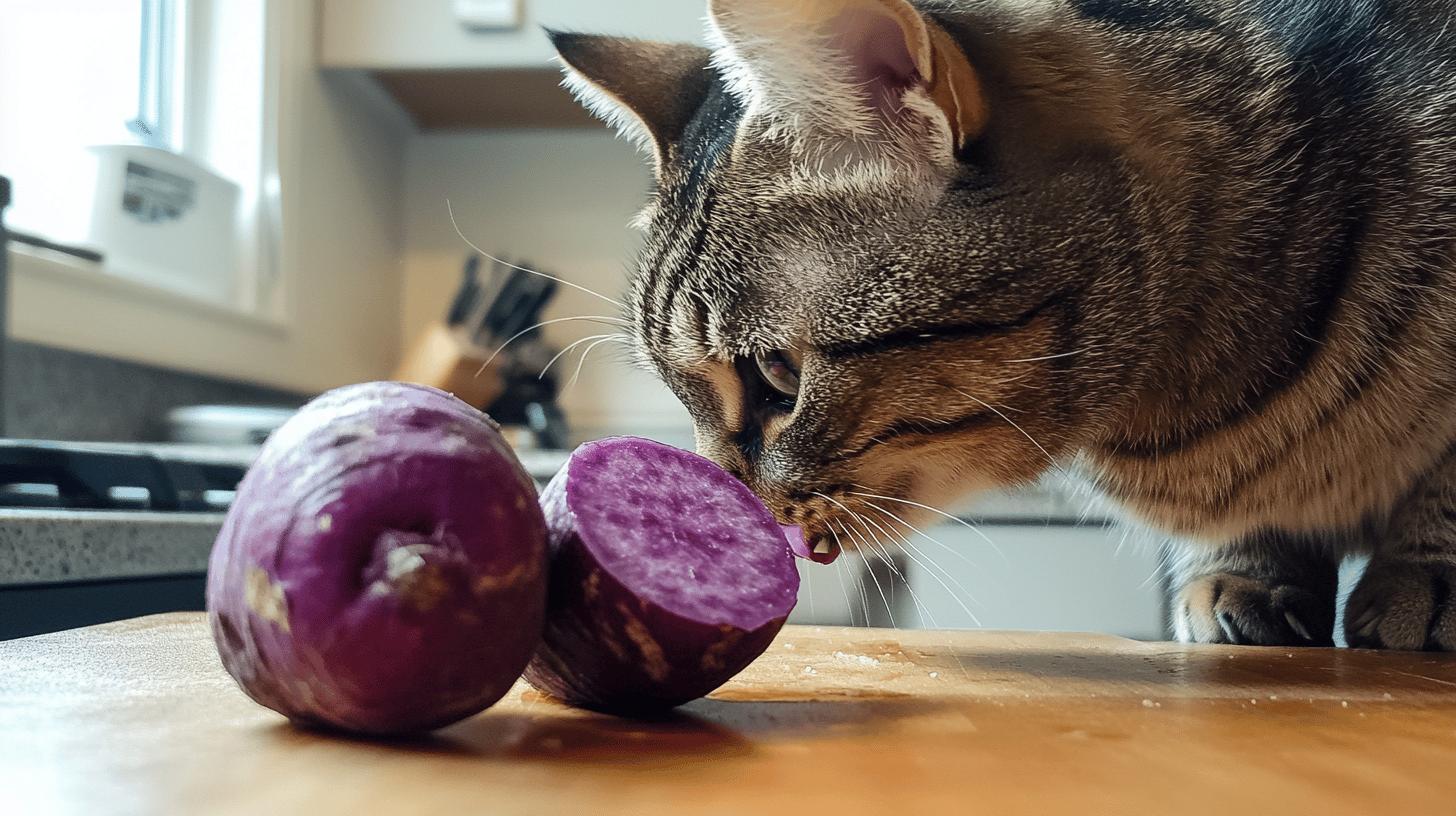
    Cool the yam completely before serving to prevent mouth burns. Cut into pieces smaller than a pea to eliminate choking hazards for cats that swallow without adequate chewing. Store cooked yam in the refrigerator for up to three days or freeze portions in ice cube trays for longer storage.

    Consider yam as an occasional enrichment rather than dietary staple. If your cat shows zero interest after sampling, remove it permanently. Not every cat tolerates vegetables, and forcing introduction creates stress with no nutritional benefit.

    Signs of Adverse Reactions

    While true allergies to purple yams are rare in cats, digestive sensitivities occur more frequently. Vomiting within a few hours of consumption suggests your cat’s stomach rejects the food. Discontinue immediately and return to regular diet.

    Loose stools or diarrhea lasting longer than 24 hours indicate intestinal irritation. The fiber content in yams, while modest, can trigger loose elimination in cats with sensitive digestive systems. Some cats develop soft stools even at minimal portions.

    Abdominal bloating, visible discomfort, or reluctance to use the litter box point to gas production or cramping from the yam’s resistant starch content. Lethargy or unusual quietness lasting beyond 12 hours may indicate more serious digestive inflammation.

    Appetite loss following yam consumption typically reflects mild nausea and resolves within 24 hours as the food passes through the digestive tract. If loss of appetite persists beyond one feeding, consult your veterinarian to rule out other causes.

  • Can Cat Eat Lamb Meat Safely and Healthily

    Can Cat Eat Lamb Meat Safely and Healthily

    Ever wondered if lamb meat might be a healthy addition to your cat’s menu? You’re not alone! Many cat owners are curious about this lesser-known protein source. Lamb is rich in protein and can be a tasty treat for your feline friend, especially if they have sensitivities to more common meats like chicken. But, there’s a catch—too much lamb can upset their tummy due to its high fat content. Let’s explore how to serve lamb safely, ensuring your cat enjoys a delicious yet balanced diet.

    Can Cats Safely Consume Lamb Meat?

    Can Cats Safely Consume Lamb Meat-1.jpg

    Cats can enjoy lamb meat as an occasional treat, but moderation is key to ensuring their health and well-being. Plain, cooked lamb is a good source of animal protein and can be beneficial for cats, especially those with allergies to more common proteins like poultry. However, lamb is high in fat, which means it shouldn’t be a staple in your cat’s diet. It’s best offered in small portions, about once or twice a week, to avoid any dietary imbalances.

    While lamb is included in some commercial cat foods, it’s important to take precautions when feeding it directly to your feline friend. The high fat content in lamb can lead to weight gain or digestive issues if given too frequently or in large amounts. Always ensure the lamb is fully cooked to prevent any potential health risks from bacteria or parasites that might be present in raw meat.

    Here are some potential risks and precautions when feeding lamb to cats:

    • High Fat Content: Can lead to obesity and digestive problems if consumed too often.
    • Bones: Ensure lamb is boneless to avoid choking hazards and damage to the digestive tract.
    • Seasonings: Avoid seasoned lamb, as ingredients like onion and garlic are toxic to cats.
    • Portion Size: Keep portions small to prevent dietary imbalances.
    • Allergic Reactions: Monitor your cat for any signs of allergies when introducing lamb.

    Experts recommend keeping lamb as an occasional treat rather than a regular dietary component. Monitoring your cat’s health and weight is crucial when introducing any new food into their diet. Consulting with a veterinarian can provide additional guidance tailored to your cat’s specific health needs and dietary requirements.

    Nutritional Benefits of Lamb for Cats

    Nutritional Benefits of Lamb for Cats-1.jpg

    Lamb is a fantastic protein source for cats, providing them with the essential nutrients they need to thrive. Protein is vital for cats because it supports muscle maintenance and overall energy levels. Cats are obligate carnivores, meaning their diet must be rich in animal proteins for optimal health. Lamb fits the bill perfectly, offering nearly 7 grams of protein per ounce, making it a powerhouse for muscle building and maintenance.

    Nutrient Benefit
    Protein Supports muscle maintenance and energy
    Vitamin B6 Helps with metabolism and brain health
    Niacin Assists in energy production and enzyme function
    Zinc Boosts immune function and metabolism
    CoQ10 Acts as an antioxidant, supporting heart health
    Selenium Promotes cellular health and defenses

    These nutrients collectively support various aspects of a cat’s health. Vitamin B6 and niacin are crucial for metabolic processes and energy production, ensuring your cat stays active and lively. Zinc is another essential mineral that plays a critical role in immune function, keeping your cat’s defenses strong against illnesses. CoQ10, a potent antioxidant found in lamb, helps maintain heart health, particularly beneficial for older cats. Selenium further aids cellular health and defenses.

    Incorporating lamb into your cat’s diet can provide these essential nutrients, ensuring they get a well-rounded intake that supports their overall well-being. Monitoring how your cat responds to this protein source can help maintain their health and vitality.

    Raw vs. Cooked Lamb for Cats

    Raw vs Cooked Lamb for Cats-1.jpg

    Deciding between raw and cooked lamb for your cat can be tricky, as both have their pros and cons. Feeding raw lamb can offer a more natural diet, closer to what cats might eat in the wild. However, raw lamb must be extremely fresh and free from parasites to avoid health risks. On the other hand, cooking lamb helps eliminate potential dangers like bacteria and cross-contamination, making it a safer option for many pet owners.

    Pros and Cons of Raw Lamb

    1. Pros:
      • Provides a more natural, unprocessed diet.
      • Retains all original nutrients and enzymes.
    2. Cons:
      • Risk of bacterial contamination.
      • Potential for parasites if not handled correctly.

    Pros and Cons of Cooked Lamb

    1. Pros:
      • Kills bacteria and parasites, reducing health risks.
      • Easier to store and handle safely.
    2. Cons:
      • Cooking can reduce some heat-sensitive nutrients.
      • May require additional time and preparation effort.

    When preparing lamb for your cat, it’s recommended to opt for cooked meat to ensure safety. If you choose raw, ensure the lamb is fresh and sourced from a reliable supplier to minimize health risks. Always serve lamb without seasonings and ensure it is boneless to prevent choking hazards.

    Can Cats Safely Consume Lamb Meat?

    Introducing Lamb to Your Cats Diet-1.jpg

    Cats can benefit from lamb as a novel protein, especially those with common meat allergies. Offer lamb in recommended portions of 2 to 3 ounces once or twice a week. This provides a balanced diet while ensuring they get essential nutrients without overloading on a single protein source.

    Follow these steps to introduce lamb effectively:

    • Start Small: Offer a tiny portion initially.
    • Observe Reactions: Look for allergy signs like itching or digestive issues.
    • Mix with Regular Food: Combine lamb with their usual diet to ease the transition.
    • Monitor Health: Keep track of overall health and energy.
    • Adjust as Needed: Change portion sizes or frequency if adverse reactions occur.

    Gradual introduction and careful monitoring help avoid negative health impacts. Always consult with a vet to address any concerns about dietary changes.

    Veterinary Advice and Expert Opinions on Lamb Diets for Cats

    Veterinary professionals emphasize the importance of moderation when adding lamb to your cat’s diet. Lamb provides vital nutrients, but overfeeding can create an unbalanced diet. Monitoring dietary changes closely is essential, as each cat may react differently.

    Expert Tips for Monitoring Cats on Lamb Diets

    1. Regular Weight Checks: Keep track of your cat’s weight to ensure they maintain a healthy balance. Sudden changes might indicate dietary concerns.
    2. Monitor Coat Condition: A shiny coat often signals good nutrition. Changes like dullness or shedding may require a diet reassessment.
    3. Digestive Observation: Watch for changes in digestion. Altered stool consistency or frequency could suggest lamb isn’t suitable, needing adjustments.

    Final Words

    Exploring the question, can cat eat lamb meat, we’ve seen it’s possible, but with caution. While lamb offers many nutritional benefits like protein and essential vitamins, it must be fed in moderation. The high fat content makes it a treat rather than a daily staple. Cooking lamb is safer due to potential risks with raw meat.

    Introducing lamb into your cat’s diet should be done slowly, with careful monitoring for any reactions or health changes. Always prioritize your cat’s safety and consult with a vet if needed. Enjoy offering new flavors to your feline friend!

    FAQ

    Can cats eat lamb meat, raw or cooked?

    Cats can eat lamb meat both cooked and raw. Cooked lamb is safer as it reduces the risk of foodborne illnesses.

    Can I give my cat lamb meat every day?

    Feeding lamb meat every day is not recommended. Lamb is high in fat and should be given as an occasional treat, once or twice a week.

    Can cats eat lamb meat and rice?

    Yes, cats can eat lamb meat and rice. Both should be cooked and served in moderation as part of a balanced diet.

    Is lamb difficult to digest for cats?

    Lamb is generally not difficult for most cats to digest, but individual cats may vary. Watch for any digestive issues.

    What meat should cats not eat?

    Cats should avoid onions, garlic, chocolate, and raw dough. Raw pork and fish have also higher risk factors.

    Can cats eat lamb fat or lamb bones?

    Cats should avoid lamb fat and bones. Fat can cause digestive issues, and bones might be a choking hazard or splinter.

    How should I cook lamb for my cat?

    Cook lamb by boiling or baking without seasoning. Ensure it is fully cooked to kill potential bacteria.

    Can kittens eat lamb?

    Kittens can eat lamb if it is cooked properly and given in small, manageable pieces. It’s best as an occasional treat.

    Related Articles