Author: Nathaniel Price

  • Can Cat Eat Earwig Safety and Health Considerations

    Can Cat Eat Earwig Safety and Health Considerations

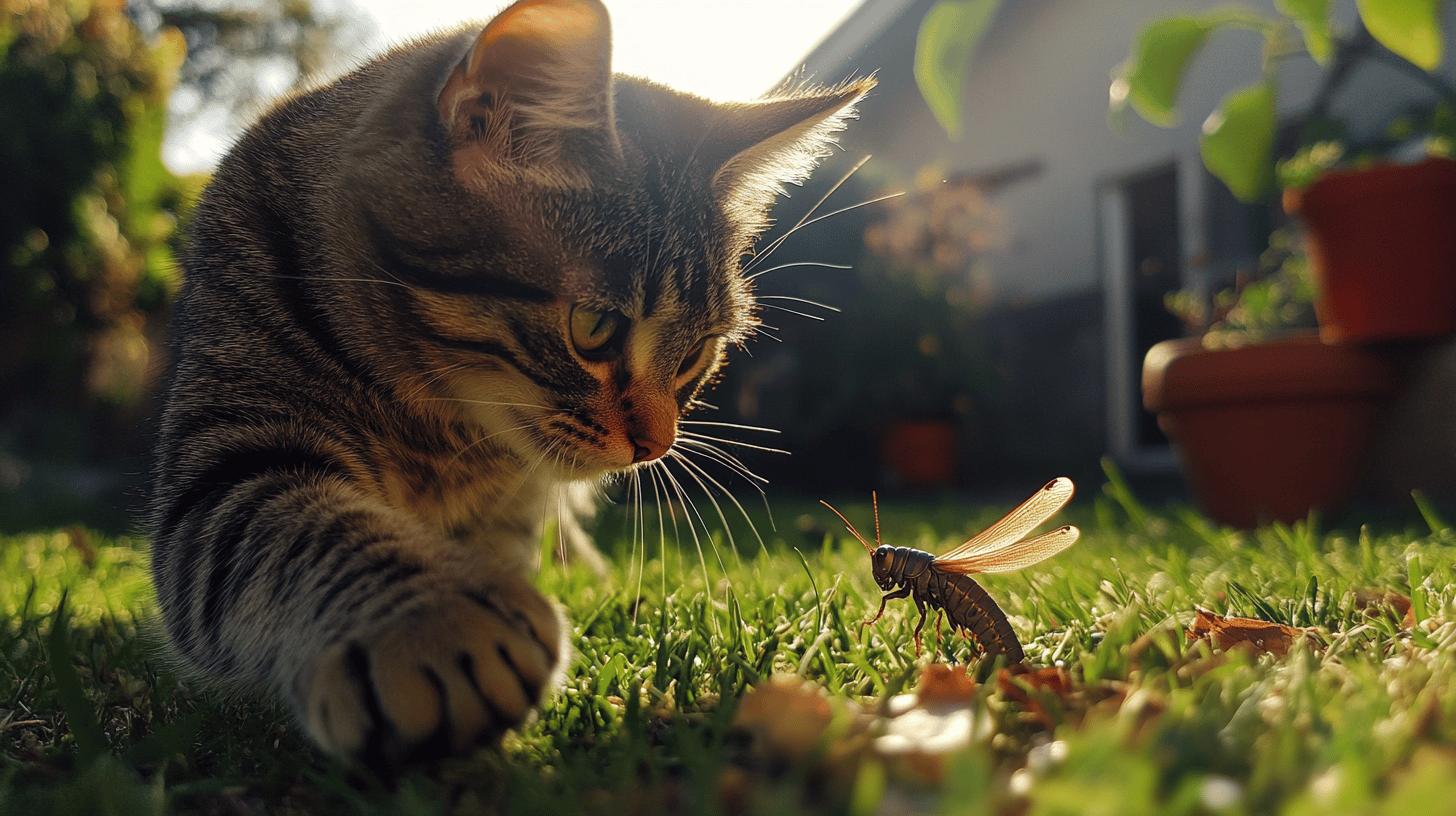
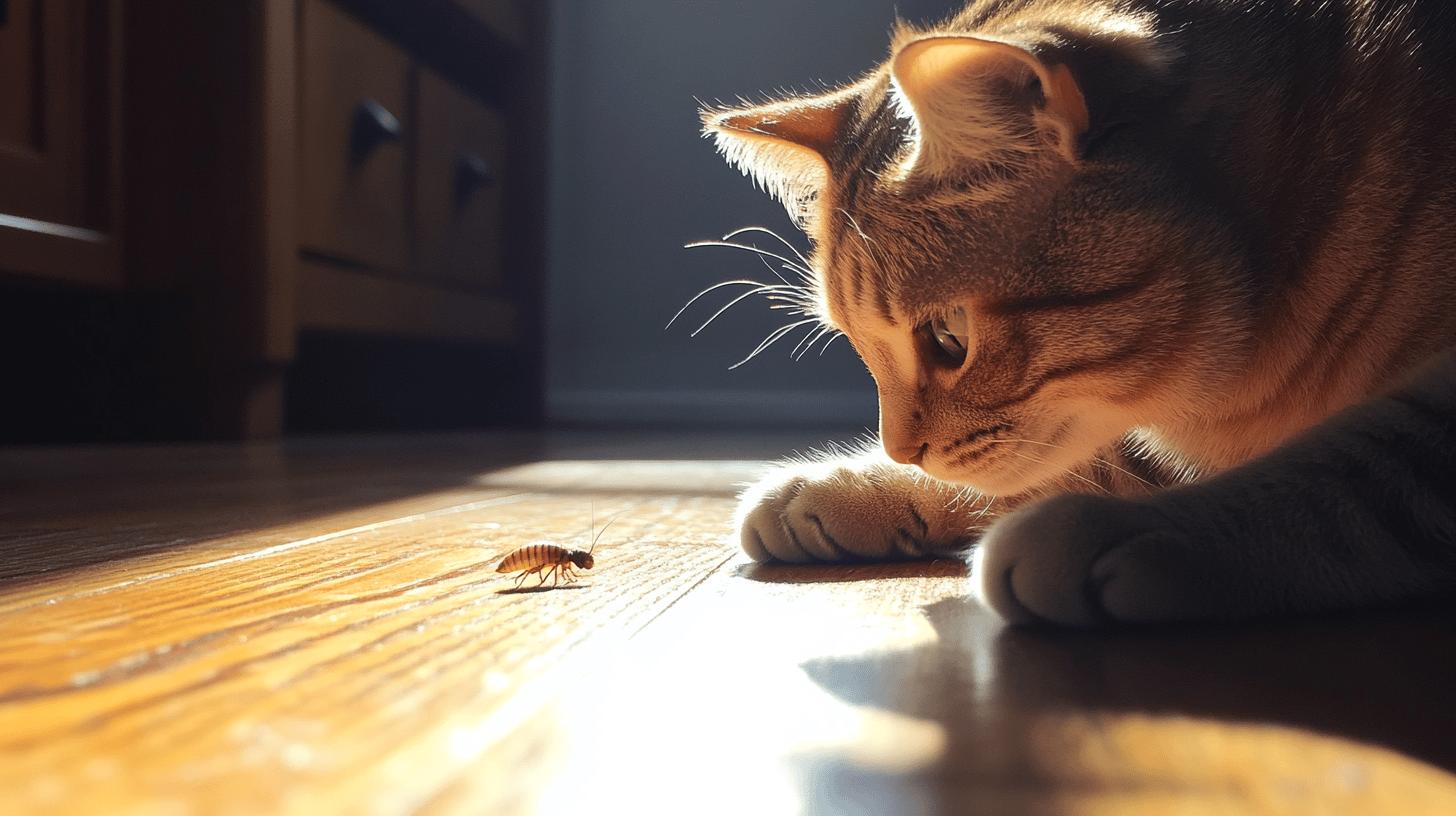
    Ever caught your cat batting away at a creepy-crawly and wondered, "Can cats eat earwigs?" It's a curious thought, especially since most cats seem to love chasing anything that moves.

    While earwigs look like mini-monsters with their pincers, they're usually harmless for cats, as long as only a few are eaten. Cats are natural explorers, and bugs like earwigs can trigger their playful instincts. But are they safe for snacking? Let's explore the safety and health considerations of letting your feline friend indulge in this peculiar curiosity.

    Can Cats Safely Eat Earwigs?
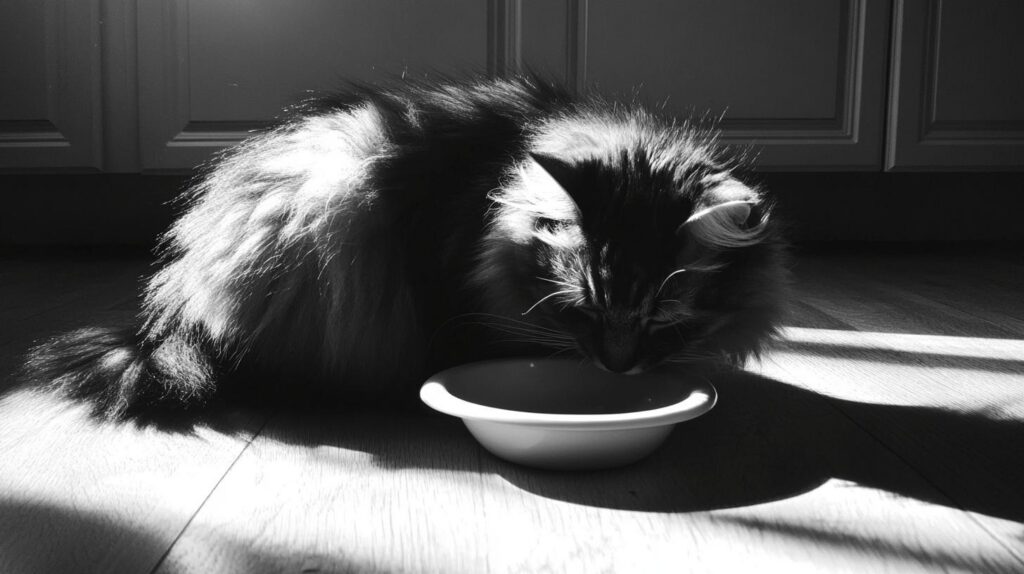
    Can Cats Safely Eat Earwigs-3.jpg

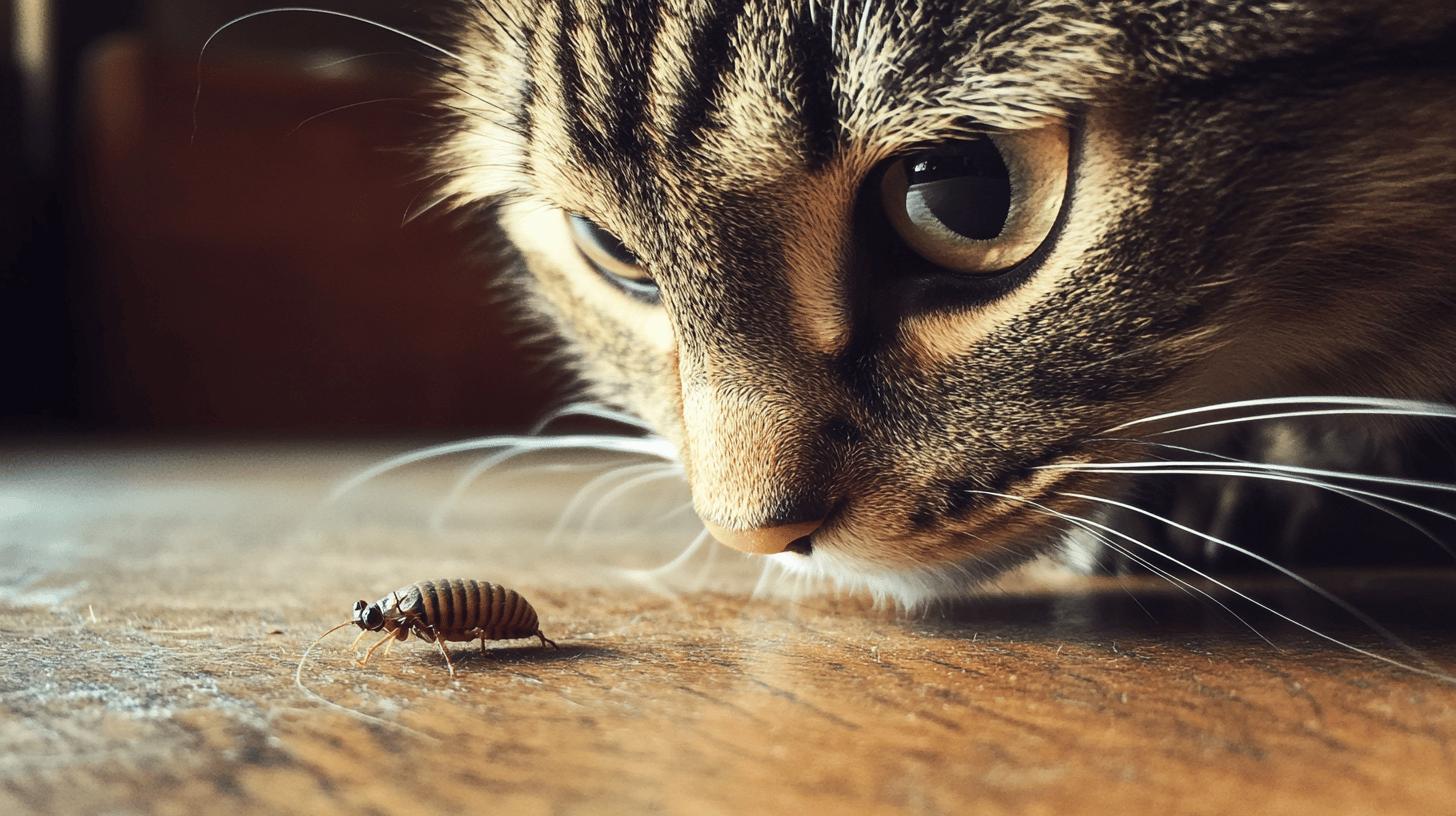
    Earwigs are generally not harmful to cats if consumed in small quantities. While they may look intimidating with their pincers, these insects do not possess toxins that would pose a threat to cat health.

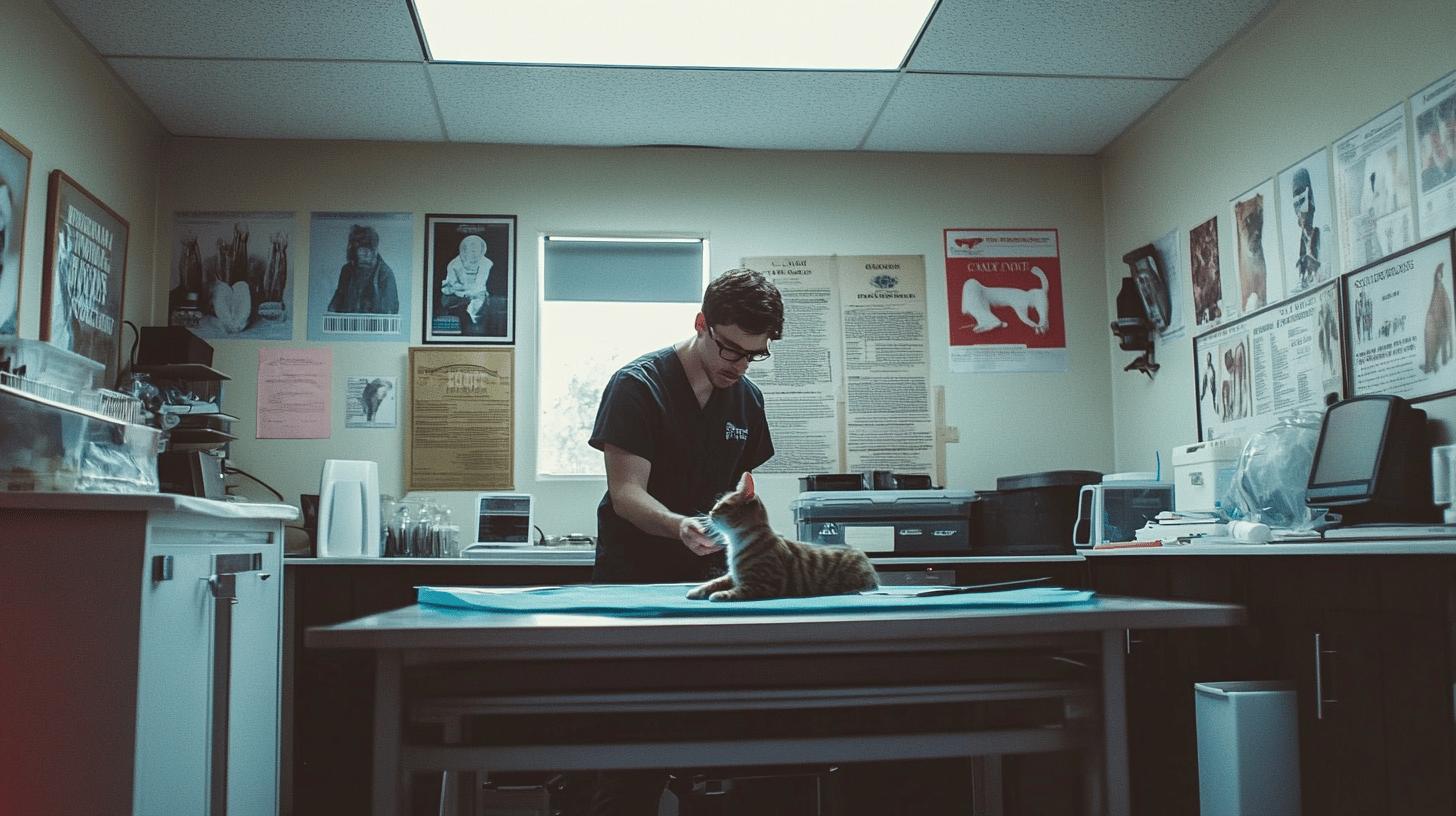
    However, the pincers might cause minor discomfort if a cat tries to eat them. Most cats might just be curious and play with an earwig rather than eat it. If your cat does decide to snack on one, it's usually not a cause for concern.

    • Watch for any signs of discomfort or irritation in the mouth.

    • Monitor your cat for any changes in behavior or digestive issues.

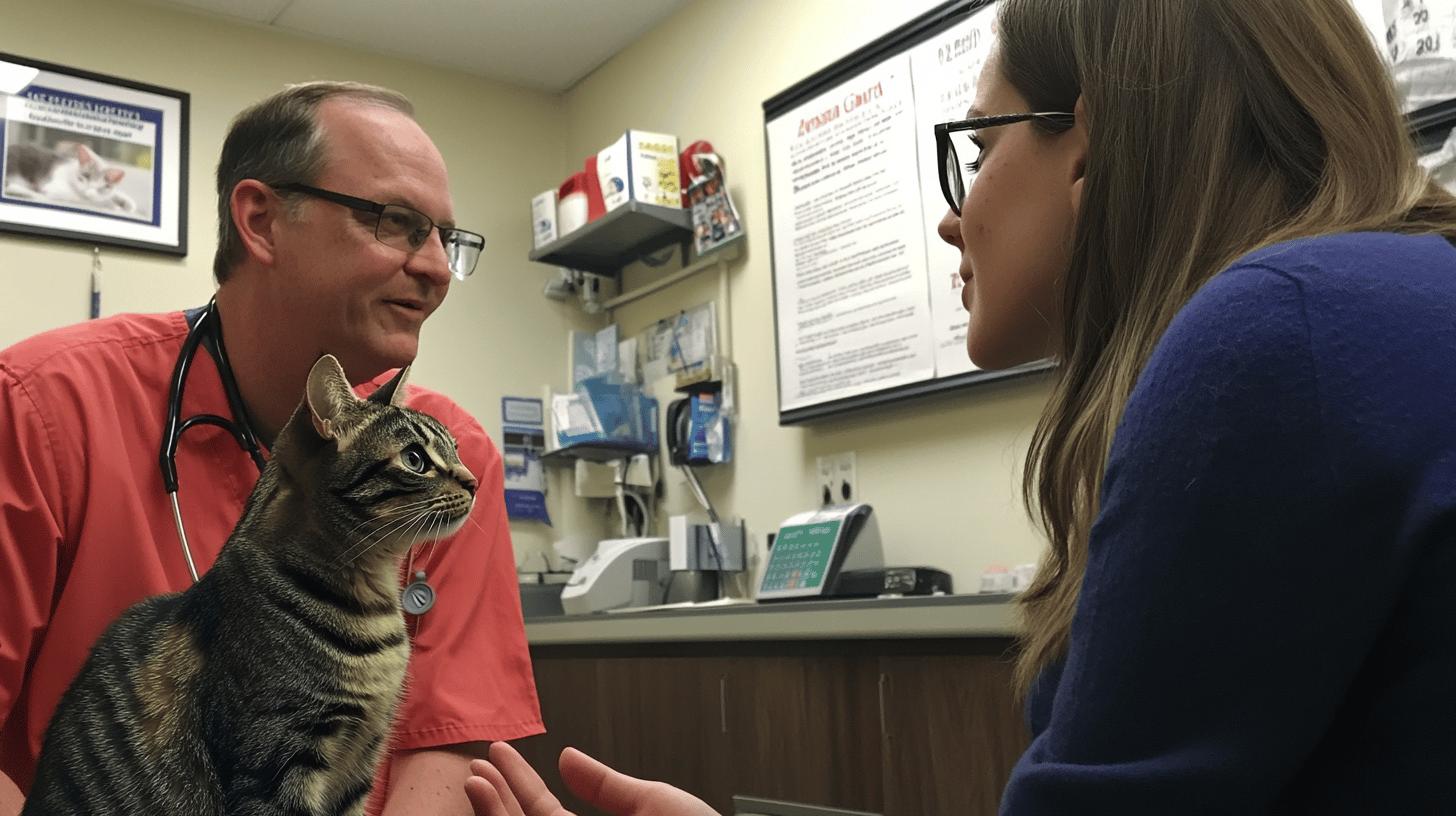
    • If unusual symptoms occur, consult a veterinarian for advice.

    Understanding Cat Behavior and Insect Curiosity
    Understanding Cat Behavior and Insect Curiosity-3.jpg

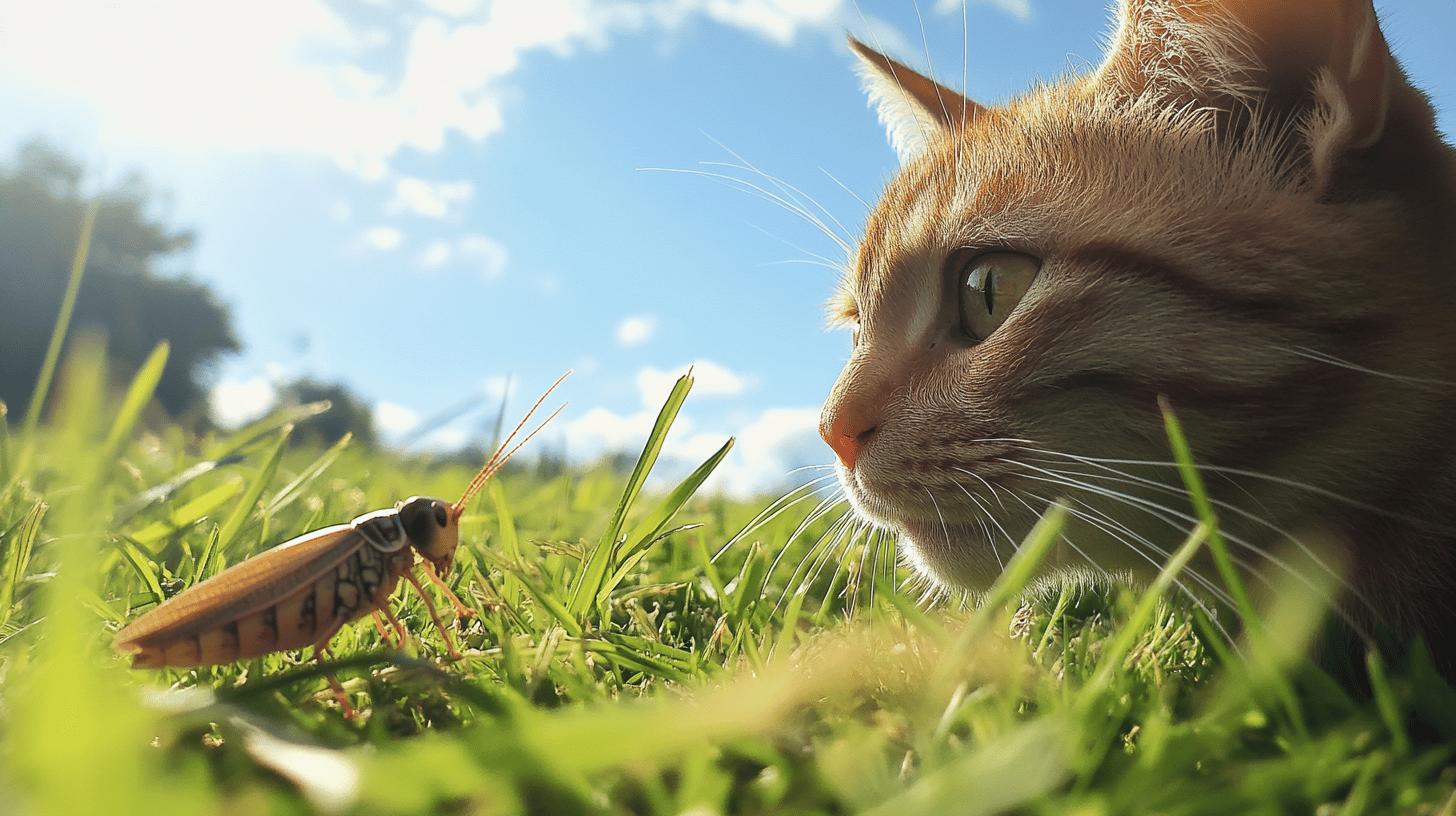
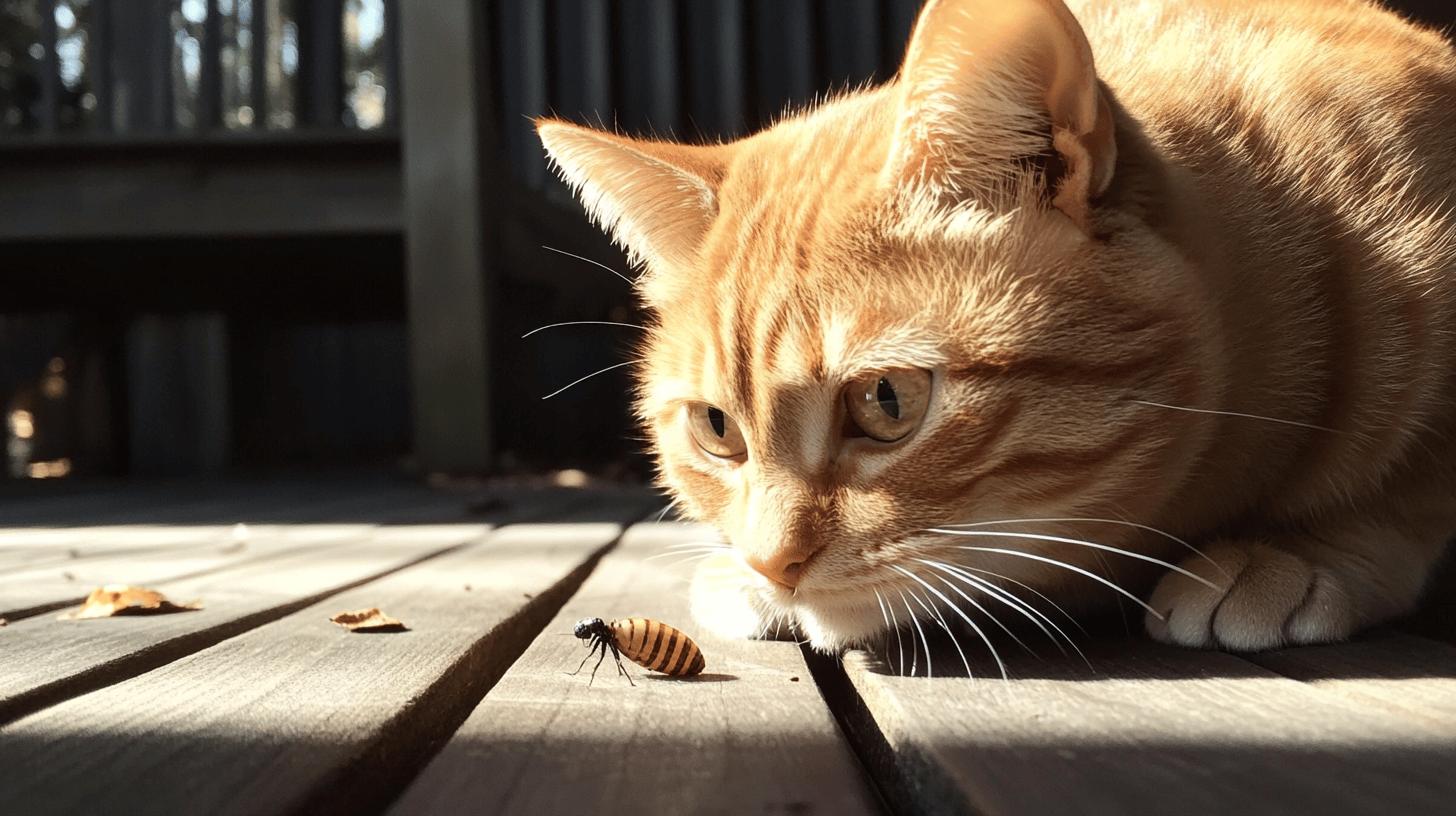
    Cats are naturally curious creatures, often driven by their instincts to explore their environment. This curiosity extends to insects, including earwigs, even though most cats don't show a specific interest in them.

    The movement and unusual appearance of insects might be enough to trigger a cat's exploratory nature. Cats like Crouton, who may hunt and eat earwigs, are simply following their instinctual behaviors that have been passed down through generations.

    Why Cats Hunt and Eat Insects

    Cats are natural hunters, and their instincts prompt them to chase and capture prey, even if it’s a small insect. This behavior is not necessarily about hunger, but rather about engaging their predatory senses.

    The sound, movement, and even the smell of an insect can intrigue a cat, urging it to investigate further. While earwigs might not be the tastiest option, their presence can still spark a cat's curiosity and hunting drive.

    Common Behaviors in Cats Around Earwigs

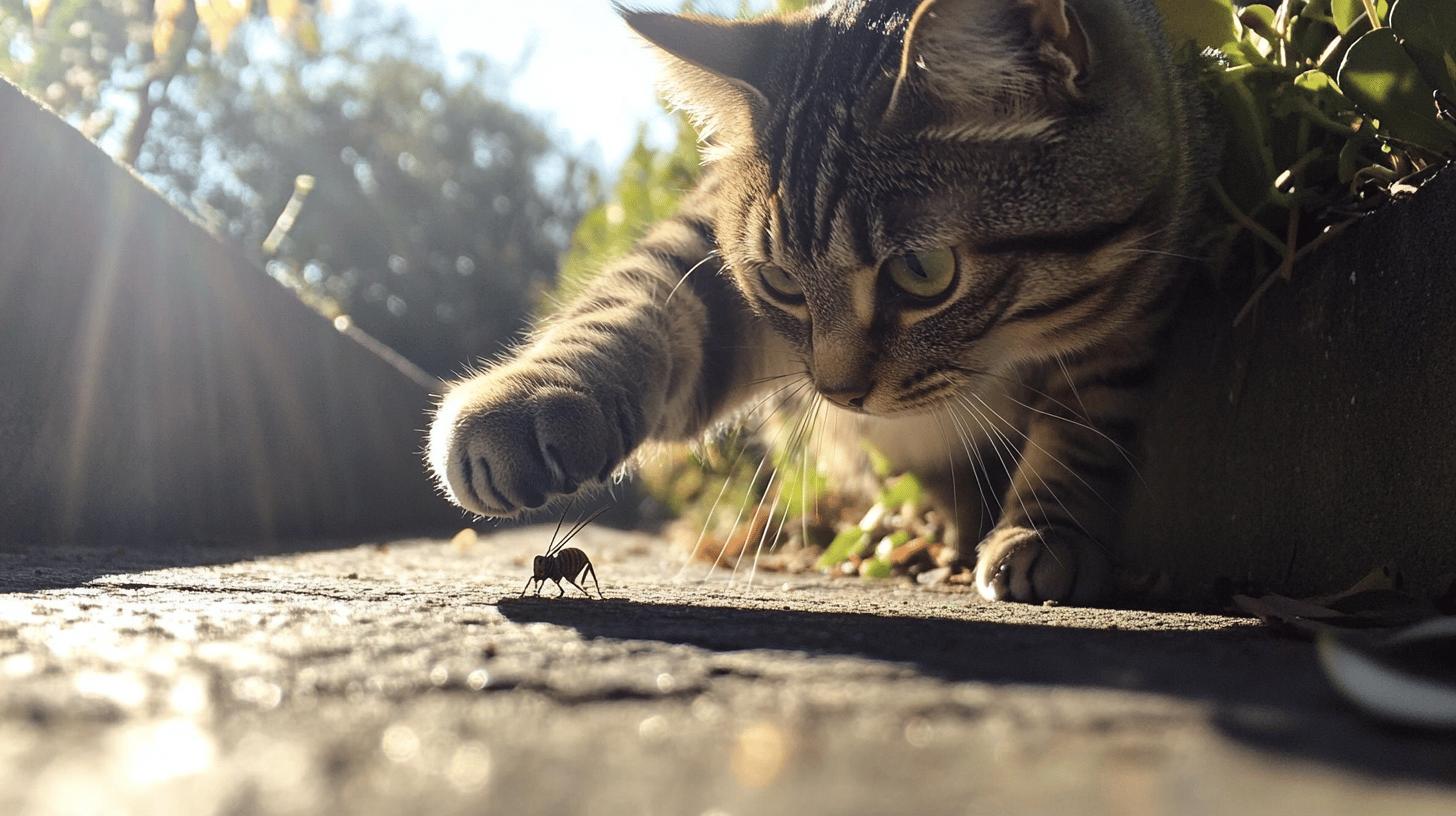
    When a cat encounters an earwig, its reaction can vary. Some cats might paw at the insect, attempting to figure out what it is. Others might follow it closely, watching its every move.

    There are also cats that might avoid earwigs altogether, possibly due to their intimidating pincers. Generally, most cats do not regard earwigs as a food source, but their behaviors are guided by instinctual curiosity and the need to explore their surroundings.

    Potential Health Risks and Monitoring After Insect Consumption
    Potential Health Risks and Monitoring After Insect Consumption-4.jpg

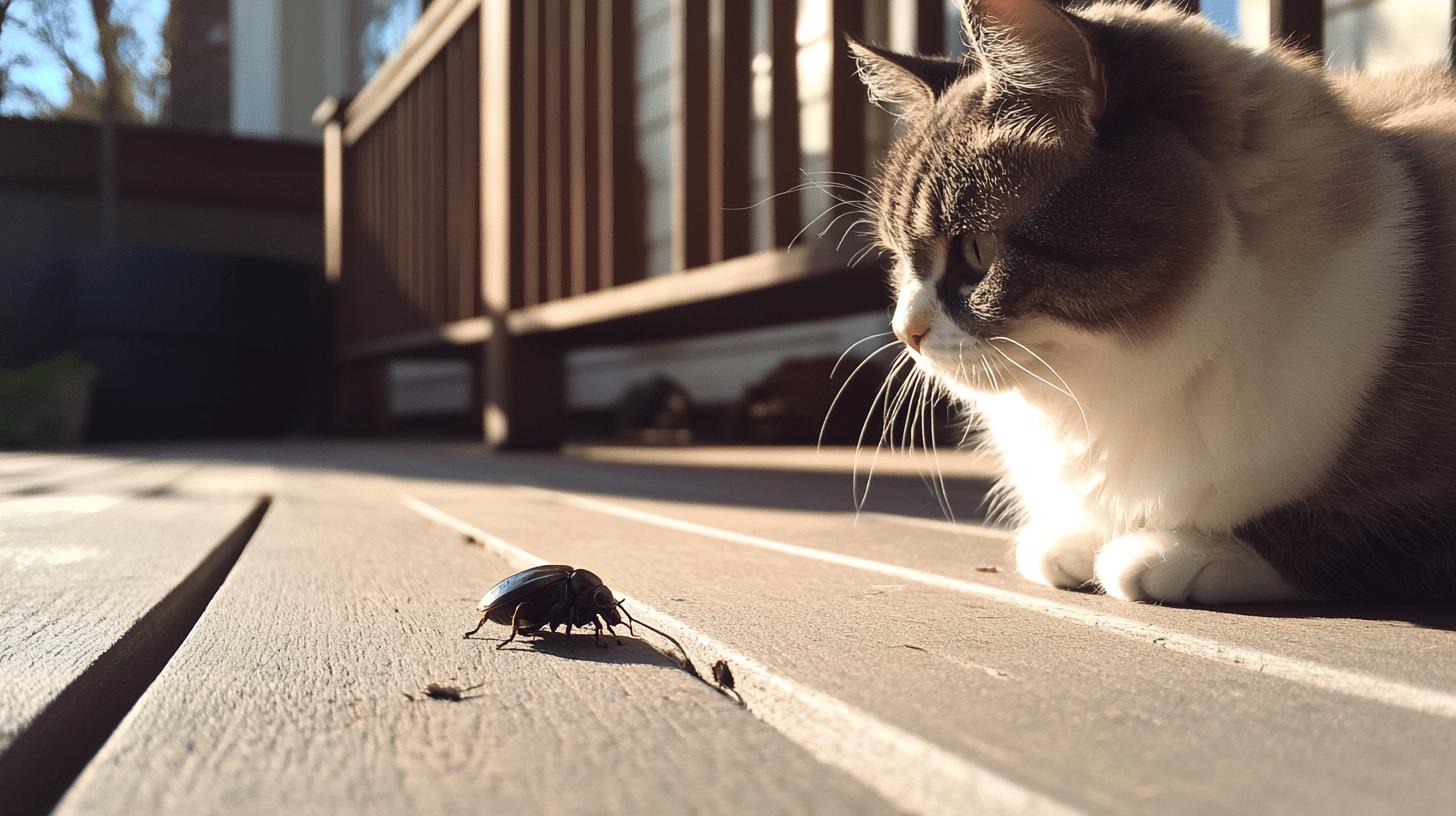
    While earwigs are generally not harmful to cats, they can occasionally be carriers of viruses or parasites that pose health risks. Cats that eat insects might ingest harmful pathogens, leading to digestive unease or more serious health concerns.

    Even though the pincers of earwigs are not toxic, they can cause minor discomfort if they pinch a cat during consumption. Therefore, it's essential to be aware of potential symptoms and monitor your cat closely after it consumes insects.

    Symptom Action
    Vomiting Withhold food for a few hours, then offer a small amount of bland food. If symptoms persist, consult a vet.
    Diarrhea Ensure your cat stays hydrated. If it continues for more than 24 hours, seek veterinary advice.
    Lethargy Observe your cat’s behavior. If it seems unusually tired or unresponsive, contact a veterinarian.
    Loss of Appetite If your cat refuses to eat for more than a day, consult with a vet to rule out health issues.

    Vigilance is key when it comes to your cat's health after it eats insects. Keep a close eye on any changes in behavior or physical symptoms. While many insects are harmless, some can carry risks that aren't immediately apparent.

    It's crucial to exercise caution and provide a safe environment for your cat to explore. If you notice any unusual symptoms or behaviors, contact your veterinarian for guidance. Always remember that prompt attention to your cat's health can prevent minor issues from becoming serious.

    Nutritional Considerations and Safe Alternatives for Cats
    Nutritional Considerations and Safe Alternatives for Cats-2.jpg

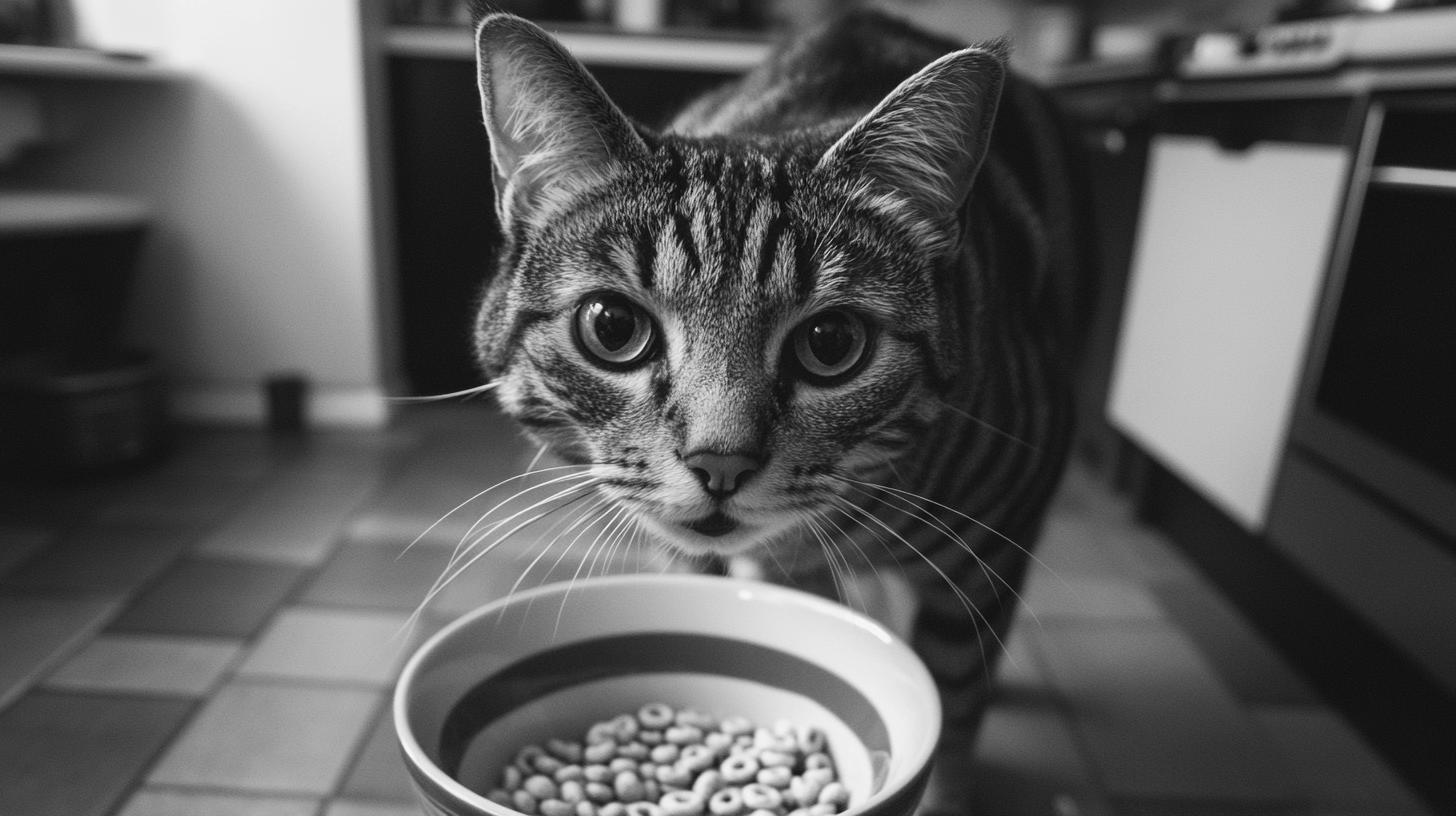
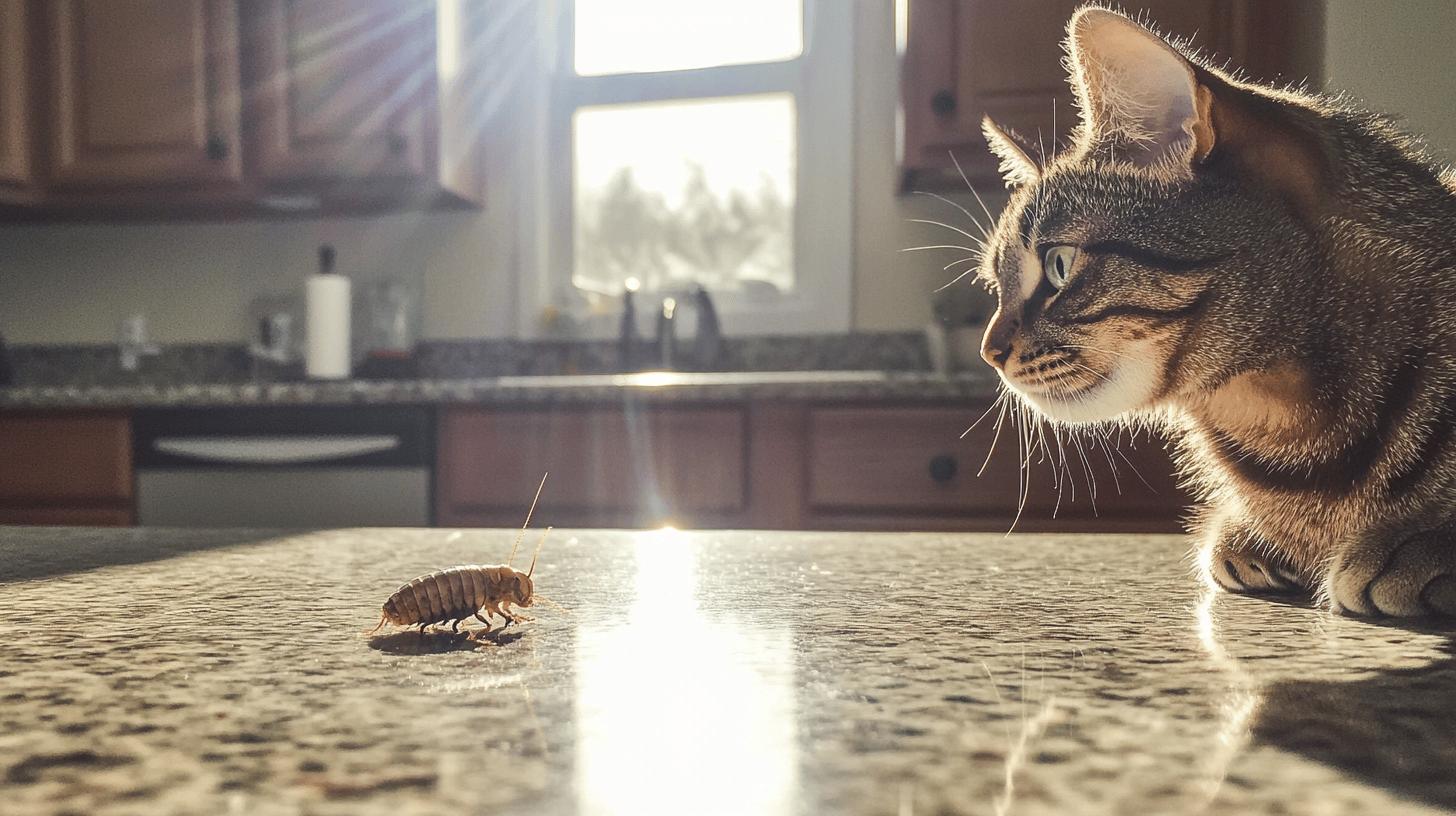
    Earwigs do not provide any nutritional benefits for cats. While they might catch a cat's attention, they don't contribute to a cat's dietary needs.

    Cats are obligate carnivores, meaning their nutrition primarily comes from meat. Their diet should be rich in proteins, fats, and essential nutrients that insects like earwigs simply can't supply.

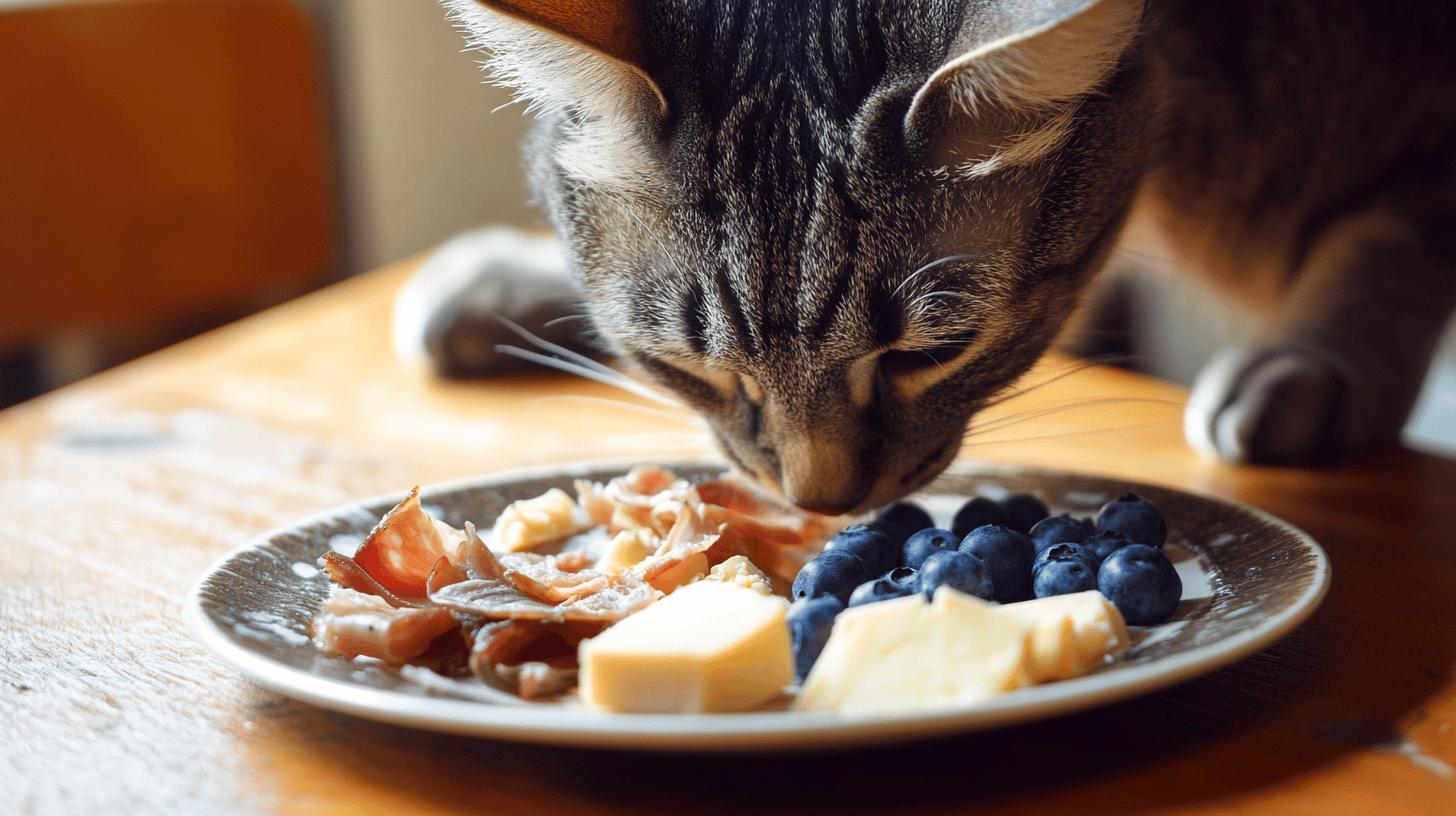
    Some insects, however, can be safe and occasionally entertaining for cats. These insects might offer small amounts of protein and mental stimulation without posing health risks.

    Here are some safe insects that can be included in a cat's experience:

    • Crickets: High in protein and often used in pet treats, they can be a safe choice.

    • Mealworms: Another source of protein, typically given in moderation.

    • Grasshoppers: Serve as both a playful chase and a protein source.

    • Silkworms: Known for their high calcium and protein content.

    While insects can offer some entertainment and minor nutritional benefits, they should never replace a balanced diet. It's crucial to provide a diet that meets a cat's specific nutritional needs.

    A well-rounded feline diet includes high-quality commercial cat food that offers the appropriate balance of proteins, fats, and essential vitamins and minerals. Always consult with a veterinarian before introducing new food items to ensure the diet supports your cat's health and well-being.

    Preventative Measures and Environmental Considerations in Pest Control
    Preventative Measures and Environmental Considerations in Pest Control-3.jpg

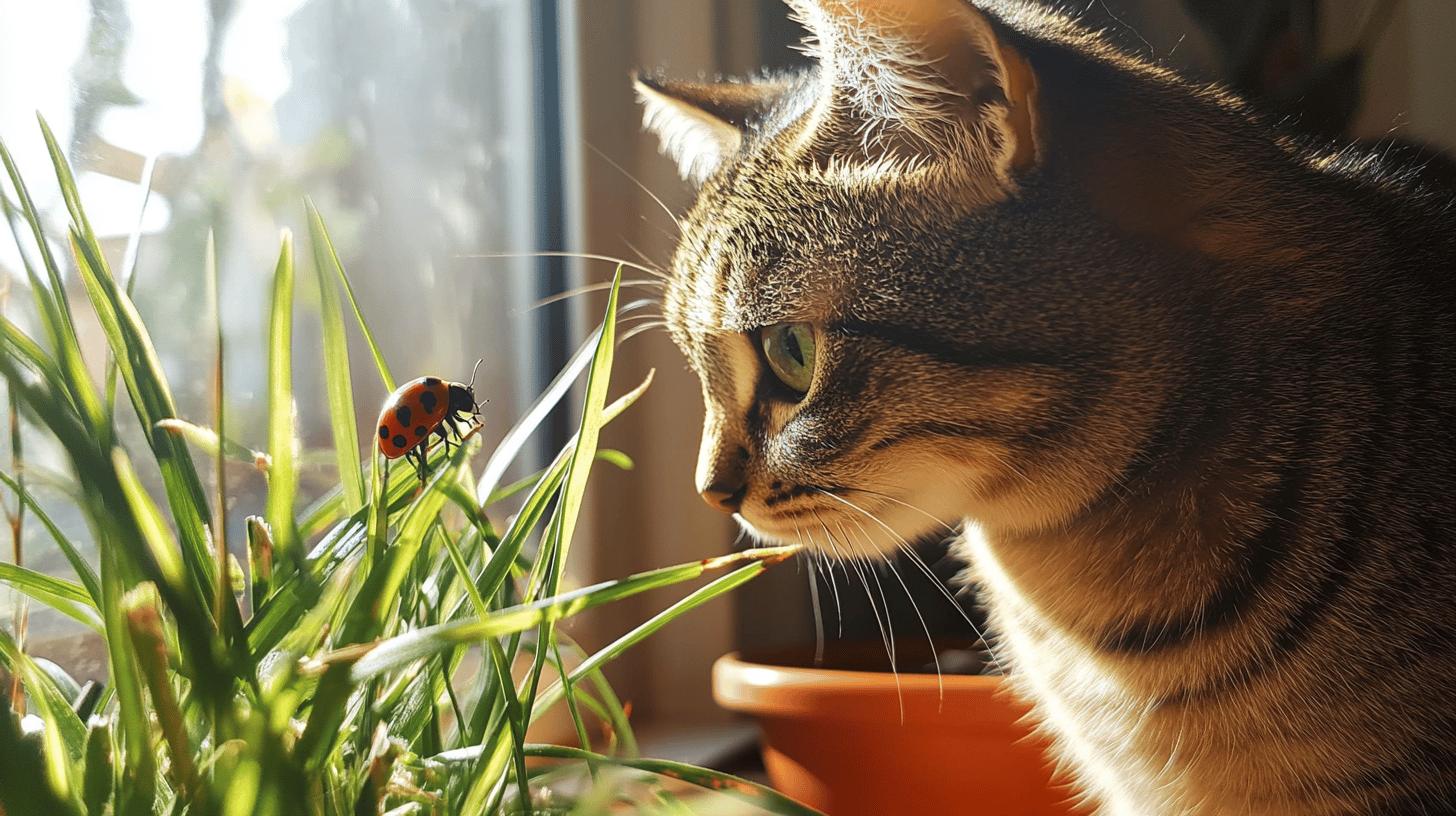
    Safe pest control practices are crucial in maintaining a pet-friendly environment. While earwigs are generally more of a nuisance than a danger, the use of pesticides can pose risks to cats if not handled properly.

    Cats are naturally curious and might come into contact with areas that have been treated with chemicals. Even though most cats will avoid eating pesticide-soaked insects due to the strong chemical smell, it's important to ensure that these substances are used responsibly to prevent any potential exposure.

    • Store pesticides securely and use them in areas that are inaccessible to your pets.

    • Opt for pet-safe pest control products whenever possible to minimize risks.

    • Regularly inspect and seal home entry points to reduce the need for chemical treatments.

    Creating a safe environment for cats involves more than just careful pesticide use. Consider natural pest deterrents and regular home maintenance to keep unwanted insects at bay.

    Encouraging a clean and dry living space can also discourage earwigs and other pests from taking up residence. By focusing on prevention and using safe alternatives, you can help protect your cat's health while maintaining a comfortable home environment.

    Final Words

    Discovering that earwigs are generally safe for cats to eat in small amounts is reassuring. Though they may cause minor discomfort with their pincers, they pose no significant harm. Understanding natural cat behavior reveals why our feline friends find insects so enticing, with curiosity often driving these encounters.

    We must remain vigilant for potential health risks, as some bugs carry harmful parasites. Ensuring a balanced diet is crucial, and safer insect alternatives, like crickets, provide entertainment without compromising health. Maintaining safe pest control practices ensures a healthy environment for our cats. Knowing if a cat can eat earwigs helps in creating a safe and enjoyable experience for our playful companions.

    FAQ

    Can cats eat earwigs?

    Earwigs are not known to harm cats if eaten in small amounts. Their pincers may cause minor discomfort.

    • Observe your cat for any unusual behavior.
    • Ensure they have access to water.
    • Contact a vet if discomfort persists.

    Are earwigs dangerous to pets like dogs and cats?

    Earwigs are not considered dangerous to pets such as dogs and cats. Always monitor pet behavior after they consume insects.

    Are earwigs poisonous if eaten?

    Earwigs are not poisonous when eaten, but they might cause discomfort due to their pincers or if consumed in large quantities.

    Can cats eat cockroaches?

    Cats can eat cockroaches without major issues. Watch for any unusual symptoms afterward, as cockroaches can carry germs.

    Can cats get sick from eating bugs?

    Cats can sometimes get sick from bugs that carry viruses or parasites. Always monitor for signs of distress after bug consumption.

    Are earwig traps safe for cats?

    Earwig traps may contain chemicals that are unsafe for cats. Place traps in areas inaccessible to pets.

    Do any animals eat earwigs?

    Yes, several animals, like birds and frogs, eat earwigs as part of their diet.

    How to get rid of earwigs safely around pets?

    Use pet-safe methods like diatomaceous earth, reduce moisture, and seal entry points to keep earwigs away without harming pets.

    • Avoid using harmful pesticides.
    • Keep living areas dry and clean.
    • Seal any cracks and crevices to prevent entry.
    Related Articles

  • Can Cat Eat Dal Safety Tips and Nutritional Insights

    Can Cat Eat Dal Safety Tips and Nutritional Insights

    Can cats enjoy a scoop of dal without any trouble? Many cat owners might wonder if this popular lentil dish is okay for their furry friends. While dal isn't harmful when prepared correctly, it's important to remember that cats are obligate carnivores.

    They thrive on meat, not lentils. Offering dal can be a rare treat if done right.

    Can Cats Eat Dal? Safety, Nutritional Value, and Preparation Tips

    Can Cats Eat Dal Safety, Nutritional Value, and Preparation Tips-4.jpg

    Cats can safely eat dal, but only in small amounts. Dal, a lentil-based dish, isn't harmful when prepared correctly. Cats are obligate carnivores, so they don't get much nutritional value from plant-based foods like dal.

    If you decide to offer dal to your cat, it should be plain, cooked, and without any oils, salt, or seasonings. Limit the portion to about a half teaspoon to avoid digestive issues. Always keep an eye on your cat's health and consult a veterinarian if you notice any adverse reactions.

    Dal provides some nutritional benefits due to its protein and fiber content. Lentils are high in these nutrients, which are generally beneficial for humans.

    However, cats require a diet rich in animal proteins for essential nutrients that lentils lack. While the fiber in dal might aid digestion, it's not significant enough to impact a cat's health positively. Therefore, dal should only be an occasional treat rather than a staple in their diet.

    Preparation is key to ensuring dal is safe for your cat. Here are some tips to keep in mind:

    • Cook dal plainly without spices or additives

    • Ensure small portion size

    • Avoid regular inclusion in the diet

    • Monitor cat's health

    These steps can help you provide a safe treat for your feline companion without compromising their health. Remember, moderation is crucial, and maintaining a meat-based diet is vital for your cat's overall well-being.

    Benefits and Risks of Dal in a Cat's Diet

    Benefits and Risks of Dal in a Cats Diet-2.jpg

    While dal offers some fiber that might aid in digestion, it is not nutritionally significant for cats. Cats are obligate carnivores, and their dietary needs are primarily met through animal proteins.

    Even though a tiny bit of dal can be given as an occasional treat, it should never become a staple in their diet. Overfeeding dal could lead to digestive discomfort, making it crucial to monitor their reaction.

    • Digestive discomfort

    • Potential allergies

    • Lack of essential nutrients

    • Possible weight issues

    • Importance of moderation

    It's important to note any signs of allergies or digestive issues such as vomiting or loose stools after consuming dal. Consulting with a veterinarian can provide insights into the suitability of plant-based foods like dal in a cat's diet.

    Expert opinions generally stress maintaining a meat-based diet to fulfill the essential nutrient needs of cats, thus keeping plant-based treats to a minimum.

    Final Words

    Balancing your cat's diet requires understanding what foods are safe and nutritious. We explored the question, "can cat eat dal?" and found that while dal is safe in small amounts, it's not essential for their nutritional needs. Remember to cook it plainly, without additives, and monitor how your cat reacts.

    Ensure a meat-based diet remains the core of their meals, as it provides vital nutrients. Always consult a vet if you're unsure about introducing new foods. A happy, healthy cat leads to a joyful home!

    FAQ

    Can cats eat dal every day?

    Cats cannot eat dal every day. While dal is not toxic, it's not nutritionally beneficial for cats. They need animal-based foods to meet their dietary needs.

    Can cats eat dal seeds?

    Cats should not eat dal seeds. Seeds are not part of a cat's natural diet and may pose a choking hazard or cause digestive issues.

    Can cats eat dal and rice?

    Cats can eat small amounts of dal and rice occasionally. These foods should be plain and free from spices. However, they should not replace a meat-based diet.

    Can cats eat lentils?

    Cats can eat lentils in moderation, but they may not digest them well. Lentils do not provide the essential nutrients cats need.

    What homemade food can cats eat?

    Cats can eat homemade foods like cooked chicken, turkey, or fish. Ensure these foods are plain and free from seasonings or harmful additives.

    Can cats eat rice?

    Cats can eat small amounts of plain rice. It should not be a regular part of their diet as it lacks important nutrients found in meat.

    Can cats eat roti?

    Cats should avoid eating roti. It's not nutritionally suitable for them and can lead to digestive problems.

    What to feed a stray cat without cat food?

    Feed stray cats cooked plain meat like chicken or fish. Avoid bones and seasonings. Small portions are best.

    Can I feed dal to my cat?

    You can feed small, plain portions of dal to your cat occasionally. Monitor for any adverse reactions and consult a vet if needed.

    Can cats eat pulses?

    Cats can eat small amounts of pulses, but they do not provide necessary nutrients. Pulses should not be a dietary staple.

    What Indian food can be given to cats?

    Cats can occasionally have small portions of plain, cooked meats like chicken. Avoid spicy or seasoned foods.

    Can cats eat sambar?

    Cats should not eat sambar. The spices and seasonings in sambar are not suitable for cats and can cause health problems.

    Related Articles

    Detailed Safety Analysis

    Dal consists primarily of lentils or legumes, which contain a mix of proteins, carbohydrates, and fiber. While these components aren’t inherently toxic to cats, they don’t align with feline nutritional needs. Cats are obligate carnivores, meaning their bodies have evolved to derive nutrients from animal proteins rather than plant-based sources. When you break down what’s actually in a typical bowl of dal, you’re looking at high carbohydrate content, moderate fiber, and plant proteins that cats struggle to digest efficiently.

    The real safety concern emerges when dal is prepared the way humans eat it. Most dal recipes include garlic, onions, or spices like turmeric and cumin. Garlic and onions are genuinely toxic to cats because they contain compounds called thiosulfates that damage red blood cells. Even small amounts can cause problems, and cooked versions are more concentrated than raw ones. The spices used in dal aren’t toxic per se, but they irritate feline digestive systems and offer no nutritional benefit.

    Health Impact & Digestive Concerns

    If your cat eats a small amount of plain, unseasoned dal, the most likely outcome is mild digestive upset rather than a medical emergency. Cats eating plant-based foods they’re not adapted to digest often experience gas, bloating, and loose stools within a few hours. The fiber content can be particularly problematic because it moves through their system faster than meat-based fiber would, disrupting their gut flora balance.

    Certain cats face greater risks. Kittens have developing digestive systems and need high-protein nutrition for growth, making dal especially inappropriate for them. Senior cats often have sensitive stomachs and may be taking medications that interact poorly with legumes. Cats with existing kidney disease, diabetes, or digestive conditions like IBD should never eat dal because the carbohydrate load and unfamiliar proteins can trigger flare-ups or complicate blood sugar management. If your cat has any health condition, skip the experiment entirely.

    Practical Feeding Guidelines

    The safest approach is straightforward: don’t intentionally feed your cat dal. However, if your cat has sneaked a taste from your plate, a few pieces of plain dal left behind aren’t cause for panic. If you’re genuinely curious about offering your cat legume-based nutrition, stick to tiny amounts of plain, fully cooked lentils with absolutely no seasoning, garlic, onions, or spices. We’re talking about one or two lentils as an occasional experiment, not a regular treat.

    Storage matters too. If you keep dal in your fridge or freezer, make sure your cat can’t access it. Leftover dal can develop harmful bacteria quickly, and you don’t want your cat eating something that’s spoiled. Clean up any spilled dal immediately rather than leaving it sit. Better yet, keep your cat out of the kitchen during cooking entirely. It’s much easier to prevent the interest than to manage an upset stomach afterward.

    Safe Alternatives & Substitutes

    If you’re looking for plant-based treats or ways to add variety to your cat’s diet, better options exist. Plain, cooked pumpkin is gentle on feline stomachs and actually aids digestion. Small pieces of cooked chicken or turkey provide the protein and nutrients your cat genuinely needs. Some cats enjoy a tiny taste of cooked carrots or green beans, though these should be rare treats rather than regular additions. You can also explore commercial cat treats made with real meat and designed specifically for feline nutrition.

    Here’s the thing though: your cat would much rather have a toy than food treats. Invest in quality toys that engage their hunting instincts and provide mental stimulation. Toys like feather wands, crinkle mice, or puzzle feeders offer entertainment and enrichment that treats never could. This approach also helps reduce play aggression because your cat gets proper outlets for their natural behaviors. If you’re concerned about boredom or picky eating, toys solve both problems better than experiment-feeding your cat human food.

    When to Seek Veterinary Care

    You should contact your vet if your cat shows signs of distress after eating dal. Watch for vomiting, which might indicate a blockage or severe reaction. Diarrhea that lasts more than a few hours warrants a call. Lethargy, loss of appetite for more than a day, or abdominal pain (indicated by hunched posture or reluctance to move) all deserve professional evaluation. If your cat ate dal that contained garlic or onions, call your vet proactively even if no symptoms appear immediately. Thiosulfate toxicity can develop gradually, and early intervention prevents serious complications.

    Bring information about what your cat ate if possible: was it plain dal, or did it contain seasonings? When did your cat eat it? Has this happened before? Your vet needs these details to assess risk accurately. If your cat repeatedly sneaks human food, discuss preventive strategies during your next checkup. Your vet might recommend dietary adjustments, behavior modification techniques, or ways to keep human foods safely away from curious cats. These proactive conversations help prevent emergencies before they happen.

  • How Can Cat Eat With Cone On Practical Feeding Tips

    How Can Cat Eat With Cone On Practical Feeding Tips

    Did you know that many cat owners struggle with an overlooked dilemma: feeding a cat that’s wearing a cone? When your furry friend needs a protective cone after surgery or an injury, mealtime can become quite a challenge. The cone restricts their movements, making it harder to eat and drink. But fear not! By making a few simple adjustments, you can turn this tricky situation into a stress-free experience. Let’s explore practical feeding tips to ensure your cat remains happy and well-fed, even with their funny-looking accessory.
    Feeding a Cat with a Cone: Practical Tips and Stress-Free Environment

    Feeding a Cat with a Cone Practical Tips and Stress-Free Environment-1.jpg

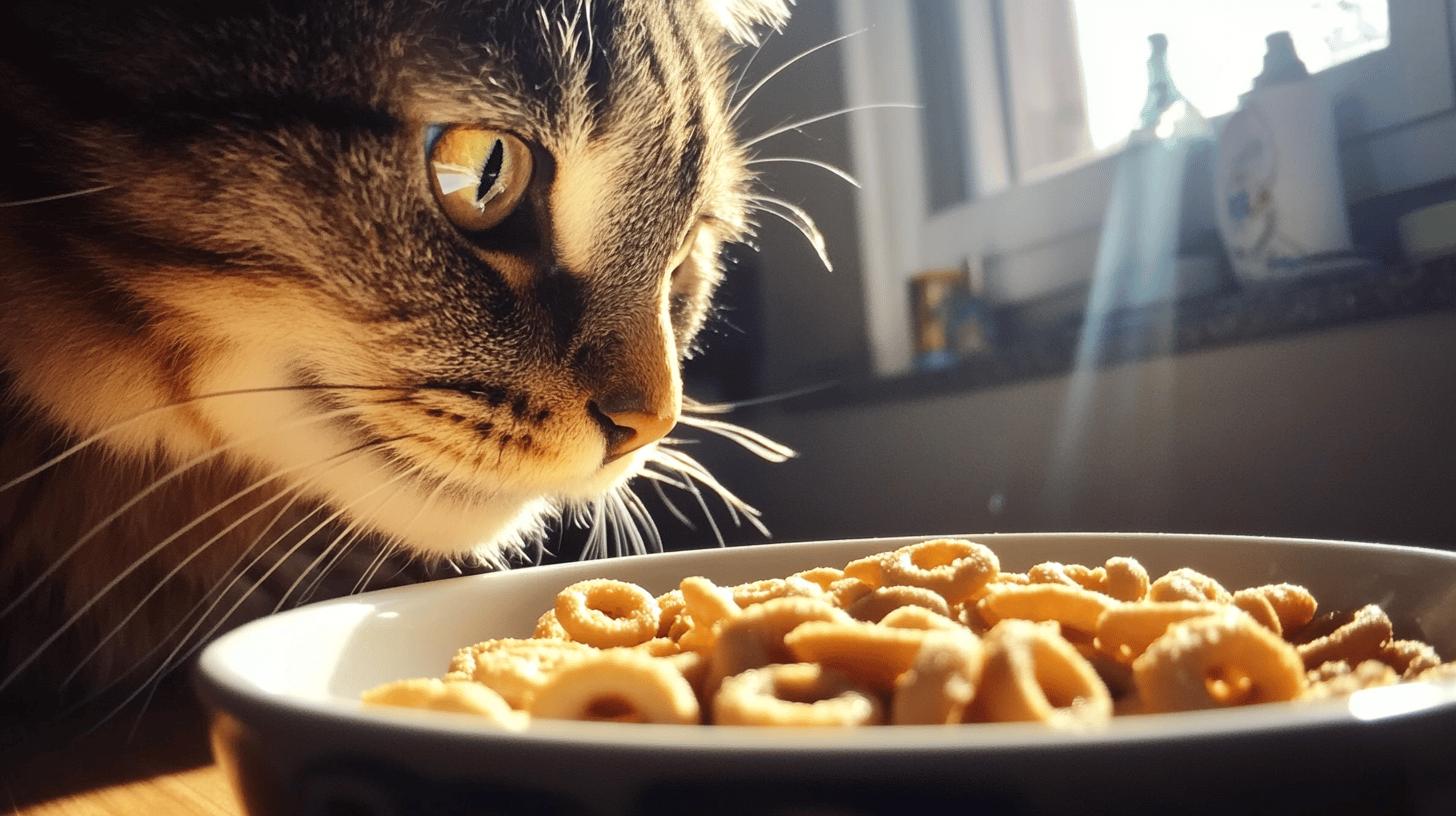
    Navigating mealtime with a cone on your cat can be challenging. The cone can interfere with their ability to reach food and water easily, causing stress. Creating a stress-free feeding environment is crucial for your cat’s comfort and well-being. By making strategic adjustments, you can make mealtime a more pleasant experience for both you and your feline friend.

    • Raise the dishes: Elevate your cat’s food and water bowls 2 to 4 inches off the ground. This makes it easier for them to access their meals without the cone getting in the way.
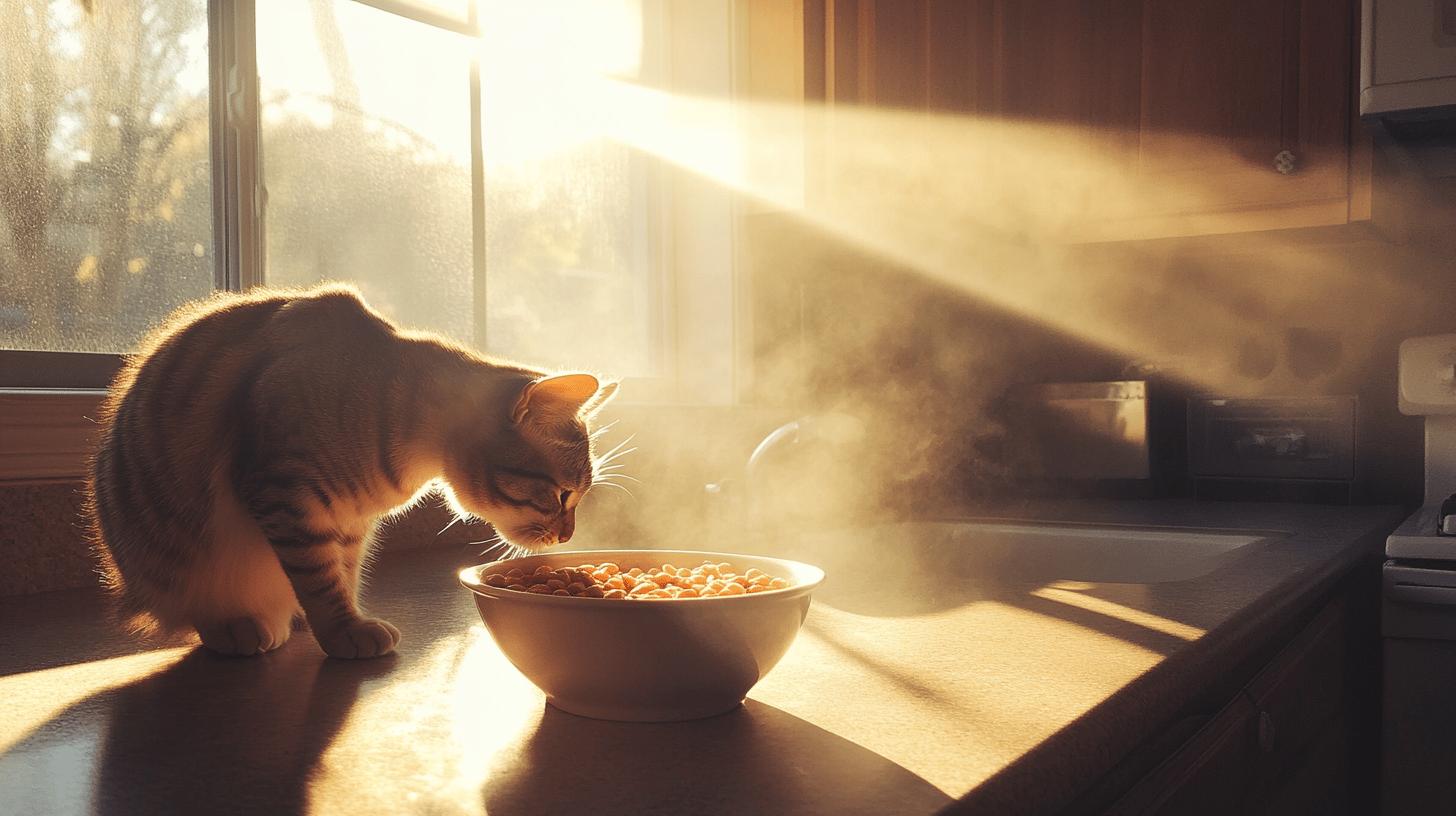
    • Use flat plates or saucers: Replace traditional bowls with flat plates or saucers. This provides more freedom and prevents the cone from hitting the edges.
    • Hand-feed if necessary: If your cat struggles to eat, try hand-feeding. Use your fingers or a spoon to offer food, which can help them eat more comfortably.
    • Place a mat under dishes: Cats with cones can be clumsy. Placing a mat under their food and water bowls can catch any spills and make cleanup easier.
    • Minimize distractions: Keep the feeding area quiet and free from disturbances. This helps your cat focus on eating and reduces stress.
    • Adjust the cone if needed: Consult with your vet to ensure the cone fits properly. A well-fitted cone should not interfere significantly with your cat’s eating habits.
    • Create a calm environment: Play soft music during mealtime. This can calm your cat and make feeding time more enjoyable.
    • Monitor eating habits: Observe your cat as they eat. Make sure they are getting enough food and not struggling too much with the cone.
    • Provide ample space: Ensure there is enough space around the feeding area. A cramped space can make it harder for your cat to maneuver with the cone.
    • Offer encouragement: Gently encourage your cat by speaking softly. Positive reinforcement can help them feel more at ease during mealtime.

    Patience is key when helping your cat adjust to eating with a cone. Observing your cat during meals allows you to make necessary adjustments. Foster a positive mealtime atmosphere with gentle encouragement or soft music to help them adapt. With these tips, you can ensure that your cat remains comfortable and stress-free, even with a cone on.

    Adjusting the Cone and Exploring Alternatives for Comfortable Eating

    Finding the right fit for your cat’s cone is crucial for their comfort and ability to eat without frustration. A cone that’s too large can weigh them down, while one that’s too small won’t effectively prevent them from licking their wounds. Consulting with your vet to ensure the cone is the correct size is the first step in minimizing discomfort during mealtime. A well-fitted cone should allow your cat to reach their food with minimal interference.

    Exploring alternative cone types can provide additional comfort and ease. Traditional hard plastic cones can be cumbersome, but there are several alternatives that might suit your cat better. Soft foam collars, for instance, provide a gentler option that allows more flexibility. Inflatable cones, which are donut-shaped, can prevent the cone from hitting the bowl edges, making eating and drinking easier. These alternatives can offer more freedom of movement, helping your cat enjoy their meals more comfortably.

    Here’s a comparison of traditional hard cones versus these alternatives:

    Feature Traditional Hard Cone Soft Foam Collar Inflatable Cone
    Comfort Rigid and can be uncomfortable Softer, providing more comfort Cushioned, more comfortable fit
    Flexibility Limited flexibility Flexible, allowing easier movement Flexible, allows maneuverability
    Ease of Eating Can obstruct food access Less obstruction to food access Prevents cone from hitting bowl edges
    Weight Can be heavy Lightweight Lightweight
    Protection High level of protection Moderate protection Moderate protection

    Discussing cone adjustments with your vet can lead to more tailored solutions for your cat’s specific needs. They may recommend trying different styles or sizes to find the perfect match. Alongside cone adjustments, exploring alternative feeding methods, like hand-feeding or using elevated and wider dishes, can further minimize discomfort. These strategies help ensure your cat remains comfortable and stress-free, even while navigating the challenges of wearing a cone.

    Cone Types and Feeding Adaptations

    Understanding how different Elizabethan collar designs impact feeding ability helps owners select appropriate options for eating-related comfort. Traditional rigid plastic cones, while highly effective at preventing licking, dramatically impair feeding ability. The cone’s diameter extends 1-2 inches beyond the cat’s face, making access to standard food bowls difficult or impossible.

    Modified cone designs address this limitation more effectively. Soft fabric cones with flexible edges collapse slightly inward during feeding, allowing adequate mouth access while maintaining licking prevention during restricted activities. These soft alternatives typically allow 60-70% normal feeding ease compared to rigid cones.

    Inflatable donut-shaped collars represent another option, limiting head rotation rather than completely blocking facial access. Cats can access food bowls more naturally with inflatable collars, though the reduced licking prevention may be insufficient for some surgical recovery situations. These work best for cats with minor skin irritations rather than extensive surgical sites.

    Adapted feeding strategies improve nutrition during cone-restricted periods. Elevated food bowls positioned 4-6 inches higher than standard height reduce the neck extension required for eating. Slightly tilted bowls further improve access angles. These modifications, combined with soft cone types, can restore nearly normal feeding ease.

    Food and Hydration Management Strategies

    Wet versus dry food choices significantly impact feeding success during cone restrictions. Wet or canned food requires less head rotation and mouth dexterity than kibble, making it the preferred temporary dietary modification. Wet food also provides superior hydration during recovery periods when cats often reduce overall fluid intake.

    If maintaining dry food is necessary, crush kibble into smaller particles or use a food processor to create a meal-consistency consistency easier to consume without precise jaw positioning. Mixing crushed kibble with wet food creates a soft paste texture accommodating cone-restricted eating patterns.

    Water bowl positioning deserves equal attention to food access. Elevated water bowls positioned at nose height prevent unnecessary neck strain. During Elizabethan collar use, refresh water more frequently (every 2-3 hours), as cats may avoid drinking due to awkward positioning, leading to insufficient hydration during critical recovery periods.

    Monitor food and water intake carefully during cone restriction. Significant intake reduction (more than 20-30% below normal) warrants veterinary consultation, as inadequate nutrition impairs surgical wound healing and delays recovery. Some cats may require temporary appetite stimulant medications or feeding tube support if cone-related eating difficulties persist beyond 3-5 days.

    Behavioral and Stress Management

    Elizabethan collars create significant psychological stress beyond the physical discomfort of wearing them. The restricted peripheral vision and altered spatial awareness trigger anxiety responses in most cats, manifesting as reduced mobility, loss of appetite, or hiding behaviors.

    Pre-collar acclimation reduces stress significantly. Before surgical procedures, allowing cats to wear their recovery collar for short 10-15 minute sessions several days beforehand helps them adjust to the strange sensation. This gradual habituation decreases acute stress response when the collar becomes a medical necessity.

    Environmental modifications support behavioral wellbeing during restriction. Remove visual obstacles and hazards since coned cats navigate with difficulty. Maintain familiar feeding locations rather than relocating food during recovery. Minimize household activity and noise that increases stress responses in already-anxious cats.

    Enrichment activities adapted to cone-wearing cats support mental health and reduce recovery-period stress. Interactive play becomes difficult, but environmental puzzle feeders and scent-based enrichment require no head movement. Supervised window time or bird watching provides mental stimulation without physical demands.

    Caloric monitoring becomes critical during cone-wearing periods when reduced activity decreases energy expenditure while restricted eating decreases intake. The combination risks creating caloric confusion–too little food relative to reduced activity needs, yet inadequate nutrition for wound healing. Your veterinarian should assess whether caloric needs increase or decrease during your specific cat’s recovery period.

    Final Words

    Helping a cat eat with a cone on requires some adjustments and understanding. By raising dishes, changing bowl shapes, or trying hand-feeding, cats can eat more easily. Creating a calming environment with less stress can make feeding time smoother. Exploring different cone types may also add comfort, making eating more manageable for your pet.

    Remember, be patient and observe your cat’s needs. These steps can make mealtimes stress-free and enjoyable. Keep experimenting with what works best, and you’ll see your cat eat happily with their cone on.

    FAQ

    How do pets eat with a cone?

    Pets with a cone can eat by using raised dishes about 2 to 4 inches off the ground. This makes their food more accessible without the cone getting in the way.

    How long can cats go without food?

    Cats should not go more than 24 hours without food. Longer periods can lead to serious health issues. It’s crucial to monitor their eating, especially with a cone hindrance.

    How to feed a cat with a cone of shame?

    Feeding a cat with a cone involves using raised dishes and flat plates for easier access. Hand-feeding and keeping a clean mat under dishes can help as well.

    How to get a cat to drink water with an E-collar?

    To help a cat drink with an E-collar, elevate their water dish and use a wide, shallow bowl. This setup minimizes interference from the collar.

    Related Articles

  • Can Cat Eat Grasshopper Understanding Benefits and Risks for Your Pet

    Can Cat Eat Grasshopper Understanding Benefits and Risks for Your Pet

    Have you ever caught your cat pouncing on a grasshopper and wondered, "Is this safe for my furry friend?" Cats are natural hunters and often find insects like grasshoppers irresistible. While munching on these little hoppers might seem harmless, there are some benefits and risks you should know.

    Understanding what happens when your cat chows down on a grasshopper is key to keeping them safe and healthy. Knowing the nutritional reality and potential dangers of this crunchy snack helps you make informed choices for your cat’s playtime and diet.

    Can Cats Safely Eat Grasshoppers: Benefits, Risks, and Precautions

    Can Cats Safely Eat Grasshoppers Benefits, Risks, and Precautions-3.jpg

    Cats have a natural instinct to hunt and eat insects, and grasshoppers are no exception. This behavior aligns with their predatory nature, and eating a grasshopper or two is generally safe for them.

    Grasshoppers are non-toxic, making them a relatively harmless snack if consumed occasionally. They can provide mental stimulation and satisfy a cat’s natural hunting urge. Most of the time, a cat's curiosity and their agile hunting skills take over when they spot a grasshopper hopping around.

    Grasshoppers offer a surprising array of nutritional benefits for cats. They are a source of protein, which is crucial for maintaining muscle mass and overall health. Additionally, grasshoppers contain essential fatty acids that contribute to a healthy coat and skin.

    Amino acids, including taurine, are found in these insects as well and are vital for a cat's vision, digestion, and heart muscle function. These nutrients can complement a cat's diet, although they should not replace the primary food source.

    Here's a look at some potential risks and concerns when it comes to grasshoppers:

    • Potential pesticide exposure

    • Minor mouth irritation from exoskeleton

    • Risk of gastrointestinal issues

    • Monitoring for allergic reactions

    • Veterinary consultation if adverse symptoms occur

    Nutrient Benefit to Cats
    Protein Helps maintain muscle mass and overall health
    Essential Fatty Acids Contributes to a healthy coat and skin
    Amino Acids Vital for vision, digestion, and heart muscle function

    While grasshoppers can be a safe and nutritious treat, there are precautions to keep in mind. It's crucial to ensure that any grasshoppers your cat consumes come from pesticide-free areas to avoid potential toxin exposure.

    Keep an eye out for signs of adverse symptoms such as vomiting, diarrhea, or lethargy, as these may require a visit to the veterinarian. Monitoring your cat’s health and behavior after grasshopper consumption will help ensure that it remains a safe and enriching experience for your feline friend.

    Alternatives to Grasshoppers for Cat Diets

    Alternatives to Grasshoppers for Cat Diets-4.jpg

    When considering dietary options for your feline friend, traditional choices like commercial cat food and meats such as chicken, beef, and turkey remain popular. These options are specifically formulated to provide a balanced diet, ensuring that your cat receives all the necessary nutrients. They are designed to meet the dietary needs of cats, making them a reliable and convenient choice for pet owners.

    Here are some alternative protein sources you can consider:

    • Commercial cat food

    • Chicken, beef, turkey

    • Insect-based pet foods

    • Fish that are safe for cats

    Insect-based pet foods are gaining attention as an innovative and environmentally friendly alternative. These foods require less land, water, and feed to produce compared to traditional livestock farming.

    Insects like black soldier fly larvae and mealworms are not only sustainable but also packed with essential nutrients that can benefit your cat's health. Opting for insect-based diets can contribute to a more sustainable future while still providing the nutrition your cat needs.

    Understanding Cat Behavior and Insect Consumption

    Understanding Cat Behavior and Insect Consumption-4.jpg

    Cats have a strong instinct to hunt, a behavior inherited from their wild ancestors. Even our domestic companions show this by stalking and pouncing on small prey, like grasshoppers.

    Watching a cat engage with insects can be fascinating, as it offers a glimpse into their natural predatory instincts. This behavior provides an essential outlet for their energy, aligning with their innate desires.

    Letting cats chase insects like grasshoppers is beneficial. It offers them a fun way to exercise, keeping them agile and fit.

    This activity also stimulates their minds, reducing boredom and promoting mental well-being. Engaging in these natural behaviors supports a healthier and happier life for your feline friend.

    Nutritional Profile and Digestive Considerations

    Grasshoppers offer surprising nutritional density for such small creatures. A 100-gram serving of grasshopper contains approximately 62% protein, making them nutritionally comparable to chicken breast. They also provide substantial B vitamins, particularly niacin and thiamine, which support feline energy metabolism and nervous system function.

    However, the primary digestive challenge lies in the exoskeleton composed of chitin, a complex polysaccharide that feline digestive enzymes cannot efficiently break down. When cats consume grasshoppers with intact exoskeletons, much of the nutrition passes through unabsorbed. Peeling or crushing grasshoppers before consumption would theoretically improve digestibility, though most cats consume them whole when hunting.

    The nutritional benefit comes primarily from hunting and consuming the softer abdominal contents rather than the entire insect. Wild grasshoppers also accumulate micronutrients from their diet–various plant materials and minerals–that enhance their overall nutritional profile compared to farm-raised alternatives.

    Fat content in grasshoppers varies seasonally and by species, ranging from 3-8% dry weight. This moderate fat level, combined with their lean protein profile, makes grasshoppers metabolically safer than many mammalian prey items for cats prone to weight gain or digestive sensitivity.

    Sourcing and Safety Considerations

    The critical safety differentiator between safe and dangerous grasshopper consumption centers entirely on pesticide exposure. Wild grasshoppers in residential yards treated with insecticides, herbicides, or fungicides accumulate these compounds at concentrated levels, creating significant toxicity risk to cats consuming them.

    Common lawn pesticides like neonicotinoids (imidacloprid, clothianidin) affect insect nervous systems through mechanisms that also impact feline neurological function. Consumption of pesticide-exposed grasshoppers can trigger tremors, disorientation, or seizures within 2-6 hours of ingestion.

    Farm-raised grasshoppers specifically cultivated for pet food represent the safest option if grasshopper consumption occurs. These insects are raised in controlled environments free from field pesticides. However, verify sourcing before purchasing farm-raised varieties, as some suppliers employ suboptimal hygiene practices.

    Live versus frozen grasshoppers present similar safety profiles, though frozen varieties offer one advantage: the freezing process kills any accumulated parasites or pathogenic bacteria the insect may harbor. Live grasshoppers may carry salmonella or similar organisms, particularly if sourced from wild populations.

    Size and choking hazard considerations matter significantly for younger or enthusiastic hunters. Grasshoppers larger than your cat’s head pose potential choking risks if swallowed whole without proper chewing. Supervise initial grasshopper hunting or consumption to assess your individual cat’s chewing behavior.

    Behavioral and Enrichment Benefits

    The psychological and behavioral value of grasshopper hunting and consumption for cats extends beyond simple nutrition. Hunting activates neural pathways associated with predatory success, triggering dopamine release that creates reward satisfaction comparable to play-hunting activities.

    For indoor cats, grasshopper hunting opportunities provide rare instances of authentic predatory behavior expression. This behavioral outlet may reduce stress and anxiety in cats denied other hunting opportunities, particularly beneficial for high-prey-drive breeds or individuals with hyperactive tendencies.

    The physical exertion required for grasshopper hunting–stalking, pouncing, the coordinated jaw movements of consumption–provides full-body enrichment that many standard cat toys cannot replicate. This multisensory engagement supports cognitive development, maintains hunting skills, and provides cardiovascular activity.

    Enrichment value becomes especially significant for senior cats who may lack motivation for traditional toys. Slow-moving or incapacitated grasshoppers allow older cats to engage predatory instincts successfully despite reduced mobility, supporting mental stimulation and quality of life in their later years.

    Final Words

    Exploring whether a cat can eat grasshopper highlights the balance between natural behaviors and health considerations. Cats often chase insects, including grasshoppers, which are generally safe. They offer nutritional perks like protein and essential nutrients. Yet, safety concerns arise from pesticide exposure and possible allergic reactions. If your cat shows symptoms like vomiting or diarrhea after eating grasshoppers, it's best to consult a vet. Opting for untreated areas can reduce risks, and insect-based cat foods can be a sustainable choice. Ultimately, letting cats indulge in their instincts can enrich their lives, provided we manage the risks.

    FAQ

    Can cats eat locusts or grasshoppers?

    A: Cats can generally eat grasshoppers or locusts without issues, as these insects are non-toxic and provide protein, provided they are free from pesticides.

    What bugs are bad for cats to eat?

    A: Some bugs can be harmful, like bees, ants, or bugs treated with pesticides. Ingesting these can cause allergic reactions or gastrointestinal distress in cats.

    Can cats get worms from eating grasshoppers?

    A: Eating grasshoppers rarely transmits worms to cats; the bigger concern is pesticide exposure, so consult your vet if your cat has eaten a grasshopper from a treated area.

    Do cats eat bugs in the house?

    A: Cats eating bugs indoors is normal. It's a part of their hunting instinct, but ensure the environment is free from pest control chemicals.

    Why does my cat bring in grasshoppers?

    A: Cats bring in grasshoppers due to their hunting instinct. It's often a part of their natural behavior to show off a catch.

    Can a cricket make a cat sick?

    A: Crickets are mostly safe for cats, but if crickets have pesticide residue, it may cause vomiting or diarrhea in cats. Keep an eye for such symptoms.

    Can cats eat praying mantises or centipedes?

    A: Cats can eat praying mantises or centipedes, but it's best to avoid it. Their exoskeletons might cause digestive issues. Always observe your cat for any adverse reactions.

    Related Articles

  • Can Cat Eat Lavender Understanding the Risks for Feline Health

    Can Cat Eat Lavender Understanding the Risks for Feline Health

    Can your cat indulge in lavender, or could it be a feline faux pas? While the soothing scent might seem harmless, the truth is that lavender harbors hidden risks for cats. Unlike humans, who often find lavender therapeutic, cats can suffer from toxic effects.

    Their bodies aren't built to handle compounds like linalool and linalyl acetate found in lavender. This can lead to worrisome symptoms like vomiting and diarrhea. Knowing the risks can help keep your feline friend safe and sound. Let’s dig deeper into why cats and lavender aren't the best match.

    Can Cats Safely Consume Lavender?

    Can Cats Safely Consume Lavender-3.jpg

    Lavender is not safe for cats to consume. This is due to the toxic compounds present in lavender, such as linalool and linalyl acetate. Cats' systems are not equipped to process these compounds, which can lead to potential poisoning.

    Unlike humans, who might find lavender calming and therapeutic, cats can suffer from harmful effects. The inability of their liver to metabolize these compounds can result in symptoms like vomiting, diarrhea, and even more severe health issues. So, it's clear that lavender and cats do not mix well, and preventing any ingestion is crucial.

    Cats can be exposed to lavender in multiple forms, each posing its own set of risks. The plant itself, whether in your garden or as a potted plant indoors, can tempt a curious cat. If chewed or ingested, it can cause gastrointestinal distress.

    Essential oils, which are even more concentrated, pose a heightened risk. When diffused in the air, cats can inhale the oils or absorb them through their skin, leading to more acute symptoms.

    Even lavender-infused products like candles or sprays should be kept away, as the concentration levels can be harmful. Both the plant and essential oils present a danger, so careful management of lavender around cats is necessary to ensure their safety.

    Recognizing Symptoms of Lavender Toxicity in Cats

    Recognizing Symptoms of Lavender Toxicity in Cats-2.jpg

    If your cat comes into contact with lavender, knowing the symptoms of toxicity is crucial. Common signs of lavender poisoning in cats include gastrointestinal issues like diarrhea and vomiting.

    You might also notice your cat showing signs of weakness or lethargy. Respiratory symptoms such as coughing and wheezing can occur, especially if the cat has inhaled essential oils. These symptoms indicate the cat's inability to process the toxic compounds found in lavender, leading to distress and discomfort.

    The onset and severity of these symptoms can vary significantly. Some cats might show immediate reactions, especially if they have ingested a larger quantity. Others could develop symptoms gradually, with effects appearing over a few days.

    The variation depends on the cat's age, health status, and the amount of lavender they were exposed to. It's essential to be vigilant for any sudden changes in behavior or health, as even minor exposure can lead to significant health challenges over time.

    Monitoring your cat closely is vital if you suspect lavender exposure. Keep an eye out for any unusual behavior or signs of distress.

    If symptoms appear or worsen, seek veterinary care promptly. A vet can provide appropriate treatment and advice on how to manage the situation.

    Early intervention is key to minimizing the risks associated with lavender toxicity. If you notice any symptoms, don't hesitate to contact a professional to ensure your cat's safety and well-being.

    Differences Between Lavender Plants and Essential Oils

    Differences Between Lavender Plants and Essential Oils-3.jpg

    When it comes to lavender and cats, understanding the differences in concentration between lavender plants and essential oils is crucial. Lavender plants naturally contain compounds like linalool and linalyl acetate, which are toxic to cats.

    However, the concentration of these compounds is relatively low in the plant form. While this might still pose a risk if a cat ingests parts of the plant, the effects may be milder compared to essential oils.

    On the other hand, lavender essential oils are highly concentrated. This means that even small amounts can be potent and more dangerous when inhaled or absorbed through a cat's skin.

    Both lavender plants and essential oils present potential hazards, but in different ways. A curious cat might nibble on a lavender plant, leading to mild to moderate gastrointestinal distress.

    Essential oils, being more concentrated, can cause severe reactions even without direct ingestion. Cats can inhale the vapor from diffusers or come into contact with surfaces where oils have been applied, leading to respiratory issues or skin irritation. The heightened risk from oils makes them particularly concerning for cat owners.

    Form Risk Level
    Lavender Plant Moderate
    Essential Oil High

    Safe Alternatives to Lavender for Cats

    Safe Alternatives to Lavender for Cats-3.jpg

    When looking for alternatives to lavender, it's crucial to focus on non-toxic options that won't harm your feline friend. Catnip is a popular choice, known for its ability to engage and soothe cats.

    Its effects are harmless and can be a fun way to calm your cat. Valerian root is another plant that is safe for cats and can provide similar calming effects without the toxic risks associated with lavender.

    Chamomile, while best used in moderation, is also considered safe and can have a soothing effect on cats. If you're considering adding plants to your home, ensure they're cat-friendly to prevent any accidental ingestion of harmful substances.

    In addition to plant-based options, there are commercial products designed specifically for calming cats. These products are formulated to be safe and effective without the risks of essential oils or toxic plants.

    Look for pheromone diffusers, which mimic natural cat pheromones to reduce stress and anxiety. Calming collars infused with safe ingredients can also be beneficial.

    Cat-safe sprays made from non-toxic ingredients can offer a soothing effect when applied to your cat's favorite resting spots. Lastly, consider natural supplements that your vet approves, which can aid in reducing stress levels in a safe manner.

    • Pheromone diffusers
    • Calming collars
    • Cat-safe sprays
    • Vet-approved natural supplements

    What to Do if Your Cat Eats Lavender

    What to Do if Your Cat Eats Lavender-1.jpg

    If you suspect your cat has ingested lavender, treat it as a medical emergency. Immediate action can help prevent serious health complications.

    First, remove any remaining lavender from your cat's reach to prevent further ingestion. Then, assess your cat for any visible symptoms like vomiting or diarrhea.

    Next, contact your veterinarian or the ASPCA Animal Poison Control Center at (888) 426-4435 for guidance. They can provide critical advice tailored to your cat's specific situation. It's crucial to act quickly, as lavender contains compounds that are toxic to cats and can result in severe health issues.

    Veterinary consultation is essential when dealing with lavender poisoning. Your vet will likely perform an examination and may recommend treatments like activated charcoal to absorb toxins or intravenous fluids to manage dehydration.

    They might also monitor your cat for any adverse reactions and provide supportive care to aid recovery. Professional intervention can make a significant difference in the outcome, ensuring your cat receives the necessary medical attention to address any symptoms effectively.

    After the initial emergency steps, ongoing monitoring and follow-up care are important. Some symptoms of lavender toxicity, such as weakness or respiratory issues, may develop later.

    Keep a close eye on your cat for any changes in behavior or health. If you notice any new or worsening symptoms, contact your veterinarian immediately. Follow-up appointments may be necessary to ensure your cat's full recovery and to prevent any long-term health impacts.

    • Remove any lavender from your cat's reach.

    • Check your cat for visible symptoms.

    • Contact your veterinarian or ASPCA Animal Poison Control.

    • Follow any advice or instructions given by veterinary professionals.

    • Monitor your cat for delayed symptoms and seek further care if needed.

    Final Words

    Throughout this article, we navigated the risks associated with lavender and cats. Lavender's toxic compounds pose real dangers. We examined the symptoms of lavender poisoning and the varying severity and timing of these symptoms. Essential oils, being more concentrated, offer a greater risk than the plants, but both are a concern. Safer alternatives like catnip can provide calming effects without danger.

    If a cat eats lavender, it's crucial to act swiftly and consult a vet. Understanding these risks ensures your furry friend stays safe and healthy.

    FAQ

    Can cats eat lavender oil?

    A: Cats should not eat lavender oil. It's toxic due to linalool and linalyl acetate. These compounds can lead to poisoning. Even small exposures might be harmful.

    Is dried lavender safe for cats?

    A: Dried lavender is not safe for cats. It contains toxic compounds that can cause illness or poisoning if ingested.

    Can cats eat lavender leaves or seeds?

    A: Cats should not eat lavender leaves or seeds. Both parts of the plant contain harmful compounds that are toxic to cats.

    What should I do if my cat ate a lavender plant?

    A: If your cat ate a lavender plant, it's important to seek veterinary care immediately. Monitor your cat for symptoms like vomiting or weakness and contact your vet or animal poison control for advice.

    Are cats allergic to lavender scent?

    A: Some cats may be sensitive or allergic to lavender scent. This might lead to symptoms like sneezing, coughing, or respiratory issues.

    Can lavender kill cats?

    A: In severe cases, lavender can be fatal to cats, especially if large amounts are ingested. Immediate veterinary attention is crucial.

    Is lavender oil safe for cats?

    A: Lavender oil is unsafe for cats. Its high concentration makes it more hazardous than the plant. It should be kept away from cats at all times.

    What happens if cats eat lavender?

    A: If cats eat lavender, they may experience symptoms like vomiting, diarrhea, and weakness. It's essential to get veterinary help right away.

    Why does my cat like lavender?

    A: Some cats might be attracted to the scent of lavender, but this doesn't mean it's safe. They might be curious, but exposure can be harmful.

    Can cats tolerate the smell of lavender?

    A: While some cats may not show immediate distress, lavender's scent can still be irritating or harmful, especially in essential oil form.

    Is lavender toxic to pets?

    A: Yes, lavender is toxic to pets like cats and dogs. Both the plant and essential oils pose risks of poisoning and should be avoided around pets.

    Related Articles

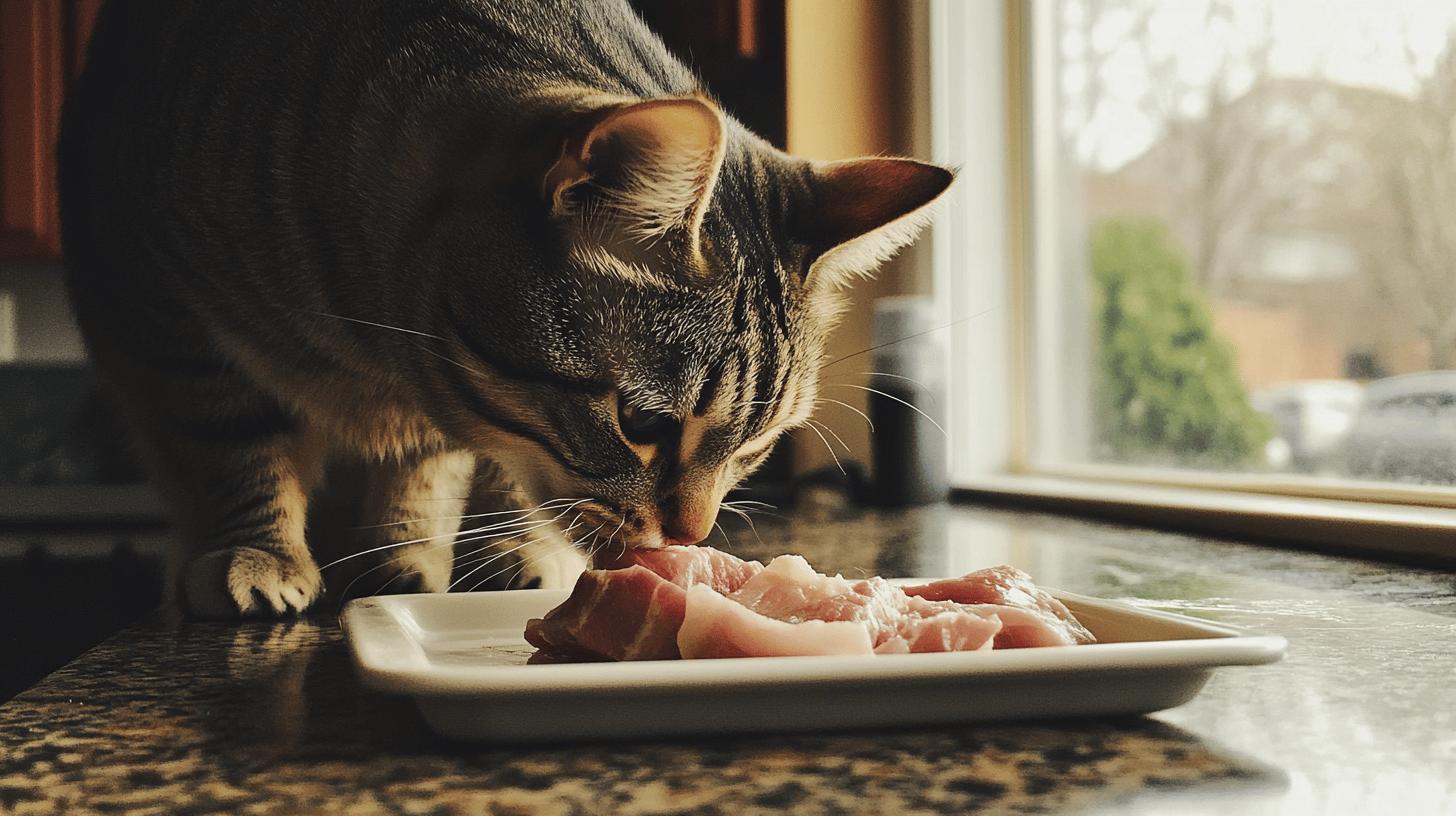
  • Can Cat Eat Raw Pork Risks and Safe Alternatives

    Can Cat Eat Raw Pork Risks and Safe Alternatives

    Is raw pork the new tempting treat for your cat, or a ticking time bomb? It might seem natural to offer your feline friend a bit of raw pork, but understanding the risks could save you a world of trouble. Raw pork can harbor nasty parasites and bacteria like Trichinella spiralis and Salmonella, lurking like shadows waiting to pounce. These dangers aren't just scary—they can lead to painful illnesses. To keep your cat safe, it's smart to know the facts and explore safer alternatives. Dive in to learn how to protect your kitty from these hidden threats.

    Can Cats Eat Raw Pork? Understanding the Risks and Safety

    Can Cats Eat Raw Pork Understanding the Risks and Safety-1.jpg

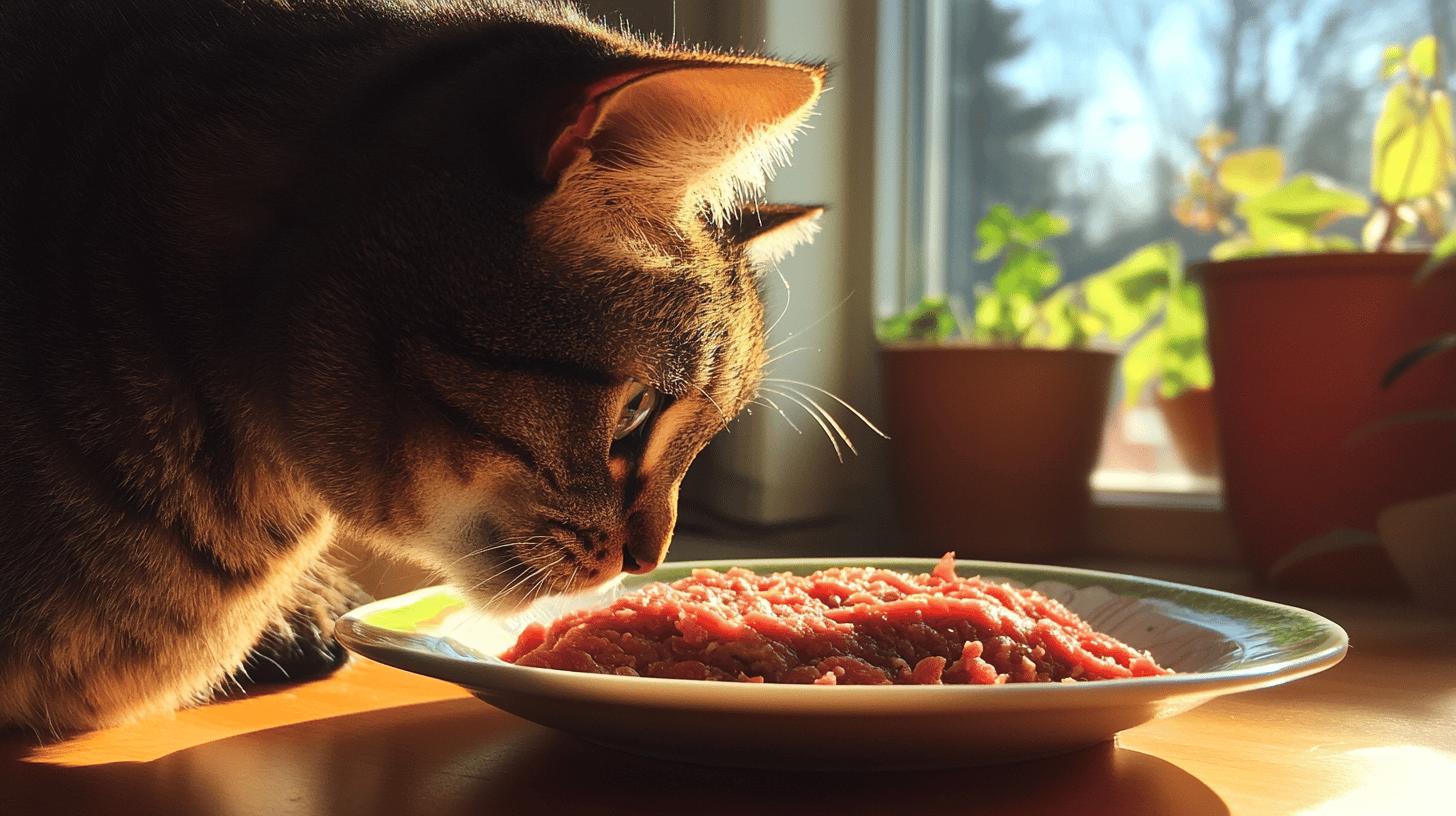
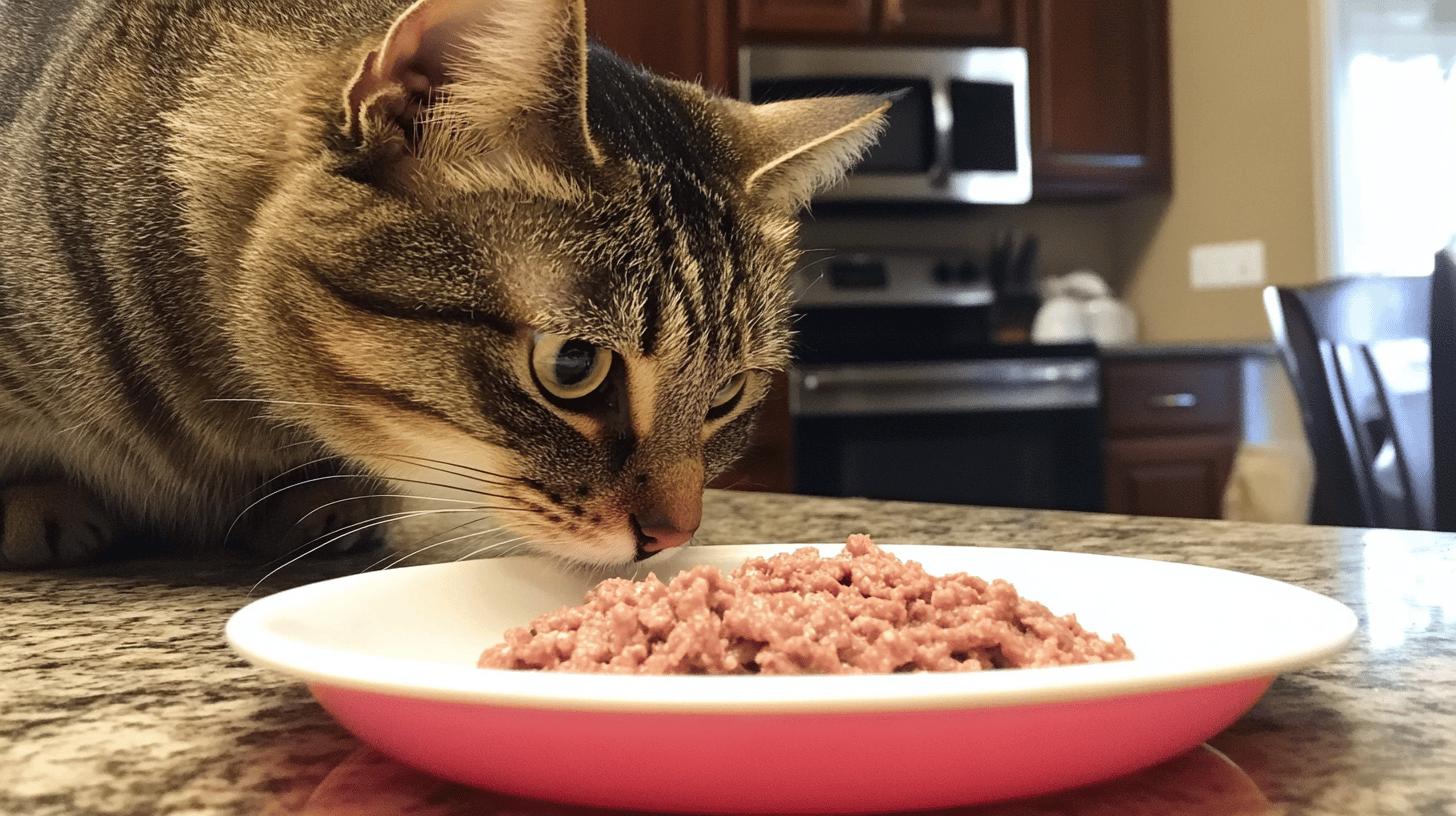
    Feeding raw pork to cats comes with significant dangers. One of the main risks is the presence of parasites such as Trichinella spiralis, which can lead to serious health issues. Bacteria like Salmonella and E. coli further heighten the risk, posing potential threats to your cat's health. These pathogens can lead to severe infections that are challenging to treat in cats. When considering if cats can eat raw pork, it's crucial to understand these inherent dangers.

    Trichinosis is a condition caused by the Trichinella parasite that can severely impact cats. This illness results in symptoms ranging from muscle pain to gastrointestinal distress, which can be quite debilitating for your feline friend. Infected cats may experience symptoms like vomiting, diarrhea, and fatigue. Trichinosis can be difficult to diagnose and requires immediate veterinary attention, highlighting why feeding raw pork is risky.

    Modern farming techniques have managed to reduce the prevalence of some parasites in pork. Despite these advancements, raw pork still poses a substantial health risk to cats. While the threat of parasites and bacteria might be lower than in the past, the potential danger remains significant. Therefore, it's best to prioritize your cat's safety by avoiding raw pork and considering safer alternatives.

    Nutritional Value and Implications of Feeding Pork to Cats

    Nutritional Value and Implications of Feeding Pork to Cats-2.jpg

    Pork is a high-protein meat that can provide essential nutrients to a cat’s diet when prepared properly. With its rich protein content, pork offers a valuable source of energy and supports muscle development in cats. While pork is nutritious, its fat content can vary significantly depending on the cut. This variability means that not all pork cuts are equally beneficial for cats, especially those needing a lower-fat diet.

    Here's a quick look at different pork cuts and their typical protein and fat content:

    Pork Cut Protein Content (per 100g) Fat Content (per 100g)
    Pork Loin 24g 5g
    Pork Tenderloin 26g 3g
    Pork Shoulder 21g 12g
    Pork Sirloin 23g 6g
    Pork Belly 15g 30g

    Choosing lean cuts like pork loin and sirloin is crucial for minimizing fat intake in a cat’s diet. These cuts offer the protein benefits without the excessive fat, making them more suitable for maintaining a healthy weight. By carefully selecting pork cuts, you can balance nutritional benefits while keeping fat levels in check for your feline friend.

    How to Safely Prepare Pork for Cats

    How to Safely Prepare Pork for Cats-1.jpg

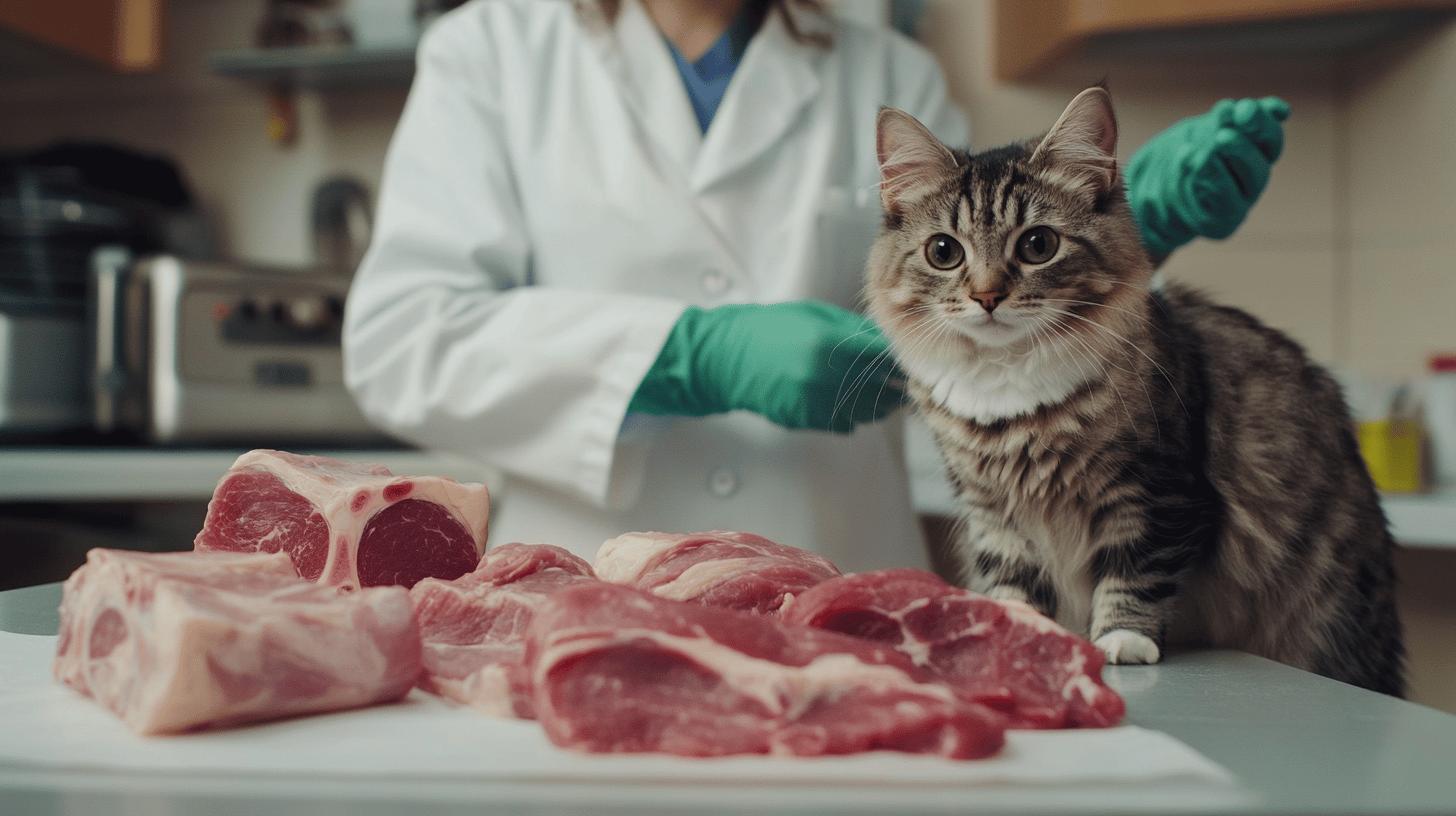
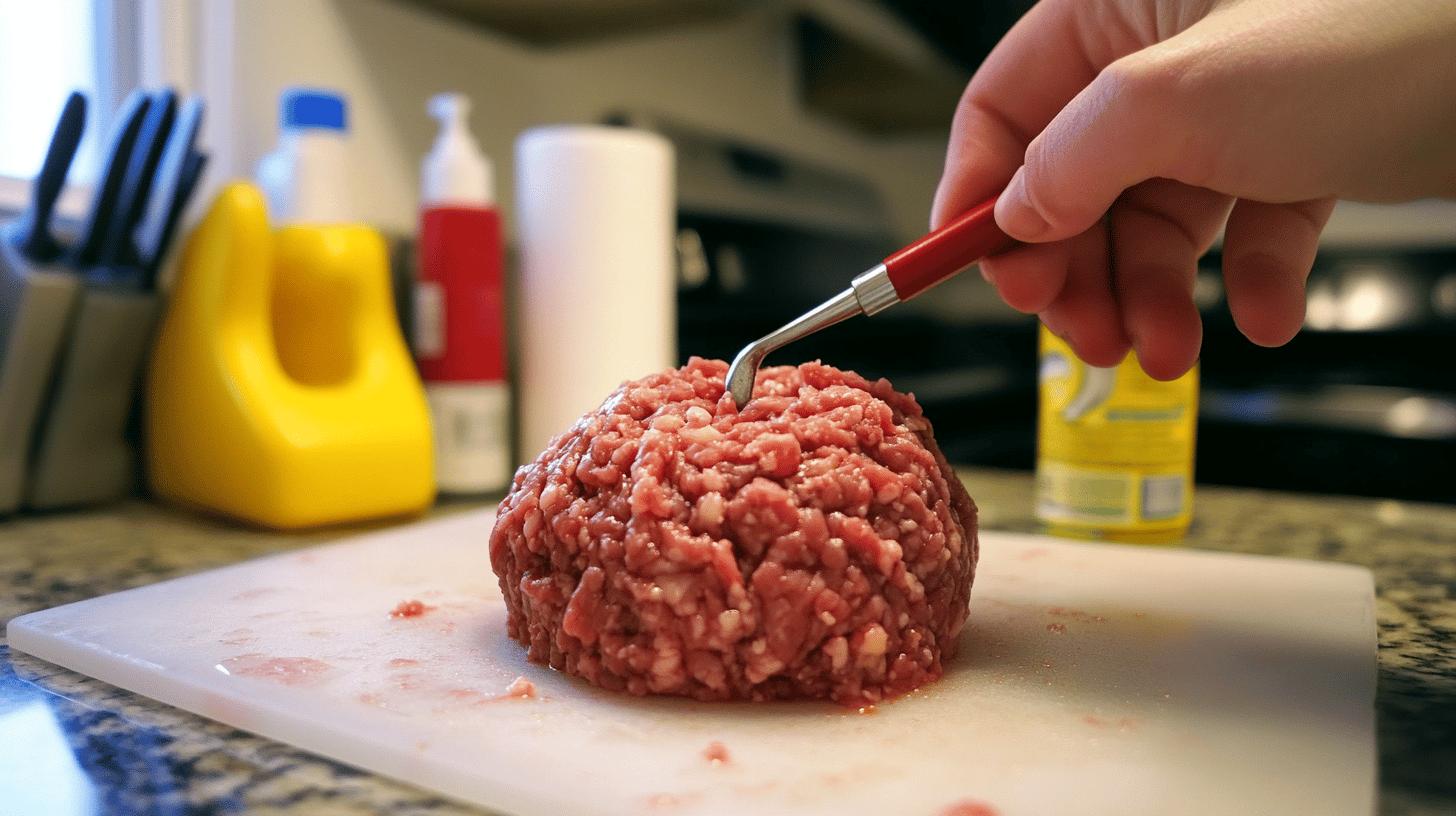
    Freezing pork is a crucial step in preparing it safely for your cat. This method helps to eliminate parasites that can be harmful to your pet. To effectively kill off parasites such as Trichinella spiralis, you should freeze the pork at a temperature of -15°C (5°F) for at least three weeks. This extended freezing period ensures that any parasites present in the raw meat are neutralized, significantly reducing the risk of your cat contracting illnesses like trichinosis.

    Cooking pork to the right temperature is another essential step in ensuring its safety for cats. To eliminate bacterial risks such as Salmonella and E. coli, it's recommended to cook pork to an internal temperature of 145°F (63°C). Using a meat thermometer can help you accurately measure this temperature, ensuring that the meat is cooked thoroughly. Cooking not only makes the pork safe but also enhances its digestibility for cats, providing them with a nutritious meal without the danger of bacterial infection.

    When handling raw meat, maintaining proper hygiene practices is vital to prevent contamination:

    • Always wash your hands thoroughly with soap and water before and after handling raw pork.
    • Use separate cutting boards and utensils for raw meat to avoid cross-contamination.
    • Clean all surfaces and tools immediately after use with hot, soapy water.
    • Store raw pork in sealed containers to prevent exposure to other foods in the fridge.
    • Avoid refreezing meat that has been previously thawed to maintain quality and safety.
    • Dispose of any meat that's been left out at room temperature for more than two hours.

    By following these preparation and hygiene practices, you can ensure that the pork you serve to your cat is both safe and nutritious. These steps are vital in protecting your pet from potential health risks associated with raw pork. Prioritizing safety in pork preparation not only keeps your cat healthy but also allows you to confidently include this protein source in their diet.

    Exploring Alternatives to Raw Pork in a Cat's Diet

    Exploring Alternatives to Raw Pork in a Cats Diet-1.jpg

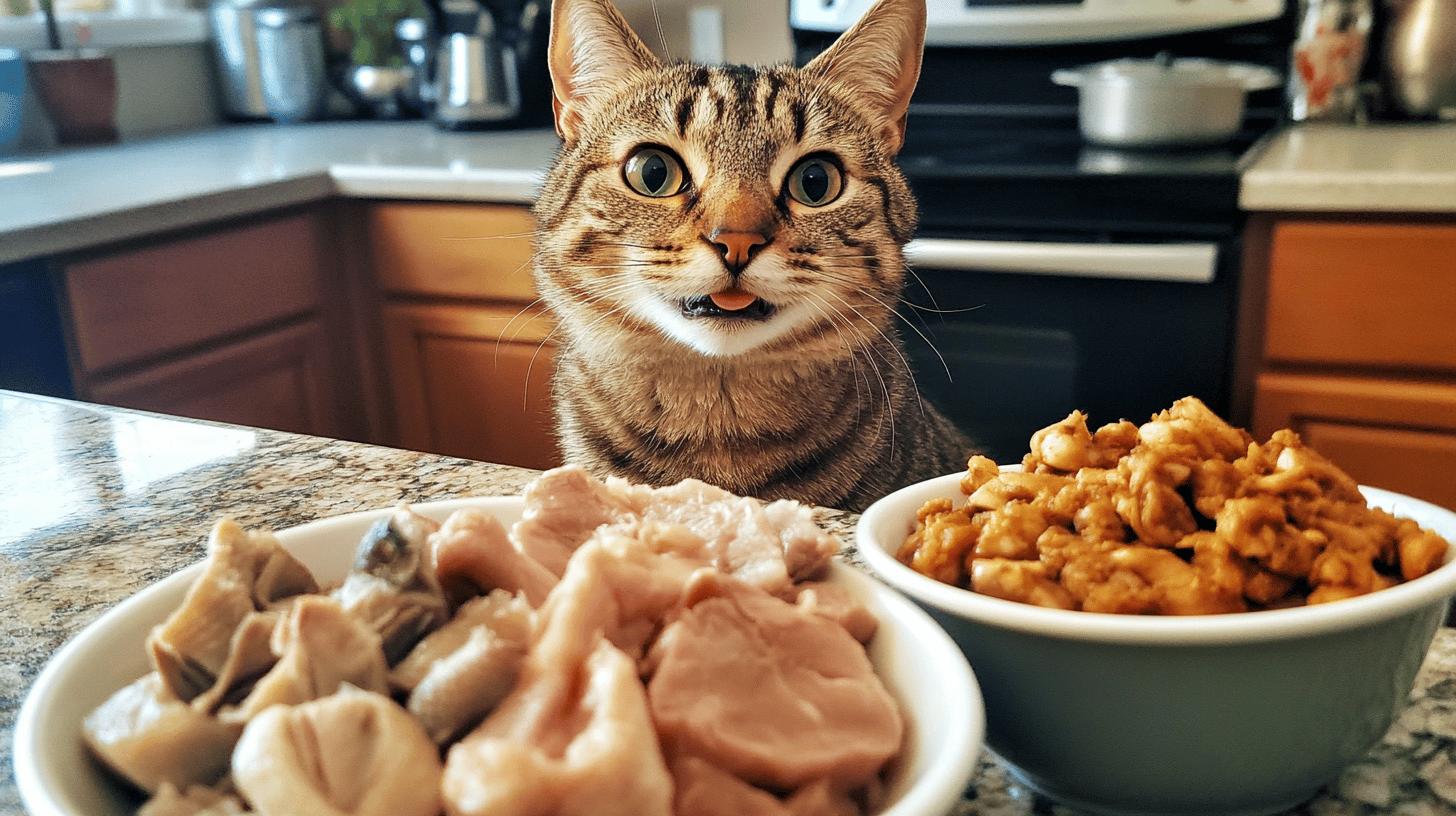
    When considering alternatives to raw pork for your cat, there are several safer and more nutritious options to explore. Cooked pork, devoid of the risks associated with raw consumption, can be an occasional treat. Additionally, lean meats like chicken and turkey are excellent choices, offering high protein content with lower fat levels. Fish, known for its omega-3 fatty acids, can enhance a cat's coat health and provide essential nutrients. Commercially prepared cat foods are another convenient option, delivering balanced nutrition tailored to your cat's needs.

    Comparing the nutritional benefits of these alternatives highlights the advantages they offer over raw pork. Chicken and turkey not only provide a high protein content but are also easier for cats to digest. Fish, apart from being highly palatable, brings added health benefits with its rich omega-3 content. Lean pork, when cooked, retains its protein value while minimizing fat, making it a viable choice. These options ensure that your cat gets the necessary nutrients without the health risks associated with raw pork.

    Meat Type Protein Content (per 100g) Fat Content (per 100g)
    Chicken 27g 3.6g
    Turkey 29g 1g
    Fish 22g 5g
    Lean Pork 24g 5g

    Veterinary Insights on Feeding Raw Meat Diets to Cats

    Veterinary Insights on Feeding Raw Meat Diets to Cats-1.jpg

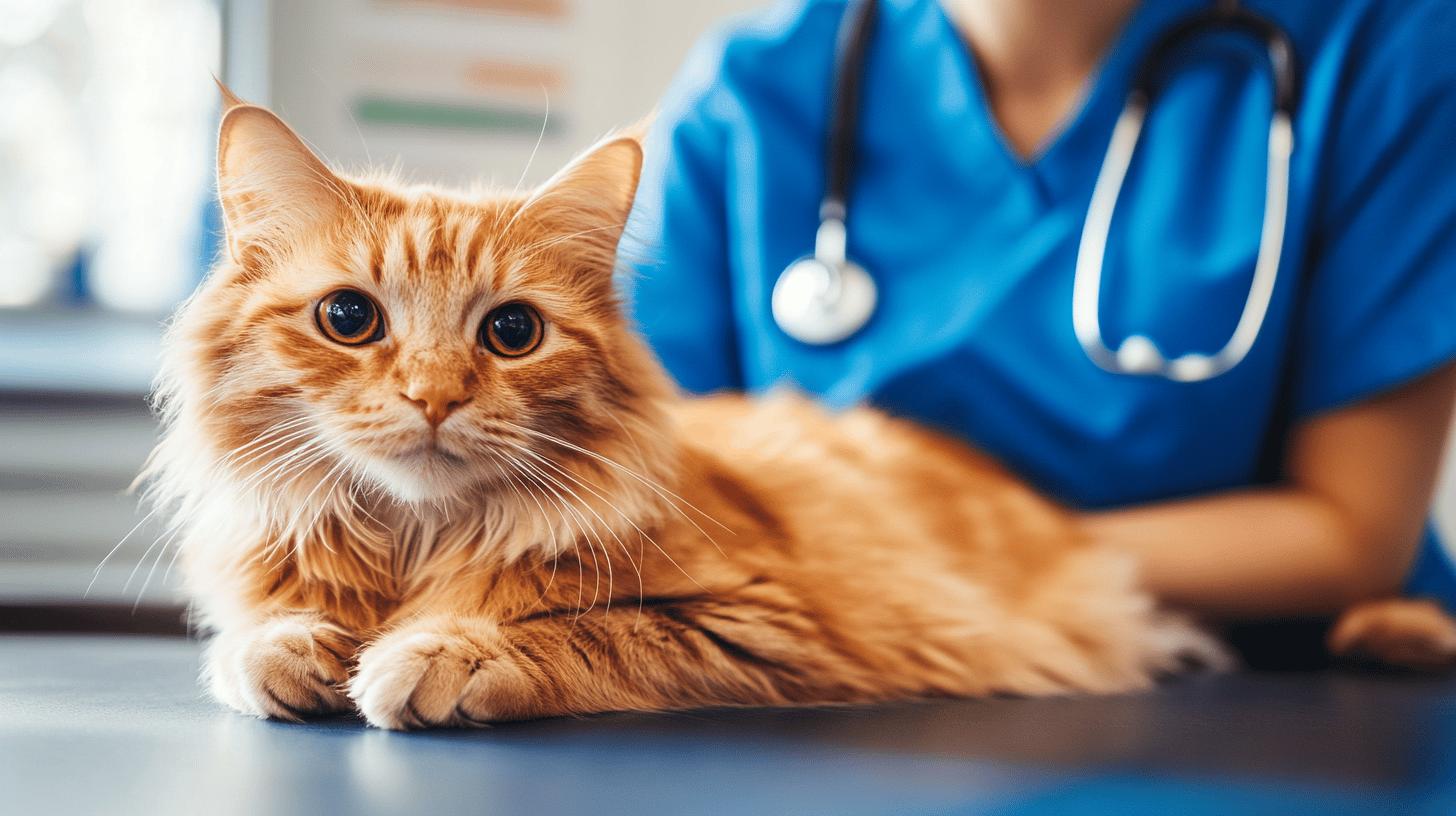
    Feeding raw diets to cats has sparked a lot of discussions among pet owners and veterinarians. Advocates of raw diets claim benefits like improved coat health and increased energy levels in cats. These diets often mimic what cats might eat in the wild, providing high protein content and essential nutrients. However, there are significant drawbacks to consider. Raw food can harbor harmful bacteria and parasites, posing serious health risks. Without careful preparation, these diets can lead to infections that are tough to treat in cats. The potential hazards make it crucial for cat owners to weigh the risks and benefits before switching to a raw diet.

    Veterinarians generally recommend cooking meat to eliminate bacterial and parasitic threats. Cooking ensures that the meat is safe for consumption, reducing the risk of illnesses like trichinosis and salmonella. Properly cooked meat retains most of its nutrients, offering a safer alternative to raw. While some pet owners might still opt for raw diets, vets advise thorough research and consultation. It's important to source meat from reputable suppliers and understand the preparation details to minimize health risks.

    Monitoring Cat Health

    Regular health checks are essential for cats on raw diets to catch any adverse effects early. Here are some steps to consider:

    • Schedule regular vet visits to monitor your cat's overall health.
    • Keep track of your cat's weight and energy levels.
    • Watch for signs of digestive issues, such as vomiting or diarrhea.
    • Ensure your cat is eating a balanced diet, supplementing with essential nutrients if needed.
    • Test for parasites periodically to prevent infections.
    • Maintain good hygiene practices in food preparation to avoid contamination.

    Consulting with a veterinarian is vital before starting a raw diet. Veterinarians can provide guidance tailored to your cat's specific needs, helping you make informed decisions. They can also offer resources and tips on how to safely implement raw feeding if you choose to pursue it. Having professional input ensures that you prioritize your cat's health while exploring dietary changes.

    Final Words

    Feeding raw pork to cats is a risky choice. Parasites like Trichinella spiralis and bacteria pose serious threats. Cooking pork can unlock its nutritious benefits without the danger. Lean cuts, such as pork loin, provide high protein with less fat, making them better options.

    Safe preparation involves freezing, cooking thoroughly, and practicing good hygiene. Exploring alternatives like chicken or turkey offers low-fat, high-protein choices that are both convenient and safe. Ultimately, while considering diet changes, consulting with a vet ensures your cat's health. Keep safety a priority to maintain a positive playtime and life for your cat.

    FAQ

    Can cats eat raw pork tenderloin, chops, or loin?

    A: Stanford Question Answering Dataset (SQuAD) equation: No, cats should not eat raw pork, including tenderloin, chops, or loin, due to risks of parasites like Trichinella spiralis and bacteria such as Salmonella.

    Is it safe for cats to eat raw pork rinds or bones?

    A: Raw pork rinds and bones are also unsafe for cats. They can carry harmful bacteria and cause digestive issues or injuries.

    Can cats eat cooked pork, and how should it be prepared?

    A: Cats can eat cooked pork if it's properly prepared. Cook the pork to an internal temperature of 145°F (63°C) to ensure it's safe and free from bacteria.

    What happens if cats eat raw pork?

    A: If a cat eats raw pork, it might be at risk for foodborne illnesses due to bacteria and parasites. Watch for signs of illness and consult a vet if symptoms appear.

    Can cats eat raw beef, and what meats can they eat raw?

    A: While some raw meats like beef can be fed to cats, it's safer to consult a vet first due to potential risks. Always ensure meat handling and preparation are hygienic.

    What if my cat accidentally ate pork?

    A: If your cat accidentally eats pork, monitor them for signs of illness. If they show symptoms like vomiting or lethargy, contact a veterinarian for guidance.

    Can pets eat raw pork in general?

    A: Pets, including cats, should avoid raw pork due to the risk of harmful parasites and bacteria. It's safer to offer fully cooked and properly prepared meats.

    Related Articles

  • Can Cat Eat Banana Bread Understanding the Risks and Safe Alternatives

    Can Cat Eat Banana Bread Understanding the Risks and Safe Alternatives

    Can cats munch on banana bread, or is it a recipe for disaster? You might think sharing a small piece can't harm your feline friend, but banana bread can pose several risks. Packed with sugar and butter, and potentially containing chocolate chips or nuts, this tasty human treat isn't a fit for a cat's dietary needs. Understanding why banana bread isn't safe for cats and discovering safer alternatives will help you provide the best care. Dive into the risks and learn how to protect your cat while offering treats they'll love.

    Can Cats Eat Banana Bread? Understanding the Risks

    Can Cats Eat Banana Bread Understanding the Risks-1.jpg

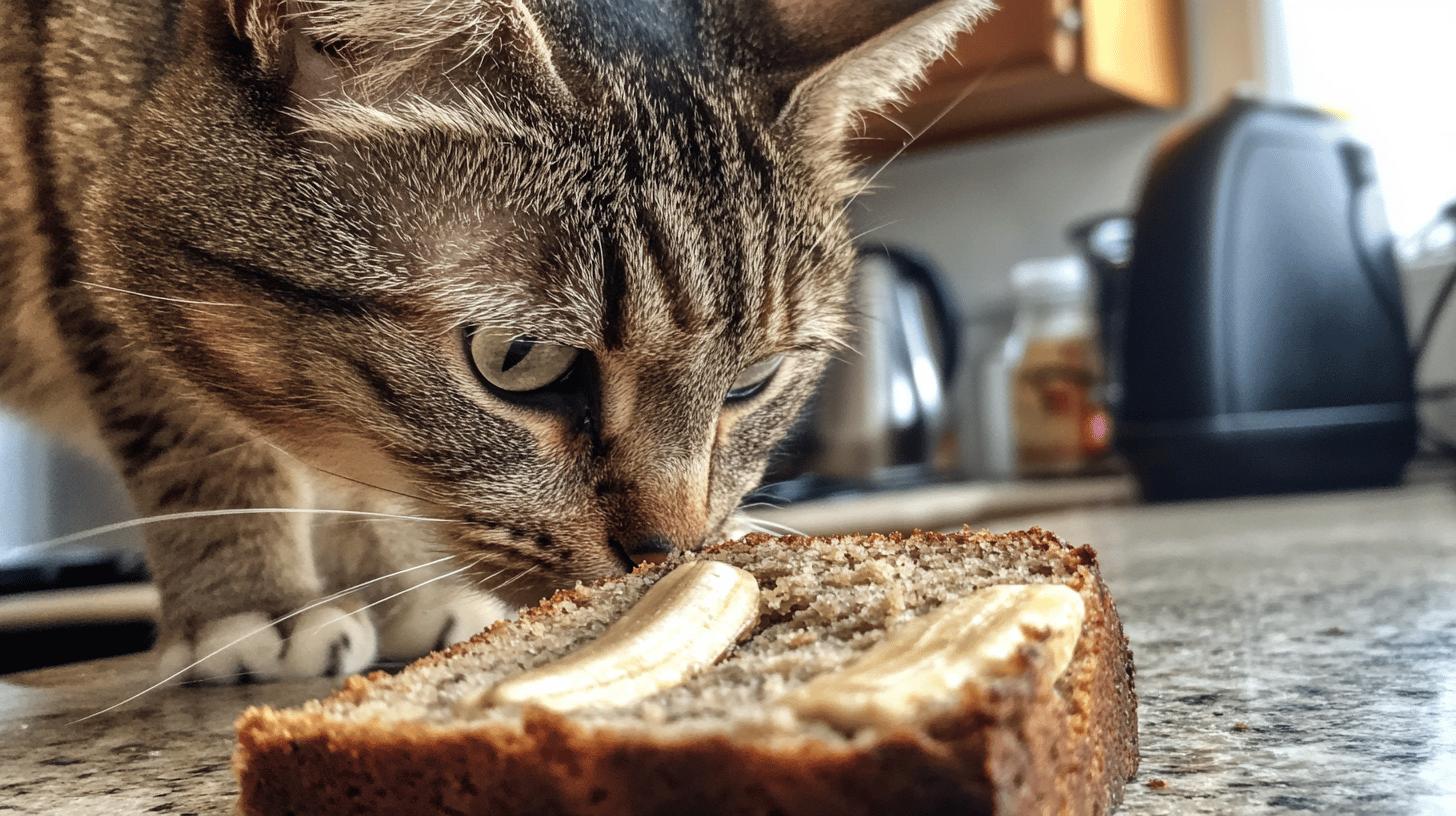
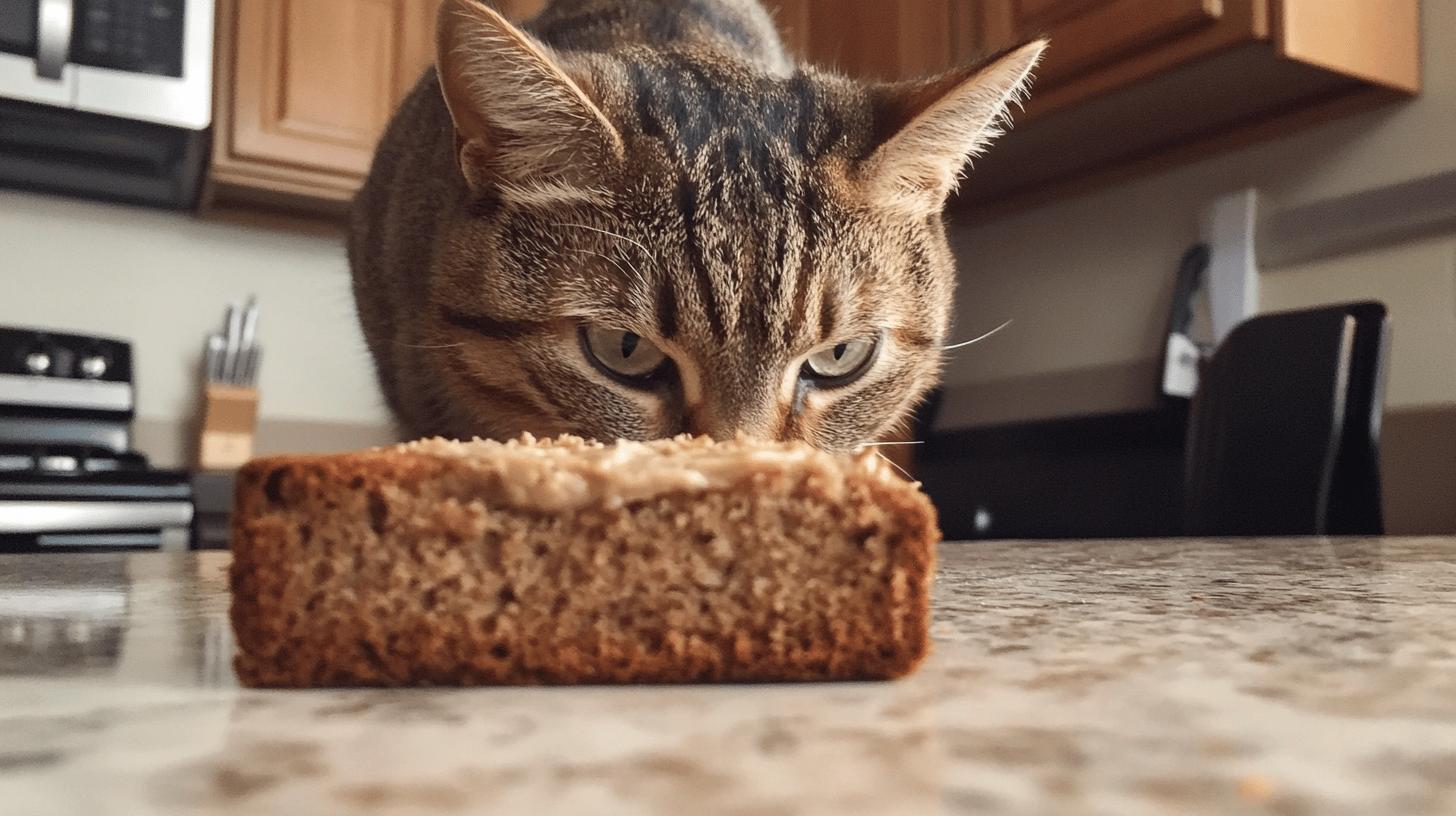
    Cats are obligate carnivores, which means their diet should be rich in proteins and low in carbohydrates. This makes banana bread an unsuitable food choice for them. While it may seem like a harmless treat, banana bread contains ingredients that can pose risks to your feline friend.

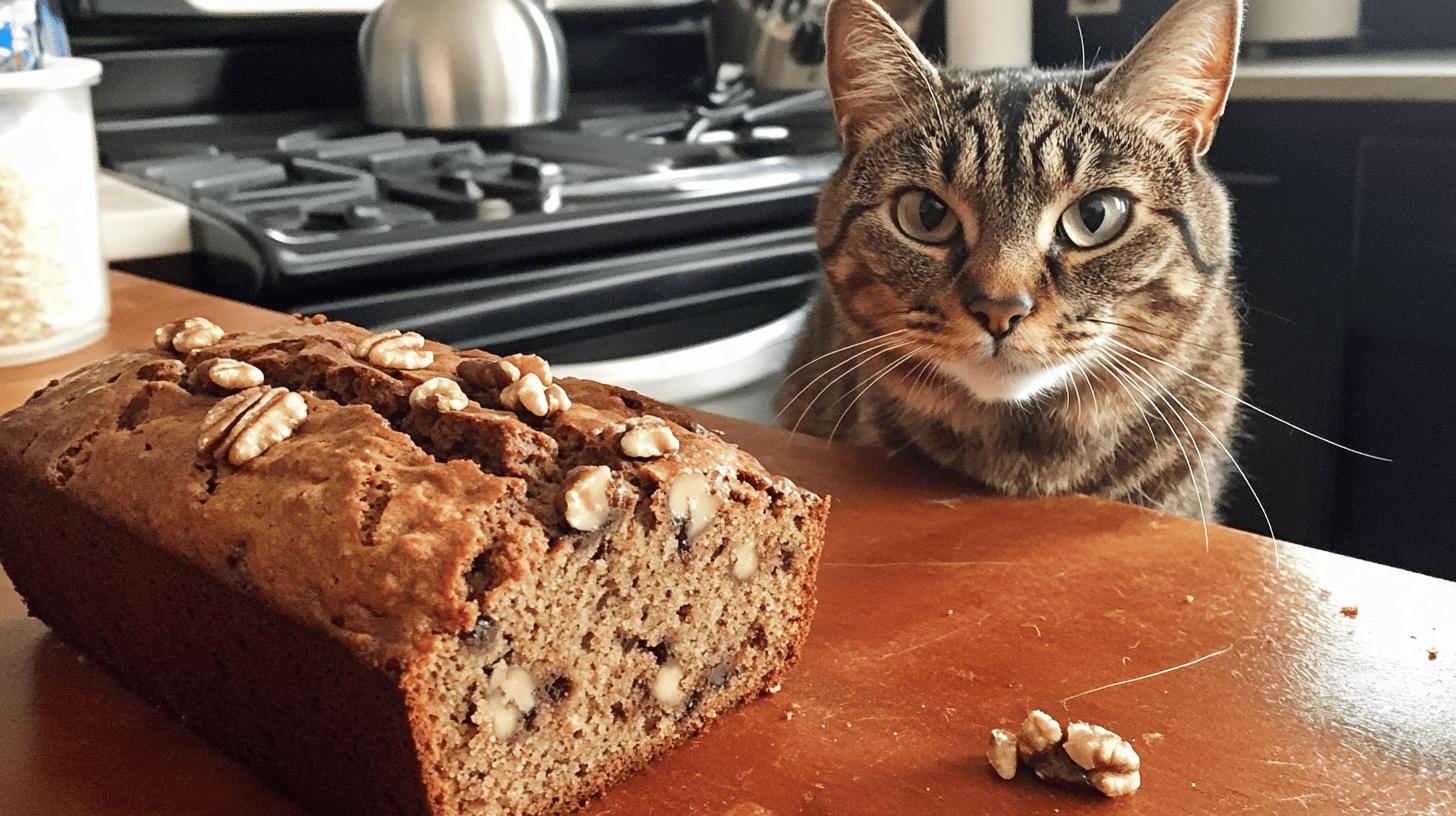
    Banana bread is often made with sugar, butter, and sometimes chocolate chips or nuts. These ingredients can be harmful to cats. Sugar and butter can lead to digestive issues, while chocolate chips contain theobromine, which is toxic to cats. Nuts, particularly walnuts, can also be harmful, leading to gastrointestinal upset or even more severe reactions.

    If your cat happens to nibble on some banana bread, it's important to watch for signs of discomfort. Symptoms like vomiting, diarrhea, or lethargy indicate that the bread is not agreeing with your cat's system. In such cases, consulting a veterinarian is crucial to address any potential health issues and ensure your cat's safety.

    When considering cat food dos and don'ts, banana bread clearly falls in the category of foods to avoid. Cats should receive their nutrients from a diet specifically tailored to their carnivorous needs. Keeping human treats like banana bread away from your cat can help maintain their health and well-being. Always prioritize their dietary requirements and consult with a vet if you're unsure about any food items.

    Common Ingredients in Banana Bread and Their Effects on Cats

    Common Ingredients in Banana Bread and Their Effects on Cats-1.jpg

    Banana bread might be a delightful treat for humans, but it's not suitable for our feline friends. Let's look at the ingredients that can be problematic for cats.

    • Flour: Not toxic, but offers no nutritional value. Cats struggle to digest plant-based foods.

    • Sugar: Cats lack taste receptors for sweetness. It can lead to obesity and digestive issues.

    • Butter: High fat content can upset a cat's stomach and contribute to weight gain.

    • Eggs: Only safe if cooked plain. In banana bread, they're mixed with other unsuitable ingredients.

    • Chocolate Chips: Contain theobromine, which is toxic to cats, leading to severe health issues.

    • Nuts: Walnuts and similar nuts might cause gastrointestinal upset or more severe reactions.

    Banana bread contains several ingredients that are unsafe for cats. Understanding these components helps avoid feeding mistakes. Always check human foods for potential toxins before letting your cat have a taste.

    Safe Alternatives to Banana Bread for Cats

    Safe Alternatives to Banana Bread for Cats-1.jpg

    Banana bread isn't a suitable treat for cats, but there are plenty of safe alternatives that cater to their dietary needs. It's important to choose treats that align with a cat's natural carnivorous diet. Here are some cat-safe treat options:

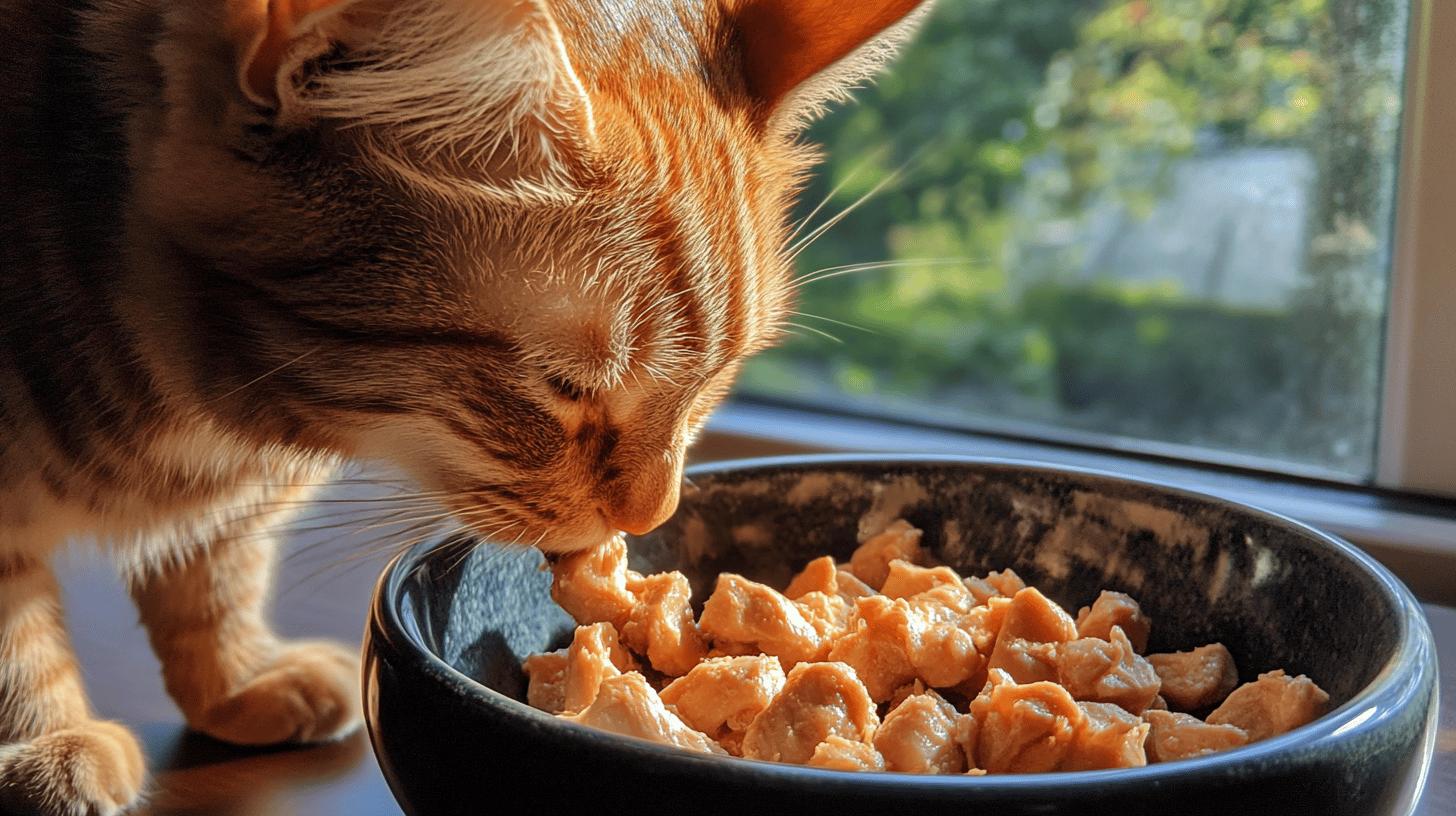
    • Small Pieces of Cooked Meat: Chicken, turkey, or beef, cooked plain without any seasoning, can be a delightful treat for your cat. These meats provide necessary proteins that are essential for their health.

    • Commercial Cat Treats: Specially formulated treats are available in pet stores designed to meet feline nutritional requirements. These are balanced for a cat's diet and often come in flavors that cats love.

    • Freeze-Dried Meat: Freeze-dried chicken or fish treats are a great alternative. They offer the taste cats crave and are rich in protein.

    • Cooked Eggs: A small piece of cooked egg can be a protein-rich snack. Make sure it's plain and fully cooked.

    • Canned Tuna or Salmon: In water and without added salt, these can be a tasty treat. Limit these treats due to their high fat content.

    Providing treats that fit a cat's dietary needs helps maintain their health and well-being. Moderation is key, even with safe treats. Offering too many can lead to an unbalanced diet and weight gain. Always ensure treats make up only a small portion of their overall diet. Prioritize a balanced diet through their regular cat food and consult with a veterinarian for any dietary concerns.

    Consulting a Veterinarian About Your Cat's Diet

    Consulting a Veterinarian About Your Cats Diet-2.jpg

    Maintaining a balanced diet is crucial for your cat's health, and veterinarians can be invaluable in offering expert cat nutrition advice. Consulting a vet helps ensure your cat receives the right nutrients tailored to their needs as obligate carnivores. Vets can create a balanced diet plan, taking into account your cat's age, weight, activity level, and any health concerns.

    Regular check-ups with your veterinarian are important for monitoring your cat's overall health and dietary needs. These visits provide an opportunity to discuss any changes in your cat's behavior or eating habits. A vet can identify potential dietary risks and recommend adjustments to maintain optimal health.

    Responsible cat care involves seeking professional advice when introducing new foods or treats. This can prevent health issues related to improper diets, such as obesity or nutrient deficiencies. By consulting with a vet, you can avoid feeding your cat unsuitable foods like banana bread, ensuring their diet supports a long, healthy life. Always prioritize your cat's well-being by making informed dietary choices with the help of your veterinarian.

    Final Words

    While banana bread might be a tempting treat, it's not right for cats. Cats need protein-rich diets and banana bread's ingredients don't meet those needs. Flour, sugar, butter, chocolate, and nuts can be harmful.

    Instead, turn to safe options like cooked meat or commercial cat treats that support their health. Always talk to a vet to address dietary concerns for your feline friend.

    By staying informed, you ensure your cat's safety and happiness. Keep exploring ways to provide the best care possible for your cat.

    FAQ

    Is it safe for cats to eat banana bread?

    A: It is not safe for cats to eat banana bread. The ingredients, like sugar and butter, don't meet their dietary needs. Chocolate chips or nuts in banana bread can also be toxic to cats.

    Can my cat eat banana muffins?

    A: Cats should not eat banana muffins. Like banana bread, muffins contain ingredients that are unsuitable and potentially harmful to cats.

    Can animals eat banana bread?

    A: Animals, especially cats, should avoid banana bread. It contains ingredients that don't align with their nutritional needs and can cause health issues.

    Is it OK for cats to eat bananas?

    A: Cats can have small amounts of banana as an occasional treat, but it shouldn't be a regular part of their diet.

    Can kittens eat banana?

    A: Kittens should not eat bananas regularly. Stick to a diet formulated for their growth needs.

    Can cats eat bread?

    A: Cats can have plain bread in small amounts, but it's not ideal due to their carnivorous diet.

    Can cats eat walnuts?

    A: Cats should not eat walnuts, as they can be toxic and cause digestive issues.

    Can cats eat banana peels?

    A: Cats should not eat banana peels. They are hard to digest and offer no nutritional benefits.

    Related Articles

  • Can Cat Eat Ice Safety Tips and Benefits Explained

    Can Cat Eat Ice Safety Tips and Benefits Explained

    Can cats eat ice? This might sound like an odd question, but it's one cat owners frequently wonder about. Yes, cats can enjoy ice, but we need to be careful. When summer heat hits, cooling off can be great, and ice cubes offer hydration boosts. Yet, there's more to consider than just benefits. Ice poses potential choking hazards and dental risks. So, how can we safely let our cats have a frosty treat? Let's explore the do's and don'ts that ensure a safe and fun experience for your furry friend.

    Can Cats Eat Ice? Understanding Ice Safety and Benefits

    Can Cats Eat Ice Understanding Ice Safety and Benefits-1.jpg

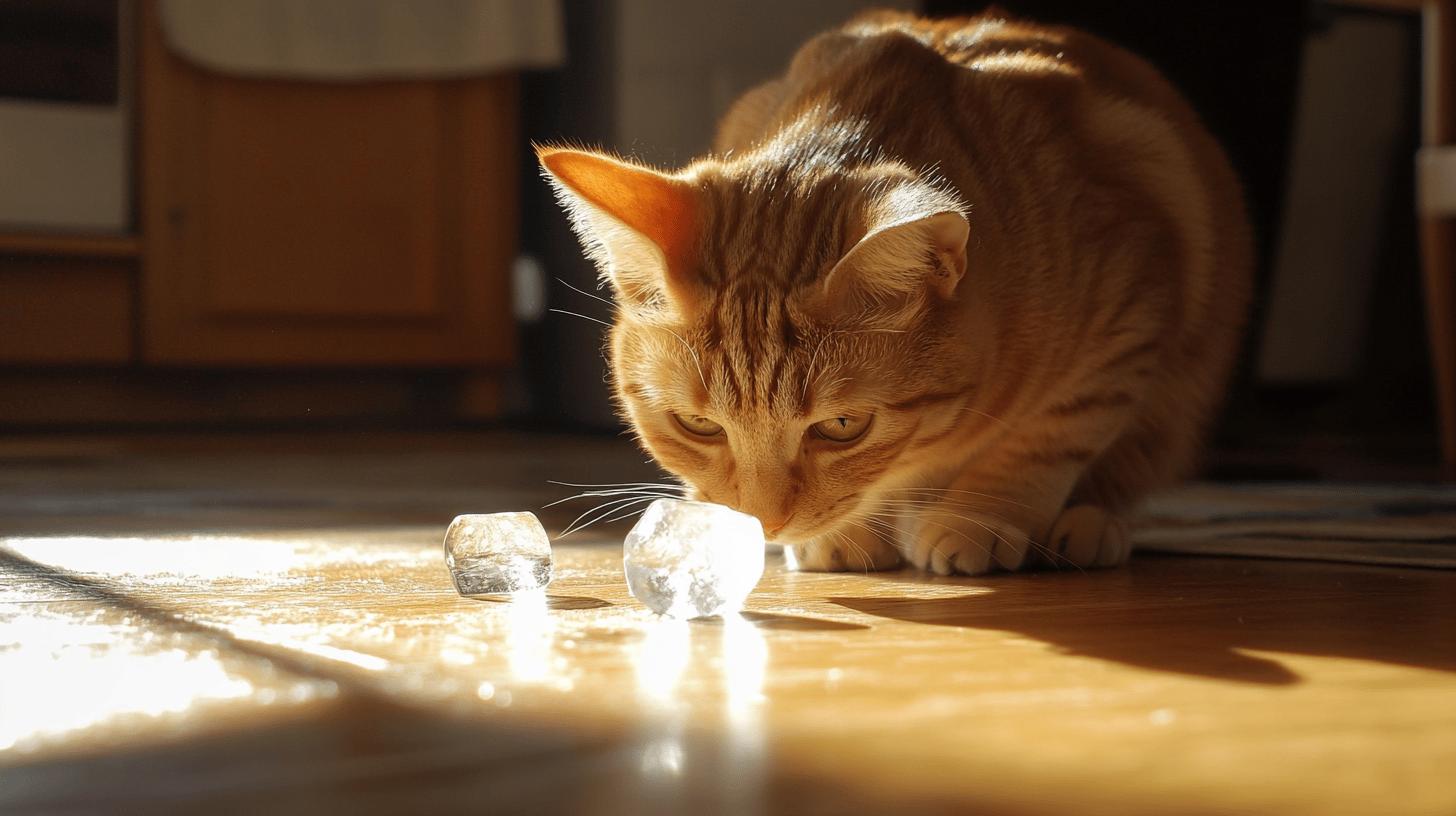
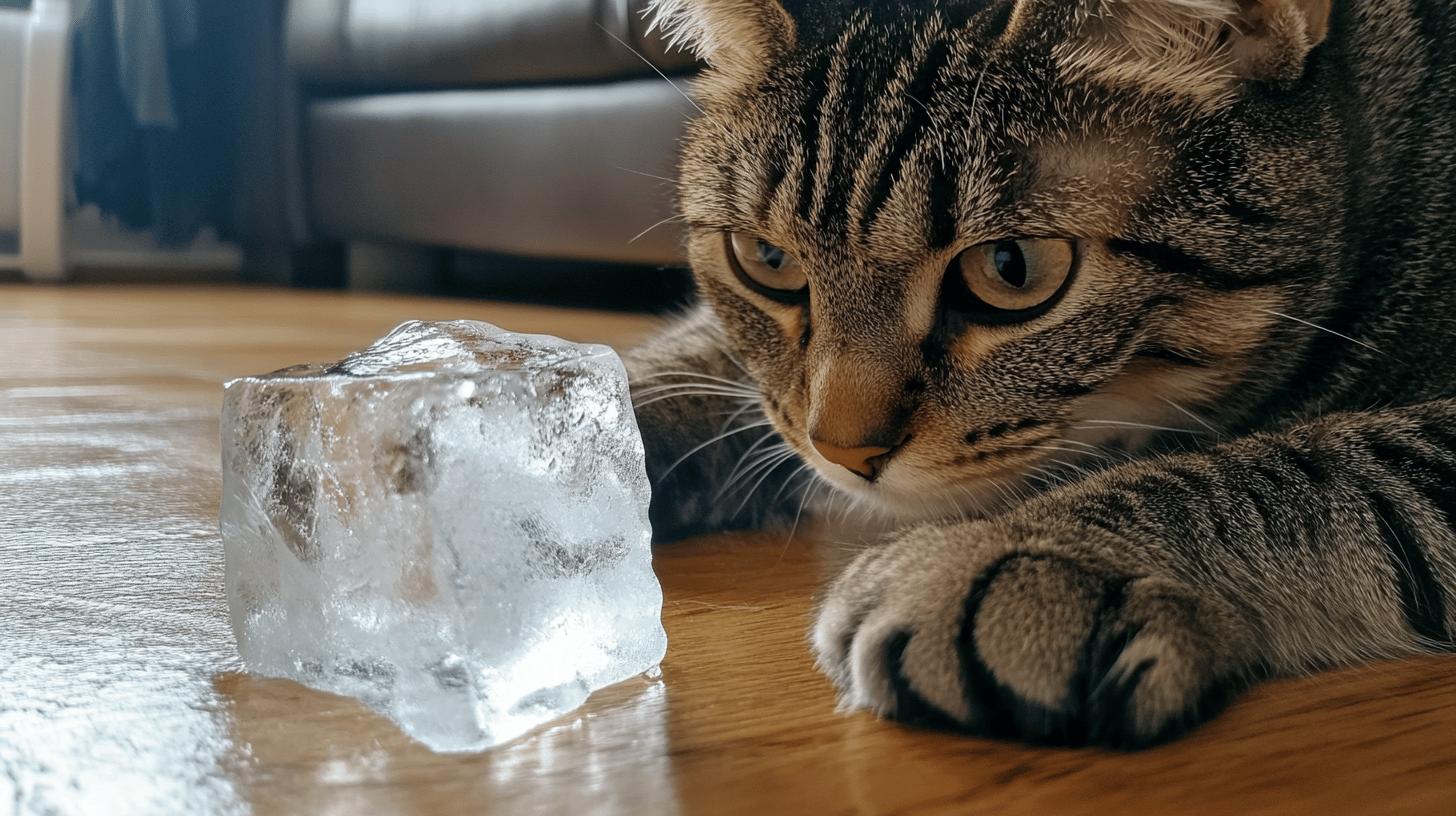
    Yes, cats can eat ice, but it's important to consider both safety and potential benefits. Ice cubes can be fun and hydrating for cats, yet they also present risks. The key benefits of offering ice include hydration and cooling, particularly during warmer months. However, ice can pose choking hazards and lead to dental damage if not managed properly.

    Supervision is crucial when offering ice to cats. It's important to ensure that the ice cubes are an appropriate size for the cat, reducing the risk of choking. Observing how your cat interacts with ice can help you adjust the way you offer it, making the experience both safe and enjoyable.

    • Hydration: Ice can encourage cats to drink more water, which is vital for their health.
    • Cooling: During hot weather, ice can help cats cool down.
    • Choking Hazard: Small cats or kittens may choke on large ice cubes.
    • Dental Issues: Chewing hard ice can lead to tooth fractures.
    • Mental Stimulation: Ice provides engagement by mimicking prey behavior.
    • Sensory Attraction: The sound and movement of ice can captivate a cat's curiosity.

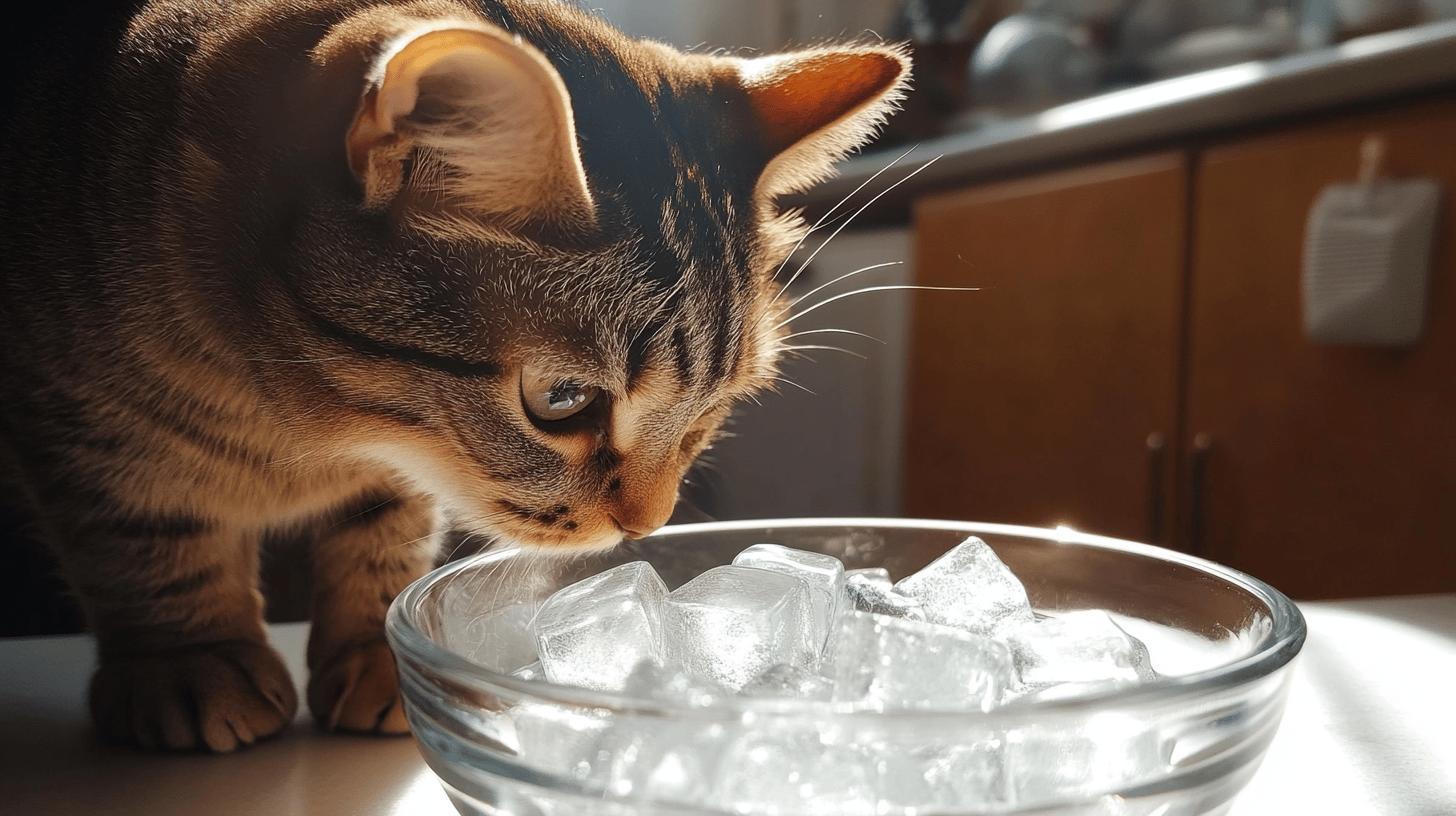
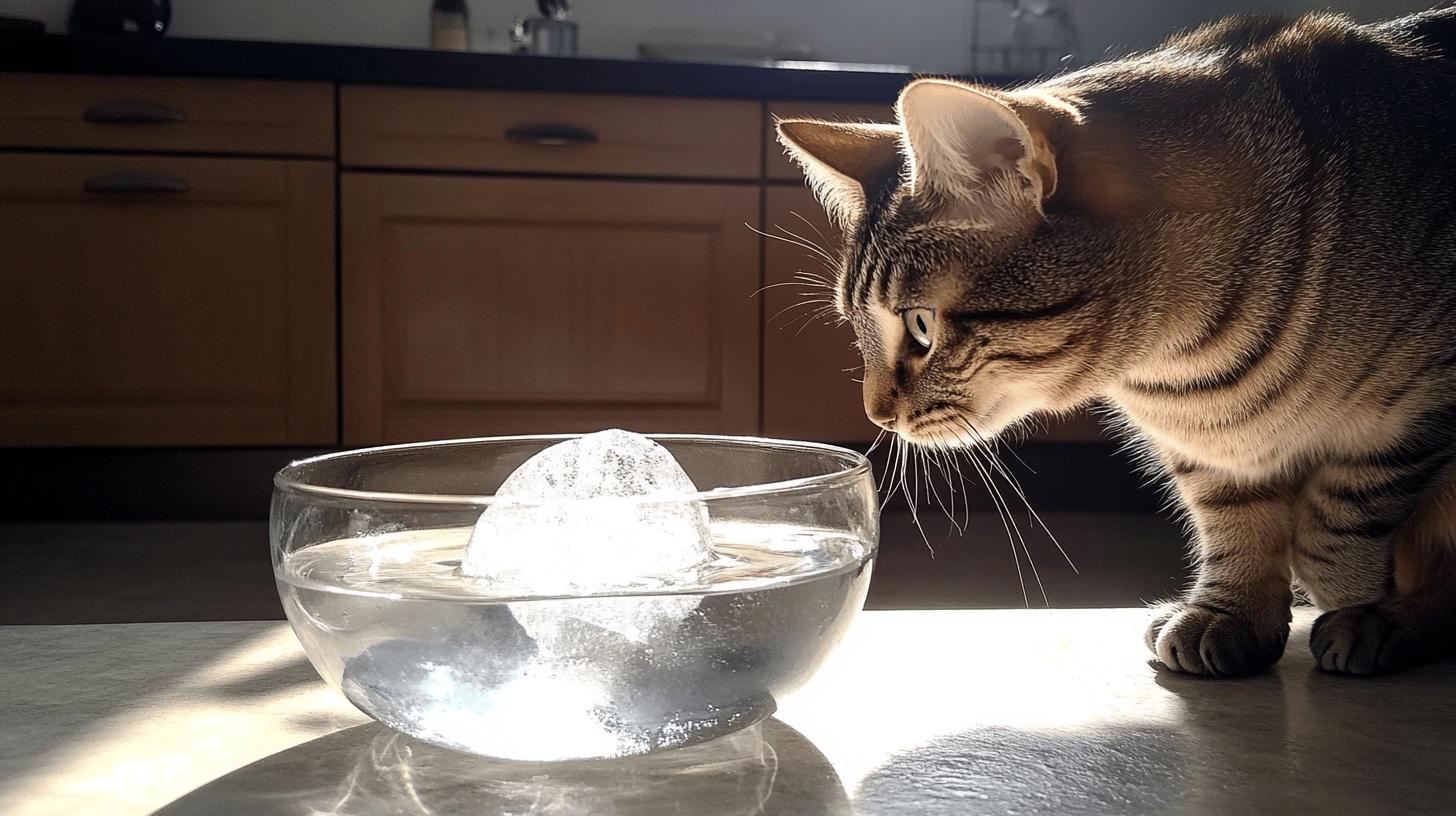
    To offer ice safely, consider using smaller ice pieces or crushed ice for kittens and smaller cats to make them easier to manage. Offer ice in a shallow dish or in the cat's water bowl, and always supervise to prevent any mishaps. Some cats may prefer licking the ice rather than chewing it, which can also mitigate dental risks.

    Experts suggest that while ice can be a fun treat, it's not essential for a cat's hydration. Regular access to fresh water is the most important factor in keeping your cat hydrated. If your cat enjoys ice, it can be used occasionally to make water more interesting, but always with safety in mind.

    How to Safely Offer Ice to Your Cat

    How to Safely Offer Ice to Your Cat-1.jpg

    Offering ice to your cat can be fun and refreshing, but safety is key. Always supervise your cat to prevent choking or dental issues. Use appropriately sized ice cubes and try placing them in a shallow dish or their water bowl. This way, you can observe how comfortable they are. Some cats enjoy licking ice, which reduces dental risks while still offering hydration benefits.

    For kittens or smaller cats, crushed ice or small ice chips are ideal. They are easier to handle and reduce choking hazards. Experiment with different forms to see what your cat prefers. This ensures they enjoy the cooling effect while staying safe.

    Playful Ice Activities

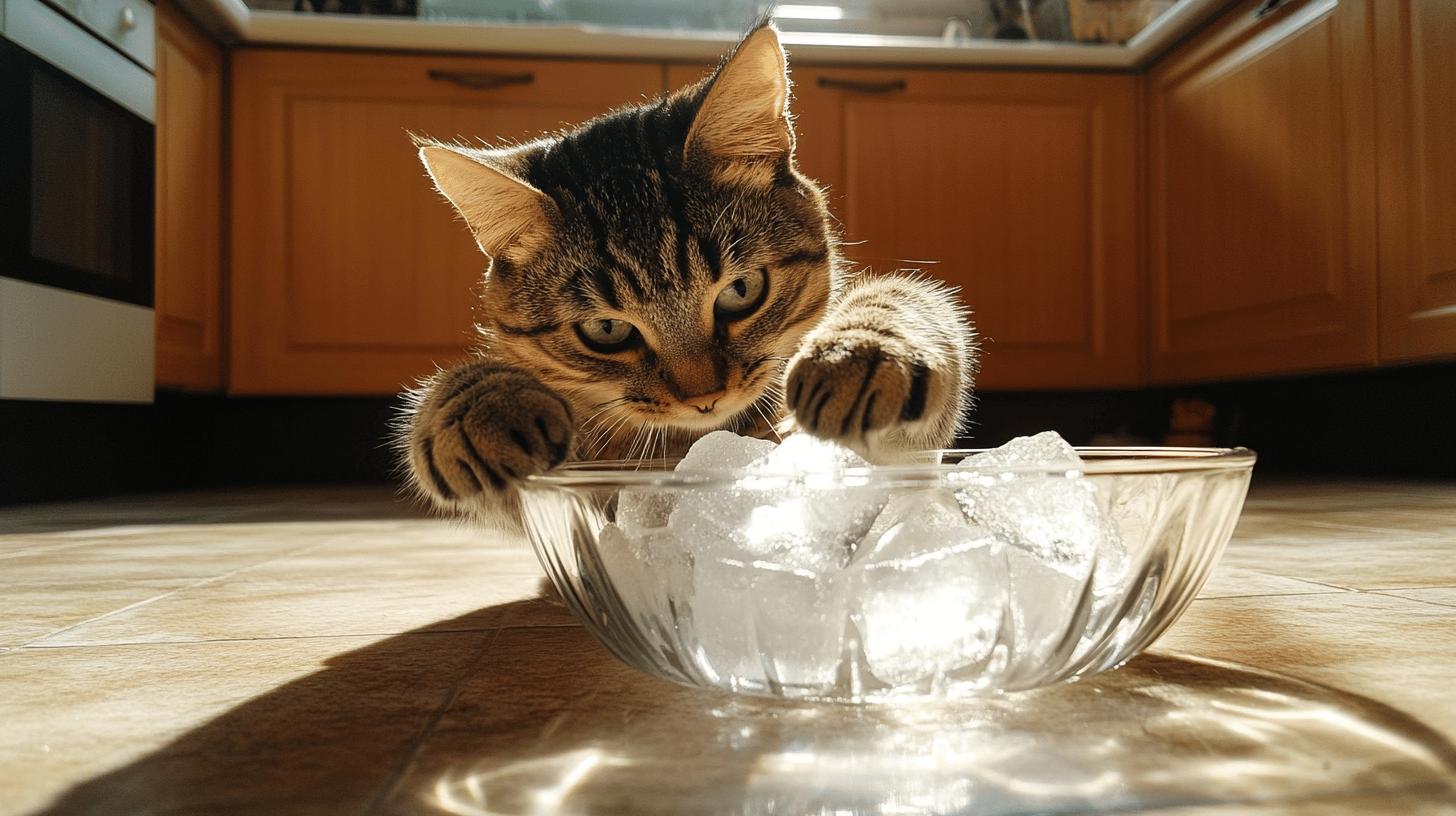
    Engage your cat with ice for a stimulating experience. Place ice cubes in a shallow bowl for them to bat around, mimicking prey behavior. This provides mental stimulation. Ensure the play area is safe to prevent slipping or other mishaps, and always supervise.

    Beyond ice, consider alternatives for hydration. Wet cat food adds moisture, and water fountains encourage cats to drink more. These options offer hydration without the risks associated with ice, ensuring your cat stays hydrated and entertained. Always have fresh water available for them.

    Understanding Cat Hydration and Ice

    Understanding Cat Hydration and Ice-1.jpg

    Cats need adequate water intake for their well-being, with bodies composed of 60-70% water. Ice introduces a unique sensory experience that can entice cats to drink more. The cooling effect and movement of ice cubes can stimulate a cat's natural curiosity, encouraging them to play and, ultimately, hydrate.

    Hydration Method Benefits
    Ice Cubes Stimulates curiosity, provides cooling effect
    Wet Cat Food Boosts moisture intake through diet
    Running Water Fountain Encourages drinking through flowing water
    Fresh Water Bowl Accessible source for daily hydration

    Try adding ice cubes to your cat's water bowl to make drinking more engaging. Wet cat food can significantly boost their moisture intake. Running water fountains often attract cats with the allure of flowing water. Always maintain a fresh water bowl for easy access. These strategies support your cat's hydration needs effectively.

    Myths and Misconceptions About Ice for Cats

    Myths and Misconceptions About Ice for Cats-1.jpg

    A common myth is that all cats universally dislike ice. In reality, many cats enjoy interacting with ice cubes, often licking them for a refreshing feel. There's a misconception that ice is inherently harmful to cats. While there are risks of choking and potential dental issues, these can be managed with proper supervision. Some dismiss ice's potential benefits, like stimulation and hydration.

    • Cats universally dislike ice.
    • Ice is inherently harmful to all cats.
    • Ice offers no benefits to cats.

    Cats' reactions to ice can vary widely, reflecting their unique personalities and experiences. Some are drawn to the sound and movement of ice cubes, which mimic prey allure. Others associate ice with positive experiences, like treats from the fridge. Recognizing each cat's uniqueness helps ensure interactions with ice are safe and enjoyable.

    Final Words

    Exploring if a cat can eat ice reveals both fun and potential hazards. Ice cubes can hydrate and entertain cats, promoting cooling during hot days. Supervision is key to prevent choking or dental damage. Options like crushed ice or alternative hydration methods can safely introduce your feline to ice play.

    Understanding hydration's importance helps ensure your cat always has enough water. Debunking myths about cats and ice shows each cat is unique in its preferences. Keep an eye on your pet, and enjoy watching your cat delight in icy play.

    FAQ

    Is it okay for cats to eat ice?

    Ice can be safe for cats but requires supervision. It can be a choking hazard and might damage teeth. It can also encourage hydration and help cats cool down.

    Can I let my cat lick ice?

    Letting a cat lick ice is generally safe if supervised. Licking can help keep a cat cool and encourage hydration without the risks associated with chewing.

    Can I give ice cubes to my cat?

    You can give ice cubes to cats as long as you supervise them. Use crushed ice for kittens or smaller cats to reduce choking hazards.

    Is it OK to put ice in a cat's water bowl?

    It is okay to put ice in a cat’s water bowl. It can encourage your cat to drink more. Just make sure the ice isn't too large to prevent choking.

    Do cats like ice cubes in their water?

    Many cats enjoy ice cubes in their water. It might attract their curiosity and encourage them to drink more, though individual preferences vary.

    Can cats eat ice cream?

    Cats shouldn't eat regular ice cream. It contains dairy and sugar, which aren't good for them. You can offer ice cream formulated for cats if desired.

    Can cats have Italian ice?

    Cats should avoid Italian ice due to sugar and artificial flavors that aren't suitable for them. Stick to safer alternatives like plain ice cubes.

    Related Articles

  • Can Cat Eat Raw Ground Beef Safety and Nutritional Insights

    Can Cat Eat Raw Ground Beef Safety and Nutritional Insights

    Is it safe for cats to munch on raw ground beef like a mini lion on the prowl? This tempting idea, packed with protein, may seem like a nod to their wild instincts. Yet, there's more beneath the surface. The threat of harmful bacteria like Salmonella and E. coli lurking in raw meat can endanger both felines and their human companions. As we dig deeper, we’ll explore the balance between safety and nutrition, unraveling whether raw beef can truly be a healthy choice for your feline friend.

    Comprehensive Safety and Nutritional Considerations of Feeding Raw Ground Beef to Cats

    Comprehensive Safety and Nutritional Considerations of Feeding Raw Ground Beef to Cats-1.jpg

    Feeding raw ground beef to cats can seem appealing due to its high protein content. However, it's crucial to understand the potential risks involved. Raw beef safety for cats hinges on the threat of bacteria in raw meat, such as Salmonella and E. coli, which can cause serious foodborne illnesses. Not only do these bacteria pose health risks to cats, but they can also be transmitted to humans, making it essential to handle raw meat with care.

    Specific Bacteria Risks:

    • Salmonella contamination can lead to severe gastrointestinal issues.
    • E. coli in beef poses a risk of kidney failure and other health complications.
    • Listeria, another potential contaminant, can cause severe infections.
    • Campylobacter can result in diarrhea and dehydration.
    • Cross-contamination with these bacteria can spread to humans, especially if proper hygiene isn't maintained.

    When considering the nutritional content of raw ground beef, it's important to note what's missing. Although raw beef is rich in protein, with 14 grams per 100 grams, it may not provide a complete dietary solution for cats.

    Nutritional Gaps:

    • Lack of taurine, a crucial amino acid for heart and eye health.
    • Deficient in essential vitamins like A and D, which support immune functions.
    • Missing calcium, vital for bone health, especially in growing kittens.
    • Inadequate balance of omega fatty acids, necessary for a healthy coat and skin.

    The risks are heightened for kittens. Their developing immune systems make them particularly susceptible to bacterial infections from raw meat. Feeding them raw ground beef without proper nutritional supplementation can lead to deficiencies that stunt growth and affect overall health.

    Before deciding if a cat can eat raw ground beef, consider the potential need for supplements to create a balanced diet. Consulting with a veterinarian can help determine the best course of action, ensuring that all nutritional needs are met while minimizing health risks.

    Vet Recommendations on Raw Diets for Cats

    Vet Recommendations on Raw Diets for Cats-3.jpg

    Veterinarians generally advise caution with raw diets for cats due to health risks like bacterial contamination and nutrient deficiencies. While raw ground beef offers protein, it often lacks essential nutrients like taurine, leading to potential health issues. Incorporating raw foods requires proper knowledge and preparation to ensure a balanced diet.

    Consulting a vet is crucial when considering a raw diet. Vets can recommend specific supplements or additional ingredients to fill nutritional gaps. Individual dietary strategies might be suggested based on a cat's unique needs, ensuring all nutritional requirements are met for optimal health.

    Safe Preparation, Handling, and Comparisons of Raw Ground Beef for Cats

    Safe Preparation, Handling, and Comparisons of Raw Ground Beef for Cats-1.jpg

    Handling raw ground beef safely is crucial to protect both your cat and yourself from bacterial risks like Salmonella and E. coli. Using fresh meat and maintaining cleanliness are key to minimizing contamination.

    • Use Fresh Meat: Choose high-quality, fresh ground beef to reduce bacteria.
    • Maintain Cleanliness: Thoroughly wash hands, utensils, and surfaces before and after handling.
    • Store Correctly: Refrigerate or freeze beef to prevent bacterial growth.
    • Thaw Safely: Thaw in the refrigerator, not at room temperature.
    • Prevent Cross-Contamination: Use separate tools for raw meat.
    • Portion Carefully: Serve only what can be eaten in one sitting.

    Cooking beef for your cat can eliminate harmful bacteria, making it a safer choice than raw. Still, raw diets may need supplements to provide essential nutrients like taurine and calcium.

    • Nutritionally Balanced: Meets dietary needs without guesswork.
    • Safety: Free from bacteria, providing peace of mind.
    • Convenience: Easy to store and serve.
    • Variety: Offers different flavors and formulations.

    Switching diets should be gradual to monitor any reactions. Consider your cat's needs and consult a vet to ensure their diet is safe and balanced.

    Final Words

    Understanding the safety and nutrition of raw ground beef for cats involves weighing risks like bacterial contamination against its protein content. Although raw beef offers high protein, it may fall short on nutrients. A vet can guide and suggest necessary supplements for a balanced meal. Safe preparation is a must, ensuring meat is fresh and handled hygienically. While raw diets are popular, commercial foods can offer balanced nutrition without health risks. Cats deserve safe, fulfilling diets, whether through raw beef or vetted alternatives.

    FAQ

    Is it safe to feed cats raw ground beef?

    Feeding raw ground beef to cats risks bacterial contamination, including Salmonella and E. coli. This can cause illness in cats and humans. Consider vet advice and balanced nutrition for safety.

    What kind of raw meat is safe for cats?

    The safe raw meat for cats includes properly sourced and handled cuts free from bacteria. Always consult a vet for guidance on safe feeding practices.

    Can cats have a little ground beef?

    Cats can have small amounts of ground beef as an occasional treat. Ensure it's plain and cooked to avoid bacterial risks.

    How do I prepare ground beef for my cat?

    To prepare ground beef for cats, cook it thoroughly, let it cool, and ensure it's free from seasoning.

    Raw meat diet for cats: benefits and risks?

    Cats on a raw meat diet get high protein but risk bacteria like Salmonella. Balanced nutrition and vet consultation are crucial for safety.

    Can cats eat cooked ground beef?

    Cats can eat cooked ground beef as it eliminates bacteria. Ensure plain preparation and moderation for balanced nutrition.

    Can cats eat raw chicken or egg?

    Cats can eat raw chicken or eggs, but vet consultation is key due to bacterial risk. Proper preparation minimizes health concerns.

    Can I feed my cat raw meat from the grocery store?

    Feeding grocery store raw meat to cats isn't recommended due to bacteria. Seek vet advice and consider nutritional balance.

    What is the healthiest raw cat food?

    The healthiest raw cat food is balanced, safe from bacterial risks, and approved by a vet. Store-bought options often offer controlled nutrition.

    What's the healthiest store-bought cat food?

    Healthiest options mimic a natural diet, balancing protein, fats, and nutrients. They reduce sick risks with strict quality controls.

    Related Articles

  • Can Cat Eat Cheerios Safely and What Are the Risks

    Can Cat Eat Cheerios Safely and What Are the Risks

    Ever wondered if that stray Cheerio rolling across your kitchen floor is safe for your feline friend? While it might seem harmless, feeding cats Cheerios isn't something I'd advise. Sure, they won't harm them immediately, but they don't support their nutritional needs. Cats are obligate carnivores—they need meat, not grains. If your cat munches on a few, it's likely fine. But regularly feeding them this carb-heavy cereal could upset their stomachs and lead to health issues. Is it worth the risk? Let's find out.

    Can Cats Safely Eat Cheerios?

    Can Cats Safely Eat Cheerios-1.jpg

    Cats can eat Cheerios without immediate harm, but it's not something I'd recommend. While Cheerios are not toxic, they offer no nutritional benefits for our feline friends. Cats are obligate carnivores, meaning their diet thrives on meat and animal proteins. Cheerios, on the other hand, are primarily made of carbohydrates, which can be challenging for cats to digest.

    The main issue with Cheerios lies in their nutritional profile. They lack essential amino acids and nutrients that cats need for optimal health. Feeding your cat Cheerios regularly can lead to digestive difficulties due to their high carbohydrate content. Cats are not designed to break down these carbs efficiently, which can result in upset stomachs or digestive distress.

    If your cat happens to nibble on a Cheerio or two, there's no need to panic. Small amounts are unlikely to cause any harm. However, if Cheerios become a regular part of your cat's diet, there could be health risks. Regular consumption might contribute to obesity and other related health issues, given the high-carb, low-protein nature of the cereal.

    In conclusion, while a few Cheerios won't harm your cat, it's best to avoid making them a staple treat. Stick to foods that align with a cat's natural dietary needs, focusing on protein-rich options to keep your furry friend healthy and happy.

    Cheerios, Cat Digestion, and Health Risks

    Cheerios, Cat Digestion, and Health Risks-1.jpg

    Cheerios, though popular among humans, pose specific risks to cats due to certain ingredients and flavors. While cats are obligate carnivores needing animal proteins, Cheerios are carbohydrate-heavy and lack essential nutrients. Chocolate-flavored Cheerios contain cocoa and theobromine, which are toxic to cats and can cause severe health issues.

    Problematic Cheerios ingredients for cats include:

    • Added sugars
    • Sugar replacements
    • Cocoa and theobromine (in chocolate Cheerios)

    These ingredients can lead to serious health complications, highlighting the importance of sticking to cat-specific foods.

    Exploring Alternatives to Cheerios for Cats

    Exploring Alternatives to Cheerios for Cats-1.jpg

    Aligning treats with a cat's natural diet is crucial for their health and well-being. Cats are obligate carnivores, which means their bodies are designed to thrive on animal proteins rather than grains or carbohydrates. While Cheerios might seem like a harmless snack, they don't meet a cat's nutritional needs. Instead, choosing treats that are both nutritious and safe is a better approach.

    Here are some recommended alternatives:

    • Small chunks of cooked meat or fish: These provide essential amino acids and proteins that are vital for a cat's health. They're also a tasty treat that aligns with a cat's natural dietary preferences.
    • Low-lactose cheese: A good source of protein and calcium, but should be given in moderation to ensure it doesn't upset a cat's digestive system.
    • Blueberries: These are safe for cats in small amounts and offer antioxidants that can support a healthy immune system.
    • Melons: A hydrating treat, melons can be a refreshing snack in hot weather. Just ensure the seeds are removed before offering them to your cat.
    • Shredded carrots: These can be a fun and crunchy treat, offering a bit of fiber and vitamins, although they should only be an occasional snack.

    Choosing cat-specific snacks over human foods like Cheerios is key to maintaining a healthy diet for your feline friend. Treats should complement your cat's primary diet and support their nutritional needs. By offering options that are more in line with what cats naturally eat, you help ensure their health and happiness.

    Veterinarian Advice on Feeding Cats Cheerios

    Veterinarian Advice on Feeding Cats Cheerios-1.jpg

    Veterinarians caution against feeding Cheerios to cats, not because they are toxic, but due to their lack of nutritional value. Cheerios are high in carbohydrates and low in essential nutrients, which do not align with the dietary needs of obligate carnivores like cats. The primary concern is that regular consumption could lead to health issues over time.

    Instead of repeating the same details, veterinarians suggest focusing on protein-rich treats that align with a cat's nutritional requirements. These treats should support a cat's health and make up no more than 10% of their diet, ensuring their main nutritional needs come from their regular food.

    For those looking for specific recommendations, consult a veterinarian. They can provide personalized advice tailored to your cat’s unique health needs, helping you make informed feeding choices.

    Final Words

    Cats can eat Cheerios, but they don't gain much from it. Cheerios lack the protein cats thrive on and can cause digestive problems if eaten regularly. It's best to stick with cat-friendly foods that meet their nutritional needs.

    Healthy alternatives like chunks of meat, low-lactose cheese, and certain fruits and veggies work better. They help keep your cat healthy without risking issues like obesity or diabetes.

    Veterinarians recommend prioritizing a balanced diet for your cat. Keeping treats to a minimum ensures your feline friend stays happy and healthy. Choose wisely, and enjoy playtime with a well-fed kitty!

    FAQ

    Are Cheerios safe for cats to eat?

    Cats can eat Cheerios without immediate harm, but they offer no nutritional benefits. Regular consumption can cause health problems due to high carbs and added sugars.

    Why does my cat like Cheerios?

    Some cats might find the texture or taste of Cheerios appealing, but it's best to limit intake since they're not beneficial for cats.

    Can cats eat multigrain Cheerios?

    Multigrain or regular Cheerios do not provide essential nutrients for cats and could pose health risks if consumed frequently.

    What human food can cats eat?

    Cats can safely eat small amounts of cooked meat or fish, some fruits like blueberries, and low-lactose cheese.

    Are Cheerios safe for pets?

    While not toxic, Cheerios contain grains and sugars that aren't ideal for pet nutrition and can cause health issues over time.

    What cereals can cats eat?

    Cats should avoid cereals, as they lack the animal proteins cats need and can contribute to obesity and diabetes.

    What animals can eat Cheerios?

    Some animals like birds or rodents may eat Cheerios in moderation, but they aren't a suitable dietary staple.

    Can cats eat cheese?

    Yes, in small amounts, low-lactose cheese can be a treat for cats, but it shouldn't replace their regular diet.

    What are the health risks of feeding Cheerios to cats?

    Feeding Cheerios can lead to obesity, diabetes, heart disease, cancer, and digestive distress due to high sugar and carb content.

    What are better treats than Cheerios for cats?

    Choose treats like cooked meat or fish, low-lactose cheese, blueberries, melons, or shredded carrots for a cat-friendly snack.

    What Cheerios ingredients are problematic for cats?

    Problematic ingredients include added sugars, sugar replacements, and theobromine in chocolate Cheerios, which is toxic.

    What veterinarian advice is there on feeding cats Cheerios?

    Experts advise avoiding Cheerios and sticking to a diet rich in animal proteins. Treats shouldn't exceed 10% of a cat's diet.

    Related Articles