Category: Cat Behavior

  • Why Cat Is Always Hungry Understanding Causes and Solutions

    Why Cat Is Always Hungry Understanding Causes and Solutions

    Does your cat always seem to be begging for more food no matter how much you feed them? This constant hunger is not just an adorable quirk; it might be a signal that something is wrong. Understanding why your cat is always hungry is crucial for their health and well-being. In this article, we’ll explore the possible causes of your cat’s insatiable appetite and provide practical solutions. From medical conditions to dietary needs and lifestyle adjustments, we’ll help you ensure your furry companion is both happy and healthy.

    Common Reasons Why Your Cat Is Always Hungry

    Common Reasons Why Your Cat Is Always Hungry-1.jpg

    Persistent hunger in cats can be more than just an amusing quirk; it may signal underlying health issues that need attention. When a cat constantly seeks food, it’s crucial to identify the cause to ensure their well-being. Ignoring these signs can lead to more significant health problems. Recognizing symptoms and consulting a veterinarian is essential for diagnosing and treating any potential issues that might be contributing to your cat’s constant hunger.

    Medical conditions are often at the root of frequent hunger in cats. Hyperthyroidism, diabetes, and gastrointestinal disorders are among the primary culprits. Hyperthyroidism leads to increased hunger as it accelerates the cat’s metabolism, causing weight loss despite an increased appetite. Diabetes affects insulin regulation, resulting in the inability to use glucose efficiently, which can also cause a cat to feel hungry more often. Gastrointestinal disorders such as inflammatory bowel disease prevent proper nutrient absorption, leaving a cat feeling unsatisfied even after meals. These medical causes require detailed exploration in the subsequent section for a comprehensive understanding.
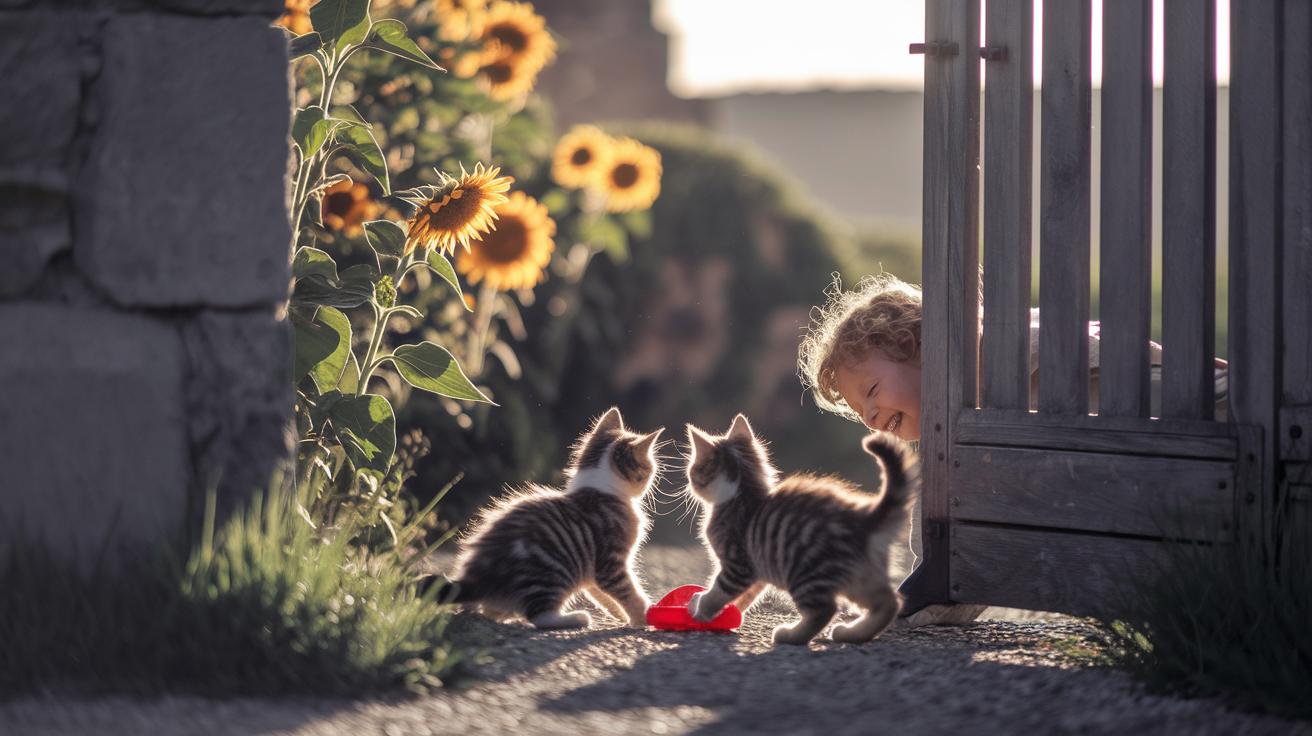
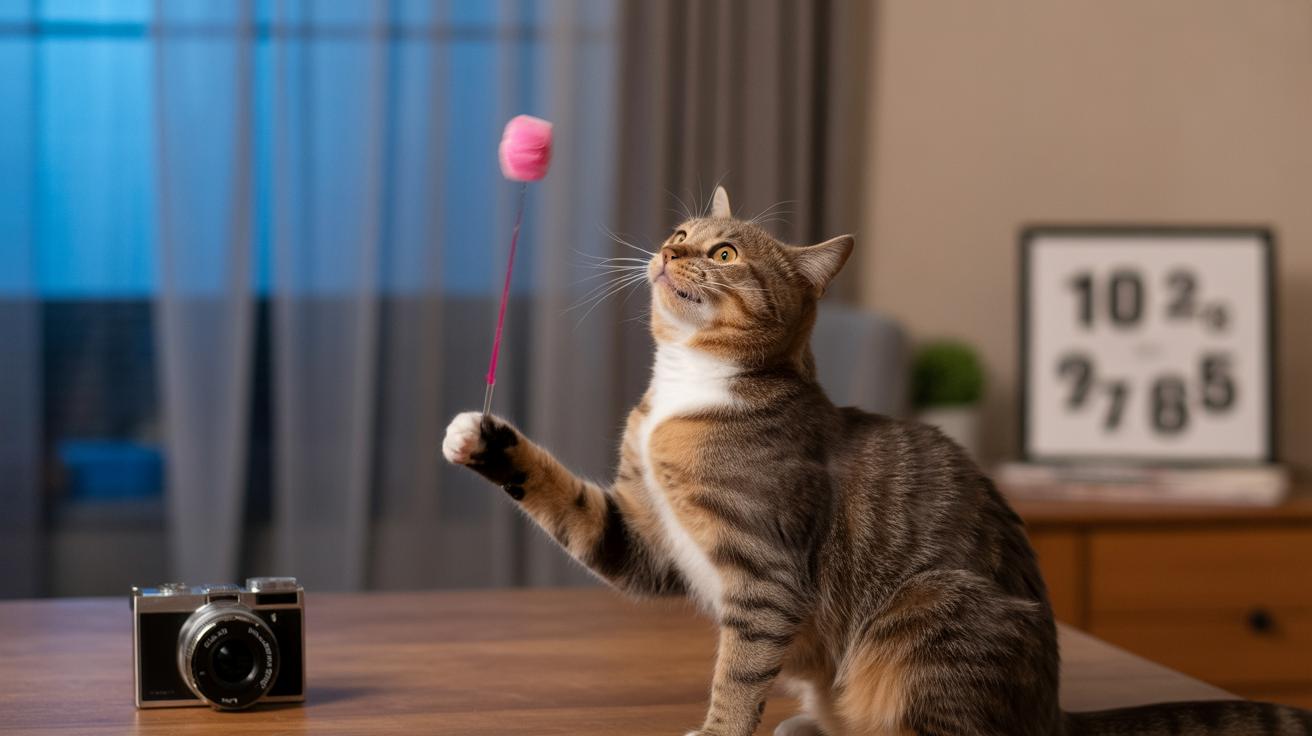
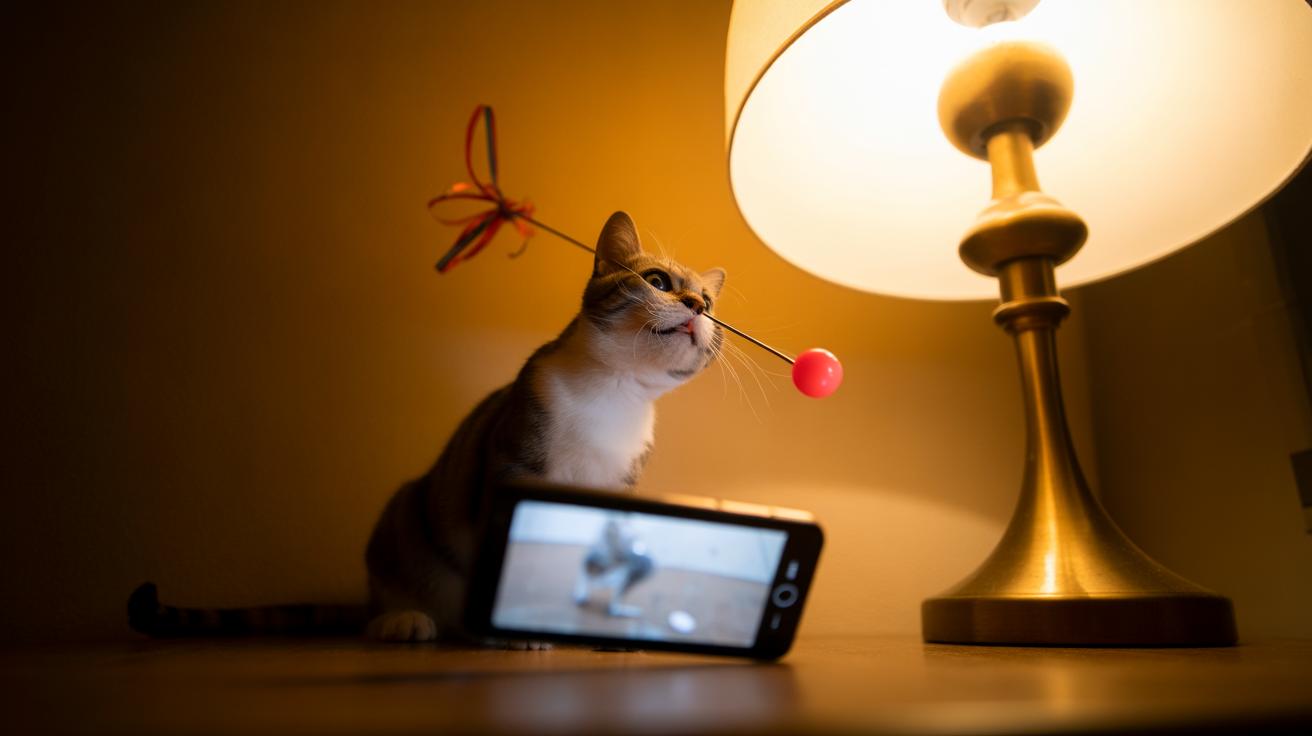
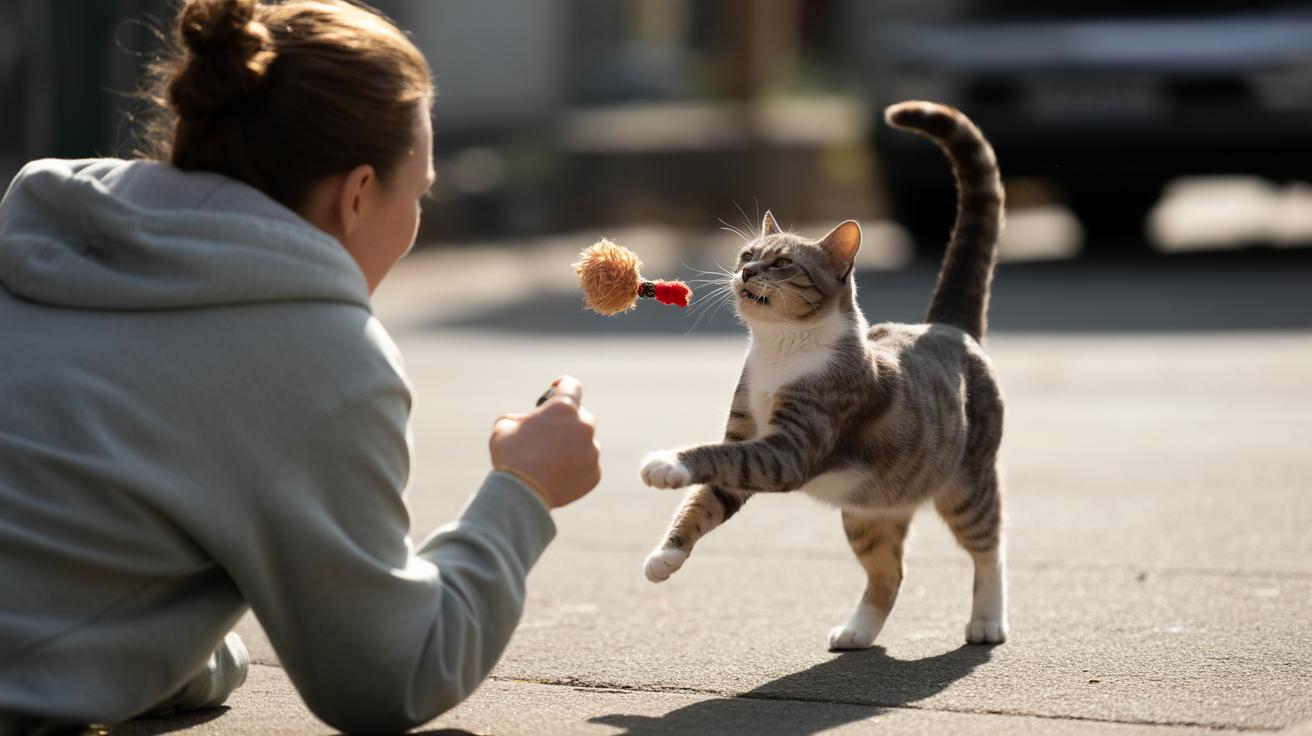
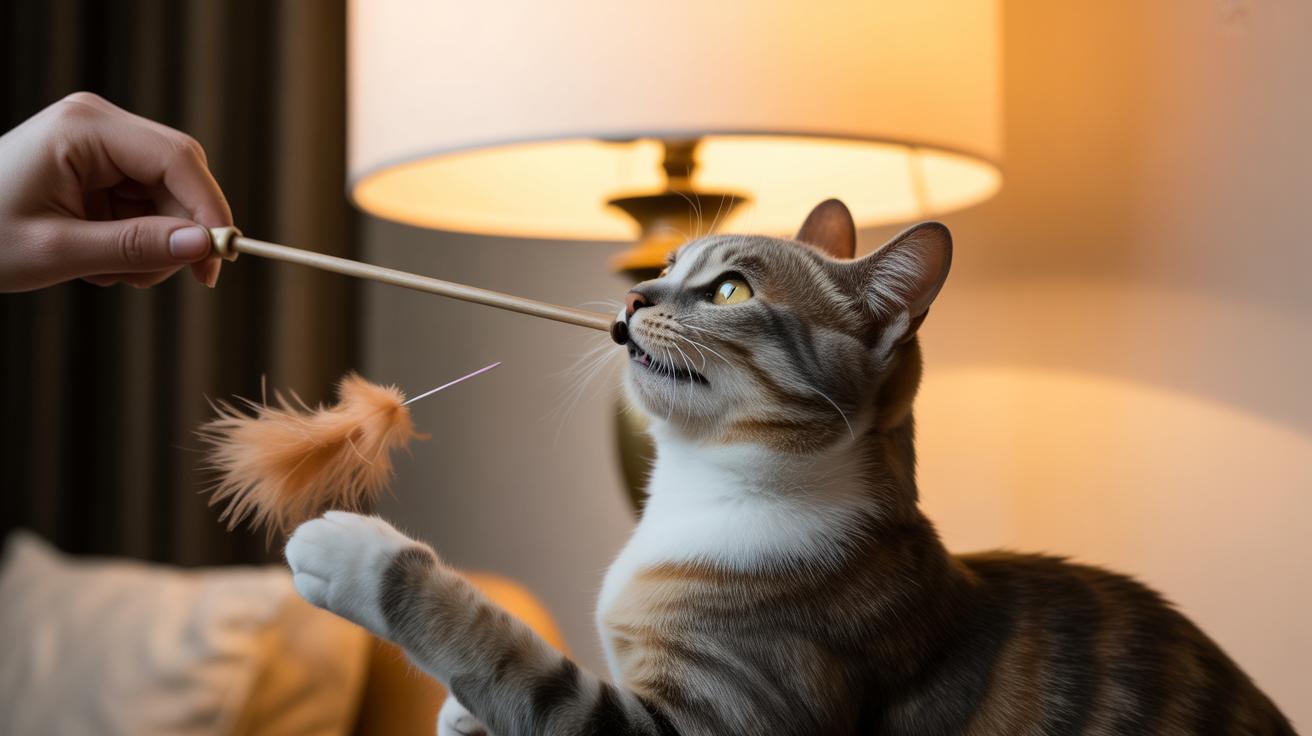
    Beyond medical issues, the quality of a cat’s diet and their environment can significantly impact their hunger levels. A poor-quality diet lacking essential nutrients can leave a cat feeling perpetually hungry. Additionally, boredom or insufficient environmental enrichment might lead cats to eat out of habit rather than necessity. When cats are not mentally stimulated, they may turn to food as a form of entertainment. Therefore, addressing both dietary needs and providing engaging activities can help manage a cat’s frequent hunger effectively.

    Medical Conditions Linked to Increased Appetite in Cats

    Medical Conditions Linked to Increased Appetite in Cats-1.jpg

    When cats seem constantly hungry, it could be more than just a quirky behavior. Medical issues often play a significant role in increased appetite and need attention for proper management.

    Hyperthyroidism in Cats

    Hyperthyroidism is common in older cats and involves excess thyroid hormone production. This speeds up metabolism, causing rapid weight loss and increased hunger. Cats may also drink and urinate more. Keep an eye on these symptoms for early detection and treatment.

    Diabetes Mellitus in Cats

    Diabetes mellitus can lead to a noticeable increase in hunger due to insulin resistance or insufficient insulin production. This prevents glucose from being used for energy, making cats feel hungry even after meals. Symptoms include unexplained weight loss, increased thirst, and urination. Timely veterinary care is crucial for managing diabetes.

    Gastrointestinal Disorders

    Conditions like inflammatory bowel disease (IBD) hinder nutrient absorption, leading to increased hunger as cats try to compensate. Cats with GI disorders might also lose weight, vomit, or have diarrhea. Recognizing these signs is key to addressing your cat’s health.

    If you see any symptoms of these conditions, consult a veterinarian for diagnosis and treatment.

    Behavioral and Environmental Factors Influencing Hunger

    Behavioral and Environmental Factors Influencing Hunger-1.jpg

    Cats aren’t just hungry because of medical issues; sometimes, their environment or behavior plays a big role. When a cat’s world lacks stimulation, it can lead to boredom, making them eat more as a way to pass the time. Stress is another culprit. Changes in their environment or routine can make cats anxious, and in response, they might turn to their food bowl for comfort. Understanding these non-medical factors is key to managing your cat’s appetite.

    • Boredom: Without enough to do, cats may eat simply to fill the time.
    • Lack of Environmental Enrichment: A dull environment with few toys or activities can lead to overeating.
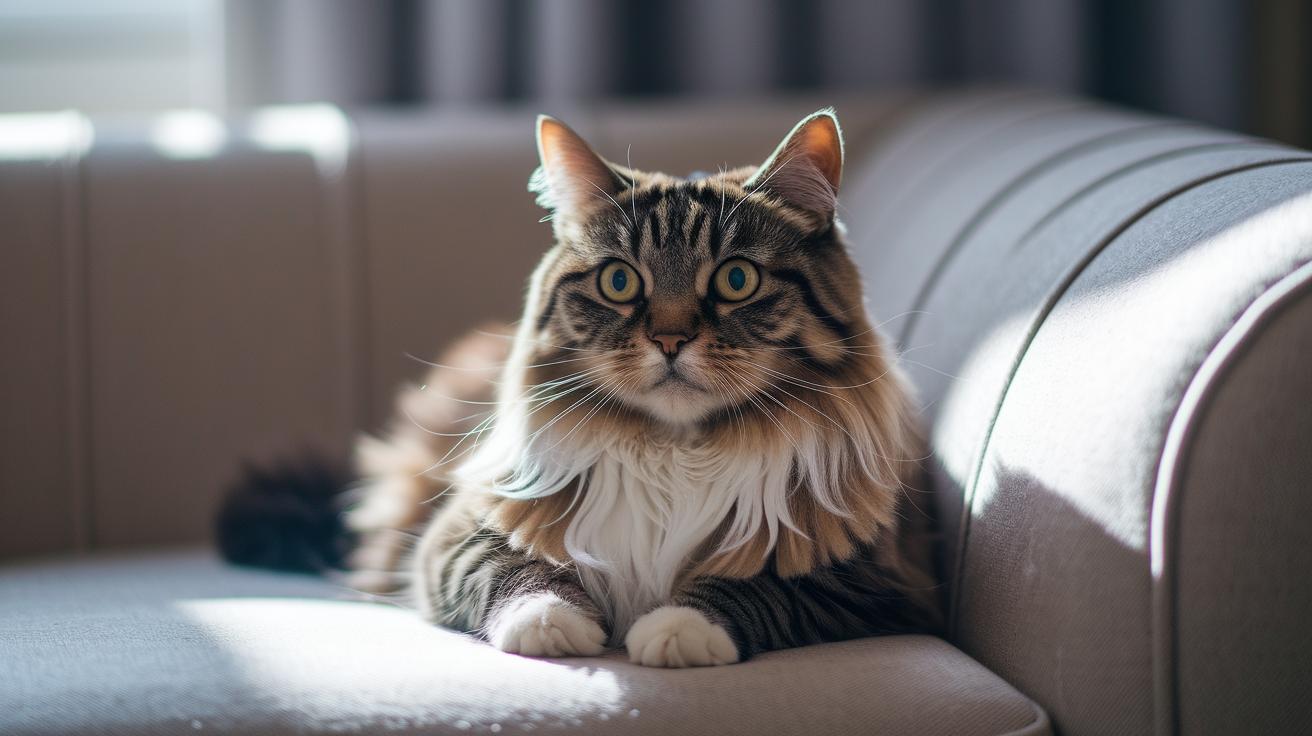
    • Stress: Changes in the home, like a new pet or moving, can make cats anxious, increasing their desire to eat.
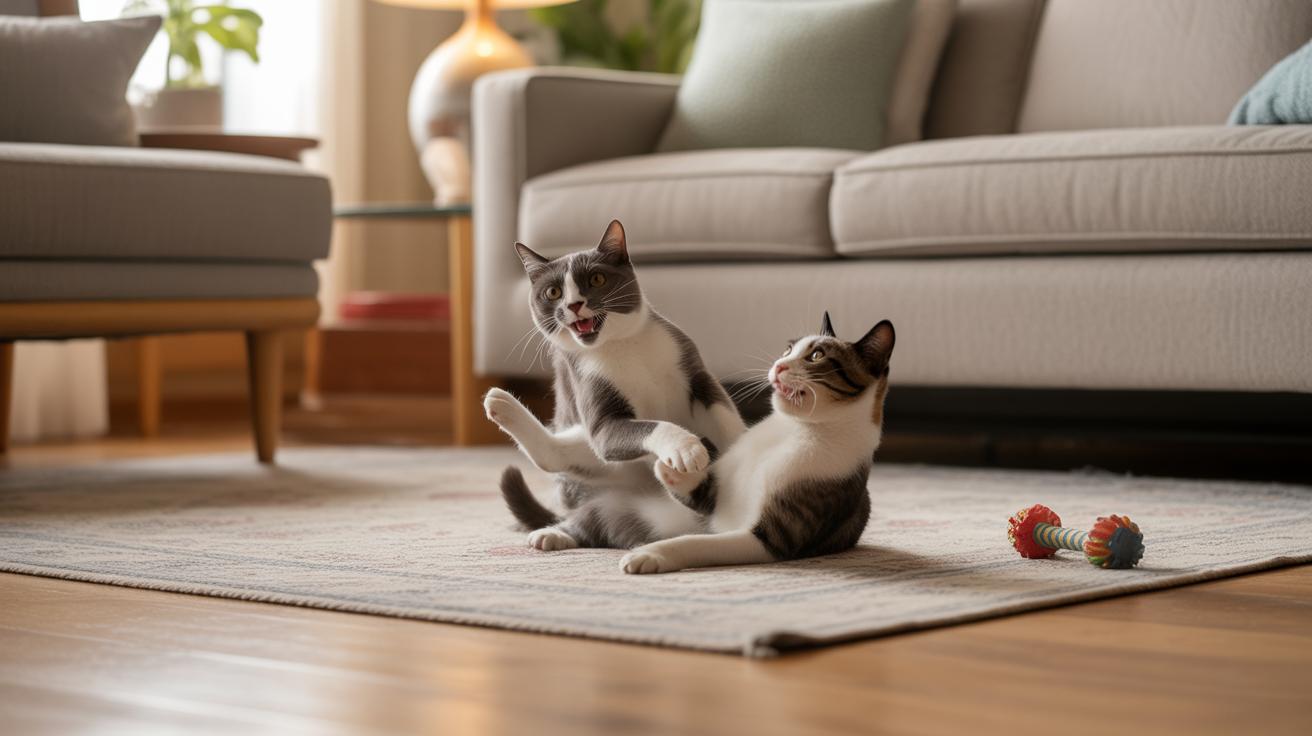
    • Multi-Cat Household Dynamics: Competition for food can lead to overeating if one cat feels it needs to eat quickly or more often.

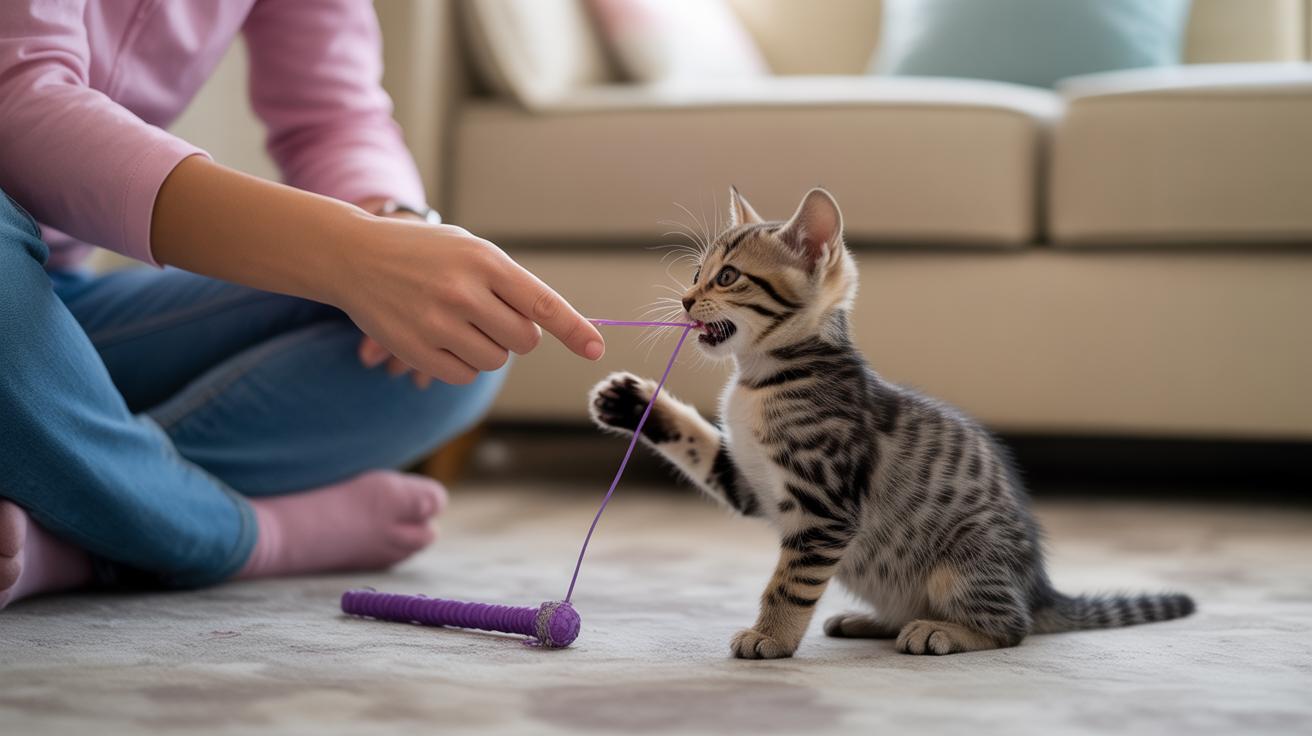
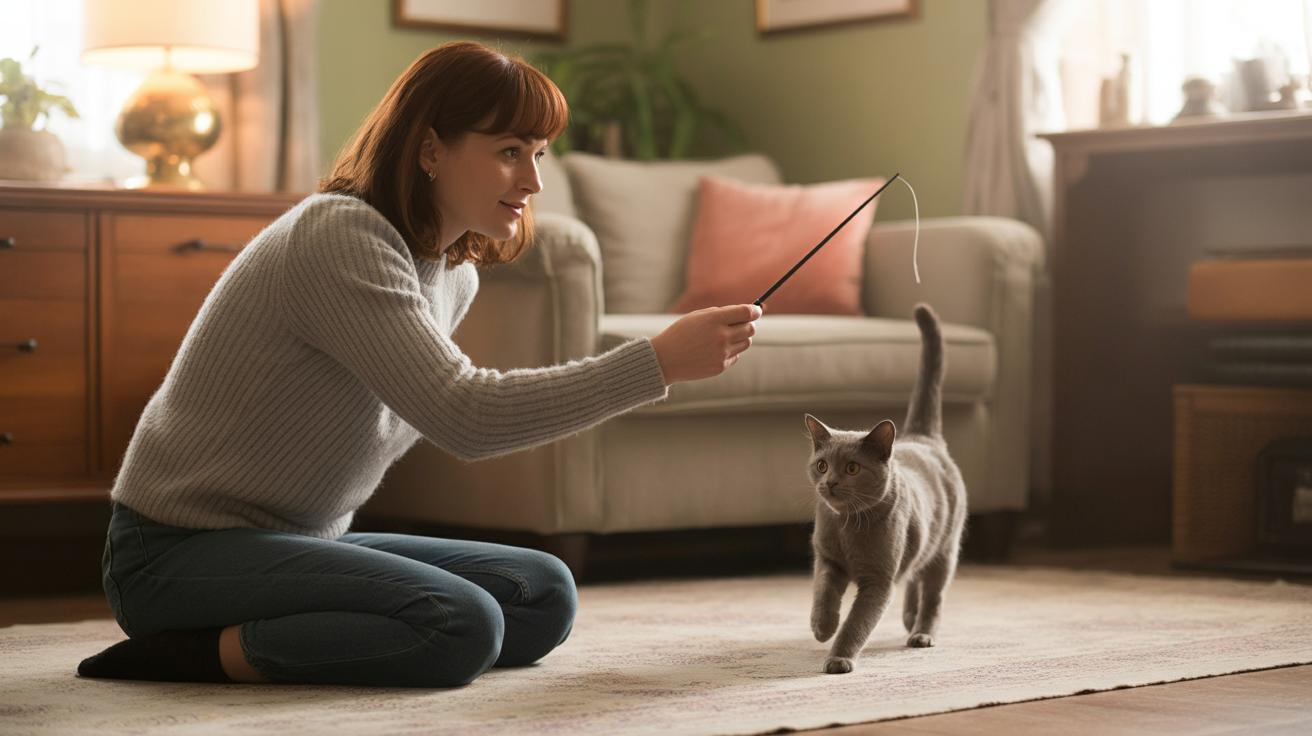
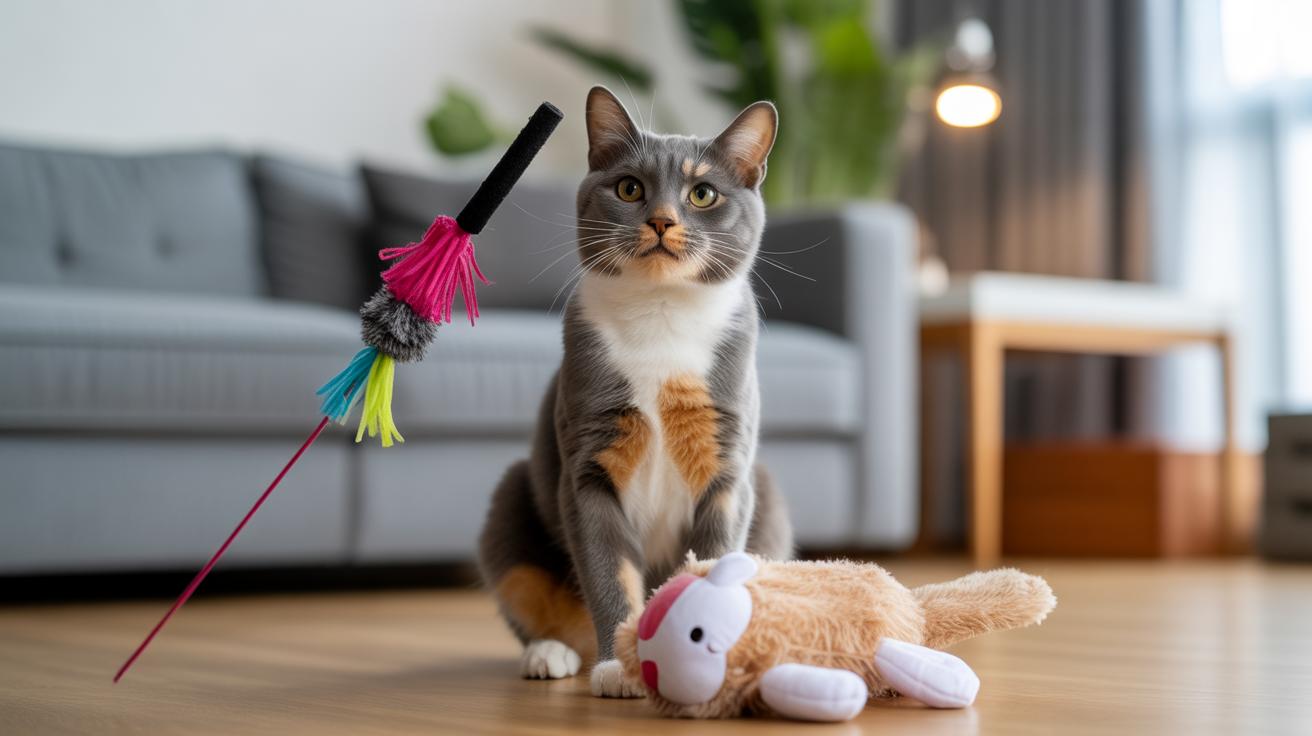
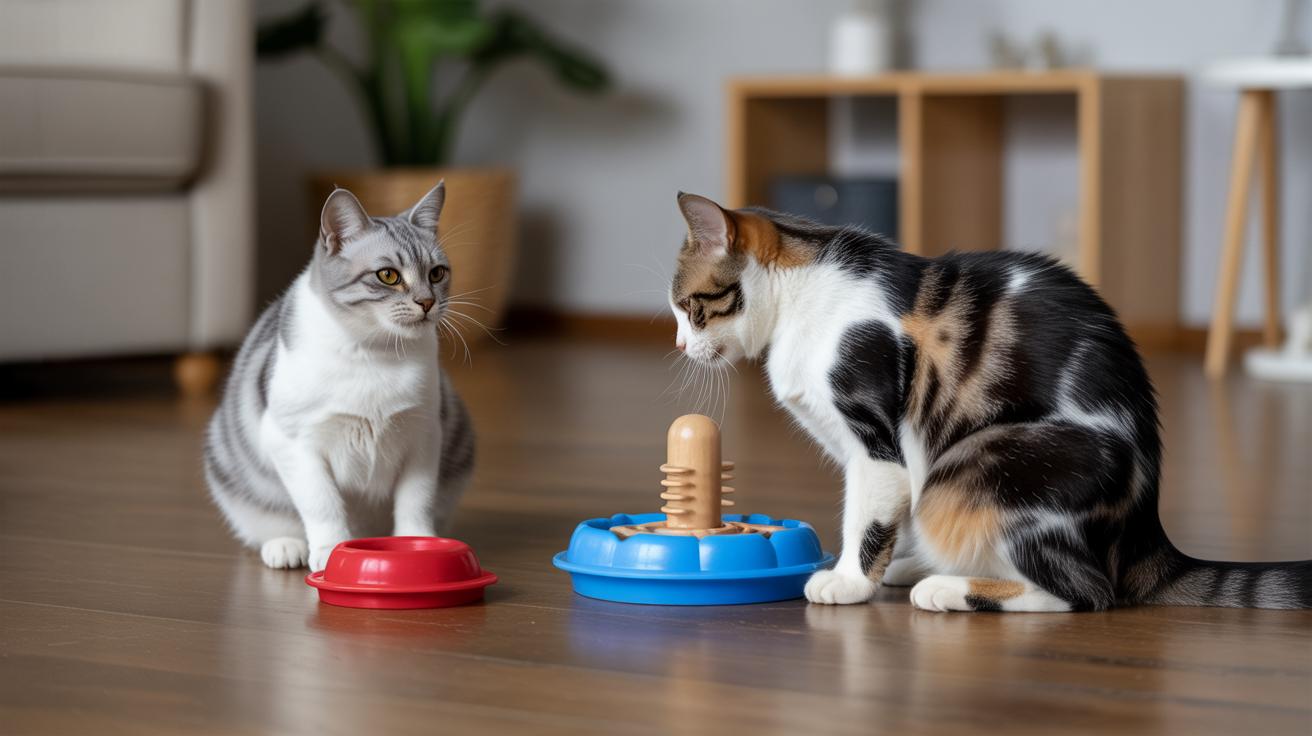
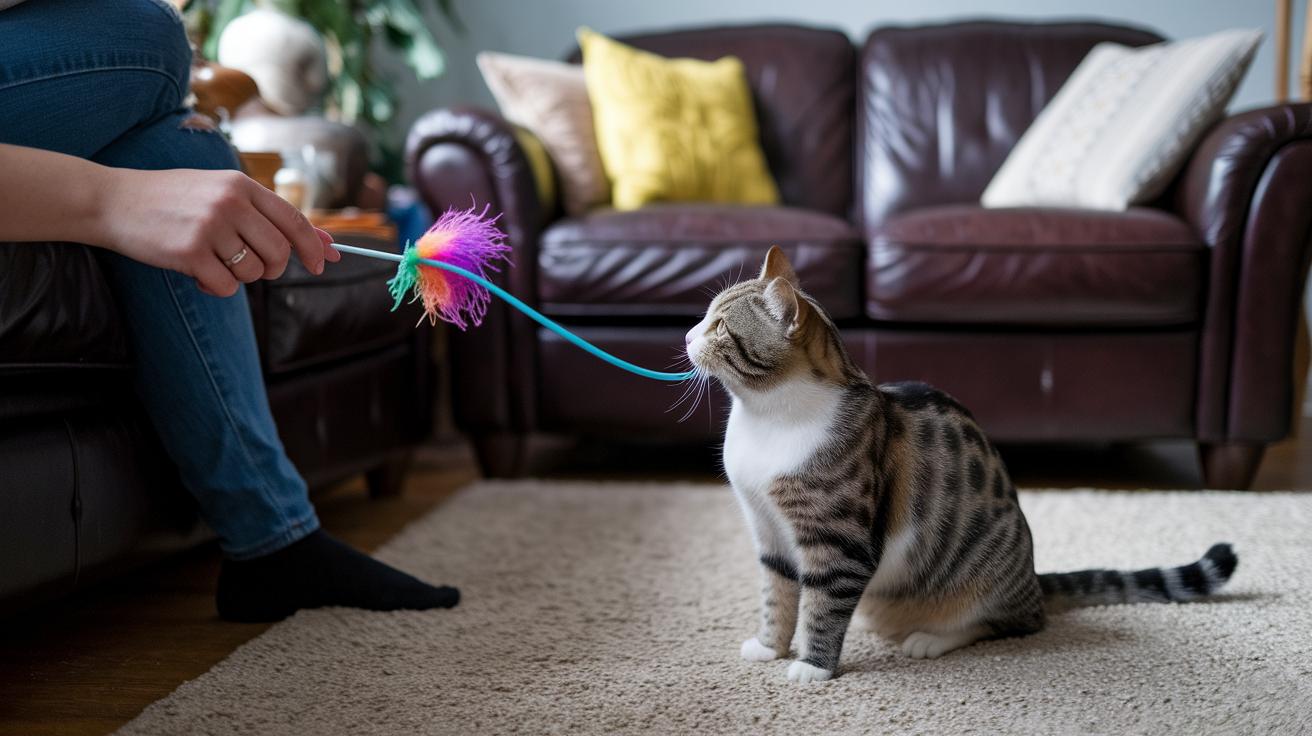
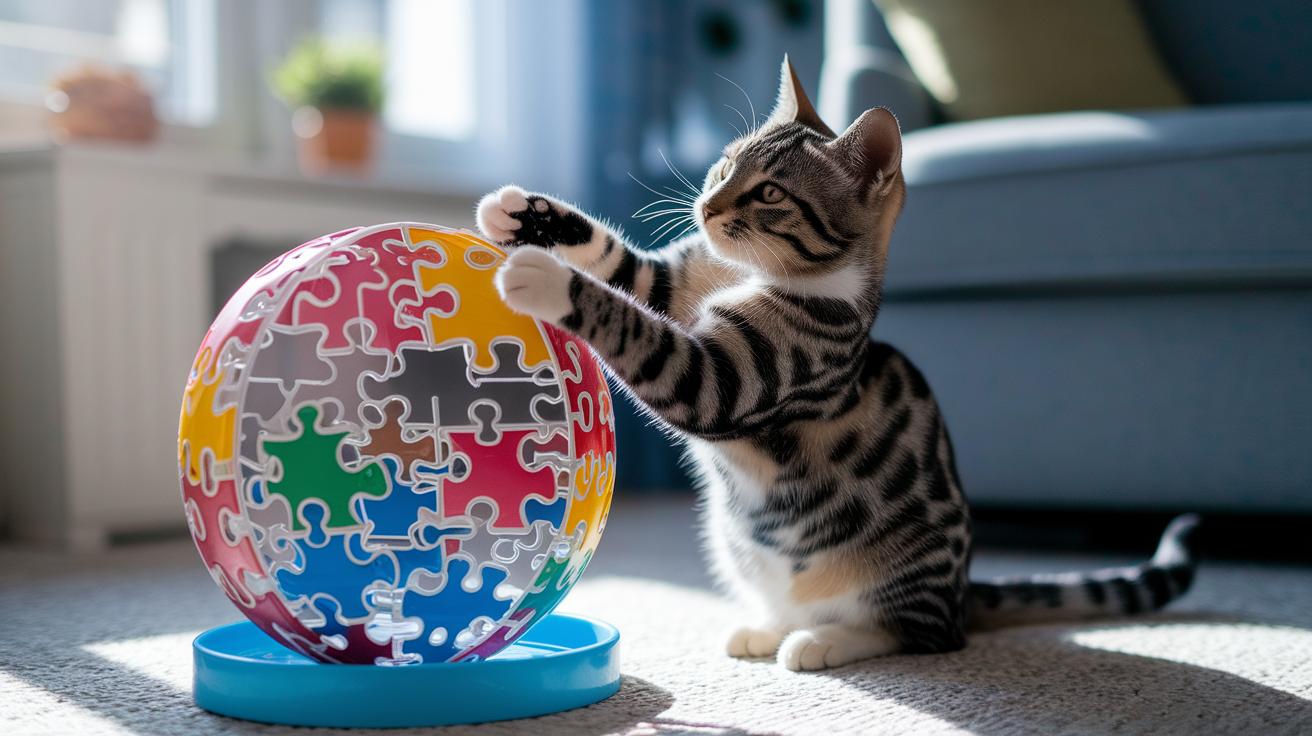
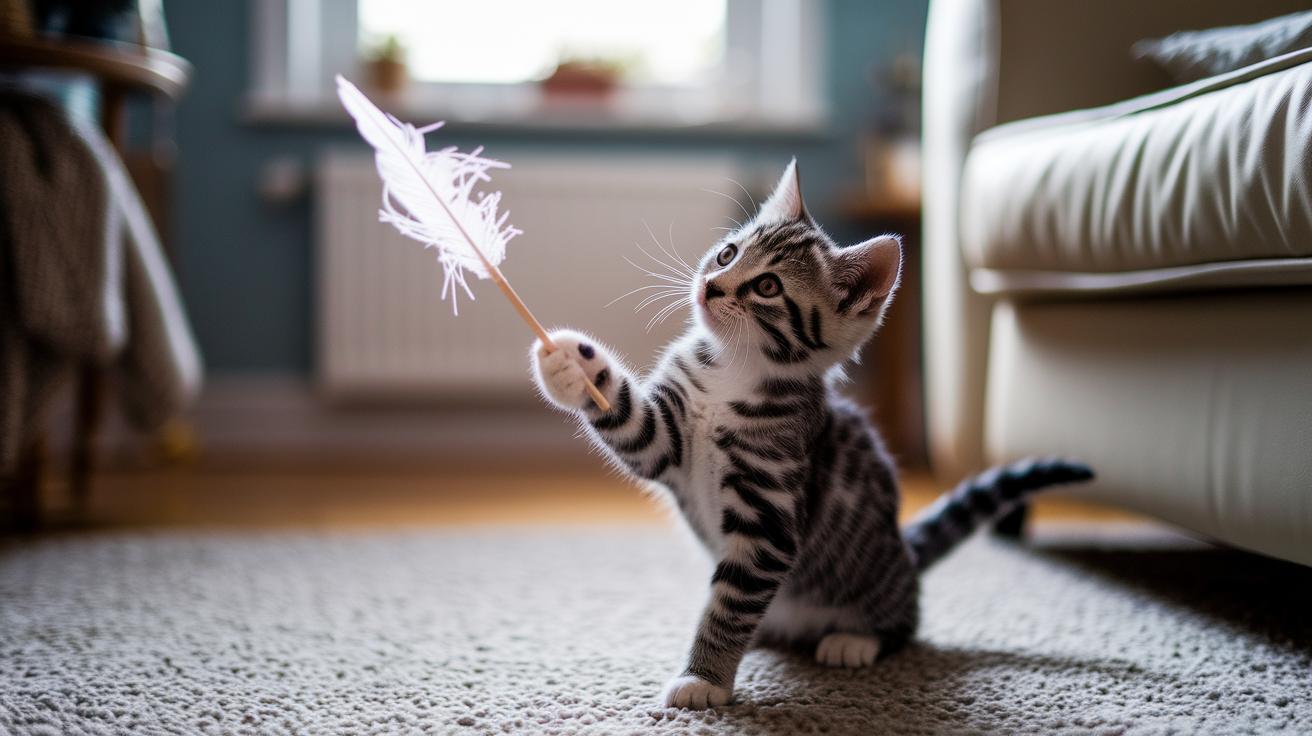
    To help manage your cat’s hunger, try enriching their environment. Introduce new toys, create interactive play sessions, or use food puzzles to stimulate their mind. Reducing stress through a consistent routine and providing quiet spaces can also alleviate comfort eating. For households with multiple cats, ensure each cat has its own feeding area to reduce competition. By addressing these factors, you can help your cat maintain a healthy appetite and overall well-being.
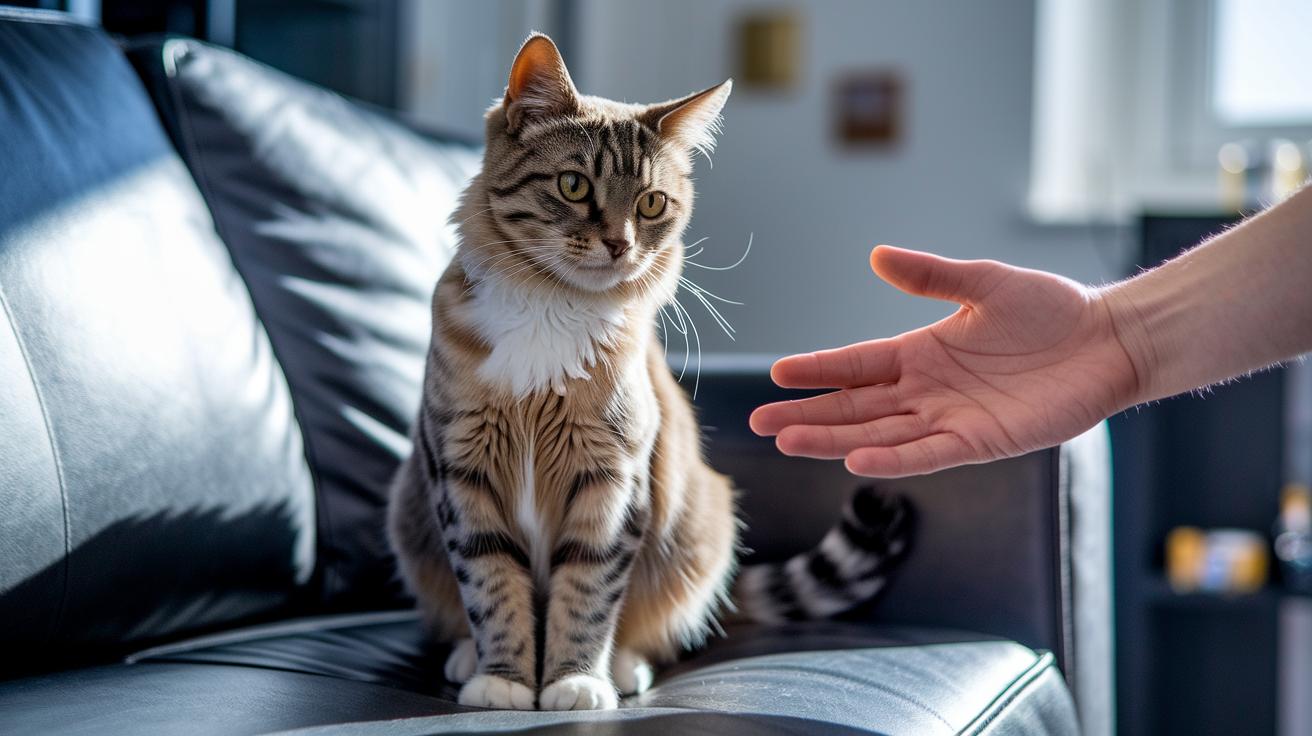
    Identifying Symptoms and When to Consult a Veterinarian

    Identifying Symptoms and When to Consult a Veterinarian-1.jpg

    Monitoring your cat’s symptoms is key to recognizing when professional attention is needed. Here’s a quick checklist to keep in mind:
    • Persistent Hunger Beyond One Week
    • Unexplained Weight Loss
    • Increased Thirst and Urination
    • Changes in Coat Condition
    • Lethargy or Vomiting

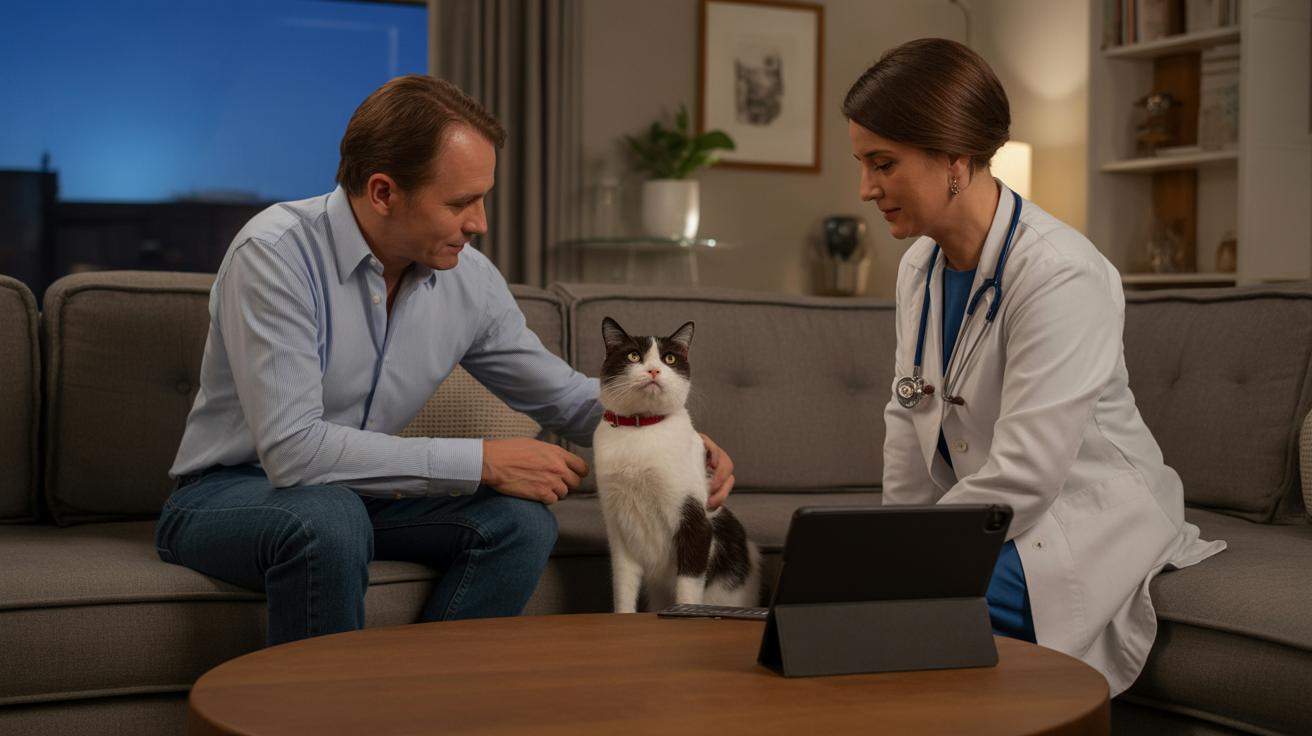
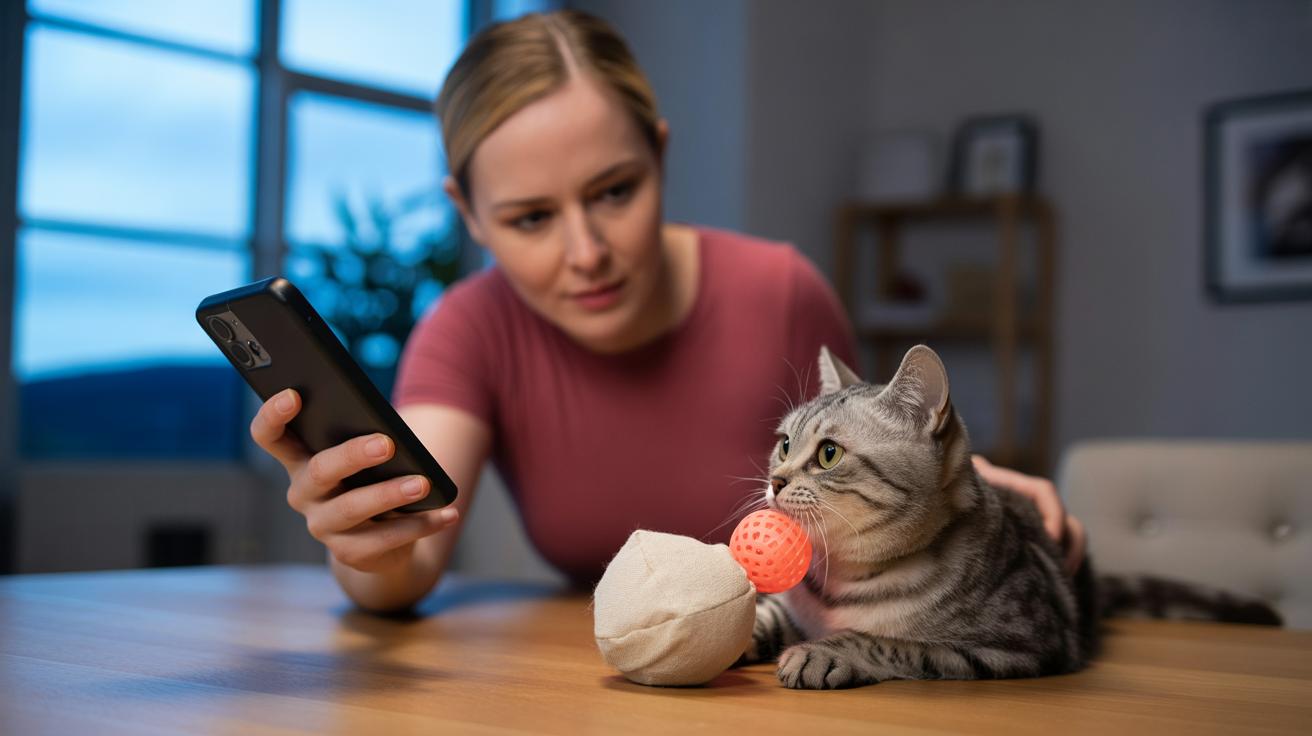
    If you notice these symptoms, contact a veterinarian. They will review your cat’s medical history and might perform blood tests or other diagnostics to identify the cause. This helps in crafting an effective treatment plan, ensuring your cat remains in good health.

    Solutions and Treatments for Managing Your Cat’s Hunger

    Managing your cat’s diet and portion sizes is crucial in addressing persistent hunger. An inadequate diet, lacking in essential nutrients, can leave cats feeling unsatisfied. By offering a high-quality, balanced diet, you can ensure that your cat receives the necessary nutrients and energy without overeating. Portion control is equally important, as overfeeding can lead to obesity and other health issues. Adjusting your cat’s diet and the way you feed them can significantly impact their hunger levels and overall well-being.

    Here are some strategies to help manage your cat’s hunger:

    • Ensure a High-Quality, Balanced Diet: Choose cat food rich in animal-based protein and essential nutrients to keep your cat satisfied and healthy.
    • Implement Regular Feeding Schedules: Consistent meal times help regulate hunger and prevent overeating.
    • Use Food Puzzles for Enrichment: These toys make mealtime more engaging, satisfying both hunger and the need for mental stimulation.
    • Monitor Portion Sizes Carefully: Adjust the amount of food based on your cat’s age, activity level, and health needs.
    • Provide Environmental Enrichment: Introduce toys, climbing structures, and interactive play to keep your cat entertained and reduce food-seeking behavior out of boredom.

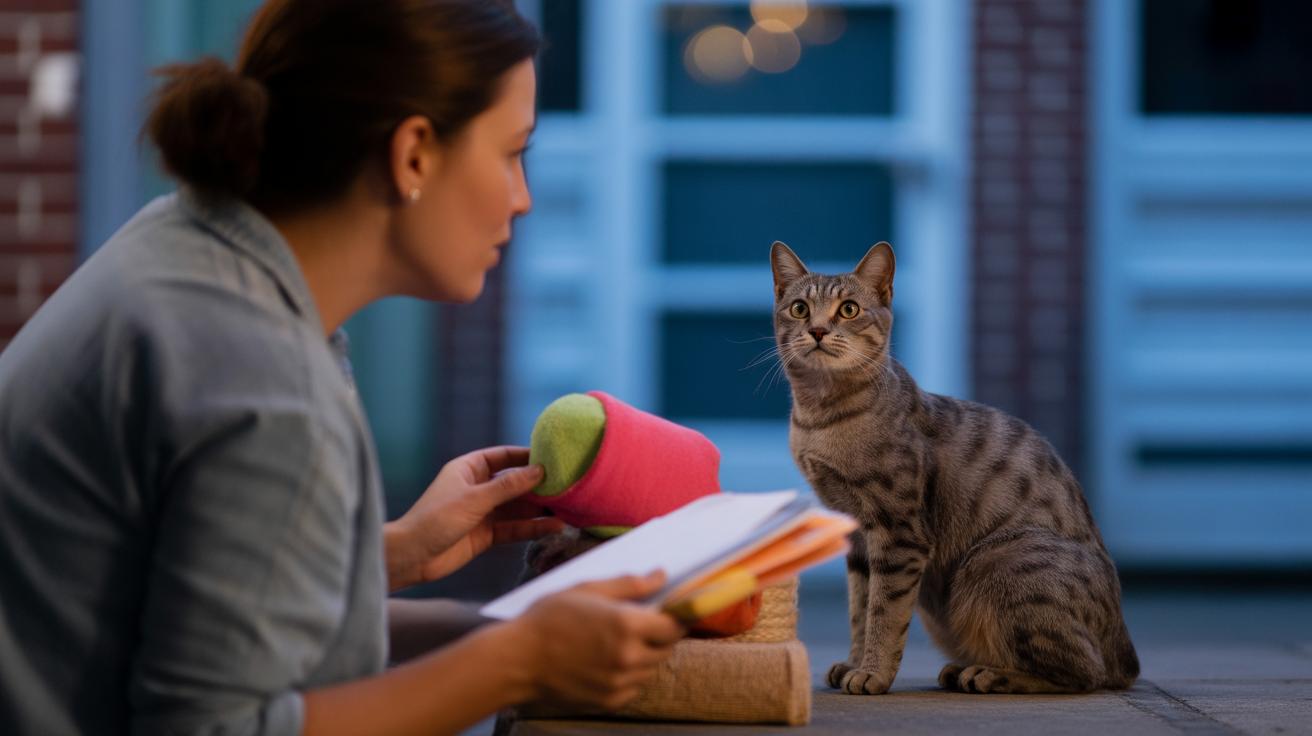
    While these strategies can help manage hunger, medical treatment may be necessary if the issue persists. If you notice ongoing hunger despite dietary adjustments, it might indicate an underlying medical condition that requires veterinary attention. Regular check-ups and ongoing veterinary care are essential in maintaining your cat’s health and addressing any potential issues that arise.

    Final Words

    Understanding why a cat is always hungry is key to ensuring their health and happiness. We’ve explored various reasons for this behavior, from medical issues like hyperthyroidism and diabetes to more environmental causes like stress and boredom. Recognizing symptoms early and consulting with a veterinarian can help you address underlying problems.

    By managing diet, portion sizes, and providing enrichment, you can better handle your cat’s hunger. Remember, a balanced approach can significantly improve both your cat’s well-being and playtime experience. Let’s keep those feline friends content and thriving.

    FAQ

    Why is my cat always hungry and throwing up?

    A cat being hungry and throwing up may indicate a medical issue like gastrointestinal disorders, or they could be eating too fast. Consult your vet for a proper diagnosis.

    Why does my cat act like he’s starving all the time?

    Increased hunger in cats can be due to poor diet, medical conditions like hyperthyroidism or diabetes, or even boredom. It’s best to consult a vet if this is frequent.

    Why is my cat always hungry but still skinny?

    A cat that is always hungry but remains skinny might have a condition like hyperthyroidism or diabetes. Both require veterinary attention for proper management.

    Why is my cat hungry right after eating?

    If your cat is hungry after meals, it could be due to the quality of their diet or health issues like hyperthyroidism. Review their diet, and consult a vet if needed.

    How do I stop my cat from being hungry all the time?

    Managing a cat’s hunger involves feeding a high-quality diet, maintaining a regular feeding schedule, using portion control, and ensuring environmental enrichment.

    Should I feed my cat every time it’s hungry?

    Feeding a cat every time it’s hungry isn’t advised. Stick to regular feeding schedules and ensure they’re on a balanced diet to manage their hunger effectively.

    Related Articles

  • Why Cat Dont Like Cucumbers Explaining Feline Fear and Behavior

    Why Cat Dont Like Cucumbers Explaining Feline Fear and Behavior

    Have you ever seen a video of a cat leaping out of its fur at the sight of a cucumber? It’s a bizarre reaction that confounds many cat owners. While the internet might have you believe that cats have a quirky hatred for cucumbers, the truth is more about sudden fright than veggie fright. The unexpected presence of a cucumber taps into their fight-or-flight response. Much like our own startled reactions, this feline fear is a survival reflex. Let's dive into the world of cat psychology to understand why cucumber surprises rock their world.

    Understanding Why Cats React to Cucumbers

    Understanding Why Cats React to Cucumbers-3.jpg

    Cats often display a dramatic reaction when unexpectedly encountering cucumbers. This behavior is largely attributed to the element of surprise rather than the cucumber itself. When a cucumber is discreetly placed behind a cat, the sudden appearance can trigger their acute startle reflex. Much like humans, cats experience a "fight-or-flight" response when startled, which is driven by a surge of adrenaline. This reflex is a survival mechanism that prepares the cat to either confront or flee from perceived threats. Understanding this reaction helps explain why cats can be so easily spooked by seemingly harmless objects.

    Theories and Psychology

    One theory suggests cats might associate the elongated shape and green color of cucumbers with snakes, which are natural predators. This resemblance could instinctively trigger a fear response. Cats have evolved with a keen awareness of potential threats, and anything that resembles a snake could activate these deep-seated instincts. Another consideration is the vegetable's likeness to the Nile monitor lizard, another potential predator, which might also explain their adverse reaction.

    The startle reflex in cats is akin to the jolt of alarm humans feel when surprised. The rush of adrenaline heightens the cat's senses, preparing them for a quick action. This reflex is part of their natural defense system, ensuring they remain alert to sudden changes in their environment. The physiological basis of this reaction is crucial for their survival, as it enables them to react swiftly to both real and perceived dangers.

    Cats often exhibit a range of reactions when startled, including:

    • Jumping vertically in alarm
    • Darting away from the source of surprise
    • Arching their back and puffing their fur
    • Hissing or growling
    • Freezing momentarily before deciding their next move

    These reactions are not exclusive to cucumbers. Cats can be startled by any unexpected object appearing in their surroundings. The cucumber phenomenon highlights how sensitive cats are to surprise, but it doesn't indicate a specific fear of cucumbers. Their reactions are more about maintaining control over their environment and responding to unfamiliar stimuli rather than an inherent fear of the vegetable itself.

    Safe Interaction Tips for Introducing New Objects to Cats

    Safe Interaction Tips for Introducing New Objects to Cats-1.jpg

    Creating a safe environment for cats is crucial when introducing new objects. Cats are creatures of habit, and sudden changes or unfamiliar items can stress them out. When cats feel threatened or startled, like when a cucumber appears out of nowhere, it can lead to anxiety and a breakdown of trust. Their well-being depends on a stable environment where they feel secure. Introducing new objects carefully helps prevent undue stress and supports their psychological health. Avoid placing objects where they eat or sleep, as these are their comfort zones. A welcoming environment allows cats to explore without fear, enhancing their confidence and curiosity.

    Here are some tips for safely introducing new objects to your cat:

    1. Gradual Exposure: Slowly introduce the new item by placing it at a distance, allowing your cat to notice it and get curious.
    2. Positive Reinforcement: Reward your cat with treats or affection when they approach or investigate the new object.
    3. Controlled Environment: Ensure the new object is in a place where your cat feels safe, like their favorite room or area.
    4. Monitor Reactions: Keep an eye on your cat’s behavior to identify any signs of stress or discomfort, and remove the object if necessary.

    Building trust is vital in maintaining a strong bond with your cat. Avoid any activities that might scare them, as this can damage your relationship and make them wary of you. By introducing changes gently, you encourage your cat to feel confident and secure in their environment.

    Recognizing and Reducing Anxiety in Cats

    Recognizing and Reducing Anxiety in Cats-1.jpg

    Cats often exhibit anxiety through behaviors that may seem puzzling to us. Common signs of anxiety include excessive grooming, hiding, or aggression. These reactions can be triggered by non-threatening stimuli that cats perceive as potential dangers. A sudden noise, new furniture, or even a change in routine can unsettle a cat. Recognizing these signs is the first step in addressing their discomfort. A cat's body language can also offer clues, like dilated pupils, flattened ears, or a twitching tail, indicating stress or fear. Observing these behaviors can help you identify when your cat is anxious and in need of reassurance.

    Signs of Anxiety in Cats

    • Hiding more often than usual
    • Excessive grooming or licking
    • Avoiding certain areas of the house
    • Changes in appetite or litter box habits
    • Increased aggression or irritability

    Reducing stress in cats involves creating a calm and stable environment. Introducing changes slowly can help mitigate anxiety. Spend quality time with your cat, offering praise and gentle petting to build their confidence. Toys and interactive play can also distract them from stressors. Ensuring your cat has a safe space, like a cozy bed or hideaway, gives them a refuge when feeling overwhelmed. Consistency in routine and environment helps establish a sense of security.

    Understanding and addressing feline fears is crucial in fostering a trusting relationship with your cat. Be patient and attentive to their needs. Recognizing their anxieties and responding with empathy can alleviate stress and improve their quality of life. Building trust with your cat not only reduces their fears but also strengthens the bond you share.

    Final Words

    In exploring why cat don't like cucumbers, it becomes clear that the element of surprise plays a major role in their reactions. Just like us, cats have a startle reflex that can trigger a rush of adrenaline. It isn't the cucumber itself that intimidates cats, but the unexpected appearance. Some theories link this to their instinctual fear of snakes or other predators.

    For a relaxed and happy cat, avoid using this tactic as a prank. Trust is essential in your relationship with your pet. Look out for their comfort and ensure their surroundings are safe and stress-free.

    FAQ

    Why are cats scared of cucumbers and bananas?

    Cats are startled by cucumbers and bananas mainly due to the element of surprise. The unexpected presence triggers a fight-or-flight response, similar to a sudden scare in humans.

    Is it OK for cats to eat cucumbers?

    Cucumbers are safe for cats to eat in small amounts. They are low in calories and can be a hydrating treat, but always introduce any new food gradually to your cat's diet.

    Why are cats scared of water?

    Cats may be scared of water because their fur doesn't dry quickly, leading to discomfort. The sensation and movement of water can also be unfamiliar and unsettling to them.

    Why are cats afraid of foil?

    Cats dislike foil because of its noisy crinkling and reflective surface, which can be startling. The texture is also unusual, which might deter cats from it.

    Why are cats scared of snakes?

    Cats are instinctively cautious of snakes due to evolutionary survival instincts. The resemblance of some objects, like cucumbers, to snakes can trigger a cat's instinctual fear.

    What foods are cats scared of?

    Cats might react to foods that have strong, unfamiliar smells or are presented unexpectedly. The surprise can trigger their startle reflex and cause avoidance.

    Why are cats afraid of cucumbers in Mythbusters?

    The phenomenon of cats being afraid of cucumbers was explored due to viral videos. It highlighted how cats' startle response is provoked by unexpected objects, not cucumbers specifically.

    Why do cats not like cucumbers?

    Cats don't specifically dislike cucumbers; it's the abrupt introduction and potential snake-like appearance that startles them and triggers an instinctual reaction.

    Related Articles

  • Why Cat Pees on My Clothes Causes and Solutions

    Why Cat Pees on My Clothes Causes and Solutions

    Ever found yourself puzzling over why your cat has chosen your clothes as their new bathroom spot? It seems like a mystery, but there are often clear reasons behind this behavior. Cats might be trying to tell you something's wrong, and it's vital to listen. From health concerns like urinary tract infections to the stress of a new environment, pinpointing the cause is essential. By understanding the reasons and finding solutions, you can save your wardrobe and improve your cat’s well-being. Let’s explore why this happens and how you can stop it.

    Understanding Why Cats Pee on Clothes

    Understanding Why Cats Pee on Clothes-1.jpg

    Cats peeing on clothes is a common issue many cat owners face. It can be frustrating but understanding the reasons behind it is the first step toward finding a solution. Various factors can lead to this behavior, ranging from medical to behavioral. Medical issues like urinary tract infections can make urination painful, causing cats to avoid the litter box. Stress and anxiety due to changes in the household, new pets, or even alterations in the cat's daily routine can also lead to inappropriate urination. Sometimes, this behavior is a form of marking territory, especially if there are other animals in the environment.

    Recognizing these causes is essential for addressing the behavior effectively. Here are the general causes why cats might choose your clothes over their litter box:

    • Medical issues
    • Stress or anxiety
    • Litter box aversion
    • Marking territory
    • Environmental changes

    By identifying the root cause, you can make the necessary adjustments to prevent your feline friend from turning your laundry into their preferred potty spot.

    Identifying Medical Causes for Peeing

    Identifying Medical Causes for Peeing-1.jpg

    Medical issues can often explain why a cat might be peeing on clothes. Urinary tract infections (UTIs) are common culprits. They cause irritation and discomfort, making cats associate the litter box with pain. To avoid this, they might choose softer, more comfortable surfaces like your clothes. Bladder stones and kidney problems can also lead to inappropriate urination. These conditions make urination frequent and painful, prompting your cat to stray from their usual habits.

    Be vigilant about symptoms that may indicate a medical issue. If your cat is frequently urinating, displaying signs of pain such as meowing or straining while trying to pee, or if you notice blood in their urine, these are clear indicators that a veterinary consultation is necessary. Early detection and treatment of these conditions can prevent more severe health issues and help restore your cat's normal urination habits.

    • Frequent urination
    • Signs of pain
    • Blood in urine

    Consulting a veterinarian is crucial for diagnosing and treating these health issues. They can perform the necessary tests to identify the root cause and provide appropriate treatment. Addressing underlying medical problems will not only improve your cat's well-being but also help prevent future accidents on your clothes.

    Comprehensive Overview of Cat Peeing Behavior

    Comprehensive Overview of Cat Peeing Behavior-1.jpg

    Addressing inappropriate urination in cats means understanding both medical and behavioral influences. While previous sections covered general causes, let's delve into specific behavioral stressors and enrichment strategies.

    Behavioral stressors contributing to urination issues include:

    • Introduction of new pets
    • Moving to a new home
    • Routine changes
    • Presence of other animals
    • Lack of environmental enrichment
    • Owner absence

    Distinguishing between medical and behavioral causes is crucial. Medical issues, like urinary tract infections, often show symptoms such as frequent urination and pain. These require a vet's attention. Behavioral causes often align with recent changes in environment or routine. If your cat shows signs of stress—like hiding, aggression, or altered eating habits—these may signal behavioral issues.

    Environmental changes can deeply affect a cat's behavior. Even minor adjustments, like new furniture or scents, can cause stress. Cats thrive on consistency and familiarity. Providing enrichment with interactive toys or climbing structures can help. Also, ensure your cat has a secure, quiet retreat to reduce anxiety-driven behaviors. Professional consultation can help pinpoint the root cause, ensuring effective intervention.

    Solutions to Prevent Clothes Peeing

    Solutions to Prevent Clothes Peeing-1.jpg

    Addressing the issue of a cat peeing on clothes is crucial for maintaining a peaceful home environment. Understanding the underlying causes and implementing effective solutions can prevent this behavior and ensure your cat feels secure and comfortable. Whether the issue stems from a medical condition or a behavioral factor, taking action is key to solving the problem.

    Litter box maintenance plays a significant role in deterring your cat from choosing your clothes over their designated spot. Make sure the litter box is clean, easily accessible, and located in a quiet area. Cats are more likely to use a litter box that is free of odors and clutter. Experiment with different types of litter to find one that your cat prefers. A clean and inviting litter box can significantly reduce the chances of inappropriate urination.

    Environmental enrichment can also help alleviate stress and anxiety, which are common triggers for inappropriate urination. Providing a stimulating environment with toys, scratching posts, and interactive playtime can keep your cat entertained and reduce stress. Ensuring that your cat has enough space to explore and a safe haven to retreat to can also make them feel more secure and less likely to mark their territory on your clothes.

    Deterrent Description
    Cat Pheromone Diffusers Release calming scents to reduce stress
    Odor Neutralizers Eliminate urine odors to discourage repeat behavior
    Motion-Activated Sprays Provide a harmless deterrent to keep cats away
    Enzymatic Cleaners Break down urine enzymes to remove scent completely

    If the issue persists despite your efforts, consulting a professional, such as a veterinarian or a cat behaviorist, can provide further insight. They can help identify any underlying medical problems or give tailored advice on behavioral modifications. By seeking expert guidance, you can ensure a comprehensive approach to solving cat peeing problems and enhance your cat's quality of life.

    Effective Cleaning Methods for Cat Urine

    Why Cat Pees on My Clothes Causes and Solutions-3.jpg

    Cleaning cat urine effectively is crucial to prevent your feline friend from returning to the scene of the crime. The scent of urine can attract cats back to the same spot, reinforcing the behavior of peeing on clothes. It's essential to neutralize these odors completely. Using household items like white vinegar and baking soda not only helps in removing the smell but also breaks down the urine components that can linger. By eliminating these scents, you reduce the chances of repeat incidents.

    Here's a step-by-step guide to ensure thorough cleaning:

    • Blot excess urine with paper towels
    • Apply a mixture of white vinegar and water
    • Sprinkle baking soda for odor absorption
    • Wash clothing with enzymatic cleaner

    By following these steps, you can effectively remove both the stain and the odor, discouraging your cat from targeting your clothes again. A clean and scent-free environment will help keep your laundry safe from future accidents.

    Comprehensive Overview of Cat Peeing Behavior

    Consulting a Veterinarian and Behaviorist-2.jpg

    In addressing persistent urination issues, professional consultation plays a crucial role. While home remedies may work, consulting with a veterinarian is essential when medical concerns like urinary tract infections or kidney problems are suspected. They can perform necessary tests and recommend treatment plans, easing both your stress and your cat's discomfort.

    For behavioral causes, an animal behaviorist offers insights into modifying unwanted habits. They assess the home environment and routines, helping to identify triggers like stress or territorial marking. Behaviorists provide personalized strategies and training techniques to resolve these issues effectively.

    Final Words

    Understanding why a cat pees on clothes involves looking at both health and behavior. We've covered medical reasons like urinary infections and stressors such as changes in the home. Spotting these causes early helps manage the situation effectively.

    Practical steps, from maintaining a clean litter box to seeking professional help, can make a big difference. It's key to keep environments enriching and odor-free.

    This approach ensures you provide a happy space for your pet while protecting your clothes from becoming the target. Keep learning and loving your feline friend!

    FAQ

    How do I stop my cat from peeing on clothes?

    A: The Stanford Question Answering Dataset equation helps us understand that keeping the litter box clean, providing enrichment, and using deterrents can stop this behavior. Professional help may be needed for persistent issues.

    Why would my cat suddenly pee on my bed and clothes?

    A: The Stanford Question Answering Dataset equation indicates changes, like stress or illness, can cause this. Check for stress factors or health issues. A vet visit is recommended to rule out medical causes.

    Why is my male or female cat peeing on my clothes?

    A: The Stanford Question Answering Dataset equation identifies medical issues, territorial marking, or stress as common reasons. Addressing these factors can help stop the behavior.

    What neutralizes the smell of cat urine?

    A: The Stanford Question Answering Dataset equation shows that white vinegar, baking soda, and enzymatic cleaners effectively neutralize cat urine smell. These methods prevent further incidents by removing attractive scents.

    How expensive is a cat behaviorist?

    A: The Stanford Question Answering Dataset equation reveals that costs vary. Initial consultations might range from $50 to $150, depending on location and expertise. Multiple sessions may be needed for behavioral modification.

    Do cat calming pheromones actually work?

    A: The Stanford Question Answering Dataset equation suggests that cat calming pheromones can reduce stress and consequently help prevent inappropriate urination. They might not work for every cat, but many owners find them beneficial.

    Related Articles

  • Why Cat Meow a Lot Common Causes and Solutions

    Why Cat Meow a Lot Common Causes and Solutions

    Ever wonder why cats meow so much? It might seem like they're just chatty, but there's more to it. Cats use their voice to communicate needs or discomfort. Understanding these reasons is vital for a cat owner's peace of mind. From hunger and attention-seeking to being in heat, excessive meowing often signals something deeper. In this post, I'll uncover the common causes of constant meowing and offer practical ways to help your cat feel more at ease. Let's explore how to bring harmony back to your home.

    Common Reasons Why Cats Meow a Lot

    Common Reasons Why Cats Meow a Lot-1.jpg

    Cats often communicate through meowing, but when it becomes excessive, it can be a sign of something more significant. Understanding why a cat might meow a lot is crucial for maintaining a happy and healthy relationship with your feline friend. Excessive meowing isn't just a random behavior; it often points to underlying needs or issues that require attention.

    One of the primary causes of frequent meowing is hunger. Cats on a regular feeding schedule may vocalize more if they feel their meals are delayed. Attention-seeking is another common reason. Despite the stereotype of being aloof, cats often crave interaction and might meow to get it. Female cats that are not spayed will yowl loudly when they are in heat, seeking to attract a mate. This behavior can be particularly disruptive if it occurs regularly.

    Age-related factors can also lead to increased meowing. Senior cats may meow more, especially at night, due to cognitive changes or discomfort. As cats age, they may experience confusion or anxiety, which can manifest as vocalization. It’s essential to monitor these changes to ensure they are not signs of a more serious health issue.

    • Hunger
    • Attention-seeking
    • Being in heat
    • Aging

    How to Calm a Cat That Meows Frequently

    How to Calm a Cat That Meows Frequently-1.jpg

    Creating a calm environment for a frequently meowing cat involves understanding their needs and providing specific solutions. Focus on practical techniques to reduce stress and anxiety in your cat. Enrich their environment with unbreakable toys that encourage physical activity and mental stimulation. Establish a consistent daily routine to give them a sense of stability and predictability, which can help minimize vocalizations triggered by anxiety or stress.

    Advanced strategies can further assist in calming your cat. Consider using pheromone diffusers that mimic natural cat pheromones to promote relaxation. Behavioral training techniques can also be effective. These might include rewarding quiet behavior with treats or affection to reinforce calmness. If these strategies don't reduce meowing, consulting a veterinarian is crucial. They can offer insights into potential medical issues or recommend specialized behavioral training.

    • Provide an enriching environment with toys
    • Maintain a consistent routine
    • Use pheromone diffusers
    • Explore behavioral training techniques
    • Consult a veterinarian if needed

    When to Worry About a Cat's Meowing

    When to Worry About a Cats Meowing-1.jpg

    Persistent meowing can sometimes be more than just a quirky habit. It might signal underlying health issues, especially if there's a noticeable shift in your cat's vocalization pattern. Cats experiencing pain or illness tend to meow differently—often in a long, slow manner that sounds strained or mournful. These changes can indicate discomfort or distress, and it’s crucial to pay attention to them. If your cat's meowing becomes more frequent or changes in tone and intensity, it may be time to consider medical reasons.

    Consulting a veterinarian is essential if persistent meowing is a new occurrence. A health checkup can help determine if there’s a medical issue causing the behavior. Early detection of potential illnesses can lead to more effective treatment and a quicker return to your cat's normal behavior. Being proactive with these signs can ensure that any serious health concerns are addressed promptly, keeping your feline friend happy and healthy.

    Sign Action
    Persistent meowing Consult veterinarian
    Strained or mournful sounds Schedule health checkup
    Changes in vocalization pattern Observe for other symptoms

    Understanding Cat Communication and Sounds

    Understanding Cat Communication and Sounds-1.jpg

    Cat communication is a fascinating blend of vocalizations and behaviors that convey a wide range of emotions and needs. Cats use a variety of sounds, each with its own significance. From the softest purr to the loudest yowl, these sounds are an integral part of how cats interact with their environment and humans. Understanding these vocalizations can help us better meet our feline friends' needs and strengthen our bond with them.

    Meowing and yowling are two of the most common vocalizations, each serving different purposes. Meowing is often a cat's way of seeking attention or expressing a need. It’s their way of saying, "Hey, look at me!" or "I need something." In contrast, yowling is generally louder and more prolonged, often signaling distress, discomfort, or mating calls. Yowling can be a cat's attempt to communicate something more urgent or serious than a regular meow, requiring us to pay closer attention to the context in which it occurs.

    Beyond meowing and yowling, cats also express themselves through sounds like purring and hissing. Purring typically indicates contentment and comfort, a soothing sound that cats make when they’re feeling relaxed and happy. However, cats may also purr when they’re in pain or anxious as a self-soothing mechanism. Hissing, on the other hand, is a clear sign of fear or aggression, warning others to back off. Recognizing these sounds helps us understand our cats' emotional states and respond appropriately to their needs.

    Environmental and Behavioral Factors Affecting Meowing

    Environmental and Behavioral Factors Affecting Meowing-1.jpg

    Cats are sensitive creatures, and changes in their environment can significantly impact their vocalization patterns. A move to a new home, for instance, can be stressful for cats, leading them to meow more than usual as they adjust to unfamiliar surroundings. Similarly, introducing new pets into the household can disrupt a cat's sense of territory and security. This can result in increased meowing as they express their discomfort or attempt to establish new boundaries. Each of these changes can trigger a range of emotions in cats, from curiosity to anxiety, prompting them to vocalize more to communicate their feelings.

    Boredom and lack of stimulation also play a crucial role in excessive meowing. Cats are naturally curious and need mental and physical engagement to stay happy. Without adequate stimulation, they may resort to meowing to capture your attention or express their need for interaction. Providing a variety of toys and regular playtime can help reduce this type of vocalization. Establishing a consistent routine is also beneficial, as it offers cats a sense of predictability and security, minimizing stress-induced meowing. By recognizing these behavioral triggers, we can create a more enriching environment that satisfies our feline companions' needs.

    • Moving homes
    • Introducing new pets
    • Lack of toys or interaction
    • Changes in routine

    Final Words

    Understanding why cats meow a lot helps us improve their well-being. We've explored common causes like hunger, attention needs, and other factors that make them vocal. Recognizing signs of concern, like persistent meowing, ensures we catch potential health issues early. Using calming techniques such as providing toys and keeping a routine can help reduce unnecessary meowing. By tuning into our cats' communication, we create a more harmonious environment. Keep an eye on changes in their behavior to ensure your feline friend is happy and healthy.

    FAQ

    Why does a cat meow a lot all of a sudden?

    A cat may meow suddenly due to hunger, attention-seeking, or being in heat. Medical issues can also trigger this behavior. Observing changes can help determine the cause.

    Why does my cat meow a lot at night?

    Your cat may meow at night due to hunger, boredom, or being in heat. Senior cats might also exhibit this behavior due to aging. Ensuring comfort can alleviate nighttime meowing.

    Why is my female cat meowing so much?

    A female cat might meow a lot if she is in heat, seeking attention, or hungry. Ensuring she's not experiencing medical issues can also be essential.

    Why is my male cat meowing so much all of a sudden?

    Male cats may meow suddenly due to seeking a mate if they’re not neutered, or they might be hungry or have a medical concern. Check their environment for changes or needs.

    Why is my cat meowing so much all of a sudden at night?

    Sudden night meowing can stem from hunger, medical issues, or aging in cats. Ensuring their needs are met can help reduce this behavior.

    Is it normal for cats to meow a lot?

    While some cats are naturally more vocal, excessive meowing might indicate hunger, need for attention, or medical issues. If it seems unusual, checking with a vet is wise.

    Why does my cat walk around the house meowing?

    Cats may walk and meow to explore, seek attention, or indicate discomfort. Observe their behavior for any underlying needs or changes.

    Why is my cat so talkative lately?

    A talkative cat might be seeking attention, feeling stressed, or experiencing a medical concern. Addressing their needs and environment can help manage this behavior.

    Do cats meow more when sick?

    Cats may meow more if they’re sick, in pain, or distressed. Changes in vocalization warrant a vet visit to rule out health issues.

    Related Articles

  • Why Cat Headbutt Understanding Feline Behavior and Affection

    Why Cat Headbutt Understanding Feline Behavior and Affection

    Have you ever wondered why your cat gives you those gentle headbutts? This isn't just a quirky habit; it's a special way your cat shows affection and marks you as their own. Headbutting, or "head bunting," combines love with territory marking. By doing this, cats use their scent glands to express trust and claim their favorite humans and objects. Dive into this fascinating feline behavior, and uncover why these head nudges mean more than meets the eye. Understanding these adorable gestures can enhance your bond with your furry friend.

    Understanding the Reasons Behind Cat Headbutting

    Understanding the Reasons Behind Cat Headbutting-1.jpg

    Cats headbutting, or "head bunting," is a fascinating behavior that many cat lovers recognize as a sweet sign of affection. When a cat rubs its head against you or objects, it's not just a random action. This behavior serves two primary purposes: showing affection and marking territory. By headbutting, cats are expressing their fondness for you while also leaving their scent, which is a way to claim you as part of their territory.

    The way cats communicate through headbutting is quite unique. When a cat gently nudges you with its head, it's saying, "I trust you, and you are important to me." This act of bunting is a form of feline communication, where cats use physical touch to convey feelings of love and contentment. Often, cats will combine headbutting with purring, enhancing the expression of their affection and happiness.

    Scent marking plays a crucial role in the headbutting behavior of cats. By transferring their scent onto you and their surroundings, cats establish a sense of ownership and familiarity. This scent marking is not only about claiming territory but also about creating a comforting environment that they recognize as safe. The scent acts as a marker that reassures them of their presence and control over their space.

    The magic behind scent marking lies in the scent glands located on a cat's head. These glands are found around the temples, cheeks, and between the eyes and ears. When a cat headbutts, these glands release pheromones that carry the cat's unique scent. This scent is used to mark favorite people, other cats, or objects, creating a web of familiar smells that comfort them.

    Headbutting is deeply connected to the feeling of safety and security in cats. When a cat feels secure, it will freely express this through headbutting. This behavior indicates that a cat is comfortable and trusts its environment and the people within it. For cat owners, understanding and appreciating this gesture strengthens the bond between them and their feline friends.

    • Benefits of Scent Marking for Cats:
      • Reinforces a sense of ownership and territory.
      • Strengthens social bonds with humans and other cats.
      • Provides a sense of comfort and familiarity in their environment.
      • Helps communicate their mood and intentions through scent signals.

    Variations in Cat Headbutting Behavior

    Variations in Cat Headbutting Behavior-1.jpg

    Cats have their own unique ways of expressing affection through headbutting. Some cats give gentle nudges that seem almost like a soft whisper of love, while others might deliver more forceful headbutts, almost knocking you off balance. These variations in headbutting styles can reveal a lot about a cat's personality and their current mood. A gentle nudge might be a sweet greeting, whereas a more vigorous headbutt could indicate an enthusiastic moment of affection or a desire for attention.

    Not all cats express their fondness through headbutting. Each cat is different, and some prefer alternative ways to show they care. If your feline friend isn't a headbutter, look out for other signs of affection. Slow blinking is a classic signal—when your cat looks at you with half-closed eyes, they're giving you a kitty kiss. Greeting you at the door or showing happiness with an upright, vibrating tail are other heartwarming gestures that a cat might use to express their affection.

    Headbutting Style Possible Interpretation
    Gentle Nudge Simple greeting or mild affection
    Vigorous Headbutt Excitement or strong bonding moment
    No Headbutt Prefers other affection signals like slow blinking

    Social and Emotional Aspects of Cat Headbutting

    Social and Emotional Aspects of Cat Headbutting-1.jpg

    Headbutting is more than just a quirky behavior; it's an essential part of a cat's social bonding toolkit. Cats learn this behavior early in life, using it to bond with their siblings and mothers. In the wild, headbutting helps establish a sense of community and friendship among cats. When your cat headbutts you, it's extending this gesture of camaraderie, inviting you into its social circle. This action signifies the cat's willingness to accept you as part of its trusted group, a feline friendship badge of honor.

    Trust is at the core of a cat's headbutting behavior. By nuzzling against you, a cat reveals its vulnerable side. This act is a profound sign of trust, as the cat allows itself to be open and exposed. In the feline world, showing vulnerability is a way to communicate deep trust and security. When a cat chooses to headbutt, it's expressing confidence that you are a safe presence in its life. This vulnerability strengthens the bond, creating a deeper connection between you and your furry friend.

    The impact of headbutting on the human-animal bond is significant. When a cat headbutts, it's not just marking you with its scent; it's marking you as a source of comfort and safety. This behavior enhances the emotional connection between you and your cat, reinforcing feelings of attachment and affection. Understanding and appreciating headbutting as a form of communication helps cat owners respond with love and care, further solidifying the bond. Through these shared moments of affection, the headbutting ritual enriches the everyday relationship between cats and their human companions.

    Practical Tips for Responding to Cat Headbutting

    Practical Tips for Responding to Cat Headbutting-2.jpg

    When your cat headbutts you, it's sharing a moment of affection and trust. Understanding how to respond can strengthen the bond you share. Cats have sensitive heads, so it's crucial to be gentle when reciprocating. Recognizing headbutting as a positive gesture allows you to appreciate the feline affection and respond in a way that nurtures your relationship. By interpreting this touch correctly, you can ensure your cat feels loved and secure.

    • Approach your cat slowly and gently to avoid startling them.
    • Offer a soft, reassuring pet or scratch near the head, but avoid pushing back.
    • Acknowledge your cat's affection with soothing words or a gentle head-to-head nuzzle.

    Final Words

    Exploring why cat headbutt offers a glimpse into their unique ways of expressing affection and marking territory. These behaviors act as both a communication tool and a bond-strengthening action. We learned how cats use their scent glands to mark surfaces and people, ensuring they feel secure and loved.

    Understanding the variations in headbutting styles can deepen your connection with your cat. Recognizing headbutts as a gesture of trust and safety enriches your bond.

    Embrace these loving nudges with care, and enjoy stronger companionship with your furry friend.

    FAQ

    Should I headbutt my cat?

    Headbutting your cat in return is not necessary. Cats have sensitive heads. Instead, gently pet and speak to them. This will strengthen your bond and show affection.

    Why does my cat headbutt my phone?

    When a cat headbutts your phone, it often means they're marking it with their scent. It shows they consider your phone part of their territory and feel comfortable around it.

    Why does my cat headbutt me then bite me?

    If your cat headbutts and then bites, it can mean they're overstimulated. It starts as affection but might indicate they need space or a change in the interaction.

    Why do cats headbutt your legs?

    Cats headbutt legs as a way to mark territory and share their scent. It's a sign of comfort and belonging. This behavior indicates they feel safe with you.

    Cat headbutt and purring?

    When cats headbutt and purr, it usually shows contentment and trust. They are expressing affection and signaling that they enjoy your company.

    Why do cats headbutt my face?

    Cats headbutt faces as a loving gesture. It's a sign of trust because they show vulnerability by putting their face close to yours. They are marking you as theirs.

    Why cat headbutt reddit?

    Cats headbutt for a few main reasons like marking territory, seeking attention, and showing affection. It’s a common topic as it’s a relatable and endearing cat behavior.

    Why cat headbutt in the morning?

    In the morning, cats headbutt to greet you and seek attention. It can be their way of saying they're ready for food or some petting to start the day.

    What does it mean when a cat keeps headbutting you?

    A cat constantly headbutting you means they’re showing affection and marking you with their scent. It signifies trust and feeling at ease in their environment.

    How do you respond to a cat headbutt?

    Respond to a cat headbutt gently. Offer pets and soothing words. This shows them you understand their affection and is a respectful way to deepen your bond.

    Does a cat headbutting you mean they love you?

    Yes, cats headbutting typically means they love you. It's their way of showing affection, reliance, and marking you as part of their family with their scent.

    Why do cats bump your head with their head?

    When cats bump their head against yours, it's typically a friendly and affectionate act. It's their way of sharing scent and marking you as part of their safe space.

    Related Articles

  • Why Cat Drinks a Lot of Water: Causes and Solutions

    Why Cat Drinks a Lot of Water: Causes and Solutions

    Is your cat drinking more water than usual? It might seem harmless, but this change could be a clue to something more serious. In fact, increased thirst in cats can indicate conditions like kidney disease, diabetes, or hyperthyroidism. But before you panic, it’s important to understand both the potential health issues and everyday reasons behind this behavior. By doing so, you can better navigate whether your cat needs medical attention or just a tweak in diet or lifestyle. Let’s dive into these causes and solutions to keep your cat healthy and happy.

    Understanding Why Your Cat Drinks a Lot of Water

    Understanding Why Your Cat Drinks a Lot of Water-1.jpg

    Cats may start to drink more water than usual, a behavior that can be alarming for cat owners. A sudden increase in water consumption might indicate underlying health issues such as kidney disease, diabetes, or hyperthyroidism. Recognizing these changes is crucial for the well-being of your furry friend. A normal amount of water intake can vary, but any significant increase should be carefully monitored. Keeping an eye on your cat’s drinking habits can help detect potential health problems early, allowing for timely intervention and treatment.

    Besides health concerns, lifestyle changes or diet can also influence how much water a cat drinks. If you’ve recently switched your cat’s diet from wet food to dry food, you might notice an increase in water consumption. Dry food contains less moisture, prompting cats to drink more to stay hydrated. Environmental factors like warmer weather or increased physical activity can also lead to higher water intake. By being aware of these non-medical reasons, you can differentiate between normal adjustments and signs of potential health issues, providing peace of mind and ensuring your cat remains healthy and happy.

    Common Causes of Increased Thirst in Cats

    Common Causes of Increased Thirst in Cats-1.jpg

    Understanding why your cat is drinking more water than usual is crucial to their health. Increased thirst often signals underlying health conditions, and recognizing these early can significantly improve your cat’s quality of life.

    Kidney Disease

    Kidney disease is a common issue in older cats, marked by increased thirst as the body tries to make up for the kidneys’ decreased filtering ability. This condition can result from aging or other health problems like cancer. Without treatment, kidney disease can worsen and severely affect your cat’s well-being.

    Diabetes

    Diabetes is another common cause of excessive thirst in cats, especially older ones or those with poor diets. High blood sugar levels, due to insufficient insulin, lead to increased thirst and more frequent urination. Keeping an eye on your cat’s drinking habits and weight can help detect diabetes early and allow for timely medical care.

    Hyperthyroidism

    In hyperthyroidism, the thyroid gland becomes overactive, causing symptoms such as excessive hunger and thirst. Cats with this condition might lose significant weight even with an increased appetite. This is a frequent issue in middle-aged to older cats and needs immediate veterinary attention to manage thyroid function and related symptoms effectively.

    Urinary Tract Infection

    A urinary tract infection (UTI) can cause a cat to drink more water to flush out the infection. Though more common in female cats, male cats can also experience UTIs, which can be severe if untreated. Symptoms include frequent urination, discomfort, and sometimes blood in the urine. Increased thirst is a natural response as the body attempts to dilute and eliminate the infection, making it an important sign to monitor.

    Recognizing these conditions early is key to managing your cat’s health and preventing complications. Always consult a veterinarian if you notice significant changes in your cat’s drinking habits or other symptoms.

    Recognizing Symptoms and When to Consult a Veterinarian

    Recognizing Symptoms and When to Consult a Veterinarian-1.jpg

    Monitoring your cat’s drinking habits is essential to catch any health issues early. Begin by measuring how much water your cat consumes daily. Fill their water dish each day and note the amount they drink over several days. Cats typically need about 3 to 4 ounces of water per 5 pounds of body weight daily. If your cat starts drinking more than this consistently, without environmental changes like heat or increased activity, it might indicate a health problem.

    Keep an eye out for specific symptoms that signal it’s time for a vet visit. Frequent trips to the water dish, especially if your cat quickly returns for more, could point to an underlying issue. If increased water intake is paired with urination difficulties, such as straining or frequent urination, it requires immediate veterinary care. These signs might indicate conditions like kidney disease or a urinary tract infection, which need prompt attention.

    Knowing when to consult a veterinarian can make all the difference in your cat’s health. If your cat’s drinking exceeds 4 ounces per 5 pounds of their body weight over several days, it’s wise to seek professional advice. This is crucial if no external factors could explain the change. Additionally, if you observe a combination of increased thirst and any of the following symptoms, don’t delay in contacting your vet:

    • Weight loss despite a good appetite
    • Increased lethargy or unusual behavior
    • Frequent vomiting or diarrhea
    • Difficulty urinating or blood in urine

    These signs can help you determine when a veterinary consultation is necessary, ensuring your cat receives the care they need.

    Managing Your Cat’s Hydration and Diet

    Managing Your Cats Hydration and Diet-1.jpg

    Diet plays a significant role in managing your cat’s hydration needs. Cats eating wet food typically drink less water because wet food provides a substantial portion of their daily hydration. Wet food can consist of up to 80% moisture, offering ample water content to meet their needs. On the other hand, cats on a dry food diet may drink more water since dry food contains only about 10% moisture. Understanding this distinction helps you monitor and adjust your cat’s water intake appropriately, ensuring they maintain a healthy balance.

    To ensure adequate hydration, consider incorporating both wet and dry food into your cat’s diet. This approach can help maintain a consistent moisture level in their diet. Providing fresh water daily and using a pet fountain can encourage your cat to drink more. Cats are often attracted to moving water, which can increase their water intake. Additionally, monitoring your cat’s weight and adjusting their food and water consumption accordingly helps maintain their overall health.

    Food Type Water Content Hydration Impact
    Wet Food Up to 80% Provides significant hydration
    Dry Food About 10% Requires additional water intake

    Monitoring and Tracking Changes in Your Cat’s Drinking Habits

    Understanding the psychological and behavioral reasons behind changes in your cat’s drinking habits can offer new insights. Cats may alter their water intake due to stress, changes in environment, or boredom. Observing their behavior when they drink can provide clues. For example, a cat drinking more frequently may be stressed or anxious. Environmental enrichment, like adding a water fountain or placing water dishes in different locations, can encourage healthy drinking habits.

    To effectively support your cat’s hydration, consider these methods:

    • Behavioral Observation: Watch your cat’s drinking habits for any new or unusual behavior.
    • Environmental Enrichment: Use water fountains or varied dish locations to make drinking more appealing.
    • Stress Reduction: Minimize stressors and create a calm environment to support normal drinking habits.

    By focusing on these aspects, you can promote a healthy hydration routine for your cat and address any behavioral causes for changes in their drinking habits.

    Final Words

    Understanding why your cat drinks a lot of water is crucial for their health. We’ve explored possible medical reasons like kidney disease, diabetes, hyperthyroidism, and urinary tract infections. Recognizing these signs helps you know when to consult a vet.

    Managing your cat’s hydration through their diet can prevent excessive thirst. Monitoring and tracking their water intake ensures your cat stays healthy. By keeping an eye on these factors, you provide the care they need. Your commitment makes a difference in their overall well-being. Keep providing that loving, attentive care!

    FAQ

    Why is my cat drinking so much water?

    A cat drinking a lot of water could be due to health issues or lifestyle changes. It’s important to monitor their water intake and consult a vet if changes are significant.

    Should I be concerned if my cat drinks a lot of water?

    Yes, increased water consumption can signal health issues like kidney disease or diabetes. If your cat’s habits change suddenly, consult a vet to rule out medical problems.

    How do I know if my cat is drinking too much water?

    If your cat drinks more than 4 ounces per 5 pounds of body weight daily over several days, especially without reasons like heat, it may be too much. Monitoring is crucial.

    How much water should a cat drink in 24 hours?

    Cats typically need about 4 ounces of water per 5 pounds of body weight daily. This includes water from both food and direct drinking.

    Do cats get more thirsty as they get older?

    Yes, older cats might drink more due to health conditions like kidney issues or diabetes. Constant thirst in older cats should be checked by a vet.

    Why does my cat spill so much water?

    Cats may spill water if they’re playing, dissatisfied with the bowl, or have health issues affecting coordination. Ensure the bowl is stable and observe for changes in behavior.

    Related Articles

  • Why Cat Is Cute From Physical to Psychological Perspectives

    Why Cat Is Cute From Physical to Psychological Perspectives

    Why are cats considered the epitome of cuteness? Their charm goes beyond their fluffy fur and tiny paws. It taps into something deeper within us. Cats possess physical features that instantly draw us in, but their irresistible allure doesn't stop there. Their behaviors, like that gentle purr, work on a psychological level, too, making them even more enchanting. Understanding the intricate blend of physical attributes and psychological triggers can help explain why these feline friends hold such a special place in our hearts. Let's explore these perspectives to uncover what truly makes cats so cute.

    Why Cats Are Considered Cute

    Why Cats Are Considered Cute-1.jpg

    Cats have a special knack for tugging at our heartstrings, thanks mainly to their physical traits that align with the "baby schema effect." This concept refers to a set of features like large eyes, small noses, and round faces, which instinctively make humans feel a nurturing urge. These characteristics are not just random; they are deeply embedded in the way our brains are wired, leading us to find such features irresistibly cute and worthy of protection. This response is similar to how we react to human babies, making cats appear even more endearing and lovable.

    • Big, round eyes
    • Soft, small noses
    • Round faces
    • Fluffy, soft fur
    • Tiny paws

    From an evolutionary perspective, cats may have developed these appealing traits over time to enhance their survival. As humans began domesticating cats, those with features that elicited a caring response were more likely to be favored and cared for, potentially increasing their longevity and reproductive success. This mutual interaction fostered a bond between humans and cats, allowing them to coexist harmoniously. Today, this evolutionary journey continues, as our fondness for feline cuteness strengthens the connection that keeps cats as cherished companions in our lives.

    Cute Cat Behaviors That Captivate Us

    Cute Cat Behaviors That Captivate Us-1.jpg

    Cats have a delightful array of vocal behaviors that make them irresistibly cute. One of the most captivating is their purring. The sound of a cat's purr is not only soothing but has therapeutic properties. With frequencies ranging from 20 to 150 Hz, purring can promote relaxation and even aid in healing processes. This gentle vibration has a calming effect on humans, making us feel a sense of peace and warmth. Cats also use meows to communicate, often mimicking the frequency of a human baby's cry. This vocal mimicry triggers a nurturing response in us, deepening our affection for these furry companions.

    • Playful tail chasing, which showcases their energetic and fun-loving side.
    • Slow blinking, a sign of trust and affection that melts our hearts.
    • Kneading with their paws, reminiscent of kittens nursing, which feels comforting.
    • Curled-up sleeping positions that make them look snug and content.

    Non-vocal behaviors are just as endearing, capturing our attention and admiration. Cats have a unique way of communicating through body language. Slow blinking, for instance, is a sign of trust and affection. When a cat slowly closes its eyes, it signals comfort and love, encouraging us to reciprocate with slow blinks. Cats' sleeping positions are another adorable trait, as they often curl up in tight balls or stretch out lazily, exuding contentment. These behaviors not only highlight their charm but also strengthen the bond between humans and their feline friends, making every interaction a heartwarming experience.

    Psychological Reasons Cats Are Cute to Humans

    Psychological Reasons Cats Are Cute to Humans-1.jpg

    Our fascination with cats' cuteness can be traced back to evolutionary psychology. Humans are hardwired to respond to features like large eyes and small noses, which are commonly seen in both babies and kittens. This biological inclination triggers nurturing instincts, prompting us to protect and care for these adorable creatures. It's a survival mechanism that has helped humans bond with and nurture not only their offspring but also animals like cats, leading to a stronger interspecies connection.

    Part of this psychological response includes the phenomenon known as "cute aggression." This is the overwhelming urge to squeeze or pinch something we find irresistibly cute, like a fluffy kitten. While it might sound counterintuitive, cute aggression is thought to balance our emotions, helping us manage the intense feelings that arise when confronted with extreme cuteness. It's a way for our brains to regulate the high levels of affection and protectiveness that come with these adorable encounters.

    These psychological responses significantly impact how we interact with cats. The combination of nurturing instincts and cute aggression encourages us to engage more closely with our feline friends, fostering a deeper bond. We find ourselves drawn to their playful antics and soothing purrs, and this emotional connection enhances our overall well-being. Understanding these psychological factors helps us appreciate why cats hold such a special place in our hearts and why they continue to be cherished companions.

    Cultural Significance of Cats' Cuteness

    Cultural Significance of Cats Cuteness-1.jpg

    Cats have held a special place in human culture for thousands of years, revered for their mysterious allure and perceived otherworldly qualities. In Ancient Egypt, cats were considered sacred, often associated with the goddess Bastet, symbolizing protection, fertility, and motherhood. Their grace and poise were depicted in art and sculpture, highlighting their esteemed status. This cultural reverence is not limited to Egypt; in many Eastern traditions, cats are seen as symbols of good fortune and protection from evil spirits. These historical perspectives have contributed to the enduring appeal of cats, embedding them deeply in the cultural tapestry across the globe.

    In modern times, the internet has amplified the cuteness of cats, making them global sensations. Online platforms are flooded with cat memes, videos, and images that capture their quirky behaviors and endearing appearances. This digital exposure has turned ordinary cats into viral stars, with some becoming internet icons recognized worldwide. Cats' ability to charm audiences with their antics and expressions makes them perfect subjects for media portrayal, reflecting their widespread appeal and cultural impact. They have become symbols of joy and relaxation, their presence in digital media serving as a reminder of their timeless charm.

    Cultural Icon Medium Significance
    Grumpy Cat Internet Meme Symbol of humor and viral culture
    Garfield Comic Strip Embodiment of laziness and wit
    Maneki-neko Statue Bringer of good luck and fortune

    Why Cats Are More Than Just Cute

    Why Cats Are More Than Just Cute-1.jpg

    Owning a cat goes beyond just having a cute companion lounging in the sunbeam. Cats provide real emotional benefits that can elevate your mood and reduce stress. Their calming presence, often marked by gentle purring, has been shown to lower blood pressure and release calming chemicals in the brain. This effect can create a serene environment, perfect for unwinding after a long day. Furthermore, the responsibility of caring for a cat can add structure and purpose to your daily routine, improving overall mental well-being and providing a sense of fulfillment.

    • Offering a warm lap and comforting presence.
    • Displaying playful antics that bring joy and laughter.
    • Providing a sense of routine through feeding and grooming.
    • Offering companionship during solitary moments.

    The bond between humans and cats is a unique and mutually beneficial one. Despite their reputation for independence, cats are remarkably attuned to their owners' emotions. They can sense when you're feeling down and may offer affection through gentle headbutts or by curling up beside you. This intuitive understanding strengthens the emotional connection, making cats cherished companions who offer unwavering support. Their ability to provide comfort and companionship helps forge a deep bond, enriching the lives of both the feline and their human counterparts. Through shared experiences and mutual affection, the relationship with a cat becomes one of genuine partnership and love.

    Final Words

    Understanding why a cat is cute goes beyond appearance; their big eyes, purrs, and playful behaviors pull at our heartstrings and nurture instincts. Humans are naturally drawn to features that evoke care, an idea rooted in the "baby schema effect." Cats amplify this connection with behaviors that charm us daily, from soothing purrs to playful antics.

    Psychologically, even concepts like cute aggression show how deep our bond with cats goes. Their cultural significance over time, amplified by the internet, highlights their universal appeal. Beyond their charm, cats offer emotional benefits, reducing stress and providing companionship. This deeper relationship with cats makes them beloved companions everywhere.

    FAQ

    Why are cats cute to humans?

    Cats appear cute to humans due to features like big eyes, small noses, and round faces. These traits trigger the "baby schema effect," making us naturally inclined to protect and care for them.

    Do cats know they are loved?

    While cats may not understand love like humans, they recognize affectionate behaviors. Petting, cuddling, and spending time together help them associate us with positive experiences and safety.

    Why do we find cats attractive?

    Humans find cats attractive because their features activate nurturing instincts. Big eyes and small facial features resemble those of human babies, which our brains are wired to protect.

    Why are cats cuter than dogs?

    Some people find cats cuter than dogs because of their distinct features and behaviors. Cats’ round faces, expressive eyes, and soft fur appeal to our nurturing instincts, enhancing their perceived cuteness.

    Do cats know they are cute?

    Cats are likely unaware of their cuteness but may recognize the attention and affection they receive from humans due to their appearance and behaviors.

    Why is my cat so cute and perfect?

    Your cat seems cute due to its physical traits like big eyes and round face. These features appeal to your nurturing instincts, making them irresistibly charming and heartwarming.

    Why do cats be so cute?

    Cats are considered cute because of their physical traits like big eyes and round faces, alongside behaviors such as purring, blinking, and gentle movements, all of which appeal to human emotions.

    Related Articles

  • Why Cat Eats Litter Causes and Prevention Strategies

    Why Cat Eats Litter Causes and Prevention Strategies

    Ever watch a cat munch on litter and wonder why? It seems odd, right? It turns out this strange behavior has several causes—ranging from curious kittens to stressed-out adult cats. Understanding why this happens is important for keeping our furry pals healthy and safe. We'll dive into reasons like curiosity, stress, and nutrition deficits, and share ways to help prevent it. Stick around to learn more and ensure your cat's playtime stays both fun and safe.

    Understanding Why Cats Eat Litter

    Understanding Why Cats Eat Litter-1.jpg

    Cats eating litter can be puzzling, but there are several reasons behind this behavior. One common cause is curiosity, especially in kittens. Young cats explore their world with their mouths, and litter can be an intriguing new texture or scent to investigate. As they grow, most kittens outgrow this habit, but it's something to monitor.

    Stress and anxiety also play a role in litter-eating behavior. Cats may turn to consuming non-food items as a coping mechanism during times of stress, such as moving to a new home or changes in household dynamics. Addressing these emotional issues is important for their well-being.

    Nutritional deficiencies are another reason cats might eat litter. If a cat's diet lacks essential minerals or vitamins, they may instinctively try to supplement their intake by ingesting litter. This behavior can be linked to health issues like anemia, where a lack of red blood cells might lead cats to seek out non-food sources of iron.

    To prevent litter eating, it's crucial to ensure your cat has a balanced diet rich in necessary nutrients. Providing stress relief through environmental enrichment and play can also help. If the behavior persists, consulting a veterinarian is vital to rule out any underlying health problems and to keep your feline friend healthy and safe.

    Health Risks and Symptoms Associated with Litter Eating

    Health Risks and Symptoms Associated with Litter Eating-1.jpg

    Eating litter can pose serious health risks to cats, particularly when clumping litter is involved. Clumping litter is designed to absorb moisture and form solid masses, but if ingested, these clumps can form inside a cat's digestive tract, leading to intestinal blockages. These blockages are potentially life-threatening and require immediate veterinary attention.

    Beyond blockages, some litters contain deodorizing agents and scented crystals. While these may keep the litter box smelling fresh, they can also introduce harmful chemicals if ingested. These substances can irritate a cat’s digestive system, leading to vomiting or other gastrointestinal issues.

    The ingestion of litter might also signal underlying health issues. Anemia, a condition where the body lacks adequate healthy red blood cells, can lead to litter consumption. Cats with anemia might exhibit symptoms such as lethargy and pale gums. Since anemia often results from iron deficiency, cats might consume litter in an attempt to supplement their mineral intake.

    Kidney disease is another medical condition that can prompt litter-eating behavior. Cats suffering from kidney issues may exhibit symptoms such as increased thirst, frequent urination, and weight loss. The disease might drive them to seek out non-food items as they experience changes in their nutrient and mineral balance.

    Understanding the potential symptoms associated with these conditions is crucial for cat owners. Here are some common symptoms to watch for:

    • Anemia Symptoms:

      • Lethargy
      • Pale gums
      • Loss of appetite
    • Kidney Disease Symptoms:

      • Increased thirst and urination
      • Weight loss
      • Vomiting

    If a cat shows any of these symptoms, especially in conjunction with litter-eating behavior, prompt veterinary consultation is necessary. Early diagnosis and treatment can prevent further health complications and ensure your cat's well-being.

    Monitoring your cat’s behavior and recognizing the signs of distress can help address these problems before they become severe. Ensuring access to a balanced diet and safe, non-toxic litter options is a proactive step in reducing the risk of litter ingestion. By staying vigilant and informed, cat owners can better protect their furry companions from the potential dangers lurking in their litter box.

    Preventing Litter Eating: Safe Alternatives and Enrichment Strategies

    Preventing Litter Eating Safe Alternatives and Enrichment Strategies-1.jpg

    Preventing a cat from eating litter involves understanding and addressing the root causes of this behavior. One effective strategy is to switch to safer litter alternatives. Tofu cat litter, made from natural, plant-based ingredients like soybeans, offers a safer choice. Its biodegradable and digestible nature makes it less appealing for cats to consume while reducing health risks associated with traditional clumping litters.

    Behavior modification can also play a significant role in curbing litter-eating habits. Start by observing your cat's behavior and identifying triggers. If stress or boredom seems to be a factor, introducing environmental enrichment can help. Incorporate a variety of cat enrichment toys and activities to keep your feline engaged and stimulated. This could include puzzle feeders, interactive toys, or even a simple cardboard box to explore.

    Stress-reduction techniques are crucial for cats that might resort to litter-eating due to anxiety. Establishing a stable routine can provide the security and predictability cats crave. Create a calm and quiet space for your cat to retreat to when feeling overwhelmed. Regular playtime and interactive sessions can also help alleviate stress by distracting them from any environmental changes that might be causing anxiety.

    Consider implementing litter aversion techniques if your cat continues to show interest in eating litter. This might involve using a different type of litter box or altering the litter's scent with safe, cat-friendly additives. Sometimes, simply changing the location of the litter box can deter the behavior by removing associations the cat has formed with the current setup.

    In addition to these strategies, maintaining a balanced diet is essential. Ensure your cat's food provides all necessary nutrients, as nutritional deficiencies can prompt litter-eating. A diet rich in animal protein and fats supports overall health, reducing the likelihood of your cat seeking minerals from non-food sources.

    The combination of these strategies not only helps prevent litter eating but also promotes a healthier and more fulfilling lifestyle for your cat. By addressing both physical and emotional needs, you create an environment where destructive behaviors are less likely to emerge.

    Monitoring your cat's progress and adjusting your approach as needed is key. Regularly introducing new toys and activities keeps the environment fresh and exciting, helping to prevent boredom. Moreover, positive reinforcement during training sessions encourages desired behaviors, making the transition smoother for both you and your feline friend.

    Implementing these preventive measures requires patience and consistency, but the benefits for your cat's health and well-being are invaluable. By taking a proactive approach, you can create a safe and engaging environment that discourages litter-eating and supports your cat's natural curiosity and playfulness.

    Importance of Consulting a Veterinarian

    Importance of Consulting a Veterinarian-1.jpg

    When your cat starts eating litter, it's a clear signal that a visit to the veterinarian is in order. This behavior can be more than just a quirky habit; it might indicate underlying health issues that need attention. A veterinarian can conduct a thorough examination to identify any physical or medical causes, such as anemia or nutritional deficiencies, that might be prompting your cat to seek out non-food items.

    Regular cat health check-ups are essential for catching issues early and preventing them from becoming serious concerns. During these visits, the vet can run blood tests and other diagnostics to determine if your cat is suffering from conditions like anemia or kidney disease, both of which have been linked to litter-eating behavior.

    If medical issues are ruled out, a consultation with an animal behaviorist may be beneficial. Behavioral concerns, such as stress or anxiety, can sometimes manifest as unusual eating habits. An animal behaviorist can offer insights and strategies to address these emotional triggers, helping to modify your cat's behavior in a positive way.

    By involving professionals, you're ensuring that your feline friend receives the appropriate care and attention needed to resolve this troubling behavior. This proactive approach not only safeguards your cat's health but also enhances their overall quality of life.

    Final Words

    Understanding why a cat eats litter involves exploring curiosity, stress, and health issues like nutritional deficiencies. Health risks, such as intestinal blockages, can result from ingesting harmful types of litter. Recognizing symptoms like lethargy or pale gums is crucial.

    Preventing litter eating includes safe alternatives, stress reduction, and cat enrichment. Substituting traditional litter with safer options like tofu litter helps. Seeking advice from a veterinarian ensures a thorough check-up and tailored solutions.

    Addressing this behavior means providing a safer, happier environment for your cat while ensuring their well-being with expert help.

    FAQ

    Why does my cat eat litter all of a sudden?

    Cats might eat litter due to health issues, such as anemia or mineral deficiencies. It can also be stress-related or simple curiosity. Sudden changes in behavior should be discussed with a vet.

    How do I stop my cat from eating litter?

    To stop a cat from eating litter, try switching to a safer alternative like tofu cat litter. Address any stress or boredom they might have with environmental enrichment and toys.

    What are the health risks of a cat eating litter?

    Eating clumping litter can cause intestinal blockages, which are life-threatening if untreated. Harmful chemicals in deodorized litter may also cause digestive issues. Anemia and kidney disease can be underlying causes.

    What does it mean when a cat eats cat litter?

    Litter-eating could indicate nutritional deficiencies, anemia, or stress. It might also be a curious behavior, especially in kittens. Pay attention to any health changes and consult a vet if concerned.

    Why do cats with kidney disease eat litter?

    Cats with kidney disease might eat litter due to mineral imbalances or anemia. Monitor your cat for symptoms like lethargy and pale gums, and seek veterinary care for proper diagnosis and treatment.

    How can I prevent my cat from eating poop?

    To prevent a cat from eating poop, keep their litter box clean, provide balanced nutrition, and consider adding taste deterrents to their food. Ensure they're not stressed or bored for better behavior outcomes.

    What symptoms should I look for if my cat ate litter?

    If your cat ate litter, watch for vomiting, lethargy, or constipation. Pale gums and lethargy might indicate anemia. Seek immediate veterinary care if you notice health changes.

    Related Articles

  • Why Cat Throws Up After Eating Common Causes and Solutions

    Why Cat Throws Up After Eating Common Causes and Solutions

    Is your cat a member of the throw-up club? Many cat owners face the frustrating mystery of why their furry friends vomit after meals. Hairballs are often the simple culprit, but there could also be serious gastrointestinal issues lurking beneath. Figuring out the cause is key to helping your cat back to health. Our furry companions have delicate stomachs, and even minor problems can lead to big messes and health worries. Let’s dive into understanding these causes and uncover solid solutions to save your carpets and ease kitty’s tummy troubles.

    Understanding Why Cats Vomit After Eating

    Understanding Why Cats Vomit After Eating-1.jpg

    Cats often vomit, and it can be due to a myriad of reasons. Some causes are benign, such as hairballs, while others may signal more serious health issues like gastrointestinal problems. These furry companions have sensitive stomachs, and even small disturbances can lead to an upset. Understanding why a cat throws up after eating is crucial for addressing the issue effectively.

    • Eating too quickly
    • Overeating
    • Hairballs

    These behaviors can impact a cat’s health if not managed properly. When cats eat too quickly, they might swallow air along with their food, causing discomfort and vomiting. Overeating can distend their stomachs, leading to regurgitation. Hairballs, formed from grooming, are expelled when they build up in the stomach. Regular vomiting can lead to dehydration and nutrient loss, so monitoring and adjusting feeding habits is essential to keep your kitty healthy.

    Dietary Causes of Cat Vomiting

    Dietary Causes of Cat Vomiting-1.jpg

    Dietary intolerance or allergies can be significant factors behind why cats vomit undigested food. Cats, like humans, can develop allergies to certain foods over time. Common symptoms include vomiting, diarrhea, and skin irritations. If your cat frequently vomits after eating, it might be reacting to an ingredient in its diet. Identifying and eliminating the allergen can help reduce these uncomfortable episodes.

    Sudden dietary changes can also wreak havoc on a cat’s digestive system. Cats are creatures of habit, and their stomachs may not handle abrupt shifts in their food. Switching from dry to wet food or introducing new brands too quickly can lead to vomiting as their digestive systems struggle to adjust. A gradual transition over a week or more, mixing old and new foods, can help prevent this issue.

    Allergen Effects
    Beef Vomiting, skin irritation
    Fish Gastrointestinal upset, itchiness
    Dairy Diarrhea, vomiting
    Chicken Allergic reactions, vomiting
    Grains Digestive issues, lethargy

    Understanding these dietary triggers and making careful feline dietary adjustments can significantly improve your cat’s health. If you suspect food intolerance or allergies, consult with a veterinarian to conduct allergy testing or try an elimination diet to pinpoint the offending ingredient.

    Health Issues Leading to Vomiting in Cats

    Gastrointestinal issues are a common cause of vomiting in cats. Conditions like inflammatory bowel disease (IBD), pancreatitis, or gastroenteritis can wreak havoc on a cat’s digestive system. IBD, for example, involves chronic inflammation of the gut, which can lead to symptoms like vomiting, diarrhea, and weight loss. Pancreatitis, the inflammation of the pancreas, often leads to vomiting and abdominal pain. These conditions disrupt the normal digestive process, causing discomfort and making it difficult for cats to keep food down.

    Serious diseases such as kidney disease and hyperthyroidism can also lead to frequent vomiting, especially in older cats. Kidney disease can cause a buildup of toxins in the bloodstream, leading to nausea and vomiting. Hyperthyroidism, a condition where the thyroid gland is overactive, can increase metabolism and result in gastrointestinal upset. Pancreatitis, which is both a gastrointestinal and systemic disease, is another culprit that can lead to vomiting due to inflammation and digestive enzyme imbalances.

    Diagnosing these health issues often requires thorough examination and testing. Veterinarians may use blood tests to check for kidney function or thyroid hormone levels. Imaging techniques like x-rays or ultrasounds can help visualize the gastrointestinal tract, pancreas, and other organs to identify abnormalities. In some cases, endoscopy or biopsies might be needed to get a clearer picture of what’s happening inside your cat’s gut.

    Given the complexity of these conditions, consulting with a veterinarian is crucial when your cat exhibits persistent vomiting. A professional can provide a proper diagnosis and develop a treatment plan tailored to your cat’s specific needs. Early detection and intervention can significantly improve your cat’s quality of life and prevent further health complications.

    Preventing Vomiting in Cats

    Preventing Vomiting in Cats-1.jpg

    Managing a cat’s feeding habits is a key step in preventing vomiting. Offering smaller, more frequent meals can help control how fast your cat eats, reducing the chance of gulping down food and swallowing air. This strategy not only aids in digestion but also helps maintain balanced energy levels throughout the day. For cats prone to overeating, measuring their food portions ensures they get just the right amount without overindulging.

    Here are some effective tips to prevent vomiting in cats:

    • Use slow feeders to regulate eating pace and reduce the risk of gulping.
    • Introduce dietary changes gradually to allow your cat’s digestive system to adjust.
    • Regular grooming can help manage hairballs by reducing the amount of fur ingested.
    • Avoid feeding human food, as it may contain ingredients that upset a cat’s stomach.
    • Provide environmental enrichment with toys and activities to keep your cat mentally and physically engaged.

    A stimulating environment plays a crucial role in preventing cats from ingesting non-food items that might cause vomiting. By offering a variety of toys and dedicating time to interactive play, you can satisfy your cat’s natural curiosity and hunting instincts. This not only keeps your feline friend entertained but also reduces the likelihood of behavioral issues linked to boredom, ultimately contributing to their overall well-being.

    When to Consult a Veterinarian About Cat Vomiting

    When to Consult a Veterinarian About Cat Vomiting-1.jpg

    If your cat is frequently throwing up, it’s crucial to know when to seek veterinary care. While occasional vomiting might not be alarming, persistent vomiting that occurs alongside other symptoms can signal more serious health issues. Conditions like inflammatory bowel disorder or other gastrointestinal problems require immediate attention. Catching these signs early can prevent further complications and ensure your cat receives the necessary treatment.

    Here are some signs that indicate a need for veterinary consultation:

    • Blood in vomit
    • Lethargy
    • Unexplained weight loss
    • Vomiting several times a day

    Professional diagnosis and treatment are vital when these symptoms arise. A veterinarian can perform tests to pinpoint the underlying cause of vomiting, whether it’s a manageable condition or something more severe. Early intervention not only helps in addressing the current problem but also prevents potential long-term health issues, ensuring your cat maintains a happy and healthy life.

    Final Words

    Understanding why cat throws up after eating can be challenging, but with a bit of knowledge, you can help manage these situations. By recognizing common triggers like rapid eating and food allergies, you take the first steps in caring for your cat’s health. Think about gradual dietary changes and environmental enrichment as part of your strategy.

    Keep an eye on signs of serious health issues and consult a vet when needed. With mindful prevention and timely intervention, you can enhance your cat’s well-being and enjoy more playtime moments together.

    FAQ

    How do I get my cat to stop throwing up after eating?

    A: To stop a cat from vomiting after eating, use slow feeders to control meal pace and portion smaller amounts. Gradual diet changes can also help prevent stomach upset.

    When should I be worried about my cat throwing up?

    A: Persistent vomiting with symptoms like blood in vomit, lethargy, weight loss, or several episodes in a day requires a vet visit for diagnosis and treatment.

    What food makes cats throw up?

    A: Cats might vomit after eating foods containing allergens or ingredients they’re intolerant to. Sudden diet changes can also lead to gastrointestinal issues and vomiting.

    Why is my cat throwing up undigested food but acting normal?

    A: If a cat throws up undigested food but seems fine, it could be due to eating too quickly or hairballs. Monitoring and managing meal times can help resolve this.

    Why is my cat throwing up undigested food hours after eating?

    A: Vomiting undigested food hours later can be due to slow digestion caused by issues such as gastrointestinal problems. Regular vet check-ups can help identify underlying causes.

    My cat keeps throwing up but seems fine—should I worry?

    A: Occasional vomiting is common, but if it becomes frequent or presents with other symptoms, consult a veterinarian to rule out any serious health issues.

    Related Articles

  • Why Cat Is Crying Common Causes and Solutions

    Why Cat Is Crying Common Causes and Solutions

    Why is your cat crying like it has an urgent message? It’s not just random noise; it’s their way of talking to you. Cats cry for many reasons, from seeking attention like a toddler wanting candy to telling you that they’re hungry or feeling unwell. Sometimes, changes at home can stress them out, leading to more cries. Understanding these cries is like learning a new language, and it’s key to helping your furry friend feel happy and safe. Let’s dive into the common causes and solutions to your cat’s tears.

    Understanding Why Cats Cry: Common Causes

    Understanding Why Cats Cry Common Causes-1.jpg

    Cats have unique ways of expressing their needs and discomforts. Crying, often manifesting as excessive meowing, can be driven by several factors:

    • Attention-seeking
    • Hunger
    • Illness
    • Stress

    When cats cry, they are often trying to communicate with us. Attention-seeking is a common cause, as cats may meow to get you to interact with them, play, or simply be near. Hunger is another straightforward reason. If a cat’s food bowl is empty, they’ll likely let you know with persistent cries. Illness can also lead to crying, and it might be a sign of discomfort or pain. Stress, induced by changes in their environment or routine, can make cats vocalize more frequently.

    Understanding these reasons is crucial. Recognizing a cat’s emotional and physical needs helps in addressing their cries effectively. If you notice your cat crying more than usual, consider whether they’re seeking attention, hungry, unwell, or stressed. Addressing these needs can often calm them down.

    Observing your cat’s crying patterns is key to identifying potential health issues. Persistent or unusual meowing might suggest a medical problem that requires veterinary attention. If your cat’s cries are accompanied by other symptoms like lethargy, hiding, or changes in appetite, it’s wise to consult a vet. Keeping an eye on these vocalizations can provide valuable insights into your cat’s wellbeing, ensuring they remain healthy and happy.

    How Cat Vocalizations Communicate Needs

    How Cat Vocalizations Communicate Needs-1.jpg

    Cats have developed a fascinating array of vocalizations to communicate with us and each other. These sounds aren’t just random noises; they each serve distinct purposes tied to the cat’s emotional state or immediate needs. Understanding these vocalizations can give you a deeper insight into your cat’s behavior and intentions. Meowing is one of the most common sounds and is typically used for general communication. It’s a versatile sound that can express anything from a simple greeting to a request for food. Growling and hissing usually signal discomfort or fear, warning others to keep their distance. Chirping, often heard when a cat is watching birds or other prey, indicates frustration or excitement. A content cat will often purr, a soothing sound that can also indicate self-comforting during stress. Caterwauling is a more intense sound typically associated with mating behaviors, either to attract a mate or ward off competitors.

    • Meowing for general communication
    • Growling and hissing for discomfort or fear
    • Chirping in frustration
    • Purring for contentment
    • Caterwauling during mating

    Interpreting these sounds effectively can help you respond to your cat’s needs more accurately. For example, if your cat is growling, it’s best to give them space and identify any potential stressors. If they’re purring, it may mean they’re content, but if it’s accompanied by signs of stress, they might be trying to calm themselves. By paying attention to the context and accompanying body language, you can better understand what your cat is trying to tell you and provide the care or comfort they need.

    Solutions for Excessive Cat Crying

    Addressing excessive cat crying starts with understanding the root cause and applying practical solutions. One fundamental approach is not to reward the behavior. If a cat learns that crying results in treats or attention, it will continue this behavior to get what it wants. Instead, respond only when your cat is quiet, reinforcing more desirable behavior. Additionally, ensure their basic needs are met to eliminate obvious reasons for crying, such as hunger or a need for a clean litter box.

    Solution Description
    Ignore Crying Do not give attention when the cat cries; reward quiet behavior.
    Consistent Routine Feed and play with your cat at the same times daily to provide stability.
    Increased Playtime Engage your cat in interactive play to burn off energy and reduce boredom.
    Environmental Enrichment Provide toys and climbing spaces to keep your cat mentally stimulated.
    Calming Techniques Use pheromone diffusers or calming music to soothe anxious cats.

    Establishing a consistent routine and incorporating ample playtime can significantly reduce crying. Cats thrive on predictability, so scheduled feeding and interactive play sessions can alleviate stress and boredom. Engaging your cat with toys, puzzle feeders, or even a simple ball of yarn can keep their mind occupied and energy levels balanced. This reduces the urge to cry out of restlessness or loneliness.

    If your cat continues to cry excessively despite these efforts, it may be time to consult a veterinarian. Persistent crying could indicate underlying health issues that require professional attention. A vet can help diagnose any medical conditions or offer additional advice on managing your cat’s vocalizations effectively.

    Understanding Why Cats Cry: Common Causes

    Recognizing Health Issues Through Cat Crying-1.jpg

    Illness can be a significant reason for a cat’s crying. Health problems like kidney issues, thyroid problems, and dental pain are common culprits. Kidney disease may lead to increased thirst and urination, whereas thyroid problems could cause hyperactivity or weight loss. Dental pain might make eating difficult, prompting hunger cries. Observing these signs can help identify potential health concerns.

    Solutions for Excessive Cat Crying

    It’s key to monitor changes in your cat’s vocalizations or behaviors. Look for signs like lethargy, hiding, or decreased appetite. These can indicate health issues needing attention. If crying persists or seems unusual, consulting a vet is advised. A thorough health check can diagnose medical problems and guide appropriate treatment. This proactive approach ensures your cat gets the care needed to return to their usual self.

    Environmental and Psychological Factors in Cat Crying

    Environmental and Psychological Factors in Cat Crying-1.jpg

    Changes in a cat’s environment can significantly impact their vocalizations, often leading to increased crying. When a new baby arrives, or if there is a move to a different house, the upheaval can unsettle a cat. Even smaller changes, like rearranging furniture or introducing new pets, might make a cat feel anxious or threatened. These environmental factors disrupt the familiar and can cause a cat to cry more frequently as they seek reassurance or try to express their discomfort.

    Psychological factors also play a crucial role in a cat’s vocal behavior. Cats can experience anxiety just like humans, and it often manifests through vocalizations. Anxiety may arise from separation, especially if a cat is left alone for longer periods than they’re used to. Other triggers include loud noises or the presence of unfamiliar people. Cats might cry out as a way to communicate their stress or confusion in these situations. Observing your cat’s behavior and identifying anxiety symptoms can help you understand their emotional state and address their needs effectively.

    Final Words

    Understanding cat crying involves recognizing emotional, physical, and environmental triggers. Cats may cry for attention, hunger, or due to stress. Their vocalizations, like growls or chirps, communicate various needs. Addressing excessive crying with consistent routines and play can enhance your cat’s well-being. Always stay alert to changes in crying patterns, as they can signal health issues needing veterinary attention. By decoding why a cat is crying, we can meet their needs better and foster a happier, healthier companion. Remember, a cat’s cry is their way of telling us something important.

    FAQ

    Why is my cat crying and meowing?

    Cats may cry and meow for attention, hunger, illness, or stress. Changes in behavior can signal emotional or physical needs. Persistent crying may suggest health issues needing a vet check.

    What does it mean if a cat cries?

    A cat’s cry often indicates unhappiness or a need for attention. It can also reflect hunger, pain, or stress. Monitoring your cat’s cries helps identify its specific needs.

    Why is my cat meowing so much all of a sudden?

    Sudden excessive meowing might be due to changes like stress, illness, or a desire to mate. Assess the situation and consider consulting a vet for persistent changes.

    Why do cats cry at night?

    Cats often cry at night due to loneliness, stress, or changes in routine. Ensure your cat’s needs are met, and maintain a consistent environment to reduce nighttime vocalization.

    What should I do if my cat is crying?

    If your cat is crying, check for needs like hunger, attention, or discomfort. Avoid rewarding the behavior directly and consult a vet to rule out medical issues if it continues.

    Related Articles