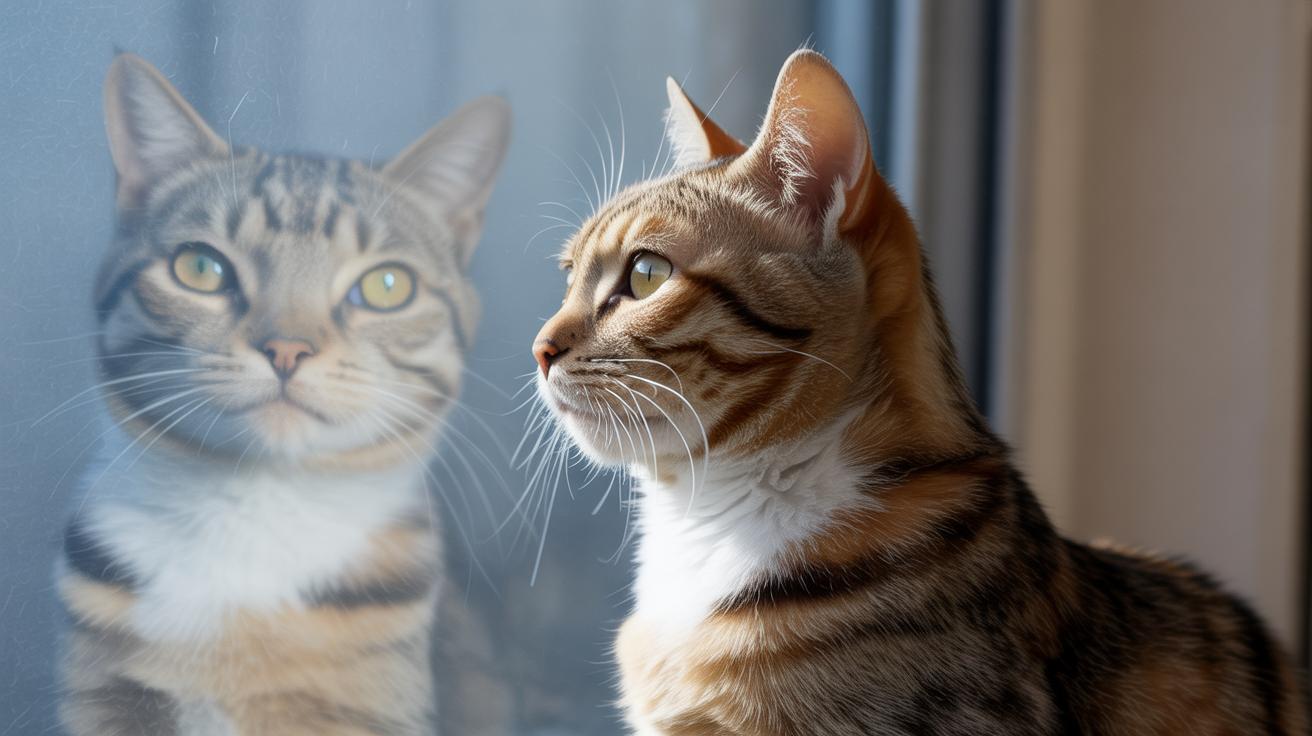
Think cats are aloof? Think again! Some breeds will follow you around like a tiny shadow and flop into your lap asking for belly rubs, their purr a soft rumble against your hand.
This list names the top 10 most affectionate cat breeds, from Ragdoll (a floppy, lap-loving breed) to Sphynx (the hairless cat who loves warm skin). We score each one on affection, vocalness (how much they meow or chirp), grooming needs (brushing, occasional baths), and how well they fit families, apartments, or busy schedules. It’s all about helping you match a kitty to your life.
Here’s a quick guide to help you pick a purring cuddle buddy that suits your home, so you can be feline fine together.
Top 10 Most Affectionate Cat Breeds
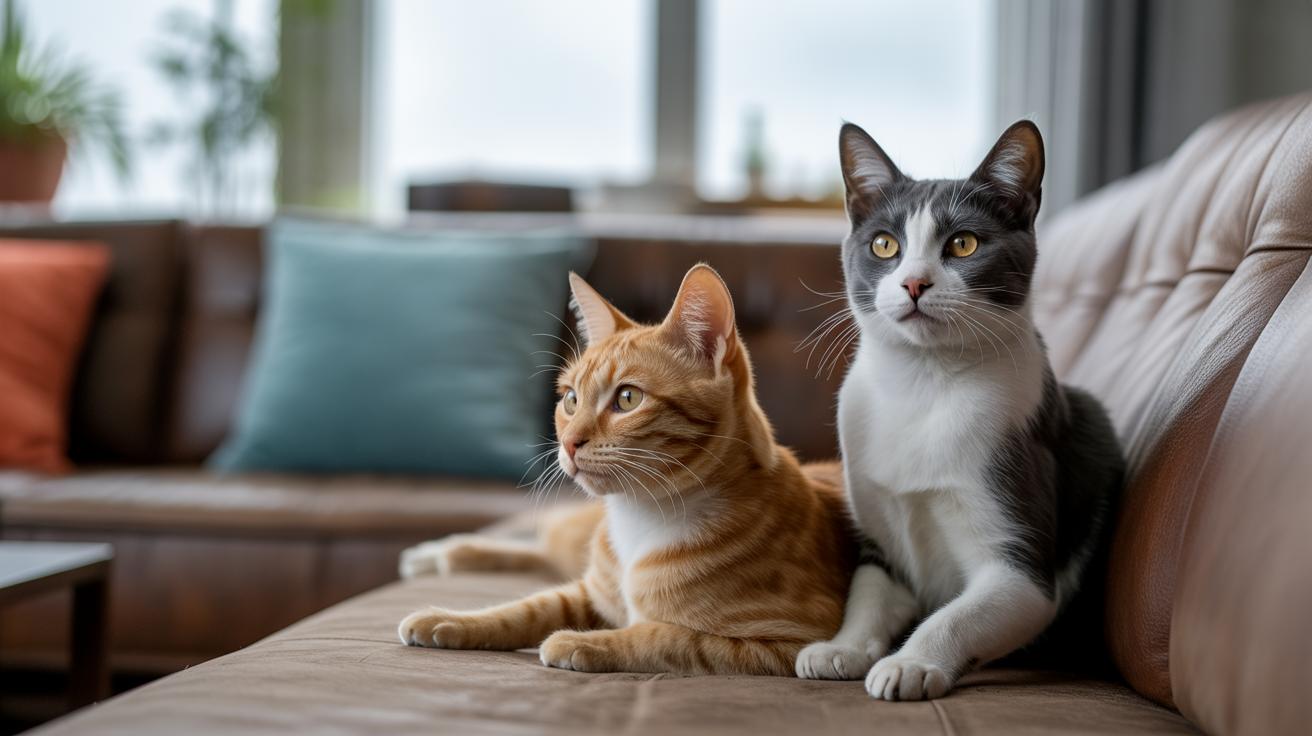
- Ragdoll – very people-loving, calm lap cat. Suitability: family / senior.
- Maine Coon – big, friendly and chatty (think gentle giant, like a small dog). Suitability: family / space-friendly.
- Siamese – super social and vocal, asks for constant interaction. Suitability: apartment / active owners.
- Birman – mellow and forms strong bonds, a steady companion. Suitability: family / senior.
- Scottish Fold – gentle and affectionate, but watch for genetic health issues (ask the breeder about checks). Suitability: family (check breeder health).
- Persian – lap-first, very calm, needs lots of grooming (daily brushing). Suitability: senior / indoor.
- Sphynx – extremely people-focused, loves warmth and skin care; not truly hypoallergenic (that means it can still trigger allergies). Suitability: allergy-aware households.
- Burmese – loyal, playful, and low-maintenance coat care. Suitability: apartment / family.
- Tonkinese – active and cuddly, likes to be part of the action. Suitability: active owners / apartment.
- Devon Rex – playful shoulder-percher with a short, curly coat (feels like velvet), minimal coat maintenance. Suitability: apartment / allergy-aware.
Quick scan first: each line gives the breed, a short temperament note, and a one-line suitability tag so you can pick breeds that match your home and schedule. Handy, right?
How we ranked them: we looked at affection, how vocal or clingy a breed tends to be, whether they do well in families or apartments, how much grooming they need, and how much daily attention they usually want. Simple factors, real-life results.
Breeder vs shelter tradeoff: breeders usually offer more predictability and health testing paperwork. Shelters and rescues often have loving adult cats ready to join you now, usually for a much lower fee. Both great paths. Your call.
Think about these quick questions before choosing:
- Lap preference – do you want a true lap cat or a buddy who checks in now and then?
- Activity level – mellow cuddlers or attention-hungry zippers?
- Grooming tolerance – daily brushing and trims or low-maintenance fur?
Next, dive into the breed profiles for short highlights, plus links to full grooming and training guides. Ever watched your kitty zoom and then flop into your lap? Yeah, you’ll want to read on.
Top 10 Most Affectionate Cat Breeds
Each breed below has one short paragraph: a quick temperament snapshot, a one-line grooming note, and a best-home tip. See Grooming and daily care for full schedules and see Training, play, and enrichment for bonding techniques. Ever watched your kitty circle your lap like it owns the place? Read on.
Ragdoll
Big, soft-hearted cats that love to follow you around and flop into laps like a living pillow. Grooming: semi-long silky coat (medium-length fur that can tangle) , brush daily to several times a week to stop mats. Best home: families or seniors who want a calm snuggler and lots of lap time.
Maine Coon
Huge, friendly, and almost doglike in how they attach to people; they’re chatty and curious but gentle. Grooming: long, water-resistant coat (long fur that sheds water and needs regular care) , brush often to prevent tangles. Best home: families with space who want an outgoing, playful companion.
Siamese
Extremely social and very vocal , they’ll tell you when they want play or company. Grooming: short coat (short fur, low maintenance) , a weekly brush and basic care keeps them sleek. Best home: active owners or apartments where there’s lots of talking and interactive play.
Birman
Sweet, steady, and people-focused; they bond deeply without being needy. Grooming: silky long coat (long fur that stays smooth with regular brushing) , brush several times a week. Best home: families or seniors looking for a calm, loyal buddy.
Scottish Fold
Playful and affectionate with a soft, loving side; you’ll want to check breed-specific health notes about their ears and joints (folded ear cartilage can mean extra vet checks). Grooming: short-to-medium coat (short to medium fur) , weekly brushing. Best home: attentive families who can watch for health needs.
Persian
Quiet, ultra-lap-friendly cats that enjoy slow, peaceful afternoons and gentle petting. Grooming: high-maintenance long coat (very long fur that needs daily care) , expect daily brushing and periodic trims. Best home: indoor seniors or anyone wanting a serene lap companion.
Sphynx
Hairless, velvety-skinned extroverts who crave warmth and constant contact , they’re real attention addicts. Grooming: weekly bathing and ear cleaning (bathing removes skin oils) and warm bedding for comfort. Best home: people who can offer daily interaction and cozy spots.
Burmese
Loyal, playful, and totally people-oriented without heavy grooming needs. Grooming: short coat (short fur, easy care) , weekly brushing is enough. Best home: apartments or families who want an engaged, affectionate pal.
Tonkinese
Active, affectionate, and curious , they love being included in family life and games. Grooming: short, dense coat (short thick fur) , moderate weekly brushing keeps them neat. Best home: active owners or apartments where playtime happens regularly.
Devon Rex
Quirky shoulder-perchers with a short, wavy coat (soft, curly fur) and a habit of sticking close to people. Grooming: minimal coat maintenance but occasional baths and ear checks are helpful. Best home: apartments or allergy-aware households who want a clingy, playful buddy.
| Breed | Typical Weight (F/M) | Life Expectancy | Grooming Needs | Best Home Type |
|---|---|---|---|---|
| Ragdoll | 8–15 lb / 12–20 lb | 13–15 years | Daily to several-times-weekly brushing (prevent mats) | Family / Senior |
| Maine Coon | 8–12 lb / 13–18 lb | 9–15 years | Regular brushing for long, water-resistant coat | Family / Space-friendly |
| Siamese | 6–10 lb / 8–12 lb | 9–13 years | Weekly brushing (short coat) | Apartment / Active owners |
| Birman | 6–9 lb / 9–13 lb | 14–16 years | Several-times-weekly brushing (silky long coat) | Family / Senior |
| Scottish Fold | 7–12 lb / 9–14 lb | 12–15 years | Weekly grooming for short/medium coat; monitor ear/joint health | Family (check health) |
| Persian | 6–9 lb / 8–12 lb | 15–20 years | Daily brushing and regular trims (high-maintenance long coat) | Senior / Indoor |
| Sphynx | 6–10 lb / 8–12 lb | 10–16 years | Weekly bathing and ear care (skin needs oil removal) | Allergy-aware households / Warm homes |
| Burmese | 6–8 lb / 8–12 lb | 12–16 years | Weekly brushing (short coat) | Apartment / Family |
| Tonkinese | 5–7 lb / 6–9 lb | 9–15 years | Moderate weekly brushing (short, dense coat) | Active owners / Apartment |
| Devon Rex | varies – small to medium | varies | Occasional baths and ear checks (short, wavy coat) | Apartment / Allergy-aware |
Choosing and adopting: checklist, costs & availability, and top resources
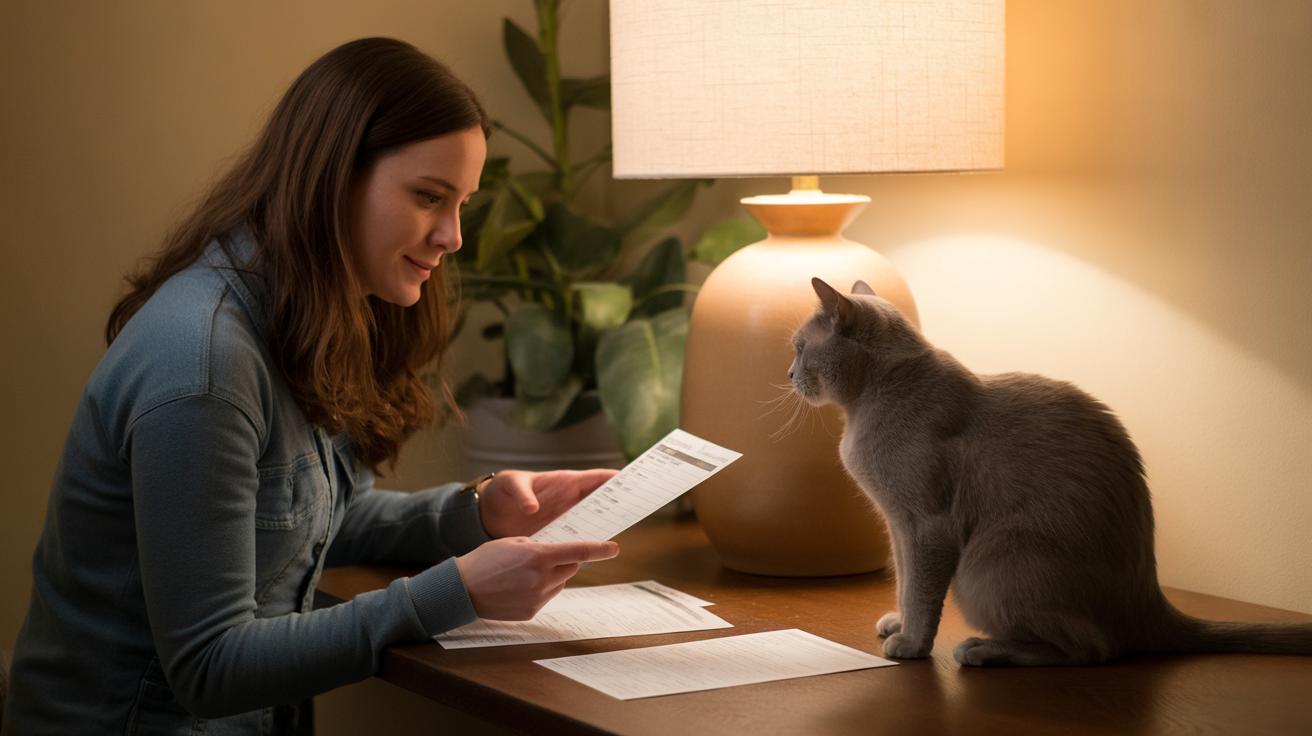
Picking a loving cat means balancing price, timing, and how fast a kitty will fit into your life. Breeder kittens give more predictable looks and health paperwork, while shelters and breed rescues often have friendly adults who are ready to cuddle right away and usually cost less. Putting typical fees in one place helps you avoid sticker shock and makes it easier to ask smart questions when you call or visit.
Costs & availability
Below is a quick table of typical breeder fee ranges and what to expect from shelters and mixed-breed options. Lots of loving adults show up in local rescues and shelters, so check there if you want an instant companion.
| Breed | Typical Breeder Fee Range | Shelter Fee / Availability Note |
|---|---|---|
| Ragdoll | $400 to $2,500 | Some rescues; shelter fees vary by org |
| Maine Coon | Varies – check breed rescues or reputable breeders | Occasional in rescues; availability is regional |
| Siamese | $600 to $2,000 | Found in breed rescues and shelters |
| Birman | $600 to $1,000 | Less common in shelters; check breed rescues |
| Scottish Fold | $800 to $1,500 | Breeder availability varies; rescues sometimes list adults |
| Persian | Varies – check breed rescues or reputable breeders | Sometimes in shelters; many rescues specialize in long-hair breeds |
| Sphynx | $1,500 to $3,000 | High demand; fewer shelter finds |
| Burmese | $600 to $1,200 | Occasional rescues; check breed-specific groups |
| Tonkinese | Varies – check breed rescues or reputable breeders | Moderate availability via rescues |
| Devon Rex | Varies – check breed rescues or reputable breeders | Sometimes in specialty rescues; shelter sightings less common |
| Shelter / Mixed-breed | , | $50 to $200; often includes vaccines and spay/neuter (fixing) |
- Temperament observation: watch how the cat approaches people. Is it calm, curious, clingy, or shy? Try a slow hand and a soft voice to see how it reacts.
- Social history: ask about time around kids, dogs, and other cats and note any fear or aggressive episodes. That helps you plan introductions.
- Medical records: request vaccine history (shots), spay/neuter status (fixing), recent vet checks, and any ongoing meds. Paperwork matters.
- Separation-anxiety signs: ask if the cat vocalizes a lot, gets destructive, or stops eating when left. There are ways to help, see Managing clingy behavior.
- Grooming and time commitment: get an estimate of daily and weekly grooming needs. Long hair needs more brushing.
- Daily interaction baseline: ask how much play and lap time the cat gets now and compare that to your schedule. See Training, play, and enrichment for ideas.
- First-year cost estimate: ask for a sample budget for the first year. Include vaccines, spay/neuter, microchip (ID implant), food, litter, and an emergency fund.
- Paperwork and contracts: ask for health-test paperwork, microchip details, and the adoption or breeder contract or guarantee.
Kittens vs Adults
Kittens are cute and curious. You shape manners and habits from week one, but that takes time and patience. Adults often arrive socialized and show their personalities right away, which is great if you want immediate cuddles.
- Adult benefit: many are litter-trained and vet-checked, ready to fit your routine.
- Adult benefit: calmer for busy households or seniors who want a predictable buddy.
- Adult benefit: rescue cats often already love laps, so you get instant affection.
- Kitten benefit: you can guide early socialization and training (play, litter, handling).
- Kitten benefit: more years together if you want a long-term companion.
- Time-to-bond note: kittens bond over months of care; socialized adults can bond in days to weeks. Read more about how older cats remember and attach at do cat remember you.
Resources and next steps
- Local shelters: visit in person, ask for meet-and-greets, and request a short behavior summary and medical records before adopting. Meet the cat in a quiet room if you can.
- National and breed rescues: great if you want a specific breed or a socialized adult; ask about foster-to-adopt trials so you can test the fit.
- Reputable breeder screening tips: ask for health testing paperwork (hips, heart, PKD where relevant), references from past buyers, multi-generation pedigrees, and written health guarantees.
- Online adoption platforms: good for searching local listings, but always meet the cat in person and ask for vet records before you commit.
- Preparing for the first vet visit: bring any paperwork, a stool sample if available, and a list of behaviors and questions so you start on the right foot.
When you contact breeders or rescues, ask for copies of health tests, vaccination records, and the adoption or return contract. Ask about the microchip (ID implant) number and whether a short trial or foster period is possible so you can confirm the match before finalizing.
Grooming and daily care for most affectionate cat breeds (long-haired vs short-haired needs)
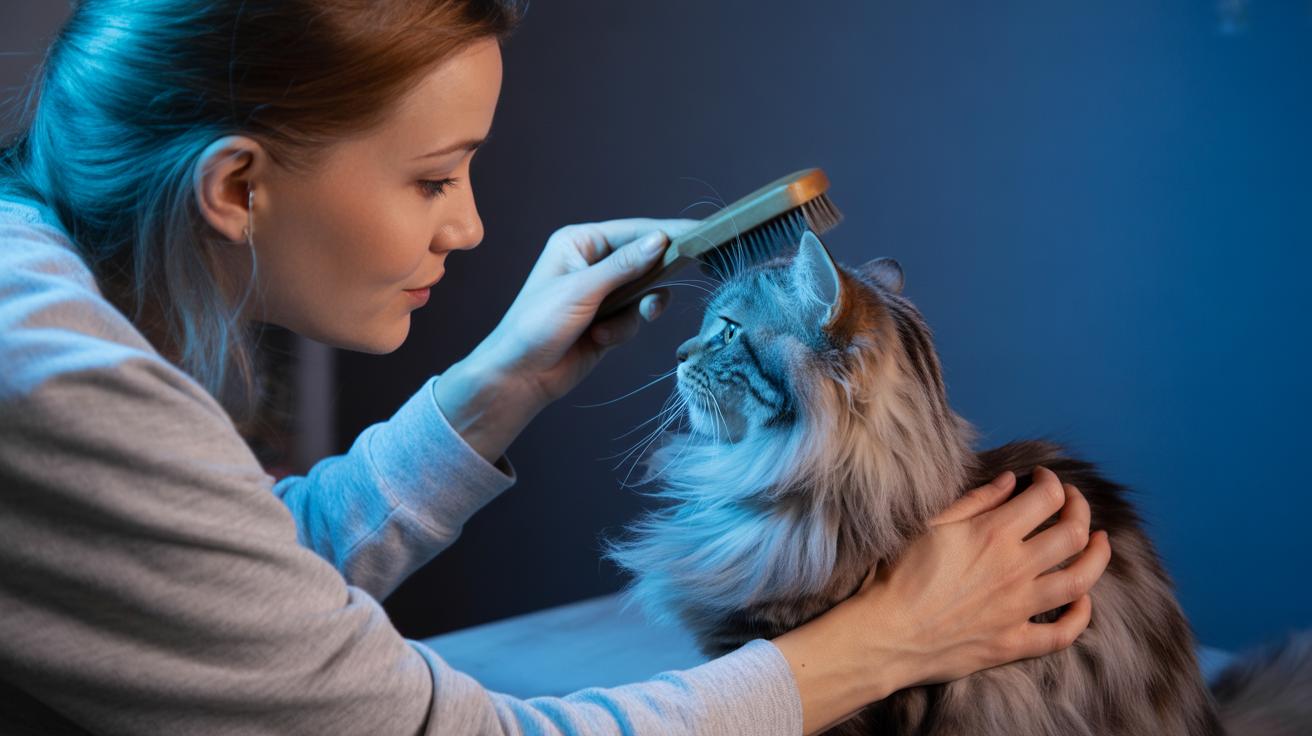
Grooming really falls into three simple rhythms: daily for heavy long coats, weekly for most short coats and hairless skin care, and monthly for trims or deep cleanings. Keep sessions short and calm. Think five to ten minutes of brushing, quick checks, and a little cuddle, not a marathon. Ever watched your kitty's whiskers twitch as you brush them? That little scene is the goal.
- Long-haired heavy-shedder , brush every day or every other day, 5 to 10 minutes. Use a slicker brush (a brush with fine, slightly bent wires that lifts loose fur) to prevent matting, which is fur that tangles and pulls on skin. Trim once a month if needed. Breeds: Persian, Ragdoll, Maine Coon.
- Long silky , brush several times a week, 5 to 10 minutes, and pay extra attention behind the ears and under the armpits where hidden mats hide. Breed: Birman.
- Short-coated , weekly brushing, 5 to 10 minutes, with extra deep-shed sessions in spring and fall using a rubber curry brush (a soft rubber tool that pulls out loose hair), about 10 to 15 minutes. Breeds: Siamese, Burmese.
- Hairless , weekly baths with gentle soap, 5 to 10 minutes, plus ear cleaning every one to two weeks. Moisturize if the skin feels dry and give warm bedding for comfort. Breed: Sphynx.
- Curly or wiry coats , a bath every four to six weeks helps, and check ears weekly to gently remove wax. Breed: Devon Rex.
- Dental and eye-care , brush teeth two to three times a week or use dental wipes, and check for tear stains every day on flat-faced breeds, wiping gently as needed.
Make grooming feel like a tiny ritual. Start predictable, pair it with a favorite treat, and stop while your cat's still enjoying it. Short, regular sessions build trust fast, and you get to enjoy the satisfying thud of a toy or the soft nibbles on a plush ear afterward. In truth, it turns a chore into a win-win.
Try this 4-step micro-routine to build affection and fold grooming into your day:
- Brushing, 5 to 10 minutes , slow, steady strokes, give praise between passes.
- Quick teeth check, 30 to 60 seconds , reward right after.
- Ear wipe, 30 seconds per ear , use a soft, damp cloth.
- Lap cuddle and gentle petting, 3 to 5 minutes , finish with a favorite treat.
Worth every paw-print. See Breed profiles for exact coat notes and see Training, play, and enrichment for ways to fold grooming into daily play.
Most affectionate cat breeds: suitability for families, apartments, allergies, and seniors
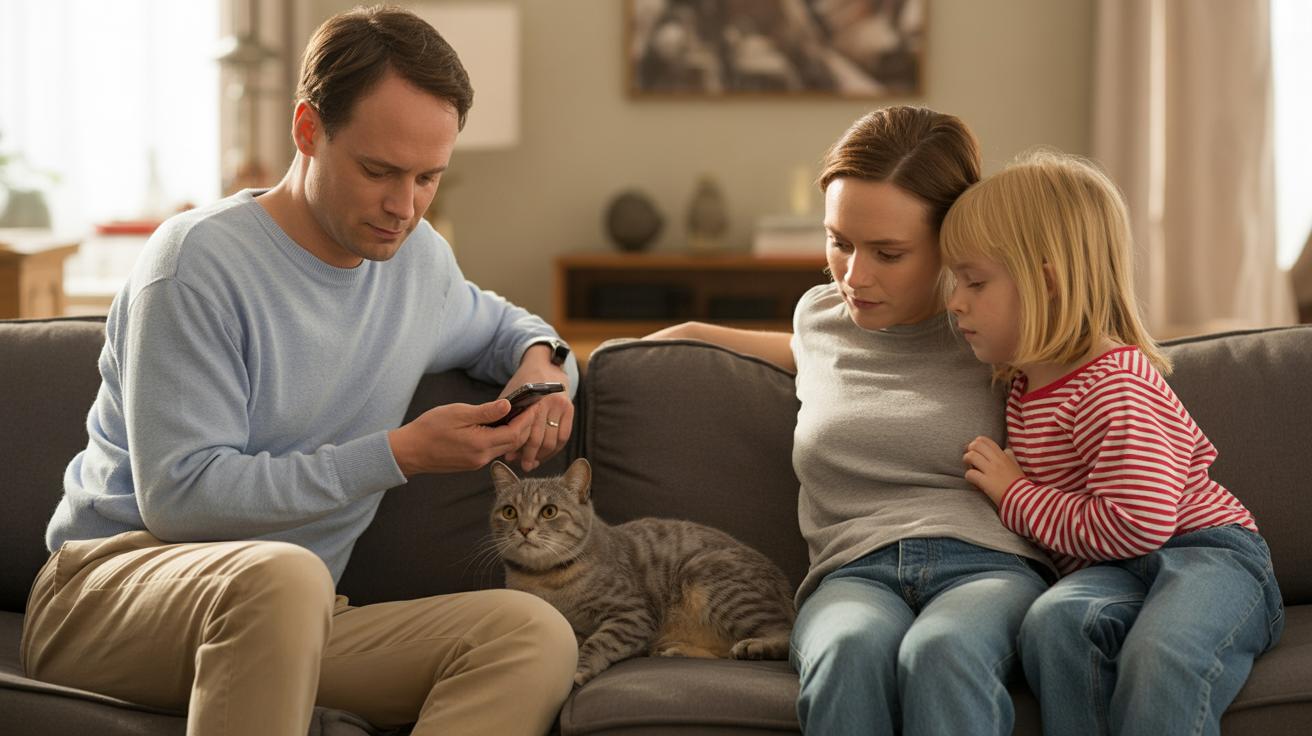
Pick a cat that fits your home's space and energy – it makes life easier for both of you. Want a playful buddy or a mellow lap companion? Let’s match your lifestyle to a purry friend.
-
Family Homes:
- These breeds tend to be patient with kids, other pets, and busy noise around the house.
- Ragdoll – calm lap-lover who often goes limp in your arms, with soft fur and a huge purr.
- Maine Coon – big, gentle playmate that’s patient and likes to be part of family chaos.
- Ragamuffin – famously snuggly and easygoing, the kind that happily naps on your kid’s blanket.
-
Apartments / Busy Owners:
- Short bursts of play and lots of people-time work best here. These cats do well indoors and with limited space.
- Siamese – social and chatty, loves intense short play sessions and then flops down for attention.
- Devon Rex – compact and playful, low shedding and easy to groom, great for tighter spaces.
- Burmese – people-focused and adaptable, happy to hang close by when you’re working or out.
-
Seniors / Calm Households:
- If you want a gentle companion for quiet days, these breeds are mellow and affectionate.
- Persian – ultra-lap-friendly and slow-paced, perfect for afternoon naps together.
- Ragdoll – mellow and cuddly, a repeat because they really do shine in calm homes.
- Birman – steady and gentle, a soft presence who follows you around like a tiny shadow.
-
Allergy-aware:
Check each linked profile above for full grooming, health, and adoption details – that will help you pick the best match for your home and heart.
Reading affection: body language and signs common to loving cats
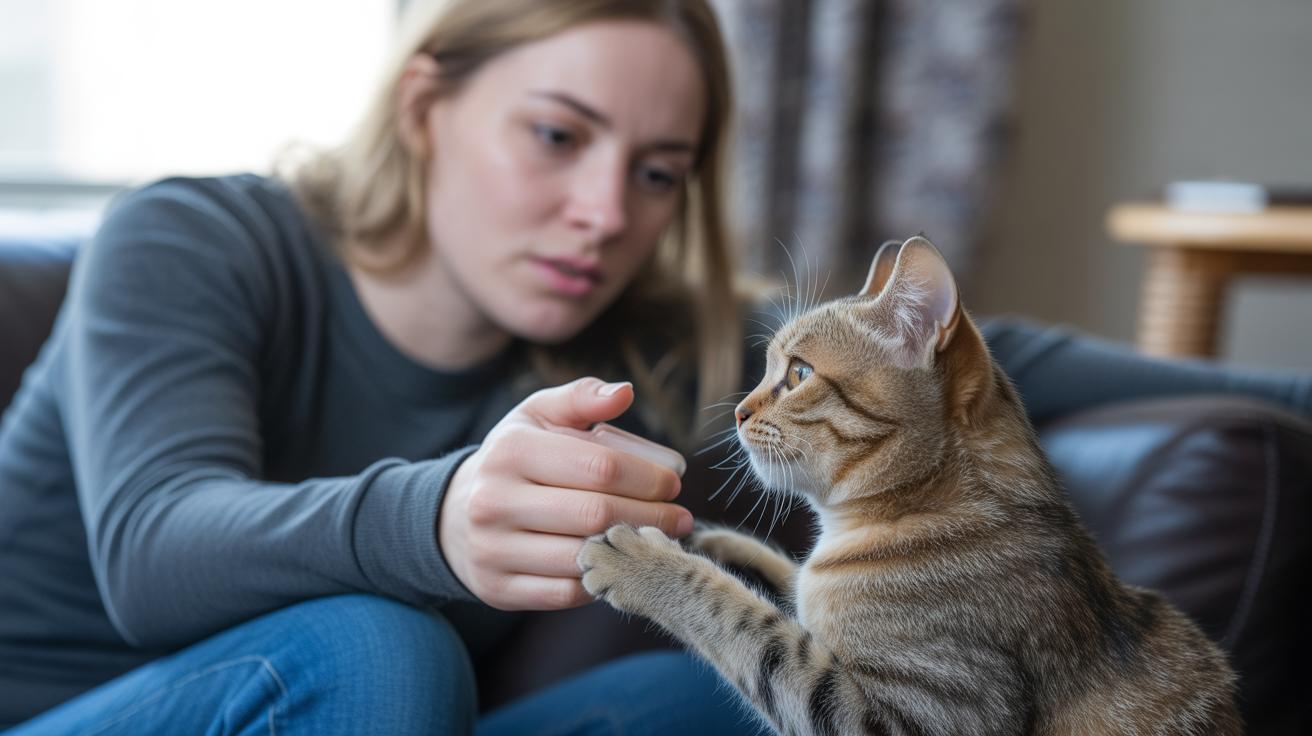
Knowing how to read your cat makes it easier to tell real attachment from plain attention-seeking. Watch for small actions your cat repeats, those little habits are the clearest signs they’ve bonded with you. Think of it like learning a new language, but cuter and with more fur.
- Purring , a low, steady rumble (a soft vibrating sound your chest can almost feel) that usually means comfort and contentment. You’ll often hear it when they’re curled on your lap or getting groomed.
- Kneading , gentle, rhythmic paw presses (think a dough-rising motion) that scream kitten trust; many cats do this when they settle on your chest or a soft blanket.
- Following you , trailing you from room to room shows trust and a desire to be near you. Ever have a little shadow cat under your feet? That’s not random.
- Curling on laps , choosing your lap for a nap is peak closeness. Some breeds, like Persians and Ragdolls, are total lap fans. Worth every paw-print.
- Head bunting / bumping , a forehead nudge that mixes scent-marking with affection (a friendly “this is mine” nuzzle). Read more about what do cat head bumps mean.
- Rubbing against legs , they’re spreading their scent on you to mark you as safe and familiar; it’s basically a fuzzy hello.
- Greeting at the door , coming to meet you when you come home after being away is a strong sign they missed you and trust you. Some Ragdolls and mixed domestic cats are great at this.
- Chirping or conversational meows , short, chatty noises that invite interaction; you’ll hear this a lot from Maine Coons and Siamese types.
Vocal cats and quiet cats both show love, just in different ways. Siamese and Maine Coon cats might hold full conversations with you, while Persians and Birmans will say less and speak with their posture and purrs. Watch patterns over days, not just one odd moment.
Quick note: for step-by-step tips to ease clingy behavior, see Managing clingy behavior.
Training, play, and enrichment to strengthen bonds with affectionate cats
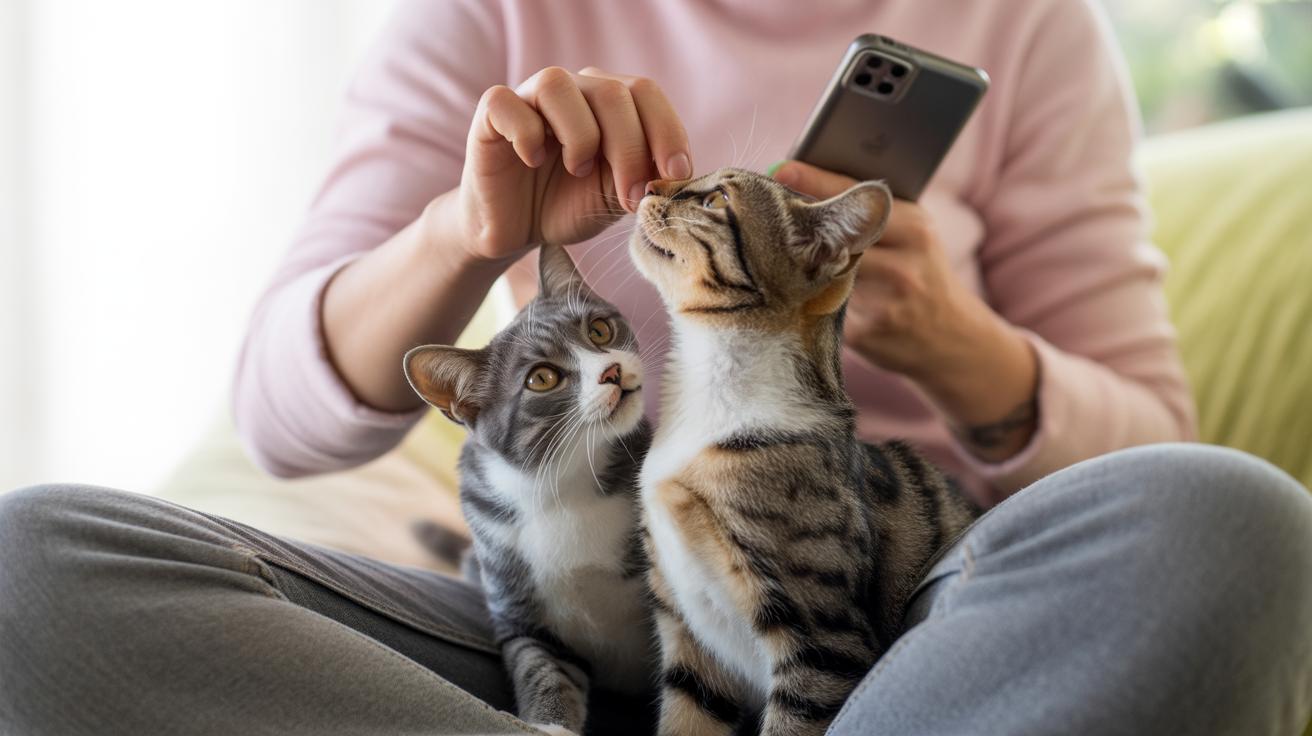
Routine plus positive reinforcement builds trust fast. Keep sessions short, predictable, and playful so your cat looks forward to them. Little wins add up , five to ten minutes a few times a day beats one long marathon. Ever watched your kitty chase a shadow? That kind of quick fun counts.
-
Five-minute targeted play routine
Start with a slow warm-up: 0-1 minute of gentle wand movement (think slow swishes). Then crank up the excitement for 1-3 minutes with quick zips and hiding the toy behind a box to spark the hunt. Finish with a 3-5 minute cool-down using a slow rolling ball or a feeder toy (a toy that drops kibble or treats as it moves). Repeat 2-3 times daily for high-energy breeds like Tonkinese and Siamese. It’s short. It’s focused. And your cat gets the satisfying thud of a rolling catch. -
Lap-groom plus reward sequence
Invite your cat onto your lap, brush gently for about 5 minutes using short, calm strokes, then give a small treat right away and praise. Stop while the mood is still happy. Do this after a calm meal for breeds that love close contact, like Burmese and Ragdoll. Worth every paw-print. -
Clicker and target training , simple 3-step plan
Step 1: mark the wanted behavior with a clicker (a tiny handheld device that makes a crisp click sound). Step 2: reward within one second. Step 3: repeat 5-8 times per session. Keep the whole session to 3-5 minutes per day. Small reps, clear signals, big brain wins. -
Evening cuddle ritual
Dim the lights, lay out a soft blanket, and spend 10-20 minutes low-talking and petting your cat. Add a short play burst about 15 minutes before to wear down extra energy. Calm, cozy, cat-approved. -
Scent-exchange bedding
Rotate a small blanket between pets every 2-3 days, and put each item in the other pet’s sleeping spot overnight so scents mix. It’s an easy way to help pets feel familiar with each other without pressure. Humans call it subtle diplomacy, cats call it sniff-time. -
Travel-acclimation micro-routine
Three short steps: leave the carrier (a travel crate for cats) open at home for 10-20 minutes so it becomes a neutral spot; next, put treats inside for 5-10 minutes so the carrier feels rewarding; finally, take a 5-10 minute closed-carrier ride around the block. Repeat over several days. Patience here makes trips much calmer.
Track progress over 2-6 weeks and tweak timing or rewards if your cat seems stressed or bored. See Grooming and daily care and Breed profiles for breed-specific tips.
Managing clingy behavior and separation anxiety in affectionate cats
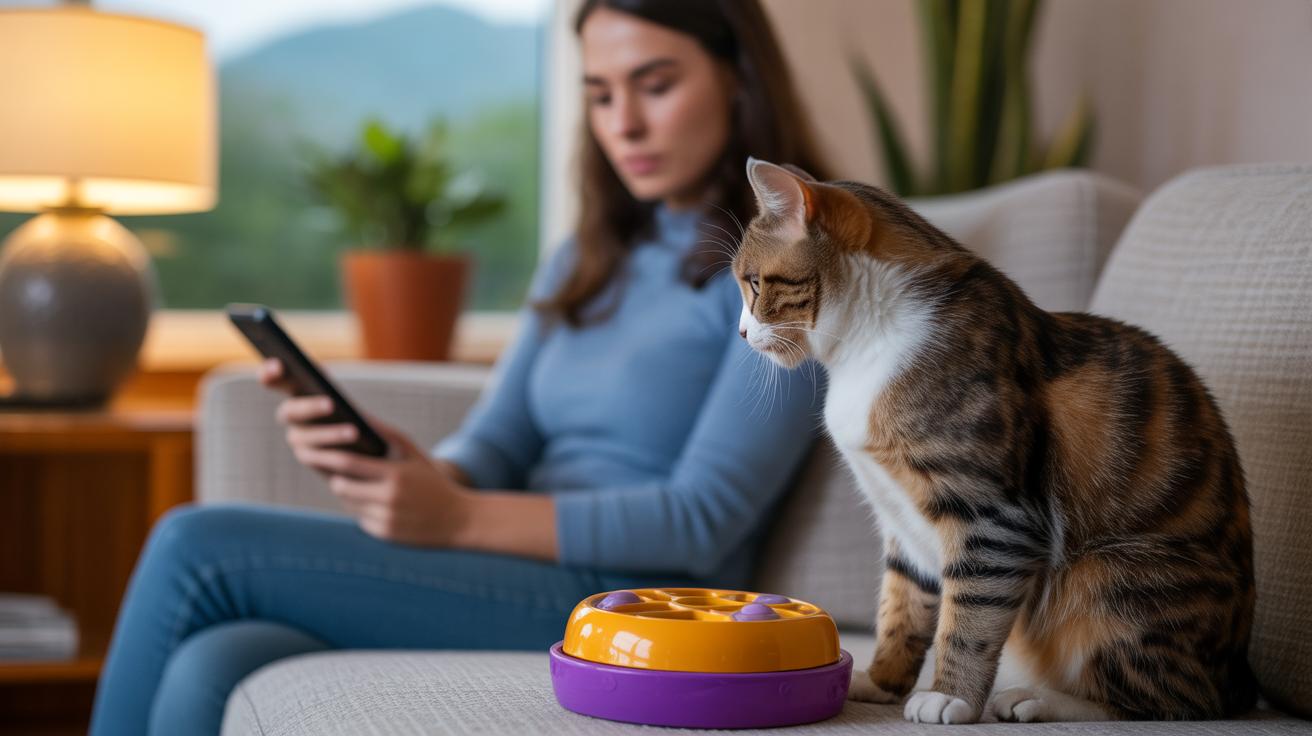
Some cats are velcro-kittys. Certain breeds , like Siamese, Sphynx, Burmese, and Tonkinese , often form extra-strong bonds. Watch for red flags: nonstop crying when you leave, destructive scratching, refusing food, or over-grooming that creates bald spots. First step, rule out health issues and note that spay/neuter (surgery to remove reproductive organs) can change social needs, so keep an eye on behavior after operations.
- Assessment
- Notice exactly when the behavior shows up: right as you walk out the door, during the day, or mainly at night.
- Track how bad it gets and what seems to trigger it; keep a simple behavior log for a week.
- Get a vet check first to rule out medical causes before you start behavior work.
- Short-term coping steps
- Do a 10 to 15 minute vigorous play session before leaving , tire them out with a wand or chase toy.
- Leave a warm blanket or a worn shirt in their bed so your scent comforts them.
- Add a timed treat dispenser (a device that spits out treats on a schedule) for distraction and comfort.
- Enrichment schedule
- Aim for three short play bursts of 5 to 10 minutes spread through the day.
- Use puzzle feeders (food toys that slow eating) at meal times to give them a job and slow down fast eaters.
- Rotate toys every few days so play stays fresh and interesting.
- Gradual desensitization exercises
- Step 1: leave for 2 to 5 minutes, then come back calmly. Keep arrivals and departures low-key so you don’t reward panic.
- Step 2: if they stay relaxed, add 5 to 10 minutes each day. Patience here is key.
- Step 3: over several weeks work up to 30 to 60 minute absences, only increasing time when they’re calm.
- Interactive toy use
- Try automated toys on timers so play feels unpredictable and fun when you’re out.
- Give window perches and hiding spots so they can watch and feel safe when alone.
- Think of a teaser wand like a fishing rod for cats , just add feathers and let the cat be the hunter.
- When to consult a pro
- If there’s no steady improvement after 4 to 6 weeks, talk to your vet or a certified behaviorist (a professional trained in animal behavior).
- Ask for a written behavior plan, and consider medication only as part of a broader strategy, not a quick fix.
- Emergency care if self-harm appears
- If over-grooming causes sores or they stop eating, get urgent vet care right away.
- You may need temporary confinement to a quiet healing area while following medical advice.
Behavior change takes weeks to months, so be patient and track progress. Cross-check signs with Reading affection and use Training, play, and enrichment for replacement activities. If you’re rethinking an adoption match, check the Adoption Costs & availability table before making final decisions.
Worth every paw-print.
Final Words
Jumping right into the action: the ranked top-10 list gives a one-line temperament and a suitability tag. Then you'll find short, scannable breed profiles, a centralized adoption costs and checklist, and practical grooming and daily care tips.
We matched breeds to homes (family, apartment, senior), explained how to read affectionate signals, and shared training and enrichment routines. There’s also a step-by-step plan for managing clingy behavior and separation anxiety.
Pick a cat that fits your pace, try the bonding routines, and enjoy more cuddles , the most affectionate cat breeds can make a busy multi-cat home cozy and full of purrs.
FAQ
What are the most affectionate cat breeds?
The most affectionate cat breeds are Ragdoll, Maine Coon, Siamese, Birman, Scottish Fold, Persian, Sphynx, Burmese, Tonkinese, and Devon Rex. These breeds often seek human company and enjoy cuddles.
Which breeds are best for lap cuddling?
Breeds best for lap cuddling include Ragdoll, Persian, Birman, Burmese, and Ragamuffin — mellow cats that love long snuggles and will happily curl on laps for quiet company.
Which breeds are clingy or likely to be clingy?
Breeds often described as clingy include Siamese, Sphynx, Burmese, and Tonkinese; they crave frequent contact, vocalize more, and do best with steady play and human time.
Are male or female cats more cuddly?
Whether male or female cats are more cuddly depends more on individual personality, early socialization, and neuter status than on sex; meet cats in person to judge affection.
What is the kindest type of cat?
The kindest types of cats are usually gentle breeds like Ragdoll, Birman, and Maine Coon, but true kindness varies by individual temperament and how a cat was raised.
Which breeds are the least affectionate?
Less affectionate breeds often include Russian Blue, British Shorthair, Abyssinian, and Egyptian Mau, which tend to be more independent and less focused on laps or constant contact.
Are there hypoallergenic affectionate breeds?
No breed is truly hypoallergenic; allergy-aware, affectionate options include Sphynx and Devon Rex, though they still carry dander. Regular cleaning and allergist advice help sensitive people.
Does a cat’s color affect how affectionate it is?
A cat’s color does not reliably predict affection; coat hue is far less important than breed, upbringing, and personality, so meet cats in person to judge their friendliness.
How affectionate are Norwegian Forest Cat, LaPerm, Scottish Fold, Maine Coon, Ragdoll, and Burmese?
These breeds vary: Ragdoll — very people-loving; Maine Coon — large and friendly; Burmese — loyal and playful; Scottish Fold — gentle; Norwegian Forest Cat — friendly yet somewhat independent; LaPerm — affectionate and curious.
Leave a Reply