Category: Cat Diet

  • Can Cat Eat Wheat Understanding Wheat’s Role in Feline Nutrition

    Can Cat Eat Wheat Understanding Wheat’s Role in Feline Nutrition

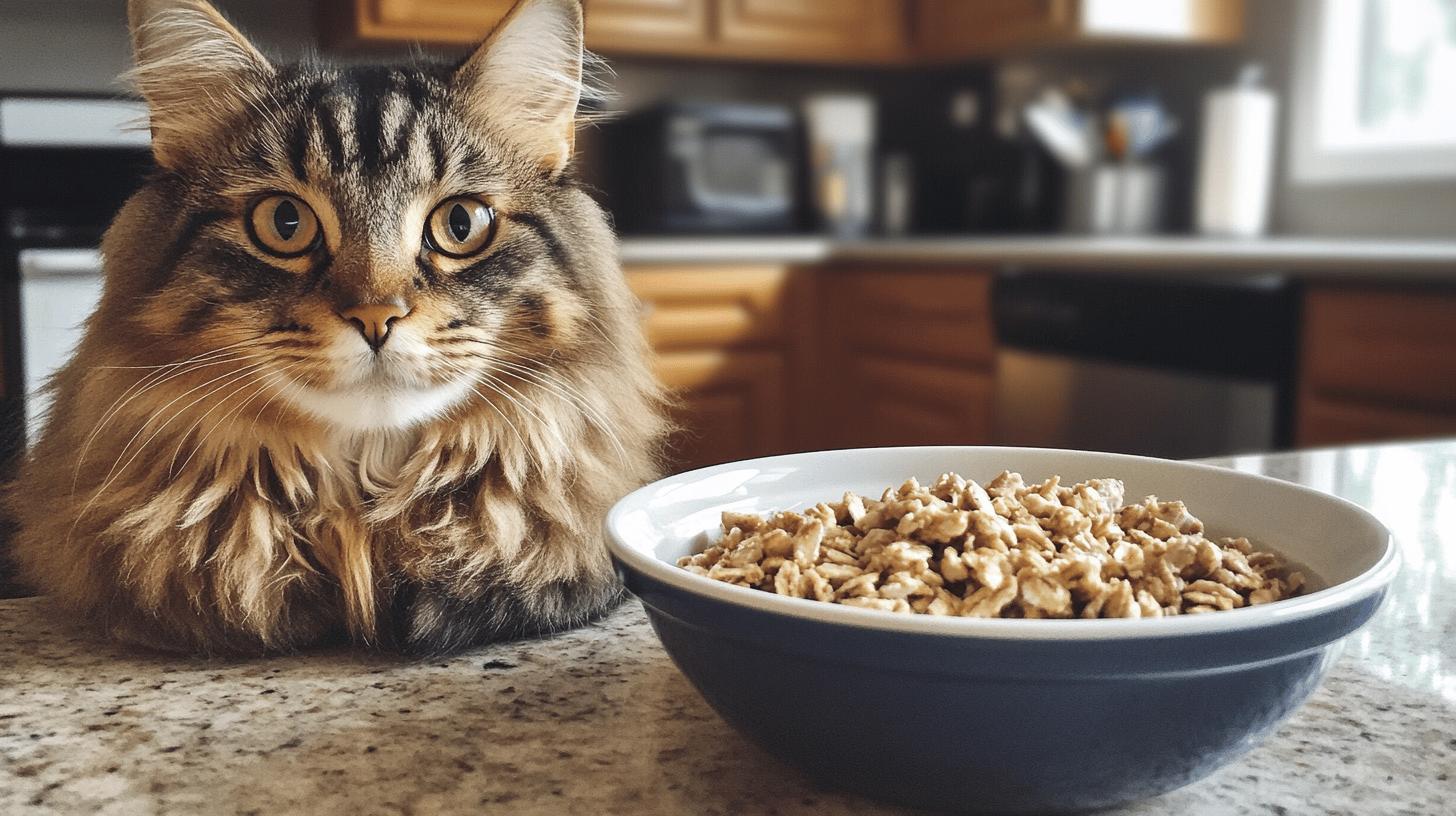
    Can cats safely munch on wheat, or should it be off the menu? This burning question is on the minds of many cat owners who want the best for their furry friends. While cats are designed for a meat-based diet, wheat can sneak into their meals in commercial cat foods. It can offer some fiber, vitamins, and minerals, but it won't replace the vital nutrients found in meat. Exploring wheat's place in a cat's diet helps ensure you're meeting all their nutritional needs without compromising their health. Let's dive into how wheat fits into your feline's nutrition plan.

    Wheat in a Cat's Diet: Safety and Nutrition
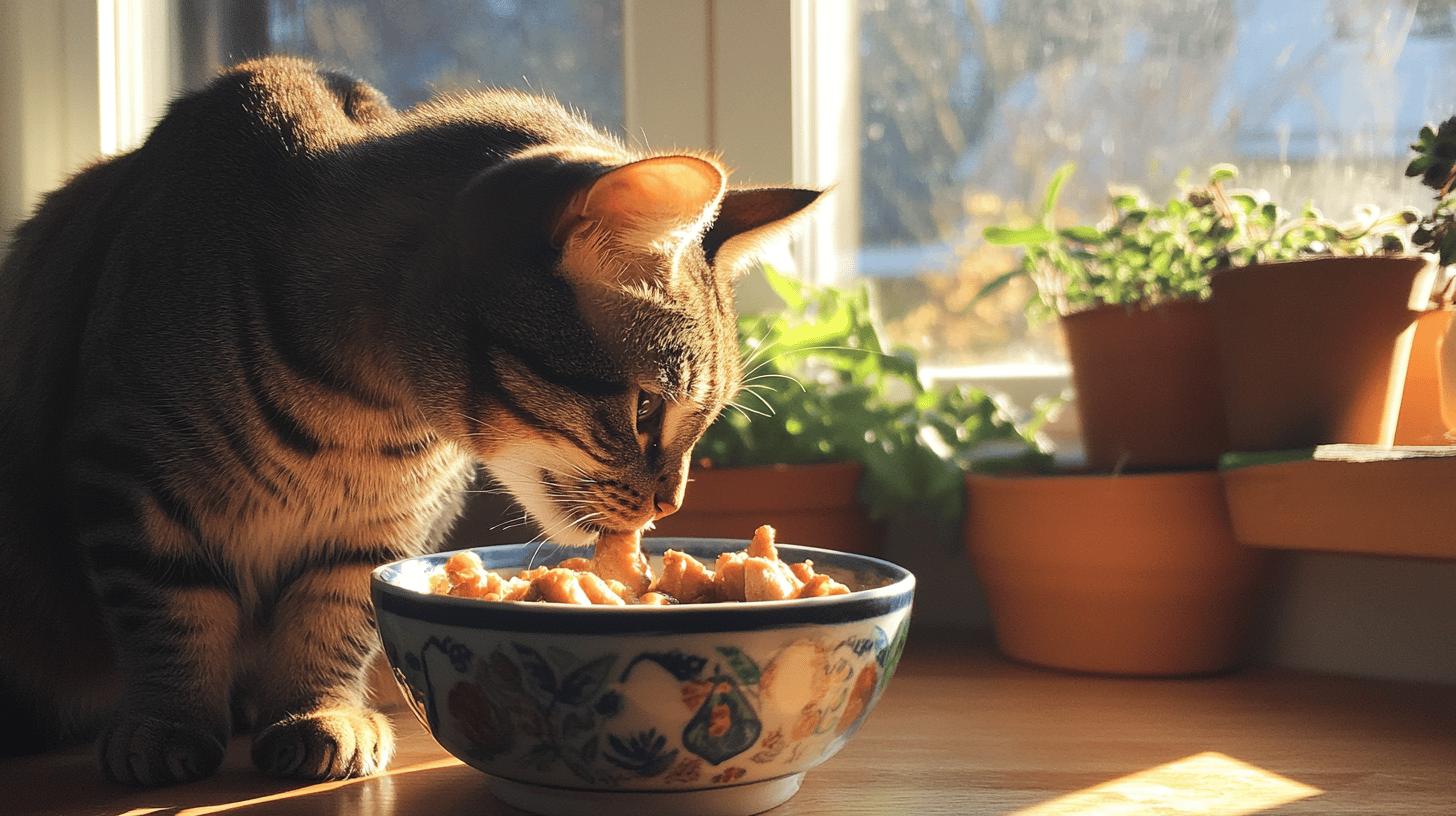
    Wheat in a Cats Diet Safety and Nutrition-1.jpg

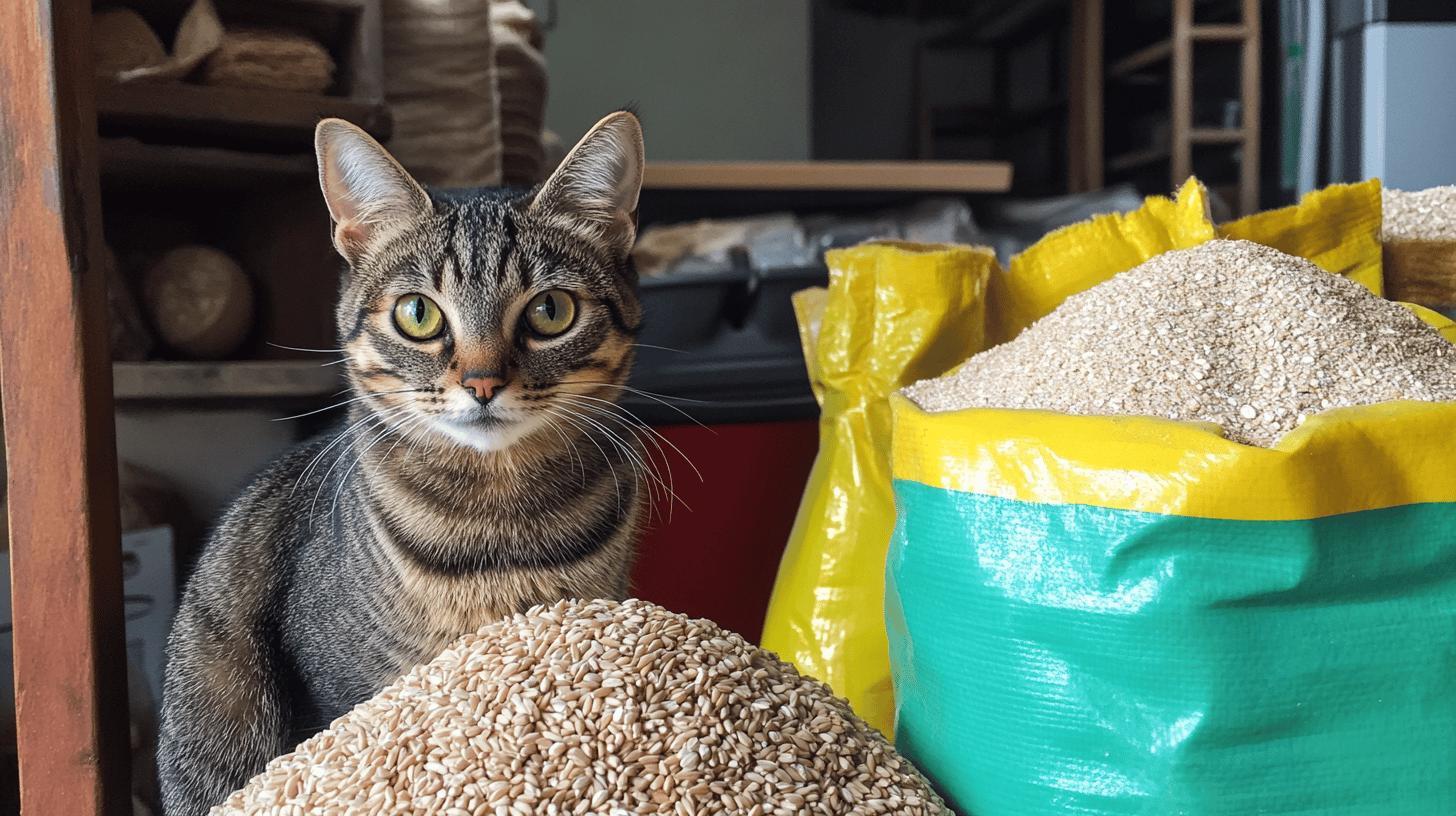
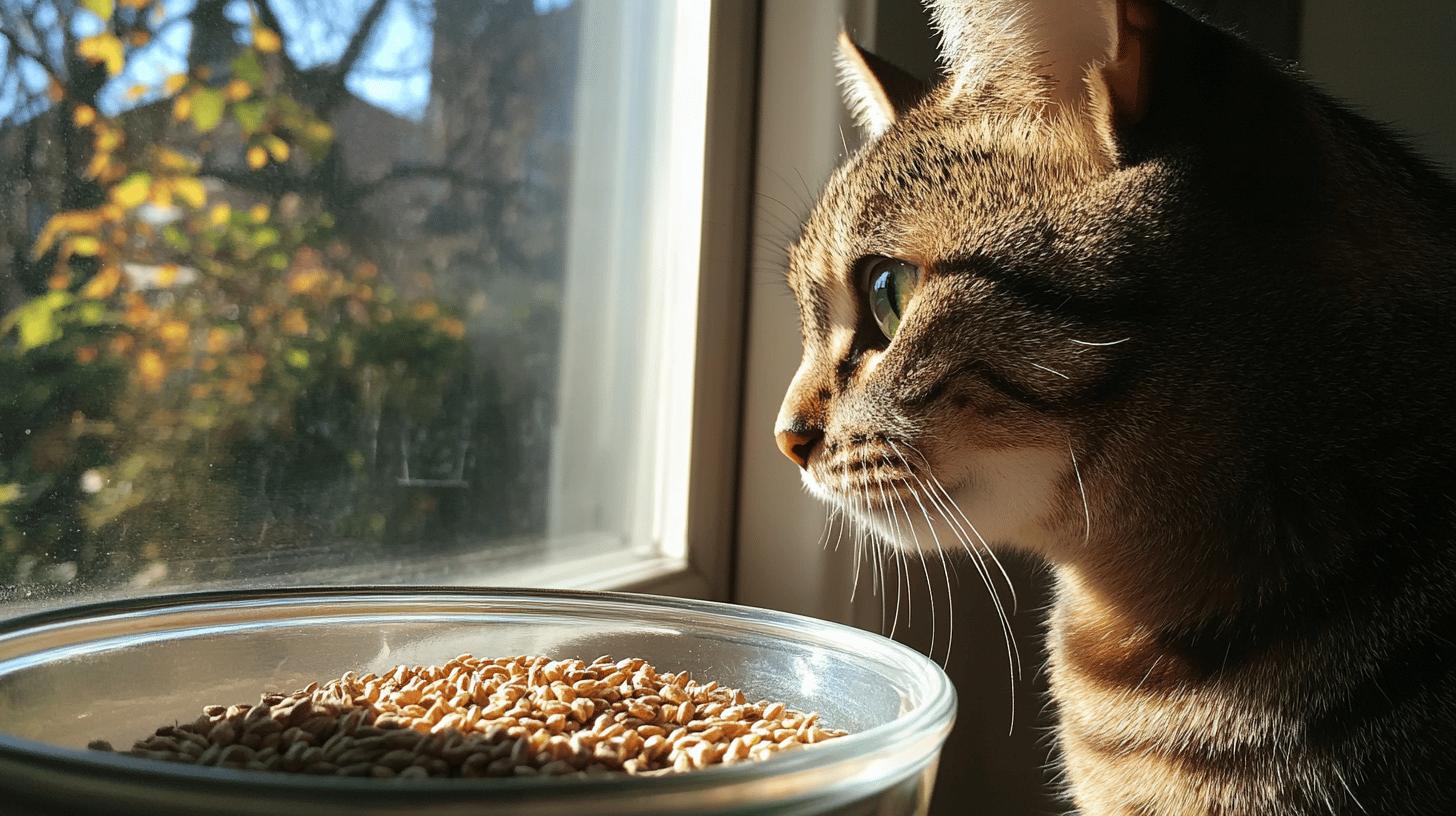
    Wheat is not toxic for cats, but it isn’t considered necessary for their diet. Cats are obligate carnivores, meaning their bodies are designed to thrive on meat-based nutrition. While wheat can be included in small amounts if a cat tolerates it, it's not essential for their health.

    When thinking about feeding wheat to cats, here are a few considerations:

    • Fiber Benefits: Wheat can provide dietary fiber, aiding digestion.
    • Vitamins and Minerals: It offers some vitamins and minerals, contributing to overall nutrition.
    • Fatty Acids: Wheat contains fatty acids, which can be beneficial.
    • Limitations: It lacks the essential amino acids found in animal-based proteins.

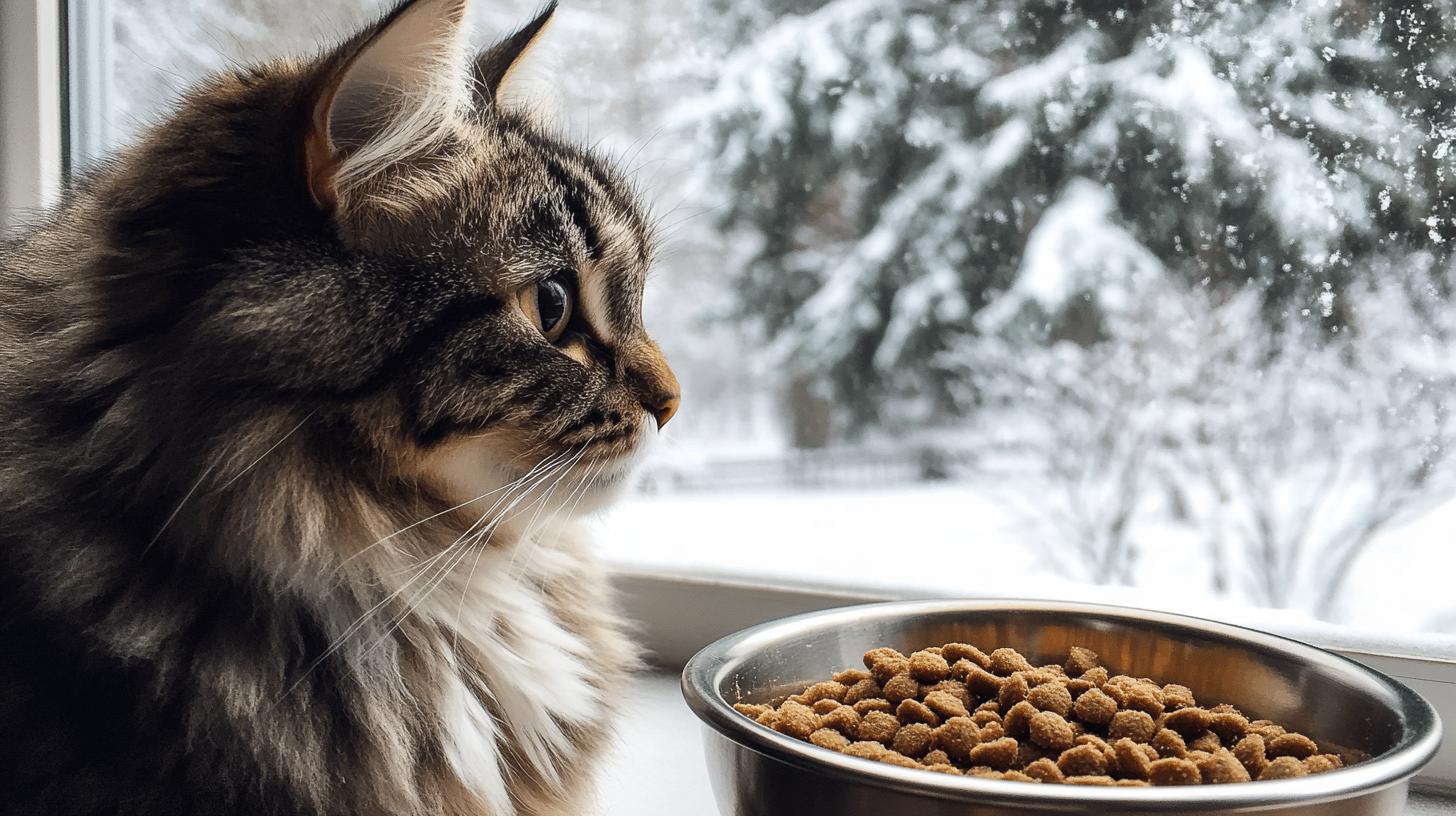
    In the world of commercial cat foods, wheat is often used as wheat gluten meal or wheat flour. These ingredients help add protein content and bind other ingredients in kibble form. While they play a role in the texture and structure of cat food, they don't supply the complete nutrition cats need. Animal proteins remain indispensable, as they deliver essential nutrients like taurine, which cannot be sourced from grains.

    Ensuring a diet high in animal proteins will meet all of a cat's nutritional needs more effectively than relying on wheat or other carbohydrates.

    Wheat Allergies, Intolerances, and Alternatives for Cats
    Wheat Allergies, Intolerances, and Alternatives for Cats-1.jpg

    Wheat allergies in cats, while rare, are indeed possible. These allergies are typically triggered by gluten, a protein found in wheat. Cats with a wheat allergy may experience symptoms that can impact their overall well-being. Monitoring for these symptoms is crucial for managing their diet effectively:

    • Digestive Upset: Look for signs such as vomiting or diarrhea.
    • Skin Issues: Itching, redness, or rashes can occur.
    • Behavioral Changes: Increased irritability or discomfort.

    Gluten plays a significant role in triggering these allergic reactions. As an obligate carnivore, a cat's digestive system is not naturally adapted to process large amounts of gluten. When gluten is present in their diet, it can cause discomfort and lead to the symptoms mentioned above. Adjusting your cat's diet to remove gluten can help alleviate these issues and improve their quality of life.

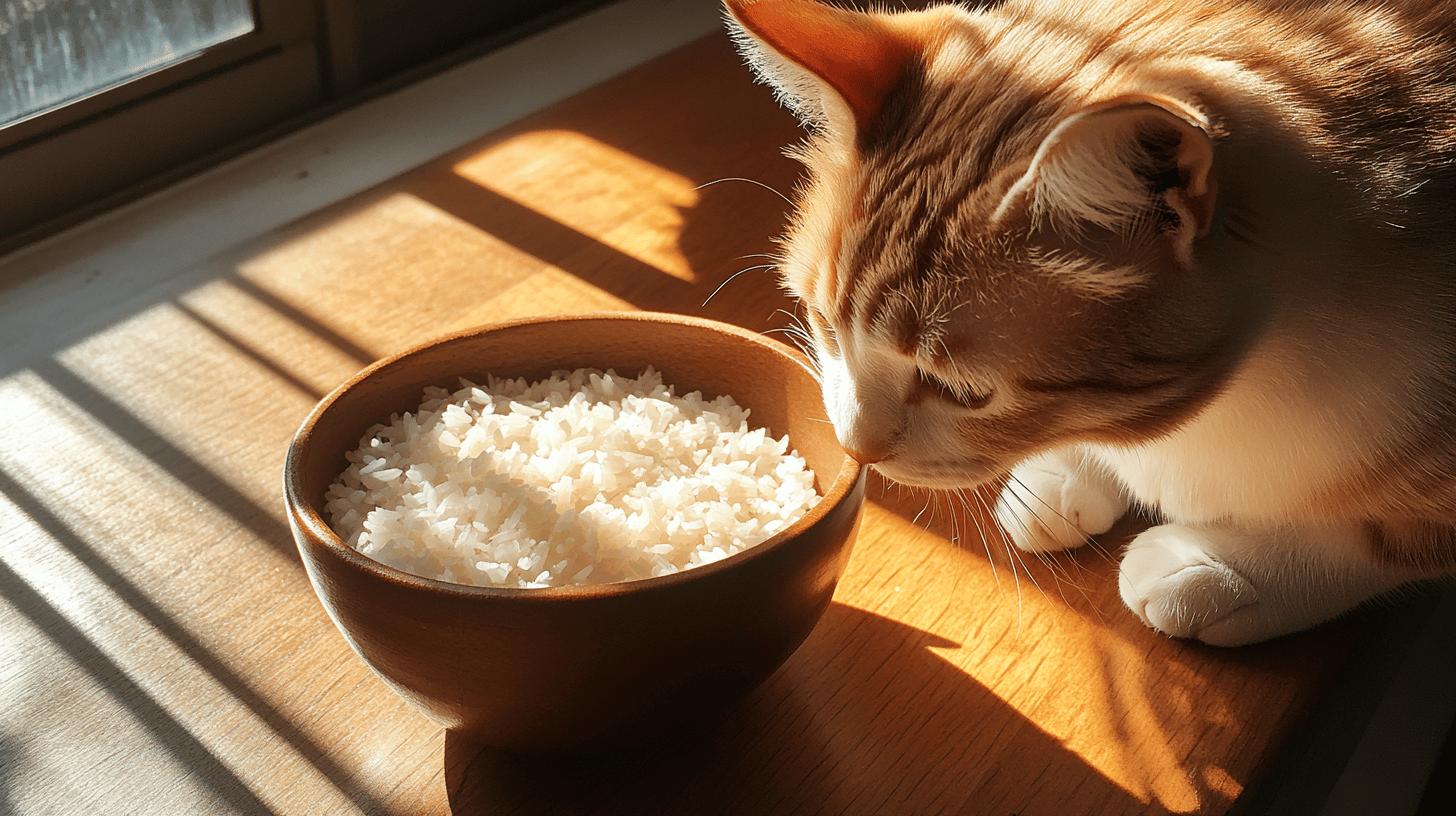
    For those looking for alternative grains, there are options that might be more suitable for cats who have difficulty digesting wheat. Here are three grains often considered more digestible:

    1. Rice: Known for its easy digestibility and mild flavor.
    2. Oats: Provides fiber and can be soothing to the digestive tract.
    3. Barley: Offers some nutritional benefits without the gluten.

    These alternatives can provide some additional nutrients like fiber and minerals, which might benefit a cat's digestive health. However, they should not be relied upon as primary nutritional sources. Cats need a diet rich in animal proteins, which deliver essential amino acids like taurine that grains can't provide.

    Incorporating these alternative grains in moderation can offer some variety without compromising a cat's dietary needs. It's important to remember that while these grains can supplement a cat's diet, they cannot replace the necessary nutrients found in animal-based proteins. Keeping animal proteins as the primary focus ensures that cats receive the balanced nutrition they require.

    Incorporating Wheatgrass in a Cat's Diet
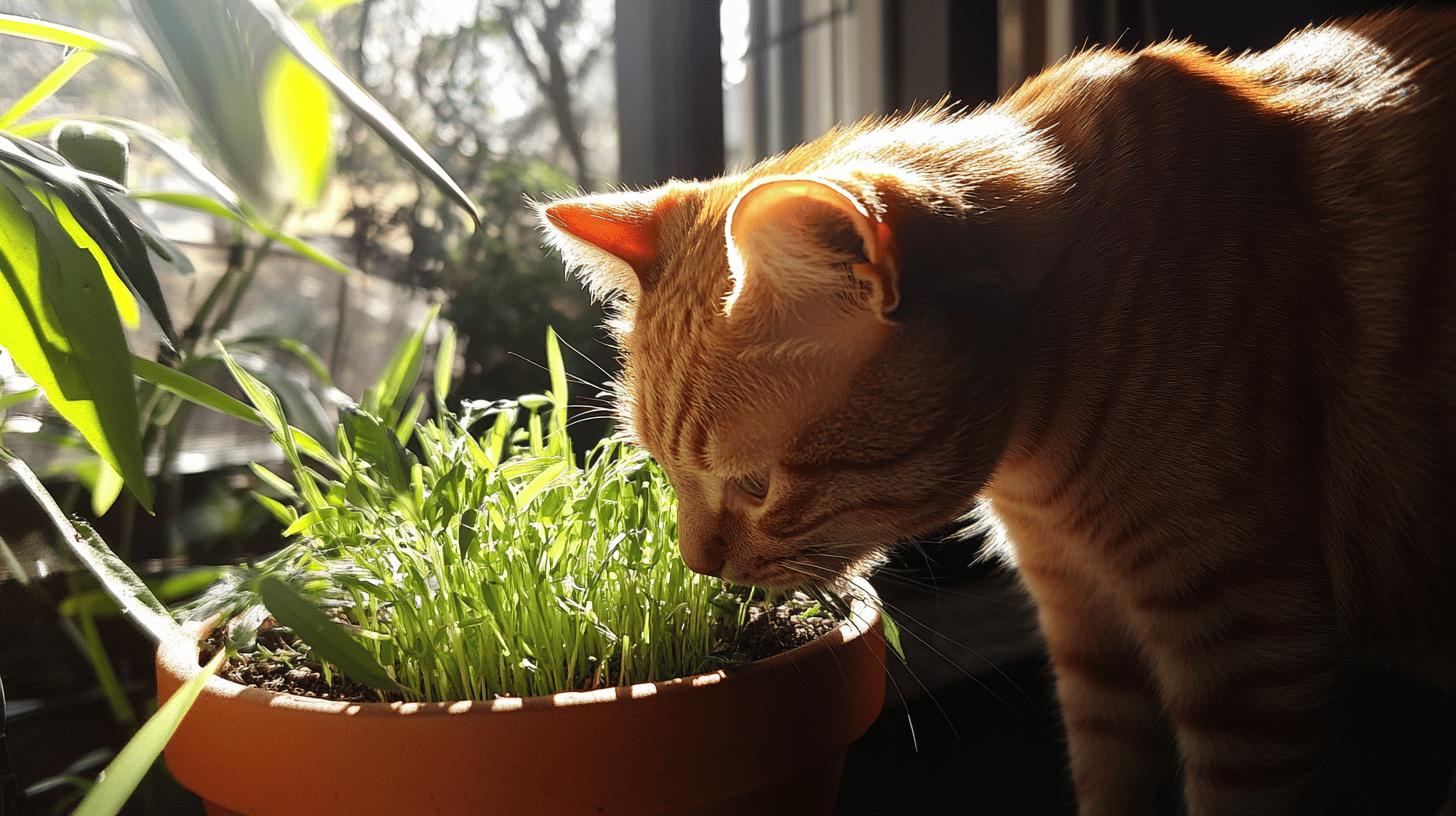
    Incorporating Wheatgrass in a Cats Diet-1.jpg

    Wheatgrass can be a beneficial addition to a cat's diet, offering a range of vitamins and minerals. It is known to aid digestion by providing dietary fiber, which can help maintain a healthy digestive system. Additionally, the nutrients found in wheatgrass can support overall well-being, making it a popular choice among cat owners looking to enhance their pet's diet naturally.

    Moderation is key when feeding cats wheatgrass. While it can provide health benefits, excessive consumption might lead to digestive upset, such as vomiting or diarrhea. Wheatgrass should be viewed as a treat rather than a staple in a cat's daily diet. Introducing it in limited amounts allows cats to enjoy its benefits without experiencing any adverse effects.

    Appropriate Serving Sizes

    Offering wheatgrass in small, manageable servings is crucial. A pinch of freshly cut wheatgrass, or a small piece of a wheatgrass treat, a few times a week is generally sufficient. It's best to start with minimal amounts and observe your cat's reaction, gradually increasing if they tolerate it well.

    Wheatgrass can be served to cats in different forms. Fresh wheatgrass is often preferred, as cats enjoy nibbling on the tender blades. Alternatively, wheatgrass can be incorporated into treats that are specially formulated for feline consumption. Whether offered fresh or as a treat, wheatgrass should always be introduced gradually to ensure it agrees with your cat's digestive system.

    Final Words

    Exploring "can cat eat wheat" reveals it's non-toxic, but not a must-have in their diet. Wheat provides fiber and vitamins, yet can't replace animal proteins. Added often as gluten meal in cat foods, it aids kibble form but shouldn't substitute for meat.

    Allergies from wheat are rare. Reactions, if any, may involve gluten, causing digestive or skin issues. Alternatives like rice, oats, or barley offer options, but animal protein remains crucial.

    Wheatgrass offers vitamins but needs moderation to avoid digestive upset. Understanding these aspects ensures safer, enjoyable choices for your feline friend.

    FAQ

    Can cats eat wheat flour or seeds?

    Cats can eat small amounts of wheat flour, but it isn't crucial for their diet. Wheat flour can provide some fiber and nutrients, but seeds should be avoided as they can be hard to digest.

    Can cats eat wheat roti or bread?

    Wheat roti and bread are not toxic to cats, but they should only be given occasionally. They do not offer essential nutrients and excessive intake may lead to digestive issues due to gluten.

    Is wheat toxic to cats?

    Wheat is not toxic to cats. It can be included in their diet in small amounts if tolerated well, offering some fiber and nutrients, but it's not an essential part of their diet.

    Is wheat gluten safe in cat food?

    Wheat gluten isn't harmful but shouldn't be a primary protein source. Its main function is to add protein and bind ingredients in cat food. Always prioritize animal proteins.

    How does wheat affect cats' diets in the wild?

    In the wild, cats typically do not eat grains like wheat. They consume primarily animal proteins, which provide the essential nutrients they need.

    Are there any benefits to feeding cats wheatgrass?

    Wheatgrass can be beneficial for cats, supplying vitamins and aiding digestion. Serve it as a treat in moderation to avoid digestive upset.

    What are the symptoms of wheat allergies in cats?

    Cats may experience digestive upset, skin itching, or irritation if allergic to wheat. If suspected, consult a vet and consider alternatives to wheat.

    What are suitable alternative grains for cats?

    Suitable grains for cats include rice, oats, and barley. These are usually more digestible and can complement their diet, but animal proteins should remain primary.

    How should wheatgrass be served to cats?

    Wheatgrass can be offered fresh or in small amounts in treats. It should be an occasional snack to supplement their main diet.
    Related Articles

  • Can Cat Eat Oil Understanding Safety and Health Concerns

    Can Cat Eat Oil Understanding Safety and Health Concerns

    Is your cat eyeing your cooking oil with curiosity? Before you pour a splash into their food, let's explore the safety and health concerns. While oils like olive and coconut might seem harmless, their impact on cats can vary. A tiny amount could help with digestion or coat health, yet too much can cause trouble. Think of it like indulging in that extra slice of cake—it might taste good, but it doesn’t come without risks. Are we taking chances with our pets? Let’s find out what's best for our feline friends.

    Can Cats Safely Consume Oil?

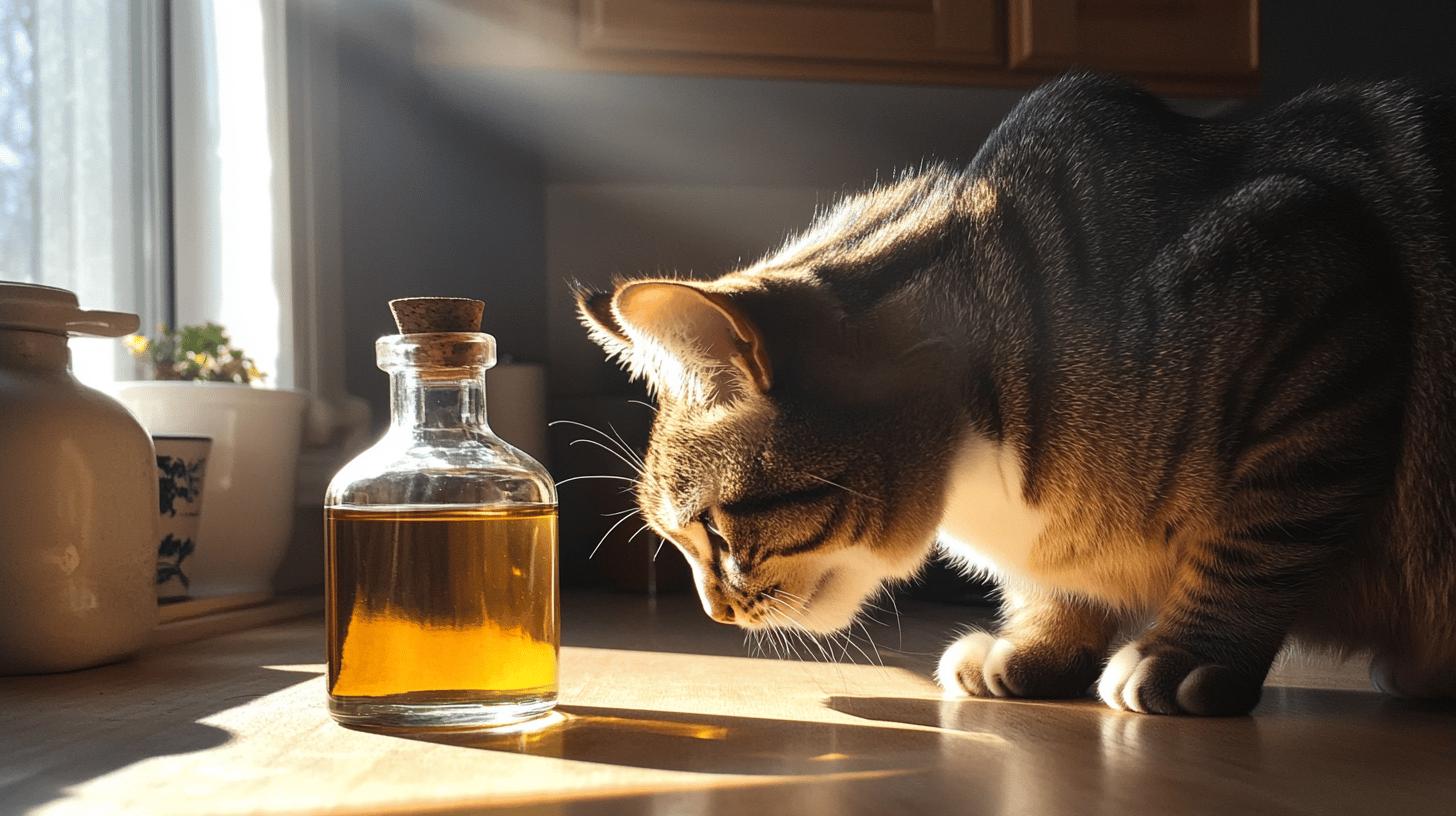
    Can Cats Safely Consume Oil-1.jpg

    Cats can indeed consume various oils, but the safety and health benefits can vary significantly depending on the type of oil. Olive oil and coconut oil are generally considered safe for cats when given in small amounts. Yet, excessive consumption can lead to health issues. While oil can offer benefits like aiding digestion or improving coat health, there are potential allergic reactions to be aware of. Cats might show signs of oil allergy, which could include digestive issues or skin irritations.

    Potential signs of oil allergy in cats:

    • Vomiting
    • Diarrhea
    • Skin irritations
    • Lethargy
    • Loss of appetite

    If a cat ingests a large quantity of oil, immediate veterinary care is crucial. Overconsumption can lead to severe health problems, including liver issues. In such cases, it's vital to monitor your cat closely for any unusual behavior or symptoms and seek professional help. Always have your vet's contact information readily available in case of emergencies.

    Different oils have distinct health impacts on cats. For example, olive oil might aid in digestion and hairball management, while coconut oil could help with skin health. However, they are not a substitute for essential nutrients found in a cat's primary diet. Each type of oil brings its own set of benefits and risks, and it's essential to consider these before adding them to your cat's diet. Always consult with a veterinarian to ensure that any oil included is appropriate for your cat's specific health needs.
    Exploring the Benefits and Risks of Olive Oil for Cats

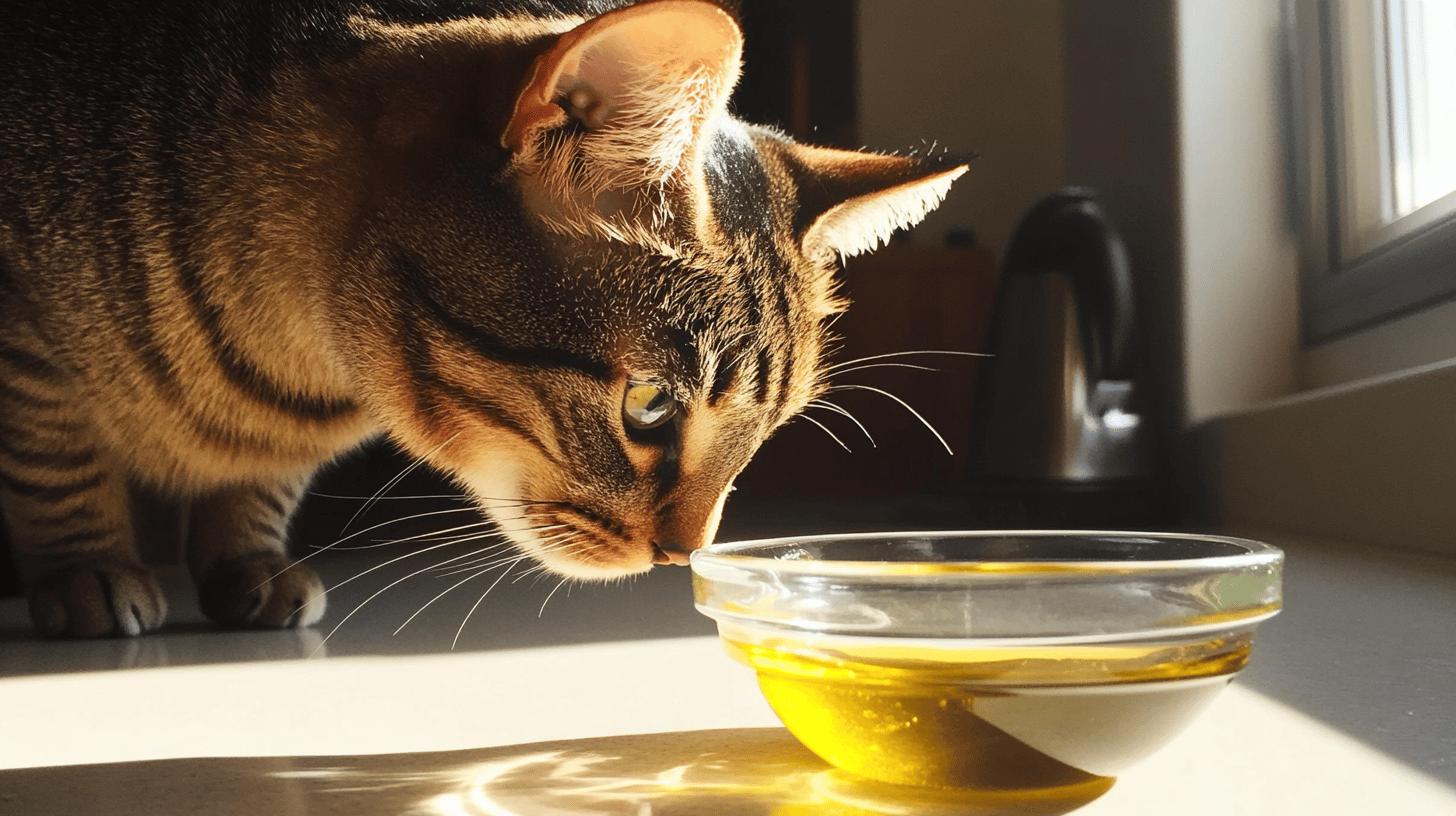
    Exploring the Benefits and Risks of Olive Oil for Cats-1.jpg

    Olive oil is safe for cats and offers several health benefits. It's great for aiding digestion and helps manage hairballs, especially in long-haired cats. Olive oil's low saturated fat content makes it a healthier choice than options like coconut oil. It's rich in vitamin E and antioxidants, which boost the immune system. These nutrients are excellent for overall health and may enhance skin and coat condition.

    Despite its benefits, olive oil should be used with caution. Limit its use to 5–20 drops to prevent health issues. Overuse can lead to digestive upset, causing diarrhea or vomiting. Directly giving olive oil to your cat might result in aspiration pneumonia if inhaled into the lungs. Olive oil should complement, not replace, essential nutrients in your cat's diet. Watch your cat's response to olive oil and consult a vet if any adverse effects occur.
    Introducing Olive Oil to Your Cat's Diet

    Start by mixing a small amount of olive oil into your cat's regular food. This minimizes the risk of aspiration and makes the oil more palatable. Begin with just a few drops, gradually increasing to 5–20 drops, while observing your cat's reaction. Always consult your veterinarian before making dietary changes to ensure they meet your cat's specific health needs.

    The Role of Coconut Oil in Cat Health

    The Role of Coconut Oil in Cat Health-1.jpg

    Coconut oil can be a beneficial addition to a cat's care routine when used sparingly. Its properties can help improve skin health, making it a great option for cats with dry or flaky skin. When applied topically, it can soothe irritations and moisturize the skin. Additionally, coconut oil can aid digestion, helping to ease constipation and support a healthy gut when added in small amounts to a cat's diet.
    Recommended usages of coconut oil for cats:

    • Apply to dry or irritated skin to moisturize and soothe
    • Add to food in small amounts to aid digestion
    • Use as a natural remedy for hairball management
    • Apply to paws to soothe cracked or dry areas

    Despite its benefits, coconut oil is composed of 80–90% saturated fat, so moderation is key. It's not a substitute for the essential nutrients in a cat's primary diet. Overconsumption could lead to weight gain or digestive issues. It's crucial to consult a veterinarian before introducing coconut oil to your cat's diet to determine the appropriate dosage and ensure it fits their specific health needs.
    Evaluating Other Oils: Vegetable, Fish, and More

    Evaluating Other Oils Vegetable, Fish, and More-1.jpg

    Vegetable oil can be a double-edged sword when it comes to feline health. In small amounts, it can aid digestion, especially when a cat is constipated. Adding a touch to your cat's diet might help with bowel movements. However, it's important to keep in mind that excessive consumption can cause significant health issues. Too much vegetable oil can lead to obesity and digestive upsets, such as diarrhea or vomiting. It's crucial to monitor the quantity and frequency of vegetable oil given to your cat to avoid these risks.

    Fish oil is another popular choice for supporting a cat's health, primarily due to its high content of omega-3 fatty acids. These nutrients can do wonders for a cat's coat, making it shinier and reducing shedding. They also have anti-inflammatory properties that can help with joint health, especially in older cats. However, it's essential to choose fish oil specifically formulated for cats. Human fish oil supplements might contain other vitamins or additives that aren't suitable for feline consumption.

    Sunflower oil is also an option, containing linoleic acid, which is beneficial for maintaining healthy skin. It can be particularly helpful for cats with dry or flaky skin conditions. Although it's generally safe, sunflower oil should be given under the guidance of a veterinarian to ensure it's appropriate for your cat's specific health needs. Like other oils, overuse can lead to unwanted weight gain and digestive issues.

    Oil Type Benefits Risks
    Vegetable Oil Aids digestion Can cause obesity, digestive upset
    Fish Oil Supports coat health, reduces inflammation Use cat-specific formulations
    Sunflower Oil Maintains skin health Potential weight gain, digestive issues

    Guidelines for Safe Oil Consumption in Cats

    Guidelines for Safe Oil Consumption in Cats-1.jpg

    When it comes to incorporating oil into a cat's diet, moderation is key. Different oils offer various health benefits, but the amount must be carefully controlled. A general guideline is to limit oil consumption to no more than one teaspoon per day, regardless of the type. This ensures your cat benefits from the positive effects like improved digestion or coat health without facing issues such as weight gain or digestive upset. It's crucial to introduce any oil gradually, observing how your cat responds over time to ensure a smooth adjustment.

    5 Tips for Monitoring Your Cat's Health When Introducing Oils:

    1. Observe Behavioral Changes: Watch for any unusual behavior that might indicate discomfort or intolerance.
    2. Check Stool Consistency: Oils can affect digestion, so ensure your cat's stool remains healthy and regular.
    3. Monitor Coat and Skin Condition: Look for improvements or any adverse reactions like irritation or dandruff.
    4. Note Appetite Changes: Ensure your cat maintains a healthy appetite and does not refuse meals.
    5. Track Weight Fluctuations: Keep an eye on your cat's weight to prevent obesity, especially if high-calorie oils are used.

    It's essential to involve a veterinarian when considering oils as part of your cat's diet. A vet can provide advice tailored to your cat's specific health needs, factoring in their overall diet and lifestyle. This ensures the type and amount of oil added is appropriate, maximizing benefits while minimizing risks. Regular check-ups and open communication with your vet are vital for maintaining your cat's health and well-being as you explore dietary enhancements.

    Final Words

    Navigating the world of oils for cats can be tricky. Cats can eat oil, but safety depends on the type and amount. We've explored popular oils like olive and coconut oil, highlighting their benefits and risks. Safe amounts and vet consultations are key to avoiding complications.

    Understanding how different oils affect cats helps ensure safe play and health. By following simple guidelines and monitoring your cat's reactions, you can enhance their diet without worry. With careful consideration, oils can be a safe part of your cat's routine.

    FAQ

    My cat licked cooking oil. Is that harmful?

    A: If a cat licks a small amount of cooking oil, it's generally not harmful. However, watch for signs of upset stomach or diarrhea. If symptoms persist, contact a vet.

    Why do cats drink cooking oil?

    A: Cats might drink cooking oil due to its appealing smell or taste. However, they should not consume it regularly as it can lead to digestive issues and other health problems.

    Can cats eat olive oil safely?

    A: Cats can eat olive oil in moderation. It may aid digestion and help with hairball management. Limit usage to 5–20 drops and mix it into their food.

    Is there an oil that's good for cats to eat?

    A: Olive oil and coconut oil are safe in small amounts and can benefit skin and digestion. Avoid large quantities as they can cause health issues like liver problems.

    What happens if a cat eats oil?

    A: Eating oil can lead to vomiting, diarrhea, or inflammation of the pancreas. Monitor for these symptoms and consult a vet promptly if a large quantity was ingested.

    Is cooking oil okay for cats?

    A: Small amounts of cooking oil can be safe occasionally. Still, regular consumption should be avoided due to the risk of digestive discomfort and health issues.

    Can I add oil to my cat's food?

    A: Yes, you can add small amounts of certain oils like olive or fish oil to a cat's food. This can aid digestion and enhance coat health, but consult a vet first.

    Related Articles

  • Can Cat Eat Figs Understanding the Risks and Safety Concerns

    Can Cat Eat Figs Understanding the Risks and Safety Concerns

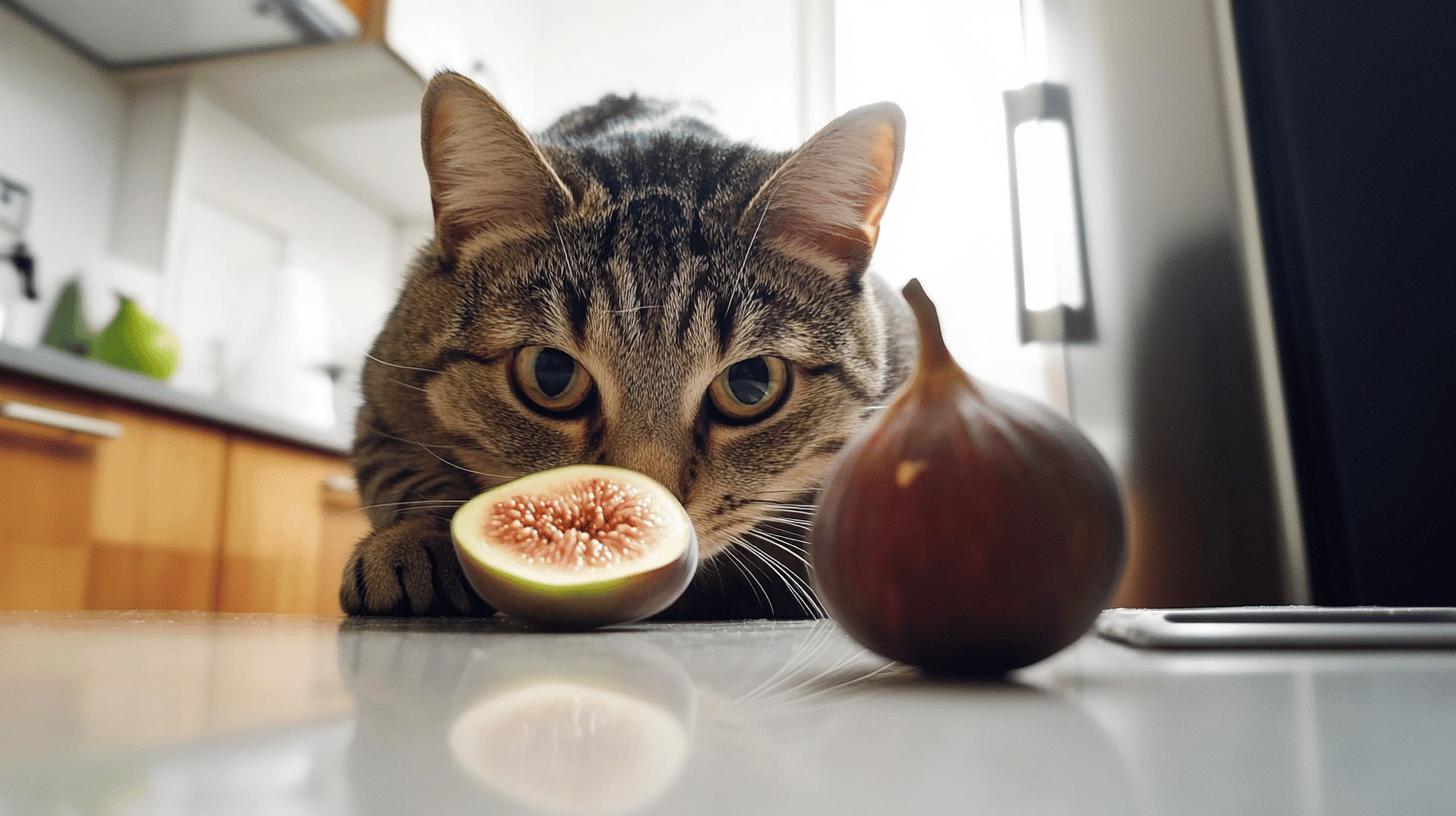
    Can cats munch on figs without any problems, or do these fruits pose hidden dangers? While figs might seem like a harmless treat, they carry risks that could affect your cat's health. From the irritating sap to the high sugar content, figs are more than just a tempting snack. In this article, I’ll dig into the safety concerns of feeding figs to cats and offer practical tips to keep your feline safe. Whether you’re a cat owner or just curious, understanding these risks is crucial for your pet's well-being.

    Can Cats Safely Eat Figs?

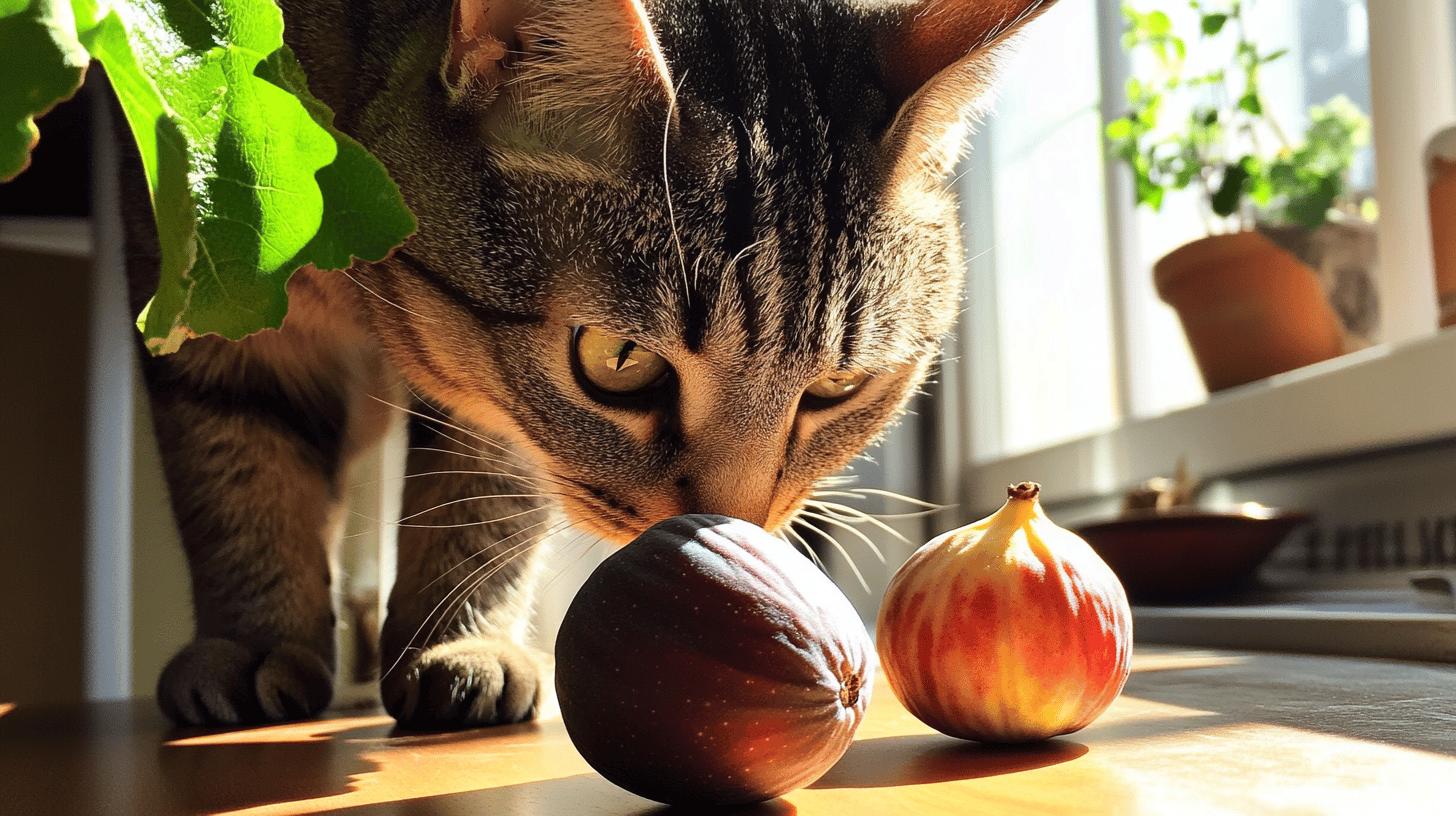
    Can Cat Eat Figs Understanding the Risks and Safety Concerns-2.jpg

    Figs, from their fruit to leaves and sap, present a potential risk for our feline friends. The entire fig plant holds substances that can be troublesome for cats. Notably, the sap contains ficusin, a compound that can irritate a cat’s skin, eyes, mouth, and digestive tract. While the toxicity level is generally low, even a small amount of exposure can lead to discomfort or mild health issues. Cats are naturally curious, and a nibble on a fig leaf or fruit might result in unwanted symptoms. Keeping these plants out of reach is a good idea for any cat-friendly home.

    Including figs in a cat's diet is not recommended due to their high sugar content and lack of nutritional value. Cats are obligate carnivores, meaning their diet should primarily consist of animal proteins with minimal carbohydrates. Figs do not align with these dietary needs. They offer no significant benefits and, in fact, might hinder a cat’s health if consumed regularly. The sugar in figs can disrupt a cat's digestive system, leading to issues like diarrhea or vomiting.

    To manage fig exposure effectively in a household with multiple pets, a few strategies can be helpful. First, consider placing fig plants in areas that are inaccessible to cats, such as high shelves or behind closed doors. Training cats to stay away from specific areas can also be beneficial. Additionally, it might be wise to opt for non-toxic plants that won't pose a risk if a curious cat decides to explore. Understanding the potential hazards and taking preventive measures can ensure a safe environment for all your pets.

    • Presence of toxic substances like ficusin
    • High sugar content
    • Lack of nutritional benefits for cats
    • Potential for irritation and digestive issues
    • Strategies for managing fig exposure in households

    Symptoms of Fig Poisoning in Cats

    Symptoms of Fig Poisoning in Cats-1.jpg

    When cats come into contact with figs, the toxic compounds in the sap can cause a range of symptoms. These can manifest as skin rashes, especially if your cat has brushed against the plant. Eye irritation is another common issue, which can occur if the sap makes contact with the eyes. Cats might also experience mouth irritation, typically from chewing on the leaves or fruit. Additionally, gastrointestinal problems like vomiting and diarrhea can arise if any part of the fig plant is ingested. Recognizing these symptoms early is crucial for your cat's health.

    If you notice any of these symptoms in your cat, it's important to act quickly. Start by removing any fig plant material from your cat's vicinity. Rinse any affected areas with water to help alleviate skin or eye irritation. Contact your veterinarian immediately for further advice and possibly a professional examination. The vet may recommend treatments such as antihistamines for allergic reactions or fluids to prevent dehydration from vomiting or diarrhea. Early intervention can help reduce the severity of symptoms and promote a faster recovery.

    Symptom Description
    Rashes Skin irritation from contact with fig sap.
    Eye irritation Redness or discomfort caused by fig sap.
    Mouth irritation Discomfort from chewing fig leaves or fruit.
    Gastrointestinal issues Vomiting and diarrhea due to ingestion.

    Fig Alternatives for Cats

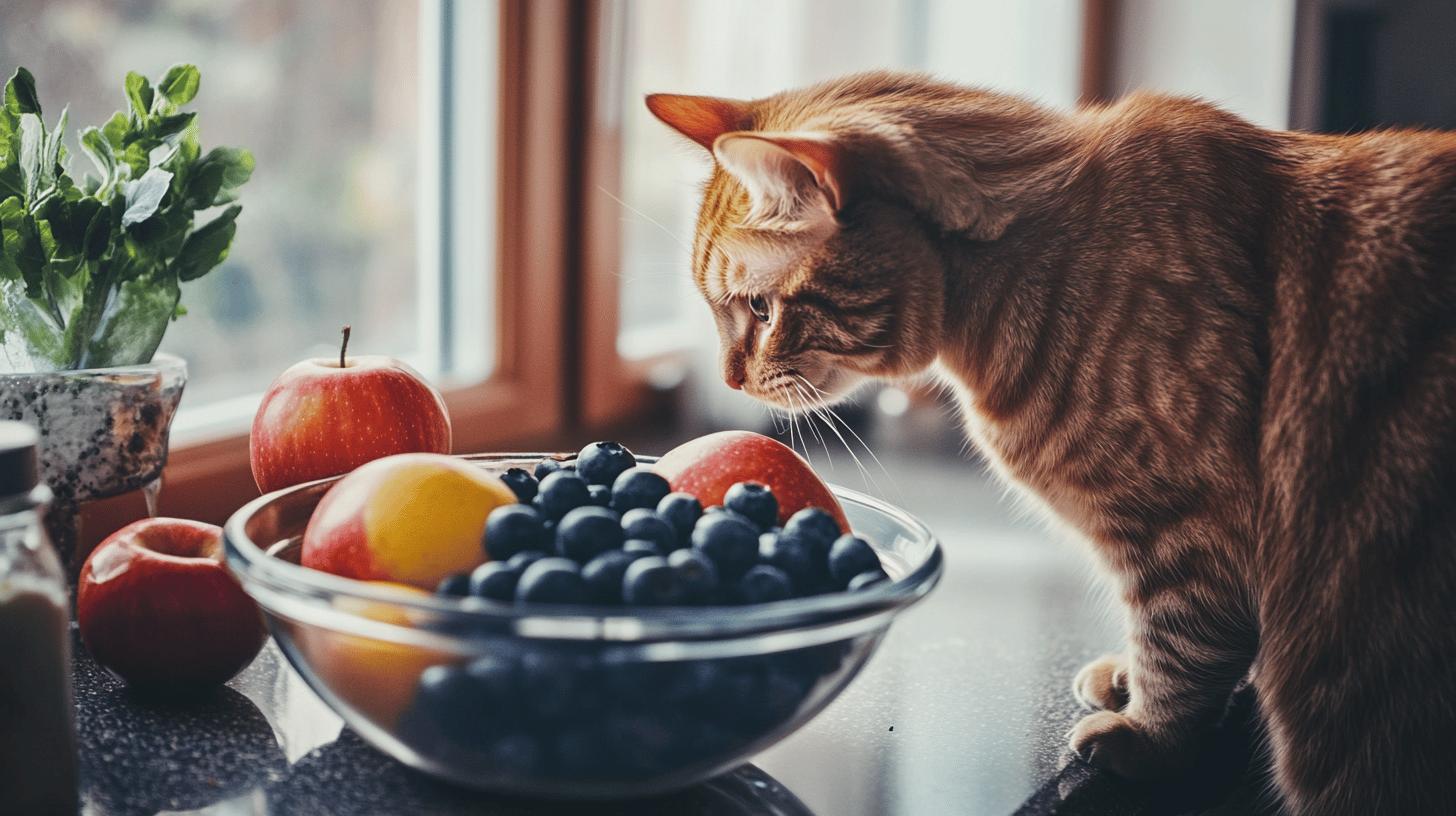
    Fig Alternatives for Cats-1.jpg

    Cats are obligate carnivores and don't naturally require fruit in their diet. They can't taste sweetness like humans do, so giving them fruit is more about providing variety or a treat. Some cat owners might offer small amounts of fruit as an occasional snack or to engage their cat's curiosity. While fruits should never replace a cat's main diet, a small bite of safe fruit can be a fun way to offer something new. Always monitor your cat's reaction to ensure they don't have any adverse effects.

    There are a few fruits that are generally considered safe for cats in moderation. Blueberries are a popular choice due to their antioxidant properties. Apples are safe as long as they are peeled and the seeds are removed, as seeds contain cyanide, which is toxic. Bananas, with their soft texture, are easy for cats to chew and digest. Strawberries can be offered in small pieces, providing a source of vitamin C and fiber. Watermelon, when seedless, is a great way to offer hydration, especially during hot weather. It's essential to offer these fruits in small amounts and ensure they are fresh and clean.

    When introducing fruits to your cat's diet, start by offering tiny pieces to see how they react. Observe your cat for any signs of allergies or digestive upset. It's also a good idea to introduce one type of fruit at a time, so you can identify any specific issues. Cut the fruit into small, manageable pieces to prevent choking. Always serve fruits plain, without any added sugars or seasonings. If your cat shows no interest or has a negative reaction, don't force them. They might not be interested in fruits, and that's perfectly fine.

    • Blueberries
    • Apples (without seeds)
    • Bananas
    • Strawberries
    • Watermelon (seedless)

    Symptoms of Fig Poisoning in Cats

    Veterinary Insights on Feeding Figs to Cats-1.jpg

    If your cat ingests fig plant parts or fruit, call a veterinarian right away. Figs have compounds like ficusin that can cause skin, eye, and digestive irritation. A veterinarian's examination can help determine the severity of any reaction and prevent minor irritations from becoming serious.

    When a cat shows symptoms of fig poisoning, vets often suggest treatments like antihistamines to alleviate irritation. Consulting a vet ensures your cat gets the necessary care for recovery.

    Vets generally advise against feeding figs to cats, not only due to potential irritation but also because figs don't meet their nutritional needs. Cats need animal proteins, and fruits like figs offer no benefits. Always monitor your cat for symptoms like vomiting or diarrhea when introducing new foods and consult a vet if you notice any adverse reactions.

    Final Words

    Tackling the topic of can cat eat figs, it becomes clear that figs aren't safe for cats. All parts of the fig, like the fruit, leaves, and sap, pose a toxicity risk due to ficusin. While symptoms like rashes and gastrointestinal upset are common, absence of nutritional value makes figs a poor dietary choice for cats.

    Exploring alternatives, safe fruits like blueberries and apples can be a better option, though cats don't need fruit at all.

    Consulting a vet provides essential guidance. Let's ensure our cats enjoy safe and healthy meals, keeping figs out of reach.

    FAQ

    Can cats eat fig Newtons?

    A: Fig Newtons are not recommended for cats. They contain ingredients that can be harmful and offer no nutritional benefit. Cats thrive on diets rich in animal proteins.

    Can cats eat dried figs or fig seeds?

    A: Dried figs and fig seeds are not safe for cats. Figs contain compounds that can cause irritation and have high sugar content, which is unsuitable for cats.

    Are figs toxic to cats?

    A: Figs are low-level toxic to cats. The fruit, leaves, and sap contain ficusin, which can cause skin, eye, mouth, and stomach irritation.

    Can cats eat dates?

    A: Cats should not eat dates. High sugar content and lack of nutritional benefits make dates unsuitable for cats' diets.

    Can dogs eat figs or dried figs?

    A: Dogs can eat figs in moderation, but dried figs should be avoided due to high sugar content. Always consult with a vet before introducing new foods.

    Are fig fruits or FIG trees toxic to cats?

    A: Fig fruits and fig trees, including leaves and sap, are toxic. They can cause irritation and gastrointestinal issues in cats.

    Can pets eat figs?

    A: Pets like dogs might tolerate figs in small amounts. Cats, however, should avoid them due to toxicity and the potential for irritation.

    Which fruits can cats eat?

    A: Cats can safely eat small amounts of blueberries, apples (without seeds), bananas, strawberries, and seedless watermelon.

    My cat ate a fig newton, what should I do?

    A: If your cat consumed a fig Newton, monitor for signs of discomfort or irritation. Consult a veterinarian to ensure no adverse reactions.

    Related Articles

  • Can Cat Eat Flour Understanding Safety and Health Concerns

    Can Cat Eat Flour Understanding Safety and Health Concerns

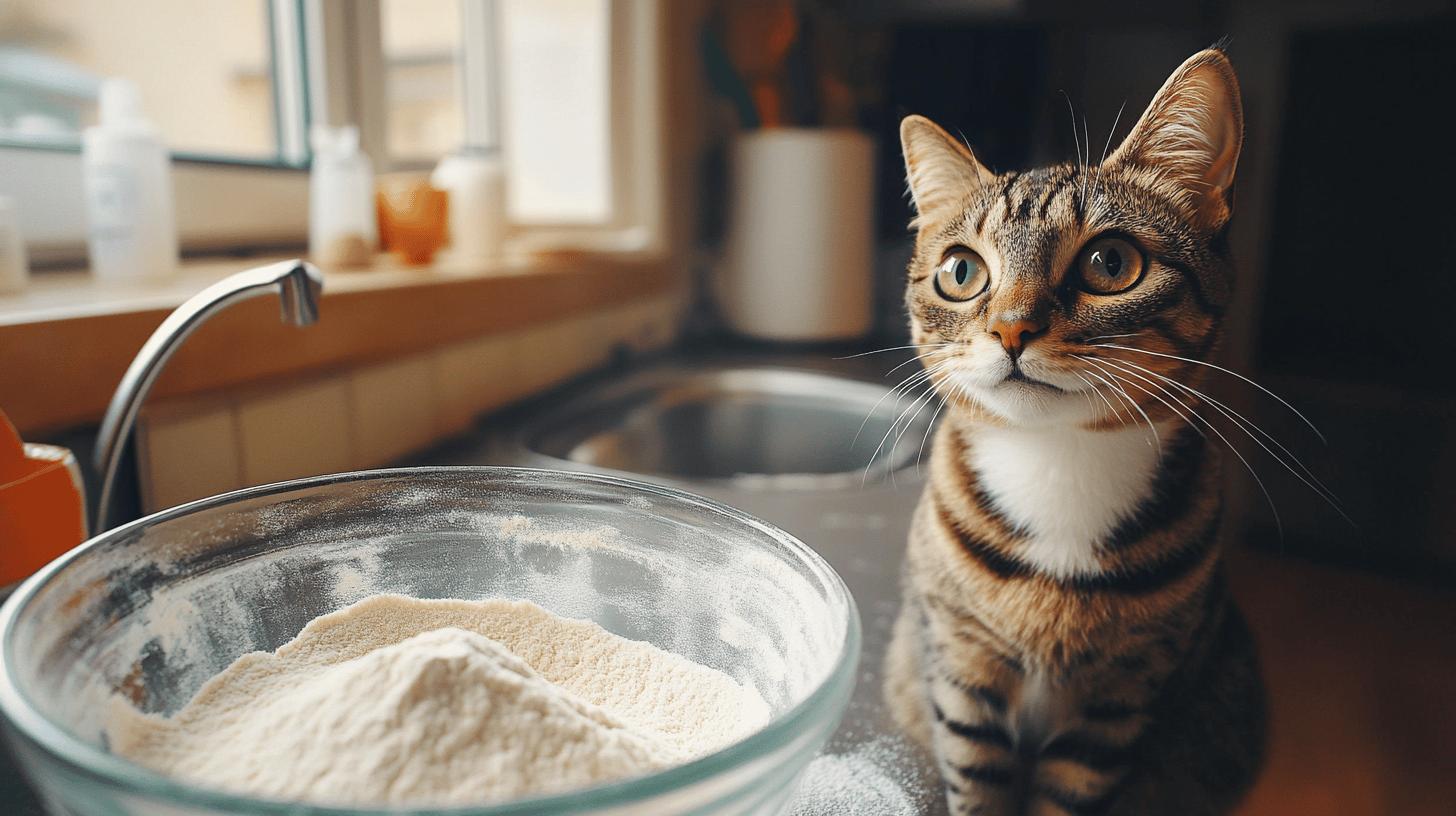
    Have you ever wondered if your cat can nibble on that powdery kitchen staple, flour? While it might seem harmless, the truth is, flour offers zero benefits for cats. Our feline friends are carnivores and thrive on a meat-oriented diet. Feeding them flour is like giving fish to a bird—it doesn't quite fit. In this article, I'll explain why flour isn't the best treat for your kitty and what to watch for if they do sneak a taste. Let’s dive into the safety and health concerns of flour for cats.

    Can Cats Safely Consume Flour?

    Can Cats Safely Consume Flour-1.jpg

    Cats can technically eat flour, but it's not something I'd recommend making a regular part of their diet. Flour doesn't offer any nutritional value for cats, who are obligate carnivores. This means they thrive on a meat-based diet. While small amounts of flour aren't likely to harm your feline friend, it's crucial to remember that flour should never replace their regular food.

    Flour's lack of nutritional benefits makes it an unsuitable substitute for a balanced cat diet. Our furry pals need nutrients primarily found in meats, such as taurine, which is essential for their health. Even though consuming small amounts of flour isn't harmful, it's not beneficial to their diet, either. If your cat gets into a little flour, there's typically no need to panic, but moderation is key.

    While it's rare, some cats can have grain allergies. If your cat shows signs of an allergy, it might be reacting to the flour. These allergies can manifest in various ways. Symptoms to watch for include skin irritation, digestive issues, and even respiratory problems. If you notice anything unusual after your cat eats flour, it’s best to consult a veterinarian for advice.

    Here are some symptoms to monitor if your cat consumes flour or if you suspect a flour allergy:

    • Gastrointestinal upset
    • Vomiting
    • Diarrhea
    • Skin irritation
    • Digestive issues
    • Respiratory problems

    If you notice these signs, reaching out to a vet can help determine the best course of action.

    The Impact of Different Types of Flour on Cats

    The Impact of Different Types of Flour on Cats-1.jpg

    Cats may encounter various types of flour like wheat, oat, and rice in their diet, especially in homemade cat treats. These flours are sometimes used as fillers or binding agents. Wheat flour can be risky due to its gluten content, potentially causing allergic reactions in sensitive cats. Signs of gluten allergies include skin irritation and digestive issues. In contrast, oat and rice flours are gluten-free, posing a lower allergy risk.

    Gluten-Free Flours

    Oat and rice flours are safer choices if you plan to make homemade cat treats because they carry a reduced risk of triggering allergies. Despite this advantage, they still don't provide the essential nutrients cats need. When using these flours, keep their quantity minimal, ensuring the bulk of your cat's diet consists of high-quality, nutritionally complete cat food.

    Alternatives to Flour in Cat Diets

    Alternatives to Flour in Cat Diets-1.jpg

    When we're thinking about alternatives to flour in a cat's diet, safe human foods can be a great option. Cooked meats such as chicken or turkey are excellent choices. These meats are packed with the essential proteins and nutrients that cats need. Vegetables like peas or carrots can also be included in moderation, offering fiber and vitamins without the risks associated with flour.

    Homemade cat treats can benefit from using alternative flours. Chickpea flour is a fantastic substitute, as it's rich in protein and safe for cats. Coconut flour is another alternative, offering a fiber boost without posing any gluten-related risks. These flours can help bind ingredients together in treats while being less likely to cause allergies.

    Here's a quick list of safe alternative ingredients to consider when crafting cat-friendly meals and treats:

    • Cooked meats
    • Chickpea flour
    • Coconut flour
    • Select vegetables

    Remember, it's all about balancing flavors and nutrients while ensuring the ingredients meet your cat's dietary needs.

    Final Words

    Exploring whether cats can eat flour, we found that while small amounts are generally safe, flour holds no nutritional value. Cats thrive on a meat-based diet, so flour shouldn't replace their regular meals. Watching for signs like vomiting or skin irritation is key if accidental flour consumption occurs.

    Considering different flours, none truly benefits cats. Even alternatives like oat or rice flour, though less likely to cause allergies, still lack nutrition. Safe options like cooked meats or chickpea flour serve better.

    Understanding these details ensures happy, healthy felines.

    FAQ

    Can cats eat flour in treats?

    A: Cats can eat flour in treats in small amounts. Flour lacks nutritional benefits and should not replace a cat's regular diet, which should be primarily meat-based.

    Can cats eat flour and milk?

    A: Cats can eat flour and milk in small quantities, but it's not recommended regularly. Milk may cause digestive problems in lactose-intolerant cats. Provide a balanced diet instead.

    What happens if a cat eats flour?

    A: If a cat eats flour, watch for symptoms like gastrointestinal upset. Small amounts are generally safe but monitor for any adverse reactions.

    Is it bad if a cat eats flour?

    A: Eating small amounts of flour is not harmful to cats, but it lacks proper nutrients and should not be a regular part of their diet.

    What type of flour is safe for cats?

    A: Oat and rice flour are less likely to cause allergies in cats, but they still offer little nutritional value. Use in moderation if at all.

    Can pets eat flour?

    A: Pets can consume flour in moderation, but it's not beneficial for their diet. Stick to nutrient-rich foods suitable for their nutritional needs.

    Can I use regular flour in cat treats?

    A: You can use regular flour in cat treats occasionally, but it's better to incorporate meat-based ingredients and cat-friendly alternatives for nutritional benefits.

    Can cats eat eggs?

    A: Cats can eat eggs if cooked and served in moderation as they are a good protein source. Avoid raw eggs due to the risk of bacteria.

    Can cats eat baking powder?

    A: Cats should not eat baking powder. It can cause serious health issues, including electrolyte imbalances. Keep products containing baking powder away from cats.

    Can cats eat oat flour?

    A: Oat flour poses less allergy risk for cats but still lacks nutritional benefits. Use it sparingly and ensure a balanced diet for your cat.

    Can cats eat bread?

    A: Bread is safe for cats to eat in small amounts but provides little nutritional value. Regularly feed them a meat-based diet instead.

    What are the symptoms of allergic reactions to flour in cats?

    A: Symptoms of flour allergies in cats include gastrointestinal upset, vomiting, diarrhea, skin irritation, digestive issues, and respiratory problems. Consult a vet if symptoms appear.

    Related Articles

  • Can Cat Eat Seasoned Meat Risks and Safe Alternatives

    Can Cat Eat Seasoned Meat Risks and Safe Alternatives

    Is it safe to share your dinner with your cat if the meat is seasoned? While it might seem harmless, seasoned meat can pose serious risks to your furry friend. Common kitchen ingredients like garlic and onion are toxic to cats and can lead to severe health problems. Let's explore why seasoned meat is a no-go for cats and uncover some safer alternatives to keep their taste buds happy and their bodies healthy. Protecting your pet starts with knowing what’s safe to eat and what’s not.

    Can Cats Eat Seasoned Meat Safely?

    Can Cats Eat Seasoned Meat Safely-1.jpg

    Seasoned meat is generally unsafe for cats. Many seasonings used in our kitchens can be toxic to our furry friends. Ingredients like garlic, onion, and high salt levels pose significant health risks. These ingredients can cause severe reactions in cats, making it crucial to keep seasoned meats away from them.

    Cats have a unique sensitivity to certain seasonings due to their specific digestive and metabolic processes. Unlike humans, cats cannot process certain compounds found in seasonings. Garlic and onions, for example, contain allyl propyl disulfide, a compound that can destroy red blood cells, leading to anemia. Even small amounts can cause gastrointestinal distress and other severe health issues. This sensitivity makes it essential to avoid sharing any seasoned meat with your pet.

    Common Seasonings Harmful to Cats

    • Garlic
    • Onion
    • Salt
    • Black pepper
    • Chives

    When cats consume toxic seasonings, the health implications can be quite severe. Anemia is one of the most critical concerns, as this condition affects the blood's ability to carry oxygen. Organ damage is another serious risk, potentially leading to failure if toxic substances are ingested frequently. The presence of these harmful ingredients in everyday foods, such as stuffing or holiday dishes, underscores the importance of vigilance when feeding cats.

    Recognizing the symptoms of toxicity from seasoned meat is vital for a cat's well-being. Symptoms can include lethargy, vomiting, drooling, diarrhea, and even difficulty breathing. Immediate veterinary attention is recommended if any of these symptoms appear after your cat has consumed seasoned meat. Understanding these risks helps ensure that our pets remain healthy and safe from the dangers lurking in our kitchens.

    Safe Food Preparation for Cats

    Safe Food Preparation for Cats-1.jpg

    Cats have a unique digestive system that sets them apart from other pets. They're obligate carnivores, meaning their diet must be high in protein and low in carbohydrates. Their bodies are designed to process meat efficiently, extracting essential nutrients crucial for their health. Taurine, for instance, is an amino acid vital to a cat's heart and eye health, found predominantly in animal tissues. Without these nutrients, cats can suffer from various health issues. Understanding this reliance on meat helps us prepare food that aligns with their natural dietary needs.

    Nutrient Importance for Cats
    Taurine Critical for heart and vision health
    Protein Essential for muscle development and overall energy
    Fats Provide energy and support skin and coat health

    Unseasoned meat plays a crucial role in a cat's diet. Unlike seasoned meats, plain meats ensure that cats receive their nutrients without the risks associated with harmful additives. Plain turkey, chicken, and duck are excellent sources of protein and other key nutrients. They offer a balanced meal option that aligns with a cat's natural dietary requirements. By avoiding seasonings, we eliminate potential toxins that can cause health problems.

    Tips for Preparing Safe Meat for Cats

    • Remove all bones before cooking.
    • Cook meat thoroughly to eliminate harmful bacteria.
    • Avoid adding any salt or spices.
    • Serve meat at room temperature.
    • Store leftovers properly to maintain freshness.

    A seasoning-free diet for cats brings numerous health benefits. It minimizes the risk of exposure to harmful additives that can compromise their health. By focusing on plain, cooked meats, we can ensure that cats receive the nutrition they need without any adverse effects. This practice not only supports their digestive health but also contributes to their overall well-being, keeping them happy and healthy.

    Alternatives to Seasoned Meats for Cats

    Alternatives to Seasoned Meats for Cats-1.jpg

    Cats thrive on a diet rich in unseasoned meats like plain, cooked chicken, turkey, and duck. These meats offer vital nutrients such as taurine and protein, essential for maintaining a cat's health. Serving these meats thoroughly cooked, without skin or bones, ensures they are safe and nutritious. While the focus is often on meat, introducing a variety of snacks can keep your cat's diet interesting and balanced.

    Consider adding plain pumpkin to your cat's menu. It's rich in fiber, aiding in digestive health. Always serve pumpkin without additives to preserve its benefits. By incorporating such alternatives, you provide a diverse diet that supports your cat's well-being without the risks of seasonings.

    Final Words

    Understanding the risks of seasoned meats can save your cat from potential harm. As we explored, seasonings like garlic and onion are highly toxic, leading to anemia or worse. Unseasoned meats like plain turkey or chicken provide a safer and healthier option.

    Your cat's digestive system thrives on plain, protein-rich diets. Opting for unseasoned alternatives ensures they get the nutrients they need without the danger. Adding some plain pumpkin can boost their digestive health, making for a happy and healthy kitty.

    By choosing safe, unseasoned meat and healthy snacks, you're ensuring a satisfying and secure dining experience for your cat.

    FAQ

    Can cats eat seasoned meat?

    A: Seasoned meat is generally unsafe for cats. Seasonings like garlic and onion are toxic and can cause anemia or organ damage. It's best to avoid giving cats any seasoned food.

    What happens if a cat eats seasoned food?

    A: Consuming seasoned food can harm a cat. Ingredients like garlic and onion may destroy red blood cells, causing anemia. Watch for lethargy, vomiting, or other signs of toxicity.

    Can my cat have seasoned chicken?

    A: Cats should not have seasoned chicken. Even small amounts of certain seasonings can be harmful. Plain, cooked chicken is a safer option for your cat.

    Can cats eat meat seasoned with garlic?

    A: Meat seasoned with garlic is dangerous for cats. Garlic can damage their red blood cells and lead to anemia. Always avoid giving garlic-seasoned foods to your cat.

    What can cats eat safely?

    A: Cats can safely eat plain, cooked meats like chicken, turkey, and duck. These provide essential nutrients like protein, without the risks associated with seasonings.

    Related Articles

  • Can Cat Eat Tortilla Chip Understanding Risks and Safe Alternatives

    Can Cat Eat Tortilla Chip Understanding Risks and Safe Alternatives

    Ever thought about sharing your snack with your kitty? Before giving your furry friend a tortilla chip, let’s take a closer look. These crunchy treats might seem harmless, but they hide a few dangers for your cat. Packed with salt and spices like garlic and onion, tortilla chips could lead to serious health issues. In this article, we'll explore the risks of feeding tortilla chips to cats and share safe alternatives to keep your pet happy and healthy. Let's dive into the facts before you reach for that chip bag!

    Can Cats Eat Tortilla Chips? Understanding the Risks and Concerns

    Can Cats Eat Tortilla Chips Understanding the Risks and Concerns-1.jpg

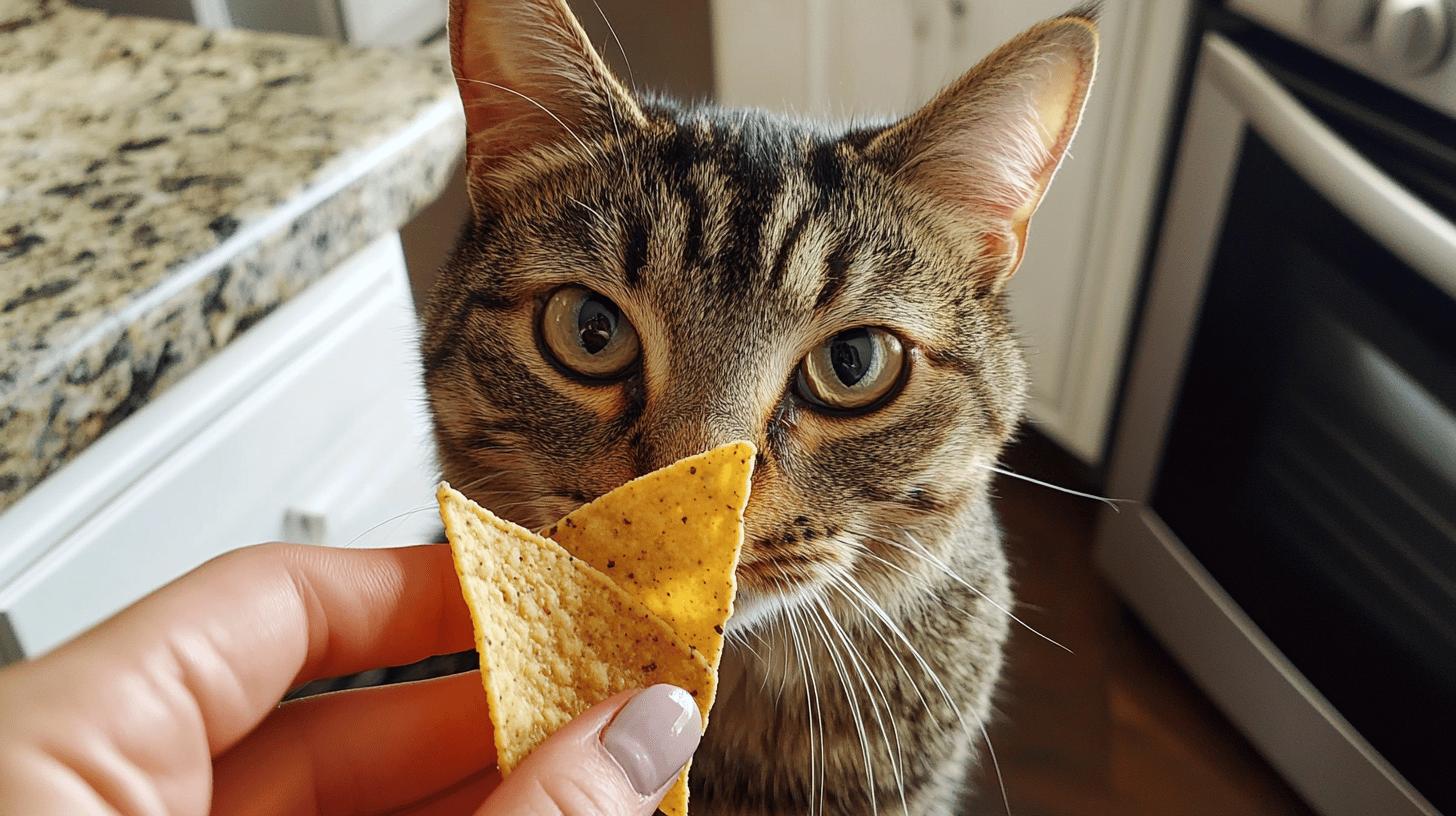
    Tortilla chips are a tempting snack for us humans, but they can pose significant risks to our feline friends. These chips typically contain ingredients such as high levels of salt and fat, in addition to spices like garlic and onion powder. These particular spices are known to be toxic to cats, potentially leading to severe health issues.

    Feeding tortilla chips to cats can result in various health concerns. The high salt content can be especially dangerous, leading to sodium ion poisoning. This condition might cause symptoms like vomiting, diarrhea, and in severe cases, seizures. Furthermore, the excessive fat present in these chips can contribute to obesity and hypertension, conditions that are as dangerous for cats as they are for humans.

    • Garlic Powder
    • Onion Powder
    • Salt
    • Fat

    Cats face challenges with digesting the starch found in tortilla chips. Their digestive systems are not designed to process large amounts of starch, which can lead to digestive issues such as vomiting and diarrhea. This inability to properly digest starch underscores why tortilla chips should be avoided.

    Cats are obligate carnivores, meaning their diet needs to be rich in animal proteins to provide the necessary nutrients for their health. Plant-based ingredients in tortilla chips do not meet these nutritional requirements, making them an unsuitable choice for your cat's diet. Prioritizing a meat-based diet ensures that cats receive the essential nutrients they need to thrive.

    Health Implications of Feeding Cats Human Foods

    Health Implications of Feeding Cats Human Foods-1.jpg

    Feeding cats a variety of human foods can lead to numerous health concerns. Many snacks are high in salt and fat, which can contribute to obesity and related health issues like diabetes and heart disease. Foods seasoned with spices and additives pose additional risks by causing digestive problems such as vomiting and diarrhea. Given that cats are obligate carnivores, their bodies are not equipped to handle these non-animal-based ingredients.

    Beyond immediate digestive issues, human foods can lead to nutritional deficiencies in cats. These snacks lack the essential animal-based proteins, vitamins, and minerals that cats need. Deficiencies can result in weakened immune systems and poor coat condition, affecting overall well-being.

    For a healthier diet, treats should be less than 10% of a cat's daily calorie intake. Choose snacks specifically made for cats to ensure they get the nutrients they need without the negative effects of human snacks.

    Human Food Potential Risk Cat Safe?
    Tortilla Chips Obesity, digestive issues No
    Chocolate Toxicity No
    Cooked Chicken None Yes

    Safer Alternatives to Tortilla Chips for Cats

    Safer Alternatives to Tortilla Chips for Cats-1.jpg

    When considering snacks for our feline friends, it's crucial to choose options that are safe and nutritious. Cats have specific dietary needs that must be met to maintain their health and well-being. Tortilla chips, with their high salt and fat content, are not a suitable choice. Instead, opting for cat-friendly snacks that align with a cat's natural diet is key. These snacks should not only be appealing but also support their nutritional requirements.

    Here are some recommended alternatives to tortilla chips for cats:

    • Small pieces of cooked chicken
    • Cooked plain fish
    • Plain, unsalted crackers
    • Commercial cat treats
    • Freeze-dried meat treats

    Focusing on a balanced diet specifically formulated for cats is essential. This ensures that they receive all the necessary nutrients to thrive. Veterinarians often recommend high-quality cat food that contains the right balance of proteins, fats, and carbohydrates. Providing your cat with these healthier snack options not only satisfies their cravings but also contributes to their overall health.

    Veterinarian Advice on Feeding Cats Snacks

    Veterinarian Advice on Feeding Cats Snacks-1.jpg

    Veterinarians advise against feeding tortilla chips to cats. These snacks are unsuitable for cats due to their high salt and fat content, which can lead to obesity and sodium ion poisoning. Cats, being obligate carnivores, need specific nutrients not found in tortilla chips. The presence of spices like garlic and onion powder in these snacks is also harmful.

    Consulting a veterinarian is essential for personalized dietary recommendations tailored to your cat's health and lifestyle. A balanced, high-quality diet that fulfills all nutritional needs is crucial. Veterinarians can help select appropriate cat foods and treats, ensuring the right mix of proteins, fats, and carbohydrates. This approach supports a healthier lifestyle for your cat and avoids risks associated with snacks like tortilla chips.

    Final Words

    Throughout this blog post, we've explored whether a cat can eat tortilla chips. These human snacks are risky for feline friends. With high salt content, potentially toxic ingredients like garlic and onion powder, and unhealthy fats, tortilla chips pose several health risks to cats, including obesity and hypertension.

    Cats, as obligate carnivores, thrive on meat, not starchy snacks. Starch digestion can lead to digestive issues for them. Always opt for safer and healthier snacks like cooked chicken or commercial cat treats.

    A consultation with a veterinarian can offer guidance on appropriate treat choices. Let's prioritize our cats' health with balanced diets and cat-friendly treats.

    FAQ

    Can cats eat tortilla chips?

    A: Cats shouldn't eat tortilla chips. These chips have high salt and fat content, which can harm cats, leading to obesity and hypertension.

    Can cats have unsalted tortilla chips?

    A: Unsalted tortilla chips are still not good for cats. They're hard to digest and lack the nutrients cats need, potentially causing digestive issues.

    What happens if my cat eats a tortilla chip?

    A: If a cat eats a tortilla chip, watch for symptoms like vomiting or diarrhea. High salt levels can lead to sodium poisoning, which requires a vet visit.

    Are tortilla chips toxic to cats?

    A: Tortilla chips can be toxic due to garlic and onion powder. These ingredients can harm cats, causing severe health problems.

    Can cats eat flour tortillas?

    A: Cats can't digest flour tortillas well. They offer no nutritional value and can lead to digestive problems because cats are carnivores.

    Is it OK if my cat ate chips?

    A: Eating chips isn't safe for cats. They contain harmful fats and salts that might lead to health issues over time.

    Can cats eat Doritos?

    A: Cats shouldn't eat Doritos. They have artificial flavors, spices, and salt that can harm a cat's health.

    What human food can cats eat?

    A: Cats can eat small amounts of cooked, plain chicken or fish. Keep treats less than 10% of their daily diet.

    Can cats eat cheese?

    A: Some cats can handle small cheese amounts, but many are lactose intolerant. It's best to provide alternative treats.

    What can animals safely consume?

    A: Always provide food suited to their species, like commercial pet treats, to ensure they meet their dietary needs without health risks.

    Related Articles

  • Can Cat Eat Wheat Flour Safely

    Can Cat Eat Wheat Flour Safely

    Is your curious kitty eyeing your baking spree, wondering if wheat flour is a treat fit for feline royalty? While wheat flour is common in many kitchens, it's essential to understand how safe it is for your cat's consumption. Cats are obligate carnivores, thriving best on a meat-based diet. Consuming wheat flour, though not toxic, doesn't offer the nutritional benefits your cat needs. In this blog post, we explore the impacts of wheat flour on cats' health and provide guidance on safe feeding practices to keep your furry friend healthy and happy.

    Can Cats Safely Consume Wheat Flour?

    Can Cats Safely Consume Wheat Flour-1.jpg

    Cats are obligate carnivores, which means their diet should mainly consist of meat. They thrive on animal-based proteins, not grains or carbohydrates. Wheat flour is not toxic to cats but doesn't provide the essential nutrients they need. It's often used as a filler in some pet foods but should not be a significant part of a cat's diet.

    While wheat flour itself isn't harmful in small amounts, consuming it in larger quantities can lead to digestive issues. Cats might experience vomiting or diarrhea if they eat too much wheat flour. It's crucial to watch for signs of digestive upset, as they can indicate that your cat's system is struggling to process the flour. The symptoms to look out for include:

    • Vomiting
    • Diarrhea
    • Lethargy
    • Lack of appetite
    • Abdominal discomfort

    Monitoring your cat's reaction to any new food is vital. If symptoms persist, it's best to consult a veterinarian to ensure your cat remains healthy and comfortable.

    Health Implications of Wheat Flour in a Cat's Diet

    Health Implications of Wheat Flour in a Cats Diet-1.jpg

    Wheat flour can contribute fiber and vitamins to a cat's diet, but it is not a source of essential nutrients like taurine. Taurine is vital for a cat’s heart and vision health. While wheat flour might be included as a minor component in commercial cat foods, it should never be a primary ingredient. Cats are obligate carnivores, requiring diets rich in animal-based proteins. Over-reliance on wheat flour could deprive them of necessary nutrients.

    Wheat allergies, although uncommon, can occur in cats. Symptoms include skin irritation, such as excessive itching and redness, or gastrointestinal distress. These allergies can develop suddenly, even if the cat has previously consumed wheat without issue. It’s crucial to watch for signs of intolerance or allergies, including vomiting or diarrhea, which indicate digestive distress.

    If adverse reactions occur after introducing wheat flour, consult a veterinarian. They can determine if the symptoms are due to a wheat allergy or intolerance and recommend dietary changes to maintain your cat's health.

    Nutrient Effect on Cats
    Fiber Can help with digestion but is not essential
    Vitamins Present but not sufficient for dietary needs
    Protein Digestible but lacks essential amino acids like taurine

    Alternatives to Wheat Flour for Cats

    Alternatives to Wheat Flour for Cats-1.jpg

    While wheat flour is not toxic to cats, it lacks the essential nutrients they need. Consider other grains like rice or oats, which might be safer if you're looking for alternatives. These grains can offer some nutritional benefits without posing the digestive issues that might arise from wheat flour. Cooked rice and oats are generally easier for cats to digest and can be incorporated into their diet in small amounts. However, it's crucial to ensure these grains do not replace the primary source of nutrition, which should come from animal-based proteins.

    Here are some cat-friendly treats and foods you should consider:

    • Cooked chicken
    • Commercial cat treats
    • Cooked rice
    • Cooked oats
    • Specially formulated grain-free cat food

    It's essential to remember that a cat's diet should be primarily meat-based. Cats are obligate carnivores and rely heavily on animal proteins for their health and well-being. Any grains or alternative foods should only be supplementary and not replace the necessary protein sources in their diet. Prioritizing meat-based foods ensures that your cat receives all the vital nutrients they need to thrive.

    Maintaining a Balanced Diet

    Expert Advice on Including Flour in Cat Diets-1.jpg

    Veterinarians emphasize that cats, as obligate carnivores, need a diet rich in animal-based proteins to thrive. While flour might occasionally find its way into a cat's diet, it should never replace essential proteins. The lack of vital amino acids like taurine in flour highlights the need to keep it minimal. Focus on high-quality animal proteins for your cat's well-being.

    Checklist for a Healthy Cat Diet
    Prioritize animal-based proteins
    Limit carbohydrate sources
    Monitor for any health changes

    Regular veterinary check-ups are crucial for ensuring your cat's dietary needs are met. These visits help catch potential health issues early and guide necessary dietary adjustments. Always consult your vet before introducing non-standard foods like flour into your cat's diet.

    Final Words

    Exploring if can cat eat wheat flour led to understanding that while it's not toxic, it offers little nutritional value. Cats thrive on meat due to their carnivorous nature, and wheat flour lacks essential nutrients they need. Including wheat flour can lead to digestive upset and potential allergies.

    For a balanced diet, focus on meat-based options and safe grain alternatives. If any adverse reactions occur, like vomiting or skin irritation, consult your vet promptly. Keeping your cat's diet meat-focused ensures their health and happiness.

    FAQ

    Is wheat flour safe for cats?

    Wheat flour is safe in small amounts but lacks essential nutrients for cats. Cats are obligate carnivores needing a meat-based diet. Large amounts may lead to digestive issues like vomiting or diarrhea.

    Can cats eat wheat bread?

    Cats can eat wheat bread occasionally in small pieces. It should be an infrequent treat because it doesn't provide essential nutrients needed by cats.

    Is wheat gluten bad for cats?

    Wheat gluten is not inherently bad for cats but should not be a primary part of their diet. It lacks essential nutrients like taurine. Monitor for allergies or digestive issues.

    Can cats eat flour in treats?

    Flour in small amounts within treats is okay for cats. However, ensure the treats also contain necessary animal-based nutrients for a balanced diet.

    Can cats eat almond flour?

    Almond flour is not toxic but not ideal for cats. Cats benefit more from meat-based foods. Almonds can be hard for cats to digest.

    Can I use regular flour in cat treats?

    Using regular flour in small amounts is fine for cat treats. Always ensure the treats have primary ingredients that support a cat's health like proteins.

    Is wheat OK in cat food?

    Wheat in small amounts can provide fiber but should not be a main ingredient. Cats need animal-based proteins for optimal health. Always check for adverse reactions.

    How bad is wheat gluten for cats?

    Wheat gluten isn't harmful unless in large amounts or if your cat is intolerant. Watch for symptoms like skin irritation or gastrointestinal issues. Always prioritize a meat-focused diet.

    Related Articles

  • Can Cat Eat Waffle Understanding Safety and Health Concerns

    Can Cat Eat Waffle Understanding Safety and Health Concerns

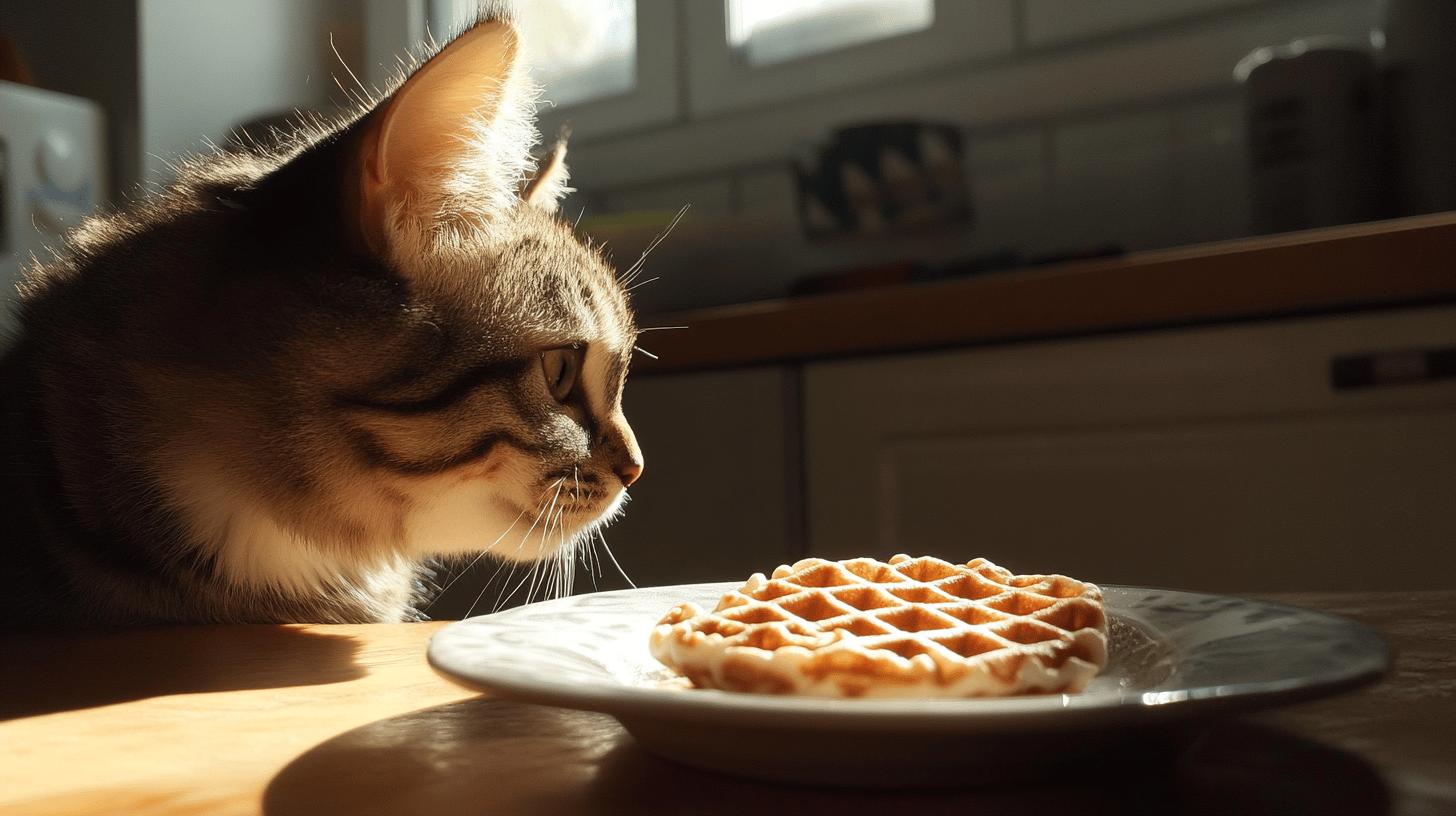
    Is it safe for your cat to nibble on your breakfast waffle? While it might seem harmless, it's essential to understand the risks involved. Cats are curious creatures, often interested in human food, but waffles aren't the best choice for their diet. Packed with carbs and sugar, waffles can contribute to serious health issues like obesity and diabetes for our furry pals. Before you let your cat indulge in a bite, let's explore why waffles might not be the healthiest treat and what makes up a cat-friendly diet.

    Can Cats Safely Eat Waffles? Understanding the Ingredients and Health Risks

    Can Cats Safely Eat Waffles Understanding the Ingredients and Health Risks-1.jpg

    Waffles are a delicious treat for us humans, but they don't make the best snack for our feline friends. They are packed with carbohydrates, which aren't ideal for a cat's diet. Cats are obligate carnivores and thrive on a diet high in protein and low in carbs. The high carbohydrate content in waffles can contribute to obesity, insulin resistance, and diabetes in cats. Furthermore, waffles often contain ingredients like flour, milk, and butter that don't align with a cat's nutritional needs.

    So, why might your cat seem interested in waffles? Cats lack taste receptors for sweetness, which means they're not drawn to waffles for their sugary taste. Their interest might be more related to curiosity or the appealing smell rather than the taste itself. It's not uncommon for cats to investigate our food choices simply because they want to know what we're up to.

    One significant concern with waffles is the lactose intolerance found in many cats. Milk and butter, common in waffle recipes, can pose digestive problems. Most adult cats lack the enzyme lactase, which is necessary to break down lactose found in dairy products. This can lead to gastrointestinal discomfort, such as gas or diarrhea, when they consume milk-based ingredients.

    • Flour: Offers little nutritional value and can cause digestive issues if consumed in excess.
    • Sugar: Harmful to cats, contributing to obesity and potential diabetes.
    • Butter: Contains lactose, which many cats struggle to digest.
    • Syrup: High in sugar and can cause unnecessary weight gain and insulin resistance.

    The potential health risks of feeding waffles to cats extend beyond just an upset stomach. Regular consumption of waffles can result in obesity due to the high-calorie content and lack of essential nutrients. Obesity in cats can lead to more serious health complications, including heart disease and joint issues. Additionally, the sugar in waffles can affect a cat's insulin levels, increasing the risk of diabetes.

    Sharing human foods like waffles with cats is not advisable. Feeding them such foods can lead to longer-term health issues and unnecessary trips to the vet. Instead, sticking to a diet specifically designed for feline health is the best way to ensure your cat maintains a balanced and nutritious diet.

    Alternative Snacks and Treats for Cats

    Alternative Snacks and Treats for Cats-1.jpg

    When it comes to feeding our feline friends, there are plenty of cat-friendly foods that offer nutritional benefits far superior to waffles. Meats like chicken and turkey are excellent sources of protein, fulfilling a cat's dietary needs. Fish, when cooked properly, provides essential fatty acids that promote a shiny coat and healthy skin. Eggs are another great option, packed with protein, vitamins, and minerals. Cheese, in small amounts, can be a tasty treat, offering calcium and protein. Vegetables like cooked carrots and peas can also be included as occasional snacks, providing fiber and vitamins.

    Homemade cat treats are a safe and healthy alternative to processed human foods. By making treats at home, you can control the ingredients and ensure they align with your cat's dietary needs. Simple recipes can include ingredients like cooked chicken or fish mixed with a bit of catnip for added appeal. These treats are not only nutritious but also free from additives and preservatives often found in store-bought snacks.

    A protein-rich diet is crucial for maintaining feline health. Cats are obligate carnivores, meaning their bodies are designed to thrive on meat. Ensuring they consume adequate protein helps support muscle development, energy levels, and overall well-being. While it might be tempting to share a bit of your breakfast, sticking to a diet high in animal-based proteins ensures your cat gets the nutrients they need to stay healthy and active.

    Alternative Snack Nutritional Benefit
    Chicken High in protein
    Fish Rich in omega-3 fatty acids
    Eggs Source of essential vitamins
    Cheese Calcium and protein
    Carrots Provides fiber and vitamins

    Consulting a Veterinarian Before Introducing New Foods

    Consulting a Veterinarian Before Introducing New Foods-1.jpg

    Before you decide to share your breakfast waffle with your cat, it's wise to consult a veterinarian. Vets play a critical role in advising on safe and nutritionally appropriate feeding practices. They can assess your cat's specific dietary needs and health status to determine whether introducing new foods is safe. While the idea of giving your cat a taste of human food might seem harmless, some ingredients can pose health risks. Veterinarians help identify these risks, providing guidance on what foods can be safely included in your cat's diet. This ensures that your feline friend receives balanced nutrition without unnecessary health complications. Consulting a vet is not just about immediate dietary concerns; it's about ensuring long-term health and wellbeing for your pet.

    Final Words

    Cat owners naturally want to share treats with their pets, but waffles shouldn't be one of them. With ingredients like flour, butter, and milk, waffles pose health risks to cats, including obesity and diabetes. Even though they may appear curious about waffles, cats lack the ability to taste sweetness, making their interest puzzling.

    Lactose intolerance in cats can make milk-based ingredients harmful. Instead of waffles, consider cat-friendly alternatives like meat or cheese. Balancing a cat's diet is essential for long-term health.

    Always consult a vet before changing a cat's diet. This helps ensure safety and meets all nutritional needs. With these guidelines, your cat can enjoy a healthier, happier life without the risks of human foods like waffles.

    FAQ

    Can cats eat waffles with syrup?

    A: Waffles with syrup are not suitable for cats. Syrup contains sugar, which can be harmful and lead to obesity and diabetes.

    Can cats eat waffle eggs?

    A: While eggs can be nutritious, waffles contain ingredients like flour and milk that aren't ideal for cats. It's better to offer plain, cooked eggs occasionally.

    Can cats eat pancakes with syrup?

    A: Pancakes with syrup, like waffles, contain sugar and carbs that can be harmful to cats' health, contributing to obesity and diabetes.

    Are waffles ok for cats?

    A: Waffles aren't ok for cats. They contain carbohydrates, milk, and butter, which may lead to digestive issues and obesity.

    What happens if my cat licks sugar?

    A: If your cat licks sugar, it can lead to health issues such as obesity and dental problems since cats lack sweetness taste receptors and may develop insulin resistance.

    Can cats eat blueberry waffles?

    A: Blueberry waffles are still unsuitable due to high sugar and carbohydrate content, and other ingredients not benefiting a cat's diet.

    Can animals eat waffles?

    A: Waffles aren't suitable for most animals, including pets. Ingredients like flour and sugar offer little nutritional value and can harm pets' health.

    Can cats eat syrup?

    A: Syrup isn't safe for cats. It contains sugar that can lead to weight gain, diabetes, and dental issues.

    Can cats eat watermelon?

    A: Cats can eat watermelon in moderation as it offers hydration. It's low in calories and should be given without seeds or rind.

    Related Articles

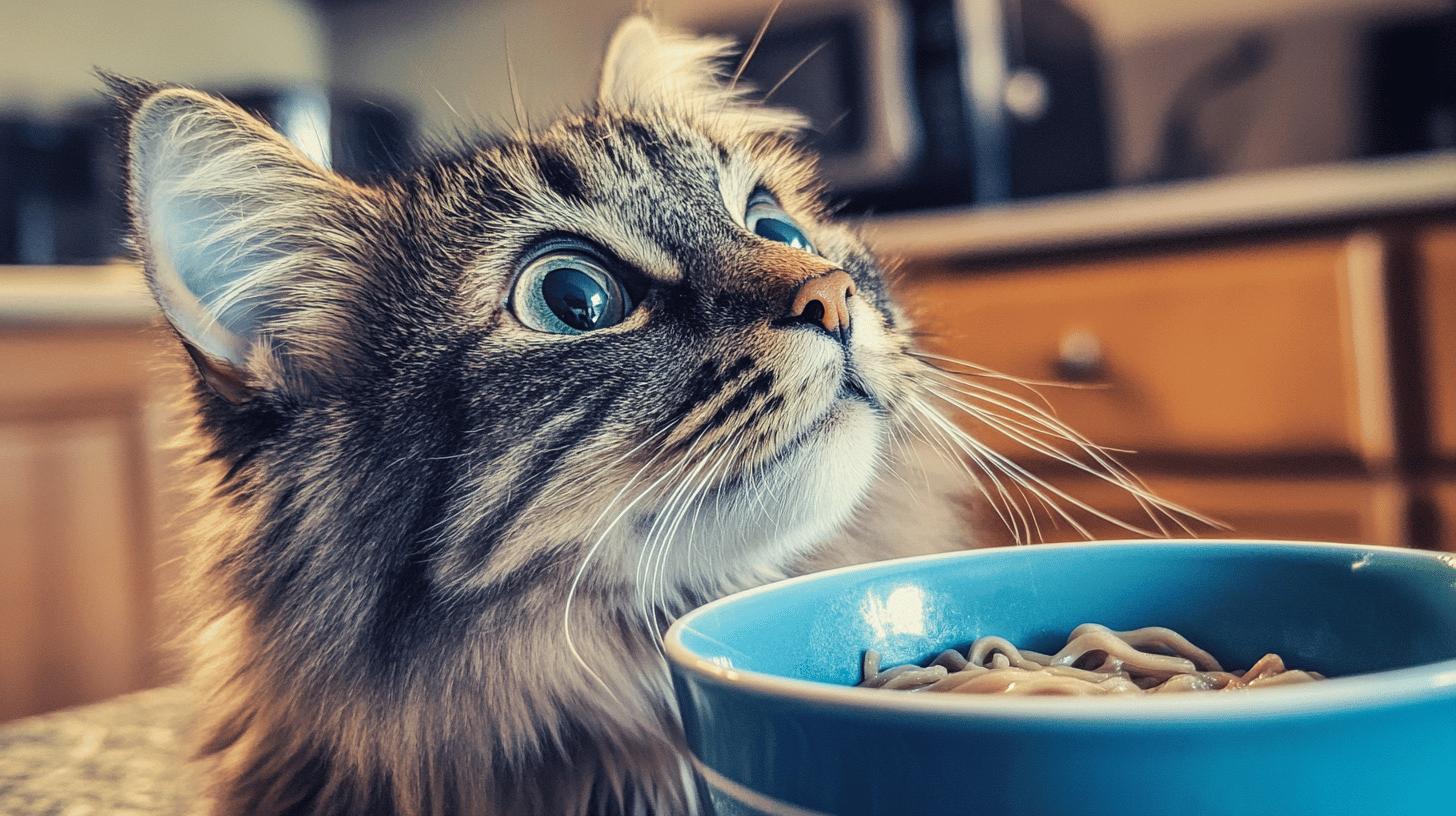
  • Can Cat Eat Instant Noodles Understand the Risks and Alternatives

    Can Cat Eat Instant Noodles Understand the Risks and Alternatives

    Can cats really eat instant noodles? This might sound like a funny question, but the answer is more serious than you think. Instant noodles might be a convenient meal for us, but they can be harmful to cats.

    Packed with salt and other dangerous ingredients, they don't offer any nutritional value for felines. Cats need a diet rich in animal protein, not carbohydrates or harmful spices found in noodle packets. Let's explore why instant noodles are a risky choice and discover healthier options for your furry friend.

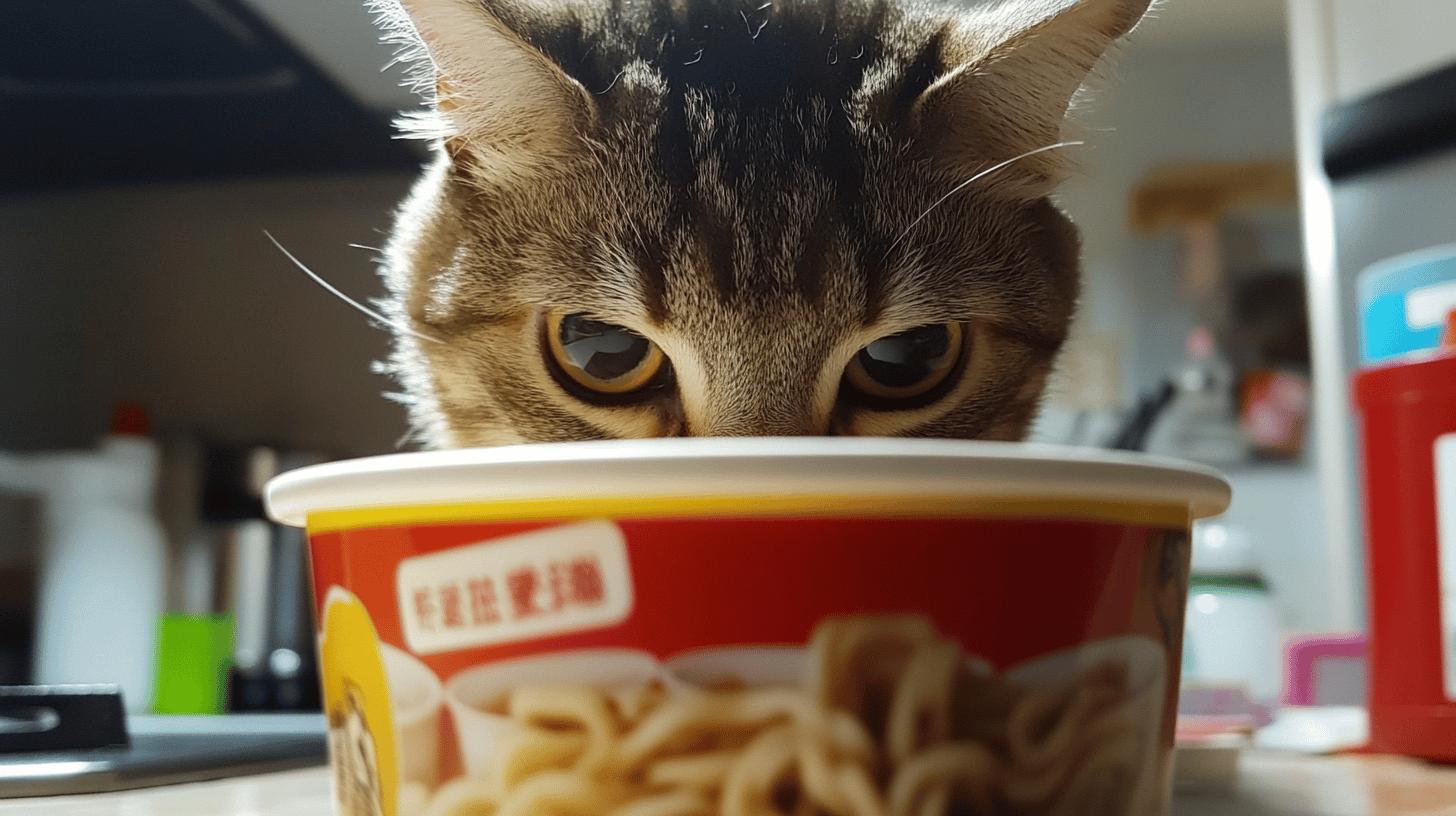
    Can Cats Eat Instant Noodles?

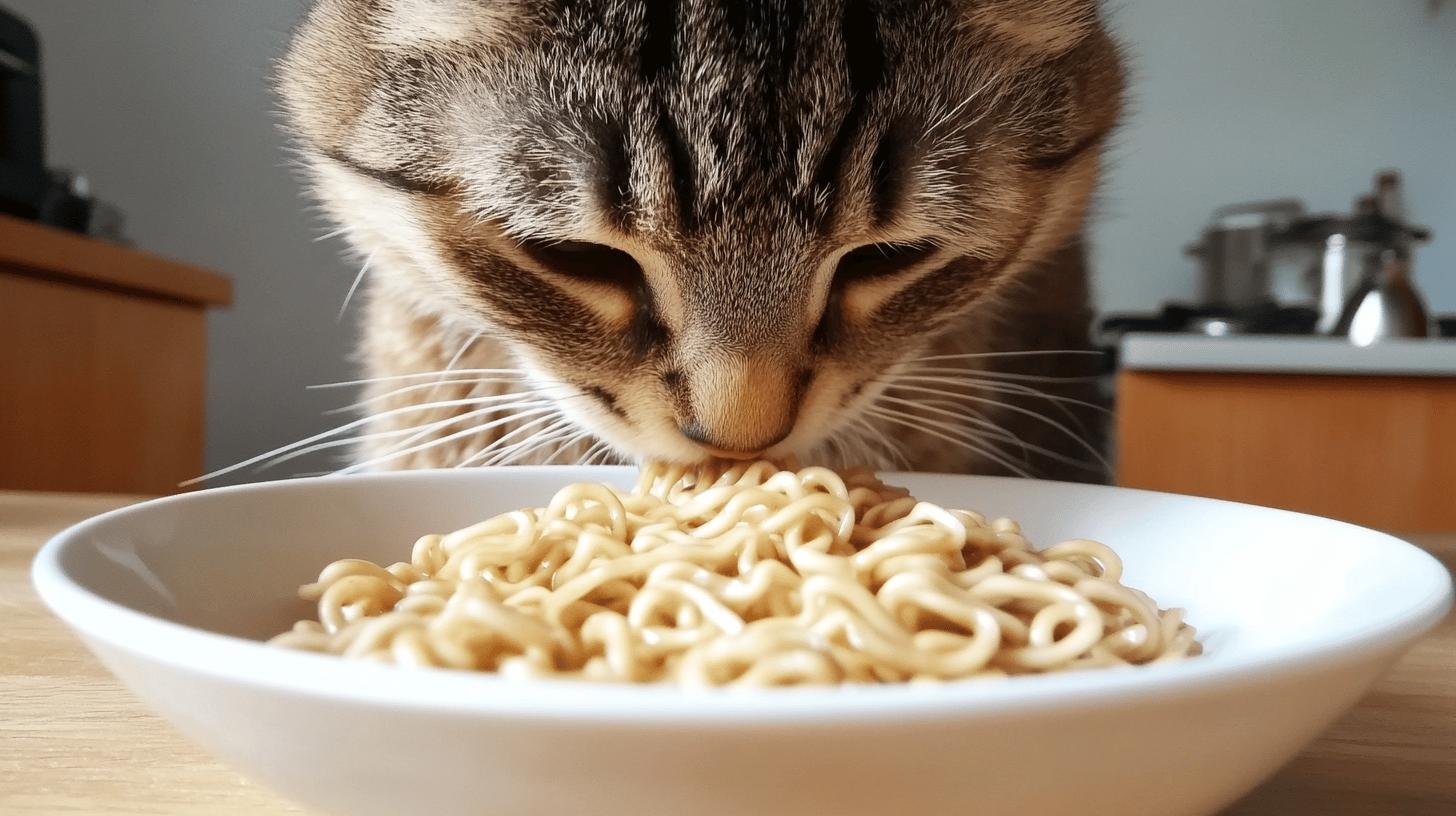
    Can Cats Eat Instant Noodles-2.jpg

    Instant noodles are not safe for cats. They contain high levels of carbohydrates and ingredients like wheat flour and salt, which can lead to weight gain and digestive issues for our feline friends. The lack of nutritional benefits makes noodles an unsuitable choice for a cat's diet.

    Among the harmful elements in instant noodles, sodium stands out as a significant concern. Ramen noodles, in particular, have high sodium and fat content, which can be toxic for cats. Their bodies are not equipped to handle such high salt levels, which can result in severe health issues.

    Seasoning packets that come with instant noodles often contain garlic, onions, and chives. These ingredients are toxic to cats, posing risks of anemia and other serious health problems. Additionally, preservatives like TBHQ found in ramen can lead to liver damage, as cats cannot effectively process these chemical additives.

    Cats are obligate carnivores, meaning their diet should be primarily composed of protein from animal sources. They require a diet high in protein and low in carbohydrates. Carbohydrates in instant noodles are mainly fillers and do not support a cat's nutritional needs. High carbohydrate intake can contribute to obesity and diabetes in cats.

    Veterinarians generally advise against feeding cats human food, especially items like instant noodles. The nutritional imbalance and potential health risks outweigh any perceived benefits. Instead, focus on a diet rich in animal protein to maintain your cat's health and well-being.

    Ingredient Effect on Cats
    Sodium Can cause high blood pressure and toxicity
    Carbohydrates Lead to weight gain and diabetes
    Garlic Causes anemia and is highly toxic
    Onions Also causes anemia and health issues
    Preservatives (TBHQ) Potential liver damage

    In summary, while the convenience of instant noodles might tempt you to share a bite with your cat, it's crucial to prioritize their health. Consult with a veterinarian before introducing any human food into your cat's diet.

    Health Risks and Symptoms After Consuming Instant Noodles

    Health Risks and Symptoms After Consuming Instant Noodles-2.jpg

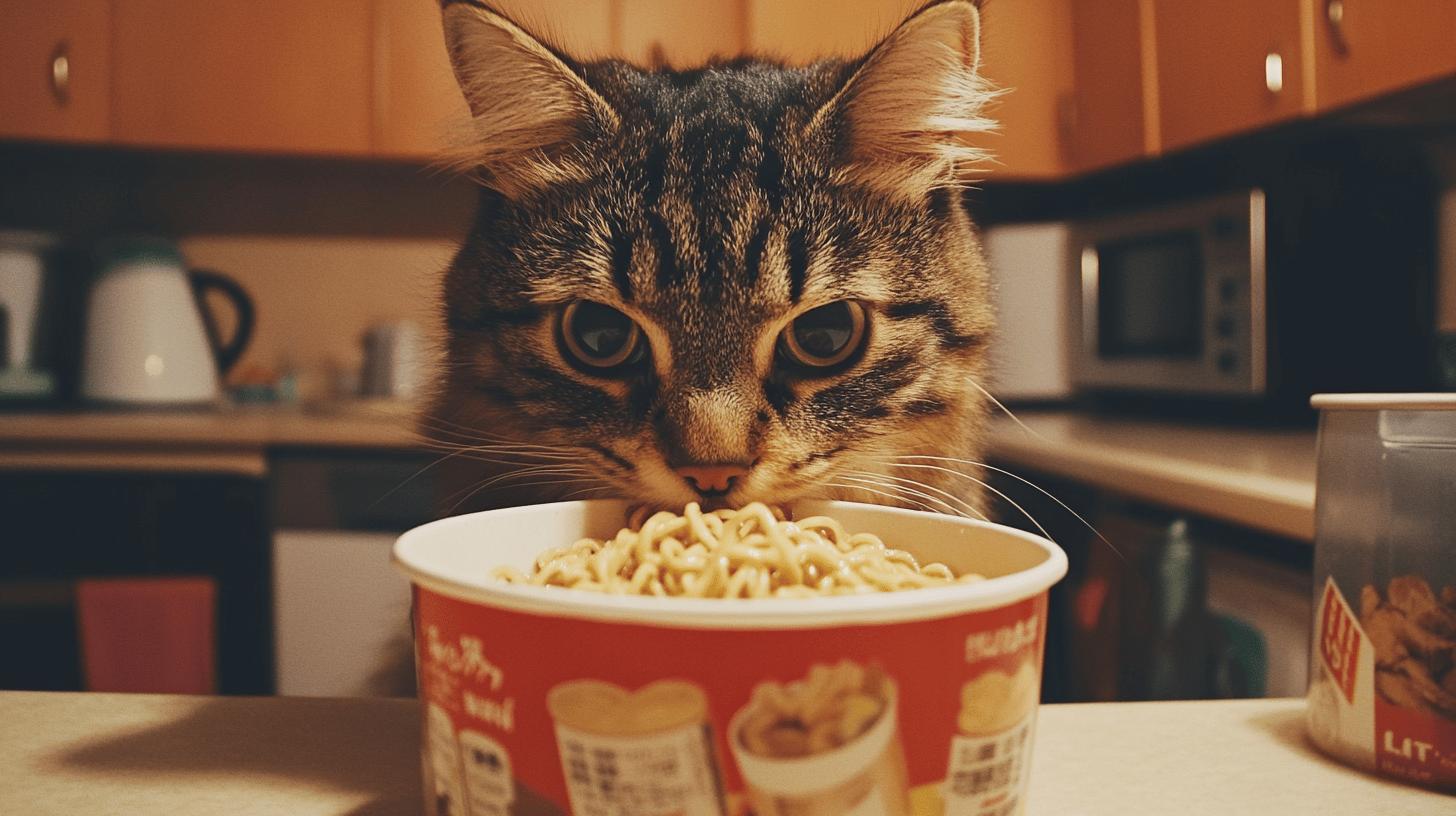
    Instant noodles pose significant health risks to cats, particularly due to their high sodium content. Cats are sensitive to excessive sodium, which can lead to salt poisoning. Symptoms of salt poisoning to watch for include vomiting, diarrhea, and decreased appetite. These reactions indicate that a cat's body is struggling to cope with the sodium overload.

    Another concern is the risk of choking and intestinal blockages from dry noodles. Their texture can be a choking hazard, especially if ingested raw. It's important to keep dry instant noodles out of reach to prevent these physical dangers.

    If your cat accidentally consumes instant noodles, monitor its behavior closely. Symptoms such as lethargy, excessive thirst, incoordination, tremors, and seizures are signs of severe distress and require immediate veterinary attention.

    • Vomiting
    • Diarrhea
    • Decreased appetite
    • Lethargy
    • Excessive thirst
    • Incoordination
    • Tremors
    • Seizures

    Acting quickly if these symptoms appear can help ensure your cat's safety and health.

    Safe Alternatives and Recommendations for Cat Snacks

    Health Risks and Symptoms After Consuming Instant Noodles-4.jpg

    Providing your cat with nutritious snacks is crucial for maintaining its health and well-being. While it might be tempting to share your food, such as instant noodles, with your cat, there are much better options. Cats thrive on snacks that align with their dietary needs, focusing on protein and minimal carbohydrates.

    Consider these healthier alternatives for your feline friend:

    1. Unseasoned fish
    2. Boiled eggs
    3. Cooked chicken
    4. Low-sodium homemade noodles
    5. High-quality commercial cat treats

    Each of these options provides essential nutrients without the harmful ingredients found in human food. Unseasoned fish, for instance, is rich in protein and omega-3 fatty acids, which are beneficial for a cat’s coat and overall health. Boiled eggs offer a good source of protein and essential amino acids. Cooked chicken is another excellent protein source, ensuring your cat gets the energy it needs.

    When preparing homemade snacks, keep them simple. Use low-sodium ingredients and avoid any seasonings that can harm your cat, such as garlic or onion powder. You can make homemade noodles with basic ingredients like flour and water, but remember to serve them in moderation and ensure they are fully cooked to prevent any digestive issues.

    By choosing these alternatives, you ensure your cat receives the necessary nutrients while avoiding the risks associated with instant noodles.

    Final Words

    Instant noodles aren't suitable for cats, whether seasoned or not. It's clear they offer no nutritional benefits and contain harmful ingredients like high sodium and preservatives. Cats, as obligate carnivores, need diets rich in protein, not carbohydrates. Feeding them human foods such as noodles can lead to serious health risks.

    Instead, aim for safe snack choices like unseasoned fish or eggs. Always prioritize your cat's dietary needs to maintain their health. Remember, making smarter food decisions can lead to happier, livelier cats.

    FAQ

    Can cats eat instant noodles?

    A: Instant noodles are unsafe for cats. The high carbs and ingredients like wheat flour and salt can cause weight gain and digestive issues. Seasoning packets may contain toxic elements like garlic and onions.

    Why are ramen noodles harmful to cats?

    A: Ramen noodles pose risks due to high sodium and fat content, potentially toxic to cats. Preservatives such as TBHQ can lead to liver damage.

    What nutritional needs do cats have?

    A: Cats are obligate carnivores needing a diet high in protein and low in carbs. Carbs are fillers in cat food, possibly causing obesity or diabetes.

    Can cats eat ramen broth?

    A: Ramen broth is not safe for cats as it often contains high sodium and toxic ingredients like onions, which may harm them.

    Are instant noodles safe for animals?

    A: No, instant noodles aren't safe for animals like cats. They contain ingredients and preservatives harmful to feline health.

    What are signs of salt poisoning in cats?

    A: Symptoms include vomiting, diarrhea, decreased appetite, lethargy, excessive thirst, incoordination, tremors, seizures, and possibly coma.

    Can cats safely consume noodles?

    A: Cats should avoid noodles due to high carb content and lack of nutritional benefits. Carbs may contribute to obesity in cats.

    What are safer snack options other than noodles?

    A: Consider offering unseasoned fish, boiled eggs, cooked chicken, low-sodium homemade noodles, and high-quality commercial treats.

    Is there a preferred alternative to instant noodles for cats?

    A: Cats can have small amounts of low-sodium homemade noodles but prioritize protein-rich foods, adhering to their dietary needs.

    Related Articles

  • Can Cat Eat Leaves and Stay Healthy

    Can Cat Eat Leaves and Stay Healthy

    Have you ever caught your cat nibbling on a leaf and wondered if it's safe? Many cat owners find themselves asking this question. Cats are curious explorers who often end up munching on things they shouldn't. While they don't need plants in their diet like we do, sometimes their instincts lead them to chew leaves.

    But not all leaves are harmless. Some can upset a cat's stomach or worse. This article will guide you on which leaves might be safe for your feline friend and how to keep their curious nature from leading to trouble.

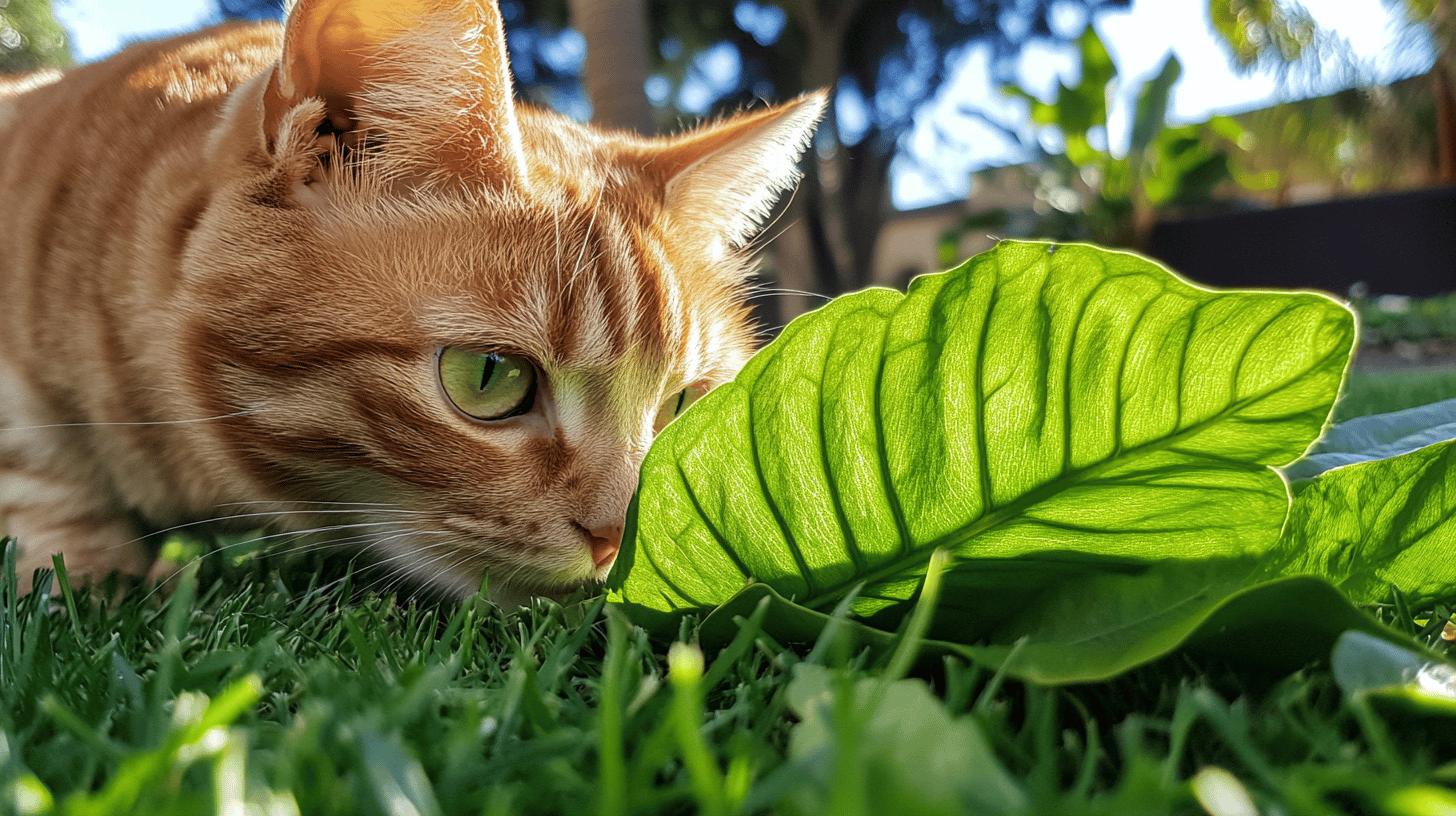
    Can Cats Safely Eat Leaves?

    Can Cats Safely Eat Leaves-2.jpg

    Cats are natural explorers, and their curiosity can lead them to nibble on leaves. While cats are obligate carnivores and don't need plant matter in their diets, chewing on leaves can be a part of their instinctual behavior.

    This might happen out of curiosity or an attempt to aid digestion. Cats often explore their environment with their mouths, and a leafy plant might just catch their attention. However, it's crucial to recognize that not all leaves are safe for them to consume.

    The cat digestive system is adapted to process meat efficiently, with little need for plant matter. When a cat ingests leaves, its digestive system may not always handle the foreign material well, sometimes resulting in vomiting or upset stomach.

    Non-toxic leaves usually pose no significant threat in small amounts, but caution is warranted. It's wise to ensure any plants within reach are safe for your feline friend to prevent any adverse effects.

    • Curiosity and exploration
    • Aiding digestion
    • Attraction to texture or scent

    Types of Leaves That Are Safe for Cats

    Types of Leaves That Are Safe for Cats-1.jpg

    When it comes to keeping our curious cats healthy and content, offering safe plants can be a delightful strategy. Having non-toxic plants around not only satisfies your cat's occasional craving for greens but also adds a touch of nature to your home.

    Cats are often drawn to certain plants, and providing them with safe options can prevent them from nibbling on potentially harmful foliage. Offering safe plants can also serve as an enriching activity, allowing your feline friend to explore different textures and scents without the risk of toxicity.

    Among the herbs that are known to be safe for cats, catnip, mint, and basil are popular options. These plants are not only harmless in moderation but can also provide some entertainment and stimulation. Catnip, in particular, can be a source of joy for many cats, leading to playful behavior.

    Mint and basil can also be appealing, thanks to their aromatic leaves. It's important to remember that even with safe plants, moderation is key, as excessive consumption might still lead to an upset stomach.

    Plant Name Safe to Eat
    Catnip Yes
    Mint Yes
    Basil Yes
    Thyme Yes
    Parsley Yes

    Toxic Leaves and Plants to Avoid

    Toxic Leaves and Plants to Avoid-1.jpg

    Cats are naturally curious, and their interest in leaves can sometimes lead to dangerous encounters with toxic plants. Certain plants contain harmful chemicals that can pose serious health risks to our feline friends. For example, lilies, azaleas, and sago palms are notorious for their toxicity to cats.

    Ingesting even small amounts of these plants can lead to severe symptoms like vomiting, diarrhea, or, in extreme cases, organ failure. It's vital to recognize these risks and keep such plants well out of reach to safeguard your pet's health.

    The effects of toxic leaves on cats can range from mild irritation to fatal poisoning, depending on the plant and the amount consumed. Some plants, like daffodils and cyclamen, contain irritating compounds that can cause drooling, lethargy, or gastrointestinal distress.

    Others, such as tulips and hyacinths, have chemicals that can disrupt a cat's digestive system, leading to more severe reactions. Knowledge of these potential dangers is essential for any cat owner aiming to prevent accidental ingestion and its harmful effects.

    To protect your cat, familiarize yourself with common toxic plants and make sure they are not accessible in your home or garden. Awareness is the first step in preventing accidental poisoning. By understanding which plants to avoid, you can create a safer environment for your feline companion.

    • Lilies
    • Azaleas
    • Sago palms
    • Daffodils
    • Cyclamen
    • Tulips
    • Hyacinths
    • Autumn crocus

    Recognizing Symptoms of Leaf Ingestion in Cats

    Recognizing Symptoms of Leaf Ingestion in Cats-1.jpg

    Cats are inquisitive creatures, and their curiosity sometimes leads them to chew on leaves. While some leaves are harmless, others can cause serious health issues if ingested. Recognizing the signs of plant poisoning is crucial for any cat owner.

    Common symptoms include vomiting and diarrhea, which could indicate that your cat's digestive system is reacting negatively to something it has eaten. Additionally, lethargy and drooling are red flags that your cat might be suffering from toxicity. These symptoms suggest that your feline friend could be battling the effects of ingesting a toxic plant, and they require prompt attention.

    It's essential to seek immediate veterinary care if you notice any of these symptoms. Early intervention can be the difference between a quick recovery and a more severe health crisis. Cats can't tell us when they're feeling unwell, so it's up to us to observe any changes in their behavior closely.

    The sooner you can get your cat to a vet, the better the chances of preventing more severe complications. By understanding and watching for these signs, you can act swiftly to ensure your cat's health and safety.

    • Vomiting
    • Diarrhea
    • Lethargy
    • Drooling
    • Difficulty breathing

    How to Prevent Cats from Eating Harmful Leaves

    How to Prevent Cats from Eating Harmful Leaves-1.jpg

    Keeping our cats safe from toxic leaves starts with a proactive approach. One effective strategy is to remove any toxic plants from your home entirely. If removing them isn't feasible, consider placing these plants in areas that are inaccessible to your cat, like high shelves or behind closed doors.

    Providing non-toxic, cat-friendly plants as alternatives can satisfy your cat's curiosity and reduce the likelihood of them nibbling on harmful foliage. Safe plants like catnip or wheatgrass can be both entertaining and safe for your feline friend.

    Training plays a crucial role in preventing leaf ingestion. Positive reinforcement techniques, such as clicker training, can help teach your cat to avoid certain areas or plants. Additionally, using deterrents like citrus sprays or placing aluminum foil around plants can make them less appealing to chew on.

    Environmental enrichment is another key factor. By providing a stimulating environment with plenty of toys and activities, you can keep your cat engaged and less likely to turn to plants for entertainment or stress relief.

    Cat-proofing your surroundings should also include consistent monitoring and management. Regularly check your plant inventory to ensure there are no new risks. Keep an eye on your cat's behavior, especially when introducing new plants or rearranging your home. By staying vigilant and employing these strategies, you can effectively minimize the risk of your cat ingesting harmful leaves.

    • Remove or restrict access to toxic plants
    • Provide safe plant alternatives
    • Use positive reinforcement training
    • Apply deterrent sprays
    • Offer environmental enrichment
    • Regularly monitor plant inventory and cat behavior

    Final Words

    Throughout this article, we've explored whether a cat can eat leaves and the reasons behind this behavior. We've learned about the curiosity of cats and how their digestive systems can handle certain leaf ingestion. While some plants are safe and even beneficial, like catnip and basil, others can be harmful and should be avoided. Symptoms of toxicity can be serious, underlining the importance of awareness and quick action.

    By understanding your cat's behavior and making your environment safe, we can ensure they enjoy a healthy and playful life. Remember, keeping an eye out for safe plant options keeps playtime both safe and delightful!

    FAQ

    Can cat eat leaves raw?

    Cats can eat some leaves raw, but not all are safe. Stick to non-toxic plants like catnip and basil. Always watch for any unusual behavior after your cat eats a leaf.

    Why do cats eat plants and then throw up?

    Cats eat plants and may throw up due to irritation. It can also be a way to help indigestion or because of natural curiosity. Offer cat grass to create a safer chewing option.

    Can cats eat leaves from roses?

    Rose leaves are generally safe for cats. But, make sure no pesticides have been used. Always observe for any signs of discomfort after they munch on rose leaves.

    Why is my cat eating leaves?

    Your cat may eat leaves out of curiosity, boredom, or an attempt to aid digestion. Providing safe plants like cat grass can satisfy this urge and keep them interested.

    Are leaves toxic to cats?

    Some leaves are toxic to cats like lilies and azaleas. Keep these away from pets. Offer non-toxic options, and always check the plant's safety before introducing it to your home.

    Are fall leaves safe for cats?

    Not all fall leaves are safe for cats. Some can carry mold or mildew. Watch out for pests that may be present and monitor your cat if they nibble on them.

    What to do if a cat eats a plant?

    If your cat eats a plant, identify the plant type. If it's toxic, seek immediate veterinary help. Monitor your pet for any symptoms like vomiting or lethargy and ensure that they are safe.

    How to stop a cat from eating plants?

    Preventing a cat from eating plants involves removing harmful plants, providing safe alternatives like cat grass, and using deterrents like citrus scents. Train them and enrich their environment to divert attention.

    Why does my cat eat dead leaves?

    Cats eat dead leaves from curiosity or boredom. This can be prevented by providing engaging toys and safe plants. Keeping your cat entertained reduces the likelihood of this behavior.

    Related Articles