Category: Cat Diet

  • Can Cat Eat Idli Nutritional Concerns and Health Risks Explained

    Can Cat Eat Idli Nutritional Concerns and Health Risks Explained

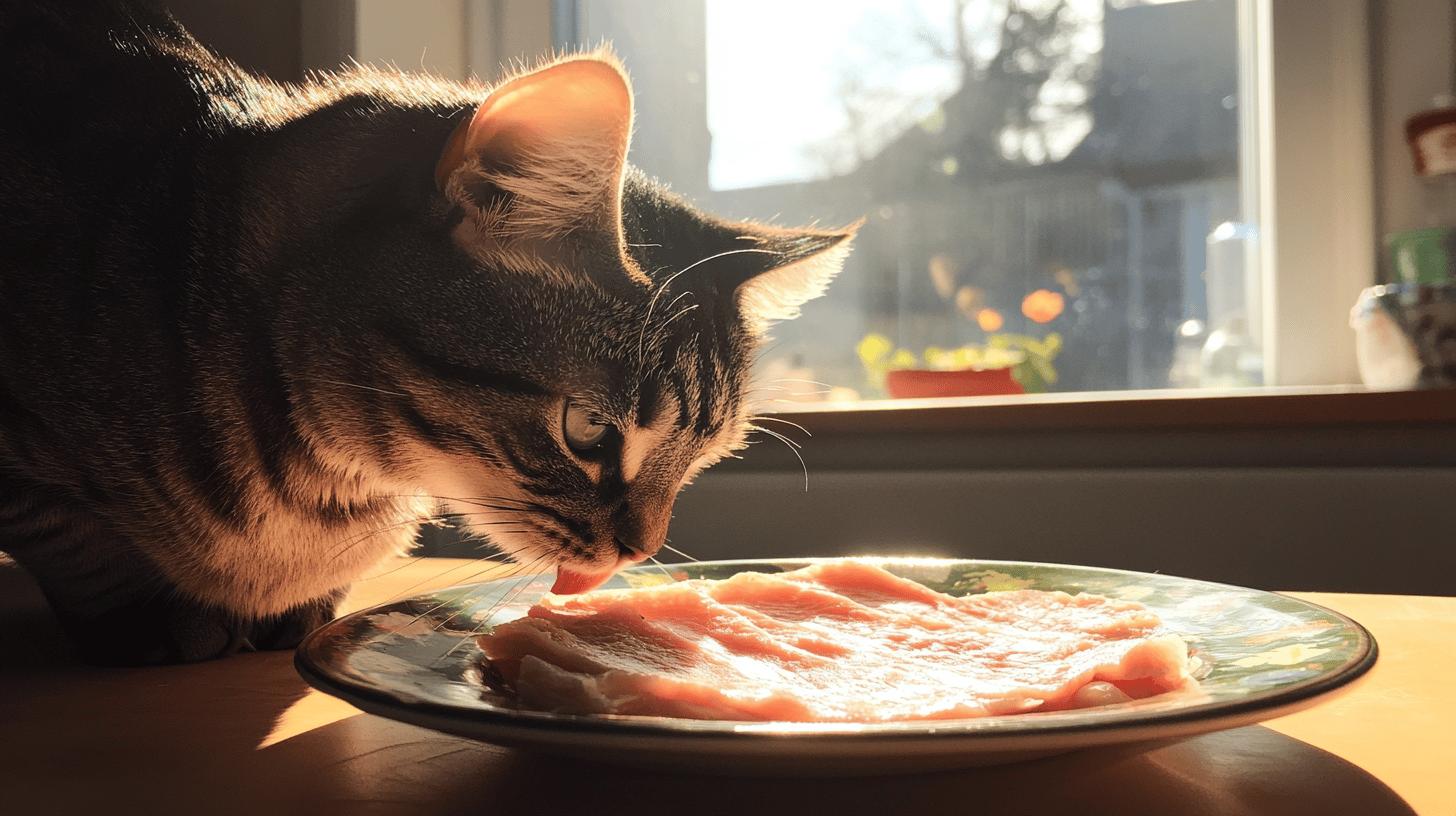
    Would you serve your cat a dish like idli, or is it better kept on your plate? As obligate carnivores, cats need a diet rich in animal-based proteins to stay healthy. Idli, filled with rice and lentils, might be perfect for breakfast but could spell trouble for your cat. Without key nutrients like taurine and vitamin A, idli can upset their nutritional balance. Before you offer that bite, let's dive into the health risks and nutritional concerns that come with sharing your meal with your feline friend.

    Can Cats Eat Idli? Nutritional Concerns and Health Risks
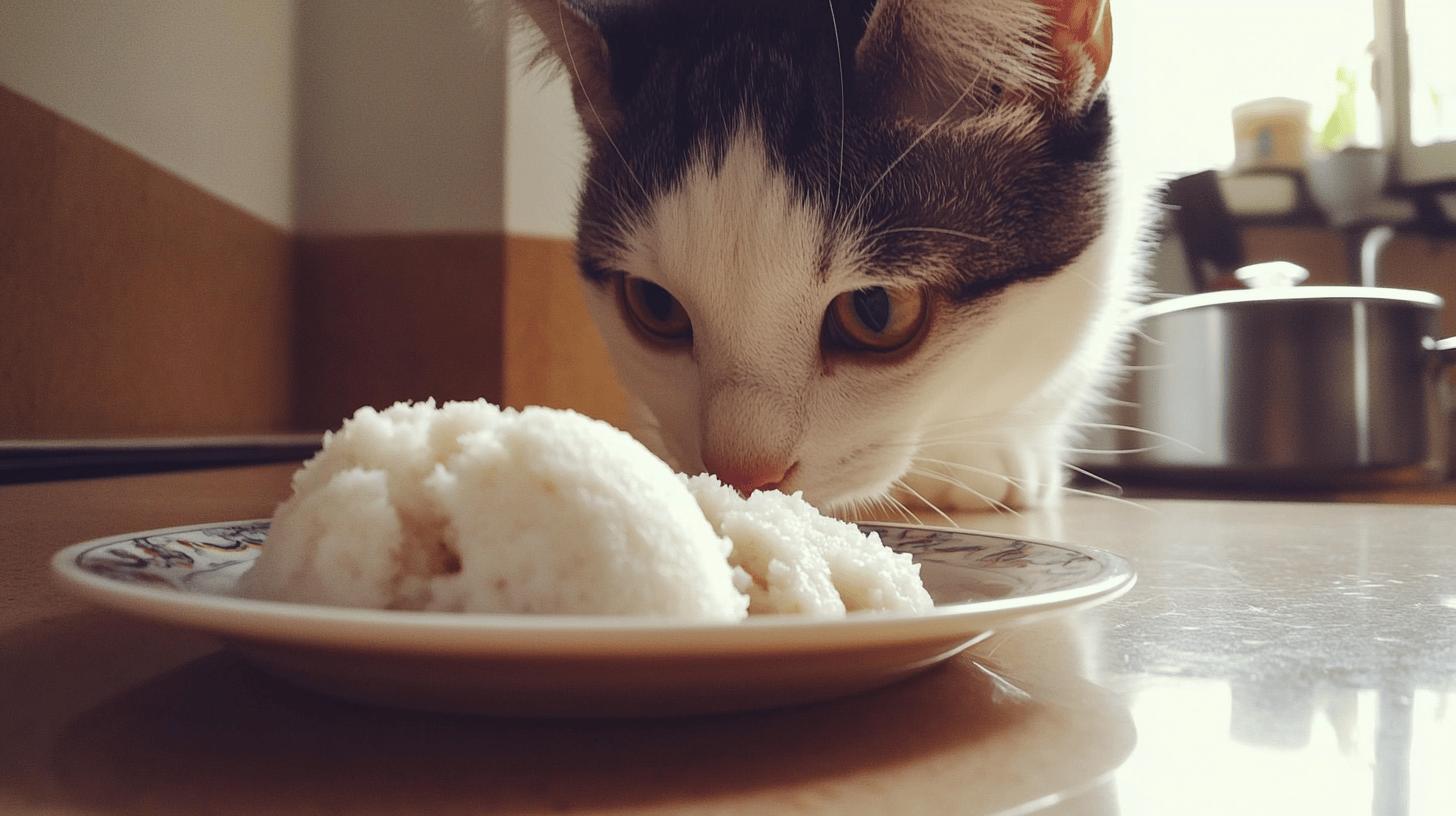
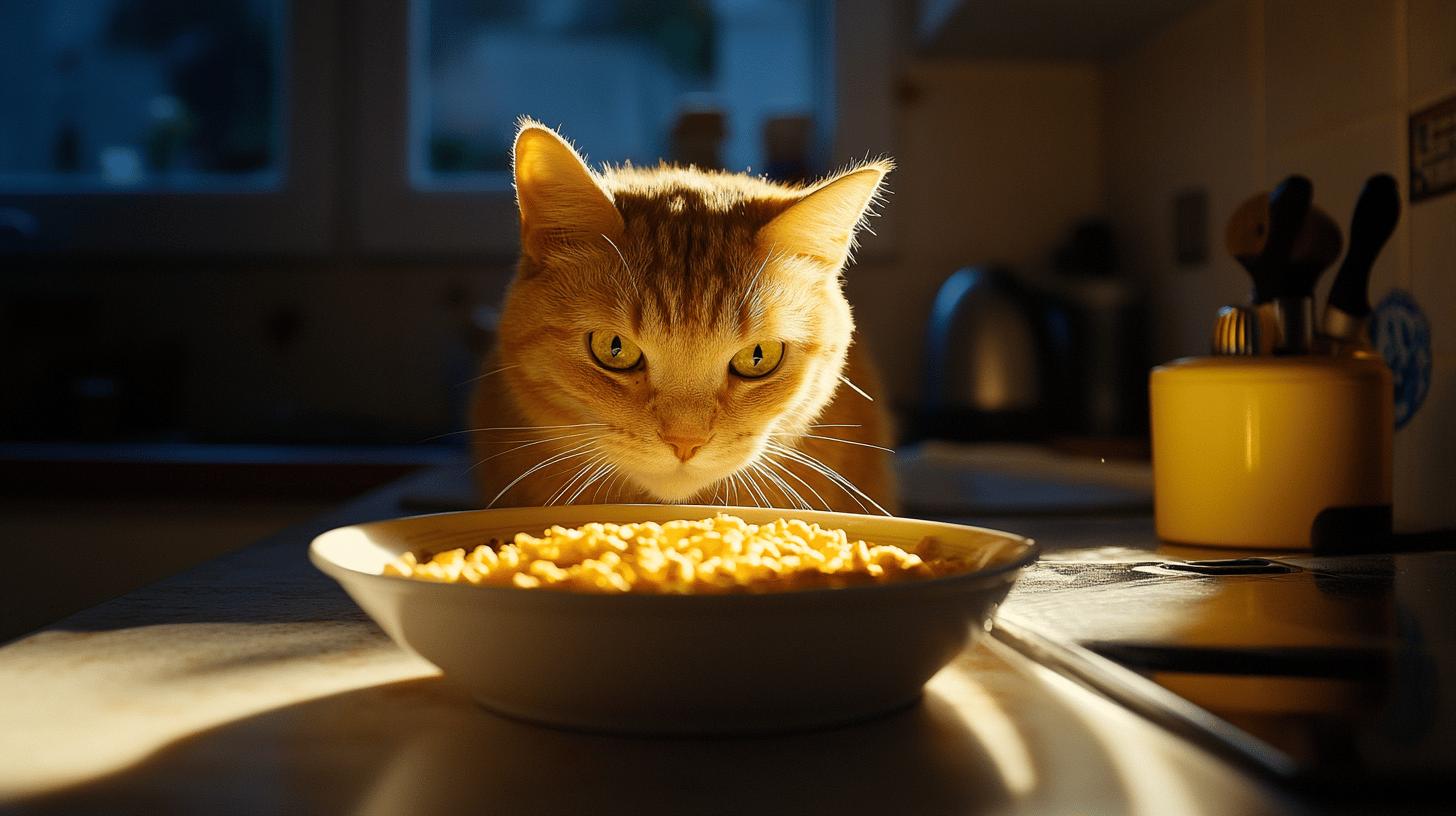
    Can Cats Eat Idli Nutritional Concerns and Health Risks-2.jpg

    Cats are obligate carnivores, which means their diet primarily needs to consist of animal-based proteins. This dietary requirement is crucial for their health and well-being. Idli, a popular South Indian dish, is primarily made from rice and lentils. While these ingredients may be nutritious for humans, they don't meet the dietary needs of cats. Idli lacks essential nutrients such as taurine and vitamin A, which are vital for a cat's heart, vision, and reproductive health. Feeding idli to cats can lead to an imbalance in their diet, potentially causing health issues over time.

    Here are some potential risks of feeding idli to cats:

    • Nutritional Deficiencies: Idli does not provide the protein and essential nutrients cats need.
    • Digestive Issues: Cats may struggle to digest the carbohydrates in rice and lentils.
    • Allergic Reactions: Some cats may be allergic to ingredients in idli.
    • Weight Gain: Carbs in idli can contribute to obesity in cats.
    • Gastrointestinal Upset: The spices or additional ingredients sometimes used in idli can upset a cat's stomach.
    • Potential for Diabetes: High-carb foods can increase the risk of diabetes.
    • Reduced Energy Levels: Without enough protein, cats may become lethargic.

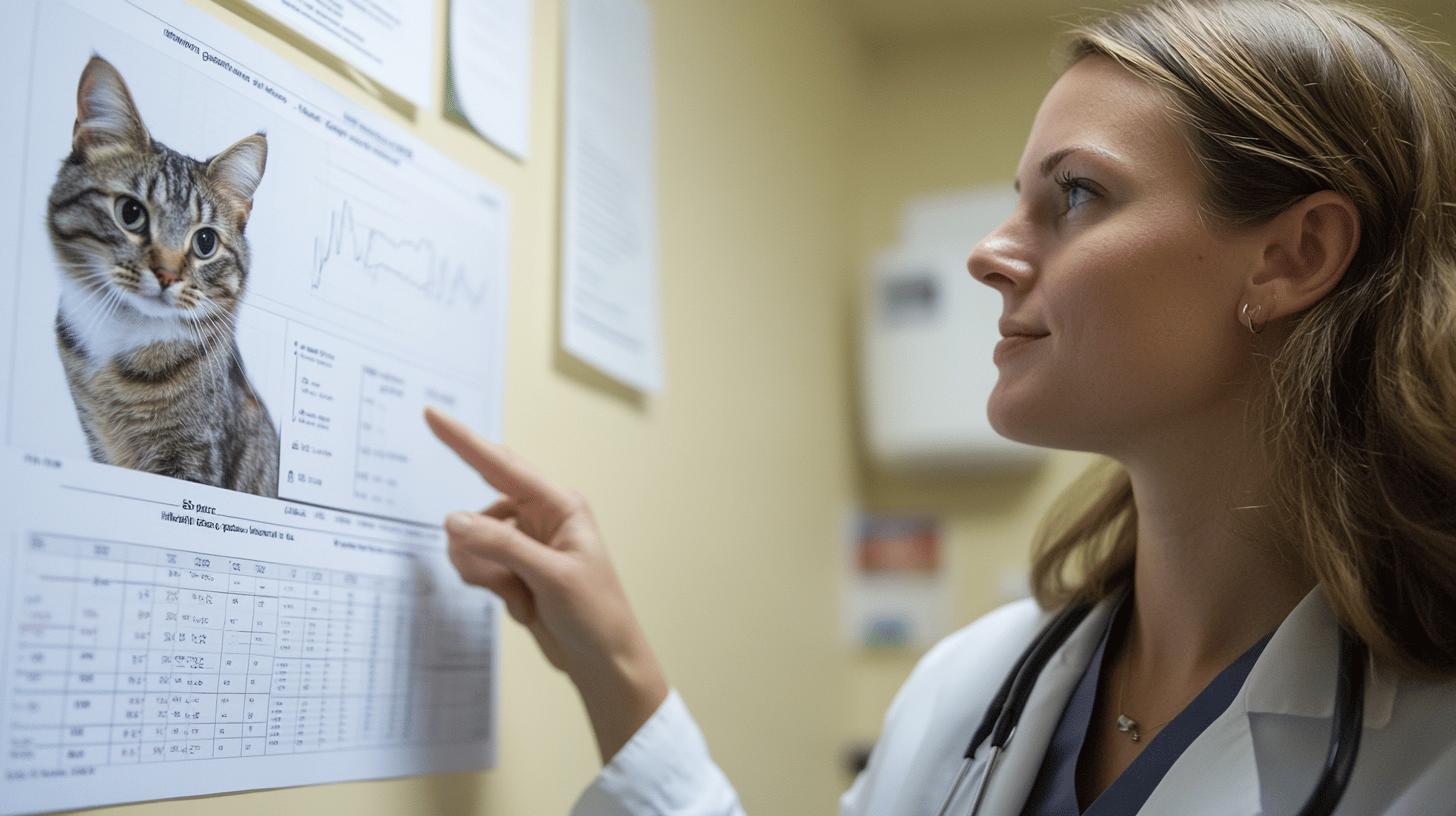
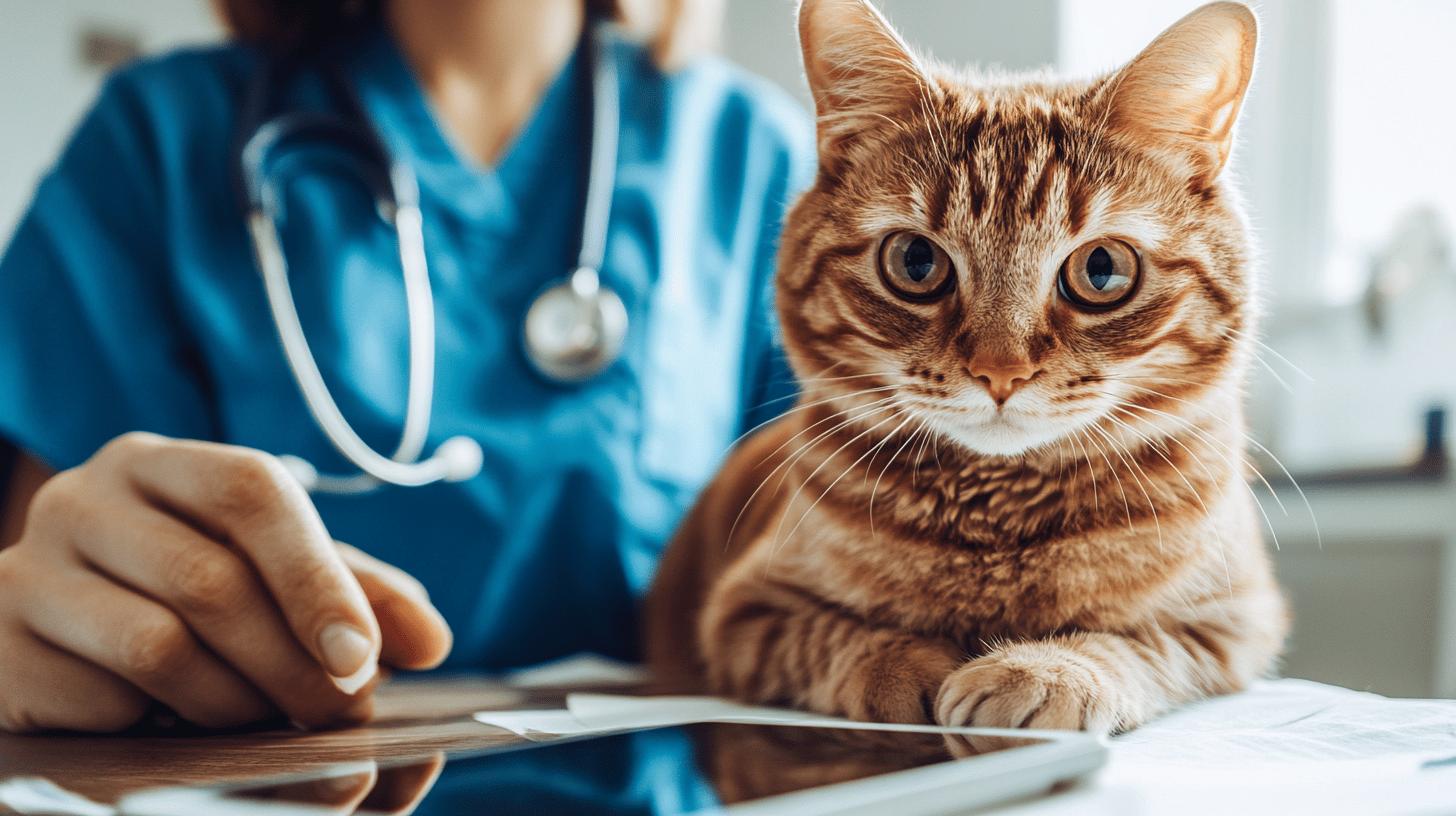
    Consulting a veterinarian before introducing any new foods into a cat's diet is crucial. Veterinarians can provide guidance on maintaining a balanced diet that fulfills all of a cat’s nutritional needs. They can also help identify safe snacks and treats that will not compromise a cat's health. Introducing foods like idli should be approached with caution and professional advice to avoid unintended health risks for your feline friend.

    Alternative Feline-Safe Foods
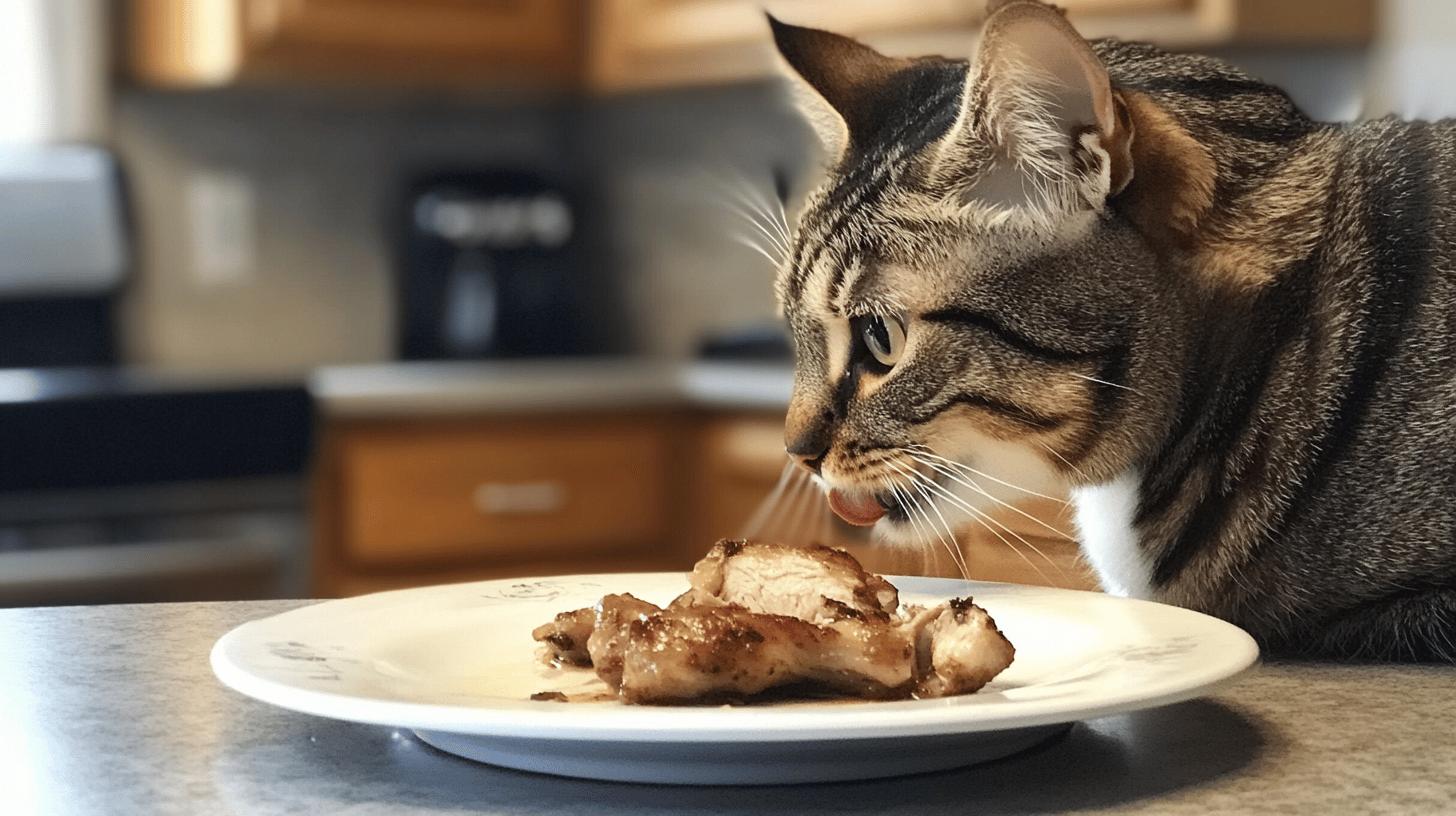
    Alternative Feline-Safe Foods-1.jpg

    Cats have unique dietary needs that are best met with foods specifically formulated for them. While human foods like idli might seem like a tempting treat, they often lack the essential nutrients cats require. Cat-specific snacks are designed to provide the right balance of protein, fats, and essential nutrients that support their health. Selecting treats made for cats satisfies their taste buds but also ensures they get what they need nutritionally. Human foods can lead to imbalances and health issues, so sticking to feline-specific options is always the better choice.

    Here are some alternative snacks that are safe and beneficial for cats:

    • Grain-free cat food
    • Creamy cat treats
    • Natural cat treats
    • Freeze-dried meat treats
    • Catnip-infused snacks
    • Dental chews for cats

    While offering these treats, it’s crucial to practice portion control. Treats and additional foods should not make up more than 10% of your cat's overall diet. Maintaining this balance ensures your cat receives a complete and nutritious diet without risking obesity or nutrient deficiencies. Providing a variety of feline-safe snacks can enrich your cat's diet while keeping them healthy and happy.

    Can Cats Eat Idli?
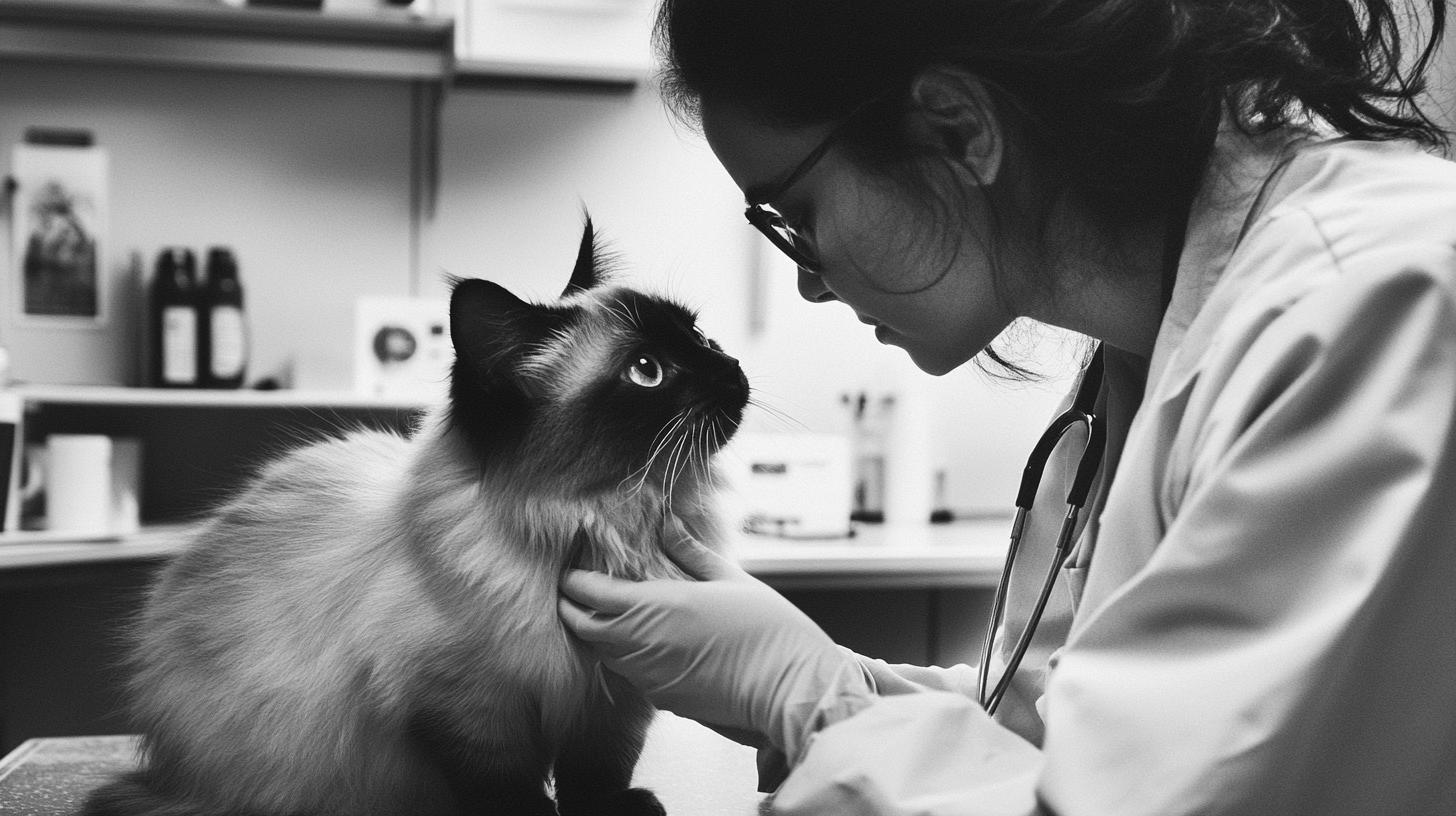
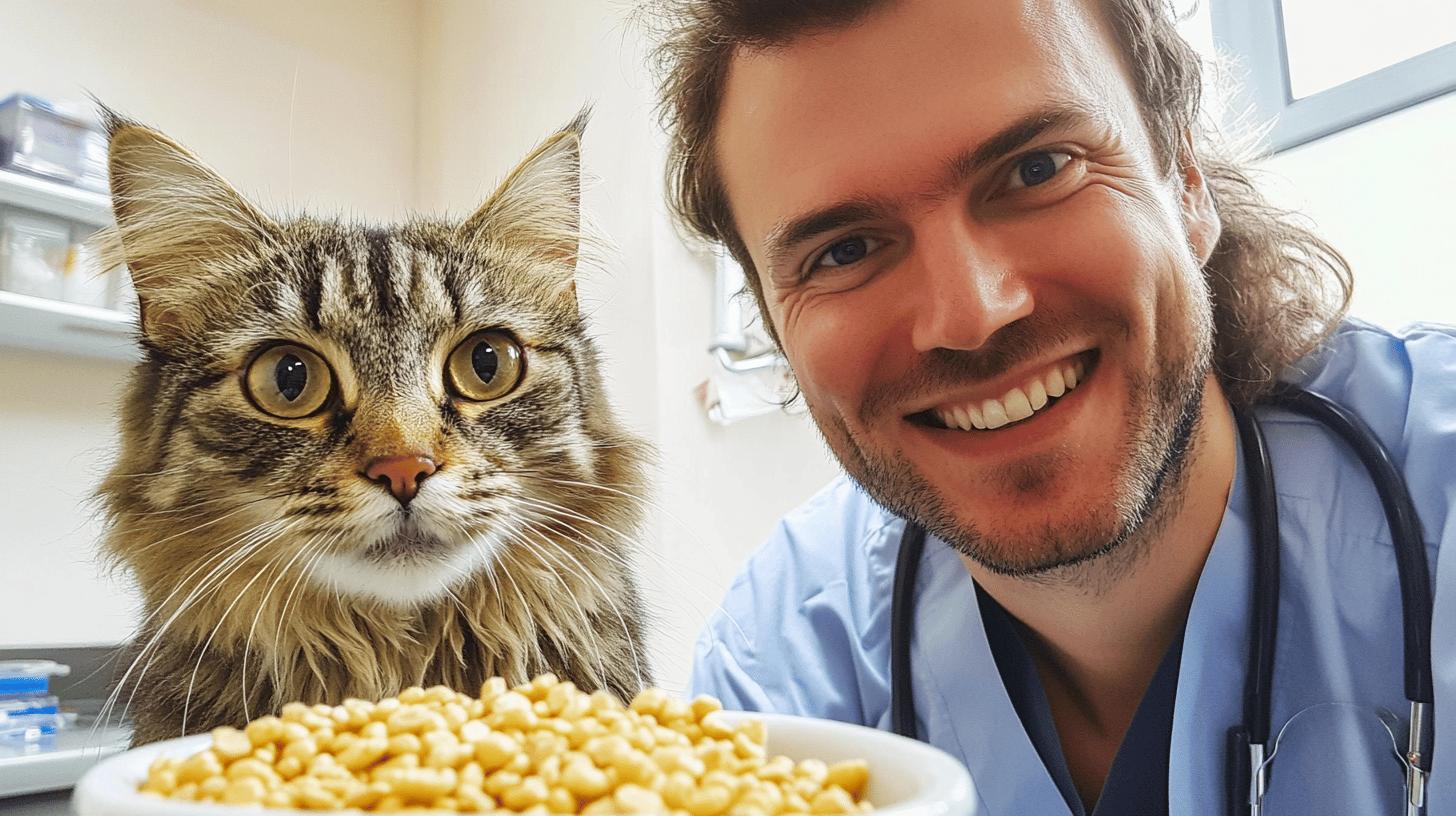
    Veterinarian Advice on Feeding Cats Human Foods-1.jpg

    Feeding your cat human foods like idli can be risky. Cats are obligate carnivores and need animal-based proteins and nutrients such as taurine. Introducing human foods without guidance might lead to health problems. It's crucial to consult a veterinarian before making dietary changes. They can identify safe options and guide you on maintaining a balanced diet.

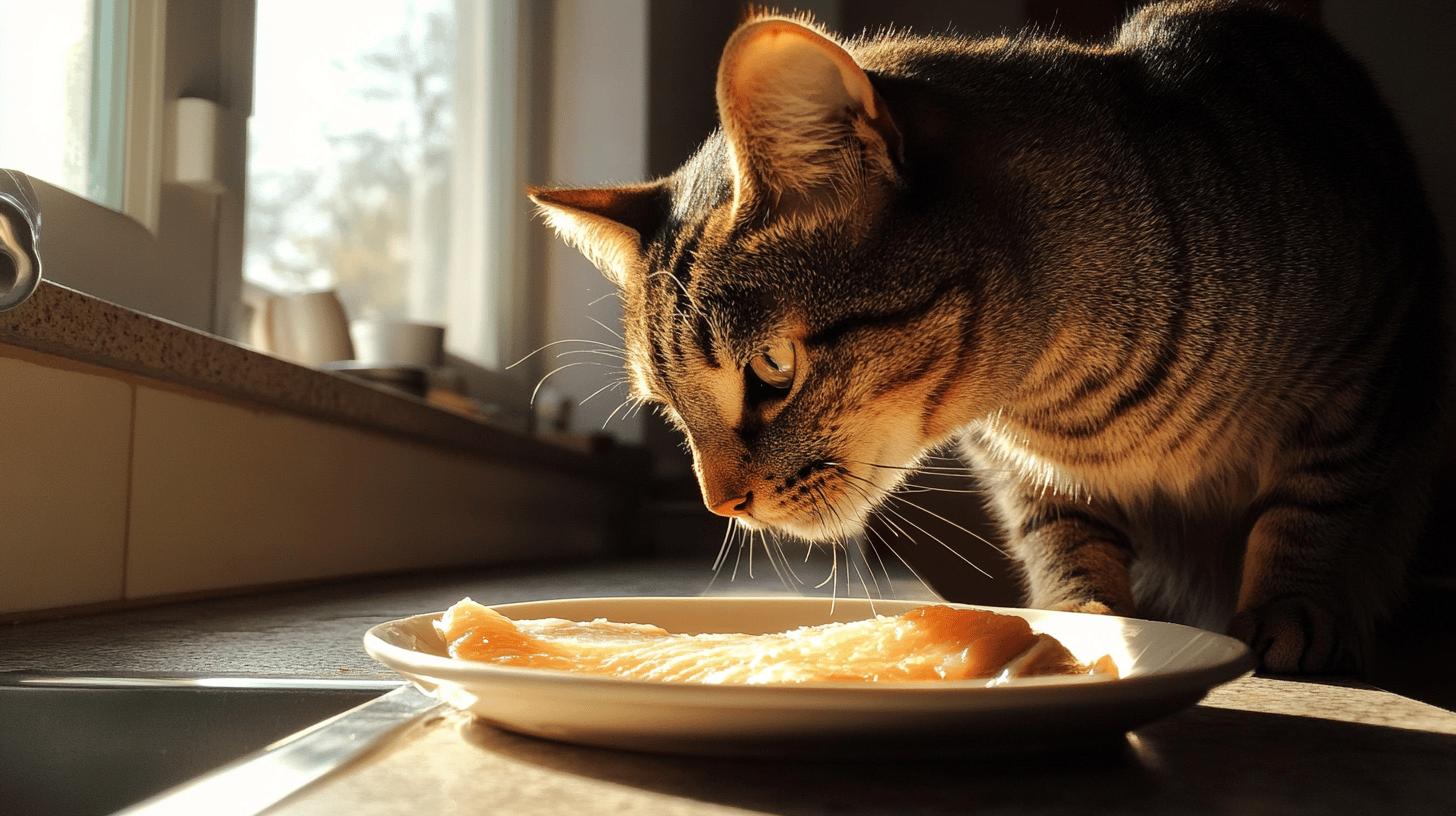
    Certain human foods are unsafe for cats. For instance, chocolate and onions are toxic. Meanwhile, plain cooked chicken is generally safe. Veterinarian insights can help navigate these choices, ensuring your cat's health and well-being.

    Final Words

    Deciding whether can cat eat idli reveals much about their dietary needs. Cats are obligate carnivores, needing diets rich in animal proteins. Idli, made from rice and lentils, lacks essential nutrients like taurine, vital for their well-being. Feeding idli could risk their health, causing digestive issues or nutrient deficiencies.

    Instead, opt for cat-friendly snacks that ensure safety and nutritional value. Always prioritize a balanced diet and seek veterinarian guidance when considering human foods for your cat. Careful choices lead to a happy, healthy feline friend.

    FAQ

    Can cat eat idli?

    Idli is not suitable for cats. Cats must consume animal-based proteins to meet their dietary needs. Idli lacks nutrients essential for cats like taurine and vitamin A.

    Is idli safe for cats?

    It's not safe for cats to eat idli. The rice and lentils in idli don't align with a cat's nutritional requirements and may cause health issues.

    What Indian food is good for cats?

    Most Indian foods are not ideal for cats. Opt for commercial cat food or consult a vet for suitable options that meet a cat's dietary needs.

    Can dogs eat idli?

    Idli is not recommended for dogs. While dogs can tolerate more grains than cats, idli lacks the necessary nutrients for a balanced canine diet.

    Can cat eat chapati or wheat?

    Cats should avoid chapati and wheat since these foods don't provide the nutrients they need. They're obligate carnivores requiring meat-based diets.

    Can cats eat rice?

    Rice isn't an ideal food for cats. It lacks essential nutrients and may lead to digestive issues. Opt for balanced cat food instead.

    What homemade food can cats eat?

    Homemade meals for cats should contain high-quality animal proteins. Consult a veterinarian for recipes that ensure nutritional balance.

    Related Articles

    Detailed Safety Analysis

    Idli is a steamed rice cake made from fermented rice and urad dal (a type of lentil). The fermentation process creates a soft, digestible product for humans, but the components still don’t serve feline nutritional needs. Rice provides carbohydrates that cats aren’t equipped to metabolize efficiently, while the fermented mixture can upset feline digestive systems.

    Most store-bought and homemade idli contain salt for flavor, and some recipes include additional seasonings. Salt at levels comfortable for humans creates dehydration risk in cats, particularly in kittens and seniors. If the idli contains any garlic, onion, or asafoetida (a common seasoning in Indian cooking), those components become actively toxic to cats. The fermented nature doesn’t make idli safer, it just makes it differently problematic for feline digestion.

    Health Impact & Digestive Concerns

    Cats who consume plain idli typically experience mild gastrointestinal upset within a few hours. Soft stools, gas, and temporary loss of appetite are the most common outcomes. Some cats tolerate small amounts better than others, depending on their individual gut flora and digestive sensitivity. The fermented rice can disrupt the balance of beneficial bacteria in your cat’s intestines.

    Young kittens are particularly vulnerable because they’re still developing their digestive microbiome. Senior cats with declining digestive function may experience prolonged upset. Cats with existing conditions, inflammatory bowel disease, pancreatitis, diabetes, or kidney disease, should never eat idli because the fermented carbohydrates can trigger complications or flare-ups.

    Practical Feeding Guidelines

    Plain idli left on a counter or table represents a temptation your cat can easily reach, but intentionally offering it serves no purpose. If your cat sneaks a bite, plain idli without salt or seasonings poses minimal emergency risk. However, store idli safely where your cat can’t access it, especially any seasoned versions.

    If accidental consumption happens, monitor your cat for 12-24 hours. Mild gastrointestinal upset resolves on its own in most cases. Maintain normal hydration by ensuring your cat has access to fresh water. If idli consumption was accompanied by a meal high in salt or included seasonings, contact your veterinarian for guidance.

    Safe Alternatives & Substitutes

    Your cat gains nothing nutritionally from idli that they can’t get from species-appropriate food. Cooked chicken breast provides protein and amino acids idli simply doesn’t offer. Plain cooked salmon offers omega fatty acids that support skin and coat health. Quality toys provide enrichment that matters more than food-based treats for your cat’s wellbeing.

    If you’re tempted to share your food with your cat, consider whether it actually serves your cat’s needs or just your desire to share. Most human foods, including idli, are offered out of affection rather than nutritional wisdom. Your cat is far happier with interactive play and toys designed specifically for feline engagement.

    When to Seek Veterinary Care

    Contact your vet if your cat shows persistent vomiting, diarrhea lasting more than 24 hours, or signs of dehydration after idli consumption. Excessive thirst, lethargy, and sunken eyes indicate dehydration requiring immediate attention. If the idli contained salt or seasonings and your cat ate a significant amount, call your vet proactively even without visible symptoms.

    Keep track of what your cat consumed: plain idli, seasoned idli, or idli with accompaniments? The timeline from consumption to symptom appearance helps your vet assess severity. Your veterinarian can provide supportive care if needed and ensure no underlying complications developed from the food exposure.

    Summary: Idli and Your Cat

    Idli represents a food designed for human palates and digestion, not feline health. While a small accidental taste won’t create an emergency, the risks consistently outweigh any potential benefits. Your cat’s nutritional needs are specific and evolved over millions of years of carnivory. Plant-based foods like idli don’t fit into a feline diet plan.

    The safest approach is preventing access entirely. Keep your cat out of the kitchen during meal preparation, store leftovers safely, and offer meals designed specifically for feline nutrition. When your cat shows interest in your human food, redirect that attention to toys, play, and enrichment activities that actually serve her wellbeing. Your cat will thrive far better on proper nutrition and mental stimulation than on human food experimentation.
  • Can Cat Eat Mackerel Benefits and Risks Explained

    Can Cat Eat Mackerel Benefits and Risks Explained

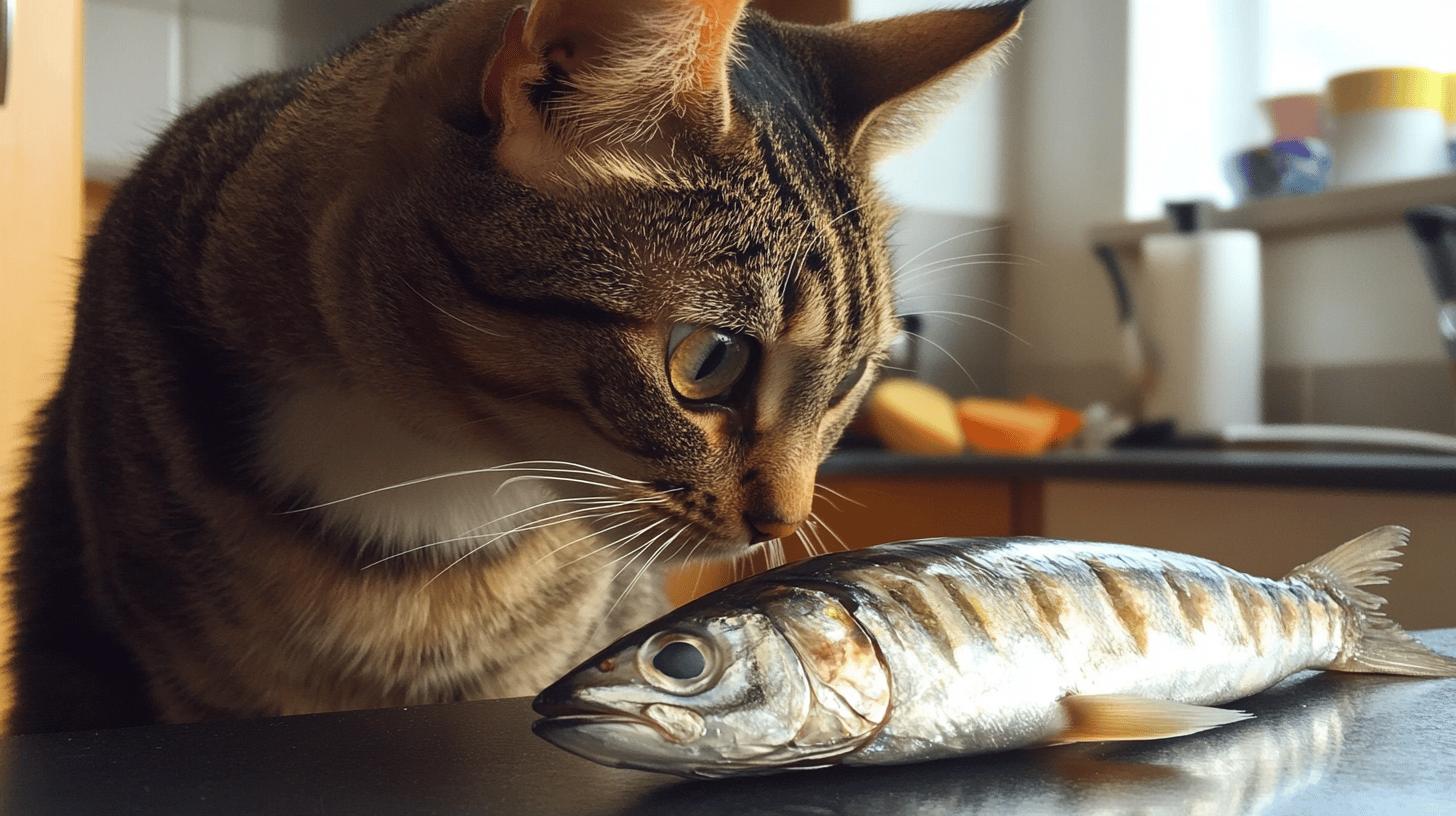
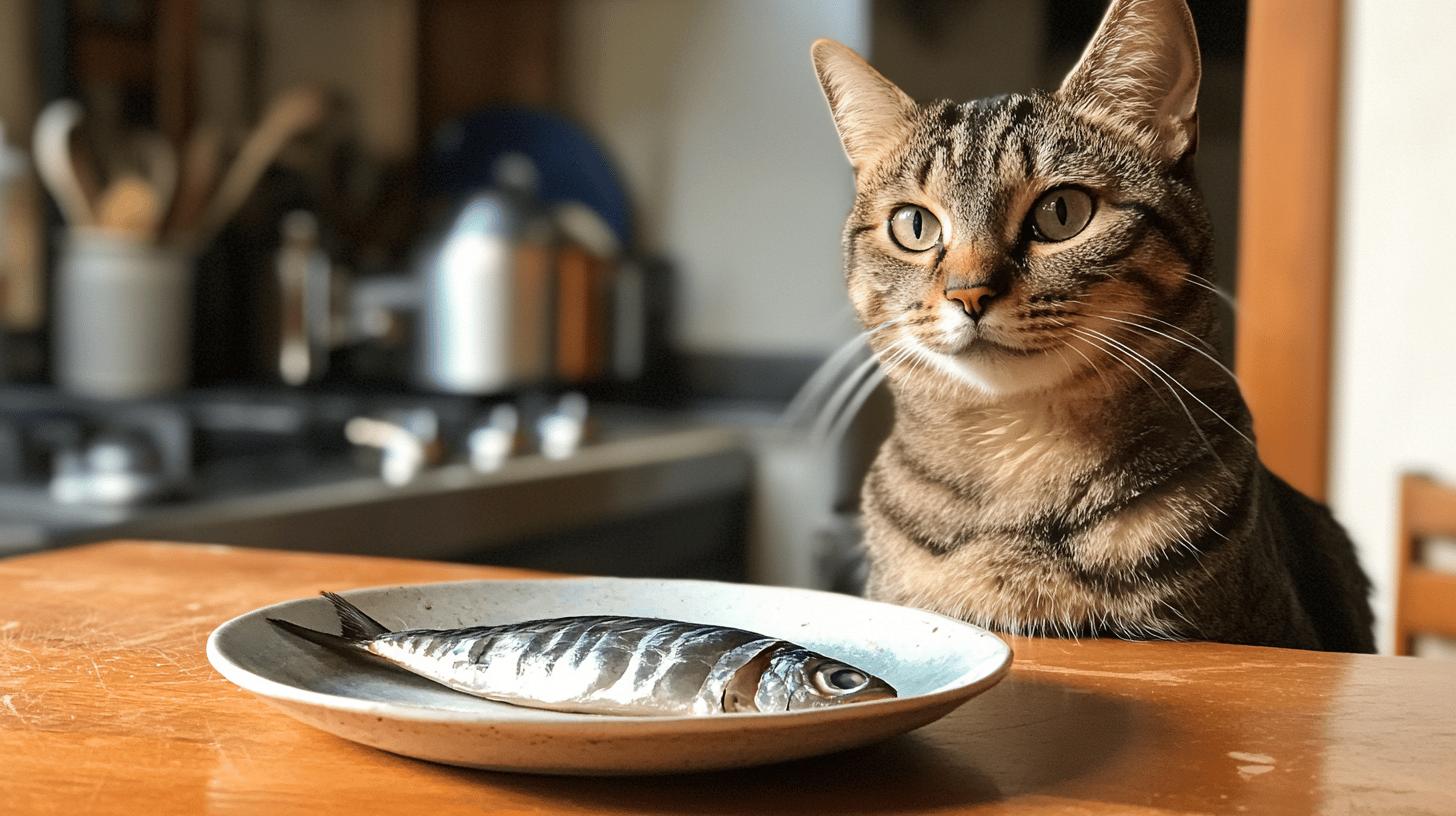
    Can a delicious fish dish like mackerel be a healthy treat for your cat, or is it a risky indulgence? This question might surprise many cat owners. We see our furry friends eyeing seafood with interest, but it's crucial to understand the impact of mackerel in their diet. Mackerel is rich in vital nutrients, offering benefits like Omega-3 fatty acids for brain health. However, hidden dangers like mercury and tiny bones could pose risks. Let's explore how to safely navigate mackerel as a dietary option for your cat.

    Can Cats Safely Eat Mackerel?

    Can Cats Safely Eat Mackerel-1.jpg

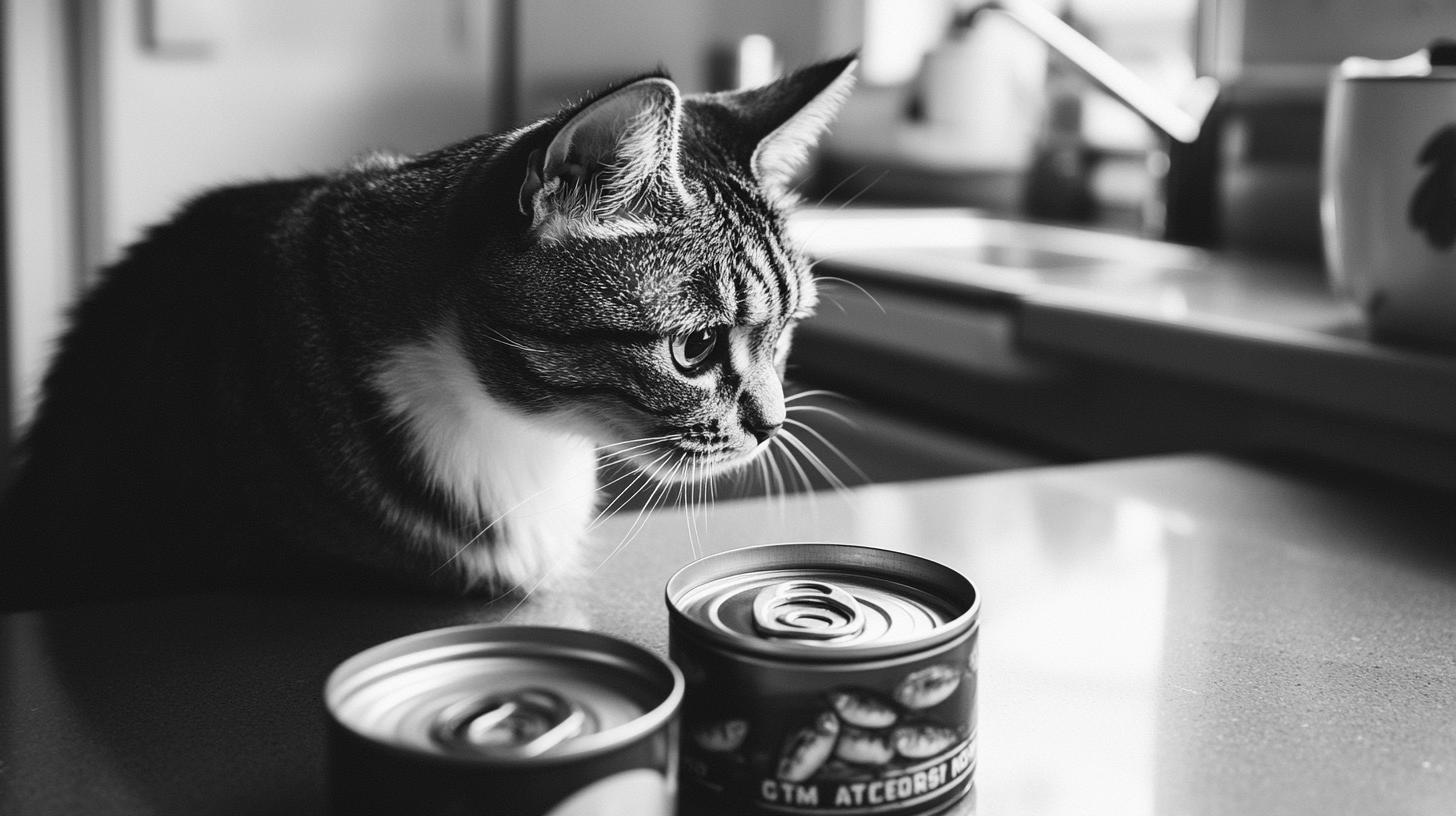
    Cats can indeed eat mackerel, but caution is key. Both raw and canned mackerel have their considerations. Raw mackerel should generally be avoided as it can harbor harmful bacteria and enzymes that could cause health issues in cats. Canned mackerel, on the other hand, offers a safer alternative if properly prepared. Look for varieties without added salt or preservatives, as these can negatively impact your cat's health. While mackerel is safe for cats, it should be given in moderation and not as the mainstay of their diet.

    Here are some nutritional benefits of mackerel for cats:

    • Rich in Omega-3 Fatty Acids: Supports neurological health and has anti-inflammatory properties.
    • High in Vitamin D: Essential for bone health.
    • Contains Magnesium: Assists in cellular metabolism.
    • Loaded with Potassium: Important for muscle function.
    • Provides Zinc: Aids in immune function and skin health.

    Despite these nutritional advantages, there are risks to consider. Mackerel contains mercury, which can accumulate in a cat's body over time and lead to toxicity. This is why mackerel should be a treat, not a staple. Always remove any small bones to prevent choking hazards. Consulting with a veterinarian before introducing mackerel into your cat's diet can help tailor the best approach for your pet's individual needs.

    Raw and Canned Mackerel: What Cat Owners Should Know

    Raw and Canned Mackerel What Cat Owners Should Know-1.jpg

    Feeding raw mackerel to cats can introduce several risks. It often harbors bacteria and parasites that may cause health issues, such as gastrointestinal problems or food poisoning. Raw mackerel contains enzymes that can interfere with thiamine levels, potentially leading to neurological problems over time. Avoiding raw mackerel helps prevent these risks and keeps your cat safe.

    Canned mackerel is a safer option, but requires careful selection. Choose canned mackerel without added salt or preservatives, as these can be harmful. Canned mackerel provides essential vitamins and minerals, including vitamin D, magnesium, potassium, and zinc. Before serving, rinse the mackerel to remove any excess salt, ensuring a safer meal for your cat.

    Proper preparation of mackerel maximizes safety and nutrition. Cooking mackerel reduces bacterial risks, making it safer. Cook thoroughly without seasonings, and remove all bones after cooking to prevent choking hazards. These steps ensure mackerel remains a nutritious treat for your pet.

    Form Benefits Risks
    Raw Mackerel Rich in nutrients Bacteria, parasites, enzyme issues
    Canned Mackerel Convenient, rich in vitamins Potential additives, requires rinsing

    Veterinarian Recommendations on Mackerel Feeding

    Veterinarian Recommendations on Mackerel Feeding-1.jpg

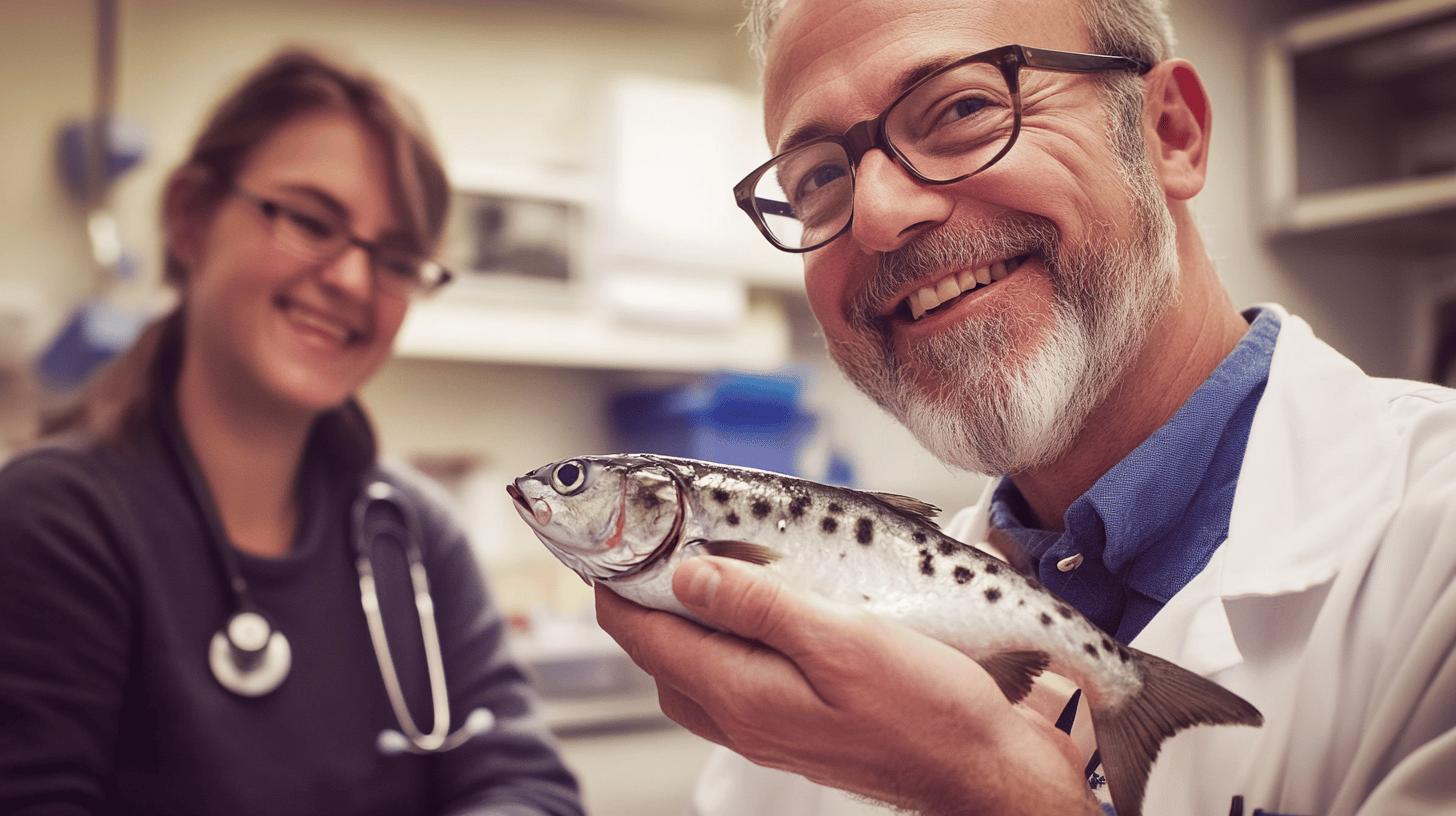
    Veterinarians often suggest incorporating oily fish into a cat's diet due to their nutritional benefits, such as omega-3 fatty acids, which support neurological health and reduce inflammation. Mackerel is one of these beneficial fish, but it should be given in moderation. Excessive consumption can lead to mercury accumulation, which poses health risks. Thus, mackerel should be treated as a supplement rather than a staple. Veterinarians recommend offering it occasionally, ensuring it complements a balanced diet.

    Here are some alternative fish options that offer similar benefits with potentially lower risks:

    • Salmon: Rich in omega-3s and generally lower in mercury.
    • Sardines: Packed with essential nutrients and typically considered safe.
    • Trout: Another oily fish with beneficial properties.
    • Herring: Provides a good balance of nutrients for cats.

    Consulting with a veterinarian is crucial for personalized advice tailored to your cat's specific needs. Every cat is unique, and factors like age, weight, and health conditions can influence dietary requirements. A vet can help you determine the right portion sizes and frequency for feeding fish, ensuring your cat reaps the benefits without exposing them to unnecessary risks.

    Balancing Mackerel with a Healthy Cat Diet

    Balancing Mackerel with a Healthy Cat Diet-1.jpg

    To keep things fresh, let's dive into some preparation tips for mackerel. Always cook the fish thoroughly to eliminate any harmful bacteria or parasites. Steaming or boiling are great methods that preserve the fish's nutrients without adding extra fat. Remove all bones to prevent choking hazards. By preparing mackerel safely, you ensure it remains a healthy addition to your cat's diet.

    Instead of repeating the usual benefits, let's explore how mackerel can be rotated with other fish options. Consider alternating mackerel with fish like salmon or sardines. Each brings its unique nutritional profile—salmon is rich in protein and vitamin D, while sardines offer calcium and vitamin B12. This variety not only helps manage mercury exposure but also introduces new flavors and textures that cats enjoy.

    Focusing on comparisons between mackerel and other fish gives us fresh insights. Mackerel, salmon, and sardines all provide omega-3 fatty acids, but they differ in mercury levels. Sardines, for instance, are lower in mercury than mackerel. By understanding these differences, you can make informed choices about which fish to offer more frequently, ensuring your cat gets the benefits of omega-3s safely.

    Final Words

    Feeding your cat mackerel can offer nutritional benefits like omega-3 and essential minerals. Always keep mackerel, raw or canned, as a treat rather than a staple part of their diet to avoid any health risks. Veterinarians advise moderation and stress the importance of preparation to prevent issues like choking or mercury exposure.

    Balancing mackerel with a well-rounded feline diet is key for both health and happiness. Consulting with your vet ensures the best approach for your cat's dietary needs. Remember: can cat eat mackerel? Yes, but wisely!

    FAQ

    Can cats eat mackerel?

    Cats can eat mackerel, but it should be given in moderation to avoid health risks.

    Can cats eat mackerel in tomato sauce or oil?

    Mackerel in tomato sauce or oil is not recommended for cats because these can contain added ingredients harmful to them.

    Can cats eat mackerel bones?

    Cats should not eat mackerel bones as they can cause choking or internal damage.

    Can cats eat mackerel in water or brine?

    Cats can eat mackerel in water, but avoid brine due to its high salt content.

    Can cats eat fresh mackerel or canned?

    Fresh and canned mackerel can be fed to cats if cooked and deboned.

    Tuna vs mackerel for cats, which is better?

    Mackerel offers more omega-3 and has lower mercury levels than tuna, making it a better choice.

    Can I feed my cat cooked mackerel?

    Yes, cats can safely eat cooked mackerel, just ensure it’s plain and deboned.

    What fish cats cannot eat?

    Avoid feeding cats raw fish, as well as those with high mercury levels like swordfish.

    Is mackerel high in mercury for cats?

    Mackerel is lower in mercury compared to some fish, but should still be fed in moderation.

    How to prepare mackerel for a cat?

    Cook the mackerel thoroughly, remove all bones, and offer it in small portions.

    Related Articles

  • Can Cat Eat Corned Beef Risks and Considerations

    Can Cat Eat Corned Beef Risks and Considerations

    Can your cat share your love for corned beef, or is it a risky choice for your feline friend? While it seems simple to link meat with a cat's natural diet, there's more to consider when it comes to processed meats like corned beef. High in sodium and packed with unsafe seasonings, such as garlic and onions, corned beef can be harmful. You don't want your cat facing issues like upset stomachs or anemia. Let’s explore why corned beef might not be the best bite for your pet and what it means for their health.

    Can Cats Eat Corned Beef? Understanding the Risks

    Can Cats Eat Corned Beef Understanding the Risks-1.jpg

    Some cat owners might be tempted to share their corned beef with their feline friends. After all, it’s meat, and cats are obligate carnivores, right? But it’s crucial to understand that corned beef poses several risks for cats. While it might seem like a tasty treat, corned beef is high in sodium and often contains seasonings like garlic and onions, which are toxic to cats. These ingredients can cause gastrointestinal upset and even lead to anemia. Consuming corned beef regularly can expose cats to significant health risks, including sodium poisoning and dehydration.

    The health risks associated with feeding corned beef to cats primarily stem from its sodium content and the spices used in its preparation. Sodium, when consumed in large quantities, can lead to sodium poisoning, which is dangerous for cats. The spices, particularly garlic and onion, can damage a cat's red blood cells, leading to severe health issues. Even if a small amount of corned beef might not cause immediate harm, the cumulative effects of regular consumption can be dangerous. Over time, the high sodium levels can lead to chronic dehydration and other health problems.

    • Symptoms of sodium poisoning and adverse effects:
      • Vomiting
      • Diarrhea
      • Lethargy
      • Increased thirst
      • Seizures

    To keep your cat safe, it’s essential to avoid including corned beef in their diet. Cats have specific dietary needs that corned beef doesn't meet, and the risks far outweigh any potential benefits. Instead, focus on providing a balanced diet that fulfills their nutritional requirements without harmful additives.

    Safe and Healthy Alternatives to Corned Beef for Cats

    Safe and Healthy Alternatives to Corned Beef for Cats-1.jpg

    Cats are obligate carnivores, which means their diet must consist primarily of meat to meet their nutritional needs. Protein-rich diets with low carbohydrates are essential for their health. Unlike processed meats like corned beef, which contain harmful additives and high sodium levels, plain, cooked meats such as chicken, turkey, and fish are much better choices. These meats offer essential nutrients like taurine and vitamin A without the risks associated with seasoned or cured meats. By opting for these safer proteins, cat owners can ensure their pets receive the nutrition they need to thrive.

    When preparing these meats for your cat, it's important to cook them thoroughly and keep them plain — no added salt, spices, or seasonings. Remove any bones to prevent choking hazards. Cooking methods like boiling, baking, or grilling without oils or seasonings work best. Offering these meats as part of a balanced diet can provide your cat with the necessary nutrients for a healthy lifestyle.

    Meat Type Benefits
    Chicken High in protein, low in fat, provides essential amino acids
    Turkey Rich in protein, contains selenium and tryptophan
    Fish Offers omega-3 fatty acids, supports skin and coat health
    Beef Contains iron, zinc, and vitamin B12 for energy

    What to Do if Your Cat Eats Corned Beef

    What to Do if Your Cat Eats Corned Beef-2.jpg

    If your cat accidentally eats corned beef, it's crucial to recognize the symptoms of potential food poisoning. Cats might exhibit symptoms like vomiting, diarrhea, and lethargy. High sodium content and harmful seasonings in corned beef can lead to serious health issues, so keeping a close eye on your cat's behavior is essential. If your cat shows signs of distress or unusual behavior, it could be an indication of sodium poisoning or a reaction to the seasonings.

    • Immediate actions if a cat eats corned beef:
      • Remove any remaining corned beef from reach
      • Monitor for symptoms of distress
      • Provide fresh water to help with hydration
      • Contact a veterinarian if symptoms persist

    It's important to seek veterinary care if your cat consumes a large amount or if symptoms are severe. A veterinarian can assess the situation and provide the necessary treatment to prevent further complications. Quick action can make a significant difference in your cat's recovery, ensuring they remain safe and healthy.

    The Nutritional Needs of Cats and Expert Advice on Feeding

    The Nutritional Needs of Cats and Expert Advice on Feeding-1.jpg

    Cats, as obligate carnivores, rely on nutrients found in animal tissues. Taurine and vitamin A are essential for their vision, heart health, and overall well-being. These nutrients are naturally present in meats, which should be the foundation of a cat's diet. High-quality proteins support their muscles and provide the energy they need. Cats don't just eat meat—they require the specific nutrients within it to stay healthy.

    Processed meats, like corned beef, can disrupt a balanced diet for cats. They often contain high sodium levels and additives, which are unsuitable for feline consumption. The salt content can lead to dehydration and sodium poisoning. Seasonings such as garlic and onion are toxic to cats and can cause gastrointestinal upset or more severe health issues.

    Focusing on high-quality commercial cat food or well-prepared homemade meals ensures a cat's nutritional needs are safely met. These options are designed to provide a complete diet without harmful additives. Safe proteins like chicken, turkey, and fish are better choices. Avoid foods high in sodium and harmful seasonings. Responsible feeding means understanding beneficial foods and what could harm your cat.

    Consulting with a Veterinarian

    A veterinarian's advice is crucial for designing a healthy diet for your cat. They offer personalized guidance based on your cat's age, weight, and health status. A vet helps you understand feline nutrition and ensures your cat's diet is balanced and safe. If introducing new foods, especially human foods, a vet's insight can prevent health issues. Their expertise is key in making informed dietary decisions, keeping your pet healthy and happy.

    Final Words

    Knowing that corned beef is high in sodium and contains harmful seasonings should discourage anyone from feeding it to their cat. While a tiny taste might not hurt them right away, the risk of sodium poisoning and dehydration makes it not worth it. It's much safer to stick to plain, cooked meats like chicken or fish, which meet a cat's dietary needs without the risks.

    If your cat accidentally eats corned beef, look for symptoms like vomiting or lethargy. Always consult a vet if you're concerned. By choosing safer alternatives and staying informed, we can ensure our feline friends stay healthy and happy.

    FAQ

    Can cats eat corned beef raw?

    Cats should not eat raw corned beef. Corned beef is high in sodium and contains harmful seasonings like garlic and onions, which can cause gastrointestinal upset and anemia.

    Can cat eat corned beef stew or hash?

    Cats should avoid corned beef stew or hash. These dishes often include seasonings harmful to cats, and the high sodium content poses health risks like dehydration and sodium poisoning.

    What should I do if my cat ate corned beef?

    If your cat ate corned beef, monitor for symptoms like vomiting or diarrhea. Provide fresh water and contact a veterinarian if symptoms persist or if a large quantity was consumed.

    Can cats eat cheese or other human foods?

    Cats can eat small amounts of cheese, but it's not ideal. They need high protein and low carbohydrates. Safe human foods include plain, cooked chicken, turkey, or fish, which meet their nutritional needs.

    Is it okay for cats to eat corned beef?

    It is not okay for cats to eat corned beef. The high sodium content and seasonings like garlic and onions can lead to health issues such as sodium poisoning and anemia.

    What meat should cats not eat?

    Cats should avoid processed meats like corned beef and any meat with high sodium or seasoning. Foods containing garlic or onions are especially harmful and should be avoided.

    Can I feed my cat cooked beef?

    You can feed your cat cooked beef, but ensure it's plain and unsalted. Beef can be a good source of protein if prepared carefully, with no harmful additives.

    Why can't cats eat beef?

    Cats can eat beef, but not when it's processed or seasoned like corned beef. The sodium and additives in these products are not suitable for a cat's diet. Plain-cooked beef is a safer option.

    Related Articles

  • Can Cat Eat Dog Ice Cream Safety and Health Risks Explained

    Can Cat Eat Dog Ice Cream Safety and Health Risks Explained

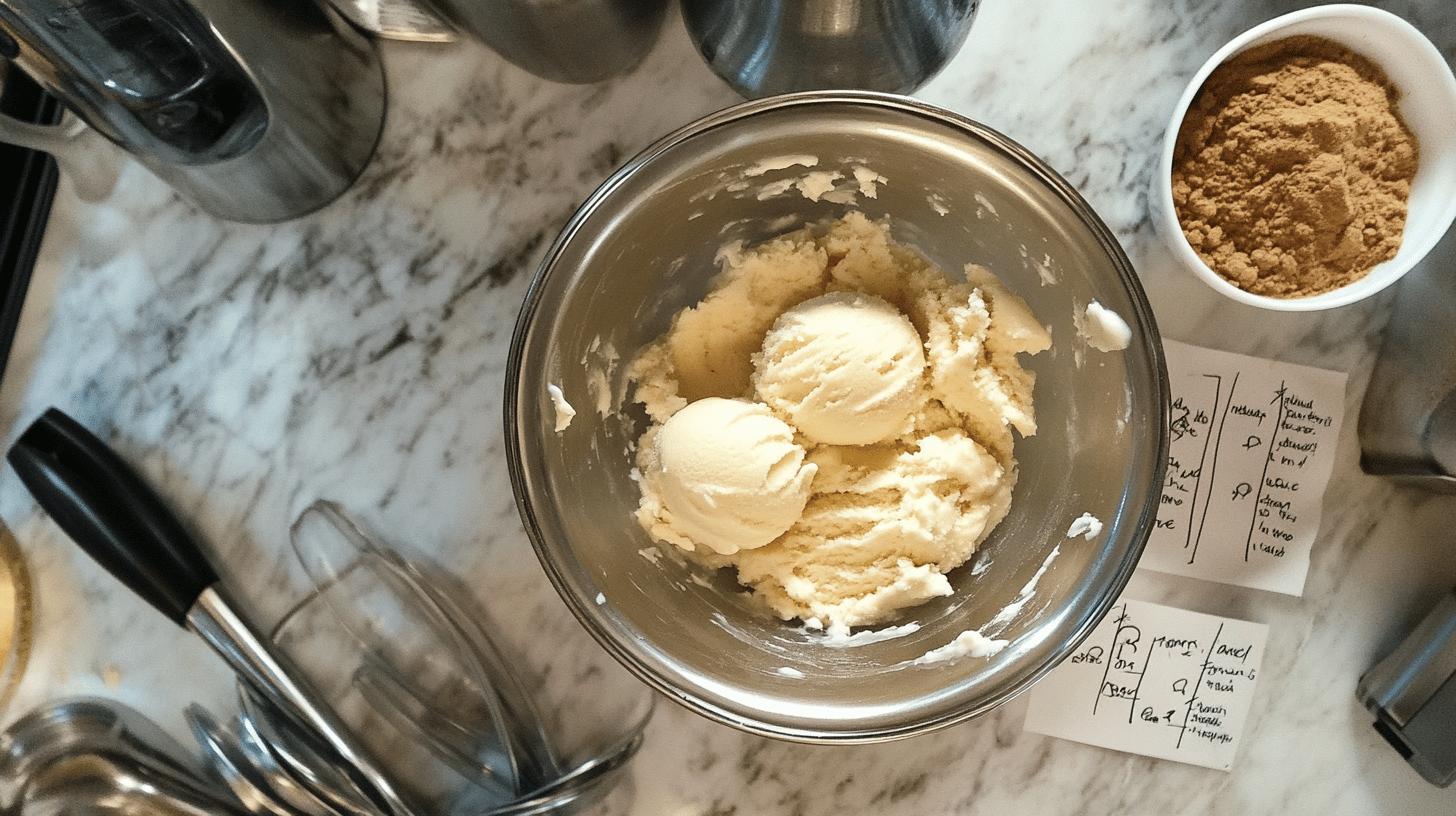
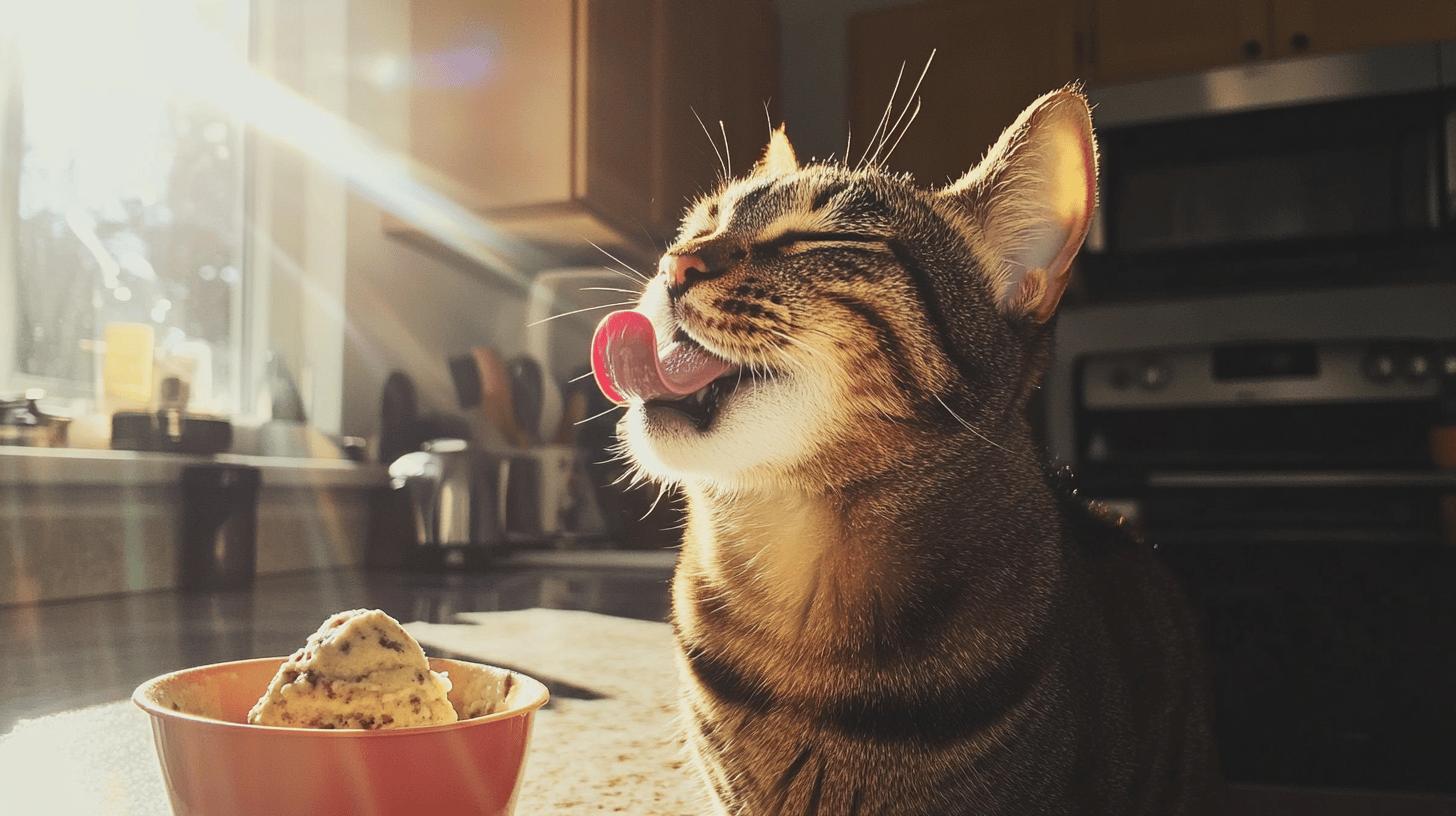
    Is giving your cat a scoop of dog ice cream as safe as it sounds? While it might seem like a harmless treat, feeding cats dog ice cream can pose significant health risks. Dog ice cream is usually high in fats and sugars, which cats don’t need in their diet. Plus, the ingredients in dog ice cream often lack the essential nutrients cats require. Before you share that tasty treat with your feline friend, let's explore why sticking to cat-specific treats is crucial for their well-being.

    Can Cats Safely Consume Dog Ice Cream?

    Can Cat Eat Dog Ice Cream Safety and Health Risks Explained-2.jpg

    When it comes to feeding dog ice cream to cats, it's essential to consider their unique dietary needs. Dog ice cream might seem like a fun treat, but it is generally not safe for feline consumption. This is primarily due to its high fat and sugar content, which can be unsuitable for cats. While dog ice cream isn't toxic, feeding it to cats regularly can lead to dietary imbalances. Cats are obligate carnivores, meaning their diet must be rich in specific nutrients found in animal-based proteins and fats. Dog ice cream does not provide these essential nutrients, potentially leading to health issues over time.

    Several ingredients commonly found in dog ice cream can pose issues for cats. For instance, while yogurt or peanut butter might be safe for dogs, they don't align with a cat's nutritional needs. The lactose in yogurt can be hard for cats to digest as many are lactose intolerant. Additionally, ingredients like sweeteners and flavorings, which are often present to enhance taste for dogs, can be problematic for cats. These components don't provide the necessary nutrients cats need and can contribute to potential health problems if consumed in large amounts.

    Here are some health risks associated with cats consuming dog ice cream:

    • Obesity
    • Diabetes
    • Heart disease
    • Vomiting
    • Diarrhea

    It's always best to choose treats that are specifically formulated for feline needs to ensure they stay healthy and happy.

    Detailed Analysis of Ingredients in Dog Ice Cream

    Detailed Analysis of Ingredients in Dog Ice Cream-1.jpg

    Let's focus on treats that are safe and beneficial for our feline friends. Instead of dog ice cream, try giving your cat tuna flakes or freeze-dried meat, which are rich in protein and align with their dietary needs. Catnip-infused treats can also provide enjoyment while supporting their playful nature.

    Studies show that cats require specific nutrients like taurine and animal-based proteins not found in dog ice cream. Experts agree that while dogs and cats are both carnivores, their dietary needs differ significantly. Cats thrive on high-protein, low-carb diets. This difference highlights why dog ice cream, with its unnecessary carbs and fats, isn't suitable for cats.

    Ingredient Suitability for Cats
    Yogurt Not suitable for lactose-intolerant cats
    Peanut Butter High in fat, use sparingly
    Sweeteners Avoid, unnecessary for cats
    Flavorings Not suitable, lacks nutritional value
    Preservatives Best avoided, possible long-term risks

    Are There Cat-Safe Treats Similar to Ice Cream?

    Are There Cat-Safe Treats Similar to Ice Cream-1.jpg

    When looking for cat-safe treats similar to ice cream, there are several options that provide both refreshment and nutrition without the health risks associated with dog ice cream. Commercially available frozen yogurts made specifically for cats are a popular choice. These treats are specially formulated to cater to a cat's dietary needs, ensuring they get the right balance of nutrients. These cat-friendly frozen treats are often enriched with essential vitamins and minerals, making them a healthy and enjoyable option for cooling down on a hot day. By choosing products designed for cats, you can avoid the unnecessary sugars and fats found in dog ice cream, keeping your feline friend healthy and content.

    Homemade treats are another fantastic way to provide your cat with a refreshing snack. Simple recipes can be crafted using ingredients that cats love and thrive on. For example, you can make tuna popsicles by blending tuna with water and freezing the mixture in ice cube trays. Chicken broth ice cubes are another easy option, offering hydration along with a savory taste cats adore. Catnip ice cream can be created by mixing a small amount of catnip with plain yogurt, then freezing it for a unique treat. Salmon ice cream, made by pureeing cooked salmon and combining it with a bit of water, provides a protein-rich delight that cats will find irresistible. These homemade alternatives are not only safe but also customizable to suit your cat's preferences.

    • Frozen cat yogurt
    • Tuna popsicles
    • Chicken broth ice cubes
    • Catnip ice cream
    • Salmon ice cream

    Expert Opinions on Feeding Dog Ice Cream to Cats

    Expert Opinions on Feeding Dog Ice Cream to Cats-2.jpg

    Veterinarians stress the importance of understanding cat nutrition. Cats need animal-based proteins and nutrients like taurine, which dog ice cream doesn't provide. High fat and sugar content in dog ice cream can lead to obesity and diabetes in cats. While not toxic, its nutritional profile isn't suitable for cats and may cause dietary imbalances.

    Consult a veterinarian for safe cat treat options. Veterinarians offer guidance on nutritionally appropriate treats, ensuring cats get essential nutrients. This professional advice helps avoid health risks from inappropriate treats and supports overall feline well-being.

    Final Words

    Exploring whether can cat eat dog ice cream highlights that while it's not toxic, it comes with health risks. Dog ice cream's high fat and sugar content, along with unsuitable ingredients, can lead to issues like obesity and heart disease in cats.

    Veterinarians advise sticking to cat-specific treats. Safe alternatives like frozen cat yogurt and tuna popsicles can offer a fun, healthy treat without the risks.

    By choosing the right treats, we can ensure a tasty and safe playtime experience for our feline friends. Let's keep our cats healthy and happy!

    FAQ

    Can cats eat dog ice cream?

    A: Cats can technically eat dog ice cream, but it's not ideal. It might not meet their nutritional needs and can pose health risks if consumed often.

    Can cats eat Ben and Jerry's dog ice cream?

    A: While Ben and Jerry's dog ice cream isn't toxic to cats, it has ingredients not suitable for them. Regular consumption could lead to health issues.

    Can cats have a little lick of ice cream?

    A: Cats can have a small lick of plain ice cream occasionally. Too much is not recommended due to high fat and sugar content, which can be harmful.

    What type of ice cream can cats eat?

    A: Cats can enjoy special ice cream made for them or plain, unsweetened yogurt. Always choose treats meeting their specific dietary requirements.

    Can cats eat vanilla ice cream?

    A: Cats may have a small taste of vanilla ice cream, but it's best avoided. High sugar and fat can cause digestive issues and longer-term health problems.

    Related Articles

  • Can Cat Eat Corn Flakes Nutritional Impact and Safety Explained

    Can Cat Eat Corn Flakes Nutritional Impact and Safety Explained

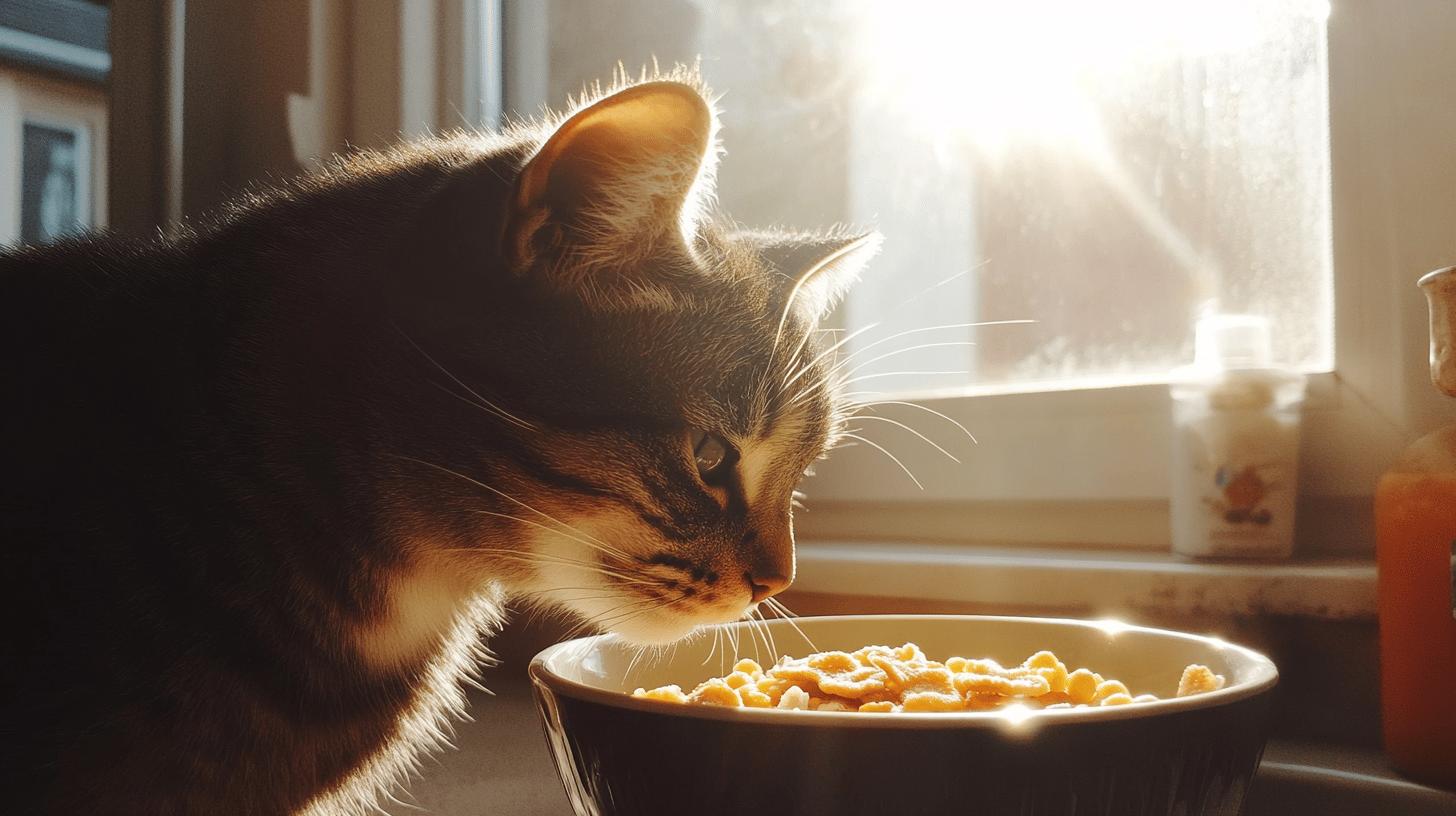
    Can cats eat corn flakes, or should this breakfast staple remain strictly off-limits? While this might spark a curious debate among cat lovers, it's time to clear the air. Corn flakes are not harmful, but they don't benefit your feline friend either. Being obligate carnivores, cats thrive on protein from meats. So, tossing corn flakes into their diet could do more harm than good. Stick around as we delve into the nutritional impact and safety of corn flakes for cats. You'll want to ensure every meal supports your cat's health and happiness.

    Safety and Nutritional Impact of Corn Flakes on Cats

    Safety and Nutritional Impact of Corn Flakes on Cats-1.jpg

    Corn flakes are not inherently toxic to cats, but they don't offer any nutritional benefits either. Cats are obligate carnivores, meaning their diet needs to be rich in protein primarily sourced from meats. While corn flakes might seem like a harmless treat, they lack the essential nutrients that cats need to thrive. Corn, including corn flakes, should only be offered as an occasional snack and not as a staple in their diet. The carbohydrates and sugars found in corn flakes are unnecessary for a cat's nutritional needs and could potentially lead to health issues over time.

    One of the significant potential risks associated with feeding corn flakes to cats is related to their digestive system. Cats have a digestive system designed to process proteins and fats, not carbohydrates or sugars. The high carbohydrate and sugar content in corn flakes can cause digestive issues such as upset stomachs or diarrhea. This is particularly true for cats who already have sensitive stomachs or are prone to digestive problems. Additionally, the processed nature of corn flakes means they can contain additives that are not ideal for feline digestion.

    • Protein: Cats need high-quality protein for muscle maintenance and energy.
    • Taurine: An essential amino acid crucial for heart and eye health.
    • Vitamins: Cats require vitamins like A and B, which are found in meat.
    • Fatty acids: Important for skin and coat health.
    • Water: Adequate hydration is vital, especially if a cat's diet includes dry food.

    Corn flakes often contain additives like sugar, salt, and preservatives, which can further impact a cat's health negatively. These added ingredients are unnecessary and could contribute to obesity, diabetes, and other health issues if consumed regularly. Cats have a lower tolerance for these additives compared to humans, making it even more critical to monitor their intake. Salt, in particular, can be harmful in large amounts, leading to increased thirst and even sodium ion poisoning in severe cases.

    Given the lack of nutritional value and potential risks, it's clear why a protein-rich, meat-based diet is crucial for cats. Their bodies are designed to extract nutrients from animal products efficiently, providing them with the energy and nutrients they need to remain healthy. While the occasional snack of corn flakes probably won't harm your cat, it's important to remember that their primary diet should come from high-quality cat food that meets their specific dietary requirements. This ensures they receive all necessary nutrients for optimal health and well-being.

    Alternatives to Corn Flakes for Cat Treats

    Alternatives to Corn Flakes for Cat Treats-1.jpg

    When considering treats for your cat, protein-rich options are a much better choice than corn flakes. Cats are obligate carnivores, which means their bodies are designed to thrive on a diet that is primarily composed of animal proteins. Protein-rich treats can help support their muscle maintenance and energy levels. Unlike corn flakes, which are high in carbohydrates and sugars, these types of treats align with their natural dietary needs. Small amounts of cooked chicken or fish can be a delightful and suitable option, offering the proteins and nutrients that cats require. Commercially available cat treats are also a great choice, as they are specifically formulated to meet feline dietary requirements.

    Here are some healthy treat options for your cat:

    • Cooked Chicken: Simple, plain, and free of seasoning.
    • Cooked Fish: Offers a different flavor and essential fatty acids.
    • Catnip: A non-food treat that provides mental stimulation.
    • Commercial Cat Treats: Designed to meet dietary needs and often fortified with essential nutrients.
    • Freeze-Dried Meat Treats: Retain nutritional content and flavor.
    • Cooked Turkey: Similar to chicken, it's a lean protein option.

    Choosing nutritious treats that align with a cat's natural diet not only satisfies their taste buds but also supports their overall health. By providing treats that are consistent with their dietary needs, you can help maintain their energy levels, muscle health, and overall well-being. Remember, treats should be given in moderation and should not replace a well-balanced diet. By opting for healthier alternatives to corn flakes, you can ensure your furry friend's diet is as beneficial as it is enjoyable.

    Expert Opinions on Corn Flakes in a Cat's Diet

    Expert Opinions on Corn Flakes in a Cats Diet-1.jpg

    Veterinarians advise against including cereals like corn flakes in a cat's diet due to their lack of nutritional value. Cats need diets rich in animal-based proteins, and corn flakes don't meet these nutritional requirements. While not toxic, corn flakes fail to provide essential nutrients like taurine, high-quality proteins, and fatty acids, which are crucial for a cat’s health. Regular consumption could lead to nutritional deficiencies and health issues over time.

    Consulting a veterinarian is crucial for any dietary changes. Each cat has unique dietary needs based on age, health status, and lifestyle. A vet can provide personalized dietary guidance, ensuring your cat receives necessary nutrients. They can help you understand the impact of different foods on your pet's health and suggest suitable alternatives to less nutritious options like corn flakes.

    The role of veterinarians in maintaining a cat's health and nutrition is significant. Professional advice can guide you in navigating feline dietary needs, ensuring well-being and preventing health problems. Regular vet check-ups and open communication contribute substantially to a cat's health and happiness.

    Final Words

    Exploring if a cat can eat corn flakes reveals they aren't toxic but offer little benefit. Corn flakes contain sugars and carbohydrates that don't suit a cat's health. Cats thrive on protein-rich diets, requiring nutrients from meat that processed cereals lack.

    Understanding this, it's clear why experts advise against regular cereal in a cat’s diet. Choosing treats like cooked meats or commercial options fulfills their dietary needs better.

    Embrace nutritious choices for your cat, ensuring a healthy and satisfying playtime, while keeping safety a priority.

    FAQ

    Can cats eat corn flakes?

    A: Corn flakes are not toxic to cats but offer no nutritional benefits. They're high in carbohydrates and sugars, which cats don't need in their diet.

    Is it OK if my cat eats corn?

    A: Cats can eat small amounts of corn as an occasional snack. It should not replace their regular meat-based diet, which is crucial for their health.

    Can cats eat cereal and milk?

    A: Cereal and milk are not suitable for cats. Most cats are lactose intolerant, and cereal lacks necessary nutrients, making it a poor diet choice.

    Can I give cornflakes to my cat?

    A: You can give cornflakes to your cat sparingly, but they lack protein and essential nutrients cats require. Stick to meat-based treats for optimal health.

    What kind of cereal can cats eat?

    A: No cereal offers nutritional benefits for cats. Cats need protein-rich foods, not carbs and sugars common in cereals.

    Can cats eat crunchy nut cornflakes?

    A: Crunchy nut cornflakes are not recommended due to added sugars and fats that can lead to digestive issues in cats.

    What human food can cats eat?

    A: Cats can eat small amounts of cooked chicken, fish, or turkey. Always avoid foods with added salt or seasoning.

    Can cats eat bread?

    A: Bread can be given in very small amounts, but it doesn't offer the nutritional value cats need. Stick to meat-based options.

    Can cats eat flakes?

    A: Flakes, particularly those high in carbohydrates and sugar, are not appropriate for cats. They should be a rare treat, if at all.

    Related Articles

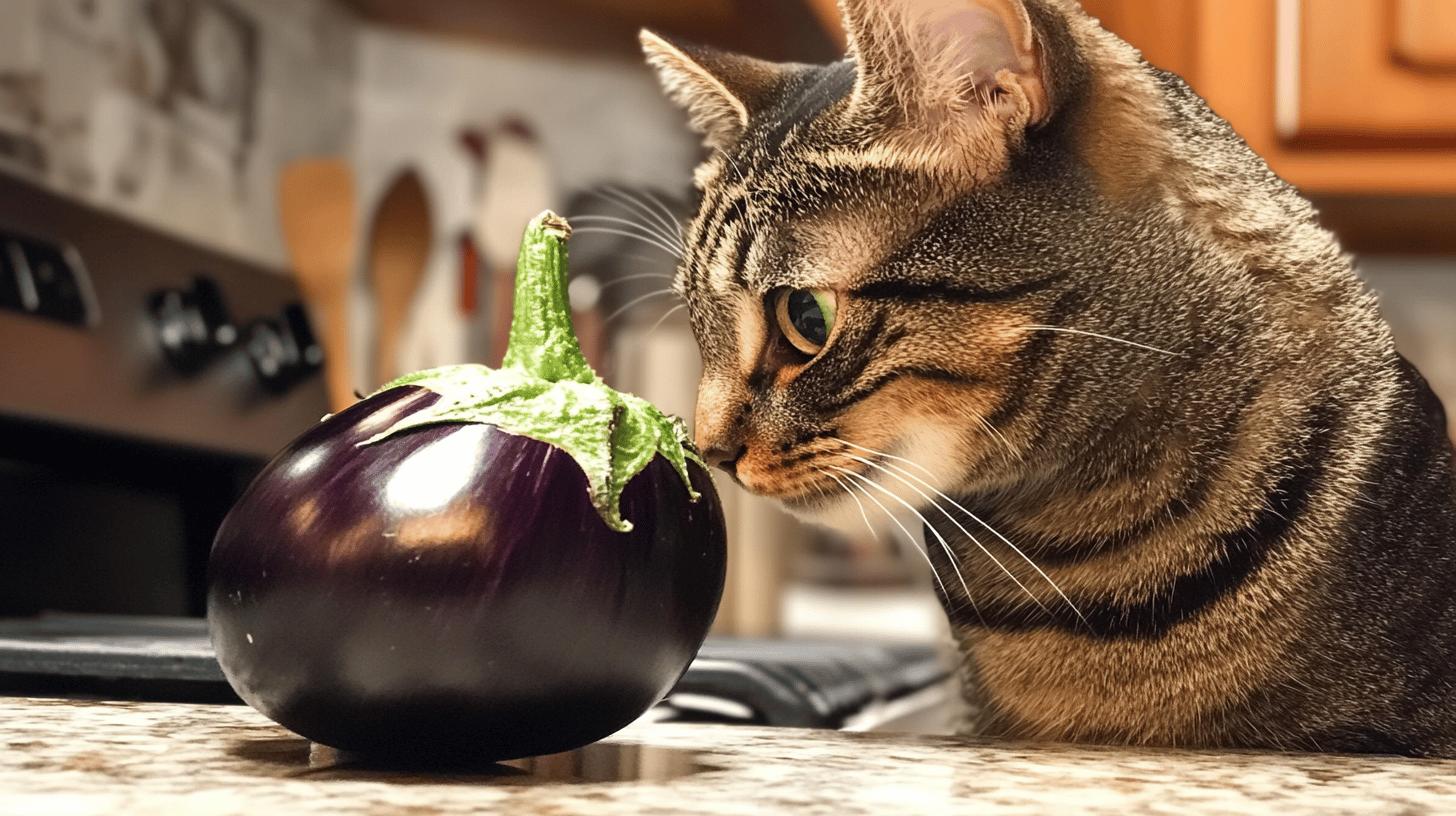
  • Can Cat Eat Eggplant Risks and Symptoms Explained

    Can Cat Eat Eggplant Risks and Symptoms Explained

    Eggplant contains solanine, a compound toxic to cats, and even small amounts can cause neurological and digestive harm. This seemingly common kitchen vegetable is not safe for felines, and recognizing the risks and symptoms of eggplant toxicity is an important part of responsible cat ownership. This guide explains why keeping eggplant off your cat’s menu is essential for their health and peace of mind.

    Can Cats Eat Eggplant? Understanding the Risks and Symptoms

    Can Cats Eat Eggplant Understanding the Risks and Symptoms-1.jpg

    Eggplant, a common vegetable in many households, contains a compound called solanine. Solanine is a natural pesticide found in the Nightshade family, which includes eggplants, potatoes, and tomatoes. This substance is toxic to cats and can lead to both neurological and gastrointestinal problems. When a cat consumes solanine, it can interfere with their nervous system and digestive tract, potentially causing severe health issues. The amount of solanine in raw eggplant may not always result in immediate toxicity, but the risk is significant enough to warrant caution.

    Cats are obligate carnivores, which means their bodies are designed to thrive on a diet rich in animal-based proteins. Unlike humans, cats do not require vegetables like eggplant in their diet. Their digestive systems are not well equipped to break down plant material effectively, and consuming such foods can lead to unnecessary complications. Proteins from sources like poultry, beef, and fish provide essential nutrients that cats need to maintain their health. Including vegetables like eggplant in their diet not only offers no nutritional benefit but also poses a risk of toxicity.

    Here are some potential symptoms of eggplant toxicity in cats:

    • High or low heart rate: Eggplant consumption can affect a cat’s cardiovascular system.
    • Vomiting: A common symptom that indicates the cat’s body is trying to expel the toxin.
    • Nausea: Often accompanies vomiting and can cause discomfort.
    • Digestive issues: This may include diarrhea or constipation, as the digestive system struggles with the toxin.
    • Overall discomfort: Cats may appear lethargic or show signs of pain.

    Monitoring your cat for these symptoms is crucial. If you suspect your cat has eaten eggplant and notice any of these signs, it is vital to consult a veterinarian immediately. Even though toxic doses from raw eggplant are uncommon, prompt veterinary consultation can prevent potential complications. The vet will provide guidance on how to manage symptoms and ensure your cat receives the appropriate care.

    The Nightshade Family and Why It Matters for Cats

    Eggplant belongs to the Solanaceae family, commonly known as the Nightshade family. This botanical group includes a wide range of plants, some edible for humans and some highly toxic even to people. For cats, many plants in this family carry meaningful risks due to their solanine and other glycoalkaloid content.

    Beyond eggplant, other common Nightshade family members that cat owners should be aware of include tomatoes, potatoes, and peppers. Tomato plants, especially unripe green tomatoes and the leaves and stems, contain tomatine, a compound similar to solanine that can cause the same types of neurological and gastrointestinal symptoms. Potato plants, particularly raw potato flesh, green skin, and sprouts, carry concentrated solanine that poses significant risks, as covered in detail in the guide on safe and unsafe plant foods for cats.

    Understanding the Nightshade family connection helps cat owners think about kitchen safety more broadly. If you cook frequently with eggplant, potatoes, or tomatoes, it’s worth being deliberate about keeping these ingredients out of your cat’s reach during food prep and cleanup. Scraps, peels, and raw pieces left on cutting boards or near trash bins can attract curious cats. A proactive approach to kitchen safety eliminates many of the most common accidental ingestion scenarios.

    What to Do if Your Cat Eats Eggplant

    What to Do if Your Cat Eats Eggplant-3.jpg

    If your cat eats eggplant, act quickly to ensure their safety.

    • Remove any remaining eggplant: Prevent further ingestion by taking away any accessible pieces.
    • Monitor your cat closely: Keep an eye out for signs such as vomiting or behavioral changes.
    • Contact a veterinarian: Get professional advice, especially if symptoms develop.

    While waiting for veterinary guidance, keep your cat calm and offer fresh water. Responding swiftly can help avoid complications.

    How Solanine Affects a Cat’s Nervous System

    The mechanism by which solanine harms cats involves disruption of normal nerve signal transmission. Solanine inhibits an enzyme called acetylcholinesterase, which is responsible for breaking down acetylcholine after it has transmitted a nerve signal. When this enzyme is blocked, acetylcholine accumulates at nerve junctions, causing nerve cells to remain in a state of continuous stimulation.

    This over-stimulation of the nervous system can produce a cascade of effects across multiple organ systems simultaneously. The gastrointestinal tract contains nerve cells that regulate digestion, which is why vomiting and diarrhea are often among the first symptoms. The cardiovascular system is also affected, which explains why heart rate changes are a recognized sign of solanine exposure. In higher doses, the compound can impair motor function, causing muscle weakness or coordination problems.

    For cats, whose smaller body size means less solanine is needed to reach harmful concentrations, awareness of these mechanisms underscores why even a modest amount of raw eggplant deserves veterinary attention. The neurological effects can emerge more rapidly than many owners expect, which is why waiting to see if symptoms resolve on their own is not the recommended approach. Contacting a vet at the first sign of unusual behavior after eggplant ingestion gives your cat the best chance at a quick and complete recovery.

    Safe Alternatives to Eggplant for Cats

    Safe Alternatives to Eggplant for Cats-1.jpg

    Cats are obligate carnivores, meaning their diet should primarily consist of animal-based proteins. Proteins from sources like poultry, beef, and fish provide the essential nutrients cats need. Vegetables, including eggplant, do not offer these necessary nutrients and can pose health risks.

    Here are some pet-safe vegetables that can be offered as occasional treats:

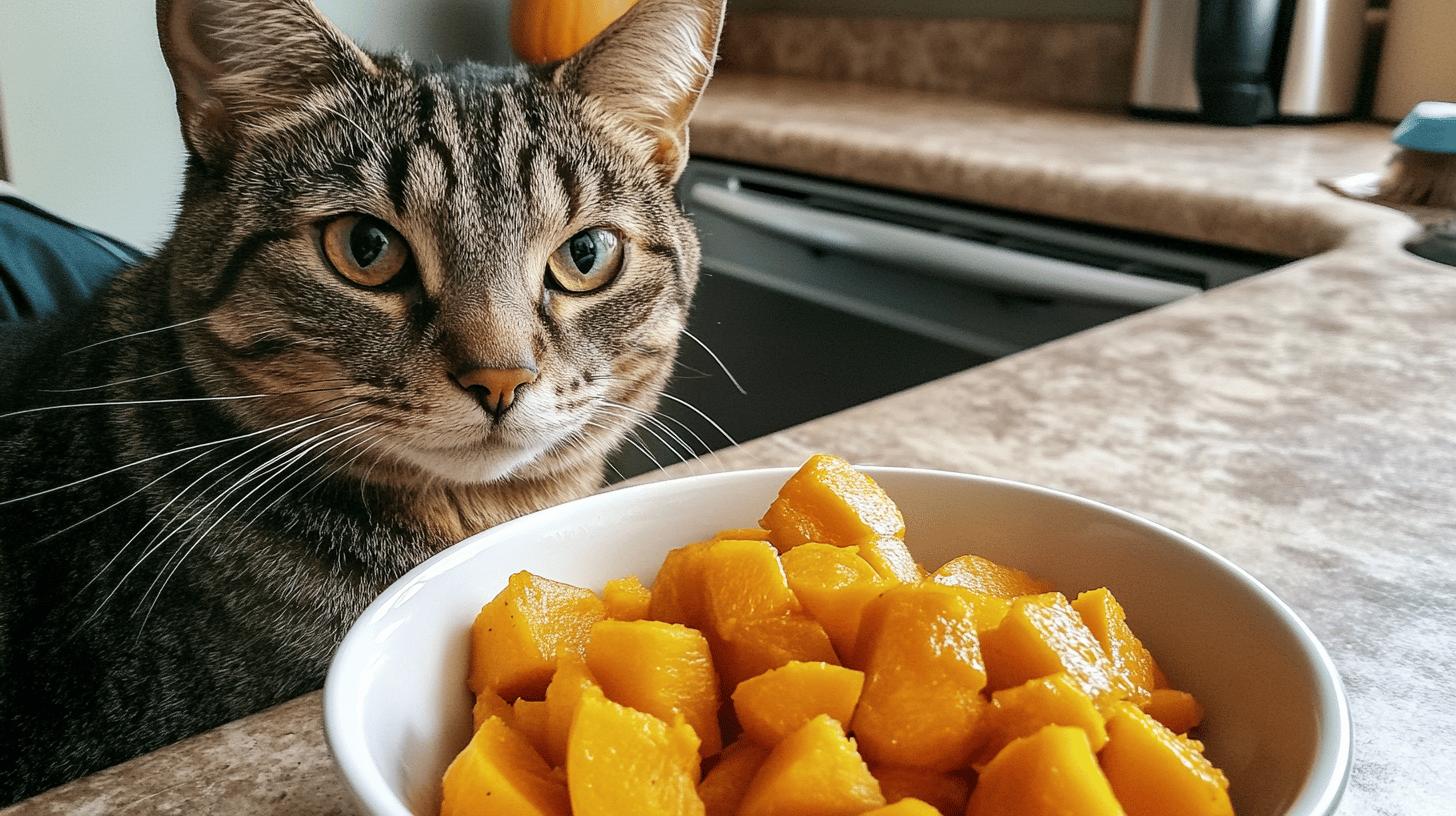
    • Cooked pumpkin: A great source of fiber that can aid in digestion.
    • Butternut squash: High in vitamins and can help with digestive health.
    • Carrots: Provide a crunchy texture and are rich in beta-carotene.
    • Green beans: Low in calories and can be given as a healthy snack.

    These vegetables should only be given in moderation. While they offer some benefits, they should not replace the primary diet of animal-based proteins. Always ensure any vegetables provided are cooked and free from any added seasonings or oils. Using them as occasional treats can offer variety without compromising your cat’s health.

    Cat-Proofing Your Kitchen Against Nightshades

    Creating a kitchen environment that keeps your cat safe from Nightshade plants does not require major changes. Most of the risk comes from unsupervised access during and after meal preparation, so a few consistent habits can dramatically reduce the chance of accidental ingestion.

    Start by storing raw eggplant, potatoes, and tomatoes in closed cabinets or the refrigerator rather than leaving them in open bowls or on lower shelves where a curious cat can reach them. During food prep, keep your cat out of the kitchen if possible, or at least keep an eye on where scraps land. Eggplant skin, seeds, and raw flesh should go directly into a covered trash container rather than sitting exposed on a counter.

    After cooking, rinse cutting boards and utensils before leaving them unattended. Cats are attracted to food residue and may lick surfaces you’ve used to prepare eggplant or other vegetables. Teaching your cat that kitchen counters are off-limits through consistent redirection will also help reduce their exposure to potentially harmful ingredients over time. For additional guidance on other plant-based foods and their safety profiles, the article on walnut toxicity in cats and resources on plum risks for cats offer useful comparisons.

    Final Words

    Eggplant contains solanine, a toxin harmful to cats that can lead to heart rate changes, vomiting, nausea, and neurological distress. As obligate carnivores, cats gain no nutritional benefit from eggplant, making it a food best avoided entirely.

    If your cat eats eggplant, watch for symptoms and contact a vet without delay. Safe alternatives like cooked pumpkin or butternut squash can offer occasional variety without the toxicity risks. By understanding your cat’s dietary needs and keeping Nightshade vegetables out of reach, you can protect their health and ensure their diet genuinely supports their wellbeing.

    FAQ

    Cat Ate Cooked Eggplant, What Should I Do?

    Cooked eggplant is not ideal for cats. Monitor for symptoms such as vomiting or lethargy. If these symptoms appear, contact a vet for guidance.

    Can Cats Eat Eggplant Seeds?

    Cats should not eat eggplant seeds. They contain compounds that may be harmful and lead to digestive upset. Always avoid feeding eggplant seeds to your cat.

    Can Cats Eat Cooked or Fried Eggplant?

    Cats should avoid cooked or fried eggplant. Eggplant can include harmful substances for cats and is not a natural part of their diet.

    Can Cats Eat Vegetables Like Zucchini or Okra?

    Cats can occasionally eat zucchini in small amounts. It’s best to consult a vet before offering any vegetables, as cats are obligate carnivores.

    Can Cats Eat Zucchini Skin?

    Zucchini skin is not harmful in small amounts for cats, but it should not form a major part of their diet as they need animal proteins.

    What Happens If My Cat Eats Eggplant?

    If a cat eats eggplant, watch for symptoms like vomiting or changes in heart rate. Seek veterinary consultation if these occur.

    Is Eggplant Toxic to Pets Like Cats and Dogs?

    Eggplant can be toxic due to solanine. Pets, especially cats, may experience neurological and gastrointestinal symptoms. Consult a vet for any concerns.

    What Vegetables Can’t Cats Eat?

    Cats should avoid vegetables like onions, garlic, and eggplant. These can cause adverse health effects. Cats thrive on meat-based diets.

    Who Should Not Eat Eggplant?

    Pets, particularly cats and dogs, should not eat eggplant due to its potential toxicity from solanine. Always consult a vet if eggplant consumption occurs.

    Related Articles

  • Can Cat Eat Junk Food and Its Health Risks

    Can Cat Eat Junk Food and Its Health Risks

    Is slipping your furry friend a bit of your own snack really that big of a deal? Yes, it absolutely is! Cats eating junk food can lead to unexpected health issues. Our feline companions have dietary needs that human treats can’t satisfy. Foods like pizza or candy can cause more than just a tummy ache. They may lead to serious health problems such as obesity and organ failure. Let’s dive into the risks and learn more about keeping your cat safe and healthy.

    Can Cats Safely Eat Junk Food and Its Health Implications?

    Can Cats Safely Eat Junk Food and Its Health Implications-1.jpg

    Feeding cats junk food isn’t just a bad idea—it’s downright dangerous. Our feline friends have specific dietary needs that junk food simply doesn’t meet. Harmful human foods like pizza, French fries, and sugary sweets can wreak havoc on a cat’s health. These treats are loaded with unhealthy fats, sugars, and salts that can lead to immediate health risks like vomiting, diarrhea, and dehydration. Cats who consume junk food are also at risk for obesity and nutritional deficiencies, which can quickly spiral into more severe health issues.

    Here are some specific junk foods that are particularly harmful to cats:

    • Chocolate: Contains theobromine, which is toxic to cats.
    • Onions and Garlic: Can cause anemia in cats.
    • Grapes and Raisins: Associated with kidney failure.
    • Alcohol: Even a small amount can be dangerous.
    • Caffeinated beverages: Can lead to rapid heart rate and hyperactivity.

    The long-term effects of feeding cats junk food can be severe, resulting in chronic conditions such as renal disease, urinary tract disease, and diabetes. These health issues don’t just impact your cat’s quality of life; they also come with hefty financial implications. Treatments for these diseases can lead to substantial vet bills. In fact, dietary indiscretion in pets is linked to an average insurance claim of $642. It’s essential to be mindful of what you’re feeding your furry companion to avoid unnecessary health risks and financial burdens.

    Understanding a Cat’s Dietary Needs and Healthier Alternatives

    Understanding a Cats Dietary Needs and Healthier Alternatives-1.jpg

    Cats have unique dietary requirements that are essential for their health and well-being. At the core of their nutritional needs is a balanced intake of proteins, fats, vitamins, and minerals. Unlike humans, cats are obligate carnivores, meaning their bodies are optimized to absorb nutrients from animal sources. This makes it crucial for their diet to primarily consist of meat-based proteins, which provide the amino acids necessary for maintaining muscle mass, repairing tissues, and supporting growth.

    Proteins and fats play a significant role in a cat’s diet. Proteins supply essential amino acids that cats cannot synthesize on their own, like taurine and arginine. These amino acids are vital for heart health, vision, and overall metabolic function. Fats, on the other hand, are a primary energy source for cats, aiding in the absorption of fat-soluble vitamins and providing essential fatty acids such as omega-3 and omega-6. These fats support skin health, coat condition, and brain function, making them indispensable in a cat’s nutrition plan.

    Vitamins and minerals are equally important, serving as the backbone of various bodily functions. Vitamins like A, D, and E are crucial for vision, bone health, and antioxidant protection. Minerals such as calcium and phosphorus are necessary for strong bones and teeth, while potassium and magnesium support nerve and muscle function. Ensuring a diet rich in these nutrients helps prevent deficiencies and related health issues.

    Healthy Cat Treats and Foods

    • Cooked Chicken: A great source of protein, safe when cooked without seasoning.
    • Salmon: Provides omega-3 fatty acids, beneficial for skin and coat health.
    • Pumpkin: Aids in digestion and is high in fiber.
    • Blueberries: Packed with antioxidants and vitamins.
    • Carrots: Offer vitamins and are a low-calorie snack.

    Consulting a veterinarian is invaluable when it comes to your cat’s diet. Vets can provide tailored dietary advice based on your cat’s age, weight, health status, and activity level. They can recommend specific foods or supplements that ensure your cat receives all necessary nutrients. This professional guidance helps prevent health complications associated with nutritional imbalances and promotes a longer, healthier life for your furry friend. Prioritizing your cat’s nutritional needs with expert advice is a step towards a happy and vibrant life for your pet.

    Expert Veterinary Advice on Cat Diets

    Consulting a veterinarian is crucial for your cat’s health. Vets know how to evaluate your cat’s nutritional needs. They help avoid human junk food to prevent obesity or diabetes. Vets ensure your cat gets a balanced diet with proteins, fats, vitamins, and minerals.

    Veterinarians offer practical feeding tips. They suggest high-quality, meat-based foods to meet carnivorous needs. Portion control is key to avoid overfeeding. Safe treats like cooked chicken or salmon add variety. Regular check-ups monitor weight and health. This guidance supports long-term well-being.

    Final Words

    Feeding cats junk food seems tempting but can lead to serious health problems. Snacks like pizza or fries often cause obesity, diabetes, or urinary issues in cats. It’s vital to recognize that cats thrive on balanced diets rich in proteins, fats, vitamins, and minerals.

    By choosing appropriate, nutrient-rich foods over harmful treats, you enhance your cat’s well-being. Consult a veterinarian for tailored advice on your cat’s dietary needs. With these steps, you’re ensuring a safer and happier life for your feline friend. Remember, cats’ health depends on every meal they eat.

    FAQ

    Can cats eat junk food?

    A cat should not eat junk food. Junk food can cause obesity, nutritional deficiencies, allergies, and more. It’s important to provide a balanced diet for their health and well-being.

    Is it okay for cats to eat junk food every day?

    Feeding a cat junk food daily is harmful. Regular consumption can lead to serious health problems like diabetes and urinary tract disease. Cats need a balanced diet to thrive.

    Can cats eat human food like snacks or McDonald’s?

    Cats should not eat human snacks or fast food like McDonald’s. These foods can cause health issues due to high fat and salt content. Stick to cat-specific food.

    What human food can cats eat?

    Cats can eat small amounts of cooked meat or fish. However, it’s crucial to avoid foods with seasoning, bones, or high fat. Always prioritize commercial cat food.

    Can cats eat canned tuna in water?

    Cats can eat canned tuna in water occasionally. However, it should not be a regular part of their diet due to potential nutritional imbalances.

    Can cats eat cheese or rice?

    Cats can eat cheese and rice in small amounts occasionally. These should not replace their regular food, as an unbalanced diet can cause nutritional issues.

    Is tuna cat food bad for cats?

    Tuna cat food is generally safe in moderation. However, relying solely on tuna can lead to nutritional imbalances and should be complemented with other foods rich in nutrients.

    Related Articles

  • Can Cat Eat Fish Skin Safely and Nutritionally

    Can Cat Eat Fish Skin Safely and Nutritionally

    Can cats nibble on fish skin without worries? As a cat lover, you might be wondering if this treat is both safe and beneficial for your furry friend. Cooked fish skin can offer your cat a tasty boost of protein and omega-3s, enjoying the perks of a shiny coat and healthy muscles. But beware—raw fish skin poses risks from bacteria that could harm your pet. Dive into this guide to ensure that you prepare a safe and nutritious treat that adds variety and fun to your cat’s diet.

    Safety and Nutritional Value of Fish Skin for Cats

    Safety and Nutritional Value of Fish Skin for Cats-1.jpg

    Cooked fish skin can be a safe and nutritious treat for cats when provided properly. It is packed with beneficial nutrients like omega-3 fatty acids and protein, which contribute to a cat’s overall health. Omega-3 fatty acids help maintain a shiny coat and support heart health, while protein is a vital component for muscle development and maintenance. To ensure safety, fish skin should always be cooked, as raw skin may contain harmful elements that are unsafe for our feline friends.

    Feeding raw fish skin to cats poses significant health risks. Raw skin can harbor parasites and bacteria that are detrimental to a cat’s health. These can lead to infections or other gastrointestinal issues if ingested. Additionally, raw fish contains an enzyme that can cause thiamine deficiency in cats, leading to severe health problems. Therefore, it’s crucial to thoroughly cook fish skin before offering it to your cat.

    Moderation is key when feeding fish skin to cats, primarily due to its high-fat content. Excessive fat intake may lead to weight gain and other health issues. Serving fish skin occasionally as a treat rather than a staple can help prevent these problems. Ensuring that the skin is cooked and unseasoned will make it a safe and enjoyable addition to your cat’s diet.

    Nutrient Benefit
    Protein Supports muscle development and maintenance
    Omega-3 fatty acids Enhances coat health and supports heart function
    Essential fats Provides energy and supports overall well-being

    How to Prepare Fish Skin for Cats

    How to Prepare Fish Skin for Cats-1.jpg

    Cooking fish skin is crucial for safety. Bake or boil it without oils or seasonings to kill bacteria and parasites. This method keeps the nutrients intact and ensures your cat’s safety.

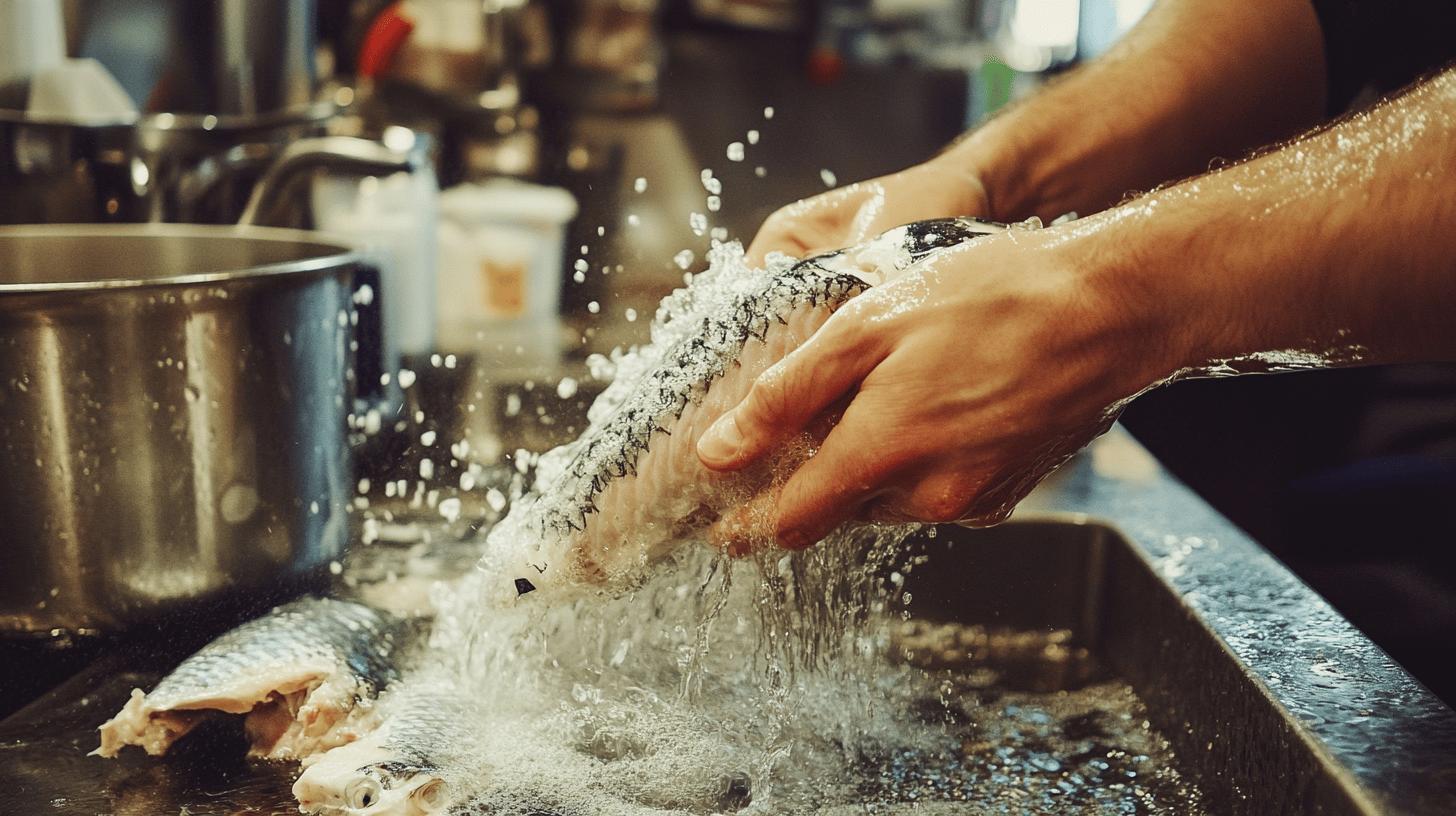
    Removing bones and cleaning are vital steps. Fish skin can have small bones that pose choking risks. Inspect the cooked skin and take out any bones. Rinse under cold water before cooking to eliminate residues.

    Serve fish skin in moderation. Cut it into small pieces to avoid choking. High in fat, it should be a rare treat, not a staple in your cat’s diet.

    • Cooking methods: Bake or boil without oils or seasonings.
    • Cleaning instructions: Rinse in cold water before cooking.
    • Bone removal tips: Check and remove bones after cooking.
    • Serving size recommendations: Offer small pieces occasionally.

    Potential Allergies and Digestive Issues in Cats from Fish Skin

    Some cats might have allergic reactions to fish skin, even though it is generally safe for many. Allergies can manifest through symptoms like itching, swelling, or redness on their skin. These reactions might be due to certain proteins in the fish skin that your cat’s immune system mistakenly identifies as harmful. It’s essential to be aware of these symptoms, as they can escalate if not addressed promptly.

    Digestive issues are another concern when feeding fish skin to cats. Some cats may experience stomach upset, vomiting, or diarrhea after consuming fish skin. This could be attributed to their digestive system’s sensitivity to certain components in fish skin or difficulty digesting high-fat content. Close monitoring of your cat’s reaction after they consume fish skin is crucial to identifying any digestive discomfort.

    1. Allergy symptoms to watch for: Itching, swelling, or redness.
    2. Common digestive problems: Vomiting, diarrhea, or stomach upset.
    3. Steps to monitor cat reactions: Observe changes in behavior or stool after eating fish skin.
    4. When to consult a veterinarian: If symptoms persist or worsen, seek professional advice.

    Expert Opinions and Veterinary Advice on Feeding Fish Skin to Cats

    Expert Opinions and Veterinary Advice on Feeding Fish Skin to Cats-1.jpg

    Veterinarians often point out that fish skin can be included in a cat’s diet if done correctly. It’s vital to focus on how often and in what quantities it can be safely offered. A small piece once or twice a week is typically safe for most cats. This provides a tasty supplement without overwhelming their regular nutritional intake. A comparison with other treats shows fish skin’s high omega-3 content is beneficial, but its high-fat nature demands caution.

    Maintaining a balanced diet is crucial for your cat’s health. Fish skin should act as an occasional treat rather than a staple. Comparing it with other treats highlights the need for moderation. Regular cat food must remain the primary source of nutrients, ensuring your cat gets what it needs for healthy growth and energy.

    • Moderation and portion control
    • Balanced diet importance
    • Consulting a vet for specific needs

    Final Words

    Exploring the safety and nutrition of fish skin for cats shows it is a valuable treat when prepared right. Cooked fish skin offers omega-3 fatty acids and protein, boosting a cat’s health. Avoid giving raw skin due to harmful bacteria risks.

    Preparing the skin involves cooking, cleaning, and removing bones for safety. Potential allergies or digestive issues can occur, so watch your cat’s reaction. Consulting a vet for personalized advice ensures fish skin enhances your cat’s balanced diet.

    Remember, a little treat can go a long way in happy, healthy play!

    FAQ

    Can cats eat fish skin?

    Cats can eat cooked fish skin safely. It provides benefits like omega-3 fatty acids and protein. However, raw fish skin can carry parasites or bacteria.

    Can cats eat fish skin with scales?

    It’s best to remove scales before giving fish skin to cats. Scales can be hard to chew and digest.

    Can cats eat fish skin raw?

    Raw fish skin may contain harmful parasites or bacteria. It’s safer to cook the skin before giving it to cats.

    Is fish skin digestible for cats?

    Cooked fish skin is generally digestible for cats and supports coat and overall health.

    Can kittens eat fish skin?

    Kittens can eat cooked fish skin in moderation. Ensure scales and bones are removed.

    Can cats eat salmon raw?

    Feeding raw salmon to cats is risky due to parasites. Cook thoroughly before feeding.

    Can cats eat trout skin?

    Cats can eat cooked trout skin, but ensure it is free of scales and bones.

    Can cats eat fish bones?

    Cats should not eat fish bones. They pose a choking risk and can harm their digestive tract.

    What parts of a fish can cats eat?

    Cats can eat cooked fish flesh and skin. Avoid feeding bones and raw parts.

    Can dogs and cats eat salmon skin?

    Dogs and cats can eat cooked salmon skin, offering similar nutritional benefits.

    What fish is toxic to cats?

    Certain fish, like tuna in large quantities, can be problematic for cats. Always feed fish in moderation.

    Related Articles

  • Can Cat Eat Weed Leaf Risks and Safety Concerns

    Can Cat Eat Weed Leaf Risks and Safety Concerns

    Ever wondered if a curious nibble on a weed leaf could harm your cat? The thought of a pet ingesting something potentially harmful can be unsettling. Cats are naturally inquisitive, and with the growing presence of marijuana in households, the risk of unintentional ingestion is real. The truth is, cannabis plants contain Delta-9-THC, a toxic compound for cats that can severely affect their nervous system. This article dives deep into the risks and safety concerns, so you can keep your furry friend safe and sound.

    Can Cats Safely Consume Weed Leaves?

    Can Cats Safely Consume Weed Leaves-1.jpg

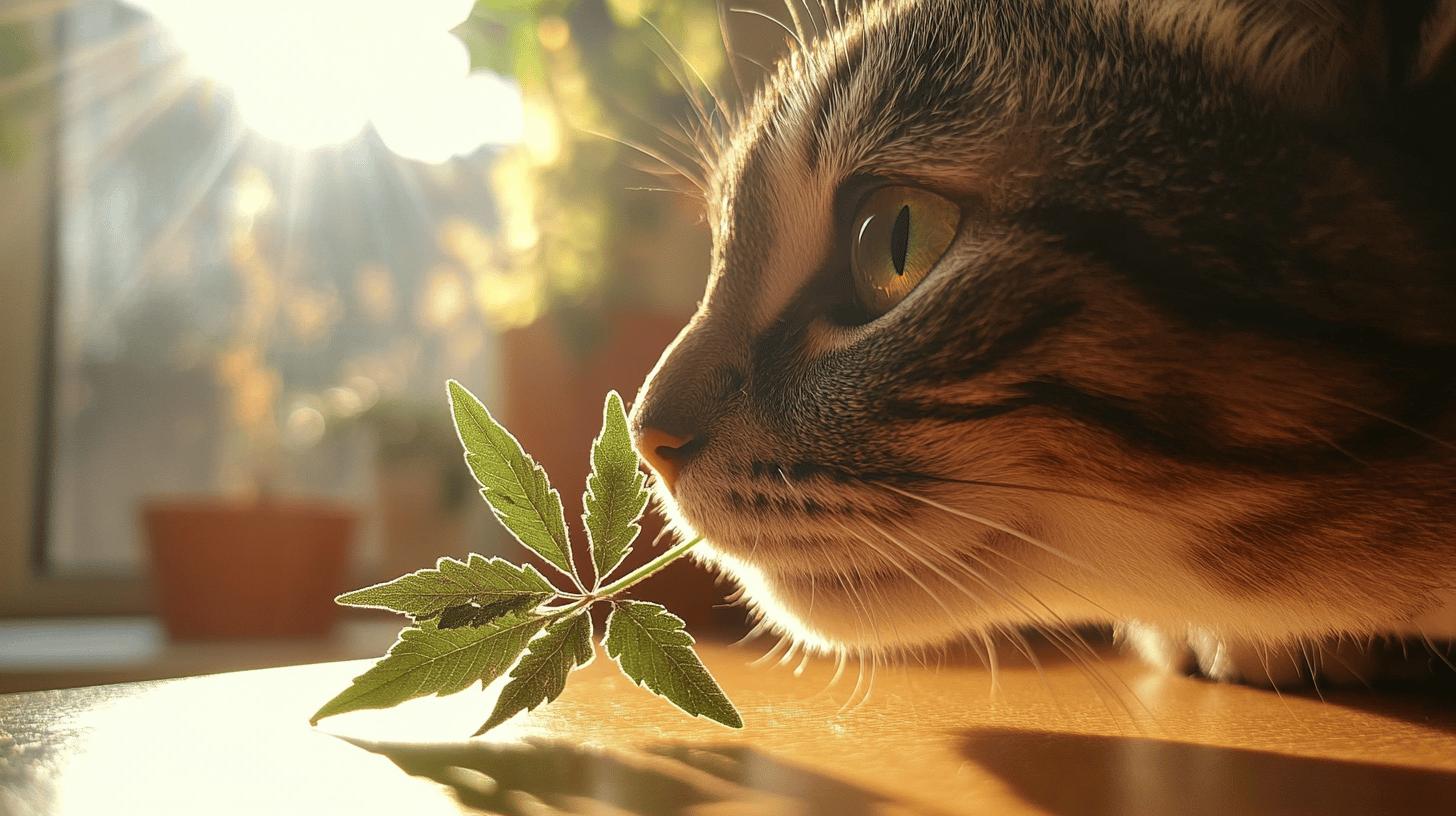
    Marijuana is not safe for cats. Cannabis plants contain Delta-9-THC, a compound toxic to cats. THC affects their nervous system, potentially leading to severe health issues. Cats are extremely sensitive to THC, so even a small amount can be dangerous. If a cat ingests weed leaves, it’s crucial to seek veterinary care immediately.

    Symptoms of marijuana toxicity in cats include:

    • Sleepiness
    • Vomiting
    • Diarrhea
    • Convulsions
    • Coma

    If you suspect your cat has consumed weed leaves, prompt veterinary intervention is critical. The symptoms can escalate quickly, and professional care is essential to manage the situation effectively. Quick action can make a significant difference in your cat's health and recovery.

    Effects of Marijuana on Cat Behavior

    Effects of Marijuana on Cat Behavior-1.jpg

    Marijuana can significantly alter a cat's behavior due to its THC content. When cats ingest or are exposed to marijuana, they may experience various behavioral changes. These changes can be concerning for pet owners as they indicate the cat's neurological and physical distress.

    Here are five specific signs of cannabis exposure in cats:

    1. Dizziness – Affected cats may appear unsteady and have difficulty walking.
    2. Disorientation – Cats might seem confused or unable to recognize their surroundings.
    3. Hyperactivity – Some cats may exhibit increased energy levels or erratic movements.
    4. Depression – Oppositely, they could become unusually quiet or withdrawn.
    5. Restlessness – Affected cats may not be able to settle or find comfort.

    The duration of these symptoms can vary widely. Effects might begin within five minutes of exposure and could last over a day. Several factors influence this, including the THC concentration and the cat's size. Smaller cats and those exposed to higher THC levels tend to show more prolonged and severe symptoms. Monitoring and understanding these behavioral changes is crucial for assessing the potential risks and taking appropriate action.

    Recognizing and Responding to Cannabis Toxicity in Cats

    Recognizing and Responding to Cannabis Toxicity in Cats-1.jpg

    Cannabis toxicity in cats can show up quickly or take longer, with symptoms appearing from five minutes to twelve hours after exposure. This wide range requires cat owners to be watchful if they suspect their pet has ingested cannabis. Symptoms can last from 30 minutes to several days, depending on the amount consumed and the cat's sensitivity to THC.

    Symptom Onset Time Duration
    Sleepiness 5-30 minutes 6-24 hours
    Vomiting 30 minutes – 2 hours 1-6 hours
    Disorientation 10-60 minutes 12-48 hours
    Convulsions 30 minutes – 4 hours Variable, depending on treatment
    Coma 1-12 hours Until treated

    Focus on early intervention and specific veterinary treatments. If you notice any symptoms, contact your veterinarian immediately. They might suggest inducing vomiting if the ingestion was recent, usually within 30 minutes, to remove the toxin. Supportive care like fluids and medications to manage symptoms could be necessary. In severe cases, hospitalization ensures your cat receives the right care and monitoring.

    Early recognition and prompt veterinary care are crucial for managing cannabis toxicity and safeguarding your cat's health.

    Preventing Weed Ingestion by Cats

    Preventing Weed Ingestion by Cats-1.jpg

    Storing THC products securely is essential to keep them out of reach of curious cats. The aroma of cannabis can be enticing to our feline friends, increasing the risk of accidental ingestion. By ensuring these products are stored in high, inaccessible places, or in locked cabinets, you can minimize this risk significantly.

    • Keep all cannabis products in sealed containers.
    • Store THC products in areas that cats cannot access.
    • Avoid leaving cannabis unattended in open spaces.
    • Use child-proof locks on cabinets containing cannabis.

    Additionally, it's important to observe your cat's behavior around cannabis products. Some cats may show an unusual interest due to the scent. By being vigilant and monitoring their interactions with these items, you can take action before any mishaps occur. This proactive approach helps protect your pet from the harmful effects of THC.

    Consulting Veterinarian Advice for Marijuana Exposure in Cats

    Consulting Veterinarian Advice for Marijuana Exposure in Cats-1.jpg

    In cases of marijuana exposure, consulting a veterinarian is crucial. Veterinarians play a vital role in managing cannabis ingestion in cats. They are equipped to assess the severity of exposure and determine the necessary steps to mitigate the effects of THC toxicity. Their expertise ensures that your cat receives the appropriate care to prevent complications and promote recovery.

    Here are some actions a veterinarian might take:

    • Monitoring your cat's vital signs and behavior to track recovery progress.
    • Providing supportive care, such as IV fluids, to maintain hydration and manage symptoms.
    • Administering medications to control symptoms like nausea or convulsions.

    Timely consultation with a veterinarian is essential for your cat's health and well-being. Early intervention can significantly improve outcomes, reducing the risk of long-term health issues. If you suspect your cat has ingested marijuana, don't hesitate to reach out to your vet for immediate guidance and support.

    Final Words

    Understanding the risks of cats consuming weed leaves is essential for their safety. Marijuana, with its THC content, poses significant threats to cats, leading to severe symptoms like vomiting and sleepiness. Recognizing these signs quickly, and seeking veterinary care, can prevent serious health issues. Observing changes in behavior, such as dizziness or disorientation, can help you act swiftly. To prevent these situations, secure storage and careful monitoring are key. When faced with such incidents, consulting a veterinarian is critical. Prioritizing precaution and quick response can ensure your cat's safety and health.

    FAQ

    Can weed kill cats?

    Marijuana contains THC, which is toxic to cats. Consuming weed can cause serious health issues and even death if not treated promptly.

    Is smoking weed around cats bad?

    Inhaling weed smoke can be harmful to cats. It can cause disorientation, dizziness, and more severe health problems.

    Can cats get high from vape smoke?

    Yes, cats can experience effects from vape smoke containing THC, which is toxic to them.

    What happens if a cat inhales weed smoke?

    Inhaling weed smoke can cause dizziness, disorientation, and other harmful symptoms in cats.

    Is it safe for cats to be around weed?

    It's not safe for cats to be exposed to weed or its smoke, as it contains toxic elements like THC.

    What happens if my cat eats a leaf from a weed plant?

    If a cat eats a weed leaf, it may experience symptoms such as sleepiness, vomiting, or convulsions due to THC toxicity.

    Is it okay if my cat gets high?

    No, it is not safe for cats to get high. THC is toxic and can cause severe health issues.

    Why does my cat want to eat weed?

    Cats may be attracted to the smell of weed, but it's harmful, and consumption should be prevented for their safety.

    What should I do if my cat ate a weed flower?

    If your cat eats a weed flower, seek veterinary care immediately as it can cause serious health effects due to THC toxicity.

    Related Articles

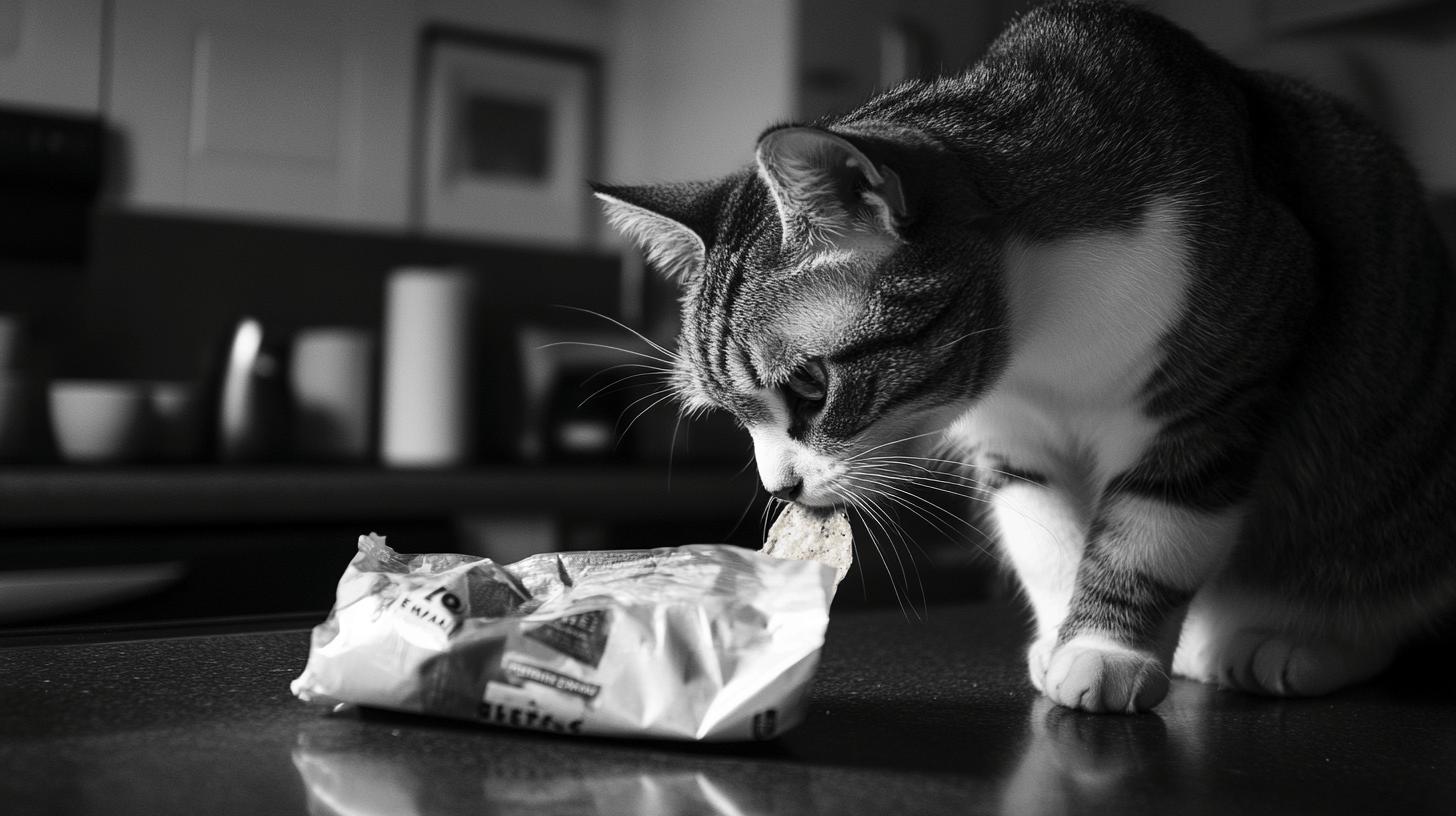
  • Can Cat Eat Chip Understanding Health Risks and Safer Alternatives

    Can Cat Eat Chip Understanding Health Risks and Safer Alternatives

    Ever caught your cat sneaking a chip off your plate? It might seem funny, but could it actually harm them? Cats shouldn't munch on those crunchy snacks. Chips contain concentrated salt and fat that harm cats. Even a small amount adds sodium and empty calories a cat's system cannot handle well. Imagine if your cat starts showing signs like vomiting or lethargy. Scary, right? It's essential to understand the risks and learn safer alternatives for rewarding your kitty. Understanding the risks helps cat owners make safer snack choices for their pets.

    Can Cats Eat Chips Safely: Risks and Symptoms

    Can Cats Eat Chips Safely Risks and Symptoms-1.jpg

    Chips are not safe for cats. Feeding them potato chips can lead to serious health issues. These snacks are filled with ingredients that aren't suitable for feline consumption.

    The biggest concerns with chips and cat health are their high salt and fat content. Cats have delicate systems that can easily be overwhelmed by excessive salt, leading to dehydration and even sodium ion poisoning. Overconsumption of salt can cause immediate symptoms like vomiting and diarrhea. The high fat content can also disrupt their digestive balance, contributing to obesity and pancreatitis over time. Cats need a protein-rich diet, not one laden with carbs and unhealthy fats found in chips.

    Here's a quick list of symptoms that might indicate a cat has eaten chips:

    • Vomiting
    • Diarrhea
    • Lethargy
    • Excessive thirst
    • Seizures

    Long-term consumption of potato chips can cause weight gain and obesity in cats. Obesity is a gateway to more severe problems like diabetes, joint issues, and heart disease. The fats and oils present in chips can also lead to pancreatitis, a painful condition that can severely affect a cat's quality of life. It's crucial to keep your cat's diet free from these unhealthy components to prevent these chronic conditions.

    If you notice any of the symptoms mentioned above after your cat has potentially ingested chips, it is important to consult a veterinarian promptly. They can assess the severity of your cat's condition and provide the necessary treatment to avoid any further complications.

    Alternatives to Chips for Cat Treats

    Alternatives to Chips for Cat Treats-1.jpg

    Choosing safe treats for our feline friends is crucial. Cats have unique dietary needs, and their snacks should align with these requirements. While chips might be a tempting option, they're not suitable for cats. Instead, focus on treats that provide nutritional benefits without the risks associated with human snacks.

    Here's a list of cat-friendly treat options:

    • Cooked, unseasoned chicken
    • Small pieces of fish
    • Tiny bits of cooked pumpkin
    • Specially formulated cat treats

    Specially formulated cat treats are particularly beneficial. These treats are designed to meet the nutritional needs of cats, ensuring they get essential proteins and vitamins. Cats often prefer them over unhealthy alternatives. Prioritizing these options helps maintain a healthy and happy cat.

    Veterinarian Advice on Feeding Human Snacks to Cats

    Veterinarian Advice on Feeding Human Snacks to Cats-1.jpg

    Veterinarians play a crucial role in guiding cat owners toward proper nutrition. They stress the importance of a protein-rich diet for cats, who are obligate carnivores. This type of diet maintains muscle mass, supports healthy skin and coat, and fuels daily activities. It's essential to prioritize quality protein sources and essential nutrients that align with a cat's natural dietary requirements. Regular veterinary check-ups can help adjust dietary plans based on a cat's age, health, and lifestyle, ensuring their nutritional needs are met.

    Consulting with a veterinarian for personalized dietary advice is beneficial. Veterinarians can recommend specific foods suited to your cat's unique needs and advise on appropriate treats that complement their diet. A professional consultation ensures your cat's meals are balanced, contributing to their long-term health and well-being.

    Final Words

    Understanding the risks of chips is crucial for your cat's health. Chips are unsafe due to their high salt and fat, which can lead to serious health problems, such as obesity and heart issues. Symptoms like vomiting and seizures can occur if a cat eats them. It's essential to choose safe and nutritional treats instead, like cooked chicken or special cat treats.

    Veterinarians suggest focusing on a diet tailored to cats' high protein needs. By offering healthy alternatives, you ensure your cat's well-being and satisfaction. Keep your furry friend safe and enjoy the bond through smart choices.

    Salt Toxicity in Chips: Understanding Safety Thresholds for Your Cat

    Salt concentration in potato chips ranges dramatically by product. Plain salted chips contain roughly 100-200 mg sodium per serving (roughly 10-15 grams). Flavored varieties may reach 250+ mg. A 10-pound cat requires 1500-2000 mg sodium daily from nutritionally appropriate sources, and excess sodium beyond this places considerable stress on feline kidneys.

    Acute salt toxicity develops when cats consume large quantities in brief timeframes. While a single chip presents negligible concern, an entire bag consumed rapidly triggers a very different situation for a cat’s system. Vomiting, excessive thirst, confusion, and hyperactivity all indicate acute salt toxicity and typically develop within hours of massive sodium exposure.

    Chronic salt overload from repeated small exposures develops gradually over time. Cats that regularly access salty human foods develop elevated blood sodium and increased thirst. Kidney stress accumulates over weeks and months. For cats with existing kidney disease or hypertension, even moderate salt exposure accelerates organ decline. Safe upper limit for cats approaches 0.5% sodium in diet. Most chips exceed this significantly.

    If your cat consumed a few chips: monitor for thirst and vomiting over 24 hours. Ensure fresh water remains available. If consumption was extensive (entire chip bag or numerous servings): contact your veterinarian. Severe salt toxicity requires medical intervention including IV fluids and electrolyte monitoring.

    Fat Content and Pancreatitis Risk: Why Greasy Foods Threaten Feline Pancreatic Health

    High-fat foods present greater danger to cats than salt does. Potato chips contain 8-11 grams of fat per serving, primarily from frying oil. Cats lack efficient mechanisms for processing dietary fat. Their pancreas, when stressed by fat overload, can develop inflammation called pancreatitis, a condition that ranges from mild to life-threatening.

    Feline pancreatitis often develops without obvious symptoms initially. Cats may show subtle appetite reduction, lethargy, or mild vomiting, and owners frequently miss these early signs. Severe pancreatitis triggers acute vomiting, abdominal pain, and potentially pancreatic failure. Cats with a pancreatitis history face particular risk, as even small fatty snacks can trigger dangerous flares.

    Chips also contribute to obesity when offered regularly. Fat contains twice the calories of protein or carbohydrates, and a 10-pound cat requires only 200-250 calories daily in total. A single serving of chips (15 grams) contributes 150+ calories. This single snack represents 60-75% of daily caloric needs. Repeated chip consumption rapidly triggers weight gain, increasing risks for diabetes and joint disease.

    Cats with healthy pancreases tolerate occasional trace fat exposure. Cats with existing pancreatitis, obesity, or diabetes should avoid chips entirely. For all cats, chips represent empty calories with nutritional risk and zero benefit.

    Flavoring Hazards: Identifying Hidden Dangers in Chip Seasonings

    Plain salted chips pose primarily sodium risk. Flavored varieties introduce additional concerns. Barbecue-flavored chips often contain garlic and onion powder, both of which are toxic to cats in concentrated form. These seasonings cause hemolytic anemia through oxidative damage to red blood cells. The severity depends on quantity and cat sensitivity, but multiple exposures accumulate risk.

    Ranch-flavored chips may contain onion and garlic compounds, plus artificial flavorings with unknown feline safety profiles. Cheese-flavored chips introduce dairy products; most adult cats are lactose intolerant and experience digestive upset from cheese. Spicy varieties contain capsaicin and other compounds that irritate feline digestive and respiratory tracts.

    Artificial flavor compounds undergo testing for human safety but rarely receive rigorous feline evaluation. Propylene glycol, monosodium glutamate (MSG), and other additives tolerate in human quantities may irritate cats’ sensitive gastrointestinal systems. Some artificial sweeteners like xylitol cause severe liver damage in cats, though xylitol remains less common in traditional chips than in diet foods or sugar-free products.

    Cross-contamination risk increases with flavored varieties. A bag of “ranch” chips may include trace garlic or onion from shared manufacturing equipment, even if these ingredients don’t appear on the label. For cats with sensitive systems or known sensitivities, even trace exposure triggers reactions.

    Accidental Chip Exposure: Assessment and When to Seek Veterinary Care

    Your cat stole a single chip from your plate. This represents minimal concern. A few chips consumed while you weren’t watching requires monitoring but likely poses no emergency. Monitor your cat over 24 hours for: excessive thirst, vomiting, lethargy, or behavioral changes. Most cats experiencing minor chip exposure show no symptoms.

    Multiple handfuls of chips or an entire individual serving bag warrants closer observation and potentially veterinary consultation. Vomiting, diarrhea, or reduced appetite appearing within hours suggests digestive upset. Contact your vet if symptoms persist beyond 24 hours or worsen. Most cases resolve without intervention with supportive care (ensuring hydration, offering bland food).

    Massive exposure, such as an entire large bag consumed rapidly, requires veterinary contact immediately. Symptoms of acute salt or fat toxicity develop quickly: extreme thirst, vomiting, confusion, difficulty walking, collapse. These constitute emergency situations requiring IV fluids and monitoring. Do not wait to see if symptoms improve on their own; seek emergency veterinary care without delay.

    Chronic exposure through daily or regular chip treats develops insidious effects. Weight gain, increased thirst, kidney stress, and pancreatitis risk compound gradually. If your cat regularly accesses your chip bowl, address this pattern immediately through environmental management (keeping chips stored securely) and behavior modification.

    Household Management: Preventing Chip Access and Offering Better Alternatives

    Storage represents your first defense. Keep chip bags sealed and stored in closed cabinets away from counter edges where cats might jump. Many cats can open bags or topple containers, so secure storage eliminates both temptation and opportunity. Remove chip bowls from low tables where cats access them during snacking.

    Consistent training reinforces these boundaries by redirecting your cat toward appropriate alternatives whenever they show interest in chips. Reward your cat’s disinterest in human snacks. Offer meat-based treats that genuinely satisfy feline preferences. Most cats prefer the taste and texture of real meat to processed chips anyway.

    Better treat alternatives include small pieces of cooked chicken, freeze-dried salmon, or commercial cat treats formulated for feline nutrition. Treat-dispensing toys combine enrichment with controlled portions, preventing overconsumption. These options satisfy the bonding and enrichment purposes treats serve without health risk.

    Related: Can Cats Eat Popcorn Safely addresses similar concerns with other human snacks.

    FAQ

    Can cats eat chips without salt?

    A: Cats should not eat chips even without salt. Chips have high fat content, leading to obesity and other health issues in cats.

    My cat ate a potato chip. What should I do?

    A: If your cat ate a potato chip, watch for signs of distress like vomiting, diarrhea, or lethargy. Contact a vet if these symptoms occur.

    Can cats eat Pringles or tortilla chips?

    A: No, cats shouldn't eat Pringles or tortilla chips. These snacks contain salts and fats that can cause health problems over time.

    Can cats eat fries or ruffles chips?

    A: Cats shouldn't eat fries or ruffles chips. They contribute nothing nutritious and pose a risk of health issues, including dehydration and obesity.

    What happens if a cat eats a chip?

    A: If a cat eats a chip, it may experience symptoms such as vomiting, diarrhea, or excessive thirst due to high salt and fat content.

    Is it okay for cats to eat junk food?

    A: Cats should avoid junk food. It often contains unhealthy fats and salts, which can cause weight gain and other health problems.

    Can cats eat cheese chips?

    A: No, cats should not eat cheese chips. These snacks are high in fat and salt, leading to potential health issues for cats.

    Will one chip hurt a cat?

    A: Even a single chip carries risk for cats because it's still unhealthy. Monitor for any adverse reactions and refrain from offering chips again.

    Can cats eat ice chips?

    A: Yes, cats can eat ice chips as they are just frozen water, which can help keep them hydrated, especially on hot days.

    Related Articles

    Sodium Content & Electrolyte Imbalance

    Chips represent concentrated salt delivery, often containing 100-200mg of sodium per ounce. Cats’ kidneys evolved to conserve sodium in arid desert environments; they lack physiological mechanisms to safely excrete excess sodium that processed human foods provide. A single large chip can contain roughly 10-30mg of sodium, seemingly insignificant until you consider a cat’s daily sodium requirement: 200mg maximum for healthy adult cats. This means just 10-15 regular potato chips approach or exceed daily safe limits. Excess sodium causes immediate thirst as cats’ bodies attempt osmotic balance, followed by increased urination. Over time, chronic excess sodium elevates blood pressure and stresses kidneys, particularly dangerous in senior cats or those with existing kidney disease. Cats experiencing sodium toxicity show excessive drinking (polydipsia) and urination (polyuria) as early signs. Severe cases trigger neurological symptoms including tremors, seizures, or disorientation. The commercial salt content of chips makes them fundamentally incompatible with feline physiology.
    Fat Content & Pancreatic Inflammation

    Chips’ high fat content triggers particular concern because cats lack certain digestive enzymes humans produce readily. Feline digestive systems evolved to process animal protein and fat in natural proportions, not processed vegetable oils. High-fat foods trigger pancreatitis, inflammation of the pancreas that causes severe pain and impaired digestion. Symptoms include vomiting, lethargy, hunched posture (cats attempting to reduce abdominal pressure), and loss of appetite. Acute pancreatitis can develop within hours of consuming fatty foods; chronic pancreatitis develops from repeated exposure. A single chip might not trigger pancreatitis in a healthy adult cat, but repeated exposure creates cumulative risk. Cats with pancreatitis history absolutely cannot tolerate chips. The vegetable oils in chips differ fundamentally from animal fats in feline nutrition. Commercial fried chips contain oxidized fats created during high-heat cooking, compounds foreign to cats’ evolutionary diet. These oxidized fats generate free radicals that damage cellular health.


    Flavoring Hazards in Seasoned Varieties

    Plain salted chips pose sodium and fat risks, and seasoned varieties introduce additional toxins. Chips flavored with onion or garlic powder contain compounds that damage feline red blood cells, causing hemolytic anemia. These flavorings appear innocuous but trigger oxidative damage to hemoglobin, producing symptoms including lethargy, pale gums, difficulty breathing, and dark-colored urine. Some popular chip seasonings also include artificial flavoring compounds that have never been tested on cats, making their safety entirely unknown. Barbecue-flavored chips often contain garlic and onion derivatives plus artificial smoke flavoring, while sour cream and onion varieties obviously carry onion powder and even “natural flavors” on chip labels might contain problematic compounds. Never assume a chip is safe based on appearance; always read ingredient lists carefully if you are concerned about accidental exposure. Ranch-flavored chips often contain garlic, jalapeño varieties may include capsaicin that causes oral irritation in cats, and the broader principle holds: if a chip variety sounds flavorful to humans, it likely contains ingredients problematic for cats.
    Medical Consequences of Habitual Chip Exposure

    While a single chip rarely causes immediate harm, cats in households where chips are accessible sometimes develop habitual consumption patterns. This repeated exposure creates cumulative health damage. Chronic salt exposure from frequent chip consumption causes hypertension, increasing stroke and heart attack risk. Cats receiving regular chips show weight gain within weeks; the caloric density makes chip consumption particularly efficient for creating obesity. Obesity in cats triggers or worsens diabetes, joint disease, and metabolic syndrome. Cats habituated to salty flavors sometimes reject normal cat food, creating nutrition gaps. Pancreatitis-prone cats may develop chronic (recurring) pancreatitis from repeated chip exposure, requiring expensive medication and dietary management indefinitely. Kidney disease progression accelerates in cats consuming high-sodium foods regularly. The cumulative effect of “just a few chips” repeated dozens of times creates genuine medical consequences. Veterinarians treating feline obesity, hypertension, or recurrent pancreatitis often discover chips as a contributing factor during dietary history taking. Preventing habitual access proves far easier than treating the resulting diseases.