Category: Cat Diet

  • Can Cat Eat Nori Understanding Safety and Nutrition for Feline Health

    Can Cat Eat Nori Understanding Safety and Nutrition for Feline Health

    Can cats munch on nori without worry? This frequently asked question may surprise you because, yes, cats can enjoy nori, a popular type of seaweed, when served in moderation. Nori is generally safe and even offers some health perks for your feline friend.

    Rich in essential nutrients like vitamins and minerals, it can support your cat's skin health, coat sheen, and overall vitality. But before you start adding nori to your cat's meals, it's crucial to understand its nutritional value and potential risks. Let's dive into the balance of safety and benefits.

    Can Cats Safely Eat Nori?
    Can Cats Safely Eat Nori-2.jpg

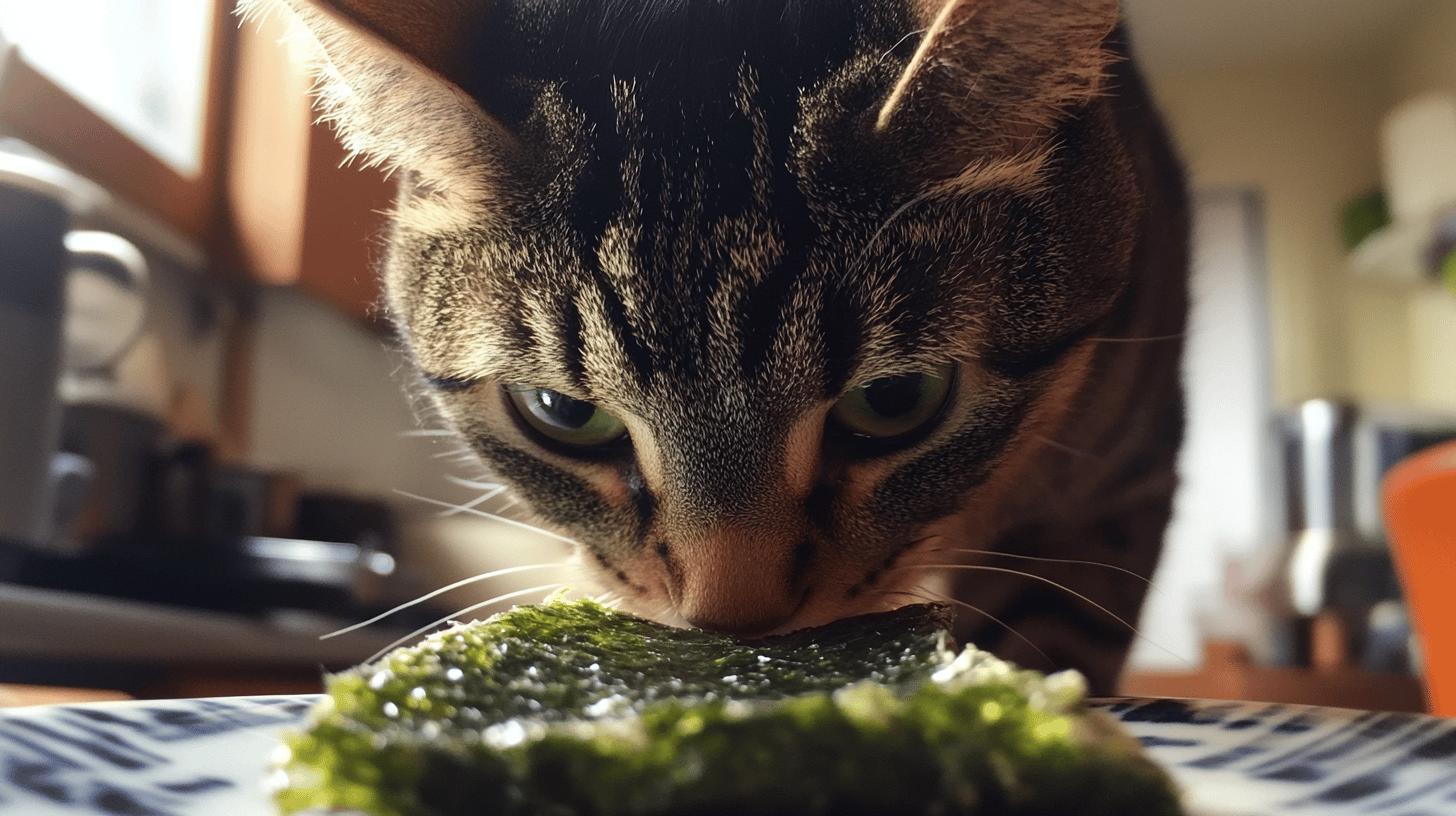
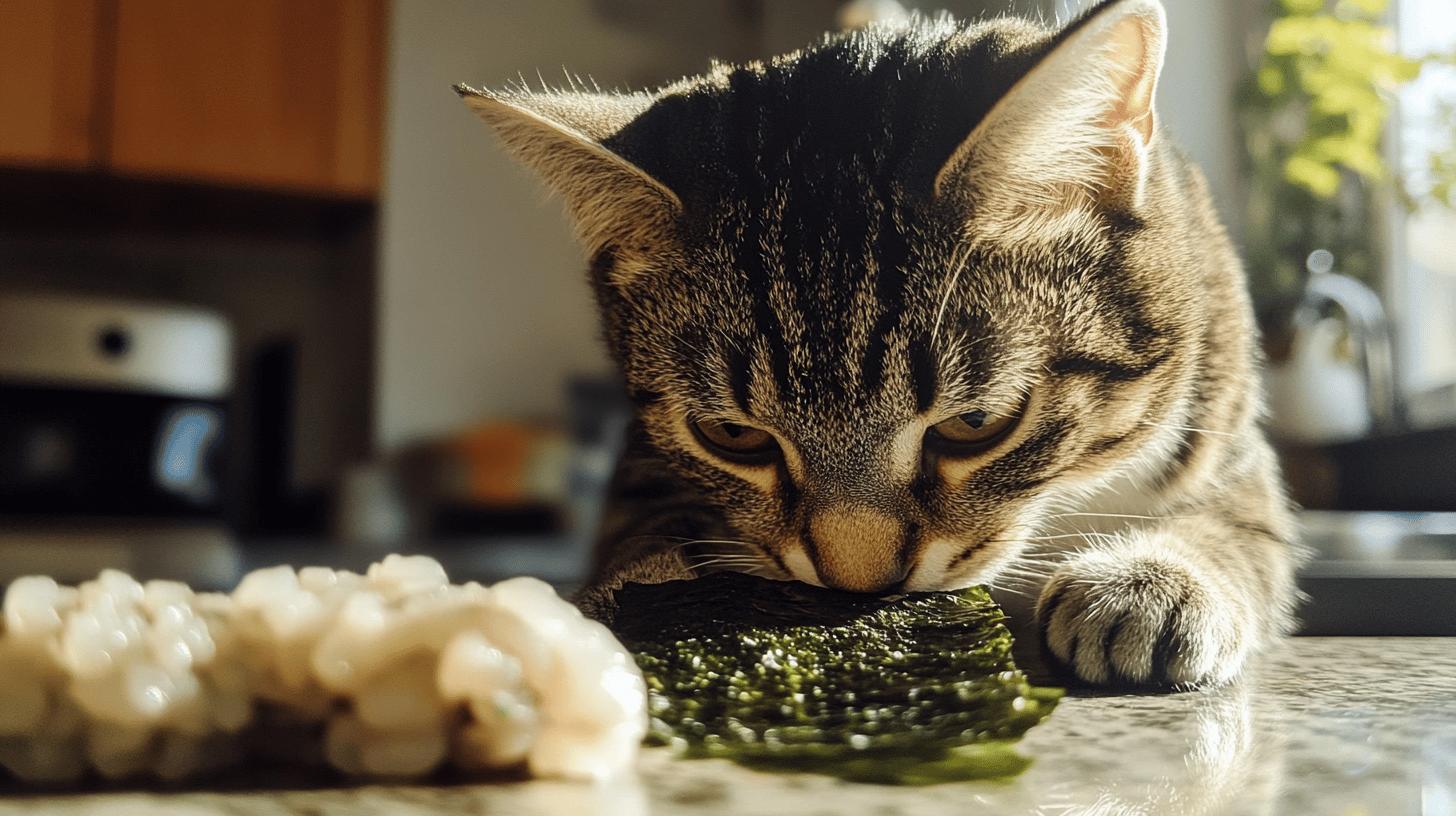
    Cats can eat nori in small amounts, as it is not toxic to them. Nori, a type of seaweed, is generally safe for pets when consumed in moderation. While it can be a healthy addition to a cat's diet, it's important to remember that nori should not replace their primary nutritional needs.

    Nori offers several nutritional benefits for cats. It contains essential nutrients like vitamins A, B, C, and E, which are vital for maintaining a cat's overall health. These vitamins contribute to healthy skin, a shiny coat, and a robust immune system.

    Nori is also rich in minerals such as iodine and taurine. Taurine is crucial for a cat's health, supporting muscle function and heart health. Iodine, on the other hand, is essential for proper thyroid function, though it must be consumed in moderation to avoid potential health issues.

    • Taurine: Supports muscle function and heart health in cats.
    • Iodine: Essential for thyroid function but should be consumed in moderation.
    • Iron: Important for oxygen transport in the blood.
    • Calcium: Aids in bone health and development.
    • Vitamins A, B, C, E: Contribute to skin health, immune function, and overall vitality.

    While nori is beneficial, moderation is key. The high iodine content can support thyroid function, but too much may lead to hyperthyroidism. Therefore, it's important to keep an eye on how much nori your cat consumes.

    Small, occasional servings are recommended, ensuring that your feline friend enjoys the benefits without the risks. Always consider consulting a veterinarian before making significant changes to your cat's diet to ensure their health and well-being.

    Risks of Feeding Nori to Cats
    Risks of Feeding Nori to Cats-4.jpg

    Nori, while nutritious, carries some risks for our feline friends, mainly due to its sodium content. Seaweed like nori can be high in sodium, which poses a risk if consumed in large amounts. Excessive sodium intake can lead to dehydration and potentially salt poisoning in cats.

    These conditions are serious and can affect your cat's overall health, making moderation important when adding nori to their diet.

    Risk Description
    Dehydration High sodium levels can cause a loss of fluids, leading to dehydration.
    Salt Poisoning Excessive sodium can result in salt poisoning, a dangerous condition for cats.
    Allergies Some cats may develop allergies to seaweed, resulting in digestive or skin issues.

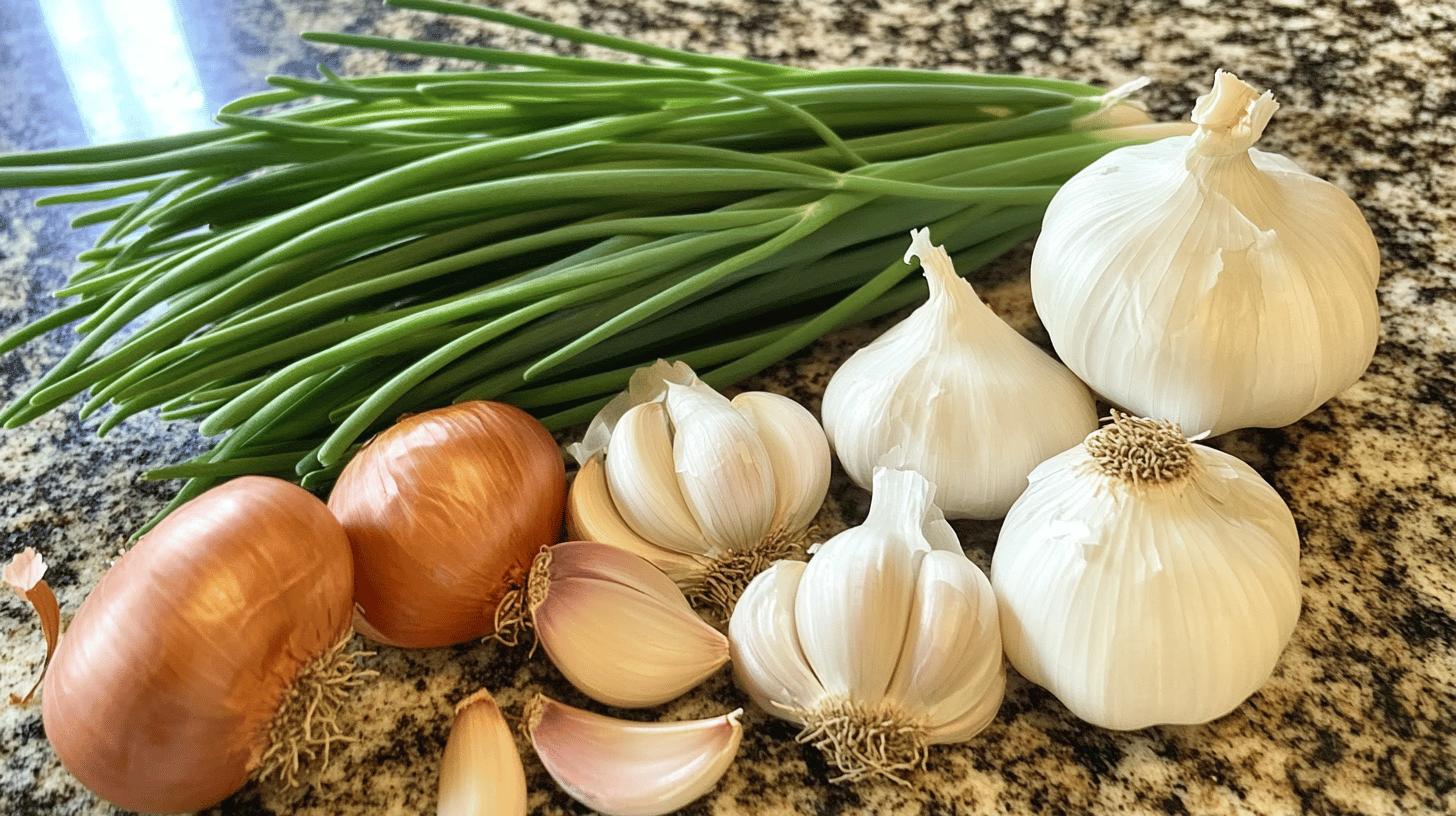
    When feeding nori to cats, it's crucial to ensure that it is plain and unseasoned. Many nori snacks for humans are flavored with salt, garlic, or onion, which are harmful to cats. Garlic and onion, in particular, are toxic to cats and can cause severe health problems. Always choose plain nori to avoid these harmful ingredients and keep your cat safe.

    Moderation is key when introducing nori into your cat's diet. Start with small amounts and gradually monitor your cat for any adverse reactions, such as changes in behavior or digestive upset. By keeping a close eye on your cat's response, you can enjoy the benefits of nori without compromising their health.

    How to Incorporate Nori into a Cat's Diet
    How to Incorporate Nori into a Cats Diet-1.jpg

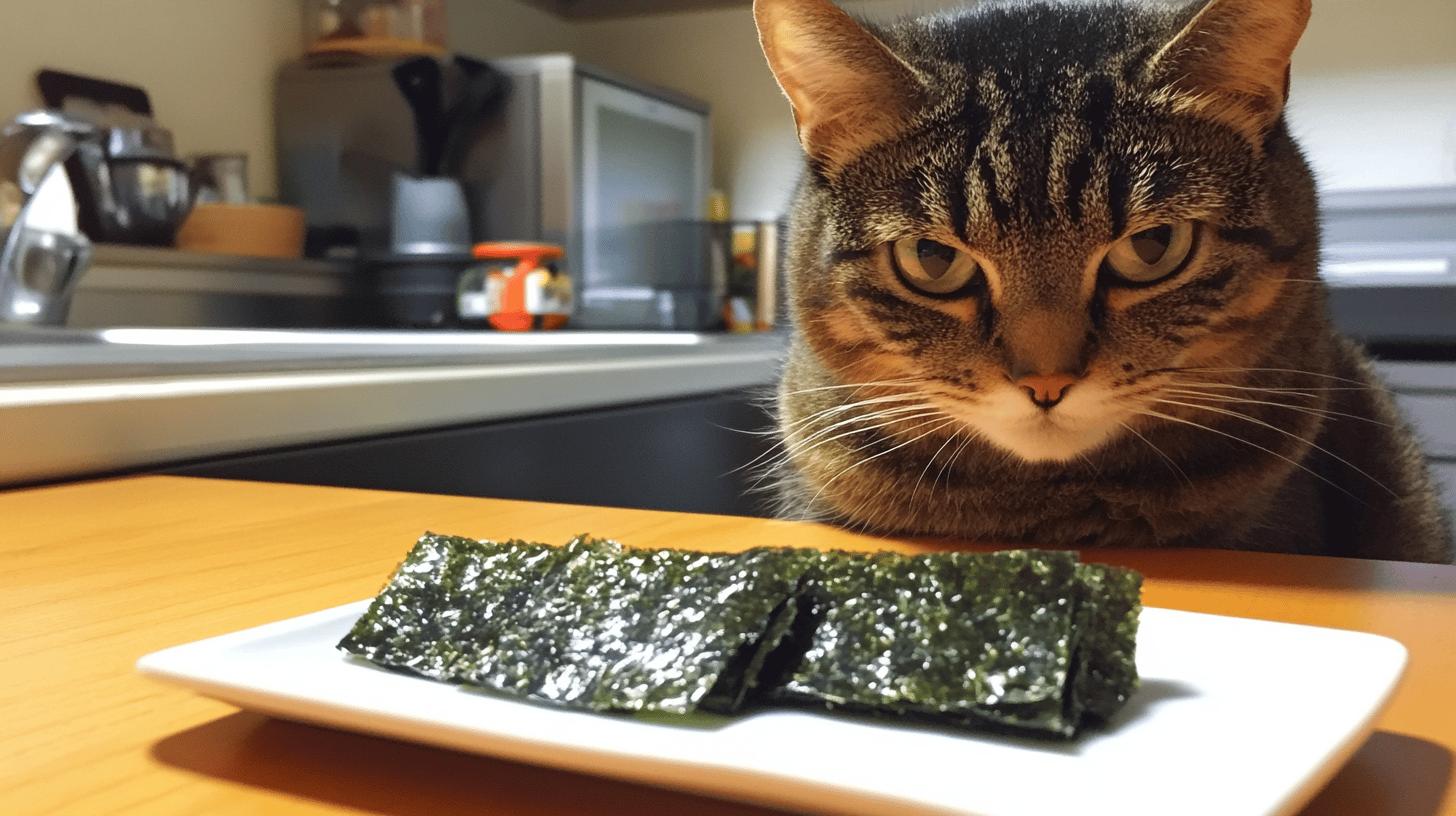
    When introducing nori into your cat's diet, serving size and frequency are key. A small piece of nori is generally sufficient as a treat, ensuring your cat receives the nutritional benefits without overconsuming. Remember, nori should not be a staple in their diet but an occasional addition.

    To prepare nori for your cat safely, follow these simple steps:

    1. Portion Control: Break the nori into small, manageable pieces.
    2. Mix with Regular Food: Combine the nori pieces with your cat's usual food to make it more appealing.
    3. Unseasoned Only: Ensure the nori is plain and free from harmful seasonings like salt or garlic.
    4. Observe Eating Habits: Watch how your cat reacts to nori mixed with their food, adjusting portions as needed.

    Vet Recommendations

    Veterinarians suggest introducing nori slowly into your cat's diet. This gradual approach helps you monitor for any adverse reactions such as digestive upset or allergies. Begin with a tiny piece and observe your cat's behavior. If there's no negative reaction, nori can continue to be an occasional treat. Keep an eye out for any signs of discomfort or changes in your cat's eating habits.

    Using nori as an occasional treat can provide variety and additional nutrients to your cat's diet. While nori offers nutritional benefits, it should not replace their regular meals. By treating it as a special snack, you ensure your cat enjoys the benefits of nori without compromising their overall dietary needs.

    Comparing Nori to Other Human Foods for Cats
    Comparing Nori to Other Human Foods for Cats-2.jpg

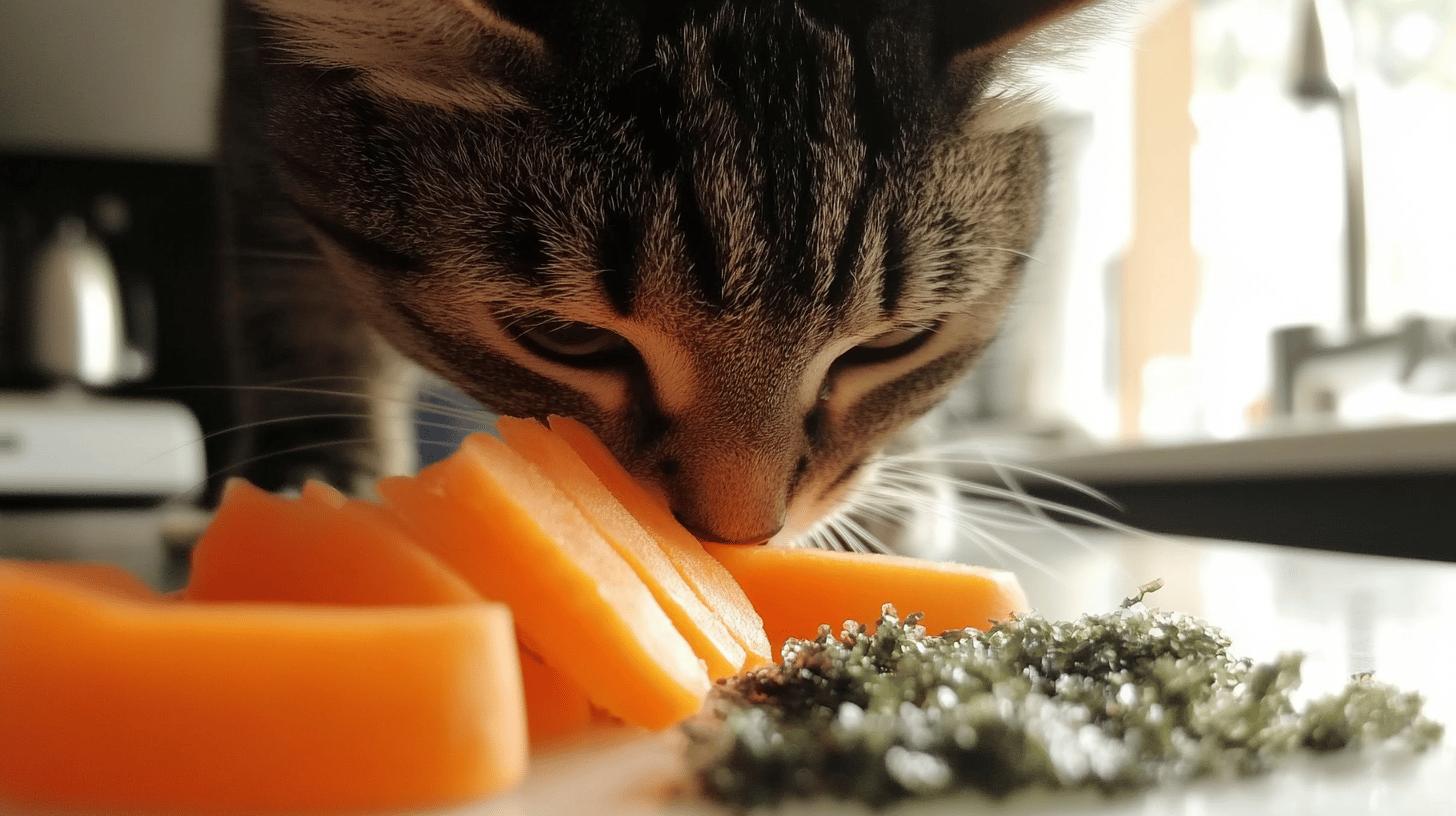
    Nori is relatively safe for cats when compared to other human foods, but it's essential to keep moderation in mind. Cats are obligate carnivores, which means their diet should primarily consist of animal-based proteins and fats. Nori can serve as a nutritious supplement, but it should not replace these key dietary components.

    Here are some safe human foods you can share with your cat:

    • Cooked chicken: A great source of lean protein.
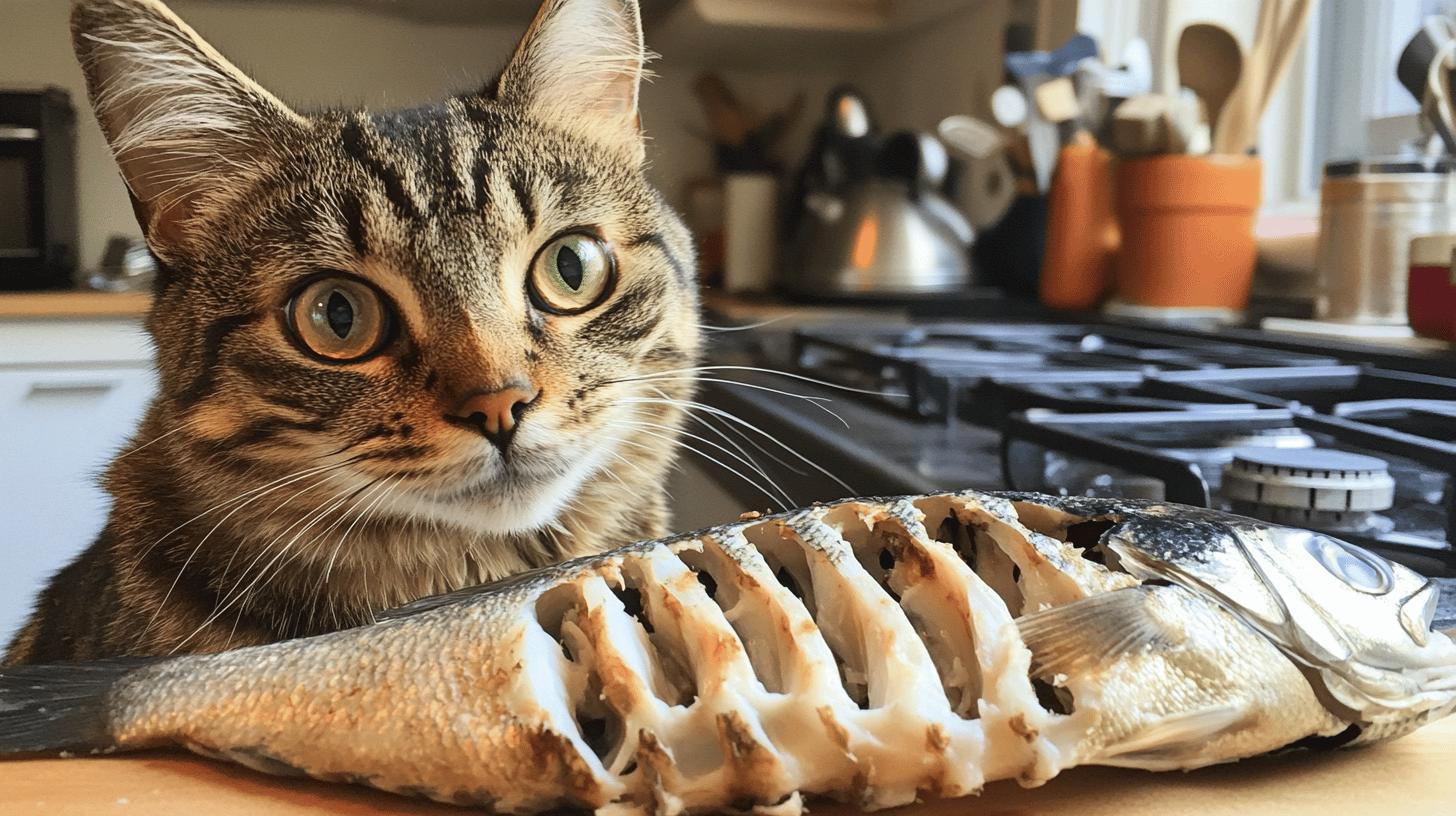
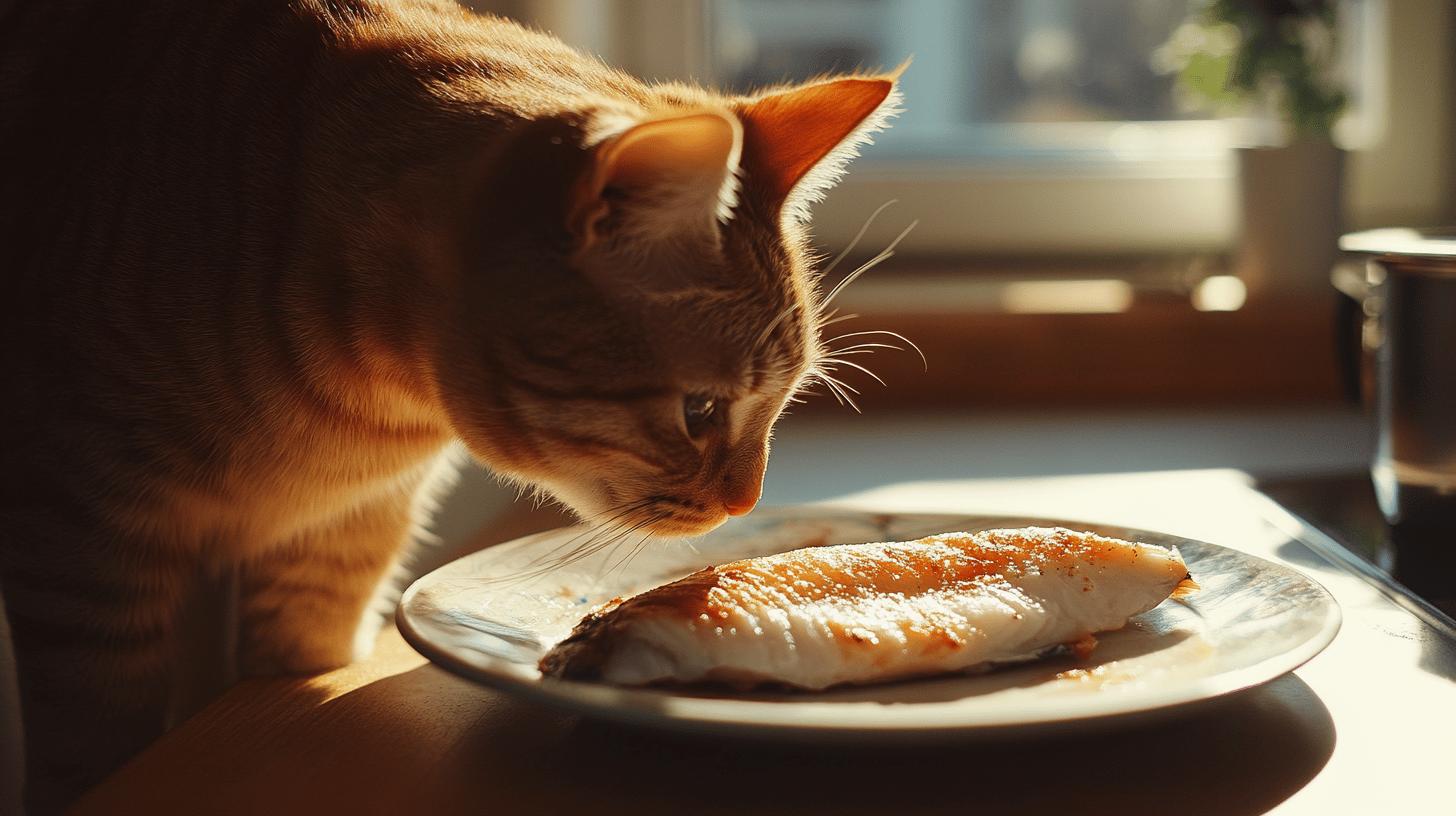
    • Cooked fish: Provides essential omega-3 fatty acids.
    • Carrots: Offer vitamins and fiber when cooked and served in small amounts.
    • Peas: Can be a good source of vitamins and minerals.
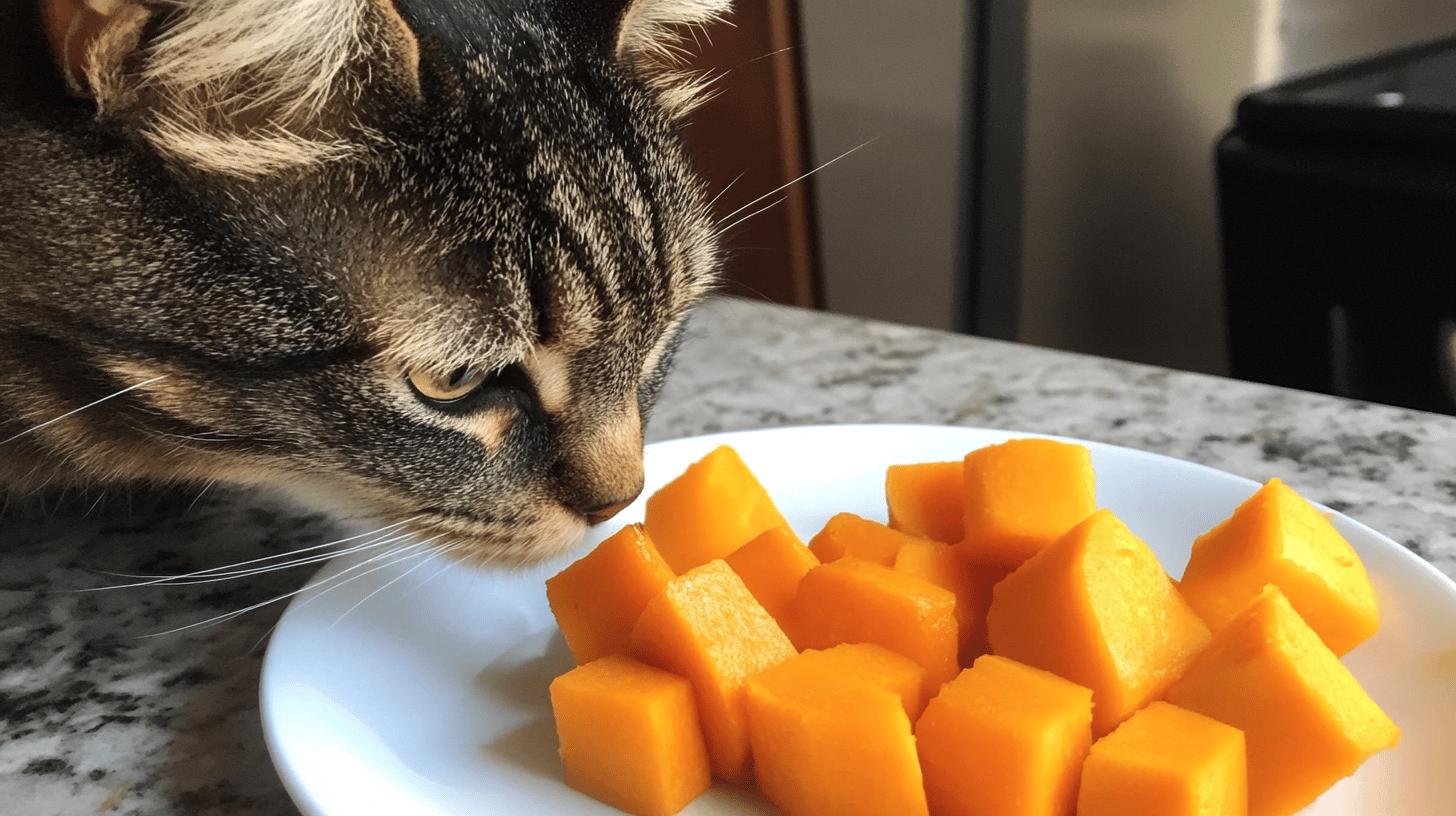
    • Pumpkin: Helps with digestion due to its fiber content.

    Avoid giving your cat the following harmful foods:

    • Chocolate: Contains theobromine, toxic to cats.
    • Onions: Can cause anemia and are harmful to cats.
    • Grapes/Raisins: May lead to kidney failure in cats.

    While nori can provide additional nutrients like iodine and taurine, it should be treated as a supplement rather than a replacement for a balanced cat food diet. A well-rounded diet tailored to their carnivorous needs is crucial for maintaining your cat's health and well-being.

    Final Words

    Understanding the safety and benefits of nori for cats is crucial. Nori is nutritious and non-toxic, providing vitamins and minerals that support a cat's health. It has nutrients like taurine and iodine, which benefit skin, coat, and thyroid.

    But moderation is key. Too much nori can risk sodium issues like dehydration.

    For feeding, start small and monitor your cat. Cut nori into pieces, blend it with food, and use it as a treat.

    While nori is safe for cats, it shouldn't replace their primary diet. Using it wisely can enrich your cat's experience.

    FAQ

    Can cats eat nori?

    Cats can eat nori. It's not toxic to them in small amounts. Nori contains nutrients beneficial for cats.

    Are nori sheets safe for cats?

    Nori sheets are safe for cats if given plain and unseasoned.

    Can cats eat dried seaweed?

    Cats can eat dried seaweed if it's plain. Avoid versions with added salt.

    Can cats eat seaweed with salt?

    It's best not to feed cats seaweed with salt. High sodium can harm them.

    Can cats eat teriyaki seaweed?

    Cats should avoid teriyaki seaweed. The seasoning can contain harmful ingredients.

    Can cats eat sesame seaweed?

    Avoid feeding cats sesame seaweed. The added ingredients might not be safe.

    Is nori seaweed safe to eat?

    Nori seaweed is safe for cats when plain and unseasoned.

    Can cats eat seaweed with rice?

    Cats can have small amounts of seaweed mixed with rice, but plain is best.

    What animal eats nori?

    Humans mainly eat nori, but cats and some fish can consume it safely in small amounts.

    Can cats eat sesame seeds?

    Feeding cats sesame seeds is not recommended. They might cause digestive issues.
    Related Articles

  • Can Cat Eat Ghee Safety and Nutritional Insights

    Can Cat Eat Ghee Safety and Nutritional Insights

    Is feeding ghee to your cat a wise idea? We all know cats and dairy are a classic combination, but does ghee make the cut? Ghee's benefits for humans are well-known, but when it comes to cats, the answer isn't so straightforward.

    Let's dive into the potential nutritional perks and safety concerns of giving ghee to your feline friend. Can it really enhance their health, or is it a slippery slope to unwanted weight gain and health issues? Stick around to find out!

    Can Cats Safely Eat Ghee? Understanding Safety and Nutritional Impact

    Can Cats Safely Eat Ghee Understanding Safety and Nutritional Impact-3.jpg

    Ghee, a type of clarified butter, is known for its rich content of healthy fats and essential vitamins. In terms of safety, ghee may be a better option for cats compared to other dairy products due to its low lactose content.

    Many cats are lactose intolerant because they lack the enzyme lactase needed to digest lactose found in milk. Since the clarifying process removes most of the lactose from ghee, it can be easier on a cat's digestive system. However, it is important to introduce ghee gradually and in small quantities to avoid potential digestive issues.

    Despite its potential digestibility, it is crucial to consider the overall safety of ghee for cats. Although ghee contains beneficial nutrients, it is high in calories and saturated fats. Overconsumption can lead to weight gain, which poses health risks such as obesity and related conditions.

    Therefore, ghee should only be given in moderation, and monitoring a cat's response is essential to ensure it does not adversely affect their health.

    In terms of nutritional impact, ghee is packed with omega-3 and omega-6 fatty acids, along with fat-soluble vitamins A, D, E, and K. These nutrients play significant roles in supporting a cat's vision, immune function, skin health, and bone health. For instance, omega-3 fatty acids are known to enhance skin and coat health, while vitamin A is essential for maintaining good vision. The rich nutrient profile of ghee may offer benefits when included in a balanced diet.

    The provision of essential nutrients can support various aspects of feline health. However, due to its high calorie content, ghee should not replace other primary sources of nutrition, particularly animal proteins, which are crucial for obligate carnivores like cats. It should be seen as a complementary addition, rather than a staple in their diet.

    Nutrient Benefit
    Omega-3 Fatty Acids Improves skin and coat health
    Vitamin A Supports vision and immune function
    Vitamin D Aids in bone health
    Omega-6 Fatty Acids Supports cellular function and metabolism

    Incorporating ghee into a cat's diet can be beneficial if done thoughtfully and in moderation. By considering both the safety and nutritional aspects, you can decide if ghee is a suitable addition to your cat's meals. Always consult with a veterinarian to tailor a dietary plan that aligns with your cat's specific health needs.

    Potential Health Benefits and Risks of Feeding Ghee to Cats

    Potential Health Benefits and Risks of Feeding Ghee to Cats-4.jpg

    Ghee can offer several health benefits for cats when given in moderation. It supports the immune system, essential for preventing illnesses. The omega-3 fatty acids in ghee contribute to healthier skin and a shinier coat. Its anti-inflammatory properties can improve joint health, which is helpful for older cats or those with arthritis.

    Benefits of feeding ghee to cats include:

    • Immune System Support: Boosts natural defenses.
    • Improved Skin and Coat Health: Omega-3s enhance skin and coat.
    • Joint Health: Anti-inflammatory properties support joints.
    • Vision Support: Contains vitamin A for eye health.
    • Bone Health: Provides vitamin D for strong bones.

    Despite these benefits, there are risks. Ghee's high calorie and fat content can lead to weight gain and obesity, which may cause diabetes. It also poses a risk of pancreatitis in some cats. Allergic reactions are possible, with symptoms like itching or respiratory distress.

    Risks of feeding ghee to cats include:

    • Weight Gain and Obesity: High calorie content leads to excess weight.
    • Pancreatitis Risk: Increased fat intake may trigger this condition.
    • Allergic Reactions: Itching or respiratory issues may occur.

    Moderation is key. Monitor your cat's response and adjust the amount accordingly, keeping it a small part of their diet. Watch for any adverse reactions, and consult a vet to tailor dietary choices to your cat's health needs.

    Best Practices for Introducing Ghee to Your Cat's Diet

    Best Practices for Introducing Ghee to Your Cats Diet-1.jpg

    Gradual introduction and portion control are essential when incorporating ghee into your cat's diet. Cats are sensitive to dietary changes, so starting with small amounts helps prevent digestive issues and avoids potential health risks like weight gain or allergies.

    Here are four steps to safely introduce ghee to your cat's diet:

    1. Start Small: Introduce a tiny amount of ghee, about half a teaspoon, mixed with their regular food.
    2. Monitor Closely: Observe your cat for any signs of digestive upset or allergic reactions, such as vomiting or itching.
    3. Increase Gradually: If your cat tolerates the initial amount well, slowly increase the quantity over a few weeks, but never exceed a teaspoon per serving.
    4. Limit Frequency: Offer ghee only a few times a week to prevent excessive calorie intake.

    Consulting a veterinarian is crucial before making any dietary changes. Discuss your cat's health history and any concerns about adding ghee to their diet. A vet can provide personalized advice based on your cat's specific needs. Always monitor for negative effects, and if any symptoms arise, stop feeding ghee immediately and seek veterinary advice.

    Alternatives to Ghee for Cats

    Alternatives to Ghee for Cats-3.jpg

    If you're considering alternatives to ghee for your cat, there are several options that offer similar nutritional benefits. These alternatives can provide healthy fats and essential nutrients without the potential risks associated with ghee.

    Here are some safe oils for cats and their benefits:

    • Fish Oil: Rich in omega-3 fatty acids, supports heart health, and enhances skin and coat condition.
    • Coconut Oil: Offers antimicrobial properties, aids digestion, and improves coat shine.
    • Olive Oil: Contains antioxidants and healthy fats that support overall well-being and digestion.

    For cats that are lactose-intolerant, dairy alternatives like lactose-free milk or specially formulated cat milk can be suitable options. These products are designed to be gentler on a cat's digestive system compared to regular dairy products.

    Maintaining a balanced diet is crucial for your cat's health. While these alternatives can supplement your cat's diet, they should not replace primary nutritional sources. Always ensure your feline friend's diet is rich in animal protein, essential for their overall health and well-being.

    Final Words

    Diving into whether a cat can eat ghee, we examined its safety and nutrition. Ghee's low lactose makes it a possible choice, while its essential fats and vitamins support overall health. Yet, be cautious of its high-calorie impact. Loving your cat means introducing new foods wisely. Gradual feeding and vet advice pave the way for safe dietary changes. By keeping a close watch on reactions and moderating portions, ghee could enhance your cat's meals. Always prioritize balance for a purring, healthy kitty!

    FAQ

    Is it okay for cats to eat ghee?

    A: Cats can eat ghee in small amounts. Ghee contains essential fats and vitamins, but its high calorie content can lead to weight gain if overfed.

    Can cats eat ghee every day?

    A: It is not advisable for cats to consume ghee daily. Moderation is key to avoid potential health risks like obesity and digestive discomfort.

    Can animals eat ghee?

    A: Yes, animals like cats and dogs can consume ghee in small amounts. It provides beneficial nutrients, but regular consumption is not recommended due to high fat content.

    Is ghee good for pets?

    A: Ghee can be beneficial for pets due to its vitamins and healthy fats, but excessive amounts can pose health risks such as weight gain.

    What are the potential risks of feeding ghee to cats?

    A: High ghee intake can lead to obesity, pancreatitis, and allergic reactions. Monitor your cat for signs of itching or breathing issues after consumption.

    Can my cat eat ghee with bread in the morning?

    A: It's better to avoid feeding cats ghee with bread. Cats require a high-protein diet, and bread offers little nutritional value for them.

    Is it OK if my cat eats butter?

    A: Cats can have small quantities of butter, but it's less digestible compared to ghee. Monitor your cat for digestive issues if they consume butter.

    Related Articles

  • Can Cat Eat Soup Safely Understanding Risks and Benefits

    Can Cat Eat Soup Safely Understanding Risks and Benefits

    Can your cat safely enjoy a warm bowl of soup? While it's tempting to share this comfort food with our feline friends, it's important to weigh the risks and benefits first. Cats can savor soup if it's crafted with care, focusing on safe ingredients like chicken or fish broth.

    But be warned–some common additives can turn a tasty treat into a potential hazard. We'll explore how to make soup a healthy addition to your cat's diet and highlight the dangers to avoid. Let's dive into what you need to know.

    Safety and Risks of Feeding Soup to Cats

    Safety and Risks of Feeding Soup to Cats-2.jpg

    Soup can be a delightful treat for your feline friend when it's prepared with their needs in mind. Cats can safely consume soup if it contains ingredients that are safe and beneficial for them. It's crucial to avoid any harmful additives or spices.

    A cat-friendly soup should be made using ingredients like chicken or fish broth, which provide hydration and essential nutrients. It's important to keep the recipe simple and avoid ingredients that could upset their stomach or cause toxicity.

    • Onions
    • Garlic
    • Excessive salt
    • Chives
    • Leeks

    Feeding soup to cats does come with potential risks if not handled properly. One of the main concerns is overhydration, which can lead to kidney strain. Cats don't need excessive amounts of liquid, so moderation is key.

    Additionally, soups containing the wrong ingredients could cause digestive issues, leading to discomfort or illness. Always check the ingredients for any potential allergens or toxins before serving.

    • Serve soup in small portions
    • Use as a supplement, not a meal replacement
    • Monitor your cat’s reaction
    • Consult a vet for dietary concerns

    Despite these risks, soup can offer a range of nutritional benefits for cats if made safely. Soup provides hydration, which is particularly beneficial for cats that primarily consume dry food. Alongside hydration, it can offer vitamins, minerals, and Omega 6 fatty acids that support overall cat health.

    Remember, soup should complement a balanced diet, enhancing the flavors of your cat’s regular meals and providing variety without overwhelming their nutritional balance.

    Suitable Soup Types and Recipe Adjustments for Cats

    Suitable Soup Types and Recipe Adjustments for Cats-1.jpg

    Creating homemade soup for your cat can be a rewarding way to offer them a nutritious treat. When making soup for cats, focus on using ingredients like chicken or fish broth. These broths are not only flavorful but also rich in nutrients and hydration that cats need.

    Always remember to exclude harmful ingredients such as onions and garlic, which can be toxic. Instead, stick to simple recipes that are easy on a cat's digestive system. Bone broth is also a great option, providing essential nutrients while being gentle enough for your feline friend.

    On the other hand, vegetable soups present some limitations for cats. Cats are obligate carnivores, meaning their bodies are designed to thrive on meat-based diets.

    Vegetable soups may not provide the necessary nutrients cats require and could potentially lead to nutritional deficiencies if relied upon too heavily. While some vegetables can be safe in small amounts, they shouldn't be the primary component of a cat's soup.

    • Chicken broth
    • Fish broth
    • Bone broth
    • Parsley
    • Carrots (in small amounts)
    Soup Type Ingredients
    Chicken Soup Chicken broth, small amounts of carrots, parsley
    Fish Soup Fish broth, parsley
    Bone Broth Bones (boiled, no salt), parsley

    To enhance the flavor of cat soups, consider adding small amounts of cat-safe herbs like parsley. This can improve the palatability without adding unnecessary ingredients. Always serve the soup at room temperature to ensure it's comfortable for your cat to consume.

    Remember, soup should act as a supplement to your cat's regular diet, providing hydration and a change of pace without replacing their primary nutrition source. Keep an eye on their reaction to new flavors and adjust accordingly to keep your cat both happy and healthy.

    Nutritional Profile and Safety Analysis

    Different soup types offer varying nutritional benefits and safety profiles for your feline companion. Broth-based soups, particularly chicken and fish varieties, provide excellent hydration alongside essential amino acids that support muscle health and coat condition. These broths contain collagen and gelatin, which can support joint health, especially beneficial for older cats.

    In contrast, cream-based soups present significant concerns. Cats are lactose-intolerant after weaning, and cream can trigger digestive upset including vomiting and diarrhea. The high fat content in cream soups may also contribute to pancreatitis or weight gain in susceptible cats.

    According to AAFCO (Association of American Feed Control Officials) guidelines, sodium content is particularly critical for cats. Most commercial broths contain between 800-1,000 mg of sodium per cup, well above the recommended daily limit of 200-300 mg for cats. Excess sodium can elevate blood pressure and strain kidneys, particularly concerning for cats with existing kidney disease or hypertension.

    Serving Guidelines and Portion Control

    Proper portion sizes and feeding frequency ensure soup remains a healthy supplement rather than a nutritional burden. For an average 10-pound cat, safe portions range from one to two tablespoons of broth per day, served at room temperature or slightly warmed.

    Frequency matters significantly. Soup should be offered no more than 2-3 times per week, allowing it to complement rather than replace your cat’s regular balanced diet. Each serving should never exceed 10% of your cat’s daily caloric intake, a standard nutritional guideline for treats and supplements.

    Preparation methods impact safety and digestibility. Remove all solid pieces–bones, vegetables, and meat chunks pose choking hazards. Cool the broth thoroughly before serving; excessively warm soup can burn sensitive mouth tissues. If using store-bought broth, rinse it thoroughly under water to reduce sodium content by up to 40%, or select low-sodium versions specifically.

    For cats with sensitive digestive systems, introduce soup gradually over 7-10 days, mixing small amounts into their regular food initially. Monitor for any signs of digestive upset before increasing portions.

    Signs of Adverse Reactions

    Despite careful preparation, some cats may experience adverse reactions to soup. Gastrointestinal distress is most common, manifesting as vomiting, diarrhea, or loss of appetite within 2-12 hours of consumption. These symptoms usually resolve within 24 hours when the offending food is removed.

    More concerning signs require immediate veterinary attention: difficulty swallowing, excessive drooling, abdominal pain or swelling, lethargy, or behavioral changes. These could indicate allergic reactions, toxin ingestion, or underlying health complications.

    Individual sensitivities vary significantly. A soup that sits well with one cat may trigger reactions in another, even within the same household. This is particularly true for cats with inflammatory bowel disease (IBD) or pancreatitis.

    Keep detailed feeding records noting date, soup type, portion size, and any behavioral or digestive changes observed within 24 hours. This documentation helps your veterinarian identify patterns if issues arise.

    Final Words

    Exploring "can cat eat soup" reveals that soup can be safe if crafted with cat-friendly ingredients, like chicken and fish broth, while avoiding toxic parts such as onions and garlic. As we've seen, feeding cats soup provides nutritional perks like hydration and Omega 6, but beware of risks like overhydration and digestive trouble.

    Crafting homemade soups with safe meats and herbs enhances your cat's diet remarkably. Always aim for moderation to maintain balance. You can confidently serve up some tasty, safe soup, knowing you're nurturing your furry friend's health.

    FAQ

    Can I feed soup to my cat?

    A: Yes, you can feed soup to your cat if it is made with cat-friendly ingredients and free from harmful additives like onions or garlic.

    Can cats eat soup every day?

    A: Cats should not eat soup every day. Soup should be an occasional treat, not a staple, due to potential health risks such as overhydration.

    Can cats have human soup or broth?

    A: Cats should avoid human soup or broth as they often contain harmful ingredients like salt, onions, and garlic.

    Is chicken soup ok for cats?

    A: Chicken soup can be safe if made with cat-friendly ingredients such as chicken, water, and no harmful additives.

    Can cats eat soup in the morning?

    A: Cats can eat soup in the morning, but ensure it's part of a balanced diet and made with safe ingredients.

    Can cats eat soup with chicken and rice?

    A: Cats can eat chicken and rice soup if it is specially prepared for them, avoiding any harmful ingredients.

    What are toxic ingredients to avoid in cat soup?

    A: Avoid onions, garlic, excessive salt, chocolate, and artificial sweeteners in any soup for cats.

    What are some suitable soup types for cats?

    A: Suitable cat soup types include chicken broth, fish broth, and bone broth with appropriate modifications.

    Are there considerations when incorporating soup into a cat's diet?

    A: Ensure soups: 1) don't replace balanced cat meals, 2) contain safe ingredients, 3) are fed in moderation, and 4) enhance hydration.

    What is a cat soup recipe?

    A: A simple cat soup can include chicken or fish broth with safe herbs like parsley, excluding harmful ingredients.

    Related Articles

  • Can Cat Eat KFC Understand the Risks and Health Concerns

    Can Cat Eat KFC Understand the Risks and Health Concerns

    Is KFC a secret cat delight, or a recipe for disaster? You might be tempted to offer your feline friend a taste of that crispy goodness, but doing so may lead to some serious health risks.

    Just like we wouldn't fuel a race car with cola, feeding our cats fried chicken can result in obesity, toxicity, and even dangerous digestive issues. This article dives into the reasons why cats and KFC don't mix, steering you clear of potential mishaps and helping ensure your pet stays healthy and safe.

    Can Cats Eat KFC? Understanding the Risks and Concerns

    Can Cats Eat KFC Understanding the Risks and Concerns-2.jpg

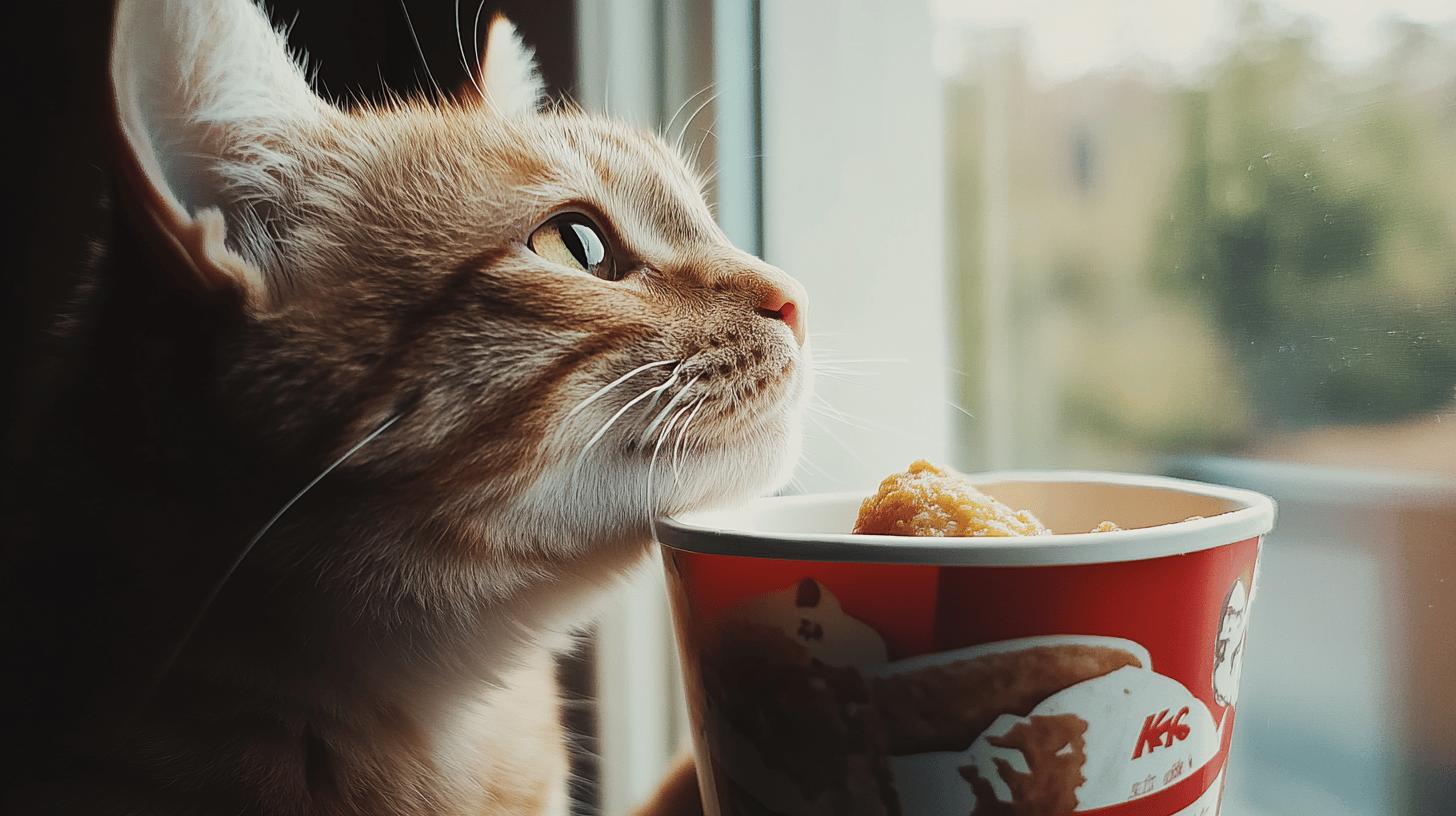
    KFC and similar fried chicken dishes are not suitable for cats due to several health risks. The high-fat content from the batter and deep-frying process can lead to obesity, diabetes, and joint issues in cats. Additionally, seasonings like garlic and onions, often used in KFC recipes, are toxic to cats.

    Even a small amount of these seasonings can cause severe reactions. Excessive salt found in fried chicken can result in sodium ion poisoning, posing a further threat to feline health. Moreover, cooked chicken bones in fried chicken are brittle and can splinter easily, presenting choking hazards and potential damage to the digestive system.

    Hazard Potential Health Risk
    High Fat Content Obesity, Diabetes, Joint Issues
    Garlic and Onion Seasoning Toxicity
    Excessive Salt Sodium Ion Poisoning
    Brittle Cooked Bones Choking, Gastrointestinal Damage
    Batter and Spices Gastrointestinal Upset

    These concerns highlight why KFC is unsuitable for cats. Cats have sensitive digestive systems that are not equipped to handle the high fat and seasoning levels found in fried chicken.

    The combination of toxic ingredients and unhealthy preparation methods can result in significant health dangers. Cats require a diet that is carefully balanced with the right nutrients, and offering them KFC compromises their nutritional needs and overall well-being.

    Safe Human Foods for Cats: What You Can Share

    Safe Human Foods for Cats What You Can Share-4.jpg

    A balanced diet is essential for a cat's health, focusing on proteins, fats, carbohydrates, vitamins, and minerals. As obligate carnivores, cats thrive on diets primarily consisting of meat, which closely mirrors their natural prey.

    While commercial cat foods are designed to meet these needs, there are some human foods that can be safely shared with your feline friend, provided they are served properly.

    Here are 7 safe human foods for cats:

    1. Plain Cooked Chicken: A great source of protein, it should be served without skin or bones to avoid choking hazards.

    2. Cooked Turkey: Similar to chicken, turkey offers lean protein, essential for energy and muscle maintenance.

    3. Canned Tuna (in water): Occasional tuna treats can be enticing for cats but should not replace a balanced diet due to potential mercury content.

    1. Salmon: Rich in omega-3 fatty acids, which support coat health and reduce inflammation.

    2. Eggs: Cooked eggs provide a protein boost and contain vital amino acids.

    3. Pumpkin: A small amount can aid digestion and is a good source of fiber.

    1. Carrots: Cooked and mashed, they provide vitamins and can be a healthy occasional snack.

    Moderation is key when offering human foods to cats. While these treats can supplement their diet, they should not constitute a major portion of your cat's meals. Overindulgence can lead to nutritional imbalances or obesity.

    Always introduce new foods gradually and observe for any adverse reactions. Remember, consulting with a veterinarian can provide further insights into safe feeding practices tailored to your cat's individual health needs.

    The Nutritional Needs of Cats: Building a Proper Diet

    The Nutritional Needs of Cats Building a Proper Diet-4.jpg

    Cats have specific nutritional needs that must be met to ensure their health and well-being. As obligate carnivores, they require a diet rich in animal-derived proteins and essential nutrients like taurine, which are crucial for maintaining healthy vision, heart function, and reproduction.

    A quality diet should consist primarily of high-quality commercial cat food with real meat as the main ingredient, steering clear of artificial additives. A balanced cat diet also includes necessary fats for energy, carbohydrates for quick fuel, and vitamins and minerals to support overall health.

    Choosing between wet and dry cat food can impact your cat's diet significantly. Wet food offers the advantage of increased hydration, which is beneficial for urinary tract health, especially in cats that do not drink enough water.

    On the other hand, dry food is convenient, has a longer shelf life, and can help maintain dental health by reducing plaque and tartar build-up. Many cat owners find that a combination of both types can offer a balanced approach, catering to the dietary and health needs of their feline companions.

    Here are 5 key dietary elements essential for feline health:

    1. Protein: Vital for muscle development and energy.

    2. Taurine: Supports heart and eye health, only found in animal tissues.

    3. Fats: Source of essential fatty acids and energy.

    1. Hydration: Crucial for kidney and urinary health, often achieved through wet food.

    2. Vitamins and Minerals: Necessary for immune function and overall well-being.

    Consulting a veterinarian is vital when planning your cat's diet. They can offer insights tailored to your cat's specific health needs and suggest whether commercial or homemade diets are appropriate. Veterinary nutritionists can also help formulate balanced homemade meals, ensuring your cat receives all necessary nutrients for optimal health.

    Avoiding Common Pitfalls: Unsafe Foods and Feeding Mistakes

    Avoiding Common Pitfalls Unsafe Foods and Feeding Mistakes-2.jpg

    Feeding cats human foods and table scraps can pose significant health risks. While some seasonings like garlic, onions, and chives are known to be toxic, there are many other foods that can be equally harmful.

    Cats have sensitive digestive systems that react negatively to certain ingredients, potentially leading to severe health complications. Expanding awareness of these dangers is crucial for every cat owner.

    Unsafe Foods and Common Feeding Mistakes to Avoid

    1. Raw Eggs: Can contain salmonella or E. coli, leading to food poisoning.

    2. Bones: May splinter and cause choking or internal injuries.

    3. Raw Fish: Contains thiaminase, which destroys essential vitamin B1.

    1. Dog Food: Lacks necessary nutrients specific to cats and can lead to malnutrition.

    2. Fat Trimmings: Can cause pancreatitis due to high-fat content.

    3. Xylitol: Found in sugar-free foods, can cause insulin release and hypoglycemia.

    Feeding guidelines are essential for maintaining a cat's health. A diet specifically formulated for felines ensures they get the right nutrients without the risks associated with human foods. While sharing your meals might seem caring, it's best to stick to high-quality cat food and approved cat treats.

    Avoid nutritional imbalances by consulting with a veterinarian to create a diet plan tailored to your cat's unique needs. Integrating this understanding with your cat's daily routine can help prevent feeding mistakes and promote long-term well-being.

    Final Words

    Deciding what's safe for your cat to eat may seem tough. This blog post stressed the dangers of feeding cats KFC due to ingredients like garlic, onions, and high fat. We explored alternative human foods like plain cooked meat that are safer for cats. A balanced diet with real meat and necessary nutrients is vital.

    Stick to foods made for cats and avoid feeding fried chicken. The health risks are too significant to ignore. Your cat's well-being starts with smart food choices. Keep them healthy and safe!

    FAQ

    Can my cat eat KFC chicken?

    A: Cats should not eat KFC chicken. It's high in fat and contains seasonings like garlic and onions, which are toxic to cats. Fried chicken can lead to obesity and health issues.

    Is it okay to feed my cat fried food?

    A: Fried food is not safe for cats. It's high in fat and seasonings that can cause digestive upset, obesity, and other health problems.

    Can cats eat KFC chicken bones?

    A: Cats should avoid KFC chicken bones. Cooked bones can splinter, leading to choking hazards and gastrointestinal damage.

    Can cats have cooked chicken?

    A: Cats can eat cooked chicken if it's plain, without skin or bones. It's a good source of protein, essential for a healthy feline diet.

    Can cats eat fried chicken skin or batter?

    A: Cats should not eat fried chicken skin or batter. It's too fatty and seasoned, which can harm their digestive systems and overall health.

    Can cats eat KFC wings or popcorn chicken?

    A: KFC wings and popcorn chicken are unsafe for cats. They contain high fat and harmful seasonings, posing serious health risks.

    Are there human foods safe for cats?

    A: Yes, some human foods are safe for cats, like plain cooked chicken and turkey. Always ensure foods are unseasoned, skinless, and boneless.

    Related Articles

  • Can Cat Eat Graham Crackers Understanding Risks and Nutritional Concerns

    Can Cat Eat Graham Crackers Understanding Risks and Nutritional Concerns

    Can cats munch on graham crackers? That's the question sparking curiosity among cat owners everywhere. While these snacks seem harmless, they aren't the healthiest choice for your feline friend.

    Cats are built to chow down on meat, not the sugary carbs found in graham crackers. Feeding your kitty these human treats could lead to real health troubles. In this post, we'll dive into why graham crackers are less than ideal for cats. We'll explore the risks and talk about why sticking to a carnivore's diet is best for your furry companion.

    Can Cats Eat Graham Crackers? Risks and Nutritional Concerns

    Can Cats Eat Graham Crackers Risks and Nutritional Concerns-1.jpg

    Cats can technically eat graham crackers, but they're not a recommended treat for our feline friends. While these sweet snacks aren't toxic, they don't align with a cat's dietary needs.

    Cats are obligate carnivores, meaning their bodies are designed to thrive on meat, not carbohydrates found in graham crackers. Feeding cats human food, especially sugary treats like graham crackers, can lead to several health issues over time.

    Graham crackers lack the nutritional value that cats require. They offer no essential proteins, vitamins, or minerals that are part of a balanced feline diet. Instead, they contain ingredients that could potentially harm cats.

    The main components—sugar, whole wheat flour, honey, and sometimes cinnamon—are not part of a cat's natural diet and could lead to digestive issues. The sugar content in particular poses a risk, as cats are prone to diabetes and other sugar-related health problems.

    Let's break down the nutritional composition of graham crackers. Sugar is the primary concern, as it can contribute to obesity and diabetes in cats. Whole wheat flour is another ingredient, which although digestible in small amounts, doesn't provide any beneficial nutrients for cats.

    Honey, while natural, is high in sugar and can lead to weight gain. Cinnamon, often added for flavor, is generally safe in small quantities but doesn't offer any health benefits. Added salt can also be found in some varieties, which can be harmful in large doses.

    These ingredients pose several health risks to cats. Digestive issues are common due to cats' inability to process carbohydrates effectively. The high sugar content can lead to diabetes over time. Sodium from salt contributes to hypertension, increasing the risk of heart-related issues.

    The fats and carbohydrates in graham crackers can cause weight gain and even obesity, leading to joint problems and other health concerns. Allergic reactions are possible too, with symptoms like itching or overgrooming.

    Beyond the ingredients, graham crackers' texture can be a choking hazard for cats. Their crunchy nature makes them difficult for cats to chew and swallow safely. Cats have small throats, and larger pieces of graham crackers can easily become lodged, causing choking or discomfort.

    Here's a quick list of specific ingredients and their potential impacts on feline health:

    • Sugar: Increases risk of diabetes and obesity.
    • Whole Wheat Flour: Offers no nutritional benefits, may cause digestive upset.
    • Honey: High in sugar, contributing to weight gain.
    • Cinnamon: Generally safe but unnecessary and potentially irritating in larger amounts.
    • Salt: Can lead to hypertension and heart issues if consumed in large amounts.

    Safe Alternatives to Graham Crackers for Cats

    Safe Alternatives to Graham Crackers for Cats-1.jpg

    Choosing cat-specific treats is important for ensuring your feline friend stays healthy and happy. Cats have unique dietary needs that differ greatly from humans, so it's crucial to offer them snacks that cater specifically to these requirements.

    While human foods like graham crackers might seem like a fun treat, they often lack the nutritional benefits that cats need. Instead, opt for treats that are designed with feline nutrition in mind, providing essential proteins and nutrients that support their health.

    Here are some safe and healthy cat-friendly snacks:

    • Commercial Cat Treats: These are formulated to meet feline dietary needs, offering a balanced mix of proteins and nutrients.
    • Cooked Meats: Small amounts of cooked chicken, turkey, or fish can be an excellent protein-rich snack.
    • Catnip: This herb is a favorite among many cats and offers a fun and safe way to engage your pet.
    • Dental Chews: These not only serve as a treat but also help maintain your cat's dental health by reducing plaque and tartar buildup.

    Expert Advice on Feeding Cats Human Food

    Expert Advice on Feeding Cats Human Food-1.jpg

    Introducing human food into a cat's diet requires careful consideration and professional advice. Cats have very different dietary needs compared to humans, and what seems harmless to us can sometimes be harmful to them.

    Consulting a veterinarian is crucial before giving any human food to your cat. Veterinarians understand the nutritional requirements of cats and can offer guidance on which human foods might be safe in small amounts. They can also help identify foods that should be completely avoided to prevent health issues.

    If your cat accidentally consumes graham crackers or other human snacks, it's important to monitor them for signs of distress. Common symptoms to watch for include vomiting, diarrhea, or changes in behavior.

    These can indicate digestive upset or a more serious reaction. In such cases, contacting a veterinarian promptly is advised. They can assess the situation and recommend appropriate actions, such as dietary changes or medical treatment if necessary.

    Situation Veterinarian Advice
    Cat ate a small amount of graham cracker Monitor for symptoms, contact vet if issues arise
    Cat shows signs of vomiting or diarrhea Contact vet for an evaluation
    Considering new human food for cat Consult vet for safe options and recommendations

    Final Words

    Giving a cat graham crackers might seem harmless, but it's better to avoid it. The lack of nutritional value and presence of ingredients such as sugar, salt, and cinnamon can bring more harm than good. These components pose significant risks like digestive issues, diabetes, or hypertension.

    Swapping graham crackers for cat-specific snacks, like commercial treats or cooked meats, is a safer choice. Always talk to a vet before trying out new foods for your cat. Staying cautious ensures your cat stays healthy and happy, so remember to keep graham cracker consumption to a minimum.

    FAQ

    Can Cats Eat Graham Crackers?

    Cats can eat graham crackers, but it's not recommended. They're not toxic but aren't beneficial either.

    Why Shouldn't Cats Eat Graham Crackers?

    Graham crackers lack nutritional value for cats and could cause harm due to sugar, whole wheat, honey, and cinnamon.

    What are the Nutritional Concerns with Graham Crackers for Cats?

    Ingredients like sugar, whole wheat flour, honey, cinnamon, and salt can cause health issues, including digestive problems and diabetes.

    What Health Risks Do Graham Cracker Ingredients Pose for Cats?

    The sugar can lead to diabetes, while high sodium may cause hypertension. Carbs and fat can cause weight gain and allergic reactions.

    Are Graham Crackers a Choking Hazard for Cats?

    Yes, their texture can pose a choking risk to cats, making them unsafe to eat.

    What Human Food is Safe for Cats to Eat?

    Feed cats safe, nutritionally suitable options like commercial cat treats, cooked meats, catnip, and dental chews.

    Can Cats Eat Marshmallows?

    Cats shouldn't eat marshmallows since they offer no nutrition and can pose choking hazards and other health risks.

    Can Cats Eat Cinnamon or Chocolate?

    Cinnamon can cause digestive issues, while chocolate is toxic to cats and should be avoided entirely.

    What Safe Alternatives to Graham Crackers Can I Give My Cat?

    • Commercial cat treats
    • Cooked chicken, turkey, or fish
    • Catnip
    • Dental chews

    Why Consult a Veterinarian Before Feeding Cats Human Food?

    Veterinarians offer tailored advice for pets, ensuring safety and nutritional adequacy when considering human foods.

    How to Monitor for Negative Reactions if My Cat Eats Human Food?

    Watch for symptoms like vomiting or diarrhea. Contact a vet if your cat shows signs of distress.

    |Situation |Veterinarian Advice |
    |—————|—————————–|
    |Eats graham crackers|Monitor and consult vet |
    |Shows distress |Contact vet immediately |
    |New human food |Consult vet before offering |

    Related Articles

  • Can Cat Eat Curry Understanding Risks and Safety Concerns

    Can Cat Eat Curry Understanding Risks and Safety Concerns

    Ever wondered if your cat could share a bite of that spicy curry you love? The rich aroma might attract you and your feline friend alike, but the truth is, it's not just a harmless curiosity for cats. Curry may be a flavorful delight for humans, but it's potentially dangerous for our pets.

    Packed with spices and ingredients like garlic and onions, it can pose serious health risks to your kitty. Let's explore why curry is a no-go for cats and how you can keep your curious companion safe.

    Is Curry Safe for Cats?

    Is Curry Safe for Cats-2.jpg

    Cats are naturally curious creatures, often drawn to the aromas wafting from our kitchens. It's not uncommon to see a cat sniffing around when a spicy dish like curry is being prepared. This curiosity is usually driven by the rich scents and flavors that pique their interest.

    However, no matter how interested your feline friend may seem, it's essential to recognize that what smells delicious to us can be hazardous to them. Curry, with its complex mix of spices and ingredients, is not a safe choice for cats.

    Curry commonly contains ingredients such as garlic and onions, both of which are toxic to cats. These ingredients belong to the Allium family and contain sulfur compounds that are particularly harmful, even in small quantities.

    When cats ingest garlic or onions, they risk developing Heinz body anemia, a condition where precipitates form in red blood cells, leading to their fragility and eventual rupture. This condition is severe and can result in significant health complications for your cat. The problem lies not only with the onions and garlic but with other spices that may be included in curries, each posing its own set of risks.

    If a cat consumes curry, they may experience a range of symptoms. These can include vomiting and diarrhea, which indicate gastrointestinal upset, a common reaction to many toxic foods. More severe symptoms might involve lethargy or signs of anemia, such as pale gums and weakness.

    The ingestion of harmful substances can lead to long-term health issues, requiring immediate veterinary attention to mitigate any adverse effects. Recognizing these signs early is crucial for your cat’s well-being.

    It's clear that curry is not a safe food for cats. While they might be attracted to its enticing smell, the potential health risks far outweigh any momentary curiosity. To ensure the safety of your furry companion, it’s vital to keep such foods out of their reach and stick to a diet specifically designed for their nutritional needs.

    Ingredient Potential Risk
    Garlic Heinz body anemia, gastrointestinal upset
    Onions Heinz body anemia, gastrointestinal upset
    Chili Peppers Oral irritation, digestive issues
    Spices (e.g., cumin, turmeric) Potential for irritation, allergic reactions

    Safe Alternatives to Curry for Cats

    Safe Alternatives to Curry for Cats-1.jpg

    Cats often show interest in the foods we enjoy, like curry. However, it's important to prioritize their safety and health by offering them alternatives that won't pose any risks. Instead of letting them indulge in spicy dishes, we can focus on providing cat-friendly options that meet their nutritional needs.

    When considering what foods are safe for cats, plain cooked chicken is an excellent choice. It's high in protein and free from harmful spices. Cheese, in small quantities, can also be a treat, offering calcium and protein.

    However, since many cats are lactose intolerant, it's best to offer cheese sparingly. Another beneficial option is pumpkin, which is rich in fiber and can help with digestion. These foods are not only safe but also cater to a cat's dietary requirements as obligate carnivores, who need a diet high in protein and moderate in fat.

    Consulting with a veterinarian is essential when deciding on your cat's diet. They can provide personalized advice, ensuring your cat's nutritional needs are met without any risk. Vets can recommend specific foods and offer insight into safe quantities and preparation methods. This guidance helps maintain your cat's health and prevent exposure to harmful ingredients found in human foods like curry.

    For those looking to add a touch of flavor, here are some safe spices or herbs that can be used in moderation:

    • Catnip
    • Cat thyme
    • Parsley
    • Dill
    • Rosemary
    • Basil

    Understanding the Dietary Needs of Cats

    Understanding the Dietary Needs of Cats-2.jpg

    Cats are obligate carnivores, which means their bodies are designed to thrive on a diet primarily composed of meat. Their nutritional needs are quite specific, requiring high levels of protein, moderate amounts of fat, and minimal carbohydrates.

    This unique dietary requirement stems from their evolutionary background, where their ancestors relied heavily on hunting for survival. Therefore, a diet rich in animal-based proteins is crucial for maintaining their health, supporting muscle development, and providing energy.

    Protein plays a significant role in a cat's diet by aiding in tissue repair and enzyme production. Cats need a balanced intake of essential amino acids, which they can only obtain from animal sources. While protein is vital, their diet should also include moderate fats, which are necessary for absorbing fat-soluble vitamins and providing additional energy.

    Carbohydrates, on the other hand, are not a primary source of energy for cats and should be kept to a minimum. Ensuring this balance is critical for preventing obesity and promoting overall well-being.

    Veterinary advice is invaluable when it comes to managing a cat's diet. Consulting a vet can provide personalized dietary recommendations that cater to your cat's specific health needs and life stage.

    Vets can help identify any dietary deficiencies or potential health risks, ensuring your cat receives a nutritionally complete and balanced diet. Regular check-ups and diet assessments are essential for adapting to any changes in your cat’s health or nutritional requirements over time.

    Tips for Introducing New Foods to Cats

    When introducing new foods to your cat, it's important to do so gradually. Start by mixing a small amount of the new food with their current diet and gradually increase the proportion over several days.

    Monitor for any adverse reactions or digestive issues. Always ensure that the new food meets their nutritional needs and avoid any ingredients that may be harmful. Consulting a veterinarian during this process can provide additional guidance and ensure a smooth transition.

    Veterinary Insights on Feeding Cats Spicy Foods

    Veterinary Insights on Feeding Cats Spicy Foods-2.jpg

    Veterinarians strongly advise against feeding spicy foods to cats due to the risk of adverse health effects. Cats have a delicate digestive system, and spicy foods like those containing chili peppers can lead to vomiting, diarrhea, and oral irritation.

    Ingredients such as garlic and onions, common in curry, are toxic to cats, potentially leading to more severe complications like anemia if ingested. Avoiding spicy foods is crucial for maintaining your cat's health and comfort.

    Professional veterinary guidance is essential when considering any changes to your cat's diet. Veterinarians can provide tailored advice based on your cat's health history and specific dietary needs.

    This is particularly important if your cat has existing health conditions that could be exacerbated by introducing new foods. Regular vet consultations ensure that your cat's nutritional needs are met safely, and any potential food-related risks are identified early.

    1. Schedule a Vet Appointment: Start by booking a check-up to discuss dietary needs.
    2. Discuss Current Diet: Provide details about what your cat currently eats.
    3. Ask About Safe Foods: Inquire about foods that are safe and beneficial.
    4. Plan Regular Follow-Ups: Set up regular visits to monitor dietary health.

    Final Words

    In considering "can cat eat curry," it's clear that curry is not safe for cats. With ingredients like garlic and onions, curry poses serious health risks. Cats show curiosity towards different foods, but the dangers outweigh any benefits here.

    Safe alternatives are essential for cat owners. Opt for plain cooked meat or pumpkin, which are safe and nutritious. Consulting a vet is critical to ensure your cat's diet meets nutritional needs without risking harm.

    Avoid spicy and harmful foods to keep your cat healthy and happy. Stick to expert guidance for the best dietary choices.

    FAQ

    Can cats eat curry?

    A: Cats should not eat curry. Curry often contains ingredients like garlic and onions. These can cause severe health issues, including Heinz body anemia. It's important to keep curry away from cats.

    What should I do if my cat eats curry?

    A: If your cat eats curry, monitor them for symptoms like vomiting or diarrhea. Contact your vet if you notice any signs of distress. Quick action can prevent serious health issues.

    Are curry leaves toxic to cats?

    A: Curry leaves aren't recommended for cats. They may cause digestive upset. Always prioritize cat-safe foods and consult with a vet for dietary guidance.

    Can cats eat rice?

    A: Cats can eat small portions of plain rice. While not harmful in moderation, rice lacks essential nutrients. It's best to provide a balanced diet with appropriate cat food.

    Can pets eat spicy food?

    A: Pets, including cats, should avoid spicy foods. Spicy foods can cause digestive issues and oral irritation, leading to discomfort and health problems.

    What are the harmful ingredients in curry for cats?

    A: Common harmful ingredients in curry for cats include garlic and onions. These can lead to anemia and digestive problems.

    Safe Alternatives to Curry for Cats

    A: Cats can safely enjoy foods like plain cooked chicken, cheese, and pumpkin. These provide essential nutrients and are easier on their stomach than spicy foods.

    Can dogs eat curry?

    A: Dogs should also avoid curry. Like cats, they can suffer digestive issues from spicy and harmful ingredients like garlic and onions.

    Tips for Introducing New Foods to Cats

    A: Introduce new foods gradually. Start with small portions. Monitor for adverse reactions. Always prioritize nutritional balance and consult a vet for personalized advice.

    Related Articles

  • Can Cat Eat Prawn Safely and Benefit from It

    Can Cat Eat Prawn Safely and Benefit from It

    Have you ever wondered if your cat can enjoy prawns as much as you do? It's a tempting thought to share this delicious seafood with your furry friend, but is it safe? Let's dive into the world of prawns and find out if they can be a nutritious boost to your cat’s diet. While prawns can provide essential protein and taurine for your feline buddy, they must be cooked and served properly. In this article, I'll guide you through everything you need to know to keep playtime safe and snack-time fun.

    Can Cats Safely Eat Prawns?

    Can Cats Safely Eat Prawns-1.jpg

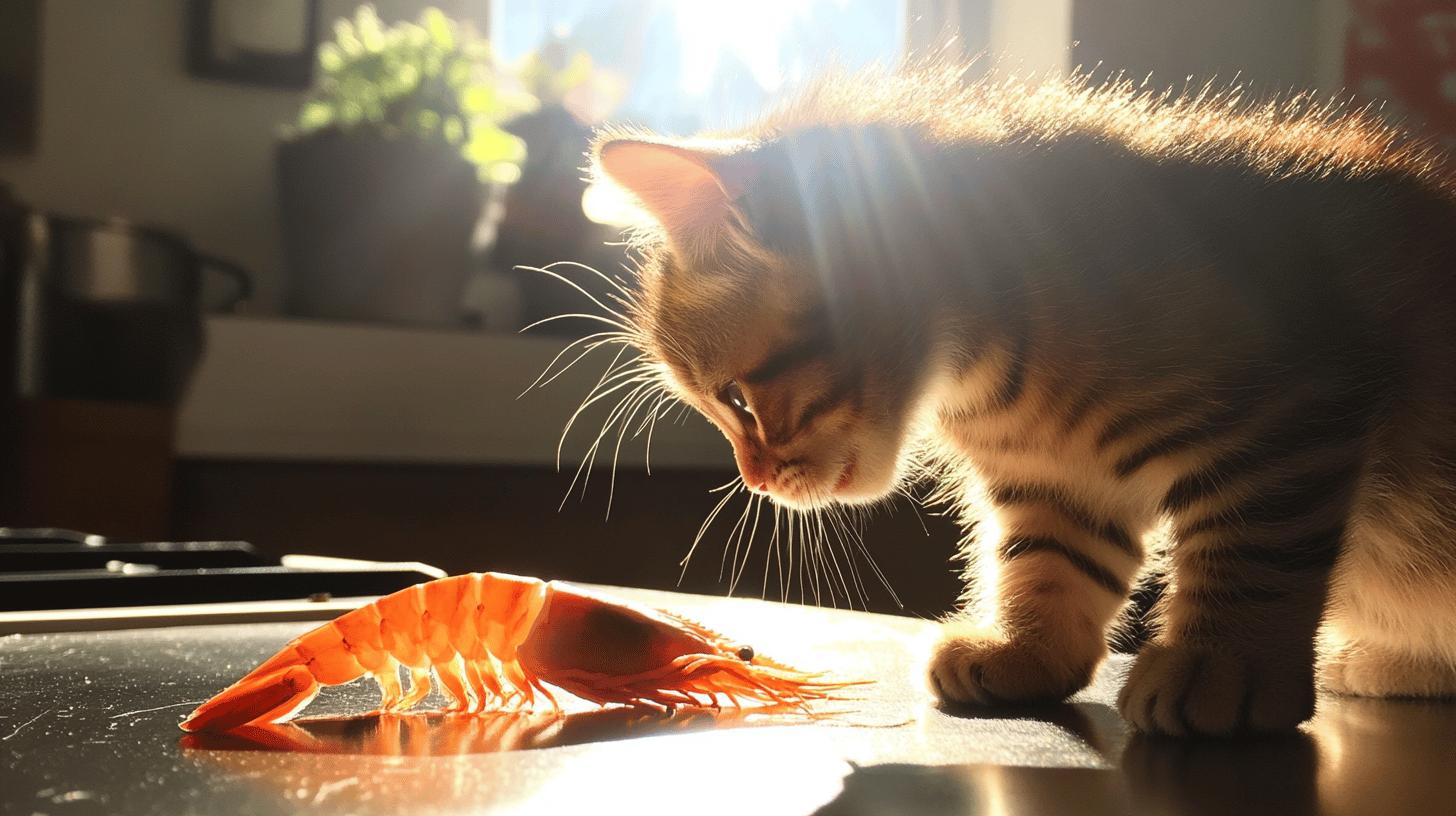
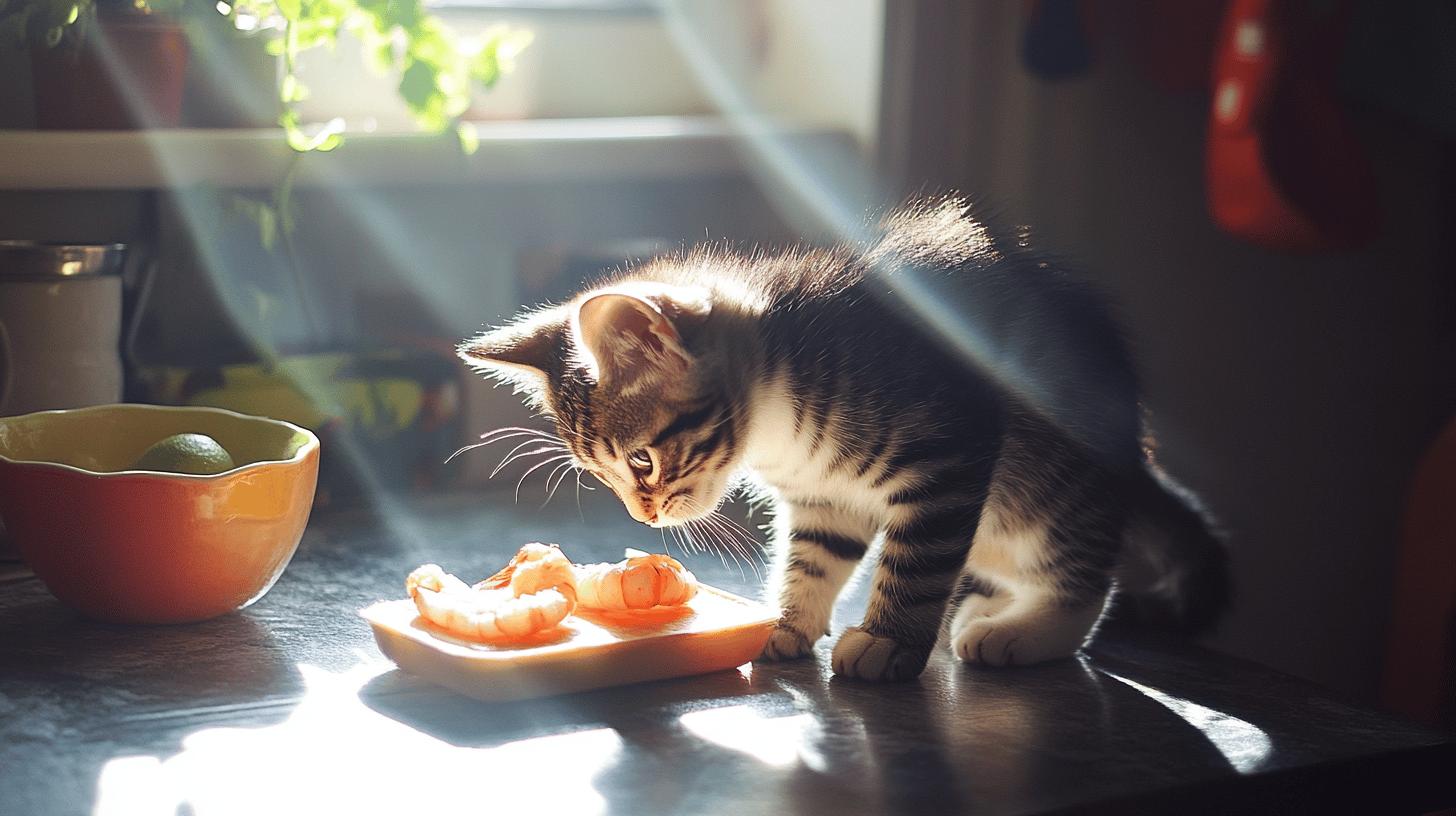
    Cats can safely enjoy prawns when they are prepared correctly. Cooking prawns is crucial, as raw prawns may contain harmful bacteria and chemicals that could pose a risk to your feline friend. Always remove the shell before serving, as it can be a choking hazard and may cause digestive issues. When prawns are cooked and shell-free, they become a safe and tasty treat for your cat.
    • High in protein, essential for muscle growth and repair
    • Low in fat and calories, contributing to a balanced diet
    • Contains taurine, vital for heart and vision health

    While prawns can be a delightful treat for cats, it's important to serve them in moderation. Overfeeding can lead to digestive upset or even allergies. Always introduce prawns slowly into your cat's diet and monitor for any adverse reactions. Remember, prawns should complement a well-balanced diet rather than replace it, ensuring your cat receives all necessary nutrients.

    Nutritional Benefits of Prawns for Cats

    Nutritional Benefits of Prawns for Cats-1.jpg

    Prawns provide essential nutrients like protein and taurine, crucial for a cat's well-being. Protein supports muscle growth and repair, keeping your cat strong and active. Taurine is vital for heart and vision health, preventing potential heart and eye issues. When offered occasionally, prawns supplement these nutrients effectively.

    Nutrient Benefit
    Protein Supports muscle growth and repair
    Taurine Vital for heart and vision health
    Low Fat Helps maintain a balanced diet
    Low Calories Contributes to weight management

    Prawns can be a healthy treat or supplement in your cat's diet when served in moderation. Being low in fat and calories, they are a guilt-free snack that won't lead to weight gain. While prawns shouldn't replace the main diet, they offer a tasty and nutritious diversion, adding variety to your cat's meals.

    Health Risks Associated with Feeding Prawns to Cats

    Health Risks Associated with Feeding Prawns to Cats-1.jpg

    Feeding prawns to cats can sometimes lead to allergies and digestive issues. Cats, like humans, can develop allergies to certain foods, and prawns are no exception. Allergies may result in symptoms ranging from mild discomfort to more severe reactions. Digestive issues can arise if too many prawns are consumed, potentially upsetting your cat's stomach or leading to diarrhea. It's crucial to monitor your cat's reaction and ensure prawns remain an occasional treat.

    Common signs of prawn allergies in cats include:

    • Itching or scratching
    • Swelling or redness around the face and ears
    • Vomiting
    • Diarrhea
    • Excessive grooming or licking

    While raw prawns and shell ingestion were previously discussed, it's essential to focus on the importance of moderation. Feeding prawns in excess can have adverse effects, so serving them sparingly is vital. By observing your cat's response and symptoms, you can prevent potential health issues and ensure their safety.

    Safe Preparation of Prawns for Cats

    Preparing Prawns for Cats Best Practices-1.jpg

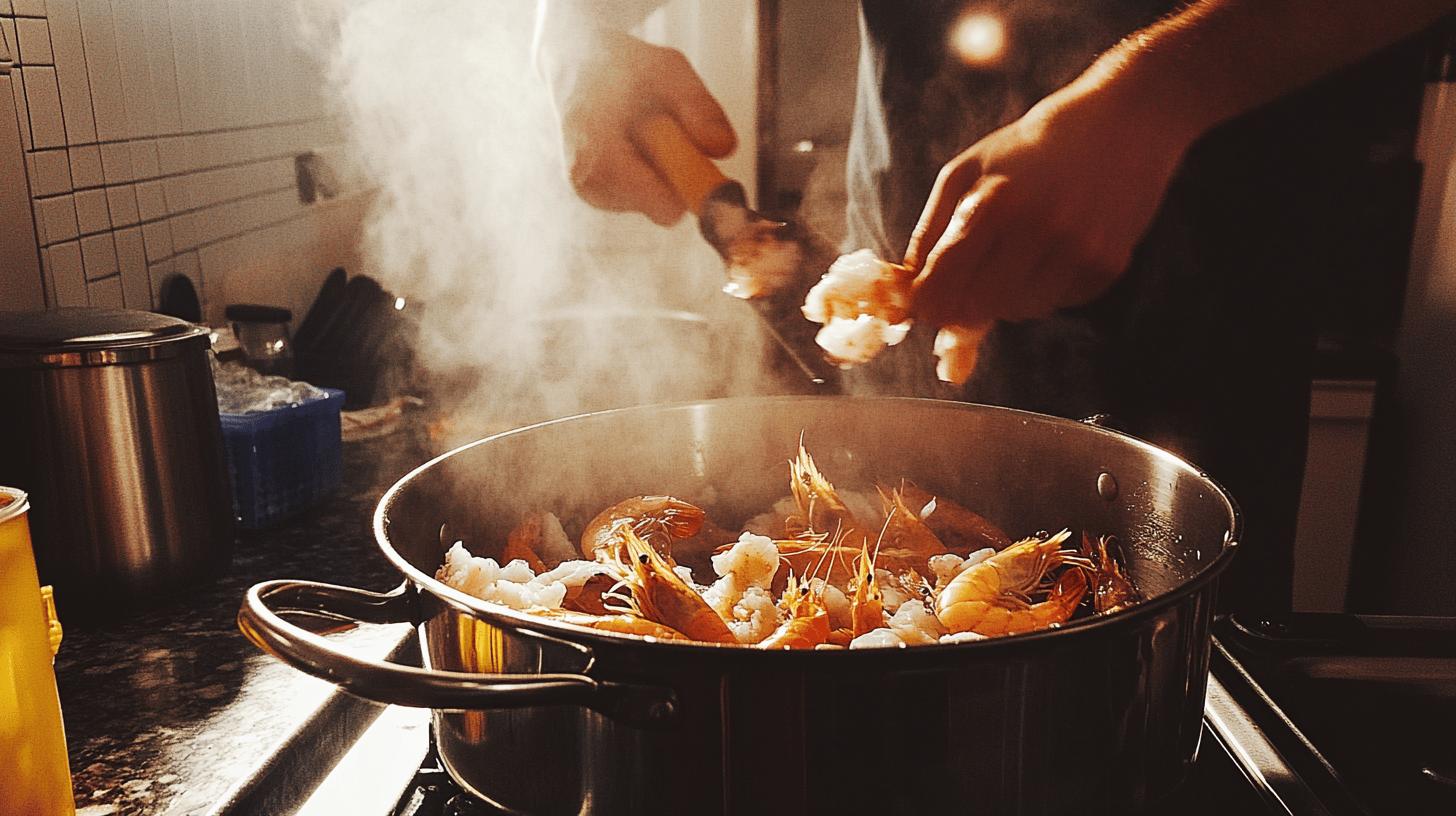
    Cooking prawns without seasoning is essential for your cat's safety. Boil or steam prawns to kill harmful pathogens. Avoid salt, spices, and oils. This keeps prawns tender and digestible, retaining their nutrients.

    Steps to Prepare Prawns:

    1. Cook Thoroughly: Boil or steam prawns until fully cooked.
    2. Remove Shells and Tails: Peel shells and remove tails to prevent choking.
    3. Serve in Small Pieces: Cut into bite-sized pieces for easy eating.

    Plain, cooked prawns are a safe, nutritious treat when given in moderation. Keep them simple to avoid stomach upset or health issues, ensuring your cat enjoys them safely.

    Can Kittens Eat Prawns?

    Can Kittens Eat Prawns-1.jpg

    Kittens can enjoy prawns, but only in moderation. While prawns are high in protein and can be a tasty treat, a kitten's diet should be based mainly on kitten-formulated foods that offer the essential nutrients they need for growth. These specially designed foods contain the right balance of vitamins and minerals that are crucial for a kitten's development. Prawns can be an occasional addition to this diet, offering variety and a protein boost, but they shouldn't replace the primary meals.

    When introducing prawns to a kitten's diet, it's important to do so gradually. This careful approach allows you to watch for any adverse reactions, such as allergies or digestive upset. Start with very small portions and observe your kitten's behavior and health. If any signs of discomfort or allergies appear, like itching or diarrhea, it’s best to stop feeding prawns immediately. Maintaining a balanced diet is key to a kitten's overall health, ensuring they grow strong and healthy with all the nutrients they need.

    Expert Opinions on Feeding Prawns to Cats

    Can Kittens Eat Prawns-4.jpg

    Veterinary experts agree that prawns can serve as an occasional treat for cats due to their protein-rich and low-fat content. However, the focus should remain on moderation to ensure prawns complement, rather than replace, a cat's primary diet. This approach allows cats to gain nutritional benefits without jeopardizing their overall dietary balance.

    Veterinarians emphasize caution with seafood in a cat's diet, citing potential dietary indiscretions from frequent consumption. Such imbalances can lead to health issues. The primary recommendation is to rely on specially formulated cat foods that offer a balanced nutrient profile, ensuring a cat's health and well-being.

    Observing your cat's reaction to prawns is crucial. Begin with small portions to check for any allergies or digestive issues. Moderation is key to preventing overconsumption and maintaining dietary balance. Incorporating prawns as a treat can be both safe and enjoyable when following best practices.

    Final Words

    Even though prawns can be a tasty treat for cats, safety is key. Cooking and shell removal are necessary steps. Prawns are rich in protein and taurine, providing important nutrients when added to a diet. But, you must be aware of the risks, like allergies and digestive issues. Cooking methods and gradual introduction for kittens help ensure their wellness. Veterinarians recommend them as occasional treats, not staples. Overall, making sure prawns are prepared safely can give your cat a yummy and nutritious snack.

    FAQ

    Can cat eat prawns raw or cooked?

    A: Cats should only eat prawns cooked. Cooking kills bacteria and makes prawns safe. Always remove the shells to avoid choking hazards.

    How many prawns can a cat eat a day?

    A: Cats can eat one or two prawns as an occasional treat. Prawns are high in protein but should not replace regular cat food.

    Can cats eat prawn shells?

    A: Cats should not eat prawn shells. Shells can be a choking hazard and may cause digestive issues.
    Can cat eat prawn and rice?

    A: Cats can eat prawn and rice occasionally. Ensure prawns are cooked and plain. Rice offers little nutritional value but is safe in small amounts.

    Can cats eat prawns raw?

    A: Cats should not eat raw prawns. Raw prawns may contain harmful bacteria and chemicals that can make cats sick.

    How to cook prawns for cats?

    A: Cook prawns by boiling or steaming without seasoning. Remove the shells and ensure the prawns are cooled before serving.

    Can cats eat prawn crackers?

    A: Cats should avoid prawn crackers. They often contain salt and additives harmful to cats.

    Can dogs eat prawns?

    A: Dogs can eat prawns similar to cats—cooked and without shells. Remove any seasoning before serving to avoid digestive issues.
    Is it okay to feed prawns to cats?

    A: It is okay to feed prawns to cats as an occasional treat if they are cooked and shell-free. This provides a protein-rich snack.

    Can cats have cooked shrimp?

    A: Cats can eat cooked shrimp as a treat. Like prawns, shrimp should be shelled and plain to prevent digestive problems.

    What seafood can cats eat?

    A: Cats can eat cooked seafood like prawns and certain fish. Avoid shellfish, seasoned items, and always cook to eliminate bacteria.

    Can cats and dogs eat prawns?

    A: Cats and dogs can eat prawns if cooked and shell-free. Both should have prawns as an occasional treat, not a dietary staple.

    Related Articles

  • Can Cat Eat Dried Anchovies Safely

    Can Cat Eat Dried Anchovies Safely

    Can cats really eat dried anchovies without any worries? You might find yourself asking this question as your curious kitty eyes these salty snacks. It’s tempting to share treats with our feline friends, but safety comes first.

    While dried anchovies are full of protein and omega-3s that can boost a cat's health, they also come with potential risks due to their high salt content. Understanding these benefits and pitfalls can help ensure that your cat enjoys a safe and tasty dining experience. Let's look closer at the risks and rewards.

    Safety and Risks of Feeding Dried Anchovies to Cats

    Safety and Risks of Feeding Dried Anchovies to Cats-1.jpg

    Dried anchovies can be a tasty treat for cats, but they should be given in moderation. Their high salt content is a primary concern, so choosing unsalted or minimally salted varieties is crucial.

    Nutritionally, dried anchovies offer benefits like protein and omega-3 fatty acids, which are vital for a cat's muscle health and coat condition. They also provide essential vitamins and minerals that contribute to overall feline well-being. However, these benefits come with potential risks.

    Key Safety Considerations:

    • Salt Content: High salt levels can lead to kidney issues.
    • Digestive Upset: Overconsumption might cause stomach problems.
    • Increased Thirst and Urination: Symptoms of too much salt or protein.
    • Potential Lethargy: A sign of excessive salt intake.
    • Source Quality: Ensure anchovies are from a reliable source to prevent contamination.
    Risk Symptom
    High Salt Content Increased thirst and urination
    Digestive Upset Vomiting or diarrhea
    Overconsumption Lethargy

    Monitor your cat's health when introducing dried anchovies into their diet. Consulting a veterinarian before making any significant dietary changes is a wise step, especially if your cat has pre-existing health conditions. Always keep an eye on their overall intake to ensure a balanced diet and prevent any adverse effects.

    Nutritional Benefits of Dried Anchovies for Cats

    Nutritional Benefits of Dried Anchovies for Cats-1.jpg

    Dried anchovies are an excellent source of macronutrients that benefit our feline companions. They are packed with protein, essential for maintaining muscle and tissue health and providing energy for active play. The omega-3 fatty acids in anchovies support heart health and improve skin and fur condition, making them an ideal addition to a cat's diet.

    • Vitamin B12
    • Calcium
    • Vitamin D
    • Selenium

    These vitamins and minerals play specific roles in enhancing feline health. Vitamin B12 is crucial for boosting the immune system and supporting brain functions. Calcium and Vitamin D work together to strengthen bones and teeth, while selenium further contributes to a robust immune system.

    The interaction of these nutrients supports bone health and enhances the immune system, promoting overall well-being in cats.

    How to Prepare Dried Anchovies for Cats

    How to Prepare Dried Anchovies for Cats-3.jpg

    When preparing dried anchovies for your cat, it's important to prioritize safety and quality. Start by selecting unsalted or minimally salted anchovies to avoid any potential health risks. Cooking them to at least 145 degrees Fahrenheit will help eliminate any harmful bacteria that may be present. This ensures you’re providing a safe treat that contributes positively to your cat's overall health.

    Preparation Steps:

    1. Rinse Anchovies: Briefly rinse under cold water to reduce any salt content.
    2. Cook Thoroughly: Heat to at least 145 degrees Fahrenheit to kill bacteria.
    3. Cool Down: Allow them to cool before serving to avoid burns.

    Dried anchovies should be offered as an occasional treat rather than a regular part of your cat's diet. This moderation helps prevent any adverse effects from the anchovies' natural salt content. By keeping them as a special treat, you can provide variety without compromising your cat's health.

    Alternatives to Dried Anchovies for Cat Treats

    Alternatives to Dried Anchovies for Cat Treats-2.jpg

    While dried anchovies can be a tasty treat for cats, their high salt content makes moderation crucial. Some cats might have dietary restrictions or preferences that make alternatives necessary.

    Additionally, offering a variety of treats can keep your cat interested and ensure they receive a well-rounded diet. Alternative treats can help prevent potential health issues associated with overconsumption of dried anchovies, such as kidney problems or digestive upset.

    Here are some great alternative treats for cats:

    • Commercial Cat Treats: These are specially formulated to meet feline dietary needs.
    • Cooked Chicken: A lean source of protein that's delicious and nutritious.
    • Small Pieces of Cheese: An occasional indulgence, rich in calcium.
    • Cooked Fish, Like Salmon: Offers omega-3 fatty acids without the salt.
    • Freeze-Dried Meat Treats: Provide a crunchy texture cats love.

    Balancing these treats with your cat's overall diet is essential to avoid nutrient deficiencies. Treats should not make up more than 10% of your cat's daily caloric intake. Always monitor portion sizes and frequency, ensuring that treats complement a balanced diet of high-quality cat food. Consulting your veterinarian can also provide guidance on the best treat options for your cat's specific dietary needs or health conditions.

    Final Words

    Exploring whether a cat can eat dried anchovies, we found it's safe when done right. Dried anchovies offer valuable nutrients like protein and omega-3 fatty acids, boosting muscle health and skin condition. Still, caution with salt content is key to avoid health issues like kidney problems. Proper preparation ensures safety, while alternatives ensure balanced nutrition. When incorporating dried anchovies into a cat’s diet, moderation and care make all the difference. Choosing nutritious and safe treats keeps cats happy and healthy.

    FAQ

    Can cats eat dried anchovies raw?

    Dried anchovies can be eaten raw by cats, but they should be unsalted or have very low salt to avoid health issues.

    Can cats eat dried anchovies in water?

    Yes, cats can eat dried anchovies soaked in water to lower salt content, making them safer.

    Can cats eat anchovies in oil?

    Cats can eat anchovies in oil in moderation, but watch for added salt or seasonings.

    Can cats eat dried anchovies every day?

    Feeding cats dried anchovies daily is not recommended due to high salt which may lead to health problems.

    Can cats eat anchovies with salt?

    Eating salted anchovies is unsafe for cats due to potential risks like increased thirst and kidney issues.

    Can cats eat anchovies in sunflower oil?

    Cats can eat anchovies in sunflower oil carefully to ensure salt and seasoning levels are low.

    How to cook anchovies for cats?

    To cook anchovies for cats, ensure they're thoroughly heated to at least 145°F to kill bacteria.

    Can cats eat anchovy paste?

    Anchovy paste is not ideal for cats as it often contains additives. Check labels for salt and seasonings.

    Is dried fish OK for cats?

    Some dried fish is fine for cats if unsalted and given sparingly, to prevent health risks.

    Are dried anchovies safe to eat?

    Dried anchovies are generally safe if unsalted, ensuring moderation to prevent salt-related issues.

    Are sardines or anchovies better for cats?

    Both are nutritious; however, serving sizes and salt content should guide which is better for individual cats.

    Related Articles

  • Can Cat Eat Pringles Understand the Risks and Health Issues

    Can Cat Eat Pringles Understand the Risks and Health Issues

    Ever wondered if those tasty Pringles are safe for your cat to snack on? You might be surprised to learn that these popular chips could pose serious health risks for your feline companion. Packed with harmful ingredients like salt and onion powder, Pringles can cause everything from stomach upset to anemia. While they might be a quick and easy treat for us, they don’t offer any benefits to our furry friends. So, let’s explore why Pringles are a no-go for cats and how you can keep your pet safe and healthy.

    Can Cats Eat Pringles? Understanding the Risks

    Pringles are not suitable for cats. These snacks are packed with processed ingredients like salt, carbs, fat, and flavorings, including onion powder, which can be harmful to our feline friends if consumed in significant amounts. Unlike cat-specific foods, Pringles offer no health benefits and can lead to nutritional imbalances.

    Eating Pringles may cause mild stomach upset in cats, with symptoms such as vomiting, diarrhea, drooling, or mouth irritation. These are usually transient and self-limiting, but the lack of nutritional value and potential health risks make Pringles an unsuitable choice. It’s best to avoid offering Pringles to your cat to prevent any unnecessary health issues.

    Can Cats Eat Pringles? Understanding the Risks

    Can Cat Eat Pringles Understand the Risks and Health Issues-2.jpg

    Pringles, with their processed ingredients and flavorings, offer no nutritional value to cats and can pose significant health risks. The high salt content can lead to excessive thirst or even sodium poisoning. Onion powder, even in small amounts, is harmful as it can cause the breakdown of red blood cells, leading to anemia. Additionally, artificial flavors and fats contribute to digestive issues, potentially causing vomiting and diarrhea.

    Ingredient Effect on Cats
    Salt Excessive thirst, sodium poisoning
    Onion Powder Breakdown of red blood cells, anemia
    Artificial Flavors Stomach upset, vomiting, diarrhea
    Fats Weight gain, digestive issues

    Avoiding Pringles and similar snacks is crucial for maintaining a cat’s health. Instead, focus on providing nutritionally balanced cat food and treats that meet their dietary needs.

    Safe Alternatives to Pringles for Cats

    Safe Alternatives to Pringles for Cats-1.jpg

    Choosing the right treats for your cat is vital for their overall health and well-being. While Pringles might be tempting, they don’t provide the necessary nutrients that cats need. Instead, it’s crucial to select treats that contribute positively to your cat’s diet. A healthy feline diet should consist of a balanced mix of protein, fat, minerals, carbohydrates, vitamins, and water. These elements help maintain your cat’s energy levels, support their immune system, and promote a healthy coat and skin. By making informed choices about treats, you can ensure your cat receives the benefits of a well-rounded diet.

    Here are some recommended treats that are both safe and nutritious for cats:

    • Cooked chicken
    • Tuna flakes
    • Freeze-dried meat
    • Salmon bites
    • Catnip treats
    • Pumpkin puree
    • Commercial cat treats

    Moderation is key when offering treats to your cat. While it’s important to provide variety, excessive treats can lead to a refusal to eat regular cat food and may even cause weight gain. Treats should only make up a small portion of your cat’s diet, ensuring that their primary nutrition comes from high-quality commercial cat food. By balancing treats with their regular meals, you can keep your cat healthy and happy without compromising their nutritional needs.

    Understanding Cat Nutrition and Feeding Guidelines

    Understanding Cat Nutrition and Feeding Guidelines-1.jpg

    Cats have unique dietary needs that require careful attention to ensure they stay healthy and active. A well-balanced cat diet typically includes a mix of protein, fat, minerals, carbohydrates, vitamins, and water. Protein is a crucial component, as cats are obligate carnivores and rely heavily on it for energy and maintaining muscle mass. Fats provide essential fatty acids and serve as a concentrated energy source. Minerals and vitamins are vital for bone health, immune function, and overall well-being. Quality commercial cat food usually contains all these nutrients in the right proportions, making it an ideal choice for cat owners.

    Veterinary Advice on Cat Diet

    Veterinarians often recommend feeding cats scientifically formulated pet foods that meet their nutritional requirements. These foods are designed to provide a balanced diet, ensuring cats receive all necessary nutrients without the risks associated with human foods or snacks. Human foods can lead to nutritional imbalances and sometimes even toxicity. By sticking to pet-specific products, cat owners can help prevent health issues related to poor nutrition.

    Feeding guidelines are an important part of maintaining a cat’s health. It’s essential to follow the manufacturer’s recommendations on food packaging for portion sizes based on your cat’s age, weight, and activity level. Regular meals should form the core of a cat’s diet, with treats being an occasional indulgence. Moderation is key when offering treats to cats, as excessive treats can lead to obesity and disinterest in regular meals. Treats should never replace balanced meals and should only make up a small portion of their caloric intake. By sticking to these guidelines, you can ensure your cat remains healthy and happy while enjoying the occasional treat.

    Health Issues from Feeding Pringles to Cats

    Health Issues from Feeding Pringles to Cats-1.jpg

    Feeding Pringles to cats can lead to digestive issues. While the article already covers symptoms like vomiting, diarrhea, drooling, and mouth irritation, it’s crucial to know what to do if your cat shows these signs. Cats may have mild symptoms, but more severe reactions can occur if they consume more than a small amount.
    If you notice any of these symptoms:

    • Vomiting
    • Diarrhea
    • Drooling
    • Mouth irritation
    • Lethargy

    It’s important to monitor your cat’s condition. If symptoms persist or worsen, consult a veterinarian immediately. They can help manage symptoms and check for serious health issues. Always choose a diet that meets your cat’s nutritional needs to prevent health risks.

    Final Words

    Pringles aren’t suitable for cats, offering no health benefits and potential risks. With processed ingredients like salt and onion powder, even a small amount can cause stomach upset or worse. It’s vital to avoid giving them foods meant for humans. There are many safe and nutritious alternatives available. Opt for treats like cooked chicken or tuna flakes to meet their dietary needs. Understanding the digestive issues that Pringles can cause, remember to consult a vet if needed. Let’s prioritize our feline friends’ health with mindful feeding choices.

    FAQ

    Can cats eat Pringles chips?

    Eating Pringles chips is not recommended for cats. They contain processed ingredients like salt and flavorings that can harm cats’ health and cause mild digestive upset if eaten in significant amounts.

    Can cats eat sour cream and onion Pringles?

    Cats should avoid sour cream and onion Pringles. Ingredients like onion powder are harmful and may lead to digestive problems or other health issues in cats.

    What human food can cats eat?

    Cats can enjoy small amounts of cooked chicken, tuna, or salmon, but always check with a vet for safe human food options. Avoid feeding them high-fat, salty, or seasoned foods.

    Can cats eat cheese?

    Cheese is not ideal for cats as many are lactose intolerant. If given, only offer small amounts and watch for any adverse reactions like stomach upset.

    Can cats eat chocolate?

    Cats should never eat chocolate. It contains theobromine, which is toxic to cats and can cause serious health issues, including seizures and even death.

    Can cats eat vinegar?

    While vinegar is not toxic to cats, giving it to them can upset their stomach. It’s best to avoid feeding cats vinegar or foods containing vinegar.

    Can my cat eat potato chips?

    Cats shouldn’t eat potato chips. They offer no nutritional benefit and contain high levels of salt and fat, which can lead to health problems in cats.

    Can cats eat crackers?

    Cats can have a small piece of occasionally plain, unsalted cracker but they offer minimal nutritional value. Focus more on balanced cat foods and snacks.

    Are Pringles safe for dogs to eat?

    Pringles are not safe for dogs. Like cats, dogs can suffer from the high salt, fats, and artificial flavors found in Pringles, leading to health issues.

    Can cats eat salt and vinegar Pringles?

    Cats should not eat salt and vinegar Pringles. Ingesting high amounts of salt and flavoring can upset a cat’s stomach and lead to other potential health risks.

    Related Articles

  • Can Cat Eat Fish with Bones Safely and Properly

    Can Cat Eat Fish with Bones Safely and Properly

    Is treating your feline friend to a fishy meal safe, if it's packed with bones? It's a question many cat lovers ponder. While fish is often a favorite feline treat, the presence of bones can pose serious risks. Cats could face choking hazards or even digestive problems if bones aren't managed properly. Let's explore whether giving fish with bones can be a tasty delight or a feeding frenzy. Understanding safe practices and potential risks is crucial for the well-being of your furry companion. Ready to find out how to keep your kitty's palate pleased and safe?

    Safe Practices and Risks of Feeding Fish with Bones to Cats

    Safe Practices and Risks of Feeding Fish with Bones to Cats-1.jpg

    Fish bones can present significant health risks for cats, including choking hazards and potential digestive issues. Cooked fish bones are particularly dangerous as they tend to splinter, increasing the likelihood of causing internal injuries. Cats eating fish bones might appear natural, but these risks necessitate careful preparation and feeding practices. Veterinarians often recommend avoiding bones altogether and opting for deboned fish or specially formulated cat foods that incorporate fish safely.
    Here are six steps to ensure you prepare and feed fish to your cat safely:

    1. Choose Raw, Fresh Fish: Start with fresh fish as raw bones are less likely to splinter compared to cooked ones.

    2. Debone Thoroughly: Carefully remove all bones from the fish before serving it to your cat.

    3. Cook Without Seasoning: If you decide to cook the fish, bake, grill, or boil it without adding salt, oils, or spices.

    1. Cut into Small Pieces: Once deboned, cut the fish into small, manageable pieces to prevent choking.

    2. Serve in Moderation: Fish should be an occasional treat, not a staple in your cat's diet.

    3. Store Properly: Keep any leftover fish in the refrigerator and ensure it’s consumed within a day or two to maintain freshness.

    Supervision during feeding is crucial. Keeping a watchful eye on your cat ensures that if any choking or discomfort arises, you can act quickly. Cats might become curious about fish bones discarded in the trash, so disposing of them safely is equally important. Observing your cat's reaction to fish can also help you assess whether this treat agrees with their digestive system.

    Consulting a veterinarian is always a wise step when introducing new foods into your cat's diet. They can provide personalized guidance based on your cat’s health needs and dietary habits. Veterinarians might suggest alternative fish-flavored cat foods that are nutritionally balanced and designed to eliminate choking risks associated with bones. Their expertise ensures that you’re making the safest choice for your feline friend.

    Nutritional Benefits and Safe Alternatives to Feeding Fish to Cats

    Nutritional Benefits and Safe Alternatives to Feeding Fish to Cats-1.jpg

    Cats are obligate carnivores, meaning their diet must consist predominantly of meat and fish to thrive. Fish plays a significant role in providing essential nutrients that support a cat's overall health. Many types of fish, such as salmon and sardines, are rich in Omega-3 fatty acids, vitamin B12, and protein. These nutrients are vital for maintaining a shiny coat, healthy skin, and proper muscle function. Including fish in a cat's diet can be beneficial, but it's crucial to do so safely to avoid health risks associated with fish bones.

    Nutrient Benefit
    Omega-3 Fatty Acids Promotes healthy skin and a shiny coat
    Vitamin B12 Supports energy metabolism and neurological health
    Protein Essential for muscle growth and repair

    For those wary of feeding whole fish due to the dangers of bones, commercial fish-flavored cat foods offer a safe alternative. These products are specifically designed to provide the nutritional benefits of fish without the hazards associated with bones. They're formulated to meet the dietary needs of cats, ensuring they receive a balanced intake of nutrients. Fish-flavored cat foods can be a convenient and worry-free way to incorporate fish into your cat's diet while minimizing health risks.

    When considering canned fish as an option, preparation is key to ensure safety. Canned tuna or salmon can be viable treats if they are packed in water and free from added salt or oils. Removing all bones before serving is essential to prevent choking or digestive issues. Canned fish should be offered in moderation, ensuring it remains an occasional treat rather than a dietary staple. This way, your cat can enjoy the taste and benefits of fish without compromising their health.
    Incorporating fish into your cat's diet requires thoughtful consideration of both the nutritional benefits and the potential risks. By opting for deboned options, whether through commercial fish-flavored foods or carefully prepared canned fish, you can provide a safe and nutritious treat for your feline friend. Always remember that moderation is key and that a balanced diet is essential for your cat's well-being.

    Final Words

    Feeding fish with bones to cats requires caution to avoid choking hazards and digestive issues. Cooked bones splinter easily, increasing health risks. That's why deboning or using formulated cat foods is advised. Proper preparation ensures your pet's safety.
    Fish is a beneficial part of a cat's diet, packed with nutrients like Omega-3 and vitamin B12. Opt for bone-free options like fish-flavored cat foods or carefully prepared canned fish. Always consult with a vet for tailored advice.

    Incorporating these tips can make "can cat eat fish with bones" a safe and nutritious choice. Remember, a well-prepared meal means a happier, healthier cat.

    FAQ

    Can cats eat fish with bones?

    Cats can eat fish with bones if properly prepared. Raw bones are safer since cooked ones can splinter, posing choking or digestive risks. Removing bones is advisable for safety.

    Is it safe for cats to eat cooked fish?

    Cooked fish is okay for cats if bones are removed. Fish should be plain, cooked without salt or seasonings to avoid health issues. Supervision is recommended during feeding.
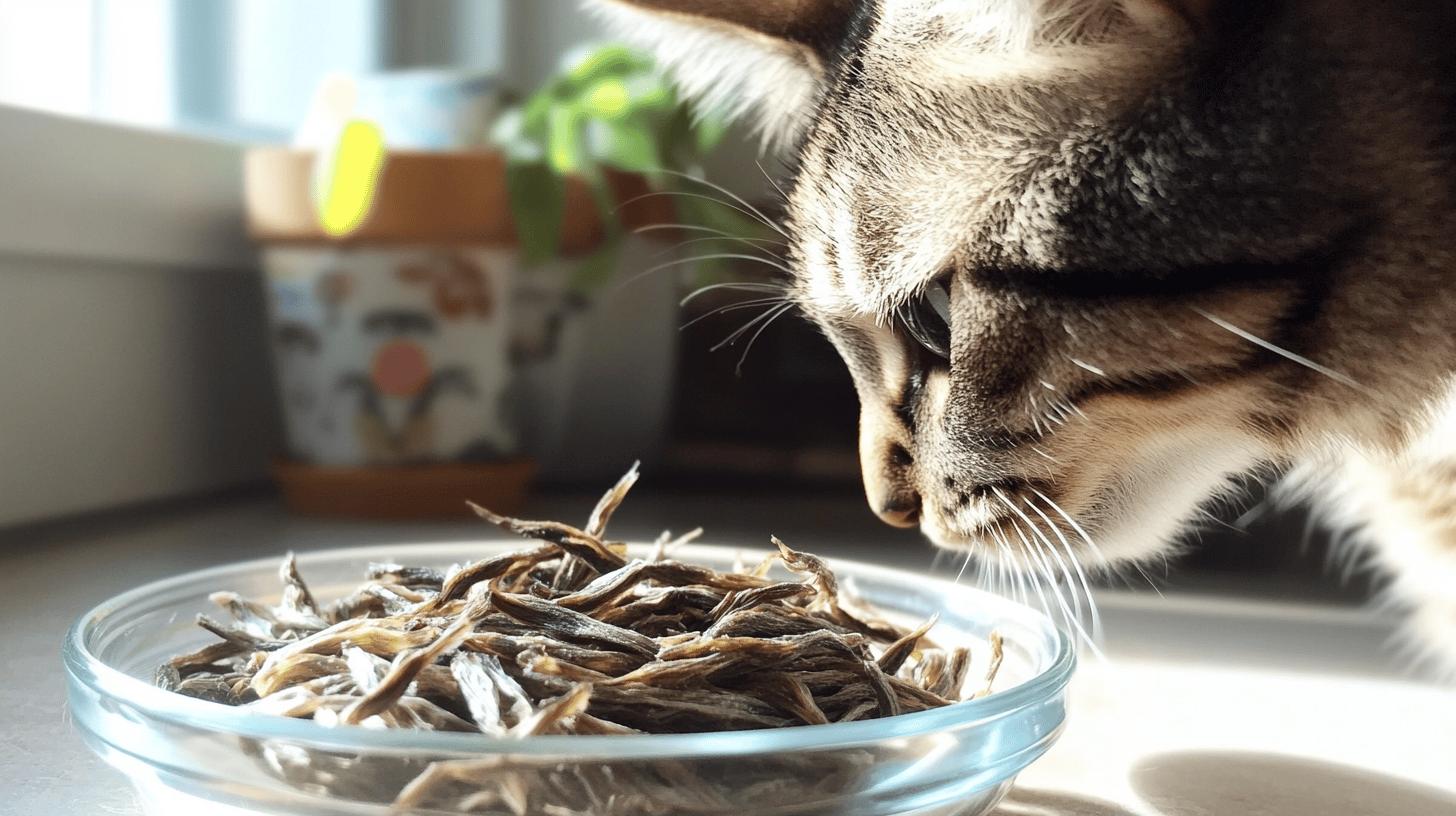
    Can cats eat whole fish?

    While cats can eat whole fish, it’s safer to remove bones first. Whole fish should always be cleaned and cooked properly to minimize health risks.

    Can stray cats eat fish bones?

    Stray cats may naturally eat fish bones, but it's risky. Cooked bones can splinter. It's best to remove bones and only provide raw or deboned fish when possible.

    What parts of a fish can cats eat?

    Cats can eat fish meat as it provides nutritional benefits. It's better to avoid giving them bones and innards to prevent health issues.
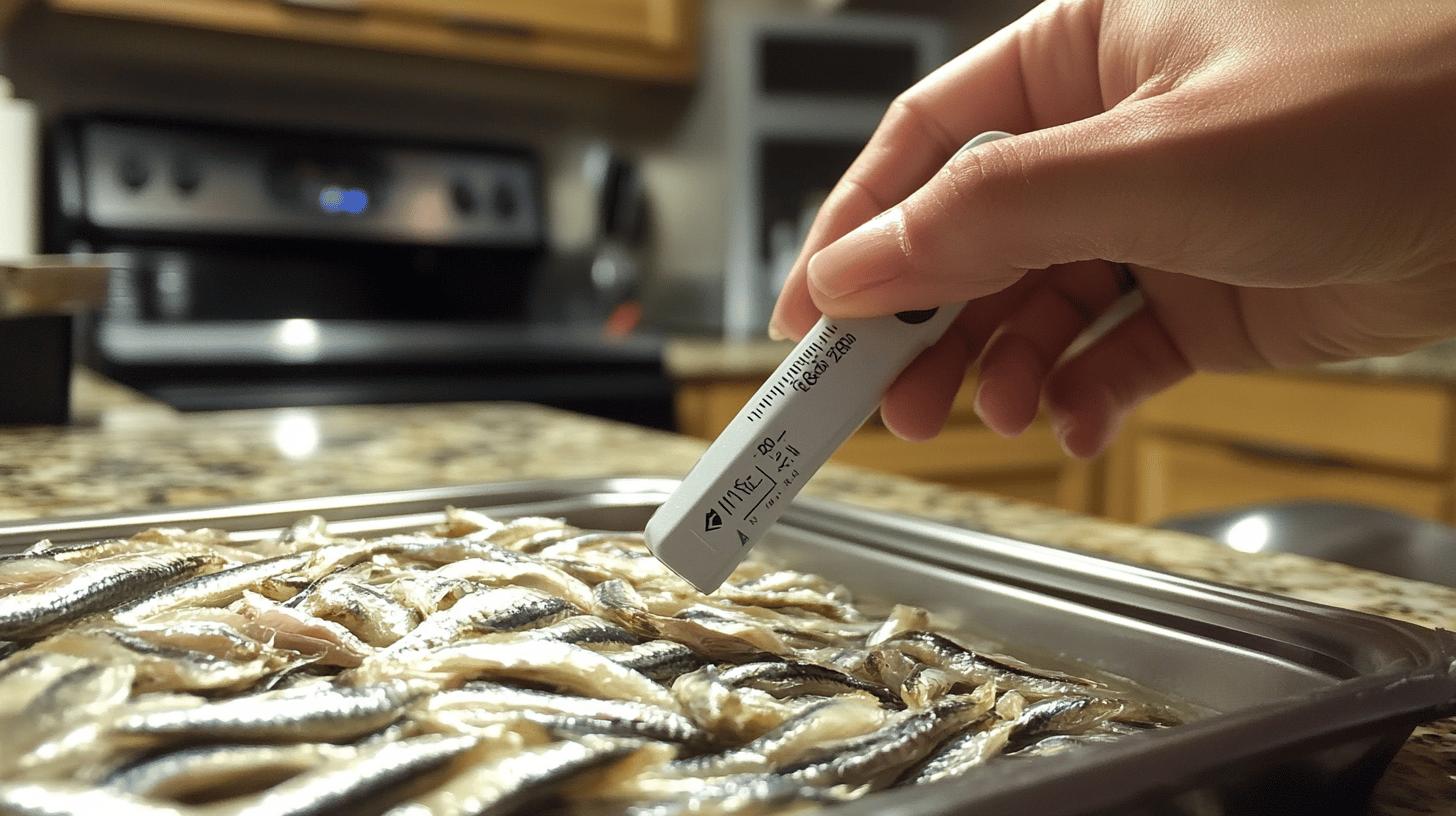
    Is it OK if my cat eats bones?

    Cats can eat small bones if they're raw because they're softer, but cooked bones might splinter. Always monitor your cat and consult a vet if unsure.
    Can cats eat raw fish?

    Cats can eat raw fish if all bones are removed. Fish needs to be fresh to prevent harmful bacteria. Consulting a vet for safe preparation is advised for your cat’s diet.

    Related Articles