Category: Cat Diet

  • Can Cat Eat Curd Benefits and Risks Explained

    Can Cat Eat Curd Benefits and Risks Explained

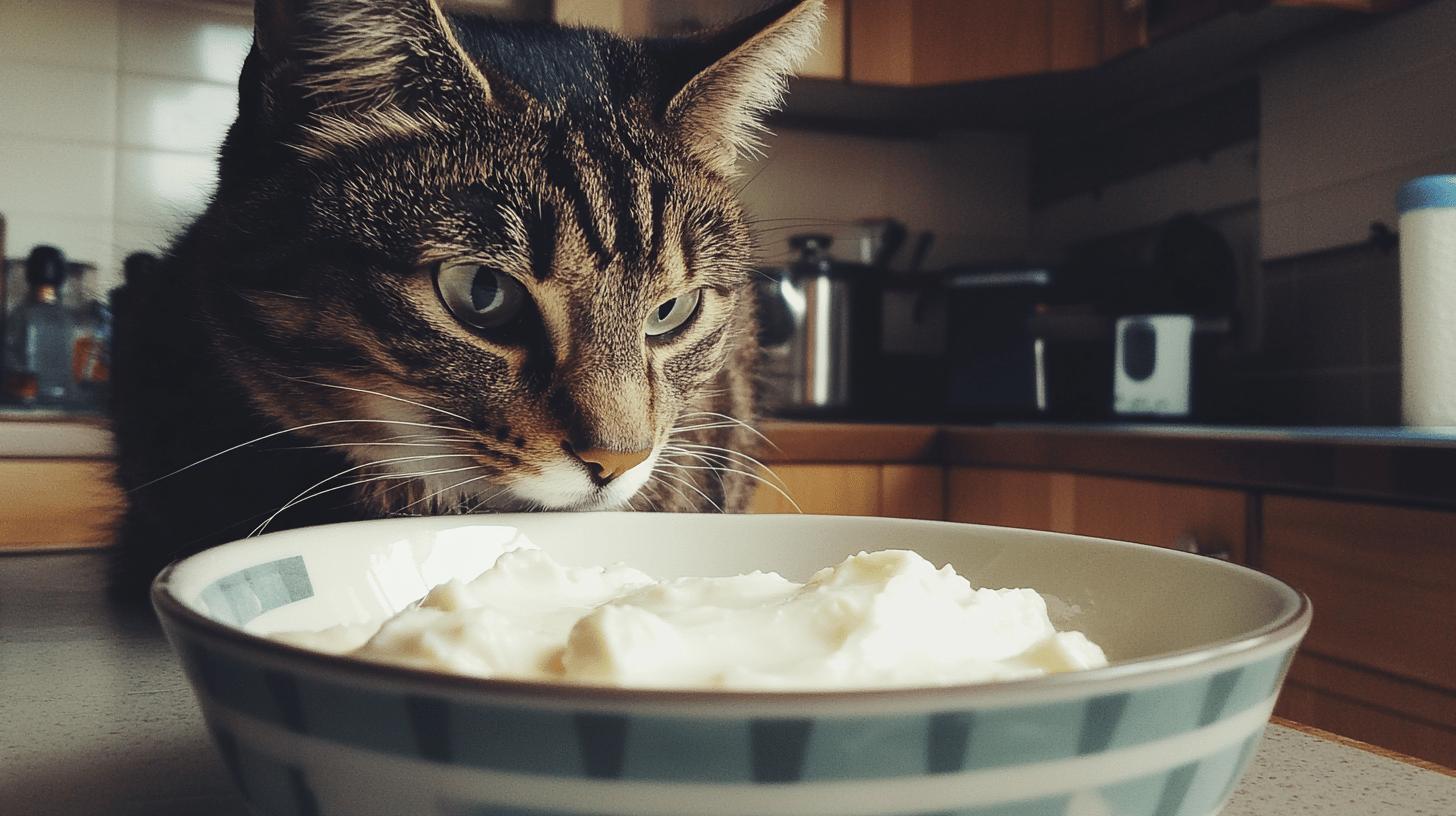
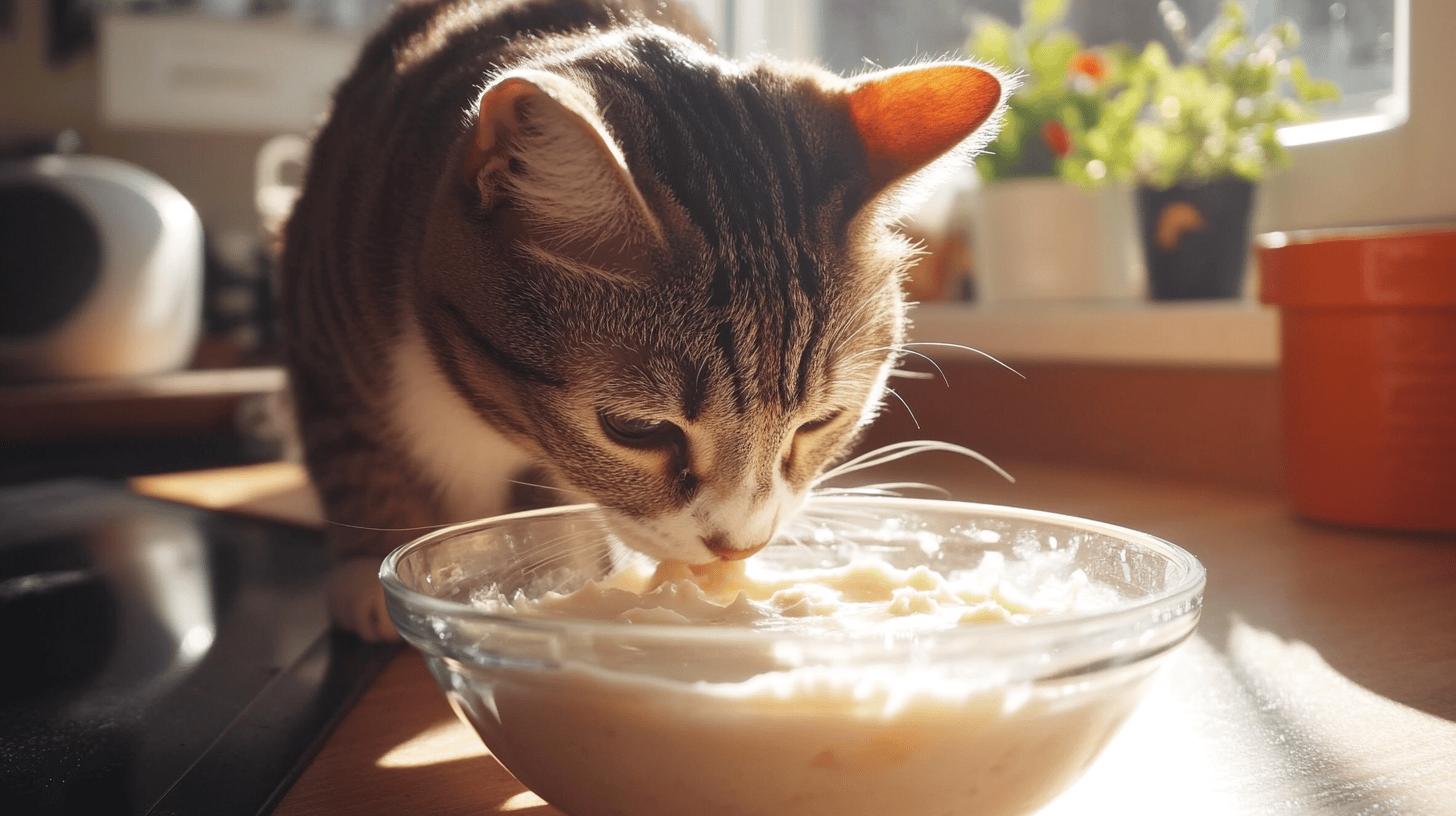
    Can your cat indulge in a spoonful of curd without trouble? It's a question many cat owners face. While curd is rich in probiotics, boosting gut health like a team of tiny helpers, the story doesn't end there.

    Most cats are lactose intolerant, making dairy a potential digestive villain causing vomiting and diarrhea. In this post, I'll uncover the pros and cons of feeding curd to your cat, helping you decide if it's a delightful treat or a digestive burden. Let's dive in and explore what's best for your furry friend.

    Can Cats Safely Consume Curd?
    Can Cats Safely Consume Curd-1.jpg

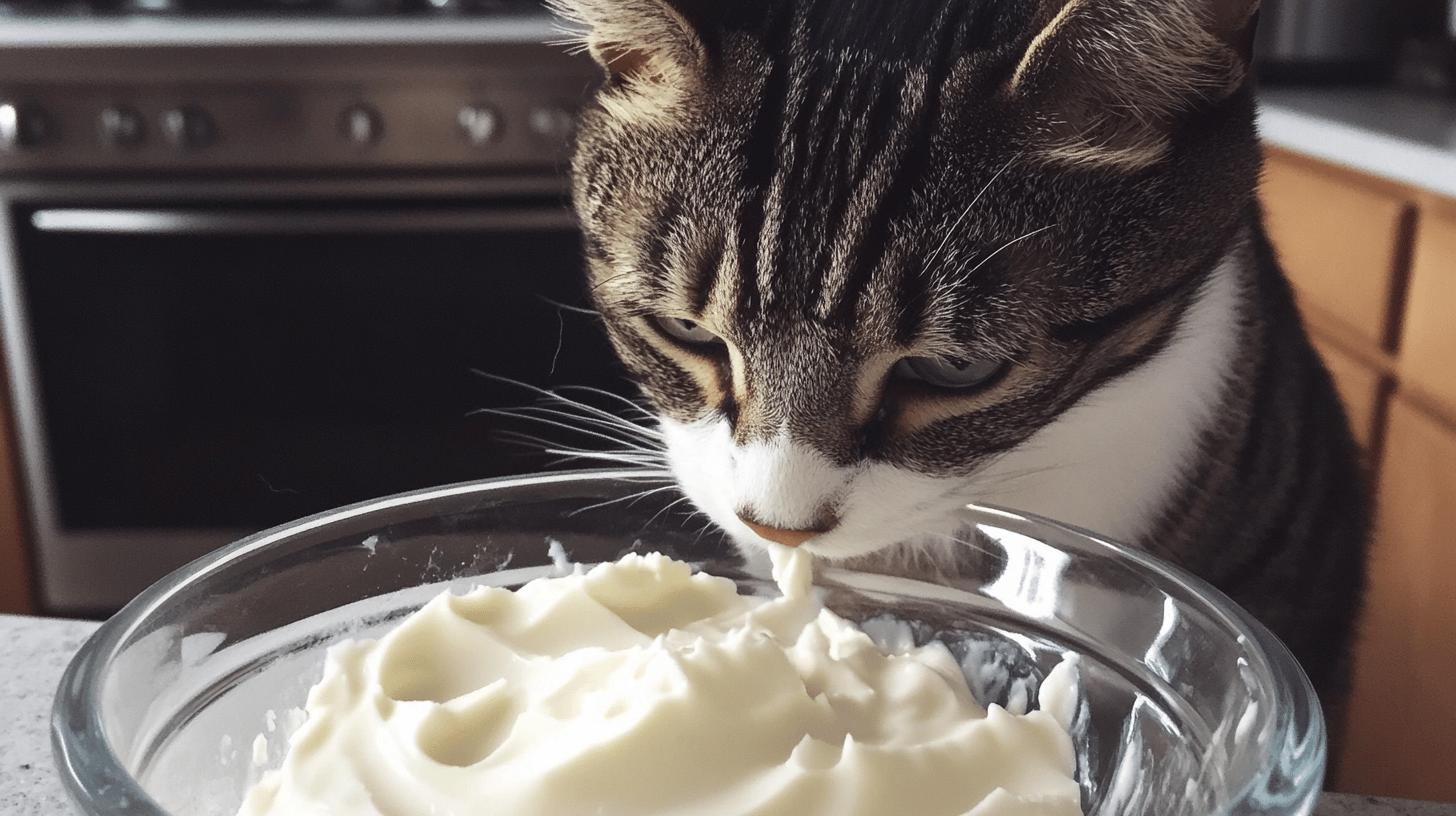
    Many cats are lactose intolerant, which means their digestive systems can't effectively break down lactose found in dairy products. This intolerance can result in unpleasant symptoms such as vomiting, diarrhea, and bloating.

    So, when it comes to curd digestion in cats, it's essential to consider the individual cat's ability to handle lactose. Not all cats will experience these issues, but for those that do, curd, like other dairy products, may not be suitable.

    Curd does offer some benefits, primarily due to its probiotic content. Probiotics can support digestive health by introducing beneficial bacteria to a cat's gut. However, the potential benefits of curd must be weighed against the risks. Cats that can tolerate lactose might enjoy these advantages, but for those that can't, the discomfort outweighs the benefits. Always monitor your cat's reaction to curd and introduce it cautiously.

    • Vomiting
    • Diarrhea
    • Bloating
    • Abdominal discomfort
    • Flatulence

    Nutritional Analysis of Curd for Cats
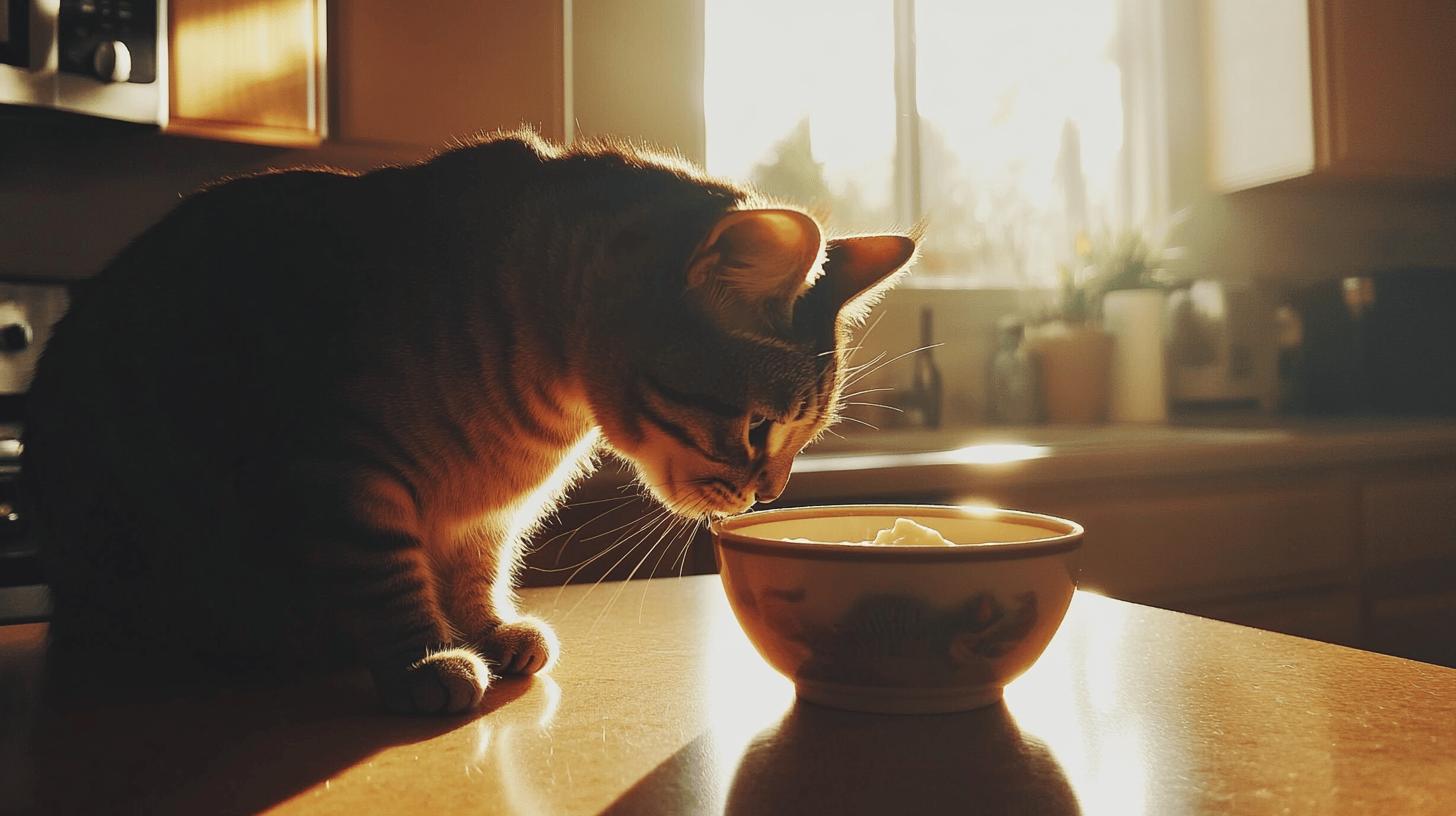
    Nutritional Analysis of Curd for Cats-4.jpg

    Curd is packed with nutrients like proteins and fats that can be beneficial to cats if given in moderation. While cats primarily need animal protein for their dietary requirements, the protein from curd can still offer some supplementary value.

    However, it's important to remember that dairy protein is not an optimal substitute for the high-quality animal protein cats thrive on. The fat content in curd can provide energy, but too much fat can lead to weight gain and other health issues in cats. Thus, while curd can be a tasty treat, it should never replace more suitable protein sources in your cat's diet.

    Probiotics found in curd play a crucial role in supporting digestive health. These beneficial bacteria can help maintain a healthy balance in your cat's gut, potentially improving digestion and reducing gastrointestinal issues.

    While probiotics can be advantageous, the overall health benefits of curd must be weighed against individual cat tolerance and dietary needs. It's essential to monitor your cat for any adverse reactions when introducing curd into their diet and to do so in small amounts.

    Nutrient Potential Benefit Risks
    Protein Supplementary protein source Not a substitute for animal protein
    Fat Energy source Weight gain, obesity
    Probiotics Improved digestion May cause intolerance symptoms

    Can Cats Safely Consume Curd?

    Risks and Concerns of Feeding Curd to Cats-1.jpg

    Many cats are lactose intolerant, which means their digestive systems struggle to process lactose, the sugar found in dairy products like curd. As obligate carnivores, cats are not naturally equipped to handle lactose efficiently.

    When they consume curd, they might experience symptoms such as vomiting, diarrhea, and abdominal discomfort. This happens because the undigested lactose ferments in the gut, leading to gas production and causing bloating and discomfort.

    Cats may also develop allergic reactions to dairy, which can manifest in ways such as skin problems like itching or rashes, and gastrointestinal disturbances. The proteins in dairy products are typically the allergens causing these reactions. For a cat with dairy allergies, even a small amount of curd could trigger an adverse reaction, potentially requiring veterinary attention to manage effectively.

    Veterinary experts advise caution when introducing new foods like curd into a cat's diet. Since cats have specific dietary needs centered around animal proteins, adding dairy products can upset their delicate digestive balance.

    It's wise to monitor your cat closely for any signs of discomfort or allergic reactions when offering curd. Consulting with a veterinarian before making any significant dietary changes helps ensure the safety and well-being of your feline friend. This careful approach can prevent unnecessary health issues and keep your cat happy and healthy.

    Alternatives to Curd for Cats
    Alternatives to Curd for Cats-1.jpg

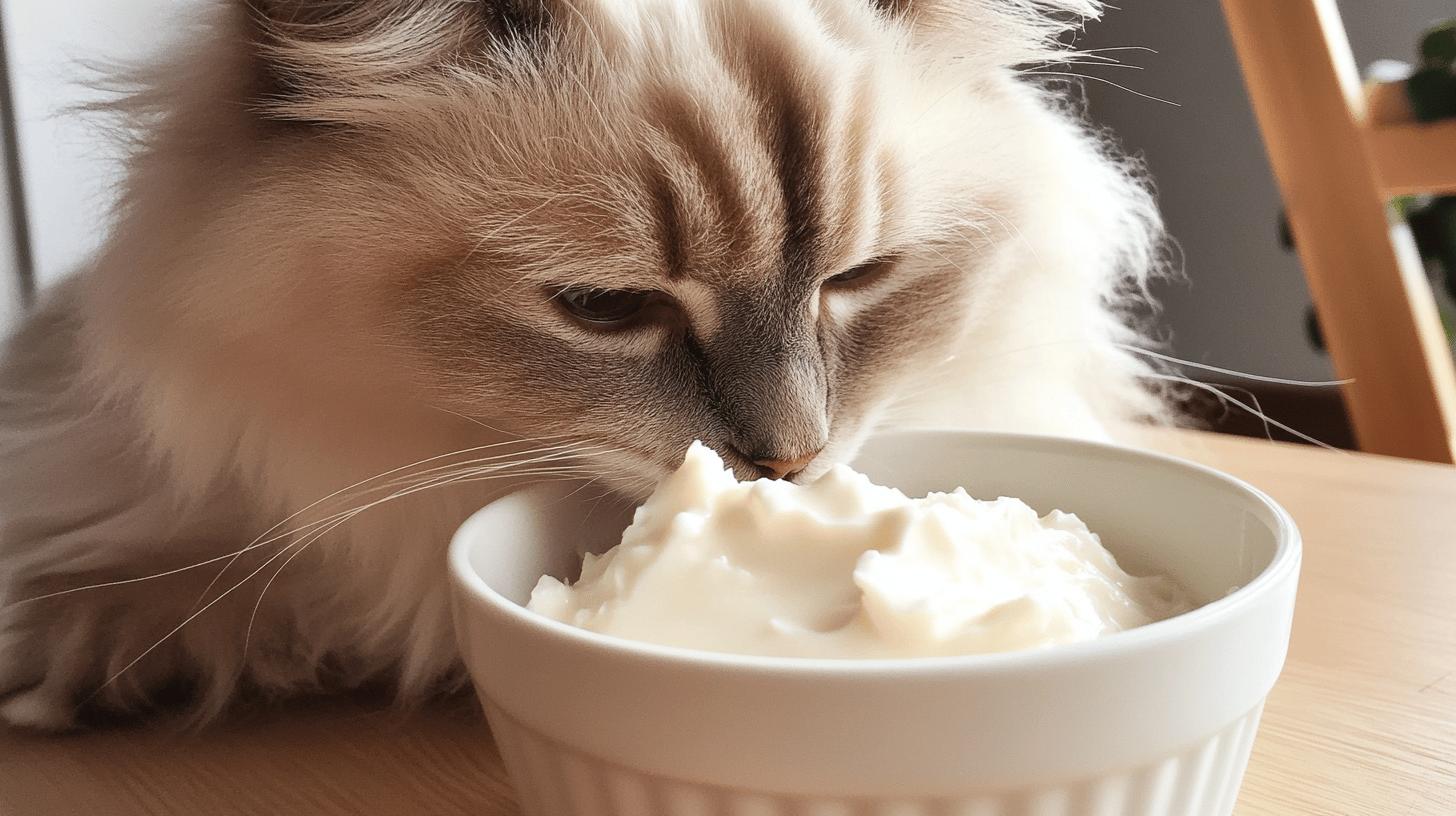
    When thinking about alternatives to curd for your feline friend, lactose-free options can be a great place to start. Lactose-free dairy products provide the creamy texture that some cats might enjoy, without the digestive upset caused by lactose intolerance.

    Lactose-free curd can be a safe choice, offering similar texture and taste without the risk of vomiting or diarrhea. These products maintain the benefits of traditional dairy, such as probiotics, which can support digestive health, while minimizing the risks.

    Additionally, specially formulated cat treats that include probiotics can be an excellent way to introduce beneficial bacteria into your cat's diet. These treats are designed to be safe and nutritionally appropriate for cats, ensuring they get the right nutrients without compromising their health.

    Many of these treats are made with high-quality animal protein, aligning with the dietary needs of obligate carnivores. This approach allows your cat to enjoy a tasty snack while supporting their gut health.

    • Lactose-free curd
    • Cat-specific probiotic treats
    • Lactose-free yogurt
    • Dairy-free cat milk

    Guidelines for Introducing Curd in a Cat's Diet
    Alternatives to Curd for Cats-4.jpg

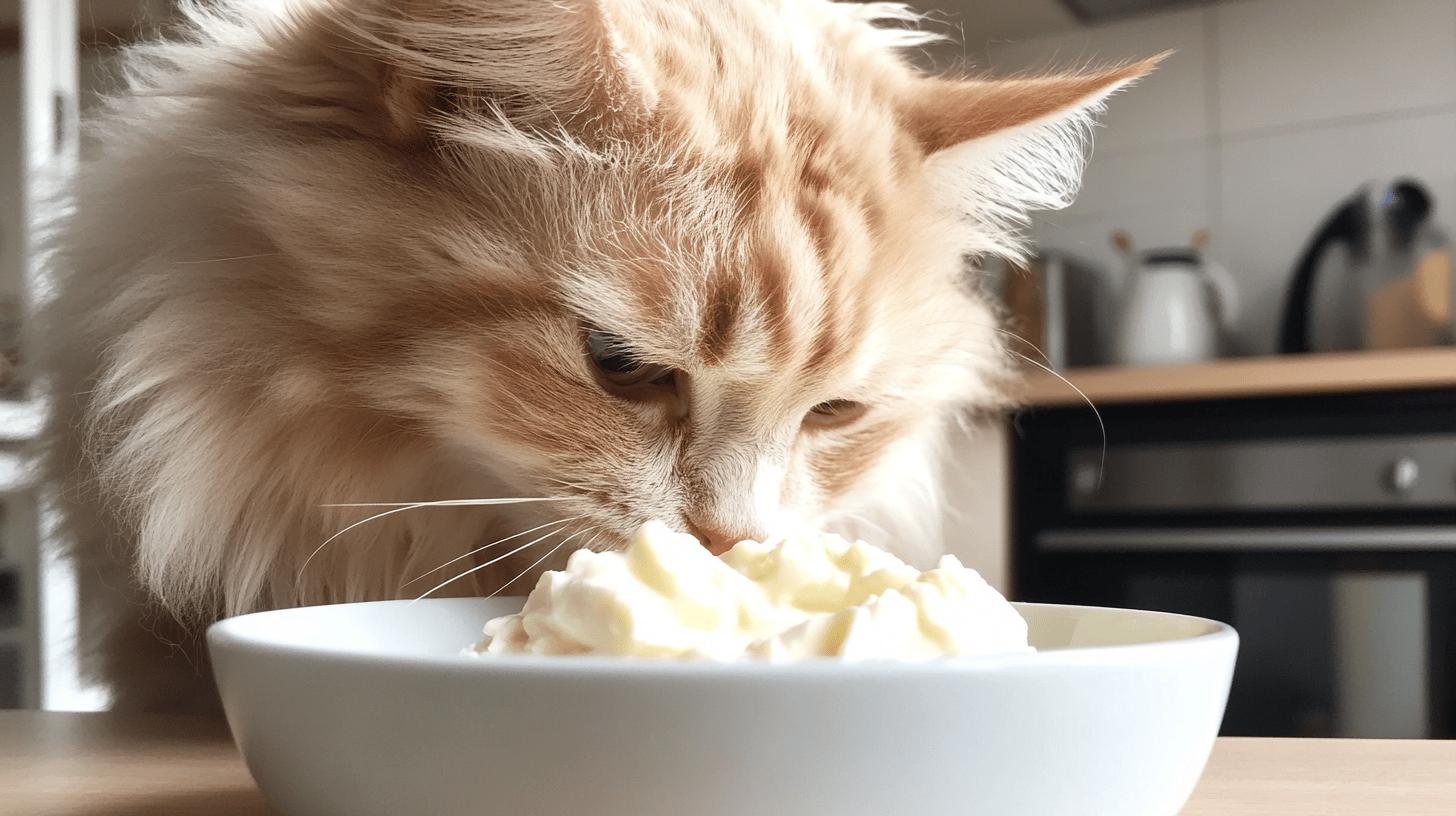
    When introducing curd to your cat's diet, it's crucial to take it slow. Start by mixing a small amount of curd with your cat's regular food. This gradual approach helps you monitor your cat's response without overwhelming their digestive system. Keep an eye out for signs of lactose intolerance, such as vomiting or diarrhea. Serving curd in moderation ensures that your cat can enjoy it without negative side effects.

    Always consult with a veterinarian before adding curd or any new food to your cat's diet. Your vet can provide tailored advice based on your cat's unique health profile. They’ll guide you through the potential risks and benefits, ensuring your decisions enhance your cat's health and safety.

    1. Mix a small amount of curd with your cat's regular food.
    2. Observe your cat for any adverse reactions.
    3. Seek veterinary advice to confirm curd's suitability in your cat's diet.

    Final Words

    Deciding if a cat can eat curd requires understanding their unique dietary needs. Many cats are lactose intolerant, so curd might not work for all. Yet, it offers probiotics that can help with digestion when tolerated. Knowing the nutritional value of curd helps in determining its role in a cat’s diet. Exploring alternatives like lactose-free products and cat-specific treats can provide similar benefits safely. Always introduce curd in small amounts while monitoring closely. With care, curd might just be a beneficial treat for some cats. Keep those purrs going strong!

    FAQ

    Can cats eat curd every day?

    A: Cats should not eat curd every day. Curd may lead to digestive issues in some cats, as many are lactose intolerant. Moderation is key.

    Can cats eat curd rice?

    A: Cats can eat curd rice, but it should be minimal. Rice offers carbohydrates, and curd might cause digestive distress if a cat is lactose intolerant.

    What are the benefits of curd for cats?

    A: Curd offers probiotics, which might aid digestion. However, its benefits depend on the cat's lactose tolerance. Always introduce it slowly.

    Can cats eat curd and yogurt?

    A: Cats can eat curd and yogurt in small amounts. Both contain probiotics, but watch for lactose intolerance symptoms like diarrhea or vomiting.

    Can cats eat curd juice?

    A: Curd juice is not recommended for cats. It is better to stick to water or cat-approved liquids to avoid digestive issues.

    Is curd good for cats with diarrhea?

    A: Curd can sometimes help with mild diarrhea due to probiotics, but it can also worsen diarrhea in lactose-intolerant cats. Consult a vet.

    Can Persian cats eat curd?

    A: Persian cats, like all breeds, might be lactose intolerant. Offer small amounts as a treat to test tolerance first.

    Can Persian cats eat curd rice?

    A: Persian cats can try curd rice occasionally. It should be a small portion to prevent potential digestive issues.

    Can I feed curd to a cat?

    A: You can feed curd to a cat, but start with small amounts and watch for adverse reactions due to lactose intolerance.

    Can cats have bean curd?

    A: Bean curd, or tofu, is not toxic but is not ideal for cats either. It lacks taurine, an essential nutrient for cats, found in animal proteins.

    Can cats eat paneer?

    A: Paneer, being dairy, might cause issues in lactose-intolerant cats. It should be given sparingly and only as a treat.

    What dairy can I feed my cat?

    A: Cats can have small amounts of lactose-free milk or yogurt. Watch closely for signs of intolerance or allergies.
    Related Articles

  • Can Cat Eat Plantain Safely Nutritional Insights and Feeding Tips

    Can Cat Eat Plantain Safely Nutritional Insights and Feeding Tips

    Have you ever caught your cat eyeing your snack with eyes full of curiosity? You might wonder if plantains are on the menu for your furry friend. The good news is plantains are non-toxic for cats. While they are safe in small amounts, they're not a dietary must-have for our carnivorous companions.

    Cats need protein more than the carbs that plantains offer. Let's dive into the nutritional facts and tips on how to offer this fruit as an occasional treat. Your cat's safety and health come first!

    Can Cats Eat Plantain Safely and Nutritional Impact

    Can Cats Eat Plantain Safely and Nutritional Impact-2.jpg

    Plantains are non-toxic to cats, which means they can be consumed without posing a direct health threat. This makes plantains a safe treat option for cats when given in moderation. While plantains are safe, they aren't a dietary necessity for cats.

    Cats thrive on protein-rich diets, and their bodies are optimized to derive energy from glucose rather than carbohydrates found in plantains. Consequently, feeding your cat a thin slice of plantain as a rare treat is sufficient. Overindulgence in plantains could lead to digestive stress, so moderation is crucial.

    Here are some guidelines for feeding plantains to your feline friend:

    • Always introduce plantains in small amounts to see how your cat reacts.
    • Serve plantains as an occasional treat, not a regular part of their diet.
    • Make sure plantains are ripe and cooked, not raw or fried.
    • Avoid adding any seasoning or sugar to the plantains.
    • Monitor your cat for any signs of digestive upset after eating plantains.

    Plantains are packed with nutrients that can offer some benefits even in small amounts. They contain essential vitamins and minerals that contribute to overall health. However, these nutrients should be considered supplementary, as cats require a diet primarily based on proteins and fats for optimal health.

    Nutrient Benefit for Cats
    Calcium Supports bone health
    Potassium Aids in muscle function
    Vitamin A Promotes eye health
    Vitamin C Boosts immune function
    Vitamin K Essential for blood clotting

    The fiber content in plantains can help improve your cat's digestive health when given in small quantities. Fiber can assist in maintaining regular bowel movements and alleviating minor digestive issues. However, excessive fiber intake can lead to diarrhea or other digestive problems.

    This highlights the importance of moderation when incorporating plantains into your cat's diet. Always watch for any adverse reactions and consult with your veterinarian if you're uncertain about introducing new foods to your cat.

    Guidelines for Feeding Plantains to Cats

    Potential Risks and Toxicity of Plantains for Cats-1.jpg

    Plantains are safe for cats but should be served in moderation to avoid digestive issues. Cats can't handle large amounts of carbohydrates well, which can lead to upset stomachs or diarrhea. Avoid serving raw or fried plantains, as oils and fats used in frying are unsuitable for cats. Make sure plantains are ripe, cooked, and free from added sugars or seasonings to prevent reactions.

    Be cautious not to confuse plantains with plantain lilies, which are toxic to cats. Ingesting plantain lilies can cause vomiting, diarrhea, and depression, requiring immediate veterinary attention. Always ensure plant-based foods are safe and correctly identified, and monitor for adverse reactions. Consult a vet if unsure about the safety of any food.

    Comparing Plantains with Other Cat-Safe Fruits

    Comparing Plantains with Other Cat-Safe Fruits-3.jpg

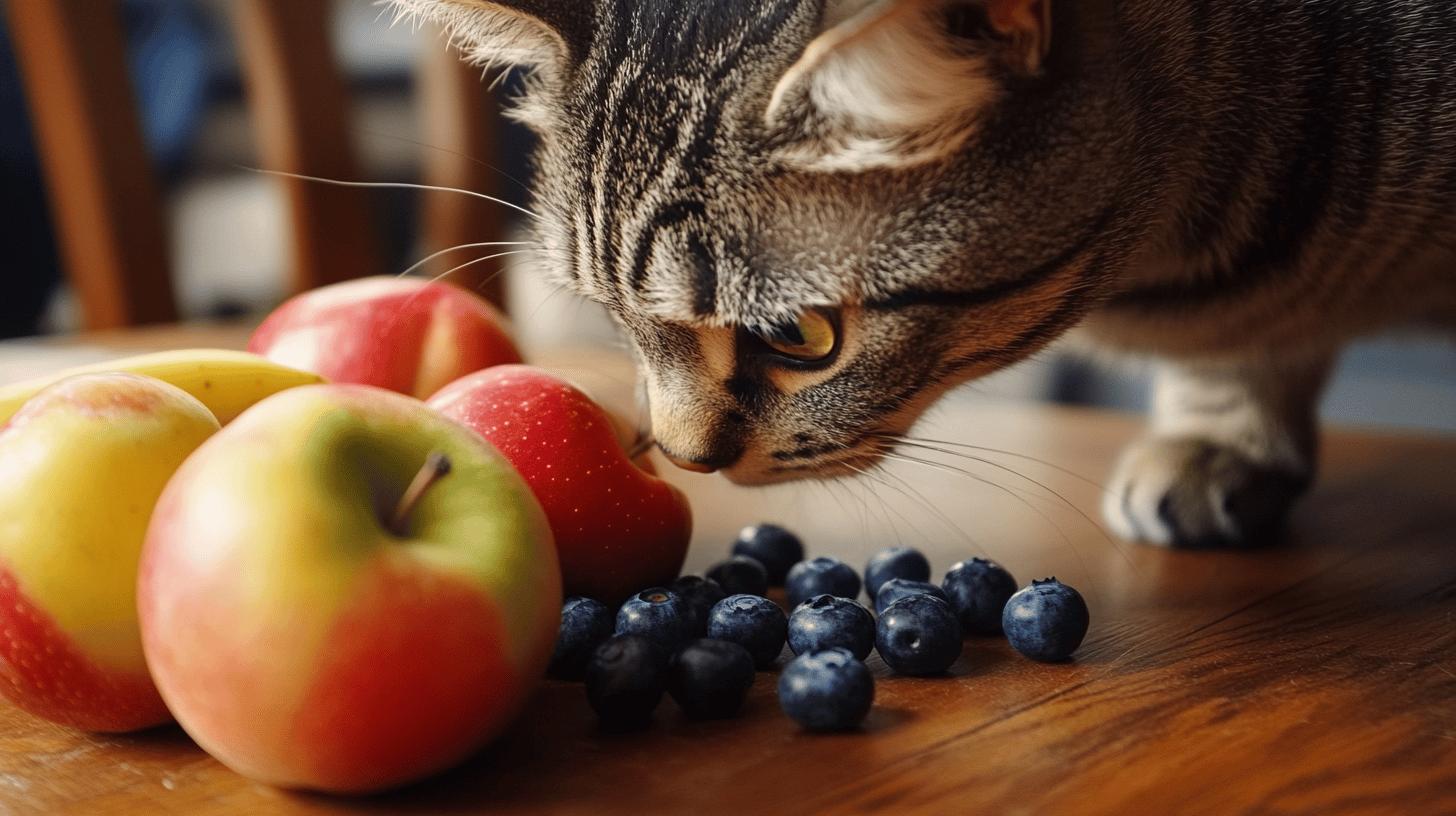
    Cats can eat certain fruits safely, but it's crucial to offer them in moderation. Fruits like bananas, apples, and blueberries are generally safe for cats and can be a fun addition to their treat rotation.

    These fruits provide some nutritional benefits, such as vitamins and fiber, which can aid in your cat's overall health. However, cats are obligate carnivores, meaning their primary dietary needs are met through meat. Fruits should never replace a well-balanced feline diet.

    When comparing plantains to other feline-friendly fruits, there are differences to consider. Plantains are safe for cats but don't offer as many benefits as bananas, apples, or blueberries. For instance, bananas are rich in potassium and hydration, making them a slightly better choice if you're looking to add a bit of fruit to your cat's diet.

    Apples offer vitamin C and fiber, and blueberries provide antioxidants, which plantains lack. Plantains also don't have the same water content found in these other fruits, which can be helpful for hydration.

    Offering your cat a variety of fruits as occasional treats can be beneficial. It introduces them to different textures and flavors, which can be stimulating and enjoyable. Just remember, these fruits should be served in small amounts and always monitored for any adverse reactions.

    The variety ensures your cat doesn't get too much of one thing, which is important for maintaining a balanced diet. Always consult your vet if you're unsure about adding new foods to your cat's diet.

    Best Practices for Introducing Plantains to Your Cat's Diet

    Best Practices for Introducing Plantains to Your Cats Diet-3.jpg

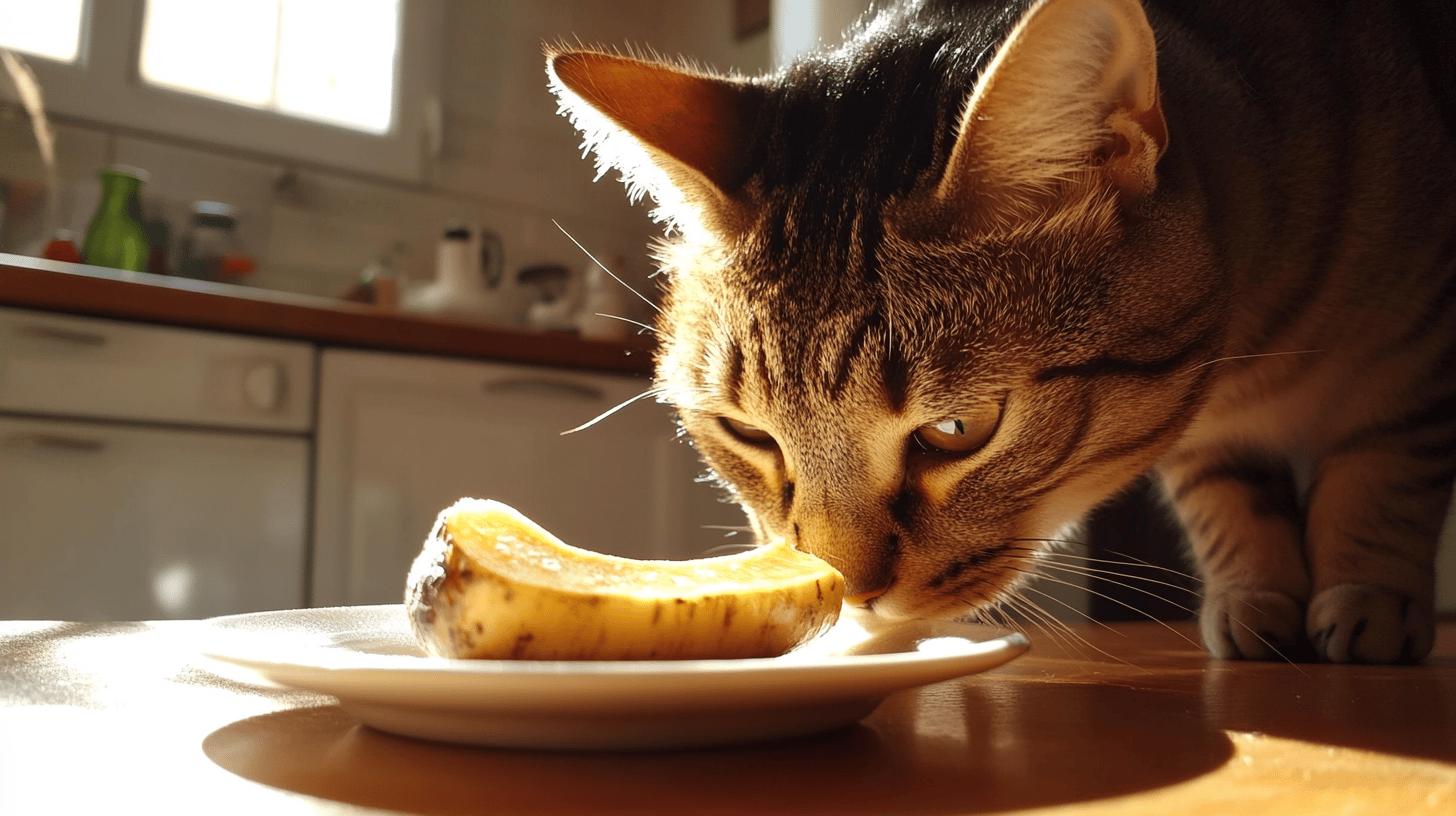
    Introducing plantains to your cat's diet can be an interesting experiment if done right. To ensure your cat's well-being, focus on the cooking methods. Boiling or steaming plantains are great choices as they soften the fruit without adding oils or spices.

    Some cat owners have noticed their cats enjoy the naturally sweet taste of boiled plantains. Compared to other fruits, plantains offer a unique texture that some cats find appealing.

    Here are some steps for safely introducing plantains to your cat's diet:

    • Start with a small piece: Offer a thin slice and observe your cat's interest and reaction.
    • Boil or steam plantains: Ensure they are soft and easy for your cat to chew and digest.
    • Serve without seasonings: Avoid any added sugars or spices.
    • Offer as an occasional treat: Keep plantains as a rare addition, not a regular component.
    • Observe other fruits: Consider plantains' unique benefits over fruits like apples or bananas.

    After introducing plantains, it's crucial to monitor your cat's reactions closely. Look for any signs of digestive distress such as vomiting or diarrhea. If your cat appears uncomfortable or shows any adverse reactions, discontinue feeding plantains immediately. It's always a good idea to consult with a veterinarian before making significant changes to your cat's diet. They can provide guidance tailored to your cat's specific needs and ensure that any new food additions are safe and beneficial.

    Alternatives and Variations: Plantain-Based Recipes for Cats

    Alternatives and Variations Plantain-Based Recipes for Cats-3.jpg

    Crafting homemade cat snacks is a delightful way to pamper your feline friend while ensuring control over the ingredients. Incorporating plantains into these treats can add variety and a touch of sweetness that some cats might enjoy.

    Plantains, when used in moderation, can be combined with other safe ingredients to create a balanced snack. Pairing them with protein sources like chicken or fish can make these treats more nutritious. The key is to maintain a balance that supports your cat’s dietary needs, focusing primarily on protein with plantains as a flavorful addition.

    Here are some plantain recipe ideas to try for your cat:

    • Plantain and Chicken Bites: Boil plantains and diced chicken. Mash them together, form small balls, and bake until golden.
    • Fish and Plantain Patties: Mix steamed plantains with flaked fish, form into patties, and bake for a crispy treat.
    • Plantain Cat Cookies: Combine mashed plantains with a small amount of oat flour and bake into small cookies.
    • Herb and Plantain Treats: Blend boiled plantains with cat-safe herbs like parsley, form into shapes, and bake.

    Ensuring nutritional balance in these recipes is crucial. While plantains can add texture and flavor, they should not detract from the primary nutritional focus on proteins and fats in your cat's diet. Always prioritize ingredients that cater to your cat's specific health requirements.

    Avoid overloading on carbohydrates or sugars, and consult a vet if you're unsure about any ingredient. A well-balanced homemade treat can enhance your cat's diet, offering them a tasty yet healthy reward.

    Final Words

    Exploring whether cats can eat plantain or not, we've learned it's safe in small amounts. Plantains offer nutrients like potassium and vitamins but don't fulfill all feline dietary needs. Offering a slice as a treat is fine, but avoid large amounts to prevent digestive issues.

    It’s exciting to experiment with safe homemade treats. Just remember to keep it balanced and in moderation. If you include plantain in your cat's diet, monitor their reaction and consult with a vet. Enjoy enhancing your cat's play and snack time with thoughtful choices.

    FAQ

    Can cat eat plantain chips?

    A: Cats shouldn't eat plantain chips due to oils and seasonings that can upset their stomachs. It's best to avoid fried or flavored plantains.

    Can cats eat plantain seeds?

    A: It's safe for cats to eat plantain seeds in small quantities, but seeds generally don't offer nutritional benefits and may not digest easily.

    Can cats eat cooked plantains?

    A: Cats can eat cooked plantains in moderation. Cooked and unsalted plantains are safer for digestion than raw ones.

    Can cats eat bananas?

    A: Bananas are safe for cats to eat in moderation. They offer some nutrients but aren't necessary in their diet.

    Can cats eat rice?

    A: Cats can eat rice occasionally. While not nutritionally essential, rice can help with digestive issues.

    Can cats eat avocado?

    A: Cats should avoid avocado. It's not toxic in tiny amounts, but the pits and skin can be harmful.

    Can cats eat bread?

    A: Cats can eat small amounts of bread, but it offers little nutritional value and shouldn't replace their regular diet.

    Can cats eat eggs?

    A: Eggs are safe and nutritious for cats when cooked. They provide protein but should be fed in moderation.

    Are plantains ok for cats?

    A: Plantains are non-toxic and safe in small amounts. An occasional thin slice is fine but not necessary for their diet.

    Is plantain plant toxic to cats?

    A: Plantains themselves aren't toxic, but some plant families like lilies, which are often confused with plantains, are harmful to cats.

    Can animals eat plantains?

    A: Animals, including cats, can eat plantains in small amounts. Ensure they are cooked and unsalted for safe consumption.

    Is it OK for cats to eat bananas?

    A: Yes, cats can eat bananas in moderation. They are non-toxic but should only be an occasional treat.

    Related Articles

  • Can Cat Eat Cookie Understanding Risks and Safe Alternatives

    Can Cat Eat Cookie Understanding Risks and Safe Alternatives

    Did you know that sharing a cookie with your cat could actually put their health at risk? It's true! Many popular cookie ingredients, like chocolate and raisins, are harmful to our feline friends. While our furry companions might seem intrigued by the sweet aroma of a freshly baked treat, the truth is, cats have very different dietary needs than humans. In this article, we'll explore the dangers of feeding cookies to cats and offer safe alternatives to keep your kitty happy and healthy.

    Can Cats Eat Cookies: Safety Concerns and Harmful Ingredients

    Can Cats Eat Cookies Safety Concerns and Harmful Ingredients-1.jpg

    Cats should not eat cookies. They don't align with a cat's dietary needs and can pose serious health risks. Cookies often contain ingredients that are harmful or even toxic to cats. Understanding these risks and knowing how to protect our feline friends is crucial for every cat owner.

    Many common ingredients in cookies are harmful to cats. Chocolate, for example, contains theobromine, which is toxic to cats. Even a small amount can lead to vomiting, diarrhea, increased heart rate, and in severe cases, seizures. Chocolate is a big no-no for our furry companions.

    Raisins and macadamia nuts are also dangerous. Raisins can cause kidney failure in cats, leading to symptoms such as lethargy, vomiting, and decreased appetite. Macadamia nuts aren't safe either; they can lead to weakness, vomiting, and hyperthermia. Avoid these ingredients in any form.

    Xylitol, a popular sugar substitute found in some cookies, is extremely toxic to cats. This artificial sweetener can cause a rapid insulin release, leading to hypoglycemia, which is low blood sugar. Symptoms may include loss of coordination, seizures, and even liver failure. Xylitol is something cats should never ingest.

    Sugar in cookies is another concern. Cats lack the enzymes needed to properly digest sugar, which can lead to various health issues. High sugar intake can cause obesity, dental problems, and increase the risk of diabetes. So, sugar-laden treats are out of the question for our feline friends.

    The health risks of feeding cookies to cats are numerous. Ingesting cookies can lead to gastrointestinal issues such as vomiting and diarrhea. The high fat and sugar content can also contribute to obesity and diabetes, conditions that severely impact a cat's quality of life.

    Physical symptoms to watch for if your cat accidentally consumes cookies include itching, vomiting, and diarrhea. If these symptoms occur, it's crucial to consult a veterinarian. Swift action can prevent more serious health complications.

    By understanding these risks and avoiding harmful ingredients, we can ensure our cats remain healthy and happy. Always choose cat-safe treats and keep cookies and their toxic ingredients well out of reach.

    Safe Treat Alternatives for Cats

    Safe Treat Alternatives for Cats-1.jpg

    Choosing cat-specific treats is essential for keeping our feline friends healthy and happy. Unlike cookies, which contain harmful ingredients, cat-specific treats are formulated to meet their dietary needs. These treats provide the necessary nutrients without the risk of toxic exposure. By opting for snacks designed for cats, we ensure they enjoy their treats safely.

    Here are some safe ingredients you can use for homemade cat treats:

    • Chicken
    • Fish
    • Pumpkin
    • Tuna
    • Catnip

    These ingredients not only ensure a healthy treat but also cater to a cat's taste preferences. They provide essential nutrients that support overall well-being.

    Before introducing new treats into your cat's diet, it's wise to consult a veterinarian. They can guide you on safe feeding practices and help avoid potential allergies or health issues. Homemade cat treat recipes, using ingredients like chicken or tuna, can be a delightful addition to your cat's diet. Just remember to keep them free from harmful substances like chocolate and sugar.

    What to Do if Your Cat Eats a Cookie-2.jpg

    If your cat happens to munch on a cookie, the first step is to check the ingredients of the cookie. Many cookies contain substances like chocolate, raisins, or xylitol, which are toxic to cats. A quick ingredient check can help you determine the potential risks and decide on the next course of action. Knowing exactly what your cat has ingested is crucial to address any health concerns and provide accurate information to your veterinarian.

    Here are the steps you should take immediately:

    1. Remove any remaining cookie pieces from your cat's reach to prevent further ingestion.
    2. Monitor your cat for symptoms such as vomiting, diarrhea, or any unusual behavior.
    3. Contact your veterinarian to seek advice, especially if the cookie contained toxic ingredients.

    Monitoring your cat closely after accidental cookie ingestion is important. Symptoms like vomiting or diarrhea may indicate a problem, and it's best to consult a veterinarian promptly. They can offer specific advice based on the ingredients involved and your cat's health status. Quick action and guidance from a vet are key to preventing any serious health issues.

    Final Words

    Understanding if a cat can eat a cookie is crucial for their health. We discussed how cookies contain harmful ingredients like chocolate and xylitol, which can lead to serious problems. Cats don't process sugar well, making cookies unsuitable.

    It's best to choose safe treats made for cats. Options include cooked chicken or fish, or cat-safe recipes using tuna or pumpkin. Always consult a vet before introducing new foods.

    If your cat eats a cookie, check ingredients immediately, monitor their symptoms, and reach out to a vet. Keep their safety in mind and prioritize healthy, cat-friendly options.

    FAQ

    Can cats eat cookies without chocolate?

    A: Cats should avoid cookies, even without chocolate. Many ingredients, like sugar, can be harmful.

    What happens if my cat eats cookies?

    A: If a cat eats cookies, they might vomit or have diarrhea. Check for harmful ingredients and call a vet if needed.

    Are cats allowed to eat chocolate cookies?

    A: Cats must not eat chocolate cookies. Chocolate can be toxic and cause severe health issues.

    Can cats eat Oreos?

    A: Cats should not eat Oreos. They contain harmful ingredients like sugar and potentially chocolate.

    Can cats eat a little bit of sugar?

    A: Cats should not eat sugar. They lack the enzymes to process it properly and it can lead to health problems.

    A: Check the ingredients quickly. Remove any leftovers and contact a vet, especially if chocolate was consumed.

    A: Cookie cakes contain harmful ingredients, so it's best to keep them away from cats.

    Can cats eat sugar cookies?

    A: Cats should not eat sugar cookies. Sugar and other ingredients can upset their stomach.

    A: Cats should not eat cookies at any time. Their diet should stay nutritious and healthy.

    A: Cats should avoid cookie bread. Ingredients like sugar are not suitable for them.

    How can this cat eat the cookies Brain Test?

    A: The "Brain Test" is a puzzle game, not related to real cat behavior or diet.

    A: Check the ingredients and call the vet. Monitor your cat for symptoms like vomiting or diarrhea.

    Related Articles

  • Can Cat Eat Green Grapes? Understanding Grape Toxicity in Cats

    Can Cat Eat Green Grapes? Understanding Grape Toxicity in Cats

    Ever caught your cat eyeing a bunch of green grapes with curiosity? While some foods we enjoy can be shared with our feline friends, green grapes are not one of them. These juicy fruits, though seemingly harmless, can be incredibly toxic to cats.

    The mystery of why grapes are dangerous remains unsolved, but their effects can be severe, leading to kidney failure and more. Knowing the risks and acting quickly if your cat ingests them is key. Let's delve into the potential dangers and ensure your cat stays safe and healthy.

    Can Cats Safely Eat Green Grapes?

    Can Cats Safely Eat Green Grapes-1.jpg

    Green grapes are not safe for cats to eat. These fruits are toxic to felines and can lead to serious health complications, including kidney failure. The exact reason why grapes are harmful to cats remains unclear, but it's understood that even a small amount can pose significant risks. Grapes contain substances that can cause similar symptoms in cats as seen in dogs, such as vomiting and diarrhea.

    If your cat has ingested green grapes, it's crucial to act quickly. Symptoms of grape toxicity often include vomiting, diarrhea, and signs indicative of kidney failure. If any of these symptoms appear, it is essential to contact a veterinarian immediately. Rapid intervention can make a significant difference in your cat's health outcomes.

    Given the potential dangers, it's vital to keep grapes out of your cat's diet entirely. Cats have specific dietary restrictions, and grapes are definitely on the list of foods to avoid.

    Ensuring that your feline friend doesn't have access to these toxic fruits can help prevent accidental ingestion and protect their health. Always store grapes safely out of reach and educate everyone in your home about the risks they pose to your feline companion.

    Understanding the Effects of Green Grapes on Cats

    Understanding the Effects of Green Grapes on Cats-2.jpg

    Preventing grape ingestion begins with cat-proofing your home. Store grapes and related products in secure, inaccessible areas. Use childproof locks on cabinets if needed. Ensure no grapes or raisins are left out in open spaces like countertops or tables. Regularly inspect areas where food is kept to reduce the risk of accidental ingestion.

    Veterinarians treat grape toxicity by stabilizing the cat's condition. They may induce vomiting or administer activated charcoal to prevent further absorption of toxins. Fluid therapy is often used to support kidney function, and close monitoring is essential.

    Recent studies suggest possible mechanisms of toxicity involving the kidneys, but more research is needed. Expert opinions emphasize the importance of immediate intervention to mitigate risks. Being proactive and aware of how to respond can make a critical difference in a cat's recovery.

    Alternatives to Green Grapes: Safe Fruits for Cats

    Alternatives to Green Grapes Safe Fruits for Cats-1.jpg

    Cats generally aren't fans of fruits, thanks to a genetic mutation that means they can't taste sweetness. But that doesn't mean they can't enjoy some fruit-based snacks now and then. It's important to know which fruits are safe and healthy for your feline friend. Choosing the right fruits can provide a fun and nutritious treat without the risks associated with toxic options like grapes.

    Here's a list of safe fruits for cats:

    • Blueberries
    • Apples (without seeds)
    • Bananas
    • Watermelon (seedless)

    While these fruits can be a delightful snack, not all fruits are cat-friendly. It's best to steer clear of citrus fruits such as oranges, lemons, and limes. These can cause vomiting and diarrhea in cats, so it's wise to avoid them altogether.

    When offering fruits to your cat, moderation is key. Start by introducing small amounts to see how they react. Always remove any seeds, rinds, or peels that might cause harm. Fruits should complement their regular diet, not replace it. Remember, the bulk of their nutrition should still come from high-quality cat food designed to meet their specific dietary needs.

    Can Cats Safely Eat Green Grapes?

    Understanding the Effects of Green Grapes on Cats-1.jpg

    Grapes are toxic to cats and can lead to severe health issues, such as kidney failure. If your cat eats even a single grape, it's essential to act quickly.

    1. Contact your veterinarian immediately. Explain the situation and follow their advice on the next steps.
    2. Keep the cat under observation for any symptoms. Watch for signs like vomiting, diarrhea, lethargy, or changes in urination.
    3. Follow the vet's instructions for treatment or monitoring. This might include inducing vomiting or administering activated charcoal if advised by the vet.
    4. Prepare for possible lab work and follow-up. The vet may suggest lab tests to assess kidney function and recommend repeating them within 24-48 hours to monitor any changes.

    Veterinary procedures often involve stabilizing your cat's condition with fluids to support kidney function or conducting lab work to assess toxicity levels. Quick action and close coordination with your vet are crucial for your cat's health and safety.

    Preventing Accidental Grape Ingestion in Cats

    Preventing Accidental Grape Ingestion in Cats-1.jpg

    To truly cat-proof your home from the dangers of grapes, consider unique storage solutions like high-mounted shelves or locked cabinets. Educate children using relatable examples, helping them understand the severity of grape toxicity in cats. A proactive approach is crucial in safeguarding your cat's health.

    • Checklist for a grape-free home:
      • Use child locks on low cabinets
      • Store grapes in non-transparent containers
      • Schedule regular grape checks in rooms where food is consumed

    Watch for symptoms like vomiting or lethargy, which may indicate grape toxicity. Early recognition is key. By following this checklist and staying vigilant, you can create a safe environment for your furry companion.

    Final Words

    Understanding that cats can't safely eat green grapes is crucial for any cat owner. Grapes can lead to serious health issues, including kidney failure and symptoms like vomiting. Although the exact reason for their toxicity isn't fully understood, the risk they pose to cats is clear. Finding safe fruit alternatives, like blueberries and apples, provides a healthy option. Acting quickly if your cat consumes grapes is important, with immediate veterinary care being crucial. Keeping grapes out of reach can prevent accidental ingestion. With this knowledge, we can better ensure the health of our feline friends.

    FAQ

    Can cats eat grapes or grape stems?

    Cats should never eat grapes or grape stems. They are toxic and can cause serious health issues, including kidney failure.

    Can one grape kill a cat?

    Eating even one grape can be harmful to cats. It can lead to symptoms like vomiting and diarrhea, which might progress to kidney failure.

    What should I do if my cat ate a grape?

    If your cat ate a grape, contact your veterinarian immediately. Quick action can prevent serious health issues.

    Are grapes bad for cats?

    Yes, grapes are bad for cats. They are toxic and can cause symptoms like vomiting and kidney failure.

    Is it OK if my cat ate one grape?

    It is not okay for your cat to eat a grape. Even a single grape can cause dangerous health issues.

    What fruits can cats eat?

    Cats can safely eat fruits like blueberries, apples (without seeds), bananas, and seedless watermelon.

    Why are grapes dangerous for cats?

    Grapes are dangerous because they can cause kidney failure in cats. The specific toxic component is still unknown, but symptoms can be severe.

    Do cats like green grapes?

    Most cats do not naturally like green grapes. It's safer to avoid offering them to your cat to prevent accidental ingestion.

    Why might a cat be obsessed with grapes?

    Some cats might be curious about grapes due to their smell or texture, but they shouldn't eat them as they are toxic.

    What symptoms should I watch for if a cat eats grapes?

    Watch for symptoms like vomiting, diarrhea, lethargy, and decreased urination. These can appear 12-24 hours after ingestion.

    Related Articles

  • Can Cat Eat Wasp Safety Concerns and Health Risks Explained

    Can Cat Eat Wasp Safety Concerns and Health Risks Explained

    Can your cat safely munch on a wasp? This curious question might surprise cat owners. Our furry friends are known for their playful antics, and chasing buzzing wasps might seem fun. But, biting into a wasp can come with serious health concerns.

    From the threat of being stung internally to potential allergic reactions, wasps pose a real danger to cats. Let's explore the risks and what happens when a cat encounters a wasp. Understanding these dangers is key to keeping your feline safe and healthy.

    Can Cats Safely Eat Wasps?

    Can Cats Safely Eat Wasps-1.jpg

    When it comes to cats and wasps, the safety concerns are significant. Cats are naturally curious and might be tempted to catch and eat these insects. However, consuming a wasp can pose serious health risks. A live wasp has the potential to sting internally, which can be quite harmful.

    This sting can cause a range of issues, from mild discomfort to severe reactions. The venom found in wasp stings can also trigger allergic reactions in cats, similar to those seen in humans. While a cat's instinct may lead it to swat or bite at a wasp, it's not a safe snack.

    • Internal stings from live wasps
    • Allergic reactions to wasp venom
    • Risk of digestive tract irritation
    • Potential airway obstruction
    • General sickness from ingestion

    The relative danger of dead versus live wasps is worth noting. Dead wasps are generally less likely to attract a cat's attention. However, if ingested, a dead wasp can still pose risks. While it won't sting, the remnants of its venom can still cause irritation or allergic reactions. Overall, it's advisable to keep your feline friend away from both live and dead wasps to avoid any potential health issues.

    Symptoms to Watch For After a Cat Eats a Wasp

    Symptoms to Watch For After a Cat Eats a Wasp-1.jpg

    If your cat has had a run-in with a wasp, it's crucial to know the symptoms that could indicate a sting. Common signs include swelling and redness, which are often the first indicators of an internal sting.

    You might also notice your cat pawing at its mouth, an increased level of drooling, or signs of discomfort while swallowing. These symptoms can be caused by the wasp's venom, which can irritate the sensitive areas of your cat's mouth, throat, or digestive tract.

    Symptoms of a wasp sting in cats can appear quickly, so it's important to keep an eye on your furry friend after a suspected encounter. A wasp sting can lead to more severe reactions such as difficulty breathing or lethargy if the venom triggers an allergic response.

    Time is of the essence in these situations, as quick identification and treatment of symptoms can prevent further complications.

    To inspect your cat for signs of stings, gently check its mouth and body. Look for visible stings or swelling, especially in the mouth or throat area. Carefully feel along your cat's skin for any unusual bumps or tender spots that might indicate a sting. If you notice anything concerning, it's best to consult with a veterinarian for a thorough evaluation and appropriate treatment.

    Immediate Actions and Veterinary Care for Wasp Stings

    Immediate Actions and Veterinary Care for Wasp Stings-1.jpg

    When your cat has a close encounter with a wasp, quick action is essential. A wasp sting can cause immediate discomfort and potentially serious health issues. The first step is to assess your cat's condition.

    Look for signs of distress like excessive drooling, pawing at the mouth, or visible swelling. Acting swiftly can make a significant difference in minimizing any adverse reactions. A prompt response reduces the risk of complications and helps keep your feline friend comfortable.

    Knowing when to contact a veterinarian is crucial. If you observe signs of a sting or if your cat appears to be in pain or distress, reach out to your vet immediately. They can provide advice on whether a visit is necessary or if home care will suffice.

    Severe symptoms like difficulty breathing, lethargy, or continuous vomiting warrant immediate veterinary attention. These could indicate an allergic reaction or other serious complications that require professional care.

    For home care, a cold compress can help alleviate swelling and discomfort. Wrap an ice pack in a towel and gently apply it to the affected area for short intervals. This can reduce inflammation and numb the pain.

    Avoid giving your cat any medication unless prescribed by a veterinarian, as many human medications are toxic to cats. If your vet advises, they might recommend an antihistamine suitable for feline use to counteract allergic responses.

    Action Description
    Check for signs of distress Look for drooling, swelling, or discomfort
    Contact a veterinarian Seek advice if symptoms are severe
    Apply a cold compress Use an ice pack wrapped in a towel to reduce swelling

    By knowing these steps, you can effectively handle a wasp sting incident and ensure your cat receives the care it needs.

    Preventive Measures to Protect Cats from Wasp Encounters

    Preventive Measures to Protect Cats from Wasp Encounters-1.jpg

    As the seasons change, wasps become more active, particularly in late summer and early fall. This is the time when cats are most at risk of encountering these insects. Wasps are drawn to food sources and warm environments, making it essential for cat owners to be vigilant.

    By understanding the seasonal patterns of wasps, you can take steps to minimize your cat's exposure and reduce the chances of a painful or dangerous encounter.

    • Keep cats indoors during peak wasp seasons
    • Seal garbage cans and food containers
    • Install window and door screens
    • Use natural wasp repellents like certain plants
    • Supervise outdoor activities

    Implementing these preventive measures can greatly benefit both you and your cat. Not only do they help in avoiding painful stings, but they also reduce the risk of potential allergic reactions and other health issues. Keeping your feline friend safe from wasps means fewer worries about unexpected medical emergencies, allowing you and your cat to enjoy the great outdoors with peace of mind.

    Understanding Cat Behavior with Insects

    Understanding Cat Behavior with Insects-1.jpg

    Cats are natural hunters, a trait deeply embedded in their instincts. This instinctual behavior drives them to chase and pounce on anything that moves. Insects, with their quick and unpredictable movements, are particularly tempting targets.

    Cats often engage with insects not out of hunger, but because their hunting drive kicks in. This behavior is a remnant of their wild ancestors, who relied on their keen senses and agility to catch prey for survival. Today, even well-fed domestic cats will display these behaviors, turning any buzzing or crawling creature into a playful pursuit.

    • Innate hunting instincts
    • Attraction to movement
    • Curiosity about new creatures
    • Lack of awareness of potential danger

    Understanding these natural curiosities can help cat owners manage their pets' interactions with insects. By recognizing why cats are drawn to chase bugs, owners can take steps to prevent potentially harmful encounters.

    Providing safe toys that mimic insect movement can satisfy a cat's hunting urges while keeping them away from real insects that might sting or bite. Creating a stimulating environment indoors can also reduce the cat's interest in outdoor insects, helping to keep them safe from potential risks.

    Final Words

    Cats and wasps don't mix well. Ingesting a wasp can lead to stings, allergic reactions, and other health risks. Dead or alive, wasps are best avoided. Watch for symptoms like swelling or redness if your cat eats one. Quick action, like using a cold compress, helps, but veterinary care is crucial.

    Preventing encounters by keeping cats inside during wasp season and using natural repellents makes a difference. Understanding your cat's instincts aids in managing interactions with insects. Keeping cats safe ensures fun and worry-free playtime.

    FAQ

    Can cats eat wasps or hornets?

    A: Eating wasps or hornets can make cats sick. Live wasps may sting internally, causing harm. Even dead wasps aren't safe due to potential poisoning. It's best to keep cats away from them.

    What are the symptoms if a cat is stung by a wasp?

    A: Symptoms of a wasp sting in cats include swelling, redness, or visible stings in the mouth, throat, or digestive tract. These symptoms may appear quickly after the sting.

    What happens if my cat eats a bee?

    A: Eating a bee can cause similar risks as eating a wasp, including potential stings and allergic reactions. Close monitoring for symptoms like swelling or distress is important.

    Are wasps poisonous to cats?

    A: Wasps are not typically poisonous, but their sting can cause allergic reactions, swelling, or digestive issues. It's important to keep cats away from them.

    Should I let my cat catch a wasp?

    A: It’s not safe to let your cat catch wasps. Wasps can sting, leading to allergic reactions, airway obstruction, or general sickness from the sting or poison.

    Can wasp killer hurt cats?

    A: Wasp killer can be harmful if ingested by cats. Keep these chemicals out of reach and avoid spraying them where your cat frequents.

    What should I do if my cat eats a wasp or gets stung?

    A: Quickly check for distress signs, such as swelling or breathing difficulties. If present, contact a vet immediately. A cold compress can help reduce swelling.

    How can I prevent my cat from encountering wasps?

    A: Keep cats indoors during peak wasp seasons. Seal garbage, cover foods, install screens, use natural repellents, and supervise outdoor activities to reduce the risk.

    Related Articles

  • Can Cat Eat Turkey Bacon Understanding the Risks and Alternatives

    Can Cat Eat Turkey Bacon Understanding the Risks and Alternatives

    Can you imagine swapping out your cat's usual treats for something more tempting like turkey bacon? While it might seem like a tasty option, the truth is, this processed food poses risks to their health. Packed with high sodium and fat, turkey bacon isn't the healthiest choice for our feline friends.

    Cats are obligate carnivores, which means they need a diet high in unprocessed meats. By exploring safer alternatives, we can improve their playtime experience and ensure their health stays on point. Let’s dive deeper into the risks and find better options for your kitty.

    Can Cats Safely Eat Turkey Bacon?

    Can Cats Safely Eat Turkey Bacon-1.jpg

    Turkey bacon, while not toxic to cats, isn't the best choice for their diet because of its high sodium and fat content. These ingredients can lead to several health issues if consumed regularly. Cats are obligate carnivores, meaning they thrive on a diet that's primarily meat-based.

    Natural and unprocessed meats align with their dietary needs far better than processed options like turkey bacon, which often include additives and preservatives that aren't ideal for feline health.

    When considering the risks of feeding turkey bacon to cats, several potential health concerns arise:

    • Obesity
    • Heart disease
    • Hypertension
    • Hepatic lipidosis
    • Digestive issues

    Processed meats, such as turkey bacon, come with inherent risks due to their additives and preservatives. These can negatively impact a cat's health over time, contributing to obesity and heart problems due to their high calorie and salt content. The unbalanced nutrient profile of turkey bacon doesn't provide the beneficial nutrients cats need, and its consumption should be approached with caution.

    In terms of dietary considerations, cats require a diet rich in natural proteins. Their bodies are designed to process and thrive on unprocessed meats, which provide essential nutrients in a form they can easily digest. It's crucial to prioritize feeding them foods that support their health rather than opting for processed treats that may pose unnecessary risks.

    Alternatives to Turkey Bacon for Cats

    Can Cats Safely Eat Turkey Bacon-2.jpg

    Choosing the right treats and foods for our feline friends is crucial for their health and happiness. While turkey bacon might seem like a tempting treat, there are far healthier alternatives that align better with a cat's natural dietary needs.

    It's essential to prioritize lean and natural meats over processed options to ensure your cat receives the nutrients they need without unnecessary additives. Lean meats like cooked, unseasoned chicken or turkey breast are excellent choices as they are both nutritious and easily digestible.

    Additionally, incorporating plain fish into their diet can provide beneficial omega-3 fatty acids. For those seeking convenient options, commercial cat treats designed to meet feline dietary requirements or veterinarian-approved snacks can be great choices. Always consult with a veterinarian before introducing any new foods to ensure they are suitable for your cat's specific health needs and dietary requirements.

    • Cooked chicken breast
    • Cooked turkey breast
    • Plain fish
    • Commercial cat treats
    • Veterinarian-approved snacks

    Safe Consumption Practices for Cats Eating Turkey Bacon

    Safe Consumption Practices for Cats Eating Turkey Bacon-1.jpg

    Turkey bacon can be an occasional treat for cats, but moderation is vital. Given its high sodium and fat content, only offer a small piece once a week to minimize health risks like obesity and digestive issues. While turkey bacon isn't toxic, it doesn't meet a cat's dietary needs. It's best to consult a veterinarian for personalized advice tailored to your cat's health.

    • Ensure bacon is fully cooked
    • Avoid seasoning
    • Limit frequency

    Safe Consumption Practices

    Veterinary Insight Turkey Bacon and Cat Diets-1.jpg

    Consulting a veterinarian is key when introducing new foods like turkey bacon to your cat's diet. Veterinarians provide essential guidance to ensure dietary changes are safe and meet your cat's nutritional needs.

    • Prioritize natural foods
    • Avoid processed treats
    • Schedule regular dietary evaluations

    Integrating vet recommendations helps maintain your cat's health and prevents issues related to processed foods.

    Final Words

    Turkey bacon isn't the best choice for cats, given its high sodium and fat content. Obligate carnivores like cats need pure meats, not processed options. The risks include obesity, heart issues, and digestive problems.

    Instead, consider safer foods like cooked chicken or turkey breast. Lean meats work better since they're healthier and more digestible. Always check with a vet before making diet changes.

    If you ever treat your cat to turkey bacon, make it rare and in small amounts. A little caution keeps your cat healthy and happy.

    FAQ

    Is turkey bacon okay for cats to eat?

    A: Cats can eat turkey bacon, but it's not recommended. It contains high sodium and fat, which can lead to health issues. It should not be a regular part of their diet.

    Is turkey meat OK for cats?

    A: Turkey meat is generally safe for cats. It's a good source of protein, but it should be plain and cooked. Avoid seasonings and additives for a healthier choice.

    Can cats eat turkey slices or turkey breast?

    A: Yes, cats can enjoy turkey slices or breast if cooked and unseasoned. It's a better alternative to processed meats like turkey bacon.

    Can cats eat bacon?

    A: Cats can eat bacon in very small amounts, but it's not recommended due to high salt and fat. It should be a rare treat.

    What human food can cats eat?

    A: Cats can safely eat plain cooked meats, like chicken and fish, in moderation. Always check with a vet for any dietary changes.

    Can cats eat eggs?

    A: Cats can eat cooked eggs in moderation. They're a good protein source but shouldn't replace regular cat food. Always cook thoroughly to avoid health risks.

    Can dogs have turkey bacon?

    A: Dogs can eat turkey bacon occasionally, but like cats, it's not ideal due to high fat and sodium content. Opt for healthier treats.

    What are the potential health risks of feeding turkey bacon to cats?

    A: Risks include obesity, heart disease, hypertension, hepatic lipidosis, and digestive issues. These stem from high sodium and fat in turkey bacon.

    What are healthier alternatives to turkey bacon for cats?

    A: Consider cooked chicken breast, cooked turkey breast, plain fish, commercial cat treats, or veterinarian-approved snacks.

    What are safe practices if feeding turkey bacon to cats?

    A: Use moderation. Small, fully cooked, unseasoned pieces are best. Limit frequency to prevent health issues.

    What do veterinarians recommend about turkey bacon and cat diets?

    A: Vets advise sticking to natural foods and avoiding processed treats. Regular dietary evaluations help maintain a balanced diet for cats.

    Related Articles

  • Can Cat Eat Edamame Understanding Risks and Benefits

    Can Cat Eat Edamame Understanding Risks and Benefits

    Could feeding your cat edamame actually harm them? It's a question that many cat owners find themselves asking. While edamame is non-toxic and might seem like an okay treat, it comes with hidden risks and very limited benefits for our feline friends.

    Cats are obligate carnivores, requiring a diet rich in animal proteins, which edamame simply doesn't provide. In this article, we'll explore whether edamame offers any advantages or if the risks, like possible digestive issues, make it a less-than-ideal snack for your beloved cat.

    Can Cats Safely Consume Edamame and Understanding the Risks and Benefits

    Can Cats Safely Consume Edamame and Understanding the Risks and Benefits-1.jpg

    Edamame is non-toxic to cats, which means that if your curious feline gets a taste, it won't harm them immediately. You can even offer edamame to your cat in small amounts as an occasional treat. But it's important to remember that just because something is safe doesn't mean it's suitable or beneficial for them. Cats have unique dietary needs that edamame doesn't quite fulfill.

    Cats are obligate carnivores, which means their diet should primarily consist of animal-based proteins. Edamame, being a plant-based food, doesn't meet these requirements.

    Even though it's rich in protein, the type of protein in edamame isn't the kind that cats can efficiently utilize. Their bodies are designed to process animal proteins, which are crucial for maintaining muscle mass, energy, and overall health.

    When it comes to potential risks, feeding edamame to cats can lead to digestive issues. Some cats might experience symptoms like vomiting or diarrhea after consuming edamame. There's also the possibility of allergic reactions, although these are relatively rare with soy products. Reactions can range from mild itching to more severe symptoms like swelling.

    On the flip side, edamame does have some minor nutritional benefits, like being a source of fiber and vitamins. However, these benefits are minimal for cats and come with the drawback of anti-nutrients, substances that can interfere with the absorption of essential vitamins and minerals. This interference could potentially affect the intake of critical nutrients like taurine, which is vital for a cat's heart and eye health.

    Risk Benefit
    Digestive issues like vomiting or diarrhea Source of fiber
    Potential allergic reactions Contains some vitamins
    Interference with nutrient absorption Non-toxic in small amounts
    Inadequate protein type for cats Occasional treat option

    Guidelines for Introducing Edamame to Cats and Monitoring Reactions

    Guidelines for Introducing Edamame to Cats and Monitoring Reactions-1.jpg

    When it comes to offering edamame to your feline friend, portion control and preparation are key. Edamame should be lightly steamed to soften it and make it easier for your cat to chew. Always offer it in small quantities, as a treat rather than a meal.

    Remember, treats should make up less than 10% of your cat's overall diet to maintain nutritional balance. This helps keep their primary diet rich in the animal-based proteins they need. Keep an eye on your cat after introducing edamame to spot any adverse reactions early.

    Observing your cat's behavior is crucial when introducing any new food. Cats, like humans, can have food intolerances or allergies. Common symptoms of food intolerance include vomiting, diarrhea, and itching.
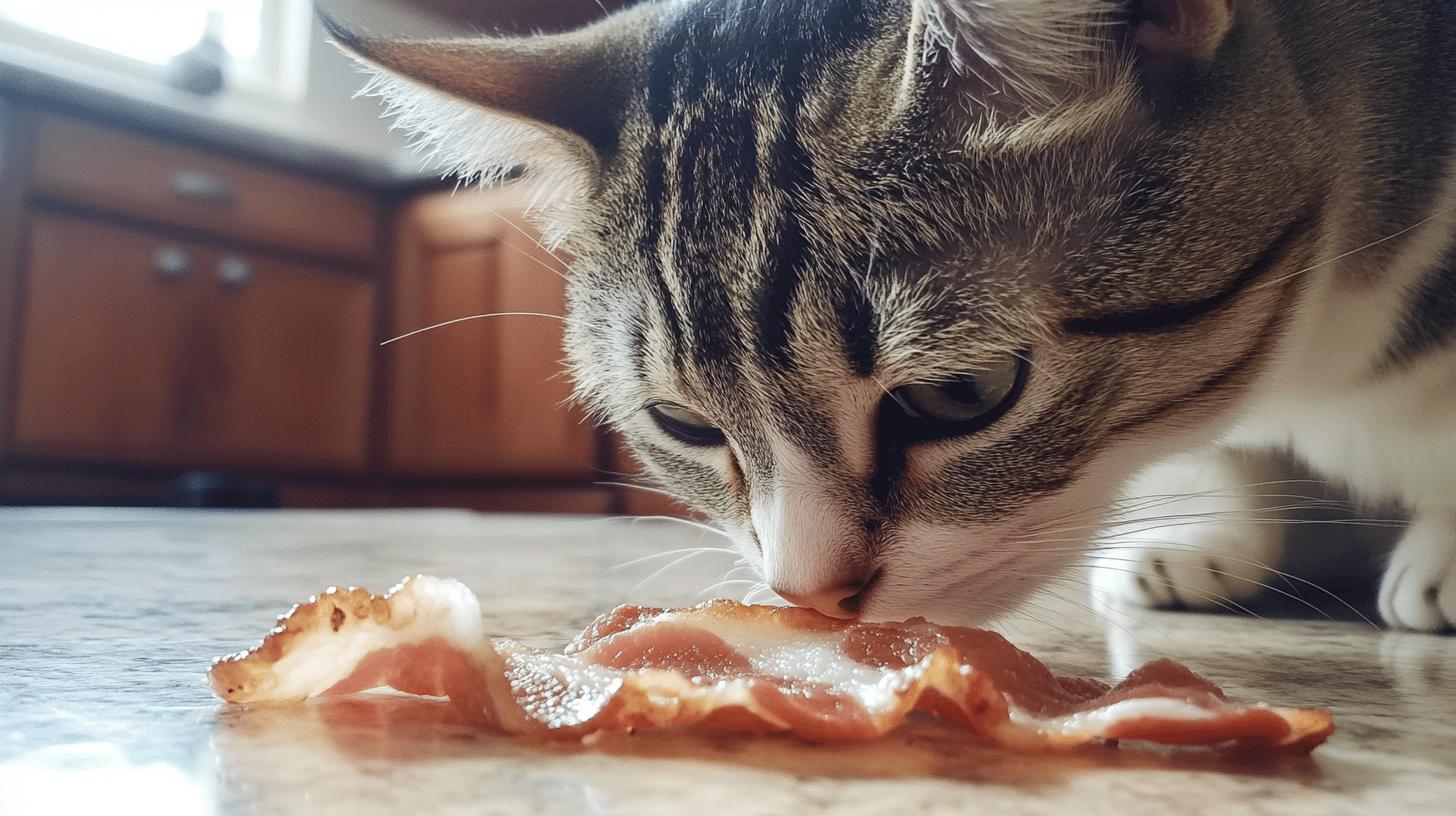
    If you notice your cat experiencing any of these symptoms after eating edamame, it's a sign that their body isn't agreeing with the new food. Always introduce new foods gradually, allowing your cat's digestive system to adjust and minimizing the risk of a negative reaction.

    The expertise of a veterinarian is invaluable if your cat has an adverse reaction. They'll be able to offer specific advice tailored to your cat's health needs. Maintaining a balanced diet is essential for your cat's well-being, so make sure any treats, including edamame, are given in moderation. Keep in mind that while edamame can be a fun snack, it shouldn't replace the meat-based meals that are vital for your cat's health.

    • Lightly steam edamame
    • Offer in small amounts
    • Treats <10% of diet
    • Watch for vomiting and diarrhea
    • Notice itching or swelling
    • Consult vet if needed

    Alternatives to Edamame: Safe Snacks for Cats

    Alternatives to Edamame Safe Snacks for Cats-1.jpg

    When looking for alternatives to edamame, it's important to choose snacks that align with a cat's dietary needs. Cats thrive on a diet rich in animal proteins, so snacks should reflect that. Specially formulated cat treats are a great option, as they are designed to meet the nutritional requirements of cats.

    These treats often come in flavors that mimic a cat's natural prey, making them both appealing and beneficial. Additionally, meaty snacks, such as small pieces of cooked chicken or turkey, can be a delightful treat for your feline friend. Just ensure these meats are unseasoned and cooked thoroughly.

    Beyond treats, incorporating raw bones into a cat's diet can provide both entertainment and health benefits. Chewing on bones helps maintain dental health by cleaning their teeth and strengthening their gums. If you're considering human foods, opt for those that are safe for cats and free of sauces or spices.

    Plain, cooked fish or eggs can be enjoyed occasionally. Finally, to support overall health, you might consider nutrient-rich supplements that are specifically designed for cats, ensuring they receive all the essential vitamins and minerals they need.

    • Formulated cat treats
    • Meaty snacks
    • Raw bones
    • Unsauced human foods
    • Nutrient-rich supplements

    Final Words

    In exploring can cat eat edamame, we learned that while edamame is non-toxic, it's not ideal for regular cat diets. As obligate carnivores, cats need animal-based proteins and too much edamame might lead to digestive issues. Nutritional benefits are minimal and risks like nutrient absorption interference are present.

    If introducing edamame, ensure it's steamed, portions are small, and monitor the cat's reaction. Alternatives like formulated cat treats or meaty snacks align better with their nutritional needs. Remember, keeping your cat's diet balanced and safe enriches their health and happiness.

    FAQ

    Can I feed my cat edamame?

    Edamame is non-toxic to cats and can be eaten in small amounts. However, as obligate carnivores, cats need animal-based proteins, so it shouldn't be a regular part of their diet.

    Is edamame safe for pets?

    For cats and many pets, edamame can be safe in small amounts but may cause digestive issues like vomiting or diarrhea. It's best offered rarely and in minimal portions.

    Why does my cat love edamame?

    Some cats might be curious about edamame due to its texture and smell. But remember, edamame offers minimal nutritional value for them compared to their regular diet.

    Can cats eat soybean oil?

    Soybean oil isn't toxic to cats, but it's not recommended. Cats need animal-based fats for nutritional balance, so it's best to stick with their specific dietary needs.

    Can cats eat rice?

    Cats can eat rice in small quantities as an occasional treat. It doesn't provide significant nutrition and should not replace their regular meat-based diet.

    Can cats eat tofu?

    Tofu is not toxic to cats but doesn't fulfill their dietary needs. Cats require proteins from meat to thrive, as tofu lacks essential nutrients for them.

    Can cats eat soy sauce?

    Soy sauce should be avoided entirely. It's high in sodium, which is not healthy for cats. It can lead to salt poisoning, causing serious health issues.

    Is it safe for cats to eat soybeans?

    Soybeans are not ideal for cats. While non-toxic, they can cause digestive issues and interfere with nutrient absorption. Animal-based proteins are better for their health.

    Can animals eat edamame pods?

    Edamame pods are tough and can pose a choking hazard. It's best to avoid giving pets the pods and stick to carefully prepared, small pieces of edamame if necessary.

    Related Articles

  • Can Cat Eat Cinnamon Understanding the Safety and Risks

    Can Cat Eat Cinnamon Understanding the Safety and Risks

    Is cinnamon a flavorful delight or a hidden danger for our feline friends? While many of us enjoy the warm, sweet-spicy aroma of cinnamon, it holds risks for cats that might surprise you. Even though the ASPCA labels cinnamon as non-toxic, it doesn’t guarantee safety.

    Our cats can’t digest cinnamon like we do, so what happens if they get a taste? This blog post dives into the safety concerns and potential risks associated with cats and cinnamon, shedding light on the impact it can have on your cat’s health. Let’s explore these risks together to ensure safe and happy playtime for our furry companions.

    Can Cats Eat Cinnamon? Understanding the Risks

    Safe Spices and Alternatives for Cats-2.jpg

    Cinnamon is technically recognized as non-toxic to cats by the ASPCA, but this doesn’t mean it is entirely safe. While small amounts of cinnamon might not be lethal, larger quantities can lead to cinnamon toxicity. This could potentially result in liver failure in cats. Cats lack the enzyme necessary to properly digest cinnamon, which increases the risk of toxicity when consumed in large or frequent doses.

    The general safety of cinnamon for cats is a concern because even though it is non-toxic, the lack of the required enzyme makes it difficult for their bodies to process. The ingestion of cinnamon, especially in significant quantities, can lead to serious health issues. Therefore, it’s important for cat owners to be cautious about their pets’ exposure to cinnamon to avoid any adverse health effects.

    • Potential liver failure from large doses
    • Cinnamon’s strong scent irritating airways
    • Risk of allergic reactions
    • Cats’ natural aversion to cinnamon smell and taste
    • Importance of keeping cinnamon products away from cats

    Monitoring a cat’s interaction with cinnamon products is crucial. Cats have a heightened sense of smell, and cinnamon’s strong scent can be overwhelming, even if they don’t ingest it. Products like cinnamon sticks or cinnamon-scented items should be kept out of reach. Ensuring cats do not frequently come into contact with cinnamon or its products can prevent potential health issues and keep them safe.

    Symptoms of Cinnamon Toxicity in Cats

    Safe Spices and Alternatives for Cats-3.jpg

    Cinnamon toxicity in cats can manifest through various symptoms, making it essential for cat owners to be vigilant. Initial signs to watch for include redness and irritation around the mouth. These symptoms occur because cats may lick or chew on cinnamon items, leading to direct contact.

    Another common symptom is drooling or foaming at the mouth, which indicates that the cinnamon is causing discomfort or irritation. Cinnamon essential oils can be particularly dangerous due to their high concentration, posing an even greater risk if inhaled or ingested.

    • Redness and irritation around the mouth
    • Drooling or foaming at the mouth
    • Vomiting or diarrhea
    • Respiratory distress
    • Lethargy or weakness
    • Allergic reactions

    If your cat displays any of these symptoms, especially more severe ones like vomiting, diarrhea, or respiratory distress, immediate veterinary attention is crucial. These could indicate that the cat is experiencing a serious reaction to cinnamon exposure.

    Allergic reactions can also occur, adding another layer of risk. Prompt action and contacting a vet can make a significant difference in your cat’s health outcome, ensuring they receive the appropriate care and treatment needed to recover.

    What to Do if Your Cat Ingests Cinnamon

    What to Do if Your Cat Ingests Cinnamon-1.jpg

    If your cat ingests cinnamon, swift action is vital. Cinnamon can be particularly harmful to cats due to their inability to metabolize it properly. Taking immediate steps can prevent severe health issues. First, ensure that any remaining cinnamon is removed from your cat’s reach. Keep a close eye on your cat for any symptoms of toxicity such as vomiting, diarrhea, or lethargy. These signs indicate the need for urgent veterinary attention.

    1. Remove any remaining cinnamon from the area.
    2. Monitor the cat for symptoms of toxicity.
    3. Contact a veterinarian immediately.
    4. Follow veterinary instructions, which may include bringing the cat in for treatment.
    5. Avoid home remedies unless advised by a professional.

    Your veterinarian might recommend inducing vomiting or administering activated charcoal, but these measures should only be undertaken under professional guidance. Prompt veterinary intervention can make a significant difference in managing the situation effectively. Always prioritize professional advice to ensure your cat receives the care it needs.

    Safe Spices and Alternatives for Cats

    Safe Spices and Alternatives for Cats-1.jpg

    When it comes to spices, it’s important to know which ones are safe and which ones pose a risk to our feline friends. Many common spices that we might use in our cooking, such as garlic and chives, are harmful to cats and should be avoided. These spices can lead to digestive issues and even more severe health problems.

    On the other hand, some herbs and spices can be safe and even enjoyable for cats. For instance, catnip is a well-known favorite that can provide mental stimulation and enjoyment. However, always be cautious and do your research before introducing any new spices or herbs to your cat’s diet.

    Here are some safe spices and alternatives that are suitable for cats:

    • Catnip
    • Parsley
    • Plain cooked chicken
    • Cat grass
    • Pumpkin puree

    Incorporating safe human foods into your cat’s diet can be a great way to provide variety and enrichment. Plain cooked chicken, for example, is a protein-rich option that many cats love. Pumpkin puree can aid in digestion and offer a tasty treat.

    Cat grass is another excellent choice, providing a natural source of fiber. When adding these foods to your cat’s diet, ensure they are served in moderation and free from any harmful additives or seasonings. Always prioritize your cat’s health and well-being when selecting food and treats.

    Cinnamon Products to Keep Away from Cats

    Cinnamon products, such as sticks, essential oils, and brooms, can pose significant risks to our feline friends. Cinnamon sticks, while seemingly harmless, can become a choking hazard if chewed on by curious cats. Additionally, the strong scent of cinnamon essential oils can irritate a cat’s sensitive respiratory system, especially if inhaled.

    Cinnamon brooms are another concern, as their overwhelming aroma can be distressing for cats, potentially causing respiratory irritation. Moreover, cinnamon candles can release potent scents into the air, which might lead to discomfort or even respiratory issues for cats.

    Here are some cinnamon products to avoid around cats:

    • Cinnamon sticks
    • Cinnamon essential oils
    • Cinnamon brooms
    • Cinnamon candles

    To ensure your cat’s safety, it’s crucial to store these products in a way that keeps them out of reach. Place cinnamon sticks and essential oils in sealed containers within cabinets that cats cannot access. For items like cinnamon brooms and candles, consider storing them in rooms or areas where your cat is not allowed.

    By taking these precautions, you can help prevent any unwanted health issues that may arise from your cat’s exposure to cinnamon products. Keeping your home a safe environment for your pet is essential for their well-being.

    Final Words

    Keeping your cat safe means understanding the risks of everyday items like cinnamon. Cats can’t digest cinnamon well and can get sick from it. Large amounts might even lead to liver failure or other severe issues.

    It’s best to avoid giving your cat cinnamon, even if small amounts aren’t immediately harmful. Instead, choose pet-safe spices and products to keep your furry friend happy and healthy.

    If you’re ever unsure or your cat ingests cinnamon, contact a vet right away. With the right knowledge, you can help ensure your cat stays safe and enjoys a healthy life.

    FAQ

    Can cats eat cinnamon powder?

    Cinnamon powder is unsafe for cats. Cats lack the enzyme to digest it properly. Small amounts aren’t lethal but can cause health issues if consumed frequently or in large quantities.

    My cat ate a cinnamon roll. What should I do?

    If your cat ate a cinnamon roll, monitor for any symptoms like vomiting or diarrhea. Contact your vet promptly for advice, as cinnamon can be harmful in large or frequent amounts.

    Can cat eat cinnamon leaves?

    Cats should not eat cinnamon leaves. They contain compounds that cats can’t digest well and may cause irritation or more severe health problems.

    Do cats like the smell of cinnamon?

    Cats generally are not attracted to the smell of cinnamon. In fact, its strong scent can irritate their airways and be quite overwhelming for them.

    Can cats eat nutmeg?

    Nutmeg is unsafe for cats. It can cause hallucinations and vomiting, potentially leading to more severe health issues. Avoid letting cats ingest any nutmeg.

    Can dogs eat cinnamon?

    Dogs can tolerate small amounts of cinnamon, but large quantities can lead to digestive upset. Always consult your veterinarian before feeding cinnamon to dogs.

    Can cats eat Cinnamon Toast Crunch?

    Cinnamon Toast Crunch is not recommended for cats. It contains sugar and cinnamon, which are not suitable for feline consumption. Avoid sharing this cereal with your cat.

    What happens if cats eat cinnamon?

    If a cat consumes cinnamon, it may experience irritation, vomiting, diarrhea, or respiratory distress. Large doses can lead to severe health problems like liver failure. Immediate veterinary advice is crucial.

    How much cinnamon is too much for a cat?

    Even small amounts can be harmful if consumed frequently. It’s best to avoid cinnamon entirely to prevent any risk of toxicity or irritation.

    Are cats attracted to cinnamon?

    Cats usually don’t like cinnamon. Its strong scent and flavor are unappealing to them, and it’s not a safe choice for their digestive system.

    Can cats eat applesauce with cinnamon?

    Cats should not eat applesauce with cinnamon. The cinnamon can cause irritation or toxicity, and the applesauce may contain sugar or additives harmful to cats.

    Related Articles

  • Can Cat Eat Hot Cheetos Understanding the Risks for Feline Health

    Can Cat Eat Hot Cheetos Understanding the Risks for Feline Health

    Ever caught your cat eyeing your bag of Hot Cheetos and wondered if they could share a bite? It's tempting to let them try new flavors, but this spicy snack might be a risk not worth taking. I'm here to give you the lowdown on what happens when cats munch on these fiery treats. Spoiler alert: their health could take a hit. Let's find out why Hot Cheetos and cats are a mix that should be off the table, in terms of both playtime and mealtime safety.

    Can Cats Eat Hot Cheetos? Understanding the Risks and Ingredients

    Can Cats Eat Hot Cheetos Understanding the Risks and Ingredients-1.jpg

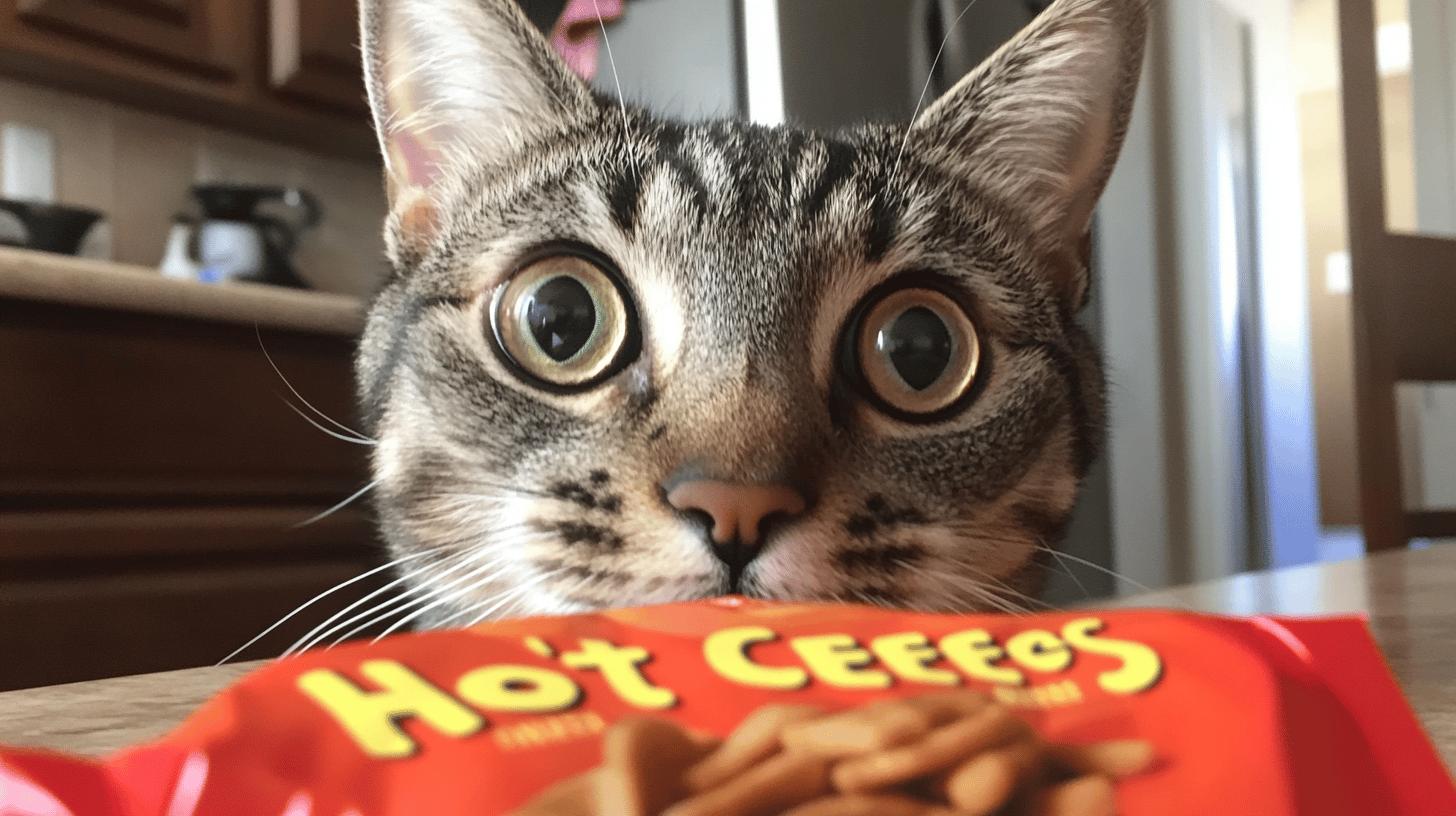
    Hot Cheetos are unsafe for cats. These spicy snacks contain several ingredients that can lead to significant health risks for our feline companions. Cats who munch on Hot Cheetos might experience immediate digestive issues, including discomfort, diarrhea, and vomiting. The high fat, salt, and spice content in these snacks are not suitable for a cat's delicate digestive system. Moreover, spicy foods can cause temporary gastrointestinal upset and even lead to more severe intestinal inflammation.

    Hot Cheetos are packed with ingredients that are not designed for cats. These include artificial flavors and colors, which can be harsh on their systems. Cats are obligate carnivores, requiring a diet primarily made up of high-quality animal protein. Unfortunately, Hot Cheetos lack these essential nutrients. Additionally, the seasoning used in Hot Cheetos often contains elements like onion and garlic powder, both of which are toxic to cats. These ingredients can damage a cat's red blood cells, potentially leading to anemia.

    Harmful Ingredients
    High Salt Content
    Artificial Flavors
    Onion Powder
    Garlic Powder
    High Fat Content

    The potential digestive issues from consuming Hot Cheetos can cause more than just temporary discomfort. Cats may experience significant gastrointestinal upset, leading to vomiting and diarrhea. These symptoms can result in dehydration if not promptly addressed. The high-fat content in Hot Cheetos can also contribute to obesity, which is a growing concern in pet health. Obesity in cats can lead to various other health problems, including diabetes and heart disease.

    Spicy foods are generally not a good choice for cats. They can cause immediate discomfort but also pose long-term health risks when consumed regularly. Capsaicin, the compound responsible for the heat in spicy foods, can irritate a cat's digestive tract over time. Regular consumption of spicy snacks can lead to chronic digestive issues and may even affect a cat's liver and kidney function. It's best to keep these snacks out of reach and stick to a diet that supports a cat's health and well-being.

    How Spicy Foods Affect Cats

    How Spicy Foods Affect Cats-1.jpg

    Research shows capsaicin, found in spicy foods like Hot Cheetos, is a compound that gives these foods their heat. In cats, it can cause significant irritation to their digestive systems. Instead of enjoying the spice, cats may suffer from various health issues.

    Symptoms a cat might show after eating spicy foods include:

    • Drooling
    • Vomiting
    • Diarrhea
    • Stomach pain

    Short-term effects of consuming spicy foods in cats include gastrointestinal upset. This includes symptoms like drooling, vomiting, and diarrhea, which can lead to dehydration. These immediate reactions usually deter cats from spicy foods, but some might eat them out of curiosity.

    Long-term consumption of spicy snacks can lead to chronic issues. Over time, capsaicin may cause intestinal inflammation and even liver and kidney problems in cats. These conditions can severely affect their health. It's essential to keep spicy foods out of a cat's reach and provide a healthy diet.

    Experts recommend alternative snacks that are safe and nutritious for cats. Focus on providing treats designed for feline health to prevent these issues.

    Safe Snack Alternatives for Cats

    Safe Snack Alternatives for Cats-1.jpg

    Cats are obligate carnivores, which means their diet needs to be rich in animal protein. Choosing snacks that align with their dietary needs is essential for their health. Unlike Hot Cheetos, which are unsuitable due to high fat and artificial additives, cat-friendly treats should be natural and nutritious. Vets often recommend treats specifically designed for cats, which provide the nutrients they need without harmful ingredients.

    Here are six safe snack alternatives for cats:

    • Dehydrated chicken strips
    • Baked salmon bites
    • Freeze-dried liver treats
    • Cooked turkey pieces
    • Canned tuna in water
    • Catnip-infused treats

    Homemade snacks offer a great way to ensure your cat gets healthy, natural ingredients. By preparing treats at home, you can control what goes into them, focusing on high-quality proteins. Simple recipes like baked salmon bites or dehydrated chicken strips can be made without preservatives or artificial flavors. This not only makes the treats healthier but allows you to cater to your cat's preferences.

    Consulting with a vet can provide personalized recommendations tailored to your cat's needs. Vets can offer insights into the best snacks based on your cat's health, weight, and age. This ensures that the treats you offer contribute positively to your cat's overall well-being. By following expert advice, you can make informed choices that keep your feline friend healthy and happy.

    What to Do If Your Cat Eats Hot Cheetos

    What to Do If Your Cat Eats Hot Cheetos-1.jpg

    If your cat happens to munch on some Hot Cheetos, it's important to take immediate action. First, remove any remaining Cheetos from their reach to prevent further consumption. Offer your cat plenty of water to help flush out the spices and salt. Keep an eye on your feline friend for any signs of discomfort or distress. It's common for cats to experience gastrointestinal upset from such snacks.

    Here's a handy list of steps to follow:

    1. Remove any remaining Hot Cheetos from your cat's vicinity.
    2. Offer your cat fresh water to help alleviate symptoms.
    3. Monitor your cat closely for the next 24 to 48 hours.
    4. Look for signs like vomiting, diarrhea, or lethargy.

    If your cat begins to show severe symptoms such as persistent vomiting or diarrhea, it's time to contact your veterinarian. These can be signs of food poisoning or a more serious reaction. Veterinary care is crucial if your cat appears dehydrated or extremely lethargic. Quick intervention can prevent more severe health issues and ensure your cat returns to normal health. Keep in mind that it's always better to err on the side of caution when it comes to your pet's well-being.

    Final Words

    Understanding why Hot Cheetos aren't cat-friendly is crucial. The high fat, salt, spicy content, and toxic ingredients like onion and garlic pose serious health risks. Cats might experience digestive issues and potential long-term effects, making spicy snacks unsuitable.

    Opt for safe, cat-friendly treats that satisfy their nutritional needs instead of risking discomfort with spicy snacks. If your cat does eat Hot Cheetos, monitor them closely and consult a vet if symptoms worsen.

    Ensuring a fun yet safe play and snacking environment will keep your cat healthy and happy. Remember, can cat eat hot cheetos is a firm no for the well-being of your furry friend.

    FAQ

    Can hot Cheetos kill a cat?

    Hot Cheetos are unsafe for cats and can cause digestive issues or even serious health problems due to their toxic ingredients. While not typically deadly, they can lead to discomfort or illness.

    Can cats eat hot Cheetos or Cheetos puffs?

    Cats should not eat Hot Cheetos or Cheetos Puffs. Both contain high levels of fat, salt, and artificial flavors which are harmful to cats.

    Why does my cat like hot Cheetos?

    Cats may be attracted to the smell or texture of Hot Cheetos. However, this doesn't mean they're safe to eat. Cats don't have the same taste receptors for spiciness.

    What happens if my cat eats a hot Cheeto or spicy chips?

    If your cat eats a Hot Cheeto or spicy chip, they might experience gastrointestinal upset, leading to vomiting, diarrhea, or discomfort. Monitor them closely and seek vet care if symptoms persist.

    Are hot chips or spicy food okay for cats?

    Spicy foods are not okay for cats. Ingredients like capsaicin can irritate their digestive systems, leading to short-term and potentially long-term health issues.

    Can cats or dogs eat hot Cheetos or Takis?

    Neither cats nor dogs should eat Hot Cheetos or Takis. These snacks have spices and ingredients that can harm both pet species.

    Can cats eat cheese puffs?

    While not as harmful as spicy snacks, cheese puffs aren't healthy for cats. They have artificial flavors and high salt content, which are not suitable for feline diets.

    Can cats eat hot dogs?

    Cats shouldn't eat hot dogs due to high sodium and fat content, and potential additives harmful to their health. Stick to snacks formulated for cats.

    What should I do if my cat eats Hot Cheetos?

    If your cat eats Hot Cheetos, monitor them for 24–48 hours. Offer water and watch for vomiting, diarrhea, or discomfort. Seek vet care for severe symptoms like persistent vomiting or dehydration.

    Related Articles

  • Can Cat Eat Hamburger Meat Safely Exploring Feeding Guidelines

    Can Cat Eat Hamburger Meat Safely Exploring Feeding Guidelines

    “Can my cat munch on hamburger meat?” It's a question that might surprise pet owners. With hamburger meat being delicious for humans, it's tempting to share it with our feline friends. But before you do, let's dive into what you need to know about safely feeding your cat hamburger. While beef is a protein-rich treat that can fit into their diet, cats need more than just a tasty snack to stay healthy. In this blog, we'll explore the do's and don'ts, making sure your kitty enjoys hamburgers without a hitch.

    Can Cats Eat Hamburger Meat? Comprehensive Safety and Feeding Guide

    Can Cats Eat Hamburger Meat Comprehensive Safety and Feeding Guide-1.jpg

    Hamburger meat, when properly prepared, can be a safe treat for cats. Beef, the primary component of hamburger meat, is generally safe for cats to consume in moderation. It's rich in protein and can contribute to a cat's dietary needs. However, it's important to remember that beef should not be a primary component of their diet. Cats are obligate carnivores, requiring a balanced intake of various nutrients. Feeding hamburger meat should be done carefully to avoid potential health issues.

    When considering hamburger meat for cats, it's crucial to take necessary precautions. First, always ensure that the meat is cooked thoroughly to eliminate harmful bacteria. Avoid adding any seasonings or ingredients like onion and garlic, which are toxic to cats. Processed and packaged burgers should be avoided due to the potential inclusion of harmful additives and preservatives. Additionally, cheese should be excluded from a cat's burger due to many cats being lactose-intolerant.

    Potential risks or harmful ingredients to avoid:

    • Onions and garlic: Toxic to cats and can cause serious health issues.
    • Processed additives: Found in packaged burgers and can be harmful.
    • Excessive fat: High-fat content can lead to obesity and other health problems.
    • Salt and seasonings: Can upset a cat's stomach and lead to dehydration.
    • Cheese: Most cats are lactose-intolerant, and cheese offers little nutritional benefit.

    For safe feeding practices, it's recommended to serve hamburger meat in moderation. Cats can enjoy this treat occasionally, but it should not replace their regular meals. Ensure the meat is plain, without any additional ingredients that could harm your cat. Introduce hamburger meat slowly to observe any adverse reactions or allergies. Monitor portion sizes to prevent overconsumption, which can lead to health issues.
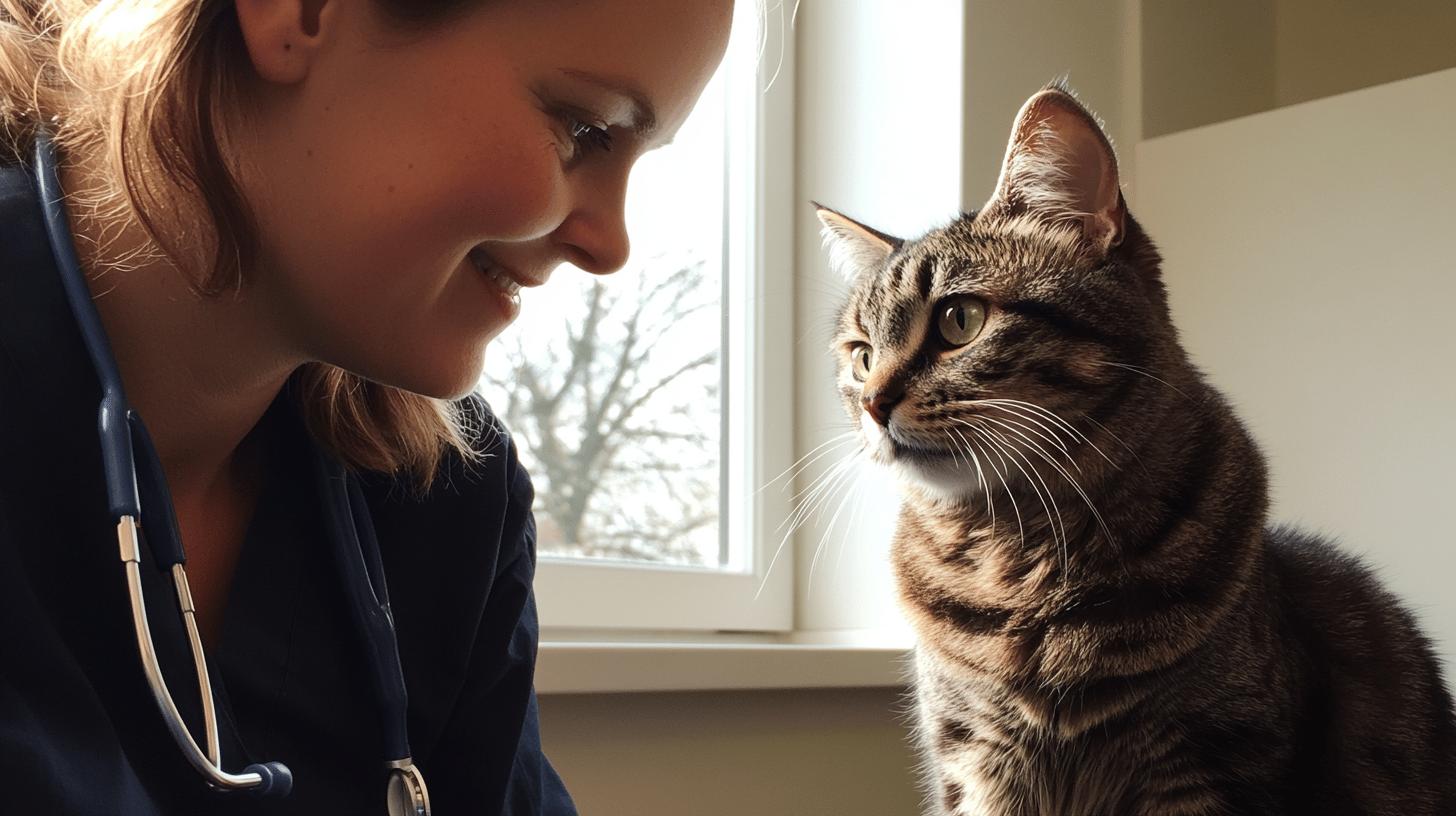
    Recommendations for safe feeding practices:

    • Cook thoroughly: Ensure meat is well-cooked to kill bacteria.
    • Avoid seasonings: Serve meat plain without any added spices.
    • Limit frequency: Offer as an occasional treat, not a staple diet component.
    • Watch portion sizes: Keep servings small to prevent weight gain.
    • Monitor after feeding: Observe for any signs of allergies or digestive issues.

    Monitoring your cat's reaction to hamburger meat is key to ensuring its safety. Start with small portions and watch for any signs of stomach upset or allergic reactions, such as vomiting or diarrhea. If any adverse symptoms occur, stop feeding hamburger meat immediately and consult a veterinarian. Maintaining a balanced diet is vital for your cat's health, and while hamburger meat can be part of their treat repertoire, it should be fed thoughtfully and sparingly.

    Nutritional Impact and Preparation of Hamburger for Cats

    Nutritional Impact and Preparation of Hamburger for Cats-1.jpg

    Comparing raw and cooked hamburger meat reveals some unique insights. Raw hamburger offers more moisture, which can be beneficial for a cat's hydration. However, it carries significant risks such as parasites, bacteria, and food poisoning. These risks can be harmful to cats, making raw meat a less safe option. Cooking hamburger meat reduces these dangers by eliminating pathogens, making it a safer choice for our feline friends.

    To safely prepare hamburger meat for cats, cook it thoroughly to kill bacteria and parasites. Avoid adding any seasonings or ingredients that could be toxic to cats, like onions or garlic. Serving plain, cooked hamburger meat as an occasional treat can provide a tasty and nutritious option without replacing a balanced diet. Monitoring portion sizes and frequency helps ensure that benefits are enjoyed without the risks of overconsumption.

    Alternatives to Hamburger: Ensuring a Balanced Diet for Cats

    Alternatives to Hamburger Ensuring a Balanced Diet for Cats-1.jpg

    A balanced diet is crucial for maintaining a cat's health and well-being. Cats, being obligate carnivores, require a diet rich in protein and essential nutrients. While hamburger meat can be a tasty treat, it should not dominate a cat's diet. Instead, offering a variety of meats and foods ensures they receive a broad spectrum of nutrients. Feeding them a balanced diet can help prevent common health issues such as obesity, heart disease, and nutrient deficiencies.
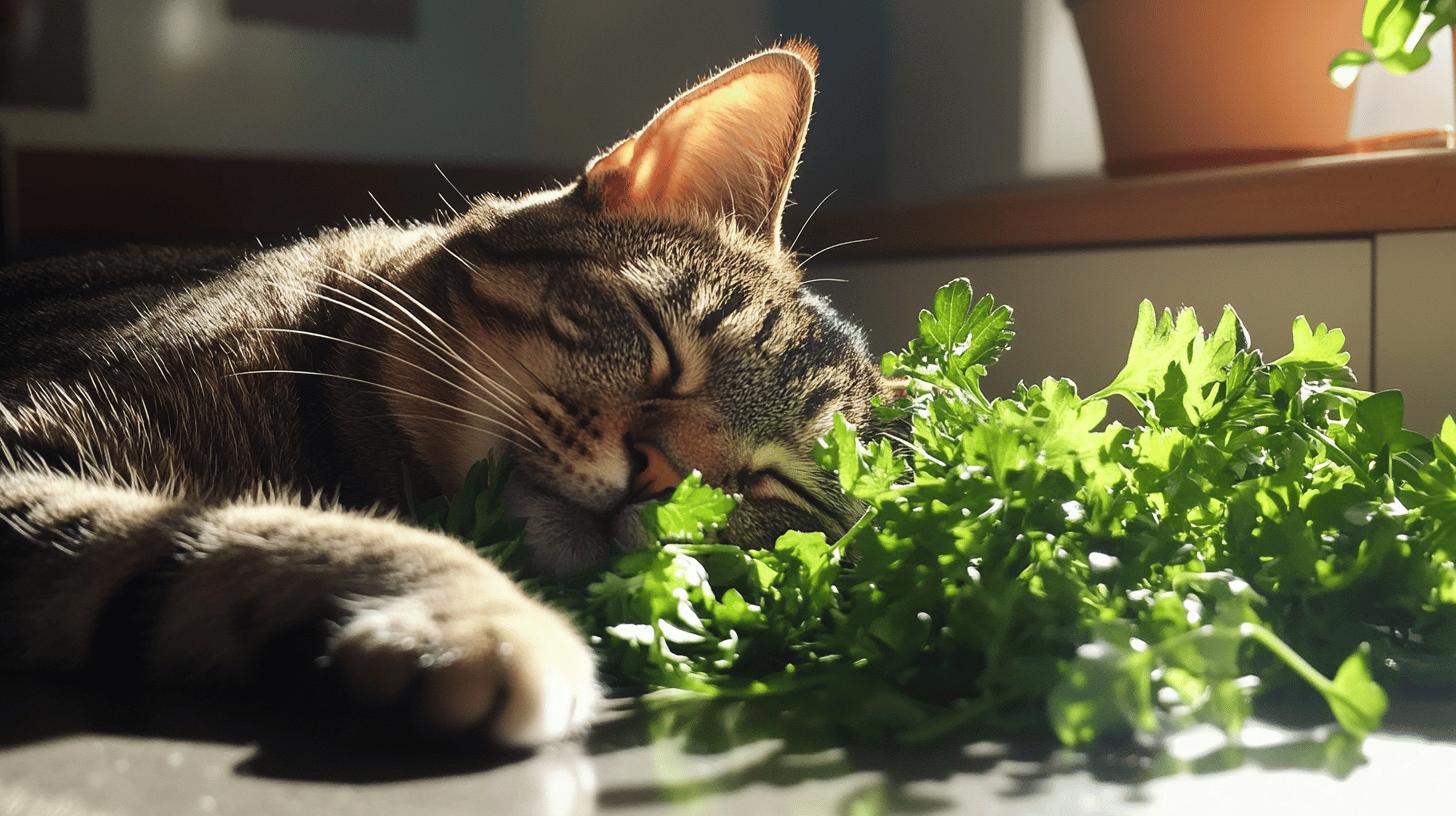
    Here are six alternative meats or human foods that are safe for cats:

    • Chicken: A lean protein source that's easy for cats to digest.
    • Turkey: Another lean option, rich in nutrients and low in fat.
    • Lamb: Offers a different protein profile and is often well-tolerated.
    • Fish (in moderation): Provides omega-3 fatty acids but should be limited due to mercury concerns.
    • Eggs: A good source of protein and amino acids.
    • Cooked pumpkin: High in fiber, aiding digestion and weight management.

    Incorporating these alternatives into a cat's diet is relatively straightforward. Rotate different protein sources to keep their meals interesting and nutritionally complete. Introduce new foods gradually to monitor for any adverse reactions. For optimal health, ensure each meal is balanced, focusing on proteins but also including small amounts of healthy fats and carbohydrates. By diversifying their diet, you not only meet their nutritional needs but also keep your feline friend excited about mealtime.
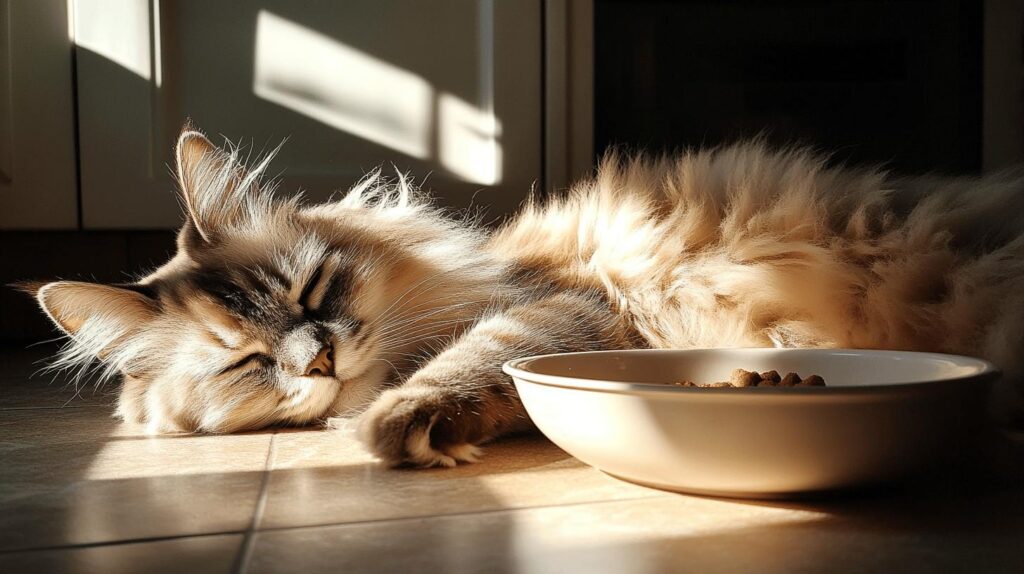
    Final Words

    Understanding whether a cat can eat hamburger meat boils down to balancing safety and nutritional value. Cats can enjoy hamburger meat as a treat, but take care to cook it thoroughly and avoid harmful ingredients like onions or garlic. While hamburger provides essential nutrients, it shouldn't be the main source of their diet. Consider offering other meats like lamb or chicken for variety. Keep an eye on your cat's reaction to any new food. With careful preparation, you can safely incorporate hamburger into your cat's diet for a bit of excitement in their meals.
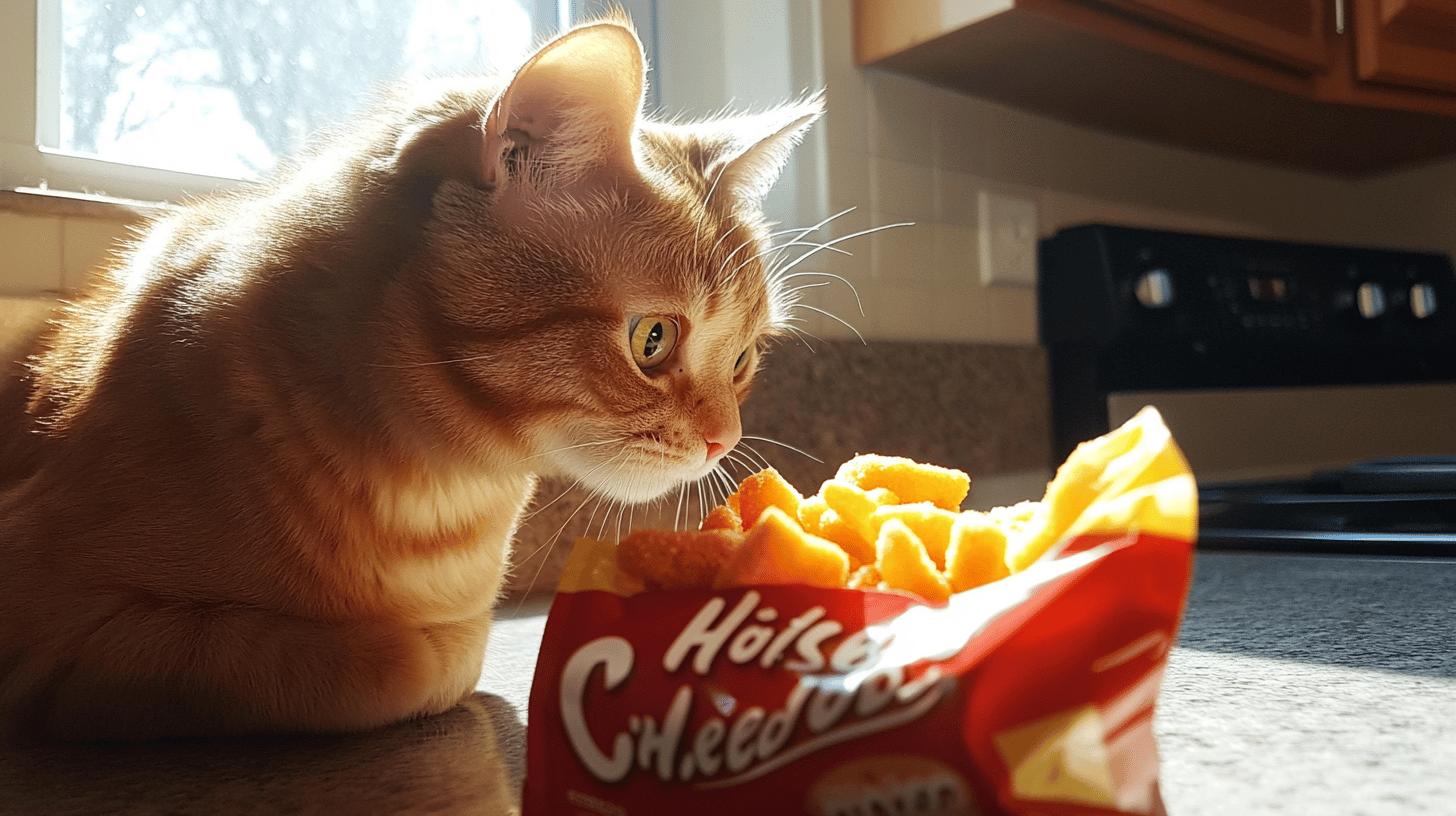
    FAQ

    Can cats eat cheese?

    A: Cats are often lactose-intolerant. Cheese can cause digestive upset, so it's usually best to avoid giving cats cheese.
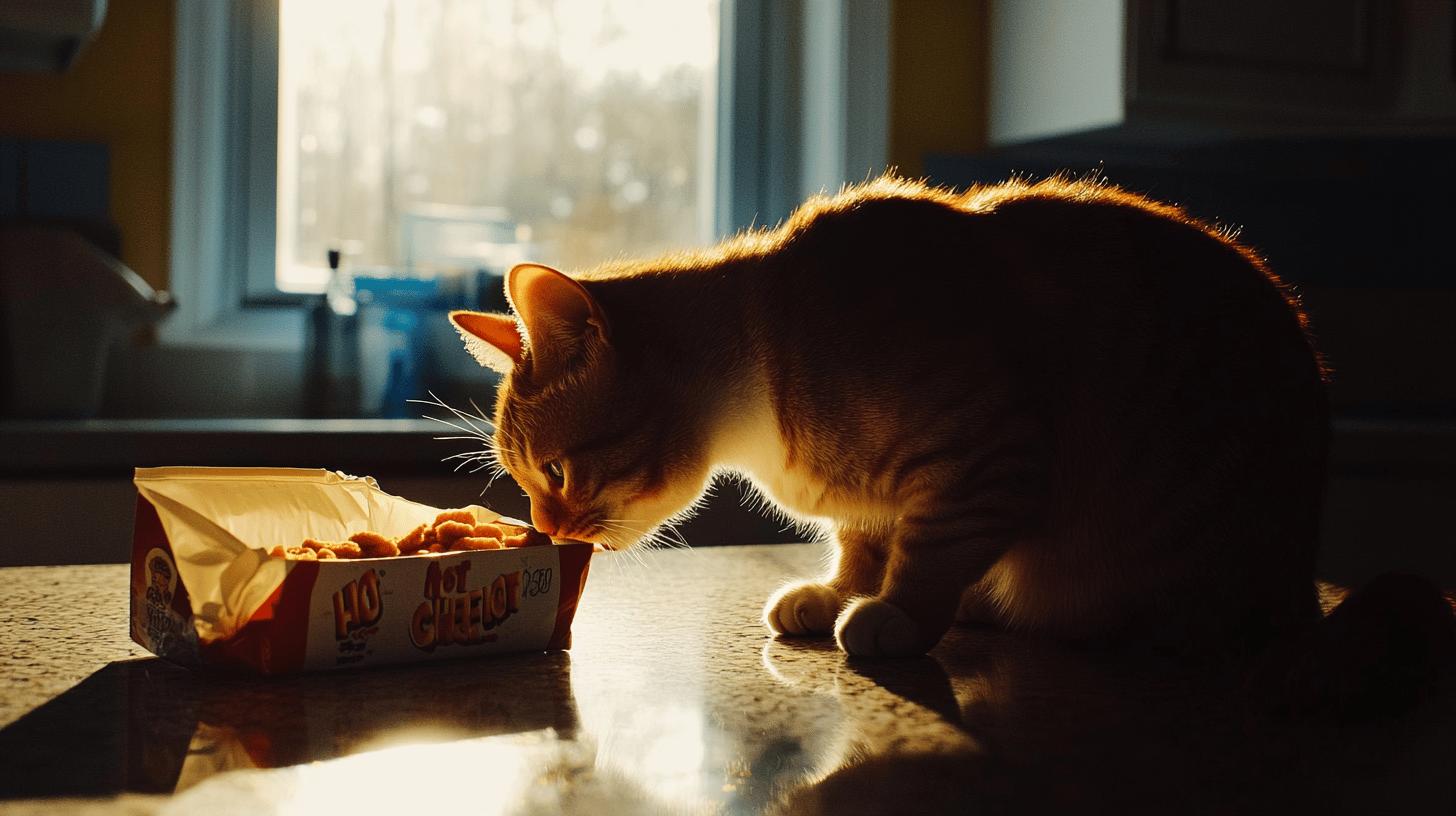
    Can cats eat burger buns?

    A: Burger buns are not recommended for cats. They offer no nutritional value and can lead to digestive issues if consumed in large amounts.

    Can cats eat McDonald's burgers?

    A: Fast food burgers often contain harmful ingredients for cats, like onions and high salt content. It's best not to feed these to cats.

    Can cats eat bread?

    A: While not toxic, bread lacks nutrition required by cats. It might be okay as an occasional treat but isn't recommended regularly.

    Can cats eat beef raw?

    A: Raw beef can provide moisture but poses risks like parasites and bacteria. It's safer to feed cats cooked beef.

    Can cats eat cheeseburgers?

    A: Cheeseburgers contain cheese and other harmful ingredients for cats. Avoid feeding cheeseburgers to your cat to prevent health issues.

    Is cooked hamburger okay for cats?

    A: Cooked hamburger meat is alright as an occasional treat for cats, provided it's free from harmful ingredients like onions.

    Can I give my cat a piece of my burger?

    A: Avoid sharing burgers with cats unless pet-friendly ingredients are used. Human burgers often have spices or additives unsafe for cats.

    What meat should cats not eat?

    A: Cats should avoid processed meats, raw fish, and any meat seasoned with onions or garlic. These can be harmful.

    How much ground beef for a cat?

    A: Offer small, plain portions as an occasional treat. Too much fatty meat can lead to obesity or nutritional imbalances.

    Related Articles