Category: Cat Diet

  • Can Cat Eat Oregano What You Need to Know

    Can Cat Eat Oregano What You Need to Know

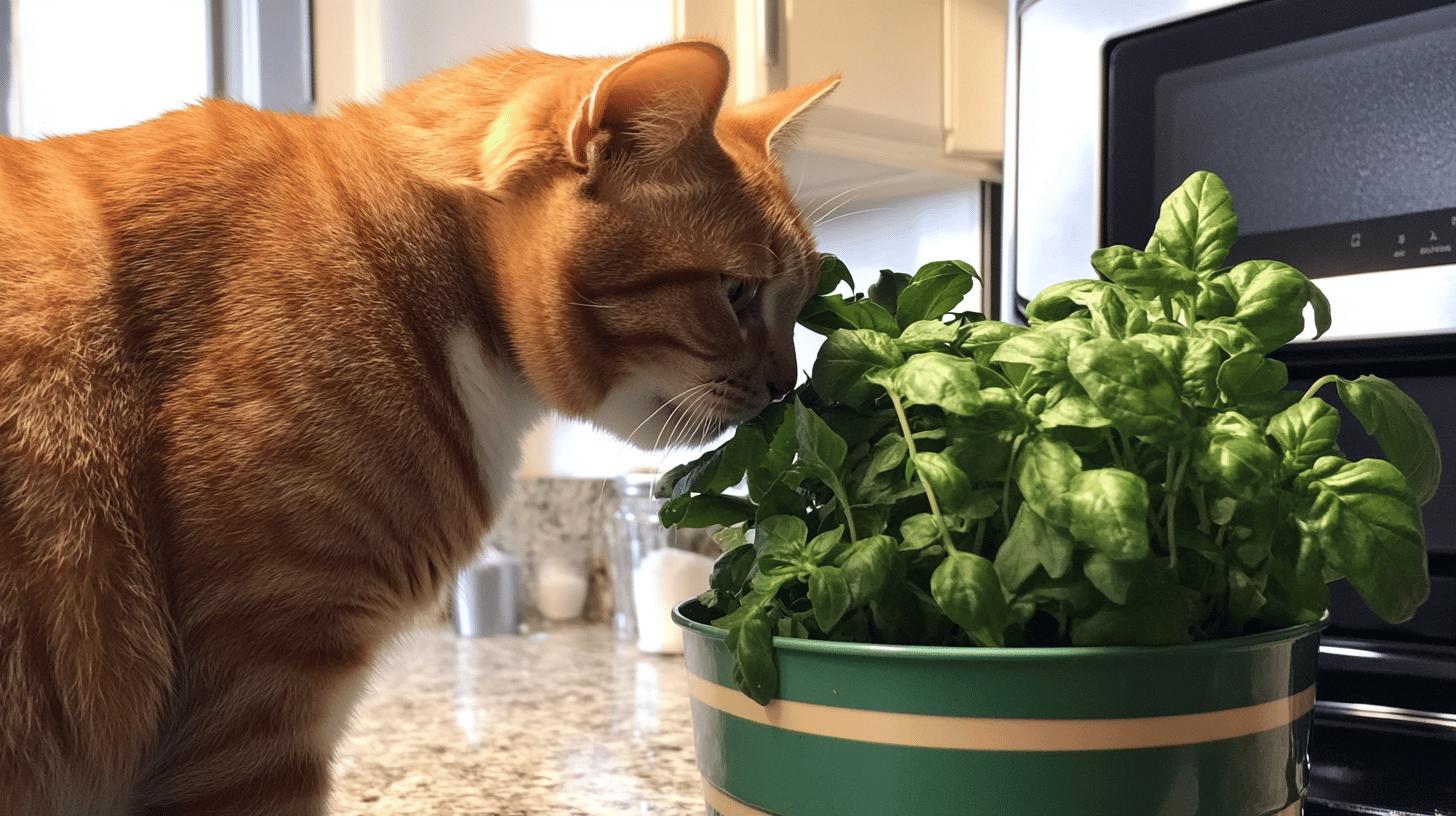
    Can your curious cat nibble on oregano without a hitch? This common kitchen herb adds flavor to your pasta, but it's not so kind to your feline friend. Oregano contains oils that can make your cat seriously sick. From tummy troubles to long-term liver damage, the effects are dangerous. Whether fresh or dried, every part of the plant spells trouble for cats. In this article, I'll explore why keeping oregano out of your cat's reach is crucial and share what steps to take if your cat takes a bite.

    Oregano and Its Effects on Cats
    Oregano and Its Effects on Cats-1.jpg

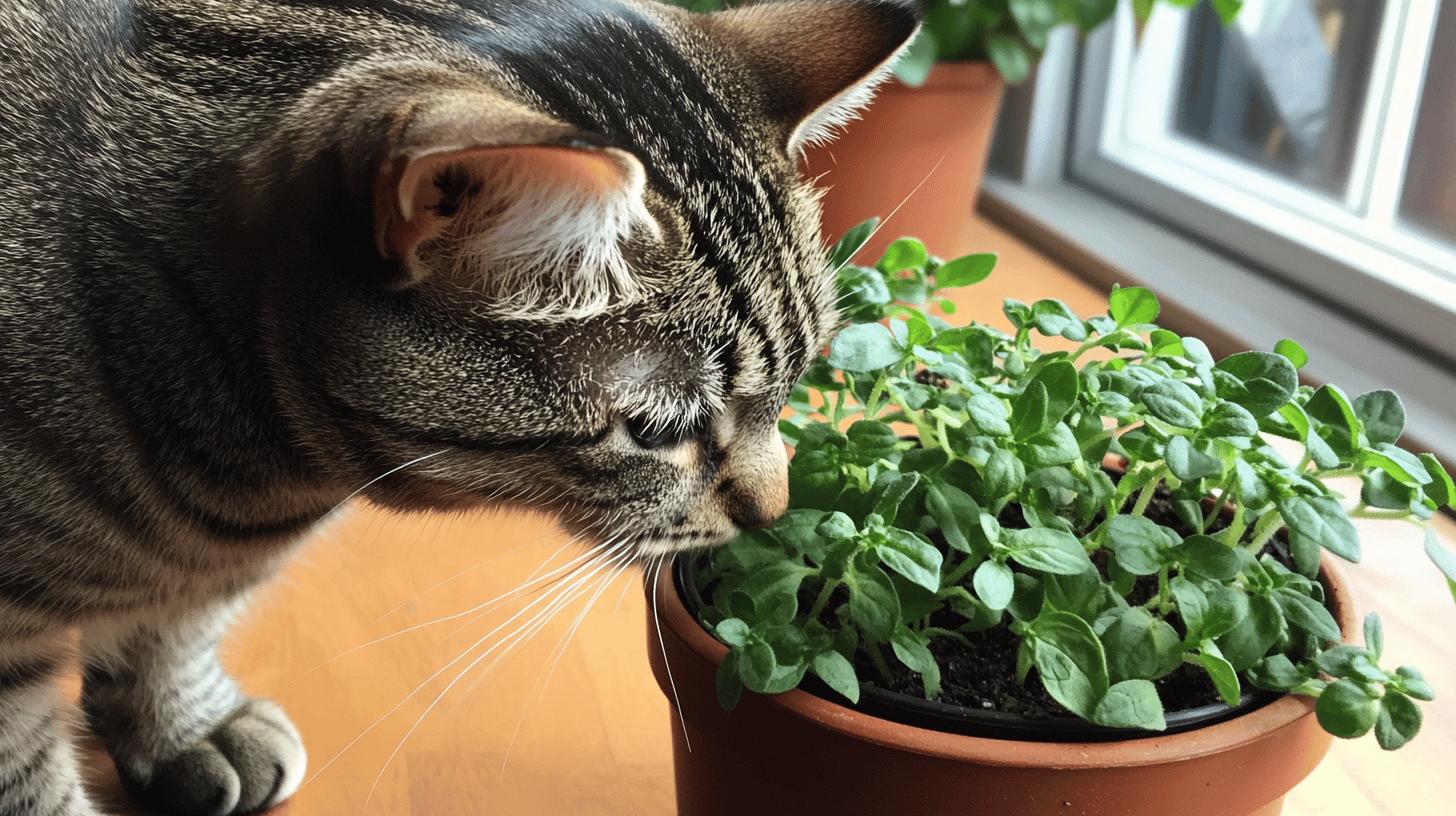
    Oregano might be a staple in our kitchens, but it's not a safe choice for our feline friends. Cats should not eat oregano because it contains toxic oils that can upset their stomach and potentially cause severe health issues. The ASPCA notes that all parts of the oregano plant are harmful to cats, whether fresh, dried, or as an essential oil, with oregano oil being the most dangerous.

    Toxic Parts of Oregano and Immediate Health Effects

    • Fresh Leaves: Can cause gastrointestinal irritation.
    • Dried Leaves: Still contain toxic oils harmful to cats.
    • Stems: Chewing can lead to mouth irritation.
    • Flowers: Also toxic and can induce vomiting.
    • Essential Oil: The most harmful, leading to severe symptoms.

    Long-term exposure or ingestion of oregano in significant amounts can result in irreversible liver damage. The toxic oils in oregano can overwhelm a cat's liver, leading to chronic health issues. Over time, this can impair liver function, making it difficult for the body to filter out toxins, which can be life-threatening without intervention.

    Common Gastrointestinal Symptoms

    • Vomiting: Frequent vomiting may occur.
    • Diarrhea: Loose stools can be a sign of ingestion.
    • Loss of Appetite: A cat may refuse to eat.
    • Mouth Irritation: Spicy oils can cause discomfort.

    Oregano isn't the only herb to watch out for. Many common cooking herbs, such as garlic and onions, are also toxic to cats. To prevent any health issues, it's crucial to keep oregano and other harmful herbs out of reach. If your cat is exposed to oregano, consult with a veterinarian promptly to ensure their health and safety.

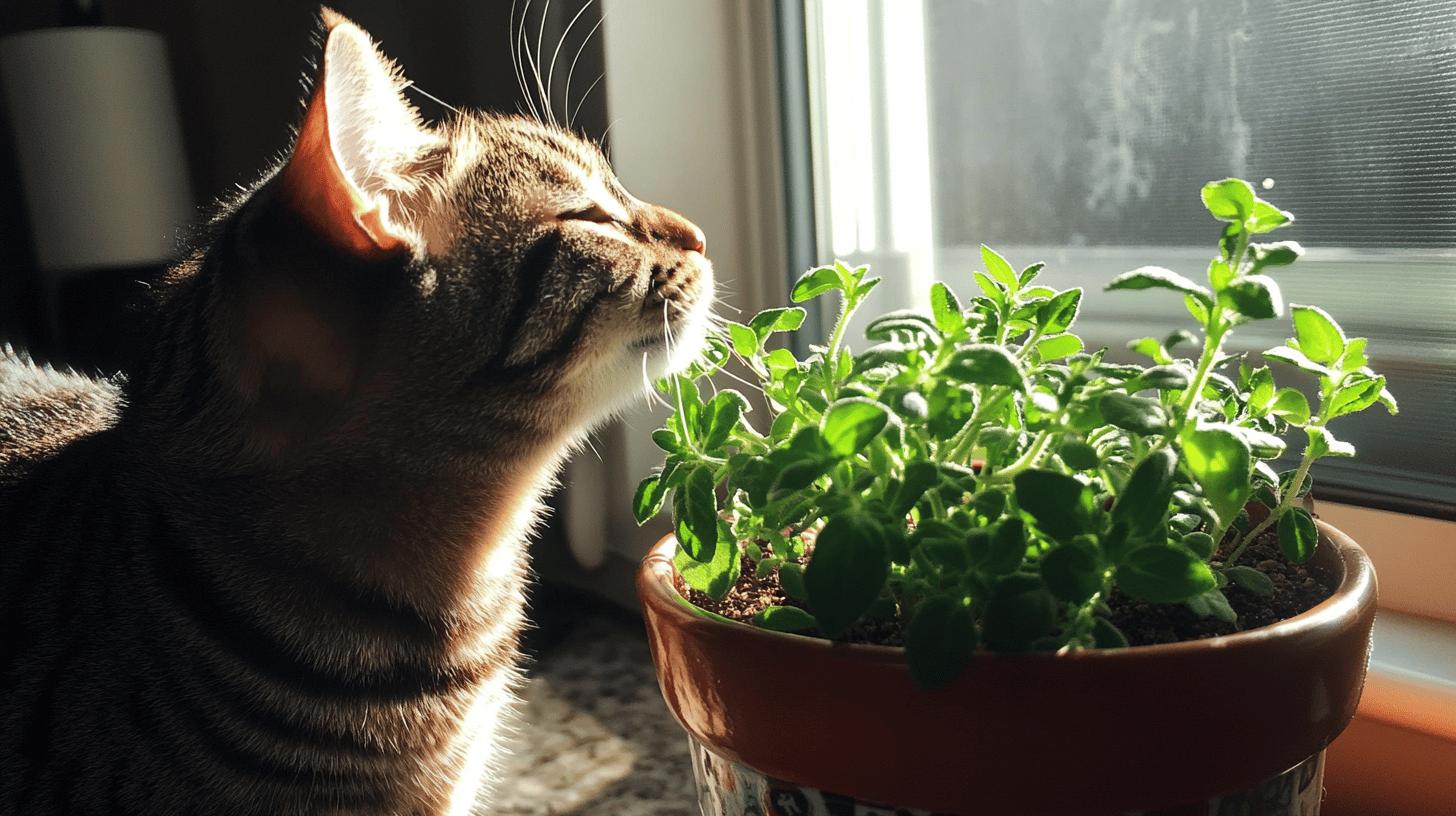
    What to Do If Your Cat Eats Oregano
    What to Do If Your Cat Eats Oregano-1.jpg

    Quick action is crucial if your cat ingests oregano. Since oregano is toxic to cats, it's essential to address the situation promptly to prevent serious health issues.

    1. Monitor Your Cat: Keep a close eye on your cat for any signs of distress, such as vomiting or diarrhea.

    2. Remove Access: Ensure your cat cannot reach any more oregano or other toxic substances.

    3. Contact a Veterinarian: Call your vet immediately for advice. They may recommend bringing your cat in for an examination.

    1. Avoid Home Remedies: Do not attempt any treatments at home without professional guidance, as this may worsen the situation.

    2. Follow Veterinary Instructions: Adhere to any recommendations or treatments your vet provides.

    Preventing future incidents is equally important. Keep all herbs, especially oregano, out of your cat's reach. Consider using secure storage methods for cooking ingredients. Always consult with your veterinarian before introducing any new herbs or foods into your pet's environment. This proactive approach helps ensure your cat's safety and well-being.

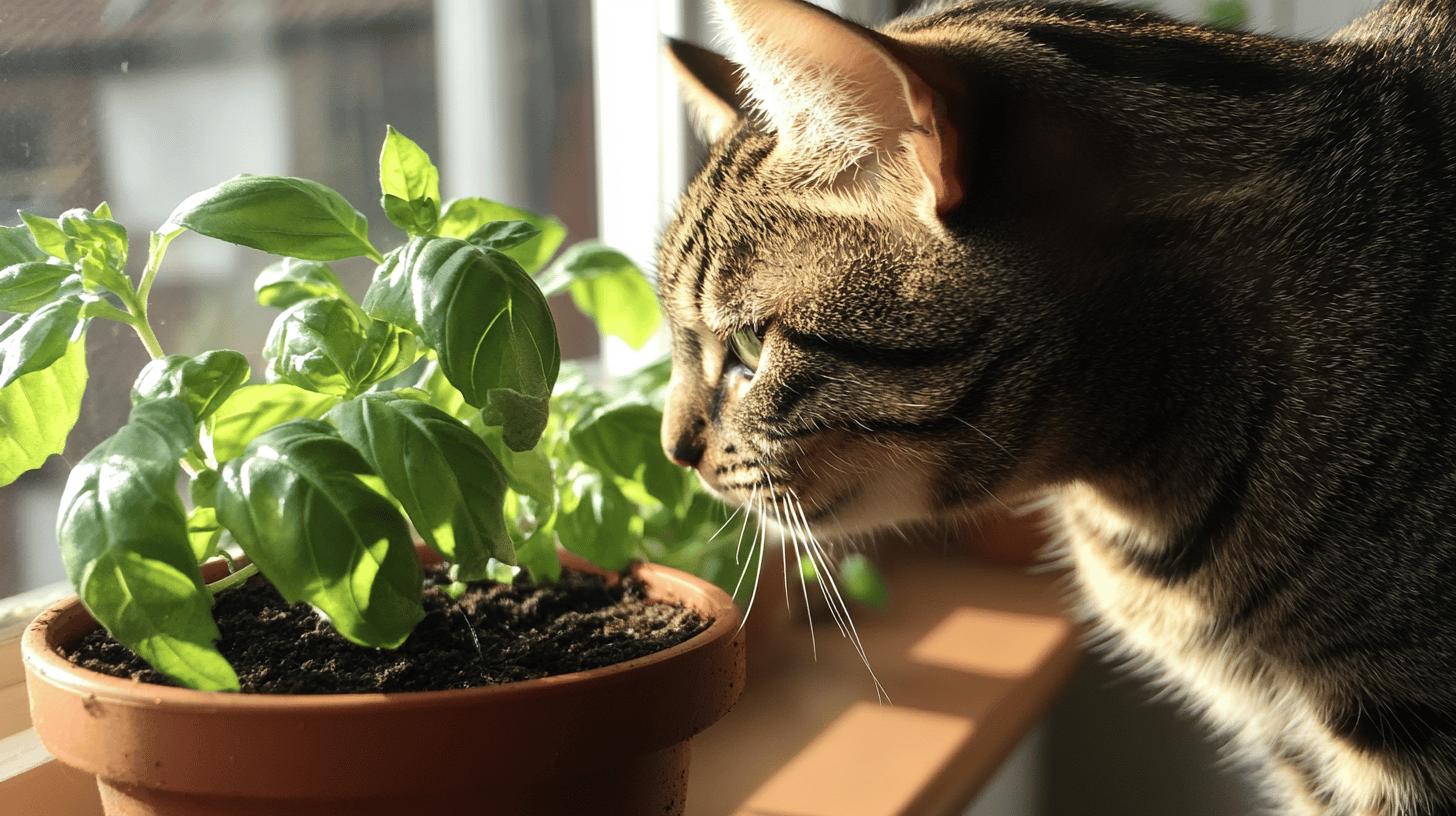
    Safe Herb Practices for Cats
    Safe Herb Practices for Cats-1.jpg

    When it comes to keeping our feline friends healthy, understanding which herbs are safe for them is crucial. Cats have unique digestive systems, and some herbs can be harmful, while others are perfectly safe. Safe herb practices ensure your cat experiences the benefits of herbs without any risks.

    • Basil
    • Coriander
    • Rosemary
    • Sage
    • Thyme

    These herbs are generally non-toxic and safe for cats, making them excellent choices for pet-friendly households.

    Incorporating these herbs into your cat's environment can offer several benefits. Basil has mild anti-inflammatory properties, which can be soothing. Rosemary can help repel certain pests, and its scent may be a calming influence. Sage and thyme can be used in small amounts to add variety to your cat's space, enriching their experience without adverse effects. Coriander is known for aiding digestion and can be a helpful addition to your cat's diet when used properly.

    Consulting with a Veterinarian

    Before introducing any new herbs or foods into your cat's diet, consulting with a veterinarian is essential. They can provide guidance based on your cat's specific health needs and ensure that the herbs will not interact negatively with any existing conditions or medications. Veterinarians can also help identify any potential allergies, ensuring your cat's safety and well-being.

    While some herbs are safe, many common household herbs and spices pose risks. Oregano, for example, should be kept away from cats due to its toxic oils. Other herbs like garlic and onions can also be harmful, leading to serious health issues if ingested.

    • Read Labels Carefully: Ensure any products or foods you bring into your home do not contain harmful herbs.
    • Secure Storage: Keep herbs and spices out of reach, using cabinets or sealed containers.
    • Educate Household Members: Make sure everyone in the home understands which herbs are safe and which are not.
    • Observe Your Cat: Watch for any changes in behavior or health after introducing new herbs.

    By following these tips and practicing safe herb management, you can create a secure and enjoyable environment for your cat.

    Final Words

    When discussing if cats can eat oregano, it becomes clear that it's unsafe due to its toxic oils. Each part of the oregano plant, whether fresh or dried, poses risks. Cats may suffer from gastrointestinal issues if ingested, and long-term effects can be as severe as liver damage.

    It's crucial to act quickly if a cat consumes oregano, following proper steps for care and consulting a vet. While other herbs are safer, always seek professional advice before introducing new ones.

    Creating a safe environment ensures a happier, healthier life for your feline friend.

    FAQ

    Is oregano poisonous to cats?

    Oregano is poisonous to cats due to its toxic oils. Ingestion can upset their stomach and cause liver damage. Always keep oregano away from cats.

    Can my cat eat oregano leaves or oil?

    Cats should not eat oregano leaves or oil. Oregano, in any form, is toxic to cats and can cause mouth irritation and gastrointestinal issues.

    What should I do if my cat ate oregano?

    If your cat ate oregano, monitor for vomiting or diarrhea. Contact a veterinarian immediately for guidance and potential treatment.

    Is dried oregano safe for cats?

    Dried oregano is not safe for cats. It contains toxic oils that can harm your cat's liver and upset their stomach.

    Can cats eat thyme or basil?

    Cats can safely eat thyme and basil. These herbs are generally considered non-toxic and safe for cats to consume.

    Do cats hate the smell of oregano?

    Some cats may dislike the smell of oregano due to its strong and spicy scent. However, it's best to prevent any contact due to its toxicity.

    What herbs are safe for cats to eat?

    Safe herbs for cats include basil, coriander, rosemary, sage, and thyme. These herbs are generally non-toxic and pose no harm.

    Is oregano safe for pets to eat?

    Oregano is not safe for pets, including cats. It can cause digestive issues and potentially serious health problems such as liver damage.

    Oregano for cats benefits

    There are no known benefits of oregano for cats. It is important to avoid offering oregano to cats due to its toxic nature.
    Related Articles

  • Can Cat Eat Kefir Understanding the Safety and Benefits

    Can Cat Eat Kefir Understanding the Safety and Benefits

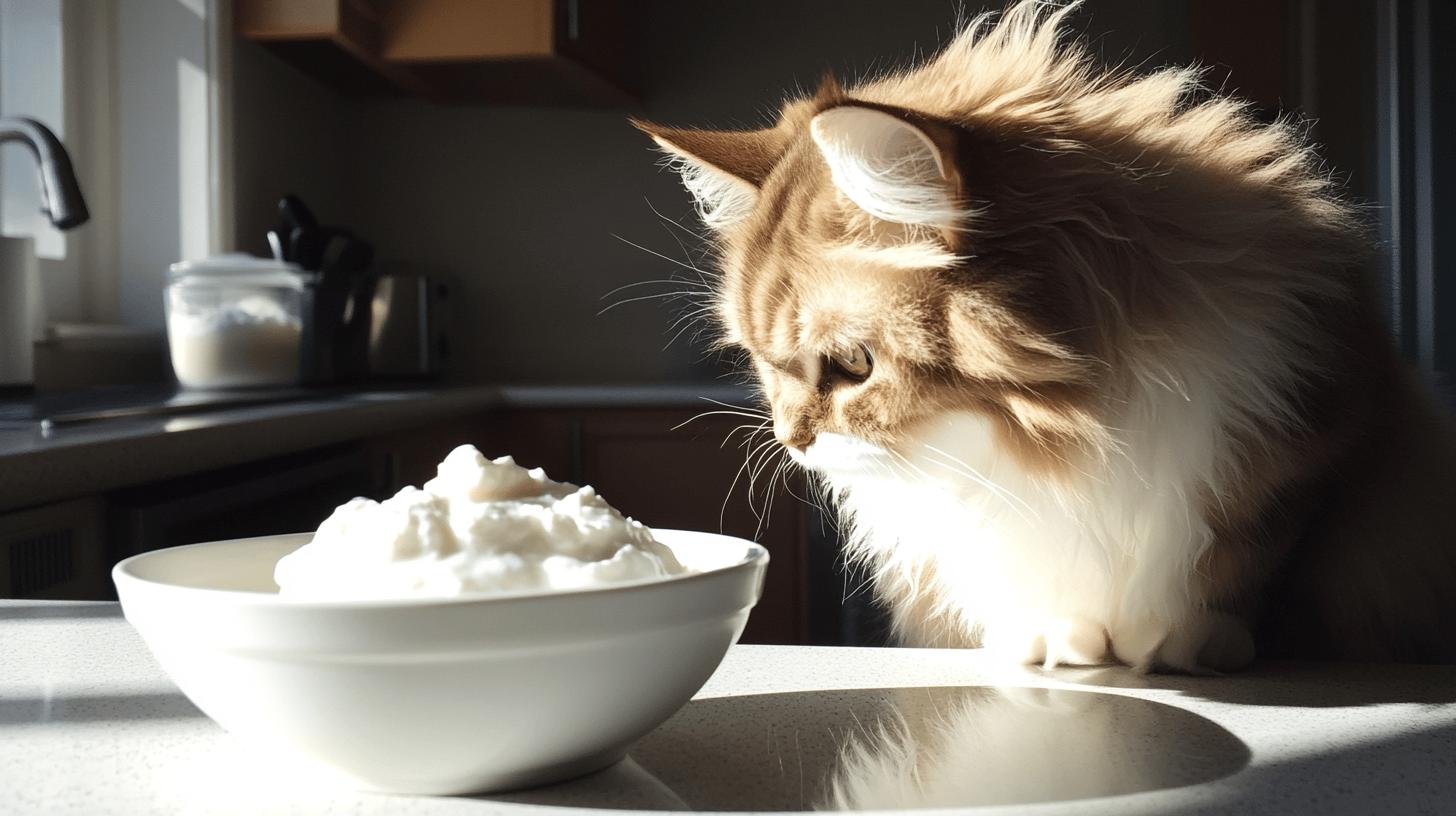
    Can cats enjoy the tangy taste of kefir without any worries? As a cat lover, you might find yourself asking this very question. Kefir, the fermented milk drink bursting with probiotics, is often hailed for its health benefits in humans. But what about our furry friends? In this blog post, we’ll explore whether kefir is safe for cats and uncover the possible health advantages it can offer. Understanding the ins and outs of introducing kefir to your kitty’s diet could lead to a happier, healthier feline. Let's dive into the details!

    Can Cats Safely Eat Kefir?

    Can Cats Safely Eat Kefir-1.jpg

    Kefir is a fermented milk drink rich in probiotics that support digestive health. It's generally considered safe for pets, including cats. The beneficial bacteria in kefir can help maintain a healthy gut, which is essential for overall wellbeing. While kefir is safe, it's crucial to ensure that it's plain and unsweetened, as added sugars and flavors can be harmful to cats.

    Introducing kefir to a cat's diet should be done slowly and with care. Start with a small amount to allow their digestive system to adjust. Gradually increase the amount over time if no adverse reactions occur. This approach helps prevent digestive upset such as diarrhea or loose stools, which can happen if kefir is introduced too quickly.

    Consulting a veterinarian before adding kefir to your cat's diet is always a good idea. A vet can provide personalized advice based on your cat's health needs and history, ensuring the dietary change is safe and beneficial. This step is essential to avoid potential health risks and to tailor the introduction of kefir to your cat's specific requirements.

    Health Benefits of Kefir for Cats

    Health Benefits of Kefir for Cats-1.jpg

    Kefir is packed with probiotics, including beneficial strains like Bifidobacteria species, which play a crucial role in a cat's digestive health. These probiotics help maintain a balance of good bacteria in the gut, aiding in digestion and nutrient absorption. By promoting a healthy gut flora, kefir can support your feline friend's immune function, crucial since a significant portion of the immune system is located in the digestive tract. Cats that consume kefir may enjoy a more balanced digestive system, reducing common issues like constipation or diarrhea.

    Here are some specific potential health benefits for cats consuming kefir:

    • Improved Digestion: Kefir's probiotics can help break down food more efficiently.
    • Enhanced Immune Support: A healthy gut contributes to a stronger immune system.
    • Reduction in Allergies: Probiotics may help lessen allergy symptoms by regulating the immune response.
    • Better Nutrient Absorption: With improved digestion, cats can absorb nutrients more effectively.
    • Healthier Skin and Coat: The nutrients and probiotics in kefir can contribute to a shinier coat and healthier skin.

    The introduction of these probiotics into your cat's diet can enhance their overall health, making them more resilient to illness and stress. By maintaining a healthy balance of gut bacteria, kefir supports various bodily functions, leading to a happier and more energetic cat. Remember, the gradual introduction of kefir ensures that these benefits are maximized without upsetting their delicate digestive system.

    Practical Guidelines for Incorporating Kefir into Your Cat's Diet

    Practical Guidelines for Incorporating Kefir into Your Cats Diet-1.jpg

    Introducing kefir to your cat's diet can be beneficial, but it needs to be done carefully. Start with a small trace amount and observe your cat for any digestive issues like diarrhea. If your cat tolerates it well, gradually increase the amount. This gradual introduction helps the cat's digestive system adjust, minimizing the risk of stomach troubles. You can serve kefir as a food topper or offer it as a standalone treat. Always make sure the kefir is plain and unsweetened to avoid harmful additives.

    Amount Frequency
    Trace Amount Every Other Day
    1/4 Teaspoon Daily
    1 Teaspoon Daily, if tolerated

    Homemade kefir is the best choice for your cat, as it avoids the added sugars and flavors often found in commercial products. These additives can be harmful to cats and negate the health benefits of the probiotics. By making kefir at home, you control the ingredients, ensuring a pure and healthy treat. This not only benefits your cat's digestion but also supports their overall health with a natural probiotic boost. Store the kefir properly and introduce it to your cat's diet in moderation for optimal results.

    Potential Risks and Side Effects of Kefir for Cats

    Potential Risks and Side Effects of Kefir for Cats-1.jpg

    Introducing kefir to your cat's diet requires a slow approach. Rapid changes can upset their sensitive digestive system, leading to diarrhea, loose stools, vomiting, or reduced appetite. Monitoring your cat's reaction is crucial to ensure comfort and health.

    • Diarrhea
    • Loose stools
    • Vomiting
    • Reduced appetite

    If you notice any adverse reactions, adjust the amount or stop the kefir altogether. Consulting a veterinarian is essential before making dietary changes. They can offer guidance to manage your cat's diet safely, ensuring your cat benefits from kefir without discomfort.

    Kefir as a Unique Treat for Cats

    Kefir as a Unique Treat for Cats-1.jpg

    Kefir offers a special way to boost feline health beyond the basics. Let's explore unique stories and scientific insights that highlight kefir's impact on our furry friends. For instance, some cat owners have reported noticeable improvements in their cats' coat sheen and vitality after introducing kefir. These anecdotes suggest kefir's potential in enhancing a cat's overall well-being.

    To explore kefir's effects further, researchers have examined its probiotic properties compared to other pet probiotics. The findings indicate that kefir's diverse strains of good bacteria can be particularly beneficial in promoting a balanced gut flora. This scientific insight underscores why kefir might be a superior choice for cat owners looking to improve their pet's digestive health.

    Here are some creative ways to prepare kefir specifically for cats:

    • Frozen Kefir Cubes: Freeze kefir in ice cube trays for a refreshing treat.
    • Kefir Smoothie: Blend kefir with cat-safe fruits for a smoothie experience.
    • Kefir Popsicles: Use cat-safe molds to create popsicles that cats can lick.
    • Kefir-Infused Toys: Drizzle kefir on toys for an engaging play and treat combo.
    • Kefir with Herbs: Mix kefir with catnip or parsley for extra flavor.

    By focusing on these unique aspects, kefir becomes more than just a supplement; it's a versatile and exciting addition to your cat's diet.

    Comparing Kefir with Other Fermented Foods for Cats

    Comparing Kefir with Other Fermented Foods for Cats-1.jpg

    Kefir and yogurt are popular fermented dairy products known for their probiotic properties. Both offer health benefits for cats, but there are distinct differences to consider. Kefir contains a broader range of bacteria and yeasts compared to yogurt, which can lead to more diverse probiotic benefits for your feline friend. This diversity can be particularly beneficial in promoting a healthy balance of gut flora, aiding in digestion and potentially boosting the immune system. While yogurt also provides probiotics, its range is typically more limited and may not offer the same level of digestive benefits as kefir. Both kefir and yogurt should be introduced gradually into a cat's diet to prevent digestive upset, especially for cats with sensitive stomachs.

    Fermented Food Probiotic Range Suitability for Cats
    Kefir Broad range of bacteria and yeasts High, if unsweetened
    Yogurt Limited range of bacteria Moderate, if plain and unsweetened
    Miso Primarily used for flavor, limited probiotics Low, high salt content not ideal

    When choosing fermented foods for your cat, it's crucial to select products that are plain and unsweetened to avoid harmful additives. Added sugars and flavors can negate the health benefits and pose risks to your cat's health. Unsweetened options ensure that your cat receives the natural probiotic benefits without the potential downsides of artificial ingredients. By opting for natural, additive-free products, you can safely introduce these fermented foods into your cat's diet, supporting their digestive health and overall wellbeing.

    Final Words

    Kefir offers many benefits for cats, from digestive health to improved immunity. It's a safe treat when introduced gradually, enhancing your pet's diet with probiotics. Consulting a vet ensures that kefir suits your cat's health needs. It's important to monitor any changes for side effects like digestive issues.

    Kefir makes a unique addition to your cat's meals, either as a topper or frozen treat. Always choose homemade or unsweetened versions to avoid extra sugars. So, when considering if a cat can eat kefir, remember it can be a delightful, healthy option!

    FAQ

    Can cats eat kefir?

    Cats can eat kefir. It is generally safe when introduced gradually. Kefir is a probiotic-rich drink that may benefit a cat's digestive system and overall health.

    Can cats eat kefir every day?

    You can feed cats kefir daily in moderation. Start with small amounts and monitor for any digestive reaction. Consult a vet before adding any new food to their diet regularly.

    Can cats eat raw kefir?

    Yes, cats can have raw kefir. Ensure it is plain without added sugars or flavors. Introduce it slowly and observe for any adverse reactions in your cat’s health or digestion.

    What are the benefits of kefir for cats?

    Kefir offers benefits like improved digestion and support for the immune system. The probiotics in kefir enhance gut health and may help with overall well-being in cats.

    Is goat milk kefir good for cats?

    Goat milk kefir is good for cats. It may be easier to digest than cow's milk kefir. Always start with small amounts to ensure your cat tolerates it well.

    Can cats have strawberry kefir?

    Cats should avoid strawberry kefir due to added sugars. Opt for plain, unsweetened kefir instead to ensure the safety and health of your cat.

    Can pets have kefir?

    Pets can have kefir. It's beneficial for both cats and dogs when introduced in moderation. Always consult with a vet and ensure it is plain, unsweetened, and introduced gradually.

    What happens if my cat eats probiotics?

    If a cat eats probiotics, it may experience improved gut health and digestion. Monitor for digestive reactions when starting any new supplement. Consult a vet for guidance.

    Is fermented milk safe for cats?

    Fermented milk like kefir is generally safe for cats. It provides probiotics, which can aid digestion. Introduce it slowly to watch for any adverse effects on your cat's health.

    Related Articles

  • Can Cat Eat Lentils Safely Understanding Risks and Benefits

    Can Cat Eat Lentils Safely Understanding Risks and Benefits

    Did you ever wonder if your cat can safely eat lentils? This question might pop up as you explore new treats for your curious feline. Surprisingly, lentils aren't toxic to cats and can be offered as a small snack now and then. But before you serve up this legume, there's a lot to consider. Cats are meat-eaters by nature, and lentils lack the essential nutrients found in their favorite protein-rich foods. Let's explore the risks and benefits to help you make informed decisions about your cat's diet.

    Can Cats Eat Lentils Safely?

    Can Cats Eat Lentils Safely-1.jpg

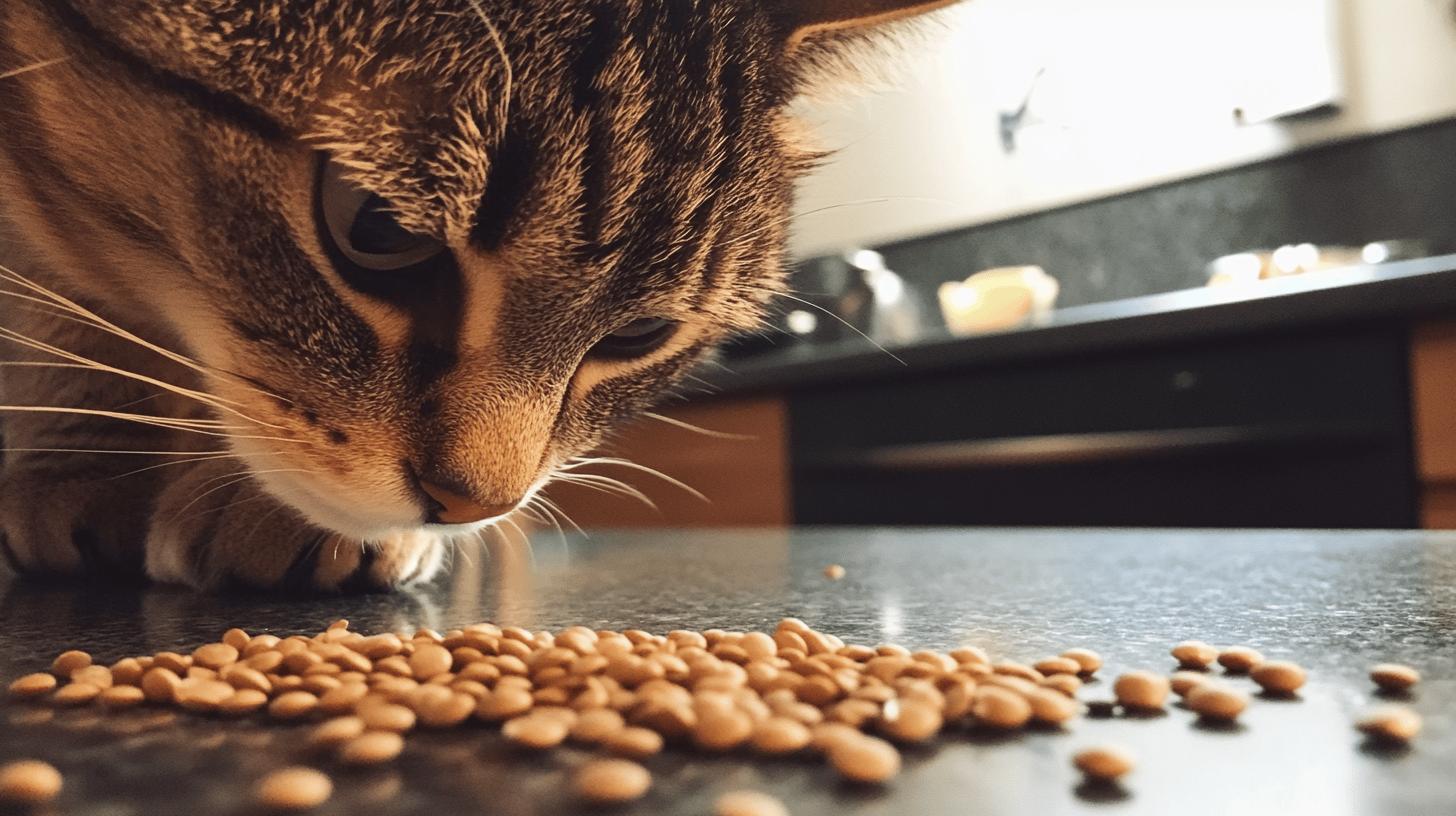
    Cats can eat lentils safely, but only in small amounts. Lentils are not toxic to cats, making them a safe food option when offered as an occasional treat. That said, they don't contribute significantly to a cat's nutritional needs. Cats are obligate carnivores, relying heavily on meat to fulfill their protein requirements. While lentils offer fiber, which can help with digestion, they lack the essential nutrients found in animal protein. It's crucial to use lentils sparingly, ensuring they don't overshadow your cat's meat-based diet.

    • Serve plain, unseasoned lentils
    • Avoid mixing with harmful foods like onions or garlic
    • Consult a vet before introducing lentils
    • Limit to occasional treats
    • Monitor for any adverse reactions

    Feeding lentils to your cat comes with certain risks. Cats are not designed to digest plant-based foods efficiently, which can lead to digestive distress if lentils are consumed in excess. Issues such as gas, bloating, or upset stomach might arise if your cat eats too many lentils. It's essential to remember that lentils should not replace a staple diet rich in animal protein. While they may help with weight management due to their low caloric content, their lack of essential nutrients makes them unsuitable as a dietary staple.

    The potential benefits of lentils, like aiding in digestion, do not outweigh the necessity for animal protein in a cat's diet. Cats need the amino acids and nutrients found in meat to thrive. While lentils can be a fun and safe treat occasionally, they should remain a minor part of your cat's diet. Prioritizing a diet rich in high-quality animal proteins ensures your feline friend receives complete and balanced nutrition.

    Nutritional Profile and Dietary Relevance of Lentils for Cats

    Nutritional Profile and Dietary Relevance of Lentils for Cats-1.jpg

    Lentils are known for their high levels of protein, fiber, folate, and iron. While these nutrients are great for humans, aiding in muscle function and digestive health, they don't offer the same benefits for cats. Cats need diets rich in animal proteins since they are obligate carnivores. The fiber in lentils can help with digestion, but the plant-based proteins do not provide the essential amino acids that cats require from meat.

    Nutrient Benefit to Humans Relevance to Cats
    Protein Builds and repairs tissues Insufficient amino acids
    Fiber Improves digestive health Limited digestion benefits
    Folate Supports cell formation Minimal impact

    Cats thrive on animal-derived proteins that meet their specific nutritional needs. Lentils, while safe in small amounts, shouldn't replace a meat-based diet. Relying on lentils could leave a nutritional gap, as they don't provide what cats need for health and vitality. Prioritizing animal protein ensures cats get the necessary nutrients to maintain their well-being.

    Guidelines for Introducing Lentils into a Cat's Diet

    Guidelines for Introducing Lentils into a Cats Diet-1.jpg

    Introducing lentils into a cat's diet requires specific preparation steps to ensure safety. Cats are obligate carnivores, so their systems aren't naturally adapted to process plant-based foods. To introduce lentils, cook them thoroughly without seasoning. It's important to start with a very small amount, such as half a teaspoon, to see how your cat reacts. The introduction should be gradual to assess tolerance.

    1. Cook lentils thoroughly without seasoning.
    2. Serve a small amount, around half a teaspoon.
    3. Introduce gradually to assess tolerance.
    4. Watch for adverse reactions.
    5. Consult a veterinarian if necessary.

    Always monitor your cat's health closely after introducing any new food, including lentils. Some cats might have a sensitivity to plant-based foods, which could manifest as digestive upset or changes in behavior. If any adverse reactions occur, stop feeding lentils immediately and consult your veterinarian to discuss the best dietary options for your cat. For cats with pre-existing health conditions or those on prescription diets, a vet's guidance is crucial before making any dietary changes.

    Alternatives to Lentils for Cats

    Alternatives to Lentils for Cats-1.jpg

    While lentils can be safe for cats in small amounts, there are many alternatives that align better with a cat’s dietary needs. Cats are obligate carnivores, meaning their diets should be primarily composed of animal proteins. This ensures they receive the essential nutrients necessary for their health. Instead of lentils, consider offering your cat other treats that are more naturally suited to their digestive systems and nutritional requirements.

    • Cooked chicken
    • Peas
    • Commercial cat treats
    • Turkey
    • Fish

    It's crucial to maintain a diet rich in high-quality animal proteins for your cat's overall health and well-being. While occasional snacks like peas or commercial cat treats can be safe in moderation, the primary focus should be on providing meat-based foods. These foods are packed with the amino acids and nutrients cats need to thrive. By prioritizing animal protein sources, you'll ensure your feline friend enjoys a balanced diet that supports their vitality and longevity.

    Final Words

    Exploring if cats can eat lentils safely reveals they're not toxic but offer limited benefits. As obligate carnivores, cats thrive on animal proteins, making lentils an unnecessary addition to their diet. Lentils can be an occasional treat, but don't rely on them for nutrition. While lentils have fiber, they can upset feline stomachs if overeaten. For a happy and healthy cat, prioritize high-quality animal proteins. Remember, while cats can eat lentils on occasion, other options, like cooked chicken and commercial treats, are better for their dietary needs.

    FAQ

    Can cats eat lentils raw?

    Cats should not eat raw lentils. Raw lentils are difficult for cats to digest and may cause digestive discomfort. Always serve lentils cooked and plain in small amounts.

    Can cats eat lentils and rice?

    Cats can eat cooked lentils and rice in small amounts. However, these should only be occasional treats and never replace a diet primarily based on animal protein.

    Can cats eat lentil soup?

    Lentil soup is not recommended for cats. Soups may contain seasonings and ingredients harmful to cats, like onions or garlic.

    Is lentils ok for cats?

    Lentils are okay for cats in moderation. While not toxic, they do not provide essential nutrients that cats need. Always monitor your cat for any digestive issues.

    Can pets eat lentils?

    Pets, including cats and dogs, can eat cooked lentils in moderation. Lentils can offer fiber but should not replace their regular meat-based diet.

    What grains can cats not eat?

    Cats should avoid grains like wheat and corn in excess as they are not necessary for their diet. Some cats may also be allergic to certain grains.

    Are any beans toxic to cats?

    Certain beans like raw kidney beans can be toxic to cats. Always consult a vet before introducing new foods, like beans, to your cat's diet.

    Why are chickpeas in cat food?

    Chickpeas are occasionally used in cat food to add fiber and protein. However, cats are obligate carnivores, so chickpeas shouldn't replace animal protein.

    Related Articles

  • Can Cat Eat Squirrel Understanding Feral and Domesticated Behavior

    Can Cat Eat Squirrel Understanding Feral and Domesticated Behavior

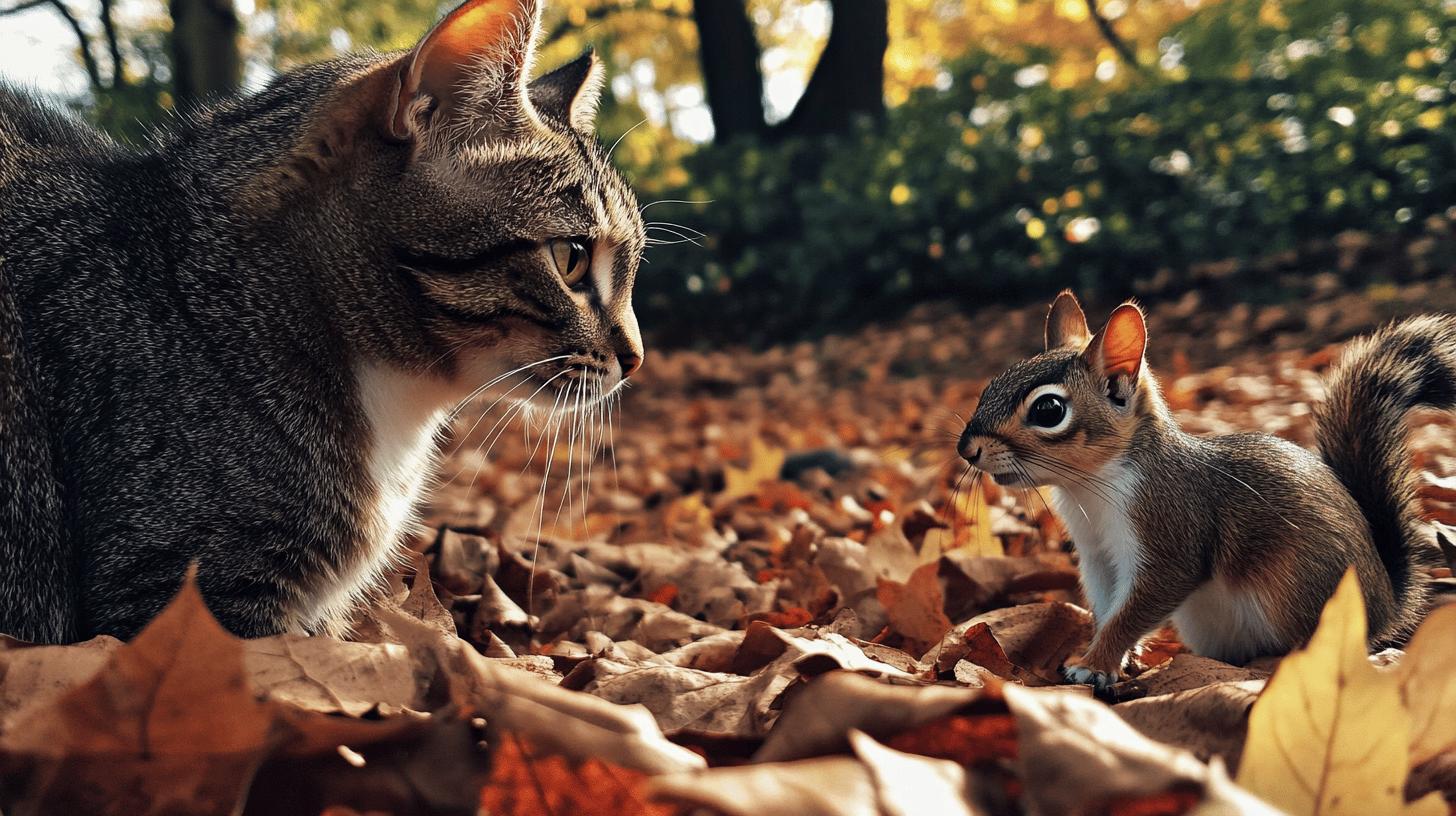
    Can cats really eat squirrels, or is the idea just a wild tale? When it comes to feral cats, the answer is yes—squirrels often make a part of their natural diet. These outdoor explorers rely on their hunting skills to catch a range of small animals, including squirrels. Domesticated cats, however, tell a different story. While they may capture squirrels out of sheer instinct, they rarely eat them, thanks to the cat food we provide. By exploring the behaviors of both feral and domesticated cats, we can learn how their environments shape these intriguing eating habits.

    Can Cats Safely Eat Squirrels?

    Can Cats Safely Eat Squirrels-1.jpg

    Cats, especially feral ones, can eat squirrels. Feral cats are more inclined to consume entire squirrels as part of their diet. These cats rely on hunting for sustenance and are accustomed to eating various small animals, including rodents and birds. While squirrels provide a high-protein meal, it's important to note that not all cats have the same inclination towards consuming them. Pet cats, in contrast, may kill squirrels but often do not eat them, primarily because their nutritional needs are typically met through commercial cat food provided by their owners.

    The natural prey behavior of cats includes hunting small animals, but domesticated cats are less likely to consume squirrels. This behavior stems from their intrinsic hunting instincts, which are more pronounced in feral cats or those with a strong hunting drive. Domesticated cats usually have an abundance of food available at home, reducing their need to hunt and eat squirrels. Their diet, rich in nutrients from commercial cat food, makes the pursuit and consumption of squirrels less appealing. This difference in behavior highlights how a cat's environment and access to food influence its hunting and eating habits.

    Understanding Cat Prey Behavior and Instincts

    Understanding Cat Prey Behavior and Instincts-1.jpg

    Cats have a fascinating natural hunting instinct, driven by their status as obligate carnivores. This means they need animal protein to thrive. As a part of their prey behavior, cats may chase and kill small animals, like squirrels. This instinct is especially strong in feral cats or those with a pronounced hunting drive. They rely on their skills to capture food in the wild. Even for domesticated cats, the thrill of the hunt can be irresistible. It's more about the chase than the meal for many household felines, who often enjoy the activity as a form of play.

    • Stalking: Cats approach their prey slowly and quietly to avoid detection.
    • Pouncing: With a sudden leap, they attempt to catch their prey off guard.
    • The Kill Bite: A precise bite to the neck or head to swiftly end the hunt.
    • Batting: Using their paws to tap and play with their prey, often a way to test its reactions.
    • Carrying: After catching prey, cats may carry it in their mouths to a safe or private spot.

    Domesticated cats typically show less interest in hunting squirrels. This is largely because their nutritional needs are met through high-quality commercial cat food provided by their owners. With a consistent and balanced diet at their disposal, they don't feel the same urgency to hunt for survival. While they might still enjoy the occasional chase as a form of exercise or entertainment, the instinctual drive to pursue and eat prey like squirrels is often diminished.

    Health Risks of Cats Eating Squirrels

    Health Risks of Cats Eating Squirrels-1.jpg

    Eating squirrels can pose significant health risks to cats, primarily due to the potential for disease transmission. One of the most concerning diseases is toxoplasmosis, which can be contracted by consuming infected prey. This parasitic infection can cause symptoms ranging from mild to severe, affecting a cat's overall health and sometimes leading to serious complications. Cats can also catch other diseases from pathogens found on a squirrel's fur or in its organs. These diseases may not only impact the cat but also pose a risk to humans who come in contact with the infected pet.

    Parasites are another major concern when cats eat squirrels. Tapeworms and roundworms can be transmitted if a cat consumes an infected squirrel. These parasites can lead to digestive issues, nutritional deficiencies, and general discomfort for the cat. Moreover, they can spread to other pets or humans within the household, creating a broader health concern. Regular veterinary check-ups and preventive measures, like deworming, are essential for cats that might have exposure to wild animals.

    Health Risk Description
    Diseases Includes toxoplasmosis and other illnesses that can be transmitted from infected squirrels to cats.
    Parasites Tapeworms and roundworms can be contracted by cats eating infected squirrels.
    Choking Hazards Squirrel bones can become lodged in a cat’s throat, posing a serious risk of choking.

    Beyond diseases and parasites, the physical danger of a squirrel encounter itself can't be ignored. Squirrels have sharp teeth and claws, and they will defend themselves fiercely if threatened. An inexperienced or overly curious cat might find itself injured in a confrontation. Wounds from bites or scratches can lead to infections and require veterinary treatment. It's crucial for pet owners to be aware of these potential dangers and take steps to mitigate the risks, such as keeping cats indoors or supervising outdoor time closely.

    Nutritional Considerations for Cats Eating Squirrels

    Nutritional Considerations for Cats Eating Squirrels-1.jpg

    Squirrel meat is packed with protein and essential nutrients, which makes it a viable option for a cat's diet from a nutritional standpoint. Feral cats that hunt and consume squirrels benefit from the high protein content, crucial for their growth, energy, and overall health. These wild meals also offer moisture, vitamins, and minerals that contribute to a cat's dietary needs. However, the nutritional value can vary based on the health and diet of the squirrel itself, making it less predictable than other food sources.

    Comparatively, high-quality commercial cat foods are formulated to provide a balanced diet that meets all of a cat's nutritional requirements. These diets are typically rich in animal proteins, such as chicken, beef, or fish, and are designed to offer the right balance of fats, vitamins, and minerals. Unlike the unpredictable nature of wild prey, commercial cat foods are consistent and tailored to ensure that domesticated cats receive all the necessary nutrients for their well-being. This consistency is crucial for maintaining the health of pet cats who rely on these foods as their primary nutrition source.

    A balanced diet is vital for any cat, whether it occasionally eats squirrels or not. While squirrel meat can supplement a cat's diet with high-quality protein, it should not replace the complete nutrition offered by commercial cat foods. These foods are specifically designed to cater to the dietary needs of felines, ensuring they get a precise blend of nutrients necessary for their health. For pet owners, it is important to provide a diet that supports a cat's lifestyle and health, ensuring that any wild-caught meals like squirrels remain an occasional treat rather than a staple.

    Preventing Cats from Eating Squirrels

    Preventing Cats from Eating Squirrels-1.jpg

    Keeping cats indoors is one of the most effective ways to prevent them from hunting and eating squirrels. Indoor cats are shielded from the dangers of encountering wild animals, minimizing the risk of injuries or diseases that squirrels might carry. Moreover, living inside provides a controlled environment where you can manage their diet and activities, reducing the urge to hunt. By creating a stimulating indoor space, we can ensure that cats are active and entertained, which naturally diminishes their desire to seek prey outside.

    Here are some indoor activities that can simulate hunting behavior safely:

    1. Interactive Toys: Toys that mimic prey movements, such as feather wands or motorized mice, engage a cat's hunting instincts.
    2. Puzzle Feeders: These challenge cats to work for their food, stimulating their minds and reducing boredom.
    3. Laser Pointers: Chasing a laser dot can provide mental and physical exercise, satisfying their chase instincts.
    4. Climbing Structures: Cat trees and shelves allow cats to climb and perch, fulfilling their natural desire to observe from high points.

    Diet and companionship also play crucial roles in reducing a cat's interest in hunting squirrels. Providing a high-protein diet ensures that cats receive the necessary nutrients to feel satisfied and less inclined to hunt for additional food. Introducing another pet, like a fellow cat or a puppy, can offer companionship and occupy a cat’s attention. This social interaction can fulfill their need for engagement and reduce their outdoor hunting urges. By focusing on diet, companionship, and indoor activities, we can create a safe and fulfilling environment that keeps our feline friends healthy and happy without the risks associated with hunting squirrels.

    Final Words

    Understanding whether a cat can eat a squirrel involves exploring their natural prey behavior. Cats, especially feral ones, might eat squirrels, though pets show less interest due to available food at home. Their hunting instincts guide them to chase but not always consume such prey. While squirrels provide protein, commercial cat food typically covers cats' nutritional needs comprehensively.

    There are health risks, though. Diseases and parasites threaten cats that consume squirrels, making pet safety important. Keeping cats indoors and providing engaging activities can prevent hunting. Encouraging safe playtime ensures our feline friends stay healthy and happy.

    FAQ

    Cat vs. Squirrel: Who Would Win?

    A: In a confrontation, cats are often superior due to their size, speed, and agility. However, a determined squirrel can defend itself, especially if cornered.

    My Cat Killed a Squirrel. Is This Normal?

    A: Yes, it's common for cats to kill squirrels. Cats have natural hunting instincts, and squirrels are common prey. It's a display of their predatory behavior.

    Do Cats Eat Gray Squirrels or Dead Squirrels?

    A: Cats might eat gray or dead squirrels, especially feral ones. Domesticated cats may be less inclined to actually eat them, as they usually have other food sources.

    Do Feral Cats Eat Squirrels?

    A: Feral cats are more likely to eat squirrels since they rely on hunting for survival. They consume more of a squirrel than pet cats typically would.

    Do Cats Eat Rabbits and Squirrels?

    A: Cats can eat rabbits and squirrels. Their prey behavior often leads them to hunt small animals. However, not all cats will choose to eat them.

    Can Cats Get Sick from Eating Squirrels?

    A: Yes, eating squirrels can make cats sick. Risks include diseases like toxoplasmosis and parasites such as tapeworms, along with potential injuries from hunting.

    Can Cats Get Worms from Eating Squirrels?

    A: Eating squirrels can lead to cats getting worms, like tapeworms and roundworms. Routine vet checks are advisable to manage and prevent infestations.

    Should I Let My Cat Hunt Squirrels?

    A: While natural, allowing a cat to hunt squirrels can pose health risks. Consider indoor activities to satisfy their hunting instinct without the dangers.

    Related Articles

  • Can Cat Eat Earwig Safety and Health Considerations

    Can Cat Eat Earwig Safety and Health Considerations

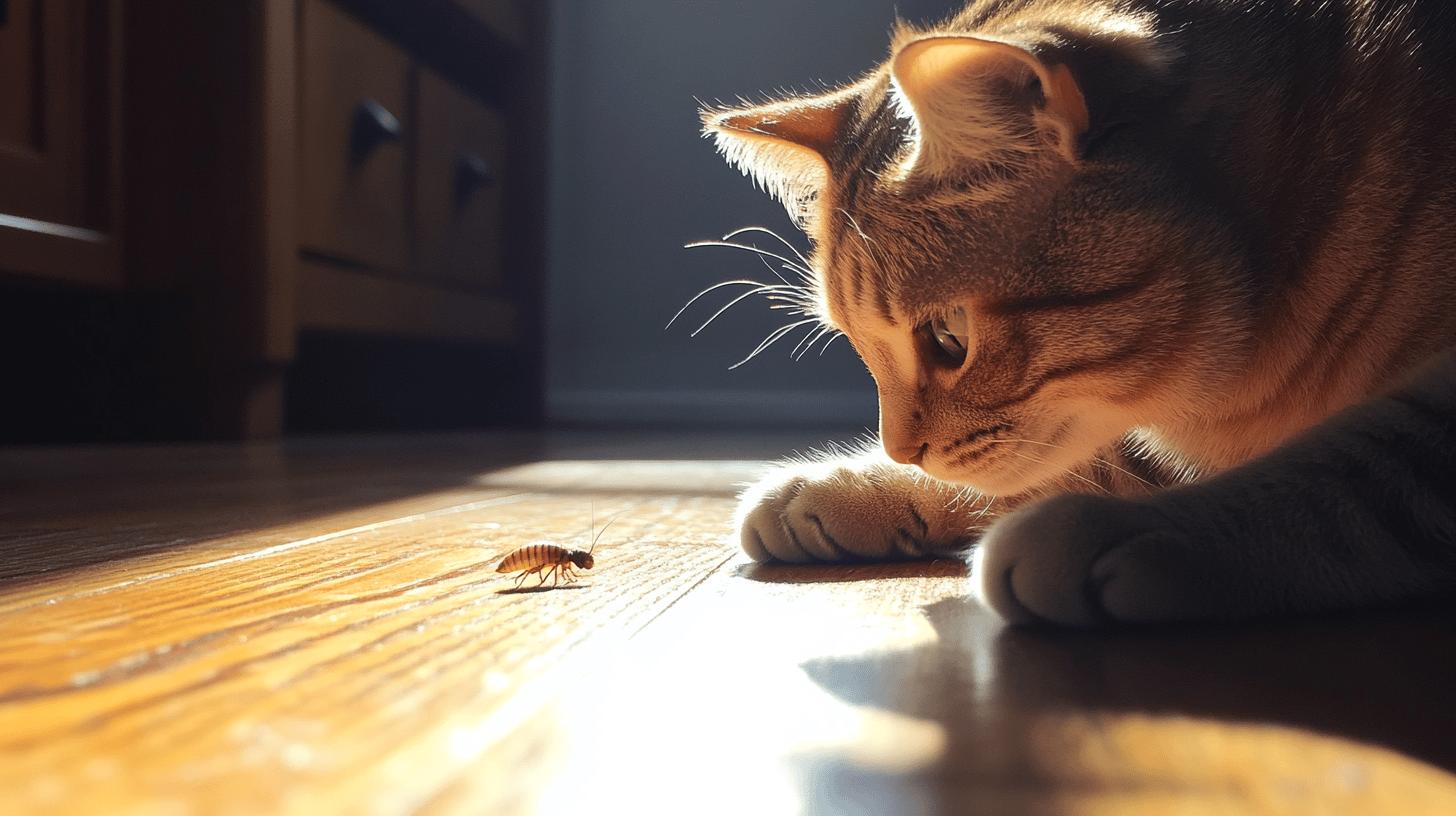
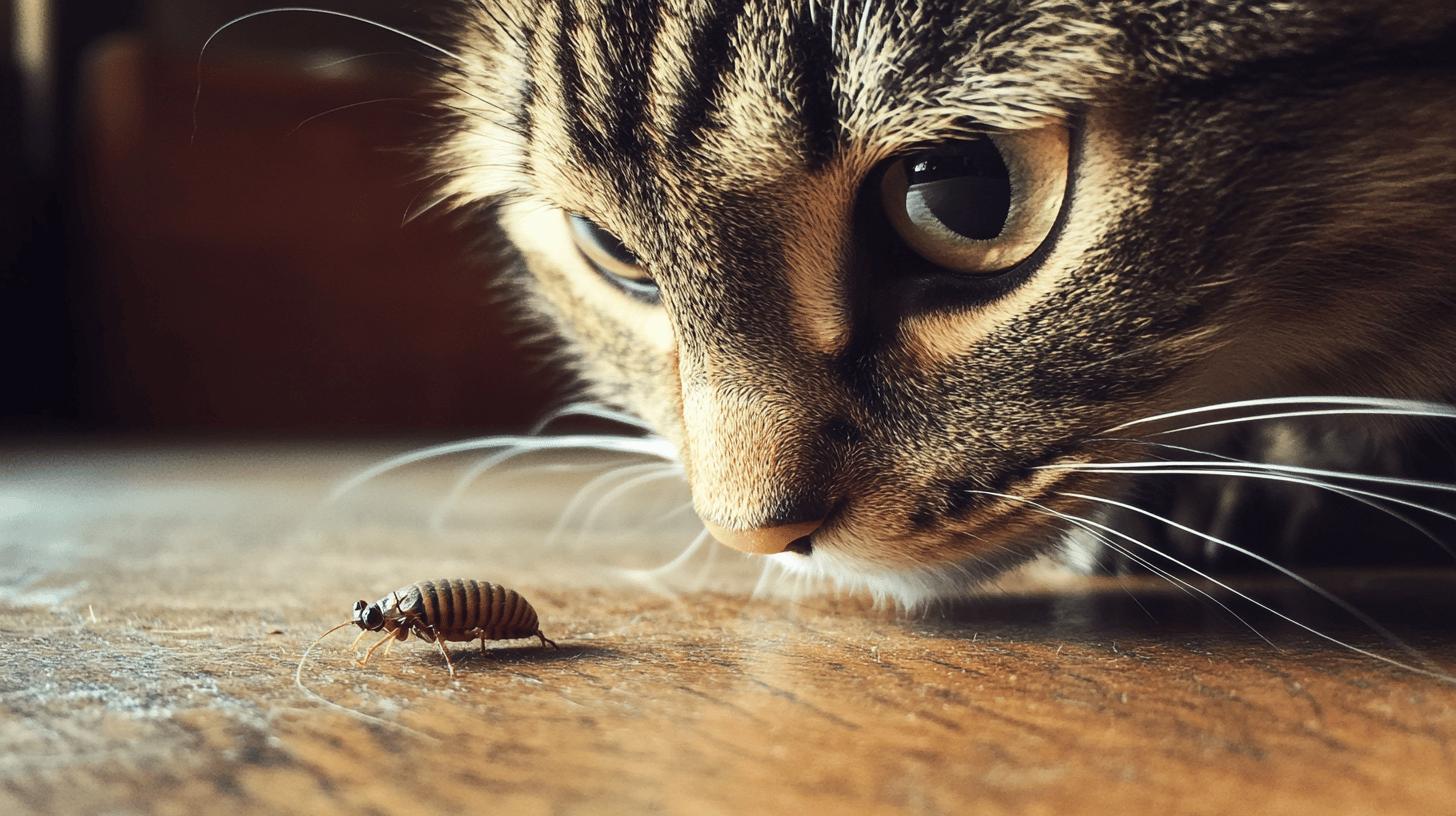
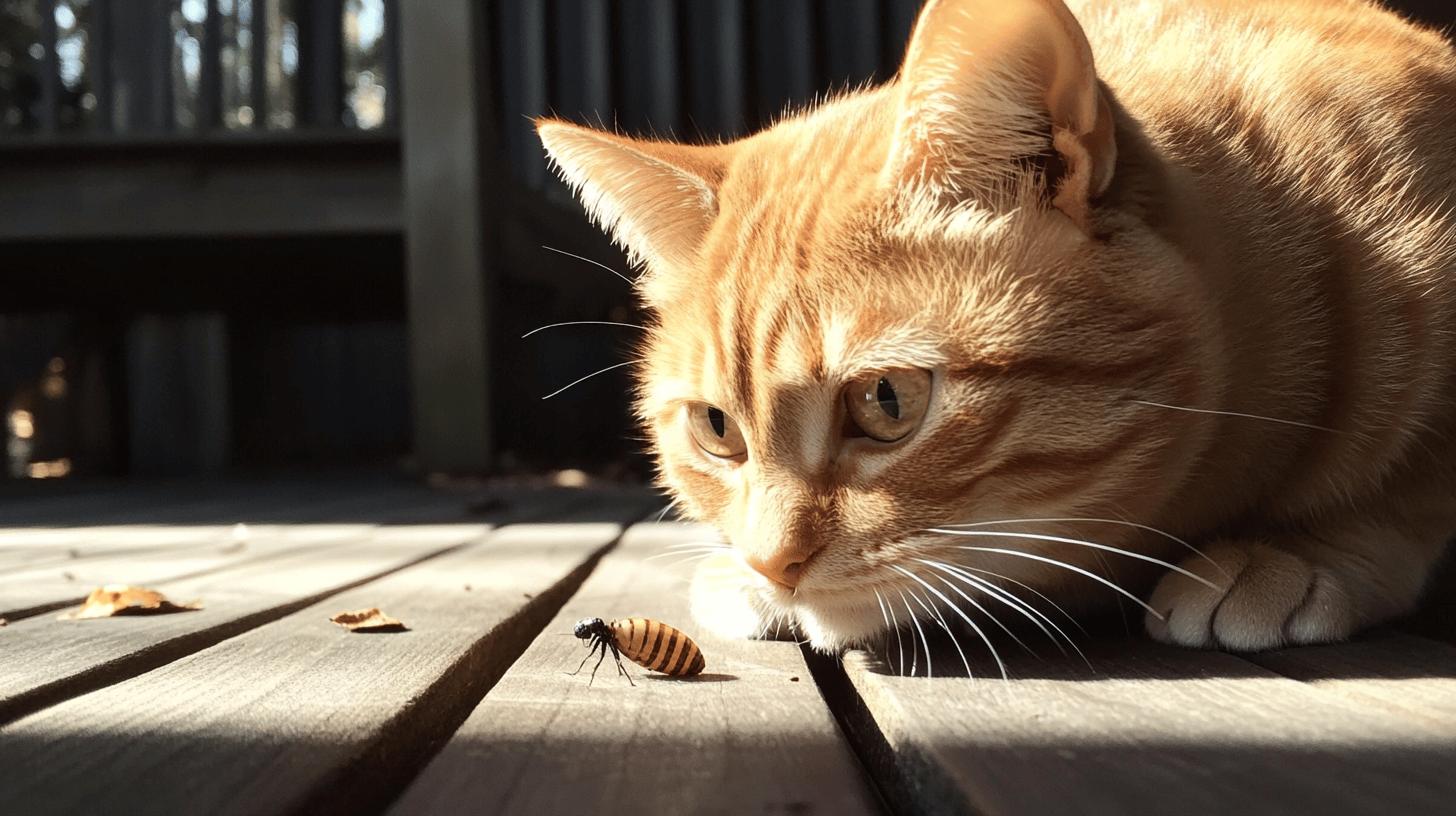
    Ever caught your cat batting away at a creepy-crawly and wondered, "Can cats eat earwigs?" It's a curious thought, especially since most cats seem to love chasing anything that moves.

    While earwigs look like mini-monsters with their pincers, they're usually harmless for cats, as long as only a few are eaten. Cats are natural explorers, and bugs like earwigs can trigger their playful instincts. But are they safe for snacking? Let's explore the safety and health considerations of letting your feline friend indulge in this peculiar curiosity.

    Can Cats Safely Eat Earwigs?

    Can Cats Safely Eat Earwigs-3.jpg

    Earwigs are generally not harmful to cats if consumed in small quantities. While they may look intimidating with their pincers, these insects do not possess toxins that would pose a threat to cat health.

    However, the pincers might cause minor discomfort if a cat tries to eat them. Most cats might just be curious and play with an earwig rather than eat it. If your cat does decide to snack on one, it's usually not a cause for concern.

    • Watch for any signs of discomfort or irritation in the mouth.

    • Monitor your cat for any changes in behavior or digestive issues.

    • If unusual symptoms occur, consult a veterinarian for advice.

    Understanding Cat Behavior and Insect Curiosity

    Understanding Cat Behavior and Insect Curiosity-3.jpg

    Cats are naturally curious creatures, often driven by their instincts to explore their environment. This curiosity extends to insects, including earwigs, even though most cats don't show a specific interest in them.

    The movement and unusual appearance of insects might be enough to trigger a cat's exploratory nature. Cats like Crouton, who may hunt and eat earwigs, are simply following their instinctual behaviors that have been passed down through generations.
    Why Cats Hunt and Eat Insects

    Cats are natural hunters, and their instincts prompt them to chase and capture prey, even if it’s a small insect. This behavior is not necessarily about hunger, but rather about engaging their predatory senses.

    The sound, movement, and even the smell of an insect can intrigue a cat, urging it to investigate further. While earwigs might not be the tastiest option, their presence can still spark a cat's curiosity and hunting drive.

    Common Behaviors in Cats Around Earwigs

    When a cat encounters an earwig, its reaction can vary. Some cats might paw at the insect, attempting to figure out what it is. Others might follow it closely, watching its every move.

    There are also cats that might avoid earwigs altogether, possibly due to their intimidating pincers. Generally, most cats do not regard earwigs as a food source, but their behaviors are guided by instinctual curiosity and the need to explore their surroundings.

    Potential Health Risks and Monitoring After Insect Consumption

    Potential Health Risks and Monitoring After Insect Consumption-4.jpg

    While earwigs are generally not harmful to cats, they can occasionally be carriers of viruses or parasites that pose health risks. Cats that eat insects might ingest harmful pathogens, leading to digestive unease or more serious health concerns.

    Even though the pincers of earwigs are not toxic, they can cause minor discomfort if they pinch a cat during consumption. Therefore, it's essential to be aware of potential symptoms and monitor your cat closely after it consumes insects.

    Symptom Action
    Vomiting Withhold food for a few hours, then offer a small amount of bland food. If symptoms persist, consult a vet.
    Diarrhea Ensure your cat stays hydrated. If it continues for more than 24 hours, seek veterinary advice.
    Lethargy Observe your cat’s behavior. If it seems unusually tired or unresponsive, contact a veterinarian.
    Loss of Appetite If your cat refuses to eat for more than a day, consult with a vet to rule out health issues.

    Vigilance is key when it comes to your cat's health after it eats insects. Keep a close eye on any changes in behavior or physical symptoms. While many insects are harmless, some can carry risks that aren't immediately apparent.

    It's crucial to exercise caution and provide a safe environment for your cat to explore. If you notice any unusual symptoms or behaviors, contact your veterinarian for guidance. Always remember that prompt attention to your cat's health can prevent minor issues from becoming serious.

    Nutritional Considerations and Safe Alternatives for Cats

    Nutritional Considerations and Safe Alternatives for Cats-2.jpg

    Earwigs do not provide any nutritional benefits for cats. While they might catch a cat's attention, they don't contribute to a cat's dietary needs.

    Cats are obligate carnivores, meaning their nutrition primarily comes from meat. Their diet should be rich in proteins, fats, and essential nutrients that insects like earwigs simply can't supply.

    Some insects, however, can be safe and occasionally entertaining for cats. These insects might offer small amounts of protein and mental stimulation without posing health risks.

    Here are some safe insects that can be included in a cat's experience:

    • Crickets: High in protein and often used in pet treats, they can be a safe choice.

    • Mealworms: Another source of protein, typically given in moderation.

    • Grasshoppers: Serve as both a playful chase and a protein source.

    • Silkworms: Known for their high calcium and protein content.

    While insects can offer some entertainment and minor nutritional benefits, they should never replace a balanced diet. It's crucial to provide a diet that meets a cat's specific nutritional needs.

    A well-rounded feline diet includes high-quality commercial cat food that offers the appropriate balance of proteins, fats, and essential vitamins and minerals. Always consult with a veterinarian before introducing new food items to ensure the diet supports your cat's health and well-being.

    Preventative Measures and Environmental Considerations in Pest Control

    Preventative Measures and Environmental Considerations in Pest Control-3.jpg

    Safe pest control practices are crucial in maintaining a pet-friendly environment. While earwigs are generally more of a nuisance than a danger, the use of pesticides can pose risks to cats if not handled properly.

    Cats are naturally curious and might come into contact with areas that have been treated with chemicals. Even though most cats will avoid eating pesticide-soaked insects due to the strong chemical smell, it's important to ensure that these substances are used responsibly to prevent any potential exposure.
    • Store pesticides securely and use them in areas that are inaccessible to your pets.

    • Opt for pet-safe pest control products whenever possible to minimize risks.

    • Regularly inspect and seal home entry points to reduce the need for chemical treatments.

    Creating a safe environment for cats involves more than just careful pesticide use. Consider natural pest deterrents and regular home maintenance to keep unwanted insects at bay.
    Encouraging a clean and dry living space can also discourage earwigs and other pests from taking up residence. By focusing on prevention and using safe alternatives, you can help protect your cat's health while maintaining a comfortable home environment.

    Final Words

    Discovering that earwigs are generally safe for cats to eat in small amounts is reassuring. Though they may cause minor discomfort with their pincers, they pose no significant harm. Understanding natural cat behavior reveals why our feline friends find insects so enticing, with curiosity often driving these encounters.

    We must remain vigilant for potential health risks, as some bugs carry harmful parasites. Ensuring a balanced diet is crucial, and safer insect alternatives, like crickets, provide entertainment without compromising health. Maintaining safe pest control practices ensures a healthy environment for our cats. Knowing if a cat can eat earwigs helps in creating a safe and enjoyable experience for our playful companions.

    FAQ

    Can cats eat earwigs?

    Earwigs are not known to harm cats if eaten in small amounts. Their pincers may cause minor discomfort.

    • Observe your cat for any unusual behavior.
    • Ensure they have access to water.
    • Contact a vet if discomfort persists.

    Are earwigs dangerous to pets like dogs and cats?

    Earwigs are not considered dangerous to pets such as dogs and cats. Always monitor pet behavior after they consume insects.

    Are earwigs poisonous if eaten?

    Earwigs are not poisonous when eaten, but they might cause discomfort due to their pincers or if consumed in large quantities.

    Can cats eat cockroaches?

    Cats can eat cockroaches without major issues. Watch for any unusual symptoms afterward, as cockroaches can carry germs.

    Can cats get sick from eating bugs?

    Cats can sometimes get sick from bugs that carry viruses or parasites. Always monitor for signs of distress after bug consumption.

    Are earwig traps safe for cats?

    Earwig traps may contain chemicals that are unsafe for cats. Place traps in areas inaccessible to pets.

    Do any animals eat earwigs?

    Yes, several animals, like birds and frogs, eat earwigs as part of their diet.

    How to get rid of earwigs safely around pets?

    Use pet-safe methods like diatomaceous earth, reduce moisture, and seal entry points to keep earwigs away without harming pets.

    • Avoid using harmful pesticides.
    • Keep living areas dry and clean.
    • Seal any cracks and crevices to prevent entry.

    Related Articles

  • Can Cat Eat Dal Safety Tips and Nutritional Insights

    Can Cat Eat Dal Safety Tips and Nutritional Insights

    Can cats enjoy a scoop of dal without any trouble? Many cat owners might wonder if this popular lentil dish is okay for their furry friends. While dal isn't harmful when prepared correctly, it's important to remember that cats are obligate carnivores.

    They thrive on meat, not lentils. Offering dal can be a rare treat if done right.

    Can Cats Eat Dal? Safety, Nutritional Value, and Preparation Tips

    Can Cats Eat Dal Safety, Nutritional Value, and Preparation Tips-4.jpg

    Cats can safely eat dal, but only in small amounts. Dal, a lentil-based dish, isn't harmful when prepared correctly. Cats are obligate carnivores, so they don't get much nutritional value from plant-based foods like dal.

    If you decide to offer dal to your cat, it should be plain, cooked, and without any oils, salt, or seasonings. Limit the portion to about a half teaspoon to avoid digestive issues. Always keep an eye on your cat's health and consult a veterinarian if you notice any adverse reactions.

    Dal provides some nutritional benefits due to its protein and fiber content. Lentils are high in these nutrients, which are generally beneficial for humans.

    However, cats require a diet rich in animal proteins for essential nutrients that lentils lack. While the fiber in dal might aid digestion, it's not significant enough to impact a cat's health positively. Therefore, dal should only be an occasional treat rather than a staple in their diet.

    Preparation is key to ensuring dal is safe for your cat. Here are some tips to keep in mind:

    • Cook dal plainly without spices or additives

    • Ensure small portion size

    • Avoid regular inclusion in the diet

    • Monitor cat's health

    These steps can help you provide a safe treat for your feline companion without compromising their health. Remember, moderation is crucial, and maintaining a meat-based diet is vital for your cat's overall well-being.

    Benefits and Risks of Dal in a Cat's Diet

    Benefits and Risks of Dal in a Cats Diet-2.jpg

    While dal offers some fiber that might aid in digestion, it is not nutritionally significant for cats. Cats are obligate carnivores, and their dietary needs are primarily met through animal proteins.

    Even though a tiny bit of dal can be given as an occasional treat, it should never become a staple in their diet. Overfeeding dal could lead to digestive discomfort, making it crucial to monitor their reaction.

    • Digestive discomfort

    • Potential allergies

    • Lack of essential nutrients

    • Possible weight issues

    • Importance of moderation

    It's important to note any signs of allergies or digestive issues such as vomiting or loose stools after consuming dal. Consulting with a veterinarian can provide insights into the suitability of plant-based foods like dal in a cat's diet.

    Expert opinions generally stress maintaining a meat-based diet to fulfill the essential nutrient needs of cats, thus keeping plant-based treats to a minimum.

    Final Words

    Balancing your cat's diet requires understanding what foods are safe and nutritious. We explored the question, "can cat eat dal?" and found that while dal is safe in small amounts, it's not essential for their nutritional needs. Remember to cook it plainly, without additives, and monitor how your cat reacts.

    Ensure a meat-based diet remains the core of their meals, as it provides vital nutrients. Always consult a vet if you're unsure about introducing new foods. A happy, healthy cat leads to a joyful home!

    FAQ

    Can cats eat dal every day?

    Cats cannot eat dal every day. While dal is not toxic, it's not nutritionally beneficial for cats. They need animal-based foods to meet their dietary needs.

    Can cats eat dal seeds?

    Cats should not eat dal seeds. Seeds are not part of a cat's natural diet and may pose a choking hazard or cause digestive issues.

    Can cats eat dal and rice?

    Cats can eat small amounts of dal and rice occasionally. These foods should be plain and free from spices. However, they should not replace a meat-based diet.

    Can cats eat lentils?

    Cats can eat lentils in moderation, but they may not digest them well. Lentils do not provide the essential nutrients cats need.

    What homemade food can cats eat?

    Cats can eat homemade foods like cooked chicken, turkey, or fish. Ensure these foods are plain and free from seasonings or harmful additives.

    Can cats eat rice?

    Cats can eat small amounts of plain rice. It should not be a regular part of their diet as it lacks important nutrients found in meat.

    Can cats eat roti?

    Cats should avoid eating roti. It's not nutritionally suitable for them and can lead to digestive problems.

    What to feed a stray cat without cat food?

    Feed stray cats cooked plain meat like chicken or fish. Avoid bones and seasonings. Small portions are best.

    Can I feed dal to my cat?

    You can feed small, plain portions of dal to your cat occasionally. Monitor for any adverse reactions and consult a vet if needed.

    Can cats eat pulses?

    Cats can eat small amounts of pulses, but they do not provide necessary nutrients. Pulses should not be a dietary staple.

    What Indian food can be given to cats?

    Cats can occasionally have small portions of plain, cooked meats like chicken. Avoid spicy or seasoned foods.

    Can cats eat sambar?

    Cats should not eat sambar. The spices and seasonings in sambar are not suitable for cats and can cause health problems.

    Related Articles

    Detailed Safety Analysis

    Dal consists primarily of lentils or legumes, which contain a mix of proteins, carbohydrates, and fiber. While these components aren’t inherently toxic to cats, they don’t align with feline nutritional needs. Cats are obligate carnivores, meaning their bodies have evolved to derive nutrients from animal proteins rather than plant-based sources. When you break down what’s actually in a typical bowl of dal, you’re looking at high carbohydrate content, moderate fiber, and plant proteins that cats struggle to digest efficiently.

    The real safety concern emerges when dal is prepared the way humans eat it. Most dal recipes include garlic, onions, or spices like turmeric and cumin. Garlic and onions are genuinely toxic to cats because they contain compounds called thiosulfates that damage red blood cells. Even small amounts can cause problems, and cooked versions are more concentrated than raw ones. The spices used in dal aren’t toxic per se, but they irritate feline digestive systems and offer no nutritional benefit.

    Health Impact & Digestive Concerns

    If your cat eats a small amount of plain, unseasoned dal, the most likely outcome is mild digestive upset rather than a medical emergency. Cats eating plant-based foods they’re not adapted to digest often experience gas, bloating, and loose stools within a few hours. The fiber content can be particularly problematic because it moves through their system faster than meat-based fiber would, disrupting their gut flora balance.

    Certain cats face greater risks. Kittens have developing digestive systems and need high-protein nutrition for growth, making dal especially inappropriate for them. Senior cats often have sensitive stomachs and may be taking medications that interact poorly with legumes. Cats with existing kidney disease, diabetes, or digestive conditions like IBD should never eat dal because the carbohydrate load and unfamiliar proteins can trigger flare-ups or complicate blood sugar management. If your cat has any health condition, skip the experiment entirely.

    Practical Feeding Guidelines

    The safest approach is straightforward: don’t intentionally feed your cat dal. However, if your cat has sneaked a taste from your plate, a few pieces of plain dal left behind aren’t cause for panic. If you’re genuinely curious about offering your cat legume-based nutrition, stick to tiny amounts of plain, fully cooked lentils with absolutely no seasoning, garlic, onions, or spices. We’re talking about one or two lentils as an occasional experiment, not a regular treat.

    Storage matters too. If you keep dal in your fridge or freezer, make sure your cat can’t access it. Leftover dal can develop harmful bacteria quickly, and you don’t want your cat eating something that’s spoiled. Clean up any spilled dal immediately rather than leaving it sit. Better yet, keep your cat out of the kitchen during cooking entirely. It’s much easier to prevent the interest than to manage an upset stomach afterward.

    Safe Alternatives & Substitutes

    If you’re looking for plant-based treats or ways to add variety to your cat’s diet, better options exist. Plain, cooked pumpkin is gentle on feline stomachs and actually aids digestion. Small pieces of cooked chicken or turkey provide the protein and nutrients your cat genuinely needs. Some cats enjoy a tiny taste of cooked carrots or green beans, though these should be rare treats rather than regular additions. You can also explore commercial cat treats made with real meat and designed specifically for feline nutrition.

    Here’s the thing though: your cat would much rather have a toy than food treats. Invest in quality toys that engage their hunting instincts and provide mental stimulation. Toys like feather wands, crinkle mice, or puzzle feeders offer entertainment and enrichment that treats never could. This approach also helps reduce play aggression because your cat gets proper outlets for their natural behaviors. If you’re concerned about boredom or picky eating, toys solve both problems better than experiment-feeding your cat human food.

    When to Seek Veterinary Care

    You should contact your vet if your cat shows signs of distress after eating dal. Watch for vomiting, which might indicate a blockage or severe reaction. Diarrhea that lasts more than a few hours warrants a call. Lethargy, loss of appetite for more than a day, or abdominal pain (indicated by hunched posture or reluctance to move) all deserve professional evaluation. If your cat ate dal that contained garlic or onions, call your vet proactively even if no symptoms appear immediately. Thiosulfate toxicity can develop gradually, and early intervention prevents serious complications.

    Bring information about what your cat ate if possible: was it plain dal, or did it contain seasonings? When did your cat eat it? Has this happened before? Your vet needs these details to assess risk accurately. If your cat repeatedly sneaks human food, discuss preventive strategies during your next checkup. Your vet might recommend dietary adjustments, behavior modification techniques, or ways to keep human foods safely away from curious cats. These proactive conversations help prevent emergencies before they happen.

  • How Can Cat Eat With Cone On Practical Feeding Tips

    How Can Cat Eat With Cone On Practical Feeding Tips

    Did you know that many cat owners struggle with an overlooked dilemma: feeding a cat that’s wearing a cone? When your furry friend needs a protective cone after surgery or an injury, mealtime can become quite a challenge. The cone restricts their movements, making it harder to eat and drink. But fear not! By making a few simple adjustments, you can turn this tricky situation into a stress-free experience. Let’s explore practical feeding tips to ensure your cat remains happy and well-fed, even with their funny-looking accessory.

    Feeding a Cat with a Cone: Practical Tips and Stress-Free Environment

    Feeding a Cat with a Cone Practical Tips and Stress-Free Environment-1.jpg

    Navigating mealtime with a cone on your cat can be challenging. The cone can interfere with their ability to reach food and water easily, causing stress. Creating a stress-free feeding environment is crucial for your cat’s comfort and well-being. By making strategic adjustments, you can make mealtime a more pleasant experience for both you and your feline friend.

    • Raise the dishes: Elevate your cat’s food and water bowls 2 to 4 inches off the ground. This makes it easier for them to access their meals without the cone getting in the way.
    • Use flat plates or saucers: Replace traditional bowls with flat plates or saucers. This provides more freedom and prevents the cone from hitting the edges.
    • Hand-feed if necessary: If your cat struggles to eat, try hand-feeding. Use your fingers or a spoon to offer food, which can help them eat more comfortably.
    • Place a mat under dishes: Cats with cones can be clumsy. Placing a mat under their food and water bowls can catch any spills and make cleanup easier.
    • Minimize distractions: Keep the feeding area quiet and free from disturbances. This helps your cat focus on eating and reduces stress.
    • Adjust the cone if needed: Consult with your vet to ensure the cone fits properly. A well-fitted cone should not interfere significantly with your cat’s eating habits.
    • Create a calm environment: Play soft music during mealtime. This can calm your cat and make feeding time more enjoyable.
    • Monitor eating habits: Observe your cat as they eat. Make sure they are getting enough food and not struggling too much with the cone.
    • Provide ample space: Ensure there is enough space around the feeding area. A cramped space can make it harder for your cat to maneuver with the cone.
    • Offer encouragement: Gently encourage your cat by speaking softly. Positive reinforcement can help them feel more at ease during mealtime.

    Patience is key when helping your cat adjust to eating with a cone. Observing your cat during meals allows you to make necessary adjustments. Foster a positive mealtime atmosphere with gentle encouragement or soft music to help them adapt. With these tips, you can ensure that your cat remains comfortable and stress-free, even with a cone on.

    Adjusting the Cone and Exploring Alternatives for Comfortable Eating

    Finding the right fit for your cat’s cone is crucial for their comfort and ability to eat without frustration. A cone that’s too large can weigh them down, while one that’s too small won’t effectively prevent them from licking their wounds. Consulting with your vet to ensure the cone is the correct size is the first step in minimizing discomfort during mealtime. A well-fitted cone should allow your cat to reach their food with minimal interference.

    Exploring alternative cone types can provide additional comfort and ease. Traditional hard plastic cones can be cumbersome, but there are several alternatives that might suit your cat better. Soft foam collars, for instance, provide a gentler option that allows more flexibility. Inflatable cones, which are donut-shaped, can prevent the cone from hitting the bowl edges, making eating and drinking easier. These alternatives can offer more freedom of movement, helping your cat enjoy their meals more comfortably.

    Here’s a comparison of traditional hard cones versus these alternatives:

    Feature Traditional Hard Cone Soft Foam Collar Inflatable Cone
    Comfort Rigid and can be uncomfortable Softer, providing more comfort Cushioned, more comfortable fit
    Flexibility Limited flexibility Flexible, allowing easier movement Flexible, allows maneuverability
    Ease of Eating Can obstruct food access Less obstruction to food access Prevents cone from hitting bowl edges
    Weight Can be heavy Lightweight Lightweight
    Protection High level of protection Moderate protection Moderate protection

    Discussing cone adjustments with your vet can lead to more tailored solutions for your cat’s specific needs. They may recommend trying different styles or sizes to find the perfect match. Alongside cone adjustments, exploring alternative feeding methods, like hand-feeding or using elevated and wider dishes, can further minimize discomfort. These strategies help ensure your cat remains comfortable and stress-free, even while navigating the challenges of wearing a cone.

    Cone Types and Feeding Adaptations

    Understanding how different Elizabethan collar designs impact feeding ability helps owners select appropriate options for eating-related comfort. Traditional rigid plastic cones, while highly effective at preventing licking, dramatically impair feeding ability. The cone’s diameter extends 1-2 inches beyond the cat’s face, making access to standard food bowls difficult or impossible.

    Modified cone designs address this limitation more effectively. Soft fabric cones with flexible edges collapse slightly inward during feeding, allowing adequate mouth access while maintaining licking prevention during restricted activities. These soft alternatives typically allow 60-70% normal feeding ease compared to rigid cones.

    Inflatable donut-shaped collars represent another option, limiting head rotation rather than completely blocking facial access. Cats can access food bowls more naturally with inflatable collars, though the reduced licking prevention may be insufficient for some surgical recovery situations. These work best for cats with minor skin irritations rather than extensive surgical sites.

    Adapted feeding strategies improve nutrition during cone-restricted periods. Elevated food bowls positioned 4-6 inches higher than standard height reduce the neck extension required for eating. Slightly tilted bowls further improve access angles. These modifications, combined with soft cone types, can restore nearly normal feeding ease.

    Food and Hydration Management Strategies

    Wet versus dry food choices significantly impact feeding success during cone restrictions. Wet or canned food requires less head rotation and mouth dexterity than kibble, making it the preferred temporary dietary modification. Wet food also provides superior hydration during recovery periods when cats often reduce overall fluid intake.

    If maintaining dry food is necessary, crush kibble into smaller particles or use a food processor to create a meal-consistency consistency easier to consume without precise jaw positioning. Mixing crushed kibble with wet food creates a soft paste texture accommodating cone-restricted eating patterns.

    Water bowl positioning deserves equal attention to food access. Elevated water bowls positioned at nose height prevent unnecessary neck strain. During Elizabethan collar use, refresh water more frequently (every 2-3 hours), as cats may avoid drinking due to awkward positioning, leading to insufficient hydration during critical recovery periods.

    Monitor food and water intake carefully during cone restriction. Significant intake reduction (more than 20-30% below normal) warrants veterinary consultation, as inadequate nutrition impairs surgical wound healing and delays recovery. Some cats may require temporary appetite stimulant medications or feeding tube support if cone-related eating difficulties persist beyond 3-5 days.

    Behavioral and Stress Management

    Elizabethan collars create significant psychological stress beyond the physical discomfort of wearing them. The restricted peripheral vision and altered spatial awareness trigger anxiety responses in most cats, manifesting as reduced mobility, loss of appetite, or hiding behaviors.

    Pre-collar acclimation reduces stress significantly. Before surgical procedures, allowing cats to wear their recovery collar for short 10-15 minute sessions several days beforehand helps them adjust to the strange sensation. This gradual habituation decreases acute stress response when the collar becomes a medical necessity.

    Environmental modifications support behavioral wellbeing during restriction. Remove visual obstacles and hazards since coned cats navigate with difficulty. Maintain familiar feeding locations rather than relocating food during recovery. Minimize household activity and noise that increases stress responses in already-anxious cats.

    Enrichment activities adapted to cone-wearing cats support mental health and reduce recovery-period stress. Interactive play becomes difficult, but environmental puzzle feeders and scent-based enrichment require no head movement. Supervised window time or bird watching provides mental stimulation without physical demands.

    Caloric monitoring becomes critical during cone-wearing periods when reduced activity decreases energy expenditure while restricted eating decreases intake. The combination risks creating caloric confusion–too little food relative to reduced activity needs, yet inadequate nutrition for wound healing. Your veterinarian should assess whether caloric needs increase or decrease during your specific cat’s recovery period.

    Final Words

    Helping a cat eat with a cone on requires some adjustments and understanding. By raising dishes, changing bowl shapes, or trying hand-feeding, cats can eat more easily. Creating a calming environment with less stress can make feeding time smoother. Exploring different cone types may also add comfort, making eating more manageable for your pet.

    Remember, be patient and observe your cat’s needs. These steps can make mealtimes stress-free and enjoyable. Keep experimenting with what works best, and you’ll see your cat eat happily with their cone on.

    FAQ

    How do pets eat with a cone?

    Pets with a cone can eat by using raised dishes about 2 to 4 inches off the ground. This makes their food more accessible without the cone getting in the way.

    How long can cats go without food?

    Cats should not go more than 24 hours without food. Longer periods can lead to serious health issues. It’s crucial to monitor their eating, especially with a cone hindrance.

    How to feed a cat with a cone of shame?

    Feeding a cat with a cone involves using raised dishes and flat plates for easier access. Hand-feeding and keeping a clean mat under dishes can help as well.

    How to get a cat to drink water with an E-collar?

    To help a cat drink with an E-collar, elevate their water dish and use a wide, shallow bowl. This setup minimizes interference from the collar.

    Related Articles

  • Can Cat Eat Goat Cheese Safely and Healthily?

    Can Cat Eat Goat Cheese Safely and Healthily?

    Ever caught your cat eyeing your cheese plate and wondered if goat cheese is a safe treat? While it might seem like a harmless indulgence, the idea of feeding your cat goat cheese opens up a can of worms. Many cats are lactose intolerant and cheese, with its high-fat content, can be a dietary gamble. Is it worth the risk for animals whose diets thrive on quality meats? Let's dive into whether goat cheese is a safe and nutritious option for your feline friend.

    Can Cats Safely Eat Goat Cheese?

    Can Cats Safely Eat Goat Cheese-1.jpg

    Goat cheese is often seen as a slightly safer cheese option for cats due to its lower lactose content compared to other cheeses. However, it is not entirely risk-free for our feline friends. Many cats are lactose intolerant, lacking the enzyme lactase needed to break down lactose, the sugar found in milk and cheese. This intolerance means that even goat cheese can lead to digestive issues like diarrhea or vomiting in some cats.

    Goat cheese does offer some attributes, such as being lower in lactose than cow's milk cheese, which may make it marginally more tolerable. Yet, it still poses potential risks when consumed by cats. Cheese, in general, is not a necessary part of a cat's diet and lacks the essential nutrients found in their natural meat-based food sources.

    Here are some potential risks and considerations when it comes to feeding goat cheese to cats:

    1. Digestive Upset: Even with lower lactose, goat cheese can cause stomach issues in lactose-intolerant cats.
    2. Lack of Nutrients: Cheese does not provide the essential nutrients that are abundant in meat, which are crucial for a cat's health.
    3. High Fat Content: Cheese is high in fat, which could contribute to obesity if given regularly.
    4. Possible Allergies: Some cats may be allergic to dairy proteins, leading to symptoms like itching or skin irritation.

    Cats are obligate carnivores, relying on a diet rich in animal-based proteins to thrive. While a tiny amount of goat cheese might not be harmful occasionally, it should never replace or become a staple in their diet. Instead, focus on providing them with high-quality meats that meet their nutritional needs and support their overall health.

    Understanding Lactose Intolerance in Cats

    Understanding Lactose Intolerance in Cats-1.jpg

    Cats, being obligate carnivores, have digestive systems tailored for meat rather than dairy. This biological design explains their common lactose intolerance. Kittens naturally produce lactase, the enzyme required to digest their mother's milk. This production declines as they mature, leaving adult cats less able to handle lactose.

    The biological mechanism involves lactase production in the small intestine. In kittens, lactase levels are high to aid in digesting milk. However, in adult cats, the enzyme's production diminishes significantly, leading to lactose intolerance. This contrasts with some other animals that maintain higher lactase levels throughout their lives.

    For cats, lactose intolerance can manifest in uncomfortable symptoms. Recognizing these signs is key to ensuring your cat's comfort and health.

    Symptom Description
    Diarrhea Loose, watery stools often occurring after dairy consumption.
    Vomiting Expulsion of stomach contents, which can occur shortly after ingesting lactose.
    Stomach Pain Abdominal discomfort that may cause restlessness or vocalization.

    Transitioning your cat away from dairy products involves introducing lactose-free alternatives and gradually phasing out regular dairy. Many lactose-free treats are available, specially designed to cater to cats' dietary needs without causing discomfort. This approach helps maintain their gastrointestinal health while respecting their natural dietary requirements. Recognizing lactose intolerance and adjusting their diet can make a significant difference in their overall well-being.

    Goat Cheese vs. Other Cheeses for Cats

    Goat Cheese vs Other Cheeses for Cats-1.jpg

    When selecting cheese for cats, comparing lactose content is key. Goat cheese has less lactose than cow cheese, which might make it slightly better for some cats. But remember, all cheese poses some risk for cats with lactose intolerance.

    Hard Cheeses (e.g., cheddar, parmesan)

    • Generally have lower lactose levels than soft cheeses.
    • Easier for some cats to tolerate in tiny amounts.
    • Can still cause digestive issues like upset stomachs if eaten frequently.

    Soft Cheeses (e.g., brie, mozzarella)

    • Contain higher lactose levels, posing a bigger risk for digestive problems.
    • More likely to cause diarrhea or vomiting in lactose-intolerant cats.
    • Best avoided to keep your cat comfortable.

    For a safer alternative, try small amounts of lactose-free treats or cat-specific cheese treats. Always introduce new foods gradually, watching for any signs of digestive upset.

    Potential Health Risks of Cheese for Cats

    Potential Health Risks of Cheese for Cats-1.jpg

    Feeding cheese to cats can pose several health risks, primarily due to its high fat and calorie content. Regular consumption of cheese can contribute to weight gain and obesity in cats, as their diets are not naturally designed to handle such rich foods. Cats thrive on lean proteins, and the excess fat found in cheese can quickly lead to unwanted pounds and associated health problems.

    In addition to weight issues, cheese can also trigger allergic reactions in some cats. Dairy proteins may cause symptoms like skin rashes or gastrointestinal troubles. Cats' bodies are not well-equipped to handle dairy, and this can lead to discomfort and health issues.

    Here are three common food reactions that cats might experience:

    1. Itching: Allergic reactions can lead to excessive scratching and discomfort.
    2. Diarrhea: This is a typical sign of lactose intolerance or reaction to dairy proteins.
    3. Lethargy: A general lack of energy might indicate a food-related issue.

    Monitoring your cat's reaction to cheese is crucial. If you notice any adverse symptoms, it's best to eliminate cheese from their diet and consult with your veterinarian. Keeping a close eye on your cat's health and dietary responses ensures their well-being and helps prevent future complications.

    Suitable Cheese Alternatives for Cats

    Suitable Cheese Alternatives for Cats-1.jpg

    Offering nutritionally appropriate treats to cats is crucial for maintaining their health. Cats are obligate carnivores, meaning their diet should primarily consist of animal-based proteins. While cheese might seem like a tasty reward, it doesn't align with their dietary needs. Instead, there are healthier alternatives that can provide valuable nutrients without the digestive issues associated with cheese.

    Here are some cat-friendly snack options:

    • Cooked Turkey: A lean protein source that is easy on your cat's stomach and palatable.
    • Cooked Chicken: Another great protein source, ensuring it's plain and cooked thoroughly.
    • Cooked Beef: In moderation, beef can be a tasty and protein-rich treat for cats.
    • Safe Fruits and Vegetables: Small amounts of fruits like blueberries or vegetables such as carrots can be given, keeping in mind to avoid any toxic varieties like grapes or onions.

    Maintaining a balanced diet for your cat is essential for their overall health and well-being. Animal-based proteins should be the cornerstone of their diet, ensuring they receive the nutrients they need to thrive. By focusing on these suitable alternatives, you can keep your feline friend happy and healthy without compromising their dietary requirements.

    Final Words

    Exploring whether a cat can eat goat cheese, we found that while goat cheese is sometimes better tolerated due to its lower lactose content, it's not recommended for regular consumption. Cats as obligate carnivores need meat-based diets, making cheese less suitable. Recognizing lactose intolerance symptoms in cats can help prevent discomfort. When comparing goat cheese to other cheeses, it’s still important to monitor your cat's reaction to all dairy products, considering the potential health risks. Opt for cat-friendly cheese alternatives, like cooked meats, to support their nutritional needs. Keeping your cat’s health and happiness in check through their diet will ensure a safe and enjoyable playtime and care experience.

    FAQ

    Can cats eat goat cheese?

    A: Cats can eat goat cheese in small amounts. It has lower lactose than other cheeses but can still upset some cats' stomachs due to lactose intolerance.

    Can cheese kill cats?

    A: Cheese is not likely to kill cats, but regular consumption can cause obesity and digestive problems due to high fat and lactose content.

    What should I do if my cat ate cheese?

    A: If your cat ate cheese, watch for signs like diarrhea or vomiting. If these occur, contact your vet for advice.

    Can cats eat cheddar cheese?

    A: Cats can eat cheddar cheese in moderation. It's a hard cheese with lower lactose compared to softer cheeses, making it more tolerable for some cats.

    Can cats have mozzarella cheese?

    A: Cats can have small amounts of mozzarella cheese. It's a soft cheese and may cause digestive issues due to higher lactose content.

    Can cats tolerate goat milk?

    A: Some cats may tolerate small amounts of goat milk better than cow milk due to lower lactose levels. However, it can still cause stomach upset in lactose-intolerant cats.

    Is it okay to give a cat a little bit of cheese?

    A: It's okay to give a cat a tiny bit of cheese occasionally as a treat, but it's important to monitor for any digestive upset since many cats are lactose intolerant.

    What kind of cheese can cats eat?

    A: Cats can eat hard cheeses like cheddar or parmesan in small amounts due to lower lactose content. Avoid cheeses with molds, like blue cheese, which can cause digestive issues.

    Can you give cats goat cheese?

    A: You can give cats goat cheese, but only in small amounts. It's slightly better tolerated due to lower lactose content but lacks essential nutrients for cats.

    Related Articles

  • Can Cat Eat Rice and Fish Safely as Treats

    Can Cat Eat Rice and Fish Safely as Treats

    Ever wonder if your cat can safely snack on rice and fish? While it might seem like a tasty treat, there are important things to consider. Rice and fish can be safe for cats—but only in moderation. These foods shouldn't replace their main diet, which should be meat-based. Fish has protein and omega-3s that benefit health, but be cautious of mercury risks. On the flip side, rice might help digestion but isn't essential. Exploring these treats requires careful thought to ensure your feline stays happy and healthy.

    Can Cats Eat Rice and Fish Safely?

    Can Cats Eat Rice and Fish Safely-1.jpg

    Cats can enjoy rice and fish as occasional treats, but these foods shouldn't become mainstays in their diet. While rice and fish can be safe foods for cats, moderation is key to ensuring your feline friend stays healthy. Rice can provide carbohydrates, which might help address minor digestive issues, but it's not a necessary component of a cat's diet, which should be primarily meat-based. Fish, on the other hand, is a good source of protein and omega-3 fatty acids, contributing to a cat's overall health. Despite these benefits, fish should also be fed in moderation due to potential risks like mercury accumulation.

    Before adding rice and fish to your cat's menu, consulting a veterinarian is crucial. A vet can provide guidance on whether these ingredients are suitable for your specific cat, taking into account any existing health conditions or dietary needs. They can help determine safe portion sizes and frequency, ensuring that these treats complement rather than disrupt your cat's nutritional balance. This step is essential to avoid any unintended health issues related to inappropriate feeding.

    Nutritionally, fish offers valuable omega-3 fatty acids, which can support heart health and help maintain a shiny coat. Meanwhile, rice may serve as a mild digestive aid, offering a quick energy boost. Remember, though, these benefits are secondary to a cat's fundamental dietary requirements, which revolve around animal proteins and fats. Feeding rice and fish in small, controlled amounts ensures your cat gets to enjoy these treats without compromising their health.

    Nutritional Benefits and Potential Risks of Rice for Cats

    Nutritional Benefits and Potential Risks of Rice for Cats-1.jpg

    Rice can be an occasional treat for cats, offering certain nutritional benefits. It provides carbohydrates for a quick energy boost, especially helpful for cats recovering from illness. Brown and wild rice are rich in dietary fiber, aiding digestion and helping regulate bowel movements. Comparatively, white rice is easier on a cat's stomach due to its lower fiber content. Each type of rice offers unique benefits, but these are only effective when rice is given in moderation, ensuring a diet that prioritizes meat-based proteins.

    Benefit Risk
    Quick energy boost Obesity from calorie density
    Digestive aid from fiber Nutritional imbalance if overused
    Easy digestibility Potential allergies

    Feeding rice comes with potential risks. Obesity is a concern due to its calorie density, which can cause weight gain if not carefully monitored. It's crucial that rice doesn't replace essential protein sources, as this could lead to nutritional imbalances. Some cats may be allergic to rice, showing symptoms like itching, vomiting, or diarrhea. To minimize these risks, introduce rice in small amounts and monitor your cat's reaction, ensuring it remains a treat rather than a dietary staple.

    The Role of Fish in a Cat's Diet

    The Role of Fish in a Cats Diet-1.jpg

    Fish provides excellent protein and omega-3 fatty acids that can benefit a cat's health. These nutrients support lean muscle development, heart health, and a shiny coat. They also help reduce inflammation, which is crucial for maintaining overall wellness in cats.

    To integrate fish safely into a cat's diet, consider:

    • Fully cook the fish: This eliminates harmful bacteria and parasites.
    • Remove all bones: Bones are a choking hazard and should be carefully removed.
    • Serve in small portions: Fish should be an occasional treat, not a primary food source.
    • Avoid salt or spices: Stick to plain fish for optimal cat health.
    • Limit fish intake to 10% of the diet: Ensure the rest of the diet is meat-based proteins.

    Monitoring for mercury poisoning is important when feeding cats fish, especially types such as tuna that have higher mercury levels. Overconsumption can lead to nutritional imbalances. Moderation ensures that fish remains a healthy part of their diet without causing harm.

    When introducing fish, watch for signs of allergies or sensitivities like itching, vomiting, or diarrhea. If any symptoms occur, stop feeding fish and consult a veterinarian. Observing your cat's reaction ensures fish can be a safe, enjoyable treat.

    Preparing Rice and Fish for Cats

    Preparing Rice and Fish for Cats-1.jpg

    To keep your cat healthy, rice and fish should be prepared simply. Avoid seasonings like salt, garlic, and onions, as these can harm cats. Cooking fish thoroughly is crucial to remove bacteria and parasites. Cats can enjoy the natural taste while staying safe with plain preparation.

    1. Cook rice thoroughly: Use plain water without adding any seasoning.
    2. Fully cook fish: Ensure it's free of bones and harmful bacteria by cooking it completely.
    3. Cool before serving: Allow both rice and fish to reach room temperature to avoid burns.
    4. Keep portions small: This helps maintain a balanced diet.

    Rice and fish should not make up more than 10% of your cat's diet to avoid nutritional imbalances. Offer these foods as occasional treats to prevent health issues. This approach lets your cat enjoy these flavors without compromising their dietary needs.

    Final Words

    Feeding your cat rice and fish can be part of a balanced diet when done safely. These foods are suitable as occasional treats, not staples. Always check with a vet to keep your cat healthy and happy. Rice provides quick energy and could help digestion, but watch out for potential weight gain. Fish offers protein and omega-3s, but it must be thoroughly cooked and given in moderation. When prepared correctly, rice and fish can add variety to your cat's diet without compromising their health. Enjoy a safe and fun playtime experience with your furry friend!

    FAQ

    Can cats eat rice and fish safely?

    A: Cats can eat rice and fish safely in moderation. Rice is not essential but can help with digestion. Fish offers protein and omega-3s. Consult a vet before making these regular treats.

    Can cats eat rice every day?

    A: Feeding cats rice daily isn't recommended. It's not necessary for their diet and can lead to nutritional imbalance. Rice should only be an occasional treat.

    Can cats eat rice and chicken?

    A: Cats can eat rice and chicken as an occasional treat. Ensure both are cooked plain without spices or seasoning. Always check with a vet.

    Can cats eat rice and beans?

    A: Cats should not eat rice and beans frequently. Beans aren't typically part of a cat's diet and may cause digestive issues. Limit to small, infrequent servings.

    Are rice and fish bones safe for cats?

    A: No, fish bones can be dangerous and cause choking or internal injury. Always remove bones before feeding fish to cats.

    Can cats eat rice and milk?

    A: Cats generally shouldn't eat rice with milk. Many cats are lactose intolerant, and milk can upset their stomachs.

    Can kittens eat rice?

    A: Kittens should not eat rice as a primary food. Their diets should focus on nutritionally balanced kitten food for proper growth.

    Can I feed my cat rice and tuna?

    A: Yes, cats can have rice and tuna occasionally. Ensure tuna is canned in water and rice is plain. Limit portions to prevent nutritional imbalance.

    Is it safe to feed cats fish?

    A: It's safe to feed cats fish if it's fully cooked. Avoid raw fish due to bacteria and parasite risks. Keep fish to a minimal part of their diet.

    Related Articles

  • Can Cat Eat Rice Daily Pros and Cons Explained

    Can Cat Eat Rice Daily Pros and Cons Explained

    Can cats munch on rice every day? That’s a question many cat owners ponder. While it seems harmless, rice might not be the best everyday treat for your feline.

    Cats, being meat lovers, need protein-rich grub, which rice doesn’t offer. Adding rice to their regular meals could cause more harm than good, affecting their health balance. Delve into whether this grain should be a staple or just an occasional dish, and learn how to keep your furry friend both happy and healthy.

    Can Cats Eat Rice Daily?

    Can Cats Eat Rice Daily-2.jpg

    Cats can safely eat rice, but only in small quantities and not on a daily basis. As obligate carnivores, cats thrive on a diet rich in animal proteins and essential nutrients, which rice does not provide.

    Feeding rice to cats occasionally might help with minor digestive issues, but consistently including it in their diet can lead to an imbalance. Rice lacks the necessary nutrition that cats require to maintain their health, and overfeeding can result in weight gain or reduced appetite for more nutritious foods.

    It’s crucial to consult a veterinarian before making any notable changes to your cat’s diet. Professional guidance ensures that your furry friend receives a balanced diet tailored to their specific needs. A vet can advise whether adding rice sporadically can benefit your cat or if there are better alternatives. Always prioritize your cat’s overall nutritional needs and health when considering such dietary options.

    Nutritional Value of Rice for Cats

    Nutritional Value of Rice for Cats-3.jpg

    Rice can be a temporary solution for minor digestive issues in cats, but it’s not nutritionally complete. White rice is easier for cats to digest due to its softness and lower fiber content.

    Brown rice, while higher in fiber, offers minimal nutritional benefit to cats, who are obligate carnivores needing animal proteins. Basmati rice is similar to white rice in digestibility but also lacks nutritional value for cats.

    Rice doesn’t provide essential vitamins, minerals, or amino acids crucial for feline health. While non-toxic, relying heavily on rice can lead to nutritional imbalances. It’s important to use rice sparingly and not as a staple in a cat’s diet to avoid deficiencies.

    Type of Rice Nutritional Aspect
    White Rice Easy to digest, low in fiber
    Brown Rice Higher in fiber, minimal cat nutritional benefit
    Basmati Rice Similar to white rice, low nutritional value for cats

    Health Implications of Feeding Rice to Cats

    Health Implications of Feeding Rice to Cats-4.jpg

    Feeding rice to cats in large quantities can lead to heart problems and vision impairments over time. While rice isn’t toxic, its high carbohydrate content can cause weight gain and suppress appetite for protein-rich foods.

    Cats are obligate carnivores, so their bodies need nutrients from meat rather than carbs. When rice fills them up, they may eat less of their essential diet, risking nutritional imbalance.

    Rice-heavy diets lack vital nutrients like taurine, vitamin A, and fatty acids. These deficiencies can harm a cat’s health, affecting their heart and coat condition. It’s crucial to ensure cats get a diet with these nutrients to prevent long-term health issues.

    Kittens need extra caution regarding rice. Their diets must support rapid growth and development. Filling their small stomachs with rice can reduce their intake of nutrient-dense foods. This can lead to developmental issues. It’s best to stick to kitten-specific diets unless a vet advises otherwise.

    Maintaining a balanced diet is crucial for cats’ health. Rice should never replace regular cat food. If included, it should be minimal and occasional. Always prioritize a diet that meets your cat’s specific nutritional needs to avoid adverse health effects.

    Can Cats Eat Rice Daily?

    When serving rice to cats, ensure it is plain and fully cooked. Avoid seasonings like salt or butter, which can be harmful. Cooked rice should be soft, aiding digestion and minimizing discomfort. Remember, rice should not replace regular meals but can be a small occasional treat.

    Health Implications of Feeding Rice to Cats

    Rice may aid cats with minor digestive issues, like diarrhea. Vets sometimes suggest plain, boiled rice to calm upset stomachs. The fiber helps solidify loose stools. This use is only temporary. Always consult your vet before adding rice to your cat’s diet.

    • Serve rice in small portions, no more than a teaspoon at a time.
    • Limit rice to an occasional treat, not a daily meal.
    • Ensure rice is fully cooked and soft.
    • Use rice for minor digestive issues only on a vet’s advice.
    • Avoid any seasoning or additives that could harm your cat.

    Alternatives to Rice for Cats

    Alternatives to Rice for Cats-4.jpg

    Cats need diets rich in protein to thrive. Being obligate carnivores, their bodies are designed to process animal-based proteins efficiently.

    Essential nutrients like taurine and vitamin A are found in meats, making them crucial for your cat’s health. Instead of rice, consider providing high-quality cat food or cooked meats like chicken or turkey to ensure your cat gets the necessary amino acids and nutrients.

    Vegetables can also be a part of a cat’s diet, albeit sparingly and as treats. While not all cats are fond of vegetables, some might enjoy small amounts of cooked carrots, peas, or pumpkin.

    These can offer some fiber and nutrients, complementing a balanced diet. Always make sure the veggies are plain and cooked, free from any seasoning or additives.

    For those considering grains or carbohydrates, options like oats or barley can be safe occasionally. These grains should be cooked and served in small portions.

    Remember, while these alternatives can be included, they should never replace the primary protein-based diet your cat needs. Always prioritize foods that align with their nutritional requirements to keep them healthy.

    Final Words

    Cats can eat rice, but daily consumption isn’t ideal. Rice offers little nutritional value for our feline friends. It’s safer as a rare treat rather than a staple in their diet. Cooking it properly and without any additives helps maintain safety.

    Rice, while not harmful in small amounts, doesn’t support the health needs of carnivorous cats. Consulting a vet is always wise to ensure a balanced diet.

    For those thinking about can cat eat rice daily, remember: the focus should be on quality protein and essential nutrients. Keep your cat’s health in mind and enjoy the purrs!

    FAQ

    Can I feed my cat rice every day?

    A: Feeding your cat rice daily is not recommended. Rice offers limited nutritional benefits and may cause imbalances. It’s safe in small amounts occasionally but should not replace regular protein-rich cat food.

    How much rice can I give my cat?

    A: You can give your cat a small amount of rice occasionally. Keep servings tiny, and always ensure the rice is plain and fully cooked. Remember, balance with their regular diet is key.

    Can cats eat rice and chicken?

    A: Yes, cats can eat rice and chicken as an occasional treat. Ensure both are plain, fully cooked, and boneless. This mixture should not replace their daily protein-rich diet.

    Is rice inflammatory for cats?

    A: Rice is not typically inflammatory for cats. However, it offers little nutritional benefit and shouldn’t be a major part of their diet. Always consult with a vet if you have concerns.

    Can kittens eat rice?

    A: Kittens can eat a small amount of rice, but it shouldn’t replace more essential nutrients from their specific kitten food. Consult a vet for proper dietary advice for kittens.

    Can cats eat rice and milk?

    A: Cats can eat plain, cooked rice but should avoid milk, as many cats are lactose intolerant. Rice doesn’t provide essential nutrients, so it should be an occasional treat only.

    How to cook rice for cats?

    A: Cook rice plain and fully, without any spices, salt, or additives. Small servings can be mixed with cooked protein for a treat, but remember to maintain a balanced overall diet.

    Related Articles