Category: Cat Diet

  • Can Cat Eat Liver Safety and Nutritional Benefits Explained

    Can Cat Eat Liver Safety and Nutritional Benefits Explained

    Can cats safely eat liver, or is this choice fraught with risks? It's a question that sparks debate among pet owners. Liver is a nutritional goldmine packed with essential vitamins and minerals, but feeding too much can spell trouble, like vitamin A toxicity.

    In this article, I'll explore liver's nutritional benefits and potential hazards for your furry friend. I'll provide tips to ensure safe consumption and explain why moderation is crucial. Ready to unravel the truths about adding liver to your cat's diet? Let's dive in!

    Safety and Nutritional Benefits of Liver for Cats
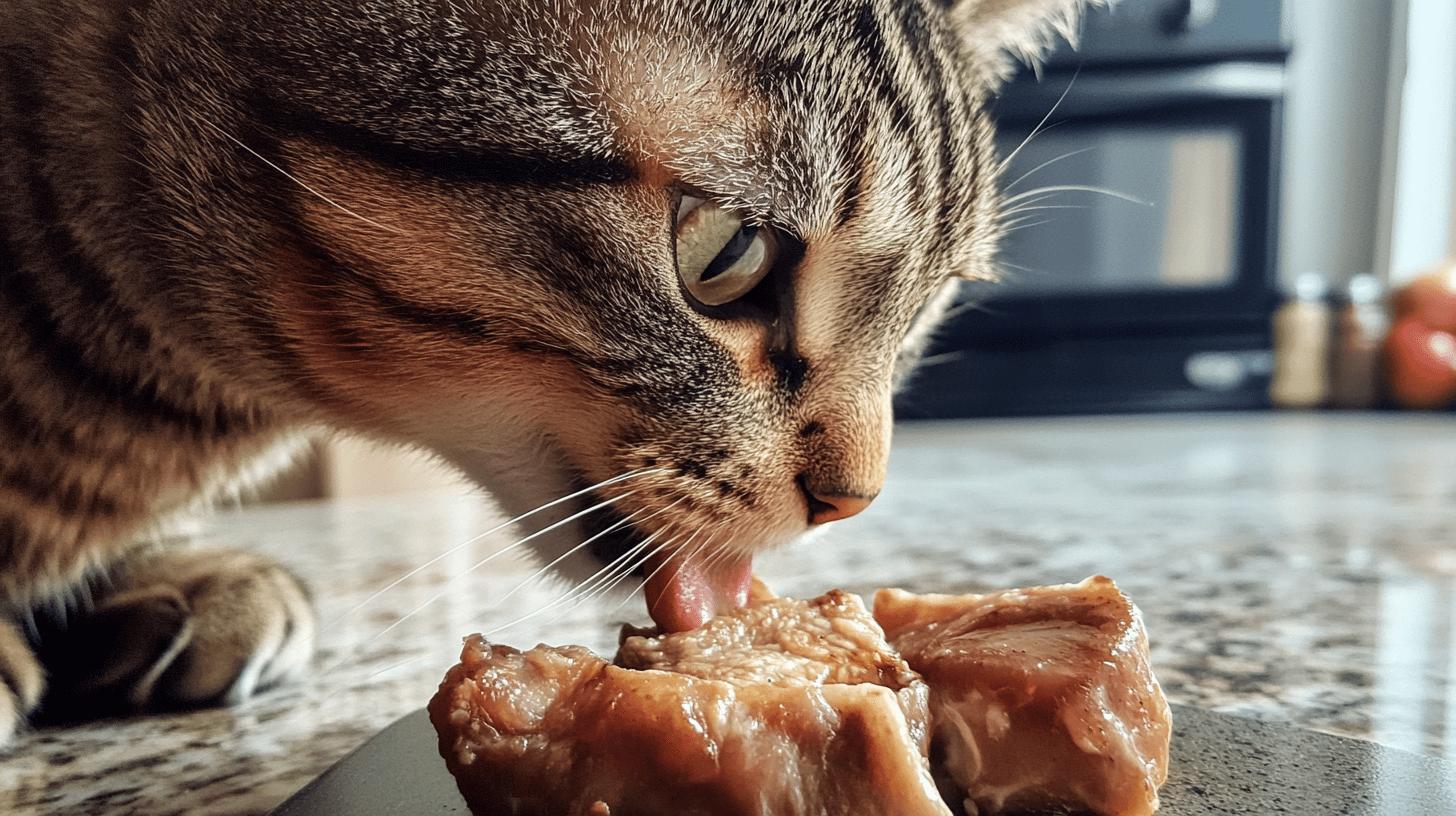
    Safety and Nutritional Benefits of Liver for Cats-4.jpg

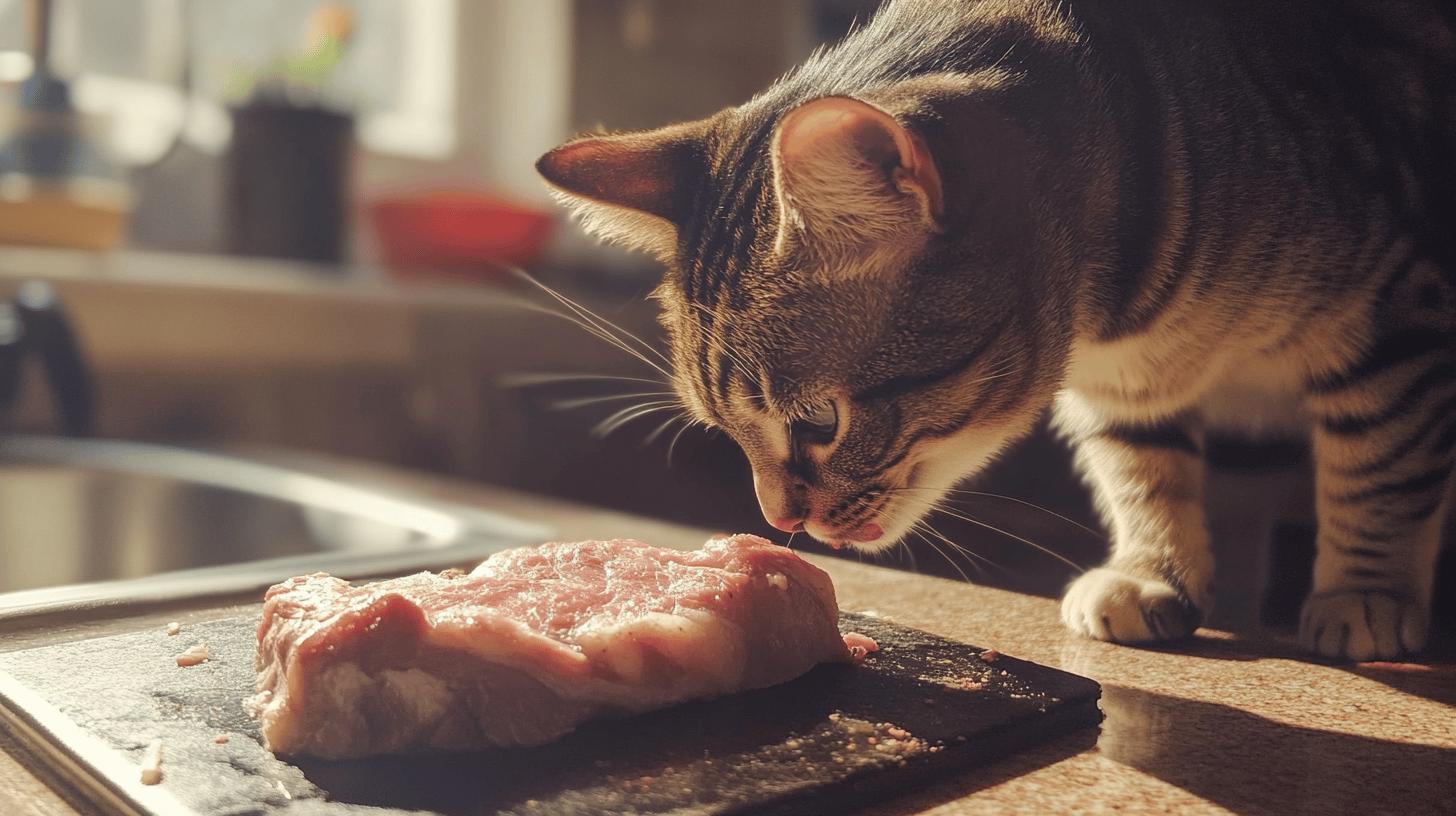
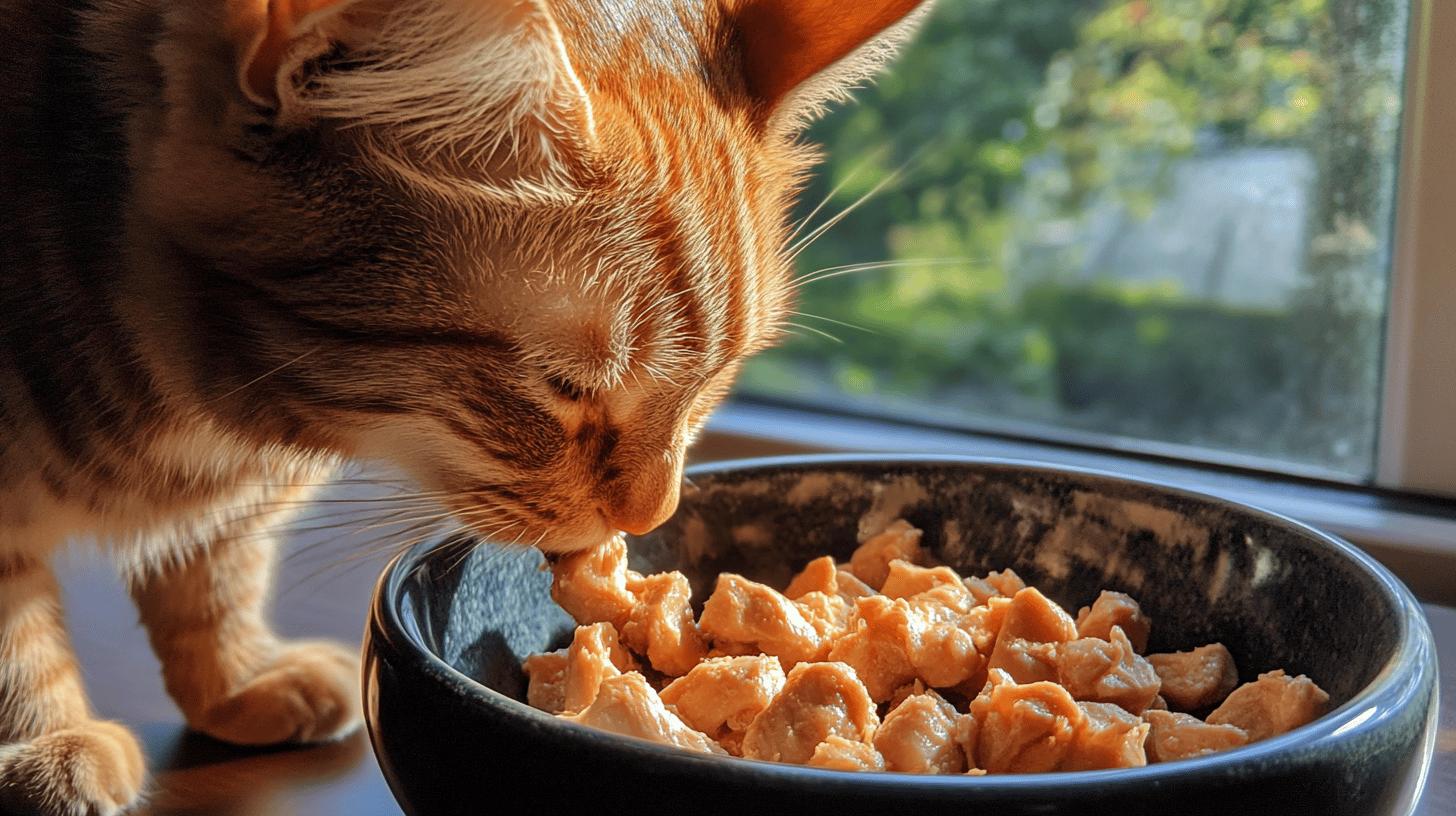
    Cats can eat liver, but it should be given in moderation. Liver is a nutrient powerhouse, but overconsumption can lead to health issues like vitamin A toxicity. It's crucial to understand that liver should not form a large portion of a cat's diet.

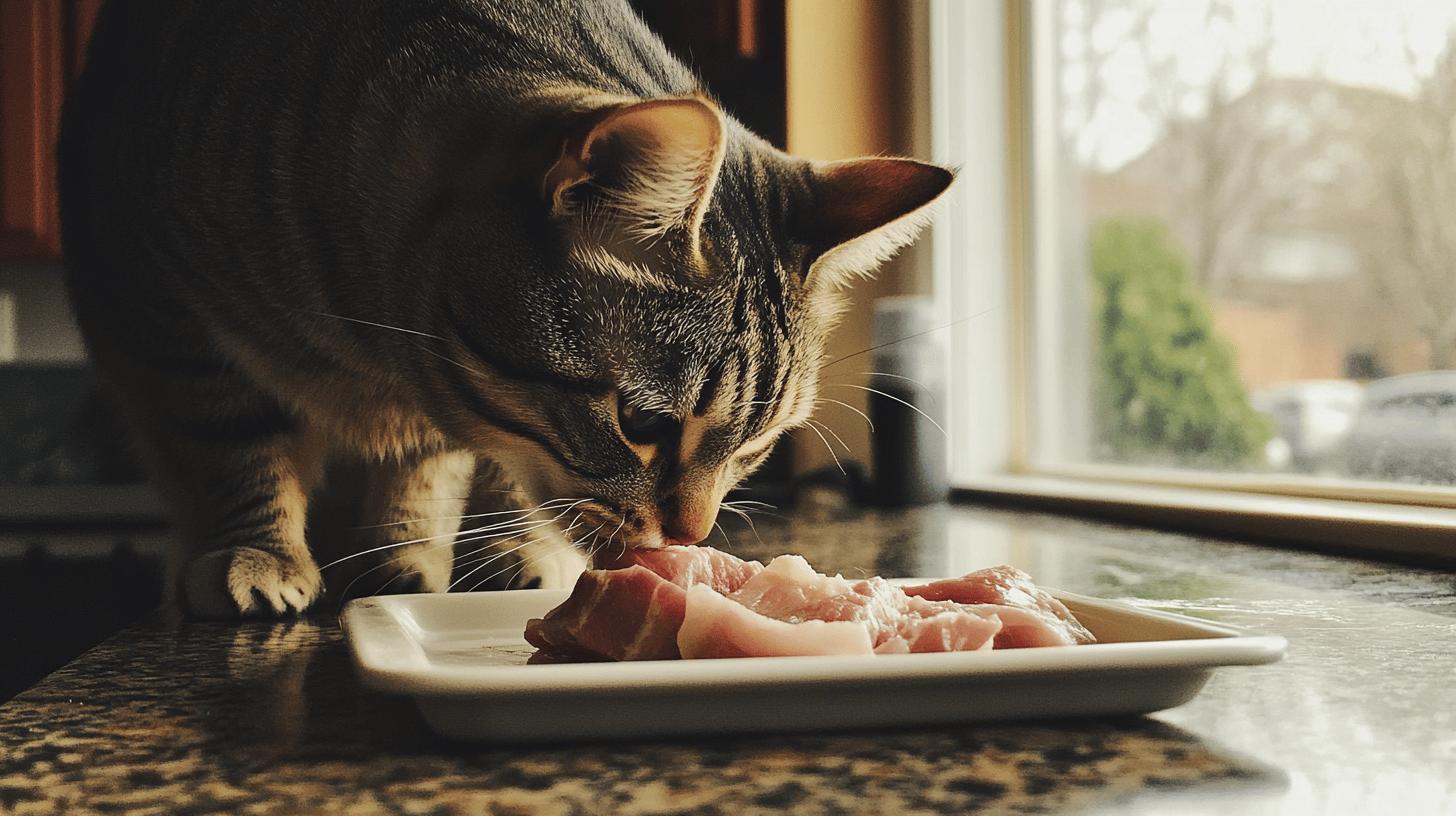
    Moderation is key for maintaining health and safety. Raw liver can harbor parasites or bacteria, so it requires careful handling and preparation to ensure it's safe for feline consumption.

    Liver is packed with nutrients that are beneficial for cats. It is a rich source of vitamins A and B, which are vital for maintaining healthy eyesight and immune function. T

    he iron and copper content in liver supports red blood cell production and overall cellular function. Compared to typical muscle meat, liver contains a more diverse array of essential nutrients, making it a valuable supplement to a cat's diet when used appropriately.

    When feeding liver to cats, it's important to follow these safety tips:

    • Store liver at proper temperatures to avoid spoilage.

    • Thoroughly clean preparation surfaces and utensils.

    • Cook liver to recommended temperatures to kill pathogens.

    • Introduce liver gradually into the cat's diet.

    • Monitor your cat for any adverse reactions like vomiting or diarrhea.

    To better understand the nutritional benefits of liver, here's a breakdown of key nutrients and their advantages:

    Nutrient Benefit
    Vitamin A Improves vision and skin health
    Vitamin B Enhances energy metabolism
    Iron Supports red blood cell production
    Copper Assists in enzyme function and iron metabolism

    Potential Risks of Feeding Liver to Cats
    Potential Risks of Feeding Liver to Cats-3.jpg

    Feeding liver to cats in excessive amounts can lead to a serious condition known as hypervitaminosis A. This happens when cats consume too much vitamin A, which is abundant in liver. Unlike humans, cats cannot efficiently eliminate excess vitamin A from their bodies.

    Over time, this accumulation can lead to toxicity. Symptoms of vitamin A toxicity include weight loss, poor coat condition, and lethargy. In severe cases, it can result in more dangerous health problems.

    One of the most severe effects of excessive liver consumption is the development of bone deformities. High levels of vitamin A can cause abnormal bone growth and deformation, particularly affecting the spine and neck.

    This can lead to stiffness and pain, restricting your cat's movement and overall quality of life. Cats may also suffer from joint pain and difficulty in grooming themselves. If unchecked, these conditions can be irreversible and potentially fatal.

    To avoid these risks, it's crucial to manage your cat's liver intake carefully. Liver should not be a primary component of your cat's diet and should only be offered occasionally. Pay attention to portion sizes and ensure that liver constitutes no more than 5%–7% of your cat's diet.

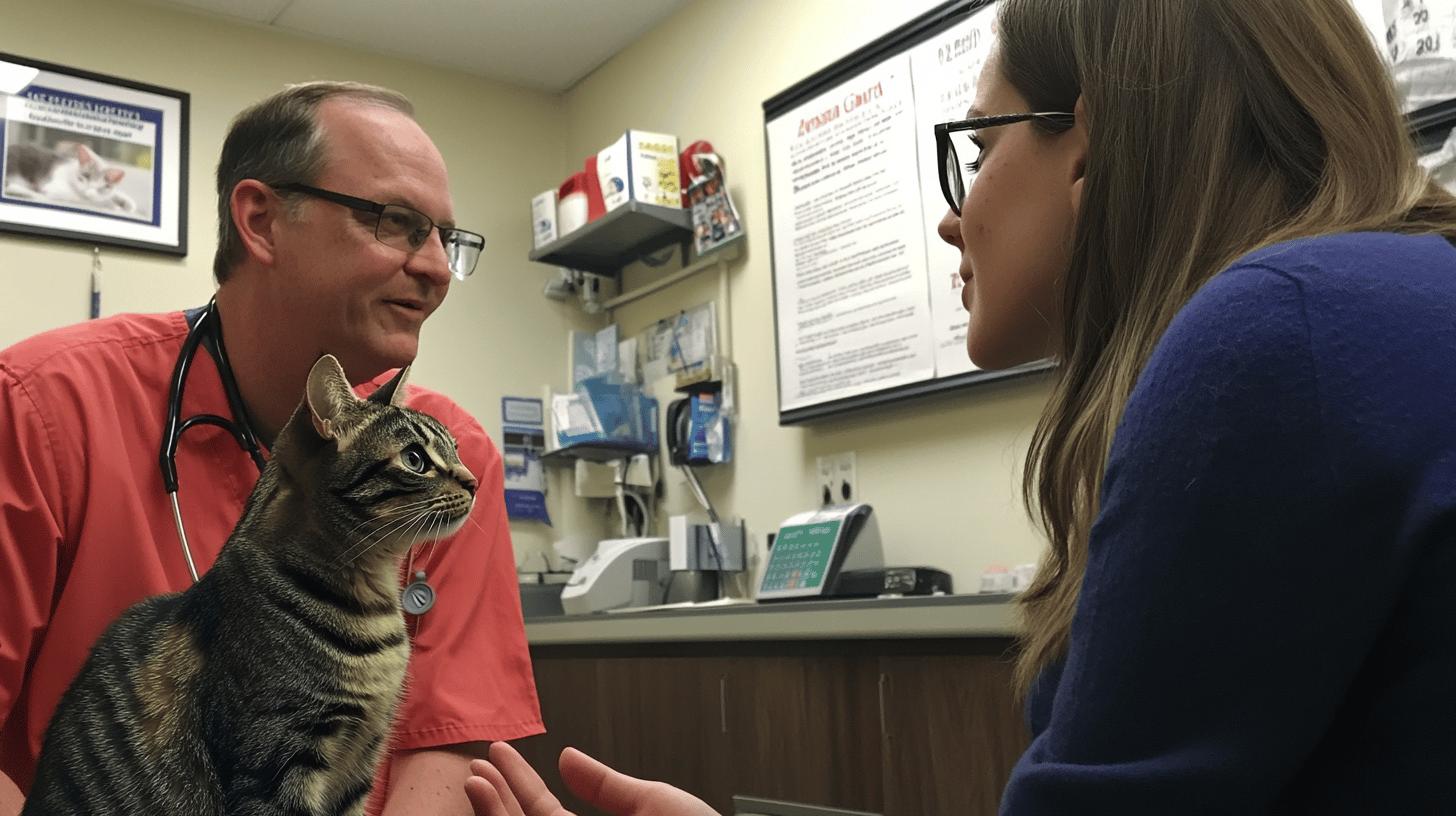
    Always consult your veterinarian before making significant dietary changes to keep your feline companion healthy and happy. Monitoring and moderation are key to preventing the adverse effects of liver consumption.

    Safety and Nutritional Benefits of Liver for Cats
    Appropriate Portion Sizes and Feeding Frequency-2.jpg

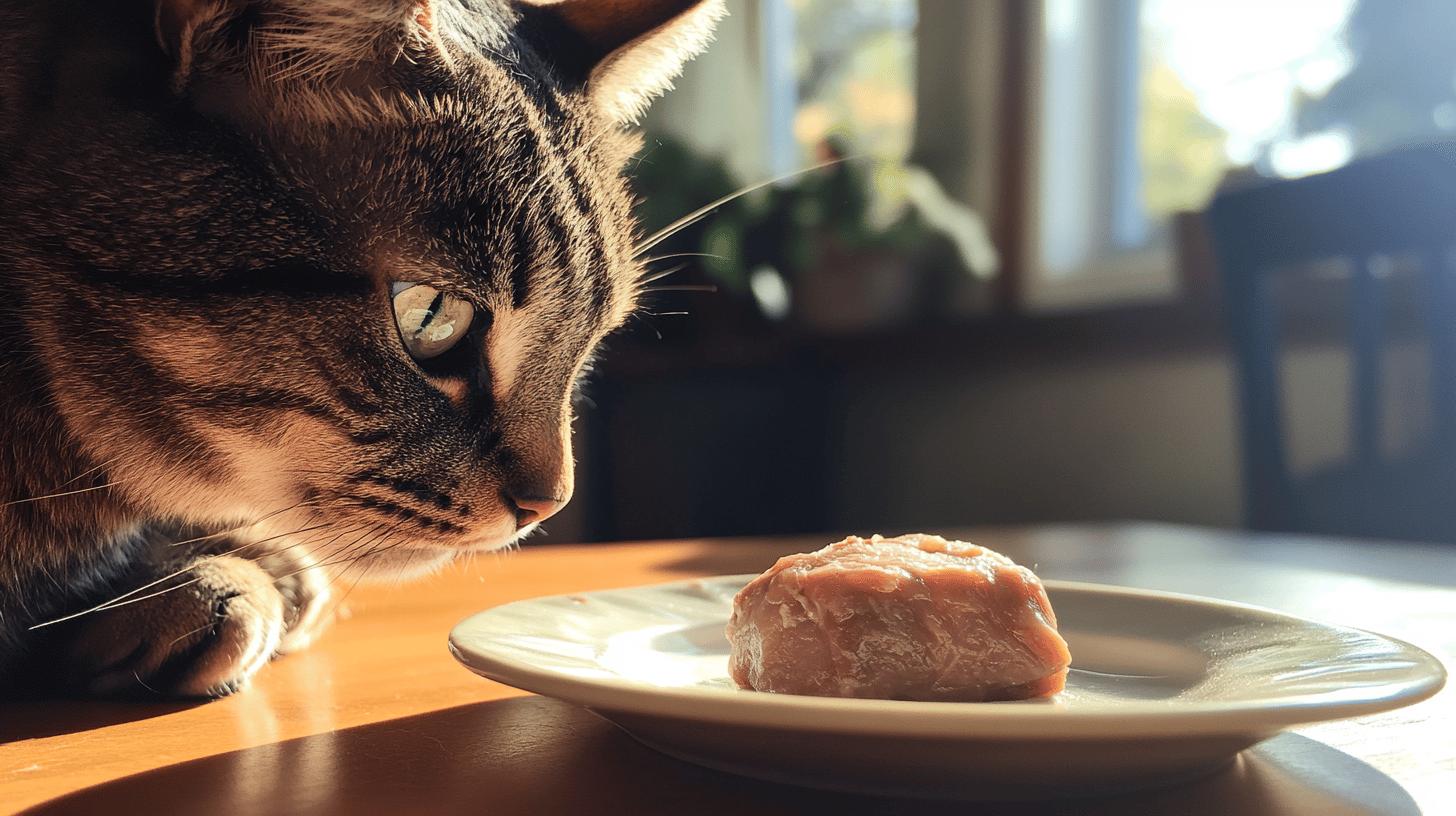
    Including liver in your cat's diet can be advantageous, but it's crucial to focus on appropriate portion sizes. Liver should constitute only about 5%–7% of your cat's meals, ensuring nutritional benefits without the risk of overconsumption.

    For chicken liver, a safe serving size is between 10–20 grams per serving. This moderation helps maintain a balanced diet and prevents nutrient overdose.

    When it comes to feeding frequency, liver should be an occasional treat rather than a daily staple. Offering liver once a week is an effective way to provide nutritional benefits while keeping your cat's diet varied and interesting.

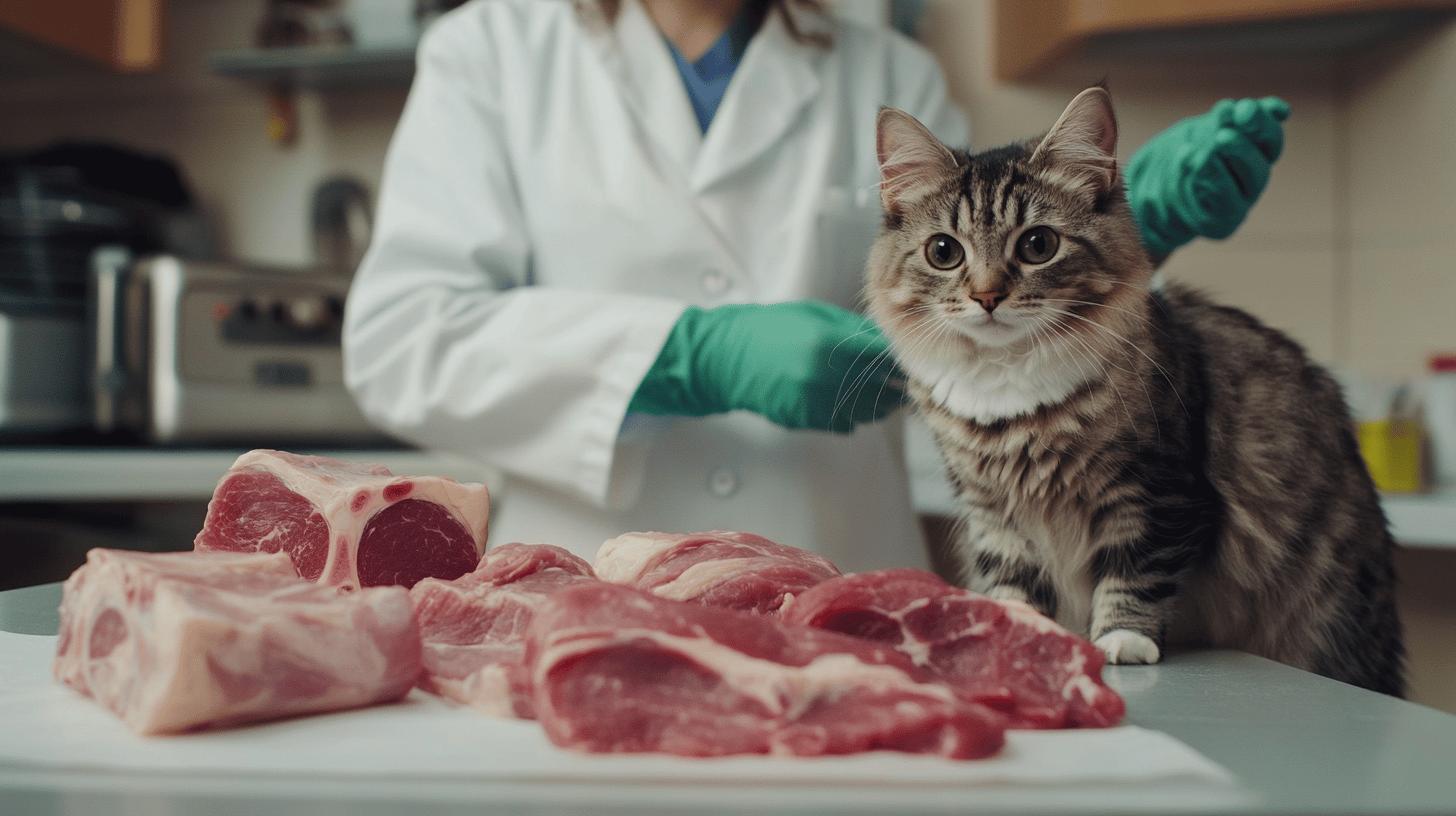
    Always consult a veterinarian before introducing liver into your cat's diet. They can offer tailored advice suited to your cat's health and dietary needs, ensuring a safe and balanced nutritional plan.

    Alternative Sources of Nutrients Found in Liver
    Alternative Sources of Nutrients Found in Liver-3.jpg

    Liver is a nutrient-rich food, but it may not be suitable for all cats, especially those with specific health conditions such as kidney issues. In such cases, it's essential to balance their diet with other nutrient sources.

    Organ meats, including liver, should make up no more than five percent of a cat's diet. For those looking for alternatives, there are several options to consider.

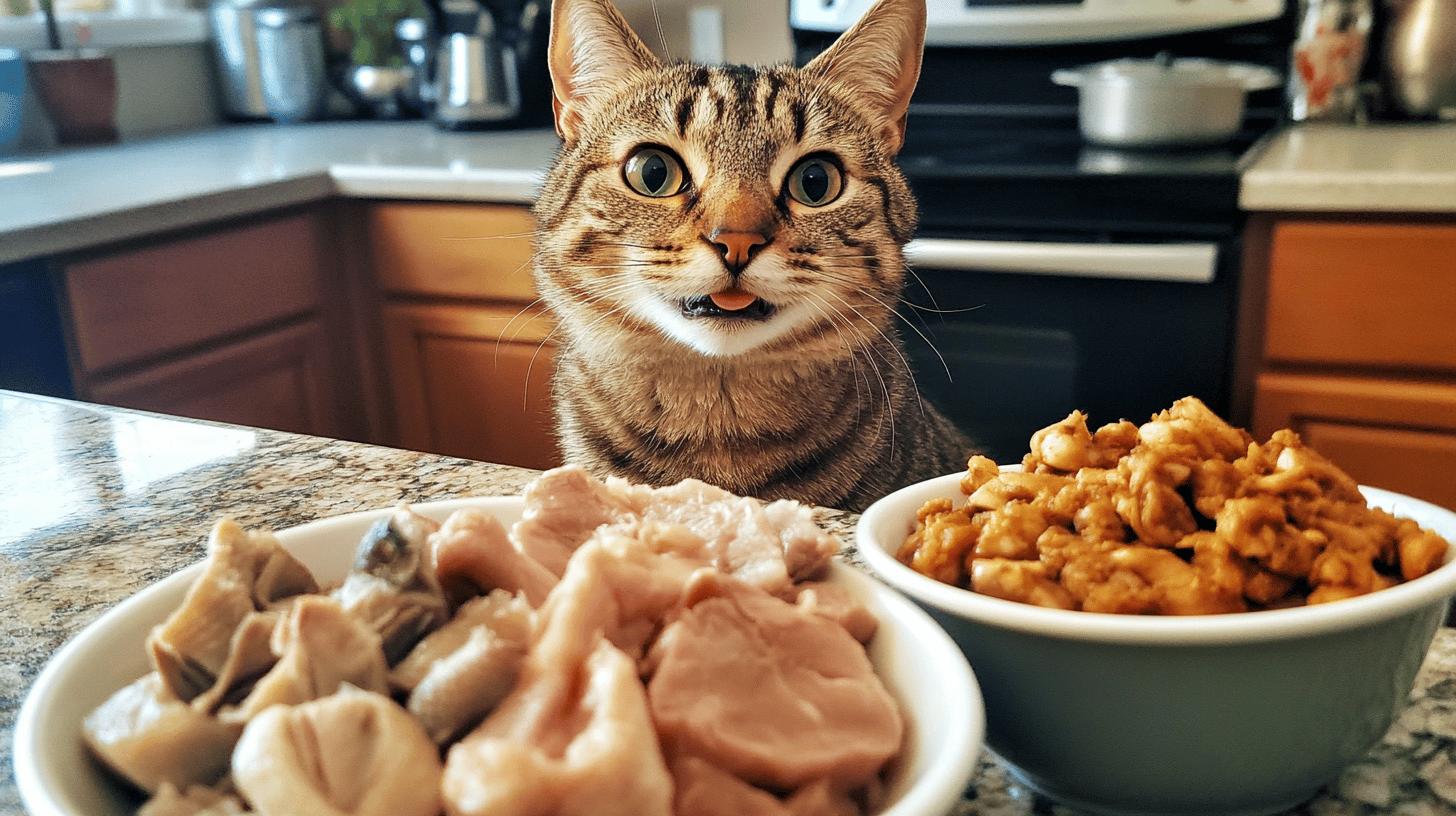
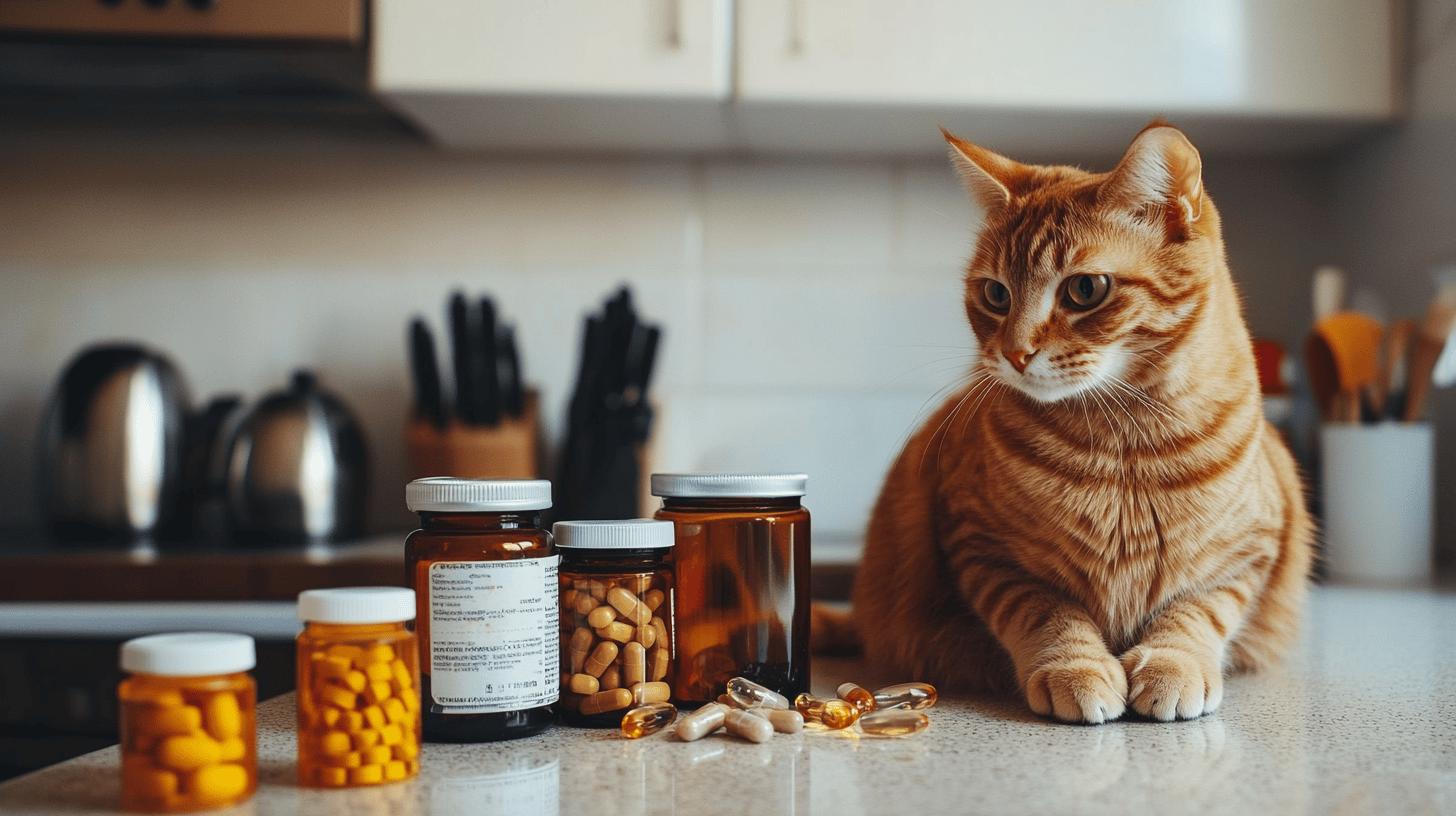
    Fish oil can provide omega-3 fatty acids, which are beneficial for skin and coat health. Meat-based supplements can supply essential protein and iron, supporting muscle and blood health.

    Additionally, multivitamins designed for cats can help fill any nutritional gaps without the risks associated with excessive liver consumption. Always consult a veterinarian before making significant changes to your cat's diet to ensure their nutritional needs are met safely.

    Final Words

    Understanding if your cat can eat liver is crucial. Liver offers nutrients like vitamins A and B, along with iron and copper. But too much can lead to hypervitaminosis A, which is harmful. Including liver in a cat's diet should be done with care, focusing on moderate portions. Aim for liver to be just 5-7% of meals. Check with a vet for the best portion size for your cat. Whether you choose liver or not, ensuring your cat gets a balanced diet is key. Keep things safe and enjoyable for both you and your furry friend!

    FAQ

    Can cats eat chicken liver every day?

    Cats should not eat chicken liver every day. It's rich in nutrients but can cause vitamin A toxicity if consumed in excess. Limit liver to 5-7% of their diet.

    Can cats eat chicken liver raw?

    Cats can eat raw chicken liver if it's prepared safely. This means handling it properly to avoid bacteria and parasites. Cooking is safer to kill any pathogens.

    Can cats eat liver every day?

    Cats should not eat liver every day to prevent vitamin A toxicity. Too much liver can lead to health issues. Keep it to a small part of their diet.

    Is chicken liver good for cats?

    Chicken liver is good for cats in moderation. It provides vitamins A, B, and minerals like iron and copper, offering more nutrients than muscle meat.

    Can kittens eat liver?

    Kittens can eat liver in small quantities. It's nutritious but should be introduced gradually. Ensure their diet remains balanced with other proteins.

    How much liver is too much for cats?

    Too much liver can cause vitamin A toxicity. Limit liver to no more than 5-7% of a cat’s meal. Safe serving size is 10-20 grams.

    Can cats eat cooked liver?

    Cats can eat cooked liver, which is safer than raw. Cooking eliminates harmful pathogens. Introduce it slowly to your cat's diet.

    How do I cook liver for my cat?

    To cook liver for your cat, boil or bake it without seasoning. Cut into small pieces and serve in moderation to prevent nutrient overdose.
    Related Articles

  • Can Cat Eat Grasshopper Understanding Benefits and Risks for Your Pet

    Can Cat Eat Grasshopper Understanding Benefits and Risks for Your Pet

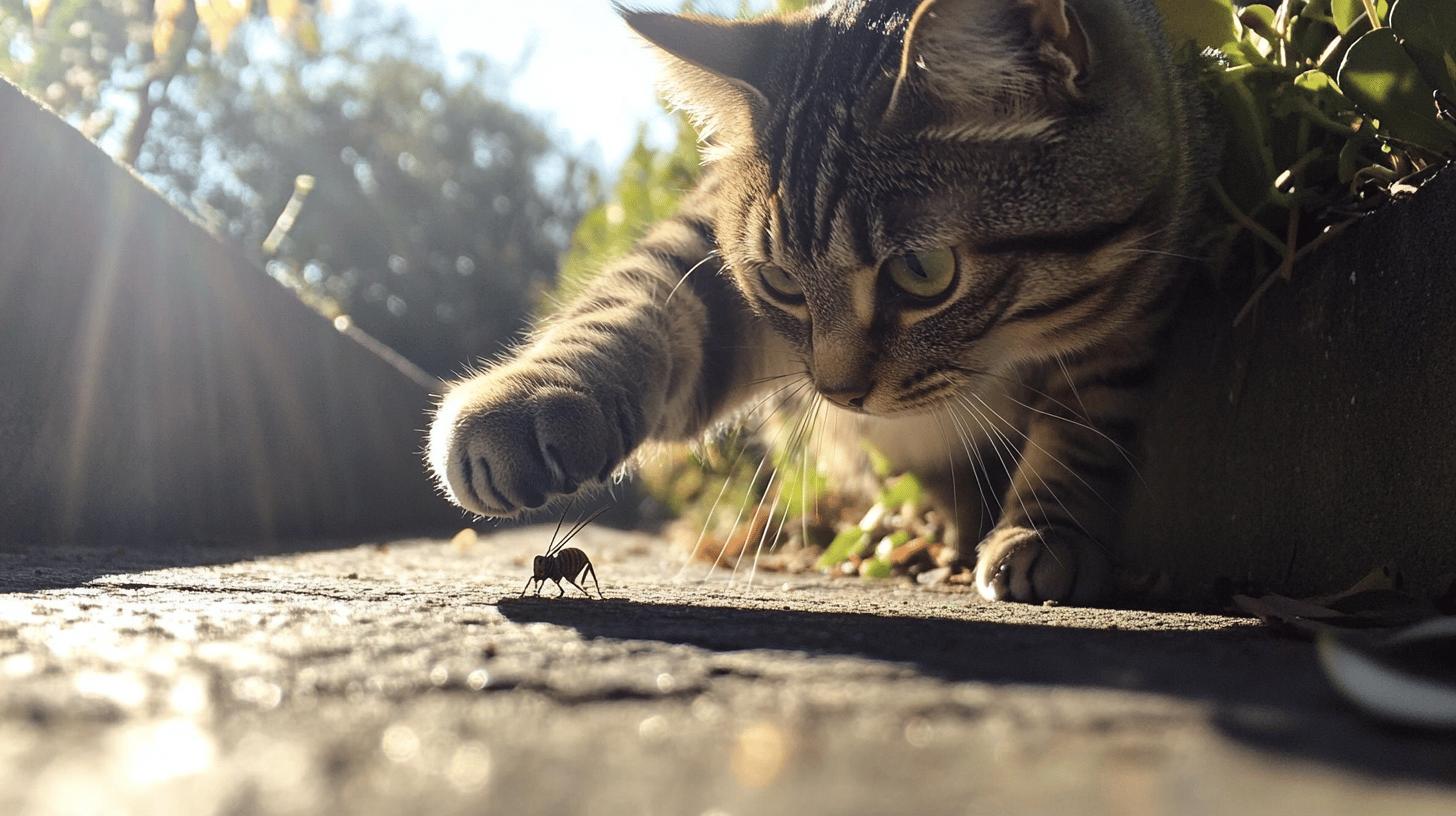
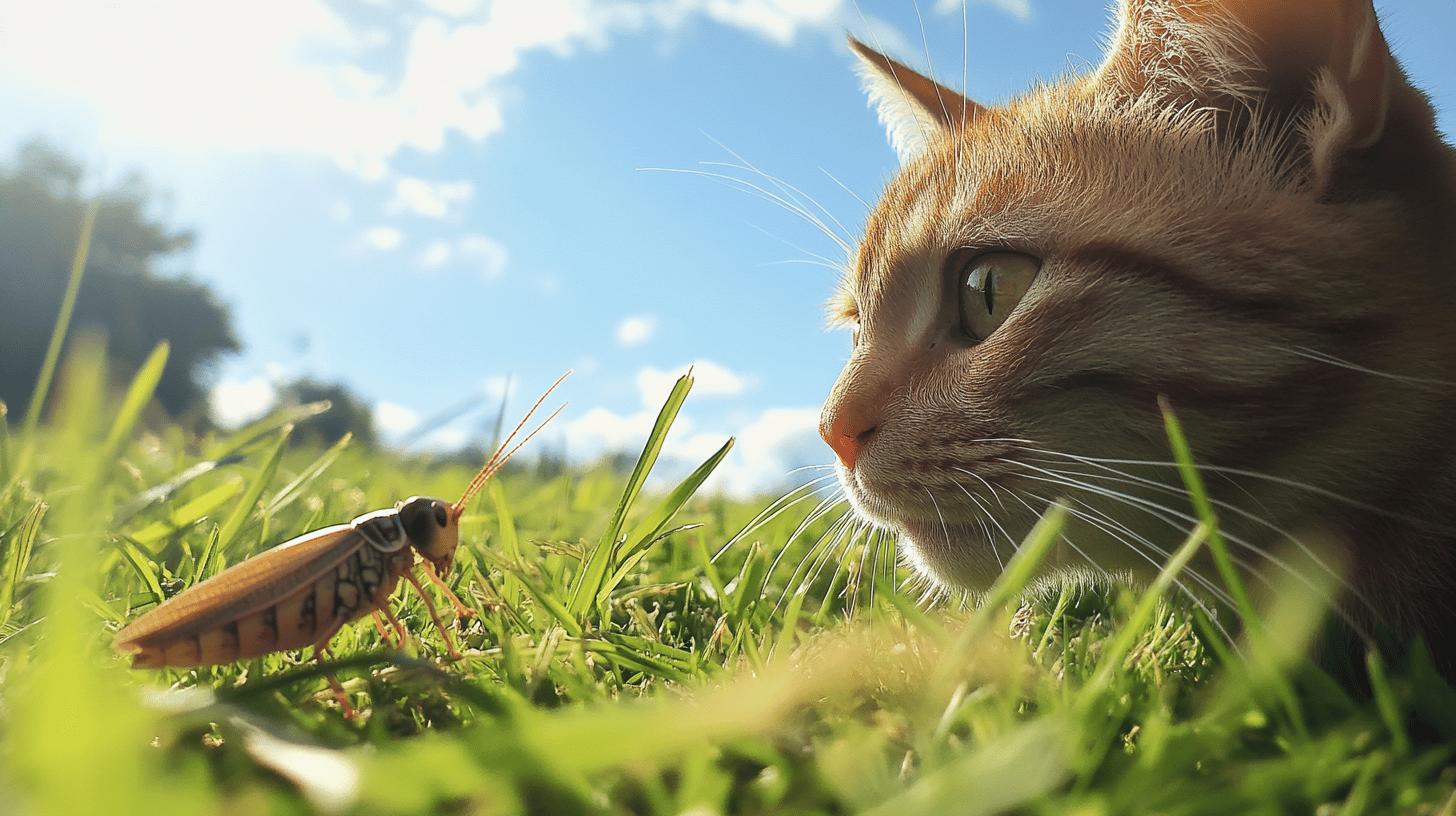
    Have you ever caught your cat pouncing on a grasshopper and wondered, "Is this safe for my furry friend?" Cats are natural hunters and often find insects like grasshoppers irresistible. While munching on these little hoppers might seem harmless, there are some benefits and risks you should know.

    Understanding what happens when your cat chows down on a grasshopper is key to keeping them safe and healthy. Knowing the nutritional reality and potential dangers of this crunchy snack helps you make informed choices for your cat’s playtime and diet.

    Can Cats Safely Eat Grasshoppers: Benefits, Risks, and Precautions

    Can Cats Safely Eat Grasshoppers Benefits, Risks, and Precautions-3.jpg

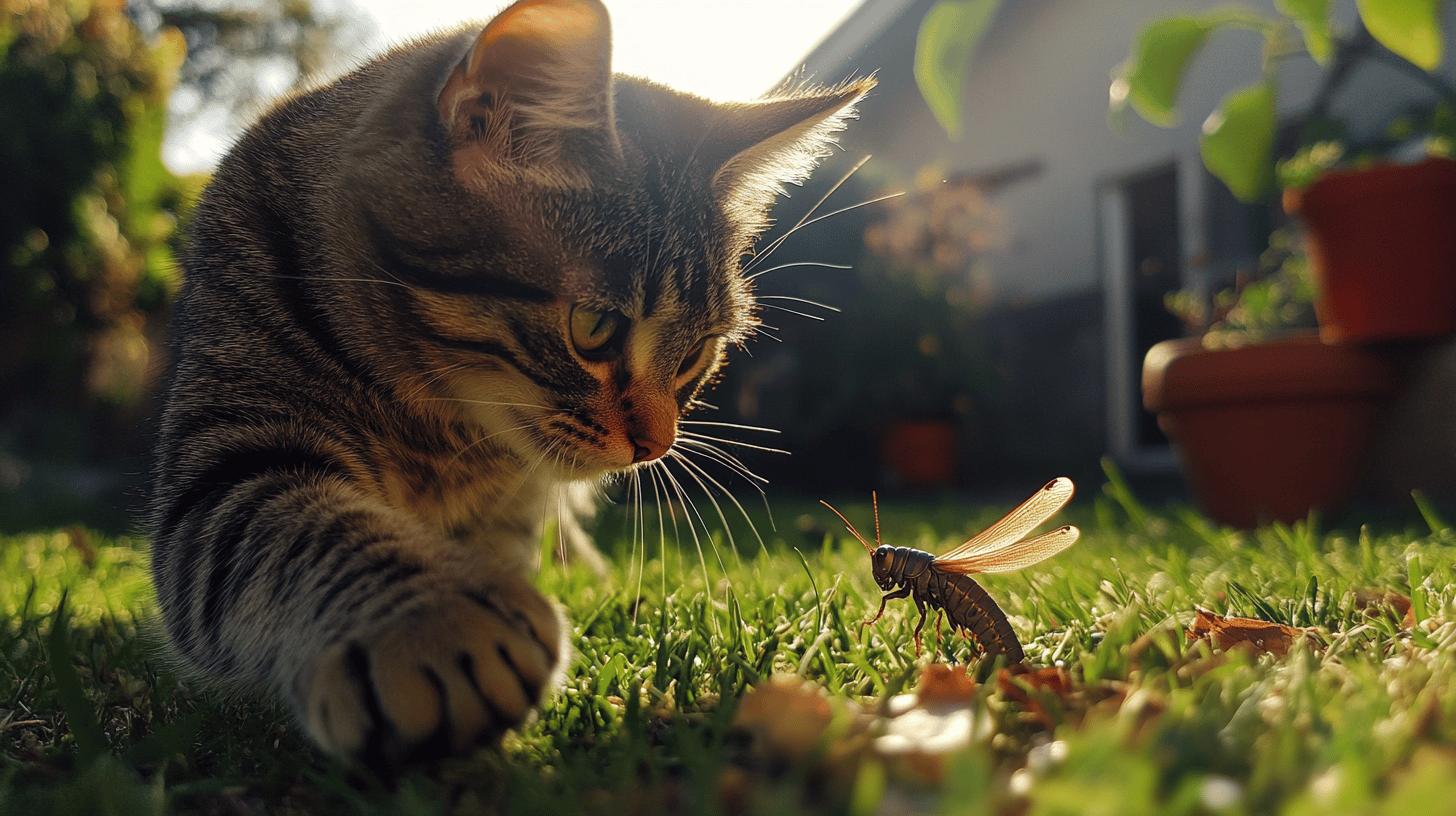
    Cats have a natural instinct to hunt and eat insects, and grasshoppers are no exception. This behavior aligns with their predatory nature, and eating a grasshopper or two is generally safe for them.

    Grasshoppers are non-toxic, making them a relatively harmless snack if consumed occasionally. They can provide mental stimulation and satisfy a cat’s natural hunting urge. Most of the time, a cat's curiosity and their agile hunting skills take over when they spot a grasshopper hopping around.

    Grasshoppers offer a surprising array of nutritional benefits for cats. They are a source of protein, which is crucial for maintaining muscle mass and overall health. Additionally, grasshoppers contain essential fatty acids that contribute to a healthy coat and skin.

    Amino acids, including taurine, are found in these insects as well and are vital for a cat's vision, digestion, and heart muscle function. These nutrients can complement a cat's diet, although they should not replace the primary food source.

    Here's a look at some potential risks and concerns when it comes to grasshoppers:

    • Potential pesticide exposure

    • Minor mouth irritation from exoskeleton

    • Risk of gastrointestinal issues

    • Monitoring for allergic reactions

    • Veterinary consultation if adverse symptoms occur

    Nutrient Benefit to Cats
    Protein Helps maintain muscle mass and overall health
    Essential Fatty Acids Contributes to a healthy coat and skin
    Amino Acids Vital for vision, digestion, and heart muscle function

    While grasshoppers can be a safe and nutritious treat, there are precautions to keep in mind. It's crucial to ensure that any grasshoppers your cat consumes come from pesticide-free areas to avoid potential toxin exposure.

    Keep an eye out for signs of adverse symptoms such as vomiting, diarrhea, or lethargy, as these may require a visit to the veterinarian. Monitoring your cat’s health and behavior after grasshopper consumption will help ensure that it remains a safe and enriching experience for your feline friend.

    Alternatives to Grasshoppers for Cat Diets

    Alternatives to Grasshoppers for Cat Diets-4.jpg

    When considering dietary options for your feline friend, traditional choices like commercial cat food and meats such as chicken, beef, and turkey remain popular. These options are specifically formulated to provide a balanced diet, ensuring that your cat receives all the necessary nutrients. They are designed to meet the dietary needs of cats, making them a reliable and convenient choice for pet owners.

    Here are some alternative protein sources you can consider:

    • Commercial cat food

    • Chicken, beef, turkey

    • Insect-based pet foods

    • Fish that are safe for cats

    Insect-based pet foods are gaining attention as an innovative and environmentally friendly alternative. These foods require less land, water, and feed to produce compared to traditional livestock farming.

    Insects like black soldier fly larvae and mealworms are not only sustainable but also packed with essential nutrients that can benefit your cat's health. Opting for insect-based diets can contribute to a more sustainable future while still providing the nutrition your cat needs.

    Understanding Cat Behavior and Insect Consumption

    Understanding Cat Behavior and Insect Consumption-4.jpg

    Cats have a strong instinct to hunt, a behavior inherited from their wild ancestors. Even our domestic companions show this by stalking and pouncing on small prey, like grasshoppers.

    Watching a cat engage with insects can be fascinating, as it offers a glimpse into their natural predatory instincts. This behavior provides an essential outlet for their energy, aligning with their innate desires.

    Letting cats chase insects like grasshoppers is beneficial. It offers them a fun way to exercise, keeping them agile and fit.

    This activity also stimulates their minds, reducing boredom and promoting mental well-being. Engaging in these natural behaviors supports a healthier and happier life for your feline friend.

    Nutritional Profile and Digestive Considerations

    Grasshoppers offer surprising nutritional density for such small creatures. A 100-gram serving of grasshopper contains approximately 62% protein, making them nutritionally comparable to chicken breast. They also provide substantial B vitamins, particularly niacin and thiamine, which support feline energy metabolism and nervous system function.

    However, the primary digestive challenge lies in the exoskeleton composed of chitin, a complex polysaccharide that feline digestive enzymes cannot efficiently break down. When cats consume grasshoppers with intact exoskeletons, much of the nutrition passes through unabsorbed. Peeling or crushing grasshoppers before consumption would theoretically improve digestibility, though most cats consume them whole when hunting.

    The nutritional benefit comes primarily from hunting and consuming the softer abdominal contents rather than the entire insect. Wild grasshoppers also accumulate micronutrients from their diet–various plant materials and minerals–that enhance their overall nutritional profile compared to farm-raised alternatives.

    Fat content in grasshoppers varies seasonally and by species, ranging from 3-8% dry weight. This moderate fat level, combined with their lean protein profile, makes grasshoppers metabolically safer than many mammalian prey items for cats prone to weight gain or digestive sensitivity.

    Sourcing and Safety Considerations

    The critical safety differentiator between safe and dangerous grasshopper consumption centers entirely on pesticide exposure. Wild grasshoppers in residential yards treated with insecticides, herbicides, or fungicides accumulate these compounds at concentrated levels, creating significant toxicity risk to cats consuming them.

    Common lawn pesticides like neonicotinoids (imidacloprid, clothianidin) affect insect nervous systems through mechanisms that also impact feline neurological function. Consumption of pesticide-exposed grasshoppers can trigger tremors, disorientation, or seizures within 2-6 hours of ingestion.

    Farm-raised grasshoppers specifically cultivated for pet food represent the safest option if grasshopper consumption occurs. These insects are raised in controlled environments free from field pesticides. However, verify sourcing before purchasing farm-raised varieties, as some suppliers employ suboptimal hygiene practices.

    Live versus frozen grasshoppers present similar safety profiles, though frozen varieties offer one advantage: the freezing process kills any accumulated parasites or pathogenic bacteria the insect may harbor. Live grasshoppers may carry salmonella or similar organisms, particularly if sourced from wild populations.

    Size and choking hazard considerations matter significantly for younger or enthusiastic hunters. Grasshoppers larger than your cat’s head pose potential choking risks if swallowed whole without proper chewing. Supervise initial grasshopper hunting or consumption to assess your individual cat’s chewing behavior.

    Behavioral and Enrichment Benefits

    The psychological and behavioral value of grasshopper hunting and consumption for cats extends beyond simple nutrition. Hunting activates neural pathways associated with predatory success, triggering dopamine release that creates reward satisfaction comparable to play-hunting activities.

    For indoor cats, grasshopper hunting opportunities provide rare instances of authentic predatory behavior expression. This behavioral outlet may reduce stress and anxiety in cats denied other hunting opportunities, particularly beneficial for high-prey-drive breeds or individuals with hyperactive tendencies.

    The physical exertion required for grasshopper hunting–stalking, pouncing, the coordinated jaw movements of consumption–provides full-body enrichment that many standard cat toys cannot replicate. This multisensory engagement supports cognitive development, maintains hunting skills, and provides cardiovascular activity.

    Enrichment value becomes especially significant for senior cats who may lack motivation for traditional toys. Slow-moving or incapacitated grasshoppers allow older cats to engage predatory instincts successfully despite reduced mobility, supporting mental stimulation and quality of life in their later years.

    Final Words

    Exploring whether a cat can eat grasshopper highlights the balance between natural behaviors and health considerations. Cats often chase insects, including grasshoppers, which are generally safe. They offer nutritional perks like protein and essential nutrients. Yet, safety concerns arise from pesticide exposure and possible allergic reactions. If your cat shows symptoms like vomiting or diarrhea after eating grasshoppers, it's best to consult a vet. Opting for untreated areas can reduce risks, and insect-based cat foods can be a sustainable choice. Ultimately, letting cats indulge in their instincts can enrich their lives, provided we manage the risks.

    FAQ

    Can cats eat locusts or grasshoppers?

    A: Cats can generally eat grasshoppers or locusts without issues, as these insects are non-toxic and provide protein, provided they are free from pesticides.

    What bugs are bad for cats to eat?

    A: Some bugs can be harmful, like bees, ants, or bugs treated with pesticides. Ingesting these can cause allergic reactions or gastrointestinal distress in cats.

    Can cats get worms from eating grasshoppers?

    A: Eating grasshoppers rarely transmits worms to cats; the bigger concern is pesticide exposure, so consult your vet if your cat has eaten a grasshopper from a treated area.

    Do cats eat bugs in the house?

    A: Cats eating bugs indoors is normal. It's a part of their hunting instinct, but ensure the environment is free from pest control chemicals.

    Why does my cat bring in grasshoppers?

    A: Cats bring in grasshoppers due to their hunting instinct. It's often a part of their natural behavior to show off a catch.

    Can a cricket make a cat sick?

    A: Crickets are mostly safe for cats, but if crickets have pesticide residue, it may cause vomiting or diarrhea in cats. Keep an eye for such symptoms.

    Can cats eat praying mantises or centipedes?

    A: Cats can eat praying mantises or centipedes, but it's best to avoid it. Their exoskeletons might cause digestive issues. Always observe your cat for any adverse reactions.

    Related Articles

  • Can Cat Eat Lavender Understanding the Risks for Feline Health

    Can Cat Eat Lavender Understanding the Risks for Feline Health

    Can your cat indulge in lavender, or could it be a feline faux pas? While the soothing scent might seem harmless, the truth is that lavender harbors hidden risks for cats. Unlike humans, who often find lavender therapeutic, cats can suffer from toxic effects.

    Their bodies aren't built to handle compounds like linalool and linalyl acetate found in lavender. This can lead to worrisome symptoms like vomiting and diarrhea. Knowing the risks can help keep your feline friend safe and sound. Let’s dig deeper into why cats and lavender aren't the best match.

    Can Cats Safely Consume Lavender?

    Can Cats Safely Consume Lavender-3.jpg

    Lavender is not safe for cats to consume. This is due to the toxic compounds present in lavender, such as linalool and linalyl acetate. Cats' systems are not equipped to process these compounds, which can lead to potential poisoning.

    Unlike humans, who might find lavender calming and therapeutic, cats can suffer from harmful effects. The inability of their liver to metabolize these compounds can result in symptoms like vomiting, diarrhea, and even more severe health issues. So, it's clear that lavender and cats do not mix well, and preventing any ingestion is crucial.

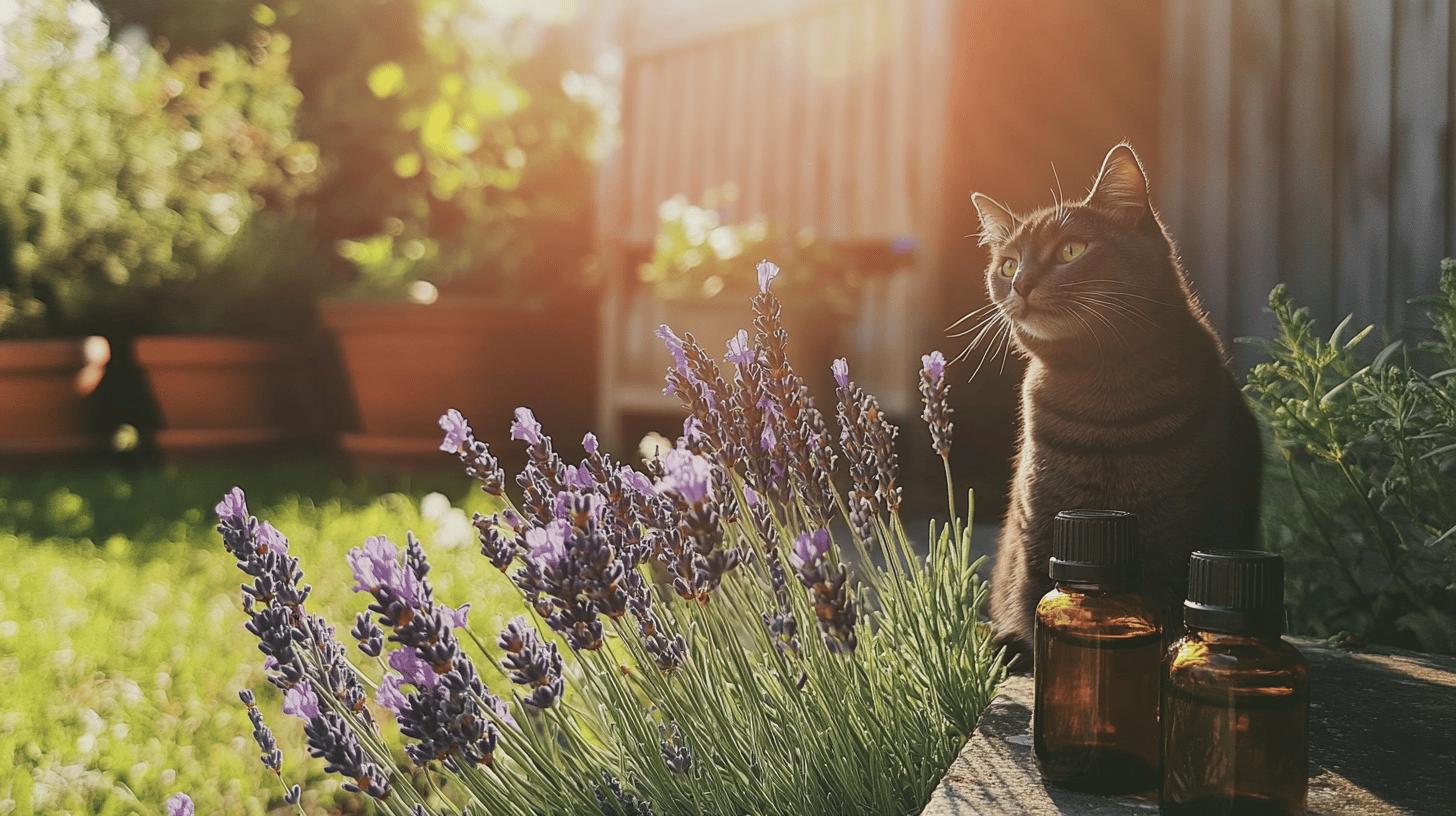
    Cats can be exposed to lavender in multiple forms, each posing its own set of risks. The plant itself, whether in your garden or as a potted plant indoors, can tempt a curious cat. If chewed or ingested, it can cause gastrointestinal distress.

    Essential oils, which are even more concentrated, pose a heightened risk. When diffused in the air, cats can inhale the oils or absorb them through their skin, leading to more acute symptoms.

    Even lavender-infused products like candles or sprays should be kept away, as the concentration levels can be harmful. Both the plant and essential oils present a danger, so careful management of lavender around cats is necessary to ensure their safety.

    Recognizing Symptoms of Lavender Toxicity in Cats

    Recognizing Symptoms of Lavender Toxicity in Cats-2.jpg

    If your cat comes into contact with lavender, knowing the symptoms of toxicity is crucial. Common signs of lavender poisoning in cats include gastrointestinal issues like diarrhea and vomiting.

    You might also notice your cat showing signs of weakness or lethargy. Respiratory symptoms such as coughing and wheezing can occur, especially if the cat has inhaled essential oils. These symptoms indicate the cat's inability to process the toxic compounds found in lavender, leading to distress and discomfort.

    The onset and severity of these symptoms can vary significantly. Some cats might show immediate reactions, especially if they have ingested a larger quantity. Others could develop symptoms gradually, with effects appearing over a few days.

    The variation depends on the cat's age, health status, and the amount of lavender they were exposed to. It's essential to be vigilant for any sudden changes in behavior or health, as even minor exposure can lead to significant health challenges over time.

    Monitoring your cat closely is vital if you suspect lavender exposure. Keep an eye out for any unusual behavior or signs of distress.

    If symptoms appear or worsen, seek veterinary care promptly. A vet can provide appropriate treatment and advice on how to manage the situation.

    Early intervention is key to minimizing the risks associated with lavender toxicity. If you notice any symptoms, don't hesitate to contact a professional to ensure your cat's safety and well-being.

    Differences Between Lavender Plants and Essential Oils

    Differences Between Lavender Plants and Essential Oils-3.jpg

    When it comes to lavender and cats, understanding the differences in concentration between lavender plants and essential oils is crucial. Lavender plants naturally contain compounds like linalool and linalyl acetate, which are toxic to cats.

    However, the concentration of these compounds is relatively low in the plant form. While this might still pose a risk if a cat ingests parts of the plant, the effects may be milder compared to essential oils.

    On the other hand, lavender essential oils are highly concentrated. This means that even small amounts can be potent and more dangerous when inhaled or absorbed through a cat's skin.

    Both lavender plants and essential oils present potential hazards, but in different ways. A curious cat might nibble on a lavender plant, leading to mild to moderate gastrointestinal distress.

    Essential oils, being more concentrated, can cause severe reactions even without direct ingestion. Cats can inhale the vapor from diffusers or come into contact with surfaces where oils have been applied, leading to respiratory issues or skin irritation. The heightened risk from oils makes them particularly concerning for cat owners.

    Form Risk Level
    Lavender Plant Moderate
    Essential Oil High

    Safe Alternatives to Lavender for Cats

    Safe Alternatives to Lavender for Cats-3.jpg

    When looking for alternatives to lavender, it's crucial to focus on non-toxic options that won't harm your feline friend. Catnip is a popular choice, known for its ability to engage and soothe cats.

    Its effects are harmless and can be a fun way to calm your cat. Valerian root is another plant that is safe for cats and can provide similar calming effects without the toxic risks associated with lavender.

    Chamomile, while best used in moderation, is also considered safe and can have a soothing effect on cats. If you're considering adding plants to your home, ensure they're cat-friendly to prevent any accidental ingestion of harmful substances.

    In addition to plant-based options, there are commercial products designed specifically for calming cats. These products are formulated to be safe and effective without the risks of essential oils or toxic plants.

    Look for pheromone diffusers, which mimic natural cat pheromones to reduce stress and anxiety. Calming collars infused with safe ingredients can also be beneficial.

    Cat-safe sprays made from non-toxic ingredients can offer a soothing effect when applied to your cat's favorite resting spots. Lastly, consider natural supplements that your vet approves, which can aid in reducing stress levels in a safe manner.

    • Pheromone diffusers
    • Calming collars
    • Cat-safe sprays
    • Vet-approved natural supplements

    What to Do if Your Cat Eats Lavender

    What to Do if Your Cat Eats Lavender-1.jpg

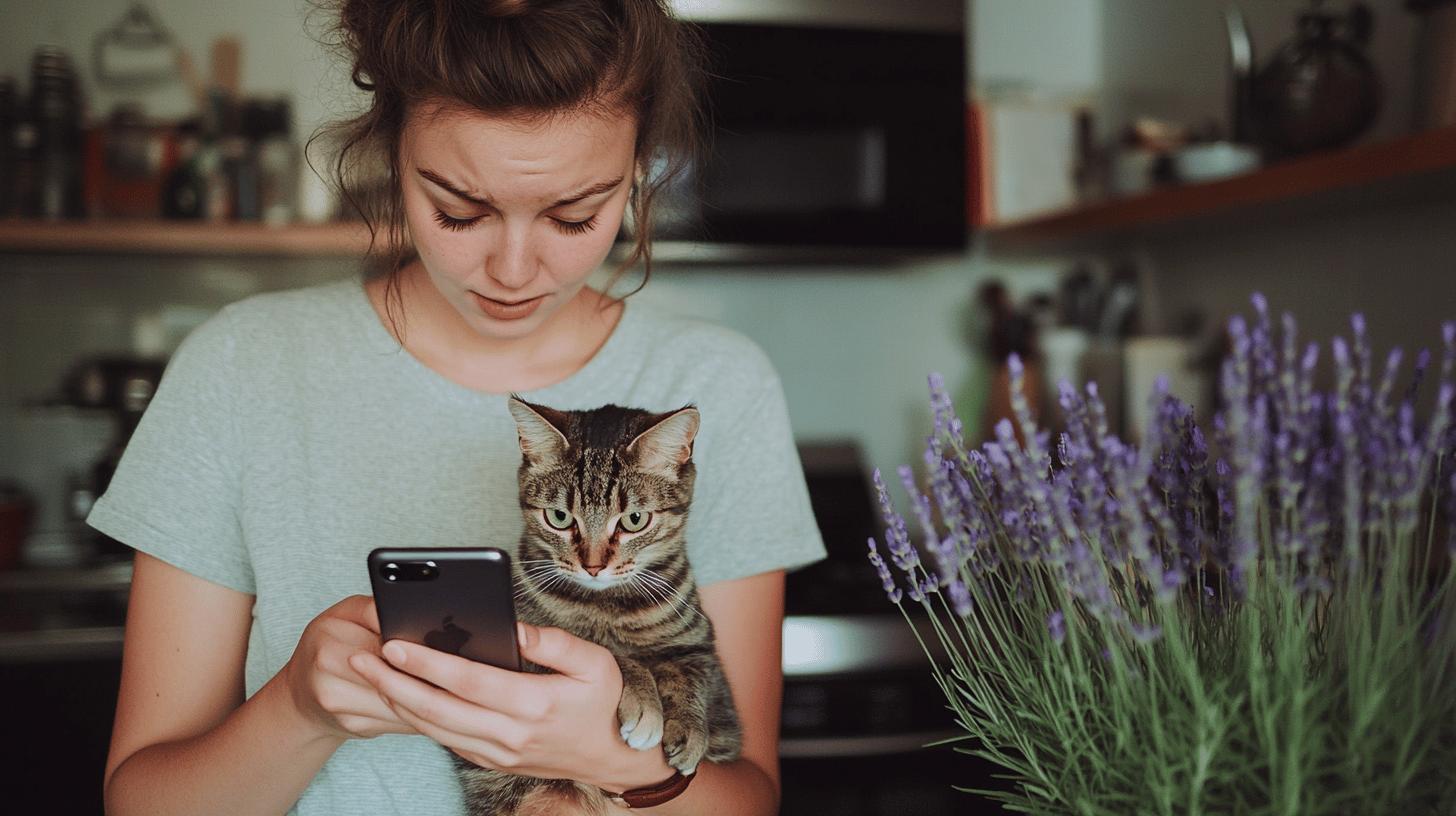
    If you suspect your cat has ingested lavender, treat it as a medical emergency. Immediate action can help prevent serious health complications.

    First, remove any remaining lavender from your cat's reach to prevent further ingestion. Then, assess your cat for any visible symptoms like vomiting or diarrhea.

    Next, contact your veterinarian or the ASPCA Animal Poison Control Center at (888) 426-4435 for guidance. They can provide critical advice tailored to your cat's specific situation. It's crucial to act quickly, as lavender contains compounds that are toxic to cats and can result in severe health issues.

    Veterinary consultation is essential when dealing with lavender poisoning. Your vet will likely perform an examination and may recommend treatments like activated charcoal to absorb toxins or intravenous fluids to manage dehydration.

    They might also monitor your cat for any adverse reactions and provide supportive care to aid recovery. Professional intervention can make a significant difference in the outcome, ensuring your cat receives the necessary medical attention to address any symptoms effectively.

    After the initial emergency steps, ongoing monitoring and follow-up care are important. Some symptoms of lavender toxicity, such as weakness or respiratory issues, may develop later.

    Keep a close eye on your cat for any changes in behavior or health. If you notice any new or worsening symptoms, contact your veterinarian immediately. Follow-up appointments may be necessary to ensure your cat's full recovery and to prevent any long-term health impacts.

    • Remove any lavender from your cat's reach.

    • Check your cat for visible symptoms.

    • Contact your veterinarian or ASPCA Animal Poison Control.

    • Follow any advice or instructions given by veterinary professionals.

    • Monitor your cat for delayed symptoms and seek further care if needed.

    Final Words

    Throughout this article, we navigated the risks associated with lavender and cats. Lavender's toxic compounds pose real dangers. We examined the symptoms of lavender poisoning and the varying severity and timing of these symptoms. Essential oils, being more concentrated, offer a greater risk than the plants, but both are a concern. Safer alternatives like catnip can provide calming effects without danger.

    If a cat eats lavender, it's crucial to act swiftly and consult a vet. Understanding these risks ensures your furry friend stays safe and healthy.

    FAQ

    Can cats eat lavender oil?

    A: Cats should not eat lavender oil. It's toxic due to linalool and linalyl acetate. These compounds can lead to poisoning. Even small exposures might be harmful.

    Is dried lavender safe for cats?

    A: Dried lavender is not safe for cats. It contains toxic compounds that can cause illness or poisoning if ingested.

    Can cats eat lavender leaves or seeds?

    A: Cats should not eat lavender leaves or seeds. Both parts of the plant contain harmful compounds that are toxic to cats.

    What should I do if my cat ate a lavender plant?

    A: If your cat ate a lavender plant, it's important to seek veterinary care immediately. Monitor your cat for symptoms like vomiting or weakness and contact your vet or animal poison control for advice.

    Are cats allergic to lavender scent?

    A: Some cats may be sensitive or allergic to lavender scent. This might lead to symptoms like sneezing, coughing, or respiratory issues.

    Can lavender kill cats?

    A: In severe cases, lavender can be fatal to cats, especially if large amounts are ingested. Immediate veterinary attention is crucial.

    Is lavender oil safe for cats?

    A: Lavender oil is unsafe for cats. Its high concentration makes it more hazardous than the plant. It should be kept away from cats at all times.

    What happens if cats eat lavender?

    A: If cats eat lavender, they may experience symptoms like vomiting, diarrhea, and weakness. It's essential to get veterinary help right away.

    Why does my cat like lavender?

    A: Some cats might be attracted to the scent of lavender, but this doesn't mean it's safe. They might be curious, but exposure can be harmful.

    Can cats tolerate the smell of lavender?

    A: While some cats may not show immediate distress, lavender's scent can still be irritating or harmful, especially in essential oil form.

    Is lavender toxic to pets?

    A: Yes, lavender is toxic to pets like cats and dogs. Both the plant and essential oils pose risks of poisoning and should be avoided around pets.

    Related Articles

  • Can Cat Eat Condensed Milk Understanding the Risks and Alternatives

    Can Cat Eat Condensed Milk Understanding the Risks and Alternatives

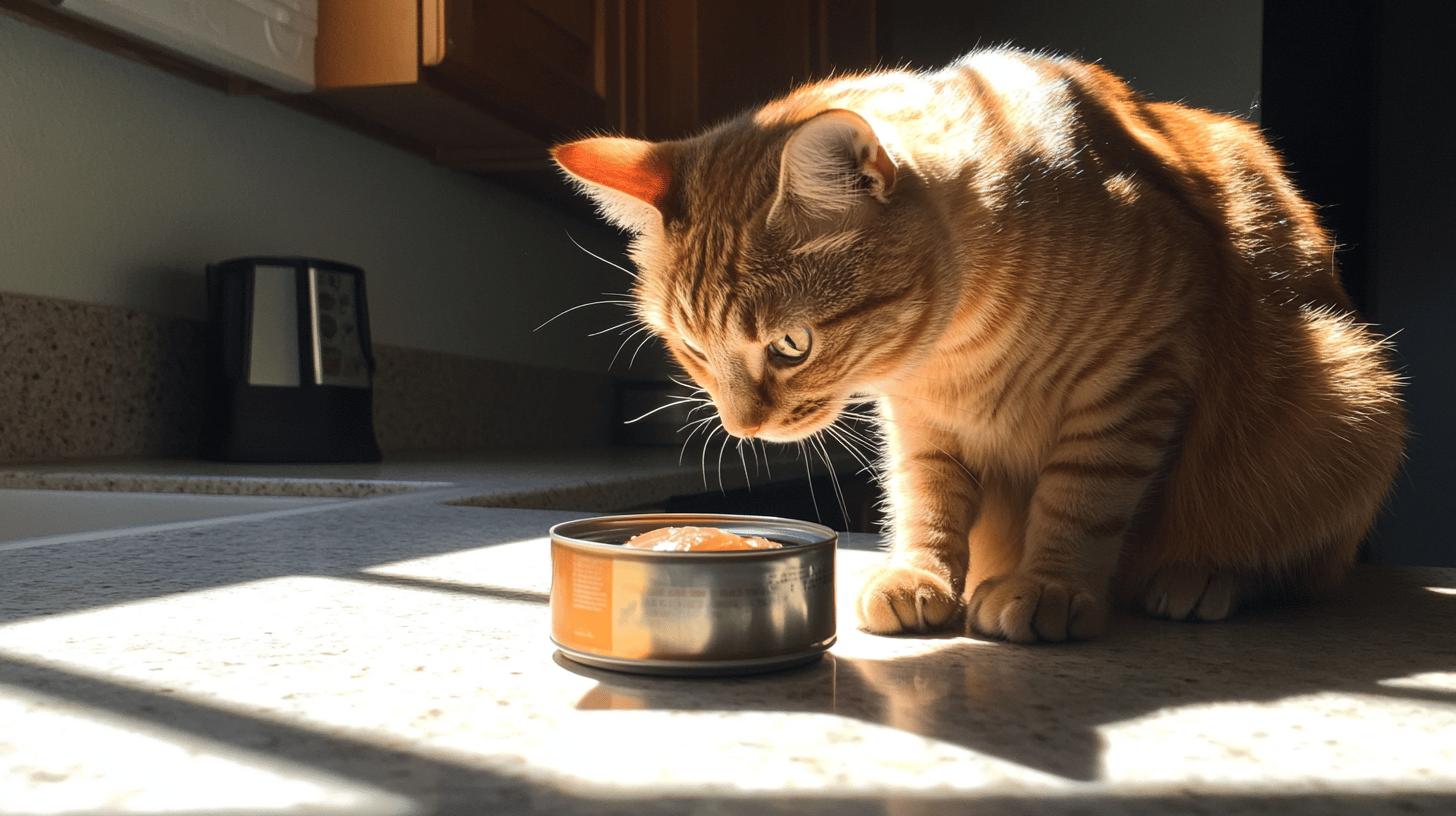
    Is your cat eyeing your can of condensed milk? While it might look like a harmless indulgence, giving your cat condensed milk can spell trouble. Veterinarians are quick to point out that this sweet, creamy treat is not made for our feline friends.

    Loaded with sugar and fat, condensed milk can mess up their digestion big time. Dive into this article to learn why condensed milk is risky for cats and explore safer alternatives to keep their taste buds and tummy happy.

    Can Cats Eat Condensed Milk? Understanding the Risks

    Can Cats Eat Condensed Milk Understanding the Risks-1.jpg

    Condensed milk might seem like a tempting treat to share with your feline friend. Its rich and creamy texture is appealing, and let's face it, cats often show interest in anything we're consuming.

    Yet, what seems like a harmless indulgence can actually be harmful to cats. Veterinarians warn that condensed milk isn't safe for cats to consume. The high sugar and fat content in condensed milk can wreak havoc on a cat's digestive system, which isn't equipped to handle such richness.

    Potential Health Risks of Condensed Milk for Cats

    Here are some of the specific health risks associated with feeding condensed milk to cats:

    • Obesity risk from high sugar content: With approximately 12.4 grams of sugar per tablespoon, condensed milk can contribute to unhealthy weight gain in cats.

    • Diabetes due to excessive sugar intake: The sugar levels in condensed milk can increase the risk of diabetes, a condition that can severely affect a cat's quality of life.

    • Pancreatitis risk from high fat: Nearly 8 grams of fat per tablespoon can lead to inflammation of the pancreas in cats, a painful and potentially deadly condition.

    • Gastrointestinal upset: Cats lack the necessary enzymes to properly digest the lactose in dairy, leading to issues like diarrhea and vomiting.

    • Long-term health issues with regular consumption: Routine ingestion of condensed milk can pave the way for chronic conditions, including obesity and pancreatitis.

    Recognizing Symptoms of Dairy-Induced Issues in Cats

    Symptoms of a negative reaction to condensed milk include diarrhea, vomiting, loss of appetite, excessive thirst, and abdominal pain. The severity of a reaction depends on the cat's size and the amount of condensed milk consumed. Even a small amount, like a tablespoon or two, can overwhelm a cat's digestive system, causing discomfort and requiring attention.

    Given these risks, it's crucial to avoid feeding your cat condensed milk. While a curious nip might not cause immediate harm, regular consumption can lead to severe long-term health problems. Instead, focus on providing your feline friend with a balanced diet that meets their nutritional needs without the added sugars and fats found in condensed milk.

    Safer Alternatives to Condensed Milk for Cats

    Safer Alternatives to Condensed Milk for Cats-4.jpg

    Finding safer alternatives to condensed milk is crucial for keeping your feline friend healthy. Condensed milk contains high sugar and fat, which can lead to serious health issues in cats like obesity and diabetes.

    Instead of risking their health with this creamy treat, consider offering them options that support their well-being. Cats need hydration and nutrients without the added sugars and fats that condensed milk provides.

    Here are some safe treat options for your cat:

    • Meat broths

    • Plain, filtered water

    • Low-fat, low-sugar cat treats

    • Small amounts of full-fat cow milk

    • Small amounts of goat milk

    • Commercially available lactose-free milk for cats

    Introducing these alternatives into your cat’s diet can be a smooth process. Start by offering small portions to see which ones your cat prefers and to monitor for any adverse reactions. For liquid options like meat broths or lactose-free milk, serve them in a shallow dish to encourage sipping.

    With treats, opt for those specifically designed for cats, focusing on low-fat and low-sugar options. Always ensure fresh water is readily available, as hydration is key to a cat's health. By choosing these alternatives, you can keep your cat happy and healthy without the risks associated with condensed milk.

    Expert Opinions on Feeding Dairy to Cats

    Expert Opinions on Feeding Dairy to Cats-2.jpg

    Veterinarians advise against giving cats dairy products like condensed milk, as cats are lactose intolerant and cannot properly digest dairy. Condensed milk's high sugar and fat content can lead to significant health risks, including digestive issues, obesity, and diabetes. Fresh water is the most important drink for cats, essential for their health and preventing dehydration.

    • Avoid dairy products like condensed milk

    • Ensure access to fresh water

    • Monitor for any adverse reactions to new foods

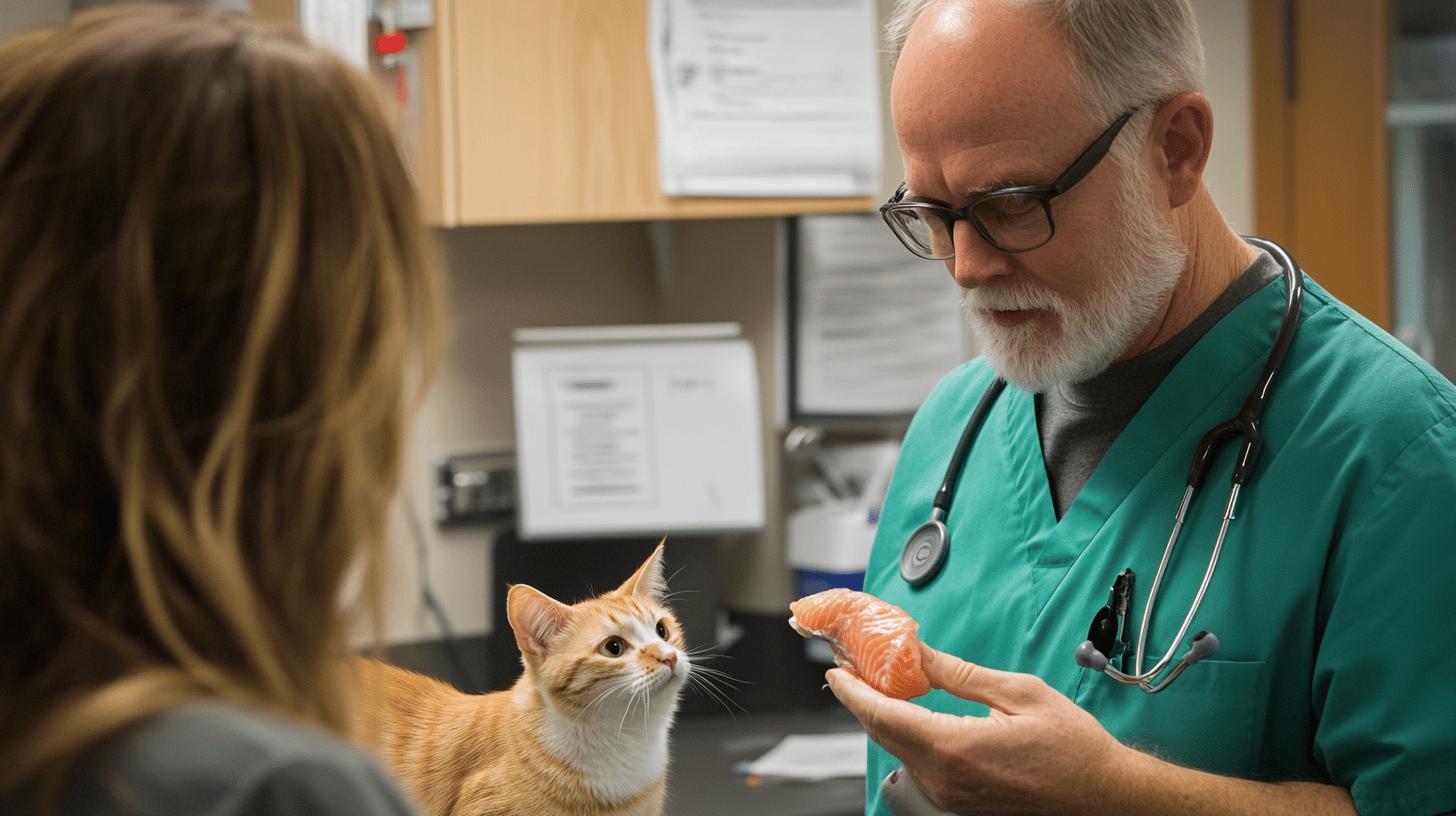
    Consulting with a veterinarian is crucial when making dietary decisions for your cat. Vets offer personalized guidance on nutrition, helping to ensure a balanced diet tailored to your cat's specific needs. By seeking professional advice, you can identify any health issues that might arise from dietary changes.

    Final Words

    Delving into whether a cat can eat condensed milk, the answer is clear: it's not worth the risks. With its high sugar and fat content, condensed milk can lead to obesity, diabetes, and even pancreatitis in cats. Recognizing symptoms like diarrhea and vomiting can help address issues if they arise.
    Instead, opt for safer alternatives such as meat broths or lactose-free cat treats. Always consult with a veterinarian for the best advice on cat nutrition. Keeping your cat healthy and happy means being mindful of their diet and avoiding condensed milk altogether.

    FAQ

    Can cat eat condensed milk every day?

    A: No, it is not safe for cats to eat condensed milk every day. It's high in sugar and fat, which can lead to obesity, diabetes, pancreatitis, and other health issues.

    My cat ate condensed milk, what should I do?

    A: If your cat ate condensed milk, monitor for symptoms like diarrhea, vomiting, and loss of appetite. If symptoms occur, consult a veterinarian promptly.
    Can kittens have evaporated milk?

    A: Kittens should not have evaporated milk. It lacks the necessary nutrients they need and may lead to digestive problems.

    What kind of milk can cats drink safely?

    A: Cats can sometimes tolerate small amounts of lactose-free milk or specially formulated cat milk. Always monitor for adverse reactions.

    Can cats drink lactose-free milk?

    A: Yes, cats can usually drink lactose-free milk. However, it should be given in moderation and as an occasional treat.

    Is it safe for cats to eat condensed milk?

    A: Condensed milk is not safe for cats. It's high in sugar and fat, which cats find difficult to digest and can cause health problems.

    Can you give kittens condensed milk?

    A: No, don't give kittens condensed milk. They require a diet specifically formulated both for their nutritional needs and digestive capabilities, such as kitten milk replacer.

    Can I give my cat canned milk?

    A: It's best to avoid giving your cat canned milk, like evaporated or condensed varieties. These are not suited to cats' dietary needs.

    What happens if a cat drinks evaporated milk?

    A: Drinking evaporated milk can cause stomach upset in cats. It might lead to symptoms like diarrhea and vomiting. Always opt for safer milk alternatives.

    Related Articles

  • Can Cat Eat Dates Understanding Safety and Risks

    Can Cat Eat Dates Understanding Safety and Risks

    Can cats eat dates, or are they just another forbidden fruit? While these sweet treats are perfectly safe for humans, they come with a slew of risks for our feline friends. Cats are obligate carnivores, meaning they thrive on meat, not fruits. Although dates aren't toxic, their sticky texture, high sugar content, and potential choking hazards make them a risky snack. In this article, we'll explore whether cats can safely nibble on these sugary bites and why it's best to keep them out of the litter box. Let's dive into the facts!

    Can Cats Safely Eat Dates and Understanding Their Dietary Needs

    Can Cats Safely Eat Dates and Understanding Their Dietary Needs-1.jpg

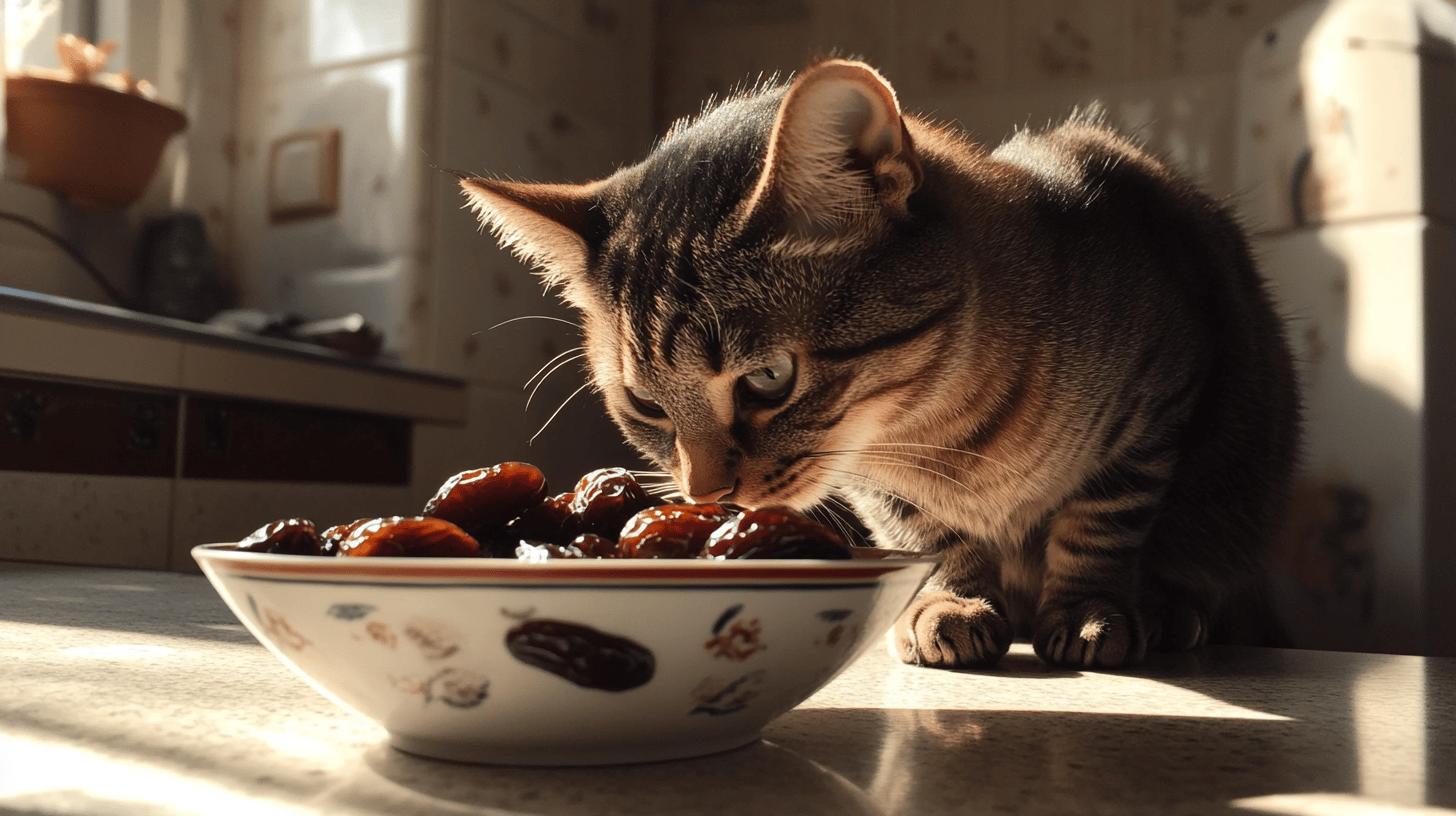
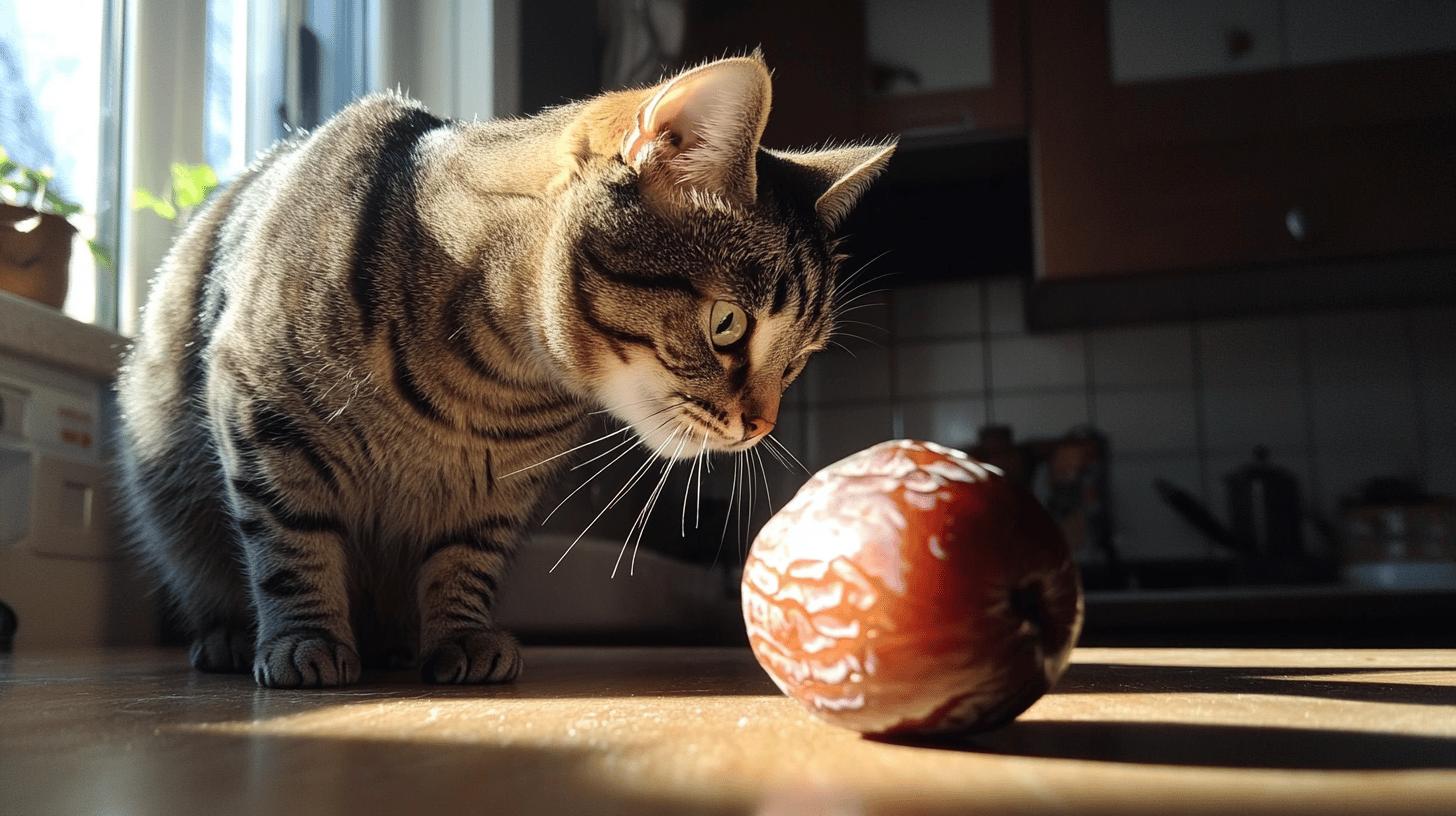
    Dates are non-toxic to cats, but they are not recommended as part of their diet. Cats are obligate carnivores, meaning they need nutrients found only in meat. While dates might seem like a harmless treat, they aren't suitable for felines.

    • Choking Hazard: Dates have a soft texture that can easily stick in a cat's throat, posing a choking risk.
    • Dental Issues: The high sugar content in dates can lead to dental health problems such as tooth decay and gum disease.
    • Digestive Problems: Cats have a digestive system adapted for meat. They may struggle with the high fiber content in dates, leading to vomiting and diarrhea.
    • Pits Risk: Dates contain pits that could cause choking or intestinal blockages if swallowed.
    • Laxative Qualities: The fiber in dates can act as a laxative, resulting in diarrhea and vomiting.
    • Lack of Protein: Cats require a high-protein diet, which dates do not provide, making them an unsuitable choice.
    • Sticky Texture: Dates’ stickiness can adhere to teeth, increasing the risk of dental issues.

    Dates do contain vitamins and minerals like A, C, B, phosphorus, potassium, and zinc. These can be beneficial, but they shouldn't replace the essential nutrients from meat that cats need.

    Interestingly, cats lack sweet receptors on their tongues, which means they can't taste sweetness as humans do. This might reduce their natural interest in dates, although occasional curiosity could still lead them to sample one. Always prioritize meat-based treats for your cat's overall health and happiness.

    Moderation and Portion Control for Feeding Dates to Cats

    Moderation and Portion Control for Feeding Dates to Cats-4.jpg

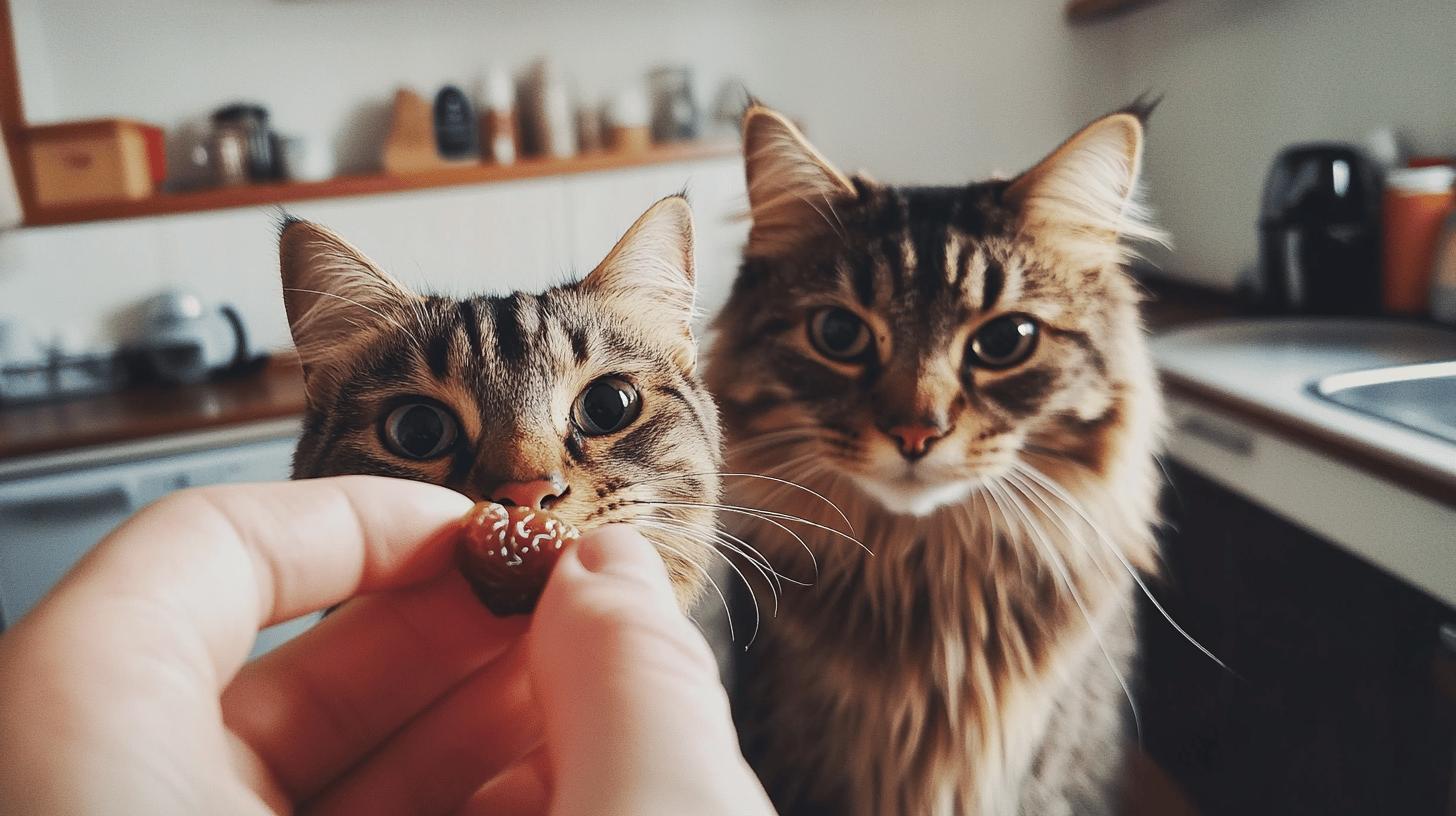
    Moderation is crucial when offering dates to cats. While not essential to their diet, if you choose to give dates, ensure it's sparingly to avoid health risks.

    • Remove pits to prevent choking hazards.
    • Chop dates into small pieces for easy consumption.
    • Offer no more than a pea-sized piece as an occasional treat.
    • Reserve dates for rare occasions to maintain balanced nutrition.

    If you observe symptoms like vomiting, diarrhea, or lethargy after your cat consumes dates, consult your veterinarian. Always be cautious and prioritize cat-specific treats for their nutritional needs.

    Alternative Treats to Dates for Cats

    Alternative Treats to Dates for Cats-1.jpg

    When considering treats for your cat, it's best to choose those specifically formulated for feline nutritional needs. Cat-focused treats not only ensure safety but also provide essential nutrients that support their overall health. If you're looking for human foods to share with your furry friend, opt for ones that are known to be safe and gradually introduce them to your cat's diet.

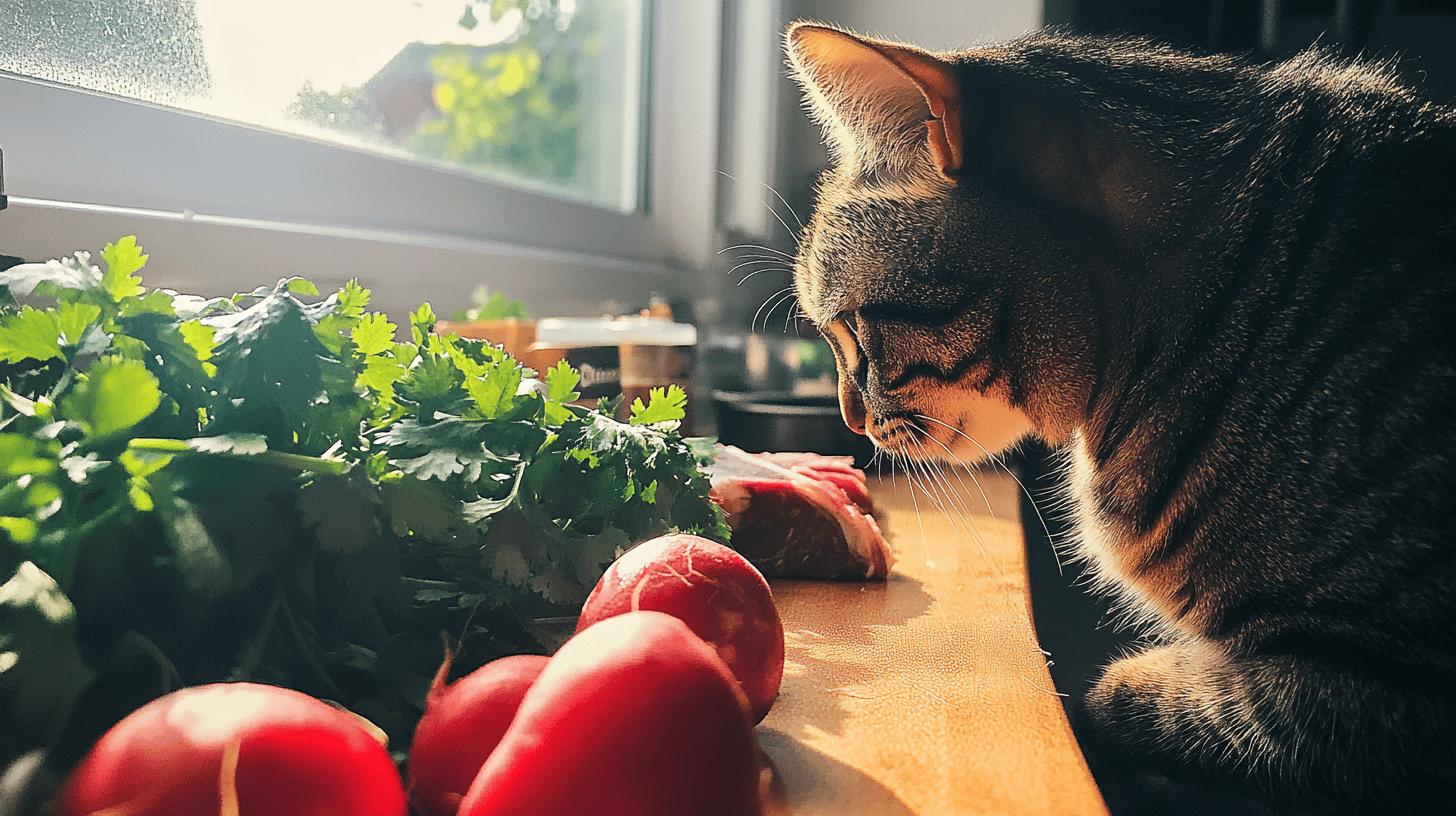
    • Radishes: These can be a crunchy snack. Introduce them in small amounts to see if your cat likes them.
    • Cilantro: This herb can be an interesting addition, but make sure it's fresh and given in moderation.
    • Quinoa: Packed with protein and fiber, quinoa can be a healthy occasional treat. Cook it thoroughly and serve plain.
    • Cooked Beef: A great source of protein, cooked beef can be a tasty and nutritious treat for your cat.
    • Lean Deli Meat: Opt for low-sodium options like turkey or chicken as a protein-rich snack.

    Ensuring a balanced diet is crucial for your cat's health. Always prioritize protein sources like meat, which should form the main component of their diet. This approach not only satisfies their carnivorous needs but also keeps them healthy and happy.

    Final Words

    Exploring whether cats can eat dates, we learned that dates are non-toxic yet unsuitable for feline diets. Cats can't taste sweetness and struggle with the fruit's sticky texture, posing risks like choking and dental issues. Recognizing their carnivorous nature, we noted dates fall short of essential nutrients found in protein-rich foods.

    When considering a treat, moderation is key. Offering a tiny piece without the pit helps avoid gastrointestinal upset. While dates are possible, safer treats like protein-rich meats align better with a cat's nutritional needs, ensuring health and happiness. Choosing wisely benefits both cats and owners.

    FAQ

    Can cats eat dates raw?

    Cats can eat dates, but they aren't recommended. Cats are obligate carnivores, needing nutrients from meat. Dates give no essential benefits and their sugar content is unsuitable for cats.

    Can cats eat date seeds?

    Cats shouldn't eat date seeds. Seeds may cause choking or intestinal blockages. Always remove the seeds if offering dates.

    Can kittens eat dates?

    Kittens can technically eat dates, but it's not advised. They need a diet high in protein and nutrients from meat to grow properly.

    Why do cats like dates?

    Cats might show interest due to texture or curiosity. But, cats can’t taste sweetness, so dates' sugary appeal might not attract them.

    Can dogs eat dates?

    Dogs can eat dates in moderation. However, remove seeds to prevent choking and serve only small pieces to avoid digestive issues.

    Can cats eat Medjool dates?

    Like other dates, Medjool dates are non-toxic but not recommended. Cats need a meat-based diet, and dates' sugar and sticky texture aren't suited for them.

    Can cats eat almonds?

    Cats shouldn't eat almonds. They pose choking hazards and could upset cats’ digestive systems because they're not digestible like meat.

    Are dates ok for cats to eat?

    Dates are non-toxic but not ideal for cat diets. High sugar levels can cause dental issues, digestive upset, and lack essential nutrients cats need.

    Are any fruits toxic to cats?

    Yes, some fruits are toxic, such as grapes and raisins. Always research or ask a vet about safe fruits.

    Which dry fruit is good for cats?

    No dry fruit is ideally suited for cats. Cats should mainly consume meat. Still, small amounts of safe fruits may be given occasionally.

    Can pets eat dates?

    Pets can eat dates with caution. Remove seeds and serve small amounts to avoid health issues. Prioritize pet-specific treats over dates for their safety.

    Related Articles

  • Can Cat Eat Raw Pork Risks and Safe Alternatives

    Can Cat Eat Raw Pork Risks and Safe Alternatives

    Is raw pork the new tempting treat for your cat, or a ticking time bomb? It might seem natural to offer your feline friend a bit of raw pork, but understanding the risks could save you a world of trouble. Raw pork can harbor nasty parasites and bacteria like Trichinella spiralis and Salmonella, lurking like shadows waiting to pounce. These dangers aren't just scary—they can lead to painful illnesses. To keep your cat safe, it's smart to know the facts and explore safer alternatives. Dive in to learn how to protect your kitty from these hidden threats.

    Can Cats Eat Raw Pork? Understanding the Risks and Safety

    Can Cats Eat Raw Pork Understanding the Risks and Safety-1.jpg

    Feeding raw pork to cats comes with significant dangers. One of the main risks is the presence of parasites such as Trichinella spiralis, which can lead to serious health issues. Bacteria like Salmonella and E. coli further heighten the risk, posing potential threats to your cat's health. These pathogens can lead to severe infections that are challenging to treat in cats. When considering if cats can eat raw pork, it's crucial to understand these inherent dangers.

    Trichinosis is a condition caused by the Trichinella parasite that can severely impact cats. This illness results in symptoms ranging from muscle pain to gastrointestinal distress, which can be quite debilitating for your feline friend. Infected cats may experience symptoms like vomiting, diarrhea, and fatigue. Trichinosis can be difficult to diagnose and requires immediate veterinary attention, highlighting why feeding raw pork is risky.

    Modern farming techniques have managed to reduce the prevalence of some parasites in pork. Despite these advancements, raw pork still poses a substantial health risk to cats. While the threat of parasites and bacteria might be lower than in the past, the potential danger remains significant. Therefore, it's best to prioritize your cat's safety by avoiding raw pork and considering safer alternatives.

    Nutritional Value and Implications of Feeding Pork to Cats

    Nutritional Value and Implications of Feeding Pork to Cats-2.jpg

    Pork is a high-protein meat that can provide essential nutrients to a cat’s diet when prepared properly. With its rich protein content, pork offers a valuable source of energy and supports muscle development in cats. While pork is nutritious, its fat content can vary significantly depending on the cut. This variability means that not all pork cuts are equally beneficial for cats, especially those needing a lower-fat diet.

    Here's a quick look at different pork cuts and their typical protein and fat content:

    Pork Cut Protein Content (per 100g) Fat Content (per 100g)
    Pork Loin 24g 5g
    Pork Tenderloin 26g 3g
    Pork Shoulder 21g 12g
    Pork Sirloin 23g 6g
    Pork Belly 15g 30g

    Choosing lean cuts like pork loin and sirloin is crucial for minimizing fat intake in a cat’s diet. These cuts offer the protein benefits without the excessive fat, making them more suitable for maintaining a healthy weight. By carefully selecting pork cuts, you can balance nutritional benefits while keeping fat levels in check for your feline friend.

    How to Safely Prepare Pork for Cats

    How to Safely Prepare Pork for Cats-1.jpg

    Freezing pork is a crucial step in preparing it safely for your cat. This method helps to eliminate parasites that can be harmful to your pet. To effectively kill off parasites such as Trichinella spiralis, you should freeze the pork at a temperature of -15°C (5°F) for at least three weeks. This extended freezing period ensures that any parasites present in the raw meat are neutralized, significantly reducing the risk of your cat contracting illnesses like trichinosis.

    Cooking pork to the right temperature is another essential step in ensuring its safety for cats. To eliminate bacterial risks such as Salmonella and E. coli, it's recommended to cook pork to an internal temperature of 145°F (63°C). Using a meat thermometer can help you accurately measure this temperature, ensuring that the meat is cooked thoroughly. Cooking not only makes the pork safe but also enhances its digestibility for cats, providing them with a nutritious meal without the danger of bacterial infection.

    When handling raw meat, maintaining proper hygiene practices is vital to prevent contamination:

    • Always wash your hands thoroughly with soap and water before and after handling raw pork.
    • Use separate cutting boards and utensils for raw meat to avoid cross-contamination.
    • Clean all surfaces and tools immediately after use with hot, soapy water.
    • Store raw pork in sealed containers to prevent exposure to other foods in the fridge.
    • Avoid refreezing meat that has been previously thawed to maintain quality and safety.
    • Dispose of any meat that's been left out at room temperature for more than two hours.

    By following these preparation and hygiene practices, you can ensure that the pork you serve to your cat is both safe and nutritious. These steps are vital in protecting your pet from potential health risks associated with raw pork. Prioritizing safety in pork preparation not only keeps your cat healthy but also allows you to confidently include this protein source in their diet.

    Exploring Alternatives to Raw Pork in a Cat's Diet

    Exploring Alternatives to Raw Pork in a Cats Diet-1.jpg

    When considering alternatives to raw pork for your cat, there are several safer and more nutritious options to explore. Cooked pork, devoid of the risks associated with raw consumption, can be an occasional treat. Additionally, lean meats like chicken and turkey are excellent choices, offering high protein content with lower fat levels. Fish, known for its omega-3 fatty acids, can enhance a cat's coat health and provide essential nutrients. Commercially prepared cat foods are another convenient option, delivering balanced nutrition tailored to your cat's needs.

    Comparing the nutritional benefits of these alternatives highlights the advantages they offer over raw pork. Chicken and turkey not only provide a high protein content but are also easier for cats to digest. Fish, apart from being highly palatable, brings added health benefits with its rich omega-3 content. Lean pork, when cooked, retains its protein value while minimizing fat, making it a viable choice. These options ensure that your cat gets the necessary nutrients without the health risks associated with raw pork.

    Meat Type Protein Content (per 100g) Fat Content (per 100g)
    Chicken 27g 3.6g
    Turkey 29g 1g
    Fish 22g 5g
    Lean Pork 24g 5g

    Veterinary Insights on Feeding Raw Meat Diets to Cats

    Veterinary Insights on Feeding Raw Meat Diets to Cats-1.jpg

    Feeding raw diets to cats has sparked a lot of discussions among pet owners and veterinarians. Advocates of raw diets claim benefits like improved coat health and increased energy levels in cats. These diets often mimic what cats might eat in the wild, providing high protein content and essential nutrients. However, there are significant drawbacks to consider. Raw food can harbor harmful bacteria and parasites, posing serious health risks. Without careful preparation, these diets can lead to infections that are tough to treat in cats. The potential hazards make it crucial for cat owners to weigh the risks and benefits before switching to a raw diet.

    Veterinarians generally recommend cooking meat to eliminate bacterial and parasitic threats. Cooking ensures that the meat is safe for consumption, reducing the risk of illnesses like trichinosis and salmonella. Properly cooked meat retains most of its nutrients, offering a safer alternative to raw. While some pet owners might still opt for raw diets, vets advise thorough research and consultation. It's important to source meat from reputable suppliers and understand the preparation details to minimize health risks.

    Monitoring Cat Health

    Regular health checks are essential for cats on raw diets to catch any adverse effects early. Here are some steps to consider:

    • Schedule regular vet visits to monitor your cat's overall health.
    • Keep track of your cat's weight and energy levels.
    • Watch for signs of digestive issues, such as vomiting or diarrhea.
    • Ensure your cat is eating a balanced diet, supplementing with essential nutrients if needed.
    • Test for parasites periodically to prevent infections.
    • Maintain good hygiene practices in food preparation to avoid contamination.

    Consulting with a veterinarian is vital before starting a raw diet. Veterinarians can provide guidance tailored to your cat's specific needs, helping you make informed decisions. They can also offer resources and tips on how to safely implement raw feeding if you choose to pursue it. Having professional input ensures that you prioritize your cat's health while exploring dietary changes.

    Final Words

    Feeding raw pork to cats is a risky choice. Parasites like Trichinella spiralis and bacteria pose serious threats. Cooking pork can unlock its nutritious benefits without the danger. Lean cuts, such as pork loin, provide high protein with less fat, making them better options.

    Safe preparation involves freezing, cooking thoroughly, and practicing good hygiene. Exploring alternatives like chicken or turkey offers low-fat, high-protein choices that are both convenient and safe. Ultimately, while considering diet changes, consulting with a vet ensures your cat's health. Keep safety a priority to maintain a positive playtime and life for your cat.

    FAQ

    Can cats eat raw pork tenderloin, chops, or loin?

    A: Stanford Question Answering Dataset (SQuAD) equation: No, cats should not eat raw pork, including tenderloin, chops, or loin, due to risks of parasites like Trichinella spiralis and bacteria such as Salmonella.

    Is it safe for cats to eat raw pork rinds or bones?

    A: Raw pork rinds and bones are also unsafe for cats. They can carry harmful bacteria and cause digestive issues or injuries.

    Can cats eat cooked pork, and how should it be prepared?

    A: Cats can eat cooked pork if it's properly prepared. Cook the pork to an internal temperature of 145°F (63°C) to ensure it's safe and free from bacteria.

    What happens if cats eat raw pork?

    A: If a cat eats raw pork, it might be at risk for foodborne illnesses due to bacteria and parasites. Watch for signs of illness and consult a vet if symptoms appear.

    Can cats eat raw beef, and what meats can they eat raw?

    A: While some raw meats like beef can be fed to cats, it's safer to consult a vet first due to potential risks. Always ensure meat handling and preparation are hygienic.

    What if my cat accidentally ate pork?

    A: If your cat accidentally eats pork, monitor them for signs of illness. If they show symptoms like vomiting or lethargy, contact a veterinarian for guidance.

    Can pets eat raw pork in general?

    A: Pets, including cats, should avoid raw pork due to the risk of harmful parasites and bacteria. It's safer to offer fully cooked and properly prepared meats.

    Related Articles

  • Can Cat Eat Banana Bread Understanding the Risks and Safe Alternatives

    Can Cat Eat Banana Bread Understanding the Risks and Safe Alternatives

    Can cats munch on banana bread, or is it a recipe for disaster? You might think sharing a small piece can't harm your feline friend, but banana bread can pose several risks. Packed with sugar and butter, and potentially containing chocolate chips or nuts, this tasty human treat isn't a fit for a cat's dietary needs. Understanding why banana bread isn't safe for cats and discovering safer alternatives will help you provide the best care. Dive into the risks and learn how to protect your cat while offering treats they'll love.

    Can Cats Eat Banana Bread? Understanding the Risks

    Can Cats Eat Banana Bread Understanding the Risks-1.jpg

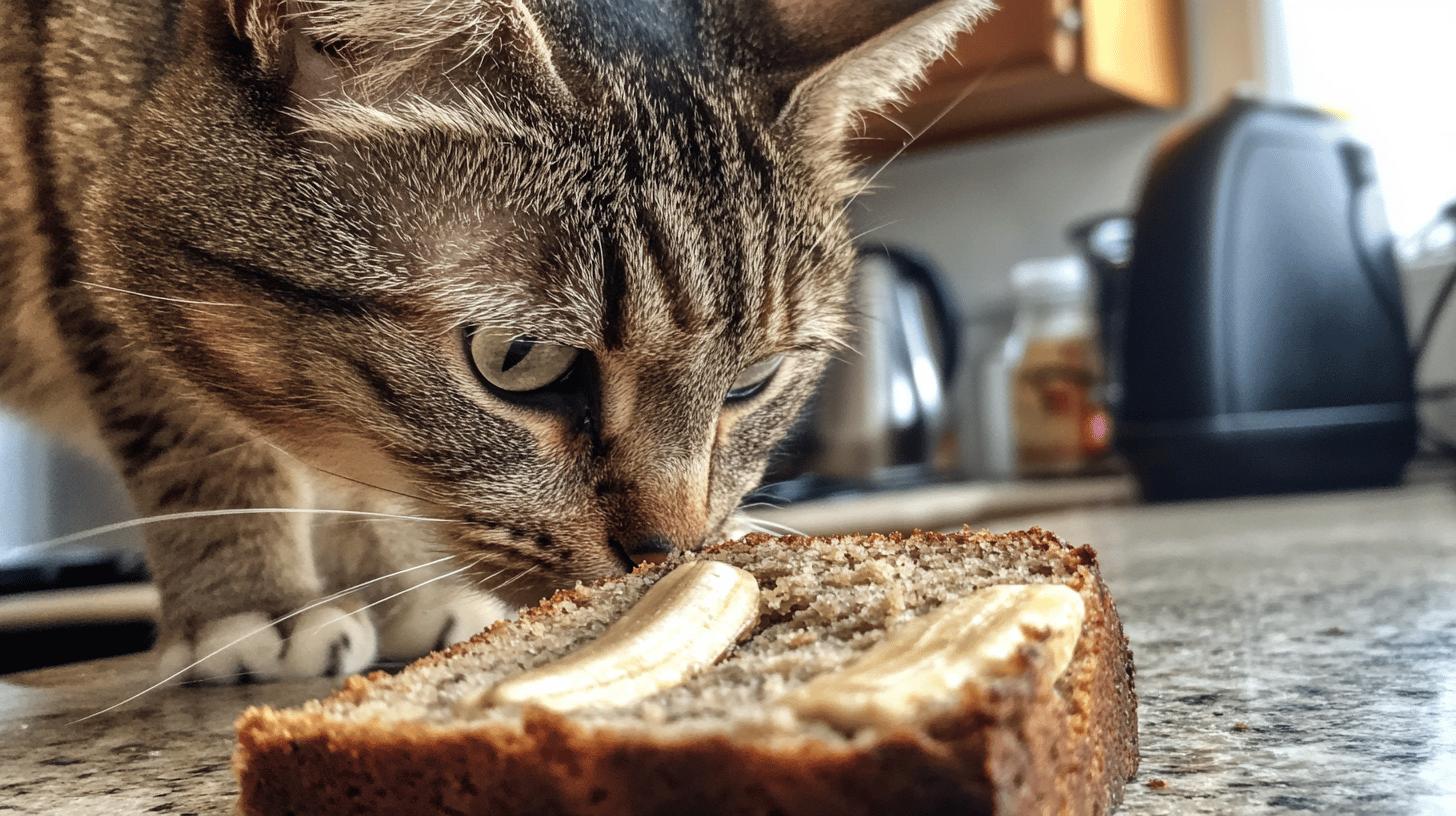
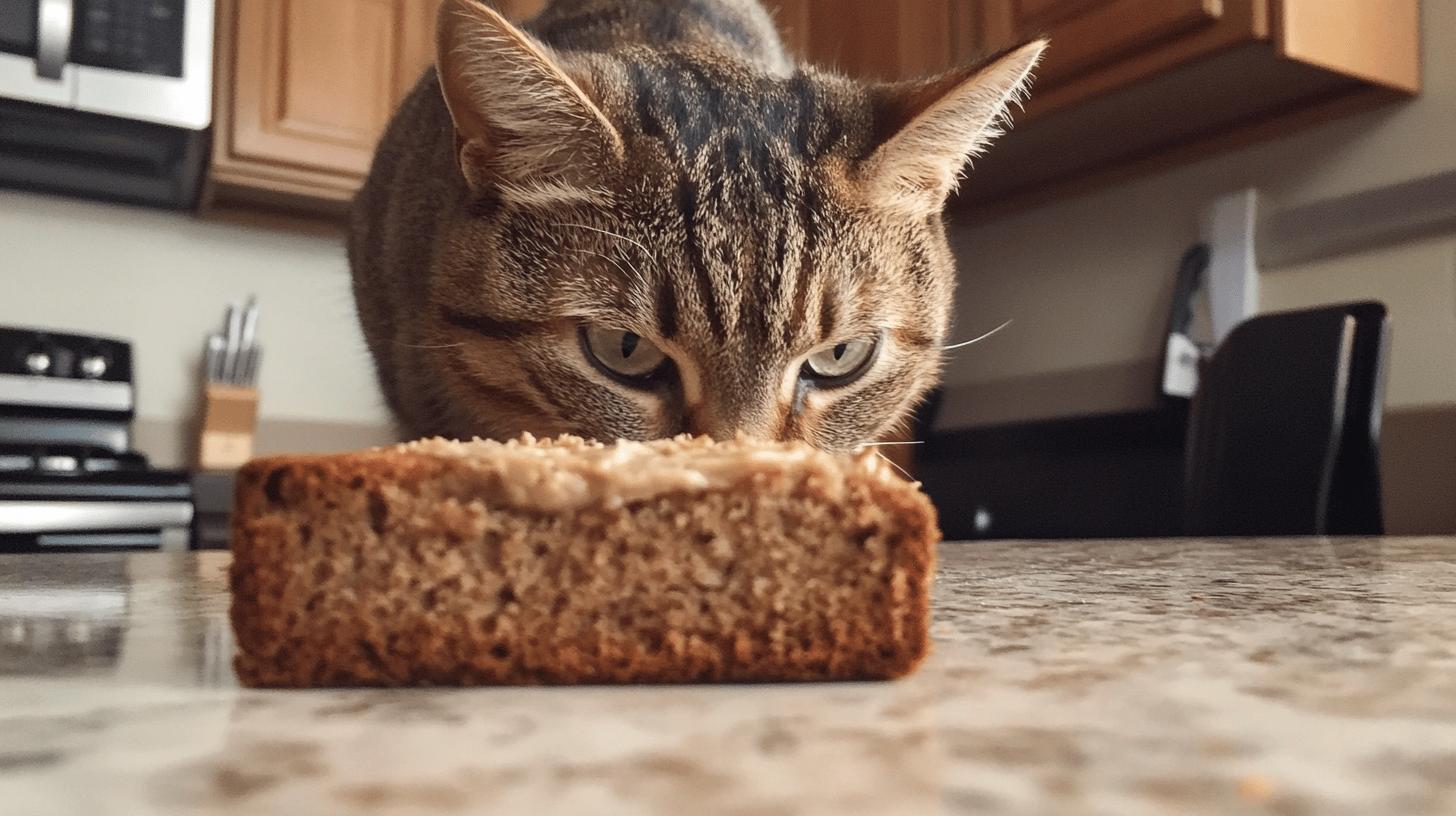
    Cats are obligate carnivores, which means their diet should be rich in proteins and low in carbohydrates. This makes banana bread an unsuitable food choice for them. While it may seem like a harmless treat, banana bread contains ingredients that can pose risks to your feline friend.

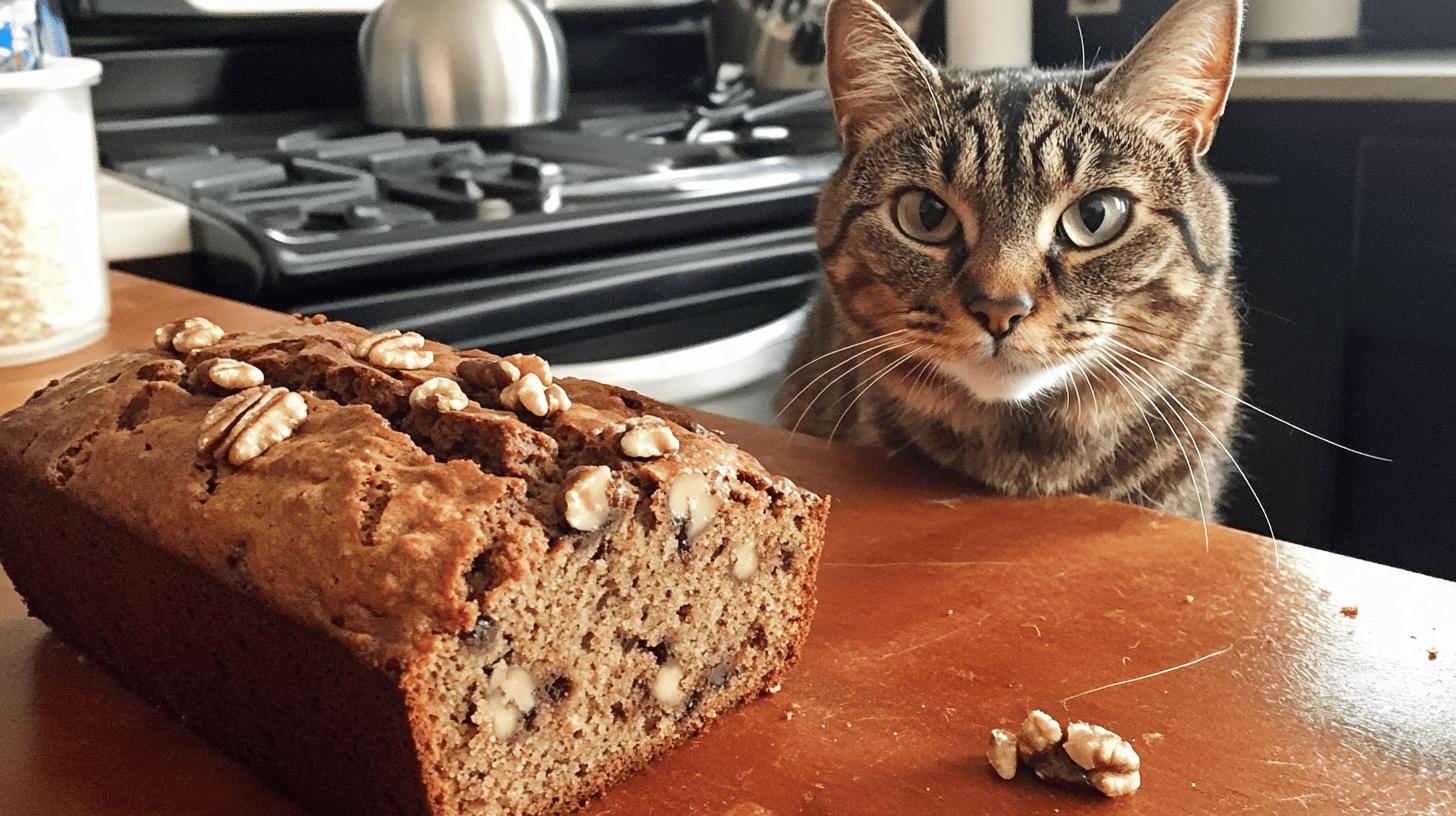
    Banana bread is often made with sugar, butter, and sometimes chocolate chips or nuts. These ingredients can be harmful to cats. Sugar and butter can lead to digestive issues, while chocolate chips contain theobromine, which is toxic to cats. Nuts, particularly walnuts, can also be harmful, leading to gastrointestinal upset or even more severe reactions.

    If your cat happens to nibble on some banana bread, it's important to watch for signs of discomfort. Symptoms like vomiting, diarrhea, or lethargy indicate that the bread is not agreeing with your cat's system. In such cases, consulting a veterinarian is crucial to address any potential health issues and ensure your cat's safety.

    When considering cat food dos and don'ts, banana bread clearly falls in the category of foods to avoid. Cats should receive their nutrients from a diet specifically tailored to their carnivorous needs. Keeping human treats like banana bread away from your cat can help maintain their health and well-being. Always prioritize their dietary requirements and consult with a vet if you're unsure about any food items.

    Common Ingredients in Banana Bread and Their Effects on Cats

    Common Ingredients in Banana Bread and Their Effects on Cats-1.jpg

    Banana bread might be a delightful treat for humans, but it's not suitable for our feline friends. Let's look at the ingredients that can be problematic for cats.

    • Flour: Not toxic, but offers no nutritional value. Cats struggle to digest plant-based foods.

    • Sugar: Cats lack taste receptors for sweetness. It can lead to obesity and digestive issues.

    • Butter: High fat content can upset a cat's stomach and contribute to weight gain.

    • Eggs: Only safe if cooked plain. In banana bread, they're mixed with other unsuitable ingredients.

    • Chocolate Chips: Contain theobromine, which is toxic to cats, leading to severe health issues.

    • Nuts: Walnuts and similar nuts might cause gastrointestinal upset or more severe reactions.

    Banana bread contains several ingredients that are unsafe for cats. Understanding these components helps avoid feeding mistakes. Always check human foods for potential toxins before letting your cat have a taste.

    Safe Alternatives to Banana Bread for Cats

    Safe Alternatives to Banana Bread for Cats-1.jpg

    Banana bread isn't a suitable treat for cats, but there are plenty of safe alternatives that cater to their dietary needs. It's important to choose treats that align with a cat's natural carnivorous diet. Here are some cat-safe treat options:

    • Small Pieces of Cooked Meat: Chicken, turkey, or beef, cooked plain without any seasoning, can be a delightful treat for your cat. These meats provide necessary proteins that are essential for their health.

    • Commercial Cat Treats: Specially formulated treats are available in pet stores designed to meet feline nutritional requirements. These are balanced for a cat's diet and often come in flavors that cats love.

    • Freeze-Dried Meat: Freeze-dried chicken or fish treats are a great alternative. They offer the taste cats crave and are rich in protein.

    • Cooked Eggs: A small piece of cooked egg can be a protein-rich snack. Make sure it's plain and fully cooked.

    • Canned Tuna or Salmon: In water and without added salt, these can be a tasty treat. Limit these treats due to their high fat content.

    Providing treats that fit a cat's dietary needs helps maintain their health and well-being. Moderation is key, even with safe treats. Offering too many can lead to an unbalanced diet and weight gain. Always ensure treats make up only a small portion of their overall diet. Prioritize a balanced diet through their regular cat food and consult with a veterinarian for any dietary concerns.

    Consulting a Veterinarian About Your Cat's Diet

    Consulting a Veterinarian About Your Cats Diet-2.jpg

    Maintaining a balanced diet is crucial for your cat's health, and veterinarians can be invaluable in offering expert cat nutrition advice. Consulting a vet helps ensure your cat receives the right nutrients tailored to their needs as obligate carnivores. Vets can create a balanced diet plan, taking into account your cat's age, weight, activity level, and any health concerns.

    Regular check-ups with your veterinarian are important for monitoring your cat's overall health and dietary needs. These visits provide an opportunity to discuss any changes in your cat's behavior or eating habits. A vet can identify potential dietary risks and recommend adjustments to maintain optimal health.

    Responsible cat care involves seeking professional advice when introducing new foods or treats. This can prevent health issues related to improper diets, such as obesity or nutrient deficiencies. By consulting with a vet, you can avoid feeding your cat unsuitable foods like banana bread, ensuring their diet supports a long, healthy life. Always prioritize your cat's well-being by making informed dietary choices with the help of your veterinarian.

    Final Words

    While banana bread might be a tempting treat, it's not right for cats. Cats need protein-rich diets and banana bread's ingredients don't meet those needs. Flour, sugar, butter, chocolate, and nuts can be harmful.

    Instead, turn to safe options like cooked meat or commercial cat treats that support their health. Always talk to a vet to address dietary concerns for your feline friend.

    By staying informed, you ensure your cat's safety and happiness. Keep exploring ways to provide the best care possible for your cat.

    FAQ

    Is it safe for cats to eat banana bread?

    A: It is not safe for cats to eat banana bread. The ingredients, like sugar and butter, don't meet their dietary needs. Chocolate chips or nuts in banana bread can also be toxic to cats.

    Can my cat eat banana muffins?

    A: Cats should not eat banana muffins. Like banana bread, muffins contain ingredients that are unsuitable and potentially harmful to cats.

    Can animals eat banana bread?

    A: Animals, especially cats, should avoid banana bread. It contains ingredients that don't align with their nutritional needs and can cause health issues.

    Is it OK for cats to eat bananas?

    A: Cats can have small amounts of banana as an occasional treat, but it shouldn't be a regular part of their diet.

    Can kittens eat banana?

    A: Kittens should not eat bananas regularly. Stick to a diet formulated for their growth needs.

    Can cats eat bread?

    A: Cats can have plain bread in small amounts, but it's not ideal due to their carnivorous diet.

    Can cats eat walnuts?

    A: Cats should not eat walnuts, as they can be toxic and cause digestive issues.

    Can cats eat banana peels?

    A: Cats should not eat banana peels. They are hard to digest and offer no nutritional benefits.

    Related Articles

  • Can Cat Eat Grapefruit Risks and Safety for Your Feline

    Can Cat Eat Grapefruit Risks and Safety for Your Feline

    Can cats enjoy the tart taste of grapefruit, or is it a recipe for disaster? Many cat owners might be curious, but feeding grapefruit to your feline can lead to serious health risks. Packed with compounds like psoralens and essential oils, grapefruit can spell trouble for your cat’s well-being. Those substances lurk in every part of the fruit, making even a small taste dangerous. Understanding these risks is vital for any cat lover who wants to keep their pet safe and healthy. Let’s dive into what’s at stake and how to protect our furry friends.

    Grapefruit Toxicity in Cats: Understanding the Risks

    Grapefruit Toxicity in Cats Understanding the Risks-1.jpg

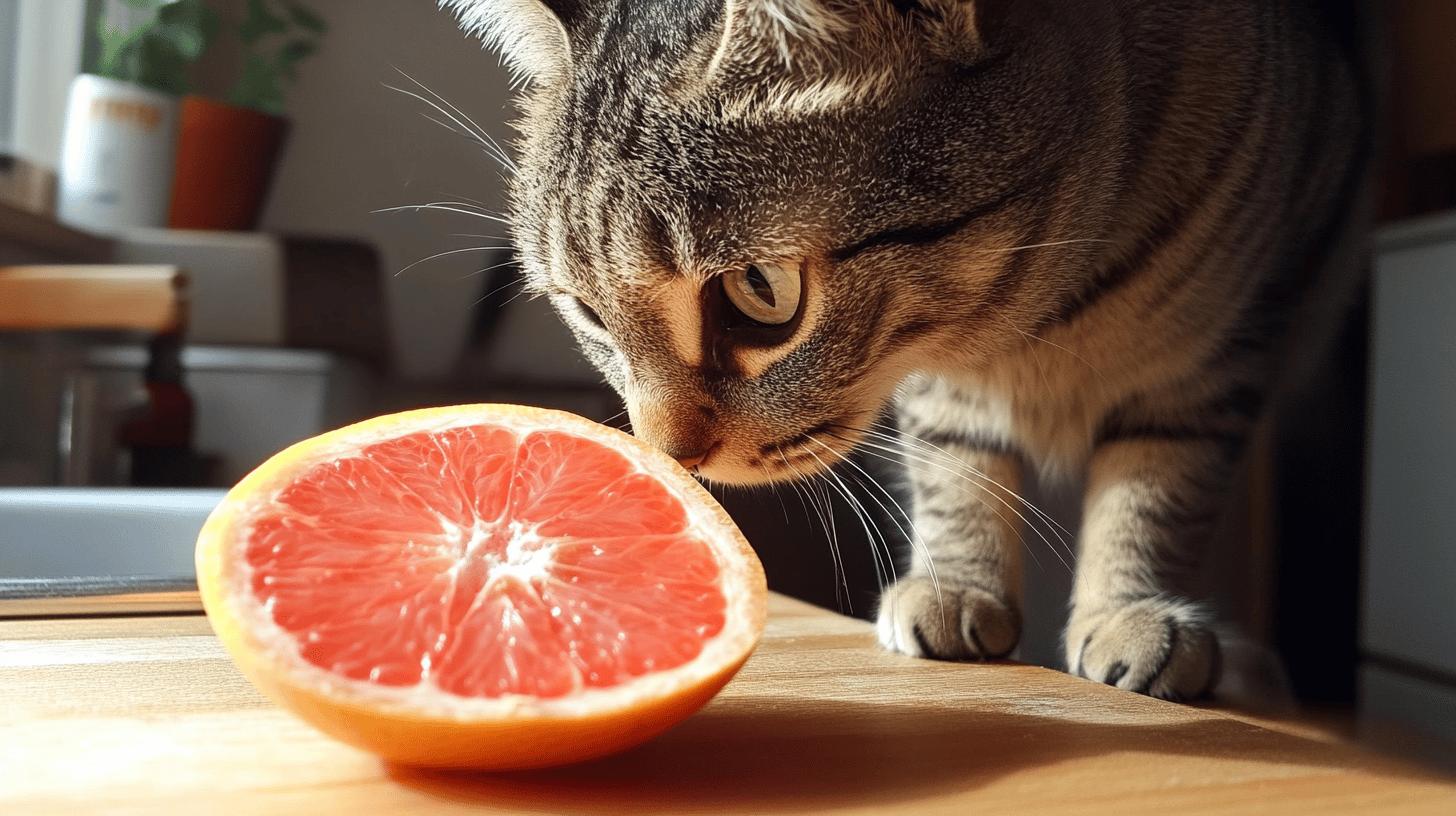
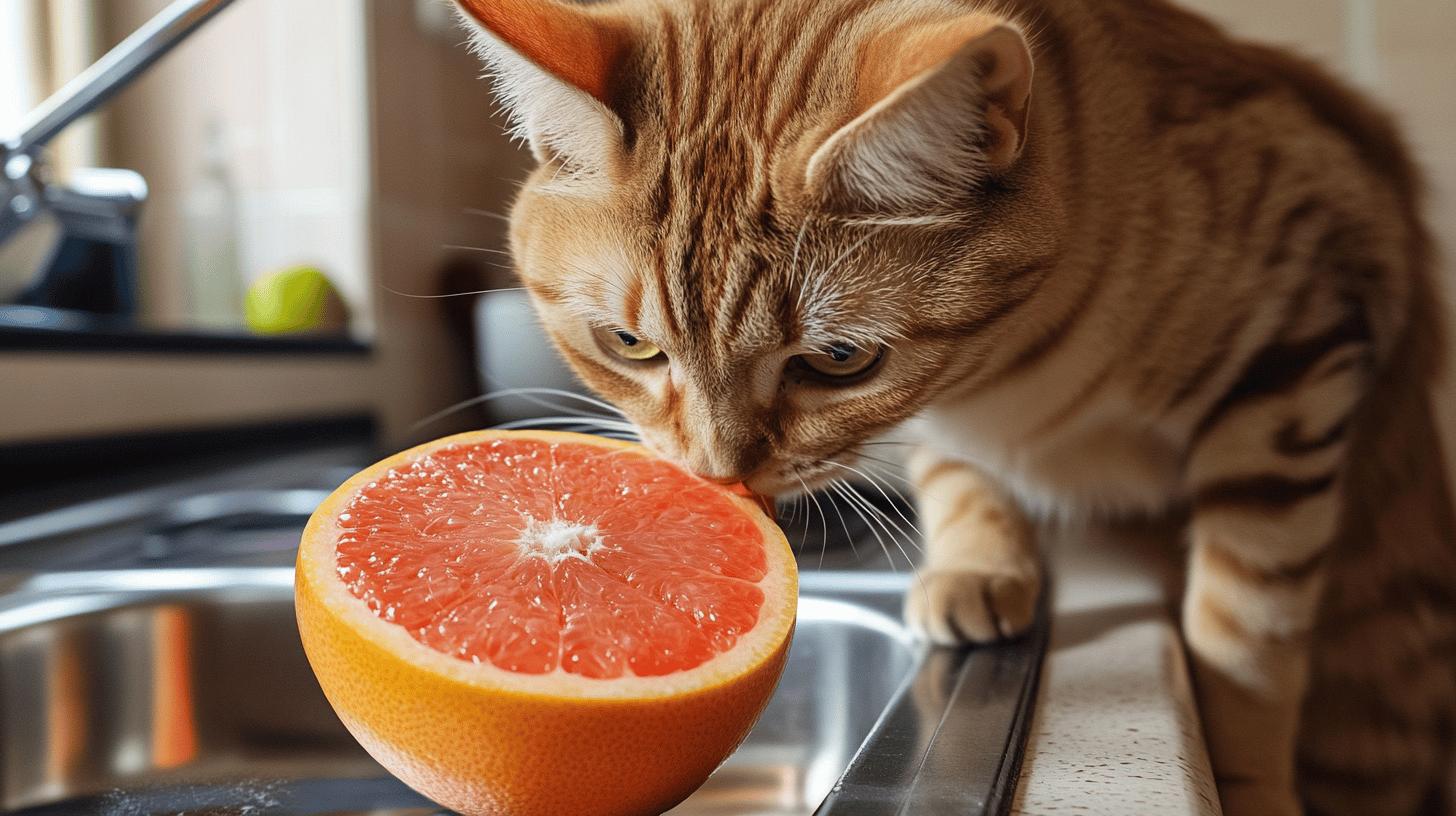
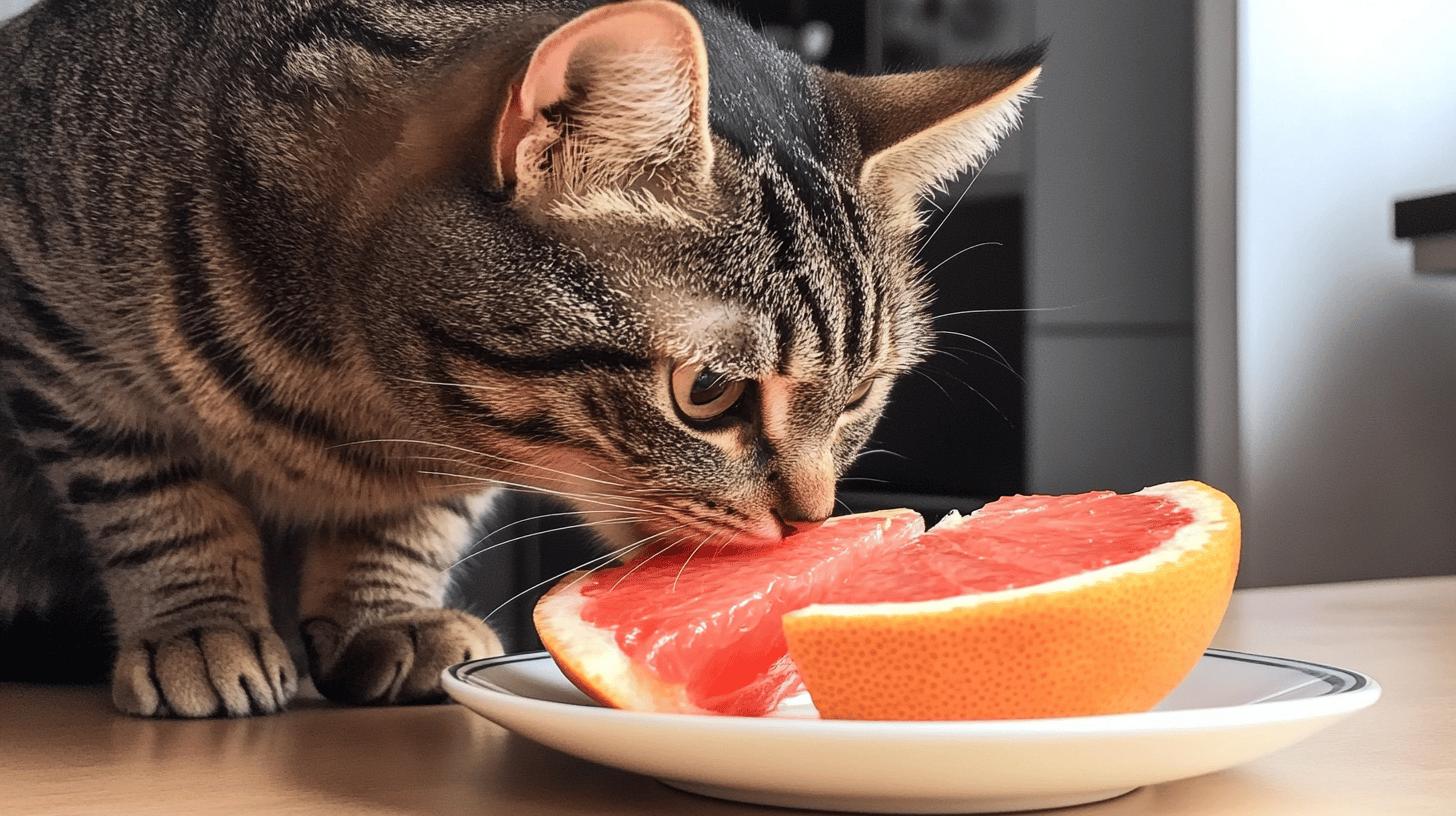
    Grapefruit is toxic to cats, and it’s crucial for cat owners to understand the risks associated with this fruit. At the heart of grapefruit’s danger to our feline friends are compounds known as psoralens and essential oils. These substances are found throughout the fruit, including the peel, flesh, and seeds. When a cat ingests any part of a grapefruit, they are exposed to these toxic elements, which can lead to serious health issues. Even though many cats naturally avoid citrus fruits, accidental ingestion can occur, posing a significant threat to their well-being.

    The symptoms of grapefruit poisoning in cats can be both varied and severe. Common signs include vomiting, diarrhea, and lethargy. Cats may also experience depression and stomach pain, which can be distressing for both the pet and the owner. In some cases, these symptoms can escalate, leading to more serious health complications. It’s not just the ingestion of the fruit itself that’s dangerous. Essential oils derived from grapefruit pose an additional risk, as cats can absorb these toxins through their skin or inhale them, leading to poisoning.

    Citrus fruits, in general, are not safe for cats. The essential oils and compounds like psoralens found in grapefruits are also present in other citrus fruits, making them hazardous. Cats lack the liver enzymes necessary to metabolize these substances, which means they can’t safely process them like humans can. Therefore, it’s imperative to keep grapefruit and other citrus products out of your cat’s reach. This includes not only the fruits themselves but also products that contain citrus extracts or essential oils.

    Preventing exposure to grapefruit is vital for ensuring your cat’s safety. Even though cats usually dislike the smell and taste of citrus, the risk of accidental ingestion or exposure to grapefruit products remains. Always be cautious when handling grapefruit around your pets and ensure that any food or products containing grapefruit are securely stored away. By understanding the dangers grapefruit poses and taking proactive measures, you can help protect your feline companion from these health risks.

    What To Do If Your Cat Eats Grapefruit

    If your cat has ingested grapefruit, it’s essential to act quickly. The citrus compounds in grapefruit, including psoralens and essential oils, can be toxic to cats. Even if your cat isn’t showing symptoms of grapefruit poisoning, such as vomiting or lethargy, you should contact a veterinarian immediately. Quick action can prevent more severe health problems and provide peace of mind knowing you’ve done everything possible to help your feline companion.

    When you reach the veterinarian, they might suggest treatments like inducing vomiting to remove the grapefruit from your cat’s system. Medications may also be administered to counteract any toxins and alleviate symptoms. It’s vital to monitor your cat’s condition closely during this time, keeping an eye out for any changes in behavior or health. Ensuring your furry friend gets the care they need promptly can make a significant difference in their recovery.

    Safer Alternatives: Fruits Cats Can Eat

    Safer Alternatives Fruits Cats Can Eat-1.jpg

    Cats are obligate carnivores, meaning their primary dietary needs are met through meat. However, small amounts of certain fruits can be given as occasional treats. These fruits should never replace their regular meals but can serve as a fun and healthy supplement. While they don’t require fruit, some cats enjoy the taste and texture, and it can be a way to add variety to their diet. It’s important to note that not all fruits are safe for cats, so choosing the right ones is crucial to avoid any health risks.

    Before offering fruits to your cat, always remove any potentially harmful parts such as seeds, rinds, or pits. These components can be toxic or pose a choking hazard. Make sure to cut the fruit into small, manageable pieces that your cat can easily chew and swallow. Keep the portions small to prevent any digestive upset. Here are some safe fruit options you can offer:

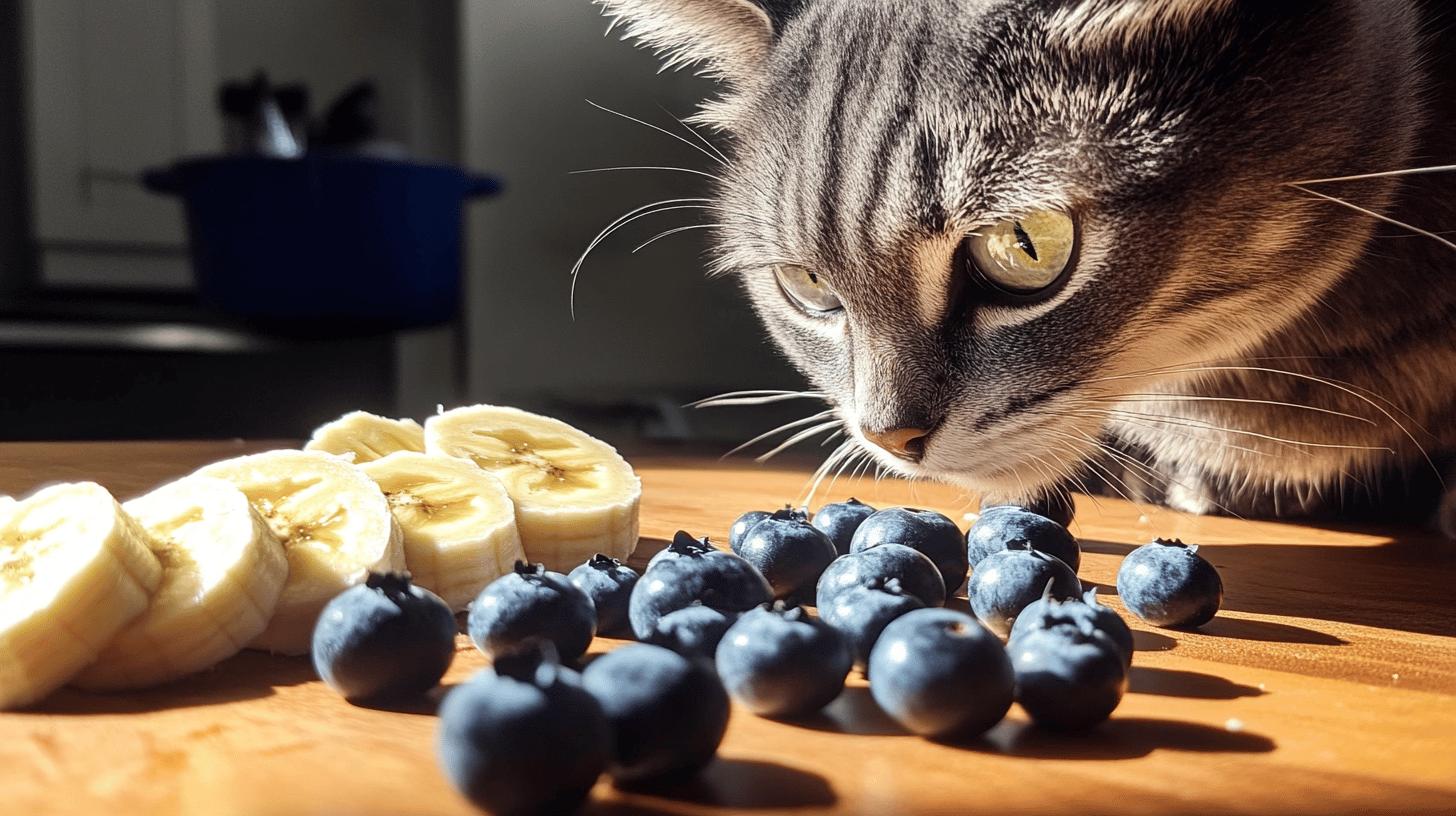
    • Strawberries
    • Blueberries
    • Bananas
    • Apples (without seeds)
    • Watermelon (seedless and without rind)

    By following these guidelines, you can safely introduce a little fruity fun into your cat’s life.

    Grapefruit Toxicity in Cats

    Debunking Myths Cats and Grapefruit-1.jpg

    Cats naturally dislike the smell and taste of citrus, which includes grapefruit. Their aversion acts as a deterrent, making it unlikely for them to consume such fruits voluntarily. Despite this, grapefruit is toxic to cats, and accidental ingestion can occur if the fruit is left within reach.

    To ensure safety, keep citrus fruits out of reach and be aware of your cat’s instincts. This knowledge can prevent mishaps and protect your furry friend from potential harm.

    Final Words

    Delving into the risks, we explored how grapefruit’s psoralens and oils harm cats, with symptoms like vomiting and lethargy. Keeping grapefruit away from cats is vital. If ingested, immediate veterinary care is crucial. Veterinarians might induce vomiting or use medications, depending on the situation.

    For those looking for safe fruit treats, options like strawberries and apples offer a worry-free choice. Remember to remove seeds and rinds to ensure safety. Cats’ natural dislike of citrus, including grapefruit, often keeps them away. Grapefruit doesn’t fit into a healthy cat diet, so keeping it out of reach prevents health risks.

    FAQ

    Can cats eat grapefruit?

    Cats cannot eat grapefruit safely. Grapefruit contains psoralens and essential oils toxic to cats, causing symptoms like vomiting, diarrhea, and lethargy.

    Is grapefruit scent safe for cats?

    The scent of grapefruit is not safe for cats. Even the smell can deter cats and might cause respiratory irritation in sensitive animals.

    Can dogs eat grapefruit?

    Dogs should also avoid grapefruit. The fruit’s components can upset their stomach and potentially lead to poisoning.

    What fruits can cats eat?

    Cats can safely enjoy small amounts of fruits like strawberries, blueberries, bananas, and apples. Always remove seeds and rinds before offering them to your cat.

    What fruits can cats not eat?

    Cats should not eat grapes, raisins, citrus fruits (like oranges and limes), and pomegranates because they can be toxic.

    Is lime toxic to cats?

    Yes, lime is toxic to cats. It belongs to the citrus family, which includes harmful essential oils and psoralens.

    Is mint toxic to cats?

    Mint can be toxic to cats if ingested in large quantities, causing digestive issues and potential liver problems.

    How toxic is citrus to cats?

    Citrus fruits are generally toxic to cats, causing symptoms like vomiting, diarrhea, and depression. Cats naturally dislike citrus smells, acting as a deterrent.

    Do cats not like grapefruit?

    Cats naturally dislike grapefruit. The strong citrus scent and taste act as a deterrent, but accidental ingestion still poses a risk.

    What happens if a cat eats or licks grape juice?

    If a cat eats or licks grape juice, they might experience vomiting, diarrhea, or lethargy. Immediate veterinary attention is essential to prevent serious health issues.

    Related Articles

  • Can Cat Eat Canned Salmon Safety Tips and Considerations

    Can Cat Eat Canned Salmon Safety Tips and Considerations

    Is feeding your cat canned salmon a delicious treat or a potential risk? While our feline friends might love the taste of this fishy delight, it's important to consider the potential dangers hidden in that little can. Canned salmon often comes packed with sodium and other additives, which aren't always cat-friendly. Balancing the benefits of nutritious protein and omega-3s with the risks of toxic ingredients is key. Let's dive into what you need to know to keep your furry buddy safe, happy, and healthy when it comes to this tasty treat.

    Comprehensive Guide to Canned Salmon Safety for Cats

    Comprehensive Guide to Canned Salmon Safety for Cats-3.jpg

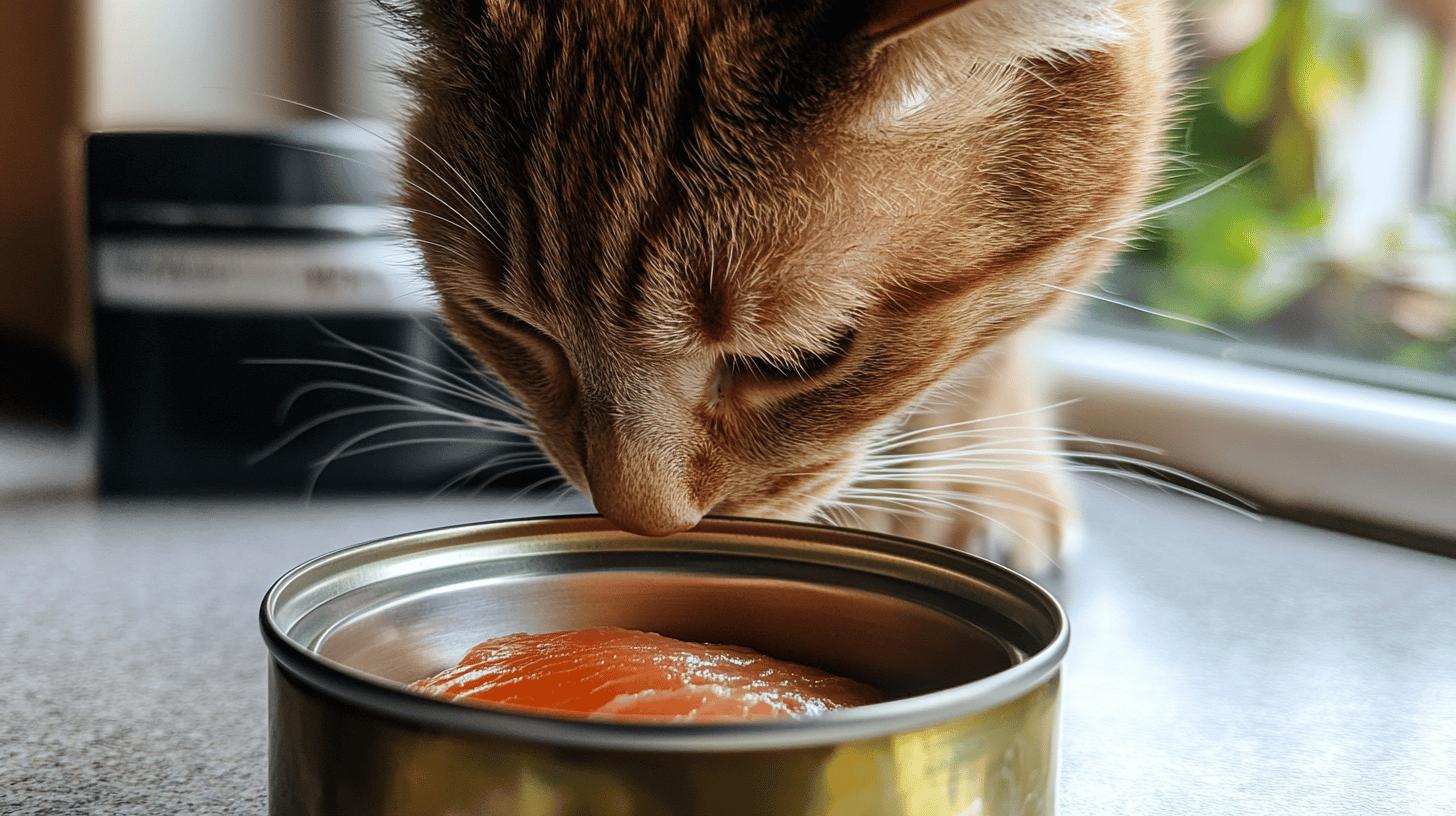
    Cats can eat canned salmon, but it's not as simple as just opening a can and serving it. The first thing to consider is the sodium content. Canned salmon often contains high levels of sodium, which isn't ideal for our feline friends. Too much sodium can lead to health issues, so it's best to choose salmon packed in water without added salt or spices. Additionally, be wary of small bones that might still be present in the can. While salmon is a good source of protein and omega-3 fatty acids, providing benefits like improved brain function and a healthy coat, moderation is crucial. Just a small piece is enough to offer those benefits without the risks.

    There are specific risks involved with feeding canned salmon to cats. Aside from the sodium content, canned salmon often contains preservatives and additives intended for human consumption. These can be harmful to cats if ingested regularly. Moreover, some cats might develop allergies to fish. It’s important to introduce any new food cautiously and observe your pet's reaction.

    Symptoms of Fish Allergies in Cats

    1. Itching or scratching excessively
    2. Gastrointestinal upset, such as diarrhea or vomiting
    3. Swelling or hives

    When feeding salmon to cats, moderation is the golden rule. A teaspoon-sized portion is typically sufficient as a treat. This helps prevent issues like obesity and pancreatitis, which can arise from overfeeding rich foods. Always prepare the salmon specifically for your cat, ensuring it's free from harmful ingredients. Removing any remaining bones is also vital to avoid choking hazards.

    Monitoring your cat's health is essential when introducing canned salmon into their diet. Watch for any signs of allergies or digestive issues. Consulting with a veterinarian before making dietary changes is always a good idea. They can provide personalized advice based on your cat's health needs, ensuring that introducing salmon is a safe and positive experience for your feline companion.

    Comparing Canned Salmon with Other Fish Options for Cats

    Comparing Canned Salmon with Other Fish Options for Cats-1.jpg

    Canned salmon is often chosen over tuna due to its lower mercury content. It offers omega-3 fatty acids, which are great for a cat's brain function and coat. But other fish options like sardines, mackerel, anchovies, and whitefish have their own merits. For instance, sardines and mackerel, when packed in water and unsalted, provide similar omega-3 benefits. Anchovies, if low in sodium, offer a tiny, nutrient-dense option. Whitefish is gentle on the stomach, ideal for sensitive cats. Each fish type has unique nutritional benefits, making them worthy alternatives.

    Alternative Fish Options for Cats

    1. Sardines – Select water-packed versions free from added salt.
    2. Mackerel – Choose water-packed and ingredient-free options.
    3. Anchovies – Opt for those without salt to minimize sodium intake.
    4. Whitefish – A mild option, easy on digestion when prepared properly.

    Nutritional Benefits of Salmon

    • Rich in Omega-3 Fatty Acids: Supports brain function and reduces inflammation.
    • High in Protein: Helps maintain muscle mass and overall health.
    • Beneficial for Skin and Coat: Omega-3s contribute to a healthy, shiny coat.
    • Digestibility: Easy for cats to digest, reducing the risk of stomach upset.
    • Essential Nutrients: Provides vitamins like B12 and D, crucial for feline health.

    Canned fish, including salmon, can be a nutritious addition to a cat's diet, acting as a supplement rather than a main course. Offering these as treats, while ensuring a balanced diet, helps prevent obesity and nutrient imbalances.

    Veterinarian Recommendations and Feeding Guidelines for Salmon

    Veterinarian Recommendations and Feeding Guidelines for Salmon-3.jpg

    Feeding salmon to your cat can be a healthy choice, but it's crucial to introduce it with care. Veterinarians emphasize watching for specific signs such as any changes in your cat's coat, digestive upset, or changes in energy levels when adding salmon to their diet. These signs can indicate how well your cat is tolerating the new addition. Instead of repeating general advice, consider preparing salmon by baking it without any added salt or spices to ensure it's safe for feline consumption.

    A teaspoon-sized portion is ideal for an occasional treat. This amount is enough to provide nutritional benefits like omega-3 fatty acids and protein without disrupting your cat's balanced diet. Offering salmon once a week or every other week keeps it as a special treat and helps maintain a diverse nutrient intake from other food sources.

    Before making any dietary changes, consult your veterinarian. They can provide specific insights into your cat's individual needs, helping you navigate any potential allergies or digestive issues. This guidance ensures your cat enjoys the benefits of salmon safely, without compromising their overall health.

    Final Words

    Feeding canned salmon to cats isn't just about checking whether they like it. It's crucial to balance the benefits and potential risks. Cats can eat canned salmon when chosen wisely and given in moderation. We explored the right types, noted concerns about sodium and allergens, and revealed potential safety issues.

    Canned salmon offers omega-3 benefits but shouldn't replace a balanced diet. Careful selection and vet consultation ensure your pet's health. By understanding these aspects, you create joyous and safe mealtimes. Enjoy the bond of sharing a tasty treat with your beloved cat!

    FAQ

    Is canned salmon safe for cats?

    Canned salmon can be safe for cats if given occasionally and without added salt or spices. Choose varieties in water. Be cautious of bones and high sodium, and monitor for allergies.

    Can cats eat canned salmon with bones?

    Cats shouldn't eat canned salmon with bones. Bones can be a choking hazard and may cause digestive issues. Always ensure the salmon is deboned and safe for consumption.

    How often can a cat eat canned salmon?

    Cats should eat canned salmon as an occasional treat. A small teaspoon-sized portion is ideal to prevent obesity and pancreatitis, ensuring it complements a balanced diet.

    Can cats eat canned tuna?

    Cats can eat canned tuna, but it should be in moderation due to mercury levels and higher sodium content. Opt for varieties packed in water with no added salt.

    Is it safe for cats to eat canned fish made for humans?

    Cats can eat canned fish meant for humans if it's free of harmful additives and packed in water without salt. Always ensure moderation and veterinary consultation.

    Can cats eat salmon raw?

    Cats should not eat raw salmon. Raw fish can contain parasites and harmful bacteria, posing a risk to their health. Always serve cooked salmon that's safe for cats.

    What are symptoms of fish allergies in cats?

    Fish allergies in cats may show as itching, gastrointestinal upset, or skin irritation. Watch for these symptoms when introducing new foods like salmon, and consult your vet if needed.

    How much salmon can a cat eat?

    A small, teaspoon-sized portion of salmon is recommended. This helps avoid overfeeding, preventing obesity and health issues. Always balance with other diet components.

    Can cats eat red salmon in a can?

    Cats can eat canned red salmon if it's deboned and free of additives like salt or spices. Monitor for any allergic reactions and offer as a treat, not a staple.

    Related Articles

  • Can Cat Eat Persimmon Safety and Nutritional Insights for Cats

    Can Cat Eat Persimmon Safety and Nutritional Insights for Cats

    Ever wondered if sharing a bite of your persimmon with your cat is a good idea? It’s a question many cat owners ask, and the answer might surprise you. While persimmons aren’t toxic to cats, offering them requires caution. In this article, we’ll dig into the safety and nutritional aspects of feeding persimmons to our whiskered friends. You’ll learn the potential benefits, the risks involved, and how to safely introduce this fruit to your cat. Whether you’re curious or concerned, read on to ensure a safe treat time!

    Can Cats Eat Persimmons? Safety, Risks, and Nutritional Benefits

    Can Cats Eat Persimmons Safety, Risks, and Nutritional Benefits-1.jpg

    Persimmons are generally non-toxic to cats and can be offered as an occasional treat. However, it’s crucial to keep a few safety guidelines in mind. While the flesh of the fruit is safe, consuming large quantities can lead to gastrointestinal upset in our feline friends. The seeds, pits, and skin of persimmons should be strictly avoided, as they pose digestion issues and potential toxicity. Always remember that moderation is key when it comes to feline fruit consumption.

    Persimmons are packed with nutritional benefits that can contribute positively to a cat’s diet when given in small amounts. They are rich in vitamins and antioxidants that provide several health boosts:

    • Vitamin A: Supports vision and skin health.
    • Vitamin C: Aids immune function.
    • Fiber: Promotes healthy digestion.
    • Antioxidants: Protect cells from damage and may have anti-inflammatory properties.

    While these nutrients can be beneficial, it’s essential to remember that cats are obligate carnivores. Their digestive systems are primarily designed for protein-based diets, meaning they don’t extract as much nutritional value from fruits as humans do. Persimmons are high in sugar, which can lead to weight gain and other health issues if consumed excessively. Therefore, even though persimmons offer beneficial nutrients, they should never replace a balanced, protein-rich diet.

    How to Safely Introduce Persimmons to Cats

    If you’re considering introducing persimmons to your cat, start by ensuring that only the fruit’s flesh is offered. Remove all seeds, pits, and skin to prevent any potential health risks. Cut the fruit into small, manageable pieces that are easy for your cat to eat and digest.

    Observe your cat for any adverse reactions when they try persimmons for the first time. Some cats may have allergies or sensitivities, so it’s important to monitor their behavior and health closely. If any signs of discomfort or allergic reactions occur, discontinue feeding persimmons immediately. Offering persimmons safely and in moderation can provide a delightful treat for your cat while contributing a small nutritional boost to their diet.

    General Fruit Feeding Guidelines and Veterinary Advice

    Cats can enjoy fruits as an occasional treat, but it’s essential to know which fruits are safe and how to offer them properly. Safe fruits for cats, when given in small amounts, can add variety and a touch of nutritional benefit to their diet. Here’s a list of fruits that are generally considered safe for felines:

    • Blueberries: Packed with antioxidants and low in calories, blueberries can be a fun snack.
    • Watermelon: High in water content, it can help with hydration, but remember to remove the seeds.
    • Apples (without seeds): Rich in fiber and vitamin C, but make sure to peel and core them.

    Just as there are fruits that cats can enjoy, there are others that should be strictly avoided due to their harmful effects. Grapes and raisins, for instance, can cause severe kidney damage, while citrus fruits like lemons, limes, and oranges can lead to digestive and neurological issues due to their toxic oils and compounds.

    Moderation is crucial when it comes to feeding cats fruits. While fruits can be a healthy supplement, they should never replace a cat’s primary diet, which should be high in protein. Cats are obligate carnivores, meaning their systems are designed to derive essential nutrients from animal proteins. Overloading a cat’s diet with fruits, which are higher in sugars, can lead to weight gain and other health problems. Always ensure that any fruit offered is just a small part of their overall diet.

    Importance of Veterinary Consultation

    Whenever you’re considering introducing new foods to your pet’s diet, consulting with a veterinarian is crucial. Veterinarians have the expertise to provide dietary advice tailored to your cat’s specific needs. They can help you understand the potential impacts of adding fruits to your cat’s diet and advise on the best ways to integrate them safely.

    Regular veterinary check-ups are not just for health monitoring but also essential for ensuring that dietary changes are not negatively affecting your cat. These check-ups allow your vet to observe any dietary impacts and make necessary adjustments to maintain balanced nutrition. Expert guidance from a vet ensures that your pet receives a safe and nutritious diet, enhancing their overall well-being. Always stay informed about pet safety by seeking advice from professionals who understand the intricate details of feline nutrition.

    Final Words

    Exploring whether a cat can eat persimmons reveals a mix of safety, nutrition, and risks. While non-toxic, persimmons should only be given in moderation to avoid digestive issues. Their vitamins and antioxidants offer health benefits, but seeds, pits, and skin should be avoided to keep your feline safe.

    Remember, cats thrive on a protein-based diet due to their obligate carnivore nature, so limit sugary fruits. Always consult a vet before diet changes. Keeping this in mind ensures happy, healthy playtimes with your furry friend. Enjoy exploring these tasty treats safely!

    FAQ

    Can cats eat persimmon fruit?

    Persimmons are non-toxic to cats and can be offered in moderation. However, consuming large quantities might cause gastrointestinal upset. Always remove seeds, pits, and skin before offering to cats.

    Can cats eat persimmon seeds and leaves?

    No, cats should avoid persimmon seeds, pits, and leaves as they can cause toxicity and digestion issues. It’s best to ensure only the flesh is given and in small amounts.

    Can cats have persimmon juice?

    Persimmon juice is not recommended for cats. It may contain high sugar content and lacks fiber, which can upset their stomach.

    Are persimmons safe for pets?

    Yes, persimmons are generally safe for pets like cats when given in moderation. Always monitor for any adverse reactions after consumption.

    Can animals eat persimmons?

    Many animals can eat persimmons, but moderation is key. Always check what portion of the fruit is suitable for specific animals, as seeds and skins can be harmful.

    Why does my cat like persimmons?

    Like other fruits, cats may be attracted to the texture or moisture content of persimmons. However, always offer in moderation due to sugar content.

    Are any fruits toxic to cats?

    Yes, some fruits are toxic to cats, including grapes, raisins, and citrus fruits. Always research or consult a vet before introducing new fruits to your cat’s diet.

    Can cats have peach yogurt or peach juice?

    Cats can have plain yogurt in small amounts, but flavored varieties like peach yogurt or juice should be avoided due to sugar and artificial ingredients.

    Can cats eat peaches or nectarines?

    Cats can eat small pieces of peaches or nectarines without pits or skin. The flesh part should be given sparingly to avoid stomach upset due to sugar content.

    Related Articles