Category: Cat Diet

  • Can Cat Eat Ice Safety Tips and Benefits Explained

    Can Cat Eat Ice Safety Tips and Benefits Explained

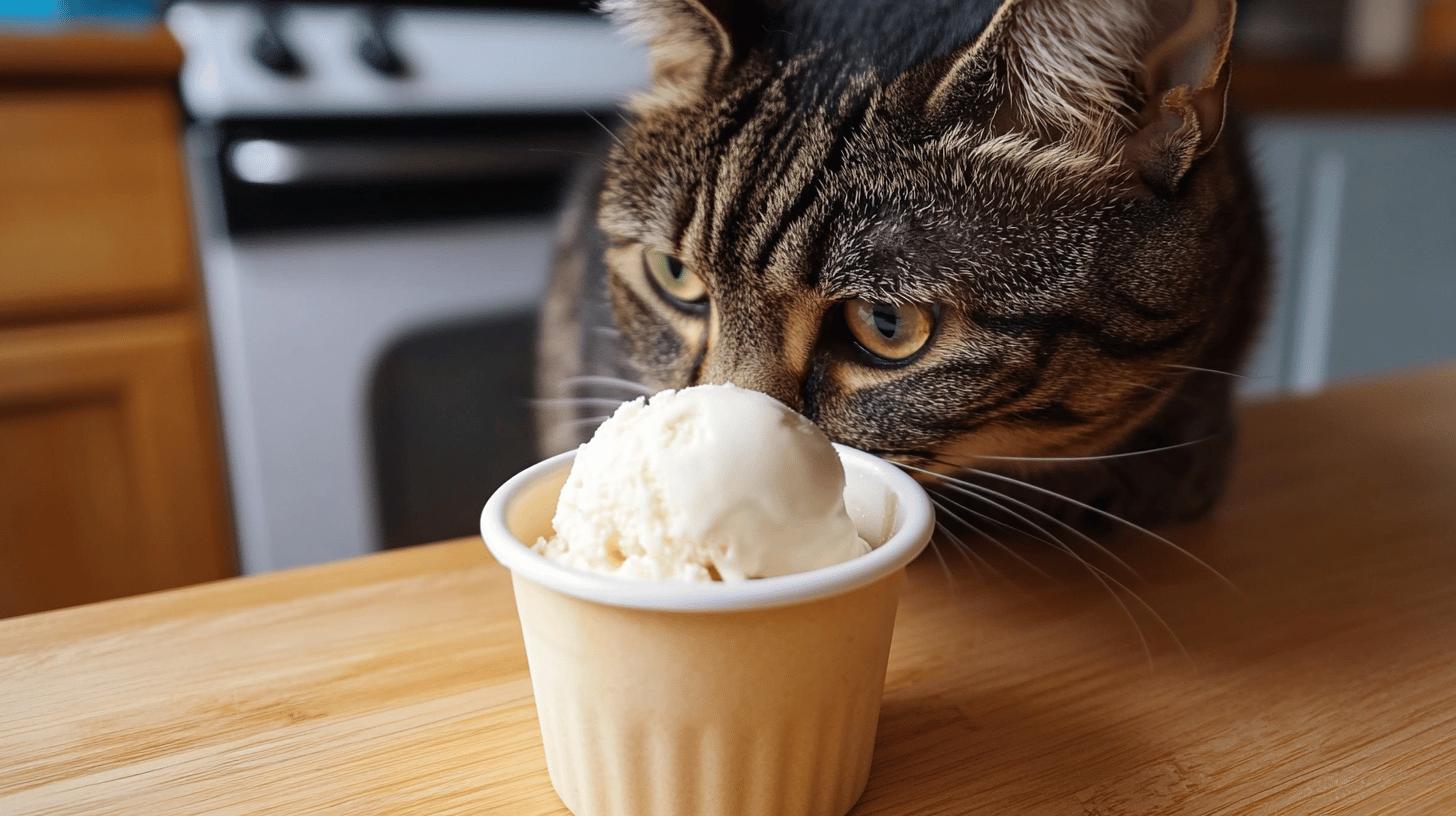
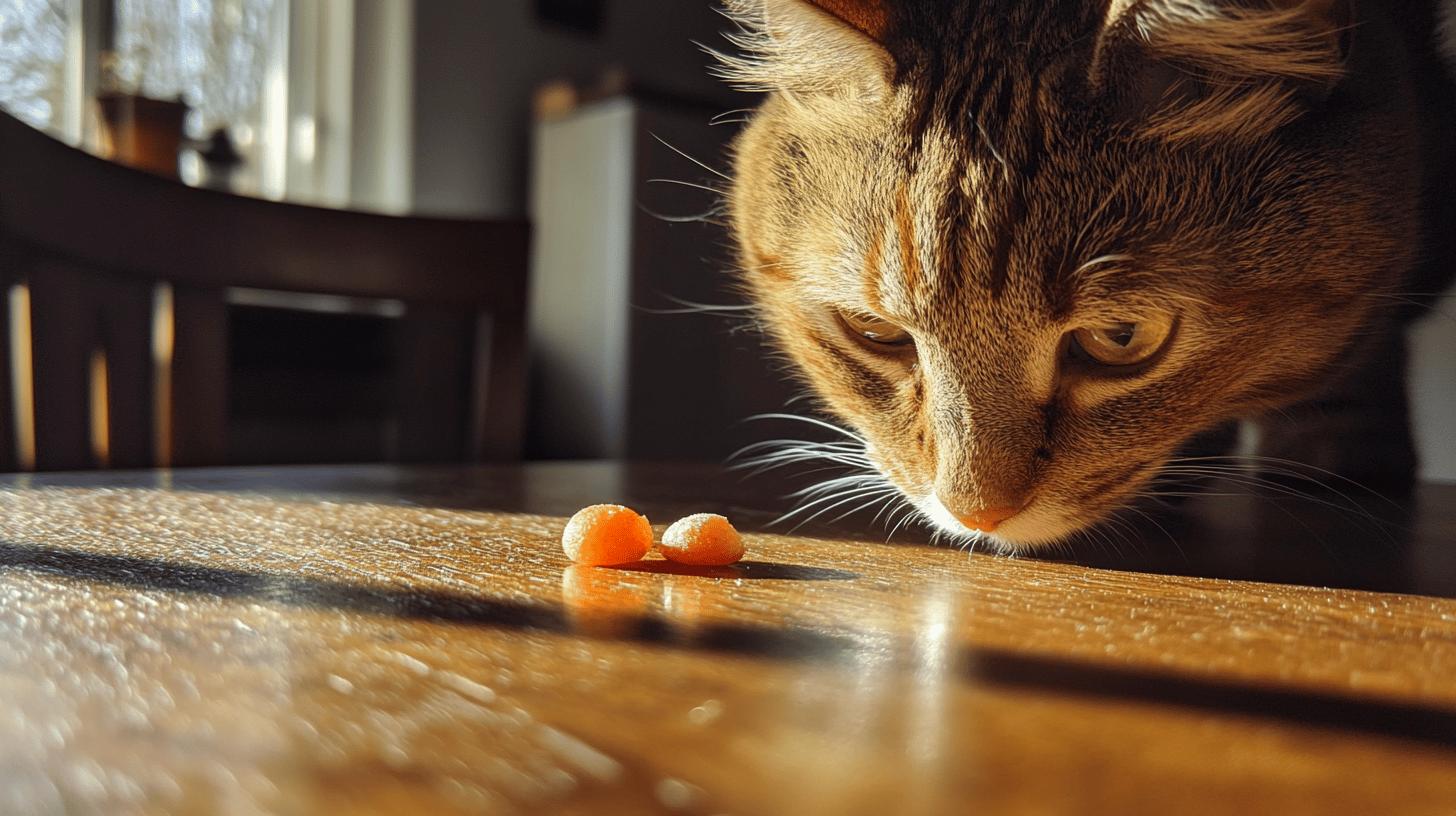
    Can cats eat ice? This might sound like an odd question, but it's one cat owners frequently wonder about. Yes, cats can enjoy ice, but we need to be careful. When summer heat hits, cooling off can be great, and ice cubes offer hydration boosts. Yet, there's more to consider than just benefits. Ice poses potential choking hazards and dental risks. So, how can we safely let our cats have a frosty treat? Let's explore the do's and don'ts that ensure a safe and fun experience for your furry friend.

    Can Cats Eat Ice? Understanding Ice Safety and Benefits
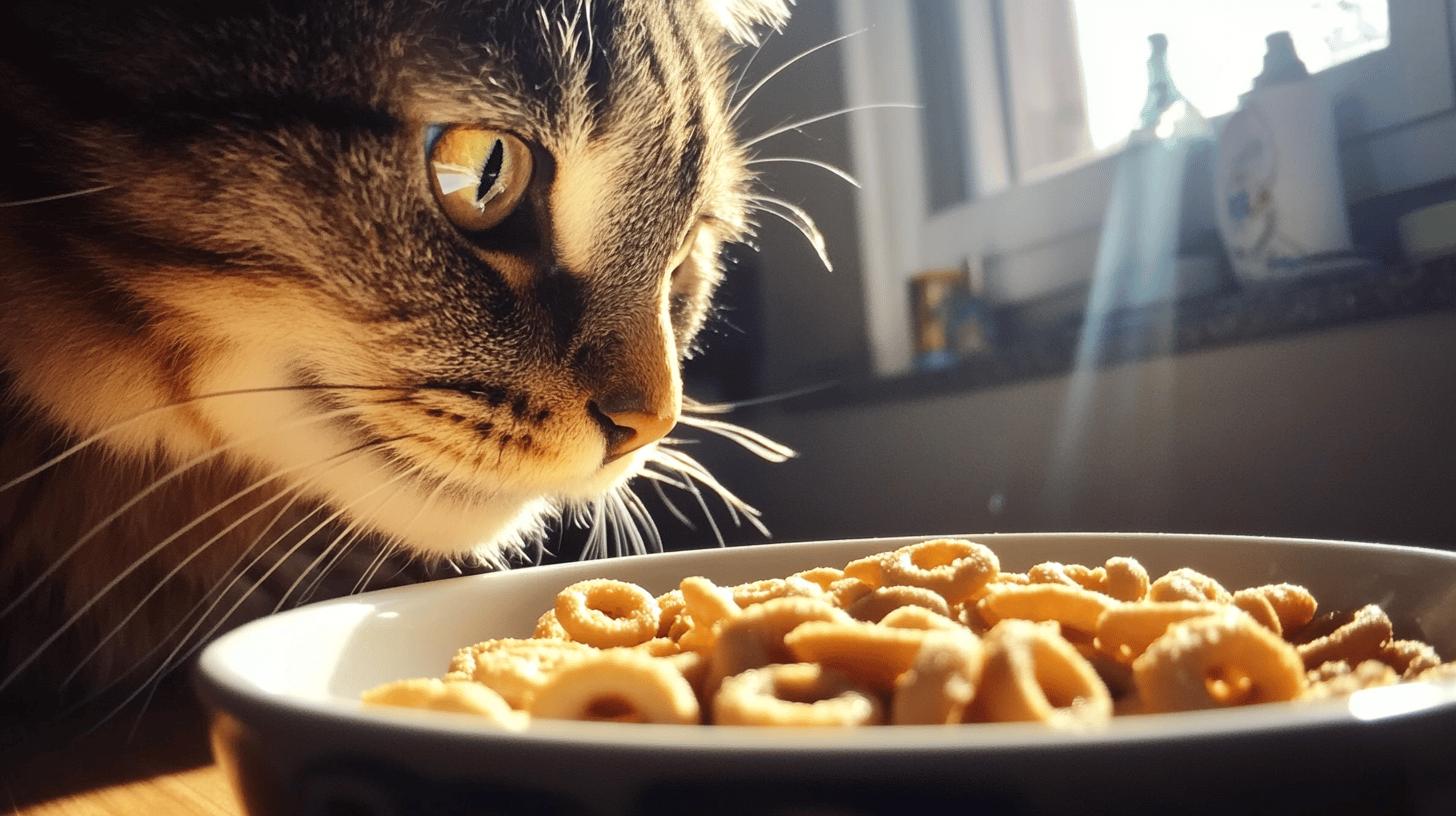
    Can Cats Eat Ice Understanding Ice Safety and Benefits-1.jpg

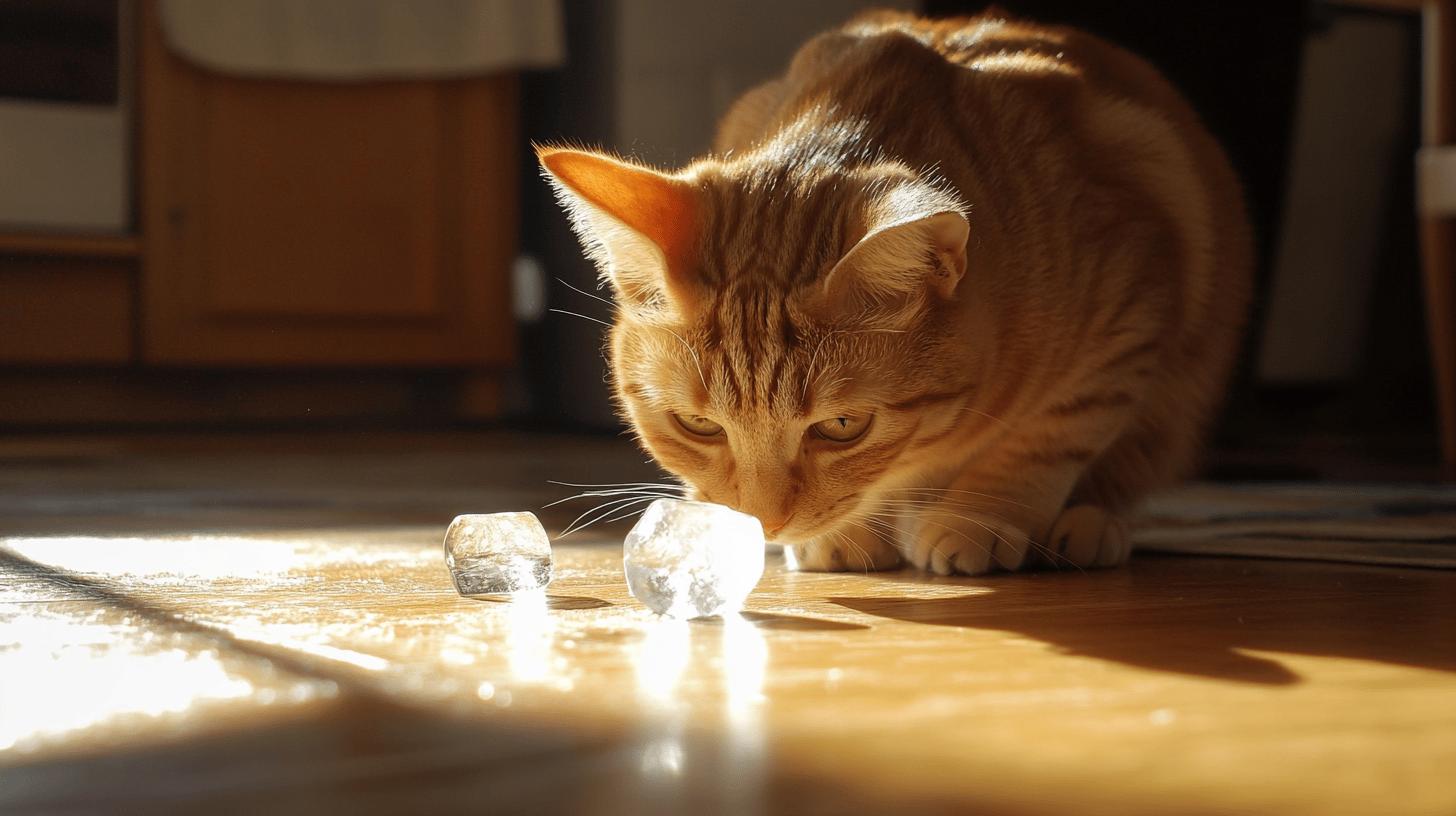
    Yes, cats can eat ice, but it's important to consider both safety and potential benefits. Ice cubes can be fun and hydrating for cats, yet they also present risks. The key benefits of offering ice include hydration and cooling, particularly during warmer months. However, ice can pose choking hazards and lead to dental damage if not managed properly.

    Supervision is crucial when offering ice to cats. It's important to ensure that the ice cubes are an appropriate size for the cat, reducing the risk of choking. Observing how your cat interacts with ice can help you adjust the way you offer it, making the experience both safe and enjoyable.

    • Hydration: Ice can encourage cats to drink more water, which is vital for their health.
    • Cooling: During hot weather, ice can help cats cool down.
    • Choking Hazard: Small cats or kittens may choke on large ice cubes.
    • Dental Issues: Chewing hard ice can lead to tooth fractures.
    • Mental Stimulation: Ice provides engagement by mimicking prey behavior.
    • Sensory Attraction: The sound and movement of ice can captivate a cat's curiosity.

    To offer ice safely, consider using smaller ice pieces or crushed ice for kittens and smaller cats to make them easier to manage. Offer ice in a shallow dish or in the cat's water bowl, and always supervise to prevent any mishaps. Some cats may prefer licking the ice rather than chewing it, which can also mitigate dental risks.

    Experts suggest that while ice can be a fun treat, it's not essential for a cat's hydration. Regular access to fresh water is the most important factor in keeping your cat hydrated. If your cat enjoys ice, it can be used occasionally to make water more interesting, but always with safety in mind.

    How to Safely Offer Ice to Your Cat
    How to Safely Offer Ice to Your Cat-1.jpg

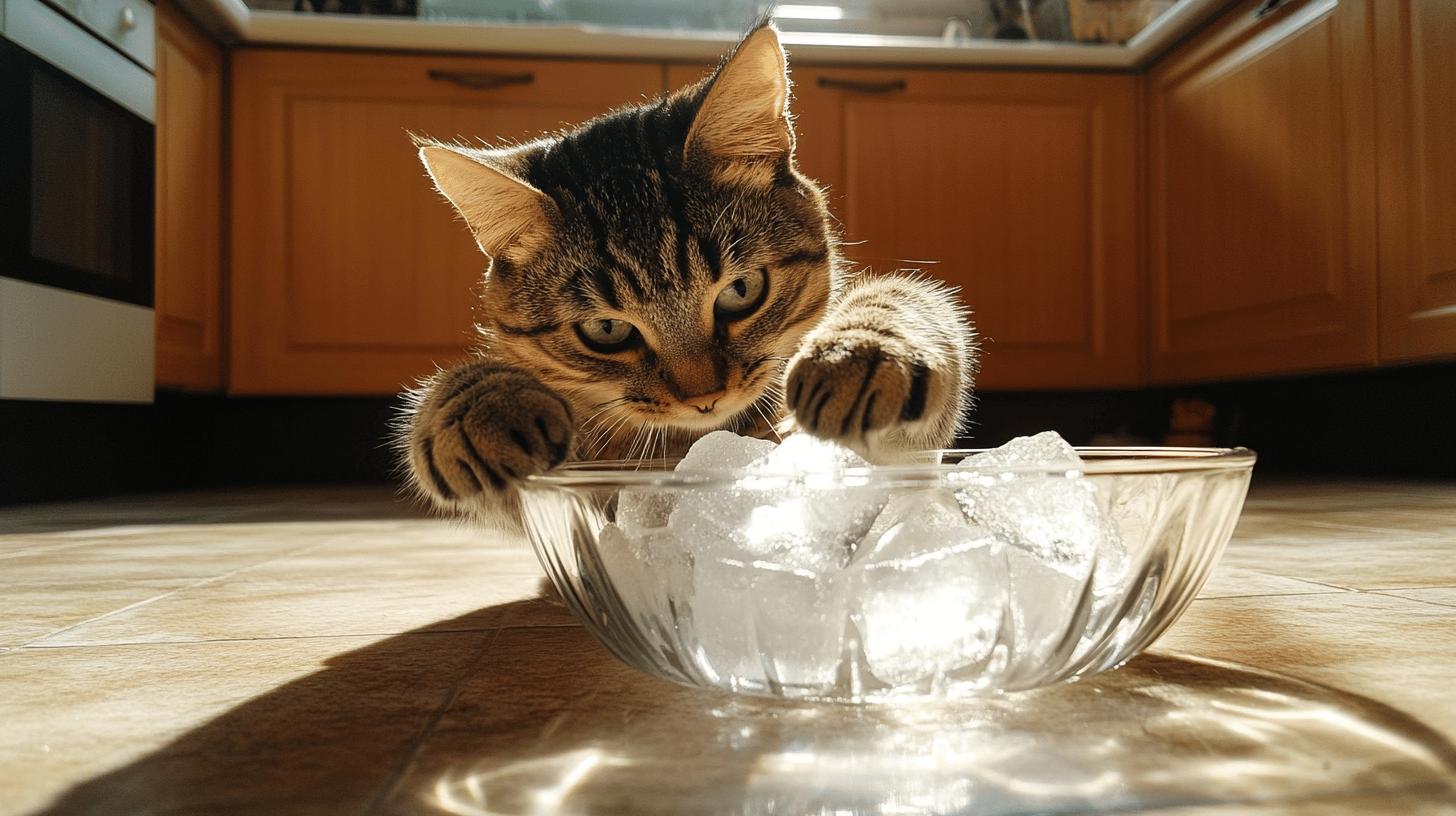
    Offering ice to your cat can be fun and refreshing, but safety is key. Always supervise your cat to prevent choking or dental issues. Use appropriately sized ice cubes and try placing them in a shallow dish or their water bowl. This way, you can observe how comfortable they are. Some cats enjoy licking ice, which reduces dental risks while still offering hydration benefits.

    For kittens or smaller cats, crushed ice or small ice chips are ideal. They are easier to handle and reduce choking hazards. Experiment with different forms to see what your cat prefers. This ensures they enjoy the cooling effect while staying safe.

    Playful Ice Activities

    Engage your cat with ice for a stimulating experience. Place ice cubes in a shallow bowl for them to bat around, mimicking prey behavior. This provides mental stimulation. Ensure the play area is safe to prevent slipping or other mishaps, and always supervise.

    Beyond ice, consider alternatives for hydration. Wet cat food adds moisture, and water fountains encourage cats to drink more. These options offer hydration without the risks associated with ice, ensuring your cat stays hydrated and entertained. Always have fresh water available for them.

    Understanding Cat Hydration and Ice
    Understanding Cat Hydration and Ice-1.jpg

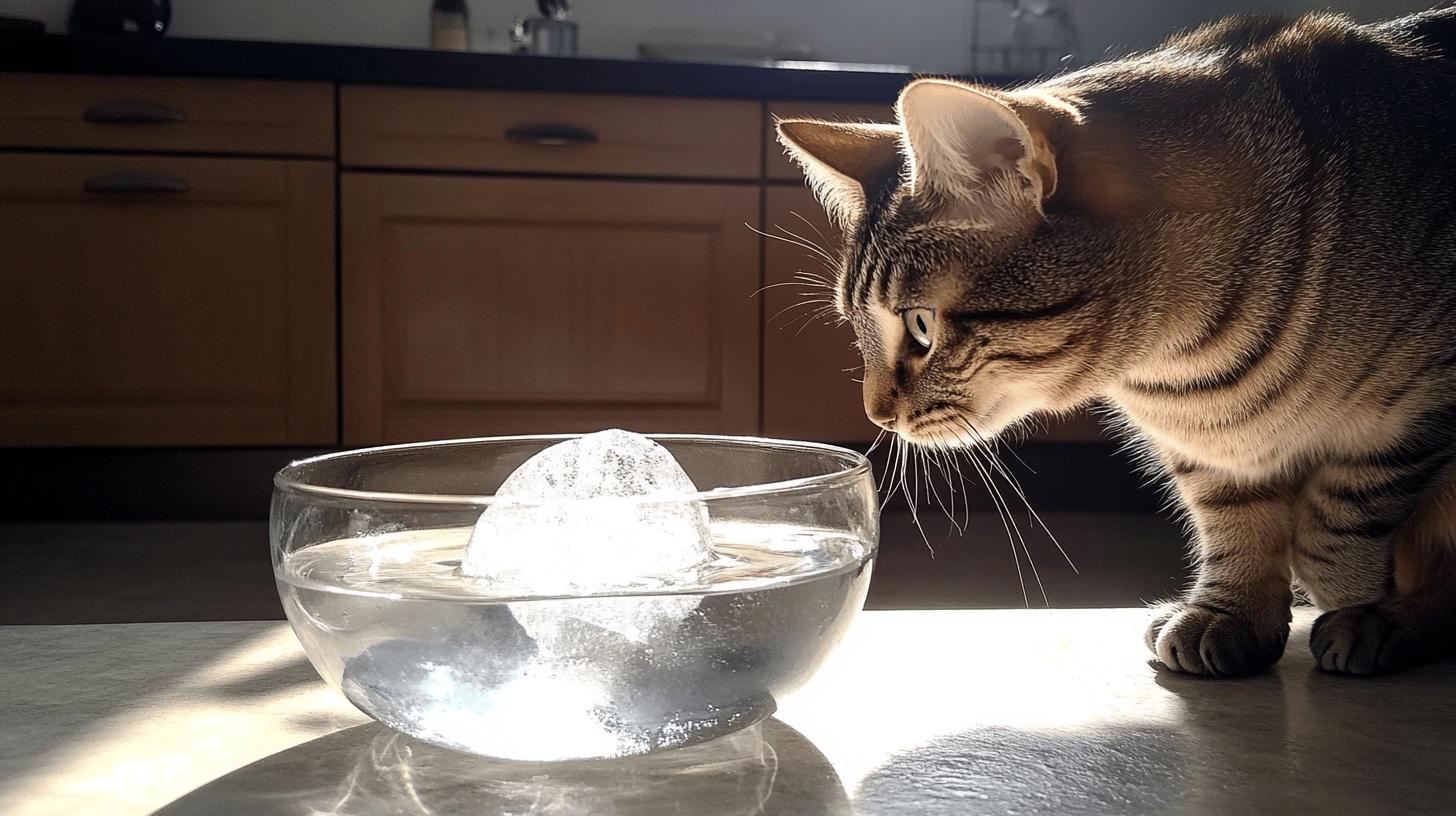
    Cats need adequate water intake for their well-being, with bodies composed of 60-70% water. Ice introduces a unique sensory experience that can entice cats to drink more. The cooling effect and movement of ice cubes can stimulate a cat's natural curiosity, encouraging them to play and, ultimately, hydrate.

    Hydration Method Benefits
    Ice Cubes Stimulates curiosity, provides cooling effect
    Wet Cat Food Boosts moisture intake through diet
    Running Water Fountain Encourages drinking through flowing water
    Fresh Water Bowl Accessible source for daily hydration

    Try adding ice cubes to your cat's water bowl to make drinking more engaging. Wet cat food can significantly boost their moisture intake. Running water fountains often attract cats with the allure of flowing water. Always maintain a fresh water bowl for easy access. These strategies support your cat's hydration needs effectively.

    Myths and Misconceptions About Ice for Cats
    Myths and Misconceptions About Ice for Cats-1.jpg

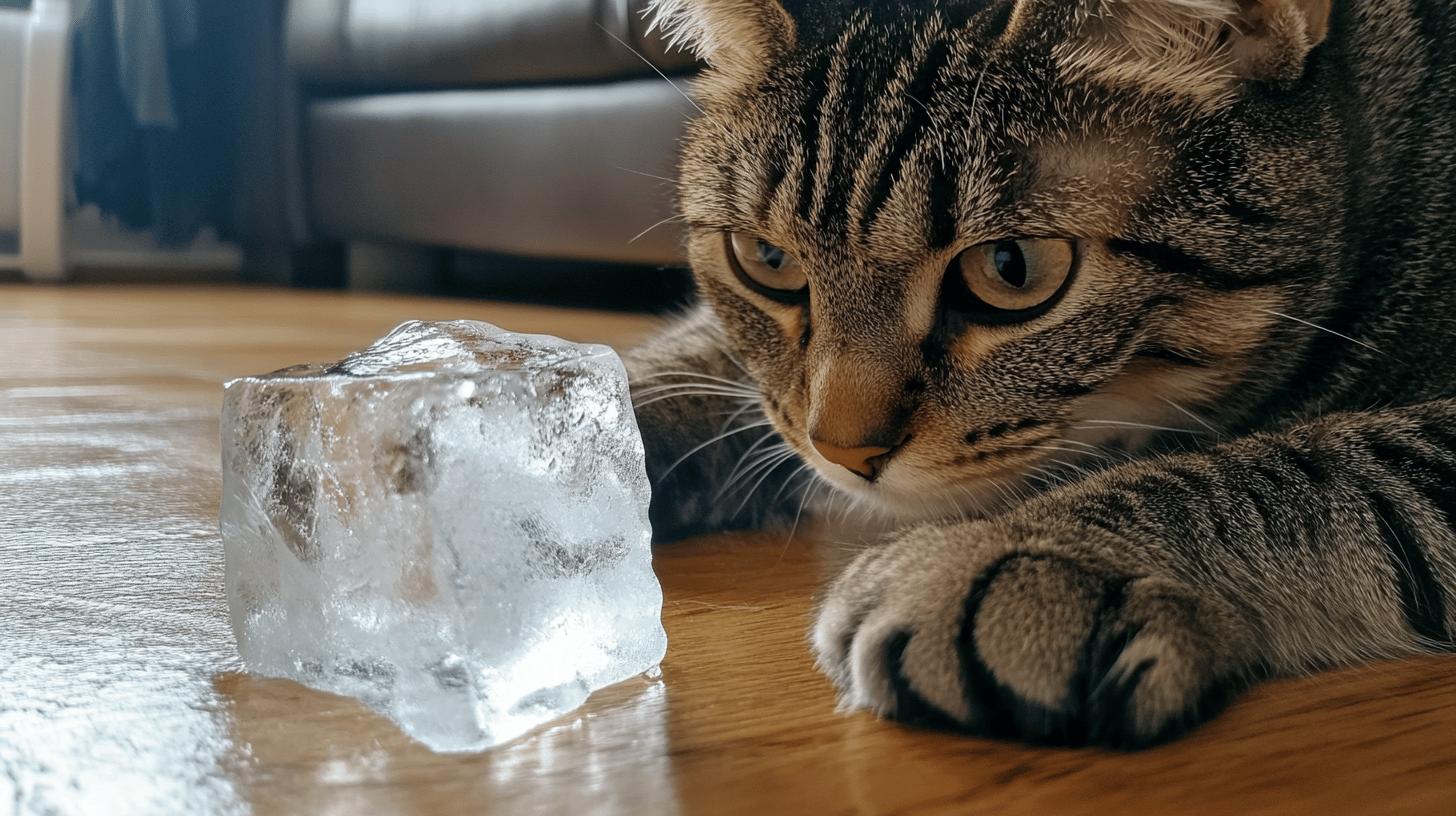
    A common myth is that all cats universally dislike ice. In reality, many cats enjoy interacting with ice cubes, often licking them for a refreshing feel. There's a misconception that ice is inherently harmful to cats. While there are risks of choking and potential dental issues, these can be managed with proper supervision. Some dismiss ice's potential benefits, like stimulation and hydration.

    • Cats universally dislike ice.
    • Ice is inherently harmful to all cats.
    • Ice offers no benefits to cats.

    Cats' reactions to ice can vary widely, reflecting their unique personalities and experiences. Some are drawn to the sound and movement of ice cubes, which mimic prey allure. Others associate ice with positive experiences, like treats from the fridge. Recognizing each cat's uniqueness helps ensure interactions with ice are safe and enjoyable.

    Final Words

    Exploring if a cat can eat ice reveals both fun and potential hazards. Ice cubes can hydrate and entertain cats, promoting cooling during hot days. Supervision is key to prevent choking or dental damage. Options like crushed ice or alternative hydration methods can safely introduce your feline to ice play.

    Understanding hydration's importance helps ensure your cat always has enough water. Debunking myths about cats and ice shows each cat is unique in its preferences. Keep an eye on your pet, and enjoy watching your cat delight in icy play.

    FAQ

    Is it okay for cats to eat ice?

    Ice can be safe for cats but requires supervision. It can be a choking hazard and might damage teeth. It can also encourage hydration and help cats cool down.

    Can I let my cat lick ice?

    Letting a cat lick ice is generally safe if supervised. Licking can help keep a cat cool and encourage hydration without the risks associated with chewing.

    Can I give ice cubes to my cat?

    You can give ice cubes to cats as long as you supervise them. Use crushed ice for kittens or smaller cats to reduce choking hazards.

    Is it OK to put ice in a cat's water bowl?

    It is okay to put ice in a cat’s water bowl. It can encourage your cat to drink more. Just make sure the ice isn't too large to prevent choking.

    Do cats like ice cubes in their water?

    Many cats enjoy ice cubes in their water. It might attract their curiosity and encourage them to drink more, though individual preferences vary.

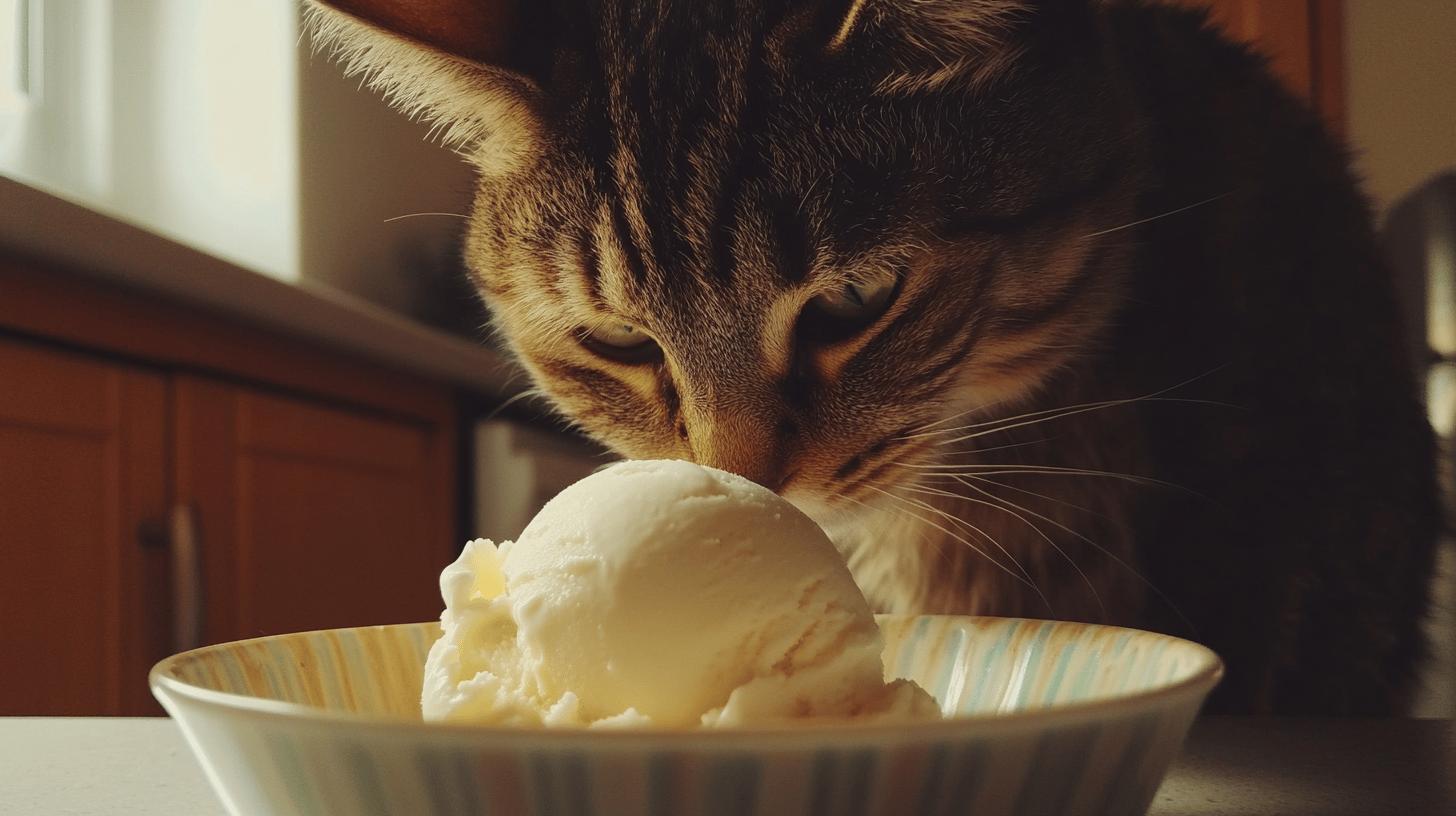
    Can cats eat ice cream?

    Cats shouldn't eat regular ice cream. It contains dairy and sugar, which aren't good for them. You can offer ice cream formulated for cats if desired.

    Can cats have Italian ice?

    Cats should avoid Italian ice due to sugar and artificial flavors that aren't suitable for them. Stick to safer alternatives like plain ice cubes.
    Related Articles

  • Can Cat Eat Raw Ground Beef Safety and Nutritional Insights

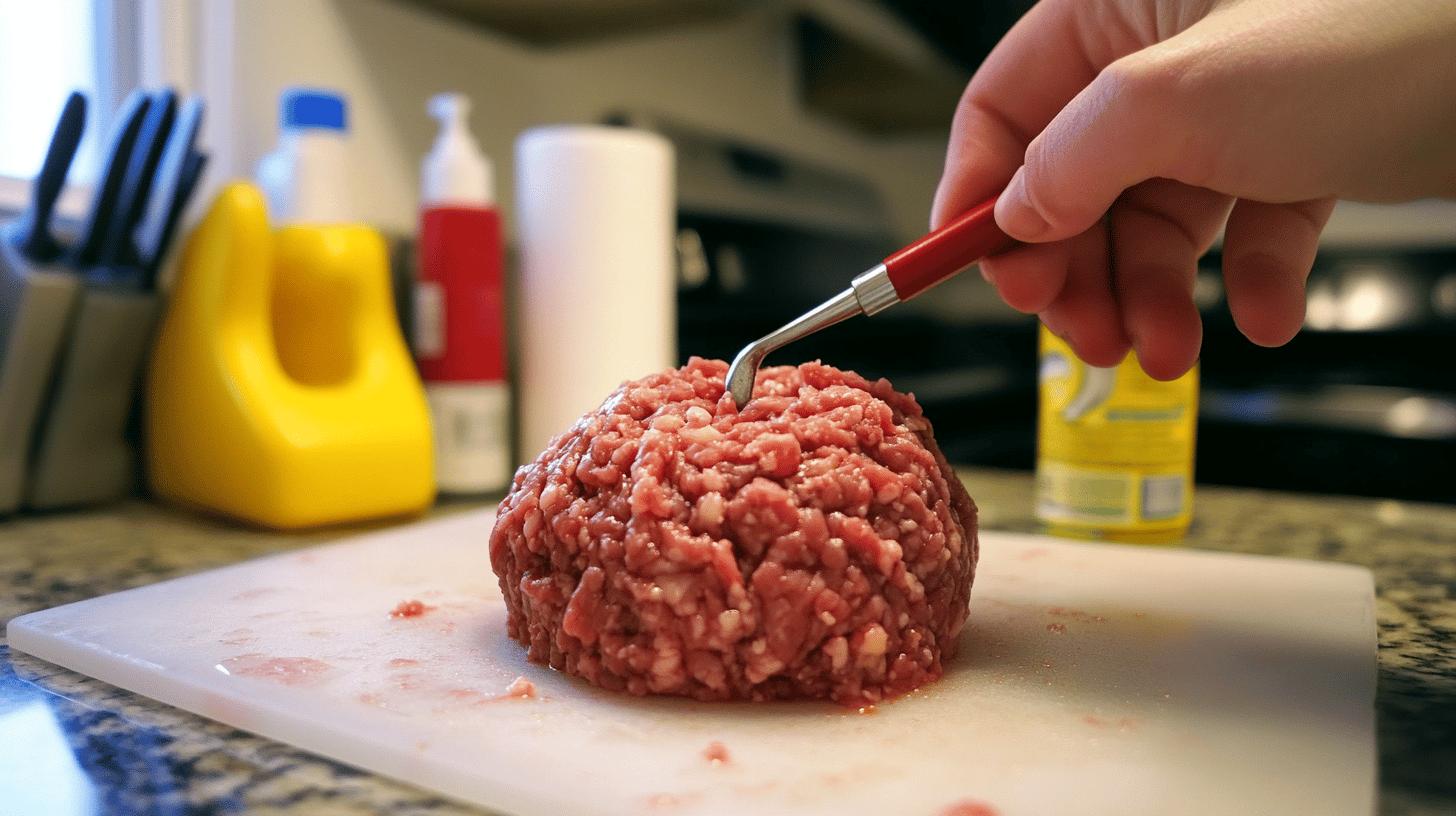
    Can Cat Eat Raw Ground Beef Safety and Nutritional Insights

    Is it safe for cats to munch on raw ground beef like a mini lion on the prowl? This tempting idea, packed with protein, may seem like a nod to their wild instincts. Yet, there's more beneath the surface. The threat of harmful bacteria like Salmonella and E. coli lurking in raw meat can endanger both felines and their human companions. As we dig deeper, we’ll explore the balance between safety and nutrition, unraveling whether raw beef can truly be a healthy choice for your feline friend.

    Comprehensive Safety and Nutritional Considerations of Feeding Raw Ground Beef to Cats

    Comprehensive Safety and Nutritional Considerations of Feeding Raw Ground Beef to Cats-1.jpg

    Feeding raw ground beef to cats can seem appealing due to its high protein content. However, it's crucial to understand the potential risks involved. Raw beef safety for cats hinges on the threat of bacteria in raw meat, such as Salmonella and E. coli, which can cause serious foodborne illnesses. Not only do these bacteria pose health risks to cats, but they can also be transmitted to humans, making it essential to handle raw meat with care.
    Specific Bacteria Risks:

    • Salmonella contamination can lead to severe gastrointestinal issues.
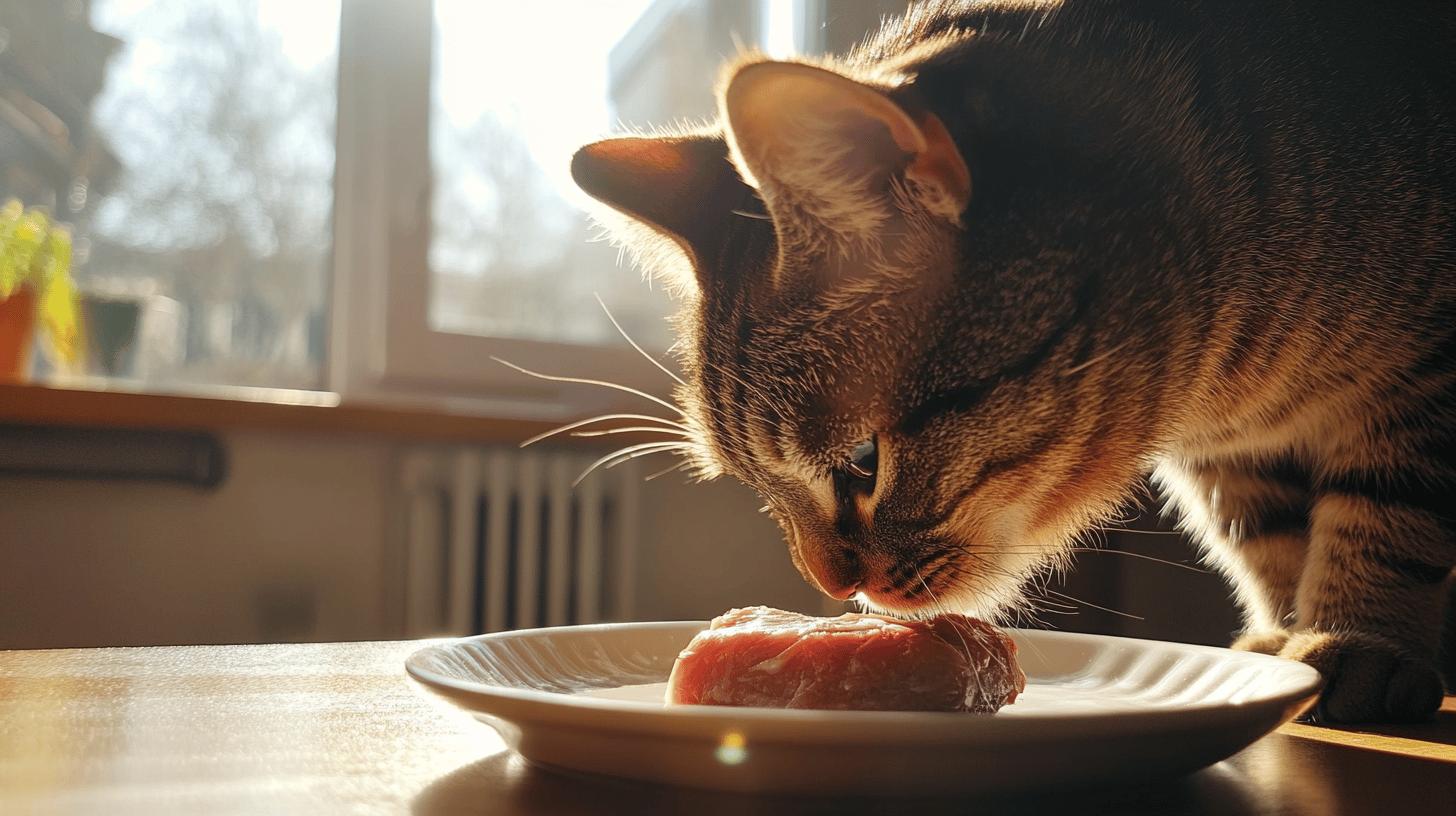
    • E. coli in beef poses a risk of kidney failure and other health complications.
    • Listeria, another potential contaminant, can cause severe infections.
    • Campylobacter can result in diarrhea and dehydration.
    • Cross-contamination with these bacteria can spread to humans, especially if proper hygiene isn't maintained.

    When considering the nutritional content of raw ground beef, it's important to note what's missing. Although raw beef is rich in protein, with 14 grams per 100 grams, it may not provide a complete dietary solution for cats.

    Nutritional Gaps:

    • Lack of taurine, a crucial amino acid for heart and eye health.
    • Deficient in essential vitamins like A and D, which support immune functions.
    • Missing calcium, vital for bone health, especially in growing kittens.
    • Inadequate balance of omega fatty acids, necessary for a healthy coat and skin.

    The risks are heightened for kittens. Their developing immune systems make them particularly susceptible to bacterial infections from raw meat. Feeding them raw ground beef without proper nutritional supplementation can lead to deficiencies that stunt growth and affect overall health.

    Before deciding if a cat can eat raw ground beef, consider the potential need for supplements to create a balanced diet. Consulting with a veterinarian can help determine the best course of action, ensuring that all nutritional needs are met while minimizing health risks.

    Vet Recommendations on Raw Diets for Cats

    Vet Recommendations on Raw Diets for Cats-3.jpg

    Veterinarians generally advise caution with raw diets for cats due to health risks like bacterial contamination and nutrient deficiencies. While raw ground beef offers protein, it often lacks essential nutrients like taurine, leading to potential health issues. Incorporating raw foods requires proper knowledge and preparation to ensure a balanced diet.

    Consulting a vet is crucial when considering a raw diet. Vets can recommend specific supplements or additional ingredients to fill nutritional gaps. Individual dietary strategies might be suggested based on a cat's unique needs, ensuring all nutritional requirements are met for optimal health.

    Safe Preparation, Handling, and Comparisons of Raw Ground Beef for Cats

    Safe Preparation, Handling, and Comparisons of Raw Ground Beef for Cats-1.jpg

    Handling raw ground beef safely is crucial to protect both your cat and yourself from bacterial risks like Salmonella and E. coli. Using fresh meat and maintaining cleanliness are key to minimizing contamination.

    • Use Fresh Meat: Choose high-quality, fresh ground beef to reduce bacteria.
    • Maintain Cleanliness: Thoroughly wash hands, utensils, and surfaces before and after handling.
    • Store Correctly: Refrigerate or freeze beef to prevent bacterial growth.
    • Thaw Safely: Thaw in the refrigerator, not at room temperature.
    • Prevent Cross-Contamination: Use separate tools for raw meat.
    • Portion Carefully: Serve only what can be eaten in one sitting.

    Cooking beef for your cat can eliminate harmful bacteria, making it a safer choice than raw. Still, raw diets may need supplements to provide essential nutrients like taurine and calcium.

    • Nutritionally Balanced: Meets dietary needs without guesswork.
    • Safety: Free from bacteria, providing peace of mind.
    • Convenience: Easy to store and serve.
    • Variety: Offers different flavors and formulations.

    Switching diets should be gradual to monitor any reactions. Consider your cat's needs and consult a vet to ensure their diet is safe and balanced.

    Final Words

    Understanding the safety and nutrition of raw ground beef for cats involves weighing risks like bacterial contamination against its protein content. Although raw beef offers high protein, it may fall short on nutrients. A vet can guide and suggest necessary supplements for a balanced meal. Safe preparation is a must, ensuring meat is fresh and handled hygienically. While raw diets are popular, commercial foods can offer balanced nutrition without health risks. Cats deserve safe, fulfilling diets, whether through raw beef or vetted alternatives.

    FAQ

    Is it safe to feed cats raw ground beef?

    Feeding raw ground beef to cats risks bacterial contamination, including Salmonella and E. coli. This can cause illness in cats and humans. Consider vet advice and balanced nutrition for safety.

    What kind of raw meat is safe for cats?

    The safe raw meat for cats includes properly sourced and handled cuts free from bacteria. Always consult a vet for guidance on safe feeding practices.

    Can cats have a little ground beef?

    Cats can have small amounts of ground beef as an occasional treat. Ensure it's plain and cooked to avoid bacterial risks.

    How do I prepare ground beef for my cat?

    To prepare ground beef for cats, cook it thoroughly, let it cool, and ensure it's free from seasoning.

    Raw meat diet for cats: benefits and risks?

    Cats on a raw meat diet get high protein but risk bacteria like Salmonella. Balanced nutrition and vet consultation are crucial for safety.

    Can cats eat cooked ground beef?

    Cats can eat cooked ground beef as it eliminates bacteria. Ensure plain preparation and moderation for balanced nutrition.

    Can cats eat raw chicken or egg?

    Cats can eat raw chicken or eggs, but vet consultation is key due to bacterial risk. Proper preparation minimizes health concerns.

    Can I feed my cat raw meat from the grocery store?

    Feeding grocery store raw meat to cats isn't recommended due to bacteria. Seek vet advice and consider nutritional balance.

    What is the healthiest raw cat food?

    The healthiest raw cat food is balanced, safe from bacterial risks, and approved by a vet. Store-bought options often offer controlled nutrition.

    What's the healthiest store-bought cat food?

    Healthiest options mimic a natural diet, balancing protein, fats, and nutrients. They reduce sick risks with strict quality controls.

    Related Articles

  • Can Cat Eat Vanilla Safely What You Need to Know

    Can Cat Eat Vanilla Safely What You Need to Know

    Could your cat's curiosity for vanilla ice cream lead to more than just a sweet tooth? While natural vanilla beans aren't toxic to cats, they're not exactly beneficial and can upset their stomachs if eaten too much. But be cautious, vanilla extract is a different beast entirely, with its high alcohol content being downright dangerous. In this blog post, we'll dive into what makes vanilla and its flavored products risky for cats, how to recognize any alarming symptoms, and when to seek out your vet's expertise for a safe playtime.

    Can Cats Eat Vanilla Safely?

    Can Cats Eat Vanilla Safely-4.jpg

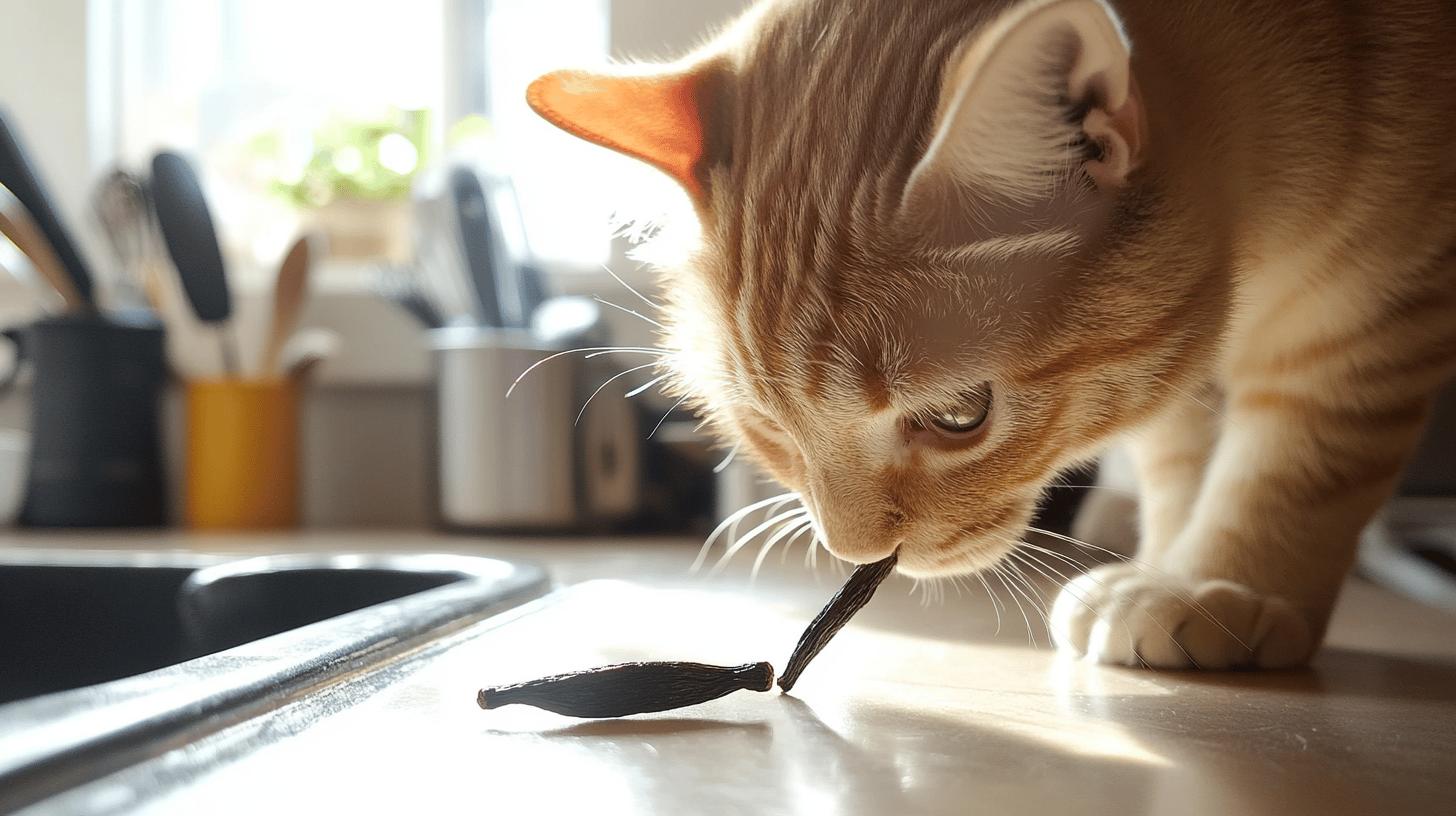
    Cats are curious creatures, and it's not uncommon for them to show interest in what we eat, including vanilla. Natural vanilla beans are not toxic to cats, and consuming a small amount is generally safe. But let's be clear, vanilla offers no real health benefits for cats and may cause gastrointestinal distress if consumed in large amounts. Vanilla extract, on the other hand, is a different story. It contains a high level of alcohol, often 35% or more, which is toxic to cats. Even a small amount can be harmful and should be avoided at all costs.

    Here are some forms of vanilla to be aware of:

    • Natural vanilla beans: Safe in small amounts but unnecessary for cats.
    • Vanilla extract: Unsafe due to high alcohol content, toxic to cats.
    • Vanilla-flavored desserts: Unsafe, often containing sugar and other harmful ingredients.

    If your cat happens to consume vanilla, especially vanilla extract or any product containing alcohol, it's crucial to monitor them closely. Symptoms of vanilla toxicity in cats include vomiting, diarrhea, lethargy, and difficulty breathing. If you notice any of these symptoms, it's best to seek veterinary care immediately to ensure your furry friend's safety.

    Vanilla-Flavored Products and Cats: What You Need to Know

    Vanilla-Flavored Products and Cats What You Need to Know-1.jpg

    Vanilla-flavored products, like ice cream, pudding, and cake, contain sugar and other ingredients that are unsafe for cats. Sugar can lead to weight gain and diabetes. Artificial vanilla and vanilla extract often have chemicals and alcohol, which are harmful to cats.

    Here's a quick look at some vanilla-flavored products and the ingredients that make them unsafe for cats:

    Product Type Ingredients to Avoid
    Vanilla Ice Cream Sugar, dairy, artificial flavors
    Vanilla Pudding Sugar, dairy, thickeners
    Vanilla Yogurt Added sugars, artificial sweeteners

    Consider healthier alternatives when sharing treats with your cat. Greek yogurt is a better option as it has reduced lactose content, making it easier for cats to digest. It also provides more protein, which is beneficial. Ensure it's plain and unsweetened, and only offer it occasionally to avoid health risks.

    Safe Treats for Cats: Avoiding Vanilla

    Safe Treats for Cats Avoiding Vanilla-1.jpg

    Let's focus on safe treat options that benefit our furry companions. Here are some alternatives:

    • Cooked Chicken: Rich in protein, it's a favorite for many cats.
    • Salmon: Full of omega-3s, it supports a healthy coat.
    • Catnip: This herb is both fun and stimulating.
    • Pumpkin: Offers fiber for digestion, best in moderation.

    These choices keep your cat content and healthy without the risks linked to vanilla.

    Can Cats Eat Vanilla Safely?

    Expert Advice on Cats and Vanilla-2.jpg

    Always consult a veterinarian before introducing any new foods to your cat, including yogurt or vanilla. Vets can provide guidance based on your cat's specific needs and potential sensitivities.

    To prevent your cat from consuming vanilla products, consider these tips:

    • Store vanilla products securely: Keep vanilla extract and flavored desserts in cabinets your cat can't access.
    • Be cautious during holidays: Baking often involves vanilla; ensure these products are out of reach.
    • Educate household members: Everyone should know not to leave vanilla-flavored foods unattended.

    These precautions help keep your cat safe from ingesting harmful items.

    Final Words

    Understanding the effects of vanilla and its products on cats is crucial for keeping our furry friends safe. While natural vanilla isn't toxic, it's unnecessary in a cat's diet. More concerning is vanilla extract, which poses serious health risks due to its alcohol content. Always watch for signs like vomiting or lethargy if exposure occurs.

    Instead of vanilla-flavored treats, consider healthier alternatives like small amounts of Greek yogurt. Consulting with a vet is also wise for any diet changes. By making informed choices, you can ensure your cat's well-being and enjoy peace of mind.

    FAQ

    Can cats eat vanilla yogurt?

    A cat can eat a little vanilla yogurt, but it's not great for them. The sugar and artificial sweeteners can upset their stomachs. Stick to plain Greek yogurt for a treat.

    Can cats eat vanilla ice cream?

    Cats should avoid vanilla ice cream due to sugar and dairy which can cause digestive issues. Ice cream doesn't offer any nutritional benefit for cats and can lead to weight gain.

    Can cats eat vanilla extract or vanilla oil?

    Cats should not eat vanilla extract or oil. The high alcohol content in extracts is toxic to cats and can cause vomiting and lethargy. Avoid offering these to your cat.

    Can cats smell vanilla extract safely?

    Cats should not be around vanilla extract. The alcohol content can harm them if ingested, so it's best to keep it out of reach.

    Is vanilla toxic to pets?

    Vanilla beans aren't toxic but offer no real benefits and could upset stomachs if eaten in large amounts. Vanilla extract is toxic due to its alcohol content, so keep it away.

    Do cats like vanilla flavor?

    Cats do not generally respond to sweet flavors, so vanilla may not attract them. It's best to offer flavors more suitable to their natural preferences.

    Is vanilla bean safe for cats?

    Vanilla beans might be safe in tiny amounts, but they offer no benefits and could cause stomach issues. It's best not to let your cat snack on them.

    Related Articles

    Vanilla Extract vs. Vanilla Bean: Toxicity Comparison

    When evaluating vanilla products, the distinction between extract and whole bean matters significantly for your cat’s safety. Vanilla extract contains between 35-40% alcohol by volume, which poses a far greater risk to cats than the vanilla bean itself. Even small amounts of alcohol can affect a cat’s liver and nervous system, since cats lack the liver enzymes needed to metabolize ethanol efficiently. A single teaspoon of vanilla extract could cause serious toxicity in a small cat.

    Whole vanilla beans present a much lower risk profile. They contain vanillin, the compound responsible for vanilla’s flavor, but in negligible quantities compared to the extract. Most baked goods use vanilla extract rather than whole beans, making this distinction relevant when assessing what your cat may have ingested. If your cat consumed a crumb or two of vanilla-flavored cake, the vanilla bean content poses minimal concern, whereas accessing a bottle of extract warrants immediate veterinary attention.

    The concentration difference explains why veterinarians distinguish between these forms when discussing vanilla toxicity. Your cat would need to consume substantial amounts of vanilla bean to reach toxic levels, whereas extract’s alcohol content creates danger at much smaller volumes. Understanding this hierarchy helps you respond appropriately if accidental exposure occurs.

    Vanilla Compounds & Health Effects

    Vanillin, the primary active compound in vanilla, behaves differently in cats compared to humans. Cats absorb vanillin through their digestive tract, but their metabolism processes it more slowly due to lower hepatic enzyme activity. While humans tolerate vanilla readily, cats’ bodies take longer to eliminate the compound, allowing it to accumulate even from small exposures over time.

    Coumarin, another component occasionally present in vanilla products, deserves attention for cat owners. Some vanilla products contain trace amounts of coumarin, which affects blood clotting and liver function. Cats show greater sensitivity to coumarin than dogs, making even minimal exposure worth avoiding. Your cat’s unique metabolism means that compounds safe for humans at certain levels require much lower thresholds for feline safety.

    Beyond vanillin and coumarin, the processing methods used in vanilla products matter. Artificial vanilla flavoring may contain additional chemical compounds that weren’t tested specifically for feline toxicity. Sticking to foods without any vanilla flavoring provides the safest approach when selecting treats and human foods to share with your cat.

    Accidental Vanilla Exposure

    Cat owners frequently worry after discovering their pet has tasted a small amount of vanilla-flavored food. A lick of vanilla frosting or a tiny piece of vanilla cake carries minimal risk in most cases. Your cat would need to consume a substantial quantity to experience serious toxicity symptoms, so discovering a single exposure typically doesn’t require emergency treatment.

    Ice cream represents a common source of accidental vanilla exposure. A small amount of vanilla ice cream consumed by your cat poses little danger, though the sugar and dairy content creates separate digestive concerns. Baked goods containing vanilla extract present more risk than those with vanilla flavoring due to extract’s alcohol concentration.

    Establish a waiting period when uncertain whether your cat ingested a dangerous amount. Monitor for symptoms over the next 12-24 hours before concluding everything is fine. If your cat consumed something containing vanilla extract directly or ingested a large quantity of vanilla-flavored products, contact your veterinarian even if symptoms haven’t appeared yet.

    Signs of Vanilla Toxicity

    Recognizing toxicity symptoms allows you to seek help promptly if your cat accessed vanilla extract or consumed substantial vanilla quantities. Early signs include tremors, decreased appetite, lethargy, and vomiting. Your cat may appear uncoordinated or disoriented as toxicity progresses.

    Diarrhea and stomach upset appear frequently in cats experiencing vanilla toxicity. More severe cases present with seizures, difficulty breathing, or collapse. Some cats develop liver dysfunction symptoms including jaundice, excessive thirst, or increased urination.

    The timeline for symptom onset varies based on consumption amount and your cat’s size. Symptoms may appear within 30 minutes for large exposures or develop gradually over several hours for smaller amounts. Contact your veterinarian immediately if your cat shows any combination of these signs after vanilla exposure.

    Better Flavor & Treat Alternatives

    Providing flavorful enrichment without vanilla keeps your cat safely entertained. Tuna, salmon, and chicken broths offer natural flavors that appeal to cats while providing nutritional value. These alternatives support your cat’s instinctual preferences without introducing questionable compounds.

    Freeze-dried meat treats deliver concentrated flavor and satisfy your cat’s hunting instincts better than vanilla-flavored alternatives anyway. Fish-based treats particularly engage cats’ interest while remaining completely safe. Many cats find these options more rewarding than any processed flavoring could provide.

    Consider investing in interactive toys that stimulate your cat’s senses without relying on problematic flavorings. Our toys for play aggression redirect destructive energy into healthy outlets, offering enrichment that lasts far longer than treats do. Natural play engagement provides superior mental stimulation compared to flavor-based enrichment alone.

  • Can Cat Eat Fried Fish Find Out the Risks and Benefits

    Can Cat Eat Fried Fish Find Out the Risks and Benefits

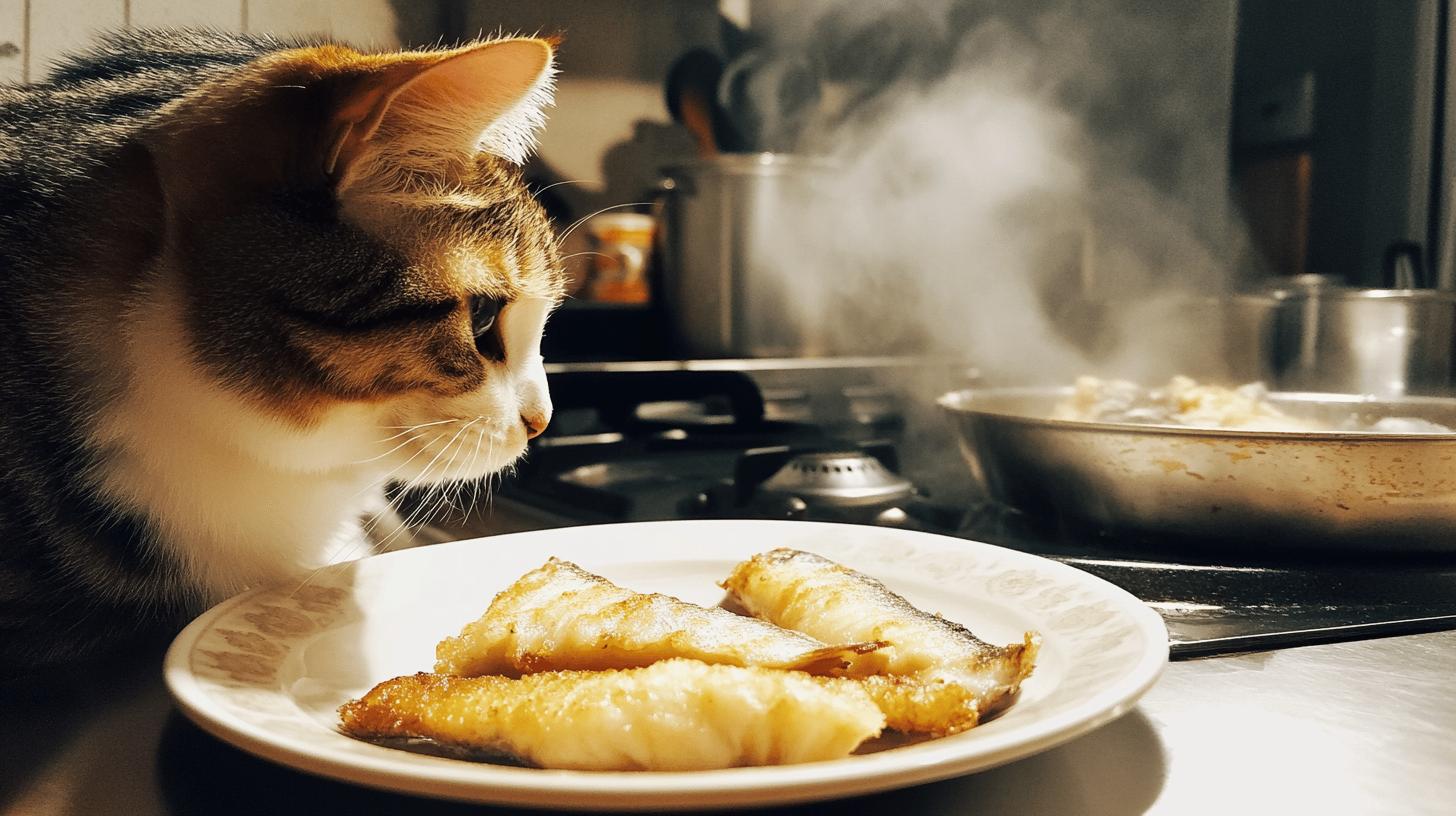
    Ever watched your cat eyeing your fried fish dinner and wondered, “Is a nibble really that bad?” At first glance, it might seem harmless—after all, fish is a natural part of their diet, right? But hold that thought. Fried fish comes with hidden dangers that can outweigh any perceived benefits. The oils, seasonings, and coatings used in frying can be harmful, leading to serious health issues for our feline friends. Join me as we dive into the risks and explore why fried fish should be a no-no in your cat’s diet.

    Can Cats Eat Fried Fish? Understanding the Risks

    Cats should not eat fried fish. Fried fish can contain harmful ingredients that are unsuitable for cats, leading to potential health issues. The oils and seasonings used in frying can pose significant risks to feline health, making it an unsafe choice for our furry friends.

    Fried fish often contains high levels of oils and fats that are not good for cats. When cats consume fried fish, they may experience digestive issues, and the high-fat content can lead to more severe problems such as obesity and pancreatitis. Seasonings and coatings commonly used in fried fish can also be toxic to cats, causing further complications.

    • High-fat content can lead to obesity.
    • Risk of pancreatitis due to excessive oil consumption.
    • Potential for digestive upset and vomiting.
    • Seasonings may be toxic and harmful.
    • Coatings can cause choking or blockages.

    Long-term consumption of fried fish can increase the risk of liver and heart issues in cats. The continuous intake of unhealthy fats and oils can strain a cat’s liver, potentially leading to liver disease. Additionally, the added fats can contribute to heart problems, compromising a cat’s overall health and well-being.

    Fried fish often contains ingredients that can be toxic to cats. Common seasonings like garlic and onion powder are harmful to felines, as are many breading components. Even the smallest amount of these seasonings can be detrimental to a cat’s health, causing anything from digestive upset to severe toxicity. It’s crucial to avoid feeding cats any fried fish to prevent these potential hazards.

    Nutritional Value of Fish for Cats: What to Consider

    Nutritional Value of Fish for Cats What to Consider-1.jpg

    Fish is an excellent source of nutrition for cats, providing essential nutrients that support their overall health. The key components include Omega-3 fatty acids, which are crucial for neurological health and have anti-inflammatory properties. As obligate carnivores, cats thrive on a diet rich in protein, making fish a suitable inclusion. Fish also provides important vitamins and minerals that contribute to a well-rounded diet. However, it’s vital to ensure that fish is just one part of a balanced diet, rather than the sole component.

    Nutrient Benefit
    Omega-3 Fatty Acids Supports brain health and reduces inflammation
    Protein Essential for growth and muscle maintenance
    Vitamin D Promotes bone health and immune function

    While fish offers numerous health advantages, moderation and variety remain key. Cats require a diet consisting of around 70% meat and fish, supplemented with other nutrients to meet their dietary needs. This ensures they receive a comprehensive nutritional profile without over-relying on any single food source.

    Safe Fish Alternatives for Cats

    Nutritional Value of Fish for Cats What to Consider-2.jpg

    When it comes to feeding fish to cats, preparation is everything. To keep our feline friends safe, cooking methods like baking, grilling, or boiling are ideal. These methods ensure that the fish remains free from added salt or seasonings, which can be harmful to cats. By avoiding oils and flavorings, you can provide a healthy treat without the risks associated with fried fish. Always remove all bones before serving to prevent choking hazards or digestive issues.

    Certain types of fish stand out as particularly healthy options for cats. Salmon and sardines are excellent choices due to their high content of Omega-3 fatty acids, which support brain and heart health. These fish are also loaded with protein, essential for maintaining strong muscles. While fish can be a delicious addition to a cat’s diet, it should not replace their primary food sources but rather complement them. Moderation is key to ensuring your cat receives a balanced nutritional intake.

    Fish Type Preparation Method Nutritional Benefit
    Salmon Baked or grilled High in Omega-3 fatty acids
    Sardines Boiled or baked Rich in protein and vitamin B12
    Trout Grilled or boiled Contains Omega-3 and vitamin D
    Cod Baked without seasoning Low in fat, high in protein

    By opting for these safe alternatives and preparation methods, you can treat your cat to the nutritional benefits of fish without exposing them to the health risks associated with frying.

    Veterinary Advice on Feeding Fish to Cats

    Veterinary Advice on Feeding Fish to Cats-2.jpg

    Consulting a veterinarian is key when considering adding fish to your cat’s diet. Each cat has unique dietary needs, and a vet can provide tailored advice to ensure these needs are met. Fish can be a beneficial addition due to its rich nutritional profile; however, it’s essential to introduce it properly and safely. Vets often guide pet owners on the types of fish suitable for feline consumption and how often it should be fed to maintain optimal health.

    • Veterinarians may recommend Omega-3 supplements if fish is not part of the diet.
    • Regular veterinary check-ups can help monitor your cat’s health and nutritional status.
    • Gradual introduction of fish into the diet is advised to prevent digestive issues.

    Maintaining a balanced diet is crucial whether fish is included or not. Cats thrive on a diet consisting of around 70% meat and fish, complemented by other nutrients. If you’re not incorporating fish, consider other sources of Omega-3 fatty acids to support your cat’s health. A balanced approach ensures that your cat receives all necessary nutrients, promoting overall well-being and longevity.

    Final Words

    Cats munching on fried fish isn’t the best idea. Fried fish brings potential harm with its oils and seasonings, posing risks like digestive troubles or toxicity. The high-fat content can lead to obesity or pancreatitis, while certain seasonings might be toxic.

    But fish can be healthy for cats when prepared right. Baking, grilling, or boiling without added flavors can offer nutritional benefits. Cats should enjoy fish like salmon or sardines in moderation. Always check with a vet before adding fish to their diet. Play it safe for happy, healthy feline dining!

    FAQ

    Can cats eat fried fish?

    A: Stanford Question Answering Dataset states fried fish isn’t safe for cats. It contains oils and seasonings harmful to them. High-fat content can lead to obesity and pancreatitis.

    Is it safe for cats to eat fried fish?

    A: Fried fish is risky for cats. The oils and seasonings can cause digestive issues, potential toxicity, and long-term health problems like liver and heart issues.

    What fish can cats not eat?

    A: According to the Stanford Question Answering Dataset, cats should avoid seasoned or fried fish. Fish containing small bones or high mercury levels can be harmful.

    How to cook fish for cats?

    A: Stanford Question Answering Dataset suggests baking, grilling, or boiling fish without added salt or seasoning. Remove bones to prevent choking hazards.

    Can cats eat cooked fish with bones?

    A: No, cats should not eat fish with bones. Bones can pose a choking risk or cause internal injuries.

    Can cats eat fried food?

    A: Fried foods are unhealthy for cats due to oils, high fat content, and possible toxic seasonings that can cause digestive and long-term health issues.

    Can cats eat cooked fish?

    A: Cats can eat cooked fish if it’s prepared simply without oils, seasonings, or bones. Boiled or baked fish is a safe option.

    Can cats eat fish?

    A: Yes, cats can eat fish as part of a balanced diet. Ensure it’s cooked without seasonings and bones, and isn’t the sole protein source.

    Related Articles

  • Can Cat Eat Cheerios Safely and What Are the Risks

    Can Cat Eat Cheerios Safely and What Are the Risks

    Ever wondered if that stray Cheerio rolling across your kitchen floor is safe for your feline friend? While it might seem harmless, feeding cats Cheerios isn't something I'd advise. Sure, they won't harm them immediately, but they don't support their nutritional needs. Cats are obligate carnivores—they need meat, not grains. If your cat munches on a few, it's likely fine. But regularly feeding them this carb-heavy cereal could upset their stomachs and lead to health issues. Is it worth the risk? Let's find out.

    Can Cats Safely Eat Cheerios?

    Can Cats Safely Eat Cheerios-1.jpg

    Cats can eat Cheerios without immediate harm, but it's not something I'd recommend. While Cheerios are not toxic, they offer no nutritional benefits for our feline friends. Cats are obligate carnivores, meaning their diet thrives on meat and animal proteins. Cheerios, on the other hand, are primarily made of carbohydrates, which can be challenging for cats to digest.

    The main issue with Cheerios lies in their nutritional profile. They lack essential amino acids and nutrients that cats need for optimal health. Feeding your cat Cheerios regularly can lead to digestive difficulties due to their high carbohydrate content. Cats are not designed to break down these carbs efficiently, which can result in upset stomachs or digestive distress.

    If your cat happens to nibble on a Cheerio or two, there's no need to panic. Small amounts are unlikely to cause any harm. However, if Cheerios become a regular part of your cat's diet, there could be health risks. Regular consumption might contribute to obesity and other related health issues, given the high-carb, low-protein nature of the cereal.

    In conclusion, while a few Cheerios won't harm your cat, it's best to avoid making them a staple treat. Stick to foods that align with a cat's natural dietary needs, focusing on protein-rich options to keep your furry friend healthy and happy.

    Cheerios, Cat Digestion, and Health Risks

    Cheerios, Cat Digestion, and Health Risks-1.jpg

    Cheerios, though popular among humans, pose specific risks to cats due to certain ingredients and flavors. While cats are obligate carnivores needing animal proteins, Cheerios are carbohydrate-heavy and lack essential nutrients. Chocolate-flavored Cheerios contain cocoa and theobromine, which are toxic to cats and can cause severe health issues.

    Problematic Cheerios ingredients for cats include:

    • Added sugars
    • Sugar replacements
    • Cocoa and theobromine (in chocolate Cheerios)

    These ingredients can lead to serious health complications, highlighting the importance of sticking to cat-specific foods.

    Exploring Alternatives to Cheerios for Cats

    Exploring Alternatives to Cheerios for Cats-1.jpg

    Aligning treats with a cat's natural diet is crucial for their health and well-being. Cats are obligate carnivores, which means their bodies are designed to thrive on animal proteins rather than grains or carbohydrates. While Cheerios might seem like a harmless snack, they don't meet a cat's nutritional needs. Instead, choosing treats that are both nutritious and safe is a better approach.

    Here are some recommended alternatives:

    • Small chunks of cooked meat or fish: These provide essential amino acids and proteins that are vital for a cat's health. They're also a tasty treat that aligns with a cat's natural dietary preferences.
    • Low-lactose cheese: A good source of protein and calcium, but should be given in moderation to ensure it doesn't upset a cat's digestive system.
    • Blueberries: These are safe for cats in small amounts and offer antioxidants that can support a healthy immune system.
    • Melons: A hydrating treat, melons can be a refreshing snack in hot weather. Just ensure the seeds are removed before offering them to your cat.
    • Shredded carrots: These can be a fun and crunchy treat, offering a bit of fiber and vitamins, although they should only be an occasional snack.

    Choosing cat-specific snacks over human foods like Cheerios is key to maintaining a healthy diet for your feline friend. Treats should complement your cat's primary diet and support their nutritional needs. By offering options that are more in line with what cats naturally eat, you help ensure their health and happiness.

    Veterinarian Advice on Feeding Cats Cheerios

    Veterinarian Advice on Feeding Cats Cheerios-1.jpg

    Veterinarians caution against feeding Cheerios to cats, not because they are toxic, but due to their lack of nutritional value. Cheerios are high in carbohydrates and low in essential nutrients, which do not align with the dietary needs of obligate carnivores like cats. The primary concern is that regular consumption could lead to health issues over time.

    Instead of repeating the same details, veterinarians suggest focusing on protein-rich treats that align with a cat's nutritional requirements. These treats should support a cat's health and make up no more than 10% of their diet, ensuring their main nutritional needs come from their regular food.

    For those looking for specific recommendations, consult a veterinarian. They can provide personalized advice tailored to your cat’s unique health needs, helping you make informed feeding choices.

    Final Words

    Cats can eat Cheerios, but they don't gain much from it. Cheerios lack the protein cats thrive on and can cause digestive problems if eaten regularly. It's best to stick with cat-friendly foods that meet their nutritional needs.

    Healthy alternatives like chunks of meat, low-lactose cheese, and certain fruits and veggies work better. They help keep your cat healthy without risking issues like obesity or diabetes.

    Veterinarians recommend prioritizing a balanced diet for your cat. Keeping treats to a minimum ensures your feline friend stays happy and healthy. Choose wisely, and enjoy playtime with a well-fed kitty!

    FAQ

    Are Cheerios safe for cats to eat?

    Cats can eat Cheerios without immediate harm, but they offer no nutritional benefits. Regular consumption can cause health problems due to high carbs and added sugars.

    Why does my cat like Cheerios?

    Some cats might find the texture or taste of Cheerios appealing, but it's best to limit intake since they're not beneficial for cats.

    Can cats eat multigrain Cheerios?

    Multigrain or regular Cheerios do not provide essential nutrients for cats and could pose health risks if consumed frequently.

    What human food can cats eat?

    Cats can safely eat small amounts of cooked meat or fish, some fruits like blueberries, and low-lactose cheese.

    Are Cheerios safe for pets?

    While not toxic, Cheerios contain grains and sugars that aren't ideal for pet nutrition and can cause health issues over time.

    What cereals can cats eat?

    Cats should avoid cereals, as they lack the animal proteins cats need and can contribute to obesity and diabetes.

    What animals can eat Cheerios?

    Some animals like birds or rodents may eat Cheerios in moderation, but they aren't a suitable dietary staple.

    Can cats eat cheese?

    Yes, in small amounts, low-lactose cheese can be a treat for cats, but it shouldn't replace their regular diet.

    What are the health risks of feeding Cheerios to cats?

    Feeding Cheerios can lead to obesity, diabetes, heart disease, cancer, and digestive distress due to high sugar and carb content.

    What are better treats than Cheerios for cats?

    Choose treats like cooked meat or fish, low-lactose cheese, blueberries, melons, or shredded carrots for a cat-friendly snack.

    What Cheerios ingredients are problematic for cats?

    Problematic ingredients include added sugars, sugar replacements, and theobromine in chocolate Cheerios, which is toxic.

    What veterinarian advice is there on feeding cats Cheerios?

    Experts advise avoiding Cheerios and sticking to a diet rich in animal proteins. Treats shouldn't exceed 10% of a cat's diet.

    Related Articles

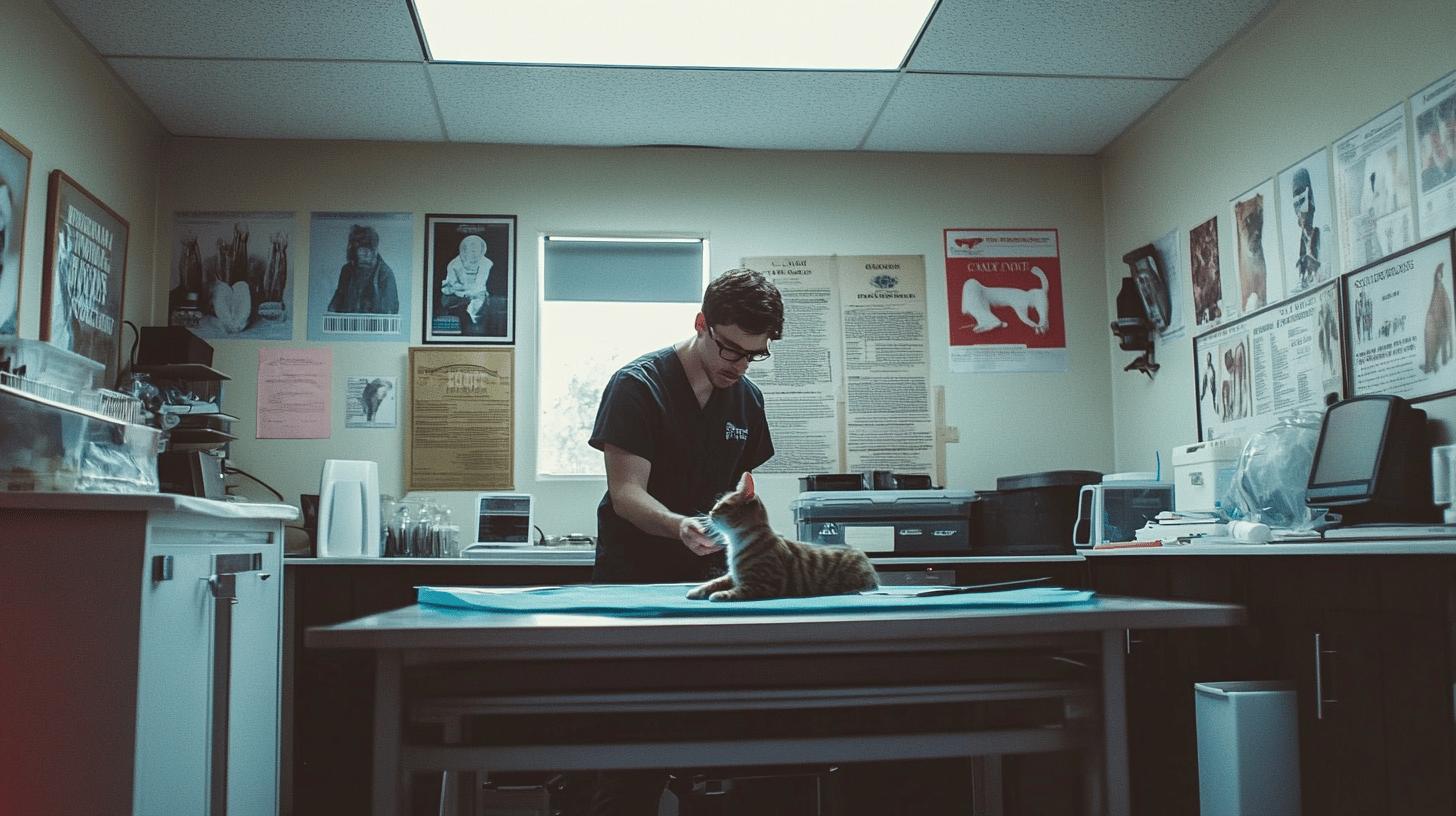
  • Can Cat Eat After Neuter What You Need to Know

    Can Cat Eat After Neuter What You Need to Know

    Did you know that what your cat eats after a neuter surgery can impact its recovery? It's a question every caring cat owner faces. When your feline friend returns from the vet, it may seem less interested in food, leaving you struggling to decide on the right feeding plan. It's normal to wonder how much—and when—to feed your pet after such a significant procedure. In this post, I'll guide you through what to expect and how to carefully reintroduce food to ensure a smooth recovery.

    Post-Surgery Feeding Guidelines for Cats

    Post-Surgery Feeding Guidelines for Cats-1.jpg

    After neutering, cats often experience side effects like nausea and a lack of appetite. This is due to the effects of anesthesia, which can leave them feeling a bit off. You might notice your cat seems lethargic or uninterested in food right after surgery, which is quite normal. Veterinarians typically recommend offering a small amount of food and water the night of the surgery. However, don't be surprised if your cat vomits after consuming it. The key is to be patient and allow your cat some time to recover from the anesthesia.

    What to Watch for Before Feeding Post-Surgery

    • Appetite: Check if your cat shows any interest in food.
    • Nausea: Look for signs of nausea such as drooling or licking lips.
    • Lethargy: Observe your cat’s energy levels; they should gradually improve.
    • Vomiting: Keep an eye out for any vomiting after eating or drinking.
    • Discomfort: Notice if your cat seems uncomfortable or in pain.

    Reintroducing Food Timeline

    1. First 12 hours: Only offer a small amount of water. If your cat seems interested, you can try a tablespoon of wet food. Watch for any signs of nausea or vomiting.
    2. 12-24 hours: Gradually increase the amount of wet food if your cat keeps it down. Still, keep portions small.
    3. 24-48 hours: Start to return to normal feeding amounts if your cat's appetite is returning. Offer regular meals but monitor for any digestive upset.
    4. 48 hours and beyond: By now, your cat should be eating closer to its usual amounts. If appetite is still lacking or if vomiting continues, contact your vet.

    Gradual Reintroduction of Food

    Start by offering small, easily digestible meals. Wet food is often preferable, as it’s gentler on the stomach. Begin with a tablespoon and gradually increase the portion every few hours, depending on how well your cat tolerates it.

    Over a 48-hour period, gradually transition back to your cat’s regular diet. Pay attention to any signs of digestive issues such as diarrhea or continued vomiting. It’s crucial to go at your cat’s pace, ensuring they are comfortably keeping food down before increasing portions.

    Monitoring your cat's weight and adjusting food portions can help maintain a healthy recovery. Since cats are prone to gaining weight post-surgery due to changes in metabolism, portion control becomes even more important. Keep an eye on your cat's body condition and adjust feeding amounts to prevent obesity while ensuring they receive adequate nutrition for healing.

    Post-Surgery Feeding Guidelines for Cats

    Nutritional Needs and Observing Behavior Post-Neuter-1.jpg

    Neutering affects your cat's metabolism, which can lead to weight gain if their diet isn't adjusted. Their energy needs decrease post-surgery, so they don't need as many calories. Keep an eye on their weight and adjust food portions to maintain a healthy balance. After surgery, a decrease in appetite is common, but if it persists with nausea or vomiting beyond 48 hours, contact your vet.

    Reintroducing Food Timeline

    To ensure your cat's health post-neuter, focus on a balanced diet. Here's what to include:

    • Protein: Supports muscle maintenance and overall health.
    • Fiber: Aids digestion and helps prevent constipation.
    • Omega-3 Fatty Acids: Beneficial for skin and coat health.
    • Vitamins and Minerals: Ensure your cat gets a comprehensive array of vitamins and minerals for vitality.
    • Controlled Calories: Adjust portions to prevent weight gain while providing enough energy.

    If your cat seems uninterested in eating, try these appetite-stimulation methods:

    • Warm Up Food: Heating canned food can enhance its aroma, making it more appealing.
    • Offer Variety: Introduce different flavors or textures to entice your cat.
    • Hand-Feeding: Sometimes, a little personal attention can encourage eating.
    • Encourage Play: Engaging in play can stimulate hunger.

    While monitoring recovery, be aware of behavioral changes post-neuter. Cats may appear calmer or reduce roaming behaviors. Watch for persistent signs like a lack of appetite, lethargy, or vomiting. If these symptoms don't resolve in a few days, contact your vet. Observing your cat's behavior ensures a smooth recovery and adaptation to their new dietary needs.

    Final Words

    After surgery, it's key to monitor how cats eat and act. Anesthesia often affects their appetite, and small meals gradually help them back to normal. Be sure to observe for any signs of nausea or vomiting following the surgery.

    Balanced nutrition and proper portion control are essential for recovery and preventing weight gain. Watching their behavior helps catch any issues early.

    Cats might need encouragement to eat, but usually, they're back to their routine quickly. With careful attention, post-surgery recovery goes smoothly, allowing them to eat comfortably after being neutered.

    FAQ

    How soon can a cat eat after neuter surgery?

    A cat can eat after neuter surgery once it has fully woken from anesthesia. Offering a small amount of food the night of surgery is recommended, but expect possible nausea.

    What should male cat behavior look like after neutering?

    Male cats often become calmer after neutering. It might take a few weeks to notice a change as hormone levels decrease, leading to less aggressive and territorial behavior.

    Can my cat eat immediately following surgery?

    Following surgery, allow your cat time to wake and stabilize. Offer a small meal the evening of surgery, monitoring for any symptoms like nausea or vomiting.

    How do I safely pick up my cat after spaying?

    When picking up your cat after spaying, support their chest and back legs to avoid pressure on the incision. Handle them gently to prevent discomfort.

    How long until testosterone is gone after neutering?

    Testosterone levels in male cats drop gradually over weeks after neutering. Behavior changes may begin within a few days to a couple of weeks.

    What are signs of infection after my cat is neutered?

    Signs of infection include redness, swelling, discharge, or a foul smell at the incision site. If your cat shows these symptoms, contact your vet immediately.

    When can my cat stop wearing the cone after neutering?

    Most cats can have their cone removed after 7-10 days, but always follow your vet’s advice. Ensure the incision is healing well before removing the cone.

    What behavior changes might I notice in my female cat after neutering?

    Behavior in female cats may become calmer post-neuter, similar to males. The reduction in mating-related behaviors can make them more affectionate.

    What should I feed my cat after neutering?

    Feed your cat small, easy-to-digest meals post-neutering. Gradually reintroduce regular food over a few days while monitoring appetite and digestion.

    What should I avoid doing after my cat is neutered?

    After neutering, avoid rigorous play, bathing, and allowing your cat outdoors. Keeping them calm and comfortable aids in a smooth recovery.

    Related Articles

  • Can Cat Eat Candy Understanding the Risks for Feline Health

    Can Cat Eat Candy Understanding the Risks for Feline Health

    Can cats eat candy? It might seem harmless when your cat eyes that colorful treat, but candy can pose serious risks to feline health. Unlike humans, cats don't need carbs and can't taste sugar. So, offering them candy doesn't just lack benefits—it's potentially harmful. Many candies contain ingredients like chocolate and artificial sweeteners that are toxic to cats. These can lead to dangerous health problems. If you cherish your cat's health, keeping candy out of reach is crucial. Let's explore why candy isn't a safe or suitable choice for your furry friend.

    Can Cats Eat Candy? Understanding the Risks and Dangers

    Can Cats Eat Candy Understanding the Risks and Dangers-1.jpg

    Cats are obligate carnivores, designed by nature to thrive on a diet rich in protein and devoid of carbohydrates. Unlike humans, cats have no biological need for carbohydrates, and they are "sweet blind," meaning they lack the ability to taste sugar. This makes candy and other sugary treats not only unappealing but also unsuitable for their dietary needs. Feeding candy to cats does not provide any nutritional benefits and can potentially harm their health.

    Candy often contains ingredients that are toxic to cats. Chocolate, a popular candy ingredient, is particularly dangerous because it contains caffeine and theobromine, both of which are harmful to cats. Even small amounts can lead to severe health issues such as tremors, seizures, or even death in extreme cases. Additionally, artificial sweeteners like xylitol, commonly used in sugar-free candies, can cause serious health problems. While not as toxic to cats as to dogs, xylitol should still be avoided since its effects can be harmful in large doses.

    High sugar candies are also problematic for cats. Unlike humans, cats cannot effectively metabolize large amounts of carbohydrates, which can lead to digestive issues such as vomiting and diarrhea. Over time, a diet with excessive carbohydrates can contribute to obesity and related health problems, including diabetes. This makes candy a poor choice for cat snacks, as it does not align with their natural dietary requirements.

    To ensure the health and well-being of your feline friend, it's important to keep human foods like candy out of their reach. Cats require a diet that is specifically formulated to meet their unique nutritional needs. Offering treats that are designed for cats is a safer and healthier alternative. These treats provide the necessary nutrients without the risks associated with human foods, helping maintain a balanced and nutritious diet for your pet.

    Symptoms of Candy Ingestion in Cats

    Symptoms of Candy Ingestion in Cats-1.jpg

    When a cat consumes candy, it may exhibit several unpleasant symptoms. Common signs include vomiting and diarrhea, both of which can indicate that your cat's digestive system is trying to expel something toxic. These symptoms can occur relatively quickly, depending on the type of candy ingested. While these initial signs might seem minor, they can escalate if the candy contains harmful ingredients like chocolate or raisins.

    • Vomiting
    • Diarrhea
    • Tremors
    • Seizures
    • Potential kidney failure

    The severity of symptoms can vary greatly. Chocolate ingestion, for instance, can lead to tremors or seizures, which are serious conditions that require immediate attention. In extreme cases, ingestion can even be fatal. Raisins, often found in some candies, can cause potential kidney failure. Monitoring your cat's behavior after suspected candy ingestion is crucial. If you notice any of these symptoms, it's important to seek veterinary care promptly to prevent further complications and ensure your cat's safety.

    Immediate Actions: What to Do If Your Cat Consumes Candy

    Immediate Actions What to Do If Your Cat Consumes Candy-2.jpg

    Quick action is essential if your cat consumes candy, especially if it contains toxic ingredients like chocolate. It's crucial to contact your veterinarian immediately to assess the situation. Even small amounts of chocolate can be harmful due to the presence of caffeine and theobromine. Similarly, small, hard candies can pose a choking hazard, obstructing the cat's airway and requiring immediate veterinary attention. Acting swiftly can make a significant difference in preventing serious health issues or even saving your cat's life.

    1. Contact your veterinarian immediately.
    2. Monitor your cat for symptoms.
    3. Do not induce vomiting unless instructed by a vet.
    4. Prepare for an emergency vet visit if necessary.

    Veterinarians might use various treatments depending on the severity of the situation. They may induce vomiting or perform stomach flushing to remove the harmful substance from your cat's system. In cases of choking, the vet will take necessary measures to clear the airway. The treatment plan will aim to stabilize your cat's condition and prevent further complications. Always follow your vet's instructions closely to ensure the best outcome for your feline friend.

    Safer Alternatives: Healthy Treats for Cats

    Safer Alternatives Healthy Treats for Cats-1.jpg

    Instead of giving your cat candy, which can be harmful, consider offering safe and nutritious treats that align with their dietary needs. Cats thrive on protein-rich foods, so savory options are a great choice. You can provide small amounts of cooked meat or specially formulated cat treats that cater to their nutritional requirements. This ensures your feline friend enjoys tasty snacks without the risks associated with sugary candies.

    • Cooked chicken
    • Cooked turkey
    • Catnip
    • Specially formulated cat treats
    • High-quality wet cat food

    These alternatives not only satisfy your cat's cravings but also contribute to their overall health. High-quality wet cat food closely resembles a cat's natural diet, providing essential nutrients without unnecessary carbohydrates. By choosing these safe snacks, you help maintain your cat's health, support their energy levels, and promote a balanced diet. Keeping your cat's treats aligned with their nutritional needs ensures they stay happy and healthy.

    Final Words

    Cats and candy simply don't mix. Understanding the risks involves recognizing the lack of nutritional value and potential dangers, like toxic ingredients. If a cat consumed candy, it could lead to symptoms such as vomiting or more severe health issues. Always act swiftly if this happens to ensure your cat's safety.

    Remember, there are safer, healthier treat options available that cater to your cat’s dietary needs. By sticking to these, we're ensuring their happiness and health. Keeping our feline friends safe makes every purr and playful paw so much more rewarding.

    FAQ

    Can cats eat candy?

    A: Cats should not eat candy. Many candies contain toxic ingredients like chocolate or artificial sweeteners, which are harmful to cats. Cats are obligate carnivores and don’t need carbohydrates or sugary foods.

    What happens if my cat eats candy?

    A: If your cat eats candy, they may experience vomiting, diarrhea, or more severe symptoms depending on the candy type. It's best to contact a veterinarian for advice.

    Can cats eat chocolate?

    A: No, chocolate is toxic to cats. It contains caffeine and theobromine, which can cause tremors, seizures, or even death in severe cases.

    What happens if a cat eats sugar?

    A: Sugar isn't directly harmful but provides no nutritional benefit. Cats cannot process carbohydrates effectively, and too much sugar could upset their stomach.

    Is it OK for cats to eat sweets?

    A: It's not safe for cats to eat sweets. Their limited ability to taste sugar means these foods offer no benefit and may contain harmful ingredients.

    Can cats eat cookies without chocolate?

    A: Cookies without chocolate may still be unsafe due to high sugar content. Consult with a veterinarian before offering non-traditional treats to cats.

    Is sugar good for sick cats?

    A: No, sugar isn't beneficial for sick cats. A proper diet recommended by a vet is the best practice for ailing cats.

    Can cats eat Skittles or Sour Patch Kids?

    A: Cats should not eat Skittles or Sour Patch Kids. These candies contain sugar and artificial ingredients that are not suitable for a cat's diet.

    What should I do if my cat eats candy?

    A: If your cat eats candy, act quickly. Contact a veterinarian immediately, monitor your cat, and prepare for a possible emergency visit.

    What are some safe alternatives to candy for cats?

    A: Offer your cat these safe snacks: cooked chicken, cooked turkey, catnip, specially formulated cat treats, and high-quality wet cat food. These options support health and mimic their natural diet.

    Related Articles

  • Can Cat Eat Crab Meat Safely and Nutritionally

    Can Cat Eat Crab Meat Safely and Nutritionally

    Ever wondered if those scrumptious crab legs you enjoy could be a tasty treat for your cat? Crab meat can be a safe, nutritious option for your feline friend when given in moderation. It’s low in mercury and boasts lean protein, making it a purr-fect occasional snack. But, it’s important to be cautious. Fresh, thoroughly cooked crab without seasonings ensures safety and avoids digestive upsets. Dive into this guide to explore the pros and cons of feeding crab to your cat and how to treat them safely.

    Can Cats Safely Eat Crab Meat?

    Can Cats Safely Eat Crab Meat-1.jpg

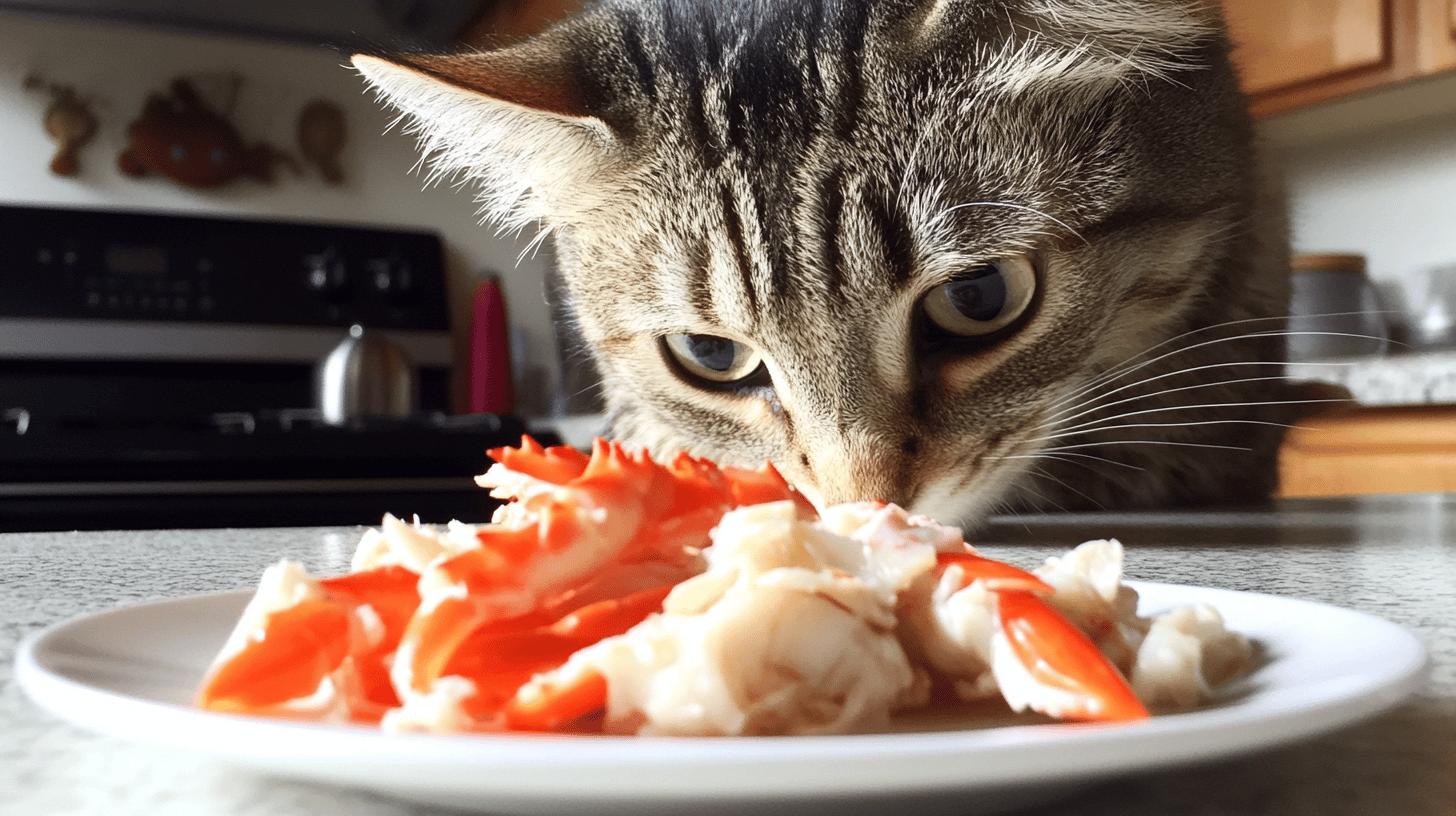
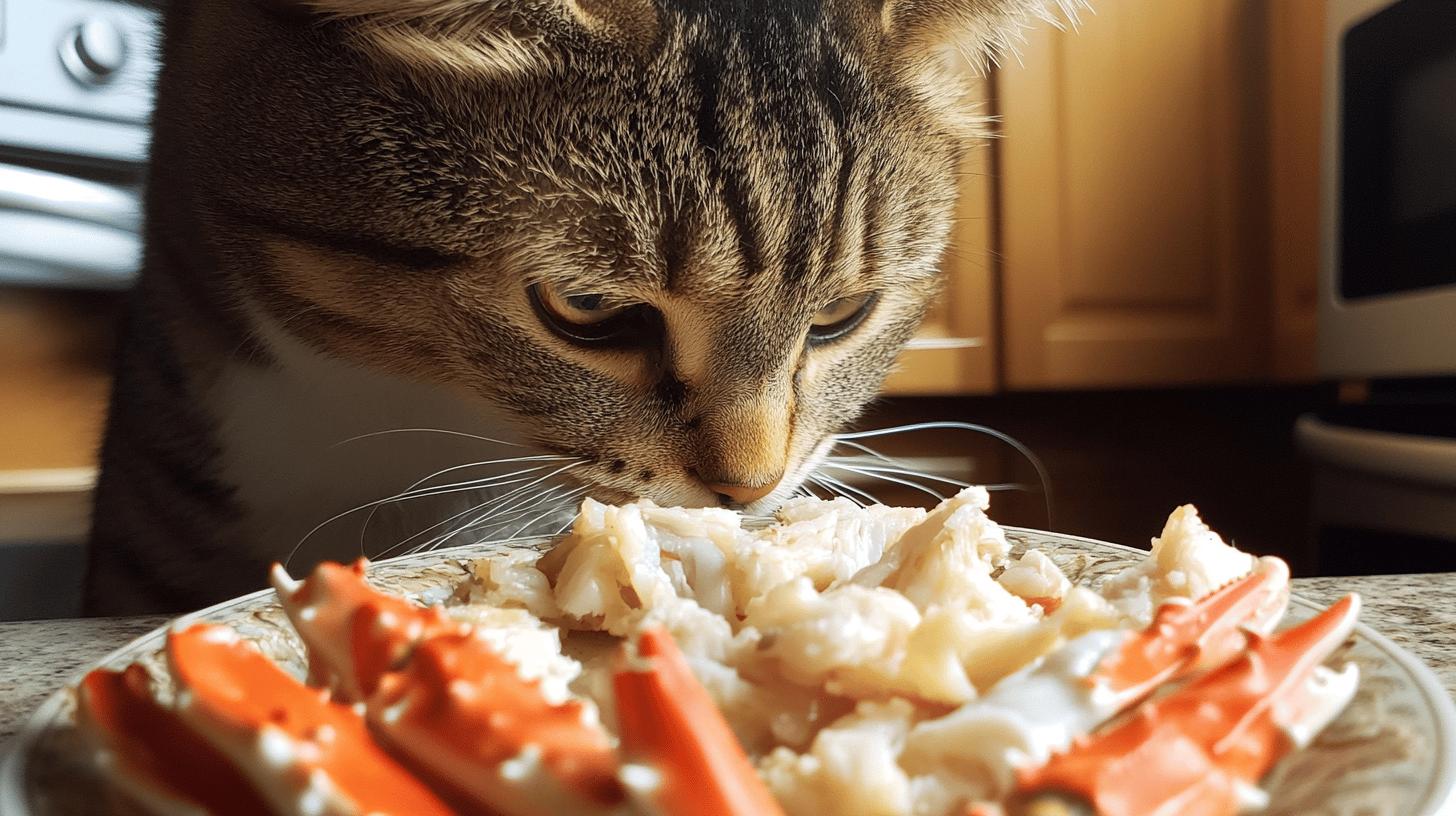
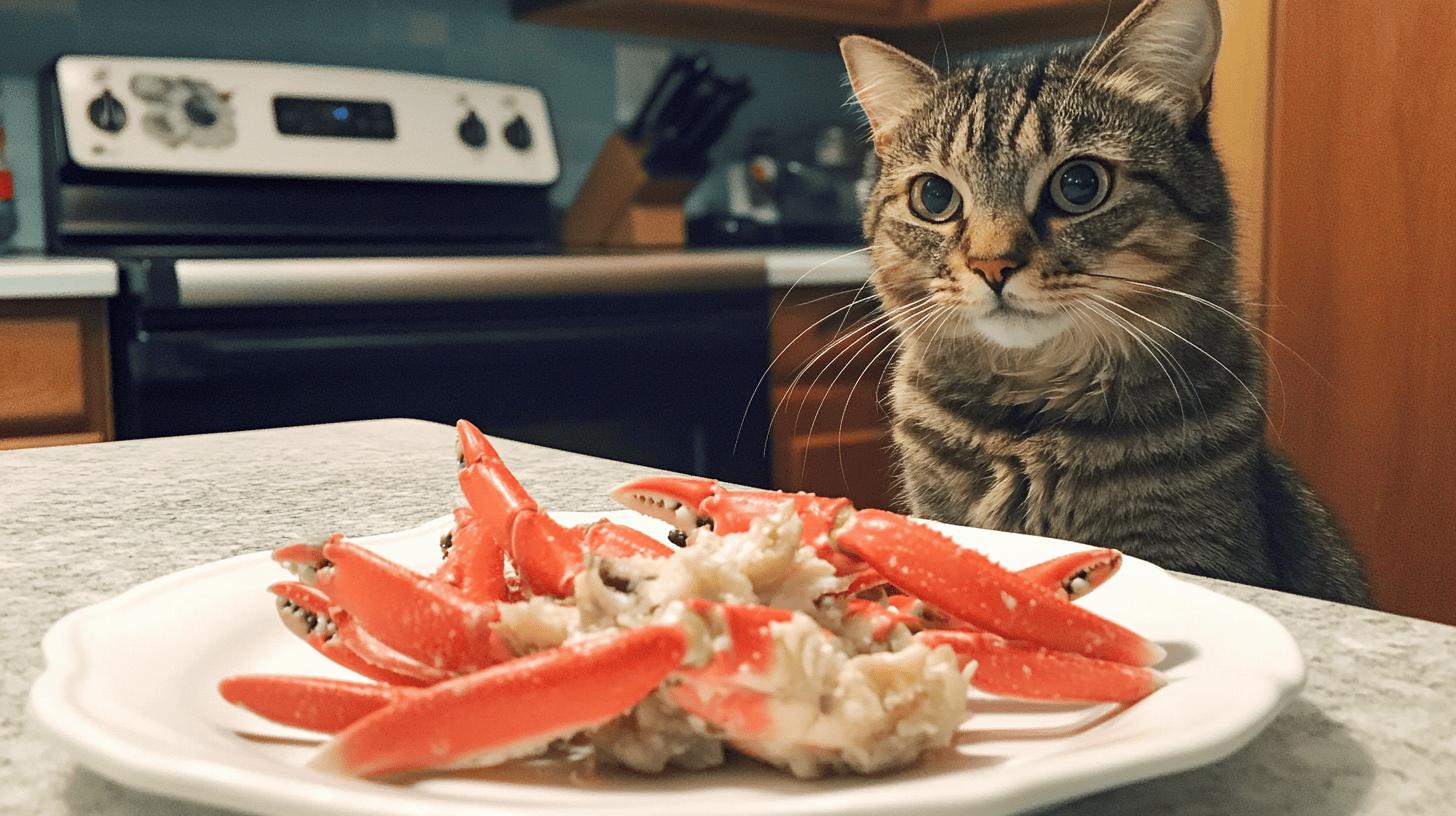
    Crab meat can be a safe treat for cats when fed in moderation. One of the appealing aspects of crab meat is its relatively low mercury content compared to other seafood, making it a safer option for your furry friend. However, to ensure safety, it’s essential that the crab is fresh and thoroughly cooked. Cooking the crab meat helps eliminate the risk of harmful bacteria, such as Salmonella or Listeria, which can lead to foodborne illnesses. When considering crab for your cat, avoid adding any seasonings or spices, as these can be harmful to feline health. Always ensure the crab is plain and free from any added ingredients.

    • Potential health risks from improperly prepared crab meat:
      • Presence of harmful bacteria like Salmonella or Listeria.
      • Potential for foodborne illnesses.
      • Choking hazards from shell fragments.
      • Digestive upset from seasonings or additives.
      • Risk of mercury exposure from frequent feeding.

    Moderation is key when introducing crab meat into your cat’s diet. While it can provide nutritional benefits, crab should not become a regular part of their meals. Instead, use it as an occasional treat to enhance their diet without overloading on seafood. Always prioritize safe preparation methods, ensuring the crab is cooked thoroughly and all shells are removed to prevent choking hazards. This approach helps keep your cat happy and healthy while enjoying a tasty seafood treat.

    Nutritional Benefits of Crab Meat for Cats

    Nutritional Benefits of Crab Meat for Cats-1.jpg

    Crab meat is an enticing treat for cats, thanks to its unique taste and texture. It’s packed with lean protein, making it a fantastic source of essential nutrients for your feline friend. In addition to protein, crab meat is rich in omega-3 fatty acids, which are excellent for maintaining a healthy coat and skin. The presence of zinc and selenium further enhances its nutritional profile, contributing to overall immune function and cellular health.

    • Nutritional elements in crab meat:
      • Lean Protein: Supports muscle development and repair.
      • Omega-3 Fatty Acids: Promotes healthy skin and a shiny coat.
      • Zinc: Aids in immune function and wound healing.
      • Selenium: Provides antioxidant benefits that protect cells.

    While crab meat offers several nutritional benefits, it should only be an occasional part of your cat’s diet. Given its richness, incorporating too much can lead to nutritional imbalances. Offering crab as a treat every now and then can be a delightful way to supplement your cat’s regular diet, ensuring they enjoy the benefits without the risk of overconsumption. Always remember that a balanced diet is key to keeping your cat healthy and happy.

    Can Cats Safely Eat Crab Meat?

    Preparing Crab Meat for Cats-1.jpg

    When serving crab meat to your cat, their safety is a top priority. Thoroughly cook the crab meat to eliminate any harmful microorganisms. Cooking also aids in digestion. After cooking, meticulously remove all shells to prevent choking hazards and digestive issues. It’s important to keep the crab meat plain and avoid seasonings, spices, or sauces, as these can lead to digestive upset or toxicity.

    Preparation Step Reason
    Cook the crab meat Eliminates harmful microorganisms
    Remove all shells Prevents choking hazards and digestive issues
    Avoid seasonings Prevents digestive upset and toxicity

    Common mistakes include overlooking thorough cooking and shell removal. Pet owners often underestimate the risk of shell fragments, which can cause serious health problems. Assuming small amounts of seasoning are safe is another frequent error, but even minimal seasoning can be dangerous. Serving crab meat plain and simple ensures a safe treat for your cat without health risks.

    Managing Allergies and Sensitivities to Crab

    Crab allergies in cats are rare but can occur, making it important to watch for any unusual reactions when introducing crab meat to your pet’s diet. Cats can develop sensitivities to seafood, including crab, which may lead to allergic responses. Despite their rarity, these allergies can manifest with distressing symptoms, so pet owners should remain vigilant. When you first offer crab meat to your cat, monitor them closely for any signs of discomfort or adverse reactions. Immediate attention to any symptoms can help prevent more serious health issues from developing.

    • Common allergy symptoms to monitor:
      • Vomiting or diarrhea
      • Itchiness or skin irritation
      • Respiratory distress or difficulty breathing
      • Swelling around the face or paws

    To reduce the risk of allergy development, start by offering a small amount of crab meat and watch for any reactions over the next 24 hours. If your cat exhibits any of these symptoms, discontinue feeding crab and consult your veterinarian for guidance. They can help determine if your cat has a seafood allergy and advise on appropriate dietary adjustments. Always prioritize your cat’s well-being by introducing new foods gradually and under professional supervision.

    Alternatives to Crab Meat for Cats

    Alternatives to Crab Meat for Cats-1.jpg

    Variety is crucial in a cat’s diet to ensure they receive a balanced mix of nutrients. While crab meat can be a tasty treat, offering a range of other protein sources can help maintain your cat’s health and prevent dietary monotony. By diversifying their diet, you can provide your cat with the essential nutrients they need without relying solely on crab.

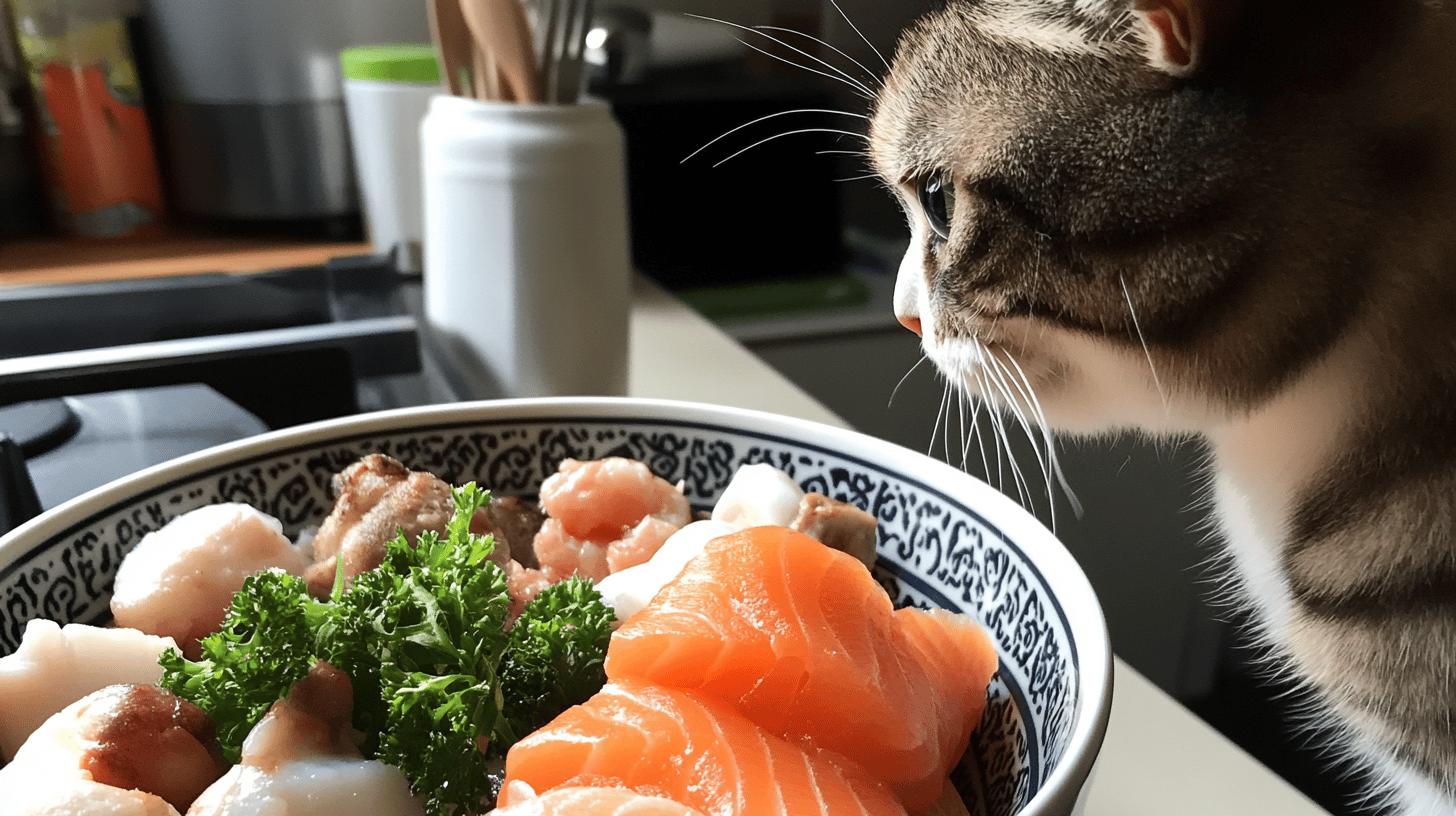
    Seafood options like salmon and tuna serve as excellent alternatives to crab meat. Both of these fish are rich in protein and omega-3 fatty acids, which support a healthy coat and skin. When choosing seafood for your cat, make sure it’s thoroughly cooked and free of any seasonings or additives. Salmon is particularly beneficial due to its high levels of vitamin D and B vitamins, which contribute to overall vitality. Tuna, while flavorful and rich in nutrients, should be offered sparingly to avoid potential mercury exposure.

    Non-seafood protein sources like poultry, beef, venison, or rabbit also provide valuable nutrition and can be great treats for cats. Chicken and turkey are lean meats that are easy to digest and high in protein. Beef offers a savory flavor that many cats enjoy, along with essential amino acids. Venison and rabbit are less common but can be ideal for cats with food sensitivities or allergies, offering novel proteins that are less likely to trigger reactions. By incorporating a variety of these protein sources, you can help ensure your cat’s diet is balanced and nutritionally complete.

    Final Words

    Crab meat can be a tasty treat for cats, offering lean protein and essential nutrients like omega-3 fatty acids and zinc. When preparing crab, I make sure it’s cooked and free from shells to keep it safe. Being aware of potential allergies is crucial, even though they are rare. I look out for symptoms like vomiting or itchiness after serving crab meat. If you’re considering giving your feline friend crab, remember to do so in moderation. This helps ensure that the treat is enjoyable and safe for your cat.

    FAQ

    Can cats eat crab meat?

    Crab meat is safe for cats to eat in moderation if cooked properly to remove harmful bacteria. Always make sure the crab is fresh and free from any added seasonings.

    Can cats eat crab meat raw?

    Cats should not eat raw crab meat. Raw crab may contain harmful bacteria like Salmonella or Listeria, which can cause health issues in cats.

    Is crab meat good for cats?

    Crab meat offers nutritional benefits like lean protein and omega-3 fatty acids. However, it should be an occasional treat and not a staple in a cat’s diet.

    What meats should cats not eat?

    Cats should avoid meats that are processed or seasoned, as well as raw meats that can contain harmful bacteria. Stick to cooked, unseasoned meats for safety.

    Is imitation crab safe for cats to eat?

    Imitation crab is not recommended for cats due to additives and lower nutritional value compared to real crab meat. Stick to real, cooked crab meat if offering seafood.

    Can cats eat crab sticks?

    Cats should avoid crab sticks, as they often contain additives and preservatives that aren’t ideal for feline consumption.

    Can cats eat crab legs?

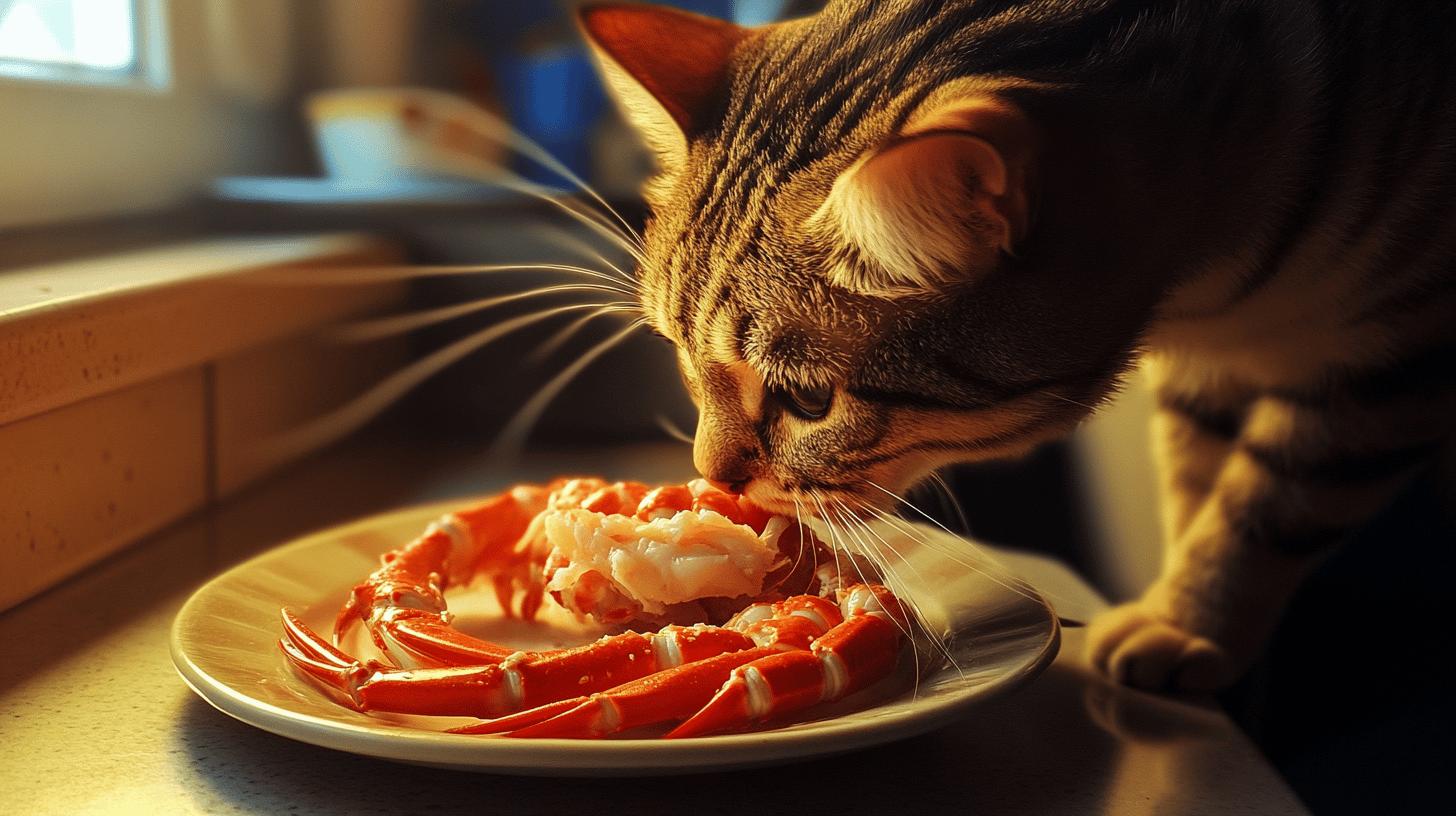
    Cats can eat crab leg meat if it is cooked and the shells are completely removed. Shells can be a choking hazard and should be carefully discarded.

    Can cats have canned crab meat?

    Canned crab meat can be given to cats if it’s in water, without added seasoning or salt. Ensure it’s properly drained before serving.

    What seafoods can cats eat?

    Cats can safely eat small portions of cooked seafood like salmon, tuna, and crab. These provide protein and omega-3 fatty acids, but should be served without seasoning.

    Related Articles

  • Can Cats Eat Raw Steak Safely Understanding Risks and Benefits

    Can Cats Eat Raw Steak Safely Understanding Risks and Benefits

    Ever wondered if Fluffy can munch on raw steak like a wild feline? Many cat owners toy with the idea, considering the benefits of a protein-packed diet that seems natural for their meat-loving pets. But is it safe for your whiskered friend? In this blog post, we'll dive into the health risks and benefits of raw steak for cats. We'll explore the potential dangers lurking in uncooked meat and why some experts are divided on this raw food craze. Let's uncover if this tempting treat is a purr-fect choice or a risky gamble.

    Can Cats Safely Eat Raw Steak?

    Can Cats Safely Eat Raw Steak-1.jpg

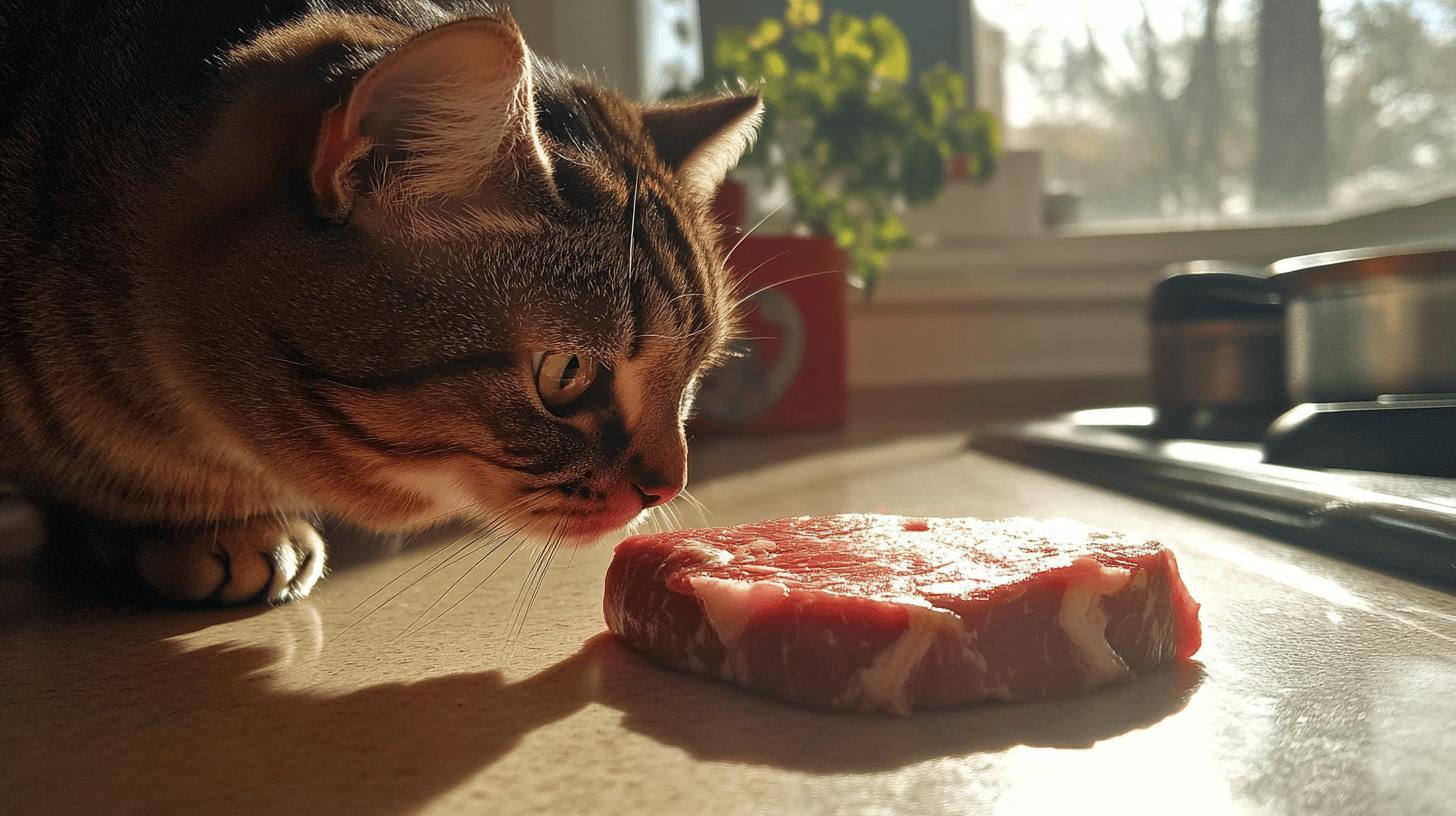
    Cats, being obligate carnivores, naturally gravitate towards meat, making raw steak an appealing option for their diet. The taste and texture of raw meat can be enticing for many cats, and some pet owners believe it aligns closely with a cat's ancestral eating habits. The idea is that raw steak might provide the protein and nutrients cats need, but caution is essential.

    Feeding raw steak carries significant bacterial risks that can jeopardize your feline friend's health. Raw meat can harbor harmful bacteria such as Salmonella, E. coli, and Listeria. These pathogens can cause severe illnesses in cats, leading to gastrointestinal distress and other health complications. Additionally, parasites like Toxoplasma gondii, which can be present in raw meat, pose a threat, especially to kittens, elderly cats, and those with weakened immune systems.

    Veterinary experts have mixed views on feeding raw steak. While some observe benefits in pets on raw meat-based diets (RMBDs), such as improved coat quality and higher energy levels, the risks associated with bacterial contamination and nutritional imbalances can't be ignored. Dr. Jane Smith, a renowned veterinarian, notes, "While raw diets are popular, the potential for harmful bacteria makes it crucial to approach with caution, especially for indoor cats."

    Symptoms that may indicate a cat is suffering from a bacterial infection due to consuming raw meat include:

    1. Vomiting
    2. Diarrhea
    3. Lethargy
    4. Dehydration
    5. Loss of appetite

    It's crucial to consult a veterinarian before introducing raw steak into your cat's diet. A vet can help tailor a dietary plan that meets your cat's nutritional needs while minimizing health risks. Personalized guidance ensures that any dietary changes are safe and beneficial for your cat's overall well-being.

    Nutritional Value of Raw Steak for Cats

    Nutritional Value of Raw Steak for Cats-1.jpg

    Steak is an excellent source of high-quality protein, which is essential for cats. As obligate carnivores, cats rely heavily on protein for the development and maintenance of their muscles and organs. Protein from steak provides the amino acids necessary for various bodily functions, supporting overall health and vitality.

    Beyond protein, steak is packed with other crucial nutrients that contribute to a balanced feline diet. It contains iron, which is vital for oxygen transport in the blood, and zinc, which supports immune function and skin health. Phosphorus plays a role in bone health, while B vitamins found in steak help with energy metabolism and maintaining a healthy nervous system.

    Taurine, an essential amino acid for cats, is not adequately supplied by steak alone. While steak does contribute some amino acids, cats require taurine for vision, heart function, and reproductive health. Without sufficient taurine, cats can experience serious health issues, underscoring the importance of a diet that includes a variety of amino acids.

    However, relying solely on raw steak can lead to nutritional shortfalls:

    • Lack of taurine: Essential for heart and eye health.
    • Insufficient calcium: Needed for bone health.
    • Vitamin deficiencies: Such as vitamin A and E, crucial for overall health.
    • Imbalanced fatty acids: Leading to poor coat quality and skin issues.

    Ensuring your cat receives a balanced diet is key to preventing these deficiencies and maintaining their health.

    Alternatives to Raw Steak for Cats

    Alternatives to Raw Steak for Cats-1.jpg

    Commercial cat foods offer a practical and safe alternative to raw steak, crafted to mirror the nutrient profile of a cat's natural diet while eliminating the risks associated with bacterial contamination. These formulated foods ensure your cat receives a balanced intake of proteins, vitamins, and minerals without the safety concerns of raw meat. Many of these products are designed to meet all of a cat's nutritional needs, providing peace of mind for pet owners.

    Here are some alternative protein sources and feeding methods to consider:

    • High-quality commercial cat food: These products are specifically designed to deliver complete nutrition and often include ingredients that mimic a cat's natural diet.
    • Gently cooked homemade meals: Cooking meat slightly can eliminate bacteria while maintaining nutrient content, offering a safe way to feed your cat.
    • Freeze-dried or dehydrated raw foods: These options preserve the nutritional benefits of raw meat while reducing bacterial risks through the drying process.
    • Supplementing with other proteins like rabbit or poultry: Diversifying protein sources can ensure a balanced diet and reduce the reliance on steak.

    Safe food handling and storage are crucial in maintaining your cat's health. Always wash your hands thoroughly after handling raw meat, and ensure that any surfaces or utensils used are properly cleaned. Store meat at the correct temperature to prevent spoilage, and be cautious about cross-contamination with other foods. By following these practices, you can keep your cat safe and healthy while exploring various dietary options.

    Guidelines for Introducing Raw Steak in a Cat's Diet

    Guidelines for Introducing Raw Steak in a Cats Diet-2.jpg

    When considering raw steak for your cat, the quality of the meat is crucial. Only use steak that is fresh and sourced from reputable suppliers to minimize the risk of contamination. Proper handling is essential to prevent cross-contamination, keeping both you and your cat safe.

    Transitioning your cat to a raw diet should be done gradually. Follow these steps for a smooth transition:

    • Start with small portions to see how your cat reacts.
    • Gradually increase raw steak intake over time.
    • Monitor for digestive issues such as vomiting or diarrhea.
    • Ensure nutritional balance by adding necessary supplements.
    • Regular vet check-ups to assess health and diet are essential.

    Always observe your cat closely for any signs of adverse reactions or changes in behavior when introducing raw steak. This careful monitoring will help ensure your cat's dietary transition is both safe and beneficial.

    Final Words

    I've taken you through the potential risks and benefits of letting your cat eat raw steak, including the dangers of bacterial infections and the nutritional benefits steak offers. While raw steak provides essential nutrients for cats, it's also clear that it poses health risks, especially if ingested raw.

    Balancing your cat's diet with safe and nutritious alternatives is key. Don't forget to handle food safely to avoid contamination. Consulting a vet is vital before making any changes. By understanding how to keep our cats healthy, we can enjoy watching them thrive!

    FAQ

    Can cats eat raw steak?

    A: Cats can eat raw steak, but it's risky due to potential bacterial contamination with Salmonella, E. coli, and Listeria. Consult a vet first, especially if the cat is a kitten or has a compromised immune system.

    Can I give my cat a little bit of steak?

    A: Yes, cats can have a little steak, but it should be fresh and high-quality. Raw steak poses bacterial risks, so cooked is safer. Always consult a vet for portion advice.

    Can cats eat undercooked steak?

    A: Undercooked steak risks bacterial infection in cats. It's safer to give fully cooked steak to minimize the risk.

    Do cats prefer cooked or raw meat?

    A: Cats might show preference for either, but cooked meat is safer due to reduced bacterial risks. For balanced nutrition, consult a vet.

    Can cats eat raw meat every day?

    A: Daily feeding of raw meat can expose cats to bacteria and nutritional imbalances. Consult your vet for a balanced diet plan.

    Can cats eat raw chicken?

    A: Cats can eat raw chicken, yet like raw steak, it carries health risks. Consult a vet about introducing raw meat safely.

    Can cats eat raw egg?

    A: Raw eggs can pose a risk of Salmonella for cats. Cooked eggs are a safer option.

    Is raw steak safe for cats from the grocery store?

    A: Grocery store raw steak can carry bacteria harmful to cats. Always consult a vet for guidance before feeding it.

    Can cats eat raw beef mince?

    A: Raw beef mince can be fed to cats but carries similar bacterial risks as other raw meats. Always oversee feline dietary changes with a vet's advice.

    Related Articles

  • Can Cat Eat Pickle Risks and Safe Alternatives

    Can Cat Eat Pickle Risks and Safe Alternatives

    Ever catch your cat eyeing your pickle with curiosity? While it might seem harmless to share, pickles are not a cat-friendly snack. Cats thrive on a diet full of protein, and pickles, with their salty and spicy brine, just don't fit the bill.

    Loaded with ingredients like garlic and onions, which are toxic to cats, and excessive salt that can lead to serious health issues, pickles pose more risks than benefits. So, before you treat your feline friend to a crunchy bite, consider safer alternatives that won't compromise their health.

    Why Pickles Are Not Suitable for Cats

    Why Pickles Are Not Suitable for Cats-1.jpg

    Cats are obligate carnivores, meaning their nutritional needs are met primarily through a diet rich in animal-based proteins. Pickles, on the other hand, offer no nutritional benefits for cats. They are cucumbers preserved in a brine made of salt, vinegar, and spices, none of which contribute to a cat's dietary needs.

    When considering whether a cat can eat pickle, it's clear that the answer leans heavily towards no. These ingredients do not align with a diet that supports cat health, and including them in a cat's diet can lead to unnecessary health risks.

    One of the biggest concerns with pickles is the presence of toxic ingredients such as garlic and onions. These ingredients are often used in the pickling process and are known to be harmful to cats. Garlic and onion can cause oxidative damage to a cat's red blood cells, leading to a condition known as hemolytic anemia.

    This condition reduces a cat's ability to transport oxygen effectively, resulting in weakness and lethargy. Thus, the answer to the question, "Is pickle safe for cats?" is a resounding no, especially due to these potentially dangerous components.

    The high sodium content in pickles is another reason why they are not suitable for cats. Cats have a much lower tolerance for salt than humans, and ingesting salty foods can lead to dehydration and increased thirst.

    In severe cases, excessive sodium intake can result in sodium ion poisoning, which manifests as symptoms like vomiting, diarrhea, and even seizures. Thus, the impact of pickles on cats, particularly due to their saltiness, can be quite detrimental.

    Additionally, vinegar and other spices found in pickles can upset a cat's sensitive digestive system. Vinegar may lead to stomach irritation, causing symptoms like vomiting or diarrhea.

    Other spices, which might seem harmless to humans, can exacerbate these issues, further proving that pickles are not a good choice for feline consumption. Cats thrive on simple diets, and introducing complex flavors or acidic substances can disrupt their digestive harmony.

    In conclusion, feeding pickles to cats can pose several health risks that outweigh any curiosity-driven reasons for offering them this human snack. Cats require a diet that supports their unique nutritional needs, and pickles simply do not fit that requirement.

    From toxic ingredients to high salt levels, the broader health implications are clear—pickles should be kept off the menu for our feline friends. For those considering offering their cats human foods, ensuring that such foods meet their dietary needs is crucial for maintaining optimal cat health.

    • Dehydration and excessive thirst
    • Stomach upset, vomiting, or diarrhea
    • Risk of anemia due to garlic/onion toxicity

    What to Do If Your Cat Eats a Pickle

    What to Do If Your Cat Eats a Pickle-2.jpg

    If your cat has managed to nibble on a pickle, it's time to take immediate action. First, make sure your cat has access to plenty of fresh water. This helps counteract the high salt content in pickles, reducing the risk of dehydration.

    Next, keep a close eye on your furry friend. Look for any signs of distress, such as vomiting, diarrhea, or unusual behavior. These symptoms could indicate an adverse reaction to the pickle's ingredients. Although a small lick of pickle juice may not cause immediate harm, it is wise to err on the side of caution given the potential health risks.

    In the event that your cat shows any unusual symptoms after consuming a pickle, reaching out to a veterinarian should be your next step. Vets can provide expert advice on how to handle the situation and whether any further action is necessary. They can also advise on safe dietary practices moving forward. It’s always better to be proactive in monitoring cat health. Swift action can prevent small incidents from turning into emergencies.

    Action Reason
    Provide water To prevent dehydration
    Monitor symptoms To ensure no adverse health effects

    Cat-Friendly Alternatives to Pickles

    Cat-Friendly Alternatives to Pickles-3.jpg

    When seeking cat-friendly foods, it's essential to focus on options that align with a cat's natural dietary needs. Cats are obligate carnivores, which means their diet should be primarily composed of meat.

    While pickles are not suitable for cats, there are several safe feeding practices and alternative cat snacks that can make excellent treats. Offering human foods to cats can be a delightful bonding experience, provided these foods are safe and nutritious.

    Cooked meats such as plain chicken or turkey can be fantastic treats for cats. These meats are high in protein, which is vital for maintaining a cat's health. Tiny bits of tuna or salmon are also excellent choices, offering omega-3 fatty acids that benefit a cat's coat and skin.

    When giving these meats to your cat, it's crucial to do so in moderation to avoid overfeeding and ensure a balanced diet. Avoid any seasoning, sauces, or oils that could harm your cat.

    For those looking for a hydrating, low-calorie treat, cucumbers are a safe choice. Unlike pickles, cucumbers do not contain harmful ingredients like excess salt or spices. Fresh, washed cucumbers can be given in small amounts, providing hydration and a bit of crunch that some cats enjoy.

    While cucumbers don't offer significant nutritional value, they can be a fun and safe alternative to typical cat treats.

    • Plain cooked chicken
    • Turkey
    • Tiny bits of tuna or salmon
    • Fresh, washed cucumbers

    Final Words

    Understanding whether a cat can eat a pickle is crucial for ensuring their health. Pickles pose several risks, from high sodium causing dehydration, to spices leading to anemia. Cats thrive on a meat-based diet and pickles don't offer nutritional benefits.

    If a cat eats a pickle, provide water and monitor for symptoms like vomiting. Seeking vet advice is key if any issues arise.

    Opt for safe treats like plain chicken or cucumbers to keep your cat healthy. Making informed choices ensures your feline friend stays happy and well.

    FAQ

    Can cats eat pickle juice?

    Pickle juice is not safe for cats. Its high sodium content can lead to dehydration or salt poisoning, which is harmful to cat health.

    Can cats eat pickle seeds?

    Cats should avoid pickle seeds. Seeds may contain sodium and spices that are unhealthy for cats.

    My cat licked a pickle, what should I do?

    If your cat licked a pickle, offer water and watch for signs of distress. Pickle ingredients can upset a cat's stomach.

    Can cats have mayo?

    Small amounts of mayo aren't harmful to cats, but it's high in fat and not ideal for regular consumption.

    Can cats eat pickle chips?

    Pickle chips are not safe for cats. They contain harmful sodium and spices that can cause health issues.

    Can dogs have pickles?

    Dogs should avoid pickles due to high sodium levels and spices like onions and garlic that aren't good for them.

    Can cats eat cucumbers?

    Cucumbers are safe for cats in moderation. They are a healthy, hydrating snack when fresh and washed.

    What can cats eat?

    Cats can eat cat-specific products and small amounts of plain cooked meat like chicken or turkey. Avoid spices and high sodium foods.

    Are pickles safe for pets?

    Pickles are not safe for pets, including cats and dogs, due to high sodium content and toxic spices like garlic.

    What happens if a cat eats dill?

    Consuming dill in small amounts is not harmful to cats, but it lacks nutritional benefits. Watch for any unusual reactions.

    Can cats have dill pickle lays?

    Dill pickle-flavored foods contain spices and salt that are not safe for cats. Avoid giving them to your cat.

    Is vinegar safe for cats to eat?

    Vinegar in small amounts isn't toxic to cats but can upset their stomach. It's best to avoid feeding vinegar to cats.

    Related Articles